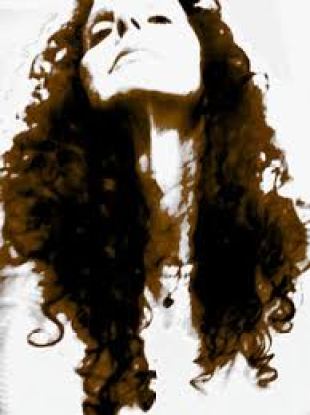
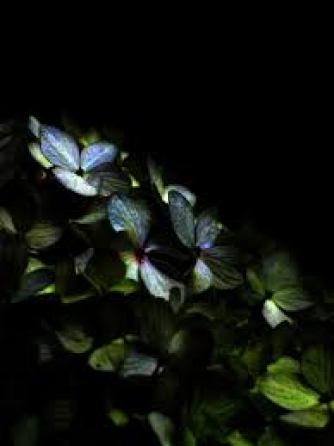
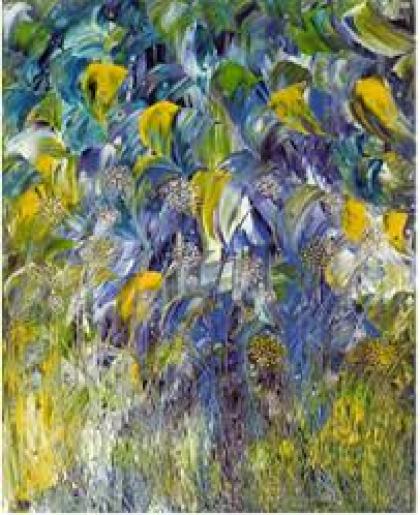
Entre los pintores latinoamericanos más exitosos, la forma de Sandra Beraha se compara con impresionistas anteriores, pero su uso de medios creativos, que incluyen tinta, pastel, acrílicos, lana, harina, madera, vidrio y especias la distingue. Sandra, quien comenzó su carrera como artista a los cuatro años, es una poeta publicada y líder en el campo de las artes visuales. Un punto culminante de su carrera, “Maravilloso Ecuador” (Ecuador maravilloso), una colección de más de 700 pinturas, muestra la belleza natural de su hogar durante tiempos de incertidumbre política. Los críticos han señalado: “Desde su regreso a Quito inició uno de los viajes más difíciles, el de elegir entre una de las múltiples fases de su personalidad creativa…” Sus colecciones más recientes combinan su pasión por la pintura con la fotografía digital. Las obras de Sandra se han presentado en América del Norte y del Sur.
Among the most successful Latin American painters, Sandra Beraha’s form draws comparison to earlier impressionists, but her use of creative media, including ink, pastel, acrylics, wool, flour, wood, glass and spices sets her apart . Sandra, who began her career as an artist at age four, is a published poet and leader in the field of visual arts. A highlight of her career, “Marvilloso Ecuador” (Marvelous Ecuador) a collection of over 700 paintings, showcases the natural beauty of her home during politically uncertain times. Critics have noted, “Since her return to Quito she started one of the most difficult journeys –that of choosing among one of the multiple phases of her creative personality…” Her most recent collections combine her passion for painting with digital photography. Sandra’s works has been featured in both North and South America.
El arte de Sandra Beraja/ The Art of Sandra Beraja
_______________________________________________
Autorretrato
La poesía de Sandra Beraja/ The Poetry of Sandra Beraja
EL OLVIDO

Olvidé leer,
Olvido de olvidar,
Aquel olvido, así como nunca estar
Olvidaré.

FORGETTING

I forgot to read,
I forgot to forget.
That forgetting, thus like never being.
I will forget.

EL PASADO

¿Qué decir ya del pasado?
Lo que es.
Parte del tiempo que parte, parte.

THE PAST

Why still speak of the past?
What is.
A part of time that departs, departs.

LA DISCULPA

La disculpa es la culpa de ser,
Se mantiene en culpa por la disculpa.

THE EXCUSE

The excuse is the fault of being
One affirms guilt by the excuse.

________________________________________________

THE BATTLE

I have fought battles to reach your heart,
With mine naked to the storms.

Defeated I am by your thoughts.
So strong they are,
They buried my heart under the stones
That I placed in your yard.

There is where I lay,
Under the leaves that feel,
Under the snow that came.

Si tu amor fuera para siempre,
Viviría eternamente
En el aliento que respiras.

Es allí donde yo siento
Respirando tu aliento.

Es el amor
Donde te encuentro,
Como si sudara a borbotones
Las insensatez de la exageración,


Una producción al por mayor de ilusiones y desilusión
Correteando el cansancio
Me arrastro hacia la luz de mis errores.

Dispuesta a vivir a pesar de mí misma,
Dispuesta a descansar en los brazos del riesgo de ser/ imperfecta,
Me preparo a dormir en mi propia soledad.

Una vez más desnuda
Ante la falta de razón
Sudando a borbotones
Las ganas de compresión.

Nada tengo ya que decir
Y quisiera saber si lo que he dicho de algo ha servido.

¿Será que llegaré a silencio,
O que el silencio ha llegado a mí?
What am I thinking about.

Recuerdo más que pienso,
Porque no sé si recordar
Es pensar.

Los extremos desbordados
                       deformados
                            exagerados

huyen los sensatos

___________________________________

THE BATTLE

I have fought battles to reach your heart,
With mine naked to the storms.

Defeated I am by your thoughts.
So strong they are,
They buried my heart under the stones
That I placed in your yard.

There is where I lay,
Under the leaves that feel,
Under the snow that came.

If your love was forever
I would live eternally
In the breath your breath,

It is there where I feel
Breathing your breath.
The craziness of exaggeration.

It is love
Where I meet you,
As if I was sweating at the boiling point.

A wholesale production of illusions and disillusion
Chasing weariness
I drag myself toward the light of my errors.

Ready to live in spite of myself,
Ready to rest in the arms of the risk of being imperfect.
I prepare to live in my own solitude.

Once more naked
Before the lack of reason
Sweating at a boil
The desire for understanding.

And I would like to know if what I have said has had/an effect.
Will it be that I arrive at silence
Or that the silence has arrived to me.

I recognized them, didn’t I without knowing who they are
I don’t have anything left to say,
What am I thinking about.

I remember more than I think,
Because I don’t know it remembering
Is thinking.

I always return home.
I always take off my clothes

I have wanted to live with you more
I have wanted to love you.

He querido.

I rarely go anywhere
And much further.

I would like to know what I feel.
Perhaps that may be because I feel nothing that I don’t/ know that I feel.

I wish to believe what I tell myself
And I tell myself things not to believe in.
The story continues without knowing what I feel.

I have spent so much time with me and with my stories,
That now what do I tell myself?

The extremes exceeded
                            deformed
                                 exaggerated

flee the sensible.

_________________________________________________________
Adina Worcman, naturalizada brasileira, nasceu em Rosenheim (Alemanha), em 1948. Formou- se em Pedagogia, Língua Hebraica e Arte Educação, e desde 1975 está envolvida com as artes plásticas. Lecionou Educação Artística, Língua Hebraica e Artes Plásticas em vários ateliês-escola durante 25 anos. Sua formação inclui cursos e workshops no Liceu de Artes e Ofícios, nas Oficinas Oswald de Andrade, Mube, Pinacoteca do Estado de SP e na Escola Panamericana de Artes. Cursou escultura com os professores Antonio Santos Lopes e Carlos Garcia Aires, e pintura com Renato Pinto. Premiada no Brasil e exterior, cria troféus para várias empresas, e em 2006 recebeu o 9º lugar em escultura na 6ª Bienal de Roma. Além das Artes, Adina se dedica à escrita e faz parte de Antologias Literárias no Brasil e exterior.
Adina Worcman, brasileña naturalizada, nació en Rosenheim (Alemania), en 1948. Se licenció en Pedagogía, Lengua Hebrea y Educación Artística, y desde 1975 se dedica a las artes plásticas. Enseñó Educación Artística, Lengua Hebrea y Artes Plásticas en varios talleres escolares durante 25 años. Su formación incluye cursos y talleres en el Liceo de Artes y Oficios, en Oswald de Andrade, Mube, Pinacoteca do Estado do SP y en la Escuela Panamericana de Artes. Estudió escultura con los profesores Antonio Santos Lopes y Carlos García Aires, y pintura con Renato Pinto. Premiada en Brasil y en el exterior, crea trofeos para varias empresas, y en 2006 obtuvo el noveno lugar en escultura en la VI Bienal de Roma. Además de las artes, Adina se dedica a la escritura y es parte de Antologías literarias en Brasil y en el exterior.
________________________________________
Adina Worcman, naturalized Brazilian, was born in Rosenheim (Germany), in 1948. She graduated in Pedagogy, Hebrew Language and Art Education, and since 1975 she has been involved with the plastic arts. He taught Artistic Education, Hebrew Language and Plastic Arts in several school workshops for 25 years. His training includes courses and workshops at the Lyceum of Arts and Crafts, at the Oswald de Andrade, Mube, Pinacoteca do Estado do SP and at the Panamerican School of Arts. He studied sculpture with professors Antonio Santos Lopes and Carlos Garcia Aires, and painting with Renato Pinto. Awarded in Brazil and abroad, she creates trophies for several companies, and in 2006 she received the 9th place in sculpture at the 6th Bienal de Roma. In addition to the Arts, Adina is dedicated to writing and is part of Literary Anthologies in Brazil and abroad.
David Viñas nació en Buenos Aires en 1929. Estudió en el Liceo militar a causa de los problemas económicos familiares. Estudió Filosofía y Letras, allí conoció a algunos intelectuales. Fue uno de los fundadores, en 1953, de la revista Contorno. Al poco tiempo publicó su primera novela Cayó sobre su rostro. Recibió en 1962 el Premio Nacional de Literatura. En 1967 fue galardonado con el Premio Casa de las Américas, de La Habana (. También ha sido capital su aportación al ensayo con libros como Literatura argentina y realidad política: de Sarmiento a Cortázar o Rebeliones populares argentinas: De los montoneros a los anarquistas. La dictadura le robó a sus dos hijos, ambos acaban de ser padres cuando los detuvieron, y fueron desaparecidos por los militares, y lo obligó a exiliarse en México y España. En México fundó la editorial Tierra del Fuego junto a Pedro Orgambide, Jorge Boccanera, Alberto Ádelach y Humberto Costantini, en 1981. En 1984 pudo regresar a Argentina tras el fin de la dictadura. Fue nombrado titular de la Cátedra de Literatura Argentina de la Facultad de Filosofía y Letras de la Universidad de Buenos Aires. En los años siguientes se sucedieron los estrenos teatrales. En 1991 recibió la la Beca Guggenheim pero la rechazó como homenaje a sus hijos.
David Viñas was born in Buenos Aires in 1929. He studied at the Military Lyceum because of family financial problems. He studied Philosophy and Letters, there he met some intellectuals. He was one of the founders, in 1953, of the magazine Contorno. Soon after, he published his first novel. It fell on his face. He received in 1962 the National Prize for Literature. In 1967 he was awarded the Casa de las Américas Prize. His contribution to the essay has also been capital with books such as Argentine literature and political reality: from Sarmiento to Cortázar or Argentine popular rebellions: From the montoneros to the anarchists. The dictatorship stole his two sons, both of whom had just become parents when they were detained, and who were disappeared by the military, and forced him into exile in Mexico and Spain. In Mexico he founded the Tierra del Fuego publishing house together with Pedro Orgambide, Jorge Boccanera , Alberto Ádelach and Humberto Costantini, in 1981. In 1984 he was able to return to Argentina after the end of the dictatorship.He was appointed holder of the Chair of Argentine Literature at the Faculty of Philosophy and Letters of the University of Buenos Aires. Theatrical premieres followed, in 1991 he received the Guggenheim Scholarship but rejected it as a tribute to his children.
Claro que estaban ésos de la guardia blanca. Vicente ya los conocía; en Buenos Aires, desde su departamento de la calle Ayacucho los había visto golpear a la gente del barrio en la semana de enero en 19.[i] Y rompían vidrieras y ensuciaban las sinagogas. Había sido un lunes y por las calles de la ciudad deambulaban algunos hombres solitarios y sudorosos, con las corbatas flojas y el saco en la mano. Los que acababa de ver en el puerto y los que tiraban bombas de alquitrán contra las sinagogas de Buenos Aires se parecían, desde la manera de golpear y reírse al mismo tiempo, hasta la insolencia se confeccionaban para insultar y pararse en medio de la calle con las piernas abiertas. Eran tipos que gritaban”—Judío sucio” con la misma calma que se instalaban a la salida de un jardín israelita para obligarles a cantar el Himno, “Oíd mortales el grito sagrado!” Sí, pensaba. Y desde su balcón de la calle Ayacucho había visto a esos chiquilines que cantaban destempladamente, espiando a sus maestras y esperando que les ordenasen que se callaran de una vez porque el Himno no se canta así, o que se largaran a correr hacia sus casas. Pero en 1910, cuando el Centenario.él, él mismo, Vicente había hecho algo parecido. Era más joven claro. Pero las balas de su revólver corrían por debajo del paño verde de los billares en esos cafés oscuros y bajos de la calle Libertad. Dos, tres, seis tiros sobre esas mesas mientras los parroquianos se apoyaban en sus tacos con inquietud hieráticos, extranjeros, pero con esa silenciosa y acusadora dignidad de las víctimas. Había olor a pólvora en aquella sala de billar. Un judío de rancho, insignificante, había seguido frotando la tiza sobre su taco. Vicente vació su revólver sobre una de las mesas de billar. Las balas se deslizaban por debajo del paño como unos extraños gusanos veloces y aturdidos. Eso había sido para divertirse, por cierto. Como él iba a pasar sus horas muertas en uno de los prostíbulos enfrente a los tribunales, le quedaba cerca. Era una diversión cercana. “Un trabajo a un paso de la farra”, comentaban en el Gimnasia y Esgrima. Los tribunales de un lado, y a la vuelta, el prostíbulo y los billares judíos de la calle Libertad. Todo ahí no más. ”Un verdadero centro de diversiones” proclamaba entonces. Pero es que todos los prostíbulos estaban atestados de judíos y muchos judíos andaban en ese negocio.[iii]“Las polacas”, les decían los amigos en el club. “Y una polaca le da vuelta y media a cinco francesas”. Y todos se divertían con las judías que al fin de cuentas, eran lo mismo. Él, sus compañeros de la facultad en el año del Centenario y la guardia blanca en la semana de enero del 19. Pero con la diferencia que él lo había hecho para pasar el rato, total, no eran más que los paños de los billares. Además, unos días después había ido a pagarlos. Pasar el rato, de eso se trataba, porque él no tenía nada contra los judíos, que eran gente trabajadora y no se metían con nadie. Aunque un poco… un poco… ¿Cómo diría?, calculaba Vicente. Poco elegantes. Ahí estaba. No eran lindos los judíos y qué se la iba a hacer. Se nacío fiero o se nacía con pinta de macho. Una vez le habían comentado en la mesa de Ingenieros: “Usted es el precursor de las guardias blancas. Verá—“ Y Vicente no había sabido si se lo decían en serio o en divertirse. Él no tenía prejuicios. Y no pensaba eso para darse una explicación que lo tranquilizarse.
[i] La Semana Trágica es el nombre con el que se conoce la represión y masacre sufrida por el movimiento obrero argentino, en la que fueron asesinadas cientos de personas en Buenos Aires, en la segunda semana de enero de 1919, La misma incluyó el único pogromo (matanza de judíos) del que se tiene registro en América. Dentro de la Semana Trágica se produjo el único pogromo (matanza de judíos) del que hay registro en el continente americano. El pogromo tuvo su epicentro en el barrio judío de Once. El pogromo se desató cuando promediaba la Semana Trágica y se sumaron a la represión los civiles de clase alta, Fue llevado a cabo por la Liga Patriótica Argentina, “la guardia blanca”; incendiaron sinagogas. Hubo centenares de muertos
[ii] La prostitución en Argentina fue dominada por judíos por muchos años. Fue terminado por protesta vehementes de la comunidad judía y legislación del gobiernos.
Of course, those of the White Guard were there. Vicente knew them already; in Buenos Aires, from his apartment on Ayacucho Street, he had seen them strike the people of the neighborhood in the January week of 1919. [i]And they broke store windows and the befouled the synagogues. It had been a Monday and solitary and sweaty men wandered the streets, with their ties loose and their jackets in their hands. Those that he had just seen in the port and those who threw tar bombs at the synagogues of Buenos Aires seemed, from their manner to punch and laugh at the same time, to the insolence they had for insulting and stopping in the middle of the street with their legs apart. They were guys who shouted “Dirty Jew” with the same calmness who stood in the exit of a Jewish kindergarten to force them to sing the National Anthem, “Hear, O Mortals, the sacred shout!” Ye, he thought. And from his balcony on Ayacucho Street he had seen those little ones who were singing off-key, spying at their teachers and hoping that they would order them to be quiet at once because the Anthem was not song in that way, or that they leave to run home. But in 1910, which was the Centenary, he, he himself, Vicente had done something similar. Surely, he was younger. But the bullets from his revolver shot below the green cloth of the billiard tables in those dark and humble cafes on Libertad Street. Two, three, six shots over those tables while the neighbors were leaning on their cues. A Jew from the farms, insignificant, had continued rubbing the chalk on his cue. Vicente opened his revolver on a billiard table. The bullets slid under the billiard cloth like some strange and confused worms. This was for fun, of course. Just like he was going to spend his free time in one of the brothels near the courts. It was a nearby diversion. Work just a step from the party, they commented at Gym and Fencing . The gym on one side and, around the corner the Jewish brothel and billiard parlors on Liberty Street. Everything there. That’s it. A true center of entertainment, they proclaimed in those days. But it was that all the brothels were filled with Jews and many Jews were in that business. [ii]“The Polish girls”, his friends in the club called them. “And a Polish girl gives you more than five French girls and they all had a good time with the Jewish girls who, in the end were the same ones. He, his buddies from the college, in the year of the Centenary and the White Guards in the January week of 1919. But the difference was that he had done it to pass the time, they weren’t more that cloths on billiard tables, that’s all. Moreover, a few days later, he went over to pay for them. To pass the time, that’s what it was about. Because he didn’t have anything against the Jews, who were hard working people and don’t bother anyone. Although a little… a little. How would you say it?, Vicente reckoned. Not elegant. That was it. The Jews weren’t attractive and what are you going to do. You are born fierce or you were born with a macho look. He had once heard commented at the Engineer’s table. “You are precursor of the White Guards. You’ll see.” And Vicente didn’t know whether if it was said to him seriously or in jest. He didn’t have prejudices. And he wasn’t thinking that to give himself an explanation that would calm him down.
_______________________
[i] Tragic Week is the name by which the repression and massacre suffered by the Argentine labor movement is known, in which hundreds of people were murdered in Buenos Aires, in the second week of January 1919, it included the only pogrom (massacre of Jews) that is recorded in America. Within the Tragic Week there was the only pogrom (massacre of Jews) of which there is record in the American continent. The pogrom had its epicenter in the Jewish quarter of Once. The pogrom was unleashed when Tragic Week was averaging and the upper-class civilians joined the repression. It was carried out by the Argentine Patriotic League, “the white guard”; synagogues burned. There were hundreds of deaths.
[ii] While prostitution in Argentina was dominated by Jews for many years., it was terminated by vehement protest from the Jewish community and government legislation.
Tamara Tenenbaum nació en Buenos Aires en 1989. Tiene una licenciatura en filosofía y trabaja como periodista para La Nación, La Agenda, Infobae y otros medios. Es profesora en la Universidad de Buenos Aires y en la Universidad Nacional de las Artes. En 2017, publicó Reconocimiento de terreno (Pánico el pánico), una colección de poesía autobiográfica. En ese mismo año, ella cocreó (con amigos y colegas Marina Yuszczuk y Emilia Erbetta) Rosa Iceberg, una editorial dedicada a libros de mujeres. En abril de 2019, publicó El fin del amor (Ariel), una colección de ensayos sobre el amor y la sexualidad en el siglo XXI. Su primer libro de cuentos, Nadie vive tan cerca de nadie, recibió el Concurso Ficciones y será publicado por Emecé.
Tamara Tenenbaum was born in Buenos Aires in 1989. She has a BA in philosophy and works as a journalist for La Nación, La Agenda, Infobae, and other media. She teaches at the Universidad de Buenos Aires and the Universidad Nacional de las Artes. In 2017, she published Reconocimiento de terreno (Pánico el pánico), an autobiographical poetry collection. In that same year, she co-created (with friends and colleagues Marina Yuszczuk and Emilia Erbetta) Rosa Iceberg, a publishing house devoted to books by women. In April 2019, she published El fin del amor (Ariel), a collection of essays on love and sexuality in the twenty-first century. Her first book of short stories, Nadie vive tan cerca de nadie, was awarded the Concurso Ficciones and will be published by Emecé.
Mi mamá, mis hermanas y yo nos criamos en una comunidad judía ortodoxa, lo que se conoce como ortodoxia moderna. En Buenos Aires se puede ver por la calle mucha gente de nuestro tipo: chicas que tienen la cabeza cubierta pero usan polleras de jean, varones que no usan sombrero grande ni tienen “rulitos” a los costados pero sí barba y kipá. Nací en 1989 en el Once y viví allí hasta los 23 años, cuando me mudé con una amiga. En términos metafísicos, por suerte que me fui antes, aunque en otro sentido, una no se va nunca. Los jasídicos de Nueva York con sus mujeres cubriéndoles la retaguardia me sorprenden, pero no tanto. Mi mamá, que es médica y sigue trabajando en el barrio, tiene pacientes así, más o menos así. Casi todas mis compañeras de la primaria están casadas y van por el segundo, tercero o cuarto hijo. Las compañeras de mis hermanas menores también.
En un documental que se llama One of Us dos hombres y una mujer de mi edad cuentan lo difícil que les resultó la comunidad jasídica a la que pertenecían, esa misma que vi en Nueva York. Yo la saqué bastante barata, pero mirando el documental en Netflix me sentí identificada, particularmente con dos motivos que se repetían en los relatos que, en realidad, son un poco lo mismo. El primero es la ignorancia más absoluta de lo que pasa en “el mundo real”. A veces cuesta explicar que, aunque una viva ahí, en una ciudad enorme en el medio de todos, en medio de cualquiera, incluso aunque tenga tele e Internet (yo tenía: los chicos del documental no), es como si viviera en otro planeta. Hasta las 12 años no solamente no había probado jamón; ni siquiera sabía cómo se veía, si parecía un chancho o un bife (nunca llegué a sospechar que era un fiambre: los judíos casi no tenemos, solo pastrón, así que es un concepto que no está muy a mano de nosotros), ni con qué se comía normalmente. A las empleadas domésticas se les dice shikse; es un término despectivo pero no quiere decir ni “negra” ni “esclava”; significa “no judía” (para un judío ortodoxo, esas son las únicas chicas no judías que se conoce). Tanto es así que una noche mi mamá se dio cuanta de que yo me moría de transgredir el shabat y jugar a ser normal le pidió a la chica que trabajaba en mi casa que me sumara a una salida al cine que ella ha armado con dos amigas (veo que al menos no fue tan racista ni tan clasista mi infancia, ahora que pienso en esta historia). Creo que vimos una película de Adam Sandler y de lo que estoy segurísimo es de que comimos pochoclo, porque nunca antes había probado pochoclo en el cine. Estaba fascinada con la intrepidez de Juana y sus amigas, la manera en que se movían entre las cosas, comían y charlaban y se subían a un colectivo y hablaban de un hombre o de otro.
Aunque la película me haya interesado menos que todo lo demás , el segundo motivo del documental que se repite también en mi vida es la importancia de la cultura en su sentido más amplia que se puede imaginar, desde las novelas de Cris Morena, un libro de Vargas Llosa que encontraba en la biblioteca del living o las entradas de sexualidad de la Enciclopedia británica, todo que te habla del mundo más allá de tu casa y de tu barrio te lo devorás con pasión; lo que habla de sexo, ante todo, sí, pero también de amistades, de plata, de trabajo, de casas, de ropa, de comida. Uno de los pibes cuenta en el documental que descubrir Wikipedia fue unos de los mejores momentos de su vida. Yo ya era un poco más grande que el chico del documental cuando Wikipedia se hizo conocida en Argentina, pero entendí perfectamente el vértigo de, de pronto, sentir que se te abría una secreta a todo eso de lo que hablan los demás, una ventana, una ventana en la que podés espiar lo que no entendiste de una conversación sin que nadie te mire, así no se dan cuenta de que no sabés qué es una morcilla o una tanga.
Decía que la saqué barata: en primer lugar, porque mi comunidad no era tan cerrada como la de los chicos de One of Us. En la escuela teníamos enseñanza oficial (aunque no educación sexual) y a casi todos mis amigos y a mí nos dejaban ver televisión e ir al cine. En mi casa además, la educación y la cultura eran muy importantes, una tradición askenazi, supongo: aunque mi mamá no era “muy del palo de arte”, le importaba llevarnos a museos y fomentarnos el hábito de la lectura, y no controlaba demasiado lo que leíamos. En algún sentido era un arma de doble filo. Algunos chicos tenían muy en claro que eso que veíamos en la ficción era un exotismo en relación a nuestra propia vida. “No es para nosotros”, decía una amiga de mi hermana sobre la vida que hacían las chicas de novelitas de Cris Morena, con mucha naturalidad y sin explicar por qué. Algunas nos veíamos seducidas por ese otro universo, que sucedía en barrios por los que pasábamos, frente a los shoppings que conocíamos, a la vez imposiblemente lejos. Por esos azares de la vida, terminé llegando ahí. Mi papá falleció cuando yo, que soy la mayor, tenía 5 años y, a medida que con mis hermanos fuimos creciendo, mi mamá nos empezó a permitir relajar las normas, puertas adentro de casa al menos, aunque manteniendo ciertas apariencias en el Once. Con los años abandonamos también eso. Supongo que no era sostener tantas reglas haciendo malabares con tres nenas tan chicas: no sé como nos hubieran entretenido sin encender la televisión en shabat cuando mi mamá hacia guardia todos los sábados.
Tampoco nadie tenía ganas de prohibirnos más cosas que era estrictamente necesario negarnos; yo no me daba cuenta pero los primeros años de viudez de mi mamá fueron emocional y económicamente. Para cuando empecé a entender algo ya estábamos mejor, en ambos sentidos, y con un pie entero afuera de la religión.
Aunque veníamos saliendo de a poco, yo fui pionera en la familia cuando le dije a mi mamá que quería ir a “un buen colegio”, de esos que te preparan bien para ir a la universidad, y ella accedió. En eso también tuve suerte; no necesité pelearme a muerte con nadie ni fugarme de mi casa para hacer una vida nueva y convertirme en otra persona. Fui la primera que probó el jamón, que tuvo amigos no judíos y que se compró una musculosa para usar en la calle, sin saquito ni nada. Tampoco fue todo risas: mi mamá se puso a llorar una vez que le dije que quería ir a un baile de egresados de Guadalupe, donde una compañera mía terminaba la primaria. “Yo entiendo que vayas a un colegio laico, pero ¿a bailar cumbia con los chicos de la parroquia?”, decía como en una parodia de ídishe mame, pero con tono melodramático de película italiana. A ese baile no fui, per terminó siendo mendos grave de lo que me pareció en ese momento.
Cuando llegué al nuevo colegio, entonces, me encontré con un abismo: era evidente que yo no conocía las reglas de nada. Había acumulado un cierto bagaje de conocimiento, creía yo, pero estaba basado enteramente en las ficciones que lograba consumir, y ahora empezaba a dudar de qué tanto me podría servir para manejarme en el mundo real: ¿desde qué edad había que decir que te dabas besos en la boca? ¿Qué tipo de interacción hay que sostener con los varones en la vida diaria? ¿A los varones se los saluda siempre con beso o sólo si los conocés? ¿El uso de minifaldas debe administrarse con cuidado o puedo usarlas todos los días? ¿Perder la virginidad antes del matrimonio es tan común como en las películas? Estas son preguntas que yo me hacía constantemente, de forma explícita, cada vez que me tocaba participar en una conversación o ir a una fiesta de cumpleaños de mis nuevas amigas o, sencillamente, cuando estaba sola en casas y tenía un rato para pensar y organizar mis ideas sobre el tema. Aclaro, por si no es obvio, que el mundo del que yo venía (del que yo vengo) todas estas cuestiones tenían una respuesta única. Los judíos ortodoxos tenemos reglas claras para todo: la comida, la ropa, el modo de conducirse con el sexo opuesto, incluso acerca de cómo administrar la menstruación. La mayoría están escritas en alguna parte de la Torá o del Talmud y, si existe alguna duda, se consulta con el rabino, que seguro tiene algún precedente como respuesta. En el mundo que yo empezaba a habitar, la clase media urbana del siglo XXI, no había libros sagrados; y, empecé a pensar, tal vez tampoco hubiera demasiadas reglas.
My mother, my sisters and I grew up in an orthodox Jewish community, in what is known as modern orthodoxy. In Buenos Aires, it is possible to see many people like us; girls who keep their heads covered but wear skirts made of jeans, men who don’t wear a large hat nor have “little rolls of hair” on the side of their head but a beard and a kipah, yes. I was born in Once in 1989, and I lived there until I was 23, when I moved in with a friend. In metaphysical terms, I fortunately left early, but in another sense, nobody ever leaves. The Chassidic people in New York with their women covering the rear guard for them, surprise me, but not that much. My mama, who is a doctor and continues to practice in the neighborhood, has patients like that, more or less like that. Almost all my girlfriends from primary school are married and are on their second, third or fourth child. The girlfriends of my younger sisters, too.
In a documentary called One of Us two men and a woman my age relate how difficult the Hassidic community to which they belonged, the same one I saw in New York. made it for them to leave, I got out relatively easily, but watching the documentary on Netflix, I identified with what they were saying, particularly with two themes told in the stories that were sort of the same thing. The first is the absolute ignorance of what was happening in the “real world.” At times, it is difficult to explain how, although they live there, in an enormous city, in the midst of everyone, in the midst of whatever, even when they have a television or Internet (I did, the folks in the documentary didn’t), it is as if they lived on another planet. Until I was 12, not only had I never tasted ham; I didn’t even know what it looked like, if it resembled pork or a steak (I never realized that it was a type of cold cuts. We Jews hardly had them, only pastrami, so it isn’t a concept very familiar to us), or what you normally ate with it. The domestic employees were called shikses; it’s a disparaging term, but it doesn’t mean “Slav” or “Black”: it means “non-Jew” (for an orthodox Jew, they are the only non-Jewish girls that they know.) So much so, that one evening my mama realized that I was dying to break the shabbat and play at being normal, she asked the girl who worked in my house to add me on to a trip to the movies that she had arranged with two friends (I can see that at least my childhood wasn’t so racist or classist, now that I think about this story.) I believe that we saw a movie by Adam Sandler and what I am absolutely certain of is that we ate popcorn, because I had never before tasted popcorn at the movies. I was fascinated with the intrepidness of Juana and her friends, the manner in which they moved among things, ate and chatted and went up on the bus and spoke about one man or another.
Although the movie interested me less than everything else, the second theme of the documentary that was repeated in my life was the importance of culture in the broadest sense imaginable, from the novels of Chris Morena, a book by Vargas Llosa that I found in the living room library or the entries about sexuality in the Encyclopedia Britannica, everything that tells you about the world beyond home and your neighborhood, you devour passionately, that about sex, more than anything else, yes, but also of friendships, money and work, housing, clothing, food. One of the kids in the documentary tells how discovering Wikipedia was one of the best moments of his life. I was a little bit older than the boy in the documentary when Wikipedia became known in Argentina, but I understood perfectly the vertigo of, suddenly, feeling that a secret was made clear for you about what all the others were talking about, a window, a window through which you could spy on what you didn’t understand in a conversation without anyone seeing you, in that way, they didn’t realize that you didn’t know what a blood sausage or a thong is.
I said that I got out without much trouble: in the first case, because my community was not as closed as that of the kids in One of Us. In school, we followed the official curriculum (though not sex education), and almost all my friends and I were permitted to watch television and go to the movies. In my home, moreover, education and culture were very important, an Ashkenazi tradition, I suppose: although my mother wasn’t “a great fan of art,” it was important to her to take us to museums and foment in us the habit of reading, and she didn’t regulate too much what we read. In some way, it was a double-edged sword. Some kids understood very clearly that what we saw in fiction was an exotic oddity in relation to our own lives. “It’s not for us,” said a friend of my sister about the life that girls had of the little novels by Cris Morena, very naturally and without explaining why. Some of us were seduced by this other universe, what was happening in the neighborhoods that we went through, in front of the shopping malls that we knew, though, at the same time impossibly distant. By one of those fateful events in life, I ended up getting there. My papa died when I, the oldest was 5, and, while my sisters and I were growing up, my mama began to allow us to ease the rules, behind closed doors at home, at least, maintaining certain appearances in Once. As the years passed, we abandoned that too. I suppose that it wasn’t possible to sustain so many rules, juggling three little girls: I don’t how they could have understood not turning on the television on shabbat when my mama was on duty every Saturday. Neither did she wish to prohibit us more things than those that were strictly necessary to deny us; I didn’t understand that the first years of widowhood were emotionally and economically difficult for my mama. When I began to understand a bit, we were already better off, in both ways, and a big step away from the religion.
Although we continued leaving little by little, I was the pioneer in the family when I said to my mama that I wanted to go to a “good high school”, one of those that prepare you to go to the university, and she agreed. In this too I was lucky. I didn’t have to fight hammer and tongs with anyone or flee my home to make a new live and become a convert myself into another person. I was the first to taste ham, to have friends who weren’t Jewish and who bought a sleeveless shirt to wear in the street without a small jacket or anything else on top of it. It wasn’t all smiles; my mama began to cry when I told her that I wanted to go to a dance for the graduates of Guadalupe, where a friend of mine was completing elementary school. “I can understand that you go to a secular high school, but to dance the cumbia with kids from the parish”, she said in a parody of a Yiddishe mame, but with a melancholic tone of an Italian movie. I didn’t go to that dance, which turned out to be less serious that it appeared at that moment.
When I arrived at the new high school, then, I found myself with an abysm of knowledge: it was evident that I didn’t know the rules for anything. I had accumulated a certain baggage of knowledge, I believed, but it was entirely based on the fiction that I had succeeded in consuming, and now I began to doubt that all of that would serve me so well in managing in the real world: at what age was it necessary to say that you would kiss on the mouth? What type of interaction did you have to maintain with the boys on a daily basis? Do you greet all the boys with a kiss or only those that you know? Should you be careful about wearing your miniskirts or can you use them every day? Is it as common o lose your virginity before you are married as in the movies? These are questions that I asked myself constantly, explicitly, every time that it was my turn to participate in a conversation or a birthday party of my new girlfriends, or simply, when I was alone at home and had time to think and organize my thoughts on the subject. Let me clarify, if it is not already obvious, that in the world from which I came (from that which I come) all these questions had one and only answer. We orthodox Jews have clear rules for everything: food, clothing, how to behave with the opposite sex, even how to take care of menstruation. The majority of these rules are written in some part of the Torah or the Talmud, and if any doubt exists, you consult with the rabbi, who certainly has some precedent for his answer. In the world that I was beginning to inhabit, the urban middle class of the XXI century, there were no secret books, I began to think, perhaps there also weren’t too many rules either.