Sosรบa: Refugio judรญo inesperado en la Repรบblica Dominicana/Sosรบa: An Unexpected Jewish Haven in the Dominican Republic

Gente de Sosรบa,R. D./People of Sosรบa, D. R.

________________________________________________

Historia de Sosรบa

En marzo de 1938, el presidente de los Estados Unidos, Franklin Roosevelt, convocรณ una conferencia de 32 naciones en Evian-les-Bains, Francia, para discutir el reasentamiento de refugiados judรญos alemanes y austriacos en otras tierras. En ese momento, el rรฉgimen nazi todavรญa estaba de acuerdo en permitir que los judรญos emigraran si transfirieron sus activos al gobierno alemรกn. Las naciones reunidas respaldaron la idea del reasentamiento, pero acordaron que a ninguna naciรณn se “esperarรญa o se pedirรญa que recibiera un nรบmero mayor de emigrantes de lo que permite la legislaciรณn vigente”. Dados los estados de รกnimo xenรณfobos y antisemitas de la era de la Depresiรณn, esto significaba que, de hecho, no se esperaba que ninguna naciรณn, ni siquiera Estados Unidos, aceptara mรกs de unos pocos miles de refugiados.

Solo la Repรบblica Dominicana, dirigida por el dictador Rafael Trujillo, expresรณ su disposiciรณn a aceptar un nรบmero significativo, entre 50.000 y 100.000 judรญos, una oferta que el Comitรฉ de Distribuciรณn Conjunta Judรญa Estadounidense (JDC) aceptรณ rรกpidamente. La generosidad de Trujillo probablemente se debiรณ principalmente a su afรกn por que las naciones occidentales pasasen por alto su brutal masacre de 25.000 haitianos en 1937 y su deseo de “blanquear” a la gente de su paรญs, creyendo que los jรณvenes europeos se casarรญan con mujeres dominicanas y producirรญan personas de piel clara. descendencia.

El JDC decidiรณ que la oferta dominicana era demasiado buena para rechazarla, tanto por motivos humanitarios como porque un proyecto de reasentamiento dominicano podrรญa proporcionar un modelo para reubicar a los judรญos de Europa despuรฉs de la guerra. (En este momento, habรญa poca o ninguna comprensiรณn del exterminio masivo que los nazis desatarรญan contra los judรญos europeos). La voluntad de considerar el reasentamiento en Amรฉrica Latina suponรญa que los britรกnicos nunca permitirรญan que Palestina se convirtiera en una patria judรญa.

El gobierno dominicano dio la bienvenida a los judรญos con la condiciรณn de que se convirtieran en trabajadores agrรญcolas en lugar de “comisionados”. La JCS creรณ una organizaciรณn especial, la Asociaciรณn de Asentamientos de la Repรบblica Dominicana (DORSA) y comprรณ 26,000 acres, anteriormente una plantaciรณn de banano de la United Fruit Company.

El 30 de enero de 1940. Funcionarios de la DORSA firmaron un contrato con el rรฉgimen de Trujillo:
โ€œLa Repรบblica โ€ฆ por la presente garantiza a los colonos y sus descendientes, plena oportunidad de continuar su vida y ocupaciones libres de abuso, discriminaciรณn o persecuciรณn, con plena libertad de religiรณn โ€ฆ derechos civiles, legales y econรณmicos, asรญ como otros derechos inherentes al ser humano โ€.

Los refugiados se establecieron en la pequeรฑa ciudad costera de Sosua. A su llegada, cada nuevo colono judรญo recibiรณ 80 acres de tierra, 10 vacas, una mula y un caballo. El experimento de Sosรบa tuvo problemas. La guerra submarina en el Atlรกntico y la necesidad de utilizar barcos aliados para tropas y suministros hicieron posible reubicar solo a unos 50 refugiados durante el primer aรฑo. La mayorรญa de los que vinieron inicialmente tenรญan cincuenta aรฑos o mรกs, tรญpico de los judรญos alemanes en ese momento. Algunos refugiados deseaban comenzar de nuevo su vida como agricultores dominicanos, pero un nรบmero igual ve a Sosรบa solo como un lugar para esperar hasta que pudieran obtener una visa para ingresar a los Estados Unidos. La tierra no era muy fรฉrtil y su drenaje era deficiente. Los colonos necesitaban un perรญodo de adaptaciรณn al clima semitropical de la isla. Los tomates, el primer cultivo elegido para la explotaciรณn comercial, resultaron poco atractivos para la poblaciรณn local dominicana. La colonia parecรญa encaminada a la desintegraciรณn.

James N. Rosenberg, director de DORSA, se negรณ a dejar morir el experimento: โ€œLa mitad del mundo vive ahora bajo la sombra de la guerra, la persecuciรณn, el horror y la muerte. โ€ฆ Ahora una puerta abierta de esperanza llama. โ€ฆ Debemos llevar este esfuerzo a la realizaciรณn. โ€ฆ No nos atrevamos a vacilar “. DORSA importรณ expertos de kibutzim en Palestina para enseรฑar a los colonos la agricultura comunal. Ayudaron a diseรฑar y construir una planta comรบn de procesamiento de carne y una fรกbrica de mantequilla y queso y recomendaron cultivar limoncillo por su aceite, que se usa comercialmente en perfumes. En octubre de 1941, los nazis cortaron la emigraciรณn judรญa de los territorios que ocupaban en Europa. La poblaciรณn judรญa de Sosรบa alcanzรณ su punto mรกximo en alrededor de 500. En este punto, DORSA habรญa invertido alrededor de $ 1 millรณn en el proyecto. Despuรฉs del final de la guerra, la mayorรญa de los judรญos se fueron a Estados Unidos o Israel. Otros se quedaron, desarrollando la zona por muchos aรฑos.

Adapted from: Lauren Levy: Dominican Republic Provides Sosua as a Haven for Jewish Refugees. Jewish Virtual Library.

___________________________________________________

_________________________________________________________

History of Sosรบa

In March 1938, the President of the United States, Franklin Roosevelt, convened a conference of 32 nations in Evian-les-Bains, France, to discuss the resettlement of German and Austrian Jewish refugees in other lands. At the time, the Nazi regime still agreed to allow Jews to emigrate if they transferred their assets to the German government. The assembled nations supported the idea of โ€‹โ€‹resettlement, but agreed that no nation would “be expected or asked to receive a larger number of emigrants than current legislation allows.” Given the xenophobic and anti-Semitic moods of the Depression era, this meant that, in fact, no nation, not even the United States, was expected to accept more than a few thousand refugees.

Only the Dominican Republic, led by dictator Rafael Trujillo, expressed its willingness to accept a significant number, between 50,000 and 100,000 Jews, an offer that the American Jewish Joint Distribution Committee (JDC) quickly accepted. Trujillo’s generosity was probably mainly due to his eagerness to get Western nations to overlook his brutal massacre of 25,000 Haitians in 1937 and his desire to “whitewash” the people of his country, believing that young Europeans would marry women. Dominicans and would produce fair-skinned people. offspring.

The JDC decided that the Dominican offer was too good to turn down, both on humanitarian grounds and because a Dominican resettlement project might provide a model for relocating Europeโ€™s Jews after the war. (At this time, there was little if any comprehension of the mass extermination the Nazis would unleash on European Jewry). The willingness to consider resettlement in Latin America assumed that the British might never permit Palestine to become a Jewish homeland.

The Dominican government welcomed the Jews on the condition that they become agricultural workers rather than “commission agents.” The JCS created a special organization, the Dominican Republic Settlement Association (DORSA) and purchased 26,000 acres, previously a banana plantation of the United Fruit Company.

On January 30, 1940. DORSA officials signed a contract with the Trujillo regime :
โ€œThe Republic โ€ฆ hereby guarantees to the settlers and their descendants, full opportunity to continue their lives and occupations free from molestation, discrimination or persecution, with full freedom of religion โ€ฆ civil, legal and economic rights, as well as other rights inherent to human beings. “

The refugees were settled in the tiny seacoast town of Sosua. Upon arrival, every new Jewish settler was given 80 acres of land, 10 cows, a mule and a horse. The Sosua experiment struggled. Submarine warfare in the Atlantic and the need to use Allied ships for troops and supplies made it possible to relocate only 50 or so refugees in the first year. Most of those who came initially were aged fifty or older, typical of German Jewry at this time. Some refugees wished to begin life again as Dominican farmers, but an equal number saw Sosua only as a place to wait until they could get a visa to enter the United States .. The land was not highly fertile and its drainage poor. The settlers needed a period of adjustment to the semi-tropical climate of the island. Tomatoes, the first crop chosen for commercial exploitation, proved unattractive to the local Dominican population. The colony appeared headed for disintegration.

James N. Rosenberg, head of DORSA, refused to let the experiment die: โ€œHalf the world lives now under the shadow of war, persecution, horror and death. … Now an open door of hope beckons. … We must carry this endeavor to accomplishment. โ€ฆ We dare not falter.โ€ DORSA imported experts from kibbutzim in Palestine to teach the settlers communal agriculture. They helped design and build a communal meat processing plant and butter and cheese factory and recommended raising lemongrass for its oil, which is commercially used in perfume.. In October 1941, the Nazis cut off Jewish emigration from the territories they occupied in Europe. Sosuaโ€™s Jewish population peaked at about 500. By this point, DORSA had invested about $1 million in the project. After the warโ€™s end, many Jews left for the U.S. or Israel. But many remained, developing the area for many years.

Adapted from: Lauren Levy: Dominican Republic Provides Sosua as a Haven for Jewish Refugees. Jewish Virtual Library.

________________________________________________

Inmigrantes a Sosรบa/Immigrants to Sosรบa

Van a Sosรบa/They are going to Sosรบa

____________________________________

La Sosรบa judรญa: vivienda, trabajo agrรญcola, escuela, clรญnica/ Jewish Sosรบa: housing, agricultural work, school, clinic

_________________

โ€œSosรบa, a community born of pain and nurtured in love must, in the final analysis, represent the ultimate triumph of life.โ€”Sosรบa, una comunidad nacida del dolor y alimentada en el amor debe, en รบltima instancia, representar el triunfo definitivo de la vida”.

Museo y sinagoga de Sosรบa

_____________________________________________________

___________________________

Rafael Trujillo, dictador de la Repรบblica Dominicana 1930 a 1961/dictator of the Dominican Republic 1930 to 1961

____________________________

Gerardo Lewin — Poeta judรญo-argentino/Argentine Jewish Poet — “El lamento del viejo hombre lobo” y otros poemas/”The Old Werewolf’s Complaint” and Other Poems

Gerardo Lewin

________________________________________

Gerardo Lewin naciรณ en 1955 en l Buenos Aires (donde reside), la Argentina. Recibiendo el tรญtulo de Actor Nacional egresรณ en 1980 de la Escuela Nacional de Arte Dramรกtico. Establecido en Israel, cursa en 1984 estudios de Mรกster en Direcciรณn Teatral en la Universidad de Tel Aviv. En Buenos Aires, a travรฉs de IUNA (Instituto Universitario Nacional del Arte) obtiene en 2004 su Licenciatura en Actuaciรณn. Entre 1977 y 1981 actuรณ, entre otros, en los espectรกculos โ€œAlicia a travรฉs del espejoโ€ de Lewis Carroll, โ€œLa pirรกmideโ€ de Oscar Feijรณo, โ€œEl hรฉroe de la Samobrooneโ€ de Jacobo Greber, en la Argentina, y entre 1983 y 1985 en โ€œVรญctor, o los niรฑos al poderโ€ de Roger Vitrac y โ€œLos inmigrantesโ€ de Slavomir Mroczek, en Israel. Incursionรณ como actor en televisiรณn, filmes de corto y largometraje y publicidad. Durante 1986 realizรณ locuciรณn en producciones cinematogrรกficas. Y en los paรญses citados ha ejercido la docencia teatral en instituciones privadas y pรบblicas. En el gรฉnero dramaturgia concibiรณ la farsa policial โ€œNieblas del Tรกmesisโ€. Su poemario publicado es โ€œAmores muertosโ€ (2003). Inรฉditos permanecen โ€œTrรกnsitoโ€ y โ€œNombre impropioโ€. Poemas suyos fueron traducidos al portuguรฉs por Roxana Lewin. Es el traductor, por ejemplo, del poemario โ€œVagoโ€ de Tal Nitzan (Estados Unidos, 2012), โ€œUna novela vienesaโ€ de David Vogel, Barcelona, Espaรฑa, 2013), โ€œAntologรญa de cuentosโ€ (selecciรณn del Instituto para la Traducciรณn de Literatura Hebrea (ITHL): textos de Yossi Birstein, Yitzhak Orpaz, Etgar Keret, Reuven Miran, Alex Epstein, Dan Tsalka y Amรณs Oz), ademรกs de traducciones socializadas en revistas y periรณdicos de Mรฉxico. En 2007 fundรณ http://decantasion.blogspot.com.arโ€œUn blog de traducciones de poesรญa hebrea de acรก y allรก, de ahora y de otroraโ€. Entre 2002 y 2007 fue uno de los coordinadores del ciclo de poesรญa โ€œEl Orate y La Musaโ€.

________________________________

Gerardo Lewin was born in 1955 in Buenos Aires (where he resides), Argentina. Receiving the title of National Actor, he graduated in 1980 from the National School of Dramatic Art. Established in Israel, in 1984 he studied a Master’s Degree in Theater Directing at the University of Tel Aviv. In Buenos Aires, through IUNA (National University Institute of Art) he obtained his Bachelor’s Degree in Acting in 2004. Between 1977 and 1981 he acted, among others, in the shows “Alice: Through the Looking Glass” by Lewis Carroll, “The Pyramid” by Oscar Feijรณo, “The Hero of the Samobroone” by Jacobo Greber, in Argentina, and between 1983 and 1985 in “Victor, or Children to Power” by Roger Vitrac and “The Immigrants” by Slavomir Mroczek, in Israel. He ventured as an actor in television, short and feature films and advertising. During 1986 he made a voiceover in film productions. And in the aforementioned countries he has exercised theatrical teaching in private and public institutions. In the dramaturgy genre he conceived the police farce “Mists of the Thames”. His published collection of poems is “Dead Amores” (Buenos Aires, 2003). His poems were translated into Portuguese by Roxana Lewin. He is the translator, for example, of the collection of poems “Vago” by Tal Nitzan (United States, 2012), “Una novela Vienesa” by David Vogel (E Barcelona, โ€‹โ€‹Spain, 2013), “Anthology of Stories โ€(selection of the Institute for the Translation of Hebrew Literature (ITHL): texts by Yossi Birstein, Yitzhak Orpaz, Etgar Keret, Reuven Miran, Alex Epstein, Dan Tsalka and Amรณs Oz), as well as translations in magazines and newspapers of Mexico. In 2007 he founded rhttp://decantasion.blogspot.com.ar: โ€œA blog of translations of Hebrew poetry from here and there, now and in the pastโ€. Between 2002 and 2007 he was one of the coordinators of the poetry cycle “El Orate y La Musa”.

___________________________________________________________________

De โ€œAmores muertosโ€ / Ed. El Jabalรญ, 2003, Buenos Aires

Cรณdigo postal

Uno no es un papel,

unas palabras,

cartas.

Uno no es un recuerdo,

tinta celeste,

fechas.

Uno no es un fantasma,

algo que se desliza

bajo puertas.

Que no me envรญen a destinos imposibles,

nunca dirรฉ โ€œquerida amigaโ€,

โ€œestas rรกpidas lรญneasโ€

o โ€œha empezado a lloverโ€.

Uno no es un remitente falso,

escritura olvidada,

gotas de perfume.

Carne transfigurada y mรกrtir

de matasellos asesinos,

vรญctima fรกcil de un abrecartas violador.

Uno no es algo que deba ser leรญdo,

literatura itinerante,

yendo y viniendo hasta la muerte

entre nuestras mutuas soledades.

__________________________________________

Postal  Code

One is not a

page, some words,

letters.

One is not a

memory

sky blue

dates.

One is not a ghost,

something slid

under doors.

Keep me from unreal destinations,

never will I say, โ€œdear friend,โ€

โ€œthese few words,โ€

or โ€œitโ€™s started to rain.โ€

One is not a false return address,

forgotten writing,

drops of perfume

Flesh transfigured and martyred

by murderous postmarks,

easy rape victim of a letter opener

One is not something that ought to be read,

unsettled literature,

back and forth until death

between our mutual solitudes.

_________________________________________

Plato roto

ยฟTe has enfrentado alguna vez

al misterio de fragmentos errantes,

a la crueldad de las astillas vivas?

Trozos desesperados

de lo que fue felicidad,

yacen ahora frente a ti,

rotos,

gritando cada cual su versiรณn.

Pegadas a tus dedos,

 promesas vanas

de adhesivo infalible.

ยฟQuรฉ harรกs?

ยฟPodrรกs hallar un rumbo

entre voces que claman

por volver a un pasado perfecto,

sin grietas, sin fisuras?

________________________________

Broken Plate

Have you ever encountered

the mystery of scattered shards,

the cruelty of living splinters?

Desperate pieces

of what was happiness

now lie in front of you,

broken,

each crying out its own story.

Stuck to your fingers

useless promises   

of infallible adhesion.

What will you do?

Can you find a direction

among voices that call for

a return to a perfect past,

without cracks, without fractures?

_______________________

Golem

Todo cuanto te han dicho hasta este instante…

Yo podrรญa crearte

con un poco de tierra.

Por supuesto: palabras.

Quรฉ valen las palabras hoy en dรญa.

Yo podrรญa crearte con una magia simple.

Te verรฉ despertar

como despuรฉs de un viaje,

en el silencio de tus ojos grises.

Yo te harรญa feliz.

Quiero decir: te harรญa sonriente,      

enamorada y calma.

Y no has de menester nada ni nadie,

como una piedra oculta.

No puedo darte un nombre

que no sea un reflejo

de aguas indivisas,

canciรณn del confuso barro,

luz extraviada.

Y tanto te amarรฉ

que beberรฉ voraz mi vida en un segundo,

como una lรกgrima surcรกndote la cara,

como la miel surgiendo de tus pechos.

Pasarรกn los aรฑos

y seguirรกs hermosa.

Yo soplarรฉ en tu boca pues todo

cuatro letras finales

mientras agradeciรฉndome

pues todo

cuanto te habรญan dicho

hasta ese instante…

______________________________

Golem

Everything they told you

until this instant . . .

I could create you

with a little earth.

Of course: words.

These days what do words matter.

I could create you with a simple spell.

I will see you wake up

as if after a voyage

in the silence of your gray eyes.

I would make you happy.

I want to say: I would have you smiling,

Loved and peaceful.

And you need nothing or no one,

like a hidden stone.

And I will love you so

that I will guzzle my life in a second,

like a tear furrowing your face,

like honey surging from your breast.

Years will pass

and you will still be beautiful.

I will breathe into your mouth

four final letters,

you will die thanking me

for everything

they told you

until that instant. . .

__________________________

De โ€œNombre Impropioโ€, (Deacรก, Villa Mercedes, 2016).

________________________________________

El lamento del viejo hombre lobo

Amor, ya no me encierres esta noche.

Yo, que fui una bestia atroz, que quise matar gente,

me echarรญa a tus pies

como un animalito amable.

Licรกntropo,

podrรญa haberte dicho aullando que las balas de plata

eran sรณlo metรกforas.

ยฟlo hubieras comprendido?

Oscurece. No mires este rito:

es un proceso lento y vergonzoso, es una amnesia deformante

en la que todo duele,

una torcida danza de gruรฑidos.

Vete. No quiero salpicarte de ruindad.

Yo fui una fuerza libre,

una voracidad para comerme al mundo. Hoy, miserable, voy robando

bolsitas de eukanuba en el sรบper

y eso que estรก en el vaso son mis dientes.

___________________________
The Lament of the Old Werewolf

Love, donโ€™t keep me locked up tonight.

I who was a horrible beast, who wanted to kill people,

would throw myself at your feet

like a little pet.

Lycanthrope,

I could have howled to you that silver bullets

were only metaphors.

Would you have understood?

Itโ€™s getting dark. Donโ€™t look at this ritual:

It is a slow and shameful process, a deforming amnesia

in which everything hurts,

a  twisted dance of grunting.

Look. I donโ€™t want to spatter you with depravity.

I was an unfettered force,

A glutton for the world. Today, wretched, I keep robbing

bags of eukanuba from the supermarket

and what is in the glass are my teeth.

_______________________

Fin de semana en Solaris

No habrรก mรกs mundos que รฉste

que para ti convoco;

materia otra que la que aquรญ conjuro.

Atravieso espejismos,

me hundo en alucinaciones

que con tu rostro se disfrazan.

Incorpรณreos engaรฑos que simulan tu aroma.

Y contra mรญ conspiran odiosas estadรญsticas,

antagรณnicas leyes prohรญben nuestro encuentro.

ยฟCuรกntas vidas deberรญa vivir

hasta que esta pompa de jabรณn

asuma nuestras formas?

Nada guardo de ti sino tu ausencia.

  ____________________________________

Weekend in Solaris

There will not be other worlds than this one

I bring to your mind;

material other than what I conjure here.

I cross over mirages,

I sink into hallucinations

disguised as your face.

Phantom tricks that counterfeit your scent.

And hateful statistics conspired against me,

Hostile laws prohibit our meeting.

How many lives do I need to live until

this soap bubble

takes on our forms

I keep nothing of you except your absence.

_________________________________________

Desde el Sheol โ€“ Entrevista con Shemp Howard

No quiero distinguir ya mis palabras,

el roce quieto del aire de este limbo.

La tristeza carcome el corazรณn del muerto

como el regreso de una oscura tos.

Soy llagas, niebla;

en exceso he bebido del fatรญdico elixir del yo,

ese que fui y que invocan,

por la mala molienda de lo dicho:

falaz espรญritu feliz.

Mรกrtir, profeta y adalid;

buscaba crueles enemigos,

un monstruo derrotable,

el sentimiento trรกgico como una letanรญa:

sรณrdido garfio en las narinas,

el ataque constante de las cosas,

piquetes de ojos piadosos

y detestables onomatopeyas revulsivas,

danzas bravas de la tribu trinitaria.

ยฟSe entiende ahora en quรฉ consiste    

el verdadero negocio del chiflado?

Redimido por audiencias infantiles,

ingreso al santoral con aura:

una ronda de pรกjaros que pรญan

alrededor de mi cabeza.

_______________________

From Sheol โ€“ Interview with Shemp Howard

I donโ€™t want to set my words apart yet,

the quiet touch of the air of this limbo.

Sadness eats away the heart of the dead man

like the return of an obscure cough.

I am ulcers, mist,

I have overindulged in the fateful elixir of I,

that what I was and what they take me as,

for the bad processing of what was said:

a false happy spirit.

Martyr, prophet and military chieftain;

I looked for cruel enemies,

a defeatable monster,

tragic sentiment like a litany:

sordid hook in the nostrils,

the constant attack of things,

the pious eye pokes

and detestable, revulsive onomatopoeia,

fierce dances of the tribe of three.      

Do you understand now      

what makes up

the true business of the stooge?

Redemption by audiences of children,

I enter into the calendar of saints

with aura, a patrol of birds

chirping around my head.

_________________________________________

De โ€œTrรกnsitoโ€, (Deacรก, Villa Mercedes, 2016).

Trรกnsito

Lento

avanza el trรกnsito.

Pรฉtreos estamos

entre calles y calles.

En vano fueron mil cartas enviadas

desde un extremo al otro de mi vida.

No sรฉ cรณmo leerlas ya

ni quรฉ he de responder.

Aquรญ estรกn, como rescoldos frรญos

de pasadas hogueras.

Tarde pasรฉ por el lugar

donde el poema estuvo.

No traspuse el umbral

de donde las palabras se suicidan

saltando, como polvo disperso

de pasiones perdidas,

hacia ese abismo agazapado.

Trรกnsito lento.

Mientras tanto

voy abriendo las cartas una a una

con fatigada ira, violento y triste,

asesinando a puรฑaladas un recuerdo:

tinta desleรญda por los aรฑos,

ilusiones que olvidaron morir.

__________________________

Traffic

Slowly

traffic moves forward.

We are stony

between

streets and streets.

In vain a thousand letters were sent

from one extreme to another of my life.

I donโ€™t yet know how to read them

or what I have to respond.

Here they are, like cold embers  

of past bonfires.

Lately I passed through the place

where the poem had been.

I did not transgress the threshold

of where words commit suicide,

leaping like dispersed dust of

lost passions

toward that hidden abyss.

Slow traffic.

Meanwhile,

I go on opening the letters one by one

with weary anger, violent and sad,

a memory murdered with punches:

ink misread for years,

illusions that forgot to die.

______________________

De โ€œPizza frรญaโ€ (inรฉdito)

La vida secreta

Es por eso que te aferras a palabras,

a un sonido, al perfume

en el que crees haber atrapado un instante:

volverรก a ti con sรณlo abrir el frasco.

Pero no hay regreso y te pierdes

tras el dibujo

de una gota de tinta en la corriente.

Demasiado.

Demasiado, mucho, por demรกs,

en exceso, en demasรญa,

intenso, desbordante,

como una tromba incontenible

que nada respeta y se desborda.

Demasiado โ€“ pensaste โ€“ para mรญ.

Robas una semilla, haces que surjan

hojas, ramas, la multiplicidad voraz

de las raรญces. Ahora el รกrbol

borrarรก las frases que tallaste en su tronco.

Nada puedes. Quieres alzar la voz,

alzar un dique contra oleadas sucesivas

de ti mismo: no ser jamรกs aquel que olvidarรก.

Sigues viviendo. Eres otro y otro

y siempre serรกs extraรฑamente otro.

Demasiado poco es

โ€“ tambiรฉn โ€“

demasiado.

________________________________________________

The Secret Life

That is why you hold tight to words,

to a sound, to the perfume

in which you think you have trapped an instant:

it will come back to you only when you open the flask.

But there is no coming back and you are lost

behind the outline

of a drop of ink in the current.

To much โ€”  you thought โ€”for me.

You steal a seed, you make it sprout

leaves, branches, the hungry multiplicity

of its roots. Now the tree

will do away with the phrases you carved in its trunk.

You canโ€™t do anything. You want to raise your voice,

to erect a dike against successive waves

of yourself: not ever being anything it will forget.

You go on living. You are another and another

and you always will be strangely other.

Too little is โ€”

 also โ€”

 too much.    

____________________________________________

Transcripciรณn

Un dios se revela ante mรญ.

Ladra con una voz de espinas incendiadas,

vierte en mi oรญdo palabras

que flotan o se arrastran.

Me conmina: graba cuanto te he dicho.

Estilo en mano, hiendo:

โ€œEn el principio el mundo era

la bola de excremento de un escarabajo.

En su interior luchaba el trueno contra el viento,

contra la lluvia la montaรฑa.

Cada quien ansiaba ser el primero en nacer.

Los hombres no existรญan, no habรญa dioses.

Sรณlo la tibia noche del estiรฉrcol.โ€

ยฟEs esto cierto? El barro ya se seca y sรณlo alcanzo

a aรฑadir mi nombre: (ilegible)

_____________________________________

Transcription

A god shows himself before me.

he barks with a voice of thorns on fire,

into my ear he pours words

that float or drag themselves along.

He summons me: record everything

I have said to you. Stylus in hand, scratching,

โ€œIn the beginning the world was

 the ball of excrement of a dung beetle.

 In its interior thunder fought against the wind,

 against the rain the mountain.

 Everyone wanted to be the first to be born.

 Men didnโ€™t exist, there were no gods.

 Only the warm night of dung.”

 Is this right? The mud is already dry

and all I can do is add my name. (illegible)

______________________________________________________________

Ahora

que decidรญ permanecer

son mรกs frecuentes

las charlas con las ollas,

la sartรฉn.

Ven โ€”le digo. ยฟCuรกntas veces

te he lavado como a un hijo?

Hemos cantado juntos

el duetto del fuego y la cebolla,

el ritmo loco del chisporroteo.

Sopeso y esgrimo.

Quรฉ magnรญfica arma

la sartรฉn por el mango.

Dan ganas de salir

a conquistar un mundo.

Quizรกs el mes que viene…

_____________________________

Now

that I have decided to stay,

They are more frequent โ€”

the chats with pots,

the frying pan.

 โ€œCome,โ€ I tell it. “How many times have

I washed you like a son?

We have sung together

the Duetto of fire and onion,

the crazy rhythm of crackling.”

I heft and I brandish it.

What a magnificent weapon,

the frying pan with its handle.

They make you want to go out

and conquer the world.

Maybe next monthโ€ฆ

____________________________________________

Translations by Stephen A. Sadow and J. Kates

Perla Bajder (1946-2025)– Artista visual judรญo-argentina/Argentine Jewish Artist — — “Y maรฑana serรกn รกrboles”/ “Tomorrow, They Will Be Trees” — Obras nuevas de pluma y tinta/New works in pen and ink

Perla Bajder

Perla Bajderโ€™s Website

Perla Bajder es licenciada en las artes visuales y es especialista en la administraciรณn cultural.  Estudiรณ en la Escuela Nacional de Bellas Artes y la Universidad de Barcelona. Exhibiรณ su obra y dio clases en Cรณrdoba, Mendoza, Rรญo Negro (Argentina), Barcelona, Biesko Biala, Krackow and Torun (Polonia), Boston, Washington, D.C. (USA), Cappadocia (Turquรญa), Edinborough, Essex (Reino Unido), Florencia, Urbino (Itaia), Kazakhstan Mรฉxico D.F., La Havana, Quito, Santiago Transylvania (Romania), Y Vilnius (Lituania). Museos en muchos es esos lugares guardan sus obras. En 2018 fue invitada para dar seminario con  producciรณn  en el instituto de Bellas Artes y una exhibiciรณn en la galerรญa Meiki Meghara de Tetuรกn y presentar mi libro Un paรญs de maravillas en la Universidad de Tetuรกn  en el marco del XIII Encuentro Internacional de escritoras homenaje a Fatima Mernisi. Ese libro fue presentado en el mismo aรฑo en el Museo del Libro y de la Lengua por las escritoras Susana Cella Silvia Martinez de Delucchi y el acadรฉmico Dr Emilio Josรฉ Burucua.2019 invitada a exhibir โ€œThe Other, The Sameโ€ en el Museo Grebocin de la ciudad Medieval de Torun, Polonia,Estaba programada la muestra en la galerรญa de la Universidad de Poznan.En 2020 fue seleccionada mi serie โ€œFamilia de Bacterias Erรณticas Americanas para participar de la exhibiciรณn art week organizada por la Universidad de POZNAN y la Universidad de GRANADA. En 2021 enviรฉ pequeรฑos trabajos sobre Diversity; y el Small Graphic Bienal para Interart Foundation, Aiud, Rumania. Participarรฉ con ellos en el programa artista en residence August 2021.

_____________________________________

Perla Bajder earned a degree in visual arts and is a specialist in  cultural administration. She studied at the National Schools of Fine Arts and at theUniversity of Barcelona. She exhibited her work and gave classes in Cรณrdoba, Mendoza, Rรญo Negro (Argentina), Barcelona, Biesko Biala, Krackow and Torun (Poland), Boston, Washington, D.C. (USA), Cappadocia (Turkey), Edinborough, Essex (United Kingdom), Florencia, Urbino (Italy), Kazakhstan Mรฉxico City., Havana, Quito, Santiago (Chile), Transylvania (Romania), Y Vilnius (Lithuania). Museums in many of these places show her Works .In 2018 she was invited to give a seminar with production at the Institute of Fine Arts and an exhibition at the Meiki Meghara Gallery in Tetuan and present my book A country of wonders at the University of Tetuan in the framework of the XIII International Meeting of Writers homage to Fatima Mernisi. That book was presented in the same year at the Museum of the Book and Language by the writers Susana Cella Silvia Martinez de Delucchi and the academic Dr Emilio Josรฉ Burucua. 2019 invited to exhibit โ€œThe Other, The Sameโ€ at the Grebocin Museum of the Medieval city of Torun, Poland, The exhibition was scheduled in the gallery of the University of Poznan. In 2020 my series “Family of American Erotic Bacteria was selected to participate in the art week exhibition organized by the University of POZNAN and the University of GRANADA.In 2021 I sent small papers on Diversity; and the Small Graphic Biennial for Interart Foundation, Aiud, Romania. I will participate with them in the artist program in residence August 2021.

________________________________________________________

Introducciรณn

La Torรก dice: El hombre es un รกrbol del campo. Como el รกrbol arraigado a la tierra, son las emociones las que expresan nuestra profundidad . Asegurar al igual que los รกrboles nuestro arraigo en el sustento espiritual depende de nuestra conexiรณn profunda con nuestra esencia. Al igual que el รกrbol, tenemos  raรญces, tronco y frutos. Las raices  no son visibles y estรกn profundamente enterradas, son las que dan vida al arbol.

Tenemos una parte invisible: la fe,  es la que nos sostiene y le da sustento a nuestra vida. El tronco y las ramas son visibles, asi como los frutos que contienen la semillas a travรฉs de las cuales el รกrbol se propaga. El tronco es el intelecto y las emociones y los frutos el producto de nuesra existencia que se propaga despuรฉs de nuestra desapariciรณn fรญsica. Las ramas son ideas y raรญces en acciรณn. El que tiene mas sabidurรญa que acciรณn es como un รกrbol frondoso que tiene pocas raรญces, cualquier viento lo voltea. El que tiene acciones mas que sabidurรญa es capaz de resistir todos los vientos- Rabino Shemtov  Shoftim

 El tiempo suspendido, en que la incertidumbre y la ansiedad nos envuelven,  los valores del espรญritu  son los que pueden darme  respuesta. Mi cuerpo pierde material en la comunicaciรณn virtual  y me alejo del corazรณn de las cosas simples . Se me estรกn cerrando los sentidos . Me siento como un golem ciego a las huellas, como las piedritas que dejaban Hansel y Gretel con la esperanza de ser rescatados en el bosque.

 Aunque parezca que miro de lejos el sentimiento de orfandad que sintieron Hansel y Gretel me recuerda el tiempo de las noches de verano, cuando la luna iluminaba los fragmentos de mi memoria confundidos al sonido del follaje que respiraban las hojas, los olores frescos , la manzana  que  caรญa para unirse al suelo, entonces escuchaba  la voz de  mi  madre …no lejos cae la manzana del รกrbol.  Ahora  en la necesidad  de  volver a conectarme con lo que he dejado allรญ fabrico paisajes de mar de tinta para poder estar. En esa necesidad de encontrar las huellas  mi relaciรณn con el รกrbol se vueve emocional Contemplarlo,  buscar cobija,inundarme de su esencia para descubrir seres y cosas  y volver a las huellas.

Prof. Perla Bajder/ Lic. en Artes Visuales/ Universidad Nacional de las Artes/ Buenos Aires/Argentina

__________________________________________________________

Introduction

The Torah says: Man is a tree of the field. Like the tree rooted in the ground, it is our emotions that express our depth. Ensuring like trees our roots in spiritual sustenance depends on our deep connection with our essence. Like the tree, we have roots, trunk and fruits. The roots. They are not visible and are deeply buried, they are what give life to the tree.

We have an invisible part: faith, It is what sustains us and gives sustenance to our life. The trunk and branches are visible, as well as the fruits that contain the seeds through which the tree propagates. The trunk is the intellect and the emotions and the fruits the product of our existence that spreads after our physical disappearance. Branches are ideas and roots in action. He who has more wisdom than action is like a leafy tree that has few roots, any wind will turn it over. He who has actions more than wisdom is able to resist all winds- Rabbi Shemtov Shoftim

The suspended time, in which uncertainty and anxiety surround us, the values โ€‹โ€‹of the spirit are the ones who can give me answer. My body loses material in virtual communication and I get away from the heart of the simple things. My senses are closing. I feel like a golem blind to footprints, like the pebbles left by Hansel and Gretel hoping to be rescued in the forest.Although it seems that I look from afar the feeling of orphan that Hansel and Gretel felt reminds me of the time of summer nights, when the moon illuminated the fragments of my memory confused by the sound of the foliage that the leaves breathed, the fresh smells, the apple fell to join the ground, then listened the voice of mother … not far falls the apple from the tree. Now in need; to reconnect with what I have left there, I make landscapes of sea of โ€‹โ€‹ink to be able to be. In that need to find the traces, my relationship with the tree becomes emotional Contemplating it, seek shelter, flood myself with its essence to discover beings and things and go back to the tracks.

Prof. Perla Bajder / Graduate in Visual Arts / National University of the Arts / Buenos Aires / Argentina

__________________________________________________________

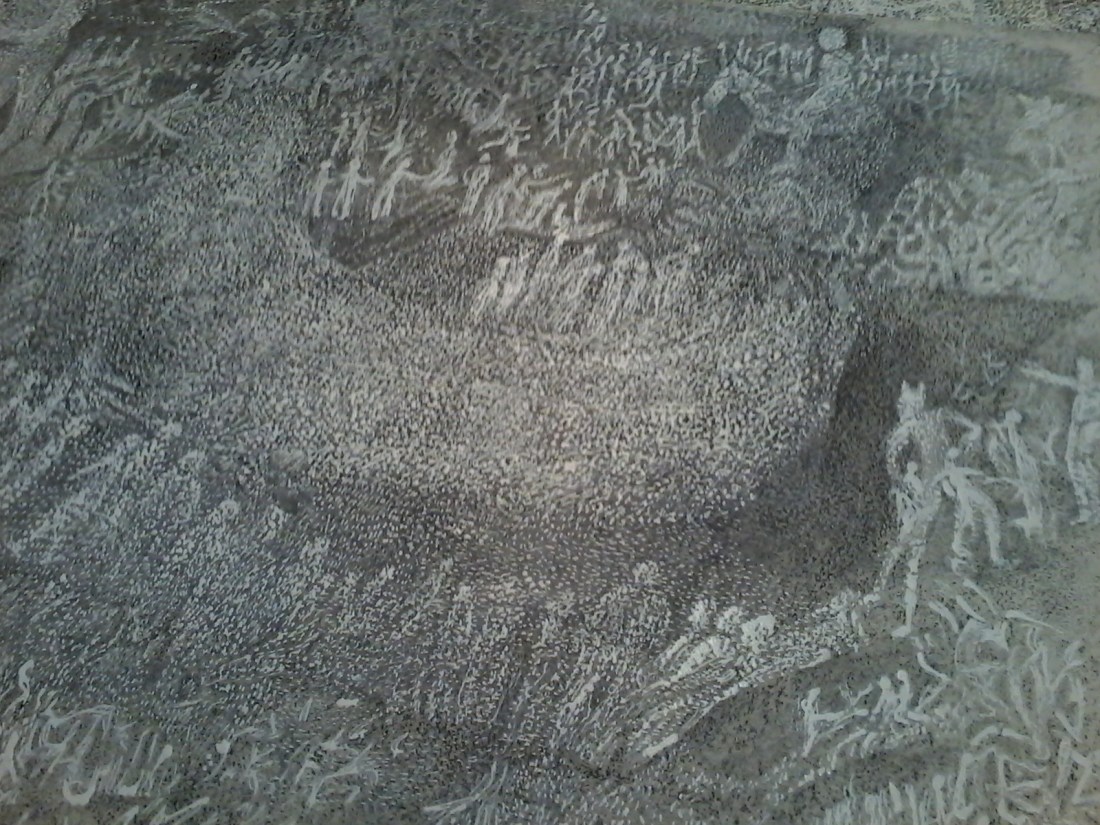
DIBUJOS DE TINTA SOBRE PAPEL/ PEN AND INK DRAWINGS

Y maรฑana serรกn รกrboles/And Tomorrow They Will Be Trees

La imagen de mis padres casรกndose y navegando en un pequeรฑo bote hacia la Argentina/The picture of my parents getting married and travelling in a small boat toward Argentina

____________________________________

La rebeliรณn de los รกrboles/The Rebellion of the Trees

Y la maรฑana grande/And the Great Tomorrow

______________________________________________________________________

Irene Jaievsky (1954-2021) –Curadora de arte en museos judรญo-argentina/Argentine Jewish Curator of Art in Museums

Ireneface

Curadora de arte/Art Curator

 _________________________________________________________

Autobiografรญa:

Me gustarรญa contarles cรณmo lleguรฉ hasta esta apasionante profesiรณn. Comencรฉ un camino de bรบsqueda a travรฉs del arte. Durante varios aรฑos estudiรฉ con diferentes profesores que me enseรฑaron variadas tรฉcnicas de la escultura hasta llegar a estudiar Escenografรญa en el Instituto de Superior de Arte del teatro Colรณn (el mรกs importante teatro de รณperas y conciertos de Argentina y prestigioso a nivel internacional.

No existiendo todavรญa un estudio formal en Curadurรญa. Me formรฉ con Seminarios y Becas tanto nacionales como en el exterior y mi primera oportunidad llegรณ!!

Realizar la primera muestra permanente para el Museo del Holocausto de Buenos Airesโ€ฆUna Gran Responsabilidad!! Y que luego de 20 aรฑos estรก en vรญas de ser renovada asรญ como el edificioโ€ฆ

Lo que sigue es la propia evoluciรณn y crecimiento:

Curadora Museo del Holocausto de Buenos Aires-2001 al 2005

Curadora Museo de Arquitectura y Diseรฑo de Buenos Aires-2003 al 2007

Curadora Galerรญa Arte y Parte-Buenos Aires-2008 al 2010

Curadora Museo de la Mujer-Buenos Aires-2010 al 2017

Curadora – Museo de la Legislatura de la Cdad. de Buenos Aires-2015 al 2017

Al mismo tiempo se presentaban situaciones que amplificaron mis horizontes como trabajar con artistas en otros espacios privados, charlas, conferencias, Congresos, Becas y Seminarios Nacionales e Internacionales, escritura de Catรกlogos, artรญculos e Investigaciones.

Becas:

Becaria Fundaciรณn Antorchas, Nahum Goldman Fellowship, Getty Foundation, Smithsonian Institute, Jewish Theological Seminary- NYC y Task Force.

Conferencias dictadas en Congresos Internacionales: 

Internacional Consejo de Museos en Viena y en Mรฉxico DF., en Jewish Theological Seminary NYC, en Northeastern University en Boston, en Florida International University, Universidad de Brasilia y en National Building Museum de Washington DC entre otros.

________________________________

Ahora despuรฉs de 17 aรฑos de ejercicio de la profesiรณn la idea es escribir un cuaderno prรกctico con algunas experiencias personales que puedan servir para la gran cantidad de alumnos y nuevos egresados dado que se han creado en estos รบltimos aรฑos muchos espacios para estudiar Curadurรญa.

________________________________

Autobiography:

I would like to tell you how I arrived at this enthralling profession. I began my search through art. For years, I studied with different professors who taught me varied techniques of sculpture, and then set design at the Superior Art Institute of the Colรณn Theater (the most important theater for opera and concerts in Argentina and internationally prestigious.)

At that time, a formal program of study in curating did not exist in Argentina. I learned by means of Seminars and fellowships in Argentina a well as in other countries, and my first opportunity arrived.

It was to develop the first permanent show for the Holocaust Museum in Buenos Aires. A Great Responsibility!! And 20 years later it, as well as its building is being renovated.

The positions that followed fostered my own evolution and growth

 Curator – Museum of the Holocaust of Buenos Aires

2001-2005

Curator of the Museum of Architecture and Design of Buenos Aires โ€“ 2003-2007

Curator Galerรญa Arte + Parte, Buenos Aires, 2008-2010

Curator Museum of the Woman, Buenos Aires, 2010-2017

Curator: Museum of the Legislature of the City of Buenos Aires, 2015-2017

 _________________________

During those years, situations that amplified my horizons presented themselves, such as work with artist in private spaces, talks, lectures, conferences, fellowships on the national and international level, the writing of catalogues, articles and research.

Fellowships:

Fundaciรณn Antorchas, Nahum Goldman Fellowship, Getty Foundation, Smithsonian Institute, Jewish Theological Seminary- NYC y Task Force. 

Lectures given at International Conferences:

International Council of Museum  Vienna and Mexico DF, Jewish Theological Seminary NYC Northeastern University-Boston, Florida International University, University of Brasilia and the  National Building Museum de Washington DC.

________________________________________

Now, after 17 years of professional work, my idea is to write a practical workbook with personal experiences that would help the great number of students and new graduates in the last few years many ways of studying Curatorship.

___________________________

La Curadurรญa

La curadurรญa es una manera de conectar fluidamente dos รกmbitos que parecen ajenos entre si: la labor de los artistas visuales y las instituciones o espacios en donde se muestran sus obras y se contactan con su pรบblico. Es un medio que facilita y reinterpreta ambas necesidades.

Como curadora de arte especializada en museos mi misiรณn siempre fue la de darle visibilidad a las obras de artistas visuales (no importando su tรฉcnica) que pudiesen expresar con imรกgenes profundos pensamientos o sentimientos superando el lรญmite de la  palabra Y es con la gestiรณn que se llevan a cabo las exhibiciones tanto nacionales como internacionales: con la bรบsqueda del artista/de los artistas y sus obras, la elecciรณn del espacio, el diseรฑo de montaje, color y luces, los textos que acompaรฑan la muestra, el diseรฑo del catรกlogo, el flyer de difusiรณn, entre otras cosasโ€ฆy todo esto con el sostรฉn que la producciรณn del espacio/instituciรณn provee para tal fin.

Quisiera rescatar mi รบltima investigaciรณn sobre la cual me he expresado en el congreso de la Asociaciรณn de Estudios Judรญo-Latinoamericanos (LAJSA) in Miami (2015) Tratรณ de los trabajos y conceptos que los artistas visuales contemporรกneos judeo-argentinos han trabajado. He tenido el privilegio de haber trabajado con la mayorรญa.

_____________________________________

Curatorship

Curatorship is a way to connect fluidly two fields that seem to be very different: the work of visual artists and the institutions or spaces in which they show their works and make contact with their public,

It is a medium that facilitates and reinterprets both necessities.

As a curator of specialized art in museums, mi mission was to give visibility  to the artists, no matter their techniques, that could express with profound images, thoughts of feelings, that go beyond the limit of the word. And it is the process that puts together exhibitions, be they local or international: with the search of the artist(s) and their work, the choice of the space, the design of the set-up, color and lights, the texts that accompany the exhibition the flyer for diffusion, among other things. . . and all this with the support the space or institution provides toward that end.

Iโ€™d like to point out my most recent research paper presented at the Conference of the Latin American Jewish Studies Organization (LAJSA) in Miami in 2015. The paper dealt with the works and concepts that contemporary Argentine-Jewish artists have produced. I have had the privilege to have worked with the majority of them.

_________________________________________

Unos ejemplos de la curadurรญa de Irene Jaievsky/  Some examples of the curatorship of Irene Jaievsky

______________________________________________

Irenelecture

Como coradura del Museo de la Mujer /As curator of the Museum of the Woman

_____________________________

IreneJewish

Como Curadora Independiente. Exhibiciรณn basada en la investigaciรณn realizada por un equipo interdisciplinario especialmente organizado por las autoridades del Museo Judรญo sobre la Historia de los judรญos en Argentina-Museo Judรญo de Buenos Aires -2013-

_______________________

As Independent Curator. Exhibition based on research carried out by and interdisciplinary team, specially organized by the directors of the Jewish Museum that dealt with the history of the Jews in Argentina. Jewish Museum, Buenos Aires, 2015.

_______________________________

Arch

Creaciรณn y Organizaciรณn del nuevo Museo de la Legislatura de la Ciudad de Buenos Aires- Vista parcial del รกrea histรณrico-arquitectรณnico, 2015-

______________________

As Curator of Creation and Organization of the new  Museum of the Legislature of the city of Buenos Aires. Partial view of the historical-architectural area, 2015-

_______________________________

Irene HOLOCAUST

Como ex-curadora del Museo del Holocausto de Buenos Aires y Curadora del Museo de la Mujer de Argentina fui convocada por la embajada de Canadรก para organizar una muestra colectiva dedicada a la mujer judรญa-Tiferet- Artistas invitadas Susana Beibe, Jazmine Bakalarz, Hilda Catz  entre otras- Museo del Holocausto de Buenos Aires -2013-

________________________

As curator of the Museum of the Holocaust of Buenos Aires and as Curator of the Museum of the Woman of Argentina, I was invited by the Embassy of Canada to organize a group show dedicated to the Jewish Woman-Tiferet. -Tiferet- Invited artists included Susana Beibe, Jazmine Bakalarz, Hilda Catz and others. – Museum of the Holocaust, de Buenos Aires, 2013.

______________________

Irene Chelnitz

Sinagoga de Chemnitz.-Alemania-Como Curadora del Museo de Arquitectura y Diseรฑo se presentรณ la muestra de Alfred Jacoby: Espacios Sacros. Nuevas sinagogas alemanas-Este arquitecto judรญo construyรณ: 15 sinagogas en los lugares en donde fueron destruidas por los nazis  las anteriores existentes. Luego se la presentรณ en el Seminario Rabรญnico de Buenos Aires-2006.

______________________________

Synagogue of Chemnitz, Germany, As Curator of the Museum of Architecture and Design, I directed an exhibition of the work of Alfred Jacobu: Sacred Spaces: New German Synagogues.by this Jewish architect who built 15 synagogues, in the original places. that were destroyed by the Nazis. The exhibit was also shown at the Rabbinical Seminary of Buenos Aires, 2006

__________________________________________________________________

unnamed

Instalaciรณn del Totem canadiense en la Plaza Canadรก de la ciudad de Buenos Aires-zona Retiro- 2012- Durante dos aรฑos fui la curadora de este proyecto que realizรณ  el artista Kwawitl Stan Hunt en la zona de Vancouver junto con la embajada argentina de Canadรก y el Gobierno de la Ciudad de Buenos Aires.

___________________________________________

Installation of the Canadian Totem in the Canada Plaza of the Retiro area of Buenos Aires, 2012. For two years, I was the curator of this project created by the artist Kwawitl Stan Hunt of Vancouver. The project was sponsored jointly by the Canadian Embassy in Argentina and the Government of the City of Buenos Aires.


Susana Satinosky — Musicoterapeuta judรญo-argentina/Argentine-Jewish Music Therapist

Susana Satinosky — Musicoterapeuta

Susana Satinosky — Music Therapist

______________________________________

Susana copy.jpg
Susana Satinosky

_________________________

Susana Satinosky es musicoterapeuta y docente de la Carrera de Musicoterapia de la Universidad de Buenos Aires. Ha trabajado como musicoterapeuta en el servicio de Psiquiatrรญa del Hospital Italiano, en el centro de Nivelaciรณn Psicopedagรณgica y Discapacidad โ€œMi Amanecerโ€ y coordina grupos de reflexiรณn y musicoterapia. Autora de los libros, Tรฉcnicas y tratamientos en musicoterapia(Editorial Galerna) y Musicoterapia clรญnica (Editorial Galerna).

________________________________________

Susana Satinosky is a music therapist and instructor in the Music Therapy Program at the University of Buenos Aires. She has worked as a music therapist in the Psychiatry Service of the Italian Hospital, and in the “My Dawn” Center for the Evaluation of Psycho-pedagogy and Disabilities. She coordinates reflection groups and music therapy activities. She is the author of the books: Tรฉcnicas y tratamientos en musicoterapia (Editorial Galerna) y Musicoterapia clรญnica (Editorial Galerna). 

_________________________________________________

Video de un grupo de reflexiรณn/Video of a Reflection group

_____________________________________

 ENTREVISTA DE SUSANA SATINOSKY, MUSICOTERAPEUTA, POR MARIO BER, PROFESOR

_______________________

MB:  ยฟQuรฉ es la Musicoterapia?

SS:  La musicoterapia es una disciplina que abre un canal de comunicaciรณn entre un sujeto y un profesional, utilizando la mรบsica y sus elementos: sonido, ritmo, melodรญa y armonรญa.

MB: ยฟQuรฉ es lo que โ€œcuraโ€ la musicoterapia? Si soy barรญtono, por ejemplo, ยฟpuedo cantar en un registro de tenor? Si me pone nervioso la mรบsica de rock y quiero escuchar Klezmer, ยฟeso realmente me va a tranquilizar?

SS: La musicoterapia se dirige hacia una meta donde la terapeuta ayuda al paciente a mejorar su calidad de vida, manteniendo un estado de bienestar a travรฉs de experiencias musicales. Si escuchamos por ejemplo una mรบsica judaica, ยฟquรฉ percibimos? Se producen asociaciones de todo tipo, que posibilitan conocer algunos aspectos de la historia sonora del paciente. En segundo lugar se toma conciencia de ciertas elecciones musicales, distintos gรฉneros y estilos. Se pone de relieve la autoestima del sujeto, su conocimiento, sus predilecciones.

MB: ยฟCรณmo se opera en una sesiรณn?

SS: En los grupos se reรบnen de 8 a 10 personas. Se reconocen nombres, historias musicales o de vida. Realizan un cรญrculo, crean distintos climas de solidaridad y compaรฑerismo. El musicoterapeuta asigna consignas temporales, hace un recorte de acuerdo al tipo de demanda que genera cada integrante.

Ellos pueden apreciar en conjunto una obra musical, en ese caso estรกn realizando musicoterapia receptiva, sรณlo escuchan y generan climas diversos.

Si la decisiรณn es usar objetos intermediarios, se efectรบa una puesta en escena con improvisaciones, cantos, melodรญas y ejecuciรณn de instrumentos musicales, algunos de percusiรณn o melรณdicos, entonces hablamos de musicoterapia activa.

Son reconocidos socialmente, vivencian situaciones a travรฉs del sonido, las reminiscencias, la afectividad y el ejercicio de la memoria. En esta actividad se genera contenciรณn y respaldo a las dificultades que pueden estar pasando en esos momentos. Allรญ se afirman la autoestima y la valoraciรณn de la propia vida, porque en otro espacio no logran estar atentas a esos requerimientos.

MB: ยฟCรณmo es la derivaciรณn? ยฟCรณmo adviene la gente a vos? Conocemos una persona con angustias, otra con pesadillas, otra que le cuesta integrarse, o alguna estresada que abundan en estas รฉpocas. ยฟCรณmo llega a un tratamiento de musicoterapia una persona?

SS: Generalmente son derivadas por mรฉdicos que conocen estas tรฉcnicas. Otras veces se enteran por comentarios orales. Alguna amiga le contรณ que concurre a musicoterapia y le relata algo de su experiencia. Entonces aparecen en la sesiรณn, previo llamado y entrevista personal, que se realiza en primera instancia..

Hay personas que vienen y dicen: โ€œHoy no quiero hacer musicoterapia, hoy quiero hablar.โ€ Entonces que hable, que relate lo que quiere decir. La escucha es lo que sostiene la angustia. La entrevista inicial contiene preguntas relacionadas a su historia musical.

MB: Un amigo mรญo que tuvo mellizas, acunaba a sus hijas con una mรบsica que dice asรญ: โ€œMa nishtanรก, a laila a tzรฉโ€ฆโ€. No tenรญa registro de lo que realmente estaba cantando. Eran las โ€œfir cashesโ€, las cuatro preguntas que corresponden a la melodรญa que se entona en las fiestas de Pรฉsaj (Pascuas) y cuya traducciรณn expresa lo siguiente: โ€œPor quรฉ esta noche es diferente de las demรกs nochesโ€ฆโ€. En quรฉ es distinta esta noche de las demรกs anocheceres. Esta pareja posee una historia muy particular en sus vidas. Entonar estas canciones les traรญa recuerdos de liberaciรณn. Los dรญas en que se festeja Pรฉsaj (Pascua) es cuando dejamos de ser esclavos del faraรณn y logramos ser libres como pueblo hebreo. Lo regresivo serรญa llegar a una determinada situaciรณn, como la que llegaron mis amigos, ahora lo entiendo con este ejemplo que pongo sobre la mesa.

SS: Si nos referimos a la historia, en el Talmud estรก expresado lo siguiente: Israel  entiende que puede conseguir de su Creador el perdรณn de los pecados cometidos en el aรฑo por medio del toque del Shofar (instrumento musical que se ejecuta en el templo el Dรญa del Perdรณn). Es interpretado en aquรฉllos dรญas de comienzos del aรฑo, cuando Dios juzga a los hombres y decide sobre su vida y su muerte. En las culturas antiguas estรก muy presente el concepto de lo que se entiende por musicoterapia. Igual sucede con instrumentos como la lira, que tiene muchas connotaciones dentro del judaรญsmo.

MB: Sรญ, uno puede pensar en el Salterio, en aquรฉllos instrumentos que remiten a las culturas que recitan los Salmos, los de percusiรณn, las cuerdas que se taรฑรญan con las manos.  

SS:  Es muy importante para nuestro trabajo dรณnde se ubican los sonidos. Aquรฉllos mรกs agudos (que tienen que ver con el canto de los pรกjaros) repercuten en el cerebro, en la cabeza. Los graves, se perciben en el vientre. Los compositores antiguos sabรญan ciertamente adonde se dirigรญa cada uno de ellos. Los tambores se perciben en los miembros inferiores. De ese modo se puede zapatear, bailar o realizar actividades en los grupos de reflexiรณn, donde lo terapรฉutico tiene un papel preponderante. La risa distiende, al divertirse los integrantes viven momentos de alegrรญa.

MB: La mรบsica puede transportar, por ejemplo, a un inmigrante que residรญa en Polonia, donde vivรญa el Klezmer en toda su dimensiรณn. ยฟCรณmo relacionรกs biografรญa personal y mรบsica?

Recuerdo una sesiรณn donde repartรญ diez partituras, para que cada integrante eligiera una que lo represente. Se creรณ un clima de reminiscencias, evocando tiempos pasados y  espacios vividos. Tres participantes eran oriundas de la ciudad de Concordia, en Entre Rรญos. Comenzaron a marcar un ritmo determinado, hasta que surgiรณ una canciรณn a travรฉs de una palabra. La letra de la misma hace referencia al perfume del jazmรญn  paraguayo que tenรญan en los jardines de entrada de sus casas. Una de ellas pregunta: โ€œยฟte acordรกs de โ€œLa Pulpera de Santa Lucรญaโ€? Otra responde con los primeros acordes, mientras cantan la letra de forma espontรกneaโ€ฆ

El  clima de alegrรญa, camaraderรญa y solidaridad se consolidรณ a travรฉs de una ronda armada con medias de mujer, que utilizaron como objetos intermediarios, entrelazรกndose mientras continuaban entonando esa melodรญa.

Algunos integrantes del grupo son viudos o estรกn separados y enfrentan una gran soledad. Los recuerdos en comรบn sirven para fomentar la autoestima, aรบn habiendo pasado por una catarsis o una regresiรณn.

Otra de las seรฑoras, al plantear y organizar el ritmo, dice: โ€œEs tan importante para mรญ poder tocarme las piernas, tomar conciencia de ellasโ€ฆโ€ Y con el movimiento rรญtmico sobre sus muslos -los acentos de un vals- pudo mostrarse ante el grupo como una mรกs. En ese instante casi olvidรณ la percepciรณn de sus miembros inferiores, recuperรณ el poder hacer, participar. Eso estรก explicando algunos de los momentos por los que atraviesa un paciente en este proceso. 

MB: ยฟSe puede superar el estrรฉs?

SS: Sรญ, depende de cada paciente. La actividad comienza a travรฉs de una relajaciรณn, con la escucha de una mรบsica tranquilizante. Por lo general, los participantes llegan estresados. Al terminar la sesiรณn suelen verbalizar lo que han realizado. Entonces expresan: โ€œuna sensaciรณn es cรณmo entrรฉ a la actividad y otra muy distinta, cรณmo me voyโ€.

Algunas consignas utilizan los sentidos. Al tocar el rostro propio y el del compaรฑero perciben la piel hรบmeda o cรกlida, las arrugas. El contacto y tacto son modos de intervenciรณn que se utilizan en un segundo momento del tratamiento, despuรฉs de haber entrado en comunicaciรณn y cuando los lazos de confianza estรกn afianzados.

Suelen aparecer celos al elegir instrumentos musicales para percutir. Esa selecciรณn hace que aflore el inconsciente en casi todas las sesiones.

MB:  Y si en medio de la sesiรณn de musicoterapia alguien improvisa una canciรณn en idish como โ€œSha, Stillโ€ฆโ€ (โ€œCรกllense, silencioโ€)โ€ฆ

SS: El idioma idish, para ciertas personas, es muy significativo, connota una imaginerรญa especial. La letra dice: โ€œCuando el rabino canta, los demรกs imitanโ€ฆ/ cuando el rabino aplaude los demรกs lo siguen/ si el rabino hace ritmos con los pies, los demรกs imitanโ€ฆโ€. El liderazgo del rebe (rabino) se constituye de forma instintiva.

Hay guiรฑos entre compaรฑeros que estรกn realizando esta experiencia, surgen mitos, creencias, tradiciones comunes. Las canciones suelen presentarse en todas las etapas de la vida. Desde antes del nacimiento escuchamos sonidos, a travรฉs del vientre materno.  Canciones de cuna, que reprimimos con el paso del tiempo. En mi recorrido profesional, todavรญa no hubo persona que no recordara alguna melodรญa de su infancia.

El canto se relaciona con la afectividad porque aparece una intenciรณn en lo que cada uno quiere expresar, no sรณlo al producir mรบsica, sino tambiรฉn con el lenguaje. Lo que se dice con palabras, el recitado o las letras, se analiza en cada historia musical.

En los adultos mayores se denotan tiempos mรกs lentos. Los que por motivos de salud no pueden trasladarse, bailan desde sus lugares. La ayuda entre ellos es un acto de socializaciรณn. Algunos estรกn imposibilitados, se toman de la mano, acompaรฑan y hacen un recorrido de sensaciones y reminiscencias que en el momento de verbalizar resulta terapรฉutico y asรญ lo afirman.


__________________________

            AN INTERVIEW WITH SUSANA SATINOSKY,             MUSIC THERAPIST, BY MARIO BER, TEACHER

_______________________________________

MB:  What is music therapy?

SS: Music Therapy is a discipline that opens a channel of communication between a subject and a professional, utilizing music and its elements: sound, rhythm and harmony.”

MB: What does Music Therapy “cure”? For example, if I am a baritone, can I sing in the tenor’s registry? If rock music makes me nervous, and I want to listen to Klezmer, will that really relax me?

SS: Music Therapy is directed toward the goal of the therapist helping the patient improve his quality of life, by maintaining a state of well-being through musical experiences. If we listen to, for example, a piece of Jewish music, what do we perceive? Associations of all types, which make it possible to know the musical history of the patient. Secondly, the therapist identifies certain preferred musical choices, genres and styles. This highlights  the self-esteem of the subject, his knowledge, his predilections.”

MB: What happens during a session?

SS: Eight to ten people come together in each group. They exchange names, stories about music or life. They make a circle and create distinct climates of mutual support and team spirit. The Music Therapist prompts specific activities and carefully observes and records low how each member reacts to them. 

They can enjoy a musical work together.  By doing that, they are experiencing receptive music therapy, on which they only listen and experience differing moods.

If the therapist decides to use shared objects, a mise-en scene is formed with improvisations, songs, melodies and the playing of musical instruments, some of them percussion and others melodic,  This is active music therapy..

They receive social recognition. They relive situations through sound, reminiscences, emotions and the use of memory. In this activity, support and help comes forth for the problems and difficulties being experienced at that time. There, self-esteem and the value of one’s own life are affirmed, because in nowhere else do they receive attention to those needs.

MB: How is the referral made? How to people come to you? We know a person with anxieties, another with nightmares, another who finds it hard to fit in, or suffers from stress, so common these days. How does someone find music therapy treatment?

SS: Generally, they are referred by doctors who are familiar with these techniques. A friend may have said that she attends music therapy and told her something about the experience. After having had a personal interview in which I evaluate her condition, and that done as soon as possible, she arrives with her friend at the session.

There are people who come and say: “Today, I don’t want to do Music Therapy, today I want to speak.” In that case, let them speak, let them say what they want to say. Listening gives support to their anxiety. The initial interview contains questions related to their musical history.”

MB: A friend of mine had twins, He rocked his daughters with music like this: ‘Ma nashtana, ha laila hazeh , , , he wasn’t aware of what he was singing. They were the “Fir cashes.” the four questions that correspond to the melody song during the Passover services, and whose translation expresses “How is this night different from every other night . . ?’ In what way is this night different from every other nights.” This couple possesses a very unusual story in their lives. So these songs bring them memories of liberation. The days in which Passover is celebrated are when we cease being slaves to Pharaoh, and we begin to feel free as the Hebrew people. Going backward would be to arrive at a specific situation, like that which happened to my friends. Now I understand this example that I put on the table.

SS: If we refer to the history, the Talmud expresses it so: Israel understands that it can obtain from its Creator for pardon  sins committed during the year, through the sounding of the Shofar (the musical instrument played in the temple on Yom Kippur.) It is played during  those days at the beginning of the New Year when God judges men and decides about their life or death. In ancient cultures, the concept of what is understood by music therapy was very much present. The same thing happens with instruments like the lyre, that has many connotations within Judaism.

MB: If you can think of the Book of Psalms, about those instruments that belong to the cultures that that recite the Psalms, those of percussion, the cords that are are grasped with hands.

SS: Where the sounds are felt is very important for our work. The sharper ones (those that are similar to bird songs) reverberate in the brain, in the head. The deep ones are perceived in the abdomen. The ancient composers certainly knew where to direct each sound. The drums are felt in the legs. That way, you can tap your feet, dance or take part in activities in the reflection groups, where the therapeutic process has a preponderant role. The laughter eases the situation. Having fun, the group members experience a moment of joy.

MB: For example, music can transport an immigrant who used to live in Poland, where Klezmer music was experienced in all its dimensions. How do you connect personal biography and music?

SS: I remember a session where I divided up ten pieces of sheet music, so that each group member could choose one that was representative of himself. A climate of reminiscences formed, evoking past times and places lived in. Three participants were natives of Concordia in Entre Rios province. They began to keep time to a specific rhythm. until a song broke out from one word. The words of the song make reference to the scent of Paraguayan jasmine that they had had in the gardens in front of their houses. One of participants asks, “Do you remember “La pulperรญa de  of Santa Lucรญa”? Another responds with the opening chords, and they sing the words spontaneously.

A  climate of happiness, friendship and mutual support grows stronger through a game based on a woman’s stockings, that became shared objects,  They touched each other, while they continued singing that melody.

Some members of the group are widowers or are separated from their spouses and experience strong feelings of loneliness. The shared memories serve to boost self-esteem, even when having passed through a catharsis of a regression.

Another one of the ladies, after suggesting and organizing the rhythm, says ‘ It is important for me to touch my legs, to become conscious of them . . and with the rhythmic movement of her thighs–the rhythm of a waltz–she could show herself to the group as one of them. In that instant, she almost forgot her perception of what her legs were like, recuperated the ability to do, to participate. That explains some of the moments that the a patient goes through in this process.

MB: Is it possible to overcome stress?

SS: Yes, it depends on each patient. The activity begins with a relaxation activity, with listening to calming music. In general, the patients arrive very stressed. At the end of the session, they tend to verbalize what they have achieved. Then, they express “that the sensation  that I came in with is different from what I feel when I leave.”

Some procedures utilize the senses. Upon touching their own faces and those of their friends, they perceive damp or warm skin, wrinkles. Contact and touch are modalities of intervention that are used in a later stage of treatment, after they are communicating, and when the ties of confidence are secure.

The therapist gives instructions about how to enhance the patients’ body posture in front of the other group members, while doing circle and couples’ dances, accompanied by folkloric music such as the zamba or pericรณn,

Jealousy frequently appears as percussion musical instruments are chosen to be beaten. That choice causes the unconscious to to show itself in almost all the sessions.

MB: And if in the middle of a music therapy session, someone improvises a song in Yiddish like ‘Sha, Still .  .  (Be quiet. Silence) . . .

SS: The Yiddish language, for certain people, has great meaning; it connotes a special set of imagery. The words say ‘When the rabbi dances, the others do the same, .  .when the rabbi applauds, the others do the same . . . The leadership of the rebe (rabbi) in established in an instinctive way.

There are winks between friends who are taking part in this experience; myths, beliefs, traditions in common. The songs normally are present at all stages of life. Before birth,  we hear sounds through the mother’s womb. Lullabies, that we repress as time passes. In my professional journey, I haven’t encountered a single person who doesn’t remember a melody from childhood..

Singing is related to the emotions because it appears to be an intent in which everyone wants to express, not only produce music, but also with the language. What you can say in words, the recitation or the lyrics is analyzed in each musical story.

Even with listening, in the case of receptive music, we are expressing ourselves. If you were to observe through a microscope, we would see the eyes shine.when the patients improvise or execute. The movements are invisible on the eyelids.With older adults, a slower pace is indicated. Those who for health reasons, can’t move around, dance in their places. Helping each other is an act of socialization. Some are disabled. the are taken by the hand. They accompany the others and experience of sensations and reminiscences that, in the moment of verbalization, have therapeutic results ,and so, they affirm them.

Translation by Stephen A. Sadow

_______________________________________________________

Para comprar este libro

musicoterapia_02.jpg

____________________________________________________

Para comprar este libro