Isaac Goldemberg — Poeta y novelista judío-peruano-norteamericano/Peruvian-American Jewish Poet and Novelist 18 poemas nuevos que le hace pensar/18 new poems that make you think

Isaac Goldemberg

_______________________________________

ISAAC GOLDEMBERG nació en Chepén, Perú, en 1945 y reside en Nueva York desde 1964. Ha publicado cuatro novelas, dos libros de relatos, trece de poesía y tres obras de teatro. Sus publicaciones más recientes son Libro de reclamaciones (2018),Philosophy and Other Fables (2016),Diálogos conmigo y mis otros (2013), La vida breve (2012), Acuérdate del escorpión (2010),Monos azules en Times Square (2008) y Libro de las transformaciones (2007).  Su obra ha sido sido traducida a varios idiomas e incluida en numerosas antologías de América Latina, Europa y los Estados Unidos. En 1995 su novela La vida a plazos de don Jacobo Lerner fue considerada en una encuesta de la revistaDebate como una de las mejores novelas peruanas de todos los tiempos; y en el 2001 fue seleccionada por un Jurado Internacional de críticos literarios convocado por el Yiddish Book Center de Estados Unidos como una de las 100 obras más importantes de la literatura judía mundial de los últimos 150 años.  Goldemberg fue catedrático de New York University (1973-1986) y Profesor Distinguido de The City University of New York (1992-2019), donde dirigió el Instituto de Escritores Latinoamericanos y la revista internacional de cultura Hostos Review. Es Miembro Numerario de la Academia Norteamericana de la Lengua.  Es Miembro Numerario de la Academia Norteamericana de la Lengua Española y profesor honorario de la Universidad Ricardo Palma.

_________________________________________

ISAAC GOLDEMBERG was born in Chepén, Peru, in 1945 and has resided in New York since 1964. He has published four novels, two short-story books, thirteen poetry and three plays. His most recent publications are Libro de reclamaciones (2018),Philosophy and Other Fables (2016),Diálogos conmigo y mis otros (2013), La vida breve (2012), Acuérdate del escorpión (2010),Monos azules en Times Square (2008) and Libro de las transformaciones (2007). His work has been translated into several languages ​​and included in numerous anthologies of Latin America, Europe and the United States. In 1995 his novel Libro de reclamaciones (2018),Philosophy and Other Fables (2016), Diálogos conmigo y mis otros (2013), La vida breve (2012), Acuérdate del escorpión (2010), Monos azules en Times Square (2008) y Libro de las transformaciones (2007). was considered in a survey by Debate magazine as one of the best Peruvian novels of all time; and in 2001 it was selected by an International Jury of literary critics convened by the Yiddish Book Center of the United States as one of the 100 most important works of world Jewish literature of the last 150 years. Goldemberg was a professor at New York University (1973-1986) and Distinguished Professor at The City University of New York (1992-2019), where he directed the Institute of Latin American Writers and the international culture magazine Hostos Review. He is a Full Member of the North American Academy of Language. He is a Full Member of the American Academy of the Spanish Language and an honorary professor at the Ricardo Palma University.  

________________________________________

Isaac Goldemberg. El nuevo gusano saltarín. New York: New York Poetry Press, 2025

Translations into English by Stephen A. Sadow and J. Kates

_________________________________

Goldemberg sabe bien que tanto el primer verso como el último son cruciales para el equilibrio del poema. Sin el corte versal preciso el poema puede inevitablemente colapsar perdiendo sonido y sentido. La poesía se vuelve un trabajo de náufragos, y estar a la deriva es un remolino de nunca acabar. Pocos poemas comienzan bien o poseen un final perfecto que se regodee de sentido. El libro de Goldemberg está repleto de sonido y de sentido. Todo funciona. Cada encabalgamiento está atado al siguiente por vínculos que nos llevan a tratar de entender sus altos vuelos. El nuevo gusano saltarín trae pensamiento, orden y desorden. La filosofía en estos textos deja una clara imagen del transcurso de la vida contra la muerte.

Miguel Ángel Zapata

___________________

Goldemberg knows well that both the first and last verses are crucial to the poem’s balance. Without the precise line breaks, the poem can inevitably collapse, losing both sound and meaning. Poetry becomes the work of shipwrecked souls, and being adrift is an endless whirlpool. Few poems begin well or possess a perfect ending that revels in meaning. Goldemberg’s book is brimming with sound and meaning. Everything works. Each enjambment is linked to the next by connections that lead us to try to understand its soaring flights. The new leaping worm brings thought, order, and disorder. The philosophy in these texts leaves a clear image of the passage of life against the backdrop of death.

Miguel Ángel Zapata

_________________________________

La muerte.

La siente cerca

a la conchesumadre.

Un poco

al lado,

codeándolo.

Es un recuerdo

de cuando

se le apareció

por primera vez.

Estuvo allí,

pero no la vieron

sus ojos

de niño.

La evadió

de muchacho,

como cuando

te dan un jalón

para atrás.

La vio rebotar

contra el pavimento,

mofándose de él.

Ahora la tiene

colgada

del brazo.

________________________________

Death.

He feels the motherfucker

nearby

a little

to one side

jostling him.

He has a memory

of when

it appeared to him

for the first time.

There it was

but the eyes

of a child

could not see it.

As a boy

he dodged it,

as when

they yank you

backwards.

he saw it

bob and weave

on the pavement,

mocking him.

Now he has it

hanging

from his arm.

_______________________________

Duerme

con la mirada

fija

en el techo

del sueño.

Despierta

en lo más profundo

de sus ojos.

En la superficie

la tierra

se ha hundido,

están abiertos s

sus espacios

y ya obrando.

La muerte es suave 

y  alimenta.

Es mejor

no despertar,

el mundo real

invita al sueño

y la paz

se esfuma

 su carroza

blanca.
________________

He sleeps

with his gaze

fixed

on the ceiling

of his dream.

Wakes up

in the deepest part

of his eyes.

He has sunk

into the surface

of the earth,

the open

parts of him

are still working.

Death

is soft

and

nourishing.

It’s better

not to

wake,

the real world

invites sleep

and peace

vanishes

into its

white

hearse.

________________________

La oreja

derecha

del hijo

oye el canto

de sirenas

que no llega

a la oreja

izquierda

del padre,

atado

al mástil

de una nave

encallada

en la memoria

seco mar

que se orilla

en la bruma

invisible

de una isla

imaginada,

que flota

en el hálito

de una muerte

golosa.

_________________________

The son’s

right

ear

hears the song

of the Sirens

that doesn’t reach

the left

ear

of the father

tied

to the mast

of a ship

whitewashed

in memory,

a dry sea

that

reaches shore

in the invisible

fog

of an imagined

island

floating

in the

breath

of a hungry

death.

_____________________________

Resonó

como un goterón

de lluvia

la primera

palada

sobre

el barniz

de la madera

a punto

de ser hundida

en la tierra,

como un mensaje

 anunciando

el comienzo

de un acto

que mañana

o pasado

será repetido,

con lluvia

o sin lluvia.

________________________

It echoed
like a large
raindrop
the first shovelful
on the varnished
wood
about to be buried
in earth.
Like a message
announcing
the beginning
of an act
that tomorrow
or the next day
will be repeated,
with rain
or without rain.

Cruza

los desiertos

prometidos,

las lluvias

de fuego

golpean su féretro

endureciendo

el espíritu.

El espacio

es la boca

del lobo,

y los dioses

callan sus lenguas.

Delante de

las ruinas

exuberantes,

del aire y los golpes

y del lejano

tiempo,

va envuelto

 en la luz.

Con el día

y su falta de fe

 se alzan

sobre él

los astros.

__________________________________

He crosses

the

promised

deserts,

rains of fire

hit his

coffin

hardening

his spirit.

Space is

the wolf’s mouth,

and the gods

hold their

tongues.

In front of

abundant

ruins

of air

and shock

and from

a far-off time

he comes

clothed

in lights.

With day

and his lack of faith

the stars

rise

above him.

_______________________________

El olor

a molusco

de la tierra

lo arrecha.

Se le para

la vida,

lo cruza

humedecida

por pecho

y espalda,

como sin darse

cuenta,

tránsito

pasajero

del mundo

de abajo

al mundo

de arriba.

Él y la tierra

calatos

al filo

del catre,

en púbicos

nudos,

sorbiendo él

abajo,

la sopa negra

del alba.

El color arcilloso de ella

lo arrecha

mucho

más

de la cuenta.

Ella lo acoge,

piernas

en arco.

Cávame,

implora.

Húrgame

en el sabor

del orgasmo.

___________________________

of a

land

snail

arouses him.

A moist

life

stops him short,

crosses

his chest

and his back

as if he doesn’t

realze,

a passenger

in transit

from the world

below

to the world

above.

He and the earth

naked

on the

edge

of the

makeshift bed,

in

pubic

knots,

breathing in,

below,

the black

soup

of dawn.

Her glaucous

color

arouses him

more

and even more.

She embraces him,

legs

in a pointed arch.

Dig into me,

She begs.

Take me

in the tang

of orgasm.

____________________

Está

de espaldas

a la vida

y ésta alza

su silencio

bajo el suyo,

aún

no rebalsa

la sombra

en que se plasma,

porque

su despertar

detrás de ella

lo deslumbra

y la sequedad

del ruido

mancha

su alma,

impidiendo

que flote

su cuerpo

sobre la tierra.

Adrede

rehúsa

abrir los ojos

hecho pedazos

sobre

su ajena

angustia,

luchando grave

 fuera de si,

liberto,

separado

de la luz

y de las sombras.

________________________

He has turned

his back on life

and this intensifies

its silence

below his,

still

doesn’t

overflow

the shade

in which

it is caught.

because

his waking up

behind it

dazzles him

and the dryness

of sound

stains

his soul,

keeping

his body

from floating

above the earth.

He intentionally

refuses

to open his eyes,

made drunk

with estranged

anguish,

fighting

seriously

outside himself,

a freed man

separated

from light

and from shadows.

______________________________

Ha salido

por un segundo

de si mismo,

hacia adentro.

Más recuerda

su corazón

que el cerebro.

Aquél lo vive,

éste lo piensa.

Entre vivir

y pensar

el dolor

hay un abismo

en expansión,

una suerte de

pantalla

receptora

de lo vivido.

El personaje

difunto

que es él

se entrevera

con sus otros

y se levanta hondo.

Jura y perjura

la defensa

ante el Juez,

que su vida

ha sido

hermosa.

El personaje

yace

de barriga

con la mirada

puesta

en el ridículo

y la vergüenza,

y acaso

en algo más,

¡quién sabe!

_______________________________

He has left

himself

for a second,

turning inward.

He remembers his

heart more

than his brain.

One lives it,

the other thinks it.

Between living

and thinking of

the pain

there is an expanding

chasm,

a good fortune

of a screen

receiving

what is lived.

The dead

individual

that he is

interchanges

with his others

and rises

deep.

He swears and perjures

his defense

to the judge

that his life

has been beautiful.

The individual

lies

on his belly

his gaze set on

the ridiculous

and shame

and perhaps

in something else,

who knows!

_______________________________

Como si fuese

una raíz

de la cual crece

el cuerpo,

desenmascarado

el rostro,

puro hueso,

en uno de tantos.

Un fondo

negro

en los ojos

besa

la luz

de un sol

de paisaje,

alumbrando

un tiempo

congelado

en el retrovisor

de la vida

que se muestra

más cerca

de lo que parece.

Rompen

la monotonía

del

camino,

tramos

de recuerdos,

sueños

que marean

tornándolo

en otro.

_________________________________

As if it were

a root

from which

the body

grows,

the face unmasked

to pure bone,

one of many.

a black

depth

in the eyes

kisses

light

from a sun

passing by

lighting up

a frozen

time

in life’s

rearview mirror

where objects

are closer

than they appear.

Breaking

the monotony

of the back

road

are stretches

of memory,

dreams

that sicken him

taking him for

another

_____________________

Está

en sus últimas,

de pie

delante

de la puerta

que acaba

de cerrársele,

aferrado

como un perro

a sus huesos.

Ha visto

un prado verde

y una colita

como de mariposa

tentándolo.

Es de noche,

ella ha corrido

sobre

sus cuatro

patitas.

Él la persigue

entre las rosas

de un jardín

que florece

donde posa

los ojos,

olfateando

el amor

en fuga.

Despierto

en plena noche,

¡zas!

el bosque

abrió

la boca.

________________________

He is

nearing the end,

standing

in front of

the door

that has just

closed on him,

tied

like a dog

clinging

to its bones.

He has seen

a green meadow

and a small hill,

like a butterfly

tempting him.

It is night,

it has run

on

 four

little feet.

He follows it

among the roses

of a garden

flourishing

where the eyes

come to rest,

smelling

love in the flight.

I waken

n the middle

of the night,

Presto!

The forest

opened

its mouth,

____________________________

Hay un mundo

dentro

del mundo

sin

puertas y

sin

ventanas.

Ni un solo

camino

lleva

 a ese mundo.

El camino

es el mundo

Una pared

se alza

del aire

hacia la nada,

y un solo árbol.

_________________

There is

a world

inside

the world

without

doors

and without

windows.

No single

road

leads

to that

world.

The road

is the world.

A wall

rises

from the air, toward

nothingness

and a single tree.

____________________________

Se arrastra

por un túnel

acolchado,

bajo

y angosto.

A veces timbra

un teléfono

o se prende

un televisor

o alguien pregunta

si ya le traen

el almuerzo.

Ya no es posible

el hambre,

dice que no.

Quiere

ponerse en pie

mejor,

cuidándose

de no caer

en sus recuerdos,

de no sangrar

sobre

sus propios.

huesos.

Una vez,

en lo oscuro,

permaneció

con los ojos

bien abiertos,

congelado

__________________________________

He crawls

through a

padded,

low

and narrow

tunnel.

At times

a telephone rings

or a television

is turned on

or someone

asks

if he has already

had his lunch.

And hunger

is no longer

possible,

says no.

He wants

to stand up

straighter,

taking care

not to fall

into

his memories,

not to bleed

on his own

bones.

Once,

in the dark,

he remained

with his eyes

wide

open,

frozen

_______________________________

Se va,

se va

la muerte,

se va

con el enterrador,

y en esa muerte

que cruza

el día,

se va,

se va

el amor.

Se va,

se va

el amor,

se va

con el remador,

y en ese amor

que cruza

la noche,

se va,

se va

el dolor.

Se va,

se va

el dolor,

se va

con la mediadora,

y en ese dolor

que cruza

la muerte,

se van

se van

las horas.

Se van,

se van

la horas,

se van

con la segadora,

y en esas horas

que cruzan

el sol,

se va,

se va

la vida.

Se va,

se va

la vida,

se va

con la guadañera,

y en esa vida

que cruza.

la sombra,

se va,

se va

la nada

(Variación de “Se va la lancha”, canción de Francisco Bastardi)

_____________________________

It goes away,

goes away,

death does,

goes away

with the gravedigger,

and in that death

that crosses

the day

it goes away,

goes away

love does.

It goes away

with the oarsman

and in that love

that crosses

the night,

it goes away,

goes away,

the pain does.

It goes away,

goes away,

the pain,

goes away

with the midwife

and in this pain

crosses

death,

they go away

go away

the hours do.

They go away,

go away,

the hours do,

go away

with the farmwife.

And in those hours

that cross

the sun

it goes away,

goes away,

life does.

It goes away,

goes away,

life does,

goes away

with the housewife

and in this life

that crosses

the shadow.

it goes,

it goes,

nothing

(Variation of “Se va la lancha”, a song by Francisco Bastardi)

___________________________________

Ido

el muerto,

quedaron los vivos

de pie

ante la fosa

ya cerrada.

Rodeadas

de cielo,

flotaban por ahí

las palabras,

siempre

las mismas.

Gestos de dolor

-sin duda-,

alguno

de hastío

por lo ya vivido,

revoloteando

de un cuerpo

a otro,

pronto

a ser llamados,

no se sabe

por quién

ni cuándo.

Propios y ajenos

se miraban,

agazapados.

De este lado

una sonrisa sabia,

vagos abrazos.

Del otro,

finas agujas

de cristal

en las mejillas,

mas allá

un llanto

hacia adentro,

bien roto.

Estaban

también

las miradas,

de esas

que engañan

al ojo.

____________________________________

With the

dead man

gone,

the living

stand

around the grave

already covered.

Surrounded

by sky,

always

the same words

float by.

Gestures

of grief

— for sure,

some of them

weariness

for a past life,

turning

from one body

to another

soon

to be called,

not known

when

or by whom.

Family and strangers

look at each other,

huddled together.

On one side

a knowing smile,

weak hugs.

On the other,

fine crystal

needles

roll down their cheeks,

farther off

a cry

turning inward,

completely broken.

There are

also

glances

of those

who catch

your eye.

__________________________________

Las lágrimas

purificaron

el cuerpo

desnudo

del cadáver.

Nadie se opuso.

Mas bien

bailaron

hasta la madrugada

para sus adentros,

cada uno

en su propio ritmo.

Causó

furor

el

“Por fin te fuiste”,

interpretado por la banda

más de tres veces.

Los pies

se movieron

como

los de cualquier

bailarín

de barrio.

A través

de la bruma

se jaraneó

la muerte,

sentada en el cajón,

rasgueando

en la guitarra

la cuerda floja

del amanecer.

Jugaba su suerte

en el aire

una fila

de recuerdos,

esperando turno

para olvidarse.

No se le ocurrió

abrirles

la puerta

a nadie.

Ah, el sueño

abría

su bocaza.

_________________________________

Tears

purified

the naked

body

of the cadaver.

No one

objected.

Instead, they danced

until dawn

each to their own

internal rhythm.

“At last, you’ve gone,”

replayed

more than three times

by the band

sparked an uproar.

Feet

moved

like those of

any barrio

dancer.

Through a fog,

death celebrated,

seated

on the box

plucking

a loose string

of dawn

on a guitar.

It played its luck

in the air,

a string

of memories

waiting their turn

to be forgotten.

It didn’t occur

to death              

to close the door

on anyone.

Ah, the dream

was opening

its big mouth.

________________________________

En el postrer

tic tac

del corazón,

la curiosidad

del más allá

llegó

a su fin.

Estaba preparado

para contar,

como prontos,

los días

que le quedaron,

restos de un camino

no siempre

reconocido

en la última

parada.

Le pesó

al corazón

no tenerlo

resuelto.

No hubo nadie

que hubiese

imaginado

alguna vez

su propio

cuerpo

dentro

del ataúd

en una fosa

_________________________

In the final

tick-tock

of his heart,

curiosity

about the great beyond

came

to an end.

He was ready

to count,

as quickly as he could

the days left to him,

an abandoned road

not always clear

where it ended.

Having no answers

burdened his heart.

Nobody

could ever

have imagined

his own

body

in the coffin

in a grave.

_________________________________

Ante

la muerte

saquémonos

el sombrero,

venia

de por medio,

ojos

sumidos

en el pecho.

Ninguna

sonrisa,

ningún gesto

de manos.

Ante

la vida,

calcémonoslo

hasta

los ojos,

mirando

por el rabillo

de izquierda

a derecha.

Una que otra

risita,

ninguna

aparatosa.

Andemos

y sigamos

andando.

Al final,

saquémonoslo

con las dos

manos,

estrujémoslo

contra

el corazón,

ojos sumidos

en el vacío,

como

avergonzados.

__________________________________

Facing death

let’s remove

our hats,

it was coming

down the middle,

eyes

dropped

to our chest.

No smile,

no hand

gestures.

Facing life,

let’s harden

our eyes,

we look

sideways

from left to right.

One little

laugh

or another

neither obvious.

Let’s walk

and let’s keep on

walking.

In the end,

let’s take off our hat

with both

hands,

hold it tightly

against

our heart,

eyes dropped

into emptiness

as if we were

ashamed.

_____________________________

El hilo

de la vida

se ensarta

en el ojo

de la muerte.

Cose,

puntada

tras puntada,

los blancos sudarios

de la memoria.

Se puede ver

los huesos,

brillosos,

la calavera

irreconocible.

Esos ojos

que no ven

no son

sus ojos.

Hay en ellos

el velo

de una mirada

que alguna vez

vio algo.

Quizás

una zanja

cavada

con la orina

del sepulturero.

Fila de desperdicios

zumbándole

en los oídos,

un sueño largo,

pasando

por el ojo

de la vida.

cual hilo 

rojo, 

retorcido. 

________________________________________________

The thread of life

stitches

through the eye

of death.

It sews,

stich

after stich,

the white

shrouds

of memory.

The bones

are visible,

shiny,

the skull

unrecognizable.

Those eyes

that do not see

are not

his eyes.

There is in them,

the veil

of a gaze

that once

saw something.

Perhaps a

tunnel

dug out by the urine

of the gravedigger.

A line of garbage

buzzing

in his ears,

a long dream,

passing through

the eye

of life,

like a red,

twisted

thread.

_____________________________________________________________

Algunos libros de Isaac Goldemberg/Some of the Books by Isaac Goldemberg

___________________________________________________________________________________

Sarina Helfgott (1928-2020) Poeta y dramaturga judío-peruana/Peruvian Jewish Poet and Playwright — “Alguien” y otros poemas/”Someone” and other poems

Sarina Helfgott

_____________________________________________

Sarina Helfgott fue una destacada poeta, dramaturga, antologadora, crítica literaria y periodista peruana. Fue hija de inmigrantes judíos. que se establecieron en Perú. Ella participó activamente en diversas asociaciones y círculos culturales judíos en Perú. En 1956, publicó su primer poemario, La luz pródiga, donde exploró temas de amor, pasión, muerte y trascendencia a través de símbolos y metáforas naturales. Este libro fue el inicio de su carrera literaria con un enfoque en el autodescubrimiento y la conexión mística con la naturaleza. Su poemario, El libro de los muertos (1962), le valió reconocimiento internacional por su profunda reflexión sobre el Holocausto.  Este libro rindió homenaje a sus raíces y a las víctimas judías de la Segunda Guerra Mundial. Retrató la tragedia y la memoria histórica con una intensidad emotiva que ha sido estudiada como parte de la poesía del Holocausto. En 1973, publicó Ese vasto resplandor, una antología de su obra poética desde 1957 hasta 1971, que reflejó su evolución literaria y su constante búsqueda de la expresión pura de sentimientos a través de la naturaleza, en contraste con la percepción de la ciudad como un lugar desprovisto de belleza poética. Sarina Helfgott también fue una influyente figura en el teatro peruano. Su primera obra, La Red (1953), fue el inicio de una prolífica carrera dramatúrgica. La Jaula (1981) fue estrenada en Lima, Buenos Aires y Cambridge y traducida al inglés y al neerlandés. 

________________________________________

Sarina Helfgott was a prominent Peruvian poet, playwright, anthologist, literary critic, and journalist. She was the daughter of Jewish immigrants who settled in Peru. She actively participated in various Jewish cultural associations and circles in Peru. In 1956, she published her first book of poems, La luz pródiga (The Prodigal Light), where she explored themes of love, passion, death, and transcendence through natural symbols and metaphors. This book marked the beginning of her literary career, focusing on self-discovery and a mystical connection with nature. Her poetry collection, El libro de los muertos (The Book of the Dead, 1962), earned her international acclaim for its profound reflection on the Holocaust. This book paid homage to her roots and to the Jewish victims of World War II. It portrayed the tragedy and historical memory with an emotional intensity that has been studied as part of Holocaust poetry. In 1973, she published Ese vasto resplandor (That Vast Radiance), an anthology of her poetry from 1957 to 1971, which reflected her literary evolution and her constant search for the pure expression of feelings through nature, in contrast to her perception of the city as a place devoid of poetic beauty. Sarina Helfgott was also an influential figure in Peruvian theater. Her first play, La Red (The Net, 1953), marked the beginning of a prolific career as a playwright. La Jaula (The Cage, 1981) was staged in Lima, Buenos Aires, and Cambridge and was translated into English and Dutch.

________________________________________________

_________________________________________________________________

Vamos, vamos así

desnudos para nacer al río;

de tal suerte empezar de nuevo a ser hermanos, árboles, infancias.

Con pupilas a los vientos, sin facciones como un dios sorpresa,

hemos llegado nunca y tan hondo

a nuestras únicas voces propias.

___________________________________________

Sarina Helgott, jóven

_____________________

Come, come like this

naked to be born in the river;

so that we may begin anew

to be brothers, trees, childhoods.

With eyes open to the winds, featureless like a surprise a god,

we have never reached, and so deeply

our own unique voices.

_____________________________________

Alguien tiene un tenedor mientras agoniza su vecino.

Alguien se ha puesto más verde que el color.

Alguien, a gatas, busca un recuerdo que se ha perdido.

Alguien se olvidó de tomar su caldo: muerto está.

Alguien le da cuerda a la noche, impaciente

Alguien, si pudiera, volvería a nacer y llamarse  Isaías. 

Alguien no quiere saber nada con sus manos.

Acurrucado en un rincón, no quiere. 

Alguien canta un salmo en la boca del cadáver. 

Alguien que dibujara un día fantásticas ecuaciones sobre la luz del día, está, contando ahora, uno a uno todos sus piojos.

Alguien ora en silencio, vomita. Vuelve a orar

sobre su vómito (pero el ave ha dejado su ala en el exilio). 

Alguien acaba de nacer y ya espera

en el banquillo de los acusados. Vinagre. 

Alguien quiere venderle su alma a Dios.

Pero Dios ni siente ni padece. 

Alguien pudo ser pianista

en una gran ciudad sobre una gota de agua

aúlla sus bemoles más oscuros, pierde los molares.

Alguien que tuvo un maestro, una guitarra

frente al mar;una enamorada de muslos lánguidos

se ha perdido, irremediablemente. 

Alguien traiciona; muérdese el alma

en el dorso de la mano: acecha

entre dos latidos. Tiene frío.

Alguien, en el jergón del tifus, ha vivido

los tres días difuntos de su madre. 

Alguien vio entrar  el cordero en la boca

del lobo: Tiene hambre. Sácase los ojos. 

Alguien, en cambio, no puede sacarse el clavo;

tararea en la oreja del tísico el “Actus trágicus”

(Recuerda tantas cosas)

Alguien cava una fosa, la suya, honda,

honda para enterrar todas sus palabras. 

Alguien se ha quedado sin hermana mayor

arrodillada. Alguien no sabe qué sucede. Querría escribir

una carta, una larga carta a través del mar,

pero esto tampoco se puede. 

Alguien necesita – urgentemente- un arma

en defensa propia. 

Alguien quiere vivir a pesar de todo,

a pesar de la poesía que nada, nada hizo:

que se lavó las manos. 

 ¡Alguien ya no puede más!

(Libro de los muertos, Lima, 1962)

________________________

Someone has a fork while their neighbor lies dying.

Someone has turned greener than the color itself.

Someone, on all fours, searches for a lost memory.

Someone forgot to drink their broth: they are dead.

Someone winds up the night, impatient.

Someone, if they could, would be reborn and be called Isaiah.

Someone wants nothing to do with their hands.

Hung up in a corner, they refuse.

Someone sings a psalm into the mouth of a corpse.

Someone who once drew fantastic equations about daylight is now counting all their lice, one by one.

Someone prays silently, vomits. Prays again.

over their vomit (but the bird has left its wing in exile).

Someone has just been born and is already waiting

in the dock. Vinegar.

Someone wants to sell their soul to God.

But God neither feels nor suffers.

Someone could have been a pianist

in a great city, on a drop of water

howls its darkest flats, loses its molars.

Someone who had a teacher, a guitar

facing the sea; a lover with languid thighs

has been lost, irretrievably.

Someone betrays; bites their soul

on the back of their hand: lurks

between two heartbeats. They are cold.

Someone, on the mattress of typhus, has lived

the three dead days of their mother.

Someone saw the lamb enter the mouth

of the wolf: They are hungry. They gouge out their eyes.

Someone, on the other hand, cannot remove the nail;

they hum in the ear of the consumptive the “Actus tragicus”

(They remember so many things)

Someone digs a grave, their own, deep,

deep to bury all their words. Someone has been left without an older sister,

kneeling. Someone doesn’t know what’s happening. They would like to write

a letter, a long letter across the sea,

but even that is impossible.

Someone urgently needs a weapon

for self-defense.

Someone wants to live despite everything,

despite the poetry that did nothing, nothing:

that washed its hands.

Someone can’t take it anymore!

(Book of the Dead, Lima, 1962)

y relojes abiertos, de rotos deseos

a la derivaen territorios sonoros, vivos

como ombligos y signos sorprendidos,

como campanas y holocaustos.

A veces, es el amor

o el revés de una sombra.

(Ese vasto resplandor, Lima, 1973)

_______________________

and open clocks, of broken desires

adrift in sonorous territories, alive

like navels and startled signs,

like bells and holocausts.

Sometimes, it is love

or the reverse of a shadow.

(That Vast Radiance, Lima, 1973)

_______________________________________________

tercamente

camino en soledad

entre sombas y vientos

rapaces

en La Colmena los mendigos

me ofrecen sus huesudas flores

astutamente

sus cinco pétalos podridos

(a duras penas

es posible pensar en la esperanza) 

y continúo sonámbula

hacia la cita

y la claudicación 

ya no tengo sed   soy

la sed 

perdí ni nombre otra vez 

más huérfana de mí

exiliada

aborreciéndome

mi boca es un grito para adentro 

y sin embargo 

no sé por qué sigo entregándome

en oscuros lechos

como un deslumbramiento 

(esto también es el amor).

(Ese vasto resplandor, Lima, 1973)

___________________

stubbornly

I walk alone

among shadows and rapacious winds

in La Colmena the beggars

offer me their bony flowers

cunningly

their five rotten petals

(barely

is it possible to think of hope)

and I continue sleepwalking

towards the rendezvous

and surrender

I am no longer thirsty, I am

thirst

I lost my name again

more orphaned from myself

exiled

loathing myself

my mouth is a scream inward

and yet

I don’t know why I keep surrendering myself

in dark beds

like a dazzling light

(this too is love).

(That Vast Radiance, Lima, 1973)

____________________________________________

Algunos libros de Sarina Helfgott/Some of Sarina Helfgott’s Books

_______________________________________________________________

Raquel Jodorowsky (1927-2011) Poeta y escritora judío-chilena- peruana/Chilean-Peruvian Jewish Poet and Writer — “Poemas del corazón”/”Poemas from the Heart”

Raquel Jodorosky

Raquel Jodorowsky, pintora, poeta y ensayista, nació a una familia judía en Tocopilla, Chile; vivió en Perú por más de cincuenta años y se nacionalizó peruana. Inició su carrera literaria en Santiago de Chile al ganar un concurso de poesía juvenil y el Premio Municipal en 1949. Ese mismo año se trasladó a Lima, Perú, para estudiar Antropología en la Universidad Mayor de San Marcos, con una beca del Ministerio de Educación. En México se dio a conocer con una exposición de trece cuadros inspirados en sus poemas, para esa ocasión se reunieron los pintores Lilia Carrillo, José Luis Cuevas, Felgueres, Gironela y otros. En los años sesenta recorrió el continente americano para dar a conocer su trabajo poético y pictórico. Parte de su obra está recogida en antologías publicadas en España, Alemania, Italia y Argentina. Se inclinó, asimismo, por una literatura insólita o extraña. En Territorios que explorar se refiere a la piedra como materia viva; en Antología breve Era 2000 intenta fusionar la ciencia a la poesía y Poemas escogidos, su última publicación, es un viaje al centro de la mente. Catalogada como poeta onírica y surrealista, perteneciente a la Generación del 50, en Perú, se le relacionó con el grupo de poetas del nadaísmo, junto a los escritores Gonzalo Arango, Jaime Jaramillo Escobar y otros. Mostró sus constantes búsquedas a través de lo formal o lo temático. En Alnico y Kemita se inclinó por lo novedoso del tema: “un nuevo circuito electrónico con personajes de la próxima era”. La poeta recurrió a la cibernética para cuestionar lo alejados que estamos de la naturaleza, así como para darle a la ciencia un carácter más humanitario. Sus ensayos y notas literarias denotaron su interés por las expresiones culturales y artísticas de los grupos minoritarios de América y Asia, e incluyó en sus estudios a las culturas prehispánicas del Perú.

Raquel Jodorowsky, painter, poet, and essayist, was born to a Jewish family in Tocopilla, Chile. She lived in Peru for more than fifty years and became a Peruvian national. He began his literary career in Santiago de Chile by winning a youth poetry contest and the Municipal Prize in 1949. That same year she moved to Lima, Peru, to study Anthropology at the Universidad Mayor de San Marcos, with a scholarship from the Ministry of Education. In Mexico she became known with an exhibition of thirteen paintings inspired by his poems, for that occasion the painters Lilia Carrillo, José Luis Cuevas, Felgueres, Gironela and others met. In the sixties he toured the American continent to publicize his poetic and pictorial work. Part of his work is collected in anthologies published in Spain, Germany, Italy and Argentina. He also leaned towards an unusual or strange literature. In Territories to Explore he refers to stone as living matter; In a brief Anthology, Era 2000, she tries to merge science with poetry, and Selected Poems, her publication, is a journey to the center of the mind. Cataloged as a dreamlike and surrealist poet, belonging to the Generation of 50, in Peru, she was associated with the group of Nadaísmo poets, together with the writers Gonzalo Arango, Jaime Jaramillo Escobar and others. He showed his constant searches through the formal or the thematic. In Alnico and Kemita, she leaned towards the novelty of the theme: “a new electronic circuit with characters from the next era”. The poet turned to cybernetics to question how far we are from nature, as well as to give science a more humanitarian character. Her essays and literary notes denoted his interest in the cultural and artistic expressions of minority groups in America and Asia, and he included the pre-Hispanic cultures of Peru in his studies.

Raquel Jodorowsky on Facebook

__________________________________________________________

Poemas de Raquel Jodorowsky/Poems by Raquel Jodorowsky

Ama, amor

Ama, amor

mientras yo estoy lejos.

Dentro de mí sostengo tu rostro inigualable

y le doy eternidad.

Creces en mí. No cambias.

Sólo el amor da el rostro de lo eterno.

Besa otras bocas

tan bellas como la mía

mientras estoy lejos.

No dejes que el tiempo

torne de agua tu mirada de animal

y seque tu belleza y ponga puntos blancos

en tu crin dorada y vuelva de paja

tus cabellos como los locos.

Ámame, amor

en otras

mientras estoy lejos.

 No sea que se te olvide

el ejercicio de dar.

_____________________________________

Love, my Love

Love, my Love

while I am far away.

inside me I hold your incomparable face

and I make it eternal.

You grow in me. You don’t change.

Only love makes your face eternal.

You kiss other mouths,

as beautiful as mine,

while I’m far away.

Don’t let time

take the water from fierce face,

and dry your beauty and place white spots

on your golden mane and turn your hair

to straw as crazy men do.

Love, my love,

with others,

while I am far away.

Don’t let it happen that you forget

the practice of giving.

_______________________________________________________________________

No me relaciono

No me relaciono con el desastre

ni con la muerte.

Soy un as-pájaro que come vida

adaptado a diámetros de luna y sol.

Una mujer pacífica en un mundo de batallas.

Hay tanta cólera en la mente de los hombres

¿Cuándo van a comprender que hay

un camino distinto

para llegar a los grandes poderes?

Porque

¿qué cosa duradera redime la violencia?

¿Qué es lo que la sangre lava para siempre?

Si todo queda realmente negro

bajo una costra de tristeza.

Nuestro espíritu no está hecho para matar

y a veces mata

en el nombre moderno de Dios

que es el Dios de las excusas.

¡Cómo quisiera que esta humanidad no sea

una flor de música destinada a quemarse!

Cómo olvidar las tradiciones, los Dráculas

las artes-trampas que dirigen la decapitación

desaparecen ciudades o gobiernan las almas

introduciendo microbios que carcomen

la alegría de vivir.

De suerte que estos errores invaden un siglo

confunden los pueblos y alteran

el movimiento del corazón del hombre.

Hemos olvidado lo grandioso que somos.

Mi poesía siente fría en este mundo

donde no me relaciono con la especie.

…Y mientras ellos caen yo resisto…

____________________

I Don’t Associate with

I don’t associate with disaster

or with death.

I am an ace-bird that eats life

adapted to diameters of moon and sun.

A pacific woman in a world of battles.

There is so much anger in the hearts of men.

When are they going to understand that there is

a different road

to arrive at the great power?

For,

what long-lasting thing redeems violence?

What is it that blood washes for all times?

If everything stays truly black

under a crust of sadness.

Our spirit is not made for killing,

and at times it kills

in the modern name of God

that is the god of the excuses.

How I wish that this humanity not be

a musical flower destined to burn itself up!

How to forget the traditions, the Dracula

the arts—traps that direct the decapitations,

make cities disappear or govern the souls,

introducing microbes that eat into

the joy of living.

So that that these errors invade a century,

confuse peoples and alter

the movement of man’s hearts.

We have forgotten the grandness that we are.

My poetry feels cold in this world.

Where I don’t relate with the species.

…And while they fall, I resist.

______________________________

Declaración

Ya no me importa el escombro de la experiencia

ese pasado con pies de plomo, no me sirve

su arquitectura y engranaje roto

en el umbral de otros tiempos.

Hoy deseo la existencia sin nombre

el fuego del agua que corre

en la búsqueda del alma.

Quiero entrar en los juegos de otro solvidar

los mínimos instrumentos del terror

la prolija piel que han marcado las torturas

No creo más en lo humano y sus enigmas

Ni el viento que hace muecas

sobre un río de lenguas desatadas

No quiero abrir los cajones antiguos

y que salte el espíritu de un ancestro

de barro y rostro desplumado. No quiero volver

a la casa devastada llena de alas

de mariposas quebradas.

Nada de lo que tuve que aprender

Nada de pintar todo de rojo las catedrales del olvido

Sólo quiero vestirme de flor

de hoja que incendia

y respirar como respira el mundo

en redondo, sin principio ni fin

Sola hacer frente a la soledad de mi destino

Y vivirlo más y mejor.

_______________________________________________________

De qué sitio

De qué sitio distante nos trajeron a la existencia

Aquí llegamos de cualquier parte de otro mundo

Empujados hacia el espesor de los espejos

Como lamentos amarrados en un límite remoto.

Cada uno caminando solo con sus ídolos a cuestas

Mientras el alma asciende moviendo sus flecos

Entre aves negras que silban un canto de carbón.

Cuerpo del Hombre

Un fuego quemándose a si mismo

Criatura limitada que a partir de la nada

Prueba la comida de los ángeles

Emerge el Hombre hecho de tierra

Tierra de santos de verdad

Tierra de santos de mentira

Tierra de santos que murieron

Todo queda dentro de la tierra

Como palpitación de estrella sumergida

O barro inerte besando la eternidad.

Entre tambores que tocan señales de avance

Entre lo profano y lo sagrado

El Hombre vive

Hasta desembocar con gran ocultamiento

En otra luz…

____________________________________________

From What Place

From what distant place were we brought to existence? 

Here we arrive from whatever part of another world

Pushing toward the thickness of the mirrors

Like laments tied t a remote limit.

Everyone walking along with his idols on his back

While the soul ascends moving its fringes

Among black birds that whistle a chant of coal.

Body of Man

A fire burning itself

Limited creature that on coming from nothing

Tastes the food of the angels

The Man emerges made of earth

Earth of saints of truth

Earth of saints of lies

Everything stays withing the earth

Like a palpitation of submerged star

Or inert mud kissing eternity.

Among drums that play signals of advance

Between the profaned and the sacred

Man lives

Until flowing with great concealment

In another light…

_____________________________________________

Al son de la música sideral

Al son de la música sideral

el mundo va danzando

nadie sabe a dónde

colgado en el espacio soberano

donde todo explota

y se crea otra vez.

Y nosotros aquí adentro, sin sentido

con nuestras locas vidas

buscando la seguridad

mientras la tierra corre por el cosmos

en trece movimientos, salta adelante

se inclina a un costado luego al otro

gira en sí misma, retrocede un grado

da vueltas como un trompo de luz.

Nosotros, inmóviles buscando

la eternidad

somos llevados nadie sabe a dónde

metidos bajo las sábanas del misterio total.

At the Sound of the Sideral Music

At the sound of sideral music

the world goes dancing on

Nobody knows to where,

Hanging in sovereign space

Where everything explodes

And creates itself again.

And we, here inside, without sense

with our crazy lives

looking for the security

while the earth runs through the cosmos

in thirteen movements, jumps ahead

leans to one side and then to the other

spins around itself, retrocedes a degree

gyrating like a top of light.

We, immobile seeking

Eternity

We are carried nobody knows where

Placed under the bedsheets of the complete mystery.

______________________________________________

En el quinto día del quinto mes

En el quinto día del quinto mes

se inicia el bautismo del tigre.

Se le hace beber algunas gotas de un líquido sagrado

para que se convierta en mensajero

del espíritu de la Montaña de Diamante.

Ahí se encuentran de manera visible

rostros de sabios y nombres dados a cada piedra

y donde quedó esculpido el Modelo de la Creación.

Si alguien visita en persona la Montaña de Diamante

tragando carbones encendidos podrá vivir en más de una dimensión

sin tener que abandonar la tierra.

______________________________________________________

In the Fifth day of the Fifth Month

In the fifth day of the fifth month

The baptism of the tiger begins.

It is made to drink a few drops of a sacred liquid.

So that it becomes a messenger

of the spirit of the Mountain of the Diamond.

There they find in a visible way

Faces of wisemen and names given to each stone

And where the Model of Creation sits sculpted.

If anyone visits the Mountain of Diamond

swallowing recently burning, he will be able to live in another

 /dimension

without fear of abandoning the Earth.

Y si fija la mirada en la región del misterio

podrá contar cuántos Dioses desterrados

danzan en una sola lágrima del tigre.

En los mundos de arriba,

hay el camino de otras gentes

Un poblado de espíritus

de hombres y mujeres

que desaparecen y vuelven a aparecer.

Salen de la piel hasta que la aurora

encuentra al buscador.

En los rumbos de lo alto

se reconocen los poetas

que poseen una

el ala derecha

Sopla hacia el cielo

tu pensamiento y lo verás…

And if the gaze is fixed in region of mystery,

it will be able to count how many exiled Gods

dance in a single tear of the tiger.

In the worlds above,

There is the road of other peoples.

A population of spirits

of men and women

who disappear and reappear.

They go from the skin until the dawn

meets the seeker.

On the way to the heights,

they recognize the poets

who possess the right wing.

Blow your thoughts

toward heaven and you will see.

_________________________________________________

El secreto

Ha pasado un siglo.

Un día alguien levantará

una piedra abandonada

para estudiar

el pasado del mundo.

Y ahí debajo, ensombrecido

estará mi poema.

Nadie sabrá repetirlo.

Sobre la tierra, nuevos hombres

nuevos sonidos, nuevos poetas

van trabajando y cantan.

Así mis lágrimas quedarán

en secreto para siempre.

Y yo estaré feliz, con mi pena sólo mía

en un poema que no puede ya contaminar.

Impronunciada, inexistente

sólo heredando el peso de las piedras…

___________________________________________

The Secret

A century has passed.

one day someone will raise

an abandoned stone

to study

the world’s past.

And there below, in shadows

will be my poem.

Nobody will know who to repeat it.

Over the Earth, new men,

new sounds, new poets

go on working and sing.

There, my tears will stay

in secret forever,

And I will be happy, with only my grief

in a poem that can no longer corrupt

unsaid, inexistent,

only inheriting the weight of the rocks…

____________________________________________

Aquí estamos

Aquí estamos las madres negras

petrificándonos

como un raro ejemplar

de otras edades.

Sin que estas palabras

puedan cambiar

las decisiones de los hombres

que mantienen los pueblos

en la sombra.

Aquí estamos las mujeres poderosas

rodeadas de atormentadores

reducidas a cenizas

por la mano del hombre.

¿Dónde va a florecer nuestra familia

si se contamina la vida

en el Pacífico

y hacen estallar el espacio

rompen el aire de

dragones imaginarios

si desequilibran las nieves de los Polos

y también las profundidades de la tierra?

Dónde alimentar la sonrisa de los hijos

con peces muertos, vegetales muertos, aire muerto

alimento envenenado

cabellos, piel, el color de los ojos

envenenado

la alegría de vivir envenenada.

Sin que ninguna de mis palabras

pueda cambiar nada.

Aquí me desintegro

sin haber tomado parte

ni ser poeta comprometida

con cualquiera de esas mentes

destructoras

de mis generaciones sobre la tierra.

________________________________________________

Here We Are

Here we are the black mothers,

petrifying ourselves

like a rare example

form other ages.

Unless these words

may change the decisions of the men

who maintain the towns

in shade.

Here we are the powerful women,

surrounded by tormentors,

reduced to ashes

by man’s hand.

Where will our family flourish,

if life is contaminated

in the Pacific

ant they make space explode,

they break the air of imaginary dragons,

if they unbalance the snows of the Poles

And also the depths of the Earth?

Where to feed the smile of the children

With dead fish, dead vegetables, dead air

Poisoned food

Hair, skin, the color of eyes

Poisoned

The joy of living, poisoned.

Without any of my words

being able to change anything.

Here I disintegrate,

without having taken part,

without having been a committed poet

with whichever of those destructive

minds

of my generations on Earth.

______________________________________________

Translations by Stephen A. Sadow

__________________________________________________________

Libros de Raquel Jodorowsky/Books by Raquel Jodorowsky

Martha Kornblith — (1959- 1997) Poeta judío-peruana-venezolana/Peruvian-Venezuelan- Jewish Poet — “Oraciones para un dios ausente”/”Prayers for an Absent God”

Martha Kornblith

Martha Kornblith fue poeta, licenciada en Letras y en Comunicación Social. De familia judía, llegó a Caracas siendo una niña. Se licenció en la Universidad Central de Venezuela y participó en numerosos talleres literarios coordinados por figuras como Armando Rojas Guardia, Rafael Arráiz Lucca e Ida Gramcko. Fue integrante del grupo literario Eclepsidra. Autora de: Oraciones para un dios ausente (1995), El perdedor se lo lleva todo (1997), Sesión de endodoncia (1997).  En 1982 se le diagnostica esquizofrenia. El 29 de mayo de 1997 pone fin a su vida. Su poesía ha sido antologada nacional e internacionalmente.

https://poesiavzla.wordpress.com/2019/10/27/martha-kornblith/ — adaptado

___________________________________________

Martha Kornblith was a poet, with a degree in Literature and in Social Communication. From a Jewish family, she arrived in Caracas as a child. She graduated from the Central University of Venezuela and participated in numerous literary workshops coordinated by figures such as Armando Rojas Guardia, Rafael Arráiz Lucca and Ida Gramcko. She was a member of the literary group “Eclepsidra.” She published her poetry in Oraciones para un dios ausente(1995), El perdedor se lo lleva todo (1997) and Sesión de endodoncia (1997). In 1982 she was diagnosed with schizophrenia. On May 29, 1997. Her poetry has been anthologized nationally and internationally.

______________________________________________

Los libros de los muertos

Por eso dedicamos nuestros libros
a los muertos.
Porque tenemos la vana convicción
de que nos escuchan.
Nosotros, cómplices de oficios
menos inocentes,
creemos que seremos dioses
en otros mundos
porque pensamos que la felicidad
es la distancia del milagro
cuando soñamos con una palabra,
cuando vemos alzarse los aviones.

____________________________________________

The Books of the Dead

That’s why we dedicate our books

to the dead.

Because we have the vain belief

that they listen to us.

We, accomplices of the less innocent

occupations,

believe we will be gods

in other worlds

because we think that happiness

is the distance from the miracle

when we dream about a word

when we see airplanes take off.

Translated by Roberta Gordenstein

___________________________________________________

Mi primer síntoma
fue callar la protesta.
Sólo hubo tardes
de presencias inútiles.
Asistir a la hora exacta
para ahogarme
en silencios no descifrados.
Si no pudieron los expertos
quién hará hablar a la renuncia.
Las luces de neón en el camino
dicen más de mi ruina cotidiana.
Desde entonces
he dejado de merodear
en el pasado.

____________________________________

The first symptom

was ending my protest.

Only there were afternoons

of useless presence

waiting on the exact hour

to drown myself

in undeciphered silence.

If not the experts,

who will speak of giving up.

Neon lights on the road

say more of my everyday ruin.

Since then

I have stopped rummaging

in the past.

_______________________________________________________________

A veces
la vida viene
como un haz de reyes
y habitamos palacios
e imperios.
A veces
la vida viene
como la carta más baja
rozamos con otros transeúntes
la suciedad en las aceras
habitamos los árboles, los pájaros
pedimos el pan como los pobres.
A veces
la vida viene como la vileza.
Entonces nos aferramos a la suerte
frenéticamente.

__________________________________________________

At times

life arrives

like a royal flush

and we inhabit palaces

and empires.

At times

life arrives

like the lowest card

we rub up against others on the street

the filth of the sidewalk

we inhabit trees, birds

we beg for bread like the poor.

At times

life arrives like something vile

then we frenetically hold on

to our luck

_________________________________

Yo te propongo un poema sobre la locura.

Me propones una frase para desarrollar un poema.

Poema es momento presente, lo que me ocupa.

Me dices que me ponga en el lugar

de la que me hubiera gustado ser.

Yo te digo que una actriz de cine

famosa para vivir y ser amada por miles

que es como volar por encima de una playa

y saber que aquella gente me mira y me llama.

Eso es morir.

O suicidarse.

Vagar como un fantasma ausente

en la conciencia de miles sin cuerpo ni cara.

Para verlo tomar palco entre miles estupefactos

y llamarme.

Suelo volar como una paloma herida

en una playa interminable

y dejar rastros de sangre

ante el tin tin ausente

de tu teléfono,

llamarte es confrontarme con la realidad inexorable

de un fracaso.

____________________________________

Martha Kornblith

___________________________________________________________

I offer you a poem about madness.

You offer me a phrase for developing a poem.

A poem is a present moment, what keeps me busy.

You tell me to put myself in the place

where I would have like to have been.

I tell you that a movie actress

famous for living and for being loved by thousands —

which is like flying above a beach

and knowing that those people look at me and call out to me —

This is dying.

Or suicide.

Wandering like an absent ghost

in the awareness of thousands without a body or a face,

seeing it take a box seat among stupefied thousands

and calling me.

I go on flying like a wounded dove

on an endless beach

and leave trails of blood

before the absent ring-ringing

of your telephone,

calling you is facing myself with the inexorable reality

of failure.

___________________________________________________________

Mientras sólo

nos observan de reojo,

nos acusan de irrealistas delirantes

y naufragamos

en las lavadoras.

¿Sobreviviremos

al sopor de las cocinas,

a la puntualidad de los recibos?

Seremos

personas cotidianas

sólo cotidianas

pero no acudiremos a la cita.

Fingiremos morir.

___________________________________________

While they

observe us only out of the corner of their eye,

they accuse us of being delirious and unrealistic,

and we founder

in washing machines.

Will we survive the inertia of kitchens

the punctualities of receipts?

We will be

everyday people

just everyday

but we will avoid the appointment.

We will pretend to die.

______________________________________________________________

Sé que bajo de mí

algo se cuece, algo se conspira

alguien me martiriza

sin derecho a réplica.

Yo callo y obedezco.

Pero lo diré en un poema,

lo diré en un poema.

_______________________________________

I know that beneath me,

something boils, something conspires

someone makes me into martyr

without the right to reply.

I am silent and I obey.

But I will say it in a poem,

I will say it in a poem.

________________________________

Diría
que hace mucho
apenas viví
la frágil certeza
de un sueño.
Diría
que un día
me prometieron un
jardín de rosas
pero ni siquiera logré atravesar
este puente sobre aguas
turbulentas.
Diría que mi vida
fue la de un trapecista
que ha perdido su cuerda
floja.
No diría
decir «aquellos tiempos»
algo tan obvio para uno
¿qué más da?
si todos los poetas.

________________________________________

You would say

that long ago

I barely lived

the fragile certainly

of a dream.

You would say

that one day

they promised me

a garden of roses

but I wasn’t even successful in crossing

this bridge over turbulent

waters.

You would say that my life

was that of a trapeze artist

who has lost his slack  

wire.

You wouldn’t say 

to talk of “those times”

something so obvious to someone

So what?

if all the poets.

________________________________________________________________

Retrato de Martha Kornblith

____________________________________________________________________

Libros de Marta Kornblith/Books by Martha Kornblith

Esther Vainstein — Artista visual multimedia judío-peruana/Peruvian Jewish Multimedia Artist — “Vivo frente del mar”/”I live facing the sea”

Esther Vainstein (

_____________________________________

Su obra ha sido un intento por encontrar su lugar en el mundo. Si bien Esther Vainstein nació en Lima en 1947, sus orígenes están en Polonia y Rumania, de donde vinieron sus padres antes de estallar la Segunda Guerra Mundial. Eso los salvó del exterminio nazi. Sin embargo, la mayoría de su familia judía en Europa pereció en los campos de concentración. Actualmente, ella tiene una hermana y dos hijas que viven desde hace buen tiempo en Estados Unidos. Por eso, dice: “Soy la primera y la última generación de mi familia en el Perú”.Esto la llevó a buscar sus raíces a través de sus proyectos artísticos, y decidió adoptar el desierto costeño como su patria. “Yo no conozco Polonia ni Rumania y tampoco tengo ganas de ir porque no quiero visitar los campos de concentración. Esto es como una búsqueda de raíces en un país que no es el mío, como tampoco lo son Polonia ni Rumania. Yo estudié cine y trabajé nueve años en la BBC de Londres haciendo documentales sobre el Perú, viajé mucho y descubrí el desierto que para mí resulta fantástico. Es un tema recurrente en mi obra desde hace 40 años”, dice.Y el desierto costeño está conectado con lo precolombino, con culturas como Chancay, Paracas y Nazca, temas que Esther Vainstein ha desarrollado en pinturas e instalaciones como la realizada en 2007, en el ICPNA, titulada Ofrendas de Barro y Viento / Cadencia y variaciones, una exposición antológica de su obra, donde construyó una huaca enorme en la sala miraflorina. “Ese año ocurrió el terremoto en Pisco —cuenta— y se derrumbó una casa hecha de adobes en Chorrillos. Uno de los obreros que estaba trabajando conmigo me avisó del hecho y esa noche mandamos un camión a recoger esos adobes y con ellos construí la instalación de la huaca. La hice con arena negra como símbolo de la muerte causada por el terremoto. . . Fue toda una experiencia”.Lo que a ella le interesa contar es eso que se esconde y revela en la aparente inercia del desierto. “El desierto está vivo —dice— las arenas se mueven constantemente, tapan y destapan las cosas. En Paracas, en Nazca, en Palpa, por ejemplo, los vientos cambian mucho, y existen cosas que recién se han ido descubriendo, como las líneas Paracas, porque antes estaban ocultas”. Se queda en silencio y segundos después, agrega: “Hace más de 40 años, vivo frente al mar y creo que este es equivalente al desierto. Las mareas cambian, nunca nada es igual, todos los días el mar es distinto, lo mismo sucede con el desierto, por eso cada persona tiene una visión distinta de él”.

El Comercio, Lima

.__________________________________________

His work has been an attempt to find his place in the world. Although Esther Vainstein was born in Lima in 1947, her origins are in Poland and Romania, where her parents came from before the outbreak of World War II. That saved them from Nazi extermination. However, most of his Jewish family in Europe perished in the concentration camps. Currently, she has a sister and two daughters who have long lived in the United States. For this reason, she says: “I am the first and the last generation of my family in Peru.” This led her to seek her roots through her artistic projects, and she decided to adopt the coastal desert as her homeland. “I don’t know Poland or Romania and I don’t feel like going because I don’t want to visit the concentration camps. This is like a search for roots in a country that is not mine, and neither are Poland or Romania. I studied film and worked for the BBC in London for nine years making documentaries about Peru, I traveled a lot and discovered the desert, which for me is fantastic. It has been a recurring theme in my work for 40 years ”, he says. And the coastal desert is connected with the pre-Columbian, with cultures such as Chancay, Paracas and Nazca, themes that Esther Vainstein has developed in paintings and installations such as the one carried out in 2007, at the ICPNA, entitled Offerings of Clay and Wind / Cadence and Variations, an anthological exhibition of her work, where she built a Huge huaca in the Miraflorina room. “That year the earthquake occurred in Pisco,” he says, “and a house made of adobes collapsed in Chorrillos. One of the workers who was working with me told me of the fact and that night we sent a truck to collect those adobes and with them I built the installation of the huaca. I made it with black sand as a symbol of death caused by the earthquake. . . It was quite an experience. ”What she is interested in telling is what is hidden and revealed in the apparent inertia of the desert. “The desert is alive,” he says, “the sands are constantly moving, covering and uncovering things. In Paracas, in Nazca, in Palpa, for example, the winds change a lot, and there are things that have only recently been discovered, such as the Paracas lines, because before they were hidden ”. He remains silent and seconds later, he adds: “For more than 40 years, I have lived in front of the sea and I think it is equivalent to the desert. The tides change, nothing is ever the same, every day the sea is different, the same happens with the desert, that is why each person has a different vision of it ”.

______________________________________________________

La obra de Esther Vainstein/Work of Esther Vainstein

El desierto

Instalaciones/Installations

Pinturas/Paintings

_____________________________________________________

Escultora/Sculpture

____________________________________________

Isaac Goldemberg — Escritor y poeta judío-peruano-norteamericano/Peruvian American Jewish Writer and Poet — “Ángel y Adonái”/”Angel and Adonai” — El primer capítulo de una novela en marcha, con el título tentativo de “A Dios al Perú”/The first chapter of a novel in progress with the tentative title “A Dios al Perú”

Isaac Goldemberg

___________________________

ISAAC GOLDEMBERG nació en Chepén, Perú, en 1945 y reside en Nueva York desde 1964. Ha publicado cuatro novelas, dos libros de relatos, trece de poesía y tres obras de teatro. Sus publicaciones más recientes son Libro de reclamaciones (2018), Philosophy and Other Fables (2016), Diálogos conmigo y mis otros (2013), La vida breve (2012), Acuérdate del escorpión (2010), Monos azules en Times Square (2008) y Libro de las transformaciones (2007).  Su obra ha sido sido traducida a varios idiomas e incluida en numerosas antologías de América Latina, Europa y los Estados Unidos. En 1995 su novela La vida a plazos de don Jacobo Lerner fue considerada en una encuesta de la revista Debate como una de las mejores novelas peruanas de todos los tiempos; y en el 2001 fue seleccionada por un Jurado Internacional de críticos literarios convocado por el Yiddish Book Center de Estados Unidos como una de las 100 obras más importantes de la literatura judía mundial de los últimos 150 años.  Goldemberg fue catedrático de New York University (1973-1986) y Profesor Distinguido de The City University of New York (1992-2019), donde dirigió el Instituto de Escritores Latinoamericanos y la revista internacional de cultura Hostos Review. Es Miembro Numerario de la Academia Norteamericana de la Lengua.  Es Miembro Numerario de la Academia Norteamericana de la Lengua Española y profesor honorario de la Universidad Ricardo Palma.

_________________________________________

ISAAC GOLDEMBERG was born in Chepén, Peru, in 1945 and has resided in New York since 1964. He has published four novels, two story books, thirteen poetry and three plays. His most recent publications are Libro de reclamaciones (2018), Philosophy and Other Fables (2016), Diálogos conmigo y mis otros (2013), La vida breve (2012), Acuérdate del escorpión (2010), Monos azules en Times Square (2008) and Libro de las transformaciones (2007). His work has been translated into several languages ​​and included in numerous anthologies of Latin America, Europe and the United States. In 1995 his novel Libro de reclamaciones (2018), Philosophy and Other Fables (2016), Diálogos conmigo y mis otros (2013), La vida breve (2012), Acuérdate del escorpión (2010), Monos azules en Times Square (2008) y Libro de las transformaciones (2007). was considered in a survey by the Debate magazine as one of the best Peruvian novels of all time; and in 2001 it was selected by an International Jury of literary critics convened by the Yiddish Book Center of the United States as one of the 100 most important works of world Jewish literature of the last 150 years. Goldemberg was a professor at New York University (1973-1986) and Distinguished Professor at The City University of New York (1992-2019), where he directed the Institute of Latin American Writers and the international culture magazine Hostos Review. He is a Full Member of the North American Academy of Language. He is a Full Member of the American Academy of the Spanish Language and an honorary professor at the Ricardo Palma University.  

_______________________________________________

Ángel y Adonái

Jamás sintió la muerte tan cerca como ese día que se cayó el ascensor. Desde antes de salir del departamento de su hermano tenía ya corazonada de que algo, tal vez una de esas fuerzas misteriosas que siempre rondaban a su mamá, lo colocaría al borde de una experiencia trascendental.

           Cuando llegó el ascensor, ya estaba allí la vecina del departamento del frente, una viejita rusa que tenía a todas luces que era un sobreviviente del campo de concentración. Ángel la saludó muy cortésmente, cosa que no estilaba en Nueva York, por la cual la viejita, que nunca antes lo había visto en el edificio, se asustó. No le devolvió el saludo, ni siquiera lo miró y cuando llegó el ascensor, por nada del mundo quiso entrar primero, por más que Ángel le regalara su mejor sonrisa y le dijera no tenga miedo, señora, soy el hermano de Jacobo, su vecino, pase, La viejita ni lo miró. Se quedó allí algo tiesa. Ángel entró y fue a parapetarse contra el rincón derecho, al lado de los botones.

           La viejita todavía dudó unos segundos antes de entrar e ir a colocarse en el rincón izquierdo. Ángel apretó el botón del vestíbulo, la puerta se cerró, el ascensor arrancó, y al segundo, se lanzó en una caída estrepitosa. Ángel sintió que sus huevos se le convertían en corbata, como se dice vulgarmente pero muy acertadamente. A la viejita se le desorbitaron los ojos. Quiso gritar, pero lo único que se le salió la garganta fue un vaho espeso, provocado por el terror. Y el ascenso seguía cayendo, cada vez más rápido, ganaba velocidad mientras más caía, y la caída había empezado en el décimo piso. A ninguno de los dos se le ocurrió apretar el botón de stop. Sabe Dios si estos mecanismos funcionaran o están ahí por puro gusto, cosa que a ninguno de los dos se le ocurrió pensar, porque cómo iban a pensar en eso teniendo ahí al enfrente a la muerte, mirándolos.

  Ángel y la vieja sí pensaron en eso; que se habían subido al ascensor con la muerte. Y la muerte era la otra, el otro. Si no hubiese sido tan grande el terror tan grande que cada uno de ellos, por separado, le tenía a la muerte, seguro se hubieran despedazado a golpes, arañazos, mordiscos. El caso es que el ascensor seguía cayendo y lo único que les quedaba ahora -pensó cada uno, por separado- era encomendarse a Dios.

          Entonces Ángel invocó la gracia divina: – Barúj atá Adonái, melej haolám. . . Barúj atá Adonái, melej haolám. . .Barúj atá Adonái, melej haolám. . .ahí no pasaba porque no conocía ninguna oración judía para evitar las caídas en ascensor. Barúj atá Adonái, melej haolám. . .y la vieja sí lo miraba estupefacta porque jamás se hubiese imaginado que ése que estaba ahí cayendo con ella quién sabe si al fondo del infierno era judío. Hubiese jurado que era indio, quizás apache, navajo, máximo mexicano, ¿pero judío?, ni en sueños. Tal era su ignorancia compartidos con millones de neoyorkinos judíos y no judíos, con respecto a la existencia a judíos que no fuese Isreil, Yurop y los Yunaited Esteits. Es decir, Israel, Europa y los Estados Unidos. Sin embargo, en esos ojos ignorantes, pero capaces de adivinar más de una verdad. Ángel encontró una extraña inspiración. Se encomendó a Jesucristo, pero para sus adentros, no fuese a ser la vieja entendiera español. Pero ni bien mencionó el nombre de Jesús, el ascensor se sacudió como si fuese a estallar en mil pedazos. Fue ahí cuando vio a Dios, reflejado en el espejito del lado superior izquierdo que servía para ver si alguien estaba escondido en el ascensor, un ladrón, un asesino, un violador. Esos Barújs atás Adonáis habían dado su fruto, ahí estaba nada menos que Adonái, igualito como siempre se lo imaginó desde el día que supo -mejor dicho- sintió que era judío.

Adonai le guiñó un ojo, luego le guiñó el otro, unos ojos que despedían llamaradas debajo de unas cejas de raíces enredadamente negras. Y no sólo le guiño el ojo sino le habló, no con palabras, más bien con un silbido, una especie de susurro de flauta que le impartía sosiego, esperanza. La muerte, que segundos antes le había tenido tan cerca, se desvaneció. Lo que ahora tenía enfrente de él ya no era la parca, sino la pobre vieja cagada de espanto, una pobre viejita que en ese momento ponía en duda la existencia misma de Dios, por más que fue Dios quien la salvó del campo de concentración, pero, ¿para qué?, para ponerla en brazos de la muerte en un ascensor de Nueva York? Eso pensaba la vieja. Eso pensaba porque la vieja, de espaldas al espejo, no podía ver a Dios. No, a Dios, no: A Adonái. A Adonái en el espejo, sonriéndole a Ángel, cómplice en su salvación. No la eterna, sino la de ahora.

          Hasta Dios sintió el sacudón. El espejo se partió, cayeron al   piso, en pedazos de vidrio, los ojos de Dios, su nariz, su boca, el mentón. Y encima de ellos, cayó de bruces Ángel, tasajeándose cara y brazos, pero los cortes no los sintió. La viejita, que se había sujetado a las barandillas del ascensor, no fue a dar contra el piso, pero el golpe la zarandeó de arriba abajo como a un acordeón. Ninguno de los dos sabría decir cuánto tiempo estuvieron en silencio mirando al vacío o mirando o sintiendo quién sabe que cosa, porque la viejita estaba segura de haber visto una sombra que salía de ascensor deslizándose por debajo de la ranura de la puerta, y Ángel estaba seguro de que algo abandonaba su cuerpo, una suerte de materia gaseosa como él imaginaba que debía ser su espíritu, pero consciente de que no era su espíritu sino el de Dios.

         ¡Apriete el botón de la alarma! -gritó la viejita en cuanto se dio cuenta que estaba con vida- ¡Aire, aire, me asfixio! -gritó palpándose la cara, la cabeza, el pecho.

         Ángel pensó que a la vieja le iba a dar un infarto, apretó el botón de la alarma y, acto seguido, se le acercó haciendo de tripas corazón, pues sabía que en casos como ése lo más indicado era darle respiración boca a boca. La viejita parecía un perrita chamuscada y sus fauces, desdentadas y cavernosas despedían un aliento nauseabundo, pero así y todo se le acercó. La viejita, empero, lo rechazó. Había olvidado que Ángel era judío y ahora lo veía como lo vio al comienzo: un indio, tal vez mexicano, que para el caso era lo mismo.

         -No se me acerque- le dijo, parapetándose contra la pared del ascensor-. Si me toca, lo reporto a inmigración. Se lo juró.

Sabía que ésa era la peor amenaza que se le podía hacer a un mexicano, en caso de que no fuera apache o navajo como supuso al principio.

         -No se preocupen, ahora mismo los sacamos.

         La voz  provenía del primer piso. Era Vladislav, el super yugoslavo del edificio, con toda seguridad del hombre más ocioso que mujer de carne y hueso jamás hubiese parido. El asunto es que esta vez, el yugoslavo mandó todo su inercia a la mierda, en cuestión de minutos ya estaban Ángel y la vieja saliendo como ratones por la pequeña abertura que quedó entre piso y piso cuando se abrió la puerta del ascensor.

         -¿Están bien, se han hecho algún daño?- les preguntó el super con una cara que en ese momento Ángel juró hacia lo imposible por no distorsionarse de la risa.

         Ni la vieja ni Ángel contestaron su pregunta. La vieja quería regresarse inmediatamente a su departamento y así se lo dijo. Y como no tenía ninguna intención de volver a meterse al ascensor, iban a tener que llevarla en brazos. Esta vieja está cojuda, habrá pensado Vladislav en yugoslavo, pero el caso es que se le veía muy deseoso de aplacar a la vieja, así que le dijo que ahorita mismo llamaba a su hijo y que entre los dos la llevarían a su departamento. En brazos y hasta el décimo piso. Vladislav fue a llamar a su hijo, que salió en piyama y chancletas, revelando un gran parecido con su papá, no tanto en los rasgos físicos como en la forma somnolienta de desplazarse.

         -¿Y usted como se siente? -le preguntó Vladislav a Ángel.

         -Supongo que bien -contestó Ángel dirigiéndose a la puerta. Ni siquiera se esperó para ver cómo padre e hijo, uno más vago que el otro, levantaban a la vieja en vilo, una de los pies y el otro de los sobacos, y se la llevaban escaleras arriba a su departamento.

________________________________________

__________________________________________

Angel and Adonai

He never felt death so close as on that day when the elevator fell. From before leaving his brother’s apartment he had a feeling in his heart that something, perhaps one of those mysterious forces that always surrounded his mother, would place him on the edge or a transcendental.

          When the elevator arrived, the neighbor from the front apartment was already there, a little Russian lady who gave the impression that she was a survivor of a concentration camp. Angel greeted her very courteously, something out of style in New York, to which, the little old lady, who had never seen him in the building before, was shocked. She didn’t return his greeting, not even looking at him, and when the elevator arrived, for nothing in this world did she want to enter first, no matter that Angel gave her his best smile and said don’t be frightened, mam. I am Jacob, your neighbor’s brother, come in. The little old lady didn’t even look at him. She stayed there somewhat tense. Angel entered and went to lean against the right corner, the side with the buttons.

       The little old lady still doubted for several seconds before entering and going to place herself in the left corner. Angel pushed the button of the vestibule, the door closed, the elevator set off and in a second, set off in a thunderous fall.Angel felt his balls become his necktie, as they say it vulgarly, gaining speed the more it fell. The little old lady’s eyes bulged She wanted to shout, but the only thing that left her throat was heavy vapor, provoked by terror. And the fall had begun in the tenth floor. It didn’t occur to either of them to push the stop button. God knows if these mechanisms function or are there as a decoration, something that occurred to neither of hen to think, because how were they going to think that having death in front of them, looking at them.

       Angel and the old lady definitely thought about that: that they had gone up into the elevator with death. And God was the other female, the other man. If the terror had not been so the terror, that each of them, separately, had toward death, surely they would be broken in pieces by blows, scratches and bites. The case is that the elevator continued falling and the only thing left to them now-each one thought alone- was to entrust themselves was to entrust themselves to God.

Then Angel invoked divine grace –Baruch Ata Adonai, melech HaOlom. . . Baruch Ata Adonai, melech HaOlom. . . Baruch Ata Adonai, Melech Ha.Olom. . .he didn’t go any further because he didn’t know any other Jewish pray for avoiding falls in elevators. Baruch Ata Adonai, Melech Ha.Olom. . .and the old woman looked at him, stupefied because she never would have imagined that he who was there who knows if to the bottom of hell was Jewish. She might have sworn that he was an Indian, perhaps apache or Navajo, but Jewish, not even in her dreams. Perhaps it was her ignorance, shared with millions of New Yorkers, Jewish or non-Jewish, with respect to the existence of Jews weren’t from Isreil, Yurop y los Yunaited Esteits. That is, Israel, Europe and the United States. Nevertheless, those ignorant eyes capable were capable of of guessing more than one truth. Angel experience a strange sensation. He entrusted his life to Jesus Christ, but for his insides, not because the old lady might understand Spanish. But he had not even mentioned the name of Jesus, when the elevator shook as if it were to explode into a thousand pieces. It was then when he saw God. Reflected in the small mirror on the upper left side that served to show if someone was hidden in the elevator, a thief, a murderer, a rapist. Those Baruchs atahs Adonais had given their fruit, here was nothing less than Adonai, exactly as he had always imagined him since the day that he knew—better said-felt that he felt Jewish.

          Even God felt the great crash. The mirror broke, in bits of glass, God’s eyes, his nose, his mouth, his chin fell to the floor. And on top of them, Angel fell face down, cutting his face and arms, but he didn’t feel the cuts. The little old lady, who had been holding on to the railings of the elevator, didn’t hit the floor, but the blow shook her from top to bottom like an accorrdian. Neither of the two would guess how long they were in silence looking at the emptiness or feeling who knows what, because the little old lady was sure she saw a shadow that slipped below the groove of the elevator door, and Angel was sure that something had left his body, a mass of gaseous material as he imagined ought to be his spirit, but aware that it wasn’t his spirit but that of God

          “Push the alarm button!” shouted the little old lady as soon as she realized that she was still alive. “Air, air, I can’t breathe!” she yelled, feeling her face, her head, her chest.

         Angel thought that the old lady would have a heart attack. He pressed the alarm button, and next, he came close to her, got up his courage, since he knew that in cases like that one, the best action was to give her mouth-to-mouth respiration. The little old looked like a charred little dog and her jaws, toothless and cavernous gave off a nauseating breath, but even so, he approached her. The little old lady, however, rejected him. She had forgotten that Angel was Jewish, and now she was seeing him as she saw him at the beginning: an Indian, perhaps Mexican, but in this case it was the same.

         “Don’t come near me.” she said, protecting herself against the elevator wall. “If you touch me, I will report you to Immigration. I swear it to you.”

         She knew that that was the worst threat that one could make to a Mexican, just in case he wasn’t Apache or Navajo as she first supposed.

         “Don’t worry, we’ll get you out now.”

         The voice came from the first floor. It was Vladislav, the Yugoslav super of the building, with all the assurance of the laziest man to whom a woman of flesh and blood had ever given birth. The issue is that this time the Yugoslav threw all his inertia to hell, in a question of minutes Angel and the old lady leaving like rats through the small opening between floors, when the elevator door was opened.

“Are you alright, have you suffered any harm?”, the super said with a face that, at that moment, Angel did everything he could to not break into laughter.

         Neither Anger nor the old lady answered the question. The old lady wanted to return immediately to her apartment, and she said so. An as she had no intention to go into the elevator again, they had to carry her in their arms. This old lady is stupid, Vladislav would have though in Yugoslav, but the fact was that he was very anxious to placate the old lady, so he said that right now he was calling for his son, and between the two of them would carry her to her apartment. In their arms and up to the tenth floor. Vladislav went to call his son who came out in pajamas and slippers, revealing a great resemblance to his father, not so much in physical traits as in the drowsy way of moving.

         “And how do you feel?,” Vladislav asked Angel.

         “I suppose I’m okay,” Angel answered, turning toward the door. He didn’t even wait to see how the father and son, each more lazy than the other, carried the old lady on tenterhooks, one by the feet and the other by the armpits, and they carried her upstairs to her apartment.

Translation by Stephen A. Sadow

_______________________________________

Amazon – Isaac Goldemberg

Algunos libros de Isaac Goldemberg/Some of Isaac Goldemberg’s Books

2021

__________________________________________________

Liza Schneiderman — Artista visual judío-peruana/Peruvian Jewish Artist — “Obras judaicas y sensuales” /”Jewish and Sensual Works”

Lisa Schneiderman

_________________________________________

Liza Schneiderman nace y vive en Lima. Perú. Estudió en la escuela Leõn Pinelo, una escuela judía, y luego en la Escuela de Bellas Artes de Lima. Ha tenido muchas exhibiciones individuales y grupales en Perú, Ecuador, España y en Nueva York, EEUU.

_____________________________________

Liza Schneiderman was born and lives in Lima. Peru. She studied at the Leõn Pinelo school, a Jewish school, and then at the School of Fine Arts in Lima. She has had many individual and group exhibitions in Peru, Ecuador, Spain and in New York, USA.

___________________________________________________________________________________________________

Las sinagogas de Ecuador, de Perú, Bolivia y Paraguay /The Synagogues of Ecuador, Peru, Bolivia and Paraguay

Algunas sinagogas de Ecuador, de Perú, Bolivia y Paraguay/Some of the Synagogues of  Ecuador, Perú, Bolivia and Paraguay

_______________________________

Ecuador

La comunidad judía ecuatoriana es un grupo homogéneo, un hecho que ha facilitado una gran organización comunal. La comunidad judía de Quito tiene su propio edificio, un hogar para ancianos y sinagogas que ofrecen servicios en Shabat y días festivos. Beit Chabad en Ecuador ofrece comida kosher.

__________________________________

The Jewish population of Ecuador is approximately 600. The Ecuadorian Jewish community is a homogeneous group, a fact which has facilitated great communal organization. The Jewish community of Quito has its own building, a home for the aged, and a synagogue that holds services on Shabbat and holidays. Beit Chabad in Ecuador offers kosher food.

_______________________________________

252comunidad-judia-del-ecuador-2
Comunidad Judía del Ecuador -Quito

synecuador3
Comunidad Judía del Ecuador – Interior

images
Sinagoga Judía Sefardita – Quito

images-2
Sinagoga de la Comunidad de Guayaquil 

_______________________________________

Perú

Hoy Perú es el hogar de aproximadamente 2.500 judíos, la mayoría de los cuales viven en Lima, la capital. Hay comunidades activas en Guayaquil e Iquitos.

__________________________

Today Peru is home to approximately 2,500 Jews, most of whom live in Lima, the capital. There are also active communities in Guayaquil and Iquitos.

_________________________

download-1
1870 Asociación de Beneficia y Culto – Lima

199sinagoga 1870-2
1870 Asociación de Beneficia y Culto – Interior – Lima

download-14
Sinagoga de San Isidro

sinagoga-kneset-israel
“Shavei Israel” – Lima

images-3
Centro Cultural Sharon – Ashkenazi -Lima

images-4
Templo de Iquitos – Amazonas

____________________________________

Bolivia

La pequeña pero activa comunidad judía de Bolivia tiene alrededor de 400 miembros, la mayoría de los cuales viven en La Paz. También hay comunidades más pequeñas en Cochabamba y Santa Cruz de la Sierra.

____________________

The small but active Jewish community of Bolivia has around 400 members, most of whom live in La Paz. There are also smaller communities in Cochabamba and Santa Cruz de la Sierra.

_____________________

BO 1-L
Círculo Israelita de Bolivia – La Paz

download-3
Sinagoga Ortodoxa – Cochabamba

___________________________________________

Paraguay

La comunidad judía de Paraguay es pequeña y comprende solo unas 1.000 personas. En gran parte tradicional, aunque no ortodoxa, la judería paraguaya es muy sionista y se concentra en Asunción, la capital.

___________________________

The Jewish community of Paraguay is small, comprising only some 1,000 people. Largely traditional, though not Orthodox, Paraguayan Jewry is highly Zionist and concentrated in Asunción, the capital.

____________________________


b11e2968eca003373a71a19dd60b9990
Sinagoga de la Unión Hebraica de Paraguay

_________________________________________________________________________

Sinagogas de México fuera de Ciudad México

Museos judíos de América Latina/ Museus judaicos de America Latina/ Jewish museums of Latin America

Visite online a los museos judíos de América:

Visite online os museus judaicos de America Latina:

Visit online the Jewish Museums of Latin America:

_________________________________________________

images

Museo Judío de Buenos Aires

___________

En 2010, Con la artista visual Perla Bajder, la curadura Irene Jaievsky y Steve Sadow hicimos una exhibición de libros de artista, compuestos de poesía, arte de poetas y artistas judío-latinoamericanos en el Museo Judío de Buenos Aires. Los libros de artist incluyen biografías de todos los participantes y traducciones de los poemas al inglés por Stephen A. Sadow y J. Kates. Para ver los libros de artista

________________________________

In 2010, the artist Perla Bajder, la curadura Irene Jaievsky y Steve Sadow put on an exhibition of artist books, composed of poetry and art by Latin American Jewish poets, artists at the Jewish Museum of Buenos Aires.  The show included biographies of all the participants and the poems translated into English by Stephen A. Sadow and J. Kates.     To see the Artist’s Books

____________________

Museo del Holocausto de Buenos Aires/Holocaust Museum of Buenos Aires

Museo del Holocausto

__________

Museu judaico de São Paulo/Jewish Museum of São Paulo

São Paulo

___________

Museu Judaico Do Rio de Janeiro/Jewish Museum of Rio de Janeiro

Rio de Janeiro

____________

Museo Judío Tuve Maizel de la Ciudad de México — Museo Histórico Judío y del Holocausto/Tuve Maizel Jewish Museum of Mexico City — Museum of Jewish History and of the Holocaust

Céxico

____________

museo

Museo Interactivo de Chile

10622854_761225740598517_154727842084933116_n

Museo judío del Perú/Jewish Museum of Peru

Perú

____________

5fa21cd9e0d2531a2f1dfdffbab46f70_L

Museo de la Shoá del Uruguay/                                Holocaust Museum of Uruguay

Uruguay

__________

Museo-Judio-del-Paraguay-abc-color-2013-04-portalguarani

Museo judío del Paraguay/Jewish Museum of Paraguay

Paraguay

__________
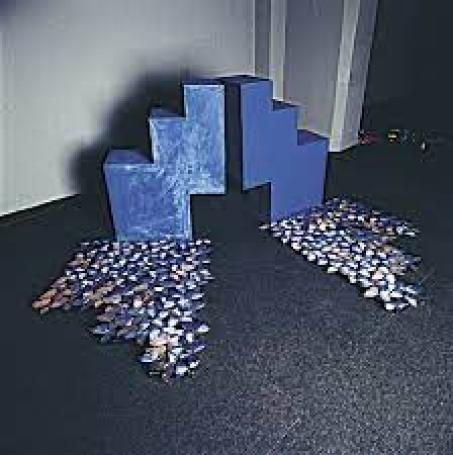
84museo judio costa rica


Museo de la Comunidad Judío de Costa Rica/Museum of the Jewish Community of Costa Rica

Costa Rica

___________

2-2

Museo Sefardí de Caracas “Morris E. Curiel”/”Morris E. Curiel” Sephardic Museum of Venezuela

Museo Sefardí – Caracas, Venezuela

_______________________________________________