Gabriela Kizer nació en Caracas en 1964. Es licenciada en Letras por la Universidad Central de Venezuela (1986) y magister en Literatura Latinoamericana Contemporánea de la Universidad Simón Bolívar (1993). Desde 1993 se desempeña como profesora de literatura en la Escuela de Artes de la Universidad Central de Venezuela. Ha dictado varios talleres de lectura y escritura de poesía. Ha publicado los libros de poemas: Amagos, Monte Ávila Editores (Caracas, 2000) -este libro fue escogido en el concurso para la selección de obras de autores inéditos de Monte Ávila Editores en 1999-. Guayabo, Ediciones Arte Dos Gráfico/Ediciones EstaTierra de Gracia (Bogotá, 2002). Tribu, (2011), que fue distinguido con el Premio Internacional de Poesía «José Barroeta», en el marco de la VII Bienal de Literatura «Mariano Picón‒Salas» (Mérida, 2007), y Pavesa (Caracas/Nueva York: Ediciones Letra Muerta, 2019). Ha publicado también la biografía de Ida Gramcko para la Biblioteca Biográfica Venezolana, «El Nacional» (Caracas, 2010).
____________________________________________
Gabriela Kizer was born in Caracas in 1964. She holds a Bachelor’s degree in Literature from the Central University of Venezuela (1986) and a Master’s degree in Contemporary Latin American Literature from Simón Bolívar University (1993). Since 1993, she has served as a literature professor at the School of Arts at the Central University of Venezuela. She has conducted various workshops on reading and writing poetry. She has published the following poetry collections: Amagos (Monte Ávila Editores, Caracas, 2000)—a book selected through Monte Ávila Editores’ 1999 competition for previously unpublished authors—; Guayabo (Ediciones Arte Dos Gráfico / Ediciones EstaTierra de Gracia, Bogotá, 2002); Tribu (2011)—which was honored with the “José Barroeta” International Poetry Prize during the 7th “Mariano Picón-Salas” Literature Biennial (Mérida, 2007)—; and Pavesa (Caracas/New York: Ediciones Letra Muerta, 2019). She also published a biography of Ida Gramcko for the Biblioteca Biográfica Venezolana (Venezuelan Biographical Library) series by El Nacional (Caracas, 2010).
Supe, por último, que seguiría buscando en sus ojos
la palabra definitiva,
que mi amor no caería de pie.
Pensé en los amores que tienen siete vidas
e intenté precisar por cuál íbamos.
Tal vez por la quinta, me dije,
quedan dos.
_________________________________
SEVEN LIVES
I met sorrow
one rainy January morning,
shortly before turning fifty.
I—who thought I knew it all—
suddenly realized that my lover
didn’t love me quite as much as he claimed.
My eyes didn’t well up
(that had already happened the afternoon before,
and the afternoon before that).
I simply ran a cloth—dampened with furniture polish—
over the little Indian table in the living room,
followed by a dry cloth,
just to ensure
the cigarette box wouldn’t get sticky.
But it was a skeptical gesture, almost cold.
I looked at his lamps, and at the love
with which I had arranged them such a short time ago.
I also realized that the word “empegostar”
is a Latin American regionalism
and does not appear
in the Dictionary of the Royal Academy.
I retraced his skin, his essence, his face—
his entire body, in my memory—
and recognized, too, just how well I knew them.
How well, and in what way, I knew them.
But I couldn’t be bothered to search for the word
that might capture that intensity.
One is entitled to one’s little acts of vengeance,
I told myself.
All through the morning,
the sun kept rising and setting.
Finally, I knew
that I would go on searching in his eyes
for that definitive word—
that my love would not land on its feet.
I thought of loves that have seven lives,
and tried to pinpoint which one we were on.
Perhaps the fifth, I told myself;
that leaves two.
_________________________________
CAÍDA
La herida, sí, la herida.
La caída de los patines,
no del paraíso.
Y el olor a alcohol, insoportable.
Sople, por favor, sople.
Deme el instante que sucede al desmayo,
la calle apareciendo en su lugar,
la costra incipiente, el sobresalto
de mi rodilla ardiendo,
de mi rodilla pelada frente a Dios.
Por favor, sople, sople.
_______________________________
THE FALL
The wound—yes, the wound.
The fall from the skates,
not from paradise.
And the smell of alcohol—unbearable.
Blow on it, please; blow.
Give me the instant that follows the faint,
the street appearing in its place,
the nascent scab, the sudden shock
of my burning knee,
of my skinned knee laid bare before God.
Please, blow on it; blow.
PUERTO AZUL
Ustedes se escondían tras las piedras del malecón. Tú eras rubia, acaso lo seas todavía.
Ustedes caminaban de noche y de día tomados de las manos. Ustedes sonreían sobre granizados de fruta y correteaban como niños a la orilla del mar.
Era el tiempo de ocultar cigarrillos en los resquicios de una pared precisa.
¿Hasta dónde llegaba el aterrado asombro? ¿Hasta dónde la delicia de las manos ya sueltas? ¿Hasta dónde el sol, el musgo, el choque de las olas, las voces lejanas, el gesto repetido del cangrejo?
Yo lo soñaba. Punto por punto lo soñaba. Pero no sé qué soñaba.
Mi placer está hecho de esa incógnita.
_________________________________________
PUERTO AZUL
You two would hide behind the stones of the seawall.
You were blonde—perhaps you still are.
You two would walk, night and day, holding hands.
You would smile over fruit slushies
and frolic like children at the water’s edge.
It was a time for hiding cigarettes
in the crevices of a specific wall.
How far did that terrified wonder reach?
How far the delight of hands finally unclasped?
How far the sun, the moss, the crash of waves,
the distant voices, the crab’s repeated gesture?
I dreamt it all.
Point by point, I dreamt it.
But I do not know what it was I dreamt.
My pleasure is fashioned from that very enigma.
____________________________________
FÁBULAS
Ni todas las fábulas de reinos antiguos que por mí aguardan me ayudarán a olvidarte.
Intento, en vano, recordar el poema en que esto fue dicho espléndidamente.
Ya ves cómo has vuelto a dejar mi casa a merced de la vieja lámpara de aceite sobre una mesa vacía, apolillada.
No voy a frotarla. Sé bien que su hosco genio no habría de servirme como no sirvió a la princesa Badrulbudur.
Tal vez el curso de los días y los sencillos hábitos vayan apaciguando el Ganges y el color aceitunado del océano Índico y un ángulo de tu rostro y Catay y Cipango en mi respiración y el sabor de tus ojos.
¿Qué más puedo decirte?
Sé que vendrán noches en que te sobrarán las manos y no sabes cuánto lamento que este amor no te haya servido para vivir.
Pierde cuidado. Menos aún me servirá para morir.
Como San Brandán, atravesaré nuevamente el Atlántico ignoto hasta dar con la isla en la que no habrá bálsamos ni deseo ni sed ni me bastarán el hebreo ni el caldeo ni el árabe ni siquiera tus manos me servirán de lengua.
Tampoco me sirve confundir a estas alturas una pena de amor con el silencio de las sombras. Desconozco la melodía para aplacarlas y, sin embargo, noche a noche me duermo canturreando un poco: me envolverán las sombras o sombras nada más o voz de sombra
despedazada ya, sangrante
en la desembocadura del Hebro o en la octava, en la novena cuerda de la lira o sobre el barro de este callejón de puertas cerradas y fantasmas que ladran (a mil besos de profundidad).
FABLES
Not even all the fables of ancient kingdoms
that lie in wait for me
will help me forget you.
I try—in vain—to recall the poem
in which this was so splendidly expressed.
You see how, once again, you have left my house
at the mercy of the old oil lamp
sitting upon an empty, moth-eaten table.
I will not rub it.
I know full well that its surly genie would be of no use to me—
just as it was of no use to Princess Badrulbudur. Perhaps the passage of days
and simple habits
will gradually soothe the Ganges
and the olive-hued expanse of the Indian Ocean,
and an angle of your face, and Cathay,
and Cipango in my very breath,
and the taste of your eyes.
What more can I tell you?
I know that nights will come when your hands feel superfluous to you,
and you cannot know how deeply I regret
that this love has not served to sustain your life.
Rest assured:
it will serve me even less in dying.
Like Saint Brendan,
I shall once again traverse the unknown Atlantic
until I reach the island where there will be no balms,
nor desire, nor thirst; where neither Hebrew,
nor Chaldean, nor Arabic will suffice me—
where not even your hands will serve as a tongue for me.
Nor does it serve me, at this late stage,
to confuse the ache of love with the silence of the shadows.
I know not the melody to appease them;
and yet, night after night, I drift into sleep
humming softly: the shadows will envelop me—
or nothing but shadows—or the voice of a shadow,
already shattered, bleeding
at the mouth of the Hebrus,
or upon the eighth, the ninth string of the lyre,
or in the mud of this alleyway of shuttered doors
and barking ghosts (a thousand kisses deep).
________________________________________
Libros de poesía de Gabriela Kizer/Books of Poetry by Gabriela Kizer
Krina Ber nació en Polonia en 1948, creció en Israel, se graduó en arquitectura en la EPFL (Suiza) y se casó en Portugal antes de mudarse, en 1975, a Caracas, donde ella y su esposo fundaron Kreska C.A., una empresa especializada en diseño de acero, aluminio y vidrio. Comenzó a escribir en 2001. Sus cuentos, incluidos en casi todas las antologías de cuentos cortos venezolanos y premiados en importantes concursos nacionales, se recogen en Cuentos con agujeros (Monte Ávila, 2005), Para no perder el hilo (Mondadori, 2009) y La hora perdida (Ígneo, 2015). Su primera novela, Nube de polvo (Equinoccio 2015), recibió el Premio de la Crítica, y en 2020 Ficciones asesinas ganó el XIX Concurso Transgenérico, otorgado por la Fundación para la Cultura Urbana.
______________________________________
Krina Ber was born in Poland in 1948, grew up in Israel, graduated with a degree in architecture from EPFL (Switzerland), and got married in Portugual before moving, in 1975, to Caracas, where she and her husband founded Kreska C.A., a business specialized in steel, aluminum, and glass design. She started writing in 2001. Her short stories—which are included in almost all anthologies of Venezuelan short fiction and have received prizes in important national competitions—are collected in Cuentos con agujeros (Monte Ávila, 2005), Para no perder el hilo (Mondadori, 2009), and La hora perdida (Ígneo, 2015). Her first novel, Nube de polvo (Equinoccio 2015), received the Premio de la Crítica, and in 2020 Ficciones asesinas won the nineteenth Concurso Transgenérico, awarded by the Fundación para la Cultura Urbana.
________________________________________________
Benjamín y la caminadora
Caminando, caminando y ni te acuerdas, eso es lo que le dice siempre. Bueno, no exactamente en esos términos. Generalmente se trata de un reclamo más directo: no llamaste a Pacheco, no revisaste el contrato de Supercable, no llevaste el carro al taller, se te pasó la hora de la cena, te olvidaste de nuestro aniversario de bodas o de comprar el champú que te pedí. Ella no espera respuestas y Benjamín sabe que sería inútil contestar. También sabe que tras esa letanía de pequeños olvidos se alza, liso e implacable como un tepuy, el verdadero reproche, existencial, imperdonable. El de no recordar. Hay una enorme diferencia entre olvidar y no recordar.
Un reproche que, por supuesto, nunca ha sido pronunciado directamente. El peso acusador de lo que Benjamín no recuerda —o pretende no recordar— desencadenaría tamaño terremoto en todas las capas geológicas que amontonaron con paciencia durante años hasta formar un terreno estable donde pueden soportarse mutuamente. Benjamín no se acuerda del futuro que quedó en el pasado, de ese futuro glorioso, brillante como el sol, cuyos contornos desaparecían misteriosamente a medida que se adentraban en él. Treinta y cinco años es suficiente tiempo para comprobarlo.
Lo peor es no recordar, dice ella sin decirlo, pues habla tan solo del mecánico y del champú. Se te olvida todo, dice. La vida que me prometiste (eso no lo dice). Caminar y caminar no lo resuelve, dice, y últimamente es todo lo que haces.
Como si no supiera que Benjamín se puso a caminar por orden del médico. El santo remedio para la edad que tiene, el colesterol alto, el hígado perezoso, las arterias obstruidas, y el corazón tan poco activo como el dueño de esos órganos estropeados. Así que se acostumbró a caminar. Ahora su mujer sospecha que le gusta hacerlo y esto no lo puede permitir; no es justo, mientras ella vive con la desdicha de acordarse a diario de ese luminoso futuro común que se desdibujó en el presente y nada más.
—Ya basta de caminar tanto, Benjamín. ¡Abre la puerta por favor! Mauricio viene hoy a cenar con tus nietos, nunca sabe que hacer con los chicos cuando le toca cuidarlos, hay que decir que se volvieron insoportables desde el divorcio, se les nota la educación de su madre (mejor no hablo de ella) y Sandrita está durmiendo, así que tienes que dar un salto a la panadería. Y podrías poner la mesa también, ¿qué te parece? Siempre yo sola con todo. Y tú, ¡caminando y caminando!
Los guijarros crujen bajo sus pies y el aire de primavera rebosa del trinar de invisibles pájaros. Benjamín sube el volumen; desde muy lejos le llega el relincho de un caballo. Un sonido delicioso.
Le rodea un mundo verde y vegetal, ahora como al principio, cuando se dirigió a los sitios con derecho común a la caminata: la Autopista cerrada los domingos, Los Caobos, El Parque del Este. Se compró un “walkman” y por un tiempo metía la panza y erguía la cabeza, como corresponde a quien forma parte de una comunidad saludable y deportiva, donde los exitosos hombres de negocios se ponen democráticamente el mismo short que los fracasados; reino de piernas largas y musculosas preparándose para un maratón, ceñidas mallas, impecables traseros, cuerpos brillantes de crema y sudor. Hasta que llegó el día inevitable en que se dio cuenta de que los demás corrían o trotaban, y aún los que caminaban como él, lo pasaban con facilidad, una y otra vez. Pisando fuerte el cemento de umbrosos senderos parecían dirigirse apurados hacia algún destino importante, desconocido para él. Benjamín, en cambio, solo daba vueltas. Se quedaba atrás, como siempre. Y eso le recordaba de alguna manera el reproche nunca pronunciado por su mujer, implacable como un tepuy. De modo que guardó el walkman en la gaveta, (siempre compras cosas y después no las usas) y optó por cederle definitivamente el carro y caminar a su trabajo, de ida y de vuelta.
—Me oíste, Benjamín, ¡basta ya! —dice ella—. ¡Ábreme esta puerta! Van a cerrar la panadería.
Benjamín aprieta el paso. Aún le queda camino por recorrer.
Su oficina se encuentra en el mismo viejo edificio donde él la instaló cuando este era nuevo, mucho antes de que la ciudad le pasara por encima y lo dejara olvidado al final de una calle peatonal, hoy invadida por buhoneros y artesanos ambulantes.
Caminar por allí implicaba perderse entre los tenderetes y bandejas, en el abigarramiento de joyas de plástico, perfumes de Taiwán, bluyines de contrabando y pantaletas de lycra con encaje. Benjamín remoloneaba hojeando libros de segunda mano y manoseadas revistas pornográficas desplegadas sobre la acera; a veces compraba dulce de leche o un kilo mal pesado de mandarinas a una joven mulata, cuyo bebé color puro chocolate dormía entre chucherías. Ella le hablaba con amabilidad, decía que están dulcitas las mandarinas, le decía “mi amor”, y el vendedor de revistas, alemán de pelo blanco y acento colombiano, compartía con él profundas reflexiones acerca de la situación del país con las cuales Benjamín no podía discrepar.
Aquí no existía pasado ni futuro alguno, mucho menos un futuro que ya pasó. Era fácil vagar sin metas ni equipaje por ese presente instantáneo, efímero y eterno a la vez, que se deshacía en gritos y revoloteo de colchas apenas se asomaban los agentes uniformados en la esquina quedando la calle súbitamente vacía con sus fachadas desconchadas, pipotes atestados de basura y remiendos de asfalto entre los adoquines; pero nada de esto era trágico ni definitivo: minutos después reaparecían los colores y se reanudaba el bullicio.
Muy pronto el camino de ida y vuelta a su oficina se convirtió en el placer de cada día. Benjamín lo mantenía en secreto, por supuesto. Sabía bien que no tenía ese derecho, mientras a Mauricio lo limpiara la arpía de su ex, y Sandrita se metiera ese polvo en la nariz que la pone incoherente y chillona. Y ella, pobrecita, en la casa: sola y recordando.
Al fin terminaron por descubrirlo. Era inevitable. Tardaba en llegar al trabajo y le mentía a su vieja secretaria. Para colmo, atracaron a su cuñado allí mismo, en la salida de la Notaría. Le rompieron el saco, le quitaron la cartera y al parecer se enojaron bastante al abrirla, ya que fueron golpes y más golpes. De modo que su mujer y el doctor le prohibieron caminar por la calle. Desde varios puntos de vista era malo para la salud.
Era un hecho indiscutible que su colesterol aumentó considerablemente y el ritmo cardíaco no se beneficiaba mucho con el inútil vagar de esas caminatas. De nada sirve, le decían, caminar con el paso tan lento. Ahora se preocupan: al parecer lo hace demasiado deprisa. A su edad, es peligroso; le puede dar un infarto.
—Benjamín, ¡abre ya la puerta! —Voces de Sandra y de su mujer. Pero él se hace el loco, y camina, camina, camina, cada vez más rápido. Sus piernas se han hecho fuertes y la panza bajó de volumen; sin embargo, está sudado y jadeante, el corazón le retumba en el pecho. No importa, algún día tiene que llegar al final del recorrido. Por una vez en la vida está haciendo lo correcto: fijarse objetivos y alcanzarlos.
De hecho, todos ellos son responsables también. Le sugirieron esta solución y se mostraron complacidos cuando la Caminadora llegó a casa, aunque les extrañó un poco la inusual iniciativa que había demostrado al comprarla sin consultar a nadie. Años hacía que Benjamín, él solo, no se compraba ni una camisa. Él mismo no logra entender cómo descubrió aquel artefacto en una tienda por departamentos, ni cómo se dejó seducir de inmediato por las explicaciones del vendedor, quién —cosa rara—, ni cuenta se daba del poder de su propia mercancía. Casi sin proponérselo, Benjamín se hizo dueño de una máquina para caminar, la mejor del mercado, el último modelo. Menos mal que nunca sabrán cuánto le costó esta extravagancia.
Acto seguido convirtió al dormitorio de huéspedes (totalmente inútil, dicho sea de paso) en una especie de gimnasio privado. Allí, siguiendo penosamente las instrucciones del manual, instaló La Caminadora con su batería de altavoces y proyectores.
Comenzó a practicar con la velocidad más baja y desde el principio sintió una gran afinidad con ese ejercicio que parece haber sido diseñado especialmente para él. Hay un deje melancólicamente familiar en eso de caminar y caminar para quedarse siempre en el mismo sitio. Algo así había hecho durante toda su vida.
Con la salvedad de que ahora tiene algo más: la cinta de vídeo que vino con el paquete. Desde la primera proyección supo que algo nuevo e importante estaba irrumpiendo en su vida. La pared blanca frente a él se llenó de paisajes verdes que desfilaban de árbol en árbol entre fuentes cristalinas y parterres de flores, mientras los altavoces reproducían a la perfección el piar de los pájaros y el crujido de la grava bajo sus pasos. Estaba solo, maravillosamente solo, indiscutible rey de tanta belleza. Mandó instalar una cerradura Multilock a su improvisado gimnasio. Custodiaba la llave con recelo, hasta dormía con ella en el bolsillo de su pijama; tu padre se ha vuelto loco, dice ella, y la limpieza ¿qué?.
Él aclaraba con paciencia que encontró finalmente un sistema idóneo para caminar, y que necesitaba concentrarse para practicar. Estaba tan animado que su mujer frunció las cejas, sospechosa, pero se abstuvo de comentarios. Al fin y al cabo se trataba de una actividad saludable, aburrida y recomendada por el doctor. No reconoció las señales de peligro.
Benjamín en cambio intuía que su vida adquiría una nueva dimensión, aunque tan sólo al cabo de dos o tres semanas advirtió ligeras alteraciones en el paisaje que recorría en el video. Al principio fueron ruidos inexplicables, sugiriendo apenas perceptibles presencias animales. Comenzó con aquella chicharra cuyo desagradable zumbido pertinaz lo acompañó durante un buen trecho del camino. Convencido de que ésta había encontrado una manera de escurrirse por la ventana, Benjamín interrumpió la sesión con el firme propósito de deshacerse del intruso y constató con asombro que el zumbido cesó en el mismo instante en que paró la cinta. Se trataba de una extraña coincidencia o de un insecto particularmente inteligente, pues reanudó su vuelo al reiniciarse el video. Nunca más había vuelto. Y Benjamín terminó por olvidarlo concentrándose en caminar —lo hacía cada vez más rápido y mejor— hasta el día en que se paró, pensativo, al borde del tercer estanque. Hubiese jurado que cada vez cuando pasaba por allí un imponente chorro cristalino brotaba en su centro; sin embargo, hoy la fuente estaba cerrada, el agua adquiría profundos tonos verdes y un pequeño pato silvestre jugueteaba en la orilla. Perplejo , Benjamín dejó que la cinta se rebobinara, luego la colocó desde el principio y volvió a sus propios pasos. Esta vez el chorro de agua brotaba a borbotones, no había duda sobre esto, pero el patito seguía en su sitio. Era extraño que nunca antes advirtiera su presencia.
Por primera vez se dio cuenta de que jamás había llegado más allá de aquel estanque, y sintió curiosidad. Prolongó la duración de sus caminatas, luego se empeñó en aumentar la velocidad. La cinta recompensó su esfuerzo: efectivamente, más lejos el paisaje cambiaba. Los árboles del parque comenzaron a rarificarse, y por ambos lados del camino aparecían ahora elaboradas verjas de hierro dejando entrever opulentas mansiones de dos y tres pisos en medio de sus jardines. Al tercer día llegó, jadeando de cansancio, a una casa particularmente hermosa, toda de madera recubierta de viña silvestre. Le pareció vagamente conocida. Deseó saber quien vivía allí, tocar el timbre y entrar, pero la ley de la Caminadora no permitía tales extravagancias. Sólo pudo seguir caminando lentamente, sin quitar los ojos de las ventanas que protegían su misterio con alegres cortinas amarillas y aguzaba el oído para captar la tenue risa de unos niños jugando en algún lugar del jardín. De pronto surgió el recuerdo: ella, joven y deslumbrante, recortando imágenes de revistas, el hogar soñado para su futuro común. En su fuero interno supo que no podía ser solamente una coincidencia, un azar del vídeo. Aquella casa estaba allí para él cual trampa divina. Benjamín acusó el golpe. Tuvo que parar el ejercicio y la imagen se desvaneció, dejándolo sudado y resollando frente a la desoladora pared blanca del ex cuarto de huéspedes.
Aquella noche no pudo conciliar el sueño. Hasta los irregulares ronquidos de ella y los sonidos de parranda que se filtraban desde la habitación de Sandra aumentaban el estado de embeleso febril en el cual se encontraba sumido. No veía la hora de volver a ese lugar y a las cinco de la mañana ya estaba ataviado con su mono de gimnasia ¿te caíste de la cama, o qué?
En un súbito impulso le propuso acompañarlo —ven conmigo, quiero mostrarte algo. Ella le dio la espalda, implacable con las extravagancias ¿A esta hora? Estás loco. De modo que Benjamín acarició brevemente los suaves rollos de goma espuma sobre la cabeza de su mujer y renunció a compartir su hallazgo con ella.
Menos mal: lo hubiera juzgado loco. De la tercera fuente brotaba con fuerza un chorro cristalino y en el estanque nadaba ahora toda una familia de patos, pero no hubo ni rastro de la casa cubierta de viña. En vano la buscó caminando rabiosamente. Atrás quedaron las verjas y las mansiones y una carretera de dos vías reemplazó al sendero en medio de un paisaje anodino y campestre. Suaves colinas azuladas ondulaban el horizonte. Sobre una de ellas estaba la ciudad, cual dibujo lejano. Al cabo de unos días desistió de buscar la casa y concentró todos sus esfuerzos en llegar allí.
Pero ¿qué te pasa?, decía ella. Estás más distraído que nunca. Tienes la misma mirada vidriosa que Sandrita cuando estaba en esa institución. Y se te olvidó llamar al banco para mi tarjeta de crédito… Estás peor que nunca. Se te olvida todo. ¡Todo!
Esta vez era cierto: se le olvidaba todo. Pero estaba mejor que nunca. Con una secreta excitación Benjamín acariciaba la llave en el bolsillo de su pantalón y no veía la hora de reiniciar su sesión de ejercicios. Ahora caminaba varias veces al día y cada vez se encerraba más tiempo con la Caminadora. Por desgracia, la cinta de video estaba estudiada para promover un progresivo aumento del esfuerzo: no había manera de reiniciarla en cualquier punto del camino, de algún modo siempre se devolvía sola al inicio. Si quería llegar al final, donde la lejana ciudad se erguía sobre la colina o, ¿quién sabe? más lejos aún, tenía que volver cada vez al punto de partida, atravesar el parque, recorrer los estanques, el sendero, la urbanización de quintas… La carretera que seguía se le antojaba interminable.
Te has vuelto loco, decía ella. Mírate, como sales de allí. Pálido. Apenas puedes respirar del cansancio. El doctor dijo que es peligroso, no puedes hacer esto. Es peor que una prueba de esfuerzo. Nadie puede hacer pruebas de esfuerzo sin supervisión médica.
Era cierto. En algún lugar recóndito de la conciencia Benjamín sabe que debería bajar el ritmo. Sus piernas se han fortalecido pero el corazón reacciona bastante mal. Anoche sintió otro dolor en el pecho; tuvo que parar la máquina y se recostó, jadeante, al borde del camino, sin apartar la vista de las lejanas colinas hasta que estas se apagaron en la blancura del horizonte. La pared se le vino encima mientras trataba de incorporarse sobre la alfombra, en sus oídos el zumbido inexorable de la cinta que se rebobinaba otra vez hacia el inicio del trayecto.
Están aporreando la puerta ahora. Se oyen voces, la risita estúpida de Sandra, los gritos de los muchachos de Mauricio, sal papá, sal abuelo, ¡queremos comer!
—Benjamín, ¡ya basta! No importa la mesa, la puse yo misma, tan sólo sal. Viejo exagerado. Voy a vender esta maldita máquina, tan sólo te hace daño.
Benjamín acaba de llegar al pie de la primera colina e inicia la ansiada subida. El dolor vuelve, agudo, esta vez en el brazo izquierdo y le nubla un poco la vista, pero la ciudad no está tan lejos ya. Su última posibilidad de escape. Allí habrá otra calle donde los vendedores ambulantes desplegarán sobre la acera, sólo para él, sus efímeras maravillas. Tal vez otra oficina. Tal vez otra casa. Ojalá pase algún vehículo para darle un aventón, porque el tiempo apremia.
—Benjamín —ruega ella, ahora con voz de angustia— abre, Benjamín; Mauricio dice algo del cerrajero que ya está en camino. Benjamín anhela el asilo de la ciudad desconocida. Menuda sorpresa tendrán cuando terminen de tumbar la puerta.
Sabe que si llega a tiempo, no podrán quitarle la Caminadora. Ni nada más. Llegar al final es necesario, indispensable… Una meta, al fin. Si se ejercita lo suficiente, llegará. Es una mera cuestión de entrenamiento.
La vista fija en su meta, Benjamín aprieta el paso.
Del libro: Cuentos con agujeros (Monte Avila, 2001)
“Walking, walking, and you don’t even remember,” that’s what she always says to him. Well, not exactly in those terms. It’s usually a more direct complaint: you didn’t call Pacheco, you didn’t check the Supercable contract, you didn’t take the car to the mechanic, you missed dinner, you forgot our wedding anniversary or that you didn’t buy the shampoo I asked you for. She doesn’t expect answers, and Benjamin knows it would be pointless to reply. He also knows that behind this litany of minor oversights rises, smooth and implacable like a tepui, the true reproach, existential, unforgivable. The reproach of not remembering. There’s a huge difference between forgetting and not remembering.
A reproach that, of course, has never been uttered directly. The accusing weight of what Benjamin doesn’t remember—or pretends not to remember—would unleash such a massive earthquake in all the geological layers that patiently accumulated over the years to form a stable ground where they can support each other. Benjamin doesn’t remember the future that’s now in the past, that glorious future, bright as the sun, whose outlines mysteriously vanished as they moved deeper into it. Thirty-five years is enough time to see that.
The worst part is not remembering, she says without saying it, since she only talks about the mechanic and the shampoo. You forget everything, she says. The life you promised me (she doesn’t say that). Walking and walking doesn’t fix it, she says, and lately it’s all you do.
As if she didn’t know that Benjamin started walking on the doctor’s orders. The perfect remedy for his age, his high cholesterol, his sluggish liver, his clogged arteries, and a heart as inactive as the owner of those damaged organs. So he got used to walking. Now his wife suspects he enjoys it, and she can’t allow that. It’s not fair, while she lives with the misery of remembering every day that bright future they shared, a future that has faded into the present and nothing more.
“Enough walking, Benjamin. Open the door, please! Mauricio is coming for dinner tonight with your grandchildren. He never knows what to do with the kids when it’s his turn to babysit. I have to say, they’ve become unbearable since the divorce. You can see their mother’s upbringing in them (best not to mention her). And Sandrita is asleep, so you have to run to the bakery. And you could set the table too, what do you think? I’m always the one doing everything. And you, walking and walking!”
The pebbles crunch under their feet, and the spring air is filled with the chirping of invisible birds. Benjamin turns up the volume; from far away, he hears the whinny of a horse. A delightful sound.
He was surrounded by a green and verdant world, now as he had been in the beginning, when he frequented the places where walking was commonplace: the highway closed on Sundays, Los Caobos, Parque del Este. He bought a Walkman and for a while, he sucked in his stomach and held his head high, as befits someone who belongs to a healthy and athletic community, where successful businessmen democratically wear the same shorts as the unsuccessful; a realm of long, muscular legs preparing for a marathon, tight leggings, flawless backsides, bodies glistening with lotion and sweat. Until the inevitable day arrived when he realized that everyone else was running or jogging, and even those who walked like him, easily passed him, time and time again. Footsteps pounding on the concrete of shady paths, they seemed to be hurrying toward some important destination, unknown to him. Benjamin, on the other hand, just wandered around. He fell behind, as always. And that somehow reminded him of his wife’s unspoken reproach, as implacable as a tepui. So he put the Walkman away in the drawer (you always buy things and then never use them) and decided to finally give her the car and walk to work, both ways.
“Did you hear me, Benjamin? That’s enough!” she says. “Open this door! They’re about to close the bakery.”
Benjamin quickens his pace. He still has a long way to go.
His office is in the same old building where he set it up when it was new, long before the city overran it and left it forgotten at the end of a pedestrian street, now overrun by street vendors and itinerant artisans.
Walking there meant getting lost among the stalls and trays, in the jumble of plastic jewelry, Taiwanese perfumes, contraband jeans, and lace-trimmed lycra panties. Benjamin lingered, leafing through secondhand books and well-worn pornographic magazines spread out on the sidewalk; sometimes he bought dulce de leche or a roughly weighed kilo of tangerines from a young mulatto woman whose pure chocolate-colored baby slept among sweets. She spoke to him kindly, saying the tangerines were sweet, calling him “my love,” and the magazine vendor, a white-haired German with a Colombian accent, shared profound reflections with him about the country’s situation.
Comments. After all, it was a healthy, boring activity recommended by the doctor. He didn’t recognize the warning signs.
Benjamin, on the other hand, sensed that his life was taking on a new dimension, although only after two or three weeks did he notice slight alterations in the landscape he was traversing in the video. At first, they were inexplicable noises, suggesting barely perceptible animal presences. It began with that cicada whose unpleasant, persistent buzzing accompanied him for a good part of the journey. Convinced that it had found a way to slip out the window, Benjamin interrupted the session with the firm intention of getting rid of the intruder and noted with astonishment that the buzzing stopped the very instant he stopped the tape. It was a strange coincidence or a particularly intelligent insect, because it resumed its flight when the video restarted. It never returned. And Benjamin eventually forgot about it, concentrating instead on walking—he walked faster and better each time—until the day he stopped, lost in thought, at the edge of the third pond. He would have sworn that every time he passed by, an impressive jet of crystal-clear water gushed from its center; however, today the fountain was closed, the water took on deep shades of green, and a small wild duck frolicked on the bank. Perplexed, Benjamin let the tape rewind, then put it back in from the beginning and retraced his steps. This time the jet of water gushed forth, there was no doubt about that, but the duckling was still there. It was strange that he had never noticed it before.
For the first time, he realized that he had never gone beyond that pond, and he felt curious. He lengthened his walks, then he set about increasing his speed. The tape rewarded his effort: indeed, the further he went, the more the landscape changed. The trees in the park began to thin out, and on both sides of the path, elaborate iron gates now appeared, offering glimpses of opulent two- and three-story mansions nestled in their gardens. On the third day, panting with exhaustion, he arrived at a particularly beautiful house, all wood covered in wild vines. It seemed vaguely familiar. He longed to know who lived there, to ring the bell and go inside, but the law of the Walker forbade such extravagances. He could only continue walking slowly, his eyes fixed on the windows that shielded their mystery with cheerful yellow curtains, his ears straining to catch the faint laughter of children playing somewhere in the garden. Suddenly, the memory surfaced: her, young and dazzling, cutting out pictures from magazines, the dream home for their future together. Deep down, he knew it couldn’t be just a coincidence, a random trick of the video. That house was there for him like a divine trap. Benjamin felt the blow. He had to stop exercising, and the image faded, leaving him sweaty and panting in front of the desolate white wall of the former guest room.
That night he couldn’t sleep. Even her irregular snores and the sounds of revelry filtering from Sandra’s room intensified the feverish rapture he was in. He couldn’t wait to return to that place, and by five in the morning he was already dressed in his gym clothes. “Did you fall out of bed or what?”
On a sudden impulse, he suggested she come with him. “Come with me, I want to show you something.” She turned her back on him, unmoved by such eccentricities. “At this hour? Are you crazy?” So Benjamin briefly stroked the soft foam rolls on his wife’s head and gave up on sharing his discovery with her.
Thank goodness: she would have thought him mad. From the third fountain gushed a powerful stream of crystal-clear water, and a whole family of ducks swam in the pond, but there was no sign of the vine-covered house. He searched for it in vain, walking furiously. Behind him lay the gates and mansions, and a two-lane road replaced the path amidst a bland, rural landscape. Gentle blue hills rippled the horizon. On one of them stood the city, like a distant drawing. After a few days, he gave up looking for the house and concentrated all his efforts on getting there.
“But what’s wrong with you?” she would say. “You’re more distracted than ever. You have the same glazed look Sandrita had when she was in that institution. And you forgot to call the bank about my credit card… You’re worse than ever. You forget everything. Everything!”
This time it was true: he forgot everything. But he was better than ever. With a secret excitement, Benjamin stroked the key in his pants pocket and couldn’t wait to restart his exercise session. Now he walked several times a day, and each time he spent more time on the treadmill. Unfortunately, the treadmill was designed to promote a progressive increase in effort: there was no way to reset it at any time.
Jacqueline Goldberg. Es una escritora, periodista y editora venezolana. Nació en 1966, en Maracaibo. Es Licenciada en Letras, por la Universidad del Zulia (1990) y Doctora en Ciencias Sociales, por la Universidad Central de Venezuela (1998). Desde comienzos de los años noventa su trabajo discurre entre la literatura y el periodismo. En más de una veintena de libros abarca la narrativa, la poesía, la literatura infantil, el reportaje, el ensayo, la crítica de artes visuales, el periodismo gastronómico y el género testimonial. En su obra poética se encuentran los libros: Treinta soles desaparecidos (1986), De un mismo centro (1986), En todos los lugares bajo todos los signos (1987), Luba (1988), Máscaras de familia(1990), Trastienda (1992), Insolaciones en Miami Beach (1995), Carnadas(1998), Víspera (2000), La salud(2002), Una sal donde estoy de pie. Antología (2003), El orden de las ramas(2003), Verbos predadores. Poesía reunida (1986-2006)(2007), Amphycles, los bogavantes” (2011), Día del perdón (2011), Postales negras (2011), Limones en almíbar (2014), Nosotros, los salvados(2015), El libro de lo salvado (2020). Su trabajo poético aparece incluido y reseñado en antologías en Italia, Rumania, Corea del Sur, España, Puerto Rico, Chile, Perú, Argentina, Colombia, Estados Unidos, Cuba, México, Brasil y Venezuela.
De: Vomité un conejito
_______________________
Jacqueline Goldberg is a Venezuelan writer, journalist, and editor. She was born in 1966 in Maracaibo. She holds a Bachelor’s degree in Literature from the University of Zulia (1990) and a PhD in Social Sciences from the Central University of Venezuela (1998.). Since the early 1990s, her work has intersected literature and journalism. In more than twenty books, she covers fiction, poetry, children’s literature, reportage, essays, visual arts criticism, food journalism, and testimonials. Her poetic work includes the following books: Treinta soles desaparecidos (1986), De un mismo centro (1986), En todos los lugares bajo todos los signos (1987), Luba (1988), Máscaras de familia(1990), Trastienda (1992), Insolaciones en Miami Beach (1995), Carnadas(1998), Víspera (2000), La salud(2002), Una sal donde estoy de pie. Antología (2003), El orden de las ramas(2003), Verbos predadores. Poesía reunida (1986-2006)(2007), Amphycles, los bogavantes” (2011), Día del perdón (2011), Postales negras (2011), Limones en almíbar (2014), Nosotros, los salvados(2015), El libro de lo salvado (2020.) Her poetic work appears included and reviewed in anthologies in Italy, Romania, South Korea, Spain, Puerto Rico, Chile, Peru, Argentina, Colombia, United States, Cuba, Mexico, Brazil and Venezuela.
From: Vomité un conejito
___________________
_____________________________________
Poemas/Poems
El lugar de las precariedades
Sobre el escritorio reposa la fotografía de mi útero descolgado, amasijo que tan poco dice de la tenencia y de sus fibras.
He procurado permanecer cada tarde frente a la imagen, convencerme de que ese bocado sacrificial estuvo alguna vez atenazado en mi vientre. Que su superficie lisa y brillante se escurrió de mí en apenas un par de horas de quirófano. Que en adelante será mansedumbre.
Aún siento mordimientos en el abdomen, cansancio al retroceder.
Es difícil arremeter contra ciertos desenlaces: las heridas no son diques, no acunan, no revierten.
Quizá reproduzca la imagen en una postal barnizada y la obsequie a los amigos. En su dorso escribiré: «cuerpo uterino piriforme de 7 x 6 centímetros, en el cual se diagnosticó fibromatosis, adenomiosis y endometrio proliferativo, extraído de Jacqueline Goldberg el martes 21 de febrero del año 2006».
Que se vea. Se admire. Se abomine.
Me importa su cumplimiento de rastrojo.
Se trata de un retrato primordial, procedencia sin fin. Mis viejas fauces.
______________________________________
A Place of Precariousness
On the desk sits a picture of my excised uterus, a mess that says so little about its fibers, the properties.
I’ve tried to spend time with the image every afternoon, convincing myself that this sacrificial lump was once attached to my belly. Its smooth, glistening surface slipped away in a few short hours of surgery. Hereafter, there will be a gentleness.
I still feel twinges in my abdomen, fatigue when I slow down.
It’s hard to lash out against certain outcomes: wounds aren’t dikes, they don’t cradle, don’t regress.
Maybe I’ll reproduce the image on a glossy postcard and give it away to my friends. On the back I’ll write: “pyriform uterine body of 7 x 6 centimeters,
in which fibromatosis was diagnosed adenomyosis and proliferative endometrium, extracted from Jacqueline Goldberg, on Tuesday February 21 of the year 2006.”
Let it be seen. Admired. Detested.
The compliant stubble matters to me.
It’s an essential portrait, a port of origin without end. My old maw.
___________________
Estado de exilio
Hay una retahíla de verbos emancipados, sin cielo.
Todo es mío. Lo pestilente y lo liviano. Todo lo amasé, lo mordí, lo acuné.
Son mías las imprecisiones, el barro que no amaina, los hilos de sangre que cuajan el hogar.
Mío lo que despoja, savia de una tarde avara, huesos desmoronados en el útero.
Las minucias me las llevo al asco, al exilio de mí.
Las pérdidas no me arrancarán el mal, no me harán dadivosa ni puntual.
Si me voy cargo con todo, armo el miedo en otro puerto, me ensucio para nuevas esperanzas.
____________________________
State of Exile
There is a string of emancipated verbs, without sky.
Everything is mine. The pestilent and lightweight things. I kneaded it all, bit it all, cradled it.
Mine are the inaccuracies, the mud doesn’t subside, threads of blood coagulate the home.
Mine is whatever despoils, sap of one greedy afternoon, crumbling bones in the womb.
I carry minutiae to my disgust, to my exile.
The losses won’t pull the evil out of me, they won’t make me generous or punctual.
If I go I will carry everything,
assemble fear in another port, sully myself for new hope.
________________________________
El moribundo nos convoca
el moribundo nos convoca para recapitular su vida
forzado como está a respirarse a sí mismo hasta el fin su confesión es de segunda mano carece de voluntad para ocultar ciertas lealtades
en la vastedad del adiós la verdad es siempre un escándalo
__________________________________________
The Dying Man Summons Us
the dying man summons us, to recapitulate his life
forced as he is to breathe for himself until the end his confession is a second hand one lacks the will to conceal certain loyalties
in the vastness of farewells truth is always a scandal
Translated by Consuelo Méndez, with William Blair
___________________________
VÍSPERA (2000)
Si quedara un hombre
un sólo hombre
para después y la eternidad
corregido en su mínima condición
desechado si quedara para más nunca
postergado al tropiezo la triza infinita
si existiera y nos viéramos
y me explicara
el secreto que lo mantiene solo
alumbrado y solo pleno de encierros
si existiera
y pudiera irme lejos
no desear arrimarme única
sola sin palabras
_______________________________
EVE (2000)
If there was a man
only one man
for later and eternity
corrected in his minimum condition
discarded if he remained for never again
postponed to stumble over the infinite fragment
if he existed and we saw each other
and he would explain to me
the secret that keeps him alone
lighted and alone full of confinements
if he existed
and I could go far away
not yearn get closer, unique
alone in words
_______________________________________
INSOLACIONES EN MIAMI BEACH (1995)
El balcón es un pedazo de Collins Avenue
vista reducida a extremos
que nadie atiende durante las horas del lunch
miramos su amasijo en traje de baño disponemos toallas
sandwiches de tuna coca cola de dieta
encallamos al disparo seco
de una avioneta sobre la bahía
__________________________
The balcony is a piece of Collins Avenue a view reduced to extremes that no one notices during lunch we watch its jumble in bathing suits arrange towels tunafish sandwiches diet cokes become paralyzed at the dry shot
__________________________
«LUBA» (1988)
Tomo su herencia
de edades en quiebra
los oficios tristes del abandono sus muertos
I take on her inheritance
of crumbling ages
the sad trades of neglect her dead ones
Diálogo de pasillos diurnos
raíz memoria que soy
Dialogues in Daytime Hallways
root memory that I am
Duelen estas gana de luto
de amanecer
recogiendo plumas
en patios ajenos ganas
de ser ella
This Yearning of Mourning Hurts
of gathering feathers
at dawn
in alien courtyards
desire to be her
Luba asiste a cuanto soy
detiene sus raíces
sufre de nuevo
Luba Delivers All I Am
stalls her roots
she suffers anew
__________________________________
(Verbos Predadores/“Predatory Verbs”, 2007)
JardínBotánico
Muestro al hijo semillas hincadas en el musgo.
Señalo una palmera,
la flor que renacerá en sesenta años.
Él pregunta por las ramas del árbol invisible,
persigue dinosaurios,
remienda el carruaje de un fantasma.
Sigo los pretiles de mi angustia.
<<(Mira las aves de rapiña,
No esan lejos de la belleza», digo.
I<<Mira la quietud de los troncos,
manos condescendientes», digo.
Demasiados ángulos para un mismo blindaje.
Sentencio «he ahí un jabillo, una bromelia».
Nombro también destrozos, para no engañar.
El hijo no entiende, crepita en otro rubor.
Su mañana no es la mía. No es pálida. No es efímera.
Su mañana no cabe en mi reposo.
Lo conduzco para comparar nuestros océanos,
De tiempo viudo, idéntica admiración.
Jabillo: Name given in Venezuela to the tree Hura crepitans.
_______________________________________
“Botanical Garden”
I show my son the sunken seeds in the moss. I point at a palm tree, at the flower that will be reborn in sixty years.
He asks about the branches of the invisible tree, he chases dinosaurs, restores the carriage of a ghost.
I follow the barrier of my anxiety.
“Look at the vultures, not too far away from beauty” I say.
“Look at the tranquility of the trunks,
condescendent hands” I say.
Too many angles for a unique shielding.
I proclaim, “Behold a Jabillo, a Bromelia”,
I also name damage, not to cheat.
The son understands, he crackles in another flush. His morning is not mine. His isn’t pale. Nor ephemeral. His morning doesn’t fit my rest.
I drive him to compare our oceans, the being of a widowed time and an identical admiration.
Jabillo: Name given in Venezuela to the tree Hura crepitans.
Poesía, reflexión y arte unidos para conmemorar el 7 de octubre de 2023
Liderado por la destacada escritora, periodista y poeta judío-venezolana Raquel Markus – Finckler, este proyecto busca convertirse en un esfuerzo intelectual significativo que permitirá recordar y honrar a las víctimas de los atentados, a sus familias, a todos los afectados directa o indirectamente por este pogromo. La publicación está dedicada al Estado de Israel, a sus habitantes y, en general, a todos los miembros del pueblo judío.
Por medio de la fusión de palabra, voz e imagen, No alcanzan las palabras busca transmitir el dolor, la tristeza y la desesperación que la Nación judía (en Israel y en el mundo) ha cargado desde aquel terrible día, y al mismo tiempo, es un reconocimiento a su unión, a la esperanza, fe y templanza que ha demostrado durante este tiempo. La obra es un reflejo de las sombras y luces de todos sus participantes que promete dejar una huella profunda en todos sus lectores y escuchas.
A propósito de este próximo lanzamiento, Raquel Markus – Finckler expresó: “Tenemos planificado realizar su difusión en todas las comunidades judías hispanoparlantes de América Latina, Estados Unidos, Europa e Israel. Gracias a la colaboración de muchas personas involucradas en este proyecto, incluyendo a todos los artistas que participan, queremos llegar tan lejos como sea posible. Nuestra voz debe ser escuchada por el mundo, el pueblo y el Estado de Israel tienen derecho a la vida y tienen derecho a defender sus vidas. Este libro es un necesaria reivindicación de nuestro honor y de nuestro nombre. Aquí estamos de pie y orgullosos respondiendo a la proclama de Am Israel Jai, el pueblo de Israel vive”.
Son muchos los artistas plásticos que aceptaron colaborar con este proyecto literario y artístico ad honorem y completamente comprometidos con su propósito. En orden de publicación, ellos son: Ricardo Benaim, Edith Shlesinger, Samantha Finckler, Irene Pressner, Monique Mendelovici, Susy Iglicki, Cecilia Hecht, Orlando Campos, Susan Hirschhaut, Lisette Waich, Luis Franco Gutiérrez, Lihie Talmor, Geula Zylberman, Vanessa Baumgartner, Dahlia Dreszer, Vanessa Katz, Leah Reategui Rotker, Pájaro, Maruja Herrera Benzecri, Paola Levy, Raquel Soffer, Simón Weitzman, Lucy Keme, Silvia Cohen, Karla Kantorovich. Todos ubicados entre Venezuela, Estados Unidos e Israel y unidos bajo la consigna de Am Israel Jai (el pueblo de Israel vive).
El prólogo de esta obra está a cargo del reconocido académico Stephen A, Sadow, profesor emérito de Literatura Latinoamericana en la Northeastern University de Boston, autor de varios libros que tratan sobre la literatura y el arte judíos latinoamericano, así como creador de la reconocida página web jewishlatinamerica.com. Sadow dice:
Confrontar directamente una catástrofe requiere gran coraje. Convertir las emociones confusas del momento en literatura y arte requiere gran talento y estabilidad emocional. En su No alcanzan las palabras, la poeta judeo-venezolana Raquel Markus-Finckler –junto a los artistas plásticos que en sus obras reaccionan a los poemas escritos por ella– tiene el coraje y talento requeridos. En este libro se crea una nueva forma de denuncia de una catástrofe judía. He aquí las interacciones entre la poética y el arte. Un grupo de gente talentosa se esfuerza para protestar en contra de los ataques del 7 de octubre sobre los kibutzim Kfar Aza, Be’eri, Ofakim, Sderot, Yad Mordejái, Yated, Kisufim y Urim, el festival musical Nova de Simjat Torá y por los numerosos soldados israelíes caídos, los rehenes tomados y el dolor sentido por el país y la Diáspora. Raquel Markus-Finckler extiende la tradición judía
“En fin, No alcanzan las palabras es una profunda e incisiva respuesta a los horrorosos eventos del 7 de octubre de 2023. Se puede considerar como una reacción de la kehilá de Venezuela a un momento de gran agitación en el país. No alcanzan las palabras está armado por los poemas de Raquel Markus-Finckler y por un conjunto de obras de distintos artistas plásticos. Ellos actúan como representantes de una comunidad judía relativamente pequeña de la Diáspora, la venezolana, que muestra su solidaridad hacia los rehenes y sus familias, y hacia los que murieron y sufrieron el ataque del 7 de octubre”.
En su contexto histórico, la analista internacional Beatriz W. de Rittigstein, expresa:
“Las atrocidades perpetradas por Hamás, la Yihad Islámica Palestina, otros grupúsculos terroristas y miles de civiles gazatíes en el territorio soberano de Israel aquel nefasto 7 de octubre, sin ninguna duda, constituye para el Estado y el pueblo judíos un parteaguas, una línea divisoria de un antes y un después, un suceso que marca que ya nada será igual a lo previo. Va más allá de una guerra de religiones; se trata de una confrontación de civilizaciones entre el islam radical y la cultural judeocristiana, entre el mal y el bien, y, por la ventura de la humanidad, la cultura de la luz deberá prevalecer”.
El epílogo de la obra, a cargo del reconocido periodista, escritor y poeta Néstor Garrido, expresa:
“Conocida es la prolífica pluma de Raquel a la hora de traducir en versos sus pensamientos y sentimientos, como también su habilidad de hallar las palabras sencillas y tropos acertados; lo que sí no sabía era de su capacidad de convencer a un grupo de instituciones, artistas e intelectuales para seguirla en esta meta, habida cuenta de que se trataba de un trabajo ad honórem y por la sola satisfacción de hace No alcanzan las palabras es una creación hecha yad beyad (mano con mano), a la que le sobraron conciencias para concretar una obra colectiva que se ejecutó desde el coraje y la temeridad. Su propósito principal es poder conmemorar, por medio de la poesía, la reflexión yel arte el primer aniversario desde aquel trágico 7 de octubre.
A partir de su lanzamiento oficial, el 6, “No alcanzan las palabras” estará disponible sin costo alguno en formato de ebook, como PDF para ser compartido por medio de correos y chats institucionales, y en veinte video poemas, publicados en la plataforma de YouTube en un canal que lleva por nombre: No alcanzan las palabras.
“Words Are Not Enough” by Raquel Markus – Finckler Poetry, reflection and art united to commemorate October 7, 2023
Led by the prominent Jewish-Venezuelan writer, journalist and poet Raquel Markus – Finckler, this project seeks to become a significant intellectual effort that will allow us to remember and honor the victims of the attacks, their families, all those directly or indirectly affected by this pogrom. The publication is dedicated to the State of Israel, its inhabitants and, in general, to all members of the Jewish people.
Through the fusion of word, voice and image, “Words Are Not Enough” seeks to convey the pain, sadness and despair that the Jewish Nation (in Israel and in the world) has carried since that terrible day, and at the same time, it is a recognition of its union, the hope, faith and temperance that it has shown during this time. The work is a reflection of the shadows and lights of all its participants that promises to leave a deep mark on all its readers and listeners.
Regarding this upcoming release, Raquel Markus-Finckler said: “We plan to distribute it in all Spanish-speaking Jewish communities in Latin America, the United States, Europe and Israel. Thanks to the collaboration of many people involved in this project, including all the participating artists, we want to reach as far as possible. Our voice must be heard by the world, the people and the State of Israel have the right to life and the right to defend their lives. This book is a necessary vindication of our honor and our name. Here we stand proudly responding to the proclamation of Am Israel Jai, the people of Israel live.”
There are many visual artists who agreed to collaborate with this literary and artistic project ad honorem and are completely committed to its purpose. In order of publication, they are: Ricardo Benaim, Edith Shlesinger, Samantha Finckler, Irene Pressner, Monique Mendelovici, Susy Iglicki, Cecilia Hecht, Orlando Campos, Susan Hirschhaut, Lisette Waich, Luis Franco Gutiérrez, Lihie Talmor, Geula Zylberman, Vanessa Baumgartner, Dahlia Dreszer, Vanessa Katz, Leah Reategui Rotker, Pájaro, Maruja Herrera Benzecri, Paola Levy, Raquel Soffer, Simón Weitzman, Lucy Keme, Silvia Cohen, Karla Kantorovich. All live in Venezuela, the United States and Israel and are united under the slogan Am Israel Jai (the people of Israel live).
The prologue to this work is by the renowned academic Stephen A. Sadow, professor emeritus of Latin American Literature at Northeastern University in Boston, author of several books dealing with Latin American Jewish literature and art, as well as creator of the renowned website jewishlatinamerica.com. Sadow says:
To confront a catastrophe directly requires great courage. To convert the confusing emotions of the moment into literature and art requires great talent and emotional stability. In her No alcanzan las palabras, the Jewish-Venezuelan poet Raquel Markus-Finckler –along with the visual artists who in their works react to the poems written by her– has the courage and talent required. In this book, a new form of denunciation of a Jewish catastrophe is created. Here are the interactions between poetics and art. A group of talented people is working hard to protest against the October 7 attacks on the kibbutzim Kfar Aza, Be’eri, Ofakim, Sderot, Yad Mordechai, Yated, Kisufim and Urim, the Nova Simchat Torah music festival and for the numerous fallen Israeli soldiers, the hostages taken and the pain felt by the country and the Diaspora. Raquel Markus-Finckler extends the Jewish tradition
“In short, Words Are Not Enough is a profound and incisive response to the horrific events of October 7, 2023. It can be considered as a reaction of the kehilá of Venezuela to a moment of great turmoil in the country. Words Are Not Enough is put together by the poems of Raquel Markus-Finckler and by a set of works by different visual artists. They act as representatives of a relatively small Jewish community in the Diaspora, the Venezuelan one, which shows its solidarity towards the hostages and their families, and towards those who died and suffered in the attack on October 7.”
In its historical context, the international analyst Beatriz W. de Rittigstein, expresses:
“The atrocities perpetrated by Hamas, the Palestinian Islamic Jihad, other terrorist groups and thousands of Gazan civilians in the sovereign territory of Israel on that fateful October 7, without a doubt, constitute for the Jewish State and people a watershed, a dividing line of a before and after, an event that marks that nothing will be the same as before. It goes beyond a war of religions; it is a confrontation of civilizations between radical Islam and Judeo-Christian culture, between evil and good, and, for the good of humanity, the culture of light must prevail.”
The epilogue of the work, by the renowned journalist, writer and poet Néstor Garrido, states:
“Raquel’s prolific pen is well-known when it comes to translating her thoughts and feelings into verse, as well as her ability to find simple words and successful tropes; what I did not know was her ability to convince a group of institutions, artists and intellectuals to follow her in this goal, given that it was an ad honorem work and for the sole satisfaction of doing it.
No alcanzan las palabras is a creation made yad beyad (hand in hand), which had more than enough conscience to realize a collective work that was executed from courage and recklessness. Its main purpose is to commemorate, through poetry, reflection and art, the first anniversary of that tragic October 7th.
From its official launch, “No alcanzan las palabras” will be available free of charge in ebook format, as a PDF, that can also to be shared through institutional emails and chats, and in twenty video poems, published on the YouTube platform in a channel called: No alcanzan las palabras.
Thea Segall (Rumania, 1929 – Caracas, 2009) fue fotógrafa y editora de libros. Se inicia en la práctica fotográfica a la edad de 19 años como reportera gráfica de la Agencia Internacional de Noticias AgerPres, en Bucarest (1949-1957). Llega a Venezuela en 1958, con una solida formación fotográfica que le permite abordar varios géneros fotográficos desde el Studio Thea: fotos carné, primeras comuniones, retratos, eventos familiares, ceremonias de la comunidad judía, fotografía científica en el Instituto Venezolano de Investigaciones Científicas (1964–1970), registros de temas corporativos, actividades mineras, petroquímicas e hidroeléctricas para las industrias básicas del Estado, al sur del territorio venezolano (1980-2007) y representaciones de contenido etnográfico que forma parte y definen su discurso autoral. Particularmente, Segall se detiene en procesos artesanales de elaboración de alimentos (arepa y casabe), medios de transporte (curiara y carpintería de ribera), instrumentos musicales (tambor), proceso de hilado, cestería, alfarería, en áreas rurales de los Andes y en Barlovento (afro-venezuela). Representa también la arquitectura y los trabajos manuales que realizan las mujeres en comunidades indígenas (yekuana, yanomami, piaroa y wayúu). Vertebra sus registros fotográficos en secuencia que poseen un inicio, se desarrollan y finalizan, apuntando a una representación temporal con cualidades de narración visual. Organiza cuerpos de trabajo afines al género fotolibro que denominó “fotosecuencias” en la trilogía: El casabe, La curiara y El tambor (1988). Como editora Segall publicó, además, veinte libros con diferentes tópicos. Sus fotografías ilustran textos antropológicos, entre ellos Religions et magies indiennes d’Amérique du Sud de Alfred Metreaux (Bibliotèque des Sciences Humaines, París, 1967) y Los warao de María Matilde Suérez (IVIC, 1968), entre otros. Bajo su propio sello editorial, “Imagen y Huella”, imprime compendios sobre la vida y obra de científicos y humanistas venezolanos (1981-1988). Su sólida trayectoria no sólo se refleja en temas etnográficos, sino también en una amplia documentación corporativa y en el registro de fotografías para pasaportes, retratos o conmemoraciones. Su vastísima obra está recopilada en el libro Luz de Venezuela (1978).
_________________________________
Thea Segall (Romania, 1929 – Caracas, 2009) was a photographer and book editor. She began her photography practice at the age of 19 as a photojournalist for the International News Agency AgerPres, in Bucharest (1949-1957). She arrived in Venezuela in 1958, with a solid photographic training that allowed him to approach various photographic genres from the Thea Studio: passport photos, first communions, portraits, family events, ceremonies of the Jewish community, scientific photography at the Venezuelan Institute of Scientific Research ( 1964–1970), records of corporate issues, mining, petrochemical and hydroelectric activities for the basic industries of the State, in the south of Venezuelan territory (1980-2007) and representations of ethnographic content that are part of and define his authorial discourse. Particularly, Segall focuses on artisanal processes of food preparation (arepa and casabe), means of transportation (curiara and riverside carpentry), musical instruments (drum), spinning process, basket weaving, pottery, in rural areas of the Andes and in Barlovento (Afro-venezuela). It also represents the architecture and manual work carried out by women in indigenous communities (Yekuana, Yanomami, Piaroa and Wayúu). She structures his photographic records in sequence that have a beginning, develop and end, pointing to a temporal representation with qualities of visual narration. He organizes bodies of work related to the photo book genre that he called “photosequences” in the trilogy: El casabe, La curiara and El tumba (1988). As editor, Segall also published twenty books with different topics. His photographs illustrate anthropological texts, including Religions et magies indiennes d’Amérique du Sud by Alfred Metreaux (Bibliotèque des Sciences Humaines, Paris, 1967) and Los warao by María Matilde Suérez (IVIC, 1968), among others. Under his own publishing imprint, “Imagen y Huella”, he prints compendiums on the life and work of Venezuelan scientists and humanists (1981-1988). His solid career is not only reflected in ethnographic themes, but also in extensive corporate documentation and in the registration of photographs for passports, portraits or commemorations. His vast work is compiled in the book Luz de Venezuela (1978).
____________________________________________
Exposición de fotos de las sinagogas de Venezuela/Exhibition of Photos of the Synagogues of Venezuela
Raquel Markus-Finckler Periodista, escritora, poeta, investigadora histórica y editora venezolana de origen judío nacida en 19–. Esposa y madre. Integra la tercera generación de sobrevivientes del Holocausto. Graduada de Comunicación Social con Diplomado en Comunicación Digital de la Universidad Católica Andrés Bello. Venezuela. Post grado en Dirección de Instituciones Comunitarias ofrecido para América Latina por el Comité Judío Americano de Distribución Conjunta (American Jewish Joint Distribution Committee) con el apoyo académico de la Universidad de San Andrés, Argentina, y del Instituto Judío Spertus para la Enseñanza y el Liderazgo, Chicago, Estados Unidos. Doctorado Honoris Causa, mención Derechos Humanos, otorgado por la Fundación Universidad Hispana, Proyecto de Desarrollo Perú Cordilleras, Asociación de Periodistas Peruanos en el Exterior, Novel International University, Cámara de Comercio de Jesús María y el Instituto de Estudios Vallejianos.
Obtuvo el Primer Lugar de la modalidad de poesía del “Concurso periodístico, literario y poético Notas Migratorias César Vallejo 2021”, organizado por la Fundación Universidad Hispana. Ganó el Primer Lugar de Poesía del Segundo Encuentro Literario Solidario Internacional Distrital 2021 – 2022, correspondiente a la Coordinación Rotary Club Playa Ancha, de Valparaíso, Chile. Seleccionada entre los primeros seis finalistas del III Premio Rey David de Poesía Bíblica Iberoamericana, Premio Bienal convocado por Tiberíades (Red Iberoamericana de Poetas y Críticos Literarios Cristianos), la Sociedad Bíblica de España y el Fondo Jacqueline Alencar para la promoción de la Poesía Bíblica.Actuó como Jurado Principal del Certamen Internacional “Notas Migratorias César Vallejo” ediciones 2022 y 2023”, y del concurso de narrativa “Macondos del Siglo XXI”, 2023.; ambos organizados por la Fundación Universidad Hispana. Fue designada Miembro de Número de la Academia de Genealogía de Venezuela (AGEVEN), es miembro activo del Círculo de Escritora de Venezuela, integrante del Comité Venezolano de Yad Vashem y Miembro Honorario de la Fundación Universidad Hispana.
Ha estado a cargo de la investigación, redacción y/o edición de otras publicaciones, entre ellas: “Libro de Vida. Sefer HaJaim del Círculo Edad de Oro del Centro Social Cultural Deportivo Hebraica”, “Una historia, dos países. La saga de la familia Yecutieli Cohen”, “Hebraica LeJaim. Memoria conmemorativa del 40 aniversario del Centro Social Cultural Deportivo Hebraica” y “Hebraica de la A a la Z. Memoria Histórica en ocasión del 50 aniversario del CSCDR Hebraica”. Parte de su trabajo literario ha sido publicado en distintos medios de comunicación social, revistas culturales y literarias, blogs especializados y plataformas informativas venezolanas y de carácter internacional. Entrevistas, notas de prensa y reseñas de sus obras han aparecido en distintos medios de comunicación de Venezuela y en prensa internacional.
Ha publicado tres poemarios: Escribir para existir, Donde Reside la Belleza y Las Horas Negras.
________________________________________
Raquel Markus-Finckler Venezuelan journalist, writer, poet, historical researcher and editor of Jewish origin born in 19–. Wife and mother. She is part of the third generation of Holocaust survivors. Graduated in Social Communication with a Diploma in Digital Communication from the Andrés Bello Catholic University. Venezuela. Postgraduate degree in Management of Community Institutions offered for Latin America by the American Jewish Joint Distribution Committee with the academic support of the University of San Andrés, Argentina, and the Spertus Jewish Institute for Teaching and Leadership , Chicago, United States. Honoris Causa Doctorate, Human Rights mention, awarded by the Hispanic University Foundation, Peru Cordilleras Development Project, Association of Peruvian Journalists Abroad, Novel International University, Jesús María Chamber of Commerce and the Institute of Vallejiano Studies.
She won First Place in the poetry category of the “César Vallejo 2021 Migratory Notes Journalistic, Literary and Poetic Contest”, organized by the Fundación Universidad Hispana. He won First Place for Poetry at the Second District International Solidarity Literary Meeting 2021 – 2022, corresponding to the Rotary Club Playa Ancha Coordination, from Valparaíso, Chile. Selected among the first six finalists of the III King David Prize for Ibero-American Biblical Poetry, Biennial Prize organized by Tiberíades (Ibero-American Network of Christian Poets and Literary Critics), the Spanish Biblical Society and the Jacqueline Alencar Fund for the promotion of Biblical Poetry. He acted as Main Jury of the International Contest “Notes Migratorias César Vallejo” editions 2022 and 2023”, and of the narrative contest “Macondos del Siglo XXI”, 2023.; both organized by the Hispanic University Foundation. She was designated a Full Member of the Academy of Genealogy of Venezuela (AGEVEN), she is an active member of the Venezuelan Writer’s Circle, a member of the Venezuelan Committee of Yad Vashem and an Honorary Member of the Fundación Universidad Hispana.
She has been in charge of the research, writing and/or editing of other publications, including: “Libro de Vida. Sefer HaJaim of the Golden Age Circle of the Hebraica Sports Cultural Social Center”, “One story, two countries. The saga of the Yecutieli Cohen family”, “Hebraica LeJaim. Commemorative memory of the 40th anniversary of the Social Cultural Sports Center Hebraica” and “Hebraica from A to Z. Historical Memory on the occasion of the 50th anniversary of the CSCDR Hebraica”. Part of her literary work has been published in different social media, cultural and literary magazines, specialized blogs and Venezuelan and international information platforms. Interviews, press releases and reviews of his works have appeared in different media outlets in Venezuela and in the international press.
She has published three collections of poems: Escribir para existir, Donde Reside la Belleza and Las Horas Negras.
_______________________________
“Desde pequeña, la poesía me ha permitido salvarme, me permitió seguir creyendo y creando… Me permitió edificarme como ser humano… Llenó mis vacíos y mi soledad existencial con palabras sublimes, etéreas y preciosas… Me aportó la fortaleza que me transmitieron poetas que nunca llegué a conocer, pero cuyas palabras me acompañaban, me curaban y me animaban a seguir buscando dentro de mí el increíble manantial de esperanza, fe y valentía que significaba para mi alma la palabra poética… Mi búsqueda de la excelencia me ha llevado a convertirme, cada día, en un mejor ser humano, en una mejor escritora y, por lo tanto, en una mejor poeta… Para mí la poesía es sinónimo de vida. Si tengo un estímulo o aliciente que me permita seguir en contacto con ella, (con la que leo, con la que siento, con la que creo) … es razón suficiente para zambullirme dentro de esos caminos que me conducirán nuevamente al encuentro de la Verdad y la Belleza, los dos valores más certeros que residen en la palabra poética.” Raquel Markus-Finckler
“Since I was little, poetry has allowed me to save myself, it allowed me to continue believing and creating… It allowed me to build myself up as a human being… It filled my voids and my existential loneliness with sublime, ethereal and precious words… It gave me the strength that poets that I never reached to know, but whose words accompanied me, healed me and encouraged me to continue searching within myself for the incredible spring of hope, faith and courage that the poetic word meant for my soul… My search for excellence has led me to become, each day, into a better human being, into a better writer and, therefore, into a better poet… For me, poetry is synonymous with life. If I have a stimulus or incentive that allows me to continue in contact with it, (with the one I read, with the one I feel, with the one I believe)… it is reason enough to dive into those paths that will lead me back to finding the Truth. and Beauty, the two most accurate values that reside in the poetic word.” Raquel Markus-Finckler
Lihie Talmor nació en 1944 en Tel-Aviv, Israel. Recibe un B.Sc. en Arquitectura y Planificación Urbana de Technion, Haifa, Israel. Completa su B.A. en Poética y Literatura Comparada en la Universidad de Tel-Aviv en 1971 donde enseña hasta 1974. Estudió pintura en el estudio de Pinchas Abramovitz en Tel-Aviv. En 1980 se traslada a Caracas, Venezuela, y allí ingresa al Centro de Estudios de Artes Gráficas (CEGRA) de 1981 a 1983, y estudia pintura en el estudio de Walter Margulis. Desde 1984 ha trabajado en proyectos de arte, impartido y participado en cursos en centros culturales y talleres en Italia, Bélgica, Estados Unidos, Israel, Colombia y Venezuela. Trabaja en los campos del grabado, la escultura y la instalación. Talmor vive y trabaja en Israel y Venezuela.
____________________________________________
Lihie Talmor was born in 1944 in Tel-Aviv, Israel. Receives a B.Sc .in Architecture and Urban Planning from the Technion, Haifa, Israel. She completed her B.A. in Poetics and Comparative Literature at the University of Tel-Aviv in 1971 where she taught until 1974. Studied painting at Pinchas Abramovitz’ studio in Tel-Aviv. In 1980, moves to Caracas, Venezuela, and there enrolled at the Center of Studies for the Graphic Arts (CEGRA) from 1981 to 1983, and studied painting at Walter Margulis’ studio. Since 1984 she has worked on art projects, taught and participated in courses in cultural centers and workshops in Italy, Belgium, the United States, Israel, Colombia and Venezuela. Works in the fields of printmaking, sculptures and installations. Talmor ives and works in Israel and Venezuela.
_______________________________________
Lihie Talmor:
“”Mi intención no es una aproximación histórica ni periodística, ni un testimonio ni una ilustración de los conflictos. Por el contrario, los espacios que (re)creo en mi obra son más simbólicos que geográficos. En un camino serpenteante entre la fotografía, el grabado, la pintura y otras técnicas, creo ficción”.
“My intention is neither a historical nor a journalistic approach, neither testimony nor illustration of conflicts. On the contrary, the spaces I (re)create in my work are symbolic rather than geographical. On a meandering path between photography, etching, painting, and other techniques, I create fiction.”
Martha Kornblith fue poeta, licenciada en Letras y en Comunicación Social. De familia judía, llegó a Caracas siendo una niña. Se licenció en la Universidad Central de Venezuela y participó en numerosos talleres literarios coordinados por figuras como Armando Rojas Guardia, Rafael Arráiz Lucca e Ida Gramcko. Fue integrante del grupo literario Eclepsidra. Autora de: Oraciones para un dios ausente (1995), El perdedor se lo lleva todo (1997), Sesión de endodoncia (1997). En 1982 se le diagnostica esquizofrenia. El 29 de mayo de 1997 pone fin a su vida. Su poesía ha sido antologada nacional e internacionalmente.
Martha Kornblith was a poet, with a degree in Literature and in Social Communication. From a Jewish family, she arrived in Caracas as a child. She graduated from the Central University of Venezuela and participated in numerous literary workshops coordinated by figures such as Armando Rojas Guardia, Rafael Arráiz Lucca and Ida Gramcko. She was a member of the literary group “Eclepsidra.” She published her poetry in Oraciones para un dios ausente(1995), El perdedor se lo lleva todo (1997) and Sesión de endodoncia (1997). In 1982 she was diagnosed with schizophrenia. On May 29, 1997. Her poetry has been anthologized nationally and internationally.
______________________________________________
Los libros de los muertos
Por eso dedicamos nuestros libros a los muertos. Porque tenemos la vana convicción de que nos escuchan. Nosotros, cómplices de oficios menos inocentes, creemos que seremos dioses en otros mundos porque pensamos que la felicidad es la distancia del milagro cuando soñamos con una palabra, cuando vemos alzarse los aviones.
Mi primer síntoma fue callar la protesta. Sólo hubo tardes de presencias inútiles. Asistir a la hora exacta para ahogarme en silencios no descifrados. Si no pudieron los expertos quién hará hablar a la renuncia. Las luces de neón en el camino dicen más de mi ruina cotidiana. Desde entonces he dejado de merodear en el pasado.
A veces la vida viene como un haz de reyes y habitamos palacios e imperios. A veces la vida viene como la carta más baja rozamos con otros transeúntes la suciedad en las aceras habitamos los árboles, los pájaros pedimos el pan como los pobres. A veces la vida viene como la vileza. Entonces nos aferramos a la suerte frenéticamente.
Diría que hace mucho apenas viví la frágil certeza de un sueño. Diría que un día me prometieron un jardín de rosas pero ni siquiera logré atravesar este puente sobre aguas turbulentas. Diría que mi vida fue la de un trapecista que ha perdido su cuerda floja. No diría decir «aquellos tiempos» algo tan obvio para uno ¿qué más da? si todos los poetas.
Nora Weinerth con Nestor . “La gente que tiene una enfermedad mental por ningún culpa suya, como Nestor, no son deshechos. Deben ser queridos”
Nora Weinerth crecía en Caracas, Venezuela, la hija de padres judíos. La familia se mudó a los Estados Unidos. Weinerth obtuvo su Ph.D. en Lenguas Romances de la Universidad de Harvard, con especialidad en literatura española medieval. Después de publicar y traducir una serie de trabajos académicos, cambió la dirección de su carrera. Su trabajo, sacar a los pacientes con enfermedades mentales de las instituciones y devolverlos a la comunidad, la convierte en el tema de un documental de Frontline/PBS/ProPublica. Ahora trabaja como escritora e investigadora independiente.
____________________________________________
Nora Weinerth grew up in Caracas, Venezuela, the child of Jewish parents. The family moved to the United States. Weinerth obtained he Ph.D. in Romance Languages from Harvard University, specializing in medieval Spanish literature. After publishing and translating a number of scholarly works, she changed her career direction. Her work, bringing mental ill patients out of institutions and back into the community make her the subject of a Frontline/PBS/Propublica documentary. She now works as an independent writer writer and researcher.
Rumania, Hungría, Checoslovaquia, Yugoslavia, todos de los que éramos de por allá recordamos nuestro lugar de nacimiento y se los describíamos al profesor Suárez con gran solemnidad. Estábamos en el primer grado.
Cuando me tocó mi turno, me puse de pie.
–Nora, ¿dónde naciste?
–En Rumania.
El Profesor Suárez era del llano. Un muchacho de huesos finos y mirada soñadora. Había recorrido el mundo en las láminas de nuestros libros de geografía y a través de ojos de los niños extranjeros. Nos hablaba de los españoles y de los indios, del heroico Cacique Gualcaipuro y nos contaba fábulas del llano, de tigritos y morrocoyes.
–Rumania, repitió, saboreando la palabra con una mirada de ensueño. ¿Tú te acuerdas de Rumania?
–Sí, contesté.
En casa existía en el lenguaje empapado de recuerdos de mi mamá y mi papá. Me sabía sus bosques y sus ríos como si los hubiera visto con mis propios ojos.
¿Cómo es Rumania? Debe ser un país muy bello.
Es el país más bello del mundo.
Esa mañana describí el país de mis padres con mucha convicción Y a medida que la describía, mi Rumania iba cobrando realidad. Con la mirada cargada en el árbol de mangos que se veía desde la ventana de nuestra clase, hablé de las frutas de mi país.
–Hay fresas y cerezas, y frambuesas…
Hice un desfile de sílabas preciosas, nombrando las frutas que añoraba mi mamá de las que me hablaba cuando recordaba mi niñez. Exaltada, seguí adelante.
–Y también hay mangos, mamones, cambures, guayabas, guanábanas, y nísperos y níspulas…
El Profesor Suárez me preguntó si recordaba Rumania de verdad, y le dije que sí.
Cuando terminamos las descripciones, el Profesor Suárez nos dijo que hiciéramos un dibujo del lugar donde habíamos nacido. Yo sabía dibujar muy bien, y la hora de dibujo era mi favorita. Hice un paisaje de Rumania con un sol sonriente en un cielo azul celeste, una casita de tejados rojos, y una palmera mecida por la brisa.
Algún día nos vamos de aquí, decía mi mamá, y entonces sabrás lo que es la nieve. Vas a tener unos patines de hielo y una caperuza con un borde blanco de piel de conejo como la que tenía yo cuando era niña.
–¿Igual que Caperucita Roja?
–Si, igual que Caperucita Roja.
Así que le puse nieve al paisaje y a última hora le puse una chimenea al tejado, con un nubarrón de humo gris. Me salió muy bien, con el humo subiendo hacia un lado y la palmera inclinada hacia el otro.
Con su mata de pelo negro y su piel moreno, su paso ligero y su mirada desafiante, mi mamá era una belleza extraordinaria. Se defendía contra el presente más allá de las rejas de nuestra casa con orgullo erguido sobre la soledad.
–Este es un país salvaje, decía en húngaro, cuando Venezuela se imponía con toda su exuberancia. A este país hasta Dios le ha vuelto la espalda.
Era joven, y parecía feliz cuando poníamos la mesita debajo de las acacias y sacábamos los lápices de color y acuarelas. Dibujábamos muñecas y las hacíamos trajes de moda que mi mamá me ayudaba a recortar con su tijerita de uñas. A veces me hablaba de su mamá y una tarde cuando le pregunté dónde estaba, me dijo que se murió durante la guerra.
“Guerra. Brumosa” palabra dicha en húngaro, la guerra marcaba a frontera entre el pasado y el presente, entre lo nuestro y Venezuela. En la casa, el pasado era lo verdadero, y con recuerdos mi mamá le hacía frente al presente que se llevaba a nuestro alrededor con toda su radiante realidad. Me imaginaba la guerra como un camino pedregoso en el lejano por allá, donde la gente hablaba húngaro por un lado y rumano por el otro, y nadie se comprendía.
Esa tarde cuando le enseñé el dibujo a mi mamá, lo miró con una expresión endurecida. El Profesor Suárez se lo había enseñado a toda la clase, así que de momento no comprendía por qué no le gustaba a mi mamá.
–Nori, me dijo, con el dibujo entre las manos.
Enseguida vi el error. El humo flotaba hacia la derecha y la palmera se inclinaba hacia la izquierda. Hacían un lindo arco, pero, ¿cómo iba a pegar la brisa contra sí misma? Era imposible.
–¿Qué busca aquí esta palmera?
No comprendía la pregunta.
–Entre nosotros no existen las palmeras.
–¡Mentira!
–Imbécil! ¿Cuántas veces te he dicho que Rumania no es un país salvaje?
No dije nada.
–¿Cómo se te ocurrió? ¿Por qué? Dime ¿por qué?
Porque tú me dijiste que Rumania es el país más bello del mundo.
________________________________________________
“The Most Beautiful Country in the World”
Romania, Hungary, Czechoslovakia, Yugoslavia, all of us who were from there remember our place of birth, and we were describing then to Professor Suárez with great solemnity. We were in the first grade.
When it was my turn, I stood up.
“Nora, where were you born?”
“In Romania.”
Professor Suárez was from the plains. A young fellow of fine bones and a dreamy look. He had traveled the world through the pictured in our geography books and through the eyes of the foreign children. He spoke to us of the Spanish and the indies, of the heroic Cacique Gualcaipuro, and he told us stories from the plains, of wild cats and turtles.
“Romania, he repeated, enjoying the word with a dreamy look. Do you remember Romania? It must be a very beautiful country.
“It is the most beautiful country in the world.”
That morning, I described the country of my parents with great conviction. And while I described it, my Romania was becoming real. With my gaze fixed on the mango tree that could be seen from our class’ window, I spoke about the fruits of my country.
“There are strawberries, cherries and raspberries…”
I made a parade of precise syllables, naming the fruits that my mother yearned for, of those that she told me about when she remembered my childhood. Exalted, I continued on.
“And there are also mangos, mamones, cambures, guayabas, guayabanas y nísperos y níspulas…”
Professor Suárez asked me if I truly remember Romania, and I said yes.
When we finished the descriptions, Professor Suárez told us to make a drawing of the place where we had been born. I knew how to draw well, and the drawing hour was my favorite. I did a landscape of Romania with a smiling sun in a celeste sky, a little house with red shingles, and a palm tree, swaying in the breeze.
“One day, we will leave here, my mother was saying, and then you will know what snow if. You will have ice skates and a hood with a white border of rabbit skin like that you had as a little girl.”
“Just like Little Red Riding Hood?”
“Yes, just like Little Red Riding Hood.”
So, I put snow on the landscape and at the last moment I put a chimney on the roof, with a large cloud of gray smoke, It came out very well, with the smoke rising toward one side and the palm tree leaning toward the other.
With her mop of black hair and her dark skin, her smooth walk, my mama was an extraordinary beauty. She protected herself against the present beyond the grates of our house with pride covering the solitude.
“This is a savage place,” she said in Hungarian, when Venezuela imposed itself with all its exuberance. “God has turned his back on this country.”
She was young and she seemed happy when we put the small table under the acacias, and we took out the colored pencils and the watercolors. We drew dolls and we, made stylish dresses that my mother helped me cut out with her fingernail scissors. At times, she spoke to me about her mama, and one afternoon, when I asked her where she was, she told me that she died during the war.
Foggy War it was called in Hungarian, the war marked the frontier between the past and the present, between ours and Venezuela. At home, the past was the truth, with her memories, mama faces the present that moved around us with all its radiant reality. I imagined the war as a rocky road in the distance over there, where the people spoke Hungarian on one side and Romanian on the other, and no one understood each other.
That afternoon when I showed the drawing to my mama, she looked it with a hardened expression on her face. Professor Suárez had shown to the whole class, so for a moment, I didn’t understand why my mama didn’t like it.
“Nori,” she said to me with the drawing in her hand.
I saw the error immediately. The smoke floated toward the right and the palm tree was leaning to the left. They made a pretty arch, but how was the breeze going to hit itself? It was impossible.
“What is this palm tree doing here?”
I didn’t understand the question.
“With us, palm trees don’t exist.”
“That’s a lie!”
“Imbecile! How many times have I told you that Romania is not a savage country?
I didn’t say anything.
“How did it occur to you? Why” Tell me why?”
“Because you told me that Romania was the most beautiful country in the world.”
Edna Aizenberg inició su carrera académica en la Universidad Central de Venezuela en Caracas y fue fundadora de la Escuela de Lenguas Modernas de la U.C.V. Comenzó a enseñar en Marymount Manhattan College a mediados de la década de 1970 hasta su retiro hace solo unos años. Un estudioso de Borges de renombre mundial, su libro The Aleph Weaver (1984), inició el estudio de la Shoah, la política y la “realidad” en la obra de Borges. La traducción al español del libro, El tejedor del Aleph: biblia, kábala y judaísmo en Borges (1986) ganó el Premio Fernando Jeno (México, 1997). Entre sus numerosas publicaciones y ensayos, la Dra. Aizenberg también fue miembro de los consejos editoriales de Variaciones Borges y EIAL, y se desempeñó como evaluador y consultor de Modern Language Association, MacArthur Foundation; Fondo Nacional de las Humanidades; la Fundación para la Cultura Judía y la Fundación de Ciencias de Israel.
Edna Aizenberg began her academic career at the Universidad Central de Venezuela in Caracas, and was a founder of the U.C.V’s School of Modern Languages. She began teaching at Marymount Manhattan College in the mid-1970s until her retirement only a few years ago. A world-renowned scholar of Borges, her book The Aleph Weaver (1984), initiated the study of the Shoah, politics and “reality” in Borges’s work. The book’s Spanish translation, El tejedor del Aleph: biblia, kábala y judaísmo en Borges(1986) won the Fernando Jeno Prize (Mexico, 1997). Among her numerous publications and essays, Dr. Aizenberg was also a member of the editorial boards of Variaciones Borges and EIAL, and served as an evaluator and consultant for the Modern Language Association, MacArthur Foundation; National Endowment for the Humanities; the Foundation for Jewish Culture, and the Israel Science Foundation.
________________________________________
Nota: Este ensayo fue escrito en inglés y es una versión anterior de un capítulo de Aizenberg’s Books and Bombs in Buenos Aires. Por eso el inglés aparece primero, en contraste con las otras entradas en el blog.
__________________________
Note: This essay first appeared in English and is an earlier version of a chapter in Aizenberg’s Books and Bombs in Argentina. For that reason, the English appears first, in contrast with the other posts in the blog.
I would like to look at Sephardim in Latin American Literature. I begin with Sephardic reality and Sephardic mythology. I use the phrase “Sephardic Reality to refer to the fact that since colonial times and down to our days there have been Sephardim in Latin America producing literature in Spanish. The earliest Jewish settlers and the earliest Jewish writers were Sephardim: in the period between discovery and independence, they were members of the Marrano Diaspora who emigrated to Spain’s New World dependencies; immediately after independence, they were there were Sephardim of Caribbean, usually Curaçaoan stock, who were among the founders of Latin American Jewry. Their numbers were small—and for reasons that newness in the environment to lack of talent, their production was not necessarily of the first order. But they were there, part of the literary fabric of Latin America.
In sixteenth-century Mexico we have the figure of Luis de Carvajal, a Spanish-born crypto-Jew, who was martyred by the Inquisition. Carvajal, the author of prayers, religious poetry, a memoir and other works, was probably the earliest of the Sephardic writers. He was followed, three centuries later when the independent South American republics abolished the Inquisition and made it possible for Jews to openly, by such authors of as Abraham Zacaria López-Penha (Colombia) and Elías David Curiel (Venezuela.) Both were poets of Sephardic Curaçaoan descent who were likely the first aboveboard Jews to make a contribution to Hispanic American literature (See Rotbaum, 174-5; Aizenberg, “Elías David Curiel”).
In their wake came other writers of Judeo-Hispanic literature, for example in the Dominican Republic, another López Penha, a novelist active in the 1930s and 1040s; and, again in Venezuela, SephardiIsaac Chocrón (see Younoszai and Irouquin-Johnson). Chocrón, a product of the newest wave of Sephardic immigration to Latin America—from North Africa and the Middle East—was a leading contemporary dramatist, having achieved stature both in his country and abroad. Talents such as Ricardo Halac and Marcos Ricardo Barnatán, Reina Roffé and Ana María Shua in Argentina, Teresa Porzecanski in Uruguay, Miriam Moscona and Rosa Nissán in Mexico, and again in Venezuela, Sonia Chocrón have added their names to the roster of Latin American Sephardic authors of Asian and African origin.
There are other contemporary names—the Argentine Humberto Costantini, from an Italian Sephardic family, and the Mexican Angelina Muñiz-Huberman–, whose return to their ancestral roots brings us back to the Iberian and Crypto-Jewish sources of Sephardim.
Like all realities, Sephardic literary reality in Latin America is multi-faceted and contradictory. It includes a Carvajal, who makes his beleaguered Jewish faith the very core of his writing and Curiel, whose poems in their then fashionable modernista style deal mainly with the pleasures of the flesh and the bottle as an escape from the angst of provincial life. It likewise includes a Haim Horacio López Penha, a free-thinking Mason, coming out of the small inter-married Dominican Sephardic community, who defends Jews and Judaism during the Nazi period in novel Senda de Revelación (1936); Path of Revelation, and an author with a much stronger Sephardic background, who paints a scathing portrait of Sephardic family life in his play Animales feroces (1963; Ferocious Animals). It embraces Rosa Nissán, whose autobiographical “bildungsroman” Novia que te vea (1992); May I See You a Bride), by a sequel “Hisho que te nasca (1996): May You Give Birth to a Son), so rings with the sounds of the spoken and sung Ladino, of the author’s childhood in Mexico City Sephardic immigrant committee that she provides a glossary, and Marcos Ricardo Barnatán, for whom the legacy of Sepharad is bookish and Borgesian in the epistolary novel, gesturing toward the intellectual, mystical traditions of Kabbalah and the midrash. (On Nissán, see Lockhart, “Growing Up”: I devote a chapter to Barnatán in Books and Bombs in Buenos Aires).
Writings by Latin American Sephardim are as varied as the authors’ divergent inclinations, life experiences and historical circumstances. There is even a variation within the same writer, with Chocrón, for instance, taking a more positive attitude toward his Sephardic inheritance in the epistolary novel Rómpese en caso de incendio (1976: Break in Case of Fire). The book chronicles the journey of self-discovery of a Venezuelan Sephardi named Daniel Benabel, a journey that takes him back to Sephardic sources—Spain and North Africa. In the work, Chocrón touches on a particularly significant aspect of Sephardic reality in Latin America: the phenomenon of resefardización, or the renewed integration of Sephardism into a wider Hispanic context (See León Pérez, Actas, 141-148).
We might expect Jews marked by Hispanic culture and character to find that their Jewish and general cultures complement each other, and even mesh, despite religious and other differences. This seems to be true in Chocrón’s case. Speaking through his protagonist, Benabel, Chocrón indicates that his Sephardic identity forms part of the same Spanish-Moorish complex in his Venezuelan identity. ”You’re forgetting that I’m a Sephardic Jew,” Benabel writes to an American friend, “So African, so Spanish, so Venezuelan that the Yiddish from Brooklyn would consider me a heretic.” “[Olvidas que soy judío sefaradita: tan africano, tan español y tan venezolano que los Yiddish de Brooklyn me considerarían un hereje.] (229-230)
Chacrón’s forerunners also found their at homeness in Latin America facilitated by the Sephadism. Abraham Z. López Penha was born in Curaçao and only settles in Barranquilla as an adult. Yet the fact that, like most of the Sephardim on the Dutch island, he was fluent in Spanish and familiar with the Hispanic ethos, undoubtedly smoothed the way for his smooth entry into the literary circles of fin de siècle South America. As for the Dominican Haim Horacio López Penha and the Venezuelan Curiel, they were members of communities where Sephardism had been such an effective took of assimilation that there very survival as Jews was threatened. López Penha’s Judaism, through a meritorious social ancestral heritage, blends easily with his Dominican identity. (His novel, set in Germany, where he studied, tells of a love between Gretchen, a German girl of Jewish descent, and Enrique, a Dominican student.) Curiel’s alienation is as much, if not more, than that of an artist from an uncomprehending milieu than rather than that of a Jew from his Hispano-Catholic surroundings—although that dimension is not absent.
So despite their diversity, Sephardic authors in Latin America share the benefits of a Hispanic patrimony on which to draw in the process of acculturation to Spanish-America.
BIBLIOGRAPHY
Aizenberg, Edna. Books and Bombs in Buenos Aires.
Hanover, NH: University Press of New England,
2002.
Aizenberg, Edna. “David Curiel: Influencias y temas.”
Revista Nacional de Cultura (Caracas) 32(1971):
94-103.
Lockhart, Darrell B. “Growing Up Jewish in Mexico:
Sabina Berman’s La bobe and Rosa Nissán’s Novia
que no te vea.” In The Other Mirror: Women’s Narrative
in Mexico. Ed. Kristine L. Ibsen. Westport, Conn.:
Greenwood, 159-74.
Lockhart, Darrell B. Ed. Jewish Writers of Latin America:
A Dictionary. New York: Garland, 1997.
Pérez, León. “El área de sefardización secundaria:
América Latina.” Actos del Primer Simposio de
Estudios Sefardíes. Madrid: Instituto Arías-Montano,
1970, 141-148.
Rotbaum, Itic Croitoru. De sefarad a neosefardismo.
Vol. I. Bogotá: Editorial Kelly, 1967.
Younoszai, Barbara and Rossi Irauquin-Johnson. Eds.
Three Plays by Isaac Chocrón. New York: Peter Lang,
1995.
______________________________________
Se encuentran estos autores y artistas sefardíes en este blog hasta ahora. Vea la Lista completa A-Z para ver su obra./Sephardic authors and artists found in this blog up to now: See the Complete List A-Z to see their works.
Livio Abramo, Jenny Asse Chayo, Isaac Chacrón, Sonia Chacrón, Humberto Costantini, Victoria Dana, Rafael Eli, José Luis Fariñas, Juana García Abás, Linda Kohen, Luis León, Angelina Muñiz-Huberman, Rosa Nissán, Ferruccio Polacco, Ivonne Saed, Fanny Sarfati, Carlos Szwarcer, Bella Clara Ventura
Me gustaría mirar a los sefardíes en la literatura latinoamericana. Comienzo con la realidad sefardí y la mitología sefardí. Utilizo la frase “Realidad Sefardí” para referirme al hecho de que desde la época colonial y hasta nuestros días ha habido sefardíes en América Latina produciendo literatura en español. Los primeros colonos judíos y los primeros escritores judíos fueron sefardíes: en el período entre el descubrimiento y la independencia, eran miembros de la diáspora marrana que emigraron a las dependencias españolas del Nuevo Mundo; Inmediatamente después de la independencia, había sefardíes del Caribe, generalmente de origen curazao, que se encontraban entre los fundadores de la judería latinoamericana. Su número era pequeño y por razones que iban desde la novedad en el ambiente hasta la falta de talento, su producción no era necesariamente de primer orden. Pero estaban allí, formaban parte del tejido literario de América Latina.
En el México del siglo XVI tenemos la figura de Luis de Carvajal, un criptojudío de origen español, que fue martirizado por la Inquisición. Carvajal, autor de oraciones, poesía religiosa, memorias y otras obras, fue probablemente el primero de los escritores sefardíes. Le siguieron, tres siglos después, cuando las repúblicas sudamericanas independientes abolieron la Inquisición e hicieron posible que los judíos hablaran abiertamente, de autores como Abraham Zacaria López-Penha (Colombia) y Elías David Curiel (Venezuela). Ambos fueron poetas de Descendientes sefardíes de Curazao que probablemente fueron los primeros judíos honestos en hacer una contribución a la literatura hispanoamericana (Ver Rotbaum, 174-5; Aizenberg, “Elías David Curiel”).
Tras ellos llegaron otros escritores de la literatura judeo-hispánica, por ejemplo en República Dominicana, otro López Penha, novelista activo en las décadas de 1930 y 1040; y, nuevamente en Venezuela, SephardiIsaac Chocrón (ver Younoszai e Irouquin-Johnson). Chocrón, producto de la nueva ola de inmigración sefardí a América Latina —desde el norte de África y el Medio Oriente— fue un destacado dramaturgo contemporáneo, habiendo alcanzado estatura tanto en su país como en el extranjero. Talentos como Ricardo Halac y Marcos Ricardo Barnatán, Reina Roffé y Ana María Shua en Argentina, Teresa Porzecanski en Uruguay, Miriam Moscona y Rosa Nissán en México, y nuevamente en Venezuela, Sonia Chocrón han sumado sus nombres a la nómina de sefardíes latinoamericanos. autores de origen asiático y africano.
Hay otros nombres contemporáneos —el argentino Humberto Costantini, de familia sefardí italiana, y la mexicana Angelina Muñiz-Huberman—, cuyo retorno a sus raíces ancestrales nos remite a las fuentes ibéricas y cripto-judías de los sefardíes.
Como todas las realidades, la realidad literaria sefardí en América Latina es multifacética y contradictoria. Incluye a un Carvajal, que hace de su fe judía asediada el núcleo mismo de su escritura y Curiel, cuyos poemas en su estilo modernista entonces de moda tratan principalmente de los placeres de la carne y la botella como un escape de la angustia de la vida provinciana. También incluye a Haim Horacio López Penha, un masón de pensamiento libre, proveniente de la pequeña comunidad sefardí dominicana de matrimonios mixtos, que defiende a los judíos y al judaísmo durante el período nazi en la novela Senda de Revelación (1936); Path of Revelation, y un autor con un trasfondo sefardí mucho más fuerte, que pinta un retrato mordaz de la vida familiar sefardí en su obra Animales feroces (1963; Ferocious Animals). Abarca a Rosa Nissán, cuya “bildungsroman” autobiográfica Novia que te vea (1992); May I See You a Bride), de una secuela “Hisho que te nasca (1996): Que des a luz a un hijo), así suena con los sones del ladino hablado y cantado, de la infancia del autor en la Ciudad de México inmigrante sefardí comité que proporciona un glosario, y Marcos Ricardo Barnatán, para quien el legado de Sefarad es libresco y borgiano en la novela epistolar, apuntando hacia las tradiciones intelectuales y místicas de la Cábala y el midrash. (Sobre Nissán, véase Lockhart, “Growing Up”: a Barnatán le dedico un capítulo en Books and Bombs in Buenos Aires).
Los escritos de los sefardíes latinoamericanos son tan variados como las inclinaciones divergentes, las experiencias de vida y las circunstancias históricas de los autores. Incluso hay una variación dentro del mismo escritor, con Chocrón, por ejemplo, adoptando una actitud más positiva hacia su herencia sefardí en la novela epistolar Rómpese en caso de incendio (1976: Break in Case of Fire). El libro narra el viaje de autodescubrimiento de un sefardí venezolano llamado Daniel Benabel, un viaje que lo lleva de vuelta a las fuentes sefardíes: España y el norte de África. En la obra, Chocrón toca un aspecto particularmente significativo de la realidad sefardí en América Latina: el fenómeno de la resefardización, o la renovada integración del sefardí en un contexto hispánico más amplio (Ver León Pérez, Actas, 141-148).
Podríamos esperar que los judíos marcados por la cultura y el carácter hispanos descubran que sus culturas judía y general se complementan entre sí, e incluso encajan, a pesar de las diferencias religiosas y de otro tipo. Esto parece ser cierto en el caso de Chocrón. Hablando a través de su protagonista, Benabel, Chocrón indica que su identidad sefardí forma parte del mismo complejo hispano-morisco de su identidad venezolana. “Estás olvidando que soy un judío sefardí”, escribe Benabel a un amigo estadounidense, “tan africano, tan español, tan venezolano que los yiddish de Brooklyn me considerarían un hereje”. “[Olvidas que soy judío sefaradita: tan africano, tan español y tan venezolano que los yiddish de Brooklyn me considerarían un hereje.] (229-230)
Los precursores de Chacrón también encontraron su hogar en América Latina facilitado por el sefadismo. Abraham Z. López Penha nació en Curaçao y solo se radica en Barranquilla de adulto. Sin embargo, el hecho de que, como la mayoría de los sefardíes en la isla holandesa, dominara el español y estuviera familiarizado con el ethos hispano, indudablemente allanó el camino para su fácil entrada en los círculos literarios de la América del Sur de fin de siglo. En cuanto al dominicano Haim Horacio López Penha y al venezolano Curiel, eran miembros de comunidades donde el sefardí había tenido un efecto de asimilación tan efectivo que su propia supervivencia como judíos estaba amenazada. El judaísmo de López Penha, a través de una meritoria herencia social ancestral, se confunde fácilmente con su identidad dominicana. (Su novela, ambientada en Alemania, donde estudió, habla del amor entre Gretchen, una chica alemana de ascendencia judía, y Enrique, un estudiante dominicano.) La alienación de Curiel es tanto, si no más, que la de un artista de un medio incomprensible que más que el de un judío de su entorno hispano-católico, aunque esa dimensión no está ausente.
Así, a pesar de su diversidad, los autores sefardíes de América Latina comparten los beneficios de un patrimonio hispánico al que acudir en el proceso de aculturación hacia Hispanoamérica.
Translation by Stephen A. Sadow
BIBLIOGRAFÍA
Aizenberg, Edna. Books and Bombs in Buenos Aires.
Hanover, NH: University Press of New England,
2002.
Aizenberg, Edna. “David Curiel: Influencias y temas.”
Revista Nacional de Cultura (Caracas) 32(1971):
94-103.
Lockhart, Darrell B. “Growing Up Jewish in Mexico:
Sabina Berman’s La bobe and Rosa Nissán’s Novia
que no te vea.” In The Other Mirror: Women’s Narrative
in Mexico. Ed. Kristine L. Ibsen. Westport, Conn.:
Greenwood, 159-74.
Lockhart, Darrell B. Ed. Jewish Writers of Latin America:
A Dictionary. New York: Garland, 1997.
Pérez, León. “El área de sefardización secundaria:
América Latina.” Actos del Primer Simposio de
Estudios Sefardíes. Madrid: Instituto Arías-Montano,
1970, 141-148.
Rotbaum, Itic Croitoru. De sefarad a neosefardismo.
Vol. I. Bogotá: Editorial Kelly, 1967.
Younoszai, Barbara and Rossi Irauquin-Johnson. Eds.
Three Plays by Isaac Chocrón. New York: Peter Lang,
Rubén Ackerman (Caracas, Venezuela, 1954 – Cuenca, Ecuador, 2017). Publicista con estudios en psicología y sociología en la Universidad Central de Venezuela. Participó en talleres literarios dirigidos por Armando Rojas Guardia, Cecilia Ortiz, Gabriela Kizer y Edda Armas. Co-autor de la antología poética del grupo El ojo errante (Ediciones del Taller Independiente El Pez Soluble, 2009). Varios de sus poemas aparecen publicados en la antología 102 poetas. Jamming (Oscar Todtmann Editores, 2015). Su único poemario publicado en vida es Los ausentes (Dcir Ediciones, 2016), libro que obtuvo la mención Ilustre Municipalidad de Cuenca de la VI edición del Certamen Hispanoamericano de Poesía Festival de La Lira 2017.
_______________________
Rubén Ackerman (Caracas, Venezuela, 1954 – Cuenca, Ecuador, 2017). Publicist with studies in psychology and sociology at the Central University of Venezuela. He participated in literary workshops directed by Armando Rojas Guardia, Cecilia Ortiz, Gabriela Kizer and Edda Armas. Co-author of the poetic anthology of the group El ojo errante (Editions of the Independent Workshop El Pez Soluble, 2009). Several of his poems appear published in the anthology 102 poets. Jamming (Oscar Todtmann Editores, 2015). His only collection of poems published in his lifetime is Los ausentes (Dcir Ediciones, 2016), a book that obtained the Illustrious Municipality of Cuenca mention at the VI edition of the La Lira Festival 2017 Hispano-American Poetry Contest.
_____________________________________________
________________________________
Poemas/Poems
Hay que volver la página

Hay que volver la página
recuperar el gesto perdido de los ausentes
ser los redactores de epitafios
Hay que sentir más allá de nuestra precariedad
(el pan nuestro de cada día)
alzar las manos aun sin fe, resucitar a nuestros muertos
Hay que aprender a alucinar en pleno día
para poder ver lo que nadie ve
Hay que recuperar nuestra ración de fe
nuestro plato de sopa para indigentes
tenemos que convertirnos en lápida
(Está escrito en el Talmud)
para que se pueda ver en nuestras pupilas
los rostros ausentes de nuestros muertos
Hay que regresar al desierto
enmudecer en la arena
restituir el antiguo pacto entre los vivos y los muertos
Hay que volver la página.

⁂

You Have to Turn the Page

You have to turn the page
recover the lost gesture of those who are not here
be the editors of epitaphs
You have to feel beyond our instability
(our daily bread)
raise your hands even without faith, resuscitate our dead
You have to learn to hallucinate in full daylight
be able to see what nobody sees
You have to recover our ration of faith
our plate of soup for the needy
we have to turn ourselves to stone
(It is written in the Talmud)
so the absent faces of our dead
may be seen in our eyes
You have to return to the desert
Become mute in the sand
restore the ancient pact between the living and the dead
You have to turn the page.

⁂

El mensaje

Busca el mensaje que mamá dejó envuelto
en una pequeña
piedra antes de partir
búscalo en la mesa de noche, en el armario, en el piso,
detrás de las cortinas
búscalo en la basura (no vaya a ser que lo boten)
búscalo en los escombros que dejó la guerra,
entre los muertos y los sobrevivientes
búscalo en tu insomnio, en el tedio, detrás de los años
perdidos
búscalo en tu infancia, encuéntralo en tu más
antigua nana
búscalo ahora, hijo, que tú y yo somos huérfanos y
no sabemos vivir
búscalo y encuéntralo ahora que mamá partió
ahora que es imposible tanta ausencia, tanto silencio,
tanta noche.

⁂

The Message

Look for the message mama left wrapped
in a little
stone before she went away
look for it in the night table, in the closet, on the floor,
behind the curtains
look for it in the garbage (they won’t have thrown it out)
look for it in the rubble that the war left behind,
among the dead and the survivors
look for it in  your insomnia, in tedium, behind the lost years
look for it in your childhood, find it in your grandmother's lullaby
look for it now, son, that you and I are orphans and
we don’t know how to love
look for it and find now that mama has gone
now so much absence is unbearable, so much silence
so much night.

⁂

Ars poética

Lo mejor es detener el tiempo
cuando los dados
están en el aire
a punto
de caer
y permanecer con la emoción para siempre
pero Dios o el azar
colocan el destino sobre la mesa
Lo mejor
es quedar suspendido
pero el reloj nos traiciona
y pronto nos visita el cobrador de la luz
o la suegra viene a darnos un consejo muy atinado
Lo mejor es el espacio
entre la inspiración y la expiración
cuando los pensamientos se ausentan
y somos livianos
calientes
inocentes
Lo mejor es cuando Dios duda de todo y de sí mismo
en el intervalo entre la fe y el ateísmo
cuando la verdad se pliega o se despliega
y nos desmoronamos levantándonos
Lo mejor es quedar suspendidos
abrazados
sin regresar
al polvo y a la tierra.

⁂

Ars poetica

The best thing is to stop time
when the dice are still in the air
about
to fall
and freeze that emotion forever
but God or chance
places destiny on the table.
The best thing
is to stay suspended
but the clock betrays us
and quickly the man from the electric company
or mother-in-law comes to give us a very wise piece of advice
The best thing is the space
between inspiration and expiration
when thoughts become absent
and we are light
hot
innocent
The best thing is when God doubts everything even himself
In the interval between faith and atheism
When the truth folds and unfolds
And we collapse as we rise
The best thing is to remain suspended
in an embrace
without returning
to dust and earth.

⁂

Vendrán

Vendrán los pájaros en fuga
en septiembre
cuando las hojas caen
y la tristeza se cuelga de las ramas
Seremos pasajeros
ligeros,
alados
Partiremos con ellos en el atardecer
Volaremos sin dudas, sin desencanto
Con la melancolía de tus ojos
Con el arrebato rabioso de nuestro sueño intacto
Volaremos ya sin el pesado fardo de la vida.

⁂

They Will Come

The fleeing birds will come
in September
when the leaves fall
and sadness hangs on to the branches
We will be only passing through
lightweight
winged
We will leave with them at dusk
We will fly without doubts, without disenchantment
With the melancholy of your eyes
With the frenzied ecstasy of our dream intact
We will fly on without the heavy burden of life.

⁂

Una pequeña oración colgada en la pared

Dame ahora la palabra
pronúnciala en silencio
casi inaudible
con tus inmensos ojos de niña
Dame la palabra que me tenga en pie
hay tanto abismo
Dame las palabras ancestrales
escribe en la pared de esta casa
enciende el mundo
Descubre el velo
Regrésame al centro.

⁂

A Small Prayer Hung on the Wall

Give me the word now
say it in silence
almost inaudible
with your wide eyes of a little girl
Give me the word that keeps me on my feet
the abyss is so deep
Give me the ancestral words
write on the wall of this house
burn the world
Draw back the veil
Return me to the center.

⁂

Que no te toque el sol

Que no te toque el sol
que no te toque la mañana
que no te digan qué hacer, ni cuándo, ni dónde
que no te pongan un nombre con las cansadas letras del hartazgo
ni te regalen un oficio preñado de tedio
que no te saquen al circo
vuelve a tu casa, a tu cuarto, a tu cama
y sueña por nosotros el sueño de todos
apaga la luz
buenas noches Emily.

⁂

So the Sun Will Not Touch You

So the sun will not touch you
So morning will not touch you
So they won't tell you what to do, or when, or where
so they won't assign you a name with the exhausted letters of excess
so they won't give you a job burdened with boredom
so they won't drag you to the circus
go back home, to your room, to your bed
turn off the light
good night, Emily

⁂

Palabras del hambriento

El pan
El pan precario
El pan del exilio
El pan ácimo del desierto
El pan sin fermentar
El apresurado pan de los que parten y no llegan
El improbable pan del condenado
Del que nunca sabe
Si está
o se va
si vive
o está muerto
El pan de mis ancestros
el pan sin dios y sin mesa
amozi lehjem min a aretz
te dieron un pan inexistente para tu hambre real
te hundieron en el lodo sin pan ni dignidad
come tu pan sin esperanza, te dijeron
tienes que darlo todo hasta no ser nada
tienes que fingir, bailar con tu máscara
seguir el compás del escarnio
inventa tu rostro, marioneta,
decir buenos días
gracias
por supuesto
vivir la incertidumbre
no saber si mañana van a hornear el pan o
te van a hornear a ti
partir con tu pan sudado bajo el brazo
comer el improbable pan de los muertos de hambre
mi pequeño niño hambriento
este mundo es un error
Tu vida está en otra parte.

⁂

Words of the Hungry

Bread
bread of uncertainty
bread of exile
Bread unleavened for the desert
Bread unfermented
The hurried bread for those who leave and don’t arrive
The improbable bread of the condemned
Of the one who never knows
If he is here
or if he goes
if he lives
or if he is dead
Bread of my ancestors
Bread without god and without a table
hamotzi lechem min haaretz
they gave you imaginary bread for your real hunger
they plunged you into the mud, without bread or dignity
eat your bread without hope, they told you
you have to give all of it until there is nothing
you have to pretend, dance with your mask on
follow the compass of ridicule
invent your face, marionette,
say good morning
thank you
of course
live the uncertainty
of not knowing if tomorrow they will bake bread or if
they are going to bake you
to leave with your sweaty bread under your arm
to eat the improbable bread of those who died of hunger
my hungry little child
this world is a mistake
Your life is somewhere else.
Harry Abend. Arquitecto, escultor y orfebre judío-polaco-venezolano. Su obra, se expuso en Caracas, Valencia, Brasil, Londres y Nueva York. Y en ella usó bronce, madera, cemento y otros.Nacido en Yaroslau, Polonia en 1937, llegó a Venezuela a los 11 años de edad. Comenzó a trabajar como escultor a partir de 1958, cuando estudiaba en la Facultad de Arquitectura y Urbanismo de la Universidad Central de Venezuela. Abend inició su actividad expositiva en 1961 y, en 1963, obtuvo el Premio Nacional de Escultura con la obra “Forma”. Un año después trabajó en Caracas junto con el escultor inglés Kenneth Armitage y artistas jóvenes venezolanos. En 1967 egresó de la Facultad de Arquitectura y Urbanismo de la UCV. A finales de esta década realizó relieves que fueron integrados a la arquitectura de varios edificios caraqueños, entre ellos la Sinagoga de la Unión Israelita (1969) y el Hotel Caracas Hilton, hoy Hotel Alba Caracas (1969). También la Sala Plenaria de Parque Central (1974) y la Sinagoga de la Asociación Beth-El (1974-1975). Pero fundamentalmente destacado su trabajo en el Teatro Teresa Carreño (1980-1982). Luego, en 1976, el artista se mudó a Londres donde continuó desarrollando sus trabajos en madera y metal. Allí expuso en galerías como la Roundhouse Gallery y la Hayward Gallery. Pero en la capital británica vivió hasta 1982, cuando volvió a Venezuela. En los últimos años Harry Abend continuó trabajando y exponiendo. En 2019, como parte de la exhibición “Harry Abend: lo inesperado”, de la Sala Mendoza, lanzó un libro retrospectivo de su obra .
Harry Abend. Polish Venezuelan Jewish architect, sculptor and goldsmith. His work was exhibited in Caracas, Valencia, Brazil, London and New York. And in it he used bronze, wood, cement and others.Born in Yaroslau, Poland in 1937, he came to Venezuela at the age of 11. He began working as a sculptor in 1958, when he was studying at the Faculty of Architecture and Urbanism of the Central University of Venezuela. Abend began his exhibition activity in 1961 and, in 1963, he won the National Sculpture Prize with his work”Forma.” A year later he worked in Caracas together with the English sculptor Kenneth Armitage and young Venezuelan artists. In 1967 he graduated from the UCV Faculty of Architecture and Urbanism. At the end of this decade he made reliefs that were integrated into the architecture of several Caracas buildings, among them the Synagogue of the Israelite Union (1969) and the Hotel Caracas Hilton, today Hotel Alba Caracas (1969). Also the Central Park Plenary Hall (1974) and the Beth-El Association Synagogue (1974-1975). But his work at the Teresa Carreño Theater (1980-1982) was outstanding. Then, in 1976, the artist moved to London where he continued to develop his works in wood and metal. There he exhibited in galleries such as the Roundhouse Gallery and the Hayward Gallery. But he lived in the British capital until 1982. In recent years, Harry Abend continued working and exhibiting. In 2019, as part of the exhibition “Harry Abend: the unexpected” by Sala Mendoza, he launched a retrospective book of his work.
Ángel “Tuyo” Contín Cresto, artista nacido en 1951 en la ciudad de Coro. Desde finales del siglo pasado, lo suyo es una sola obsesión. Una tragedia universal, un genocidio sistemático. Para Contín es irrelevante que este episodio histórico cuya brutalidad lo impulsó, tras una larga meditación personal, a emprender una cruda interpretación a través de su arte, ocurriera mucho tiempo atrás, entre 1939 y 1945, en la etapa apocalíptica del llamado Tercer Reich. “Siempre pensé que no podía terminar el siglo XX sin que le rindiera un homenaje a estos seres humanos que vivieron el horror de un extermino sin precedentes en la historia”, confiesa el artista. Las primeras historias del Holocausto causaron una impresión indeleble en Contín en primer lugar de una forma visual, a través de desgarradoras imágenes recopiladas en varias publicaciones, un elemento que está claramente incorporado en varias piezas de esta colección. “Me impactaron mucho las fotografías reales del Holocausto, donde se puede observar las condiciones infrahumanas que sufrieron estas personas, un trato repugnante al ser humano”, explica. Una preocupación en particular lo impulsó para contribuir a mantener viva la memoria del exterminio judío: los llamados negadores del Holocausto,”la mayor y más persistente mentira de la historia”, subrayó Contín también quedó cautivado por las historias de artistas que se convirtieron en prisioneros del horror de la campaña de extermino nazi, a quienes particularmente dirige su homenaje. Por ejemplo, la historia del polaco Simon Pullmann, un extraordinario conductor de orquestas que quedó atrapado cuando visitaba el Gueto de Varsovia momentos antes que los alemanes invadieran Polonia, a fines de 1939. Se convirtió en el director de la Orquesta Sinfónica del Gueto hasta que murió, junto a todos sus compañeros músicos, entre ellos el joven violinista Ludwik Holcman, en el campo de concentración de Treblinka en 1944. También le impactaron las historias de Marysia Afzensztat, conocida como el “Ruiseñor del Gueto”, hija del director de la coral de la Sinagoga de Varsovia, asesinada durante el extermino nazi; la del director de Coro Infantil Israel Fajwiszys, ejecutado en el campo de concentración de Poniatowa, en Polonia; y la del artista plástico Félix Frydman, ejecutado en Treblinka, también Contín dedicó una de las obras más simbólicas a otra notable víctima judía del Holocausto: La diarista alemana Ana Frank. “Ana Frank nos enriquece, nos enseña, nos lleva a la purificación del alma. Contín registra el testimonio de Helga Deen, una diarista alemana como Ana Frank que murió en el campo de concentración de Sobibor, Polonia. Deen dejó estas palabras: “Me siento tan única. Cada día vemos la libertad detrás de los alambres de espinos. Es demasiado. No puedo más y mañana, de nuevo. Pero quiero poder, quiero, porque si mi voluntad muere, muero también”.
Ángel Contín Cresto, artist born in 1951 in the city of Coro. Since the end of the last century, hers has been a single obsession. A universal tragedy, a systematic genocide. For Contín, it is irrelevant that this historical episode whose brutality prompted him, after a long personal meditation, to undertake a crude interpretation through his art, occurred a long time ago, between 1939 and 1945, in the apocalyptic stage of the so-called Third Reich. “I always thought that the 20th century could not end without paying homage to these human beings who lived through the horror of an extermination without precedent in history”, confesses the artist. The early Holocaust stories made an indelible impression on Contín in the first place in a visual way, through harrowing images collected in various publications, an element that is clearly incorporated in several pieces of this collection, through heartbreaking images collected in various publications, an element that is clearly incorporated in several pieces of this collection. ZZZZZ subhuman conditions that these people suffered, a disgusting treatment of human beings, ”he explains. One concern in particular prompted him to help keep the memory of Jewish extermination alive: the so-called Holocaust deniers, “the biggest and most persistent lie in history,” Contín stressed. He was also captivated by the stories of artists who became prisoners. of the horror of the Nazi extermination campaign, to whom he particularly addresses his tribute. For example, the story of the Polish conductor Simon Pullmann, an extraordinary conductor of orchestras who was trapped when visiting the Warsaw Ghetto just before the Germans invaded Poland in late 1939. He became the conductor of the Ghetto Symphony Orchestra until He died, along with all his fellow musicians, including the young violinist Ludwik Holcman, in the Treblinka concentration camp in 1944. He was also struck by the stories of Marysia Afzensztat, known as the “Nightingale of the Ghetto”, daughter of the director of the Warsaw Synagogue choir, murdered during the Nazi extermination; that of the director of the Israel Fajwiszys Children’s Choir, executed in the Poniatowa concentration camp, in Poland; and that of the plastic artist Félix Frydman, executed in Treblinka, Contín also dedicated one of the most symbolic works to another notable Jewish victim of the Holocaust: the German diarist Anne Frank. “Anne Frank enriches us, teaches us, leads us to purification of the soul. Contín records the testimony of Helga Deen, a German diarist like Anne Frank who died in the Sobibor concentration camp, Poland. Deen left these words: “I feel so unique. Every day we see freedom behind barbed wire. It’s too much. I can’t take it anymore and tomorrow again. But I want power, I want to, because if my will dies, I die too ”.
_____________________________________________
“Homenaje a los víctimas del Holocausto”/ “Homage to the Victims of the Holocaust”
Las obras de arte estãn en Miami y están disponible para exhibir. Contacte a este blog./The artworks are in Miami and are available to be exhibited. Contact this blog.
Nacido en 1965, en Venezuela. Educación: Universidad de Miami, Ph.D., 1998. Escritor y académico. Se ha asociado con el Centro Buber de la Universidad Hebrea de Jerusalén, Jerusalén, Israel, y el Instituto Ben Gurion, Sde Boker, el Negev, Israel; También ha enseñado a nivel universitario en Lima, Perú. British Broadcasting Corporation (BBC), corresponsal en Israel.
Publicaciones
Jews of the Amazon: Self-Exile in Earthly Paradise, Jewish Publication Society, 1999.
David de los tiempos, Centro de Estudios Sefardíes de Caracas (Caracas, Venezuela), 1989.
Llegar cerca, Monte Ávila Editores Latinoamericana ( Caracas, Venezuela), 1996.
Born 1965, in Venezuela. Education: University of Miami, Ph.D., 1998. Writer and scholar. He has been associated with the Buber Center of the Hebrew University of Jerusalem, Jerusalem, Israel, and the Ben Gurion Institute, Sde Boker, the Negev, Israel; he has also taught at the university level in Lima, Peru. He is a British Broadcasting Corporation (BBC), correspondent in Israel.
Publications
Jews of the Amazon: Self-Exile in Earthly Paradise, Jewish Publication Society, 1999.
David de los tiempos, Centro de Estudios Sefardíes de Caracas (Caracas, Venezuela), 1989.
Llegar cerca, Monte Ávila Editores Latinoamericana (Caracas, Venezuela), 1996.
Bertrand Russell era un escéptico por excelencia. Humanista hasta lo más profundo de su ser, su pasión, su pasión por buscar la felicidad como estado frecuente en el hombre lo llevó a lo hondo del amor, la amistad, el arte y el conocimiento. Pero Dios estaba muy al margen de sus pensamientos.
Cuentan una vez, en una reunión social, alguien le preguntó al filósofo qué diría si después de su muerte se encontrara con Dios.
Russell está pensativo. Mueve rápidamente los engranajes de su intelecto buscando una respuesta al interesante reto, porque no es honorable-especialmente para él-contestar algo así como “eso no está planteado”. Sería poco menos cobarde, tonto, no jugar con la posibilidad de un encuentro cara a cara con Dios.
Hay un largo silencia y muchos ojos se posan sobre la figura bohemia del hombre de blanca cabellera, quien sabe muy bien cuán esperada es su respuesta.
Pronto la tensión de aquel momento de reflexión se traducirá en aplausos. (Cuando se es famoso, cualquier estupidez es tan bien recibida como una idea original) ¡Qué predecibles somos!–puede estar pensando Russell–porque su mente busca respuesta y al mismo tiempo dirige miradas antropólogas a su alrededor.
En realidad, yo sólo llegué a leer por encima estos dos párrafos del libro que traje como compañero de viaje y mientras esperaba el anuncio del embarque, indiferente a lo que sucedía o no en el aeropuerto, releí la anécdota sobre Russell: ” Cuentan una vez, en una reunión social, alguien le preguntó al filósofo que diría si después de su muerte se encontrara con Dios.
Dicen que el filósofo titubeó y tras la insistencia de su inquisidor, contestó: Dios, ¿por qué has hecho que la evidencia de su existencia resultar tan insuficiente?”.
Lo que ocurre es que mi imaginación está poco domesticada y suele entonces entremeterse entre las líneas de los libros. Por eso, casi vi a Bertrand Russell y hasta le inventé toda una historia a ese momento. Entonces, cerré bruscamente el libro pues me resulta bochornoso crear historias ya creadas. Me resiento conmigo al añadir mentiras de mi invención a escenas que no son descritas para agregar más ideas a ya las ya impresas en el libro.
Traté de olvidar la escena del viejo Russell de cabellera blanca que mientras piensa en la respuesta prometida se da cuenta de cuán cuán predecibles somos. ¿A ver? ¿Qué dijo Russell? ¿Qué no hay suficientes evidencias de la existencia a Dios? Lo admiro por atreverse a decirlo al Creador, pero me pregunto si tendrá razón mi muy idealizado Russell.
Con el libro cerrado entre mis manos, mis pensamientos se disolvieron cuando reconocí el rostro de alguien familiar. Era Elie Wiesel. El escritor que constantemente nos recuerda que los crímenes perpetrados por los nazis, aunque únicos en magnitud e inhumanidad, se repiten constantemente cada día y en diferentes lugares, ante la indiferencia de todo el mundo. Wiesel, el promotor de las conferencias sobre “Anatomía del Odio que lo condujeron a ser reconocido con el premio Nobel de la Paz. El sobreviviente del Holocausto, el sufrido escritor, estaba frente a mí.
Lo miré con detenimiento como si cada rasgo de su arrugada cara pudiese revelarme todo acerca de él. Uno de mis profesores cuenta sobre la gente que despectivamente lo llama “Míster Holocausto”. No sólo por su insistencia en mantener viva la voz de aquellos que no sobrevivieron, sino también porque parece llevar al mundo sobre su espalda.
Aunque no vi a nuestro caótico planeta posarse sobre el escritor, noté cómo su espalda, algo encorvada, intentaba sin éxito zafarse del peso invisible que soporta su figura enjuta. Pareciera estar a la defensa de un improbable ataque físico.
Quise saludarlo, decirle cuánto lo admiraba por ser un sobreviviente proclamando su condición en un mundo de sobrevivientes incapaces de reconocerse. Creo que me miró y creo que lo saludé con un ligero gesto de mi cabeza,. Creo que no se dio cuenta.
Pasó rápidamente frente a mí y luego desapareció entre la multitud de los viajantes, familiares y amigos, siempre parecen ser los mismos, cuando estoy en un aeropuerto.
“¡Vi a Elie Wiesel.” –tenía ganas de contarles a mis conocidos. Estúpida pretensión: “Vi a alguien famoso”. Como si todo en esta época fuese cuestión de extraer a las personalidades de televisión y gritar: “Los vi en carne y hueso”. Además, mucha gente ni sabe quién es Elie Wiesel y, además, también es más hueso que carne, como una vez alguien, quien me imaginó antes de conocerme, dijo de mí.
“Vi a Dios y le pregunté por qué la evidencia de su existencia es insuficiente”–podría jactarse Bertrand Russell. “Vi a Elie Wiesel y no le pregunté por qué la evidencia resulta insuficiente prueba de la era nazi para muchas personas empeñadas en negar el Holocausto” –quería jactarme, pero no lo hice.
Wiesel se alejó entre el tumulto de los caminantes que chocan unos con otros, cargando sus equipajes. Por un momento, contemplándolo casi aplastado entre la multitud, luchando por esquivar a decenas de personas ansiosas y sudorosas, escuché el chirrido de las ruedas del tren y una voz tosca dando órdenes en alemán. Luego la gente se detuvo y sus rostros impersonales se transformaron en caras específicas. Algunos rezaban, otros, con voces entrecortadas, rogaban que se les permitiera quedarse en la estación.
Elie Wiesel lucía más joven y su aspecto eran tan frágil como el que hacia unos había visto. Un funcionario lo llamó y le exigió que le mostrase sus documentos. Observándolo con desdén, le dijo: –su vuelo saldrá un poco más tarde, señor–lo miró con simpatía–, si quiere puede ir a tomar un café o hacer unas compras antes de abordar el avión.
Elie Wiesel agradeció la cordialidad del funcionario. Otra vez mi imaginación hizo de los suyos y me pregunté de dónde vino la extraña idea de haber escuchado el chirrido del tren. Por supuesto, nadie rezaba sino que hablan desaforadamente. Todos ellos, simplemente, abordarían aviones o estaban allî para despedirse por un tiempo de sus seres queridos; nadie pretendía devolver a Elie Wiesel ni a nadie mucho menos a un viaje sin retorno hacia algún campo de la muerte.
Decidi concentrarme de nuevo en el libro para no distorsionar lo que ocurría a mi alrededor, pero pronto lo puse en mi bolso pues sabía que volvería a inventar una historia a lo que leía. Demasiadas acrobacias de mi imaginación para un dîa como éste, cuando necesito tener los pies bien aferrados al suelo aunque sea sobre uno que está sobre el cielo surcado por un avión.
Aproveché los pocos minutos que me quedaban para llamar por teléfono a dos personas. Una amiga quien para nada me molestaría que fuese sólo una amiga y un amigo que para nada me molestaría que dejara de ser mi amigo. Pero en los aeropuertos nos sentimos muy solos–quizás por el exceso de gente–y llamamos a cualquier voz que pueda decir nuestro nombre, devolviéndonos la idea de individualidad.
Mientras conversaba sobre cuestiones que si aún no he olvidado, prometo muy pronto hacerlo, apareció de nuevo Elie Wiesel. Esta vez, exactamente en el teléfono más próximo al mío. Mi amigo seguía hablando al otro lado de la línea telefõnica, pero yo dejé de prestarle atención. Mi curiosidad era mucha y colgué el teléfono para acercarme a Míster Wiesel y escuchar su conversación.
De cerca, su rostro severo y su mirada melancólica inspiraban más afecto que lástima. Todo su cuerpo, pero en especial la suavidad d e su voz, delatan a Elie Wiesel como un hombre débil que se sabe débil y, por lo tanto, nos resulta percibir su gran fortaleza.
–Míster Wiesel, ¿con quién hablaba?
–Trataba de localizar a Aquel a quien se le ha pedido una explicación de por qué la evidencia de su existencia es insuficiente.
–¿Obtuvo una respuesta? — creí estar más cerca que nunca ante una revelación.
–Un ángel me atendió al teléfono (debí suponerlo, pues Elie Wiesel es gran amigo de los ángeles, a quienes ha mencionado muchas veces en sus ensayos sobre relatos y leyendas bíblicas). Me ha dicho, el ángel, que Él está ocupado. Hace mucho tiempo sostiene una discusión de alto nivel con Bertrand Russell.
Por supuesto, Elie Wiesel colgó el teléfono antes que yo y no hubo tal conversación entre nosotros (ya deberían conocerme y predecirme). Se marchó y de nuevo me dirigió una mirada amigable y supongo que hasta una sonrisa. Luego, dije adiós a mi amigo y me alejé de la caseta de teléfono, para caminar apurado hasta el avión.
Nunca más vuelvo a leer a Russell, o sobre Russell, antes de ir a un aeropuerto donde pueda encontrarme con Elie Wiesel.
____________________________________
Bertrand Russell Elie Wiesel
_______________________________________
“Too Much Imagination”
With gratitude and affection
to a sister advisor
Delisa Tanner
Bertrand Russell was a sceptic par excellence. Humanist to the deepest of his being, his passion, his passion to seek happiness in man as a frequent state led him to the depths of love, friendship, art and knowledge. But God was very much at the margin of his thoughts.
They say that once, at a social get-together, someone asked the philosopher what he would say if after his death he met God.
There is a long silence and many eyes are set on the bohemian figure of the white-haired man, who knows very well how much is expected from his answer.
Russell is thoughtful. The gears of his intellect move rapidly seeking an answer to the interesting challenge, because it is not honorable—especially for him—to answer something like “that is not well formulated.” I would be a little less cowardly, stupid, not to play with the possibility of a face to face encounter with God.
Soon the tension of that moment of reflection translated into applause (when one is famous, whatever stupidity is as well received as an original idea) How predictable we are!—Russell could be thinking—because is mind looks for an answer and at the same time directs anthropological glances around him.
In reality, I was only able to read through two paragraphs of a book that I brought to keep me company on the trip and while I was awaiting the boarding announcement, indifferent to what happened or not in the airport, I reread the anecdote about Russell. “They say that once, at a social get-together, someone asked the philosopher what he would say if after his death he would meet God.
They say the philosopher hesitated and after the insistence of his inquisitor, answered: “God, why have you made the evidence of your existence turn out to be insufficient?”
What happens is that my imagination is not domesticated and continues to intrude among the lines of books. For that reason, I almost saw a Bertrand Russell, and I even invented a complete story in that moment. Therefore, I brusquely closed the book since it seemed to me embarrassing to create stories that were already created.
I tried to forget the scene with the old Russell with his white mane, who while he thinks of the promised answer, he realizes how predictable we are. Let’s see. What did Russell say: That there isn’t sufficient evidence for the existence of God, but I wonder if my very idealized Russell could be right.
With the closed book in my hands, my thoughts dissolved when I recognized the face of someone familiar. It was Elie Wiesel. The writer who constantly reminds of the crimes perpetrated by the Nazis, although unique in magnitude and inhumanity, repeat constantly, every day, in different places, before the indifference of the entire world. Wiesel, the prime mover of the meetings about the “Anatomy of Hatred” that led to him being recognized with the Nobel Peace Prize. He, survivor of the Holocaust, the long-suffering writer, was in front of me.
I looked at him with close attention as if each characteristic of his wrinkled face could reveal to me everything about him. One of my professors tells about the people who call him contemptuously “Mister Holocaust.” Not only for his insistence in keeping alive the voice of those who didn’t survive, but also because he seems to carry the world on his shoulders.
Although I didn’t see our chaotic world resting on the writer, I noticed his back, so what curved over, trying without success to throw off the invisible weight that his gaunt figure carried. It seemed to be at the defense against a physical attack.
I wanted to greet him, to tell him how much I admired him for being a survivor, proclaiming his condition in a world of survivors, incapable of being recognized. I believe that he looked at me and I believe that I greeted him with a slight movement of my head. I believe he didn’t notice.
He passed rapidly in front of me and then disappeared among the multitude of travelers, family members and friends, always seeming to be the same, when I am in an airport.
“I saw Elie Wiesel!” – I wanted to tell my acquaintances. Stupid pretentiousness: “I saw someone famous.” As if everything in this time was a question of extracting the personalities of television and shouting: “I saw him in flesh and blood.” Moreover, many people don’t even know who Elie Wiesel is and, moreover, he is also more bone than flesh, as if someone, I imagined knowing Although I didn’t see our chaotic planet set on the writer, I noticed how his back, a bit stooped, tried without success to rid itself of the invisible weight that his gaunt figure supports. I seemed to be defending against an improbable physical attack.
Elie Wiesel moved away into the tumult of those walking who bumped into each other, carrying their luggage. For a moment, contemplating him almost flattened by the multitude, fighting to dodge dozens of anxious and sweating people, I heard the squeal of train wheel and a course voice giving orders in German. Then the people stopped and their impersonal faces transformed into the faces of specific individuals. Some were praying, others with voices choked with emotion, begged that they be permitted to stay in the station.
I decided to concentrate again on the book to as not to distort what was occurring around me, but soon, I put it in my pocket, since I knew that once again I would invent a story upon what I read. To many acrobatics of my imagination for a day like this, when I need to have my feet well attached to the floor even if it on one that that is about the sky furrowed by a plane.
I took advantage of the few minutes that were left to call two people by telephone. A female friend with whom it would not bother me to remain only a friend and a male friend whom it would not bother me if he ceased being my friend. But in airports, we feel alone—perhaps because of the excess of people—and we call whatever voice that could say our name, returning to us the idea of individuality.
Elie Wiesel seemed younger and his appearance more fragile than that I had seen a few moments earlier. An official called to him and demanded his documents. Observing him with distain, he said to him—your flight will leave a little later, sir—he looked at him with sympathy–, if you wish, you can have a cup of coffee or do some shopping before boarding the aircraft.
Up close, his severe face and his melancholy gaze inspired more affection than pity. All his body, but especially the softness of his voice betrayed Elie Wiesel as a weak man who knew himself to be weak and, for that reason, made us perceive his fortitude.
While I was conversing about topics that if I haven’t yet forgotten, I promise to do so promptly, Elie Wiesel appeared again. This time, exactly in the telephone booth nearest to mine. My friend went on speaking on the other end of the telephone line, but I ceased paying attention. My curiosity was great, and I hung up the phone in order to move neared to Mister Wiesel and hear his conversation.
“I saw God and I asked him why the evidence for his existence is insufficient”—Bertrand Russell could boast. “ I saw Elie Wiesel and I didn’t ask him why the evidence was insufficient proof the Nazi era for many people insisting on negated the Holocaust{–O would insist on, but I didn’t.
“Mister Wiesel, with whom were you speaking?
“I was trying to locate That One whom had been asked and explanation for why the evidence is insufficient.
“Did you obtain an answer?” – I believed myself to be closer than ever to a revelation.
And an angel answered the telephone (I should have expected it, since Elie Wiesel is a great friend of the angels, whom he had mentioned many times in his essays about biblical stories and legends.) The angel has told me that He is busy. For a long time, he has been carrying out a high-level discussion with Bertrand Russell.
Of course, Elie Wiesel hung up the phone before I did, and there was no such conversation between us (all of you should know me and predict my behavior by now.) He left and once again he directed to me a friendly look, and I suppose even a smile. Then, I said goodbye to my friend, moved away from the telephone booth, to walk hurriedly toward the plane.
I never read Russell again, or about Russell, before going to an airport where I could meet Elie Wiesel.
Elisa Lerner es hija de inmigrantes judíos de Europa del Este que se establecieron en Valencia, Venezuela, a principios de la década de 1930. Después de la muerte de Juan Vicente Gómez, la familia se mudó a Caracas. A pesar de estudiar leyes, la verdadera pasión de Lerner era la literatura, y luego escribió obras de teatro, ensayos, ficción corta y, una novela (De muerte lenta, 2006). En 2000, Lerner ganó el Premio Nacional de Literatura en Venezuela. Elisa Lerner es conocida por sus comentarios mordaces sobre Venezuela post-Pérez-Jiménez de maneras implacables. Sus comienzos se dieron en el grupo literario “Sardio” junto a conocidos escritores nuestros como Adriano González, Salvador Garmendia o Guillermo Sucre. Además de escribir obras de teatro, Lerner ha trabajado como columnista de un periódico, como personalidad de la televisión. En España, su cargo fue el de consejero cultural.. Los personajes de Lerner son casi todas mujeres. A menudo, su drama explora cómo las mujeres no se cumplen sexualmente, emocionalmente e intelectualmente porque están limitadas por los roles y comportamientos que la sociedad patriarcal les impone. Temáticamente, a Lerner también le preocupa comentar sobre la Venezuela posterior a la dictadura y las formas en que la cultura pop y la creación de imágenes, así como el consumismo, actúan sobre la conciencia venezolana. La cuestión de la memoria y la identidad impregna el trabajo de Lerner. El estilo de Elisa Lerner es altamente satírico y sus diálogos se basan en observaciones sobre la vida cotidiana en períodos históricos particulares, con múltiples referencias a la cultura popular.
Elisa Lerner is the daughter of Jewish immigrants from Eastern Europe who settled in Valencia, Venezuela, in the early 1930s. After the death of Juan Vicente Gómez, the family moved to Caracas. Despite studying law, Lerner’s true passion was literature and she went on to write plays, essays, short fiction and, more recently, a novel (De muerte lenta, 2006). In 2000 Lerner won the Premio Nacional de Literatura in Venezuela. Elisa Lerner is known for her biting commentary on post-Pérez-Jiménez Venezuela in unforgiving ways. As well as writing plays, Lerner has worked as a newspaper columnist, as a television personality. In Spain, her position was as cultural advisor, Her literary beginnings were in a group called “Sardio” with well-known Venezuelan writers such as Adriano González, Salvador Garmendia o Guillermo Sucre. Lerner’s characters are almost all women. Often her drama explores how women are unfulfilled sexually, emotionally and intellectually because they are constrained by the roles and behaviours which patriarchal society imposes on them. Thematically, Lerner is also concerned to comment on post-dictatorship Venezuela and the ways in which pop culture and image-making, as well as consumerism, act on the Venezuelan consciousness. The question of memory and identity pervades Lerner’s work. Elisa Lerner’s style is highly satirical and her dialogues draw on observations about everyday life in particular historical periods, with multiple references to popular culture.
«Yo no me acerqué al teatro, yo estaba dentro del teatro. Mi familia fue un poco como la familia Barrymore. Aunque te parezca hiperbólica. Pero fíjate, mi padre cantaba en la sinagoga. El rito judío es un rito dramático, gravemente teatral por lo conmovedor y arcaico. Pienso, a veces, muy pícaramente, que en mi padre, el apego a la sinagoga, era una rutina teatral, un acercamiento al canto.”
_______________________________________
“I didn’t approach the theater, I was in the theater. My family was a bit like the Barrymore family, although, that may seem hyperbolic to you. But, note, my father sang in the synagogue, The Jewish rite is a dramatic rite, gravely theatrical for being moving and archaic. I think that, at times, very slyly, for in my father, the most important part of the synagogue was a theatrical rhythm, an approach to singing.”
Citada de Alicia Perdomo H./Quoted from Alicia Perdoma H.
“Aunque empecé a escribir muy joven, es ahora cuando estoy entendiendo mejor al venezolano y a la sociedad venezolana. Esto ha sido el resultado de un proceso muy lento, porque el hecho es que mi vía para comprender el país ha sido a través de sus mitos. Al final de mi infancia se produce la llamada Revolución de Octubre, la caída de Gallegos y luego la muerte de Delgado Chalbaud, todo eso repercutió muy profundamente en mi trabajo literario. No es que yo sea una escritora histórica pero sí he estado atenta a los ruidos que me rodean: primero percibí las palabras, después las voces y finalmente escuché a la sociedad venezolana. Claro que siempre de una manera oblicua, valiéndome de pretextos.”
__________________________________
“Although I was very young when I began to write, it’s only now that I understand better the Venezuelan and the Venezuelan society. This has been the result of a very slow process, because the fact is that my way to understand the country has been through its myths. At the end of my childhood the so-called October Revolution took place, the fall of Gallegos and later the death of Delgado Chalbaud. All of that had deep repercussions in my literary work. It’s not that I am an historical writer, but I have been attentive to the noises that surround me: first, I perceived the words, then the voices and finally, I heard Venezuelan society. Of course, always in an oblique manner, making use of pretexts.”
____________________________________
“Como releí mis piezas de teatro, puedo decirte lo siguiente: en ellas, hay mujeres solas. Pero creo yo, es una soledad de tercer mundo o de dolida lucidez.. . .Son mujeres interesadas en la política, la democracia, la cultura, incluso los nombramientos de una burocracia no siempre leal. Son muy críticas, lectoras de periódicos. Honestas, pero impotentes para decidir. Hay alguna que es arribista. Otra que, por lo menos, tiene acceso a una entrevista de prensa pero el entrevistador no sabe abordar su torbellino mental, su torbellino emocional; es un testigo inocuo.
__________________________________
“As I reread my theatrical works, I can tell you the following: in them, there are women who are alone. But I believe that, it is a Third World loneliness or of a painful lucidity. , , They are women who are interested in politics, democracy, culture, even the appointments to a bureaucracy not always loyal. They are critical, readers of newspapers. Honest, but impotent to decide, There is one who is a — climber. Another who, at least, has access to a press interview, but the interviewer doesn’t know how to deal with her mental whirlwind, her emotional whirlwind. He is an innocuous witness.
“La mujer del periódico de la tarde/The Woman of the Afternoon Paper (1976)
“¿Hijos? No. No tengo. Mi negligencia, mi descuido, mi distracción no me ha permitido tenerlos. Pero, ahora, cuido de cada arruga de mi rostro como de un hijo. ¡Y en que madre prolífica me he convertido! Por supuesto, el máximo desaliño ha sido arribar a los cincuenta. (…) Pero, últimamente, estoy albergando la convicción de que los productos de primera, en el rostro de una mujer de cincuenta, se vuelven de segunda. (…) Untándole un poco de petróleo a mi crema Ponds me siento mucho más nacionalista. (…) Para una, la inflación comienza después de los cuarenta.Cómo se ponen, entonces, de caros los hombres.”
______________________________
“Children? No. I don’t have any. My negligence, my carelessness, my distraction have not permitted me to have them. But, now, I take care of every wrinkle on my face as a child. And what a prolific mother I have become! Of course, the ultimate carelessness has been to arrive at fifty years old. . .But, recently, I have begun harboring the conviction that the first-class products, on the face of a fifty-year-old woman, become second class,…Adding a bit of petroleum jelly to my Ponds cream, makes me feel a bit more nationalist. ..For one, the inflation begins after the forties. How they become, the men, so expensive.”
“Las futuras Miss Venezuela no son, sólo muchachas de esplendor físico. Ellas son los otros compatriotas, pertenecen a un país implacable, vertiginoso, país de espejismos y azares financieros, donde todos podemos hacernos ricos, en la dominical locura de cinco y seis, o en el burocrático bonche de la corrupción administrativa.”
________________
Miss Venezuela: Another Failed Version of El Dorado
“The future Miss Venezuelas are not only girls of physical splendor. They are the other compatriots, they belong to an implacable, dizzying country, a country of mirages and financiacial changes, where all of us can get rich, in the Sunday craziness of five and six of the the bureaucratic bunch of administrative corruption.
_______________________
En el modo del comer venezolano: La Mujer, muy resguardada comensal/The Venezuelan Way of Eating: The Very Safe Dinner Guest
“Ese obediente y reiterado secreto de nuestros comedores, sirvió de algo. Comer para el venezolano terminó siendo un acto de estricta intimidad. Comer, fue un acto donde se coronaban los gozos del tranquilo efecto y de la larga intimidad. De modo que la figura del comensal, pudo tener más resaltada, que el menú en sí. No se invitaba para pregonar enfático gusto, por un convencional plato de arroz con caraotas. Si no, para recibir la fidedigna compañía del comensal.”
“That obedient and repeated secret of our dining rooms, served for a reason. For the Venezuelan, to eat ended up being an act of strict intimacy. So that the figure of the dinner guest, could maintain himself more prominent than the menu itself. One didn’t go out of one’s way to praise a conventional plate of rice with beans. If not even to receive the dependable company of the guest.
“Desde mi pequeña terraza–esperanzada–miro caer las hojas de un árbol catradlico en el techo de zinc del edificio de enfrente como dulce llamarada de otoño tropical. Sólo me inquieta la harina ignota, desconocida, que se apodera de la montaña cercana cuando comienza a llover. temo que la montañ blanca oculte los recuerdos más íntimos del país”.
From my small terrace–hopeful– I watch the leaves of a tree in the zinc roof of the building in front like a sweet call of tropical fall. I’m only concerned with the little-known flour, unknown, that takes over the nearby mountain when it begins to rain. I fear that the white mountain my hide intimate memories of the country [Venezuela}.
_________________________________________
El Youtube está en español.
This Youtube is in Spanish, though easy to follow and with many photographs.
Guido Cohen, el rabino de la Comunidad Masortí (Conservadora) Asociación Israelita Montefiore de Bogotá describe la situación de los judíos de Colombia. “Hay las plurales comunidades judías bogotanas y colombianas que cuentan con profesionales activos en todas las áreas de la sociedad de Colombia. Un país dónde, según Cohen, no existe el antisemitismo.
Hay alrededor de 5,000 judíos en Colombia. Existe el colegio judío de Bogotá, sus tres sinagogas, la excelente relación y colaboración establecida entre las diferentes corrientes del judaísmoaque conviven en este país”
Guido Cohen, the rabbi of Comunidad Masortí (Conservadora) Asociación Israelita Montefiore in Bogotá describes the situation of the Jews of Colombia. There is a plurality of Jewish communities there and throughout Colombia who have active professionals ine every area of Colombian society. This is a country, according to Cohen, in which anti-Semitism does not exist.
There are about 5,000 Jews in Colombia. There is a Jewish high school in Bogotá, where there are three synagogues. There is an excellent relationship and established collaboration among the different currents of Judaism, who live together in the country.”
Venezuela es el hogar de unos 5.000 judíos. Alrededor de 20.000 judíos venezolanos abandonaron el país en la última década debido a las condiciones económicas, y en particular debido a cómo la comunidad judía ha sido tratada desde 2009.
La Operación Plomo Fundido (en el invierno de 2008-2009) fue un punto de inflexión para los judíos del país. Se enfrentaron a la discriminación de activistas anti-israelíes y las sinagogas fueron objeto de vandalismo.
______________________
Venezuela is the home of about 5,000 Jews. Around 20,000 Venezuelan Jews left the country during the last decade, because of the economic condition, and in particular because of the way the Jewish community had been treated since 2009.
Operation Molten Lead (in the winter of 2008-2009) was a turning point for the Jews of the country, They faced discrimination from anti-Israel activists and the synagogues were the object of vandalism.
Nacida en Caracas, Alicia Freilich Warshavsky, es hija de inmigrantes de origen judío polaco. Asistió a la Universidad Central de Venezuela, donde recibió un B.A. en literatura en 1960. Freilich comenzó su carrera de periodista en 1969, trabajando desde entonces en una columna sobre literatura y política informativa, con un enfoque en temas de niños y familiares, entre otros temas. Gravitó hacia historias que presentaban luchas de la vida real de la gente común, con artículos de perfil que han obtenido premios nacionales de escritura y honores internacionales. Freilich también ha publicado artículos independientes en la prensa venezolana. Además, su interés en los medios se proyectó en la atmósfera televisiva, cuando fue anfitriona de un programa de asuntos culturales en Televisora Nacional. Escribió un guión para un drama televisivo basado en la novela La Rebelión, del autor y presidente venezolano Rómulo Gallegos. Como educadora activa durante más de cuatro décadas, Freilich ha sido capaz de proporcionar instrucción en varios niveles en su disciplina desde la escuela primaria hasta la universidad, tanto en educación pública como privada. Su obra más conocida es Cláper (1987), una novela que muestra un sentido más profundo de pertenencia e identidad familiar durante un viaje espiritual y físico de un inmigrante judío a Estados Unidos a principios del siglo XX, que comienza en Polonia e incluye paradas en París. , Cuba y Estados Unidos antes de aterrizar en Venezuela. A través de los años, esta novela fue traducida al inglés y publicada por la University of New Mexico Press (EEUU). Freilich estuvo casado con Jaime Segal, un neurólogo, en 1962, hasta su divorcio en 1998. Tienen dos hijos, Ernesto y Ariel.
____________________________
Trabajos seleccionados
Libros
• Cuarta Dimensión • En clave sexymental: Aldemaro Romero a medio siglo creativo • Entrevistados en carne y hueso • Ilan Chester es verdad • La Venedemocracia • Legítima defensa • Triálogo, Notas de crítica urgente
Novelas
• Cláper (Traducido al inglés) • Colombina Descubierta • Vieja Verde (Traducido al inglés).
Born in Caracas, Alicia Freilich Warshavsky, is the daughter of immigrants of Polish-Jewish origin. She attended Universidad Central de Venezuela, where she received a B.A. in literature in 1960. Freilich began her journalism career in 1969, working since then on a column about literature and reporting politics, with a focus on children and family issues, among other subjects. She gravitated toward stories that featured real-life struggles of ordinary people, with profile articles that have garnered national feature-writing awards and international honors. Freilich also has published freelance articles in the Venezuelan press. In addition, her interest in the media projected into the television atmosphere, when she hosted a cultural affairs program at Televisora Nacional. She wrote a script for a television drama based on the novel La Rebelión, by the Venezuelan author and president Rómulo Gallegos. As an active educator for more than four decades, Freilich has been capable of providing instruction at various levels in her discipline from elementary school to university, both in private and public education. Her best-known work is Cláper (1987), a novel which shows a deeper sense of belonging and family identity during a spiritual and physical journey of a Jewish immigrant to America in the early twentieth century, which starts in Poland and includes stops in Paris, Cuba and the United States before landing in Venezuela. Through the years, this novel was translated into English and published by the University of New Mexico Press (EEUU). Freilich was married to Jaime Segal, a neurologist, in 1962, until their divorce in 1998. They have two sons, Ernesto and Ariel.
__________________________________
Selected works
Books
• Cuarta Dimensión • En clave sexymental: Aldemaro Romero a medio siglo creativo • Entrevistados en carne y hueso • Ilan Chester es verdad • La Venedemocracia • Legítima defensa • Triálogo, Notas de crítica urgente
Novels
Cláper (Translated into English – Colombina Descubierta – Vieja Verde (Translated into English
Llega la Semana Santa. El miércoles todavía abren los comercios. Desde que salgo de mi pensión, noto que las mujeres y hombres de todas las edades y en gran cantidad, van vestidos en túnicas moradas de tela gruesa. Algunos avanzan de rodillas como si en verdad fueran tullidos.
Decido seguir esa extraña manifestación silenciosa y así llego hasta la Basílica de Santa Teresa que está repleta de fieles apretujados, a su alrededor también.
Por la tarde luego de cerrar, paso de nuevo y entonces de lejos veo saliendo un Jésus de madera, cas arrastrándose bajo el peso de una gran cruz. Lo llaman Nazareno de San Pablo y va lentamente al centro de la multitud que lo pasea por las cercanías de la iglesia. A su paso ves que todos se persignan rogãndole ayuda por los males de salud.
Aquella inmensa cruz se vuelve mi martirio. Nadie me ha señalado en las calles como un criminal, pero de nuevo creo de advertir el odio, allá en Léndov, cuando la procesión de los cristianos en alguna Semana Mayor, culminó en piedras, palos y sangre . . . Como un asesino que acecha/ puñal en la mano/ a su víctima/ en altas horas de la noche/ así acecho tus pasos/ dios mío./ Mira tu piedad/ nunca me ha sonreído todavía a mí/ el nieto de Iscariote. . .? Es otra vez un poeta que me explica con sus versos que leí tantas veces y ahora sólo ahora, son poema mío. Gracias, Itzik Manger. . .
Casi corriendo, voy a bañarme y vestirme pues esa misma tarde celebramos nuestra primera cena de pascua. Es lógico. ¿No fue la comida pascual como ésta llamada la Última Cena?
Nos reunimos en la quinta moderna de los esposos /Tolder, muy religiosos. Han traído de Estados Unidos el vino de consagrar y pan de aflicción, esas galletas de harina sin levadura recuerdo del maná que comieron nuestros antepasados en sus cuarenta años de peregrinaje por el desierto para alcanzar la tierra santa de Abraham, de Isaac y de Jacob.
Como si fuera una sola voz todo el grupo canta — Esclavos fuimos del Faraón en Egipto, de donde dios sacó con potente mano y brazo protector. . .
Y una sola voz de verdad, la del hijito de los Berger, hace las cuatro preguntas de qué esta noche es diferente de los otros del año.
Nos servimos hierbas amargas porque fue amargo nuestra forzado cautiverio egipcio y comemos huevo cocido y remojado en agua salada para reproducir la vida plena sumergida en lágrimas de servidumbre, aunque tú sabes, mi teoría particular sobre esta costumbre de los huevos duros en agua de sal, es que a nuestros hermanos se les mojaron mucho los suyos al cruzar el Mar Rojo. . . Y dios sabe que no le falto el respeto con esta esta opinión sincera porque no es necesario creer que él nos puso la cosa tan fácil, abriendo el mar en dos para huyéramos. No tiene gracia. ¿Dónde queda entonces el espíritu de lucha? Yo pienso que Moisés era muy astuto y cruzó la parte más angosta en tiempo de sequía, como hice yo en el Oder sin ser tan grande como Moisés. Aprovechó la baja marea y es seguro de ella que allá más de los nuestros se ahogaron. ¿Y dónde está el milagro entonces? preguntarás tú. –En que calculó bien bien y se salvaron los necesarios para que sigamos existiendo como pueblo. . .
También probamos una crema de manzana triturada con nueces y vino para recordar la arcilla con que, año tras año pegamos los enormes ladrillos pues fuimos la mano de obra más barata para construir esas pirámides que admiras plácidamente hoy existiendo luego de tantos siglos ¿no?
Y el fin de aquella misma semana, soy testigo de un escena grotesca. En varias esquinas por donde transito queman un muñeco nombrado Judas. Es lo que llaman aquí un monigote, vestido con ropas viejas pero como nosotros, en flux de dril blanco y corbata. Antes de prenderle fuego lo cuelgan para significar su horca. Me resigno a no comprender el escarnio duele igual. Están cobrando la milenaria culpa a un correligionario mío de trapo y paja convertida en ceniza con gran contenido del poblacho,
Debo entonces agradecerme ¿verdad dio mío? Al menos esta vez, hoy, aquí, no soy la víctima de carne y hueso. . .
Holy Week is here. On Wednesday, the still open. From the moment I leave my boarding house I notice men and women of all ages and in large numbers wearing dark purple tunics made of heavy cloth. Some are kneeling as if they were really crippled.
I decide to follow that strange silent parade and arrive at the Basílica of Sta. Teresa packed with parishioners. That afternoon, after closing, I go again and at that time. I see from afar a wooden Jesus, dragging himself under the weight of an enormous crucifix. The refer to him as the Nazarene of St. Paul, He proceeds very slowly at the center of the crowd that accompanies him all around the church neighborhood. As he goes by, people cross themselves and beg his help for their many sorrows.
That immense crucifix becomes my martyrdom. No one has pointed me out as a criminal, but, once again I can feel the hatred I felt back in Lendov, when the Christian procession for the Holy Week would always end in stoning, beatings and bloodshed. . . .
Como un asesino
puñal en mano
a su víctima
en altas horas de la noche
así acecho tus pases, dios mío.
Mira, tu piedad
Nunca me has sonreído todavía
el nieto de Iscariot. . . .
———————-
Like an assassin who lurks
knife in hand
waiting for the victim
in the early hours of the morning
I search your steps my god
Your mercy has not yet smiled on me
I am the grandson of Judas Iscariot. . . .
Once again, the answer comes from the poet Itsik Manger whose verses I read so often, yet only know have become truly mine. Thank you, Itsik!
I run to bathe and dress because that same night we celebrate out first night Passover Seder. Nu! After all, wasn’t the other on. the so-called Last Supper, a pashal meal too?
We gather in the modern house of the very religious Tolders. From the Univter States, they get kosher wine and the bread of affliction, matzoh to remind us of the manna our ancestors ate during the forty-year journey through the desert on the way to the Holy Land of Abraham, Isaac and Jacob.
As if in unison, the whole group chants,
“We were the Pharaoh’s slaves in Egypt from
where He took us with a firm hand and an
outstretched arm.”
Then, one true voice, the Berger’s youngest son, asks the four questions that answer:
“Why is this night different from any other night?”
We partake of bitter herbs because we were forced captivity by the Egyptians was bitter; we eat hard boiled eggs-dipped in saltwater in order to produce life submerged in the tears of slavery. You know that something though? To me, eggs dipped in salt water comes from the fact that I always thought that our brothers got them wet when they crossed the Red Sea. God knows I have no disrespect for with this theory, but they way i see it, he wouldn’t have made things that easy for us by just separating the waters so that we could flee. To me that makes no sense at all. What would that do to our fighting spirit? No, I think Moses was a pretty smart fellow, and he crossed the narrowest point during the dry season, just like I did , when I crossed the Oder and I’m not even half as Moses was. No. He, like me, took advantage of the low tide. The others probably died. So, nu? Where is the miracle you ask? Ah, in that Moses calculated right! He save enough of us so that we could continue to exist as a people. Believe me, that’s a miracle!
We also had some chopped apples mixed with wine and nuts to remind ourselves of the mortar with which, year after year, we cemented together the giant bricks to hold the pyramids you admire so much today and have lasted for centuries. Weren’t we, after all, the cheapest labor around!
At the end of that same week, i witness a grotesque scene. On several street corners they burn a rag doll named Judas. It’s a puppet, dressed like us, in white linen suits and ties. Before setting him on fire, they hang him. I pretend not to understand but the mocking hurts just the same. I know that once again a fellow Jew is paying for a thousand year-year-old sin, only this one is made of cloth and straw. to the mob’s great delight, it turns into ashes.
I thank you, gottenyu, that this time, today, here, now, I am not the flesh and blood victim. . . .
En 2010, Con la artista visual Perla Bajder, la curadura Irene Jaievsky y Steve Sadow hicimos una exhibición de libros de artista, compuestos de poesía, arte de poetas y artistas judío-latinoamericanos en el Museo Judío de Buenos Aires. Los libros de artist incluyen biografías de todos los participantes y traducciones de los poemas al inglés por Stephen A. Sadow y J. Kates. Para ver los libros de artista
________________________________
In 2010, the artist Perla Bajder, la curadura Irene Jaievsky y Steve Sadow put on an exhibition of artist books, composed of poetry and art by Latin American Jewish poets, artists at the Jewish Museum of Buenos Aires. The show included biographies of all the participants and the poems translated into English by Stephen A. Sadow and J. Kates. To see the Artist’s Books
____________________
Museo del Holocausto de Buenos Aires/Holocaust Museum of Buenos Aires
Museo Judío Tuve Maizel de la Ciudad de México — Museo Histórico Judío y del Holocausto/Tuve Maizel Jewish Museum of Mexico City — Museum of Jewish History and of the Holocaust
“El arte está firmemente arraigado en los valores espirituales. El creador está involucrado en un proceso continuo de descubrimiento, no de sí mismo, sino de las raíces del universo que ha podido descubrir dentro de sí mismo”. – Gego
__________________________
GEGO (Gertrude Luise Goldschmidt) nació en Hamburgo, Alemania, en 1912 y murió en Caracas in 1994. Como jovencita, Gego trabajó como dibujante en varias empresas de arquitectura, talleres de pintura y carpintería en su natal Alemania, mientras completaba una licenciatura. en arquitectura de la Universidad de Stuttgart en 1938. Para escapar del creciente antisemitismo en su país de origen, emigró a Venezuela en 1939, donde trabajó como arquitecta independiente y diseñadora industrial. En 1953, se mudó a la ciudad costera de Tarma y comenzó su trabajo artístico, produciendo dibujos, acuarelas, monotipos y xilografías; La mayoría de estas primeras obras fueron figurativas y expresionistas. Regresó a Caracas en 1956 y allí, utilizando la abstracción pura como punto de partida, comenzó a abordar los problemas del espacio escultórico en su trabajo; En 1957, junto a los artistas Carlos Cruz-Diez, Alejandro Otero y Jesús-Rafael Soto, Gego participó en la exposición Arte abstracto en Venezuela. En 1959, el Museo de Arte Moderno de Nueva York había comenzado a adquirir su obra; se mudó a Nueva York en 1960 y permaneció en los Estados Unidos hasta 1967. Gego enseñó en la escuela de arquitectura de la Universidad Central de Venezuela y en la Escuela de Artes Plásticas Cristóbal Rojas. Su primera exposición individual se llevó a cabo en el Museo de Bellas Artes de Caracas en 1961; En 1962, instaló una escultura en la sede del Banco Industrial de Venezuela. Ayudó a fundar el Instituto de Diseño Neumann en Caracas, donde enseñó desde 1964 hasta 1977. Desde la década de 1970 hasta la década de 1980 completó una importante escultura arquitectónica integrada para edificios públicos, residencias y centros comerciales. En 1972, por ejemplo, construyó Cuerdas (cuerdas), una instalación de esculturas que consiste en tiras de nylon y acero inoxidable suspendidas, para el complejo arquitectónico Parque Central en Caracas. Gego finalmente comenzó a utilizar procedimientos aleatorios y materiales “pobres”, como desechos industriales y metales.
Su serie de esculturas suspendida Dibujos sin papel y su serie Bichos (Criaturas) también datan de la década de 1980, al igual que su Reticulárea ambiental.
__________________________________
“Art is firmly rooted in spiritual values. The creator is involved in a continuous process of discovery—not of himself, but of the roots of the universe which he has been able to discover within himself.” – Gego
______________________
GEGO (Gertrude Luise Goldschmidt) was born in Hamburg, Germany in 1912 and died in Caracas in 1994, As a young woman, Gego worked as a draftsman in several architecture firms, painting workshops, and carpentry shops in her native Germany while completing a degree in architecture from the University of Stuttgart in 1938. To escape the increasing anti-Semitism in her home country, she emigrated to Venezuela in 1939, where she worked as a freelance architect and industrial designer. In 1953, she moved to the coastal town of Tarma and began her artistic work, producing drawings, watercolors, monotypes and xylographs; the majority of these early works were figurative and expressionist. She returned to Caracas in 1956, and there, using pure abstraction as her starting point, she began to address problems of sculptural space in her work; in 1957, along with artists Carlos Cruz-Diez, Alejandro Otero, and Jesús-Rafael Soto, Gego participated in the exhibition Arte abstracto en Venezuela. By 1959, the Museum of Modern Art in New York had begun to acquire her work; she moved to New York in 1960 and remained in the United States until 1967. Gego taught at the school of architecture of the Universidad Central de Venezuela and at the Escuela de Artes Plásticas Cristóbal Rojas. Her first individual show was held at the Museo de Bellas Artes in Caracas in 1961; in 1962, she installed a sculpture at the headquarters of the Banco Industrial de Venezuela. She helped found the Instituto de Diseño Neumann in Caracas where she taught from 1964 to 1977. From the 1970s to the 1980s she completed important, architecturally integrated sculpture for public buildings, residences, and shopping malls. In 1972, for example, she constructed Cuerdas (Cords), a sculpture installation consisting of suspended nylon and stainless steel strips, for the Parque Central architectonic complex in Caracas. Gego eventually began to use random procedures and “poor” materials such as industrial scraps and metals. Her series of suspended sculptures Dibujos sin papel (Drawings without Paper) and her series Bichos (Creatures) also date from the 1980s, as does her Reticulárea ambiental. ________________________________________________________________Obras de Gego/Works by Gego
Las obras de Gego se encuentran en colecciones importantes, incluida la Colección Cisneros, Caracas, Venezuela; Colección Daros Latinamerica, Zúrich; Museo de Arte Contemporáneo de Caracas, Museo de Arte Contemporáneo Francisco Narváez, Porlamar, Venezuela; Museo de Arte Moderno Jesús Soto, Ciudad Bolívar; Museo de Bellas Artes, Caracas; Biblioteca Pública de Nueva York, Nueva York; Pratt Graphic Art Center, Nueva York; Museo de Bellas Artes, Houston (MFAH), el Museo de Arte Moderno (MoMA), Nueva York y la Universidad de Texas en Austin.Caracas en 1994.
________________________________________________
Gego’s works are found in major collections including Cisneros Collection, Caracas, Venezuela; Daros Latinamerica Collection, Zürich; Museo de Arte Contemporáneo de Caracas, Museo de Arte Contemporáneo Francisco Narváez, Porlamar, Venezuela; Museo de Arte Moderno Jesús Soto, Ciudad Bolívar; Museo de Bellas Artes, Caracas; New York Public Library, New York; Pratt Graphic Art Center, New York; The Museum of Fine Arts, Houston (MFAH); The Museum of Modern Art (MoMA), New York, and The University of Texas at Austin.
Isaac Chocrón Serfaty nació en Maracay, Venezuela en 1930. Hijo de Elías Chocrón y de Estrella Serfaty, judíos sefarditas. Chocrón estudió en Nuestra Señora de la Consolación (católico), la Escuela Experimental Venezuela en Caracas; luego viajó a EE.UU. y estudió en el Bordentown Military Institute, en New Jersey; cursó economía para recibir su Bachelor of Arts de Syracuse University; y másteres en Estudios de Literatura Comparada y Relaciones Internacionales de Columbia University; hizo el postgrado en Desarrollo Económico, recibiendo el título de Ph. D. en la Manchester University, Inglaterra. Antes de la dramaturgia, trabajó en el Ministerio de Relaciones Exteriores, la Corporación Venezolana de Fomento y el Ministerio de Hacienda. Fundó la Compañía Nacional de Teatro; dirigió la Escuela de Artes de la Universidad Central de Venezuela y el Teatro Teresa Carreño. José Ignacio Cabrujas, Román Chalbaud, y Chacrón fundaron la compañía de teatro venezolano “El Nuevo Grupo”. Recibió el Premio Nacional de Teatro (1979) y el título de Doctor Honoris Causa de la Universidad Central de Venezuela (1981). El dramaturgo, traductor y ensayista Isaac Chocrón Serfaty falleció en Caracas, en 2011.
_______________________________________
Isaac Chocrón Serfaty was born in Maracay, Venezuela in 1930. Son of Elías Chocrón and of Estrella Serfaty, Sephardic Jews. Chocrón studied in Our Lady of Consolation (Catholic), the Experimental School Venezuela, in Caracas; then he traveled to the USA and studied at the Bordentown Military Institute in New Jersey; he received ha B.A. at Syracuse University, and earned Masters degress in Comparative Literature and International Relations at Columbia University; in receiving his Ph.D in Economic Development from Manchester University, England. Before writing drama, he worked in the Ministry of Foreign Affairs, the Venezuelan Development Corporation and the Ministry of Finance. He founded the National Theater Company. He directed the School of Arts of the Central University of Venezuela and the Teresa Carreño Theater. José Ignacio Cabrujas, Román Chalbaud, and Chacrón founded the Venezuelan theater company “El Nuevo Grupo.” He received the National Theater Award and the title of Doctor Honoris Causa from the Central University of Venezuela. The playwright, translator and essayist Isaac Chocrón Serfaty died in Caracas, in 2011.
_____________________________________________
Animales feroces
fragmento de Parte I, escena VI
___________________________________
Los Orense son judíos sefarditas que viven en La Victoria, cerca de Caracas. De la familia Orense, hay tres hijos: Sara, la mayor, de cincuenta y tantos años, casada con un viejo llamado Benleví; Sol, un poco menor que su hermana, pero de atractivos físicos más perdurables y Daniel, el más joven, casado con Rosa, que a veces puede parecer distraída.. De los tres hermanos, únicamente Sol ha tenido hijos: Ismael , de su primer y breve casamiento y Rodolfo y Marisol, llamada Mari de su segundo esposo. Pura es una vieja sirviente de la familia. Asdrúbal es un coronel del Ejército y gran amigo de Daniel.
Antes del comienzo del drama, Ismael se ha suicidado.
BENLEVI: Dios quiso probarlo y le ordenó: lleva a tu hijo Isaac al monte. . .
SOL: Entre sombras. . . ¿Te sientes responsable por lo sucedido?
SARA: ¿Y tú no?
DANIEL: La policía ha dicho que fue un suicidio.
MARI: ¿Qué sabe la policia?
BENLEVI: ¡Llévalo al monte y sacrifícalo en mi nombre!
PURA: También yo, Sara, también yo.
ROSA: Entonces Abraham se llevó a Isaac, engañándole con el pretexto de que iban a pasear por el monte, como de excursión. . .
RODOLFO: Juego yo, tío.
BENLEVI: Dios le pidió que sacrificara a su hijo para probar su fe.
ASDRUBAL: ¡Una gran responsabilidad!
DANIEL: Si fue un asesinato, como dices, ¿a quién señalarías tú?
MARI: (extrañada oír la pregunta): ¿A quién?
DANIEL: Sí, ¿señalarías a todos o te atreverías a señalar a uno solo?
ASDRUBAL: Y el niño, claro está, creyó en su padre y lo acompañó.
SARA: ¿Por qué nos sentimos responsables, ah?
BENLEVI: Caminaron tres días y por fin llegaron a un claro en el monte.
SARA: ¡Ah! Por eso recordar es la única manera de comprender. . .
PURA: Yo le ayudé en todo lo que pude y siempre traté de servirle; sabiendo cuánto le gustaba que le registrara la cabeza, lo hacía por horas, encantada de la vida.
MARI: (resentida): ¿A quién? ¿Cómo puedes tú preguntarme eso?
BENLEVI: Y Abraham le dijo a Isaac: Hijo, recoge leña.
DANIEL: ¿Cómo puedes estar totalmente segura?
SOL: Recordar. . . no tengo nada que recordar.
SARA: Al recordar, comprenderíamos. Y al comprender, sabríamos precisamente. . .
BENLEVI: Mi turno, y el niño recogió la leña y Abraham le dijo: Haz una hoguera.
PURA: Yo sé que él me quería.
SARA: Nos queria a todos.
MARI: Tú y yo sabemos lo que pasó entre ellos.
SOL: ¿También a mí?
BENLEVI: Isaac hizo la hoguera y preguntó a su padre: Pero, ¿dónde está el carnero?
SARA: By remembering, we would understand. And on understanding, we would know precisely. . .
DANIEL: Cuidado, cuidado. . .
MARI: ¿Cuidado de qué? ¿Cuidado por qué?
DANIEL: Déjame descansar un rato. . .
SARA: Si hubiese conocido. . .
DANIEL: Déjame, déjame. . .
MARI: Tío, escucha. . .
DANIEL: (volteándose para no mirarla): Vete con ellas. (Mari lo mira y se aleja hacia el grupo de tres mujeres, pero se detiene a escuchar a Benleví).
BENLEVI: ((en alta voz, muy sentencioso): ¡Dios nos dará un carnero para el sacrificio!, dijo Abraham.
ROSA: Y mientras así decía, ataba a Isaac junto a la leña en fuego.
ASDRUBAL: ¡Claro está! ¡Claro que sí! ¡Ahora recuerdo el final! Entonces se apareció un ángel.
ROSA: (igualmente complacida de que todos les oyen el cuento): Entonces alzó los ojos Abraham y vio un carnero trabada en una mata por sus cuernos.
BENLEVI: Agarró el carnero trabado, soltó a su hijo y ofreció al animal en sacrificio.
ROSA: Y colorín colorado, ese cuento se ha acabado.
BENLEVI: Aún no, falta la recompensa, Déjame ver si la recuerdo en hebreo. . .
RODOLFO: Nadie entiende hebreo; dila en español.
BENLEVI: Bendiciendo te bendeciré y multiplicando multitudes tu semiente como las estrellas del cielo y como la arena que está a la orilla del mar. No recuerdo lo demás, pero termina: En tu semiente serán benditas todas las gentes de la tierra, por cuando obedeciste a mi voz (parándose). ¡Y lo fueron! ¡Lo fueron benditas! ¿Qué le parece Coronel?
ASDRUBAL: En realidad, es. . .
BENLEVI: Pero la entendió, ¿no es así? ¡Prueba la obediencia del hombre a Dios!
ASDRUBAL: O el respeto.
SOL: ¡O el terror! ¡Qué Dios irónico! ¡Cómo se burla al hombre!
MARI: Si yo fuese Dios, también me burlaría.
BENLEVI: ¿Vas a compararte a Dios?
SOL: ¿Por qué te burlarías?
MARI: Porque un padre que está dispuesto a sacrificar a su único hijo igual que a un carnero, merece nuestra burla.
SARA: Estas historias bíblicas siempre están llenas de crueldad.
SOL: Y con ellas nos crían; crecemos temiendo más y más.
BENLEVI: Respetando, no confundan.
MARI: Pero ¿quién es el más cruel?
DANIEL: (levantándose): Es hora de irnos, Rosa.
MARI: ¿Quién es más cruel, tío, Dios o Abraham?
DANIEL: Eso valdría la pena discutirlo; valdría la pena.
ROSA: Sí, Daniel.
MARI: Discutámoslo. ¿Cuál de los dos te parece a ti más cruel?
DANIEL: (continuando evitando el tema y despidiéndose): ¿Cuál de los dos? Sara, trata de dormir; Benleví. . .
SOL: (lo para en seco): ¿Cuál? ¡Contesta!
ASDRUBAL: (desconcertado): Tengan muy buenas noches.
BENLEVI: (tomando por el brazo a Asdrúbal): Le acompaño, Coronel. (Salen).
DANIEL: ¿Cuál te parece a ti? ¿Dios?
SOL: Te equivocas. Estoy de acuerdo con Mari; junto a Abraham, Dios es misericordioso.
MARI: (sorprendida): ¿Estás de acuerdo conmigo?
SOL: Muy de acuerdo. Conozco la crueldad del Abraham, es la misma crueldad de muchos padres. Para lograr lo que ansían, para conseguir lo que buscan, para mejorarse, ¡no vacilan en obligar a sus hijos a reunir leña y hacer una hoguera para su sacrificio.
The Orenses are Sephardic Jews, who live in La Victoria, near Caracas. There are three children in the Orense family: Sara, the oldest, fifty some years old, married to an elderly man named Benleví: Sol, a bit younger, but attractiveness is more long-lasting and Daniel, the youngest, married to Rosa, who at times can seem distracted. O the three, only Sol has had children: Ismael, from her first, brief marriage and Rodolfo and Marisol, called Mari with her second husband. Pura is a long-time family servant. Asdrúbal is a coronel in the Army and Daniel’s good friend.
Before the play begins, Ismael has committed suicide.
BENLEVI: God wanted to test him and so, he commanded him: “Take your son Isaac to the mountain. . .
SOL: In the shadows. . . Do you feel responsable for what happened?
SARA: And don’t you?
DANIEL: The police have said that it was a suicide.
MARI: What do the police know?
BENLEVI: Take him to the mountain and sacrifice him in my name!
PURA: I do too, Sara. I do too.
ROSA: Then Abraham took Isaac, tricking him with the pretext that they were going to go for a hike on the mountain, as an outing. . .
RODOLFO: I’m in, uncle.
BENLEVI: God asked him to sacrifice his only son to prove his faith.
ASDRUBAL: A great responsibility!
DANIEL: If it was a murder, like you say, who would you point to?
MARI: (surprised by the question): Who?
DANIEL: Yes, would you point to all of us or would you dare to point to only one?
ASDRUBAL: And the boy, clearly, believed his father and accompanied him.
SARA: Why should we feel responsible, eh?
BENLEVI: They walked for three days and finally they arrived at a clearing in the mountain.
SARA: Ah!. That’s the reason that remembering is the only way to understand. . .
PURA: I helped him in everything I could and I always tried to serve him; knowing how much he liked that I took care of him , I did it for hours, delighted with life.
MARI: (resentful) Who? How can you ask me that?
BENLEVI: And Abraham said to Isaac: “Son, gather firewood.”
DANIEL: How can you be completely sure?
SOL: Remember. . . I don’t have anything to remember.
SARA: By remembering, we would understand. And by remembering we would know exactly. . .
BENLEVI: My turn. And the boy collected firewood and Abraham told him: “Make a bonfire.”
PURA: I know that he loved me.
SARA: He loved all of us.
MARI: You and I know what happened between them.
SOL: And me too?
BENLEVI: Isaac made the fire and asked his father: “But where is the ram?”
DANIEL: Be careful, be careful. .
MARI: Be careful of what? Why be careful?
DANIEl: Let me rest a while.. . .
SARA: If I had known. . .
DANIEL: Let me, let me. . .
MARI: Uncle, listen. . .
DANIEL: (turning around so that he can’t see her): Go with them. (Mari looks at him and moves away toward the group of three women, but she stops to listen to Benleví).
BENLEVI: (in a loud voice, very serious): God will give us a ram for the sacrifice! Abraham said.
ROSA: And while he was saying that, he tied Isaac to the firewood.
ASDRUBAL: That’s it! Of course! Now I remember the ending! Then an angel appeared.
BENLEVI: (stopping playing and conscience that he has an audience): “Abraham! Abraham!” the angel of the LORD called to him from heaven. don’t put your hand on the boy or do anything to him. For God now knows that you fear him, since you are ready to sacrifice your only son.”
ROSA: (Equally pleased that all hear the story from them): Then Abraham raised his eyes and saw a ram caught by his horns in a bush.
BENLEVI: He grabbed the trapped ram, untied his son, and offered the animal as a sacrifice.
ROSA: And that was the end of that. This story has ended.
BENLEVI: Not yet, the reward is lacking. Let me see if I remember it in Hebrew. . .
RODOLFO: Nobody understands Hebrew; tell it in Spanish.
BENLEVI: I will bestow my blessing and make your descendants as numerous as the stars of heaven and the sands of the seashore.(stopping himself) I don’t remember the rest, but it ends: All the nations of the world shall bless themselves by your descendants, because you have obeyed my command (stopping himself). And they were! They were blessed! What do you think, Colonel?
ASDRUBAL: Really, it is. . .
BENLEVI: But you didn’t understand it, isn’t that so? A proof of the obedience of man to God!
ASDRUBAL: Or the respect.
SOL: Or the terror! What an ironic God! How he ridicules man!
MARI: If I were God, I would also ridicule man.
BENLEVI: Are you going to compare yourself with God?
SOL: Why would you ridicule man?
MARI: Because a father who is ready to sacrifice his only son as if it were a ram, deserves our ridicule.
SARA: These biblical stories are always full of cruelty.
SOL: And we were brought up with it; we grew up fearing more and more.
BENLEVI: Respecting, don’t be confused.
MARI: But, who is the more cruel?
DANIEL: (getting up): It’s time for us to go, Rosa.
MARI: (approaching hin) Who is the more cruel, uncle, God or Abraham?
DANIEL: That would be worth discussing, it would be worth it.
ROSA: Yes, Daniel..
MARI: Well, let’s discuss it. Which if the two seems to you the more cruel?
DANIEL: (continuing to avoid the topic and saying goodbye): Which of the two? Sara, try to sleep; Benleví…
SOL: (she stops him cold): Which? Answer me!
ASDRUBAL: (disconcerted): You all have a very good night.
BENLEVI: (taking Asdrúbal by the arm) I will accompany you, Colonel. (They leave.)
DANIEL: Which do you think? God?
SOL: You are mistaken. I agree with Mari; compared to Abraham, God is merciful.
MARI: (surprised): You agree with me?
SOL: I’m very much in agreement. I know the cruelty of Abraham; it’s the same cruelty of many fathers. To achieve what they desire, to get what they are looking for, to improve themselves, they don’t hesitate in forcing their children to collect firewood and make a bonfire for their sacrifice.
************
_________________________________________________
Obras de Isaac Chocrón
Teatro
Mónica y el florentino (1959)
El quinto infierno (1961)
Amoroso o una mínima incandescencia (1961)
Animales feroces (1963)
A propósito del triángulo (Un acto dentro de triángulo) (1964)
Asia y el Lejano Oriente (1966)
Libreto para la ópera Doña Bárbara, música de Caroline Lloyd (1966)
Tric Trac (1967)
O.K. (1969)
La revolución (1971)
Alfabeto para analfabetos (1973)
La pereza domina Timbuctú (un acto dentro de los Siete pecados capitales, 1974)
La máxima felicidad (1975)
El acompañante (1978)
Mesopotamia (1980)
Simón (1983)
Clipper (1987)
Solimán el magnífico (1991)
Escrito y sellado (1993)
Volpone y el alquimista (1996)
Uno reyes uno (1996)
Tap dance (1999)
Los navegaos (2006)
Novelas
Pasaje (1954)
Se ruega no tocar la carne por razones de higiene (1971)
Pájaro de mar por tierra (1973)
Rómpase en caso de incendio (1975)
Cincuenta vacas gordas (1982)
Toda una dama (1988)
Pronombres personales (2002)
El vergel (2005)
Ensayo
Tendencias del teatro contemporáneo (1966)
Color natural (1968)
Maracaibo 180º (1978)
Tres fechas claves del teatro venezolano (1979)
Sueño y tragedia en el teatro norteamericano (1985)
40×50, cincuenta años de Corimón, cinco fotógrafos (1989)


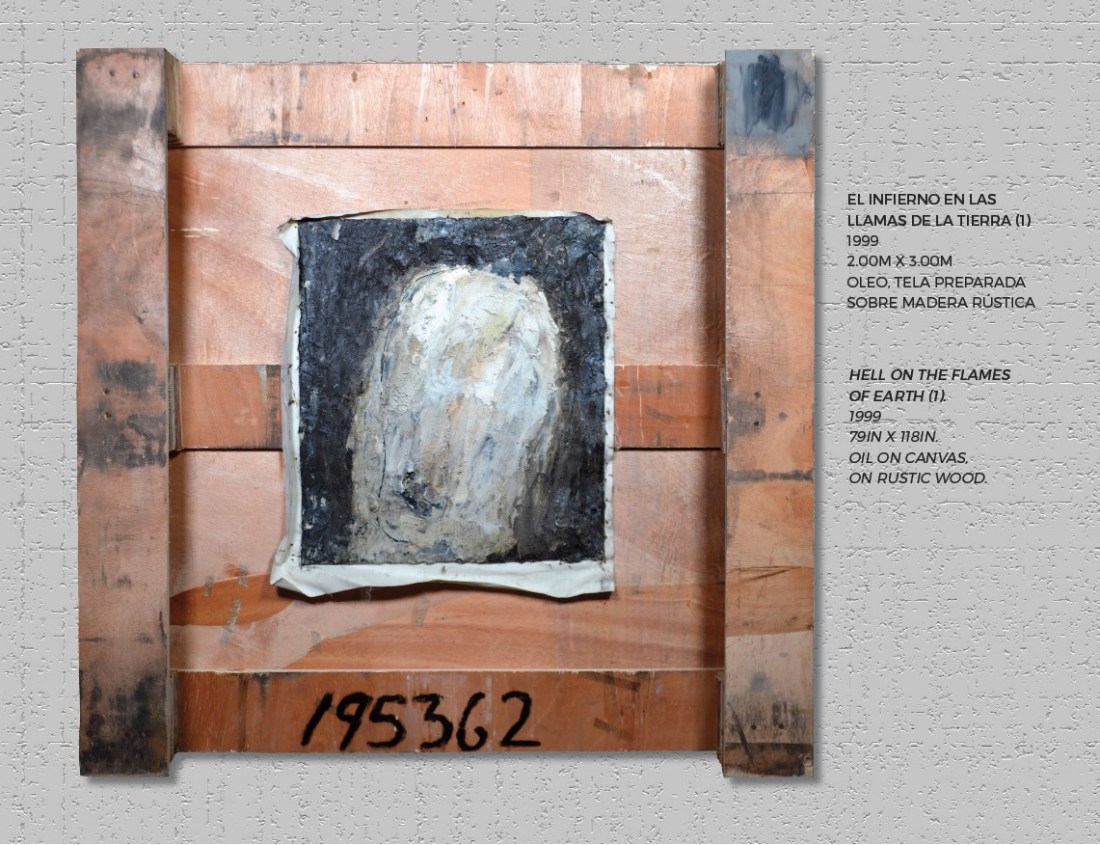


 Caracas in 1994, As a young woman, Gego worked as a draftsman in several architecture firms, painting workshops, and carpentry shops in her native Germany while completing a degree in architecture from the University of Stuttgart in 1938. To escape the increasing anti-Semitism in her home country, she emigrated to Venezuela in 1939, where she worked as a freelance architect and industrial designer. In 1953, she moved to the coastal town of Tarma and began her artistic work, producing drawings, watercolors, monotypes and xylographs; the majority of these early works were figurative and expressionist. She returned to Caracas in 1956, and there, using pure abstraction as her starting point, she began to address problems of sculptural space in her work; in 1957, along with artists Carlos Cruz-Diez, Alejandro Otero, and Jesús-Rafael Soto, Gego participated in the exhibition Arte abstracto en Venezuela. By 1959, the Museum of Modern Art in New York had begun to acquire her work; she moved to New York in 1960 and remained in the United States until 1967. Gego taught at the school of architecture of the Universidad Central de Venezuela and at the Escuela de Artes Plásticas Cristóbal Rojas. Her first individual show was held at the Museo de Bellas Artes in Caracas in 1961; in 1962, she installed a sculpture at the headquarters of the Banco Industrial de Venezuela. She helped found the Instituto de Diseño Neumann in Caracas where she taught from 1964 to 1977. From the 1970s to the 1980s she completed important, architecturally integrated sculpture for public buildings, residences, and shopping malls. In 1972, for example, she constructed Cuerdas (Cords), a sculpture installation consisting of suspended nylon and stainless steel strips, for the Parque Central architectonic complex in Caracas. Gego eventually began to use random procedures and “poor” materials such as industrial scraps and metals. Her series of suspended sculptures Dibujos sin papel (Drawings without Paper) and her series Bichos (Creatures) also date from the 1980s, as does her Reticulárea ambiental. ________________________________________________________________


