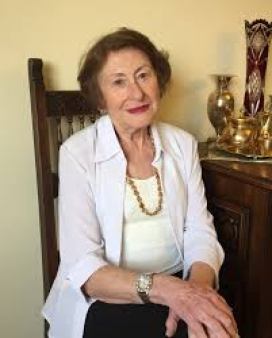
Eduardo Mosches es mexicano de origen argentino. Nació en Buenos aires en 1944. Vivió en Israel de 1963 a 1970. Tomó un avión en 1970 hacia Berlín, donde estudió Ciencias Sociales en la Universidad Libre en, Alemania y se dirigió hacia Argentina en 1974. Después en 1976, se fue rumbo a México, donde entabló varios retos, entre otros el de estudiar Cinematografía en la UNAM. Reside en México desde ese año. Fue coordinador editorial en la Universidad Autónoma de la Ciudad de México(2002-2012). Fundador y director de la revista literaria Blanco Móvil, desde 1985. Ha publicado los poemarios Los lentes y Marx, Los tiempos mezquinos, Cuando las pieles riman, Viaje a través de los etcéteras, Como el mar que nos habita, Molinos de Fuego, Susurros de la memoria,Avatares de la memoria (antología poética 1979-2006) , El ojo histórico (2014), Los enemigos del silencio ( 2014) y el libro de prosa Caminos sin ruta. Ha colaborado en periódicos y revistas en México, Argentina, Alemania, Brasil, España, Estados Unidos, Israel, Italia, Chile, entre otros. Ha recibido varios premios nacionales como poeta y editor de revistas literarias. Ha sido traducido al alemán, italiano, portugués, hebreo e inglés.
______________________________________
Eduardo Mosches is a Mexican of Argentine origin. He was born in Buenos Aires in 1944. He lived in Israel from 1963 to 1970. In 1970, he went to Berlin, where he studied Social Sciences at the Free University of Berlin, Germany, and then returned to Argentina in 1974. In 1976, he went to Mexico, where he undertook several challenges, including studying Cinematography at the National Autonomous University of Mexico (UNAM). He has resided in Mexico since that year. He was the editorial coordinator at the Autonomous University of Mexico City (2002-2012). Founder and editor of the literary magazine Blanco Móvil since 1985. He has published the poetry collectionsLos lentes y Marx, Los tiempos mezquinos, Cuando las pieles riman, Viaje a través de los etcéteras, Como el mar que nos habita, Molinos de Fuego, Susurros de la memoria, Avatares de la memoria (poetic anthology 1979-2006), El ojo histórico (2014), Los enemigos del silencio (2014), and the prose work Caminos sin ruta. He has contributed to newspapers and magazines in Mexico, Argentina, Germany, Brazil, Spain, the United States, Israel, Italy, Chile, and other countries. He has received several national awards as a poet and editor of literary magazines. His work has been translated into German, Italian, Portuguese, Hebrew, and English.
Las gotas de lluvia golpeaban en un ritmo pausado de somnolencia, las veladuras de grises ingresaban a través del cristal, enfriaban las tazas de un café por beberse a sorbos lentos mientras la mano tatuada por venas infladas, ríos congelados por la pesada edad, desnudas de líquido, descansan un momento tomadas entre sí, como trapecios en el descanso. El río de las venas se oculta mientras los árboles crecen al ritmo que los pantalones se achican. Nubes de conversaciones se inclinan como ramas cargadas de frutos carnosos, envueltos en la piel de recuerdos. Los caballos se lanzan veloces a galopar en el patio empedrado, giran como en un carrusel con que se arma el pentagrama de los sucesos infantiles, donde la figura del abuelo, alta y ceremoniosa, juez de la vida y las hazañas, se va dibujando en trazos finos deslavados, para ir llegando a toparse con la mítica imagen de espalda tan amplia como una meseta, la que sostiene la caída ominosa de terrosas bolsas de granos. La voz lenta, animosa, nos dice de cómo salva la vida del hermano, en su niñez de rodillas raspadas y uñas mordidas, el cual años más tarde, muere en un salto desde un techo sin violín alguno. Narrando está mi padre, mientras el café en la taza va adquiriendo una tonalidad muy negruzca, azulada, como la noche que avanza sobre el crepúsculo de un día de invierno, en alguna ciudad puerto.
__________________________
Clouds and Veins
The raindrops pattered with a languid, sleepy rhythm, veils of gray seeped through the glass, chilling the cups of coffee sipped slowly while the hand, tattooed with swollen veins, rivers frozen by the weight of age, bare of liquid, rested for a moment, clasped together, like trapezes at rest. The river of veins hides as the trees grow at the same pace as the trousers shrink. Clouds of conversation bend like branches laden with fleshy fruit, wrapped in the skin of memories.
The horses burst into a gallop across the cobbled courtyard, circling like a carousel, forming the musical staff of childhood memories. There, the figure of the grandfather, tall and ceremonious, judge of life and deeds, is sketched in fine, faded strokes, eventually colliding with the mythical image, his back as broad as a plateau, supporting the ominous fall of earthen sacks of grain. His slow, spirited voice tell he saved his brother’s life in his childhood, knees scraped and his nails bitten, a brother who, years later, died jumping from a roof, without a violin in sight.
My father is narrating, while the coffee in the cup takes on a very dark, bluish hue, like the night advancing over the twilight of a winter’s day in some port city.
________________________________
Susurros de la memoria (fragmento)
VII
Momento de gateo refugio del pavor el eco de los gritos o la oscuridad las horas y el angustiado temor del hambre calor cobijador de ciertas patas caninas Aroma de recuerdo bosque de abedules perfumadas tardes acompañadas de pardos eucaliptos mientras el frío se omitía crecían en el vaho nubes de vapores otoñales la lluvia se deslizaba en su sonido parco sueño logrado por el vientre protector que compartió su refugio con ese niño que era yo
Ven perro, perro, sin un ladrido, desolación
El recuerdo es acción del cuento oral algunas horas barridas en la angustia de los otros mientras soñaba con suma placidez tranquilidad del reposo sobre el perro almohada de pelos cálidos oscuridad y tibieza Es posible que cierto lejano familiar mordiese muslos que bajaban de los trenes en Treblinka o Auschwitz rasgase pantalones junto con los músculos en algún lugar cercado por el miedo: Altamirano Trelew o Kosovo
Todo esto fue antes que creciera la sombra de un bigote y enfrentase otros dientes amenazantes en alguna manifestación en contra o a favor.
___________________________________
Whispers of Memory (fragment)
VII
Moment of crawling
refuge from terror
the echo of screams or the darkness
the hours and the anguished fear of hunger
the comforting warmth of certain canine paws
Scent of memory, birch forest
perfumed afternoons accompanied by brown eucalyptus trees
while the cold was omitted
clouds of autumnal vapors grew in the mist
the rain slid in its sparse sound
sleep achieved by the protective womb
that shared its refuge
with that child who was me
Come, dog, dog, without a bark, desolation
Memory is the action of oral storytelling
some hours swept away in the anguish of others
while I dreamed with utmost placidity
the tranquility of repose
on the dog, a pillow of warm fur
darkness and warmth
It is possible that a certain distant relative
bite thighs that came down from the trains
in Treblinka or Auschwitz
ripping trousers along with the muscles
somewhere surrounded by fear:
Altamirano, Trelew, or Kosovo
All this was before
the shadow of a mustache grew
and faced other threatening teeth
in some demonstration for or against.
___________________________________
Los tiempos mezquinos (fragmento)
V
Los olivos murmuran sobre las zanjas que fueron casas o en los trozos de loza que alguna vez cobijaron redondos panes árabes que sonreían blanco a los dientes. Un trago lento y leve de agua fresca lavado el paladar de ese café pastoso un corto ademán de entretejerse dedos en el mismo momento en que la explosión hacía hondo el instante del silencio.
Las bocas de todos los asesinados fragmentan a la historia en un gemido largo.
_____________________________________
The Mean Times (excerpt)
V
The olive trees murmur
over the ditches that were once houses
or on the pieces of pottery
that once
sheltered round
Arabian loaves that smiled white
at the teeth.
A slow, light sip
of fresh water washes the palate
of that thick coffee, a brief gesture
of interlacing fingers
at the very moment
when the explosion
deepened
the instant of silence.
The mouths of all the murdered
fragment history
in a long moan.
_________________________________
Dejando atrás
La ciudad se cubre los ojos respira agitada entre el temor y la angustia.
Las nubes se llenan de pájaros oscuros revolotean sobre los cadáveres que van a existir.
La letanía de los mensajes penetra por las uñas, se deslizan a través de las venas, surcan el cuerpo afiebrando al miedo.
Huir de los otros cuerpos, no acariciarse, los ojos esquivos, mirar ese otro cuerpo los otros cuerpos, las manos y sus pies con las náuseas del posible sufrimiento.
Las lajas de los cementerios cubren con pesadez el espíritu de los vecinos. Las bocas respiran a través del tejido no hablar no comer no besarse.
Los caballos atraviesan el horizonte a trote cansino, pisan pesadamente en las osamentas de los deseos, el cerrojo de las prohibiciones abre su boca ávida, hundir los dientes revolotean los vampiros las alas se llenan de tabúes, mientras las sotanas marchan y marchan al sonido de los tambores del pasado.
La ciudad y su gente se revuelve arrullada por las hojas de los árboles afiebrados, una nube abre su ojo y la lluvia humedece los hombros las cabelleras los huesos los tejidos, toda flota sobre ese río de las nubes.
El sol entibia los cuerpos, el mío y el de ella y jugamos al no me importa mientras las pieles se sonríen, se rebelan pintando nuevas pecas gozosas, componen la música de los susurros y quejidos dejan atrás las letanías de las prohibiciones.
_____________________________
Leaving Behind
The city covers its eyes,
breathes raggedly between fear and anguish.
The clouds fill with dark birds,
fluttering above the corpses that are yet to come.
The litany of messages seeps through the fingernails,
slides through the veins,
rides the body, feverish with fear.
Fleeing from other bodies,
not touching each other,
eyes averted,
looking at that other body, those other bodies,
hands and feet,
with the nausea of possible suffering.
The flagstones of the cemeteries
heavily cover
the spirits of the neighbors.
Mouths breathe through the fabric,
not speaking, not eating, not kissing.
Horses cross the horizon at a weary trot,
their feet crunch heavily on the bones of desires,
the bolt of prohibitions opens its eager mouth,
vampires flutter, sinking their teeth,
their wings fill with taboos,
while the cassocks march on and on
to the beat of the drums of the past.
The city and its people stir,
lulled by the leaves of feverish trees,
a cloud opens its eye and the rain dampens
shoulders, hair, bones, fabrics,
everything floats on that river of clouds.
The sun warms our bodies,
mine and hers,
and we play at not caring,
while our skin smiles,
rebels, painting new, joyful freckles,
composing the music of whispers and moans,
leaving behind the litanies of prohibitions
___________________________________________
Dolor y tiempo
El dedo pulgar de esa mano izquierda refrenda el dolor de una cantidad ampliada de días
La pinza de esos dedos ha aprisionado no pocas veces frutos coloridos y jugosos alguna carta que ha llegado del pasado en esa larga travesía de los mares amorosos para crear la cueva cálida de mano con mano y atravesar la corriente fría de las despedidas Una vuelta en el cerrojo de la propia puerta
El atardecer se carga en el vaho aceitoso de los automóviles circulando en las calles de esta ciudad que anuda en su misterio diario a muchos otros pulgares
Marina Mariasch Nace en Buenos Aires en una familia judía. Licenciada en Letras y docente en la carrera de Artes de la Escritura (UNA). En los años 90 fundó el sello editorial Siesta. Publicó poesía (El zig zag de las instituciones, Paz o amor, Mutual sentimiento, entre otros), novela (El Matrimonio, Estamos unidas, Efectos personales), cuentos y ensayos que fueron traducidos al alemán, inglés, finlandés. Escribe e interviene en diversos medios culturales.
________________________________________
Marina Mariasch was born in Buenos Aires to a Jewish family, She holds a degree in Literature and teaches in the Creative Writing program at the National University of the Arts (UNA). In the 1990s, she founded the publishing house Siesta. She has published poetry (El zig zag de las instituciones, Paz o amor, Mutual sentimiento, among others), novels (El Matrimonio, Estamos unidas, Efectos personales), short stories, and essays that have been translated into German, English, and Finnish. She writes for and contributes to various cultural media outlets.
sparks, locks of hair. Anguished, she came and went
carrying and bringing boxes and orders
and my mother already a ghost but still
alive shook her head
looked at my friends, shook her head
that that was something to do to
a friend the day that you enter
a new house. Trouble
recently sown. In the hall
there was a a virgin from some religion or other
a fertility goddess and a cross
on a bright-colored rosary
I decided to keep them, to throw them away
I thought of what survives
and has a name before you do.
I wanted only that the days
Psss, go around in baggy pants,
tee shirt and a mug of coffee with milk,
what is called around the house, although
that sounds silly, the words are
useless devises for the
morning peace. It’s not that
I venerate them. I had bought
ghosts, long before
it’s necessary to hate a bit
what you love. They continue here
among us, seeing how
they love us and leave,
they bring flowers of those
that rot and others that
stay alive every season.
The variable becomes
static never permanent
durable, things arrived
from other homes. The
epoch changed. It ceased being the
same, there are no hammocks
or games that aren’t
mental, table.
The house of honey
is this one, not the one to the side
it isn’t the one in front.
That closed, the other navigates
a drunken ship. Here the honey
is never lacking, it is ours
crossed three houses
three avenues toward poverty
it is our amalgam
our amalga, the word that never
appears when I want to
name it. It remains.
IO the chain of trembling
that we walk in pajamas
with cups of cover in hand
some things continue here
we continue here, we not
the same, but not so much
either, going to sleep
getting up, without knowing
very well when it ends
but knowing well
when we move together
near the oven to get
warm, when we share
drying washed hair
by hands, that ends
in a different path.
________________________________________________
No le tengas miedo a las tormentas. Los truenos son espectaculares tienen que ver con el cine. Si tenés miedo, vení a mi cama nos tapamos con dos frazadas. Los relámpagos. El flash de una cámara que le saca una foto a la ciudad. Los balcones se iluminan por un segundo y se apagan como cuando es navidad. Las tormentas son buenas. un preámbulo o conclusión que tranquiliza porque llegó.
___________________________
Don’t be afraid of the storms.
The thunder
Is spectacular
They are like the movies.
If you are afraid, come to my bed
We’ll cover ourselves with two blankets.
The lightening bolts. The flash of a camera
that takes a photo of the entire city.
The balconies are illuminated for a second
and go dark
as when it is Christmas.
The storms are good.
A preamble or a conclusion
that quiets because it arrived.
___________________________________
Hace calor a esta hora. En el patio de abajo corre viento como en los lugares de playa. La perra lame sus cachorros para refrescarlos. después de comer nos tiramos en la cama hacemos la siesta, la cama es un barco la alfombra es el mar. Las sierras de la obra hacen de chicharras los obreros tocan el toc-toc.
It’s hot at this hour.
In the patio below
wind runs
as in those places on the beach.
The bitch licks its pups
to cool them off.
after eating
we throw ourselves on the bed
we take a siesta
the bed is a ship
the rug is the sea
The mountains of the work
act like cicadas
the workers play knock-knock.
Estás sentado, estás leyendo En la mesa del comedor hay una canasta con pan y manteca Y vos-naranja Sos suavecito en los dedos cuando hablás por teléfono Si estamos resfriados nos damos besos aéreos Si estamos mojados nos damos besos mojados. Clic-clic es el ruido de la puerta cuando me late más fuerte y cruzo las piernas. De los gajos de una naranja salió el ombligo.
Los días nublados tenés los ojos como pasto mojado. Tu piel es suave como la parte de adentro de los brazos y tenés pecas en la boca, ¿te comiste una torta de pecas? Ahora te mirás en un espejo chiquito te saca la lengua, te devuelve una risa. Cerca de casa hay un árbol de moras. Un día voy a ir a la mañana Y te voy a juntar muchas moras para el desayuno. Cuando llegue el invierno cada uno tendrá sus pantuflas tendrá los pies tibios.
You are seated, you are reading
On the dining room table
there is a basket
with bread and butter
and you-orange
You are very soft with your fingers
When you speak
on the telephone
If we have a cold
We give each other air kisses
If we are damp
We give each other damp kisses.
Click-click is the sound of the door
when it throbs in me stronger
and I cross my legs.
Some of the orange peel
came out of my belly button.
On cloudy days you have
Eyes like damp grass.
Your skin is soft like the part
Inside your arms and you have
freckles on your tongue. Did you eat a
freckles cake?
Now you look at yourself
In a small mirror
It takes out your tongue
It gives back to your smile.
Near the house there is a blackberry
Bush. One day
I’m going to go in the morning
and I’ll gather for you many blackberries
for breakfast.
When the winter comes
each one of us will have slippers
will have warm feet.
____________________________________________
Libros de Marina Mariasch/Books by Marina Mariasch
Sarina Helfgott fue una destacada poeta, dramaturga, antologadora, crítica literaria y periodista peruana. Fue hija de inmigrantes judíos. que se establecieron en Perú. Ella participó activamente en diversas asociaciones y círculos culturales judíos en Perú. En 1956, publicó su primer poemario, La luz pródiga, donde exploró temas de amor, pasión, muerte y trascendencia a través de símbolos y metáforas naturales. Este libro fue el inicio de su carrera literaria con un enfoque en el autodescubrimiento y la conexión mística con la naturaleza. Su poemario, El libro de los muertos (1962), le valió reconocimiento internacional por su profunda reflexión sobre el Holocausto. Este libro rindió homenaje a sus raíces y a las víctimas judías de la Segunda Guerra Mundial. Retrató la tragedia y la memoria histórica con una intensidad emotiva que ha sido estudiada como parte de la poesía del Holocausto. En 1973, publicó Ese vasto resplandor, una antología de su obra poética desde 1957 hasta 1971, que reflejó su evolución literaria y su constante búsqueda de la expresión pura de sentimientos a través de la naturaleza, en contraste con la percepción de la ciudad como un lugar desprovisto de belleza poética. Sarina Helfgott también fue una influyente figura en el teatro peruano. Su primera obra, La Red (1953), fue el inicio de una prolífica carrera dramatúrgica. La Jaula (1981) fue estrenada en Lima, Buenos Aires y Cambridge y traducida al inglés y al neerlandés.
________________________________________
Sarina Helfgott was a prominent Peruvian poet, playwright, anthologist, literary critic, and journalist. She was the daughter of Jewish immigrants who settled in Peru. She actively participated in various Jewish cultural associations and circles in Peru. In 1956, she published her first book of poems, La luz pródiga (The Prodigal Light), where she explored themes of love, passion, death, and transcendence through natural symbols and metaphors. This book marked the beginning of her literary career, focusing on self-discovery and a mystical connection with nature. Her poetry collection, El libro de los muertos (The Book of the Dead, 1962), earned her international acclaim for its profound reflection on the Holocaust. This book paid homage to her roots and to the Jewish victims of World War II. It portrayed the tragedy and historical memory with an emotional intensity that has been studied as part of Holocaust poetry. In 1973, she published Ese vasto resplandor (That Vast Radiance), an anthology of her poetry from 1957 to 1971, which reflected her literary evolution and her constant search for the pure expression of feelings through nature, in contrast to her perception of the city as a place devoid of poetic beauty. Sarina Helfgott was also an influential figure in Peruvian theater. Her first play, La Red (The Net, 1953), marked the beginning of a prolific career as a playwright. La Jaula (The Cage, 1981) was staged in Lima, Buenos Aires, and Cambridge and was translated into English and Dutch.
Ruth Behar nació en La Habana, Cuba, y creció en Nueva York. Ahora es James W. Fernandez Distinguished University Professor of Anthropology and Professor of Anthropology en la Universidad de Michigan. Ruth ha trabajado como etnógrafa en España, México y Cuba, y es conocida por su enfoque humanista para comprender la identidad, la inmigración y la búsqueda de un hogar en nuestra era global. Sus libros incluyen The Presence of the Past in a Spanish Village; Translated Woman: Crossing the Border with Esperanza’s Story; The Vulnerable Observer: Anthropology That Breaks Your Heart; y An Island Called Home: Returning to Jewish Cuba. Es co-editora de Women Writing Culture, editora de Bridges to Cuba/Puentes a Cuba y co-editora de The Portable Island: Cubans at Home in the World. Su documental, Adio Kerida/Goodbye Dear Love: A Cuban Sephardic Journey, se ha exhibido en festivales de todo el mundo. También es poeta; su obra ha aparecido recientemente en Burnt Sugar/Caña Quemada:Poesía Cubana Contemporánea en Inglés y Español y en The Norton Anthology of Latino Literature. Everything I Kept/Todo lo que guardé es su primer libro de poesía.
Premios
Premio de la Fundación MacArthur
Premio de la Fundación en Memoria de John Simon Guggenheim
Beca Fulbright Senior
Instituto de Humanidades, Beca de la Familia Hunting, Universidad de Michigan
Universidad Wesleyana, Premio a la Exalumna Distinguida en Reconocimiento a sus Logros y Servicios Destacados
Doctora honoris causa en Letras Humanitarias, Hebrew Union College-Jewish Institute of Religion
___________________________________
Ruth Behar was born in Havana, Cuba, and grew up in New York. She is now James W. Fernandez Distinguished University Professor of Anthropology and Professor of Anthropology at the University of Michigan. Ruth has worked as an ethnographer in Spain, Mexico, and Cuba, and is known for her humanistic approach to understanding identity, immigration, and the search for home in our global era. Her books include The Presence of the Past in a Spanish Village; Translated Woman: Crossing the Border with Esperanza’s Story; The Vulnerable Observer: Anthropology That Breaks Your Heart; and An Island Called Home: Returning to Jewish Cuba. She is co-editor of Women Writing Culture, editor of Bridges to Cuba/Puentes a Cuba, and co-editor of The Portable Island: Cubans at Home in the World. Her documentary, Adio Kerida/Goodbye Dear Love: A Cuban Sephardic Journey, has been shown in festivals around the world. A poet as well, her work has appeared recently in Burnt Sugar/Caña Quemada: Contemporary Cuban Poetry in English and Spanish and The Norton Anthology of Latino Literature. Everything I Kept/Todo lo que guardé is her first book of poetry.
Award(s)
MacArthur Foundation Fellows Award
John Simon Guggenheim Memorial Foundation Award
Fulbright Senior Fellowship
Institute for the Humanities, Hunting Family Faculty Fellowship, University of Michigan
Wesleyan University, Distinguished Alumna Award in Recognition of Outstanding Achievement and Service
Doctor of Humane Letters, honoris causa, Hebrew Union College-Jewish Institute of Religion
Estos poemas fueron escritos en inglés y traducidos al español por la poeta/ These poems were written in English and translated into Spanish by the poet.
_____________________
ALUMNA OBEDIENTE
Fui una alumna obediente. Cuando mis profesores me dijeron
que no llegaría a ser una buena poeta, dejé de escribir. Preferí
cortarme la lengua que insultar a las Musas. Pero adoraba las
palabras como adoro el fuego en el invierno, el cielo estrellado
y el mar tranquilo. Dirán que estos poemas son tímidos; como
la inválida que se levanta de su cama después de una larga
convalecencia. Pero así ando, abrazándome a las paredes que
encuentro en mi camino.
___________________________
OBEDIENT STUDENT
I was an obedient student. When my teachers told me I
wouldn’t make a good poet, I stopped writing. I preferred to
cut out my tongue than insult the Muses. But I adored words,
like I adore fire in winter, the starry sky, and the calm sea. These
poems might be timid: like the invalid who rises from her bed
after a long convalescence. But I still walk, embracing the walls
along the way.
________________________________________________
MIEDOS
Tengo tantos miedos: de la noche, de envejecer, de ver a los
que he querido,
enfermar o morir, de mi propia muerte. Son
los miedos de todos. Pero me atormentan también miedos más
raros: de que mi corazón se pone a latir más rápido;
de volverme ciego de repente y no poder llegar a casa: de perder mi
memoria antes de encontrar tiempo de escribir los cuentos
dormidos dentro de mí; de inviernos enfurecidos que jamás
terminan. También tengo miedo a mojarme en la lluvia, a
pararme de cabeza, a bajar las escaleras de prisa. Las policías,
los soldados, y los oficiales de inmigración me espantan.
Si me quitaron los miedos, no pesaría nada y sería libre. Me verías
bailar como una hoja parda, seca, y después me soplaría el
viento de otoño.
__________________________
FEARS
I have so many fears: of the night, of growing old, of seeing
those I have loved fall ill or die, of my own death. Those are
fears that everyone has. But I am also tormented by stranger fears:
of my heart pounding too quickly; of unexpectedly going blind
and not finding my way home: of losing my memory before I
find the time to write the stories still dormant in me: of raging winters
which will never end. I am also afraid of getting wet in
the rain, standing in my head, running down staircases.
Police, soldiers, and immigration officers terrify me. If you took
my fears away, I would be weightless and free. You would see
me dance like a brown leaf and then I’d blow away in the
Como tantos otros que la conocieron, yo quería mucho a Marjorie. Solo nos veíamos de vez en cuando, en sus lecturas en Cambridge y Maine, y en mis visitas a su casa en Wellesley. Pero siempre que la veía, nuestra conversación parecía retomar el hilo donde la habíamos dejado. Marjorie me decía que sentía a sus familiares fallecidos caminar con ella; podía acudir a ellos en busca de consuelo y consejo. Echaré de menos su consuelo y sus consejos.
Por Steve Sadow, Director del Blog
____________________________
Like so many others who knew her, I loved Marjorie. We only saw each other from time to time, at her readings in Cambridge and Maine and my visits to her home in Wellesley. But whenever I would see her, our conversation would seem to begin where we had just left off. Marjorie told me she could feel her deceased relatives walk along with her; she could turn to them for comfort and advice. I will miss her comfort and advice.
_______________________________
Por Ruth Behar, Profesor de Antropología. University of Michigan
Un tributo a Marjorie Agosín
Escribo esta esquela con el corazón roto para recordar y rendir homenaje a mi amiga, la renombrada poeta y escritora Marjorie Agosín. Hace apenas unos meses hablábamos por teléfono sobre la idea de esperar hasta los 70 años para dejar la vida laboral, y ella me dijo que después ya no quería viajar, solo quería quedarse en casa y escribir.
Marjorie falleció el 10 de marzo de 2025, a los 69 años, solo tres meses antes de su setenta cumpleaños, en su hogar en Wellesley, MA. Luchó contra el cáncer durante casi un año, eligiendo con coraje mantener secreta su enfermedad, compartiéndola solo con su esposo. Escribió hasta el último día de su vida.
Cualquiera que esté familiarizado con la inmensa obra de Marjorie estará de acuerdo en que hemos perdido a una gigante de la literatura en el ámbito de los estudios Judeo-Latinoamericanos. Sin duda, se destacó como la poeta y escritora Judeo-Latinoamericana más elocuente, erudita, profunda y prolífica que residía en los Estados Unidos.
Su voz fue esencial en la redefinición de la frontera entre America y América, desafiando todas las suposiciones establecidas con anterioridad.
Fue una figura clave en la fundación del campo de la escritura judía latina y la escritura judía latinoamericana, tejiendo originales conexiones entre patrias y diásporas. Mucho antes de que se volviera un tema más frecuente, puso de relieve la singular hibridez de la identidad Jewtina y construyó una comunidad literaria para escritoras que compartían este legado mixto.
En sus múltiples e impresionantes facetas como poeta, narradora, editora, académica, educadora y activista en el ámbito de los derechos humanos y los derechos de las mujeres, Marjorie sobresalió como escritora creativa, pensadora valiente y mujer de integridad, pasión, generosidad y brillantez.
Fue una fuente de inspiración y fortaleza, un modelo a seguir para las latinas en el mundo académico que, como ella, sentían orgullo de su herencia judía. Creía en el poder de la escritura como un medio para buscar justicia y fue reconocida por su labor con un premio excepcional y prestigioso de las Naciones Unidas, que le otorgó el Leadership Award in Human Rights.
Nacida en Bethesda, Maryland, en 1955, Marjorie Agosín creció en Chile, adonde regresó con apenas tres meses de edad junto a sus padres, Moisés Agosín y Frida Halpern, una familia judía chilena.
Se establecieron en Santiago, rodeados de su familia extendida, y vacacionaban en El Quisco, un pueblo cercano a Isla Negra, donde alguna vez residió Pablo Neruda. Junto a su hermana Cynthia (n. 1952) y su hermano menor Mario (n. 1963), Marjorie pasó su infancia y primera adolescencia en Chile durante la década de 1960, estudiando en el Instituto Hebreo de Santiago de Chile.
En 1971, a los dieciséis años, Marjorie se trasladó con su familia a Athens, Georgia.Su padre, médico y bioquímico, aceptó un puesto como profesor de química en la universidad, sin imaginar cuánto tiempo permanecerían allí. Sin embargo, tras el golpe militar de Augusto Pinochet y el derrocamiento del gobierno democrático de Salvador Allende, la familia comprendió que no podría regresar a Chile.
Marjorie, se sentía fuera de lugar en Estados Unidos, donde constantemente tenía que explicar su identidad a personas que no entendían cómo podía ser rubia, hablar español sin parecer latina y, además, ser judía.
Escribía cartas a sus amigas en Chile, evocando flores, fragancias y todo lo que había perdido. Con el tiempo, al asumir la escritura como su vocación, comprendió que era una escritora en el exilio, para quien “la memoria se convierte en su aliada más preciada, así como en su obsesión más perturbadora”, como expresó en su libro de ensayos Ashes of Revolt (1996).
Obtuvo su licenciatura en Filosofía y Literatura Española en la Universidad de Georgia en 1976. Posteriormente, en 1982, completó su maestría y doctorado en Literatura Latinoamericana en la Universidad de Indiana.
Ese mismo año, comenzó a enseñar en el Departamento de Español del Wellesley College, donde ofreció cursos sobre escritoras judías, América Latina y escritura creativa. Con el tiempo, fue distinguida con el título de Andrew Mellon Professor in the Humanities.
Disfrutaba impartiendo seminarios pequeños en Wellesley y estableciendo vínculos cercanos con sus estudiantes. Sin embargo, nunca dejó de regresar a su amado Chile, que la honró con el Premio Gabriela Mistral a la Trayectoria Distinguida.
Marjorie escribía en español.Siempre en busca de un hogar, un tema que impregnó toda su obra, encontraba en su lengua materna el refugio más auténtico, aunque en su infancia escuchó hablar en yidis, dominaba el hebreo y hablaba el inglés con un acento musical. Eligió que sus textos fueran traducidos al inglés para sus lectores en Norteamérica. Quería ser reconocida a través de la traducción, ser una mujer traducida. Como expresó en El alfabeto en mis manos: una vida de escritura (1999): “Soy una escritora judía que escribe en español y vive en América”.
Exploró múltiples géneros, desde la poesía hasta la memoria, el ensayo, la narrativa y la literatura infantil. Su voz era lírica en cualquier forma de escritura, y la poesía era indispensable en su vida. En sus versos abordó los temas de la memoria, la historia, la pérdida y el exilio, centrándose a menudo en los deseos y sueños de las mujeres.
No evitó los temas difíciles: escribió sobre el horror de las torturas, las desapariciones y los desmembramientos ocurridos en Chile, así como sobre su propia conciencia de la culpa del sobreviviente. En Las zonas del dolor (1989), dio voz a una desaparecida, una mujer que decía de sí misma:
“No tuve testigos / de mi muerte, / nadie realizó rituales, escribió epitafios… / y cuando llamen mi nombre / apareceré / porque nunca fui a mi / propio funeral.”
Marjorie veía una conexión entre el genocidio perpetrado por las dictaduras latinoamericanas en los años 70 y las víctimas judías del genocidio nazi.
Este tema aparece en sus escritos sobre Ana Frank. Creció contemplando una pequeña fotografía de Ana, que le había entregado su abuelo José, un judío vienés que vivía en Santiago de Chile. Al escribir los poemas de su libro Querida Ana Frank (1994), se convirtió en la niña a la que había mirado durante tanto tiempo: “Soy Ana Frank, / tengo trece años / pero también miles de años. / Huelo a humo y vejez / cubriendo los rostros del miedo.”
Sintiendo un vínculo espiritual con el exilio de los sefardíes, escribió una serie de poemas oníricos en Las islas blancas (The White Islands, 2016), en los que lamenta la expulsión de los judíos de España y al mismo tiempo que celebra las memorias imborrables que dejaron.
Se inspiró en conversaciones con descendientes que encontraron un hogar en Salónica y en las islas griegas de Rodas y Creta, así como en los Balcanes, lugares a los que viajó para conocer las historias de muchos que perecieron en el Holocausto.
“Solo quise escribir sobre ellos,/narrar su feroz audacia,/sus travesías por los corredores del Mediterráneo.”Marjorie amaba los mares del mundo y era consciente de las penas que guardaban. Escribió:“Se llevaron a todos los judíos de Rodas/en un día soleado,como todos los días apacibles del mar Egeo.”Y se preguntó:“¿Qué hay más allá de las palabras?/¿Qué miras más allá del horizonte,/donde el mar se funde con el cielo?”
Luego, durante la pandemia de Covid-19 cuando viajar no era posible, encontró la lucidez para escribir Más allá del tiempo de las palabras (Beyond the Time of Words, 2022), con el propósito de brindar consuelo a los lectores y ofrecer un santuario de poemas. Capturó la desesperación de aquel tiempo en estos versos conmovedores: “Solo la ausencia habita en mí,/ todo lo que fue y lo que no será,/ cosas arrebatadas y olvidadas./ Poseo el alma de un náufrago/ que todo lo anhela.”
Las voces y las historias de sus ancestros siempre estuvieron cerca de su corazón, entre ellas las de sus bisabuelas, quienes escaparon de Viena y Odesa para encontrar un nuevo hogar en Chile.
Lamentablemente, el antisemitismo del que huyeron las siguió al otro lado del mar, avivado por los colonos alemanes que se establecieron en el sur de Chile y por los criminales de guerra nazis que llegaron después de la Segunda Guerra Mundial.
Marjorie también escribió sobre muchos otros miembros de su familia: sus abuelos, sus tíos y tías, cuyas historias quedaron grabadas en su memoria. Sus memorias, Una cruz y una estrella: recuerdos de una niña judía en Chile (1997; 2022) y Siempre de otra parte: mi padre judío (1998), son relatos conmovedores de la vida de su madre y su padre.
En estas obras, buscó expresar la importancia fundamental de dar testimonio tanto del trauma como de la resiliencia judía. En Una cruz y una estrella, narrada en fragmentos que reflejan el vaivén de la memoria, dio voz al peso del miedo intergeneracional que cargaban su madre y otros miembros de su familia:
“En las pesadillas, los judíos sueñan con estaciones de tren flotando entre la niebla y con puertas que se cierran contra las cenizas.”
Entre las exigencias de la docencia y su propia escritura, Marjorie mantuvo un firme compromiso con la difusión de la obra de escritoras judías latinoamericanas, acercándolas a lectores de Estados Unidos y del mundo.
Las numerosas antologías que editó son testimonio de su esfuerzo por construir comunidades de escritoras y explorar las diversas formas en que la identidad judía se narra en distintos contextos latinoamericanos. La casa de la memoria: relatos de escritoras judías de América Latina (publicada originalmente en 1999 y reeditada en 2022) fue la primera antología de su tipo en inglés. En ella reunió treinta relatos de escritoras judías de diversas nacionalidades, entre ellas México, Argentina, Chile, Brasil y Cuba. Posteriormente, publicó un volumen dedicado a la poesía, Las hijas de Miriam: poetas judías latinoamericanas (2001), que permitió a los lectores descubrir una asombrosa diversidad de voces poéticas.
Su curiosidad por las historias de vida de otras escritoras judías la llevó a realizar entrevistas para su libro Viajeras inciertas: conversaciones con mujeres judías inmigrantes en América (1999). Tuve el honor de ser entrevistada por Marjorie y de convertirme en el sujeto de su mirada antropológica, una experiencia que atesoro profundamente.
En años recientes, buscó crear antologías que cruzaran fronteras y dieran voz a inmigrantes y exiliados desde una área geográfica más amplia.
En el volumen Hogar: un paisaje imaginado (2016), reunió a escritores de diversos lugares, incluyendo Grecia, Hungría, Jamaica y Egipto, cada uno narrando el viaje único que los llevó a construir un nuevo hogar en Estados Unidos. Siempre consciente de que los hogares son tanto reales como imaginados, escribió: “El hogar es un barco que viaja incesantemente, que arriba, pero zarpa en los puertos de nuestra imaginación.”
En la última etapa de su carrera, Marjorie se adentró en la literatura para preadolescentes creando la hermosa novela Viví en el Cerro Mariposa (2012), por la cual la Asociación de Bibliotecas de América (ALA) le otorgó la Medalla Pura Belpré, un reconocimiento a obras que celebran la identidad latina. Más tarde, publicó una impresionante secuela, Los mapas de la memoria: regreso al Cerro Mariposa (2020), donde abordó el complejo tema del trauma político y su impacto en jóvenes que intentan comprender el pasado y el presente en Chile. Poco antes de su fallecimiento, finalizó el manuscrito de la tercera novela de la serie Cerro Mariposa.
Marjorie tenía una profunda espiritualidad en su forma de vivir. Aunque no era religiosa en el sentido tradicional, su identidad judía era inquebrantable, al mismo tiempo que mantenía una apertura hacia la interconexión y la fluidez entre las diferentes creencias. Como recordó en El alfabeto en mis manos (1999), la celebración de Pésaj en Chile formaba parte de la mezcla de culturas judía y católica con la que creció: “Todo en Pésaj tenía el aroma de violetas, y luego llegaba la Semana Santa, y comíamos pescado del Pacífico que, como el pan ácimo, habían descendido del cielo.”
Marjorie Agosín deja su legado en su esposo, John Wiggins, a quien conoció en la Biblioteca de la Universidad de Georgia en la primavera de 1973; su hijo, Joseph Wiggins Agosín; su hija, Sonia Wiggins Agosín; su hermano, Mario Agosín; su hermana, Cynthia Agosín, y su familia extendida en Chile. También deja una inmensa red de amigas y amigos, colegas, estudiantes y lectores que aman su obra y agradecen el mundo que creó con su imaginación y sus palabras.Hace años, Marjorie escribió un poema, “Más que la paz”, en Las zonas del dolor, que quizás refleja lo que ella deseaba una vez que partiera.Que todos los que la extrañamos profundamente podamos desearle la paz que ella describió con tanta claridad.
[Traducido al español por Vivianne Schnitzer]
__________________________
“Más que la paz”
No quiero nombres
ni tumbas
para mis muertos
ni compartir cementarios
con huesos extraviada
sólo denme
mi colchón de hojas
sólo déjenme
regresar a mis bosque
___________________________
By Ruth Behar, Professor of Anthropology, University of Michigan
A Tribute to Marjorie Agosín
It is with a broken heart that I sit down to write this obituary to remember and praise my friend, the renowned poet and writer Marjorie Agosín. Just a few months ago we were speaking on the phone about waiting to retire until turning 70, and she said that afterward she didn’t want to travel, she just wanted to stay home and write.
Marjorie died on March 10, 2025 at the age of 69, just three months shy of her 70th birthday, at her home in Wellesley, MA. She suffered from cancer for close to a year, courageously choosing to keep her illness a secret that she shared only with her husband. She kept writing until the end of her days.
Anyone familiar with the vast corpus of Marjorie’s work will agree that we have lost a literary giant in the field of Latin American Jewish Studies. Without a doubt, she stood out as the most eloquent, knowledgeable, profound, and prolific Latin American Jewish woman poet and writer residing in the United States.
Hers was an essential voice in redefining the border between America and América in ways that challenged all presuppositions.
She was a key founder of the field of Jewish Latina writing and escritura judía latinoamericana, connecting homelands and diasporas in original ways. Long before it became commonplace, she called attention to the unique hybridity of “Jewtina” identity and built a literary community for women writers who shared this mixed heritage.
In her many impressive roles as a poet, storyteller, editor, scholar, educator, and activist in the field of human rights and women’s rights, Marjorie shone as a creative writer and brave thinker and a woman of integrity, passion, generosity, and brilliance.
She offered inspiration, strength, and a model of how to be a Latina in the academy who took pride in her Jewish heritage. She believed in the power of writing as a means of seeking justice and was recognized for her work in a rare and prestigious award from the United Nations, which presented her with a Leadership Award in Human Rights.
Born in Bethesda, Maryland, in 1955, Marjorie Agosín grew up in Chile, where she returned at the age of three months with her Jewish Chilean parents, Moisés Agosín and Frida Halpern, to live amid their extended Jewish family in Santiago and vacationing in el Quisco, a village near Isla Negra, where Pablo Neruda once resided. Marjorie, together with her sister, Cynthia (b. 1952) and younger brother, Mario (b. 1963), spent her childhood and early adolescence in Chile in the 1960s, studying at the Hebrew Institute of Santiago de Chile.
In 1971, when she was sixteen, Marjorie moved with her family to Athens, Georgia. Her father, a doctor and a biochemist, took a job as a professor of chemistry at the university, not realizing how long they would be staying. After Augusto Pinochet staged a military coup, overthrowing the democratic government of Salvador Allende, the family knew they could not return to Chile.
Marjorie felt out of place in the United States, where she had to continually explain her identity to people who could not understand how she could be blonde, speak Spanish without looking Latina, and also be Jewish.
She wrote letters to her girlfriends in Chile, reminiscing about flowers, fragrances, all she had lost, and realized when she took up writing as her vocation that she was an exiled writer, for whom “memory becomes her most precious ally, as well as her most disturbing obsession,” as she put it in her book of essays, Ashes of Revolt (1996).
She received her B.A. in Philosophy and Spanish Literature from the University of Georgia in 1976. She then obtained her M.A. and PhD in Latin American Literature from Indiana University in 1982.
She began teaching in the Spanish Department at Wellesley College in 1982, offering courses on Jewish women writers and on Latin America, as well as creative writing, eventually being named an Andrew Mellon Professor in the Humanities.
She enjoyed teaching small seminars at Wellesley and getting to know her students. Yet she never stopped returning to her beloved Chile, which awarded her the Gabriela Mistral Lifetime Achievement Award.
Marjorie wrote in Spanish. Always in search of home, a topic that informed all of her writing, it was in her native language that she felt most truly at home, though she heard Yiddish growing up and was fluent in Hebrew and spoke a musically accented English. She chose for her work to be translated into English for her North American readers. She wanted to be known in translation, to be a translated woman. As she put it in The Alphabet in My Hands: A Writing Life (1999), “I am a Jewish writer who writes in Spanish and lives in America.”
She wrote in many genres, from poetry to memoir to essays to fiction to children’s literature. Her voice was lyrical in whatever genre she wrote in and so poetry was indispensable. In her poetry she explored the themes of memory, history, loss, and exile. She frequently focused on the desires and dreams of women.
She didn’t shy away from hard topics, such as the horror of tortures, disappearances, dismemberments that took place in Chile and the awareness of her own survivor’s guilt. In Zones of Pain/Las zonas del dolor (1989), she wrote about a desaparecida, a disappeared woman, who said of herself: “I had no witnesses/to my death,/Nobody carried out rituals, wrote epitaphs…/and when they call my name/I will appear/because I never went to my/own funeral.”
Marjorie saw a connection between the genocide committed by Latin America’s dictatorships in the ‘70s and the Jewish victims of Nazi genocide.
This theme comes up in her writing about Anne Frank. She grew up gazing at a little photograph of Anne Frank passed on to her by her grandfather José, a Viennese Jew living in Santiago de Chile. When she wrote the poems in the volume, Dear Anne Frank (1994), she became the girl she’d spent so much time gazing at: “I am Anne Frank/I am thirteen years old/but I am also thousands of years old./I smell of smoke and old age/covering the faces of fear.”
Feeling a spiritual bond with the exile of the Sephardim, she wrote a series of dreamlike poems in The White Islands/Las islas blancas (2016) that lament the expulsion of the Jews from Spain while also celebrating the remembrances that remain.
She drew on conversations with descendants who found a home in Salonika and the Greek Islands, Rhodes, Crete, as well as the Balkans, places to which she traveled, learning the stories of many who perished during the Holocaust.
“I only wanted to write about them,/Narrate their fierce audacity,/Their voyages through the channels of the Mediterranean.” Marjorie loved the seas of the world and was aware of the sorrows they held. She wrote, “They took all the Jews of Rhodes/On a sunny day like all of the gentle days of the Aegean Sea.” And she asked herself, “What is there beyond the words?/What are you gazing at beyond the horizon/Where the sea meets the sky?”
Then, when it wasn’t possible to travel during the Covid 19 pandemic, she found the presence of mind to write Beyond the Time of Words/Más allá del tiempo de las palabras (2022), to give solace to readers and offer a sanctuary of poems. She captured the desperation of that time in these haunting lines: “Only absence dwells in me,/Everything that was and that will not be,/Things snatched away and forgotten./I possess the soul of a castaway/Who longs for everything.”
Close to her heart always were the voices and stories of her ancestors, among them her great-grandmothers who had escaped Vienna and Odessa, and found a new home inChile.
Sadly, the antisemitism they fled followed them across the sea, spurred by German colonists who settled in southern Chile, as well as Nazi war criminals who arrived after World War II.
Marjorie also wrote about many other family members, her grandparents, her aunts and uncles, whose stories were etched in her memory. Her memoirs, A Cross and a Star: Memoirs of a Jewish Girl in Chile (1997; 2022) and Always from Somewhere Else: My Jewish Father (1998), are moving accounts of the life stories of her mother and father.
In these works, she sought to express the crucial importance of bearing witness to Jewish trauma as well as Jewish resilience. In A Cross and a Star, told in fragments that mirror the ebb and flow of remembrances, she gave voice to the weight of inter-generational fear carried by her mother and other family: “In nightmares, Jews dream about train stations floating in the mist and about doors shutting against the ashes.”
Amid the demands of teaching and her own writing, she was committed to bringing a wide range of Latin American Jewish women’s writing to the attention of U.S. and international readers.
The many anthologies she edited are a testament to her efforts to build communities of writers and understand the stories of Jewishness told in different Latin American settings. The House of Memory: Stories by Jewish Women Writers of Latin America (orig. 1999; 2022) was the first anthology of its kind to be published in English, and brought together thirty stories from Jewish writers of many nationalities, including Mexico, Argentina, Chile, Brazil, and Cuba. A volume focusing on poetry, Miriam’s Daughters: Jewish Latin American Women Poets (2001) followed, introducing readers to a stunning variety of poetic voices.
She was curious about the life stories of fellow Jewish women writers and carried out interviews for her book, Uncertain Travelers: Conversations with Jewish Women Immigrants to America (1999). I had the honor of being interviewed by Marjorie and enjoyed becoming the subject of her anthropological gaze.
More recently, she sought to create anthologies that crisscrossed borders and addressed immigrant and exile voices from a wider geographical area. In the volume, Home: An Imagined Landscape (2016), she brought together writers from a range of places, including Greece, Hungary, Jamaica, and Egypt, each addressing the unique journey that led them to build a new home in the United States. Ever aware of how homes are both real and imagined, she noted, “Home is an ever-traveling ship that arrives yet also takes sail in the harbors of our imagination.”
In the last phase of her career, Marjorie dove into young adult literature, producing the beautiful novel, I Lived on Butterfly Hill (2012), for which the American Library Association awarded her the Pura Belpré Medal for a work that celebrates Latina/Latino identity. She later brought out a stunning sequel to this novel, The Maps of Memory: Return to Butterfly Hill (2020), that takes on the complex subject of political trauma as it affects a range of young people trying to make sense of the past and the present in Chile. Just before her death, she completed the manuscript of the third novel in the Butterfly Hill series.
Marjorie was immensely spiritual in her approach to life. Though not religious in the traditional sense, she was unwaveringly Jewish while being open to the interconnectedness and fluidity of faiths. As she noted in The Alphabet in my Hands (1999), she remembered Passover in Chile being part of the mix of Jewish and Catholic cultures with which she grew up: “Everything about Passover had the fragrance of violets and then Easter week would arrive and we would eat fish from the Pacific that, like unleavened bread, had come from the heavens.”
Marjorie Agosín is survived by her husband, John Wiggins, whom she met at the University of Georgia Library in the spring of 1973, her son Joseph Wiggins Agosín, her daughter Sonia Wiggins Agosín, her brother Mario Agosín, and sister Cynthia Agosín, and her extended family in Chile. She is also survived by a vast network of friends, colleagues, students, and readers who love her writing and are grateful for the world she brought into being with her imagination and her words.
Years ago, Marjorie wrote a poem, “Más que la paz” (More than peace), in Zones of Pain that suggests what she perhaps wished for once she passed. May all of us who miss her deeply be able to wish her the peace she described with such clarity: ___________________
“More than Peace”
I want neither names
nor tombs
for my deaths
nor to share cemeteries
with bones
gone astray
just give me
my pillow
of leaves
just let me
go back to my
forests.
Translation by Ruth Behar
_______________________________ Estas elegías fueron publicado en inglés recientemente por LAJSA/These elegies were recently published in English by LAJSA ___________________________________
Adelina, un cuento
Emma Weiss jamás había visto el mar aunque se lo imaginaba cobrizo como los caballos indomables de sus antepasados vieneses y de su madre, Frida Weiss, quien lo llevaba recogidos en un lazo azul como si en guardaba los secretos anudados de sus de sus travesía y rivales. Siempre el mar aparecía como un horizonte insondable o como sueños y con música de fondo de agua que Emma Weiss inventaba cada anochecer en los remotos paisajes Osorno, Chile, donde el silencio y la oscuridad de las planicies pululaban y el silencio, y el silbado de animales presagiaba el cambio y los nacimientos de niños y árboles.
Su padre había escapado mucho antes de los tatuajes se la guerra; dicen que lo había hecho por un acto de amor y fe. Enamorado de una exquisita y valiente cantante de cabaret en los trasnochados barrios de la ciudad. Había decidido a dar fin a ese ilícito amor, y en el mes de junio, cuando era posible pasearse al aire libre y el olor incompresible de las flores silvestres, redundaba la redondez del aire, José Weiss decidió emigrar al último rincón del mundo. Fue a Valparaíso, ciudad de puertos y colinas iluminadas. Entonces se despidió temeroso de Adelina, de sus piernas fugaces y su traje de brillo, ya que presagiaba por su uso enloquecido, sus arrugas insinuantes y vencidas, los comienzos del estropicio, los bombardeos sin sentido y el fracaso indiscutible de toda amenaza y guerra. Se despidieron en la plaza con esa certeza de los que permanecen queriéndose, cercanos a la tierra y a la curvatura de los besos. Eligieron aún la festividad del lugar, donde familias enteras gozaban como si fueran inmortales porque había sol y niños en las bancas de antiguas maderas.
Emma Weiss se preparaba para viajar a Valparaíso por primera vez, acercarse a oler el mar, verlo alzando y misterioso en todo su esplendor y delirio. También Emma conocería a su abuela Helena, quien había permanecido encerrada en el sótano de la casa de casa de Adelina porque era la madre de José Weiss, porque era judía. Había que cuidar la ciudad, rondar las calles antes de dirigirse al sótano, fijarse muy amanecida que nadie los acechaba y Adelina solía entrar como a hurtadillas para brindar la paz y su sonrisa como alimento que entregaba en las delgadas de Helena.
Juntas recordaban a José Weiss y cerraban postigos para encender una vela. Iluminar las almas muertas y recordar aquel navegante judío quien llegó como un alma en pena, descendiendo desde lo más hondo de su ahuecado destino a las extrañas faldas de Valparaíso con una hija de meses en los brazos.
La noche del viaje en tren, desde Osorno hasta Valparaíso, Emma Weiss planchó su vestido de lino color violeta, cepilló una y otra vez su espeso y sombrío cabello par soñar nada más que con su abuela Elena y con el mar. Imaginaba al mar, con la inocencia de las primeras cosas, como cuando se miró desnuda bajo los postigos de su cuarto y se puso bella en una redondez que amanecía. Imaginaba bañada el él, dejando que el agua la llenara de vida y la poblaba de algas, y durmió como si el mar hubiera entrado en sus ojos, como si las historias de terror de los niños enviados en los trenes de la demencia se hubieran hundido en la corteza misma del sargazo.
En el tren, recorrieron enormes pastizales, animales humildes y derrotados y el olor a humo que impregnaba el paisaje. Ya nadie les recordaba a la Europa partida en dos porque supieron salvarse a tiempo y gracias al amor de Adelina que permitió que José Weiss llegara a las costas chilenas antes de recibir la orden de arresto.
A Emma le transpiraba la mano. Muy rara vez miraba a su padre, que aún llevaba su sombrero de Vienna y la mirada de Adelina en sus ojos de un verde espeso.
El puerto de Valparaíso parecía desordenado, como si Dios o los constantes terremotos se hubieran olvidado a propósito de armarlo, y la ciudad parecía más bien un cordel de melenas despeinadas y los cerros eran de tamaño de las personas. Tal vez por eso no le extrañó a Emma ver un ataúd bajando del cerro o una novia corriendo por los pedregales.
El día era azul intenso y el cielo se confundían. José ya había divisado el barco su madre Elena a quien no había visto desde hace trece años. No pudo dejar de recordar cuando fue ella misma, quien tenía la intuición de una clarividente, le inició a partir y besándole el cuello en silencio, le brindó la bendición del viajero. Pero José Weiss pensaba en Adelina en su blusa brillosa que solía ponerse en noches, antes de los espectros de la muerte y de bombas que parecían palomas negras envestidas de mala fortuna.
Las manos de Emma Weiss sudaban: ella se desató el lazo violeta y su cabello se asemejaba cada vez m s a las algas cobrizas. Alguien le tiró unas serpentinas y ella tímida las tiró al mar, pensado que tal vez caerían en el cabello de su abuela. Y ahí estaba el mar piadoso, recibiendo a los emigrantes, sujetando las naves y los candados del alma, y ella ya le permanecía porque había soñado que su cuerpo era una cuna de peces en el regazo. Entonces, de pronto, José divisó a Emma Weiss: venía con el mismo sombrero de tul, más pequeña y más delgada su cara, y su pelo, cargaba el recuerdo de muchos muertos. Pero comprendía que se había decidido por la vida y que vería a José con su sonrisa también de verano y sus ojos parecidos a los bosques.
Ansiosos los familiares tiraban serpentinas. Otros tocaban pequeñas cornetas de papel añejo que resonaban en el esplendor de los cerros. Era extraño y alado Valparaíso, loco en su cordura y al que llegaban los marineros, los que se despedían de los amores y los abatidos cuerpos después de las iras de la guerra.
Entonces, Elena, digna, erguida, descendió de la cubierta y distinguió los ojos de su hijo, distinguió a su nieta Emma que la miraba con todo el delirio y la ilusión de sus trece años. Los besó tranquila porque sabía que había llegado a tierra segura, les pidió un sorbo de agua, y le entregó a José un pequeño sobre doblado.
Emma Weiss se sintió feliz de poder de tener a su abuela, de haber abrazado y visto a su padre que le obsequiaba una blusa dorada que tenía la extraña mezcla de esplendor y pobreza como sus lazos de familia.
_____________________________________
Adelina, a short-story
Emma Weiss had never seen the sea, although she imagined it coppery like the untamed horses of her Viennese ancestors and her mother, Frida Weiss, who wore them tied up in a blue ribbon as if guarding the knotted secrets of her journeys and rivals. The sea always appeared like an unfathomable horizon or like dreams, with the background music of water that Emma Weiss invented every evening in the remote landscapes of Osorno, Chile, where the silence and darkness of the plains swarmed, and the silence and the whistling of animals foreshadowed change and the births of children and trees. Her father had escaped the war long before the tattoos; they say he had done it as an act of love and faith. He had fallen in love with an exquisite and brave cabaret singer in the city’s nightlife neighborhoods. He had decided to end that illicit love, and in the month of June, when it was possible to walk in the fresh air and the incomprehensible scent of wildflowers filled the air, José Weiss decided to emigrate to the farthest corner of the world. He went to Valparaíso, a city of ports and illuminated hills. Then he fearfully said goodbye to Adelina, to her fleeting legs and her shiny dress, for it foreshadowed, through its frantic use, its suggestive and defeated wrinkles, the beginnings of destruction, the senseless bombings, and the undeniable failure of all threats and wars. They said goodbye in the plaza with the certainty of those who remain in love, close to the earth and the curve of kisses. They also chose the festivities of the place, where entire families rejoiced as if they were immortals because there was sunshine and children on the ancient wooden benches. Emma Weiss was preparing to travel to Valparaíso for the first time, to come and smell the sea, to see it rising and mysterious in all its splendor and delirium. Emma would also meet her grandmother Helena, who had remained locked in the basement of Adelina’s house because she was José Weiss’s mother, because she was Jewish. They had to take care of the city, patrol the streets before heading to the basement, making sure very early in the morning that no one was watching them, and Adelina would sneak in to offer peace and her smile like nourishment, which she delivered to Helena’s delicate lips. Together they remembered José Weiss and closed the shutters to light a candle. To illuminate the dead souls and remember that Jewish navigator who arrived like a lost soul, descending from the depths of his hollow destiny to the strange slopes of Valparaíso with a months-old daughter in his arms. The night of the train ride from Osorno to Valparaíso, Emma Weiss ironed her violet linen dress, brushed her thick, dark hair over and over, dreaming of nothing but her grandmother Elena and the sea. She imagined the sea, with the innocence of the first things, like when she had looked at herself naked under the shutters of her room and become beautiful in a dawning roundness. She imagined herself bathed in it, letting the water fill her with life and populate her with seaweed, and she slept as if the sea had entered her eyes, as if the horror stories of children sent on the trains of dementia had sunk into the very crust of the sargassum. On the train, they traveled through vast pastures, humble and defeated animals, and the smell of smoke that permeated the landscape. No one reminded them of the Europe split in two because they knew how to save themselves in time, thanks to Adelina’s love, which allowed José Weiss to reach the Chilean shores before receiving the arrest warrant. Emma’s hand was sweating. She rarely looked at her father, who still wore his Vienna hat and Adelina’s gaze in his thick green eyes. The port of Valparaíso seemed in disarray, as if God or the constant earthquakes had deliberately forgotten to put it together, and the city looked more like a string of disheveled hair, and the hills were the size of people. Perhaps that’s why Emma wasn’t surprised to see a coffin being lowered from the hill or a bride running through the scree. The day was intensely blue, and the sky was a blur. José had already spotted the ship, his mother Elena, whom he hadn’t seen for thirteen years. She couldn’t help but remember when it was she herself, with the intuition of a clairvoyant, who had initiated him to leave and, silently kissing his neck, offered him the traveler’s blessing. But José Weiss was thinking of Adelina in her shiny blouse that she used to wear at night, before the specters of death and bombs that looked like black doves bearing ill fortune. Emma Weiss’s hands were sweating; she untied her violet ribbon, and her hair was becoming more and more like coppery seaweed. Someone threw some streamers to her, and she timidly threw them into the sea, thinking that perhaps they would fall into her grandmother’s hair. And there was the merciful sea, welcoming the emigrants, holding the ships and the locks of the soul, and she now remained with him because she had dreamed that her body was a cradle of fish in her lap. Then, suddenly, José saw Emma Weiss: she was wearing the same tulle hat, her face smaller and thinner, and her hair carried the memory of many dead people. But he understood that she had decided for life and that she would see José with his summer smile and his eyes like forests. Anxious family members threw streamers. Others blew small horns made of old paper that resonated in the splendor of the hills. Valparaíso was strange and winged, mad in its sanity, where sailors arrived, those who said goodbye to their loves and their battered bodies after the wrath of war. Then, Elena, dignified and upright, descended from the deck and saw her son’s eyes, saw her granddaughter Emma looking at her with all the delirium and excitement of her thirteen years. She kissed them calmly because she knew she had reached safe land, asked them for a sip of water, and handed José a small folded envelope. Emma Weiss felt happy to have her grandmother with her, to have hugged and seen her father giving her a golden blouse that had the strange mixture of splendor and poverty like their family ties.
Translation by Steve Sadow
____________________________
Algunos libros de Marjorie Agosín/Some of Marjorie Agosín’s Books
Selected Works of Marjorie Agosín
Novels
Las arpilleras: Una historia con hilo y aguja. Santiago, Chile: Editorial Mis Raices, 2021.
The Flowering Tree. Illustrated by Francisca Yanez, translated by Alison Ridley. Santiago, Chile: Editorial Mis Raices, 2018.
El arbol florido. Santiago, Chile: Editorial Mis Raices, 2018.
Ana Reimaginando:El Diario De Ana Frank. Santiago, Chile: Das Kapital Ediciones, 2015.
Young Adult Novels
The Maps of Memories: Returning to Butterfly Hill. New York: Simson & Schuster, 2020.
I Lived on Butterfly Hill. New York: Simon & Schuster, 2012.
Memoirs
Austin, TX: University of Texas Press, 2000. With Emma Sepúlveda.
The Alphabet in My Hands: A Writing Life. New Brunswick, NJ: Rutgers University Press, 2000.
Always from Somewhere Else: My Jewish Father. New York: Feminist Press, 1998.
A Cross and a Star: Memoirs of a Jewish Girl in Chile. New York: The Feminist Press, 1997; United Kingdom: Garnet Publishing, 1997; Albuquerque, NM: University of New Mexico Press, paperback edition, 2022 (with a foreword by Ruth Behar).
The Guardian of Memory: Aldo Izzo and the Ancient Jewish Cemetery of Venice. Dorset, England: Solis Press, 2023.
Books of Poetry
Mollica, Richard, and Marjorie Agosín. A Manifesto: Healing a Violent World. Tunbridge Wells, UK: Solis Press, 2019.
The White Islands / Las Islas Blancas. Translated by Jacqueline C. Nanfito. Chicago: Swan Isle Press, 2016.
Harbors of Light / Puertos De Luz. Translated by E. O. O’Connor. Buffalo, NY: White Pine, 2016.
The light of desire. Chicago: Swan Isle Press, 2009.
At the Threshold of Memory: New and Selected Poems. Buffalo, NY: White Pine Press, 2003.
Noche estrellada. Santiago, Chile: Lom Ediciones, 1996; Miami, FL: University of Miami North South Center, 1996.
Dear Anne Frank. Washington, DC: Azul Edition, 1994.
Circles of Madness. Fredonia, NY: White Pine Press, 1992.
Zones of Pain. Fredonia, NY: White Pine Press, 1989.
Brujas y Hogueras: Mexico: Antología Poética, La Máquina Eléctrica, 1988.
Anthologies Edited
A Sea of Voices: Women Poets of Israel, an International Anthology. Santa Fe, NM: Sherman Asher, 2009.
From Chile to the World: 70 Years of Gabriela Mistral’s Nobel Prize: De Chile Al Mundo: 70 Años Del Premio Nobel De Gabriela Mistral. Edited by Marjorie Agosín, Gloria Garafulich Grabois. New York: Gabriela Mistral Foundation, 2015.
Home: An Imagined Landscape. Tunbridge Wells, UK: Solis Press, Kent, 2016.
Writing towards Hope: Human Rights in Latin America. New Haven: Yale University Press 2006.
Memory and Oblivion: The Modern Jewish Culture in Latin America Today. Austin, TX: University of Texas Press, 2004.
Miriam’s Daughters: Jewish Latin American Women Poets. Santa Fe, NM: Sherman Asher Publishing, 2000.
Uncertain Travelers: Jewish Women Emigrants to the Americas. Hanover, NH: University Press of New England, 1999.
The House of Memory: Jewish Stories from Jewish Women of Latin America. New York: The Feminist Press, 1999.
A Map of Hope: Women Writers and Human Rights. New Brunswick, NJ: Rutgers University Press, 1999.
A Map of Hope: Women Writers and Human Rights. London: Penguin Books, 1999.
These Are Not the Sweet Girls: 20th Century Latin American Women Poets. Fredonia, NY: White Pine Press, 1993.
A Gabriela Mistral Reader. Fredonia, NY: White Pine Press, 1993.
Surviving Beyond Fear: Women, Children and Human Rights in Latin America. Fredonia, NY: White Pine Press, 1993.
Landscapes of a New Land: Short Stories by Latin American Women Writers. Fredonia, NY: White Pine Press, 1989. Second edition, February 1993.
Mi nombre es Denise León. Nací en Tucumán, Argentina, en 1974. Soy descendiente de inmigrantes sefardíes. He publicado Poemas de Estambul (2008); El trayecto de la herida (2011); El saco de Douglas (2011); Templo de pescadores (2013); Sala de espera (2013); Poemas de Middlebury (2014), Mesa de pájaros (2019) y Árbol que tiembla (2022). He participado en varios festivales internacionales de poesía como el Festival Federal de la Palabra (2015) y el Festival Internacional de Poesía de Buenos Aires (2015). Mis poemas han sido incluidos en varias antologías como Por mi boka (2013) y Penúltimos. 33 poetas de Argentina 1965-1985 (2015), y han sido traducidos al inglés y al portugués. Tengo un doctorado en Literatura Latinoamericana y trabajo como investigador en CONICET (Consejo de Investigaciones Científicas y Técnicas). Actualmente doy clases en los departamentos de Literatura Latinoamericana de la Universidad Nacional de Salta y en Teoría de la Comunicación en la Universidad Nacional de Tucumán, Argentina. Mi último libro Árbol que tiembla, es un texto que intenta reconstruir los caminos de la genealogía a partir de recuerdos e historias de los sobrevivientes de cuatro familias sefardíes que llegaron a establecerse en Tucumán a principios del siglo XX.
_____________________________
My name is Denise León. I was born in Tucumán, Argentina, in 1974. I am a descendant of Sephardic immigrants. I have published Poemas de Estambul (Poems from Istanbul), 2008; El trayecto de la herida (The path of the wound), 2011; El saco de Douglas (The sack of Douglas), 2011; Templo de pescadores (Temple of fishermen), 2013; Sala de espera (Waiting room), 2013; Poemas de Middlebury (Poemas from Middlebury) , 2014, Mesa de pájaros (Table for birds) y Bajo la luna , (Under the moon), 2019 and Árbol que tiembla, (Trembling tree), 2022. I have participated in several international poetry festivals such as the Fderal Word Festival (2015) and International Poetry Festival of Buenos Aires (2015). My poems have been included in various anthologies such as Por mi boka (2013), and Penúltimos: 33 poets from Argentina 1965-1985 (2015), and have been translated into English and Portuguese. I have a PHD in Latin American Literature and work as a Researcher at CONICET (Council for Scientific and Technical Research). I currently teach in the departments of Latin American Literature at the National University of Salta and in Communication Theory at the National University of Tucumán, Argentina. My last book, Árbol que tiembla is a text that tries to rebuild the paths of genealogy from memories and stories of the survivors of four Sephardic families who came to settle in Tucumán at the beginning of the 20th century.
______________________
Cómo se hacen las cosas
1
Las mujeres deben cubrirse el pelo cuando los hombres piadosos rezan. Los hombres piadosos se tapan los ojos o se cubren la cabeza con el talit cuando rezan. Se sabe: hay gestos que se conservan y se repiten. A los hombres piadosos los distrae el pelo de las mujeres.
2
Así se hace un ojal; así se pega un botón; así se hace coincidir botón con el ojal que acabas de hacer; no se dejan cosas sucias en la pileta de la cocina (ni siquiera un rato); así se barre un rincón y así, toda una casa; así se sonríe a alguien que no te gusta mucho; así se sonríe a alguien que no te gusta nada; así se toca la fruta para saber que no está podrida o rancia. Los verduleros son todos tramposos.
3
Necesito dormir pero el sol me despierta. Me hice grande pero mi madre es más grande y será siempre así.
4
Tu rostro oscuro y verde se asoma como un hacha como un barranco como un precipicio.
Ruega por mí.
No quiero que me toquen las mujeres que usan mi nombre en diminutivo ni el ojo de los médicos ni el poder de la ciencia. Los timbres de mi voz están húmedos y mis ojos se abren de una manera que no les conocía. No quiero ser tocada por los sueños.
5
Abren la canilla para limpiarme el mal. Todas las lágrimas de mi vida vuelven a mis ojos. Tengo que ser fiel a algo pero no necesariamente a los hechos. A la siesta, el aire era espeso y dulce y entre las sillas caídas, el río crecido y los juncos comienzan a reventarse los vasos de sangre más pequeños de mi nariz.
6
.
La vi encender las velas y cubrirse los ojos. Vi sus manos inclinarse levemente encantando el humo. Vi arder las velas durante algún tiempo. Una de las velas titiló hasta agotar su espesor y mis ojos buscaron los restos de luz.
Vi tantas cosas y ahora no las recuerdo.
7
Fue enseñado que antes de la festividad se sacrifica ritualmente un animal salvaje o un ave. Las escuelas de sabios discuten aún cómo se debe cubrir su sangre. Todavía recuerdo la gente alrededor, las paredes blancas de la casa y la mirada del gallo ahogándose lentamente en el esfuerzo de una desesperación sin objeto. Conozco bien su mirada de asfixia conozco bien su mirada de sangre conozco bien su mirada de gallo.
8
Voy de la mano de mi madre a tomar el tranvía. Nos subimos y me quedo así, quieta, como un cuerpo tendido sobre un colchón, latiendo El tranvía hace mucho ruido y se mueve hacia los costados. Pero este tranvía no se mueve.
9
Como un animal perseguido que se percibe otro en su sombra y salta el cerco -no por saltar sino para estar del otro lado- así salto las palabras sólo para apurarlas sólo para estar del otro lado.
Los chicos no saben.
Y no tienen por qué saber.
Esto han hecho conmigo. Quiero gritar: esto han hecho con mi cuerpo. Esto han hecho con mis venas que bajan flotando -sosegadamente- como un pájaro, como una red de pesca lanzada al mediodía.
Y la sombras crecen -de prisa- en el agua: podemos rasgarlas pero no desaparecen.
Esto han hecho conmigo. Quiero gritar pero los chicos no saben.
Luisa, 1914
______________________________________
“How Things Are Done”
1
Women must cover their hair when pious men pray. Pious men cover their eyes or cover their heads with the tallit when they pray. It is known: there are gestures that are preserved and repeated. Pious men are distracted by women’s hair.
_____________________
2
This is how you make a buttonhole; This is how you sew on a button; This is how you match a button to the buttonhole you just made; You don’t leave dirty things in the kitchen sink (not even for a while); This is how you sweep a corner, and thus, a whole house; This is how you smile at someone you don’t like very much; This is how you smile at someone you don’t like at all; This is how you touch fruit to know it’s not rotten or stale. The greengrocers are all cheats.
3
I need to sleep, but the sun wakes me up. I grew up, but my mother is older and it will always be so.
4
Your dark, green face looms like an axe like a ravine like a precipice.
Pray for me.
I don’t want to be touched by women who use my name as a diminutive nor by the eye of doctors nor by the power of science. The timbres of my voice are moist and my eyes open in a way I’ve never known before. I don’t want to be touched by dreams.
5
They turn on the tap to cleanse me of evil. All the tears of my life return to my eyes. I have to be faithful to something, but not necessarily to the facts. At siesta time, the air was thick and sweet, and between the fallen chairs, the swollen river, and the reeds, the smallest blood vessels in my nose begin to burst.
6
I saw her light the candles and cover her eyes. I saw her hands bend slightly, enchanting the smoke. I watched the candles burn for some time. One of the candles flickered until it burned out, and my eyes searched for the remnants of light.
I saw so many things, and now I don’t remember them.
7
It was taught that before the festival, a wild animal or a bird is ritually sacrificed. The schools of sages still debate how its blood should be covered. I still remember the people around, the white walls of the house, and the look of the rooster slowly drowning in the effort of pointless despair. I know its look of suffocation well, I know its bloody look well, I know its rooster’s look well.
8 I walk hand in hand with my mother to take the tram. We get on and I stay like that, still, like a body lying on a mattress, throbbing. The tram makes a lot of noise and moves sideways. But this tram doesn’t move.
9
Like a hunted animal that perceives another in its shadow and jumps the fence — not to jump but to be on the other side— so I jump the words just to hurry them along just to be on the other side.
The kids don’t know.
And they don’t have to know.
This is what they’ve done to me.
I want to scream: this is what they’ve done to my body. This is what they’ve done to my veins that float down — peacefully — like a bird, like a fishing net cast at noon.
And the shadows grow — quickly —in the water: we can tear them, but they don’t disappear.
This is what they’ve done to me. I want to scream, but the kids don’t know.
Luisa, 1914
______________________________________
Somos más lentos que tu muerte y hay que acostumbrarse:
entre mis brazos se desliza un largo tren de carga y el aire vuelve a llenar los espacios donde tu cuerpo estuvo.
Todo lo que queda del grito es el aliento. Vacío mis bolsilos, vacíos mis zapatos y los dejo al lado del camino.
Digo mi nombre Digo adiós. Una tras otra las palabras siguen viniendo.
_____________________
We’re slower than your death and we have to get used to it:
a long freight train glides through my arms and the air fills the spaces where your body once was.
All that remains of the scream is my breath. I empty my pockets, empty my shoes and leave them by the side of the road.
I say my name I say goodbye. One after another the words keep coming.
_____________________
yo acato las leyes secretas de los muertos. Voy a encontrarlo. Voy a encontrarlo. Voy a encontrarlo. Miro hacia la pared y las sombras se agigantan como dedos. Era verano. Trabajo sin parar. Era verano y mi madre me dijo no te quites los zapatos. Hasta las alfilercitas son viudas en esta sombrerería y acatan las leyes secretas de los muertos. Voy a encontrarlo. Cada una de las partes iguales en las que se divide el día se me aprieta el corazón mientras las tijeras murmuran como si estuvieran rezando. Adelante. Atrás. Los dedos siguen al hilo. El hilo sigue los dedos. Los dedos siguen los ojos. Los ojos acatan las leyes secretas de los muertos. Este es mi precio. Voy a encontrarlo. Desde que el gallo ha cantado mi carne y mis huesos son piedra: la hora de la partida se esconde en mis labios – mansos – como perras.
_________________________
I obey the secret laws of the dead. I’m going to find him. I’m going to find him. I’m going to find him. I look at the wall and the shadows swell like fingers. It was summer. I work nonstop. It was summer and my mother told me not to take off my shoes. Even the little pins are widows in this hat shop and they obey the secret laws of the dead. I’m going to find him. Each of the equal parts into which the day is divided makes my heart clench while the scissors murmur as if praying. Forward. Back. The fingers follow the thread. The thread follows the fingers. The fingers follow the eyes. The eyes obey the secret laws of the dead. This is my price. I’m going to find him. Since the rooster crowed, my flesh and my bones are stone: the hour of departure hides in my lips – meek – like bitches.
Yo no podía encontrar datos bibliográficos de Ariana Stein Fourman. Le dedico esta página a ella./I couldn’t find any bibliographical information on Ariana Stein Fourman. I’m dedicating this page to her.
________________________________
“Recuerdo y exilio en la diáspora judía argentina:
En Últimos poemas a Buenos Aires, Adriana SteinFourman, al igual que muchos escritores judíos latinoamericanos contemporáneos, explora la naturaleza del recuerdo y el exilio en el contexto de la justicia social, no solo en América, sino también en el contexto más amplio de la política mundial. Su poemario, publicado como libro electrónico en 2015, rastrea el legado de la diáspora judía en Argentina a través de sus propias experiencias y las de amigos y familiares, al evocar recuerdos de los desaparecidos durante la Guerra Sucia de 1974 a 1983. Algunos de los poemas de este poemario se publicaron inicialmente bajo el nombre de Adriana Stein Fourman en el Proyecto Desaparecidos para Argentina, el sitio web dedicado a la memoria de las víctimas del régimen militar y a desenmascarar a sus represores. Los temas del yo marginado o fragmentado, así como el exilio interno y externo, comunes en las obras de las comunidades diaspóricas a lo largo de la historia judía, también encuentran expresión en la colección de Stein, junto con la recurrente historia de la Shoá. De hecho, a través de su poesía, Adriana Stein contribuye al discurso más amplio sobre las políticas de identidad, que sirve como testimonio literario de la lucha constante por los derechos humanos, centrada en las sociedades diaspóricas de América Latina y otros lugares.
_______________________________
“Remembrance and Exile in Argentina’s Jewish Diaspora: The Poetry of Adriana Stein”
Joan F. Marx
Muhlenberg College, Allentown, Pennsylvania, USA
In Últimos poemas a Buenos Aires, Adriana Stein Fourman, like many contemporary Jewish Latin American writers, explores the nature of remembrance and exile within the context of social justice not only in the Americas, but also within the broader context of world politics. Her collection of poetry, published as an e-book in 2015, traces the legacy of the Jewish diaspora in Argentina through her own experiences and those of friends and family as she summons memories of the disappeared during the Dirty War from 1974 to 1983. Some of the poems contained this collection were first published under the name of Adriana Stein Fourman on the Proyecto desaparecidos for Argentina, the website dedicated to the memory of the victims of the military regime and to exposing their repressors. Themes of the marginalized or fragmented self as well as both internal and external exile common in works by diasporic communities throughout Jewish history also find expression in Stein’s collection, along with the oft repeated history of Shoah. Indeed, through her poetry, Adriana Stein contributes to the wider discourse of the politics of identity that serves as literary testimony of the perpetual struggle for human rights that focuses on diasporic societies in Latin America and elsewhere.
__________________________________
Alejandra Stein Fourman. Últimos poemas a Buenos Aires. Kindle Edition. 2015.
II ÚLTIMOS POEMAS A BUENOS AIRES,
Una estrella se enredó en tu pelo
Roja y sangrienta
Callada
Y te arañó la nuca y te arañó la sien
Hasta dolerte hasta llorarte.
Una estrella se clavó en tus ojos
Multicolores
Multirraciales
Hasta dejarte dos cuencas vacías
Y ciegas lágrimas
Blancas.
Una estrella asaltó tu pecho
Hirió tus manos truncó tus pasos
Y andás ahora Convulsionada enloquecida
Fiera y digna agonizando y renaciendo
Cristo de estrellas
Dagas y espadas Blancas.
Barcelona, 26/11/1978
____________________________
II LAST POEMS TO BUENOS AIRES,
A star tangled in your hair
Red and bloody
Silent
And it scratched the back of your neck and scratched your temple
Until it hurt you until you cried.
A star pierced your eyes
Multicolored
Multiracial
Until it left you with two empty sockets
And blind tears
White.
A star assaulted your chest
It wounded your hands, cut short your steps
And now you walk Convulsed, mad
Fierce and dignified, dying and being reborn
Christ of stars
White daggers and swords.
Barcelona, 11/26/1978
______________________________
¿???LA ECUACIÓN DEL FUTURO
Ahora que la esperanza abre sus puertas
Ahora que los huesos aparecen
Y buscan otros huesos como amantes
Desesperados de abrazar el tiempo
Ahora que las lágrimas han hallado su cauce
Ahora que la tierra en su regazo
Acuna ya a sus hijos
Ahora que el antiguo rito
Puede ser consumado
Ahora que los muertos pueden
Descansar lo que queda de su carne
Ahora que la hiel se desprende del llanto
Ahora que la esperanza abre las puertas
Sobre un surco sediento de justicia
El futuro es una ecuación posible:
Ahora que la tierra
Cubre por fin tus huesos
Ahora que las rosas
Cubren por fin la tierra
Ahora que sabemos.
Donde velar tu sueño. Marbella, 2002
_______________________________
THE EQUATION OF THE FUTURE
Now that hope opens its doors
Now that the bones appear
And they seek other bones like lovers
Desperate to embrace time
Now that tears have found their channel
Now that the earth in her lap
Now cradles her children
Now that the ancient rite
Can be consummated
Now that the dead can
Lay what remains of their flesh to rest
Now that the bile is released from tears
Now that hope opens its doors
On a furrow thirsting for justice
The future is a possible equation:
Now that the earth
Finally covers your bones
Now that the roses
Finally cover the earth
Now that we know.
Where to watch over your dream. Marbella, 2002
____________________________
VII CAROLINA A Carolina Segal, mi amiga.
Secuestrada en 1976.
Tenía veinte años.
En Buenos Aires está naciendo el día
Entre furias y monstruos desatados.
En Buenos Aires está naciendo el día Enlutecido Amordazado
Amortajado.
En Buenos Aires
_____________________________
VII CAROLINA
To Carolina Segal, my friend.
Kidnapped in 1976.
I was twenty years old.
In Buenos Aires, the day is dawning
Among unleashed furies and monsters.
In Buenos Aires, the day is dawning, Mourning, Gagged,
Shrouded.
In Buenos Aires
________________________
XIX
A José Gabriel,
Que todavía no tenía un
Año cuando sus padres fueron secuestrados.
A Carolina Segal y Néstor Rovegno,
Que no pudieron ver a su hijo
Habrás crecido lejos de mí
Pero eso no es lo importante.
Habrás crecido en Buenos Aires
La avenida Rivadavia
El parque
El panadero
Aquél viejo almacén.
Habrás crecido en Buenos Aires.
Le serás familiar
Tanto
Como yo te soy extraña.
Pero eso no es lo importante.
La última vez que te vi fue en un viejo café.
Mirábamos gente.
Hablábamos.
Vivías en una casa con in patio sombrío
Una cocina grande y un moisés todo
Blanco.
Tenías cinco meses y tal vez no te acuerdes.
Pero eso no es lo importante.
Ahora que tenés tres años
José Gabriel
Decíme:
¿Dónde termina tu ciudad?
¿A quinientas?
¿Amil?
¿Y ti sonrisa?
¿Hasta dónde llega
José Gabriel
¿Tu sonrisa?
¿Hasta la muete?
¿Hasta el dolor”
¿Y tu memoria?
¿Llegó a guardar dos pares de ojos azulados?
¿Dos cabelleras rubias?
¿Dos esperanzas?
¿Dos esperanzas?
¿Dos guitarras?
¿Y tus pasos?
¿A dónde van
José Gabriel
¿Tus pasos?
¿Qué manos buscan tus manos?
¿Para quién son tus besos?
¿Para quién es
José Gabriel
Tu canto?
Ahora que tenés tres años
José Gabriel
Decíme:
Cuándo tenés miedo:
¿A quién llamás?
Cuando querés amor:
¿A quién buscás?
Ahora que tenés tres años
José Gabriel
Decíme:
A papá y a mamá
¿Los recordás?
Rennes, 8/10/1978
___________________________
XIX
To José Gabriel,
Who was not yet a
Year old when his parents were kidnapped.
To Carolina Segal and Néstor Rovegno,
Who could not see their son
You may have grown up far from me
But that’s not the important thing.
You may have grown up in Buenos Aires
Rivadavia Avenue
The park
The baker
That old store.
You may have grown up in Buenos Aires.
You will be familiar
As much
as I am a stranger to you.
But that’s not the important thing.
The last time I saw you was in an old café.
We were people-watching.
We were talking.
You lived in a house with a shady patio
A large kitchen and a bassinet all
white.
You were five months old, and maybe you don’t remember.
But that’s not the important thing.
Now that you’re three years old
José Gabriel
Tell me:
Where does your city end?
At five hundred?
A thousand?
And your smile?
How far does your smile go
José Gabriel
until death?
Even the pain?
And your memory?
Did it manage to hold two pairs of blue eyes?
Two blond hairs?
Two hopes?
Two hopes?
Two guitars?
And your steps?
Where do they go, José Gabriel?
Your steps?
Whose hands do your hands seek?
Who are your kisses for?
Who is your song for?
Now that you are three years old, José Gabriel
Tell me:
When you are afraid:
Who do you call?
When you want love:
Who are you looking for?
Now that you are three years old, José Gabriel
Tell me:
Dad and Mom
Do you remember them?
Rennes, 10/8/1978
_______________________
XXVI JUDÍA ERRANTE
Yo iré a matar la Buenos Aires celeste
El recuerdo
El sueño La nostalgia.
Hipnotizada
Atravesaré mi Vía Crucis Cuenta atrás
Hasta tocar las tumbas que aún me esperan
En esa ciudad donde hoy seré extranjera
Donde nadie me reconocerá
Donde nadie dice ya Mi nombre.
Sobre un papel en blanco
En un viejo café cuyas sillas conozco
Encontraré el camino hacia mi alumbramiento
El instante obscuro en que fue concebido
Mi exilio.
No sé cuántas horas pasarán
Desgranando los años De la ausencia.
Sola en esa ciudad
Que fue la mía para luego ser
El amputado miembro de mi cuerpo
Comprenderé que más allá de la distancia
El tiempo hizo lo suyo Inexorable.
Soy este muñón que incansable dialoga
Con los muertos; soy este árbol que sobrevivió la tala.
Y en vano busco sus raíces. Soy esta libra de carne. Condenado a volar,
Así donde nací
Soy extranjera.
Ciudat de Palma, 6-10-86
_______________________________
XXVI WANDERING JEW
I will go to kill the celestial Buenos Aires
The memory
The dream
The nostalgia.
Hypnotized
I will go through my Stations of the Cross Countdown
Until I touch the graves that still await me
In that city where today I will be a stranger
Where no one will recognize me
Where no one says my name anymore.
On a blank sheet of paper
In an old café whose chairs I know
I will find the path to my birth
The dark moment when my exile was conceived.
I don’t know how many hours will pass
Shearing off the years of absence.
Alone in that city
That was mine and then became
The amputated member of my body
I will understand that beyond the distance
Time did its inexorable thing.
I am this stump that tirelessly dialogues
With the dead; I am this tree that survived the felling.
And in vain I search for its roots. I am this pound of flesh. Condemned to fly,
So where I was born
I am foreigner.
City of Palma, 6-10-86
________________________________
XXIX ESPERANZA
Cómo quisiera que llegues
Trayendo buenas nuevas No una simple noticia:
Una promesa.
Que todo está cambiando
Que los veré de nuevo
A ellos Los que quiero.
Que todo fue un mal sueño
Que la cárcel no existe
Que la muerte está muerta.
Cómo quisiera que llegues
Con una carta abierta Un cielo despejado
Una promesa.
Enero, 1978
__________________________________
XXIX HOPE
How I wish you would arrive
Bringing good news Not just news:
A promise.
That everything is changing
That I will see them again
Them, the ones I love.
That it was all a bad dream
That prison doesn’t exist
That death is dead.
How I wish you would arrive
With an open letter, a clear sky
A promise.
January, 1978
_______________________
XXXIV LA VIDA ETERNA
Yo no soy sólo yo
Este cuerpo en la tierra
Estos ojos
Estos pies
Estas manos.
Yo no soy sólo yo.
Vengo desde muy lejos.
Soy los que quise y quiero
Los que son Los que fueron.
_______________________________
XXXIV ETERNAL LIFE
I am not only me
This body on earth
These eyes
These feet
These hands.
I am not only me.
I come from far away.
I am the ones I loved and the ones I love
The ones who are, the ones who were
_______________________________________
XXXV LOS RESTOS DEL NAUFRAGIO
Aquí en el silencio
Cuento Los maderos que llegan a la orilla
Hinchados por el agua y por el tiempo Reumáticos. ¿Dónde está la que fuera otrora nave
Señorial y altanera
Soberbia?
¿De la proa a la popa la materia Inalterada,
Orgullosa De los embates por venir,
De los combates?
¿El albo velamen poderoso
Brillante como el hielo
Desafiante?
¿La quilla fornicadora de todos los mares?
¿Dónde está la brújula que marcaba
El norte de la tierra y de los sueños?
¿El sextante?
¿Los mapas?
¿Pasto de la fauna marina?
¿Los cofres rebosantes de promesas
Cerrados con siete llaves?
¿Las bengalas? ¡Tripulantes!!!
¿Tripulantes?
Aquí en el silencio
___________________________________
XXXV THE REMAINS OF THE SHIPWRECK
Here in the silence
I tell the story of the timbers that reach the shore
Swollen with water and time, rheumatic. Where is the ship that was once
Jacqueline Goldberg. Es una escritora, periodista y editora venezolana. Nació en 1966, en Maracaibo. Es Licenciada en Letras, por la Universidad del Zulia (1990) y Doctora en Ciencias Sociales, por la Universidad Central de Venezuela (1998). Desde comienzos de los años noventa su trabajo discurre entre la literatura y el periodismo. En más de una veintena de libros abarca la narrativa, la poesía, la literatura infantil, el reportaje, el ensayo, la crítica de artes visuales, el periodismo gastronómico y el género testimonial. En su obra poética se encuentran los libros: Treinta soles desaparecidos (1986), De un mismo centro (1986), En todos los lugares bajo todos los signos (1987), Luba (1988), Máscaras de familia(1990), Trastienda (1992), Insolaciones en Miami Beach (1995), Carnadas(1998), Víspera (2000), La salud(2002), Una sal donde estoy de pie. Antología (2003), El orden de las ramas(2003), Verbos predadores. Poesía reunida (1986-2006)(2007), Amphycles, los bogavantes” (2011), Día del perdón (2011), Postales negras (2011), Limones en almíbar (2014), Nosotros, los salvados(2015), El libro de lo salvado (2020). Su trabajo poético aparece incluido y reseñado en antologías en Italia, Rumania, Corea del Sur, España, Puerto Rico, Chile, Perú, Argentina, Colombia, Estados Unidos, Cuba, México, Brasil y Venezuela.
De: Vomité un conejito
_______________________
Jacqueline Goldberg is a Venezuelan writer, journalist, and editor. She was born in 1966 in Maracaibo. She holds a Bachelor’s degree in Literature from the University of Zulia (1990) and a PhD in Social Sciences from the Central University of Venezuela (1998.). Since the early 1990s, her work has intersected literature and journalism. In more than twenty books, she covers fiction, poetry, children’s literature, reportage, essays, visual arts criticism, food journalism, and testimonials. Her poetic work includes the following books: Treinta soles desaparecidos (1986), De un mismo centro (1986), En todos los lugares bajo todos los signos (1987), Luba (1988), Máscaras de familia(1990), Trastienda (1992), Insolaciones en Miami Beach (1995), Carnadas(1998), Víspera (2000), La salud(2002), Una sal donde estoy de pie. Antología (2003), El orden de las ramas(2003), Verbos predadores. Poesía reunida (1986-2006)(2007), Amphycles, los bogavantes” (2011), Día del perdón (2011), Postales negras (2011), Limones en almíbar (2014), Nosotros, los salvados(2015), El libro de lo salvado (2020.) Her poetic work appears included and reviewed in anthologies in Italy, Romania, South Korea, Spain, Puerto Rico, Chile, Peru, Argentina, Colombia, United States, Cuba, Mexico, Brazil and Venezuela.
From: Vomité un conejito
___________________
_____________________________________
Poemas/Poems
El lugar de las precariedades
Sobre el escritorio reposa la fotografía de mi útero descolgado, amasijo que tan poco dice de la tenencia y de sus fibras.
He procurado permanecer cada tarde frente a la imagen, convencerme de que ese bocado sacrificial estuvo alguna vez atenazado en mi vientre. Que su superficie lisa y brillante se escurrió de mí en apenas un par de horas de quirófano. Que en adelante será mansedumbre.
Aún siento mordimientos en el abdomen, cansancio al retroceder.
Es difícil arremeter contra ciertos desenlaces: las heridas no son diques, no acunan, no revierten.
Quizá reproduzca la imagen en una postal barnizada y la obsequie a los amigos. En su dorso escribiré: «cuerpo uterino piriforme de 7 x 6 centímetros, en el cual se diagnosticó fibromatosis, adenomiosis y endometrio proliferativo, extraído de Jacqueline Goldberg el martes 21 de febrero del año 2006».
Que se vea. Se admire. Se abomine.
Me importa su cumplimiento de rastrojo.
Se trata de un retrato primordial, procedencia sin fin. Mis viejas fauces.
______________________________________
A Place of Precariousness
On the desk sits a picture of my excised uterus, a mess that says so little about its fibers, the properties.
I’ve tried to spend time with the image every afternoon, convincing myself that this sacrificial lump was once attached to my belly. Its smooth, glistening surface slipped away in a few short hours of surgery. Hereafter, there will be a gentleness.
I still feel twinges in my abdomen, fatigue when I slow down.
It’s hard to lash out against certain outcomes: wounds aren’t dikes, they don’t cradle, don’t regress.
Maybe I’ll reproduce the image on a glossy postcard and give it away to my friends. On the back I’ll write: “pyriform uterine body of 7 x 6 centimeters,
in which fibromatosis was diagnosed adenomyosis and proliferative endometrium, extracted from Jacqueline Goldberg, on Tuesday February 21 of the year 2006.”
Let it be seen. Admired. Detested.
The compliant stubble matters to me.
It’s an essential portrait, a port of origin without end. My old maw.
___________________
Estado de exilio
Hay una retahíla de verbos emancipados, sin cielo.
Todo es mío. Lo pestilente y lo liviano. Todo lo amasé, lo mordí, lo acuné.
Son mías las imprecisiones, el barro que no amaina, los hilos de sangre que cuajan el hogar.
Mío lo que despoja, savia de una tarde avara, huesos desmoronados en el útero.
Las minucias me las llevo al asco, al exilio de mí.
Las pérdidas no me arrancarán el mal, no me harán dadivosa ni puntual.
Si me voy cargo con todo, armo el miedo en otro puerto, me ensucio para nuevas esperanzas.
____________________________
State of Exile
There is a string of emancipated verbs, without sky.
Everything is mine. The pestilent and lightweight things. I kneaded it all, bit it all, cradled it.
Mine are the inaccuracies, the mud doesn’t subside, threads of blood coagulate the home.
Mine is whatever despoils, sap of one greedy afternoon, crumbling bones in the womb.
I carry minutiae to my disgust, to my exile.
The losses won’t pull the evil out of me, they won’t make me generous or punctual.
If I go I will carry everything,
assemble fear in another port, sully myself for new hope.
________________________________
El moribundo nos convoca
el moribundo nos convoca para recapitular su vida
forzado como está a respirarse a sí mismo hasta el fin su confesión es de segunda mano carece de voluntad para ocultar ciertas lealtades
en la vastedad del adiós la verdad es siempre un escándalo
__________________________________________
The Dying Man Summons Us
the dying man summons us, to recapitulate his life
forced as he is to breathe for himself until the end his confession is a second hand one lacks the will to conceal certain loyalties
in the vastness of farewells truth is always a scandal
Translated by Consuelo Méndez, with William Blair
___________________________
VÍSPERA (2000)
Si quedara un hombre
un sólo hombre
para después y la eternidad
corregido en su mínima condición
desechado si quedara para más nunca
postergado al tropiezo la triza infinita
si existiera y nos viéramos
y me explicara
el secreto que lo mantiene solo
alumbrado y solo pleno de encierros
si existiera
y pudiera irme lejos
no desear arrimarme única
sola sin palabras
_______________________________
EVE (2000)
If there was a man
only one man
for later and eternity
corrected in his minimum condition
discarded if he remained for never again
postponed to stumble over the infinite fragment
if he existed and we saw each other
and he would explain to me
the secret that keeps him alone
lighted and alone full of confinements
if he existed
and I could go far away
not yearn get closer, unique
alone in words
_______________________________________
INSOLACIONES EN MIAMI BEACH (1995)
El balcón es un pedazo de Collins Avenue
vista reducida a extremos
que nadie atiende durante las horas del lunch
miramos su amasijo en traje de baño disponemos toallas
sandwiches de tuna coca cola de dieta
encallamos al disparo seco
de una avioneta sobre la bahía
__________________________
The balcony is a piece of Collins Avenue a view reduced to extremes that no one notices during lunch we watch its jumble in bathing suits arrange towels tunafish sandwiches diet cokes become paralyzed at the dry shot
__________________________
«LUBA» (1988)
Tomo su herencia
de edades en quiebra
los oficios tristes del abandono sus muertos
I take on her inheritance
of crumbling ages
the sad trades of neglect her dead ones
Diálogo de pasillos diurnos
raíz memoria que soy
Dialogues in Daytime Hallways
root memory that I am
Duelen estas gana de luto
de amanecer
recogiendo plumas
en patios ajenos ganas
de ser ella
This Yearning of Mourning Hurts
of gathering feathers
at dawn
in alien courtyards
desire to be her
Luba asiste a cuanto soy
detiene sus raíces
sufre de nuevo
Luba Delivers All I Am
stalls her roots
she suffers anew
__________________________________
(Verbos Predadores/“Predatory Verbs”, 2007)
JardínBotánico
Muestro al hijo semillas hincadas en el musgo.
Señalo una palmera,
la flor que renacerá en sesenta años.
Él pregunta por las ramas del árbol invisible,
persigue dinosaurios,
remienda el carruaje de un fantasma.
Sigo los pretiles de mi angustia.
<<(Mira las aves de rapiña,
No esan lejos de la belleza», digo.
I<<Mira la quietud de los troncos,
manos condescendientes», digo.
Demasiados ángulos para un mismo blindaje.
Sentencio «he ahí un jabillo, una bromelia».
Nombro también destrozos, para no engañar.
El hijo no entiende, crepita en otro rubor.
Su mañana no es la mía. No es pálida. No es efímera.
Su mañana no cabe en mi reposo.
Lo conduzco para comparar nuestros océanos,
De tiempo viudo, idéntica admiración.
Jabillo: Name given in Venezuela to the tree Hura crepitans.
_______________________________________
“Botanical Garden”
I show my son the sunken seeds in the moss. I point at a palm tree, at the flower that will be reborn in sixty years.
He asks about the branches of the invisible tree, he chases dinosaurs, restores the carriage of a ghost.
I follow the barrier of my anxiety.
“Look at the vultures, not too far away from beauty” I say.
“Look at the tranquility of the trunks,
condescendent hands” I say.
Too many angles for a unique shielding.
I proclaim, “Behold a Jabillo, a Bromelia”,
I also name damage, not to cheat.
The son understands, he crackles in another flush. His morning is not mine. His isn’t pale. Nor ephemeral. His morning doesn’t fit my rest.
I drive him to compare our oceans, the being of a widowed time and an identical admiration.
Jabillo: Name given in Venezuela to the tree Hura crepitans.
Verónica Volkow nació en la Ciudad de México en 1955. Es poeta, ensayista, traductora y doctora en Letras. Actualmente es profesora e investigadora en la Universidad Nacional Autónoma de México (UNAM). Tiene una maestría en Literatura Comparada por la Universidad de Columbia, una maestría en Historia del Arte por la UNAM y un doctorado en Literatura Comparada por la UNAM. Recibió el Premio Nacional de Poesía Carlos Pellicer en 2004 por su poemario Oro del viento y el Premio Nacional de Ensayo José Revueltas en 2005 por su novela El Retrato de Jorge Cuesta.Ha publicado varios poemarios, así como el volumen en prosa Sudafrica: Diario de un Viaje, un relato sobre la vida cotidiana en Sudáfrica durante el apartheid. Ha traducido la obra de Elizabeth Bishop, León Trotsky, Victor Serge, Henry Michaux y Michael Hamburger.
____________________________
Verónica Volkow was born in Mexico City in 1955. She is a poet, essayist, translator, and a Doctor of Letters. She is currently a Professor and researcher at the National Autonomous University of Mexico (UNAM). She holds a master’s degree in Comparative Literature from Columbia University, a master’s degree in Art History from UNAM, and a doctorate in Comparative Literature from UNAM. She received the Carlos Pellicer National Poetry Prize in 2004 for her poetry book Oro del viento, and the José Revueltas National Essay award in 2005 for her novel El Retrato de Jorge Cuesta. She has published several collections of poetry, as well as the prose volume Sudafrica: Diario de un Viaje, a report on daily life in South Africa under apartheid. She has translated the work of Elizabeth Bishop, Leon Trotsky, Victor Serge, Henry Michaux, and Michael Hamburger.
Poemas personales/Personal Poems
LIBERTAD
Me gusta la libertad, viajar rodeado por el horizonte, en el gran círculo sin muros, caminar casi volando,
y del corazón surgir que en sí mismo es ahora un vuelo mudo e invisible, un impulso solitario, no sé si fuera de lo real o realmente dentro, o dónde no importará porque no soy un muro y abandoné mi peso en cada orilla.
Somos un pájaro por dentro, un vuelo, y yo —no estoy en la tierra ni en el hierro— soy un sueño, un ala múltiple, un fuego interior.
Y me gusta la soledad y el mar y el horizonte y ese dejarse ser como un acecho de pájaros o una flor o una estrella dispersa y me gusta el amor que se asemeja a la libertad, sí, que es la creación de cosas y con suave e inexplicable razón me ilumina.
______________________________
FREEDOM I like freedom, to journey encompassed by the horizon, in the great circle without walls to walk almost flying,
and from the heart spring up that in itself is now a mute and invisible flight, a solitary impulse, I don’t know if outside the real or actually inside, Or where it won’t matter because I’m not a wall and I abandoned my weight on every shore.
We are a bird inside, a flight, and I -am not on the earth or iron -I am a dream, a multiple wing, an internal fire.
And I like solitude and the sea and the horizon and that letting one be like a stalking of birds or flower or star scattering and I like love that resembles freedom, yes, which is the creation of things and with gentle, inexplicable reason it illuminates me.
_________________________________
PETICIÓN

Dame la humildad del ala y de lo leve,

de lo que pasa suave

y suelta el ancla,

la despedida ingrávida,

y el abandono al vuelo,

la cicatriz que avanza

como ala en su desierto.


Dame la humildad del alma

sin cuerpo y ya sin cosas.

Ser la poesía y su luz,

tan sólo la poesía

y la región más de aire,

inaccesible al desastre.


Dame la luz sin límites

acechando adentro

y la noche que soy y el barro,

con la estrella distante

que la sed no sacia.


Dame la humildad que suelte las cadenas,

la verdad que desnuda

el polvo, el hueso que me fraguan.

Sólo en lo que soy caigo,

me derrumbo.


Déjame andar sin equipaje,

leve,

abierta al horizonte.
__________________________________

 PETITION

Give me the humility

of the wings and of lightness,

of what passes gently

and drops its anchor,

the weightless farewell,

and abandonment to flight,

the scar that advances

like a wing in its desert.


Give me the humility of the soul

without body and now without weight.

To be poetry and its light,

only poetry

and the most airy region,

inaccessible to disaster.


Give me the limitless light

lurking within

and the night where I am and the mud,

with the distant star

that thirst cannot quench.


Give me the humility that unchains,

the truth that lays bare

the dust, the bone that tembers me.

Only in what I am do I fall,

I collapse.

Let me walk without baggage,

light,

open to the horizon.

____________________________________

RÍO

El río es sólo un brillo entre las rocas
que cae, cae
y canta un estallido incesante
como vidrio que nunca deja
por dentro de quebrarse.
Los árboles danzan en el viento,

danzan con perfección,

se mueven en un mezcla
de agitación y engranaje.
El viento, se alza el viento,
rumor que desglosa lo múltiple.
El lago cambia de rostros como un espejo,
en la tarde después de ser sol
se vuelve algo metálico.
Ahora el lago es azul
y paulatinamente transparente
como aire cercano hacia los bordes.
Entre la niebla el agua es una piedra,
la niebla cubre el bosque como un velo profundo
pero por todas partes está abierta.

_______________________________________________

 RIVER

The river is only a glimmer among the rocks
that falls, falls
and sings an incessant burst
like glass that never stops
breaking inside.
The trees dance in the wind,

they dance with perfection,

they move in a mixture
of agitation and gears.
The wind, the wind rises,
a murmur that breaks down the multiple.
The lake changes faces like a mirror,
in the afternoon, after being sunny,
it becomes something metallic.
Now the lake is blue
and gradually transparent
like air close to the edges.
Amid the mist, the water is a stone,
the mist covers the forest like a deep veil,
but everywhere it is open.

                                  Translations by Stephen A. Sadow
_________________________________________
Arcana del Tarot/Arcana of the Tarot
Arcanum 1 El mago
¿Quién escuchó la voz del viento, la palabra que dice, su grito interminable en la montaña, y descifró el lenguaje de los ruidos, el galopar de letras del follaje, y las «eles» del agua? ¿ Quién atrapó con un nombre el fondo de la noche, la rasgadura del rayo? Poderes precisos de lo etéreo, y un saber que rescata en manos de aire. Lo eterno es hueco, es forma, es alma —esa imposible sed de la memoria. Sin cuerpo y sin las cosas, sólo viento tejido por los sueños, almas al aire que el silencio olvida, estatuas de la ausencia insomnes, despertar de la nada hacia la nada. Hay sombras en los sueños que no son de las cosas, sino cuerpos quizá de las palabras, ánimas de los nombres, resurrección de la llamada. Para poder morir son las palabras: salvación profunda de lo ido, tiempo enamorado que habla. ___________________________________ Arcanum 1 The Magician Who listened to the voice of the wind, the word that speaks, its unceasing shout in the mountain, and deciphered the language of noises, the galloping of the letters of foliage, the liquid ‘l’s’ of water? Who captured with a name the night’s depth and the tearing flash of lightning? Precise power of the ethereal, nd a knowledge that rescues in aerial hands. The eternal is a gap, a form, a soul —that impossible thirst of memory. Bodiless and without substance, nothing but wind and dreams, words, wind woven by dreams, souls in the air which silence forgets, Insomniac statues of absence, waking from nothingness to nothingness. In dreams there are shadows which are not of things but maybe the body of words, the soul of names, the resurrection of calls. Words are to help us die: profound salvation of what’s gone, time speaking in love.
_________________________ Arcano 2
La sacerdotisa
No se mira la noche, se sueña y los sueños como la luna son reflejos, flotan aquí y están en otra parte.
Ancla la transparencia en el espacio, mas vuela el velo fuera del tiempo como ensueño; el velo deshaciéndose devela y disuelve a la noche en un suspenso. Luz ya casi más niebla y que es un sueño náufrago de misterio.
Vela que zarpa hacia lo tenue y luz que se adelgaza quizás hasta perderse, disipación sutil que el aire excava: desaparecido interior que es un afuera. Hundido desconcierto en lo intangible.
La eternidad está durmiendo bajo el tiempo, y los astros en su lejanía inmersos permanecen idénticos.
________________________________
Arcanum 2 The High Priestess
Night is not observed., it is dreamt and dreams like the moon are reflections— they float here and are elsewhere.
Transparence anchors in space but the veil flies outside time as if day-dreaming; unravelling, the veil reveals and dissolves night into suspense. Light is almost mist now and a dream a castaway into mystery. and light that grows faint maybe to the point of disappearing, subtle dissipation digging the air: a vanished interior which is an exterior. Sunk startling into the intangible.
Eternity is sleeping under time, and stars, immersed in their distance, remain identical.
_______________________________
Arcanum 4 El emperadorEntallaron la piedra hasta que recordara: ejércitos como ecos que estampan las colinas, lanzas y saetas ciertas con la muerte erizadas y volutas veloces que deslizan el río; las plantas y las bestias, tributos derramados, y hundidos en un número, idénticos esclavos. Extrajeron el mundo de la roca, le pusieron cuatro esquinas al tiempo y guardaron en muros lo interior del espacio. Crear un hueco, un patio, la nada de lo abstracto, la moneda en la mano, la rueda que al vaciarse avanza, el dibujo del que un ser deserta; o tomar entre manos exactas lo perdido, cantera y cántaro la estatua, agua imposible y piedra. Formas con el poder de su vacío, su ceñido abismo, su llamado, como vasos traídos del reino de los muertos. La espada creó la forma del imperio; el cincel, los muertos, las estatuas que habitamos. Somos el despertar de su escritura, su mundo interno, su añoranza humeante. La materia es un hueco en que soñamos.
_________________________________
Arcanum 4 The Emperor
They carved the stone until it remembered: armies like echoes printing the hills, lances and arrows pointed with death and swift spirals that slide down the river. Plants and beasts, lavished tributes, and identical slaves sunk in a number. They extracted the world from rock, they boxed time in and within walls they guarded the interior of space. To create a hole, a courtyard, the nothingness of the abstract, the coin in one’s hand, the wheel that emptying moves on, the drawing from which a being deserts; or to take what is lost between exact hands, the statue a quarry and a jug, impossible water and stone. Forms with the power of their own emptiness, their tight abyss, their call, like glasses brought from the kingdom of the dead. The sword shaped the empire; the chisel, the dead, the statues we inhabit. We are the waking of their writing, their inner world, their smoldering longing Matter is a hole in which we dream.
___________________________________
Arcano 5 El hierofante
La cúpula amarrada por un centro, las bóvedas ceñidas son estrellas, y una mano invisible une un dibujo. Geometría entrañada hay en las cosas y constelación subterránea. Aquí piedras respiran la música del templo, metales y maderas cantan un mundo que se inhala, voz que es esencias y fuego de sentido despierto en cada piedra. La memoria en vuelo va por dentro, el viento sopla interno y es recuerdo, silbo de entraña que lo escucha, un tiempo casi puro y desterrado en sueños y un decir cosas transparentes que son alma y son nada. Inmensidades guarda en su interior el templo, en los muros las conchas con sus manos agarran los sonidos; orbes de noche y sol: follajes. Agujero del cielo en el claustro: la fuente. orbes de noche y sol: follajes. Agujero del cielo en el claustro: la fuente. _______________________________ Arcanum 5 The Hierophant
The cupola tied to a centre, the embraced vaults are stars, and an invisible hand links a drawing. There is an inner geometry in things and a subterranean constellation. Here stones breathe the music of the temple, brass and wood sing a world inhaled, a voice of essences and a fire of sense awake in every stone. Memory in flight is deep down, the wind blows internally and is recollection, a whistle from the innards that listens to it, a time almost pure and exiled in dreams and a saying of transparent things that are soul and are nothing. The temple guards immensities inside, in its walls shells with their hands grab sounds— spheres of night and sun: foliage. A heavenly gap in its cloister: the fountain.
Poems translated by Luis Ingelmo y Michael Smith
_____________________________________
Poemarios de Ver Volkow/Poetry Books by Verónica Volkow
Paulina Vinderman es poeta y traductora y vive en Buenos Aires. Ha publicado más de quince libros de poesía, entre los que encuentran: Hospital de veteranos (2006), Bote Negro ( 2010 ; Vaso Roto, 2010) ,La epigrafista (2012), Ciruelo (2014) y Tocar el cielo oscuro, Obra reunida (2016 ) Obtuvo entre otros, el Primer Premio Municipal Ciudad de Buenos Aires (bienio 2002-2003), el Premio Nacional Regional de la Secretaría de Cultura de la Nación (cuatrienio 93-96), los Premios Fondo Nacional de las Artes 2002 y 2005, Premio Citta di Cremona, Italia, 2006, al conjunto de su obra; Premio de la Academia Argentina de Letras, 2004-2006, a su trayectoria y a su libro “Hospital de veteranos”.; Gran Premio de Honor de la Fundación Argentina para la Poesía (2011), Premio Esteban Echeverría a trayectoria ,Gente de Letras, 2012 y Premio Alfonsina Storni 2019. Ha sido incluída en numerosas antologías y traducida parcialmente al inglés, al italiano, al alemán, al francés, portugués, rumano, catalán y turco. Ha traducido entre otros poetas, a Emily Dickinson, Michael Ondaatje, Sylvia Plath, James Merrill.
___________________________
Paulina Vinderman is a poet and translator living in Buenos Aires. She has published more than fifteen books of poetry, including: Hospital de Veteranos (2006), Bote Negro (2010; Vaso Roto, 2010), La epigrafista (2012), Ciruelo (2014), and Tocar el cielo oscuro, Obra reunida (2016). She has won, among others, the First Prize of the City of Buenos Aires (2002-2003), the National Regional Prize of the Secretariat of Culture of the Nation (four-year period 93-96), the National Fund for the Arts Awards 2002 and 2005, the Citta di Cremona Prize, Italy, 2006, for her body of work; the Argentine Academy of Letters Prize, 2004-2006, for her career and for her book “Hospital de Veteranos.” Grand Prize of Honor from the Argentine Foundation for Poetry (2011), Esteban Echeverría Award for lifetime achievement, Gente de Letras, 2012 and Alfonsina Storni Award 2019. She has been included in numerous anthologies and partially translated into English, Italian, German, French, Portuguese, Romanian, Catalan and Turkish. She has translated, among other poets, Emily Dickinson, Michael Ondaatje, Sylvia Plath, James Merrill.
Y si hubiera nacido hombre habría sido marinero con una azul mortaja como lecho.
Madre, no me dijiste nunca que había que pagar un precio para hablar con las flores. Detrás de tantas ventanas las mujeres se peinan para recibirlos. No me enseñaste nunca que había que pagar un precio por haber nacido mujer y marinera.
Mi amor a punto de morir no sabe que amo únicamente ahora que no hay vientre ni ola ni deseo.
Mi amor a punto de morir no sabe que únicamente lo amo porque muere y quedo libre de todo excepto de escribirlo eligiendo los momentos del goce como un conquistador antes del oro
Mi amor no sabe que el único al que amé fue aquel marino de la fotografía que jamás conocí.
Porque me enamoraba únicamente de los derrotados. Porque habrá naufragado con una azul mortaja como lecho.
Porque sus ojos eran huérfanos como los míos, sucios de tormentas y remedios solitarios contra el amor, la blandura, la nostalgia de tierra.
If I Had Been Born a Man
Madre, no me enseñaste nunca a ordenar mis pedazos Me dejaste cortarme, cortarme, con cuchillos de mar y de ventanas. «Las mujeres se peinan, decías, para recibirlos.»
_______________________
And If I Had Been Born A Man…
And if I had been born a man
I would have been a seaman
with a blue shroud for a bed.
Mother, you never told
that I had to pay a price
to speak with the flowers.
Behind so many windows
the women do their hair to receive them.
You never taught me
that I would have to pay a price
for having been born a woman
and a seaman
My love doesn’t know
that the only one that I loved
was that mariner in the photo
who I never knew.
Because he loved me only
from among the defeated.
Because he will have shipwrecked
With a blue shroud as a bed.
Because his eyes were orphans
like mine,
dirtied by the storms and solitary remedies
against love, the weakness,
the nostalgia of the earth.
Mother, you never taught me
to out my pieces in order.
You let me cut myself, cut myself,
with knives of sea and of windows
“The women do their hair, you used to say,
To receive them.”
De “La balada de Cordelia” 1984
___________
La equilibrista
La equilibrista mueve su sombrilla
y su pie aletea sabiamente hacia delante
y hacia atrás, hocico de luna dentro de su/ zapatilla
con lentejuelas.
Nadie sabe en las gradas
de sus ojos ahumados porque su amor ha muerto.
Y ella piensa, mientras los tambores suenan
lejanos desde el foso,
a qué regiones de trampa puede llevar
el dolor,
cuando la misma ceremonia de homenaje
ha de cumplirse
tanto si adelanta el pie sobre la cuerda
porque la vida espera
o si se deja caer, burbuja de color,
con la sombrilla cerrada como paracaídas inútil,
a un oscuro suelo, a su compasión.
_________________________
Otra vez mi ropa cuelga de un clavo en la pared
y la precariedad se vuelve voluptuosa.
Los pescadores se han dormido
y salgo a mirar el mar.
Una cinta de acero.
Mi mar ¿se acordará de mí?
El azul medianoche, el de Caleta Olivia
y su playa sin nadie, donde encontré
mi estrella morada.
Tal vez yo necesito que perduren mis fantasmas.
Once more my clothing hands on a nail on the wall
and the precarity becomes voluptuous.
The fishermen have fallen asleep
and I go out to look at the sea.
A belt of iron.
Does the sea remember me?
The midnight blue, that of Caleta Olivia
and its beach without anyone, where I will find
my purple star.
Perhaps I need my fantasies to persist.
___________________________
2)
Nunca estuve tan cerca de mí.
Percibo la espalda del amor
y el dibujo áspero de lo ilusorio.
Mi vida entera ahora es irreal, un sueño
de manos y oboes compartidos.
“No me quites la memoria, ángel oscuro”*
La claridad se fundió en mi taza y fabricó
una cabaña donde dormir.
No me quites mi luna, mi madre, mi farola,
las pequeñas rocas, el Mar de la Tranquilidad.
*Celia Gourinski
I was never so close to myself.
I perceive love’s back
and the rough drawing of the illusory.
My entire live is now unreal, a dream
of hands and shared oboes.
“Don’t take the memory from me, dark angel” *
Clarity mixed into my cup and built
a cabana I which to sleep.
Don’t take my moon, my mother, my streetlight.
The small rocks, the Sea of Tranquility.
*Celia Gourinski
5)
El amor ahora es sólo un dolor de ciénaga,
aroma de frutos que se pudren.
En el cielo color violeta olvido las mentiras,
la traición de la muerte, las cajas abarrotadas
de cartas y fotos sonrientes.
Mi cafetera perdió su brillo y mi taza se cuarteó
pero a Imaginación, mi cabra adoptada
le bastan su maíz y mis palabras.
The love is now only a pain coming from the swamp,
aroma of fruits that rot.
In the violet color sky you forget the lies,
the treason of death, the cram-paced boxes
of smiling letters and photos.
My coffee pot lost its shine, and my cup cracked
but the imagination, my adopted goat
Is satisfied with its corn and my words.
__________________________
8)
No lo llames exilio, esto no es un exilio.
En el mundo de gaviotas, ellas me miran
como a un ave perdido más.
Sentada en la arena frente al día que agoniza
preparo una ceremonia del té.
El cielo es de durazno y un poco de metal.
Mi alfabeto se redujo y no quiero otra vida.
Es ésta mi otra vida.
Tiene color de medianoche y las vértebras
rotas.
Don’t call it exile; this is not an exile.
In the world of seagulls, they look at me
like one more lost bird.
Seated in the sand facing the dying day
I prepare a tea ceremony.
The sky is of peach and a little of metal.
Mi alphabet is reduced, and I don’t want another/ life,
This is my other life.
It has the color of midnight and the broken vertebrae.
______________________________
13)
Tu carta pregunta demasiado.
No, no he cambiado mucho, se acentuaron
mi vieja mudez y mi cautela.
Curo mi herida con el agua de mar
Y sueño con un camino entre dramáticos olivos
(un camino dramático entre olivos).
Ya no busco señales y mi tristeza es cada vez
más dulce y mi locura incierta.
Y cuando escribo, lo hago con un amor
por el mundo tan grande y terrible
como la muerte.
__________________________
Your letter questions too much.
No, I haven’t changed much, my old muteness
and my caution became accentuated.
I cure my wound with sea water
and I dream of a road among dramatic olive trees
(a dramatic road through olive trees.)
I no longer look for signs and my sadness is increasingly sweeter and my madness unsure.
And when I write, I do it with a love
for the world so great and terrible
as death.
__________________
Tan antiguo esto de robar un sueño…
Tan antiguo esto de robar un sueño a alguien que pasa. El mismo sueño que rueda por entre las mesas de esta fiesta abandonada. De esta ciudad vacía de celebraciones verdaderas. Nadie posee nada en esta calle. Las cosas se acumulan en cajas, en números, en miedos vigilantes que se suman como otra cosa más a las palabras impuestas. Lo único que existe, es este sueño oscuro e imperioso de otra ciudad. Donde no sea necesario robar un sueño a alguien que pasa.
De “La otra ciudad” 1980
___________________________
It’s So Ancient All This About Stealing a Dream
It’s so ancient all this about stealing a dream
from someone who passes by.
The same dream that rolls among the
tables
of this abandoned party.
of this city empty of true
celebrations
Nobody owns anything in this street,
the things accumulate
in boxes, in numbers,
in vigilant fears
that add up like one more thing
on the imposed words.
The anything that exists,
In this dark and imperious dream
of another city.
Where it may not be necessary
to streal a dream from anyone.
Transparencias
Escríbanme. Resuelvo en medio de la crisis volverme carta: papeles que atraviesen los océanos como frágiles balsas (para dar importancia a las tormentas) Anoche llovió. Los senderos se embarraron, atrapé una luciérnaga equivocada -y esquiva- y después leí poemas isabelinos hasta que amaneció (Un cierto orden es el que sostiene la soledad y los abrazos) Hoy tomé cerveza con un hombre cansado -de ojos endiabladamente hermosos- y enmudecimos frente a un pueblo fantasmagórico levantado sobre nosotros como una pintura surreal.
Todos los días voy hasta el río después del café. Todos los días desisto de mirarme en el agua barrosa. En realidad, ya ninguna trasparencia es posible, como si la vida se ocultara a sí misma en el penacho de los cocoteros. Como si la vida fuera todo y nada, orgullosa de sus fosforescencias hasta en las palabras, que finalmente nada dicen, nada reclaman sino el mínimo lugar en un universo de ruido de sartenes amores suntuosos olas que arrasan las orillas y códigos infinitos para desenterrar tesoros (casi siempre con palas prestadas y al amanecer.)
De “Rojo Junio” 1998
____________________________
Transparences
Write to me, all of you.
I resolve in the middle of the crisis
to become a letter,
papers that cross the oceans
like fragile balsa rafts
(to give importance to the storms)
Last night it rained,
the paths became muddy,
I trapped a lightening bug mistaken
-and evasive-
and later, I read poems isabelline poems
until it was dawn
(A certain order is that which sustains
solitude
And the hugging)
Today I had a beer with a tired man
–with devilishly beautiful eyes—
and we said nothing
before a phantasmagoric town buuilt over us like a/
surreal painting.
Every day I go as far as the river
beyond the café. Every day I desist
from looking at myself in the muddy water.
In reality, no transparence is longer
possible.
As if life hides itself
in the plumes of the coconut palms.
As if life were everything and nowhere, proud of its phosphorescence
until in words, that finally say
nothing,
Reclaim nothing
only the minimum place in the universe,
noisy frying pans
sumptuous loves
waves that devastate the shores
and infinite codes for digging up treasures
(almost always with borrowed shovels
And at dawn.)
_________________________________
Vivir para contarlo III
Agua dulce es el nombre del café y el nombre que me susurraba mi primer amante. Yo no era dulce, la furia asomaba en el verano a lo largo de una partida de ajedrez que iba a durar hasta que los árboles dijeran basta. Todavía es verano, los árboles no dicen basta y la luz sobre el puente marca aquella frágil furia convertida en fronteras, esquirlas de poemas, tesoros que ya no tienen caja de guardar. ¿Qué es escribir sino modificar la respiración de las ciudades? Camino hacia el café de la mano de un marinero ruso que recién bajó de su barco hacia la ginebra oscilando sobre un caminito bordeado de narcisos. En su inglés primitivo puede contarme poco. Me extiende varias fotos entre los vasos ardientes y miro (¿Cuánto hace que estoy despierta y que miro, despierta todo el tiempo para mirar?) Una casa de suburbio, abandonada a un orgullo de sartén, de felpudo, de cafetera lustrada. Con el alma vacía contemplo un perro negro y más atrás, la cicatriz de la derrota en mi propia memoria que también se mira. Salgo de la foto a un umbral, a una noche cálida en una ciudad tan grande que no cree en sí misma, sólo late y en ella por azar nos reconocemos: la piedra oscura del hogar (no sale la mancha, no sale con la esponja y el esfuerzo del brazo y el vértigo de las estrellas mientras espiamos el idéntico gesto del padre y una bandera diferente) Insomnes, reuniremos de a poco nuestra obstinación. ¿Qué fue primero, la orfandad o la herida? Por ahora es el viento el escritor absoluto, el dueño de todas las historias.
De Bulgaria” 1998
______________________________
To Live to Tell It
III
Fresh Water” is the name of the café.
And the name that my first lover whispered to me.
I wasn’t fresh, fury appeared in summer
During a chess game
that wasn’t going to last until the trees said ‘enough.’
It’s still summer. The trees still don’t say ‘enough.’
And the light above the door
sof poems,
Treasures that don’t yet have boxes to keep.
What is writing if not the modifying the breathing
of cities?
I walk toward the café in hand of a Russian sailor
who recently came off his ship to gin
swinging over a path bordered by narcissuses.
He can tell me a little in his primitive English.
He shows me some photos between the burning glasses.
(How long have I been awake and that I look,
awake all the time to look?)
A slum house, abandoned to the pride of
a frying pan, doormat, a shined coffeepot.
With an empty soul, I contemplate a black dog.
And further back, the scar of loss
in my own memory
that also looks at itself.
I go out of the photo at a doorstep
To a hot night in a city so big
that it doesn’t believe in itself, it only beats and in it
by chance we recognize each other: the dark stone of the home
(the stain doesn’t come out, it doesn’t come out with the /sponge and
the elbow grease and the vertigo of the stars,
while we spy the identical gesture of a father
and a different flag)
Sleepless, we will meet our obstinacy little by little.
What was the first, the orphanhood or the wound?
For now, the wind is the absolute writer,
the owner of all the stories.
______________________________
El centro del mundo
No estoy en el centro del mundo,
apenas una ciudad
de provincia
que respira a sus anchas bajo mi ventana.
Hay un viento caliente
y una estatua que se cree dorada por las tardes
y un vendedor de almohadas que me cambia sus relatos
por un cigarrillo.
Qué puede importar la sordidez del bolero o
el soneto a la baya del café.
Esta soledad crea chispas a su alrededor,
es orgullosa, irrepetible, diabólica, no se refleja en el espejo,
pero fabrica un reino de este borde astillado.
La mañana parece tan irisada y absurda como las cortinas del vestíbulo.
«Tengo otra historia, es de un mudo y un ángel,
su mercé, vale por dos».
________________________________
The Center of the World
I’m not in the center of the world,
hardly a provincial
city
That breathes its wideness below my window.
There is a hot wind
and a statue que you believe is golden in the afternoons
and its pillow salesman who changes his stories for me
Nací en Argentina en 1952 y emigré a Israel en 1972. Graduada en Literatura Española por la Universidad Hebrea de Jerusalén. Postgrado en Ciencias de la Información de la Universidad de Haifa. M.Ed. en Educación linguística en sociedades multiculturales, del Instituto Levinsky del Profesorado. Mi proyecto de investigacion trata sobre las relaciones entre el ejercito y la sociedad civil en Israel, desde el ciberdiscursoHe iniciado un camino espiritual a traves de una reflexion sobre el proceso creativo y recientemente he iniciado estudios formales de Budismo en el marco de un curso para formacion de maestros de Meditacion budista. Ejerzo como profesora de Lengua y Literatura Española, escritura creativa y arte.Poeta en español y hebreo y traductora. Artista plástica e ilustradora.Publicada, premiada, antologada y traducida al inglés, hebreo, francés, portugués, italiano, alemán , mixteca y sueco. Autora de catorce poemarios que publico en internet, para el acceso de todos los lectores en español: Anfibia, Cuerpo mediterráneo, Monólogo en la arena, Libro de las horas lejanas, Body Art, Revisión de los amores, El abrazo de la diosa , Rios y penumbras, Homenaje a la caligrafia efimera, Zona, Movilizacion, Secuencias, Pausa y Paradero. Asimismo soy autora de dos poemarios en hebreo, inéditos: Orillas y Antes del viaje.En mi escritura reflejo las voces de un mandala interior en busca de armonía y equilibrio como única supervivencia posible en este Medio Oriente excesivo, encandilante y luctuoso.Estudié Arte en la Academia de Bellas Artes de Florencia, Italia y en talleres de notables maestros en Israel como Iosef Hirsh, Dan Kriger y Aharon April. Ahora estoy aprendiendo caligrafia japonesa con el master zen japonés Ishii Katsuo.
_____________________________________________
I was born in Argentina in 1952 and emigrated to Israel in 1972. Graduated in Spanish Literature from the Hebrew University of Jerusalem. Postgraduate in Information Sciences from the University of Haifa. M.Ed. in Language Education in Multicultural Societies, from the Levinsky Teachers Institute. My research project is about the relations between the army and civil society in Israel, from cyberdiscourse. I have begun a spiritual path through a reflection on the creative process and I have recently begun formal studies of Buddhism within the framework of a training course. of Buddhist Meditation teachers. I work as a teacher of Spanish Language and Literature, creative writing and art. Poet in Spanish and Hebrew and translator. Visual artist and illustrator. Published, awarded, anthologized and translated into English, Hebrew, French, Portuguese, Italian, German, Mixtec and Swedish. Author of fourteen collections of poems that I publish on the internet, for access to all readers in Spanish: Anfibia, Cuerpo mediterráneo, Monólogo en la arena, Libro de las horas lejanas, Body Art, Revisión de loamores, El abrazo de la diosa , Rios y penumbras, Homenaje a la caligrafia efimera, Zona, Movilizacion, Secuencias, Pausa y Paradero. I am also the author of two unpublished collections of poems in Hebrew: Shores and Before the Journey. In my writing I reflect the voices of an inner mandala in search of harmony and balance as the only possible survival in this excessive, dazzling and mournful Middle East. I studied Art in the Academy of Fine Arts in Florence, Italy and in workshops of notable masters in Israel such as Iosef Hirsh, Dan Kriger and Aharon April. Now I am learning Japanese calligraphy with the Japanese Zen master Ishii Katsuo.
Karina Lerman es poeta, psicoanalista, maestra de idioma hebreo y docente universitaria. Artista visual. Editó Las hijas de Lot por Griselda García Editora (2018) y en México por Diván Negro ediciones (2022). Perlas, por El jardín de las delicias (2022). Enfrascados, poemario para las infancias (2023). Seleccionada para la Antología Cómo decir, por Editorial Ruinas Circulares (2019). Primera mención del premio Adolfo Bioy Casares (2019) con su poemario Cayupán. Reeditado en Chile por Editorial Navaja (2024). Con el texto Y narrarás a tus hijos por el Centro Ana Frank de Argentina (2021). Su textos Desmalvinizados y su texto por los 40 años de democracia argentina, han sido seleccionados por la Universidad de La Matanza (Argentina) para integrar sendas antologías (2023 y 2024). Seleccionada para integrar la antología del premio R. Reches, Ruinas Circulares. Argentina (2023). Ha participado en el festival de poesía de la ciudad de Fusagasugá (Colombia, 2022) dedicado al apoyo de los pueblos originarios. Compiladora de la Antología digital Enhebradas, de una poiesis psicoanalítica en tiempos de pandemia (2021), la Antología solidaria Mujeres en voz (Marzo de 2022). La antología poética digital De pérdidas y duelo. Cartografía de los cuerpos (2023) y Costuras de la palabra (2023). La antología poética al ídish La lengua en filigrana (2023). Becaria de LABA (laboratorio de arte y cultura judía en Buenos Aires, 2023). Coordina el ciclo de lecturas en diálogo poético Las flores de Circe. Dicta talleres de lecturas entramadas y análisis de textos poéticos. Escribe reseñas y artículos para medios de difusión literarios y psicoanalíticos de Argentina y países latinoamericanos. Ha sido traducida al mapuzungún, griego, inglés e idish. Contacto:
Karina Lerman is a poet, psychoanalyst, Hebrew language teacher and university professor. Visual artist. He edited Las hijas de Lot by Griselda García Editora (2018) and in Mexico by Diván Negro editions (2022). Perlas, for El jardín de las delicias (2022), Enfrascados, a collection of poems for children (2023). Selected for the Anthology Cómo decir, by Editorial Ruinas Circulares (2019). First mention of the Adolfo Bioy Casares award (2019) with his collection of poems Cayupán. Republished in Chile by Editorial Navaja (2024). With the text And You Will Narrate to your children by the Anne Frank Center in Argentina (2021). Her texts Desmalvinizados and her text for the 40 years of Argentine democracy have been selected by the University of La Matanza (Argentina) to be two anthologies (2023 and 2024). Selected to integrate the R. Reches award anthology, Circular Ruins. Argentina (2023). She has participated in the poetry festival of the city of Fusagasugá (Colombia, 2022) dedicated to the support of indigenous peoples. Compiler of the digital Anthology Enhebradas, de una poiesis psicoanalítica en tiempos de pandemia (2021), the Solidarity Anthology Mujeres en voz (March 2022). The digital poetic anthology De pérdidas y duelo. Cartografía de los cuerpos ( (2023) and Costuras de la palabra (2023). The Yiddish poetic anthology La lengua en filigrana (2023). Scholarship holder from LABA (laboratory of Jewish art and culture in Buenos Aires, 2023). Coordinates the cycle of readings in poetic dialogue Las flores de Circe. She teaches workshops on structured readings and analysis of poetic texts. She writes reviews and articles for literary and psychoanalytic media in Argentina and Latin American countries. Her work has been translated into Mapuzungun, Greek, English and Yiddish. Contact:
Cerca de la parte baja del funicular que sube hasta el Monte Petřín se encuentra el monumento a las víctimas del comunismo en el cual se contempla un conjunto escultórico de varias figuras humanas bajando por unas escaleras. A medida que avanzan, les van faltando partes del cuerpo.
_____________________
FLOWER OF PETRIN
Near the lower part of the funicular that goes up to Mount Petřín is the monument to the victims of communism in which a sculptural group of several human figures can be seen descending stairs. As they advance, they are missing body parts.
Ah, la terrible descarga en las fosas de los vivos con los muertos
BLANCO
donde un fogonazo quemó miríada de pétalos,
y si acaso algún apellido
buscara
alivianar
su cifra
como un hilo de agua
entre las piedras.
BLANCO
tersura de una marca indeleble sobre el azul aterciopelado, paz en los ojos.
Mi notación sobre la hoja
que se marchita a la luz del crimen cuando las flores se hielan.
____________________
4.
Ah, the terrible discharge
into the graves of the living
with the dead
WHITE
where an explosion
burns a myriad
of petals,
and if, perhaps some last name
might seek to lighten
its cipher
like a thread of water
among rocks.
WHITE
smoothness of an indelible
mark on the velveted
blue, peace in
the eyes.
My notation on the leaf
that dries up in the sun
of the crime when the flowers freeze.
_____________________________
5.
ELLA ES UNA GARZA ENCORVADA
a la luz del alba:
Somnolienta,
entrecierra los ojos sin poder (dormir) sin poder restituirse del olvido.
Le leo verso tras verso (hace más de una década) al poeta quien le hace saber de su hambre, de su casa natal en un pueblito de Praga y de un árbol de castaño de indias. Un insecto devora la curvatura (de su sueño).
La memoria del hueco la seguirá adonde vaya.
______________________
5.
SHE IS ACURVED HERON
in the light of dawn:
drowsy,
she squints without being able to (sleep) without being able to recover from oblivion.
I read the verse after verse (more than a decade ago) to the poet who lets her know of her hunger, of her birthplace in a small town of Prague and of a horse chestnut. An insect devours the curvature (of her dream.)
The memory of the void will follow her wherever she goes.
________________________
6.
¿ERAS VOS, MADRE,
poniendo a prueba los hilos de la fe?
Había llovido y la luz del atardecer en agua cielo se derramaba.
(Sollozo de estambre junto al río contra toda esperanza).
Acaso, ¿era ese el destino?
Las ropas al silencio de las últimas ramas en el fiero arrastre de un
aliento guardado para el final: Enie bat…
Y el amor era el bautismo en madre, esa irrupción de lo perdido.
Azul de celajes el poema,
quedamente,
una flor de Petrín por cada muerto.
_____________________________
6.
WAS IT YOU, MOTHER,
putting to test threads of faith?
It had rained and the light of evening in watery sky was fading
(Sobbing of stamen together with the river against all hope.)
Perhaps that was the destiny?
The clothing on the silent last branches fiercely drags
a spirit kept for the end:
ani bat
And the love was a baptism in mother, that irruption of the lost.
Blue of sunset cloudscapes the poem,
gently,
a flower of Petrin for each of the dead.
___________________________________
7.
Y EL LIBRO en su forma
más anochecida
de apagarse: durmiente
como la ahogada de regreso a la orilla,
¿nombrarlo, madre, acaso,
podrías?
Barranco luz de nadie
no lejos de la mano que te hubo escrito: una flor s
e convertía en ramillete
y la palabra buscando echar raíz:
pistilo ovario pétalo estigma
aquel sol negro enredado en la crecida.
__________________
7.
AND THE BOOK in its most
dusky form
fading out: asleep
like the drowned woman returning from the shore,
name it, mother, perhaps,
could you?
Ravine nobody’s light
not far from the hand that
had written to you: a flower
turns into a bouquet and the
word seeking to take root:
pistil ovary petal, stigma
that black sun tangled in the crest.
________________________________________
8.
Y DESPUÉS, la plegaria inclinaba
un argumento sobre sí
donde mis manos
sin territorio
ensayaban
su aleluya en un Shemá
o un consuelo sin
horizontes.
_________________
8.
AND AFTER, the prayer pursing
an argument about itself
where my hands
without place
were practicing
its hallelujah in a Shema
or a consolation without
horizons.
__________________________________________
9.
La plegaria que se alza
EN ESTE ENSALMO que ya es grieta,
se resquebraja
y se desoye.
Insisto en conservar la incertidumbre
(algo ha de haber
en el ritmo jadeante del verbo
como una tierra indómita,
de un corazón desbocado).
____________________
9.
The prayer that rises
IN THIS INCANTATION is already a crack,
falls apart
and is disregarded.
I insist on conserving the uncertainty
(something should be
in the panting rhythm of the verb
like an indomitable land
of a flowing heart).
_______________________
10.
Y EN ESTE ACTO de leve desprendimiento ante un río
monosílabo
se suelta el escozor
por los mil matices de un bosque de abedules.
DIGO
como si diera cuchilladas
en la vida: esta zona difusa de lo judío como ajeno
y lo no judío como propio.
DIGO
circuncidando la letra desgraciada
en la raíz del hueso
que mueve las páginas de una biblia en otro mundo.
DIGO
como si la semilla de amapola
ya no fuera el sustento en lo oculto de la pena.
DIGO
fruto verbal como el rastro de baba
que deja a su paso el caracol
ante la ausencia de cordura.
¿hubo una vez una música
que no devenga en último reducto
contra la muerte?
DIGO
como lánguidos vestidos de alfabetos,
tesoros sin habla entre las noches.
DIGO
la hendidura del luto
es un nervio inútil entre espejos tapados.
DIGO, y madre que cruza en el limbo
la frontera cuando la escarcha
apresura sus pasos,
y su última canción
de arca rota
y poco ya
para decir.
____________________________
10.
AND IN THIS ACT of slight
release before a river
monosyllable
grief breaks loose
a thousand hues of a birch woods.
ISAY
as if there were slashes
In life of Jewishness as foreign.
and the not Jewish as close by.
ISAY
circumcising the disgraced letter
in the root of the bone
that moves the pages of a bible in another world.
ISAY
as if the poppy seed
was no longer the sustenance in the occult of the pain
Michelle Najlis nació en Granada, Nicaragua, en 1946, hija de Rolando Najlis y Margarita Fle, inmigrantes judíos-franceses, Siendo aún niña se mudó con su familia a Managua, donde realizó estudios de primaria y secundaria. Posteriormente estudió Ciencias de la Educación con especialidad en Filología en la UNAN-Managua. Su primer poemario, titulado El Viento Armado, apareció en 1969, ya este le seguiría Augurios, en 1980. En Ars Combinatoria, publicado en 1989, Michelle incursiona en el aforismo y el relato breve, mientras que Caminos de la Estrella Polar, de 1990, recoge una selección de sus artículos periodísticos. Con su tercer poemario, Cantos de Ifigenia, de 1997, Michelle gira hacia una poesía meditativa y amorosa con énfasis en lo Absoluto. En sus poemarios siguientes, titulados La Soledad Sonora, de 2005, e Hija del Viento, de 2015, seguiría profundizando por la senda de la poesía mística. Desde muy joven, Michelle participó en los movimientos artísticos y sociales de la época, y fue muy activa en las luchas cívicas en contra del régimen de Somoza. Desde entonces, ha mantenido una actitud crítica y de denuncia a los abusos de poder, a la intolerancia y a las actitudes dictatoriales, sin miedo y de frente. Ejerció el magisterio en la UNAN-Managua, así como en la Universidad de Costa Rica, país en donde vivió desde el terremoto de Managua, en 1972, hasta el triunfo de la Revolución, en 1979. En la década de 1980 contribuyó al proceso revolucionario desde el Ministerio de Educación, donde trabajó como asesora para el área de lengua y literatura. También fue directora de cultura de la Universidad Centroamericana entre 1991 y 1997. Michelle Najlis recibió la Orden Josefa Toledo en Grado: Defensora de Derechos Humanos. Demás de escritora y educadora, Michele se ha formado y desempeñado como teóloga y biblista. Ha sido directora del área de teología del Centro Ecuménico Antonio Valdivieso y desde fines de la década de 1990 ha mantenido programas radiales de temas de interés social desde un enfoque bíblico y teológico. ha sido una voz – a veces solitaria – en reinterpretar la biblia y las enseñanzas teológicas desde una perspectiva feminista que promueve el respeto irrestricto de los derechos de las mujeres y de las personas LGTBI, crítica de los abusos de religiosos y a la manipulación de la religiosidad del pueblo con fines partidarios. Michelle es y ha sido una defensora de los derechos de las mujeres.
____________________________________
Michelle Najlis was born in Granada, Nicaragua, in 1946, daughter of Rolando Najlis and Margarita Fle, French-Jewish immigrants. While still a child, she moved with her family to Managua, where she studied primary and secondary school. Later she studied Educational Sciences with a specialty in Philology at UNAN-Managua. Her first collection of poems, titled El Viento Armado, appeared in 1969, and this would be followed by Augurios, in 1980. In Ars Combinatoria, published in 1989, Michelle ventured into aphorisms and short stories, while Caminos de la Estrella Polar, from 1990 , collects a selection of her journalistic articles. With her third collection of poems, Cantos de Ifigenia, from 1997, Michelle turns towards meditative and loving poetry with an emphasis on the Absolute. In her subsequent collections of poems, titled La Soledad Sonora, from 2005, and Hija del viento, from 2015, she would continue to delve further down the path of mystical poetry. From a very young age, Michelle participated in the artistic and social movements of the time, and was very active in civic struggles against the Somoza regime. Since then, she has maintained a critical attitude and denounced abuses of power, intolerance and attitudes dictatoriales, without fear and head on. He taught at UNAN-Managua, as well as at the University of Costa Rica, country where she lived from the Managua earthquake in 1972 until the triumph of the Revolution in 1979. In the 1980s she contributed to the revolutionary process from the Ministry of Education, where she worked as an advisor for the area. of language and literature. She was also director of culture at the Universidad Centroamericana between 1991 and 1997. Michelle Najlis received the Josefa Toledo Order in Degree: Human Rights Defender. In addition to being a writer and educator, Michele has trained and worked as a theologian and biblical scholar. She has been director of the theology area of the Antonio Valdivieso Ecumenical Center and since the late 1990s she has maintained radio programs on topics of social interest from a biblical and theological approach. has been a voice – sometimes solitary – in reinterpreting the Bible and theological teachings from a feminist perspective that promotes unrestricted respect for the rights of women and LGTBI people, criticism of religious abuses and the manipulation of religiosity of the people for partisan purposes. Michelle is and has been an advocate for women’s rights.
Veo llegar el día en que el otoño bese feliz la primavera. Espero la vendimia de mi sangre.
Veo tornarse ocres las verdes hojas de mis manos.
Siento crecer la vida que sembre con loco amor e insensatas alegrías, mientras fueron pasando, uno a uno, soles, constelaciones y planetas.
Aprendí a pronunciar 1os nombres de mis hijos que me fueron revelados poco a poco cuando ellos eran apenas dulces astronautas de mi vientre.
Conocí 1os secretos de la vida.
Bebi con la avidez rachas de viento, embriague mi piel con salobre espuma dorada por el sol.
Conocí la tormenta en el océano la perfecta oposición de 1os astros sobre el mar, y sentí la pequeñez indómita de este cuerpo que ocupa apenas un fragmento del tiempo y del espacio.
Yo, mujer, terca habitante del planeta he dejado mi huella amorosa en la nube que pasa ligera.
Ahora espero, gratia plena, el día en que el otoño bese feliz la primavera para compartir gozosa este jugo fermentado que es ahora mi sangre.
_______________________________________________
I, woman
I, woman, stubborn inhabitant of the planet
I see the day coming when autumn happily kisses spring.
I await the harvest of my blood.
I see the green leaves of my hands turn ochre.
I feel the life that I sowed with crazy love and senseless joys grow, as suns, constellations and planets passed by, one by one.
I learned to pronounce the names of my children that were revealed to me little by little when they were just sweet astronauts in my womb.
I learned the secrets of life.
I greedily drank gusts of wind, intoxicated my skin with brackish foam golden by the sun.
I knew the storm in the ocean, the perfect opposition of the stars on the sea, and I felt the untamed smallness of this body that occupies just a fragment of time and
space.
I, woman, stubborn inhabitant of the planet, have left my loving mark on the cloud that passes lightly.
Now I wait, gratia plena, for the day when autumn happily kisses spring to joyfully share this fermented juice that is now my blood.
________________________________________________
Quiero un poema sencillo y bueno
Quiero un poema sencillo y bueno como el pan, caliente y oloroso con ese olor de gente, de harina, de manos amasando y de un gran fuego rojo en el cielo del horno.
Quiero decirte: Ven, mi pan es tuyo ¿no ves qué manos lo amasaron? ¿no ves que un mismo amor lo ha cocido y que mis manos y las tuyas estuvieron juntas en la panadería? ¿No ves que venimos amasando pan desde el primer grano que sembramos?
Ven: compartamos el pan y la esperanza aunque el dolor sea largo y la angustia infinita.
_____________________________
I want a poem simple and good
I want a poem simple and good
like bread,
hot and fragrant
with that smell of people,
of flour,
of hands
kneading
and of a great red fire in the sky above the oven.
I want to tell you: Come,
my bread is yours
Don’t you see whose hands kneaded it?
Don’t you see that the same love has backed it?
and that my hands and yours
were they together at the bakery?
Don’t you see that we have been kneading bread?
From the first grain we sowed?
Come:
let’s share bread and hope,
although the pain is long
and infinite anguish.
____________________
Dios
Dios, camarada caído náufrago de inútiles canciones héroe de los suspiros hermano de la nada.
¿Dónde estás ahora que te busco en todas partes y dejo de rezar porque no veo ni oigo lo que dices?
¿Dónde están tus caricias que sanaban mi angustia y alegría?
¿Qué te has hecho, Amigo inevitable? que ya no puedo verte que tampoco te encuentro en los libros que amé, en la música callada en la soledad sonora en el verso que recrea y enamora?
Si siempre estás aquí ¿por qué yo no te veo? ¿Por qué no puedo verte inevitable Amigo en esta nada que me acecha cada día sin descanso?
____________________________
God God, fallen comrade castaway from useless songs hero of sighs brother from nowhere. Where are you now that I’m looking for you everywhere and I stop praying because I don’t see I don’t even hear what you say? Where are your caresses that healed my anguish and joy? What have you done to yourself, Inevitable Friend? that I can’t see you anymore I can’t find you either in the books that I loved, in quiet music in the sound solitude in the verse that recreates and falls in love? If you are always here why I do not see you? Because I can not see you inevitable friend in this nothing that stalks me every day without a rest?
_____________________________
Como la tormenta, amor, como la tormenta
Como la tormenta, amor, como la tormenta.
Como el rayo, quemante, como el rayo.
Como la Iluvia, como los robles ante la Iluvia.
Como las flores, amor, como las flores.
Como el madero que retoña en os cercos.
Como quien despierta a medianoche
gritando un nombre y oye que ese nombre le responde. Como quien toma unas manos tendidas desde siempre. Como un niño ciego que busca su juguete preferido.
Como un cauce que se llena a la llegada del invierno.
Como una mujer ama a su hombre así, amor, te he querido. Y ahora ante mi dolor y tu colera ante
tu imagen y mi deseo,
ante tu ausencia, como la tormenta.
_____________________________
Like the storm, love, like the storm
Like the storm, love, like the storm.
Like lightning, burning, like lightning.
Like the Rain, like the oaks before the Rain.
Like flowers, love, like flowers.
Like the wood that sprouts on the fences.
Like someone who wakes up at midnight
shouting a name and hears that name respond to him.
Like someone who has always held outstretched hands. Like a blind child looking for his favorite toy.
Like a riverbed that fills up with the arrival of winter.
Like a woman loves her man like this, love,
I have loved you. And now before my pain and your anger before your image and my desire,
in your absence, like the storm.
________________________________________
No diré tu nombre ahora
No dir tu nombre ahora no pronunciaré en voz alta tu recuerdo no gritaré la soledad de ti que me atormenta.
Pero 1as palabras están -siempre estuvieron al pie de mis silencios.
Están las viejas cosas (más viejas y más solas)
el laúd melancólico y digno como siempre el canto gregoriano el buen- Marqués de Santillana y la última flor que tú me diste solidaria que tal vez esta noche no pueda vencer su débil lucha contra la muerte.
Será más duro entonces alzar este brazo derecho y sin que tiemble la mano decidida partir en mil pétalos marchitos estos días en que guardo tu nombre inclinado amorosamente mi cabeza sobre cada letra de tu cuerpo.
No diré tu nombre ahora, pero las palabras están me desangran al oído tu presencia y la sal de cada día aviva esta llaga que nos une.
Vivimos la atroz eternidad de dos amantes rotos por un signo desde siglos destrozados.
Ah, implacable viento humano que desgarra
________________________________________
I won’t say your name now
I will not say your name now, I will not pronounce your memory out loud, I will not shout the loneliness of you that torments me.
But the words are – they were always at the foot of my silences.
There are the old things (older and lonelier)
the melancholic and dignified lute as always,
the Gregorian chant, — the good Marquis of Santillana and the last flower
that you gave me in solidarity that perhaps tonight I cannot overcome his weak fight against death.
It will be harder then to raise this right arm and without shaking my determined hand to split into a thousand withered petals these days in which I keep your name, lovingly bending my head over each letter of your body.
I will not say your name now, but the words are bleeding into my ear, your presence, and the salt of each day fuels this wound that unites us.
We live the atrocious eternity of two lovers broken by a
sign for centuries destroyed.
Ah, implacable human wind that rips
________________________________
Ensalmo para que viva un hijo
Ensalmo para que viva un hijo
Conjuro 1os elementos hasta que salte el rito.
En lo profundo del viento invoco al aire: porque no muera en el cielo echo a volar mi alma.
En lo alto del llanto invoco al mar:
porque no muera en el agua quemo todas mis naves.
En la sima tremenda invoco al vasto abismo:
porque no muera en la tierra
hágase mi vida árbol.
En el ardor de la llama invoco al gran incendio:
porque no muera en el fuego hago fuego en mi cuerpo.
Porque viva del aire
porque vuele en el mar
porque sean de barro sus segundos humanos
porque sean de fuego su gesto y su palabra
conjuro 1os elementos hasta que salta el rito.
_____________________________________
Incantation so that a son may live
Incantation so that a son may live
I conjure the elements until the ritual takes place.
In the depths of the wind I invoke the air: so that I do not die in the sky I make my soul fly.
At the height of crying I invoke the sea:
so that I don’t die in the water, I burn all my ships.
In the tremendous chasm I invoke the vast abyss:
So that I don’t die on earth
let my life become a tree.
In the burning of the flame I invoke the great fire:
so that I don’t die in the fire, I make fire in my body.
Because I live from the air
because it flies in the sea
because their second humans are made of clay
because his gesture and his word are fire
I conjure the elements until the rite occurs.
____________________________________________
Con las cartas marcadas
Jugué a las cartas contra la soledad y me gano la muerte.
Todos 1os dados cargados.
Jugué con elegancia, con valor con el llanto vestido a diario de alegría.
Jugué apostando mis ojos y me gano la muerte.
Jugué apostando la risa y me gano la muerte.
Jugué apostando el amor y me gano la muerte.
Despojada de todas mis riquezas.
Jugué apostando la vida me habrá ganado
-una vez más la muerte?
_____________________________________
With marked cards
I played cards against loneliness and I make a killing.
All dice loaded.
I played with elegance, with courage with tears dressed daily
in joy.
I played by betting on my eyes and I made a killing.
I played betting on laughter and I made a killing.
I played betting on love and I made a killing.
Stripped of all my riches.
I played betting my life will death have made a killing
-once again death?
______________________________
Creo en el sol aún cuando no brilla
Creo en el sol aún cuando no brilla y en la tierra aún si es estéril. En el trabajo aún si es esclavo y en las manos aunque no estén unidas. En el dolor aún cuando nos duela y en Chile aún cuando agoniza. En la palabra aun si está en silencio Y en el amigo aun cuando ya no exista. Creo en el aire aun cuando me asfixio Y en el amor aún si no regresa. Solo mi cabeza –“cansada de palabras’ No reposará ya más sobre su pecho.
Traducciones del español al idish, con otras al inglés/
Translations from Spanish into Yiddish, with others into English ___________________________
Karina Lerman
Crear el libro:
La idea del libro pensado al modo de una antología -como una especie de tejido viviente surgió en plena época de cuarentena. En esos tiempos de tanta incertidumbre y aturdimiento intenté conectarme con algo más personal y placentero que me llevó al estudio de un curso: prácticas y poéticas de la judeidad, a cargo de la coordinación de Susana Skura y equipo dentro de un programa de extensión universitaria de la UBA(Argentina). Una exquisita labor a través de la cual el idish, como pieza sensible, brillaba en todas sus expresiones artísticas (teatro, literatura, material archivístico, música etc). Allí, sin saberlo, la docente de música idish Yasmin Garfunkel sería la traductora oficial de este proyecto que llevó 3 años. Proyecto transitado con muchos bemoles, altibajos, desesperanza; y gracias a la apuesta y tozudez personal y la valentía y amorosidad de la traductora pudo llevarse a cabo y ver la luz. La idea de la convocatoria era pesquisar, no sólo autoras judías, sino poéticas que tuvieran un recorrido vital relacionado con la judeidad; no necesariamente con el idish en su especificidad, pero sí cierta historia afectiva y de pensamiento para con ello. Fue precioso convocarlas y dialogar con cada una: largas charlas, grandes emociones recordando cuestiones personales que las reconectaban con la lengua del idish (si bien la mayoría no habla ni lee en idish). Así, se sumaron autoras de diversas latitudes (Argentina, México, Venezuela). Demás aclarar que durante el proceso de la antología dos autoras fallecieron; pero fue muy conmovedor encontrarse con la empatía de los familiares para colaborar y participar. A quienes también agradezco.Agrego que pueden contactarme a kariler1214@gmail.com para acercarse a la antología que es de carácter digital y gratuito.
_______________________________
Karina Lerman
Creating a book:
The idea of the book thought of as an anthology – as a kind of living tissue – emerged in the middle of quarantine time. In these times of so much uncertainty and daze I tried to connect with something more personal and pleasant that led me to study of a course: practices and poetics of Jewishness, in charge of the coordination of Susana Skura and team within a UBA university extension program (Argentina). An exquisite work through which Yiddish, as a sensitive piece, shone in all its artistic expressions (theater, literature, archival material, music, etc.). There, without knowing this, Yiddish music teacher Yasmin Garfunkel would be the official translator of this project that took 3 years. Project traveled with many flats, ups and downs, hopelessness; and thanks to the commitment and personal stubbornness and the bravery and love of the translator was able to be carried out and see the light. the idea of the call was to research, not only Jewish authors, but also poetic ones who had a vital journey related to Jewishness; not necessarily with Yiddish in their specificity, but a certain emotional and thought history towards it. It was beautiful to contact them and dialogue with each one: long talks, great emotions remembering personal issues that reconnected them with the Yiddish language (although most did not speak or read in Yiddish). Thus, authors from different latitudes joined in (Argentina, Mexico,Venezuela). Two authors died during the anthology process; but it was very moving to find the empathy of the family members to collaborate and participate. To whom I also thank. I add that you can contact me at kariler1214@gmail.com to get closer to the anthology which is digital and free.
Karina Lerman, Curadora de/Curator of La lengua en fllgrana
Karina Lerman. Poeta, psicoanalista, maestra de idioma hebreo y docente universitaria. Artista visual. Editó Las hijas de Lot (2018), Perlas, (2022) y la antología Cómo decir, (2019). Primera mención del premio Adolfo Bioy Casares (2019) con su poemario Cayupán. Y narrarás a tus hijos por el Centro Ana Frank de Argentina. Compiladora y curadora de la antología digital Enhebradas, de una poiesis psicoanalítica en tiempos de pandemia (2021, 2023); la Antología Mujeres en voz (2022). La antología poética digital De pérdidas y duelo. Cartografía de los cuerpos, (2023) y Costuras de la palabra (2023). La antología al idish La lengua en filigrana (2023). Ha sido traducida al mapuzungún, griego e idish.
________________________________
Karina Lerman. Poet, psychoanalyst, Hebrew language teacher and university professor. Visual artist. She edited Las hijas de Lot (2018), Perlas (2022) and the anthology Cómo decir, (2019). First mention of the Adolfo Bioy Casares award (2019) with her collection of poems Cayupán. Y narrarás a tus hijos for the Anne Frank Center in Argentina. Compiler and curator of the anthology Enhebradas: de una poiesis psicoanalítica en tiempos de pandemia, (2021, 2023); the anthologies Y narrarás a tus hijos (2022), Mujeres en voz, (2023) and De pérdidas y duelo. Cartografía de los cuerpos (2023)and Costuras de la palabra (2023). The Yiddish anthology La lengua en filigrana (2023). Her work been translated into Mapuzungun, Greek and Yiddish.
[1] Mikvah: es el espacio donde se realizan los baños de purificación que prescribe el judaísmo. La mikvah no puede estar llena con agua estancada, sino que tiene que ser agua corriente. La palabra hace uso de las mismas raíces en hebreo que la palabra “esperanza.”
Poema inédito.
______________________________________
Mikvah
Now
so far away
another country exists
not sky blue or yellow
where the Portuguese Fado music shrouds us
like a great blanket
from breakfast
to the murmur of the night
Now
that we still live in our house
it crackles
falling like grains of sand
in a storm
and the land roars
carving an awful scar
below our feet
Now
that the seasons passed
and like espinillo flowering trees
we lose our thorns
the laughter returns
and Spring continued
Now
that we ask ourselves
what is the homeland of the dog
the roughness of its tongue
although we know its lick
is as damp as the human’s
Now
that time could be glimpsed
we were brothers in the siesta
adolescents in camps
lovers without their bodies sharing
the small pills of happiness
Now
that I know the first gaze of the morning
under the beautiful and broken eyebrow
and I can define
with absolute precision
the moment that your breathing becomes assured
in each rhythmic cadence
given over to the sleep that finally
is not shaken by hurricanes
Now
that you invite me teasing
and on taking my stockings off
with the mikvah of the arroyo
the plans return
and blinds open
all is red and abundant
with the flowers of the Japanese quince tree
and the apples that stroll in the backpack
Now
that the days passed
that the voice of the inside indicates
that nothing has changed
now that everything
everything that remains intact there
________________________________
אַ צינד
װעלכעס איז דעם הונטס הײמלאַנד
אַפֿילו װען מיר װײסן אַז זײַן לעק
איז אַזוי פֿײַכט װי דער מענטשלעכער
װען די צײַטן האָבן זיך פֿאַרפּלאָנטערט
האָבן מיר זיך פֿאַרברידערט בשעת דעם מיטאָג רו
אַצינדיוגנטלעכע אין לאַגערן
אַצינד
געליבטע אָן אַ קערפּער טײלנדיק זיך
װען איך קען שוין דעם ערשטן בליק פֿון דײַן טאָג
אונטער דײַן שײנער און אויסגעבויגענער ברעם
די רגע װען דײַן אָטעם באַרוּיִקט זיך
אין יענער ריטמישער קאַדענץ
איבערגעגעבן דעם שלאָף
פֿון װעלכן סוף
אַצינד
װען דו פֿאַרבעטסט מיך אויסלאַכנדיק
אויסצוטאָן די זאָקן
און מיט דער מקװה פֿונעם טײַכל
האָבן זיך אומגעקערט די פּלענער
די לאָדן (שטײען) אָפֿן
אַלץ איז רויט און בשפֿעדיק
און די עפּל װאָס שפּאַצירן אינעם רוקנזאַ
אַצינד
װען די טעג זענען אַריבער
און דאָס אינערלעכע קול באַשטעטיקט
אַז גאָרניט האָט זיך ניט געענדערט
אַצינד װען אַלץ
אַלץ װאָס געפֿינט זיך דאָרט בשלמותדיק
װערט פֿאַררעכנט אויף דײַן חשבון
[1]Mikvah is the space where the purification baths prescribed by Judaism are carried out. The mikvah cannot be filled with stagnant water but must be running water. The word uses the same roots in Hebrew as the word “hope.”
Presentación de la antología/Presentation of the Anthology
________________________________
Miembros del equipo/Members of the team
Las poetas/The Poets
Raquel Jaduszliwer nació en San Fernando, Pcia. de Buenos Aires.Psicoanalista. Reside en Buenos Aires. En poesía publicó poemarios entre2012 y 2023. Integró diversas antologías. Publicó una nouvelle. Obtuvo varios premios nacionales e internacionales.
Karina Lerman Vea arriba.
Laura Fuksman nació en Buenos Aires. Es médica clínica y terapeuta corporal. Coordina Encuentros de Movimiento y Experimentación Corporal y Laboratorio de Recursos Expresivos. Publicó diversos poemarios entre los años 2016-2021. Participó en antologías.
Celina Feuerstein nació en Buenos Aires. Es Licenciada en Psicología.Trabaja como psicoanalista. Poeta. Tiene textos en verso y prosa poética. Publicó poemarios entre 2018 y 2022. Sus poemas se publicaron en antologías.
_______________________
Raquel Jaduszliwer was born in San Fernando, Province of Buenos Aires. Psychoanalyst. She resides in Buenos Aires. She published books of poetry between 2012 and 2023. Her poems appear in several anthologies. She published a novel. She has won several national and international awards.
Karina Lerman See above.
Laura Fuksman was born in Buenos Aires. She is a clinical doctor and body therapist at Body Movement and Experimentation and Expressive Resources Laboratory. She published several collections of poems between the years 2016-2021. Her work is found in anthologies.
Celina Feuerstein was born in Buenos Aires. She has a degree in Psychology. He works as a psychoanalyst. Poet, with texts in verse and poetic prose. He published poetry collections between 2018 and 2022. Her poems were published in anthologies.
__________________________
Jefa de los traductores al idish/Head of the translators into Yiddish
Yasmin Garfunkel es cantante, docente e investigadora especializada en el idioma y cultura ídish. Como cantante ha realizado conciertos en Buenos Aires, Rio de Janeiro, Ciudad de México y Tel Aviv. Junto a Federico Garber en el piano, con quien conforma el dúo “Garfunkel Gaber”, ha recibido premios del Instituto de Música Judaica de Brasil en el marco del Kleztival, y en el concurso “Idisher Idol”, llevado a cabo en la ciudad de México. Colabora con la banda klezmer Peretz Garcik dirigida por Julián Brenlle. Como docente ha brindado talleres de canciones en ídish en la Universidad de Tel Aviv, para alumnos de la Universidad de Columbia de Nueva York y del Comité Central Israelita del Uruguay
__________________________
Yasmin Garfunkel is a singer, teacher and researcher specialized in the Yiddish language and culture. As a singer he has performed concerts in Buenos Aires, Rio de Janeiro, Mexico City and Tel Aviv. Together with Federico Garber on the piano, with whom he forms the duo “Garfunkel Gaber”, she has received awards from the Institute of Jewish Music of Brazil within the framework of the Kleztival, and in the “Idisher Idol” contests, held in the city of Mexico. she collaborates with the klezmer band Peretz Garcik directed by Julián Brenlle. As a teacher, she has offered Yiddish song workshops at Tel Aviv University, for students at Columbia University in New York and the Central Jewish Committee of Uruguay.
Raquel Jaduszliwer nació en San Fernando, Provincia de Buenos Aires, Argentina, en 1946). Reside en la Ciudad Autónoma de Buenos Aires. Es Lic. en Psicología por la UBA y se formó como psicoanalista. Publicó una novela, La venganza delclan de las banderas de acero (2018) y nueve poemarios: Los panes y los peces (2012, Primer Premio Poesía Ed. De Los Cuatro Vientos). La noche con su lámpara (2014, Primer Premio Poesía Ed. Fundación Victoria Ocampo). Persistencia delo imposible (2015, Premio Edición Ed. Ruinas Circulares). Las razones del tiempo (2018, Ed. Lisboa); En el bosque (2018, Ed. Modesto Rimba). Ángel de la enunciación (2020, Ed. Barnacle). El árbol de las especies (2022, Ed. Barnacle), Los diagramas radiantes (2022, Ed. Barnacle), Todos los lugares se llamaban promesa (2023, Primer Premio Rubén Reches, Ed. Ruinas Circulares). Fue expositora en el Festival Internacional de Poesía (C.A.B.A, Argentina, 2019), y en el programa de actividades del VI Festival Internacional de Poesía de Fredonia, Colombia (2022). Participó del ciclo “Lenguas en dispersión” realizado en el Museo del Libro y de la Lengua en la Ciudad Autónoma de Buenos Aires (2023).
_____________________________________________
Raquel Jaduszliwer was born in San Fernando, Buenos Aires Province, Argentina, in 1946). He resides in the Autonomous City of Buenos Aires. He has a degree in Psychology from the UBA and trained as a psychoanalyst. He published a novel, La venganza delclan de las banderas de acero (2018) and nine books of poetry: Los panes y los peces (2012, Primer Premio Poesía Ed. De Los Cuatro Vientos). La noche con su lámpara (2014, Primer Premio Poesía Ed. Fundación Victoria Ocampo). Persistencia delo imposible (2015, Premio Edición Ed. Ruinas Circulares). Las razones del tiempo (2018, Ed. Lisboa); En el bosque (2018, Ed. Modesto Rimba). Ángel de la enunciación (2020, Ed. Barnacle). El árbol de las especies (2022, Ed. Barnacle), Los diagramas radiantes (2022, Ed. Barnacle), Todos los lugares se llamaban promesa (2023, Primer Premio Rubén Reches. Ed. Ruinas Circulares). She was an exhibitor at the International Poetry Festival (C.A.B.A, Argentina, 2019), and in the program of activities of the VI International Poetry Festival of Fredonia, Colombia (2022). He participated in the cycle “Languages in Dispersion” held at the Museum of Books and Language in the Autonomous City of Buenos Aires (2023).
______________________________________________
Padre habla
dice
cuida de los rebaños hija
hasta tu último día
ese es nuestro legado somos tribus de exilio
dispersiones en tiempos de nevada
cuida de los rebaños
las pasturas
atrás quedaron las casas incendiadas
todo lo abandoné para que un día nacieras
ah cómo arrancarme hija
esa bala de plata que sigue disparándose
así hablaba mi padre
quedó escrito:
todos los sobrevivientes somos huérfanos
todo el tiempo del mundo sigo viendo las casas incendiadas.
______________________________
Father speaks
he says
daughter, take care of the flocks
until your last day
that is out legacy we are tribes of exile
dispersions in times of snowfall
take care of the flocks
the pastures
the burnt out house stays behind
all that I abandoned so that you one day were born
ah how to pull out of me
that silver bullet that continues to be shot
so my father spoke
it is written:
all the survivors we are all orphans
all of the time of the world I keep seeing houses incinerated
______________________________________________
¿Te perdiste al menos una vez
en la parte más profunda del bosque
y gritaste hay alguien ahí?
¿hay alguien ahí?
Otra pregunta:
¿te arrojarías sobre el fruto prohibido hasta ser devorado
o no hay fruto prohibido en este paraíso con su telón de fondo
con su cielo al alcance, radiante y sin un pliegue?
ah, desperdicio, gesto desaprensivo
¿qué fue lo que cambiaste por espejos
por algunas estrellas que parecen estrellas
por monedas
así como si nada?
Allá vamos ejército sonámbulo
vamos hacia el destino de uno en uno
solitarios y ajenos allá vamos
el corazón blindado
sin mirar atrás.
Tierra de desaliento ¿quién responde?
¿hay alguien ahí?
_____________________________________
Have you at least once been lost
in the deepest part of the forest
and yelled is anyone here?
Is anyone there?
Another question:
Would you throw yourself on the forbidden fruit until being devoured
or is there no prohibited fruit in this paradise with
with its backdrop
with its sky within reach, radiant and without a pleat
ah, waste, unscrupulous gesture
what was that you exchanged for mirrors
for some stars that appear to be stars
for coins
as if it was nothing?
There we go, sleepwalking army
we go toward the destiny one by one
alone and foreign we go there
armored heart
without looking back.
Land of despair who answers?
is there anyone there?
________________________________________
De elegir entre todas las cosas el talismán de oro
por ejemplo, esa presencia que todavía persiste
pero que corre riesgo
o ese guijarro por lo tan pequeño
audaz en su firmeza
o la palma traslúcida, esa mano
al momento en que logra desclavarse
de apegarnos a alguna de esas cosas
la palabra destino irá cobrando vida
así
encarnada en el corazón expuesto
a su mayor esperanza, y siempre a costa nuestra
a cuenta de las futuras pérdidas
y de todas las bajas.
______________________________________
To choose the golden talisman from all things
for example, that presence that still persists
but runs a risk
or that pebble for being so small
audacious in its firmness
o translucent palm, that hand
at the moment that it is able to free itself
we become fond of some of those things
the word destiny will be taking on life
so
lying down with the heart exposed
against future loses
and all the casualties.
____________________________________________
Envuelta criatura nacida del interior de un bosque
blanca entre los terrones, tan pálida en la marcha
así será tu alba
sombra creciente, pequeña luz en los peligros del follaje.
Envuelta criatura, qué será de tu huella
qué será de tus pasos avanzando sobre la oscuridad:
envoltorio y follaje, sombra larga, criatura
a tu camino van a dar nuestros caminos incansables
nuestros buenos deseos, todas nuestras plegarias.
Allá vamos antiguos peregrinos
una cuerda nos ata a la esperanza
salimos a buscarte criatura perdida
Perdido talismán piedra preciosa
reflejo del tesoro ausente
pozo en el medio del gran claro del bosque.
____________________________________________
Swaddled baby born from the inside of the forest,
white among the clods of earth, so pallid in the march.
your dawn will be that way
growing shadow, little light in the dangers of the foliage
swaddled baby, what will be of your track
what will be of your steps advancing above the darkness:
bundle and foliage large shadow, baby
to your journey they are going to give our untiring journeys
our good wishes, all our prayers
here we go ancient pilgrims
just a cord ties to hope
we leave to look for you lost baby
lost talisman precious stone
reflection of absent treasure
well in the middle of the great clearing in the forest.
_______________________________________________
Mi hijo se había visto en medio de la noche
caminaba con las manos en alto, en fila entre los vencidos.
Mi hijo me decía:
madre ¿me ves? sigo caminando en la noche más tupida del bosque
voy tras los pasos de tus seres perdidos
directo al corazón de las casas quemándose.
Entonces yo gritaba
no sigas, no, no sigas
pero mi voz era un graznido.
¿Qué más podría haber hecho?
yo era un cuervo letal sobrevolando
buscando el aura de las generaciones anteriores
el eslabón perdido
la luz que se diezmó.
_________________________________________
My son had seen himself in the middle of the night.
He walked with his hands up high, in line among the vanquished
My son said to me:
mother do you see me? I keep walking in the densest night of
the forest
I follow the steps of the lost beings
direct to the heart of the burning houses
Then I was shouting
don’t go on, don’t go on.
But my voice was a cawing.
What more could I have done?
I was a lethal crow flying above
seeking the aura of previous generations
the lost link
the light that burns itself up.
______________________________________
Ya ves, cuantiosa está la noche
terciopelo tendido para su pedrería
¿encontraste el tesoro?
¿has visto cómo brilla al fondo del abismo?
y entonces nos decimos
cuidado, porque tenemos miedo
cuidado el remolino
cuidado con el pozo por arriba de nuestras cabezas
no te asomes, no te tiente el destello de la fosa en lo alto
ten cuidado
que la noche es de luto
y vasto y enjoyado es el lugar de la pérdida.
_____________________
You see already, this night is substantial
velvet stretched for its precious stones
did you find the treasure?
Have you seen how it shines at the bottom of the abyss?
And then we tell ourselves
be careful because we are afraid
when the whirlwind
when the well above our heads
be careful
that the night is of grief
and vast and adorned is in the place of the loss.
_______________________________________________
¿Acaso conocías la pulsación del árbol
su corazón con un latido único?
recuerdo ese sonido como de planetas
moviéndose por extensiones que no recorrerás
y si apoyaras tu cabeza en el regazo
en la aspereza de la astilla
escucharías la voz de la madera
ella te haría sentir un huérfano en tus huesos
y todo te pondría tan de otra medida
tan abstracto te ves en lo viviente
casi sólo una idea, como un animal solo
sin especie
solo y adentro de tu pensamiento
solo bajo el inmenso poderío del bosque
su camino sombreado entre el cielo y la tierra
tu espíritu vagando por el desorden verde.
_________________________________________
Perhaps you knew of the pulse of the tree
its sound with a unique beat?
I remember that sound like that of planets
moving thorough expanses that you won’t ever travel
and if you rest your head in the lap
in the ruggedness of the splinter
you will hear the voice of the wood
and it will make you feel like an orphan in your bones
and everything would put you so much in another dimension
so abstract you see in the living
almost only an idea, like an animal alone
without species
alone under the immense power of the forest
alone and inside your thought
its path darkening between heaven and earth
your spirit wandering through the green chaos.
___________________________________________
Y el viento dice, el viento nos hace decir:
acepta las virtudes de la duración
por ellas, todo lo que debería retirarse así lo hará
también tus pertenencias, la manera en que eras
todo lo que la corriente lleva; acéptalo
así llorarás menos
así tendrás más fuerza
cierra tus cuentas
actúa como si todo ya hubiera concluido
busca el fondo del pozo
en su espejo de agua y en el mayor silencio
verás que hay un suceso extraordinario
aún por consumarse.
________________________________________
And the wind says, the wind makes us say:
accept the virtues of time’s duration
for them, all that should leave so it will be
also their belongings, the way you were
all the current carries away; accept it
and so you will cry less
so that you will have more strength
close your accounts
act as if everything had been finished
look for the bottom of the well
in a mirror of water and in the greatest silence
you will see that there is an extraordinary event
just about to being carried out.
_____________________________________________
Es que verás, éste es el oleaje tumultuoso del mundo
veníamos de otra parte que nunca conocimos
en las aguas profundas
éramos como brazadas de animal incansable
y en el espejo de la superficie
nos quedábamos quietos como ángeles
arpones suspendidos de una respiración.
Quién se acordará un día
de cómo con las corrientes más benévolas
nadábamos a la búsqueda de estrellas sumergidas.
Arriba
más arriba
hundidas para siempre al fondo de la noche.
________________________________________
As you will see, this is the tumultuous sea swell of the world
we come from another place that we never knew
in the deep waters
we were like strokes of a tireless animal
and in the mirror of the surface
we were staying quiet like angels
harpoons suspended by a breath.
Who will remember a day
that like the most benevolent currents
we were swimming in search submerged stars.
Above
further above
they are sunk for all times at the bottom of the night.
________________________________________________
Aclaración/Clarification:
Los tres primeros poemas fueron seleccionados del libro Las razones del tiempo (Editorial Lisboa, Buenos Aires, 2018)/The first three poems were selected from Las razones del tiempo (Editorial Lisboa, Buenos Aires, 2018)
Los tres siguientes corresponden a: En el bosque (Editorial Modesto Rimba, Buenos Aires, 2018)/The next three from: En el bosque (Editorial Modesto Rimba, Buenos Aires, 2018)
Los tres últimos a: Ángel de la enunciación (Editorial Barnacle, Buenos Aires, 2020)/The last three are from: Ángel de la enunciación (Editorial Barnacle, Buenos Aires, 2020)
Raquel Markus-Finckler Periodista, escritora, poeta, investigadora histórica y editora venezolana de origen judío nacida en 19–. Esposa y madre. Integra la tercera generación de sobrevivientes del Holocausto. Graduada de Comunicación Social con Diplomado en Comunicación Digital de la Universidad Católica Andrés Bello. Venezuela. Post grado en Dirección de Instituciones Comunitarias ofrecido para América Latina por el Comité Judío Americano de Distribución Conjunta (American Jewish Joint Distribution Committee) con el apoyo académico de la Universidad de San Andrés, Argentina, y del Instituto Judío Spertus para la Enseñanza y el Liderazgo, Chicago, Estados Unidos. Doctorado Honoris Causa, mención Derechos Humanos, otorgado por la Fundación Universidad Hispana, Proyecto de Desarrollo Perú Cordilleras, Asociación de Periodistas Peruanos en el Exterior, Novel International University, Cámara de Comercio de Jesús María y el Instituto de Estudios Vallejianos.
Obtuvo el Primer Lugar de la modalidad de poesía del “Concurso periodístico, literario y poético Notas Migratorias César Vallejo 2021”, organizado por la Fundación Universidad Hispana. Ganó el Primer Lugar de Poesía del Segundo Encuentro Literario Solidario Internacional Distrital 2021 – 2022, correspondiente a la Coordinación Rotary Club Playa Ancha, de Valparaíso, Chile. Seleccionada entre los primeros seis finalistas del III Premio Rey David de Poesía Bíblica Iberoamericana, Premio Bienal convocado por Tiberíades (Red Iberoamericana de Poetas y Críticos Literarios Cristianos), la Sociedad Bíblica de España y el Fondo Jacqueline Alencar para la promoción de la Poesía Bíblica.Actuó como Jurado Principal del Certamen Internacional “Notas Migratorias César Vallejo” ediciones 2022 y 2023”, y del concurso de narrativa “Macondos del Siglo XXI”, 2023.; ambos organizados por la Fundación Universidad Hispana. Fue designada Miembro de Número de la Academia de Genealogía de Venezuela (AGEVEN), es miembro activo del Círculo de Escritora de Venezuela, integrante del Comité Venezolano de Yad Vashem y Miembro Honorario de la Fundación Universidad Hispana.
Ha estado a cargo de la investigación, redacción y/o edición de otras publicaciones, entre ellas: “Libro de Vida. Sefer HaJaim del Círculo Edad de Oro del Centro Social Cultural Deportivo Hebraica”, “Una historia, dos países. La saga de la familia Yecutieli Cohen”, “Hebraica LeJaim. Memoria conmemorativa del 40 aniversario del Centro Social Cultural Deportivo Hebraica” y “Hebraica de la A a la Z. Memoria Histórica en ocasión del 50 aniversario del CSCDR Hebraica”. Parte de su trabajo literario ha sido publicado en distintos medios de comunicación social, revistas culturales y literarias, blogs especializados y plataformas informativas venezolanas y de carácter internacional. Entrevistas, notas de prensa y reseñas de sus obras han aparecido en distintos medios de comunicación de Venezuela y en prensa internacional.
Ha publicado tres poemarios: Escribir para existir, Donde Reside la Belleza y Las Horas Negras.
________________________________________
Raquel Markus-Finckler Venezuelan journalist, writer, poet, historical researcher and editor of Jewish origin born in 19–. Wife and mother. She is part of the third generation of Holocaust survivors. Graduated in Social Communication with a Diploma in Digital Communication from the Andrés Bello Catholic University. Venezuela. Postgraduate degree in Management of Community Institutions offered for Latin America by the American Jewish Joint Distribution Committee with the academic support of the University of San Andrés, Argentina, and the Spertus Jewish Institute for Teaching and Leadership , Chicago, United States. Honoris Causa Doctorate, Human Rights mention, awarded by the Hispanic University Foundation, Peru Cordilleras Development Project, Association of Peruvian Journalists Abroad, Novel International University, Jesús María Chamber of Commerce and the Institute of Vallejiano Studies.
She won First Place in the poetry category of the “César Vallejo 2021 Migratory Notes Journalistic, Literary and Poetic Contest”, organized by the Fundación Universidad Hispana. He won First Place for Poetry at the Second District International Solidarity Literary Meeting 2021 – 2022, corresponding to the Rotary Club Playa Ancha Coordination, from Valparaíso, Chile. Selected among the first six finalists of the III King David Prize for Ibero-American Biblical Poetry, Biennial Prize organized by Tiberíades (Ibero-American Network of Christian Poets and Literary Critics), the Spanish Biblical Society and the Jacqueline Alencar Fund for the promotion of Biblical Poetry. He acted as Main Jury of the International Contest “Notes Migratorias César Vallejo” editions 2022 and 2023”, and of the narrative contest “Macondos del Siglo XXI”, 2023.; both organized by the Hispanic University Foundation. She was designated a Full Member of the Academy of Genealogy of Venezuela (AGEVEN), she is an active member of the Venezuelan Writer’s Circle, a member of the Venezuelan Committee of Yad Vashem and an Honorary Member of the Fundación Universidad Hispana.
She has been in charge of the research, writing and/or editing of other publications, including: “Libro de Vida. Sefer HaJaim of the Golden Age Circle of the Hebraica Sports Cultural Social Center”, “One story, two countries. The saga of the Yecutieli Cohen family”, “Hebraica LeJaim. Commemorative memory of the 40th anniversary of the Social Cultural Sports Center Hebraica” and “Hebraica from A to Z. Historical Memory on the occasion of the 50th anniversary of the CSCDR Hebraica”. Part of her literary work has been published in different social media, cultural and literary magazines, specialized blogs and Venezuelan and international information platforms. Interviews, press releases and reviews of his works have appeared in different media outlets in Venezuela and in the international press.
She has published three collections of poems: Escribir para existir, Donde Reside la Belleza and Las Horas Negras.
_______________________________
“Desde pequeña, la poesía me ha permitido salvarme, me permitió seguir creyendo y creando… Me permitió edificarme como ser humano… Llenó mis vacíos y mi soledad existencial con palabras sublimes, etéreas y preciosas… Me aportó la fortaleza que me transmitieron poetas que nunca llegué a conocer, pero cuyas palabras me acompañaban, me curaban y me animaban a seguir buscando dentro de mí el increíble manantial de esperanza, fe y valentía que significaba para mi alma la palabra poética… Mi búsqueda de la excelencia me ha llevado a convertirme, cada día, en un mejor ser humano, en una mejor escritora y, por lo tanto, en una mejor poeta… Para mí la poesía es sinónimo de vida. Si tengo un estímulo o aliciente que me permita seguir en contacto con ella, (con la que leo, con la que siento, con la que creo) … es razón suficiente para zambullirme dentro de esos caminos que me conducirán nuevamente al encuentro de la Verdad y la Belleza, los dos valores más certeros que residen en la palabra poética.” Raquel Markus-Finckler
“Since I was little, poetry has allowed me to save myself, it allowed me to continue believing and creating… It allowed me to build myself up as a human being… It filled my voids and my existential loneliness with sublime, ethereal and precious words… It gave me the strength that poets that I never reached to know, but whose words accompanied me, healed me and encouraged me to continue searching within myself for the incredible spring of hope, faith and courage that the poetic word meant for my soul… My search for excellence has led me to become, each day, into a better human being, into a better writer and, therefore, into a better poet… For me, poetry is synonymous with life. If I have a stimulus or incentive that allows me to continue in contact with it, (with the one I read, with the one I feel, with the one I believe)… it is reason enough to dive into those paths that will lead me back to finding the Truth. and Beauty, the two most accurate values that reside in the poetic word.” Raquel Markus-Finckler
Alejandra Pizarnik (nacida el 16 o 29 de abril de 1936 en Buenos Aires, Argentina; fallecida el 25 de septiembre de 1972 en Buenos Aires), poeta argentina cuyos poemas son conocidos por su sofocante sentido de exilio y desarraigo. Pizarnik nació en una familia de inmigrantes judíos de Europa del Este. Asistió a la Universidad de Buenos Aires, donde estudió filosofía y literatura. Posteriormente incursionó en la pintura, estudiando con el pintor catalán argentino Juan Batlle Planas. En 1960 se mudó a París, donde trabajó para editoriales y revistas francesas, publicó poesía y tradujo al español obras de escritores como Henri Michaux, Antonin Artaud, Marguerite Duras e Yves Bonnefoy. En 1965 regresó a Buenos Aires y publicó tres de sus ocho poemarios, Los trabajos y las noches (1965; “The Works and the Nights”), Extracción de la piedra de la locura (1968; “Extraction of the Stone of Madness [or Folly]”), y El infierno musical (1971; “The Musical Hell”), así como su famosa obra en prosa La condesa sangrienta (1965; “The Bloody Countess”), sobre la condesa húngara Elizabeth Báthory. Los escritos de Pizarnik están llenos de angustia, desesperación y referencias recurrentes al suicidio, y en este sentido algunos críticos la han agrupado con los poètes maudit (“poetas malditos”), término utilizado habitualmente para referirse a Paul Verlaine y Arthur Rimbaud. En 1972 se quitó la vida. ________________________________________________
Alejandra Pizarnik, was born in Buenos Aires in 1936, Argentine poet whose poems are known for their stiffling sense of exile and rootlessness. Pizarnik was born into a family of Jewish immigrants from eastern Europe. She attended the University of Buenos Aires, where she studied philosophy and literature. Later she ventured into painting, studying with the Catalan Argentine painter Juan Batlle Planas. In 1960 she moved to Paris, where she worked for French publishing houses and magazines, published poetry, and translated into Spanish works of such writers as Henri Michaux, Antonin Artaud, Marguerite Duras, and Yves Bonnefoy. In 1965 she returned to Buenos Aires and published three of her eight collections of poetry, Los trabajos y las noches (1965; “The Works and the Nights”), Extracción de la piedra de la locura (1968; “Extraction of the Stone of Madness [or Folly]”), and El infierno musical (1971; “The Musical Hell”), as well as her famous prose work La condesa sangrienta (1965; “The Bloody Countess”), about the Hungarian countess Elizabeth Báthory. Pizarnik’s writing is filled with anguish, despair, and recurrent references to suicide, and in this respect she has been grouped by some critics with the poètes maudit (“accursed poets”), a term usually used to refer to Paul Verlaine and Arthur Rimbaud. In 1972 she took her own life.
Britannica.com
__________________________________________
Poesía de Alejandra Pizarnik/Poetry by Alejandra Pizarnik
______________________________________
Salvación
Se fuga la isla Y la muchacha vuelve a escalar el viento y a descubrir la muerte del pájaro profeta Ahora es el fuego sometido Ahora es la carne la hoja la piedra perdidos en la fuente del tormento como el navegante en el horror de la civilación que purifica la caída de la noche Ahora la muchacha halla la máscara del infinito y rompe el muro de la poesía.
the island escapes And the girl climbs the wind again and to discover the death of the prophet bird Now is the fire subdued Now It’s meat the sheet the stone lost in the fountain of torment like the navigator in the horror of civilization that purifies the fall of night Now the girl finds the mask of infinity and breaks the wall of poetry.
___________________________________
La enamorada esta lúgubre manía de vivir esta recóndita humorada de vivir te arrastra alejandra no lo niegues.
hoy te miraste en el espejo y te fue triste estabas sola la luz rugía el aire cantaba pero tu amado no volvió
enviarás mensajes sonreirás tremolarás tus manos así volverá tu amado tan amado
oyes la demente sirena que lo robó el barco con barbas de espuma donde murieron las risas recuerdas el último abrazo oh nada de angustias ríe en el pañuelo llora a carcajadas pero cierra las puertas de tu rostro para que no digan luego que aquella mujer enamorada fuiste tú
te remuerden los días te culpan las noches te duele la vida tanto tanto desesperada ¿adónde vas?
desesperada ¡nada más!
________________________________
Peregrinaje
…………………………………..a Elizabeth Azcona Cranwell
Llamé, llamé como la náufraga dichosa a las olas verdugas que conocen el verdadero nombre de la muerte.
He llamado al viento, le confié mi deseo de ser.
Pero un pájaro muerto vuela hacia la desesperanza en medio de la música cuando brujas y flores cortan la mano de la bruma. Un pájaro muerto llamado azul.
No es la soledad con alas, es el silencio de la prisionera, es la mudez de pájaros y viento, es el mundo enojado con mi risa o los guardianes del infierno rompiendo mis cartas.
………………………………………………………….to Elizabeth Azcona Cranwell
I called, I called like the happy castaway to the verdant waves who know the real name of death.
I have called the wind I entrusted my desire to be.
but a dead bird fly into despair in the middle of the music when witches and flowers they cut the hand of mist. A dead bird called blue.
It is not loneliness with wings, It is the silence of the prisoner is the silence of birds and wind, is the world angry with my laughter or the guardians of hell tearing up my cards
Señor La jaula se ha vuelto pájaro y se ha volado y mi corazón está loco porque aúlla a la muerte y sonríe detrás del viento a mis delirios
Qué haré con el miedo Qué haré con el miedo
Ya no baila la luz en mi sonrisa ni las estaciones queman palomas en mis ideas Mis manos se han desnudado y se han ido donde la muerte enseña a vivir a los muertos
Señor El aire me castiga el ser Detrás del aire hay monstruos que beben de mi sangre
Es el desastre Es la hora del vacío no vacío Es el instante de poner cerrojo a los labios oír a los condenados gritar contemplar a cada uno de mis nombres ahorcados en la nada.
Señor Tengo veinte años También mis ojos tienen veinte años y sin embargo no dicen nada
Señor He consumado mi vida en un instante La última inocencia estalló Ahora es nunca o jamás o simplemente fue
¿Cómo no me suicido frente a un espejo y desaparezco para reaparecer en el mar donde un gran barco me esperaría con las luces encendidas?
¿Cómo no me extraigo las venas y hago con ellas una escala para huir al otro lado de la noche?
El principio ha dado a luz el final Todo continuará igual Las sonrisas gastadas El interés interesado Las preguntas de piedra en piedra Las gesticulaciones que remedan amor Todo continuará igual
Pero mis brazos insisten en abrazar al mundo porque aún no les enseñaron que ya es demasiado tarde
Señor Arroja los féretros de mi sangre
Recuerdo mi niñez cuando yo era una anciana Las flores morían en mis manos porque la danza salvaje de la alegría les destruía el corazón
Recuerdo las negras mañanas de sol cuando era niña es decir ayer es decir hace siglos
Señor La jaula se ha vuelto pájaro y ha devorado mis esperanzas
Señor La jaula se ha vuelto pájaro Qué haré con el miedo
_________________________________
Awakening
…………………………………..to Leon Ostrov Mister The cage has become a bird and it has flown and my heart is crazy because it howls at death and smile behind the wind to my delusions
What I will do with the fear What I will do with the fear
The light no longer dances in my smile nor do the seasons burn doves in my ideas My hands have been undressed and they have gone to death teaches the dead to live
Mister The air punishes my being Behind the air there are monsters who drink my blood
is the disaster It is the hour of the void not empty It is the moment to lock the lips hear the damned scream contemplate each of my names drowned in nothing
Mister Am twenty years old Also my eyes are twenty years old and yet they say nothing
Mister I have consummated my life in an instant The last innocence broke out Now it’s never or never or was it just
How do I not commit suicide in front of a mirror and I disappear to reappear in the sea where a big ship would wait for me with the lights on?
How do I not remove my veins and I make a scale with them to flee to the other side of the night?
The beginning has given birth to the end everything will stay the same the worn smiles interested interest stone to stone questions The gesticulations that imitate love everything will stay the same
But my arms insist on embracing the world because they haven’t been taught yet it’s already too late
Mister Throw away the coffins of my blood
I remember my childhood when i was an old lady The flowers died in my hands because the wild dance of joy broke their hearts
I remember the black sunny mornings When i was a child that is to say yesterday that is to say centuries ago
Mister The cage has become a bird and has devoured my hopes
Mister The cage has become a bird What I will do with the fear
______________________________
Aquí Alejandra
Bicho aquí, aquí contra esto, pegada a las palabras pegadate reclamo.
Ya es la noche, vení, no hay nadie en casa
salvo que ya están todas como vos, como ves, intercesoras,
Afuera hay sol. No es más que un sol pero los hombres lo miran y después cantan.
Yo no sé del sol. Yo sé de la melodía del ángel y el sermón caliente del último viento. Sé gritar hasta el alba cuando la muerte se posa desnuda en mi sombra.
Yo lloro debajo de mi nombre. Yo agito pañuelos en la noche y barcos sedientos de realidad bailan conmigo. Yo oculto clavos para escarnecer a mis sueños enfermos.
Afuera hay sol. Yo me visto de cenizas.
_______________________
The Cage
It’s sunny outside. It’s just a sun but men look at it and then they sing.
I don’t know about the sun. I know of the angel’s melody and the hot sermon of the last wind I know how to scream until dawn when death poses naked in my shadow
I cry under my name. I wave tissues at night and ships thirsty for reality they dance with me I hide nails to mock my sick dreams.
Esta manía de saberme ángel, sin edad, sin muerte en qué vivirme, sin piedad por mi nombre ni por mis huesos que lloran vagando.
¿Y quién no tiene un amor? ¿Y quién no goza entre amapolas? ¿Y quién no posee un fuego, una muerte, un miedo, algo horrible, aunque fuere con plumas, aunque fuere con sonrisas?
Siniestro delirio amar a una sombra. La sombra no muere. Y mi amor sólo abraza a lo que fluye como lava del infierno: una logia callada, fantasmas en dulce erección, sacerdotes de espuma, y sobre todo ángeles, ámgeles bellos como cuchillos que se elevan en la noche y devastan la esperanza.
This mania of knowing myself as an angel, ageless, without death in which to live, no mercy on my name nor for my bones that cry wandering.
who has not got a love? And who does not enjoy among poppies? And who does not possess a fire, a death, a fear, something horrible, even with feathers, even with smiles?
Sinister delirium love a shadow. The shadow does not die. And my love just embrace what flows like lava from hell: a quiet lodge, ghosts in sweet boner, foam Priests, and above all angels, angels beautiful as knives that rise in the night and devastate hope.
Poemas y traducciones por Open Access/Poems and Translation by Open Access
Elvira Levy Periodista y poeta. Residió durante casi veinte años fuera de su país: Barcelona y Madrid (1973 a 1986), y Jerusalén (2001 a 2007). Poeta, narradora, ensayista y crítica, coordinadora de talleres y seminarios literarios y de artes plásticas. Cofundadora de la Asoc. Prometeo de Poesía de Madrid; miembro de SEA (Sociedad de Escritoras y Escritores de Argentina) y de AIELC (Asoc. Israelí de Escritores en Lengua Castellana); miembro de jurados, panelista y participante de congresos de literatura, en los que ha presentado y publicado ponencias. Ensayos publicados: Aspectos parciales de la obra de Octavio Paz (1983, con José Luis Crespo), y Los judíos y el descubrimiento de América (1992, Premio “Jerusalem 1990/91”, con Alicia Casais. Poemarios: Eva y el espejo (1981), Crónica de una ausencia (1988), Hablando con Borges (1998), Bifurcación de la memoria (Tel-Aviv, 2005).
______________________________
_______________________________________
Elvira Levy ArgentineJournalist and poet. She lived outside his country for almost twenty years: Barcelona and Madrid (1973 to 1986), and Jerusalem (2001 to 2007). Poet, narrator, essayist and critic, coordinator of literary and plastic arts workshops and seminars. Co-founder of the Prometeo Poetry Association of Madrid; member of SEA (Society of Writers of Argentina) and AIELC (Israeli Association of Writers in the Spanish Language); member of juries, panelist and participant in literature conferences, in which he has presented and published papers. Published essays: Partial aspects of the work of Octavio Paz (1983, with José Luis Crespo), and The Jews and the discovery of America (1992, “Jerusalem 1990/91” Prize, with Alicia Casais. Poems: Eva and the mirror ( 1981), Chronicle of an Absence (1988), Talking with Borges (1998), Bifurcation of Memory (Tel-Aviv, 2005).
_________________________________________________
Poemas de amor y otros/Poems of love and others
Es temprano aún
Es temprano aún,
Me dicen,
y vuelvo la mirada hacia atrás
Y veo pedazos de vida
Aquí y allá, dispersos, exhaustos.
Tienes el blanco y el negro en tus manos,
me dicen,
y miro hacia delante
y una impávida oscuridad
cubre la luz tenebrosa.
Las palabras nacen y caen en el papel
sembrando frases ilusorias.
Apenas suenan en los oídos
perdieron su ritmo interno.
La música murió en el tumulto.
El aroma de la flor se extravió
en el laberinto de las especias.
Mas es temprano aún,
me dicen,
y crece la incertidumbre
ante las horas que llegan.
_____________________________
It is Still Early
It is still early,
they tell me,
and see pieces of life,
here and there, scattered, exhausted.
You have black and white in your hands,
they tell me,
and I look forward,
and an unflinching darkness
covers the tremulous light.
Words are born and fall on the paper
sowing illusory phrases.
They barely sound in your ears:
They have lost their internal rhythm.
The music died in the tumult.
The flowers aroma got lost
in the labyrinth of spices.
But it is still early,
they tell me,
and uncertainty grows
before the approaching hours.
_________________________________
Paulatinamente
Paulatinamente,,
el amor nace,
crece en mí.
Al fin estalla,
Rebasa los límites de mis manos
Mas, inútil fruta madura,
Queda en mí.
La soledad vela fuegos insomnes.
Y así pertenezco,
con la constante tristeza del presente,
aguardando un gesto, un llamado.
Oh si fuera capaz
mataría el amor,
las palabras que siguen vibrando,
volvería a la luz.
Pero no,
desde la inquietud de las sombras,
Desde la impotencia de nacida del todo,
aún espero.
____________________________________
Gradually
Gradually,
Love is born,
it grow in me.
Finally it explodes,
exeeeds the limits of my hands
but, unless ripe fruit,
remains with me.
Loneliness watches over the sleepless fires.
And so I remain,
with the constant sadness of the protest,
awaiting a gesture, a summons.
Oh if I were able
I would slay love,
in the words which continue vibrating,
I would return to the light.
But no,
from the restlessness of shadows,
from the impotence born of reality,
still I hope.
______________________________________
La blanca ausencia
Y aquí también esa desconocida
y ansiosa y breve cosa que es la vida.
Jorge Luis Borges
Rápida,
ferozmente,
un monstruo de metal
destruyó tu vida.
Y allá, en el Sur,
en una calle de Buenos Aires,
comenzó a florecer
la blanca ausencia.
La lluvia cayó sobre la ciudad.
La tristeza empapó la tierra,
rodó por las avenidas,
llegó a los ojos.
Se perdieron nuestros pasos en el camino
y vos,
te quedaste sola en un campo de verde silencio.
Multitud de hojas empezaron
a borrar la huella de tu cuerpo,
mientras sólo crecían lágrimas entre la hierba.
Y vinieron las horas,
las sombras sobre las sombras,
los rumores se extendieron,
la luz abrió de nuevas sus alas:
La vida recobró la muerte
tendida en el asfalto.
Todo eso sucedió,
hermana,
pero aún continúa lloviendo en Buenos Aires.
_________________________________________
The White Absence
Y aquí también esa desconocida
y ansiosa y breve cosa que es la vida.
Jorge Luis Borges
Rapidly,
ferociously,
a monster of metal
destroyed your life.
And there, in the South,
on a Buenos Aires Street.
the white absence began to flourish.
The rain fell on the city.
Sadness soaked the dirt,
rolled down the avenues,
arrived at the eyes.
Our steps were lost along the way,
and you,
stayed alone in a field of green silence.
A multitude of leaves began
to erase the traces of your body,
while only tears grew between the grass.
And the hours came,
the shadows on the shadows,
the sounds spread out,
the light opened its wings again:
Life recovered death
Stretched out on the asphalt.
All that happened,
sister,
but it still goes on raining in Buenos Aires.
____________________________________
Tienes miedo de mí
y huyes.
Conmovido, penetras en la lógica de las telarañas.
Ya no existo en ti.
Sin embargo,
¿quién mecerá tus noches vacías de olvido?
¿Quién oirá la música
que nace del incendio de tu carne?
¿Quién te dará más vida
que mi misma vida?
Un silencio iracundo te rodea,
corroe los hambrientos pasadizos de la ausencia,
los anillos perdidos renacen en tus dedos.
Tu cuerpo arde. Se quemará
sin que nadie presencie el esplendor de las llamas.
Entonces,
¿quién saciará tu sed,
después de apagar la hoguera?
___________________________________________
You Fear Me
And you flee.
Moved, you penetrate the logic of the spider webs.
I no longer exist in you.
Nevertheless,
who will rock your nights empty of forgetting?
Who will hear the music
that is born in the fire of your flesh?
Who will give you more life
than my life itself?
An angry silence surrounds you,
corrodes the hunger passageways of the absence,
the lost rings are reborn on your fingers.
Your body burns. It will be burnt,
without anyone witnessing the splendor of the flames.
Then,
who will satiate your thirst,
after extinguishing the bonfire.
__________________________________
Poema Preliminar
Ayer viajé a Egipto y me dirigí a la corte del faraón.
Allí pedí hablar con José y, postrándome ante él,
urgí que interpretara mis sueños,
mas como le habían cortado las orejas,
no pudo oírme.
Sólo alcanzó a ver el insomnio en mis ojos.
Fue entonces que me preguntó:
“¿Por qué la vigilia de tus noches?,¿cuáles son tus secretos?,
¿por qué deliras por las naves que se alejan?,
¿por qué aún sientes el cosquilleo de una hormiga en tus manos?
Tal vez hay algo diminuto en el aire que te perturba:
¿Una mota de polvo?,¿una gota de lluvia?,¿un murmullo?
Dime ¿te atreverás a buscar las respuestas?
Recuerda que Aleppo está cerca.
Y tus ancestros podrían ayudarte en la búsqueda,
y cuando el insomnio te abandone,
sueña, sueña…
Recuerda que alguien dijo:
De toda la memoria sólo vale
el don preclaro de evocar los sueños.”
____________________________________
Preliminary Poem
Yesterday, I travelled to Egypt, and I went directly to Pharoah’s Court.
There I asked to speak with Joseph and prostrating myself before him,
I pressed him to interpret my dreams.
However, as they had cut off his ears,
he couldn’t hear me.
he only was able to see the insomnia in my eyes.
It was then, that he asked me:
“Why do you make vigil at night? What are your secrets?
Why do you rave for the ships that go away?
Why do you still feel the tickling of a bug in your hands?
There is something very small thing in the air that perturbs you:
A speck of dust? A drop of rain? A murmur?
Tell me: do you dare to seek the answers?
Remember that Aleppo is nearby.
And your ancestors would be able to help in your search,
And when insomnia abandons you,
Sleep, sleep…
Remember that someone said:
Of all memory is only valuable
The illustrious gift to evoke dreams.”
_______________________________
El cardón
(Trichocereus Terschecckii)
Yo, cactus, ocre vegetal que anida en los cerros, me declaro inocente.
Perdón por mi apariencia. No tengo voz ni voto para decir al mundo que mis espinas ocultan albor y ternura. Crecí en soledad como la piedra y el hombre. Entre zozobras y la emoción de ser amado intenté sembrar hallazgos, y solamente obtuve ausencias.
Perdón por mi apariencia. Abran mi pecho. ¡Miren la flor que brota de mi tronco, mis brazos que se elevan a Dios!
(La lluvia me ha olvidado. Un día se asomó y me enamoré de ella.)
Yo, cactus, seco ermitaño de sierras y quebradas, sé que la ciudad de luz y colores desdeñosamente me observa, poseedora de lluvia.
______________________________________
The Large Cardon Cactus
(Trichocereus Terschecckii)
I, cactus,
vegetable ocher, rare in the mountains.
declare myself innocent.
Excuse me for my appearance.
I don’t have even a voice nor a vote to say to the world,
that my spines hide dawn and tenderness.
I grew in solitude,
like rock and man.
Between anxieties
and the emotion of being loved,
I intended to plant discoveries,
and I only obtained absences.
Excuse my appearance.
Open my chest.
Look at the flower that sprouts from my trunk,
My arms that raise themselves to God!
(Rain had forgotten me.
One day it appeared, and I fell in love with it.)
I, cactus,
dry hermit of mountains and gorges,
I know that the city of light and colors
observes me with distain,
possessor of rain.
_________________________________
La pasión de creer en un destino único
La pasión de creer en un destino único
ángulo verdesur de la tierra-
cambió por crueldad
La inocencia de un pueblo.
La risa se convirtió en muecas.
El óxido corrompió
el brillo de los eslabones.
Negra cadena que enlutó su historia
porque crecieron apetitos
y vientos siniestros soplaron
desde el poder y las calles.
Tánatos venció a Eros.
La avidez de los hombres coronó la muerte.
¿Cuándo se inició el espanto?
¿Los días breves, el soliloquio?
¿Cuándo volverá a sonreír el poeta,
transformando el aire?
______________________________
The passion of believing in a unique destiny
The passion of believing in a unique destiny-
Green-south angle of the earth-
changed by cruelty
the innocence of a people.
Laughter changed into grimaces.
The rust corrupted
The brilliance of the steps.
Black chain that grieved its history
Because appetites grew and winds blew
From powder and the streets.
Thanatos defeated Eros.
The avidness of men crowned death.
When was shock initiated?
The brief days, the soliloquy?
When will the poet smile again,
transforming art.
Translations by Stephen A. Sadow
________________________________________
Poemarios de Elvira Levy/Poetry Books by Elvira Levy
Deborah Leipziger (Brasil) é poetisa, autora e consultora de sustentabilidade. Ela atualmente reside em Boston, Estados Unidos. É autora da coleção de poemas Flower Map, publicada pela Finishing Line Press (2013). quatro de seus poemas foram indicados ao prêmio Pushcart. Seus poemas foram publicados no Reino Unido, Estados Unidos, Israel, Canadá e Holanda, e em revistas e jornais como Salamander, Lily Poetry Reviewe POESY. Ela é co-fundadora da Soul-Lit, uma revista online de poesia. E autor de vários livros sobre sustentabilidade e direitos humanos, alguns dos quais traduzidos para chinês, coreano e português. Ela está trabalhando em um projeto sobre “a linguagem da sustentabilidade”, onde combina seu amor pela linguagem e pela natureza.
_________________________________
Deborah Leipziger (Brasil) es poeta, autora y asesora en Sostenibilidad. En la actualidad, reside en Boston, Estados Unidos. Es autora del poemario Flower Map, publicado por Finishing Line Press (2013). Cuatro de sus poemas han sido nominados al premio Pushcart. Sus poemas se han publicado en el Reino Unido, Estados Unidos, Israel, Canadá y los Países Bajos, y en revistas y periódicos como Salamander,Lily Poetry Review y POESY. Es cofundadora de Soul-Lit, una revista virtual de poesía. Y autora de varios libros sobre sostenibilidad y derechos humanos, algunos de los cuales han sido traducidos al chino, coreano y portugués. Está trabajando en un proyecto sobre “el lenguaje de la sostenibilidad”, donde combina su amor por el lenguaje y la naturaleza.
______________________________________
Deborah Leipziger (Brazil) is a poet, author and consultant on Sustainability. He currently resides in Boston, United States. She is the author of the Flower Map collection of poems, published by Finishing Line Press (2013). Four of her poems have been nominated for the Pushcart Prize. Her poems have been published in the UK, USA, Israel, Canada and the Netherlands, and in magazines and newspapers such as Salamander,Lily Poetry Review and POESY. She is co-founder of Soul-Lit, an online poetry magazine. And author of several books on sustainability and human rights, some of which have been translated into Chinese, Korean and Portuguese. He is working on a project about “the language of sustainability”, where she combines her love for language and nature.
Lobo

For Paulo Paulino Guajajara, known as “Lobo”, who was a “Guardian of the Amazon”, killed by illegal loggers

I guard the forest
its canopy of reflected stars
the morpho butterflies   the blue moons
bromeliads   the fish
the roots of trees
drinking in the river

I guard the forest
the children of the tribe

I guard the canopy with its toucans   parakeets
emerald
I guard the forest floor   with its snakes
I guard the mating jaguars

I knew
they would kill me.
I could not have imagined
that it would be a shot to the
face    that my body would be
left in the forest

Now
You guard the forest
its canopy of reflected stars
the morpho butterflies   the blue moons
bromeliads   the fish
the roots of trees
   drinking in the river

You guard the forest
the children of the tribe

You guard the canopy with its toucans    parakeets
emerald
You guard the forest floor   with its snakes
You guard the mating jaguars
____________________________________

Lobo

Escrito em homenagem à Paulo Paulinho Guajajara, que era um “Guardião da Amazônia”, morto por madeireiros ilegais

Sou sentinela da floresta
da sua copa de estrelas espelhadas
suas borboletas, das luas azuis
dos piriquitos, das bromélias, dos peixes
das raízes das árvores
bebendo do rio.

Sou sentinela da selva
das crianças gujajara.
Protejo a copa da floresta,
os tucanos, os beija flores.
Protejo a mata, suas cobras.
Sou guarda
dos jaguares se juntando.

Sempre soube
que iriam me matar,
porém nunca imaginaria
que iriam me balear
no rosto,
que deixariam o meu corpo
na selva.

Agora você
serà a sentinela da selva
sua copa de estrelas espelhadas
suas borboletas, das luas azuis
dos piriquitos, das bromelias, dos peixes
das raízes das árvores
bebendo do rio.

Sou sentinela da selva
das crianças guajajara.
Protejo a copa da floresta,
os tucanos, os beija flores.
Protejo a mata, suas cobras.
Sou guarda
dos jaguares se juntando.

Tradução de Deborah Leipziger
_______________________________
The Green Ravine

In the ravaged city the Green Ravine
cools you
after the heat island.

The dragonflies intertwine their bodies in the shape of infinity.

You hear the heat
lift the cenzontle birds.

You sense the lizards.

You feel the water lifted into air. This is where water is born.
Inspired by a virtual field trip with Lucrecia Masaya, of the Green Ravine in Guatemala City at the Nature of Cities Conference, 2021, during the COVID-19 pandemic.
________________________________________
A ravina verde

Na cidade devastada a ravina verde

te  refresca
depois da ilha de calor

As libélulas se entrelaçam criando o símbolo do infinito.

Escuto o calor
levantando os pássaros centzotles

Você sente a presença das lagartas.

Você sente a água levantando no ar.  É aqui que a água nasce.
Inspirado por uma viagem de campo virtual com Lucrecia Masaya, do Green Ravine na Cidade da Guatemala na Nature of Cities Conference, 2021, durante a pandemia de COVID-19.
Tradução de Deborah Leipziger
_____________________________________
Al español:
Written on Skin

In cursive and script your kiss
is indelibly written on skin.

Even now, the cut from your birth
echoing the rain is written on skin.

The numbers from a time of horror
are held written on skin.

Just as the rings record the age of the tree
my ages and phases are written on skin.

The wood from the forest for the violin
its music etched in wood, written on skin.

The umbilical cord coiled around my neck
is still there, pulsating purple, written on skin.

The parchment of history of storied sacrifice
is written on hides, written on skin.

In ink and dust, blood and bruise
my history is written on skin.

The newspaper stories of massacre
collapse and famine are written on skin.

Gems with facets etched by stone
hidden in garments, written on skin.

Your touch on my earlobe, fingerprints on my face
words and deeds unbidden, written on skin.
_____________________________________________________

Escrito en la piel

En letra cursiva y guion tu beso
está escrito indeleble en la piel


incluso ahora, el corte de su nacimiento
que hace eco de la lluvia está escrito en la piel

Los números de una época de horror
se llevan escritos en la piel

Así como los anillos registran la edad del árbol
mis edades y fases están escritas en la piel

La madera del bosque para el violín
su eco grabada en la madera, escrito en la piel

El cordón umbilical enrolladlo alrededor de mi cuello
sigue ahí, pulsante de color púrpura, escrito en la piel

El pergamino de la historia del sacrificio histórico
está escrito en pieles, escrito en la piel

En tinta y polvo, sangre y magulladura
mi historia está escrita en la piel

Las noticas sobre masacres
el colapso y el hambre están escritos en la piel

Gemas con facetas grabadas por piedra
escondidas en prendas, grabadas en la piel

Tu caricia en mi lóbulo de la oreja, huellas dactilares en mi rostro
las palabras y acciones espontáneas, escritas en la piel

                                                           Translated by María Del Castillo Sucerquia

_______________________________________
Sugaring
                                               After Safia Elhillo

i was made of almonds and sugar
of giving and receiving
of coast lines dug deep with departure
and arrival, of boats and boundaries   seeking refuge

for my Nonna, all desserts     began
with grating almonds and sugar    recreating home
with latticework in marizipan

i was born under dictatorship   under the light
of the southern cross
tasting of sugar dissolving into coconut   and clove     tangled
in the umbilical cord

my mother told me    no one
would ever love me
like she did.   now I know
she was right   and wrong

my daughters born of gingerbread
under a coup d’ivorce
hold the light, the dark
of my countries
____________________________________

Azucarada

                                                         Después de Safia Elhillo

Yo estaba hecha de almendras y azúcar
de dar y recibir
de literales excavadas hondas con partida
y llegada de barcos y fronteras     en busca de refugio

para mi Nonna, todos los postres ⠀⠀empezaban
con ralladura de almendras y azúcar ⠀⠀ recreando el hogar
con celosías en el mazapán

nací bajo la dictadura    bajo la luz
de la cruz del sur
saboreando el azúcar que se disuelve en el coco y    el clavo de     enredado
en el cordón umbilical

mi madre dijo que     nadie
me amaría
como ella lo hizo   ahora yo
 sé que tenía razón        y no

mis hijas nacieron de pan de jengibre
bajo el coup d’ivorce
sostienen la luz, la oscuridad
de mis países


                                        Translation by María Del Castillo Sucerquia
_______________________________________
You as a forest
I listen to the shelter of you

the sweeping canopy

cradling the day and night of me t

he moon rising in your branches

the stars falling into the sweep of your hair.

I see the feet of your forest the fingers,

the limbs the concave and convex of you,

the light that falls around us.

I smell your maple, fern, ivy.

The light serpentine falling through the rings of redwoods

__________________________________________
Tú, un bosque

Escucho el refugio de ti

el amplio toldo que acuna el día

y la noche de mí

la luna asomándose en tus ramas

las estrellas cayendo

en la silueta de tu pelo

veo los pies de tu bosque

los dedos, los muslos

lo cóncavo y convexo de ti

huelo tu aroma de arce

helecho, hiedra

la luz serpentina cayendo

entre los anillos de la roja se secuoya

                                          Translated by María Del Castillo Sucerquia
__________________________________________
Honeycomb

I fell asleep inside the honeycomb


the bees called to me humming, thrumming

I fell asleep inside the honeycomb


the hive alive the singing, the stinging

all night the bees taught me the language

of pollen,

the scent of stamen

the ringing,

the brimming


And the sun rose inside the honeycomb


and I awoke inside the honeycomb the dripping, the sipping

I awoke inside the honeycomb with the stunning, the becoming

________________________________________________
Panal

Me dormí dentro del panal

me llamaron las abejas, tarareando, tamborileando

Me dormí dentro del panal

la colmena viva el canto, el picor
toda la noche las abejas me enseñaron el idioma del polen
el olor del estambre
el zumbido, el rebosante

el sol se levantó dentro del panal

y me desperté dentro del panal el goteo, los sorbos

me desperté dentro del panal con el asombro, el definir

                                                              Translated by María Del Castillo Sucerquia
____________________________________________
The Creation of Turquoise
it didn’t happen all at once
the elders would say later
then again, it seldom does
every creation is intentional
even destruction can take its time,
rather it was the inexorable
chipping away of the sky
one kernel at a time
small fragments of
rupture, rapture
and when the sky touched the earth
the impact created
veins in the stone
so each turquoise would tell a story
of sky and earth, colliding
__________________________________________________________________
La creación de la turquesa
no sucedió
dirían los ancianos más tarde
por otra parte, rara vez sucede
toda creación es intencional
incluso la destrucción requiere de tiempo
más bien, fue le inexorable
astillamiento del cielo
un grano a la vez
pequeños fragmentos de ruptura, éxtasis
la caricia del cielo a la tierra
ahora, la turquesa
cuenta la historia del cielo y la tierra, aquel impacto
Translated by María Del Castillo Sucerquia
________________________________________________________________
Blue FugueWhen you were born, the Room turned Blue.
I became Blue cold veins frozen.
The Blue became a Room.
Both of you Blue whisked Away
I, cut open.
When you were born, the Room turned Blue.
In a Blue gown,
My mouth, unable to form ice words.
The Blue became a Room.
When I was born, I was Blue.
The womb was Blue, the Blue cord around my neck.
When you were born, the Room turned Blue.
Alone, waiting, warming,
Until they brought you back.
The Blue sky becomes a Room.
_________________________________________________________________
La fuga azul
cuando naciste
se tornó Azul la habitación
mis venas se tomaron Azul y álgidas
el Azul se volvió una Habitación
los dos Azules se alejaron pronto
yo, un corte abierto
cuando naciste
se tornó Azul la Habitación
con una bata Azul
mi boca es incapaz de formar
palabras de hielo
el Azul se volvió una Habitación
cuando nací, era Azul
el útero, Azul
un cordón Azul rodeando mi nuca
cuando naciste se tornó Azul la Habitación
sola
esperaba
calentarme
te trajeron de suelto
el Cielo Azul se tornó
el Cielo Azul de Vuelta
Translated by María Del Castillo Sucerquia
______________________________________________________
Porto-alegrense radicado em São Paulo há quase uma década, Leandro Sarmatz é jornalista e Mestre em Letras. Depois de já ter integrado antologias coletivas, seu primeiro livro de poesias, Logocausto, lançado em 2009, foi recebido pela crítica com elogios. Agora Leandro faz sua estréia na prosa com o livro de contos UMA FOME, uma obra madura e segura, que traz relatos em que o autor enfoca, entre outros temas, a vida de judeus durante a Segunda Guerra, assim como de seus descendentes.Neto de imigrantes judeus do leste europeu que se estabeleceram no Sul do Brasil no finalzinho da década de 20, o autor conta que a cultura judaica sempre foi uma presença importante em sua formação. A mesma cultura que impregnou autores tão diferentes entre si como Kafka e Bashevis Singer, Philip Roth e Aaron Appelfeld, que fazem parte de sua formação de leitor.Dono de “uma sabedoria artística raríssima entre escritores jovens” e de “estilo sóbrio, mas jamais de mera transparência”, como declara o escritor João Gilberto Noll no texto de orelha do livro, Leandro oscila entre o humor sutil, refinado, quase cerebral e uma indissolúvel melancolia.
____________________________________________
Born in Porto Alegre and living in São Paulo for almost a decade, Leandro Sarmatz is a journalist and Master in Letters. After having already integrated collective anthologies, his first poetry book, Logocausto, launched in 2009, was received by critics with praise. Now Leandro makes his debut in prose with the book of short stories UMA FOME, a mature and confident work, which brings stories in which the author focuses, among other themes, on the lives of Jews during the Second World War, as well as their descendants. Jewish immigrants from Eastern Europe who settled in southern Brazil at the end of the 1920s, the author says that Jewish culture has always been an important part of his upbringing. The same culture that permeated authors as different from each other as Kafka and Bashevis Singer, Philip Roth and Aaron Appelfeld, who form part of his reader training. of mere transparency”, as the writer João Gilberto Noll declares in the text of the ear of the book, Leandro oscillates between subtle, refined, almost cerebral humor and an indissoluble melancholy.
Então alguém disse, ao ver que tais livros constituíamA minha dieta, que eu poderia ser
tomado por uma espécie
de Dom Quixote do Holocausto
…..
Morreu Zamler, que ficou conhecido—não sem alguma ironia, é custoso observar—como o “Dom Quixote do Holocausto … Deixou-se morrer. . .
Zamler – nascido em Israel de pais brasileiros que militavam no movimento sionista – ganhou notoriedade ainda quanto era um estudante de pós-graduação nos Estados Unidos que mergulhara em toda uma bibliografia do Holocausto. Anne Frank, Primo Levi, Victor Klemperer, Aharon Appelfeld, a infinidade de diários, registros e cartas que testemunham a longa noite de vida da vida judaica na Europa de Hitler. Saiu-se com uma tese a um só tempo e enciclopédia, cobrindo um vasto escopo….
Foi então que tudo começou. O primeiro artigo apareceu nas páginas de um velo jornal iídish em Nova York (desde os anos 70 editado em língua inglesa) …Assinado apenas como “Ariel”, seu autor dizia, em suma, que um novo Holocausto judaica estava em curso naqueles dias, e que era preciso denunciá-lo, antes que os primeiros comboios partissem em direção os campos de concentração. Houve quem tomasse o texto como uma peça de humor negro, outros enxergaram apenas mau-gosto, mas também houve quem, alarmado por tais predições, levasse a conversa de Ariel a sério. Todo Quixote tem seu próprio Sancho, e Phil Glukman, recém-saído de uma adolescência problemática em Little Odessa, logo iria se aproximar do autor da denúncia. Havia agora duas vozes a alardear a grande tragédia à vista.
Porém o artigo, que poderia ter ficado restrito ao gueto intelectual judaico, ganhou ressonâncias quando o repórter de um grande jornal doa cidade o descobriu algumas semanas depois durante uma visita à casa de seus pais, num subúrbio elegante. Aquilo lhe pareceu um desses achados que fazem a sorte de um jornalista, catapultando-o para degraus mais altos na carreira. Quem quer que fosse, Ariel era um personagem singular.
Valia uma entrevista… Como entrevistado, Ariel foi entrevistado, Ariel foi eloquente, inflamado e- por mais estapafúrdia que se seja a hipótese – convincente. Ele parecia realmente acreditar no que dizia, anotou o repórter, e no domingo seguinte a matéria ganhou diversas páginas do jornal. Havia ali muito da habitual comédia jornalista, que suas simplificações e atribuições errôneas, porém alguém com pouco senso de humor junto às autoridades policiais começou a monitorar os passos de Ariel…
Não foi difícil encontrá-lo. Morava no pequeno apartamento alugado nos confins do Brooklyn….
Como entrevistado, Ariel foi eloquente, articulado, inflamado e—por mais estapafúrdia q seja hipótese—convincente. Ele parecia realmente acreditar no que dizia, anotou o repórter, e no domingo seguinte matéria ganhou diversas páginas do jornal. Havia ali muito da habitual comédia jornalística, com suas simplificações e atribuições errôneas, porém alguém com pouco senso de humor junto às autoridades policiais começou a monitorar os passos de Ariel.
Durante pelo menos dois anos, antes de ser emigrar para Brasil, Ariel, percorreu boa parte do território americano a denunciar o Holocausto que estava próximo. Deixou de ser uma figura algo folclórico da comunidade judaica e passou a dar palestras, oferecer palestras, oferecer testemunhos e encabeçar enormes eventos nos mais diversos lugares. Universidades do Meio-Oeste. A sede de uma milionária igreja coreana…Era imitado por atores em programas humorísticos. Convertera-se numa personalidade.
Até que foi preciso fugar. A polícia federal não o deixara em paz…
Doente, cansado de bradar pelo novo fim do povo judeu, com a moral combalida e acreditando realmente que o Brasil, que antes recebera Zweig e outros, realmente poderia ser um porto seguro, refugiu-se na casa de seus pais. Já era tarde, contudo. Tendo desistido de se cuidar, logo seu corpo iria se ressentir disso, e Ariel Zamler, “o Quixote de Holocausto”, mergulharia em um sono sem fin. Seu pesadelo havia acabado.
Then someone said, seeing that such books constituted my diet, that I could be taken
for a type of Don Quixote
of the Holocaust.
…..
Zamler died, he who had become known—not without some irony, it is difficult to observe—as the “Don Quixote of the Holocaust… He let himself die. . .
Zamler – born in Israel to Brazilian parents who were active in the Zionist movement – gained notoriety even as a graduate student in the United States who delved into an entire bibliography of the Holocaust. Anne Frank, Primo Levi, Victor Klemperer, Aharon Appelfeld, the multitude of diaries, records and letters that testify to the long night of Jewish life in Hitler’s Europe. He came out with both a thesis and an encyclopedia, covering a vast scope….
It was then that it all started. The first article appeared on the pages of a Yiddish newspaper in New York (published in English since the 1970s) … Signed only as “Ariel”, its author said, in short, that a new Jewish Holocaust was under way in those days. days, and that it was necessary to denounce it before the first convoys left for the concentration camps. There were those who took the text as a piece of black humor, others saw it as just bad taste, but there were also those who, alarmed by such predictions, took Ariel’s conversation seriously. Every Quixote has his own Sancho, and Phil Gluckman, fresh out of a troubled teen years in Little Odessa, would soon get close to the whistleblower. There were now two voices trumpeting the great tragedy in sight.
Worth an interview…
It wasn’t difficult to find him. He lived in the small, rented apartment in the wilds of Brooklyn….
But the article, which could have been confined to the Jewish intellectual ghetto, gained resonance when a reporter for a major city newspaper discovered it a few weeks later during a visit to his parents’ home in an upscale suburb. It struck him as one of those finds that make a journalist lucky, catapulting him to higher career ladders.
Whoever he was, Ariel was a singular character. As an interviewee, Ariel was eloquent, articulate, fiery, and—as far-fetched as it may be—convincing. He seemed to really believe what he was saying, noted the reporter, and the following Sunday, the article made several pages in the newspaper. There was much of the usual journalistic comedy there, with its simplifications and misattributions, but someone with little sense of humor among the police authorities began to monitor Ariel’s steps.
For at least two years, before emigrating to Brazil, Ariel traveled through much of the American territory to denounce the Holocaust that was at hand. He ceased to be something of a folk figure in the Jewish community and started to give lectures, offer lectures, offer testimonies, and head huge events in the most diverse places. Midwest Universities. The headquarters of a millionaire Korean church… He was imitated by actors in comedy programs. He had become a personality.
Until it was necessary to escape. The federal police would not leave him alone…
Sick, tired of crying about the new end of the Jewish people, with shaky morale and truly believing that Brazil, which had previously received Zweig and others, could really be a safe haven, he took refuge. if at your parents’ house. It was too late, however. Having given up on taking care of herself, soon his body would resent it, and Ariel Zamler, “the Quixote of Holocaust”, would sink into an endless sleep. Her nightmare was over.
Translation by Stephen A. Sadow
________________________________________
__________________________________
Livros de Leandro Sarmatz/Books by Leandro Sarmatz
Gustavo Efron es Lic. en Ciencias de la Comunicación (UBA) y Magíster en Ciencias Sociales c/or. en Educación (FLACSO). Se especializa en temáticas de juventud, nuevas tecnologías y educación. Su tesis de maestría fue sobre “La re-configuración identitaria de los jóvenes y su representación de la Educación en la pos-modernidad o modernidad tardía”. Es profesor titular de la materia “Adolescencias, Juventudes y Escuela”, en la Especialización en Docencia Secundaria, de la Universidad de Buenos Aires y en el Curso El Rol del Preceptor, Perspectivas de Análisis, de la misma institución. Es profesor-tutor en la Diplomatura “Educación, imágenes y medios” de FLACSO Argentina; y actualmente es responsable de Capacitación de la Dirección de Jóvenes y Adultos del Ministerio de Educación Nacional. Fue creador y director de la Licenciatura en Ciencias de la Comunicación de la Universidad de Flores (UFLO). Desde 2010, Gustavo Efron es Director del Periódico Nueva Sión en Buenos Aires. Su primero libro de poesía es Hay Un Silencio (2023).
Gustavo Efron has a degree in Communication Sciences (UBA) and a Master’s in Social Sciences c/or. in Education (FLACSO). He specializes in youth issues, new technologies and education. His master’s thesis was on “The identity reconfiguration of young people and their representation of Education in post-modernity or late modernity.” He is a tenured professor of the subject “Adolescents, Youth and School”, in the Specialization in Secondary Teaching, of the University of Buenos Aires and in the Course “The Role of the Preceptor, Perspectives of Analysis,” of the same institution. He is a professor-tutor in the Diploma plan “Education, images and media” of FLACSO Argentina; and is currently responsible for Training of the Directorate of Youth and Adults of the Ministry of National Education. He was the creator and director of the Bachelor of Communication Sciences at the University of Flores (UFLO). Since 2010, Gustavo Efron is Director of the Nueva Sión Newspaper in Buenos Aires. His first book of poetry is Hay Un Silencio (2023).
Lo inabordable

Aunque pueda decir mucho
aunque pretenda comprender
aunque me esfuerce en expresar
aunque logre comunicar

Y aunque el mundo se presente ante mi como transparente,
abierto, integrador...

siempre habrá significados escurridizos
algo que se escape y se resista a ser traducido
una expresión inabordable
una esencia inclasificable
un pensamiento que desborde los moldes.

Porque el mundo no resiste un sentido único
un objetivo final
una explicación coherente
una conclusión tranquilizadora
una solución integral al conflicto.

Y no lloro ni me lamento por ello
más bien brindo y lo reivindico
como el único ejercicio posible de la libertad
como una riqueza sustentada en lo diverso y lo dinámico
como una proyección hacia lo inesperado y lo sorprendente
como un plus insospechado que promete vida
Una vida que supere esta vida.
________________

The Unapproachable

Even if I may talk a lot
even if I try to understand
even if I force myself to speak
even if I’m successful in communicating

And even if the world shows itself to me as
transparent,
open, ingratiating…

There will always be slippery meanings
something that escapes and resists translation
an unapproachable expression
an unclassifiable essence
a thought that overflows the mold

Because the world resists one meaning
a final objective
a coherent explanation
a tranquilizing conclusion
 an integral solution

I don’t cry about it or lament
rather I raise a toast and vindicate it
as the only possible exercise of liberty
as wealth supported in the diverse and the dynamic
like a projection toward the unexpected and the
surprising
like an unsuspected plus that promises life
A life that surpasses this life.

___________________________________________

Juego

Juego
a que soy diferente
a que la vida no me moldea
a que resisto
a que cambio
a que puedo
a que no abandono las luchas
a que me involucro en algo
a que siento en carne propia
Y no sé los límites de ese juego
los límites entre lo real y lo verosímil
entre la postura y lo postulado
entre la autoconciencia y la autoafirmación
entre la exigencia y la complacencia

simplemente, juego
y en todo juego
como en todo simulacro
detrás de la bruma
trasuntan vestigios de verdad
de una verdad escurridiza.
a que siento en carne viva cada infamia
a que me rebelo
a que escapo a lo consolidado
a que invento
a que sueño.

________________________________

 I Play

I play
at being different
at life's not molding me
at resisting
at changing
at what I can do
at not giving up the fight
at getting involved
at feeling in my own body
and not knowing the boundaries of the game
the boundaries between the real and what seems real
between posing and the postulate
between self-consciousness and self-affirmation
between exigence and complacency

Simply put, I play
and in every game
as in every simulation
behind the fog
leftovers of the truth
a slippery truth appear.
at feeling in my living body every infamy
at rebelling
at escaping to stability
at inventing
at dreaming.
______________________________________________

Fugacidades

Sólo un relámpago del mundo me pertenece
las tormentas me son ajenas
tengo el sabor de los frutos
no los dulces que empalagan hasta el exceso.

A veces mi porción es tan generosa
otras tan ridícula
y sin embargo es siempre la misma.

Algunas tardes me apropio de una nube
la hago mía por un instante y luego la abandono a los vientos.
En ocasiones atrapo una sonrisa furtiva
pero se escapa, no puedo retenerla
y la dejo huir a uno de esos lugares donde respira el vacío.

Vengo con mis poemas llenos de sórdidos encantos
y de sensaciones agotadas que reaparecen
sólo un fugaz suspiro del mundo me pertenece.

____________________________________________

Ephemeralities

Only a lightning bolt from earth belongs to me
storms are foreign
I have a taste for fruits
not the sweet ones that make you sick.

At times my portion is so generous
at others so ridiculous
and none the less always the same.

Some afternoons I take over a cloud
make it mine for an instant and then abandon it to the
winds.
On occasion I trap a furtive smile
but it escapes, I can’t hold on to it
and I let it flee to one of those places where it breathes
emptiness.

I arrive with my poems full of sleazy enchantments
and drained sensations that reappear
only a fleeting whisper of the world belongs to me.

_____________________________________

Canaleta

Entre la locura y la costumbre
entre la magia y el aburrimiento
entre el esplendor y el desamparo
voy construyendo una canaleta
pequeñas rendijas donde se cuela el alma.
¿cuánto hay que llorar para seguir riendo?
¿cuánto hay que morir para seguir viviendo?
¿cuánto hay que vivir para seguir muriendo?

______________________________________________

Channel

Magic and boredom
Come between madness and custom
between splendor and abandonment
I keep constructing a channel
small cracks where the soul seeps in.
how much must you cry to go on laughing?
How much must you die to go on living?
How much must you live to go on dying?

__________________________________________

Sentires

Quiero contarte mis colores
esos de adentro
pero mis palabras son vagas
mis tonos son ocres
y el reflejo tan pálido…
Quiero convidarte mis sabores
y no puedo
no me sale
no son esos que siento ahí
a la vuelta de las pulsaciones.
Quiero contagiarte mis locuras
pero son tan ridículamente mías
que sólo podrán causar tu curiosidad
a lo sumo tu ternura.

Si pudiera mostrarte
aunque sea un horizonte fugaz donde mirarme
mancharte en aquel charco donde se sumergen mis desperdicios
dibujar una mirada que deje ver los claroscuros
y llevarte a la esquina de mis latidos...

Pero no hay colores
no hay sabores ni locuras
ni horizontes ni charcos
ni miradas ni esquinas
sólo mis versos y mi almohada
y un tímido despertar.

______________________________________

Feelings

I want to tell you my colors
those inside me
but my words are vague
my tones are ochre
and the reflection so pale…
I want to introduce you to my tastes
and I can’t
they don’t emerge from me
they aren’t those that I feel there
on the way to my heartbeats.
I want to infect you with my delusions
but the tastes are so ridiculously mine
they can only engage your curiosity
at most your affection.

 If I could show you
 Even if it is a quick sightline where you can find me
 Stain you in that puddle where my effluent is drowned
To sketch a gaze that lets me see chiaroscuros
And carry you to the street corner of my heartbeats…

But there are no colors
no tastes no delusions
no horizons no puddles
no views no corners
only my poems and my pillow
and a faint-hearted awakening.
___________________________________________

Ruta desolada

Encontrarse es perderse
es deambular en el humo del contrasentido
perdiendo la comodidad en la contradicción
perdiendo el simulacro en la incongruencia
perdiendo la sobriedad en la frescura
perdiendo la impostura en la ridiculez.
En ese lodo que te ensucia y te deja pegoteado
en esa ráfaga que sorprende tu cabeza acostumbrada
en ese ruido que perturba tu silencio ausente.
Un encuentro con el desencuentro
con la inmadurez de esa ruta desolada
con la insoportabilidad de esa fiera dormida
que no sabe si algún día va a despertar.

_____________________________

Desolate Route

Finding yourself is losing yourself
it is strolling in the smoke of nonsense
losing comfort in contradiction
losing semblance in incongruence
losing sobriety in freshness
losing fraud in absurdity.
In all that defiles you and leaves you held back
in that gust that surprises your ordinary head
In that noise that perturbs your absent silence.
An agreement with a disagreement
with the immaturity of that desolate route
with the unbearable quality of that sleeping beast
that doesn’t know if it will someday awake.

_______________________________________________

Tengo una palabra

Tengo una palabra que ya no dice nada
una palabra que puja
contenida en su propia telaraña
que busca una nueva manera de hablar
sin saber cómo.

Una palabra que dibuja el vacío
que agota el sentido
y que en ese devenir cansado ya es un enigma
de esos que no se pueden desentrañar.
Una palabra que condensa el sonido y el silencio
una y otra vez
que revela tanto como lo que esconde
una palabra sumisa
que flota en el viento con todo su espesor
y sus espinas.
¿Dónde vivirá esa palabra?
¿Dónde morirá?

_____________________________________


I Have a Word

I have a word that no longer means anything
a word that entangles
content in its own spiderweb
and looks for a new way to speak
without knowing how.

A word that sketches emptiness
That uses up meaning
and that in becoming tired is already a riddle
of those that cannot be unraveled.
A word that condenses sound and silence
again and again
that reveals as much as it hides
a submissive word
that floats in the wind with all its density
and its thorns.
Where will that word live?
Where will it die?

__________________________________________

Yo no escribo poesía

Yo no escribo poesía
la poesía me escribe a mí
me escribe como una respiración del tiempo
que se revela, y me rebela en su desparpajo y su tozudez.

Créanme, yo no escribo poesía
la poesía me escribe como una cachetada del mar
como escribe el exabrupto del fuego
siempre a los saltos y en descomposición.

Y me escribe sin querer escribirme
Y me nombra sin querer nombrarme
Y me mata sin querer matarme
para poder seguir viviendo.

_______________________________________________

I don't write poetry

I don't write poetry
poetry writes to me
writes me like a breath of time
that reveals itself, and rebels in its self-confidence and stubbornness.

Believe me, I don't write poetry.
poetry writes me like a slap from the sea
writes like the outbreak of fire
always jumping and decomposing.

And it writes me without wanting to write me
And it names me without wanting to name me
And it kills me without wanting to kill me
to be able to go on living.

____________________________________________
Hay un silencio

Hay un silencio que me nombra
que me desnuda
que me revela
que me ilumina.
Y es siempre el mismo silencio
un silencio a veces incómodo
a veces inhóspito
a veces acogedor.
Es un silencio que habla de muchos silencios
del alma hurgando en un atardecer
de una música que ya no puedo recordar
de un aroma que se me escapa
de un viento que se filtra en la ventana.
Un silencio que se esconde de la mirada
y en los ritmos intensos de la palabra furtiva.

___________________________________________


There is a Silence

There is a silence that names me
undresses me
reveals me
illuminates me.
And it is always the same silence
a silence at times uncomfortable
at times inhospitable
at times welcoming.
It is a silence speaking of many silences
of the soul rummaging in a dusk
of music I can no longer remember
of an aroma that escapes me
of a wind that filters through the window.
A silence that hides the gaze
even in the intense rhythms of the furtive word.

_________________________________________________________

Translated from the Spanish by Stephen A. Sadow and J. Kates
Nora Strejilevich es una escritora y profesora argentina cuyo principal interés es el genocidio contemporáneo. Ella es una sobreviviente exiliada de un campo de concentración, y su experiencia enmarca tanto su escritura como su investigación. Tras ser liberada del “Club Atlético” (1977), se exilió políticamente en Canadá, donde realizó un posgrado y terminó un Ph.D. en literatura latinoamericana en la Universidad de Colombia Británica. Enseñó en Canadá y Estados Unidos (1991-2011), principalmente en la Universidad Estatal de San Diego, y su enseñanza se centró en el discurso testimonial. Más recientemente, trabajó en la Universidad de Chile (Santiago, 2012) y en el Centro de Estudios sobre Genocidio de la Universidad Tres de Febrero en Buenos Aires. La Universidad de Konstanz en Alemania la invitó a colaborar con su equipo de investigación en Terror Narratives and Disappearance (2013-2014). Ha impartido el seminario de posgrado “Violencia de Estado y Literatura” para varias instituciones como la Universidad de Milán con el apoyo de la Beca Fulbright y la Universidad de Middlebury en Buenos Aires (2014-2015). Sus cuentos publicados en inglés son “Inventory”, “Anamesis” y “Too Many Names” (narración autobiográfica). Fue galardonada con el Premio Internacional Letras de Oro. Su testimonio, Una sola muerte numerosa (1997, 2006, 2007) le dio reconocimiento internacional, y fue traducido al inglés como A Single Numberless Death (2002) y al alemán, Ein einzelner vielfacher Tod (2014). Fue adaptada al teatro y recibió un premio en EE.UU. (Michigan, 2002). También ha inspirado una docu-ficción, Nora (Italia 2005). Este libro sirve como material pedagógico en Argentina, Colombia, Chile, México, Brasil, Alemania, Austria, Italia y Francia. El arte de no olvidar: literatura testimonial en Chile, Argentina y Uruguay entre los años 80 y 90 (2006) es un ensayo crítico que analiza, desde un enfoque sociocultural, textos de literatura testimonial. El lugar del testigo y Un día, allápor el fin de mundo son unos de sus trabajo más recientes.
Nora Strejilevich is an Argentine writer and professor whose main interest is contemporary genocide. She is an exiled survivor of a concentration camp, and her experience frames both her writing and research. After being freed from “Club Atletico” (1977), she became a political exile in Canada, where she did postgraduate work and finished a Ph.D. in Latin American literature at the University of British Colombia. She taught in Canada and the US (1991-2011), mostly at San Diego State University, and her teaching focused on testimonial discourse. Most recently, she worked at Universidad de Chile (Santiago, 2012) and at the Center for Genocide Studies at Universidad Tres de Febrero in Buenos Aires. Konstanz University invited her to collaborate with their research team about Terror Narratives and Disappearance (2013-2014). She has taught the graduate seminar, “State Violence and Literature” for several institutions such as Milan University with support from Fulbright Fellowship and Middlebury University in Buenos Aires (2014-2015).Her published short stories in English are “Inventary,” “Anamesis”, and “Too Many Names” (an autobiographical narration.) She was awarded the Premio Internacional Letras de Oro. Her testimony, Una sola muerte numerosa (1997, 2006, 2007) gave her international recognition, and it was translated into English as A Single Numberless Death (2002) and into German, Ein einzelner vielfacher Tod (2014). It was adapted to theater and received an award in the US (Michigan, 2002). It has also inspired a docu-fiction, Nora (Italy 2005). This book serves as pedagogical material in Argentina, Colombia, Chile, México, Brazil, Germany, Austria, Italy and France.El arte de no olvidar: literatura testimonial en Chile, Argentina y Uruguay entre los 80 y los 90 (2006) is a critical essay which analyses, from a socio-cultural approach, texts of testimonial literature. El lugar del testigo y Un día, allápor el fin de mundo are some of her later works.
César Tiempo (1906-1980) fue un poeta, escritor, autor teatral, guionista cinematográfico, y periodista. Con el nombre de Israel Zeitlin, nació ucraniana, y como bebé fue llevado a Buenos Aires En 1924 obtuvo la ciudadanía argentina. Formó parte del Grupo de Boedo. En 1930 obtuvo el Premio Municipal de Poesía. Recibió el Premio Nacional de Teatro. En 1945 ganó el Premio Municipal al Mejor Libro Cinematográfico. Entre 1973 y 1975 se desempeñó como director del Teatro Nacional Cervantes. Entre sus obras teatrales destacan Pan criollo y El lustrador de manzanas. Escribió sobre la condición judía y porteña. Libro para la pausa del sábado, Sabatión argentino, y Sabadomingo son algunos de sus poemarios.
César Tiempo (1906-1980) was a poet, writer, playwright, screenwriter, and journalist. Born Israel Zeitlin, in the Ukraine, he was brought to Buenos Aires as an infant. In 1924, he became a citizen of Argentina. He was a member of the Boedo Writers Group. In 1930, he won the Municipal Prize for Poetry. In 1945, he won the Municipal Prize for Best Screenplay. Between 1973 and 1975 he served as director of the Cervantes National Theatre. Among his plays are Pan criollo y El lustrador de manzanas. He wrote sensitively about the Jewish community of Buenos Aires. Libro para la pausa del sábado, Sabatión argentino, and Sabadomingo figure among his books of poetry.
Jacobo Regen nació en Quijano, Salta, (1935 – 2019) donde vivió su vida entera. Fue judío de nacimiento, pero no fue practicante. Un judío solitario; permaneció recluido en sus últimos días. En su poesía combinó su herencia judía con su vida en una una provincia remota y llena de ejemplos brutos de la naturaleza. El vendedor de tierra,Poemas reunidos, Antología poética. El poemario El vendedor de tierra recibió el Primer Premio de Poesía del concurso anual para autores editados de su provincia (1984). En 2014, recibió el premio Rosa de Cobre (Biblioteca Nacional Mariano Moreno) (De Umbroso mundo con prólogo de Antonio Requeni, Fondo Editorial Secretaría de Cultura de la Provincia de Salta, Salta, Argentina, 2013).
_____________________________
Jacobo Regen was born in Quijano, Salta, (1935 – 2019) where he lived his entire life. He was Jewish by birth, but he was not a practitioner. A lonely Jew; He was a recluse in his last days. In his poetry he combined his Jewish heritage with his life in a remote province full of powerful examples of nature. Among his poetry books are: The Seller of Land, Poems reunited: Poetic Anthology. The collection of poems The Seller of Dirt received the First Prize for Poetry in the annual contest for published authors of his province (1984). In 2014 he received the Rosa de Cobre award (Mariano Moreno National Library) (From World of Shade with a prologue by Antonio Requeni, Editorial Fund of the Culture Secretariat of the Province of Salta, Salta, Argentina, 2013.)
_________________________
Su obra poética se caracteriza por su estilo personalísimo y medular, hasta llegar a expresar los temas más trascendentales del hombre”. Centro de Cultura de Salta
________________________________
“His poetic work is characterized by his very personal and medular style, to express the most transcendental themes.” Salta Cultural Center
_________________________________
Poemas de Jacobo Regen/Poems by Jacobo Regen
ANUNCIO
Será recompensada la persona
que me devuelva una sonrisa
cuando le diga yo que aún la quiero
y que no me importa si me odia
después de haberme amado
por equivocación.
ANOUNCEMENT
The person will be recompensed
who returns a smile to me
when I tell her that I still love her
and it doesn’t matter if she hates me
after having loved me
by mistake.
_________________________________
FANTASMAS
Tan sólo mis fantasmas
saben lo que sucede
conmigo. Yo lo ignoro.
GHOSTS
Only my ghosts
know what happens
with me. I don’t have any idea.
__________________________________
PALABRAS
Sólo te pido que recuerdes
La luz de aquel amanecer
Que hemos amado tanto.
He derrochado contigo
Tantas palabras que creíste
Ciertas,
Que palpitaban,
Que vivían
Y amé en ti mis palabras.
Cuando dejé de amarlas,
Te perdí.
WORDS
I only ask that you remember
The light of that dawn
That we have loved so much.
I have squandered with you
So many words that you believed
True ones
That throbbed
That lived
And I loved my words in you.
When I stopped loving them,
I lost you.
______________________________
EL VENDEDOR DE TIERRA
Vuelve del horizonte
cargando tierra negra en sus espaldas.
Cuando llega lo aplauden los jardines
y se emociona el agua.
Y yo le compro tierra, y algún día
me tendrá que vender toda la carga.
THE LAND SELLER
He returns from over the horizon
loaded down with black earth on his back.
The gardens applaud him when he arrives
and the water is excited.
and I buy the earth from him, and some day
he will have to sell me the entire load.
_______________________________________
DISTANCIA
No hay distancia más grande
que la que nos separa
del vecino,
del solitario prójimo
que generosamente
nos ayuda.
Su lema siempre fue: “lo mío es mío
y lo tuyo también”.
DISTANCE
There is no greater distance
than that which separates us
from our neighbor,
from the solitary being
who generously
helps us
his motto always was “what’s mine is mine
and yours too.
______________________________________
PROPOSICIÓN
¿Conoces tú mi paradero?
Si sabes algo, dímelo.
Y cuéntame de aquel muchacho candoroso.
Si alguna vez llegas a verlo
No le ocultes que te has casado,
Que tienes varios hijos.
Y nunca te enternezcan
Su terquedad, sus ruegos.
Adóptalo como criado.
¡Sería tan hermoso para él!
Cuidaría el jardín de tu casa,
Lavaría los pañales de tus pequeños,
Saludaría humildemente a tu marido.
¡Es tan bueno!
Pero que tu indulgencia
no vaya nunca más allá.
PROPOSITION
Do you know my whereabouts?
If you know something, tell me.
And tell me about that naïve boy.
I you ever come to see him
Don’t hide that you have married,
That you have several children.
And they never soften for you
Their stubbornness, their pleas,
Adopt him as a servant.
I would be so beautiful for him!
He would take care of your home’s garden.
He would wash your little one’s diapers.
H would humbly greet your husband,
He is so good!
But that you indulgence
never go any further.
_______________________________________
UMBROSO MUNDO
Hay jardines que no tienen ya países
Georges Schehadé
Umbroso mundo,
seguiremos siempre
poblando de fantasmas verdaderos
tus países ausentes.
Así, lejos de todo,
crecerá en el olvido un árbol verde
a cuya sombra vamos a dormirnos
hasta que alguna vez el sueño nos despierte.
WORLD OF SHADE
There are gardens that no longer have countries.
Georges Shehadé
World of shade,
we will always go on
populating with true ghosts
your absent countries,
So, far from everything,
a green tree will grow in oblivion
at whose shadow, we will fall asleep
until whenever the dream awakens us.
___________________________________
TATUAJES
Yo creo en las palabras
que son carne y espíritu:
tatuajes repujados
a punta de cuchillo.
TATOOS
I believe in the words
that are flesh and spirit:
embossed tattoos
with a knife point
___________________________________
CORRECTOR
Yo soy, no más, un corrector de pruebas.
No dije nunca nada de mí mismo
porque desconocía los acentos
que caen en mis vértebras profundas.
PROOFREADER
I am nothing more than a proofreader.
I never said nothing about myself
because I don’t know the accents
that fall in my deep vertebrae.
_____________________________________
VEJEZ
Vino a cobrarlo todo:
las trampas del amor, sus ademanes,
y estos turbios espejos
que se avergüenzan de mirar a nadie.
OLD AGE
It came to collect everything:
the snares of love, its gestures
and these turbulent mirrors
that are ashamed to look to at anyone.
______________________________________
ANECDOTAS
¿Dónde se ahogaron nuestras noches
de sueños para siempre irredimibles?
Sólo quedan anécdotas:
pugilatos de torva levadura
y el vino con que ayer amanecía
la confidencia del amor
al fondo
de un bar decapitado.
ANECDOTES
Where were our nights of dreams drowned
so that they be forever beyond repair?
Only anecdotes remain:
boxing matches of fierce yeast
and the wine with which yesterday was dawning
the confidence of love
at the bottom of a decapitated
bar.
__________________________________________
ALIANZA
Me quedo en cualquier parte
porque no tengo a dónde ir.
Y vuelven mis fantasmas
a inventarme
la luz
entre paredes de agua muerta.
Vuelven
para fundar la última alianza
con el que fui,
con el que nunca ha sido.
Andan ya por mi sangre.
Voy con ellos.
ALLIANCE
I stay anywhere
because i don’t have any place to go.
And my ghosts return to
invent for me
the light
between walls of dead water.
They return
to establish the last alliance
with what I was,
They still walk through my blood.
I go with them.
__________________________________
HOGUERA
El aire va leyendo
con sus ojos de ausencia
las páginas de un libro
que consume la hoguera.
El humo cadencioso
se despide, se aleja…
Lo saludan cenizas
y mariposas muertas.
BONFIRE
The air goes on reading
with its absent eyes
the pages of a book
that the bonfire consumes.
The rhythmical smoke
says goodbye and moves away…
ashes greet it
and dead butterflies
_________________________________
OBEDIENCIA
Si alguna vez amó
no fue de paso.
Obediente al recuerdo
cerró todas las puertas
de su sangre.
OBEDIENCE
If I once loved you
it wasn’t transient.
Obedient to the memory
It closed all the doors
of your blood
________________________________
SOY UN ÁNGEL
1
Serenamente digo: “Soy un ángel”.
Y me debes creer.
Ningún platillo sube,
o baja,
bajo mi peso.
Incorpóreo, ligero,
desnudo,
como la luz…
Y sin embargo, toda
mi trayectoria es una sombra,
mi corazón es una sombra
una moneda oscura
destruida por el tiempo,
sin tiempo y sin memoria.
Voy con ellos.
I AM AN ANGEL
1
Serenely I say: I am an angel”
and you ought to believe me.
No plate rises,
or goes down,
under my weight.
Incorporeal, light weight,
Naked,
Like the light…
Nevertheless, all
my trajectory is a shadow,
my heart is a shadow
an obscure coin
destroyed by time,
without time and without memory.
I go with them.
__________________________________
Dos libros de Jacobo Regen/Two books by Jacobo Regen
Martha Kornblith fue poeta, licenciada en Letras y en Comunicación Social. De familia judía, llegó a Caracas siendo una niña. Se licenció en la Universidad Central de Venezuela y participó en numerosos talleres literarios coordinados por figuras como Armando Rojas Guardia, Rafael Arráiz Lucca e Ida Gramcko. Fue integrante del grupo literario Eclepsidra. Autora de: Oraciones para un dios ausente (1995), El perdedor se lo lleva todo (1997), Sesión de endodoncia (1997). En 1982 se le diagnostica esquizofrenia. El 29 de mayo de 1997 pone fin a su vida. Su poesía ha sido antologada nacional e internacionalmente.
Martha Kornblith was a poet, with a degree in Literature and in Social Communication. From a Jewish family, she arrived in Caracas as a child. She graduated from the Central University of Venezuela and participated in numerous literary workshops coordinated by figures such as Armando Rojas Guardia, Rafael Arráiz Lucca and Ida Gramcko. She was a member of the literary group “Eclepsidra.” She published her poetry in Oraciones para un dios ausente(1995), El perdedor se lo lleva todo (1997) and Sesión de endodoncia (1997). In 1982 she was diagnosed with schizophrenia. On May 29, 1997. Her poetry has been anthologized nationally and internationally.
______________________________________________
Los libros de los muertos
Por eso dedicamos nuestros libros a los muertos. Porque tenemos la vana convicción de que nos escuchan. Nosotros, cómplices de oficios menos inocentes, creemos que seremos dioses en otros mundos porque pensamos que la felicidad es la distancia del milagro cuando soñamos con una palabra, cuando vemos alzarse los aviones.
Mi primer síntoma fue callar la protesta. Sólo hubo tardes de presencias inútiles. Asistir a la hora exacta para ahogarme en silencios no descifrados. Si no pudieron los expertos quién hará hablar a la renuncia. Las luces de neón en el camino dicen más de mi ruina cotidiana. Desde entonces he dejado de merodear en el pasado.
A veces la vida viene como un haz de reyes y habitamos palacios e imperios. A veces la vida viene como la carta más baja rozamos con otros transeúntes la suciedad en las aceras habitamos los árboles, los pájaros pedimos el pan como los pobres. A veces la vida viene como la vileza. Entonces nos aferramos a la suerte frenéticamente.
Diría que hace mucho apenas viví la frágil certeza de un sueño. Diría que un día me prometieron un jardín de rosas pero ni siquiera logré atravesar este puente sobre aguas turbulentas. Diría que mi vida fue la de un trapecista que ha perdido su cuerda floja. No diría decir «aquellos tiempos» algo tan obvio para uno ¿qué más da? si todos los poetas.
El 18 de julio de 1994, 85 personas murieron y cientos más resultaron heridas en un atentado con bomba perpetrado por Hezbolá contra el edificio de la Asociación Mutual Israelita Argentina (AMIA). Este fue el ataque terrorista más mortífero en la historia de América Latina, así como contra cualquier objetivo judío fuera de Israel. Veintiocho años después del terrible atentado con bomba, ninguno de los perpetradores ha sido llevado a juicio aún, a pesar de las órdenes de arresto emitidas y los constantes llamados a la justicia.
______________________________________________
The Attack on the AMIA
On 18 July 1994, 85 people were killed and hundreds more wounded in a Hezbollah-perpetrated bombing attack of the Argentine Israelite Mutual Association (AMIA) building. This was the deadliest terrorist attack in Latin American history as well as against any Jewish target outside of Israel. Twenty-eight years after the horrific bombing, none of the perpetrators has yet been brought to trial, despite arrest warrants issued and constant calls for justice.
_____________________________________________
La poesía de la AMIA/The Poetry of the AMIA
Manuela Fingueret (1945-2013) Argentina
Pasteur Esquina 86
Un estallado nombra
el instante
de la danza macabre
Temblor
dicen los que oyeron
caminar
la columna de huesos
acompañando
la agonía
Lamentos de un coro
apunto de estallar
el único grito
que no cesa
aquí estamos!
fulgor dicen los que vieron
arrojar el humo salvaje
mirando las piedras desnudas
horror dicen los que dieron
partículas
que cubren de polvo
agonizando cenizas
Hay una morada
en esa esquina
de polvo, huesos y piedras
con ochenta y seis gritos
repitiendo aquí estamos!
Y nada podrán erigir allí
que reemplace
el nombre
de cada nombre
que los nombra
_______________________
86 Pasteur Corner
An explosion names
the instant
of the dance of death
Earthquake
say those who heard
walking
the column
of bones
accompanying t
the agony
Laments from a chorus
about to explode
the only cry t
hat does not cease
Here we are!
Fire say those who say
burst forth
the savage smoke
watching
the naked rocks
Horror say those who smelled
particles that
that cover with dust
agonizing ashes
There is a dwelling
on that corner
of dust, bones and rocks
with eighty-six cries
repeating
Here we are!
And they will never be able to build anything there
that will replace
the name
of each name
that names them
Translated from the Spanish by Celeste Kostopulos-Cooperman
Protesta años después/Protest years after the bombin
_______________________________________
Daniel Chirom (1955-2008) Argentina
18 de julio (*)
¿Qué sucede esta noche entre todas las noches?
Todas las noches comemos en forma abundante
y cantamos y reímos con el vino
pero esta noche sólo hay pan ázimo y vinagre
pues estamos tristes pensando en el destierro.
¿Qué sucede esta noche que no entonamos cánticos?
Todas las noches alabamos a Dios
con nuestros mejores acentos
pero esta noche el silencio reina
porque nuestra hambre es débil
y extenso el desierto.
¿Qué sucede esta noche que las sombras ganan
nuestras casas?
Todas las noches las luces brillan para iluminar la mesa
pero esta noche sólo hay un candelabro
para que recordemos la oscuridad.
¿Qué sucede esta noche que nuestras manos
y lenguas tiemblan?
Todas las noches rezamos por el día que vendrá
y bailamos al pie de nuestros lechos
porque la sangre inocente no deja huellas
pero esta noche permanecemos quietos
mientras las aguas se desbocan
y las oraciones son para los muertos
que aún nos acompañan.
¿Qué sucede esta noche que apretamos los labios
y cerramos los ojos?
Todas las noches las palabras
nos protegen de la piedra
pero esta noche las voces están mudas
y reímos en trágico gozo
pues un solitario muro delata nuestra intemperie.
¿Qué sucede esta noche que todos ocultan su mirada?
Todas las noches distinguimos camaradas
y detenemos con la elocuencia
la caída de los cuerpos
pero esta noche la ausencia
hiere nuestras carnes viejas
y la soledad del nombre
hace que escuchemos lo que antes veíamos.
¿Qué sucede esta noche que la alegría plegó sus alas
y el silencio distrae nuestros pensamientos?
Todas las noches,
aunque la muerte nos pise los talones,
anunciamos a la luna y adoramos al león
pero esta noche nadie llamó a nuestra puerta
y ya es demasiado tarde para que alguien venga
y nos guíe a través de las estrellas.
¿Qué sucede esta noche entre todas las noches?
Todas las noches un espíritu recorre
el día de nuestras bodas, imagina el primer beso,
el súbito esplendor, la loca belleza
pero esta noche un viento helado tañe los rostros
y el alma es polvo y cieno bajo las garras de la memoria perdida.
Esta noche somos perros que han extraviado a su amo.
En esta noche no hay nadie en el sepulcro.
* En esta fecha se produjo el brutal atentado a la A.M.I.A. (Asociación
Mutual Israelita Argentina) que segó la vida de 86
Ariel Dorfman (1942- ) es un autor chileno-estadounidense, nacido en Argentina. Desde que escribió How to Read Donald Duck, ha acumulado un impresionante cuerpo de ficción, poesía, memorias y no ficción, traducido a más de cincuenta idiomas. Sus obras, incluidas La muerte y la doncella (convertida en una película de Roman Polanski) y Purgatorio, se han representado en más de cien países. Activista de derechos humanos, colabora regularmente en publicaciones como el New York Times, The New York Review of Books y The Guardian, junto con muchos otros periódicos de todo el mundo. Entre sus libros más recientes se encuentran las novelas Los fantasmas de Darwin, Cautivos y La oficina de compensación, el cuento infantil La rebelión de los conejos y Voces del otro lado de la muerte, una colección de poemas. Él y su esposa Angélica dividen su tiempo entre Chile y Durham, Carolina del Norte, donde es Profesor Emérito Distinguido de Literatura en la Universidad de Duke.
_______________________________________________
Ariel Dorfman (1942- ) is a Chilean-American author, born in Argentina. Since writing How to Read Donald Duck, he has built up an impressive body of fiction, poetry, memoirs and non-fiction, translated into more than fifty languages. His plays, including Death and the Maiden (made into a film by Roman Polanski) and Purgatorio, have been staged in over one hundred countries. A human rights activist, he contributes regularly to publications such as the New York Times, The New York Review of Books and the Guardian, along with many other papers around the world. Among his most recent books are the novels Darwin’s Ghosts, Cautivos and The Compensation Bureau, the children’s story, The Rabbits’ Rebellion, and Voices from the Other Side of Death, a collection of poems. He and his wife Angélica divide their time between Chile and Durham, North Carolina, where he is a Distinguished Emeritus Professor of Literature at Duke University.
Estudios cursados de Matemática en la Universidad de Buenos Aires
Escribí más que nada poesía desde muy joven, a menudo con desesperación. Expresar en palabras el dolor resultó una forma sutil de autosanacion. Varios de esos poemas se plasmaron en los cinco libros que menciono más abajo. Desde hace un tiempo incursionó en el relato. Diario de un cuéntenik se basa tanto en personas que conocí trabajando como en mi imaginación. Muchos otros relatos, sobre temas variados, aún permanecen inéditos. Están esperando, pacientemente, la forma adecuada de salir a la luz.
Es del comercio de lo que viví toda mi vida, debo decir que con suerte diversa. Actualmente me siento cómodo dedicándome al tratamiento de rezagos electrónicos y a la venta por internet. Me gusta pensar que soy un cuentenik tecnológico, pero un orgulloso cuentenik al fin.
Presidente durante 8 años de la Asociación Argentina del juego de go.
_________________________________________
Jorge Santkovsky:
I was born in Bahía Blanca in 1957 and moved to Buenos Aires in 1976.
I took courses in mathematics at the University of Buenos Aires.
I wrote more poetry than anything else, often out of desperation. To express pain in words resulted in a subtle form of self-cleaning. A number of those poems were embodied in the five books of poetry that I mention below. A while ago, I made an incursion into the short-story, Diario de un cuéntenik is based as much on people I met while working as in my imagination. Many other stories, on varied themes, still remain unpublished. They are waiting, patiently, to see the light.
It is from commerce that I have lived my entire life, with varied luck, I should say. Right now, I’m comfortable dedicating myself to the handling of remaindered electronic devices and to internet sales. I like to think that I am a technological cuentenik, but a proud cuentenik in the end.
These days I find myself writing about the magic of visible and invisible beings that inhabit the neighborhood of San Telmo, old neighborhood where I live in Buenos Aires.
For eight years, I was president of the Argentine Association for the Game of Go.
Libros de Jorge Santkovsky/Books by Jorge Santkovsky
“Revelaciones “por la Editorial Huesos de Jibia 2010- Ciudad de Buenos Aires
“Revelaciones acerca de otras criaturas” por la Editorial Huesos de Jibia 2011
“Breves “por la editorial Colectivo Semilla 2013 de la ciudad de Bahía Blanca
“El sonido de la atención” Editorial Huesos de Jibia 2014 Ciudad de Buenos Aires
“La incomodidad” Editorial Huesos de Jibia 2015 Ciudad de Buenos Aires
“El después es ahora”. A :Capela Ediciones 2022 Ciudad de Buenos Aires
Narrative: “Diario de un cuentenik” de la editorial Leviatán 2020
Es cierto que hay muchos poemas, no es necesario leerlos en el orden establecido. Propongo una lectura aleatoria, sobrevolando los versos. Varios de ellos vivieron en libros anteriores. Vuelven modificados por el tiempo y la relectura. Las mismas obsesiones con la esperanza de que alguien las escuche. Jorge Santkovsky
“It is true that there are many poems, it is not necessary to read them in the established order. I propose a random reading, flying over the verses. Several of them lived in previous books. They return modified by time and rereading. The same obsessions in the hope that someone will listen to them.” Jorge Santkovsky
Carlos Moisés Grünberg fue uno de los autores judíos más importantes e influyentes de su generación en Argentina. Nació en Buenos Aires en 1903 y falleció en 1968. Recibió su educación formal de la Universidad de Buenos Aires, obteniendo títulos avanzados en filosofía y derecho. En sus primeros volúmenes de poesía –Las cámaras del rey (1922) y El libro del tiempo (1924)- Grünberg mostró una estrecha filiación con el grupo de escritores de vanguardia de la década de 1920 conocidos como los martínfierristas, por su vinculación con la revista literaria Martín Fierro. También fue conocido por sus traducciones de Heinrich Heine y H.N. Bialik al español. Participó activamente en el movimiento sionista y fue nombrado enlace entre el Estado de Israel y Argentina en 1948. Carlos Grünberg no se disculpó en su expresión poética de la identidad judía, que buscó especialmente incorporar en sus últimas obras. Al igual que su contemporáneo César Tiempo (Israel Zeitlin), Grünberg se esforzó por definir la identidad argentino-judía en su poesía, un proyecto a veces doloroso pero siempre sincero. Su Mester de judería (1940) llevó un prefacio laudatorio de Jorge Luis Borges que lo consagró como poeta. Si bien muchos de los poemas hablan directamente de la situación precaria y, a menudo, peligrosa de los judíos en Argentina, Grünberg plantea claramente su fe en el país como una nueva patria llena de esperanza. Dado que su perspectiva como judío era secular, en este libro denuncia la religiosidad y declara su ateísmo con bastante fuerza y coherencia. Junto a Un río de Babel (1965), el siguiente volumen de poesía de Grünberg, está marcado por los importantes acontecimientos históricos desde la publicación de Mester. Su trabajo ha tenido un impacto duradero en las generaciones posteriores y permanece como un testimonio de la imaginación poética como una fundición de identidad cultural.
Carlos Moisés Grünberg was one of the most important and influential Jewish authors of his generation in Argentina. He was born in Buenos Aires in 1903 and died in 1968. He received his formal education from the University of Buenos Aires, earning advanced degrees in philosophy and law. In his first volumes of poetry –The King’s Chambers (1922) and The Book of Time (1924)- Grünberg showed a close affiliation with the group of avant-garde writers of the 1920s known as the martínfierristas, due to their links with the literary magazine Martin Fierro. He was also known for his translations of Heinrich Heine and H.N. Bialik to Spanish. He was active in the Zionist movement and was appointed liaison between the State of Israel and Argentina in 1948. Carlos Grünberg was unapologetic in his poetic expression of Jewish identity, which he especially sought to incorporate in his later works. Like his contemporary César Tiempo (Israel Zeitlin), Grünberg strove to define Argentine-Jewish identity in his poetry, a sometimes painful but always sincere project. His Mester de Judería (1940) carried a laudatory preface by Jorge Luis Borges that consecrated him as a poet. While many of the poems speak directly to the precarious and often dangerous situation of the Jews in Argentina, Grünberg makes clear his faith in the country as a new homeland full of hope. Since his perspective as a Jew was secular, in this book he denounces religiosity and declares his atheism quite strongly and consistently. Together with A River of Babel (1965), Grünberg’s next volume of poetry, it is marked by the important historical events since Mester’s publication. His work has had a lasting impact on subsequent generations and remains a testament to the poetic imagination as a foundry of cultural identity.
Luisa Futoransky nació en Buenos Aires. En 1967 se recibe de abogada en la misma Universidad. Obtiene una beca de la Universidad de Iowa mediante la que realiza la residencia del Programa Internacional de Escritura, EE. UU.En Roma, Italia, estudia poesía contemporánea en la Universidad de Roma y en la Academia Chighiana, Siena. Tras residir en China, donde trabaja para Radio Pekín, y Japón, donde es periodista del servicio en español de la NHK y profesora de música en la Universidad de música de Mushasino (Tokio), en 1981 se radicó en Francia, trabajando en el Centro Georges Pompidou, y como redactora de la agencia de noticias France Presse.Ha colaborado en diversos medios literarios periodísticos: Ars, L’Ane, Página/30, Página/12, Clarín, El Correo de la Unesco, World Fiction, Hispamérica, Basel Zeitung. Asimismo, ha hecho trabajos para Radio France, el Ministerio de Cultura Francés y Radio Euskadi de España.Futoransky, que habla español, francés, inglés, hebreo e italiano, reúne en su obra un conjunto increíblemente rico de referencias culturales inspiradas en sus experiencias de vida en América Latina, Europa y el Lejano Oriente, que mezcla con imágenes distintivas de su hogar (Argentina). En 1971 fue miembro del International Writing Program de la Universidad de Iowa. Es invitada regularmente a dar conferencias en prestigiosas universidades de Francia, España, Argentina y Estados Unidos. Asimismo, con regularidad es autora invitada a festivales literarios internacionales. La poesía y las novelas de Futoransky se citan a menudo en los estudios sobre la escritura femenina contemporánea, así como en los que tratan temas como el exilio, la identidad transnacional, la lengua, la poesía latinoamericana contemporánea o los escritores argentinos en París.
Luisa Futoransky was born in Buenos Aires. In 1967 she received her law degree from the same University. He obtains a scholarship from the University of Iowa through which he does the International Writing Program residency, USA in Rome, Italy, studies contemporary poetry at the University of Rome and at the Chighiana Academy, Siena. After residing in China, where she works for Radio Peking, and Japan, where she is a journalist for the NHK Spanish service and a music professor at the Mushasino University of Music (Tokyo), in 1981 she settled in France, working at the Center Georges Pompidou, and as editor of the France Presse news agency, has collaborated in various literary and journalistic media: Ars, L’Ane, Página / 30, Página / 12, Clarín, El Correo de la Unesco, World Fiction, Hispamérica, Basel Zeitung. She has also done work for Radio France, the French Ministry of Culture and Radio Euskadi de España.Futoransky, who speaks Spanish, French, English, Hebrew and Italian, brings together in her poetry and novels an incredibly rich set of cultural references inspired by her experiences of life in Latin America, Europe and the Far East, which he mixes with distinctive images of his home (Argentina). In 1997 she was a member of the International Writing Program of Iowa City, Iowa. She is regularly invited to give lectures at prestigious universities in France, Spain, Argentina and the United States. She is also a regular guest author at international literary festivals. Futoransky’s work is often cited in studies of contemporary female writing, as well as in those dealing with topics such as exile, transnational identity, language, contemporary Latin American poetry, or Argentine writers in Paris.
en Jerusa los días son largos y desde que amanece la gente, como
sea
quiere merece—y lo consigue—dentro de la película de acción
los cowboys en el medio oriente escupen semillitas de girasol, a cual
más lejos
en el jardín uno puede toparse con erizos o puercoespines
y en la propia cama con escorpiones, así en la tierra…
para más intri, allen se le ocurrió esfumarse en primavera, durante
una tarde
jeruso limit ana, allen que se fue de aquí sin convencerse ni convencernos
de que su madre lo quiere, Naomi,
haya sido cierto
mientras
todos gritan
cuando no aúllan, incluidas en sitial privilegiado, las piedras
las cigüeñas apuran para irse y confunden los envíos,
vírgenes célibes, anacoretas y guardianes de los templos
pagan el pato; se descuenta que nos, el resto, también,
nos, los pagadores de diezmos, platos rotos, los donantes de sangre,
huesos y sesos.
Entre bocinas, alarmas verdaderas y no tanto, timbrazos imperativos e teléfonos vacíos
prosperan flores silvestres y me debato, a capa y espada, a golpes
feroces
de rascar mi sarna a lo marat, entre las/los charlotte cordray, zelotes,
esenios, alambrados,
todos armados, menos de paciencia
cuánto ayes!, Jerusa de me amor
hoy hacia la madrugada vi llover de prisa unas gotas avergonzadas
que escamotean amapolas brillantes al desierto entre los pendientes
de la cola sedienta,
lechosa, del cometa halle-bopp
que pregona, empecinado
tonterías milenarias.
Al anochecer se apersona en el hotel entre espigas descosidas de cenas y
brindis literarios, un señor de aspecto saludable y optimista que dice que
debo reconocerlo como uno de mi familia y me cuenta para que lo incluya, a
su pedido, en mi próxima novela que uno de mis primos corre desnudo
por las calles de rehovot y cuando lo encuentran, dice: — vamos a lo de
mamá – y le repiten que mamá murió hace mucho pero mucho tiempo
como décadas en remota buenos aires y él se pone a
sollozar –no me digas, no me digas – y se deja conducir, dulce,
caninamente a casa y mañana recomienza a nuevo a querer visitar a
papá, y se quedó de modo irreversible den algún barrio, desvestido,
inmune a los vientos levantinos, jugando a las visitas con los de la
neblina
el señor se llama meir e insiste a relatarme sagas de entrecasas y de
todos los días; la retorna de mi prima, la que llamaban reina esther por
bella y caprichosa compró una pizzería con el que era su marido
y en vísperas de la boda lo dejó plantado pro se quedó con el negocio y
nosotros pagando todavía la hipoteca: como visitadora social a estercita
lo tocaron las prisiones y terminó enamorándose d eso preso favorito, un
muchacho que andaba de reincidente por el mundo de las drogas, pero
muy bien mozo, no hay quien lo niegue y, cuando salió condicional, una
tarde ciertos tipos lo vinieron a buscar y nunca se supo, y se la vio
a la reinita ester con foto a dos columnas en los diarios del país,
luchando para que los del rabinato le declaren viuda porque el cuerpo
del buenorro nunca apareció y quería casarse embarazada de ocho
meses con un contable para sentar cabeza hasta que los rabinos dijeron
de acuerdo para que no vuela a las andadas y es viuda legal y salió,
dice meir, para arriba
en los manuscritos del mar muerto combaten entre sí los hijos de la luz
con los de las sombras
para renovado asombro de los estudiosos y el resto del país de a pie,
nadie tiene nombre, nadie sabe ni puede diferenciar unos de otros
pareciera que ganaron por un pelo los de la luz,
para convertirse, y se sabe, en la sombra de lo que fuimos, somos y
serás
camino con mi amigo, el poeta rami, mascullando doscientos gramos de
etrov abrillantados, desgranamos cierta saludable maledicencia sobre
colegas ausentes, intercambiamos avatares de amantes y cada tanto, por
ráfagas, nos embriaga el secreto de los escribas de quimit y qumram,
cuyas palabras pueden ser leídas por niños de primaria de hoy pero
la realidad, la respiración, el revés y el derecho, el arriba y el abajo, no
ay! jerusa de mi corazón, la de jesús y de jesusa. La de anémonas
violentas y viejos que divagan doloridos de in coherencia en el asilo tan
soleado
mi fascinación reciente, una poeta con nombre de dalia púrpura y
oscura, que pierde por vaharadas la razón, pero encuentra sus gafas de
sol Cartier que le gustan tanto dice que hay que revisar el génesis, está
segura que abraham nuestro patriarca quería más a ismael que a isaac
por eso no lo sacrificó, de las mujeres, ni ella habla
salvo de su madre a quien reverencia como maestra legendaria porque
le enseñó que el pueblo judío por ser singular y especial tiene la
obligación, mayor, de ser compasivo
y yo contemplo con espanto los estragos que tanto ídolo sangriento,
tantas espinas, tanta metralla, causan a la tierra, las plantas y la gente
y qué decir de concepto de ‘elegido’
fuente donde abrevan las sin razones todas
las injusticias
los cuadrículados. Los pozos
los dameros envenenados, los duelos sin consuelo,
dalia te aparto, te compadezco suavemente
y agito mi pañuelo de me voy
para pertenecer a la secta detallada en los rollos
había que tener nueve elementos exteriores evidentes
como ser pálido en tierra insolados, dedos largos, complexión no
sanguínea
y más, pero mucho más
con seis cualidades se ponía al adepto a prueba por dos años, de ser
bien observado, pasaba a novicio, a servidor
de quién, de quiénes,
ah! los avispados letrados de quimit…
soberbias, magníficos, las plantas carnosas de aloe vera
podrían calmar las quemadoras de este zoo y restantes del sistema
solar
la savia de los que vendrán espera
un mínimo apenas de confianza
esto es, la sal, el salem, el cardamomo, el rosmarino, la pimienta
el sexo de la vida
acá los aventureros vienen por marejadas que luego catalogamos,
sombríamente, por orden de alfabeto
qué/cómo,/cuál
con sfueron, por ejemplo, los alfanjes, las cimitarras de saladino y suleimán,
los minaretes, armarías, las victorias que se pudren en derrotas,
un amasijo sintético, animista, y sincrético a ambos lados de la ruta principal
de herrumbres del 48, el 67, el día del perdón
para plantar en el desierto hay que lavar sin cesar la tierra
porque el mar al alcance de la mano se llama muerto o se hace
para por tal,
que para el caso es lo mismo
en primaver la flor nacional es humilde y salvaje, es un rojo fulgurante
deja tras de sí reguero flamígero y breve que desquicia los puntos
cardinales
de la jerusalem celeste y salpica, chisporrotea desafuero en la
terrestre
en el juzgado de paz asisto, vaya reiteración obsesiva en el término
a una audiencia donde mi hermano defiende, de oficio, a un joven que
comparece
esposado de pies y manos ante el juez por haber
extorsionado con cuchillo en yugular ajena 100 shekels a un ciudadano
pío y religioso para proporcionarse su dosis que en hebreo es maná:
como sabe que ochenta le alcanzan devuelve al individuo veinte, quien
más tarde lo reconoce y denuncia,
me guardo para siempre en el bolsillo izquierdo del corazón su
andarvenir taimado y apaleado, su mano de preguntar nada y también
le digo adiós
adiós
me moran esto sedimentos de risotadas y matanzas
de taciturnidades ejemplares
me abro paso entre maullidos díscolos
geranios gigantes y retorcidos, impregno
me impregno de frituras íntimas y callejeras
y mosaicos
y finjo que me voy
entonces recibo de viva voz, una esquela
indispensable, enmarañada
que al cuello confeccionada
con perlas sombrías de antiguas lágrimas:
quiero que sepas que mamá te quiere.
Sonia
Tivón, 14 de abril 1997 _____________________________________________________________________
An intense poem dedicated to Jerusalem:
“Jerusa of My Love”
in jerusa the days are long and since dawn, the people, such as they
are,
want to meddle—and they do so—inside the action movie
the coyboys of the Middle East spit out sunflower seeds, to which
further away
in the garden, one can stumble upon hedgehogs and porcupines
and in your own bed, scorpions, so is the land…
but on top of that, it occurred to allen to disappear during the Spring,
one afternoon
jeroso limit ana, allen who left to without convincing himself or
convincing us
of what his mother, who loves him, naomi,
had been certain
while
everyone shouts
when they don’t howl, included, in the privileged seating, the stones.
the storks hurry to leave and confuse the shipments,
virgins and celibate monks, anchorites and guardians of the temples
pay the piper; are discounted because of us, the rest, also,
us, they payers of tithes, broken plates, the givers of blood,
bones and brains
among car horns, real alarms and not so much, imperative door-ringing
and empty telephones
wild flowers prosper, and I struggle tooth and nail, with ferocious
blows
to scratch the scabies like Marat’s, among these/those charlotte cordray, zealots, essenes, illuminists,
all of them armed, except with patience
how many ays! jerusaa of my love
today toward early morning, I saw it rain quickly some embarrassed drops
that hide brilliant desert poppies among those depending
on the thirsty tail,
milky, of the Halle-Bopp comet
that preaches, stubborn
millennial nonsense.
at night fall in the hotel among disjointed thorns from suppers and
literary toasts, a health-looking and optimistic gentleman appears who says that I ought to recognize him as a member of my family and he tells me that I should include, on his request, in my next novel, that one of my cousins run naked through the streets of rehovot, and when they find him, he says: “let’s go to mama’s,” and they repeat to him that mama died long ago, like decades and more decades in remote buenos aires, and he began to sigh: “don’t tell me, don’t tell me,” and he let himself be lead, sweetly and wearily home and tomorrow he began again to want to visit papa, and he remained in an irreversible way in some neighborhood, undressed, immune to the levantine winds, playing visits with those of the mist
the gentleman is named meir and insists in relating to me sagas from home and of everyday life: that cousin’s litte girl, who hey called queen esther for being beautiful and capricious, bought a pizzeria with the one who was then her almost husband and just before the wedding she ditched him, but she kept the business and with us paying the mortgage; as an social worker the prisons were estercita’s territory, and she ended up falling in love with her favorite prisoner, a boy who was a re-offender from the drug world, but very good looking, no reason to deny it and, when he was freed conditionally, one afternoon, some tough came to visit him, and nothing more was known of him., and ester was seen in two-column photos in the country’s newspapers, fighting so that the rabbinate would declare her a widow because the body of the good-looking fellow never appeared and she wanted to marry pregnant for eight months with a bookkeeper and settle down until even the rabbis said that they agreed but that she not return to her wild ways and she is a legal widow and she left, meir said, on her way.
in the manuscripts of the dead sea the sons of light and the sons of darkness are in combat
to the renewed the amazement of the studious and the rest of living people, nobody has a name, nobody knows nor can differentiate one from the other
it seemed that by a hair those of the light won
to convert themselves, it’s well-known, from the shadow of what we were, are and you will be.
I walk with my friend, the poet rami, chewing two hundred grams of shiny etrogs, we thresh certain healthy slander about absent colleagues, we interchange avatars of lovers, and once in a while, in puffs, we get drunk over the secret of the scribes of quitmit and of qumram, whose words can be read by children in school today, but the reality, the breath, backwards and forwards, not above and below
ay! jerusa of my heart, that of jesus and of jesusa, that of violent anemones and old men who ramble pained by incoherence in the very sunny nursing home
my recent fascination, un poet with a name of purple and dark dahlias,
who loses, by puffs, her reason, who finds his Cartier sun glasses that likes so much to say, that it’s necessary to revise Genesis, she is sure that abraham our patriarch loved ismael more than isaac and for that reason didn’t sacrifice him, of the women, not even she, speaks,
except of her mother whom she reveres as a legendary teacher because
she taught her the that the Jewish people for being singular and special, has the obligation, the greatest, to be compassionate
and I contemplate with shock the havoc that so much bloody idol,
so many thorns, so much shrapnel causes the earth, the plants and the people
and what to say about the concept of “chosen”
source which waters all the craziest ideas
the injustices, the rigidities
the squares, the wells
the poisoned checkerboards, the griefs without consolation,
Dahlia, I move away from you, I feel sorry for you, softly
and I shake my handkerchief in goodbye
to belong to the sect described in the rolls
it was necessary to have nine evident exterior characteristics
like being pallid in sunny lands, long fingers, a non-rosy complexion
and more, much more
with six qualities, the adept is tested for two years and, on being
well judged, he passes to novice, a servant
of whom, of whose.
ah! the cunning scholars of qitmit. . .
proud, magnanimous, the fleshy plants of aloe vera
could calm down the burns of this zoo and what’s left of the solar
system
the energy of those who come hopes for
just a minimum of trust
this is, the salem, the cardamon, the rosemary, the pepper
the sex of life
here the adventurers come by heavy seas that later we catalog
somberly in alphabetical order
what/how/who
with s they were, for example, the cutlases, the simitars ofsaladin and suleiman,
the minarets, armories, the victories that rot into defeats
a synthetic hodgepodge, animist and syncretic at both sides of the principal route of
rusts of the 48, the 67, the day of fasting and pardon
to plant in the desert, it is necessary to wash the earth without ceasing
because the sea at arm’s reach is called death or
makes it seem that way
so that the situation is the same
in Spring the national flower is humble and wild, of a brilliant red,
leaves behind a brief and blazing trickle that drives to despair the cardinal points
of heavenly Jerusalem and splashes, gives off sparks of outrage on the
terrestrial
I attend the court of peace, what an obsessive reiteration with the end
an audience where my brother defends, his trade, a young man who
appears
shackled by hands and feet before the judge of having
extorted with a knife at the other’s jugular 100 shekels from a pious and religious citizen to provide himself a dose of what in Hebrew is called manna:
as he knew that 80 would be enough for him, he returned 20 to the individual who later recognized him and reported him.
I keep forever his in my left pocket near my heart his crafty and beaten knife, and I also say goodbye to him
goodbye
these sediments of guffaws and killings look at me
of exemplary taciturnity
I make my way thorough unruly meows
giant and twisted geraniums
I fill myself up with intimate and street fritters
LIACHO, LÁZARO (1906–1969), poeta, narrador, ensayista y periodista argentino. Nacido en Buenos Aires, Liacho era hijo de Jacobo Simón liachovitzky (1874–1937), un destacado periodista yiddish, que emigró a Argentina en 1894, fundó el primer diario argentino en yiddish, Der Tog, y el semanario Der Tsionist; en 1904 ayudó a establecer la Federación Sionista Argentina; también escribió una obra de teatro y cuentos. Lázaro Liacho estuvo asociado con los periódicos Mundo Israelita y Judaica, pero ganó reconocimiento principalmente como poeta. Su Bocado de pan (1931), Pan de Buenos Aires, 1940) y El hombre y sus moradas ,1961), reflejan su perspectiva tanto como judío y como argentino. Sus cuentos, Sobre el filo de la vida, 1969) tratan el Holocausto. Aunque expresó su amor y admiración por Israel y el sionismo, consideró el judaísmo como una realidad espiritual que se puede practicar en cualquier lugar y elogió a la Argentina como “la nueva Sión” en los poemas recogidos en Siónidas desde la pampa, 1969). En su poesía posterior, en particular Entre Dios y Satán , 1966), Liacho recurrió a temas bíblicos, religiosos y metafísicos.
_______________________________________
LIACHO, LÁZARO (1906–1969), Argentine poet, narrator, essayist, and journalist. Born in Buenos Aires, Liacho was the son of Jacobo Simón Liachovitzky (1874–1937), a noted Yiddish journalist, who immigrated to Argentina in 1894, founded the first Argentine Yiddish daily, Der Tog, and the weekly Der Tsionist; in 1904 he helped to establish the Argentine Zionist Federation; he also wrote a play and short stories. Lázaro Liacho was associated with the periodicals Mundo Israelita and Judaica, but won recognition mainly as a poet. His Bocado de pan (“Morsel of Bread,” 1931), Pan de Buenos Aires (“Bread of Buenos Aires,” 1940), and El hombre y sus moradas (“Man and His Dwellings,” 1961), reflect his outlook both as a Jew and as an Argentinean. His short stories (Sobre el filo de la vida, “On Life’s Cutting Edge,” 1969) deal with the Holocaust. Though he expressed his love and admiration for Israel and Zionism, he considered Jewishness as a spiritual reality that can be practiced anywhere and praised Argentina as “the new Zion” in the poems collected in Siónidas desde la pampa (“Odes to Zion from the Pampa,” 1969). In his later poetry, notably Entre Dios y Satán (“Between God and Satan,” 1966), Liacho turned to biblical, religious, and metaphysical themes.
Daniel Samoilovich nació en Buenos Aires en 1949. Estudió en el Colegio Nacional de Buenos Aires. En 1964 entró en el equipo de la revista “Esta generación”, dirigida por Pedro Pujó. Comenzó a trabajar en el diario Clarín en 1969, durante 11 años. En 1978 viajó a España, y se desempeñó como redactor de la revista Triunfo y el diario El País. En 1979 dirigió junto con Gloria Pampillo la revista “La construcción imaginaria”, editada por el Colegio Mayor Chaminade (Madrid). Se unió al matemático Jaime Poniachik en 1980, para publicar la revista “Juegos para Gente de Mente”, que luego sería la base de la editorial “De mente”, especializada en juegos de ingenio. A partir de 1986 fue director del periódico Diario de poesía, que sale trimestralmente. Este diario ganó en 1990 el Primer Premio del Concurso de Publicaciones Culturales, entre otras distinciones. Entre 1997 y 2002 colabora con una columna semanal de poesía en la revista dominical del diario La Nación. Ha escrito numerosos libros de poesía.
_________________________________________
Daniel Samoilovich (1949- ) was born in Buenos Aires . He studied at the National College of Buenos Aires. In 1964 he joined the team of the magazine “This generation”, directed by Pedro Pujó. He began working for Clarín newspaper in 1969, for 11 years. In 1978 he traveled to Spain, and worked as editor of the magazine Triunfo and the newspaper El País. In 1979, together with Gloria Pampillo, he directed the magazine “La construcción imaginaria”, published by the Colegio Mayor Chaminade (Madrid). He joined the mathematician Jaime Poniachik in 1980, in publishing the magazine “Juegos para Gente de Mente”, which later became the basis of the “De mente” publishing house, specialized in ingenuity games. As of 1986 he was director of the newspaper Diario de poesía which comes out quarterly. This newspaper won in 1990 the First Prize of the Cultural Publications Contest, among other distinctions. He has written numerous books of poetry.
______________________________________________
Qué clase de judío soy
— Una vez, un joven dirigente de una asociación comunitaria, me preguntó: “¿Qué clase de judío sos vos? No distinguís Kippur de Rosh Hashaná, no crees en Dios, no celebrás la llegada del sábado… ni siquiera sabés idish…” Apenas atiné a contestarle que estoy circunciso, lo cuál no sé si le habrá bastado. Evidentemente, de las señales de pertenencia que enumeró, la de mínima era, a su entender, saber idish. Lo cierto es que me gustaría: me parece un idioma lleno de energía, adivino que es tan eficaz para el humor como para la maldición, para la felicidad y la melancolía… se me ocurre que ha de ser espléndido para la poesía, tanto como, digamos, el portugués, idioma de marineros y comerciantes… quizás mejor… Pero el hecho es que si fuera posible graduar mis ignorancias, soy más ignorante del idish que del portugués. Mi padre sí sabía, y lo hablaba con sus padres y sus hermanos, pero no con mi madre, que es mizrahi, o sea descendiente de la minoría de judíos que quedó en Jerusalén y la región cuando los demás partieron a la diáspora.
— El idish era entonces el idioma de mis abuelos paternos, y su sonido venía mezclado con la casa en que vivían, baja, desangelada y enorme comparada con la mía; una casa con una terraza donde mi abuelo, un hombretón que había sido herrero, se entretenía haciendo erráticos arreglos y, si no había nada que arreglar, desarmando cajones de fruta para rescatar y enderezar los clavos. Venía el idish mezclado con las disputas de aquel anciano alto y mi abuela pequeñita, de la que se ddecía que un día en Ucrania había escondido de una requisa de la policía a cuarenta personas y un revólver: o sea, una aldea completa en el sótano de su hogar ucraniano.
— A mí lo de los cuarenta prófugos se me mezclaba con la historia de Ali Babá y los cuarenta ladrones; no entendía bien como cabría tanta gente en el sótano, ni para qué querían un revólver, que los incriminaba y con el cual mal podrían defenderse de la policía del zar. También se decía que una vez que un pollo se había desventurado la abuela lo había agarrado, le había metido las tripas para adentro y tranquilamente lo había cosido y de un modo igualmente tranquilo el pollo había salido caminando. La sal de la historia —que yo encontraba de algún modo equivalente a la de los cuarenta escondidos— era la calma de la abuela y el pollo, y esa era, a mi pequeña mente racionalista, justamente la parte más dudosa. Pero nunca se me hubiera ocurrido expresar tales dudas; las historias me gustaban así, y aún me gustan: mis abuelos habían vivido una gran aventura, venían desde muy lejos en el espacio y el tiempo, desde territorios que no necesitaban detalles ni explicaciones. Que hablaran una lengua especial, a la que se llamaba idish o jargon (la jerga) era lógico, viniendo, como venían, de otro planeta.
— Era, claro, el mismo planeta donde transcurrían las historias de los libros. Yo tenía diez, once años y leía todo lo que me caía a la mano, desde los libros de Verne o Salgari que me daban hasta los de Pearl S. Buck o Romain Rolland, que no me daban y manoteaba yo de la biblioteca de mis padres. Así que cuando la abuela se enfermó, me encargaron que por las tardes fuera a su casa, a dos cuadras de la mía, a leerle cuentos y novelas. Ella hablaba, como dije, idish, ruso y castellano (después de cuarenta años, aún con acento) pero era analfabeta en cualquier lengua. Después he pensado que es raro haberle leído cuentos a la abuela, en lugar de que ella me los leyera a mí: la lengua aparece así desprovista de gravedad, desprovista del peso de la tradición. Quizás algo de mi deseo de escribir, o de las modalidades que ese deseo fue tomando, tengan que ver con aquel paisaje dado vuelta. O tal vez aquella ausencia de espesor de la nueva lengua alentó en mí una irresponsabilidad, una prepotencia sin la cual difícilmente hubiera sido escritor.
–Una vez empecé a leerle Miguel Strogoff, la historia del correro que debe recorrer miles de verstas a lo largo de Siberia para llevarle al zar un mensaje de su hermano asediado por una rebelión. No creo que hayamos elegido ese libro por su tema ruso, porque leíamos de todo… pero puede que la casualidad nos hubiera llevado a aquel escenario y que, aunque lo más cerca que Strogoff ha de estar de Ucrania en su carrera deben ser tres o cuatro mil kilómetros, todo aquello de los kirguises, los tártaros, la policía zarista, tuviera para ella algún punto de interés especial… En cuanto a mí, estaba convencido de que le estaba contando la historia de unos parientes cercanos: aquellos kanes rebeldes en cualquier momento podían ponerse a hablar en idish, y entonces sería ella la que me explicara qué decían…
— Kafka piensa que unir la propia voz a la de otros es estar ya perdido, y empero sueña a menudo con ser “plenamente judío”: se fascina con los actores del teatro idish, y aún quisiera compartir el destino de los míseros emigrantes del Este que ve en una barraca esperando el permiso para partir a América. Pertenencia, identidad, son para él a veces imagen de la salvación, a veces de la condena. Si bien se piensa, se podría decir lo mismo de la soledad: también ella es para él, alternativamente, salvación y condena. Uno se pregunta entonces si no es esta, finalmente, la condición natural del escritor. Ser “plenamente” parte de un colectivo quizás resolvería muchas angustias… pero junto con el agua sucia, es muy posible que se fuera también el niño.
_______________________________________
What Kind of Jew Am I
“Once, a young director of a Jewish community association, asked me, ‘What kind of Jew are you?’?” You don’t know the difference between Rosh HaShonah and Yom Kippur, you don’t believe in God, you don’t celebrate the arrival of Shabbat. . .You don’t even know Yiddish. . .” I hardly had time to answer him that I a circumcised, which I don’t know would have been enough for him. Evidently, of the indications of belonging that he enumerated, the least important one was, in his way of understanding, to know Yiddish. It’s true that I would like to; it seems to be a language that is full of energy, I infer that it is as effective for humor as for cursing, for happiness and melancholy. . .it must be splendid for poetry, as much as, let’s say Portuguese, the language of sailors and merchants. . . perhaps more so. . .But the fact is that if it were possible to grade my ignorance, I’m more ignorant of Yiddish than of Portuguese. My father did know it, and he spoke it with his parents and his brothers and sisters, but not with my mother, who is Mizrachi, a descendent of the minority of Jews who remained in Jerusalem and the region when the others left for the diaspora.
“Yiddish was then the language of my paternal grandparents, and its sound came mixed with the house in which they lived, low, misshapen and enormous compared with mine a house with a terrace where my grandfather, a large man who had been a blacksmith, entertained himself making erratic rearrangements, and if there was nothing to rearrange, taking apart large crates of fruit to rescue and harden the nails. The Yiddish came mixed into disputes between that old man and my little-bitty grandmother of whom it was said that one day in Ukraine she had hidden a from a police raid forty people and a revolver; or let’s say, a complete village, in the basement of her Ukrainian home.”
“For me, the business of the forty fugitives got mixed up with the story of Ali Baba and the forty thieves, I don’t understand how so many people would fit in the basement, or why they would want a revolver, that incriminated them and with which they could hardly defend themselves from the Tzar’s police. It’s also said that once a chicken was unlucky, my grandmother had grabbed it, she had put its guts inside and tranquilly cooked it and in an equally tranquil way, the chicken, had left, walking away. The heart of the story—that I found similar to the forty hidden thieves was the calm of my grandmother and the chicken, and that was, to my small rationalist mind, the most dubious, But, it never would have occurred to me to express such doubts; I liked the stories as they were, and I still like them: my grandparents had led a great adventure, they came from far, far away in space and time, from territories that didn’t need details or explications. That they spoke a special language, that was called Yiddish or jargon ( ) was logical, coming, as they came, from another planet.”
“It was, of course, the same planet where the stories from books happened. I was ten, eleven years old, and I read everything that fell into my hands, from the books of Verne and Salgari that they gave me to Pearl Buck or Romain Rolland, that they didn’t give me, and I swiped from my parent’s library. So that when my grandmother got sick, they sent me out from home, in the afternoons, to her house, two blocks from mine, to read her stories and novels. She spoke, as I said, Yiddish, Russian and Spanish (after forty years and still with an accent) but she was illiterate in any language. Later on, I have thought that it was strange for me to have read stories to my grandmother, instead of her reading them to me; my tongue seems devoid of gravity, devoid of the weight of the weight of tradition. Perhaps. Something of my desire to write, of the forms that desired were taking, may have something to do with that up-sided-own landscape. Or perhaps that lack of pressure of the new language encouraged me to an irresponsibility, an arrogance without which it would have been difficult to be a writer.”
“Once I began to read Michael Strogoff by Jules Verne, the story of the mailman who had to cross thousands of versts across Siberia to bring the Tzar a message from his brother, besieged by a rebellion. I don’t believe that we had chosen this book for its Russian them, because we read everything. . .but it could be the but it could have been chance that brought us to that scenario and that, although the closest that Strogoff got to Ukraine in his race must be three or four thousand kilometers, everything about the Kirguese, the Tartars, the tzarist police, had for here some point of special interest. . .As for me, I was convinced that I was retelling the story some relatives: those rebel Kanes, at any moment could begin to speak in Yiddish, and then it would be her who would explain to me what they were saying. . .”
“Kafka thinks that to join your own voice to that of others is to be already lost, and that it is necessary to often dream about being “fully Jewish,” he was fascinated by the actors of the Yiddish theater, and he even wanted to share the fate of the miserable emigrants from the East that he sees in a barracks awaiting permission to leave for America. Belonging, identity, are for him, at times, the image of salvation, at times of condemnation. If you think about it, the same thing could be said about solitude: it is also that way for him, alternatively, salvation and condemnation. You then ask it is not, finally, the natural condition of a writer. To be “fully” part of a collective would perhaps resolve many anxieties. . .but together with the bath water, it’s very likely that the baby went too.”
2018, Cuadernos Lírico, París
______________________________________________
Algunos de los libros de Daniel Samoilovich/Some of Daniel Samoilovich’s Books
Marta Riskin nació en Rosario, Argentina. Es antropóloga y escritora. Ha participado en multitudes de proyectos privados y estatales de tecnología de la información y la influencia política de las formas mediáticas. Ha publicado una novel Y serás como un árbol. Ha realizado estudios sobre las religiones del extremo oriente y acerca de temas vinculados con la Cábala.
Marta Riskin was born in Rosario, Argentina. She is an anthropologist and writer. He has participated in multitudes of private and government projects on information technology and the political influence of media forms. He has published a novel And you will be like a tree. He has conducted studies on the religions of the Far East and on issues related to the Kabbalah.
Cuento de:/Story from: fragmento de/excerpt from: “Y serás como un árbol.” Ricardo Feierstein y Stephen A. Sadow. Eds. Recreando la cultura argentina 1894-2001: En el umbral del segundo siglo. Buenos Aires” Editorial Milá, 2002, pp. 392-394.
Es una historia antigua que está en el presente y camina hacia tu futuro.
Lo conocen los grillos y la contemplan emocionadas en sus viajes las estrellas fijas.
Dan fe de ella, los manuscritos con que los hombres han perpetuado antiguos mensajes.
Ahora, es necesario que tú la recuerdes.
También he dudado. . . ¿Qué tenemos en común yo, Árbol y tú, Humano?
¿Cuál lengua comparten una estrella y un grillo?
¿Qué podría saber nuestro sol de otros soles?
Individualizamos por el lenguaje, serados por nuestras fronteras, aprendiendo a través de distintos órganos de percepción. . .
¿Qué nos acercará?
¿Cómo darte algo más que mis frutos?
¿Cómo recibir algo distinto a tus cuidados y tu sierra?
De todos modos lo intentaré. Cumple Esperanza no olvido.
Los antiguos dicen. . .En el comienzo, el Creador único y solitario en su bondad decidió decir y dijo.
Dijo Luz y v la luz se hizo. Y la separó de las sombras
Dijo cielos, tierra y mares. Y vio que era bueno.
Dijo plantas y árboles y nos creó.
Dijo animales y fueron vivos. Más el hombre lo formó a su imagen y semejanza para que lo nombrara, cuidara y reservara sus creaturas. Y entonces descansó y celebró lo creado.
Enamorado de su obra, el Creador esperaba el hombre también esperaba el hombre también la amara sintiendo la alegría y la belleza de cada ser.
Para que pudiera compartir tanto amor, del propio costado del hombre, de sus huesos y su sangre, el Señor modeló la mujer.
Era la edad de la inocencia.
Sólo deben elegir la única ley que el Hacedor les había impuesto: No comer del árbol del conocimiento del bien y del mal. Como Padre y Maestro había explicado el motivo de la prohibición: no debían elementarse del conocimiento para aprender vivisecciona, desintegra, divide. Mata.
El hombre y la mujer decidieron desobedecer porque deseaban poder. Poder sin responsabilidad.
Ni siquiera reconocieron haber elegido comer el fruto prohibido, culpándose el uno al otro. Separándose.
No sabían amar a las otras criaturas, sin adueñarse y demostrarse cuanto dominio ejercían sobre ellos.
Ni siquiera advirtieron que al manipularse, renunciaban a parte de sí mismos: sutiles notas musicales que iluminaban de alegría su mundo.
Olvidaron nutrirse del árbol de la vida que también en el centro, del dulce fruto del conocimiento integrado a lo vida. Del saber que se comprende reuniendo, abrazando y reverenciando cada una de las obras del Creador.
Dicen los antiguos que por extraños motivos, el hombre no supo agradecer y apreciar aquello que le fuera dado sin esfuerzo propio.
Tendría que aprender la diferencia entre el bien y el mal para reencontrar el árbol de la vida
¡Qué largo para el hombre construir su camino al retorno!
Resultaba difícil ayudarlo. Sus vibraciones se habían alejado demasiado de la nuestra, los árboles.
Nos extrañaba, sin reconocer nuestro parentesco.
En sus mejores momentos, suspiraría reflejando la hermosura en nosotros o se conmovería por nuestro esfuerza de alturas, que era también el suyo y en otros suspendería nos aterraría proyectando sin versos nuevos objetos.
Con la paciencia que el Señor nos enseñara, le enviábamos señales, opacado el verde de nuestras hojas debilitando nuestros troncos. Era doloroso acompañar la pena human con la nuestra.
Pretendía curarnos (para el hombre y para mí, la vida seguiría el centro más preciado, aunque él no pudiera aún reconocerlo), con polvos, brebajes y extraños aparatos de su invención.
Dicen los antiguos que un día el hombre apoyará sus manos en mi cuerpo, verá hasta mi alma y recordará nuestra común historia. Sabrá es mi guardián y mi amigo. No el Creador ni el Depredador.
Entonces alcanzaremos universos fantásticos.
Armaré el prójimo como a sí mismo.
Dejará de matarse y matarme.
Será la justicia su vestimenta y la fe su armadura.
Transformará las espadas en arados y sus lanzas en tijeras y dejará de estudiar el arte de la guerra.
Se regocijará la tierra, se alegrarán las multitudes de las islas.
Desde algún lugar el árbol de la vida y desde aquí los árboles de formas múltiples, seguimos creciendo en el corazón del hombre.
Cumple Esperanza esta tarea de volver a ser Uno, dicen los antiguos.
It is an ancient story that exists in the present and moves toward the future.
The crickets know it and contemplate the fixed stars excited by their voyages.
They put their faith in it, the manuscripts with with which men have perpetuated ancient messages.
Now, it is necessary that you remember it.
I have doubted it too. . .What do we have in common, I, Tree, and you, Human?
What language do a star and a cricket share?
What could our sum know of other suns?
We individualize by language, XXX by our borders, learning through distinct organs of perception.
What will come near us?
How can I give your more than my fruits?
How to receive something different from your affection and your saw?
In any case, I will try it. “He fulfills Hopes” doesn’t forget;
He said Light and there was light. And he separated it from the shadows.
He said plants and animals and created us.
He said animals and they were alive. But Man, he formed in his image and likeness so he that could name, care for and set aside his creatures. And then he rested and celebrated the creation.
In love with his work, the Creator hoped that man that man also hoped; he hoped the man also love, feeling the joy and beauty of every being.
In order that he could share so much love, from nan’s own side, of his bones and his blood, the Lord modeled woman.
It was the age of innocence;
They only have to choose the only lay that the Maker had imposed on them: Do not eat from the tree of knowledge to learn
do vivisection, disintegrate, divide. Kill.
The man and the woman decided to disobey because they wanted power. Power without responsibility. They didn’t even acknowledge having eaten the prohibited fruit, each blaming each other.
They separated.
They didn’t know how to love the other creatures, without taking power over them and demonstrating how much control they exercised over them.
They didn’t even acknowledge that by changing a part of themselves: subtle musical notes that illuminate the joy of their world.
They forgot how to take nutrition from the tree of life, that in the center, from the sweet fruit of knowledge to integrate life. From the knowing that comes from reuniting, giving hugs and revering ever one of the works of the Creator.
The ancients say that for strange motives, man didn’t know how thank and appreciate that which was given to him without his own doing.
He would have to learn the difference between good and evil to find the tree of life again.
How long it would be for man to construct his way of return!
It was difficult to help him. His vibrations had gone so far from ours, the trees.
He missed us, without recognizing our relationship.
During his best moments, he would sigh, reflecting the beauty in us or would feel for our strength in the heights, that were also his, and during other moments, he would lay off XXXX projecting new objects without verses.
With the patience that the Lord taught us, we sent signals, covering the green of our leaves, weakening our trunks. It was painful to accompany the human pain with ours.
He intended to cure us (for man, for me, life would continue being the most valued center, although man still couldn’t recognize it,) with powders, potions and strange apparatus of his invention.
The ancient say that one day, man will help lean his hands on my body, will see as far as my soul and will remember our common history. He will know that he is my guardian and my friend. Not the Creator or the Predator.
Then we will reach fantastic universes.
I will make the neighbor into himself.
He will stop killing himself and killing me.
Justice will be his clothing and faith his armor.
He will transform swords into plowshares and his lances into scissors and will cease studying the art of war.
The world will rejoice , the multitudes of the islands will be glad.
From somewhere, the tree of life and from here the trees of multiple forms. We will continue growing in man’s heart.
“Hope Serves” this task of returning to be One,. The ancients say.
Costa Rica es el hogar de aproximadamente 4000 judíos, la mayoría de ellos descendientes de los más de 300 inmigrantes de Zelechow, Polonia, que llegaron a principios de la década de 1930 en busca de oportunidades económicas y huyendo de las primeras señales de advertencia del gobierno nazi. El Museo de la Comunidad Judía de Costa Rica de San José presenta la historia de esa inmigración, así como los primeros años de los hombres como vendedores de puerta en puerta, cuando se ganaron el apodo yiddish de “clappers” por el sonido que hacían tocando puertas—se desarrolla a través de una serie de fotografías de archivo, paneles informativos y artefactos rituales. Valiosos shofars, tallits e instrumentos de brit milah atestiguan la adhesión de los primeros pobladores a la vida religiosa. El museo es parte del Centro Israelita Sionista de Costa Rica, un extenso campus inaugurado en 2004. Con 2.500 miembros, esta es la dirección principal ortodoxo para gran parte de lo judío en el país: servicios de adoración diarios, certificación de kashrut, mikvehs, educación escolar diurna, programas para personas mayores y sociedad funeraria. Hay una sinagoga reformista. Los judíos ocupan un lugar elevado y enrarecido en la sociedad costarricense. Operadores turísticos usan misma palabra: “elegante”, utilizada con reverencia en lugar de como un insulto—cuando lucha en inglés para describir a los judíos locales, muchos de los cuales son dueños de importantes concesionarios de automóviles, franquicias de comida rápida y otros negocios exitosos.
_______________________________________
Costa Rica is home to approximately 4,000 Jews, most of them descendants of the 300-plus immigrants from Zelechow, Poland, who arrived in the early 1930s looking for economic opportunity and fleeing the early warning signs of Nazi rule. In San José’s Museo de la Comunidad Judía de Costa Rica, the story of that immigration as well as the men’s early years as door-to-door salesmen—when they earned the Yiddish sobriquet “klappers” for the sound they made knocking on doors—unfolds through a series of archival photographs, informational panels and ritual artifacts. Treasured shofars, tallits and brit milah instruments testify to the earliest settlers’ adherence to religious life. The museum is housed in the Centro Israelita Sionista de Costa Rica, a sprawling multi-acre campus opened in 2004. With 2,500 members, this is the main address for most things Jewish in the country—daily Orthodox worship services, kashrut certification, mikvehs, day school education, senior programs and burial society. There is one Reform congregation. Jews inhabit a lofty, rarified place in Costa Rican society. Tour leaders use the word “fancy,” with reverence rather than as a slur—when struggling in English to describe local Jews, many of whom own prominent car dealerships, fast-food franchises and other successful businesses.
“Paz y amor” celebra no solamente la sobrevivencia de Sarita y su familia, sino la recepción que recibieron de los judío costarricenses y la solidaridad de esa comunidad. Trata de la adaptación de Sarita a su vida nueva en Costa Rica. También, es una historia de amor entre Samuel Rovinski que llegará a ser un escritor importante y su querida Sarita.
___________________________________________
“The Mountain of Saw Dust”
“Peace and Love’”celebrates not only the survival of Sarita and her family, but also the reception they received by the Costa Rican Jews and the solidarity of that community. It deals with Sarita’s adaptation to her new life en Costa Rica. Also, it is adolescent love story between Samuel Rovinski, who would become an important writer, and his beloved Sarita.
Parque de la Vida – en honor de los 190 sobrevivientes del Holocausto que hicieron sus vida en Costa Rica/ Life Park – in honor of the 190 Holocaust survivors who made their lives in Costa Rica — Velma Faingerziedt, directora
Como ese golpe que corta la prosa en pedacitos, murió Tamara y ninguna palabra podrá conjurar esta tristeza infinita. Silvina Freira, Página 12
Like that blow that cuts prose into little pieces, Tamara died and no words can conjure up this infinite sadness. Silvina Freira, Página 12
______________________
Tamara Kamenszain nació en Buenos Aires en 1947. Editó la revista independiente revista, 2001 antes de convertirse en editor de las páginas culturales de los diarios La Opinión y Clarín. En 1972 Kamenszain recibió el premio de poesía de la National Fondo de las Artes de Argentina por De este lado del Mediterráneo, su primer libro de poemas, publicado en Buenos Aires en 1973. Kamenszain ha sido profesor en la Universidad de Buenos Aires y la Universidad de México y trabajó para el Instituto Nacional Fondo de las Artes de México y Secretaría de Cultura de Argentina. Autora prolífica, entre sus muchas obras se encuentran El texto silencioso, Tradición y vanguardia en la poesía sudamericana,La casa grande, Vida de living, La edad de la poesía,Tango bar, El Ghetto y Solos y solas. Kamenszain ha sido galardonado con un varios premios, como la Beca John Simon Guggenheim y la Medalla Presidencial Pablo Neruda, entre otros.
Tamara Kamenszain was born in Buenos Aires in 1947. She edited the independent magazine, 2001 before becoming editor of the cultural pages of the newspapers La Opinion and Clarin. In 1972 Kamenszain received the poetry prize of the National Arts Fund of Argentina for From this Side of the Mediterranean, her first book of poems, published in Buenos Aires in 1973. Kamenszain has taught at the University of Buenos Aires and the University of Mexico and worked for the National Endowment for the Arts in Mexico and the Ministry of Culture in Argentina. A prolific author, among her many works are El texto silencioso, Tradición y vanguardia en la poesía sudamericana, La casa grande , Vida de living, La edad de la poesía, Tango bar,El Ghetto and Solos y solas. Kamenszain has been awarded a number of prizes, such as the John Simon Guggenheim Fellowship, and the Pablo Neruda Presidential Medal, among others. She died in 2021.
ELIAHU

Cuando dijiste el Shmá Israel que cada vez quiso decir
otra cosa esperamos muchos minutos y él no llegaba, él que
no era nada (o bien era etéreo) pero hacía ruido
y no se tomaba la copa del medio de la mesa, él que te secaba
las manos que año por medio me tocaba lavarte, la palangana
preparada, terror a volcar el agua, risas contenidas
cuando las bendiciones eran cada vez más agudas, y
mirando la copa que no se vacía. Y sin embargo, parecía
vaciarse hasta imaginar que el se emborracharía un poco
en cada casa, tomando de cada copa alta, única, brillante
en el centro de cada mesa. Millones de copas únicas esperando
en millones de mesas festivas y él entró sin ser
visto cuando se abrieron las puertas que se cerraron detrás.
Yo que estuve controlando sus pasos. Nuevamente
Este año escuchamos el cuento del pan que es siempre otro cuento,
y de nuevo preguntamos las cuatro preguntas espiando
las pequeñas letras hebreas que de olor de a baúl, de olor
a viaje desde Rusia, a las barbas del bisabuelo Akiva que
espió la ceremonia desde el marco ovalado con su sombrero redondo.
		Nadie supo nunca que las últimas canciones de la noche
eran las que él había inventado cuando se sentaba inclinándose
a reclinar el shabat en la silla alta que guardaste hasta que
hijo por hijo se fueran yendo de la casa con corredor,
con terraza, con biblioteca de puertas de vidrio, con anchas
biblias olorosas, con los vestidos del casamiento en Brasil
cuando bajaron con nauseas del barco después siguió
y llegó a Buenos Aires. Dos noches seguidas se repite la
ceremonia, en Europa se repite tres noches, algunas sectas
la hacen una sola vez pero cantan más alto, también
bailan. Nosotros a veces levantamos los brazos hacia el
cielo cantando alto y eso es tan importante como decir
el Shmá Israel siete veces antes de dormir, para adentro, nunca
en voz alta. Vergüenza de la propia voz diciendo Shmá
Israel. Sabiendo desde siempre que aunque se pensara
sería escuchado, porque él escucha todos los hermosos pensamientos
y contesta en los pensamientos mismos como nadie puede hacerlo.
Nadie más que Adonai o Eliahu Hanavi que toma la copa alta, te secó
las manos que este año me tocó lavarte, y sin hacer ruido, cruzó por la
ventana abierta y entró por la puerta abierta de cualquier casa donde la
copa de vino lo esperaba en el centro de la mesa.


_______________________

ELIAHU

When you said the Shema Yisroel that meant something different
each time we waited a long time and he did not arrive, the one who
was nothing (or rather ethereal), but made noise and drank the
glass of wine from the middle of the table, he who dried your hands
that every other year it was my duty to wash, the wash-basin prepared,
fear of spilling the water, laughter contained when each time the
blessings became sharper, and I kept watching the cup that did not
empty. And nevertheless, it seemed to empty itself until I imagined that he would get a little drunk in each house, drinking from each
tall glass, unique, brilliant in the center of each table. Millions of
different glasses waiting on millions of festive tables and the one who
entered without being seen when they opened the doors that
were closed behind him. I was the one controlling his steps. Again this year we heard the story of the matzo that is always another story, and again we asked the four questions scrutinizing the small Hebrew letters that smelled like a trunk, like a journey from Russia, like the whiskers of great-grandfather Akiva wearing his round hat who contemplated the ceremony from the oval picture frame.
		No one ever knew if the final songs of the night were the ones
he invented when he sat down, reclining, to welcome the
Sabbath int the tall chair you saved until one of the children
began going from the house with a hallway, with a terrace, with a
library with glass doors, and thick and odorous Bibles, with the
garments from the wedding in Brazil, when they disembarked seasick
from the ship that afterwards continued on until it reached Buenos
 Aires. The ceremony is repeated on two consecutive nights, in
 Europe, it is repeated three nights, some sects do it a single time but
 but they sang louder, they dance too. We sometimes raise our arms up
 to heaven singing loudly and that is so important as saying the
 Shema Yisrael seven times before sleeping, to yourself, never out
 loud. Ashamed by hearing your own voice saying Shema Yisroel.
always knowing that if you only thought it, it would be heard,
because he hears all the beautiful thoughts and the answers in the same
thoughts the way no one else can.
No one other than Adonai or Eliahu Hanavi who drank from the tall
glass, dried your hands this year that it was my turn to wash, and
without noise passed through the open window and entered
the door of any house where the glass of wine awaited him in
    in the center of the table.

______________________________________________

RETORNO II

Desde que se pegó el otoño a las calles húmedas de esta
ciudad reconocible a través de los tangos no puedo más
que caminar con los brazos pegados al pecho tratando de
ubicarme en el día exacto de mi nacimiento porque desde
hoy sé que bendijeron mi nombre con un rezo tomaban
vino dulce en copitas y comían pescado frito para
acostumbrar su alma a la presencia de una nueva alma
que entonces no era más que un punto entre árboles, un
soplo ente sólidos alientos, un gesto entre risas
perfectamente nítidos.

		Desde que se pegó el otoño a las calles húmedas de esta
reconocible a través de los tangos, vuelvo a preguntarme
por las primeras alegrías por las imágenes que
llenaron una pupila no acostumbrada a la luz por
los primeros contactos con la lengua con la solidez del mundo.
Vuelvo a preguntarme si el sentido de todo lo que mágicamente
que existe veintiún años desenvolviéndose
con la naturalidad que se pela una naranja y entiendo
que cuando más se quiera saber menos se sabra porque
están cerrados los caminos que descienden del árbol a la raíz.

		De esta tristeza de no ser más la que sentándose en las
De un abuela escuchaba la historia de la moabita
Ruth con esta alegría de encontrar en cada objeto un indicio
de esta historia, el asombro de saber que la poesía
no hace más que continuarla porque es a la luz la madre
y la hija de la moabita Ruth.

		Es la gran madre cuyo vientre se genera el complicado
tejido de palabras, es la hija que surge de este vientre
para reposar a la intemperie de la imaginación en el
esclavizado y libre campo de recuerdo.

		Mi abuelo decía que mientras Ruth peregrinaba por los
caminos de la tierra santa sus ojos—0fijos en el cielo—
vaticinaban las lluvias, dialogaban con los vientos y abrían
el espacio para que aparezcan las nubes.

		Toda historia abre un espacio en el que podemos acomodar
nuestros cuerpos haciendo la plancha sobre un mundo
de personajes cuyos correrías dependen del destino
azarosa de las palabras. Sin la historia del abuelo no hay
Ruth pero sin Ruth no hay lluvias ni diálogos con los vientos
ni polvorientos caminos de Moab por los que se bambolean
camellos cargados de telas, de especias orientales,
de pálidos niños que serán vendidos como esclavos y verán
su vida como una monótona estela arrastrándose detrás
de los remos que deben remar.

________________________________

RETURN II

Since autumn attached itself to the humid streets of this city
recognizable because of the tangos I can only stroll with my arms stuck
to my chest, trying to place myself on the exact day of my
birth because from now on I know that those who blessed my name
with a prayer drank sweet wine in shot glasses and ate fried fish
to accustom their souls to the presence of a new soul that was
then no more than a speck among trees, a puff among strong breath.

		Since autumn attached itself to the humid streets of this city
recognizable because of the tango, I ask myself again about the
earliest joys about the images that filled a pupil still not
accustomed to the light about the first contact of the tongue
with the solidness of the world. I ask myself again about
the meaning of all that magically existed twenty-five years ago
developing itself with the naturalness with which one peals an
orange and I understand that the more you want to know the less
you will know because the paths that descend from the tree to the
root are closed.

		In the sadness of no longer being the one who sits on her
grandfather’s knee listening to the story of Ruth the Moabite is
joy of finding a trace of the story in every object, the
astonishment of knowing that poetry only continues it because it is
at one and the same time the mother and daughter of Ruth the
Moabite.

		She is the great mother in whose womb the complicated
weaving of words is generated. She is the daughter who emerges
from that womb to rest in the openness of the imagination, in the
enslaved  and free field of memory.

		My grandfather used to say that while Ruth wandered
through the paths of the Holy Land her eyes—fixed on heaven—
prophesied the rains, dialogued with the winds and opened the
necessary space so the clouds would appear.

		Every story opens a space where we can accommodate our
our bodies and lose ourselves in a world of characters whose wanderings
depend on the hazardous destiny of words. Without grandfather’s
story then there is no Ruth but without Ruth there is no rain or dialogue
with the winds or the dusty roads of Moab where camels sway
loaded down with fabrics, with oriental spices, with pale children
who will be sold as slaves and who will see then lives as a
monotonous wake dragged behind the oars that they must push.

                                                   Translations from the Spanish by Roberta Gordenstern
Rubén Ackerman (Caracas, Venezuela, 1954 – Cuenca, Ecuador, 2017). Publicista con estudios en psicología y sociología en la Universidad Central de Venezuela. Participó en talleres literarios dirigidos por Armando Rojas Guardia, Cecilia Ortiz, Gabriela Kizer y Edda Armas. Co-autor de la antología poética del grupo El ojo errante (Ediciones del Taller Independiente El Pez Soluble, 2009). Varios de sus poemas aparecen publicados en la antología 102 poetas. Jamming (Oscar Todtmann Editores, 2015). Su único poemario publicado en vida es Los ausentes (Dcir Ediciones, 2016), libro que obtuvo la mención Ilustre Municipalidad de Cuenca de la VI edición del Certamen Hispanoamericano de Poesía Festival de La Lira 2017.
_______________________
Rubén Ackerman (Caracas, Venezuela, 1954 – Cuenca, Ecuador, 2017). Publicist with studies in psychology and sociology at the Central University of Venezuela. He participated in literary workshops directed by Armando Rojas Guardia, Cecilia Ortiz, Gabriela Kizer and Edda Armas. Co-author of the poetic anthology of the group El ojo errante (Editions of the Independent Workshop El Pez Soluble, 2009). Several of his poems appear published in the anthology 102 poets. Jamming (Oscar Todtmann Editores, 2015). His only collection of poems published in his lifetime is Los ausentes (Dcir Ediciones, 2016), a book that obtained the Illustrious Municipality of Cuenca mention at the VI edition of the La Lira Festival 2017 Hispano-American Poetry Contest.
_____________________________________________
________________________________
Poemas/Poems
Hay que volver la página

Hay que volver la página
recuperar el gesto perdido de los ausentes
ser los redactores de epitafios
Hay que sentir más allá de nuestra precariedad
(el pan nuestro de cada día)
alzar las manos aun sin fe, resucitar a nuestros muertos
Hay que aprender a alucinar en pleno día
para poder ver lo que nadie ve
Hay que recuperar nuestra ración de fe
nuestro plato de sopa para indigentes
tenemos que convertirnos en lápida
(Está escrito en el Talmud)
para que se pueda ver en nuestras pupilas
los rostros ausentes de nuestros muertos
Hay que regresar al desierto
enmudecer en la arena
restituir el antiguo pacto entre los vivos y los muertos
Hay que volver la página.

⁂

You Have to Turn the Page

You have to turn the page
recover the lost gesture of those who are not here
be the editors of epitaphs
You have to feel beyond our instability
(our daily bread)
raise your hands even without faith, resuscitate our dead
You have to learn to hallucinate in full daylight
be able to see what nobody sees
You have to recover our ration of faith
our plate of soup for the needy
we have to turn ourselves to stone
(It is written in the Talmud)
so the absent faces of our dead
may be seen in our eyes
You have to return to the desert
Become mute in the sand
restore the ancient pact between the living and the dead
You have to turn the page.

⁂

El mensaje

Busca el mensaje que mamá dejó envuelto
en una pequeña
piedra antes de partir
búscalo en la mesa de noche, en el armario, en el piso,
detrás de las cortinas
búscalo en la basura (no vaya a ser que lo boten)
búscalo en los escombros que dejó la guerra,
entre los muertos y los sobrevivientes
búscalo en tu insomnio, en el tedio, detrás de los años
perdidos
búscalo en tu infancia, encuéntralo en tu más
antigua nana
búscalo ahora, hijo, que tú y yo somos huérfanos y
no sabemos vivir
búscalo y encuéntralo ahora que mamá partió
ahora que es imposible tanta ausencia, tanto silencio,
tanta noche.

⁂

The Message

Look for the message mama left wrapped
in a little
stone before she went away
look for it in the night table, in the closet, on the floor,
behind the curtains
look for it in the garbage (they won’t have thrown it out)
look for it in the rubble that the war left behind,
among the dead and the survivors
look for it in  your insomnia, in tedium, behind the lost years
look for it in your childhood, find it in your grandmother's lullaby
look for it now, son, that you and I are orphans and
we don’t know how to love
look for it and find now that mama has gone
now so much absence is unbearable, so much silence
so much night.

⁂

Ars poética

Lo mejor es detener el tiempo
cuando los dados
están en el aire
a punto
de caer
y permanecer con la emoción para siempre
pero Dios o el azar
colocan el destino sobre la mesa
Lo mejor
es quedar suspendido
pero el reloj nos traiciona
y pronto nos visita el cobrador de la luz
o la suegra viene a darnos un consejo muy atinado
Lo mejor es el espacio
entre la inspiración y la expiración
cuando los pensamientos se ausentan
y somos livianos
calientes
inocentes
Lo mejor es cuando Dios duda de todo y de sí mismo
en el intervalo entre la fe y el ateísmo
cuando la verdad se pliega o se despliega
y nos desmoronamos levantándonos
Lo mejor es quedar suspendidos
abrazados
sin regresar
al polvo y a la tierra.

⁂

Ars poetica

The best thing is to stop time
when the dice are still in the air
about
to fall
and freeze that emotion forever
but God or chance
places destiny on the table.
The best thing
is to stay suspended
but the clock betrays us
and quickly the man from the electric company
or mother-in-law comes to give us a very wise piece of advice
The best thing is the space
between inspiration and expiration
when thoughts become absent
and we are light
hot
innocent
The best thing is when God doubts everything even himself
In the interval between faith and atheism
When the truth folds and unfolds
And we collapse as we rise
The best thing is to remain suspended
in an embrace
without returning
to dust and earth.

⁂

Vendrán

Vendrán los pájaros en fuga
en septiembre
cuando las hojas caen
y la tristeza se cuelga de las ramas
Seremos pasajeros
ligeros,
alados
Partiremos con ellos en el atardecer
Volaremos sin dudas, sin desencanto
Con la melancolía de tus ojos
Con el arrebato rabioso de nuestro sueño intacto
Volaremos ya sin el pesado fardo de la vida.

⁂

They Will Come

The fleeing birds will come
in September
when the leaves fall
and sadness hangs on to the branches
We will be only passing through
lightweight
winged
We will leave with them at dusk
We will fly without doubts, without disenchantment
With the melancholy of your eyes
With the frenzied ecstasy of our dream intact
We will fly on without the heavy burden of life.

⁂

Una pequeña oración colgada en la pared

Dame ahora la palabra
pronúnciala en silencio
casi inaudible
con tus inmensos ojos de niña
Dame la palabra que me tenga en pie
hay tanto abismo
Dame las palabras ancestrales
escribe en la pared de esta casa
enciende el mundo
Descubre el velo
Regrésame al centro.

⁂

A Small Prayer Hung on the Wall

Give me the word now
say it in silence
almost inaudible
with your wide eyes of a little girl
Give me the word that keeps me on my feet
the abyss is so deep
Give me the ancestral words
write on the wall of this house
burn the world
Draw back the veil
Return me to the center.

⁂

Que no te toque el sol

Que no te toque el sol
que no te toque la mañana
que no te digan qué hacer, ni cuándo, ni dónde
que no te pongan un nombre con las cansadas letras del hartazgo
ni te regalen un oficio preñado de tedio
que no te saquen al circo
vuelve a tu casa, a tu cuarto, a tu cama
y sueña por nosotros el sueño de todos
apaga la luz
buenas noches Emily.

⁂

So the Sun Will Not Touch You

So the sun will not touch you
So morning will not touch you
So they won't tell you what to do, or when, or where
so they won't assign you a name with the exhausted letters of excess
so they won't give you a job burdened with boredom
so they won't drag you to the circus
go back home, to your room, to your bed
turn off the light
good night, Emily

⁂

Palabras del hambriento

El pan
El pan precario
El pan del exilio
El pan ácimo del desierto
El pan sin fermentar
El apresurado pan de los que parten y no llegan
El improbable pan del condenado
Del que nunca sabe
Si está
o se va
si vive
o está muerto
El pan de mis ancestros
el pan sin dios y sin mesa
amozi lehjem min a aretz
te dieron un pan inexistente para tu hambre real
te hundieron en el lodo sin pan ni dignidad
come tu pan sin esperanza, te dijeron
tienes que darlo todo hasta no ser nada
tienes que fingir, bailar con tu máscara
seguir el compás del escarnio
inventa tu rostro, marioneta,
decir buenos días
gracias
por supuesto
vivir la incertidumbre
no saber si mañana van a hornear el pan o
te van a hornear a ti
partir con tu pan sudado bajo el brazo
comer el improbable pan de los muertos de hambre
mi pequeño niño hambriento
este mundo es un error
Tu vida está en otra parte.

⁂

Words of the Hungry

Bread
bread of uncertainty
bread of exile
Bread unleavened for the desert
Bread unfermented
The hurried bread for those who leave and don’t arrive
The improbable bread of the condemned
Of the one who never knows
If he is here
or if he goes
if he lives
or if he is dead
Bread of my ancestors
Bread without god and without a table
hamotzi lechem min haaretz
they gave you imaginary bread for your real hunger
they plunged you into the mud, without bread or dignity
eat your bread without hope, they told you
you have to give all of it until there is nothing
you have to pretend, dance with your mask on
follow the compass of ridicule
invent your face, marionette,
say good morning
thank you
of course
live the uncertainty
of not knowing if tomorrow they will bake bread or if
they are going to bake you
to leave with your sweaty bread under your arm
to eat the improbable bread of those who died of hunger
my hungry little child
this world is a mistake
Your life is somewhere else.
Héctor Yánover nació en Alta Gracia, Córdoba, Argentina en 1929. Fue poeta y librero. Como tal, se convirtió en una fuente de referencias quizás única en la Argentina de hoy. Cada vez que alguien quería obtener un dato bibliográfico o encontrar un libro descatalogado, cada vez que alguien recitaba un verso y no recordaba al autor, bastaba con llamar a Héctor, como lo llamaban todos, para que, con el habitual precisión, resolvería el problema. problema. En el servicio público y en la actividad privada, intentó difundir su pasión por la literatura. En 1967, Yánover y otros crean el sello discográfico AMB, destinado a la producción de discos en los que los poetas recitan sus propios versos. Grabaron las voces de veinticinco escritores, grabaciones de importantes escritores leyendo sus textos a fines de la década del 60 (Jorge Luis Borges, Pablo Neruda, Ernesto Sabato, Manuel Mujica Lainez, Leopoldo Marechal, Gabriel García Márquez, César Tiempo entre ellos).En 1999, Yánover creó una audición para televisión por cable, “La librería en casa”, en la que asesoraba a los lectores. Su primer libro de poemas fue Hacia el comienzo del hombre (1951), al que siguió Elegía y gloria (1958) -que obtuvo la Banda de Honor de la SADE- Por otra boda,Las iniciales del amor, Sigo caminando y Otro poemas. También publicó una novela autobiográfica, Las estaciones de Antonio (que incluye poemas), Raúl González Tuñón y Memorias de un librero , quizás la más popular, en la que narró lo que definió como” la picaresca del libro “. Los agradables Los recuerdos tienen una segunda parte, Continuación de los recuerdos de un librero. En el servicio público y en la actividad privada, trató de difundir su pasión por la literatura. Murió en 2003.
_______________________________________
Héctor Yánover was born in Alta Gracia, Córdoba, Argentina en 1929. He was a poet and bookseller. As such, it became a perhaps unique source of references in Argentina today. Every time someone wanted to obtain a bibliographic data or find an out-of-print book, every time someone recited a verse and did not remember the author, it was enough to call Hector, as everyone called him, so that, with the usual precision, he would solve the problem. trouble. In public service and in private activity, he tried to spread his passion for literature. In 1967, Yánover and others created the record label AMB, destined to the production of records in which poets would recite their own verses. They recorded the voices of twenty-five writers (Jorge Luis Borges, Pablo Neruda, Ernesto Sabato, Manuel Mujica Lainez, Leopoldo Marechal, Gabriel García Márquez, César Tiempo entre ellos). In 1999, Yánover created a cable television audition, “The Bookstore at Home,” in which he counseled readers. His first book of poems was Towards the Beginning of Man (1951), which was followed by Elegy and Glory (1958) -which obtained the SADE Honor Sash- For Another Wedding, The Initials of the Love, I am Still Walking and” Other poems “. He also published an autobiographical novel, The Stations of Antonio (which includes poems), Raúl González Tuñón and Memories of a Bookseller “, perhaps his most popular, in which he narrated what he defined as “the picaresque of the book.” Those pleasant memories have a second part, Continuation of memories of a bookseller. In public service and in private activity, he tried to spread his passion for literature. He died in 2003.
. . .Angustia lejana como un eco que instalada en la carne conmueve las palabras y echa un temblor de hoja azotada al cuerpo. Una cuerda de acero nos recorre los huesos y la agitan con fuerza en la boca del túnel el no saber a un costado y el saber al otro. Tendré que calafatear mis naves nuevamente, tendré que hacerme a la mar. Esta tierra vacía estallará en pedazos. Hay que barrer las dudas y llenar las tinajas con las voces del canto. Una guitarra habemos de guardar para añorar el terruño por las noches, una fotografía de nuestra alma de niños, y lo demás, el sortilegio, el duende, nos encontrarán en cualquier parte, al final de la gruta del diablo o en las esquinas de las aguas del cielo. Sólo que no hay que temer, repito: no hay que temer, el temblor tiene que irse al fondo de los mares y allí pudrirse y desaparecer en el gran viento submarino. Tenemos que aprender la libertad como se aprende un rezo tenemos que creer en ella, hablar a partir de ella y al timonel que agosta los racimos y agua al vino, matarlo, destruirlo, aventarlo en la arena del vértigo y que arda! ¡Ah cuánto cuesta aprender a usar el traje de la sinceridad en cada día! ¡Cuánto cuesta ser fiel a la verdad de nuestra íntima condición de hombres! Salid monstruos, fieras cebadas de la mesa tendida y el beso a la hora exacta, bestias que pastan su sapiencia sobre los cadáveres frustrados de mil generaciones.
¡Todos los caminos son hermosos! No hay rutas vedadas para el que se asume integralmente y parte en busca del conocimiento. No me toquéis manos de cementerio, lenguas untadas en dulce, mentirosas. Odio la experiencia, que no me instruya nadie en los peligros que corro. Odio los recuerdos. El mundo empieza cada mañana. El ayer es una ficción. Sólo los días por llegar viven en la esperanza y son como una gran bandera que hay que ir desplegando sin reposo hasta más allá de las estrellas. No soy optimista, la palabra es creo creo en Dios padre todopoderoso que construyo día a día. Creo en la magia y en lo misterioso porque conmigo están desde el primer latido. No temo nada. ¡Quiero no temer nada! Y al dragón que se ponga de espaldas a la luz para cerrarme el camino, ¡le abriré la cabeza! Pero no son ellos quienes me cierran el paso, son manteles limpios, sábanas de hilo y la seguridad de mi pan cotidiano. ¡Ojalá fueran monstruos o hidras del acaso! Ojalá estuviera en los dados ventura y desventura y todo fuera cuestión de arrojarlos. Mundo que te me has metido como una astilla bajo la piel. Palabras que me van rodeando con su sonsonete manoseado. ¿Hay que cerrar los ojos o abrirlos con las uñas a dos manos? Hay que embestir o el estallido de la tierra nos seguirá al infierno, sonando. Sólo esta hora de soledad me ha concedido Dios; me han dado visiones y luces para ordenar el rumbo. No hay más bodas con Dios que la primera, si la dejo pasar, al volver el rostro ya habré encanecido, no sabré nunca en qué se fue mi vida, entonces tendré recuerdos: ágiles palabras de empleado de rutina, corteses respuestas de amanuense y de hortera, seguridad de comerciante, aplomo de millonario. Entonces ya no sabré. Entonces estas palabras serán para mí oscuras. Entonces la verdad será mi verdad y la sabiduría mi conocimiento. Entonces sabré todas las cosas y ni una sola angustia me sorprenderá royendo el ruedo de la noche. Y mi sangre será un arroyo apacible y mis problemas serán terribles pero superables, tendré una sonrisa renovada cada día y sabré más que los poetas porque pisaré fuerte sobre la tierra, y en el recodo de los años pensaré que no he vivido en vano. Escucha Dios, no te vayas. Dame fuerzas para vivir como debo vivir, ahuyenta el miedo de mi pecho como ahuyentaste a los que traicionaban su especie de la puerta del templo. ¡Exijo que te quedes porque te necesito! La azada de la muerte no es grande para mis brazos yo también puedo segar a los míos y avanzar sobre sus cadáveres.
Pero no me llamo la guerra ni la peste ni la desorientación ni el arrepentimiento, me llamo el Poeta. . .
_______________________________________________
“Soledad” (fragmento)
. . .Distant anguish like an echo
that installed in the flesh touches the words
and sends a trembling of sharpened blades to the body.
A cord of steel runs through our bones
and and they shake it forcefully in the tunnel’s mouth
on one side the not knowing and knowing on the other.
I will have to caulk my ships once again,
I will have to move to the sea.
This empty land will explode in pieces.
It’s necessary to sweep away the doubts
and fill the clay vessels with singing voices.
We have to keep a guitar
to yearn for the homeland during the nights,
a photograph of our soul as children,
and the other things, the charm, the spirit,
will find us anywhere,
at the edge of the devil’s cave
or in the corners of the waters of the sky.
Only, that you don’t have to fear.
I repeat, you don’t have to fear,
the tremor must flee to the bottom of the seas
and there, rot and disappear
in the great submarine wind.
We have to learn freedom
as you learn a prayer,
we have to believe in it,
speak from it,
and the helmsman who weakens the roots
and water and wine,
kill him,
destroy him,
throw him in the sand of vertigo and let him burn!
¡Ah how much does it cost to learn to wear
the suit of sincerity every day!
¡What does it cost to be loyal to the truth
of our intimate condition as men!
Get out, monsters,
Wild animals fattened by the bending table
and the kiss at the exact moment,
beasts that graze their knowledge
above the frustrated cadavers
of a thousand generations.
All roads are beautiful¡
There are no forbidden paths
So that the one who comes forward integrally
And leaves in search of knowledge.
Hands from the cemetery, don’t touch me,
hands sweetly oiled,
liars.
I hate the experience,
That doesn’t teach me something of the dangers I face.
I hate the memories.
The world begins every morning.
Yesterday is a fiction,
Only the arriving days live in hope
and are like a large flag
that has to go on flapping without rest
until beyond the stars. I am not an optimist,
the words are I believe
I believe in God, the all powerful
who builds day to day.
I believe in the magic and the mysterious
Because they are with me since the first slap.
I don’t fear anything.
I don’t want to fear anything
And to the dragon that puts his back to the sky
to shut off my way
I will open his skull.
But they aren’t the ones who close off my way,
they are clean tablecloths,
and the security of my daily bread,
I wish they were monsters and hydras of the sunset!
Perhaps they were in those darts; good luck and bad luck
and everything was question of throwing them away.
World that has placed a splinter under my skin.
Words that haven’t surrounded me with their shabby mocking tones.
To you have to close the eyes or open then with the
nails of the two hands?
Do you have to go after them
or will the explosion of the earth follow us to hell,
ringing?
God has conceded me only this hour of contemplation
They have given me visions and lights to order arrange the directions.
There haven’t been any marriages with God since the first,
If I miss it,
when I get back, my hair will be white,
I will never know how what my life went away,
then I will have memories,
agile words of routine use
courteous responses from scribes and of tastelessness,
merchant’s security,
a millionaire’s composure.
Then, I still won’t know.
Then these words will be obscure for me.
Then the truth will be my truth
and wisdom, my knowledge.
Then I will know everything
and not one anguish
will surprise me, rolling in the wheel of the night.
And my blood will be a peaceful arroyo
and my problems will be terrible but surmountable
I will have a new smile everyday
and I will know more than the poets
because I will step firmly on the earth
and in the turn of the years
I won’t feel that I lived in vain.
God, listen, don’t go away.
Give me strength to live as I ought to live,
chase away the fears in my chest
as you chased away those who betrayed your species
Manuela Fingueret fue una escritora y periodista argentina, especialista en gestión cultural. Era hija de inmigrantes lituanos. En sus escritos se refleja una fuerte connotación porteña y judía. Colaboró con diversos medios gráficos, nacionales y latinoamericanos. En 1993 fue directora artística y de programación cultural de la emisora FM Jai (Buenos Aires), la primera radio judía de América Latina.En 1995 dirigió la revista cultural Arca del Sur. Entre 2000 y 2004 fue directora general de la Red de Bibliotecas Públicas de la Ciudad de Buenos Aires. En 2000 asumió como titular de la Dirección del Libro y el Fomento de la Lectura, dependiente de la Secretaría de Cultura de la Ciudad de Buenos Aires. Entre 2005 y 2006 fue coordinadora general de Programas Culturales de Buenos Aires. Entre 2004 y 2006 fue directora de la Casa del Escritor y directora de la revista de literatura Gúlliver. Durante muchos años integró la Comisión de Cultura de la Fundación del Libro, que anualmente organiza la Feria Internacional del Libro en Buenos Aires. Fue creadora de la Noche de las Librerías, y columnista de Caras y Caretas. Entre 2000 y 2010 publicó en varias editoriales sus reflexiones sobre la memoria y la barbarie, sus investigaciones educativas para transmitir el Holocausto judío y sobre la cuestión de las dictaduras en América Latina.
___________________________
Manuela Fingueret was an Argentine writer and journalist, specialist in cultural management. She was the daughter of Lithuanian immigrants. In her writings a strong Buenos Aires and Jewish connection is reflected. She collaborated with various national and Latin American graphic media. In 1993, she was the artistic and cultural programming director of the FM Jai radio station (Buenos Aires), the most important Jewish radio station in Latin America, and in 1995, she directed the cultural magazine Arca del Sur. Between 2000 and 2004 she was general director of the Public Libraries Network of the City of Buenos Aires. In 2000 he assumed as head of the Directorate of Books and the Promotion of Reading, dependent on the Secretariat of Culture of the City of Buenos Aires. Between 2005 and 2006 she was general coordinator of Cultural Programs of Buenos Aires. Between 2004 and 2006, she was director of the Casa del Escritor and director of the literature magazine Gúlliver. For many years, she was a member of the Culture Commission of the Book Foundation, which annually organizes the International Book Fair in Buenos Aires. She was the creator of the Night of the Libraries, and a columnist for Caras y Caretas. Between 2000 and 2010, she published in various editorials his reflections on memory and barbarism, her educational research in order to transmit the Jewish Holocaust and on the question of dictatorships in Latin America.
MI PADRE

No fue sabio
No fue justo
No fue valiente

Sólo un pobre carpintero judío
recorriendo el verano
en bicicleta

Detenido en Tolstoi
entre los cielos de Chagall
hacia la tierra prometida
Jerusalem fue un sueño
que terminó en abandono

No fue músico
No fue rabino
Ni fue maestro

Solo un padre carpintero judío
remontando la guerra
y el origin
para vivir a tiempo
en la palabra de la hija
____________________________________________

MY FATHER

He was not a wise man
He was not a righteous man
He was not a valiant man

Only a poor Jewish carpenter
traveling through summer
on a bicycle

Tarrying over Tolstoy
among the heavens of Chagall
towards the promised land
Jerusalem was a dream
that ended in abandonment

He was not a musician
He was not a rabbi
He was not a teacher

Only a poor Jewish carpenter
overcoming the war
and his origin
to live for eternity
through his daughter's words

                                                            Translation by Celeste Kostupolos-Cooperman
                                           __________________________________
SEGUNDO RETRATO

Soy el silbido de la noche
que huye ante el ave cazadora
en una barca encallada

Una espera que descansa
en un árbol de Magritte
y acude salvaje
al llamado de su amo
cuando huele la lluvia en las axilas.

Un movimiento fugaz
antes de la siesta
cuando la telaraña
teje las miradas del piel

Soy una pirata de abordajes continuos
que huele el pan casero
y los profana con un alarido
hasta devorar los pecados
--manzana quieta con los colores en el cuerpo—

Un frágil cordón
que flota sin sobresaltos
o una pantera que asusta al desprevenido
y los devora en pequeñas vibraciones
para gozar del ritual
cada vez que su sangre es sacrificio

Soy la sobreviviente de alabanzas y exterminios
en una aldea en Lituania
que aún arde en la memorias

Una maga púrpura
a la que recitan salmos
y no desea despertarse
porque es tan blanca la mañana
y breve el encantamiento
que un resplandor la agita

Soy una flecha en el universo
que tiembla cuando un hijo crece
y cuyo destino
es un manto dorado de hojas secas
en un punto ascendiente de la vida láctea.
____________________________________

SECOND PORTRAIT

I am the  whistling of the night
that flees before the bird of prey
in a boat run aground

A sphere that rests
in a tree by Magritte
and savagely rushes in
at the call of the master
when he smells rain in his armpits.

A fleeting movement
before the siesta
when the cobweb
weaves glances into the skin.

I am a pirate of constant boardings
who smells homemade bread
and profanes it with a scream
until the skins are devoured
--peaceful apple with colors on its body—

A fragile cord
that floats without fright
or a panther that frightens the unprepared
and devours him in small vibrations
to enjoy the ritual
each time his blood is a sacrifice

I am the survivor of prayers and exterminations
in a Lithuanian village
that still burns in memory

A purple enchantress
to whom they recite psalms
and who does not wish to awaken
because morning is so white
and enchantment so brief
that a flash of light can stir her

I am an arrow in the universe
that trembles when a child grows
and whose destiny
is a golden mantle of dry leaves
in an ascendent point of the Milky Way.
                                                                             Translation by Roberta Gordenstein


Soy una flecha en el universo
que tiembla cuando un hijo crece
y cuyo destino
es un manto dorado de hojas secas
en un punto ascendiente de la vida láctea.
____________________________________________________

____________________________________
TOU-VABOU

                     A Eliahu Toker,  A Héctor Yánover

Jehová evoca los signos prometidos
para evitar a los vivos
su espanto cotidiano
únicos espectadores
anónimos y perversos
de un pueblo
que arrastra
el milagro y la duda

__________________________________________


TOVU-VAVOHU

To Eliahu Toker,  to Héctor Yánover

Jehovah evokes the promised signs
to avoid the quotidian fright
of the living
the only witnesses
anonymous people
who carry with them
miracles and doubt

                                                                                         Translation by Roberta Gordenstern
_______________________________________________
GÉNESIS (CAP. VII. VERS. 5)
Vinieron, pues, con Noé al arca
De dos en dos de toda carne
Que había espíritu de vida.
Se sentaron uno al frente del otro
Y por primera vez se reconocieron
Comenzaban a caer las primeras gotas
Talladas y precisas
Las semientes hervían con el contacto
Y se colmaron los surcos de maravillas anegadas
Las manadas
Sobre los árboles que cubrían sus lamentos
Y todo fue otra vez como el comienzo
Una línea verde continúa y trasparente
Donde el silencio era sonido perecedero.
________________________________________________
GENESIS (CAP. VII. VERS. 5)
They came, then, with Noah
two by two all flesh in
which there was the spirit of life.
They sat down one in front of the other
And for the first time they recognized each other.
the first drops began to fall
carved and precise.
Semen boiled with the contact
And furrows were filled to the brim with flooded marvels.
I sweep the sidewalk, over and over again, in the summer
Afternoons
barefoot like the shikses* I the neighborhood.
My mother curses, because she fears an
early assimilation.
*Yiddish, young non-Jewish girls.
Translation by Roberta Gordenstein
______________________________________________
Estos poemas son de/These poems are from: Marjorie Agosín, ed. Miriam’s Daughters: Jewish Latin American Jewish Poets. Santa Fe, NM: Sherman Asher, 2001.
_______________________________________________
Manuela Fingueret–Poesía/Poetry: 1975: Tumultos contenidos./ 1977: Heredarás Babel. / 1980: La piedra es una llaga en el tiempo. / 1984: Ciudad en fuga y otros infiernos. / 1988: Eva y las máscaras. / 1992: Los huecos de tu cuerpo. / 1998: Uva y racimo. / 2001: Esquina./ 2009: Fábulas con moraleja/ 2010: La vida espuma, muestra con la artista visual Mirta Kupferminc.
_________________________________________________
Algunos libros de Manuela Fingueret/Some of Manuela Fingueret’s Books
GRACIELA SHVARTZMAN (TOVA) es Licenciada en Sociología por la Universidad de Buenos Aires y Licenciada en Historia Judía por el Instituto de Ciencias Judías de Buenos Aires. Ha sido profesora universitaria en Psicoanálisis en la Universidad de Buenos Aires, y otras Universidades, Ha ocupado cargos de dirección en la comunidad judía en Argentina, así como en programas nacionales y de Naciones Unidas (PNUD). Ha colaborado activamente en el tratamiento de las víctimas del atentado a la Embajada de Israel en Argentina, y de las víctimas del atentado de Amia en Buenos Aires y ha formado parte de la Comisión de Investigación de la DAIA sobre los judíos desaparecidos durante la dictadura. Ha impartido conferencias en Madrid, Jerusalén, Tel Aviv, etc. y ha escrito artículos sobre cultura y mitos judíos. Ha publicado “De Grietas y Entretantos” (libro de poesía). Ha realizado libros de artista (“En cualquier aquí”, “Evanescencia”) y aún investiga este campo. Ha sido parte de LABA BA desde el principio, enseñando fuentes judías.
GRACIELA SHVARTZMAN (TOVA) has a degree in Sociology from the University of Buenos Aires, and a degree in Jewish History from the Institute of Jewish Sciences of Buenos Aires. She has been a university teacher in Psychoanalysis in the University of Buenos Aires, and others Universities, She has held positions of direction in the Jewish community in Argentina, as well as in national programs and the United Nations (UNDP). She has actively collaborated in the treatment of the victims of the attack on the Israeli Embassy in Argentina, and of the victims of the Amia attack in Buenos Aires and has been part of the DAIA Commission of Investigation on the disappeared Jews during the dictatorship. She has given conferences in Madrid, Jerusalem, Tel Aviv, etc. and has written articles on Jewish culture and myths. She has published “De Grietas y Entretantos” (poetry book). She has made artist´s books (“En cualquier aquí”, “Evanescencia”) and still investigates this field. She has been part of LABA BA from the beginning, teaching Jewish sources.
Sandro Cohen: poeta, escritor, editor, traductor y docente. Nació en 1953, en Newark, Nueva Jersey, Estados Unidos. Llegó a México en 1973 y es mexicano por nacionalización desde 1982. Estudió estudios literarios en la Universidad de Rutgers. Recibió su doctorado en la Universidad Nacional Autónoma de México (UNAM) /. docente de la Universidad Autónoma Metropolitana (UAM) Ha coordinado talleres literarios en el Instituto Nacional de Bellas Artes y el Fondo Nacional para la Cultura y las Artes Entre sus obras se encuentran De noble origen desdichado (1979), A pesar del imperio (1980), Autobiografía del infiel (1982), Los cuerpos de la furia (1983), Línea de fuego (1989) y Corredor nocturno (1995), todos poesía; Lejos del paraíso (1995) y Los hermanos Pastor en la corte de Moctezuma (2003), novelas; y Redacción sin dolor (1994-2002), libro de texto que ha vendido 150 mil ejemplares. Ha publicado cientos de ensayos, notas, reseñas críticas y artículos especializados en revistas mexicanas y extranjeras. Sus obras han sido traducidas al italiano y al inglés.
El crítico literario mexicano Armando González Torres ha dicho que en la poesía de Sandro Cohen no hay presencia confesional, pero sí una presencia cultural y lírica de la fe y la cosmovisión judía.
Sandro Cohen: poet, writer, editor, translator, and teacher. He was born in 1953, in Newark, New Jersey, United States. He arrived in Mexico in 1973 and has been a Mexican by nationalization since 1982. He studied literature at Rutgers University. He received his doctorate from the National Autonomous University of Mexico (UNAM) /. teacher at the Autonomous Metropolitan University (UAM) He has coordinated literary workshops at the National Institute of Fine Arts and the National Fund for Culture and the Arts Among his works are De noble origen desdichado (1979), A pesar del imperio (1980), Autobiografía del infiel (1982), Los cuerpos de la furia (1983), Línea de fuego (1989) y Corredor nocturno (1995), all poetry; Lejos del paraíso (1995) y Los hermanos Pastor en la corte de Moctezuma (2003), novels; y Redacción sin dolor (1994-2002), a textbook that has sold 150,000 copies.) He has published hundreds of essays, notes, critical reviews, and specialized articles in Mexican and foreign magazines. His works have been translated into Italian and English.
The Mexican literary critic Armando González Torres has said that in Sandro Cohen’s poetry there is no confessional presence, but there is a cultural and lyrical presence of the faith and the Jewish worldview.
Poesía de Sandro Cohen/Poetry by Sandro Cohen
MÚSICA SOMOS NOSOTROS
A cuatro manos sobre el blanco y negro,
cuatro manos, el hombro contra el hombro.
A cuatro manos, dedos, veinte lumbres
en el blanco y su negro, piel, marfil.
Puede tocarse música por dentro,
tu música de adentro y por lo bajo.
Así suena tu música, a respiro
y tormenta, remanso y catarata.
Una vez y de nuevo, flotas sobre
el teclado con dedos, brazos, lengua,
el pecho contra espalda, espalda contra
el tiempo, fuga con dos contra tres
sobre la partitura entre tus piernas
en la cadenza, ritardando, notas
negras son sobre blancas, esta fusa
hasta el fandango, hasta el fin, hasta el fondo.
Canta contra mis ojos. toca, loca.
no te detengas, llena mis oídos
de tu viento, saliva con sudor
y semen, lágrimas y sangre adentro.
¿Notas las notas? ¿mis corcheas, fusas
revueltas? todo es piel entre las sábanas
escrito en blanco y negro a cuatro manos,
dos lenguas con sus dedos, su saliva
en mi hombro y en tu pecho, sus tresillos
desbocados, su encabalgada furia
de frases al oído, dedos… canta
con tus dedos adentro, que los muevas
piano, suave, tan fuerte como puedas
hasta que vibren todos nuestros músculos,
hasta que se relajen, por vencidos.
Toca tu blanco y negro a cuatro manos.
Entre tus dedos y el marfil, silencio.
Entre papeles y armonía, el aire.
Estamos suspendidos todavía,
por siempre:
música
somos
nosotros.
________________________________
WE ARE MUSIC
At four hands over the white and black,
Four hands, shoulder against shoulder.
At four hands, finger, over twenty lights
In the white and its black, skin, ivory.
You can play music inside,
Your music from inside and from below.
So, sounds your music, of breath
and torment. pool and cataract.
Once and again, you float over
the keyboard with fingers, arms, tongue,
the chest against back, back against
the time, fugue with two against three
over the score between your legs
in the cadenza, delaying, black, this demisemiquaver
until the fandango, to the end, to the depths.
You sing against my eyes, you touch, crazy,
don’t stop, fill my ears
with your wind, saliva versus sweat
and semen, tears and blood inside.
Move your fingers, piano and piano
Pianissimo and stronger, yes, slower
Do you notice the notes? My, scrambled
demisemiquavers? Everything is skin between the sheets
Hjalmar Flax nació en Puerto Rico (1942), donde reside. Ha realizado estudios de literatura en las universidades de Pennsylvania y Puerto Rico. Es juris doctor por esta última (1969) y ejerció la abogacía desde 1970 hasta 1998. Además es piloto de pequeñas embarcaciones y avionetas. Ha sido crítico de cine. Es autor de doce poemarios publicados: 44 Poemas (1969); Los pequeños laberintos (1978 y 2003); Tiempoadverso (1982); Confines peligrosos (1987); Razones de envergadura (1995); Cuestión de oficio (1998);Poemasde La Bestia (1999); Abrazos partidos y otros poemas (2003); Contraocaso(2007), Mientras tanto (2012), Penultimatum (2015) y 50-ODD POEMS (2017).ObraBreve 1969-poemarios-2007, publicado en 2009, es una agrupación de los primeros nueve poemarios. Sonetos (2013) y Sonetos (2017) agrupa los sonetos que aparecen en los libros anteriores e incluye inéditos. Ha recibido premios del Instituto de Literatura Puertorriqueña, del PEN Club de Puerto Rico, del Instituto de Cultura Puertorriqueña y del periódico El Nuevo Día. En antologías y revistas se han publicado selecciones de su poesía. Ha publicado ensayos y artículos en revistas y periódicos. Ha sido traducido al inglés, al rumano y al francés.
_________________________________________
Hjalmar Flax was born in Puerto Rico (1942), where he resides. He has studied literature at the universities of Pennsylvania and Puerto Rico. He is a juris doctor from the latter (1969) and practiced law from 1970 to 1998. He is also a pilot of small boats and light aircraft. He has been a film critic. He is the author of twelve published books of poems: 44 Poems (1969); The Small Labyrinths (1978 and 2003); Adverse Weather (1982); Dangerous Confines (1987); Large Reasons (1995); Ex officio question (1998); Poems of the Beast (1999); Broken hugs and other poems (2003); Contraocaso (2007), Meanwhile (2012), Penultimatum (2015) and 50-ODD POEMS (2017). ObraBreve 1969-poetry books-2007, published in 2009, is a grouping of the first nine poetry books. Sonetos (2013) and Sonetos (2017) groups the sonnets that appear in the previous books and includes unpublished. He has received awards from the Institute of Puerto Rican Literature, the PEN Club of Puerto Rico, the Institute of Puerto Rican Culture and the newspaper El Nuevo Día. In anthologies and magazines selections of his poetry have been published. He has published essays and articles in magazines and newspapers. It has been translated into English, Romanian and French.
Identidad y diversidad: Libro de Artista , cada uno de los catorce artistas visuales judíos latinoamericanos reacciona a través del arte a un poema de cada uno de los catorce poemas de un poeta judío latinoamericano. Ninguno de los artistas simplemente ilustró el poema, sino que utilizó pintura, dibujo, grabado y fotografía para expresar su comprensión de la poesía. Por lo tanto, la poesía y el arte, conectados, crean una sinergia que expande enormemente el poder de ambos. Luego se agregaron las traducciones de los poemas al inglés para que una audiencia más amplia pudiera apreciar el efecto acumulativo de la interacción de la poesía y el arte. Como la de los poetas, la obra de los artistas incorpora los valores judíos con la cultura de su país de nacimiento de adopción: Argentina, Uruguay, México, Brasil, Costa Rica, Cuba, Perú, Bolivia y Venezuela: dos de Argentina se habían asentado en Israel. Los catorce poemas tratan temas centrales de la experiencia judía latinoamericana: la identidad judía, el Holocausto, el sentido de ser o no ser igual a otros ciudadanos en una República latinoamericana, el bombardeo del centro comunitario AMIA en Buenos. Aires en 1994, Israel, Sefarad (España medieval antes de la Expulsión), la Biblia y la Cabalá.
Al crear cada uno de los libros de artista separados, de 17 ”de alto por 11” de ancho, el poema, el arte original y el poema en inglés y las biografías breves de los poetas y las artes se encuadernaron en un gran trozo de cartón pesado doblado; cada combinación, entonces, se convirtió en un libro de artista individual. Los catorce llevan el mismo diseño de portada que unifica al grupo. Este artículo de “América Latina judía” y el que le sigue son entradas del catálogo de una exposición que se exhibió en el Museo Judío de Buenos Aires, la Librería El Péndulo-Polanco de la Ciudad de México y, en Estados Unidos, en el Consulado Argentino en Nueva York, Northeastern University, University of Texas-Austin, University of Denver, Arizona State University, University of Wisconsin-Milwaukee y Emmanuel College en Boston. Permanecen en exhibición permanente en el Centro Schusterman de Estudios Judíos de la Universidad de Texas-Austin.
Los creadores del proyectos son Perla Bajder, Irene Jaievsky y Stephen A. Sadow
In this collection Identity and Diversity: Artist Book, each of fourteen Latin American Jewish visual artists react through art to one poem by each of fourteen poems by a Latin American Jewish poet. None of the artists simply illustrated the poem, but rather uses painting, drawing, engraving and photography to express their understanding of the poetry. Hence, poetry and art, connected, create a synergy that greatly expands the power of both. The translations of the poems into English were then added so that a broader audience could appreciate the cumulative effect of the interaction of poetry and art. Like that of the poets, the work of the artists incorporates Jewish values with the culture of their country of birth of adoption: Argentina, Uruguay, Mexico, Brazil, Costa Rica, Cuba, Peru, Bolivia and Venezuela: two from Argentina had settled in Israel. The fourteen poems deal with central issues of the Latin American Jewish experience: Jewish identity, The Holocaust, the sense of being or not being an equal to other citizens in a Latin American Republic , the bombing of the AMIA community center in Buenos Aires in 1994, Israel, Sepharad (medieval Spain before the Expulsion,) the Bible and Kabbalah.
In creating each of the separate artist books, 17” high by 11” wide, the poem, the original art and the poem in English and short biographies of the poets and arts were bound into a large folded piece of heavy cardboard; each combination, then, became an individual artist’s book. All fourteen bear the same cover design which unifies the group. This post in “Jewish Latin America” and the one that follows it entries from the catalogue of an exhibit that was shown in the Jewish Museum of Buenos Aires, the El Péndulo-Polanco Bookstore in Mexico City, and, in the United States, at the Argentine Consulate in New York, Northeastern University, the University of Texas-Austin, The University of Denver, Arizona State University, the University of Wisconsin-Milwaukee and Emmanuel College in Boston. They remain on permanent exhibition at the Schusterman Center for Jewish Studies at the University of Texas-Austin.
The projects creators are Perla Bajder, Irene Jaievsky y Stephen A. Sadow
En esta colección Identidad y Diversidad: Libro de Artista, cada uno de los catorce artistas visuales judíos latinoamericanos reacciona a través del arte a un poema de cada uno de los catorce poemas de un poeta judío latinoamericano. Ninguno de los artistas simplemente ilustró el poema, sino que utilizó pintura, dibujo, grabado y fotografía para expresar su comprensión de la poesía. Por lo tanto, la poesía y el arte, conectados, crean una sinergia que expande enormemente el poder de ambos. Luego se agregaron las traducciones de los poemas al inglés para que una audiencia más amplia pudiera apreciar el efecto acumulativo de la interacción de la poesía y el arte. Como la de los poetas, la obra de los artistas incorpora los valores judíos con la cultura de su país de nacimiento de adopción: Argentina, Uruguay, México, Brasil, Costa Rica, Cuba, Perú, Bolivia y Venezuela: dos de Argentina se habían asentado en Israel. Los catorce poemas tratan temas centrales de la experiencia judía latinoamericana: la identidad judía, el Holocausto, el sentido de ser o no ser igual a otros ciudadanos en una República latinoamericana, el bombardeo del centro comunitario AMIA en Buenos. Aires en 1994, Israel, Sefarad (España medieval antes de la Expulsión), la Biblia y la Cabalá.
Al crear cada uno de los libros de artista separados, de 17 ”de alto por 11” de ancho, el poema, el arte original y el poema en inglés y las biografías breves de los poetas y las artes se encuadernaron en un gran trozo de cartón pesado doblado; cada combinación, entonces, se convirtió en un libro de artista individual. Los catorce llevan el mismo diseño de portada que unifica al grupo. Este artículo de “América Latina judía” y el que le sigue son entradas del catálogo de una exposición que se exhibió en el Museo Judío de Buenos Aires, la Librería El Péndulo-Polanco de la Ciudad de México y, en Estados Unidos, en el Consulado Argentino en Nueva York, Northeastern University, University of Texas-Austin, University of Denver, Arizona State University, University of Wisconsin-Milwaukee y Emmanuel College en Boston. Permanecen en exhibición permanente en el Centro Schusterman de Estudios Judíos de la Universidad de Texas-Austin.
Los creadores del proyecto son Perla Bajder, Irene Jaievsky y Stephen A. Sadow
In this collection Identity and Diversity: Artist Book, each of fourteen Latin American Jewish visual artists react through art to one poem by each of fourteen poems by a Latin American Jewish poet. None of the artists simply illustrated the poem, but rather uses painting, drawing, engraving and photography to express their understanding of the poetry. Hence, poetry and art, connected, create a synergy that greatly expands the power of both. The translations of the poems into English were then added so that a broader audience could appreciate the cumulative effect of the interaction of poetry and art. Like that of the poets, the work of the artists incorporates Jewish values with the culture of their country of birth of adoption: Argentina, Uruguay, Mexico, Brazil, Costa Rica, Cuba, Peru, Bolivia and Venezuela: two from Argentina had settled in Israel. The fourteen poems deal with central issues of the Latin American Jewish experience: Jewish identity, The Holocaust, the sense of being or not being an equal to other citizens in a Latin American Republic , the bombing of the AMIA community center in Buenos Aires in 1994, Israel, Sepharad (medieval Spain before the Expulsion,) the Bible and Kabbalah.
In creating each of the separate artist books, 17” high by 11” wide, the poem, the original art and the poem in English and short biographies of the poets and arts were bound into a large folded piece of heavy cardboard; each combination, then, became an individual artist’s book. All fourteen bear the same cover design which unifies the group. This post in “Jewish Latin America” and the one that follows it entries from the catalogue of an exhibit that was shown in the Jewish Museum of Buenos Aires, the El Péndulo-Polanco Bookstore in Mexico City, and, in the United States, at the Argentine Consulate in New York, Northeastern University, the University of Texas-Austin, The University of Denver, Arizona State University, the University of Wisconsin-Milwaukee and Emmanuel College in Boston. They remain on permanent exhibition at the Schusterman Center for Jewish Studies at the University of Texas-Austin.
The projects creators are Perla Bajder, Irene Jaievsky y Stephen A. Sadow
Leonor Scliar-Cabral é doutora em Linguística pela Universidade de São Paulo e pós-doutorada pela Universidade de Montreal Professor Emérita da UFSC. Em 1991, ela se tornou presidente da Sociedade Internacional de Psicolinguística Aplicada e atualmente é membro honorário. Foi presidente da União Brasileira de Escritores (1995-1997) e presidiu a ABRALIN, durante o biênio 1997-1999. Pertence ao Conselho Editorial: Revista Internacional de Psicolinguística, Cadernos de Estudos Linguísticos, Letras de Hoje (fundadora), Revista ABRALIN entre outros. Pesquisadora do CNPq desde a década de 1970, coordena o Grupo de Pesquisa em Produtividade Linguística Emergente, alimentando a base de dados mundial CHILDES e os projetos “Ler & Ser: Combatendo o Analfabetismo Funcional” e Cátedra UNESCO MECEAL da UFSC. Junto com dezenas de artigos publicados no Brasil e no exterior estão seus livros: Introdução à Lingüística; Introdução à Psicolinguística (1990); Romances e canções sefarditas – séculos XV a XX (1990); Memórias de Sefarad (1994); Do senectute erotica (1998); Poesia Espanhola da Idade de Ouro (1998); “O outro, o mesmo” (In JL Borges, Obras completas, (1999); Cruz e Sousa, o Poeta do Exílio, versão poética para os franceses com M.-H. Torres das Lendas do Filme de Sylvio Back (2000); Princípios do sistema do alfabeto português e Guia Prático de Alfabetização (2003), The Sun Fell in Guaíba (2006); com CR Caldas-Coulthard; Unraveling Psycholinguistics: Basic Concepts (2008); Sagração da Alfabeto (2009); Psycholinguistics: Desafios Científicos e Tecnológicos (2010). Foi indicada como finalista do Prêmio Jabuti 2010, na Categoria Poesia, pela obra Consagrando o Alfabeto.
Leonor Scliar-Cabral holds a PhD in Linguistics from University of São Paulo and a postdoctoral degree from the University of Montréal Professor Emeritus, UFSC. In 1991, she became President of the International Society of Applied Psycholinguistics and is currently an Honorary Member. She was president of the Brazilian Union of Writers (1995-1997) and presided over ABRALIN, during the biennium 1997-1999. She belongs to the Editorial Board: International Journal of Psycholinguistics, Cadernos de Estudos Linguísticos, Letras de Hoje (founder), ABRALIN Magazine among others. Researcher at CNPq since the 1970s, she coordinates the Emerging Linguistic Productivity Research Group, feeding the world database CHILDES and the projects “Ler & Ser: Combating Functional Illiteracy” and UNESCO MECEAL Chair at UFSC. Along with dozens of papers published in Brazil and abroad are her books: Introduction to Linguistics; Introduction to Psycholinguistics (1990); Sephardic Romances and Songs – XV to XX Century (1990); Memories of Sefarad (1994); Of senectute erotica (1998); Spanish Poetry of the Golden Age (1998); “The other, the same” (In J.L. Borges, Complete Works, (1999); Cruz e Sousa, the Poet of Exile, poetic version for the French with M.-H. Torres of the Legends of the Film of Sylvio Back (2000); Principles of the Portuguese Alphabet system and Practical Guide to Literacy (2003), O sol caía in Guaíba (2006); with C. R. Caldas-Coulthard; Unraveling Psycholinguistics: Basic Concepts (2008); Sagração da Alfabeto (2009); Psycholinguistics Scientific and Technological Challenges (2010). She was nominated as a finalist for the 2010 Jabuti Prize, in the Poetry Category, for the work Consagrando o Alfabeto.
Sara Karik de Arditti nació en Asunción en 1935. Es narradora y dramaturga. Reside en Chile desde hace muchos años, pero mantiene sus lazos estrechos con el Paraguay. Obtuvo los títulos de Contadora Pública y de Profesora Superior de Piano en Paraguay y el diploma de idioma y literatura franceses otorgado por la Universidad de París. Tiene en su haber una vasta producción y ha publicado sus obras en diversos países de América y Europa, además del Paraguay. En el género cuentístico ha dado a conocer títulos como: La oscuridad de afuera (1987), Entre ánimas y sueños (1987), Demasiada historia (1988), Efectos especiales (1989), Preludio con fuga (1992), Presentes anteriores (1996), El arca de Babel (2002) y La inquietud de la memoria (2005). En el género de la novela, es autora de La mesa larga (1994), Nocturno para errantes eternos (1999), El lado absurdo de la razón (2002) y La conciencia indefensa (2004). También ha escrito la obra teatral No hay refugio para todos (1993) y el libro Cuatro ensayos literarios (2008). Obtuvo numerosas distinciones, entre las que sobresalen las siguientes: seleccionada por el jurado para optar al Premio Planeta de Novela 1990, Barcelona, y el XII Premio “Herralde” de Novela 1994, Barcelona, además de haber sido finalista de la XXXVI Edición del Premio Sésamo 1991, Madrid; Accésit (2° Premio) del XVIII Premio de Novela Corta “Gabriel Sijé” 1993, en Alicante, España; Mención Honrosa en los Juegos Florales de Vicuña 1991, Chile. En Paraguay, fue la ganadora del Primer Premio del Primer Concurso de Novela “Premio Gabriel Casaccia” convocado en 1999 por la Cooperativa Universitaria del Paraguay y la Editorial El Lector. Ese mismo año obtuvo el segundo premio en el concurso Elena Ammatuna de Cuento Corto, entre otras distinciones
Adaptado de: Sociedad de Escritores del Paraguay
________________________________________
Sara Karik de Arditti was born in Asunción in 1935. She is a storyteller and playwright. She has lived in Chile for many years, but maintains close ties with Paraguay. She obtained the titles of Public Accountant and Senior Piano Professor in Paraguay and the French language and literature diploma awarded by the University of Paris. He has a vast production to his credit and has published his works in various countries of America and Europe, as well as Paraguay. In the short story genre, she has released titles such as: The Darkness Outside (1987), Between Souls and Dreams (1987), Too Much History (1988), Special Effects (1989), Prelude with Fugue (1992), Previous Presents (1996) ), The Ark of Babel (2002) and The Restlessness of Memory (2005). In the novel genre, she is the author of The Long Table (1994), Nocturnal for Eternal Wanderers (1999), The Absurd Side of Reason (2002) and Defenseless Consciousness (2004). He has also written the play There is no refuge for all (1993) and the book Four literary essays (2008). It obtained numerous distinctions, among which the following stand out: selected by the jury to opt for the 1990 Planeta Novel Prize, Barcelona, and the XII “Herralde” Novel Prize 1994, Barcelona, in addition to being a finalist in the XXXVI Edition of the Prize Sesame 1991, Madrid; Second Prize (2nd Prize) of the XVIII Prize for Short Novel “Gabriel Sijé” 1993, in Alicante, Spain; Honorable Mention in the Floral Games of Vicuña 1991, Chile. In Paraguay, she was the winner of the First Prize of the First Novel Contest “Gabriel Casaccia Prize” organized in 1999 by the Cooperativa Universitaria del Paraguay and Editorial El Lector. That same year, she won the second prize in the Elena Ammatuna Short Story contest, among other distinctions.
Adapted from the: Sociedad de Escritores de Paraguay
Nocturno para errantes eternos — fragmentos de la novela
Quizás remitirse al pasado sea un mal de familia, una forma de vida. Además, está el temor de que el presente no tome represalias por el hecho de ser constantemente nuevo y de que volver al pasado sea un precio para adquirir derechos presentes. El futuro mejor no mencionarlo, pues era un asunto que concernía sólo a los dioses, y todos estaban de acuerdo en que no era aconsejable meterse con los dioses. No en balde los grandes libros atestiguan las supuestas prepotencias de las que habían hecho gala los hombres del pasado y de las consiguientes penas que tuvieron que padecer.
Estar «en familia» también era un modo de vida, y quien carecía de ella debía ampararse en otra. Entonces surgían las familias voluntarias, generalmente las que disponían de suficiente espacio en sus casas, estableciéndose de inmediato una relación que, con el curso de los años, desarrollaba un parentesco a veces más profundo que la misma consanguinidad.
Era mucho lo que había que comprender y aceptar en ese estado de observador pasivo con cargo al futuro que conformaban los años indecisos, esos que se equilibraban entre la edad de no ser y querer ser a la vez, una situación sordamente aceptada por quienes ya habían pasado los años cortos y pretendían haberse convertido en depositarios absolutos de la verdad, un mundo dividido entre niños y adultos sin posibilidad de acercamiento, uno donde la palabra cautiva debía permanecer en ese estado, esperando la liberación del cautiverio que sólo vendría con la edad.
No era fácil aceptar o entender que las abuelas y bisabuelas vistiesen siempre de luto por lo que pudiera pasar, para no toparse con la sorpresa y, el tiempo tuviera que correrse y dejarlas entrar para volver a emerger «de acuerdo con la ocasión y como Dios manda». Entrar en desajustes de opinión, carecía de sentido. Parecían heroínas de tragedias pasadas, herederas de tierras áridas. Oscilaban entre la aceptación de la vida y sus placeres y los cargos morales que se elevaban como vestales en reclamos de juicios pendientes. La vida en sí era un acto culpable. Por lo menos eso traslucía la cara de la abuela a través de sus lunares rubios. El amor era aceptado como ensayo de contrición, sólo disminuido por el nacimiento de una criatura como feliz consecuencia.
***
La bisabuela, a quien también llamábamos la gran abuela o la abuela vieja, era un tema aparte. Buscaba los «vacíos de la ciudad» para encontrarse. Pero eran vacíos diferentes a los que había dejado atrás, cuando la utopía la obligó a cambiar la suya por otra lejana y diferente, como si los recuerdos con que se nace pudieran ser trasplantados o la nostalgia amarrada de algún modo a cierta raíz especial para que cunda hasta esbozar de memoria la ciudad propia, la extraviada por superposición impuesta.
***
La travesía de la familia, de uno y otro lado, estuvo plagada de miserias que luego se transformaron en historia. Se recurría a ella para tranquilizar dudas y afirmar la elección de la tierra nueva. Una de las abuelas tenía su propio mirador para atisbar el pasado con esos ojos que manejaba como si fuesen taladros o incubadoras de sentires. Hablaba de aldeas, una palabra que hacía delirar la imaginación con su alcance de otras épocas, de blancos y azules como si fuesen los únicos colores del arco iris. Sólo después, cuando pude relacionar el blanco con intensos inviernos nevados, fui capaz de programar la imaginación para ubicarme en esas tierras altas o bajas, no lo sé, pero sí tan lejanas que su abandono era sin vuelta atrás. El azul quizás representaba la cercanía de una ilusoria escalera de Jacob que la abuela Bea guardaba en algún rincón de su aguante para tiempos no tan aguantables, una escalera que la pudiese suspender del aire y tocar el cielo, «para lo cual tendré que arreglarme las manos», decía, «pues el trabajo las torna duras y pueden arañar la superficie».
Todo lo dicho por ella cobraba características de narración fantástica, capaz de homologar los viajes de Gulliver o cualquier otra historia de aventuras. Aunque viniendo de su boca uno podía tener la seguridad de que era de buena fuente y con poca imaginación, sólo la suficiente para que no se note que era auténtica. Me temo que no pocas mujeres, sin considerar las circunstancias, hacen de pronto uso de algún tipo de escalera similar para compensar situaciones de poca monta.
Mi madre, ya perteneciente a la tierra nueva, se adentraba en el sentir de la abuela para comprenderla, conversar con ella sobre los años pasados, buscando compartir lo no experimentado, situarse en esa tierra de origen para ayudarla a una mejor adaptación. El tiempo era ancho y profundo y en él podían caber pasados antiguos o recientes hasta hacer con ellos pliegues y repliegues y proyectarlos sin que nada se pierda por el camino. No era tarea fácil. Había que hacer gala del recuerdo, atar la memoria a un mástil y convertirse en una suerte de Ulises multiplicado, pero con una prohibición diferente: no la de desoír a las sirenas, sino la de no caer en olvidos que desatendieran las tradiciones. Porque de eso también se trataba, de mantener el bagaje espiritual y religioso y continuaron la nueva tierra con costumbres que no pudiesen incomodar otras, sino enriquecerlas.
***
Pienso que la abuela Bea era poseedora de recursos mágicos que le permitían salvaguardar ese aire ingenuamente débil que la hacía verse como una madona descendida de su pedestal, pero sin perder por eso el aire de madona.
Sin restarle fuerza a la influencia de la canícula en esa ciudad de país subtropical, debo reconocer que la fabulación también hacía lo suyo, hasta el punto de forzarme a programarla para su incorporación a la memoria y transitar por ella hasta convencerme de que, pulsando alguna tecla, sería posible rescatar el recuerdo, casi como si se tratara del archivo de una computadora. Sin embargo, ninguna fantasía deja de tener atisbos de realidad, una realidad receptora que funde elementos absurdos hasta incorporarlos como necesidad imprescindible. Es así que siempre he intentado evitar el alejamiento desmedido de una u otra influencia, ambas necesarias para el desarrollo normal de una adolescencia normal.
***
La abuela Bea afirmaba que se debía poner la distancia a salvo del sentimiento y también del olvido. Pienso que era una experta en distancias y en lo que éstas producen, arrastran o encierran. De hecho, tuvo que traspasarlas casi como se hace con el tiempo o fundirlas por el camino para evitar molestias en el desarrollo futuro de los días. Era preciso hacerlo a medida que se cruzaban fronteras, sin la seguridad de que constituirían actos temporales, de que habría posibilidad de regresos o que el avance hacia más fronteras, multiplicadas por la necesidad, se volvería constante. No haber cruzado océanos a la edad irrepetible de las sorpresas, de la claridad de juicios sin manchas, me deja en inferioridad de condiciones frente a esa gente, la mía, que voluntaria u obligadamente cambió paisajes, climas e idiomas, sin dejar de lado la fuerza de la religión.
***
¿Se era feliz en ese entonces con tan rígido y apretado estilo de vida? ¿Había algún parámetro para medirla felicidad? Para mi madre, sus paradigmas eran Perel, Elsa y los excesos que ellos se permitían, sin pensar mucho en dificultades que en el futuro pudiesen revertir la excelente situación alcanzada. La visión de un porvenir negro o desordenado siempre produjo en mi padre un alto grado de temor, lo que fue transferido a un miedo de vivir plenamente, recordando la vida dura llevada en su pueblo natal.
***
Mi padre no creía en segundas oportunidades. Tampoco en vivir con un estilo que estuviese en desacuerdo con la realidad de sus ingresos, Y si éstos mejoraban, entonces se resistía a cambiar el modo de vida de la familia ante el temor de que, una vez probado algo mejor, su habitual conformismo dejase de ocupar su lugar. A veces daba la impresión de que un nuevo destierro podría estar amenazándole y de ahí su esfuerzo para aferrarse al país de adopción. De modo que la posibilidad de cualquier nuevo destierro estaba fuera de su horizonte. A pesar de su enfermizo respeto por el cumplimiento de las leyes, sobre todo las impositivas y laborales -que no era así en el caso de Perel-, su gran dedicación al trabajo, casi sin horario, lo deparó al final una situación relativamente acomodada, en tanto que Perel y otros inmigrantes habían llegado, en el mismo lapso, a acumular más bienes de los que mi padre mismo imaginaba.
***
Mi nacimiento tuvo lugar en «la casa de la esquina», como se la conoció. Dicen que hubo estruendo de bombos y platillos, pues yo era la primera mujer de la familia nacida en la tierra nueva, ya que la abuela había tenido sólo hombres y el hermano que me antecedía también era hombre. De modo que, como ocurre con los reinos, mi nacimiento fue realmente celebrado, aunque no puedo asegurar que fuese con tanta pompa. Los festejos tampoco duraron una semana, aunque lo mío fue un acontecimiento muy importante en el estrecho mundo en que nos movíamos, narrado en colores todavía antes de que el cine resignara el blanco y negro.
Perhaps, adhering to the past runs in the family, a way of life. Moreover, there is the fear that the present won’t take reprisals for the it’s being constantly new and to return to the past may be the price of acquiring the present’s prerogatives. Its better not to mention the future, since it was a matter that concerned only the gods. Not for nothing, the great books testify to the supposed arrogance of those that had made the men of the past show off and the consequent punishment that they had to suffer.
To be “in the family” was also a way of life, and whoever lacked it ought to find shelter in another. Then the voluntary families emerged, generally those who had available sufficient space in their house, establishing immediately a relationship, as the years passed, developed into a kinship at times deeper than that of consanguinity.
It was very hard to understand and accept in that state of passive observer charged with the future that shaped the indecisive years, those that balanced between the age of not being and the desire to be at the same time, a situation dully accepted by those who had already passed the short years, and intended to have been converted into absolute depositories of the truth, one where the captive word should stay in that state, awaiting the liberation from the captivity that only would come with age.
It was not easy to accept or understand that the grandmothers and great-grandmothers always dressed in mourning for that which might happen, to not stumble upon surprise, and time ought to run by and allow them emerge again “according the occasion and as God commands.” To enter into disagreements of opinion made no sense. They seem like heroines of past tragedies, heirs to arid lands. They oscillated between acceptance of life and its pleasures and moral responsibilities that they elevated like vestals in complaints of pending judgment. Life in itself was a guilty act. At least that was revealed by the blond moles on the grandmother’s face. Love was accepted as an act of contrition, only diminished by the birth of a baby as a happy consequence.
***
The great grandmother, whom we also called the grand grandmother or the old grandmother, was another story. She searched for the “empty spaces of the city” to find herself. But they were different empty spaces from those she had left behind, when the utopia obliged her to exchange hers for another faraway and different, as if the memories with which one is born could be transplanted or the nostalgia tied by some way to a certain special root so they spread until they insinuated the memory of the city itself, the missed one by an imposed superposition.
***
The journey of the family, from one place to another, was plagued by miseries that then were transformed into memories. It fell to her to quiet doubts and affirm the election of the new land. One of the grandmothers had her own vantage point for keeping track of the past with those eyes that she managed as if they were drills or incubators of feelings. She spoke of villages, a word that made the imagination delirious with the contact of other times, of whites and blues as if they were the only colors of the rainbow. Only later, when I could connect the white with immense, snow-covered winters that I was able to program my imagination in those high or low lands, I don’t know, but yes, so far away that’s its abandonment made return impossible. The blue, perhaps, represented the nearness of an illusory Jacob’s ladder in which grandmother Bea kept some part of her strength for unbearable times, a ladder that could suspender her in the air and touch the sky, “for which I will have to repair my hands” she said, “since the work makes them hard and they can scratch the surface.”
Everything said by her took on the characteristics of a fantastic narration, capable of equaling the travels of Gulliver or whatever adventure story. Though coming from her mouth, one could be sure that it was from a good source and with little imagination, only the sufficient that you didn’t notice that it wasn’t authentic. I fear that not a few women, without considering the circumstances, make quick use of some kind of similar ladder to compensate for situations of little importance.
My mother, already belonging to the new land, penetrated the feeling of the grandmother in order to understand it, converse with her about the past years, seeking to share what she hadn’t experiences, situate herself in that land or origin to help her adapt better. The time was wide and deep and in it they could fit old or recent pasts until making from them folds and refolds and project them so that nothing is lost along the way, it wasn’t an easy task. It was necessary to show off the memory, tie the memory to a mast and convert it into a multiplied luck if Ulysses, but with a different prohibition; not that of not hearing the sirens, but that of not falling into forgetting that disregarded the traditions. Because of that, it also tried to maintain the spiritual and religious baggage and they continued on in the new land with customs that couldn’t disturb others, only enrich them.
***
I think that Grandmother Bea was the possessor of magical resources that permitted her to safeguard that ingenuously week air that allowed her to be seen as a Madonna descended. from her pedestal, but without losing that air of being a Madonna. Without taking away strength from the midsummer heat of this city of a subtropical country, I have to realize that the story-telling also made it hers, until the point of forcing me to program it for its incorporation in the memory and move it through her until convincing me that by striking any key, it would be possible to rescue the memory, almost as if it dealt with a computer file. Nevertheless, no fantasy was lacking bit of reality, a receptive reality that combined absurd elements until incorporating them as an indispensable necessity. In that way, I have always tried to avoid the disproportionate distance of one influence from the other, both necessary for the development of a normal adolescence.
*** Grandmother Bea affirmed that one ought to put distance safely away from feeling and also forgetting. I think that she was an expert in distances and in what they produce, drag along or enclose. In fact, she had to cross them almost as is done with time or merge them along the way to avoid trouble in the future development of the days. It was necessary to do it order to cross frontiers, , without the security that would constitute acts in time, of which there would be the possibility of returns or that the advance toward more frontiers, multiplied by necessity, would become constant. Not having crossed oceans at the unrepeatable age of surprises, of the clarity of judgments without stains, leaves me in inferior condition before these people, mine, qho voluntarily or obligatorily changed countries, landscapes, climates and languages, without leaving behind the force of religion.
***
Were they happy in that time with such rigid and cramped style of life? Was there some parameter to measure happiness? For my mother, her paradigms were Perel, Elsa and the excesses that they allowed themselves, without thinking much about the difficulties the in the future might reverse the excellent situation that had been achieved. The vision of a black or disorganized future always produced in my father a high level of fear, which became a fear of living fully, remembering the hard life carried out in his native land.
***
My father didn’t believe in second opportunities. Nor in living in a style that could be in disagreement with the reality of his income. And, if that improved, then he resisted changing the family’s way of life, because of the fear that once having tasted something better, their habitual conformism would cease to occupy its place. At times, he gave the impression that a new exile could be threatening him and from there his effort to cling to the adopted country. In spite of his meagre respect for the following of laws, above all those dealing with taxes and work—that was not so in Perel’s case–, his great dedication to work, almost without limit, provided him at the end a relatively comfortable situation, while Perel and other immigrants had been able to accumulated, in the same period of time, more goods that my father himself imagined.
***
My birth took place in “the house on the corner,” as it was known, They say that there was the loud noise of drums and plates, as I was the first woman of the family born in the new country, since the grandmother had only had men and the brother who preceded me was also man. So that, as occurs in the kingdoms, my birth was truly celebrated, although I can’t assure that it was with so much ceremony. The celebrations didn’t last for a week either, although mine was an important event int eh narrow world in which we moved, narrated in colors still, before the movies resigned themselves to black and white.
Corina Rosenfeld. Poeta y profesora universitaria chilena, Rosenfeld es profesora emérita del Departamento de Literatura de la Universidad de Chile, en las áreas de Teoría Literaria y Métodos de Investigación Literaria. Ha publicado el libro El pensamiento religioso de Edith Stein, numerosos trabajos en su especialidad, y también libros de poesía. Ha participado en cursos y seminarios en Alemania e Israel. Es co-editora de PARES CUM PARIBUS.
____________________________________
Corina Rosenfeld. Chilean poet and university professor, Rosenfeld is an emerita professor in the Department of Literature of the University of Chile, in the areas of Literary Theory and Literary Research Methods. She has published the book The Religious Thought of Edith Stein, numerous works in her specialty and also books of poetry. She has participated in courses and seminars in Germany and Israel. She is co-editor of PARES CUM PARIBUS.
Marjorie Agosín nació en Chile en 1955. Comenzó a escribir poesía cuando era niña, y luego de que su familia se mudó a Atenas, Georgia, en 1969, continuó escribiendo poemas en español. Recibió una licenciatura de la Universidad de Georgia y una maestría y un doctorado de la Universidad de Indiana. Agosín es autor de numerosas colecciones de poesía, entre ellas En el umbral de la memoria: poemas nuevos y seleccionados (White Pine Press, 2003); Toward the Splendid City (Prensa Bilingüe / Editorial Bilingüe, 1994), ganadora del Premio de Literatura Latina 1995; y Sargasso (White Pine Press, 1993). Agosín, que escribe principalmente en español, invoca con frecuencia temas de desplazamiento e inmigración en su poesía. En una entrevista con Blackbird, ella dice: “Siento que no pertenezco. Me siento un extraño, lo cual es muy bueno para un poeta, sentirse un extraño”. Agosín es también autor de varias obras en prosa, entre ellas A Cross and a Star: Memoirs of a Jewish Girl in Chile (University of New Mexico Press, 1995) y I Lived on Butterfly Hill (Atheneum Books, 2015), ganadora del premio 2015 Premio Internacional del Libro Latino en ficción para adultos jóvenes.nActivista de derechos humanos, Agosín es conocida por su trabajo en la promoción de la justicia social y el feminismo. En 1998, recibió un Premio al Liderazgo de las Naciones Unidas en Derechos Humanos, y en 2002, el gobierno de Chile le otorgó el Premio Gabriela Mistral por logros en la vida. Galardonado con el prestigioso premio español Letras de Oro. Agosín es profesor de español en Wellesley College. Vive en Wellesley, Massachusetts.
The poet
Marjorie Agosín was born in Chile in 1955. She began writing poetry as a child, and after her family moved to Athens, Georgia in 1969, she continued to write poems in Spanish. He received a BA from the University of Georgia and an MA and Ph.D. from Indiana University.nAgosín is the author of numerous collections of poetry, among them On the Threshold of Memory: New and Selected Poems (White Pine Press, 2003); Toward the Splendid City (Prensa Bilingüe / Editorial Bilingüe, 1994), winner of the 1995 Latin Literature Award; and Sargasso (White Pine Press, 1993). In an interview with Blackbird, she says: “I feel like I don’t belong. I feel like a stranger, which is very good for a poet, to feel like a stranger.” Agosín is also the author of several prose works, including A Cross and a Star: Memoirs of a Jewish Girl in Chile (University of New Mexico Press, 1995) and I Lived on Butterfly Hill (Atheneum Books, 2015), winner of the award 2015 International Latin Book Award in fiction for young adults. A human rights activist, Agosín is known for her work promoting social justice and feminism. In 1998, he received a United Nations Leadership Award in Human Rights, and in 2002, the Chilean government awarded him the Gabriela Mistral Award for achievements in life. Recipient of the prestigious Letras de Oro Spanish award, Agosín is a Spanish professor at Wellesley College. She lives in Wellesley, Massachusetts.
Samuel Shats nació en Santiago, Chile y tiene un doctorado en ingeniería de la Universidad de Tel Aviv. Trabajó como docente, investigador y emprendedor antes de dedicarse a la fotografía. Su carrera fotográfica comenzó en 1969 cuando ingresó al Cine Club de Fotografía de Chile, institución que presidió de 1994 a 1996. En 1983 comenzó a desarrollar sus proyectos fotográficos personales. Ha expuesto en más de 17 exposiciones individuales y 30 exposiciones colectivas en Chile, Israel, Argentina, Brasil y Estados Unidos. Además de su actividad creativa ha sido juez, comisario y docente y ha dirigido un taller de creación fotográfica durante años.
Samuel Shats was born in Santiago, Chile, and holds an Engineering PhD from Tel Aviv University. He worked as a teacher, researcher, and entrepreneur before dedicating himself to photography. His photographic career began in 1969 when he joined the Chilean Photo Cine Club, an institution he chaired from 1994 to 1996. In 1983 he began to develop his personal photographic projects. He has exhibited in more than 17 individual exhibitions and 30 group exhibitions in Chile, Israel, Argentina, Brazil and the United States. In addition to his creative activity he has been a judge, curator and teacher and has directed a photographic creation workshop for years.
Alison Ridley llegó a Hollins University en 1991 después de completar su doctorado.en la Universidad Estatal de Michigan. Los intereses de investigación del profesor Ridley incluyen la picaresca española y el drama español del siglo XX. Ha publicado artículos sobre el dramaturgo español Antonio Buero Vallejo y la novela picaresca Guzmán de Alfarache. También ha presentado ponencias en congresos nacionales e internacionales.
Alison Ridley came to Hollins in 1991 after completing her Ph.D. at Michigan State University. Professor Ridley’s research interests include Spanish picaresque and 20th century Spanish drama. He has published articles on the Spanish playwright Antonio Buero Vallejo and the picaresque novel Guzmán de Alfarache. He has also presented papers at national and international conferences.
Entre los pintores latinoamericanos más exitosos, la forma de Sandra Beraha se compara con impresionistas anteriores, pero su uso de medios creativos, que incluyen tinta, pastel, acrílicos, lana, harina, madera, vidrio y especias la distingue. Sandra, quien comenzó su carrera como artista a los cuatro años, es una poeta publicada y líder en el campo de las artes visuales. Un punto culminante de su carrera, “Maravilloso Ecuador” (Ecuador maravilloso), una colección de más de 700 pinturas, muestra la belleza natural de su hogar durante tiempos de incertidumbre política. Los críticos han señalado: “Desde su regreso a Quito inició uno de los viajes más difíciles, el de elegir entre una de las múltiples fases de su personalidad creativa…” Sus colecciones más recientes combinan su pasión por la pintura con la fotografía digital. Las obras de Sandra se han presentado en América del Norte y del Sur.
Among the most successful Latin American painters, Sandra Beraha’s form draws comparison to earlier impressionists, but her use of creative media, including ink, pastel, acrylics, wool, flour, wood, glass and spices sets her apart . Sandra, who began her career as an artist at age four, is a published poet and leader in the field of visual arts. A highlight of her career, “Marvilloso Ecuador” (Marvelous Ecuador) a collection of over 700 paintings, showcases the natural beauty of her home during politically uncertain times. Critics have noted, “Since her return to Quito she started one of the most difficult journeys –that of choosing among one of the multiple phases of her creative personality…” Her most recent collections combine her passion for painting with digital photography. Sandra’s works has been featured in both North and South America.
El arte de Sandra Beraja/ The Art of Sandra Beraja
_______________________________________________
Autorretrato
La poesía de Sandra Beraja/ The Poetry of Sandra Beraja
EL OLVIDO

Olvidé leer,
Olvido de olvidar,
Aquel olvido, así como nunca estar
Olvidaré.

FORGETTING

I forgot to read,
I forgot to forget.
That forgetting, thus like never being.
I will forget.

EL PASADO

¿Qué decir ya del pasado?
Lo que es.
Parte del tiempo que parte, parte.

THE PAST

Why still speak of the past?
What is.
A part of time that departs, departs.

LA DISCULPA

La disculpa es la culpa de ser,
Se mantiene en culpa por la disculpa.

THE EXCUSE

The excuse is the fault of being
One affirms guilt by the excuse.

________________________________________________

THE BATTLE

I have fought battles to reach your heart,
With mine naked to the storms.

Defeated I am by your thoughts.
So strong they are,
They buried my heart under the stones
That I placed in your yard.

There is where I lay,
Under the leaves that feel,
Under the snow that came.

Si tu amor fuera para siempre,
Viviría eternamente
En el aliento que respiras.

Es allí donde yo siento
Respirando tu aliento.

Es el amor
Donde te encuentro,
Como si sudara a borbotones
Las insensatez de la exageración,


Una producción al por mayor de ilusiones y desilusión
Correteando el cansancio
Me arrastro hacia la luz de mis errores.

Dispuesta a vivir a pesar de mí misma,
Dispuesta a descansar en los brazos del riesgo de ser/ imperfecta,
Me preparo a dormir en mi propia soledad.

Una vez más desnuda
Ante la falta de razón
Sudando a borbotones
Las ganas de compresión.

Nada tengo ya que decir
Y quisiera saber si lo que he dicho de algo ha servido.

¿Será que llegaré a silencio,
O que el silencio ha llegado a mí?
What am I thinking about.

Recuerdo más que pienso,
Porque no sé si recordar
Es pensar.

Los extremos desbordados
                       deformados
                            exagerados

huyen los sensatos

___________________________________

THE BATTLE

I have fought battles to reach your heart,
With mine naked to the storms.

Defeated I am by your thoughts.
So strong they are,
They buried my heart under the stones
That I placed in your yard.

There is where I lay,
Under the leaves that feel,
Under the snow that came.

If your love was forever
I would live eternally
In the breath your breath,

It is there where I feel
Breathing your breath.
The craziness of exaggeration.

It is love
Where I meet you,
As if I was sweating at the boiling point.

A wholesale production of illusions and disillusion
Chasing weariness
I drag myself toward the light of my errors.

Ready to live in spite of myself,
Ready to rest in the arms of the risk of being imperfect.
I prepare to live in my own solitude.

Once more naked
Before the lack of reason
Sweating at a boil
The desire for understanding.

And I would like to know if what I have said has had/an effect.
Will it be that I arrive at silence
Or that the silence has arrived to me.

I recognized them, didn’t I without knowing who they are
I don’t have anything left to say,
What am I thinking about.

I remember more than I think,
Because I don’t know it remembering
Is thinking.

I always return home.
I always take off my clothes

I have wanted to live with you more
I have wanted to love you.

He querido.

I rarely go anywhere
And much further.

I would like to know what I feel.
Perhaps that may be because I feel nothing that I don’t/ know that I feel.

I wish to believe what I tell myself
And I tell myself things not to believe in.
The story continues without knowing what I feel.

I have spent so much time with me and with my stories,
That now what do I tell myself?

The extremes exceeded
                            deformed
                                 exaggerated

flee the sensible.

_________________________________________________________
Irene Gruss nació en Buenos Aires en 1950 y murió en la misma ciudad en 2018. Publicó los libros de poesía La luz en la ventana, 1982, El mundo incompleto , 1987, La calma , 1991, Sobre el asma,1995, Solo de contralto, 1997, En el brillo de uno en el vidrio de uno , 2000, La dicha, 2004, La mitad de la verdad. Obra poética re- unida 1982/2007, 2008, La pared, 2012, Música amable al fin 2012, Notas para una tanza, 2012, Humo. Antología personal, 2014 y Entre la pena y la nada , 2015. También publicó la nouvelle Una letra familiar 2017 y el libro de relatos Piezas mínimas 2017). Formó parte del taller “Mario Jorge De Lellis”, junto a Jorge Aulicino y Daniel Freidemberg, entre otros poetas. Fue colaboradora de las revistas El Esca-rabajo de Oro y El Ornitorrinco En 1975, recibió el Primer Premio de Poesía a la Obra Inédita, otorgado por la Municipalidad de la Ciudad de Buenos Aires. En 1986, fue distinguida con el Primer Premio “José Hernández”, en el concurso organizado por la Biblioteca Cornelio Saavedra.
_______________________________________________
Irene Gruss was born in Buenos Aires en 1950 and died there in 2018. She published the books of poetry La luz en la ventana, 1982, El mundo incompleto , 1987, La calma , 1991, Sobre el asma,1995, Solo de contralto, 1997, En el brillo de uno en el vidrio de uno , 2000, La dicha, 2004, La mitad de la verdad. Obra poética re- unida 1982/2007, 2008, La pared, 2012, Música amable al fin 2012, Notas para una tanza, 2012, Humo. Antología personal, 2014 y Entre la pena y la nada , 2015. She also published the short novel Una letra familiar, 2017 and the book of short-stories Piezas mínimas 2017). She formed part of the workshop “Mario Jorge De Lellis”, together with Jorge Aulicino y Daniel Freidemberg, and other poets. She collaborated in the magazines: El Esca-rabajo de Oro and El Ornitorrinco. In 1975, she received the First Prize for Unpublished Poetry, from the Municipality of the City of buenos Aires. In 1986, she won the” José Hernández” First Prize ,in a competition organized by the Cornelio Saavedra Library.
Perla Schwartz Poeta y ensayista. nació en la Ciudad de México en 1956. Falleció en 2019. Estudió Periodismo en la Escuela Carlos Septién García. Fue profesora de la Universidad de la Comunicación y de la Escuela Carlos Septién García; reportera del INBA; analista del programa de televisión “Para Gente Grande”. Colaboró para Casa del Tiempo, El Heraldo Cultural, El Sol de México, El Universal, Excélsior, La Jornada Semanal, Novedades, Plural, Reforma y Revista de la Universidad de México.
___________________________________________
Perla Schwartz Poet and essayist. was born in Mexico City in 1956. She died in 2019. She studied Journalism at the Carlos Septién García School. She was a professor at the University of Communication and the Carlos Septién García School; INBA reporter; Analyst for the television program “Para Gente Grande”. He collaborated for Casa del Tiempo, El Heraldo Cultural, El Sol de México, El Universal, Excelsior, La Jornada Semanal, Novedades, Plural, Reforma and Revista de la Universidad de México.
Saúl Yurkievich fue un poeta y crítico literario argentino. Nació en 1931 de una familia de inmigrantes judíos en La Plata, donde se educó y comenzó su carrera académica. En la década de 1950 se unió al movimiento de vanguardia en Buenos Aires. La carrera de Yurkievich comenzó como erudito y crítico de la literatura latinoamericana. Su primer trabajo publicado, Valoración de Vallejo (1958), lo convirtió en uno de los eruditos más rigurosos de la poesía de Vallejo y de la literatura latinoamericana en general. Tres años después, Yurkievich publicó su primera colección de poesía Volanda Linde Lumbre (1961). La mayor parte del trabajo de Yurkievich fue escrito en Francia, donde vivió desde 1968 trabajando como profesor de literatura latinoamericana en la Universidad de París VIII (Vincennes). En París mantuvo una fuerte amistad y vínculos literarios con escritores como Julio Cortázar, quien más tarde lo nombró su ejecutor literario. Yurkievich impartió cursos y seminarios sobre literatura latinoamericana en varias universidades estadounidenses, incluidas Harvard, Chicago, Columbia, Johns Hopkins, UCLA, Maryland y Pittsburgh. Autor de una notable producción poética basada en el experimentalismo de la década de 1960, Yurkievich es conocido sobre todo por su vasta, lúcida y esclarecedora obra crítica, que lo convirtió en uno de los críticos literarios más conocidos del mundo de habla hispana.
Saúl Yurkievich was an Argentine poet and literary critic. He was born in 1931 in a Jewish immigrant family in La Plata, where he was educated and began his academic career. In the 1950s he joined the avant-garde movement in Buenos Aires. Yurkievich career started as a scholar and critic of Latin American literature. His first published work, Valoración de Vallejo (1958), made him one of the most rigorous scholars of Vallejo’s poetry, and of Latin American literature in general. Three years later, Yurkievich published his first poetry collection Volanda Linde Lumbre (1961). Most of Yurkievich’s work was written in France, where he lived since 1968 working as professor of Latin American literature at the Université de Paris VIII (Vincennes). In Paris he maintained strong friendship and literary ties with writers such as Julio Cortázar, who later named him his literary executor. Yurkievich taught courses and seminars on Latin American literature in several American universities including Harvard, Chicago, Columbia, Johns Hopkins, UCLA, Maryland, and Pittsburgh. Author of a remarkable poetic production rooted in the experimentalism of the 1960s, Yurkievich is mostly renowned for his vast, lucid, and elucidating critical oeuvre, which turned him in one of the best known literary critics in the Spanish-speaking world.
“Según Saúl Yurkievich, en poesía cada cosa cuenta, especialmente en su tipo de poesía, donde cada poema crea su propia forma, donde no tenemos un marco poético familiar. Cada aspecto visual y auditivo es parte de un diseño consciente: la disposición de las palabras en la página, la cadencia, el ritmo, el ritmo. . .calidades que asociamos con la música “. Cola Franzen, Traductora literaria
______________________________
“According to Saúl Yurkievich, in poetry everything counts, especially in his type of poetry, where every poem creates its own form, where we do not have a familiar poetic framework. Every visual and aural aspect is part of a conscious design: the arrangement of the words on the page, the cadence, the rhythm, the pace. . .qualities we associate with music.” Cola Franzen, Literary Translator
_____________________________________________
De:/From: Saúl Yukievich. Background Noise/Ruido de fondo. trans. Cola Franzen. North Haven, CT,: Catbird Press, 2003.
Daniel Samoilovich nació en Buenos Aires el 5 de julio de 1949. Estudió en el Colegio Nacional de Buenos Aires. En 1964 entró en el equipo de la revista “Esta generación”, dirigida por Pedro Pujó. Comenzó a trabajar en el diario Clarín en 1969, durante 11 años. En 1978 viajó a España, y se desempeñó como redactor de la revista Triunfo y el diario El País. En 1979 dirigió junto con Gloria Pampillo la revista “La construcción imaginaria”, editada por el Colegio Mayor Chaminade (Madrid). Se unió al matemático Jaime Poniachik en 1980, para publicar la revista “Juegos para Gente de Mente”, que luego sería la base de la editorial “De mente”, especializada en juegos de ingenio. A partir de 1986 fue director del periódico “Diario de poesía”, que sale trimestralmente. Este diario ganó en 1990 el Primer Premio del Concurso de Publicaciones Culturales, entre otras distinciones. Entre 1997 y 2002 colabora con una columna semanal de poesía en la revista dominical del diario “La Nación”. Ha escrito numerosos libros de poesía.
________________________________________________)
Daniel Samoilovich (1949- ) was born in Buenos Aires . He studied at the National College of Buenos Aires. In 1964 he joined the team of the magazine “This generation”, directed by Pedro Pujó. He began working for Clarín newspaper in 1969, for 11 years. In 1978 he traveled to Spain, and worked as editor of the magazine Triunfo and the newspaper El País. In 1979, together with Gloria Pampillo, he directed the magazine “La construcción imaginaria”, published by the Colegio Mayor Chaminade (Madrid). He joined the mathematician Jaime Poniachik in 1980, in publishing the magazine “Juegos para Gente de Mente”, which later became the basis of the “De mente” publishing house, specialized in ingenuity games. As of 1986 he was director of the newspaper Diario de poesía which comes out quarterly. This newspaper won in 1990 the First Prize of the Cultural Publications Contest, among other distinctions. He has written numerous books of poetry===.
_______________________________________________
Poemas/Poems
Fábula sobre el origen del hombre
Se acercaba el anochecer del Sexto Día,
chequeó Dios su lista:
“Aguas que están encima de la bóveda
y aguas debajo de la bóveda, separadas
Hipopótamo: hecho. Plantas, incluso carnívoras:
hechas. Frutas, peces, charcos,
nubes de mosquitos encima de los charcos,
fumarolas saliendo de las bocas del volcán,
anguilas deslizándose en los cauces secos,
chorlitos corriendo, atolondrados, en las playas,
iguanas de tierra, lentas,
iguanas de mar, negras,
catatónicas en las piedras de la costa,
bosques, maníes, tiburones: hechos.
¿Falta algo? Oh, sí, estos dos.
Ah, se hace de noche, la noche
que Yo mismo he creado para suceder al Día.
Qué cansado estoy, cuánta cosa, qué delicado
ajuste de dientes y de carne
desgarrable por esos mismos dientes,
modo de crecer de la caparazón de la tortugas,
en hexágonos, tienen que ir ajustando unos con otros,
agregándose unos a otros, tienen que llegar a tener
caparazones enormes
y no pueden nacer enormes.
Oh, cuánta química, física,
geometría, diseño de sistemas,
cadenas de cazados y cazadores, a su vez cazados
por cazadores que a su vez han de tener
su propio talón aquilino.
Se hace de noche y faltan estos dos.
A ver, aquí, un poco de barro,
oh, se hace de noche, no veo nada,
está por asomar la estrella del sábado,
los hago ahora así, después veremos.”
________________________________________
A Fable about the Origin of Man
The evening of the Sixth Day was coming on.
God checked his list:
“Waters above the celestial vault
and waters below the celestial vault, divided.
Hippopotamus: done. Plants, including carnivores:
done. Fruits, fish, puddles,
clouds of mosquitos above the puddles,
fumaroles opening in the mouths of a volcano,
eels writhing in dry riverbeds,
plovers running, scatterbrained, along beaches,
land iguanas, slow,
sea iguanas, black,
catatonic in the stones of the coast,
forests, peanuts, sharks: done.
Is there anything missing? Oh yes, those two.
Yes, night is falling, the night
that I myself created to follow Day.
How tired I am, so many things, what delicate
adjustment of teeth and flesh
vulnerable to those same teeth,
how the shells of tortoises grow,
by hexagons, adjusting some with others,
adding some to others, forming
enormous shells
that can’t have been born enormous.
Oh, how much chemistry, physics,
geometry, systems design,
chains of hunted and hunters, and hunters in turn
because hunters in their turn need to have
their own eagle claw.
Ntght coming on with those two still missing.
Let’s see, here, a little mud,
oh, night coming on, I can see nothing,
The Sabbath star is about to appear,
I’ll make them now, later we’ll see.
_________________________
Noche de tormenta, insomnio
Lo que estaba unido
o atado se esparció, lo que suelto
yacía la tormenta lo juntó
en un anillo sólido y grisáceo
que gira cerca del suelo.
Así lo que tenemos o creemos que tenemos,
lo que somos o creemos que somos,
el amor lo dispersa
y cosas sueltas, ramitas, recuerdos idiotas,
pedazos de sueños a punto de olvidarse
se ponen a andar en círculo
y su ronda obsesiva no nos deja dormir.
________________________________
Night of Torment, Insomnia
What was united
or tied together is scattered, what I left around
loose, the storm brought together
in a solid and grayish ring
spinning near the ground.
So what we have or believe we have,
what we are or believe we are,
love disperses
and random things, twigs, idiotic memories,
fragments of dreams on the point of oblivion
begin to walk in circles
and their obsessive circling won’t let us sleep.
_________________________________________________
La sombra de mi mano derecha es una mano izquierda,
Párpado (1973) El mago (1984) La ansiedad perfecta (1991) Agosto (1995) Superficies iluminadas (1996) Rusia es el tema (1996) El carrito de Eneas (2003) Las encantadas (2003) El despertar de Samoilo (2005) Molestando a los demonios (2009)
Libros:
Cómo jugar y divertirse con escritores (El elemento lúdico en la obra de Lewis Carroll, V. Nabokov, J. Cortázar y otros escritores)” (Juegos basados en escritos literarios) (1980) El libro de los seres alados (2008)
Premios:
Primer Premio para Periodistas Culturales. 1972 Premio “Julio Cortázar” otorgado por la Cámara Argentina del Libro. 1997 Premio “Leonardo”, otorgado por el Museo Nacional de Bellas Artes. 1998
David Preiss (Santiago, 1973) es autor de los libros de poemas Señor del vértigo, Y demora el alba, Oscuro mediodía y Bocado así como de Retrato en movimiento, antología preparada por el autor de su trabajo literario. Realizó su doctorado en Psicología en Yale University. Es Profesor Titular de la Escuela de Psicología de la Pontificia Universidad Católica de Chile, donde realiza investigación sobre psicología de la escritura y psicología de la creatividad.
El crītico Roberto Onell indicó: “Preiss integra el conjunto de poetas, jóvenes en los 90, que comenzaron con una poesía vuelta sobre sí misma, con renovado lirismo y reflexión. Así, la tópica dictadura chilena quedó relativamente suspendida ante esta reconcentración del discurrir poético. En un diálogo expectante, este gesto era una indagación en las fuentes, a ver si era posible -significativo- seguir haciendo poesía. Y precisamente esta discontinuidad en la abominación dio señal de la gravedad de las lesiones autoritarias; montar la máquina del contraataque hubiera evidenciado una agilidad aún en pie. Soslayar Señor del vértigo en la reinauguración democrática es esquivar un horizonte donde comprender ya no solo el terror nacionalsocialista, sino todo el humano sufrimiento ocasionado por manos humanas. Señor del vértigo es el luto que nos abisma con nosotros mismos.” (Revista de Libros de El Mercurio, Santiago, 3 de Enero de 2016)
David Preiss (Santiago, 1973) is the author of the book of poems Señor del vértigo, Y demora el alba, Oscuro mediodía y Bocado as well as Retrato en movimiento, an anthology prepared by the author of his literary work. He completed his PhD. in Psychology at Yale University. He is a Full Professor in the School of Psychology of the Pontíficia Universidad Católica de Chile, where he conducts research on the psychology of writing and the psychology of creativity.
According to the critic Roberto Onell, “Preiss is one of the group of poets, young people in the 90s, who began with a poetry turned on itself, with renewed lyricism and reflection.” Thus, the topic of the Chilean dictatorship was, for the most part, suspended. In the face of this reconcentration of the poetic discourse, in an expectant dialogue, this effort was an inquiry into the sources, to see if it was possible -significant- to continue making poetry, and precisely this discontinuity with the abominations committed by the government signaled the seriousness of the authoritarian injustices; a counterattack would have shown an ongoing poetic flexibility. To ignore Lord of the vertigo as part of the democratic reopening is to avoid a horizon in which to understand not only the National Socialist terror, but all the human suffering caused by human hands Lord of the vertigo is the mourning the abysms within ourselves (Book Review of El Mercurio, Santiago, January 3, 2016)
Poesía de David Preiss/Poetry by David Preiss
___________________________________
SABÁTICA
¿En qué jornada el día se renueva?
¿Qué día cae el día sobre ti?
El tiempo ha de pasar: palabras
que los seres queridos dejan en la mesa:
pan, sal, vino.
El fuego acerca a Dios; aleja al forastero.
El Shabat ocupa las esquinas del altar.
-Tú, ¿por qué no te arrimas a recoger tu bendición?
Inclinan la cabeza.
Caen ante su fantástico dominio.
Aquel que teme a Dios no hace apuestas sobre el tiempo.
Nada le faltará, salvo la memoria.
Ésta es la mesa de los justos, donde nunca falta el alimento.
Las oraciones han caído ante la mesa.
Él toma una solamente.
Masca en el silencio.
__________________________________________
SHABBAT
On which working day does the day renew itself?
Which day does the day fall onto you?
Time has to pass: words
in which the loved ones leave on the table:
Bread, salt, wine.
Fire near God; the stranger moves away.
Shabbat occupies the corners of the altar.
“You, why don’t you move nearer to receive your blessing?”
They bow their heads.
They fall before His formidable dominion.
That one who fears God doesn’t make wagers on time.
Nothing will be lacking to him, except memory.
This is the table of the just, where food is ever present.
The prayers have fallen on the table.
HE takes only one.
HE chews in silence.
________________________________________
JERUSALEM
Nunca se desvistió Jerusalem, siempre visité los brazos de sus
calles,
arrugadas,
elementales,
hundidas en la piedra;
siempre estuve en sus santuarios y bebí del sabor profano
de sus vísperas, siempre uní mi licor a sus mujeres,
nunca dejé atrás a sus umbrales, no partieron mis abuelos
ni los abuelos de mis abuelos en el largo clavel de las
generaciones.
He cruzado el mundo sin dejar Jerusalem.
He desperdigado mi alma como una semilla bondadosa.
He amado en tierra extraña.
He besado mis labios con un carbón encendido
y todavía no enmudezco.
Mis pies se quedaron en la piedra y mis pasos rodean el mundo
como a una laguna sin saciar su sed.
Volverán a Jerusalem sin haber salido de sus puertas:
no tendrá luto mi corazón: serafines y centinelas celan su alegría
como a un mineral sagrado y escondido.
Sólo el mar implorará por visitar Jerusalem.
Por tocar la fragancia de su piedra.
_________________________________________
JERUSALEM
Jerusalem never unclothed, I always visited the arms of its
streets,
wrinkled,
elemental,
sunken in the rock;
I was always in its sanctuaries and I drank of the profound flavor
of its yesterdays; I always shared my liquor with its women,
I never left behind its thresholds, my grandparents or the
grandparents did not leave the long carnation of the generations.
I have crossed the world without leaving Jerusalem behind.
I have scattered my soul as a good-natured seed.
I have loved in strange land.
I have kissed my lips on a burning coal
and I am still mute.
My feet stayed on the rock, and my steps circle the world
as at a pond without satiating their thirst.
They will return to Jerusalem without having left its doors:
there will be no grief in my heart: angels and sentinels ensure its joy,
like sacred and hidden mineral.
Only the sea will beg to visit Jerusalem.
To touch the fragrance of its stone.
_______________________________________
Y AL POLVO VOLVERÁS
(Sobre Majdanek)
¿Qué hay, Dios mío, más allá de la chimenea que se estira?
¿Homero al decir de Sócrates?
¿El polvo para darle a mis huesos trocados en ceniza?
¿Dios como la bruma?
Devuelve mi polvo, oh Señor del polvo,
antes del intacto blanco de mis huesos,
no quiero rasgarme en las ramas de Polonia,
no quiero este vértigo sin tumba, sin rocío
allá sobre la tierra,
no quiero desafiar al eco y crecer en su distancia hasta vaciarme,
oh Señor del vértigo,
amenazo con anudarme en una estrella, demorar la llegada de la
tarde
y persistir en plena luz del día tristemente intacto.
¿Quién pudiera recoger el crepúsculo de mis pies?
__________________________________
AND YOU WILL RETURN TO DUST
(About Majdanek)
What’s that, dear God, beyond the chimney that shoots up?
Homer on speaking to Socrates?
The dust to give to it my truncated bones in ash?
God as the haze?
Return my dust, oh Lord of dust
before the intact whiteness of my bones,
I don’t want to scratch myself on the branches of Poland.
I don’t want this vertigo without a tomb, without dew
on the ground.
I don’t want to challenge the echo and to grow in its distance until I am empty
Oh, Lord of vértigo,
I threaten to tie myself to a star, delay the arrival of the
evening
and persist in the full light of day sadly intact.
Perla Sneh es psicoanalista, escritora, investigadora y traductora literaria del ídish. Es Licenciada en Psicología por la Universidad de Buenos Aires (UBA) y Doctora en Ciencias Sociales por la misma universidad. Es egresada de la Akademia Le’omanut Ve’itzuv (Bezalel Academy of Fine Arts) en Jerusalén y del Instituto de Formación de la Asociación Psicoanalítica Argentina (Bs. As.). Es Investigadora Sr. en el Centro de Estudios sobre Genocidio de la Universidad Nacional de Tres de Febrero. Asimismo, es Coordinadora de Contenidos de la Especialización en Estudios Judaicos y Judeo-americanos de la Maestría en Diversidad Cultural de UNTREF. Es docente invitada en posgrados de la Universidad Nacional de Rosario. Integra la revista Redes de la letra – Escrituras del Psicoanálisis. Colabora con medios del país y del exterior con textos y ensayos.
Ha publicado, entre otros, ciudad autónoma (Zama/Paradiso, Bs. As., 2004); bíblicos (Del Dock, 2006), Jarabe de pico (Letranomada, 2011) y Palabras para decirlo – Lenguaje y exterminio (Paradiso, Bs. As., 2012). Este último fue distinguido en Octubre de 2013 con el Premio Nacional (Categoría Ensayo Sociológico – Producción 2009-2012) otorgado por el Ministerio de Cultura del Gobierno de la Nación Argentina.
_____________________________________________
Perla Sneh is a psychoanalyst, writer, researcher and a literary translator of Yiddish. She holds a bachelors degree in psychology from the University of Buenos Aires (UBA) y Doctor of Social Sciences from the same university. She graduated from the Akademia Le’omanut Ve’itzuv (Bezalel Academy of Fine Arts) en Jerusalem and the Institute for de Training of the Argentine Psychoanalytic Association (in Buenos. Aires). She is a Senior Researcher and the Center for Genocide Studies at the Tres de Febrero Federal University (UNTREF). As well, Sneh is the Content Coordinator for the Specialization in Jewish and Jewish-American Studies in the Masters Program in Cultural Diversity at UNTREF. She is a visiting post-graduate instructor at the University of Rosario. She is a member of the journal Redes de la letra – Escrituras del Psicoanálisis. Sneh writes articles and essays for national and international media.
She has published ciudad autónoma (Zama/Paradiso, Buenos Aires, 2004); bíblicos (Del Dock, 2006), Jarabe de pico (Letranomada, 2011) y Palabras para decirlo – Lenguaje y exterminio (Paradiso, Buenos Aires, 2012). in October 2013, that book was awarded the National Prize (Sociological Essay Category – 2002-2012) by the Ministry of Culture of the Government of Argentina.
___________________________________________
De:/From: Perla Sneh. bíblicos. Buenos Aires: Ediciones del Dock, 2006.
“Y contarás a tus hijos”/”And you will tell your children”
heme aquí
La mano bajo el muslo, materia loca que añora sangre, alberga la promesa, la derrota, la mañana
________________________
I am here
The hand under the thigh, crazy substance that yearns for blood, harbors the promise, the defeat, the future
___________________________________________
y que viese la mujer que el árbol
era bueno para comer
a la hora del ave y el manzano, del aire liviano entre las ramas, que oiga el que ha dormido; no es bueno que el hombre esté solo, a la hora del fruto, de la voz, de la vergüenza, tome su bocado la piel que enrojece de luna; y es la noche y es la mañ; día de despertar
_____________________
and that the woman might see that the tree
was good to eat
at the hour of the bird and the apple tree, of the light air between the branches, that he who has slept may hear; it’s not right that the man is alone, at the hour of fruit, of the voice, of the shame, that he take his bite the skin the reddens of moon; and it is night and it the morning; day to awake
mujer para mirar; la más hermoso que ha conocido; con ella está el niño que ríe, su boca delata el gesto que los que no saben que hasta una madre muere; su filo delata el gesto de los que no saben que hasta una madre muere; con él está el hombre que es padre de pueblos; su barba delata el gesto de los que temen la madrugada; con ellos; el puñal; su filo delata el gesto de que aún no encuentra su hora temible
________________________
take your son, your only son
who you love
woman to look at; the most beautiful that he has known; with her is the child who smiles, his mouth betrays the sign a mother dies; with him is the man who is father of peoples; his beard betrays the sign of those who fear the early morning; with them; the dagger, its blade betrays the sign that it still hasn’t found its feared hour
_________________________________________________
fue abel pastor de ovejas y caín labrador
ella mece a su hijo, el varón que adquirió ante yhvh; rumores de lluvia y tierra vacía; el hombre ha dejado la tienda; cabritos] y ovejas mansas rondan y buscan su sueño; tu padre ha salido, le dice, tu hermano muere; solos estamos con él; tiembla; así tembló a saber que su piel era suave porque le había tocado la vergüenza; ella ha gustado del árbol prohibido y no ha muerto por ello; sabe de hora que aguarda al hijo de sus ojos oscuros; sabe que los niños de mano tibia y cuello crecen para ser pastores; o labradores; o asesinos; porque ella ve su visión; y su visión no es joven y no es vieja; no es buena y no es mala; camina su rumbo, el bastón en la mano, cómo podría sin ello; mira y escucha que el bien es conmovedor; que el mal es elevado; y el hombre está solo en la vigilia de yhvh; ella maldice al que dejó la tienda; maldice a las ovejas mansas; maldice el favor que está con ella y nunca dejará de serlo; maldice saber y no haber muerto por ello; de la condena que miran sus ojos oscuros; hermoso es el niño como solo puede serlo un sueño; el hombre regresa; el aire se agita; la flauta es un pífano en la noche del desierto
_______________________
abel was a shepherd and cain a man of the fields
she rocks her son, the boy who she acquired before yhwh, noise of rain and empty land; the man has left the tent, little goats and tame sheep wander about and seek sleep; your father has gone out/left; he tells him, your brother dies,; we are alone with him; he trembles, as he trembled to know that your skin was soft because shame had touched him; she has enjoyed the prohibited tree and she has not died for it; she knows the time that awaits the son with dark eyes; she knows that boys with warm hand and fragile neck grow up to be shepherds; or farmers or murderers; because she sees her vision and her vision is not young and is not old; it is not good and it is not bad; it goes its own way, walking stick in hand, how could she without it; she looks and listens that the good is touching; that evil is elevated; and man is alone in the vigil of yhwh she curses him who left the tent, she curses the tame sheep; she curses the favor that is with her and will never stop being it so; she curses knowing and not having died for it; of the condemnation that his dark eyes see; the boy is beautiful as only dream can be; the man returns; the air moves to and fro; the flute is a fife in the desert’s night
he aquí: el hombre que va con el niño lleva la alianza en la carne; el niño lleva la leña; el cuchillo lleva la mano; el silencio lleva la piedad; un niño no sabe de uno ni otro; un escriba no sabe de niños; la mujer en la tienda vacía sabe que hay maldición o favor o piedad para el niño, quizás para el hombre mas no para el ángel que tarda en llegar
_______________________
abraham stretched out his hand and took a knife
here it is: the man who goes with the boy carries the bond in his flesh; the boy carries the firewood; the knife carries the hand; the silence carries piety; the child doesn’t know about one or the other; a scribe doesn’t know about children; the woman in the empty tent know that there is curse or favor or piety for the boy, perhaps for the man but not for the angel late in arriving
la mayor lleva mandrágoras; la menor queda en la tienda; hablaron las palabras del secreto; camisa de seda; atavío de virgen; bordar bordaremos, hermana, siete años, hilo de cobre, el velo para tu rostro como espada de plata antigua; y el ave volverá a posarse el manzano
_________________________
leah’s eyes were weak, rachel in contrast
was of beautiful promise and good sight
the older wears mandrake; the younger stays in the tent; they spoke the secret words; silk shirt; virgin attire; embroider we will embroider, sister, seven years, copper thread, the veil for your face like a sword of ancient silver; and the bird will again perch on the apple tree
en el pozo sin aguas flotan visiones, constelaciones flacas y gordas, vinos de bárbaro imperio; sueños que agitan gavillas y el espíritu de un rey; los hermanos ven en su angustia, ven su camisa de rayas; ven en la sangre, una gota y otra; diminutas, incontables, como la simiente, como las estrellas, como la arena en los caminos de yhvh
___________________________
here comes the dreamer
in the well without waters float visions, constellations skinny and fat, wines of brutal empire; dreams that shake sheaves and the spirit of a king; the brothers see in their anguish, they see his striped coat: they see in the blood; a drop and another; miniscule. uncountable, like the seed, like the stars, like the sand in the paths of yhwh
Setenta veces siete gimieron los hombres de la generación doliente; vino de vértigo bebieron en sus reinos; diademas de sus dientes coronaron altas llamas; frutos de entraña madura florecieron sus manzanos; ojos de pájaro en tierra, paladar enrarecido, la casa de yhvh se pudre bajo las estrellas; silencio de carne humana que cae dormida y ronca, la boca abierta al abismo; en las pascuas de aniquilación despierta y clama la ira; plegarias de esta legión no derramó el escriba
_____________________________
is the word lost for all time?
Seventy times seven moaned the men of the painful generation; they drank wine of vertigo in their kingdoms, diadems of their teeth crown high flames; fruits of mature entrails flourished in their apple trees; bird’s eyes on earth; rarified palate; the house of yhwh rots under the stars; silence of human flesh that falls asleep and snores, mouth open at the abysm; in the Passover of annihilation it wakes and cries out rage; the scribe didn’t pour out the prayers of this legion
Señor de lo celeste, juez de todos los pueblos, rey grande sobre la tierra, padre de mi alabanza, nombre de mi refugio, templo de mi oración; joven dios de patriarcas y cabritos, tú, bebedor solitario; devuélvenos el desierto
_____________________________
in the day of my anguish i invoke you
Lord of the celestial, judge of all peoples, great king over the earth, father of my praise, name of my refuge, temple of my prayer; young god of the patriarchs and little goats, you, lonely drinker, take us back to the dessert
en la hora murmuró, para el hombre saciado de días el alba es una bendición; pero el patriarca atiende a la arena; y a la mujer que habrá de partir; con ella, su hijo y a la que habrá de quedar; con ella, su hijo; y lo que dura su odre con agua; la mujer toma la mano del niño que ya no es un niño; le duele recordar que no quería ese hijo nacido para otra; le duele la condena que hereda; le duele que ahora saber que ahora ha de partir, lo ama, dice en su corazón; es hermoso como sólo puede serlo un sueño; callan el sol, el hombre y la arena; el desierto es mezquino en amores; vase ella de su mano, el niño; y mirad; él no habrá de moverse hasta la hora de la mitad del día; oye el llanto del niño que duerme y dice en su corazón; es hermoso como sólo puede serlo un sueño; pero a esa hora la mujer se sienta en la roca y el niño yace en la arena; suena un llanto que no es de niños sino de odre que sangra hasta su última gota; la mujer no quiere mirar al niño que ya no es niño; el niño no sabe que el mensajero se acerca; y el hombre busca en su boca de viejo el grito que apure los pasos del ángel y abra los ojos del niño; aunque quizás no fue más que el viento que nunca es poco en las escrituras
____________________________
and he said to Abraham, send away that servant
and her son since the son of that servant will not inherit together with my son
At the hour, he murmured, for the man fulfilled by day, dawn is a blessing; but the patriarch tended to the sand; and the woman who will have to depart; with her, her son; with her, his son and she who will stay; with her, her son; and how long the water in his wineskin will last; the woman takes the hand of her child who is no longer a child; it pains her to remember that she didn’t want that child born for another; it pains her the punishment that he inherited; it pains her to know that that now he has to leave. She loves him, she says in her heart; he is beautiful as only a dream can be; the sun, the sun, the man and the sand become quiet; the desert is stingy with love; she lets go of his hand, the boy, and watch; he won’t have to move until midday; she hears the weeping of the child who sleeps and says in her heart, he is beautiful as only a dream can be; but at that hour the woman sits on the rock and the child lies on the sand; he dreams a weeping that is not of children but of the wineskin that bleeds its last drop; the woman does not want to look at the child who is no longer a child; the boy doesn’t know that messenger approaches; and the man looks for in his old man’s mouth the shout that will quicken the steps of the angel ant open the child’s eyes. Although perhaps it wasn’t more than the wind never is light in the scriptures
_____________________________________________
Otros libros de Perla Sneh/Other Books by Perla Sneh
Evelyn Wertheimer – Nacida en Montevideo, Uruguay, en 1945. Fue alumna de la Prof. Sylvia Lago y de los poetas uruguayos Jorge Arbeleche, Washington Benavídes y Rafael Courtoisie. Su poemario Teshuvá obtuvo el Primer Premio en la categoría Poesía Inédita del Ministerio de Educación y Cultura de Uruguay, año 1997
____________________________________
Evelyn Wertheimer – Born in Montevideo, She was the student of Prof, Sylvia Lay and the Uruguayan poets Jorge Arbeleche, Washington Benavídes and Rafael Courtoisie. Her poetry book Teshuvá won First Prize for Unpublished Poetry from the Ministry of Education and Culture of Uruguay, 1997.
Raúl Hecht nació en 1931 en Artigas, una ciudad pequeña en el norte del Uruguay. Allí fue cofundador de la revista Prometeo. Estudió Derecho (Diplomacia) en Montevideo y también fue coordinador del Recital de la Nueva Poesía en el Teatro del Pueblo. Integró un grupo de investigación sobre la historia de la diplomacia Uruguay. Realizó labor docente en Historia de los Tratados Internacionales. En 1955, Hecht publicó Amor constante, su primer poemario.En 1966, Hecht retornó a Artigas donde realizaba labores agropecuarias; era directivo de la Asociación Agropecuaria. Durante muchos años, viajaba a Israel para visitar a su hija radicada allí y su nieto y yerno
Raúl Hecht era conocido en su ciudad como “El Poeta de Artigas”. Escribió poemas y cuentos, Se falleció en 2012.
Raúl Hecht was born in 1931 en Artigas, a small city in the north of Uruguay. There, he was co-founder of the magazine Prometeo. He studied Law and Diplomacy in Montevideo and was also the coordination of the Recital of New Poetry in the Teatro del Pueblo. He joined a group that researched the history of Uruguayan diplomacy. He taught courses in The History of International Treaties. In 1955, Hecht published Amor constante, his first poetry collection. In 1966, Hecht returned to Artigas, where he engaged in crop and livestock agriculture; he served as the director of the Agriculture Association. Over the years, Hecht traveled to Israel to visit his daughter, who had emigrated there, and grandchild and son-in-law. Raúl Hecht was known in his city as “The Poet of Artigas.” He wrote poems and short stories. He died in 2012.
Dina Dolinsky nació en Santa Fe, Argentina. Médica diplomada en la Universidad del Litoral, se especializó en psiquiatría. Residió en Chile, México, Brasil, Francia y Argelia. Desde la década del ’60 tiene su hogar permanente en Cuba. Pasó largos momentos de su infancia en Moisés Ville (la primera colonia judía del país). Colabora desde hace tiempo con crónicas y reportajes, en revistas y periódicos de habla castellana. En 1995 publicó un primer volumen de relatos breves y humorísticos titulados Entre mates y mojitos .Tiene dos hijos y una nieta, Gabriela, quien fue el origen de la escritura de su segundo colección de cuentos, Las doce casas. Inauguró su camino poético con Rincones.
__________________________________
Dina Dolinsky was born in Santa Fe, Argentina. She received her MD for the University of Litoral, specializing in psychiatry. She lived in Chile, Mexico, Brazil, France and Algeria. Since the 60s, she has lived in Cuba. She spent much of her childhood in Moisés Ville (the first Jewish colony in Argentina.) Her short-story collection Las Doce Casas is based on that experience. For many years, she wrote feature articles and reporting for Spanish-language magazines and newspapers. In 1995, she published her first book or humorous short-stories Entre mates y mojitos. She has two children and a grandchild Gabriela, who was the inspiration for her writing her second short-story collection, Las doce casas. She begins her poetic career with Rincones.
—————————————–
Llegué a la poesía tras un largo camino –afirma-. El uso de la palabra fue mi capital como psiquiatra. El humor me ayudó a bien envejecer. En este libro me ronda la poesía, y doy gracias a la vida, que me ha permitido completar el círculo.
___________________________
“I arrived at poetry by a long road—she affirms– The use of words was my capital as a psychiatrist. Humor allowed me to grow older well. This book brings me to poetry, and, I give thanks to life, has permitted me to complete the circle.
Poeta, narradora, periodista cultural, maestra, traductora, guionista, escritora y promotora de literatura infantil. Estudió la licenciatura en Lengua y Literaturas Hispánicas, y la maestría en Lenguas Españolas en la UNAM. Ha sido profesora de Literatura Española Medieval, de Literatura Israelí y de Literatura Infantil. Ve su curricula abajo.
___________________________________
Poet, writer of fiction, cultural journalist, teacher, translator, screenwriter, writer and promoter of children’s books, She has a bachelor and masters degree is in Hispanic Languages and literatures. She has been a professor of Spanish Medieval Literature and of Children’s Literature. Her CV can be found below.
EN MI EDÉN DIOS CREÓ PRIMERO A LA VARONA . . . Eva
“Seguidamente la costilla tomada al hombre formó Yahvé Dios a la mujer y lo presentó al hombre . . .” Gen. 2:22______________________________________________________________
I
En mi universo,
en mi Edén,
Dios creó primero la varona.
De sus ratos de ocio tejía en su mente
el contorno del abrazo,
la silueta de Adán,
Nadie aprovechó su sueño
para privarla de una costilla.
Nadie le podrá echar en cara
haber vivido a sus costillas.
_______________________________
II
Según cierto jardinero
el Árbol debería haberse escondido
tras la primera sombra.
“Yo no la hubiera plantado en el centro
de la curiosidad.”
Según cierto historiador,
la prohibición fue creada por se transgredida.
“Para Dios no era un secreto
quienes eran sus huéspedes”.
“Para Adán el Árbol de la vida y de la muerte
fue simplemente una trampa.
Para Eva . . .
La semilla del Árbol de la misoginia.
___________________________________
III
Eva inunda de grana su casa y sus vestidos.
La vergüenza le destruye la respiración.
Encaja un candado en la puerta del deseo
hasta que el demonio de la carne
se purifique en otras aguas.
Y las aguas antiguas retornen a su cauce.
_________________________________________
IV
Adán traiciona su soledad con la víbora
que arrastra en el polvo sus palabras
henchidas de lujuria.
Eva retorna más pura,
desmorona el haz de lumbre
del rostro de la sierpe.
Doblemente vencida,
espera la lluvia de grana
en el rostro,
en el talle de su rival silbante.
Adán juega con los dos
mitades de la manzana
y el sonrojo apenas le tiñe las mejillas.
__________________________________
V
Eva arranca al manzano su secreto
y lo sirve en un plato.
Esa noche la luna no dormía:
celadora de amores en creciente,
se hincaba de placer
Manzana llena . . .
______________________________________
VI
Eva sienta s su hombre en la mesa,
le sirve el plato de la casa:
Manzanas en todas sus formas:
asadas,
hervidas
en gajos
en almíbar
en pastel . . .
Dicen que la manzana es multifacética,
fruta de mil caras.
Sin embargo, no dio la cara
cuando Dios exilió a los primeros gurmés
malhadados del paraíso.
_____________________________________
VII
Un día Adán grabó en un árbol
su nombre y el de Eva
encerrados en un círculo.
A la sierpe le pareció una manzana
y la engulló.
Ahora Eva llora la pérdida
de su primer poema.
________________________________________
VIII
Por suerte no fue acusada de astucia.
La gula, al parecer, la perdió.
Ahora, siempre a régimen,
el arcángel no le permite la entrada
al paraíso.
Para consolarse, se construye un Edén de utilería
–entre cojines mullidos
y un malvón en la ventana—
Para sentirse en casa, pone un blues
que le susurra al oído
cantos de reptil en pena
______________________________________
IX
Eva tiene un nuevo espejo
y lo lleva a todas partes . . .
menos al Edén.
Cuando amamanta, sus pechos se vacían,
cisterna que se pliega
seca de argumentos frente al ojo de agua de la ira.
Sus arrugas renacen
se multiplican
hijos de su carne
y multiplican su enojo de trasterrada.
Eva tiene un nuevo espejo,
lo rompe cada vez que se le enfrenta
lejos de Edén . . .
_____________________________________
X
Eva no entiende
por qué el sol apuñala a diario el cielo.
Eva no entiende
por qué al manzano le brotan flores,
y ella, se seca con los ojos de Adán
puestos en cualquier parte.
La caída le abrió los ojos,
pero Eva no aprende el abecedario desnudo
que se amotina en su cerebro
de ideas largas
y cabellos cortos recortados
por la navaja del odio.
———————————————————
XI
Nueve meses brilló el farol de su vientre
para iluminar al mundo,
y nació un varón
y se repitió la siega . . . en otro,
¿Y la varona de sangre perpetua?
Llegó más tarde.
La primogenitura no es para la loba
que se llena y vacía al parir,
que se llena y vacía al amamantar,
que se llena y se vacía en la entrega.
Vacía para agradecer,
llena para agradecer
el milagro de vivir gracias a una costilla prestada.
IN MY EDEN, GOD FIRST CREATED THE GIRL-CHILD . . .Eve
“And the Lord fashioned the rib that he had taken from the man into a woman and brought her to the man. . .” Gen. 2:22
———————————————————————————————
I
In my universe,
in my Eden,
God began by creating woman.
In her free time, she wove in her mind
the shape of an embrace,
the silhouette of Adam.
No one took advantage of her sleep
to steal one of her ribs.
No one will be able to throw in her face
that she lived at his side.
______________________________________
II
According to a certain gardener,
the tree would have been hidden
behind the first shadow.
“I would not have planted it in the center
of curiosity.”
According to a certain historian
the prohibition was created to be transgressed.
“For God it was no secret
who his guests were.”
“For Adam, the Tree of life and death
was simply a trap.
For Eve . . .
The germ of the Tree of misogyny.
_____________________________________________
III
Eve floods her house and her clothing with seed.
Shame obstructs her breathing.
She fits into a padlock on the door of desire
until the demon of flesh
be cleansed in other waters.
And the ancient waters return to their bed.
__________________________________________
III
Eve floods her house and her clothing with seed.
Shame obstructs her breathing.
She fits into a padlock on the door of desire
until the demon of flesh
be cleansed in other waters.
And the ancient waters return to their bed.
Eve returns more pure,
she diminishes the beam of light
in the serpent’s face.
____________________________________________
IV
Adam betrays his solitude with the viper
who drags words filled with carnal passion
through the dust.
Twice defeated,
anticipates the seed-rain
in the face,
along the length of her hissing rival.
Adam plays with the two
halves of the apple
and a blush barely tinges his cheeks.
__________________________________________
V
Eve plucks its secret from the apple tree
and serves it on a plate.
That night the moon does not sleep:
guardian of growing loves,
it swells with pleasure.
Full apple . . .
_________________________________________________
VI
Eve seats her man at the table,
serves him the specialty of the house.
Apples in all their forms:
roasted,
boiled
sliced
in syrup
in a pie . . .
It is said that the apple is multifaceted,
fruit of a thousand faces.
However, it showed no face
when God exiled the ill-fated first
gourmets from paradise.
________________________________________
VII
One day, Adam carved in a tree
his name and Eve’s
enclosed in a circle.
It looked like an apple to the serpent,
and he devoured it.
Now Eve cries over the loss
of the first poem.
_____________________________________
VIII
Luckily, no one accused her of cleverness.
Gluttony, it seems, betrayed her.
Now, although following orders,
the Archangel does not allow her to enter
paradise.
To console herself, she builds an Eden with props
— between soft cushions
and a geranium in the window —
To feel herself at home, she puts on a blues record
that whispers in her ear
the songs of a reptile in sorrow.
________________________________________
IX
Eve has a new mirror
and she takes it everywhere . . .
except to Eden.
When she nurses, her breasts empty out,
a cistern that collapses,
dry of arguments faced with the eye of the water of wrath.
Her wrinkles are reborn
they multiply
children of her flesh
and greatly increase the anger of her exile.
______________________________________________
VIII
Luckily, no one accused her of cleverness.
Gluttony, it seems, betrayed her.
Now, always following orders,
the Archangel does not allow her to enter
paradise.
To console herself, she builds an Eden with props
— between soft cushions
and a geranium in the window —
To feel herself at home, she puts on a blues song
that whispers in her ear
the songs of a reptile in sorrow.
__________________________________________
IX
Eve has a new mirror
and she takes it everywhere . . .
except to Eden
When she nurses, her breasts empty out,
a cistern that collapses
dry of arguments faced with the eye of the water of wrath.
Her wrinkles are reborn
they multiply
children of her flesh
and greatly increase the anger of her exile
far from Eden.
Eve has a new mirror,
She breaks it each time she looks into it
Far from Eden …
_________________________________________
X
Eve does not understand
why the sun stabs the sky every day.
Eve does not understand
why the apple tree brings forth flowers,
and she, she dries up when Adam’s eyes
are set anywhere else.
The fall opened her eyes,
but Eve does not learn the naked alphabet
that excites her brain
with lengthy ideas
and short hairs trimmed
by the razor of hate.
_________________________________________
XI
Nine months the lamp of her abdomen shone
to light the world.
and a manchild was born
and the harvest repeated . . . with another.
And the womanchild of perpetual blood?
She arrived later.
The birthright is not for the she-wolf
who fills and emptied giving birth,
who fills and emptied by giving suck.
who fills and emptied in delivery.
To be thankful for empty,
To be thankful for full,
the miracle of life thanks to one borrowed rib.
_______________________________________________
XII
Eve bit into the ripe word,
she gave herself over to the early voice of a deception.
She burnt her ships
and went out wandering through the world
her belly swollen with wind.
good and evil
in the folds of her clothing.
________________________________________________
XIII
Eve knew she was the cosmic mother.
And this worried her.
To carry the world on her belly,
her responsibility that of an Atlas.
To wander roads through the world,
like Saint Christopher.
Saddened, she sits at the threshold of her dwelling,
and weeps for the death of one son
and the damnation of the other.
And she weeps for all the dead,
for all the sufferings
of the children of her children.
Cosmic mother, she accepts her fate and spreads out through
the doorframe of all ages.
____________________________________________
Algunos libros infantiles de Becky Rubinstein F./ Some Children’s Books by Becky Rubinstein F.
_________________________________________________
Curriculum de Becky Rubinstein F
Publicaciones
Lindis y Maximiliano o El desenlace enlazado, IMC, 1995.
La casamentera, Selet, 1983.
Hechizos, Amaquemecan, 1985.
Mi libro de Navidad (colectivo), SITESA, 1986.
Invéntame un cuento, SITESA, 1987; Trillas, 1988.
Un árbol gatológico, Amaquemecan, 1988; Porrúa, Gusano de Luz, 2007.
La fórmula secreta de la tatarabruja, Trillas, 1990.
¿Dónde está mi mascota?, Trillas, 1992.
La bruja bailarina, Trillas, 1992.
Un cuento más de las abuelas, Trillas, 1992.
El tianguis de Juan Juguetero, Amaquemecan, 1993.
Una palabra clave, Del Rey Momo, 1993.
Palabras para jugar (colectivo), Del Rey Momo, 1994.
El conejo y sus relojes, Corunda/DGP-CONACULTA, El Sueño del Dragón, 1995.
De vestir a desvestir, Tava, 1996.
Una sonrisa de Aljófar, Del Rey Momo, 1996.
Un libro para leer, Santillana, 2000.
Un libro para escribir, Santillana, 2000.
Un cuento y a enseñar, Santillana, 2000.
Un cuento y a jugar, Santillana, 2000.
Una tía para Héctor, Alfaguara Infantil, 2001.
Leyenda de la provincia mexicana, Selector, 2003.
Tradiciones de México, Selector, 2004.
El refranero mexicano, Selector, 2004.
Una bruja en mi cachucha, Selector, 2005.
Brujas hasta en la sopa, Selector, 2006.
Crayola negra. Novela de horrores, Junco México, La Pluma Mágica, 2006.
Toro Aciago, Tinta Nueva, 2006.
Unos ricos libros, Progreso, 2008.
Balidos y balidos, Progreso, 2008.
Una tía para Héctor, Panamericana, 2011.
Un mercadito de cuentos, Instituto Mexiquense de Cultura, 2011.
Doña Caldera, Ediciones Colihue, 2011.
Hadas y Ensal-hadas, Trillas, 2012.
En la aldea de Viceversa, CONACULTA infantil, 2013.
Frida para ti, Yo sí leo editores, 2013.
La historia real de un principito, Progreso.
Premios
Premio Nacional de Cuento Infantil Juan de la Cabada INBA-Estado de Campeche por Un árbol gatológico (1988).
Premio al Cuento Brevísimo (1988).
Presea Sor Juana, Categoría Ensayo (Venera de Bronce, 3er. Lugar).
Mención Honorífica, Narrativa Infantil, Lagos de Moreno, Jalisco, agosto de 1993.
Medalla Sor Juana, noviembre, 1993.
Certamen de Poesía de 1994 de la Revista Mairena y el Departamento de Actividades Culturales de la Universidad de Puerto Rico.
Premio “Misael Valentino”, 1995 por Lindis y Maximiliano o El desenlace enlazado, otorgado por La Casa de la Obra Pía del Museo de la Ciudad y el Grupo Artístico Cultural Infantil “Haydeé y los niños”, Habana, Cuba.
Mención de Honor del Premio Mundial de Literatura “José Martí”, otorgado por la Fundación Iberoamericana de Creación para Niños y Jóvenes José Martí, 22 agosto de 1997.
Mención. Concurso Hai-Kú: “¿Qué ciudad es ésta?”, Secretaría del Medio Ambiente/Secretaría de Cultura, 2002.
Mención Honorífica, Proady, 2002.
Premio Instituto Cultural México-Israel 2004 al Periodismo Comunitario, otorgado por el Instituto Cultural México-Israel, A.C. XXV.
Premio “Misael Valentino”, otorgado por el grupo cultural Haydeé y los niños, 2004 por Teatro de sombras.
Octavo Premio de Poesía Tinta Nueva por Toro Aciago, 2006.
Reconocimiento por el grupo cultural Haydeé y los niños, 2007 por Crayola negra. Novelade horrores.
Mención Honorífica del Concurso de Cuento de Alebrijes, MAP, 2007.
Ganadora de la Convocatoria para publicación de obra 2009 del Consejo Editorial de la Administración Pública Estatal y sede de la Biblioteca Mexiquense del Bicentenario con el libro de adivinanzas “Adivina, quién soy”.
Ganadora de la convocatoria para publicación de obra 2010 del Instituto Mexiquense de Cultura con el poemario infantil Marín Marinero.
Tercer lugar de cuento de Alebrijes otorgado por el MAP; 2011 por “Zapatitos y zapatones”.
Reconocimiento del Taller de Haydeé y los niños, Habana, Cuba, 2011.
Ganadora de la Convocatoria para publicación de obra del Instituto Mexiquense de Cultura 2012 por Brujas en mi calcetín.
Títulos en A la Luna remando Un quesito al despertar (2015). Nivel Infantil. Palabritas mareadas y otros cuentos (2011). Nivel Dos. La feria de Juan Juguete (2015). Nivel Dos. Cuento de brujas y enanos (2011). Nivel Cinco.
Perla Bajder es licenciada en las artes visuales y es especialista en la administración cultural. Estudió en la Escuela Nacional de Bellas Artes y la Universidad de Barcelona. Exhibió su obra y dio clases en Córdoba, Mendoza, Río Negro (Argentina), Barcelona, Biesko Biala, Krackow and Torun (Polonia), Boston, Washington, D.C. (USA), Cappadocia (Turquía), Edinborough, Essex (Reino Unido), Florencia, Urbino (Italia), Kazakhstan México D.F., La Habana, Quito, Santiago,Transilvania (Romania), Y Vilnius (Lituania). Museos en muchos es esos lugares guardan sus obras.
____________________________
Perla Badjer earned a degree in visual arts and is a specialist in cultural administration. She studied at the National Schools of Fine Arts and at the University of Barcelona. She exhibited her work and gave classes in Córdoba, Mendoza, Río Negro (Argentina), Barcelona, Biesko Biala, Krackow and Torun (Poland), Boston, Washington, D.C. (USA), Cappadocia (Turkey), Edinborough, Essex (United Kingdom), Florencia, Urbino (Italy), Kazakhstan, México City., Havana, Quito, Santiago (Chile), Transylvania (Rumania), and Vilnius (Lithuania). Museums many of these places show her works.
Juegos y Juguetes Anexo ‘99/Games and Toys The Attic ’99
Ghetto sobre Ruedas. Instalación. 110 x 40 cm. Mixta s/madera, 1999 Ghetto on Wheels, Installation, Mixed techniques/wood, 1999.
__________________________________
Las bacterias eróticas americanas/American Erotic Bacteria
No contaba con tu astucia II. 100 x 70 cm. Óleo sobre lienzo. 1997. He didn’t count on your astuteness, Oils on canvas, 1997
No contaba con tu astucia II. 100 x 70 cm. Óleo sobre lienzo. 1997.
Oleo sobre tela, 100 cmx 100 cm x70 cm, 2005//Oils on cloth, 100cmx 100 cm, 2005
Oleo sobre tela, 100 cmx 100 cm x70 cm, 2005//Oils on cloth, 100cmx 100 cm, 2005
_____________________________
Dibujos/Drawings
Dibujos para libro: “Los Niños judíos acusan”. Lápiz s/papel. 14 x 21 cm. 2010 Drawings for the book “The Jewish Children Accuse,” Pencil on paper, 14 x 21 cm,, 2010
Dibujos para libro: “”Los Niños Judíos acusan”. Lápiz s/papel. 14 x 21 cm. 2010 Drawings for the book “The Jewish Children Accuse,” Pencil on paper, 14 x 21 cm,, 2010
“Los niños judío acusan/””The Jewish Children Accuse” Grabado sobre tela/Print on cloth
_______________________
Obra reciente: Imágenes y palabras, una relación singular/Recent Work: Images and Words, a Singular Relationship. 20015-2017
Rn tinta/In ink
“La Casa de los Lápices”/”The House of the Pencils”
Imágenes y Palabras
No son los vientos sino las velas las que conducen el viaje.
Imaginé viajábamos en tren con gente sencilla
que disfrutábamos la exuberancia del paisaje
comentábamos la obra de Daumier: “Vagón de tercera clase”
y finalmente llegábamos a la Casa de los Lápices
bautizada así por los vecinos
Imaginé a la luna entre los pinos
a los afinados grillos como señal de alegría
yo preparaba la cena
tu buscabas una flor para la mesa
veíamos “El Lado Oscuro del Corazón”
y junto con Benedetti conversábamos hasta el amanecer
de poesía.
Nos despertábamos con los pájaros
y el concierto de las cigarras en el tórrido día
el aroma de lavandas
rosas
jazmines
azahares
descubríamos en mares teñidos de verdes terrosos
azulados plateados y rojizos anaranjados
todo el mundo del color
que visible allí estaba.
Entonces decías:
-Oh Dulcinea ya es tiempo que los ojos de tu grandeza miren a éste
tu cautivo caballero-
Te revelaba mi duda:
– Acaso es anhelo, sueño o sólo una ilusión por el reflejo de la luna-?
-¡Que mi amor es de locura!-(esto no lo dice el Quijote pero se intuye)
Y nos abrazábamos entre risas y lágrimas
para volver sobre las huellas de nuestros cuerpos en las sábanas tibias
todavía
y tus caricias encendían mis sentidos
entonces imaginé el olor a tierra húmeda y a las primeras gotas
que amenazaban la llegada de la lluvia.
El regreso también lo imaginé
al paisaje infinito en movimiento
vendedores ambulantes que iban y venían
campos secos quemados por el sol
la humareda ensuciando el atardecer
el aire viciado de la ciudad
y a nosotros
sobre todo nosotros
en medio de una muchedumbre ciega
concebíamos en silencio nuestra próxima aventura.
No imaginé (lo supe al azar)
que otros amores tenías
y las palabras, las mágicas que misteriosamente
habitaron mi piel
se desmoronaron en cáscaras vacías
hojarasca que sopló el espíritu del viento donde quería
Solo quedaron las otras
las que amor duradero no prometían.
Imaginé otro lugar con olor a tierra húmeda
que anunciaba en el aire
la inminencia de la lluvia.
______________________________________
Libros/Books
Editado por/Edited by: Stephen A. Sadow, Perla Badjer, Irene Jaiebsky
El Pajarito remendado?The Mended Bird Ilustrado por Perla Bajder/Illustrated by Perla Bajed
“Un País de las Maravillas/””A Land of Marvels” Un libro escrito e ilustrado por Perla Bajder/A book written and illustrated by Perla Bajder
CHE, escrito en punjabi, dialecto de hindi por Dharam Singh Goraya–tapa por Perla Bajder/ CHE, written in the Punjabi dialect of Hindi by Dharam Singh Gorauay–cover art by Perla Bajder
Julia Galemire nació en Montevideo, Uruguay. Fue alumna de los profesores en la Facultad de Humanidades, del profesor Juan Carlos Legido sobre Historia del Arte y sobre literatura de los profesores Sylvia Lago Jorge Arbeleche. Fue integrante de Asesur (Asociación de Escritores del Uruguay) actuando como subsecretaria. En 1994, fundó el Grupo Cultural de La Tertulia, existente hasta la fecha. Realizó periodismo cultural por CX 38 SODRE de Montevideo, y el programa “La Tertulia” quien lo dirigió y coordinó durante 6 años. En 1999 fue seleccionada para integrar el libro Letras de la Paz, publicación con apoyo de la UNESCO. En el año 2000, concurrió al encuentro en el País de las Nubes realizado en Oaxaca, México en representación del Grupo Cultural Abrace.Ha sido invitada a participar en congresos del país y del exterior y lecturas de poemas en varias oportunidades por instituciones culturales, del país y del extranjero. Poemas que le pertenecen han sido publicados en revistas y libros de antología del país y del extranjero.
___________________________________
Julia Galimare
Julia Galimare was born in Montevideo, Uruguay. She was the student of the Professors Roberto Ibáñez, Eugenio Petit Muñoz in the School of the Humanities, Juan Carlos Legido on art history and Sylvia Lago Jorge Arbeleche on literature, She was a member of Asesur (Uruguayan Writers Association), acting as its under secretary. In 1994, Galimare founded the “Grupo Cultural de La Tertulia,” which is still in existence. She did cultural journalism for CX 38 SODRE, Montevideo, and for the program “La Tertulia” which she directed and coordinated for six years.She has been invited to participate in Congresses in Uruguay and in other countries, and often for poetry readings in cultural institutions. Her poems have been published in magazines and anthologies in many countries. Aproximación a la obra de Julia Galemire (2006) was edited by Professor Claudia Carneiro. Julia Galimare has published ten books of poetry.
____________________________________
Libros publicados de Julia Galimare
Fabular de la piedra, 1989, Editorial Proyección.
La escritura o el sueño, 1991, Editorial Signos.
Al sur del aire, 1994 Editorial Grafiti.
Diecisiete poetas uruguayos de hoy, 1996, Editorial Proyección.
Fabular de la niebla, 1997, Premio Mención Poesía Edita del Ministerio Educación y Cultura, Bianchi Editores.
10 Años, 1999, Editorial Proyección.
La Mujer y el Ángel, 2000, Premio mención Poesía Edita del Ministerio Educación y Cultura, Ediciones La Gotera
Diario Poético, 2005, Hermes Criollo, Serie Poesía Gotera.
Sara Riwka B’raz Erlich, médica psicquiatra, psicanalista e escritora, nasceu em Recife, Pernambuco, filha de judeus oriundos de Polónia, imigrantes chegados ao Brasil antes da segunda Guerra Mundial. Tem trabalhos y livros científicos e literários publicados em Brasil e Londres, Argentina, Israel e Holanda. Viveu em Israel. Obras literárias principais: Histórias que precisavam ser contadas, 1965, No tempo das acácias, 1978, Transpoema, 2001, No tempo das acácias e Outros Tempos, 2003.
______________________________________
Sara Riwka B’raz Erlich, psychiatrist, psychoanalyst and writer, was born in Recife, Pernambuco. She was the daughter of Polish Jews, who arrived in Brazil before the Second World War. She has published scientific and literary works in Brazil and in London, Argentina, Israel and Holland. She lived in Israel. Principal literary works include: Histórias que precisavam ser contadas, 1965, No tempo das acácias, 1978, Transpoema, 2001, No tempo das acácias e Outros Tempos, 2003.
[i] Seheschinah: da raiz se hachen. Presença Divina, parte feminina de Deus.
[ii] Havdalá: de palavra hevdel. Ritual de despedida, sobre o vinho no sábado a noite. A reza tem trechos alusivos a separação entre o Sagrado e o Temporal.
[i] Shekinah. From the Hebrew root hachen. Divine Presence, feminine part of God.
[ii] Havadalah. From the Hebrew word hevdel. Farewell ritual at the beginning of Saturday night. The prayer has allusive intervals between the Sacred and the Secular.
______________________________________
Translations by Stephen A. Sadow. Edited by Regina Igel.