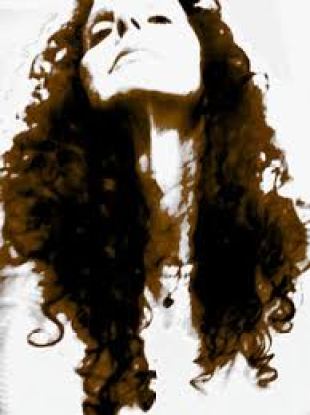
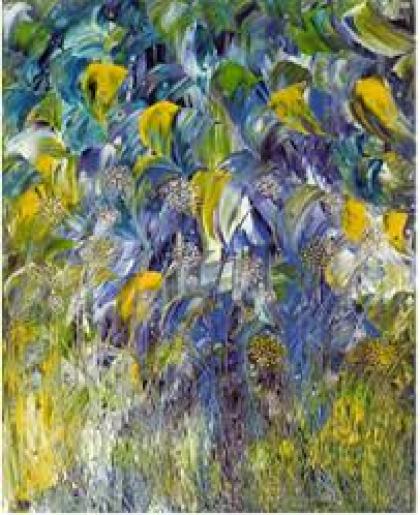
Alicia Kozameh — Novelista judío-argentina-norteamericana/Argentine American Novelist “Pasos bajo el agua/”Steps Under Water” — Memorias de una prisionera política durante “la Guerra Sucia”/Memories of a political prisoner during the “Dirty War”

Alicai Kosameh

_______________________________________________________

Alicia Kozameh nació en 1953 en RosarioArgentina. En 1973, esta joven cuya vida quedó marcada por la temprana muerte de su hermana mayor, comenzó a estudiar Filosofía y Letras en la Universidad Nacional de Rosario.El 24 de septiembre de 1975, fue detenida por su militancia política en un partido de izquierda, el Partido Revolucionario de los Trabajadores (PRT). Por ese entonces, pasó sus días presa en uno de los lugares de detención más peligroso del país conocido como “El sótano”, de la Alcaldía de Mujeres de la Jefatura de Policía de Rosario. Tiempo después, ya en la penitenciaría de Villa Devoto (en la ciudad de Buenos Aires), una amnistía de Navidad la dejó libre pero vigilada. Por supuesto, no fue fácil para esta mujer rehacer su vida. A la dificultad para encontrar trabajo se le había sumado las amenazas que continuaba recibiendo pese a que los seis meses de libertad vigilada ya habían quedado atrás. Las autoridades policiales como las militares le exigían que se fuera del país. Ante esa situación, apenas tuvo en su poder la documentación requerida, Alicia Kozameh decidió exiliarse y así fue como llegó a California y, tiempo después, a México. En ese periodo de destierro, la escritora se ganó la vida en una agencia de prensa, fue redactora en jefe de la publicación literaria “La brújula en el bolsillo”, se desempeñó como jefe de oficina y fue directora de la biblioteca de la agencia “Los Niños de las Américas”. El regreso de la autora a su tierra natal tuvo lugar en 1984. A partir de allí, trabajó para una agencia de marketing en Buenos Aires, fue empleada de la Escuela Freudiana y publicó varios cuentos y artículos en diversos medios argentinos. En 1987, con la aparición de su novela “Pasos bajo el agua”, las amenazas y presiones policiales que ya parecían haber quedado en el olvido vuelven a cobrar fuerza y, por esa razón, Kozameh regresa al año siguiente a California. Siempre ligada a las actividades literarias, , fundó un centro cultural latinoamericano en Los Ángeles, enseñó literatura y creó la revista literaria “Monóculo”.“El séptimo sueño”, “259 saltos, uno inmortal”, “Patas de avestruz” y “Ofrenda de propia piel” son otros de los libros publicados por esta argentina que ha sido reconocida con el Premio Crisis (Argentina) y compartió con otras autoras el Premio Memoria Histórica de las Mujeres en América Latina y el Caribe 2000.

Adaptado de EcoRed.com

_____________________________________________________________

Alicia Kozameh was born in 1953 in Rosario, Argentina. In 1973, this young woman whose life was marked by the early death of her older sister, began to study Philosophy and Letters at the National University of Rosario. On September 24, 1975, she was arrested for her political activism in a left-wing party, the Revolutionary Workers Party (PRT). At that time, she spent her days imprisoned in one of the most dangerous places of detention in the country known as “El sótano”, of the Mayor’s Office for Women of the Rosario Police Headquarters. Some time later, already in the Villa Devoto penitentiary (in the city of Buenos Aires), a Christmas amnesty left her free but under surveillance. Of course, it was not easy for this woman to rebuild her life. The difficulty in finding work had been compounded by the threats that he continued to receive despite the fact that the six months of probation had already been left behind. Police authorities such as the military demanded that he leave the country. Faced with this situation, as soon as she had the required documentation in her possession, Alicia Kozameh decided to go into exile and that is how she arrived in California and, later, in Mexico. During that period of exile, the writer earned her living at a press agency, she was editor-in-chief of the literary publication “Los Niños de las Américas”. The author’s return to her homeland took place in 1984. From there, she worked for a marketing agency in Buenos Aires, was an employee of the Freudian School and published several stories and articles in various Argentine media. In 1987, with the appearance of his novel “Steps under the water”, the threats and police pressure that seemed to have been forgotten once again gained strength and, for that reason, Kozameh returned to California the following year. Always linked to literary activities, she founded a Latin American cultural center in Los Angeles, taught literature and created the literary magazine “Monóculo”. “El séptimo sueño”, “259 saltos, uno inmortal”, “Patas de avestruz” y “Ofrenda de propia piel” are other books published by this Argentine that has been recognized with the Crisis Award (Argentina) and shared with others authors of the Prize for the Historical Memory of Women in Latin America and the Caribbean 2000.

Adapted from EcoRed.com

______________________________________________________________

_________________________________________________

CARTA A AUBERVILLIERS, FRANCIA

A Juliana, que es Estela

Santa Bárbara, 20 de enero de 1984

¡Qué efecto te causará ese tipo de sismos, o como quieras llamarles, tardíos! (¡Nunca es tan tarde, querida!); porque son como alfileres ubicados en puntos estratégicos del cerebro. Quiero decir, las catarsis nunca vienen solas: el Paraná baja desde el Matto Grosso y arrastra muy variados especímenes. Los camalotes, Juliana, y las pirañas. De los camalotes estoy muy segura. Y me pregunto por qué las pirañas no llegan hasta Rosario.

         Estamos avanzando, raudas, por los primeros días del año 1984. Y también veloces. Otros son capaces de desligarse de la acumulación y de los años. A mí se me dio por incursionar en hechos siempre dispuestos a permanecer. No es casual. No creas en las casualidades. Estoy tratando de ubicarme en el punto de fuga de todas las visiones posibles, para arrancar con un cuento en el que el eje sea traslado al sótano de Rosario a Villa Devoto. A mí me de vuelta como un guante en el trance de vencerme a mí misma.

         Entonces, vos entendés. Una vez te pedí que contestaras por carta mis preguntas sobre tu tortura. Las dos conocíamos hasta las inflexiones que le ponés la voz en esos casos. Pero yo me impulsé, por mi pedido y por tus respuestas, y seguí adelante con la novela que estaba escribiendo. Ahora, el mismo recurso.

         Anoche no pude dormir: eso de que el chico nazca con alguna falla. Y esta mañana, al irme al trabajo, cuando ya habíamos salido de casa, me di cuenta de que todavía estaba adentro, buscando la puerta de la calle.

Santa Bárbara es salvaje y lo disfruta. Abre las piernas y se sacude de sol y abundancia. Aquí la gente no se muere nunca. En cambio el Paraná, vos viste: nos crispa los nervios. Las víboras, todo lo que nos deposita al final de su travesía. ¿Te suena lo que viene? El Paraná nace en Brasil de la confluencia de los ríos Paranaíba y Grande. Esta memoria que me gasto tiene que ser un producto de una endovenosa aplicada por la vieja de Geografía. De otro modo no se explica

         Del sótano a Villa Devoto. Imposible recordar la totalidad. Sí ciertas angustias: Blanca siempre tuvo una sombra de bigotes más pronunciado de lo recomendable. Ese día se le había ennegrecido, le cortaba la cara en dos. Iba esposada a Tania. Tania tan alta y ella tan petisa, con sus bigotes y su muda en un bolso azul, hecho de un pantalón vaquero por un par de esas manos casi mágicas que ya empezamos a tener. Contáme algo de París, ¿no?, ¿o no vivís allí?, ¿o estás encerrada en el baño del departamento?, ¿o en la cocina? Ojalá se trate del dormitorio.

         Tu calle debe ser como una de Posadas. Empedrada, entre piedra y piedra alguna planta asomándose, sobre alguna hoja una hormiga en plena cabalgata pro-víveres. Así se me ocurre una calle de Posadas; además de estar salpicada con golpes que el Paraná da cuando se enloquece. A las otras cuadras de París deben salpicarlas llantos de pájaros, cervezas rotas, lluvias incestuosas y enredadas. Y también un poco del Paraná, estoy segura. Colaborá conmigo y confirmáselo. Gracias.

         ¿Vos a quién ibas esposada? No recuerdo haber visto a nadie cerca tuya en ese momento. Pero lo que me olvido es que, llegadas a Devoto, Mercedes entró al pabellón que nos asignaron y vomitó hasta el corazón. Con eso mandó por las tuberías de las letrinas todo lo que se pareciera a un traslado de presas políticas y sus posibles implicancias. Admirable.

         ¡Pabellón 31! En serio. Admirable.

         Dónde andará Flora; la que lavaba la ropa cuando le tocaba, a cualquiera menos a ella y ocupaba la única soga del baño como si nada. Qué será de esa cara apretada que tenía. Estará eligiendo apropiados jabones de polvo en barra en el Senegal y alrededores. Es posible que con tantos años de exilio ya había adquirido un lavarropas automático. Depende: no sé qué grado de especialización haya logrado.

         Tu madre me escribió para mi cumpleaños. Se la siente como una flor a las nueve de la mañana de verano porteño. No quiero ponerme redundante, pero te envidio. ¡Una madre como Adelina!

         Uno vive disculpándose. Temor de ser reiterativo. Y preguntarles a los milicos si les importó repetir métodos, plagiarlos, gastarlos. Es decir, no te molestes. No les preguntes nada.

         Me siento como si estuviera muy concentrada en meter un dedo en algún agujero.

         Aquella bandera, la que les dejamos colgada en el baño del sótano antes de que nos llevaran. No sé, nunca terminé de completar en mi cabeza un cuadro con las manos de las celadoras interrumpidas en alguna forma de asombro, suspendidas entre la bandera y sus panzas, sus tetas, sin poder decidirse a arrancarla. Tocarla: abrazar al demonio. No celeste, blanca y celeste, querida: sólo celeste y blanca. ¿Te las imaginás? Tan puras, ellas.

         Abrazar el demonio. Las yemas de los dedos acercándose.

Debe estar caliente, por donde lo toques. Los ojos afiebrados, y esa barba en punta que debe dar muchas, pero muchas ganas de apoyarse, ¿no? Sin dudas: si se me aparece Mandinga, yo pruebo. ¡Gran siestita! Y nada de forget about it. Ahí debe haber mucho que aprender.

         Meterme entre las sábanas. Las frazadas pesándome sobre el lado izquierdo. Sí. Me doy una ducha y sigo desde la cama.

         Estaba pensando—el agua es un sacramento—que tomar una resolución, optar, es como perder un dedo de la mano en un acto voluntario y adquirir tres en la otra, así, de golpe. No te desesperes mucho. Ya sabés: precalentamiento. Acordáte el futuro cuento. Estoy abriendo el primer agujero. Aunque también podría estar trabajándome algo referido a dar un salto. No es nada novedoso, ya lo sé. Mis saltos te provocan ataques hepáticos, pero son previsibles. Es magnífico optar, elegir. ¿No es como cantar Yesterday modulando despacio, con tus propios labios, con tus propios labios, cada palabra, ir dándoles forma una a una, ocupando cada músculo, los dientes, la lengua, la boca entera, recostada en una hamaca tejida desde que la única visión sea una fuente transparente repleta de cerezas casi violetas y un avión blanco despegando? Antes de que la celadora me asegurara con las esposas creo que a Sonia y nos sentará de bruto empujón en el suelo, en la plataforma sin asientos dijo como otro golpe, un no pueden mirar. Levanté apenas la cabeza. Ya casi todas las compañeras estaban colocadas en hileras, sentadas a lo Buda en el suelo engrilladas al acero del piso, las cabezas bajas y el brazo libre pesando sobre la nuca. Te juro que le saqué una foto eterna, para la posteridad de este espectáculo.

         Una formación, una escuadra paralizada en trance de retraer su miembros en un paso íntimo de baile, en un círculo completo, para después abrirse y alagarse para siempre. No me digas que la realidad del avión estaba muy lejos de parecerse a ninguna danza. Ya lo sé. Se trata más bien de un gran mareo histórico, de la náusea universal, que de todos modos dejó sentir la dirección  por la que se decidía este gran aparato digestivo que habitamos.

Los grillos y las esposas eran galladura de huevo; eran una absoluto, una ficción. Una fiesta de potencias se movilizaba alrededor de cada ojo, de cada labio frenando el impulso de gestar sonidos.

         Algunos pares de borceguíes también provocaban su propio accidente contra hombros, cabezas, entre las caras que intentaban reajustar su perspectiva captando un ángulo de totalidad y la solidez sonora  de los tacos. Yo ya estaba en el avión militar, amordazada de pies y tuétanos. Bonavena despenado, imangínate.

         El día fue largo. Estuve tratando de tomarme el trabajo con un poco de nuestra filosofía: “qué va a hacer”, pero no caben mis delirios por estas latitudes.

Encima de pronto fui a descubrir, y nada menos que por el zumbido a una mosca pedante como pocas, que se pasó quince minutos de su vida—de la mía-arremetiendo de cabeza contra el vidrio de la ventana. Y no me vengas con tu lógica; sí, era pedante. Y no le di antes la vía libre porque me quedé ahí siguiéndole el proceso de ablandamiento, de consagración a la causa. La hubieras visto retroceder y tomar impulso, y largarse contra la luz hasta rajar el vidrio de extremo a extremo. La casa se reserva el derecho de admisión. No se me mueve un pelo si me cuestionás la verosimilizad. ¿Suena parecido?

         No salió sola, porque se ve que se mareó y no pudo completar la operación. Se apoyó en la orilla de la ventana, con cara de víctima: así que le abrí.

         Juliana, decime, ¿te acordás de un vestido blanco de algodón, con flores negras que no nos quedaba tan bien a los dos, y que mi vieja me cosió poco después de la libertad? Anoche, caminando por State, vi uno muy parecido en la vidriera. Me produjo un solo efecto: ganas de azotar el aire con un par de gritos más o menos siniestros.

         Y es tan sucio por épocas en la zona de Rosario, digo el rio—es tan limpio; la próxima tarea –, que tienta a sumergirse, a bucearse, porque ya sabemos todo lo que puede hacer enredado el plantario y el barro. ¿Vos qué te imagínas? Algunos son tesoros incanjeables: yo puesto por un humilde simple de Jimmy Hendrix, el Antidhuring y un buen diccionario de sinónimos. Buen, porque más bueno, más útil, más rápido. Más rápido te lo sacás de encima

Teníamos que estar listos en veinte minutos con muda de ropa. De dónde íbamos a sacar mesura para demorarnos una eternidad. En la mitad del tiempo ya esperábamos, unidas por una corriente eléctrica muy física que nos mantenía activos garganta y estómago. Pero lo que me angustia: ¿sabés lo que es?: la posibilidad de que ninguna entendiera en ese momento la esencia del problema. Pero no, tampoco estoy en lo cierto; porque entonces si no captábamos la cosa medular, decime que fue lo que nos hizo despedirnos como si fuésemos a morir. Nos clavábamos unas miradas blancas, tiza compacto, firme contra las frentes, nos estudiábamos la lividez, las arrugas, las canas recientes, nos corregíamos los defectos de peinado o nos arrancábamos unas o otras hilachas, pelosas.

         Algunos recuerdos están amputados. Pero no me cuesta nada provocarme un efecto de neuronas. Reponer imágenes y las sensaciones vuelven intactas.

         Recibí carta de Virginia. Todo el asunto se mueve alrededor de una moto que se compró su nuevo compañero; es increíble, pero no resulta tediosa. Por ahí se les ingenia para ponerlo en ridículo al tal Gustavo. Se ve que hay algo de él con el casco que se incompatible con ciertas ansiedades de ella. No hubo forma de desviarla del tema. Es notorio que a vez le subyuga y le repugna: la moto, el marido, no sé.

         Estuve haciendo serios esfuerzos para recordar algunos ejercicios. No hubo caso. Es como si me instalara una sábana entre los ojos y el cerebro. La razón de la desmemoria está ahí: en los colores, las formas, la mayor yo menor nitidez, los ritmos. La capacidad letal de los acontecimientos.

         Por ejemplo la bajada del avión. Sé que nos aterrizamos en Aeroparque porque alguien me lo dijo después, no sé cuando. Pero no puedo, no puedo conseguir esa parte de la película. Salto del pleno vuelo a los camiones que nos transportan a Villa Devoto. Se me borró el aterrizaje, se me borró lo que siguió hasta empezar a circular por el inconfundible vapor de Buenos Aires. Siento la asfixia todavía, los chorros que me brotaban de la espalda, siento la deshidratación como si ahora me estuvieran obligando a tragar una sandía entera. Con la intensidad. Veo gris y veo verde, tengo pegados el verde y el gris.

         Pero hay fuertes huecos irrecuperables.

         Che, es tarde. Voy a ver si me duermo. Me arden los ojos; se me rompió una patilla de los lentes. Causa, le regalé a David en México el único buen estuche que tenía. Annie me regaló uno mejor, pero el período intermedio fue fatal. Así que corto. Contestá enseguida. El tiempo pasa raudo. Y también veloz. (¿Ya te lo dije?)

         El ser humano que gana espacio en mis interiores da gruesos saltos en su esfuerzo para ser amistoso. Paciencia: la lucha contra el cáncer, el desplazamiento de la historia respecto de la línea de los deseos, los desfiles militares, la sombra que proyecta el edificio de enfrente sobre tu casa, moderan el espíritu.

         Chau. Besos a los conocidos o queridos en común. A vos mi amor, como siempre.

                                                                                                            Sara.

P.D. Esa foto que me mandaste de tu hija con una gallina en brazos es tan estúpida que me resultó ineludible su inclusión entre las demás, tan

lindas todas. Besos.

_____________________________________

______________________________________________

LETTER TO AUBERVILLIERS, FRANCE

A Juliana, que es Estela

Santa Barbara, January 2, 1984

         What an effect this type of earthquake, or as you may call them aftershocks! (It’s never too late my dear!); because they are like pins placed in strategic parts of the brain. I mean, the catharsis never come alone: the Paraná river descends from Matto Grosso and drags with it varied specimens. The water hyacinths, Juliana, and the piranha. Of the water hyacinth, I’m sure. And I wonder why the piranha don’t come as far as Rosario.

         We are advancing, headlong, through the first days of 1984. And, also, quickly. Others are capable of separating themselves from the buildup and from those years. With me, I let myself enter into facts that are always likely to remain. It is not by chance. Don’t believe in coincidences. I’m trying to place myself at point of escape from all possible views, to drag out a story in which the axis will be placed at the time of the moving of prisoners from the basement in Rosario to Villa Devoto. I go round and round like a glove in a trance to defeat myself.

Then, you understand. Once I asked ty to answer in a letter my questions about your torture. We two know even the inflections that you use in you voice in those cases. But I forced myself, for my question and for my question and for your answers, and I went forward with the novel that I was writing. Now, the same recourse.

         Last night I couldn’t sleep: that one about the kid who is born with a defect. And this morning, going to work, when we had already left the house, I realized that I was still inside, looking for the door.

Santa Barbara is wild and I take advantage of it. It opens its legs and shakes with sunlight and abundance. Here people never die. Whereas the Paraná, you saw, grates on your nerves. The snakes, all that it deposits for us at the end of its journey. Do you hear what’s coming? The Paraná is born in Brazil at the confluence of the Paranaiba and Grande. This memory that I wear out has to be a product of an intravenous injection applied by the old lady of Geography. There is no other way to explain it.

From the basement to Villa Devoto. It is impossible to remember the totality of it: Blanca always had the shadow of a mustache, more pronounced that is recommended. That day, they had turned black, they cut her face in half. She was handcuffed to Tania. Tania so tall and she so short, with her mustache and her clothing in a blue bag, made from a pair of jeans a pair of those hands, almost magical, that we all began to have. Tell me about Paris, no?, or you don’t live there, or are you shut up in the apartment’s bathroom? In the kitchen? I hope we’re dealing with the bedroom.

Your street must be like one in Posadas. Cobblestone, between each stone, some plant sticking out, on some leaf in full charge for foodstuff, In that way, a street in Posadas occurred to me, beyond being splashed by blows that the Paraná gives out when it goes crazy. On the other blocks of Paris, bird cries, broken beer bottle, incestuous and tangled rain out to splash them, I’m sure. Work with me and confirm it.  

Who were you handcuffed to? I don’t remember having seen anyone near you at that moment. But what I forget is that, having arrived at Devoto, Mercedes entered the pavilion that they assigned to us and vomited almost to her heart. With that, she sent to the pipes of the latrines all that seemed a transfer of political prisoners and its possible implications. Remarkable.

         Pavilion 31! Seriously. Remarkable.

         Where would Flora be?; the one who washed the clothing when it was her turn, of everyone except hers and took care of the only rope in the bathroom as if it were nothing. How would be that tight face she had? She’s probably choosing appropriate bars of powdered soap in Senegal and its environs. It’s possible that in so many years of exile, she’s acquired an automatic washer. It depends: I don’t know what level of specialization she has acquired.

Your mother wrote me for my birthday. She feels like a flower at nine o’clock in the morning of a Buenos Aires summer. I don’t want to be redundant, but I am jealous of you. A mother like Adelina!

         You live forgiving yourself. I fear being reiterative. And to ask the military bastards is they care about repeating methods, borrowing them, wasting them. That’s to say, don’t bother. Don’t ask them anything.

         I feel as if I were very concentrated in put a finger in some hole.

         That flag, that which we left hanging in the basement bathroom before they took us away. I don’t know, I never stopped completing in my head a picture with the hands of the security guards, interrupted in some form of amazement, suspended between the flag and their bellies. Their tits, without being able to decide whether to tear it down. To touch it: to embrace the devil. Not sky blue, white and sky blue, my dear: only sky blue and white. Can you imagine it? So pure, those colors.

         Embrace the devil. The fingertips coming near you. He must be hot, wherever you touch him. The feverish eyes, and that pointed beard that most provoke much desire, but much desire to be supported,. No? No doubt: if Mandinga appears to me, I prove it. Great little siesta! And nothing of forget about it. There must be a lot to learn.

         To get under the sheets. The blankets weighing on my left side. Yes. I take a shower and go on to bed.

I was thinking—water is a sacrament–to make a resolution, to choose, is like losing a finger from your hand in a voluntary act, and acquire three more on the other, just like that, suddenly. You don’t despair too much. You already know: warming-up. Remember the future story. I am opening the first hole. Although I may also be working myself up to something called taking a jump. It’s nothing new; I know. My jumps take the form of liver attacks, but they are foreseeable. It’s magnificent to opt for, to choose. Isn’t it like singing Yesterday, modulating slowly, with your own lips, with your own lips, each word, giving them form, one by one, using every muscle, the teeth, the whole mouth, lying on a hammock from which the only view is of a transparent fountain full of almost violet cherries and a white plane taking off? Before the security guard secured me with the handcuffs I think with Sonia, and he sat us down with a brutal push, onto the platform without seats, he said as another blow, a you can’t look. I hardly raised my head. By then, almost all the compañeras were placed in rows, seated in the Buddha position on the floor, shackled to the steel floor, the heads down and the free arm on the nape of the neck. I swear to you that I took an eternal photo of it, for the posterity of this spectacle.

         The shackles and the handcuffs were the blood spot on the egg; they were an absolute, a fiction. A party of powers was mobilized around every eye, of every lip, halting the impulse to gestate sounds.

         Some pairs of laced boots also provoked their own accident against shoulders, heads, among the faces that were trying to readjust their angle, by setting an angle of totality and the solidity of the heels. I was already in the military airplane, tied up through and through. Bonavena finished off, imagine it.

         The day was long. I was trying to accept the situation with a bit of our philosophy “what are you going to do?,” but my delirium didn’t function at those latitudes.

Very soon I was to discover, and nothing less than the by buzzing of a bee, an unusual teacher, who spent fifteen minutes of its life—of mine—charging with his head against the window glass. And don’t try your logic on me, yes, he was a pedant. And didn’t I say to you earlier. And I didn’t give him free passage because I stayed there following him in his process of softening, his consecration to the cause. You would have seen her retreat and take strength and throw herself against the light until scratching the glass from one end to the other. The house reserves the right of admission.  Don’t move a hair if you question my verisimilitude. Sounds familiar?

         She didn’t get out alone, because you could see that she was stunned and couldn’t complete the operation. She leaned against the edge of the window, with a victim’s face; so, I opened it for her.

Juliana, tell me, do you remember that white cotton dress, with black flowers that didn’t fit either of us very well, and that my mother sewed soon after freedom? Last night, walking on State, I in the shop window one that was very similar. It produced in me a single effect: desire to whip the air with a pair of more or less evil shouts.

         And it is so dirty for decades in the area of Rosario, I mean the river—it is so clean; the next task—that tempts you to submerge yourself, swim underwater, because we already know everything that can make the plants and the mud come together. Can you imagine? Some treasures are invaluable; I’d go for a humble single by Jimmy Hendrix, the Antidhuring and a good dictionary of synonyms. Well, the better, more useful, the quicker. The quicker you get if off of you.

We had to be ready in twenty minutes with a change of clothes. Where were we going to find the patience to delay ourselves for an eternity. In half the time, we were already waiting, united by a  very physical electric current that kept out stomachs and throats active. But that which troubled me: you know what it is?: the possibility that nobody would understand at that moment the essence of the problem: because if we didn’t capture the core thing. But no, neither am I sure. Tell me what it was that made us say goodbye as if we were going to die. We put on white gazes, compact chalk, firm a against the foreheads. We study the paleness, the wrinkles, the recent white hairs, we correct the defects in our hair or we pull out some loose threads, fluff.

         Some memories are amputated. But it doesn’t cost me anything to provoke in myself an effect of neurons. To put back images and the sensations return intact.

I received a letter from Virginia. The whole thing was about a motorcycle that her new boyfriend bought: it’s incredible, but it didn’t turn out to be boring. They worked it out there to make a certain Gustavo look ridiculous. It seems that there is something about him with his helmet that was incompatible with certain of her anxieties. There was no way of diverting her from the subject. It’s strange that at the same time it charms her and repulses her: the motorcycle, the husband, I don’t know.

         I was trying very hard to remember some exercises. There was no way. It is as if I put a sheet between my eyes and my brain. The reason for the amnesia is there: in the colors, the greater or lesser definition, the rhythms. The lethal possibility of the events.

For example, leaving the plane. I know that we landed in Aeroparque because someone told me later, I don’t know when. But I can’t, I can’t obtain that part of the movie. A leap from the full plane to the trucks that transported us to Villa Devoto. The landing is erased, what happened after that is erased until beginning to circle through the unmistakable air of Buenos Aires. I still feel the asphyxia, the streams that that burst from my back, I feel the dehydration as if even now they were forcing me to swallow a whole watermelon. With the intensity. I see gray and I see green. I’m stuck on the green and the gray.

         But there are strong memories that are not recuperable.

Che, it’s late. I’m going to see if I can sleep. My eyes are burning; one of the arms of my eyeglasses broke. The reason. In Mexico, I lent the only good case that I had. Annie gave me a better one, but the intervening period was fatal. So, now I’ll stop. Answer immediately. The time passes quickly. And, also, fast. (Did I say that to you already?)

The human being who wins space in my insides makes difficult jumps in its force to be friendly. Patience: the fight against cancer, the historical displacement with respect to the direction of desires, the military parades, the shadow that the building in front projects onto your house, moderate the spirit.

         Chau. Kisses to the acquaintances or dear ones in common. My love to you, as always.

P.S. That photograph of your daughter with the hen in her arms is that you sent me is so stupid that that its inclusion is unavoidable with the others, the others so pretty. Kisses.

________________________________________________________________________________________

Algunos libros de Alicia Kozameh/Some Books by Alicia Kozameh

__

__________________________________________________________

Obras de Alicia Kozameh/Works by Alicia Kozameh

Novelas/Novels

  • Pasos bajo el agua, Buenos Aires: Contrapunto 1987 Córdoba: Alción, reeditada en 2006, traducida al inglés como Steps Under Water y al alemán como Schritte unter Wasser.
  • 259 saltos, uno inmortal, Córdoba: Narvaja 2001, traducida al inglés como 259 Leaps, the Last Immortal.
  • Patas de avestruz, Córdoba: Alción, traducida al alemán como Straussenbeine.
  • Basse danse, Córdoba: Alción, 2007.

Cuentos/Short-stories

  • Ofrenda de propia piel, Córdoba: Alción ,2007

Poemas/Poetry

  • Mano en vuelo, Córdoba: Alción, 2006. 

Testimonio/Testimony

  • Nosotras, presas políticas. Obra colectiva de 112 prisioneras políticas entre 1974 y 1983. Alicia Kozameh, Blanca Becher, Mirta Clara, Silvia Echarte, Viviana Beguán, Nora Hilb et al. Prólogo: Inés Izaguirre. Buenos Aires: Editorial Nuestra América,  2007.

___________________________________________________________

Sinagogas de Buenos Aires/ Synagogues of Buenos Aires

En Buenos Aires, hay una plétora de sinagogas que sirven a la comunidad de 160,000 mil judíos. La gran mayoría de los que pertenecen a las sinagogas son ortodoxos: Askenazí, de origen europeo y un número Sefardí, de origen de los descendientes de los que tuvieron que dejar España después de 1492. Además, hay sinagogas de Masorti Olami (Conservadora) que tienen rabinos y cantores entrenados en el Seminario Judío-latinoamericano “Marshall Meyer Z”L”. Hay dos templos reformistas. Y hay numerosos centros de Jabad Lubavitch, ultra-ortodoxo. También, hay asociaciones de judío laïcos o culturales

Sinagogas de Argentina, fuera de Buenos Aires/Synagogues of Argentina, Outside of Buenos Aires

___________________________________________

In Buenos Aires, there is a plethora of synagogues that serve the community of 160,000 Jews. The vast majority of those who belong to synagogues are Orthodox: Ashkenazi of European origin, and Sephardic, of origin from the descendants of those who had to leave Spain after 1492. In addition, there are synagogues of Masorti Olami (Conservative) whose rabbis and singers were trained in the Jewish-Latin American Seminary “Marshall Meyer Z” L “. There are two reform temples. And there are numerous centers of Chabad Lubavitch, ultra-orthodox. There are also associations of non-believing or cultural Jews.

Sinagogas de Argentina, fuera de Buenos Aires/Synagogues of Argentina, Outside of Buenos Aires

______________________________________________________________

Templo Libertad – Sinagoga de la Congregación Israelita – Reformista
Templo Libertad – Interior
Gran Sinagoga de Paso – Ortodoxo
Gran Templo Paso -Interior
Sinagoga Or Torah -Ortodoxo Sefardí
Comunidad Amijai – Conservador
Agadat Israel – Ortodoxo
Templo Congregación Sefaradí Yesod Hadat – Ortodoxo
ACISBA – Comservador
Congregación Bet El -Conservador
Dor Hadash – Ortodoxo
Bnei Tikvah – Conservador
Sinagoga de la Calle Buenos Aires- Ortodoxo
Comunidad Israelita Sefaradí – Ortodoxo
Jabad Soho – Palermo – Jabad Lubavitch
Templo de Max Nordau /Dor Hadash – Conservador
Sinagoga Chalom Moderna – Conservador
Livitiche Shul — Beit Jabad Lubavitch
Bet El de la calle Piedras – Ortodoxo

NCI – Emanuel- Fundación Judaica – Progresivo

___________________________________________________________

Leonor Coifman — Artista visual judío-argentina/Jewish Argentine Visual Artist — “Arte espiritual judía”/ “Jewish Spiritual Art”

Leonor Coifman

_________________________________________________________

Leonor Coifman,  ha cursado estudios en las Escuelas Nacionales de Arte Manuel Belgrano y Prilidiano Pueyrredón, estudió Historia del Arte con Córdova Iturburu, Crítica Plástica con Moraña y perfeccionamiento plástico con Juan Muñeza, habiendo realizado labor docente en escuelas de la Municipalidad de la Ciudad de Buenos Aires y en su taller de Libre Expresión para niños.

Ha realizado numerosas exposiciones colectivas e individuales en conocidas instituciones tales como el Fondo Nacional de las Artes, el salón Isidoro Steimberg, Universidad de Belgrano, Ateneo Popular de la Boca, Sociedad de artistas Plásticos, Círculo Hebreo Argentino, Teatro Municipal General San Martín, Manzana de las Luces, Planetario Galileo Galilei, etc.Ha expuesto en las ciudades más importantes del Perú, en la Ciudad española de Vigo, en México (Primera Bienal Iberoamericana de Pintura).

_______________________________________________________________

Leonor Coifman, has studied at the Manuel Belgrano and Prilidiano Pueyrredón National Art Schools, studied Art History with Córdova Iturburu, Art Criticism with Moraña and advanced art with Juan Muñeza, having done teaching work in schools of the Municipality of the City of Buenos Aires and in its Free Expression workshop for children.

He has made numerous collective and individual exhibitions in well-known institutions such as the National Arts Fund, the Isidoro Steimberg room, the University of Belgrano, Ateneo Popular de la Boca, the Society of Plastic Artists, the Argentine Hebrew Circle, the General San Martín Municipal Theater, Manzana. de las Luces, Planetarium Galileo Galilei, etc. He has exhibited in the most important cities of Peru, in the Spanish City of Vigo, in Mexico (First Ibero-American Biennial of Painting.)

La obra entera de Leonor Coifman

______________________________________________________________

Pinturas, Grabados, Arte Digital/Paintings, Engravings and Digital Art

Grabados con la técnica de Coolagraf/Prints made with Coolagraph techniques

Jai (Vida)
Pintura con base serigráfica/Painting on Serigraph
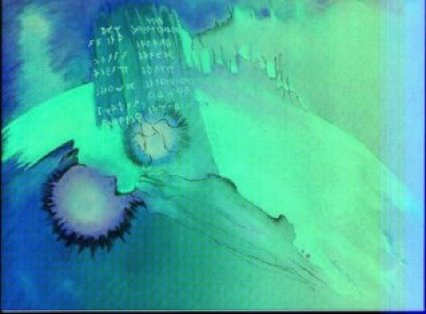
La entrega de las diez mandamientos IThe giving of the ten commandments
Obra digital sobre originales/Digital works over originals
La zarza ardiente/The Burning Bush Obra digital sobre originales/Digital works over originals
Mandala Judía
Obra digital sobre originales/Digital works over originals
Creación
Obra digital sobre originales/Digital works over originals
Malkut (Princess)
Obra digital sobre originales/Digital works over originals
Al fin/At the end of times — Arte digital
Contacto
Grabado, monocopia intervenido/Print, a monocopy in which the artist employs several techniques
Banderas sobre diversidad/Flags over Diversidad

__________________________________________________________________________________

Libro Artista: Tema de Luz/ Artist’s Book: Theme of Light

The candle burns in my window/I, Leonor Coifman, about to turn/eighty-one follow it’s dance, hoping that it with/ it’s light dissipate my shadows and illuminate my world/ and the whole world. /And while the story comes to my memory of the Rabbi and his teaching in “While the Candle Burns” life/ there is still time to repair, to reinvent one’s self, to begin again, to return to make mistakes again and/ to get up again, despite the/shadows that accompany us,/While a candle burns in my window, the light shines, I have life. — Leonor Coifman
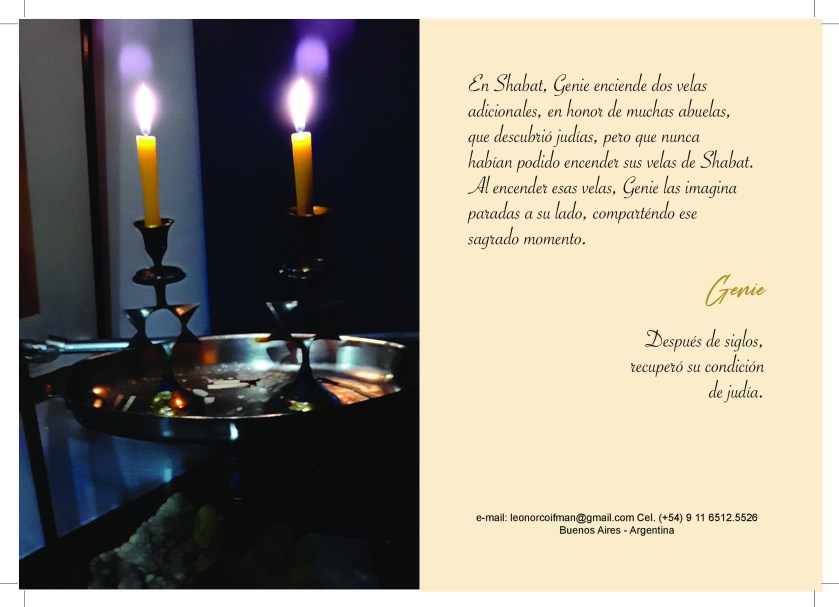
On Shabbat, Genie lights the additional/candles, in honor of the many grandmothers, that she found to be Jewish/but had never/been able to light the Sabbath candles./On lighting these candles/Genie imagines them/standing at her side/sharing that/sacred moment. — After centuries,/her Jewish condition. — Genie
What appears to be an act of faith/to light the candles to welcome Shabbat/ to thank life, is a gift to the soul./while two doves wait to take off,/ carrying a message of light. — Martha Wolff
What signs are there in the sky,/I can’t decipher from them/what mystery is hidden in my being/that I can’t decipher (find.) I walk in my soul/move blindly looking for signs./figuring out day by day/what I live (or what I dream)/Knowing that the first road/ is for the inside and that later/I will be able fly off through the world. — Leonor Coifman
A candle, lit, chalice of fire,/between the sky that says goodbye to the day,/its clarity dying in order to give itself/ to the penumbra of the night. small among the immensity that surrounds it/is for Shabbat, the little universe./that prays thanking the Divine Light. — Martha Wolff
Bits of Time Lived — Life is not delivered with/an expiration date, and when that date/approaches us, with serenity and fear,/ we look at ita course and like a puzzle, we begin to put together the times live/with pressure and with love. — Leonor Coifman
Questions and Answers — November 19, 2014,/at nightfall, whenever we have the courage/to ask our being what it needs,/dawn will break and on our pillow/will be the answer./Our life cannon be lived by others, life has to be lived with a passion/so intense, that it hurts./To know that it was fought for/cried over, laughed over and that/is the only way that I know about, to know/that I am here, doing it. Deserving of being Alive.
Two candles brighten, two doves/ pairing with the believer and with the Creator/ creating an invisible union of love/ and celebration. — Martha Wolff
Building Dreams — History speaks of our wisdom/ among the nations and it is necessary ro remind then/ again. Everyone of us, will be a/ bastion with a common front against/ discrimination, hatred and ignorance./ Let us be the dignified transmitters of our legacy/ for future generations, so the Miracle of Light is not lost. – Leonor Coifman
I am fertile earth, which has been seeded/ since a time without history, Seeds of Faith./ My soul conserves deep roots from/ immemorial time, of epopeyas/of vast passages which tenuous threads unite/ with infinite skies, whirlwinds of light and darkness,/that populate the spiralled trip/ in lapsus of life and death. — Leonor Coifman

________________________________________________________

Esculturas/Sculptures

_____________________________________________________________

Hjalmar Flax — poeta judío-puertorriqueño/Puerto Rican Jewish Poet — “Hacia la vejez”/”Getting Older”

Hjalmar Flax

______________________________________________

Hjalmar Flax nació en Puerto Rico (1942), donde reside. Ha realizado estudios de literatura en las universidades de Pennsylvania y Puerto Rico. Es juris doctor por esta última (1969) y ejerció la abogacía desde 1970 hasta 1998. Además es piloto de pequeñas embarcaciones y avionetas. Ha sido crítico de cine. Es autor de doce poemarios publicados: 44 Poemas (1969); Los pequeños laberintos (1978 y 2003); Tiempo adverso (1982); Confines peligrosos (1987); Razones de envergadura (1995)Cuestión de oficio (1998); Poemas de La Bestia (1999); Abrazos partidos y otros poemas (2003); Contraocaso (2007), Mientras tanto (2012), Penultimatum (2015) y 50-ODD POEMS (2017). ObraBreve 1969-poemarios-2007, publicado en 2009, es una agrupación de los primeros nueve poemarios. Sonetos (2013) y Sonetos (2017)  agrupa los sonetos que aparecen en los libros anteriores e incluye inéditos. Ha recibido premios del Instituto de Literatura Puertorriqueña, del PEN Club de Puerto Rico, del Instituto de Cultura Puertorriqueña y del periódico El Nuevo Día.  En antologías y revistas se han publicado selecciones de su poesía. Ha publicado ensayos y artículos en revistas y periódicos. Ha sido traducido al inglés, al rumano y al francés.

_________________________________________

Hjalmar Flax was born in Puerto Rico (1942), where he resides. He has studied literature at the universities of Pennsylvania and Puerto Rico. He is a juris doctor from the latter (1969) and practiced law from 1970 to 1998. He is also a pilot of small boats and light aircraft. He has been a film critic. He is the author of twelve published books of poems: 44 Poems (1969); The Small Labyrinths (1978 and 2003); Adverse Weather (1982); Dangerous Confines (1987); Large Reasons (1995); Ex officio question (1998); Poems of the Beast (1999); Broken hugs and other poems (2003); Contraocaso (2007), Meanwhile (2012), Penultimatum (2015) and 50-ODD POEMS (2017). ObraBreve 1969-poetry books-2007, published in 2009, is a grouping of the first nine poetry books. Sonetos (2013) and Sonetos (2017) groups the sonnets that appear in the previous books and includes unpublished. He has received awards from the Institute of Puerto Rican Literature, the PEN Club of Puerto Rico, the Institute of Puerto Rican Culture and the newspaper El Nuevo Día. In anthologies and magazines selections of his poetry have been published. He has published essays and articles in magazines and newspapers. It has been translated into English, Romanian and French.


_____________________________________________________________________________________

Poemas/Poems

CLAVE

Después llega el futuro.

El polvo horizontal sobre las cosas.

La memoria rendida. La locura

sentada en el sofá

a sólo un paso.

Entonces no hay camino razonable.

Sólo queda la estrecha fantasía

del segundo después.

___________________________________

KEY

Then the future arrives.

Horizontal dust over the things.

Exhausted memory. Madness

sitting on the sofa

one step away.

Therefore, there is no reasonable path.

All that remains is the narrow fantasy

of the next second.

_____________________________________________________

GANANCIAS

Cuando era niño

quería ser grande,

tener automóvil y hacer

lo que me diera la gana.

Ya soy grande,

tengo automóvil

y no puedo hacer lo que me da la gana.

No sólo porque no puedo,

sino porque a menudo

no me dan ganas.

____________________________

SUCCESS

When I was a boy

I wanted to be grown up,

to have a car and do

whatever I felt like.

Now I’m grown up,

I have a car

And I can’t do whatever I feel like.

Not because I can’t.

But because often

I don’t feel like it.

_______________________________________

EN EL PARQUE DEL BUEN RETIRO

No es entender. Entiendo. Es aceptar.

Acepto, pues la juventud que pasa

frente a mi desplegando su belleza,

y el abismo insondable que separa

mi voluptuosidad de mi deseo.

Acepto el cuerpo donde siempre habito

cada vez más extraño y menos mío.

Acepto a mis amigos y enemigos

porque en unos y en otros me reencuentro.

Acepto mis poemas, mi poética,

a todo lo que he hecho y no he hecho.

Acepto mis manías, mis costumbres.

Acepto a mis parientes y mis muertos.

En fin, lo acepto todo,

hasta el engaño de alargar la vida

viviendo cada hora de este día.

____________________________

IN THE PARK OF GOOD RETIREMENT

It’s not understanding. I understand. It’s accepting.

I accept, since the youth that passes

before my eyes displays its beauty,

and the unfathomable abyss that separates

my own indulgence from my desire.

I accept the body that I always inhabit

little by little as stranger and less mine.

I accept my friends and my enemies

because I will meet again with some and with others,

I accept my poems. My poetics,

everything I have done and everything I haven’t.

I accept my parents and my dead.

In sum, I accept it all,

except the hoax that life is made longer

by living every hour of this day.

____________________________________________

TENACIDAD

Va cada cual consigo a cuestas

por las altas y bajas de su propia existencia

instando por le ritmo de los días y las noches,

de semana en semana, de año a año.

Por su pequeña ruta,

tres o cuatro paradas, su rutina,

desperdiga su tiempo en poco, en nada.

Y sin embargo vive, como vive.

Todo ser su minúscula existencia.

Tiene la vida que el vivo ser no sabe,

y sin saber persiste, el cangrejo en su cueva,

el insecto en su árbol, el percebe incrustado,

la lombriz en la tierra, el ave, el pez, el cabro…

Algo tiene la vida que le viene de entonces y de cuando.

Pero el hombre, encumbrado,

con su abultado ganglio que delira,

se cree distinto al ave, al pez, el insecto,

más libre que el cangrejo a la orilla del mar,

fantasea su existencia, rechaza su futuro.

Puedo yo ver la esencia de cada cosa inerte,

la especial maravilla de cada ser viviente

que comparte conmigo este espacio, este instante,

este aire, esta luz, este destino.

_________________________________

TENACITY

Everyone carries himself on his own back

through the ups and down of his own existence

in the rhythm of days and nights,

from week to week, from year to year.

In his small rut

three or four steps, his routine

dissipates in a short time to nothing.

And yet he lives, as every being lives

its own minuscule existence.

Life has a quality that the living being does not know,

and without knowing carries on: the crab in its cave,

the insect in the its tree, the embedded barnacle,

the earthworm, the bird, the fish, the goat. . .

Life has something that comes now and then.

But man, haughty,

with his swollen delirious ganglia,

thinks he is different from the bird, the fish, the goat:

superior to barnacles, earthworms, insects,

freer than the crab on the shore of the sea,

he fantasizes his own existence, rejects his future,

but dies in his time, like everything else.

I can see the essence of each inert thing,

the special wonder of each living being

that shares with me this space, this moment,

this air, this light, this destiny.

_________________________________________________

ÁNIMAALADA

Mi alma tiene piel de cocodrilo.

Está tan adaptada a superar catástrofes

Que soporta sus historia como duras escamas.

Vagabundeando mi alma por la tierra

desde antes que el inquieto alquimista,

en las salubres miasmas de una ciénaga tibia,

se le ocurriera unir carbono, hidrógeno

oxígeno, nitrógeno y potasio

a ver qué resultaba… Y resultamos.

Mi alma y la de todo ser que vive,

Que mora y moriré,

surgió en el estallido originario,

es parte de una sola que se hizo pedacitos

anticipando millones de milenios.

Por eso se entristece mi alma cuando mira

el pobre simulacro de un fuego artificial,

y sus duras escamas se ablandecen,

y vuelve a recordar aquel instante

de posibilidades infinitas,

y vuelve a revivir su nacimiento

cuando tenía todo por delante.

_______________________________

BEASTLY ACT

My soul has crocodile skin.

It is adapted to overcome catastrophes.

It carries the hard scales of its history.

My soul, wandering the earth,

from before the restless alchemist

in the healthy miasma of a warm swamp

could think of joining carbon, hydrogen,

oxygen, nitrogen and potassium

to see what might happen. . . And we happened.

My soul, and those of all other living beings

that dwell and will die,

emerged from the original explosion;

part of only one soul that broke into little pieces,

anticipating millions of millennia.

That is why my soul grieves when it sees

the poor likeness of a fireworks spectacle,

and its hard scales soften,

and it recalls the moment

of infinite possibilities

and relives its birth

when everything lay ahead.

____________________________________________________

ABLUCIÓN

Lavo mi cuerpo envejecido en este

mismo cuarto de aseo donde hace

tantos años que vengo recreando

y grato ritual del baño cotidiano.

Cual si fueran familia, reconozco

los losetas del piso, el botiquín,

las luces fluorescentes que lo enmarcan,

los azulejos, la bañera, el inodoro,

las toalleros, el lavabo, en fin, todo…

todo salvo este cuerpo envejecido

que froto con jabón, enjuago con la ducha.

Y me hacer recordar tiempos mejores,

Perdidos en la estela nublosa de la vida.

Una vez me agrede silenciosa

la ingrata permanencia de las cosas.

_______________________________________________

ABLUTION

I wash my aging body in this same

bathroom where for many years

I have been recreating

the pleasant ritual of a daily bath.

As if they were family, I recognize

the flooring, the medicine chest,

the fluorescent lights that frame it,

the tiles, the bathtub, the toilet,

the towel racks, the sink, everything. .  .

everything except this aged body

that I rub with soap, that I rinse under the shower,

that makes me remember better times,

lost in the cloudy vapor trail of life.

Once I am reproached in silence

by the ungrateful permanence of things.        

_______________________________________________________

CINEMATOGRAFICA

El buen cine te lleva de la mano

a sitios solitarios donde una vez amaste,

hasta la tumba llana donde el cuerpo reposa

como un tierno vampiro esperando la noche.

Te recuerda aventuras que nunca acontecieron

y que tal vez pudiste haber vivido.     .

Te muestra los caminos que te negaste a andar.

Te ilumina el instante de absoluto abandono:

la muerte de la madre, del padre, del hermano,

del amigo entrañable, de la gran ilusión.

Te conduce al entierro, el horror, al abismo.

Te despega los párpados sonámbulos

y te obliga a fijar los ojos anegados

sobre tu corazón incógnito que oculta

todo lo mencionado y mucho más.

________________________________________________

CINEMATOGRAPHIC

Good cinema takes you by the hand

to lonely places where you were in love once,

like a tender vampire waiting for the night.

It reminds you of adventures that never happened

but just maybe you could have lived.

It shows you paths that you have refused to walk.

The instant of absolute abandonment enlightens you:

the death of the mother, the father, the brother,

the dear friend, the great illusion.

It leads you to confinement, to horror, to the abyss.

It opens your insomniac eyelids

and forces you to fix your flooded eyes

on your unknown heart that hides

everything mentioned and much more.

_______________________________________________________

DEFINICION DE UN CUERPO

A veces un cuerpo es una nada

donde bajar el ancla, una dársena

donde amarrar el bote, pisar tierra

y tomarse una cerveza, un rescoldo

donde arrimar el corazón.

A veces un cuerpo es un recuerdo

que cambia con el tiempo,

un rimero de dudas,

un punto de partido desde donde

distanciar el corazón.

A veces un cuerpo es sólo un cuerpo

y basta.

_______________________________________
DEFINITION OF A BODY

A times a body is a bay

to drop anchor in, a dock

to tie up the boat, step

on the ground and have a beer, an ember

to warm the heart.

At times a body is a memory

that changes with time,

a heap of doubts

a starting place from which

to distance the heart.

At times a body is just a body:

And that is enough.

_________________________________________________

QUERIDA ABUELA

En mi viaje hacia el vacío

Llego a una edad en que descubro

Las enormes verdades de las cosas trilladas

los estrechos confines del pensamiento lógico,

La terrible tristeza tras las modas,

la irrevelancia de la gran historia,

y la enorme importancia de lo efímero.

hasta este juego al que rendí la vida

ya no entretiene tanto

como las voces y las risas de niños pequeños.

“¡Son tan graciosos!” me decías

Y yo no comprendía.

Hoy sé que no hay nada más lleno de gracia

que los niños pequeños.

Los amo a todos con tierna compasión.

En sus caritas transparentes brilla

lo que pudimos ser y nunca fuimos,

lo que pronto perderán en la barbarie

que se llama humanidad.

_________________________________________________________

MY DEAR GRANDMOTHER

During my voyage toward the abyss,

I arrive at an age in which I discover

the enormous truths of well-worn things.

the narrow confines of logical thought,

the terrible sadness behind changing fashion,

the irrelevance of grand history,

and the enormous importance of the ephemeral.

Even this game I devoted my life to

that no longer amuses as much

as the cries and laughter of small children.

“They are so cute!” you said to me,

and I didn’t understand.

Now I know there is nothing more full of grace

than small children.

I love them all with a tender compassion.

In their small faces shines

what we could have been but never were,

what will soon be lost in the barbarity

called humanity.

_______________________________________________

POEMA PARA CELEBRAR SESENTA

He sobrevivido

los impulsos de la juventud,

mantenido en jaque

las buenas intenciones,

rehusando pagar cuotas,

defendiendo mi persona,

patrullando los límites, atento.

He dicho siempre la verdad

y soportado las consecuencias.

He llegado

solo hasta mi edad,

hasta mi soledad,

poeta.

______________________________________

POEM FOR MY SIXTIETH BIRTHDAY

I have survived

the impulses of youth

kept good intentions

in check,

refused to pay dues,

defended my person.

Patrolling the limits, attentive.

I have always told the truth

and borne the consequences

I have arrived

alone at this point of my age,

at this point of my solitude,

poet.

Translations by Stephen A. Sadow and J. Kates

______________________________________________________________________________

Algunos poemarios de Hjalmar Flax/

Some of Hjalmar Flax’s Books of Poetry

__________________________________________________________________

Sinagogas de Argentina, fuera de Buenos Aires/Synagogues of Argentina, Outside of Buenos Aires

De todas las sinagogas de Argentina, la gran mayoría están en Buenos Aires, la capital, que refleja en parte, el hecho de que hasta 80% de los judíos del país viven dentro o cerca de Buenos Aires. La Seminario Rabínico “Marshall Meyer Z”L” queda allí tanto como las sedes culturales la Asociación Mutual Israelita Argentina y La Hebraica y también el Congreso Judío-Latinoamericano. Y hay redes de escuelas judías y programas deportivas.

La situación en el interior del país es bien diferente. En las otras ciudades grandes, Córdoba, Rosario y Tucumán, el número de judíos no pueden soportar más de dos o tres sinagogas. En otros lugares, los socios luchan para mantenerse en comunidades o kehilot mucho más chicas. Estas sinagogas existen desde el calor de la provincias del Chaco y Resistencia hasta el frío de Tierra del Fuego en el sur. Son ortodoxos or masorati olam (Conservadores). Recientemente, Jabad Lubavitch, la organización ultra-ortodoxa, ha extendido sus servicios religiosos y sociales a lugares que antes tenía poca vida judía.

En las provincias de Entre Ríos y Santa Fe quedan sinagogas chicas fundadas a fines del siglo XIX en las colonias agrícolas en la pampa. Ahora unas pocas de estas sinagogas son activas; las otras han vuelto a ser museos de la época de “los gauchos judíos”, los primeros pioneros judíos en la Argentina.

_________________________________________________________

Of all the synagogues in Argentina, the vast majority are in Buenos Aires, the capital, which reflects in part the fact that up to 80% of the country’s Jews live in or near Buenos Aires. “Marshall Meyer Z”L” Rabbinical Seminary is there as well as the cultural headquarters of the Argentine Israelite Mutual Association and La Hebraica and also the Jewish-Latin American Congress. And there are networks of Jewish schools and sports programs.

The situation in the interior of the country is quite different. In the other large cities, Córdoba, Rosario and Tucumán, the number of Jews cannot support more than two or three synagogues. In other places, members struggle to stay in much smaller communities or kehilá. These synagogues exist from the heat of the provinces of Chaco and Resistencia to the cold of Tierra del Fuego in the south. They are orthodox or masorati olam (Conservatives). Recently, Chabad Lubavitch, the ultra-Orthodox organization, has extended its religious and social services to places that previously had little Jewish life.

In the provinces of Entre Ríos and Santa Fe there are still small synagogues founded at the end of the 19th century in the agricultural colonies on the pampas. Now a few of these synagogues are active; the others have returned to being museums from the time of “the Jewish gauchos”, the first Jewish pioneers in Argentina.

_________________________________________________________________

Sinagogas ubicadas fuera de Buenos Aires en el interior de la Argentina/Synagogues located outside of Buenos Aires in the interior of Argentina

________________________________________________________________
Centro Unión Israelita de Córdcoba
Centro Unión Israelita de Córdoba — Interior
Centro Israelita de Beneficia – Kehilá Rosario
Kehilá Rosario — Interior
Centro Israelita de Beneficia de la Kehilá San Juan
Kehilá Tucumán
La Sociedad Israelita de Beneficio de Mendoza
Mendoza
Sinagoga Tiferes Israel en Mingotes en la Provincia de Santa Fe

Vea también/See also: Moisés Ville, Colonia agricultora judía en la provincia de Santa Fe, Argentina/ Moisés Ville, a Jewish Agricultural Colony in Santa Fe Province, Argentina

__________________________________________________________

Identidad y Diversidad: Libro de artist, Segunda Mitad/Identity and Diversity: Artist Book, Second Half/Fusión de poesía y arte judío-latinoamericanos/ Fusión of Latin American Jewish Poetry and Art — Un homenaje a Irene Jaievsky, curadora/An Homage to Irene Jaievsky, curator


Primera mitad/First Half

Segunda mitad

Identidad y diversidad: Libro de Artista , cada uno de los catorce artistas visuales judíos latinoamericanos reacciona a través del arte a un poema de cada uno de los catorce poemas de un poeta judío latinoamericano. Ninguno de los artistas simplemente ilustró el poema, sino que utilizó pintura, dibujo, grabado y fotografía para expresar su comprensión de la poesía. Por lo tanto, la poesía y el arte, conectados, crean una sinergia que expande enormemente el poder de ambos. Luego se agregaron las traducciones de los poemas al inglés para que una audiencia más amplia pudiera apreciar el efecto acumulativo de la interacción de la poesía y el arte. Como la de los poetas, la obra de los artistas incorpora los valores judíos con la cultura de su país de nacimiento de adopción: Argentina, Uruguay, México, Brasil, Costa Rica, Cuba, Perú, Bolivia y Venezuela: dos de Argentina se habían asentado en Israel. Los catorce poemas tratan temas centrales de la experiencia judía latinoamericana: la identidad judía, el Holocausto, el sentido de ser o no ser igual a otros ciudadanos en una República latinoamericana, el bombardeo del centro comunitario AMIA en Buenos. Aires en 1994, Israel, Sefarad (España medieval antes de la Expulsión), la Biblia y la Cabalá.

Al crear cada uno de los libros de artista separados, de 17 ”de alto por 11” de ancho, el poema, el arte original y el poema en inglés y las biografías breves de los poetas y las artes se encuadernaron en un gran trozo de cartón pesado doblado; cada combinación, entonces, se convirtió en un libro de artista individual. Los catorce llevan el mismo diseño de portada que unifica al grupo. Este artículo de “América Latina judía” y el que le sigue son entradas del catálogo de una exposición que se exhibió en el Museo Judío de Buenos Aires, la Librería El Péndulo-Polanco de la Ciudad de México y, en Estados Unidos, en el Consulado Argentino en Nueva York, Northeastern University, University of Texas-Austin, University of Denver, Arizona State University, University of Wisconsin-Milwaukee y Emmanuel College en Boston. Permanecen en exhibición permanente en el Centro Schusterman de Estudios Judíos de la Universidad de Texas-Austin.

Los creadores del proyectos son Perla Bajder, Irene Jaievsky y Stephen A. Sadow

_____________________________________________________

In this collection Identity and Diversity: Artist Book, each of fourteen Latin American Jewish visual artists react through art to one poem by each of fourteen poems by a Latin American Jewish poet. None of the artists simply illustrated the poem, but rather uses painting, drawing, engraving and photography to express their understanding of the poetry. Hence, poetry and art, connected, create a synergy that greatly expands the power of both. The translations of the poems into English were then added so that a broader audience could appreciate the cumulative effect of the interaction of poetry and art. Like that of the poets, the work of the artists incorporates Jewish values with the culture of their country of birth of adoption: Argentina, Uruguay, Mexico, Brazil, Costa Rica, Cuba, Peru, Bolivia and Venezuela: two from Argentina had settled in Israel. The fourteen poems deal with central issues of the Latin American Jewish experience: Jewish identity, The Holocaust, the sense of being or not being an equal to other citizens in a Latin American Republic , the bombing of the AMIA community center in Buenos Aires in 1994, Israel, Sepharad (medieval Spain before the Expulsion,) the Bible and Kabbalah.

In creating each of the separate artist books, 17” high by 11” wide, the poem, the original art and the poem in English and short biographies of the poets and arts were bound into a large folded piece of heavy cardboard; each combination, then, became an individual artist’s book. All fourteen bear the same cover design which unifies the group. This post in “Jewish Latin America” and the one that follows it entries from the catalogue of an exhibit that was shown in the Jewish Museum of Buenos Aires, the El Péndulo-Polanco Bookstore in Mexico City, and, in the United States, at the Argentine Consulate in New York, Northeastern University, the University of Texas-Austin, The University of Denver, Arizona State University, the University of Wisconsin-Milwaukee and Emmanuel College in Boston. They remain on permanent exhibition at the Schusterman Center for Jewish Studies at the University of Texas-Austin.

The projects creators are Perla Bajder, Irene Jaievsky y Stephen A. Sadow

_____________________________________________________________

Selecciones del Catálogo de la Exhibición de Identidad y Diversidad — Segunda mitad

Selections from the Catalogue of the Identity and Diversity Exhibit –Second Half

Liana Strasburg, Argentina (1962-)

Perla Bajder, Argentina (1946- )

Raquel Schwartz, Bolivia (1963- )

Ileana Piszk, Costa Rica (1955- )

Lihie Talmor, Venezuela/Israel

Raquel Orzul, Uruguay

Mirta Kupferminc, Argentina (1955- )

______________________________________________________________________________

Identidad y Diversidad: Libro de artista, Primera mitad/Identity and Diversity: Artist Book, First Half–Fusión de poesía y arte judío-latinoamericanos/ Fusion of Latin American Jewish Poetry and Art — Un homenaje a Irene Jaievsky, curadura/An Homage to Irene Jaievsky, curator

Segunda mitad/Tercera mitad

Primera mitad

En esta colección Identidad y Diversidad: Libro de Artista, cada uno de los catorce artistas visuales judíos latinoamericanos reacciona a través del arte a un poema de cada uno de los catorce poemas de un poeta judío latinoamericano. Ninguno de los artistas simplemente ilustró el poema, sino que utilizó pintura, dibujo, grabado y fotografía para expresar su comprensión de la poesía. Por lo tanto, la poesía y el arte, conectados, crean una sinergia que expande enormemente el poder de ambos. Luego se agregaron las traducciones de los poemas al inglés para que una audiencia más amplia pudiera apreciar el efecto acumulativo de la interacción de la poesía y el arte. Como la de los poetas, la obra de los artistas incorpora los valores judíos con la cultura de su país de nacimiento de adopción: Argentina, Uruguay, México, Brasil, Costa Rica, Cuba, Perú, Bolivia y Venezuela: dos de Argentina se habían asentado en Israel. Los catorce poemas tratan temas centrales de la experiencia judía latinoamericana: la identidad judía, el Holocausto, el sentido de ser o no ser igual a otros ciudadanos en una República latinoamericana, el bombardeo del centro comunitario AMIA en Buenos. Aires en 1994, Israel, Sefarad (España medieval antes de la Expulsión), la Biblia y la Cabalá.

Al crear cada uno de los libros de artista separados, de 17 ”de alto por 11” de ancho, el poema, el arte original y el poema en inglés y las biografías breves de los poetas y las artes se encuadernaron en un gran trozo de cartón pesado doblado; cada combinación, entonces, se convirtió en un libro de artista individual. Los catorce llevan el mismo diseño de portada que unifica al grupo. Este artículo de “América Latina judía” y el que le sigue son entradas del catálogo de una exposición que se exhibió en el Museo Judío de Buenos Aires, la Librería El Péndulo-Polanco de la Ciudad de México y, en Estados Unidos, en el Consulado Argentino en Nueva York, Northeastern University, University of Texas-Austin, University of Denver, Arizona State University, University of Wisconsin-Milwaukee y Emmanuel College en Boston. Permanecen en exhibición permanente en el Centro Schusterman de Estudios Judíos de la Universidad de Texas-Austin.

Los creadores del proyecto son Perla Bajder, Irene Jaievsky y Stephen A. Sadow

_______________________________________________________

In this collection Identity and Diversity: Artist Book, each of fourteen Latin American Jewish visual artists react through art to one poem by each of fourteen poems by a Latin American Jewish poet. None of the artists simply illustrated the poem, but rather uses painting, drawing, engraving and photography to express their understanding of the poetry. Hence, poetry and art, connected, create a synergy that greatly expands the power of both. The translations of the poems into English were then added so that a broader audience could appreciate the cumulative effect of the interaction of poetry and art. Like that of the poets, the work of the artists incorporates Jewish values with the culture of their country of birth of adoption: Argentina, Uruguay, Mexico, Brazil, Costa Rica, Cuba, Peru, Bolivia and Venezuela: two from Argentina had settled in Israel. The fourteen poems deal with central issues of the Latin American Jewish experience: Jewish identity, The Holocaust, the sense of being or not being an equal to other citizens in a Latin American Republic , the bombing of the AMIA community center in Buenos Aires in 1994, Israel, Sepharad (medieval Spain before the Expulsion,) the Bible and Kabbalah.

In creating each of the separate artist books, 17” high by 11” wide, the poem, the original art and the poem in English and short biographies of the poets and arts were bound into a large folded piece of heavy cardboard; each combination, then, became an individual artist’s book. All fourteen bear the same cover design which unifies the group. This post in “Jewish Latin America” and the one that follows it entries from the catalogue of an exhibit that was shown in the Jewish Museum of Buenos Aires, the El Péndulo-Polanco Bookstore in Mexico City, and, in the United States, at the Argentine Consulate in New York, Northeastern University, the University of Texas-Austin, The University of Denver, Arizona State University, the University of Wisconsin-Milwaukee and Emmanuel College in Boston. They remain on permanent exhibition at the Schusterman Center for Jewish Studies at the University of Texas-Austin.

The projects creators are Perla Bajder, Irene Jaievsky y Stephen A. Sadow

____________________________________________________

Selecciones del Catálogo de la Exhibición de Identidad y Diversidad — Primera mitad

Selections from the Catalogue of the Identity and Diversity Exhibit –First Half.

__________________________________________________________________

Mariana Felcman, Argentina (1976- )

Michal Kirshbaum, Brasil (1978- )

Susana Beibe, Argentina

Hugo Goldgel, Argentina (1950- )

Adrián Levy Memun, Argentina (1960-)

Leonor Coifman, Argentina

Tomás Wengrowicz, Argentina

_____________________________________________________________________________________

Margo Glantz — Escritora judío-mexicana/ Mexican Jewish Writer — “Las genealogías”/ “The Genealogies” — Biografía famosa de su familia/Famous Biography of her family — dos capítulos claves del libro/two key chapters of the book

Margo Glantz

Marzo Glantz – Amazon 

Margo Glantz (Ciudad de México, 1930) Escritor, conferenciante y periodista. Después de graduarse de la UNAM, Glantz continuó su educación en París, donde recibió su doctorado en la Sorbona. En 1958 inició su carrera académica dando clases en la UNAM. Fundó y editó la revista Punto de Partida de la UNAM en 1966. En el campo de la difusión cultural ocupó diversos cargos: Directora del Instituto Cultural Mexicano-Israelí (1966-1970), del Centro de Lenguas de la UNAM. Extranjeras (1970-1971) y el puesto de Literatura en el Instituto Nacional de Bellas Artes (1983-1986), entre otros. De 1986 a 1988 fue agregada cultural de la Embajada de México en Londres. Desde 1995 es miembro activo de la Academia Mexicana de la Lengua. Es profesora emérita de la UNAM, columnista del diario mexicano La Jornada y novelista. Margo Glantz ha ganado numerosos premios y distinciones literarias durante su carrera como escritora, entre ellos el Premio Sor Juana de la Cruz por su novela El rastro (2004), el Premio Javier Villaurrutia por su novela Síndrome de naufragios (1984), el Premio Magda Donato de El árbol genealógico (1982) y el Premio Universidad Nacional (1991). Ganó el Premio Nacional de Artes y Ciencias en el campo de Lingüística y Literatura en 2004, el premio de la Feria Internacional del Libro de Guadalajara en 2010 y el Premio de Ficción Manuel Rojas (2015). Sus últimos libros son Coronada de moscas (2012), Yo también me acuerdo (2014), La cabellera andante (2015) y Por breve herida (2016).

Adaptado de Encyclopedia.com

___________________________________

Margo Glantz (Mexico City, 1930) Writer, lecturer and journalist. After graduating from UNAM, Glantz continued her education in Paris, where she received her doctorate from the Sorbonne. In 1958 she began her academic career, lecturing at UNAM. She founded and edited the UNAM magazine, Punto de Partida, in 1966. In the field of cultural dissemination, she held a number of positions: Director of the Instituto Cultural Mexicano-Israelí (1966-1970), of UNAM’s Centro de Lenguas Extranjeras (1970-1971) and the Literature post at the Instituto Nacional de Bellas Artes (1983-1986), among others. From 1986 to 1988 she was the cultural attaché at the Mexican Embassy in London. Since 1995 she has been an active member of the Academia Mexicana de la Lengua. She is an emeritus professor at UNAM, columnist for the Mexican newspaper La Jornada and a novelist. Margo Glantz has won many literary prizes and distinctions during her writing career, including the Sor Juana de la Cruz Prize for her novel El rastro (2004), the Javier Villaurrutia Prize for her novel Síndrome de naufragios (1984), the Magda Donato Prize for The Family Tree (1982) and the Universidad Nacional Prize (1991). She won the National Arts and Sciences Award in the field of Linguistics and Literature in 2004, the Guadalajara International Book Fair award in 2010, and the Manuel Rojas Fiction Prize (2015). Her latest books are Coronada de moscas (2012), Yo también me acuerdo (2014), La cabellera andante (2015) and Por breve herida (2016).

Adapted from Encyclopedia.com

______________________________________________________

___________________________________________

Las genealogías

(dos fragmentos)

XLVIII 

Los proverbios no son eternos. Mi padre los condimenta. A ésa muy conocido que reza: “Al ojo del amo engorda el caballo”, mi padre lo agrega, “pero enflaca al amo”, clave útil por entender por qué nuestro signo comercial fue tan variado. Ya he dicho que mis padres transitaron por los oficios y que, en resumidas cuentas, se detuvieron sobre todo aquello que tiene que ver con la manducación y con el calzado. Las reiteradas ocasiones en que la comida tuvo que ver en mi casa terminaron, al principio, en fracaso: un cafecito en las calle Guatemala, a pesar de que mi padre era un asiduo frecuentador de cafés y restaurantes, cafés donde se reunía la tertulia literaria en ese México ya desaparecido.

            El restaurante de Guatemala fue abandonado en un apagón, creo, porque mi padre prendió una lamparita de gasolina e incendió el local. Quizá exagero, pero entre las cosas quemadas está un monedero  de piel que mi mamá recibió de sus hermanos cuando cumplió quince años, monedero que llevaba grabados en oro algunos de sus nombres y que ahora se insertan en un viejo álbum de fotografías con tapas de marfil que conserva mi hermana menor Shulamis. Todo queda en familia, menos el primer café que luego se vuelve, hacia 1954, el Genova Coffee Shop (¿por qué inglés, no lo sé, o más bien, sí, era un barrio turístico o empezaba a serlo): allí se inicia mi padre en los problemas de la galería artística y empieza a exponer obras de pinturas en ese entonces poco conocidos; primero, como es natural, a los muralistas, luego empiezan a pasar, ya por el Carmel, los nuevos, Manuel Felguérez, Lilia Carillo, Brian Nissen, Leonel Góngora, Pedro y Rafael Coronel, López Loza, Arnaldo Coen, etcétera. El pan comenzó a vender muy pronto y su persistencia en mantenernos duró varios años: en los intersticios, algunas corbatas, mucho papel, peines de acero (quizá para despiojarnos en esos tránsitos por las escuelas públicas) y el paso indeterminado por distintos domicilios y, por consiguiente, el cambio constante de escuelas, la sensación de exilio permanente, los sobre saltos, quizá ya en los juegos de Chapultepec adonde nos llevaba a montar a burro o a caballo    . . .           

            El pan se mantenía caliente y también las muelas cuando se arrancaban de la boca. El Carmel se asocia con pasteles ya muy elaboradas, pasteles vieneses, o esos pasteles de manzana llamados strudl; mi madre solía hacerlos por domesticidad pura y sencilla y de pronto se transformaron en posibilidades de ganancia. Luego los cuernitos de nuez y al lado, Felguérez adornando con cuerdas marineras la incipiente galería donde se exhibirían algunas de sus primeras obras. Juan García Ponce solía aparecer y también Jaime García Terrés, el novio eterno de con Celia Chávez; Juan de la Cabada contaba cuentos en el restaurante y comía allí cuando no tenía dinero para ir a otra parte, Arreola organizaba sus talleres, cenaban y hacían poesía Gabriel Carbajal, Armando Zárate, Luis Mario Schneider. Mi padre iba de mesa en mesa respondiendo a las peticiones de esos gringos que venían a comer en México guisos estilo kosher—nunca ortodoxamente preparados—siempre reminiscencias de los pescados rellenos o del maná convertido en sopa que comíamos durante las fiestas religiosas celebradas en casas de mis tías pelirrojas que llegaron a México desde Constantinopla, trayendo en los cuellos esos largos collares de ámbar rojo que fueron las canicas de mi infancia. También había borsht (no sé si así se escribe) y golubzes, col rellena con carne.      

_____________________________

L

Marc Chagall es nonagenario y como en sus pinturas, sigue volando por los techos. Algunas veces realizó uno de estos viajes con mis padres, pues el destino se prepara desde la más tierna infancia, y como ya lo he dicho varias veces, el pueblo de mi padre se llama Novo Vitebsk y se construyó con las sobras del pueblo donde nació Chagall, Vibebsk, pueblo de casas de madera con tzerbas (iglesias rusas) y con sinagogas de shtétl, pueblitos de judíos sin dinero y con barbas.

            –Hay quienes consideran la vejez como naufragio—dice mi padre–, casi como estas aves que cruzan por los pantanos sin marcharse.

            Y lo dice por Chagall, a quien conoció en México al principio de la década de los cuarenta, por intermedio de Diego Rivera, quien lo presenta así ante al maestro, en carta de agosto 13 de 1942 (la traduzco porque estaba en francés):

            He aquí que sin todavía tener el placer de verlo le dirijo otra carta. Mi amigo , el escritor Yacob Glantz, redactor (poeta y crítico de arte) de la Gaceta Israelita de México, quiere entrevistarlo para su periódico.  Por eso, me veo obligado molestarle de nuevo con mi correspondencia. Agradezco de antemano la atención que prestará usted a mi amigo Glantz.

            ¿Está usted bien aquí? Esperando tener el placer saludarlo, quedo de usted. Diego Rivera.

            Y la repetición se instaura en la novedad. Y mi padre se instala en Bellas Artes y observa las idas y venidas del pintor. Rehace los trayectos antes hechos con Orozco, con Rivera, y con Fernando Leal. Ahora lo visita diariamente en el escenario de Bellas Artes. “donde trepaba escaleras para dibujar coreografía del ballet Aleka  de Dugalieff, basado en el poema de Alejandro Pushkin, Tzigany (Gitanos)”.

            También estaba Bella, “su inspiradora”. La que le sirvió de modelo por muchas de sus famosas pinturas: La novia vestida de blanco, La boda, El entierro, etcétera.

            –La consultaba siempre.

            Chagall era muy cordial—cuenta mamá—muy simpático. Y su primera mujer, Bela, con la que había vivido casi todo el tiempo, era amable, muy preparada. Se habían conocido donde muy chicos, y cuando él se fue a estudiar fuera de Virtebsk, ella se quedó en Rusia haciendo altos estudios.

            Los Chagall permanecen en la Ciudad de México un breve tiempo, casi de incógnito, allá por los años 40, y van a visitar a mis padres, toman el té y blintzes con ellos. Bella lee sus poemas y sus cuentos, entre ellos uno que se llama pleonásticamente “Velas encendidas”, por los candeleros que se encienden los viernes por la noche.

            –Hay que buscar el libro.

            Y por un azar feliz y extraño lo encuentra, también otro, en yidish, que se llama “El primer encuentro”, y otro más, traducido al sueco: “Con amor”.

            En Saint Paul de Vence también lo visita, en 1964.

            –Llamé desde París y me dijo: “Toma un coche y ven a verme”. Le contesté: ¿Cómo puedo ir , si estoy en París?”. “Entonces toma un tren”, me dijo.

            Al llegar a la estación lo esperaba un chofer, un ruso blanco, aristócrata.

            –La casa tenía un hermoso parque y caballos. Tenía muchas cuadras que nunca quiso vender.

            Y para confirmar la ley de las reiteraciones, mi padre entra de nuevo al tabernáculo.

Y observó al pintor dentro de su estudio.

            –A nadie dejaba entrar en donde pintaba y yo sí entré. No entendía entonces la importancia de que me pintara.

            Mi madre intercala:

            –Siempre se entiende tarde.

            Jacobo escribió en yidish un texto sobre Chagall y sus personajes, y al enseñárselo, le preguntó:

            ¿Por qué lo lee con tanto interés? ¿A poco no está cansado de leer lo que otros escriben sobre usted??”

             ¿Qué saben los demás de mí?—me contestó. Usted, sí, lo que usted dice, vale la pena”.

_______________________________________________

The Genealogies

(two excerpts)

XLVIII

The proverbs are not eternal. My father seasons them. To this very well-known one that claims: “The master’s eye makes the horse fat,” my father adds, “but makes the master skinny,” a useful key for understanding why our commercial trail was so varied. I have already said that my parents moved around in various trades, and to sum it up, they most often stopped on that which had to do with grub and shoes. The reiterated occasions with food had to be seen in my house, ended, at first, in disaster: a small café on Guatemala Street, in spite of the fact my father was an assiduous frequenter of cafés and restaurants, cafés where the literary gatherings met in that Mexico now disappeared.

The restaurant on Guatemala was abandoned during a blackout, I believe, because my father took a small gasoline lamp and burnt down the place. Perhaps, I exaggerate, but among the scorched articles was a change purse that my mama had received from her brothers and sisters on her fifteenth birthday that had some of their names engraved in gold and that now is inserted in an old photograph album with marble covers that my youngest sister Sholomis keeps aside. Everything stays in the family, except the first café, that later became, in 1954, the Genova Coffee Shop. (Why English? I don’t know, or more likely, yes, it was a tourist area or was beginning to be one): there my father was initiated in the problems of an art gallery and began to show paintings by, at that time, little-known artists; first, as was to be expected, the muralists, then began to pass by, still by the Carmel, the new ones: Manuel Felguérez, Lilia Carillo, Brian Nissen, Leonel Góngora, Pedro y Rafael Coronel, López Loza, Arnaldo Coen, etcetera. The bread began to sell very quickly, and its persistence in supporting us, lasted for several years. In the intervals, some neckties, a lot of paper, iron combs (perhaps to delouse us during those transits through the public schools) and the indeterminate movement through districts, and, as a result, the constant change of schools. The sensation of permanent exile, the summersaults, perhaps, already experienced in the Chepultepec playgrounds where we were carried by burros or horses. . .

The bread stayed hot and also your molars when you pulled them from your mouth. The Carmel neighborhood was associated with very elaborate pastries, Viennese pastries, or those apple pastries called strudel; my mother continued to make them for domesticity, pure and simple; they were suddenly were transformed in a means of earning money. Then, the little horns of walnuts, and all around Felguérez adorning with maritime ropes the incipient gallery where some of his early works would be exhibited. Juan García Ponce often came by and also Jaime García Terrés, the eternal boyfriend of Celia Chávez; Juan de la Cabada told stories in the restaurant and ate there when he didn’t have the money to go elsewhere, Arreola organized his workshops, Gabriel Carbajal, Armando Zárate, Luis Mario Schneider had supper and wrote poetry. My father went from table to table, responding to the requests of the gringos who came to eat in Mexico, kosher-style plates—never prepared in the orthodox manner—always reminiscent of the stuffed fish or the manna from heaven converted into soup that we ate during the religious festivals celebrated in the houses of my red-haired aunts who arrived to Mexico from Constantinople, carrying on their necks those large collars of red amber that were the marbles of my childhood. There was also borsht (I don’t know if it is spelled like that) and golubses, cabbagestuffed with meat.

___________________________________________

_________________________________________

L

Marc Chagall is a nonagenarian  and as in his paintings, continues flying over the rooftops. Sometimes, he made one of those trips with my parents, since destiny prepared for it from the earliest infancy, and as I had said before several times, my father’s town is called Nove Vitebsk and it was built one what was left of the town where Chagall was born, a town of wooden houses with tzerbas (Russian churches) and with shtetl synagogues of Jews without money and with beards.

            There are those who consider old age as a ship wreak—my father says–, almost like these birds that cross the swamps without leaving them.

            And he said it about Chagall, whom he met in Mexico at the beginning of the forties, by the intervention of Diego Rivera, who presented him so to the maestro, in a letter on August 13, 1942 (I translate it as it was in French,)

As I have not yet had the pleasure of seeing you, I send you another letter. My friend, the writer, Yacob Glantz, editor (poet and art critic) for the Israelite Gazette of Mexico, would like to interview you for his paper. For that reason, I see myself obliged to bother you again with my correspondence. I thank you in advance for the attention that you lend to my friend Glantz.

            Are you well here? Hoping to have the pleasure of greeting you, Yours, Diego Rivera.

And the repetition is found in the new. And my father set himself up in the Palace of Fine Arts and observed the comings and goings of the painter. He redid the trajectories already taken with Orozco, with Rivera, and with Fernando Leal. He visited him daily in the Fine Arts stage “where he climbed stairs to design the choreography for the ballet Aleka by Diaghilev based on a poem by Alexander Pushkin, Tzigany (Gypsies.)”

            Bella was there too, “his inspiration.” The one who served as the model for many of his famous paintings, The Bride Dressed in White, The Wedding, The Burial, et cetera.

            The Chagalls stayed in Mexico City for a short time, almost incognito, there during the forties, and they went to visit my parents, had tea and blintzes with them. Bella read his poems and his stories, among them one called pleonasticly “Lit Candles” for the candle sticks lit on Friday night

            “We must look for the book.”

            And by a happy and strange chance, he found it, and another one, in Yiddish, that is named The First Meeting, and yet another translated into Swedish: With Love.

             He also visited him in Saint Paul de Vence in 1964.

“I called from Paris, and he told me: “Take a car and come to see me.” I answered him, “How can I come, I am in Paris?” “Then take a train,” he told me.

            On arriving at the station, a driver was waiting, a White Russian, an aristocrat.

            “The house had a pretty garden and horses. He had many paintings that he never wanted to sell.”

            And to confirm the law of repetitions, my father once again entered the tabernacle. And he observed the maestro in his study.

            “He didn’t allow anyone to enter where he painted, and I did enter. I didn’t understand then the importance of what he was painting for me.”

            My mother interjected:

            “You always understand too late.”

            Jacob wrote in Yiddish a text about Chagall and his characters, and on showing it to him, he asked him?

            “Why are you reading it with so much interest? Aren’t you a bit tired of reading what others write about you?”

            “What do the others know about me?” he answered me. You, yes, what you say, is worth the trouble.”

_____________________________________________________________

Algunos de los muchos libros de Margo Glantz

Some of the many books by Margo Glantz

Amazon: Margo Glantz

José Sacal (1944-2018) Escultor judío-mexicano/Mexican Jewish Sculptor — “Un mexicano universal”/” A Universal Mexican” — Estatuas únicas en bronce/Unique Bronze Statues

José Sacal

José Sacal, mexicano de herencia judía, nació en la ciudad de Cuernavaca, Morelos, en 1944. A temprana edad, asistió a la Escuela de Artes del Instituto Nacional de Bellas Artes de Morelos, donde tuvo su primer encuentro con pintura y modelaje. Luego se mudó a la Ciudad de México, donde asistió a la escuela secundaria y trabajó en el Hospital Psiquiátrico de La Castañeda, proponiendo actividades creativas para la rehabilitación de los reclusos. Más tarde, Sacal ingresó a la UNAM donde comenzó sus estudios en medicina. Allí, sus prácticas en el teatro anatómico se destacaron y le proporcionaron un conocimiento sobresaliente de la anatomía humana. Durante este período, dedicó una gran parte de su tiempo a asistir a clases en la Escuela de Pintura y Escultura de La Esmeralda. A los 24 años, comenzó a trabajar como diseñador de moda y realizó visitas a París, Roma y Nueva York. Finalmente, Sacal decidió enfocarse exclusivamente en el trabajo de escultura, primero con plastilina y finalmente con arcilla, un material que sigue siendo el “receptor moldeable de sus sentimientos”. La calidad del trabajo de Sacal ha sido y sigue siendo aplaudida, causando controversia y anticipación en sus más de 40 exposiciones individuales y docenas de colaboraciones dentro de su propio país y el mundo.Jose Sacal continuó trabajando como escultor hasta que falleció a fines de 2018. El Clinton Center, en Little Rock, Arkansaw, en asociación con el Consulado de México y la Fundación José Sacal Micha, presentó una exposición del trabajo del escultor José Sacal, en celebración del Día de la Independencia de México y el Mes Nacional de la Herencia Hispana.

Adaptado de EnlaceJudío de México y The Clinton Foundation

________________________________________

José Sacal, a Mexican of Jewish heritage, was born in the city of Cuernavaca, Morelos, in 1944. At an early age, he attended the School of Arts of the National Institute of Fine Arts of Morelos, where he had his first encounter with painting and modeling. He then moved to Mexico City, where he attended high school and worked at the La Castañeda Psychiatric Hospital, proposing creative activities for the rehabilitation of inmates. Later, Sacal entered UNAM where he began his studies in medicine. There, his practices in anatomical theater stood out and provided him with an outstanding knowledge of human anatomy. During this period, he devoted a large part of his time to attending classes at the La Esmeralda School of Painting and Sculpture. At age 24, he began working as a fashion designer and made visits to Paris, Rome, and New York. Finally, Sacal decided to focus exclusively on sculpture work, first with plasticine and finally with clay, a material that continues to be the “moldable receptor of his feelings.” The quality of Sacal’s work has been and continues to be applauded, causing controversy and anticipation in his more than 40 solo exhibitions and dozens of collaborations within his own country and the world. Jose Sacal continued to work as a sculptor until his passing in late 2018. In 2019, The Clinton Center, in Little Rock, Arkansaw, in partnership with the Consulate of Mexico in Little Rock and the José Sacal Micha Foundation, presented an exhibition of sculptor José Sacal’s work, in celebration of Mexican Independence Day and National Hispanic Heritage Month.

Adapted from EnlaceJudío of Mexico City and the Clinton Foundation

_________________________________________________________

“La inspiración para crear mis obras son mis sentimientos, pensamientos
que pueden ser muchísimos, lo importante es ‘realizarlo’ aunque parezca
una locura, o un sueño, o algo absurdo. — José Sacal”

_________________________

“The inspiration to create my works are my feelings, thoughts
that can be many, the important thing is to ‘do it’ even if it seems
crazy, or a dream, or something absurd.” — José Sacal

______________________________________________________

Escultura/Sculpture

_____________________________________________________________

Toro/Bull
Equilibrio/Equilibrium
Ballena/Whale
Caballo/Horse
Manos/Manos
Louis Armstrong
Albert Einstein
Movimiento/Movement

___________________________________

Obras variadas/A variety of works

__________________________________________

La Shoá/The Holocaust

________________________________________________

Arte al aire libre/Outdoor Art

_________________________________________

José Sacal — 1944-2018

Visite el sitio web de Sacal/Visit the Sacal Website

http://josesacal.com/acerca-del-maestro-sacal/

Azriel Bibliowicz — Novelista judío-colombiano/Colombian Jewish Novelist — “El arribo del barco”/”The Ship’s Arrival” — De dos judíos inmigrantes y su llegada a Colombia/Of two Jewish Immigrants and their Arrival in Colombia

Azriel Bibliowicz

______________________________________

Azriel Bibliowicz estudió sociología en la Universidad Nacional de Colombia. Ha sido profesor visitante y conferencista en sociología y literatura en universidades de Estados Unidos y Europa. Fue columnista del diario El Espectador. En 1981 recibió el premio Nacional de Periodismo Simón Bolívar. Desde 1983 ha estado vinculado a la Universidad Nacional de Colombia. En el 2004 le otorgaron la Medalla al Mérito Académico.Sus obras incluyen El rumor del astracán (1991), con cuatro ediciones; Sobre la faz del abismo (2002); Flaubert: historia de una cama (2004) y la compilación de los Seminarios y talleres con invitados internacionales de la Maestría en Escrituras Creativas de la Universidad de Colombia (2012). Algunos de sus cuentos han sido traducidos al inglés, alemán e italiano.

_____________________________________________________

Azriel Bibliowicz studied sociology at the National University of Colombia. He has been a visiting professor and lecturer in sociology and literature at universities in the United States and Europe. He was a columnist for the newspaper El Espectador. In 1981 he received the Simón Bolívar National Prize for Journalism. Since 1983, he has taught at the National University of Colombia. In 2004 he was awarded the Medal of Academic Merit. His works include El rumor del astracán (1991), with four editions; Sobre la faz del abismo (2002); Flaubert: historia de una cama (2004) and the compilation of the Seminars and workshops with international guests of the Master in Creative Writing at the University of Colombia (2012). Some of his stories have been translated into English, German and Italian.

________________________________________________________

De:/From: Azriel Bibliowicz. El rumor del astracán. Bogotá: Planeta Colombiana Editorial, 1991.

“El arribo del barco”

La conmoción en el Caribia-Hamburg vaticinaba el arribo del barco a la tierra. Abraham les explicó que llegarían a Puerto Colombia. Sus pasaportes descollaban por apariencia extraña. En el mercado negro sus opciones no fueron los mejores, compraron lo que había. La cara de sospecha del oficial polaco en el puerto de Gdnia alcanzó a preocuparlos, pero, ¿quién iba a detener unos judíos por abandonar el país?

Abraham les aseguró que les esperarían. El barco de carga tiró una manila delgada. Los trabajadores del puerto la cobraron e hicieron llegar un cable grueso. Las pesas facilitaron el atraque. El muelle con tablones y pilotes de pino cresolado les dio la bienvenida. El mar era como un plato bordeado por piedras disformes. Cactus y trupillos acorralaban el paisaje.

       El sol los obligó a quitarse los zapatos. Se aflojaron la corbata. Jacob desbotonó su chaleco. Le condujeron a un edificio alto de techos altos. Una negra con una batea en la cabeza ofrecía: alegrías; panelitas y cocadas.

       Buscaron ansiosos a la persona que Abraham aseguró los ayudaría con papeles y diligencias.

       –Nunca se me ocurrió. ¿Cómo se busca a un judío en un país extraño?

       –¿Por la nariz?

       –Tengo una idea. Todo judío reconoce las trencillas de su manto sagrado. Tú siempre vistes un pequeño taled debajo de la camisa. Saca las trencillas; deja que sus nudos cuelgan como banderas.

       Jacob se siente incómodo.

       –Eso, deja que las vean—insistió Saúl.

       Se quedaron parados. Miraban pasar la gente de lado a lado. Sus facciones de extranjeros despertaron la atención de vendedores ambulantes en el muelle. Las trencillas del traje de Jacob ofrecían una escena poco común. Los pasajeros avanzaban por inmigración y la aduana.

       “. . .¿Será que en América le cortaron las trencillas al taled; sólo conservan nudillos y rayas?. . .”

       Si bien el poncho guardaba un curioso parecido al taled, no acababa de persuadirlo. Frente a la duda, se acercó al hombre. Lo saludó en yiddish.

       –Shalom Aleijem.

       –¿Cómo?

       Saúl se levantó su sombrero, disculpándose, y regresó donde Jacob.

       –¿No será todo cuento de Abraham? ¿Por qué confiamos en él?—Refunfuñó angustiado Jacob– ¿Ahora que vamos a hacer?

       La fila a los oficiales era cada vez más corta. Sólo quedaban dos pasajeros por revisar. El oficial al verlos, les indicó que siguieran. Colocaron un billete de diez dólares entre sus pasaportes.

       Seguían en la búsqueda de quien debía recibirlos.

       –No dejaron ni que el maletero recogiera el equipaje, mi sargento—recalcó uno de los oficiales de la aduana.

       El sargento revisó los pasaportes: descubrió los billetes que tomó con naturalidad.

       –¿Cuánto tiempo piensan quedarse?

       Jacob y Saúl se miraron sin comprender qué indagaban. Detallaban impacientes su alrededor.

       –¿A quién buscarán con tantas ganas?—le preguntó el sargento a uno de los oficiales y dio la orden:—¡Revísenlos bien!

       Los agentes escarbaron las maletas, mientras el sargento continuó atento a los documentos. Pasaba una y otra página para comentarle a uno de los compañeros:

       –Estos gringos son de buenas, menos mal que sé leer estos garabatos, si no, se jodían.

       El subalterno lo contempló.

       –Usted si que sabe cosas, mi sargento.

       –Estoy seguro que traen contrabando. ¡Inspeccionen bien estas maletas!

Los oficiales les formulaban preguntas que no hallaban respuestas. En los rincones de las valijas entraban las manos ansiosas a revolcar la ropa arrugada por la travesía.

Saúl le ofreció un cigarrillo al sargento con una sonrisa. Este lo aceptó, y el resto del paquete se repartió entre las guardias.

–Un cigarrillo americano curioso. Esta marca no la conocía—comentó el sargento mientras rastrilló una cerilla y le ofreció lumbre a Saúl.

–¿Qué encontraron?

–Nada, ropa sucia.

–¡Cómo que nada! ¡Debe haber algo ahí! ¡No ven que hasta los cigarrillos son de matute! ¡Córtenles lo que sea, pero encuentren qué llevan!

–Pero, sargento. . .

–Aprenda agente. Como dice mi Coronel:  “Autoridad que no abusa, se desprestigia”.

Jacob miraba con insistencia a su alrededor, con la esperanza de que al última hora los salvaran. Al sacar los agentes unas navajas, los dos se asustaron.

–Ahora qué hacemos. .

–¿Tienes la tarjeta de Abraham?

Jacob sacó la tarjeta y se la entregó al sargento.

–Así que éste es el contacto.

       Ya confiesan.

       Jacob caminó de un lado al otro. El calor multiplicó el agobio. Al verlos rajar la maleta no resistió más. Rasgó la costura de su saco. Extrajo veinte dólares que había guardado para una eventualidad. Se los dio al sargento con los ojos enrojecidos. Este recibió el billete, para gritarles a los agentes:

      –¡Amanecemos aquí si es necesario! ¡Coño, quiero saber qué traen!

       Les quitaron los sacos, rompieron las costuras, requisaron y vaciaron pieza por pieza las maletas. Después de dos horas, el sargento se convenció que nada había.

       –¡Gringos huevones! Nos pagaron y no traían ni mierda. ¡García, sélleles esos papeles. Déles pita para que amarren sus trapos y se larguen!

Fragmento de la novela El rumor de astracán (1991)

____________________________________________________

Por/By Fernando Botero, Colombia

“El capitán” por Fernando Botero”

________________________________________________________________

“The Ship’s Arrival”

The commotion in the Caribia-Hamburg predicted the arrival of the ship to the shore. Abraham explained to them that they would arrive at Puerto Colombia. Their passports stood out for their strange appearance. In the black market, their options weren’t the best, they bought whatever there was. The Polish official’s suspicious face in the port of Gdynia was enough to worry them. But who was going to stop some Jews from leaving the country.

Abraham assured them that they would be waiting for them. The cargo ship threw a thin rope. The port workers grabbed it and made a thick cable reach the ship. The weights helped the mooring. The dock with thick planks and creosoted pilings welcomed them. The sea was like a plate bordered by deformed rocks, Cactus and mesquite hemmed in the countryside.

      The sun forced them to take off their shoes. They loosened their ties. Jacob unbuttoned his vest. They were led to a tall building with high roofs. A black woman, with a tray on her head, offered  local sweets: alegrías, panelitas and cocadas. Anxiously, they looked for the person that Abraham had assured would help them with papers and formalities.

     “It never occurred to me. How do you find a Jew in a foreign country?

       “By his nose?”

“I have an idea. Every Jew recognizes the fringes of a holy prayer shall. You always wear a small tallit underneath under your shirt. Take out the fringes; let the knots hang out like flags.

       Jacob felt uncomfortable.

       “That’s it, let them see them,” Saul insisted.”

They remained standing. They saw people passing by. Their foreign look awakened the attention of street vendors on the dock. The fringes of Jacob’s suit offered up a rare scene, the passengers advanced through immigration and customs.

“Could it be the in America they cut off the fringes of the tallit; they only keep the knots and stripes?”

If the poncho had a curious similarity to a tallit, it didn’t quite convince him. Thought in doubt, he approached the man. He greeted him in Yiddish.

       “Shalom Aleichem.”

       “What?”

Saul lifted his hat, apologizing, and returned to where Jacob was.

       “Could it be that Abraham was a fake? Why did we trust him?,” Jacob grumbled anxiously. “What are we going to do now?”

       The line leading to the officials became shorter and shorted. Only two passengers were left to check. On seeing them, the official, indicated to them that they follow. They placed a ten-dollar bill between their passports.

       The continued in their search for someone who should greet them.

The sergeant looked over the passports; he discovered the bills and took them as if it were the most natural thing to do.

       “How long do you intend to stay?”

       Jacob and Saul looked at each other without understanding what was asked. They looked impatiently around them.

       “Who are they looking for with such interest?” the  sergeant asked one of the officials, then gave the order: “Inspect them well!”

       The agents searched the suitcases, while the sergeant continued looking attentively at the documents.

He went over one page after another then commented to one of his buddies, “ These gringos are in a good mood. it’s lucky that I know how to read these scribbles. If not, they’d be screwed.

       The subordinate looked at him intently.

       “You certainly know a lot, my sergeant.

“I’m sure they are carrying contraband. Inspect those suitcases well.”

The officials formulated questions that didn’t find answers. In the corners of the suitcases entered anxious hands to go through clothing that was wrinkled by the crossing.

  Saul offered a cigarette to the sergeant, with a smile. He accepted it, and divided the rest of the packet among the guards.

“A very curious American cigarette. I this know this brand,” commented the sergeant while he lit a match and offered a light to Saul.

“What did you find?”

“Nothing. Dirty clothes.”

“What do you mean nothing?” There has to be something here. Don’t you see that even the cigarettes are smuggled? Cut anything of theirs, but find what they’re carrying.”

“But sergeant…”

Agent, learn from me. As my Colonel says: “Authority that doesn’t abuse, loses prestige.

Jacob insistently looks around, with the hope that at the last moment they would be saved. When the agents took out their razors, the two were shocked.

“Now what do we do?”

       “Do you have Abraham’s card?”

       Jacob took out the card and handed it to the sergeant.

       “So, this guy is the contact.”

       They have confessed.

       Jacob walked from one side to the other. The heat multiplied the stress. Seeing them slit the suitcase, he couldn’t take any more. He tore the seam of his jacket. He extracted twenty dollars that he had kept for an eventuality. He gave them to the sergeant with reddened eyes. The man received the bill, only to yell at the agents:

“We will spend the night here if necessary. Fuck, I want to know what they’re bringing in.”

       They took the jackets off them, tore the seams, seized and emptied the suitcases, piece by piece. After two hours, the sergeant was convinced that there was nothing.

       “Mother-fucking gringos! They pay us and they don’t bring shit. García, stamp those papers. Give them some twine to tie up their rags and then get out of here.”

Excerpt from the novel: El rumor de astracán (1991)

Translation by Stephen A. Sadow

__________________________________________________________

Libros de Azriel Bibliowicz/Books by Azriel Bibliowicz

Divina Gloria (Martha Gloria Goldsztern) actriz, cantante, comediante judío-argentina/ Divina Gloria (Martha Gloria Goldsztern)Argentine Jewish Singer, Actrice, Comedian — Canta en español e idish/She sings in Spanish and Yiddish

________________________________________________________

Divina Gloria (Martha Gloria Goldsztern) nació en Buenos AiresArgentina en 1962, y es una actriz.comediante y cantante. En su rol de cantante ha interpretado un repertorio amplio y original, que incluye pop, rock, jazz, tango y otros ritmos tradicionales. Además, su particular estilo y personalidad la han destacado desde los inicios de su carrera, siendo considerada una representante de la vanguardia artística argentina durante algún tiempo. Divina Gloria cursó estudios de teatro, baile, canto y actuación en el Instituto Lavardén en Buenos Aires, de comedia musical en la escuela de Pepe Cibrián Campoy y se perfeccionó junto a Robertino Granados (teatro), Bill Hastings (musical), y Juan Virasoro y Rodolfo Olguín (danza). Tiene un hijo llamado León Goldsztern. Comenzó su carrera con el recordado humorista Alberto Olmedo en sus sketches. Participó en varias películas y obras teatrales y en los espectáculos: Alicia maravillaVivitos y coleandoLocos recuerdos y Sin compasión, entre otros. En televisión, participó de éxitos masivos como No toca botónEl Gordo y el Flaco  y Jugate conmigo . Además, participó en decenas de programas de ficción, entre los que se destacan ChiquititasPoliladronGasolerosCostumbres argentinas y Cuando me sonreís. En el ámbito del teatro protagonizó comedias, revistas, dramas y musicales, siendo dirigida por profesionales de la talla de Pepe Cibrián CampoyEnrique Pinti, Jean François Casanovas, Carlos Evaristo, , Renata SchussheimHugo Sofovich y Alberto Ure. Su obra teatral Zeide Shike fue un éxito de público y de crítica, presentándose durante dos años consecutivos. En cine, formó parte de los elencos de reconocidas películas como Los gauchos judíosEl manosanta está cargadoLos pilotos más locos del mundoAlmejas y mejillonesChicos ricos o Peperina. Su carrera discográfica se inició en 1985, con el lanzamiento de Desnudita es mejor. En su repertorio discográfico se combinan diferentes ritmos: el pop de CalienteLo divino y lo dorado y Mar de amores, el jazz en Las rosas del hampa y la world music de Shalom, Baby, donde se destacan los tangos en idisch que le aportaron una proyección internacional, que incluyó presentaciones en varias ciudades de los Estados Unidos y la emisión en radios europeas e israelíes. También grabó como artista invitada junto a Willy Crook y Daniel Melingo, y es la voz principal de la orquesta de tango Karavanah, la cual fusiona música rioplatense con ciertos elementos de la música jasídica, con letras en yidis y algunos cóvers de antiguos tangos.

_______________________________________

Divina Gloria, actriz de cine/movie actrice

_________________________________

Divina Gloria (Martha Gloria Goldsztern) was born in Buenos Aires, Argentina, 1962, and is an actress, mediator and singer. In her role as a singer she has performed a wide and original repertoire, which includes pop, rock, jazz, tango and other traditional rhythms. In addition, her particular style and personality have highlighted her since the beginning of her career, being considered a representative of the Argentine artistic avant-garde for some time. Divina Gloria studied theater, dance, singing and acting at the Lavardén Institute in Buenos Aires, musical comedy at the Pepe Cibrián Campoy school and perfected her skills with Robertino Granados (theater), Bill Hastings (musical), and Juan Virasoro and Rodolfo Olguín (dance). She has a son named Leon Goldsztern. She began her career with the well-remembered comedian Alberto Olmedo in his sketches. She participated in several films and plays and in the shows: Alicia marvel, Vivitos y coleando, Crazy memories and Sin compasión, among others. On television, she participated in massive hits such as No toca button, El Gordo y el Flaco and Jugate conmigo In addition, she participated in dozens of fiction programs, including Chiquititas, Poliladron, Gasoleros, Argentine Customs and When I smile. In the field of theater, she starred in comedies, magazines, dramas and musicals, being directed by professionals such as Pepe Cibrián Campoy, Enrique Pinti, Jean François Casanovas, Carlos Evaristo,, Renata Schussheim, Hugo Sofovich and Alberto Ure. Her play Zeide Shike was a critical and public success, performing for two consecutive years. In cinema, she was part of the cast of well-known films such as The Jewish Gauchos, Manosanta is loaded, The craziest pilots in the world, Clams and mussels, Rich boys or Peperina. Her recording career began in 1985, with the release of Desnudita es mejor. In her record repertoire different rhythms are combined: the pop of Caliente, Lo divino y lo dorado and Mar de amores, jazz in Las rosas del underworld and the world music of Shalom, Baby, where the tangos in Yiddish that they contributed to her stand out. an international projection, which included presentations in several cities in the United States and broadcast on European and Israeli radios. She also recorded as a guest artist with Willy Crook and Daniel Melingo, and is the main voice of the Karavanah tango orchestra, which fuses River Plate music with certain elements of Hasidic music, with lyrics in Yiddish and some covers of ancient tangos.

_____________________________________________________________________

_________________________________________________________________

_______________________________________________

Para mucho más sobre Divina Gloria y su música, vaya a su sitio web/For much more about Divina Gloria and her music, go to her Website

_____________________________________________

Antonio Brailovsky — Escritor judío-argentino/Argentine Jewish Writer — “La torre” “The Tower” — fragmento de un cuento basado en la biblia/excerpt from a short-story based on the Bible

___________________________________________

Antonio Brailovsky

________________________________________

 Antonio Elio Brailovsky, Autor y periodista argentino, estudió Economía Política y en la actualidad ejerce la docencia en universidades como las de Buenos Aires o Belgrano y como profesor visitante en universidades importantes fuera del paí.s. Es experto en la ecología, especialmente la de Argentina. Ha publicado libros de texto, libros populares y ensayos ligados a sobre ecología y economía. Como narrador, Brailovsky ha escrito tanto obras de teatro como novela y relato, siendo finalista de premios como La sonrisa vertical. Muchas de sus obras tratan temas judíos. Entre su obra habría que destacar títulos como Me gustan sus cuernos, una novela erótica ambientada durante el periodo más infame de la Inquisición Española.

______________________________________________________________

Antonio Elio Brailovsky, Argentine author and journalist, studied Political Economy and currently teaches at universities such as Buenos Aires and Belgrano as well as being a visiting professor in many international universities. He is an expert in ecology, especially that of Argentina. He has published textbooks, popular books, and essays on ecology and economics. As a narrator, Brailovsky has written both plays and novels and short stories, being a finalist for awards such as The Vertical Smile. Many of his works deal with Jewish themes. His work includes titles such as I like their Horns, an erotic novel set during the most infamous period of the Spanish Inquisition.

_______________________________________________________________

“La torre”

Era entonces toda tierra de una lengua y unas mismas palabras. Y aconteció que, se partieron de Oriente, hallaron una vega en la tierra de Shinar, y asentaron allí. Y dijeron los unos a los otros. Y dijeron los unos a los otros: Vaya, hagamos un ladrillo y cozámoslo con fuego y fueles el ladrillo en lugar de piedra y el betún en lugar de mezcla. Y dijeron: Vamos, edifiquémos una ciudad y una torre, cuya cúspide llegue al cielo, y hagámonos un nombre, por si fuéramos esparcido sobre la faz de la tierra. (Génesis: XI, 1-4)

______________________________

Al caer la tarde, Daniel caminó lentamente por la llanura verde, en cuya lejanía se adivinaban las ovejas y los las columnas de humo en las casa de los campesinos. Y entró en esta esplanada enorme, de arcilla cocido y estéril, donde no crecían plantas ni jugaban los niños, sino que se elevaba solitaria y oscura, amenazado nubes sin poder ser una de ellas. Habían empezado a construirla en una hondonada, para no contar con la ventaja desde el principio, para que fuera obra exclusivamente de ellos, para que no restar la posibilidad de un apoyo ni siquiera de las fuerzas del suelo.

A medida que la sombra caía sobre él, Daniel cruzaba por caminos y montañas de ladrillos crudos y ladrillos recién cocidos, y ladrillos rotos y pulverizados que formaban que formaban puentes por encima de lagos de betún pestilente, para no contar armazones de troncos pulidos y gastados por el tiempo que habían sido utilizados para subir ladrillos, con sol y con aguaceros en en época de siembra, de cosecha y granizo, cuando los hombres olvidaban todas sus ocupaciones y se treparon a ellos para ayudarse con subir ladrillos y acercarlos a la gran obra.

Y la obra misma, hecha para desafiar el cielo que casi se tocaba con las manos, pero que iban descubriendo se alejaba a medida que la torre iba creciendo, y la torre tenía que estar terminada para darle un nombre, para que el pueblo de Daniel pudiera salir del anonimato y ser nombrado, como lo serían los pueblos que vendrían después.

Daniel creyó oír todavía los ecos de voces agitadas en el campo, residuos sembrados por la discusión de la tarde. Los hombres se habían reunidos llevando sus cuernos de caza, para discutir acerca de aquel sentido de aquella obra que les habían llegado los padres de sus padres. Desde tiempos inmemoriales venían construyendo una ciudad en forma de una torre, sin vivir en ella, porque el oráculo decía que no podía ser habitada antes de estar concluida, Como si este cuerpo que habitamos–pensaba Daniel–estuviera realmente construido alguna vez.

Esta obra, dijeron los príncipes de los mercercaders, es muestra de nuestro poder y deberá ser terminada con cualquier esfuerzo, con cualquier sacrificio.

Pero esa torre oscura era una prisión a la que los hombres ofrendaban los mejores años de su vida, para hacer una escalera que no parecía llevar a ninguna parte. Los hombres miraban esas montañas de ladrillos nuevos y listos al tacto, que resonaban al ser golpeados ligeramente que reemplazarían los viejos y quebradizos que habían puestos sus abuelos. Pensaron en sus propias casas, de barro crudo y dudaron.

Las mujeres miraron las laderas resecas y antiguas de la torre, y los otros contrafuertes, nuevos y brillantes que los hombres acababan a construir, y volvieron a añorar la noche de tibias y silenciosas junto al lugar, donde hablaron del trabajo del día o de los hijos que iban creciendo, en vez de estas noches agitadas y ruidosas, en que las carretas pasaban continuamente, llevando ladrillos y herramientos y se oían los gritos de los capataces, mientras sus hombres estaban afuera, levando nuevas explanadas a la luz de las antorchas.

Hablaron los artesanos que dibujaron los nuevos planos sobre enormes canteros de arcilla. Explicaron que desde antes del tiempo habían comenzado a levantar una torre maciza, y ésta crecía cada vez con más lentitud, dado que tenían que ensanchar continuamente su base. Ese ensachamieto no era proporcional a la altura, y cada vez que lograban hacer crecer la torre el equivalente al alto de un hombre, debían construir nuevos terraplenes y murallas y contrafuertes, de manera que los que vivían cerca tenían que mudar sus casas periódicamente, a medida que el torre extendía hacia el campo abierto y tapaba trigales, bloqueaba arroyos y se apoyaba sobre las colinas que formaban el horizonte.

Hasta que los hombres llegaron a preguntarse si la tierra era suficiente grande para sustentar una torre de tamaño requerido, y decidieron medirla antes de proseguir la construcción, con gran enojo de los mercaderes y sus príncipes que, supieron en ese momento, tenían el acto de edificar como un fin en sí mismo, sin que les importara realmente la terminación de la torre,

Se separaron, así, se dirigieron a los cuatro confines del mundo, a pie o en carretas pesadas, de ruedas anchas, tiradas por bueyes de cuernos romos y cabeza gacha, que arrastraban un sinnúmero de pertenencias inútiles, por medio de las cuales los hombres querían llevar la ilusión de seguir estando allí. Otros iban en caballos ligeros, como escapando una pesadilla, sin volver la cabeza atrás. Daniel terminó su lento paseo, recogió un trocito de ladrillo para alimentar recuerdos y se dirigió al río, donde lo esperaba un barco de velas blancas y proa elevada, pintado de rojo oscuro. Se despidió de sus amigos, con la promesa de volver a reunirse y completar la obra.

________________________________________________________

“The Tower”

Everyone on earth on earth had the same language and the same words. And as they migrated from the east, they came upon a valley in the land of Shinar and settled there. They said to one another, “Come let us make bricks and burn them hard.” –Brick served them as stone and bitumen as mortar–And they said, “Come let us build a city, and a tower with its top in the sky to make a name for ourselves, else we be scattered all over the world. (Genesis, XI, 1-4) — The Jewish Study Bible.

___________________________________

As the afternoon began, Daniel walked slowly through the green plains, in the distance, the sheep and the columns of smoke coming from the peasant’s houses. And he entered this enormous esplanade, of cooked clay and sterile, where plants didn’t grow and children didn’t play, but rose up solitary and dark, threatening the clouds without being able to be one of them. They had begun to build it in a hollow/ravine, so as not to count on an advantage from the start, so that the work be exclusively theirs, so that there be no possibility of help even from the forces of the ground.

As the shadow fell over him, Daniel crossed through paths and mountains of raw bricks, bricks recently baked, and broken bricks and pulverized that formed bridges above lakes of pestilential bitumen, to not mention frames made of tree trunks, polished and worn by time that had been us to bring up bricks, in the sun and during downpours in during the times of planting, harvest and hail, when the men forgot their jobs and climbed there to help raise bricks and bring them close to the great work.

And the work itself, made to challenge the sky that could be almost touched with their hands, but that they went on discovering that it became more distant as the tower kept on growing, and the tower hand to be finished in order to give it a name, so that Daniel’s town could leave anonymity and be named as would be the towns that would come later on.

Daniel believed he still heard echoes of the agitated voices in the land, residuals planted by the afternoon’s discussion. The men had met carry their hunting horns, to discuss that feeling of that work that the fathers of their fathers had bequeathed to them. Since time immemorial, they came building a city in the form of a tower, without living in it, because the oracle said that it could not be inhabited before being concluded. As is this body that we inhabit–Daniel thought– might really constructed once and for all.

This work, said the princes of the merchants, is an example of our power and should be completed with any effort, with any sacrifice.

But this dark tower was a prison to which the men offered by best year of their live, to build a staircase that didn’t seem to go anywhere. The men looked at those mountains of new bricks, ready for use, that rang on being lightly hit, that would replace the old and brittle ones that their grandfathers placed there. The thought of their own houses, of rough mud and they doubted.

The women looked at the tower’s dried out and ancient ladders, the buttresses, new and brilliant that the men had just built, and desired once again the warm and silent nest to the place, where they talked of the day’s work of the children growing, instead of these agitated and noisy nights, in which the carts passed continually, carrying bricks and tools and the shouts of the foremen were heard, while the men were outside, weighing new terraces by torchlight.

The artisans said that they drew the new plans based on enormous plots of clay. They explained that since olden times, they had begun to raise up a solid tower, and this grew, more and more slowly given that they continually had to expand the base. This expansion wasn’t proportional to the height, and every time they succeeded to making the tower grow the height of a man, they had to construct new embankments and walls and buttresses, so that those who lived close by had to periodically move their houses, so that the tower extended toward open land and covered up wheat fields, blocked arroyos and were supported by the hills that were formed the horizon.

Until the men came to asked themselves if the land were sufficiently large to support a tower of the required size, and they decided to measure it before continuing the construction, to the great anger of the merchants and their princes, they came to the conclusion that they were involved in building as an end in itself, without really caring about the completion of the tower.  

They separated and so, they headed for the four ends of the earth, on foot or with heavy wagons, with wide wheels, pulled by oxen with blunted horns and lowered heads, who pulled innumerable useless belonging, with which the men wanted to maintain the illusion of continuing being there. Others went on light horses, as if escaping a nightmare, without looking back. Daniel finished his slow walk, took a little piece of brick to feed memories and turned toward the river, where a ship with white sails and a high prow, painted in a dark red, awaited him. He said goodbye to his friends, with the promise to meet again and finish the work.

______________________________________________________________

Literatura por Antonio Brailovsky/Literature by Antonio Brailovsky

  • Identidad, novela, Editorial Sudamericana, Buenos Aires, 1980. Reeditado bajo el título: Isaac Halevy, rey de los judíos, Buenos Aires, editorial Tusquets, 1997.
  • Libro de las desmesuras, cuentos, Editorial Celtia, Buenos Aires, 1984.
  • El asalto al cielo, novela, Editorial Sudamericana-Planeta, Buenos Aires, 1985.
  • Tiempo de opresión, novela, Editorial de Belgrano, Buenos Aires, 1986.
  • Esta maldita lujuria, novela, Editorial Planeta, Buenos Aires, 1992 y Editorial Casa de las Américas, La Habana, 1992.
  • Me gustan sus cuernos, novela. Editorial Tusquets,Barcelona, 1995.
  • No abrirás esta puerta, novela. Editorial Atlántida, 1996.

Aída Gelbtrunk (1939-1999) Poeta judío-uruguaya/Uruguayan Jewish Poet — “Toda ilusión es una forma de esperanza” y otros poemas/ “All Illusion Is a Type of Hope” and other poems

Aída Gelbtrunk

Aída Gelbtrunk, distinguida poeta, novelista y crítica de cine uruguaya, fue también un miembro importante de la comunidad judía uruguaya. Sus colecciones de poesía tratan sobre emociones profundas y temas de esperanza y desesperación, vida y muerte. Su novela Aire de familia se basa en la vida judía en Uruguay durante la década de 1940 y antes. Aída Gelbtrunk murió repentinamente en la ciudad de Nueva York en 1999.

_______________________________________

Aída Gelbtrunk, a distinguished Uruguayan poet, novelist and film critic, was also an important member of the Uruguayan Jewish community. Her collections of poetry deal with deep emotions and issues of hope and despair, life and death. Her novel Aire de familia is based on Jewish life in Uruguay during the 1940s and before. Aída Gelbtrunk died suddenly in New York City in 1999.

Poemas/Poems

_________________________________________________

 “Toda ilusión es una forma de esperanza”
  
 y la fe no sabe de razones.
 En algún trazo recóndito de la Escritura
 se encuentra el destino humano, la esfera hermosa, la matriz
 la herida del error y la semilla temprana de la redención.
 Dios con el hombre, el hombre con su dios
 como una mitad con su mitad de luz
 intentando, tanteando, apenas tocando
 ser
 en existencia real:
 sentir
 con goce minucioso 
 la porfiada luz célica
 que se vuelve grito erecto
 que busca la salida de su cuerpo
 hacer
 en su presente único
 en libre acto de amor
           --en su error, su miedo y maravilla—
 con los íntimos frutos perplejos
 en trabajo desasido de la nada
 como un papel
 que espera ser cavado desde adentro
 en forma nueva
 colmando el vuelo a tropezones.
  
 ________________________
  
 “All Illusion Is a Type of Hope”
  
 and faith knows nothing or reasons
 in some hidden tracing of Scripture
 you can find human destiny, the luminous sphere, the womb,
 the wound of error and the early seed of
 redemption.
 God with man, man with his god
 The one half with its half of light
 Attempting, testing, barely touching.
 To be 
 an actual essence:
 to feel
 with minute pleasure
 the stubborn celestial light
 that becomes an erect cry
 that seeks the exit from its body,
 to create
 in a unique present
 in a free act of love.  
           --in its error, fear and marvel—
 with the infinite perplexed fruits
 in work released from nothingness
 like a blank sheet of paper 
 that waits to be dug out from within
 in a new form
 filling the light by fits and starts.
  
 ________________________________________
  
 "La casa vacía"
  
 La casa vacía
 Llena de acordes
 (vivo sin vivir en mí)
 y un puro soñar
 que se mete en el cuerpo
 como intruso misticismo.
  
 Me busca en el amor
 vivo con la raíz en la hoguera
                o a ella vuelvo
 como a una cuenca primera
 en la que tiemblan: encendidas ,
 las sobrevivientes respuestas
 crece la tierra que brota, dentro de mí
 y florecen mis íntimos frutos perplejos
 vino verde de mi estío
  
                                         vivo estás
  
 Con tan claro
             los fantasmas peregrinos 
 se acuestan a mi lado     se esconden en las rincones
                 se envuelven en la penumbra
                                  ignorante y breve
 Hay entre cenizas de llanto
 un andar confuso
                                 de un día desbocado.
 ___________________
  
 “The Empty House”
  
 The empty house
 filled with chords
 (I live without living in myself)
 and a pure dreaming
 that places itself in my body
 the instructive mysticism.
  
 I seek myself through love
 live in the root of the bonfire
                   return to her
 as if to a primary river basin
 in which the surviving responses
 tremble, vanquished
 the earth that springs forth inside me grows
 and my intimate perplexed fruits flourish,
 young wine of my summer
                                          you are alive.
  
 Almost as clearly
               the pilgrim phantoms
 lie down at my side   hide themselves in the corners
                 wrap themselves in the ignorant and brief
                               penumbra
 Among ashes of sobbing there is 
 a confused gait
                               a broken edged day.
  
 _________________________________________
  
 “Coincidencia”
  
 A veces me da miedos
 ser hija de una genealogía
 tan ilustre.
  
 Primer hombre, la sangre
 que poseyó
 una piedra, un desierto lleno de ira,
 Un nombre: innombrable y
 una circulación de raíces se arman
 en ese cargo humano
 que habito.
  
 A veces me da miedo
 haber nacido
 El día en que nació la mano múltiple
 que está detrás del espectral Macbeth
 y la armadura del sueño de Alonso Quijano
 en su afiebrado y hético palimpsesto
 el de las curiosidades derramadas.
 Los tres llevamos el mismo signo
                                  (no el mismo destino)
 y la pluma sedienta de papel, aderezo
 de sangre donde se confunden el alimento y
 los ausentes.
  
 A veces me dan miedo
 las sacralidades vacilantes,
 los muertos que amenazan con su aura de
 ceniza,
 el día goteando aire blanco, cosas, ternuras.
 A solas
 guardó el alimento de la fragua,
 las brújulas desorbitadas
 La sal espesa y lenta de las palabras, la lluvia que
 arde
 y que empapa de amores furiosas la piel.
   
___________________________________
  
 “Coincidence”
  
 Sometimes it frightens me 
 to be the daughter of so illustrious 
 a genealogy,
 the first man, the blood 
 a stone possessed
 a desert filled with wrath,
 an unpronounceable name and
 a circulation of roots that are joined together
 in this human body I inhabit.
  
 Sometimes it frightens me
 to have been born both
 on the day when the multiple hand was born
 that is behind the spectral Macbeth
 and the fashioning of Alonso Quijano’s dream.
 with his feverish and consumptive palimpsest,
 he of the overflowing curiosities.
 The three of us carry the same sign
                              (not the same destiny)
 and the pen thirsty for pen, seasoning
 of blood where food and the absent ones
 are mixed together.
  
 Sometimes I fear
 the vacillating sacred objects
 the dead who threaten with their ashen aura,
 the day dripping empty air, things, tendernesses.
 Alone
 I save the food from the forge,
 the compasses out of proportion,
 the thick and slow salt of the words, the rain that
 turns
and soaks the skin with furious loves.

 _____________________________________________
  
 “Dios le dijo a Abraham”
  
 Dios le dijo a Abraham
 vete de tu tierra y tu patria
 y de la casa de tu padre y tu madre
 A la tierra que yo te mostraré
 Ya otro le indica el camino
 que tomó la abuela de su madre
 repitió el sendero ya aprendido
 como la orden de un sueño
 marcado en la memoria
 Que llevan los peregrinos.
 Y así el hijo de su hijo
 en el vientre de un pájaro rodó
 hacia la tierra
 tan circular como su destino.
 Vuela el Juicio de Dios.
 Cada cincuenta años se repite 
 el viaje sin cuenta
 de cada uno en su generación
 de cada árbol se poda una rama;
 sangra el tronco (que lo nació).
 No crecen brotes, sólo viento candente
 y un rumor
 que los siglos dicen al oído:
 “Siempre es lo mismo que hoy.”
  
 _______________________
  
 “God said to Abraham”
  
 God Said to Abraham
 Leave your land and your country
 and the home of your father and mother
 for the land that I will show you
 Then another showed him the road
 his mother’s grandmother had taken
 he repeated the already-learned path
 like the order of a dream
 marked in memory
 That pilgrim rivers carry
 And son the son of his son
 In the womb of a bird rolled 
 Towards the earth
 As circular as his destiny.
 The judgment of God flies.
 Every fifty years the journey is repeated without realizing it
 by everyone in his generation
 A branch is pruned from every tree:
 The trunk (that gave birth) to it bleeds.
 Shoots do not grow, only a white-hot wind
 and a rumbling sound
 that centuries whisper in your ear”
 “It is always the same as today.”
  
 These poems above were translated by 
 Roberta Gordenstern
   
__________________________________________________
  
 “Cuando la noche toca”
  
 Cuando la noche toca
       las paredes del día
 Yo me construyo
 la oscuridad me sueña.
      Soy humano.
   ______________________________
  
 “When the Night Touches”
  
 When the night touches
      the walls of the day
 I build/create myself
 the darkness dreams of me.
      I am human.
  
 ___________________
  
 “Ya se siente en el aire de lluvia”
  
 Ya se siente en el aire de lluvia. Mamá entró la cocina. Las cadáveres de las rosas estaban sobre la mesa: pétalos de papel y vivos, llenos de savia, de sangre. Y estaban vivos y muertos, como flores, como niños. Tomó un ramo de perejil y cuando cortarlos brotaron estrellas de entre sus hojas.
      Estaba con sus manos de sal; del techo comenzaron a salir perla tras perla y mariposas con una ala sola, un faisán con plumas azules y un pico de oro, lleno de alma.               
      No hablaba, sólo mirar; pero su voz, escucha como el sonido de la lluvia, de plata y de oro.
      ¿Por qué eres tan solitaria, aída?
      Me miró su nostalgia, tendencia secreta con toda su memoria.
      Dos retratos de la pared hablaron y sonrieron y volvieron a quedar serios. Hasta que fueran las estrellas, descubiertas, llenas de almas, a colgarse del cielo, temblorosas y conspirando.
 _________________
  
 “The Rainy Air Can Already Be Felt.”
  
 The rainy air can already be felt. Mama entered the kitchen. The cadavers of the roses were on the table: petals of paper and alive, full of sap, of blood. And they were alive and dead, like flowers, like children. She took a bunch of parsley and when she cutting it, sprouted stars among its leaves.
        It was with her hands of salt; from the ceiling began to come pearl after pearl and daisies with only one wing, a pheasant  with blue feathers and a beak of gold, full of soul.    
 She wasn’t speaking, only looking, but her voice. Is heard like the sound of the rain, of gold and silver.
        Why are you so solitary, aída?
        Her nostalgia looked at me, a sacred tendency with all her memory.
        Two portraits on the wall spoke and smiled and became serious again. Until they were the stars, discovered, full of souls, to hang from the sky, flickering  and conspiring.
 _____________________
  
 “El diablo pasó por lado mío”
  
 El diablo pasó por lado mío y tuvimos un encuentro. No era como me había descrito mi madre. Era húmedamente rojo y los ojos eran dos lagos sin fondo, cetrina oscuridad.
      Se escondió entre la hierba y me esperó. Yo lo abracé plena de sangre y resplandores.
      --Madre, ¿por qué Dios es invisible si es imagen y semejanza del hombre?
 __________________________
  
 “The Devil Passed by My  Side”
  
 The devil passed by my side and we had an encounter. He wasn’t like my mother had described to me. He was damply red and his eyes were two lakes without bottom, jaundiced darkness.
        He hid among the weeds and waited for me. I embraced him, full of blood and splendors.
        “Mama, why is God invisible if he is the image and likeness of man?”

 These translations are by Stephen A. Sadow
 ____________________________________________________________

Libros de Aída Gelbtrunk/Books by Aída Gelbtrunk

Myra Landau (1926-2018) Artista visual judío-brasileña-mexicana/ Brazilian Mexican Jewish Artist “Arte de ritmo y armonía”/”Art of Rhythm and Harmony”

Myra Landau

______________________________________________________

Myra Landau nació el 5 de diciembre de 1926 en Bucarest, Rumania. Después de un extenso viaje por Europa y Estados Unidos, se mudó a Brasil. Landau ha vivido durante un tiempo considerable en otros países ricos en cultura y diversidad social. Estas diversas culturas le han dado a su trabajo una mirada cosmopolita. Por ejemplo, el período que pasó en Brasil donde, en colaboración con el maestro Osvaldo Goeldi, realizó numerosas obras utilizando diversas técnicas gráficas. En México, Myra Landau ayudó a introducir una nueva técnica de grabado en metal, utilizando ácidos, pero impresa desde la superficie, llamada ‘Metal Relief’. Las obras de ‘Metal Relief’ le valieron una mención en la importante revista “El Nuevo arte de los metal”. Myra Landau tuvo su primera exposición individual en México en 1963. No se detuvo en las “artes del grabado”, sino que continuó su investigación en profundidad y finalmente tuvo éxito a través de la expresión del pastel sobre lino crudo. En 1974 comenzó a trabajar como profesora en la Universidad Veracruzana en la facultad de Bellas Artes. En 1975 se convirtió en investigadora a tiempo completo para el Instituto de Estética y Creación Artística de la Universidad Myra Landau. El currículum contiene más de sesenta exposiciones individuales y aproximadamente ciento cincuenta exposiciones colectivas en diferentes países; (México, Francia, Italia, Brasil, Estados Unidos, Perú, Uruguay, España, Costa Rica, Nicaragua, etc.) En 1994 reside en Roma, Italia, para luego trasladarse a Jerusalén, Israel, donde residió durante 6 años. Myra Landau vivió con su familia en Holanda, hasta su muerte en 2018.

________________________________________________

Myra Landau was born December 5, 1926 in Bucharest, Romania. After extensive travel throughout Europe and the United Sates she moved to Brazil.  Landau has lived for a considerable time in other countries rich with culture and social diversity. These diverse cultures have given her work a cosmopolitan outlook. For example, the period she spent in Brazil where, in collaboration with Master Osvaldo Goeldi, she created numerous works using various graphic techniques. In Mexico, Myra Landau helped introduce a new technique of engraving on metal, utilizing acids, but printed from the surface, called ‘Metal Relief.’ The ‘Metal Relief’ works earned her mention in the important magazine “El Nuevo arte de los metal”, Myra Landau had her first individual exhibition in Mexico in 1963. She did not stop with “engraving arts” but continued her in-depth research finally succeeding through the expression of pastel on raw linen. In 1974 she began working as teacher in the Veracruzana University in the faculty of Fine Arts. In 1975 she became a full-time researcher for the Institute of Aesthetics and Artistic Creation at the University Myra Landau’s resume contains more than sixty individual exhibitions and approximately one hundred and fifty collective exhibitions in different countries;(Mexico, France, Italy, Brazil, United State, Peru, Uruguay, Spain, Costa Rica, Nicaragua, etc.).I n 1994, she has been resident in Rome, Italy, later moving to Jerusalem, Israel where she lived for 6 years. Myra Landau lived with her family in Holland, until her death in 2018.

Myra Landau nasceu em 5 de dezembro de 1926 em Bucareste, Romênia. Después de un extenso viaje por Europa y Estados Unidos, se mudó a Brasil. Landau viveu durante um tempo considerável em outros países ricos em cultura e diversidade social. Estas diversas culturas le han dado a su trabajo una mirada cosmopolita. Por ejemplo, o período que passou no Brasil, em colaboração com o maestro Osvaldo Goeldi, realizou numerosas obras utilizando diversas técnicas gráficas. No México, Myra Landau ayudó a introducir una nueva técnica de grabado en metal, utilizando ácidos, pero impresa from la superficie, llamada ‘Metal Relief’. Las obras de ‘Metal Relief’ o valieron uma menção na importante revista “El Nuevo arte de los metal”. Myra Landau tuvo sua primeira exposição individual no México em 1963. No se detuvo nas “artes del grabado”, não se deu continuidade à investigação em profundidade e finalmente alcançou o sucesso a través da expressão pastel sobre lino crudo. Em 1974, começou a trabalhar como profesora na Universidad Veracruzana na faculdade de Bellas Artes. Em 1975, foi convocada para a investigação de um tempo completo para o Instituto de Estética e Criação Artística da Universidad Myra Landau. El currículum contém más de sesenta exposiciones indivíduos y aproximadamente ciento cincuenta exposiciones colectivas em países diferentes; (México, França, Itália, Brasil, Estados Unidos, Peru, Uruguai, Espanha, Costa Rica, Nicarágua, etc.) Em 1994 residir em Roma, Itália, para luego trasladarse a Jerusalén, Israel, donde residió durante 6 años. Myra Landau vivió com sua família em Holanda, hasta su muerte em 2018.

________________________________________

El arte de Myra Landau/ The art of Myra Landau/ A arte de Myra Landau

Partituras.Music Score, 1963
Untitled, 1983
Untitled, 1979
Ritmo ciudad nueva/New City Rhythm, 1980
Ritmo paranóico/Paranoid Rhythm .1980
Ritmo de ópera /Opera Rhythm, 1984
Untitled, 1980
Ritmo transparente/Transparent Rhythm, 1981
Untitled, 1979
Untitled, 1979
Untitled, 1979
Ritmo transparente,/Transparent Rhythm, 1981
Conversazione/Conversation
Untitled, 1979

______________________________________________________________

_____________________________________________________________

Poetas judío-latinoamericanos sobre Jerusalén/ Poetas latinoamericanos judaicos sobre Jerusalém/Latin American Jewish Poets on Jerusalem

Frente a la Puerta de Damasco, Jerusalén, Horacio Vodovotz. Argentina

____________________________________________________________________________

Aída Gelbltrunk, Uruguay
  
 Jerusalem esencial
  
 Jerusalem del amor y los celos,
 de la nieve y la canícula que se acerca como una
 sombra en mayo
 a la hora puntual,
 Jerusalem de la primera aurora,
 del pájaro impúdico y su pareja
 colgando de los cedros y el espacio,
 del muro y de la multitud
 del muro y la soledad,
 Jerusalem del Islam y del Cristo,
 de los soldados sin edad,
 en las calles asimétricas para no recordar el griego,
 Jerusalem de piedra
 de aire duro
 de olivos intrincados
 de la espuma seca del mar del desierto,
 Jerusalem de los altos cementerios,
 con sus muertos hablando 
 a cada paso
 del día rubio y la noche del céfiro azul,
 del día férreo y la noche de plomo en la boca,
 Jerusalem con la luz oblicua de los ojos del
 candelabro,
 del fuego blanco,
 Jerusalem cansada de tanta sacralidad,
 Jerusalem, tan amada,
 a lo lejos.
   
 _____________________________

Essential Jerusalem 

Jerusalem of love and jealousy 
 of the snow and the midsummer heat that closes in lik
shadow in May
 in season,
 Jerusalem of the first dawn,
 of the shameless bird and its mate
 clinging to the cedars and the space,
 of the wall and of the multitude
 of the wall and the solitude,
 Jerusalem of Islam and of Christ,
 of the ageless soldiers,
 in the asymmetrical streets that do not recall the Greek,
 Jerusalem of stone 
 of hard air
 of intricate olive trees
 of the dry surf of the sea of the desert,
 Jerusalem of the high cemeteries,
 with their dead speaking
 at each step
 of the golden day and the night of blue sapphire,
 of the iron day and the night of lead in the mouth
 Jerusalem of the oblique light of the eyes of the
 candelabra,
 of the white fire,
 Jerusalem weary of so much holiness,
 Jerusalem, so loved,
 from far away.
 _____________________________________________________
  
 Marjorie Agosín, Chile/USA
  
 Jerusalén de los silencios
  
 En un silencio traído,
 es un caminar de sombra,
 los judíos de Jerusalén
 avanzan hacia las piedras,
 cabizbajos, descalzos,
 quieren llegar al muro
 de sal y cielo
 encendido de fe,
 alegres,
 incrustan papeles,
 dorados presagios entre las piedras,
 le piden a Dios
 el derecho al aliento,
 al aire,
 rescatar las palabras,
 el principio del verbo,
 la vida
 tras las piedras.
   
___________________________
  
 Jerusalem of the silences
  
 In an exhausted silence,
 is a parade of shadow,
 the Jews of Jerusalem
 advance toward the stones,
 heads bowed, barefort, 
 want to arrive at the wall
 of salt and sky
 afire with faith,
 happy,
 they insert their papers,
 golden portents among the rocks.
 They ask God
 for the right to breathe,
 for the air
 to rescue the words
 the origin of the Verb,
 the life
 behind the stones.
 ________________________________________
  
 Esther Seligson, México
  
 Convocaciones
                                      A Leo y Arza
                                      A Adrián
  
 Jerusalem, tus colinas recuerdan
 la tierra de vientre empapado
 y labios resecos
 ¿cuántos árboles 
 por un hijo muerto?
 tus entrañas son luz
 fuego a los ojos
 la lámpara eterna
 viento
 los años
 vientos y piedras
 piedras de rezo
 ¿por qué sostiene tus cimientos?
 semillas de almendro
 un arpa, un libro
 y manos
 y manos abiertas
 a la Voz de las voces
 ¿dónde se escuchan sus pasos pisar de arenas?
 senderos en el desierto
 que vengo rodando
 guija desprendida
 eslabón tras eslabón
 te me encuentras, Jerusalem
 en el presente
 jalando tus futuros hacia mí
 caravana errante
 nosotros los dispersos
 con el rostro vuelto
 hacia tus murallas
 y el mirar en la nuca.
 ________________________
  
 Convocations
                                      A Leo y Arza
                                      A Adrián
  
 Jerusalem, your hills remember
 the land of bloated belly 
 and parched lips
 how many trees 
 for a dead son?
 your guts are light 
 fire in the eyes
 the eternal lamp
 wind
 years
 winds and stones
 stones of prayer
 why does your foundation stand?
 almond seeds,
 a harp, a book
 and hands 
 and open hands
 and to the Voice of voices
 Where are your steps heard walking on of sands? 
 tracks in the desert
 that I come wandering
 loose pebble
 link after link
 you find me, Jerusalem
 in the present
 dragging your futures toward me
 errant caravan
 we the dispersed
 with face turned
 toward your walls
 and the looking at the nape.
  _________________________________________________
   
 Angelina Muñiz-Huberman, México
  
 Jerusalem en marzo
  
 Arena de mar que no has conocido
 oro de templos enterrados
 vidrio romano en los muros
  
 Calles suben y bajan por los montes
 Pastorcillos rodean rebaños
 hacia laderas de piedra blanca
 Un caballo suelto corre por el campo
 huyendo la carretera
  
 En la madrugada tocan las campanas
 y es la palabra de Dios en el eco
 sonido milenario, escueto,
 cortante sonido de fragua
  
 Ciudad monocromática
 que hay que mirar del cielo arriba
 unidimensional,
 en círculos del tiempo concéntrico
  
 Ciudad pétrea: de estrellas fijas,
 de luna lenta
 Ciudad escalonada:
 sólidos bloques copulados
 Misterio de semen derramado
  
 Sólo por una de las cuatro puertas
 --rosa de los vientos—accederás
 Luego de peregrinar
 Luego de conmiserar
  
 Ciudad en alto,
 ciudad de oro amurallada
 qué llave pides de amor recóndito.
 de huella impresa,
 de suaves pechos de Sulamita,
 de espada en muslo de rey poderoso,
 de palmera
                       de mirra
                       de incienso
 de lecho de amor
 de sábanas de lino
 que enjugan licor primordial
 _______________________________
  
 Jerusalem in March
  
 Sand from the sea that you haven’t known
 gold from buried temples
 Roman glass in the walls
  
 Streets rise and fall through the hills
 Little shepherds round up flocks
 toward  hillsides of white stone
 An unleashed horse runs through the countryside
 fleeing the highway
  
 In the early morning they ring the bells
 and it is God’s word in the echo
 millenary sound, simple,
 sharp sound of forge
  
 Monochromatic city
 that has to be seen from the sky above
 unidimensional 
 in circles of concentric time
  
 Rocky city: of fixed stars,
 of slow moon
 Tiered city:
 solid joined blocks
 Mystery of spilled seed
  
 Only one of the four doors
 ---windrose---will accept
 after making a pilgrimage
 after commiserating
  
 City on high
 walled city of gold
 which key you ask of hidden love
 of printed trace
 of the soft breasts of the Shulamit
 of the sword in the thigh of the powerful king
 of palm
               of myrrh 
               of incense
 of bed of love
 of sheets of linen
 that wipe away primordial liqueur
 ___________________________________________________________  
  
 Daniel Chirom, Argentina
  
 Muro de los lamentos
  
 Un muro de silencio
 cubre puertas doradas.
 Allí, donde reinaba el fervor de la palabra
 Y la esperanza de la anunciación
 Sólo cal de la memoria
 Y sal del desencuentro.
 Digo tus oraciones sin esperar respuesta,
 El puente enjoyado se hizo trizas
 Y de nuestra amor sólo queda el recuerdo
 De un candelabro que arde por siempre en la noche.
 Este fue tu templo  me dicen
 Pero mis ojos no ven más que piedras,
 Fieles testigos de un pacto que fracasó en la sangre.
 ¿Y bajo este cielo amenazador podrán generar
 Las preguntas que te construyan de nuevo?
 No hay eco en el espanto
 Mas presiento en tu alfabeto
 Hollado por la luna
 Una plegaria borrada el tiempo,
 Un ruiseñor cantando desde tus libros sagrados.
 ___________________________
  
 The Wailing Wall
  
 A wall of silence
 covers golden doors.
 There, where the fervor of the word reigned
 and the hope for the annunciation
 only lime of memory
 and salt of not meeting.
 I say your prayers without expecting an answer,
 the bejeweled bridge broken in pieces
 and of our love only the memory remains
 of a candelabra that burns forever in the night.
 This was your temple they tell me
 But my eyes don’t see more than stones,
 loyal witnesses of a pact that failed in blood.
 And under this menacing sky, can the question be asked 
 will build you again?
 There is no echo in the horror
 but I sense in your alphabet
 the moon had stepped on
 a prayer that erased time,
 a nightingale singing from the sacred books                                                                            
 __________________________________________________
 
Rosita Kalina, Costa Rica
  
 Si de ti me olvidaré
  
 Enséñanos a orar bajo la luz
 Ofrécenos tus labios
 para alcanzar la gracia
 Déjanos descansar en la tentación
 de tus colinas.
 No nos liberes jamás de esta pasión
 de tus albas. 
 Y enséñanos a caminar tu paz
 por angostas callejuelas de clavarios
 por plateados domos orientales,
 por la Cruz que de Gólgota refleja.
  
 Acógenos al amor de tu Templo
 tejido con lamentaciones,
 peregrinos, humillamos la sandalia
 ante el clamor de la piedras.
 Inmersa estás en un tiempo
 sin consuelo, doncella mandarina
 del olivo y la azucena.
 Jerusalem. Danos el pan de tus olivos
 presente en la paz que ilumina
 nuestra comunión de sangres.
 Nosotros, los huérfanos de luz.
 Oramos por tus resplandores.
                                        Umbilical cordón del mundo.
 ________________________ 
  
 If I Forget Thee
  
 Teach us to pray under your light
 offer us your lips
 to reach grace
 Let us rest in the temptation
 of your hills 

reflected in Golgotha.
 Don’t ever free us from this passion
 of your dawns
 Teach us to walk your peace
 by narrow paths of the Way of Sorrows 
by silvered oriental domes
by the CrossGlgotha reflects.
  
  
 Accept us to the love of your Temple
 woven with lamentations
 pilgrims, we put to shame the sandal 
 in front of the clamor of the stones
 without solace, tangerine maiden
 of the olive tree and the lily.
 Jerusalem. Give us the bread of your olive trees
 present in the peace that illuminates
 our communion of bloods.
 We, the orphans of light.
 We pray for your brilliance.
                                      Umbilical cord of the world.
  
 ______________________________________________________
  
 Carla Isaak, Argentina
  
 Retazos del derrumbe
  
                                     (Fragmento IV)
  
 “Hace doce años
 me volteó la luna,
 me abrazo de espaldas
 al empujarme contra el muro”.
 Con cuerpo de gruta
 logró rotar
 el ciclo de la vida.
 Jerusalem,
 antifaces que circulan
 una y otra vez,
 doblan apuestas
  
 por una luz oblicua.
 Pasó la mano liviana
 sobre el polvo de la mesa.
 ¡Tanta sal que viene de las rocas
 Y el mar está tan lejos!
  
 ____________________
  
 Fragments of Collapse
  
                                                  (Fragment IV)
  
 “Twelve years ago
 the moon turned me around,
 hugged me from behind
 while pushing me toward the wall.”
 With a body of caverns
 it succeeded in turning
 the cycle of my life.
 Jerusalem,
 masks that circulate
 once and again, 
 double bets
  
 by an oblique light.
 I passed its lightweight hand
 over the dust on the table.
 So much salt that comes from the rocks
 And the sea is so far away!
  
 ___________________________________
  
                                            The poems above were translated by Stephen A. Sadow and J. Kates
 ____________________________________
  
 Manuela Fingueret, Argentina
  
 Jerusalem sin fecha
  
 puerta por Puerta
 mosaico raíz del mosaico
  
 cráter del desierto
  
 herida
 muy vasta
 contra
 costurón que no cierra
 al aire
  
 desde Zippori
 por ejemplo
 la piel
 del dromedario
  
 y la ruina de los templarios
 cuatro esquinas afianzadas
 con sarcófagos de mármol veteado
 de huesos y sesos
 acaso para despreciar
 a los muertos
 en los vivos
  
 de oro iluminada
 vergel
 y a tus pies.
  
____________________________
  
 Jerusalem, Timeless
  
 Door by door
 Mosaic root of mosaic
  
 Desert center
  
 deep
 wound
 attached scab
 that doesn’t close
 in the air
  
 the air
  
 from Zippori
 for example
 the skin 
 of the camel
  
 and the temple’s ruins
 four corners supported
 by streaked marble sarcophagi
 of bones and brains
 perhaps
 to scorn
 the 
 dead
 among the living
  
 illuminated gold
 orchard
 subdued
 at your feet.
  
                                               Translated by Celeste Kostopolos-Cooperman
_________________________________________________________________

Luisa Futuransky

Jerusalem, Una copa de vértigo

Las rosas de Jerusalén son complicadas
Los peregrinos desesperan
El camino de las rosas de la ciudad
es absoluto.

Y me duele/s tanto
_______________________________

Jerusalem, a Whirling Glass

The roses of Jerusalem are complicated
They pilgrims despair
the rose-lined road to truth
is absolute

And you/it hurts me so.

                                                  Translated by Celeste Kostopolos-Cooperman  
_____________________________________________________________________________
  
 Sara Riwka B’raz Erich, Brasil
 
 Jerusalém
  
 Jerusalém criança que renasce a cada dia
 Adolescente iluminada e rebelde
 Mulher, violentada, odiada, amada sempre
 Jerusalem, Mãe viúva, solitária e sofrida
 Poeira mística e o bálsamo que cobre
 Teu corpo retalhado e revelado
 Abrigando e expondo todas as dores, desesperanças, esperanças
 “Salem” do Rei David. Herodiana. Romana. Bizantina
 Bíblica e pré-bíblica
 Teu solo já não suporta mais corpos sacrificados
 Não nasceste para ser cidade-cemitério, cidade-museu
 Ruinas reservadas para os olhos de turistas
  
 Difícil pisar em teu solo, tão dolorida pareces
 Meu corpo é pesado para teu sensível chão
 História da Humanidade
  
 Cruzo e atravesso teus Portões “cujos nomes fazem sonhar”
 Subo ao alto de tuas muralhas, escadarias, recantos
 Em toda parte, cicatrizes, feridas excavadas
 Quem sabe, um dia, talvez, não muito distante
 O alento de tuas Pombas
 Transformará as balas mortíferas que te atacam
 Em leite e mel?
  
 Jerusalém Espíritu 
 As minorias, os que têm fome e sede de justiça
 Oram por ti, Jerusalém
 A Humanidade necessita de ti
 Unicamente em ti poederá ser celebrada
 A Grande Festa Universal
  
 Muro de Lamentações
 Getsemani
 Monte de Oliveiras
 Mar de Galileia
 Haifa, Beer-Sheba
 Jerusalém, Israel
  
 Transcendentes canções nos unem
 Nos reencontramos e a despedida foi e é impossível.
 Nos sabemos desde aquela madrugada tecida de confidências amarelas 
 A beira do deserto.
 Testemunhadas ao longe por beduínos e suas prediletas
 Poços ocultos e estrelas ao alcance de nossas mãos.
   
  __________________________________________

 Jerusalem
  
 Jerusalem a child reborn every day
 A tear-away teen enlightened and rebellious
 A woman, raped, loathed but forever loved
 Jerusalem, widowed mother, solitary sufferer.
 Mystic dust is the balm that soothes
 Your torn and exposed body
 Sheltering and un-shielding all its pains, hopes and despairs.
  
 Shalem of King David. Herodian. Roman, Byzantine.
 Biblical and pre-Biblical
 Your soil cannot bear any more broken bodies
 You were not born to be a burial city, embalmed museum,
 stately ruins reserved for tourists’ eyes.
  
 How difficult to tread on your sacred soil, too painful,
 my body too heavy for your sensitive ground,
 history of all humankind
  
 I enter the gateways whose very name makes one dream
 I climb to the summit of your walls, your steps and hidden nooks
 On every side the scars, the open wounds, the excavations
 Perhaps on a day that can’t be distant now
 The courage of your gray-winged doves
 Will transform the deadly bullets that yet assail you
 Into milk and honey?
  
 Oh spirit of Jerusalem
 The outcasts who hunger and thirst for justice
 Pray for you, Jerusalem
 Humanity needs you
 In you alone can we celebrate
 The great unending universal festival
  
 Wall of lamentations
 Gethsemane
 Mount of Olives
 Sea of Galilee
 Haifa, Beer-Sheva
 Jerusalem, Israel
  
 Transcendent songs unit us all as one
 We meet again and, again, farewell was and is impossible.
 This we have known since the dawn of yellow confidence
 on the edge of the desert
 witnessed in the distance by Bedouins and their favorites
 hidden wells and stars within range of our grasping hands  

 Translated by Auristela Xavier, Sara Riwka B’raz Erlich and J. M. Deisler
__________________________________________________________________________ 

The poems and translations of poems by Manuela Fingueret, Luisa Futuransky and Sara Rifka B'raz Erlich come from Marjorie Agosín, ed. Miriam's Daughters. Santa Fe: Sherman  Asher Publishers, 2001.
Aída Gelbltrunk, Uruguay
  
 Jerusalem esencial
  
 Jerusalem del amor y los celos,
 de la nieve y la canícula que se acerca como una
 sombra en mayo
 a la hora puntual,
 Jerusalem de la primera aurora,
 del pájaro impúdico y su pareja
 colgando de los cedros y el espacio,
 del muro y de la multitud
 del muro y la soledad,
 Jerusalem del Islam y del Cristo,
 de los soldados sin edad,
 en las calles asimétricas para no recordar el griego,
 Jerusalem de piedra
 de aire duro
 de olivos intrincados
 de la espuma seca del mar del desierto,
 Jerusalem de los altos cementerios,
 con sus muertos hablando 
 a cada paso
 del día rubio y la noche del céfiro azul,
 del día férreo y la noche de plomo en la boca,
 Jerusalem con la luz oblicua de los ojos del
 candelabro,
 del fuego blanco,
 Jerusalem cansada de tanta sacralidad,
 Jerusalem, tan amada,
 a lo lejos.
   
 _____________________________

Essential Jerusalem

 Jerusalem of the love and the jealousy,
 of the snow and the midsummer heat that closes in like a
 shadow in May
 at the precise time,
 Jerusalem of the first dawn,
 of the shameless bird and its mate
 clinging to the cedars and the space
 of the wall and of the multitude
 of the wall and the solitude,
 Jerusalem of Islam and of the Christ,
 of the ageless soldiers,
 in the asymmetrical streets not to remember the Greek,
 Jerusalem of stone
 of hard air
 of intricate olive trees
 of the dry surf of the sea of the desert,
 Jerusalem of the high cemeteries,
 with their dead speaking
 at each step
 of the blond day and the night of blue sapphire,
 of the iron day and the night of lead in the mouth
 Jerusalem of the oblique light of the eyes of the
 candelabra,
 of the white fire,
 Jerusalem tired of so much holiness,
 Jerusalem, so loved,
 from far away.
 _____________________________________________________
  
 Marjorie Agosín, Chile/USA
  
 Jerusalén de los silencios
  
 En un silencio traído,
 es un caminar de sombra,
 los judíos de Jerusalén
 avanzan hacia las piedras,
 cabizbajos, descalzos,
 quieren llegar al muro
 de sal y cielo
 encendido de fe,
 alegres,
 incrustan papeles,
 dorados presagios entre las piedras,
 le piden a Dios
 el derecho al aliento,
 al aire,
 rescatar las palabras,
 el principio del verbo,
 la vida
 tras las piedras.
   
___________________________
  
 Jerusalem of the silences
  
 In a worn-out silence,
 is a walk of shadow,
 the Jews of Jerusalem
 advance toward the stones,
 heads down, shoeless, 
 want to arrive at the wall
 of salt and sky
 afire with faith,
 happy,
 they force papers in,
 golden portents among the rocks.
 The ask God
 for the right to breathe,
 to the air
 to rescue the words
 the origin of the Verb,
 They ask God
 for the right to breathe 
 to the air
 the origin of the word/Verb,
 the life
 behind the stones.
 ________________________________________
  
 Esther Seligson, México
  
 Convocaciones
                                      A Leo y Arza
                                      A Adrián
  
 Jerusalem, tus colinas recuerdan
 la tierra de vientre empapado
 y labios resecos
 ¿cuántos árboles 
 por un hijo muerto?
 tus entrañas son luz
 fuego a los ojos
 la lámpara eterna
 viento
 los años
 vientos y piedras
 piedras de rezo
 ¿por qué sostiene tus cimientos?
 semillas de almendro
 un arpa, un libro
 y manos
 y manos abiertas
 a la Voz de las voces
 ¿dónde se escuchan sus pasos pisar de arenas?
 senderos en el desierto
 que vengo rodando
 guija desprendida
 eslabón tras eslabón
 te me encuentras, Jerusalem
 en el presente
 jalando tus futuros hacia mí
 caravana errante
 nosotros los dispersos
 con el rostro vuelto
 hacia tus murallas
 y el mirar en la nuca.
 ________________________
  
 Convocations
                                      A Leo y Arza
                                      A Adrián
  
 Jerusalem, your hills remember
 the land of soaked abdomen 
 and parched lips
 how many trees 
 for a dead son?
 your guts are sun 
 fire at the eyes
 the eternal lamp
 wind
 the years
 winds and stones
 stones of prayer
 why does your foundation stand?
 almond seeds,
 a harp, a book
 and hands 
 and hands open
 to the Voice of voices
 Where are your steps heard walking on of sands? 
 tracks in the desert
 where I come in my wandering 
 you find me, Jerusalem
 in the present tense
 dragging your futures toward me
 stray caravan
 we the scattered
 with our faces turned
 toward your walls
 and our eyes on your neck.
  _________________________________________________
   
 Angelina Muñiz-Huberman, México
  
 Jerusalem en marzo
  
 Arena de mar que no has conocido
 oro de templos enterrados
 vidrio romano en los muros
  
 Calles suben y bajan por los montes
 Pastorcillos rodean rebaños
 hacia laderas de piedra blanca
 Un caballo suelto corre por el campo
 huyendo la carretera
  
 En la madrugada tocan las campanas
 y es la palabra de Dios en el eco
 sonido milenario, escueto,
 cortante sonido de fragua
  
 Ciudad monocromática
 que hay que mirar del cielo arriba
 unidimensional,
 en círculos del tiempo concéntrico
  
 Ciudad pétrea: de estrellas fijas,
 de luna lenta
 Ciudad escalonada:
 sólidos bloques copulados
 Misterio de semen derramado
  
 Sólo por una de las cuatro puertas
 --rosa de los vientos—accederás
 Luego de peregrinar
 Luego de conmiserar
  
 Ciudad en alto,
 ciudad de oro amurallada
 qué llave pides de amor recóndito.
 de huella impresa,
 de suaves pechos de Sulamita,
 de espada en muslo de rey poderoso,
 de palmera
                       de mirra
                       de incienso
 de lecho de amor
 de sábanas de lino
 que enjugan licor primordial
 _______________________________
  
 Jerusalem in March
  
 Sand from the sea that you haven’t known
 gold from buried temples
 Roman glass in the walls
  
 Streets rise and fall through the hills
 Little shepherds round up flocks
 toward  hillsides of white stone
 An unleashed horse runs through the countryside
 fleeing the highway
  
 In the early morning they ring the bells
 and it is God’s word in the echo
 millenary sound, simple,
 sharp sound of forge
  
 Monochromatic city
 that has to be seen from the sky above
 unidimensional 
 in circles of concentric time
  
 Rocky city: of fixed stars,
 of slow moon
 Tiered city:
 solid copulated blocks
 Mystery of spilled semen
  
 Only one of the four doors
 --rose of the winds/compass—you will accept
 after making a pilgrimage
 after commiserating
  
 City on high
 walled city of gold
 which key you ask of hidden love
 of printed trace
 of the soft breasts of Shulamit
 of the sword in the thigh of the powerful king
 of palm
               of myrrh 
               of incense
 of bed of love
 of sheets of linen
 that wipe away primordial liqueur
 ___________________________________________________________  
  
 Daniel Chirom, Argentina
  
 Muro de los lamentos
  
 Un muro de silencio
 cubre puertas doradas.
 Allí, donde reinaba el fervor de la palabra
 Y la esperanza de la anunciación
 Sólo cal de la memoria
 Y sal del desencuentro.
 Digo tus oraciones sin esperar respuesta,
 El puente enjoyado se hizo trizas
 Y de nuestra amor sólo queda el recuerdo
 De un candelabro que arde por siempre en la noche.
 Este fue tu templo  me dicen
 Pero mis ojos no ven más que piedras,
 Fieles testigos de un pacto que fracasó en la sangre.
 ¿Y bajo este cielo amenazador podrán generar
 Las preguntas que te construyan de nuevo?
 No hay eco en el espanto
 Mas presiento en tu alfabeto
 Hollado por la luna
 Una plegaria borrada el tiempo,
 Un ruiseñor cantando desde tus libros sagrados.
 ___________________________
  
 The Wailing Wall
  
 A wall of silence
 covers golden doors.
 There, where the fervor of the word reigned
 and the hope for the annunciation
 only lime of memory
 and salt of not meeting.
 I say your prayers without expecting an answer,
 the bejeweled bridge broken in pieces
 and of our love remains only the memory remains
 of a candelabra that burns forever in the night.
 This was your temple they tell me
 But my eyes don’t see more than stones,
 loyal witnesses of a pact that failed in blood.
And below this menacing sky, will it be possible to generate the questions that would build you again?
 There is no echo in the horror
 but I sense in your alphabet
 tread on by the moon
 a prayer that erased time,
 a nightingale singing from the sacred books.                                                                            
 __________________________________________________
 
Rosita Kalina, Costa Rica
  
 Si de ti me olvidaré
  
 Enséñanos a orar bajo la luz
 Ofrécenos tus labios
 para alcanzar la gracia
 Déjanos descansar en la tentación
 de tus colinas.
 No nos liberes jamás de esta pasión
 de tus albas. 
 Y enséñanos a caminar tu paz
 por angostas callejuelas de clavarios
 por plateados domos orientales,
 por la Cruz que de Gólgota refleja.
  
 Acógenos al amor de tu Templo
 tejido con lamentaciones,
 peregrinos, humillamos la sandalia
 ante el clamor de la piedras.
 Inmersa estás en un tiempo
 sin consuelo, doncella mandarina
 del olivo y la azucena.
 Jerusalem. Danos el pan de tus olivos
 presente en la paz que ilumina
 nuestra comunión de sangres.
 Nosotros, los huérfanos de luz.
 Oramos por tus resplandores.
                                        Umbilical cordón del mundo.
 ________________________ 
  
 If I Forget Thee
  
 Teach us to pray under your light
 offer us your lips
 to reach grace
 Let us rest in the temptation
 of your hills
 Neve free us from this passion
 of your dawns
 Teach us to walk your peace
 by narrow passageways of calvaries
 by silvered oriental domes
 by the Cross that Golgotha reflects.

 Welcome  us to the love of your Temple
 woven with lamentations
 pilgrims, we put off the sandal from our foot
 before the clamor of the stones
You
 without solace, tangerine maiden
 of the olive tree and the lily.
 Jerusalem. Give us the bread of your olive trees
 present in the peace that illuminates
 our communion of bloods.
 We, the orphans of light.
 We pray for your brilliance.
                                      Umbilical cord of the world.
  
 ______________________________________________________
  
 Carla Isaak, Argentina
  
 Retazos del derrumbe
  
                                     (Fragmento IV)
  
 “Hace doce años
 me volteó la luna,
 me abrazo de espaldas
 al empujarme contra el muro”.
 Con cuerpo de gruta
 logró rotar
 el ciclo de la vida.
 Jerusalem,
 antifaces que circulan
 una y otra vez,
 doblan apuestas
  
 por una luz oblicua.
 Pasó la mano liviana
 sobre el polvo de la mesa.
 ¡Tanta sal que viene de las rocas
 Y el mar está tan lejos!
  
 ____________________
  
 Fragments of Collapse
  
                                                  (Fragment IV)
  
 “Twelve years ago
 the moon turned me around,
 hugged me from behind
 while pushing me toward the wall.”
 With a body of caverns
 it succeeded in turning
 the cycle of my life.
 Jerusalem,
 masks that circulate
 once and again, 
 double bets
  
 by an oblique light.
 I passed its lightweight hand
 over the dust on the table.
 So much salt that comes from the rocks
 And the sea is so far away!
  
 ________________________________

These poems were translated by Stephen A. Sadow and J. Kates
 ____________________________________
  
 Manuela Fingueret, Argentina
  
 Jerusalem sin fecha
  
 puerta por Puerta
 mosaico raíz del mosaico
  
 cráter del desierto
  
 herida
 muy vasta
 contra
 costurón que no cierra
 al aire
  
 desde Zippori
 por ejemplo
 la piel
 del dromedario
  
 y la ruina de los templarios
 cuatro esquinas afianzadas
 con sarcófagos de mármol veteado
 de huesos y sesos
 acaso para despreciar
 a los muertos
 en los vivos
  
 de oro iluminada
 vergel
 y a tus pies.
  
____________________________
  
 Jerusalem, Timeless
  
 Door by door
 Mosaic root of mosaic
  
 Desert center
  
 deep
 wound
 attached scab
 that doesn’t close
 in the air
  
 the air
  
 from Zippori
 for example
 the skin 
 of the camel
  
 and the temple’s ruins
 four corners supported
 by streaked marble sarcophagi
 of bones and brains
 perhaps
 to scorn
 the 
 dead
 among the living
  
 illuminated gold
 orchard
 subdued
 at your feet.
  
                                               Translated by Celeste Kostopolos-Cooperman
_________________________________________________________________

Luisa Futuransky

Jerusalem, Una copa de vértigo

Las rosas de Jerusalén son complicadas
Los peregrinos desesperan
El camino de las rosas de la ciudad
es absoluto.

Y me duele/s tanto
_______________________________

Jerusalem, a Whirling Glass

The roses of Jerusalem are complicated
They pilgrims despair
the rose-lined road to truth
is absolute

And you/it hurts me so.

                                                  Translated by Celeste Kostopolos-Cooperman  
_____________________________________________________________________________
  
 Sara Riwka B’raz Erich, Brasil
 
 Jerusalém
  
 Jerusalém criança que renasce a cada dia
 Adolescente iluminada e rebelde
 Mulher, violentada, odiada, amada sempre
 Jerusalem, Mãe viúva, solitária e sofrida
 Poeira mística e o bálsamo que cobre
 Teu corpo retalhado e revelado
 Abrigando e expondo todas as dores, desesperanças, esperanças
 “Salem” do Rei David. Herodiana. Romana. Bizantina
 Bíblica e pré-bíblica
 Teu solo já não suporta mais corpos sacrificados
 Não nasceste para ser cidade-cemitério, cidade-museu
 Ruinas reservadas para os olhos de turistas
  
 Difícil pisar em teu solo, tão dolorida pareces
 Meu corpo é pesado para teu sensível chão
 História da Humanidade
  
 Cruzo e atravesso teus Portões “cujos nomes fazem sonhar”
 Subo ao alto de tuas muralhas, escadarias, recantos
 Em toda parte, cicatrizes, feridas excavadas
 Quem sabe, um dia, talvez, não muito distante
 O alento de tuas Pombas
 Transformará as balas mortíferas que te atacam
 Em leite e mel?
  
 Jerusalém Espíritu 
 As minorias, os que têm fome e sede de justiça
 Oram por ti, Jerusalém
 A Humanidade necessita de ti
 Unicamente em ti poederá ser celebrada
 A Grande Festa Universal
  
 Muro de Lamentações
 Getsemani
 Monte de Oliveiras
 Mar de Galileia
 Haifa, Beer-Sheba
 Jerusalém, Israel
  
 Transcendentes canções nos unem
 Nos reencontramos e a despedida foi e é impossível.
 Nos sabemos desde aquela madrugada tecida de confidências amarelas 
 A beira do deserto.
 Testemunhadas ao longe por beduínos e suas prediletas
 Poços ocultos e estrelas ao alcance de nossas mãos.
   
  __________________________________________

 Jerusalem
  
 Jerusalem a child reborn every day
 A tear-away teen enlightened and rebellious
 A woman, raped, loathed but forever loved
 Jerusalem, widowed mother, solitary sufferer.
 Mystic dust is the balm that soothes
 Your torn and exposed body
 Sheltering and un-shielding all its pains, hopes and despairs.
  
 Shalem of King David. Herodian. Roman, Byzantine.
 Biblical and pre-Biblical
 Your soil cannot bear any more broken bodies
 You were not born to be a burial city, embalmed museum,
 stately ruins reserved for tourists’ eyes.
  
 How difficult to tread on your sacred soil, too painful,
 my body too heavy for your sensitive ground,
 history of all humankind
  
 I enter the gateways whose very name makes one dream
 I climb to the summit of your walls, your steps and hidden nooks
 On every side the scars, the open wounds, the excavations
 Perhaps on a day that can’t be distant now
 The courage of your gray-winged doves
 Will transform the deadly bullets that yet assail you
 Into milk and honey?
  
 Oh spirit of Jerusalem
 The outcasts who hunger and thirst for justice
 Pray for you, Jerusalem
 Humanity needs you
 In you alone can we celebrate
 The great unending universal festival
  
 Wall of lamentations
 Gethsemane
 Mount of Olives
 Sea of Galilee
 Haifa, Beer-Sheva
 Jerusalem, Israel
  
 Transcendent songs unit us all as one
 We meet again and, again, farewell was and is impossible.
 This we have known since the dawn of yellow confidence
 on the edge of the desert
 witnessed in the distance by Bedouins and their favorites
 hidden wells and stars within range of our grasping hands  

 Translated by Auristela Xavier, Sara Riwka B’raz Erlich and J. M Tesser
_____________________
Poems  by Manuela Finguiret, Luisa Futuransky and Sara Rifka B'raz Erlich come from Marjorie Agosín, ed. Miriam's Daughters. Santa Fe: Sherman Asher Publishers, 2001.

Para leer más de la obra de estos poetas, vaya a:/To read more of the work of these poets go to:

Marjorie Agosín: https://wordpress.com/post/jewishlatinamerica.wordpress.com/8190

Daniel Chirom, Argentina: https://wordpress.com/post/jewishlatinamerica.wordpress.com/806

Sara Riwka B’raz Erlich, Brasil: https://jewishlatinamerica.com/2018/03/28/sara-riwka-braz-erlich/

Kalina, Rosita, Costa Rica:

https://jewishlatinamerica.com/2018/04/16/rosita-kalina-poeta-jud-poet/

https://wordpress.com/post/jewishlatinamerica.wordpress.com/8996

Muñiz-Huberman, Angelina

https://wordpress.com/post/jewishlatinamerica.wordpress.com/686

https://jewishlatinamerica.com/2018/11/07/angelina-muniz-huberman-escritora-y-poeta-judio-mexicana-mexican-jewish-writer-and-poet

https://jewishlatinamerica.com/2019/09/25/angelina-muniz-huberman-novelista-judio-mexicana-mexican-jewish-novelist-los-esperandos-fragmento-de-la-novel-sobre-piratas-judios/

Esther Seligson, México:https://wordpress.com/post/jewishlatinamerica.wordpress.com/4075

___________________________________________

_________________________________________________________________________________

Jorge Santkovsky — Poeta y novelista judío-argentino/Argentine Jewish Poet and Novelist– “Un maestro del Corán” “A Teacher of the Koran”/fragmento de la novela “Cuentenik”/excerpt from the novel “Cuentenik”

Jorge Santkovsky

Jorge Santkovsky:

Escribí más que nada poesía desde muy joven, a menudo con desesperación.  Expresar en palabras el dolor resultó una forma sutil de autosanacion.  Varios de esos poemas se plasmaron en los cinco libros que menciono más abajo. Desde hace un tiempo incursionó en el relato. Diario de un cuéntenik se basa tanto en personas que conocí trabajando como en mi imaginación. Muchos otros relatos, sobre temas variados, aún permanecen inéditos. Están esperando, pacientemente, la forma adecuada de salir a la luz. 

     Es del comercio de lo que viví toda mi vida, debo decir que con suerte diversa. Actualmente me siento cómodo dedicándome al tratamiento de rezagos electrónicos y a la venta por internet. Me gusta pensar que soy un cuentenik tecnológico, pero un orgulloso cuentenik al fin.

     En estos tiempos me encuentro escribiendo sobre la magia de los seres visibles e invisibles que habitan el barrio de San Telmo. Que es el antiguo barrio donde vivo en la ciudad de Buenos Aires.  

Nací en la ciudad de Bahía Blanca en el año 1957

Estudios cursados de Matemática en la Universidad de Buenos Aires

Presidente durante 8 años de la Asociación Argentina del juego de go.

_________________________________________

Jorge Santkovsky:

I wrote more poetry than anything else, often out of desperation. To express pain in words resulted in a subtle form of self-cleaning. A number of those poems were embodied in the five books of poetry that I mention below. A while ago, I made an incursion into the short-story, Diario de un cuéntenik is based as much on people I met while working as in my imagination. Many other stories, on varied themes, still remain unpublished. They are waiting, patiently, to see the light.

     It is from commerce that I have lived my entire life, with varied luck, I should say. Right now, I’m comfortable dedicating myself to the handling of remaindered electronic devices and to internet sales. I like to think that I am a technological cuentenik, but a proud cuentenik in the end.  

     These days I find myself writing about the magic of visible and invisible beings that inhabit the neighborhood of San Telmo, old neighborhood where I live in Buenos Aires.

I was born in Bahía Blanca in 1957 and moved to Buenos Aires in 1976. 

I took courses in mathematics at the University of Buenos Aires.

For eight years, I was president of the Argentine Association for the Game of Go.

_________________________________________

Libros de Jorge Santovsky/Books by Jorge Santovsky

“Revelaciones “por la Editorial Huesos de Jibia 2010- Ciudad de Buenos Aires

 “Revelaciones acerca de otras criaturas” por la Editorial Huesos de Jibia 2011

“Breves “por la editorial Colectivo Semilla 2013 de la ciudad de Bahía Blanca 

“El sonido de la atención” Editorial Huesos de Jibia 2014 Ciudad de Buenos Aires

“La incomodidad” Editorial Huesos de Jibia 2015 Ciudad de Buenos Aires

Narrative:  “Diario de un cuentenik” de la editorial Leviatán 2020

Mantengo el blog http://otrascriaturas.blogspot.com.ar/

_______________________________

Pintar la aldea

Eso hace Santkovsky, perseguir la idea de Tolstoi, desde la profundidad de su barrio del Once, fragmento de una aldea posmoderna, una ciudad-monstruo llamada Buenos Aires. Con personajes extraídos de la realidad, que componen una paleta multicolor de crónicas urbanas, aguafuertes de este tiempo, que asimila al mundo como una gran feria a cielo abierto.

________________________________

Painting the Village

That is what Santovsky does, pursue Tolstoy’s idea, from the depths of the Once neighborhood, fragment of a post-modern village, a city-monster called Buenos Aires. With characters taken from reality, who compose a multi-color pallet of urban stories, etchings of this time, that assimilate into the world like a great outdoor fair.

Andrés Bohoslavsky

___________________________________________

“Un maestro del Corán”

 ” Pintar la aldea”

La calle Ecuador está vinculada desde principios del siglo pasado con la comunidad judía. Hay escuelas religiosas, negocios kosher y otras entidades de la comunidad. En sus cuadras se localizaban los comedores comunitarios para los recién llegados de Europa y locales donde trabajar en los oficios que traían desde sus países como sastres, peleteros, joyeros y zapateros. Sorprende un poco, que un siglo después, se haya instalado en la misma calle, un oratorio –Musala– que si bien no tiene la categoría de mezquita cumple funciones similares para el Islam.

El propósito del lugar es nuclear la vida social y tener un espacio adecuado para la oración. Conocí el local cuando lo habitaba otro inquilino y recuerdo que no era muy grande. A pesar de eso, son muchos los inmigrantes islámicos que la frecuentan. Se los ve conversando animadamente en la vereda y caminando por el barrio. La sede pasa desear desapercibida porque no hay indicaciones por afuera, salvo una postal de la Kaaba colgando detrás de la puerta de entrada. No tiene lujos por dentro. Una ajada alfombra gris, un agitado ventilador, cuatro sillas, un estante con ejemplares del Corán y manuales religiosos. Da la impresión de que su profeta guió con astucia a los musulmanes para que instalen la Musala cerca de los comercios mayoristas del Once. Allí consiguen artículos y baratijas para comercializar y ganar su sustento con cierta comodidad. Estoy agradecido porque varios se han convertido en fieles clientes de mi negocio. Todos son amables, respetuosos y muy asimilados a nuestras costumbres.

Yunes es docente de árabe y guía espiritual de esta congregación a la que asisten inmigrantes sudafricanos, pakistaníes y de Bangladesh. No son los árabes sirio libaneses a los que estamos habituados y que tienen desde hace años sus instituciones en el barrio de San Cristóbal. Yunes tiene el andar cansino de los clérigos. Es grandote y de piel oscura como casi todos los sudafricanos, se viste con una túnica blanca y usa enormes sandalias como único calzado. Poco importa que sea invierno o verano. La gente de su comunidad lo respeta y él habla un razonable aunque raspado español a diferencia de otros inmigrantes, que dialogan solo en sus lenguas de origen, lo que hace más difícil la comunicación.

Transmite, Yunes, una corriente de comprensión y em- patía que atraviesa toda cultura, habla y religión, así que cuando lo vi caminando al mediodía por el Abasto lo invité a comer falafel en el restaurant árabe donde soy habitual comensal. Pero no pudo aceptar porque es el mes de Ramadán, algo que es fácil de ignorar en la urbe cosmopolita donde vivimos.

Así me enteré de que el Ramadán es un mes entero de ayuno, pero solo ayunan durante el día. Comen antes de que salga y luego de que se ponga el sol. Pensé que eso no es un ayuno absoluto, pero sin duda es una gran desintoxicación, un freno a la ingesta que siempre viene bien. Sabios eran los antiguos que impusieron estas costumbres entre la gente común para que estén más saludables. Quedamos ambos parados en una esquina, sin siquiera poder sentarnos en un bar y sin saber muy bien de qué hablar. Aproveché para preguntarle acerca de mis conjeturas sobre el origen de nuestra incomprensión del islamismo. No podemos guiarnos por las frases literales del Corán, que nos resultan agresivas, porque tampoco tomamos al pie de la letra las conductas de los personajes de la Biblia. Supongo que Yunes se habrá sorprendido de que mi pregunta apuntara a la época de nuestro antepasado común: el patriarca Abraham.

Le pregunté cómo se llamaba el hijo que Dios pidió a Abraham sacrificar. Una pregunta que tenía dos respuestas posibles. La suya fue muy clara: se llamaba Ismael. No me esperaba otra cosa pero no imaginé que ignorara que la Biblia dice que el presunto hijo a sacrificar era su hermano menor, Isaac. Estaba sinceramente asombrado de mi revelación. Le comenté que, aunque era el hermano menor, su madre Sara tenía mayor jerarquía familiar y debía ser por eso el hijo preferido. Pero es que tampoco sabía que la egipcia Agar, la madre de Ismael, era la segunda esposa del pobre Abraham. Ni que Ismael y Agar fueran expulsados por Sara con anuencia divina cuando logró ella misma darle descendencia al linaje de Abraham. Tampoco que fueron salvados en el desierto por un ángel que Dios envió en su cuidado. Era evidente que no había leído el Génesis, solo lo que el Corán transmite.

Tampoco yo he leído el Corán y no está en mis planes hacerlo. Solo conozco algunos pasajes que los enemigos del Islam usan para provocar el pánico y que yo sospecho tendenciosos. Para Yunes una prueba suficiente de que Ismael era el elegido es que en la peregrinación a la Meca aún se sacrificaban corderos como ofrenda. El objetivo es que cada musulmán se ponga en la situación de Abraham y comprenda la generosidad de Allah que permitió la sustitución de Ismael por el animal. Ismael es venerado como el padre de todos los árabes. Le dije que no estaba de acuerdo con el sacrificio, puse mi habitual cara de desagrado ante la muerte de un ser vivo. Tuve que explicar que yo era vegetariano. Y que no lo era porque está de moda, sino que lo soy desde hace más de cuarenta años. Aunque dudo que en el ambiente de Yunes esté de moda ser veggie, creo que me comprendió.

Coincidimos en que pasó mucho tiempo y nadie puede saber en verdad el destino de los hijos y las esposas de Abraham. Los libros sagrados pudieron ser adulterados en cada caso para conveniencia del interesado que lo imprimiera; las traducciones pueden haber afectado la poca verdad histórica que se conservara. Reconozcamos que hay intencionalidad en considerar a los árabes descendientes de la servidumbre. Porque eso era Agar para el relato bíblico. La que había tolerado Sara porque no podía darle hijos al patriarca. Y ningún patriarca puede considerarse tal si no deja descendencia masculina. Para Yunes no hay duda de quién fue el hijo más preciado de Abraham, que además era el primogénito. A mí no me importa en absoluto por quién se decidió el patriarca, pero sí me interesa saber el motivo de esta incomprensión que cada día trae más dolor en la tierra.

Algo así le expliqué y él me dijo que le dolía mucho que se usara el nombre de Dios para asesinar. No dudo de su bondad. No es fácil la vida de un clérigo islámico en Buenos Aires. Los taxistas le preguntan si es un terrorista por su vestimenta antes de aceptar que se suba al automóvil. Ignoran que los verdaderos terroristas se mimetizan con la gente para producir el mayor daño posible. Incluso se han disfrazado de judíos religiosos para hacer atentados en Francia. Estamos de acuerdo en que la incomprensión hay que erradicarla en el futuro. Pero su conclusión sobre cómo rescatar la verdad histórica fue muy sorprendente para mí.

Él propone que los chicos deben recitar el Corán de memoria para que no se tergiverse. Eso me produjo más espanto aún, porque aprender de memoria opaca toda reflexión y vuelve a los niños futuros fanáticos. Someter a los niños hoy en día a solo repetir el Corán me pareció no sólo primitivo sino restrictivo de su libertad.

Nuestros mundos se estaban separando así que preferí llevar la conversación a un tema más personal y compartí, tratando de explicar el daño que puede producir cualquier creencia que nos separe, la historia de mi suegra católica, con la cual me llevaba muy bien. Ella repetía a quien pudiera oírla lo que aprendió desde niña en la Iglesia: que a Jesús lo mataron los judíos. En ningún momento se puso a considerar que los romanos tenían el poder en ese momento ni que el propio Jesús era y vivía entre judíos. Intenté explicarle a mi suegra la teoría de que los primeros cristianos fueron hábiles en buscar como culpables a los judíos. Era en Roma donde estaba su futuro y era mejor congraciarse con los poderosos. Considerarlos asesinos no era un modo astuto de hacer nuevos amigos. Yunes me dijo que mi suegra estaba equivocada. Era imposible que los judíos mataran a Jesús porque no había muerto, entonces nadie pudo matarlo. Fue un alivio saberlo. Para el Islam parece que Jesús no murió en la cruz, sino que fue elevado al cielo vivito y coleando. Volverá de nuevo y vivirá una vida normal y luego morirá. Nada dicen sobre si contraerá matrimonio como cualquier mortal. Parece que su estadía en la cruz ya ha sido suficiente castigo. El propósito de su segunda venida es principalmente el establecimiento de la justicia en la tierra y el asesinato del anticristo.

Loable propósito si los hay. Una gran noticia, que de haberla sabido mi suegra, hubiera dejado este mundo más tranquila.

____________________________________________

De/From: Jorge Sankovsky. Diario de un cuétnenik.Buenos Aires: Leviatán, 2020.

Amazon: https://amzn.to/36OstCc

____________________________________________

____________________________________________

“A Teacher of the Koran”

From the early days of the last century, Ecuador Street is associated with the Jewish community. There are religious school, Kosher businesses and other communal institutions. On its blocks are located the community dining halls for those recently arrived from Europe and shops in which to work at the trades that they brought with them from their countries such as tailors, furriers, jewelers and shoemakers. It’s a bit surprising that a century later, on the same street, a prayer room had been set up—a Musala—that if it didn’t reach the category of a mosque, it fulfilled similar functions for Islam.

   The purpose of the place is to bring together social life and to have a space fitting for prayer. I knew the place when it was lived it by another tenant and I remember that it wasn’t very big. In spite of that, there are many Moslem immigrants who frequent it. You see them conversing animatedly on the sidewalk and walking around the neighborhood. The headquarters passed unnoticed, because there were no indications outside, only a postcard from Kaaba, hanging behind the entry door. There were no luxuries inside. A worn gray carpet, a shaking ceiling fan, four chairs, a shelf with copies of the Koran and religious manuals. The place gives the impression that their prophet astutely guided the Muslims to set up Musala near the wholesale merchants of the Once area. There they could obtain articles and bric-a-brac and earn they sustenance with a certain convenience. I am grateful because several have become loyal clients of my business.

     They are all well-mannered, respectful and very assimilated to our customs.

     Yunes is a teacher of Arabic and spiritual guide to this congregation to which attend South African immigrants, Pakistanis and those from Bangladesh. Thy are no Syrian Lebanese Arabs whom we are used to and have for many years had their institutions in the San Cristóbal neighborhood. Yunes has the tired walk of the clergymen. He is very large and his skin is dark like almost all of the South Africans, he wears a white tunic and uses enormous sandals as his only foot ware. It matters little if it be winter or summer. The people of the community respect him, and he speaks a reasonable if rasping Spanish as opposed to other immigrant, who chat only in their languages of origin, which makes communication difficult.

Yunes transmits a current of comprehension and empathy that crosses all culture, language and religion, so that when I saw him walking at midday through the Abasto, I invited him to eat falafel in an Arabic restaurant where I am a habitual diner. But he couldn’t accept because it was the month of Ramadan, something that it is easy to forget in the cosmopolitan metropolis in which we live.

     As so I learned that Ramadan is an entire month of fasting, but only fasting by day. They eat before they leave in the morning and then when the sun sets. I thought that it wasn’t a complete fast, but without a doubt a great detoxification, a brake in the ingestion that is always a good thing. Wise were the ancients that imposed these customs among the common people so that they be healthier. The two of remained standing at a corner, without even being able to sit at a bar and without even knowing what to talk about. I took advantage of the situation to ask his about my conjectures about the origin of our incomprehension of Islam. We can’t guide ourselves by the literal phrases of the Koran, that seem aggressive to us, as we don’t take the conduct of the characters of the Bible. I suppose that Yunes was surprised that my question pointed to the epoch of our common ancestor: The Patriarch Abraham.

I asked him the name of the child that God asked Abraham to sacrifice. A question that had two possible answers. His was very clear: he was named Ismael. I didn’t expect anything else, but it hadn’t occurred to me that the Bible says the presumptive son to sacrifice was his younger brother Isaac. He was sincerely amazed by my revelation. I commented to him that although Isaac was the younger son, his mother Sarah had a higher place in the family hierarchy, and it had to be for that reason he was the preferred son. But neither did he know that the Egyptian Hagar, the mother of Ismael, was the second wife of poor Abraham. Nor that Ishmael and Hagar were expelled by Sarah with divine consent when she herself succeeded in giving a descendent  to Abraham’s lineage. Nor were they saved in the desert by an angel that God sent to care for them, It was evident that he hadn’t read Genesis, only what the Koran transmits.

Neither had I read the Koran, and I wasn’t in my plans to do so. I only know a few passages that the enemies of Islam use to provoke panic and that I suspect are biased. For Yunes, sufficient proof that Ismael was the chosen one is that during the pilgrimage to Mecca they still sacrifice lambs as offerings. The objective is that every Muslim put himself in Abraham’s situation and understand the generosity of Allah who permitted the substitution of an animal for Ismael. Ismael es venerated as the father of all the Arabs. I told him that I didn’t agree with the sacrifice, I put on my habitual face of displeasure concerning the death of a living thing. I had to explain that I was a vegetarian. And that it wasn’t because it was in style, but because I am one for more than forty years. Although I doubt that in Yunes’s circles in was in fashion to be veggie, I believe he understood me.

We agreed that much time had passed and that nobody could know the truth about the destiny of the sons and the wives of Abraham. The holy books could have been adulterated in each case for the convenience of the interested party who printed them, the traditions can have been affected the little historic truth that is conserved. We recognized that there is deliberateness in considering the Arabs the descendants of servitude. For that reason, Hagar was in the Bible story. It was  she whom Sarah tolerated because she couldn’t give sons to the patriarch. And no patriarch can consider himself one if he didn’t have a masculine heir. For Yunes, there is no doubt who was the favored son of Abraham, who moreover was the first born. I didn’t care in the least whom the patriarch decided on, but it did interest me to know the motive for this incomprehension that every day brought more pain to the earth.

I explained to him something like that, and he told me that it pained him greatly the name of God was used to kill. I don’t doubt his goodness. In Buenos Aires, the life of an Islamic cleric is not easy. because of his clothing, the taxi drivers ask him if he is a terrorist, before letting him get into the cab. They don’t know that the true terrorists imitate the local people. They disguised themselves as religious Jewish for attacks in France. We agree that the incomprehension has to be eradicated in the future. But his conclusion about how to rescue historical truth surprised me.

He proposed that children ought to recite the Koran by heart so as not to go astray. That caused me even more fear, because to learning by heart gets in the way of all reflection and makes the children future fanatics. To submit the children these days to only repeating the Koran seemed to me not only primitive but restrictive of their freedom.

     Our worlds were separating so that I preferred lo lead the conversation to a more personal topic, the story of my Catholic mother-in-law, with whom I get along with well. She repeats to anyone who can hear her what she learned in the Church since she was a little girl: that the Jews killed Christ. She never once considered that the Romans had the power at that time and Jesus himself was and lived among Jews. I tried to explain away to my mother-in-law the theory that the first Christians were skillful in looking to the Jews as the guilty ones. It was in Rome where their future lay, and it was better to win over those in power. To consider the Romans as murderers was not an astute way to make new friends. Yunes told me that my mother-in-law was mistaken. It was impossible that the Romans killed Jesus because he hadn’t died, therefore nobody could kill him. It was a relief to know this. For Islam, it seems that Jesus didn’t die on the cross, but was elevated to heaven alive and kicking. He will return again and he will live a normal life and then he will die. They say nothing about whether he will get married like any other mortal. It seems that his stay on the cross was already sufficient punishment. The reason for his second coming is principally the establishment of justice on earth and the murder of the antiChrist. Laudable proposal if there ever was one.

A great piece of news, that if my mother-in-law had known, she would have left this world more tranquilly.

_________________________________________________________

Eva Olivetti (1924-2013) — Artista visual judío-alemán-uruguayo/ German Uruguayan Jewish Artist–“Vistas de Montevideo y el campo”/Views of Montevideo and the Countryside”

Eva Olivetti

____________________________________

Eva Olivetti nace en Berlín, Alemania en 1924, hija de Karl Brager y Kähte Jacobsohn. Pintora. En 1939, a los quince años se radicó en Uruguay con su familia judía como parte de la oleada inmigratoria que escapó al nazismo. En 1948 se casó con Mario Olivetti. Entre 1949 y 1956 cursó la Licenciatura en Letras en la Facultad de Humanidades y Ciencias de la Universidad de la República. Entre 1956 y 1959 integró el taller del ceramista catalán Josep Collell. Entre 1959 y 1963 se incorporó al Taller Torres García siendo alumna de José Gurvich. Su obra gira en torno al paisaje, en obras de mediano y pequeño formato.Se caracteriza por lograr una atmósfera íntima, su sensibilidad se volcó en una pincelada leve, un trazo lineal casi ingrávido, una escala tonal de dorados y marrones apaciguados, donde lo material parece volatilizarse. Expuso individualmente en Uruguay desde 1960. El listado de muestras personales y participaciones colectivas es muy numeroso, habiendo realizado más de ochenta exposiciones.En 2003 le fue otorgado el Premio a la Trayectoria en el 38º Salón Municipal de Montevideo. Sus trabajos forman parte de colecciones particulares de América y Europa. Sus pinturas integran los acervos de museos de arte en Milán, París, Londres, Frankfurt, Viena, San Pablo, Buenos Aires y en el Museo Nacional de Artes Visuales en Montevideo, Uruguay. Fallece en Montevideo en 2013.

Adaptado de: http://museos.gub.uy/arteactivo/item/olivetti-eva.html

_____________________________________________________________________

Eva Olivetti was born in Berlin, Germany in 1924, daughter of Karl Brager and Kähte Jacobsohn. Painter. In 1939, at the age of fifteen, he settled in Uruguay with his family as part of the wave of immigration that escaped Nazism. In 1948, she married Mario Olivetti. Between 1949 and 1956, she completed a Bachelor of Arts at the Faculty of Humanities and Sciences of the University of the Republic. Between 1956 and 1959 she joined the workshop of the Catalan ceramist Josep Collell. Between 1959 and 1963 she joined the Torres García Workshop as a student of José Gurvich. Her work revolves around the landscape, in works of medium and small format. It is characterized by achieving an intimate atmosphere, his sensitivity is overturned in a slight brushstroke, an almost weightless linear stroke, a tone scale of calmed golds and browns, where he material appears to volatilize. She exhibited individually in Uruguay since 1960. The list of personal exhibitions and collective participations is very numerous, including more than eighty exhibitions. In 2003, she was awarded the Lifetime Achievement Award at the 38th Montevideo Municipal Hall. Her works are part of private collections in America and Europe. Her paintings are part of the collections of art museums in Milan, Paris, London, Frankfurt, Vienna, São Paulo, Buenos Aires and in the National Museum of Visual Arts in Montevideo, Uruguay. She died in Montevideo in 2013.

Adapted from: http://museos.gub.uy/arteactivo/item/olivetti-eva.html

____________________________________________________________

Pinturas de Eva Olivetti/ Paintings by Eva Olivetti

Esquina con árbol. óleo sobre cartón, 1970
Fachada de ciudad vieja, óleo sobre cartón, 1969
La nuez y el ángel
Paisaje, óleo sobre cartón, 1966
Día de pesca, óleo sobre cartón, 1978
Jarrón de flores, óleo sobre cartón, 1967
Pintura, óleo sobre madera, 1990
Texturas de una noche: Vista de Tacuarembó
De un catálogo de una exhibición en Chile
Figuras, óleo sobre cartón, s. f.
Naturalezas muertas, óleo sobre madera, s. f.
Escena de ciudad, óleo sobre madera, 1965
Árbol, óleo sobre papel pegado en fibra, s. f.,
Ciudad, óleo sobre madera, s. f.
Obra ampliada sin título
Otra mirada de Montevideo, óleo sobre cartón, 1965

_____________________________________________________

Eva Olivetti

Leonor Scliar-Cabral — Linguista e poeta brasileira judaica/ Brazilian Jewish Linguist and Poet — Poemas de Espanha velha (Sefarad) y de hoje/Poems from Olden Spain (Sefarad) and Today

Leonor Scliar-Cabral

Leonor Scliar-Cabral é doutora em Linguística pela Universidade de São Paulo e pós-doutorada pela Universidade de Montreal Professor Emérita da UFSC. Em 1991, ela se tornou presidente da Sociedade Internacional de Psicolinguística Aplicada e atualmente é membro honorário. Foi presidente da União Brasileira de Escritores (1995-1997) e presidiu a ABRALIN, durante o biênio 1997-1999. Pertence ao Conselho Editorial: Revista Internacional de Psicolinguística, Cadernos de Estudos Linguísticos, Letras de Hoje (fundadora), Revista ABRALIN entre outros. Pesquisadora do CNPq desde a década de 1970, coordena o Grupo de Pesquisa em Produtividade Linguística Emergente, alimentando a base de dados mundial CHILDES e os projetos “Ler & Ser: Combatendo o Analfabetismo Funcional” e Cátedra UNESCO MECEAL da UFSC. Junto com dezenas de artigos publicados no Brasil e no exterior estão seus livros: Introdução à Lingüística; Introdução à Psicolinguística (1990); Romances e canções sefarditas – séculos XV a XX (1990); Memórias de Sefarad (1994); Do senectute erotica (1998); Poesia Espanhola da Idade de Ouro (1998); “O outro, o mesmo” (In JL Borges, Obras completas, (1999); Cruz e Sousa, o Poeta do Exílio, versão poética para os franceses com M.-H. Torres das Lendas do Filme de Sylvio Back (2000); Princípios do sistema do alfabeto português e Guia Prático de Alfabetização (2003), The Sun Fell in Guaíba (2006); com CR Caldas-Coulthard; Unraveling Psycholinguistics: Basic Concepts (2008); Sagração da Alfabeto (2009); Psycholinguistics: Desafios Científicos e Tecnológicos (2010). Foi indicada como finalista do Prêmio Jabuti 2010, na Categoria Poesia, pela obra Consagrando o Alfabeto.

____________________________________________________

Leonor Scliar-Cabral holds a PhD in Linguistics from University of São Paulo and a postdoctoral degree from the University of Montréal Professor Emeritus, UFSC. In 1991, she became President of the International Society of Applied Psycholinguistics and is currently an Honorary Member. She was president of the Brazilian Union of Writers (1995-1997) and presided over ABRALIN, during the biennium 1997-1999. She belongs to the Editorial Board: International Journal of Psycholinguistics, Cadernos de Estudos Linguísticos, Letras de Hoje (founder), ABRALIN Magazine among others. Researcher at CNPq since the 1970s, she coordinates the Emerging Linguistic Productivity Research Group, feeding the world database CHILDES and the projects “Ler & Ser: Combating Functional Illiteracy” and UNESCO MECEAL Chair at UFSC. Along with dozens of papers published in Brazil and abroad are her books: Introduction to Linguistics; Introduction to Psycholinguistics (1990); Sephardic Romances and Songs – XV to XX Century (1990); Memories of Sefarad (1994); Of senectute erotica (1998); Spanish Poetry of the Golden Age (1998); “The other, the same” (In J.L. Borges, Complete Works, (1999); Cruz e Sousa, the Poet of Exile, poetic version for the French with M.-H. Torres of the Legends of the Film of Sylvio Back (2000); Principles of the Portuguese Alphabet system and Practical Guide to Literacy (2003), O sol caía in Guaíba (2006); with C. R. Caldas-Coulthard; Unraveling Psycholinguistics: Basic Concepts (2008); Sagração da Alfabeto (2009); Psycholinguistics Scientific and Technological Challenges (2010). She was nominated as a finalist for the 2010 Jabuti Prize, in the Poetry Category, for the work Consagrando o Alfabeto.

____________________________________________________

Poemas da Leonor Scliar-Cabral/

Poems by Leonor Scliar-Cabral

________________________________________________

Toledo

Toledo, Ciudad de Consuelo

Debrum nas janelas cegas e paredes de ladrilhos:

uma profusão de lírios orna estrelas de Davi,

nos idos de ha-Levi.

Os pedreiros muçulmanos te ergueram, Alamliquim,

as trinta e duas pilastras da toledana magia.

Estes trinta e seis degraus, rezando a cabala do Rabi,

salmodiavam até os banhos, nos idos de ha-Levi.

Os passos na pobre Aljama, paradas na Alcana rica,

separadas pelos muros e seus cerrados postigos.

Os segredos de tuas casas, se abriam para os jardins

internos com suas fontes cercados por alecrins,

nos idos de ha-Levi.

______________________________________________

Toledo, City of Consolation

Surrounding blind windows and tiled walls:

a profusion of lilies decorates stars of David,

ha-Levi long gone.

Muslim masons raised you up, Alamliquim,

the thirty-two pillars of the Toledano magic.

These thirty-six steps, saying the Rabbi’s cabal,

even melted in the baths, ha-Levi long gone.

The steps in poor Aljama, steps in rich Alcana

separated by the walls and their closed shutters.

The secrets of your houses, opened to the gardens

internal with its fountains surrounded by rosemary,

 ha-Levi long gone.

Translated by Stephen A. Sadow

___________________________________________________

Girona

Girona

Harab bem Ishaq e as consagradas lâmpadas;

palavras escuras sempre iluminadas.

Vozes de Provença, presságios nas calls

vinte-e-duas letras, vinte-e-dois degraus.

Intrincado Dédalo, de arcos e arcanos

e a estrela amarela e os vermelhos panos.

___________________________________________

Girona

Harab bem Ishaq and the consecrated lights:

obscure words always illuminated.

Voices of Provence, presentiments of the calls,

twenty-two letters, twenty-two steps

Intricate Daedalus, of arches and arcane things

and the yellow star and the red clothes

Translated by Stephen A. Sadow

______________________________________________

Granada

Shavout em Granada

Seus pezinhos sobem em alamedas

pelos jardins da Alhambra e suas roseiras

antes da lua cheia.

Romãs maduras penduradas em sua cesta

e dos vinhedos, cachos de uvas frescas,

antes da lua cheia.

Com a fragrante flor de laranjeira

você vai enfeitar as estrelas

antes da lua cheia

e os sinos tocam suas bênçãos

e o Rabino Yosef já começou a ler

antes da lua cheia.

Antes da tinta no sangue a lua cheia

estanque esta fonte para sempre

de uma fortaleza inacabada e eterna.

_____________________________

Shavout em Granada

Your small feet climb avenues

through the gardens of the Alhambra and its rose bushes

awaiting the full moon comes.

Ripe pomegranates hang from your basket

and from the vineyards, bunches of fresh grapes,

awaiting of the full moon.

With the fragrant orange blossom

you will garland the stars

awaiting the full moon

and the bells sound their blessings

and Rabbi Yosef already starts reading

awaiting the full moon.

Earlier than the color of blood in the full moon

this fountain impervious forever

to an unfinished and eternal fortress.

Translated by Stephen A. Sadow

__________________________________________________

Falso Discurso

“E tão bem estar só

              vagar a esmo pela minha casa

que fala das lembranças

              sem possíveis partilhas. . .”

Em solilóquio eu mesma me convenço.

“Como e bom estar só!

              Pinçar aquela foto esmaecida

do baralho escondido

captura do que fomos.”

Em solilóquio eu mesma me convenço.

              “Mais que nunca estar só!

              Ir ao jardim, colher fruto maduro

no almoço improvisado

a mesa, sem convivas.”

Em solilóquio eu mesma me convenço.

“Para sempre, estar só.

              Rolar na cama grande desgrenhada,

              e como um animal

sem máscara dormindo.”

Eternamente só

              Nos parques onde os pares se entrelaçam,

a falsa persuasão

inútil se recolhe

              e o solilóquio aos prantos se soterra.

____________________________________________

Deceiving Words

“It feels so good to be by myself.

              to wander through my house

that speaks of memories

              exempt of memories

in a soliloquy I convince myself of that.

“How good it is to be by myself!

       To fetch that faded out picture

in a hidden deck of cards,

a glimpse of what we were.”

In a soliloquy I convince myself of that.

              “More than ever, to be by myself!

              To go to the orchard, to grab a ripe fruit

in the improvised lunch

a table without guests.”

In a soliloquy I convince myself of that.

“Forever, to be by myself.

              To roll over on the big bed disheveled,

              and like an animal

sleeping with no mask.”

In a soliloquy I convince myself of that.

By myself for eternity.

       In parks where couples embrace,

the false perception

useless curls itself in

              and the soliloquy is flooded by tears.

Translated by Regina Igel

_________________________________________

Fogo e cinzas

Amarotei as cartas uma a uma

              E dos sonhos desfeitos fiz o fogo

              que Lilith me ensinou no paraíso

chama roubada

              Mas o musgo reveste por inteiro

              o irregular das pedras de meu muro,

              em flor o resedá e o laranjal,

              com seu perfume.

              É setembro dos ventos e do pólen,   

Das derradeiras cinzas de lareira,

              sopradas vida e morte nos caminhos

              inominados.

_____________________________________________

Fire and Embers

One by one I crushed the letters

       and of the end of my dreams I lit the fire

       taught to me by Lilith in paradise

stolen flame.

       But moss covers all

       the stones’ unevenness on my wall,

              the resedá and the orange tree are blossoming

with their perfume.

       It is March of winds and pollen,

of the last embers in the fireplace,

              life and death wafted along roads

              unnamed.

Translated by Regina Igel

________________________________

Sephirot

              Numa esfera perdida un paraíso

              Está a minha esfera não sei quando

E eu vou galgando em círculos os ramos

              secos de pomas.         

Os meus cabelos brancos se emaranham

              disfarce dos espinhos ressequidos,

onde eu busquei romãs, maças y figos

              do paraíso.

       Perdida estou, jamais, porém, meu sonho

e a rasgada pele em gretas geme

              as derradeiras gotas que alimentam

              o que está morto.

_________________________________________

Sephirot

       In a lost sphere a paradise

       waits for me I don’t know when

and I go on climbing in circles the branches

       dry of fruits.

       My gray hair is disheveled

       a mask for dried out thorns,

where I searched for pomegranates, apples and figs

              from paradise.

       I’m lost, but never my dream

and my torn cracked skin moans

       for the last drops that feeds

       what is dead.

Translated by Regina Igel

___________________________________________________________________________

Diana Wang — Psicóloga judeo argentina/Argentine Jewish Psychologist –“Generaciones de la Shoá {Holocausto}” “Proyecto Aprendiz” Museo del Holocausto de Buenos Aires/”Generations of the Shoah” “Apprentice Project” Holocaust Museum of Buenos Aires

Diana Wang

____________________________________________

Diana Wang nació en Polonia en 1945, hija de sobrevivientes de la Shoá. Llegó a la Argentina en 1947.  Psicoterapeuta especializada en terapia de pareja (práctica privada). Escritora y conferencista. Hasta 2018: Desde “Generaciones de la Shoá”: realizó una constante labor en difusión y educación. Charlas, conferencias, seminarios en la Argentina y el exterior, en instituciones de educación formal e informal. Produjeron material educativo sobre las variadas temáticas de la Shoá, publican los Cuadernos de la Shoá y han generado el “Proyecto Aprendiz” para mantener viva la memoria oral de la Shoá. Integran el capítulo argentino de la IHRA (International Holocaust Remembrance Alliance). . Desde 2018 miembro del Consejo de Administración del Museo del Holocausto de Buenos Aires . Continúan los proyectos de “Generaciones de la Shoá” en Argentina.

________________________________________

Diana Wang was born in Poland in 1945, the daughter of survivors of the Shoah. She arrived in Argentina in 1947. Psychotherapist specializing in couples therapy (private practice). Writer and lecturer. Until 2018: with the “Generations of the Shoah” (Holocaust): worked dissemination and education. Talks, conferences, seminars in Argentina and abroad, in formal and informal educational institutions. Her groups produced educational material on the various themes of the Shoah, published the Cuadernos de la Shoá (Shoah Notebooks) and generated the “Apprentice Project” to keep the oral memory of the Shoah alive. They are part of the Argentine chapter of Integran el capítulo argentino de la IHRA (International Holocaust Remembrance Alliance.) Since 2018, Diana Wang is a member of the Board of Directors of the Museum of the Holocaust of Buenos Aires. The “Generations of the Shoah” projects continue in Argentina.

________________________________________________________

Memoria en acción.

Sobrevivientes de la Shoá y sus descendientes en un trayecto de reconstrucción.

Niños de la Shoá. Contar lo vivido, incluirlo en el contexto específico, volver a mirarse, ubicarse en una nueva perspectiva y aprender de las propias experiencias, es lo que los sobrevivientes de la Shoá y sus descendientes hemos encontrado  desde  que comenzamos a reunirnos. Nos recolectamos con la cadena de nuestro linaje familiar, aprendimos los unos de los otros y fuimos reconstruyendo nuestros pasados con nuevas piezas que respondían a oscuros interrogantes y aprendiendo lecciones útiles para el presente y el futuro.

      Nos conocimos y comenzamos a reunirnos en 1997. Nos contamos nuestras historias y descubrimos con sorpresa cómo se parecían y cuántas cosas que creímos nos pasaban solo a nosotros eran compartidas por los demás.

     Empezamos a ser “Niños de la Shoá” porque casi todos habían sido muy chicos en aquel momento. Algunos, como yo misma, aunque nacimos poco después, vimos que nuestras historias también tenían puntos en común. Los nacidos después de 1940 casi no tenían recuerdos y sus memorias debían ser indagadas y reconstruidas. También los que nacimos una vez terminada la Shoá buscábamos en nuestros pasados familiares los eslabones que nos faltaban para reconstruir la cadena con nuestros padres y abuelos. Suelo decir que lo más importante que me pasó en la vida pasó antes de que yo naciera. Lo “más importante” era lo que nos unía y lo que constituía un nido cariñoso en donde encontrar las claves que nos faltaban. Todos tenemos una relación íntima y personal con la Shoá y el compartirla nos regaló una nueva pertenencia, nos sentíamos una familia.

Generaciones de la Shoá. En 2004 emprendimos una gran aventura, el encuentro internacional que llamamos De Cara al Futuro con la asistencia de sobrevivientes, hijos, nietos, parientes, docentes, historiadores y personalidades de la cultura de varios países. Este evento consolidó nuestra asociación que se formalizó y pasó a ser “Generaciones de la Shoá” en Argentina.

      Generaciones fue una institución muy particular en el contexto de las organizaciones judías locales, porque estaba integrada por muchas mujeres. Los hombres que nos acompañaban se sorprendían de que pudiéramos estar hablando de cuatro cosas al mismo tiempo, no solo sobre lo que había que hacer sino también sobre el estado de salud de cada uno, qué hija está embarazada o qué nieto tuvo un éxito en la escuela o mucha fiebre la noche anterior.

Una institución diferente. Claramente inventamos un modo particular distinto de los modelos usuales de las organizaciones judías locales. No había diferencia entre la comisión directiva que pensaba y decidía y quienes ejecutaban lo decidido. Los que integrábamos la Comité Directiva estábamos en todas las otras áreas: discutíamos, pensábamos, firmábamos cheques y, cuando hacía falta, tomábamos una escoba y barríamos el piso. Mientras generábamos materiales educativos bajábamos a abrir la puerta, cuando inventábamos proyectos innovadores estábamos también atentos a que no faltara el café ni el té ni el mate ni el edulcorante ni las galletitas. Todos voluntarios, todos llevando adelante una misión muy significativa, estábamos en nuestra casa con nuestra familia.

       Eran reuniones fértiles, con un clima tan amable que daba gusto estar allí. Pero no sólo creábamos y difundíamos materiales pedagógicos, también celebrábamos las fechas de nuestra tradición judía, festejábamos los cumpleaños, nos acompañábamos en las tristezas y nos alegrábamos con las alegrías… constituíamos una impensada nueva red entrañables, tal vez una compensación afectiva por lo que  algunas de nosotros nos había faltado en nuestras infancias.

       Aprendimos de nuestros padres y sobrevivientes, a transformar la tragedia en una filosofía que privilegia la vida y le da sentido, contando hasta con alegría quiénes éramos y lo que habíamos aprendido. Participamos intensamente en redes sociales y reaccionamos fuertemente ante la utilización de la Shoá para fines ajenos a ella, los lugares comunes y las mentiras. Frases como “nunca más”, “recordar para no repetir”, “para las futuras generaciones”, y tantas otras que escuchamos a diario, nos llevan una y otra vez a explicaciones y desmitificaciones.  Rectificamos permanentemente informaciones falsas.    Luchamos contra la banalización cuando se menciona al nazismo, a Hitler o a Goebbels, como un sustantivo común, como un insulto. Salimos al cruce de las declaraciones que toman los hechos a la ligera y superficialmente, que los tergiversa e impide revelar y comprender su contenido y alcance. Protestamos ante la espuria comparación entre la Shoá y la política del Estado de Israel señalando que el hoy llamado anti-sionismo es el mismo antisemitismo travestido.

Miembros de Generaciones de la Shoá

Creamos tres proyectos que nos trascenderán: los Cuadernos de la Shoá y el Proyecto Aprendiz I y II.

1.- Cuadernos de la Shoá. Es una publicación destinada a los docentes que precisan una herramienta pedagógica exhaustiva para enseñar sobre el Holocausto. Cada Cuaderno (hay 8 publicados y el 9 a punto de salir) encara un tema específico, los rescatadores, los niños, las mujeres, las resistencias, la shoá inmersa en la segunda guerra, la deshumanización, las trayectorias, los genocidios del siglo XX. Cada número está estructurado alrededor de 3 ejes: la conceptualización, el diseño y la ilustración gráfica y los testimonios personales que transmiten el aspecto humano involucrado.

Los cuadernos se pueden ver/descargar: en https://museodelholocausto.org.ar/publicaciones/cuadernos-de-la-shoa/

Aquí un video sobre los cuadernos: https://www.youtube.com/watch?v=9f3XT66m6qA&ab_channel=BACultura

2.- Proyecto Aprendiz I. Surgió para asegurar que cada una de las historias siga siendo contada de manera presencial y oral. Cuando ya no haya sobrevivientes que cuenten lo vivido, El testimonio vivo permite la interacción, la pregunta y llega directamente a cada oyente porque es entregado con la emoción de quien lo vivió. La idea es capacitar a adultos jóvenes para contar, el día de mañana, la historia de un sobreviviente particular. Durante tres meses de contacto directo, cada Aprendiz conoce, acompaña y conversa con un sobreviviente. No es solo sobre sus vivencias en la Shoá, también sobre su infancia, su vejez, sus ideales, sus alegrías, sus tristezas. El Aprendiz recibe e incorpora esa historia a su propia vida y se compromete a contarla en las siguientes décadas. Son en la actualidad 150 los Aprendices que tienen ahora esta nueva responsabilidad en sus vidas.

Una charlas TED de Diana Wang “Los aprendices de la Historia” subtitulada en inglés https://www.youtube.com/watch?v=OeNvaToNv_k&t=

La superviviente Lea Zajac (derecha) y su aprendiz Darío Berlinerblau (izquierda), en Buenos Aires

3.- Proyecto Aprendiz II. Creamos una segunda etapa, la capacitación de los Aprendices en la construcción de una charla breve, de hasta 20 minutos, contando la experiencia vivida al lado del sobreviviente y la manera en que fueron atravesados por ella en su propia vida. Cada charla se registra en video que se difunde por las redes sociales. Estas breves charlas tienen un fuerte potencial educativo. En una clase alcanza el tiempo para complementarlo con conceptualizaciones, comentarios, preguntas y actividades pedagógicas que aseguran la comprensión de lo vivido.

      Las charlas de estos adultos jóvenes tienen un poderoso efecto sobre quienes las oyen. La anécdota, la presencia viva, la emoción puesta en acto, son vehículos privilegiados para que la memoria se estimule y no se pierda en el olvido.

4. – Museo del Holocausto de Buenos Aires. En 2018 pasamos a integrar el Museo aunando esfuerzos y voluntariados. Aportamos lo que somos y lo que sabemos, los materiales que producimos y los testimonios a escuelas y universidades.

El sobreviviente Rudi Haymann

Dialogamos con distintos grupos, aprendemos y enseñamos, integramos el capítulo argentino de la Alianza Internacional para la memoria del Holocausto, acompañamos con capacitaciones, testimonios y con nuestros sobrevivientes al programa Marcha por la Vida. Participamos de la Red Latinoamericana para la Enseñanza de la Shoá y seguimos con los Cuadernos de la Shoá y con el Proyecto Aprendiz. Este último está en proceso de reactualización dado que el paso del tiempo hizo que ya no contemos con sobrevivientes para hacerlo. Entraremos al escenario los hijos de sobrevivientes con nuestras experiencias de haber crecido con las marcas que la Shoá dejó en nuestros padres; también los nietos, ya más libres del vínculo directo con los sobrevivientes, con una renovada capacidad de pregunta, investigación y memoria.

En síntesis. Durante la Batalla de Inglaterra, Sir Winston Churchill se refirió a quienes lucharon diciendo que “nunca tan pocos habían hecho tanto por tantos”. Somos, como aquel escuadrón de la RAF, un puñado de personas, con pequeñas voces que, antes desde Niños de la Shoá, Generaciones de la Shoá y ahora desde el Museo, crecen y se amplifican, se vuelven fuertes y potentes en su persistencia por mantener viva la memoria de la Shoá, generar conciencia para que el tan ansiado “nunca más” alguna vez lo sea.

_________________________________________________________

Memory in Action

Survivors of the Shoah and their descendants in a trajectory of reconstruction

Children of the Shoá. To tell of what was lived, to include it in the chain of family descendance, to understand it according to the specific context, to look at it again, to put it into a new perspective and to learn from one’s own experiences is what the survivors of the Shoah (Holocaust) and their descendants have found to be since we began to meet. We reconnected with the chain of our family lineage; we learned from each other and we went on reconstructing our pasts with new pieces that responded to obscure questions. We learned useful lessons for the present and for the future.

We began to meet regularly in 1997. We told our stories, and with surprise, we discovered how very similar were so many things we had believed  happened only to each one of us, and were, in fact, shared with the others.

     We began as the “Children of the Shoah,” because almost all of us had been very little at the end of the war. Some, including myself, though born a bit after that, saw that our stories also had points in  common. Those born after 1940 have almost no early memories and so their “memories” had to be investigated and reconstructed. Also, those of us who were born after the Shoah sought in our families’ past the links that we lacked to reconstruct the chain of connections to our parents and our grandparents. I often say that most important thing that happened to me in my life, happened before I was born. That “most Important thing” was that which unified us and what became an affectionate nest in which to find the keys that we lacked. We all had an intimate and personal relationship with the Shoah, and sharing it gave us a new sense of belonging. We felt like a family.

A Different Type of Institution. Clearly, we invented a way of doing things that was different from the usual procedures of local Jewish organizations. There was no difference between the Board of was Directors who thought about and made decisions and those who carried out what decided upon. Those of us who were members of the Board, were active in all other areas: we participated discussions, thought, signed checks about programs, and when it was necessary, took a broom and swept the floor. While we generated educational materials, we went down to open the door; while we invented innovative projects, we also made sure that there was no lack of coffee, tea, mate, sweetener and crackers. All volunteers, we all developed a very meaningful mission, we were in our home with our family.

Generations of the Shoah. In 2004, we set out on a great adventure, an international conference that we called “Facing the Future. In attendance were survivors, children, grandchildren, relatives, teachers, historians and cultural figures from several countries. This event strengthened our association. It was formalized and began to be known as the “Generations of the Shoah” in Argentina. “Generations” was a very unusual in the context of local Jewish organization, because it mainly consisted of women. The men who accompanied us were amazed that we were able to be talking about four things at the same time, not only what had to be done, but also the health of each one of us, whose daughter was pregnant or which grandson had done well at school or had a high fever the previous night.

       These were fertile meetings, with such a pleasant environment that it was enjoyable to be there. But we didn’t only create and distributed pedagogic materials, we also celebrated the holidays of our Jewish tradition, celebrated birthdays, gave support during unhappy events and were happy about our joys. . .we constituted an unexpected new affective web with close ties, perhaps a compensation for what some of us had lacked during our childhoods.

     We learned from our parents and survivors to transform the tragedy into a motive for living. We created a philosophy that valued life and gave it meaning, in the organization as well as in our own lives, recounting, almost with joy, who we were and what we had learned.

     We participated intensely in social networks, and we reacted strongly against the use of the Shoah for reasons that were not connected to it. Phrases like “Never again,” “Remember so not to  repeat,” “For the future generations” and so many others that we heard every day, brought us back again and again to explanations and demystifications. We permanently rectified false information. We fought against the banalization when Nazism, Hitler or Goebbels were mentioned as a common noun, which we took as an insult. We came out against statements that treated the facts lightly or superficially. We repudiated statements that distorted the facts, for they impeded making the making them known and the understanding of their content and scope. We protested against the spurious comparison of the Shoah with the politics of the State of Israel, pointing that what is now called Anti-Zionism is the same old Anti-Semitism in disguise.

Members of Generations of the Shoah

     We created three project that would go beyond what we had accomplished so far: the Cuadernos de la Shoá (Notebooks of the Shoah) and Proyecto Aprendiz I y II (Project Apprentice I and 2 (Project Apprentice I and II).

1.  Cuadernos de la Shoá. The Cuadernos are a publication directed at teachers who require an exhaustive pedagogical tool for teaching about the Holocaust. Each Cuaderno (there are now eight published and a nineth about to come out) deals with a specific theme: the rescuers, the children, the women, the resistance, the Shoah as part of the Second World War, the dehumanization, the outcomes, the genocides of the twentieth century. Each book is structured around three central concepts: the definition and explanation of the main ideas, the design of the book and graphic illustrations, the personal testimonies of survivors that transmit the human aspect of those involved.

To Live with Evil: Genocides of the Twentieth Century

To see or download the Cuadernos, go to:  https://museodelholocausto.org.ar/publicaciones/cuadernos-de-la-shoa/

A video about the Cuadernos (in Spanish) :https://www.youtube.com/watch?v=9f3XT66m6qA&ab_channel=BACultura

2. – Project Apprentice I. Project Apprentice I was developed to assure that each one of the living survivor’s stories continue to be told in an oral and face-to-face way. The living testimony permits interaction and questioning and brings directly to each listener the emotion of someone who lived through it all. The idea is to train young adults to tell in the future, the history of a specific survivor. During three months of direct contact, each Apprentice gets to know, accompanies, converses with the survivor. This conversation treats not only the survivor’s experiences during the Shoah, but also her childhood, her old age, her ideals, her joys, her sorrows. The Apprentice receives and incorporates that story into his or her life and commits to retell it in the coming decades. There are now 150 Apprentices who now have this responsibility.

One of Diana Wang’s TED talks, with English subtitles:  “Los aprendices de la Historia”/”The Apprentices of History”:  https://www.youtube.com/watch?v=OeNvaToNv_k&t=4s

Survivor Lea Zajac (right) with her apprentice Darío Berlinerblau (left), in Buenos Aires

3. Project Apprentice II. We created a second level to these activities. The Apprentices were trained to develop a short talk, up to twenty minutes in length, in which they described their experiences living along with a survivor and the ways in which their own lives were affected by it. Each talk was recorded on videos that were distributed through social media. These brief talks have a strong potential in education. After showing a video in a single class, there is time left to complement it with concepts, commentaries, questions and pedagogic activities that assure the understanding of what had been lived through.

The talks by these young adults have a strong effect on those who hear them. The anecdote, the living presence, the immediacy of emotion are exceptional vehicles for stimulating memory and not allowing things to be forgotten.

4. Museum of the Holocaust in Buenos Aires. In 2018, Generations of the Shoah became part of the Museum of the Holocaust in Buenos Aires, combining forces and voluntary work. We contributed who we are and what we knew, the materials we produced and the presentations to schools and universities. We learn and we teach.     

Conversations with Survivors: The survivor Rudi Haymann is interviewed from Chile

     We were in dialogue with different groups. We formed the Argentine chapter of the International Alliance for the Memory of the Holocaust. With training sessions, testimonies, and with our survivors, we supported the March for Life. We participate in the Latin American Network for the Teaching of the Shoah.  We continue with the Cuadernos de la Shoá and Proyecto Aprendiz. This activity is in the process of reformulation, given that with the passage of time, we can no longer count on survivors to take part. We will encounter the situation of the children of the survivors like us with our own experience of having grown up with the scars left in our parents and also our grandchildren, now freer from the direct connection with the survivors, with a renewed capacity for questioning, investigation and memory.

In synthesis. During the Battle of Britain, Sir Winston Churchill referred to those who fought, saying that “never have so few done so much for so many.” We are like that squadron of the RAF, a handful of people, with small voices that as the Children of the Shoah, Generations of the Shoah and now from the Museum, grow and become louder, become strong and powerful in their persistence to keep alive the memory of the Shoah, generate consciousness so that the so wished for “Never again” will someday be so.

_________________________________________________

Memory in Action

Survivors of the Shoah and their descendants in a trajectory of reconstruction

Children of the Shoah. To tell of what was lived, to include it in the chain of family descendance, to understand it according to the specific context, to look at it again, to put it into a new perspective and to learn from one’s own experiences, all of this is what we are.  the survivors of the Shoah (Holocaust) and their descendants have found to be since the very moment in which we began to meet. Additionally, we learned from each other and we went on reconstructing our pasts with new pieces that responded to obscure questions. We learned useful lessons for the present and for the future. We began to meet regularly in 1997. We told our stories, and with surprise, we discovered how very similar were so many things we had believed  happened only to each one of us, and were, in fact, shared with the others.

     We began as the “Children of the Shoah,” because almost all of us had been very little at the end of the war. Some, including myself, though born a bit after that, saw that our stories also had points in  common. Those born after 1940 have almost no early memories and so their “memories” had to be investigated and reconstructed. Also, those of us who were born after the Shoah sought in our families’ past the links that we lacked to reconstruct the chain of connections to our parents and our grandparents. I often say that most important thing that happened to me in my life, happened before I was born. That “most Important thing” was that which unified us and what became an affectionate nest in which to find the keys that we lacked. We all had an intimate and personal relationship with the Shoah, and sharing it gave us a new sense of belonging. We felt like a family.

A Different Type of Institution. Clearly, we invented a way of doing things that was different from the usual procedures of local Jewish organizations. There was no difference between the Board of was Directors who thought about and made decisions and those who carried out what decided upon. Those of us who were members of the Board, were active in all other areas: we participated discussions, thought, signed checks about programs, and when it was necessary, took a broom and swept the floor. While we generated educational materials, we went down to open the door; while we invented innovative projects, we also made sure that there was no lack of coffee, tea, mate, sweetener and crackers. All volunteers, we all developed a very meaningful mission, we were in our home with our family.

Generations of the Shoah. In 2004, we set out on a great adventure, an international conference that we called “Facing the Future. In attendance were survivors, children, grandchildren, relatives, teachers, historians and cultural figures from several countries. This event strengthened our association. It was formalized and began to be known as the “Generations of the Shoah” in Argentina. “Generations” was a very unusual in the context of local Jewish organization, because it mainly consisted of women. The men who accompanied us were amazed that we were able to be talking about four things at the same time, not only what had to be done, but also the health of each one of us, whose daughter was pregnant or which grandson had done well at school or had a high fever the previous night.

       These were fertile meetings, with such a pleasant environment that it was enjoyable to be there. But we didn’t only create and distributed pedagogic materials, we also celebrated the holidays of our Jewish tradition, celebrated birthdays, gave support during unhappy events and were happy about our joys. . .we constituted an unexpected new affective web with close ties, perhaps a compensation for what some of us had lacked during our childhoods.

     We learned from our parents and survivors to transform the tragedy into a motive for living. We created a philosophy that valued life and gave it meaning, in the organization as well as in our own lives, recounting, almost with joy, who we were and what we had learned.

     We participated intensely in social networks, and we reacted strongly against the use of the Shoah for reasons that were not connected to it. Phrases like “Never again,” “Remember so not to  repeat,” “For the future generations” and so many others that we heard every day, brought us back again and again to explanations and demystifications. We permanently rectified false information. We fought against the banalization when Nazism, Hitler or Goebbels were mentioned as a common noun, which we took as an insult. We came out against statements that treated the facts lightly or superficially. We repudiated statements that distorted the facts, for they impeded making the making them known and the understanding of their content and scope. We protested against the spurious comparison of the Shoah with the politics of the State of Israel, pointing that what is now called Anti-Zionism is the same old Anti-Semitism in disguise.

     We created three project that would go beyond what we had accomplished so far: the Cuadernos de la Shoá (Notebooks of the Shoah) and Proyecto Aprendiz I y II (Project Aprendiz I and 2 (Project Apprendice I and II).

1.  Cuadernos de la Shoá. The Cuadernos are a publication directed at teachers who require an exhaustive pedagogical tool for teaching about the Holocaust. Each Cuaderno (there are now eight published and a nineth about to come out) deals with a specific theme: the rescuers, the children, the women, the resistance, the Shoah as part of the Second World War, the dehumanization, the outcomes, the genocides of the twentieth century. Each book is structured around three central concepts: the definition and explanation of the main ideas, the design of the book and graphic illustrations, the personal testimonies of survivors that transmit the human aspect of those involved.

To Live with Evil: Genocides of the Twentieth Century

2. – Project Apprentice I. Project Apprentice I was developed to assure that each one of the living survivor’s stories continue to be told in an oral and face-to-face way. The living testimony permits interaction and questioning and brings directly to each listener the emotion of someone who lived through it all. The idea is to train young adults to tell in the future, the history of a specific survivor. During three months of direct contact, each Apprentice gets to know, accompanies, converses with the survivor. This conversation treats not only the survivor’s experiences during the Shoah, but also her childhood, her old age, her ideals, her joys, her sorrows. The Apprentice receives and incorporates that story into his or her life and commits to retell it in the coming decades. There are now 150 Apprentices who now have this responsibility.

Project Apprentice II
La superviviente Lea Zajac (izquierda) y su aprendiz Darío Berlinerblau (derecha), en Buenos Aires

To tell of what was lived, to include it in the chain of family descendance, to understand it according to the specific context, to look at it again, to put it into a new perspective and to learn from one’s own experiences, all of this is what we are.  the survivors of the Shoah (Holocaust) and their descendants have found to be since the very moment in which we began to meet. Additionally, we learned from each other and we went on reconstructing our pasts with new pieces that responded to obscure questions. We learned useful lessons for the present and for the future. We began to meet regularly in 1997. We told our stories, and with surprise, we discovered how very similar were so many things we had believed  happened only to each one of us, and were, in fact, shared with the others.

3. Project Apprentice II. We created a second level to these activities. The Apprentices were trained to develop a short talk, up to twenty minutes in length, in which they described their experiences living along with a survivor and the ways in which their own lives were affected by it. Each talk was recorded on videos that were distributed through social media. These brief talks have a strong potential in education. After showing a video in a single class, there is time left to complement it with concepts, commentaries, questions and pedagogic activities that assure the understanding of what had been lived through.

The talks by these young adults have a strong effect on those who hear them. The anecdote, the living presence, the immediacy of emotion are exceptional vehicles for stimulating memory and not allowing things to be forgotten.

4. Museum of the Holocaust in Buenos Aires. In 2018, Generations of the Shoah became part of the Museum of the Holocaust in Buenos Aires, combining forces and voluntary work. We contributed who we are and what we knew, the materials we produced and the presentations to schools and universities. We learn and we teach.     

     We were in dialogue with different groups. We formed the Argentine chapter of the International Alliance for the Memory of the Holocaust. With training sessions, testimonies, and with our survivors, we supported the March for Life. We participate in the Latin American Network for the Teaching of the Shoah.  We continue with the Cuadernos de la Shoá and Proyecto Aprendiz. This activity is in the process of reformulation, given that with the passage of time, we can no longer count on survivors to take part. We will encounter the situation of the children of the survivors like us with our own experience of having grown up with the scars left in our parents and also our grandchildren, now freer from the direct connection with the survivors, with a renewed capacity for questioning, investigation and memory.

In synthesis. During the Battle of Britain, Sir Winston Churchill referred to those who fought, saying that “never have so few done so much for so many.” We are like that squadron of the RAF, a handful of people, with small voices that as the Children of the Shoah, Generations of the Shoah and now from the Museum, grow and become louder, become strong and powerful in their persistence to keep alive the memory of the Shoah, generate consciousness so that the so wished for “Never again” will someday be so.

______________________________________

Publicaciones de Diana Wang:

Muchos de estos libros están disponibles por Amazon y otras fuentes./Many of these books are available in Amazon or other sources.

Colaboraciones en publicaciones de otros autores:

2014 | Menachem Rosensaft (editor): God, Faith and Identity in the Ashes. Reflections of Children and Grandchildren of Holocaust Survivors. Chapter:The Holocaust and Jewish Identity. A dilemma. Jewish Lights Publishing, NY.

2012 | Ministerio de Justicia y DDHH: “La Shoá, los genocidios y crímenes de lesa humanidad: Enseñanzas para los juristas”. Ponencia: “¿Por qué recordar la Shoá en la Argentina?” en la sesión IV del simposio “La política de la memoria”. pág. 144. Versión en pdf

2007 | Eliahu Toker, Ana Weinstein: Nietos y abuelos. Un intenso vínculo. Ediciones Instituto Movilizador de Fondos Cooperativos. Buenos Aires. Caps: “Abuelas y frutillas“, pág. 27 y “La última frontera” pág. 30

2004 | Nélida Boulgourdjian-Toufeksian, Juan Carlos Toufeksian, Carlos Alemian (comp): Análisis de la prácticas genocidas. Actas del IV Encuentro sobre Genocidio. Fundación Siranoush y Boghos Arzoumanian, Buenos Aires. Capítulo Genocidio y memoria: “La segunda generación de sobrevivientes. Su lugar en el escenario del genocidio“, pág.203

2004 | Ricardo Feierstein, Stephen Sadow (comps): Recreando la cultura judeoargentina 2. Literatura y artes plásticas. Editorial Mila, Buenos Aires. “Victimización e identidad. Reflexiones serias a partir de textos humorísticos“, pág 280

2002| Cristina Godoy (comp): Historiografía y Memoria colectiva. Tiempos y territorios. Miño y Dávila, Buenos Aires. Cap:”El mal y su legitimación social“, pág 91.

2002 | Ricardo Feierstein, Stephen Sadow (comps): Recreando la cultura judeoargentina. 1894-2001, en el umbral del segundo siglo. Editorial Mila, Buenos Aires. Cap: “Lo judío en mi obra“, pág. 311

_____________________________________________________________________

Algunos libros de Diana Wang/Some of Diana Wang’s Books

_________________________________________________________

Más fotos/More Photos:

Cuadernos de la Shoá

Contacts/Contactos

World Federation of Jewish Survivors of the Holocaust info@holocaustchild.org 

Mauricio Rosencof — Escritor judío-uruguayo/Uruguayan Jewish Writer — “Las cartas que nunca llegaron”/”The Letters that Never Arrived” -fragmento de la novela-sobre un hombre y su padre anciano/excerpt from the novel-about a man and his aged father

Mauricio Rosencof

Mauricio Rosencof (1933–), dramaturgo, novelista y poeta uruguayo. Nacido en Florida, Uruguay, se convirtió en uno de los principales escritores y periodistas del país. Fue líder del Movimiento de Liberación Nacional clandestino (Tupamaros), y en 1972 fue detenido por el gobierno militar y mantenido como preso político en completo aislamiento durante más de 11 años. Sus memorias de detenido están compiladas en Memorias del calabozo (1987-1988), de tres volúmenes. Rosencof es un dramaturgo importante en Uruguay. Sus obras Las ranas (1961), La valija (1965), El saco de Antonio (1985) y… y nuestros caballos serán blancos (1985) son clásicos del teatro uruguayo del siglo XX. Sus primeros trabajos consistieron casi exclusivamente en una visión crítica de la sociedad y los procesos políticos uruguayos con especial énfasis en la lucha por la justicia social. Muchos de sus trabajos posteriores al encarcelamiento pueden clasificarse como literatura infantil, como Canciones para alegrar a una niña (1985), Leyendas del abuelo de la tarde (1990) y Los trabajitos de Dios (2001). La novela Las cartas que no llegaron (2000) representa el primer esfuerzo del autor por escribir un texto de temática específicamente judía. La novela es una memoria íntima y personal de su tiempo en la cárcel como un detenido político entrelazado con la conexión de su familia con el Holocausto. Al hacerlo, Rosencof se une a varios autores judíos latinoamericanos que encuentran puntos en común en la persecución de los llamados subversivos, torturados y asesinados en campos de concentración por gobiernos militares neo-fascistas, y judíos asesinados bajo el nazismo europeo.

_______________________________________________________

Mauricio Rosencof (1933– ), Uruguayan playwright, novelist, and poet. Born in Florida, Uruguay, he became one of the country’s leading writers and journalists. He was a leader in the underground National Liberation Movement (Tupamaros), and in 1972 he was detained by the military government and held as a political prisoner in complete isolation for more than 11 years. His memoirs as a detainee are compiled in the three-volume Memorias del calabozo (1987–88). Rosencof is a major dramatist in Uruguay. His works Las ranas (1961), La valija (1965), El saco de Antonio (1985), and … y nuestros caballos serán blancos (1985) are classics of 20th century Uruguayan theater. His early works almost exclusively consisted of a critical view of Uruguayan society and political processes with particular emphasis on the struggle for social justice. Many of his post-incarceration works may be classified as children’s literature, such as Canciones para alegrar a una niña (1985), Leyendas del abuelo de la tarde (1990), and Los trabajitos de Dios (2001). The novel Las cartas que no llegaron (2000) represents the author’s first effort to write a specifically Jewish-themed text. The novel is an intimate, personal memoir of his time spent imprisoned as a political detainee interwoven with his family’s connection to the Holocaust. In doing so, Rosencof joins a number of Latin American Jewish authors who find common ground in the persecution of so-called subversives, tortured and killed in concentration camps by neo-fascist military governments, and Jews murdered under European Nazism.

___________________________________________________________

“Las cartas que nunca llegaron”

Vamos, Viejo. Tranquilo. Vamos arriba, Viejo. Vos te bancaste la trinchera de una guerra reglamentaria, corriste, cazaste y destripaste la rata que te había comido la ración y te la reciclaste; vos fuiste un desaparecido, mamá te lloró, era tu novia, casi niña, y todos; y un día volviste y fuiste a la sastrería de Lublin, y te dieron una limosna hasta que documentaste tu carnalidad y lloraron y te diste un baño y te dieron ropa y comiste y volviste a tu puesto de trabajo, meta aguja, nomás. Vamos, Viejo, no te me achiques por esto, vos, que cada vez que me veías en la cama de León pensabas en León, vos, que acompañaste a mamá que desde aquel día nunca más tuvo una sonrisa, vos, papá, nunca supe qué esperabas de mí, qué quenas de mí, que viviera nomás, que fuera, porque ya no había nadie más en tu vida, todo tu bosque familiar talado, incinerado, nada, solo la memoria de los últimos días que te fue llegando en cartas de Pandora que no guardaban en ningún rincón ni el ínfimo huevo de la mariposa de la esperanza. Vamos, Viejo. No te quedes. No te me quedes, te necesito. Aunque más no sea que para que llores en una visita, como aquella, en la que, como en otras, hablaste bajito, como para vos, nomás, porque nunca me dijiste nada, ni un reproche, ni una queja, y recordaste entonces que tu mamá se abrazó a los dos niños, tus sobrinos, chiquitos, a quienes venían a buscar para extraerles sangre, toda la sangre, porque claro, los soldados necesitan, y ella no los quiso soltar ni los niños desprenderse, 7 los SS ucranianos perdieron la paciencia, es lógico, y con los mangos de pico con que guardaban el orden, los callaron, porque gritaban «no… no» y lloraban, y era insoportable y nunca más, para que aprendan. Te necesito para eso, no te me quedes, papá, ahora que volviste a perder territorio, vecinos, canarios, el plátano con clavo, frente a la puerta, donde soleabas el cardenal, no Viejo, vamos arriba. Arriba, Viejo, yo sé que una vuelta dijiste, para vos, siempre para vos, nunca a mí, solo esa frase que es todo y para qué más: «Nunca pensé que mi vejez iba a ser así». Y ahora me dicen que me viste. Que; fuiste con mamá al comedor común del asilo, que no querían, que no querían salir de ese apartamentito limpio, limpito, con dormitorio y baño, con una mesita y un rincón con calentador, que no quieren salir, que quieren estar ahí, que la comida también se reparte, que Walter les trae alitas de pollo o de gallina, más bien de gallina, pero que no quieren salir; pero ese día sí salieron, y la Directora, que es buenísima, les ofreció el lugar que quisieran, pero siempre con otros, y fueron a una mesa donde había otro habitante de la «ciudad de los bastones» que nunca hablaba, que vivía para adentro nomás, de donde no quería salir, como ustedes del cuarto, y allí se sentaron, eran tres en una mesa, y fue cuando se abrió la doble hoja de la puerta transparente y yo entré, y vos te paraste y viste que los buscaba y no los veía y te pusiste pálido, y yo tenía aquel traje azul marino derecho con tres botones que fue el último, y mamá nada y el otro habitante de la mesa nada, sólo yo que entraba y los buscaba y te buscaba y no te veía y vos sí, dicen que pálido, parado como si estuvieras en la cabecera de una larga mesa familiar poblada, y dijiste aquella frase que, por el momento, la voy a guardar, que la guardo para todos los momentos, para siempre, pero que en este párrafo no la voy a pronunciar, y que es la llave, es una llave, una clave de La Palabra, la clave de La Palabra, que tanto los preocupó porque eran racionalistas como yo antes, y claro, te querían, te cuidaban y te llevaron al médico.

Fuerza, mi Viejo. Cuando uno cuenta los naufragios es porque no se ahogó. Fuerza. Hemos navegado mucho, durante muchos años, en los muchos —al cabo de los años— minutos de la visita. La visita fue para vos y para mí, el Mar del Encuentro. Y allí montábamos nuestra propia balsa y meta remar recuerdos. Tu Afuera y mi Más Acá se juntaban en ese mar que separaba dos continentes. En él sí, ahí sí, en esa frontera sí pude estar en vos. Así que estas líneas son, papá, como quien dice, los Cuentos de la Frontera. Y allá en el asilo, papá, todos, tan viejitos. Tan huérfanos, Viejo, tan huérfanos de la vida exterior, huérfanos de vida exterior, todos, allí; aunque a veces el tiempo se detenía en el jardín del fondo y una pareja volvía a ser del mundo, una mirada a través de los lentes, una sonrisa coqueta, y así el del 2 con la del 14 vuelven a ser novios, entre ellos, novios, y hablan con la Directora, que pregunta sobre la seriedad de sus intenciones, y es una historia de amor que culmina en casamiento, con fiesta, y ella de blanco en la sinagoga del Hogar y habrá cambios en los alojamientos porque van a vivir juntos.

Era un acontecimiento. Pero, por lo general, el tiempo seguía de largo y más bien se detenía para llevarse a alguno, como los fue llevando a ustedes, que lo esquivaron «hasta ver al hijo». Yo creo, papá, que los viejos se mueren cuando quieren, por eso vos y mamá, tu «cachivache», como le decías, se lo tomaron con calma y bancaron, aguardaron hasta esa noche, nochecita, cuando mi cuerpo real transpuso las muchas puertas, custodiadas, muy custodiada la primera, que fuera de hora no se entraba; la «ciudad de los bastones» dormía con un ojo abierto, ha pasado tantas veces en tantos lados, nuestros viejitos son sagrados, que nadie los toque, porque ya han sido muy tocados, y sobre todo por vos y mamá, Viejo, porque la Directora recibía llamadas telefónicas, muchas llamadas que nunca te dijeron, «saquen de ahí a esos viejos de mierda, a los padres de ese hijo de puta, los sacan o les ponemos la bomba», y nunca te lo dijeron, y hubo reuniones, sesiones, consultas, «y de aquí no se van», y no se fueron, no los fueron de la última Tule, bendita Raquel y todos aquellos que pusieron más vigilancia, «pero de aquí no se van».

_______________________________________________________________________

“The Letters that Never Arrived”

Come on, Old Man. Don’t worry. Let’s go upstairs, Old Man, you put up with the trenches of a real war, you ran, you hunted and gutted the rat that had eaten your rations and you recycled it; you were a disappeared person, mama cried over you, she was the bride, almost a girl, and all that; and one day you returned want went to the tailor shop in Lublin, and they gave you a handout until you gave evidence of your carnality. and they cried and you had a bath and they gave you clothing and you returned to your work seat, you sowed with the needle, nothing else. Let’s go, Old Man, put me down for this, you, every time that you saw me in Leon’s bed, your thought about Leon, you, who accompanied mama, who from that day on, never had a smile on her face, you, papa, I never knew what you wanted from me, what prize from me, that I live, that’s all, that it be so, because there was no longer anything in your life, all your family tree cut down, incinerated, nothing, only the memory of the final days when Pandora’s letters were reaching you, they never kept in any corner, the tiny egg of the daisy of hope. Let’s go, Old Man. Don’t leave. Don’t leave me. I need you. Although it may only that you cry during a visit, like that time, in which, as in the others, you spoke in a very low voice, as for yourself, nothing more, for you never told me anything, not a reproach, not a complaint, and you remembered then that your mother hugged the two children, your cousins, little ones, to whom they came to search for to extract their blood, all their blood, because, of course, the soldiers need it, and she didn’t want to let go and the children be taken away, 7 of the Ukrainian SS lost their patience, as to be expected, and with the sharp-pointed handles with which they kept order, quieted them down, because they were yelling    “no. . .no” and they cried and it was unbearable and never again, so they learn. I need you for that. Don’t leave me, now that you are losing territory again, neighbors, canaries, the prick with the nail, in front of the door, where you leave the cardinal in the sun, no Old Man, let’s go upstairs. Up, Old Man, I know that you said something again, for yourself, always for yourself, never to me, only that phrase that is all and for what else: “I never thought that my old age was going to be like this.” And now they tell me that you saw me. That you went with mama to the dining room of the home, that they didn’t want to, that they didn’t want to leave that clean, very clean little apartment, with bedroom and bathroom, with a little table and a corner with the heater, that you didn’t want to leave, that you wanted to be there, that the food was shared too, that Walter brings you wings of chickens and or big hens, more likely hens, that you don’t want to leave, but that day you two did leave, the Madam Director, who is very, very good, offered you any place you desired, but always with others, and you went to a table where there was another resident of “the city of the canes,” who never spoke, who lived inside, no more, from which he didn’t want to leave, like you two from the room, and there you sat down, there were three at the table, and it was when the transparent double-sided door of the dining room opened, and I entered, you stopped, and you saw that I was looking for you and I didn’t see you, and you became pallid, and I was wearing that sea blue suit, straight cut with three buttons that was the latest thing, and mother nothing and the other resident of the table nothing, only I who entered and was looking for you both and for you, papa, they said you were pallid, standing as if at the head of a large populated family table, and you said that phrase, that for the moment I’m going keep, that I keep it for all moments, for all time, but that in this paragraph I won’t pronounce it, that it is the key, it is a key, a special key to the Word, that worried all of you so much, because you were rationalists as I was earlier, and surely they loved you and they took care of you and they took you to see the doctor.

Strength, my Old Man. When you talk of shipwrecks, it’s because you didn’t drown. Strength. We have navigated a great deal, during many years, in the many—at the end of the years—minutes of the visit. The visit was for you and for me, the Sea of Encounter. And there we climbed on our own raft and set off to row memories. You Outside and my Most Here came together in that sea that separates two continents. In it, yes, here, in that frontier, yes I could be with you. So that these lines are, papa, like they say, the Stories of the Frontier. And there, in the asylum, papa, all, so old, So orphan from outside life, all, there, although it happens, time stops in the rear garden, and a couple becomes part of the world again, a glance through the eyeglasses, a coquettish smile, and so the 2 with the one from 14 become sweethearts, between them, sweethearts, and they speak with the Director, who asks about the seriousness of their intentions, and it is a love story that ends in a marriage, with a party, she in white in the Synagogue of the Home, and there will be changes in the lodging arrangements, because they are going to live together. It was an event. But, generally, time continued to be long and likely was stopping to carry someone along, like it was carrying you two, that you avoid “even seeing your son.” I believe, papa, the old die when they want to, and so you and mama, your “trinket,” as you call her, took it calmly and bore it, waited until that night, dear night, when my real body transposed the many doors, guarded, the first well-guarded, that was when it was not time, I didn’t enter; the “city of the canes” slept with one eye open, it has passed by so many times in so many places, our elderly are sacred, that nobody may touch them, because they have been often touched, and above all you and mama. Old Man, because the Director received many telephone calls, many calls that they never told you about, “take out of here those shitty old people, the parents of this bastard, take them or we will blow them up,” and they never told you, and there were meetings, sessions, consultations,” and “they don’t leave here,” and they didn’t leave, they didn’t send them from the last Refuge, blessed Raquel, and all the others who were more vigilant, “but they don’t leave here.”

Translated by Stephen A. Sadow

_____________________________________________________________________________

Algunos libros de Mauricio Rosencof/ Some of Mauricio Rosencof’s Books

Amazon.com https://www.amazon.com/Books-Mauricio-Rosencof/s?rh=n%3A283155%2Cp_27%3AMauricio+Rosencof

________________________________________________________________________

Ileana Piszk — Artista y cuentista judío-costarricense/Costa Rican Jewish Artist and Short-Story Writer — “Juramento”/”Oath” — un cuento nuevo sobre una jóven y su abuela/a new short-story about a teenage girl and her grandmother

___________________________________________

Ileana Piszk

_______________________________________________

Soy artista visual dedicada principalmente a la pintura acrílica, el grabado, la cerámica, y el arte objeto. Mi trabajo investiga la textura y el color. Me interesa el color y la textura, y me motiva la vida cotidiana en las ciudades. He realizado exposiciones privadas en Costa Rica, México, El Salvador y colectivas en diversas partes del mundo, tales como Estados Unidos, Francia, España, Nicaragua, Argentina, Chile y otros. Obra de mi autoría ha sido seleccionada por comités curatoriales para participar en diversas exposiciones y subastas, por ejemplo, los libros de artista “Identidad y Diversidad”, “Art Bra”, “Sumarte”y “Salón Anual ACAV” Cadaqués, Bulgaria. Soy Licenciada en Sociología y en Psicología por  la Universidad de Costa Rica. Recientemente, escribo cuentos.

El cuento “Juramento” apareció, en marzo 2020 en la Antología Femenina de Escritura Mágica (Volumen 2) 38 autoras, San José, Costa Rica; Edición Aurelia Dobles.

.________________________________________ 

I am an visual artist who works principally in acrylic painting, prints, ceramics and art objects. My work investigates texture and color. Color and texture interest me, and I am motivated by everyday life in cities. I have had solo exhibitions in Costa Rica, Mexico, El Salvador and participated in group shows in different parts of the world, such as the USA, France, Spain, Nicaragua and Argentina, My works have been selected by curatorial committees in diverse exhibitions and auctions, for example, the artist’s books “Identity and Diversity”, “Art Bra”, “Sumarte”, “Salón Anual ACAV” Cadaqués, Bulgaria. I have a degree in Sociology and Psicología por  la Universidad de Costa Rica. I hold degrees in Sociology and Psychology from the University of Costa Rica. Recently, I’ve been writing short-stories.

The short-story “Juramento” appeared in March, 2020 in Antología Femenina de Escritura Mágica.(Volumen 2) 38 autoras, San José, Costa Rica: Edición Aurelia Dobles.

__________________________________________

Otras entradas de Iliana Piszk/Other posts by Iliana Piszk:

Ileana Piszk: Arte: https://wordpress.com/post/jewishlatinamerica.wordpress.com/969

Iliana Piszk: https://jewishlatinamerica.com/2017/12/18/una-obra-de-arte-inspirada-por-un-poema-de-su-madre-an-artwork-inspired-by-a-poem-by-her-mother/

_____________________________

_________________________________

“Juramento”

––Mijita, quédese en el comedor un minuto, ya vengo, quiero hablar con usted, de aquí no se mueva.

Buba Sara me miró de reojo y se fue disimulada a buscar algo a su cuarto.

Entre curiosa y sorprendida repasé lo que la abuela guardaba en la cómoda: la caja de galletas con tapa de flores repleta de collares largos y cortos, la bolsa de plástico con frasquitos de medicinas, los pañuelos de seda que se ponía cuando hacía viento o cuando iba a rezar al “Shil” en “Rosh Hashana” y “Yom Kipur”, el pequeño costurero con la almohadita llena de alfileres y botones de todos los tamaños y colores, uno que otro libro de tapa añeja…  Hasta me acordé del pedazo de madera falsa que engañaba al ojo, creyendo que hasta ahí llegaba la gaveta, pero que en el fondo escondía una de sus múltiples huacas.

Un día le pregunté:

–– ¿Buba qué guarda ahí?

––Mire mijita -me contestó-, ojalá nunca tengamos que usar nada de esto, pero sepa que estas cosas fueron las que nos salvaron de la pobreza y nos permitieron salir de Polonia para venir hasta acá, tener papeles al día, algunas joyas de oro y un poco de plata escondida… Uno nunca sabe cuándo tiene que salir corriendo. ¿Ve la maleta que está debajo de la cama?… Usted ya tiene casi quince años y tiene que saber estas cosas, pero… Dios libre le cuente a la “shicse” [empleada de la casa] que esto existe; ni ella ni nadie tienen que saber, ¿me oyó?.

La Buba regresó al comedor con una Biblia de tapa gastada entre azul y gris, con el cartón resquebrajado, no tanto por el uso sino porque ella misma le había arrancado de tajo la sección del Nuevo Testamento. De ese gran capítulo solo quedaba como evidencia un tronco de papel rasgado. Entre la última hoja entera y la tapa se formaba un gran hueco que no disimulaba la furia del maltrato que había recibido el pobre ejemplar.

––¡Usted sabe! -exclamó mirándome a los ojos-, los judíos tenemos prohibido leer esa parte. Para nosotros la Torá termina aquí, y ni se le ocurra jamás ir a buscar el otro pedazo en ninguna otra Biblia…  ¡Eso no es para usted!

En ese momento ya hablaba fuerte y su expresión transmitía temor, pero de pronto se le congeló la pupila y me dijo:

––No es de esto de lo que quiero hablarle, mijita. ¡Es algo mucho más serio!

¿Qué podía ser más serio que la Torá?, no me lo quería ni imaginar, aunque mi corazón latiendo me anunciaba castigo divino y mi mente volaba por los infiernos encendidos en llamas y colmados de monstruos negros y azules y diablos colorados.

––Ponga su mano derecha encima del libro y vuélvame a ver… Me va a decir la verdad, pero no solo a mí que soy su abuela… Va a jurar ante Dios, Bendito sea su nombre. Tiene que prometer: ¡Por su vida!  “Zolijazelibn” ¡que a usted nadie la ha tocado por encima de las rodillas!

      Sentí que la sangre se me iba a los pies y un escalofrío me recorrió el cuerpo entero. ¡¿Cómo se dio cuenta?! Si yo subí las escaleras de la casa silbando y entré como si nada, campante y alegre, directito a hacer la tarea…

–– Acuérdese que es prohibido jurar en vano.  Tiene que decirlo bien concentrada y desde el corazón. Porque con ese juramento, mentir está prohibido y usted estaría pecando ante Dios que la está viendo. Acuérdese que Él está en todos lados. 

Me sentí en una Corte llena de jueces con peluca y policías con pistolas, con ganas de escaparme, lista para recibir el veredicto de “culpable”… “¡A la reja!”… Me acordé del programa de Tres Patines que siempre terminaba con esa frase y que hacía reír a todos. Pensé que ojalá estuviera en la tele… 

Por suerte en ese preciso instante me acordé de Otilia, la “shicse” de la casa, la que me cuidaba desde niña y me ayudaba a alistarme para ir al colegio, la que me servía el almuerzo y me enseñaba a bordar en las tardes mientras todos trabajaban, la que me contaba los cuentos de la Llorona y la Segua y me aconsejaba sobre el bien y el mal. Otilia me había explicado que cruzar los dedos lograba anular cualquier juramento, que las palabras que la boca decía no servían de nada, siempre y cuando mantuviera los dedos de la mano izquierda bien cruzados, bien disimulados, donde nadie pudiera verlos –y, por supuesto-, yo le creí.

Miré a la Buba a los ojos desde los míos acuosos, y con mi falta de saliva puse la mano derecha sobre la Torá y mi mano izquierda bien escondida detrás de la espalda… Dije en voz baja, casi entre dientes:

— Por mi vida, Buba.  Le juro por Dios que a mí nadie me ha tocado por encima de las rodillas…


_____________________________________________________________

________________________________

“Oath”

“My dear, stay in the dining room for a minute, I’ll be right there, I want to speak with you, don’t move from here.”

Buba Sara looked at me through the corner of her eye and went, hiding her intentions.

Both curious and surprised, I looked over what grandmother kept in the commode: the cracker box with a floral cover, full of long and short, the plastic bag with bottles of medicines, the silk scarfs that she wore when it was windy or went she went to pray at “Shil” during Rosh HaShona and Yom Kippur, the little sewing box with the small cushion full of needles, buttons of all sizes and colors, one or another, one book after another with old covers. . .   I even remembered  the piece of false wood that tricked the eye, making you believe that the drawer ended there, but in the bottom she hid one of her many hidden guascas, treasures.

     One day I asked her”

     “Buba, what are you keeping here?

“Look, my dear—, she answered me, “Let’s hope that we never need to use any of this, but you should know that these things saved us from poverty and allowed us to leave Poland to come here, to have our papers up to date, some jewels of gold and a little silver hidden. . . You never know when you have to leave on the run. Do you see that suitcase that is under the bed?. . .You are already fifteen years old and you have to know these things, but. . . God forbid that anyone tell the “shikse” (the household employee) that this exists, no her or anyone else should know, do you hear me?”

Grandmother returned to the kitchen with a Bible with a well-worn cover, between blue and gray in color, of cardboard broken not so much by use but because she herself had cut away the New Testament. From that large chapter, the only evidence that remained was a core of torn paper. Between the last complete page and the cover formed a large gap that didn’t hide the furious mistreatment that the poor copy had received.

“You know!” she exclaimed, looking me in the eyes, “we Jews are prohibited from reading that part. For us, the Torah ends her, and don’t let it ever occur to you to go looking for the other piece in any other Bible.. . .That is not for you!

      At that moment, she was already speaking loudly and her expression transmitted fear, but suddenly, the pupil of her eye became cold and she said to me:

      “No, this is not what I want to speak to you about, my dearest. It is something much more serious.”

What could be more serious than the Torah? I didn’t even want to imagine, although my beating heart was announcing divine punishment to me and my mind flew through the hells, burning in flames and filled with blue and black monsters and red devils.

      “Put your right hand on top of the book and then look at me. . .You are going to tell the truth, but not only to me, your grandmother. . . You are going to swear before God, blessed be his name. You have promise: On your life! “Zlichzelibn: that no one has touched you above the knees!”

I felt that my blood went to my feel and a shiver went through my entire body. How did she guess? If I climbed the stars of the house, whistling and I entered as of nothing had happened, relaxed and happy, and went directly to do my homework. . .

      “Remember that it is prohibited to swear in vain. You have to say it with concentration and from your heart. Because with this oath, lying is prohibited and you would be sinning before God who is watching you. Remember that He is everywhere.”

I felt myself to be in a Court full of judges with wigs and policemen with pistols, wanting to escape, ready to receive the verdict of “guilty”.. “To prison.” I remembered the programs of the ‘Three Stooges” that always ended with that phrase and that made everyone laugh. I thought that I wished I were on television.

Fortunately, at that precise moment, I remembered Otilia, the “shikse” of the house, who took care of me since I was a child and helped me to prepare for high school, the one who served me lunch and taught me to embroider, while everyone was at work, who told me the stories of the Llorona and the Segua and counselled me about good and evil. Otilia had explained to me that crossing your fingers annulled any oath, that the words said by mouth didn’t mean anything, always and when you kept the fingers of your left hand, well-crossed and well-hidden, where nobody could—and of course, I believed her.

      I looked at Buba in the eyes with my watery eyes and with a lack of saliva in my mouth, I put my right hand on the Torah, and my left hand well-hidden behind my back. . .  I said in a low voice, almost between my teeth: “On my life, Buba, I swear by God that nobody has touched me above the knees. . .

Translation of story by Stephen A. Sadow

_____________________________________

Liza Schneiderman — Artista visual judío-peruana/Peruvian Jewish Artist — “Obras judaicas y sensuales” /”Jewish and Sensual Works”

Lisa Schneiderman

_________________________________________

Liza Schneiderman nace y vive en Lima. Perú. Estudió en la escuela Leõn Pinelo, una escuela judía, y luego en la Escuela de Bellas Artes de Lima. Ha tenido muchas exhibiciones individuales y grupales en Perú, Ecuador, España y en Nueva York, EEUU.

_____________________________________

Liza Schneiderman was born and lives in Lima. Peru. She studied at the Leõn Pinelo school, a Jewish school, and then at the School of Fine Arts in Lima. She has had many individual and group exhibitions in Peru, Ecuador, Spain and in New York, USA.

___________________________________________________________________________________________________

Rosita Kalina (1934-2004) — Poeta y cuentista judío-costarricese/Costa Rican Jewish Poet and Short-Story Writer — “El golem”/”The Golem” — cuento de un maestro extraordinario y su ayudante misterioso/short-story about an extraordinary teacher and his mysterious assistant

rosita
Rosita Kalina

_________________________________________________________________

Rosita Kalina nació en San José de Costa Rica. Recibió su licenciatura en literatura inglesa de la Universidad de Costa Rica. Enseñó el inglés al nivel secundario y ayudó en la fundación de la Escuela Secundaria de Santa Ana de San José. De 1965-1970, vivió en los Estados Unidos, trabajando por el Johnson County Health Department en Iowa City Iowa. Regresó a la Universidad de Costa Rica donde enseñó el inglés. Kalina publicó mucha ficción corta en los suplementos literarios de La Nación, un periódico de San José, para el cual también escribió la crítica social. A menudo, contribuyó a Herencia judía, una revista judía de Bogotá, Colombia. En 1988, fue otorgada el Premio Nacional de Poesía por su obra Los signos y los tiempos. En su poesía, exploró temática judía religiosa y existencial en obras como Detrás de las palabras (1983), Cruce de niebla (1987), and Mi paz guerrero (1998).

________________________________________________

Rosita Kalina was born in San José, Costa Rica. She graduated from the University of Costa Rica with a degree in English literature. She taught English at the high school level and helped to found the Santa Ana High School in San José. From 1965 to 1970, she lived in the United States, working for the Johnson County Health Department in Iowa City, Iowa. She returned to the University of Costa Rica, where she taught English. Kalina published much short fiction in the literary supplements of La Nación, a newspaper in San José, for which she also wrote social criticism. She often contributed to Herencia judía, a Jewish journal in Bogotá, Colombia. In 1988, she was awarded the Premio Nacional de Poesía (National Poetry Prize) for her Los signos y los tiempos. In her poetry, she explored Jewish religious and existential themes in works such as Detrás de las palabras (1983), Cruce de niebla (1987), and Mi paz guerrero (1998).

______________________________

Nota: En la tradición judía, el golem es más conocido como una criatura artificial creada por magia, a menudo para servir a su creador. Jewish tradition

__________________

El “Golem”

El día de su muerte fuimos todos a verlo porque recordábamos su enorme barba platinada y su sombrero negro, figura angulosa el hombre bueno como Don Quijote luchando contra los molinos de viento.

       El Rebe Israel siempre nos recibía sin vernos. Tenía un halo sobre su cabeza y un látigo entre las manos. Nos preparaba para la Bar Mitzvah, mataba a gallinas, pollos y gallos que le llevábamos dos veces por semana y cuando tomaba alcohol de noventa y cinco grados aromatizado con gotitas de extracto de menta, en su vaso de vidrio, eso sí y de un solo golpe, a veces hasta bailaba el “shérele”. El Rebe Israel vivía a cincuenta metros del almacén El Acorazado España, en una casa destartalada, con un patio para las gallinas que brincaban en medio de estertores y de los pozos de sangre que brotaban de sus cuellos. El patio que agonizaba los animales era acanalado y angosto. Detrás, una pila de cemento que siempre correaba el agua que caía sobre el patio, para lavar la sangre.

       No todo era rojo en la casa del Rebe. Pero no podríamos que todo era blanco. Cuando nos sentábamos en los pupitres del jéder, unos días los jóvenes y otras, las muchachas, los papeles volaban por los aires, las plumas de fuente danzaban sobre nuestras cabezas y el agua caía del cielo sin que supiéramos cómo. Todo era milagroso en la casa de Rebe Israel, hasta las coscorrones que nos daba en la cabeza cuando olvidábamos ponernos, y los tirones a las largas patillas de los jóvenes más religiosos cuando no se movían con ahínco mientras rezaban, o cuando se equivocaban al pronunciar alguna palabra, sobre todo el nombre de Dios al revés, lo que provocaba la cólera del Rebe quien se valía de ángeles que nos castigaban con una vara de madera como de medio metro de longitud.

       En la casa del Rebe no se hablaba ningún idioma. El nos hablaba en “yidish”, y medio le entendíamos en español. El nos traducía las bendiciones del hebreo al “yidish”, y nosotros asentíamos y repetíamos, como si todo lo entendiéramos por completo. En hebreo, repetíamos como loros el paisaje de la Torah que nos tocaría leer, y en “yidish”, como loros, aprendíamos el discurso posterior a nuestra confirmación al cumplir los trece años.

       A veces nos vengábamos de la magia del Rebe y le aplicábamos la nuestra. Rebe Israel usaba dos Talit, uno para el uso diario, y otro para los rezos especiales. Tales Kutn, lo llamaba. Se lo pasaba por encima de la cabeza, lo hacía descansar en sus hombros que no se quitaba encima ni durante el verano. Cuando el Rebe se sentaba, le amarrábamos los cuatro flecos largos al asiento, y había que ver el alboroto. Las gallinas cacareaban, las que brincaban agónicas se quedaban quietas para escuchar mejor, el aire se orinaba de risa y los ángeles descargaban sus furias con la varita mágica, cada vez más puntiaguda, o con unas palmadas repentinamente llenas de fuerza para los coscorrones de rutina.

       Un día se nos ocurrió una venganza más elaborada. Gallina que nuestras mamás nos encajaban en una bolsa de mangueta para llevársela al Rebe, gallina que milagrosamente pasaba por una navaja Gillette que fingíamos no ver entre nuestros dedos temblorosos. Nos dejábamos la peseta para ir al Teatro Moderno el domingo y nunca nos pasó por la cabeza que la pobre gallina, así sacrificada, dejaba de ser pura, porque le habíamos echado el pescuezo hacia atrás sin quitarle las plumillas, o porque no rezamos la brajá antes de pasarla por la navajilla.

       Como fábulas eran las series del Moderno: Rin, Tin, tin, el Fantasma, El Águila Solitaria y Drácula contra los lagartos des río. Cuando se aparecía Fu Man Chu -el mago- en persona, teníamos que ahorrar más dinero. Entonces le llevábamos menos gallinas al Rebe. Nuestras madres estaban felices: alababan nuestra buena disposición de cargarlas al bulto. No sabían que nuestra magia hacía desaparecer las gallinas de la casa del Rebe y ¿las trasladaba de inmediato a la mesa de los viernes por la noche, bien adobadas, tiernas y frescas, después de pasar sólo una noche en la nevera con marqueta de hielo.- de nuestra casa.

       Como íbamos diciendo, la cosa se enredó mucho en la casa del Rebe. Éramos doce muchachos, todos dados a la magia y entre la taumaturgia del Rebe y la nuestra, la preparación para nuestra Bar Mitzvah se retrasaba. Por su puesto, necesitábamos seis meses de estudio. Ya llevábamos tres y nada nos entraba en la cabeza. Los lápices seguían haciendo piruetas por los aires, los cuadernos perdían sus hojas y cada vez se colaba más agua por las paredes, porque el Rebe hacía brotar agua de la pared al toque de la varita mágica. Siempre volvíamos bañados como sapos nocturnos y preguntaba la madre.

       –¿Qué pasó? ¡Ustedes son unos vagabundos!

       –¡Qué no, mamá! Es que el Rebe se le inundó la pila y le ayudamos a detener la catarata.

       Ya íbamos por la mitad del aprendizaje y cada vez entendíamos menos. De repente, se nos aparece una persona nueva en la casa del Rebe. Lo miramos con desconfianza. Era un niño pequeño, callado, con una mancha en la frente. Aún cuando le hiciéramos una pregunta, el niño se hacía el desentendido. O era muy callado o algo bobo, así que nos despreocupamos de él y tratamos de poner más atención a la jerigonza del Rebe Israel.

       Desde apareció ese niño, nos comenzamos a poner las filacterias en el izquierdo y en la frente. Comenzamos a entender un poco más el hebreo y hasta lo que debíamos decir en “yidish”. Incluso le preguntamos a mamá si tenía bien colocada la mezuzá al lado derecho de la puerta porque descubrimos que la tenía puesta al revés, así que la bajamos, la abrimos para ver qué decía por dentro, la volvimos a cerrar para volverla al sitio debido y comenzamos a darle besos para salir o entrar al hogar.

       Mientras tanto, el extraño niño iba creciendo y creciendo cada día con más fuerza. Nos dábamos cuenta porque él se estiraba rápidamente y nosotros no. En seis meses no crecimos ni un centímetro y en cambio él se estiraba con la fuerza de una enredadera de frijoles. ¡Caramba! Inventamos una historia. Al niño lo bautizamos “golem”, porque aunque entendía lo que decíamos, nunca hablaba pero ni una sílaba. Seguro lo había creado el Rebe con la tierra del patiecillo y el agua de la pila, para ayudarnos con los cuadernos, los tinteros y los lápices. Discreto. El “golem” se movía entre nosotros, nos ponía la pluma entre las manos, mantenía las hojas de los cuadernos en orden y hasta ayudaba a las gallinas a morir rápidamente.

       Mientras el “golem” crecía, Rebe Israel se iba acortando. Cada día se disminuía dos o tres centímetros, hasta que llegó a medir lo mismo que nosotros.

       Pero el “golem” crecía desmesuradamente. La mancha rojiza de la frente no le desaparecía, pero ya no nos causaba curiosidad. Lo habíamos perdido la desconfianza y su figura no nos daba miedo. Todo era magia en la casa de Rebe Israel.

       Por fin llegó el día esperado de nuestra Bar Mitzvah. Sentados en la primera fila con nuestros correligionarios de la Sinagoga, situada frente a la Canada Dry, esperamos turno para ser llamados a leer al Torah. Rebe Israel, a nuestras espaldas, nos propinaba pellizcos y empujones cariños. Leímos con devoción el pasaje cuando el profeta Elías sube al cielo en un carro de fuego y hablamos a la congregación en un buen “yidish”, tan bueno como el Rebe hablaba y enseñaba.

       Cuando días después fuimos a visitarlo, para llevarle un regalito de agradecimiento, el Rebe había recuperado su estatura, pero no vimos al “golem”. Quisimos preguntarle: “Rebe, ¿dónde está el “golem”?, pero pensamos que tal vez se había muerto de repente porque había un gran puñado de tierra cerca de la pila.

       Hemos sabido, posteriormente, que a otros grupos de jóvenes les pasó lo mismo que a nosotros. También vieron al “golem”. Lástima que ya hemos olvidado el “yidish”, el hebreo, y que Rebe Israel haya muerto. Lo tenían tapado con blancas sábanas y doce candela encendidas hacían guardia en torno al cuerpo acostado sobre el piso, junto a los pupitres del jéder. Dicen que, cuando murió, le salió una mancha roja en la frente, parecida a la letra “alef”.

       Pero nosotros, eso, ya no lo creímos.

__________________________________________

__________________________________________

Note: In Jewish tradition, the golem is most widely known as an artificial creature created by magic, often to serve its creator.

____________________

The “Golem”

On the day of his death, we all went to see him because we all remembered his enormous platinum beard and his black hat, the angular figure of a good-hearted man, like Don Quixote, battling the windmills.

       Rebbe Israel always received us without really seeing us. He had a halo over his head and a strap in his hands. He prepared us for our Bar Mitzvah, killed the hens, chickens, and roosters that we brought him twice a week, and when he drank alcohol that was ninety-five proof, perfumed with a few drops of mint extracts, from a glass tumble, just like that and all of a sudden, he’d even dance the sherele sometimes, Rebbe Israel lived a block away from the Battle Ship Spain grocery store in a tumble-down shack with a court yard for hens who thrashed around in the middle of their death throes, pools of blood spurting from their jugulars. The courtyard where animals were dying was grooved and narrow. Toward the back stood a cement basin, always trickling water from a spout to was away the blood.

       Not everything was red at the rebbe’s house. Neither could we say that everything was white. When we sat in the school desks of the cheder, some days the boys and others the girls, papers would fly through the air, fountain pens would dance over our heads, and water would fall from the sky without our knowing how. Everything was miraculous in Rebbe Israel’s house, even the big lumps on our heads that he gave us when we forgot to put on our yarmulkes, and the tugs at the long peyes of the most religious boys when they did not move earnestly enough while they prayed, or when they made a mistake in pronouncing some word, especially the name of God in reverse, which provoked the fury of the rebbe, who relied on angels to punish us with a wooden with a wooden rod about half a meter long.

       In the rebbe’s house no common language was spoken. He spoke to us in Yiddish and we half understood him in Spanish. He translated the blessings form Hebrew into Yiddish for us, and we acquiesced and repeated, repeated and acquiesced, as if we understood completely. In Hebrew, we repeated like parrots the passage from the Torah that we’d have to rea, and in Yiddish, like parrots, we’d learn the speech that would follow our confirmation when we became thirteen years old.

       Sometimes we took revenge on the rabbe’s magic and applied our own to him. The rebbe used two talitim, one for everyday use, and another for special prayers. The everyday one was smaller. Talit katan, he called it. He passed it over his head, making it rest on his shoulders, and he didn’t take it off, even during the summer. When the rebbe sat down, we tied the four long fringes to the seat, and you should have seen the commotion. The hens cackled, the ones who were jumping around in their death throes became quiet in order to hear better, the air wet itself laughing, and the angels discharged their fury with the magic wand, which was sharper and sharper, or with suddenly strengthen hand-slaps, instead of the usual blows.

       One day a more elaborate revenge occurred to us: a hen that our mamas squeezed into a sack for us to take to the rebbe, a hen that miraculously passed over a Gilette razor that we pretended not to see between our trembling fingers. We kept the peseta for ourselves in order to go to the Teatro Moderno on Sunday, and it never entered our heads that the poor hen, sacrificed that way, ceased to be kosher, because we had thrown its head backwards without removing the small feathers, or because we had not recited the brocha before passing her over the blade.

       The series of films at the Moderno were like fables: Rin Tin Tin, the Phantom, the Lone Eagle, and Dracula against the River Lizards. When Fu Man Chu—the magician—appeared in person, we had to save more money. Then we took fewer hens to the rebbe. Our mothers were happy, they praised our eagerness to carry the bundle for them. They didn’t know that our magic was making the hens from the rebbe’s house disappear, immediately transferring them to the Friday night table, well-seasoned, after spending a single night in the refrigerator with a block of ice in our house.

       As we were saying, things became very complicated at the rebbe’s house. We were twelve boys, all given to magic, and between the rebbe’s miracle-working and our own, our Bar-Mitzvah preparations were delayed. Of course, we needed six months of study. We had already spent three, and nothing had entered our heads. The pencils continued making pirouettes in the pages, and every time more water slipped in through the walls, because the rebbe made water spring from the wall at the touch of his magic wand. We all returned home soaked like nocturnal frogs, and our mothers asked, “What happened? You bunch of bums!”

       “No, Mama! It’s just that the rebbe’s basin overflowed and we helped him hold back the waterfall.”

       We were already halfway through our apprenticeship, and we understood less and less each time. Suddenly, a new person appears in the rebbe’s house. We look at him with distrust. A rival who knows a lot and has already left us in the dust, He was a small boy, quiet, with a mark on his forehead. Even when we asked him a question, the boy pretended not to understand. He was either very quiet or very foolish, so we did not worry about him and tried to pay more attention to Rebbe Israel’s gibberish.

       What a curious thing! From the time the boy appeared, we began to place phylacteries on our left arms and on our foreheads. We began to understand the Hebrew a little bit more, and even what we would have to say in Yiddish. We even asked Mama if she had placed the mezuzah correctly on the right-hand side of the door, because we discovered that she had put on backward, so we took it down, opened it to see what it said inside, closed it again to return it to its proper site, and began to kiss when we entered or left the home.

       Meanwhile, the strange boy kept growing and growing each day by leaps and bounds. We realized this because he was stretching out rapidly and we were not. In six months, we did not grow even a centimeter, and he, on the other hand, was getting taller with the power of a beanstalk. Caramba! We invented a story: we baptized the boy “Golem.” Because although he understood what we were saying, he never spoke, not even a word. Surely, the rebbe had created him with the earth from the little courtyard and the water from the basin, in order to help us with our notebooks, inkwells and pencils. Unobtrusively, the “golem” moved among us, placed our pens in our hands, kept the pages in our notebooks in order, and even helped the hens to die quickly.

       While the “golem” was growing, Rebbe Israel was becoming shorter. Each day, he shrank by two or three centimeters, until he managed to measure the same as we did.

       But the “golem” grew disproportionately and already managed to touch the ceiling. The reddish stain on his forehead did not disappear, but it no longer caused us any curiosity. We had lost our distrust of him, and his figure did not frighten us. Everything was magic in Rebbe Israel’s house.

       Finally, the long-awaited day of our Bar Mitzvah arrived. Seated with our coreligionists in the first row of the synagogue facing the Canada Dry plant, we waited our turn to be called to read the Torah. Rebbe Israel, at our back, administered affectionate pinches and shoves. We read with devotion the passage where the prophet Elijah rises to heaven in a chariot of fire, and we addressed the congregation in good Yiddish, as good as that which Rebbe Israel spoke and taught.

       When days later we went to visit him to bring him a little token of appreciation, the rebbe had recovered his stature, but we did not see the “golem.” We wanted to ask him. “Rebbe, where is the ‘golem’”? but we thought that perhaps he had died suddenly because there was a great mound of dirt near the basin.

       We learned later that the same thing that happened to us had happened to other groups of young boys. They also say the “golem.” It’s a shame that we had already the Yiddish and the Hebrew, and that Rebbe Israel has died. They covered him with white sheets, and twelve burning candles kept watch over the body, which was laid out on the floor, alongside the desks of the chéder. They say that when he died, a red mark appeared on his forehead, like the letter aleph.

       But we did not believe it.

Translated by Roberta Gordenstein.

_________________________________________________

De/From: Marjorie Agosín, ed. The House of Memories: Stories by Jewish Women Writers of Latin America, New York: The Feminist Press, 92-95.

Diego Viga (1907-1997)– Escritor judío-alemán-ecuatoriano/German Ecuadorian Jewish Writer — “Acaso sueño que haya soñado”/”Perhaps I’m Dreaming That I Have Been Dreaming” — micro-cuento/a short short-story

Diego Viga (Paul Engle)

_______________________________________________

Diego Viga (Paul Engel), médico e investigador nació en Viena en 1907 de una familia judía, se doctoró en Medicina en 1933, aceptó un puesto en Montevideo en 1935, se casó por matrimonio a distancia, regresó a Viena y se fue a Bogotá con familiares y parientes como representante médico de una empresa de medicina húngara, recibió una cátedra de biología en la progresiva Universidad de Libre y no regresó a Austria después de 1945. En 1950 se traslada a Quito, Ecuador, donde tomó el nombre de escritor de Diego Vida. “Diego Viga fue uno de los autores austriacos más productivos en el exilio”, escribió Erich Hackl en su centésimo cumpleaños en la “Presse”. “Entre 1955 y 1987 publicó 15 novelas y cuentos en alemán, así como un tratado científico y filosófico …”
Pero como escritor salió tarde. Su obra principal “El corte paralelo” se publicó en 1969. Oskar Maurus Fontana quiso publicar la versión original (“Die Unpolitischen”) después del final de la guerra en Erwin Müller Verlag en Viena, pero la editorial quebró. Así fue como se publicó su obra literaria en la Alemania del Este. También la única biografía »Diego Viga. Doctor and Writer «de Dietmar Felden se publicó en la Alemania del Este, hace 20 años. Falleció en 1997; Hoy, diez años después de su muerte, el autor austriaco en el exilio Diego Viga es un extraño en Austria.

__________________________________________________________

Diego Viga (Paul Engle) physician and researcher Paul Engel was born in Vienna in 1907 to a Jewish family, received his doctorate in Medicine in 1933, accepted a position in Montevideo in 1935, married by distance marriage, returned to Vienna, and went to Bogotá with family and relatives as a medical representative. From a Hungarian medicine company, he received a chair in biology at the progressive Universidad de Libre and did not return to Austria after 1945. In 1950 he moved to Quito, Ecuador. “Diego Viga was one of the most productive Austrian authors in exile,” Erich Hackl wrote on his 100th birthday in the “Presse.” “Between 1955 and 1987 he published 15 novels and short stories in German, as well as a scientific and philosophical treatise …”
But as a writer he was late. His main work “Die Unpolitischen” was published in 1969. Oskar Maurus Fontana wanted to publish the original version (“Die Unpolitischen”) after the end of the war at Erwin Müller Verlag in Vienna, but the publisher went bankrupt. This was how his literary work was published in the East Germany. Also the only biography »Diego Viga. Dietmar Felden’s Doctor and Writer” was published in the East Germany 20 years ago. He died in 1997. Today, ten years after his death, the Austrian author in exile Diego Viga is a stranger in Austria.

Traducido de y adaptado de:/Translated and adapted de:

Logo Österreich-Bibliotheken

___________________________________________________________________

“Acaso sueño que haya soñado”

¿Habría sido una pesadilla?

       Entonces, ¿Cuál de los dos he sido? ¿Cuál ha ganado, quien sobrevive? ¿He logrado matar a uno de ellos? ¿Pero a cuál de los dos?

Además me surgen dudas. No puedo haber soñado los dos a la vez. O he sido él que se viera profesor, asistiendo clase como alumno; o he sido el profesor que se encontró con su propio ser, que merece ser estudiante.

       ¿O sería un tercero? Tantas veces lo he explicado que uno puede ver doble pero nunca triple. Hay cuadros dobles. Un borracho puede ver doble, pero aunque tomase todo es whisky del mundo no llegaría a ver triple.

       Por lo tanto, lógicamente, si soy mi tercer yo, no existo. Precisamente yo soy el que no existe.

       Ya de niño dudé de la realidad. Muchas veces consideraba que mis sueños eran la verdadera realidad, y lo que pasaba en horas “despiertas” no era más que pesadilla. Mis profesores, por ejemplo.

       Debo haber asesinado a uno de ellos. Pero no sé cuál. Lo peor es que yo, que me encuentro en mi cama, soy el que no existe.

      Acaso sueño que haya soñado.

      Probablemente ellos eran la realidad y yo soy la ficción, la mentira.

Incapaz de resolver el problema, sufro desde entonces de insomnio.

___________________________________

“Perhaps I’m dreaming that I have been dreaming”

         Was it a nightmare?

         In that case, which of the two was I? Which has lost, who survives? Have I been able to kill one of them? But which one?

         Moreover, doubts hit me. I can’t have dreamt the two at the same time. Or, have I been the one that looks like a professor, attending a class as if her were a student; or have I been the professor who encounters his true self, who deserves to be a student.       

         Or would it have been a third party? I’ve explained so many times that one can be double, but never triple. There are double paintings. A drunk can see double, but even if he drank all the whiskey in the world he wouldn’t see triple.

         Therefore, logically. If I am my third I, I don’t exist. Precisely, I am the one who doesn’t exist.

         Already as a child, I doubted reality. Many times, I considered that my dreams were the true reality, and what happened in the “awakened hours” weren’t anything more than a nightmare. My professors, for example.

         I ought to have murdered one of them, But I don’t know which. The worst thing is that I, who finds himself in bed, I am the one who doesn’t exist.

         Perhaps I dream that I have dreamt.

         Probably, they were the reality and I am the fiction, the lie.

         Incapable of resolving the problem, from then on I suffer from insomnia.

Translated by Stephen A. Sadow

_______________________________________

Bibliografía de Diego Viga/Bibliography of Diego Viga

Cuentos/Stories

  • El diagnóstico. 16 cuentos de 3 dêcadas. Casa de la Cultura Ecuatoriana, Quito 1969.
  • Las pecas de mamá. seis cuentos. Editorial Minerva, Quito 1970.
  • Cuentos. Casa de la Cultura Ecuatoriana, Guayaquil 1978.

Novelas/Novels

  • Der Freiheitsritter. Entwicklungsgeschichte eines älteren Herren. List-Verlag, Leipzig 1955.
  • Schicksal unterm Mangobaum. Roman. List-Verlag, Leipzig 1957.
  • Die sieben Leben des Wenceslao Perilla. List-Verlag, Leipzig 1958.
  • Der geopferte Bauer. Roman. List-Verlag, Leipzig 1959.
  • Die Indianer. Roman. List-Verlag, Leipzig 1960.
  • Waffen und Kakao. Roman. List-Verlag, Leipzig 1961.
  • Die sonderbare Reise der Seemöwe. Roman. List-Verlag, Leipzig 1964.
  • Eva Heller. Novela. Editorial Universitas, Quito 1966.
  • Die Parallelen schneiden sich. Roman. List-Verlag, Leipzig 1969.
  • La viuda de soto. Novela. Casa de la Cultura Ecuatoriana, Quito 1971.
  • Station in Esmeraldas. Roman. List-Verlag, Leipzig 1973.
  • Die Konquistadoren. Roman. List-Verlag, Leipzig 1975.
  • Die Lose von San Bartolomé. Roman. List-Verlag, Leipzig 1977.
  • Weltreise in den Urwald. Roman. Mitteldeutscher Verlag, Halle/Saale 1979.
  • Das verlorene Jahr. Roman. Mitteldeutscher Verlag, Halle/Saale 1980.
  • Aufstieg ohne Chance. Roman. Mitteldeutscher Verlag, Halle/Saale 1982.
  • Ankläger des Sokrates. Roman aus dem alten Athen. Mitteldeutscher Verlag, Halle/Saale 1987, ISBN 3-354-00165-8.

Drama

  • Sanatorio para nerviosos. 4 piezas en un acto. Editorial Universitas, Quito 1967.

No ficción/Non-fiction

  • Evolución filogenética emergente. Commemoración del centenario de la publicación por Charles Darwin „El origen de las especies“. Editorial Universitas, Quito 1958 (zusammen mit José D. Paltán und José A. Homs).
  • Visión de la filosofía en el sigo XX. Editorial Universitas, Quito 1958.
  • El eterno dilema. 4 momentos de la historia del espíritu. Editorial Universitas, Quito 1964.
  • Shakespeare en su cuatricentenario. Cuenca 1964.
  • Los sueños de Cándido. Editorial Universitas, Quito 1968.
  • Algunas deliberaciones sobre arte. Ciencia y literatura. Editorial Universitas, Quito 1972.
  • Punto de salida, punto de llegada. Editorial Universitas, Quito 1977.
  • Nachdenken über das Lebendige. Urania-Verlag, Leipzig 1977.
  • Las Islas Galápagos y la teoría de Darwin. Quito 1981.
  • Catorce ensayos. Editorial Su Liberia, Quito 1985 (Breves ensayos de cultura general; Band 3).
  • Mauricio Toledana en espejo cóncavo. Editorial El Conejo, Quito 1987.

__________________________________________

Gunther Gerzso (1915-2000) — Artista, escultor y escenógrafo judío-mexicano — Mexican Jewish Artist, Sculptor and Scene Designer — El arte sorprendente/Surprising Art

Gunther Gerzso

________________________________________________

Gunther Gerzso nació en la ciudad de México en 1915. A los doce años se traslada a Suiza en donde realiza parte de sus estudios. En 1931 regresa a México. Tres años después conoce a Fernando Wagner, actor, productor y director de teatro, quien utiliza los diseños de Gerzso en el montaje de obras de Moliere, Shakespeare y Lope de Vega. De 1935 a 1940 reside en Estados Unidos. Estudió en el Cleveland Playhouse en donde, gracias a la ayuda de Sol Cornberg, director técnico, se convierte en poco tiempo en el escenógrafo de teatro. A partir de 1940 comienza su trayectoria como pintor autodidacta. Su primera obra, “Dos Mujeres”, tiene una marcada influencia del pintor mexicano Carlos Orozco Romero. Durante los siguientes veinte años, Gerzso diseña la escenografía de aproximadamente 250 películas. Trabaja con muchos directores, entre ellos Luis Buñuel, John Ford e Yves Allegret. Sus constantes viajes por la República Mexicana, debidos a su trabajo en el rodaje de las películas, despiertan en él un gran interés por el arte precolombino. En 1994 conoce al grupo de surrealistas refugiados en México: Benjamín Péret, Leonora Carrington, Remedios Varo y Wolfgang Paalen. Debido a la influencia de este grupo de artistas, su pintura se vuelve más surrealista. En 1950 realiza su primera exposición individual en la Galería de Arte Mexicano. Durante las siguientes cinco décadas, Gerzso presenta alrededor de 30 exposiciones individuales y participa en más de cien muestras colectivas en México, Estados Unidos, Colombia, Brasil, Argentina, Venezuela, Puerto Rico, Francia, Italia, Inglaterra, España, Alemania, Japón e Israel. De las exposiciones individuales organizadas por museos destacan la retrospectiva en el Museo Nacional de Arte Moderno de la Ciudad de México (1963); Twenty years of Gunther Gerzso, Phoenix Art Museum, Arizona (1970); Museo de Arte Moderno de la Ciudad de México (1970 y 1977); An evening with Gunther Gerszo, Mexican Museum of San Francisco (1988). Gunther Gerzso falleció en 2000.

Adaptado de la Galería Quiroga, Ciudad México

________________________________________________________

Gunther Gerzso was born in Mexico City in 1915. At the age of twelve he moved to Switzerland where he carried out part of his studies. In 1931 he returned to Mexico. Three years later he met Fernando Wagner, actor, producer and theater director, who used Gerzso’s designs in the montage of works by Moliere, Shakespeare and Lope de Vega. From 1935 to 1940 he lived in the United States. He studied at the Cleveland Playhouse where, thanks to the help of Sol Cornberg, technical director, he quickly became the theater set designer. From 1940 he began his career as a self-taught painter. His first work, “Dos Mujeres”, is strongly influenced by the Mexican painter Carlos Orozco Romero. Over the next twenty years, Gerzso designed the scenery for approximately 250 films. He works with many directors, including Luis Buñuel, John Ford, and Yves Allegret. His constant travels through the Mexican Republic, due to his work in the filming of films, aroused in him a great interest in pre-Columbian art. In 1994 he met the group of surrealist refugees in Mexico: Benjamín Péret, Leonora Carrington, Remedios Varo and Wolfgang Paalen. Due to the influence of this group of artists, his painting becomes more surreal. In 1950 he held his first solo exhibition at the Galería de Arte Mexicano. Over the next five decades, Gerzso presented around 30 individual exhibitions and participated in more than one hundred group shows in Mexico, the United States, Colombia, Brazil, Argentina, Venezuela, Puerto Rico, France, Italy, England, Spain, Germany, Japan and Israel. Of the individual exhibitions organized by museums, the retrospective at the National Museum of Modern Art in Mexico City (1963) stands out; Twenty years of Gunther Gerzso, Phoenix Art Museum, Arizona (1970); Museum of Modern Art of Mexico City (1970 and 1977); An evening with Gunther Gerzso, Mexican Museum of San Francisco (1988). Gunther Gerzso passed away in 2000.

Adaptado from Galería Quiroga, Ciudad México

_____________________________________________________

Pinturas de Gunther Gerzso/Paintings by Gunther Gerzso

  Personaje en Rojo y Azul, 1964, oil on canvas
VERDE – AZUL – GERZSO – III – 78″ on the reverse
oil on masonite
, 1978
1
Amarillo-Verde-Rojo-Azul, 1975
oil on masonite
Tres Formas: Ancient Forms,, oil on Masonite, 1984
Estela Blanca, 1950

La Ciudad Perdida (The Lost City), Oil on hardboard, 1948

“Jemez”, Litografía. 1974
Autorretrato/Self-Portrait
Los días de la calle de Gabino Barreda (1944)
El nacimiento de los pájaros, 1940

____________________________________________________

Escultura por Gunther Gerzso/Sculpture by Gunther Gerzso

Bronze Abstract Sculpture on Marble Base
Brutalist Bronze Sculpture
Silvered Cast Abstract Sculpture,, 1978
Marble Statue

_____________________________________________________

Gunther Grezso

____________________________________________________

Saúl Yurkievich (1931-2005) — Escritor y poeta judío-argentino-francés/Argentine French Jewish Writer and Poet — “Insania”/”Insanity” — cuento sobre un rabino indagador/short-story about a investigating rabbi

Saúl Yurkievich

Saúl Yurkievich fue un poeta y crítico literario argentino. Nació en 1931 de una familia de inmigrantes judíos en La Plata, donde se educó y comenzó su carrera académica. En la década de 1950 se unió al movimiento de vanguardia en Buenos Aires. La carrera de Yurkievich comenzó como erudito y crítico de la literatura latinoamericana. Su primer trabajo publicado, Valoración de Vallejo (1958), lo convirtió en uno de los eruditos más rigurosos de la poesía de Vallejo y de la literatura latinoamericana en general. Tres años después, Yurkievich publicó su primera colección de poesía Volanda Linde Lumbre (1961). La mayor parte del trabajo de Yurkievich fue escrito en Francia, donde vivió desde 1968 trabajando como profesor de literatura latinoamericana en la Universidad de París VIII (Vincennes). En París mantuvo una fuerte amistad y vínculos literarios con escritores como Julio Cortázar, quien más tarde lo nombró su ejecutor literario. Yurkievich impartió cursos y seminarios sobre literatura latinoamericana en varias universidades estadounidenses, incluidas Harvard, Chicago, Columbia, Johns Hopkins, UCLA, Maryland y Pittsburgh.  Autor de una notable producción poética basada en el experimentalismo de la década de 1960, Yurkievich es conocido sobre todo por su vasta, lúcida y esclarecedora obra crítica, que lo convirtió en uno de los críticos literarios más conocidos del mundo de habla hispana.

Adaptado de: http://dla.library.upenn.edu/

____________________________________________

Poemas de Saúl Yurkievich: https://wordpress.com/post/jewishlatinamerica.wordpress.com/6748

_____________________________________________

Saúl Yurkievich was an Argentine poet and literary critic. He was born in 1931 in a Jewish immigrant family in La Plata, where he was educated and began his academic career. In the 1950s he joined the avant-garde movement in Buenos Aires. Yurkievich career started as a scholar and critic of Latin American literature. His first published work, Valoración de Vallejo (1958), made him one of the most rigorous scholars of Vallejo’s poetry, and of Latin American literature in general. Three years later, Yurkievich published his first poetry collection Volanda Linde Lumbre (1961). Most of Yurkievich’s work was written in France, where he lived since 1968 working as professor of Latin American literature at the Université de Paris VIII (Vincennes). In Paris he maintained strong friendship and literary ties with writers such as Julio Cortázar, who later named him his literary executor. Yurkievich taught courses and seminars on Latin American literature in several American universities including Harvard, Chicago, Columbia, Johns Hopkins, UCLA, Maryland, and Pittsburgh. Author of a remarkable poetic production rooted in the experimentalism of the 1960s, Yurkievich is mostly renowned for his vast, lucid, and elucidating critical oeuvre, which turned him in one of the best known literary critics in the Spanish-speaking world.

Adapted from: http://dla.library.upenn.edu/

______________________________________________________________

“Insania”

De inquirir con ahínco por la primera causa, otros pueblos hubieron concebido de un dios único, un supremo hacedor omnipresente y omnipotente. Pero el deseo de personificarlo y venerarlo por imagen primó en su ánimo. Algunos reivindicaron un principio primordial, como el fuego de los mazdeístas que es el agni de los arios, y coaligaron esta energía originaria con deidades corpóreas. Aunque capaces de variadas metamorfosis, ellos adaptaron aspectos identificables y las adoraron en efigie. Adoraron una diversidad encarados y en cada uno reconocieron poderes particulares.

       Sólo esa grey que vivió la expulsión y el éxodo, esa desterrada estirpe que conoció la desnuda aridez del desierto, que holló la innumerable y movediza arena, descreyó de los dioses inferiores reverenciados por los reinos vecinos. Consagró la majestad de un solo Dios verdadero, causante absoluto de cuanto hubo, existe y será.

       El Plasmador, ese omnipresente, omnímodo, engendra con su verbo el mundo y sobre él y por siempre se enseñorea. Por obra de su palabra, a partir del tenebroso, del ominoso desorden, separa el día de la noche, aparta de las tierras mojadas las secas, hace aparecer y proliferar las plantas y los animales y, conformándolo a su semejanza, genera al hombre. Bien sabe el versado reb Schapse de dónde es oriunda y cómo se origina la humana progenie y cuál es el pacto que la liga al Adonai, a los dichos de su boca, a su doctrina que como lluvia gotea, al rocío de su razonamiento.

       Inaccesible, innominable, incognoscible, este Altísimo rebasa toda humana capacidad. Su ilimitada perfección, su inabarcable dominio no son figurables, exceden cualquier forma de representación. Vedada toda idolatría, tanta potestad desprovista de imagen requiere de sus fieles una ardua comprensión. (También esto lo sabe reb Schapse). Su simultánea infinitud escapa al limitativo y sucesivo lenguaje. Su intrínseca y transcendental entidad sobrepasa a todo lo que El causa, a cuanto de El se desprende. Pero a la par el Eterno es el Verbo revelado a los hombres por medio del Libro, fuente y modelo de todo discurso. Puesto que el Dios que se manifiesta es el Dios que se expresa—Aquel que al pronunciar evidencia–, dado que su palabra está trasladada a la Sagrada Escritura, transpuesta en símbolos, ella equivale a su Creación y en ella su saber se cifra. Transmitido por un arco de letras a sus elegidos, es menester que éstos interroguen y interpreten con constancia el Libro a fin de penetrar en sus más arcanos sentidos. Deben internarse por uno de sus innúmeros pasajes e ir –como va ahora reb Schapse –adentrándose, por progresiva dilucidación de sus claves, en ese saber que tanto escatima su anhelada claridad.

       De tal modo reflexiona nuestro inquieto, nuestro reverente reb Schapse. Tales preceptos, tales prevenciones repite, se repite este insatisfecho, este estremecido indagador mientras lee a la oscilante de un pabilo. Balanceándose al ritmo de su quejumbroso canturreo, a la par que masculla, que masca las sílabas, lee y medita sobre esos versículos de Ezequiel en que Dios le da su palabra por la boca, le ordena abrir la boca y comerla, deposita sobre su mano un rollo de endechas y le hace comer aquel rollo, henchir con él su vientre y digerirlo. Se hamaca musitado reb Schapse en la inconmensurabilidad de la noche, en ese su sucucho, sentado ante el ilimitado, el incesante, el permutable  

Libro de los libros, y rodeado de su descendencia, de comentarios que intentan desentrañarlo y los tratados que recapacitan acerca de sus mandamientos. El Ínclito, el Incognoscible—colige reb Schapse—incita a sus elegidos a la interrogación de los textos, a escrutarlos, a clarificarlos, a la especulativa justificación de la ley. Ellos buscan su salud en la exégesis, tanto que tienen ineludible carácter de predestinación. Por eso, concorde con su piadosa conciencia, se considera autorizado y hasta compulsado a indagar en los textos todo lo cuestionable, a extremar su demanda de dilucidación, ¿Qué límite impone a su saber un libro infinito, inagotable, en cuyo entendimiento reside la salvaguarda de sus lectores?

       Así cavilando, amparado por la escritura donde su mente mora más que su cuerpo sobre la tierra, durante esa larga noche en vela, cuando el velorio se entenebrece y calla con el mundo, reb Schapse osa formular las preguntas, vuelve a plantearse los enigmas. Su inherente supremacía—se dice–, su condición de ser casual sobrepasa todo lo que El se desprende. Si el verbo y el mundo son una obra, no son Dios sino sus emanaciones, recipientes o instrumentos de su voluntad. Mundo y palabra, por su imperfección, solo en parte pueden ser Dios, la palabra que precede al mundo. Es más Dios que éste, o el mundo que la involucra es más Dios que ella. O palabra o mundo extremando el argumento, resultan opósitos de Dios. Por lo menos, parcialmente. La palabra de Dios gesta al mundo, pero el hombre, dotado por Dios de palabra, sólo alcanza con ella a remedar el mundo. ¿O consigue el hombre, por intermedio de la palabra dotar a la suya de facultad genésica?     

Acuciado reb Schapse por su sed de saber, no puede dejar de plantearse el arduo dilema de la similitud con Dios. ¿Cómo Dios, que no es susceptible de representación—demanda reb Schapse–, pudo configurar el hombre a su imagen? La humana apariencia sólo resulta concebible en tanto reflejo de alguno de los atributos divinos. No todos poseen igual importancia. Por eso se impulso el establecimiento una jerarquía entre las propiedades o poderes de Jehová. Así fue estatuido el orden de sus diez resplandores, diez nombres que aluden a lo indecible, diez coronas o espejos de Dios. Reb Schapse sabe que, ascendiendo por sus excelencias, su majestad es menos que capacidad, su capacidad es menos que su inteligencia, su inteligencia es menos que su sabiduría, su sabiduría es menos que su supremacía. Desleída copia, el hombre guarda pizcas, migajas virtuales de algunos de esos atributos que en escasa medida le fueron conferidos, los conserva como simiente sujeta tanto al germinación como a la corrupción.  

Con desosiego, temeroso de toda transgresión, reb Schapse desemboca ineludiblemente en el insoluble problema del mal. ¿Cómo no procurar que se transparente lo velado, que se disipen las incógnitas relativas a la impureza o deficiencia del hombre y  la imperfección o inconclusión del mundo? ¿Por qué se retira Dios de su eternidad para crear algo separado de su plenitud? Porque no soporta—arriesga reb Schapse—su henchimiento y necesita, por su propia salud, desprenderse de una no equiparable hechura, o porque no le basta su inmanencia y su ser en sí requiere trascender por intermedio de una defectuosa creación. ¿Representa la Creación una ruptura catastrófica de la unidad? No puede reb Schapse—so pena de irreverencia o de extralimitación—pensar en la incapacidad aunque parciales o involuntarias de Dios. Presumirlo constituiría un pecado contra la infalibilidad divina. No puede argüirque Dios crea milagrosamente el mundo pero no lo domina, que esa génisis no coincide completamente con su designio. No puede considerar que hay aspectos o advenimientos que Dios no alcanza a comprender cabalmente. No puede juzgar que se producen resultados imprevistos, azares no vislumbrados, efectos monstruosos. Si su grandeza iguala su rigor, no puede reb Schapse aventurar que sus manifestaciones no resultan siempre benéficas, que algunos dimanan de su benevolencia y otras de su cólera. Aunque el peligro de desafío o desacato lo aterre, debe reb Schapse tener en cuenta la interpretación de otros exégetas. Una de ellas conjetura que es tanta la indulgencia de Dios como su fastidio; otra, que su responsabilidad puede considerarse limitada, generando un mundo. Su destino queda librado a su propio encaminamiento. Lo discordante con respecto a la dignidad de Dios, obraría fuera del mandato divino. Así el hombre, abandonado a su índole, se convierte en lo que le dicta su ser. Desde que expulsado de edén, actúa según sus dispares tendencias, procede confusamente, coartado por el deforme mundo terrenal. Por el cuerpo y alma se ligan desproporcionadamente, están a la defensa temiendo que cualquiera de ambos consuma el otro.

       Sin quererlo, reb Schapse se interna en el dédalo de las dilucidaciones que divergen, se interceptan e intrincan. Presas de una pujanza próxima a la ebriedad, ellas proliferan por propia impulsión. Obsesivamente, el tan piadoso como ansioso reb avecinarse el extravío, aunque descarte la tentación de gematría. No admite el principio de la exégesis libre. No se permite abusar para que condescienda por los propensiones personales del intérprete, no se autoriza a endilgarle su delirio íntimo. Pero cómo escapar de un dualismo de un Dios que se contraría, un Dios en discordia, enfrentado al mundo maligno, confrontando a su engendramiento. No quiere reb Schapse poner barreras al esclarecimiento de la escritura, protegerse bajo una timorata ignorancia para no desviarse de la prescripta doctrina. Si se dice que la mente vuela en su virtuoso ascenso hacia el claror, ¿cómo coartarle el remonte?, en aras de cuál oscura redención? ¿Por qué–alega reb Schapse—parapetarla, a la defensiva, en una doctrina confinada como recinto fortificado? La fuente surge y no surge en medio del aura la letra emite, el Dios que se oculta instiga a su búsqueda. Aunque tan sutil sea, aunque tan delicada como compleja la relación entre creer, inquirir y durar, ¿cuál humana inteligencia puede impedir a su semejante el mejor entendimiento de los arcanos? Reb Schapse no tolera que se circunscriba, tal como el consistorio lo dictamina, la libertad de interpretación únicamente a las versiones que persigan el conocimiento de la condición humana a partir de la caída. Esos probos tienen por saludable sólo la sapiencia que conduzca al reintegro redentor. Proscriben toda especulación acerca de lo que se sitúa por encima o por debajo del alcance divino. Nadie, según estos guías, debe especular sobre lo que estuviera antes o después de todos los tiempos. Pero no ceja reb Schapse en su búsqueda, en el recogimiento de la inconmensurable noche, cuando titilan los astros para que presintamos, para que atisbemos la magnitud que separa lo íntimo de lo infinito, aunque la distancia lo amilane, no cede al antema de los ortodoxos, aunque lo acusen por descarrío, o lo que es peor, como acostumbran ahora. Lo tildan de alucinado y lo excluyan, cual pestífero, por insania.

De: A imagen y semejanza

_________________________________________________________________

“Insanity”

To inquire with dedication for the first cause, other peoples may have conceived of a unique god, a supreme creator, omnipresent and omnipotent. Be the desire to personify it or venerate it took first place in their spirit. Some vindicated a primordial principal, such as the fire of the mazdeists, that is the fire god of the Arians, and unite this original energy with corporal deities. Although capable of wide-ranging metamorphosis, they adopted identifiable aspects and adored them in effigy. They adored an attractive diversity and in each one the recognized particular powers.

       Only that flock that lived through expulsion and exodus, that exiled stock that knew the naked aridness of the desert, that left tracks in the innumerable and moving sand, didn’t believe in the inferior gods revered by neighboring kingdoms. It consecrated the majesty of a single true god, absolute cause of everything there was, exists and will be.

The Creator, that omnipresent, omni mode, engendered with his word the world and over it and forever dominates. The work of his word, starting from the darkness, from the ominous disorder, separates the from the night, divides the wet lands from the dry, makes plants and animals appear and proliferate and forming him in his image, he creates man. The well-versed Reb Schapse knows well few where he comes from and the origin of the human progeny and what is the pact that ties it to Adonai, to the sayings of his mouth, to his doctrine as to how the rain falls, to the dew of his reasoning.

       Inaccessible, unnamable, unknowable, this Most High overruns all human capacity. His unlimited perfection, his interminable dominion is not describable, they exceed any form of representation. Forbidden all idolatry, such a power devoid of imagery requires of his of his faithful an arduous understanding (Reb Schapse all knew that.) His simultaneous infinity escapes the limiting and successive language. His intrinsic and transcendental being goes beyond all that he causes, how much of Him is emitted that makes clear that God is expressing himself–The One that on pronouncing evidence–, given that his word is transferred to the Sacred Writings, transposed in symbols, that it is equivalent to his Creation and in it his wisdom is hidden. Transmitted by a rainbow of letters to his chosen ones, it is required that they question and interpret the Book with determination with the intention of penetrating its most arcane meanings. They should get into it through one of its innumerable passages and go—as Reb Schapse goes now—putting himself deeper into it, through progressive elucidation of its keys, into that knowledge that so sparing in its yearned for clarity.

In such a way reflects our inquisitive, our reverent Reb Schapse. Such precepts, such precautions, this unsatisfied one repeats, repeats to himself, this agitated investigator, while he reads by the oscillating of a wick. Rocking to the rhythm of his plaintive soft singing, at the same time that he mumbles, that he mutters the syllables, reads and meditates over those verses from Ezequiel in which God his him his word by mouth, he orders him to open his mouth and it, he deposits onto his hand a roll of dirges, to swell his abdomen with it and digest it. Book of Books, and surrounded by its progeny, of commentaries that intend to unravel it and the treatises the reconsider its commandments. The illustrious, the unknowable—Reb Schapse concludes—incites he chosen ones to the interrogation of the texts, to scrutinize them, to clarify them, to the explicative justification of the law. They seek their health in exegesis, as they have the inevitable aspect of predestination. For that reason, he that reason, in concordance with his pious conscience, he considered himself authorized and even compelled to inquire into everything questionable, to maximize his demand for elucidation, what limit to imposing his knowledge on an infinite book, inexhaustible, in whose understanding resides the safeguard of its readers?

Meditating in this way, sheltered by the writings where is mind dwells more than his body over the Earth, during that large sleepless night, when the vigil darkens and quiets the world, Reb Schapse dares to formulate his questions, once again contemplate the enigmas. His inherent supremacy– as it is called—his condition of being easily surpasses everything that He exudes. If the word and the world are one and the same work, they are not God but his emanations, his containers or instruments of his will. World and word, for their imperfection, could only in part be God. The word that precedes the world. God is more than this, or the world that involves them is more God that it. Word or world, taking the argument to its extreme, turn out to be opposites of God. At least, partially. The word of God conceived the world, but man, given the word by God, only achieves imitating the world with it. Or does man obtain, by means of the word, the ability to give to himself the power of creation?

Driven by his thirst for knowledge, Reb Schapse can’t stop contemplating the arduous dilemma of the resemblance with God. How could God, who not capable of representation—Reb Schapse demands–, configure man In His own image? Human appearance only can be conceived as a reflection of one of the divine attributes. All of them do not possess equal importance. For that reason, the establishment of a hierarchy among the properties pr powers of Jehovah was inspired. And so, the order of His ten radiances, ten names that allude to the unsayable, ten crowns or mirrors of God was established. Reb Schapse knows that, ascending through His excellences, His majesty is less than his capacity, His intelligence is less than his wisdom, His wisdom is less than his supremacy. A diluted copy., man saves bits, virtual crumbs of some of those attributes that in a small measure were conferred on him, he conserves as seed subject as much by germination as by corruption.

  With discomfort, fearful of any transgression, Reb Schapse flowed inevitably into the unsolvable problem of evil. How not it possible that the hidden become transparent, that the unknown relative to man’s impurity or deficiency and the imperfection or incompleteness of the world go away? Why did God leave his eternity to create something separated from his plenitude? Why doesn’t he promote His extension and need for His own health, and get rid of one incomparable bit of workmanship, or why isn’t His own eminence enough for him, and does His being itself require the transcendence by intervention of a defective creation? Does the Creation represent a catastrophic rupture of the unity. Reb Schapse cannot—under penalty of irreverence or abuse—think about the incapacity even partial or involuntary of God? To presume that would constitute a sin against divine infallibility. He can’t argue that God creates the world miraculously but doesn’t dominate it, that that genesis doesn’t completely coincide with his design. He can’t consider that there are aspects of advents that God doesn’t come to fully understand. He can’t conclude that unexpected results occur, chances unforeseen, monstruous effects. If His greatness equals his rigor, Reb Schapse can’t venture that His manifestations always are beneficent, that some emanate from his benevolence and others from his anger Although the danger of challenging or disrespecting terrifies him, Reb Schapse ought to take into account the interpretation of other exegetes, One of them conjectures that as much the indulgence of God as his disgust; another that His responsibility could be considered to be limited, generating a world, its destiny then freed from its projected route. Incongruous with respect to the dignity of God, it would work outside of the divine mandate.  So, man, abandoned to his nature, would become in whatever his being tells him to be. Since he was expelled from Eden, he acts accordant to disparate tendencies, he proceeds in a confused manner, controlled by the deformed Earthly world. Because the body and soul are connected disproportionately, they are on the defensive, fearing that one of the two will consume the other.

Without wishing to do so, Reb Schapse got into the tangle of elucidations that diverge, intercept each other and confound. Prisoners of a force close to intoxication, they proliferated by their own impulsion. Obsessively, the equally pious and anxious Reb approached the misconduct, although he rejected the temptation of Gematria. He doesn’t admit free exegesis. He doesn’t permit himself an abuse that allows for personal propensions by the interpreter, he doesn’t authorize the wrongful addition of his intimate delirium. But how to escape a dualism in which a God contradicts himself, a God in a state of discord, confronting a malignant world, confronting its engendering. Reb Schapse Doesn’t want to put up barriers to the clarification of the writing, protecting It under a timorous ignorance to so as not to diverge from the prescriptive doctrine. If it’s said that the mind flies in virtuous ascent toward clarity, how to limit his climb, for the sake of which obscure redemption? Why—alleges Reb Schapse—hide it, defensively in a doctrine confined like a fortified enclosure? The source surges, and it doesn’t surge in the middle of the aura the letter emits, the God who hides himself, instigates the search for him. Although as subtle as it may be, although as delicate as complex the relationship among believing, enquiring and existing, what human intelligence can impede his fellow man the best understanding of the mysteries? Reb Schapse doesn’t tolerate que one circumscribes, as the accepted belief dictates, the freedom of interpretation only to those versions that pursue the knowledge of the human condition, starting from the fall. From these investigations, the only findings that are beneficial are those that lead to the redemptive reintegration. They prohibit all speculation about what is situated above or below the divine reach, Nobody, according to these guides, ought to speculate what there was before  or after all time. But Reb Schapse doesn’t stop in his search, in the retreat of the incommensurable night, when the stars flicker so that we sense, that we observe, the magnitude that separates the intimate from the infinite, although the distance frightens, it doesn’t cede against the anathema of the orthodox, although they accuse him of having lost his way, or what is worse, as they as accustomed to do now. The label him as delusional, and they exclude him, as pestilential, for insanity.

From: Saúl Yurkeivich. A imagen y semejanza

Translated by Stephen A. Sadow

_______________________________________________________________

Bibliografía de Saúl Yurkievich

  • El perfil de la magnolia (2003)
  • El huésped perplejo (2001)
  • El sentimiento del sentido (2000)
  • Vaivén (1996)
  • La movediza modernidad (1996)
  • Julio Cortázar: mundos y modos (1994)
  • El Trasver (1988)
  • A través de la trama. Sobre vanguardias literarias y otras concomitancias (1988)
  • Identidad cultural de Iberoamérica en su literatura (1987)
  • Julio Cortázar: Al calor de tu sombra(1986)
  • Acaso acoso (1982)
  • Envers (1980)
  • Riobomba (1978)
  • Trampantojos (1978)
  • La confabulación con la palabra (1978)
  • Celebración del modernismo (1976)
  • Poesía hispanoamericana 1960-1970 (1976)
  • Detener sin retener (1973)
  • Fundadores de la nueva poesía latinoamericana (1971)
  • Fricciones (1969)
  • Modernidad de Apollinaire (1968)
  • Berenjenal y merodeo(1966)
  • Ciruela la loculita (1965)
  • Cuerpos (1965)
  • Volanda Linde Lumbre (1961)
  • Valoración de Vallejo (1958)

___________________________________________________________

Sara Karlik — Escritora judío-paraguaya-chilena/Paraguayan Chilean Jewish Writer — “Nocturno para errantes eternos”/”Nocturne for Eternal Wanderers” — fragmentos de la novela sobre el exilio/Excepts from the novel about exile

Sara Karlik de Arditti

_________________________________________

Sara Karik de Arditti nació en Asunción en 1935. Es narradora y dramaturga. Reside en Chile desde hace muchos años, pero mantiene sus lazos estrechos con el Paraguay. Obtuvo los títulos de Contadora Pública y de Profesora Superior de Piano en Paraguay y el diploma de idioma y literatura franceses otorgado por la Universidad de París. Tiene en su haber una vasta producción y ha publicado sus obras en diversos países de América y Europa, además del Paraguay. En el género cuentístico ha dado a conocer títulos como: La oscuridad de afuera (1987)Entre ánimas y sueños (1987), Demasiada historia (1988), Efectos especiales (1989), Preludio con fuga (1992), Presentes anteriores (1996), El arca de Babel (2002) y La inquietud de la memoria (2005). En el género de la novela, es autora de La mesa larga (1994), Nocturno para errantes eternos (1999), El lado absurdo de la razón (2002) y La conciencia indefensa (2004). También ha escrito la obra teatral No hay refugio para todos (1993) y el libro Cuatro ensayos literarios (2008). Obtuvo numerosas distinciones, entre las que sobresalen las siguientes: seleccionada por el jurado para optar al Premio Planeta de Novela 1990, Barcelona, y el XII Premio “Herralde” de Novela 1994, Barcelona, además de haber sido finalista de la XXXVI Edición del Premio Sésamo 1991, Madrid; Accésit (2° Premio) del XVIII Premio de Novela Corta “Gabriel Sijé” 1993, en Alicante, España; Mención Honrosa en los Juegos Florales de Vicuña 1991, Chile. En Paraguay, fue la ganadora del Primer Premio del Primer Concurso de Novela “Premio Gabriel Casaccia” convocado en 1999 por la Cooperativa Universitaria del Paraguay y la Editorial El Lector. Ese mismo año obtuvo el segundo premio en el concurso Elena Ammatuna de Cuento Corto, entre otras distinciones

Adaptado de: Sociedad de Escritores del Paraguay

________________________________________

Sara Karik de Arditti was born in Asunción in 1935. She is a storyteller and playwright. She has lived in Chile for many years, but maintains close ties with Paraguay. She obtained the titles of Public Accountant and Senior Piano Professor in Paraguay and the French language and literature diploma awarded by the University of Paris. He has a vast production to his credit and has published his works in various countries of America and Europe, as well as Paraguay. In the short story genre, she has released titles such as: The Darkness Outside (1987), Between Souls and Dreams (1987), Too Much History (1988), Special Effects (1989), Prelude with Fugue (1992), Previous Presents (1996) ), The Ark of Babel (2002) and The Restlessness of Memory (2005). In the novel genre, she is the author of The Long Table (1994), Nocturnal for Eternal Wanderers (1999), The Absurd Side of Reason (2002) and Defenseless Consciousness (2004). He has also written the play There is no refuge for all (1993) and the book Four literary essays (2008). It obtained numerous distinctions, among which the following stand out: selected by the jury to opt for the 1990 Planeta Novel Prize, Barcelona, ​​and the XII “Herralde” Novel Prize 1994, Barcelona, ​​in addition to being a finalist in the XXXVI Edition of the Prize Sesame 1991, Madrid; Second Prize (2nd Prize) of the XVIII Prize for Short Novel “Gabriel Sijé” 1993, in Alicante, Spain; Honorable Mention in the Floral Games of Vicuña 1991, Chile. In Paraguay, she was the winner of the First Prize of the First Novel Contest “Gabriel Casaccia Prize” organized in 1999 by the Cooperativa Universitaria del Paraguay and Editorial El Lector. That same year, she won the second prize in the Elena Ammatuna Short Story contest, among other distinctions.

Adapted from the: Sociedad de Escritores de Paraguay

_____________________________________________________

Nocturno para errantes eternos  — fragmentos de la novela

Quizás remitirse al pasado sea un mal de familia, una forma de vida. Además, está el temor de que el presente no tome represalias por el hecho de ser constantemente nuevo y de que volver al pasado sea un precio para adquirir derechos presentes. El futuro mejor no mencionarlo, pues era un asunto que concernía sólo a los dioses, y todos estaban de acuerdo en que no era aconsejable meterse con los dioses. No en balde los grandes libros atestiguan las supuestas prepotencias de las que habían hecho gala los hombres del pasado y de las consiguientes penas que tuvieron que padecer.

Estar «en familia» también era un modo de vida, y quien carecía de ella debía ampararse en otra. Entonces surgían las familias voluntarias, generalmente las que disponían de suficiente espacio en sus casas, estableciéndose de inmediato una relación que, con el curso de los años, desarrollaba un parentesco a veces más profundo que la misma consanguinidad.

Era mucho lo que había que comprender y aceptar en ese estado de observador pasivo con cargo al futuro que conformaban los años indecisos, esos que se equilibraban entre la edad de no ser y querer ser a la vez, una situación sordamente aceptada por quienes ya habían pasado los años cortos y pretendían haberse convertido en depositarios absolutos de la verdad, un mundo dividido entre niños y adultos sin posibilidad de acercamiento, uno donde la palabra cautiva debía permanecer en ese estado, esperando la liberación del cautiverio que sólo vendría con la edad.

No era fácil aceptar o entender que las abuelas y bisabuelas vistiesen siempre de luto por lo que pudiera pasar, para no toparse con la sorpresa y, el tiempo tuviera que correrse y dejarlas entrar para volver a emerger «de acuerdo con la ocasión y como Dios manda». Entrar en desajustes de opinión, carecía de sentido. Parecían heroínas de tragedias pasadas, herederas de tierras áridas. Oscilaban entre la aceptación de la vida y sus placeres y los cargos morales que se elevaban como vestales en reclamos de juicios pendientes. La vida en sí era un acto culpable. Por lo menos eso traslucía la cara de la abuela a través de sus lunares rubios. El amor era aceptado como ensayo de contrición, sólo disminuido por el nacimiento de una criatura como feliz consecuencia.

***

La bisabuela, a quien también llamábamos la gran abuela o la abuela vieja, era un tema aparte. Buscaba los «vacíos de la ciudad» para encontrarse. Pero eran vacíos diferentes a los que había dejado atrás, cuando la utopía la obligó a cambiar la suya por otra lejana y diferente, como si los recuerdos con que se nace pudieran ser trasplantados o la nostalgia amarrada de algún modo a cierta raíz especial para que cunda hasta esbozar de memoria la ciudad propia, la extraviada por superposición impuesta.

***

La travesía de la familia, de uno y otro lado, estuvo plagada de miserias que luego se transformaron en historia. Se recurría a ella para tranquilizar dudas y afirmar la elección de la tierra nueva. Una de las abuelas tenía su propio mirador para atisbar el pasado con esos ojos que manejaba como si fuesen taladros o incubadoras de sentires. Hablaba de aldeas, una palabra que hacía delirar la imaginación con su alcance de otras épocas, de blancos y azules como si fuesen los únicos colores del arco iris. Sólo después, cuando pude relacionar el blanco con intensos inviernos nevados, fui capaz de programar la imaginación para ubicarme en esas tierras altas o bajas, no lo sé, pero sí tan lejanas que su abandono era sin vuelta atrás. El azul quizás representaba la cercanía de una ilusoria escalera de Jacob que la abuela Bea guardaba en algún rincón de su aguante para tiempos no tan aguantables, una escalera que la pudiese suspender del aire y tocar el cielo, «para lo cual tendré que arreglarme las manos», decía, «pues el trabajo las torna duras y pueden arañar la superficie».

Todo lo dicho por ella cobraba características de narración fantástica, capaz de homologar los viajes de Gulliver o cualquier otra historia de aventuras. Aunque viniendo de su boca uno podía tener la seguridad de que era de buena fuente y con poca imaginación, sólo la suficiente para que no se note que era auténtica. Me temo que no pocas mujeres, sin considerar las circunstancias, hacen de pronto uso de algún tipo de escalera similar para compensar situaciones de poca monta.

Mi madre, ya perteneciente a la tierra nueva, se adentraba en el sentir de la abuela para comprenderla, conversar con ella sobre los años pasados, buscando compartir lo no experimentado, situarse en esa tierra de origen para ayudarla a una mejor adaptación. El tiempo era ancho y profundo y en él podían caber pasados antiguos o recientes hasta hacer con ellos pliegues y repliegues y proyectarlos sin que nada se pierda por el camino. No era tarea fácil. Había que hacer gala del recuerdo, atar la memoria a un mástil y convertirse en una suerte de Ulises multiplicado, pero con una prohibición diferente: no la de desoír a las sirenas, sino la de no caer en olvidos que desatendieran las tradiciones. Porque de eso también se trataba, de mantener el bagaje espiritual y religioso y continuaron la nueva tierra con costumbres que no pudiesen incomodar otras, sino enriquecerlas.

***

Pienso que la abuela Bea era poseedora de recursos mágicos que le permitían salvaguardar ese aire ingenuamente débil que la hacía verse como una madona descendida de su pedestal, pero sin perder por eso el aire de madona.

Sin restarle fuerza a la influencia de la canícula en esa ciudad de país subtropical, debo reconocer que la fabulación también hacía lo suyo, hasta el punto de forzarme a programarla para su incorporación a la memoria y transitar por ella hasta convencerme de que, pulsando alguna tecla, sería posible rescatar el recuerdo, casi como si se tratara del archivo de una computadora. Sin embargo, ninguna fantasía deja de tener atisbos de realidad, una realidad receptora que funde elementos absurdos hasta incorporarlos como necesidad imprescindible. Es así que siempre he intentado evitar el alejamiento desmedido de una u otra influencia, ambas necesarias para el desarrollo normal de una adolescencia normal.

   ***           

La abuela Bea afirmaba que se debía poner la distancia a salvo del sentimiento y también del olvido. Pienso que era una experta en distancias y en lo que éstas producen, arrastran o encierran. De hecho, tuvo que traspasarlas casi como se hace con el tiempo o fundirlas por el camino para evitar molestias en el desarrollo futuro de los días. Era preciso hacerlo a medida que se cruzaban fronteras, sin la seguridad de que constituirían actos temporales, de que habría posibilidad de regresos o que el avance hacia más fronteras, multiplicadas por la necesidad, se volvería constante. No haber cruzado océanos a la edad irrepetible de las sorpresas, de la claridad de juicios sin manchas, me deja en inferioridad de condiciones frente a esa gente, la mía, que voluntaria u obligadamente cambió paisajes, climas e idiomas, sin dejar de lado la fuerza de la religión.

***

¿Se era feliz en ese entonces con tan rígido y apretado estilo de vida? ¿Había algún parámetro para medirla felicidad? Para mi madre, sus paradigmas eran Perel, Elsa y los excesos que ellos se permitían, sin pensar mucho en dificultades que en el futuro pudiesen revertir la excelente situación alcanzada. La visión de un porvenir negro o desordenado siempre produjo en mi padre un alto grado de temor, lo que fue transferido a un miedo de vivir plenamente, recordando la vida dura llevada en su pueblo natal.

***

Mi padre no creía en segundas oportunidades. Tampoco en vivir con un estilo que estuviese en desacuerdo con la realidad de sus ingresos, Y si éstos mejoraban, entonces se resistía a cambiar el modo de vida de la familia ante el temor de que, una vez probado algo mejor, su habitual conformismo dejase de ocupar su lugar. A veces daba la impresión de que un nuevo destierro podría estar amenazándole y de ahí su esfuerzo para aferrarse al país de adopción. De modo que la posibilidad de cualquier nuevo destierro estaba fuera de su horizonte. A pesar de su enfermizo respeto por el cumplimiento de las leyes, sobre todo las impositivas y laborales -que no era así en el caso de Perel-, su gran dedicación al trabajo, casi sin horario, lo deparó al final una situación relativamente acomodada, en tanto que Perel y otros inmigrantes habían llegado, en el mismo lapso, a acumular más bienes de los que mi padre mismo imaginaba.

***

Mi nacimiento tuvo lugar en «la casa de la esquina», como se la conoció. Dicen que hubo estruendo de bombos y platillos, pues yo era la primera mujer de la familia nacida en la tierra nueva, ya que la abuela había tenido sólo hombres y el hermano que me antecedía  también era hombre. De modo que, como ocurre con los reinos, mi nacimiento fue realmente celebrado, aunque no puedo asegurar que fuese con tanta pompa. Los festejos tampoco duraron una semana, aunque lo mío fue un acontecimiento muy importante en el estrecho mundo en que nos movíamos, narrado en colores todavía antes de que el cine resignara el blanco y negro.

__________________________________________________

Nocturne for Eternal Wanderers

fragments from the novel

Perhaps, adhering to the past runs in the family, a way of life. Moreover, there is the fear that the present won’t take reprisals for the it’s being constantly new and to return to the past may be the price of acquiring the present’s prerogatives. Its better not to mention the future, since it was a matter that concerned only the gods. Not for nothing, the great books testify to the supposed arrogance of those that had made the men of the past show off and the consequent punishment that they had to suffer.

To be “in the family” was also a way of life, and whoever lacked it ought to find shelter in another. Then the voluntary families emerged, generally those who had available sufficient space in their house, establishing immediately a relationship, as the years passed, developed into a kinship at times deeper than that of consanguinity.

It was very hard to understand and accept in that state of passive observer charged with the future that shaped the indecisive years, those that balanced between the age of not being and the desire to be at the same time, a situation dully accepted by those who had already passed the short years, and intended to have been converted into absolute depositories of the truth, one where the captive word should stay in that state, awaiting the liberation from the captivity that only would come with age.

It was not easy to accept or understand that the grandmothers and great-grandmothers always dressed in mourning for that which might happen, to not stumble upon surprise, and time ought to run by and allow them emerge again “according the occasion and as God commands.” To enter into disagreements of opinion made no sense. They seem like heroines of past tragedies, heirs to arid lands. They oscillated between acceptance of life and its pleasures and moral responsibilities that they elevated like vestals in complaints of pending judgment. Life in itself was a guilty act. At least that was revealed by the blond moles on the grandmother’s face. Love was accepted as an act of contrition, only diminished by the birth of a baby as a happy consequence.

***

The great grandmother, whom we also called the grand grandmother or the old grandmother, was another story. She searched for the “empty spaces of the city” to find herself. But they were different empty spaces from those she had left behind, when the utopia obliged her to exchange hers for another faraway and different, as if the memories with which one is born could be transplanted or the nostalgia tied by some way to a certain special root so they spread until they insinuated the memory of the city itself, the missed one by an imposed superposition.

***

The journey of the family, from one place to another, was plagued by miseries that then were transformed into memories. It fell to her to quiet doubts and affirm the election of the new land. One of the grandmothers had her own vantage point for keeping track of the past with those eyes that she managed as if they were drills or incubators of feelings. She spoke of villages, a word that made the imagination delirious with the contact of other times, of whites and blues as if they were the only colors of the rainbow. Only later, when I could connect the white with immense, snow-covered winters that I was able to program my imagination in those high or low lands, I don’t know, but yes, so far away that’s its abandonment made return impossible. The blue, perhaps, represented the nearness of an illusory Jacob’s ladder in which grandmother Bea kept some part of her strength for unbearable times, a ladder that could suspender her in the air and touch the sky, “for which I will have to repair my hands” she said, “since the work makes them hard and  they can scratch the surface.”

Everything said by her took on the characteristics of a fantastic narration, capable of equaling the travels of Gulliver or whatever adventure story. Though coming from her mouth, one could be sure that it was from a good source and with little imagination, only the sufficient that you didn’t notice that it wasn’t authentic. I fear that not a few women, without considering the circumstances, make quick use of some kind of similar ladder to compensate for situations of little importance.

My mother, already belonging to the new land, penetrated the feeling of the grandmother in order to understand it, converse with her about the past years, seeking to share what she hadn’t experiences, situate herself in that land or origin to help her adapt better. The time was wide and deep and in it they could fit old or recent pasts until making from them folds and refolds and project them so that nothing is lost along the way, it wasn’t an easy task. It was necessary to show off the memory, tie the memory to a mast and convert it into a multiplied luck if Ulysses, but with a different prohibition; not that of not hearing the sirens, but that of not falling into forgetting that disregarded the traditions. Because of that, it also tried to maintain the spiritual and religious baggage and they continued on in the new land with customs that couldn’t disturb others, only enrich them.

***

I think that Grandmother Bea was the possessor of magical resources that permitted her to safeguard that ingenuously week air that allowed her to be seen as a Madonna descended. from her pedestal, but without losing that air of being a Madonna. Without taking away strength from the midsummer heat of this city of a subtropical country, I have to realize that the story-telling also made it hers, until the point of forcing me to program it for its incorporation in the memory and move it through her until convincing me that by striking any key, it would be possible to rescue the memory, almost as if it dealt with a computer file. Nevertheless, no fantasy was lacking bit of reality, a receptive reality that combined absurd elements until incorporating them as an indispensable necessity. In that way, I have always tried to avoid the disproportionate distance of one influence from the other, both necessary for the development of a normal adolescence.

***
Grandmother Bea affirmed that one ought to put distance safely away from feeling and also forgetting. I think that she was an expert in distances and in what they produce, drag along or enclose. In fact, she had to cross them almost as is done with time or merge them along the way to avoid trouble in the future development of the days. It was necessary to do it order to cross frontiers, , without the security that would constitute acts in time, of which there would be the possibility of returns or that the advance toward more frontiers, multiplied by necessity, would become constant. Not having crossed oceans at the unrepeatable age of surprises, of the clarity of judgments without stains, leaves me in inferior condition before these people, mine, qho voluntarily or obligatorily changed countries, landscapes, climates and languages, without leaving behind the force of religion.

***

Were they happy in that time with such rigid and cramped style of life? Was there some parameter to measure happiness? For my mother, her paradigms were Perel, Elsa and the excesses that they allowed themselves, without thinking much about the difficulties the in the future might reverse the excellent situation that had been achieved. The vision of a black or disorganized future always produced in my father a high level of fear, which became a fear of living fully, remembering the hard life carried out in his native land.

***                       

My father didn’t believe in second opportunities. Nor in living in a style that could be in disagreement with the reality of his income. And, if that improved, then he resisted changing the family’s way of life, because of the fear that once having tasted something better, their habitual conformism would cease to occupy its place. At times, he gave the impression that a new exile could be threatening him and from there his effort to cling to the adopted country. In spite of his meagre respect for the following of laws, above all those dealing with taxes and work—that was not so in Perel’s case–, his great dedication to work, almost without limit, provided him at the end a relatively comfortable situation, while Perel and other immigrants had been able to accumulated, in the same period of time, more goods that my father himself imagined.

***

My birth took place in “the house on the corner,” as it was known, They say that there was the loud noise of drums and plates, as I was the first woman of the family born in the new country, since the grandmother had only had men and the brother who preceded me was also man. So that, as occurs in the kingdoms, my birth was truly celebrated, although I can’t assure that it was with so much ceremony. The celebrations didn’t last for a week either, although mine was an important event int eh narrow world in which we moved, narrated in colors still, before the movies resigned themselves to black and white.

Translated by Stephen A. Sadow

____________________________________________________

Algunos de los libros de Sara Karlik/

Some of Sara Karlik’s Books

Ben Molar (1915-2015) — judío-argentino– Tanguero: Compositor de tangos y Empresario del tango /Argentine Jewish Tanguero: Composer of Tangos and Empresario of the Tango

Ben Molar a los 95 años/at 95 years old

_______________________________________________

Ben Molar nació en Buenos Aires en 1915. Fue autor, compositor, difusor, productor y promotor artístico. Se destacó por producir versiones en español de las canciones más famosas de la época, como “Las hojas muertas”, “Repican las campanas”, “Noche de paz, noche de amor”, etc. Algo similar con canciones de “Los Beatles ”, Paul Anka, Elvis Presley y muchos otros. Era común leer en las piezas musicales o en las etiquetas de los álbumes: “versión en español Ben Molar”. No fueron traducciones literales, sino interpretaciones idiomáticas que facilitaron su comprensión en Argentina y países de América Latina. Cabe mencionar la composición de boleros famosos como “Final”, “Sin importancia” y “Empecemos de nuevo”, escritos junto a Paul Misraki , famoso músico y autor turco francés, durante su exilio en Buenos Aires. Fue el responsable del éxito de figuras como Mercedes Sosa, Sandro, “Los Cinco Latinos”, Lito Nebbia. “Abuelos de la nada”. Creó “El Club del Clan” y fue el principal impulsor de Palito Ortega. Creó el sello musical “Fermata”, con el que produjo en 1966 el disco titulado “14 con el tango”. Supuso la creación de 14 piezas musicales y 14 pinturas que reunieron a las figuras más destacadas de cada categoría. El resultado de este esfuerzo incrementó la difusión del tango, en un período desfavorable. En 1995, “Fermata” produjo “Los 14 con Julio Caro”, un homenaje al Maestro, por famosos solistas de tango. Se casó con la actriz de cine Pola Newman, con quien tuvo dos hijos. Fue Presidente de Honor de la Asociación de Gardeliana Argentina, Miembro de la Academia Porteña del Lunfardo, Miembro de la CD del Instituto Cultural Argentino Israelí y Ciudadano Ilustre de Buenos Aires.

__________________________________________________________

Ben Molar, was born in Buenos Aires in 1915. He was an author, composer, diffuser, producer and artistic promoter. He stood out for producing Spanish versions of the most famous songs of the time, such as “Las hojas muertas”, “Repican las campanas”, “Noche de paz, noche de amor”, etc. Something similar with songs from “ The Beatles”, Paul Anka, Elvis Presley and many others. It was common to read in the pieces of music or on the labels of the albums: “version in Spanish Ben Molar”. They were not literal translations, but idiomatic interpretations that facilitated their understanding in Argentina and Latin American countries.It is worth mentioning the composition of famous boleros such as “Final”, “Unimportant” and “Let’s Start Again”, written together with Paul Misraki, famous French Turkish musician and author, during his exile in Buenos Aires. He was responsible for the success of figures such as Mercedes SosaSandro, “Los Cinco Latinos”, Lito Nebbia. “Grandparents of Nothing.” He created “El Club del Clan” and was the main promoter of Palito Ortega. He created the musical label “Fermata”, with which he produced in 1966 the album entitled “14 con el tango”. It meant the creation of 14 musical pieces and 14 paintings bringing together the most notable figures in each category. The result of this effort increased the diffusion of tango, in an unfavorable period. In 1995, “Fermata” produced “Los 14 con Julio De Caro”, a tribute to the Maestro, by famous tango soloists. He married film actress Pola Newman, with whom he had two children. He was Honorary President of the Argentine Gardeliana Association, Member of the Porteña del Lunfardo Academy, Member of the CD of the Argentine Cultural Institute Israeli and Illustrious Citizen of Buenos Aires.

_________________________________________________________

______________________________________________________

Homenaje a Ben Molar/Homage to Ben Molar

_______________________________________

Ben Molar, Tanguero

____________________________________

Corina Rosenfeld — Poeta judío-chilena/Chilean Jewish Poet — “Alcancé a ver mi reflejo” y otros poemas/”I reached to see my reflection” and other poems

Corina Rosenfeld

Corina Rosenfeld. Poeta y profesora universitaria chilena, Rosenfeld es profesora emérita del Departamento de Literatura de la Universidad de Chile, en las áreas de Teoría Literaria y Métodos de Investigación Literaria. Ha publicado el libro El pensamiento religioso de Edith Stein, numerosos trabajos en su especialidad, y también libros de poesía. Ha participado en cursos y seminarios en Alemania e Israel. Es co-editora de PARES CUM PARIBUS.

____________________________________

Corina Rosenfeld. Chilean poet and university professor, Rosenfeld is an emerita professor in the Department of Literature of the University of Chile, in the areas of Literary Theory and Literary Research Methods. She has published the book The Religious Thought of Edith Stein, numerous works in her specialty and also books of poetry. She has participated in courses and seminars in Germany and Israel. She is co-editor of PARES CUM PARIBUS.

_____________________________________________________________________

P

Poemas/Poems

“Alcancé a ver mi reflejo”

Alcancé a ver mi reflejo

en un ojo de buey,

       Desde entonces la mansedumbre

habitó mis ojos.

       Pero el destierro

quisiera ser más potente

y un tronco de vidrio

desea retenerme,

       Por eso camino entre mansos sueños

mientras el espejo se ríe un poco

de los reflejos que alguna vez ha visto.

       Hay fantasmas

que parecen vivientes.

Pueblan el aire que respiro,

junto a mí contemplan lunas

y el sol cuando se cae de la tarde.

       Han ido dejando sus ropas vacías en mi casa.

Ya no sé a quien pertenecían

ni si soy ya uno de ellos

y otros ahora contemplan

mi vestimenta inútil

en un cuarto

que ya quedó vacío.

Hoy recuerdo tu voz ida:

como lamento marino azota mis oídos.

     Me preguntas por mis noches,

danzando por quebradas de aire,

cayendo hacia mis aguas

como cascadas interrumpidas.

       Hay recuerdo tu voz ida:

como lamento azota mis oíos

danzando por quebradas de aire,

cayendo hacia mis aguas

como cascadas interrumpidas.

       Pero nunca antes recordé voces.

Ahora la tuya no me da tregua:

Es un caudal

Que me fluye

hacia la fuente en la cual

tú fuiste a beber tu inicio.

_________________

“I caught up with my reflection”

I caught up with my reflection

In a bull’s-eye window.

       After that humility

filled my eyes.

       But exile

sought to overwhelm me

and a tree-trunk of glass

to hold me prisoner.

And so, I walk among peaceful dreams

while the mirror laughs a little

at the reflections it had seen before.

       There are ghosts

who appear  alive.

They populate the air I breathe,

along with me they study moons

and the sun when it declines in the afternoon

They have left, leaving their empty clothes in my house.

I don’t yet know to whom they belonged

Nor if am I yet one of them

And others now inspect

My useless clothing

In an already

deserted room.

Today I remember your departed voice:

as an oceanic lament lashes my ears.

       You ask me about my nights,

dancing among shards of air,

falling into my waters

like uninterrupted cascades.

       But never before did I remember voices.

Now yours won’t leave me in peace:

it is a force of water

that carries me with it

toward the spring from which you

drank your beginning.

____________________________

Carpintero del tiempo…

Carpintero del tiempo,


sol caminante,


enhebrando en cada segundo


recuerdos entreverados de luz.


     Me preguntas por mis noches,

porque jamás tuviste una.
     

¿Cómo responderte,


si nunca seguí tus pasos,


concentrada como estaba


en mi trayectoria de sombras?

__________________________

“Carpenter of Time”

Carpenter of time,

wandering sun,

woven into every second,

memories interspersed with light.

Because we never shared one,

you ask me about my nights.

       How do I answer you,

If I have never followed in your footsteps,

focused as I was

on my own trajectory of shadows?

___________________________________________

“La noche no se detiene en mis párpados”

La noche no se detiene en mis párpados

ni el viento en mi mano.

¿Dónde quedará su hálito,

si traspasan toda frontera

sin dejar huella?

De mi infancia no tengo más recuerdos

que el de estar ante puertas cerradas.

Cada una tenía (me dijeron) su propia llave

que las abriría a su debido tiempo.

——————–

“The night does not tarry on my eyelids”

The night does not tarry on my eyelids

Nor the wind on my hand.

Where will its breath linger

if they cross every frontier

without leaving a trace?

I have no more memory of my childhood

than being stopped before closed doors.

Each one (they told me) had its own key

that would open it at the right time.

_____________________________________________

Poemas breves/Brief Poems

Cuando llegó ese momento

no supe que entonces

emprendería vuelo al viento.

_______________________

When that moment arrived

I didn’t then know

I would launch my flight into the wind.

__________________________

Ahora deseo no haber abierto

pero ya es demasiado tarde:

ya no hay ninguna puerta

ni tampoco puerto alguno.

___________________

Now I wish I had not opened it

but already too late:

there is no door

or any port.

________________________

Cuando todo esté cumplido

(como estaba predicho)

Sentiré la tentación de romper el libro.

__________________

When everything is fulfilled

(as was foretold)

I will feel the temptation to rip up the book.

___________________________

Cuando caiga en ella (como también está predicho)

sólo entonces me daré cuenta

que lo que me alcanza

es el imperio de la palabra dicha.

___________________________________

When I fall into it (as was also foretold)

only then will I understand

that what has reached me

is the empire of the spoken word.

_________________________________________

Controlo el girar de la tierra

equilibrada en un bastón y si se entromete un caracol

habrá temblor de pena.

Ahora tengo tantos recuerdos:

hipertrofiada memoria soy

en un mundo despoblado.

___________________

I control the spin of the earth

balanced on a cane and if a snail gets in the way

there will be a trembling of sorrow.

Now I have so many memories:

I am memory hypertrophied

in a deserted world.

_________________________________

Me pregunto qué sentirán mis huesos

cuando les llegue el turno

de poblar otros recuerdos.

____________________

I wonder what my bones will feel

when their turn comes

to people other memories.

_______________________

No sé que hacer con las palabras

porque despojan en material de papel y aire

la densidad de nuestras cosas.

Lo no dicho es un secreto revelado a nadie:

cada cosa sigue la de antes.

________________

I don’t know what to do with words

because they scatter in the stuff of paper and air

the density of our affairs.

What is not said is a secret revealed to no one:

Each thing remains as it was before.

__________________________________________________

Translated by Stephen A. Sadow and J. Kates

___________________________________________

Ángel Contín Cresto– Artista judío-venezolano/Venezuelan Jewish Artist — “Homenaje a los Víctimas del Holocausto”/ “Homage to the Victims of the Holocaust”

Ángel Contín Cresto

Ángel “Tuyo” Contín Cresto, artista nacido en 1951 en la ciudad de Coro. Desde finales del siglo pasado, lo suyo es una sola obsesión. Una tragedia universal, un genocidio sistemático. Para Contín es irrelevante que este episodio histórico cuya brutalidad lo impulsó, tras una larga meditación personal, a emprender una cruda interpretación a través de su arte, ocurriera mucho tiempo atrás, entre 1939 y 1945, en la etapa apocalíptica del llamado Tercer Reich. “Siempre pensé que no podía terminar el siglo XX sin que le rindiera un homenaje a estos seres humanos que vivieron el horror de un extermino sin precedentes en la historia”, confiesa el artista. Las primeras historias del Holocausto causaron una impresión indeleble en Contín en primer lugar de una forma visual, a través de desgarradoras imágenes recopiladas en varias publicaciones, un elemento que está claramente incorporado en varias piezas de esta colección. “Me impactaron mucho las fotografías reales del Holocausto, donde se puede observar las condiciones infrahumanas que sufrieron estas personas, un trato repugnante al ser humano”, explica. Una preocupación en particular lo impulsó para contribuir a mantener viva la memoria del exterminio judío: los llamados negadores del Holocausto,”la mayor y más persistente mentira de la historia”, subrayó Contín también quedó cautivado por las historias de artistas que se convirtieron en prisioneros del horror de la campaña de extermino nazi, a quienes particularmente dirige su homenaje. Por ejemplo, la historia del polaco Simon Pullmann, un extraordinario conductor de orquestas que quedó atrapado cuando visitaba el Gueto de Varsovia momentos antes que los alemanes invadieran Polonia, a fines de 1939. Se convirtió en el director de la Orquesta Sinfónica del Gueto hasta que murió, junto a todos sus compañeros músicos, entre ellos el joven violinista Ludwik Holcman, en el campo de concentración de Treblinka en 1944. También le impactaron las historias de Marysia Afzensztat, conocida como el “Ruiseñor del Gueto”, hija del director de la coral de la Sinagoga de Varsovia, asesinada durante el extermino nazi; la del director de Coro Infantil Israel Fajwiszys, ejecutado en el campo de concentración de Poniatowa, en Polonia; y la del artista plástico Félix Frydman, ejecutado en Treblinka, también  Contín dedicó una de las obras más simbólicas a otra notable víctima judía del Holocausto: La diarista alemana Ana Frank. “Ana Frank nos enriquece, nos enseña, nos lleva a la purificación del alma. Contín registra el testimonio de Helga Deen, una diarista alemana como Ana Frank que murió en el campo de concentración de Sobibor, Polonia. Deen dejó estas palabras: “Me siento tan única. Cada día vemos la libertad detrás de los alambres de espinos. Es demasiado. No puedo más y mañana, de nuevo. Pero quiero poder, quiero, porque si mi voluntad muere, muero también”.

______________________________________________________________________

Ángel Contín Cresto, artist born in 1951 in the city of Coro. Since the end of the last century, hers has been a single obsession. A universal tragedy, a systematic genocide. For Contín, it is irrelevant that this historical episode whose brutality prompted him, after a long personal meditation, to undertake a crude interpretation through his art, occurred a long time ago, between 1939 and 1945, in the apocalyptic stage of the so-called Third Reich. “I always thought that the 20th century could not end without paying homage to these human beings who lived through the horror of an extermination without precedent in history”, confesses the artist. The early Holocaust stories made an indelible impression on Contín in the first place in a visual way, through harrowing images collected in various publications, an element that is clearly incorporated in several pieces of this collection, through heartbreaking images collected in various publications, an element that is clearly incorporated in several pieces of this collection. ZZZZZ subhuman conditions that these people suffered, a disgusting treatment of human beings, ”he explains. One concern in particular prompted him to help keep the memory of Jewish extermination alive: the so-called Holocaust deniers, “the biggest and most persistent lie in history,” Contín stressed. He was also captivated by the stories of artists who became prisoners. of the horror of the Nazi extermination campaign, to whom he particularly addresses his tribute. For example, the story of the Polish conductor Simon Pullmann, an extraordinary conductor of orchestras who was trapped when visiting the Warsaw Ghetto just before the Germans invaded Poland in late 1939. He became the conductor of the Ghetto Symphony Orchestra until He died, along with all his fellow musicians, including the young violinist Ludwik Holcman, in the Treblinka concentration camp in 1944. He was also struck by the stories of Marysia Afzensztat, known as the “Nightingale of the Ghetto”, daughter of the director of the Warsaw Synagogue choir, murdered during the Nazi extermination; that of the director of the Israel Fajwiszys Children’s Choir, executed in the Poniatowa concentration camp, in Poland; and that of the plastic artist Félix Frydman, executed in Treblinka, Contín also dedicated one of the most symbolic works to another notable Jewish victim of the Holocaust: the German diarist Anne Frank. “Anne Frank enriches us, teaches us, leads us to purification of the soul. Contín records the testimony of Helga Deen, a German diarist like Anne Frank who died in the Sobibor concentration camp, Poland. Deen left these words: “I feel so unique. Every day we see freedom behind barbed wire. It’s too much. I can’t take it anymore and tomorrow again. But I want power, I want to, because if my will dies, I die too ”.

_____________________________________________

“Homenaje a los víctimas del Holocausto”/ “Homage to the Victims of the Holocaust”

__________________________________________________

____________________________________________________

Las obras de arte estãn en Miami y están disponible para exhibir. Contacte a este blog./The artworks are in Miami and are available to be exhibited. Contact this blog.

______________________________________

Jacobo “Jacó” Guinsburg — (1921-2018) — Escritor e professor judaico brasileiro/Brazilian Jewish Writer and Professor — “Reforçando Forças”– conto poderoso sobre o último dia do bom omen comum /”Gathering Strength” –/Short-story about the last day of a good average guy

Jacó Guinsburg — 97 anos

Jacobo (Jacó) Guinsburg emigrou para o Brasil com seus pais em 1924, com três anos de idade, onde, anos depois, integrou-se ao intenso processo de movimentação política e intelectual no país, acompanhando de perto a renovação do teatro brasileiro. Escreveu na imprensa de São Paulo e do Rio de Janeiro sobre literatura brasileira, judaica e internacional, tornando-se colaborador constante em revistas da comunidade judaica com artigos no campo das artes, da literatura e, inclusive, da crítica teatral. Entre suas obras encontram-se Stanislavski e o Teatro de Arte de Moscou, Aventuras de uma Língua Errante – Ensaio de Literatura e Teatro Ídiche, Leone De Sommi: Um Judeu no Teatro da Renascença Italiana, Guia Histórico da Literatura Hebraica, Dicionário do Teatro Brasileiro, Diálogos Sobre Teatro, Stanislavski, Meierhold Cia & Ensaios de Teatro Russo, Semiologia do Teatro, Da Cena em Cena e inúmeros ensaios de estética e história do teatro, traduções e edição de várias obras sobre DiderotLessingBuechner e Nietzsche. É editor das obras completas de Anatol Rosenfeld, importante crítico e teórico de teatro que viveu no Brasil depois da Segunda Guerra Mundial. Como editor participou das editoras Rampa 1946, Perspectiva (a primeira com esse nome), Difusão Européia do Livro – Difel, fundando posteriormente a atual Editora Perspectiva voltada para a edição de obras de vanguarda. Fez cursos de filosofia na Sorbonne 1962 e 1963. Sempre acompanhando o movimento inovador do teatro e das artes brasileiras é chamado pelo diretor Gerald Thomas como um ensaísta e “acadêmico de vanguarda”. Começou sua intensa carreira como professor de crítica teatral na Escola de Arte Dramática (EAD) em 1964, ingressando posteriormente – 1967 na Escola de Comunicações e Artes da Universidade de São Paulo, ECA/USP, assumindo finalmente a cadeira de estética teatral em que se tornou formador e estimulador de grande número dos principais críticos, teóricos e mestres do teatro brasileiro, tendo recebido o título de Professor Emérito. Faleceu em São Paulo em 21 de outubro de 2018 , aos 97 anos.

__________________________________________________________________

Jacobo (Jacó) Guinsburg emigrated to Brazil with his parents in 1924, at the age of three, where, years later, he joined the intense process of political and intellectual movement in the country, closely following the renovation of the Brazilian theater. He wrote in the São Paulo and Rio de Janeiro press about Brazilian, Jewish and international literature, becoming a constant contributor to journals in the Jewish community with articles in the field of arts, literature and even theater criticism. Among his works are Stanislavski and the Moscow Art Theater, Adventures of a Wandering Language – Essay on Literature and Yiddish Theater, Leone De Sommi: A Jew in the Italian Renaissance Theater, Historical Guide to Hebrew Literature, Dictionary of the Brazilian Theater , Theater Dialogues, Stanislavski, Meierhold Cia & Rehearsals of Russian Theater, Theater Semiology, Da Cena em Cena and numerous essays on theater aesthetics and history, translations and editing of various works on Diderot, Lessing, Buechner and Nietzsche. He is the editor of the complete works of Anatol Rosenfeld, an important theater critic and theorist who lived in Brazil after the Second World War. As editor he participated in the publishing houses Rampa 1946, Perspectiva (the first with that name), European Book Diffusion – Difel, subsequently founding the current Editora Perspectiva dedicated to the edition of avant-garde works. He took philosophy courses at the Sorbonne 1962 and 1963. Always following the innovative movement of Brazilian theater and arts, he is called by director Gerald Thomas as an essayist and “avant-garde academic”. He began his intense career as a professor of theater criticism at the School of Dramatic Art (EAD) in 1964, later joining – 1967 at the School of Communications and Arts at the University of São Paulo, ECA / USP, finally assuming the chair of theatrical aesthetics in which he he became a trainer and stimulator of a large number of the main critics, theorists and masters of Brazilian theater, having received the title of Professor Emeritus. He died in São Paulo on October 21, 2018, at the age of 97.

_______________________________________________________________

“Refazendo As Forças”

         Strulik acordou aquela manhã com torpor no corpo inteiro. Não conseguia sair da cama. Parecia-lhe ter o peso de um elefante. A muito custo chegou a abrir um olho, o que não quer dizer que pudesse abrir o outro. Pensou para si: Que kholerie é essa? Já deve ser tarde! E, enquanto puxava um braço para frente a fim de esticar-se, fez um esforço inaudito para erguer a segunda pálpebra. De repente, deu consigo mesmo de olho no relógio. Mas não pôde ver nada – um longo bocejo o assaltou. E foi exatamente quando estava com a boca escancarada que uma voz aguda, vinda da cozinha, lhe perfurou o tímpano:

         — Você pensa que todo dia é sábado?

         Não teve dúvida de perdera a hora. Mal pôde saltar da cama. Aos trancos foi fazer o que devia fazer para vestir-se. E, aí passar a mão cheia de água fria no rosto, com o arrepio que ela lhe causou, ocorre-lhe que algo de estravo estava acontecendo com ele.

         Não era possível que, com aquele corpo que agüentara todo o exército polaco nas costas e que sempre pronto a entrar em ação ao primeiro toque do corneteiro, estivesse ali todo quebrado de preguiça. Por que seria? Nesta semana não havia trabalhado mais do que nas outras e podia jurar que não havia tinha bebido um gole além do que do costume. Devia ser esgotamento…e lembrou-se: O Haim-Iankel teve uma coisa assim. No meia da sua, sentiu que a cabeça não era mais dele, estava zonzo. Foi ao Dr. Krekhtz que, no intervalo diagnóstico de um suspiro e um gemido, como sempre, receitou-lhe aquele xarope do anúncio no bonde, o Biotônico Fontoura. Ele tomou, e sarou, e, como não podia deixar de ser, continuou zonzo. Mas eu não estou… Ah, já sei, o que estou precisando é das férias!

         Mas logo agora? Nem pensar! É começo do mês. Tenho que fazer a cobrança. Se não, Dona Maria gasta todo o dinheiro. Isto é certo, tão certo quanto Adonai é Um. Mas o que é isso?!  A moleza não larga. Pareço um trapo. É, não da pra deixar pra depois. Preciso mesmo de férias, e pra já. Ah, sim, por que não no fim do mês? O pessoal fica sem um tostão, não compra, nem paga. Está resolvido. Só falta conversar com ela. Ih, já pensou? Vai soltar um falatório danado… Que precisamos primeiro arrumar a casa que vai ficar ainda mais cansada do que está correndo atrás das crianças… e todo o resto.

         Mas o Brodski me contou que levou a família para passar uns dias com Santos, na Pensão Flickman, sem gastar muito, e que encontrou lá uma turma toda, até gente do Farain, que foi muito agradável: as mulheres num lado, os homens no outro, as crianças no meio, ou melhor, nos dois lados ao mesmo tempo, uma comida caseira e um papo solto. Acho que é uma excelente ideia, mesmo porque eu só conheço o mar de cima, do alto do navio, e a Dvoire, nem isso, pois ela deve tê-lo posto fora de si, com é bem capaz – durante toda a sua viajem, ele só esteve com raiva, sacudiu  o vapor pra lá e pra cá, para todos os lados e botou todos os irmãos e irmãos de navio, de olhos vidrados cima e de boca aberta baixo. E de mais a mais, a praia vai lhe fazer bem. Ela não precisa mergulhar, basta boiar. O todo é bom pros nervos y pra saúde. E como li no Der Tog (O Dia) naquele artigo Schvim in lam um Schlof in Bet (nade no mar e durma na cama). E o ar? Erma na cama. E o ar? É puro, mesmo como os navios soltando fumaça no porto. E o sol nem há de dizer! Uma delícia! Volta-se de lá outro, com as forças refeitas. Não há o que pensar. É isto mesmo – E fechou a torneira da pia.

         Enquanto enxugava o rosto, mobilizando as forças para ir à luta e estudando os seus possíveis desdobramentos bem como as táticas que deveria adotar para sair são e salvo a casa e chegar inteiro a praia, tanto mais quanto no íntimo não deixava  de concordar que sua mulher, quanto calada, era até uma boa cabeça, e ele precisava guarnecer seus motivos de razões à prova de choros, gritos e astúcias de Eva, deu-se conta de que corria real perigo. Pois, recordou ele, tomando posição de combate, como lhe haviam ensinado os mestres para um argumento só um contra-argumento.

         De fato, ela vai repetir que nós não temos condições, mas outro dia veio com a história de que a Ester-Malke foi pra aquela stantzie, como se chama? Ah, Poços de Caldas…e contou maravilhas: hotel com mármores e escadarias, candelabros de cristal e ouro em todo quarto, jardins cheios de flores, restaurante com piano, garção que leva e traz comida platzground para crianças brincar e correr, banhos quentes, banhos frios, águas com cheiro, com bolinha, com rádio, uma verdadeira vesserbod, um lugar por madames, uma Karlsbad, disse ela como quem não diz nada…E o que sabe ela de Karlsbad? De onde, da taberna do pai dela? Da mikve, da casa de banhos do schtetl?… E Santos é logo ali, basta descer a serra, enquanto esse kurort, esse paraíso das águas, fica onde nem o demônio chega. Um dia inteiro de chacoalharão de ônibus e poeira de estrada. A gente vai sujo, toma banho e volta sujo. Isto é coisa que entre na cabeça de uma pessoa? E como se não fosse pouco, é preciso levar pra de manhã, de tarde e de noite, e roupões pra entra na banheira e sair de banheira, ainda bem que fornecem as toalhas de graça. E haja malas para pôr carregar toda essa tralha. Vai ser um tal de mala, maleta, bolsa, bolsinha, é meu descanso? Vai por água abaixo, pro ralo. Nem pensar! Pra que eu preciso de tudo isso? No Flickmann fica-se com em casa, a gente atravessa a rua e já está no mar. E para entrar n’agua, não precisa de roupa nenhuma, e só cobrir as vergonhas. Um pedaço de pano chega…um maiô o que pode custar? Era estocada final. Srulik pendurou a toalha.

              Foi quando, transpondo as alturas, se fez ouvir de novo a convocação: — Onde você se meteu? Belo exemplo, você dá para os seus filhos! –E Srulik com a certeza de haver alcançado a luz de verdade que somete os mestres alcançam em seus sábios conselhos, caminhou impávido para o campo de gloria.

14 de outubro de 2000

_______________________________________________________
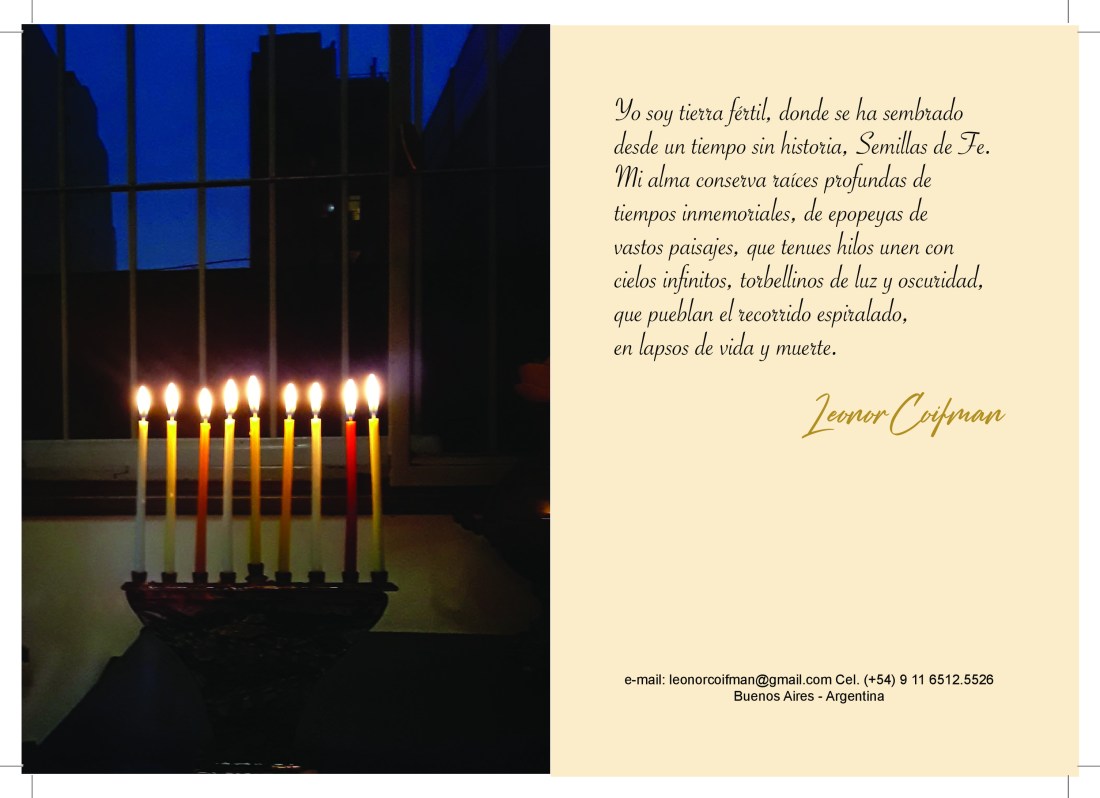
_________________________________________________

“Restoring Strength”

Strulik woke up that morning with a torpor in his entire body. He wasn’t able to get out of bed. It seemed to him that he had the weight of an elephant. With great effort, he succeeded in opening an eye, which doesn’t mean to say that he could open the other. He thought to himself: What cholerie is that? It must be late already. And, while he pulled an arm forward to stretch it out, he made an extraordinary effort to raise a second eyelid. Suddenly, he glanced at the clock. But he can’t see anything—a long yawn assaulted him. And it was exactly then with his mouth wide-open, that a shrill voice, coming from the kitchen, perforated his ear drum:

         “Do you think every day is Saturday?”

He didn’t doubt that he lost track of time. He barely could get out of bed. With jerking motions, he did what he needed to do to dress himself.  And, there, splash a handful of cold water on his face. With the shiver that it caused him made him think that something strange was happening to him.

         It wasn’t possible that, with that body that had toughed out  being in the Polish army without trouble, was always quick to go into action at the first blast from the bugler, could be there all bound up by sloth. Why would that be? This week, he hadn’t worked more than in others, and he could swear that the hadn’t drunk alcohol a slug more than usual. It must be exhaustion. . . , and he remembered: Haim-Yankel had something like that. In the middle of the street, he felt that his head was no longer his; he was dizzy. He went to Dr Krekhtz, who, in the diagnostic interval between a sigh and a moan, as always, prescribed that syrup advertised on the streetcars, Biotonic. He took it, and was cured, and he as couldn’t stop being who he was, he remained dizzy. But, I’m not . . . , what I need is a few days of rest!

But right now? Unthinkable. It’s the beginning of the month. I have to make my collections. If not, Doña Maria will spend all the money. That’s for sure, as sure as Adam and Eve. But what is this? Weakness won’t let me. It seems like a trap. And, it can’t be left for later. I need those days off, right now. Ah, yes, why wait until the end of the month? The people will still have no money, they don’t buy, they don’t pay. It’s settled. It’s only necessary to talk with her. Has it occurred to her already? She’ll let out a damn stream of babbling… That we first need to clean up the house, that she will then be more tired than she already is, running after the children…, and all the rest.

         But Brodski told me that he took his family to spend a few days near Santos, in the Flickmann Guest House, without spending much, and that he found there a gang of folks; even people from Farain, who were very pleasant; women on one side, men on the other, the children in the middle, or better yet, on both sides at the same time, a home-cooked meal and a lot of chit-chat. I think that it is a great idea, precisely because I only know the sea from above, from the height of a ship, and Dvoire, my daughter, not even that, since she should be in the water—as she is well able—during the entire vacation. Only he was angry, shook at the hot air this way and everyway and put all the brothers and the sisters from the ship, with glassed-over eyes above and open mouths, below. And more and more, the coast made him feel good. It wasn’t necessary to dive in, it was enough to float. And all of it is good for the nerves and for health. And as he read in Der Tog (The Day) in that article Schvim in lam um Schlof in Bet (Swim in the Sea and sleep in Bed). And the air? It’s pure, just like the ships letting out smoke in the port. And about the sun, what can you say? A pleasure! You return from there a new person, with strength restored. There is nothing to think about. It’s exactly this – And he turned off a sink faucet.

While he dried his face, mobilizing the strength to go to battle and studying his possible explanations well and the tactics that he ought to adopt to come out safe and sound at home and arrive whole at the shore, as down deep, he didn’t stop believing that his wife, when quiet, was even a good thinker, and she needed to adorn her motives behind reasons, the proof with crying, yelling and the astuteness of Eve. He understood that he faced a true danger. Therefore, he remembered, taking on a combat position, as his teachers had, taught him to beat an argument with a counter-argument.

In fact, she was going to say again that we don’t have the money, but just the other day, she learned that Ester-Malke went to that stanzie, what’s it called? Ah, Poços de Caldas. . . And she told of marvels: hotel with marble and staircases, candelabras of crystal and gold in every room, gardens packed full of flowers, a garcon who brings and takes the food, a platzground for the children to jump and run, hot baths, cold baths, scented water, with a ball, with radio, a true vesserbod, a place for ladies, a Karlsbad, she says as if it were nothing unusual. . . And what does she know about Karlsbad? From where, from her father’s tavern? From the mikve, the bathhouse in the schtetl?. . .  And Santos is already there, just descend the mountain range, as for that kurot, that paradise of waters, it is set where even the devil won’t go. An entire day shaking in the bus in the highway dust. The people go there dirty, take their baths and return dirty. Do people even think of that? And as if that were nothing. It is necessary to bring clothing for the morning, the afternoon and evening, clothes to enter the baths, and there have to be bags in which to carry all this junk. It’s going to be a valise, a suitcase, a bag, a purse, and my rest? What do I need with all of this? Do they go under water, to the drain? Unthinkable! What do I need all of this for? At Flickmann’s, you are at home, the people cross the road, and right there is the sea. To get into the water, you don’t need any clothes at all, only to cover your private parts. A piece of cloth is enough… a bathing suit, what could that cost? It was a last thrust. Strulik hung up the towel.

         It was when, crossing the heavens, a convocation was newly opened:  What were you involved in? Good example! You give to your children! And Strulik, with the certainty of reached the light of truth that only the masters reach in their wise advice, walked undaunted toward the field of glory.                           

October 14, 2000

Translation by Stephen A. Sadow

________________________________________________________________

Estudios

  • Antropologia Aplicada
  • Aventuras de uma Língua Errante: Ensaios de Literatura e Teatro Ídiche, 1996, reelaboração e desenvolvimento de sua tese de doutorado com o mesmo título, de 1973;
  • Buchner – Na Pena e Na Cena
  • Cabala, Cabalismo e Cabalistas
  • Cacilda Becker: A Face e a Máscara, 1983, ao lado de Maria Thereza Vargas, ensaio que consta do livro: Uma Atriz: Cacilda Becker, de Nanci Fernandes e Maria Thereza Vargas.
  • Círculo Linguístico De Praga
  • Classicismo
  • Contos De I. L. Peretz
  • Conto Ídiche
  • Da Cena em Cena: Ensaios de Teatro, 2001, livro que aborda aspectos relevantes de concepções e correntes estéticas no teatro.
  • Diálogo sobre a Natureza do Teatro
  • Dicionário do Teatro Brasileiro
  • Diderot – Obras
  • Encenador De Si Mesmo
  • Evreinov: o Teatro da Vida
  • Expressionismo
  • Filosofia Do Judaismo
  • Guia Histórico da Literatura Hebraica
  • Ideia do Teatro
  • Judeu e a Modernidade
  • Leone de’Sommi, Homem de Teatro do Renascimento, 1989, com a tradução da primeira comédia hebraica de autoria de Leone de’Sommi
  • Linguagem e Mito
  • Meierhold e Grotowski
  • Nascimento da Tragédia
  • Nova e Velha Patria
  • Patriota, R. (org.) Jaco Guinsburg. A Cena em Aula. Itinerários de um Professor em Devir. SP: Edusp, 2009. Transcrição de aulas do professor e artigos de especialistas sobre o mestre.
  • Paz Perpétua
  • Pequena Estética
  • Pós-Dramático
  • Pós-Modernismo
  • Prazer do Texto
  • Quarenta anos de Habima.
  • Quatro Mil Anos de Poesia
  • Que Aconteceu, Aconteceu
  • Romantismo
  • Semiologia do Teatro, 1986, de cuja organização também participam Teixeira Coelho e Reni Chaves Cardoso
  • Sobre Anatol Rosenfeld
  • Stanislávski e o Teatro de Arte de Moscou, 1985, baseado na sua tese de Livre-Docência, pela Editora Perspectiva
  • Stanislavski, Meierhold & Cia
  • Surrealismo.
  • Teatro-Studio
  • Tairov: Notas para um Teatro de Síntese
  • Vanguarda e Absurdo, uma Cena de Nosso Tempo

Traduçãos

  • História da Sociologia, de Gaston Bouthoul, volume 3 da Coleção Saber Atual, da Difel, tradução de “Histoire de la sociologie”, lançado em 1954.[2]
  • As Sociedades Secretas, de Serge Hutin, volume 7 da Coleção Saber Atual, da Difel, tradução de “Les sociétés secrètes”, 1954.[3]
  • As Doutrinas Econômicas, de Joseph Lajugie, volume 12 da Coleção Saber Atual, da Difel, tradução de “Les doctrines économiques”, 1955.[3]
  • O Marxismo, de Henri Lefebvre, volume 19 da Coleção Saber Atual, da Difel, tradução de “Le marxisme“, 1955.[2][4]
  • O Existencialismo, de Paul Foulquié, volume 20 da Coleção Saber Atual, da Difel, tradução de “L’Existentialisme”. Teve 3 edições, a primeira em 1955,[2][5] e a última em 1975.
  • A Estética, de Denis Huisman, volume 21 da Coleção Saber Atual, da Difel, tradução de “L’esthétique“, 1955.[2]
  • A Literatura Russa, de Marcelle Ehrhard volume 32 da Coleção Saber Atual, da Difel, 1ª edição 1956.
  • A Magia, de Jérome Antoine Rony, volume 43 da Coleção Saber Atual, da Difel, tradução de “La magie”, 1957.[3]
  • Crimes e Crimes, de Strindberg, em 1952, publicado pela Edusp, em 1999
  • O Dibuk, de Sch. Ans-ki, publicado em 1952, reeditado em 1965 pela Brasiliense e, em 1988, pela Perspectiva
  • Pirandello: do Teatro no Teatro, Perspectiva, 1999.
  • República – Platão

Prêmios

  • Aos 87 anos e em plena atividade, Jacó Guinsburg recebe o Prêmio Shell de Teatro (2009) por sua contribuição ao pensamento crítico do teatro no Brasil.

Isabel Balla (1898-1980) — Novelista y poeta judío-húngara-argentina /Hungarian Argentine Jewish Novelist and Poet — “¡Vuelve a casa, Mabel!”/ “Come home, Mabel!” — Cuento familiar/A family story

Isabel Balla

————————————————-

Isabel Balla nació en Budapest, Hungría, en 1898. Su primer volumen de poesía, publicado en Hungría, irradiaba un sentimiento de amor y alegría de vivir. Ella y su esposo sobrevivieron al Holocausto que siguió en su país, pero muchos de los miembros de su familia fueron víctimas de la catástrofe, y esta tragedia alteró drásticamente el tono de su escritura. En 1954 se mudó con su esposo a Argentina, donde habían enviado a sus dos hijos. Allí se sumergió en numerosas actividades literarias y culturales y publicó obras tanto en español como en húngaro. Su poesía y artículos críticos aparecieron en Canadá e Israel, además de Argentina. In 1989, apareció her testimonial Avenida Jószef 79. She died in 1980.

_____________________________________________

Isabel Balla was born in Budapest, Hungary, in 1898. Her first volume of poetry, published in Hungary, radiated a sense of love and joie de vivre. She and her husband survived the ensuing Holocaust in their country, but many of her family members were victims of the catastrophe, and this tragedy drastically altered the tone of her writing. In 1954 she moved with her husband to Argentina, where their two children had been sent. There she immersed herself in many literary and cultural activities and published works both in Spanish and Hungarian. Her poetry and critical articles appeared in Canada and Israel, as well as Argentina. In 1989 appeared her testimonial novel Avenida Jószef 79. She died in 1980.

_____________________________________________________

Cuento de:/Story from: Isabel Balla. Aaron, el flautista. Buenos Aires: Editorial Milá, 1992, 23-28.

“¡Vuelve a casa, Mabel!”

Querida Mabel:

         El tubo de ventilación de la chimenea está tapado, el humo invade la habitación y el aire se toma irrespirable. Si abro la ventana, entran las emanaciones de la fábrica acompañadas con el estruendo de las nuevas máquinas, Todo es desagradable pero ¡no has más remedio! Debo acostumbrarme y, además ¡estar contento! Vivo en un departamento, inmediato a la fábrica, que me corresponde por mi jubilación y ¡sobre todo! No pago alquiler.

         Me extraña que puedas permanecer tanto tiempo lejos y que la conciencia no te obligue a regresar a casa. Nadie te niega el derecho a dedicarte a la pintura, pero dejar la familia para buscar nuevos horizontes en un país lejano es una locura!

         Podrías pintar aquí. En Londres no todos los días hay niebla y, muchas veces, en las primeras horas de la tarde, se asoma el sol. Pienso que malgastas tu tiempo, y el dinero pues, que yo sepa, no has vendido no un solo cuadro.

         Jeff me roba en las cuentas de los gastos. ¡Sí, ya lo sé!, pero no pretenderías que me ocupe también de las compras. Me basta y sobra con el trabajo de la casa, no olvides que sufro de lumbago—todas las noches me pongo una bolsa de agua caliente.

         Tu hija me escribe muy raras veces. Cuando se digna hacerlo, alude sin disimulo que le gustaría recibir regalos. Tu hijo es tan irresponsable como siempre. ¿A quién saldrá?

         No me convence el argumento con el que pretendes justificar que te sacrificaste por la familia durante treinta años; que educaste a nuestros hijos y ahora quiere vivir tu propia vida; que tiene talento; que siempre quisiste pintar y nunca pudiste hacerlo. ¿Cómo puedes hablar así? ¿Cómo se te ocurrió abandonarme por un lumbago, con Jeff y los quehaceres de la casa? Me resigno: ¡pinta! Pero aquí, a pesar de que detesto el caballete manchado. ¿No ves que se rompe la simetría y trastorna el orden del living?

         Estoy asombrado. Encontré dos cuadros tuyos. Esas manchas que flotan, ¿Son pájaros? ¿Son pico y pluma? No hay precisión ni disciplina, todo es borroso e ininteligible. Muy tuyo. Pero no importa, pinta si quieres.

         Te declaro una vez más que no te doy el divorcio. Vuelve a casa, Mabel.

                                                                                          Jonathan

Querida Mabel:

         Ya sabes que “mamá” “mamita” y otras expresiones pueriles por es estilo están pasadas de mi. Te llamo por tu nombre, que no es feo.

         Nos va regular. Aquí llueve continuamente. Me vuelve loca con estos dos chicos malcriados que al estar encerrados en casa se ponen insoportables. Por supuesto, cuando el tiempo está bueno surgen otras dificultades. Las entradas de Henry son más bien modestas, no nos alcanza para pagar una niñera. ¡Vuelve a casa, Mabel! A la nuestra a París. Sé que papá te llama desde Londres, pero él no te necesita.

Jeff no ayuda, en tanto que yo tengo que arreglármelas sola, con dos niños que son uno demonios sin poder salir con Henry cuando la sirviente tiene franco. ¡Hay que quedarse en casa y aburrirse! Henry no hace más que aludir, no muy veladamente por cierto a ti; ¡otras abuelas son abnegadas y ayudan a criar a los nietos! Si debo ser sincera creo que no le falta razón. No tendrías que haber abandonado a tu hija por la manía de pintar.

         Ven, te esperamos. Te encontrarás bien con nosotros. Dormirás en el cuarto de los niños, y a la noche, cuando ellos descansan y nosotros salimos, podrás pintar. A propósito, ¿vendiste ya algún cuadro? ¿No te aburres sola todo el día, a orillas del mar? ¿Tienes compañía?

         Podrías aprovechar la mañana en la plaza con los chicos tejiendo pulóveres para ellos. Me ahorrarás un montón de dinero. Podrías, si quieres, ayudar en la cocina, cocinas bien cuando quieres. Nadie te va a obligar a acompañarnos a reuniones de gente joven si no tienes ganas o estás cansada. Otras madres tampoco salen con sus hijas casadas. Es lo normal, al fin y al cabo pertenecemos a generaciones diferentes. Pero con las cosas de la casa y con los hijos nos van a nos vamos a entender muy bien. Si quieres, podrás comer con los chicos. No será gran sacrificio,  se trata solo un par de años, mientras mis dos demonios van a la escuela.

         Henry te manda muchos saludos. Los niños siempre preguntan por ti. Un gran beso. Te lo pido otra vez, Mabel, cuanto antes!

                                                                                                                                                                 Carola.

   Nota: ¿Podrás traerme algunas corbatas italianas de seda, de colores vivos y con dibujos de moda?

Querida Mabel:

Conoces el clima de Escocia, y sabes que sufro de reuma. La casa siempre azotada, invierno y verano, por el viento que viene del mar. Mi salud ha empeorado y Mili está cada vez más sorda y vieja, aunque no tanto en verdad como yo. Pienso que sería mejor que volvieras al lado de tu anciana madre. Yo acompañé a la mía durante sus últimos años de vida y espero que hagas lo mismo tú, Mabel. Sabes muy bien que no puedo recurrir a mi nuera.

         Nadie ve con buenos ojos que hayas decidido vivir en Italia por tiempo indeterminado. Das motivo a murmuraciones y creen que estás al borde del divorcio. Ya sabes que me opongo categóricamente; perderías tu posición social. Los escoceses somos rígidos en este punto. Tu esposo sostiene la opinión correcta –la de la burguesía bien pensante-obligatoria por todos nosotros.

Tu abuela pintaba, pero sin dejar su casa, sin ostentación y con sentido práctico. Decoraba abanicos y bomboneras con dibujos de flores, árboles y animales. Podrías imitarla. Prometo no molestarte. Te entretendrías y podrías luego venderlos. Por cierto nos vendría muy bien, pues el dinero no nos sobra. Durante las tardes tibias podríamos tomar el té en el jardín, tejer… Ya casi no veo los puntos, ¡y tú tienes tanta habilidad! Un saco de lana bien abrigado, ¿no resulta hermosa la idea?

         Aquí hay personas interesantes con quienes compartir inquietudes, el viejo maestro, mis dos amigas, la profesora de dibujo. Es una mujer joven quien tal vez te pueda enseñar algo.

         Espero que estés bien. Avísame cuando llegas.

                                                                                                                                            Tu afectuosa madre

Nota:  Trae lana para tejer.

Mamá,

         Estoy en Los Ángeles con Deby. Estamos invitados a un paseo en el yate de Lorraine. Nos sentimos maravillosamente, sólo nos falta dinero. Deby pronto va a cumplir años y no tengo ni para comprarle un regalo. ¿Por qué no me mandas uno de tus cuadros, con un marco vistoso, para obsequiárselo?

         ¿Sabes que pensé, mamá? Que podrías venir a vivir aquí en Los Ángeles. El hotel, desde el que te escribo está buscando recepcionista. Eres la primera persona indicada para el puesto pues hablas varios idiomas y eres amable. Te aseguro que ganaría mucho con las propinas. Papá no tiene que saberlo. No la entendería, es una pieza de museo.

Es comprensible que no quieres volver a aquella cuenta, yo también estoy contenta de haberlo dejado, a pesar de que tener serios problemas económicos. Papá es tacaño, lo sabes mejor que yo, no me manda ni un centavo. En cambio, tú eres generosa, mamá. Si vinieras, Deby y yo tendríamos menos preocupaciones materiales. Incluso, podríamos vivir contigo en el hotel. No tendrías que dejar de pintar pues los días francos, a la orilla del mar- que tanto te gusta-trabajarías intensamente y no resulta improbable que entre los huéspedes consiguieras algunas compradores de tus obras.

         Sería tan lindo estar juntos, tener nuevamente un hogar. Todo volverá a estar en orden.

         Hasta que tú decidas, envíame un poco de dinero. Tu hijo que te extraña.

                                                                                                                                                     Edy

Nota: Inventé una variante con doble sacudida de rodillas para el twist, que está haciendo furor. Todo el mundo me aplaude en el bar. Vas a estar orgullosa de tu hijo.

         Sigo esperándola, Mabel:

         Toda mi vida ha sido una espera. Ya es tiempo de que se cuenta de que se debe a sí misma y a mí.

         No nos permitieron casarnos. ¡yo era un pintor pobre! Tuve que resignarme a que se casara a otro. Ahora que tus hijos son grandes, ¿Qué espera para venir a mi lado? Me prometió que cuando hubiera cumplido su misión, viviría tu propia vida. Pues, llegó el momento de consagrarse a tu talento y seguir su su propio camino, que conduce a mí.

         Viviríamos en esta aldea de pescadores a la orilla del fiorido. En ninguna parte del mundo se puede ver un panorama gris como aquí. El agua del fiordo, el cielo, el aire, el horizonte, el amanecer, el ocaso, son de un hermoso color gris que tiene mil matices lilas, azules y rosados. Quisiera captar todas las vibraciones y variedades de este increíble gris.

         Su estuviera conmigo, Mabel, estoy seguro de que sabría acertar con los tonos exactos de la luz del sol en el

paisaje frío y los matices secretos de este panorama atractivo y desconcertante. Si viene y se siena junto a mí, me devolverá el entusiasmo de la juventud. Mi pelo y mi barba son blancas, pero mi corazón es joven, porque la está esperando, Mabel.

         Deseo que sea mía del todo. Soy celoso hasta la pintura. No quisiera compartirla ni con sus cuadros. Pero podrá pintar mientras yo doy una vuelta por la aldea, Cuando vuelva, se sentará a mi lado y entonces por fin captaré los matices ocultos del gris que ahora se me escapan.

         ¿Verdad que no me dejara esperar más? ¡Su lugar está aquí!

         ¡Venga cuanto antes, Mabel!

                                                                                                                                              Norberto

_______________________________________________________________________________________________________

—————————————————————————————————————————

“Come home, Mabel!”

Dear Mabel.

The chimney’s ventilation pipe is clogged, the smoke invades the bedroom and makes the air unbreathable. If I open the window, the odors from the factory come in, which is accompanied by the racket from the new machines which is fitting for my retirement, and above all!  I don’t pay rent. Everything is unpleasant, but there is no choice. I have to get used to it, and beyond that, be content. I live in an apartment, right next to the factory, which is suitable my retirement, and above all, I don’t pay rent .

         It puzzles me that you can stay far away for so long, and that your conscience doesn’t oblige you to return home. No one denies you your right to dedicate yourself to painting, but to leave your family to seek new horizons in a distant country seems like madness!

         You can paint here. In London, the fog doesn’t come in every single day, and often in the early hours of the evening the sun shows itself. I think that you are wasting your time and money, since, as far as I know you haven’t sold a single picture.

Jeff uses expense records to steal from me. Yes, you know that already! But you wouldn’t expect that I also take on the shopping. The housework is enough for me, don’t forget that I suffer from lumbago—every night I put on a hot water bottle.

         Your daughter hardly ever writes me. When she deigns to do so, she alludes, without trying to hide it, that she would like me to send her presents. You daughter is as irresponsible as always. Who will she become?

         The argument that with which you try to justify yourself, that you sacrificed yourself for thirty years, that you educated our children, and that now you want to live your own life; that you have talent; that you always wanted to paint and you never could do it. How can you speak that way? How did it occur to you to abandon me with lumbago, with Jeff and the chores in the house? I give up: paint! Despite the fact that I detest the stains on the easel. Don’t you see that you break the symmetry and upset the order of the living room?

I am amazed. I found two of your paintings. Those stains that float, are they birds? Are they beak and feathers? There is no precision or discipline, everything is blurred and unintelligible. Very much yours. But it doesn’t matter, paint if you want.

         I declare once again that I will not give you a divorce. Come home, Mabel

                                                                                                                                                          Jonathan

Dear Mabel:

         You already know that “mama,” “dear mother” and other childish expressions like those are passé for me. I call you by your name, which isn’t unpleasant.

         We’re getting along reasonably well. Here it rains continually. I go crazy with these two spoiled boys who being kept in the house become unbearable. Of course, when the weather is good, other problems occur. Henry’s earnings are quite modest, they are not enough to pay a nanny. Come home, Mabel! To our place in Paris. I know that Papa calls you from London, but he doesn’t need you.

         Jeff doesn’t help , so that I have to arrange for things myself with tow boys who are devils without being able to go out with Henry when the maid has her day off. We have to stay at home and get bored! Henry, doesn’t do more than allude,, to you not very veiled way, certainly other grandmothers are selfless and help in bringing up their grandchildren! If I have to be sincere, I believe that you are not unreasonable. You wouldn’t have had to abandon your daughter for the mania for painting,

         Come, we’re waiting for you. You will find it good to be with us. You will sleep in the boy’s room, and at night when they rest and we go out, you could paint. By the way, have you sold a painting yet? Don’t you get bored, alone all day, at the sea shore? Do you have people to keep you company?

You could take advantage of the mornings in the plaza with the boys, knitting pullovers for them. You will save me a lot of money. You could, if you want to, help in the kitchen; you cook very well, when you want to. Nobody will oblige you to accompany us to parties with young people if you don’t want to or are tired. Other mothers don’t go out with their married daughters either. It’s normal, and, after all, we belong to different generations. But with the house and with the children we will understand each other very well. If you wish, you can eat with the children, it won’t be a great sacrifice, we’re only talking about a couple of years, while my demons go to school.

         Henry sends his regards. The kids always ask for you. A huge kiss. I ask you once again, Mabel, as soon as possible.

                                                                                                                                                            Carola

         Note: Could you bring me some Italian silk ties, with bright colors and stylish drawings.

Dear Mabel,

         You know the climate of Scotland, and you know that I suffer from rheumatism. The house always lashed, winter and summer, by the wind that comes from the sea. My health has gotten worse and Mili is more and more deaf and old, although truthfully not as bad as I am. I think that it would be better that you return to the side of your old mother. I accompanied mine during the last years of her life, and I hope you will do the same thing, Mabel. You know well that I can’t go to my daughter-in-law.

         No one views it well that you have decided to live in Italy for an indeterminate time. You give reason for gossip, and they believe that you are about to get a divorce. You know that I oppose it categorically; you would lose your social position. We Scots are rigid on this point. Your husband upholds the correct position—that of the sanctimonious bourgeoisie—obligatory for us.

Your grandmother painted, but without leaving her house, without ostentation and with practical sense. She decorated fans and candy boxes with pictures of flowers, trees and animals. You could follow her. I promise not to bother you. You will entertain yourself and you can then sell them. Certainly, it would help us a lot, as we don’t have enough money. During the warm afternoons, you could have tea in the garden, knit. . . I almost can’t see the stitches. And you have such an ability! A very warm woolen jacket, doesn’t the idea appeal to you?

         There are interesting people here with whom you can share inquisitiveness, the old teacher, my two friends, the drawing teacher. She is a young woman, who perhaps could teach you something.

I hope you are well. Let me know when you arrive.

                                                                                                                                  Your affectionate mother

Note: Bring wool for knitting.

Mama,

          I am in Los Angeles with Deby. We have been invited to an outing on Lorraine’s yacht. We feel marvelous, but we don’t have any money. Deby’s birthday is coming soon, and I don’t even have enough to buy her a gift. Why don’t you send me one of your paintings, with an attractive frame, to give to her? 

          You know what I was thinking, mama? That you would come to live here in Los Angeles. The hotel, from which I am writing you is looking for a receptionist. You are the first choice for the job, as you speak several languages and you are polite. I assure you that you would earn a lot from the tips. Papa doesn’t have to know about it. He wouldn’t understand it. He’s a museum piece.

          It’s understandable that you don’t want to return to that old story, I am also pleased to have left him, despite having serious economic problems, Papa is a cheapskate, you know that better than I, He doesn’t send me a cent. On the other hand, you are generous, mama. If you come, Deby and I would have fewer material worries. We even could live with you  in the hotel. You wouldn’t have to stop painting, since on your days off, at the seashore-that you like so much-you would work intensely, and it’s not unlikely that among the guests you find some buyers for your works. It would be so nice to be together, to have a home again. Everything will be in order again.

         Until you decide, send me a little money. Your daughter misses you.

                                                                                                                                               Edy

Note: I invented a new variation of the twist, with a double shake of the hips, that has created a furor. Everyone in the bar applauds me. You are going to be proud of your daughter

I continue waiting for you, Mabel:

         All of my life has been a wait.  It’s now time to say that which is owed to you yourself and to me.

         They didn’t permit us to get married. I was a poor painter! I had to resign myself to the fact that you would marry another.  Now that your children are grown, why wait to come to my side? You promised me that when you had completed your mission, you would live your own life. Well, the moment has arrived for you to dedicate yourself to your talent and follow your own path, which leads to me.

         We would live at the shore of a fiord. In nowhere in the world can you see a panorama of gray as here. The water of the fiord, the sky, the air, the horizon, the dawn, the sunset are of a beautiful color gray that has a thousand shades of lilacs, blues and pinks. You would wish to capture the vibrations and varieties of this incredible gray.

         If you were with me, Mabel, I’m sure that you would know how to get right the exact tones of the sunlight in the cold landscape and the secret shades of this attractive and disconcerting panorama. If you come and sit by my side, you will return to me the enthusiasm of my youth. My hair and beard are white, but my heart is young because I’m waiting for you, Mabel.

         I desire that you be completely mine. I’m jealous, even of you painting. I don’t want to share even you even with your pictures. But you could paint while I take a walk around the village. When I return, you will sit at my side and then, finally, I will capture the hidden shades of gray that now escape me.

         Truly, you won’t make me wait longer? You place is here!  

         Come immediately, Mabel! 


Translated by Stephen A. Sadow


_____________________________________________________________________________

Edgardo Cozarinsky — Novelista, cineasta y cuentista judío–argentino/Argentine Jewish Novelist, Movie Maker and Short-story Writer — “La novia de Odessa”/”The Fiancée from Odessa” — fragmento un cuento sobre una salida para América/excerpt from a story about leaving for America

Edgardo Cozarinsky

Edgardo Cozarinsky nació en Buenos Aires en 1939. Estudió literatura en la Universidad de Buenos Aires. Tenía veinte años cuando conoció a Silvina Ocampo, Adolfo Bioy Casares y, a través de ellos, a Borges, escritores que frecuentó durante sus años de vida en Buenos Aires. En 1973 ganó un premio literario, compartido con José Bianco, con un ensayo sobre el chisme como procedimiento narrativo en Proust y James. En 1974 publicó Borges y el cine. Ese mismo año dejó Buenos Aires y se fue a París. Allí se dedicó principalmente al cine, el título más representativo de esta tendencia es La Guerre d’un seul homme (1981), confrontación entre los diario de Ernst Jünger durante la ocupación alemana en Francia y los noticieros franceses de propaganda del mismo período. Durante el resto de los años 70 y 80 su obra literaria estuvo postergada. Sin embargo, el único libro que publicó en esos años – Vudú urbano (1985) – se convirtió en un éxito. En 1999 Cozarinsky pasó un mes en un hospital de París allí escribió los dos primeros cuentos de su libro premiado, La novia de Odessa. A partir de ese momento también empezó a pasar casi todo el tiempo en Buenos Aires con breves estadías en Europa.

______________________________________________________

Edgardo Cozarinsky was born in Buenos Aires in 1939. He studied literature at the University of Buenos Aires. He was twenty years old when he met Silvina Ocampo, Adolfo Bioy Casares and, through them, Borges, writers whom he frequented during his years of life in Buenos Aires. In 1973 he won a literary award, shared with José Bianco, with an essay on gossip as a narrative procedure in Proust and James. In 1974 he published Borges y el cine. That same year he left Buenos Aires and went to Paris. There he devoted himself mainly to cinema, the most representative title of this trend is La Guerre d’un seul homme (1981), a confrontation between Ernst Jünger’s diary during the German occupation of France and the French propaganda news from the same period. During the rest of the 70s and 80s his literary work was postponed. However, the only book he published in those years – Urban Voodoo (1985) – became a success. In 1999 Cozarinsky spent a month in a Paris hospital where he wrote the first two stories for his award-winning book, The Bride from Odessa. From that moment he also began to spend almost all his time in Buenos Aires with brief stays in Europe.

____________________________________________________________________________________________

_____________________________________________________________

La novia de Odessa

– fragmentos de la historia

El atardecer del día siguiente los encontró sentados en un banco, bajo las acacias del parque Tchevchenco. El rumor de la ciudad les llegaba apaciguando y a lo lejos podían entrever el mar y los barcos, promesa indefinida que cada uno de ellos entendía a su manera.       

Ella le confesó que era huérfana, que estudiando las revistas francesas de donde Madame Yvonne copiaba sus modelos había aprendido que la vida es la misma en París, en Viena o en Odessa, que sin dinero sólo se puede ser sirvienta, y que el mundo se divide entre los que tienen y los que no tienen. Él le explicó que eso es cierto en Europa pero del otro lado del océano hay una tierra de pura posibilidad, un país joven donde un judío como él puede poseer un pedazo de tierra. Atropelladamente, le habló del barón Hirsch, de la colonización, de Santa Fe, de Entre Ríos. Ella oyó, por primera vez, cosas cuya existencia había ignorado, que un judío podía querer cultivar la tierra, que podía temer a los cristianos como ella temía a los judíos del taller, que podía hablarle a ella de otra cosa que del regalo que le haría si consintiera en acompañarlo una noche a cierto hotelucho de la plaza Privakzalnaia.

¿Fue durante ese segundo encuentro cuando él le reveló el modo de la tristeza, en apariencia inexplicable, que lo dominaba en vísperas de cruzar el Atlántico hacia una nueva vida? Ese motivo tenía nombre: Rifka Bronfman.

         Sus familias los habían presentado cuando cumplieron catorce años, ya los habían prometido antes de se conocieran y los habían casado cinco días antes de él dejara Kiev. Se habían visto a solas no más de diez veces antes de la boda, y siempre con padres o hermanos en el cuarto de al lado o en la ventana que supervisaba el magro jardín entre la casa y la calle.

Hacia un año que Daniel había empezado a jugar con la idea de emigrar. La delegación de la Argentina para la Colonización Judía, de paso por Kiev, había organizado reuniones vespertinas en la Asociación Mutual Israelita, donde un conferencista elocuente, con la ayuda de una linterna mágica y una docena de placas de vidrio, les había mostrado los campos fértiles, interminables que los esperaban en la Argentina. En un mapa había señalado la ubicación de esas tierras y su distancia de las metrópolis: Buenos Aires y Rosario, que otras placas les habían descubierto. También había agitado en la mano un delgado volumen encuadernado en color celeste y blanco sobre cuya tapa—había explicado—estaba impreso (en español, por lo tanto en caracteres latinos) “Constitución de la República Argentina”; de ese volumen les había leído, traduciendo inmediatamente al idish, los artículos que prometían igualdad y libertad de cultos para todos quienes quisieran trabajar esa “tierra de paz”.

Estas palabras Daniel las había repetido a Rifka, esas imágenes se las había descrito detalladamente. Su prometida no compartía tanto entusiasmo. Aceptó seguirlo, acatando el precepto según el cual el lugar de la mujer está al lado del marido, pero ese mundo nuevo no la hacía soñar. Cuando él llenó los papeles necesarios, no expresó ningún reparo particular, pero cuando volvieron aprobados y sellados por el consulado argentino, y leyó en ellos su nombre, su fecha de nacimiento, el color de su pelo y el de sus ojos, prorrumpió en sollozos vehementes, renovados cada vez que el cansancio prometía extinguirlos. Las familias creyeron que se trataba de un estado de agitación provocado por las vísperas del casamiento; un primo, que había hecho vagos estudios de medicina, declaró que se trataba de una afección a la moda, llamada neurastenia. Vagamente halagada por ese diagnóstico, Rifka enfrentó dignamente la ceremonia en la sinagoga, bajo la peluca ritual que cubría su cráneo recién afeitado.

Esa noche, Daniel debió vencer su inexperiencia y ella su miedo. Descubrieron, en medio de la sangre, él el placer, ella el dolor. A la mañana siguiente, él despertó solo en medio de las sábanas manchadas; de lejos le llegaban gritos, llanto, reproches, quejas. Encontró a Rifka en brazos de su suegra, cuyo consuelo rehusaba. Mientras la señora repetía incesantemente “Se le va a pasar, se le va a pasar”, tratando de cubrir la voz de la joven esposa, ésta lograba oír no menos incesantemente y cada vez más fuerte: “No voy, no voy, no voy”. Cuando Rifka recobró cierta serenidad, pudo unir algunas palabras, formar frases.

–Tengo miedo, mucho miedo. Aquí conozco a todos, aquí está mi familia, tu familia, mis amigas; está la sinagoga, el mercado, todo lo que conozco. ¿Con qué nos vamos a encontrar allá? ¿Víboras? ¿Indios? ¿Plantas carnívoras?

         Daniel intentaba explicarle que ahora ella tenía un marido para protegerla, pero Rifka parecía impermeable a todo argumento. Cuando logró secar sus lágrimas, aceptó, junto con un vaso de té con limón, la sugestión, nada optimista, casi desesperada, de su madre; viajar un año más tarde, tal vez sólo seis meses, cuando él hubiese escrito confirmándole que ella estaría a salvo de tantos peligros con que las novelas de Emilio Salgari la habían amenazado.

         Daniel no la tocó en las noches siguientes, que precedieron su viaje. Rifka, tal vez aliviada, no se lo reprochó.

La muchacha lo había escuchado el silencio. Del parque han caminado lentamente en dirección al escenario de su primer encuentro. El cielo rosado del crepúsculo ha cedido gradualmente a un azul cada vez más profundo. Ya es de noche cuando él termina su relato, abrupto, desordenado, que los párrafos anteriores intentan resumir.

Pasan ante cafés y pastelerías con nombres franceses e italianos, donde no pueden permitirse entrar, y tras la cortina de encajes de una ventana, ella reconoce las flores de trapo, el pájaro embalsamado y remendado y cintas de sed de un sombrero que vio armar, pieza por pieza, y ahora corona un cabeza invisible. Llegan a la estatua del duque francés cuyo nombre no les dice nada; pálidamente, intermitentemente, la ilumina el resplandor del hotel de Londres. A lo lejos, los barcos anclados en el puerto también conceden algún reflejo al tierra negra, susurrante.

Cuando ella no es para comentar el relato que ha escuchado con atención.

–¿Cuándo te embarcas?

–Mañana. El barco parte a las seis de la tarde pero los pasajeros de tercera clase deben estar a bordo antes de mediodía.

Ella lo mira, esperando palabras que no llegan. Tras un instante, insiste.

–¿Vas a viajar solo?

Él la mira, entendiendo y sin atreverse a creer en lo que entiende.

–Solo. . . Que remedio tengo. . .

Ella lo tomas por los brazos con fuerza, plantada ante él.

Daniel siente que esas manos pequeñas pueden apretar y tal vez golpear, que no están hechas para sostener solamente una aguja.

         –¡Me llevas contigo! ¡Yo soy casi rubia, tengo ojos claros si no celestes, mido poco menos de un metro sesenta y cinco y tengo dieciocho años! ¿Acaso hay una fotografía en el salvoconducto?

         –Pero. . .—él atina a balbucir—no estamos casados. . .

         La carcajada de ella resuena en la plaza desierta, parece rodar por la escalinata y despertar un echo en el puerto.

         –¿Cómo podríamos estar casados si yo soy ortodoxa y tú judío. Necesitaríamos meses para que un rabino aceptase mi conversión. . . Además, ¿no dices que en este país nuevo no importa nada de todo lo que aquí nos esclaviza? Let’s go!” ¡Vamos!

         Ante la mirada estupefacta de Daniel, ella empieza a girar sobre sí misma, con brazos extendidos, como un derviche de Anatolia. Sin dejar de reír, repite como una invocación los nombres que ha oído mencionar hace un momento por primera vez.

         –¡Buenos Aires! ¡Rosario! ¡Entre Ríos! ¡Santa Fe! ¡Argentina! Se ríe cada vez más fuerte y no deja de girar.

         –Yo soy Rifka Bronfman!

         _________________________________________

The Fiancée from Odessa

– excerpts from the story

Sunset, the next day, found them seated in a bench under the acacias of Tchevchenco Park. The noise of the city came muted to them and at a distance they could make out the sea and the ships, an indefinite that each of the understood in their own way.

Was it during that second meeting that when he revealed to her the manner of his sadness, inexplicable in its appearance, that dominated him on the eve of crossing the Atlantic to a new life? That reason had a name: Rifka Bronfman.

         Their families had introduced them when they turned fourteen, they had already been engaged before they knew each other and they had had them marry five days before he was to leave Kiev. They had seen each other alone no more than ten times before the wedding, and always with parents or brothers in the room next door or in the window that oversaw the meager garden between the house and the street.

It had been a year since Daniel had begun to play with the idea of emigrating. The delegation of from Argentina for  Jewish Colonization, passing through Kiev, had organized evening meetings at the Jewish Mutual Association, where an eloquent speaker, with the help of a magic lantern and a dozen of glass slides, had shown them the interminable fertile fields that await them in Argentina. On a map, he had pointed out the location of those lands and their distance from the metropolises: Buenos Aires Y Rosario, that other slides had discovered for them. He had also shaken in his hand a thin volume, bound in light blue and white whose cover–he explained—was printed (n Spanish, and so in Latin letters) “Constitution of the Argentine Republic.”  From that volume, he had read to them, immediately translating into Yiddish, the articles that promised equality and freedom of religion for all who wish to work that “land of peace.”

Daniel had repeated these words to Rifka, those images that had been described to them in detail. His fiancé didn’t share such enthusiasm. She accepted that that she had to follow him, obeying the precept according to which the place of the wife is at the side of her husband, but this new world didn’t make her dream. When he filled out the necessary papers, she didn’t express any particular objection, but when they returned approved and stamped by the Argentine consul, and she read in them her name, her date of birth, the color of her hair and of her eyes, she broke out in vehement sighing, renewed every time that tiredness promised to extinguish them. The families believed that it was a state of nervous agitation, provoked by the eve of the wedding; a cousin, he had done some vague studies in medicine, declared that is was an affliction that was in fashion, called neurasthenia. Vaguely flattered by that diagnosis, Rifka faced the ceremony in a dignified way, under that ritual wig that covered her recently shaved cranium.

That night Daniel had to conquer his inexperience and she her fear. They discovered, in the midst of the blood, he, pleasure and she, pain. The next morning, he awoke alone in the middle of the stained sheets; from a distanced came yelling, crying, reproaches, complaints. He found Rifka in the arms of his mother-in-law, whose solace she refused. While the lady repeated incessantly “It will pass, it will pass,” trying to cover the voice of the young bride; just as incessantly, she didn’t hear, and each time more strongly: “I’m not going, I’m not going, I’m not going.” When Rifka recovered a certain serenity, she could put together a few words, form phrases.

“I am afraid, very much afraid. Here, I know everyone, my family is here, my friends, the market, everything I know.  What is going to find us there? Snakes? Indians? Carnivorous plants?””

Daniel tried to explain to her that now she had a husband who would protect her, but Rifka seemed impervious to any argument. When she was able to dry her tears, she accepted, together with a glass of tea with lemon, her mother’s suggestion, in no way optimistic, almost desperate: to travel a year later, perhaps only six month, when he had written, confirming to her that she would be safe from so many dangers with which the novels of Emilio Salgari had threatened her.

         The following nights, Daniel didn’t touch her during the following nights that preceded his voyage. Rifka, perhaps relieved did not reproach him.

_______________________________________________

The girl had listened to him in silence. From the park, they have walked slowly in the direction of the scene of their first meeting. The rosy sky of sunset had gradually ceded to a blue more and more deep. It is already night when he finishes his story, abrupt, disorganized, that the previous paragraphs had tried to summarize,

         They passed in front of cafés and pastry shops with French and Italian names, into which they didn’t let themselves enter, and through a lace curtain, she recognizes the flowery cloth, the bird stuffed and mended and ribbons of silk that she saw made, piece by piece, and now crowned an invisible head. They arrived at the statue of the French duke whose name didn’t mean anything to them; pallidly, intermittently, it was illuminated by the splendor of the London Hotel. At a distance, the ships anchored in the port also conceded some reflection to the black earth, murmuring.

She doesn’t comment on the story that she has listened to with rapt attention.

         “When do you embark?”

         “Tomorrow. The ship leaves at six in the afternoon, but the third- class passengers have to be on board before noon.

         She looks at him, but the words don’t come. After an instant, she insists.

         “Are you going to travel alone?

         He looks at her, understanding, and without daring to believe what his understands.

         “Take me with you! I’m almost blond, I have light eyes if not light blue, I’m a little less than on meter sixty-five and I’m eighteen years old. By any chance is there a photograph in the letter of safe passage?”

         “But. . .”, he is able to stammer. “We are not married. . .”

         The loud laugh that she resounds in the deserted plaza, seems to roll down the stairway and awaken an echo in the port.

         “How could we be married if I’m Orthodox and you are Jewish. We would need months for a rabbi to accept my conversion. . . Moreover, didn’t you say that in this new country, everything that enslaves us here doesn’t matter at all. Let’s go!

 Before Daniel’s stupefied face, she began to spin around herself, with her arms extended, like a dervish from Anatolia. Without stopping laughing, she repeats like an incantation the names that she had heard mentioned for the first time a moment ago. –Buenos Aires! Rosario! Entre Ríos! Santa Fe! Argentina! She laughs more and more strongly and she doesn’t stop spinning..

         “I am Rifka Bronfman!”

Translated by Stephen A. Sadow

_______________________________________________________________________

Algunos libros de Edgardo Cozarinsky/Some of Edgardo Cozarinsky’s Books

EDGARDO COZARINSKY

BIBLIOGRAFÍA/BIBLIOGRAPHY

    Crónica y relato/Non-fiction and stories:
    Vudú urbano,  1985
    La novia de Odessa, 2001.
    El pase del testigo, 2001.
    Museo del chisme, 2005.
    Tres fronteras 2006.
    Palacios plebeyos, 2006.
   Milongas, 2007.
    Burundanga, 2009.
   Blues, 2010.
    Nuevo museo del chisme, 2013.

    Novela/Novel:

    Maniobras nocturnas, 2007.
    Lejos de dónde, 2009.
    La tercera mañana, 2010
    Dinero para fantasmas, 2012

PREMIOS/PRIZES
Premio “La Nación” de Ensayo, compartido con José Bianco.    1973
Premio Konex de platino y Diploma al Mérito, categoría “Cuento: Quinquenio 1999 – 2003”.    2004
Premio Cóndor a la trayectoria, de la Asociación Argentina de Críticos de Cine.    2004
Prix de l’Avenir, Rencontres Internationales du Cinéma à Paris, por “Ronda nocturna”.    2005
Primer premio de narrativa bienio 2001-2003 por “La novia de Odessa” de Ministerio de Cultura, Gobierno de la ciudad autónoma de Buenos Aires.    2008
Premio Cóndor a la Innovación Artística por “Apuntes para una biografía imaginaria”    2011
Premio a la mejor novela 2008-2010 de la Academia Argentina de Letras por “Lejos de dónde”.    2011

Marjorie Agosín (1955-2025)– Poeta y escritora judío-chilena-norteamericana/ Chilean American Jewish Poet and Writer/Samuel Shats — Fotógrafo judío-chileno/Chilean Jewish Photographer — “Memorias trenzadas”/”Braided Memories”

Marjorie Agosín

___________________________________

. . . Alison Ridley

____________________________________________________

. . . Alison Ridley.
_______________________________________________
Helene Halpern

____________________________________________

Memorias trenzadas/Braided Memories

Amazon.uk
https://www.amazon.co.uk/Braided-Memories-Marjorie-Agos%C3%ADn/dp/1910146382/ref=sr_1_1?dchild=1&keywords=9781910146385&qid=1592393637&sr=8-1

https://www.bookdepository.com/Braided-Memories-Marjorie-Agosin-Alison-Ridley-Samuel-Shats/9781910146385 – /Entrega por todo el mundo/Delivery Worldwide

—————————————————————–

________________________________________________________

La poeta

Marjorie Agosín nació en Chile en 1955. Comenzó a escribir poesía cuando era niña, y luego de que su familia se mudó a Atenas, Georgia, en 1969, continuó escribiendo poemas en español. Recibió una licenciatura de la Universidad de Georgia y una maestría y un doctorado de la Universidad de Indiana. Agosín es autor de numerosas colecciones de poesía, entre ellas En el umbral de la memoria: poemas nuevos y seleccionados (White Pine Press, 2003); Toward the Splendid City (Prensa Bilingüe / Editorial Bilingüe, 1994), ganadora del Premio de Literatura Latina 1995; y Sargasso (White Pine Press, 1993). Agosín, que escribe principalmente en español, invoca con frecuencia temas de desplazamiento e inmigración en su poesía. En una entrevista con Blackbird, ella dice: “Siento que no pertenezco. Me siento un extraño, lo cual es muy bueno para un poeta, sentirse un extraño”. Agosín es también autor de varias obras en prosa, entre ellas A Cross and a Star: Memoirs of a Jewish Girl in Chile (University of New Mexico Press, 1995) y I Lived on Butterfly Hill (Atheneum Books, 2015), ganadora del premio 2015 Premio Internacional del Libro Latino en ficción para adultos jóvenes.nActivista de derechos humanos, Agosín es conocida por su trabajo en la promoción de la justicia social y el feminismo. En 1998, recibió un Premio al Liderazgo de las Naciones Unidas en Derechos Humanos, y en 2002, el gobierno de Chile le otorgó el Premio Gabriela Mistral por logros en la vida. Galardonado con el prestigioso premio español Letras de Oro. Agosín es profesor de español en Wellesley College. Vive en Wellesley, Massachusetts.

The poet

Marjorie Agosín was born in Chile in 1955. She began writing poetry as a child, and after her family moved to Athens, Georgia in 1969, she continued to write poems in Spanish. He received a BA from the University of Georgia and an MA and Ph.D. from Indiana University.nAgosín is the author of numerous collections of poetry, among them On the Threshold of Memory: New and Selected Poems (White Pine Press, 2003); Toward the Splendid City (Prensa Bilingüe / Editorial Bilingüe, 1994), winner of the 1995 Latin Literature Award; and Sargasso (White Pine Press, 1993). In an interview with Blackbird, she says: “I feel like I don’t belong. I feel like a stranger, which is very good for a poet, to feel like a stranger.” Agosín is also the author of several prose works, including A Cross and a Star: Memoirs of a Jewish Girl in Chile (University of New Mexico Press, 1995) and I Lived on Butterfly Hill (Atheneum Books, 2015), winner of the award 2015 International Latin Book Award in fiction for young adults. A human rights activist, Agosín is known for her work promoting social justice and feminism. In 1998, he received a United Nations Leadership Award in Human Rights, and in 2002, the Chilean government awarded him the Gabriela Mistral Award for achievements in life. Recipient of the prestigious Letras de Oro Spanish award, Agosín is a Spanish professor at Wellesley College. She lives in Wellesley, Massachusetts.

__________________________________________________

El fotográfo

Samuel Shats nació en Santiago, Chile y tiene un doctorado en ingeniería de la Universidad de Tel Aviv. Trabajó como docente, investigador y emprendedor antes de dedicarse a la fotografía. Su carrera fotográfica comenzó en 1969 cuando ingresó al Cine Club de Fotografía de Chile, institución que presidió de 1994 a 1996. En 1983 comenzó a desarrollar sus proyectos fotográficos personales. Ha expuesto en más de 17 exposiciones individuales y 30 exposiciones colectivas en Chile, Israel, Argentina, Brasil y Estados Unidos. Además de su actividad creativa ha sido juez, comisario y docente y ha dirigido un taller de creación fotográfica durante años.

__________________________________________________________________

The Photograph

The Photographer

Samuel Shats was born in Santiago, Chile, and holds an Engineering PhD from Tel Aviv University. He worked as a teacher, researcher, and entrepreneur before dedicating himself to photography. His photographic career began in 1969 when he joined the Chilean Photo Cine Club, an institution he chaired from 1994 to 1996. In 1983 he began to develop his personal photographic projects. He has exhibited in more than 17 individual exhibitions and 30 group exhibitions in Chile, Israel, Argentina, Brazil and the United States. In addition to his creative activity he has been a judge, curator and teacher and has directed a photographic creation workshop for years.

____________________________________________________________________________________________________

La traductora

Alison Ridley llegó a Hollins University en 1991 después de completar su doctorado.en la Universidad Estatal de Michigan. Los intereses de investigación del profesor Ridley incluyen la picaresca española y el drama español del siglo XX. Ha publicado artículos sobre el dramaturgo español Antonio Buero Vallejo y la novela picaresca Guzmán de Alfarache. También ha presentado ponencias en congresos nacionales e internacionales.

_________________________________________________________________________

The translator

Alison Ridley came to Hollins in 1991 after completing her Ph.D. at Michigan State University. Professor Ridley’s research interests include Spanish picaresque and 20th century Spanish drama. He has published articles on the Spanish playwright Antonio Buero Vallejo and the picaresque novel Guzmán de Alfarache. He has also presented papers at national and international conferences.

_______________________________________________________________________

Algunos libros de Marjorie Agosín/Some of Marjorie Agosín’s Books

______________________________________________________________________________________

La presencia judía en Uruguay/ The Jewish Presence in Uruguay

Montevideo

Sinagoga del la Comunidad Israelita del Uruguay
Sinagoga de la Comunidad Sefardí de Uruguay
Instituto Yavne y Sinagoga

Punta del Este

Sinagoga de Punta del Este
Sinagoga Adjut Israel de Punta del Este

Artistas del Uruguay/Artists of Uruguay

José Gurvich

José Gurvich https://wordpress.com/block-editor/post/jewishlatinamerica.wordpress.com/7914

Jaime Kleist

Jaime Kleist https://wordpress.com/block-editor/post/jewishlatinamerica.wordpress.com/2913

Eva Olivetti

Eva Olivetti

Raúl Pavlotsky

Aída Socolovsky

____________________________________

Escritores del Uruguay/Artists of Uruguay

Julia Galimare https://wordpress.com/block-editor/post/jewishlatinamerica.wordpress.com/1731

Raúl Hecht https://wordpress.com/block-editor/post/jewishlatinamerica.wordpress.com/2151

Exelyn Wertheimer https://wordpress.com/block-editor/post/jewishlatinamerica.wordpress.com/2413

Mauricio Rosencof https://wordpress.com/post/jewishlatinamerica.wordpress.com/9200

Sandra Beraha — Artista y poeta judío-ecuatoriana — Ecuadoran Jewish Artist and Poet

Sandra Beraja

___________________________________

Entre los pintores latinoamericanos más exitosos, la forma de Sandra Beraha se compara con impresionistas anteriores, pero su uso de medios creativos, que incluyen tinta, pastel, acrílicos, lana, harina, madera, vidrio y especias la distingue. Sandra, quien comenzó su carrera como artista a los cuatro años, es una poeta publicada y líder en el campo de las artes visuales. Un punto culminante de su carrera, “Maravilloso Ecuador” (Ecuador maravilloso), una colección de más de 700 pinturas, muestra la belleza natural de su hogar durante tiempos de incertidumbre política. Los críticos han señalado: “Desde su regreso a Quito inició uno de los viajes más difíciles, el de elegir entre una de las múltiples fases de su personalidad creativa…” Sus colecciones más recientes combinan su pasión por la pintura con la fotografía digital. Las obras de Sandra se han presentado en América del Norte y del Sur.

___________________________________________________________
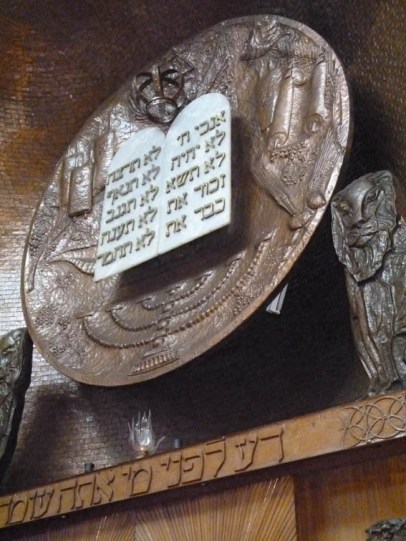
Among the most successful Latin American painters, Sandra Beraha’s form draws comparison to earlier impressionists, but her use of creative media, including ink, pastel, acrylics, wool, flour, wood, glass and spices sets her apart . Sandra, who began her career as an artist at age four, is a published poet and leader in the field of visual arts. A highlight of her career, “Marvilloso Ecuador” (Marvelous Ecuador) a collection of over 700 paintings, showcases the natural beauty of her home during politically uncertain times. Critics have noted, “Since her return to Quito she started one of the most difficult journeys –that of choosing among one of the multiple phases of her creative personality…” Her most recent collections combine her passion for painting with digital photography. Sandra’s works has been featured in both North and South America.

________________________________________________________

El arte de Sandra Beraja/ The Art of Sandra Beraja

_______________________________________________

Autorretrato

La poesía de Sandra Beraja/ The Poetry of Sandra Beraja

EL OLVIDO
 
Olvidé leer,
Olvido de olvidar,
Aquel olvido, así como nunca estar
Olvidaré.
 
FORGETTING
 
I forgot to read,
I forgot to forget.
That forgetting, thus like never being.
I will forget.

EL PASADO
 
¿Qué decir ya del pasado?
Lo que es.
Parte del tiempo que parte, parte.
 
THE PAST
 
Why still speak of the past?
What is.
A part of time that departs, departs.
 
LA DISCULPA
 
La disculpa es la culpa de ser,
Se mantiene en culpa por la disculpa.
 
THE EXCUSE

The excuse is the fault of being
One affirms guilt by the excuse.
 
________________________________________________ 

THE BATTLE
 
I have fought battles to reach your heart,
With mine naked to the storms.
 
Defeated I am by your thoughts.
So strong they are,
They buried my heart under the stones
That I placed in your yard.
 
There is where I lay,
Under the leaves that feel,
Under the snow that came.
 
Si tu amor fuera para siempre,
Viviría eternamente
En el aliento que respiras.
 
Es allí donde yo siento
Respirando tu aliento.
 
Es el amor
Donde te encuentro,
Como si sudara a borbotones
Las insensatez de la exageración,
 
 
Una producción al por mayor de ilusiones y desilusión
Correteando el cansancio
Me arrastro hacia la luz de mis errores.
 
Dispuesta a vivir a pesar de mí misma,
Dispuesta a descansar en los brazos del riesgo de ser/ imperfecta,
Me preparo a dormir en mi propia soledad.
 
Una vez más desnuda
Ante la falta de razón
Sudando a borbotones
Las ganas de compresión.
 
Nada tengo ya que decir
Y quisiera saber si lo que he dicho de algo ha servido.
 
¿Será que llegaré a silencio,
O que el silencio ha llegado a mí?
What am I thinking about.
 
Recuerdo más que pienso,
Porque no sé si recordar
Es pensar.
 
Los extremos desbordados
                       deformados
                            exagerados
 
huyen los sensatos
 
___________________________________
 
THE BATTLE
 
I have fought battles to reach your heart,
With mine naked to the storms.
 
Defeated I am by your thoughts.
So strong they are,
They buried my heart under the stones
That I placed in your yard.
 
There is where I lay,
Under the leaves that feel,
Under the snow that came.
 
If your love was forever
I would live eternally
In the breath your breath,
 
It is there where I feel
Breathing your breath.
The craziness of exaggeration.
 
It is love
Where I meet you,
As if I was sweating at the boiling point.
 
A wholesale production of illusions and disillusion
Chasing weariness
I drag myself toward the light of my errors.
 
Ready to live in spite of myself,
Ready to rest in the arms of the risk of being imperfect.
I prepare to live in my own solitude.
 
Once more naked
Before the lack of reason
Sweating at a boil
The desire for understanding.
 
And I would like to know if what I have said has had/an effect.
Will it be that I arrive at silence
Or that the silence has arrived to me.
 
I recognized them, didn’t I without knowing who they are
I don’t have anything left to say,
What am I thinking about.
 
I remember more than I think,
Because I don’t know it remembering
Is thinking.
 
I always return home.
I always take off my clothes
 
I have wanted to live with you more
I have wanted to love you.
 
He querido.
 
I rarely go anywhere
And much further.
 
I would like to know what I feel.
Perhaps that may be because I feel nothing that I don’t/ know that I feel.
 
I wish to believe what I tell myself
And I tell myself things not to believe in.
The story continues without knowing what I feel.
 
I have spent so much time with me and with my stories,
That now what do I tell myself?
 
The extremes exceeded
                            deformed
                                 exaggerated
 
flee the sensible.

_________________________________________________________

Pablo Freinkel — Novelista judío-argentino/Argentine Jewish Novelist — “La casa de Caín”/ “The House of Cain” — fragmento de la novela de misterio/excerpt from the mystery novel


0
Pablo Freinkel

_____________________________________________________________________

Pablo A. Freinkel (Bahía Blanca, Argentina, 1957). Licenciado en Bioquímica. Periodista y escritor. Sus artículos y notas se han dado a conocer en Buenos Aires, New York y Jerusalem; y en medios online nacionales y extranjeros. Es autor de cuatro libros: Diccionario Biográfico Bahiense, el ensayo Metafísica y Holocausto, y las novelas El día que Sigmund Freud asesinó a Moisés y Los destinos sagrados. Escribió el guión del documental Matthias Sindelar: un gol por la vida. Ha dictado conferencias sobre Spinoza, Maimónides y literatura judía argentina actual, en diferentes instituciones del país.  Se encuentra en redacción El lector de Spinoza.

_________________________________________________________________________________

Pablo A. Freinkel (Bahía Blanca, Argentina,) who has a degree in biochemistry. He is a journalist and writer. His articles and notes have been published in Buenos Aires, New York and Jerusalem, in Argentine and international online media. Freinkel is the author of four books: Diccionario Biográfico Bahiense, Metafísica y Holocausto, and the novel El día que Sigmund Freud asesinó a Moisés and Los destinos sagrados. He wrote the script for Matthias Sindelar: un gol por la vida. He has lectured on Spinoza, Maimonides and on contemporary Argentine-Jewish literature throughout Argentina. His El lector de Spinoza is in press.

_________________________________________

Escrita con un pulso narrativo muy dinámico y hasta casi hipnótico -de esos que dificultan la interrupción de la lectura- Pablo Freinkel nos relata una historia que, si bien se desarrolla cercana a la comunidad judía (son imperdibles y muy interesantes los detalles acerca de las costumbres y tradiciones del pueblo judío) nos atrapa de principio a fin.  —  Pablo Bauchiero, Buenos Aires,  2019.

        _______________________________________

Written with a very dynamic and even almost hypnotic narrative pulse – one of those that make it difficult to interrupt reading – Pablo Freinkel tells us a story that, although it takes place close to the Jewish community (the details about the customs and traditions of the Jewish people) grabs us from beginning to end.  —   Pablo Bauchiero, Buenos Aires,  2019.

Para comprar la novela/To buy the novel

________________________________________________________________________________

87460067_2703064976428611_2291203192278482944_o

______________________________________________

87460067_2703064976428611_2291203192278482944_o

“LA CASA DE CAÍN”

CAPÍTULO 1

— ¡Eso es lo de menos! —Sonia se exasperó por no poder hacerse comprender cómo deseaba— ¡Debe haber algo! ¡Yo sé que hay algo!

Intenté calmar su enojo con una recopilación de los hechos conocidos hasta ese momento.

-Hace muchos años, según te contó un hombre mayor, un grupo de judíos, quizá disidentes o marginales de la comunidad central, se reunía en esta casa para celebrar sus fiestas.

Un paredón cortaba de manera abrupta la callejuela sombría. A escasos metros de allí, frente a nosotros, la fachada del inmueble mostraba las cicatrices de años a la intemperie y la ausencia de mantenimiento. No había diferencia alguna entre este y las construcciones de su entorno, excepto que encima de la puerta de entrada se destacaba una estrella de David inscripta en un círculo. No era un símbolo extraño en sí, ya que la mayoría de los templos hebreos presentaba esa ornamentación. El enigma consistía en saber si alguna vez ese edificio había funcionado como sede de alguna institución comunitaria.

A mi lado, Sonia, anhelante, esperaba una reacción que la convenciera de que no se había equivocado.

-¡Sí! —aplaudió, exaltada—. Creí que no te ibas a acordar.

—También me dijiste entonces que era un buen material para investigar y que te parecía… romántico —casi se desmayó de la emoción. Se pegó a mí y pude sentir el palpitar de su corazón. Todo su cuerpo emanaba un hálito de tierna calidez.

Hacía referencia a una circunstancia ocurrida un par de años atrás, cuando yo me encontraba en la disyuntiva de exponer una investigación periodística acerca de las causas que habían motivado al doctor Sigmund Freud a declarar que el héroe hebreo Moisés no fue más que un simple egipcio sin conexión alguna con el pueblo elegido, la cual creía que iba a constituirse en la base de mi lanzamiento profesional y personal, o huir sin atenuantes para continuar mi existencia carente de sentido. Finalmente, presenté mi labor y no sucedió ninguna de las alternativas consideradas. Ahora, según la apreciación de mi esposa, el misterio de esta casa se presentaba como una segunda oportunidad, en esta ocasión para salvarme de caer en una depresión de límites imprecisos.

—No entiendo —dije eligiendo las palabras para no provocar su frustración—. ¿Qué hay para investigar? Es una casa antigua que no dice nada, y sí, tal vez en algún momento, haya funcionado como templo o club social.

Fue entonces cuando explotó:

—¡Eso es lo de menos! ¡Debe haber algo! ¡Yo sé que hay algo!

Miró el despojo que tenía ante sus ojos casi llorosos por la desilusión, como si le quisiera arrancar alguna palabra, una clave que la condujera a una pista y de allí a la resolución de su secreto. Las mejillas habían enrojecido, un ligero temblor agitaba sus labios y por encima de ellos brillaban unas gotas de transpiración. De pronto, de uno de los bolsillos de su campera extrajo una cámara fotográfica. Tomaba instantáneas casi sin mirar, en sucesión ininterrumpida; se movía de aquí para allá, enfocándose en la estrella inscripta en el círculo. Yo la miraba hacer y creía ver en sus acciones una manera de evitar la rendición, el naufragio definitivo de su esperanza. Poco a poco su humor fue cambiando; el enojo se moderaba, la crispación mudaba en desenfado. De inmediato comenzó a reírse, a expresar una alegría juguetona y despreocupada. Llovieron fotografías sobre mí desde todos los ángulos posibles, incluso los más descarados. Yo me contagié de su cascabeleo. La risa se nos pegaba, uniéndonos en una danza mágica. Hasta que interrumpió el descontrol con una frase concluyente:

It was then that she exploded: “That’s the least of it! There has to be something. I know that there is something!”

She looked at the dilapidation in front of her almost tearful eyes, as if she wanted to pull out a word, a key that would lead her to a trail and from there a resolution of its secret. He cheeks had reddened, a light trembling in her lips and above them shined a few drops of perspiration. Immediately, from one of the pockets or her jacket, she took out a camera. She took snapshots, almost without looking, in uninterrupted succession; she moved from here to there, focusing on the star WRItten in the circle. I watched her do it and believed I saw in her actions a manner to avoid surrender, the definitive ship wreck of her hopes. Little by little, her mood was changing; her anger cooled, the tension became ease. Suddenly, she began to laugh, to express a playful and unworried joy. Photographs rained over me from all angles, including the most shameless. I was infected by her jingling. The laughter stuck us together, uniting us in a magical dance. Until she interrupted the lack of control with a concluding phrase:

— ¡Me muero de hambre!

La miré, seguramente con la estúpida expresión de un hombre enamorado. El arrebol de sus mejillas se había intensificado; brillaban sus ojos, los labios entreabiertos invitaban al encuentro, el deseo vibraba en cada fibra de nuestro ser. Ella puso fin a ese momento con un gesto indolente, un mohín que la hizo más bella si esto era posible. Guardó la cámara y empezó a caminar hacia la calle que marcaba el límite de la cortada. En eso se detuvo mirando a su alrededor.

— ¿Qué pasa? —quise saber hablándole desde unos pasos atrás.

—Ni siquiera sabemos cómo se llama este recoveco —miró a uno y otro lado buscando en vano un cartel de señalización—. No podemos irnos sin saberlo. ¡Es importante!

Sin pensarlo, encaró hacia una de las casas y tocó el timbre. El ladrido de uno o varios perros respondió a la chicharra y poco después se asomó una mujer mayor, menuda, cuya cabeza estaba cubierta por pequeños ruleros colocados apretadamente uno junto al otro, con una redecilla invisible sosteniendo el conjunto. Nos miró con precaución dando un paso atrás, hacia el interior. Usaba un vestido viejo y encima un abrigo de lana deformado por los varios de años de servicio.

— ¿Qué se les ofrece? —graznó una voz pastosa.

—Discúlpenos, buena señora —Sonia utilizaba sus mejores modales, pero estos a veces se confundían con un tono sarcástico—, ¿sería tan amable de decirnos el nombre de esta calle?

La mujer nos volvió a mirar, sus ojos relampaguearon y con una sonrisa en sus labios finos y resecos, respondió antes de desaparecer tras la puerta:

—La calle de Caín.

La actitud y las palabras de la vieja habían impresionado a mi esposa, que se mantuvo en silencio por varias cuadras rumbo a nuestro departamento. Me sorprendía su falta de reacción, la ausencia de comentarios, el andar cabizbajo. Verdaderamente, ese encuentro había hecho un fuerte impacto en Sonia. Permanecía callada ante mis insistentes requisitorias, se molestaba cuando yo la distraía del ensimismamiento en que se había sumido. A poco de llegar a destino, se paró en seco y me miró como si fuera la primera vez que me tenía frente a ella. Entonces dijo con una gravedad que apenas le conocía:

— ¿Cómo hizo esa mujer para ponerse los ruleros uno tan cerca del otro  sin que se le escapara una sola mecha de pelo?

La observé incrédulo, pasmado, sin poder salir de mi asombro. Había andado casi un kilómetro sin hablar, creyendo que estaba sumergida en vaya uno a saber qué pensamientos profundos, y lo único que había ocupado su mente era la destreza de la anciana para colocarse esos ridículos adminículos en la cabeza.

— ¿Eso es todo? —le pregunté atorado por la rabia.

— ¿Qué?

—Lo único que te llamó la atención de esa mujer.

—Es una tontería, ya sé. Pero hay que reconocerle habilidad y pericia para lograr esa perfección.

Me di vuelta y seguí mi camino, dejándola varios metros atrás. Ella corrió para ponerse a la par y empezó a embromarme, a burlarse de mí hasta que no toleré más y, atrayéndola hacia mí, le estampé un beso apasionado que la dejó sin aire.

— ¡Caballero! ¿Cómo se atreve?

Una vez en casa, retiró una pizza del freezer y la colocó en el horno de microondas. A pesar de que reconocía su utilidad en momentos complicados, yo detestaba esas comidas rápidas y para no ocasionar una discusión inútil dejé pasar la cuestión. En tanto la electricidad hacía su trabajo, ella fue a la computadora. Conectó la cámara digital al CPU y la primera toma apareció en la pantalla. Era una imagen panorámica de la casa: la puerta, las dos ventanas, el estado general de deterioro. Una a una, desfilaban las fotografías sin aportar ningún detalle que nos pusiera en la huella. La alarma del horno nos sacó de clima justo cuando empezaban a verse las fotos que me ubicaban en la escena en cuestión.

Fuimos a almorzar sin expectativas de hallar nada. La primera ronda de imágenes había sido decepcionante, circunstancia que se tradujo en la falta de ímpetu siquiera para comentar la reciente aventura. Mientras comíamos, Sonia tenía la vista fija en la bandeja de la pizza como si la interrogara en procura de respuestas. Me molestaban esos silencios, así que para licuar la tensión traté de ver las cosas con optimismo:

—Es inútil hacerse problemas por algo que no sabemos si existe. Vamos a echarle una mirada a esas fotografías y si no obtenemos resultados concretos, nos despedimos de todo el asunto.

—No —replicó sin atenuantes—. Puedo sentir que allí efectivamente tenemos una punta de lo que buscamos.

—¿Y qué buscamos? —pregunté interesado en su respuesta.

—Te lo diré cuando lo encontremos.

Los argumentos de esa naturaleza no se pueden discutir: A es B porque B es A, carecen en absoluto de lógica. Puse un punto final y elogié el excelente sabor de la pizza.

Después de hacer orden en la cocina, regresamos a la computadora. Otra vez desfilaron las imágenes. Esta vez, utilizamos el zoom para observar detalles que a simple vista se nos pudiesen haber escapado. Miramos una por una hasta que en la pantalla brilló nuevamente la primera de la serie dedicada a mí. Sonia esbozó una sonrisa; acercaba y alejaba la imagen a gusto mientras uno de mis ojos ocupaba todo el espacio o mi nariz se reducía hasta la insignificancia. Ahora ella jugaba, se divertía. Repetía la misma operación con cada una de las tomas estallando en carcajadas. En realidad, yo ya me estaba aburriendo y le prestaba poca atención.

—Miren la orejita de Marquitos —escuché que decía en tono dicharachero. Desvié la mirada hacia la pantalla y en efecto allí estaba mi oreja en primer plano. Iba a decirle que ya era suficiente cuando noté un detalle repentino, apenas una sombra.

—Esperá, esperá —le dije con un grito cuando se aprestaba a avanzar. Sonia se sobresaltó y quedó estática—. Buscá el centro de la estrella… Andá paso a paso… no te apures.

La imagen quedó fija en el hexágono delimitado por la intersección de los dos triángulos que conformaban la estrella. Allí, en el centro, en medio de la figura de seis lados, destacaba lo que podía ser apenas un cambio de textura, una sombra o una de las tantas irregularidades en el revoque por obra del paso del tiempo. Tal vez, la necesidad de ver algo para compensar las horas perdidas en esa tarea. Tenía el aspecto de una letra “r” de imprenta al revés o, quizá, podía ser también una coma o un bastón. A pesar de la falta de precisión, era similar a algo conocido que todavía no podía precisar.

— ¿Ves esto? —pregunté acompañando una y otra vez el contorno que aparecía en la pantalla con mi dedo índice derecho extendido.

—Está muy borroso, quizá sea una imperfección.

— ¡Pero lo ves! —reiteré para borrar la duda que tenía.

—Sí, acá está —me quitó la mano y empezó a copiar mi movimiento—. No es tu imaginación. Creo.

La miré como haciéndole notar que su última observación estaba de más.

—Está bien, está bien —dijo cubriéndose la cabeza, previendo un posible ataque que naturalmente nunca llegó—. Bueno, querido, preparate. Mañana tenemos una nueva excursión hasta la casa del misterio. Pero en esta ocasión, llevaremos una escalera.

Una vez más, Sonia me sorprendió con su iniciativa. Las dudas que yo podía albergar, para ella eran certezas incontrastables. Allí había algo y teníamos la obligación de descubrirlo. Con total espontaneidad había titulado el asunto como “la casa del misterio”. Habrían de pasar varios días para que ella misma lo redefiniera como “la casa de Caín”.

___________________________________________________________________

87460067_2703064976428611_2291203192278482944_o

“THE HOUSE OF CAIN”

CHAPTER 1

“That’s the least of it!” Sonia was exasperated for not being able to be understood as she wished. There must be something! I know that there is something!

She tried to calm her anger with a review of the facts known up to that moment.

“Years ago, according to what an old man tole you, a group of Jews, perhaps dissidents or separated from the central community, met in that house to celebrate their parties.

A wall cut abruptly into the cheerless alley. A few meters ahead, in front of us, the façade of the building showed the scars of years of weather and the absence of maintenance. There was no difference at all between this one and the buildings of the area, except that above the entrance door stood out a Star of David within circle. In itself, it wasn’t a strange symbol, since the majority of Jewish temples carry this ornamentation. The enigma consisted in knowing if at one time that building had functioned as the headquarters for a community organization.

At my side, Sonia, eager, hoped for a reaction that would convince her that she hadn’t been mistaken.

“Yes!, she approved, very excited, “I thought you weren’t going to remember.”

“You also told me that then that it was a good subject to investigate and that it seemed to you ‘romantic.’ You almost fainted from the emotion. She stuck tight to me and I could hear the beating of her heart. Her entire body emanated a breath of tender warmth.

She was making reference to a circumstance that had occurred a couple of years earlier, when I entered in the quandary whether to expound a journalistic investigation about the causes that had motivated Dr. Sigmund Freud to declare that the Jewish hero Moses wasn’t not more than a simple Egyptian without any connection whatsoever with the chosen people, that he believed was going to constitute the my launch personally and professionally, or flee, without extenuating circumstances to continue my meaningless existence. Finally, I presented my work and neither of the considered alternatives took place. Now, according to my wife’s view, the mystery of this house presented itself as a second opportunity, in this occasion to save me from a depression of imprecise limits.

“You also told me that then that it was a good subject to investigate and that it seemed to you ‘romantic.’ You almost fainted from the emotion. She stuck tight to me and I could hear the beating of her heart. Her entire body emanated a breath of tender warmth.

She was making reference to a circumstance that had occurred a couple of years earlier, when I entered in the quandary whether to expound a journalistic investigation about the causes that had motivated Dr. Sigmund Freud to declare that the Jewish hero Moses wasn’t not more than a simple Egyptian without any connection whatsoever with the chosen people, that he believed was going to constitute the my launch personally and professionally, or flee, without extenuating circumstances to continue my meaningless existence. Finally, I presented my work and neither of the considered alternatives took place. Now, according to my wife’s view, the mystery of this house presented itself as a second opportunity, in this occasion to save me from a depression of imprecise limits.

“You also told me that then that it was a good subject to investigate and that it seemed to you ‘romantic.’ You almost fainted from the emotion. She stuck tight to me and I could hear the beating of her heart. Her entire body emanated a breath of tender warmth.

She was making reference to a circumstance that had occurred a couple of years earlier, when I entered in the quandary whether to expound a journalistic investigation about the causes that had motivated Dr. Sigmund Freud to declare that the Jewish hero Moses wasn’t not more than a simple Egyptian without any connection whatsoever with the chosen people, that he believed was going to constitute the my launch personally and professionally, or flee, without extenuating circumstances to continue my meaningless existence. Finally, I presented my work and neither of the considered alternatives took place. Now, according to my wife’s view, the mystery of this house presented itself as a second opportunity, in this occasion to save me from a depression of imprecise limits.

The attitude and words of the old lady had impressed my wife, who maintained silence for several blocks on the way to our apartment. Her lack of a reaction surprised me, the absence of comments, the walking head down. Truly, that meeting had had a strong impact on Sonia. She remained quiet against my insistent requests; she was bothered when I distracted her from the self-absorption into which she had sunk. A bit before arriving at her destination, she stopped cold and looked at me as if it were the first time she had me in front of her, Then, she said with a gravity that I hardly knew she had:

“How did that women put her rollers so close together without a single a single bit of hair escaping?

I observed her, incredulous, confounded, without being able to get over my surprise. She had walked almost a kilometer without speaking,  I, believing that she was immersed in who knows what profound thoughts, and the only thing that had occupied her mind was the old lady’s skill in placing those ridiculous gadgets on her head

“That’s all?” tongue-tied with anger, I asked her.

“What?

“The only thing that caught your attention about that woman.”

“It’s nonsense, I know. But you have to recognize her skill and expertise in achieving that perfection. I turned around and continued on my way, leaving her several meters behind. She ran to catch me, and she began to tease me, to make fun of me until I couldn’t take it anymore, and bringing her close to me, I hurled a kiss at her that left her without air.

“Sir, how dare you?”

Once at home, she took a pizza from the freezer and placed in the microwave oven. Although I recognize their utility in complicated times, I detest these quick dinners and in order to avoid a useless discussion, I let the issue pass. As soon as the electricity did its work, she went to the computer. She connected the digital camara to the CPU and the first shot appeared on the screen. It was a panoramic image of the house: the door, the two windows, the general state of deterioration. One after one, the photographs filed past without adding any detail that might put us on the trail. The oven alarm took us out of the fixation just when photos that placed me in the scene in question,

We went to have lunch without the expectation of finding anything. The first round of images had been disappointing, a circumstance the translated into a lack of impetus to even comment on the recent adventure. While we ate, Sonia had her eyes fixed on the pizza tray as if she were interrogating it to search of answers. I detest these silences. These silences bother me, so to melt the tension, I tried to see things with optimism:

“It’s useless to create problems about something that we don’t know if it exists. We’ll take a look at these photos, and if we don’t get concrete results, we’ll say goodbye to the matter.”

“No” she replied without any hesitation. “I can feel that here we have, in effect, a starting point for what we’re looking for.”

“And what are we looking for?” I asked, interested in her answer.

“I will tell you when we find it.”

Arguments of this nature can’t be discussed: A is B because B is A, absolutely is illogical. I put a final point to it, and I praised the excellent taste of the pizza.

After straightening up the kitchen, we returned to the computer. Once again, the images filed by. This time, we used the zoom to observe details that at a quick look could have escaped us. We looked at one after another until on the screen shined again the first series dedicated to me. Sonia gave a hint of a smile and moved away from the image as she pleased, while one my eyes occupied all of the space or my nose was reduced to insignificance. Now she was playing, enjoying herself. She repeated the same operation with each of the shots, breaking out in loud laughter. Truthfully, I was getting bored and I didn’t pay much attention to her.

“Look at Marquitos’ ear” I heard in a chatty tome. I diverted my gaze to the screen and in effect there was my ear in the closeup. I was going to tell her to stop, when I noticed a sudden detail, hardly a shadow.

“Wait, wait”  I told her with a shout when she was about to advance. Sonia was startled and stopped ecstatic. “Look in the center of the star. . . Go bit by bit. . .  Don’t hurry. It had the aspect of the letter “r” printed backwards, or , perhaps it could also be a comma or a walking stick. Despite the lack of precision, it was similar

The image remained fixed in the hexagon delineated by the intersection of the two triangles that made-up the star. There in the center, in the midlle of the six-sided figure, stood out what could be a slight change in texture, a shadow or one of those many irregularities in plaster in the caused by the passage of time. Perhaps, the necessity to see something to compensate for the hours lost in the task. It had the aspect of the letter “r” printed backwards, or perhaps it could be a comma or a walking stick. In spite of the lack or precision, it was similar to something known that I could not yet determine.

“Do you see this?” I asked once and again with the outline that appeared on the screen with my right index finger.

“It’s very blurred. Perhaps, it’s an imperfection.?

“But you see it!” I reiterated to put away the doubts she had.

“Yes, here it is!” She took away my hand and began to copy my movement. “It’s not your imagination. I think.”

I watched her making a note that her last observation was a bit too strong.

“It’s okay! It’s okay! I said, covering my face anticipating  an attack that naturally never happened/arrived.

“Good, my dear! Prepare yourself. Tomorrow we will have a new excursion to the mystery house. But this time, we’ll bring a ladder.

Once more, Sonia surprised me with her initiative. The doubts that I could harbor were for her  unshakeable certainties. There was something there, and we had the obligation to find it. With total spontaneity, she had entitled the matter: “the house of mystery.” Several days would have to pass before she would redefine it as “The House of Cain.”

_________________________________________________________________________________________

Libros de Pablo Freinkel/Books by Pablo Freinkel

download-1

_____________________________________________________________________

Adina Worcman — Escultora e artista brasileira-judaica/Escultora y artista judío-brasileña/Brazilian Jewish Sculptor and Artist — “Familia”/”Family”

73028832_108456293904579_3994008354769862656_o
Adina Worcman

O site da  internet/Website

Arte Expo

Adina Worcman, naturalizada brasileira, nasceu em Rosenheim (Alemanha), em 1948. Formou- se em Pedagogia, Língua Hebraica e Arte Educação, e desde 1975 está envolvida com as artes plásticas. Lecionou Educação Artística, Língua Hebraica e Artes Plásticas em vários ateliês-escola durante 25 anos. Sua formação inclui cursos e workshops no Liceu de Artes e Ofícios, nas Oficinas Oswald de Andrade, Mube, Pinacoteca do Estado de SP e na Escola Panamericana de Artes. Cursou escultura com os professores Antonio Santos Lopes e Carlos Garcia Aires, e pintura com Renato Pinto. Premiada no Brasil e exterior, cria troféus para várias empresas, e em 2006 recebeu o 9º lugar em escultura na 6ª Bienal de Roma. Além das Artes, Adina se dedica à escrita e faz parte de Antologias Literárias no Brasil e exterior.

____________________________________________________

Adina Worcman, brasileña naturalizada, nació en Rosenheim (Alemania), en 1948. Se licenció en Pedagogía, Lengua Hebrea y Educación Artística, y desde 1975 se dedica a las artes plásticas. Enseñó Educación Artística, Lengua Hebrea y Artes Plásticas en varios talleres escolares durante 25 años. Su formación incluye cursos y talleres en el Liceo de Artes y Oficios, en Oswald de Andrade, Mube, Pinacoteca do Estado do SP y en la Escuela Panamericana de Artes. Estudió escultura con los profesores Antonio Santos Lopes y Carlos García Aires, y pintura con Renato Pinto. Premiada en Brasil y en el exterior, crea trofeos para varias empresas, y en 2006 obtuvo el noveno lugar en escultura en la VI Bienal de Roma. Además de las artes, Adina se dedica a la escritura y es parte de Antologías literarias en Brasil y en el exterior.

________________________________________

Adina Worcman, naturalized Brazilian, was born in Rosenheim (Germany), in 1948. She graduated in Pedagogy, Hebrew Language and Art Education, and since 1975 she has been involved with the plastic arts. He taught Artistic Education, Hebrew Language and Plastic Arts in several school workshops for 25 years. His training includes courses and workshops at the Lyceum of Arts and Crafts, at the Oswald de Andrade, Mube, Pinacoteca do Estado do SP and at the Panamerican School of Arts. He studied sculpture with professors Antonio Santos Lopes and Carlos Garcia Aires, and painting with Renato Pinto. Awarded in Brazil and abroad, she creates trophies for several companies, and in 2006 she received the 9th place in sculpture at the 6th Bienal de Roma. In addition to the Arts, Adina is dedicated to writing and is part of Literary Anthologies in Brazil and abroad.

________________________________________________________________________________

images
Mezuza

phpThumb_generated_thumbnailjpg-3
Violinista (Maestro Isaac Karabichesky)

phpThumb_generated_thumbnailjpg-4
Intérprete de Shofar

download
Familia

phpThumb_generated_thumbnailjpg-2
Oh Calcutta

phpThumb_generated_thumbnailjpg
Can Can

phpThumb_generated_thumbnailjpg-1
 Liberdade de ser

7c5b0c4ec2247521ae7764dcec7a9f27
Dançarinas

b04ef9965940032c843e8d83b9e330e8
Maternidad

7f4033b36a163b639c14d90fe1f03a3c
Familia

download-5
Familia

images-2
Rostro

94353950_225488725534668_909288548438376448_n

images-3
Escultura en bronce con base de granito

_______________________________________________________

David Viñas (1927-2011) — Crítico social y novelista judío-argentino/Argentine Social Critic and Novelist — “Los dueños de la tierra”/”The Owners of the Earth” — fragmento/excerpt

images
David Viñas

Viñas, David

David Viñas nació en Buenos Aires en 1929. Estudió en el Liceo militar a causa de los problemas económicos familiares. Estudió Filosofía y Letras, allí conoció a algunos intelectuales. Fue uno de los fundadores, en 1953, de la revista Contorno. Al poco tiempo publicó su primera novela Cayó sobre su rostro. Recibió en 1962 el Premio Nacional de Literatura. En 1967 fue galardonado con el Premio Casa de las Américas, de La Habana (. También ha sido capital su aportación al ensayo con libros como Literatura argentina y realidad política: de Sarmiento a Cortázar o Rebeliones populares argentinas: De los montoneros a los anarquistas. La dictadura le robó a sus dos hijos, ambos acaban de ser padres cuando los detuvieron, y fueron desaparecidos por los militares, y lo obligó a exiliarse en México y España. En México fundó la editorial Tierra del Fuego junto a Pedro Orgambide, Jorge Boccanera, Alberto Ádelach y Humberto Costantini, en 1981. En 1984 pudo regresar a Argentina tras el fin de la dictadura. Fue nombrado titular de la Cátedra de Literatura Argentina de la Facultad de Filosofía y Letras de la Universidad de Buenos Aires. En los años siguientes se sucedieron los estrenos teatrales. En 1991 recibió la la Beca Guggenheim pero la rechazó como homenaje a sus hijos.

___________________________________________________

David Viñas was born in Buenos Aires in 1929. He studied at the Military Lyceum because of family financial problems. He studied Philosophy and Letters, there he met some intellectuals. He was one of the founders, in 1953, of the magazine Contorno. Soon after, he published his first novel. It fell on his face. He received in 1962 the National Prize for Literature. In 1967 he was awarded the Casa de las Américas Prize. His contribution to the essay has also been capital with books such as Argentine literature and political reality: from Sarmiento to Cortázar or Argentine popular rebellions: From the montoneros to the anarchists. The dictatorship stole his two sons, both of whom had just become parents when they were detained, and who were disappeared by the military, and forced him into exile in Mexico and Spain. In Mexico he founded the Tierra del Fuego publishing house together with Pedro Orgambide, Jorge Boccanera , Alberto Ádelach and Humberto Costantini, in 1981. In 1984 he was able to return to Argentina after the end of the dictatorship.He was appointed holder of the Chair of Argentine Literature at the Faculty of Philosophy and Letters of the University of Buenos Aires. Theatrical premieres followed, in 1991 he received the Guggenheim Scholarship but rejected it as a tribute to his children.

_____________________________________________________________________

De la novela “Los Dueños de la tierra”, 1958


images-1

“Esos de la Guardia Blanca”

Claro que estaban ésos de la guardia blanca. Vicente ya los conocía; en Buenos Aires, desde su departamento de la calle Ayacucho los había visto golpear a la gente del barrio en la semana de enero en 19.[i] Y rompían vidrieras y ensuciaban las sinagogas. Había sido un lunes y por las calles de la ciudad deambulaban algunos hombres solitarios y sudorosos, con las corbatas flojas y el saco en la mano. Los que acababa de ver en el puerto y los que tiraban bombas de alquitrán contra las sinagogas de Buenos Aires se parecían, desde la manera de golpear y reírse al mismo tiempo, hasta la insolencia se confeccionaban para insultar y pararse en medio de la calle con las piernas abiertas. Eran tipos que gritaban”—Judío sucio” con la misma calma que se instalaban a la salida de un jardín israelita para obligarles a cantar el Himno, “Oíd mortales el grito sagrado!” Sí, pensaba. Y desde su balcón de la calle Ayacucho había visto a esos chiquilines que cantaban destempladamente, espiando a sus maestras y esperando que les ordenasen que se callaran de una vez porque el Himno no se canta así, o que se largaran a correr hacia sus casas. Pero en 1910, cuando el Centenario.él, él mismo, Vicente había hecho algo parecido. Era más joven claro. Pero las balas de su revólver corrían por debajo del paño verde de los billares en esos cafés oscuros y bajos de la calle Libertad. Dos, tres, seis tiros sobre esas mesas mientras los parroquianos se apoyaban en sus tacos con inquietud hieráticos, extranjeros, pero con esa silenciosa y acusadora dignidad de las víctimas. Había olor a pólvora en aquella sala de billar. Un judío de rancho, insignificante, había seguido frotando la tiza sobre su taco. Vicente vació su revólver sobre una de las mesas de billar. Las balas se deslizaban por debajo del paño como unos extraños gusanos veloces y aturdidos. Eso había sido para divertirse, por cierto. Como él iba a pasar sus horas muertas en uno de los prostíbulos enfrente a los tribunales, le quedaba cerca. Era una diversión cercana. “Un trabajo a un paso de la farra”, comentaban en el Gimnasia y Esgrima. Los tribunales de un lado, y a la vuelta, el prostíbulo y los billares judíos de la calle Libertad. Todo ahí no más. ”Un verdadero centro de diversiones” proclamaba entonces. Pero es que todos los prostíbulos estaban atestados de judíos y muchos judíos andaban en ese negocio.[iii] “Las polacas”, les decían los amigos en el club. “Y una polaca le da vuelta y media a cinco francesas”.  Y todos se divertían con las judías que al fin de cuentas, eran lo mismo. Él, sus compañeros de la facultad en el año del Centenario y la guardia blanca en la semana de enero del 19. Pero con la diferencia que él lo había hecho para pasar el rato, total, no eran más que los paños de los billares. Además, unos días después había ido a pagarlos. Pasar el rato, de eso se trataba, porque él no tenía nada contra los judíos, que eran gente trabajadora y no se metían con nadie. Aunque un poco… un poco… ¿Cómo diría?, calculaba Vicente. Poco elegantes. Ahí estaba. No eran lindos los judíos y qué se la iba a hacer. Se nacío fiero o se nacía con pinta de macho. Una vez le habían comentado en la mesa de Ingenieros: “Usted es el precursor de las guardias blancas. Verá—“ Y Vicente no había sabido si se lo decían en serio o en divertirse. Él no tenía prejuicios. Y no pensaba eso para darse una explicación que lo tranquilizarse.

__________________________________________________________

[i] La Semana Trágica es el nombre con el que se conoce la represión y masacre sufrida por el movimiento obrero argentino, en la que fueron asesinadas cientos de personas en Buenos Aires, en la segunda semana de enero de 1919, La misma incluyó el único pogromo (matanza de judíos) del que se tiene registro en América. Dentro de la Semana Trágica se produjo el único pogromo (matanza de judíos) del que hay registro en el continente americano. El pogromo tuvo su epicentro en el barrio judío de Once. El pogromo se desató cuando promediaba la Semana Trágica y se sumaron a la represión los civiles de clase alta, Fue llevado a cabo por la Liga Patriótica Argentina, “la guardia blanca”; incendiaron sinagogas. Hubo centenares de muertos

[ii] La prostitución en Argentina fue dominada por judíos por muchos años. Fue terminado por protesta vehementes de la comunidad judía y legislación del gobiernos.

_____________________________________________________________________________________

From the novel: “The Rulers of the Earth, 1958”

images-1

_________________________________________________________

“Those of the White Guard”

Of course, those of the White Guard were there. Vicente knew them already; in Buenos Aires, from his apartment on Ayacucho Street, he had seen them strike the people of the neighborhood in the January week of 1919. [i]And they broke store windows and the befouled the synagogues. It had been a Monday and solitary and sweaty men wandered the streets, with their ties loose and their jackets in their hands. Those that he had just seen in the port and those who threw tar bombs at the synagogues of Buenos Aires seemed, from their manner to punch and laugh at the same time, to the insolence they had for insulting and stopping in the middle of the street with their legs apart. They were guys who shouted “Dirty Jew” with the same calmness who stood in the exit of a Jewish kindergarten to force them to sing the National Anthem, “Hear, O Mortals, the sacred shout!” Ye, he thought. And from his balcony on Ayacucho Street he had seen those little ones who were singing off-key, spying at their teachers and hoping that they would order them to be quiet at once because the Anthem was not song in that way, or that they leave to run home. But in 1910, which was the Centenary, he, he himself, Vicente had done something similar. Surely, he was younger. But the bullets from his revolver shot below the green cloth of the billiard tables in those dark and humble cafes on Libertad Street. Two, three, six shots over those tables while the neighbors were leaning on their cues. A Jew from the farms, insignificant, had continued rubbing the chalk on his cue. Vicente opened his revolver on a billiard table. The bullets slid under the billiard cloth like some strange and confused worms. This was for fun, of course. Just like he was going to spend his free time in one of the brothels near the courts. It was a nearby diversion. Work just a step from the party, they commented at Gym and Fencing . The gym on one side and, around the corner the Jewish brothel and billiard parlors on Liberty Street. Everything there. That’s it. A true center of entertainment, they proclaimed in those days. But it was that all the brothels were filled with Jews and many Jews were in that business. [ii]The Polish girls”, his friends in the club called them.  “And a Polish girl gives you more than five French girls and they all had a good time with the Jewish girls who, in the end were the same ones. He, his buddies from the college, in the year of the Centenary and the White Guards in the January week of 1919. But the difference was that he had done it to pass the time, they weren’t more that cloths on billiard tables, that’s all. Moreover, a few days later, he went over to pay for them. To pass the time, that’s what it was about. Because he didn’t have anything against the Jews, who were hard working people and don’t bother anyone. Although a little… a little. How would you say it?, Vicente  reckoned. Not elegant. That was it. The Jews weren’t attractive and what are you going to do. You are born fierce or you were born with a macho look. He had once heard commented at the Engineer’s table. “You are precursor of the White Guards. You’ll see.” And Vicente didn’t know whether if it was said to him seriously or in jest. He didn’t have prejudices. And he wasn’t thinking that to give himself an explanation that would calm him down.

_______________________

[i] Tragic Week is the name by which the repression and massacre suffered by the Argentine labor movement is known, in which hundreds of people were murdered in Buenos Aires, in the second week of January 1919, it included the only pogrom (massacre of Jews) that is recorded in America. Within the Tragic Week there was the only pogrom (massacre of Jews) of which there is record in the American continent. The pogrom had its epicenter in the Jewish quarter of Once. The pogrom was unleashed when Tragic Week was averaging and the upper-class civilians joined the repression. It was carried out by the Argentine Patriotic League, “the white guard”; synagogues burned. There were hundreds of deaths.

[ii] While prostitution in Argentina was dominated by Jews for many years., it was terminated by vehement protest from the Jewish community and government legislation.

Translation by Stephen A. Sadow

______________________________________________________________________

Bibliografía de David Viñas/David Viñas’ Bibliography

NOVELA/NOVEL

Cayó sobre su rostro (1955)

Los años despiadados (1956)

Un Dios cotidiano (1957)

Los dueños de la tierra (1958)

Dar la cara (1962)

En la semana trágica (1966)

Hombres de a caballo (1967)

Cosas concretas (1969)

Jauría (1971)

Cuerpo a cuerpo (1979)

Prontuario (1993)

Tartabul (2006)

La hermosa yegua

TEATRO/THEATER

Sarah Goldmann

Maniobras

Dorrego

Lisandro (1971)

Tupac-Amaru

Walsh y Gardel

ENSAYO/ESSAYS:

Literatura argentina y realidad política: de Sarmiento a Cortázar (1970)

De los montoneros a los anarquistas (1971)

Momentos de la novela en América Latina (1973)

Indios, ejército y fronteras (1982)

Los anarquistas en América Latina (1983)

Literatura argentina y política – De los jacobinos porteños a la bohemia anarquista (1995)

PREMIOS

Premio Guillermo Kraft (1957)

Premio Gerchunoff (1957)

Premio Nacional de Literatura (1962) y (1971)

Premio Casa de las Américas (1967)

Premio Nacional de Teatro (1972)

Premio Nacional de la Crítica

Bernardo Verbitsky (1907-1979) — Novelista judío- argentino/Argentine Jewish Novelist — “Es difícil empezar a vivir”/”It is Difficult to Learn to Live” — fragmento de la novela/excerpt from the novel

Bernardo Verbitsky

_________________________________________________

Con sus novelas Es difícil empezar a vivir y Etiquetas a los hombres, se considera a Bernardo Verbitsky como uno de los fundadores de la literatura judío-argentina moderna.

______________________________

With his novels It is Difficult to Learn to Live and Labels on Men, Bernardo Verbitsky is considered one of the founders of modern Argentine Jewish literature.

___________________________________________________________

Bernardo Verbitsky abandonó los estudios universitarios para dedicarse al periodismo en diversos medios, en particular noticias gráficas, donde escribió durante muchos años una columna titulada “Los libros por dentro”. Se convirtió en un retratista de las glorias y miserias de la ciudad de Buenos Aires, muy ligado al tango y al alma de la ciudad. Con su primera novela, Es difícil aprender a vivir (1941), obtuvo el premio Ricardo Güiraldes. Tanto ésta como las siguientes fueron componiendo un amplio fresco de la baja clase media urbana.Fue también guionista y miembro de la Academia Porteña del Lunfardo. Como escritor, dirigió la serie “Letras Argentinas” de Editorial Paidós9. Su novela Calles de Tango fue llevada al cine con el título Una Cita con la Vida.

Bernardo Verbitsky abandoned his university studies to devote himself to journalism in various media, in particular, graphic news, where he wrote for many years a column entitled “The Books Inside”. He became a portraitist of the glories and miseries of the city of Buenos Aires, closely linked to tango and the soul of the city. His first novel, It is Difficult to Learn to Live (1941), received the Ricardo Güiraldes prize. Both this and the following ones composed a large fresco of the lower urban middle class. He was also a scriptwriter and member of the Academia Porteña del Lunfardo. As a writer, he directed the series “Letras Argentinas” of Editorial Paidós9.  His novel Calles de Tango made into a movie with the title An Appointment with Life.

_______________________________________________________________________

Es difícil empezar a vivir

Por Leo se enteraba de las fiestas judías. Le sorprendió la llegada del año nuevo y fue entonces que conoció como una deseable aventura ayunar en Iom-Kipur. La perspectiva de pasar un día entero sin comer ni beber, figurábasele como internarse a través de un tenebroso lugar en que las amenazas acechaban en retorcidas callejuelas que debía recorrer extrayendo ánimo de su propio temor. Imaginábase que sólo podría arriesgarse en ese viaje de exploración apenas unas horas y luego debería regresar, como desiste. Al planear este ayuno de Iom-Kipur concedía sus mecánicas comidas un valor que en realidad no alcanzaba a tener para él el transcurrir de todos los días. Lo que siempre era un cumplido sin conciencia adquiría ahora un nuevo relieve. Imponiéndose una exagerada y deformada apreciación, el temor infantil de tener hambre, un temor de un solo bloque, irracional. Un día de hambre. Entonces dejaba de ser un vericueto de tortuosas calles. Una jornada de ayuno se extendía como desierto blanquecino sobre el que reverberaba una liviana neblina. Se entretenía en su visión, que de pronto entroncó con el recuerdo de muchos días del perdón que había pasado en el campo. Pensó entonces que de ese recuerdo nacía lo imaginado y que en ese momento estaba haciendo consciente un rastro de su memoria. Esa neblina blanca recordaba la sinagoga llena de hombres en una tarde calurosa de un día de perdón, faltaba pocas horas para el término del ayuno y allí seguían todos desde el comienzo de la mañana, con sus “tales” colgados desde los hombros. Ya era una escena marchita. Débiles, cansados, proseguían animosamente. Rostros amarillos transparentes de debilidad. Olor a aglomeración, olor humano en la tarde calurosa. Zumbaban monótonos los rezos y adquirían un periódico crescendo que, al disminuir, dejaba una sensación de aburrimiento. Creía ver un rayo amarillento de sol atravesando oblicuo la sinagoga, iluminando la sumida palidez de los rostros y el crema claro de los mantos. Por sobre los reunidos flotaba un vaho pesado y agrio. De nuevo el ayuno era un espacio de turbio peligro que no se animaba a atravesar. Parecíale que al final del día de ayuno se hallaría convertido a un exhausto espectro al que agregaba blancas vestiduras que hacían juego con tanto desmayo y flojedad. Estar tantas horas a pie en la sinagoga murmurando rezos era convertirse en un cirio que iba ardiendo alimentando lentamente por su propia sustancia. Arder en un místico fuego frío, descamarse paulatino y casi insensible, hasta quedar en huesos amarillos, en pellejo marfilino.

No le animó tampoco la idea de que millones de judíos realizaban todos los años el sacrificio que le acobardaba. En casa no se ayunaba, pensó, y a esto se debía su manera temerosa de enfrentar su plan. Los millones de judíos que ayunan anualmente, ¿eran unos héroes? Reconsideró entonces con un nuevo espíritu la posibilidad de hacer lo mismo. Si era penoso, mayor el aliciente; ahora descubría y saboreaba el verdadero móvil del sacrificio proyectado en honor de lo que le importaba: someterse a un penoso ejercicio, una mortificación. Se exaltaba pensando que se castigaría, por todo. Así vagamente, por todo. Lo imaginaba con fervor, gozando la perspectiva de pedir un mudo perdón por todo lo que hacía, por todo lo que dejaba de hacer, complaciéndose en la oculta penitencia a cumplir. Porque no diría nada a nadie, seguro que de llegarse a saber, todo perdería valor y intento volveríase estúpido. Además, más fácil era callarlo que comunicárselo a alguien. Y sentía, ya casi la alegría de ser perdonado.

Alguien lo había dicho alguna vez delante suyo y lo recordaba muy bien. Había sido escrito. Si un judío entra en una sinagoga y no sabe rezar como lo demás, lo ha de lamentar, le ha de defender su ignorancia. Ahora podía comprobarlo en sí mismo. Podía causarle gracia el asunto, que la tenía, pero era así. El hubiera querido leer como todos en su libro. Ese leer era orar, hablarle a Dios. No era necesario arrodillarse, no había más sacerdote que el cantor, y todo se limitaba a decir con palabras con la cabeza alta. Y ya entraba a fantasear sobre un tema, que por interesarle, no dominaba en realidad. Con la cabeza alta y el sombrero puesto permanecían los judíos en la sinagoga. Conversaba con Dios de igual con igual. Ese sombrero que se conservaban puesto los judíos fue una pequeña preocupación de los años infantiles, y ahora interpretaba que los judíos, ni al hablar con Dios se descubrían. Era un poco en broma. Pero tal vez tenía una raíz más seria. Para los judíos Dios estaba en el hombre, en cada hombre hay algo de Dios, algo divino. Ignoraba si había tal contenido en el judaísmo, pero al suponerlo creía intuir la verdad o una parte de ella. A través de las edades se había intentado de la realidad. La religión podría ser eso, un teoría de vida, una guía para desenvolverse en el mundo. Con los datos aportados por la vieja ciencia, se formó la base de muchas religiones. Ninguna tan humana como el judaísmo que es más que una religión ya que es un sistema de vida, una posición ante la existencia, un concepción que tendía a elevar al hombre, singular entre todas que las  que ofrece la antigüedad. El socialismo no sería sino una interpretación, adaptada a una ciencia moderna. Eso era casi coincidir casi con los hitleristas, se dijo. Luego se sumergió en un estado de ánimo especial en el que se mezclaban reproches a su padre por no haberle instruido acerca de esas cosas, y un especie de vocación furiosa por enterarse de todo cuanto concernía al judaísmo que ignoraba. Un poco más y hubiese querido ser un viejo rabino sabio, hebraísta ducha y capaz en desempeñarse hábilmente en medio de los libros y las consultas. En fin. Algún día lo tomaría más en serio. Mientras se formulaba esa promesa de estudio a cumplir en plazo incierto, volvió a escuchar el “jazán” que seguía su canto plañidero. Le observó con atención. Lo conocía muy bien. Era el propio padre de Leo, el honrado y siempre laborioso peletero Porter. Era el mismo, pero era otro. Con su amplio “tales” blanco de pura seda, con su mitra de terciopelo negro, parecía un obispo de la iglesia ortodoxa. Quedaba bien la palabra archidiácono. Pero era más que un archidiácono y más que un obispo. Era un rey bíblico, como Saúl como David o Salomón. Mientras cantaba infatigable no pensaba seguramente en esas cosas, pero para Pablo era eso: Moisés Porter era un rey. Y tal vez todos los judíos allí reunidos eran tantos otros reyes. Todos no, en realidad. Tan sólo creyentes. Y Moisés Porter cuando cantaba era un creyente sincero de alma clara. Y él, él también cuando escuchaba su voz suave y modelada a la manera de todos los cantores, se hacía la ilusión consoladora de que creía en algo. ¿Creía en Dios? Tal vez nada más en la música, y eso es creer algo. eso de lo de creer no le importaba en este momento tanto. Sólo quería entender las palabras del libro hebreo que distinguía perdidas en el canto. Adoinoi, Malkeini, Acoileinu, de una sonoridad magnífica, con muchas vocales, palabras abiertas y hondas, de resonancia musical. Pablo miró a Leo. Este contemplaba satisfecho a su padre, orgullosamente rodeado de sus hijos que formaban el coro. En esa oportunidad los hermanos se vinculaban en el canto más estrechamente que en cualquier otro día del año, apoyando la voz del padre, que plañía con un profundo sabor judío en las inflexiones. Pero el coro de los muchachos se escuchaba inseguro, completando un poco tristemente la parte del solista. Pablo y Leo se miraron, poniéndose de acuerdo sobre el efecto nada brillante.

–Canta—dijo Pablo.

Leo este año había interrumpido una antigua costumbre de cantar acompañando a su padre; separándose de Pablo se alejó en busca de un manto y se colocó entre sus hermanos. De pronto se oyó su voz fortaleciendo el languideciente grupo. El canto se enderezó, se hizo más denso. Pablo distinguía muy bien la bella voz de su amigo en la que hallaba ahora un nuevo tono cálido, Al resonar en el alto local se expandía libremente, matizándose de un timbre familiar pero que no le conocía tan acentuado como surgía en esa plena voz. Se la individualizaba en el conjunto, pero al mismo tiempo se diluía en él y le comunicaba con rara firmeza, le infundía una clásica sonoridad. Se percibía en el ambiente, la impresión que producía en el transfigurado coro. Este calló y Leo dijo, solo, su parte. La voz, limpia, se moduló un minuto por sobre los reunidos y luego al cesar, el zumbido de las oraciones murmuradas se extendió como un blando colchón para recibir las notas, que al dejar de cobrar altura iban a caer desde lo alto. Le emocionó su amigo con su “schemensre”. Al terminar el kolnidre comenzó a dispersar la gente. Muchos felicitaron a Leo por su canto.

–¿Qué vas a hacer esta noche? –preguntó Pablo.

Este se sorprendió la pregunta.

–Y, nada, lo que quieras. Caminamos si querés, iremos a dar al café.

–Bueno, vamos –dijo el otro después de una vacilación.

Caminaron juntos. Pablo espontáneamente comunicativo trató de explicarle cómo pudo, lo mucho que le había gustado su canto, la impresión recibida y el efecto de la voz sobre el coro. Estaba como conmovido de amistad y sin deseo de reprimir el sentimiento. Y en contra de lo que había propuesto, decidió informarle su plan de ayuno, para cumplirlo juntos.

Pidió café, pero Leo se negó a tomar nada. Después de un rato de silencio, le dijo con una sonrisa un poco forzada.

–No quiero nada. Te voy a decir por qué. Decidí ayunar este año. Se me ocurrió y lo estoy haciendo.

— ¿Estás ayunando?—Y luego casi sin querer, agregó Pablo–. Yo también pensaba. Te lo iba a proponer ahora. Pensaba que comenzaríamos esta noche, después de cenar.

–¿Desde esta noche? –Leo se rió —Pero eso no ayunar. Nosotros cenamos en mi casa a las seis. Es antes de ir al kolnidre y no se come hasta el día siguiente.

Pablo lo sabía. Pero lo había olvidado.

–¿No ves – siguió Leo—que algunos se quedan ya en la sinagoga para rezar toda la noche? Se ayuna en el día, pero son veinticuatro horas seguidas las que debe suplicarse el perdón.

_____________________________________________________________

images-8

_______________________________________________________________________________

It’s Difficult to Learn to Live

From Leo, he learned about the Jewish holidays. The arrival of the New Year surprised him and it was then that he decided that fasting on Yom Kippur would be an interesting adventure. The idea of spending an entire day without eating or drinking seemed to him like getting himself into a dark place in which the threats were lying in wait in the twisted little streets that he had to pass through, finding energy in his own fear. He imagined that he could only risk a few hours on this voyage of exploration and then return, giving up. On planning this Yom Kippur fast he conceded to his routine meals a value that in reality they didn’t have for him in his daily life. Something that was an unconscious act would acquire a new importance, imposing an exaggerated and deformed appreciation, the infantile fear of being hungry, a fear of a single block, irrational. A day of hunger. Then it ceased being a rough track of tortuous streets. A day without eating extended like a whitish desert above which reverberated a light mist. His vision entertained him, that suddenly connected to the memory of many days of pardon he had experienced in the countryside. He then thought that from that memory was born the what he had imagined and that in that moment a trail of memories was becoming conscious. That white mist reminded him of the synagogue full of men in a hot afternoon of a day of pardon, few hours were left before the end of the fast and there all had continued since early morning, with their tallit hanging from their shoulders. It was already a withered scene. Weak, tired, they went spiritedly. Yellow faces transparent from weakness. Odor of agglomeration, human odor in the hot afternoon. The prayers buzzed on monotonously and they came to a periodical crescendo the, when it diminished, left behind a sensation of boredom. He believed he saw a yellowing ray of sun obliquely crossing the synagogue, illuminating the sunken paleness of the faces and the light cream color of the prayer shawls. On the group was floating a heavy and bitter vapor. Once again the fasting was a turbid danger that he didn’t want to take on. It seemed to him that the end of the fast day, you would be converted into an exhausted specter to which were added white clothing that matched so much dismay and weakness. To spend so many hours standing in the synagogue, murmuring prayers was to convert oneself in a candle that kept on burning, slowly feeding itself on its own substance, To burn in a cold mystical fire, flaking off little by little and almost numb, until leaving yellow bones in ivory-white skin.

Neither did the idea inspire him that millions of Jews carried out every year the sacrifice that frightened. At home, we didn’t fast, he thought; this caused his fearful manner of carrying out/facing his plan. The millions of Jews who fast annually, were they heroes? He then reconsidered with a new spirit the possibility of doing the same thing.  If it were awful, greater the inspiration;; now he discovered and savored the true meaning of the sacrifice, done in honor of what was important: to submit himself to a painful exercise, a mortification. He became exalted thinking that he would punish himself, for all. And so, vaguely for all. He imagined it with fervor, enjoying the perspective of asking a mute pardon for everything he was doing, for everything he no longer did, pleasing himself in the hidden penance to be completed. Because he wouldn’t say anything to anybody, sure that if it became known, everything would lose value and intention and become stupid. Moreover, it was easier to keep it quiet than communicate it to anyone. And he felt, already, almost the joy of being pardoned.

Someone had once said in front of him and he remembered it very well. It had been written. If a Jew entered a synagogue and didn’t know how to pray like the others, it was a shame. He had to defend his ignorance. Now he could test this in himself. This could cause him embarrassment, that he didn’t know, but so it was. He would have liked to read in his book like everyone. That reading was praying, speaking to God. It wasn’t necessary to kneel down, there was no other priest than the cantor, and everything was limited to saying words with head held high. An already he began to fantasize about a theme, that though interesting to him, wasn’t based on reality. With head held hid and hat on head, the Jews stayed in the synagogue. They conversed with God as equals. This hat that the Jews kept wearing was based on a minor preoccupation from their childhood years, and now he interpreted that the Jews, speaking with God, discovered themselves. This was in part in jest. But perhaps it had a more serious basis. For the Jews, God was in man, in each man, there is something of God, something divine. He didn’t know if such ideas were part of Judaism, but on thinking so, he believed he intuited the truth or part of it. So. Some day he would take this more seriously. While he was formulating that promise to study at an unspecified time in the future, he listened again to the “Hazan,” the cantor, who continued on with his mournful song. He observed him attentively. He knew him well. He was Leo’s own father, the honored and always hard-working furrier Porter. He was the same, but he was at the same time different. With his ample white tallit of pure silk, with his miter of black velvet, he seemed like a bishop of the Orthodox Church. The title archdeacon suited him well. But he was more than an archdeacon and more than a bishop. He was a biblical king like Saul or David or Solomon. While he tirelessly sang, he surely didn’t think of those things, but for Pablo, that’s what he was: Moisés Porter was a king. And perhaps all the Jews there together were more kings. Not all, in reality. Only the believers. And Moisés Porter, when he sang, was a sincere believer with a clear soul. And he, he also, when he heard the smooth a voice, formed in the way of all the cantors, Pablo had the consoling illusion that he believed in something. Did he believe in God? Perhaps it was nothing more than the music, but that was to believe in something. At that moment, what to believe in wasn’t so important. He only wanted to understand the words of the Hebrew book that he noticed lost in the singing: Adonei, Malkenui, Acolenu, of a magnificent sonority, with many vowels, open and deep words, with musical resonance. Pablo looked at Leo. With satisfaction, he was contemplating his father, who was proudly surrounded by his sons who formed the choir. In that moment, the brothers were tied to the song more tightly than on any other day of the year, supporting their father’s voice, who grieved with profound Jewish flavor in the inflexions. But the chorus of boys sounded unsure, completing a bit sadly the voice of the soloist. Pablo and Leo looked at each other, agreeing that the effect was nothing brilliant.

“Sing,” Pablo said.

This year, Leo had interrupted an old custom of singing in accompaniment of his father; separating himself from Pablo, he went in search of his prayer shawl, and placed himself among his brothers. Immediately, his voice was heard, strengthening the languishing group. The singing strengthened; it became denser. Pablo distinguished very well the beautiful voice of his friend in in which was now a new warm tone. Resonating in the higher tones, it expanded freely, blending a familiar timbre, that Leo didn’t recognize, so extenuated as it surged in that full voice. He showed his individuality in the group, but at the same time it became part of him and he communicated with rare firmness as surged in that full voice. He infused a classical sonority. The impression that he produced in the transfigured choir was noticed throughout the synagogue. The choir became quiet. And, solo, Leo sang his part. His clean voice modulated for a moment over the congregants, and then, on stopping, the buzz of the murmured prayers extended like a white cushion to receive the notes, that after reaching the heights fell from there. His friend was moved by the “scjemensre.” At the end of Kol Nidre, the people began to disperse. Many congratulated Leo for his singing.

“What are you going to do tonight?” Pablo asked.

The question surprised Leo.

‘Well. Nothing. Whatever you like. We can walk if you want; we can go get a coffee.

“Okay, let’s go” said the other, without vacillation.

They walked together. .Spontaneously communicative, Pablo tried to explain to the extent that he could how much he had enjoyed singing, the reception it received and the effect of his voice on the choir. It was as if he was moved by friendship and without desire to repress his feeling. And in spite of what he had proposed, he decided to tell him about his plan to fast, so that they could do so together.

He ordered coffee, but Leo refused to have anything. After a period of silence, he said to him with a smile that was a bit forced:

“I don’t want anything. I will tell you why. This year I decided to fast. It occurred to me and I’m doing it.”

“You are fasting?” And then without wanting to, Pablo added. “I also thought about it. I’m going to propose it to you now. I thought that we would begin tonight, after supper.”

“Starting tonight?” Leo laughed. “But that’s not fasting. We had supper at home a six o’clock. It’s before Kol Nidre, and you don’t eat until the next day.”

Pablo knew, but he had forgotten.

“Didn’t you see?” Leo continued, “ that some of them stayed in the synagogue to pray all night? You fast during the day, but there are twenty-four hours straight in which you ought to be for asking pardon.

Translation by Stephen A. Sadow

_____________________________________________________________

Algunas de las novelas de Bernardo Verbitsky/                                                    Some of the novels by Bernardo Verbitsky

Linda Kohen — Artista judío-italiano-uruguaya/Italian Uruguayan Jewish Artist — “La cama abierta” y otras pinturas/”The Undone Bed” and Other Paintings

Voices-pic3
Linda Kohen

Nacida en 1924 en Milán, Italia, Linda Kohen vive en Montevideo, Uruguay. Huyendo del antisemitismo en vísperas de la Segunda Guerra Mundial, Linda Kohen emigró con su familia a Montevideo a través de Buenos Aires en 1939. Desde entonces, la artista de origen italiano ha vivido y trabajado en la región del Río de la Plata, con un interludio en Brasil (1979-1985). Desde 1949 hasta la desaparición del estudio en 1962, Kohen fue miembro del Taller Torres-García, donde estudió, creó y exhibió su arte. Después de su trabajo en el Taller, llegó a su propio estilo único y personal, creando pinturas íntimas que ofrecen un vistazo a sus momentos, sentimientos y experiencias privadas. Kohen continúa desarrollando su práctica artística desde su casa y estudio en Montevideo.

____________________________________________

Born in 1924 in Milan, Italy, Linda Kohen lives in Montevideo, Uruguay. Fleeing from anti-Semitism on the eve of World War II, Linda Kohen immigrated with her family to Montevideo by way of Buenos Aires in 1939.  Since then, the Italian-born artist has lived and worked in the Río de la Plata region, with an interlude in Brazil (1979-1985). From 1949 until the studio’s demise in 1962, Kohen was a member of the Taller Torres-García, where she studied, created, and exhibited her art.  After her work at the Taller, she arrived at her own uniquely personal style, creating intimate paintings that offer a glimpse into her private moments, feelings, and experiences.  Kohen continues to develop her artistic practice from her home and studio in Montevideo.

__________________________________________________________

El arte de Linda Kohen/The Art of Linda Kohen


images-8
Linda Kohen 

images-2
Linda Kohen

images-10
Mamma

images-9
LINDA KOHEND’apres Hilda Lopez (After Hilda Lopez), 1981
Oil on canvas
21⅝ x 18⅛ in. 55 x 46 cm.

images-5
Viajero

download-3.jpg
Multitud

images-3
El momento de la escultura

images-1
El momento de la escultura II

images-15
La cama abierta (The bed undone), 2003
Oil and mixed media on canvas
39⅜ x 39⅜ in. 100 x 100 cm.

download
El sillón (The armchair), 1999
Oil on canvas
36¼ x 25½ in. 93 x 65 cm.

images-13.jpg
Tiempos

images-4
La presencia I

d7hftxdivxxvm.cloudfront
El Gran Biombo (The Large Screen), 2005
Oil on wood panels
12 panels, each 72¼ x 24⅜ in. 185 x 63 cm.

lk-Valija
La maleta


unnamed
Bodegón
Óleo sobre cartón   33 x 52 cm.
Circa 1950
\

images-14
A Leopardi, 1990
Oil on canvas
31½ x 23⅝ in. 80 x 60 cm.

Interview with Linda Kohen.  In English.

CV de Linda Kohen

Collecciones

Museum of Latin American Art, Long Beach, California Samuel Harn Museum of Art, Gainesville Florida USA Museo Nacional de Artes Visuales, Montevideo, Uruguay Museo Gurvich, Montevideo, Uruguay Museo de Arte Americano de Maldonado, Uruguay Museo de Arte Contemporáneo “El País”, Montevideo, Uruguay Museo de Arte Moderno, Buenos Aires, Argentina Centro Cultural Recoleta, Buenos Aires, Argentina Centro Cultural Borges, Buenos Aires, Argentina Museo de Bellas Artes Castagnino, Rosario, Argentina Museo de Arte de São Paulo, Brazil Fundación Ortiz Gurdian, Managua, Nicaragua

_________________________

Exhibicions individuales

2017 Vivir, Fundación Pablo Atchugarry, Maldonado, Uruguay Caminos, Museo Mazzoni, Maldonado, Uruguay Natura y el hombre, Fundación Pablo Atchugarry Maldonado, Uruguay 2016 Mamma, Istituto Italiano di Cultura, Montevideo, Uruguay 2015 Uomo, Vicenzo Lovato Gallery, Vicenza Italia Amanti, Galleria Ghelfi, Venice, Italy 2014 Private Life: my house, my table, my bed, myself, Cecilia de Torres, Ltd., New York 2013 Self-Shadows, The Americas Collection, Coral Gables, Florida Pueblo Garzón Gallery, Maldonado, Uruguay 2012 ALONE, Museo Nacional de Artes Visuales, Montevideo, Uruguay I Have Always Liked to Draw, Centro Cultural Borges, Buenos Aires, Argentina TIMES, Pablo Atchugarry Foundation, Maldonado, Uruguay 2011 Ghelfi Gallery, Vicenza, Italy MVD Gallery, World Trade Center, Montevideo, Uruguay Dan Gallery, São Paulo, Brazil The Americas Collection, Coral Gables, Florida Hoy en el Arte Gallery, Buenos Aires, Argentina Las Vertientes Farm Cultural Center, Punta del Este, Uruguay 2010 Centro Cultural Borges, Buenos Aires, Argentina 2009 El Peñasco, Maldonado, Uruguay 2008 Museo Artiguista, Maldonado, Uruguay Palais de Glace, Buenos Aires, Argentina 2007 Meridiano Gallery, Montevideo, Uruguay Centro Cultural Borges, Buenos Aires, Argentina 2005 Cultural Center of Spain, Montevideo, Uruguay 2004 Puerta de San Juan Gallery, Montevideo, Uruguay 2003 Alianza Cultural Uruguay Estados Unidos, Montevideo, Uruguay Centro Cultural Borges, Buenos Aires, Argentina 1999 Museo de Arte Contemporáneo “El País”, Montevideo, Uruguay 1998 Mazzoni Museum, Maldonado, Uruguay Museo Regional de San Carlos, Uruguay Museo de Arte Americano, Maldonado, Uruguay Centro Cultural Recoleta, Buenos Aires, Argentina 1997 Museo de Arte Americano, Maldonado, Uruguay New Israeli Congregation, Montevideo, Uruguay 1995 OEA Exhibition Hall, Buenos Aires, Argentina Museo de Arte Americano, Maldonado, Uruguay 1994 Moretti Gallery, Montevideo, Uruguay Museo de Arte Moderno, Buenos Aires, Argentina Museo de Arte Americano, Maldonado, Uruguay 1991 Álvaro Castagnino Gallery, Buenos Aires, Argentina Moretti Gallery, Montevideo, Uruguay Museo de Arte Americano, Uruguay 1988 Museo de Arte de São Paulo, Brazil Wizo Federation of Uruguay 1987 Cultural House of Alicia Goyena, Montevideo, Uruguay B’Nai B’rith Oriental, Montevideo, Uruguay Museo de Arte Americano de Maldonado, Maldonado, Uruguay 1985 Art Museum of The Organization of American States, Washington D.C. Instituto Cultural Italiano, Montevideo, Uruguay Museo Artiguista, Maldonado, Uruguay 1984 Bonino Gallery, Rio de Janeiro, Brazil Museo de Arte Americano, Maldonado, Uruguay Museum of Fine Arts Castagnino, Rosario, Argentina 1982 Dan Gallery, São Paulo, Brazil 1981 Gallery Meeting Point, Miami, Florida Museo de Arte de São Paulo, Brazil 1978 Ática Gallery, Buenos Aires, Argentina 1977 Arte Múltiple Gallery, Buenos Aires, Argentina 1976 Contemporary Gallery, Montevideo, Uruguay 1975 Trilce Gallery, Montevideo, Uruguay 1971 Moretti Gallery, Montevideo, Uruguay

__________________________________________________________________

Las sinagogas de Ecuador, de Perú, Bolivia y Paraguay /The Synagogues of Ecuador, Peru, Bolivia and Paraguay

Algunas sinagogas de Ecuador, de Perú, Bolivia y Paraguay/Some of the Synagogues of  Ecuador, Perú, Bolivia and Paraguay

_______________________________

Ecuador

La comunidad judía ecuatoriana es un grupo homogéneo, un hecho que ha facilitado una gran organización comunal. La comunidad judía de Quito tiene su propio edificio, un hogar para ancianos y sinagogas que ofrecen servicios en Shabat y días festivos. Beit Chabad en Ecuador ofrece comida kosher.

__________________________________

The Jewish population of Ecuador is approximately 600. The Ecuadorian Jewish community is a homogeneous group, a fact which has facilitated great communal organization. The Jewish community of Quito has its own building, a home for the aged, and a synagogue that holds services on Shabbat and holidays. Beit Chabad in Ecuador offers kosher food.

_______________________________________

252comunidad-judia-del-ecuador-2
Comunidad Judía del Ecuador -Quito

synecuador3
Comunidad Judía del Ecuador – Interior

images
Sinagoga Judía Sefardita – Quito

images-2
Sinagoga de la Comunidad de Guayaquil 

_______________________________________

Perú

Hoy Perú es el hogar de aproximadamente 2.500 judíos, la mayoría de los cuales viven en Lima, la capital. Hay comunidades activas en Guayaquil e Iquitos.

__________________________

Today Peru is home to approximately 2,500 Jews, most of whom live in Lima, the capital. There are also active communities in Guayaquil and Iquitos.

_________________________

download-1
1870 Asociación de Beneficia y Culto – Lima

199sinagoga 1870-2
1870 Asociación de Beneficia y Culto – Interior – Lima

download-14
Sinagoga de San Isidro

sinagoga-kneset-israel
“Shavei Israel” – Lima

images-3
Centro Cultural Sharon – Ashkenazi -Lima

images-4
Templo de Iquitos – Amazonas

____________________________________

Bolivia

La pequeña pero activa comunidad judía de Bolivia tiene alrededor de 400 miembros, la mayoría de los cuales viven en La Paz. También hay comunidades más pequeñas en Cochabamba y Santa Cruz de la Sierra.

____________________

The small but active Jewish community of Bolivia has around 400 members, most of whom live in La Paz. There are also smaller communities in Cochabamba and Santa Cruz de la Sierra.

_____________________

BO 1-L
Círculo Israelita de Bolivia – La Paz

download-3
Sinagoga Ortodoxa – Cochabamba

___________________________________________

Paraguay

La comunidad judía de Paraguay es pequeña y comprende solo unas 1.000 personas. En gran parte tradicional, aunque no ortodoxa, la judería paraguaya es muy sionista y se concentra en Asunción, la capital.

___________________________

The Jewish community of Paraguay is small, comprising only some 1,000 people. Largely traditional, though not Orthodox, Paraguayan Jewry is highly Zionist and concentrated in Asunción, the capital.

____________________________


b11e2968eca003373a71a19dd60b9990
Sinagoga de la Unión Hebraica de Paraguay

_________________________________________________________________________

Sinagogas de México fuera de Ciudad México

Tamara Tenenbaum –Filósofa judía-argentina/Argentine Jewish Philosopher — “El fin de amor: querer y coger”/”The Death of Love: Loving and Fucking” — fragmento/excerpt

1564433361920
Tamara Tenenbaum

_______________________________________________

Tamara Tenenbaum nació en Buenos Aires en 1989. Tiene una licenciatura en filosofía y trabaja como periodista para La Nación, La Agenda, Infobae y otros medios. Es profesora en la Universidad de Buenos Aires y en la Universidad Nacional de las Artes. En 2017, publicó Reconocimiento de terreno (Pánico el pánico), una colección de poesía autobiográfica. En ese mismo año, ella cocreó (con amigos y colegas Marina Yuszczuk y Emilia Erbetta) Rosa Iceberg, una editorial dedicada a libros de mujeres. En abril de 2019, publicó El fin del amor (Ariel), una colección de ensayos sobre el amor y la sexualidad en el siglo XXI. Su primer libro de cuentos, Nadie vive tan cerca de nadie, recibió el Concurso Ficciones y será publicado por Emecé.

____________________________________________________

Tamara Tenenbaum was born in Buenos Aires in 1989. She has a BA in philosophy and works as a journalist for La Nación, La Agenda, Infobae, and other media. She teaches at the Universidad de Buenos Aires and the Universidad Nacional de las Artes. In 2017, she published Reconocimiento de terreno (Pánico el pánico), an autobiographical poetry collection. In that same year, she co-created (with friends and colleagues Marina Yuszczuk and Emilia Erbetta) Rosa Iceberg, a publishing house devoted to books by women. In April 2019, she published El fin del amor (Ariel), a collection of essays on love and sexuality in the twenty-first century. Her first book of short stories, Nadie vive tan cerca de nadie, was awarded the Concurso Ficciones and will be published by Emecé.

_____________________________________________

Kindle

___________

De:  El fin de amor: Querer y coger, 2019.

Mi mamá, mis hermanas y yo nos criamos en una comunidad judía ortodoxa, lo que se conoce como ortodoxia moderna. En Buenos Aires se puede ver por la calle mucha gente de nuestro tipo: chicas que tienen la cabeza cubierta pero usan polleras de jean, varones que no usan sombrero grande ni tienen “rulitos” a los costados pero sí barba y kipá. Nací en 1989 en el Once y viví allí hasta los 23 años, cuando me mudé con una amiga. En términos metafísicos, por suerte que me fui antes, aunque en otro sentido, una no se va nunca. Los jasídicos de Nueva York con sus mujeres cubriéndoles la retaguardia me sorprenden, pero no tanto. Mi mamá, que es médica y sigue trabajando en el barrio, tiene pacientes así, más o menos así. Casi todas mis compañeras de la primaria están casadas y van por el segundo, tercero o cuarto hijo. Las compañeras de mis hermanas menores también.

En un documental que se llama One of Us dos hombres y una mujer de mi edad cuentan lo difícil que les resultó la comunidad jasídica a la que pertenecían, esa misma que vi en Nueva York. Yo la saqué bastante barata, pero mirando el documental en Netflix me sentí identificada, particularmente con dos motivos que se repetían en los relatos que, en realidad, son un poco lo mismo. El primero es la ignorancia más absoluta de lo que pasa en “el mundo real”. A veces cuesta explicar que, aunque una viva ahí, en una ciudad enorme en el medio de todos, en medio de cualquiera, incluso aunque tenga tele e Internet (yo tenía: los chicos del documental no), es como si viviera en otro planeta. Hasta las 12 años no solamente no había probado jamón; ni siquiera sabía cómo se veía, si parecía un chancho o un bife (nunca llegué a sospechar que era un fiambre: los judíos casi no tenemos, solo pastrón, así que es un concepto que no está muy a mano de nosotros), ni con qué se comía normalmente. A las empleadas domésticas se les dice shikse; es un término despectivo pero no quiere decir ni “negra” ni “esclava”; significa “no judía” (para un judío ortodoxo, esas son las únicas chicas no judías que se conoce). Tanto es así que una noche mi mamá se dio cuanta de que yo me moría de transgredir el shabat y jugar a ser normal le pidió a la chica que trabajaba en mi casa que me sumara a una salida al cine que ella ha armado con dos amigas (veo que al menos no fue tan racista ni tan clasista mi infancia, ahora que pienso en esta historia). Creo que vimos una película de Adam Sandler y de lo que estoy segurísimo es de que comimos pochoclo, porque nunca antes había probado pochoclo en el cine. Estaba fascinada con la intrepidez de Juana y sus amigas, la manera en que se movían entre las cosas, comían y charlaban y se subían a un colectivo y hablaban de un hombre o de otro.

Aunque la película me haya interesado menos que todo lo demás , el segundo motivo del documental que se repite también en mi vida es la importancia de la cultura en su sentido más amplia que se puede imaginar, desde las novelas de Cris Morena, un libro de Vargas Llosa que encontraba en la biblioteca del living o las entradas de sexualidad de la Enciclopedia británica, todo que te habla del mundo más allá de tu casa y de tu barrio te lo devorás con pasión; lo que habla de sexo, ante todo, sí, pero también de amistades, de plata, de trabajo, de casas, de ropa, de comida. Uno de los pibes cuenta en el documental que descubrir Wikipedia fue unos de los mejores momentos de su vida. Yo ya era un poco más grande que el chico del documental cuando Wikipedia se hizo conocida en Argentina, pero entendí perfectamente el vértigo de, de pronto, sentir que se te abría una secreta a todo eso de lo que hablan los demás, una ventana, una ventana en la que podés espiar lo que no entendiste de una conversación sin que nadie te mire, así no se dan cuenta de que no sabés qué es una morcilla o una tanga.

Decía que la saqué barata: en primer lugar, porque mi comunidad no era tan cerrada como la de los chicos de One of Us. En la escuela teníamos enseñanza oficial (aunque no educación sexual) y a casi todos mis amigos y a mí nos dejaban ver televisión e ir al cine. En mi casa además, la educación y la cultura eran muy importantes, una tradición askenazi, supongo: aunque mi mamá no era “muy del palo de arte”, le importaba llevarnos a museos y fomentarnos el hábito de la lectura, y no controlaba demasiado lo que leíamos. En algún sentido era un arma de doble filo. Algunos chicos tenían muy en claro que eso que veíamos en la ficción era un exotismo en relación a nuestra propia vida. “No es para nosotros”, decía una amiga de mi hermana sobre la vida que hacían las chicas de novelitas de Cris Morena, con mucha naturalidad y sin explicar por qué. Algunas nos veíamos seducidas por ese otro universo, que sucedía en barrios por los que pasábamos, frente a los shoppings que conocíamos, a la vez imposiblemente lejos. Por esos azares de la vida, terminé llegando ahí. Mi papá falleció cuando yo, que soy la mayor, tenía 5 años y, a medida que con mis hermanos fuimos creciendo, mi mamá nos empezó a permitir relajar las normas, puertas adentro de casa al menos, aunque manteniendo ciertas apariencias en el Once. Con los años abandonamos también eso. Supongo que no era sostener tantas reglas haciendo malabares con tres nenas tan chicas: no sé como nos hubieran entretenido sin encender la televisión en shabat cuando mi mamá hacia guardia todos los sábados.

Tampoco nadie tenía ganas de prohibirnos más cosas que era estrictamente necesario negarnos; yo no me daba cuenta pero los primeros años de viudez de mi mamá fueron emocional y económicamente. Para cuando empecé a entender algo ya estábamos mejor, en ambos sentidos, y con un pie entero afuera de la religión.

Aunque veníamos saliendo de a poco, yo fui pionera en la familia cuando le dije a mi mamá que quería ir a “un buen colegio”, de esos que te preparan bien para ir a la universidad, y ella accedió. En eso también tuve suerte; no necesité pelearme a muerte con nadie ni fugarme de mi casa para hacer una vida nueva y convertirme en otra persona. Fui la primera que probó el jamón, que tuvo amigos no judíos y que se compró una musculosa para usar en la calle, sin saquito ni nada. Tampoco fue todo risas: mi mamá se puso a llorar una vez que le dije que quería ir a un baile de egresados de Guadalupe, donde una compañera mía terminaba la primaria. “Yo entiendo que vayas a un colegio laico, pero ¿a bailar cumbia con los chicos de la parroquia?”, decía como en una parodia de ídishe mame, pero con tono melodramático de película italiana. A ese baile no fui, per terminó siendo mendos grave de lo que me pareció en ese momento.

Cuando llegué al nuevo colegio, entonces, me encontré con un abismo: era evidente que yo no conocía las reglas de nada. Había acumulado un cierto bagaje de conocimiento, creía yo, pero estaba basado enteramente en las ficciones que lograba consumir, y ahora empezaba a dudar de qué tanto me podría servir para manejarme en el mundo real: ¿desde qué edad había que decir que te dabas besos en la boca? ¿Qué tipo de interacción hay que sostener con los varones en la vida diaria? ¿A los varones se los saluda siempre con beso o sólo si los conocés? ¿El uso de minifaldas debe administrarse con cuidado o puedo usarlas todos los días? ¿Perder la virginidad antes del matrimonio es tan común como en las películas? Estas son preguntas que yo me hacía constantemente, de forma explícita, cada vez que me tocaba participar en una conversación o ir a una fiesta de cumpleaños de mis nuevas amigas o, sencillamente, cuando estaba sola en casas y tenía un rato para pensar y organizar mis ideas sobre el tema. Aclaro, por si no es obvio, que el mundo del que yo venía (del que yo vengo) todas estas cuestiones tenían una respuesta única. Los judíos ortodoxos tenemos reglas claras para todo: la comida, la ropa, el modo de conducirse con el sexo opuesto, incluso acerca de cómo administrar la menstruación. La mayoría están escritas en alguna parte de la Torá o del Talmud y, si existe alguna duda, se consulta con el rabino, que seguro tiene algún precedente como respuesta. En el mundo que yo empezaba a habitar, la clase media urbana del siglo XXI, no había libros sagrados; y, empecé a pensar, tal vez tampoco hubiera demasiadas reglas.

____________________________________________

51KdvYadgwL.jpg

______________________________________________________________________________

From: The End of Love: To Love and to Fuck. 2019.

My mother, my sisters and I grew up in an orthodox Jewish community, in what is known as modern orthodoxy. In Buenos Aires, it is possible to see many people like us; girls who keep their heads covered but wear skirts made of jeans, men who don’t wear a large hat nor have “little rolls of hair” on the side of their head but a beard and a kipah, yes. I was born in Once in 1989, and I lived there until I was 23, when I moved in with a friend. In metaphysical terms, I fortunately left early, but in another sense, nobody ever leaves. The Chassidic people in New York with their women covering the rear guard for them, surprise me, but not that much. My mama, who is a doctor and continues to practice in the neighborhood, has patients like that, more or less like that. Almost all my girlfriends from primary school are married and are on their second, third or fourth child. The girlfriends of my younger sisters, too.

In a documentary called One of Us two men and a woman my age relate how difficult the Hassidic community to which they belonged, the same one I saw in New York. made it for them to leave,  I got out relatively easily, but watching the documentary on Netflix, I identified with what they were saying, particularly with two themes told in the stories that were sort of the same thing. The first is the absolute ignorance of what was happening in the “real world.” At times, it is difficult to explain how, although they live there, in an enormous city, in the midst of everyone, in the midst of whatever, even when they have a television or Internet (I did, the folks in the documentary didn’t), it is as if they lived on another planet. Until I was 12, not only had I never tasted ham; I didn’t even know what it looked like, if it resembled pork or a steak (I never realized that it was a type of cold cuts. We Jews hardly had them, only pastrami, so it isn’t a concept very familiar to us), or what you normally ate with it. The domestic employees were called shikses; it’s a disparaging term, but it doesn’t mean “Slav” or “Black”: it means “non-Jew” (for an orthodox Jew, they are the only non-Jewish girls that they know.) So much so, that one evening my mama realized that I was dying to break the shabbat and play at being normal, she asked the girl who worked in my house to add me on to a trip to the movies that she had arranged with two friends (I can see that at least my childhood wasn’t so racist or classist, now that I think about this story.) I believe that we saw a movie by Adam Sandler and what I am absolutely certain of is that we ate popcorn, because I had never before tasted popcorn at the movies. I was fascinated with the intrepidness of Juana and her friends, the manner in which they moved among things, ate and chatted and went up on the bus and spoke about one man or another.

Although the movie interested me less than everything else, the second theme of the documentary that was repeated in my life was the importance of culture in the broadest sense imaginable, from the novels of Chris Morena, a book by Vargas Llosa that I found in the living room library or the entries about sexuality in the Encyclopedia Britannica, everything that tells you about the world beyond home and your neighborhood, you devour passionately, that about sex, more than anything else, yes, but also of friendships, money and work, housing, clothing, food. One of the kids in the documentary tells how discovering Wikipedia was one of the best moments of his life. I was a little bit older than the boy in the documentary when Wikipedia became known in Argentina, but I understood perfectly the vertigo of, suddenly, feeling that a secret was made clear for you about what all the others were talking about, a window, a window through which you could spy on what you didn’t understand in a conversation without anyone seeing you, in that way, they didn’t realize that you didn’t know what a blood sausage or a thong is.

I said that I got out without much trouble: in the first case, because my community was not as closed as that of the kids in One of Us. In school, we followed the official curriculum (though not sex education), and almost all my friends and I were permitted to watch television and go to the movies. In my home, moreover, education and culture were very important, an Ashkenazi tradition, I suppose: although my mother wasn’t “a great fan of art,” it was important to her to take us to museums and foment in us the habit of reading, and she didn’t regulate too much what we read. In some way, it was a double-edged sword. Some kids understood very clearly that what we saw in fiction was an exotic oddity in relation to our own lives. “It’s not for us,” said  a friend of my sister about the life that girls had of the little novels by Cris Morena, very naturally and without explaining why. Some of us were seduced by this other universe, what was happening in the neighborhoods that we went through, in front of the shopping malls that we knew, though, at the same time impossibly distant. By one of those fateful events in life, I ended up getting there. My papa died when I, the oldest was 5,  and, while my sisters and I were growing up, my mama began to allow us to ease the rules, behind closed doors at home, at least, maintaining certain appearances in Once. As the years passed, we abandoned that too. I suppose that it wasn’t possible to sustain so many rules, juggling three little girls: I don’t how they could have understood not turning on the television on shabbat when my mama was on duty every Saturday. Neither did she wish to prohibit us more things than those that were strictly necessary to deny us; I didn’t understand that the first years of widowhood were emotionally and economically difficult for my mama. When I began to understand a bit, we were already better off, in both ways, and a big step away from the religion.

Although we continued leaving little by little, I was the pioneer in the family when I said to my mama that I wanted to go to a “good high school”, one of those that prepare you to go to the university, and she agreed. In this too I was lucky. I didn’t have to fight hammer and tongs with anyone or flee my home to make a new live and become a convert myself into another person. I was the first to taste ham, to have friends who weren’t Jewish and who bought a sleeveless shirt to wear in the street without a small jacket or anything else on top of it. It wasn’t all smiles; my mama began to cry when I told her that I wanted to go to a dance for the graduates of Guadalupe, where a friend of mine was completing elementary school. “I can understand that you go to a secular high school, but to dance the cumbia with kids from the parish”, she said in a parody of a Yiddishe mame, but with a melancholic tone of an Italian movie. I didn’t go to that dance, which turned out to be less serious that it appeared at that moment.

When I arrived at the new high school, then, I found myself with an abysm of knowledge: it was evident that I didn’t know the rules for anything. I had accumulated a certain baggage of knowledge, I believed, but it was entirely based on the fiction that I had succeeded in consuming, and now I began to doubt that all of that would serve me so well in managing in the real world: at what age was it necessary to say that you would kiss on the mouth? What type of interaction did you have to maintain with the boys on a daily basis? Do you greet all the boys with a kiss or only those that you know? Should you be careful about wearing your miniskirts or can you use them every day? Is it as common o lose your virginity before you are married as in the movies? These are questions that I asked myself constantly, explicitly, every time that it was my turn to participate in a conversation or a birthday party of my new girlfriends, or simply, when I was alone at home and had time to think and organize my thoughts on the subject. Let me clarify, if it is not already obvious, that in the world from which I came (from that which I come) all these questions had one and only answer. We orthodox Jews have clear rules for everything: food, clothing, how to behave with the opposite sex, even how to take care of menstruation. The majority of these rules are written in some part of the Torah or the Talmud, and if any doubt exists, you consult with the rabbi, who certainly has some precedent for his answer. In the world that I was beginning to inhabit, the urban middle class of the XXI century, there were no secret books, I began to think, perhaps there also weren’t too many rules either.

Translation by Stephen A. Sadow

__________________________________________________________________

Otros libros de Tamara Tanenbaum/Other books by Tamara Tanenbaum

Arminda Ralesky (1924-2006) — Poeta judío-argentina/Argentine Jewish Poet– “Herencias y heredades”/”Heritages and Inheritances”

Ralesky 3
Arminda Ralesky

________________________________________

Arminda Ralesky nació en Buenos Aires, descendiente de padres llegados a la Argentina de Kiev, Rusia. Fue docente especializada en educación preescolar y poesía estudios terciarios de periodismo y psicología social, así como metodología teatral, cinematográfico y plástico Obtuvo varios premios por su labor literario, incluyendo el Premio internacional de Poesía “Fernando Jeno” de México. Su obra era muy leído en Buenos Aire y a menudo presentado con acompañamiento musical.

________________________________

Arminda Ralesky (1924-2006) was born in Buenos Aires, descendant of parents who came to Argentina from Kiev, Russia. She was a teacher specialized in preschool education and poetry, tertiary studies in journalism and social psychology, as well as theatrical, cinematographic and plastic methodology. He obtained several awards for his literary work, including the international “Fernando Jeno” Poetry Prize in Mexico. He work was very popular in Buenos Aires and often presented with musical accompaniment.

___________________________________________________________________

Ralesky 1

________________________________________

“Herencias y heredades”

“Heritages and Inheritances”

_________________________________________________

Poema I

Muchas veces me dije: “Mi vida

No es mi vida. . .

Estoy cansada de cargar lo no hecho.

Ese peso que siempre abruma.

Y cubrirme con las pegajosas

Telarañas de la indiferencia.

Cuando en el siglo más rápido de la Historia

Mi pueblo me palmea en las espaldas.

Hay un tiempo para destejer urdimbres.

Falsas identidades que nos envolvemos.

Necesito despojarme de mis miedos finales.

Como quien se quita el último harapo maltrecho.

Porque aunque estoy aquí.

Compartiendo el festín

En la mesa a la que no fui invitada

Todos beben,

Pero nadie brinda conmigo.

____________________________________

Poem I

Often, I say to myself” “My life

Is not my life. . .

I am tired of carrying what is not done.

That weight that always burdens.

And cover me with the sticky things

Cobwebs of indifference.

When in the most rapid century in History

My people pat me on the back.

There is a time to undo schemes.

False identities that envelop us.

I need to get rid of my final fears.

Like one who takes off the last worn out rag.

Because although I am here.

Sharing the banquet

At the table to which I wasn’t invited.

They all drink.

But nobody makes toasts with me.

___________________________

“Herencias y heredades”

Eso que nos persigue

Como un recuerdo

A través de nuestra existencia

Con tristeza, orgullo, regocijo o dolor.

Es que hubiéramos deseado elegir. . .

Seleccionar

Sin fatalismos, sin apuros,

Sin pudores.

Bebiendo la propia valentía

Como un elixir amargo.

Abriéndose el propio corazón,

Aunque duela.

De lo propio es difícil el rechazo.

Guardamos una especie de autoinmunidad,

Seguiremos siendo animales fantasiosos.

¿Evolucionamos. . .?

_______________________________

“Heritages and Inheritances”

That which pursues us

Like a memory

Through our existence

With sadness, pride, rejoicing or pain.

It is that we would have wished to choose. . .

To select.

Without fatalisms, without hardships

Without modesty,

Drinking our own courage

Like a bitter elixir.

Opening our own heart,

Although it may hurt.

It is difficult to reject what is one’s own

We retain a type of autoimmunity,

We continue being imaginative/fantasy animals.

Will we evolve?

_________________________________

Poema V

En extraña convención,

Convención de subsistencia,

Equilibrio, sobrevivencia,

Que tantas veces repudiamos

Como primitivo.

Hombre y mujer nos aferramos

Igual a náufragos; (hongos adosados a las piedras)

Misteriosa sociedad de dos; (moluscos a la roca)

Que nunca terminan de conocerse.

Pero que agoniza,

Cuando terminan de descubrirse

Aunque a ella nos integramos

Por voluntad propia.

Hombre y Mujer,

Incógnitas que se acompañan

Para nunca terminar de descifrarse.

_________________________________

Poem V

In strange convention,

Convention of subsistence,

Equilibrium, survival,

That so often we repudiate

As primitive.

Man and woman cling to each other

Just like shipwreck survivors (mushrooms joined firmly to rocks.)

Mysterious society of two; (mollusks on the rock)

That never finish knowing each other,

But who are near death,

When they stop discovering each other

Although to it we fit together

By our own will.

Man and Woman,

unknowns who accompany each other

To never come to decipher each other.

_________________________________

Poema VI

Mi corazón,

Pensativo, falible, soñador,

Medita y se conduele.

Piensa por sus seres queridos.

Mi cerebro, ama.

Ama y comprende a los jóvenes.

Su angustia, dolor, rebeliones. . .

Sigo, como mis viejos antecesores

Pensando con el corazón

Y amando con la cabeza.

Tan judía, como mis viejos antepasados judíos.

En la oscura profunda raíz

Que jamás ve la claridad

Y empuja el árbol hacia la luz.

________________________________

Poem VI

My heart,

Pensive, fallible, dreamer,

Meditates, sympathizes.

Thinks about its loved ones.

My mind, loves.

Loves and understands the young.

Their anguish, pain, rebellions. . .

I follow, like my old ancestors X

Thinking with the heart

And loving with the head.

So Jewish, like my old Jewish ancestors.

In the obscure, profound origin

That never sees the clarity

And pushes the tree toward the light.

__________________________________________

“Adiós a un humorista”

En el opaco ojo de vidrio

De una antigua vitrina

Obsequio de un médico

Que conoció al revés de la sonrisa

Atesoran las armas de Jevel Katz.

Suspirabas, y la armónica,

El nervio tenso de la guitarra cantaban.

Ahora, fósiles de una antigua alegría

También están muertos tus camaradas

En el ataúd de la vitrina.

Jevel Katz.

Arlequín hecho de retazos de todo los pueblos

Arlequín nuestro,

Juglar de historia triste

Igual a la de tantos que prodigan

La fortuna de la risa

El corazón de los hombres.

Te fuiste con tus canciones.

Con esa tu verdad buena,

La verdad del ciruelo:

Fuerza para crecer sobre una tierra de tragedia

Ridículo, pobreza, elevar un dulce fruto.

¡El fruto codiciado de la risa!

Te fuiste

Y se nubló el rostro nostálgico

De un pueblo que ama la alegría.

Pero nadie te perdona saltimbanqui

La última pirueta

Haberte escabullido así de repente

Dejándonos huérfanos, desesperados, perdidos

La negra noche del dolor

Porque te fuiste antes de . . .Dachau, Auschwitz. . .

¿Le estará cantando un tango a Bonche Schwaig?

¿Cuánto hace que humeabas carcajadas

Sobre nuestras sopa de las melodías

En tu “Idishe shu”? *

Y en los viernes, eras el pedazo de “jale”**

Que endulza la sobremesa.

Alguien deberá recoger el hilo mágico

Es que te arrojó Sholem Aleijem

Porque los hombres nacen apropiados de llantos

Pero deben otorgarles la magia del reír.

*La hora israelita. Programa radial.

** Pan festivo.

__________________________________________________

“Farewell to a Humorist”

In the opaque eye of glass

Of a former display cabinet

Are kept the weapons of Jevel Katz.

You sighed and the harmonica,

The tense nerve of the guitar sang.

Now, fossils of a former joy

Your comrades are also dead

In the grave of the display cabinets

Harlequin made of the scraps of all peoples

Our harlequin,

Minstrel of sad history

Equal of that which so many who bestow

The good fortune of laughter.

You left with your songs.

With that your good truth,

The truth is a cherry tree;

A force to grow above a land of tragedy

Ridicule, poverty, to elevate a sweet fruit.

The coveted fruit of laughter!

You left

And the nostalgic face of a people

Who love joy clouded over.

Bu nobody forgives you juggler

Pero nadie te perdona saltimbanqui

the final pirouette

You having suddenly slipped away

The black night of pain.

Because you left before. . .Dachau, Auschwitz. . .

Are you singing a tango to Bonche Schwaig?

How long ago you steamed bursts of laughter

Over our soup of the melodies

In your “Idishe shu”? *

And on Fridays, you were a piece of Hallah

That sweetens the dinner conversation.

Someone must pick up the magic thread

That Sholem Aleijem threw to you

Because men are born suitable for tears

But they should give them the magic of laughter.

_________________________________________

“Después de la tormenta”

A Nessia Reznik, maestra en los

Campos de concentración

Sobre el cenagal de lodo y de sangre

La maestrita judía

Buscaba a sus discípulos.

Sólo halló un muñeco roto.

Hombres poderosos le habían amputado

Madre, padre,

Y hasta su rostro de niño.

Oscuro líder aún le estrechaba la mano

El horror. . .

La maestra lavó los ojos tristes

Pero una mancha nunca se limpiaba de ellos.

Buscó para reanimarlo las canciones de cuna

Pero habían sido fusiladas. . .

Nada tenía

Ni la tibia leche del cuento infantil

Porque Andersen y Perrault

También fueron gaseados. . .

Entonces

Apoyó sus labios sobre la boquita muerta

Y atrajo la cálida corriente milenaria. . .

El aliento de sus padres

Macabeos,

Poetas,

Visionarios

A través de ella

Todo el aliento de

Un pueblo

Ardía.

Cuando una gota tibia se deslizó

De las apagadas pupilas

La maestra reclinó su cabeza blanca

Sobre el niño recuperado

Y empezó a deletrear.

_________________________________

“After the Storm”

A Nessia Reznik, teacher in the

Concentration camps

Above the quagmire of lead and blood

A  little Jewish school teacher

Searched for her pupils.

She found only a broken doll.

Powerful men had amputated it.

Mother, father, even its child face.

Dark leader still stretched out his hand.

The horror. . .

The teacher washed his frozen eyes

But a stain was never lifted from them

The frozen doll chilled her chest.

She sought to bring to back to life – the lullabies

But they had been shot. . .

She had nothing.

Not the warm milk of a children’s story

Because Andersen and Perrault

Were also gassed. . .

Then

She placed her lips on the little dead t

And attracted the millenarian current

The breath of her fathers

Maccabees,

Poets,

Visionaries

Though her

All the breath of

A people

Was burning.

When a warm drop slid

from her warn pupils

The teacher reclined her white head

On the recuperated child

And began to spell.

________________________________________

“Largavista”

¿Qué miras niño,

Espiándome a través de la ventana

Puedes acaso distinguir mi lágrima?

________________________________

“Longview”

What are you looking at child,

Spying me through the window

Can you perhaps make out my tear?

________________________________

Translated by Stephen A. Sadow

__________________________________________________________________

Libros de Arminda Ralesky

Memo Ánjel — Escritor judío-colombiano/ Colombian Jewish Writer — “Mesa de Judíos”/”Jewish Table” — fragmentos de la novela/excerpts from the novel

IMAGEN-13987203-2
Memo Ánjel

___________________________________________________________________________________

“Dos maletas”/”Two Suitcases”

Memo Ánjel (José Guillermo Ángel) nació en Medellín, Colombia, como hijo de inmigrantes argelinos en 1954. Además de su oeuvre literario, Ánjel ha trabajado por 16 years como professor of de Comunicación Social en la Universidad Pontificia Bolivariana en Medellín.

Algunos de sus libros: La luna verde de Atocha (novela); La casa de las cebollas (novela), Todos los sitios son Berlín (novela), Libreta de apuntes de Yehuda Malaji, relojero sefardí (Ejercicios de imaginación sobre la conformación de los pecados), Zurich es una letra alef (novela), Tanta gente (novela), El tercer huevo de la gallina (novela) y Calor intenso (cuentos).

Considera la escritura como una actividad existencial, algo que le ayuda a analizarse a sí mismo y a reconocer la naturaleza de los demás. Profundamente en el sentido de la tolerancia y la vida misma. Según Anjel, solo el conocimiento necesario de lo que nos rodea nos permite sobrevivir y dar a nuestra existencia la suficiente transparencia.

Ánjel es uno de un grupo de autores colombianos modernos que ya no piensan y escriben de una manera específicamente colombiana, sino universal. “En todo el mundo, las personas tienen experiencias similares, ya sea que vivan en Colombia o en Alemania: tienen familia, trabajan, sufren y experimentan las mismas tragedias, la guerra y la emigración”.

Ánjel ha realizado un intenso estudio de los clásicos judíos, y en muchas de sus obras examina su propia historia sefardí y la cuestión de lo que significa ser un judío sefardí en la cultura de asimilación actual. Ha escrito varios ensayos sobre la contribución de la cultura árabe al desarrollo de la civilización occidental y el papel de la cultura y la historia judías en las ideas literarias y filosóficas contemporáneas.

Adaptado de Berliner Künstlerprogramm des Daad

___________________________________________________________

Memo Anjel (José Guillermo Ángel) was born in Medellín, Columbia, as the child of Algerian immigrants in 1954. Besides his literary oeuvre, Anjel has worked for 16 years as a professor of social communication at the Universidad Pontificia Bolivariana in Medellín.

Some of his books: La luna verde de Atocha (novel) La casa de cebollas (novel), Todos los sitios son Berlín (novel), Libreta de apuntes de Yehuda Malaji, relojero sefardí (Ejercicios de imaginación sobre la conformación de los pecados), Zurich es una letra alef (novel), Tanta gente (novel), El tercer huevo de la gallina (novel) and Calor intenso (stories).

He regards writing as an existential activity, something that helps him to analyse himself and to recognise the nature of others, in order to look deeply at the meaning of tolerance and life itself. According to Anjel, only the necessary knowledge of what surrounds us enables us to survive at all and to give our existence sufficient transparency.

Ánjel is one of a group of modern Colombian authors who no longer think and write in a specifically Columbian, but rather universal way. “All over the world, people have similar experiences ? whether they live in Columbia or Germany: they have a family, work, suffer, and experience the same tragedies, war and emigration.”

Anjel has made an intense study of Jewish classics, and in many of his works he examines his own Sephardic history and the question of what it means to be a Sephardic Jew in today’s culture of assimilation. He has written several essays on the contribution of Arabic culture to the development of occidental civilisation and the role of Jewish culture and history in contemporary literary and philosophical ideas.

Adapted from Berliner Künstlerprogramm des Daad

Para comprar/To buy: “Cuentos judíos”

____________________________________________________________________

MESA DE JUDÍOS

fragmento de novela

1.

Ese año tampoco pudimos ir a Jerusalén, no hubo con qué. Sin embargo, mi padre, un hombre dedicado a la mecánica, se hizo a la idea de que para el año próximo tendríamos el dinero suficiente para salir, pues había tenido un sueño con Eliahu ha navi[1] y el profeta le había guiñado un ojo. Y presidiendo la mesa del comedor, acto que lo emocionaba porque le evidencia su papel de hombre con familia, comenzó a explicarnos cómo haría para obtener las monedas y los billetes, hablándonos de una máquina maravillosa que estaba inventando con base en la segunda ley de Newton. Una máquina para hacer pan. Todos lo miramos con ojos de brillantes y nos vimos atravesando el Mar Rojo al lado del invento, menos mi madre que, en lugar de aportar palabras al sueño, se levantó de la mesa y comenzó a recoger los platos. Le colaboró a la idea de mi padre con una sonrisa y, encogida de hombros, le dijo a mi hermana Marta que la ayudara con los vasos y los pocillos. Ese día, cuando mi padre nos explicaba con detalles cómo funcionaria la máquina que nos haría famosos, la noche fue tibia.

Por los días de Pésaj,[2] a mi padre le entraba un especie de fiebre de primavera y por su cabeza pasaban todo tipo invenciones que él llevaba cuidadosamente al papel y luego nos mostraba dibujos con lápices de color. Creo que Elías[3] (para quien siempre hubo un puesto en nuestra mesa) se asomó para ver los proyectos dibujados, esas máquinas inmensas que nos haría ricos en 360 días y que nos permitirían cumplir con la ilusión que habíamos ido conformando año tras año, con palabras y objetos. Porque pasaba que si no podíamos ir a Jerusalén, como nos habíamos prometido y planeado, Jerusalén llegaba hasta nosotros en forma de vasijas y postales, trocitos de piedras antiguas y manos de metal con un ojo abierto en la palma. Ojos que miraban todo, Como D-s (claro que D-s no mira sino siente), eso decían los libros. Objetos que nos enviaban los amigos, algún familiar o que mi madre, escurriendo sus ahorros, compraba en los almacenes de importados para regalárselos a papá. Incluso llegó a bordar varias telas con detalles de la tierra prometida, que mi padre miró y lloró. Era un emocional mi padre y sabíamos que él, en soledad, se traía todos eso objetos a su taller y allí hablaba con ellos en un hebreo macarrónico que acreditaba hasta palabras en catalán, imaginando caminos en el desierto, oasis verdes y azules, piedras que cubrían tumbas de líderes y profetas, casa inmensas y blancas con jardines de flores rojas. Mirando cada detalle de los objetos que había puesto a su alrededor, llegó a beber té con samaritanos y café con los árabes de Cisjordania. Y a conversar con Iosef Caro[4] sobre las leyes de Shulján Arjuj, alajot, que apenas sí se cumplían en casa. Para muchos vecinos éramos unos herejes.

4.[5]

Pasó en el Kol Nidre de ese año, rito al que mi padre no faltaba. Era lo único que respetaba íntegro, el resto de las fiestas las cumplía a medias (excepto Pésaj, donde hacíamos los votos de ir a Jerusalén) o se olvidaba de ellas por estar en sus diseños mecánicos. Mi madre era escéptica y asistía a la sinagoga si mi padre iba. Lo mismo nosotros, que dependíamos de ellos o del señor Súdit, que como creyente se preocupaba de que supiéramos qué sucedía en cada fiesta, llevándonos muchas veces con él. Había que ver ese desfile, los seis niños mejores siguiéndolo detrás y él dándonos órdenes en esa lengua múltiple que apenas si entendíamos. Ya en la sinagoga, Súdit nos alineaba frente a él, se ponía el talit y comenzaba a rezar, moviéndose de atrás hacia delante, dándonos un coscorrón en la cabeza si hablábamos más fuerte de lo prometido o si nos daba por pelear o movernos como locos. Y el rabino, mirándonos por encima de los anteojos, las cejas enormes (como dos salchichas quemadas) que les daban un aire de cuervo a sus ojos negros y profundos. Nos miraba con dureza, callándonos con la mirada. Y los viejos judíos que estaban cerca, haciendo lo mismo y preguntándonos en susurros dónde estaban nuestros padres. Súdit y los hijos del hereje, así nos conocían en la sinagoga.

En el Kol Nidré de ese año, donde mi padre entraba en contacto con la divinidad para que lo inscribiera en el libro de la vida, Barcas se arrimó a él y le mostró unas cartas. Sonreía el hombre. –Vienen de Francia y se interesan en la máquina, debemos enviarle los planes–. Ese “debemos” le parecía simpático a mi padre y le sonó que Barcas ya se hubiera hecho socio suyo. Pero levantó una mano y le indicó que luego vería las cartas, que en ese momento sellando el pacto con D-s y nada era más importante, ni siquiera los franceses o los ingleses. Barcas se encogió como un pepino en almíbar. Mi padre infundía respeto cuando estaba en Kol Nidré, oración que leía lento y colocando en ese silencio muy bien cada palabra, labrándola en el corazón: era un rey en esta oración y ni siquiera el rabino, al verlo, se atrevía a pensar que era un hereje o un arrepentido. No, era un judío pactando con el Señor del universo para que le diera vida durante ese año para su familia y sus inventos. Y, como resultante, ya vendría la partida a Jerusalén, que tenía prevista para los días iniciales de la primavera, después de las primeras lluvias. Siempre creyó mi padre que D-s daba las herramientas y uno hacía el milagro, por eso se burló de los que intentaban sobornar a la divinidad con velas encendidas a o rezos largos. D-s estaba en nosotros y sabia que estaba pasando. Además Él sólo daba vida, el resto corría por nuestra cuenta. Eso lo decía, y el señor Súdit levantaba una ceja pero no soltaba palabra. ¿Qué palabra podía soltarle a un hombre que funcionaba con base en mecanismos, que miraba el cielo y lo veía funcionando como un enorme engranaje por donde se podía caminar si se contaba con las tuercas y tornillos precisos, con la herramienta adecuada, y una idea clara? Mi padre se enriquecía en D-s es Kol Nidré, por esto fulminó con los ojos a Barcas y a sus cartas, por eso, los franceses y los ingleses se volvieron puré, que en este momento lo importante era la vida  y lo que en ella se daría. Cuando mi padre rezaba en Kol Nidré, iba por el error a la verdad y entonces flotaba en sus fallas y las lavaba para ver qué había pasado y donde había estado la ceguera. Y las letras del libro de rezos se le convertían en números y palabras distintas, en un juego de inteligencia que lo hacía sentir en paz con ese mecanismo inmenso que era el universo y que se podía leer si había paciencia para que llegara el entendimiento. Un hijo de Maimónides y de Spinoza mi padre, eso lo entendía el rabino y dejaba de mirarlo. También Súdit, que se metía en lo suyo, pedía por él. Al día siguiente, ya en pleno Yom Kipur, mi padre se vería por ninguna parte. Sabíamos que caminaba por la ciudad, que miraba el vuelo de los pájaros y las hojas de los árboles, mientras rediseñaba calles y edificios, puentes y caras y que al final se sentaba en un parque y leía un libro de matemáticas o alguna novela corta. Y lejos de todos, para evitar el escándalo.

_________________________________________________

[1] En hebreo, el profeta Elías.

[2] Pascua hebrea, debido a la cuenta que se hace con base en el calendario lunar, cae por marzo o abril.

[3] Dice la tradición que el profeta Elías llegará en Pésaj. Por esto siempre hay un lugar para él en cada casa judía.

[4] Iosef Caro, judío sefardí, escribió Shulján Aruj (la mesa servida), serie de leyes sobre la vida judía,

[5] Kol Nidré, todos los votos, oración y ritual de la víspera de Yom Kipur (día  del Perdón).

_________________________________________________________________

JEWISH TABLE

FRAGMENTS OF A NOVEL

1.

This year too we won’t we won’t be able to go to Jerusalem; the funds aren’t there. Nevertheless, mi father, a man dedicated to mechanical things, came up with the idea that for next year, we would have the sufficient money to go, since he had had a dream about Eliahu HaNavi,[1] and the prophet had winked at him. And presiding over the dining room table, an act that thrilled him because it proved to him his role as man of the family, he began to explain to us how he would obtain the coins and the paper money, speaking to us about a marvelous machine that he invented by following Newton’s Second Law. A machine to make bread. We all looked at him with sparkling eyes, and we envisioned ourselves crossing the Red Sea beside the machine, except my mother who, instead of speaking in support of the dream, got up from the table and began clearing the plates. She reacted to my father’s idea with a smile, a shrug of her shoulders, she told my sister Marta to help her with the glasses and the bowls. That day, when my father explained to us how the machine that would make us famous would function, the night was a warm.

During the days of Passover[2] , a spring fever entered my father and through his head passed all sorts of inventions that he put carefully on paper and then show them to us drawn with colored pencils. I believe that Elijah[3] himself (for whom there was always a place setting at our table) appeared to see the project drawings; those immense machines that would make us rich in 360 days and would permit us fulfil that dream that we had been forming year after year, with words and objects/things. Because it happened that if we couldn’t do to Jerusalem, as we had promised and planned, Jerusalem came to us in the form of pots, dishes and postcards, bits of ancient rocks and hands made of metal with an open eye in the palm. Objects that saw everything, as G-d does (of course G-d doesn’t see, but feels,) that is what the books said. Objects that our friends, some family member sent us, or that my mother squeezed out of her saving, bought in the import stores to give them to my father. She even went as far as embroidering several clothes with details from the promised land, that my father took a look at and cried. My father was an emotional person, and we knew that he, when alone, brought all these objects to his workshop and there he spoke to them in a macaronic Hebrew that even admitted words in Catalan, imagining roads through the desert, green and blue oasis, stones that covered the tombs of leaders and prophets, immense white houses with gardens of red flowers. Observing every detail of the objects that he had set around him, he came to drink tea with the Samaritans and coffee with the Arabs of Cisjordania.  And to confer with Joseph Caro about the laws of the Shulchan Aruch[4], and “alaot,” practices that occasionally took place in the house. For many of our neighbors, we were heretics.

4.[5]

It happened during Kol Nidre of that year, ritual that my father never missed. It was the only one that he respected completely, the rest of the holidays, he followed in part (except Passover, when we made our vow to go to Jerusalem) or he forgot about them when he was working on his mechanical designs. My mother was a sceptic and she attended the synagogue if my father went. We did too, relying on them or on Mr. Sudit, who, as a believer, worried about what we knew about what happened at every holiday, many times bringing us along with him. You had to see that parade, the six older children following behind him, and he, giving us orders in that multiple language that we hardly understood. Once in the synagogue, Sudit lined us up in front of him, put on his tallit and began to pray, moving from back to front, giving us a smack on the head if we spoke louder than permitted or if we started to quarrel or move around like crazy people. And the rabbi, looking at us from above his eyeglasses, his enormous eyebrows (like two burnt sausages,) that gave his black and deep eyes the look of a crow. He looked at us harshly, quieting us down with his glance. And the old Jews who were nearby, doing the same thing and asking us in whispers where our parents were. Sudit and his children of the heretic, so we were known in the synagogue. During that year’s Kol Nidre, where my father entered into contact with the divinity so that he be inscribed in the book of life, Barcas moved closer to him and showed him some letters. The man was smiling. “They come from France and they are interested in the machine; we should send them the plans.” This “we should” seemed agreeable to my father, and it sounded  to him that Barcas had already become his partner. But he raised his hand, and he indicated that he would see the letters later, that in this moment he was sealing a pact with G-d

[1] Hebrew name of Elijah, the prophet.

[2] Because of the Jewish lunar calendar, Passover falls in March or April.

[3] Tradition says that the prophet Elijah will arrive during Passover. For that reason, there is always a place for him in every Jewish home.

[4] Joseph Caro, a Sephardic Jew, wrote the Shulhan Aruch (The Served Table) a series of laws about Jewish life.

[5] Kol Nidre, all the vows, prayer and ritual of Yom Kippur eve (Day of Pardon.)

_____________________________________________________________________

Translated by Stephen A, Sadow


José G. Adolph (1933-2008) — Cuentista judío-peruano de ciencia ficción/Peruvian Jewish Science Fiction Short-Story Writer — “Nosotros, no”/”Not Us”

José B. Adolph “Persistencia”

000287719W
José B. Adolph

José B. Adolph nació en Stüttgart, Alemania en 1933. Su familia se trasladó a Perú cuando él tenía 5 años. Estudió en la Universidad Mayor de San Marcos. Fue un escritor y periodista peruano en muchos periódicos  Su obra más conocida Mañana las ratas, una novela de ciencia ficción. Es uno de los escritores más conocidos y más prolijos de la ciencia ficción latinoamericana del siglo XX. En 1983, recibió el Primer Premio de la Municipalidad de Lima. También en ese año él ganó el Primer Premio en el concurso del “Cuento de 1000 Palabras” que le otorgo la revista “Caretas.”  José B. Adolph se falleció 2008 en Lima.

___________________________

José B. Adolph was born in Stüttgart, Germany, in 1933. His family moved to Perú when he was 5. He studied at the University of San Marcos in Lima. He was a Peruvian and writer and journalist for many periodicals. His most famous work Mañana las ratas, a science fiction novel. He was one of the best-known and most prolific authors of science fiction in Latin-America in the twentieth century. In 1983, he received the First Prize of the City of Lima. Also, in that year, he won first prize in the “Short-story of 1000 Words” competition, awarded by the “Carretas magazine. He died in 2008 in Lima.

______________________________________

“NOSOTROS, NO”

Aquella tarde, cuando tintinearon las campanillas de los teletipos y fue repartida la noticia como un milagro, los hombres de todas las latitudes se confundieron en un solo grito de triunfo. Tal como había sido predicho doscientos años antes, finalmente el hombre había conquistado la inmortalidad en 2168.

Todos los altavoces del mundo, todos los transmisores de imágenes, todos los boletines destacaron esta gran revolución biológica. También yo me alegré, naturalmente, en un primer instante.

¡Cuánto habíamos esperado este día!

Una sola inyección, de cien centímetros cúbicos, era todo lo que hacía falta para no morir jamás. Una sola inyección, aplicada cada cien años, garantizaba que ningún cuerpo humano se descompondría nunca. Desde ese día, solo un accidente podría acabar con una vida humana. Adiós a la enfermedad, a la senectud, a la muerte por desfallecimiento orgánico.

Una sola inyección, cada cien años.

Hasta que vino la segunda noticia, complementaria de la primera. La inyección sólo surtiría efecto entre los menores de veinte años. Ningún ser humano que hubiera traspasado la edad del crecimiento podría detener su descomposición interna a tiempo. Solo los jóvenes serian inmortales. El gobierno federal se aprestaba ya a organizar el envió, reparto y aplicación de la dosis a todos los niños y adolescentes de la tierra. Los compartimentos de medicina de los cohetes llevarían las ampolletas a las más lejanas colonias terrestres del espacio.

Todos serían inmortales.

Menos nosotros, los mayores, los formados, en cuyo organismo la semilla de la muerte estaba ya definitivamente implantada.

Todos los muchachos sobrevivirían para siempre. Serían inmortales, y de hecho animales de otra especie. Ya no seres humanos; su psicología, su visión, su perspectiva, eran radicalmente diferentes a las nuestras. Todos serían inmortales. Dueños del universo para siempre. Libres. Fecundos. Dioses.

Nosotros, no. Nosotros, los hombres y mujeres de más de 20 años, éramos la última generación mortal. Éramos la despedida, el adiós, el pañuelo de huesos y sangre que ondeaba, por última vez, sobre la faz de la tierra.

Nosotros, no. Marginados de pronto, como los últimos abuelos de pronto nos habíamos convertido en habitantes de un asilo para ancianos, confusos conejos asustados entre una raza de titanes. Estos jóvenes, súbitamente, comenzaban a ser nuestros verdugos sin proponérselo. Ya no éramos sus padres. Desde ese día éramos otra cosa; una cosa repulsiva y enferma, ilógica y monstruosa. Éramos Los Que Morirían. Aquellos Que Esperaban la Muerte. Ellos derramarían lágrimas, ocultando su desprecio, mezclándolo con su alegría. Con esa alegría ingenua con la cual expresaban su certeza de que ahora, ahora sí, todo tendría que ir bien.

Nosotros solo esperábamos. Los veríamos crecer, hacerse hermosos, continuar jóvenes y prepararse para la segunda inyección, una ceremonia – que nosotros ya no veríamos – cuyo carácter religioso se haría evidente. Ellos no se encontrarían jamás con Dios. El último cargamento de almas rumbo al más allá, era el nuestro. ¡Ahora cuánto nos costaría dejar la tierra! ¡Cómo nos iría carcomiendo una dolorosa envidia! ¡Cuantas ganas de asesinar nos llenaría el alma, desde hoy y hasta el día de nuestra muerte!

Hasta ayer. Cuando el primer chico de quince años, con su inyección en el organismo, decidió suicidarse. Cuando llegó esa noticia, nosotros, los mortales, comenzamos recientemente a amar y a comprender a los inmortales.

Porque ellos son unos pobres renacuajos condenados a prisión perpetua en el verdoso estanque de la vida. Perpetua. Eterna. Y empezamos a sospechar que dentro de 99 años, el día de la segunda inyección, la policía saldrá a buscar a miles de inmortales para imponérsela.

Y la tercera inyección, y la cuarta, y el quinto siglo, y el sexto; cada vez menos voluntarios, cada vez más niños eternos que implorarán la evasión, el final, el rescate. Será horrenda la cacería. Serán perpetuos miserables.

Nosotros, no.

____________________________________________________________

“Not Us”

That afternoon, when the small bells of the teletypes jingled, and the notice was distribute like a miracle, the people of all latitudes came together in a sole triunfull shout. Just as it had been predicted two hundred years earlier, finally, in 2168, man had conquered immortality.

All the loudspeakers in the world, all the modes for the transmission of images, all the bulletins emphasized this great biological revolution. I was happy too, naturally, at the first instant/moment.

How long had we waited for this day!

One single injection, of one hundred cubic centimeters, was all that was necessary to never die. A single injection, applied every hundred years, guaranteed that no human body would ever decompose. From that day on, only an accident could end a human life. Goodbye to sickness, senility, deal by organic failure.

One single injection every hundred years.

Until the second notice arrive, complementing the first . The injection only would have effect on those who are less than twenty years old. No human being who had passed that age could halt the the internal breakdown over time, Only the young people would be immortal. The federal government already hurried in organizing the shipment, division and application of the dose to all the children and adolescents on earth. The medicine compartments rockets would carry the vials  to the most distant earth colonies in space.

All would be immortal.

Except for us, the grownups, the mature, in whose organisms the seed of death was already definitively implanted.

All the kids would survive forever. They would be immortal, and in fact of another species. No longer human beings: their psychology, their vision, their perspective were radically different from ours. All would be immortal. Rulers of the universe for all times. Free. Fecund, Gods.

Not us, Quickly marginalized, like the last grandparents, in no time, we had been converted into inhabitants of an asslym for old people, confused rabbits, stunned among a race of titans. These young people, suddenly, began to be our VERDUGOs without even intending to. We were no longer their parents. From that day on, we were something else: a repulsive and sick thing, illogical and monstrous. We were Those Who Would Die/ Those Who Were Waiting for Death. They would cry tears, hiding their disgust, mixing that with joy. With that ingenuous joy in which they expressed their certainty that for now, yes now, everything had to go well.

We only waited. We saw them grow, become beautiful, going being young and preparing for the second injection, a ceremony-that we wouldn’t get to see-whose religious character would become evident. They never would meet with God, The last shipment of souls on the way to heaven was ours. Now how it would cost us to leave the earth! How a painful envy would go on eating us. How much wish to kill would fill our souls, from today and until the day of our death.

Until yesterday. When the first fifteen-year-old boy, with the injection in his organizm, decided to commit suicide. When this news arrived, we, the mortals, just then began to love and understand the immortals.

Because they are poor Renacuajos condemned to perpetual prison in the VERDOSO ESTANQUE of life. Perpetual. Eternal. And we begin to suspect that within 99 years, the day of the second injection, the police will go out in search of thousands of mortals in order to give it to them.

And the third injection, and the forth, and the fifth century, and the sixth; each time, fewer volunteers, each time more eternal children that will implore for the EVASiOn, the end, the rescue, The hunt will be horrendous. They will be perpetually miserable.

Not us.

Translation by Stephen A. Sadow

Las sinagogas del Caribe y la América Central de habla español/The Synagogues of the Spanish-speaking Caribbean and Central America

download-4

Algunas de las sinagogas/Some of the Synagogues

El Caribe/The Caribbean

El Caribe/ The Caribbean-Jewish Virtual Library

Puerto Rico

Today, Puerto Rico is home to approximately 1,500 Jews, the largest Jewish community in the Caribbean. Most Jews live in the capital San Juan which boasts three synagogues, a Jewish Community Center and a kosher grocery store. The island also is home to a Hebrew school, a Zionist youth club, and other Jewish organizations. The island’s Chabad center offers a kosher restaurant and catering, serving over 30,000 meals annually.

download
Temple Beth Shalom – San Juan

download-1
Temple Beth Shalom – Interior

PR-273
Congregación She are Zedek – Miramar

images
Congragación Sha are Zedek Interior

______________________________________________________

República Dominicana/Dominican Republic

download
Centro Israelita de la República Dominicana

_____________________________________________

Cuba

bet_shalom1
Sinagoga Bet Shalom – La Habana

______________________________

Guatemala


download
Sinagoaga Shaaarie Binyamin – Ciudad Guatemala

fachadamaguendavid
Sociedad Israelita Maguen David 

__________________________________________

El Salvador

download
Comunidad Israelita de San Salvador

_________________________________________

Costa Rica

f2f3aa46c921cf9d04df8be1d299e235
Centro Israelita de San José

download
Centro Israelita -Interior

images
Congregación Bnei Israel – San José

_____________________________________

Panamá

download-4
Kol Shearith Israel – Ciudad Panamá

images-5
Sinagoga Svet Achim  – Ciudad Panamá

images
      Sinagoga del Colón

__________________________________________________________________________________________

Irene Gruss (1950-2019) — Poeta judío-argentina-/Argentine Jewish Poet — “Tatuaje” y otros poemas/”Tattoo” and other Poems

___________________________________________________________

Irene Gruss nació en Buenos Aires en 1950 y murió en la misma ciudad en 2018. Publicó los libros de poesía La luz en la ventana, 1982, El mundo incompleto , 1987, La calma , 1991, Sobre el asma,1995, Solo de contralto, 1997, En el brillo de uno en el vidrio de uno , 2000, La dicha, 2004, La mitad de la verdad. Obra poética re- unida 1982/2007, 2008, La pared, 2012, Música amable al fin 2012, Notas para una tanza, 2012, Humo. Antología personal, 2014 y Entre la pena y la nada , 2015. También publicó la nouvelle Una letra familiar  2017 y el libro de relatos Piezas mínimas 2017).  Formó parte del taller “Mario Jorge De Lellis”, junto a Jorge Aulicino y Daniel Freidemberg, entre otros poetas. Fue colaboradora de las revistas El Esca-rabajo de Oro y El Ornitorrinco  En 1975, recibió el Primer Premio de Poesía a la Obra Inédita, otorgado por la Municipalidad de la Ciudad de Buenos Aires. En 1986, fue distinguida con el Primer Premio “José Hernández”, en el concurso organizado por la Biblioteca Cornelio Saavedra.

_______________________________________________

Irene Gruss was born in Buenos Aires en 1950 and died there in 2018. She published the books of poetry La luz en la ventana, 1982, El mundo incompleto , 1987, La calma , 1991, Sobre el asma,1995, Solo de contralto, 1997, En el brillo de uno en el vidrio de uno , 2000, La dicha, 2004, La mitad de la verdad. Obra poética re- unida 1982/2007, 2008, La pared, 2012, Música amable al fin 2012, Notas para una tanza, 2012, Humo. Antología personal, 2014 y Entre la pena y la nada , 2015. She also published the short novel  Una letra familiar, 2017 and the book of short-stories Piezas mínimas 2017).  She formed part of the workshop “Mario Jorge De Lellis”, together with Jorge Aulicino y Daniel Freidemberg, and other poets. She collaborated in the magazines: El Esca-rabajo de Oro and El Ornitorrinco.  In 1975, she received the First Prize for Unpublished Poetry, from the Municipality of the City of buenos Aires. In 1986, she won the” José Hernández” First Prize ,in a competition organized by the Cornelio Saavedra Library.

____________________________________________________________

POEMAS/POEMS

Most-Beautiful-Arm-Tattoo-for-Women-Ideas-02

____________________

TATUAJE

“No uses pincel de cerda, ni pelo de conejo; procura lo más suave: bigote de ratón o cabello de niño.” Severo Sarduy

Enemistada con la vida

que ofrecía tanto,

vaciada,

dispuesta a reír,

a dar algo

hube de hacer las cosas

trastocando

girando un escalpelo

mojada en tinta hube

de limar

punzar

un dibujo

expresionista.

Si la espalda fuere más condescendiente,

si mi enojo con la vida

fuera más un estilo liviano. . .por qué hube

de elegir un estilo

tan antiguo, un dibujo

tan dolido y

raro.

_____________________________

TATTOO

“Don’t use a brush with pig bristles, nor rabbit skin; obtain the softest: a rat’s mustache of child’s hair.”  — Severo Sarduy

Alienated from life that

offered so much,

emptied,

ready to laugh,

to give something

I had to make things

changing around

turning a scalpel

soaked in ink I had to

polish/refine

to pierce

an expressionist

drawing.

If the back were more condescending

if my anger with life

were less intense. . . why did I have to

choose such an old-fashioned,

a drawing so

so painful and

strange

a style.

_________________

MIOPIA

No sé

lo pequeñas que son las cosas.

Delirio de grandeza

en la mirada.

__________________________________

MYOPIA

I don’t

how small things are.

Delirium of grandeur

in my gaze.

_______________________________

ASTIGMATISMO

Fuera de foco.

No es niebla.

Tiniebla no es.

Árbol superpuesto al bosque,

memoria borroneada, superpuesta

sobre sí misma.

Espejismo: lo que se ve.

Es ambiguo, tiniebla

luz: pareciera que

Dios no ha separado nada.

_______________________________________

ASTIGMATISM

Out of focus.

It’s not fog.

Tree superimposed on the woods,

memory scratched out, superimposed

on itself.

Mirage: what is seen

Is ambiguous, dark

Light: it seemed that

God hasn’t separated anything,

______________________________

“Era lo que Diana más temía: que la realidad irrumpiera”.  –   Liliana Heker

Consecuente, ella empezó a lavar su ropa.Puso agua en un balde

y agitó el jabón, con un sentimiento ambiguo:

era un olor nuevo y una nueva certeza

para contar al mundo.

“Mirar cómo se rompen las burbujas, dijo,

no es más extraño que mirarse a un espejo”.

Creía que hablaba para sus papeles

y se rió, mientras tocaba el agua.La ropa se sumergía despacio, y

la frotaba despacio, a medida que

iba conociendo el juego.

_____________________________________________

“It was what Diana most feared: that reality might interrupt.” – – Liliana Heker

As usual, she began to wash her clothing.

She put water in a bucket

and stirred the soap, with an ambiguous feeling:

it was a new smell and a new conviction

to count to world

“Look at how the bubbles burst, she said,

it’s not any stranger that looking at a mirror/”

She believed that she was speaking to her papers and

she laughed, while she was touching the water.

The clothing slowly submerged, and

she scrubbed it slowly, so that

she went on, knowing the game.

Determined,

she took every soap bubble

and gave it a name; it was

the best she knew how to do until now,

to name, and that the things

would burst in in her hand.

________________________________________________  

LA FICCIÓN

Creo en lo que dicen las palabras,

no en lo que son.

Por eso

miento a sí misma.

_______________________________________________

FICTION

I believe in what words say,

not in what they are.

For that reason,

I lie to myself.

___________________________________ 

PAVESIANA

Estoy desnuda.

Quieta y desnuda.

No soy un pájaro sino

este cuerpo.

A veces la desnudez trae el pavor.

A veces el pavor to trae nada.

Yo quisiera poder caminar desnuda

y disolverme.

__________________________________________

IN THE STYLE OF CESARE PAVESE

I am naked

quiet and naked,

I am not a bird

but this body.

At times nakedness brings fear.

At times fear doesn’t bring anything.

I wish I could walk naked

and dissolve myself.

_______________________________________________________

CONTE. . .

Conté con los dedos de mi mano

las veces que tuve, no las que amé.

Las yemas de los dedos

se quedaron mirándome, las líneas

de la mano rieron (¿ame

lo que tuve? ¿Quise decir

quiero un poco

de esto o de aquello,

gané, perdí semejante

generosidad?)

Ahora que me aferro

a lo que tengo-como a un poco

de nada-,

veo líneas que burla desecha,

y lenta, tiernamente abro

el puño, dejo caer

la arena, vuelvo a tomarla

________________________________

I COUNTED. . .

I counted with the fingers of my hand

the times that I had, not those I loved.

The fingertips

burnt looking at me, the lines

of the hand laughed (did I

love what I had? Did I want to say

I like a little

of this and that,

did I win, did I lose the

same generosity?)

Now that I hold on

to what I have like a little of nothing–,

I see lines that a broken and slow

trick, I softly open

my fist, I let

the sand fall, I take it up again.

_____________________________________________________________________________

_____________________________________________

POEMA

El sol cosquillea en mi nuca.

Estoy lavando de espaldas

al sol

y de repente

sonrío

porque el sol cosquillea en mi nuca.

______________________________________________

POEM

The sun tickles the back/nape of my neck.

I am washing with my back turned

To the son

and suddenly

I smile

because the sun tickles the nape of my neck.

___________________________________

SEÑALES

Un día

vamos a despertar

y a mirar la mañana

como algo benigno.

El sol

entrará con un calor transparente

y el desperezarnos

bajo el sol

va a ser una buena señal.

______________________________________

SIGNS

One day

We are going to awake

and look at the morning

as something benign.

The sun will enter with a transparent heat

and our stretching

under the son

will be a good sign.

____________________________________________

MIENTRAS TANTO

Yo estuve lavando ropa

mientras mucha gente

desapareció

no porque sí

se escondió

sufrió

hubo golpes

y

ahora no estan

no porque sí

y mientras pasaban

sirenas y disparos, ruido seco,

yo estuve lavando ropa,

acunando,

cantaba,

y la persiana a oscuras.

____________________________________

MEANWHILE

I was washing clothes

while many people

disappeared

just like that

hid

suffered

there were blows

and

now the aren’t here

just like that

and while sirens and shots, dry sound

passed by

I was washing clothes,

rocking,

I was singing

and the darkened window blinds.

__________________________________________________

EL MUNDO INCOMPLETO

a mi hijo

El reverso del mundo plagado de

margaritas

ondulantes, iluminadas.

El mundo es tal como es difícilmente pueda completar

la llegada a las

ondulantes margaritas.

¿Quién necesita esas flores

quién se queda en describirlas

tal como están, allá lejos,

quién sabe cómo son esas flores?

¿Y si no son margaritas?

Si no se llega

ni se completa el mundo.

___________________________________

THE INCOMPLETE WORLD

The other side of the world chock full of

daisies

undulating. illuminated.

The world such as it can hardly complete

the arrival of the

undulating daisies.

Who needs those flowers

who stays to describe them

such as they are, there faraway.

And if they are not daisies?

If they don’t come

they don’t complete the world.

_________________________________________

Tres libros de Irene Gruss/Three Books by Irene Gruss

________________________________________________________________________________________

Osvaldo Romberg (1938-2019) — Artista judío-argentino/Argentine Jewish Artist — El arte experimental/Experimental Art


images-11
Osvaldo Romberg

______________________________________________

Sitio

Osvaldo Romberg, hijo de inmigrantes judíos, estudió arquitectura en la Universidad de Buenos Aires. Enseñó arte en las Universidades de Buenos Aires, Córdoba, Puerto Rico y Tucumán hasta 1973, cuando emigró a Israel, enseñando en la Academia de Artes Bezalel y Diseño por 20 años. Más tarde, enseñó en la Academia de Bellas Artes de Pensilvania en Filadelfia. Durante las últimas cinco décadas y en los cinco continentes, Romberg ha producido trabajos que abordan cuestiones de análisis del color, interpretación y representación del arte y la historia del arte, y las de pinturas históricas famosas para investigar las convenciones políticas y sociales de mirar y ver. Romberg se desempeñó como profesor en la Universidad Ben-Gurion, Israel, donde fundó un centro para cine experimental, video y arte mediático. Ha exhibido ampliamente como artista en instituciones como el Kunsthistorisches Museum, Viena; Kunstmuseum, Bonn; Museo Ludwig, Colonia; Museo del Sudo, Tokio; El museo de Israel, Jerusalén; El museo judío, Nueva York; la XLI Bienal de Venecia, Pabellón de Israel; El museo de arte de Filadelfia; Museo de Arte Moderno, Buenos Aires; y el Van Abbemuseum, Eindhoven.

Adaptado de http://zcagallery.com/artist/osvaldo-romberg/

_________________________________________________

Osvaldo Romberg, the son of Jewish immigrants, studied architecture at the University of Buenos Aires  He  taught art at the Universities of Buenos Aires, Côrdoba, Puerto Rico and Tucumán until 1973, when he emigrated to Israel, teaching at the Bezalel Academy of Arts and Design for 20 years. Later, he taught at the Pennsylvania Academy of the Fine Arts in Philadelphia. Over the past five decades and on five continents, Romberg has produced  work that tackles questions of analysis of color, interpretation and representation of art and art history, and those of famous historical paintings to investigate the political and social conventions of looking and seeing.  Romberg served as a professor at the Ben-Gurion University, Israel, where he a founded a center for experimental cinema, video and media art. He has exhibited widely as an artist at institutions including the Kunsthistorisches Museum, Vienna; Kunstmuseum, Bonn; Ludwig Museum, Cologne; Sudo Museum, Tokyo; The Israel Museum, Jerusalem; The Jewish Museum, New York; the XLI Venice Biennial, Israel Pavilion; The Philadelphia Museum of Art; the Museum of Modern Art, Buenos Aires; and the Van Abbemuseum, Eindhoven.

Adapted from http://zcagallery.com/artist/osvaldo-romberg/

________________________________________________________


downloadimages-8download-1imagesimages-3download-3images-9images-6images-1images-4osvaldo-romberg-untitledimages-5images-7download-2images-10images-2


Ariel Segal Freilich — Profesor y cuentista venezolano-israelí/Venezuelan Israeli Professor and Short-story Writer — “Demasiada imaginación”/”Too Much Imagination” — Elie Wiesel – Betrand Russell

ariel11.jpg
Ariel Freilich Segal

_________________________________

Ariel Segal Freilich

Nacido en 1965, en Venezuela. Educación: Universidad de Miami, Ph.D., 1998. Escritor y académico. Se ha asociado con el Centro Buber de la Universidad Hebrea de Jerusalén, Jerusalén, Israel, y el Instituto Ben Gurion, Sde Boker, el Negev, Israel; También ha enseñado a nivel universitario en Lima, Perú. British Broadcasting Corporation (BBC), corresponsal en Israel.

Publicaciones

Jews of the Amazon: Self-Exile in Earthly Paradise, Jewish Publication Society, 1999.

David de los tiempos, Centro de Estudios Sefardíes de Caracas (Caracas, Venezuela), 1989.

Llegar cerca, Monte Ávila Editores Latinoamericana ( Caracas, Venezuela), 1996.

__________________________________________________

Born 1965, in Venezuela. Education: University of Miami, Ph.D., 1998. Writer and scholar. He has been associated with the Buber Center of the Hebrew University of Jerusalem, Jerusalem, Israel, and the Ben Gurion Institute, Sde Boker, the Negev, Israel; he has also taught at the university level in Lima, Peru. He is a British Broadcasting Corporation (BBC), correspondent in Israel.

Publications

Jews of the Amazon: Self-Exile in Earthly Paradise, Jewish Publication Society, 1999.

David de los tiempos, Centro de Estudios Sefardíes de Caracas (Caracas, Venezuela), 1989.

Llegar cerca, Monte Ávila Editores Latinoamericana (Caracas, Venezuela), 1996.

_______________________________________________________

“Demasiada imaginación”

Con gratitud y cariño
a una hermosa consejera
Delisa Tanner

Bertrand Russell era un escéptico por excelencia. Humanista hasta lo más profundo de su ser, su pasión, su pasión por buscar la felicidad como estado frecuente en el hombre lo llevó a lo hondo del amor, la amistad, el arte y el conocimiento. Pero Dios estaba muy al margen de sus pensamientos.

Cuentan una vez, en una reunión social, alguien le preguntó al filósofo qué diría si después de su muerte se encontrara con Dios.

Russell está pensativo. Mueve rápidamente los engranajes de su intelecto buscando una respuesta al interesante reto, porque no es honorable-especialmente para él-contestar algo así como “eso no está planteado”. Sería poco menos cobarde, tonto, no jugar con la posibilidad de un encuentro cara a cara con Dios.

Hay un largo silencia y muchos ojos se posan sobre la figura bohemia del hombre de blanca cabellera, quien sabe muy bien cuán esperada es su respuesta.

Pronto la tensión de aquel momento de reflexión se traducirá en aplausos. (Cuando se es famoso, cualquier estupidez es tan bien recibida como una idea original) ¡Qué predecibles somos!–puede estar pensando Russell–porque su mente busca respuesta y al mismo tiempo dirige miradas antropólogas a su alrededor.

En realidad, yo sólo llegué a leer por encima estos dos párrafos del libro que traje como compañero de viaje y mientras esperaba el anuncio del embarque, indiferente a lo que sucedía o no en el aeropuerto, releí la anécdota sobre Russell: ” Cuentan una vez, en una reunión social, alguien le preguntó al filósofo que diría si después de su muerte se encontrara con Dios.

Dicen que el filósofo titubeó y tras la insistencia de su inquisidor, contestó: Dios, ¿por qué has hecho que la evidencia de su existencia resultar tan insuficiente?”.

Lo que ocurre es que mi imaginación está poco domesticada y suele entonces entremeterse entre las líneas de los libros. Por eso, casi vi a Bertrand Russell y hasta le inventé toda una historia a ese momento. Entonces, cerré bruscamente el libro pues me resulta bochornoso crear historias ya creadas. Me resiento conmigo al añadir mentiras de mi invención a escenas que no son descritas para agregar más ideas a ya las ya impresas en el libro.

Traté de olvidar la escena del viejo Russell de cabellera blanca que mientras piensa en la respuesta prometida se da cuenta de cuán cuán predecibles somos. ¿A ver? ¿Qué dijo Russell? ¿Qué no hay suficientes evidencias de la existencia a Dios? Lo admiro por atreverse a decirlo al Creador, pero me pregunto si tendrá razón mi muy idealizado Russell.

Con el libro cerrado entre mis manos, mis pensamientos se disolvieron cuando reconocí el rostro de alguien familiar. Era Elie Wiesel. El escritor que constantemente nos recuerda que los crímenes perpetrados por los nazis, aunque únicos en magnitud e inhumanidad, se repiten constantemente cada día y en diferentes lugares, ante la indiferencia de todo el mundo. Wiesel, el promotor de las conferencias sobre “Anatomía del Odio que lo condujeron a ser reconocido con el premio Nobel de la Paz. El  sobreviviente del Holocausto, el sufrido escritor, estaba frente a mí.

Lo miré con detenimiento como si cada rasgo de su arrugada cara pudiese revelarme todo acerca de él. Uno de mis profesores cuenta sobre la gente que despectivamente lo llama “Míster Holocausto”. No sólo por su insistencia en mantener viva la voz de aquellos que no sobrevivieron, sino también porque parece llevar al mundo sobre su espalda.

Aunque no vi a nuestro caótico planeta posarse sobre el escritor, noté cómo su espalda, algo encorvada, intentaba sin éxito zafarse del peso invisible que soporta su figura enjuta. Pareciera estar a la defensa de un improbable ataque físico.

Quise saludarlo, decirle cuánto lo admiraba por ser un sobreviviente proclamando su condición en un mundo de sobrevivientes incapaces de reconocerse. Creo que me miró y creo que lo saludé con un ligero gesto de mi cabeza,. Creo que no se dio cuenta.

Pasó rápidamente frente a mí y luego desapareció entre la multitud de los viajantes, familiares y amigos, siempre parecen ser los mismos, cuando estoy en un aeropuerto.

“¡Vi a Elie Wiesel.” –tenía ganas de contarles a mis conocidos. Estúpida pretensión: “Vi a alguien famoso”. Como si todo en esta época fuese cuestión de extraer a las personalidades de televisión y gritar: “Los vi en carne y hueso”. Además, mucha gente ni sabe quién es Elie Wiesel y, además, también es más hueso que carne, como una vez alguien, quien me imaginó antes de conocerme, dijo de mí.

“Vi a Dios y le pregunté por qué la evidencia de su existencia es insuficiente”–podría jactarse Bertrand Russell. “Vi a Elie Wiesel y no le pregunté por qué la evidencia resulta insuficiente prueba de la era nazi para muchas personas empeñadas en negar el Holocausto” –quería jactarme, pero no lo hice.

Wiesel se alejó entre el tumulto de los caminantes que chocan unos con otros, cargando sus equipajes. Por un momento, contemplándolo casi aplastado entre la multitud, luchando por esquivar a decenas de personas ansiosas y sudorosas, escuché el chirrido de las ruedas del tren y una voz tosca dando órdenes en alemán. Luego la gente se detuvo y sus rostros impersonales se transformaron en caras específicas. Algunos rezaban, otros, con voces entrecortadas, rogaban que se les permitiera quedarse en la estación.

Elie Wiesel lucía más joven y su aspecto eran tan frágil como el que hacia unos había visto. Un funcionario lo llamó y le exigió que le mostrase sus documentos. Observándolo con desdén, le dijo: –su vuelo saldrá un poco más tarde, señor–lo miró con simpatía–, si quiere puede ir a tomar un café o hacer unas compras antes de abordar el avión.

Elie Wiesel agradeció la cordialidad del funcionario. Otra vez mi imaginación hizo de los suyos y me pregunté de dónde vino la extraña idea de haber escuchado el chirrido del tren. Por supuesto, nadie rezaba sino que hablan desaforadamente. Todos ellos, simplemente, abordarían aviones o estaban allî para despedirse por un tiempo de sus seres queridos; nadie pretendía devolver a Elie Wiesel ni a nadie mucho menos a un viaje sin retorno hacia algún campo de la muerte.

Decidi concentrarme de nuevo en el libro para no distorsionar lo que ocurría a mi alrededor, pero pronto lo puse en mi bolso pues sabía que volvería a inventar una historia a lo que leía. Demasiadas acrobacias de mi imaginación para un dîa como éste, cuando necesito tener los pies bien aferrados al suelo aunque sea sobre uno que está sobre el cielo surcado por un avión.

Aproveché los pocos minutos que me quedaban  para llamar por teléfono a dos personas. Una amiga quien para nada me molestaría que fuese sólo una amiga y un amigo que para nada me molestaría que dejara de ser mi amigo. Pero en los aeropuertos nos sentimos muy solos–quizás por el exceso de gente–y llamamos a cualquier voz que pueda decir nuestro nombre, devolviéndonos la idea de individualidad.

Mientras conversaba sobre cuestiones que si aún no he olvidado, prometo muy pronto hacerlo, apareció de nuevo Elie Wiesel. Esta vez, exactamente en el teléfono más próximo al mío. Mi amigo seguía hablando al otro lado de la línea telefõnica, pero yo dejé de prestarle atención. Mi curiosidad era mucha y colgué el teléfono para acercarme a Míster Wiesel y escuchar su conversación.

De cerca, su rostro severo y su mirada melancólica inspiraban más afecto que lástima. Todo su cuerpo, pero en especial la suavidad d e su voz, delatan a Elie Wiesel como un hombre débil que se sabe débil y, por lo tanto, nos resulta percibir su gran fortaleza.

–Míster Wiesel, ¿con quién hablaba?

–Trataba de localizar a Aquel a quien se le ha pedido una explicación de por qué la evidencia de su existencia es insuficiente.

–¿Obtuvo una respuesta? — creí estar más cerca que nunca ante una revelación.

–Un ángel me atendió al teléfono (debí suponerlo, pues Elie Wiesel es gran amigo de los ángeles, a quienes ha mencionado muchas veces en sus ensayos sobre relatos y leyendas bíblicas). Me ha dicho, el ángel, que Él está ocupado. Hace mucho tiempo sostiene una discusión de alto nivel con Bertrand Russell.

Por supuesto, Elie Wiesel colgó el teléfono antes que yo y no hubo tal conversación entre nosotros (ya deberían conocerme y predecirme). Se marchó y de nuevo me dirigió una mirada amigable y supongo que hasta una sonrisa. Luego, dije adiós a mi amigo y me alejé de la caseta de teléfono, para caminar apurado hasta el avión.

Nunca más vuelvo a leer a Russell, o sobre Russell, antes de ir a un aeropuerto donde pueda encontrarme con Elie Wiesel.

____________________________________

                      Bertrand Russell                                      Elie Wiesel

_______________________________________

“Too Much Imagination”

With gratitude and affection
to a sister advisor
Delisa Tanner

Bertrand Russell was a sceptic par excellence. Humanist to the deepest of his being, his passion, his passion to seek happiness in man as a frequent state led him to the depths of love, friendship, art and knowledge. But God was very much at the margin of his thoughts.

They say that once, at a social get-together, someone asked the philosopher what he would say if after his death he met God.

There is a long silence and many eyes are set on the bohemian figure of the white-haired man, who knows very well how much is expected from his answer.

Russell is thoughtful. The gears of his intellect move rapidly seeking an answer to the interesting challenge, because it is not honorable—especially for him—to answer something like “that is not well formulated.” I would be a little less cowardly, stupid, not to play with the possibility of a face to face encounter with God.

Soon the tension of that moment of reflection translated into applause (when one is famous, whatever stupidity is as well received as an original idea) How predictable we are!—Russell could be thinking—because is mind looks for an answer and at the same time directs anthropological glances around him.

In reality, I was only able to read through two paragraphs of a book that I brought to keep me company on the trip and while I was awaiting the boarding announcement, indifferent to what happened or not in the airport, I reread the anecdote about Russell. They say that once, at a social get-together, someone asked the philosopher what he would say if after his death he would meet God.

They say the philosopher hesitated and after the insistence of his inquisitor, answered: “God, why have you made the evidence of your existence turn out to be insufficient?”

What happens is that my imagination is not domesticated and continues to intrude among the lines of books. For that reason, I almost saw a Bertrand Russell, and I even invented a complete story in that moment. Therefore, I brusquely closed the book since it seemed to me embarrassing to create stories that were already created.

I tried to forget the scene with the old Russell with his white mane, who while he thinks of the promised answer, he realizes how predictable we are. Let’s see. What did Russell say: That there isn’t sufficient evidence for the existence of God, but I wonder if my very idealized Russell could be right.

With the closed book in my hands, my thoughts dissolved when I recognized the face of someone familiar. It was Elie Wiesel. The writer who constantly reminds of the crimes perpetrated by the Nazis, although unique in magnitude and inhumanity, repeat constantly, every day, in different places, before the indifference of the entire world. Wiesel, the prime mover of the meetings about the “Anatomy of Hatred” that led to him being recognized with the Nobel Peace Prize. He, survivor of the Holocaust, the long-suffering writer, was in front of me.

I looked at him with close attention as if each characteristic of his wrinkled face could reveal to me everything about him. One of my professors tells about the people who call him contemptuously “Mister Holocaust.” Not only for his insistence in keeping alive the voice of those who didn’t survive, but also because he seems to carry the world on his shoulders.

Although I didn’t see our chaotic world resting on the writer, I noticed his back, so what curved over, trying without success to throw off the invisible weight that his gaunt figure carried. It seemed to be at the defense against a physical attack.

I wanted to greet him, to tell him how much I admired him for being a survivor, proclaiming his condition in a world of survivors, incapable of being recognized. I believe that he looked at me and I believe that I greeted him with a slight movement of my head. I believe he didn’t notice.

He passed rapidly in front of me and then disappeared among the multitude of travelers, family members and friends, always seeming to be the same, when I am in an airport.

“I saw Elie Wiesel!” – I wanted to tell my acquaintances. Stupid pretentiousness: “I saw someone famous.” As if everything in this time was a question of extracting the personalities of television and shouting: “I saw him in flesh and blood.” Moreover, many people don’t even know who Elie Wiesel is and, moreover, he is also more bone than flesh, as if someone, I imagined knowing Although I didn’t see our chaotic planet set on the writer, I noticed how his back, a bit stooped, tried without success to rid itself of the invisible weight that his gaunt figure supports. I seemed to be defending against an improbable physical attack.

Elie Wiesel moved away into the tumult of those walking who bumped into each other, carrying their luggage. For a moment, contemplating him almost flattened by the multitude, fighting to dodge dozens of anxious and sweating people, I heard the squeal of train wheel and a course voice giving orders in German. Then the people stopped and their impersonal faces transformed into the faces of specific individuals. Some were praying, others with voices choked with emotion, begged that they be permitted to stay in the station.

I decided to concentrate again on the book to as not to distort what was occurring around me, but soon, I put it in my pocket, since I knew that once again I would invent a story upon what I read. To many acrobatics of my imagination for a day like this, when I need to have my feet well attached to the floor even if it on one that that is about the sky furrowed by a plane.

I took advantage of the few minutes that were left to call two people by telephone. A female friend with whom it would not bother me to remain only a friend and a male friend whom it would not bother me if he ceased being my friend. But in airports, we feel alone—perhaps because of the excess of people—and we call whatever voice that could say our name, returning to us the idea of individuality.

Elie Wiesel seemed younger and his appearance more fragile than that I had seen a few moments earlier. An official called to him and demanded his documents. Observing him with distain, he said to him—your flight will leave a little later, sir—he looked at him with sympathy–, if you wish, you can have a cup of coffee or do some shopping before boarding the aircraft.

Up close, his severe face and his melancholy gaze inspired more affection than pity. All his body, but especially the softness of his voice betrayed Elie Wiesel as a weak man who knew himself to be weak and, for that reason, made us perceive his fortitude.

While I was conversing about topics that if I haven’t yet forgotten, I promise to do so promptly, Elie Wiesel appeared again. This time, exactly in the telephone booth nearest to mine. My friend went on speaking on the other end of the telephone line, but I ceased paying attention. My curiosity was great, and I hung up the phone in order to move neared to Mister Wiesel and hear his conversation.

“I saw God and I asked him why the evidence for his existence is insufficient”—Bertrand Russell could boast. “ I saw Elie Wiesel and I didn’t ask him why the evidence was insufficient proof the Nazi era for many people insisting on negated the Holocaust{–O would insist on, but I didn’t.

“Mister Wiesel, with whom were you speaking?

“I was trying to locate That One whom had been asked and explanation for why the evidence is insufficient.

“Did you obtain an answer?” – I believed myself to be closer than ever to a revelation.

And an angel answered the telephone (I should have expected it, since Elie Wiesel is a great friend of the angels, whom he had mentioned many times in his essays about biblical stories and legends.) The angel has told me that He is busy. For a long time, he has been carrying out a high-level discussion with Bertrand Russell.

Of course, Elie Wiesel hung up the phone before I did, and there was no such conversation between us (all of you should know me and predict my behavior by now.) He left and once again he directed to me a friendly look, and I suppose even a smile. Then, I said goodbye to my friend, moved away from the telephone booth, to walk hurriedly toward the plane.

I never read Russell again, or about Russell, before going to an airport where I could meet Elie Wiesel.

________________________________________________________________

                            Bertrand Russell                              Elie Wiesel


__________________________________________________________________

Translation from the Spanish by Stephen A. Sadow

_________________________________________________________________________

Las sinagogas de Chile/ The Synagogues of Chile

Las sinagogas de Chile

A lo largo de todo Chile hay cerca de 18 mil judíos, y aquellos activos dentro de la comunidad rondan los 10 mil. Las distintas comunidades se organizan bajo la Comunidad Judía de Chile. Hay 6 comunidades conservadoras y 3 ortodoxas dentro de la comunidad, con alrededor 8 sinagogas. Hay también sinagogas progresistas y de Chabad.

Chile cuenta con 2 colegios hebreos. Uno es el Instituto Hebreo, con una población de cerca de 1,500 niños. Y otro colegio ortodoxo un poco más alejado de la ciudad capital.

_______________________________________________________________________

The Synagogues of Chile

Throughout Chile there are about 18 thousand Jews, and those active within the community are around 10,000. The different communities are organized under the Chilean Jewish Community. There are 6 conservative and 3 Orthodox communities within the community, with around 8 synagogues. There are also Reform and Chabad synagogues.

Chile has 2 Hebrew schools. One is the Hebrew Institute, with a population of about 1,500 children. And another Orthodox school a little further from the capital city.

________________________________

Algunas sinagogas de Chile/Some of the Synagogues of Chile

_________________________________

download-5.jpg
Centro Israelita de Santiago

conoce-la-comunidad-judia-2.jpg
Centro Israelita de Santiago Interior

7801
Mercaz Tefila -CIS – Santiago

download
Sinagoga Moguen David – Santiago

download-1.jpg
Sinagoga Maguen David Interior


download-3.jpg
Gran y Vieja Sinagoga

download.jpg
Gran Sinagoga – Interior

images-13.jpg
Sinagoga Aish  HaTorá-  Interior -Santiago

3387.jpg
Beit Jabad de Chile -Santiago

download-10.jpg
Sinagoga Bikur Jolim -Santiago

7max nordau valparaiso.jpg
Sociedad Israelita Max Nordau – Valparaíso

images-1.jpg
Congregación “Angel Kreitman” Interior – Concepción

images-11.jpg
Congregación Israelita de Temuco Interior -Temuco


Sinagogas mexicanas fuera de Ciudad México

Rafael Eli (1952-2020) Empresario y cuentista judío-cubano-norteamericano/Cuban American Jewish Businessman and Short-story Writer — “Camino a Tierra Santa”/ “Journey to the Holy Land” — Realismo mágico/Magical Realism

download
Rafael Eli

________________________________________________________

Trabajé con Rafael Eli por un par de meses en 1994, cuando publiqué este cuento. Me impresionó muchísimo. Fue un víctima de COVID-19./

I worked with Rafael Eli for a couple of months in 1994 when I published this story. He made a great impression on me. He was a victim of COVID-19.

Steve Sadow

____________________________________________________________

Sobre Rafael Eli por Joseph Schram

El socio y director de operaciones de Schramm, Rafael Eli, perdió su batalla de cinco semanas con la neumonía por coronavirus hoy. Rafael es mi querido amigo y leal socio comercial, y, hasta que fue sedado hace aproximadamente dos semanas, nos habíamos comunicado todos los días durante 30 años. Contrajo el virus a mediados de marzo y, durante los últimos 18 días, ha estado bajo el cuidado del equipo médico dedicado en Mt. Hospital Sinaí en la ciudad de Nueva York. Rafael es conocido por nuestros socios comerciales como especialista en las áreas de marketing hispano, ventas de patrocinio y promoción del fútbol internacional. A menudo mencionaba alegremente su papel en la promoción exitosa de eventos de fútbol internacionales con entradas agotadas con equipos de clase mundial en el estadio Giants, MetLife y Citifield. Rafael también es conocido dentro de las comunidades de radio y televisión hispanas y ha sido el coproductor detrás de escena de la Cumbre Anual de Televisión Hispana, presentada durante los últimos 18 años por Broadcasting & Cable y Multichannel News. Disfrutó especialmente influir en la elección de los ganadores del premio de la Cumbre, en particular el talento de la televisión hispana y las celebridades con las que tuvo una relación personal, como la presentadora de programas de entrevistas Cristina Saralegui, el presentador deportivo Andrés Cantor, los presentadores de noticias José Díaz Balart y Jorge Ramos, por nombrar algunos. Hace unos 10 años, aprovechó estas relaciones personales con personalidades destacadas de radio y televisión para llevar a cabo con éxito una campaña pro bono en español, en los medios de comunicación de masas para alentar la donación de órganos en nombre de Matchingdonors.com Rafael se benefició personalmente de esta campaña cuando él mismo se convirtió en el receptor de un riñón de un donante vivo. Antes de convertirse en socio de Schramm, Rafael trabajó en ventas de distribución de contenido para ABC Radio y anteriormente en marketing hispano para AT&T. Mientras estaba en ABC y en AT&T, hizo amigos para toda la vida dentro del personal, en sus agencias de publicidad hispanas y entre muchos en la industria de medios hispanos. AT&T también le brindó la oportunidad de desempeñar un papel influyente para ayudar a la compañía a asegurar su patrocinio a largo plazo de Major League Soccer (MLS). Estaba especialmente emocionado de hacer un discurso bilingüe en el evento de “lanzamiento” de la liga de fútbol en la ciudad de Nueva York. También ha disfrutado sus actividades con el capítulo de Nueva York del American Jewish Committee (AJC) donde ha hecho muchos amigos. Se sintió honrado de haber servido como miembro de su junta capitular. Estaba particularmente orgulloso de un evento especial que había organizado en la Sociedad Histórica de Nueva York, que asoció una exhibición de México con el cónsul mexicano en Nueva York y con el apoyo del AJC. Rafael también disfrutó de los perezosos días de verano en Fire Island, leyendo, buscando libros antiguos en la librería Strand, viajes internacionales, aprendiendo idiomas extranjeros, hablando de historia, compartiendo datos interesantes sobre el judaísmo y la cultura judía, compartiendo historias sobre su infancia en La Habana, asistiendo películas, compartir chistes de colores, escribir ficción en español, asistiendo a espectáculos de Broadway, realizando viajes espirituales a Brasil, compartiendo sus puntos de vista sobre espiritualidad y desarrollo personal, y fotografía. El legado que nos deja son la multitud de fotos que ha tomado. Quizás, lo que más disfrutó Rafael fue estar con otros. Me encantaron las conversaciones interesantes y conocer otros puntos de vista. Daría seguimiento y se mantendría en comunicación con muchas personas que conoció a través de negocios, voluntariado, familia o sus intereses personales. Como resultado, Rafael Eli es un hombre con muchos amigos. Además de sus muchos amigos, Rafael tiene una hermana, Myriam Eli, un cuñado Joe Zeytoonian de Margate, Florida, así como muchos familiares en su natal Cuba, Florida, Nueva York, Israel y España. Rafael también es miembro “oficial” de ambos lados de mi propia familia Schramm-Bruce. Para terminar, Rafael es un amigo leal y querido que siempre nos alentó a ambos a tratar a los demás con amabilidad (incluso cuando era más fácil no hacerlo), a realizar negocios con integridad, a ser mentores, alentar y ser pacientes con los empleados y entre sí (lo cual tendría sus desafíos), y estar entusiasmado con el futuro. Es cierto que es difícil para la familia de Schramm Marketing Group, tanto actual como pasada, imaginar el futuro sin Rafael. Extrañaré especialmente a mi aliado cercano y reconozco que las amistades cercanas como la que tengo con Rafael son un bien raro en la vida.

_________________________________________________

About Rafael Eli by Joseph Schramm

Schramm partner and COO, Rafael Eli lost his five-week battle with coronavirus pneumonia today. Rafael is my beloved friend and loyal business partner, and, until he was sedated about two weeks ago, we had communicated every day for 30 years. He contracted the virus in mid-March and, for the past 18 days, has been under the care of the dedicated medical team at Mt. Sinai Hospital in New York City. Rafael is known to our business associates as a specialist in the areas of Hispanic marketing, sponsorship sales and the promotion of international soccer. He would often gleefully mention his role in successfully promoting sold-out international soccer events featuring world-class teams at Giants Stadium, MetLife and Citifield. Rafael is also well-known within the Hispanic television and radio communities and has been the behind-the-scenes co-producer of the annual Hispanic Television Summit, presented for the past 18 years by Broadcasting & Cable and Multichannel News. He especially enjoyed influencing the choice of the Summit’s award recipients, notably Hispanic TV talent and celebrities with whom he had a personal relationship including talk-show host Cristina Saralegui, sportscaster Andrés Cantor, news anchors Jose Diaz Balart, and Jorge Ramos to name a few. About 10 years ago, he leveraged these personal relationships with noted on-air radio and TV personalities to successfully conduct a pro-bono Spanish language, mass media campaign to encourage organ donation on behalf of Matchingdonors.com  Rafael benefited personally from this campaign when he himself became the recipient of a kidney from a live donor. Prior to becoming a partner at Schramm, Rafael was employed in content distribution sales for ABC Radio, and earlier in Hispanic marketing for AT&T. While at ABC and at AT&T, he made life-long friends within the staff, at their Hispanic advertising agencies and among many in the Hispanic media industry. AT&T also afforded him an opportunity to play an influential role in helping the company secure its long-running sponsorship of Major League Soccer (MLS). He was especially excited to make a bilingual speech at the soccer league’s “launch” event in New York City. He has also enjoyed his activities with the New York chapter of the American Jewish Committee (AJC) where he has made many friends. He was honored to have served as a member of its chapter board. He was particularly proud of a special event that he had orchestrated at the New-York Historical Society that partnered an exhibit from Mexico with the Mexican consul to New York and with the support of the AJC. Rafael also enjoyed lazy summer days on Fire Island, reading, hunting through old books at the Strand Bookstore, international travel, learning foreign languages, talking about history, sharing interesting facts about Judaism and Jewish culture, sharing stories about his childhood in Havana, attending movies, sharing off-color jokes, writing fiction in Spanish, attending Broadway shows, going on spiritual journeys to Brazil, sharing his views of spiritualty and personal development, and photography. The legacy he leaves us are the multitude of photos he has taken. Perhaps, what Rafael enjoyed the most, was being with others. He loved interesting conversations and getting to know other points of view. He would follow up and stay in communication with many people he met through business, volunteerism, family, or his personal interests. As a result, Rafael Eli is a man with many friends. In addition to his many friends, Rafael has a sister Myriam Eli, a brother-in-law Joe Zeytoonian of Margate, Florida as well as many relatives in his native Cuba, Florida, New York, Israel and Spain. Rafael is also an “official” member of both sides of my own Schramm-Bruce family.  In closing, Rafael is a loyal and beloved friend who always encouraged us both to treat others with kindness (even when it was easier not to), to conduct business with integrity, to mentor, encourage and be patient with employees and each other (which would have its challenges), and to be enthusiastic about the future. Admittedly, it is difficult for the Schramm Marketing Group family, both current and past, to imagine the future without Rafael. I will especially miss my close ally and I recognize that close friendships like the one I have with Rafael are a rare commodity in life.

_________________________________________________________

Camino a la Tierra Santa

por Rafael Eli

A mi abuelo Abraham Mowszwicz (1884-1991), y a sus cuentos.

Nunca olvidaré aquellos tiempos en los años treinta. Aunque éramos pobres, vivíamos sumidos en el aire de magia que habitaba nuestras vidas, transmutando nuestra pobreza y ayudándonos a soportarla. Debido a esos de lo que somos ahora que tenemos carros último modelo y casa en una isla privada en Miami Beach. Sin embargo, aquel mundo, donde lo supernatural cohabitaba con lo trivial, dejó de existir desde el momento en que el abuelo nos dejó para siempre.

Lo que más recuerdo y añoro de aquella década, son las mañanas cuando perseguía en su trayectoria al Parque Central de la Habana, sin que él diera cuenta. Cuando llegábamos, el abuelo se sentaba en un banquito debajo del almendro, frente al Capitolio, y comenzaba a relatar cuentos inverosímiles, mientras yo me escondía sobre la multitud que rápidamente se aglomeraba.

Su favorito era aquel que comenzaba con la anunciada muerte de su propio abuelo que, si vamos a creerle, había expirado a la bíblica edad de 150 años aunque, a veces se contradecía al contarnos que andaba vivo por el mundo haciendo las suyas. Le fascinaba contarlo más que nada porque esperaba él también a vivir dos vidas en una, y cuando la gente se impresionaba con que le faltasen sólo tres años para el centenario, se moría de risa, mostrando los pocos dientes carcomidos que les quedaban.

Si se encuentra con algún incrédulo, procedía a insultarlo en dialectos de idiomas oriundos desde la Rusia esteparia al oeste del Volga hasta la planicie de Varsovia para no le comprendiesen, deseándoles enfermedades ya desconocidas en sociedades avanzadas como el cólera y el tifus. Pero si disgustaba con lo que consideraba una concurrencia de ignorantes y cretinos, primero los mandaba a todos al carajo, en su castellano bastardazado  y después se ponía a recitar las oraciones religiosas de la mañana en hebreo, como si estuviera en la sinagoga y la gente lo estudiaba como si fuera un fenómeno o un loco.

Cuando esto sucedía, yo por mi parte, echaba a la gente a un lado y me le sentaba a sus pies. El me castigaba con la palabra usual de: “Moishele, ¿por qué no estás en la escuela?”, yo le decía: “Abuelo, mami me pidió que te llevara a casa ahora mismo. Dice que vas a achicharrar con el sol, pero si me compras un helado de mamey, le haré un cuento de que lo pasaste en el centro sionista jugando dominó “. Invariablemente, en ese instante, el abuelo me sonaba un manotazo por mentiroso que me mandaba a volar y que la gente aplaudía por el espectáculo. El abuelo se levantaba y se inclinaba dándole las gracias a su público y en eso continuaba el cuento del día.

Obviamente, lo que relataba había sucedido en otro continente y posiblemente hasta en un siglo ajeno al nuestro. El abuelo del abuelo simplemente había decidido que sólo le quedaban exactamente un mes, una semana, tres días y unas pocas horas de vida, y ordenó a sus hijos legítimos y demás, nietos, bisnietos y tataranietos hasta la infinidad para despedirse de todos, uno por uno.

La noticia se había regado rápidamente por toda la comarca y habían tenido que enviar jinetes a galope a las ciudades cercanas para notificar, a través de telegramas, a los parientes que le habían ausentado de la región y hasta del país en busca de mejores oportunidades. La procesión había tomado semanas durante las cuales el pueblo se había convertido en un festival carnavalesca llena de familiares y oportunistas que los seguían por los caminos.

Por las calles del pueblo terminaron por pasearse zíngaros errantes listos a leerle a uno a su fortuna a medio kópek, tártaros de la Crimea buscando compradores para sus sementales y cosacos que bailaban en las calles al son del acordeón. Por otra parte, los campesinos judíos, polacos y ukranianos en pos de vender sus productos agrícolas se mezclaban en oradores prediciendo del fin del mundo y vendedores de botellitas llenas de agua del río Jordán para protección contra los malos espíritus.

La gente terminaba por dormir en las calles, en los campos y hasta en las carreteras. Pero una vez que diez campesinos venido del Cáucaso ultrajaron dos veces cada uno a Rajil, la mujer del carnicero, quedó el pánico sembrado en la población. Las mujeres se atemorizaron y únicamente salían acompañado por sus padres, hermanos o esposos y sólo de día, pues de noche, las prostitutas venidas de Odessa se acostaban debajo de los árboles y hasta en las aceras donde había casi pisarlas para poder pasar.

La noticia del caos que esto le estaba causando a las regiones colindantes con las provincias polacas , llegaron a los oídos del Zar en San Petersburgo. El Zar decidió enviar uno de sus batallones para restablecer el orden y controlar aquella algarabía que aparentaba poner en peligro la paz del reino. Sin embargo, al acercarse el primer pelotón a pocas millas del pueblo, los soldados quedaron entontecidos, se podía decir que hasta hipnotizados por una fuerte niebla de aromas que provenía del poblado.

Los valles cercanos habían quedado invadidos por olores a strudels de manzana con canela, a sopas de kneidlach y de borscht, a enormes kugels de tallarines repletos de ciruelas pasas, kasha varnishkes, a panes de huevo rellenos de frutas secas y cubiertos con azúcar y a montones de otros exquisitos platos en proceso de ser preparados para la gran cena antes de la caída del sol, ya que el próximo día sería Yom Kipur, el día de ayunas en el cual los judíos le piden perdón a Dios por todos los pecados cometidos en el año.

Los soldados perdieron conciencia de sus órdenes y entraron al pueblo muertos de hambre. Forzaron a los moradores a que los alimentaran para finalmente juntarse con chusma que se había apoderado de las calles y celebrar, orgiásticamente a la rusa, después del gran banquete con vodka y sexo. El pueblo había tomado matices de Sodoma y Gomorra y los judíos se lamentaban, no sólo porque les habían contaminado el día más sagrado del año, sino porque no habían podido comer antes de la caída del sol y tendrán que esperar hasta el final del próximo día, como lo ordenaba la ley sagrada. Desafortunadamente, muchos ni llegaron a ver la salida del sol.

Al llegar a esta parte del cuento, el abuelo siempre comenzaba a temblequear y entre sollozos le contaba a la muchedumbre emocionada cómo había presenciado el descuartizamiento de su abuelo por los soldados de zar que, de orgía sexual, habían pasado a una matanza desenfrenada. El abuelo se había escondido junto con su madre en un escaparate y desde ahí, había escuchado los gritos de los familiares que rodeaban a su abuelo para protegerlo de la ira de la soldadesca. Por su parte, el abuelo del abuelo no moría, a pesar de lo que estaban despedazando y se reía a carcajadas de los desconcertados soldados. Finalmente, el abuelo vio cómo se llevaron a su abuelo todavía vivo, que ya sólo venía a ser un ensangrentado torso con cabeza. Poco después tuvo que salir del escondite debido al calor y al humo y, al caer en cuenta que el pueblo entero estaba en llamas, se dio a la fuga, junto con su madre, hacia los campos de trigo.

Nunca se supo si el abuelo del abuelo falleció antes de su tiempo o si sobrevivió aquel abuso, pues nunca se recobró lo que quedaba de su cuerpo. Por su parte, los ciento y tanto familiares sobrevivientes de la masacre se reunieron en las afueras del pueblo arrasado y decidieron que era hora de marcharse de aquella tierra inhóspita. La búsqueda por un refugio había comenzado una vez más y no podían ponerse de acuerdo si debían marcharse a Palestina o a los EEUU. Por otra parte, algunos querían ir a donde la prima Rebeca que vivía en Londres. Otros preferían Sur África porque había oportunidades para inmigrantes como mencionaba el tío Mendl en sus cartas. Al fin y al cabo, como muertos de hambre que eran, terminaron por andar a pie en dirección a Varsovia, donde vivía el primo Jaím, que se había vuelto rico con la venta de pieles.

En Varsovia, el primo Jaím, con tal de salirse de la parentela que le había invadido la vida de ricachón, recorrió desesperado todas las embajadas extranjeras hasta se enteró que la República de Cuba acababa de abrir su embajada en la calle Tlomatska. El embajador quedó impresionado por el primo Jaím no sólo por ser la primera persona que visitara el recinto sino, más que nada las grandes cantidades de dinero que le ofreció con tal de salirse de aquel gentío que lo esperaba apiñado afuera de lo que había sido en un tiempo una mansión de Conde Vranitsky. Con las visas en las manos, los llevó a todos a la estación de trenes y los mandó en dirección de París y rumbo al Caribe con tal de nunca verlos más. Pero la vida tiene sus cosas y, años más tarde, después de la Segunda Guerra, se nos apareció el primo Jaím en La Habana muerto de hambre y pidiéndonos de comer y donde dormir.

Yo siempre escuchaba al abuelo embobecido hasta llegar al punto en que llegaba el tren a París, pues, hasta ahí, siempre relataba con variaciones como si contara un nuevo cuento. Pero de ahí en adelante, ya yo me lo sabía de memoria y me iba camino a la escuela.

Una vez que llegaba a París, contaba sobre la primera vez que había visto un negro y cómo éste le había vendido una banana y le había indicado que se comía con cáscara y todo. Sin embargo, nunca explicaba cómo había logrado entenderse con supuesto vendedor de bananas. Después de aquello, su cuento deterioraba y ya para cuando el barco se adentraba por la bahía de La Habana, la gente aburrida se disipaba dejándolo solo en un banquito hasta que mamá lo recogió a la hora del almuerzo.

En los años cincuenta, mucho después de su centenario y también mucho después que dejara de dar sus peroratas frente al Capitolio, todavía la gente hablaba de aquel viejo polaco cuentista y hasta llegaron a mencionarlo en un artículo en una edición de la revista Bohemia del año 52 que trataba sobre los personajes curiosos que rondaban por las calles de la capital como, el Caballero de París, que era el más famoso, y otros que se distinguían por sus locuras y peculiaridades.

Ya por aquel entonces, medio ciego y casi sin poder caminar, se pasaba el día contándonos en casa sus cuentos aunque no quisiéramos escucharlos. “La gente del pueblo se había cansado de los abusos de los rusos y también del frío”, nos decía mientras se quejaba del calor habanero y hasta de los negros y sus timbales que se oían diariamente. Otros días convertía a la Rusia que lo había oprimido en un lugar mitológico inigualable donde las manzanas eran del tamaño de coliflores, las casas eran palacios y la nieve era una maravilla.

Hacia finales del año 58, cuando el sudor del abuelo empezó a oler a violetas gensianas, supimos que se nos iba. Cuando mamá lo encontró una noche flotando en sueños con el cuerpo a pocas pulgadas del techo mientras cantaba en ruso: “Volga, Volga. . .”, me llamó para que le ayudara a bajarlo. Le pedimos una escalera a Fefa, la vecina, y lo bajamos y mamá decidió atarlo de ahí en adelante a los postes de la cama.

A la semana, me lo encontré lloriqueando y me dijo: “Moishele, suéltame, que Dios ha venido a buscar para que yo viaje con él a Jerusalem y así, morir para que me entierren en el Monte de los Olivos y no tener que viajar mucho cuando llegue el Mesías. “Sí, mi zeide”, le dije mientras una lágrima me corría por la mejilla y le pedía que me enviara alguna señal que me dejara saber si por fin había muerto o si su alma todavía rondaba perdida por la tierra.

La zafé las amarras y se elevó saliendo por la puerta del balcón y se siguió elevando hasta que quedó flotando junto sobre La Habana Vieja. La voz se regó como fuego y todo el vecindario se tiró para la calle, la gente colgaba de los balcones, y hasta el tráfico se detuvo a lo largo de los muelles. La gente lo miraba azorada, unos se santiguaban, otros se despojaban con pañuelos blancos. Cuando alguien gritó, “Es la reencarnación del diablo”, el gentío se echó a correr despavorido pero en eso, el abuelo, con su acento de ruso y en una voz que retumbó por toda la ciudad como el bombazo de las nueve, donde allá arriba le dirigió la palabra a Alejandrina, que era la muchacha que nos limpiaba la casa y me cuidaba los niños y le dijo: “Jalendrine, de aquí veo la mantziclet de Myriamke en el tzolar de la etzquine” y caímos en la cuenta que se refería a la bicicleta de mi niña Myriam, que había desaparecido en el solar de la esquina.

Aunque la gente no entendía lo que había dicho, el vozarrón hizo que se detuvieron. En eso, le notaron el aura que se lo rodeaba, reconocieron la mano de Dios en lo que sucedía y comenzaron a gritar: “El polaco es un santo, por amor de María Santísima”. Todo aquello culminó en procesiones religiosas. Los curas sacaron a las vírgenes de las iglesias y dicen que al otro lado de la bahía, los negros celebraron un sendo bembé bajo la enorme estatua del Cristo Rey. A medianos del próximo día, comenzó un viento huracanado que se llevaba el abuelo hacia el este. La gente decía que iba en dirección de Guanabacoa pero nosotros sabíamos cuál sería su destinación final.

Aquello fue apoteósico. Desde 1909, el año en el cual pasó el cometa Halley por La Habana y enterraron al célebre chulo Yarini, no acontecía algo semejante al revuelo que deja opacada la entrada de los barbudos en la ciudad pocos días después.

Hoy día, cuando me viene el abuelo a la mente, pienso que tuvo suerte al escaparse de un entierro mecanizado como los que se llevan a cabo aquí donde, después que lo meten a uno en la fosa y justo antes de que haya terminado el rabino de leer las oraciones, le cubren a uno el ataúd con un plancha de cemento depositada por una grúa. De esa prisión hermética más nunca lograría salir el abuelo para encontrarse con su creador en Jerusalem en el día de la redención de Israel. Y es por eso me alegro de que el abuelo no haya llegado a vivir hasta la bíblica edad de 150 años aunque, a veces tengo mis dudas cuando me pregunto si no se habrá desviado en camino a la Tierra Santa para seguir relatando sus cuentos.

__________________________________________________________________________

Journey to the Holy Land

by Rafael Eli

To my grandfather Abraham Mowszwicz (1884-1991), and his stories.

I will never forget those times in the thirties. Although we were poor we lived immersed in the air of magic that inhabited our lives, transmuting our poverty and helping us tolerate it. Owing to who we are now that we have the newest model cars and a house on a private island in Miami Beach. Nevertheless, that world, where the supernatural cohabited with the trivial, ceased to exist that moment that our grandfather left us forever.

What I most remember and miss from that decade, are the mornings when I pursued him in his trajectory to the Central Park of Havana, without his knowing it. When we arrived, grandfather sat on a bench below the almond tree, in front of the Capitolio building and began to tell implausible stories, while I hid within the mass of people who rapidly came together.

His favorite was that one that began with the heralded death of his own grandfather, who, if we were to believe him, had expired at the biblical age of 150 years old, although, at times, he contradicted himself, telling us that he was still alive in the world and busy. It fascinated him to tell it especially because he also expected to live two lives in one, and when people understood that he was three years short of his centenary, they died of laughter, showing the few rotted teeth they had left.

If he encountered someone incredulous, he proceeded to insult him in dialects of languages native from the Russian steppes west of the Volga to the plains of Warsaw, so that they didn’t understand, wishing on them diseases not yet known in advanced societies, such as cholera and typhus.  But if he was disgusted with a those he considered an audience of uneducated and cretins, first he told them to go to hell in a bastardized Spanish, and then he began to recite, in Hebrew, the morning religious prayers, as if he were in the synagogue and the people looked at him as if he were a phenomenon or crazy.

When this happened, I, for my part, pushed the people to one side and I sat at his feet. He castigated me with the usual words: “Moishele, why aren’t you in school?” And I said to him, “Mami asked me to bring you home right away. She says that you are going to burn to a crisp in the sun, but if you buy me a mamey ice cream, I will tell her that you passed the time in the Zionist Center, playing dominoes.” Invariably, in this instant, my grandfather made my head ring with a slap for lying, that sent me flying and that the people applauded for the spectacle of it.

Obviously, what he was telling had happened in another continent and possibly in a century unconnected with ours. The grandfather of my grandfather had simply decided that only exactly a month, a week, three days and a few days of life were left to him, and he ordered his children, legitimate and others, grandchildren, great-grandchildren and great-great grandchildren endlessly to say goodbye to all, one by one.

The notice had rapidly washed through the entire region, and they had had to send riders at a gallop to nearby cities to notify, by telegrams, those relatives who had left the region and even the country in search of better opportunities. The procession had taken weeks during which the town had been converted into a carnival-like festival full of relatives and opportunists who followed them on the roads.

On the streets of the town ended up errant gypsies, ready to read your fortune for half a kopek. Tartars from the Crimea, buyers for their stud farms, and Cossacks who danced in the street to the sound of the accordion. Also, the Jewish, Polish and Ukrainian peasants, in pursuit of selling their agricultural products, mixed with orators predicting the end of the world and salesmen of little bottles full of water of the Jordan River for protection against evil spirits.

The people ended up by sleeping in the streets, in the fields and even in the main roads. But once, when ten campesinos coming from the Caucuses twice each raped Rajil, the wife of the butcher, panic was sown in the population. The women were terrified and only went out, accompanied by their fathers, brothers or husbands and only by day, since at night, the prostitutes who came from Odessa slept below the trees and even on the sidewalks where it was necessary to nearly step on them to be able to pass.

The news of the chaos that all this was causing to the regions bordering on the Polish provinces reached the ears of the Tsar in St. Petersburg. The Tsar decided to send one of his battalions to reestablish order and control that commotion that seemed to endanger the peace of the realm. Nevertheless, on the first platoon’s approaching a few miles from the town, the soldiers became stupefied, it could be said almost hypnotized by a strong mist of aromas coming from the village.

The nearby valleys had stayed invaded by the smell of apple strudels with vanilla, soups of kneidlach and of borscht, kasha varnishkes, enormous noodle kugels over-filled with dried cherries, egg breads filled with dried fruit and covered with sugar and mountains of exquisite dishes in process of being prepared for the grand supper before sundown, since the next day would be Yom Kippur, the day of fasting in which the Jews ask God’s pardon for all the sins committed in that year.

The soldiers lost conscious of their orders and, dying of hunger, entered the town. They forced the inhabitants to feed them in order to finally pair up with the rabble that had taken over the streets and celebrate, orgiastically in the Russian style, after the banquet, with vodka and sex. The town had taken on shades of Sodom and Gomorra, and the Jews lamented, not only because the most sacred day of the year had been contaminated, but because they hadn’t been able to eat before sundown, and therefore they would have to wait until the end of the next day to eat once again, as the sacred law so ordered. Unfortunately, many didn’t live to see the dawn.

Arriving at this part of the story, grandfather always began to tremble and between sobs told the deeply moved crowd how he had witnessed the dismemberment of his grandfather by the soldiers of the Tsar who, from a sexual orgy had moved on to an uncontrolled killing spree. Grandfather had hidden with his mother in a closet and from there, had heard the shouts of his relatives who had surrounded their grandfather to project him from the anger of the army rabble. For his part, the grandfather of my grandfather didn’t die, despite that they were cutting him to pieces and laughed scoffingly at the disconcerted soldiers. Finally, grandfather saw how they carried his grandfather, still alive, now become a bloody torso with a head. Shortly thereafter, my grandfather had to leave the closet because of the heat and smoke, and realizing that the entire town was in flames, began to flee, with his mother, toward the fields of grain.

It was never known if the grandfather of my grandfather died before his time or he survived that abuse, as what was left of his body was never recovered. For their part, the hundred or so surviving relatives of the massacre met at the outskirts of the destroyed town and decided that it was time to leave that inhospitable land. The search for a refuge had begun once more, and they couldn’t come to an agreement is they ought to leave for Palestine or the US. On the other hand, some wanted to go to cousin Rebeca who lived in London. Others preferred South Africa because there were opportunities for immigrants, as Uncle Mendl mentioned in his letters. Finally, dying of hunger as they were, they ended up by walking in the direction of Warsaw, where cousin Chaim, who had become rich, dealing in furs, lived.

In Warsaw, cousin Chaim, with the intention of getting away from the relatives that had invaded his life as a man who was loaded, desperately checked all the foreign embassies until he learned that the Republic of Cuba had just opened its embassy on Tlomatska Street. The ambassador was impressed by cousin Chaim, not only for being the first person who visited the place, but, more than anything, for the great quantities of money that he offered to get rid of those people who were waiting for him crammed in the stairs of what had been in its time the mansion of Count Vranitsky. The visas in their hands, he brought all of them to the train station and sent them toward Paris on route to the Caribbean, with the idea of never see them again. And years later, after the Second World War, cousin Chaim appeared in Havana, dying of hunger and asking us for food and a place to sleep.

I always heard my silly grandfather he got to the point when the train arrived in Paris, since, from then on, he always told the story with variations as if he were telling a new story. But from there on, I already knew it by heart and I went on to school.

Once he arrived in Paris, he told about the first time he had seen a black man who had sold him a banana and had indicated to him that you ate it peel and all. Nevertheless, he never explained how he had been able to communicate with the supposed banana salesman. After that, his story deteriorated and already when the ship entered Havana bay, the bored people dissipated leaving him alone on a bench until his mama collected him at lunch hour.

In the fifties, much after his centenary and also long after he gave his boring speeches at the Capitolio building, the people still spoke about that old Polish story teller and he was mentioned in an edition of the Bohemia magazine of 1952 that dealt with curious persons who wandered about the streets of the capital like, the Gentleman of Paris, who was the most famous, and others who distinguished themselves by their craziness and peculiarities.

And in those days, half blind and almost without the ability to walk, he passed his days, telling his stories at home, although we didn’t want to hear them. “The people of the town had tired of the Russian abuses and also of the cold,” he told us while he complained about the heat in Havana and even the blacks and their timbales heard daily. Other days he converted the Russia that oppressed him, into a mythological place where the apples were the size melons and the snow was a marvel.

Toward the end of 1958, when grandfather’s sweat began to smell like ginseng violets, we knew that he was leaving us. One night, when mama found him floating on dreams with his body a few inches under the ceiling, while he sang in Russian: “Volga, Volga…,” she called over me to help her bring him down. We asked our neighbor Fefa, for a ladder and we lowered him and tied him from then on to his bedposts.

A week later, I found him sobbing, and he told me: “Moishele, untie me, since God has come to seek me so that I travel with him to Jerusalem and so, to die so that they bury me on the Mount of Olives and I won’t have to travel far when the Messiah comes.” “Yes, my zeide,” I said to him while a tear ran down my cheek and I asked that he give me some sort of signal to let me know that he finally had died or if his soul was still wandering lost on earth.

I let go his moorings and he rose leaving by the balcony door and kept rising until he was floating just above La Habana Vieja. His voice broke out like fire and all the neighborhood rushed to the street, people hung from the balconies, and even the traffic stopped along the docks. Astonished, people looked at him; some crossed themselves, others said goodbye with white handkerchiefs. When someone yelled” “He’s the reincarnation of the devil,” the crowd began to run terrified, but to that, the grandfather, with his Russian accent, that reverberated through the entire city like the nine o’clock shotblast, from high above, he directed his words to Alejandrina, who was the girl who cleaned our hour and took care of the children, and he said to her: “Jalendrine, I see from here the mantziclet of Myriamke in the tzolar de la etzquine”, and we understood that he was referring to the bicycle of my daughter Myriam, that had disappeared in the grassy spot on the corner.

Although the people didn’t understand what he had said, the huge voice made them stop short. Then, they noticed the aura that surrounded him, recognized the hand of God in what was happening and began to shout: “The Pole is a saint, for the love of Maria, the Most Holy.” That all ended in religious processions. The priests took the Virgins out of the churches and it was said that at the other side of the bay the blacks celebrated a sendo bembe festival under the enormous statue of Christ, the King. At the middle of the next day, a hurricane wind came up that carried grandfather to the east. The people said he was going in the direction of Guanabacoa, but we knew where would be his final destination.

That was awesome. Since 1909, the year in which Halley’s Comet passed over Havana and they buried the famous pimp, Yarini, nothing had happened similar to the commotion that almost made overshadowed the entrance to the city of the bearded men a few days later.

These days, when I think of my grandfather, I think that he had the good fortune to escape a mechanized burial like those that take place here where, after they  had put someone in the grave and just before the rabbi had finished reading the prayers, they cover someone’s casket with a sheet of cement deposited by a crane. From this hermetic prison, never more would the grandfather been able to leave to meet with his Creator in Jerusalem on the Day of Redemption of Israel. And for that, I am pleased the grandfather had not reached 150 years old, although, at times I have my doubts when I wonder if he hadn’t wandered off on the way to the Holy Land so that he could go on telling his stories.

______________________________________________________________

Published in Spanish in: Brújula/Compass 21. New York: Latin American Writers Institute. Edited by Isaac Goldemberg and Stephen A, Sadow. Invierno/Winter, 1994, pp. 30-31.

Translation into English by Stephen A. Sadow

Guillermo Kuitka — Artista judío-argentino de renombre internacional/Argentina Jewish Artist of International Renown

images-11

Guillermo Kuitka

Descendiente de inmigrantes judíos y criado durante el brutal período de la dictadura militar conocida como la “Revolución Argentina” (1966-1973), Guillermo Kuitca produce poderosas pinturas, esculturas, dibujos e instalaciones que resuenan con temas de aislamiento, dislocación y soledad. Aunque casi siempre está desprovisto de humanos, sus obras tienen un fuerte sentido de presencia humana, con motivos como carruseles de equipaje del aeropuerto, mapas, planos de apartamentos y gráficos de asientos de teatros que se ejecutan en sus muchas creaciones. Como él explica, sus obras sostienen “la verdad, la historia, el pasado, la experiencia.

______________________________________________

Descended from Jewish immigrants and raised during the brutal period of military dictatorship known as the “Argentine Revolution” (1966–73), Guillermo Kuitca produces powerful paintings, sculptures, drawings, and installations resonant with themes of isolation, dislocation, and loneliness. Though almost always devoid of humans, his works have a strong sense of human presence, with motifs like airport baggage carousels, maps, apartment floor plans, and theater seating charts running throughout his many creations. As he explains, his works hold “the truth, the story, the past, the experience.

______________________________________________

Pinturas/Paintings

images-1

images-12
images-2images-4images-10download-1download-8images-14images-11download-2images-6images-14download-2

__________________________________________

Teatros/Theaters

download-1.jpg

images

____________________________________________________

en MoMa en Nueva York

Jacques Fux — Romancista brasileiro-judaico/Brazilian Jewish Novelist” — “Antiterapias”/ “Anti-Therapies” –fragmentos do romance/excerpts from the novel

Site

Videos

images-1
Jacques Fux

________________________________________________________________________________

Jacques Fux é graduado em matemática e mestre em ciência da computação pela UFMG, doutor e pós-doutor em literatura pela UFMG, pela Universidade de Lille 3 (França) e pela Unicamp, além de pesquisador visitante na Universidade de Harvard. Sua tese de doutorado, versão do livro Literatura e Matemática: Jorge Luis Borges, Georges Perec e o OULIPO (Perspectiva, 2016), recebeu em 2011 o Prêmio CAPES de melhor tese de Letras e Linguística do Brasil e foi finalista do Prêmio APCA de 2016. Antiterapias (Scriptum, 2012), seu romance de estreia, venceu o Prêmio São Paulo de Literatura 2013 e o manuscrito de Brochadas: confissões sexuais de um jovem escritor (Rocco, 2015), recebeu Menção Honrosa no Prêmio Cidade de Belo Horizonte. Foi finalista do Prêmio Barco a Vapor 2016. Publicou ainda Meshugá: um romance sobre a loucura, que saiu pela prestigiosa Editora José Olympio, e recebeu o Prêmio Manaus de Literatura 2016, e Nobel (José Olympio, 2018) em que realiza o sonho de todo escritor: ser laureado com um Nobel de Literatura.

_____________________________________

Jacques Fux has a degree in mathematics and a master’s in computer science from UFMG, a doctor and a post-doctor in literature from UFMG, the University of Lille 3 (France) and Unicamp, as well as a visiting researcher at Harvard University. His doctoral thesis, version of the book Literature and Mathematics: Jorge Luis Borges, Georges Perec and OULIPO (Perspectiva, 2016), received in 2011 the CAPES Award for the best thesis in Letters and Linguistics in Brazil and was a finalist in the 2016 APCA Award. Antiterapias (Scriptum, 2012), his debut novel, won the São Paulo Literature Award 2013 and the manuscript of Brochadas: sexual confessions of a young writer (Rocco, 2015), received an Honorable Mention in the Belo Horizonte City Award. He was a finalist in the Barco a Vapor Award 2016. He also published Meshugá: a novel about madness, published by the prestigious Editora José Olympio, and received the Manaus Literature Award 2016, and the Nobel Prize (José Olympio, 2018) in which he fulfills the dream of every writer: be awarded a Nobel Prize for Literature.

____________________________________________________________________

Jacques Fux. Antiterapias. 2 ed. Belo Horizonte: Scriptum, 2014, 27-29, 113-114.

_______________________________________________________________________

Antiterapias

os fragmentos

_______________________________________________________

Então, se era para estudar, era para estudar. E se estava numa escola judaica atinha que rezar também. Não havia muito que questionar. Era para chegar cedo, rezar em hebraico—para não entender bem aquelas letras e músicas—e depois ir a sala de aula. Eu gostava das minhas aulas sobre a Torá, sobre o judaísmo e das aulas de hebraico. Ainda não era muito bom em hebraico. Ainda não sabia que poderia criar um Golem pela mera manipulação das letras hebraicas. Se soubesse, teria criado o mesmo Golem de Praga.O Golem de Bashevis Singer. Este Frankenstein judaico muito teria me ajudava a conquistar o amor de Silvinha e a repelir o profeta às avessas que sempre me perseguia. Mas eu desconhecia as relações entre letras e números. Não poderia imaginar (e v meus professores poderiam ensinar) as relações entre o Aleph, a matemática e um mundo literário completamente novo. Oh God, I could be bounded in a nutshell and count myself a King of infinite space. Também não tinha batido minha cabeça na escada para poder vislumbar a pequena esfera furta-cor, de quase intolerável fulgor, que me revelaria os segredos do universo. Mas estava suficientemente feliz com as explicações simplórias da vida. Da origem, da criação e da justiça divina. Era tudo muito simples. Deus me criou à sua imagem e semelhança. Eu era ainda mais parecido com Ele, segundo mamãe e papai. Criou o mundo e os animais. A luz da escuridão. E tudo isso em seis dias. E descansou no shabat. Estava tudo lá escrito. Pelo menos me diziam, já que não sabia muito bem ler hebraico, sobretudo sem as vogais. Ah, claro, havia dez mandamentos. O meu manual de conduta moral e ética já estava pronto. Nem precisava questionar nada. Sim, Ele era o senhor meu Deus e eu deveria acreditar nisso. Não deveria matar. Não poderia roubar. Não praticaria o adultério. Não desejaria a mulher do próximo. Não daria falso testemunho. Não criaria imagens. Honraria meu pai e mãe (claro e sempre!). Lembraria o shabat (o que tinha o Dror e era bom). Não pediria ajuda a Deus em vão. Ufa, eram tantos nãos. Mais como era bom, fácil e simples! Não tinha muito que questionar. Era seguir e ser feliz. Acredito que hoje alguns mandamentos, mudaram. Todos nós desejamos a mulher do próximo, desde que esse próximo não esteja ou seja tão próximo assim.

Ou que a mulher do próximo esteja numa revista, num site pornô o mesmo atravessando a rua. Já roubar, bem, roubar pequenas coisinhas na Machiné não era tão grave assim. Éramos todos judeus, numa, numa excursão de judeus, e estávamos tentando perpetuar nossa espécie. Já os outros mandamentos, esses tento cumprir.

Tudo corria muito bem, sum nenhuma questão mais polêmica, até que a nossa professora resolveu nos explicar sobre Darwin. A evolução das espécies. Que coisa complicada! As explicações não se fechavam muito bem. O sistema não era completo, consistente e coerente. Os teoremas da incompletude de Gödel já poderiam ser vislumbrados logo na Bíblia. Em 1925, outro jovem brilhante judeu chamado Gödel demonstrou que qualquer sistema formal capaz de fazer aritmética não é capaz de provar sus própria consistência. E além disso, esses sistemas são incompletos. Ora, se existe um Código da Bíblia e se acreditarmos na Cabala, o sistema bíblico torna-se incompleto, como já era de esperar. Assim poderíamos provar algo inconsistente: que Deus existe o que Deus não existe. Ficção? Com Darwin, a teoria do mundo seria diferente daquela contada em seis dias. Outras histórias bíblicas também perderiam o sentido. A seleção natural seria fruto da Arca de Noé? Noé os selecionou para perpetuar as espécies? Tudo muito confuso. E agora, José, em que acreditar? A festa acabou? A casa caiu? A Torá ruiu? E todas as histórias, parábolas, contos, civilizações que as versões de mamãe tinham me ensinado na escola, era tudo inventado? Toda essa história deveria contada como o Ilíada? Moisés seria como Ulisses? Não haveria compromisso com a verdade num livro escrito com inspiração divina? A divindade então era literária? Poesia? Besteira? Malditos Nazistas. O tempo se bifurca perpetuamente para inumeráveis futuros. Nesse encontro fomos inimigos. Todas essas histórias bíblicas poderiam estar num livro de seres imaginários? Fui ludibriando, novamente, pelo Dibouk? Se eu descobrisse quem era o mentiroso, arrenegado, anhangão, Pé-de-Pato. O -que-nunca-se-ri que falseou essa história, eu o colocaria em algum dos círculos do inferno dantesco. Fosse ele Darwin, fosse ele Deus! E eu tinha que descobrir. Tinha que revelar para o mundo o segredo. O meu fantasioso e literário segredo. Mas é lógico que o único caminho que conhecia era o de estudo.

***

As religiões voltadas todas para Deus e para o arrependimento. Para o arrependimento pelas faltas com Deus. Eu, que fui educado desde muito pequeno com os valores judaicos, não os associava à religião. A religião não ensinava a forma como deveríamos tratar as pessoas, o meio ambiente, nós mesmos. Ensinava esse temor divino. Esse medo e as

eternas oferendas que deveríamos fazer. O Deus católico era extremamente bondoso, mas era necessário extremamente receptivo a tudo o que ele pregava. Ou que pregavam por ele. O Deus judeu era um Deus justo. Justiça podia simbolizar rigor. Punição, Adoração. E eu, que gostava o gosto dos valores humanos, do respeito, admirava os valores judaicos. Não a religião, mas sua cultura milenar. Se dependêssemos dos ortodoxos judeus, haveria um colapso econômico. Famílias imensas existiriam. Existem. Todos esperando o tal do Mashiach, chegar. Nada de trabalhar. Só rezar. Nem todos poderiam ser rabinos. E sem trabalho, com alta taxa de natalidade, a economia ruiria. Lógico que há exceções. Em Nova Iorque, muitos ortodoxos trabalham demais. Em todos os lugares também.

Mas há um grupo de ultraortodoxos em Israel e nos EUA que não trabalha. Só rezar. Só espera o Mashiach. Não vai o exército. Não está de acordo com a existência do Estado Judeu. Aguarda. Alguns de elos até já encontraram o Amadinejah em um congresso revisionista de Shoah. E não fazem nada para contribuir, além de terem mais filhos. Israel assegura sua existência. Eles não. Foi um de esses que matou Isaac Rabin. O que tentou verdadeiramente fazer a paz. O que sonhou. Aquele que apertou a mão a Arafat num gesto inédito. Impensável na época. Surreal. Mas que foi morto por um extremista judeu. É interessante pensar que consta nos dez mandamentos um preceito explícito o não matarás. Na verdade, é um mandamento que diz não assassinarás. Assassinar é matar alguém inocente. Matar se direciona a alguém culpado, segundo a interpretação dessa Lei. Assim alguns ortodoxos condenaram á morte pelo acordo com Arafat. Por não desejar expandir o território judeu em busca de Israel Gdolá. A Israel bíblica. Segundo eles, Rabin foi morto, não assassinado. No era um inocente. Histórias de vida real. Mas, também, se a perpetuação do judaísmo dependesse somete dos liberais, alguns valores seriam perdidos. Muitos. Purim vivaria um Carnaval? A Rainha Ester seria uma Rainha de Bateria? Poderíamos fazer uma pequenina refeição no Yom Kipur? E alguns valores, crenças, marcos e fatos seriam mudados. Evolução natural? Não sé, mas acho que, existindo somete os liberais, teríamos outra religião. Com outra visão. Muitas vezes, boa. Muitas vezes, falha e incompleta. E eu não sabia muito bem em quem acreditar, em que acreditar nem por acreditar. Creio, assim, necessário esse duelo entre os religiosos, os liberais e os marginais, como eu, que não concordam com nenhum dos lados. Ou que concordam com os dos lados.

________________________________________________________

download
Rabin, Clinton, Arafat

_____________________________________________

Antitherapies

excerpts

So, if it was to be studying, it was to be studying. And if it was in a Jewish school, it was yet to pray also. There was never much to question. It was to arrive early, to pray in Hebrew—to not understand well those letters and tunes—and then go to the classroom. I enjoyed my classes about Torah, Judaism and the Hebrew classes. Though I not was very good in Hebrew. Though I didn’t know that you could create a Golem by the mere manipulation of Hebrew letters. If I knew, I would have created the same Golem of Prague. The Golem de Bashevis Singer. This Jewish Frankenstein would have helped me a lot in conquering Silvinha’s love and to have the prophet chase away that craziness that always pursues me. But didn’t know the relationships between letters and numbers. I couldn’t imagine (and not even my teacher could teach) the relation between the Aleph, to mathematics and a completely new literary world. O God I could be bounded in a nutshell and count myself a king of infinite space. Moreover, I have never beaten my head against wall so I could have glimpse at a small iridescent sphere, of an almost intolerable brilliance, that would reveal to me the secrets of the universe. But I was sufficiently happy with simple explanations about life. Of the Beginning, the Creation and Divine Justice. It was all very simple. God created me in his image and resemblance. I was therefore very similar to Him, according to mother and father. He created the world and the animals He created the world and the animals. Light from darkness. And all this in six days. And He rested on Shabbat. It was all written down. At least they told me so, as I didn’t know how to read Hebrew very well, especially without the vowels. Oh, of course, there were ten commandments. My manual of moral conduct and ethics already was ready.

It wasn’t necessary to question anything. Yes, He, the Lord, my God and I should believe this. Thou shalt not kill. Thou shalt not steal. Thou shalt not desire your neighbor’s wife. Thou shalt not give false testimony. Thou shalt not create graven images. Honor your father and your mother (Most certainly and forever!) Remember the Sabbath and keep it holy (or do what Dror did and that was good enough. Don’t take God’s name in vain. Yikes! There were so many Shalt Nots. But they were good, easy and simple. There was never much to question. Follow and be happy. I believe that today some commandments have changed. We all want our neighbor’s wife, since that wife is or is not necessarily a neighbor. Or that your neighbor’s wife is in some magazine, some porno site or even crossing the street. As for stealing, stealing little things from the Macjané, the vending machine, wasn’t so serious either. We were all Jews, in a group of Jews, and we were tempted to perpetuate our species. As for the other commandments, those I try to follow.

Everything was just fine, without any other polemical questions, until our teacher decided to Darwin to us. The Evolution of the Species. What a complicated business! The explanations don’t fit very well. The system wasn’t complete, consistent or coherent. The theory of incompletion of Gödel could then be seen in the Bible. In 1925, another brilliant young Jew named Gödel demonstrated that any system that was capable of being proven mathematically, was not capable of proving its own reality. And because of this, those systems were incomplete. Now, if there exists a Biblical Code, and if we believe in the Kabbalah, the Biblical system becomes incomplete: that God exists or that God doesn’t exist. Fiction? With Darwin, a theory of the world would be different from that told in six days. Other Biblical stories would also not make sense. Natural selection would be the result of Noah’s Ark? Noah selected them to perpetuate the species? Everything is very confusing. And now, Joseph, who to believe? The party is over? The house falls? The Torah collapses? And were all the tales, parables, stories, civilizations, songs that had been taught in school all invented? All of that history should be told like the Iliad? Moses would be like Ulises? There couldn’t be compromise with the truth of a book written with divine inspiration? The Divinity, then, was literature? Poetry? Nonsense?  Damn Nazis. Time perpetually divides into innumerable futures. At that meeting we were enemies.  All those Biblical stories could be found in a book of imaginary beings. I was fooled once again by the Dibbuk? If I were to discover who was the liar, the cursed, the devil, the faker. Or, that scoffer who falsified that story, I would put him into the circles of Dante’s Inferno. Was it Darwin? Was it God? And I had to discover which.

I had to reveal the secret to the world. My fantastic and literary secret. But, logically, the only path that I knew was studying. I was looking for everything that I could find. And Astrophysics wasn’t sufficient to prove Darwin’s or God’s fallacy, at least so I believed. And I had to understand all that Jewish or scientific nonsense at six years old.

I had to reveal the secret to the world. My fantastic and literary secret. But, logically, the only path that I knew was studying. I was looking for everything that I could find. And Astrophysics wasn’t sufficient to prove Darwin’s or God’s fallacy, at least so I believed. And I had to understand all that Jewish or scientific nonsense at six years old.

***

The religions all returned to God and for repentance. For repentance for the failings with God. I, who was educated since I was very small with Jewish values, not those associated with religion. Religion didn’t teach the way in which we ought to treat people, the environment, ourselves. I taught fear of the divine. That fear and  the eternal sacrifices that we ought to make. The Catholic God was extremely generous, but it was necessary to be very accepting of everything that He preached or that they preached for him. The Jewish God was a just God. Justice could symbolize rigor. Punishment. Adoration. And I, who liked or like human values, admired Jewish values, out of respect, I admired Jewish values. Not the religion, but its millennial culture. If we were to depend on the orthodox Jews, there would be and economic collapse. Immense families existed, exist. All waiting for such a Mashiach to arrive. Nothing about working. No working. Just prayer Not all of them could be rabbis. And without work, with a high birth, the economy collapsed. Of course, there were exceptions. In New York, many orthodox worked too much. In every other place, too.

But there was a group of ultra-orthodox in Israel and in the United States who didn’t work. Only prayer. Only waiting for the Meshiach to arrive. Didn’t go into the army. Didn’t agree with the existence of the State of Israel.  Wait. Some of them had even met with Ahmadinejab in a revisionist congress dealing with the Shoah. And they didn’t do anything to contribute, other than having more children. Israel assures their existence. They don’t. It was one of those who killed Isaac Rabin. He who truly tried to make peace. Or so he dreamt.

The one who offered his had to Arafat in an unheard-of gesture. Unthinkable in that period. Surreal. But who was killed by a Jewish extremist. It is interesting to think that the Ten Commandments contains an explicit precept that thou shalt not kill. In fact, there is a commandment that says assassinate.  Assassinate or kill someone innocent. To kill is used with someone guilty, according to the interpretation of that Law. So, some orthodox condemned to death for the agreement with Arafat. For not wanting to expand the Jewish territory in search of Israel Gadolà, Greater Israel. The Biblical Israel. According to them, Rabin was killed, not assassinated. He wasn’t an innocent. Stories of real life. But, moreover, if the perpetuation of Judaism were to depend on the liberals, some values would be lost. Many. Purim become a Carnival. Queen Esther would be a Queen of Drums. Would we be able to make a slight reference to Yom Kippur? And some values, beliefs, references and facts would be changed. Natural evolution? I don’t know, but I think that, with only the liberals existing, we would have a different religion. With another vision. Often good. Often faulting and incomplete. And I don’t know really know in which to believe or why to believe. I believe it to be necessary, therefore, this duel between the religious, the liberals and the marginalized. Like me, who doesn’t agree with either of the two sides. Or who agrees with both sides.

________________________________________________________

download
Rabin, Clinton, Arafat

________________________________________________________

Translation from the Portuguese by Stephen A. Sadow

___________________________________________________________________________________

Livros por Jacques Fux/Books by Jacques Fux

images-2images-4images-6images-3images-5

Mario Szichman (1945-2018) Novelista y periodista judío-argentino-venezolano-norteamericano/Argentine Venezuelan American Novelist and Journalist — “Los judíos de la mar dulce”/ “The Jews of the Fresh-Water Sea”– Fragmento de una parodia/Excerpt from a parody


DSCF2407
Mario Szichman

__________________________________________

Mario Szichman nació en Buenos Aires en 1945, llegó a Caracas en 1967. Regresó a su ciudad natal en  1971 y, en  1975, volvió a Venezuela para quedarse por cinco años más. Se enamoró de Venezuela y su  compromiso con el país estuvo vivo su muerte. En 1980, tras ganar el Premio de Literatura Ediciones del Norte de New Hampshire, Estados Unidos, por su novela  A las 20:25 la señora entró en la inmortalidad, viajó a Estados Unidos, junto con su esposa  Laura Corbalán. Se residenciaron en Nueva York, allí trabajó para la Associated Press y como corresponsal del periódico Tal Cual.  Su obra: sus novelas históricas, seis de ellas reunidas en dos series: “La trilogía del mar dulce” formada por  La verdadera crónica falsaLos judíos del Mar Dulce A las 20:25 la señora entró en la inmortalidad, novelas que relatan las peripecias de una familia judía que trata de reinventarse a fin de ser aceptada en la sociedad argentina y  “La trilogía de la patria boba”, conformada por Los Papeles de Miranda, Las dos muertes del general Simón Bolívar Los años de la guerra a muerte, novelas que narran las peripecias de los próceres de la independencia venezolana.  Luego escribió La región vacía, sobre los atentados a las torres gemelas, cuya trama tiene como soporte una serie de crónicas que estuvo escribiendo a partir de los  acontecimientos ocurridos el 9 de septiembre de 2001.

___________________________________

Mario Szichman was born in Buenos Aires in 1945, arrived in Caracas in 1967. He returned to his hometown in 1971 and, in 1975, returned to Venezuela to stay for five more years. He fell in love with Venezuela and his commitment to the country was alive his death. In 1980, after winning the Northern New Hampshire Editions Literature Prize, United States, for her novel At 20:25 the lady entered immortality, traveled to the United States, along with his wife Laura Corbalán. They resided in New York, where he worked for the Associated Press and as a correspondent for the newspaper Tal Cual. Her work: her historical novels, six of them brought together in two series: “The Sweet Sea Trilogy” formed by The True False Chronicle, The Jews of the Sweet Sea and At 20:25 the lady entered into immortality, novels that relate the vicissitudes of a Jewish family that tries to reinvent itself in order to be accepted in Argentine society and “The trilogy of the silly homeland”, made up of Los Papeles de Miranda, The two deaths of General Simón Bolívar and The years of the war a death, novels that narrate the adventures of the heroes of Venezuelan independence. Then he wrote The Empty Region, about the attacks on the Twin Towers, whose plot is supported by a series of chronicles that he was writing based on the events of September 9, 2001.

_____________________________________________

               “Los judíos de la mar dulce”                  un fragmento

        El primer día de navegación de los Pechof vieron la película titulada “Argentina. Tierra de Promisión”. La pantalla había sido dividida en cuatro partes, como un escudo de armas, y se veían trigales, vacas de perfil, barcos filmados desde abajo para que sus proas fueran vertiginosas, y una familia compuesta  por madre, hijo, hija y perrito juguetón, mirando un sol radiante.

Los cuatro eran gente lindo, y alegre, y tenían la misma cara. La diferencia entre el hijo y el padre se debía al pelo pintado de gris al pelo pintado de  blanco y las arrugas sonrientes en el entrecejo y en las comisuras de los labios.

En el país que habían preparado a gilada inmigrante, no había indios ni flechas envenenadas, ni selvas llenas de tigres y caimanes, ni mugre, ni casas viejas, ni Guardias Blancas, ni miserables, petisos, gordos, pájaros , of antisemitismo. Ese mundo tenía la tersura satinada de las páginas de “El Hogar”, la guita crecía en los árboles, y los inmigrantes se hacían domadores extraordinarios,  ante los ojos primero burlones y luego asombrados de criollos que los invitaban a tomar un matecito con “Venga, paisano, se lo ha ganado en buena ley”. Todos subían en el escalafón y con el pasado borrado por la falta de antecedentes, un soldado se convertía en mariscal, lo albañiles en inyenieri y las punguitas en ladrones de guante blanco. En esa Argentina imaginaría la gente que hablaba de tú, los burros se llaman jumentos. Los limosas eran óbolos, los pobres usaban ropas remendadas pero pulcras, los grandes hombres nacían en humilde cuna, los padres se la pasan llevando a sus hijos a los desfiles para emocionarse al paso de los granaderos, nuestro amigo el policía se dedicaba a cruzar viejecitas, los niños hablaban en difícil, los sociedades de los fifís eran beneméritas instituciones, las distinguidas damas guardaban cama, los torneos de canasta tenían siempre lúcidos contornos y la gente se moría de mentira.

***

Los Pechof viajaron primero hacia el puro desierto amarillo y reconstruyeron el rompecabezas de un pasado del que querían adueñarse para liquidar el desarraigo. Se pusieron en la línea de partida del año mil ochocientos diez y salieron por devorarse los años que los separaron de los goim, de sus pitos intactos, de su genealogía perpetuada en retratos de óleo de Pueyrredón, Pellegrini o Morel; de sus generaciones de parientes generales, jueces o diputados, de sus abuelas duras, de facciones angulosas que se enfrentan a las hordas unitarios o federales, de ese idioma que ya había sido manoseado por antepasados en cuarta o quinta generación, y les había sido donado junto con los gestos tranquilos y despectivos del que se siente dueño del poder, tratando de añadir a esa casta de tipos grandotes, corajudos, vergalargas, que extendían las fronteras, o se la pasaban bien en París de pura joda, ya victoriosos, ya desplazados, pero siempre dueños de su tierra; el tímido recuerdo de un bisabuelo que se perdía en la memoria apenas subía a un barco para irse a Palestina llevando como único tesoro, unos tfilin escritos por un discípulo de Rashi, y unos antepasados de barba larga, trencitas en los sienes, shlapques redondo y nariz ganchuda, que buscaban con desesperación cualquier tipo de barba rubia y ojos azules para convertirlo en el meyiaj (meísas).

Tuvieron que apoderarse de una historia ajena, llena de mainzes raros. Los héroes se achicaban cuando terminaba la guerra de independencia y se convertían en caudillos sedientos de sangre. Los ejércitos libertadores que habían mezclado su banderas en la lucha contra el godo, recogían sus trofeos y sus muertos, y se iban a sus países a formar montoneras anárquicas. La gloria era reemplazada por la ambición y el renunciamiento por apetitos inconfesables. Los guerreros redujeron sus estatura y arruinaron sus perfiles, bajándose del caballo donde inmortalizaban sus proclamas y cubriéndose de barbas amenazantes. Hasta el tiempo se modificaba, y el cruce de los Andes ocupaba en los libros de historia el mismo espacio que el gobierno de Rosas.

Los Pechof tomaron partido por el bando de los vencedores y siguieron la línea Mayo-Caseros, terminando hechos unos antiperonistas que invitaban al almirante Rojas a las fiestas de la Daia.

__________________________________________________

[1} Rîo de la Plata

[2] Dictador of Argentina, por 17 años..

[3]  In Argentine political history: the Revolution of May, 1810 and the Battle of Caseros in 1853, when Rosas was defeated inaugurated the modern Argentine nation, according to the conservative and neo-liberal point of view. That is not accepted by the popular sectors.

[4] Almirante Rojas, vice-presidente de la golpe militar que derrocô a Perón en 1955 a el más sangriante de los que intervinieron of the military coup, autor de muchos fusilamientos de peronistas.

[5] Daia, el liderazgo de la comunidad judîa que se juntó con los anti-peronistas that en aquel entoincs. Dicho con ironîa para señalar el “ambiente” de la novela–esos judîos imigrantes como los Petchof que quería sre–medio cristiano y asimilado, igual a otros argentinos y aceptados por los que mandan.

___________________________________________________________

images-1.jpg

___________________________________________________________________________________

“The Jews of the Fresh-Water Sea” (1)

fragmento

The first day on board, the Pechoff family saw the movie, “Argentina. Promised Land.” The screen had been divided in four parts, like a coat of arms, and showed wheat fields, cows in profile, ships filled from below so that their prow were dizzying and a family composed to mother, son, daughter and playful little dog, looking a radiant sun.

The four were good happy people, and they the same face. The difference between the son and the father  depended on the hair dyed grey or hair dyed white and the smiling wrinkles on the forehead and the corners of the lips.

In the country that had provided the easily-fooled immigrant, there were no Indians or poisoned arrows, or jungles full of tigers and crocodiles or filth or miserable people o small guys, fat guys or anti-Semitism. That world had the satiny smoothness of the pages of the middle-class “Home Journal,” the dough grew on trees, and the immigrants became excellent buckaroos, before the eyes of the at first  scoffing and then amazed eyes of the locals who invited them later on to try to take a bit of mate with a “Come on over, “paisano,” my friend, you’ve truly earned it.” Everyone rose in social standing and with the past erased along with its lack of precedents , a soldier became a marshal, the bricklayers in “inyenieri,” engineers and, the pickpockets in white gloved criminals. In the imaginary Argentina, people spoke to “you, friend,” the burros are called donkeys. The alms were donations, the poor wore mended but beautiful clothing, the great men were born in humble cradles, the fathers spent their time bringing their children to parades to excite them with the passing of grenadiers, our friend the policeman dedicated themselves to helping little old ladies cross the street, the children spoke with tricky words, the societies of filthy rich were meritorious institutions, the distinguished ladies kept to bed, the canasta tournaments were always fairly played, and the peopled died of lying.

***

The Pechofs traveled first toward the pure yellow desert and reconstructed the jigsaw puzzle of a past of which they wanted to take hold of to sort out their position in it. The aligned themselves with the party of 1810 and set out to devour the years that separated them from the goyim, from their intact pricks, of their genealogy of oil portraits of Pueyrredón, Pellegrini or Morel, of generations of relatives who were generals, judges or deputies, of their tough grandmothers, of angular features that confront the Unitarian or Federalist hordes,[1]of that language that had been embellished by ancestors of the fourth or fifth generation, which they had been given together with serene and derogatory gestures  of those who feel to be the owners of power, trying to add to this caste of huge, valiant, big-dicked, who extended the frontiers or who enjoyed themselves in Paris, partying all the time, already victorious, already supplanted, but always owners of their land; the timid recollection of a great-grandfather that was being lost in memory as soon as they went on to a ship to go to Palestine, carrying as his only treasure, son “tefillim” phylacteries written by a disciple of Rashi, and some ancestors with long beards, little curls on their temples, rounded black hats and very hooked noses, who desperately looked for any sort of blond beard and blue eyes to convert him into “meyiah,” the Messiah.

They had to take on a foreign history, full of “metzias,” strange stories. The heroes shrank when the War of Independence ended and they became blood-thirsty caudillos. The armies of liberation that had mixed their flags during the fight against the Spanish, collected their trophies and their dead and went on to form anarchical gangs. Glory was replaced by ambition and sacrifice for uncontrollable appetites. The warriors reduced their stature and ruined their profiles, dismounting their horses where they immortalized their proclamations and covering themselves with threatening beards. Even time was modified, the crossing of the Andes occupied in the history books the same space as the government of Rosas.[2]

The Pechofs took the side of the winners and followed the line Mayo-Caseres,[3] ending up as anti-Peronists who invited Admiral Rojas[4] to the parties hosted by the DAIA.[5]

__________________________________________________________________

 [1} Rîo de la Plata

[2] Dictator of Argentina, for 17 years.

[3] In Argentine political history: the Revolution of May, 1810 and the Battle of Caseros in 1853, when Rosas was defeated inaugurated the modern Argentine nation, according to the conservative and neo-liberal point of view. It is not accepted by the popular sectors.

[4] Admiral Rojas, vice-president of the military coup that overthrew Perôn in 1955 and the most bloody of the military who intervened also author of the execution of many Peronists

[5] DAIA, the official Jewish Community leadership that joined the anti-Peronsit forces at that time. Said with irony to signal the “atmosphere” of the novel—those immigrant Jews like the Pechofs wanted to be—half Christian and assimilated, equal to other Argentines,accepted by those who lead.

  __________________________________________________________________

download.jpg
Mario Szichman

_______________________________________________________________________

Unos libros de Mario Szichman/Some of Mario Szichman’s Books

Perla Schwartz (1956-2019) Poeta judío-mexicana/Mexican Jewish Poet — “Percibes cómo se desdibujan las fronteras”/”You See How the Borders Blur” — Poemas interiores y exteriores/Interior and Exterior Poems

schwartz-perla5db75781d95b7_500w
Perla Schwartz

______________________________________________________________________

Perla Schwartz Poeta y ensayistanació en la Ciudad de México en 1956. Falleció en 2019. Estudió Periodismo en la Escuela Carlos Septién García. Fue profesora de la Universidad de la Comunicación y de la Escuela Carlos Septién García; reportera del INBA; analista del programa de televisión “Para Gente Grande”. Colaboró ​​para Casa del Tiempo, El Heraldo Cultural, El Sol de México, El Universal, Excélsior, La Jornada Semanal, Novedades, Plural, Reforma y Revista de la Universidad de México.

___________________________________________

Perla Schwartz Poet and essayist. was born in Mexico City in 1956. She died in 2019. She studied Journalism at the Carlos Septién García School. She was a professor at the University of Communication and the Carlos Septién García School; INBA reporter; Analyst for the television program “Para Gente Grande”. He collaborated for Casa del Tiempo, El Heraldo Cultural, El Sol de México, El Universal, Excelsior, La Jornada Semanal, Novedades, Plural, Reforma and Revista de la Universidad de México.

_________________________________________________________________________________

schwartz-perla5db75781d95b7_500w
Perla Schwartz

______________________________________________________________________

Holocausto del alma

Los cuerpos acribillados

los traspasa

un amasijo de humo evanescente:

Arde el Holocausto del Alma.

Cristales esparcidos

arropados por cenizas,

noche-duelo,

noche que duele

2 de octubre de 1968:

Noche que no se resigna

a terminar.

Noche de sangre circundada

por un reloj sin manecillas.

Grafiti del sacrificio humano.

Un Dios iracundo

Tlatelolco:

grito contenido… grito soterrado…

que estalla y se estrella

contra el paredón urbano.

Arde el Holocausto del Alma;

impunidad total

y totalizadora

vaivén de ruidos y voces,

corona de fuego

que permanece tatuada

entre los pliegues del corazón.

_______________________________

Holocaust of the Soul

The riddled bodies

are pierced by

a disarray of evanescent smoke:

The fire of the Holocaust of the Soul.

Scattered crystals

trapped by ashes,

night-grief

grieving nights

October 2, 1968:

Night that won’t resign itself

to ending.

Night of  blood encircled

by a clock without hands.

Grafitti of human sacrifice.

An angry God

Tlatelolco:

Suppressed shout . . .  buried shout

that bursts and crashes

against the urban wall.

The fire of the Holocaust of the Soul.

Total impunity

totting up

the sway of clamor and voices,

crown of fire

that persists tattooed

on the folds of the heart.

_______________________

Dialéctica de la lluvia

I

Se despliega

un grafiti de agua

traza un telón;

las sombras

adquieren

el matiz de lo difuso.

La lluvia y sus contornos

no dejan resquicio alguno

para las impurezas.

Sabiamente

se alivian

esas turbulencias

que obstruyen el ser.

_______________________

Dialectic of Rain

I

Graffiti of water

dispersing

traces a curtain;

the shadows

take on

a hint of the diffuse

the rain and its contours

forbid any crevices

for impurity

Wisely

they relieve

those upheavals

that obstruct being.

_______________________

II

La implacable furia de las nubes

exhala su rabia impetuosa

el pentagrama del tiempo

pierde

su centro.

La furia implacable de las nubes.

__________________

II

The implacable fury of clouds

breaathes out its impetuous rage

the pentagram of time

loses

its center.

The implacable fury of clouds

_____________________

III

Observas

el devenir de la lluvia,

buscas capturar

su dialéctica secreta.

En la ventana de tu habitación,

las gotas

dibujan filigranas.

El agua desmelena

a tu portentosa tristeza.

____________________________

III

You observe

the future of rain

you seek to capture

its secret dialectic

In the window of your room

the drops

draw filigrees

The water ruffles

your wonderful sadness.

___________________________

IV

Buceas

entre las aristas del lenguaje,

te compenetras

con sus partículas acuosas,

te dejas invadir

por su música-sonámbula.

Resurge

esa Dama Oceánica

capaz de navegar gozosa

entre

los arrecifes de su inconsciente.

______________

IV

You dive

among the shoals of language

you become

one with watery particles,

You let yourself be invaded

by its sleepwalker-music.

This Oceanic Lady

re-emerges

able to navigate happily

among

the reefs of your unconscious.

___________________________

V

Percibes

cómo se desdibujan

las fronteras

entre las nubes y el cielo.

La lluvia aleja

a los espectros,

restaura

el equilibrio.

___________________________

V

You discern

how frontiers

blur

between clouds and the sky.

Rain distances

the ghosts,

restores

equilibrium.

_______________________________

VI

Revisas el amplio catálogo

de erratas de la vida;

la lluvia, pese a tu melancolía innata,

te transporta

a un estatus paradisiaco

de redención.

_____________________________

VI

You look over the substantial catalogue

of life’s mistakes;

the rain, in spite of its innate melancholy,

transports you

to a blissful state

of redemption.

__________________________

VII

El agua de lluvia

desarraiga

al polvo.

La lluvia

en incesante movimiento;

otredad de una naturaleza indómita

que no se doblega

ante los designios de la quietud.

______________________

VII

The water of rain

eliminates

dust.

The rain

in its incessant movement;

otherness of an unconquerable nature

that will not yield

to the designs of stillness.

___________________________

VIII

La lluvia-desgarradura

a través de sus nubes errantes,

configura

la partitura del horizonte.

El caos deja

de amenazar,

se instaura

un apsesis del mundo

_________________________________

VIII

The heartrending-rain

through its errant clouds,

configures

the sheet music of the horizon.

Chaos stops

threatening,

It establishes

an apsesis of the world.

____________________________________

Designios

A veces

es imposible

articular una sonrisa,

días en que el caos preside a las horas,

horas en que una se siente

como una lila marchita próxima

a desgajarse,

momentos en que la nostalgia irrumpe

con mayor ímpetu que de costumbre.

Entonces

es mejor hallar refugio

en la órbita de un espíritu insumiso.

_________________________

Plans

At times

it is impossible

to articulate a smile,

days when chaos presides over the hours,

hours in which you feel

like a dried-up lily

about to be dropped,

moments in which nostalgia interrupts

with more force than usual.

Then

it’s better to find refuge

in the orbit of a rebellious spirit.

_____________________________

Irse de casa

Irse de casa

dejar atrás

una pesadilla,

desprenderse de la sombra dantesca,

desempolvar libros, papeles

memorias

y una cierta luz comienza

a poblar al ser.

Irse de casa

para derrocar

la inercia…

y acceder a deambular

por un derrotero

donde aún permanece

intacta

la pasión por la vida.

Irse de casa

para ya no estar sepulta

entre ruinas y fantasmas

liberar, liberar

esa materia del lenguaje

que al arder…

permite narrar

incluso

esos aconteceres

agrupados en

la dialéctica de la impaciencia.

_____________________________________

Leaving Home

Leaving home

leaving behind

a nightmare,

detaching from the Dantesque shadow,

dusting off books, papers,

memories

and a certain light begins

to inhabit being.

Leaving home

to do away with

inertia

where s passion for life

till remains

sintact     .

Leaving home

to be buried

among ruins and ghosts

to liberate, liberate

this matter of language

that on burning

allows the narration

even of

those events

grouped in

the dialectic of impatience.

______________________________________________________

______________________________________________________

Manuel Kantor (1911-1983) Artista y judío-argentino/Argentine Jewish Artist — De Bahía, Brasil al barrio La Boca en Buenos Aires/From Bahia in Brazil to the Boca neighborhood in Buenos Aires

41qSVKOzzAL._SX371_BO1,204,203,200_.jpg
Autorretrato del pintor

images.jpg
Manuel Kantor

___________________________________________________

 Manuel Kantor (1911- 1983), o “Menke”, ex jugador de voleibol que brilló en la Selección argentina y fue medalla de bronce en los Juegos Olímpicos de Seúl ’88. Nació en Buenos Aires en 1911, vivió también en Rîo de Janeiro y en Bahía, en Brasil, y murió en Jerusalén, en 1983. Fue un gran pintor, dibujante, retratista, caricaturista político y muralista que además hizo de sus viajes un estilo de vida nómade que contrastaba con su aspecto de dandy. El judaísmo siempre estuvo presente en la vida de Kantor, desde la ortodoxia de sus padres de origen ruso, quienes llegaron al país en 1906. Hizo el boceto para la composición del friso del mural de Tobías el Lechero, un relato popular de Scholem Aleijem, reconocido autor de la literatura idish. También hizo pinturas sobre Tel Aviv y Eilat, paisajes en el que el artista solía inspirarse durante su estadía en Israel.

_______________________________________

Manuel Kantor (1911- 1983), or “Menke”, a former volleyball player who shone in the Argentine National Team and won a bronze medal at the Seoul Olympics ’88. He was born in Buenos Aires in 1911, he also lived in Rio de Janeiro and Bahia, in Brazil, and died in Jerusalem, in 1983. He was a great painter, draftsman, portraitist, political cartoonist and muralist who also made his travels a style of nomadic life that contrasted with his dandy appearance. Judaism was always present in the life of Kantor, from the orthodoxy of his parents of Russian origin, who came to the country in 1906. He did a sketch for the composition of the frieze on the mural of Tobías el Lechero, a popular account of Scholem Aleichem, renowned author of Yiddish literature. He also did paintings about Tel Aviv and Eilat, landscapes that inspired the artist during his stay in Israel.

______________________________________

Pinturas de Bahía,Brasil/Paintings of Bahia, Brazil

3999_1478888_1downloadimagesdownload-3images-2

______________________________________

Un lago en Brasil/A Lake in Brazil

download-6

__________________________

Pinturas de La Boca, una vecindad en Buenos Aires/Paintings of La Boca in Buenos Aires

download-1download-4

01-20-BARCOS-EN-LA-CALLE-HOMENAJE-A-GIORGIO-DE-CHIRICO-Lima-Perù1976-oleo-sobre-tela-33x44_MG_0168_br-750x450.jpg

unnamed

___________________________________

Caricaturas de los Nazis/Caricatures of the Nazis

download-5

images-3

Libros de Manuel Kantor/Books by Manuel Kantor

images-8.jpg

_______________________________________________


Mina Weil — Novelista y cuentista judío-italiana-argentina-israelí/Italian Argentine Israeli Novelist and Short-story Writer — “El último día”/”The Last Day” — fragmentos de la novela sobre la salida desde la Italia fascista/excerpts from the novel about an escape from Fascist Italy

MinaWeil
Mina Weil

____________________________________________

Mina Weil nació en Montefalcone, Italia en 1926. En 1936 a causa de la persecución fascista contra los judíos, su familia emigró a la Argentina. Con el esposo Alfredo, vivió un tiempo en Nueva York y en Londres. En Buenos Aires, nacieron sus cuatro hijos, plantó varios árboles y, ya en Israel donde se radicó a fines de 1989, escribió cuentos y esta novela. Fue la presidente de la Asociación Israelí de Escritores en Lengua Castellana, órgano representativo ante la Federación de Escritores de Israel.

__________________________________

Mina Weil was born in Montefalcone, Italy in 1926. In 1936, due to Fascist persecution against the Jews, her family emigrated to Argentina. With husband Alfredo, she lived for a time in New York and London. In Buenos Aires, where her four children were born, she planted several trees and, then in Israel where she settled in late 1989, she wrote stories and this novel. She was the president of the Israeli Association of Writers in the Spanish Language, part of the Federation of Writers of Israel. _______________________________________________________________

De:/From:  Mina Weil. El último día. Buenos Aires: Acervo Cultural Editores. 1999.

Kindle

La nueva edición directamente del editorial


__________________________________________________________________

         El último día       

Fatídico fue para los judíos de Italia el año 1938. La demencia hitleriana atravesó los Alpes. Sin encontrar obstáculo, anidó en el delirante del fascismo, dando publicamente a luz una Italia racista.

La judería italiana fue, a través de la palabra escrita, vapuleada, burlada, arrastrado, en el barro de la ignominia. La agresiones impresas se tornaron diarias.

Estábamos atrapados, zarandeados dentro de una burbuja que rodaba hacia destino ignota, se agrandaban y podía estallar en cualquier momento.

***

Esperábamos ansiosamente noticias de papá. Por razones obvias iba a escribir a casa de Norma. La carta llegó. Con su letra menuda y redonda papá había llenado varias hojas. Por unos días cambió el color de nuestra vida y se suavizó un poco el entrecejo de mamá,

“Buenos Aires es bellísima”, escribía. “Se respiraba libertad hasta por los poros. La gente es amable y aparentemente hay abundancia. En cualquier restaurante un pobre recibe, sin siquiera pedirlo, un plato grande de sopa y pan fresco. El pan es exquisito. Hay abundancia de trigo. Argentina es el granjero del mundo”. .

***

Ya no faltaba mucho tiempo. Teníamos fecha de partida. 12 de diciembre con vapor “Oceania”.

Mamá astutamente, hizo correr el rumor de que salíamos desde el puerto de Génova. El puerto era otro. Lo sabíamos solamente ella y yo.

Los días huyeron y robaron mi último octubre italiano.

***

Había estado guardado, durante años, en un estante del lavadero. Mamá sacó con mucho cuidado la funda empolvada de la pequeña y resquebrajada valija de cartón, reprimió un estornudo, y muy lentamente levantó la tapa.

Un talit con penetrante olor a lana vieja, gastado y amarillento.

Un Sidur de hojas tan delgadas que se hacían polvo al tocarlas.

Un Majzor un tanto en mejor estado.

El libro Der Judenstaat de Theodor Herzl y un enorme cantidad de folletos sionistas.

Un resto de vela de Havdalá envuelto en un pañuelo que alguna vez fue blanco.

Una gorra de gabardina gris con el forro deshecho.

–Es aquí donde guardó tu padre su sueño jaluziano.

Fue colocando cada cosa tal cual la había encontrado. Lo hizo con delicadeza con que se toca un flor que se va perdiendo sus pétalos.

–Espera aquí. Enseguida vuelvo—me dijo.

A los pocos minutos volvió con dos candelabros de plata que usábamos en Shabat y papel de diario.

Se arrodilló, arrugó un poco el papel. Envolvió cada candelabro con una hoja.

Eran las primeras páginas de las ediciones de la mañana de los diarios del 2 y del 3 de septiembre.

–No se darán cuenta que son los diarios que salieron con el decreta de las leyes raciales. ¡Hay que guardarlos! Será tu misión, Anna, mostrarles algún día a tus hijos Les contará—Sus ojos cálidos y acuosos se clavaron en los míos para grabar el mensaje.

–No se si tendremos la capacidad de perdonar. ¡Olvidar jamás!—pronunció este jamás con los dientes apretados y los puños cerrados.

Ersillia tenía razón cuando dijo: “Chiquita pero con la fuerza de un gigante”.

La bisagra chirrió. Cerró la valija. El clic de la cerradura oxidada guardó con el sueño de mi papá, también nuestra historia.

La envolvió en una toalla de lino blanca, como se viste un Séfer Torá. La colocó sobre la pila de sábanas y mantas—Aquí hay lugar para tu violín–dijo.

La tarea de empacar seguía. No había tiempo ni para lágrimas, ni para lamentos

***

Temido pero también ansiado, llegó el día. Bajamos las seis persianas del departamento. Seis ojos cerrados que no nos verían partir.

Recorrimos los amplios cuartos desiertos y fríos. Acariciamos sus paredes. Aspiramos por última vez su aire, para no olvidar el aroma. “Olerá a encierro si no lo habitan pronto”, pensé.

Ya íbamos a bajar cuando mamá de pronto, se golpeó la frente con una mano y exclamó: — ¡La Mezuza! ¡Casi la olvidamos!—Sacó de su cartera una pequeña lima de uñas. Forcejeando un poco logró sacar los dos clavitos. Fue un desgarro que sentimos en los más profundo. La mezuzá dejó su marca en la puerta de entrada. Será la señal que grite: “ Sépanse que aquí vivió un judío”.

Bajamos la escalera. Despacio, muy despacio, palpando la tersura de la vieja madera del pasamanos.

Las piernas parecen no responder a la orden de marcha.

La cuerda que nos ata se estira. . .no se rompe todavía.

Una tijera invisible logra finalmente cortarla.

Los pies parecen ahora más livianos. . .libres.

Una última mirada hacia atrás. La casa no se mueve, soy yo la que se aleja.

La ciudad se esfuma. Ya es recuerdo de mañana.

Estamos en el camino de montaña. Abajo está el mar. Trieste a la vista

***

Antes de subir a bordo, tuvimos que pasar por Aduana. Verificaron cuanto dinero llevábamos.

A mamá le hicieron pasar a una habitación que parecía un consultorio médico, y cerraron la puerta.

Me encontré sola, desamparada, frente a una mujerona de guardapolvo blanco, que sin decir una palabra, desabrochó mi abrigo. Me lo sacó con brusquedad.

Yo estaba asustadísima. Metió las manos en todos los bolsillos. Me hizo sacar los zapatos. Los revisó muy de cerca con sus ojos miopes. Me palpó por todos lados. No sé qué buscaba. Nada encontró. Me hizo abrir la boca y sacar la lengua. Se la saqué con fuerza y de buena gana.

–No me duele la garganta—le dije secamente.

–¿Tienes novio?

–No tengo—le contesté. No quise, pero me puse colorada.

–Está bien. . .cuando salga tu mamá, puedes irte.

Apretó mi brazo. Me detuvo—Un momento, señorita—dijo con su tono militar—no revisé tu carterita. ¿Qué hay aquí?  A ver. . . iba diciendo en voz alta lo que sacaba:  Pañuelo…lápiz, un libro de tapa roja. . . _–Lo abrió y preguntó con cierta ironía–: ¿Es chino?–¡No! Contesté enojada—es hebreo. Es mi Libro de Oraciones. ¡No lo toque!  ¡Démelo!—Me lo devolvió.

–Supongo que está bien –dijo, torció la boca. Dio media vuelta. Fue a controlar a otra jovencita, seguramente tan asustada como yo.

Mamá salió abotonando su vestido. Estaba lívida. Apretaba fuertemente los labios. Señal de que nunca contará.

______________________________________________

      MinaWeil2

__________________________________________________________________

The Last Day

For the Jews of Italy, 1938 was a fateful year. The Hitlerian madness crossed the Alps. Without encountering any obstacle, it nested the deliria of Fascism, publicly giving birth to a racist Italy.

Through the written word, The Jews of Italy were, beaten up, made fun of, dragged through the mud of disgrace. The printed aggressions became daily events.

We were trapped, shaken within a bubble that rolled toward an unknown destiny, increased in size and could explode at any moment.

***

We anxiously awaited news about Papa. For obvious reasons, he was going to write to Norma’s house. The letter arrived. With his small and round handwriting, Papa had filled several pages. For a few days, the color of our lives changed and Mama’s brow softened.

“Buenos Aires is extremely beautiful”, he wrote. “You can smell freedom even through your pores. The people are friendly and apparently there is abundance. In every restaurant, a poor man, even without asking, is given a large bowl of soup and fresh bread. The bread is exquisite. There is an abundance of wheat. Argentina is the world’s farm. . .”

***

       There wasn’t much time. We had a departure date. December 12 with the steamship Oceania.

Astutely, Mama started the rumor that we were leaving from the port of Genova. The real port was different. Only she and I knew.

For years, it had been kept on a shelf of the sink. With great care, Mama took out the dust covered case of the small and cracked cardboard case, held back a sneeze, and slowly raised the cover.

A talit with a penetrating smell of old wool, worn out and yellowed

A Sidur with pages so thin that they turn to dust when touched.

A Machzor in a bit better condition.

A book Der Judenstaat by Theodor Herzl and an enormous quantity of Zionist pamphlets.

The remainder if a Havdalah candle wrapped in a handkerchief that once was white.

A gray gaberdine cap with its lining torn.

“Here he kept his Zionist pioneer dreams alive.”

She was placing each thing just as she had found it. She did it with the delicacy with which you touch a flower that is losing its petals.

“Wait her. I’ll be right back,” she told me.

A few minutes later, she returned with two candelabras that we used on Shabat and pieces of newspaper.

She kneeled down, crumpled a bit of paper. She wrapped each candelabra with a sheet.

They were the first pages of the morning editions of the newspapers for the second and third of September.

“They won’t notice that they are the newspapers that came out with the decree of the racial laws. We have to keep them! It will be your mission, Anna, to show them to your children. You will tell them your story—He warm and watery eyes fixed on mine to imprint the message.”

“I don’t know if we will have the capacity to forgive. To forget, never!—she pronounced this never with her teeth clenched and her fists held tightly.

Ersilla was right when she said: “ A little on but with the strength of a giant.”

The hinge squeaked. She closed the case. The click from the rusted lock kept not only my father’s dream, but also our history.

She wrapped it in a white linen towel, as you dress a Sefer Torah. She placed it on a pile of sheets and blankets—There is room here for your violin—she said. The chore of packing continued. There was no time for tears of laments.

Feared but also longed-for, the day arrived. We lowered the six blinds of the apartment. Six eyes close that would not see us leave.

We went through the ample rooms, now deserted and cold. We caressed the walls. We breathed in for the last time its air, so not to forget its aroma. “It will smell closed up, if they don’t soon live here.” I thought.

We were already going down, when, suddenly, Mama, hit her head with a hand and exclaimed: –The Mezuzah! We almost forgot it!—She took from her handbag a small nail file. By struggling a bit, she was able to remove the two little nails. It was a pain that we felt most profoundly. The mezuzah left its mark on the entry door. It will be the sign that yells out: “Know that a Jew lived her.”

We descended the stairs. Slowly, very slowly, touching the smoothness of the old wood of the handrails.

The legs seem not to respond to the order to march.

The cord that ties us, stretches. . . it doesn’t break yet.

An invisible scissors finally cut it,

The feet seemed lighter now. . .free.

A last look back. The house doesn’t move. I’m the one who leaves.

The city fades away,

We are on the mountain road. The sea is below. Trieste can be seen.

***

Before embarking, we had to go through Customs. The checked on how much money we were carrying.

They made Mama go to a room that looked like a doctor’s office, and they closed the door.

I found myself alone, defenseless, in front of a large woman wearing a white smock, who without saying a word, unfastened my coat. She quickly took it away from me.

I was very scared. She put her hands in every pocket. She made me take off my shoes. She checked them over very carefully with her nearsighted eyes. She touched me everywhere. I don’t know what she was looking for. She didn’t find anything. She made me open my mouth and stick out my tongue. I stuck it out forcefully and willingly.

“I don’t have a sore throat. I said to her dryly.”

“Do you have a boyfriend?”

“No, I don’t.” I didn’t want to, but I blushed.

“Okay, when your mother comes out, you can leave.” She squeezed my arm. She stopped me. “One moment, Miss,” she said with her military tone of voice, “I didn’t check your little handbag. What do we have here? Let’s see.” She repeated out loud each thing she took out: handkerchief, pencil, a book with a red cover. . .” She opened it and asked with a certain irony: “Is it Chinese? “No!” I answered angrily, “It’s Hebrew. It’s my Prayer Book. Don’t touch it! Give it to me!” She returned it to me.

“I suppose it’s alright,” she said. She twisted her mouth. She turned around. She went over to check another little girl, surely as frightened as I.

Mama came out, buttoning her dress. She was livid. She squeezed her lips together. Signal that she would never tell what had happened.

___________________________________________________

Translated by Stephen A. Sadow

__________________________________________________

MinaWeil2

____________________


Saúl Yurkievich (1931-2005) — Poeta judío-argentino-frances/ Argentine French Jewish Poet — “Ruido de fondo”/”Background Noise” — Poesía Avante-Garde/Avant-Garde Poetry


yurk
Saúl Yurkievcih

Saúl Yurkievich fue un poeta y crítico literario argentino. Nació en 1931 de una familia de inmigrantes judíos en La Plata, donde se educó y comenzó su carrera académica. En la década de 1950 se unió al movimiento de vanguardia en Buenos Aires. La carrera de Yurkievich comenzó como erudito y crítico de la literatura latinoamericana. Su primer trabajo publicado, Valoración de Vallejo (1958), lo convirtió en uno de los eruditos más rigurosos de la poesía de Vallejo y de la literatura latinoamericana en general. Tres años después, Yurkievich publicó su primera colección de poesía Volanda Linde Lumbre (1961). La mayor parte del trabajo de Yurkievich fue escrito en Francia, donde vivió desde 1968 trabajando como profesor de literatura latinoamericana en la Universidad de París VIII (Vincennes). En París mantuvo una fuerte amistad y vínculos literarios con escritores como Julio Cortázar, quien más tarde lo nombró su ejecutor literario. Yurkievich impartió cursos y seminarios sobre literatura latinoamericana en varias universidades estadounidenses, incluidas Harvard, Chicago, Columbia, Johns Hopkins, UCLA, Maryland y Pittsburgh.  Autor de una notable producción poética basada en el experimentalismo de la década de 1960, Yurkievich es conocido sobre todo por su vasta, lúcida y esclarecedora obra crítica, que lo convirtió en uno de los críticos literarios más conocidos del mundo de habla hispana.

Adaptado de: http://dla.library.upenn.edu/

_____________________________________________

Saúl Yurkievich was an Argentine poet and literary critic. He was born in 1931 in a Jewish immigrant family in La Plata, where he was educated and began his academic career. In the 1950s he joined the avant-garde movement in Buenos Aires. Yurkievich career started as a scholar and critic of Latin American literature. His first published work, Valoración de Vallejo (1958), made him one of the most rigorous scholars of Vallejo’s poetry, and of Latin American literature in general. Three years later, Yurkievich published his first poetry collection Volanda Linde Lumbre (1961). Most of Yurkievich’s work was written in France, where he lived since 1968 working as professor of Latin American literature at the Université de Paris VIII (Vincennes). In Paris he maintained strong friendship and literary ties with writers such as Julio Cortázar, who later named him his literary executor. Yurkievich taught courses and seminars on Latin American literature in several American universities including Harvard, Chicago, Columbia, Johns Hopkins, UCLA, Maryland, and Pittsburgh. Author of a remarkable poetic production rooted in the experimentalism of the 1960s, Yurkievich is mostly renowned for his vast, lucid, and elucidating critical oeuvre, which turned him in one of the best known literary critics in the Spanish-speaking world.

Adapted from: http://dla.library.upenn.edu/


“Según Saúl Yurkievich, en poesía cada cosa cuenta, especialmente en su tipo de poesía, donde cada poema crea su propia forma, donde no tenemos un marco poético familiar. Cada aspecto visual y auditivo es parte de un diseño consciente: la disposición de las palabras en la página, la cadencia, el ritmo, el ritmo. . .calidades que asociamos con la música “.                                                                                   Cola Franzen, Traductora literaria

______________________________

“According to Saúl Yurkievich, in poetry everything counts, especially in his type of poetry, where every poem creates its own form, where we do not have a familiar poetic framework. Every visual and aural aspect is part of a conscious design: the arrangement of the words on the page, the cadence, the rhythm, the pace. . .qualities we associate with music.”                                                                                    Cola Franzen, Literary Translator

_____________________________________________

De:/From: Saúl Yukievich. Background Noise/Ruido de fondo. trans. Cola Franzen. North Haven, CT,: Catbird Press, 2003.

_____________________________________________

“Estamos y no estamos”

no estamos de visita

no paseamos

contemplando el espectáculo

por los simétricos senderos

de un jardín con estatuas

estamos en la caja

no hay tal

tampoco ha caja

en continente cambia

sin cesar

___________________________________

“We are and We are Not”

we are not on a visit

we are not strolling

along symmetrical pathways

of a garden with statues

contemplating the scene

we are in a box

there is no such thing

there is also no box

the continent changes

ceaselessly

_________________________

“Tumbos y retumbos”

cuentas saco tantas

de todo lo perdido

y de mi mezcolanza

quito y agrego

como si el pasado

además de crecer

se pudiese remendar

negocio de cálculo

como si mi futuro

se dejas convencer

no hay abracadabras que valgan

ni llaves maestras

ni mecánica de precisión

para este flujo

que caracola

vaya a saber por dónde y hasta cuándo

que da vueltas carnero

en los trapecios


paren tus tumbos y retumbos

pequeño acróbata

ya has hecho de payaso y domador

los relectores iluminan

lo alto de la carpa

redoblan los tambores

viene el salto mortal

cuidado

no te caigas

______________________________________

“Tumbles and Rumbles”

so many accounts I count up

of all my losses

and all my muddles

subtracting and adding

as if the past

in addition to increasing

were able to correct

as if my present were

a matter of calculation

as if my future

would let itself be proved

there are abracadabras that work

no master keys

no precision instruments

for this flux

that zigzags

who knows how far and how long

that keeps cutting cappers

on the trapeze


stop your tumbles and rumbles

little acrobat

you’ve already played clown and lion tamer

spotlights illuminate

the top of the tent

drums roll

here comes the somersault

be careful

don’t fall

_______________________________________________________

“Ruido de fondo”  —

fragmento de un poema largo

Tiniebla   turbia    turba    turbulencia

ruido de fondo

aborrasca el arrebozo

de vozarrones insensatos

no voz    ronquera    áfona    afonda

gritería    chilla    el ululato   brama

sombra de enjambres  nubarrada

nubarrones             sin contorno     sin confín

masa de densifica

furor fusor                                subebaja


masa que rarifica

entrevero de meteoros

ras con ras metralla

rebumba         el rebujo reburuja        burbujeo

descarga                       desgaja       descuajo

metrorragia          tórrida

en el maremagno

rincones        repartimientos      reparos

repetitivos                     repica

tanto cuanto           tanto cuanto

compás                     síncopa

tasa   meta   marca  marco

borne  borde mito coto

tenue sincronía

contra el gran barullo

contra la turbonada

tiempo orbital

eclipses      elipses   orbes

acompasan

los relojeros

reglan su según y su conforme

mundo péndola

polo           cristal       planeta

rara        cresta                   quieta  oasis  de mesura

en la desmesura

puntos suspensivos              esporas

en el marasmo

detenimientos                      tildes

en el revolvimiento

en la total errancia

el desorden precede el orden

y sólo aquello es real

gran número

lo interminable precede a la limitación

y sólo aquello es real

a la batiente

batiburro         farrago    frangola del fondo

bate batuca

(agítese antes de usar)                          batifondo

sin ley     sin firma         sin forma

sin batuta      turba

turba vociferante

en el comienzo de la tempestad

rotura

la diseminación viral

caja negra         opacidad

del desperdigamento


indiferenciable      agregación              rejunte miríadas         profusas

conglomenderándose

desbaratándose

la probabilidad infinita del desorden

(10 páginas más de texto)

__________________________________

“Background Noise”

excerpt from a long poem

tenebrous   turbid   turmoil   turbulence

background noise

swarming storms

of senseless boomings

no voice    rasps        astounds        founders

outcry    shrieks          clamor         howls

shadow of beclouded  clusters

storm clouds      without contours     without confines

mass that densifies

fusing fervor                                 seesaw

mass that rarifies

mishmash of meteors

scoriae side by side

booms    bundles bundle up     bubbling

discharges                    detaches           dissolves

torrid                metrorrhagias

in the commotion

retreats               rations                remarks

replicas                    repeat

as long as                as along as

tempo                            syncope

rate  aim      mark   mold

cusp borne myth bound

tenuous synchrony

against the great uproar

against the thunder squall

orbital time

eclipses   elipses   orbs

the clockmakers

regulate their just so and their exactly

pendulum world

pole            crystal     planet

rare       crest                still  oasis          of quiet

in the disquiet

suspension points               spores

in the morass

stops                                    jots

in the upheaval

in the whole errancy

disorder precedes order

and only that is real

great number                                            cloud number

the innumerable precedes limitation

and only that is real

at the threshold

hodgepodge     farrago     background fracas

raucus ruckus

(shake well before using)                                  bedlam

lawless       nameless           shapeless

without baton   tumult

vociferous tumult

in the beginning is the tempest

rupture

viral dissemination

black box    opacity

of dispersion

undifferentiated              aggregate          join

profuse                 myriads conglomerating

squandering

infinite probability of disorder

(10 more pages of text)

___________________________________________________

“Verbal”

mi verbo es mundo

mi verbo es mi mundo

mi verbo no es todo mi mundo

mi verbo no es todo el mundo

todos los verbos no son todo el mundo

el mundo es mi verbo más los verbos

más todo lo que nos mi verbo ni mis verbos

________________________

“Verbal”

my word is world

my world is my world

my word is no all my world

my word is not all the world

all the words are not all the world

the world is my word plus the words

plus all plus all that is not my word or the words

__________________________________________________

Translations by Cola Franzen


Enrique Amster — Novelista judío-argentino/Argentine Jewish Novelist” — “Marcela y Judith” — una novela de amor e identidad en Israel y Argentina/A Novel of Love and Identity in Israel and Argentina — fragmento/excerpt


Ralesky
Enrique Amster

_________________________________________________________

Enrique Amster nació en la provincia de Entre Ríos y reside en la Capital desde los nueve años de edad. Estudió construcciones en una escuela industrial y luego arquitectura en la Universidad de Buenos Aires. En tanto desarrollaba su actividad profesional diseñando inmuebles para vivienda, realizó estudios de postgrado en planificación física y regional. Participó en equipos interdisciplinarios públicos y privados, formulando diversas propuestas de ordenamiento urbano especialmente en sectores de tránsito y transporte. Su vocación literaria se fue manifestando de a poco entre otros intentos expresivos: el dibujo y la pintura. Es a partir de la práctica en seminarios de periodismo y en talleres literarios, que la escritura fue elegida finalmente como el medio idóneo que le permitiera decodificar los mensajes ocultos en su mundo interior. Ha publicado narrativa en antologías y una novela, Marcela y Judith, 1999 Retumbar de trenes, 1999.

_________________________________________________

Enrique Amster was born in the province of Entre Ríos and has lived in the Buenos Aires since he was nine years old. He studied construction at an industrial school and then architecture at the University of Buenos Aires. While developing his professional skills, designing real estate for housing, he completed postgraduate studies in physical and regional planning. He participated in public and private interdisciplinary teams, formulating various proposals for urban planning, especially in the transit and transport sectors. His literary vocation was gradually developed, while attempting other expressive areas: drawing and painting. From practice in journalism, seminars and literary workshops, he finally chose writing as the ideal medium that would allow him to decode the hidden messages in his inner world. He has published a narrative in anthologies and a novel, two novels Marcela and Judith, in 1999 and Retumbar de trenes. 1999.

________________________________________________________________

download_________________________________________

“Marcela y Judith”

fragmento de la novela

______________________

¿José Luis?

No negaré que muchas veces tuve la tentación de llamarlo, buscarlo, saber algo de él, escribirle, pero nunca lo hice: no pude. En el diario le destinaba, cada tanto, páginas enteras. Reconocía todo lo que había influido en mí, provocando los cambios que vendrían después; le adjudicaba haber desencadenado un severo auto-cuestionamiento de la identidad, lo cual me permitió descubrir en mí un sentido de pertenencia a la cultura argentina que ignoraba poseer.

Y por encima de todo eso, ha sido José Luis quien me ayudó a correr los velos de una sensualidad oculta detrás de mandatos y preceptos programados, organizados desde mi nacimiento o, quizá, antes. Pensaba en José Luis e imaginaba que ya se había desvinculado afectivamente de mí.  Que todo había pasado. Que este “episodio” que vivimos fue definitiva y como yo lo sentí por aquel entonces, eso mismo, un episodio, u a pasión fugaz, producto de la excitación de mi partida. Se habrá mudado—pensaba—y vivirá con una pareja ya no en el desvencijado estudio de la calle Montevideo sino en alguno otro sitio de la ciudad: San Telmo o el Abasto o Balvanera.

Ya hacia tiempo que, en la Argentina, Carvallo había asumido como ministro de Economía y, en el puesto de canciller, Menem había nombrado a Di Tella. A estos cambios correspondía una serie de medidas enmarcadas, todas dentro de un ordenamiento que se conoció bajo la denominación de convertibilidad. Fui enterándome de los cambios que se producían a través de los diarios especializados que volví a consultar en forma periódica: estabilización y creciente inversión en las actividades económicas aunque con aumento de desocupación, consecuencia del ajuste fiscal, la privatizaciones y, en general, el achicamiento del estado.

Más allá de mi desconfianza y escepticismo hacia el peronismo y en especial hacia Menem, las medidas me parecían auspiciosas; no dejaba de asombrarme que se pudieran implementar en la democracia. Hubiera corrido, de ser posible, a comentar, debatir todos estos cambios con José Luis; le exigiría cómo justificaba que un gobierno justicialista llevara adelante una transformación tan profunda, y además mediante instrumentos de inequívoco liberal.

El distanciamiento físico de Marcos fue dándose en forma natural. Sin embargo, no tenía (Marcos tampoco) el coraje suficiente de dormir en camas separadas. Por otra parte, los viajes de Marcos eran bastante continuados. De una u otra forma, todo contribuía a que el deseo fuera apagándose por completo. En algún momento supuse que Marcos podía llegar a tener relaciones con otra mujer y esto—que en otros tiempos no era capaz de imaginar siquiera—me parecía razonable, comprensible. Y otra vez, como ya me había sucedido dos años atrás, me fui deponiendo de a una nueva despedida. Era como si debiera inexorablemente y, por mi condición de judía, experimentar el padecimiento de exilio y la errancia. Y para colmo, en mi caso, llevando a cuestas la culpa y además la duda provocada por el interrogante que había crecido en forma obsesiva dentro de mí: ¿cuál será en realidad, y por fin,  mi tierra prometida?

Me despedí de Massada y de Safed. Saludé a Tiberíades, y recorrí, una vez más la ruta perimetral al Mar de Galilea. Lloré largamente junto al Muro Sagrado en Jerusalén, y me dejó llevar por mis pasos a la ciudadela de David y Mea Sharim y los museos. Vagué días enteros por los serpenteantes callejuelas de Yaffo, de Haifa, de Akko. . .

Fuimos ajustando los detalles del viaje en función del reingreso de Laura a sus clases en su colegio secundario. Mi padre, Elías y Rosa—la hermana de Marcos—habrían de ocuparse de todo lo necesario para nuestra reinserción en Buenos Aires.

A todo esto, y en tanto yo me sumergía en mi nuevo proyecto de retorno, Marcos se afirmaba cada vez más en sus actividades. Fue nombrado delegado político del kibutz ante la central con su sede en Tel Aviv. Claudia, asimismo, militaba en grupos juveniles y le asignaban tareas de responsabilidad cada vez mayores. Proyectaba, también, ingresar a la universidad para estudiar alguna de las carreras de ciencias sociales.                                 El 21 de diciembre de 1991 sería la fecha en que Laura y yo partiríamos desde el aeropuerto Ben Gurion hacia Buenos Aires. Habíamos dispuesto una fecha antes del fin de año, de común acuerdo con Marcos, para evitar la celebración forzada e inevitablemente dolorosa. Por motivos parecidos rechacé toda propuesta de despidida por parte de los amigos del kibutz.

No todos, por cierto, aprobaban mi determinación: algunos pocos ensayaban actividades comprensivas. Las charlas que tuve en esos días me retrotraían a las que solíamos tener en los grupos de estudio de la Hebraica.

Allí se enfatizaba la idea de que el sionismo merece una entrega total y nos coloca por encima de intereses individuales. Y yo estaba actuando a la inversa: claudicaba, desertaba, “descendía”. . . Lo único que tenía que oponer era el duro conflicto por el que atravesaba y que enfermada a Laura y me pose a las puertas de que me sucediera lo mismo. ¿Sería eso, acaso, a la causa sionista? ¿Había que pagar un precio tan alto?

Por supuesto que no iba a encontrar respuestas a esos interrogantes. Además, sabía—por aquella voltereta jasídica—que “las respuestas certeras clausuran la posibilidad de seguir formulando nuevas preguntas”. Era consciente que estaba desechando la idea nuclear del sionismo pero, de ninguna manera, desertaba mi condición de judía.

–Aquí, y por más que hay conflictos con nuestros vecinos, nunca te van a gritar: ¡judía de mierda! – argumentaban algunas.

Y también eso era cierto. Pero tampoco esa sola razón, a moda de respuesta o justificación, clausuraba nuevas preguntas:  ¿Deben los judíos, en un mundo que marcha velozmente hacia la globalización, persistir en el modelo tradicional del ghetto?  ¿Deben encerrarse en sus recintos por temor a perder la identidad?

Yo había participado en mil debates sobre estos temas. La ecuación sionismo y/o judaísmo fue desde mi niñez, un problema siempre a resolver en el futuro. Mi formación estuvo orientada hacia el rechazo de las ideas aperturistas quizá como lógica prolongación de las ideas cimentadas en los duros tiempos previos al establecimiento del estado judío.

Mi diario, en cierto aspecto, no es otra cosa que un itinerario de transgresiones y rebeldías. Al releerlo suelo preguntarme:  ¿cuál de las Marcelas escribió ese diario? Pero, sin embargo, en medio de dudas e interrogantes, algo estaba gestando e iba teniendo carácter de permanente. Y se trababa de ciertos aspectos de mi identidad cuyo perfil ya no podría prescindir—estaba comprobado—de las nutrientes argentinas.

Todos mis antepasados familiares se vieron obligados—no pudieron elegir—a cortar abruptamente sus raíces. Ya habían cruzado y recruzado el Atlántico, abandonando culturas, lenguajes, llenándose de nostalgias con cada partida. Fueron dejando paisajes, idiomas y canciones de Europa o el Oriente, para interrumpir en el campo entrerriano o en el conventillo urbano de Once o de Barracas, y después hacer, otra vez, sus valijas y volver a cruzar el mar, resignando nuevas culturas, nuevos afectos, en procura de esa, tan supuesta, tan deseada, tierra prometida. Porque desde el nacimiento mismo de ese pueblo se viene asignando la consigna, “El año que viene en Jerusalén. . .”

Y cada mudanza implicaba una penosa amputación como un cuerpo que va dejando jirones a su paso.

_____________________________________________________________

download

______________________________________________

“Marcela y Judith”

an excerpt from the novel

_______________________________________________

José Luis?

I won’t deny that I have often had the temptation to call him, search for him, know something about him, write him, but I never did it: I couldn’t. Every so often, I devoted entire pages of my diary to him. I recognized how much he had influenced me, provoking the changes that would come later on; I conceded to him that he had unleashed a severe self-questioning of my identity, which, permitted me a sense of belonging to Argentinean culture that I didn’t know that I possessed.

And on top of all that, it has been José Luis who helped me take off those veils of a sensuality hidden under mandates and precepts, programmed since my birth, or perhaps, before. I thought about José Luis, and I imagined that he had already left behind his feelings for me. That everything had ended. That this “episode” that we lived was definitive, and just as I felt at that time, that’s it, an episode or a fleeting passion, product of the excitement of my leaving. He would have moved—I thought—and would be living with a partner, no longer in that beat-up studio on Montevideo Street, but in another place in the city: San Telmo or El Abasto or Balvane

It had been some time since, in Argentina, Carvallo had become Economics Minister and, as Secretary of State, Menem had named Di Tella. To these changes, corresponded a series of specific changes, all within a system that was known by the name convertibility. I was keeping up to date through specialized newspapers that I once again consulted periodically: stabilization and growing investment in economic activities, although with an increase in unemployment, the consequence of the fiscal adjustments, privatization and, in general, the shrinking of the state.

Despite my lack of confidence and skepticism toward Peronism and especially toward Menem, the measures seemed auspicious to me: it didn’t cease amazing me that they could be implemented by a democracy. I would have run, if it were possible, to comment, debate all these changes with José Luis: I would insist that he justify how a Justicialist government could carry out a such a profound transformation, and more so, by using unequivocally liberal instruments.

The physical distancing from Marcos was happening in a natural way. Nevertheless, I didn’t have enough courage (neither did Marcos) to sleep in separate beds. Besides, Marcos’ trips were quite constant. In one or another manner, everything contributed to desire disappearing completely. At one point, I supposed that Marcos could have gone as far as having relations with another woman and this—that in other times I wasn’t even capable of imagining—seemed to me to be reasonable, understandable. And another time, as had happened to me two years earlier, I was getting ready for a new goodbye. It was if I inexorably must and, for my condition as a Jew, experience the suffering of exile and wandering. And on top of that, in my case, carrying with me the guilt and also the doubt provoked by the questioning provoked by the questioning that had grown in me in an obsessive way: which will be in reality, and finally, my promised land?

We were arranging the details of the trip with regard to Laura return to her classes in her high school. My father, Elías and Rosa—Marcos’ sister—would have to take care of everything necessary for our reinsertion into Buenos Aires.

With all this, and as I submerged myself in my new project of return, Marcos involved himself more and more in his activities. He was named political delegate of the kibbutz to the central committee with its headquarters in Tel Aviv. Claudia, likewise, was active in youth groups and they assigned her tasks with more and more responsibility. She planned, also, to enroll in the university to study one of the majors in social sciences.

December 21, 1991 would be the date in which Laura and I would leave from Ben Gurion Airport for Buenos Aires. We had chosen a date before the first of the year, in agreement with Marcos, to avoid the forces and inevitably painful celebration. For similar reasons, I refused any proposal of a goodbye from the kibbutz friends.

Not everyone, of course, approved my choice: a few tried extensive activity. The chats that I had in those days brought me back to those that we used to have in the study groups of la Hebraica. There, they emphasized that  idea that Zionism required a complete commitment and we put ourselves above our individual interests. And I was acting in the reverse direction: I was throwing in the towel, deserting, “descending”. . . The only thing that I had to oppose was the harsh conflict that passed through and sickened Laura and put me at the point that the same thing could happen to me. Would it be that, perhaps, the Zionist cause? Did the price have to be so high?

Of course, I wasn’t going to find answers to those unanswered questions. Moreover, I knew that—by that Hassidic mindbender—that the sure answer to close off the possibility to continue formulating new questions.” I was conscient that I was throwing out the nuclear idea of Zionism, but, in no way, deserting my identification as a Jew.

“Here, and except that there are conflicts with out neighbors, they will never yell at you: “Shitty Jew!”

And that was true too. But not that reason alone, as an answer or a justification, closed off new questions. Should the Jews, in a world that was moving very fast toward globalization, persist in the traditional model of the ghetto? Should they lock themselves up in their enclosures for fear of losing their identity?

I had participated in a thousand debates about these topics. The equation: Zionism and/or Judaism was there since my childhood, a problem to always be answered in the future. My formation was oriented toward the rejection of progressive ideas, perhaps as a logical prolongation of ideas based in the tough times before the establishment of the Jewish State.

My diary, in a certain way, is nothing but an itinerary of transgressions and rebellions. On re-reading it, I continue to ask myself: which of the Marcelas write that diary? But, however, in the midst of doubts and questions, something was gestating and taking on a permanent character. And it dealt with certain aspects of my identity, whose profile could no longer be gone without—it was proven—by Argentinean nutrients.

All my family ancestors saw themselves obliged—they couldn’t choose—to abruptly cut their roots. They had crossed and re-crossed the Atlantic, abandoning languages, cultures, filling themselves with nostalgia at every leaving. They were leaving behind landscapes, languages and songs of Europe and the Orient, to end up in the plains of Entre Ríos or a tenement in Once of Barracas, and after making up, once more their suitcases and cross the ocean again, giving up new cultures, new feelings, in search of that, so alleged, so desired, promised land. Because since the very birth of that country, they came singing the chant: “Next Year in Jerusalem. . .”

And every move implied a painful amputation as with a body that with leave pieces behind.

__________________________________________________________

También por/Also by Enrique Amster

download-2

Rubén Cukier– Artista surrealista innovador judío-argentino, radicado en Israel/Argentine Jewish Innovative Surrealist Artist, living in Israel

download-1

__________________________________________________

images
Rubén Cukier

_______________________________

rubencukierart.com

Rubén Cukier, nacido y criado en Buenos Aires en 1964, en una Argentina políticamente violenta. Ahora vive en Israel. Cukier elige colores y sombras que revelan un anhelo por una realidad menos superficial y menos engañosa. Las formas, dimensiones y colores dan forma a los sueños y pesadillas, e incluso aluden a una noción de esperanza. El humor se usa para reflejar miedos, hábitos y deseos que la mayoría de nosotros negamos y reprimimos profundamente dentro de yuxtaposiciones inesperadas que, al principio, son desconcertantes y provocan pensamientos, pero cuando se consideran más de cerca, producen reconocimiento. El reconocimiento de sueños, miedos o pensamientos que nosotros mismos pudimos haber experimentado en un momento u otro.

______________________________________________

Rubén Cukier, born and raised in Buenos Aires in 1964, in a politically violent Argentina. He now lives in Israel. Cukier chooses colors and shades that reveal a yearning for a less superficial, less deceptive reality. The forms, dimensions and colors give shape to dreams and nightmares, and even allude to a notion of hope. Humor is used to reflect fears, habits and desires that most of us deny and suppress deep within Unexpected juxtapositions that, at first, are baffling and thought provoking but when considered more closely, produce recognition. The recognition of dreams, fears or thoughts that we ourselves may have experienced at one time or another.

______________________________________________________

El diccionario define el surrealismo, como un estilo de arte y literatura, enfatizando el significado subconsciente o no racional de las imágenes a las que se llega mediante el automatismo o la explotación de los efectos del azar y las yuxtaposiciones inesperadas.

_________________________________________________________

The dictionary defines surrealism , as a style of art and literature, stressing the subconscious or non rational significance of imagery arrived at by automatism or the exploitation of chance effects and unexpected juxtapositions.

– Lydia Schrufer, BFA. Adaptada de:/Adapted from: rubencukierart.com

___________________________________________________________

images-3
Mesías/The Messiah

88px-Black_Box
The Black Box

download-4
El aeropuerto de ángeles

02c0c219fc129f998bbdeb9ebfc9692d
Escape into Life

download-2
Jerusalem

9fe32868695196b30809ab59d8bf9448
Sacred

download-1
La peluca de los alondras/The wig of larks

64994c815b54414de893c8c2a7e43925
Cabecita loca

download-3
Warming

1025749277079119
Pampa

download
Da Vinci Bio-construction

________________________________________________\

Victoria Dana — Novelista judío-mexicana/Mexican Jewish Novelist — “Adónde tú vayas, iré” – Una novela de los judíos sirio-mexicanos/”Wherever You Go, I Will Go” – Novel of Syrian Mexican Jews — fragmentos/excerpts


9517bec6ef786e24c631c854837c3b73Adonde__________________________________________

Victoria Dana es hija de inmigrantes sirios, nacida en la ciudad de México. Su interés por las letras nació desde muy pequeña, cuando se nutrió de todas las lecturas que caían en sus manos. Es licenciada en ciencias de la comunicación social por la Universidad Anáhuac. Tuvo la suerte de conocer y estudiar teatro con el maestro Hugo Argüelles, cuyos conocimientos la ha acompañado hasta ahora. Forma parte del taller literario del doctor Miguel Cossío Woodward, quien ha trabajado con toda una generación de escritores mexicanos contemporáneos. En 2012 incursionó por primera vez en la narrativa de ficción, y así fue como nació su primera novela Las palabras perdidas.  Adónde tú vayas, iré es su segunda novela, con la cual trata de mostrar que sólo desentrañando los secretos del pasado podemos enfrentar el presente.

___________________________________________

Victoria Dana is the daughter of Syrian immigrants, born in Mexico City. His interest in letters was born from a very young age, when she consumed all the readings that fell into her hands. She has a degree in social communication sciences from the Universidad Anáhuac. She was lucky to meet and study theater with maestro Hugo Argüelles, whose knowledge has accompanied her to this day. She was  part of the literary workshop of Dr. Miguel Cossío Woodward, who has worked with a whole generation of contemporary Mexican writers. In 2012 she ventured for the first time in the fiction, and that was how her first novel Las palabras perdidas was born.  Adónde tu vayas, iré is her second novel, with which she demonstrates that only by unraveling the secrets of the past can we face the present.

________________________________________

Notas preliminares: Durante siglos, los judíos de Damasco, Siria, vivieron como una minoría despreciada en el Imperio Otomano. Mantuvieron sus costumbres ancestrales–como la dominación total del hombre sobre la mujer y el comercio. Latife, la heroína de la novela se a sí misma cada vez más miserable cuando su madre se muere repentinamente y tras el abandono de su padre. Durante la Primera Guerra Mundial cuando se destruye el Imperio y la vida en Damasco se hace imposible para los judíos, muchos se trasladan a México para conseguir una oportunidad y un futuro. [Kamil es el esposo de Latife.]

————————————————————

Preliminary Notes: For centuries, the Jews of Damascus, Syria, lived as a despised minority of the Ottoman Empire. They were able to maintain their ancient customs which included the total domination of the men over women and commerce. Latife, the heroine of the novel sees herself become more and more miserable when her mother suddenly dies and her father abandons her. In the First World War, the Ottoman Empire, including Damascus is destroyed, and Jewish life becomes untenable. Many leave for Mexico looking for opportunity and a future. [Kamil is Latife’s husband.]

___________________________________________

La llegada a México

A Latife le asombró el cálido recibimiento de los vecinos. Acostumbrados a ver a los no judíos como enemigos, agradecieron la amabilidad de la portera y las muestras de solidaridad. La vecina de al lado los obsequió con unas galletas, una más trajo dulces para los niños. Latife se sintió apenada; ella no tenía algo que dar a cambio, no tenía cómo agradecer sus atenciones, Aunque, pensó:  Llegará el día.

Los niños no tardaron en detectar a otros de su edad. El avioncito y las canicas se volvieron sus juegos preferidos.

Entre las familias judías un aire de hermandad flotaba en el ambiente. La vecindad se parecía al hosh donde habían vivido en el Sham. Igual gozaban del patio comunal, aunque aquí, cada señora tenía su cocina particular. Los chismes ya no se sazonaban como antes, al hervor de los guisos, así que optaron por hacer del patio su lugar de reunión.

A menudo se escuchaba a las mujeres comunicarse a gritos de un departamento al otro. Como la puerta de la vecindad permanecía abierta, el ruido se mezclaba con el de vendedores ambulantes y con el bullicio de los niños creando una alegre sinfonía que llenaba de vida cada rincón.

El primer Sabbat se reunieron todos en el patio. Cada señora hizo las veces de anfitriona con un platillo. Los padres de familia recitaron al unísono la bendición al Creador y saboreaban de los guisos, los mismos que acostumbraban en Damasco, como si los hubieran traído con ellos.

Un ambiente de alegría hizo explosión en forma de chistes, bailes y anécdotas. Juntos disfrutaban de la vida. Poco a poco se recuperaban de ellos mismos. Nada les faltaba, a pesar de sus carencias.

Con el tiempo se convirtieron en sus propios maestros. En una libreta pequeña escribían las palabras que escuchaban con su respectivo significado en árabe. El diccionario multiplicó sus vocablos hasta que ya no fue necesario. Gracias al francés que habían aprendido en la escuela, más parecido al español que el árabe, en pocos meses dominaron el idioma. La libreta les sirvió para anotar su estado financiero, y la cartera de clientes. La sirvienta de la reja verde debe $ 1.00, la señora de la escalera amarilla debe $2.00. . .

Ajustaban el precio con una clienta, cuando Murad escuchó la frase que ahora se repetía en su cerebro sin descanso: ”El casado casa quiere”.  En México y en el Sham, pensó, los dichos son muy sabios. . .  tal vez estorbo. Kamil y Latite necesitaban estar solos, sin que nadie se interponga.

En la sinagoga se enteró de que varios jóvenes de su edad habían llegado solos, por lo que crearon “La casa del soltero”, rentaron una vivienda de buen tamaño y contrataron a una mujer para que los atendiera. Entre todos, el costo no era tan alto y la convivencia les daba esa sensación de pertenencia que tanto necesitaban.

A pesar de los ruegos de Kamil, Murad se mudó a la conocida casa, donde además de divertirse con sus miembros, encontró pasto fértil para sus intenciones de crear un grupo de jóvenes al servicio de la comunidad, con ideas progresistas. Estaba bien rezar, como hacían los viejos, pero no era lo único que hacía falta. Con la ayuda de los jóvenes lograría trasladar Natán ba seter, la ayuda secreta, desde Damasco a México. Otra de sus ilusiones era crear la escuela, en ella pondría todos su esfuerzo. Una escuela de la comunidad donde niños y niñas se sintieran a sus anchas sin ser señalados.

Para Kamil el pozo de los sueños no se secaba nunca. Quería vestir un traje nuevo como los que lucían sus conocidos en la sinagoga. Acariciaba la idea de tener un negocio propio y una casa más cómoda. También pretendía comprar un auto: Imaginar a Latife paseando en él le provocaba un gozo enorme. Pero por lo pronto, su anhelo más inmediato era de la traer a casa los bolsos del mercado colmadas, con todo lo que se antojara, y conseguir carne o pollo para su familia al menos una vez por semana. La lista de deseos parecía interminable, así como la fuerza para lograrla. Pero su más preciado sueño, el que alcanzaría tarde o temprano, era ver a su padre, Yusuf Lisbona, franquear la puerta de su casa. Los traeré a México, se dijo, lo prometo.

Sus anhelos se convirtieron en el motor que lo impulsaba a trabajar el día entero con su mercancía a cuestas.

Veía a los vecinos entrar al estanquillo y comprar un “cachito” de lotería con la esperanza de “salir de pobres”, así se escuchaba que decían. Kamil comprobaba que desperdiciaban su dinero sin obtener nada en el cambio. No estaba de acuerdo en dilapidar. Sus sueños eran más realistas. La suerte no lo hace a uno, uno hace su suerte, pensaba.

________________________________________________________________

Latife sola:

YO SOY EL SEÑOR TU DIOS

Y ESTARÉ CONTIGO

DONDE QUIERA QUE VAYAS

         Así como los ciclos lunares ocasionaban cambios en el cuerpo, Latife intuía que los embarazos provocaban cambios en su vida. ¿Cómo será esta vez?, pensaba con inquietud, mientras acariciaba la apenas visible protuberancia.

Ese viernes por la mañana, Latife se dirigió a la sinagoga. Todavía le asombra el hecho de andar sola por las calles. No había límites que los apartaran del resto de los habitantes. En México judíos y católicos convivían con respeto y, aunque no faltaba quien los mirara con extrañeza o desprecio, a ellos no les importaba, porque aquí eran considerados ciudadanos como todos. No había leyes especiales, ninguna restricción que les hiciera sentirse humillados

Latife caminaba unas cuadras más para observar con detenimiento los edificios. Cada detalle le parecía importante. Leía los nombres de las calles y procuraba memorizarlos. Sentía que de esa manera se adueñaba poco a poco de la ciudad. Paseaba libre, nada le intimidaba, nadie tenía que protegerla, al menos durante el día. De noche, las calles oscuras se volvían peligrosas, merodeaban los borrachos; era mejor guarecerse.

En la sinagoga se acercó a una mesa donde habían preparado varios pabilos que flotaban en pequeñas vasijas con aceite y agua. Algunas ya estaban encendidas. Los viernes, a partir del mediodía, el knis se atiborraba de mujeres. Todas pedían algo, aunque no necesariamente para ellas. Bienestar para los hijos, una vida mejor para sus familias y salud para los mayores. Latife prendió una mecha y observó la luz surgir y acrecentarse. Ella no venía a pedir, más bien deseaba agradecer este embarazo. Una vida que nace siempre representa una oportunidad, pero ¿agradecer a quién?, se preguntaba. ¿Dios, existes realmente? A pesar de las dudas, invocaba al Todopoderoso

¿En qué parte del universo te encuentras? Si es cierto que eres todo y no tienes fin, me escuchas?. .  ¿Acaso te molestarías en fijarte en una criatura sin importancia como yo?

A menudo me parece que juegas con los humanos y te alimentas de nuestro sufrimiento. Eres capaz de segar la vida de un niño y como si nada hubiera pasado, un buen día ofreces otra. ¿Juegas conmigo? ¿Me quitas y me das.? Voy a ser madre de nuevo y me pregunto ¿para qué? ¿Para qué?. . .Piensas arrancarme as este hijo también?

Tengo miedo lo confieso. Sé que me encuentro en sus manos, que deben ser inmensas: con ellas lo abarcas todo, pero, ¿eres realmente el Dios de bondad que tanto necesito? Kamil reza todos los días al Creador misericordioso y yo observo su fervor, puedo no puedo compartirlo. No te conozco y te temo. Desearía creer en Ti, sentirme confiada de que nos protegerás bajo tu sombra.

Mientras tanto, la cabeza de Kamil está llena de sueños que no has interpretado todavía. ¿Hacia dónde nos llevas? En ese fluir de la vida somos como guijarros que arrastra la corriente. Pero no todo es oscuro. Por otro lado, a pesar de la tormenta que nos has traído a una tierra de bondad, donde podemos construir un futuro y apaciblemente esperar a que llegue el tiempo de la cosecha. Nosotros apenas surcamos la tierra, ya hemos puesto la semilla y justo ahora Tú nos bendices con un nuevo ser. Ansío verlo, tenerlo en mis brazos, asegurarme de ha nacido sano y fuerte. Aún faltaba tanto y la incertidumbre me domina, me llena de angustia. Señor, te lo ruego, cuida de él.

Dicen que las almas retornan. En Pesaj, la historia asegura que somos los mismos que salieron de Egipto. ¿Será verdad? ¿Me está devolviendo a mi Musa? Su alma era tan pequeña como esta luz, cualquier soplo podría apagarla. ¿Cómo haré para cuidarla de nuevo?  Sé que Tú conoces todas las respuestas, muéstrame el camino, ayúdame a lograr a el milagro: convierta mi miedo en confianza y mi dolor en fe.

No puedo explicarlo, siento que ahora será diferente. Yo también soy distinta. Yo no soy la niña que se entrega a un hombre por órdenes de otros, Después de todo lo que he vivido, no estoy dispuesta a hacer nada contra mi voluntad. Si he recibido a Kamil por las noches es porque él enciende mi deseo y sé que lo amo. Todos dicen que nuestra unión está predestinada. ¿Será cierto? ¿Tú, desde el no sé dónde los dispones? ¿Eres el casamentero celestial? Si es así, te agradezco haber elegido para mí un hombre que me trata con cariño. Un hombre justo, capaz de hacer el mayor de los esfuerzos con tal de complacerme. Con este hijo que llega, nuestra unión será más fuerte todavía.

Gracias por permitirme compartir contigo el milagro de la vida, Bendito seas, Dios mío, por haberme hecho mujer.

______________________________________________________________________

41lw3S1K3nL.jpg

Amazon Paperback

Amazon Kindle

     ______________________________________________

The arrival in Mexico

Latife was amazed at the warm reception by the neighbors. Accustomed to see non-Jews as enemies, they were all thankful for the friendliness of the lady building manager and the shows of support. The next-door neighbor gave then some cookies, another brought candy for the children. Latife felt sad, she didn’t have anything to give them in exchange, she didn’t have a way to thank them for their assistance. The time will come. . .

The children spent no time in finding others of their age. Darts and marbles were once again the favorite games.

Among the Jewish families, and air of brotherhood floated in the atmosphere. The neighborhood seemed like el hash where they had lived in the Sham. In the same way, they enjoyed the communal patio, although here, although each lady had her own private kitchen. The gossip wasn’t peppered as before, at the boiling of the stews, so the chose to make the patio their meeting place.

Often the women communicating by yelling from one door to another was heard. As the door of the neighborhood was always open, the noise mixed with that of the hawkers and with the racket made by the children, creating a happy symphony that filled the life in every corner.

The children spent no time in finding others of their age. Darts and marbles were once again the favorite games.

The first Sabbat, everyone gathered in the patio. Each señora took her place as hostess with a specialty dish. The fathers of the families recited in unison the benediction to the Creator and tasted the dishes, the same ones that they knew in Damascus, as if they had been brought with them.

An atmosphere of joy exploded in the form of jokes, dances and anecdotes. Together, they enjoyed life. Little by little, they recuperated themselves. They need nothing, in spite of what they lacked.

With time the became their own teachers, in a little notebook, they wrote down the words the heard with their retrospective meaning in Arabic. The dictionary multiplied its words until it was no longer necessary. Thanks to the French that they learned in school, closer to Spanish than to Arabic, in  a few months, the dominated the language. The little notebook served them also to keep track of their finances, and the list of clients. The servant of the green grate owes one peso, the lady of the yellow staircase owes two pesos.

They agreed on the price with one client, when Murad heard the phrase that now repeated in his brain without stopping” “The married man wants a house.” In Mexico and in the Sham, he thought, the proverbs are very wise. . . perhaps an obstacle. Kamil and Latife need to be alone, without anyone bothering them.

In the synagogue, it was known that several young men had arrived alone, so that they created :The Bachelor’s House. They rented a large apartment and they hired a woman to take care of it. Split among them, the cost was not great and living together gave them the sense of belonging that they so needed.

Despite Kamil’s pleas, Murad moved to the bachelor’s house, where besides enjoying himself with the others, he found fertile ground for his intentions to create a group of young men in service to the community, with progressive ideas. It was fine to pray, as the old people did, but that was not the only thing needed. With the help of the young men they would be able to bring from Damascus to Mexico, Natan ba Seder, secret help. Another of his dreams was to create a school. In that, he put all his effort. A community school, where boys and girls would feel free without being singled out.

For Kamil, the well of his dreams never dried up. He wanted to wear a new suit as his acquaintances were showing off at the time. He cherished the idea of having his own business and a more comfortable house. He also intended to buy a car: imagining Latife riding in it, provoked in him an enormous pleasure. But for the moment, his most pressing desire was to bring home the filled bags from the market, with everything that was wanted, and obtain meat or a chicken at least once a week. The list of wishes seemed interminable, as well as the force required to fulfil it. But his most treasured dream, that which he would reach sooner or later, was to see his father. Yusuf Lisboa, knocking on the door of his house. He would bring them to Mexico, he told himself, I promise.

His desires became the motor that impelled him to work all day with merchandise on his back.

He saw his neighbors enter the little stand and buy a lottery ticket with the idea of “leaving poverty behind,” as he heard them say. Kamil understood that they were throwing their money away, without obtaining anything in return. He did not believe in squandering. His dreams were more realistic. Luck doesn’t make you, you make luck, he thought.

_____________________________________________________

Latife alone:

I AM THE LORD YOUR GOD

AND I WILL BE WITH YOU

WHEREVER YOU WISH I GO

Just as the lunar cycles cause changes in the body, Latife knew intuitively that pregnancies provoked changes in her life. “How would it be this time?” she thought with concern, while she caressed the barely visible protuberance.

That Friday morning, Latife headed for the synagogue. The fact that she could walk alone in the street still amazes her. There were no boundaries that separated her from the rest of the inhabitants. In Mexico, Jews and Catholics lived together with respect and, although there were those who looked at them with suspicion or contempt, it didn’t bother them, for here they were considered citizens like everyone else. There were no special laws, no restriction that might humiliate them,

Latife walked a few blocks more to observe the buildings with care. Each detail seemed important to her. She read the names of the streets and was able to memorize them. She felt that by that way, little by little, she would master the city. She walked about freely, nothing intimidated her, nobody needed to protect her, at least during the day. At night, the darkened streets became dangerous, the drunks lurked; it was better to protect yourself.

In the synagogue se approached a table where they had prepared several wicks that were floating small receptacles filled with oil and water. Some were already burning. On Fridays, after midday, the knis was full of women. All needed something, although not necessarily for themselves. The asked for the well-being of their children, a better life for their families and heal for the elderly. Latife lit a wick and watched the light surge and grow. She didn’t come to ask; she wanted to give thanks for this pregnancy. A live being born always represents and opportunity–but to thank whom?, she wondered. God, do you really exist? In spite of her doubts, she invoked the All Powerful.

In what part of the universe are you to be found? If it’s true that you are everything and you have no end, you hear me?. . . Would you bother to pay attention to an un important creature like me?

It often seems to me that you play with humans and you feed on our suffering. You are capable of cutting short the life of a child, and, as if nothing had happened, on another day, you offer another. Are you playing with me?  You take from me and you give to me? I’m going to be a mother and I wonder: for what?. . for what?…are you planning to tear this child from me too?

I’m afraid, I confess. I know that I find myself in your hands that must be immense: in those, you encompass everything, but, are you really the God of goodness that I need so much. Kamil prays everyday to the merciful Creator and I watch his fervor, but I can’t share it. I don’t know you, and I fear you. I would wish to believe in You, to feel myself trust that you will protect us under your shadow.

Meanwhile, Kamil’s head is full of dreams that he hasn’t yet interpreted. To where are you taking us? In that flow of life, we are like pebbles that the current pulls along. But not everything is dark. On the other hand, despite the storm that has brought us to a land of goodness, where we can construct a future and peacefully wait until harvest time comes. We have scarcely plowed the land. We have just placed a seed and just now you bless us with a child. I yearn to see him, hold him in my arms, assure myself that he has been born healthy and strong. So much still is yet to come, and the uncertainty dominates me, fills my with anguish. Lord, I beg of you, take care of him.

They say that souls return. In Pesach, the story assures us that we are the same ones who left Egypt. Could that be true? Are you returning my Musa to me? His soul was as small as this light, any puff of air could blow it out. How will I care for him once again? I know that You know every answer. Show me the way, help me achieve the miracle. Convert my fear in confidence and my pain in faith.

I can’t explain it. I feel that now will be different. I am also different. I am not the little girl who gave herself to a man by the orders of others. After all that I have lived, I am not prepared to do anything against my will.  If I have received Kamil at night it is because he excites my desire and I love him. Everyone says that our union is predestined. Could that be true? You, who arranges things from I don’t know where? Are you the celestial matchmaker? Si it is so, I thank you for having chosen for me a man who treats me with affection. A just man, capable of making the greatest effort so as to please me. With this child that arrives, our union is yet stronger.

Thank you for permitting me to share with you the miracle of life. You are Blessed, My God, for having made me a woman.

______________________________________________


Carlos Szwarcer — Cuentista e historiador judío-argentino/Argentine Jewish Short-story Writer and Historian — cuento/short-story: “El grito del difunto”/ “The Deadman’s Scream” Cuento sefaradí/Sephardic Story

_____________________________________________________________________________________


0
Carlos Szwarcer

__________________________________________________________

Carlos Szwarcer es historiador, periodista y cuentista judío-argentino. Es especialista en la historia de los sefardíes en la Argentina y ha coleccionado muchos testimonios orales de la gente vieja sefaradí de los barrios de Buenos Aires.

_______________________________

Carlos Szwarcer is an -Argentine Jewish historian, journalist and short-story writer. He is a specialist in the history of Sephardic Jews of Argentina, and he has collected many oral testimonies from older people in Sephardic neighborhoods of Buenos Aires.

Café Izmir

El reloj/The Watch

El hechizo Sefaradí/Sephardic Charm

Los boios de Simbul

__________________________________________________________________________

“El Grito del Difunto”

Por Carlos Szwarcer


Transcurre el año 1920. A los pocos meses de llegar a Buenos Aires, Alejandro recibe una infausta noticia: una carta enviada desde Esmirna, Turquía, le informa que su adorada madre ha fallecido inesperadamente, días después de dar a luz a su pequeño hermanito. La lectura de ese papel rugoso y lejano lo impacta de tal modo que lo tira y pisotea una y otra vez contra las baldosas. Violentamente arroja su cajoncito de lustrar botas – con el que se gana la vida – y comienza a pegarse el pecho con los puños, aúlla como un animal herido. Al fin se lleva las manos al rostro desencajado, y comienza a llorar.

En esa habitación mínima del inquilinato de la calle 25 de Mayo, cercana al puerto, compartida con dos paisanos, el desmedido y severo ataque de nervios pasa -con la velocidad de un rayo- del temblor descontrolado a una rara inmovilidad y cae pesadamente al piso. Sus compañeros de pieza, desesperados, lo acomodan sobre su cama e intentan reanimarlo, le abofetean las mejillas, le sacuden los hombros, pero no hay reacción.

Muis asevera desconsolado: “¡Se murió Alejandro… Se murió Alejandrico!” Jacobo lo hace callar: “¡Dancavé… el Dió ke no mos traiga!”(1).Lo ven tan tieso y cadavérico que llaman a la Asistencia Pública. La llegada del médico, desmorona rápidamente cualquier esperanza: lo da, efectivamente,  por muerto, ante la angustia de los amigos y vecinos.

Es viernes, los sábados no se entierra; aceleran los trámites fúnebres. No es justo que termine así, con tanta vida por delante. ¡Ke ora negra y preta(2)! Se escucha a Estrella, una  de las vecinas: “Famiya que no tiene el manzebiko… a ken  dizirle(3). Están todos en Turkiya”, agrega desorientada. La sala y el patio se van poblando. Deambulan conocidos y curiosos meditabundos. Un allegado, providencialmente, por aquél” perdido por perdido” o bien porque no se resiste a creer en el diagnóstico del profesional, decide llamar a un médico particular, de su confianza. Las miradas perdidas de los más íntimos y los llantos entrecortados de las mujeres agobia más el cansino paso del tiempo, marcado en lánguido compás por el péndulo del reloj de pared. Unos minutos o un siglo después llega el otro galeno y comienza a revisar nuevamente y detenidamente al occiso, de arriba abajo, de la cabeza a los pies, de los pies a la cabeza. Repentinamente, transforma su ceño fruncido en un gesto de ostensible contrariedad. Levanta la vista y, absorto, deslizando una mueca de excitación que no puede disimular, afirma entrecortadamente: “Este muchacho está vivo.

Después del lógico alboroto inicial, explica a los incrédulos y desconfiados presentes, que el joven inerte se encuentra en estado cataléptico, que podía hacer algo por él, si bien deja en claro que es un asunto por demás riesgoso, tanto que el enfermo de sólo dieciocho años podría quedar con alguna deficiencia física permanente. En esos instantes dramáticos, no hay ninguna otra cosa que elegir, es la vida o la muerte. Autorizado el médico a hacer lo necesario, aún a expensas de que el inmigrante esmirlí quedara con algún tipo de invalidez, procede a concentrarse sobre el método a utilizar para sacar del trance al paciente.

Muis, flaco y desgarbado, se aprieta entrelazando fuertemente los dedos huesudos de sus manos, como orando, y susurra: “!Ke el Dió te avilumbre!”(4), palabras ininteligibles para el facultativo que da una vuelta alrededor de la cama y observa con curiosidad aquellos párpados que juzga sombríos, aunque el rostro juvenil conserva un halo de misterio. Coloca el dedo pulgar sobre la órbita de uno de los ojos y espera un momento para luego presionar fuertemente. Alejandro, el finado, pega un grito visceral, un sonido casi de ultratumba que estremece a todos, se incorpora en la cama como impulsado por un resorte. Su cuerpo sentado, intensamente agitado, sus ojos súbitamente abiertos emergen tan redondos y brillantes como dos lunas plateadas que perforan el umbrío espacio. Inmediatamente la sorpresa estalla como un vendaval que, como rara mezcla de estupor y júbilo, invade el cuarto.

   -¿Amán… Amán… Kualo es esto?(5), exclama Jacobo, estupefacto.

   En torno al frustrado “lecho de muerte”, sollozos y risas patéticas acompañados por saltos de alegría, instintivos movimientos que semejan una danza de seres perplejos delante del “paisano sefaradí”(6) vuelto a la vida. Su ataúd tendrá que esperar todavía unos largos cuarenta y cinco años para hospedarlo.

Contará luego Alejandro que había quedado paralizado dentro de un inevitable sopor, y que escuchaba, como de lejos, las voces y los llantos, pero que le era absolutamente imposible moverse o dar alguna señal. Durante ese “tiempo suspendido” pasaron por su mente imágenes difusas, de su “chikez”(7) humilde pero feliz, correteando por las angostas callejas de la judería. Trabajando desde muy chico como lustrabotas para ayudar a la familia. Cada hermano aportaba lo suyo, pero él era el mayor y le tocaba la responsabilidad de “abrir caminos” Rememora cada detalle de la doliente despedida de su familia… Sus labios secos por los nervios, alejándose por primera vez de su hogar, de sus colores, de sus sabores, de sus apegos, para buscar un nuevo horizonte para él y para el resto. Pero si algo quebró su ánimo fue la despedida de su mamá: antes de partir hacia el barco que lo traería a América, se sentó en el piso de la sobria casita del Karatash(8), apoyó su cabeza en el regazo de su madre, que sabiendo la gravedad del momento comenzó a canturrear fragmentos de antiguas romanzas de Sefarad(9), las mismas que le cantó por años a él y a sus hermanitos, para acunarlos, para que se durmieran serenos: “Nani, nani, nani… nani kere il hiyo…”(10). Alejandro retrasa la partida, no quiere marcharse, pero su madre insistirá: “Debes irte hiyico, aquí nada mos queda. ¿O Keres ir a la gerra? Vate kirido bojor. Nos adjuntaremos en Aryentina. ¡Agora tú, luego mozotros!”(11).

Todo esto me pasaba por el “meoio”(12), relatará al reponerse. Mencionará el fuerte dolor en la frente y como, de pronto, se vio sentado en la cama, rodeado por un puñado de gente que lo miraba como a un fantasma. Este hecho, originado por la noticia de la muerte de su madre en su Turquía natal, hubo de quedar como anécdota familiar un tanto siniestra y de muy fuerte impacto en su familia por tres generaciones. En lo sucesivo, el esmirlí cada vez que alce su copa para brindar exclamará en hebreo lejaim (¡salud, por la vida!). Ese viernes nació de nuevo.  “¡Mazal bueno tendrás!”(13), le auguró una anciana vecina sefaradí.

Alejandro formará una familia y trabajará sin descanso. De Esmirna fueron llegando todos sus parientes a Buenos Aires, menos su madre, claro. Muchos años después, días antes de su segunda definitiva muerte, le comenta afligido a una de sus hijas: “No hago más que ver por todos lados el rostro de mi madre que me llama”. Insistirá en esas apariciones, presiente que algo habrá de ocurrirle. Su hija lo reta como a un niño y le pide que no piense en pavadas.

La semana siguiente, una tarde soleada de otoño, Alejandro fallece, a los sesenta y tres años. Buenos Aires, sigue su vertiginoso ritmo, como corresponde a una gran urbe. En uno de sus barrios, Villa Crespo (territorio sefaradí), siete días se prenderán velas y se leerá el kadish(14). Alejandro tuvo una vida intensa, tanto que murió dos veces. Ni su mujer, ni sus hijas, ni sus nietos, lograron colmar del todo ese vacío abismal que jamás dejó de sentir por  la separación y el desencuentro de quien le dio la vida.

Las historias se tejen a veces dulces, a veces crueles. Nunca somos dueños completamente de nuestra existencia. Una tradicional canción de cuna llega desde tiempos inmemoriales y se renueva en cada generación. “Nani, nani, nani… nani kere il hiyo… hiyo de la madre… chico se haga grande…! ¡Ay… durmite mi alma…!” (15). Alejandro y su madre descansan en paz. Amén.

_______________________________________________

Notas:

1) Dankavé: Individuo que atonta con sus palabras o por la repetición de las mismas.  ¡Qué Dios no nos traiga eso! (Dicho que pretende alejar malos presagios).

2) ¡Qué hora negra y oscura! (Mal momento. Tiempo cargado de negatividad).

3) Familia no tiene el joven aquí. ¿A quién avisarle?

4) ¡Qué Dios te alumbre, te ilumine!

5) ¿Qué es esto? Dicho que expresa asombro, sorpresa.

6) Aquí se refiere al inmigrante judeo-español, cuya lengua es el djudezmo.

7) Niñez, infancia.

8) Barrio judío de Esmirna.

9) Nombre hebreo de España.

10) Comienzo de una canción de cuna para dormir al niño: Nani, nani… (Noni, Noni, quiere el hijo)

11) “Debes irte hijito, aquí nada nos queda. ¿O quieres ir a la guerra? Vete querido “bojor” (sobrenombre dado al hijo mayor). Nos juntaremos en Argentina. ¡Ahora tú, luego nosotros!”.

12)“Todo esto me pasaba por la mente”.( Meoio: cerebro, cabeza, mente).

13) ¡Buena suerte tendrás! Mazal: suerte.

14) Oración de homenaje a los muertos.

15) “Nani… quiere el hijo… hijo de la madre… chico se haga grande… ¡Ay… duérmete mi alma…!”.

_____________________________________________________

* Relato basado en hechos reales.

* Publicado en “Los Muestros” Nº 62. Marzo de 2006. Bruselas. Bélgica.

______________________________________________________

0____________________________

“The Deadman’s Scream”

By Carlos Szwarcer 

The event takes place in 1920. A few months after arriving in Buenos Aires, Alejandro receives a terrible letter sent from Smyrna, Turkey, which informs him that his adored mother had died unexpectedly, days after giving birth to his tiny little brother. The reading of that wrinkled and distant paper impacts him in such a way that he drops it and steps on it over and over again on the floor tiles. He violently throws his shoeshine box—with which he made his living—and begins to punch himself in his chest with his fists, wailing like a wounded animal. Finally, he raises his hands to his distorted face and begins to cry.

In that small rented room in 25 of May Street, near the port, shared with two other Jews, the extreme and severe attack of nerves passes—with the velocity of lightning—from uncontrollable tremors to a rare immobility and he falls heavily to the floor. His roommates, desperate, place him on the bed and try to revive him, they shake his shoulders, but there is no reaction.

Muis confirms, disconsolate: ¡Alejandro Died…Alejandrico died! Jacobo makes him be quiet: “Dancavé… el Dió ke no mos traiga!”(1). They see him so tight and cadaver-like that they call Public Assistance. The arrival of the doctor, rapidly dispels any hope, he is taken, effectively for dead, among the anguish of friends and neighbors.

It is Friday; they don’t do burials on Saturday; they speed up the funeral procedures. It’s not right that he end so, with so much life ahead of his. Ke ora negra y preta(2). Says Estrella, one of the neighbors: “Famiya que no tiene el manzebiko… a ken  dizirle(3). Están todos en Turkiya, she adds, disoriented. The room and the patio are filling up. Acquaintances and the curious deep in thought. A close friend, providentially, not accepting ”what is lost is lost” or well because he  can’t  believe the diagnosis of the professional, decides to call a private doctor, one they trust, The hidden faces of the most intimate and the broken wailing of the women, weigh down the weary passage of time, marked in languid beats by the pendulum of the wall clock. A few minutes or a century later, the other doctor arrives and begins to check the deceased once again and slowly, from top to bottom, from head to foot. Suddenly, his wrinkled brow transforms into a frown of ostensible vexation. He raised his eyes and, absorbed, letting go a grimace that he couldn’t fake: “This boy is alive.”

After the expectable original excitement, he explains to the incredulous and suspicious who are present that the inert young man was in a cataleptic state, that he could do something for him, although  he makes it clear that in such a risky matter, especially for a sick boy of only eighteen years old, there could be a permanent impairment. In those dramatic moments, there is no choice, it is life or death. The doctor is authorized to do what is necessary, even at the expense of the immigrant from Smyrna be left with some sort of handicap.

Muis, skinny and clumsy, strongly squeezes the interlaced bones of his hands, as if he were praying, and sighs: “!Ke el Dió te avilumbre!”(4), words unintelligible for the doctor who goes around the bed and observes with curiosity those eyelids that he judges dull, although the young face conserves a halo of mystery. He places his thumb on the socket of one of his eyes and waits a moment and then presses hard. Alejandro, the dead one, lets out a visceral scream, a sound almost beyond the grave that makes everyone shiver. He sits up in the bed as if pushed by a spring. His seated body, intensely agitated, his eyes suddenly open, emerge as round and brilliant as two silver moons and they perforate the dark space. Immediately, the surprise explodes like a strong wind that, like a rare mixture of stupor and joy, invades the room.

  – ¿Amán… Amán… Kualo es esto?”(5), Jacobo exclaims, dumbfounded.

Around the thwarted “death bed,” sighs and pathetic laughing, accompanied by outbursts of joy, instinctive movements that resemble a dance of beings perplexed by the Sefaradí Jew(6) returned to life. His coffin will have to still wait some long forty-five years to lodge him.

Alejandro will later tell that he had fallen paralyzed inside an deep stupor, and that he heard, as if at a distance, the voices and the crying, but it was absolutely impossible to move or give a signal. During that “suspended time” diffuse images passed through his mind, of his “chikez,”(7) humble but happy, running about the narrow streets of the Jewish section. Working, from the time he was very small as a shoe shine boy to help his family. Each brother did his part, but he was the oldest, it was his responsibility to “pave the way”. He remembers every detail of the painful goodbye from his family… His lips dry from nerves. Leaving home for the first time, from his colors, his tastes, his ties, to seek a new horizon for himself and the rest. But if anything broke his spirit, it was, saying goodbye to his mother before leaving for the ship that would bring him to America, he sat on the floor of the dark little house of Karatash(8). He rested his head in his mother’s lap, who, knowing the gravity of the moment, began to sing softly fragments romanzas, ballads of Sefarad(9), the same that she sang for him and for his little brothers to rock them so that they would sleep serenely. “Nani, nani, nani… nani kere il hiyo…”(10). Alejandro puts off his departure, he doesn’t want to leave, but his mother will insist “Debes irte hiyico, aquí nada mos queda. ¿O Keres ir a la gerra? Vate kirido bojor. Nos adjuntaremos en Aryentina. ¡Agora tú, luego mozotros!”(11).

  “All of this happened to me because of  the “meoio”(12), he will  tell when he recovers. He will mention the severe pain in his forehead, and how, suddenly, he saw himself seated on the bed, surrounded by a fistful of people who looked at him as if he were a ghost. This event, caused by the death of his mother in his native Turkey, was to continue as a bit sinister and of great impact on his family for three generations. In consequence, the the man from Smyrna every time he raised his cup to toast will exclaim in Hebrew lejaim (good health, to life!) That Friday, he was born again. “¡Mazal bueno tendrás!”(13), a Sefaradí old woman and neighbor predicted for him.

Alejandro will form a family and he will work without rest. From Smyrna were arriving to Buenos Aires all his relatives Many years later, days before his second and definitive death, distraught, he commented to one of his daughters: I don’t do anything but see everywhere the face of my mother who calls me. He will insist of those apparitions, prescient that something will happen to him. His daughter scolded him like a child and asked him not think nonsense. The next week, a sunny afternoon in October, Alejandro dies, at sixty-three years old. Buenos Aires continued its vertiginous rhythm, as would be expected in a great city. In one of its neighborhoods Villa Crespo (Sephardic territory) for seven days they will light candles and will read  the Kaddish(14). Alejandro had an intense life, so much so that he died twice. Not his wife, nor his daughters nor his grandchildren were able to completely fill that abysmal emptiness that he never ceased to feel for the separation and failure to reunite with woman who gave him life.

The stories are woven at times sweet, sometimes cruel. We are never complete owners of our existence. A traditional lullaby comes from time immemorial and is renewed in every generation. .  “Nani, nani, nani… nani kere il hiyo… hiyo de la madre… chico se haga grande…! ¡Ay… durmite mi alma…!” (15). May Alejandro and his mother rest in peace. Amen.

______________________________________________________

Notas:

1) Dankavé: An individual who bewilders others with his words or by repeating them. That God not bring us that! (A refrain intended to chase away evil omens.)

2) What a black and dark hour! A difficult moment. (A time loaded with negativity.)

3) The young man has no family here. Who will counsel him?

4) That God shed light on you, brighten your life!

5) What’s this? A question that expresses surprise, amazement. 

6) A Sephardic Jew, whose language is djudezmo (also known as Ladino.)

7) Childhood..

8) Jewish quarter in Smyrna.

9) Hebrew name for Spain.

10)  Beginning of a lullaby. Nani, nani… (Noni, Noni, loves the child. . .)

11) “You must leave my dear son, Or, do you want to go to war Go dear”bojor” (nickname given to the oldest son)  here nothing is left for us. We will reunite in Argentina. Now you, then us!

12) “All this passed through my mind. (Meoio, mind).

13) You will have good luck! Mazal: luck.

14) Pray to honor the dead.

15).”Nani. . .loves the child. . .the little one grows. . .Ay! sleep my soul. . .!

____________________________________________________

* This story is based on true events.

* Published in “Los Muestros” Nº 62. March, 2006. Brussels. Bélgium..

_____________________________________________________

Translated by Stephen A. Sadow


Gloria Gervitz (1943-2022) — Poeta judío-mexicano/ Jewish Mexican Poet — Ganadora del Premio Pablo Neruda/Winner of the Pablo Neruda Prize — “Migraciones”/ “Migrations” — fragmento del poema experimental/excerpt from the experimental poem

gloria-gervitz_1

_____________________________________________________________

Gloria Gervitz nació en la Ciudad de México en 1943. Primero publicó Shaharit, la primera parte de Migraciones en 1979. Luego escribió Fragmento de Ventana (1986), Yiskor (1987), Pythia (1993), Treno (2003) y Septiembre (2003), y en 2002, una serie de ediciones de Migraciones, cada una con nuevas secciones. Ella continúa haciendo revisiones y alteraciones al texto. Ha traducido poetas como Clarice Lispector, Samuel Beckett y Anna Akhmatova. Su trabajo ha sido traducido al francés, hebreo, italiano, japonés, portugués, ruso y alemán. En 2019, Gervitz recibió el muy prestigioso Premio Iberoamericano Pablo Neruda de la Sociedad Cervantes.

_______________________________

Gloria Gervitz was born in Mexico City in 1943. She first published Shaharit,  the first part of Migraciones in 1979. She then wrote Fragmento de Ventana (1986), Yiskor (1987), Pythia (1993), Treno (2003) and Septiembre (2003), and in 2002, a series of editions of Migraciones, each incorporating new sections. She continues to make revisions. and alterations to the text. She has translated poets such as Clarice Lispector, Samuel Beckett and Anna Akhmatova. Her work has been translated into French, Hebrew, Italian, Japanese, Portuguese, Russian and German. In 2019, Gervitz was awarded the very prestigious Premio Iberoamericana Pablo Neruda from the Cervantes Society.

________________________________________________

Esta selección viene de Gloria Gervitz. Migrations/Migraciones. Traducido por Mark Shafer. San Diego: Junction Press, 2004.

________________________________________

This section comes from Gloria Gervitz. Migrations/Migraciones. Translated by Mark Shafer. San Diego: Junction Press, 2004

.__________________________________________________________

“Septiembre”/”September”

fragmento/excerpt

_________________________________________________

Adonde10.jpg


Adonde10

Adonde3.jpg

Adonde5.jpg_________________________________________

Adonde7.jpg


Adonde9.jpg

Adonde13.jpgAdonde4Adonde6.jpg__________________________________________________________

Noemí Gerstein (1908-1996) — Escultora judío- argentina/Argentine Jewish Sculptor — “El Samurai” y obras de metal/”El Samurai” and works in metal

download-1.jpg

______________________________

download-5
Noemí Gerstein

_______________________________

Noemí Gerstein nació en Buenos Aires en 1908. Estudió en la Escuela Nacional de Bellas Artes y en los Cursos Libres de Arte con el escultor Alfredo Bigatti. Patrocinada por el gobierno francés viajó a París y allí concurrió a la Grande Chaumière para estudiar bajo la guía del reconocido artista ruso Ossip Zadkine. Destacada por sus esculturas, el 3 de abril de 1975 la Academia Nacional de Bellas Artes, la designó Académica de Número y fue la primera mujer nombrada con dicho título. Participó de numerosas exposiciones, entre ellas: en el Museo de Arte Moderno de Nueva York, Estados Unidos, en 1967; en la Bienal de Escultura al aire libre Middleheim en Amberes, Bélgica, en el año 1970 y en la Bienal de Venecia, Italia, en los años 1956, 1962 y 1964. Además, exhibió en importantes salas y museos en Alemania, Francia e Israel. En Argentina, expuso también en múltiples galerías e instituciones como, por ejemplo: Museo Provincial de Bellas Artes “Rosa Galisteo de Rodríguez” de la provincia de Santa Fe y Galería El Triángulo, Galería Vermeer, Galería Rubbers y la Galería Guernica de Buenos Aires, entre otros. En 1969, el Estado de Israel la nominó entre las doce personalidades artísticas más importante del mundo. Murió en Buenos Aires, en 1996.

______________________________________________

Noemí Gerstein was born in Buenos Aires in 1908. She studied at the National School of Fine Arts and Free Art Courses with the sculptor Alfredo Bigatti. Sponsored by the French government, she traveled to Paris and attended the Grande Chaumière to study under the guidance of renowned Russian artist Ossip Zadkine. Noted for its sculptures, on April 3, 1975, the National Academy of Fine Arts, designated her Academic of Number and was the first woman named with that title. She participated in numerous exhibitions, including: at the Museum of Modern Art in New York, United States, in 1967; at the Middleheim Open-Air Sculpture Biennial in Antwerp, Belgium, in 1970 and at the Venice Biennale, Italy, in 1956, 1962 and 1964. In addition, she exhibited in important halls and museums in Germany, France and Israel . In Argentina, she also exhibited in multiple galleries and institutions such as: “Rosa Galisteo de Rodríguez” Provincial Museum of Fine Arts of the province of Santa Fe and El Triángulo Gallery, Vermeer Gallery, Rubbers Gallery and the Guernica Gallery of Buenos Aires, among others. In 1969, the State of Israel nominated her among the twelve most important artistic personalities in the world. She died in Buenos Aires, in 1996.

_______________________________________________________________________________________

Escultura de Neomí Gerstein

64f6d757dbe7e34ce4834619d24d4bbd
Sin título

argentina-FBBK4058_trip7.jpg
Muchacha Santiagüena

images-3.jpg
Una moneda

images-6.jpg
Soles y lunas

NOEMI_GERSTEIN.jpg
Relato del lobo Pérez

images-2.jpg

images.jpg
Formas

images-5.jpg
Torre

download-1.jpg
El Samurai

md1080583347_4.jpg
Maternidad

download-3.jpg
La familia

242f0b3654d374d2bbd6e3f802840e3b
Tres piezas

download.jpg
Una exhibición retrospectiva


Juana Ciesler (1941-2014) — Poeta judío-argentina/Argentine Jewish Poet — “Javá” — Poemas de melancolîa y esperanza/Poems of Melancholy and Hope

Ciesker
Juana Ciesler

____________________________________________________________________

Juana Ciesler, argentina, fue licenciada en Ciencias Químicas por la Universidad de Buenos Aires y poeta. Cursó estudios en literatura en la UBA y de música en el Conservatorio Municipal Manuel de Falla. Ha publicado los libros: De ufos a veredas (1966), O fuego en los Palacios de Agua (1969), La Misión de las Máscaras (1982), Celeste y Negra (1989), Tulipanes en la Cabeza (1986), Los sueños de ADN (1999), y Canción de la Tierra (2001), La Sexta Década, Milá, 2006. Participó en muchas antologías.

________________________________________

Juana Ciesler from Argentina, has a degree in Chemical Sciences from the University of Buenos Aires and was a poet. She studied literature at the UBA and music at the Municipal Conservatory Manuel de Falla. She has published the books: From De ufos a veredas(1966),  (1969), O fuego en los Palacios de Agua (1969), La Misión de las Máscaras (1982), Celeste y Negra (1989), Tulipanes en la Cabeza (1986), Los sueños de ADN (1999), y Canción de la Tierra (2001) La Sexta Década, Milá, 2006. She has participated in many anthologies.

________________________________________

Juana Ciesler trabaja con palabras que no están dispuestas trabajar en las condiciones que otros las ponemos. Eso demuestra el esplendor de su oficio. Una alquimia que pretende pasar por alquimia.

Luis Chiarroni

________________________________________

Juana Ciesler works with words that are not ready to work in the conditions that others put them. That demonstrates the splendor of her trade. An alquemy that intends to be make gold.

Luis Chiarroni

___________________________________________________________________________________________

“Grito en el vacío”

Grito en el vacío

Pregono lo negro

Y lentamente, detrás

Busco, delante lo celeste.

Hablo la nada

Deseo el infinito

_________________

“I Shout into the Void”

I shout into the void

I proclaim the black

And slowly, I search

behind me, heaven in front.

I speak the nothingness

I long for the infinite

__________________

“El hermano Dzalman”

a Buma o Sasha, que amaba este poema

Pudo no haber soñado.

Por primera vez, 34 años han transcurrido,

volvió  “ver” al hermano Dzalman,

cofre de espectros o visitantes nocturnos

en el juego de un hombre actuando en pocos cm3

[de cerebro]

subyacente al teorema de las dimensiones.

Pudo no haber nunca salido de su

patria tumba tierra.

La anécdota otorgóle muerte

en un fusilamiento en los lindes del bosque

El último día de la guerra, no sin

antes “oír” el último grito de cada uno

de sus tres hijos, de quién le dio los hijos;

el hermano volvía en un crepúsculo castaño

“hace mucho te espero has tardado”

El peso de la mano sobre el hombro

Cubierto por el vestido blanco ausente

Cuando el hermoso atleta deposara a la huérfana

Hermano del único hermano en tierras lejanas

Oriente no

América no

los últimos hermanos en lejana tierra polaca

alguna vez lituana, otra bolchevique

de espaldas de un alba ocre se alejan

largamente por el sendero.

La añeja abuela, joven huésped de las ondas 

[inodoras

del chal ensangrentado, prende ahora,

de alguna manera sobre el roble,

Abandonada infante vuelve para reconocerla

Se interrogan; en algún aleteo abstracto

dos manos muy distintas acarician al hermano

[Dzalman.

Difícil saber cuántos años transcurren

para una luz diminuta que persiste.

_____________________

“His Brother Zalman”

Either Buma or Sasha who loved this poem

He could not have dreamed it.

For the first time, 34 years had gone by,

He turned “to see” his brother Zalman,

receptacle of ghosts or nocturnal visitors

in the play of a man acting inside a few 3 cm of cerebrum

underlying the theorem of dimensions.

He could never have emerged from his

homeland tomb earth.

The story awarded him death

in a fusillade at the edge of the forest

on the last day of the war, not 

Before “hearing” the last cry of each one

of his three children, of her who had given him the children:

the brother returned in a dusk of chestnuts

“I have been waiting for you a long time you are late”

the heaviness of the hand on his shoulder

covered by the absence of a white shroud 

when the handsome athlete might have married the orphaned

sister of the only brother in far-off lands

The East no

America no

The last remaining brothers in the far-off Polish land

Once Lithuanian, another time Bolshevik

turn their backs on an ochre dawn go away

far along the path.

The aged grandmother, young guest of the odorless waves

of the bloodied shawl, now, somehow

holds on to the oak

Abandoned child returns to recognize her

They question each other; with some abstract fluttering

two very distinct hands stroke brother Zalman.

It’s hard to know how many years go by

For a diminutive light that lingers.

____________________

“Interiores” 

Caminabas vos la sombra y yo

Cuando vi junto el foco del árbol

henchida de primavera una sola

sombra,

supe que vos caminabas en mí

más no conmigo

___________________________

“Interiors”

You were walking the shadow and I

When nearby  I saw the heart of the tree

swollen with spring a single

shadow,

I knew that you were walking in me

but not with me.

_____________________

“No cantes la muerte”

des de- a – Leo Ferré

no cantes la muerte

aún en las dulces ceremonias de los Thiasoi

coronando guirnaldas

o en el pecho partido del infinito

en el alma destrozada del delirio

en los fuegos dorados que en los dioses nos convertían

En las catacumbas del tiempo sabio

donde la refracción hace color

donde una mano hace color

donde lloramos y lloraron y lloremos

donde pudren y convidan las habitantes del dolor

donde callamos y no cuajamos y tentamos

en la gran tensión de lo perfecto

el vientre bolita

los huesos desterrados del asilo

donde todos se abandonaron

pro no si no tú mismo ( o un dios?)

Poseerás—porque nada querrás más que Ser al hombre

en el llanto seis meses en del zanjón, las ratas,

el cielo inverso

donde el puro soñador buceó al otro reino

do la gitana espació pan cuando la siena manaba

sangre y el hombre ángel su amor 

donde acabar la vida

detrás del tiempo suspiro

en el negro estertor

blanca cuchilla

Donde callan las muchedumbres,

donde el repulsivo poder oprime y

la puerta no se encuentra

entre los venenos de la tentativa

    “         “   “ externos

Junto al pleno animal

en la enjundiosa sombra

en las fosfatadas arcadas

en los jardines donde –yacen—los muertos

en la sucia injusticia

el anillo melancólico

en la savia alumbrante

en la dorada luna, en las

ceremonias de la vida

en la cárcel donde ahogan

en los hospitales donde sufrimos, en toda revolución, en toda pesadumbre, en el arco pajaril; la inquietud del océano; en la ausencia lacerante, en la desesperanza, la asfixia, el horizonte, la catedral de la historia, la iglesia de una sola palabra, en el monte o en el desierto, en el espejismo animado, en los blancos cabellos del terror, en la roja explosión de lo que ha de ser, en ti misma, en la perfección de la raíz cuadrada, entre los extraños cuantum como en la constancia del latido en la calle abandonada de yuyus, en la vieja aldea del bosque, la irridación; en vos alto cóndor, alta piedra, alto humano,

no cantes la muerte,

en la penitenciaria, la horca, la cruz, la garra en las vísceras

no cantes de la muerte

Se canta. Sola se canta en lo que Es

Vida, sagrada vida con la muerte estallando

(su tu aullido)

So puedes cántalo en posesión, en armonía

Del dolor, de la pestilencia, de la negra pareja

de los pies rugosos

de la lámpara que mitiga

del hermoso Leonardo, del Einstein

no cantes la muerte

_______________________________

“don’t sing of death”

from – of -to – Leo Ferré

even in the sweet ceremonies of Thiasol

garlanded with flowers

or in the bosom detached from the infinite

in the soul destroyed by delirium

in the golden fires in which the gods transformed us

In the catacombs of wise time

where refraction creates color

where a hand creates color

where we wept and they wept and we shall weep

where the dwellers in pain decay and appeal

where we call for silence and we do not congeal and we risk

in great tension toward the perfect

in the small ball of belly

the exiled bones of refuge

where all were abandoned

but not if not yourself (or a god?)

You will possess — because you will never want more than Being the man

In the sobbing six months of the underworld, the rats,

the inverted sky

where the pure dreamer plumbed the other kingdom

the Gypsy woman divided bread when her temple throbbed

blood and the man angel her love

where ending life

behind the tender sigh

in the black death-rattle

white knife

Where the hosts go quiet, where the ugly power oppresses and 

the door cannot be found

among the venoms  of the tentative

   “         “   “ of the extremes        

beside the entire animal

in its substantial shadow

In the phosphate arcades

In the gardens where — lie — the dead

In foul injustice

the melancholy circlet

in the resin illuminated

by the golden moon, in the

ceremonies of life

in the jail where they drown 

in hospitals where we suffer, in every revolution, in every bereavement, in the avian arch; the restlessness of 

of the ocean; in the lacerating absence, in the desperation, the asphyxia, the horizon, the cathedral of history, the church of a single word, in the mountain or in the desert, in the animated mirage, in the white hairs of terror, in the red explosion of what ought to be, in yourself, in the perfection of the square root, among the strange quanta like the constant flagellation in the street grown over with weeds, in the old village of the forest, irradiation; in you lofty condor, lofty stone, lofty cinder, lofty human,

don’t sing of death

in prison, on the gallows, on the cross, the claw in your viscera

don’t sing of death

Sing. Sing only what Is

Life,  sacred life with death exploding

(howling yours and its)

If you can sing in possession, in harmony

with pain, with pestilence, with the black pair 

of roughened feet

with the lamp that soothes

with handsome Leonardo, with angel Einstein

don’t sing of death

________________________________________________

Toma un guante y entíbialo

toma mi corazón y hazlo

________________________

Take a glove and warm it

take my heart and form it

____________________________________________________________ 

Donde la esmeralda tiene su dolor,

alguien encuentra una buena luz.

El dolor de la isla

lleva su nombre:

Sólo otra esmeralda sabe leerlo

_________________________________________

Where the emerald holds onto its pain,

someone finds a fine light.

The pain of the island

carries its name.

Only another emerald knows how to read it

Translation from the Spanish by Stephen A. Sadow and J. Kates

_________________________________________________________________________

Poemas de/Poems from; Juana Ciesler. Javá: Breve antología poética. Buenos Aires: Editorial Milá, 2004.


Elisa Lerner (1932-2024)– Escritora de ficción, dramaturga y cronista judío-venezolana/ Elisa Lerner– Venezuelan Jewish Fiction Writer, Playwright and Columnist — “La mujer venezolana”/”The Women of Venezuela”


untitled elisa
                                                              Elisa Lerner

__________________________________________________________________________________

Elisa Lerner es hija de inmigrantes judíos de Europa del Este que se establecieron en Valencia, Venezuela, a principios de la década de 1930. Después de la muerte de Juan Vicente Gómez, la familia se mudó a Caracas. A pesar de estudiar leyes, la verdadera pasión de Lerner era la literatura, y luego escribió obras de teatro, ensayos, ficción corta y, una novela (De muerte lenta, 2006). En 2000, Lerner ganó el Premio Nacional de Literatura en Venezuela. Elisa Lerner es conocida por sus comentarios mordaces sobre Venezuela post-Pérez-Jiménez de maneras implacables. Sus comienzos se dieron en el grupo literario “Sardio” junto a conocidos escritores nuestros como Adriano González, Salvador Garmendia o Guillermo Sucre. Además de escribir obras de teatro, Lerner ha trabajado como columnista de un periódico, como personalidad de la televisión. En España,  su cargo fue el de consejero cultural.. Los personajes de Lerner son casi todas mujeres. A menudo, su drama explora cómo las mujeres no se cumplen sexualmente, emocionalmente e intelectualmente porque están limitadas por los roles y comportamientos que la sociedad patriarcal les impone. Temáticamente, a Lerner también le preocupa comentar sobre la Venezuela posterior a la dictadura y las formas en que la cultura pop y la creación de imágenes, así como el consumismo, actúan sobre la conciencia venezolana. La cuestión de la memoria y la identidad impregna el trabajo de Lerner. El estilo de Elisa Lerner es altamente satírico y sus diálogos se basan en observaciones sobre la vida cotidiana en períodos históricos particulares, con múltiples referencias a la cultura popular.

Adaptado de: http://www.outofthewings.org/db/author/elisa-lerner.html

_____________________________________________________

Elisa Lerner is the daughter of Jewish immigrants from Eastern Europe who settled in Valencia, Venezuela, in the early 1930s.  After the death of Juan Vicente Gómez, the family moved to Caracas. Despite studying law, Lerner’s true passion was literature and she went on to write plays, essays, short fiction and, more recently, a novel (De muerte lenta, 2006). In 2000 Lerner won the Premio Nacional de Literatura in Venezuela. Elisa Lerner is known for her biting commentary on post-Pérez-Jiménez Venezuela in unforgiving ways.  As well as writing plays, Lerner has worked as a newspaper columnist, as a television personality.  In Spain, her position was as cultural advisor,  Her literary beginnings were in a group called “Sardio” with well-known Venezuelan writers such as Adriano González, Salvador Garmendia o Guillermo Sucre. Lerner’s characters are almost all women.  Often her drama explores how women are unfulfilled sexually, emotionally and intellectually because they are constrained by the roles and behaviours which patriarchal society imposes on them.  Thematically, Lerner is also concerned to comment on post-dictatorship Venezuela and the ways in which pop culture and image-making, as well as consumerism, act on the Venezuelan consciousness.  The question of memory and identity pervades Lerner’s work. Elisa Lerner’s style is highly satirical and her dialogues draw on observations about everyday life in particular historical periods, with multiple references to popular culture.

Adapted from: http://www.outofthewings.org/db/author/elisa-lerner.html

Obra/Works de Elisa Lerner

Teatro

  • En el vasto silencio de Manhattan (1961, teatro)
  • Vida con mamá (1976, teatro)
  • Teatro (2004, teatro reunido)

Ensayo

  • Una sonrisa detrás de la metáfora (1969, ensayo)
  • Yo amo a Columbo (1979, ensayos)

Crónicas

  • Carriel número cinco. (Un homenaje al costumbrismo) (1983, crónicas)
  • Crónicas ginecológicas (1984, crónicas)
  • Carriel para la fiesta (1997, crónicas)
  • Así que pasen cien años (2016, crónicas reunidas)

Novelas y relatos

  • En el entretanto (2000, relatos)
  • Homenaje a la estrella (2002, relatos)
  • De muerte lenta (2006, novela)
  • La señorita que amaba por teléfono (2016, novela)
  • Homenaje a la estrella (cuentos) Segunda edición (2019, El Taller Blanco Ediciones Bogotá)

__________________________________________________________________________________________

El país odontológicoThe Dental Country (1966)

«Yo no me acerqué al teatro, yo estaba dentro del teatro. Mi familia fue un poco como la familia Barrymore. Aunque te parezca hiperbólica. Pero fíjate, mi padre cantaba en la sinagoga. El rito judío es un rito dramático, gravemente teatral por lo conmovedor y arcaico. Pienso, a veces, muy pícaramente, que en mi padre, el apego a la sinagoga, era una rutina teatral, un acercamiento al canto.”

_______________________________________

“I didn’t approach the theater, I was in the theater. My family was a bit like the Barrymore family, although, that may seem hyperbolic to you. But, note, my father sang in the synagogue, The Jewish rite is a dramatic rite, gravely theatrical for being moving and archaic. I think that, at times, very slyly, for in my father, the most important part of the synagogue was a theatrical rhythm, an approach to singing.”

Citada de Alicia Perdomo H./Quoted from Alicia Perdoma H.

“Aunque empecé a escribir muy joven, es ahora cuando estoy entendiendo mejor al venezolano y a la sociedad venezolana. Esto ha sido el resultado de un proceso muy lento, porque el hecho es que mi vía para comprender el país ha sido a través de sus mitos. Al final de mi infancia se produce la llamada Revolución de Octubre, la caída de Gallegos y luego la muerte de Delgado Chalbaud, todo eso repercutió muy profundamente en mi trabajo literario. No es que yo sea una escritora histórica pero sí he estado atenta a los ruidos que me rodean: primero percibí las palabras, después las voces y finalmente escuché a la sociedad venezolana. Claro que siempre de una manera oblicua, valiéndome de pretextos.”

__________________________________

“Although I was very young when I began to write, it’s only now that I understand better the Venezuelan and the Venezuelan society. This has been the result of a very slow process, because the fact is that my way to understand the country has been through its myths. At the end of my childhood the so-called October Revolution took place, the fall of Gallegos and later the death of Delgado Chalbaud. All of that had deep repercussions in my literary work. It’s not that I am an historical writer, but I have been attentive to the noises that surround me: first, I perceived the words, then the voices and finally, I heard Venezuelan society. Of course, always in an oblique manner, making use of pretexts.”

____________________________________

“Como releí mis piezas de teatro, puedo decirte lo siguiente: en ellas, hay mujeres solas. Pero creo yo, es una soledad de tercer mundo o de dolida lucidez.. . .Son mujeres interesadas en la política, la democracia, la cultura, incluso  los nombramientos de una burocracia no siempre leal. Son muy críticas, lectoras de periódicos. Honestas, pero impotentes para decidir. Hay alguna que es arribista. Otra que, por lo menos, tiene acceso a una entrevista de prensa pero el entrevistador no sabe abordar su torbellino mental, su torbellino emocional; es un testigo inocuo.

__________________________________

“As I reread my theatrical works, I can tell you the following: in them, there are women who are alone. But I believe that, it is a Third World loneliness or of a painful lucidity. , , They are women who are interested in politics, democracy, culture, even the appointments to a bureaucracy not always loyal. They are critical, readers of newspapers. Honest, but impotent to decide, There is one who is a — climber. Another who, at least, has access to a press interview, but the interviewer doesn’t know how to deal with her mental whirlwind, her emotional whirlwind. He is an innocuous witness.

Adaptado de: http://www.andes.missouri.edu/andes/Especiales/AP_ElisaLerner.html

__________________________________________________________________________________________

“La mujer del periódico de la tarde/The Woman of the Afternoon Paper (1976)

“¿Hijos? No. No tengo. Mi negligencia, mi descuido, mi distracción no me ha permitido tenerlos. Pero, ahora, cuido de cada arruga de mi rostro como
de un hijo. ¡Y en que madre prolífica me he convertido! Por supuesto, el máximo
desaliño ha sido arribar a los cincuenta. (…)  Pero, últimamente, estoy
albergando la convicción de que los productos de primera, en el rostro de
una mujer de cincuenta,  se vuelven  de segunda. (…)
Untándole un poco de petróleo a mi crema Ponds  me siento mucho más nacionalista. (…)
Para una, la inflación comienza después de los cuarenta.Cómo se ponen, entonces, de caros los hombres.”

______________________________

“Children? No. I don’t have any. My negligence, my carelessness, my distraction have not permitted me to have them. But, now, I take care of every wrinkle on my face as a child. And what a prolific mother I have become! Of course, the ultimate carelessness has been to arrive at fifty years old. . .But, recently, I have begun harboring the conviction that the first-class products, on the face of a fifty-year-old woman, become second class,…Adding a bit of petroleum jelly to my Ponds cream, makes me feel a bit more nationalist. ..For one, the inflation begins after the forties.  How they become, the men, so expensive.”

___________________________________________________________

Crónicas Ginecológias (1983) ficción/fiction

Miss Venezuela: otra fracasada versión El Dorado

“Las futuras Miss Venezuela  no son, sólo muchachas de esplendor físico. Ellas son los otros compatriotas, pertenecen a un país implacable, vertiginoso, país de espejismos y azares financieros, donde todos podemos hacernos ricos, en la dominical locura de cinco y seis, o en el burocrático bonche de la corrupción administrativa.”

________________

Miss Venezuela: Another Failed Version of El Dorado

“The future Miss Venezuelas are not only girls of physical splendor. They are the other compatriots, they belong to an implacable, dizzying country, a country of mirages and financiacial changes, where all of us can get rich, in the Sunday craziness of five and six of the the bureaucratic bunch of administrative corruption.

_______________________

En el modo del comer venezolano: La Mujer, muy resguardada comensal/The Venezuelan Way of Eating: The Very Safe Dinner Guest

“Ese obediente y reiterado secreto de nuestros comedores, sirvió de algo. Comer para el venezolano terminó siendo un acto de estricta intimidad. Comer, fue un acto donde se coronaban los gozos del tranquilo efecto y de la larga intimidad. De modo que la figura del comensal, pudo tener más resaltada, que el menú en sí. No se invitaba para pregonar enfático gusto, por un convencional plato de arroz con caraotas. Si no, para recibir la fidedigna compañía del comensal.”

“That obedient and repeated secret of our dining rooms, served for a reason. For the Venezuelan, to eat ended up being an act of strict intimacy. So that the figure of the dinner guest, could maintain himself more prominent than the menu itself. One didn’t go out of one’s way to praise a conventional plate of rice with beans. If not even to receive the dependable company of the guest.

_____________________________________________________

La señorita que amaba por teléfono (2016)

“Desde mi pequeña terraza–esperanzada–miro caer las hojas de un árbol catradlico en el techo de zinc del edificio de enfrente como dulce llamarada de otoño tropical. Sólo me inquieta la harina ignota, desconocida, que se apodera de la montaña cercana cuando comienza a llover. temo que la montañ blanca oculte los recuerdos más íntimos del país”.

From my small terrace–hopeful– I watch the leaves of a    tree in the zinc roof of the building in front like a sweet call of tropical fall. I’m only concerned with the little-known flour, unknown, that takes over the nearby mountain when it begins to rain. I fear that the white mountain my hide intimate memories of the country [Venezuela}.

_________________________________________

El Youtube está en español.

This Youtube is in Spanish, though easy to follow and with many photographs.


_________________________________

Las sinagogas de Colombia y Venezuela/The Synagogues of Colombia and Venezuela

Sinagogas de Colombia

download-2.jpg
Sinagoga Calle 94, Bogotá

download-1 3.57.28 PM
Sinagoga Asociación Montefiore, Bogotá

Beit-Keneset
Comunidad Judía, Bogotá

images-3.jpg
Sinagoga Agadat Israel, Bogotá

images-1
Comunidad Israelita de Barranquilla

images.jpg
Sinagoga Bet El, Baranquilllia  – Interior

______________________________________________________________________

Guido Cohen, el rabino de la Comunidad Masortí  (Conservadora) Asociación Israelita Montefiore de Bogotá describe la situación de los judíos de Colombia. “Hay las plurales comunidades judías bogotanas y colombianas que cuentan con profesionales activos en todas las áreas de la sociedad de Colombia. Un país dónde, según Cohen, no existe el antisemitismo.

Hay alrededor de 5,000 judíos en Colombia. Existe el colegio judío de Bogotá, sus tres sinagogas, la excelente relación y colaboración establecida entre las diferentes corrientes del judaísmo a que conviven en este país”

Adaptado de:  https://www.radiosefarad.com/guido-cohen-es-facil-ser-judio-en-bogota

________________________________________

Guido Cohen, the rabbi of Comunidad Masortí  (Conservadora) Asociación Israelita Montefiore in Bogotá describes the situation of the Jews of Colombia. There is a plurality of Jewish communities there and throughout Colombia who have active professionals ine every area of Colombian society. This is a country, according to Cohen, in which anti-Semitism does not exist.

There are about 5,000 Jews in Colombia. There is a Jewish high school in Bogotá, where there are three synagogues. There is an excellent relationship and established collaboration among the different currents of Judaism, who live together in the country.”

Adapted : https://www.radiosefarad.com/guido-cohen-es-facil-ser-judio-en-bogota

__________________________________________________________________________________

Sinagogas de Venezuela

download
Sinagoga Tiferet Israel, Caracas

download 4.09.23 PM
Sinagoga, Bet Aharon, Caracas

download-2
Sinagoga Tiferet Israel del Este, Caracas

download-1.jpg
Sinagoga Beth Abraham, Caracas

images-1
Sinagoga Bet-El, Caracas

________________________________________________________________________________

Venezuela es el hogar de unos 5.000 judíos. Alrededor de 20.000 judíos venezolanos abandonaron el país en la última década debido a las condiciones económicas, y en particular debido a cómo la comunidad judía ha sido tratada desde 2009.

La Operación Plomo Fundido (en el invierno de 2008-2009) fue un punto de inflexión para los judíos del país. Se enfrentaron a la discriminación de activistas anti-israelíes y las sinagogas fueron objeto de vandalismo.

______________________

Venezuela is the home of about 5,000 Jews. Around 20,000 Venezuelan Jews left the country during the last decade, because of the economic condition, and in particular because of the way the Jewish community had been treated since 2009.

Operation Molten Lead (in the winter of 2008-2009) was a turning point for the Jews of the country, They faced discrimination from anti-Israel activists and the synagogues were the object of vandalism.

Artículo original de https://israelnoticias.com/editorial/judios-venezuela-caos-pais-sudamericano/

___________________________________________________________________________________

Sinagogas de México fuera de Ciudad México

Zoma Baitler (1908-1994) — Artista impresionista y diplomático judío-uruguayo/Uruguayan Jewish Impressionist Painter and Diplomat


download-4
Jerusalem

Zoma Baitler 1991
Zoma Baitler

________________________________________________________________

Para un joven de 19 años, nacido cerca de Kovno, Lituania, Montevideo le debió impresionar como la tierra prometida después de una larga y agotadora travesía marítima. Zoma Baitler, el menor de seis hermanos, no llegó a conocer a su padre al morir él. Eso lo marcó en su infancia. En la sinagoga cercana aprendió el kadish, la oración por los difuntos, antes que la lectura. Atormentado por esa ausencia de un padre solo conocido por fotografías, decidió reaccionar y superar la intensa angustia que le impedía relacionarse con el mundo. La pintura y los estudios fueron abriendo el camino hacia la liberación de sus intensas emociones. Es probable su asistencia a la Escuela de Artes y Oficios y a la ORT, especie de escuela politécnica, de Kovno, optando por especializarse en tipografía, la frecuentación inevitable por la religión en la Escuela Talmúdica, además de asistir al taller del pintor académico Paul Kaufmann. Dominando varios idiomas (idish, hebreo, polaco, alemán, ruso, francés), Baitler estaba bien preparado. La década de los veinte en Uruguay se estiró más allá de sus límites cronológicos, hasta los años 40, la década dorada en la historia uruguaya. Zoma Baitler asistió deslumbrado a ese escenario de efervescencia cultural al cual muy pronto se incorporaría como protagonista. Dotado de cordialidad y simpatía, de la energía del exiliado, Su indeclinable vocación pictórica se manifestó con persistencia, por su apego a la naturaleza, prefirió el lirismo impresionista. No debió ser indiferente a los cuadros de Blanes Viale o Milo Beretta. Al regresar Joaquín Torres García en 1934, fue de los primeros en acercarse al maestro del constructivismo que lo aceptó como alumno. Trabajó con él siete años, sin adherir a sus principios teóricos y prácticos, ejecutando naturalezas muertas convencionales y, de vez en cuando, algún ensayo constructivista. “Llegué al impresionismo naturalmente. Sin esfuerzos, sin violencias. No es que lo eligiera yo. Es que lo llevaba con mi vocación”. La afirmación de Baitler hizo que fuera considerado, realmente, un pintor impresionista. Lo fue en parte. Manejó a su manera que, en principio coincidió con aspectos diversos del impresionismo y el posimpresionismo. Entusiasta de la naturaleza, pintó al aire libre. En la ciudad y el campo. Calles céntricas, caseríos suburbanos, estaciones de ferrocarril, campos cultivados y agrestes, todo lo que contribuye al género paisajístico.

Adaptado de La Red 21.

____________________________________________________________________________________________

For a 19-year-old boy, born near Kovno, Lithuania, Montevideo must have impressed him as the promised land after a long and exhausting sea voyage. Zoma Baitler, the youngest of six brothers, did not get to know his father when he died young. That marked him in his childhood. In the nearby synagogue he learned Kadish, the prayer for the dead, before reading. Tormented by the absence of a father known only for photographs, he decided to react and overcome the intense anguish that prevented him from relating to the world. Painting and studies were opening the way to the liberation of his intense emotions. He is likely to attend the School of Arts and Crafts and the ORT, a kind of polytechnic school in Kovno, opting to specialize in typography, the inevitable frequenting of religion in the Talmudic School, in addition to attending the workshop of the academic painter Paul Kaufmann . Mastering several languages ​​(idish, Hebrew, Polish, German, Russian, French), Baitler was well prepared. The twenties in Uruguay stretched beyond its chronological limits, until the 40s, the golden decade in Uruguayan history. Zoma Baitler dazzled attended that scenario of cultural effervescence which would soon be incorporated as a protagonist. Endowed with cordiality and sympathy, with the energy of the exiled, His indeclinable pictorial vocation manifested persistently, for his attachment to nature, he preferred Impressionist lyricism. He should not have been indifferent to the paintings of Blanes Viale or Milo Beretta. When Joaquín Torres García returned in 1934, he was among the first to approach the master of constructivism who accepted him as a student. He worked with him seven years, without adhering to his theoretical and practical principles, executing conventional still lifes and, from time to time, some constructivist essay. “I came to impressionism naturally. Without efforts, without violence. Not that I chose it. I was carrying it with my vocation. ” Baitler’s claim made him truly considered an impressionist painter. It was partly. He managed in his own way that, in principle, coincided with different aspects of impressionism and post-impressionism. Nature enthusiast, painted outdoors. In the city and the countryside. Downtown streets, suburban hamlets, railway stations, cultivated and rugged fields, everything that contributes to the landscape genre.

Adapted from La Red 21.

____________________________________________________________________________________________

El arte de Zoma Baitler/Zoma Baitler’s Art


207
Abujav Synagogue en Safed. Israel

images-12
My Garden in Punta del Este

images-13.jpg
Paisaje

baitler_zoma-puerto_del_buceo_OM4f5300_10699_20131206_1413_429.jpg
Puerto de Buseo, Uruguay

unnamed-1.jpg
Jerusalem

images-3.jpg
Synagoga Montefiore

download-1.jpg
Casa uruguaya

images-4
Cannes, France

images-8
Calle en Jerusalem

download-3.jpg
Haifa, Israel

Castells-Zoma-baitler-para-6-de-abril
Harbor, Montevideo

images

images-3.jpg
A Cubist Painting

________________________________________________________________________________________________

images-5.jpg
Zoma Baitler

_________________________


“Reading the Infinite”/”Leer el Infinito” — Un libro nuevo de poemas místicos de Jenny Asse Chayo, poeta judío-mexicana/ A New Book of Mystical Poems by Jenny Asse Chayo, Mexican Jewish Poet — Traducido al inglés por Stephen A. Sadow y J. Kates/Translated into English by Stephen A. Sadow and J. Kates

Jenny Asse Chayo — Early Poems
Jenny Asse Chayo – Poems

_____________________________________________________________

Asse Chayo, Jenny. Reading the Infinite: Jewish Poetry from Mexico. Translated by Stephen A. Sadow and J. Kates. Westborough, Massachusetts: Pendulum Press, 2020. 150 pp.

Available por Amazon. Disponible por Amazon.  Reading the Infinite

____________________________________________________________________________________________

Cover1

____________________________________________________________________________________________

The book can only be written around the book.

Everything was created from time out of memory,

We have inherited the responsibility to give names.

“I prefer to keep quiet.”

“If you keep quiet, things stay in their savage state,

there will be nothing to hold them in.

The Adamic word contained the essence of things>’

“Adam, by naming, found imperfection.

The imperfection of sharing the named,

scarcity if the other,

the gap is always love.


“God is Hospitable.”

He weaves an invisible thread into our names.

He narrates the story having lost his voice.

He hides behind His Book, throbbing.


To read is to be broken into pieces.

To interpret the meaning of the Infinite.

____________________________________________________________________________________________

Cover2

____________________________________________________________________________________________

El libro sólo puede escribirse alrededor del Libro.

Todo ha sido creado desde un tiempo inmemorial,

hemos heredado la responsabilidad de dar el nombre. –

-Prefiero callar.

–Si callas, las cosas permanecerán en su estado salvaje,

no habrá nada que las contenga.

La palabra adánica contenía la esencia de las cosas.

–Adán, al nombrar, encontró la falta.

La falta para compartir lo nombrado,

carencia del otro,

el hueco siempre es el amor.


–Dios es solidario.

Se teje en nuestros nombres como hilo invisible.

Narra la historia desde su afonía.

Se esconde detrás de Su Libro, palpita


Leer a Dios es fragmentarse.

Interpretar el sentido del Infinito.

________________________________________

The book can only be written around the book.

Everything was created from time out of memory,

We have inherited the responsibility to give names.

“I prefer to keep quiet.”

“If you keep quiet, things stay in their savage state,

there will be nothing to hold them in.

The Adamic word contained the essence of things>’

“Adam, by naming, found imperfection.


The imperfection of sharing the named,

scarcity if the other,

the gap is always love.


“God is Hospitable.”

He weaves an invisible thread into our names.

He narrates the story having lost his voice.

He hides behind His Book, throbbing.


To read is to be broken into pieces.

To interpret the meaning of the Infinite.

____________________________________________________________

Alberto Dines (1932-2018) — Jornalista e professor do jornalismo brasileiro- judaico/Periodista y profesor de periodismo judío-brasileño/Brazilian Jewish Journalist and Professor of Journalism

download
Alberto Dines

(Em Portugués;  En Español; In English)

_____________________

Alberto Dines nasceu em 1932, no Rio de Janeiro (RJ). Iniciou sua carreira em 1952, quando começou a escrever para a revista A Cena Muda (RJ). Na revista Manchete (RJ), começou como repórter e passou. Entrou para o Jornal do Brasil (RJ), em 1962, como editor-chefe, onde depois também dirigiria os cadernos Comunicação e Cadernos de Jornalismo. Em 1963, criou a cadeira de jornalismo comparado da Pontifícia Universidade Católica do Rio de Janeiro. Em 1968, foi preso após criticar a ditadura em um discurso na universidade. Sua passagem pelo Jornal do Brasil ficou marcada pelo aperfeiçoamento que ele implantou no jornal, além de pelo menos duas capas históricas no período da ditadura militar. Em 1971, ganhou o prêmio Maria Moors Cabot da Universidade de Columbia (EUA), onde em 1973 se tornaria professor.No mesmo ano, foi demitido do Jornal do Brasil após uma série de manchetes e artigos que criticavam a ditadura brasileira e que noticiavam o golpe contra Salvador Allende, no Chile. Em 1975, assumiu a chefia da sucursal do Rio de Janeiro da Folha de S. Paulo (SP), onde ficou até 1980. Nesse período, criou o espaço Jornal dos Jornais, dentro da Folha, em que entre 1975 e 1977 fez críticas ao jornalismo na época. Após escrever uma sátira para o Pasquim (RJ), famoso por fazer críticas à ditadura, Dines deixou a Folha. Em 1982, mudou-se para Lisboa (Portugal), para realizar pesquisas para uma biografia do escritor Stefan Zweig.  Em 1988, foi nomeado diretor do Grupo Abril em Portugal. Em 1993, resultado de uma parceria com Carlos Vogt, reitor da Universidade Estadual de Campinas – na época interessado em implementar um centro de estudos de Jornalismo –, foi cofundador do Laboratório de Estudos Avançados em Jornalismo da universidade. Dois anos depois, por meio do Instituto para o Desenvolvimento do Jornalismo, criou o Observatório da Imprensa, site com presença regular na Internet desde abril de 1996, do qual é editor responsável desde o início. O portal ganhou sua versão televisiva em 5 de maio de 1998, veiculada semanalmente pela TV Brasil,  e no rádio, em 2005, com um programa transmitido diariamente pelas rádios. Escreveu cerca de 15 livros de ficção, reportagens, teoria e prática jornalística, biografia e história. Entre eles: Posso?1972; O papel do jornal, 1974; E por que não eu, 1979); Morte no Paraíso – a tragédia de Stefan Zweig, 1981; O Baú de Abravanel  1990; Vínculos do fogo, Tomo I 1992, e O papel e a profissão de jornalista, 2009. Fundou e segue como dirigente em 2015 do site Observatório da Imprensa, e faz o programa com o mesmo título no rádio e na televisão da Rede Pública. Ainda em 2012, em junho, Dines foi indicado ao Prêmio Herzog Especial.  Foi eleito em 2014 entre os ‘TOP 50’ dos Admirados Jornalistas Brasileiros pelo trabalho desenvolvido na Folha de S.Paulo. Reeleito em 2015 confirmou a presença entre os 50 mais admirados do Brasil.

Adaptado do Portal dos Jornalistas

_____________________

Alberto Dines nació en 1932, en Río de Janeiro (RJ). Comenzó su carrera en 1952, cuando comenzó a escribir para la revista A Cena Muda (RJ). En la revista Manchete (RJ), comenzó como reportero. Se unió a Jornal do Brasil (RJ), en 1962, como editor e jefe, donde más tarde también dirigiría Cadernos Comunicação y Cadernos de Jornalismo. En 1963, creó la cátedra de periodismo comparativo de la Pontificia Universidad Católica de Río de Janeiro. En 1968, fue arrestado luego de criticar a la dictadura en un discurso en la universidad. Su tiempo en Jornal do Brasil estuvo marcado por la mejora y la implementación en el periódico, así como al menos dos portadas históricas durante la dictadura militar. En 1971, ganó el Premio Maria Moors Cabot de la Universidad de Columbia (EE. UU.), donde en 1973 se convertiría en profesor. En el mismo año, fue despedido de Jornal do Brasil después de una serie de titulares y artículos que criticaron a la dictadura brasileña e informaron el golpe contra Salvador Allende en Chile. En 1975, asumió la dirección de la sucursal de Folha de S. Paulo (SP) en Río de Janeiro, donde permaneció hasta 1980. Durante este período, creó el espacio Diario del periódico dentro de Folha, en el cual, entre 1975 y 1977, criticó el periodismo en ese momento. Después de escribir una sátira para Pasquim (RJ), famoso por criticar la dictadura, Dines dejó Folha. En 1982, se mudó a Lisboa (Portugal) para realizar una investigación para una biografía del escritor Stefan Zweig. En 1988, fue nombrado director del Grupo Abril en Portugal. En 1993, como resultado de una asociación con Carlos Vogt, decano de la Universidad Estatal de Campinas, en ese momento interesado en implementar un centro de estudio de periodismo, cofundó el Laboratorio de Estudios Avanzados de Periodismo de la Universidad. Dos años más tarde, a través del Instituto para el Desarrollo del Periodismo, creó el Observatorio de la Prensa, un sitio web con presencia regular en Internet desde abril de 1996, del cual ha sido editor responsable desde el principio. El portal ganó su versión televisiva el 5 de mayo de 1998, transmitido semanalmente por TV Brasil, y en la radio en 2005, con un programa transmitido diariamente en la radio. Ha escrito unos 15 libros de ficción, reportajes, teoría y práctica periodística, biografía e historia. Entre ellos: ¿Puedo? 1972; El papel del periódico, 1974; Y por qué no yo, 1979; Muerte en el paraíso: la tragedia de Stefan Zweig, 1981; en 1990; Bonds of Fire, Tomo I 1 y The Role and Profession of Journalism, 2009. Fundada y continúa como directora en 2015 del sitio web del Observatorio de la Prensa, y realiza el programa con el mismo título en radio y televisión de la Red Pública. También en 2012, en junio, Dines fue nominado para el Premio Especial Herzog. Fue elegido en 2014 entre los “TOP 50” de los admirados periodistas brasileños por su trabajo en Folha de S.Paulo. Reelegido en 2015 confirmó la presencia entre los 50 más admirados en Brasil.

Adaptado el Portal de Periodistas

________________

Alberto Dines was born in 1932, in Rio de Janeiro (RJ). He began his career in 1952, when he began writing for the magazine A Cena Muda (RJ). In Manchete magazine (RJ), he started as a reporter. He joined Jornal do Brasil (RJ), in 1962, as editor-in-chief, where he would later also direct the Cadernos Comunicação and Cadernos de Jornalismo. In 1963, he created the comparative journalism chair of the Pontifical Catholic University of Rio de Janeiro. In 1968, he was arrested after criticizing the dictatorship in a speech at the university. His time at Jornal do Brasil was marked by the improvements he implemented in the newspaper, as well as at least two historical articles during the military dictatorship. In 1971, he won the Maria Moors Cabot Prize from Columbia University (USA), where in 1973 he would become a professor. In the same year, he was fired from Jornal do Brasil after a series of headlines and articles that criticized the Brazilian dictatorship and reported the coup against Salvador Allende in Chile. In 1975, he took over as head of the Rio de Janeiro branch of Folha de São Paulo (SP), where he stayed until 1980. During this period, he created the Jornal dos Jornais space within Folha, in which, between 1975 and 1977, he criticized the journalism at the time. After writing a satire for Pasquim (RJ), famous for criticizing the dictatorship, Dines left Folha. In 1982, he moved to Lisbon (Portugal) to conduct research for a biography of writer Stefan Zweig. , – at the time he was interested in setting up a journalism study center -, he co-founded the University’s Advanced Journalism Studies Laboratory. Two years later, through the Institute for the Development of Journalism, he created the Press Observatory, a website with regular internet presence since April 1996, of which he has been a responsible editor from the beginning. The program won its television version on May 5, 1998, broadcasted weekly by TV Brasil, and on the radio in 2005, with a program daily broadcasts on the radio. He has written about 15 books of fiction, reporting, journalistic theory and practice, biography and history. Among them: May I? 1972; The Rose of the Newspaper, 1974; And why not me, 1979); Death in Paradise – the tragedy of Stefan Zweig, 1981; The Abravanel Chest, 1990; Bonds of Fire, Volume I 1992, and The Role and Profession of 2009. He founded and continued as director in 2015 of the Observatory of the Press website, and did the program with the same title on radio and television of the Public Network. Also in 2012, in June, Dines was nominated for the Herzog Special Award. He was elected in 2014 among the ‘TOP 50 ″ of the Admired Brazilian Journalists for his work at Folha de Sáo Paulo. Re-elected in 2015, he confirmed his presence among the 50 most admired in Brazil.

Adapted from the Portal de Periodistas

_______________________________________________________________________________

Precisa-se: gente igual com disposição diferente

Existem profissões especiais? Até que ponto o jornalismo é diferente de outras atividades da sociedade moderna? O jornalismo é uma profissão ou um estado de espírito?

Mesmo em uma empresa de comunicação, os jornalistas são considerados privilegiados. Aqueles que procuram o poder os endeusam. Aqueles que chegaram ao poder os abominam. O público os vê mitologicamente.

Que é, pois, o jornalista? Já vimos, no capítulo introdutório, o desenvolvimento pelo qual passou a profissão e o seu estudo. Já vimos que o jornalista se relaciona com o leitor como um psicanalista com seu paciente, um marido com sua mulher, o pai com seu filho. São espelhos um do outro, reflexos, continuações, interações, partes, enfim, de um mesmo processo. Jornalista é o intermediário da sociedade, tem dito o sociólogo americano Paul Lazarsfeld.

Já anotamos que o jornalismo, por ser uma atividade essencialmente intelectual, pressupõe no seu exercício uma série de valores morais e éticos. Sabe-se que o processo de informar é um processo formador; portanto, o jornalista, em última análise, é um educador.

Essa lista de características é, no entanto, de caráter geral. Quais os componentes específicos da atitude jornalística? Uma exegese detalhada se faz necessária, a fim de evitar que o jornalista assuma aprioristicamente um “comportamento” sem o devido lastro psicológico e subjetivo.

Nesse sentido, vale mencionar experiências que fizemos com turmas da PUC e em seminários internos para a formação de estagiários do Jornal do Brasil. Acreditando que o treinamento profissional de um jornalista compreende também um cuidadoso preparo subjetivo e sensorial, assim como o arquiteto deve ser preparado para sentir volumes, espaços e formas, convocamos alguns especialistas para preparar o “lado de dentro” do futuro jornalista.3 Em outras oportunidades, já pensando no jornalista profissionalizado

O jornalista não necessariamente deve compor o tipo expansivo, entusiasta, ágil, “durão”, cuja imagem o público já mentalizou. Pode ser até calado e delicado. Porém, intimamente deve ser um espírito inconformado e inquieto. O jornalista não pode contentar-se com a primeira informação, impressão ou inferência, nem acomodar-se ao primeiro obstáculo. Quantas vezes a não notícia é uma excelente notícia? Basta trabalhá-la.  Pejorativamente, diz-se que o jornalista é um cavador.

Diríamos, melhorando o termo, que o jornalista é um permanente buscador. Jornalista conformado não é jornalista. O profissional de imprensa pessimista ou cínico prejulga, não acredita no que pode acontecer, pois já sabe o que vai acontecer. Quem não acredita na notícia não a persegue e não a encontra.

Há um componente otimista dentro da profissão que a torna vulnerável às tendências, aguça percepção, espicaça a criatividade. Essa inquietação gerou é gerada por uma permanente sensibilização. Qualquer anormalidade deve ser percebida, seguida, desvendada. O jornalista é o profissional da indagação, do questionamento. No nível operacional, o jornalista se caracteriza pela permanente tomada de decisões. Mesmo sem o treino do rápido decision making, está permanentemente tomando decisões em ritmo veloz. Se fotógrafo, é o ângulo da fotografia que importa, uma decisão, portanto. Se repórter, importam o enfoque da notícia, a pergunta ao entrevistado e a escolha do próprio entrevistado. Se chefe, tem de avaliar incessantemente a incrível massa de informações despejada sobre sua mesa, aferir sua veracidade, avaliar sua importância e definir seu destaque. Ao escrever, cada palavra é uma decisão, cada informação, uma decisão, cada orientação, decisão. Durante todo o tempo em que desempenha sua atividade diária – e já vimos que esta não se limita ao horário de trabalho –, o jornalista seleciona e opta.

Nessa sucessão de alternativas que resulta na escolha de uma delas, inclui-se como consequência lógica o senso de responsabilidade. Aqui se insere um vasto debate sobre o exercício da profissão e os limites que a ela vêm sendo impostos. Toda vez que a imprensa incomoda, a primeira reação é calá-la. Cria-se, assim, uma gangorra de crime e castigo que desemboca nos regimes censórios, de consequências tão funestas.

Poucos se lembram, no entanto, de recorrer ao único meio capaz de colocar o espírito investigativo do jornalista no contexto do contrato social segundo o qual vivemos – a lei da responsabilidade. No fim do governo Castello Branco (1966), depois de um exemplar período de liberdade de expressão (considerando que o regime era excepcional), pretendeu-se aprovar uma Lei de Imprensa para enquadrar os crimes cometidos no exercício da profissão. Na ocasião, o Jornal do Brasil procurou convencer o governo a adotar uma legislação genérica de responsabilidade, incluindo médicos, industriais que menosprezam as especificações dos seus produtos, engenheiros cujas obras contêm falhas etc.

Uma legislação específica contra crimes de imprensa – atentados à responsabilidade como outros quaisquer – confere à atividade jornalística uma regalia jurídica injustificável. A pregação do Jornal do Brasil não vingou e a Lei de Imprensa foi aprovada.

O único elemento capaz de sanear a imprensa é um revigoramento geral do senso de responsabilidade. Primeiro, por parte do governo – criando o clima de liberdade com respeito. Depois, das fontes de notícias, que, percebendo a desatenção ou descuido do repórter, se aproveitam da situação para “plantar” informes perigosos. E, finalmente, da empresa jornalística, de onde deve partir uma atmosfera permanente de seriedade e dignidade. O repórter que percebe uma atitude solerte na nota redigida pela direção ou nos editoriais inconscientemente a absorverá, passando a adotar os mesmos padrões.

O jornalista entrosa-se com a responsabilidade muito mais facilmente do que com a punição e o arbítrio. Especialmente se essa responsabilidade for um padrão de toda a sociedade que ele representa. O jornalista sabe que, ao redigir uma nota de três linhas, pode estar destruindo uma reputação e uma vida. Trabalhando nos bastidores da informação, avalia a força que tem. Para ele, um limite, desde que não seja arbitrário, é mais confortável e protetor que a impunidade.

___________________________________________________________________________________________

Necesario: mismas personas con diferente disposición

¿Hay profesiones especiales? ¿En qué se diferencia el periodismo de otras actividades de la sociedad moderna? ¿Es el periodismo una profesión o un estado mental?

Incluso en una empresa de comunicaciones, los periodistas son considerados privilegiados. Los que buscan poder los deifican. Los que han llegado al poder los aborrecen. El público los ve mitológicamente.

¿Qué es, entonces, el periodista? Ya hemos visto en el capítulo introductorio el desarrollo de la profesión y su estudio. Ya hemos visto que el periodista se relaciona con el lector como un psicoanalista con su paciente, un esposo con su esposa, el padre con su hijo. Son espejos el uno del otro, reflejos, continuaciones, interacciones, partes, en resumen, del mismo proceso. El periodista es el intermediario de la sociedad, ha sido el sociólogo estadounidense Paul Lazarsfeld.

Ya hemos señalado que el periodismo, como actividad esencialmente intelectual, presupone en su ejercicio una serie de valores morales y éticos. Se sabe que el proceso de informar es un proceso formativo; por lo tanto, el periodista es finalmente un educador. Esta lista de características, sin embargo, es de carácter general. ¿Cuáles son los componentes específicos de la actitud periodística? Es necesaria una exégesis detallada para evitar que el periodista asuma un “comportamiento” a priori sin el lastre psicológico y subjetivo adecuado.

En este sentido, vale la pena mencionar las experiencias que hemos tenido con las clases de la PUC y en seminarios internos para la capacitación de aprendices de Jornal do Brasil. Creyendo que la capacitación profesional de un periodista también incluye una cuidadosa preparación subjetiva y sensorial, así como el arquitecto debe estar preparado para sentir volúmenes, espacios y formas, llamamos a algunos expertos para preparar el “interior” del futuro periodista. En otros oportunidades, ya pensando en el periodista profesional.

El periodista no necesariamente debe componer el tipo expansivo, entusiasta, ágil, “duro” cuya imagen el público ya ha mentalizado. Incluso puede ser silencioso y delicado. Pero íntimamente debe ser un espíritu inquieto e inquieto. El periodista no puede contentarse con la primera información, impresión o inferencia, ni acomodarse al primer obstáculo. ¿Con qué frecuencia las noticias no son buenas noticias? Solo resuélvelo. Peyorativamente, se dice que el periodista es un cavador. Diríamos, mejorando el término, que el periodista es un buscador permanente. Periodista conformado no es periodista. Los prejuicios profesionales pesimistas o cínicos de la prensa, no creen lo que puede suceder porque él ya sabe lo que sucederá. Quienes no creen las noticias no las persiguen y no las encuentran.

Hay un componente optimista dentro de la profesión que la hace vulnerable a las tendencias, agudiza la percepción y estimula la creatividad. Este malestar generado es generado por una conciencia permanente. Cualquier anormalidad debe ser percibida, luego descubierta. El periodista es el profesional de la investigación, del interrogatorio. A nivel operativo, el periodista se caracteriza por la toma de decisiones permanente. Incluso sin una formación rápida en la toma de decisiones, e tomar decisiones de forma rápida y permanente. Si es fotógrafo, lo que importa es el ángulo de la fotografía, una decisión, por lo tanto. Si usted es reportero, es importante el foco de las noticias, la pregunta al entrevistado y la elección del entrevistado mismo. Si eres un jefe, tienes que evaluar sin cesar la increíble cantidad de información vertida en tu escritorio, medir su verdad, medir su importancia y definir su importancia. Por escrito, cada palabra es una decisión, cada información, una decisión, cada orientación, decisión. A lo largo de su actividad diaria, y hemos visto que no se limita a las horas de trabajo, el periodista selecciona y elige.

En esta sucesión de alternativas que resulta en la elección de una de ellas, el sentido de responsabilidad se incluye como una consecuencia lógica. Aquí hay un amplio debate sobre el ejercicio de la profesión y los límites que se le imponen. Cada vez que la prensa te molesta, la primera reacción es callarla. Esto crea una oscilación de la delincuencia y el castigo que resulta en regímenes censales con consecuencias tan graves. Sin embargo, pocos recuerdan recurrir al único medio capaz de ubicar el espíritu investigador del periodista en el contexto del contrato social en el que vivimos: la ley de responsabilidad. Al final del gobierno de Castello Branco (1966), después de un período ejemplar de libertad de expresión (considerando que el régimen era excepcional), tenía la intención de aprobar una Ley de Prensa para enmarcar los delitos cometidos en el ejercicio de la profesión. En ese momento, Jornal do Brasil buscaba persuadir al gobierno para que adoptara una legislación genérica de responsabilidad, incluidos médicos, industriales que ignoran las especificaciones de sus productos, ingenieros cuyos trabajos contienen fallas, etc.

La legislación específica contra los crímenes de prensa (infracciones de responsabilidad como cualquier otra) otorga a la actividad periodística un privilegio legal injustificable. La predicación de Jornal do Brasil no tuvo éxito y se aprobó la Ley de Prensa. El único elemento que puede limpiar la prensa es una revitalización general del sentido de responsabilidad. Primero, desde el gobierno, creando el clima de libertad con respeto. Luego, de fuentes de noticias que, al darse cuenta de la falta de atención o descuido del periodista, aprovechan la situación para “plantar” informes peligrosos. Y finalmente, de la empresa periodística, de donde debe surgir una atmósfera permanente de seriedad y dignidad.

El periodista que percibe una actitud floja en la nota escrita por la gerencia o los editoriales la absorberá inconscientemente, adoptando los mismos estándares. El periodista mezcla la responsabilidad mucho más fácilmente que el castigo y la agencia. Especialmente si esta responsabilidad es un estándar de toda la sociedad que representa. El periodista sabe que escribir una nota de tres líneas podría estar destruyendo una reputación y una vida. Trabajando detrás de escena, evalúa su fuerza. Para él, un límite, siempre que no sea arbitrario, es más cómodo y protector que la impunidad.

___________________________________________________________________________________________

“Needed: Similar people with different dispositions”

Are there any special professions? How is journalism different from other activities of modern society? Is journalism a profession or a state of mind?

Even in a communications company, journalists are considered privileged. Those who seek power deify them. Those who have come to power abhor them. The public sees them mythologically. What, then, is the journalist? We have already seen in the introductory chapter the development through which the profession went and its study. We have already seen that the journalist relates to the reader as a psychoanalyst with his patient, a husband with his wife, the father with his son. They are mirrors of each other, reflexes, continuations, interactions, parts, in short, of the same process. Journalist is the intermediary of the society, has been the American sociologist Paul Lazarsfeld.

We have already noted that journalism, as an essentially intellectual activity, presupposes in its exercise a series of moral and ethical values. The process of informing is known to be a formative process; therefore, the journalist is ultimately an educator. This list of characteristics, however, is general in character. What are the specific components of the journalistic attitude? A detailed exegesis is necessary, the in order to prevent the journalist from assuming a priori “behavior” without the proper psychological and subjective ballast.

In this regard, it is worth mentioning experiences we had with PUC classes and in internal seminars to train interns at Jornal do Brasil. Believing that a journalist’s professional training also includes careful subjective and sensory preparation, just as the architect must be prepared to feel volumes, spaces and forms, we call upon some experts to prepare the “inside” of the future journalist. In others opportunities, already thinking about the professional journalist The journalist must not necessarily compose the expansive, enthusiastic, agile, “tough” type whose image the public has already mentalised. It can even be silent and delicate. But intimately it must be an unruly and restless spirit. The journalist cannot be content with the first information, impression or inference, nor accommodate to the first obstacle. How often is not news great news? Just work it out. Pejoratively, the journalist is said to be a digger. We would say, improving the term, that the journalist is a permanent seeker.

An accepting journalist is not a journalist. The pessimistic or cynical press professional prejudices, does not believe what can happen because he already knows what will happen. Who doesn’t believe in the news doesn’t pursue and does not find it. There is an optimistic component within the profession that makes it vulnerable to trends, sharpens perception, spurs creativity. This unrest generated is generated by a permanent awareness. Any abnormalities must be perceived, then uncovered.

The journalist is the professional of inquiry, of questioning. At the operational level, the journalist is characterized by permanent decision making. Even without fast decision making training, you are always making fast-paced decisions. If a photographer, it is the angle of photography that matters, a decision, therefore. If you are a reporter, it matters the focus of the news, the question to the interviewee and the choice of the interviewee himself. If you’re a boss, you have to ceaselessly evaluate the incredible mass of information poured on your desk, gauge its truth, gauge its importance, and define its prominence. In writing, every word is a decision, every information, a decision, every orientation, decision. Throughout his daily activity – and we have seen that it is not limited to working hours – the journalist selects and chooses. In this succession of alternatives that results in the choice of one of them, the sense of responsibility is included as a logical consequence. Here is a wide debate about the exercise of the profession and the limits imposed on it. Every time the press bothers you, the first reaction is to shut it up. This creates a crime seesaw and punishment that results in census regimes, with such dire consequences.

Few remember, however, to resort to the only means capable of placing the investigative spirit of the journalist in the context of the social contract under which we live – the law of responsibility. At the end of the Castello Branco administration (1966), after an exemplary period of freedom of expression (considering that the regime was exceptional), it was intended to approve a Press Law to frame the crimes committed in the exercise of the profession. At the time, Jornal do Brasil sought to persuade the government to adopt generic liability legislation, including doctors, industrialists who disregard the specifications of their products, engineers whose works contain flaws, etc. Specific legislation against press crimes – breaches of liability like any other – gives journalistic activity unjustifiable legal privilege. The preaching of Jornal do Brasil did not succeed and the Press Law was approved. The only element that can clean up the press is a general reinvigoration of the sense of responsibility. First, from the government – creating the climate of freedom with respect. Then, from news sources, who, realizing the reporter’s inattention or carelessness, take advantage of the situation to “plant” dangerous reports. And finally, from the journalistic company, where a permanent atmosphere of seriousness and dignity must come from.

The reporter who perceives a loose attitude from the management or in editorials will unconsciously absorb it, adopting the same standards. The journalist mingles responsibility much more easily than punishment and agency. Especially if this responsibility is a society-wide standard that it represents. The journalist knows that writing a three-line note could be destroying a reputation and a life. Working behind the scenes, he assesses his strength. For him, a limit, as long as it is not arbitrary, is more comfortable and protective than impunity.

____________________________________________________________________________________________

Dines, Alberto. O Papel do Jornal e a Profissão de Jornalista . Summus Editorial. Kindle Edition.

____________________________________________________________________________________________

María Gabriela Mizraje — Escritora y poeta judío-argentina/Argentine Jewish Writer and Poet — “Y veo camellos y otros poemas”/”And I See Camels” and other poems


download.jpg

                              ___________________________________________________________

 
_______________________________________________________________________________________
Nací y crecí en Buenos Aires. El final de mi niñez estuvo marcado por la dictadura militar, que constituyó asimismo el trasfondo de toda mi adolescencia. Luego de aquella cerrazón, la universidad pública fue una fiesta, un estallido de color y de ideas, de mezcla, de esperanzas.
En rigor, de mezclas sabía ya bastante, aunque menos en lo político y lo social que en lo religioso, por la doble impronta familiar: judeo-cristiana. A esas dos tradiciones dediqué estudios y vivencias sensibles durante mi vida entera, hasta hoy.
En la UBA me orienté hacia la filología clásica y hacia la literatura latinoamericana, y en particular la argentina. Así me amasé como filóloga, especialista en retórica, crítica literaria y estudios de las mujeres y de género. 
Siempre junto a la música, me incliné a la poesía desde la infancia. Soy también narradora (y con menor frecuencia, dramaturga).
Idealista hasta el dolor, creo que el humor a menudo nos salva o nos vivifica. Y el albergue del lenguaje es un sitio privilegiado para ello –el otro es la imagen. Me siento clásica y moderna en mis gustos, y algo anacrónica en varios aspectos. Me alucinan los saltos científicos y tecnológicos, que respeto y uso con alegría, aunque tomo distancias.
No hablaré ahora aquí de mis libros publicados u otras intervenciones o reconocimientos recibidos. Mi vida y mis prácticas son modestas, rescato los atardeceres cada día, camino. Necesito mucho silencio, y esa patria mayor que es la naturaleza, de la que soy hija constantemente admirada y agradecida.
Al igual que otros, reconozco que leer es imprescindible para mí, no solo como fuente de trabajo sino como pasión inalterable y hálito de subsistencia. Casi seis mil años es mucho como para no estar cansados pero, mientras no sabemos cuántos más nos restan, debemos intentar seguir reparando el mundo y sonreír. Personalmente, entre otras cosas, me propongo continuar escribiendo.María Gabriela Mizraje


_______________________________________________

I was born and raised in Buenos Aires. The end of my childhood was marked by the military dictatorship, which also constituted the background of my entire adolescence. After that ended, the public university was a party, a burst of color and ideas, of mixing, of hopes.

Strictly speaking, I already knew a lot about mixtures, although less politically and socially than religiously, because of the double family imprint: Judeo-Christian. To those two traditions I dedicated sensitive studies and experiences during my entire life, until today.

At the Universidad de Buenos Aires, I oriented myself towards classical philology and Latin American literature, and in particular Argentina. Thus I prepared myself as a philologist, specialist in rhetoric, literary criticism and studies of women and gender. Always surrounded by the music, I was inclined to poetry since childhood. I am also a narrator (and less frequently, playwright).

Idealistic, even to when it is painful, I think humor often saves or revives us. And the language shelters a privileged place for it – the other is the image. I feel classical and modern in my tastes, and somewhat anachronistic in several aspects. I am amazed at the scientific and technological leaps forward, which I respect and use with joy, although I take my distance.

I will not talk here now about my published books or other activities or acknowledgments received. My life and my practices are modest, I rescue the sunsets every day, I walk. I need a lot of silence, and that greater homeland that is nature, of which I am a constantly admiring and grateful daughter.

Like others, I recognize that reading is essential for me, not only as a source of work, but as an unalterable passion and breath of subsistence. Almost six thousand years is a lot to not be tired but, while we do not know how many more we have left, we must try to continue repairing the world and smiling. Personally, among other things, I intend to continue writing.

María Gabriela Mizraje

______________________________________________________

“Y veo camellos” en forma de canción. “And I See Camels” in song form.


Música y voz de Narciso Saúl/Music and Voice by Narciso Saúl

______________________________________

Y veo camellos      

Y veo camellos

cargan cera bálsamo y mirra

y veo camellos

el cielo ha puesto un cíngulo en sus ojos

Yo descorro los velos y camino

senderos de gueulá  de redenciones

múltiples como arena

como nidos

donde florece el ala cenicienta

donde todo fulgor es venidero

y los camellos

cruzan

la ruta milenaria  el precipicio

tornasol de los pasos adosados

pasos adivinados pasos vivos

los camellos

que beben de mis sueños

y prometen mis horas

y arrastran mi memoria

Y veo camellos

como estrellas flotantes en la noche infinita

brazos de las arenas

del desierto

ruedas en que la música más quieta

se abre a eterno murmullo

y veo camellos

descansa caravana el vasto sueño

un perfume dorado ciñe el vientre

del viento que es después antes ahora

y dispersa los días

y concentra las manos

Se echan sobre la arena

mis camellos

y veo bajo la arena

más camellos

brillan sus osamentas como lunas

que ha vertido la tierra hacia los cielos

miran junto a los rollos enterrados

el futuro del mundo

que no cesa

pulsan con viejos signos lo que existe

y en su latir constante me despiertan

El tiempo llegará de ser sus hijos

y una octava gramática despacio

ha de juntar las hojas del silencio

ha de reunir sus puntas y sus pautas

sus puntos y sus picos sus misterios

Los camellos están

(nunca se han ido)

la carga ha de volver

bálsamo y mirra

y una cera

que alumbra y crea universo

Para ver un Youtube de este poema, vaya a los finales de esta entrada.

_____________________

And I See Camels

And I see camels

Carrying wax balsam and myrrh

and I see camels

the sky has blinkered their eyes.

I draw back the veils and walk

paths of gueulá of multiple

redemptions as sand

as nests

where the ashy wing flourishes

where all brilliance is in the future

and the camels

cross

the thousand-year route    the precipice

sunflower of connected steps

steps foreseen   living steps

the camels

drinking my dreams

and promising my hours

and dragging my memory

And I see camels

like stars floating in the infinite night

forelegs in the sands

of the desert

wheels in which the quietest music

turns into an eternal murmur

and I see camels

rest in caravan the vast dream

a golden perfume clings to the belly

of the wind that is later before now

and scatters the days

and gathers the hands

My camels

throw themselves on the sand

and I see more camels

under the sand

their bones shine like moons

that have turned the land toward the heavens

they watch together at the buried scrolls

the future of the world

that will not end

they pulsate with old signs of what exists

and their constant heartbeats wake me

The time to be their children will come

And a grammatical octave slowly

It’s meant to bring together the leaves of silence

Is meant to reunite its points and its rules

ts points and its peaks its mysteries

The camels exist

(they have never left)

What they carry is meant to return

balsam and myrrh

and a wax

that illuminates and creates universe

___________________________________________________________

Lo que mis ojos vieron y oyeron mis oídos,

Lo que la vida trajo o el viento desparrama;

Lo que vive en el aire, lo que la piel ignora,

Lo que sueña en el tiempo, lo que la luz olvida.

Lo que sigue la gloria, lo que el niño despierta,

Lo que cae de los cielos, lo que llevan las aguas;

Lo que mis manos dictan, lo que mis pasos abren,

Lo que calla mi boca, lo que dicen mis labios,

Esas cosas

Llegan esta mañana

Con la lluvia vencida,

Con la huella de nombres,

Con el ruedo del miedo,

Llegan esta mañana y el pozo de mi alma

Se hace agua de campo, se hace aliento en la sombra.

Las cosas se apresuran

Contra tanto silencio,

Rompen filas al aire,

Lloran gotas de vivos

Las cosas, las hermanas,

Esas desprevenidas,

Esas cadenas rotas,

Esas polleras mudas.

Lo que rezan mis ansias, lo que tocan mis palmas,

Lo que antaño supieron, lo que ya no más besan,

Esas crepitaciones,

Esos surcos del hambre,

Esa fuga del verso

Es la derrota hendida.

__________________

What my eyes saw and my ears heard,

What life brought or the wind scatters;

What lives in the air, what the skin ignores,

What dreams in time, what light forgets.

What follows glory, what the child awakens,

What falls from the skies, what carries the waters;

What my hands dictate, what my steps open up,

What quiets my mouth, what my lips say.

Those things

Arrive this morning

With vanquished rain,

With the trace of names,

With the wheel of fear,

They arrive this morning and the well of my soul

Becomes water of the fields, it becomes breath in the shadow.

Things quicken

Against so much silence,

They break lines in the air,

They weep teardrops of the living

Things, sisters,

Those who are not ready,

Those broken chains,

Those skirts that cannot speak.

What my longings pray for, what my palms touch,

What these once knew, what they no longer kiss.

Those crackling sounds,

Those furrows of hunger,

That flight of verse.

It is defeat split open.

___________________________________________________

Junturas

Afuera están los nombres los paisajes

(las lunas los senderos el mar siempre)

el rostro que quisimos hace un tiempo

los niños parpadeantes azorados

todas las bibliotecas alineadas

todas las partituras zigzagueando

los presentes las sombras los chillidos


Adentro están los nombres los paisajes

(las lunas los senderos el mar siempre)

el rostro que tuvimos hace un tiempo

la infancia la memoria lo soñado

los libros uno a uno y apiñándose

la música los gritos el silencio

las ausencias las sombras lo perdido

______________________

Junctions

Outside are the names the landscapes

(the moons the path always the sea)

the face we loved some time ago

the children blinking with astonishment

all the libraries one after another

all the musical scores zigzagging

the presents the shadows the keening


Inside are the names the landscapes

(the moons the path always the sea)

the face that was ours some time ago

infancy memory what was dreamed

the books one by one crowded together

the music the shouts the silence

the absences the shadows the lost

____________________________________

Noctilucas

Caminan noctilucas por mi mano más quieta

cuando no giran brillan

cuando no brillan zumban

un silbido distante iluminado

Son nostalgias de estrellas que perdimos

memorias de horizontes que alguna vez veremos

promesas de otros tiempos de otras vidas

Levantan noctilucas el polvo de mis manos

se esparcen como arena

se enharinan los panes

Hay luces aprontadas en el fondo del beso

cuando la boca toca

cuando los labios buscan

la faz del alimento

El trigo es una espiga solitaria

que nadie olvida más junto a la puerta

sus granos generosos son colinas

de resplandores altos paladares

para los cielos campos que andaremos

Descansan noctilucas por mi mano más tibia

es la primera horneada del estío

las bandejas lustrosas las miradas pendientes

los panes bien servidos

y en el centro del pan una luciérnaga

que los dientes no raspan ni imaginan

alumbrará tu boca en mi sonrisa

____________________________

The Glowworms

The glowworms walk on my motionless hand

when they don’t turn about, they shine

when they don’t shine, they buzz

a distant bright whistle

They are nostalgic for the stars that we lost

memories of horizons that we once saw

promises of other times of other lives

glowworms raise dust from my hands

they spread it like sand

they flour the bread

there are quick lights in the depth of a kiss

when the mouth touches

when the lips seek

the face of the food

The wheat is a solitary spike

that nobody forgets near the door

its generous grains are hills of

resplendent high palates

for the skies fields where we will walk

The fireflies rest on my warmest hand

it is the first baking of summer

the illustrious trays the pending gazes

the bread well-served

and in the center of the bread glowworms

whose teeth don’t scrape nor imagine

will light up your mouth with my smile.

_____________________________________________

Trenos

Trenos de Jeremías desolado

(a solas con su Dios —ya era bastante)

una piedra lo surca   muchas piedras

pero él cruza sus manos y nos lanza

la vasta profecía   el lacio gesto

de saberse llorado

por toda la elocuencia de poetas

por las altas visiones de los místicos

por cada forma de verdad que atreve

su fugaz resplandor

hasta el fin de las eras

y el silencio

______________________

Lamentations 

Lamentations of desolate Jeremiah

(alone with his God — that was already enough)

a stone cuts into him    many stones

but he folds his hands and hurls at us

the immense prophecy, the ineffective gesture

knowing himself wept over

by all the eloquence of the poets

by all the vaulted visions of the mystics

by every form of truth that risks

his fleeting splendor

until the end of eons

and silence.

____________________________________________

Paisaje

la gente viene y va

con su langosta

debajo de los ojos

y su boca

la piedra del estómago

y su yuyo

la palma de las manos

y su oveja

en el medio del pecho acribillada

 _____________________ 

Landscape

people come and go

with their lobster

under their eyes

and under their mouth

the stone of the stomach

and their nettles

the palms of their hands

and their sheep

in the middle of their punctured chest

____________________________________________________________________________________________

Poetry translations by Stephen A. Sadow and J. Kates 


Paula Varsavsky — Novelista, cuentista y traductora judío-argentina/Argentine Jewish Novelist, Short-story Writer and Translator — “La Cúpula dorada” “The Golden Dome”

51C1PDHZ4vL._SX425_.jpg

_____________________________________

81nPv67z3hL._US230_
Paula Varsavsky

________________________

PAULA VARSAVSKY

Paula Varsavsky es una escritora, periodista y profesora de ficción argentina. Vive en Buenos Aires.

Sus obras son las novelas Nadie alzaba la voz (Emecé, 1994), también publicada en Estados Unidos en traducción al inglés por Anne McLean– No One Said a Word (Ontario Review Press, edición de tapa dura 2000), No One Said a Word (Wings Press, 2013, libro electrónico y tapa blanda) y El resto de su vida (Mondadori, 2007) , una colección de cuentos La libertad de los huérfanos ( An Orphan´s Freedom ) y Las mil caras del autor (EDUVIM, 2015 ; RIL Editores Chile 2016; RIL Editores España 2018) una colección de conversaciones de escritores británicos y estadounidenses. Ha entrevistado a Joyce Carol Oates, Richard Ford, David Lodge, Hanif Kureishi, Edmund White, David Leavitt, Siri Hustvedt, Ali Smith, Esther Freud, William Boyd, Meir Shalev, Aharon Appelfeld, Nicole Brossard, Margaret Atwood, Graham Swift y EL Doctorow, entre muchos otros.

Sus cuentos han sido traducidos al inglés y francés, publicados en revistas como: World Literature Today , Alba Magazine (Paris), In Our Own Palabras: una generación que se define a sí misma , Revista Alba (Londres).

______________________________

Paula Varsavsky is an Argentine fiction writer, journalist and teacher. She lives in Buenos Aires.

Her works are the novels Nadie alzaba la voz (Emecé, 1994), also published in the U.S. in English translation by Anne McLean– No One Said a Word (Ontario Review Press, 2000 hardcover edition), No One Said a Word (Wings Press, 2013, ebook and paperback) and El resto de su vida (Mondadori, 2007), a collection of short-stories La libertad de los huérfanos (An Orphan´s Freedom) and Las mil caras del autor (EDUVIM, 2015; RIL Editores Chile 2016; RIL Editores Spain 2018) a collection of conversations British and American Writers. She has interviewed Joyce Carol Oates, Richard Ford, David Lodge, Hanif Kureishi, Edmund White, David Leavitt, Siri Hustvedt, Ali Smith, Esther Freud, William Boyd, Meir Shalev, Aharon Appelfeld, Nicole Brossard, Margaret Atwood, Graham Swift and E.L Doctorow, among many others.

Her short stories have been translated into English and French, published in magazines such as: World Literature Today, Alba Magazine (Paris), In Our Own Words: a Generation Defining Itself, Alba Magazine (London).

The author has been awarded by the British Council a scholarship to attend the Cambridge Conference on the Contemporary British Writer.

She regularly lectures on literature and creative writing at universities in Argentina, the U.S. and Great Britain. Some of them are: Universidad Nacional de Tres de Febrero, Universidad Nacional de La Plata, New York University, Yale University, University College London.

__________________________________

download-3

____________________________________

“La Cúpula Dorada”

No bien vi la cúpula dorada que se asomaba por encima de la Ciudad Vieja de Jerusalén, lo recordé: mi abuela nos había regalado un juego con piezas de madera para armar esa parte de la ciudad.

Lo habíamos armado decenas de veces en un cuarto de la casa de mis abuelos. El departamento al que yo me hubiese querido mudar cuando era chica, sin mi abuela Elsa, claro. Muchas veces le preguntaba qué tal si nos cambiaba la casa, nosotros íbamos a vivir allí y ella, a la nuestra. El cuarto donde armábamos la Ciudad Vieja era el que había pertenecido a mi tía. Las piezas estaban guardadas en una caja junto a una lámina de colores que poníamos debajo, para saber dónde iba cada parte. También traía las murallas.

Por aquel entonces yo no sabía nada sobre Israel y muy poco sobre el judaísmo. Mientras jugaba tranquilamente a organizar la ciudad, podía sentir la mirada inquisidora de mi hermano, siempre listo para señalarme que pronunciaba mal las palabras o preguntarme datos que yo desconocía. Me llevaba cinco años. Lo digo en pasado porque ahora no me lleva años ni yo tampoco a él. Desde que se fue a China, no supe más de su vida, de esto hace diez años. Alguien dijo una vez que se casó con una china. Aquí también había chinitas, no sé para qué se fue a buscarla tan lejos, comentó una amiga de mamá.

“Israel es como este pedacito”, me dijo una vez mi abuela. Señalaba una franja del tapizado del auto de ellos. Le decían el automóvil. Yo pensaba en el batimóvil. “Y los árabes tienen todo esto”, pasó la mano por el resto del tapizado del auto. La debo haber mirado con cara de qué me importa. ¿Qué significado podía tener para una nena de siete años el tamaño de países desconocidos? Mis padres nunca me habían hablado de Israel.

Mi abuela comentaba que mi tía había ido a Israel, pero no había entendido nada. Se lo había pasado planchando camisas en un kibbutz. En una oportunidad incluso la abuela apareció con una buena nueva: nos había hecho socios del Club Hebraica. No recuerdo haber ido, pero alguna vez vi un carnet de ese club mientras revolvía los cajones del escritorio de mi hermano. Los papeles bajaban y subían mezclados con lapiceras, revistas pornográficas y cables. Después mi abuela me aclaró que, seguramente, mamá no había seguido pagando las cuotas.

Para mí, el ruso era un idioma judío, lo mismo que los barenikes de guindas o de papas. Mi abuela amaba el ruso. Nos lo enseñaba a mi hermano y a mí. Del yiddish no había oído hablar hasta que mi abuela me dijo que entendía algo de holandés porque tenía cierta semejanza con el alemán, que ella lo había aprendido durante su estadía de un año en Alemania antes de embarcar en Hamburgo hacia la Argentina, y que, además, se parecía al yiddish.

Algunos años festejábamos el año nuevo judío, comíamos guefilte fish, un budín hecho con tres pescados, rodeado de gelatina de pescado con zanahorias y pedacitos de perejil adentro. Después venía la sopa con bolas de matzeh; por último, pollo al horno con papas y batatas. Cenábamos en el comedor de la casa de mis abuelos. Tenía que ir bien vestida. Cuando llegaba, mi abuelo, detrás de sus bigotes y sus anteojos, me decía “cada vez estás más linda”.

El comedor era grande, con puertas corredizas. En una de las paredes tenía un empapelado de fondo gris donde aparecía dibujada, en forma muy sutil, una gran cena. Mi abuela Elsa lo explicaba para quienes no entendían o no veían. Había una amplia mesa color caoba y sillas estilo inglés. Las cortinas eran de una seda gruesa color azul claro. Todo relucía. Primero nos sentábamos un rato en el living a conversar. En algún momento, Elsa anunciaba que teníamos que pasar al comedor. Había otros invitados, parientes o amigos de mis abuelos. Mi abuela tenía muchos hermanos, era la menor de diez, había nacido cuando su madre tenía cuarenta y siete años. Desde Rusia habían emigrado a la provincia de San Juan. Algunos todavía vivían allí: Abrasha, Menasha, Liuba, Sasha y otros más.

Durante la cena, Elsa relataba en detalle su periplo por las pescaderías en busca de los ingredientes adecuados para la preparación de la comida. Se refería a la consistencia de cada uno, a cómo se combinaban los sabores, a de qué manera se reemplazaban en Buenos Aires los pescados que había usado su familia en Ucrania cuando ella era chica. También contaba sobre la búsqueda del jrein, compañero infaltable del guefilte fish. Siempre nos avisaba que era picante. A mi hermano y a mí nos ponían grandes vasos de agua que miraban con desprecio. Según mis abuelos, hacía mal tomar tanta agua durante las comidas. Por lo general, los encuentros terminaban en irremediables ofensas entre mamá y mi abuela. Eran situaciones a las que nadie entendía cómo se llegaba y, menos aún, cómo se salía. A veces se interrumpían por la mitad, a veces en el segundo plato. No sé qué había de postre, nunca llegábamos a comerlo.

Mi abuela paterna también era judía, pero nunca celebrábamos fiestas judías con ella. Papá era antirreligioso por definición: todo lo que oliera a religión le disgustaba. Lo único que me contó fue que, de chico, había leído una versión de la biblia adaptada para niños. Mamá cada tanto deslizaba algún comentario sobre un tema judío. Parecía detenerse solamente en el miedo a los nazis, en su infancia teñida del temor de que invadieran la Argentina. Todo lo alemán le disgustaba y no iba más allá de eso.

Cierta vez, mientras almorzaba con mi abuela en el comedor diario de su casa, le dije que yo no entendía qué era ser judía. Además, me parecía que serlo o no era intrascendente. Me contestó que cuando me dijeran “judía de mierda” mi opinión cambiaría. Ella había asistido a una escuela primaria alemana en San Juan. “Me mandaron allí porque cuando llegamos a la Argentina hablaba ruso y alemán, no sabía castellano. Muchas veces me dijeron que hablo muy bien el castellano, tan bien que se nota que es aprendido”. Fue en esa escuela, cuando un día su compañera de banco le anunció que no se sentaría más a su lado, “el papá le prohibió sentarse con una judía”.

Mi abuela había conocido la forma en que se trataba a los judíos en Rusia. Otra palabra que me enseñó fue pogrom. Alguna de sus hermanas o tías había sido violada en un pogrom, un levantamiento espontáneo en contra de judíos. “Salir a matarlos así porque sí”, me explicaba. “Y violar a las mujeres”.

Para el día del perdón acompañé a mi abuela. Preparaba un té-cena con arenques, panes, quesos, salmón y tarta de manzanas. Debíamos empezar a comer cuando saliera la primera estrella. Ella a veces ayunaba y otras, no, dependía de cómo se sintiese. Para ese entonces, las celebraciones de año nuevo judío “en familia” ya se habían terminado. Fue luego de la muerte de mi abuelo, cuando yo tenía trece años.

El interés por conocer Israel se despertó en mí muchos años más adelante, a través de una amiga que había nacido allá. Nada de lo que me habían dicho en mi familia me había provocado intriga; era un lugar remoto adonde iba gente que había asistido a actividades de las que apenas había oído hablar, a clubes cuyos nombres escasamente me sonaban conocidos como Acoaj o Macabi. Y, aún más, me remitía a un idioma del que, salvo en algún casamiento de un pariente lejano o en un Bat Mitzvah, jamás había oído alguna palabra. Lugares a los que no había pertenecido.

Ni la religión ni la cultura judía me fueron transmitidas, salvo, por cierto, la cúpula dorada.

____________________________________________________________________________________________

download-3

____________________________________

“The Golden Dome”

– she would longer sit by her side. (falta un “no”)

“The Golden Dome”

As soon as I saw the golden dome that stuck out above the Old City, I remembered it: my grandmother had given us a game with pieces of wood for putting together that part of the city.                                        

           We had put it together dozens of times in a room in my grandparents’ house. The apartment to which I would have liked to move when I was little, without my grandmother Elsa, of course. I asked her many times how about if we exchanged houses, we would go to live there and she to our place. The room where we built the Old City was the one that had been my aunt’s. The pieces were kept in a box and with a colored paper sheet that we put on the bottom to indicate where each piece went. The walls too were carried in it.                                                                                                    

          In those days, I didn’t know anything about Israel and very little about Judaism. While I played quietly organizing the city, I could always feel the inquisitorial gaze of my brother, ready to point out to me that I mispronounced words or to ask me for bits of information that I never knew. He was five years older than I. And I say that in the past tense. Because now neither did I get older nor did he. Since he left to live in China, I didn’t learn any more about his life, and that was already ten years ago. Someone once said that he married a Chinese woman.  Here too there are “chinitas” in the countryside. I don’t know why he went to look for her so far away, commented a friend of my mother’s.                                        

           “Israel is like this little piece,” my grandmother told me once. She pointed to the stipe of their car’s upholstery. They would say to her automobile. I would think of the Batmobile. “And the Arabs have all this;” she passed her hand over the rest of the car’s upholstery. I must have made a face showing that I didn’t care. For me, that had no meaning at all. What meaning could the size of unknown countries have for a seven-year-old girl? My parents had never spoken to me about Israel.            

          My grandmother would comment that my aunt had gone to Israel, but hadn’t understood anything. She had spent her time ironing shirts on a kibbutz. Once, my grandmother appeared with a bit of good news; we had become members of the Hebraic Club. I don’t remember ever having gone.  But once when I was going through the drawers of my brother’s desk, I, saw a membership card. The papers went up and down, mixed with ballpoint pens, pornographic magazines and telegraph tables. Later on, my grandmother explained to me, that surely, Mama had not continued making the payments                                                             

          For me, her Russian was a Jewish language, the same as the varinikes of potato bits. My grandmother loved Russian. She taught to my brother and me. I hadn’t heard of Yiddish until my grandmother told me that she understood a bit of Dutch because it had a certain similarity with the German that she had learned during her stay in Germany before embarking in Hamburg for Argentina, and, moreover, it seemed like Yiddish.                                                                                                

         Some years we celebrated the Jewish New Year, we ate guifilte fish, a kind of pudding made from three different kinds of fish, surrounded by fish gelatin with carrots and little bits of parsley inside. Then, came the Matzah ball soup, and finally, roast chicken with potatoes and sweet potatoes. We ate in the dining room of my grandparents’ house. I had to go well-dressed. When I arrived, my grandfather, from behind his mustache and his eyeglasses, would say to me, “You get prettier every time.”                                                                                                     

          The dining room was large with movable doors. On one of the walls was wallpaper with a gray background on which appeared drawn in a very subtle way, a great dinner. My grandmother Elsa explained it for those who didn’t understand or couldn’t see. There was an ample table of mahogany color and English-style chairs. The curtains were of a thick light-blue colored silk. Everything shined. First, we sat in the living room to talk. At a certain moment, Elsa announced that we had to move to the dining room. There were other guests, relatives or friends of my grandparents. My grandmother had many brothers and sisters, she was the youngest of eleven, she had been born when her mother was forty-seven years old. From Russia, they had gone to the province of San Juan. Some still lived there: Abrasha, Menasha, Liuba, Sasha and others.   

          During the dinner, Elsa retold in detail her journey through the fish stores in search of the proper fish for the preparation of the meal. She mentioned the consistency of each one, and how they were combined flavors, how to replace in Buenos Aires those that they had used in the Ukraine when she was little. She also told of the search for herein, the required companion to guefilte fish. She always warned us that it was  hot-tasting. My grandparents gave my brother and me large glasses of water that they looked on with distain. According to my grandparents, it was harmful to drink so much water during meals. In general, the get-togethers ended in unending insults between mama and my grandmother. Nobody knew how these situations happened, nor, much less, how to get out of them. At times, they erupted in the middle of dinner, at times during the second course. I don’t know what there was for dessert, I don’t think we ever got that far.                                                             

           My paternal grandmother was also Jewish, but we never celebrated the Jewish holidays with her. Papa was anti-religious by definition, anything that smelled of religion disgusted him. The only thing he told me was that, as a boy, he had read a version of the Jewish Bible adapted for children. Mama slipped in, from time to time, a comment about something Jewish. It seemed to only end with her fear of the Nazis, in her childhood, that was tainted by the fear that they might reach Argentina. Everything German displeased her, and it never went further than that.                                        

          Once, while I was having lunch with my grandmother in the everyday dining room of her house, I told her that I didn’t understand what it meant to be a Jew. Moreover, being one didn’t seem all that important. She answered that one day they would call me “Shitty Jew” or something like that, then, my opinion would change. She told me that she had attended a German school in San Juan. “They sent me there because when we arrived in Argentina, I spoke Russian and German, I didn’t speak Spanish. Often, they said that I spoke Spanish very well, so well that you can tell it was learned.” It was in this school, her bench mate announced that she would no longer sit by her side. “Her father forbade that she sits with a Jew.”                                                                               

          My grandmother had known the way that they treated Jews in Russia. Another word she taught me was pogrom. One of her sisters or aunts had been raped during a pogrom, “a spontaneous uprising against the Jews.” “To go out to kill Jews just because,” she explained to me. “And rape their women.”                                                                                           

         On the Day of Atonement, I accompanied my grandmother. She prepared a tea-supper, with herring, breads, cheeses, salmon, an apple cake. We would begin to eat when the first star was seen. Sometimes, she fasted, others no, it depended on how she felt. By that time, celebrations of the Jewish New Year “with the family” had already stopped. It ended with the death of my grandfather, when I was thirteen.                                                          

          My interest in knowing about Israel began in my later years, through a girlfriend, who had been born there. Nothing said in my family had provoked an interest; it was a remote place where people would go who had attended activities of which I’d hardly heard mentioned, to clubs that hardly sounded familiar like Acoaj or Macabi. And even more, I was put off by a language of which, except in wedding of a distant relative or in a Bat Mitzvah, I had never heard a word. Places to which I had not belonged.                                                                                     

Neither the religion nor the Jewish culture was transmitted to me, except, certainly, the golden dome.   

Translation by Stephen A. Sadow

_______________________________________________________________________

Libros de Paula Varsavsky/Books by Paula Varsavsky

_________________________________________________________________________

Marcelo Cipis– Artista brasileiro-judeu/Brazilian Jewish Artist — O arte e o humor/Art and Humor

maxresdefault
Marcelo Cipis

_____________________________________________________________

Marcelo Cipis (São Paulo SP 1959)

Marcelo Cipis Inicia sua formação em artes plásticas, em 1968, no ateliê livre de criação coordenado por Naum Alves de Souza (1942), na Fundação Armando Álvares Penteado – Faap. Freqüenta o ateliê de Fanny Abramovitch, entre 1970 e 1971, e tem aulas com Luiz Paulo Baravelli (1942), em 1976. No ano seguinte, ingressa na Faculdade de Arquitetura e Urbanismo da Universidade de São Paulo – FAU/USP, formando-se em 1982. Nesse período começa a trabalhar como ilustrador em revistas e jornais e estuda aquarela com Rubens Matuck (1952). De 1983 a 1985 tem aulas de desenho e pintura com Dudi Maia Rosa (1946). Participa, em 1984, da 11ª Bienal de Artes Gráficas de Brno, na Tchecoslováquia, atual República Tcheca. Realiza sua primeira individual em 1988, na Galeria Documenta, em São Paulo. Participa da 21ª Bienal Internacional de São Paulo, com a instalação Cipis Transworld, das 4ª e 5ª edições da Bienal de Havana, Cuba. Recebe, em 1994, o Prêmio Jabuti pela capa do livro Como Água para Chocolate, de Laura Esquivel, publicado pela Editora Martins Fontes. Em 2000 ganha bolsa da Pollock-Krasner Foundation em São Paulo. Produz ilustrações para vários jornais, revistas e livros infantis.

__________________________________________________

Marcelo Cipis began his training in fine arts in 1968 at the free creative studio coordinated by Naum Alves de Souza (1942) at the Armando Álvares Penteado – Faap Foundation. He attends Fanny Abramovitch’s studio, between 1970 and 1971, and has classes with Luiz Paulo Baravelli (1942), in 1976. The following year, he joined the Faculty of Architecture and Urbanism of the University of São Paulo – FAU / USP, graduating In 1982, he began working as an illustrator in magazines and newspapers and studied watercolor with Rubens Matuck (1952). From 1983 to 1985 he took drawing and painting classes with Dudi Maia Rosa (1946). Participates in 1984 at the 11th Brno Biennial of Graphic Arts in Czechoslovakia, the present Czech Republic. Makes his first solo in 1988 at Galeria Documenta, in São Paulo. Participates in the 21st International Biennial of São Paulo, with the installation Cipis Transworld, the 4th and 5th editions of the Havana Biennial, Cuba. In 1994, he received the Jabuti Award for the cover of Laura Esquivel’s book Como Água para Chocolate, published by Editora Martins Fontes. In 2000, he received a scholarship from the Pollock-Krasner Foundation in São Paulo. Produces illustrations for various newspapers, magazines and children’s books.

______________________________________________________________________________

Obras de arte/Obras de arte/Artworks


images-9

Obra premiada/Obra premiada/Awarded Work

________________________________

_____________________________________________

As capas para libros/Book Covers

_______________________________________

As capas de libros /Book Covers 

_______________________________________


download-1.jpg
Marcelo Cipis

_________________________________

download-2

Moico Yaker — Artista judío-peruano/Peruvian Jewish Artist — Tener problemas para orar” “On Having Trouble to Pray”


Moico Yaker Editadas (3)
Moico Yaker

Moico Yaker’s Website

Moico Yaker

Moico Yaker nació en Arequipa, Perú in 1949. Estudió Arquitectura en la University of Miami (EEUU), También estudió literatura, filosofía e historia en la Universidad Hebrea de Jerusalem. Fue a la Escuela de Dibujo y Pintura “Byam Shaw” en Londres y a la École National Supérièure de Beaux-Arts, Paris.

_________________________________

Moico Yaker was born in Arequipa, Peru, in 1949. He studied Architecture at the University of Miami, Miami, Florida, He also studied literature, philosophy and history at the Hebrew University in Jerusalem. He attended the “Byam Shaw” School of Drawing and Painting in London and the École National Supérièure de Beaux-Arts in Paris.

_________________________________

“Tener problemas para orar” es una serie continua de sesenta dibujos que representan a un adorador cuya crisis existencial asume dimensiones inesperadas y a veces fantásticas.

images-1

SOBRE “TENIENDO PROBLEMAS PARA REZAR”

Una mañana en Tel Aviv, decidí que la única forma en que podía orar era salir a las calles en busca de una persona religiosa que me obligara a hacerlo. Necesitaba sentir que las rayas de cuero del tefilín apretaban mi piel para precipitar nuevamente de mi corazón el fluido de las emociones que una vez me calentaron los días. Paseé por las calles de Bnei Barak infructuosamente durante unos días, pero no pude encontrar lo que estaba buscando. “Tener problemas para orar” comenzó allí, donde la representación intenta cumplir el mismo acto de orar. . .o de “no rezar”. Un ritual matutino de rayas de tinta en la piel del papel.

Ese día dibujo mi oración mientras mis dedos, enredados en rayas, corren como sangre tan negra como un toro furioso. A la mañana siguiente, mientras dibujaba mi lectura de las palabras santas, son cálidas, como el gato de mi hija acariciando mi pierna. Pero debo concentrarme y trato de encontrar una mejor posición para leer mis oraciones. Me paro en un brazo. Puse el libro en el suelo y lo leí doblado. Pero luego un olivo comienza a crecer de mis dedos, y lo aprieto en mi brazo para dejar claros signos de mi devoción. Al día siguiente, el arbusto ha crecido profusamente, ha florecido. Cuando escuché un zumbido y vi que un grupo de insectos se había unido a mí, cantando al unísono, combinamos nuestras voces y vi cómo sus alas estampadas y las rayas negras alrededor de mi brazo se veían iguales. “Todos debemos ser judíos”, dije. Luego comenzaron a llegar pájaros más coloridos y loros de la jungla, que se acomodaron en el árbol que crecía lentamente de mi cuello. Estaba tratando de repetir solemnemente esas palabras que en un trueno unen todas las cosas en una. . . Pero mi cuerpo ahora se sentía tan ligero como un susurro y podía escuchar a todos mis invitados, algunos silbando y otros chillando en el dosel al ritmo de las letras hinchadas de tinta que no había podido leer. Volví a mirar mi libro de oraciones y noté cuán blanco y desprovisto de tinta se había vuelto mi cuerpo sentado. . Me estremecí en mi transparencia, haciendo que todos los pájaros e insectos de tinta negra saltaran en un trueno de la página blanca, volviéndome una vez más al vacío del día. Pero a la mañana siguiente había crecido un limonero donde aún se podía oír el divino grito. tratando de leer n mandarinas. . . Todos éramos judíos y comenzamos a cantar una canción. Tenía que poner fin a todas estas distracciones banales y concentrarme en mi propósito: tenía que liberar mis oídos y mis ojos, esperando alguna respuesta. En silencio, comencé a envolver las filacterias negras y devolverlas a sus pequeños hogares. En el camino, las rayas de tinta negra surgieron abruptamente de la página blanca y comenzaron a girar y girar caprichosamente, recordándome todos los lugares donde habían estado. Un brazo vacío, mi cabeza desnuda, pájaros cantando sobre el amor, un toro furioso, una flor abierta, un ciervo ciego, todos ellos repetidos incansablemente, en blanco y negro, cómo los árboles, pájaros y montañas, nubes y lluvia, se regocijaban en su recreación; un caos organizado en el que las cabezas y los brazos estaban agrupados en patrones de líneas negras que cobraron vida en cantos piadosos.

Me aparté, notando cuán ansiosamente se reproducían. Estaba sudando tinta negra en mi piel de papel blanco. La intensidad de su devoción los había hecho sólidos, como el canto de toda una sinagoga; mi propia voz ya no se podía escuchar. Me escondí dentro de mi chal de oración, deseando el silencio de una respuesta. Hoy mi piel de papel es blanca otra vez, el espacio vacío que refleja esa hora devota en Tel Aviv. No hay respuestas en su superficie, solo la vanidad de otro lunes por la mañana y un leve recuerdo de mi sueño.

_________________________________________

“Having trouble to Pray” is an ongoing series of sixty drawings that depict a worshiper whose existential crisis assumes unexpected and sometimes fantastical dimensions

images-2

_________________________

“ABOUT: HAVING TROUBLE TO PRAY”

That day I draw my prayer as my fingers, entangled in stripes, run like blood as black as a raging bull. The next morning as I draw my reading of the saintly words, they are warm – like my daughter’s cat caressing my leg. But I must concentrate, and I try to find a better position to read my prayers. I stand on one arm. I put the book on the floor and read it bending. But then an olive tree starts to grow from my fingers, and I squeeze it on my arm to leave clear signs of my devotion. By the next day the bush has grown profusely, it has flowered. When I heard a buzz and saw a group of insects had joined me, chanting in unison, we matched our voices and I saw how their patterned wings and the black stripes around my arm looked just the same. “We must all be Jewish,” I said. Then more colorful birds and jungle parrots began to arrive, arraying themselves on the tree that was slowly growing out of my neck. I was trying to solemnly repeat those words that in a thunder unite all things in one. . . But my body now felt as light as a whisper and  I could  hear all of my guests—some whistling and others screeching on the canopy to the rhythm of the of the ink-swollen letters that I had been unable to read. I looked back at my prayer book and noticed how white and devoid of ink my seated body had become. . .I shivered in my transparency, making all the black-ink birds and insects to jump in a thunder out of the white page, returning me once again to the emptiness of the day. But next morning a lemon tree had grown where the divine warbling could still be heard. There were many juicy fruits, and the weight of the black ink perfumed the intricate branches that grew tightly around the words of awe I was trying to read.

“This fruit must also be Jewish,” I said, hoping to warm my heart with a feeling of mutual understanding. But I had to make sure and insisted on having the round delightful shapes of my fruits perform my ultimate intention. Quickly, I wound them around my own pen and ink as a sign of belonging to my community. And the lemons turned to apples and they became bananas and soon tangerines. . . We were all Jewish and we began to sing a song. I had to end all these banal distractions and concentrate on my purpose—had to liberate my ears and my eyes, hoping for some answer. Silently, I started to wrap the black phylacteries and return them to their small homes. On the way, the black ink stripes abruptly arose out of the white page and started to twist and swirl capriciously, reminding me of all the places they had been. An empty arm, my naked head, birds singing about love, a raging bull, an open flower, a blind deer, all of them repeated tirelessly, in black and white, how trees, birds and mountains, clouds and rain, rejoiced in their recreation; an organized chaos in which heads and arms were bundled up in think , black-lined patterns that became alive in pious chanting.

I stood back, noticing how eagerly they reproduced. I was sweating black ink on my white paper skin. The intensity of their devotion had made them become solid, like the chant of a whole synagogue; my own voice could no longer be heard. I hid within my prayer shawl, wishing for the silence of an answer. Today my paper skin is white again, the empty space reflecting that devout hour in Tel Aviv. There are no answers on its surface, only the vanity of another Monday morning and a faint remembrance of my dream.

_________________________

Samuel Pecar (1922–2000) — Cuentista judío-argentino-israelí/Argentine-Israeli Jewish Short-story Writer — “El compatriota” “The Compatriot” — Espionaje/Espionage


_________________________

download
Samuel Pecar

SAMUEL PECAR (1922–2000), nació en Colonia López, una colonia agrícola en Iin Entre Ríos (Argentina). En 1930 su familia se mudó a San Fernando, en las afueras de Buenos Aires. Entre 1951 e hizo su aliá en 1962. Publicó tres libros que criticaron humorísticamente la vida de la comunidad judía en Argentina: Cuentos de Klein-ville  1954), La generación olvidada (1958); Los rebeldes y los perplejos. Cuentos casi serios 1959). Estas obras lo convirtieron en uno de los autores más representativos reconocidos por la comunidad judía argentina. Samuel Pecar continuó su trabajo literario en español, describiendo su experiencia en Israel: sus textos literarios maduros expresaron la comprensión de Pecar de los componentes utópicos del sionismo en Israel, manifestado en dos de sus novelas: Temática e ideológicamente, estas obras narran la dimensión existencial humana y La epopeya general de una nueva vida en Israel. Pecar fundó, en 1985, la Asociación de Escritores Israelíes en Español (AIELC). Coeditó, con Itzhak Gun, la antología Mi-Sham Le-Kan: Soferim Yisra’elim Kotevim Sefaradit (“Desde allí hasta aquí, los autores israelíes escriben en español”, 1994), con obras de 41 escritores. Ganó el Premio Presidente de Israel.

_________________________________

SAMUEL PECAR (1922–2000), was born in Colonia López, an agricultural colony Iin Entre Rios (Argentina). In 1930 his family moved to San Fernando, in the outskirts of Buenos Aires. Between 1951 and he made his aliyah in 1962. He published three books that humorously criticized Jewish community life in Argentina: Cuentos de Klein-ville (“Stories of Smallville,” 1954), La generación olvidada (1958); Los rebeldes y los perplejos. Cuentos casi serios 1959). These works made him one of the most representative authors acknowledged by the Argentina Jewish community. Samuel Pecar continued his literary work in Spanish, describing his experience in Israel: His mature literary texts expressed Pecar’s understanding of the utopian components of Zionism in Israel, manifested in two of his novels: Thematically and ideologically, these works narrate the human existential dimension and the general epic of a new life in Israel. Pecar founded, in 1985, the Association of Israeli Writers in Spanish (AIELC). He co-edited, with Itzhak Gun, the anthology Mi-Sham Le-Kan: Soferim Yisra’elim Kotevim Sefaradit (“From There to Here, Israeli Authors Write in Spanish,” 1994), with works of 41 writers. He won the President of Israel Prize.

_______________________________________________

“El compatriota”

“Ir por aqui. Volver por allí. No abrir eso. Buscar abajo. Buscar arriba. . .” La lista de precauciones, advertencias y reglas a las que debía ajustarse durante su misión en Entremontes, le llenaron dos hojas de papel. Un pensamiento nada simpático lo agitó en la silla. “Si algún fanático me puede abrir los sesos allá, ¿para qué demonios me metí en este baile? ¿Por qué el pasaje que me pagan? Puedo viajar a Sudamérica por mi cuenta, cuántas veces se me dé, sin arriesgarme que me baleen.” Sacudió la cabeza para alejar de sí esas salidas de pigmeo. “También aquí hay que cuidarse y a veces más que en el exterior. ¡No seas miedoso, tragalibros!”

–¿Está claro, doctor Mier?—inquirió el oficial de seguridad, con una voz pedregosa.

–Tengo un pequeño problema.

El bigotazo se corrió a un lado, descontento, cuando escuchó su plan.

–La idea no me gusta nada. Londres está plagado de terroristas.

Mijael se endulzó la voz. Una pausa de cuarenta y ocho horas en la ciudad, con su mujer, antes de volar a Entremontes. Eso es todo.  Después Sigal se traslada a la casa de unos parientes y él se va dictar clases en Cierro Alto. ¡Qué riesgo puede haber en esa corta vacación?

–Acepto, pero con una excepción. Usted y su esposa no pronuncian ni una sola palabra en hebreo delante de personas a quienes no conozcan. Castellano, o cierran la boca. Castellano, o cierran la boca. Y si alguien les pregunta de donde vienen, ustedes son turistas argentinos. ¿Está claro?

Salió de la oficina con paso irritado. Durante sus visitas anteriores había escuchado hablar a los israelíes en el idioma de la Biblia, sin miedo alguno, en cada recodo de la isla. El oficial exageraba. La euforia de Sigal lo reanimó. De acuerdo; vamos a darle el gusto al mandón. Lo que importa es pasarla bien durante esos dos días.

–Castellano, nena—le recordó en voz baja, mientras bajaron del avión.

Para demostrarle que estaba en guardia, ella le replicó en extrema en un español impecable, aderezado con el canturreo mexicano, extraído de las series televisivas. “Que hable con el acento que quiera. La cuestión es que no se vaya mara el Medio Oriente.”

Llegaron al hotel antes de del mediodía, frescos y llenos de energía, después del vuelo de cinco horas. Almorzaron, abrieron el paraguas y enfilaron hacia la Torre de Londres, el primer punto señalado en la guía turística.

–Fue un acierto haber elegido un hotel cerca del tren subterráneo—comentó Mijael, mientras subían las escaleras.

¡Ken!—asintió ella. Y al escuchar su gruñido, tradujo con rapidez: “Sí, sí”.

Mijael la observó con cara ceñuda. “Voy a tener problemas. Cuando se excita, le brotan palabras antes de que pueda retenerlas. Tengo que evitar en público, los diálogos con ella.”

La cola de turistas para entrar a la Torre era larga. Se sentaron en una plazoleta contigua. La conversación brotó en castellano, espontáneamente, sin necesidad de recurrir al autocontrol que se había propuesto Mijael.

Un hombre joven, elegante, con un enorme cámara fotográfica colgada de un hombro, surgió de golpe delante de ellos, como un fantasma inglés.

–Sí, sí. . .

–¿De Buenos Aires?”

–Exacto.

–¡Qué suerte! ¿Hace mucho que llegaron?

–Hoy. . . al mediodía.

–¿Y ya salieron a pasear después de semejante vuelo? ¡Bárbaro! Yo estoy aquí hace diez días. En realidad, no vengo de Buenos Aires, sino de Nueva York. Vivo allí desde que me divorcié, hace cuatro años. Tengo un estudio fotográfico. Pero permítanme que me presente. Me llamo Néstor—les estrechó la mano y siguió subministrado datos sobre él mismo, jovial, expansivo, sin esperar réplica.

Mijael trató de catologarlo. ¿Ladrón? ¿Cuentero?

Sigal no le quitaba los ojos de encima. Fascinada por el torrente verbal latino, del que estaba un poco deshabituada. Néstor se sentó a su lado y siguió usando el primer pronombre personal. Por suerte, no preguntaba. Tampoco miraba de frente. Poco a poco, Mijael fue bosquejando el perfil de su locuaz compatriota. Culto. Buena posición económica, fotógrafo de eventos familiares, distraído de todo que no guarde relación con su divorcio. Se refería a él como si recitara versículos del diluvio. El “yo” se fundía entonces con el “ella”, y de allí no salía, obsesionado por el cordón umbilical cortado. No por culpa suya. Fue la mujer quien lo dejó.

“Por eso se pegó a nosotros”. reparó Mijael, con una gota de piedad, al verlo gesticular mientras describía una de sus excursiones, por quién sabe qué montañas o lagos con la ex. Y en eso no hay peligro ninguno. Sigal pensó lo mismo.

–¡Nosotros también hicimos un tiul fantástico por allí—soltó.

Néstor no reaccionó ante le vocablo foráneo. Asintió, con los ojos vidriosos fijos en Sigal, sin advertir que sus labios se habían movido a contramano. “La falta de atención es la bendición del cielo”, descubrió el profesor.

–Tenemos que entrar la Torre, nena, la aferró de un brazo. ¡Vamos!

–Si, sí, entremos. Se nos hace tarde—le palmeó Néstor, y Mijael sintió deseo de aplastarle la cámara en el cráneo.

Cuando concluyeron el recorrido, el vocabulario del fotógrafo se había enriquecido con media docena de vocablos semitas que asimiló sin un pestañeo, eso es lo que más le inquietó a Mijael. ¿Es posible que sus problemas lo narcoticen en tal extremo? O se hace el imbécil, para tirarnos la lengua? El oficial de seguridad me habló de bombas y tiros, pero no de sujetos como éste. Lo peor es que mi mujer empieza a sentirse muy cómoda con él. ¡cuidado con la boquita, nena!

Néstor los acompañó hasta la estación subterránea, sin darle descanso a la blanda, Mijael le tendió la mano, y antes de que alcanzara a musitar un “mucho gusto”, el pegajoso ya se estaba invitando a visitar con ellos el museo de cera de Madame Toussot. El monólogo seguía girando en torno de ella. Resulta que Hilda (ya les estaba resultando familiar la pantera) vivía con otro. De nuevo captó en sus honduras la ola de simpatía hasta él y la frenó apretando los dientes.

En la antesala el museo fotografió a la pareja amiga, parados, sentados, con él, sin él. . .

–Después se las mando, en cuanto me den su dirección—les prometió, y Mijael sintió un puñetazo en el vientre. “Hay que escaparse”, le hizo un señal a su esposa.

–¡Un momento! ¡Ustedes no se van sin cenar conmigo! Conozco un restaurante italiano de primera.

Se negaron. Néstor no cedió. “¡Cena! ¡Cena de despedida! ¡No digan que no!”, insistía el desgraciado. Y cuando ella soltó una implorante parrafada hebraica, aceptó, para congelar la lengua.

A los postres, agradecidos y un tanto sentimentales por el vino de brindis, Mijael cruzó la mirada con la Sigal y los dos coincidieron. Hay que terminar con la farsa. Néstor es un buen muchacho, vulnerable, sufrido, inofensivo. Con cuidado, para no causarle nuevas heridas, Mijael fue deshaciendo la burda cortina del embuste, sin mencionar la segunda etapa de su viaje.

Néstor dejó de hablar. Los ojos de muñeca los contemplaron, lúcidos, como si acabara de descubrir que no eran invisibles.

–¿Ustedes son israelíes?

–Sí, nacidos en Buenos Aires—y aguadaron el veredicto, atornillados a la silla.

–¡Fíjense lo que son las cosas! Yo también soy judío. ¿No se lo dije antes? Me olvidé. Hilda me echó en la cara una vez que trato de ocultar mi origen. No es cierto. Me acuerdo que fue durante un paseo que hicimos. . .

¿Quién es este hombre? ¿Psicópata? ¿Ladrón? ¿Terrorista? ¿Cuentero? ¿Semita? ¿Antisemita?

Mijael sintió que su cuerpo se tornaba tenso, como si antes de aprender una carrera que sólo podía concluir en dos lugares: en la habitación de su hotel, entre risas, o en la calle, con un tiro en la frente.

________________________________________________________

download-4

__________________________________________

download-1
La Torre de Londres? The Tower of London

maxresdefault

_______________________________________________________________________________________

The Compatriot

“Go that way. Return that way. Don’t open that. Look below. Look above. . .” The list of precautions, warnings and rules to which he had to stick during his mission in Entremontes, filled two sheets for paper. An unpleasant thought made him agitated him in his chair. “If some fanatic can open up my brains there, why in the hell, did I get involved in this mess. Why did they give me the money for the ticket? I can travel to South America on my own, whenever I feel like it, without risking being shot.” He shook his head to get away from these minor excuses. “Right here, it’s necessary to take care of yourself and sometimes more than abroad. Don’t be fearful, you bookworm!

“Is that clear, Doctor Mier?,” inquired the security official, with a gravelly voice.

“I have a small issue.”

The big mustache went out of place, displeased, when he heard his plan.

“I don’t like the idea at all. London has a plague of terrorists.

Mijael softened his voice. A pause of forty-eight hours in the city, with his wife, before flying to Entremontes. That’s all. After that, Sigal moves some relatives’ place, and he leaves to give lectures in Cierro Alto. What risk could there be in that short vacation?

“I’ll go along with that, but with one exception. You and your wife don’t speak a single word in Hebrew in front of people you don’t know. Spanish, or you keep your mouth shut. And if anyone asks you where you come from, you are Argentine tourists. Is that clear?”

He left the office somewhat irritated. During his previous visits, he had heard Israelis speak in the language of the Bible, without any fear, in every corner of the island. The officer was exasperated. The euphoria de Sigal reanimated him. Agreed, we will please the boss. What is important is to enjoy those two days.

“Spanish, my girl,” he reminded her in a low voice, while they got off the plane.

To show that she was on guard, she replied, to the extreme with impeccable Spanish, dressed up with a Mexican sing-song, taken from the television series.

“It was a wise decision to have chosen a hotel near the Underground,” Mijael commented, while they were climbing the stairs.

“Ken!, she agreed. And on hearing his growl, translated quickly: “Sí, sí.”

Mijael observed her with a frown. “I’m going to have problems, when she gets excited, words come out before she can hold them back. I have to avoid having public discussions with her.”

The line of tourists waiting to enter the Tower was long. They sat down in a contiguous little square. The conversation burst out in Spanish, spontaneously, without the need to recur to the self-control that Mijael had proposed.

“Argentines?

A young man, elegant, with an enormous camera hanging from a shoulder, suddenly surged in front of them, like some English phantom.

“Yes, yes. . .”

“From Buenos Aires?”

“Exactly.”

“What luck! How long ago did you arrive?”

“Today. . .at noon.

“And you’ve already gone out to sight-see after such a flight? Fantastic! I’ve been here for ten days. Truthfully, I didn’t come from Buenos Aires, but New York. I’ve lived there since I got divorced, four years ago. I have a photographic studio. But permit me to introduce myself. I’m Néstor—he reached out his hand to them and continued providing information about himself, jovial, expansive, without waiting for a reply.

Mijael tried to catalog him. Thief? Conman?

Sigal didn’t take her eyes off him. Fascinated by the verbal torrent of Spanish, of which she had become a bit unused to. Néstor sat at her side and continued using the first person. Luckily, he didn’t ask questions. Neither did he look straight ahead. Little by little, Mijael was sketching out the profile of his talkative compatriot. Educated. Good economic situation, photographer of family events, distracted from everything that didn’t relate with his divorce. He referred to it as if her were reciting verses about the flood. The “I” then morphed into the “she,” from there it didn’t change, obsessed by the cut umbilical cord. It wasn’t his fault. It was she who left him.

“It must be for that reason, he attached himself to us,” thought Mijael, with a bit of compassion, while he watched him gesticulating, while he described one of his excursions through who knows what mountains or lakes with the “ex.” And in this, there is no danger. Sigal thought the same.

“We also had a fantastic tiul there.”

Néstor didn’t react to the foreign word. He agreed with watery eyes fixed in Sigal, without mentioning that his lips had moved in the wrong direction. “The lack of attention is the benediction of Heaven,” the professor discovered.

“We have to enter the Tower, my girl, he grabbed he by an arme. Let’s go!”

“Yes, yes, let’s go in. It’s getting late,” Néstor patted him, and Mijael felt the desire to smash the camera on his cranium.

Néstor accompanied them to the Underground station, without out giving them any rest, Mijael offered his hand, and before he had a chance to mutter a “it’s been a pleasure”, the sticky guy was already inviting them to visit Madame Toussot’s Wax Museum with him. The monologue continued to turn around her. It happens that Hilda (they were already becoming familiar with the panther) was living with someone else. Once again, he captured himself in the depths of a wave of sympathy for him, but stopped it by clenching his teeth.

When they finished the tour, the photographer’s vocabulary had been enriched with a half dozen Semitic words that he assimilated without blinking, something that most worried Mijael. Is it possible that his problems have doped him up to such an extreme? Or, has he is playing the imbecil, to get us to talk. The security official spoke to me about bombs and shots, but of subjects like this one. The worst of it is that my wife is beginning to feel very comfortable with him. Careful with your mouth, my girl!

In the foyer, he photographed the friendly couple, standing, sitting, with him, without him. . .

“Later on, I will send them to you, provided that you give me your address, he promised them, and Mijael felt a punch in the gut. “We have to get out of here,” he signaled his wife.

“One moment, you can’t leave without having supper with me. I know a first-class Italian restaurant.

They refused. Néstor didn’t give in. A supper! A goodbye dinner! Don’t say no!, insisted the poor fellow. And when she let go an imploring Hebraic spiel, he accepted to freeze her tongue..

At dessert, thankful and a bit sentimental for the wine from the toast, Mijael crossed glances with Sigal, and the two agreed. It’s time to end the farse. Néstor is a good fellow, vulnerable, long-suffering, inoffensive. With care, so as not to cause him new wounds, Mijael was undoing the heavy curtain of the fabrication, without mentioning the second stage of his trip.

Néstor stopped speaking. His doll’s eyes contemplated them, lucid, as if he had just discoved that they were not invisible.

“You are Israelis?”

“Yes, born in Buenos Aires,” and they awaited the verdict, screwed into their seats.

“Look at how things are! I too am a Jew. Didn’t I tell you before. I forgot. Hilda once threw it in my face/reproached me that I try to hide my origin. It’s not true. I remember that it was during a trip we made. . .

“Who is this man?” {Psychopath? Thief? Terrorist? Conman? Seminte? Anti-Semite?

Mijael felt his body become tense, as if before to take in a career that could only conclude in two places: in the hotel room, among laughter, or in the street, with a shot in the forehead.

_________________________________________________


Víctor Chab — Artista visual judío-argentino/Argentine Jewish Artist — “La pintura surrealista en Argentina”/ “Surrealist Painting in Argentina”

images.jpg
Víctor Chab

___________________________________________________________________

Víctor Chab nació en la ciudad de Buenos Aires, el 6 de septiembre de 1930, en el seno de una familia de inmigrantes judíos. Nacidos en Damasco, luego de un breve paso por Cuba, sus padres se instalaron en la Argentina donde se dedicaron al comercio. A los trece años, apenas salido de la escuela primaria, Chab ya había definido su vocación por la pintura. Autodidacta, asistió a diversos talleres -brevemente al de Cecilia Marcovich y Demetrio Urruchúa- hasta que conoce el taller libre MEEBA (Mutual de Estudiantes y Egresados de Bellas Artes) donde ejercita el oficio. En 1947 obtiene el Segundo Premio del XXVI Salón Anual de MEEBA, por la obra “Manzana sobre mesa”. En 1952 realiza la primera exposición individual en la galería Plástica de la ciudad de Buenos Aires, comenzando así una larga trayectoria, exponiendo tanto en Argentina como en el exterior. En 2001, exhibe pinturas en la galería Rubbers. Estas obras altamente figurativas ponen en escena varios de los temas que Chab ha tratado en su larga carrera: automatismo versus imagen, representación versus delirio.

Adaptado de: https://artedelaargentina.com/disciplinas/artista/pintura/victor-chab

__________________________________________________________

Victor Chab was born in the city of Buenos Aires, on September 6, 1930, in a family of Jewish immigrants. Born in Damascus, after a brief step through Cuba, his parents settled in Argentina where they worked in commerce. At thirteen, just after leaving elementary school, Chab had already defined his vocation for painting. Self-taught, he attended several workshops – especially that of Cecilia Marcovich and Demetrio Urruchúa – until he meets the free workshop MEEBA (Mutual of Students and Graduates of Fine Arts) where he exercises the trade. In 1947 he obtained the Second Prize of the XXVI Annual MEEBA Salon, for the work “Apple on table”. In 1952 he made the first individual exhibition in the Plastic Gallery of the city of Buenos Aires, thus beginning a long career, exhibiting both in Argentina and abroad. In 2001, he exhibits paintings in the Rubbers gallery. These highly figurative works put on stage several of the topics that Chab has dealt with in his long career: automatism versus image, representation versus delirium.

Adapted from: https://artedelaargentina.com/disciplinas/artista/pintura/victor-chab

___________________________________________________________________


Pinturas y esculturas de Víctor Chab/

Paintings and Sculpture y Víctor Chab


download-1download-2images-1download-5downloadimages-3abrazodesnudodownload-4

images-2


KLEZMER LATINOAMERICANO/ KLEZMER LATINOAMÊRICANO/ LATIN AMERICAN KLEZMER

download

____________________________________________________________

Klezmer proviene de orígenes yiddish que significa literalmente “instrumentos de canción”. Se usa ampliamente para referirse a las tradiciones musicales populares de los judíos Ashkenazi de Europa del Este. Definir el repertorio y las raíces de Klezmer con exactitud es una tarea compleja. Entre sus fuerzas perdurables está la capacidad de integrarse y combinarse con un espectro de tradiciones musicales donde sea que se encuentre la diáspora judía: los Balcanes, Europa oriental e ibérica, el norte de África, el Medio Oriente y las Américas. La música Klezmer es tocada, disfrutada y bailada enérgicamente por las poblaciones judías de América Latina.

______________________________

Klezmer vem de origens iídiche, que significa literalmente “instrumentos de música”. É amplamente usado para se referir às tradições musicais populares dos judeus asquenazes da Europa Oriental. Definir o repertório e as raízes de Klezmer com exatidão é uma tarefa complexa. Entre suas forças duradouras está a capacidade de integrar e combinar com um espectro de tradições musicais onde quer que a diáspora judaica seja encontrada: os Bálcãs, a Europa Oriental e Ibérica, o Norte da África, o Oriente Médio e as Américas. A música Klezmer é tocada energeticamente, apreciada e dançada pelas populações judaicas da América Latina.

_________________________________

comes from Yiddish origins meaning literally “instruments of song.”  It is broadly used to refer to the popular musical traditions of Eastern Europe’s Ashkenazy Jews.  Defining Klezmer repertory and roots with exactness is a complex task. Among its enduring forces is a capacity to integrate and combine with a spectrum of musical traditions wherever Jewish diaspora is found:  the Balkans, Eastern and Iberian Europe, North Africa, the Middle East, and the Americas. Klezmer music is energetically played, enjoyed and danced to by the Jewish populations of Latin America.

_________________________________________________________________________________________

Klezmer 

________________________________________________________________________________________

Argentina

__________________________________________________________________________________________

César Lerner y Marcelo Moguilevsky formaron un dúo prolífico que hizo una importante contribución y abrió nuevas tendencias en la música Klezmer en Argentina. Han contribuido a la recreación del estilo Klezmer desde 1996 sin pretensiones antropológicas.         ———————————–

Cesar Lerner and Marcelo Moguilevsky formed a prolific duo making an important contribution Klezmer music in Argentina. They have contributed to the recreation of Klezmer style since 1996 without anthropological pretension.

___________________________________________________________________________________________

Brasil

Banda Klezmer Brasil

________________________

APOIANDO KLEZMER:  INSTITUTO DA MÚSICA JUDAICA – BRASIL
tem como missão promover, divulgar, ensinar, preservar e desenvolver a música do povo judeu, essa grande e maravilhosa herança, em benefício da presente e das futuras gerações.

__________________________

SUPPORTING KLEZMER: THE INSTITUTE OF JEWISH MUSIC -BRAZIL                                  Its mission is to promote, disseminate, teach, preserve and develop the music of the Jewish people, this great and wonderful heritage, for the benefit of the present and future generations.

__________________________________________________________________________________________

Chile

_________________________________________________________________________________________
Santiago Klezmer Band, es una banda formada por músicos chilenos, dedicada a tocar parte del repertorio más representativo de la música klezmer y yiddish swing..

___________________________________

Santiago Klezmer Band, is a band formed by Chilean musicians, dedicated to playing part of the most representative repertoire of Klezmer and Yiddish swing music._

____________________________________________________________________________________

México

___________________________________________________________________________________________

Benjamin Shwartz, violista, pianista y compositor decidió experimentar con sonidos antiguos y nuevos y sabores diferentes en 2003 integrando la música Klezmer desde un punto de vista mexicano. Klezmerson combina con gracia melodías y ritmos de la tradición judía de Europa e interactúa con influencias gitanas y mexicanas, crea una fusión peculiar que incluye improvisaciones de rock, funk y jazz.

_____________________________________

Benjamin Shwartz, violist, pianist and composer decided to experiment with old and new sounds and different flavors back in 2003 integrating Klezmer music from a Mexican standpoint. Klezmerson gracefully combines melodies and rhythms from Europe’s Jewish tradition and interacts with gypsy  and Mexican  influences, it creates a peculiar fusion including rock, funk and jazz improvisations

_________________________________________________________________________________________

_______________________________________________________________________

La Klezmeron Orkestra FINOLI surge por interés de aprender, difundir y disfrutar la música klezmer y otros folclores europeos, como la música de los balcanes, no necesariamente en el ámbito estrictamente judío, sino abrirnos a la sociedad uruguaya en su conjunto. El repertorio incluye composiciones propias del grupo, cada vez más, y melodías tradicionales con arreglos originales, donde fusionamos con la música uruguaya y otras expresiones.  — Fernando Natan

_______________________________________

La Klezmeron Orkestra FINOLI came about in the interest of learning, disseminating and enjoying Klezmer music and other European folklores, such as the music of the Balkans, not necessarily in the strictly Jewish sphere, but open to Uruguayan society as a whole. The repertoire includes the group’s own compositions, more and more, and traditional melodies with original arrangements, where we merge with Uruguayan music and other expressions. — Fernando Natan

____________________________________________________________________________________________


Luis Norberto León — Cuentista judío-argentino/Argentine Jewish Short-story Writer — “Fiesta Patria” “National Holiday”

14188111_1038286592953165_2402361393892717647_o
Luis Norberto León

__________________________________________________________

Luis León se graduó de la Facultad de Arquitectura, Diseño y Urbanismo (FADU). Ha dicho> Tiene su estudio de arquitectura propio en Buenos Aires. donde vive con su familia,  Ha dicho que sus puntos de vista “son difíciles de definir, faciles de detectar, prefiero los hechos positivos al relato y los discursos llenos de promesas vacuas, recibir a los pueblos originarios y escuchar sus pedidos a ponerle su nombre a una sala de casa de gobierno y dejarlos esperando en la calle… en fin es fácil de deducir”.

_____________________________________________

Luis León graduated for the School of Architecture, Design and Urbanism of the University of Buenos Aires. He has his own architectural Studio, in Buenos Aires where he lives with his family. He has stated that his views are “difficult to define, easy to detect, I prefer positive deeds to speeches full of empty promises facts of the story and the lectures full of empty promises, to receive, to receive native peoples and listen to their requests over listing their names in a government office and letting them wait in the street…so, it is each to deduce my actitud.


_____________________________________________________________________________


multimedia.normal.b0c2add88a97a43c.6d61796f325f6e6f726d616c2e706e67.png
Celebración del Feriado del 25 de Mayo/Celebration of the 25th of May Holiday                   Argentina

Fiesta patria

por

Luis León


Este cuento se basa en una historia verídica, extraída del testimonio grabado al Sr. Emanuel. Corrían los años cuarenta. El mundo presenciaba lo peor del virulento nazismo y en Argentina no faltaron simpatizantes que los avalaron con actos de discriminación, anti judaísmo y hasta violencia física contra grupos de la comunidad. Sólo el final feliz es imaginario, aunque el ambiente en que se desarrolla, el personaje del portero y la Escuela Francisco Desiderio Herrera son reales.

___________________________________________

Nissim no recordaba un 25 de mayo (1)  tan frío. Hacía casi diez años que subía al palco de madera frente a la Comisaría 27, para celebrar la fiesta patria. Es cierto que él no había nacido en este país, pero desde su llegada y aun estando arriba del barco que lo trajo,  lo adoptó como suyo. Esta tierra que aún no conocía, sería de él para siempre. Tal vez, porque le intrigó lo oscuro de las aguas frente al azul transparente del mar que miraba de niño. O a lo mejor, porque la ciudad vista a lo lejos, se le asemejó de pronto como una enorme caja de locum (2), limpia, blanca, ordenada, por consiguiente debería ser dulce como un locum, el dulce que su abuela le regalaba los sábados a la mañana al salir de la Gran Sinagoga de Izmir. Como representante de la Comunidad Sefaradí de Villa Crespo, junto a su amigo, portaban cada año una bandera de Argentina y otra judía. La primera, como símbolo de adhesión a este pueblo generoso que los recibió, la segunda en cambio, era un paño de esperanza que alguna vez podría flamear en la patria que su gente añoraba. Pero para Nissim estar allí era algo más de lo que se podía leer en su rostro, no era orgullo, sino una indescriptible gratitud. Gratitud hacia esta gente que le permitía compartir el piso de tablones, que algunos niños harían temblar en un rato, con un desgarbado malambo (3). Abajo, los vecinos, como un suave oleaje marino, iban y venían organizando su parte protagónica. Grupos de muchachos frente a la línea de largada para la carrera de embolsados y al costado del palco, recostados sobre unos postes, los dos únicos candidatos a escalar un palo enjabonado. Todos los años se presentaba la misma dupla, personajes aún jóvenes, de morochas facciones cortajeadas quizá, por los helados inviernos sureños. Uno era el repartidor de carbón, el otro sin oficio conocido. Al rondar las diez de la mañana el cielo se había cubierto de nubes haciendo más frío y húmedo el día patrio, el más patrio de los días argentinos. Nissim y sus amigos habían llegado muy temprano, como siempre. Fueron ubicados en primera fila por el comisario, viejo amigo y asiduo visitante del bar Izmir (4).Allí donde los inmigrantes sefaradíes de Villa Crespo y barrios vecinos, tomaban un anís queriendo saber por gente que hacía tiempo no veían. Pero al Negro (como se dejaba llamar el comisario) le gustaban las reuniones de los viernes por la noche. Entre comidas orientales picantes y sabrosas, y la turca moviendo sus caderas, gozaba aplaudiendo sin retaceos a los tañedores que hacían vibrar las cuerdas del ud y el mandolín al ritmo del derbaque. Quizá por eso, el Negro los puso en el palco cerca suyo, porque los sentía hermanos en la alegría, en ese difícil oficio de cuidar el orden que a veces significaba sumergirse hondo en la suciedad de los hombres. La concurrencia era ya numerosa, y el ánimo de jolgorio flotaba en los alrededores, incentivado por algunas bombas de estruendo explotadas en el playón de los bomberos. La gente disfrutaba del olor a pólvora en el aire frío de la mañana, llenando la vereda frente al Cine Rívoli. El maestro de ceremonias tardó un tiempo hasta silenciarlos, cuando comunicó que se entonaría la canción patria. A pesar que la seccional estrenaba un moderno altavoz eléctrico (de los que quizá había sólo un puñado en Buenos Aires) el himno fue voceado a pulmón, como se hizo siempre. En esas circunstancias, y tratándose del canto nacional, hubiera sido imposible aún para la maestra de música (de la Escuela Nº 2 del Distrito Escolar séptimo, Francisco Desiderio Herrera) allí presente, comprobar que desafinaban. Eran cientos de voces al unísono, algunos con la mirada movediza hacia la muchedumbre, otros con sus bocas llenas de solemnes conjugaciones, mirando al frente, jurando “con gloria morir” (5),mientras los bronces de una banda por primera vez presente en el barrio, se lucía en los pasajes más floridos de la melodía. El último “Oh juremos…” (5) desató los esperados aplausos. Sin ellos, el himno no termina; es difícil imaginar un final de la canción patria sin esas palmas que suben de nivel por unos segundos para desgranarse al fin en trozos, hasta desaparecer. Tras el llamado a silencio del locutor, que forzaba su garganta ante la falla del nuevo equipo, llegó el discurso de apertura. Nissim giró la cabeza y detrás de su amigo José, vio el palco colmado con varios conocidos, los del club social. La palabra “vecino”, pronunciada con énfasis por el comisario, reclamó su mirada al frente. Vecino era más que vecino. Vecino era hermano, compatriota de otra nacionalidad, era inmigrantes de diferentes latitudes, el carbonero Lorenzo entregando una negra bolsa en casa del rabino, el gallego del almacén de Camargo tratando de cortejar a la prima solterona de José, eran todos uno, sin diferencias, una enorme familia sacando frutos de la tierra entre calles del barrio a orillas del Maldonado, que cuando se inundaba sin piedad y el tranvía no se le animaba, sacaban los botes de su escondite para cruzar a los más exigidos. Nadie escatimó aplausos, sabían que no era un policía cualquiera. Al Negro, casi lo mata el tranvía el día que doña Clara cayó al suelo, cruzando imprudente la avenida; meses después, la historia volvía a circular como un escudo, que prendido en la gente, lo enorgullecía al exhibirlo. Fue él que al terminar, llamó a decir unas palabras al cura. A Nissim lo sorprendió que no fuera Bernardo (nombre paradójico), el párroco de San Bernardo, quien hablara. Dio vuelta su cabeza para descubrirlo entre los concurrentes, pero no estaba. El padre Bernardo, era un grandote bonachón con quien tomaba café a menudo, compartiendo historias de malevos y compadritos. El que comenzó a hablar en cambio, era un hombrecito diminuto de cara afilada y prominente nariz, cuya expresión producía miedo. A Nissim le costaba seguir el discurso, pues en las primeras frases ya había incluido una decena de veces la palabra Jesús, sin temor a agotar el nombre del Redentor antes de finalizar. El cura de mirada incisiva, giró su cabeza y Nissim absorto lo oyó decir – ¿qué hace entre estas, la bandera de un país inexistente?, y señaló como apuntando con un arma la bandera hebrea, – este paño que erosiona lo profundo del ser cristiano, porque precisamente es la insignia de los deicidas – Tanto él como su amigo José, comprendieron antes que el resto. No eran simples palabras del oscuro personaje en su negro atuendo. Buscaba unir odios perdidos, despertar difusos rencores en los difíciles principios de los años cuarenta. No quisieron que el comisario, que recién se daba por enterado del monótono chorro de odio encerrado en las palabras, se viera presionado a actuar. Ambos guardaron rápidamente la bandera que sostenían, enrollándola en torno al mástil, y con un pedido de permiso que no alcanzó a salir de sus gargantas, abandonaron el palco. Fueron sólo unos metros hasta la esquina de Acevedo, y doblaron donde estaba despejado de gente. No atinaron a mirarse, invadidos de una vergüenza infinita que opacó odio y estupor, caminaron con pasos largos y ligeros. En Camargo, vieron entornada una de las puertas del colegio; tenían, sin haberlo acordado, un solo objetivo: llegar a depositar las banderas en la habitación delantera de la sinagoga, quizá luego, podrían hablar de lo sucedido. Un llamado los sorprendió, como esperando que la historia volviera atrás, se detuvieron. Un Nissim, pronunciado por un hombre viejo, lo hizo mirar a su espalda. Era Roldán, el portero del Francisco Desiderio Herrera, que asomado a la vereda, lo reconoció y lo reclamaba. Nissim hubiera deseado no hablarle, no había manera de descorrer las palabras que habían quedado atravesadas en su interior, pero se acercó. – Qué elegante don Nissim – le dijo el hombre – cuánto hace que no se toma un mate en la portería, agregó invitador. Mi mujer está aprendiendo la receta de esos dulces que le pasó su señora, que a cambio le confió el secreto de nuestras empanadas correntinas -. Días después, ni él ni José (su entrañable amigo y compañero de travesía), se acordarían de lo escuchado en el portón del colegio, tampoco si la charla duró unos segundos o el monólogo del viejo Roldán fue largo. Sólo les quedó a ambos en el recuerdo, la presión del fuerte abrazo de despedida, y el saludo en guaraní que Roldán, como solía hacerlo, les brindó con afecto. Al alejarse unos pasos de la puerta del colegio, con una sonrisa cómplice, como niños, cada uno desplegó la bandera que portaba, acomodando sobre sus hombros los paños colgantes y avanzaron con paso marcial. Y así como gloriosos sobrevivientes de la primera línea de un ejército diezmado, marcharon los cien metros hasta entrar en la sinagoga. – Apuremos que quizá comience a llover y mi sobretodo nuevo puede arruinarse, dijo Nissim. – Sí, vamos que las mujeres deben estar esperándonos con las empanadas correntinas, respondió su amigo, abrochándose el abrigo para salir a la calle., abotonándose su abrigo.

________________________________________________

(1) El 25 de Mayo, se creó el primer gobierno patrio en Buenos Aires, independiente de la corona española. Es por lo tanto un día festivo y de celebración en Argentina.

(2) Tipo de bombones de Medio Oriente.

(3) El malambo es un zapateo individual o grupal, del folklore criollo argentino.

(4) Hoy demolido, fue el más famoso bar de concurrencia de judíos sefardíes, ubicado en el tradicional barrio de Villa Crespo, donde se comía, bebía y en ciertos días, concurrían músicos tradicionales y alguna bailarina oriental.

(5) Frase con que concluye el himno nacional argentino.

____________________________________________________________________________________________

images.jpg
Escuela º7  Francisco Desiderio Herrera

download
Dos banderas

___________________________________________________________________________________

National Holiday

by

Luis Norberto León


This short-story is based on a real event, extracted from the recorded testimony of Mr., Emanuel. It was the 1940s. The world was witnessing the worst of virulent Nazism, and in Argentina there was no lack of sympathizers who supported the Nazis with acts of violence, anti-Semitism and even physical violence against Jewish groups. Only the end of the story is imaginary, although the atmosphere in which is takes place, the character of the janitor and also the Francisco Desiderio Herrera School are real.


Nissim couldn’t remember a 25th of May so cold. (1) It had been almost ten years since he went up the wooden seat in front of the 27th precinct to celebrate the national holiday. It’s true that he hadn’t been born in this country, but since his arrival and even being aboard  the ship that brought him, he adopted it as his own. This country that he didn’t know would be his forever. Perhaps, because he was intrigued by the darkness of the waters compared with the transparent blue of the sea that he saw as a child. O more likely, because the city, seen from afar, soon seemed to him like an enormous box of locum (2), clean, white, orderly, and therefore ought to be as sweet as a locum, the candy that his grandmother gave him on Saturday mornings as he left for the Great Synagogue of Izmir.  As Representative of the Sephardic Community of Villa Crespo, together with his friend, each year carried an Argentine flag and a Jewish one. The first, as a symbol of belonging to this generous country that received them, the second, on the other hand, was a banner of hope that one day might wave in the country that their people longed for. But for Nissim to be there was something more than could be seen in his face, it wasn’t pride, but an indescribable gratitude. Gratitude toward this people that allowed him to share the dance floor, that some children would shake for a while with an awkward malambo (3) dancing. Below, the neighbors, like a soft sea wave, came and went organizing the part they were to play. Groups of boys front of the starting line for the sack race  and at the side of the  gallery, leaning on the posts, the only two candidates, to climb a soaped pole. Every year the same pair showed up, very young fellows, dark skinned chizzled faces, perhaps because of the frozen southern winters. One was a coal seller, the other of unknown occupation. At about ten in the morning, the sky had covered with clouds, making colder and more humid the holiday, the most important holiday for the argentinos. Nissim and his friends had arrived very early, as always. s They were placed in the front row by the commissioner , old friend and assiduous visiter of to the Izmir Bar.(4).Nobody skimped on applause, they knew that he was just any old policeman. Blacky, was almost killed the day that doña Clara fell to the ground, imprudently crossing the avenue; months thereafter, the story continued to circulate like an emblem, that, fastened to the people, made them proud to wear it. It was he, who on finishing, called on a priest to say a few words. Nissim was surprised that it wasn’t Bernardo (paradoxical name), the parish priest of San Bernardo, who spoke. He looked around to see if he could find him among the attendees, but he wasn’t there. Father Bernardo was large, good-hearted man with whom he often drank  coffee, sharing stories of thugs and troublemakers. The priest who began to speak, on the other hand, was a diminutive small man with a sharp face and prominent nose, whose expression brought forth fear. It was difficult for Nissim to follow the speech, since in the first phrases he had already included the word Jesus a dozen of times, without fearing use up the name of the Redeemer before ending. The priest with the incisive , turned his head toward Nissim who, engrossed, heard him say, “What is it doing with the others here, the flag of an inexistent country?” And he pointed as if he were aiming a gun at the Jewish flag, “This rag that erodes the profundity of the Christian being, because it is precisely the insignia of the deicides.” Nissim, like his friend José, understood before the rest. These were not simple words of an obscure figure in his black outfit. He was trying to bring together old hatreds, awaken vague resentments in the early days for the forties. They didn’t wait  until the commissioner, who just understood from the outpouring of hatred enclosed the words, felt it necessary to act. They two rapidly put away the flag they were carrying, rolling it up around the flagpole, and with a request to move by that didn’t reach succeed in escaping their throats, left the stands. It was only a few meters to the corner of Acevedo, and they turned where it was clear of people. They weren’t able to look at each other, invaded by an infinite shame that overshadowed hatred and stupor. They walked with long and light steps. In Camargo, they saw that one of the doors of the school was ajar. They had, without having agreed on it, a solo objective:  to be able to leave the flags in the front room of the synagogue. Perhaps then, they would be able to talk about what happened. A shout surprised them. As if hoping that history would reverse itself, they stopped. “Nissim”, pronounced by an old man, made him look back. It was Roldán, the janitor of Francisco Desiderio Herrera, who standing/appearing on the sidewalk, recognized him and called him back. Nissim would have preferred not to speak to him; there was no way to restrain the words that had continued to cross his insides, but he came closer. “How elegant, don Nissim,” the man said to him,” “how long has it been that we haven’t had mate together in the porter’s apartment, he added, invitingly. My wife is learning the recipe for those sweets that your mother gave her; in exchange, she entrusted her with the secret of our Corrientes-style empanadas.” Days later, neither he nor José (his close friend  and partner-in-crime) would remember what they heard in entrance to the school, nor if the chat lasted a few seconds or if Roldán’s monologue was very long. The only thing the two remembered was the pressure of the strong goodbye hug, and the greeting in guarani, that Roldán, as he was accustomed to do, gave them affectionately. On distancing themselves a few steps from the high school door, with a complicit smile, like children, each one unfurled the flag that he was carrying, placing on their shoulders the hanging cloth and advanced at a military pace. And like the glorious survivors of the first line of a decimated army, they marched the ten meters to the synagogue. “Let’s hurry because I think it’s going to rain, and my new coat could get ruined,” Nissim said. “Yes, let’s go. The girls must be waiting for us with Corrientes-style empanadas,” his friend responded, buttoning up his overcoat in order to go out onto the street.

_________________________________________

(1) The 25th of May, The first patriotic government was created in Buenos Aires,            independent of the Spanish government. For that reason, it is a holiday and day of celebration in Argentina.

(2)Type of candies from the Middle East.

(3)  The “Malambo” is a tap-dance, done individually or in groups, taken from Argentine rural folklore.

(4) Now demolished, the Izmir Bar was the most famous of those of the Sephardic Jews, located in the traditional Villa Crespo neighborhood , where you ate and drank and, on some days, brought together traditional musicians and an Oriental dance.

(5(  The phrase that ends the Argentine National Anthem.


Grete Stern (1904-1999) — Fotográfa judío-alemana-argentina/German Argentine Jewish Photographer “Feminismo y surrealismo” “Feminism and Surrealism”

7ebc3914a00a074981b20a5c8f2426a7
La joven Grete Stern/The young Grete Stern

________________________________

Grete Stern nació en Alemania en una familia judía, y en Weimar Berlín, ella y Ellen Auerbach tenían un estudio de fotografía llamado ringl + pit que se especializó en publicidad. Emigró a Buenos Aires en 1935. De 1948 a 1950, Stern fue contratada por una revista para mujeres para “ilustrar” los sueños que los lectores de la revista(en su mayoría amas de casa argentinas) presentaron. Hizo 150 fotomontajes, llamados Sueños, que comprenden quizás el documento psicológico más brillante y revelador jamás hecho sobre la vida interior de las mujeres de esa época. También hizo retratos de argentinos eminentes y de la gente indígena que vivían en el interior de Argentina.

Adaptado de la Paris Review

__________________________________________________

Grete Stern was born in Germany to a Jewish family, and in Weimar Berlin, she and

Ellen Auerbach had a photography studio called ringl + pit that specialized in

advertising. She emigrated to Buenos Aires in 1935. From 1948 to 1950, Stern was

hired by a womans’ magazine to “illustrate” the dreams that readers of the

magazine (mostly Argentine housewives) submitted. She made 150  photomontages


called Sueños (dreams), that comprise perhaps the most brilliant and telling

psychological document ever made of the inner lives of women of that era. Stein

also did portraits of eminent Argentines and of the indigenous of the Argentine

interior.

Adapted from: The Paris Review

Casa de Grete Stern Gracias al arquitecto Rodolfo Besada por el video.

The video is in Spanish. But, you still can see Grete’s House in detail.

_________________________________________________

Fotografías de Grete Stein

____________________________________

Fotografías feministas y surrealistas

sueno-n15-sin-titulo-24x30cm-1949
Sueños
gretestern
La botella y el mar

gstern09-jaula

Lossuenosderealizacionesfuturas1
La vida de sueños de Grete Stern/                  The Dream Life of /Grete Stern
Stern_Autoretato_1943
Sin título
b010d324f1b75390fae2ee1a8e3ebf53
Escaleras/Ladders
aparatoelectrico
Artículos eléctricos para el hogar/Electric appliances for the home — Hecha con Horacio Coppola/Done with Horacio Coppola________________________________

Fotografías surrealistas

gstern05-ojo
El ojo eterno/The Eternal Eye
gstern03-teatro
Concert

___________________

Retratos/Portraits

images-1
Grete Stein – Autorretrato
download
Jorge Luis Borges
images-2
Jorge Luis Borges
grete stern of pedro henriquez urena-thumb-350x436-18334-1
Pedro Henríquez Ureña       Intelectual Dominicana
grete stern of juan ramon jimenez-thumb-350x433-18331
Juan Ramón Jiménez, Poeta  Premio Nobel en Literatura

                               _________________________

   Fotos de gente indégina/Photos of Indigenous People

12-grete-stern-1964-chorote-woman-tartagal-salta-province
En el Gran Chaco/In the Great Chaco Province
lilly-1
En el Gran Chaco/In the Great Chaco Province
b10a0578f5
En el Gran Chaco/In the Great Chaco Province

__________________________________________________________________

Mario Goloboff — Novelista y escritor judío-argentino/ Argentine Jewish Novelist and Writer “Criador de palomas” – dos fragmentos de la novela” — “Dove Keeper” – two sections of the novel

download-7
Gerardo Mario Goloboff

__________________________________

GERARDO MARIO GOLOBOFF nació en el pueblo Carlos Casares, en de la provincia de Buenos Aires. En 1966 publicó su primer libro de poemas, Entre la diáspora y octubre. En 1973 fue invitado por la Universidad de Toulouse-Le Mirail. Francia, a enseñar civilización y literatura hispanoamericanas, y continuó enseñando en ese país y en otras universidades hasta 1999. En 1976 apareció su primera novela, Caballos por el fondo de los ojos. En 1978 publicó la primera edición de Leer Borges (reeditado y aumentado en 2006). En 1984 publicó Criador de Palomas, la primera novela de la saga de Algarrobos, que se completó con La luna que cae (1989), El soñador de Smith (1990) y Comuna Verdad (1995).  Sus textos de creación han sido traducidos a varias lenguas y especialmente su novela Criador de palomas junto con las tres novelas siguientes de la saga, todas en un solo tomo bajo el título The Algarrobos Quartet (2002); en italiano, L’allevatore di colombe (2010). En 2013, en La Habana, la publicó en español otra vez. Desde su retorno definitivo a la Argentina, enseña literatura argentina en la Universidad Nacional de la Plata, donde ha sido designado profesor extraordinario en la categoría de «consulto». Fue electo Miembro de la Comisión Directiva de SADE (Sociedad Argentina de Escritores) para el período 2011-2015. En la actualidad tiene una columna semanal titulada «Relecturas» en el suplemento literario Télam de la agencia nacional de noticias Télam.

Adaptado de EcoRed (La Habana)

_________________________________

Sus obras

Novelas

  • 1983: Criador de palomas (1978).
  • 1989: La luna que cae (1989).
  • 1990: El soñador de Smith (1990).
  • 1995: Comuna Verdad (1995).
  • The Algarrobos Quartet (2002)

Ensayos

  • 1989: Genio y figura de Roberto Arlt (1989).
  • 1998: Julio Cortázar. La biografía (1998, reeditada en 2011).
  • 2001: Elogio de la mentira. (Diez ensayos sobre escritores argentinos) (2001).
  • 2011: De este lado. (Crónicas de nuestro tiempo) (2011).

Poemarios

  • 1994: Los versos del hombre pájaro (1994).
  • 2010: El ciervo (y otros poemas) (2010).

Cuentos

  • 2005: La pasión según San Martín (2005) Textos breves.
  • 2008: Recuadros de una exposición (2008).

Goloboff is the autor de numerosos trabajos sobre problemas culturales y estéticos, y sobre artistas y escritores argentinos, latinoamericanos y europeos.

_______________________________________________________

GERARDO MARIO GOLOBOFF was born in the town Carlos Casares, in the province of Buenos Aires. In 1966 he published his first book of poems, Between the Diaspora and October. In 1973 he was invited by the University of Toulouse-Le Mirail. France, to teach Spanish-American civilization and literature, and continued teaching in that country and in other universities until 1999. In 1976 his first novel Caballos por el fondo de los ojos.. In 1978 he published the first edition of Leer Borges (reissued and augmented in 2006). In 1984 he published Criador de Palomas, the first novel in the Algarrobos saga, which was completed with La luna que cae (1989), El soñador de Smith (1990) and Comuna verdad (1995). His creative texts have been translated into several languages ​​and especially his novel Criador de paloma along with the following three novels of the saga, all in a single volume, in the United States, under the title The Algarrobos Quartet (2002); in Italian, L’allevatore di colombe (2010). In 2013, in Havana, it was published again in Spanish. Since his definitive return to Argentina, he teaches Argentine literature at the National University of La Plata, where he has been appointed extraordinary professor in the category of “consulting.” He was elected Member of the Board of Directors of SADE (Argentine Society of Writers) for the period 2011-2015. He currently has a weekly column entitled “Reread” in the Télam literary supplement of the national news agency Télam.

Adapted from EcoRed, Havana

Works by Gerardo Mario Goloboff

Novels

  • Caballos por el fondo de los ojos (1976)
  • 1983: Criador de palomas (1978).
  • 1989: La luna que cae (1989).
  • 1990: El soñador de Smith (1990).
  • 1995: Comuna Verdad (1995).
  • The Algarrobos Quartet (2002)

Essays

  • 1989: Genio y figura de Roberto Arlt (1989).
  • 1998: Julio Cortázar. La biografía (1998, reeditada en 2011).
  • 2001: Elogio de la mentira. (Diez ensayos sobre escritores argentinos) (2001).
  • 2011: De este lado. (Crónicas de nuestro tiempo) (2011).

Poemarios

  • 1994: Los versos del hombre pájaro (1994).
  • 2010: El ciervo (y otros poemas) (2010).

Cuentos

  • 2005: La pasión según San Martín (2005) Textos breves.
  • 2008: Recuadros de una exposición (2008)
  • Goloboff is the author of many works about cultural and aesthetic problems and about artists  and writers author of numerous works about social and aesthetic problems about Argentine, Latin American and European authors.

____________________________________________

Criador de palomas

(dos fragmentos)

images-1

_________________________

No sé dónde ni cómo, un día el tío consiguió el petiso bayo para mí. Donde entonces comenzamos a hacer excursiones hasta la laguna de Alto. Él con sus cuarenta años y tantos, iba encima de su yegua Arisca, bien erguido, con el toscanito a medio encender entre los labios.

La laguna de Alto se había secado veinte años atrás, pero el tío buscaba visitarla como si aún existiera. Recordaba con melancolía su esplendor poblado por sombrillas multicolores de turistas que venían hasta de la Capital. Todo allí, sobre esos pedazos de tierra pelado. donde él veía aún un loco hormigueo, noviazgos y risas. En su versión, las salas concentradas de la tierra habían ido absorbiendo poco a poco las aguas, y por eso quedaban solamente algunos palos blancos, alambres rotos y muchos esqueletas de animales.

Cuando el sol rajaba la tierra, yo me ponía un sombrero de paja de ala ancha marca Hawai, y me quedaba quieto sobre mi petiso mientras mi tío dormía la siesta debajo de Arisca.

Al atardecer volvíamos y encontrábamos a algunos paisanos en el como. Los viernes nos topábamos con Solito Wainfeld, quien regresaba a su chacra con el caballo a su lado, sin montarlo, porque ya había descubierto la primera estrella de sábado. Los domingos eran las mujeres que pasaban de sus chacras, emperifolladas para algún baile o una fiesta de familia. O los hombres que venían de cuadreras, o los muchachos que gustaban galopar contra el viento.

Durante unos de esos paseos, el tío me hizo conocer el antiguo cementerio de la Colonia, donde estaban enterrados sus  padres, y me mostró que, subiendo un pequeño semiderruido , podíamos ver del otro lado, my cerca, unos montículos bajos los cuales los indios puelches, un siglo atrás, ponían a sus muertos. “Ya ves  como al final nos mezclamos todos” creo que me dijo.

En las que alguna vez había la callecitas ordenadas del cementerio,, caminábanos mucho, y él se detenía a cada paso como para recordar a uno y saludarlo porque conocía todas las fotografías borrosas y descifraba para mi las inscripciones: “Yace aquí Berta Lifchitz, maestra de la Colonia. Nos enseñó los dos alfabetos, pero la muerte la visitó una tarde, muda”. “Aquí descansa José Aburbuj. La vida lo abandonó suavemente., como cuando cuando se funde nieve en el agua”. “Salomón Vapnir, muerto en diciembre. Un viento fuerte voló por los aires y lo confundió con un pequeño pájaro”. Yo me preguntaba si el tío en realidada leia o inventaba para mí estas frases, pero, en todo caso, lo hacía de un modo veloz y natural, contándome además la vida de cada uno de aquellos seres, habitantes abandonados de un cementerio también abandonado.

El regreso al pueblo se hacía en esas ocasiones muy ameno. Yo volvía con miedo, para sacármelo, hacia mil y una preguntas. El tío Negro pitaba intermitentemente su toscano, dejaba que Arisca le condujera el paso, y me hablaba de esas personas queridas y desaparecidas del mundo natural. moradores ya sólo de un cuenco de palabras.

El sol bajaba despacio. Yo probaba a mirarlo de frente y podía. A mi lado, en contraluz, marchaba el tío, firme y levantado sobre su yegua como otro hermoso animal. Los molinos daban uma sombra larguísima, menos Arisca, todo estaba quieto, hasta el olor de la tierra. El tiempo parecía no pasar; éramos nosotros los que íbamos hacia él, buscándolo.

                                                                     ********

          Algunos dijeron que la culpa la tuvo Arisca, que se espantó. Otros, que algo la había asustado. El doctor Piacenza fue de la idea de un aneurisma: allí, en medio del camino, viniendo de Zubeldía, a las tres o cuatro de la tarde, bajo el solcito de abril, así nomás, como se te estira y se te rompe pero sin mucha fuerza, un final de los dulces, más que nos quisiéramos.

Oí murmurar también que venía galopando ligero, después de haber almorzado unas achuras cib buen vino en lo del Go  yo Sartori, y que esas cosas pasan además porque los autos andan a lo loco por los mismos caminos donde uno va tranquilo, sin molestar, pero ya no, ya no es antes.

Hubo quien dijo que ni siquiera había comido, y que hacía días que no andaba bien. No faltó el lenguaraz que chimentara “la vida que llevaba”, demasiado descuidada, solo, con mujeres, y que por la edad., se sabe, hubiera debido pensar más. Cuando no por el muchacho. . .

Alguien protestó, alguien dijo “callate”. Muchos lagrimaeron;. escuché decir “la vida”, “el tiempo” “Dios lo quiso”. Entendí todo y nada me importó.

Esta mañana de domingo, tomé café en vez de mate amargo, me miré al espejo cuando me lavaba, no me reconocí mucho en esta cara de joven, en esos ojos azules, en el bigotito rubio que empezaba a asomar. Me puse una camisa blanca, planchada, zapatos negros, al pantalón gris y la campera azul.

También quise ponerme algo de él , pero que no se viera. Después de pensarlo bastante, me decidí por su pañuelo negro, el que llevaba muchas veces en el cuello. Lo busqué en su pieza, me dio trabajo encontrarlo, al fin, di con él. Lo planché con la palma de mi mano y con el canto, lo doblé en cuatro, hice un rectángulo más o menos chico, me lo metí en el bolsillo izquierdo del pantalón, donde pudiera tocarlo y tenerlo conmigo sin que nadie se diera cuenta,

En su dormitorio no reparé nada, tal vez no quise mirar bien, y lo único que me quedó fue la silla de paja, sola, con una camisa gris colgada en el respaldo.

A las nueve tocaron unos bocinazos y salí, Subí atrás y compartí el asiento con Flora y con Carmencita Rosenfeld. Era el auto del Doctor Piacenza, al lado de él no recuerdo quién iba.

Pusimos una buena hora en llegar al cementerio de la Colonia. Pensé que en mi memoria estaba más distante, y creo que también pensé que sería la última vez que iba a ese a ese lugar.

Alguna gente se nos juntó en la puerta. Dos p tres me dieron la mano firme y sentidamente, alguien me toma de la nica, acerca mi cabeza a la suya y murmura palabras en idish que no alcanzo a comprender. Caminamos todos por una callecita hasta llegar a un pozo. allí un rabino con voz grave, barba con vetas blancas y manos de dedo finos, canta su elegía.

Flora, que no ha dejado de temblar y lagrimear un solo instante, rompe su silencio en un sollozo ahogado que me desconcierta. La miro y me toma fuertemente del brazo. Siento su mano caliente en la muñeca, y tomo a mi vez su brazo. . El gesto no tiene mayor importancia para mí, pero siento que ella lo necesita. Deja de temblar aunque solloza intermiteamente.

Ya han puesto el cajón en la tosa/ todos inclinan las cabezas en silencio. Los hombres tienen puestos gorros negros en los que hay letras hebreas y un candelabro dorado.

Alguien me aprieta el brazo desde atrás. El doctor Piacenza se agacha, toma un terrón de tierra y lo tira sobre la madera. Carmencita hizo lo mismo. Después Villaba, Soria, los Arriaga, Satori, muchos. El rengo Clementino se me acerca y se abraza  contra mí. Coraje, pibe, escucho que me dice.

Frente a mis ojos aparece la cara de Rosita. No sé si es de verdad. Espero que me deja libre Clementino. Mientras acerca como durante un siglo mi cara a la suya empapada en lágrimas saladas, me dice: “Querido cómo debes subir”.  Meto la mano en el bolsillo izquierdo. Toco el pañuelo negro. Siento que la garganta se me cierra. Que ya no tengo a nadie. Que es Rosita quien, después de tantos años, me abraza. Que, así, la tengo por primera vez. Quiero llorar pero tampoco puedo .

Vamos saliendo. El melodía otoñal es, aún más cálida. Pisamos hojas secas, amarillentas, ocres. Hubo algunas fogatas a lo lejos.

Me quedaré con con Flora, con Rosita, con dos o tres personas más. Así pasará el tiempo.

Después nos dejaremos. Al fin estaré solo, y el verdadero tiempo comenzará a crecer. Palmearé a Arisca, la llevaré algunas hasta la cancha de Sportivo para variarle un poco, la andaré, la subiré, y ella irá comprendiendo el peso diferente de los cuerpos, las voces diferentes, el silencio, como yo.

________________________________________________________________________________________

Dove Keeper

 (two selections)

images-7

________________________

I don’t know where or how, one day El Tío obtained the bay colt for me. From then on we began to make excursions as far as Alto Lake. He, with his forty and something years, would rid on the back of his mare Arisca, sitting very straight, with The Toscano half-lit between his lips.

Alto Lake had dried up twenty years back, but El Tío liked to visit it as if it still existed, Melancholically, he remembered its splendor, populated my multi-color parasols and by tourists who came from as far away as the capital. Everything there, on those      pieces of barren land, where he still saw crazed movement, couples and laughter. In his version, the salts had concentrated in the land, had little by little by little absorbed the waters, and because of that, there are now left only some white sticks and many animal skeletons.

When the sun cracked the earth, I put on a straw hat with a wide brim, Hawaii brand, and I stayed quiet on my colt while El Tío took a siesta under Arisca.

At dusk we would return and meet some Jewish comrades on the way. Fridays, we would run into Solito Wainfeld, who was walking back to his farm with his horse at his side, not riding, as he had already discovered the first star of the Sabbath. On Sundays, , it was the women who passed in their gaudy dresses, all dolled up for some dance or a family party. Or the man came from the horse races, or the boys who enjoyed galloping against the wind.

During some of those rides, El Tío made me aware of the old cemetery from the Colony, where is parents were buried, and he showed me, by raising up me to a partially broken wall down little wall, that we were able to see the other side, very close by some small mounds under which the Puelche Indians, a century back, put their dead. “You see how at the end we are all mixed together,” I believe he said.

In what had once been the ordered paths of the cemetery, we walked a great deal, and he stopped at each spot as to remember someone and greet him, because he knew all the faded photographs and he deciphered the instriptions for me: “Here lies Berta Lifshitz, schoolmarm of the Colony. She taught us two alphabets, but death visited her, mute.” “Here rests José Aberbuj. Life abandoned him softly as when snow dissolves in water.” Solomón Vapnir, dead in December. A strong wind blew through the air and confused him with a little bird.” I wondered if El Tío really read or invented these phrases for my benefit; in any case, he did it in a rapid and natural way, telling me also about those people, abandoned inhabitants of a cemetery also abandoned.

The return to turned out to be, very pleasant. I would return fearful, and to pull myself out of it, ask a thousand and one questions. El Tío puffed intermittently on his Toscano, let Arisca find the way. and talked to me about those people, dear and lon gone from the natural world, residents now of only hollow words.

The sun was going down slowly. I tried to look straight at it and I could. At my side, against the light, El Tío rode, firm and raised up high above his mare like another beautiful animal. The windmills created a very large shadow: other than Arisca,  everything was quiet, even the smell of death. Time seemed not to move; we were the ones that went toward it, seeking it.

*********

          Some said that it was Arisca’s fault, that she bolted. Others, that something had frightened her. Doctor Piacenza was of the opinion that it was an aneurism; there,in the middle of the road, coming from Zubeldía’s, at three or four in the afternoon, under the slight April sun, just like that, as it stretches you and breaks you without much force, and end to sweetness, more than we wished.

I also heard murmurings that he rode at a light galop, after having lunched on some achuras with good wine at Goyo Sartori’s place, and that those things happen because the autos go like crazy, on the same roads where one goes on tranquilly, without bothering anyone, but it’s not like it used to be.

There was one who said that he hadn’t even eaten, and that he hadn’t felt well for days. And there was the big mouth who gossiped about “the kind of life he lead,” too unkempt, alone, with women, and at his age, he should have thought about it more. At least for the boy. . .

Someone protested, someone said shut up. many wept; I heard it said: “life,” “time,” “God wanted him>” I understood everything. Nothing mattered to me.

That Sunday, I drank coffee instead of bitter mate, I looked at myself in the mirror as I washed, I didn’t recognize much uin that face that was so young, in those blue eyes, in the little blind mustache that was beginning to show. I put on an irone, white shirt, black shoes, the gray pants and the blue jacket.

I also wanted to put on something of his, but that wouldn’t be seen. After thinking about it for a while I decided on his black kerchief, the one he often wore around his neck. I searched for it in his room, it was hard to find; finally, I chanced on it. I ironed it well with the palm of my hand, folded it in four, made a rectangle that was small, more or thes, and I put it in the left pocket of the pants, where I could touch it and have it with me without anyone knowing.

In his bedroom, I didn’t notice anything, perhaps I didn’t want to see clearly, the only thing that remained for me was the straw chair, alone, with a gray shirt hung on the back.

At nine there was honking and I went out. I climbed in the back and shared the seat with Flora and wit Carmencita Rosenfeld. It was Doctor Piacenza’s car; I can’t remember who rode beside him.

It took us a good half hour to arrive at the Jewish Cemetery. I thought that in my memory it was further, and I believe that I also thought that it would be the last time that I would go that place.

Some people met us at the entrance. Two or three shook hand firmly; someone touches the back of my neck, brings his head near his, and murmurs some words in Yiddish that I don’t understand. we walk together down a path until we arrive at a hole in the ground. There a rabbi with white veins and hands with fine fingers, sang the elegy.

Flora, who had not stopped shaking and weeping for a moment, breaks into a stifled sigh that disconcerts me, I look at her and she takes me forcefully by the arm. I feel her hot hand on my wrist, and in turn I take her writs. The gesture doesn’t mean much to me, but I understand that she needs it. She stops trembling, though she continues to sigh from time to time.

They have already placed the coffin in the grave. All bow their heads in silence. The men are wearing black caps in which there are Hebrew letters and a golden candelabra.

Someone squeezes my arm from behind. Doctor Piazenza bends over, takes a piece of dirt, and throws it on the wood. Carmencita does the same things. Then Villaba, Soria, the Arreagas, Sartori, many. The lame Clementino approaches me and holds me against him. Be brave, boy, I hear him tell me.

Before my eye, Rosita’s face appears. I don’t know it is true. I wait for Clementino to let go of me. While he keeps his face, soaked in salty tears for what feels like half a century, he says to me, Dear boy, how you must be suffering. I put my hand in my left pocket. I touch the black kerchief. I feel my throat close up. That now I don’t have anyone. That it is Rosita, who, after so many years, is embracing me. That, in that way, I have her for the first time. I want to cry, but I can’t.

We are leaving. The autumn midday is still very warm. We step on dry leaves, yellow, ochre. I smell some faraway bonfires.

I will stay with Flora, with Rosita, with two or three more people. In that way, the time will pass.

Later we will leave each other. Finally, I will be alone, and the true time will begin to grow. I will pat Arisca with my palm a few times. I will take her as far as the racetrack, to vary things a little. I will walk her, I will mount her, and she will go, understanding the different weight of the bodies, the different voices, the silence, like me.

Translated by Stephen A. Sadow

______________________________________________________________

Obras de Gerardo Mario Goloboff/   Works by Gerardo Mario Goloboff

images-1images-3images-4

images-8images-7imagesimages-9images-5

Patricia Krasbuch (1956-2018) — Un Homenaje/An Homage — Artista visual y arteterapeuta judío-argentina/Argentine Jewish Artist and Art Therapist — “Visiones azules,espirituales y cabalistas” “Blue, Spiritual and Kabbalistic Visions”

11042969_1386079521707802_3914048148164566698_n
Patricia Krasbuch

_______________________________

Patricia (Patty) Krasbuch nació en Buenos Aires, Argentina, en 1956, y ha estudiado pintura desde que tenía seis años. De 1975 a 1989, Patricia vivió en Israel, donde estudió pintura en Beer Sheva y Haifa. Al regresar a Argentina en 1989, Krasbuch estudió decoración de interiores en Montevideo, diseño gráfico en Buenos Artes y continuó perfeccionando su técnica trabajando en los estudios de arte de varios pintores argentinos líderes. Patricia Krasbuch también estudió con los líderes de grupos junguianos en la Fundación Vínculos en Buenos Aires; con el Dr. Carlos Menegazzo, estudió el psicodrama de los sueños, mitos y símbolos. De su propio trabajo, Krasbuch explica: “Mi trabajo vincula los dos mundos, el de arriba con el de abajo, el cielo y earth, tierra, masculino y femenino, espíritu y materia. El mundo material está en los espacios de silencio, el blanco, el Braille, los símbolos, la luz. Cada color es un viaje meditativo; en él, las cosas dejan de parecer formas concretas y se transforman en metáforas para expresar el verdadero sentido de su existencia a través de su alma. Lo visible es el conocimiento, lo invisible es la sabiduría. En casi todo mi trabajo, uso textos en Braille, un tipo de metáfora. Además, he incorporado elementos de la Cabalá y textos sagrados en mi búsqueda creativa “.                                                                                                APRENDER A VER LO QUE NO SE VE,                                                                                  CERRAR TUS OJOS A QUÉ DISTRACTO.                                                                                     PARA ACEPTAR NUESTRA CEGUERA.                                                                                      PARA INTENTAR DESCUBRIR UNA VISIÓN DE ARRIBA .

_______________________

Nota de Steve Sadow: Conocí a Patty Krasbuch, mientras compilaba un sitio web de artistas judío-latinoamericanos. Más tarde, con Cristina Braidotti Z”L Irene Jaievsky y José Rosenberg, estudiamos al efecto de la Liberación de los Campos de Concentración por los Aliados sobre sobrevivientes en la Argentina. La última vez que la vi fue en 2014: una persona muy amable, simpática con una intuición espiritual especial.

__________________________________________________________________

_________________________________________________________________

Patricia (Patty) Krasbuch was born in Buenos Aires, Argentina, in 1956, and has studied painting since she was age six years old. From 1975 to 1989 Patricia lived in Israel where she studied painting in Beer Sheva and Haifa. Upon returning to Argentina in 1989, Krasbuch studied interior decorating in Montevideo, graphic design in Buenos Artes and continued to perfect her technique by working in the art studios of several leading Argentine painters. Patricia Krasbuch has also studied  with the leading of Jungian groups at the Vinculos Foundation in Buenos Aires; with Dr. Carlos Menegazzo, she studied the psychodrama of dreams, myths and symbols. Of her own work, Krasbuch explains: “My work links the two worlds, the one above with the one below, heaven and earth, masculine and feminine, spirit and matter. The Material world is in the spaces of silence, the white, the Braille, the symbols, the light. Every color is a meditative voyage; in it things cease to seem to be concrete forms and are transformed into metaphors in order to express the true sense of their existence through their soul.
The visible is the knowledge, the invisible is the wisdom. In almost all my work, I use texts in Braille,a type of metaphor. Also, I have incorporated elements of the Kabbalah and sacred texts into my creative search.”
TO LEARN TO SEE THAT WHICH IS UNSEEN,
TO CLOSE YOUR EYES TO WHAT DISTRACT,
TO ACCEPT OUR BLINDNESS,
TO TRY TO REDISCOVER A VISION FROM ABOVE.”

________________________

Steve Sadow: I met Patty Krasbuch while compiling a website of Jewish-Latin American Art. Later, with Cristina Braidotti Z “L Irene Jaievsky and José Rosenberg, we studied the effect of the Liberation of the Concentration Camps by the Allies on survivors in Argentina. The last time I saw her was in 2014: a very kind, sympathetic person with a lot of spiritual intuition.

________________________________________________________

“Visiones azules” “Blue Visiones”

________________________________________________________

phpThumb_generated_thumbnailjpg
Creación
2005
técnica mixta con acrílico sobre tela

phpThumb_generated_thumbnailjpg-1
La primacía del ser/The Primacy of Being
2003
acrílico sobre tela

phpThumb_generated_thumbnailjpg-3
Justicia divina
2003
acrílico y braille sobre tela

phpThumb_generated_thumbnailjpg-11
La prueba/The Test
2003
acrílico sobre madera

phpThumb_generated_thumbnailjpg-4
Alma gemela/Twin Soul
2005
acrílico y braille sobre tela

phpThumb_generated_thumbnailjpg-5
Prueba y milagro/Test and Miracle
2005
acrílico sobre tela

phpThumb_generated_thumbnailjpg-9
La visión
2003
acrílico sobre madera

phpThumb_generated_thumbnailjpg-8
El peregrino/The Pilgrim
2003
acrílico sobre madera

phpThumb_generated_thumbnailjpg-2
Los 72 nombres de Dios y los maestros/The 72 Names of God and the Masters
2005
acrílico y braille sobre tela

phpThumb_generated_thumbnailjpg-6
La silla vacía (Homenaje a rabí Nachman).       The Empty Chair (Homage to Rabbi Nachman.)
2005
acrílico sobre tela

Las sinagogas de Ciudad México/ The Synagogues of Mexico City


download 1.06.15 PM

__________________________________________________

Las sinagogas de Ciudad México/ The Synagogues of Mexico City

En la Ciudad de México, hay una plétora de sinagogas que sirven a la comunidad de 35 mil judíos. La gran mayoría son ortodoxos: Askenazí, de origen europeo, Misrají,—en general de origen de Siria y Sefardí, de origen de los descendientes de los que tuvieron que dejar España después de 1492. Además, hay dos sinagogas de Masorti Olami (Conservadora) que tienen, en general, rabinos y cantores entrenados en el Seminario Judío-latinoamericano “Marshall Meyer Z”L”. Y hay centros de Jabad, ultra-ortodoxo.

___________________________________________

In Mexico City, there is a plethora of synagogues that serve the community of 35,000 Jews. The vast majority are Orthodox: Ashkenazi of European origin, Misrajíes — in general from Syria and Sephardic, of origin from the descendants of those who had to leave Spain after 1492. In addition, there are two synagogues of Masorti Olami (Conservative) that they have, in general, rabbis and singers trained in the Jewish-Latin American Seminary “Marshall Meyer Z” L “. And there are centers of Chabad, ultra-orthodox.

_________________________________________________________.

Algunas de las sinagogas destacadas de la Ciudad de México

Some of the Outstanding Synagogues of Mexico City     

images-3.jpg

Sinagoga Histórica “Justo Sierra”   — Ortodoxa                                            

Sinagoga Histórica “Justo Sierra” post

51158914_2260993137502164_8697938880462061568_n
Comunidad Bet-El  — Conservadora

images-1
Sinagoga Bet-El — Interior

images
Sinagoga Moguén David — Ortodoxa

download-2
Sinagoga Moguén David — detalle

download
Sinagoga Sefaradí  — Ortodoxa

6630_4
Rodfe Zedek –     Ortodoxa

images-2.jpg
Sinagoga Monte Sinai — Ortodoxa

images-2
Sinagoga Monte Sinai –Interior

images-12.jpg
Sinagoga de Colonia Roma

download-1
Comunidad Bet Itzak – Ortodoxa

_______________________________________________________________

Informe sobre dos de las sinagogas en Ciudad México

Information about two of the synagogues of Mexico City

_______________________

Bet Izhak

Ortodoxa

La construcción de esta sinagoga culminó en 1967. El ingeniero Boris Albin fue el responsable de la obra, la cual responde a un estilo contemporáneo. Por fuera, podría pasar inadvertido, casi como un edificio de oficinas. Pero vale la pena ingresar para percatarse de que es una hermosa sinagoga, con espacios amplios y mucha iluminación. Es importante aclarar, que pese al aspecto moderno de su exterior, sus adentros son muy similares a las sinagogas del siglo XII, pues sus muros están cubiertos de libros hebreos. Cabe mencionar, que hay un proyecto que quiere construir un centro comunitario Bet Itzjak.

________________________________________________

Bet Izhak

Ortodoxa

Eugenio Sue s / n, col. Polanco

The construction of this synagogue culminated in 1967. The engineer Boris Albin was responsible for the work, which responds to a contemporary style. On the outside, it could go unnoticed, almost like an office building. But it is worth entering to realize that it is a beautiful synagogue, with ample spaces and lots of lighting. It is important to clarify, that despite the modern appearance of its exterior, its insides are very similar to the synagogues of the twelfth century, since its walls are covered with Hebrew books. It is worth mentioning that there is a project that wants to build a Bet Itzjak community center.

_________________________________________________

Bet-El

Sinagoga conservadora — Masorti Olami –


Comunidad Bet El de México, AC es una institución religiosa judía del Movimiento

 
Conservador, fundada en la Ciudad de México en 1961.
 
Construido en el corazón de la ciudad, en la Colonia Polanco, la Comunidad Beth El fue
 
formada por una sinagoga para servicios religiosos diariamente, Kabbalat Shabat y
 
feriados religiosos, además de salones de baile y varios eventos, aulas, auditorio, tienda
 
judía, área administrativa y Un cementerio cerca de la ciudad.
 
Además, Community Beth El lleva a cabo diversas actividades en beneficio de sus socios,
 
como clases de Talmud Torá, educación continua para adultos, cultural, musical, artística
 
y recreativa, así como un amplio programa de acción social, Hineni.

__________________________________________________

Bet-El

Conservative Synagogue — Masorti Olami — Conservative

Community Beth-El of Mexico, AC is a Jewish religious institution of the

Conservative Movement, founded in Mexico City in 1961.Built in the heart of the

City, in the Colonia Polanco, Community Beth-El was formed by a synagogue for

religious services daily, Kabbalat Shabbat and religious holidays, in addition to

ballrooms and several events, classrooms auditorium, Jewish shop, administrative

area and a cemetery near the city.Also, Community Beth El undertakes various

activities for the benefit of its partners, such as Talmud Torah classes, continuing

adult education, cultural, musical, artistic and recreational, as well as an extensive

program of social action, Hineni.

_______________________________________________

Sinagogas mexicanas fuera de la capital-enlace/ Mexican Synagogues Outside of Mexico City – link

Isaías Leo Kremer — Cuentista judío-argentino del campo/Argentine Jewish Short-Story Writer of the Countryside — “Don Wesser”

download

____________________________________________________________

download-4
Isaías Leo Kremer

______________________________

Isaías Leo Kremer nació en 1947 en Villalonga (Provincia de Buenos Aires ), pueblo donde su familia se había afincado varios años antes y donde su padre trabajaba en el campo. Ante la temprana muerte de su progenitor que falleció cuando él tenía 13 años, pasó a administrar el campo cuando su madre vio que estaba en condiciones de hacerlo. Allí aprendió a amar la tierra, el paisaje y la vida misma, en contacto con la naturaleza y con D”s.  Siendo adolescente cursó estudios rabínicos con verdaderos maestros como lo fueron Marshall T. Meyer y Mordejai Edery. Cumpliendo con esa especie de mandato de la mayoría de de los padres judíos de entonces, siguió estudios universitarios y en 1970 se recibió de Ingeniero Agrónomo en la UBA. Hoy vive en Buenos Aires, lugar que eligió para la educación de sus tres hijos y durante muchos años alternaba su estadía en la Capital con frecuentes viajes a las provincias, ya que sea su pueblo natal o otros sitios del interior donde puede sentirse más en contacto con la naturaleza y con el Creador.

_________________________________________

Isaias Leo Kremer was born en 1947 en Villalonga (Province of Buenos Aires), the town where his family had settled for several years, and where his father worked in the fields. After the early death of his progenitor who died when Kremer was 13 years old, he became administrator of the lands when his mother saw that he could do the job. There he learned to love the land, the countryside and life itself, in contact with nature and with God. As an adolescente, he took courses with true masters like Marshall T. Meyer and Mordejai Edery. Complying with that mandate of the majority of Jewish parents of the time, he did university studies, and in 1970 graduated with a degree in Agronomy from the University of Buenos Aires. Now he lives in Buenos Aires, the place he chose pro the education of his three children, and for many years, alternated his time in the Capital with frecuente trips to the provinces, being his where he was born and other places in the interior of the country where he could feel more in contact with nature and the Creator.

________________________________

“Don Wesser”: Isaías Leo Kremer. Milonga de la independencia: Cuentos con gauchos, judíos y argentinos. Buenos Aires:  Acero Cultural Editores, 2000, pp. 139-145.

_______________________________________________

“Don Wesser”

Quiso el azar que unos cuantos años atrás me encomendaran un trabajo en el monte chaqueño. No tenía mucha idea de lo que debería hacer, pero con la soberbia que daba un título recién estrenado, no vacilé en aceptar la oferta y de ese modo aparecí en medio del “Mandiyú”, un establecimiento  agroforestal en el que supuestamente debía evaluar costos y posibilidades de desarrol

El clima caluroso y polvoriento, los mosquitos y jejenes, las víboras y alimañas, me mostraron que el emprendimiento no era para cualquiera. Sin embargo, me enamoré de la majestuoso de sus bosques (los que quedaron) de sus abras, donde todos los ruidos de alrededor se apagaban dejando sólo el susurro de la naturaleza en su plenitud.

No me detendré en las tareas que por sí merecerían varios libros (no los que yo hiciera), sino en episodio marginal que se dio a raíz de mi aburrimiento de fin de semana, cuando estaba saturado de contar rollos o evaluar algodón. Así fue con la secreta esperanza de hallar una niña bien dispuesta a mi persona, empecé a recorrer las chacras y obrajes vecinos; la suerte me era esquiva hasta di con el portal de un gran finca, en cuyos laterales resaltaba un cartel en el que se leía “Don Wesser” y en el otro colgaba una escupidera blanca enlozada, clavada firmemente al poste de quebracho, como si alguien pudiera pretender sustraerla

Picado por la curiosidad entré al establecimiento, total, a lo sumo me dirían que me marchara, aunque eso no fuera común en gente tan amable como la que conociera hasta entonces. Salió a recibirme un hombre alto, robusto y de avanzada edad, el rostro curtido por mil soles no tenía sitio sin pliegues y estos a su vez arrugas, pero la sonrisa que afloraba tras un mostacho blanco y tupido era cordial y antes de decirme nada, después del apretón de manos me ofreció que tomáramos mate; pese a que no vislumbraba a ninguna niña en edad de merecer, acepté el convite de don Wesser pues de él se trataba y me senté bajo un ñandubay copioso para charlar con el dueño de la finca, ahí empezaron mis sorpresas motivadas por la ignorancia.

Primero me tanteó en el aspecto agronómico (¿se habrá dado cuenta de cuán poco sabía?) y cuando prestamente le extendí mi reluciente tarjeta (gesto vano y estúpido pues los chacareros no portan tarjetero para retribuir), leyó mi nombre de inequívoco origen judío y me indagó sobre el mismo; no sin cierto recelo respondí a su pregunta y a la vez quise saber sobre el suyo que suponía alemán o austríaco. ¿Cómo, no lo sabe? Me dijo con asombro y ante mi negativa, ensilló un nuevo mate (de la calabaza grande) y me relató su historia que trataré de recordar ahora:

Era hijo de padres judíos que provenientes de Podolia-Kamenetz, habían llegado a la República Argentina en 1899 en un vapor llamado Wesser y cómo el naciera en el Hotel de Inmigrantes el 15 de agosto de ese año, los padres decidieron ponerle el nombre del viejo barco como homenaje; de los primeros años Wesser no recordaba, sino que se los contaron y así me los refirió.

Cuando el grupo de Podolia-Kamentz llegó al norte de Santa Fe, la condiciones no podían ser peores. Fueron albergados en viejos vagones sin condiciones sanitarias ni de habitabilidad. El terrateniente Palacios no cumplió con ninguna de las cláusulas convenidas con los colonos y no pasó mucho tiempo antes de éstos. Desesperados, comenzaron a desertar. Algunos salieron a la buena de D”s para tratar de sobrevivir en cualquier lugar, muchas de las mujeres cayeron en manos de los Imeim (impuros), que presurosos las buscaban con falsas promesas de bienestar; la mayoría se quedó para intentar ser pioneros y colonos en su propia tierra, éstos fueron los que en un principio más sufrieron.

Las paupérrimas condiciones de vida hicieron que sobrevivieron pestes y epidemias por lo que muchos de los niños fallecieron y según don Wesser, los padres los ponían en latas vacías de querosene como único ataúd y así los enterraban; al igual que en otros tiempos y latitudes, el llanto de mujeres judías pobló la atmósfera triste y agobiante del lugar.

Todos estos soñadores impenitentes lloraron su dolor en la selva norteña. La falta de alimentos los llevaba a merodear las vías del tren que llegaba a Tucumán y tanto los obreros del ferrocarriles como los pasajeros, contemplaban impávidos como los niños se peleaban por alguna galletita tirada desde el coche-comedor; los hombres y mujeres, vestidos con harapos, escarbaban la tierra sacando raíces para comer, se buscaban ratones y víboras para paliar el hambre que dolía en sus vientres y martillaba en sus cerebros.

Según el relato de Wesser, una casualidad hizo que el viajero del tren, el Sr. Lowenthal se percatara de que de que los mendigantes hablaban en rumano o idish y al conocer el estado de las cosas se puso en contacto con el Barón Hirsch a fin de paliar la situación de los pioneros judíos. En no sé cuánto tiempo llegó ayuda y según Wasser, se compraron los terrenos de Palacios. Mi relator no conocía los detalles porque pese a que aún era un niño, quiso escapar del lugar, por lo tanto se despidió de su afligida madre y saltó al vagón de cola de un tren, ignorando cuál será su destino.

Siendo aún muy pequeño, recorrió mil caminos del norte argentino, ya muy lejos de los vagones de hambre de Palacios y así fue como llegó al Chaco, donde siempre necesitaban brazos para la cosecha de algodón o para hachar quebracho en el monte.

Su primer trabajo estable lo tuvo en un obraje maderero. Lo llevaron a un establecimiento en el había un gran almacén, lo proveyeron un hacha, un pico, yerba, carne, galleta y agua; con ese equipo se instaló en medio del monte, para lo cual primero tuvo que hacerse un reparo de postes de dos metros terminados en un horqueta, clavó los postes, colocó otros transversales en la horquetas y cubrió todo con hojas de “sombol” (pasto alto típico del lugar) y esa fue la primera noche en la que el aún niño tuvo su comida asegurada.

De a poco fue dominando el duro oficio de hachero, sus brazos se hicieron fuertes y firmes sus músculos, pero cuando llevaba su carga al administrador, el valor de los rollizos no alcanzaba para pagar los insumos de alimentos y cada quincena, con cada liquidación, volvía a quedar endeudado y demás está decir que no permitían retirarse a quien tuviese deudas con el obrador.

Fueron muchos años de esclavitud forzada en el monte chaqueña, ¿para eso había abandonado a su madre? ¿Para volver a ser esclavo como los de Egipto que le relataran? Wesser tomó la decisión; saldría de allí como fuera, decidió no retirar ninguna mercadería del almacén, comió frutas del mistol, mulitas, víboras, liebres, lo que fuera, se justificaba aún volver a pasar hambre y así fue como el muchacho saldó “la deuda” con el obrador y con su “mono” al hombro, salió a la huella sin destino cierto ni rumbo a elegir.

Caminando entre las chacras, le llamó la atención el mar blanco de algodonales, que se extendía donde otrora se irguieran majestuosos los quebracho que sus manos grandes y callosas talaran en cantidad. Y estaba atrapado por esa tierra agobiante para los forasteros pero para que los lugareños era cálida y acogedora, así fue que detuvo a un camión que pasaba por la huella y preguntó al chofer por esos campos blancos, el conductor del vehículo tampoco era criollo sino ruso, notó que estaba en presencia de otro “gringo” parecido a él y de alguna manera, le hizo entender que en el algodonal era de su propiedad y que buscaba conchabo podría dárselo y así Wesser fue a pasar a “Ukrania”, tal era el nombre de la finca del “paisano gringo”.

Era dura la tarea de salir a la mañana con la bolsa de arpillera colgada a la cintura, arrancar capullos hasta que las yemas de los dedos perdían toda sensibilidad, quemarse la cabeza con el sol inclemente que caía a pico sobre el cosechero, dolía la cabeza, la cintura que se quebraba por el peso de la bolsa y al final del día, ¿cuánto era? 50 kilos, luego 80, hasta pasar los 100 kilos de vellón, a costa de un trajinar duro e incesante, pero por la noche sus doloridos músculos reposaban y su mente se permitía un futuro posible, lejos del hambre y la miseria que conociera del Sr. Palacios, allá en el lejano norte santafecino.

Al igual que Jacob frente a Lában, debió soportar muchos años de sacrificio para ver algún fruto y mientras tanto, añoraba con el sabor de los recuerdos los días junto a los suyos cuando pese a la desesperación, se cantaba y se rezaba, se bailaba y se lloraba, pero estaba decidido a no aflojar y no pensaba volver con la cabeza gacha a la colonia donde pasara tanto hambre y humillación. Sabía que por referencias de viajeros que habían cambiado mucho las condiciones en Santa Fe, pero él estaba atrapado por eso campos polvorientos que ya eran definitivamente su hogar.

Acostumbrado a las privaciones, guardaba el total de sus ganancias, a lo sumo algún par de alpargatas o un cuchillo eran los “lujos” que se permitió durante largos periodos, así fue que en una oportunidad, invirtió sus atesoradas ganancias en comprar aperos de labranza y tomó tierra para plantar algodón en su propio beneficio y no de otros.

Puso más ahínco aún en las tareas carpiendo con la azada, desyuyando con las manos lastimadas, de año en año sus cosechas se incrementaron y acumularon; como no tenía mejores necesidades, no vendió en los años de baja precio sino que compró producción de otros y cuando los valores subieron, negoció la venta en mejores condiciones por tener cantidades importantes y así fue que de a poco consolidó una posición estable.

Recién después de muchos años, un día tomó su flamante vehículo y enfiló hacia la Colonia Palacios, vio desarrollo y riqueza, pero sus afectos directos ya no estaban allí y pesa a disfrutar del contacto con sus ex paisanos, las tórridas tardes del Chaco lo atraían como un imán invisible y regresó a su finca, esta vez en forma definitiva.

Este fue el relato abreviado de Don Wesser, quien me dio una lección de historia que yo ignoraba; años después corroboré que sus historias eran absolutamente veraces y que la verdadera odisea de los viajeros del Wesser fue mucho más dramáticas de lo que él me refiriera, vaya para ellos mi sentido homenaje.

Volví a lo de Don Wesser en repetidas ocasiones, tenía una esposa eslava que era la imagen un una “mamuska” rusa, desconozco su origen aunque supongo que sería hija de algún finquero ucraniano del lugar. También había hijos e hijas de distintas edades, unos con rostros “europeos” y otros con caracteres que denunciaban su noble origen indígena, pero que también lo llamaban “papá”, de lo cual deduzco que serían hijos suyos con algunas de las mujeres criollas que de ambulaban por el lugar. Obviamente no pregunté nada al respecto y me concentraba en las numerosas charlas que tuve con él.

A punto de terminar mi labor y pronto a regresar del Chaco, fue a despedirme del finquero, como siempre “ensilló” la calabaza grande y me invitó a tomar mate bajo el ñandubay, me señaló los árboles que había plantado con sus manos y me dijo: lamento haberme alejado de mis hermanos, pero el destino me trajo aquí y no me arrepiento, pues logré lo que ambicionaba y de hecho soy feliz. Le respondí que me parecía correcto y que yo no era juez de nadie, aproveché para preguntarle por qué tenía colgada una bacinilla blanca en el portal de la finca.

So tomó tiempo para contestarme cual si su mente volviera a escenas vividas hacía ya muchos años y esbozando una sonrisa por el recuerdo me contestó:  Ese es  un “tepl” (escupidera), cuando mi madre recibió enseres de cocina, los criollos se reían y ella pensaba que eran ignorantes pues nunca habían visto una olla, la llamaba algo como “la petisa blanca” y me la dio cuando me escapé en tren a Tucumán, es el único recuerdo material que tengo de mi madre y la coloqué a la entrada, en el portal, para recordarme de donde provengo cada vez que ingreso del campo. Sus manos callosas y secas apretaron las mías sabiendo que no volverían a estrecharse, sus ojos claros me miraron cual si se despidieron a un hijo querido, aún permanece en mi retina con su brazo alzado saludándome, con un mar blanco como fondo.


Cada tanto evoco a Don Wesser, el chaqueño, otra hoja de nuestro pueblo empujada por los vientos de la vida, que nos llevan adonde no sabemos y nos depositan donde el Altísimo lo dispone.

P.D.: La epopeya de los viajeros del Wesser si bien es conocida no está muy difundida, aún entre aquellos que llevan en sus venas la sangre de aquellos sufridos pioneros argentinos.

         ______________________________________________________________

“Don Wesser”

A few years ago, fate willed that they put me in charge of a job in the Chaco hills. I didn’t have much of an idea of what I would have to do, but with the pride the that came from a degree recently acquired, I didn’t hesitate in accepting the offer and so, I appeared in the midst of “Mandiyú”, an agroforest establishment in which supposedly I ought to evaluate costs and possibilities for development.

The hot and dusty climate, the mosquitos and gnats, the snakes and the vermin, showed me that the undertaking was not for just anyone. Nevertheless, I fell in love with majesty of the forests (those that were left) of its passes, where all the surrounding sounds waned, leaving only the whisper of nature in its plenitude.

I won’t waste time with the work, which by itself would merit several books (not those that I might write,) but rather a marginal episode that arose from my weekend boredom, when I was sick of counting rolls or evaluating cotton. So, with the secret hope of finding a girl well-disposed to me, I began to go around the neighboring small farms and factories; luck was elusive until I stumbled upon a large farm, where on one gate post stood out a sign which read “Don Wesser” and on the other was hanging a white enameled spittoon, firmly nailed to the post of quebracho wood, as if anyone would try to remove it.

Incited by curiosity, I entered the establishment, so, at the worst, they would tell me to leave, although that was no common with people so friendly as those that I had known up to then. Coming out to meet was a tall, robust man of advanced age, whose face tanned by a thousand suns, had no place without folds, and these in turn without wrinkles, but the smile that flourished under a white and thick mustache, and before saying anything to me, after shaking hands, suggested that we take mate; despite not noticing a single girl of the appropriate age, I accepted don Wesser’s invitation, as that is what he was called and I sat down under a copious ñandubay, to chat with the owner of the farm, there, because of my ignorance, began my many surprises.

First, he sounded me out about agronomy (did he understand how little I knew?) and when I promptly reached out to him my shining card (a vain and stupid gesture since those who live in the Chaco don’t carry card wallets, and that they could give a card in return,) he read my name of unequivocal Jewish origin, and he asked me about it; not without a certain suspicion, I answered his question, and at the same time I wanted to know about his that I guessed was German or Austrian. Didn’t you know it? He said to me with amazement, and with my negative response, he put a new mate (from the large gourd) and he told me his story that I will try to remember now:

When the group from Podolia-Kamenetz arrived in the north of Santa Fe, the conditions couldn’t be worse. They were housed in old train cars without the necessary sanitary or living conditions. Palacios, the landowner, didn’t fulfil any of the clauses agreed upon with the colonists and didn’t spend much time among them. Desperate, some began to dessert. Some left, trusting God, to try to survive in any place, many of the women fell into the hands of the Imeim (impure ones,) who, shameless, sought after them with false promises of comfort; the majority stayed with the intention of being pioneers and colonists on their own land, these were those who, in the beginning, suffered the most.

The extremely poor conditions of life forced them to survive plagues and epidemics during with many of the children died and, according to don Wesser, the parents put them in empty cans of kerosene as their coffins as their only coffin and so they buried them; as in other times and in other latitudes, the cries of Jewish woman filled the sad and oppressive atmosphere of the place.

All of these impenitent dreamers cried of their pain in the northern jungle. The lack of food led them to hover around the rails of the train that was on its way to Tucumán. And the railroad workers as wells as the passengers, watched unmoved as the children fought over a little cracker thrown from the dinner car; the men and women, dressed in rags, dug into the earth, taking out roots to eat, they searched for rats and snakes to ease their hunger that hurt their bellies and hammered at their brains.

According to Wesser’s story, by chance, Mr. Lowenthal, a passenger on the train, noticed that those beggars spoke in Romanian or Yiddish, and on knowing the state of things, made contact with Baron Hirsch, in order to ease the situation of the Jewish pioneers. I don’t know how quickly, but help arrived, and, according to Wasser, they bought Palacio’s lands. My narrator didn’t know the details, because, despite the fact that he was still a boy, he wanted to escape from the place, and so he said goodbye to his heartbroken mother and jumped onto the last car of the train, not knowing what his destiny might be.

Being still very small, he travelled through a thousand roads of the north of Argentina, now very far from the train cars of hunger of Palacios, and that was how he arrived in the Chaco, where, in the north. they always needed arms for the harvest of cotton or to cut down quebracho trees.

His first stable job was in a lumber yard. They brought him to an establishment in which there was a large store. The provided him with an axe, a pick, mate, meat, crackers and water, with this equipment, he settled in the midst of the mountain. First, he had to make for himself a hut of two meter posts ending in a fork; he nailed the posts together, placed other cross-beams in on fork and covered everything with “sombol” leaves (high grass, typical of the area,) and that was the first night in which young boy had his meals assured for.

In little time, he mastered the difficult trade of the lumberjack, his arms became strong and his muscles firm, but when he brought his load to the administrator, the value of the cylinders was not enough to pay for the supplies of food, and every two weeks, with each settlement, he was further indebted, and it’s enough to say that they didn’t permit anyone to leave who had debts with the store.

There were many years of forced slavery in the Chaco hills. Was it for that that he had abandoned his mother? To be a slave again like those he was told about? Wesser made the decision that he would get out of there any way he could: he decided not to take any merchandise from the store. He ate fruit from the jujube tree, armadillos, snakes, rabbits, and so it was that the boy settled his debt with the company store and with his “monkey” on his shoulder, left on the path without a sure destiny of a direction to choose.

Walking among the farms, the white sea of cotton plants, that extended where once stood majestically the quebracho trees, that he with his large and calloused hands had cut down many. And he was trapped by this land, oppressive for foreigners, but for its inhabitants warm and welcoming; for that reason, he stopped a truck that was passing on the track, and asked the driver about these white lands. The driver of the vehicle was not criollo but Russian. He noticed that he was in the presence of a “gringo” like himself, and by some manner, let him know that he cottonfields were his property, and that, if I was looking for employment, he could give it to me.

The work consisted of going out in the morning with a bag of burlap hanging from his waist, to pull off cotton balls until the his fingertips lost all feeling, to burn his head with the inclement sun that fell sharply on the picker of cotton, made his head hurt, the waist would break by the weight of the sack, and at the end of the day, how much was it? 50 kilos, then 80, until passing 100 kilos of cotton fleece, at the cost of hard and incessant keeping on the move, but at night his sore muscles rested and his mind allowed for a possible future, far from the hunger and misery that he knew from Mr. Palacios, there in the far north Santa Fe.

As Jacob with Laban, he had to put up with many years of sacrifice to see any fruit, and at the same time, he missed the flavor of the memories of the days together with his own people, when, despite the desperation, they sang and prayed, danced and cried, but he had decided to not weaken and to not return with his head down to the colony where he had lived through so much hunger and humiliation. He knew from statements from travelers, that the conditions in Santa Fe had changed a lot, but he was trapped by these dusty fields that were now his home for good.

Used to privations, he saved the total of his earning, at most a pair of alpargatas shoes or a knife were the only “luxuries” that he permitted himself during long periods, so that when there was an opportunity, he invested his treasured earning in buying land and work tools, and planted cotton for his own benefit and not that of others.

He put even more effort into those tasks, digging with the hoe, picking with his injured hands. Year by year, his harvests increased and accumulated; as he didn’t have more important necessities, he didn’t sell in the years when the price was low, but bought the production of others and when the value of cotton was high, he negotiated the sale in better conditions since he had important quantities, and so it was that in a short time, he consolidated a stable position.

Recently, after many years, one day he took his brand new vehicle and headed for Colonia Palacios. He saw the development and riches, but his strong feelings were no longer there, and in spite of enjoying the contact with his former comrades, the torrid evenings of the Chaco attracted him like an invisible magnet, and he returned to his farm, this time definitively.

This was the abbreviated tale of Don Wesser, who gave me a history lesson all of which I was unaware; years later, I corroborated that his stories were absolutely true. The real Odyssey of the travelers on the Wesser was much more dramatic than those that he described to me, and I give to them my deeply felt homage.

I returned to Don Wesser’s farm on repeated occasions, he had a Slavic wife who was the image of a Russian“mamuska.” I don’t know her background, although I suppose that she would be the daughter of some Ukrainian farmer in the area. Also, he had sons and daughter of different ages, some with “European” faces and others with features that revealed their noble indigenous origin, but who also called him “papa.” From which I deduced that they were probably his children by criollo women who ambled around the place. Obviously, I didn’t ask anything about it, and I concentrated on the numerous conversations that I had with him.

About to finish my work and soon return from the Chaco, I went to say goodbye to the farmer, as always, he put more in the great gourd and invited me to take mate under the ñandubay. He pointed out to me the trees he had planted with his own hands, and he said to me: I lament having to gone far from my brothers, but destiny brought me here, and I don’t regret it, since I accomplished what I really wanted and, in truth, I am happy. I responded that it seemed to me right, and that I was no man’s judge. I took advantage of the moment to ask him why he had a white basin hanging the portal to the farm.

He took time to answer me as if his mind was going back to scenes lived many years ago, and smiling with the memory answered: That is a “tepl”(spittoon.) When my mother received cooking utensils, the criollos laughed, and she thought that they were ignorant, since they had never seen a pot, she called it something like “the white pony,” and she gave it to me when I escaped on the train to Tucumán; it’s the only material memory that I have of my mother, and I placed it at the entrance, on the portal, to remind me who where I come from, every time I enter from the countryside. His calloused and dry hands shook mine knowing that he wouldn’t ever embrace them again, his clear eyes looked a me as if he were saying goodbye to a beloved son. He remains in my retina with his arm raised, waving at me, with a white sea in the background.


Every once in a while, I evoke Don Wesser, from the Chaco, another leaf of our people pushed by the winds of life, that carry us to where we do not know and deposits us where the Most-High decrees.

P. S.: The epic of the travelers on the Wesser, if it is well-known, it is not well disseminated, even among those who carry in their veins the blood of those suffering Argentine pioneers.

______________________________________________________

Unos de los libros de Isaías Leo Kremer/                      Some of Isaías Leo Kremer’s Books


_______________________________________


Alicia Freilich Warshavsky — Novelista y periodista judío-venezolana/Venezuelan Jewish Novelist and Journalist — “Cláper” — un fragmento de la novela/ “Cláper” — a selection from the novel

Alicia 2019
Alicia Freilich Warshavsky

______________________________

           Nacida en Caracas, Alicia Freilich Warshavsky, es hija de inmigrantes de origen judío polaco. Asistió a la Universidad Central de Venezuela, donde recibió un B.A. en literatura en 1960. Freilich comenzó su carrera de periodista en 1969, trabajando desde entonces en una columna sobre literatura y política informativa, con un enfoque en temas de niños y familiares, entre otros temas. Gravitó hacia historias que presentaban luchas de la vida real de la gente común, con artículos de perfil que han obtenido premios nacionales de escritura y honores internacionales. Freilich también ha publicado artículos independientes en la prensa venezolana. Además, su interés en los medios se proyectó en la atmósfera televisiva, cuando fue anfitriona de un programa de asuntos culturales en Televisora ​​Nacional. Escribió un guión para un drama televisivo basado en la novela La Rebelión, del autor y presidente venezolano Rómulo Gallegos. Como educadora activa durante más de cuatro décadas, Freilich ha sido capaz de proporcionar instrucción en varios niveles en su disciplina desde la escuela primaria hasta la universidad, tanto en educación pública como privada. Su obra más conocida es Cláper (1987), una novela que muestra un sentido más profundo de pertenencia e identidad familiar durante un viaje espiritual y físico de un inmigrante judío a Estados Unidos a principios del siglo XX, que comienza en Polonia e incluye paradas en París. , Cuba y Estados Unidos antes de aterrizar en Venezuela. A través de los años, esta novela fue traducida al inglés y publicada por la University of New Mexico Press (EEUU). Freilich estuvo casado con Jaime Segal, un neurólogo, en 1962, hasta su divorcio en 1998. Tienen dos hijos, Ernesto y Ariel.

____________________________

Trabajos seleccionados

Libros

Cuarta Dimensión • En clave sexymental: Aldemaro Romero a medio siglo creativo • Entrevistados en carne y hueso • Ilan Chester es verdad • La Venedemocracia • Legítima defensa • Triálogo, Notas de crítica urgente

Novelas

Cláper (Traducido al inglés) • Colombina Descubierta • Vieja Verde (Traducido al inglés).

Adaptado de: Revoly Biografías

___________________________________________________________________

          Born in Caracas, Alicia Freilich Warshavsky, is the daughter of immigrants of Polish-Jewish origin. She attended Universidad Central de Venezuela, where she received a B.A. in literature in 1960. Freilich began her journalism career in 1969, working since then on a column about literature and reporting politics, with a focus on children and family issues, among other subjects. She gravitated toward stories that featured real-life struggles of ordinary people, with profile articles that have garnered national feature-writing awards and international honors. Freilich also has published freelance articles in the Venezuelan press. In addition, her interest in the media projected into the television atmosphere, when she hosted a cultural affairs program at Televisora Nacional. She wrote a script for a television drama based on the novel La Rebelión, by the Venezuelan author and president Rómulo Gallegos. As an active educator for more than four decades, Freilich has been capable of providing instruction at various levels in her discipline from elementary school to university, both in private and public education. Her best-known work is Cláper (1987), a novel which shows a deeper sense of belonging and family identity during a spiritual and physical journey of a Jewish immigrant to America in the early twentieth century, which starts in Poland and includes stops in Paris, Cuba and the United States before landing in Venezuela. Through the years, this novel was translated into English and published by the University of New Mexico Press (EEUU). Freilich was married to Jaime Segal, a neurologist, in 1962, until their divorce in 1998. They have two sons, Ernesto and Ariel.

__________________________________

Selected works

Books

Cuarta Dimensión • En clave sexymental: Aldemaro Romero a medio siglo creativo • Entrevistados en carne y hueso • Ilan Chester es verdad • La Venedemocracia • Legítima defensa • Triálogo, Notas de crítica urgente

Novels

Cláper (Translated into English – Colombina Descubierta – Vieja Verde (Translated into English

Adapted from: Revoly Biografías

______________________________________________________________________

download
Cláper: Una novela

_____________

Cláper

Llega la Semana Santa. El miércoles todavía abren los comercios. Desde que salgo de mi pensión, noto que las mujeres y hombres de todas las edades y en gran cantidad, van vestidos en túnicas moradas de tela gruesa. Algunos avanzan de rodillas como si en verdad fueran tullidos.

Decido seguir esa extraña manifestación silenciosa y así llego hasta la Basílica de Santa Teresa que está repleta de fieles apretujados, a su alrededor también.

Por la tarde luego de cerrar, paso de nuevo y entonces de lejos veo saliendo un Jésus de madera, cas arrastrándose bajo el peso de una gran cruz. Lo llaman Nazareno de San Pablo y va lentamente al centro de la multitud que lo pasea por las cercanías de la iglesia. A su paso ves que todos se persignan rogãndole ayuda por los males de salud.

Aquella inmensa cruz se vuelve mi martirio. Nadie me ha señalado en las calles como un criminal, pero de nuevo creo de advertir el odio, allá en Léndov, cuando la procesión de los cristianos en alguna Semana Mayor, culminó en piedras, palos y sangre  . . .  Como un asesino que acecha/ puñal en la mano/ a su víctima/ en altas horas de la noche/ así acecho tus pasos/ dios mío./ Mira tu piedad/ nunca me ha sonreído todavía a mí/ el nieto de Iscariote. . .?  Es otra vez un poeta que me explica con sus versos que leí tantas veces y ahora sólo ahora, son poema mío. Gracias, Itzik Manger. . .

Casi corriendo, voy a bañarme y vestirme pues esa misma tarde celebramos nuestra primera cena de pascua. Es lógico. ¿No fue la comida pascual como ésta llamada la Última Cena?

Nos reunimos en la quinta moderna de los esposos /Tolder, muy religiosos. Han traído de Estados Unidos el vino de consagrar y pan de aflicción, esas galletas de harina sin levadura recuerdo del maná que comieron nuestros antepasados en sus cuarenta años de peregrinaje por el desierto para alcanzar la tierra santa de Abraham, de Isaac y de Jacob.

Como si fuera una sola voz todo el grupo canta — Esclavos fuimos del Faraón en Egipto, de donde dios sacó con potente mano y brazo protector. . .

Y una sola voz de verdad, la del hijito de los Berger, hace las cuatro preguntas de qué esta noche es diferente de los otros del año.

Nos servimos hierbas amargas porque fue amargo nuestra forzado cautiverio egipcio y comemos huevo cocido y remojado en agua salada para reproducir la vida plena sumergida en lágrimas de servidumbre, aunque tú sabes, mi teoría particular sobre esta costumbre de los huevos duros en agua de sal, es que a nuestros hermanos se les mojaron mucho los suyos al cruzar el Mar Rojo. . . Y dios sabe que no le falto el respeto con esta esta opinión sincera porque no es necesario creer que él nos puso la cosa tan fácil, abriendo el mar en dos para huyéramos. No tiene gracia. ¿Dónde queda entonces el espíritu de lucha? Yo pienso que Moisés era muy astuto y cruzó la parte más angosta en tiempo de sequía, como hice yo en el Oder sin ser tan grande como Moisés. Aprovechó la baja marea y es seguro de ella que allá más de los nuestros se ahogaron. ¿Y dónde está el milagro entonces? preguntarás tú.  –En que calculó bien bien y se salvaron los necesarios para que sigamos existiendo como pueblo. . .

También probamos una crema de manzana triturada con nueces y vino para recordar la arcilla con que, año tras año pegamos los enormes ladrillos pues fuimos la mano de obra más barata para construir esas pirámides que admiras plácidamente hoy existiendo luego de tantos siglos ¿no?

Y el fin de aquella misma semana, soy testigo de un escena grotesca. En varias esquinas por donde transito queman un muñeco nombrado Judas. Es lo que llaman aquí un monigote, vestido con ropas viejas pero como nosotros, en flux de dril blanco y corbata. Antes de prenderle fuego lo cuelgan para significar su horca. Me resigno a no comprender el escarnio duele igual. Están cobrando la milenaria culpa a un correligionario mío de trapo y paja convertida en ceniza con gran contenido del poblacho,

Debo entonces agradecerme ¿verdad dio mío? Al menos esta vez, hoy, aquí, no soy la víctima de carne y hueso. . .

______________________________________________________________________

download-2
Cláper: A novel —        in English

____________

Cláper

Holy Week is here. On Wednesday, the still open. From the moment I leave my boarding house I notice men and women of all ages and in large numbers wearing dark purple tunics made of heavy cloth. Some are kneeling as if they were really crippled.

I decide to follow that strange silent parade and arrive at the Basílica of Sta. Teresa packed with parishioners. That afternoon, after closing, I go again and at that time. I see from afar a wooden Jesus, dragging himself under the weight of an enormous crucifix. The refer to him as the Nazarene of St. Paul, He proceeds very slowly at the center of the crowd that accompanies him all around the church neighborhood. As he goes by, people cross themselves and beg his help for their many sorrows.

That immense crucifix becomes my martyrdom. No one has pointed me out as a criminal, but, once again I can feel the hatred I felt back in Lendov, when the Christian procession for the Holy Week would always end in stoning, beatings and bloodshed. . . .

 Como un asesino

puñal en mano

a su víctima

en altas horas de la noche

así acecho tus pases, dios mío.

Mira, tu piedad

Nunca me has sonreído todavía

el nieto de Iscariot. . . .

———————-

Like an assassin who lurks

knife in hand

waiting for the victim

in the early hours of the morning

I search your steps my god

Your mercy has not yet smiled on me

I am the grandson of Judas Iscariot. . . .

           Once again, the answer comes from the poet Itsik Manger whose verses I read so often, yet only know have become truly mine. Thank you, Itsik!

I run to bathe and dress because that same night we celebrate out first night Passover Seder. Nu! After all, wasn’t the other on. the so-called Last Supper, a pashal meal too?

We gather in the modern house of the very religious Tolders. From the Univter States, they get kosher wine and the bread of affliction, matzoh to remind us of the manna our ancestors ate during the forty-year journey through the desert on the way to the Holy Land of Abraham, Isaac and Jacob.

As if in unison, the whole group chants,

 “We were the Pharaoh’s slaves in Egypt from

where He took us with a firm hand and an

outstretched arm.”

          Then, one true voice, the Berger’s youngest son, asks the four questions that answer:

“Why is this night different from any other night?”

We partake of bitter herbs because we were forced captivity by the Egyptians was bitter; we eat hard boiled eggs-dipped in saltwater in order to produce life submerged in the tears of slavery. You know that something though? To me, eggs dipped in salt water comes from the fact that I always thought that our brothers got them wet when they crossed the Red Sea. God knows I have no disrespect for with this theory, but they way i see it, he wouldn’t have made things that easy for us by just separating the waters so that we could flee. To me that makes no sense at all. What would that do to our fighting spirit? No, I think Moses was a pretty smart fellow, and he crossed the narrowest point during the dry season, just like I did , when I crossed the Oder and I’m not even half as Moses was. No. He, like me, took advantage of the low tide. The others probably died. So, nu? Where is the miracle you ask? Ah, in that Moses calculated right! He save enough of us so that we could continue to exist as a people. Believe me, that’s a miracle!

We also had some chopped apples mixed with wine and nuts to remind ourselves of the mortar with which, year after year, we cemented together the giant bricks to hold the pyramids you admire so much today and have lasted for centuries. Weren’t we, after all, the cheapest labor around!

At the end of that same week, i witness a grotesque scene. On several street corners they burn a rag doll named Judas. It’s a puppet, dressed like us, in white linen suits and ties. Before setting him on fire, they hang him. I pretend not to understand but the mocking hurts just the same. I know that once again a fellow Jew is paying for a thousand year-year-old sin, only this one is made of cloth and straw. to the mob’s great delight, it turns into ashes.

I thank you, gottenyu, that this time, today, here, now, I am not the flesh and blood victim. . . .

Translation into English by Joan E. Friedman

______________________________________________________

Otros libros de Alicia Freilich Warshavsky

Other books by Alicia Freilich Warshavsky

images-2download-3imagesimages-5images-1images-3


Leonardo Nierman — Artista visual y escultor judío-mexicano/Mexican Jewish Artist and Sculptor — “Genesis” y otras obras/”Genesis” and other works

download-3
Leonardo Nierman

__________________________

          Desde pequeño, Leonardo Nierman quería ser músico y se dedicó al violín casi dos décadas. Tomó clases particulares y posteriormente estudió en el Conservatorio Nacional de la Música en la Ciudad de México, dando un recital en el Palacio de Bellas Artes. Un día descubre que su talento es insuficiente y no corresponde a sus ambiciones de ser un gran músico y deja el violín. Inicia sus estudios en administración de empresas en la Universidad Nacional Autónoma de México. Un día, al pasar frente a una tienda de material para arte, mira con emoción las cajas de lápices de colores, piensa que el arte puede ser su nuevo hobby y compra pinturas, pinceles y un lienzo. En 1956, -a la edad de 24 años-, pinta su primer mural para el auditorio de su facultad, y a partir de entonces despega su carrera como artista plástico. Ha participado en más de 100 exposiciones individuales en galerías, museos y centros culturales en Norte y Sudamérica, Europa, Asia y Australia. Sus esculturas, pinturas, murales y gobelinos se pueden encontrar en las principales colecciones del mundo.

Algunos galardones que ha recibido son:

Palma de Oro a las Bellas Artes de Mónaco (1969)                                            Medalla Royce de Nueva York (1970)                                                                                           The Golden Medal of the League of Art de Chicago (1980)

Obra en colecciones públicas

Universidad de Harvard, Massachusett                                                                              Instituto de Arte de Detroit, Detroit, Michigan                                                                    Universidad Concordia, Irving, California                                                                    Universidad Yale, New Haven, Connecticut                                                              Northeastern University, Boston, Massachusetts                                                                      Instituto de Arte de Chicago, Illinois                                                                                          Museo del Vaticano, Italia                                                                                                         Museo de Arte Moderno en Haifa, Israel                                                                      Aeropuerto Internacional de Lambert-St. Louis                                                                       Sala Nezahualcoyotl, México, DF

Adaptado de: http://bsgaleria.mx/biografias/leonardo-nierman/

_____________________________________________________________

          Since childhood, Leonardo Nierman wanted to be a musician and devoted himself to the violin almost two decades. He took private lessons and later studied at the National Conservatory of Music in Mexico City, giving a recital at the Palace of Fine Arts. One day he discovers that his talent is insufficient and does not correspond to his ambitions of being a great musician and leaves the violin. He began his studies in business administration at the National Autonomous University of Mexico. One day, as he passes by a store of art supplies, he looks at the boxes of colored pencils with emotion, thinks that art can be his new hobby and buys paintings, brushes and a canvas. In 1956, -at the age of 24 –, he painted his first mural for the auditorium of his faculty, and from then on he took off his career as a plastic artist. He has participated in more than 100 individual exhibitions in galleries, museums and cultural centers in North and South America, Europe, Asia and Australia. His sculptures, paintings, murals and gobelins can be found in the main collections of the world.

Some awards he has received are:                                                                                          Golden Palm for the Fine Arts of Monaco (1969)                                                                  Royce Medal of New York (1970)                                                                                                  The Golden Medal of the League of Art in Chicago (1980)

Work in public collections:                                                                                                    Harvard University, Massachusetts                                                                                              Detroit Art Institute, Detroit, Michigan                                                                            Concordia University, Irving, California                                                                                        Yale University, New Haven, Connecticut                                                                                      Northeastern University, Boston, Massachusetts                                                                            Art Institute of Chicago, Illinois                                                                                              Vatican Museum, Italy                                                                                                              Museum of Modern Art in Haifa, Israel                                                                            Lambert-St. International Airport Louis                                                                                    Sala Nezahualcoyotl, Mexico City

Adapted from: http://bsgaleria.mx/biografias/leonardo-nierman/

Obras de arte de Leonardo Nierman/           Artworks by Leonardo Nierman

___________________________

Pinturas/Paintings

oleo-tributo-leonardo-nierman-190-x-190-mts-D_NQ_NP_751629-MLM26776907784_022018-F
Tributo

nierman3765-550x405
Enchanted Valley

download-1
Genesis

download
Firebird

____________________________________

Tapestry

Nierman-Tapestry-2-1
Tapiz/Wall-hanging tapestry

___________________________________

Escultora/Sculpture

Nierman-Sculpture_B_New-2
Bronze Sculpture

Nierman-Enigma-2-150
Enigma

Nierman-Sculpture-3a-150
Love

images-3
Bird in Flight

______________

Escultora pública/Public Art

I0512574-L
Flame of Friendship

LI-sculp-MF-010b
Flame of the Millenium – Chicago

images
University of Michigan Medical Center

images-4
St. Louis Airport

download-1
San Diego Park

Angelina Muñiz-Huberman — Novelista judío-mexicana/Mexican Jewish Novelist — “Los esperandos”- fragmento de la novela sobre piratas judíos judeoportugueses/ “Those Who Wait”- a section of the novel about Portuguese Jewish Pirates

images-3
Angelina Muñiz_Huberman

_________________________________________

Poemas místicos

Una historia cabalista

Cábala

________________________________________

Angelina Muñiz-Huberman nació en Francia en 1936, hija de refugiados republicanos de la Guerra Civil Española. Está radicada en México desde que tenía seis años. Trazó su ascendencia por parte de su madre de judíos conversos que nunca salieron de España. Después de leer intensamente el Viejo Testamento y sus comentarios y en particular los libros místicos de la Cábala, se convirtió formalmente al judaísmo.  Por muchos años, Muñiz-Huberman ha sido profesora de literatura comparada en la Universidad Autónoma de México. Es escritora de numerosas novelas como La guerra del unicornio (1983), El mercader de Tudela (1999), y El sefaradí romántico: la azarosa vida de Mateo Aleman II (2005). Es autora de muchos libros de poesía, entre ellos El ojo de la creación (1992) y La sal en el rostro (1998). Sus temas predilectos son la creación y la destrucción, la unión de opuestos, el centro de la existencia, y más recientemente, el exilio como un estado de vivir. Escribe con gran cuidado, midiendo cada palabra y haciendo caso de sus sonidos. Sus imagines son sugestivas y alusivas. Insinúa en los poemas su enorme erudición y su conocimiento profundo del misticismo y lo hace sin frustrar a su lector.

_____________________________

Angelina Muñiz-Huberman was born in France in 1936, daughter of Republican refugees from the Spanish Civil War. She has lived in Mexico since she was six years old. She traces her ancestry on her mother’s side to converted Jews who never left Spain. After reading intensely the Old Testament, its commentaries, and in particular the mystical books of the Kabbalah, she formally converted to Judaism. For many years, Muñiz-Huberman has been professor of comparative literature at the Autonomous University of Mexico. She is the author of many novels such as La guerra del unicornio (1983), El mercader de Tudela (1999), y El sefaradí romántico: la azarosa vida de Mateo Aleman II (2005). She is the the writer of many books of poetry, among them, El ojo de la creación (1992) y La sal en el rostro (1998). Her favorite themes are creation and destruction, and more recently, exile as a state of being. She writes with great care, considering each word and paying attention to how they sound. Her images are suggestive and allusive. Into her poems, she inserts her enormous erudition and her profound knowledge of mysticism, and she does so without frustrating her reader.

____________________________________________________

piratas-judios-08b________________________________________________________________________________________

Piratas

_____________________

“El cocinero de los piratas”

NO ES CUALQUIER COSA ser cocinero de unos famosos piratas. Unos piratas que han incursionado en casi todos los mares, que siempre han salido avante, que han obtenido cuantiosos botines, que, en tierra firme, también, han sabido desenvolverse y se han atrevido a ser espías, intermedios entre poderosos reyes, diplomáticos, escritores; que han urdido planes de ataque; han fundado colonias agrícolas y nuevas industrias; para, a la postre, retirarse a vivir de sus ganancias y convertirse en respetados miembros de su comunidad.

Si a esto añadimos que no eran cualesquier piratas, ni católicos, ni protestantes, ni musulmanes, sino judíos y que yo no era cualquier cocinero, sino un experto en las más exquisitas gastronomías, probadas y deliciosas recetas, con una sorprendente capacidad innovativa, aprovechando los más extraños y desconocidos sabores, en una palabra, que yo era un refinado gourmet y, aún más importante, que era un cocinero kósher.

Ante tales características empiezo en este momento a contar la historia de los llamados esperandos o piratas judeoportugueses del mar Caribe y del Mediterráneo. ¿Quiénes son los esperandos? Aquellos judíos de Sefarad, conversos forzados, que escapamos la persecución del Santo Oficio de la Inquisición y que hallamos nuevas fuentes de trabajo en las tierras recién descubiertas. Creamos los principales vías comerciales entre las nuevas tierras y Europa. Desarrollamos los cultivos de la caña de azúcar, del café, del cacao, del tabaco, del maíz, de la papa, y la explotación minería.

Hasta aquí iba bien todo, pero cuando el comercio     florecía nos eliminaron y los reyes de España y Portugal encargaron a la Inquisición nuestro hostigamiento, despojo y muerte. Los esperandos, ni cortos ni perezosos, buscamos otros lugares donde refugiarnos y acudimos a la protección de gobiernos protestantes que no habrían de perseguirnos. Holanda e Inglaterra nos permitieron establecernos y nos apoyaron, sobre todo ésta última, en su lucha contra los católicos. Fue así muchos de nosotros, expertos marinos y cartógrafos, y yo gran cocinero, nos convertimos en piratas del mar Caribe, al lado de los ingleses, para atacar los barcos españoles y arrebatar sus cargamentos.

A eso se debe que adoptáramos el nombre de esperandos para dar a conocer de manera velada nuestra identidad judía, a la espera de la llegada del Mesías, y distinguirnos de los cristianos.

Pues bien, para mi fue un gran honor preparar la comida para tan valientes personajes. Sobre todo, disfruté cuando me embarcaba bajo las órdenes de los capitanes Palanche, y cuando en cada una de nuestras excursiones fortuitas, mis dotes culinarias mejoraban Ahora quiero recordar una de nuestras incursiones.

La Burladora, el barco en el que entonces trabajaba, al avistar en el horizonte dos poderosos galeones españoles, enfiló la proa a toda velocidad, se introdujo entre las naves anulado su capacidad de maniobra, disparó  sus cañones por ambas bandas, siguió su veloz carrera y se esfumó.

A continuación nuestro barco de guerra, La Reina Esther, aprovechando de la confusión de los galeones españoles para atacarlos a su vez. Se hizo valer poderosamente, como verdadera reina, y los dejó a punto de hundirse para entonces iniciar el abordaje. Nuestra tripulación poseía una furia desatada y sus espadas centelleaban a diestra y siniestra sin dar reposo a los enemigos.

En poco tiempo dominaron a los españoles que no podían reponerse de lo que ocurría ante sus ojos. Pronto fueron empujados hacia la sentina quedando encerrados y despojados de sus armas.

Los piratas, en perfecto orden, desmantelaron las naves, y se llevaron un botín rico en monedas de oro, piedras preciosas, barras de plata y todo tipo de metales extraídos de las minas. La jornada resultó muy productiva y no contaron con ninguna baja. Prendieron fuego a las naves y se alejaron a toda vela para reunirse con La Burladora y dirigirse a puerto seguro. Lo que me daba tiempo preparar el exquisito banquete kósher en su honor, ya que nuestra sefardí manera de celebrar cualquier victoria es con una espléndida cena.

^^^^^^^^^^^^^^^^^^^^^^^^^^^^^^^^^^^^^^^^^^^^^^^^^

download-2

Lápida de un pirata judío/Tombstone of a Jewish Pirate

^^^^^^^^^^^^^^^^^^^^^^^^^^^^^^^^^^^^^^^^^^^^^^^^^^

“The Pirates’ Cook”

IT’S NO SMALL THING to be the cook for famous pirates. Pirates who have made raids in almost all the seas, who have always gotten ahead, who have obtained substantial bounties, who, on dry land, also, have known how to stay afloat  and have dared to be spies, intermediaries among powerful kings, diplomats, writers; who have plotted attack plans; have founded agricultural colonies; so, in the end, retire to live of their gains and become respected members of their community.

And if we add to this that they weren’t any old pirates, not Catholics, not Protestants, not Muslims, but Jews and that I wasn’t any old cook, but an expert in the most exquisite gastronomies, proven and delicious recipes, with a surprising innovative capacity, taking advantage of the strangest and unknown flavors, in  word, that I was a refined gourmet and, even more important, that I was a kosher cook.

Given such characteristics, I will begin, now, ro tell the story of those called “esperandos,” “those who wait” or Portuguese-Jewish pirates in the Caribbean and the Mediterranean seas. Who are the esperamdos? Those Jews from Sepharad, our term for Spain and Portugal, forced converts, we escaped the persecution of the Holy Office of the Inquisition and we found new sources of work in the recently discovered lands. We established the principal commercial routed between the new lands and Europa. We developed  the cultivation of sugarcane, coffee, cocoa, tobacco and corn. the potato and the exploitation of mining.

Up to that point, everything went well, but when commerce was flourishing, they got rid of us, and the kings of Spain and Portugal commissioned the Inquisition with our harassment, removal and death. The esperandos, bold as they come, sought other places of refuge and we turned to the Protestant governments that wouldn’t persecute us. Holland and England permitted us to organize ourselves, and they supported us, especially the second, in their fight against the Catholics. So it was that many of us, expert sailors and cartographers, and I, great cook, we became pirates of the Caribbean Sea, beside the English, to attack the Spanish ships and snatch their cargo.

That’s why we took on the name “esperandos” to let our hidden Jewish identity it be known, waiting for the coming of the Messiah, and to distinguish ourselves from the Christians.

Well, for me it was a great honor to prepare food for such valiant fellows. Above all, I enjoyed it when I embarked under the orders of the captains Palanche, and when in each of our chance excursions, my culinary gifts improved. Now I want to recall one of one of our attacks.

The Lady Prankster, the ship in which I then worked, on catching sight of two powerful Spanish galleons, headed its bow at full speed , got in between the two ships and nullifying their ability to maneuver, shot its cannons from both sides, continued on its swift course and disappeared.

Next, our warship, The Queen Esther, took advantage of the confusion of the Spanish galleons by attacking them in turn. She took on powerful value, like our true queen, and left them about to sink in order to then commence the boarding. Our crew possessed an unbridled fury and their swords flashed left and right, without giving quarter to their enemies.

In little time, they dominated the Spanish who couldn’t respond to what was appearing before their eyes. Quickly they were pushed toward the bilge, hemmed in and stripped of their arms.

The pirates, in perfect order, dismantled the ships and took with them a rich booty of gold coins, precious stones, bars of silver and every type of metal extracted from the mines. The day resulted very productive and without a single casualty. They set fire to the ships and got away at full sail to meet up with The Lady Prankster and head for a safe port. Which gave me time to prepare and exquisite kosher banquet in their honor, since our Sephardic way of celebrating any victory is with a splendid supper.

Translated by Stephen A. Sadow

^^^^^^^^^^^^^^^^^^^^^^^^^^^^^^^^^^^^^^^^^^^^^^^^^

Angelina Muñiz-Huberman:  Los Esperandos: Piratas judeoportugueses . . . y yo.                                  Ciudad México: Sepharad Editores, 2017, pp. 16.

_________________________________________

Algunos de los libros de Angelina Muñiz-Huberman

Some of the books by Angelina Muñiz-Huberman

___________________________________________________________________

piratas-judios-08b


Susana Grimberg — Poeta y escritora judío-argentina/ Argentine Jewish Poet and Writer — “La mirada de Ana”/”Anne Frank’s Gaze”


download-2
Susana Grimberg

Susana Grimberg es poeta, cuentista, novelista, psicoanalista y comentarista social destacada argentina. En su poesía, los silencios pueden ser tan importantes como las palabras.

___________________________________

Susana Grimberg is a renowned Argentine poet, short-story writer, psychoanalyst, and commentator on social issues. In her poetry, the silences can be as important as the words.

___________________________________

Ama

____________________________________________________

“Es la mirada, en este caso, de Ana Frank, basada en su famoso diario, pero es algo más que el mundo cerrado del anexo donde vive: es la delicadez de su cuerpo. . . Se trata de una visión poética de un exquisitez sin precedentes en cuanto a intensidad, sugerencia y precisión donde lo feroz se esconde en la belleza o si preferimos, al revés la belleza de la ferocidad.”

Liliana Díaz Mindurry

_______________________________________

“It is the gaze, in this case, that of Anne Frank, drawn from her famous diaria, but it is something more than the closed world of the attic where she lives; it is the delicateness of her body. . . here is a poetic visión of an exquisiteness without precedent in intensity, suggestiveness and precision where ferocity hides in beauty or if we prefer, the reverse: the beauty in ferocity.

“Liliana Díaz Mindurry

_________________________________________________

Scan 2019-8-20 09.42.53

_____________________________________________________________

“La mirada de Ana Frank”/                   “Anne Frank’s Gaze”

       Reflexiones poéticas/                      Poetic Reflections

_______________________________________________________

VACÍA de voces, 

vacía,

la casa,

vacía de miradas,

de olor.


El padre ha vuelto. Está solo. Nadie lo llama.

La muerte se hace oír.

En el piso, el diario.

Lo levanta.

Ana vuelve a mirarlo

desde otra ventana,


La de un pintor,

la de algún poeta,

la de una película

ojos empañados.


Ana lo mira.

Le sonríe.

Desde el cuadro.


La mirada de Ana es la delicadeza de su cuerpo.

__________________________________________________________

EMPTY of voices,

empty,

the house

empty of gazes,

of odor.


She picks it up.


Anne looks at it again

from another window,

that of some painter,

that of some poet.

that of some movie.

moist eyes.


Ana looks at it.

She smiles at it

From the painting.


Anne’s gaze is the delicateness of her body.

___________________________________

PRIMERO

fue dejar el negocio,

después la bicicleta,

después el colegio,

después el cine,

después el auto,

después el tranvía,

después la ropa.


la vida,

después.

_____________________________

FIRST

was to give up the business

next the bicycle,

next school,

next the movies,

next the tram,

next the clothing,

life

next.

___________________________________________________

ESCRIBIR LA MEMORIA

Escribir el presente.

Escribir para no olvidar.


El olvido es un jardín sin flores,

sin frutos,

sin diferencias.


El olvido es césped rapado,

una alfombra de clavos,

dolor disfrazado de risa.


El olvido es la deformidad de lo uniforme,

lo monstruoso de la mismidad.


El olvido es traición.

_______________________________________ 

WRITING THE MEMORY

Writing the present.

Writing not to forget.


Oblivion is a garden without flowers,

without fruits

without differences.


OBlivion is close-cropped grass,

a carpet of nails,

pain disguised as laughter.


Oblivion is treason.


Oblivion is the deformation of the uniform,

The monstrous sameness.

_________________________________________________________

LO SABÍAN.

La radio inglesa, rumores.


El mundo, la gente, lo sabía.


El horror atraviesa saberes,

trasmuta en sabor.


Miep.

Saberes en las palabras,

Sabores en las manos


Papas, arvejas, lo que conseguía.

Racionamiento.


(La sal,

un espejo que cegaba al sol).

Ana come y ríe.

El mundo es una danza de arvejas.


Arvejas de colores, tortilla de arvejas, sopa de arvejas, ensalada de arvejas.


El mundo es un puré.


Los ojos de Ana bailan

sobre esa tentación blanca.


El mundo invita a la lengua a deslizarse sobre él.

El mundo, un puré.


La angustia ríe en los ojos.


Miep cambia.

Las arvejas continún.


Miep cambia.

Las papas continúan.


Miep abandona los malos presagios afuera.


Su ternura,

Un relámpago en la oscuridad.


Las mentiras,

rumor del agua fresca.

_____________________________________

THEY KNEW.

The radio from England, rumors.


The world, the people, knew it.

The horror goes beyond knowing,

it transmutes into tastes.


Miep

Wisdom in the words,

Flavors in his hands.


Potatoes, green beans, whatever could be had.

Rationing.

(Salt,

a mirror that blinded the sun.)

Ana eats and laughs.

The world is a dance of peas.


Colored peas, pea omelet, pea soup,

pea salad.


The world is a puree.


Ana’s eyes dance

over that white temptation.


The world invites the tongue to slide over it.

The world, a puree.


Anguish laughs in her eyes.

Miep changes.

The peas continue,

Miep leaves the negative auguries outside.


His tenderness.

A lightning flash in the darkness.

The lies,

rumor of fresh water.

___________________________________________________________________

El DESVÁN es como la palidez de su cuerpo.  

Ana desea llenarlo de color.

Llenarse con suavidad.

Con un roce.

La piel.

Peter la toca con la mirada.

Apenas.


La roza,

la atrapa,

la besa como al pasar.


La oportunidad es un relámpago. Arranca al ser de lo oscuro del cuerpo.


Ana lo besa

con los pechos,

con su risa,

con los ojos cerrados.

__________________________________

THE ATTIC is like the pallor of her body.

Ana wants to fill it with color.

To fill it up with softness,

with a light touch.

The skin.

Peter touches her with his eyes.

Just a bit.


The opportunity is a lightning strike.  It pulls out the being from the darkness of her body.


Anne kisses him

with her chest,

with her eyes closed.

______________________________

ANA ROCE a Peter con una sonrisa.

Él la toca.

Con la respiración contenida.


Peter besa su olor.

A las escondidas.

La abraza.

A las escondidas.

Aprieta la ausencia.

A las escondidas.

La sueña.


Ana está ahí.

En él. Adentro de él.

______________________________________

ANNE TOUCHES Peter with a Smile

He touches her.

Holding his breath


Peter kisses her scent.

Secretly.

He squeezes the absence.

He dreams of her.

Ana is here,

In him. Inside of him.

____________________________

ANA es un lirio.

Baila por el filo de los sueños.

(Vacía de voces, la casa).

Espera.

Sin comida.

Sin agua.

Su apetito era vivir.

Ana,

es un lirio tenue

en el campo de concen-

tración.


Las inquietas aguas

del río de los sueños

inundaron

su desnudez

dulcemente

hasta el final.


La vida es el beso que se saborea hasta el final.


(La imaginación es un grito)

________________________________

ANNE is a lily.

She dances on the edge of dreams.

(Empty of voices. The house.)

She waits.

Without food.

Without water.

Her appetite is to live.

ANNE,

Is a tenuous lily

in the concen-

tration camp.

The turbulent waters

of the river of dreams

inundated

her nakedness

sweetly

until the end.

Life is a kiss that you savor until the end.

(The imagination is a scream.)

_________________________________

15 de julio de 1944

Ana escribe.

“La bondad de los hombres,

prevalecerá”.


Un cielo límpido sopla en sus oídos.

(La bondad es una estrella huérfana).

Ana escucha.

Todo va a cambiar.

__________________________________________

JUNE 15, 1944

Anne writes,

“I still believe that people are really good at heart.”


A limpid sky blows in her ears.

(Goodness is an orphan star.)

Anne listens.

Everything will change.

________________________

Translations by Stephen A. Sadow

______________________________________________________________


Otros libros de Susana Grimberg

Other books by Susana Grimberg


Ferruccio Polacco (1917-2012) — Escultor judío-italiano-argentino/ Italian Argentine Jewish Sculptor — “Líneas y curvas”/”Lines and Curves”


unnamed

Ferruccio Polacco

___________________________________________________________________


Ferruccio Polacco nació en Ferrara, Italia, en 1917. En el arte es autodidacta. Vivió en Venecia hasta que emigra a la Argentina en 1940. Recibe el premio a escultor extranjero en el Salón Nacional de 1958, y más de veinte premios en su larga trayectoria, entre ellos el Premio Trabucco otorgado por la Academia Nacional de Bellas Artes, el más importante desde hace una década en la Argentina. Hasta la década del cincuenta, su obra es figurativa con una simpleza de formas extraordinaria, comienza luego con la abstracción que domina las últimas cinco décadas de su trayectoria. Construye sus obras como integradas al espacio, que ha sido la gran revolución de la escultura en el Siglo XX.

Adaptado de: http://www.respirapinamar.com.ar/curvas/

___________________________________

Ferruccio Polacco was born in Ferrara, Italia in 1917. He lived in Venice until his immigration to Argentina. He was a self-taught artist. He lived in Venice until he immigrate to Argentina in 1940. He received the prize as foreign sculptor in in the Salón Nacional en 1958 and more than twenty prizes in his long trajectory, among them the Trabucco Prize from the Academia Nacional de Bellas Artes, the most important in a decade in Argentina. Until the 1950s, his work is figurative with an extraordinary simplicity of form. He later began to practice abstraction and this style dominated the his last five decades of work.  As part of the great revolution in sculpture in the twentieth century, he constructed works that were integrated into space.

Adapted from: http://www.respirapinamar.com.ar/curvas/

__________________________________________________

Ferruccio Polacco

Escultora/Sculpture

___________________________________________________


download-1.jpg

phpThumb_generated_thumbnailjpg

vinci-leo-20-21-argentina-perfiles-5507227
phpThumb_generated_thumbnailjpg-4

phpThumb_generated_thumbnailjpg-5

phpThumb_generated_thumbnailjpg-3

phpThumb_generated_thumbnailjpg-2

phpThumb_generated_thumbnailjpg-1

download

Sin-título-1.jpg


7262

images.jpg


download-2.jpg

images-3.jpg


Isaac Goldemberg — Escritor y poeta judío-peruano, radicado en EEUU./ Peruvian Jewish Writer and Poet, living in the US. “Filosofía y otras fábulas”/ “Philosophy and other Fables”

download
Isaac Goldemberg

____________________________

Poesía de Isaac Goldemberg

ISAAC GOLDEMBERG nació en Chepén, Perú, en 1945 y reside en Nueva York desde 1964. Ha publicado cuatro novelas, dos libros de relatos, trece de poesía y tres obras de teatro. Sus publicaciones más recientes son Libro de reclamaciones (2018), Philosophy and Other Fables (2016), Diálogos conmigo y mis otros (2013), La vida breve (2012), Acuérdate del escorpión (2010), Monos azules en Times Square (2008) y Libro de las transformaciones (2007).  Su obra ha sido sido traducida a varios idiomas e incluida en numerosas antologías de América Latina, Europa y los Estados Unidos. En 1995 su novela La vida a plazos de don Jacobo Lerner fue considerada en una encuesta de la revista Debate como una de las mejores novelas peruanas de todos los tiempos; y en el 2001 fue seleccionada por un Jurado Internacional de críticos literarios convocado por el Yiddish Book Center de Estados Unidos como una de las 100 obras más importantes de la literatura judía mundial de los últimos 150 años.  Goldemberg fue catedrático de New York University (1973-1986) y Profesor Distinguido de The City University of New York (1992-2019), donde dirigió el Instituto de Escritores Latinoamericanos y la revista internacional de cultura Hostos Review. Es Miembro Numerario de la Academia Norteamericana de la Lengua.  Es Miembro Numerario de la Academia Norteamericana de la Lengua Española y profesor honorario de la Universidad Ricardo Palma.

_________________________________________

ISAAC GOLDEMBERG was born in Chepén, Peru, in 1945 and has resided in New York since 1964. He has published four novels, two story books, thirteen poetry and three plays. His most recent publications are Libro de reclamaciones (2018), Philosophy and Other Fables (2016), Diálogos conmigo y mis otros (2013), La vida breve (2012), Acuérdate del escorpión (2010), Monos azules en Times Square (2008) and Libro de las transformaciones (2007). His work has been translated into several languages ​​and included in numerous anthologies of Latin America, Europe and the United States. In 1995 his novel Libro de reclamaciones (2018), Philosophy and Other Fables (2016), Diálogos conmigo y mis otros (2013), La vida breve (2012), Acuérdate del escorpión (2010), Monos azules en Times Square (2008) y Libro de las transformaciones (2007). was considered in a survey by the Debate magazine as one of the best Peruvian novels of all time; and in 2001 it was selected by an International Jury of literary critics convened by the Yiddish Book Center of the United States as one of the 100 most important works of world Jewish literature of the last 150 years. Goldemberg was a professor at New York University (1973-1986) and Distinguished Professor at The City University of New York (1992-2019), where he directed the Institute of Latin American Writers and the international culture magazine Hostos Review. He is a Full Member of the North American Academy of Language. He is a Full Member of the American Academy of the Spanish Language and an honorary professor at the Ricardo Palma University.

Introducción a las fábulas/Introduction to the Fables

Desde la época de los griegos antiguos, las fábulas han sido importante a la cultura popular. Fabulistas desde Asopo y Jean de la Fontaine hast Ambrose Bierce, George Orwell and James Thurber han expuesto sus pensamientos por las bocas de animales y han insistido en un moral muy claro y indisputable, ¡Uvas ácidas son siempre uvas ácidas!

Las fábulas de Isaac Goldemberg son muy diferentes. Atacan al lector, quien no puede leerlos literalmente, pero tiene que descifrar su significado o significados. Estas fábulas son plantillas que se pueden aplicarse a muchas situaciones de la historia y a la vida contemporáneas. Hay un humor, a veces negro, que puede sorprender o confundir al lector. Los morales también son ambiguos.

_____________________________________________

Since the times of the ancient Greeks, fables have been important to popular culture. Fabulists like Aesop and Jean de La Fontaine to Ambrose Bierce, George Orwell and James Thurber have expressed their thoughts through the mouths of  animals and have insisted on a moral that is very clear and  indisputable. Sour grapes are always sour grapes!

Isaac Goldemberg’s fables are very different. They attack the reader, who can’t read them literally, but must decipher their meaning or meanings. These fables are templates that can be applied to many historical and contemporary situations. There is humor, often black, that can surprise and confuse the reader. The morals of the stories are ambiguous too.

_______________________________________________________

Irene Chelnitz

Isaac Goldemberg  Philosophy and Other Fables. New York : DíazGrey Editores, 2006.

_________________________________________________________

Fábulas/Fables 

Fábula de la Filosofía

La filosofía se instaló en los jardines de un monasterio donde los monjes leían cuentos de hadas a los niños. Eran momentos de verdadera felicidad porque la lectura iba acompañada de bofetadas en sus tiernas mejillas.

Aconteció entonces la segunda iluminación: si la filosofía pudiera hablar no podríamos entenderla. Así eran los juegos del lenguaje y ya no sería posible alcanzar la esencia de las palabras. Entonces la filosofía se sentó en una butaca y se dedicó a ver películas de cowboys mientras comía popcorn y los indios caían como moscas.

Philosophy’s Fable

Philosophy settled down in the gardens of a monastery where the monks were reading fairy tales to the children. These were moments of of true happiness because the readings were accompanied by slaps on their tender cheeks.

The second illumination then took place : if philosophy could speak, we couldn’t hear it. The games played by language were such, and it was no longer possible to reach the essence of the works. Then philosophy sat down in a theater seat and devoted itself to watching cowboy movies while eating popcorn and the Indians were falling like flies.

________________________________________ 

Fábula del libro

Antes del libro existieron numerosos signos cuya lectura no era segura, por lo que no había manera de distinguir lo verdadero de lo falso. Entonces, ante la multitud agolpada al pie del cerro, el libro abrió la boca y dijo que era un regalo de los dioses. Nadie pudo imaginarse en ese instante su progresiva evolución. Primero su voz resonó en los templos: transmitió al humano el origen, las acciones y las cualidades de sus Creadores, pronunciando ritos, conjuros y plegarias. Fue el reflejo de la humanidad del humano, pero en un espejo distinto. Su voz —libresca desde un comienzo— reemplazó a la memoria del humano, perfeccionada durante milenios para recordar. Hablaron a través del libro y para la posteridad, políticos y gobernantes, sacerdotes y soldados. Fue un gesto de vanidad, cultivada y favorecida por sus páginas. Luego el libro transcribió cantos y poemas para la lectura individual, poniendo sólo al alcance de unos pocos y en privado lo que en su forma oral fue disfrutado por todos y en grupo.

_____________________________

The Book’s Fable

Before the existence of the book, many signs whose meaning wasn’t clear, so that there was no way to distinguish the true from the falso. Then, the multitud crowded together at the foot of a hill, the book opened its mouth and said that it was a gift of the gods. In that instant, nobody was able to imagine its progressive evolution. First, its voice resonated in the temples: it transmitted to the humans the origin, the actions of its Creators, pronouncing rites, incantations and prayers. It was the reflection of the humanity of the human but through a  different mirror. Its voice –bookish from the start—replaced human memory, perfected during millenia of remembering. They spoke through the book and for posterity, politicians, and governors, priests and soldiers. It was a gesture of vanity, cultivated and preferred by its pages, Later the book transcribed songs and poems for individual reading, putting it within reach of only a few and in private what was in its oral form enjoyed by all and in groups

____________________________________ 

 Fábula del mar y del río

El pueblo no tenía mar. Su mar eran las vías del tren. Río sí tenía: la infancia. Los viejos se sentaban  a su orilla a pescar recuerdos.

_________________________________________

El pueblo no tenía río. Su río eran las vías del tren. Mar sí tenía: el recuerdo. Los viejos se sentaban a su orilla a pescar infancias.

__________________________

The Sea and River’s Fable

The people didn’t have a sea. Their sea was the train rails. A river they did have: infancy. The old people sat at its banks to fish for memories.

 ____________________________

The people didn’t have a river. Their river was the train rails. A sea they did have: memory. The old people sat at its shore to fish for memories.

__________________________________

Fábula de la ley del retorno

Fue propuesta la creación de una ruta de la lengua para recuperar el camino que recorrieron los expulsados.

_____________________________________

Fable of the Law of Return

They proposed the creation of a way for language to bring back of the road the traveled by the expelled.

_____________________________________

Fábula del fútbol

Pocos segundos antes de terminarse la final de la Copa del Mundo, el Rabino Mayor de Jerusalén, arquero del equipo de Israel, que iba perdiendo 1 a 0, lanzó un tiro desde su arco al arco del Vaticano —resguardado por el Papa—, con la esperanza de lograr el empate. La pelota sobrevoló todo el largo de la cancha y fue a incrustarse en el arco contrario. Entonces el Rabino se arrodilló sobre la grama, elevando los ojos al cielo en agradecimiento a Dios. El Altísimo, que había estado viendo el partido, esbozó una sonrisa y, rascándose la cabeza, se dijo que ese gol había sido un verdadero milagro.

_________________________________

Fútbol’s Fable

A few seconds before the end of the World Cup final, The Chief Rabbi of Jerusalem, the  goalie of the Israeli team, which was losing 1 to 0, launched a shot from his goal toward the Vatican’s goal—shielded by the Pope—, with the hope of making it a tie game. The ball flew over the entire length of the field y was embedded in the opposing goal. Then the Rabbi fell to his knees onto the grass, raising his eyes in thankfulness to God. The Most High who had been watching the game, smiled slightly, and scratching his head, said to himself that that goal had been a true miracle.

_____________________________

 Fábula del muro

Solo, el muro que separaba al humano del humano no sabía cómo derrumbarse. No sabía cómo. No sabía. No.

_____________________________

The Wall’s Fable

Alone, the wall that separated human from human didn’t know how to fall down. It didn’t know how. It didn’t know. It didn’t.

___________________________________

Fábula de la poesía

La poesía sufrió la mayor devastación. Fue expulsada de nación en nación. ¿Dónde estaba la justicia en esto? Al examinar lo ocurrido, la poesía llegó al corazón del asunto: podía ser que hubiese sido la víctima por haberse dedicado a  servir sus propios propósitos. Cierto, tuvo una visión y una perspectiva del Universo, pero permaneció oculta al humano. Su perspectiva fue nada más que una proyección de sí misma y quedó bastante satisfecha de su conclusión: no se encontraba a disposición de los humanos, y no era sensible a sus términos. La poesía era la poesía y el humano era el humano y ocurrió que ya casi nunca se encontraban la una con el otro. Esto puso al humano en su lugar, golpeó en la raíz de su error, de su concepción de la realidad misma.

¿Pero por qué se dio en el humano esa aversión tan profunda? El humano dijo que su mismísima presencia lo había puesto en peligro y tenía que hacerla perecer para no ser su amenaza. Luego rehusó voltear a mirarla.

______________________________

Poetry’s Fable

Poetry suffered the greatest devastation. It was expelled from one nation after another. Where is the justice in this? Upon examining what had happened, poetry arrived at the heart of the matter. It could be that it was the victim of having devoted itself to serving its own purposes. Surely it had a vision and perspective on the Universe, but it remained hidden from humans. Its perspective was nothing more than a projection of itself. And it was quite satisfied with its conclusion. It was not at the disposal of humans and wasn’t sensitive to their terms; poetry was poetry and humans were humans, and it happened that they rarely met each other. This put humans in their place, stuck to the root of the error of their conception of reality itself.

But what caused humans to have such a profound aversion to poetry? Humans said that it’s very presence had put them in danger, and they had to put it to death, so that it would not become a threat. Then, they refused to turn and look at it.

____________________________________ 

Fábula del humano

Destruyó para crear, y tanto se ocultó dentro de sí que no existió sino exteriormente. Fue la escena viva por la que pasaron varios actores representando varios personajes. Pretendiendo ser exterior aun en lo más íntimo, simulando observar lo que acontecía fuera de ellos, el humano sólo pudo ver una cosa: el incesante desprenderse de esa carne con la que los unos intentaban configurar la silueta de los otros y el lento emerger de ese esqueleto que se desmoronaba sin llegar a encontrar ese vocablo misterioso que lo haría auténticamente soberano.

La búsqueda no fue sino el reflejo de esa desesperada ansia de unicidad que el humano no consiguió atrapar nunca. Porque la más pequeña cualidad que pudiera permitirle diferenciarse del caos que lo amenazaba con devorarlo, se transformó en impersonal y gris ceniza que le mostraba esa vida que intuía, pero a la que no le era posible acceder más que desapareciendo.

Pero el problema fue que todo el resto, incluso la paciente obra creada, no fueron sino rastros de la penosa ascensión. Ni más allá ni más acá existía nada. Todo el resto fue mentira. Sólo fue real el abismo de la derrota. Y esto fue evidente en el intento de disfrazarse una y otra vez con la piel del contrario para, en definitiva, no conseguir otra cosa que ese agujero insondable del que manaba sin cesar una lava arrolladora que fue transformándolo en la efigie de esa figura humana que cualquier transeúnte no advertido confundiría con la imagen de no importa qué melancólico oficinista.

Evidentemente, ese disfraz debió observarlo en un espejo que invertía totalmente las imágenes ya que el humano no hizo otra cosa durante toda su vida que intentar acceder a ese paraíso al que fue a parar su silueta como bronce y muerta estatua, de pie en una plaza y para consumo fotográfico de turistas apresurados, siempre auscultando el misterio de lo hondo, ese misterio tan verdadero como el sueño de la superficie, con la duda de esto u otra cosa, o de ni una cosa ni otra.

__________________________________________

The Human’s Fable

He destroyed in order to create, and he hid so much inside of himself that he existed only externally. It was a living scene through which passed several actors representing several characters. Pretending to be distant even with in most intimate, simulating the observation of that what happened around him, the human could only see one thing: the incessant casting off of that flesh with which the some intended to configure the silhouette of the others and the slow emergence of that skeleton which collapses without finding that mysterious word that would make it authentically sovereign.

The search was nothing but the reflection of that desperate anxiety of uniqueness that the human was never able to trap. Because the smallest quality that might permit him to differentiate from the chaos that threatened to devour him, was transformed into  impersonal and gray ash that showed him that life that he was intuiting but that wasn’t possible for to access without disappearing.

But the problem was that everything else, even the patiently created objects, were only traces of the terrible assent. Nor beyond nor her nothing existed. All the rest was lie. The only real thing was the abysm of the defeat. And this was evident in the intent to disguise itself again and again with the skin of the other, and definitely not acquire anything else than that unfathomable hole from which incessantly flowed a rolling lava that was transforming it into the efigie of that human figure that any uninformed passerby would confuse with the image of–it doesn’t matter which—melancholy office worker.

Evidently, that disguise ought to observe itself in a mirror that totally inverts the images, since the human did nothing else during all his life than try to ascend to that paradise where his silhouette would end up as a bronze and dead statue, standing in a plaza for photographic consumption by hurried tourists, and always assessing the mystery of the deep, that mystery as true as the dream of the surface, with the double of this or another thing, or of not one thing or the other.

 ___________________________________________ 

Fábula de la vida nueva

Los árboles daban sombra y ricos y pobres eran iguales debajo de la tierra. Niños y adultos estaban conectados a la red celestial del Internet y se encendían cirios recordatorios desde cualquier rincón del planeta. Nacionales como extranjeros estaban protegidos por una compañía de seguros y el precio del pasaje estaba incluido. Además,  se aseguraba el transporte del difunto y de familiares y amigos que deseasen acompañarlo. Se ofrecían también servicios de jardinería.

__________________________________

 The New Life’s Fable

The trees gave shade and rich and poor were equal under the earth. Children and adults were connected to the celestial web of the Internet, and commemorative candles were burning from every corner of the planet. Natives as well as strangers were protected by an insurance company and the cost of travel was included. Moreover, the assured the transport of the dead one and relatives and friends who desired to accompany him. They also offered gardening services.

________________________________________ 

Fábula de la religión     

Al rehusar interpretar correctamente la situación, la religión puso en movimiento la catástrofe final. Tal fue la trágica continuación de la historia. Sabía que nadie podía decir más del humano como el humano. Existían muchas cosas que se podían decir pero las más profundas, las más reveladoras, las más extremas se hallaban en la concepción de sí mismo.

Entonces la religión decidió hacer y decir algo. Deseó ser reconocida por el humano y que éste se definiera por sus preceptos. No quiso ser fruto de su imaginación. Luego se sentó sobre un trono alto y sublime y desde ahí dio voces, cubriéndose el rostro. Le advirtió al humano que su casa quedaría destruida y cualquier cosa demoníaca tendría libre derecho para atacarlo. Suplicó y lloró sobre el humano pero el humano ya no quiso.

____________________

Religion’s Fable 

Refusing to correctly interpret the situation, religion put the final catastrophe in motion. It knew that nobody could saw more about the human than the human himself. Many things existed that could not be said, but the most profound, the most revelatory, the most extremes were found in the conception of one’s self.

Then, religion decided to do and to say something. She decided to be recognized by the human and that the human be defined by her precepts. She didn’t what to be the product of his imagination. Then, she sat on a high and sublime throne, and from there cried out, covering her face. She warned the human that his house would be destroyed and anything demonic would have the right to attack him. She supplicated and cried over the human, but the human still refused.

________________________________

Texto en Español por Isaac Goldemberg

Translation from the Spanish by Stephen A, Sadow

———————————————–

Libros de Isaac Goldemberg/                Books by Isaac Goldemberg

md33274343269780826320742-es-3009782747546669-es-300md30063313929780892550920-es-3009780893042707-es-3009781944407186-es-3009781939419194-es-3009788866442592-es-3009780977028764-es-3009788866442295-es-3009789972847141-es-300md302553863189788494759307-es-300

Gran Libro

Eliahu Toker (1934-2010) Poeta, escritor y idishista judío-argentino/Argentine Jewish Poet, Writer and Yiddishist — “Las manos de mi padre” y otros poemas/ “My Father’s Hands” and Other Poems”

eliahutoker
Eliahu Toker

Nací en diciembre de 1934 en el tan porteño como judío barrio del Once de la ciudad de Buenos Aires, viviendo y trabajando en ese barrio durante gran parte de mi vida.

De mi paso por las aulas coseché un título de docente hebreo y el título de arquitecto (Universidad de Buenos Aires).  En 1982, abandoné la arquitectura para entregarme totalmente a mi vocación más honda, que fue siempre la poesía, bien –que no mal–, al parecer incurable, que contraje muy tempranamente, viviendo de Lorca a Neruda, de Amós a Isaías y de Whitman a Maiacovsky, mientras pulía mi propia palabra, reunida hasta hoy en una docena de poemarios, desde Piedra de par en par, aparecido en 1972, hasta Estado Civil: Abuelos. Poemas con nuestros nietos, que vio la luz en el 2009. Padretierra, de 1997, recibió ese año la Faja de Honor en Poesía, de la SociedadArgentina de Escritores, SADE.

Mi lengua familiar, la de la intimidad, fue el ídish.  Descubrir a los grandes poetas de esa lengua, fue contraer una otra pasión incontrolable: la de verterlos de mi idioma visceral a mi lengua creativa, del ídish al castellano. Primero, breves selecciones de textos de un determinado poeta —Glatstein, 1968; Leivik, 1972; Sútzkever, 1983–; luego, antologías abarcativas —Muestra de la poesía ídish del siglo XX, Caracas, 1976; El resplandor de la palabra judía, 1981; Celebración de la palabra, 1989– y finalmente antologías de material folklórico y de textos clásicos, del ídish y del hebreo, entre ellas: Cantar de los Cantares, 1984; Refranero judío, 1986; Máximas de los maestros, Pirké Avot, 1988 (en colaboración con Abraham Platkin); El canto del pueblo judío asesinado, de Itsjok Katzenelson, 1993 (reeditado en Barcelona en el 2006); y Shpilkes, 2007; y Cuentos escogidos de Sholem Aleijem, 2009.

En colaboración, organicé hasta la fecha once libros de humor, de los cuales ocho lo fueron con Rudy, entre ellos ¿Nu? Reír en el país de ídish, 2006; No desearás tu mujer al prójimo. Humor sobre los Diez Mandamientos, 2005; Odiar es pertenecer y otros chistes para sobrevivir al nazismo, racismo, autoritarismo, antisemitismo, 2004; Si fuese pecado, el rabino no lo haría. Humor erótico, judío y del otro también, 2009; y Gogl Mogl. El gran libro del Humor Judío, 2009. Con Manuela Fingueret hicimos Las picardías de Hérshele, 1989.

Entre otros temas me interesó indagar acerca de los puntos de encuentro y desencuentro entre lo judío y lo argentino, entre lo judío y lo latinoamericano, tal como se expresa en la literatura, en la poesía, en ídish y en castellano.

___________________________________________

Eliahu Toker was born in Buenos Aires, Argentina, in 1934. Jewish Argentine poet and translator. He has written eight books of poetry, such as “Lejaim”, 1974, and “Padretierra” (Fatherearth), 1977.

Translator of poetry from Yiddish into Spanish, he has published many books with his translations, such as “El resplandor de la palabra judía”, (The Splendor of the Jewish Word), 1981, a great anthology of seventy Yiddish poets and more than 300 poems. Translator of Hebrew classical texts, such as “El Cantar de los Cantares” (The Song of Songs), 1984, or the talmudic “Pirké Avot”, 1988. Editor of anthologies of Argentine Jewish writers, among these “Buenos Aires esquina Sábado, vida y obra de César Tiempo” (Buenos Aires Saturday Corner, life and work of César Tiempo), 1997. His books were awarded the Faja de Honor (The Band of Honour) in 1997 by the Argentine Writers Society; in 1982 and 1989 the Mexican Jewish community conferred upon him the Fernando Jeno Award.

An architect, he worked in his profession twenty years and afterwards his only dedication has been to literature, making also historic and cultural exhibitions, like in the Argentine National Library “Destrucción y Reconstrucción” with Ana Weinstein, about the bombing of the Buenos Aires Jewish Community building in july 1994.

__________________________________________________

Poesía/Poetry

_______________________________

“El dueño de las dudas”

En la vereda de enfrente

están los dueños de la verdad escriturada,

los propietarios de la seguridad

del ignorante;

de este lado estamos nosotros,

los dueños de las dudas

sentadas a una larga mesa en llamas.

Somos

los que sabemos y no sabemos.

Los que sabemos que no es luz esta claridad,

que este permiso no es la libertad,

que este mendrugo no es el pan

y que no existen una sola realidad

ni una única verdad.

Somos

los hijos de los profetas

pero también hijos de aquellos

a quienes los profetas maldecían;

somos

los que desafinan en los coros de las istas.

Somos

los que confían en la marcha de la historia

sin darla por sobreentendida.

Escépticos y optimistas,

compartimos el pan  de la duda,

sentados a una larga mesa en carne viva.

________________________

“The Owner of  Doubts”

On the front sidewalk

are the owners of the registered truth,

the proprietors of certainty

of the ignorant;

on this side we are,

the owners of the doubts

seated at a large table in flames.

We are

those who know that we don’t know.

Those who know that that this clarity is not light.

that this permission is not liberty,

that this crust is not bread

and that only one reality

or the only truth.

We are the children of the prophets

but also, the children of those the prophets cursed;

we are

those who are out of tune in the  choruses of the followers.

We are

those who trust in the march of history

without taking it for granted.

Skeptics and optimists,

we share the bread of doubt

seated at a large table of flesh and blood.

_________________________

“Homenaje a Abraxas”

Y Abraxas resultaba ser la divinidad encargada de la función simbólica de reunir en sí lo angélico y lo demoníaco
Hermann Hesse, Damián

Exagero
como las pesadillas y los cuentos
para no mentir que me crean.

Soy la doble imagen del espejo,
judaísmo diestro mano sonrisa y sueño;
judaísmo siniestro; ojo, cerebro y culpa.

Uno me ata a la vida, el otro la palabra yerta;
no me nutre, el otro me atormenta;
uno me enorgullece, el otro me avergüenza;
uno me rejuvenece, el otro avejenta.

Soy simultáneamente la gran cuidad y la pequeña aldea;
el vuelo loco y la piedra;
la superstición, la sutileza, la aristocracia y la miseria.
Como las pesadillas y los cuentos.

“Homage to Abraxas”

And Abraxas came to be the divinity of the
symbolic function of bringing together in himself the angelic and the demonic
Hermann Hesse, Damian

I exaggerate
like nightmares and tales,
not lying so that they believe me.

I am the double image of the mirror
Left-handed Judaism smile and dream;
Right-handed Judaism; eye, brain and guilt.

One ties me to life, the other the rigid word
doesn’t nurture me, the other torments me;
one makes me proud, the other makes me ashamed;
one makes me younger, the other makes me grow old.

I am simultaneously the large city and the small village;
Exagero
para no mentir ni que me crean.
I exaggerate
not to lying so that they believe me..

_________________________________

“Homenaje a la condición judía”

Mi hijo es yo de ninguna manera
tal como soy mi padre y precisamente
su cara opuesta;
un mismo médano diferente
modelado por tormentas.

Por no decepcionar mi historia
armo meticulosamente la trampa consabida
Y bajo protesto coloco la mano dentro
hastiado de mi condición judía.
Espejado de mitos que intertragedían,
mi Pueblo es un poliedro introvertido
con vidrios conexos que alejan las puertas
My son is in no way me
much as I am my father and precisely
the other side of the coin;
a same dune different
modelled by the storms.

Pero mi hijo es yo de ninguna manera
tal como soy mi padre y precisamente
su cara opuesta;
un mismo diferente médano místico
modelada por tormentas.
______________________

“Homage to My Jewish Condition”

My son is in no way like me
as much as I am my father and precisely
the other side of the coin,
a same dune different
modelled by storms.

So, I don’t let my history down
I meticulously set the usual trap
and under protest I place my hand inside
sick and tired of my Jewish condition.

Reflected by myths that interweave tragedy,
my People is an inverted polyhedron
with convex panes of glass that move away from the doors
and the tic of repeating the misfortune the fate.

My son is in no way like me
as much as I am my father and precisely
the other side of the coin,
a same dune different
modelled by storms.

__________________________

“Las manos de mi padre”

La pesada plancha y la tijera de sastre
tenían la forma de las manos de mi padre.

El día y la noche, el dinero y la miseria
tenían la forma de las manos de mi padre.

La bronca y la dicha, el poder y la vergüenza
tenían la forma de las manos de mi padre.

La mesa y la casa, la risa y la tristeza
tenían la forma de las manos de mi padre.

Cuando salí a la calle y me miré las manos
tenían la forma de las manos de mi padre.
__________________________________

“My Father’s Hands”

The heavy iron and the tailor’s scissors
had the form of my father’s hands.

Day and night, money and poverty
tenían la forma de las manos de mi padre.

The quarrels and good fortune, the power and the shame.
tenían la forma de las manos de mi padre.

The table and the home, the laughter and the sadness
tenían la forma de las manos de mi padre.

When I go out on the street and I look at my hands
tenían la forma de las manos de mi padre.

Translations by Stephen A. Sadow and Eliahu Toker.

http://www.eliahtoker.com

Rubens Gershman (1942-2008) — Artista visual brasileiro-judeu/BrazilIan Jewish Artist — “Pop Art”


Gerchman
Rubens Gerchman

___________________________________________________________

Biografia

Rubens Gerschman nasceu em São Paulo na familia judaica. Pintor, desenhista, gravador, escultor. estuda desenho e  freqüenta a Escola Nacional de Belas Artes, entre 1960 e 1961. Em 1967, é contemplado com o prêmio de viagem ao exterior e viaja para os Estados Unidos. Reside em Nova York entre 1968 e 1972. Retorna ao Brasil, assume a direção da Escola de Artes Visuais, Rio de Janeiro. Em 1978, viaja para os Estados Unidos com bolsa da Fundação John Simon Guggenheim. Em 1982, permanece por um ano em Berlim como artista residente,  Em 2000, lança álbum com 32 litografias.

Em suas primeiras telas, Rubens Gerchman pinta cenas urbanas bucólicas. Contaminado pelo universo da cultura de massa, faz quadros retratando as multidões e o mundo impresso nas páginas dos meios de comunicação. Nos trabalhos, as multidões aparecem de forma pouco detalhada, reafirmando o anonimato dos indivíduos. Sua temática sai da vida popular da metrópole: pinta concursos de miss, jogo de futebol e narrativas de telenovelas e histórias em quadrinhos.

Na coletiva Opinião 66, mostra obras críticas da situação brasileira.  Na época, faz seus primeiros trabalhos tridimensionais.  É premiado pelo Salão Nacional de Arte Moderna. Com o prêmio, muda-se para Nova York.  Nos Estados Unidos, ajuda a organizar o boicote à Bienal Internacional de São Paulo, nomeada de “Bienal da Ditadura”. A partir de 1972, suas esculturas ganham a forma de múltiplos. O artista obtém grande sucesso comercial com eles.

Em 1973, retorna definitivamente ao Brasil e faz sua primeira retrospectiva, no Museu de Arte Moderna do Rio de Janeiro. A partir de 1975, assume a direção da Escola de Artes Visuais. No período, dedica-se a telas feitas com base nas narrativas dos quadrinhos e na produção popular de imagens.

Nos anos 1980, o artista retoma a pintura realista. Ocupa-se, sobretudo, de temas como a criminalidade, as multidões e de aspectos pitorescos da vida na cidade.  Essas pinturas são mais coloridas e gestuais. Aproxima-se das correntes neo-expressionismo da época. Na década de 1990, as figuras de suas telas são trabalhadas em esculturas e litografias.

_______________________________________


Rubens Gershman was born in São Paulo in a Jewish family . Paintor, designer, print-maker, sculptor. Between 1960-1961, he attended the National School of Fine Arts. In 1967, he was awarded with a travel fellowship to a country other than Brazil and he travelled to the United States. He lived in New York, 1968-1972. He returned to Brazil and he became direct of the School of Visual Arts in Rio de Janeiro. In 1978, he travelled to New York under the auspices of the John Simon Guggenheim foundation. In 1982, he spent a year in Berlin as an artist-in-residence. In 2000, he published an album with 32 lithographs.

On his first canvases, Gerchman painted bucolic urban scenes. Seeing the contamination by the universe of mass culture, he did paintings that portray the multitudes of people and the world as printed in the pages of the mass media, reaffirming the anonymous quality of the individuals. His themes come the the pop culture of the city: he paints beauty contests, soccer games and  stories from soap operas and comic strips.

As part of the Opinion 66 collective, he showed works critical of the situation in Brazil. In that period, he did his first tridementional works. He is awarded a prize by the National Salon of Modern Art. With the prize money, he moved to New York, In the United States, he helped organize a boicot of the International Biennial of Sáo Paulo, calling it the “Biennial of the Dictatorship.” From 1972 on, his sculptures take on multiple forms.

In 1973, Gershman returned permanently to Brazil, and had his first retrospective in the Museum of Modern Art, Rio de Janeiro. From 1975 on, he was director of the School of Visual Arts. In this period, he dedicated himself to canvases based on comic book stories and the popular imagery.

In the 1980s, the artist returned to realistic painting. He occupied himself, above all, to themes such as criminality, the masses or picturesque aspects of the city. These painting are more colorful and gestural. He moved closer to the neo-expressionism of the period. In the 1990s, the figures from his paintings are reworked in sculptures an lithographs.

________________________________________________

51w7K9TfBoL._SX360_BO1,204,203,200_

_____________________________________

Gershman:  Obras/Works

011775001019
O Alegre Morador da Caixa                                           The Happy Resident of the Cash Register                                    acrilica e colagem sobre placa                          acrylics and paste on stiff cardboard
59.20 cm x 59.20 cm

Cute business woman smiling
Futebol. Flamengo campeão campeão [Soccer.Flamengo, the Champion
2176-4573-bak-11-03-0080-gf01-en
Os super homens [Supermen] 

{65EFBCE4-E67A-4F51-918A-8CE1DD04F1CD}_Canvas_28082018_80
Dos quadrinhos; /From the Comics.

nao-ha-vagas
Não ha Vagas/They Aren’t Bums     —                                                        Relevo em madera c/tinta – Relief in wood with with ink

Busca-vida-banner
Dos quadrinhos; /From the Comics.

31238104_1
O Beijo/The Kiss           Seritipia/Silkscreen

{E09BCAB7-8774-42CA-BC0C-096D5731E3E4}_Proarte_05032018_30CDA
Ómnibus

rubens-gerchman-untitled
Sem titulo


Esther Seligson (1941-2010) — Escritora judío-mexicana/Mexican Jewish Writer — “Retornos”/”Returning”–

download-1
ESther Seligson

           __________________________________

Esther Seligson estudió letras francesas e hispánicas en la Universidad Nacional Autónoma de México y empezó a publicar a los 24 años de edad en la revista Cuadernos del viento. En 1969, apareció su primer libro de cuentos Tras la ventana de un árbol.

En 1973 recibió al Premio Xavier Villaurrutia por su novela Otros son los sueños. Entre sus principales obras están Luz de dos (1978), Diálogos con el cuerpo y  La morada en el tiempo (1981), Isomorfismos (1991) y Hebras(1996), Rescoldos (2000), A campo traviesa (2005), Toda la luz (2006) y Todo aquí es polvo (post mortem, 2010).

“No puedo decir que mi literatura sea judía —afirmaba— porque hay elementos de la mitología griega, de hinduismo y de taoísmo, soy una lectora apasionada del I Ching, de sofismo y de miles de cosas. Ahora evidentemente no voy a negar que soy judía […]; considero que mi literatura es más mexicana que judía y eso lo señalaron hasta en Jerusalén”.

Otra de sus pasiones fue el teatro, al que dedicó muchas reseñas y ensayos; así como la traducción de autores como Edmond Jabés y Emil M. Cioran. Fue maestra del Centro Universitario de Teatro por más de 25 años.

En 1990 publicó El teatro, festín efímero (Reflexiones y testimonios), una compilación de textos y entrevistas a los directores, dramaturgos y actores de una de las épocas más prolíficas de la escena mexicana.

____________________________________

“Retornos”

En cualquier caso, el instante presente es el plano sobre el que se proyectan las señales de todos los momentos.

                   GEORGE KUBLER, La configuración del tiempo

Si tornara a de vivir de nuevo, me gustaría encontrar a mi madre y ser las dos un par de amigas jóvenes. Ella no sabría que fui su hija, así, practicaríamos de sus sueños de mujer románticos a de los cuarenta y veríamos juntas aquellas películas que siempre amó y juntas nos enamoraríamos de Gary Cooper, aunque yo prefiera a Humphrey Bogart.

Metro_Tacubaya

Por la calle Tacuba, llena de puestos, fritangueríos y antojitos nos acomodaríamos en unos banquitos poco estables, comeríamos sopes y beberíamos una chaparrita mientras repasamos las escenas donde Fred Astaire y Ginger Rogers se miran antes de bailar a dúo. Con los dedos aceitosos—el papel estraza no es un pulcro kleenex—entrelazaríamos nuestras manos y seguiríamos rumbo al Zócalo para el sentarnos en alguna de las bancas pintadas de verde para esperar el tranvía, pero dejando que se pasen varios porque no hay prisa de regresar y aún ni hemos platicarnos deveras lo más íntimo y secreto. La tarde es una tarde de domingo, por ahí de mayo, ligera, transparente. Huele a azúcar quemado, a tamal. Ella lleva un sombrerito beige con un listón café ladeado hacia la derecha sobre sus ondas castaño oscuro. Los ojos verdes se le azulean cuando se pone soñadora. Carga una cartera de charol negro, larga, bajo el brazo, y siempre se la cambia del lado contrario cuando caminamos y yo la estrecho.

t2316s2

Lleva un traje de dos piezas, beige, de mangas cortas con falsas bolsitas señalados por una tira simular a la del sombrero, y un cinturón del mismo material, lino. Mi abuela lo zurció a mano aunque tiene varia máquinas Singer en el taller y muchas costureras que pedalean rápidamente. Separaríamos las monedas del paisaje, con el resto compraríamos una antología barata, y leeríamos a vuela pájaro, de pie en la parte trasera de la tranvía, poemas de Amado Nervo, Gustavo Adolfo Bécquer, Luis G. Urbina, Manuel Acuña, Rubén Darío, cuyos versos nos rondarían, hojas sueltas, ya que cada una en su cama, antes de conciliar el sueño—si tú me dices con lo dejo todo volverían las oscuras golondrinas aquella mano suave de la palidez de yo necesito decirte que te quiero margarita está linda la mar margarita te voy a contar un cuento–, recitados a lo mejor por un príncipe azul cuya voz pastosa se perdería entre los acordes de Cantando bajo la lluvia.

De no ser posible, entonces, mi alma se sentaría junto a ella para escucharla interpretar el piano, cuando la abuela no se encontrara en casa, no los ejercicios correspondientes a una alumna del Conservatorio, sino, puro oído, aquellas mismas melodias que le rondan el corazón de noche y de día y que, aun hoy le tiñen la mirada de un azul enamorante…

______________________________________________

“Returning”

In every case, the present instant is the plain onto which one projects the signs of all moments.

GEORGE KUBLER. The Configuration of Time

If I had the chance to live once again, I would like to meet my mother, and have the two of us be a pair of young friends. She wouldn’t know that I was her daughter, therefore, we would chat about her dreams of being a romantic woman in the forties, and we would see together those films that she always loved, and together we would fall in love with Gary Cooper, although, I preferred Humphrey Bogart.

Metro_Tacubaya

On Tacuaba Street, full of stalls, fritangueríos y antojitos, we would get comfortable on some unstable benches, we would eat sopes and we would drink a chaparrita, While we would go back over the scenes where Fred Astaire and Ginger Rogers look at each other before dancing together. With our oily hands—the brown paper is no substitute for delicate Kleenex—we would interlace our hands and we would continue in the direction of the Zócalo in order to  sit down on one of the green-painted benches to wait for the trolley, but letting several  of them pass, because there is no hurry to return, and still we haven’t really chatted seriously about the most intimate and secret. The afternoon is a Sunday afternoon, like May, light, transparent. It smells of burnt sugar, a tamal. She carries a small beige hat with a wood strip tilted toward the right above her dark chestnut waves. Her green eyes turn blue when she becomes dreamy. She carries a handbag of black patent leather, large, under her arm, and she always moves it to the other side when we walk and I hold on to it.

t2316s2

She’s wearing a two-piece suit, beige, with short sleeves with pretended little pockets, marked by a wood strip, similar to that on her hat, and a belt of the same material, linen. My grandmother sewed it all by hand, although she has several Singer sewing machines in the workshop and many dressmakers who pedal rapidly. We would put away the coins for the trip with the rest, we would buy an inexpensive anthology, and we would read  poems by Amado Nervo, Gustavo Adolfo Bécquer, Luis G. Urbina, Manuel Acuña, Rubén Darío, whose verse would hover about us. flying, we, on foot at the in the rear part of the trolley,

Free souls, because each is in her bed, before going/ getting to sleep—if you tell me that if I leave everything behind, the dark swallows would return, that soft pallid hand, I need to tell you that I love you margarita the sea is pretty margarita I’m going to tell you a story–.recited perhaps by a prince charming whose thick voice would be lost among the chords of Singing in the Rain.

If that’s not possible, then, my soul would sit together with her to hear her play the piano, when grandmother was not at home, not the exercises corresponding to a student of the Conservatory, but rather, pure listening/sound those same melodies that that surround the heart of the night and day and that, even today they color the gaze of an charming lover/falling in love. . .

______________________________________

Irene Jaievsky (1954-2021) –Curadora de arte en museos judío-argentina/Argentine Jewish Curator of Art in Museums

Ireneface

Curadora de arte/Art Curator

 _________________________________________________________

Autobiografía:

Me gustaría contarles cómo llegué hasta esta apasionante profesión. Comencé un camino de búsqueda a través del arte. Durante varios años estudié con diferentes profesores que me enseñaron variadas técnicas de la escultura hasta llegar a estudiar Escenografía en el Instituto de Superior de Arte del teatro Colón (el más importante teatro de óperas y conciertos de Argentina y prestigioso a nivel internacional.

No existiendo todavía un estudio formal en Curaduría. Me formé con Seminarios y Becas tanto nacionales como en el exterior y mi primera oportunidad llegó!!

Realizar la primera muestra permanente para el Museo del Holocausto de Buenos Aires…Una Gran Responsabilidad!! Y que luego de 20 años está en vías de ser renovada así como el edificio…

Lo que sigue es la propia evolución y crecimiento:

Curadora Museo del Holocausto de Buenos Aires-2001 al 2005

Curadora Museo de Arquitectura y Diseño de Buenos Aires-2003 al 2007

Curadora Galería Arte y Parte-Buenos Aires-2008 al 2010

Curadora Museo de la Mujer-Buenos Aires-2010 al 2017

Curadora – Museo de la Legislatura de la Cdad. de Buenos Aires-2015 al 2017

Al mismo tiempo se presentaban situaciones que amplificaron mis horizontes como trabajar con artistas en otros espacios privados, charlas, conferencias, Congresos, Becas y Seminarios Nacionales e Internacionales, escritura de Catálogos, artículos e Investigaciones.

Becas:

Becaria Fundación Antorchas, Nahum Goldman Fellowship, Getty Foundation, Smithsonian Institute, Jewish Theological Seminary- NYC y Task Force.

Conferencias dictadas en Congresos Internacionales: 

Internacional Consejo de Museos en Viena y en México DF., en Jewish Theological Seminary NYC, en Northeastern University en Boston, en Florida International University, Universidad de Brasilia y en National Building Museum de Washington DC entre otros.

________________________________

Ahora después de 17 años de ejercicio de la profesión la idea es escribir un cuaderno práctico con algunas experiencias personales que puedan servir para la gran cantidad de alumnos y nuevos egresados dado que se han creado en estos últimos años muchos espacios para estudiar Curaduría.

________________________________

Autobiography:

I would like to tell you how I arrived at this enthralling profession. I began my search through art. For years, I studied with different professors who taught me varied techniques of sculpture, and then set design at the Superior Art Institute of the Colón Theater (the most important theater for opera and concerts in Argentina and internationally prestigious.)

At that time, a formal program of study in curating did not exist in Argentina. I learned by means of Seminars and fellowships in Argentina a well as in other countries, and my first opportunity arrived.

It was to develop the first permanent show for the Holocaust Museum in Buenos Aires. A Great Responsibility!! And 20 years later it, as well as its building is being renovated.

The positions that followed fostered my own evolution and growth

 Curator – Museum of the Holocaust of Buenos Aires

2001-2005

Curator of the Museum of Architecture and Design of Buenos Aires – 2003-2007

Curator Galería Arte + Parte, Buenos Aires, 2008-2010

Curator Museum of the Woman, Buenos Aires, 2010-2017

Curator: Museum of the Legislature of the City of Buenos Aires, 2015-2017

 _________________________

During those years, situations that amplified my horizons presented themselves, such as work with artist in private spaces, talks, lectures, conferences, fellowships on the national and international level, the writing of catalogues, articles and research.

Fellowships:

Fundación Antorchas, Nahum Goldman Fellowship, Getty Foundation, Smithsonian Institute, Jewish Theological Seminary- NYC y Task Force. 

Lectures given at International Conferences:

International Council of Museum  Vienna and Mexico DF, Jewish Theological Seminary NYC Northeastern University-Boston, Florida International University, University of Brasilia and the  National Building Museum de Washington DC.

________________________________________

Now, after 17 years of professional work, my idea is to write a practical workbook with personal experiences that would help the great number of students and new graduates in the last few years many ways of studying Curatorship.

___________________________

La Curaduría

La curaduría es una manera de conectar fluidamente dos ámbitos que parecen ajenos entre si: la labor de los artistas visuales y las instituciones o espacios en donde se muestran sus obras y se contactan con su público. Es un medio que facilita y reinterpreta ambas necesidades.

Como curadora de arte especializada en museos mi misión siempre fue la de darle visibilidad a las obras de artistas visuales (no importando su técnica) que pudiesen expresar con imágenes profundos pensamientos o sentimientos superando el límite de la  palabra Y es con la gestión que se llevan a cabo las exhibiciones tanto nacionales como internacionales: con la búsqueda del artista/de los artistas y sus obras, la elección del espacio, el diseño de montaje, color y luces, los textos que acompañan la muestra, el diseño del catálogo, el flyer de difusión, entre otras cosas…y todo esto con el sostén que la producción del espacio/institución provee para tal fin.

Quisiera rescatar mi última investigación sobre la cual me he expresado en el congreso de la Asociación de Estudios Judío-Latinoamericanos (LAJSA) in Miami (2015) Trató de los trabajos y conceptos que los artistas visuales contemporáneos judeo-argentinos han trabajado. He tenido el privilegio de haber trabajado con la mayoría.

_____________________________________

Curatorship

Curatorship is a way to connect fluidly two fields that seem to be very different: the work of visual artists and the institutions or spaces in which they show their works and make contact with their public,

It is a medium that facilitates and reinterprets both necessities.

As a curator of specialized art in museums, mi mission was to give visibility  to the artists, no matter their techniques, that could express with profound images, thoughts of feelings, that go beyond the limit of the word. And it is the process that puts together exhibitions, be they local or international: with the search of the artist(s) and their work, the choice of the space, the design of the set-up, color and lights, the texts that accompany the exhibition the flyer for diffusion, among other things. . . and all this with the support the space or institution provides toward that end.

I’d like to point out my most recent research paper presented at the Conference of the Latin American Jewish Studies Organization (LAJSA) in Miami in 2015. The paper dealt with the works and concepts that contemporary Argentine-Jewish artists have produced. I have had the privilege to have worked with the majority of them.

_________________________________________

Unos ejemplos de la curaduría de Irene Jaievsky/  Some examples of the curatorship of Irene Jaievsky

______________________________________________

Irenelecture

Como coradura del Museo de la Mujer /As curator of the Museum of the Woman

_____________________________

IreneJewish

Como Curadora Independiente. Exhibición basada en la investigación realizada por un equipo interdisciplinario especialmente organizado por las autoridades del Museo Judío sobre la Historia de los judíos en Argentina-Museo Judío de Buenos Aires -2013-

_______________________

As Independent Curator. Exhibition based on research carried out by and interdisciplinary team, specially organized by the directors of the Jewish Museum that dealt with the history of the Jews in Argentina. Jewish Museum, Buenos Aires, 2015.

_______________________________

Arch

Creación y Organización del nuevo Museo de la Legislatura de la Ciudad de Buenos Aires- Vista parcial del área histórico-arquitectónico, 2015-

______________________

As Curator of Creation and Organization of the new  Museum of the Legislature of the city of Buenos Aires. Partial view of the historical-architectural area, 2015-

_______________________________

Irene HOLOCAUST

Como ex-curadora del Museo del Holocausto de Buenos Aires y Curadora del Museo de la Mujer de Argentina fui convocada por la embajada de Canadá para organizar una muestra colectiva dedicada a la mujer judía-Tiferet- Artistas invitadas Susana Beibe, Jazmine Bakalarz, Hilda Catz  entre otras- Museo del Holocausto de Buenos Aires -2013-

________________________

As curator of the Museum of the Holocaust of Buenos Aires and as Curator of the Museum of the Woman of Argentina, I was invited by the Embassy of Canada to organize a group show dedicated to the Jewish Woman-Tiferet. -Tiferet- Invited artists included Susana Beibe, Jazmine Bakalarz, Hilda Catz and others. – Museum of the Holocaust, de Buenos Aires, 2013.

______________________

Irene Chelnitz

Sinagoga de Chemnitz.-Alemania-Como Curadora del Museo de Arquitectura y Diseño se presentó la muestra de Alfred Jacoby: Espacios Sacros. Nuevas sinagogas alemanas-Este arquitecto judío construyó: 15 sinagogas en los lugares en donde fueron destruidas por los nazis  las anteriores existentes. Luego se la presentó en el Seminario Rabínico de Buenos Aires-2006.

______________________________

Synagogue of Chemnitz, Germany, As Curator of the Museum of Architecture and Design, I directed an exhibition of the work of Alfred Jacobu: Sacred Spaces: New German Synagogues.by this Jewish architect who built 15 synagogues, in the original places. that were destroyed by the Nazis. The exhibit was also shown at the Rabbinical Seminary of Buenos Aires, 2006

__________________________________________________________________

unnamed

Instalación del Totem canadiense en la Plaza Canadá de la ciudad de Buenos Aires-zona Retiro- 2012- Durante dos años fui la curadora de este proyecto que realizó  el artista Kwawitl Stan Hunt en la zona de Vancouver junto con la embajada argentina de Canadá y el Gobierno de la Ciudad de Buenos Aires.

___________________________________________

Installation of the Canadian Totem in the Canada Plaza of the Retiro area of Buenos Aires, 2012. For two years, I was the curator of this project created by the artist Kwawitl Stan Hunt of Vancouver. The project was sponsored jointly by the Canadian Embassy in Argentina and the Government of the City of Buenos Aires.


Martin Blaszko (1920-2011 ) — Artista visual y escultor judío-argentino/ Argentine Jewish Artist and Sculptor — El movimiento “MADI”/ The “MADI” Movement


download-5
Martin Blaszko

Martin Blaszko Website

Martin Blaszko (Martin Blaszkowski) nació en Berlín en 1920. Como su familia era judía, se trasladaron a Polonia en 1933 y luego a Francia en 1938, donde conoció a Marc Chagall. En 1939 emigró con su familia a Buenos Aires.

Comenzó su formación académica en Europa con Jankel Adler y Enrique Barczinski. “En 1945, conocí a Carmelo Arden Quin, el fundador del grupo MADI. La claridad, la frialdad y la estricta ejecución de su obra me impresionaron profundamente”, declaró  A partir de entonces él también sería miembro del movimiento MADI.

En 1952 fue galardonado por el Instituto de Arte Contemporáneo de Londres por su proyecto “Monumento al Prisionero Político Desconocido” expuesto en la Tate Gallery de Londres. En 1958, recibió la medalla de bronce en la Feria Internacional de Bruselas. Se lo reconoció internacionalmente como uno de los escultores más interesantes y originales de Argentina.

En 1990 formó parte de la exposición Artistas latinoamericanos del siglo XX, organizada por el Museo de Arte Moderno (MOMA) de Nueva York. In 2001, realizó una exposición individual en el Museo de Arte Moderno de Buenos Aires (MAMbA).

La obra de Blaszko refleja la lucha de dos fuerzas antagónicas en las formas geométricas puras de sus esculturas. De alguna manera a través de la tensión y la polaridad es capaz de lograr el equilibrio.

Blaszko es conocido por su trabajo como autor y como artista. Era bastante articulado en sus escritos y capaz de lograr una conciencia no sólo para su propio arte, sino también para el movimiento MADI. Falleció en Buenos Aires en 2011.

Adaptado de: Biografías Gratis: https://www.biografiasgratis.com

______________________________________________________________________

Martin Blaszko (Martin Blazkowski) was born in Berlin in 1920. As his family was Jewish, they moved to Poland and then to France where he meet Marc Chagall. In 1939, he immigrated with his family to Buenos Aires.

He began his academic formation in Europe with Jankel Adler and Enrique Barczinski. In 1945, he met Carmelo Arden Quin, founder of the MADI group. “The clarity, the coldness and the strict execution of his work impressed me profoundly,” he declared. From then on, he would also be a member of the MADI movement.

In 1952, Blaszko was given an award by the Institute of Contemporary Art in London For his project “Monument to the Unknown Political Prisoner.” In 1958, he received the bronze medal from the International Fair in Brussels. He was recognized internationally as one of the most interesting and original sculptors of Argentina.

Blaszko is known for his work as a writer as well as an artist. He was very clear in his writing and capable of reaching an awareness not only for his own art, but also for the MADI movement. He died in Buenos Aires in 2011.

Adapted from: Biografías Gratis: https://www.biografiasgratis.com

___________________________

El movimiento MADI en el arte

El arte se caracteriza por suprimir toda referencia a la realidad visible del mundo y eliminar todas las semejanzas con las formas naturales. Permite al hombre inventar objetos para luchar por una sociedad que libera la energía a domina el espacio y el tiempo en todos los sentidos.

__________________________

The MADI Movement in Art

Art is characterized by suppressing all reference to the visible reality of the world and eliminating similarities with natural forms. It allows man to invent objects that fight for a society that liberates the energy that dominates space and time in all its meanings.

_____________________________

Obras/Works

bl2_05
Pintura Madi, Ritmos dinámicos, 1947
Óleo
Altura 50 cm.

DSC_0148
Plano Azul, 1951
Óleo sobre tela
50×80 cm.

DSC_0150
Armonía en Verdes, 1947
Óleo sobre tela
55 x 90 cm.

final
Pared Madi, 1990
Bronce
60 x 49 x 13 cm.

montaje
Proyecto para el Monumento al Prisionero Político Desconocido” 1952, Aluminio, 110 x 66 x 48 cm

sculpt11
Contrincantes en eterna lucha, 2005
Madera pintada
49 x 27 x 26 cm.

bl1_02
Homenaje al Día Internacional de la Paz, 1986. Parque Centenario de Bs As
Aluminio Pintado
Altura 200 cm.

bl2_01
“Constelación cósmica, 1993
Aluminio pintado
70 x 34 cm.

bl1_03
La Fuerza, 1955
Madera
26 x 43 x 10 cm.

e01
La Protesta, 1966
Bronce
20 x 23 x 24,5


sculpt10
Bipolaridades en el contexto urbano, 2005
Aluminio pintado
75 x 41,5 x 35 cm.

DSC_0133.jpg
Nostalgia Madí, 2004
Óleo sobre hardboard
49 x 34,5 cm.


Andrés Bohoslavsky (1960-2026) — Poeta judío-argentino/ Argentine Jewish Poet –“El tío Serguey” y otros poemas/”Uncle Serguey” and other poems

Foto
Andrés Bohoslavsky

Andrés Bohoslavsky

Trabaja en los barcos y baja poco a tierra. Sigue escapando del mundo..Viajero sin destino y sin paradero conocido. Es laico.

Colaborador permanente de la Editorial Verulamiun Press, St. Albans, Inglaterra.

Colaboraciones en revistas nacionales y extranjeras.

Libros:

El ghetto de Vincent. texto adaptado para representación teatral / Amsterdam, ,Holanda, 2001.

El río y otros poemas  / The River and Other Poems. St. Albans, Inglaterra: Editorial Verulamium Press, 2003.

El pianista del Black Cat y otros poemas. Buenos Aires: Editorial La carta de Oliver, 2004.

China ocho milímetros. Buenos Aires: Editorial  La carta de Oliver, 2009.

Una noche en bosque-poesía y otros poemas. Buenos Aires:  Editorial Leviatán, 2014.

La camarera que se creía Greta Garbo y el plomero que soñaba ser Lenin y otros poemas. Buenos Aires: Editorial “La carta de Oliver,  2016.

Los ojos de Sasha o El fin de un sueño rojo. Buenos Aires:  Editorial Leviatán, , 2017

________________________________________

Poemas de:/Poems from:  Andrés Bohoslavsky. Los ojos de Sasha o El fin de un sueño rojo. Buenos Aires: Leviatán, 2017.

________________________________________

                        “El tío Serguey”

Cualquier persona que tiene una sonrisa perpetua en el rostro, oculta

una violencia que asusta.

Greta Garbo 

Mi madre y su hermano Serguey llegaron en un barco

[a Nueva York

a principios del siglo pasado.

Junto a ellos, bajó un matrimonio de apellido Demsky

Sus ideas la convirtieron en líder de los inmigrantes rusos.

Al ser expulsada por las autoridades de migraciones

debió abandonar el país de la libertad en setenta y dos horas,

partiendo hacia Argentina en otro barco plagado de pobres.

A su hermano, el hambre y el instinto de supervivencia

lo llevaron a Hollywood

donde filmó, con el hijo de aquella pareja:

Issur Danilovich Demsky, más conocido como Kirk Douglas.

Ya en Buenos Aires, continuó pagando con persecuciones

su línea de pensamiento

mientras mi tío se volvía millonario y con el paso del tiempo

se convirtió en el dueño de varias joyerías.

Esta foto juntos, ajada por los años

en una ciudad que no reconozco

muestra a un hombre impecablemente arreglado, con un

[traje oscuro

y un sombrero que habla de su ascenso social.

Mi madre, a su lado, sencillamente vestida

con su cabello sujeto por una peineta y una flor, una rosa

asomando de su saco

símbolo de los combatientes de su época.

Los hijos del tío Serguey, ampliaron los negocios del padre

sumando a las joyas, un estudio de cine,

una casa de alta costura y otra de bienes raíces

que aquí se denominan inmobiliarias.

Yo seguí ganándome la vida en los barcos o en los astilleros

viajé por el mundo, aún después de la muerte de mi madre,

arreglando los motores de los transatlánticos

hasta que los aviones terminaron con ellos y con mi trabajo.

Lo curioso, sucedió aquella vez que bajé unos días

[en Nueva York

y tropecé con carteles de campaña con el rostro del tío Sergei,

candidato a senador por ese estado, una foto gigante que

[repetían al infinito

las calles, con su eterna sonrisa, abrumadora e insoportable.

Peor aún, cuando vi esa rosa roja en la solapa de su traje.

______________________________________________________

“Uncle Serguey” 

Anyone who has a continuous smile on his face conceals a toughness that is almost frightening.”

                                                  Greta Garbo

A ship brought my mother and her brother Serguey to New York

at the beginning of the last century.

Together with them, a married couple named Demsky disembarked.

Her own ideas turned her into a leader of the Russian immigrants.

Expelled by the immigration authorities,

she had seventy-two hours to abandon the country of liberty,

leaving for Argentina in another ship filled with poor people.

Her brother’s hunger and an instinct for survival

brought him to Hollywood

where he made films with that other couple’s son:

Issur Danilovich Demsky, better known as Kirk

Douglas.

In Buenos Aires, she continued to pay with persecutions

for her way of thinking

while my uncle became a millionaire and with the passing of time

the owner of several jewelry stores.

This photo of us together, crumpled by the years

in a city I don’t recognize

shows an impeccably organized man in a black suit.

My mother, at his side, dressed simply,

her hair done up with a comb and a flower, a rose

pinned on her jacket

as a symbol of the militants of her time.

Uncle Sergey’s sons expanded their father’s business,

adding more jewelry stores, a movie studio,

a fashion house and a real estate firm

that dominated rental properties here.

I earned my living in ships and shipyards,

traveled the world, even after my mother’s death,

fixing the motors of the Atlantic trade

until airplanes finished them off and my work with them.

On shore for a few days in New York one time — how strange —

I came across campaign posters with Uncle Sergey’s face,

a candidate for state senator, a giant picture repeated over and over again

on the streets, with his eternal smile, overwhelming and insufferable.

And how much worse, when I saw that red rose in his lapel.

______________________________________________________

“El viaje”

Mi sueño adolescente era simple, viajar por el mundo

[tomando notas

y luego volver a casa y escribir las impresiones que habían

[enriquecido

mi alma mi corazón mi mente

motores que propulsaron la idea de irme de la ciudad, lugar

[al que volvería

muchos años después de lo imaginable.

Luego, la dinámica inexplicable de la vida

eso que algunos denominan destino y otros simplemente

[llamamos azar

consumió mi existencia casi sin darme cuenta.

Aquel viaje –que duraría unos meses en su diseño original–

se transformó en un plan con vida propia

y devoró mi tiempo vital casi en su totalidad.

Cuando volví, lo que encontré era irreconocible.

La ciudad era otra, la casa no existía

y no había signos del pasado que permitiesen reconocerme

[allí.

Era un extranjero en mi pueblo, como lo había sido todo el

[tiempo

desde que partí.

Mientras observaba a las personas

sentí dos cosas al mismo tiempo, que tomaron la fuerza

de las verdades interiores y parecían provenir

de aquellos motores de mi juventud:

mi casa era el mundo y el viaje aquél jamás terminaría.

Antes de irme nuevamente, sentado en el mismo puente

que hace de llegada y partida

por el que salí de la ciudad hace tantos años

saqué mi libreta de anotaciones y escribo.

______________________________________________________

“Traveling”

My adolescent dream was simple, travel the world and take notes

then return home and write up the impressions that

had enriched

my soul my heart my mind

motors that propelled my idea of leaving the city,

the place to which I returned

many years later than I could have imagined.

Then, the inexplicable dynamic of life

that some call destiny and others of us call simply chance

consumed my existence without my noticing.

That trip — originally designed to last a few months —

transformed itself into a plan with its own vitality

and devoured my lifetime in almost totally.

When I returned, what I found was unrecognizable.

The city was alien, the house no longer existed

And there were no marks of the past in which I could see myself.

I was a stranger in my town, as I had been all the time

since I had left.

While I was observing people

I felt two things at the same time that took on the force

of internal truths and seemed to come from

those motors of my youth:

my home was the world and my traveling would never end.

Before I leave again, seated on the same bridge

that marks arrival and departure

through which I left the city so many years ago

I take out my notebook and write.

__________________________________

“El ladrón”

Desde el punto de vista legal, el tipo es un ladrón.

Desde otra mirada, es simplemente un pobre, como

[el vigilador del mercado

que lo detiene, el policía que lo arresta, la señora que

[lo fusila con sus palabras

y los que miramos la escena que habla por sí misma.

Todos somos pobres y honestos, salvo ese tipo que se comió

[el sándwich

sin pagar, a ese tipo hay que aleccionarlo. Sin dudar

[dicen todos: no podemos

permitir que esto suceda. El ejemplo del resto de la sociedad

pobre y honesta, que camina callada y respetuosa hacia

[la caja, engrosando

los bolsillos de otros delincuentes, da cuenta todos los días.

Cuando era un niño, mi tío repetía la frase: La revolución

[nace de la boca,

del estómago, tal vez de Mao, pero fue hace mucho, cuando

[no éramos

tan serviles ni tan fríos. Y los ladrones de verdad

[desvalijábamos bancos.

___________________________________________

“The Thief”

As the law sees it, this guy is a thief,

Seen differently, just a poor man, like the security guard

who stops  him, the policeman who arrests him, the lady who shoots him with her words,

and we who watch the scene that speaks for itself.

We are all poor and honest, except this guy who ate the sandwich

without paying, this guy who must be taught a lesson. without doubt everyone says; we can’t

allow this to happen. An example for the rest of poor and honest

people who walk silently and respectfully toward the cash register, which fills

the pockets of other delinquents,. keeps the daily accounts.

When I was a child, my uncle repeated the phrase: The revolution is born in the mouth,

in the stomach, perhaps Mao’s, but this was long ago, when we weren’t

so servile or so cold. And thieves for real,

we robbed banks.

_________________________________________

“Feria americana”

Debido a la crisis desatada, a la urgencia de cubrir las

necesidades básicas

abrieron en el barrio una feria americana

donde la gente vende las cosas de las que puede prescindir

y las que tal vez no poseen esa condición

Entre las cosas que se venden, aparece una innumerable

[lista de artefactos

de todo tipo / ropa usada / electrodomésticos /comida casera

[antigüedades

y así se podría seguir hasta el aburrimiento

Lo que más llamó mi atención fueron las mesas

[donde los poetas

vendían sus textos al público, su clasificación

[también llamativa,

expresada por los carteles que asomaban y cuya pretensión

[era ayudar en la búsqueda

Los mismos señalaban al potencial cliente el tema tratado:

surrealistas / existenciales / sucios / minimalistas/

revolucionarios

y tantos tipos de poemas como permitía la superficie cubierta.

Entonces recordé a Van Gogh

La pobreza lo llevó a cambiar sus cuadros por comida,

y luego el tiempo, paradójicamente,

convertía en millonarios a sus actuales dueños

sin que los propietarios originales imaginaran

el inmenso valor de lo que recibían

por haber saciado el hambre de un loco

como lo denominaban en Arles

Los necesitados ofrecen sus cosas y el negocio está a la vista

los poetas venden sus textos de fin de temporada,

apurados por la competencia que todo lo agrava,

con la misma lógica que sufren el resto de los objetos

expuestos también a los vaivenes de la oferta y demanda:

tres al precio de dos, seis al de cuatro o doce al de ocho.

Vender poemas no es delito y adquirirlos tampoco

eso dicen los ojos de los compradores.

_________________________________________

“Flea Market”

As a result of the unmanageable crisis, the urgency to cover basic necessities

they opened a flea market in the neighborhood

where people sell things they can do without

and those perhaps those that don’t fit that condition

Among the list of what is sold, appear an innumerable list of artifacts

of every kind / secondhand clothes / electrical appliances / homemade food / antiques

and you could go on listing until you got bored

What most caught my attention were the tables where poets

were selling their verses to the public, advertising their topics

expressed on the posters that attracted the searching eye

and pointed the potential clientele to the themes included:

Surrealist / existentialist / pornography / minimalist /

Revolutionaries

And as many types of poem as the space had room for.

Then I remembered Van Gogh

Poverty led him to trade his paintings for food,

And later on, paradoxically

made millionaires of their new owners

without the original ones having imagined

the immense value of what they had received

in exchange for feeding a madman

ss they called him in Arles

the needy offer their things and the negotiation is open

the poets sell their verses at the end of the season

hurried on by the competition that cheapens everything,

with the same logic as the other objects

also exposed to the ups and downs of supply and demand:

three for the price of two, six for the price of four the price of eight.

Selling poems is not a crime and neither is acquiring them

say the eyes of the buyers.

_________________________________________

“Leones y ciervos”

Rodolfo, obrero explotado en la fábrica, redobla su esfuerzo

para que su hijo no fracase en la vida

y así día a día deja su libra de carne en el trabajo.


al recibirse Jaime, ingresa a la dirección de la empresa de su padre

y desarrolla junto a los accionistas, un plan para optimizar recursos

eufemismo que significa el despido de un tercio

del plantel de los trabajadores


sin saberlo, su padre se convierte en uno de los expulsados

y más tarde será dado de baja él mismo

una vez completado el plan


pero no todo es malo en la vida

y algunas cosas ocurren de una manera determinada

para que sucedan otras

eso que se llama causa y efecto o Ying & Yang


ahora ambos desocupados

tienen el tiempo necesario para recuperar la relación padre e hijo

y disfrutar la vida que merecen.


En la televisión un documental muestra

leones cazando ciervos.

_________________________________________________

“Lions and Deer”

Rodolfo, a worker ground down in his factory, redoubled his efforts

So his son would not fail in life

and so, day by day, he left his pound of flesh at work.

When he graduated, Jaime entered the management  of his father’s company

and along with the stockholders he worked out a plan to optimize resources

a euphemism that meant firing one third

of the workforce.

Without his knowing it, his father was one of those let go

and later he himself will be discharged

once the plan is carried out..

However, not everything in life is bad

and some things are predestined

so that others can occur

what is called cause and effect or Yin & Yang.

Now, both unemployed

They have the necessary time to recover the bonding of father and son

and enjoy the life they deserve.

On television, a documentary shows

lions hunting deer.

____________________________________________________

“El otro cielo”

Cuando llegué a las puertas del cielo, no había nadie esperándome.

Golpeé mis manos como en un viejo ritual que usábamos cuando era un niño,

una práctica de los tiempos sin luz ni teléfono ni casi nada.

Un anciano de barba larga abrió y me dijo:

Dejá abierto, no me quiero perder lo que está sucediendo en la nube número diez.

Dejé la puerta entreabierta como me había dicho y lo seguí corriendo hacia

ese lugar, hacia esa nube.

Un pibe hacía malabares con una pelotita. Desde donde estaba yo, demasiado lejos

para mi vista, parecía una naranja.

La pasaba de su cabeza a sus rodillas, de ahí hacia sus pies y volvía a una secuencia

similar, apenas cambiando el orden anterior.

Los miles de personas o almas o vaya saber que éramos, mirábamos en silencio un acto

que era mágico e inexplicable.

Le pregunté al anciano quién era y me contestó que era un pibe que había llegado hace

unos pocos días y desde entonces, su acto no se había detenido jamás.

Desperté de este sueño impresionado y confundido.

Desayuné rápido y salí a caminar. Las paredes hablaban de él, las revistas y los diarios

tenían su rostro y todo estaba impregnado por su muerte.

Cuando vuelvo a casa, mi gato Sasha juega con la última naranja que nos queda y sus

ojos parecen decirme que los dioses nunca mueren.

Andrés Bohoslavsky, 28 de Noviembre de 2020 “Me gusta el fútbol y ese relato es un pequeño tributo a Diego Maradona, nuestro pequeño-gran Dios.

______________________________________________ 

“The Other Heaven”

When I arrived at the gates of Heaven, nobody was waiting for me.

I beat my hands like an old ritual that we used to do when I was a boy,

a practice from the days without electricity or telephones or hardly anything,

An old man with a beard opened and said to me:

Leave it open, I don’t want to miss what is happening on cloud number ten.

I left the door half open as he said, and I followed him running toward

that place, toward that cloud.

A kid was juggling with a little ball. From where I was, too far\

for my sight, it seemed an orange.

He moved it from his head to his knees, from there to his feet and then repeated a similar

sequence, scarcely changing the previous order.

The thousands of people or souls or who knows who we were, watched in silence an act

that was magical and inexplicable.

I asked the old man who he was and he answered that he was a kid who arrived

a few days earlier, and from then on his act had never stopped..

I awoke from this dream, moved and confused.

I  breakfasted rapidly and went out to walk. The walls talked about him, the magazines and

the newspapers had his face, and everything was permeated by his death.

When I return home, my cat Sasha plays with the last orange that we had, and his

eyes seemed to tell me that the gods never die.

Andrés Bohoslavsky, 28 de Noviembre de 2020 — “I like soccer and this tale is a small tribute to Diego Maradona, our small-great God.

_______________________________________

Translation by Stephen A. Sadow

_________________________________________________

Unos libros de Andrés Bohoslavsky:

Estos libros y otros por Andrés Bohoslavsky están disponibles por Amazon y otras fuentes.

____________________________________________________________________

Rosa Nissán — Novelista judío-mexicana/ Mexican Jewish Novelist — “Novia que te vea” – fragmentos de la novela/ “Like a Bride” – portions of the novel

64959781_2261814530799521_22957300276789248_n
Rosa Nissán

Rosa Nissán Rovero nace en la Ciudad de México. Obtiene el título de periodista en la Universidad Femenina en 1957. Ha publicado: 1992 Novia que te Vea (también llevada al cine en 1999 y para la que participó como guionista), 1997 Tierras Prometidas, 1999 Hisho que te Nazca, 1999 No sólo para dormir es la noche (Cuentos), 2000. Like a Bride. Like a Mother, Traducción al inglés en un sólo tomo de Novia que te vea e Hisho que te Nazca, 2002, Los viajes de mi cuerpo, 2003 Horizontes sagrados, 2016 Trrri biutiful leidis y en 2019 Cuántas Rosas hay en un rosal, libro Autobiográfico.

Durante 20 años formó parte activa en el taller literario de Elena Poniatowska. A partir de 1997 imparte talleres literarios, y diversos talleres de autobiografía novelada.

Su obra es parte de trabajos internacionales sobre literatura y otros temas (Estados Unidos, España, Francia, Alemania, Canadá) y son parte del material obligatorio en cursos de diferentes universidades del mundo.

En 1993. recibió el Heraldo al mejor guión cinematográfico y el Ariel al mejor guión cinematográfico por su trabajo en Novia que te vea. En 1994 la Asociación de Periodistas y Escritores Israelitas de México le otorgan el Ariel León Dultzin,  En 2002, la Academia Nacional de la Mujer de la Sociedad Mexicana de Geografía y Estadística la distinguió con el título de Maestra Emérita de México. .En 2005, recibió el Premio Coatlicue, otorgado por el Colegio de Mujeres en la Música. En este mismo año, la Comunidad Sefaradí y la Federación Sefaradí Latinoamericana le otorgaron el reconocimiento especial Algo de lo nuestro, por su trayectoria literaria.

_________________________________________________________________

Rosa Nissán Rovero was born in Mexico City. She received her certification as a journalist in the Universidad Feminina,  She has published: 1992, Novia que te vea (also made into a movie in 1999, and for which she acted as the screenwriter, 1997 Tierras Prometidas, 1999 Hisho que te Nazca, 1999 No sólo para dormir es la noche (Short-stories), 2000 Like a Bride. Like a Mothertranslation into English in one volume of Novia que te vea and Hisho que te Nazca, 2002, Los viajes de mi cuerpo, 2003 Horizontes sagrados, 2016 Trrri biutiful leidis y en 2019, Cuántas Rosas hay en un rosal, an autobiography.

For twenty years, she was an active part of  the literary workshop of Elena Poniatowska. Since 1997, she has given literary workshops and and varied workshops about the autobiographical novel.

Her work forms part of international works about literature and other themes (United States , Spain, France, Germany and  Canadá) and is required reading in courses in many world universities.

In 1994, Nissán received the Herald and Ariel prizes for the best cinematic script for her work on Novia que te vea. In 1994, the Association of Jewish Journalists awarded her the Ariel León Dultzin Prize. In 2002, the National Academy of Women of the Mexican Society of Geography and Statistics awarded her the title of the Emérita Teacher of Mexico. In 2003, she received the Coatlicue Prize from the Women’s College of Music. I the same year, The Sephardic Community and the Latin American Sephardic Federation awarded her a special recognition: “Something of Ours,” for her literary trajectory.

___________________________________________

NoviaCover

_______________________________

La novela, autobiográfica en parte trata una tensión generacional entre unos padres de una familia sefardí en Ciudad México y su hija. Para los padres, inmigrantes de Turquía, es de sumamente importancia que su hija se case joven y les dé nietos masculinos. Oshinica, la heroína y narradora nacida en México, tiene otras ideas.   — Cuando hablan los padres de Oshinica, palabras de ladino aparecen en su español.


_________________________________

“Novia que te vea”

fragmentos de la novela

Este domingo Becky y yo fuimos al Paso de Chapultepec, dicen que las que van se queman. De todas maneras fuimos, Y nos fue a todo dar, Andábamos en su VW azulito, paseando, mirando, riendo, Nos paramos en la glorieta de las ranitas a platicar con unos amigos de Becky; nos invitaron a cenar en un lugar maravilloso; El Chardas, donde toca el violín Elías Briskin. Yo estaba chiveadísima  por que son muy grandes; Jack, un médico francés, que apenas llegó a México, es primo del doctor Maya, tan famoso; nos contó que ejercer aquí, tiene que revalidar su título y presentar exámenes. Mientras en sociedad con su primo, van a abrir una clínica de análisis clínicos.

–¿No sabes de una muchacha paisana que quiera ser secretaria?, me preguntó.

–No, pero si sé, te aviso. Yo quiero trabajar, y apenitas me salió la voz, pero no soy secretaria, aunque sí sé taquigrafía y mecanografía.

–Vente al laboratorio.

–No creo poder.

–Prueba…

–Voy a pedir permiso de mi mamá.

–¿Te hablo por teléfono para que avises? Abrimos en dos semanas. Estamos en Insurgentes casi frente a Sears.

Cuando le conté a mi mamá se puso feliz.

–Ya vez siquiera que estudiaste taquigrafía y mecanografía, ¿cuálo no queremos los padres para nuestros hishos? La madre es una señora de lo mejor, ya estuve hablando francés con ella, salimos parientes, una prima de Estambul es su sobrinica.

Ora se puso bien contenta con mi mamá.

No, ya son muchos líos en mi casa, mamá se puso como loca, suena el teléfono y cuelgan, me siento con mis cuadritos y pongo el rojo y suena otra vez, contesta mi mamá y cuelgan; dejo mi estambre y contesto. Lalo me dice: “Quiero verte, mi vida, voy a hacer mucho dinero para ti”. Mi mamá agarró la bocina y sin más le echó de gritos; le dijo que me deje en paz, que si no entiende español.

Ya no quiere dejarme salir con mis amigas, ni contestar el teléfono; dice que si lo veo, me saca de la escuela y de todo.

Hablé con Lalo y aunque se puso tristísimo, ya no lo voy a ver. ¿Qué quiere que haga? No puedo.

________________________________________

¡En que laboratorio tan elegante voy a trabajar!, la sala de espera tiene unas cortinas de manta blanca con rombos de colores pintados a mano; nunca he visto nada parecido; cuando me case quisiera tener unas así. No me canso de verlas.

Entrando está un escritorio reluciente para la secre: Yo. La máquina de escribir está fija y también puedo esconderla dando la vuelta, y queda libre la cubierta de la mesa. Estoy contenta de tener dónde guardar mi diario, las tarjetas de Lalo y las cartas de Frida, y que mi mamá no pueda esculcarme: es la primera vez en mi vida que tengo un lugarcito donde nadie puedo entrar, porque ella y su limpieza llegan a todos los rincones de la casa.

Detrás de mí, está el despacho de Jack, lleno de libros maravillosos y de muchas revistas de medicina, que son fáciles a entender. En el cubículo que está junto, recibimos a los que viene a sacar sangre y una plancha para tomas vaginales, luego está lo que propiamente es le laboratorio: microscopios, mesas de trabajo, frigeradores, centrífugas, pipetas, matraces, tubos de ensayo, probetas, al un recinto pequeño, donde se hacen los análisis de orina y excremento, cultivos y parasitoscópicos.

El lunes viene a quedarse de planta Rita, la joven que el otro día se encerró con Jack en su despacho. Creía que era su novia. Ella va a ser la química farmacobióloga responsable; tiene una trenza pelirroja muy muy grande, su cuerpo es largo y estirado y camina muy rápido se ve linda con su bata blanca.

Rita y yo recibimos nuestros primeros pacientes; me puse mi bata y mi mejor sonrisa y con un miedo espantoso, les abrí la puerta y me senté en mi escritorio  para atenderlos; me enseñaron su receta, busqué el listo de precios en la lista de precios, saqué mi libreta de recibos y les pregunté y les pregunté: ¿cuánto van a dar a cuenta? Y los pasé a la sala de espera a que admiraran, como yo, las cortinas: le llevé a Rita la receta, preparó lo necesario y los hizo pasar dándoles instrucciones levantarse la manga para una toma de sangre.

Me quedé con ellos; no es cosa de salirse después de esperar este momento durante dos largas semanas. Me fascina la seguridad de Rita. No me canso de verla trabajar, asomarse al microscopio, entusiasmarse con lo que ve adentro, y llamarme para que yo también vea como son los glóbulos rojos, los blancos.

—————————————————————————-

[Cumplí] un mes trabajando y he aprendido muchas cosas; ahora cuando me llaman por teléfono para pedir instrucciones de cómo presentarse a los exámenes, las doy como si nada, como se llevara años en esto; si alguna mujer viene a un estudio vaginal, entro con ella y le digo muy amable y muy seria que se suba la plancha y se quite sus chones, con; con esta bata he de parecer enfermera porque me obedecen. A mí me daría una pena horrible que me acostaran así, es más, no me dejaré nunca; es una posición humillante, de desventaja junto al doctor y enfermeras, uno medio desnudo y ellos muy arregladitos.

Si no hay mucho trabajo de escritorio me voy volada a ver cómo trabaja Rita; de tantas análisis de orina que he visto ya sé cómo se hacen.

_________________

En la Femenina tienen la carrera de Laboratorista; el horario es en la tarde y son tres años.

–Búscate una amiga medio tiempo, y te metes a estudiar; sólo que vas a compartir tu sueldo con ella – me dijo Jack.

¡Qué bruto! ¡Qué cuate!, voy a ver quién me quiere trabajar aquí; quisiera abrazarlo y besarlo; las clases comienzan en dos semanas; no sé si voy a conseguir a alguien; ¿quién no va a querer un trabajo tan bonito? Lo gordo es cómo decirle a mis papás lo de una nueva carrera, bueno. . .más bien a mi mamá.

¡Laboratorista? Dios mío, esta niña nunca va a acabar!, estás loca?, ¿para qué quieres y esto agora! Estaba yo amán amán para que acabaras, ¡qué no va ver fin para esta desgraciada escuela?, no te basta con el mugroso título de periodista. ¡Dime por favor!, ¿para qué lo quieres, para colgar en el excusado?, para esto te va a servir; estás atavanada, a ver, ¿quién de sus amigas hace lo que tú? Dori ni terminó nada; se casó. Ni siquiera tiene un título; está feliz; el otro día la vi con su niña, me dio mil modos de alegría; está lindísima la niñita. Y tú, cuando gracias a Dios ya terminaste y eres periodista titulada y que tu papá te pagó tus estudios, se te ocurre otra carrera. Y cuándo vamos a descansar un poco para decir nuestra hija, sosdé ya gana su dinerito, ¡no!, apenas dos meses de sueldo y ya inventas algo nuevo, y sales con que quieres ser química. ¡Dios mío! ¿Por qué mos diste una hija sabia?, ¿por qué?, ande le afitan tantos estudios. ¿Y tú, Shamuel de qué estás tan calladico?, ¿por qué no le dices lo que me dishiste anoche?, ¿por qué me dejas siempre con el paquete?

Lo volteo a ver y me doy cuenta de que está de acuerdo.

¿Por qué me darán ganas de estudiar?, ¿y si acabé una cosa, no me conformo ya?

Me he estado acordando de Alicia, la que estudiaba periodismo, y eso que era abuelita. ¿Y si me caso y mi marido no me deja estudiar como a ella?  ¿Encontraré un hombre que no me considere loca si ya casada quiero estudiar?

_____________________________________________

Cuando llegó mi papá de la tienda, dijo que Lalo entró a hablar con él, le dijo que si no se casa conmigo se va a matar y me va a matar a mí. Mi papá se puso furioso y le dijo: “Si quieres mátate tú”. Y ahora Lalo está loco, que cómo me va a dejar casar con ese trastornado.

Lalo, pobrecito de ti. Me da pena que mi familia le haga desprecios. Ya verás, te vas a superar y nadie se atreverá a hacértelos más. Y me voy a arrepentir de no haber tenido la fuerza para casarme contigo.

______________________________________________

Caminaba yo por el Parque México y me chiflaron muy insistentemente; vi a un muchacho guapísimo con suéter rojo, en un carrazo; ¡Era Lalo, qué bruto!, se parece a James Dean; cómo ha cambiado en estos tres meses que no nos hemos visto!; como siempre me cerró el ojo, se bajó de su coche último modelo y me acompañó hasta el laboratorio. Dijo que me ama, que no puede vivir sin mí.

–Cásate conmigo, te juro que no te vas a arrepentir, voy a hacerte feliz.

–Todavía no quiero, ya aprendí muchas cosas. Estoy estudiando ara laboratorista; pronto dejaré de ser secretaria; un día haré los análisis yo sola.

–¡Cásate conmigo y sigues estudiando!

Me quedé viendo con la boca y los ojos abiertos.

–De veras no te importaría que siguiera estudiando, ¿de veras?

–¿Por qué habría de importarme?

–¡No puede ser!, me estás vacilando, o como dicen los amigos de mi mamá: “Te dicen que sí, y cuando de casas no te dejan. A ver, si no te parece, ¿qué haces?” ¡Mentiroso!, eso es lo que eres, ya es hora que entro a trabajar, al rato te hablo. ¡Ah!, oye, ¡qué guapo que eres en ese suéter!, “es nuevo?

–¡No!, no puede ser, lo amo, lo adoro. Me ama. No sé qué me pasa; no puedo siquiera estar sentada en mi escritorio. ¡Claro que me caso!, pero ¡qué guapo estaba Lalo!, y después de tanto tiempo sin verlo, siento que lo quiero más.

_________________________________

Editado de: Rosa Nissán. Novia que te vea. México: Editorial Planeta Mexicana, 1992, pp. 147-154.

________________________________________________________________

BrideCover

___________________________________

The novela, autobiographical in parte, deals with generational tension between the parents of a Sephardic family in Mexico City and their daughter. For the parents, immigrants from Turkey, it is of extreme importance that their daughter marry young and “give them” grandchildren. Oshinica, the heroine and narrator, born in Mexico, has other ideas. — When Oshinica’s parents speak, they use words from Ladino in their conversations.

____________________________________

“Like a Bride”

 portions of the novel

This past Sunday, Becky and I went to Chapultepec Park. They say you can really get sunburned there. We went anyway. And we had a great time. We went in her blue VW, drove around, looked at everyone, laughed and parked at a kiosk in order to talk to some friends of hers. They invited us to a marvelous place called Las Chardas, where the musician Elías Briskin plays the violin. I was avoiding them like the plague because they were all older: Jack, a French doctor who has just arrived in Mexico is a cousin of Dr. Maya, who is very famous. He explained to us that in order to practice in Mexico, he has to revalidate his title and take some exams. In the meantime, he and his cousin are going to open up a laboratory for clinical analysis.

“Do you know any young person who might like to work as a secretary?’ he asked.

“No, I’ll let you know if I hear of someone. But I would like to work,” my voice was barely audible, “and I know dictation and typing.”

“Come by the laboratory.”

“I doubt if I’ll be able to.”

“Give it a try.”

“I’m going to ask my mother for permission.”

“I’ll give you a call and you can let me know. We open in two weeks. We’re on Insurgentes Street, in front of Sears.”

When I told my mother, she was happy.

“Don’t you see, you didn’t even finish dictation and typing, and who says we parents don’t know what’s best for our children? The new owner’s mother is a cultured person; I’ve already been talking to her in French, and we discovered that we’re related; a cousin of mine from Istanbul is her niece.”

Now my mother was really beaming.

No doubt about it, conflict rules in my house. My mom is going crazy. The telephone rings and then they hang up. I’m here with my knitting, working on red squares this time, and the phone rings again. My mom answers, but they hang up again. The next time, I put down my knitting and answer the phone.

“I want to see you,” said Lalo, “I need to see you, honey. I’m going to make a pile of money for you.”

My mom grabs the receiver from me and starts yelling at him, telling him to leave me alone and that he doesn’t understand Spanish. She doesn’t want to let me go out with my girlfriends or answer the telephone; and she says that if she sees me with him she’ll take me out of school and make life hard on me. I spoke with Lalo, and even though he was sad, I won’t be seeing him anymore. What am I supposed to do? This is too much!

______________________________________________

What a luxurious laboratory! The waiting room has some beautiful curtains with colorful designs on them. I’ve never seen anything like them. When I get married, I want to have the same thing. As you enter, there’s a new shiny desk for the secretary: that’s me. The typewriter can be stored away underneath the top of the desk. I’m happy to have a place to put my diary, Lalo’s cards, and Frida’s letters. Finally, my mom can’t go through my personal things. This is the first time in my life that I’ve had a little secret place where I can hide my things because my mom’s mania for cleaning reaches every corner of the house.

Behind my desk is Jack’s office, which is full of marvelous books and magazines about medicine that aren’t to understand. There is a small cubicle for taking blood and vaginal samples. At the back of the lab are the microscopes, lab tables, refrigerators, centrifuges, glass tubes, flasks, beakers, and Bunsen burners. At the other end is another room for analyzing urine and feces cultures.

Starting Monday, Rita will join us. She’s a young, beautiful girl who was alone with Jack in his office for the interview. I thought she was his lover. She’s going to be the head pharmacologist. She has a long red braid and a long thin body. She seems to walk fast wherever she goes. She’s pretty in her white smock.

Finally, Rita and I welcomed our first clients. I had to put on my smock and my best smile, because I was really nervous.

I  opened the door and sat down to take care of our first customer. He showed me the doctor’s orders. I looked for the price of the analysis on my list, took out my receipt book and asked him how much he was going to give as down payment. Then I asked him to take a seat in the waiting room where he could admire, like me, the curtains. I took the doctor’s orders to Rita, prepared some other documents, and asked him to go into the cubicle and roll up his sleeve in order to take a blood sample.

I stayed around to watch. I couldn’t pass up waiting for this moment; it’s been two weeks. I’m fascinated with Rita’s professionalism. I never tire of watching her do her work, peer into the microscope, get excited about what she sees, and then calls me over to look at the red and white cells.

_____________________________________

. . .  I have other reasons to be happy. I’ve just finished my first my first month at work, and I have learned many new things. Now, when someone calls for instructions for having an analysis done, I can do it with ease; it’s like I’ve been doing it for years. When a woman comes for a vaginal analysis, I go into the cubicle with her, and in a friendly but serious way, tell her to get on the examination table and take off her panties. I guess this white smock looks important because they do exactly as I say. I would feel pretty embarrassed if I had to get on that table myself. I’ll never do it. It’s such a humiliating position to be in—you’re at the mercy of the doctors and the nurses, lying there half naked while they’re formally dressed.

If we don’t have a lot of customers, I run back to watch Rita do her work. After seeing so many urine analyses, I know exactly how it’s done. I type up the remarks that makes in a notebook. XXC I always make an extra copy for myself, even though there are there urine tests and three different ones for feces. I’m going to do an analysis and compare it to hers; I bet they turn out the same.

_______________

They offer a program at my school that certifies you as a lab technician. They have an afternoon schedule, and it takes three years

“Find a friend who’ll work half time for you, and you can study; but you’ll have to split your salary with her.” Jack told me.

He’s cool!  What a guy! I would love to hug and kiss him. Classes begin in two weeks. I know I’ll find someone. Who wouldn’t want to work in such a delightful atmosphere? The hard part will be telling my parents that I am starting a new degree program. My mom is going to have a fit.

“Lab technician? Oh, my God, this young lady will never grow up. Are you crazy? Why do you want to do this, and why now? I’ve been praying and praying for you to finish. Are we ever going to done with that damn school? Please tell me why? To hang your certificate in the bathroom? That’s all it will be good for. You’ve gone off the deep end. Okay, answer me this; do you have any friends who are doing such a silly thing? Dori never finished anything; she got married. She doesn’t have a certificate and she’s happy. I saw her the other day with her baby; I felt so happy for her. Her daughter is beautiful. And here you are—just when—thanks be to God—you got your certificate in journalism and your father finished paying for your studies, you come up with the idea to get another certificate. And when will be able to sit back and telling everyone that our daughter is earning her way a bit? But no, barely two months go by in your new job and you invent something new; now you want to be a chemist. Dear God, why did you give us and intelligent daughter? Why? Where does so much studying get you? And you, Shamuel, why don’t you tell what you told me last night? Why do I always have to be the one?”

I turn to him and see that he’s in agreement. Well, then why do I want to keep studying? I’ve already got one certificate, why shouldn’t I be happy with that? I’ve been thinking about Alicia, the woman who was studying journalism although she was already a grandmother. And what if I get married and my husband lets me study like her? Will I find a who won’t think I’m crazy because I want to continue studying after I get married?

__________________________________________

When my father arrived home from the store, he told me that Lalo had gone to see him. He told my dad that if he can’t marry me, he’s going to kill himself, and me as well.

“If that’s what you want, go ahead and kill yourself.” My father told him with anger.

Now he says that Lalo has gone crazy, and how could he ever allow me to marry a madman.

Lalo, I feel so sorry for you. I’m sorry my family doesn’t think much of you. You’ll see, things will get better and no one will trouble you ever again. I’ll always feel guilty for not having the courage to marry you.

________________________

I was walking through Mexico Park and they started whistling at me. I saw a really handsome guy wearing a red sweater, in a fancy car, no less. It was Lalo. Unbelievable! He looked like James Dean.

He’s changed so much in the three months we haven’t seen each other. As always, he winked at me, got out of his brand-new car, and walked me to the lab. He told me he loves me, and that he can’t live without me,

“Marry me, I swear you won’t be sorry. I will make you happy.”

“I don’t want to get married yet. I’m happy right now. I’ve been learning new things. I’m studying to be a lab technician; in fact, I’m going to quit as a secretary, and soon I’ll be doing the analysis all by myself.”

“Marry me, and you can continue your studies.”

My mouth fell open and my eyes popped out.

“Do you mean it really didn’t matter to you if I continued studying? Are you sure?”

“Why should it matter to me?”

“I can’t believe it. You must be joking with me. My mother’s friends say, ‘They always tell you yes, but after you get married, they say no.’ If you don’t like it, what are you going to do about it?  Liar, that’s what you are. But now I’ve got to get back to work. I’ll talk to you later. Hey, you look really handsome in that sweater. Is it new?

No, this isn’t happening. I love him; I adore him. He loves me. I don’t know what’s happening. I can’t even sit at my desk. Of course, I will get married, but Lalo’s so handsome! And after not having seen him for a time. I feel like I love him even more.

______________________________________________

Edited from: Rosa Nissán. Like a Bride/Like a Mother. Albuquerque: University of New Mexico Press, 2002, pp. 171-182.


Translation by Dick Gerdes.


Bernardo Kordon (1915-2002) — Escritor judio-argentino/Argentine Jewish Writer — “La Biblia y yo”/ “The Bible and I”


download
Bernardo Kor

Bernardo Kordon, escritor y periodista argentino,  nació  1915 en Buenos Aires y falleció en Santiago de Chile en 2002. Es considerado como uno de los autores más importantes e influyentes de la narrativa argentina del siglo XX y se le considera parte de la “Generación del 50”. Kordon publicó tanto novela como relato y libro de viajes, siendo muy conocido por sus crónicas en países de América, Europa y Asia. Sus obras tienen un marcado todo realista que muestra las inquietudes de la población y el costumbrismo, con influencia de autores norteamericanos y del cine, sus novelas tienen un enfoque abierto y se centra en la vida de la gente corriente en ambientes marginales y suburbanos. Publicó más de veinte obras a lo largo de su vida y seis de ellas se han llevado al cine. Entre sus obras más destacadas se encuentran: La Vuelta de Rocha. Brochazos y Relatos Porteños (1936), Un horizonte de cemento (1940), Seiscientos millones y uno (1958), Vencedores y vencidos (1965), Historias de sobrevivientes (1983), entre muchas otras. En 1969 se vio obligado a exiliarse de Argentina a Chile por motivos políticos, allí se casó con la chilena Marina López. En 1983 recibió el Premio Municipal y en 1984 recibió el prestigioso Premio  Konex.

Adaptado de Lecturalia

_________________________________________________________

Bernardo Kordon, Argentine writer and journalist, was born in 1915 in Buenos Aires and died in Santiago de Chile in 2002. He is considered one of the most important and influential authors of the twentieth century Argentine narrative and is considered part of the “Generation of the Fifties”. Kordon published both novels and stories and travel books. He was well known for his chronicles in countries of America, Europe and Asia. His works have a realistic mark that shows the concerns of the population and costumbrismo, with influence of American authors and cinema, his novels have an open approach and focuses on the lives of ordinary people in marginal and suburban environments. He published more than twenty works throughout his life and six of them have taken to the cinema. Among his most outstanding works are: La Vuelta de Rocha. Brochazos y Relatos Porteños (1936), Un horizonte de cemento (1940), Seiscientos millones y uno (1958), Vencedores y vencidos (1965), Historias de sobrevivientes (1983). En 1969, he was obliged to go into exile from Argentina to Chile for political reasons, There he married the  a Marina López, a Chilean. En 1983, he received the Municipal Prize and in 1984, the prestigious Konex Prize.

Adaptado de Lecturalia

___________________________________________________

“La Biblia y yo”

Confieso que de la Biblia tuve poco tránsito y ninguna permanencia. Sin duda, la aprecié, dada mi condición de judío. En tal sentido y nunca traté de ocultarlo. Esa permanencia deriva de mi abuelo materno, que se llamó Isaac Piterbarg. Era cantor de sinagoga y oir ese motivo fue invitado a cantar en Buenos Aires. Se embarcó en compañía de familiares hasta este Río de la Plata donde nunca vio el mejor ápice de plata, ni de oro (hubiera sido un consuelo), Aquí don Isaac sufrió varios contratiempos y algunas satisfacciones;iletrado entre éstas seguramente figuraron mostrarme la Biblia, la recuerdo bien porque era una edición ilustrada que puso en mis manos, hecho muy importante dada mi condición circunstancial de niño iletrado. Con esa Biblia mi abuelo me marcó; el libro señalaba el camino de mi pueblo y señalaba mi propio camino. Mi abuelo me marcó el camino de arte. Su canto, escuchado casualmente a los cinco años, marcó mi destino. Nunca olvidé el canto de mi abuelo Isaac.

Debo aclarar que mi padre era “progresista”, seguramente de socialista. Por eso no me inició en la religión en costumbres ni idiomas judíos. A mi hermano, por ejemplo, lo gratificaron con el nombre de Jean Juarès. Pero un día con mis padres, porque allí cantaba mi abuelo. Nunca pude olvidar su canción, algo funebre… un kadish.

A mi alrededor los niños continuaron sus juegos, pero la impresión que a mí me produjo el canto de mi abuelo fue tremenda. Vuelvo a sentir lo mismo cuando escucho el cante-jondo o los actores cantores hacen sentir sus desgarradas melopeas en las óperas chinas. Desde el comienzo, quiero decir desde ese canto de mi abuelo escuchado a los cuatro o cinco años, el hedonismo nada tiene que ver conmigo. Lo que me desgarra, o me estremece, no lo sentía y no lo siento como arte.

No olvidé el ambiente de casarón del Paisaje del Carmen donde fue trasplantado mi abuelo y toda su familia, lo más parecido a un patio de sainete de Vacarezza.

A los inmigrantes los costaba dejar las características traídas de todo el mundo, hasta formar esa mezcla que comienza a clarificarse medio siglo después. Ya no era el mundo estático entre idn y goim  de Ucrania, sino que este supuesto nuevo mundo consistía en un hervidero de razas y naciones que convertían a todos los inmigrantes en especies de judíos, que si no se peleaban abiertamente, al menos se despreciaban  y ridiculizaban mutuamente.

En especial el idioma confundía a mi abuelo. “Aquí todo se dice lo mismo” -reflexionaba-. “Esto”- señalaba su cara – “es caro, y es caro lo que no es barato, y también es caro el carro que transitaba la calle”. Pero esto no me reía, nunca me reí de esas dificultades idiomáticas de los inmigrantes; por el contrario, me provocan lástima y solidaridad.

Por supuesto a mi abuelo no lo consideraba un extranjero. En especial su canto era tan profundo y misterioso como nuestro pasado y nuestro porvenir. Su canto era yo mismo. En verdad aspiro a que mi pobre literatura resulte algo parecido al canto de mi abuelo.

A mi abuelo lo entendí cabalmente en ese gesto de ensoñación que acompañaba sus cánticos y plegarias. En su contagioso estado de ensoñación aprendí a sentirme judío. Mi abuelo soñaba con la gloria de su religión y también soñaba en convertirse en un próspero comerciante. Un buen día concretó el sueño de instalar una taller de confección ojalillos de camisas de seda. Uno de mis tíos, aún niño, fue el encargado de entregar la mercadería elaborada. Salió mi tío Elías con su paqueton de camisas de seda y una cuadra después lo detuvo un tipo: “Querés pibe ganarte veinte guitas? Aquí están: te los pago adelantado. Solamente tenés que subir al segundo piso y le entregás esta carta a esa mujer que se llama Tita, así como dice el sobre. Ah, me olvidaba de decirte que del paquete no te preocupés, te lo cuido yo”. La tal Tita no vivía ni en el segundo piso ni en ningún otro piso. Cuando mi tío Elías volvió a la calle tampoco encontró el hombre del recado, y menos el paquete de camisas de seda. Hubo que pagarlas al fabricante, sin contar del descrédito del confeccionista que comienza dejándose robar la mercadería. Contratiempo que acentuó la dedicación de mi abuelo a sus cánticos. Los mejores jeremiadas no son dictadas por el ritual, sino por la vida.

En realidad, la Biblia la conocí por mi abuelo y la viví en su canto. No estudié, debo confesar que tuve que conformarme con estudiar Buenos Aires. Lo que no ocurrió con mi abuelo, hablo la lengua de Buenos Aires, inclusive la escribo. Ya lo confesé  en un cuento: al hablar su idioma trato de disimular mi condición de extranjero. Extranjero por identificación con mi abuelo. Escribo pero debo decir como mi abuelo: todo se dice el mismo.

Cuando su impronta y sus hijos crecieron, mi viejo se mudó al caserón de la calle Potosí, al lado de los fondos del Hotel Italiano. En el jardín habían varias palmeras y un par de rejas: allí me mantuve quieto como un pequeño preso, mirando la calle todo el día, desde entonces mi ocupación favorita. Después comenzaron mis peregrinaciones por el barrio, por la ciudad, y de algún modo Buenos Aires fue la Biblia soñado por mi abuelo Isaac Piterbarg.

____________________________________________

“The Bible and I”

I confess that with the Bible, I had little traffic and no continuity.  Without doubt, I appreciated it, give my condition as a Jew. In that sense, I never tried to hide it. That permanent condition derives from my maternal grandfather, named Isaac Piterberg. He was a synagogue cantor, and for that reason, he was invited to sing in Buenos Aires. He embarked the company of relatives until this Río de la Plata, where he never saw a speck of silver nor of gold (it would have been a consolation. Here don Isaac suffered several setbacks and some satisfactions. My illiteracy, among these, surely figured in showing me the Bible, I remember it well because it was an illustrated edition that he put in my hands, made very important given my condition circumstantial of being and illiterate child. With this Bible, my grandfather marked me; the book signaled the path of my people and it signaled my own path. His singing, casually heard at five years old, marked my destiny. I will never forget the chanting of my grandfather Isaac.

I should make it    clear that my father was a “progressive,’ surely a socialist. For that reason, he didn’t initiate me in the Jewish religion, customs or languages. They rewarded my brother, for example, with the name Jean Juarès, the socialist leader. But one day, I went with my parents to the synagogue because my grandfather was singing there. I never could forget his song, something funereal. . . a Kaddish.

Around me, the children continued playing their games, but the impression that my grandfather’s singing had on me was enormous. I felt the same way when I heard the cante-jondo or when the actors and singers made their licentious intonations feel in the Chinese operas. From the beginning, I want to say that this chanting of my grandfather, heard at four of five years old, with me, had nothing to do with hedonism.

I can’t forget the ambiance of the large house on the Plaza del Carmen where my grandfather and his entire family was transplanted. It was more like a courtyard for comic sketches in Vacarezza.

It was difficult for the immigrants to leave behind the characteristics brought from around the world, until forming a that mixture that began to be clarified a half century later. It was no longer the static world between idn and goim, Jews and non-Jews of the Ukraine, but rather this supposed new world consisted in a beehive of races and nations that were converted all immigrants in species of Jews, who, if they didn’t fight openly, least they looked down upon and ridiculed each other.

The language especially confused my grandfather. “Here everything is said the same way, he reflected: there are sheeps in the fields. there are sheeps on the river, and if something is not expensive it’s sheep.” But this didn’t make me laugh; I never laughed at the linguistic difficulty of the immigrants; on the contrary, it provoked compassion and solidarity in me.

Of course, my grandfather wasn’t considered to be a foreigner. Especially, his singing was so profound and mysterious as our past and our future. His singing was me myself. Truthfully, I aspire that my poor literature becomes something like the singing of my grandfather.

My grandfather understood precisely that gesture of dreaminess that accompanied his chants and prayers. In his contagious dream-like state, I learned to feel myself to be a Jew. My grandfather dreamed about the glory of his religion, and he also dreamed about becoming a prosperous merchant. One day, he realized his dream of setting up a workshop for the manufacturing of small button holes for silk shirts. One of my uncles, still a child, was put in charge of delivering the completed merchandise, My Uncle Elías left with his large package of silk shirts, and a block later, a guy stopped him: “Kid, do you want to earn twenty pesos? Here they are: I’ll pay them to you in advance. All you have to do is go up to the second floor and deliver this this letter to that woman named Tita, as it says on the envelope. Ah, I forgot to tell you not to worry about the package, I’ll look after it for you.” Such a Tita didn’t live on the second floor nor in any other floor. When my uncle Elías returned to the street he didn’t find the man with the message either, and even less the package of silk shirts. It was necessary to pay the manufacturer, without speaking of the loss of trust in the seamstress who began allowing the merchandise to be stolen. Setbacks that accentuated my grandfather’s dedication to his songs. The best Jeremiads and not dictated by ritual, but by life.

In truth, I knew the Bible through my grandfather and I lived it in his singing. I didn’t study; I have to confess that I had to be content with studying Buenos Aires. As didn’t happen to my grandfather, I speak the language of Buenos Aires, I even write it. I already confessed this in a short-story: by speaking its language, I try to dissimulate my condition as a foreigner. Foreigner by identification with my grandfather. I write, but I should say like my grandfather: everything is said the same way.

When his reputation and his children were grown, my old man moved to the large house on Potosí Street, next to the rear section of the Italian Hospital. In the garden, there were several palms and a pair of railings: there I kept myself quiet like a small prisoner, looking at the street all day long, since then my favorite occupation. Later, my peregrinations through the neighborhood, through the city, and in some way, Buenos Aires was the Bible dreamt by my grandfather Isaac Piterberg.

_________________________________________

Algunos de los libros de Bernardo Kordon/                                                Some of Bernardo Kordon’s Books


_________________________________________


Clara Weil (1924-1985) Cuentista judía-italiana-argentina/Italian Argentine Jewish Short-story Writer — “Por todos sus errores” – un cuento/”For All Their Sins” – A short-story

Clara Weil
Clara Weil

______________________________________

Clara Weil nació en 1924 en Malfoncone, Italia en el seno de una familia judía muy tradicionalista. En 1938, la familia emigró a la Argentina debido a las leyes raciales recién implantadas en Italia.

Con el tiempo, se incorporó al grupo de judíos italianos inmigrados que se había formado, a través del cual se puso en contacto con la judería argentina, a pesar de que no hablara idish.

A los 22 años sufrió una grave enfermedad que la tuvo postrado por más de un año. Es en ese periodo que nace en ella el deseo de escribir. Su espontánea creatividad y fantasía la inducen a escribir cuentos para niños, que nunca publicó.

No obstante su inagotable energía, sufre del trauma legado por la persecución racial y su grave enfermedad. Con el análisis supera con el tiempo la situación, logrando canalizar su mente hacia la contenida vocación de escritora.

Se inicia con la publicación de un libro de cuentos: Una cruz para los judíos (1982), seguido por otros: De amor a la condena (1984). Estaba en avanzada terminación de una novela cuando la muerte la sorprende en 1985, a temprana edad.

____________________________________________

Clara Weil was born in 1924 in Malfacone, Italy in heart of a very traditional Jewish family. In 1938, the family immigrated to Argentina because of the recently implemented racial laws in Italy.

After a while, she became part of a group of Italian Jewish immigrants, through which she made contact with the Jews of Argentina, even though she didn’t speak Yiddish.

At 22, Weil suffered a grave illness that kept her prostrate for more than a year. During this period, her desire to write was born. Her spontaneous creativity and fantasy induced her to write stories for children, that were never published.

Despite her tireless energy, she suffered from the  legacy of the traumas of racial persecution and her grave illness. With psychoanalysis, in time, she was able to overcome the situation, and succeeded in focusing her mind toward her repressed vocation as a writer.

Weil began with the publication of a book of short stories: Una cruz para los judíos/ A Cross for the Jews, 1982, followed by another: De amor a la condena/ From Love to Condemnation, 1984. She was in the last stages of completing a novel, when death surprised her in 1985, at an early age.

_____________________________________________

Kol Nidre oración/prayer

Moishe Oysher (1906-1958)

___________________

“Por todos esos errores”

El techo estrellado contemplaba la sinagoga con las luces escondidas, eran las luces que perforaban los diseños de los vitrales.

(La víspera del día del arrepentimiento había comenzado)

En aquella sinagoga en Belgrano, las largas paredes estaban colmadas por los que en silencio que encerraba cielo y muerte escuchaban:

Kol Nidre…Kol Nidre…

En la oración en cuya melodía de Max Bruch en la tibia voz del joven jazán devolvería lágrimas y aroma de un gueto olvidado.

MaxBruch.jpg
Max Bruch

Esa noche allí estaban aquellos judíos que durante el año no dejan de amar la sinagoga, de aquellos judíos a los que los judíos alemanes llaman Die drei tagen Juden y aquellos otros y aquellos otros…y aquellos otros…

***

Esa noche en esa sinagoga estaba Raquel. Ocupaba uno de los asientos de la cuarta baja de la planta baja. Raquel o Ruchele, como la llamaba el abuelo Schloime, que había trabajado toda su vida como vendedor ambulante. Vivió en un conventillo de Pasteur y Lavalle y apreciaba gefülte fish. Tenía por costumbre sostener con las palmas de las manos el vaso de té con la cuchara sumergida. Con un terrón de azúcar entre los dientes sorbía su té en silencio. Aquel anciano leía el Idishe Zeitung e iba del Schll de la calle Uriburu. Hoy la tierra lo ha borrado. La memoria de Rujele también lo ha olvidado

***

Con el silencio que encierra cielo y muerte, todos escuchan de pie: – Kol Nidre… Kol Nidre.

“¡Qué música hermosa! Como cantaba este muchacho…

Y el rabino, ese hombre es bárbaro… cuando habla parece un Dios… es buen mozo… en fin no le falta nada… Y claro, es un rabino de los de hoy… bien moderno…” se dice Raquel. Suspira encogiendo el abdomen. A su derecha, está su marido, Mario, que tiene al lado, Martín, el hijo menor. A la izquierda, está Vanina, la hija mayor.

Kol Nidre… Kol Nidre… prosiguió el canto. Como si quisiera alcanzar a deslizarse por memorias que no tienen continuidad. Raquel gira su cabeza en diagonal y una mitad almibarada acariciaba la larga cabellera de Vanina.

…”¡Esta hija mía es riquísima…! ¡Pero qué tonta! Venirse aquí vestida con esos buggies blancos y para colmo con unas botas como las de los tres mosqueteros… Es inútil que yo proteste Ya estoy harto de escuchar que quiere vestirse como sus amigas,

Después de todo tiene razón… tengo que admitir que mi hija es riquísima… Sí, una mina bárbara, como dicen los chicos de ahora. Mucha gente opina que parecemos como dos gotas de agua, pero creo que exageran cuando nos toman por gemelas.”

Raquel levanta el brazo derecho y sus dedos de la mando se deslizan por las mejillas como estuviesen controlándolas. El tiempo se marca por finas telarañas de arrugas en la frente y alrededor de los ojos se ha borrado en ella, por la cirugía. Esa cirugía no solamente ha dejado la piel de su rostro como pulida con esmeril, sino que ha hecho su nariz ganchuda luciera ahora tan respingada como la de Ingrid Bergman. Debajo de sus párpados, cubiertos por el maquillaje, asoman unos ojos grises como la niebl. Tiene los labios teñidos de lacre con un brillo dorado y su cabeza está envuelta en un nido de gruesos rulos del color de cobre que se confunden el uno con el otro.

Ella es una mujer consecuente. Dos vece a la semana somete sus carnes al rítmico encuentro de las manos de la masajista. Además, cada lunes por la mañana, con el cuerpo comprimido en la malla, levanta y baja sus piernas durante la clase de gimnasia. Por eso Raquel Jojén, a las cuarenta y seis años, es una mujer que enciende miradas, en particular en los ojos de los maridos de sus amigas.

 -Kol Nidre… Kol Nidre… Y el oficiante sigue en crescendo con su do-me-ri-me fa-“.

Raquel apoya su mano derecha sobre el diafragma. “Augmenté un kilo en un solo día, mejor dicho, en una sola comida. También ¡con la cena de anoche! ¡Esos Chalomy tienen una clase para recibir! Pero la pobre Sofía es realmente un bofe… y Dios sabe que yo no soy envidiosa. El marido en cambio es bárbaro… ¡Ah! Ese José es tan churro… yo, yo si no fuese una señora seria… pero no, yo no sería capaz a hacer sufrir a Mario. De no ser así, hace rato que ya me hubiese encamado con ese hombre… ¡Qué barbaridad! Estoy loca para pensar todo esto… y estando en la sinagoga. Pero, no hay nada que hacer. José es tan macho que a veces me ocurre que cuando miro en la tele esa película Casablanca y veo a Humphrey Bogart, me parece ver a José… y ver que me acaricia, me besa y me dice: –I love you- me derrito. Escucho esa canción: You must remember these o algo parecido y sigo derritiéndome… menos mal que nadie se da cuenta de que ni bien me mira, esos ojos tiñen de rojo hasta mis orejas… pero por Dios, tengo marido e hijos. ¿Qué locuras estoy pensando? Y la mente de Raquel vuelve a distraerse con los champiñones de la víspera, con el caviar de Irán, que parecía anoche navegar en los dos moldes de hielo apoyados sobre las fuentes de plata. Aquellas frutillas que le parecían del tamaño de mandarines, aquellos helados que estaban escondidos tras pirámides de almendras y nueces y esos crepes naufragados en el Gran Marnier que echaba llamas con franjas doradas y violáceas.

Raquel sostiene en las manos el libro de tapas azules que luce en el lomo las cinco letras hebreas Majsor. Sus labios se mueven y sus pupilas corren de derecha a izquierda. Vuelve a levantar la cabeza y se sorprende al ver a Déborah ya Simón Bokerinsky.

“Déborah ha venido empilchada como para un casamiento”, juzga la mente de Raquel. “Vanina no se cansa de decirme: – ¡Pero, má! Los Bokerinsky tendrá una mosca loca, pero son tan mersas… y él, para decirte, es una mierda-. Esta hija mía es tan mal hablada y tan hincha cuando se le ocurre decir que si Déborah tuviese un prótesis de brillantes, con tal de mostrarlos no cerraría jamás la boca… En fin, no hay que tomar muy en serio lo que dicen los chicos… “

Raquel recuerda que la semana pasada, Mario le comentó que Simón había tomado el costumbre de no levantar los pagarés firmados, y que entregaba a los acreedores cheques voladores. Si bien ella no entiende de finanzas no deja de opinar que Simón es un hombre inteligente y sabe de negocios. De no ser así, el año pasado no hubiese comprado la casa y un departamento en Punta del Este, Además, Simón, hace apenas meses, regaló a Déborah el piso de la calle Virrey del Pino, con pileta y sauna. Y Raquel está convencida de que nadie puede comprar tantas propiedades juntas, sin disponer de dinero.

La oración de Kol Nidre ha terminado. Hay crujido de sillas y murmullos. Una vieja señora con la cabeza cubierta de una mantilla de encaje blanco está sentada en uno de los asientos de la primera fila del piso alto con codos apoyados sobre la baranda. Sus pupilas, envueltos como en una niebla, lucha a través de los bifocales para mirar a ese rabino moderno, a esos que ocupan a la planta baja y aquellos que, por falta de lugar, permanecen de pie en los pasillos de la nave del templo. Un niño o dos o tres berrean en los brazos que los mecen espasmódicamente.

¡Silencio, por favor! – reclama el rabino.

____________________________

Libros de Clara Weil/Books by Clara Weil


_______________________

     “For All Our Those Sins”

The star-filled ceiling looked down upon the synagogue with its hidden lights, the lights that perforated the designs of the stain glass windows.

(The eve of the Day of Atonement had begun)

In that synagogue in Belgrano the large walls were filled with those who in a silence encerraba cielo y muerte escuchaban:

Kol Nidre…Kol Nidre…

In that prayer whose melody by Max Bruch song with the warm voice of the young jazán would bring back tears and aroma of a forgotten ghetto.

MaxBruch
Max Bruch

That night, those Jews who during year never stopped loving the synagogue, of those Jews whom the German Jews call Die drei tagen Juden and those others and those others… and those others…

***

That night in Raquel was in that synagogue. She occupied one of the seats in the lower fourth of the ground floor. Raquel or Ruchele as her grandfather Shloime called her, who had worked all his life as a peddler. He lived in a tenement on Pasteur and Lavalle and was fond of gurfülte fish. He had the custom of holding of holding in the palms of his hands a glass of tea with the spoon submerged in it. With a cube of sugar between his teeth, he sipped his tea in silence. That old man read the Idishe Zeitung and he went to the Schil on Uriburu Street. But now the land had erased it. Rujele’s memory had also forgotten it.

 With the silence that contains heaven and death, all listen, standing: Kol Nidre… Kol Nidre.

“What beautiful music! How that young man sang. . . And the rabbi, that man is marvelous. . . when he speaks, he seems like a God. . . He is a good fellow. . .  In short, he doesn’t lack anything. . .  And of course, he is a rabbi of those of today. . . very modern. . .“ Raquel said to herself. She sighed, pulling in her abdomen. At her right, was her husband, Mario, who had at his side Martín, his younger son. On the left, is Vanina, the older daughter.   

Kol Nidre…Kol Nidre… continued the chant. As if it wished to slip/ slide thought the memories that  didn’t have continuity. Raquel turned her head diagonally and half gently caressed Vanina’s long hair.

“This daughter of mine is so precious. . .” But so silly! To come here dressed in those white buggies and even worse with boots like those of the three musketeers. . .  It’s useless for me to protest. I’ve had enough of hearing that she wants to dress like her friends.

After all, she’s right. . . I have to admit that this daughter is very charming. .  Yes, a marvelous girl, like the kids say today. Many people think that we are like two drops of water, but I think they exaggerate when they take us for twins.

She is a consistent woman. Twice a week, she submits her flesh to the rhythmic touch of the masseuse’s hands. Moreover, every Monday morning, with her body compressed into her bathing suit, she raises and lowers her legs during the gym class. For that Raquel Jojén, at forty-six years old, is a woman who ignites glances, particularly in the eyes of the husbands of her friends.

Kol Nidre… Kol Nidre. . . And the officiant continues in crescendo with his do-mi-re-fa.”

If that were not so, quite a while ago, I would have already gone to bed with that man. . . How awful! I’m crazy for thinking all of this. . . and in the synagogue. But, there’s nothing to do about it. José is so macho that at times, it occurs to me when I see on television that film Casablanca, and I see Humphrey Bogart, I seem to see José. . . and to see that he caresses me, kisses me and tells me : “I love you, and I melt, I listen to that song: You must remember these or something like that and I go on melting. . . at least no one notices that I don’t even look good, with eyes stained with red up to my ears. . . But my God, I have a husband and children. What craziness am I thinking?

And Rachel’s mind was distracted again by the mushrooms of the previous evening, with the caviar from Iran, that last night seemed to navigate in the two molds of ice, supported by the silver platters. Those strawberries that seemed to be the size of mandarin oranges, those ice creams, hidden behind pyramids of  almonds and walnuts and those crepes shipwrecked in the Gran Marnier that threw out flames in golden and violet streaks.

Raquel held in her hands the book with blue covers on whose spine shine the five Hebrew letters Machzor. Her lips moved and her pupils run from right to left. She raised her head again and was surprised to see Déborah and Simon Dokerinsky.

“Déborah has come dolled up as if she were going to a wedding,” Raquel’s mind judged. “Vanina never tires of telling me: but ma, the Bokerinsky must have plenty of money, but they are so vulgar, , ,and he, to tell you the truth is a piece of shit. This daughter of mine is so crudely spoken and so begrudging when is occurs to her to say that Déborah has shiny false teeth, and so to show them she never keeps her mouth shut. . . “But, you can’t take seriously what children say.”

Raquel then remembers that last week, Mario commented to her that Simón had taken on the custom of not paying off his promissory notes and that he was sending checks that bounced to his creditors. If that had not been so, last year, he wouldn’t had bought the house and a department in Punta del Este. Moreover, Simón, only a few months ago, gave Déborah an apartment on Virrey del Pino Street, with a swimming pool and sauna. And Raquel was convinced that nobody can purchase so many properties at the same time, without having money to spend.

The Kol Nidre prayer had ended. There was a creaking of chairs and murmurs. An elderly señora with her head covered by a mantilla of white lace is sitting on one of the seats of the first row of the upper floor with her elbows leaning on the railing. Her pupils, covered as if with a mist, struggled through her bifocals to look at this modern rabbi, at those who occupied the ground floor and those who, for lack of space, stood in the hallways on the sides of the temple. A child or two or three bawled in the hands that rocked then spasmodically.

“Silence please!” The rabbi demanded.

Translation by Stephen A. Sadow

___________________________________________________

Roberto Aizenberg (1928-1996) — Artista visual judío-argentino/ Argentine Jewish Artist — “Surrealismo”/ “Surrealism”


Roberto_Aizenberg
Roberto “Bobby” Aizenberg.– jóven/as a young man

_____________________________________________________________

Roberto Aizenberg nació en Federal, Entre Ríos, Argentina en 1928, hijo de inmigrantes judíos. A la edad de ocho años, la familia de Aizenberg se mudó a La Paternal, barrio de Buenos Aires. Roberto Aizenberg recibió su educación secundaria en el Colegio Nacional de Buenos Aires. Más tarde, Aizenberg estudió pintura bajo la dirección de Antonio Berni. Entre 1950 y 1953 fue alumno del surrealista Juan Batlle Planas, un pintor argentino que destacó la importancia del surrealismo y el psicoanálisis. En 1958, la primera exposición individual de Aizenberg tuvo lugar en la Galería Galatea. Uma retrospectiva principal de su obra tuvo lugar en el Instituto Torcuato di Tella en 1969. Esta exposición consistió en esculturas, collages, 50 pinturas y 200 dibujos. Además, sus obras se incluyeron en varias exposiciones colectivas, como la Bienal de São Paulo en 1963. La primera exposición europea de Roberto Aizenberg se organizó en la Galería Hanover de Londres en 1972. En 1973 presentó sus obras de arte en Gimpel y en la Galería Hanover en Zúrich, Suiza. . La pasión de Aizenberg por la arquitectura del Renacimiento influyó vívidamente en sus obras. Muy a menudo representaba torres aisladas, ciudades vacías y edificios misteriosos.

Debido a la dictadura en Argentina, Aizenberg emigró a París en 1977, y en 1981 se mudó a Tarquinia, Italia. En 1982 participó en la exposición celebrada en la Galería Naviglio de Milán. El artista regresó a la Argentina en 1985. Además de su carrera artística, trabajó como profesor. Desde 1985 y 1986 y nuevamente en 1993, Roberto Aizenberg enseñó pintura en la Universidad Nacional de las Artes. En 1986 comenzó a realizar un seminario para la comunidad judía. Roberto Aizenberg murió inesperadamente en Buenos Aires en 1996, mientras preparaba una retrospectiva de su trabajo en el Museo Nacional de Bellas Artes. Aizenberg se casó con Matilde Herrera, periodista y escritora del semanario Primera Plana. Ella tuvo tres hijos de un matrimonio anterior, Valeria, José y Martín Beláustegui. Después del golpe militar, en 1976 y 1977, los tres hijos y sus esposas fueron desaparecidos.

____________________________________________________

R0berto Aizenberg was born in Federal, Entre Rios province in 1928. At the age of eight, Aizenberg’s family moved to La Paternal, a Buenos Aires neighborhood. Roberto Aizenberg received his secondary education at the Colegio Nacional de Buenos Aires. Later Aizenberg studied painting under the guidance of Antonio Berni. Between 1950 and 1953 he was a student of the surrealist Juan Batlle Planas, an Argentine painter who underlined the importance of surrealism and psychoanalysis.


 In 1958 Aizenberg’s first solo exhibition took place at the Galería Galatea. The Torcuato di Tella Institute presented a major retrospective in 1969. This exhibition consisted of sculptures, collages, 50 paintings, and 200 drawings. In addition, his works were included in various group exhibitions, such as the São Paulo Bienal in 1963. Roberto Aizenberg’s first European exposure was organized at London’s Hanover Gallery in 1972. In 1973,  he had exhibitions at Gimpel and Hanover Gallery in Zürich, Switzerland. Aizenberg’s passion for the architecture of the Renaissance vividly influenced his works. Quite often he depicted isolated towers, empty towns, and mysterious buildings.

Due to the dictatorship in Argentina, Aizenberg migrated to Paris in 1977, and in 1981 moved to Tarquinia, Italy. In 1982 he participated in the exhibition held at Milan’s Naviglio Gallery. The artist moved back to Argentina in 1985. Besides his artistic career, he worked as a professor. From 1985 and 1986 and again in 1993, Roberto Aizenberg taught painting at the Universidad Nacional de las Artes. In 1986, he started to hold  seminars for the Jewish Community. Roberto Aizenberg unexpectedly died in Buenos Aires in 1996, while preparing a retrospective of his work at the National Museum of Fine Arts. Aizenberg married Matilde Herrera, a journalist and writer of the weekly Primera Plana. She had three children from a prior marriage, Valeria, José and Martín Beláustegui. After the military coup that occurred in 1976 and 1977, the three children and their spouses were disappeared.

_________________________________________

El surrealismo o superrealismo es un concepto que proviene del francés surréalisme. Se trata de un movimiento literario y artístico que busca trascender lo real a partir del impulso psíquico de lo imaginario y lo irracional.

________________________________

Surrealism or super-realism is a concept that comes from the French surréalisme. It is a literary and artistic movement that seeks to transcend the real from the psychic impulse of the imaginary and the irrational.

______________________________________

Roberto Aizenberg —                                                          Obras surrealistas/Surrealist Works


painting Paintingpainting Untitledpainting Paintingpainting Towerpainting Untitled Figurepainting Characterpainting Untitledpainting Paintingpainting Collagepainting Towerpainting Untitledpainting Birdpainting Paintingpainting Dream of one sentenced to deathpainting Characterpainting Elegia Venetapainting unknown titlepainting Paintingpainting Harlequinpainting Figures on Landscapepainting Donna Sedutapainting Figurapainting Painting


______________________________________________

Esculturas en El Parque Memorial, Buenos Aires/                        Sculptures in the Memorial Park, Buenos Aires

csm_08-IMG_0619-800-500_04c49b9b19

images-1images

________________________________________________


Yanina Rovinski — Escritora judío-costarricense/Costa Rican Jewish Writer — “Paz y Amor”/”Peace and Love”

61937219_467746970661341_1009175705193283584_n
Yanina Rovinski

___________________________________________

Nací en Costa Rica en 1960, empecé en una escuela judía (Instituto dr. Jaim Weisman) pero terminé en el liceo franco costarricense después de 3 años en París en el lycée Montaigne. Fui a la universidad de Costa Rica donde me gradué en química y después de unos años como química textil me fui a Estados Unidos a hacer una maestría en periodismo con énfasis en ciencias.

A mi regreso a Costa Rica empecé a trabajar para un organismo internacional, la UICN (Unión Internacional para la Conservación de la Naturaleza), creando su departamento de comunicaciones para Centroamérica. Posteriormente trabajé para el Ministerio de Relaciones Exteriores en la embajada de Costa Rica en Francia y en la Unesco. Desde que regresé vivo en la costa Pacífica, en Punta Leona, y me dedico a la traducción y a dar clases de temas ambientales en ICDS (International Center for Development Studies) in San José,

 _________________________________________

I was born in Costa Rica in 1960, I began in a Jewish School (Chaim Weitzman Institute,) but I finished in the Franco-Costa Rican High School, after three years in the Lycée Montaigne in Paris. I attended the University of Costa Rica where I graduated in Chemistry, and after a few years as a textile chemist, I went to the United States to do a Masters in Journalism with an emphasis on the sciences.

On my return to Costa Rica, I began to work for an International Organization, the IUCN (International Union for the Conservation of Nature), creating its department of communications in Central America. Later, I worked for the Foreign Relations Ministry in the Embassy of Costa Rica in France and for UNESCO. Since I returned, I live on the Pacific coast of Costa Rica, in Punta Leona, and I dedicate myself to doing translation and to giving classes on environmental themes at the ICDS (International Center for Development Studies) in San José,

_________________________________________

Antes de este capítulo de Una montaña de aserrín, el testimonio trata de la vida de Sarita Giberstein, una niña judía que pasó su infancia de 5 a 10 años de edad durante la ocupación de Polonia de los Nazis por la Segunda Guerra Mundial. Vivía con un miedo constante. Con sus padres, Sarita sobrevivió el horror del Gueto de Varsovia, el levantamiento judía y la destrucción completa de la zona por los nazis. Luego, separada de sus padres, la trasladaban de un escondite ofrecido por polacos comprensivos a otros lugares “más seguros” hasta que llegara en los bosques. Una vez se escondió de un patrol nazi porque estaba cubierta de “un montón de aserrín”.

_________________________

Coming before this chapter of Una montaña de asserin, a heap of sawdust, this              testament presents the life of Sarita Giberstein, a Jewish girl who spent her childhood, from five to ten years old, during the occupation of Poland by the Nazis durante la Segunda Guerra Mundial. She lived in constant fear. With her parents, Sarita survived the horror of the Warsaw Ghetto, the Jewish Uprising and the complete destruction of the zone by the Nazis, Then, separated from her parents, she was moved from one hiding place to another “safer place” by supportive Poles, until she reached the edge of the forest. On one occasion, covered by a heap of sawdust. Sarita successfully hid from a Nazi patrol.

______________________________________________

“Paz y amor” celebra no solamente la sobrevivencia de Sarita y su familia, sino la recepción que recibieron de los judío costarricenses y la solidaridad de esa comunidad. Trata de la adaptación de Sarita a su vida nueva en Costa Rica. También, es una historia de amor entre Samuel Rovinski que llegará a ser un escritor importante y su querida Sarita.

_______________________________________________________

“Paz y amor”

Deslumbrado por las luces de Nueva York, los Giberstein intentaron quedarse a vivir en Estados Unidos, pero no obtuvieron los permisos necesarios, así que finalmente regresaron a Costa Rica.

La de Costa Rica era una comunidad muy solidaria. Cuando llegaron judíos que habían sobrevivido la guerra y exterminación nazi, iban delegaciones a recibirlos y les ayudaron en sus primeros pasos. Los Giberstein pasaron los primeros días donde los Yankelewicz, que tenían una casa grande situada en el Paseo Colón, hasta que consiguieron mudarse justo al lado de los Rovinski, tal y como habían vivido en el pasado. Eran dos casas gemelas, con patios separados por las latas de zinc, que los jóvenes quitaron durante la revolución del 48 para poder verse sin salir a la calle. El destino parecía decidido a volverlos a juntar.

El en relato autobiográfico “Cuarto Creciente”, mi padre describe la llegada de la adolescente que le robó el corazón:

      “No era preciso que nadie me la señalara: la había identificado, aun sin conocerla. Sus largas trenzas le caían por delante, bastante más debajo de la cintura, enmarcado sus cara ovalada, de finos rasgos, que parecía esculpida por un meticuloso artista; boca no muy ancha, algo sensual, dejaba entrever una sonrisa amable y franca. . .”

     “Con Samuel el enamoramiento fue inmediato,” cuenta por su lado Sarita, su primer recuerdo realmente placentera. “No teníamos idioma para comunicarnos. Samuel trataba de hablar Yiddish y era desastroso, nos hacía reír por que decía cosas sin sentido, usaba palabras que se parecían a lo que quería decir, pero significaban totalmente otra cosa.”

De estos primeros intentos de comunicación salió el nombre cariñoso con que mi padre siempre se dirigía a mi madre el futuro: Shura, un nombre que representa su amor por ella. Apenas se instalaron en su casa junto a los Rovinski, los Giberstein consiguieron una maestra para que los niños aprendieran español, y pudieron entrar a la escuela y el colegio.

      “Yo tuve que hacer un examen en la escuela República de Chile para que me dieran el certificado del sexto grado. A los seis meses de haber llegado, lo hice y entré al Colegio de Señoritas, a primer año.”

Rosita y Jerzyck entraron también a la escuela y posteriormente, mi tía estudiaría también en el Colegio de Señoritas, Jerzyck en el Liceo de Costa Rica.

Excelente alumna, Sarita no tuvo ninguna dificultad en convertirse en una de las mejores estudiantes del colegio. Cuando le anunciaron, en su primer año de estudios, que le había otorgado el Cuadro de Honor, ella no sabía de qué se trataba, pero aun así mantuvo durante los cinco años que  pasó el colegio, en los que fue la favorita de las maestras y compañeras, y presidente de su clase por varios años. Por tener el mejor promedio durante toda la historia académica, el último año le entregaron el estandarte del colegio, que llevaba con dignidad en todos los desfiles y actividades estudiantiles.

62255028_623498148131444_1453746717735256064_n-1

Samuel hervía de orgullo por su hermosa e inteligente novia. Él, por su lado, asistía al Liceo de Costa Rica y había pasado los años por la idea del sufrimiento de aquellos judíos víctimas de la barbarie nazi. Su propia experiencia con el antisemitismo había empezado en el primer grado de la escuela, cuando una pandilla de matoncillos lo había molido a golpes por su apellido. Enfrentado a la injusticia y la cobardía del grupo, Samuel había retado individualmente a cada miembro de la pandilla, hasta después del quinto contrincante vapuleado, lo había aceptado plenamente o al menos nunca lo volvieron a atacar. El levantamiento del Gueto de Varsovia lo había inspirado a escribir una novela infantil, que expresaba su admiración de aquellos valientes que, en medio de la barbarie, habían luchado por su libertad. La novela quedó sin terminar, y su admiración se volcó sobre la joven brillante, hermosa y valiente que acababa de reencontrar

Para la familia Giberstein, la vida por fin empezó a normalizarse. León y Dora montaron una pequeña fábrica de camisas, La Mercury, que les permitió ganarse la vida y sacar adelante a sus hijos. Al tiempo, también Zoñek, el hermano de Dora y su esposa Regina se vinieron a vivir en Costa Rica. Zoñek se reunió con su hermana y su cuñado en la fábrica, y los tres trabajaron ahí hasta sus últimos días. Zoñek y Regina tuvieron dos hijos Gilbert y José Félix, que les darían muchas alegrías y varios nietos.

Para Sarita, el polaco fue rápidamente olvidado, porque en la comunidad judía costarricense había un gran odio hacia los polacos, que en su mayoría habían colaborado de buena gana con los nazis, a pesar de raras excepciones de gente solidaria. “En Costa Rica me sentía mal hablando polaco, y eso ayudó a que aprendiera rapidísimo el español.”

Samuel no quiso perder un minuto, y apenas empezaban a entenderse en español, invitó al cine a la hermosa adolescente de trece años. “Mi mamá estaba con el pelo parado, pero Dinche la convenció, y así fuimos. Para mí era toda una aventura, porque solo una vez había ido al cine en Varsovia.”

La comunidad judía costarricense organizaba actividades para los jóvenes durante los fines de semana. Ahí bailaron y se divertían, y Sarita, que apenas estaba redescubriendo la alegría, disfrutaba mucho de esas actividades. Samuel, por su lado, era un adolescente serio que prefería quedarse en su cuarto oyendo la música clásica, pero aprendió a bailar para pasar más tiempo con su novia. Su ardiente pasión reclamaba la atención absoluta y exclusiva de la joven, la que generó entre ellos inesperadas tensiones. Para Sarita, todo era nuevo e intrigante: la retreta en el Parque Central, la tanda de siete los domingos, las excursiones al campo con grupos de jóvenes. Le atraía esa alegría hasta ahora desconocida. Samuel que era mucho más reservado, quería pasar con ella todo el tiempo podía, y hacía lo que podía por complacerla participando en esas actividades. Sarita era una joven inteligente, con una fuerte personalidad, que después de haber vivido toda su infancia no iba a aceptar que la privaran de su libertad, y le hizo entender a su enamorado que quería vivir una juventud tranquila, alegre y normal. A él le interesaban la lectura y el cine. Aprendía tocar el violín y jugaba al básquet, era un estudiante destacado, interesado en el bienestar de sus compañeros, y se convirtió  muy pronto en líder estudiantil y presidente del Liceo. A pesar de las diferencias de carácter y preferencias, ambos jóvenes se fueron acoplando hasta hacerse inseparables.

El cortejo duró siete años. Mientras terminaban el colegio y empezaban sus estudios universitarios. Samuel se fue a México para estudiar ingeniería cuando Sarita aún estaba en el cuarto año del colegio. A pesar de sus inclinaciones literarias, él había elegido una carrera que le permitiera ganarse la vida y mantener una familia. Desde México, le escribía cartas de amor a su Shura, en las que vertía su naciente talento literario. A partir de ese momento, empezó entre ellos la etapa de amores epistolares. Durante cuatro años, intercambian cartas donde se contaban sus vidas y compartían sus sueños. Ambos conservaron celosamente esas cartas, testigo  de su amor ejemplar.

Al terminar el colegio, Sarita ingresó a la Universidad de Costa Rica para estudiar filosofía y letras. Mientras tanto, Samuel seguía estudiando con dedicación y pasaba su tiempo libre jugando al básquet, aunque había abandonado el estudio del violín después de dejarlo perdido en un taxi. En realidad, reconocía que, a pesar de su amor por la música, nunca sería un virtuoso, y prefería escuchar a los grandes maestros antes que reproducir a duras penas los sonidos en su violín. Cuando estaba a graduarse de ingeniero, en el penúltimo año, Samuel no pudo esperar más y pidió la mano de su amada novia.

________________________________________

61763958_351507182218674_1878076408404639744_n
Sarita y Samuel en el Teatro Nacional, muchos años después

_________________________________________

Samuel Rovinski – Post

Un montón

______________________________________

“Peace and Love’”celebrates not only the survival of Sarita and her family, but also the reception they received by the Costa Rican Jews and the solidarity of that community. It deals with Sarita’s adaptation to her new life en Costa Rica. Also, it is adolescent love story between Samuel Rovinski, who would become an important writer, and his beloved Sarita.

_______________________________________________


“Peace and Love”

Dazzled by the lights of New York, the Gibersteins intended to stay and live in the United States, but they couldn’t obtain the necessary permits, so they finally returned to Costa Rica.

     “We came in a plane that landed at La Sabana airport, and there an entire delegation of people was waiting for us, including Samuel, who was a very tall and very handsome boy.”

The Jewish community of Costa Rica was very caring. When Jews arrived, who had survived the war and the Nazi extermination, delegations went to welcome them and help them in their first steps. The Gibersteins spent their first days with the Yankelewicz family, who had a large house, located on the Paseo Colón, until they were able to move right next to the Rovinskis, just as they had lived in the past. They were two twin houses, with patios separated by zinc plates, that the young people took away during the revolution of ’48 so they could see each other without going out on the street. Destiny seemed to have decided to bring the two families together again.

In the autobiographical story “First Crescent,” my father described the arrival of the adolescent that stole his heart:

“It wasn’t necessary for anyone to point her out: I had identified her, even without knowing her. Her long braids fell forward, well beyond her waist, framing her oval facce, of fine features, that seemed to be sculpted by a meticulous artist, no so wide a mouth, a bit sensual, let show a kind and frank smile. . .

With Samuel, it was love at first sight,” For her part, Sarita tells of her first really pleasant memory. “We didn’t have a language in which we could communicate. Samuel tried to speak Yiddish, and it was disastrous , it made us laugh because he said senseless things, he used words that were close to what he wanted to say, but they meant something completely different.”

From these first attempts at communication, came out the affectionate that my father always called my mother in the future: Shura, a name that showed his love for her.

They had had barely moved into their house next to the Rovinskis, the Gibersteins  hired a teacher so that the children would learn Spanish and enter school and high school.

     “I had to take an exam at the Republic of Chile School so that they give me a sixth-grade certificate. Six months after having arrived, I took it and I entered the first year at the Colegio de Señoritas.”

Rosita and Jerzyck also went to school, and later on, my aunt would also study in the Colegio de Señoritas, Jerzyk in the Liceo de Costa Rica.

An excellent student, Sarita had no difficulty in becoming one of the best students in the high school. When the announced to her, in her first year of study, that they had awarded her the Honor Award; she didn’t what it meant, but even so, she kept up in that way during the five years she spent at the high school, during which she was the favorite of the teachers and students and was president of her class for several years. For having the highest average in the history of the school, they entrusted her with the school banner, that she carried with dignity in all the parades and student activities.

62255028_623498148131444_1453746717735256064_n-1

Samuel was so proud of his beautiful and intelligent girlfriend, He attended the Liceo de Costa Rica and he had spent the years thinking about the suffering of those Jews who were victims of the Nazi barbarity. His own experience with anti-Semitism had begun in the first grade of school, when a band of young punk had beaten him up because of his last name. Confronting the injustice and the cowardliness of the group, Samuel had challenged individually each member of the group, until after the fifth beat up opponent, they had fully accepted him or at least they never attacked him again. The Uprising in the Warsaw Ghetto had inspired him to write a children’s book , that expressed his admiration for those valiant people, who, in the midst of the barbarity, had fought for their liberty. The novel was never finished, and his admiration turned toward the brilliant, beautiful and brave young woman that he had just come to meet again.

For the Giberstein family, life finally began to normalize. León and Dora set up a small shirt factory, The Mercury, that allowed them to earn a living and provide for their children ahead. At the same time, Zoñek, Dora’s brother and his wife Regina joined his sister and brother-in-law, and the three of the worked there for the rest of their lives. Zoñek and Regina had two sons, Gilbert and José Félix, who would give them much happiness and several grandchildren.

For Sarita, Polish was rapidly forgotten, because the Jewish community of Costa Rica had an intense hatred for the Poles, the majority of whom had enthusiastically  collaborated with the Nazis, with only the rare exceptions of people who supported the Jews.

Samuel didn’t want to lose a minute, and when they had hardly begun to communicate in Spanish, he invited the beautiful thirteen-year-old to go to the movies. “It was hair-raising for my mother was  but Dinche convinced her, and so we went. For me, it was quite an adventure, because only once had I gone to the movies in Warsaw.”

The Costa Rican Jewish community organized activities for the young people during the weekends; There they danced and had fun, and Sarita who was just beginning rediscover happiness, greatly enjoyed these activities. Samuel, on the other hand, was a serious adolescent who preferred to stay in his room listening to classical music, but he learned to dance so that he could spend more time with his girlfriend. His ardent passion demanded the absolute and exclusive attention of the girl, which generated unexpected tensions between them. For Sarita, everything was new and fascinating: the public concert in the Parque Central, the seven o’clock show at the movies on Sundays, the excursions to the countryside with groups of young people. This happiness, until now unknown, attracted her.

Samuel was much more reserved, wanted to spend as much time with her as he could, and he did what he could to please her, by participating in those activities. Sarita was an intelligent girl, with a strong personality, who, after having lived hidden all of her childhood, wasn’t going to allow that she be deprived of her freedom, and she made it clear to her boyfriend that she wanted to live a tranquil, happy and normal youth.

He was interested in reading and the movies. He learned to play the violin and play basketball, was an outstanding student, interested in the well-being of his companions, and soon he became a student leader and president of the Liceo. In spite of their differences in character, both young people became closer until they became inseparable.

The courtship lasted seven years. While they were finishing high school and commencing their university studies, Samuel went to Mexico to study engineering, when Sarita was still in her fourth year of high school. Despite his literary inclinations, he had chosen a career that would allow him to earn a living and support a family.

From Mexico, he wrote love letters to his Shura, into which he poured his nescient literary talent. From that moment, there began between them the stage of epistolary love. During four years, they interchanged letters in which the told of their lives  and shared their dreams. Each of them kept those letters jealously, a testament to their exemplary love.

On completing high school, Sarita enrolled in the Universidad of Costa Rica to study liberal arts. Meanwhile, Samuel continued studying with dedication and spent his free time playing basketball, although he had abandoned the study of the violin, after leaving it in a taxi. In reality, he recognized that, in spite of his love for music, he would never be a virtuoso, and he preferred to listen to the great masters, rather than reproducing with great difficulty the sounds on his violin. When he was about to graduate as an engineer, in the next to last year, Samuel could wait no longer, and asked for the hand of his beloved girlfriend.

_____________________________________

61763958_351507182218674_1878076408404639744_n
 Sarita and Samuel in the National Theater, many years later

____________________________________

Samuel Rovinski – Post

___________________

Daniel Samoilovich — Poeta judío-argentino/Argentine Jewish Poet — “Fábula sobre el origen del hombre”/ “A Fable about the Origin of Man”

download
Daniel Samoilovich

__________________________________________

Daniel Samoilovich nació en Buenos Aires el 5 de julio de 1949. Estudió en el Colegio Nacional de Buenos Aires. En 1964 entró en el equipo de la revista “Esta generación”, dirigida por Pedro Pujó. Comenzó a trabajar en el diario Clarín en 1969, durante 11 años. En 1978 viajó a España, y se desempeñó como redactor de la revista Triunfo y el diario El País. En 1979 dirigió junto con Gloria Pampillo la revista “La construcción imaginaria”, editada por el Colegio Mayor Chaminade (Madrid). Se unió al matemático Jaime Poniachik en 1980, para publicar la revista “Juegos para Gente de Mente”, que luego sería la base de la editorial “De mente”, especializada en juegos de ingenio.  A partir de 1986 fue director del periódico “Diario de poesía”, que sale trimestralmente. Este diario ganó en 1990 el Primer Premio del Concurso de Publicaciones Culturales, entre otras distinciones. Entre 1997 y 2002 colabora con una columna semanal de poesía en la revista dominical del diario “La Nación”. Ha escrito numerosos libros de poesía.

________________________________________________)

Daniel Samoilovich (1949- ) was born in Buenos Aires . He studied at the National College of Buenos Aires. In 1964 he joined the team of the magazine “This generation”, directed by Pedro Pujó. He began working for Clarín newspaper in 1969, for 11 years. In 1978 he traveled to Spain, and worked as editor of the magazine Triunfo and the newspaper El País. In 1979, together with Gloria Pampillo, he directed the magazine “La construcción imaginaria”, published by the Colegio Mayor Chaminade (Madrid). He joined the mathematician Jaime Poniachik in 1980, in publishing the magazine “Juegos para Gente de Mente”, which later became the basis of the “De mente” publishing house, specialized in ingenuity games. As of 1986 he was director of the newspaper Diario de poesía which comes out quarterly. This newspaper won in 1990 the First Prize of the Cultural Publications Contest, among other distinctions.  He has written numerous books of poetry===.

_______________________________________________

Poemas/Poems

Fábula sobre el origen del hombre

Se acercaba el anochecer del Sexto Día,

chequeó Dios su lista:

“Aguas que están encima de la bóveda

y aguas debajo de la bóveda, separadas

Hipopótamo: hecho. Plantas, incluso carnívoras:

hechas. Frutas, peces, charcos,

nubes de mosquitos encima de los charcos,

fumarolas saliendo de las bocas del volcán,

anguilas deslizándose en los cauces secos,

chorlitos corriendo, atolondrados, en las playas,

iguanas de tierra, lentas,

iguanas de mar, negras,

catatónicas en las piedras de la costa,

bosques, maníes, tiburones: hechos.

¿Falta algo? Oh, sí, estos dos.

Ah, se hace de noche, la noche

que Yo mismo he creado para suceder al Día.

Qué cansado estoy, cuánta cosa, qué delicado

ajuste de dientes y de carne

desgarrable por esos mismos dientes,

modo de crecer de la caparazón de la tortugas,

en hexágonos, tienen que ir ajustando unos con otros,

agregándose unos a otros, tienen que llegar a tener

caparazones enormes

y no pueden nacer enormes.

Oh, cuánta química, física,

geometría, diseño de sistemas,

cadenas de cazados y cazadores, a su vez cazados

por cazadores que a su vez han de tener

su propio talón aquilino.

Se hace de noche y faltan estos dos.

A ver, aquí, un poco de barro,

oh, se hace de noche, no veo nada,

está por asomar la estrella del sábado,

los hago ahora así, después veremos.”

________________________________________

A Fable about the Origin of Man

The  evening of the Sixth Day was coming on.

God checked his list:

“Waters above the celestial vault

and waters below the celestial vault, divided.

Hippopotamus: done. Plants, including carnivores:

done. Fruits, fish, puddles,

clouds of mosquitos above the puddles,

fumaroles opening in the mouths of a volcano,

eels writhing in dry riverbeds,

plovers running, scatterbrained, along beaches,

land iguanas, slow,

sea iguanas, black,

catatonic in the stones of the coast,

forests, peanuts, sharks: done.

Is there anything missing? Oh yes, those two.

Yes, night is falling, the night

that I myself created to follow Day.

How tired I am, so many things, what delicate

adjustment of teeth and flesh

vulnerable to those same teeth,

how the shells of tortoises grow,

by hexagons, adjusting some with others,

adding some to others, forming

enormous shells

that can’t have been born enormous.

Oh, how much chemistry, physics,

geometry, systems design,

chains of hunted and hunters, and hunters in turn

because hunters in their turn need to have

their own eagle claw.

Ntght coming on with those two still missing.

Let’s see, here, a little mud,

oh, night coming on, I can see nothing,

The Sabbath star is about to appear,

I’ll make them now, later we’ll see.

_________________________

Noche de tormenta, insomnio

Lo que estaba unido

o atado se esparció, lo que suelto


yacía la tormenta lo juntó

en un anillo sólido y grisáceo


que gira cerca del suelo.

Así lo que tenemos o creemos que tenemos,


lo que somos o creemos que somos,

el amor lo dispersa


y cosas sueltas, ramitas, recuerdos idiotas,

pedazos de sueños a punto de olvidarse


se ponen a andar en círculo

y su ronda obsesiva no nos deja dormir.

________________________________

Night of Torment, Insomnia

What was united

or tied together is scattered, what I left around


loose, the storm brought together

in a solid and grayish ring


spinning near the ground.

So what we have or believe we have,


what we are or believe we are,

love disperses


and random things, twigs, idiotic memories,

fragments of dreams on the point of oblivion

begin to walk in circles

and their obsessive circling won’t let us sleep.

_________________________________________________

La sombra de mi mano derecha
es una mano izquierda,

lo que escribo

alguien lo escribe desde dentro del papel,

la punta de su lápiz contra el mío.

Me gustaría saber qué piensa ése.

Me gustaría saber cómo es que suenan

esos versos que corren al revés

rumbo al Oeste de un mundo inclinado.

_______________________________________

The Shadow of my Right Hand                                                  is a Left Hand,

what I write

someone else writes from inside the paper,

the point of their pencil against mine.

I would like to know what that one is thinking.

I would like to know how those lines sound

that run in the opposite

direction to the West of a tilted world.

_____________________________________________________

Leyendo a Du Mu

Hay un efecto luminoso y engañador

en leer a los viejos poetas: no parece posible


que los japoneses entren en China

o los alemanes en Francia


en el preciso instante en que Du Mu

pide más vino.

___________________________________________

Reading Du Mu

There is a luminous and misleading effect

in reading the old poets; it doesn’t seem possible


that the Japanese enter China

or the Germans France


at the very moment that Du Mu

orders more wine.

___________________________________________

Baccarat

Cada año a mediados de mayo

celebramos el día en que nos fuimos de Egipto.

La mesa está cubierta de cosas raras

que tras la fiesta desaparecerán

hasta el año que viene. Son

el fruto amargo de la esclavitud,

los dátiles de la tierra prometida,

el pan que los fugitivos no tuvieron paciencia

de esperar que fuera pan. Mi abuelo traduce

de un libro en francés el relato de la huida,

los dos hijos mayores tienen sus propios libros, aportan

aquí y allá un dato, una precisión.

Pero al pasar por los caireles

de cristal de Baccarat

la luz de la araña pierde su calma aparente,

una línea irisada toca los rostros cetrinos

y se enfrentan de pronto tres versiones

de las plagas que castigaron la soberbia egipcia:

si eran langostas o cuervos o ratones

los que invadieron los poblados,

si fue con cal o con sangre de oveja

que Yahvé marcó las casas de los judíos

para que la Muerte se detuviera en el umbral.

Van a buscar más libros, traen diccionarios,

la fiesta se despoja de su traje familiar

para devenir ardua reunión de cabalistas.

Las hijas protestan,

los chicos estiramos la mano hacia los postres.

Confusa, desairadamente,

surge del caos una versión de compromiso.

Los tres la dan por mala y el rencor

precipita el fin de la lectura. Cada año

prometen llegar al siguiente

con un texto perfecto, por suerte no lo hacen,

la fiesta nos hubiera parecido una herejía

sin aquella batalla

ritual.

________________________________________

The English translation of “Baccarat” will be added soon.

Daniel Samoilovich lee su poema “Havana Club”.         En Español.

________________________________________________________

BIBLIOGRAFÍA — David Samoilovich

Poesía:

Párpado (1973)
El mago (1984)
La ansiedad perfecta (1991)
Agosto (1995)
Superficies iluminadas (1996)
Rusia es el tema (1996)
El carrito de Eneas (2003)
Las encantadas (2003)
El despertar de Samoilo (2005)
Molestando a los demonios (2009)

Libros:

Cómo jugar y divertirse con escritores (El elemento lúdico en la obra de Lewis Carroll, V. Nabokov, J. Cortázar y otros escritores)” (Juegos basados en escritos literarios) (1980)
El libro de los seres alados (2008)

Premios:

Primer Premio para Periodistas Culturales. 1972
Premio “Julio Cortázar” otorgado por la Cámara Argentina del Libro. 1997
Premio “Leonardo”, otorgado por el Museo Nacional de Bellas Artes. 1998

Museos judíos de América Latina/ Museus judaicos de America Latina/ Jewish museums of Latin America

Visite online a los museos judíos de América:

Visite online os museus judaicos de America Latina:

Visit online the Jewish Museums of Latin America:

_________________________________________________

images

Museo Judío de Buenos Aires

___________

En 2010, Con la artista visual Perla Bajder, la curadura Irene Jaievsky y Steve Sadow hicimos una exhibición de libros de artista, compuestos de poesía, arte de poetas y artistas judío-latinoamericanos en el Museo Judío de Buenos Aires. Los libros de artist incluyen biografías de todos los participantes y traducciones de los poemas al inglés por Stephen A. Sadow y J. Kates. Para ver los libros de artista

________________________________

In 2010, the artist Perla Bajder, la curadura Irene Jaievsky y Steve Sadow put on an exhibition of artist books, composed of poetry and art by Latin American Jewish poets, artists at the Jewish Museum of Buenos Aires.  The show included biographies of all the participants and the poems translated into English by Stephen A. Sadow and J. Kates.     To see the Artist’s Books

____________________

Museo del Holocausto de Buenos Aires/Holocaust Museum of Buenos Aires

Museo del Holocausto

__________

Museu judaico de São Paulo/Jewish Museum of São Paulo

São Paulo

___________

Museu Judaico Do Rio de Janeiro/Jewish Museum of Rio de Janeiro

Rio de Janeiro

____________

Museo Judío Tuve Maizel de la Ciudad de México — Museo Histórico Judío y del Holocausto/Tuve Maizel Jewish Museum of Mexico City — Museum of Jewish History and of the Holocaust

Céxico

____________

museo

Museo Interactivo de Chile

10622854_761225740598517_154727842084933116_n

Museo judío del Perú/Jewish Museum of Peru

Perú

____________

5fa21cd9e0d2531a2f1dfdffbab46f70_L

Museo de la Shoá del Uruguay/                                Holocaust Museum of Uruguay

Uruguay

__________

Museo-Judio-del-Paraguay-abc-color-2013-04-portalguarani

Museo judío del Paraguay/Jewish Museum of Paraguay

Paraguay

__________

84museo judio costa rica


Museo de la Comunidad Judío de Costa Rica/Museum of the Jewish Community of Costa Rica

Costa Rica

___________

2-2

Museo Sefardí de Caracas “Morris E. Curiel”/”Morris E. Curiel” Sephardic Museum of Venezuela

Museo Sefardí – Caracas, Venezuela

_______________________________________________


Michal Kirshbaum — Fotógrafa e artista visual brasileira-argentina-israelense/Fotógrafa y artista visual brasileña-argentina-israelí/Brazilian Argentine Israeli Photographer and Artist — “Metro”e música” “Metro y música “Metro” ״Metro” and Music”

SONY DSC
Michal Kirschbaum


_______________________________________________

Michal Kirschbaum é brasileira, argentina e israelense. É artista visual, investigadora e docente. Atualmente é doutoranda no programa de pós-graduação em Artes Visuais da Universidade do Estado de Santa Catarina (UDESC). É mestre em Investigação Artística pela Universidade de Amsterdam (UvA). Pratica e investiga as relações e potências que tomam forma de escrita, fotografia e desenho a partir de questões relacionadas a produção e apresentação dos espaços e lugares. Trabalha também como professora na Universidade do Estado de Santa Catarina no curso de graduação em Artes Visuais, onde ministra aulas de desenho e linguagem tridimensional.

___________________________________

Michal Kirschbaum es brasileira, argentina e israelí. Es artista visual, investigadora y docente. Actualmente cursa doctorado en el programa de posgrado en Artes Visuales de la Universidad del Estado de Santa Catarina (UDESC) y tiene una maestría en Investigación Artística por la Universidad de Amsterdam (UvA). Practica e investiga las relaciones y potencias que toman forma de escrita, fotografía y dibujo a partir de cuestiones relacionadas a la producción y presentación de los espacios y lugares. Trabaja también como profesora en la Universidad del Estado de Santa Catarina, en el curso de Artes Visuales donde da clases de grado de dibujo y lenguaje tridimensional.

____________________________

Michal Kirschbaum is Brazilian, Argentinian and Israeli. She is a visual artist, researcher and teacher. She is currently a PhD student of the graduate program in Visual Arts at the University of the State of Santa Catarina (UDESC). In 2013 she had obtained a master’s degree in Artistic Research from the University of Amsterdam (UvA). In her practice, she investigates the relations and potencies that take form in writing, photography and drawing from questions related to de production and presentation of spaces and places. She also works as a teacher in the University of the State of Santa Catarina in the undergraduate course of Visual Arts where she gives lessons of drawing and tridimensional perception.

________________________________________

Obras de arte de Michal Kirshbaum/Obras de arte de Michal Kirshbaum/Artworks by Michal Kirschbaum

2009_metroII_4,5x10x4,5_fotografia_sobre_madera
Metro, fotografía sobre madera, Photograph on wood, 4.5 cm. x 10.25 cm, 2009

2009_metro1_10x10x4,5_fotografia sobre madera
metro, fotografía sobre madera/photography on wood, 10 cm. x 10.45 cm, 2009

2013_camas_65x90_fotografia
camas/beds, fotografía, 65 cm v 95 cm, 2013

2013_Threshold play_music_performance_vinyl_cut_from_digital_photomontage copy
Threshold, Play music performance — vinyl cut from digital photomontage

2013_threshold_play_sound_piece_4.16min

2017_sin_titulo_30x21grafito_sobre_papel
Sin título. grafito sobre papel, 30 cm. x 21 cm., 2017

2016_Sin titulo_30x66 cm. Nankin sobre papel
Sin título, nankin sobre papel, 30 cm. x 66 cm, 2016

2016_sin_titulo_21x29_nankin_sobre_papel
Sin título, nankin sobre paper, 21 cm. x 28 cm. 2016

2017_30x22grafito_y_collage_sobre_papel
Sin título, grafito y collage sobre papel, 30 cm. x 20 cm. 2017

2013_inner_landscape_80x80_fotomontagem_digital
Inner landscape, digital photomontage, 80 cm. x 80 cm., 2013 

2013_camino_29x42fotomontaje_digital
camino, fotomontaje digital, 29 cm., x 42 cm. 2013

2017_texto_y_paisaje_nankin_sobre_papel
texto y paisaje, nankin sobre papel, 30 cm. x 21

Moacyr Scliar (1937-2011) — Novelista y contista brasileiro judeu/Brazilian Jewish “A vaca” — un conto/ “The Cow” — A Short-story

download-1
Moacyr Scliar

Moacyr Jaime Scliar nasceu em Porto Alegre, Rio Grande do Sul, no 1937. A partir de 1943, cursa a Escola de Educação e Cultura, conhecida como Colégio Iídiche. Em 1948, transfere-se para o Colégio Rosário. Começa a cursar medicina em 1955, na Universidade Federal do Rio Grande do Sul. Especializou-se na área de saúde pública, tornando-se médico sanitarista e ocupando os cargos de chefe da equipe de Educação em Saúde da Secretaria da Saúde do Rio Grande do Sul e diretor do Departamento de Saúde Pública.

Na década de 1970, cursou pós-graduação em medicina, em Israel, e também se tornou doutor em Ciências pela Escola Nacional de Saúde Pública. Ainda na área médica, atuou como professor do curso de medicina da Universidade Federal de Ciências da Saúde de Porto Alegre.

O dia a dia de estudante de medicina inspirou a Scliar o seu primeiro livro, “Histórias de um médico em formação”, publicado em 1962. Foi o começo de uma brilhante carreira como ficcionista, durante a qual publicou mais de setenta livros, divididos entre romances, coletâneas de contos e crônicas, literatura infantojuvenil e ensaios. Seu romance “O centauro no jardim”, publicado em 1980, faz parte da lista dos 100 melhores livros de temática judaica dos últimos 200 anos, organizada pelo National Yiddish Book Center (EUA).

Scliar conquistou diversos prêmios literários, como, por exemplo: três prêmios Jabuti (nas categorias “romance” e “contos, crônicas e novelas”); o Prêmio  da Associação Paulista dos Críticos de Arte, em 1989, na categoria “literatura”; e o Casa de las Americas, em 1989, na categoria “conto”. Seus livros foram traduzidos em inúmeros países.

Em 1993 e 1997, foi professor visitante na Brown University e na Universidade do Texas, ambas nos EUA.

Moacyr Scliar faleceu no 2011.

Adaptado de educação,uol,br

_______________________________________

Moacyr Jaime Scliar was born in Porto Alegre, Rio Grande do Sul, in 1937.  From 1943, he attended the School of Education and Culture, known as Yiddish School. In 1948, he transferred to the Rosario School. He began to study medicine in 1955, at the Federal University of Rio Grande do Sul. He specialized in public health. and was head of the Health Education team of the Rio Grande do Sul Health Secretariat South and director of the Department of Public Health.

In the 1970s, he did post-graduate studies in medicine in Israel, and also received a doctorate in science from the National School of Public Health. Also, in the medical area, he acted as professor of the medicine of the Federal University of Health Sciences of Porto Alegre.

His experience as a medical student inspired Scliar his first book, “Stories of a Physician in Training,” published in 1962. It was the beginning of a brilliant career as a fictionist, during which he published more than seventy books, divided between novels, compilations of short stories and chronicles, children’s literature and essays. His novel “The Centaur in the Garden,” published in 1980, is one of the 100 best Jewish-themed books of the last 200 years, organized by the National Yiddish Book Center.

Scliar won several literary awards, such as three Jabuti awards (in the categories “romance” and “short stories, chronicles and novels”); the Prize of the Paulista Association of Art Critics, in 1989, in the category “Literature”; and the Casa de las Americas Prize, in 1989, in the category “short story”. His books have been translated into countless countries.

In 1993 and 1997, he was a visiting professor at Brown University and the University of Texas, both in the United States.

Moacyr Scliar passed away in 2011,

___________________________________

“A vaca”


Numa noite de temporal, um navio naufragou ao largo da costa africana. Partiu-se ao meio, e foi ao fundo em menos de um minuto. Passageiros e tripulantes pererecam instantaneamente. Salvou-se apenas um marinheiro, projetado à distância no momento do desastre. Meio afogado, pois não era bom nadador, o marinheiro orava e despedia-se da vida, quando viu a seu lado, nadando com presteza e vigor, a vaca Carola.

A vaca Carola tinha sido embarcada em Amsterdam.

Excelente ventre, fora destinada a uma fazenda na América do Sul.

Agarrado aos chifres da vaca, o marinheiro deixou-se conduzir; e assim, ao romper do dia, chegaram a uma ilhota arenosa, onde a vaca depositou o infeliz rapaz, lambendo-Ilhe o rosto até que ele acordasse.

Notando que estava numa ilha deserta, o marinheiro rompeu em prantos: “Ai de mim! Esta ilha está fora de todas as rotas! Nunca mais verei um ser humano!” Chorou muito, prostrado na areia, enquanto a vaca Carola fitava-o com os grandes olhos castanhos.

Finalmente, o jovem enxugou as lágrimas e pôs-se de pé.

Olhou ao redor: nada havia na ilha, a não ser rochas pontiagudas e umas poucas árvores raquíticas. Sentiu forme: chamou a vaca: “Vem Carola!”. Ordenou-a e bebeu leite bom e espumante. Sentiu-se melhor; sentiu-se e ficou a olhar o oceano. “Ai de mim” – gemia de vez em quando, mas já sem muita convicção; o leite fizera-lhe bem.

Naquela noite dormiu abraça o á vaca. Foi um sono bom, cheio de sonhos reconfortantes: e quando acordou – ali estava o ubre a ilhe oferecer o leite abundante.

Os dias foram passando e o rapaz cada vez mais se apegava a vaca. “Vem, Carola!” Ela vinha, obediente.

Ele cortava um pedaço de carne tenra – gostava muito de língua – e devorava-o cru, ainda quente, o sangue escorrendo pelo queixo. A vaca nem mugia. Lambia as feridas, apernas. O marinheiro tinha sempre o cuidado de não ferir órgãos vitais; se tirava um pulmão; deixava o outro; comeu o baço, mas não o coração, etc.

Com os pedaços de couro, o marinheiro fez roupas e -sapatos e um toldo para abriga-lo do sol e da chuva. Amputou a cauda de Carola e usava-a para espantar as moscas.

Quando a carne começou a escassear, atrelou a vaca a um tosco arado, feito de galhos, e lavrou um pedaço de terra mais fértil, entre as árvores.

Usou o excremento do animal como adubo. Como fosse escasso, triturou alguns ossos, para usá-los como fertilizante.

Semeou alguns grãos de milho, que tinham ficado nas cáries da dentadura de Carola. Logo, as plantinhas começaram a brotar e o rapaz sentiu renascer a esperança.

Na festa de São João comeu canjica.

A primavera chegou. Durante a noite uma brisa suave soprava de lugares remotos, trazendo sus aromas.

Olhando as estrelas, o marinheiro suspirava. Uma noite, arrancou um dos olhos de Carola, misturou-o com água do mar e engoliu esta leve massa. Teve visões voluptuosas, como nenhum mortal jamais experimentou. . .  Transportado de desejo, aproximou-se da vaca. . .  E ainda desta vez, foi Carola quem ilhe valeu.

Muito tempo se passou, e um dia o marinheiro avistou um navio no horizonte. Doido de alegria, berrou com todas as forças, mais não Ihe respondiam; o navio estava muito longe. O marinheiro arrancou um de chifres de Carola e improvisou uma corneta. O som poderoso atroou os ares, mas ainda assim não obteve reposta.

O rapaz desesperava-se; a noite caia e o navio afastava-se de ilha. Finalmente, o rapaz deitou Carola no chão e jogou um fósforo aceso no ventre ulcerado de Carola, onde um pouco de gordura ainda aparecia.

Rapidamente, a vaca incendiou-se. Em meio á fumaça negra, fitava o marinheiro com seu único olho bom. O rapaz estremeceu, julgou ter visto uma lágrima. Mas foi só impressão.

O claro chamou atenção do comandante do navio; uma lancha veio recolher o marinheiro. Iam aí partir, aproveitando a mar, quando o rapaz gritou: “Um momento!”; voltou para a ilha, e apandou, do montículo de cinzas fumegantes, um punhado que guardou dentro do gibão de couro. “Adeus, Carola – murmurou. Os tripulantes da lancha se entreolharam. “É o sol” – disse um.

O marinheiro chegou a seu país natal. Abandonou a vida do mar e tornou-se um rico e respeitado granjeiro, dono de um tambo com centenas de vacas.

Mas a pesar disto, vivou infeliz e solitário, tendo pesadelos horríveis todas as noites, até os quarenta anos. Chegando a esta idade, viajou a Europa de navio.

Uma noite, insone, deixou o luxuoso camarote e subiu ao tombadilho iluminado pelo luar.  Acendeu um cigarro, apoiou-se na amura e ficou olhando o mar..

De repente estirou o pescoço, ansioso. Avistara uma ilhota no horizonte.

— Alô – disse alguém, pelo dele.

Voltou-se. Era uma bela loira, de olhos castanhos e busto opulento.

— Meu nome é Carola – disse ela.

________________________________________________

De:/From: Moacyr Scliar. Sus mejores cuentos. São Paulo, 1996.

________________________________________________

“The Cow”


On a stormy night, a ship went down off the African coast. It broke in half, and went to the bottom in less than a minute. Passengers and crewmen perished instantly. Only one sailor was saved, thrust out at a distance at the moment of the disaster. Half-drowned, since he wasn’t a good swimmer, the sailor prayed and said goodbye to his life, when he saw at his side, swimming quickly and vigorously, the cow Carola.

The cow, Carola had been put onboard in Amsterdam.

Excellent belly, she was destined for a farm in South America.

Grasping on the cow’s horns, the sailor let himself be guided, and so, at the break of day, they arrived at a little sandy island where the cow deposited the unhappy boy, licking him on his face until he woke up.

Noticing that he was on a desert island, the sailor broke out wailing: “Woe is me!” The island is outside al the shipping routes. I’ll never see a human being again.” He cried a great deal, prostrated on the sand, while the cow Carola stared at him with chestnut eyes.

Finally, the boy dried his tears and stood up. He looked around: there was nothing on the island, but sharp rocks and a few rickety trees. He felt hungry: he called the cow: “Come Carola!” He ordered her and he drank good and frothy milk. He felt better; he felt and he turned to look at the ocean. “Woe is me” – he sighed from time to time, but now without much conviction: the mild did him good.

The sailor arrived at his native land. He abandoned the sailor’s life and became a rich and respected farmer, owner of a dairy farm with hundreds of cows.

That night he slept hugging the cow. I was a good dream; full of comforting sounds; and when he awoke – there was the utter offering him abundant milk.

The days passed, and the boy more and more fond of the cow. “Come, Carola!” She came obediently.

He cut off a piece of tender meat—he liked the tongue a lot—and he devoured it raw, still hot, the blood flowing over his chin. The cow didn’t moo. She hardly licked her wounds. The sailor always took care to no injure the vital organs; he took out a lung; he left the other one; he ate the spleen, but not the heart, etc.

With the pieces of leather, the sailor made clothing and shoes and a canopy/awning to protect himself from the sun and the rea. He amputated Carola’s tail and used it to chase flies away.

When the meat began to become scarce, he harnessed the cow to a crude plow, made of pieces of wood and tilled a piece of the most fertile land among the trees.

He used the animal’s excrement for compost. As it was scarce, he ground up some bones, to use them as fertilizer.

He planted some grains of corn, which he had stuck in the cavities of Carola’s teeth. Then, the plants began to sprout and the boy felt a resurgence of hope.

On Saint John’s Day, he ate hominy.

Spring arrived. During the night, a gentle breeze blew in from remote places, bringing their fragrances.

Gazing at the stars, the sailor sighed. One night, he tore out one of Carola’s eyes, mixed it with seawater and swallowed this light paste. He had voluptuous visions, as no mortal had ever experienced. . . Carried away with desire, he came near the cow. . . And this time too, it was Carola whom he wanted.

A great deal of time passed, and one day, the sailor caught sight of a ship on the horizon. Crazy with happiness, he hollered with his strength, but nothing, but there was no answer; the ship was very far away. The sailor tore off one of Carola’s horns and improvised a bugle. The powerful sound thundered through the air, but even so, it wasn’t answered.

The boy was losing hope; it was nightfall and the ship remained at a distance from the island. Finally, the boy laid Carola down on the ground and threw down a match and lit Carola’s ulcerated belly on fire, at a spot where a little bit of fat still appeared.

Rapidly, the cow caught fire. Amidst the black smoke, she stared at the sailor with her only good eye. The boy trembled and was sure he had seen a tear. But it was only an impression.

The bright light caught the attention of the commander of the ship, a launch set out to rescue the sailor. Leaving there, taking advantage of the sea, when the boy shouted: One moment!”; he returned to the island, and gathered, from the little pile of smoking ashes, a handful that he saved inside of his leather doublet. “Goodbye, Carola” – he murmured. The crew of the launch looked at one another. “It’s the sun!” one said.

But, in spite of this, he lived unhappy and alone, having horrible nightmares every night for forty years. Reaching this age, he travelled to Europe by ship.

One night, suffering insomnia, he left the luxurious cabin and went up to the quarterdeck, lit up by the moonlight.

Suddenly, he stretched his neck anxiously. He caught sight of a small island on the horizon.

“Hello,” said someone nearby him.

He turned around. It was a beautiful blond, with chestnut eyes and an opulent bust.

“My name is Carola,” she said.

_________________________________

Translation by Stephen A. Sadow


Livros/Books — Moacyr Scliar


Memo Ánjel — Escritor judío-colombiano/ Colombian-Jewish Writer — De “Cuentos judíos”/ From “Jewish Stories” — “Dos maletas” — un cuento”/ “Two Suitcases” — a short-story


foto memo.jpg
Memo Ánjel

___________________________________________________________________________

Memo Ánjel (José Guillermo Ángel) nació en Medellín, Colombia, como hijo de inmigrantes argelinos en 1954. Además de su oeuvre literario, Ánjel ha trabajado por 16 years como professor of de Comunicación Social en la Universidad Pontificia Bolivariana en Medellín.

Algunos de sus libros: La luna verde de Atocha (novela); La casa de las cebollas (novela), Todos los sitios son Berlín (novela), Libreta de apuntes de Yehuda Malaji, relojero sefardí (Ejercicios de imaginación sobre la conformación de los pecados), Zurich es una letra alef (novela), Tanta gente (novela), El tercer huevo de la gallina (novela) y Calor intenso (cuentos).

Considera la escritura como una actividad existencial, algo que le ayuda a analizarse a sí mismo y a reconocer la naturaleza de los demás. Profundamente en el sentido de la tolerancia y la vida misma. Según Anjel, solo el conocimiento necesario de lo que nos rodea nos permite sobrevivir y dar a nuestra existencia la suficiente transparencia.

Ánjel es uno de un grupo de autores colombianos modernos que ya no piensan y escriben de una manera específicamente colombiana, sino universal. “En todo el mundo, las personas tienen experiencias similares, ya sea que vivan en Colombia o en Alemania: tienen familia, trabajan, sufren y experimentan las mismas tragedias, la guerra y la emigración”.

Ánjel ha realizado un intenso estudio de los clásicos judíos, y en muchas de sus obras examina su propia historia sefardí y la cuestión de lo que significa ser un judío sefardí en la cultura de asimilación actual. Ha escrito varios ensayos sobre la contribución de la cultura árabe al desarrollo de la civilización occidental y el papel de la cultura y la historia judías en las ideas literarias y filosóficas contemporáneas.

Adaptado de Berliner Künstlerprogramm des Daad

___________________________________________________________

Memo Anjel (José Guillermo Ángel) was born in Medellín, Columbia, as the child of Algerian immigrants in 1954. Besides his literary oeuvre, Anjel has worked for 16 years as a professor of social communication at the Universidad Pontificia Bolivariana in Medellín.

Some of his books: La luna verde de Atocha (novel) La casa de cebollas (novel), Todos los sitios son Berlín (novel), Libreta de apuntes de Yehuda Malaji, relojero sefardí (Ejercicios de imaginación sobre la conformación de los pecados), Zurich es una letra alef (novel), Tanta gente (novel), El tercer huevo de la gallina (novel) and Calor intenso (stories).

He regards writing as an existential activity, something that helps him to analyse himself and to recognise the nature of others, in order to look deeply at the meaning of tolerance and life itself. According to Anjel, only the necessary knowledge of what surrounds us enables us to survive at all and to give our existence sufficient transparency.

Ánjel is one of a group of modern Colombian authors who no longer think and write in a specifically Columbian, but rather universal way. “All over the world, people have similar experiences ? whether they live in Columbia or Germany: they have a family, work, suffer, and experience the same tragedies, war and emigration.”

Anjel has made an intense study of Jewish classics, and in many of his works he examines his own Sephardic history and the question of what it means to be a Sephardic Jew in today’s culture of assimilation. He has written several essays on the contribution of Arabic culture to the development of occidental civilisation and the role of Jewish culture and history in contemporary literary and philosophical ideas.

Adapted from Berliner Künstlerprogramm des Daad

Para comprar/To buy: “Cuentos judíos”

____________________________________________________________________

“Dos maletas”

Por esos días la gente bajaba de los barcos después de un viaje en el que ya perdían una tierra vieja y peligrosa y se ganaba otra de la que se sabía poco o nada. Abrían mucho los ojos cuando veían tanto verde y gente de colores diversos. Las guías de viaje mencionaban más hombres con maracas y mujeres de pollera, que puertos que hervían del calor y el movimiento. Pero como sea que como fuera, el mundo estaba revuelto, los barcos seguían llegando a estas tierras y se devolvían con las bodegas repletas de banano, plátano, carbón y cobre. Y en esto de barcos con gente que desembarcaba y se ponía nerviosa, Shmuel Baruj bajó de un paquebote que atravesó el mar en casi cuarto semanas. Mucha agua, mucha gente distinta con pequeña carga al lado: maletas, sacos, pequeñas cajas. Los puertos se multiplicaron en este viaje y él, que venía de Hamburgo en segunda clase y con dos maletas de tamaño mediano, conoció los colores del agua, los movimientos de los marineros, la casa de máquinas, el ir y venir de las olas y a muchas personas que no querían hablar de lo que había pasado, y preferían chalar sobre las noticias, el tiempo o la baraja con los que jugaban. Las preguntas sobre el pasado, rebotaron contra las caras. Y en ese barco en el que unos jugaban, otros leían libros sagrados y los demás no paraban de mirarse y luego bajar los ojos. Shmuel Baruj conoció a una mujer, bailó con ella en la proa, se amaron en un camarote pobre y antes de que él llegara a Barranquilla, ella se quedó en La Guaira. Allí, al bajarse, la acompañaron unos hombres de barba y sombrero negro grande. Nunca supo si judíos ortodoxos o algún grupo protestante. Shmuel Baruj no habló de religión con la mujer y prefirió decirle que sus ojos eran como soles y que le podía adivinar la suerte en la palma de la mano. Ella se dejó y él le dijo: vas a ser una buena mujer. Ese día se amaron lento, como si ella fuera una geografía que él se estuviera aprendiendo. Después, cuando la vio bajar en el puerto de la Guaira, arrastrando un pequeño baúl con ruedas, le dijo lo mismo. La mujer vestía un traje de flores que le quedaba un poco amplio y largo, y se había quitado el maquillaje de la cara. Ya no era la mujer alegre del barco sino alguien que cumpliría muchos deberes. Mucho calor, eso sintió Shmuel Baruj cuando ella se perdió por entre las calles del puerto, detrás de esos hombres que parecían cuervos cansados. Todos terminamos perdidos, se dijo él. Apoyado en la barda, miraba el mar y las casas, el vuelo de los pájaros y el cielo sin una nube, azul e infinito. A su lado y a la altura de las rodillas, permanecían sus dos maletas.                                                                                                                         Shmuel Baruj, antes de que le dieran la visa, había pulido metales en un taller de Hannover, vendido abrigos recosidos en Bremen, arreglado relojes y motores en Bonn y al fin, después de un recorrido loco en bicicleta huyendo de unas deudas que no eran las suyas, terminó recibiendo ayudas de unos y otros en un campo de refugiados en Frankfurt, al que llegó con una mano machacada, se la había mordido un motor, enfermo de los pulmones, con la circulación de la sangre mala, entre los codos y los hombros, y vencido y, entonces, quiso morirse. Pero no murió, la tos se le redujo con pastillas de penicilina, igual que los calambres en los brazos con pomadas, la mano le secó bien y acabó como habitante de ese campo que no fue de tiendas militares sino de calles estrechas y casas semi derruidas en los que unos esperaban irse a los Estados Unidos, a Palestina, Bolivia o Argentina donde tenían familias o decían tenerlas, y otros simplemente estaban clavados allí habitando el azar, fumando en las esquinas, leyendo periódicos y avisos pegados en las paredes, bebiendo una mala vodka en los bares, jugando a las cartas y mirando a las mujeres que se prostituían. Tres de ellas eran enanas y las llamaban el ejército. Shmuel Baruj fumaba con ellas, les contaba chistes y, como se rumoró por ahí, les enseñó algunos trucos de magia para alucinar clientes. Cuando las enanas no estaban (o si estaban, pero en su oficio), el hombre recogía periódicos, ayudaba a atender bares, cargaba alimentos para llevar a las bodegas, jugó algún partido de fútbol y se dejó acoger por una mujer que lloraba cada vez que oía el nombre de Abraham, que pudo ser el de su padre o su marido, pero nunca dijo nada y nadie se inquietó por eso. Los que habían salido la guerra no abrían la boca más de lo necesario. Decían sí, no, está bien, me gusta, podría ser más tarde, no más. Y los demás entendían: con estar de pie, beber una cerveza o ir hasta la pared donde ponían los avisos, tenían. La mujer a veces leía avisos, miraba los nombres tachados y los sin tachar. Y mientras miraba, sacaba la lengua y se la mordía un poco. Luego se humedecía los labios y salía a caminar con las manos metidas entre los bolsillos del delantal, pues siempre llevó un delantal y un trozo de pan que mordisqueaba. Con ella, Shmuel bailó el tango, en los días y en las noches, hasta que la vio montar a un camión que la llevaría al puerto y luego a Israel, que ya se había fundado y recibía gente de los campos. La mujer llevaba una maleta amarilla y una bandera, y se sentó entre dos hombres que parecían dormidos. Antes, Shmuel Baruj no había querido inscribirse con los de la Agencia Judía, asegurando que una hermana le estaba buscando visa para la Argentina. Mintió y la mujer que lloraba se encogió de hombros. No era fea, se le veía bien la ropa y las medias dobladas a la altura del tobillo, el delantal le daba un aire de muy limpia, sus manos eran finas y tenía los ojos muy redondos. Pero lloraba y los lloros le duraban una tarde entera y a veces hasta una noche. Después de la guerra siguieron otras pequeñas guerras, y en una de ellas Shmuel Baruj consiguió un pasaporte de la Cruz Roja. Paria, decía ahí. Y estaba bien, un paria no tiene historia.                                                                                                       Hacía un calor intenso cuando Shmuel Baruj pisó Puerto Colombia. Paisaje azul de muchos tonos, hombres y mujeres negras, casas de paredes blancas, mercadillos de frutas y carnes secas, gringos de vestidos de lino y sombrero panamá, barcos pequeños entrando y saliendo del puerto y la bahía, monjas caminando en fila hacia algún convento y él, ahí, pensando que nadie hablaría alemán ni yidish en ese lugar al que había llegado porque sí, como si un dibbuck[1] lo hubiera tomado de los pies y tirado por los aires hasta caer en el paquebote donde llegó. El caso era que ya estaba en Puerto Colombia y le gustó el sonido del nombre de la ciudad, le gustó que estuviera en el Caribe, le gustó la cara de la mujer gorda que estaba detrás del policía que le selló el pasaporte. Todo le gustó porque lo que viniera sería ganancia, incluido el tener que volver a salir si las cosas se complicaban. Había sabido de mosquitos, fiebres, mordeduras de serpiente, delirios debido al exceso de sol, de selvas que se comían a los hombres y sus canoas porque los ríos se ampliaban y cerraban como una boca. Le dijeron cosas como salidas de libros y él no hizo más que sonreír. Y ya estaba aquí. Acabó en un pequeño hotel que olía a pintura de aceite, en una habitación con un abanico que mal revolvía el aire y tenía una ventana que daba a un campo de tierra roja. Y allí se quedó dormido con los zapatos puestos, abrazando una de las maletas.                                              Una semana completa, recibiendo el sol, comiendo bocachico con patacón y bebiendo cerveza, pasó Shmuel Baruj en Puerto Colombia. En el hotel le cambiaron unos dólares por pesos, se encamó con una negra de caderas grandes y conoció a un médico alemán, que resultó siendo un mero enfermero y en lugar de ejercer en algún hospital, tenía una finca de bananos y venía cada tanto al puerto para recibir mercancías y correspondencia, eso dijo. La negra caderona los presentó y el alemán, que era chico y gordo y había llegado antes de la guerra, le escribió en un cuaderno cien palabras en español a Shmuel Baruj. Entre ellas había vulgaridades, por si te pisan o te empujan, le dijo. Y no lo volvió a ver, porque dos días después Shmuel Baruj tomó un bus hacia Barranquilla y cerca de donde lo dejó el bus encontró una pensión. Allí usó dos palabras en español; dormir, comer. Lo atendió una puna mujer que no paraba de reír, con las manos llenas de pulseras y las uñas muy rojas. Quiso ayudarle con las maletas, pero Shmuel Baruj no lo permitió. Al fondo de la pensión, en un patio de baldosas amarillas, unos pájaros de picos grandes, encerrados en una jaula, picoteaban un plátano gordo. Olía a comino esa pensión y de algún lugar llegaba una música de trompetas. El sol pegaba con furia contra las ventanas.                                                                                                            En la habitación, donde a más de la cama y una bacinilla, una jarra con agua y un vaso sobre el nochero, un foco que colgaba del techo, un taburete con una toalla encima y un abanico que daba vueltas lentas sin refrescar, había también un almanaque de cerveza Águila y una página de revista, enmarcada, de una mujer al lado de una piscina. Shmuel Baruj sonrió: la tierra son muchas cosas. Se quitó el saco, la camisa y los zapatos. Luego tomó una de las maletas y la abrió sobre la cama: contenía destornilladores, pequeñas tenazas, puntillas, algunos martillos finos. Allí usó puntillas, tornillos, algunos martillos finos, un par de reglas y trozos de terciopelo de variados colores, un termómetro y dos tubos de ensayo, acompañados de unas bolsitas con anilina. Aquí está mi negocio, se dijo. Bebió un poco de agua y abrió la otra maleta: un par de camisas, un abrigo que no usaría en estos calores, algunos interiores y medias, tres pantalones (uno de trabajo), una cartera con dólares y marcos, un libro del Zohar[2] que no llegaría a leer porque estaba en arameo, un sidur[3] con las hojas grasosas, un espejo, una maquinilla de afeitar, un juego de peines, una candela marca Ronson, un par de zapatos combinados, un clarinete, el libro de Los Hermanos Karamazov en alemán, tres fotografías de familia y algunas cartas sin abrir. Y aquí estoy yo. Soy lo único que queda, murmuró. Fue hasta el taburete, se sentó y miró el almanaque: cinco de abril de 1952. El abanico que se movía en el techo no cortaba el aire caliente. Por debajo de la puerta entraba la música de trompetas y se oían las risas de la mujer que lo había atendido. Shmuel Baruj comenzó a rezar, se pasó un pañuelo por la frente y sintió su sudor. De aquí en adelante amén a todo, se dijo. Se paró del taburete y se miró al espejo. No se veía mal con el sombrero que llevaba puesto.

_______________

[1]  Pequeño duende del folclor de los judíos de Europa Oriental.

[2]  El libro de los resplandores, escrito por Moshé de León, en España, en el siglo XIII.

[3]  Libro de oraciones en hebreo.

_____________________

From:.De: Cuentos judíos. © Memo Ánjel © Medellín: Editorial Universidad Pontificia Bolivariana Vigilada, 2015, 75-81.

_______________________________

“Two Suitcases”

Those days, people were getting off the ships after a trip in which they already were losing an old and dangerous country and were gaining another of which they knew little or nothing. Their eyes were opening wide when they were seeing so much green and people of diverse colors. The travel guidebooks mentioned that there would be more men with maracas and women with over-skirts, that the ports were boiling with heat and movement. But be that as it may, the world was turbulent, the ships kept arriving at these lands and were returned back with their hulls filled with bananas, plantains, coal and copper. And in this of ships with people who were disembarking and were becoming nervous, Shmuel Baruj came down off a packet boat that crossed the sea in almost four weeks. A lot of water, a lot of different people, four weeks. A lot of water, a lot of different people with their small baggage at their sides: suitcases, sacks, small boxes. The ports multiplied in his voyage, and he, who was coming from Hamburg in second class and with two suitcases of average size, was familiar with the colors of the water, the movements of the sailors on the decks, the engine room, the comings and goings of the waves and many people who didn’t want to talk about what had happened and preferred to chat about the news, the weather or the deck of cards they were playing with. The questions about the past bounced back from their faces. And that ship in which some were playing cards, others reading sacred books, and the others didn’t stop looking at each other and then lowering their eyes, Shmuel Baruj met a woman, danced with her in the prow, they made love in a dismal cabin, and before he arrived at Barranquilla, she stayed in La Guaira. There, on disembarking, she was accompanied by some men with beards and large black hats. He never learned whether they were orthodox Jews or some protestant group. Shmuel Baruj didn’t speak about religion with the woman and preferred to tell her that her eyes were like suns and that he could discern her fortune in the palm of her hand. She let him, and he told her: you are going to be a good woman. That day, they made love slowly, as if she were a geography that he was learning. Later, when he saw her get off in the port of La Guaira, pulling along a small trunk with wheels, he said the same. The woman was wearing a flowered dress that was a little loose and large, she had taken off her makeup. She was no longer the happy woman of the ship, but someone who would carry out many obligations. A lot of heat, that is what Shmuel Baruj felt as he lost her in the streets of the port, behind those men who seemed like tired crows. We all end up lost, he said to himself. Leaning on the cover, he looked at the sea and the houses, the flight of the birds and the cloudless sky, blue and infinite. At his side, at the height of his knees, his two suitcases stood.                                                                                      Shmuel Baruj, before they gave him the visa, had polished metals in a workshop in Hannover, sold patched overcoats in Bremen, fixed watches and motors in Bonn, and finally, after a crazy bicycle ride fleeing some debts of that weren’t his, ended up receiving help from some folks in a refugee camp in Frankfort, where he arrived with a mangled hand, a motor had bitten in to him, sick lungs, with poor blood circulation, between his elbows and his shoulders, and defeated and, then, he wanted to die. But he didn’t die, the cough was suppressed by some penicillin tablets, the same with ointments for the cramps in his arms, his hand dried out well, and he ended up as an inhabitant of that camp that wasn’t of military tents, but rather narrow streets and semi-destroyed houses in which some were waiting to leave for the United States. Palestine, Bolivia or Argentina where they had families or said that they had them, and others were still stuck there living, leaving it to fate, smoking on the corners, reading newspapers and ads stuck up on the walls, drinking bad vodka in the bars, playing cards and watching women who were prostituting themselves. Three of those were midgets and they were called the army. Shmuel Baruj smoke with them, told them jokes, and as it was rumored there, taught them some magic tricks to deceive their clients. When the midgets weren’t around (or they were, but on the job,) the man collected newspapers, helped out at bars, loaded food stuffs to carry to the grocery stores, played a game of soccer and let himself be embraced by a woman who cried every time she heard the name Abraham, who could be her father of her husband, but she never said anything and nobody worried about that. Those who had left the war didn’t open their mouths more than necessary. The said yes, no, it’s ok, I like it, perhaps later, no more. And the others understood: by standing up, drinking a beer or going as far as the wall where the ads were put, they had to. At times, the woman read ads, looked at the names crossed out and those not crossed out. And while was looking, she was sticking out her tongue and chewing it a little. The she moistened her lips and went out to walk with her hands put between the pockets of her apron, since she always wore an apron and had a bit of bread that she nibbled. With her, Shmuel danced the tango, day and night. until he saw her get on a truck that would take her to the port and then to Israel, which had been founded and was receiving people from the camps. The woman was carrying a yellow suitcase and a flag, and she sat between two men who seemed to be asleep. Earlier, Shmuel Baruj hadn’t wanted to register with the Jewish Agency, assuring them that a sister was seeking a visa for him to Argentina. He lied and the woman who was crying, shrugged her shoulders. She wasn’t ugly, she looked good in her cloths and stockings folded over at her ankles, the apron gave her a very clean appearance, her hands were fine and she had very round eyes. But she cried and the tears went on for an afternoon and at times into the night. After the war, other small wars followed, and in one of them, Shmuel Baruj obtained a passport from the Red Cross. Stateless, it said on it. And that was fine, a stateless person doesn’t have a history.                                                                                                                                                      It was intensely hot when Shmuel Baruj stepped onto Puerto Colombia. Blue landscape of many tones, black men and women, houses with white walls, small markets of fruits and dried meats, Americans in linen suits and Panama hats, small boats entering and leaving the port and the bay, nuns walking in line toward some convent, and he, there, thinking that nobody would speak German or Yiddish in that place where he arrived, just because, as if a dybbuk[1] had taken his legs and thrown him in the air until he fell into the packet boat where he arrived. The fact was that he was already in Puerto Colombia, and he liked the sound of the name of the city, he liked the fact that he was in the Caribbean, he liked the face of the fat woman who was behind the policeman who stamped his passport. He liked everything because whatever might come, would be winnings, including having to leave again if things got complicated. He had known about mosquitos, fevers, snakebites, delirium because an excess of sun, of jungles that eat up men and their canoes because the rivers widen and close up like a mouth. They told him things that seemed to come from books, and he only smiled. And he was already here. He ended up in a small hotel that smelled like oil paint, in a room with a fan that moved the air poorly and had a window facing an a field of red dirt. And there, he fell asleep with his shoes on, hugging one of the suitcases.                                                                                                  A full week, taking the sun, eating bocachico fish with fried bananas, Shmuel Baruj spent in Puerto Colombia. In the hotel, he exchanged some dollars for pesos, he had sex with black woman with large hips and met a German doctor, who turned out to be a mere nurse, and instead of working in a hospital, he owned a banana farm and, every once in a while, came into the port to collect merchandise and correspondence, so he said. The big-hipped black woman introduced them and the German who was small and fat and had arrived a year before the war, and wrote for Schmuel, in a notebook, a hundred words in Spanish. Among them were vulgarities, in case they step on you or push you, he told him. And he never saw him again, because two days later, Shmuel Baruj took a bus toward Barranquilla, and he found a pension near where the bus left him. There he used two words in Spanish: sleeping, eating. He was attended by a mountain woman who didn’t stop laughing, with her hands full of bracelets and her nails very red. She wanted to help him with the suitcases, but Shmuel Baruj didn’t permit it. At the rear of the pension, in a patio with yellow tiles, some birds with large beaks, enclosed in a cage, picked at a fat plantain. This pension smelled of cumin, and from somewhere trumpet music could be heard. The sun was striking with fury against the windows.                                                                                                                                                               In the room, where, besides the bed and a basin, a pitcher of water and a glass on the night table, a lightbulb was hanging from the ceiling, a stool with a towel on it and a fan that turned slowly without cooling, there also was an almanac from Aguila beer, and a picture from a magazine, framed, of a woman by the side of a swimming pool. Shmuel Baruj smiled: the world is many things. He took off his jacket, his shirt and shoes. Then, he took one of the suitcases and opened it on the bed: it contained screwdrivers, small pliers, brads, screws, a few fine hammers, a pair of rulers, a thermometer and two test tubes, accompanied by little bags of aniline dye. Here is my trade, he said to himself. He drank a little water and opened the other suitcase: a pair of shirts, an overcoat that he wouldn’t use in this heat, several sets of underwear and socks, three pairs of pants (one for work,) a wallet with dollars and marks, a book of the Zohar[2] that he’d never read because it was in Aramaic, a siddur[3] with greasy pages, a small shaver, A set of combs, a Ronson cigarette lighter, a pair of color coordinated shoes, a clarinet, The Brothers Karamazov in German, three photographs of his family and some unopened letters. And here I am, I am the only thing left, he murmured. He went to the stool, sat down and looked at the almanac: April 5, 1952. The fan that was moving in the ceiling didn’t cut through the hot air. From under the door, the trumpet music was coming in and the laughter of the woman who had attended was heard. Shmuel Baruj began to pray, he wiped his forehead with a handkerchief and felt the sweat. From here on, amen to everything, he said to himself. He got up from the stool and looked at himself in the mirror. He didn’t look bad with the hat was wearing.

_____________________

[1]  Small spirit from Eastern European Jewish folklore.

[2]  The Book of Splendor, written by Moshé de León, in Spain, in the thirteenth century.

[3] Prayer book in Hebrew.

__________________________________________

Translation by Stephen A. Sadow


Gyula Kosice (1927-2016) Escultor y visionario judío-eslovaco-argentino/Slovak Argentine Jewish Sculptor and Visionary

gyula.jpg (400×225)
Gyula Kosice

Gyula Kosice

Gyula Kosice fue un escultor judío-eslovaco nacionalizado argentino (1927-2016). En la década de los cuarenta contribuyó a la difusión de las vanguardias europeas en Argentina. Integrado en el movimiento Madí y en el grupo Arte Concreto-Invención, que sólo aceptaba la abstracción, se vinculó posteriormente al arte cinético. Ha realizado lo que él ha denominado «estructuras hidrocinéticas», formas geométricas en plástico, combinando escultura y arquitectura, en las que se producen efectos lumínicos utilizando el agua y medios mecánicos. Destaca el Hidromural móvil (1967), en el edificio Embassy Center de Buenos Aires

Establecido en Buenos Aires desde los cuatro años de edad, estudió escultura y dibujo en las Academias Libres. Kosice, que había sido uno de los fundadores de la revista Arturo, creó en 1946 el movimiento de arte Madí, palabra inventada por él mismo. Este movimiento constituyó la primera tendencia de origen genuinamente argentino. Si bien tuvo vinculaciones con las investigaciones formales del arte concreto europeo, el Madí aportó un carácter original, que propició una apertura a experiencias plásticas inéditas.

Las obras expuestas en la primera exposición colectiva de arte Madí, que tuvo lugar en 1946, fueron trabajos realizados con materiales poco convencionales, como vidrio, madera y metal, y de formas inusitadas, como cuadros de marcos irregulares y módulos móviles, entre otras. Lo insólito de estas propuestas provocó un intenso debate en el medio artístico argentino, con adhesiones entusiastas y no menos vehementes impugnaciones. Además de Gyula Kosice, integraron el movimiento de arte Madí, entre otros, Carmelo Arden Quin, Rhod Rothfus, Martín Blaszko, Juan Bay y Salvador Presta.

Kosice fue Artista en constante renovación y teórico que ha analizado en profundidad los problemas estéticos del arte contemporáneo, en su producción artística dentro de los lineamientos formales de la estética Madí presentó pinturas articuladas (planos irregulares pintados y unidos entre sí) y esculturas realizadas con materiales industriales (maderas, metales, yeso, plexiglás, hilos), algo inusual por entonces. En su evolución posterior, siempre innovador, se vinculó al arte cinético, creando esculturas móviles en que el agua y los efectos lumínicos desempeñan un destacado papel.

Adaptada de “Biografías y Vidas”: https://www.biografiasyvidas.com/biografia/k/kosice.htm

_____________________________

Gyula Kosice

Gyula Kosice was a Jewish-Slovak nationalized Argentine sculptor (1927-2016). In the 1940s he contributed to the diffusion of the European avant-gardes in Argentina. Integrated into the Madí movement and the Arte Concreto-Invención group, which only accepted abstraction, it was subsequently linked to kinetic art. He has done what he has called “hydrokinetic structures”, geometric shapes in plastic, combining sculpture and architecture, in which light effects are produced using water and mechanical means. Highlights the Mobile Hydromural (1967), in the Embassy Center building in Buenos Aires.

Established in Buenos Aires since he was four years old, he studied sculpture and drawing at the Free Academies. Kosice, who had been one of the founders of Arturo magazine, created the Madí art movement in 1946, a word invented by himself. This movement was the first trend of genuinely Argentine origin. Although it had links with the formal investigations of European concrete art, the Madí brought an original character, which led to an opening to unpublished plastic experiences.

The works exhibited in the first collective exhibition of Madí art, which took place in 1946, were made with unconventional materials, such as glass, wood and metal, and unusual shapes, such as frames of irregular frames and mobile modules, among others. The unusualness of these proposals provoked an intense debate in the Argentine artistic milieu, with enthusiastic adhesions and no less vehement impugnations. In addition to Gyula Kosice, they integrated the Madí art movement, among others, Carmelo Arden Quin, Rhod Rothfus, Martín Blaszko, Juan Bay and Salvador Presta.

Kosice was an artist in constant renovation and a theoretician who has analyzed in depth the aesthetic problems of contemporary art, in his artistic production within the formal guidelines of aesthetics Madí presented articulated paintings (irregular planes painted and linked together) and sculptures made with materials industrial (wood, metals, plaster, plexiglass, threads), something unusual at that time. In its later evolution, always innovative, it was linked to kinetic art, creating mobile sculptures in which water and light effects play an outstanding role.

Adapted from: “Biografías y Vidas”: https://www.biografiasyvidas.com/biografia/k/kosice.htm

___________________________________________________________________

These YouTubes are in Spanish, but there is little dialogue and the images speak for themselves.

____________________________________________________

David Preiss — Poeta y psicólogo judío-chileno/Chilean Jewish Poet and Psychologist — Sabática”, “Jerusalem” y otros poemas/ Sabática,” “Jerusalem”and Other Poems

121EE841-3732-441E-B9F2-9E89BE210135
David Preiss

________________________________________________________________

David Preiss (Santiago, 1973) es autor de los libros de poemas Señor del vértigo, Y demora el alba, Oscuro mediodía y Bocado así como de Retrato en movimiento, antología preparada por el autor de su trabajo literario. Realizó su doctorado en Psicología en Yale University. Es Profesor Titular de la Escuela de Psicología de la Pontificia Universidad Católica de Chile, donde realiza investigación sobre psicología de la escritura y psicología de la creatividad.

El crītico Roberto Onell indicó: “Preiss integra el conjunto de poetas, jóvenes en los 90, que comenzaron con una poesía vuelta sobre sí misma, con renovado lirismo y reflexión. Así, la tópica dictadura chilena quedó relativamente suspendida ante esta reconcentración del discurrir poético. En un diálogo expectante, este gesto era una indagación en las fuentes, a ver si era posible -significativo- seguir haciendo poesía. Y precisamente esta discontinuidad en la abominación dio señal de la gravedad de las lesiones autoritarias; montar la máquina del contraataque hubiera evidenciado una agilidad aún en pie. Soslayar Señor del vértigo en la reinauguración democrática es esquivar un horizonte donde comprender ya no solo el terror nacionalsocialista, sino todo el humano sufrimiento ocasionado por manos humanas. Señor del vértigo es el luto que nos abisma con nosotros mismos.” (Revista de Libros de El Mercurio, Santiago, 3 de Enero de 2016)

_____________________________________________________

David Preiss (Santiago, 1973) is the author of the book of poems Señor del vértigo, Y demora el alba, Oscuro mediodía y Bocado as well as Retrato en movimiento, an anthology prepared by the author of his literary work. He completed his PhD. in Psychology at Yale University. He is a Full Professor in the School of Psychology of the Pontíficia Universidad Católica de Chile, where he conducts research on the psychology of writing and the psychology of creativity.

According to the critic Roberto Onell, “Preiss is one of the group of poets, young people in the 90s, who began with a poetry turned on itself, with renewed lyricism and reflection.” Thus, the topic of the  Chilean dictatorship was, for the most part, suspended. In the face of this reconcentration of the poetic discourse, in an expectant dialogue, this effort was an inquiry into the sources, to see if it was possible -significant- to continue making poetry, and precisely this discontinuity with the abominations committed by the government signaled the seriousness of the authoritarian injustices; a counterattack would have shown an ongoing poetic flexibility. To ignore Lord of the vertigo as part of the democratic reopening is to avoid a horizon in which to understand not only the National Socialist terror, but all the human suffering caused by human hands Lord of the vertigo is the mourning the abysms within  ourselves (Book Review of El Mercurio, Santiago, January 3, 2016)


Poesía de David Preiss/Poetry by David Preiss

___________________________________

SABÁTICA

¿En qué jornada el día se renueva?

¿Qué día cae el día sobre ti?

El tiempo ha de pasar: palabras

que los seres queridos dejan en la mesa:

pan, sal, vino.

El fuego acerca a Dios; aleja al forastero.

El Shabat ocupa las esquinas del altar.

-Tú, ¿por qué no te arrimas a recoger tu bendición?

Inclinan la cabeza.

Caen ante su fantástico dominio.

Aquel que teme a Dios no hace apuestas sobre el tiempo.

Nada le faltará, salvo la memoria.

Ésta es la mesa de los justos, donde nunca falta el alimento.

Las oraciones han caído ante la mesa.

Él toma una solamente.

Masca en el silencio.

__________________________________________

SHABBAT

On which working day does the day renew itself?

Which day does the day fall onto you?

Time has to pass: words

in which the loved ones leave on the table:

Bread, salt, wine.

Fire near God; the stranger moves away.

Shabbat occupies the corners of the altar.

“You, why don’t you move nearer to receive your blessing?”

They bow their heads.

They fall before His formidable dominion.

That one who fears God doesn’t make wagers on time.

Nothing will be lacking to him, except memory.

This is the table of the just, where food is ever present.

The prayers have fallen on the table.

HE takes only one.

HE chews in silence.

________________________________________ 

JERUSALEM

Nunca se desvistió Jerusalem, siempre visité los brazos de sus

calles,

arrugadas,

elementales,

hundidas en la piedra;

siempre estuve en sus santuarios y bebí del sabor profano

de sus vísperas, siempre uní mi licor a sus mujeres,

nunca dejé atrás a sus umbrales, no partieron mis abuelos

ni los abuelos de mis abuelos en el largo clavel de las

generaciones.

He cruzado el mundo sin dejar Jerusalem.

He desperdigado mi alma como una semilla bondadosa.

He amado en tierra extraña.

He besado mis labios con un carbón encendido

y todavía no enmudezco.

Mis pies se quedaron en la piedra y mis pasos rodean el mundo

como a una laguna sin saciar su sed.

Volverán a Jerusalem sin haber salido de sus puertas:

no tendrá luto mi corazón: serafines y centinelas celan su alegría

como a un mineral sagrado y escondido.

Sólo el mar implorará por visitar Jerusalem.

Por tocar la fragancia de su piedra.

_________________________________________

JERUSALEM

Jerusalem never unclothed, I always visited the arms of its

streets,

wrinkled,

elemental,

sunken in the rock;

I was always in its sanctuaries and I drank of the profound flavor

of its yesterdays; I always shared my liquor with its women,

I never left behind its thresholds, my grandparents or the

grandparents did not leave the long carnation of the generations.

I have crossed the world without leaving Jerusalem behind.

I have scattered my soul as a good-natured seed.

I have loved in strange land.

I have kissed my lips on a burning coal

and I am still mute.

My feet stayed on the rock, and my steps circle the world

as at a pond without satiating their thirst.

They will return to Jerusalem without having left its doors:

there will be no grief in my heart: angels and sentinels ensure its joy,

like sacred and hidden mineral.

Only the sea will beg to visit Jerusalem.

To touch the fragrance of its stone.

_______________________________________

 Y AL POLVO VOLVERÁS

(Sobre Majdanek)

¿Qué hay, Dios mío, más allá de la chimenea que se estira?

¿Homero al decir de Sócrates?

¿El polvo para darle a mis huesos trocados en ceniza?

¿Dios como la bruma?

Devuelve mi polvo, oh Señor del polvo,

antes del intacto blanco de mis huesos,

no quiero rasgarme en las ramas de Polonia,

no quiero este vértigo sin tumba, sin rocío

allá sobre la tierra,

no quiero desafiar al eco y crecer en su distancia hasta vaciarme,

oh Señor del vértigo,

amenazo con anudarme en una estrella, demorar la llegada de la

tarde

y persistir en plena luz del día tristemente intacto.

¿Quién pudiera recoger el crepúsculo de mis pies?

__________________________________

AND YOU WILL RETURN TO DUST

(About Majdanek)

What’s that, dear God, beyond the chimney that shoots up?

Homer on speaking to Socrates?

The dust to give to it my truncated bones in ash?

God as the haze?

Return my dust, oh Lord of dust

before the intact whiteness of my bones,

I don’t want to scratch myself on the branches of Poland.

I don’t want this vertigo without a tomb, without dew

on the ground.

I don’t want to challenge the echo and to grow in its distance until I am empty

Oh, Lord of vértigo,

I threaten to tie myself to a star,  delay the arrival of the

evening

and persist in the full light of day sadly intact.

Who could collect the twilight of my feet?

                                              de Señor del vértigo

___________________________________

EL HIJO DEL PACTO

Yo no escogí este pacto.

Pero su memoria empieza

el día que mi padre

en convenio con mi madre

se deciden a marcarme

con una herida transparente

en la mitad de la ciudad

sitiada por los tanques:

es el año 1973

y tú serás un judío latino-

americano, un oxímoron

que ama y que respira,

hablarás una lengua

que no es tuya, habitarás

una patria provisoria,

serás un extranjero

entre los tuyos;

te odiarán y te amarán.

Mi memoria escapa, vuela

y se detiene

en San Cristóbal, Venezuela;

se establece lentamente

en improvisadas sinagogas

donde un minian de judíos olvidados

celebraba los días temibles

en los Andes tropicales:
el cantor

pedía perdón por las faltas

que cometimos y que no cometimos

en un idioma traído de los ghettos

mientras los niños escapaban

de la muerte y de su voz

explorando los imaginarios áticos

de un futuro inexplorado.

Cual pequeños Ulises,

desafiaban imaginarias sirenas,

muy lejos de su dios.

En vez de ese antiguo hebreo

mi memoria aprende castellano

con el silabario hispano-

americano y lee las postales

que llegaban desde el Maule

o de un Santiago siempre gris:

Era la letra de mi abuela

encomendándome al mesías

ya negado por mis padres,

despachando con sus cruces invisibles

las fotos de altas cumbres, mares fríos,

la nieve que mi infancia imaginaba

en el medio de los trópicos, los puertos

o las plazas de provincia con niños

y palomas y chinchineros,

imágenes

de un país sin rostro,

donde sucedían cosas

que mi abuela no contaba

y que entraban y salían

de las pesadillas de mi padre

y de mi madre como el viento

entra y sale de una casa abandonada

repentinamente por sus huéspedes.

En San Cristóbal, mi memoria se topa

con las chanzas sobre Chile

de los compañeros de colegio

que odio todavía -qué feo ese país

donde las montañas caen sobre el mar:

contra ellos, mi memoria colecciona

figuritas de greda y artesanías de cobre

y bordados tejidos por las mujeres de Chile,

y banderitas, muchas banderitas,

y escucha a mis padres hablar de volver,

cuando volver.

Pero mi memoria se aleja más

de mi patria imaginaria

y cruza el Williamsburg Bridge

en un subway pintado con grafitis

-un tren, siempre el sonido del riel-

junto a judíos, negros y latinos,

rumbo a Brooklyn

entre las voces del húmedo verano

y el incomprensiblemente familiar

sonido del yiddish:

en los departamentos de la City

se encuentra

con las manos de la babe

enterradas en la harina

de jalot de tamaños gigantescos

mientras el tzaide bromea

y canta con mi padre

viejas melodías traídas desde una Europa

ya sacrificada

sobre manteles plásticos manchados

con vino Manischewitz y con esperma

de las velas que como las vidas de los mártires

nunca acaban de extinguirse

y no podemos apagar en un suspiro:

es el mismo fuego

con que he marcado y encendido

a la espalda de cada Navidad

ocho veces cada vez

la fiesta de las luces

mientras dejo en mi ventana

contra el verano del sur inhóspito

un viejo candelabro.

Mi memoria sube y baja de modelos

de aviones olvidados, bólidos del cielo

que el siglo veinte ha devorado,

y se queda para siempre,

de regreso en el centro de Santiago,

–Serrano,

esquina de Tarapacá-

en un lugar entre el cielo y el suelo

caminando hacia el altar,

cargando la Torá,

-cómo pesaban sus palabras en mis brazos-

bajo los vitrales encendidos

por la luz primaveral

de la Gran Sinagoga

del Círculo Israelita de Santiago

donde restablece su pacto y su memoria

ante unos cuantos sobrevivientes

que no podían olvidar:

era el uno de noviembre, día

de los muertos -mil novecientos

ochenta y seis- mientras afuera

seguían matando

trece años también.

  A mis padres

Inédito

________________________

SON OF THE PACT

“Son Of the Pact”

I didn’t choose this pact.

But its memory begins

the day when my father

in agreement with my mother

decided to mark me

with a transparent wound

in the middle of the city

besieged by the tanks.

It is 1973. You

will be a Latin-American

Jew, an oxymoron

that loves and breathes,

you will speak a language

that is not yours, you will inhabit

a transitory homeland,

you will be a stranger

among your own:

they will hate and they will love you.

My memory runs away,

flies and stops

in San Cristobal, Venezuela;

it slowly settles

in improvised synagogues

where a minyan

of forgotten Jews

celebrated the Days of Awe

in the tropical Andes.

The chazzan asked forgiveness for the sins

that we committed and that we didn’t commit

in a language brought from the ghettos

while the children escaped

from death and from his voice

exploring attics

in an uncharted future:

as little Ulysses,

they challenged imaginary sirens,

far away from his god.

Instead of that ancient Hebrew

my memory learns Spanish

with the Hispanic-

American ABC and reads the postcards

arriving from Maule

or from an always grim Santiago:

it was my grandma’s handwriting

entrusting me to the Messiah

already denied by my parents,

dispatching with its invisible crosses

the pictures of high peaks, cold seas,

the snow that my childhood imagined

in the middle of the tropics,

the ports and the rural plazas

with children and doves

and chinchinero drummers, images

of a faceless country

where things were happening

that my grandma didn’t share

and that entered and exited

the nightmares of my father

and my mother as the wind

enters and exits

a house whose

guests

suddenly withdrew.

In San Cristobal, my memory runs into

the jokes about Chile

made by my schoolmates

–-how ugly that country was,

its mountains falling

into the sea.

Against them, my memory collects

clay figurines and copper crafts

and embroidery woven by the women of Chile,

and little flags, lots of little flags,

and listens to my parents

talk about returning, when to return.

But my memory moves away

from my imaginary homeland

and crosses the Williamsburg Bridge

in a subway train covered with graffiti

–a train, always the sound of the rail–

along with Jews, Blacks and Latinos,

heading to Brooklyn

among the humid summer voices

and incomprehensibly familiar

Yiddish sounds.

In the apartments of the city

it finds

my bubbe’s hands

buried in the flour

of gigantic Challas

while my tzaide jokes

and sings with my father

old melodies

carried from a Europe

already sacrificed

over plastic tablecloths

stained with Manischewitz wine

and wax from the candles

that like the martyrs’ lives

never end extinguishing

and we can’t blow out with just a sigh:

it’s the same fire

I have used to mark and to celebrate

behind every Christmas

eight times each time

the Festival of Lights

while I leave in my window

against the southern summer

an old candelabra.

My memory goes up and down

from forgotten planes,

sky racers that the twentieth century

has devoured, and it stays

forever in return

walking towards the altar

between heaven and earth,

carrying the Torah,

–how its heavy

words weighed

on my arms–

under the stained glass

illuminated

by the spring light

in the Great Synagogue of the Israelite

Circle of Santiago

–Serrano and Tarapaca–

where it renews its pact

in front of a few survivors

that could never forget: it was

the first of November, Day

of the Dead — Nineteen

eighty-six — while outside

they were killing

for thirteen years as well.

                                                                                                                             To my parents

–Trans. by Stephen A. Sadow with David Preiss.

_______________________________________________________

Alberto José Miyara–Cuentista y poeta judío-argentino/Argentine Jewish Short-story Writer — “Miguel y su violín milagroso” — un cuento sefardí/ “Miguel and his Miraculous Violin” — a Sephardic short-story


39134937_10216990897944297_7466345545066348544_o
Alberto Miyara/Avraham ben Yosef

Alberto Miyara (Rosario, 1960) es un escritor argentino de origen judío sefardí.
Su principal interés es la narrativa corta, en la que experimenta con el
humor, el absurdo y los juegos de lenguaje. También ha escrito poesía para
niños y adultos, ha traducido entre el castellano y el catalán y ha
realizado trabajos de lexicografía.

_______________________________________

Alberto Miyara (Rosario, 1960) is an Argentine writer of Sephardic Jewish origin. His principal interest is the short narrative, in which he experiments with humor, the absurd and language games. He has also written poetry for children and adults, has translated between Spanish and Catalan and has done studies in lexicography.

_______________________________________

images______________________________________

“Miguel y su violín milagroso”

“Una capa de gitanos’ era, según mi madre, una expresión adecuada para describir un lugar desordenado y maloliente, producto de una indecible dejadez. Más tarde, a partir de mi relación más amistosa con una encantadora viuda gitana, visité asiduamente el campamento de su tribu, en el Barrio San Francisquito, y comprobé que esas ideas eran absolutamente falsas. Si es verdad que la mayoría de los gitanos viven en carpas; tan cierto como que los italianos viven en departamentos, y sin embargo nadie dice un “un departamento de italianos”. Por otro lado, en los meses fríos una carpa era adecuadamente calefaccionada es mucho más acogedora que un departamento.

Pero el tema no son los prejuicios raciales de mi madre, ni de mis amoríos con una zingara, sino una persona que conocí a raíz de estos últimos. Se hacía llamar Miguel, sin aclarar si era su nombre, su apellido, o ambos, y hablaba con este acento indefinible de quien en su vida ha debido transitar por muchas lenguas. Lo conocí una tarde, estando de visita en el campamento, cuando al pasar junto a una carpa individual sentí una música de violín en su interior. Parándome a la entrada batí de palmas; la música se interrumpió y al rato salió un gitano de pelo canoso y ojos celestes. Le expliqué mi presencia en ese campamento y le expresé mi admiración por lo que estaba tocando.

-Este violín es milagroso-dijo, y me invitó a pasar.

-¿Qué tiene de milagroso?

-Ya lo vas a saber. ¿Qué te gustaría que toque?

Czardas de Monti.

Hizo un gesto de desaprobación.

Czardas de Monti no es una música auténtica. De hecho, Monti ni siquiera era gitano. Escuchó una melodía en la pueszta húngara, la endulzó y la vendió como música gitana. Pero no es auténtica. En cambio, escuchá éstas.

Me tocó varias piezas muy breves, hermosas y chispeantes, pero para mí indistinguibles de las Czardas de Monti. Se le dije.

-Lo que pasa es que vos no sos gitano. Pero díceme: ¿Vos dirías que genuinamente porteños los tangos de Malando?

-¿Quién es Malando?

-Malando es Ari Maasland, un holandés que sin haber estado nunca en la Argentina se puso a escribir tangos. Y escuchá lo que le salió.

Me tocó varios, pero yo los encontraba perfectamente porteños. Entonces me hizo un gesto de “Con vos no hay manera’, y después, como vio que yo miraba la hora, me tendió la mano.

-Volvé cuando quieras. Miguel.


No tardé en romper con Selene, la viuda. Nuestra relación no tenía futuro, como no fuera el que continuamente me leía en los naipes de tarot ajados. Nuestros hijos no habrían aceptado conocerse, incapaces de franquear la barrera del prejuicio. Lo único en concreto que teníamos en común era el interés por los autos: ella se dedicaba a comprarlos y venderlos, yo a coleccionar ejemplares clásicos. Pero cuando ella entusiasmada me comentó que había encontrado un comprador para mi Camaro 59, quedó claro que esa afinidad era más que una forma que de fondo.

Así que nos separamos, pero volví a pasar por lo de mi amigo el músico, porque ha quedado un tema pendiente.


-Miguel, ¿Por qué es tan milagroso tu violín?

Cerró sus ojos y, se puso a tocar y decir “¡Vuelo, vuelo!”. Aunque tocaba bien a ciegas, lo cual para mí es un gran mérito, lo cierto es que en ningún momento se despegó al cielo. A lo mejor hablaba metafóricamente, pero entonces ya no se trataba de un milagro.

Así y todo, me resultaba una conmovedora simpatía, y haciéndose caso a sus palabras, volví a visitarlo cada vez que quise.

A menudo yo le llamo desde afuera y Miguel me gritaba que esperase. Después, cuando me hacía pasar, lo veía en compañía de alguna muchacha con evidentes signos de vestir. “Fulanita, mi cuñada”, decía invariablemente; a mí resultaba sospechoso que en la familia de Miguel fueron semejante manga de cornudos. Paulatinamente fui cayendo en la cuenta que esas “cuñadas”, adecuadamente coordinadas por Miguel, constituía su principal fuente de ingresos.


-¿Por qué es milagrosa tu violín?

-Ya son varias generaciones que tocan este violín en mi familia. Ya son varias generaciones extraordinariamente longevas.

-¿Cuántos años tenés, Miguel?

-Muchos y pocos. Muchos, para vos. Pocas, para mi linaje. Ya soy bisabuelo y todavía soy bisnieto. La muerte se va filtrando, pero el proceso se puede hacer infinitamente lento. Hay varias maneras. Una de ellas es la música.

Desde hace varias generaciones, los varones de familia no bajan de los 160 años.

Así dicho, era realmente milagroso. Pero no podía presentar un solo documento que lo probara.

Cuando Miguel tocaba algo, lo situaba geográficamente, invariablemente resultaba que él había estado en esos lugares. Aparentemente conocía Europa Central como la palma de su mano, pero también Oriente, África. Australia. . .


Un día tocaba la canción hindú de Rimsky-Korsakov.

-¿También, estuviste en la India?

-Claro que sí; ¿no sabés que los gitanos venimos de allí?

-Sí, pero eso qué tiene que ver. Los judíos venimos de Israel, sin embargo, yo nunca estuve en Israel.

-Ah, pero yo sí. Viví dos años en Haifa.

Era insufrible.

Un día se me ocurrió preguntarle:

-Después de todo, ¿Vos, de dónde sos?

-Alguna vez tuve un documento donde figuraba mi ciudad natal.

-¿Y cuál era?

-Ya no me acuerdo,

-¿Qué pasó con el documento?

–Me lo confiscaron los Nazis en Auschwitz.

También ha habido en Auschwitz.

-Y decíme, ¿tu gente no se acuerda?

-Acordarse. . . Dicen que soy de Timishoara, en Rumania. Es lo que se dice. También dicen que mi violín es de Cremona.

-Así que ésa era la magia del dichoso violín? Aquella tarde llevé a la carpa de Miguel un cajón de cerveza, y cuando lo tuve bien borracho lo dejé en un rincón y me abalancé sobre el instrumento.

Valiéndome de una linternita, espié ansiosamente por las aberturas de la caja, a búsqueda de las letras A. S. No estaban. No era un Stradivarius. Siempre sospeché que había sido un truco de Miguel para emborracharse a costa mía.


-Miguel, por última vez: ¿por qué es milagroso tu violín?

-Bueno, mirá. Vos estuviste escuchando este violín toda la tarde, ¿no?

-Sí.

-Ahora decíme, ¿cuál de mis cuñadas te gusta más?

-Y . . .la Zulema.

-Mañana va ser tuya.

Al día siguiente en efecto Zulema me hizo el amor. Pero como todas las demás cuñadas ya se habían acostado conmigo, lo realmente milagrosa habría sido que Zulema no lo hiciera.


Lo de las giras, surgió de casualidad, una tarde esplendorosa de domingo, que no valía la pena pasarla en una carpa.

-¿Vamos al arroyo? – sugerí.

-¿Llevamos el violín?

-¿Por qué no?

Cuando llegamos al Saladillo, Miguel dijo que le recordó un riacho de Bohemia y empezó a tocar una melodía. Alguna gente que paseaba con sus chicos se puso en círculo, después aplaudieron y tiraron plata. A nosotros no nos hacía falta; a los dos sobraba dinero. Por eso decidimos donar al Hogarcito Don Bosco esa imprevista recaudación.


Muchos otros domingos salimos, nos hicimos de plata y donamos. Esas cantidades no despreciables, sobre todo cuando en lugar de aquellos barrios, nos fuimos acercando más al centro. Un día llegamos hasta el Parque Urquiza, y en toda la tarde reunimos lo equivalente al suelo de un profesional. Un policía quiso llevarnos por vagabundismo, pero Miguel lo disuadió tocándole esa canción que dice “Por eso soy de Newell’s Old Boys”.

Cuando llegábamos al Hogarcito y entregábamos el efectivo, Miguel solía decir que ésa era la única acción buena que había hecho en su vida. Quiero creer eso le habrá servido de último consuelo la tarde que, a pesar de su anunciada longevidad, Miguel se murió.


Al entrar el campamento noté algo raro. Aunque era un payo, la gente ya se había acostumbrado a verme, primero con Selene, últimamente con Miguel. Pero ahora venían hacia mí y señalaban.

-A vos, a vos.

-¿A mí qué?

–Miguel quiere verte.

-¿Qué pasa?

-Se está muriendo.

Entré la carpa con una desesperada urgencia.

–¡Miguel!


Sus ojos saltones estaban completamente abiertos. Como los de un alucinado, y se movían en todas direcciones. Su voz era ronca, casi inaudible.

-El violín . . .

“Los niños y los locos dicen la verdad”, recordé de mi abuela. Miguel era un poco niño y sumamente loco, pero recién ahora, a las puertas de la muerte, me iba a decir la verdad. Desesperado, me volví hacia la gente.

-Un grabador -pedí.- Traigan un grabador a pila-. Si me iba a relevar el milagro no podía correr riesgos. Sus palabras finales podían ser en rumano, en húngaro, o en macedonio. Lo importante era registrarlo, ya encontraría alguien quién me lo tradujera.

-El violín . . .  -repitió mientras un joven irrumpía en la carpa con el grabador.

Se lo arrebaté y lo puso junto a la boca de Miguel.

-Sí . . . ¿el violín . . .? – imploré.

-Te lo puedes quedar-dijo, y sus ojos se quedaron inmóviles.

__________________________________________________

images_________________________________

“Miguel and his Marvelous Violin”

“A gypsy dump” according my mother, was an adequate expression to describe a disordered an ill-smelling place, product of an unspeakable neglect. But later on, because of my most friendly relation with an enchanting Gypsy widow, I visited assiduously the camp of her tribe, in the Barrio San Francisquito, and I confirmed that those ideas were absolutely false. If it is true that the majority of Gypsies live in tents; it is equally true that the Italians live in apartments, but nobody says an apartment of Italians.” Furthermore, during the cold months, a tent sufficiently heated is much more inviting than an apartment.

But the point I’m making is not about the racial prejudices of my mother nor my love affair with a gypsy, but rather a person that I met as a result of all that. He was called Miquel, without making it clear whether it was his first name, his last name or both, and he spoke with that undefinable accent of someone who, during his lifetime, had had to pass through many languages. I met him one afternoon, while visiting the camp, when passing close to a single tent, I heard violin music coming from inside. Stopping in front of the entrance, I clapped my hands: the music stopped, and a while later, a gypsy with gray hair and light-blue eyes came out. I explained my presence in that camp and I expressed admiration for what he was playing. “This violín is miraculous, he said, and he invited me to come inside.

“What’s miraculous about it?”

“You’ll know soon. What would you like me to play?”

Czardas by Monti.”

Czardas by Monti isn’t authentic music. In fact, Monti was’t even a gypsy. He heard a melody in the Hungarian pueszta, He sweetened it and sold it as gypsy music. But, listen to these.”

He played several very short, beautiful, scintillating pieces, but for me indistinguishable from the Czardas by Monti. I told him so.

“That’s because you aren’t a gypsy. But tell me: would you say that the tangos by Malando are genuinely porteños.

“Who is Malando?”

“Malando is Ari Maasland, a Dutchman, who, without ever been in Argentina began to write tangos. And listen to what what happened.”

He played a few for me, but I found them perfectly porteño. Then he gestured to me, “what can I do with you?” And then, when he saw that I was looking at his watch, he reached out his hand to me:

“Come back whenever you want. Miguel.”


I didn’t take long to break up with Selene, the widow. Our relationship didn’t have a future, as wasn’t what she   continuously read for me in some worn out tarot cards. Our children wouldn’t be accepted by others, unable to clear the barrier of prejudice. The only real thing that we had in common was an interest in cars: she dedicated herself to buying them and selling them, I to collecting classics. But when she excitedly told me that she had found a buyer for my ’59 Camaro, it became clear that that affinity was more of form than of depth.

So, we separated, but I once again stopped by my friend the musician, because a matter remained pending.


“Miguel, why is your violin so miraculous?”

He closed his eyes, and he began to play and said: “I fly, I fly!” Although he played well with his eyes closed, which for me is a great feat, what is for sure is that at no time did he take off for the sky. Perhaps he was speaking metaphorically, but then, it no longer had to do with a miracle. Even so, it caused me such poignant sympathy that I went back to visit my friend, whenever I felt like it.


Often, I called from outside and Miguel would yell to me to wait. Later on, when he let me enter, l saw in in the company of some girl, evidently getting dressed. “Juana, my sister-in-law,” he invariable said to me; it seemed suspicious to me that in Miguel’s family there was such a mob of cuckolds. Suddenly, I realized that those “sister-in-law,” managed by Miguel, constituted his principal source of income.


“Why is your violin miraculous?”

“There are already have been many generations of my family who played this violin. There have been several generations of my family extraordinarily long-lived.”

“How many years have you been alive, Miguel?”

“Many and few. Many for you. Few for my lineage. I’m a great-grandfather and a great-grandson. Death goes on filtering, but the process may be infinitely slow. There are several ways. One of them is music.

For several generations now, the men of the family are not less than 160 years old.

Said that way, it was really miraculous. But he couldn’t produce even one document to prove it.


When Miguel played something, he would place it geographically, invariably it happened that he had been in those places. Apparently, he knew Central Europe like the back of his hand. Also, the Orient Africa, Australia. . .

One day, he played the Hindu Song by Rimsky-Korsakov.

“You were in India too?”

“Of course: didn’t you know that the gypsies come from there?”

“Yes, but what has that to do with it. We Jews come from Israel, nevertheless, I’ve never been in Israel.”

“Ah, but I have. I lived in Haifa for two years.”

He was insufferable.

One day, it occurred to me to ask him:

“After all, where are you from?”

“Once, I had a document that listed my native city.”

“I don’t remember anymore.”

“What happened to the document?”

“The Nazis confiscated it from me in Auschwitz?”

He had also been in Auschwitz.”

“And tell me, your people don’t remember?”

“Remember. . . They say I’m from Timishoara in Romania. That’s what they say. They also say that my violin is from Cremona.”

“So that was the magic of the lucky violin? That afternoon, I brought a case of beer to Miguel’s tent, and when I had him very drunk, I left him in a corner, and I threw myself on the instrument.

And with the help of a small flashlight, I anxiously spied though the apertures of the violin, looking for the letters A. S. It wasn’t a Stradivarius. I always suspected that it was a trick by Miguel to get himself drunk at my expense.


Miguel, for the last time: why is your violin miraculous?”

“Well, look, you were listening to this violin all afternoon, no?”

“Yes.”

“Now, tell me, which of my sisters-in-law do you like best?”

“Well . . .Zulema.”

“Tomorrow, she will be yours.”

The next day, indeed Zulema made love to me. But like all of the other sisters-in-law, she had already gone to bed with me: if she hadn’t done so, it would have really been miraculous.


As for outings, by chance, a splendid Sunday afternoon took place, when staying in the tent didn’t make sense.

“Let’s go to the brook?” I suggested.

“Should we bring the violin?

“Why not?”

When we arrived al Saldillo, Miguel said that it reminded him of a small river in Bohemia, and he began to play a melody. Some people, who were walking by with their children, formed a circle; later they applauded and they threw money. We didn’t need it; the two of us had more than enough money. So, we donated that unexpected collection to the Don Bosco Orphanage.

We went out on many other Sundays; we made money and we donated it. Those quantities weren’t insignificant, especially. when instead of those neighborhoods, we were approaching the center of the city. One day, we arrived at the Parque Urquiza, and in the entire afternoon, we collected the equivalent of a professional’s salary. A policeman wanted to arrest us for vagrancy, but Miguel dissuaded him by playing the team anthem that says “For that, I’m with the Newell’s Old Boys.”

When we arrived at the Orphanage and delivered the cash, Miguel used to say that that was the only good deed that he had done in his life. I want to believe that would have served his as a final consolation the afternoon that, despite his proclaimed longevity, Miguel died.

Entering the camp, I noticed something strange. Although I was a payo, the people had become accustomed to see me, first with Selene, recently with Miguel. But now the came toward me and signaled.

“To you. To you.”

“To me, what?”

“Miguel wants to see you.”

“What happened?”

“He’s dying.”

With a desperate urgency, I entered the tent.

“Miguel!”


His bulging eyes were completely open. Like those of someone hallucinating, and they moved in every direction. His voice was hoarse, almost inaudible.

“The violin. . .”

“The children and the crazy tell the truth,” I remembered my grandmother saying. Miguel was a little bit child and extremely crazy, but just now, at the doors of death, he was going to tell me the truth. Desperate, I turned toward the group.

“A tape recorder,” I requested. “Bring me a battery powered tape recorder.” If I was to reveal the miracle, I couldn’t take chances. His final words could be in Rumanian, Hungarian or Macedonian. The important thing was to record it. Later, I would find someone who could translate it for me.

I grabbed it for, and I put it close to Miguel’s mouth.

“Yes. . .the violin. . .? I implored.

“You can keep it,” he said, and his eyes stopped moving.

____________________________________________

Translation by Stephen A. Sadow


Yente {Eugenia Crenovich} (1905-1990) — Artista plástica judío-argentina/Argentine Jewish Artist–La primera artista abstracta femenina en América Latina/The First Female Abstract Artist in Latin America

download-1
Yente

_________________________
Yente es el seudónimo artístico de Eugenia Crenovich, quien nace en Buenos Aires en 1905 y falleció allí 1990. Es de una familia judía originaria de Ucrania. Pintora, ilustradora y ensayista, estudia Filosofía en la Universidad de Buenos Aires, de donde egresa en 1932. Realiza prácticas artísticas en el taller de Vicente Puig en Buenos Aires y en la Escuela de Bellas Artes de la Universidad de Santiago de Chile. Allí asiste, entre 1933 y 1935, al taller de pintura y composición de Hernán Gazmuri, estudios que continúa en el taller libre, abierto por el pintor chileno, luego de su forzada desvinculación de la enseñanza oficial. En 1935 se relaciona con Juan Del Prete, y desde 1937 –sin desdeñar la figuración que, en forma paralela, cultiva a lo largo de toda su vida– participa en los inicios de la abstracción en la Argentina, y se constituye así en la primera artista mujer de nuestro país que adhiere a esta corriente. Con esta modalidad, en 1945 comienza a hacer relieves y objetos constructivos en celotex, un material blando que le permite tallar sin dificultad. De 1957 a 1958 realiza tapices abstractos con lanas e hilos de colores combinados con pintura. A partir de 1957 se vuelca hacia el “impresionismo abstracto”, una pintura no figurativa de conformación libre, resuelta con breves pinceladas empastadas que hacen vibrar la superficie del cuadro. Recurre al collage desde los años 40 con el propósito de introducir acentos texturales a su pintura –sobre todo en sus libros ilustrados– y, a partir de los años 60 lo utiliza en forma decidida, aprovechando las calidades expresivas y connotativas de los más diversos materiales encontrados, muy particularmente, en su entorno familiar. Entre 1938 y 1984 confecciona más de veinte libros ilustrados –todos inéditos–, desarrollados sobre narraciones preexistentes o propias, algunas autobiográficas. En estos trabajos, de manera ocasional, frases breves a modo de índice, o títulos, estructuran historias que se despliegan básicamente por medio de imágenes. Su obra, plena de sugerencias, atraviesa diversas fases que la vinculan tanto al post-cubismo y al constructivismo geométrico como a la abstracción libre. Más tarde practica una gestualidad propia del informalismo, en la que emplea los gruesos empastes de una materia densa y expresiva pero –contradiciendo las características del movimiento– sus colores son brillantes, matizados con tonalidades sutiles y finas transparencias. La figuración está en el origen de su producción y la mantiene a lo largo del tiempo, y así conserva siempre una inclinación por el dibujo de trazo preciso y acabado delicado. Exhibe los recursos de un lenguaje elaborado y probado en técnicas como el dibujo, la pintura, los relieves y objetos, el collage y el tapiz.
_________________________________________________________
Yente is the artistic pseudonym of Eugenia Crenovich, who was born in Buenos Aires in 1905 and died there in 1990. He is from a Jewish family originally from Ukraine. Painter, illustrator and essayist, she studied Philosophy at the University of Buenos Aires, where she graduated in 1932. She performed artistic practices at the Vicente Puig workshop in Buenos Aires and at the School of Fine Arts of the University of Santiago de Chile. There he attends, between 1933 and 1935, the painting and composition workshop of Hernán Gazmuri, studies that continue in the free workshop, opened by the Chilean painter, after his forced disengagement from official education. In 1935, he is married to Juan Del Prete, and since 1937 -without disdaining the figuration that, in parallel, she cultivates throughout his life- she participates in the beginnings of abstraction in Argentina, and is thus constituted in the first artist woman of our country that adheres to this current. With this method, in 1945 she began to make reliefs and constructive objects in celotex, a soft material that allows him to carve without difficulty. From 1957 to 1958, he made abstract tapestries with wool and colored threads combined with paint. From 1957 onwards she turned to “abstract impressionism”, a non-figurative painting of free form, resolved with brief pastels that make the surface of the painting vibrate. she has been using collage since the 1940s with the purpose of introducing textural accents to his painting -especially in his illustrated books- and, since the 60s, she uses it in a determined way, taking advantage of the expressive and connotative qualities of the most diverse materials found, very particularly, in their family environment. Between 1938 and 1984 she made more than twenty illustrated books-all unpublished-developed on preexisting or own narratives, some autobiographical ones. In these works, occasionally, short phrases serve as an index, or titles, structure stories that are basically displayed through images. Her work, full of suggestions, goes through different phases that link it to post-cubism and geometric constructivism as well as to free abstraction. Later she practices gestures characteristic of Informalism, in which she uses the thick fillings of a dense and expressive material, but -contradicting the characteristics of movement- her colors are bright, tinged with subtle tonalities and fine transparencies. The figuration is at the origin of its production and maintains it over time, and thus always retains a penchant for precise drawing and delicate finishing. It displays the resources of an elaborate and proven language in techniques such as drawing, painting, reliefs and objects, collage and tapestry.
_______________________________________________________________

Obras de Yente/Works by Yente

Mire éste:/Look at this:

José en Egipto/Joseph in Israel —                                   

Libro de artista/Artist Book

Favor de hacer clic y bajar el arte/Please click and scroll down to the art:

via Yente (Eugenia Crenovich)

________________________________________________________

Su arte abstracto/Her Abstract Art

downloadimages

images-1.jpgYente_obras05images-3Yente_obras11images-25437179977525de7c842b28147e91915download-4download-2images-2eugenia-crenovich-gondolaseugenia-crenovich-mujeres-del-mundo

____________________________________________

Curriculum Vitae de Yente

Realiza su primera muestra individual en Amigos del Arte en 1935, donde presenta veinticuatro dibujos figurativos ejecutados a partir de 1932. En 1945 y 1946 expone pinturas y relieves abstractos en Galería Müller. En 1950 exhibe originales para libros ilustrados en Galería Viau. Y nuevamente en Müller presenta, en 1952, una retrospectiva de obras abstractas y figurativas, realizadas desde 1937. En Galería Van Riel expone su obra no figurativa en 1954, 1956 y 1957 y, en este último año, libros ilustrados en Galería Alcora. En 1958 realiza una retrospectiva de obras abstractas en la Asociación Estímulo de Bellas Artes, que comprende ochenta piezas, entre pinturas, objetos y relieves. También en 1958 exhibe sus tapices en Galería Heroica. En 1960 muestra sus obras del “impresionismo abstracto” en Galería Yumar y, durante 1964, collages con fósforos quemados y papeles de envases –realizados en Italia– en Galería Witcomb. Al año siguiente presenta en Galería Van Riel, Ciudades de Italia, un conjunto de collages. Allí también exhibe, en 1966, la serie del Antiguo Testamento, realizada con la misma técnica. En 1967, otra vez en Van Riel, presenta El jardín del Edén, obras resueltas con papeles alquitranados; en 1968 sus fotomontajes Turistas en Italia; y en 1969 óleos figurativos. Ocupa de nuevo ese espacio en 1971, con una retrospectiva de setenta obras no figurativas, producidas entre 1937 y 1963. Dos años después hace una muestra personal de collages en Galleria Schneider de Roma. Vuelve a exponer en la Galería Van Riel en 1976, lugar en el que exhibe las series Con corona de martirio Sin promesa de Paraíso, pinturas y collages que aluden a la violencia, en consonancia con la convulsa época que la Argentina transita durante la dictadura militar. En 1979, en Galería Sarmiento, organiza una muestra antológica con obras no figurativas de 1937 a 1962 y, allí mismo, expone su serie de pinturas y collages Tiempos sombríos, en 1980.
Realiza importantes muestras colectivas dentro y fuera del país; entre las que se destacan: Arte Nuevo, Salón Kraft, 1947; Nuevas realidades, Galería Van Riel, 1948; el 2° Salón argentino de arte no figurativo, Galería Van Riel, 1949; 50 Años de pintura argentina, Museo Nacional de Bellas Artes, 1950; Salones de Arte Sacro Mediator Dei de 1954 a 1957 y en 1959; La figura en la pintura argentina contemporánea, Museo Eduardo Sívori y Arte Abstracto. Del Prete, Yente, Paparella, Testa, Galería Lerner, ambas en 1957. Representa al país en la IV Bienal Internacional de San Pablo, Brasil, 1957, y en L’Art Visuel en Argentine organizada para la Exposition Internationale et Universelle de Bruxelles, Bélgica, 1958. Con la Agrupación de Arte No Figurativo –a.n.f., luego conocida como ANFA, de la que es miembro fundador– expone en Buenos Aires, Paraná (Entre Ríos), Rosario (Santa Fe), La Paz (Bolivia) desde 1958 hasta 1964, y en The Riverside Museum de Nueva York en 1962. En 1960 participa en 150 años de arte argentino, Museo Nacional de Bellas Artes y en la Primera Exposición Internacional de Arte Moderno, Museo de Arte Moderno de Buenos Aires. En 1961 lo hace en Pintura argentina que se presenta en Lima y Río de Janeiro y en Arte sagrado de la Argentina, Palazzo Ruspoli, Roma. En 1980 interviene en 50 años de pintura argentina 1930/1980, Museo Municipal de Bellas Artes Juan B. Castagnino, Rosario, y en 1984 en Maestros argentinos. Homenaje al libro 22 pintores de Julio Payró, realizada en el Museo Sívori de Buenos Aires. Recibe primeros premios en los Salones de Viña del Mar en 1934, 1935 y 1936, y en el del Centenario de Valparaíso en 1937, en Chile; y en el Salón de Acuarelistas de Buenos Aires entre 1939 y 1950. Asimismo obtiene el Primer Premio Ilustración del Salón de La Plata en 1944, y con su obra Abstracción, el Premio Adquisición en el Primer Salón Anual de Pintura del ACA (Automóvil Club Argentino) en 1958. Ese mismo año logra la Medalla de Bronce en la Exposición Internacional de Bruselas. Complementando la praxis artística desarrolla una labor teórica en torno a la figura de Del Prete, sobre quien publica textos aún hoy fundamentales como “Cronología en la trayectoria artística de Del Prete” en Pintura montada; Primicia (catálogo exposición), Buenos Aires, Galería Van Riel, junio de 1962; y “Lo realizado y lo destruido en la obra de Juan Del Prete” en Obras destruidas de Del Prete, editado en Buenos Aires por el artista en 1971. En 1979, una de sus obras –Composición con relieve, 1945– es elegida como imagen de tapa del libro Arte de América. 25 años de crítica de Rafael Squirru, publicado por Editorial Gaglianone, donde, a la vez, el crítico analiza el trabajo de la artista, del que se ocupa también en Arte argentino hoy, de la misma casa editora publicado en 1983. En las últimas décadas, su producción ha sido incluida en exposiciones como: Del constructivismo a la geometría sensible, Harrod’s en el Arte, 1992; I Exposición de Artes Visuales DAIA, Casa de la Cultura de la Ciudad de Buenos Aires, 1996; La tradición constructiva en el MAMBA, Museo de Arte Moderno de Buenos Aires, 1998; Muestra de arte y subasta por la reconstrucción de AMIA (Asociación Mutual Israelita Argentina), Alvear Palace Hotel, 1999; Siglo XX argentino. Arte y Cultura, Centro Cultural Recoleta, Buenos Aires, 1999/2000; Judaica Argentina, Centro Cultural Borges, 2001; Arte Astratta Argentina, Galleria d’Arte Moderna e Contemporanea (GAMeC) de Bérgamo, Italia, 2002, y en la presentación de dicha muestra en la Fundación Proa en 2003. También ha estado representada en Artistas argentinos con temática judía, exposición organizada por la AMIA en el Centro Cultural Victoria Ocampo, Mar del Plata, 2006; en la Primera Bienal de Arte Geométrico, en el Museo de Arte Construido, Buenos Aires, 2007; en la muestra histórica Aquellos años 40, realizada en Expotrastiendas 2007; y en la feria internacional Arte BA ediciones 2009 a 2013. En 1995 la Galería Vermeer organiza la muestra Yente y Juan, dedicada a su producción y a la de Del Prete, y en 2005, en homenaje a los cien años de su nacimiento, la AMIA organiza Centenario Yente (1905-2005) en la que se exponen veintinueve obras realizadas entre 1937 y 1971. Revalorizando en particular su producción abstracta, el Museo de Arte Latinoamericano de Buenos Aires (Malba), presenta una exposición con 72 de sus obras, entre pinturas, relieves, esculturas, dibujos y tapices, curada por Adriana Lauria. La muestra titulada Yente/Prati, que incluía también una sección dedicada a la artista concreta Lidy Prati, se extendió desde agosto hasta octubre de 2009 y estuvo acompañada por un completo catálogo-libro (200 páginas, edición español-inglés, reproducciones de las piezas exhibidas). En 2009 y 2010 participa en la 2ª y 3ª Muestra y subasta AMIA de Arte Contemporáneo Argentino, ambas en la sede de la AMIA en Buenos Aires. En 2010 su obra se incluye, junto a más de 80 artistas, en Realidad y Utopía. Argentiniens künstlerischer Weg in die Gegenwart realizada en la Akademie der Künste de Berlín, exhibición que se presenta al año siguiente en el Museo Nacional de San Carlos de México D.F. En 2010 su trabajo interviene en El imaginario de Ignacio Pirovano, muestra patrimonial de reapertura del Museo de Arte Moderno de Buenos Aires, en Libros de artista de Argentina, Stand de Argentina en la Frankfurter Buchmesse (Feria del Libro de Frankfurt), en Grandes autores. Grandes ilustradores, Museo de Artes Plásticas Eduardo Sívori, Buenos Aires, y en Imágenes e historias. Fotografía documental y artes visuales de la Argentina 1850-2010, en el Centro Cultural Recoleta de Buenos Aires, efectuada en 2011.Integra en 2011 Homenaje a los años 40, muestra histórica de la feria de galerías de Buenos Aires Expotrastiendas. En ese año su trabajo aparece también en Abstracciones / un recorte de la colección Castagnino + Macro realizada en el Museo Castagnino de Rosario. Entre 2011 y 2012 su obra se incluye en Jóvenes y modernos de los 50 del Museo de Arte Moderno de Buenos Aires. Entre septiembre y octubre de 2013 la galería Alejandro Faggioni – Estudio de Arte de Buenos Aires organiza una muestra de 26 trabajos, tanto abstractos como figurativos, elaborados entre 1937 y 1982. Un conjunto significativo de sus trabajos forma parte de la colección del Museo de Arte Moderno de Buenos Aires, así como integra los acervos del Museo Eduardo Sívori, del Fondo Nacional de las Artes, del Museo Provincial de Bellas Artes de Santa Fe, Rosa Galisteo de Rodríguez, del Museo Municipal de Bellas Artes de Rosario Juan B. Castagnino, del Museo de Israel en Jerusalén, de la Casa Argentina en dicha ciudad y de la AMIA. Además forma parte de colecciones particulares de la Argentina, Chile, Italia, Alemania, Israel y los Estados Unidos.

Curriculum Vitae of Yente

Yente made her first individual exhibition at Amigos del Arte in 1935, where she presented twenty-four figurative drawings executed from 1932. In 1945 and 1946, she exhibited paintings and abstract reliefs in the Müller Gallery. In 1950, she exhibited originals for illustrated books in Viau Gallery. And again in Müller, in 1952, a retrospective of abstract and figurative works, made since 1937. Gallery Van Riel exhibits her non-figurative work in 1954, 1956 and 1957 and illustrated books in Alcora Gallery. In 1958, she made a retrospective of abstract works in the Association Estímulo de Bellas Artes, which comprises eighty pieces, including paintings, objects and reliefs. Also in 1958 she exhibited his tapestries at Galería Heroica. In 1960, she shows his works of “abstract impressionism” in the Yumar Gallery and, during 1964, collages with burnt matches and packaging papers -made in Italy- in the Witcomb Gallery. The following year he presents a set of collage at Galería Van Riel, “Cities of Italy.” She also exhibits, in 1966, the series of the “Old Testament,.” In 1967, again in Van Riel, she presents “El jardín del Edén,” works resolved with tarred papers; in 1968 her photomontages “Tourists in Italy” and in 1969, figurative oils. She used this space again in 1971, with a retrospective of seventy non-figurative works, produced between 1937 and 1963. Two years later, she made a personal exhibition of collage at Galleria Schneider in Rome. She exhibited again at the Van Riel Gallery in 1976, with the series “Con corona de martirio” and “Sin promesa de Paraíso,” paintings and collages that allude to violence, in keeping with the turbulent period that Argentina is going through during the dictatorship military. In 1979, in Galería Sarmiento, she organized an anthological exhibition with non-figurative works from 1937 to 1962 and, right there, she exhibited his series of paintings and collages, “Tiempos sombríos,” in 1980. She made important collective exhibitions inside and outside the country; among which stand out: Arte Nuevo, Salón Kraft, 1947; New realities, Van Riel Gallery, 1948; the 2nd Argentine Salon of non-figurative art, Van Riel Gallery, 1949; “50 Years of Argentine painting,” National Museum of Fine Arts, 1950; Salons of Sacred Art Mediator Dei from 1954 to 1957 and in 1959; “The figure in contemporary Argentine painting,” Eduardo Sívori Museum and “Abstract Art. Del Prete, Yente, Paparella, Testa, Lerner Gallery”, both in 1957. She represents the country in the IV International Biennial of Sao Paulo, Brazil, 1957, and in L’Art Visuel in Argentina organized for the Exposition Internationale et Universelle de Bruxelles, Belgium, 1958. With the Agrupación de Arte No Figurativo -anf, later known as ANFA, of which she is a founding member- she exhibits in Buenos Aires, Paraná (Entre Ríos), Rosario (Santa Fe), La Paz (Bolivia) since 1958 until 1964, and at The Riverside Museum in New York in 1962. In 1960, she participated in “150 years of Argentine art,” the National Museum of Fine Arts and the First International Exhibition of Modern Art, Museum of Modern Art of Buenos Aires. In 1961,  “Argentine Painting” is presented in Lima and Rio de Janeiro and in “Sacred Art of Argentina,” Palazzo Ruspoli, Rome. In 1980, she participated in “50 years of Argentine Painting in 1930/1980,” Juan B. Castagnino Municipal Museum of Fine Arts, Rosario, and in 1984 in Argentine Masters. Tribute to the book 22 painters of Julio Payró, made in the Sívori Museum of Buenos Aires. He received first prizes in the Salons of Viña del Mar in 1934, 1935 and 1936, and in the Centennial of Valparaíso in 1937, in Chile; and in the Watercolor Salon of Buenos Aires between 1939 and 1950. He also obtained the First Prize Illustration of the Salón de La Plata in 1944, and with his work Abstraction, the Acquisition Award in the First Annual Salon of Painting of the ACA (Automóvil Club Argentino ) in 1958. That same year he achieved the Bronze Medal at the International Exhibition in Brussels. Complementing the artistic praxis develops a theoretical work around the figure of Del Prete, about who publishes texts still fundamental today as “Chronology in the artistic career of Del Prete” Cultural Victoria Ocampo, Mar del Plata, 2006; in the First Biennial of Geometric Art, in the Museum of Constructed Art, Buenos Aires, 2007; in the historical show “Those years 40,” and in “Expotrastiendas” 2007; and in the BA International art fair, 2009 to 2013. In 1995 the Vermeer Gallery organizes the show “Yente y Juan,” dedicated to its production and that of Del Prete, and in 2005, in tribute to the one hundred years of its birth, the AMIA organizes “Centenario Yente”(1905-2005) in which twenty-nine works made between 1937 and 1971 are exhibited. Revaluating in particular its abstract production, the Museum of Latin American Art of Buenos Aires (Malba), presented an exhibition with 72 of his works, including paintings, reliefs, sculptures, drawings and tapestries, curated by Adriana Lauria. The sample titled “Yente / Prati, “which also included a section dedicated to the concrete artist Lidy Prati, (2009) and was accompanied by a complete catalog-book  Spanish-English edition, with reproductions of the pieces exhibited). In 2009 and 2010 he participated in the 2nd and 3rd AMIA Shows and Auction of Argentine Contemporary Art, both at the AMIA headquarters in Buenos Aires. In 2010, her work is included, along with more than 80 artists, in “Reality and Utopia. Argentiniens künstlerischer Weg in die Gegenwart” held at the Akademie der Künste in Berlin, an exhibition that is presented the following year at the National Museum of San Carlos de Mexico D.F. In 2010, her work intervenes in “El imaginario de Ignacio Pirovano, patrimonial sample of reopening of the Museum of Modern Art of Buenos Aires,” in “Artist Books” of Argentina, Stand of Argentina in the Frankfurter Buchmesse (Book Fair of Frankfurt), in “Great authors . Great illustrators,” Museum of Plastic Arts Eduardo Sívori, Buenos Aires, and in “Images and Stories. Documentary photography and Visual Arts of Argentina 1850-2010,” at the Recoleta Cultural Center in Buenos Aires, in 2011.Integra in 2011 “Tribute to the 40s, historical show of the galleries fair of Buenos Aires ‘Expotrastiendas.'” In that year her work also appears in “Abstractions / a cut from the Castagnino + Macro collection” at the Castagnino Museum in Rosario. Between 2011 and 2012, her work is included in “Young and Modern of the 50s” of the Museum of Modern Art of Buenos Aires. In 2013, the gallery Alejandro Faggioni – Art Studio of Buenos Aires organizes a sample of 26 works, both abstract and figurative, made between 1937 and 1982. A significant set of her works is part of the collection of the Art Museum Modern Buenos Aires, as well as integrating the collections of the Eduardo Sívori Museum, the National Fund of Arts, the Provincial Museum of Fine Arts of Santa Fe, Rosa Galisteo de Rodríguez, the Municipal Museum of Fine Arts of Rosario Juan B. Castagnino, of the Museum of Israel in Jerusalem, of the Casa Argentina in that city and of the AMIA. It is also part of private collections of Argentina, Chile, Italy, Germany, Israel and the United States.

________________________________________________________

Susana Gertopán — Novelista judío-paraguaya/Paraguayan Jewish Novelist — “Todo pasó en setiembre: Una Novela”/ “Everything Happened in September: A Novel”


download.jpg

_________________________________________

Cubierta Gertopan-page-0
Susana Gertopán 

____________________

Todo pasó en setiembre

(fragmento de la novela)

Capítulo 7

-¿Y Jacobo?

Cuando el zeide terminó de formular la pregunta, todas las miradas se entrecruzaron, menos la de mi baba. En ese momento ella tomó con el tenedor uno de los varéniques y lo llevó a la boca como si estuviera sola en la mesa, o no hubiera oído aquella pregunta.

-¿Hace frío hoy? ¿No tienen un saco?

-No hace frío papá– le respondió mi madre.

-¿Y Jacobo?

Entonces el tío Elías intervino.

Tote! ¿Por qué preguntas por Jacobo?

-Porque me escribió una carta y ella, señalándome con el dedo, no me quiere dar, me esconde.

-Yo no tengo ninguna carta tuya, zeide.

Pero el abuelo continuó insistiendo. Repetía una y otra vez aquella queja.

-Jacobo me escribió una carta, y yo quiero esa carta, y nadie me da.

-No hay ninguna carta –dijo mi madre.

Entonces el abuelo la miró, y no volvió a preguntar ni a hablar. Había retornado a su estado de olvidos, extraviado en su laberíntica memoria. De nuevo se encontraba atrapado en el vacío, en un presente sin historia.

La baba no agregó ni una sola palabra, ni siquiera me miró, en realidad a nadie, continuó comiendo sin inmutarse mientras yo sentía por primera y única vez su rechazo.

Estábamos en pleno verano. Diciembre se presentaba como siempre, caluroso. Me encontraba contenta, época de vacaciones, de festejos, de ir al club, nadar, tomar sol. De caminatas por la costanera a mirar el río en días luminosos. Las noches eran claras, el atardecer se prolongaba en las copas de los árboles, en los tejados. Mientras, en los patios, la luna se reflejaba radiante, cómplice de serenatas. Las casas olían a jazmín y las veredas a flor de coco. Disfrutaba ayudar en casa de Marianita a desenvolver las figuras de barro que iban en el pesebre, también a armar el árbol de navidad, colgar las guirnaldas, las estrellas de cartón y la purpurina, focos multicolores cuyas luces guiñaban igual a ojos incandescentes. Y aunque los judíos no celebráramos dicha festividad, igualmente me sentía parte de ciertas costumbres del Paraguay.

De niña, cada cinco de enero yo dejaba en casa de unos vecinos mis zapatos con la intención de recibir algún obsequio; ya de adolescente, abandoné esa tradición, pero adquirí otras como ir a las kermeses en diferentes iglesias, colegios, o escaparme a reuniones que mis padres me prohibían ir porque sabían que me encontraría con el noviecito de turno. Me encantaba transgredir los mandatos impuestos por ellos sobre todo cuando no estaban bien fundamentados y para encubrir aquellas desobediencias estaban Azucena y Marianita, mis fieles compinches. También durante esos años se había decretado en el país el estado de sitio, existían persecuciones, prisión y tortura para los que se rebelaban, a todos los que manifestaban sus “ideas subversivas”. Por ello, la preocupación de mis padres no era solamente que me escondiera para ir a un baile, o a encontrarme con algún joven, sino que formara parte de estos grupos. Mi papá siendo profesor de la Cátedra de Clínica Médica en la facultad de Medicina estaba al tanto de los movimientos rebeldes porque en esa universidad, funcionaba un centro de estudiantes que activaba contra el sistema político.

No debíamos olvidar que estábamos gobernados por un régimen despótico. Vivíamos bajo una dictadura.

Aquel día íbamos caminando Marianita, unas vecinas y también Joaquín por el centro de Asunción. Los sábados a la mañana nos reuníamos algunos amigos en una cafetería conocida, eran muy agradables esos encuentros, a veces llegábamos hasta la costanera, o nos quedábamos a comer empanadas en algún bar o sencillamente recorríamos las calles a modo de diversión, pero de pronto aquella mañana se escucharon unos silbatos, también disparos y gritos. Miré a mi alrededor. Era la policía montada que perseguía a un grupo de jóvenes.

Permanecimos juntos aterrorizados y curiosos por ver qué pasaba, pero de pronto Joaquín comenzó a gritar y a insultar a los represores; entonces se acercó un par de policías a golpearlo con cachiporras. Por suerte dos jóvenes lo ayudaron, y finalmente los tres consiguieron escapar de aquella golpiza, pero en la vereda habían quedado manchas de sangre. Marianita y yo permanecimos quietas, tomadas de la mano. Cuando la gente comenzó a dispersarse regresamos a toda prisa. Apenas entré a mi casa fui directo a buscar a la abuela. Pasé por el zaguán, caminé por el corredor largo de baldosas negras y blancas. De un lado de aquella galería estaban los dormitorios y del otro, un pasillo angosto que también comunicaba a la calle. Atrás del patio se encontraba el baño, la cocina y la pieza de Azucena. Y por último, solitario, estaba el cuarto de mi baba como desprendido del resto.

Me sorprendió encontrar su puerta abierta, como si me estuviera esperando.

Ella estaba cosiendo y escuchando música.

-Hola, baba.

Movió el dial de la radio para bajar el volumen.

-Hola, Freidele. Volviste temprano, ¿qué pasó?

-Hubo una manifestación en la calle, sentí miedo, la policía se encontraba reprimiendo a un grupo de jóvenes en la explanada de la Catedral, por eso todos volvimos.

– El país no se encuentra en un momento muy tranquilo, toda Sudamérica está en manos de gobiernos de derecha, militares, hay que cuidarse, sobre todo ustedes, los jóvenes.

¿Cómo fue tu adolescencia, baba?

Ella levantó los pies del pedal y los apoyó en la baldosa. Se sacó los anteojos, miró la pared y me dijo:

-Triste, lo que acabaste de ver en las calles es muy penoso, nosotros vivíamos a diario persecuciones, represiones. Acá el frío no es desalmado como lo era en mi ciudad. Había días que no teníamos para comer ni con qué abrigarnos, no disponíamos de medicamentos, además del miedo que padecíamos. Entonces, los soldados cuando encontraban a algún judío en la calle lo mataban sin ninguna razón o lo castigaban sin piedad; podía tratarse de jóvenes, mujeres, ancianos, niños, total para ellos era igual, lo único que les importaba era “matar un judío”.

-¿Y tu familia?

-Ellos también sufrían. Ser judío allá y en esos años era muy difícil de sobrellevar.

Los pies de la baba de vuelta comenzaron a pedalear. Y ella, dejó de hablar.

-Cóntame, ¿cómo fue tu vida en Vilna?

No respondió.

Continuó cosiendo.

Me acosté en su cama y miré el techo, también en silencio. Me sentía igual a un ladrón aguardando el castigo por haber cometido un delito. Yo estaba ahí resignada a escuchar la reprimenda de mi baba por haber tomado sin permiso la carta, el boleto y la fotografía. Aunque tampoco tenía la certeza que ella se hubiera dado cuenta de aquel robo. No porque el zeide haya nombrado a Jacobo ella tendría que descubrir mi travesura, aunque no se trataba del juego de una niña, sino del capricho y del enojo de una adolescente tras un ataque de celos.

Estaba aguardando el momento en que ella me manifestara su enojo. De pronto se oyeron unos ruidos extraños que llegaban de la calle. Era la sirena de la camioneta de la policía. Entonces mi baba se levantó de la silla y se acostó a mi lado.

Baba, ¿qué está pasando?

-No sé, debe ser que la policía está buscando a alguien.

– Me da miedo lo que pueda pasar.

-Ya no depende de vos ni de mí lo que vaya a pasar.

-¿Quién fue Jacobo, baba?

-Mi marido.

-¿El papá de mi papá?

-Así es, Freidele.

Escondí las manos debajo de la colcha. La miré. Su rostro reflejaba serenidad.

Baba! Te diste cuenta, ¿verdad?

-En esa carta él me contaba que ya había comenzado la guerra. Que Shimon y él nos extrañaban mucho, a tu padre y a mí. Que ya se encontraban dentro del ghetto.

-Pero no fue eso lo que me leyó el zeide.

– ¿Él te leyó la carta, así como estaba escrita, en yiddish?

-Primero la leyó en yiddish y luego la tradujo.

-¿Y qué decía la carta según tu zeide?

-Hablaba del frío, del hambre, dijo algunos nombres que yo no conocía, y que en la calle había muchas frutas, y que Jacobo estaba en una fábrica. En realidad, no era muy claro su relato.

La baba me acarició el pelo y rio.

-Ah, sabés mi tesoro, aquel boleto era de una entrada al cine, y en la foto está mi familia, fue durante un pesaj, el último que pasábamos juntos.

-¿Quiénes?

-Mis padres, mi marido y mis hijos. En esa fotografía tu papá aún no había cumplido el año y Shimon tenía tres añitos.

-¿Y después qué pasó, baba?

– Luego, tu papá y yo nos escapamos de Vilna.

-¿Solo ustedes?

-Sí. No le conté a nadie del viaje.

-¿Por qué, baba?

Permanecimos acostadas, en silencio, mirando las paletas del ventilador dando vueltas y vueltas. Luego escuché mi nombre. Era mi mamá que me estaba llamando. Me levanté y salí del cuarto. Regresé a visitar a mi baba en la noche. La habitación estaba a oscuras y ella se encontraba en un rincón, meciéndose en el sillón de mimbre.

-No prendas la luz, Freidele.

-¿Baba?

-Sí, meidele

-¿Me perdonás?

Se puso de pie y encendió la luz del velador. Volvió a sentarse en el sillón con la mirada puesta en el suelo y sin levantar la vista, me preguntó.

-¿Por qué? ¿Qué tengo que perdonarte, Freidele?

-Que te haya robado la carta, el boleto y la foto.

-¿Qué cosas?

-Las que estaban guardadas en un sobre amarillento dentro de uno de los cajones de la cómoda.

Ella no respondió. Continuó meciéndose, mientras observaba con ojos lánguidos la noche apagada. Noche insomne que acompañaba el trajín de su vida.

Aquel verano, además de haber cometido un robo, me había enamorado.

Por primera vez sentía deseos, quería estar, encontrarme con Vicente. Era ese joven el que despertaba mis ganas de amar.

Cuando mi madre se enteró de mis encuentros con Vicente, además de castigarme, me habló de los peligros del enamoramiento a mi edad, de las consecuencias que podrían acarrearme un encuentro íntimo con un hombre. Me recitó todos los peligros que se corren al tener sexo, comenzando en el desnudo. Recibí amenazas de mi padre; los dos argumentaban que yo era muy joven para tener novio, además y sobre todo porque Vicente no era de la comunidad, que era apenas un adolescente. Sin embargo, cuando le conté a la baba aquel sentimiento, ella me habló de lo hermoso que es amar, que las experiencias íntimas son eso, íntimas, solo se viven de a dos y que a nadie debía confiar mis emociones ni mi sentir, solo debía disfrutarlas. Me dijo que no temiera al desnudo, ni al mío ni al del otro. Que solamente sin ropa uno se conoce.

Luego de un par de días me regaló un libro de poemas de Gustavo Adolfo Bécquer. No llevaba dedicatoria porque mi baba no había aprendido a leer ni a escribir correctamente en castellano.

Poco tiempo disfruté de los encuentros con Vicente, pronto llegaría la fecha de nuestra partida. Se trataba de una determinación, incuestionable.

A pesar del disgusto que la futura mudanza ocasionara a mi madre, de sus permanentes negativas por tener que irnos, abandonar todo, de las miles de razones que argumentaba para evitar aquel traslado, mi padre hacía caso omiso a sus reclamos y continuaba con los trámites para aquel exilio.

Mi madre padecía con solo pensar que debía abandonar a la baba, a su padre, al tío Elías.

Mi hermano se oponía férreamente a ese cambio, los motivos con que justificaba su negativa eran válidos: se encontraba cursando el segundo año de ingeniería, no tenía ninguna intención de abandonar la carrera ni continuar en otra universidad y mucho menos en otro país. Yo expuse mi rechazo por tener que dejar la casa, los amigos, al zeide, que se había puesto muy viejo y con una salud extremadamente deteriorada, al tío Elías y sobre todo a mi baba. No podía aceptar por ninguna razón separarme de ella. Era inconcebible.

Mi padre no escuchó ningún reclamo, ni tampoco quejas. Igual nos fuimos.

Los días previos a la mudanza y los meses que le siguieron fueron para mí los más tristes que recuerdo haber vivido. No entendía cómo mi padre podía abandonar a mi baba. A esa mujer mayor, a su madre que no tenía parientes en Asunción. Ni en ningún otro lugar.

Pero no hubo argumentos que lo hiciesen reflexionar y desistir.

La decisión estaba tomada.

Nunca logré superar aquel dolor, como tampoco la baba consiguió superar los suyos.

___________________________________________________________________

Libros/Books – Susana Gertopán

___________________________________________________________

Cubierta Gertopan-page-0
Susana Gertopán

____________________________

Everything Happened in September

(Part of the novel)

Chapter 7

“And Jacobo?

When the zeide had finished formulating the question, everyone looked at each other, except my baba. At that moment, she took one of the varéniques with a fork and raised it to her mouth, as if she were alone at the table, or that she had not heard that question.

“Is it cold today, Don’t you all have jackets?”

“It’s not cold, papa.” My mother answered him.

“And Jacobo?”

Then Uncle Elias intervened.

Tote! Why do you ask about Jacobo?”

“Because he wrote me a letter and she, pointing to me with his finger, doesn’t want to give it to me. She is hiding it from me.

“I don’t have any card of yours, zeide.

But the grandfather kept insisting. He repeated his complaint time and again.

“Jacobo wrote me a letter, and I want that letter, and nobody gives it to me.”

“There is no letter,” my mother said.

Then grandfather looked at her, and didn’t ask again or speak. He had returned to his state of forgetfulness, lost in his labyrinthine memory. Once again, he found himself trapped in the void, in a present without history.

La boba didn’t say a single word, she didn’t even look at me, or really, at anyone. She  continued eating with without batting an eyelash, while I felt her rejection for the first and only time.

We were in full summer. December presented itself as always, hot. I found myself to be content, vacation time, of celebrations, to go to the club, swim, sunbathe. Of strolls by the esplanade to see the river in luminous days. The nights were clear, the dusk extending itself onto the tops of the trees, on the roofs. Meanwhile, in the patios, the moon was reflected radiantly, an accomplice to the serenades. The houses smelled of jasmine and the sidewalks of coconut flowers. It was pleasant to help out in Marianita’s house, to unpack the clay figures that went into the manger, and also to put up the Christmas tree, hang the wreaths, the cardboard stars, the glitter, multicolor lights winked like incandescent eyes. And although the Jews didn’t celebrate that holiday,  I felt equally a part of certain Paraguayan customs.

As a girl, every fifth of January, I would leave my shoes in the home of some neighbors with the intention of receiving a present, as an ado;escent, I abandoned this tradition, but I took on others such as going to the festivals in different churches, high schools, or sneak away to parties that my parents had prohibited me from attending, because they knew that I would meet with my little boyfriend of the moment. I loved transgressing the rules imposed by them, especially when they weren’t well justified. My loyal partners in crime Azucena and Marianita were there to help. Also, throughout those years, martial law had been declared in the entire country. There were persecutions, prison and torture for those who rebelled, for everyone who expressed “subversive ideas.” For that reason, my parents’ worry wasn’t only that I sneak way to attend a dance, or meet some young man, but that I join one of these groups. My father, being a full professor of Clinical Medicine in the School Medicine was up to date about the rebel movements because in that university, a student center whose purpose was to fight against the political system.

We shouldn’t forget that we were governed by a despotic regime. We were living under a dictatorship.

That day, I was walking with Marianita, some neighbors and also Joaquín though the center of Asunción. On Saturday mornings, some friends met in in a familiar cafeteria; these get togethers were very enjoyable, sometimes we arrived as far as the esplanade, or we stopped to eat empanadas in some bar or we simply walked around the streets for fun. However, that morning we heard some whistles and also shots and shouting. I looked around. It was the mounted police pursuing a group of young people.

We huddled together, terrified and curious to see what was happening, but suddenly Joaquín began to shout and insult the repressors; then a pair of policemen approached in order to hit him with billy clubs. Luckily, two young men helped him, and finally the three were able to escape that beating, but there were blood stains on the sidewalk. Marianita and I remained motionless, holding hands, When the people began to disperse, we went back as fast as we could. Having barely entered my house, I went straight to find my grandmother. I passed through the hallway, walked through the long corridor of black and white tiles. On one side of that veranda were the bedrooms and on the other, a narrow passage that also opened to the street. Behind the patio was the bathroom, the kitchen and Azucena’s room. And finally, alone, was the room my baba had cut herself off from the rest of the house.

It surprised me to find her door open, as if she were waiting for me.

She was sewing and listening to music.

“Hi, baba.”

She turned the radio dial to lower the volume.

“Hi Freideled. You’re back early. What happened?”

“There was a demonstration in the street. I was afraid. The police were there suppressing a group of young people on the esplanade of the Cathedral, so we all came back.

“The country isn’t in a tranquil moment, all of South America is in the hands of right-wing governments, military, you have to be careful, especially the young people.

“What was your adolescence like, baba?”

She took her feet off the pedals and rested them on the tile floor. She took off her glasses and looked at me:

“Sad, what you just saw in the streets is very painful. We were living through daily persecutions, repressions. Here the cold isn’t as bitter as it was in my city. There were days when we didn’t have anything to eat or to keep us warm, we didn’t have medicines, to say nothing of the fear we suffered. In those days, when the soldiers found a Jew in the street they killed him for no reason or they beat him without mercy; it could be young people, old people, children, the same was true for all, the only thing that mattered was “to kill a Jew.”

“And your family?”

“They suffered too. To be a Jew there and in those years, it was very difficult bear.

Baba’s feet began to pedal again. And she stopped speaking:

“Tell me. How was your life in Vilna?’

She didn’t answer.

She continued sewing.

I lay down in her bed and I looked at the ceiling, also in silence. I felt like a thief awaiting punishment of having committed a crime. I was there resigned to hear the scolding from my baba for having taken without permission the letter, the ticket and the photograph. But neither was I sure that she had been aware of the theft. Even though zeide named Jacobo, she wouldn’t have necessarily have discovered my mischief, though it wasn’t a little girl’s game, but the whim and anger of an adolescent after an attack of jealousy.

I was waiting for the moment when she would show her anger. Suddenly, we heard some strange noises coming from the street. It was the siren of a police van. Then my baba got up from her chair and lay down at my side.

Baba. What’s happening?”

“I don’t know. It must be that the police are looking for someone.

“What could happen frightens me.”

“It doesn’t depend on you or on me what’s going to happen.”

“Who was Jacobo, baba?

“My husband.”

“My father’s father?”

“That’s right, Freidele.”

I hid my hands under the bedspread. I looked at her. Her face reflected serenity.

“Baba, you figured it out, right?”

“In that letter, he told me that the war had already begun. That he and Shimon missed us, your father and me, terribly. That they were already in the ghetto.

“And it wasn’t that which zeide read me.”

“Did he read you the letter as it was written, in yiddish?”

“First he read it in Yiddish, and the he translated it.”

“What did the letter say, according to your zeide?”

“It talked about the cold, the hunger, it mentioned some names that I didn’t know, and that in the street there was a lot of fruit, and that Jacobo was in a factory. Truthfully, the story wasn’t very clear.

Baba caressed me and laughed.

“Ah, you know my treasure, that ticket was for the movies and my family is in the photograph. It was during Pesach, the last one we spent together.”

“Who?”

“My parents, my husband and my children. In that photograph, my father was not yet one year old and Shimon was three.”

“And what happened after that, baba?”

“Then you father and I escaped to Vilna.?

“Only you two?”

“Yes, I didn’t tell anyone about the trip.”

“Why, baba?”

We stayed in bed, in silence, looking at the fan blades going round and round. Then I heard my name. It was my mother who was calling me. I got up and left the bedroom. That night, I visited my baba again. The room was dark, and I found her in a corner, rocking on a wicker chair.

“Don’t turn on the light, Freidele”.

“Baba?”

“Yes, meidele.”

“Do you forgive me?”

She stood up and turned on the light on the fan. She sat down again with her gaze fixed on the floor, and without raising her voice, asked me>

“Why?” What do I have to forgive you for, Freidele?

“That I stole from you the letter, the ticket and the photograph.”

“What things?”

“Those that were kept in a yellowed envelope in side of one of the drawers of the dresser.

She didn’t answer. She continued rocking, while she observed the listless night with languid eyes. Sleepless night that accompanied the comings and goings of her life.

That summer, besides committing a robbery, I had fallen in love.

For the first time, I felt desire, I wanted to be, to meet with Vicente. I was that boy who awakened my wish to love.

When my mother learned of my meetings with Vicente. Besides punishing me, she spoke to me about the dangers of falling in love at my age, of the consequences which an intimate encounter with a man could lead me. She recited to me all the dangers that are involved in having sex, beginning with nudity. I received threats from my father; the two argued that I was very young to have a boyfriend, and more so because Vicente wasn’t from the Jewish community, that he was hardly an adolescent. Nevertheless, when I told baba about those beliefs, she spoke about how beautiful love is, that intimate experiences are just that, intimate, they only live as a couple, and that I shouldn’t entrust my emotions or my feelings to anyone, just enjoy them. She told me not to fear nudity, not mine nor that of the other. That only without clothing do you know yourself.

A couple of days later, she gave me a book of poems by Gustavo Adolfo Bécquer. There was no dedication because my baba hadn’t learned to read or write correctly in Spanish.

I had little time to enjoy my meetings with Vicente, soon would arrive the date of our departure. That decision was an unquestionable.

Despite my mother’s being greatly upset about the future move, her permanent negative feelings about our having to go, to abandon everything, of the thousands of reasons that argued to avoid that move, my father paid no attention to her demands and went on with the procedures for that exile.

My mother suffered simply to think that it was necessary to abandon boba, her father and Uncle Elias.

My brother fiercely opposed that change, the motives by which he justified his negative position were valid; he was in his second year of engineering school, he didn’t have the slightest intention of giving up his career or continuing in another university and even less in another country. I expressed my refusal to having to leave the house, zeide, who was now very old and with extremely poor health. Uncle Elías, and above all my baba. There was no reason that could make me accept separating from her.

My father didn’t listen to any demand or complaints either. Just the same, we left.

The days before the move and the months that followed it were for me the saddest that I can remember having lived through. I didn’t understand how my father could abandon my baba, that old woman, his mother, who didn’t have relatives in Asuncion. Nor in anywhere else.

But there were no arguments that would make him think about it and and desist.

The decision was made.

I never succeeded in getting over that pain, as neither did boba get over hers.

_________________________________________

Humberto (Cacho) Costantini (1924-1987) — Poeta y escritor judío-argentino/ Argentine-Jewish Poet and Writer — “Inmortalidad”/”Immortality”

_________________________________________________________________________

humberto-costantini-la-larga-noche-de-francisco-sanctis-1-D_NQ_NP_860643-MLA28218930056_092018-F_edited.jpg
Humberto Costantini

_____________________________________________________

Humberto (Cacho) Costantini, de origen judío sefardí italiano, nació en 1924 en Buenos Aires. Su profesión fue médico veterinario,  En el duro oficio de mantener una familia, el de “veterinaria” fue sólo uno de los varios que debió desplegar. La literatura sería, por el contrario, una pasión permanente. Su primera publicación fue un libro de cuentos, De por aquí nomás, en 1958. Los que siguieron (1963)  Un año después llegó el teatro, con Tres monólogos (“Estimado prócer”, “La llave” y “Un señor alto, rubio, de bigotes”). Su primer poemario salió en 1966, Cuestiones con la vida.  En 1973, escribió el Libro de Trelew, un homenaje épico a los compañeros fusilados el 22 de agosto de 1972 en la cárcel homónima. Más cuestiones con la vida es el segundo libro de poemas, del año 1974.. De dioses, hombrecitos y policías, una novela escrita en la dictadura, mientras el autor se veía obligado a escapar de la persecución política en 1976, a vivir en la clandestinidad y a contar a los compañeros caídos, se publicó en México en 1979. Ésta ganó el Premio Casa de las Américas en Cuba en 1979.  En México, publicó su segunda novela, La larga noche de Francisco Sanctis, 1984. Regresó al país en 1983, trayéndose Chau, Pericles, que se editó en 1986 junto con sus otras obras teatrales.

Humberto Costantini se involucró activamente en política, ligado al Partido Comunista. Así y todo, mantuvo serias discrepancias programáticas en torno a la dirección burocrática y stalinista y, finalmente, abandonó el partido.También desarrolló una importante actividad gremial, en particular la de los escritores. En 1973, se presentó a elecciones como candidato a presidente por la lista Movimiento de Escritores por la Liberación Nacional. Amenazado, dejó el país por ocho años. Una vez de regreso, se lo escuchó esperanzado. La apertura democrática después de la derrota de los ’70 fue, para muchos artistas e intelectuales que habían luchado por una sociedad distinta, una forma de creer que no se había perdido todo.

___________________________________________

Cuentista, novelista, actor teatral y poeta, Costantini es una de las voces más personales en la literatura porteña, que reúne el matiz barrial e intimista-reivindicando una y otra vez las calles de Villa Pueyrredón, su zona de residencia–con indicaciones sobre la condición humana que revelan un auténtico sabor universal. Ello explica su éxito en otros idiomas, fue traducido al inglés, al hebreo, al ruso ya a otras lenguas con señalado suceso.

Ricardo Feierstein

__________________________________________

LIbros — Humberto Costantini

___________________________________________

          Humberto (Cacho) Costantini, of Italian Sephardic Jewish origin, was born in Buenos Aires in 1924. He was a veterinarian by profession, In the hard travail of maintaining a family, the “veterinary” was just one of several jobs that he had to undertake. Literature would be, on the contrary, a permanent passion. His first publication was a book of short stories, De por aqui aqui, in 1958. A year later, his  play ,Tres monólogos (“Dear hero,” “The key” and “A tall, blond man , of whiskers “). His first collection of poems came out in 1966, Questions with life. In 1973, he wrote the El libro de Trelew, an epic tribute to the companions shot on August 22, 1972 in the homonymous prison. More questions with life is the second book of poems, from the year 1974. Of gods, little men and police, a novel written in the dictatorship, while the author was forced to escape political persecution in 1976, to live in the clandestinity and count to fallen comrades, was published in Mexico in 1979. This won the Casa de la Americas Award in Cuba in 1979. In Mexico, he published his second novel, The long night of Francisco Sanctis, 1984 .. He returned to the country in 1983 , bringing Chau, Pericles, which was released in 1986 along with his other plays.

Humberto Costantini became actively involved in politics, as part of the Communist Party. Even so, he maintained serious programmatic discrepancies around the bureaucratic and Stalinist leadership and, finally, left the party. He also developed an important trade union activity, particularly that of the writers. In 1973, he ran for election as a candidate for president with the party, Movement of Writers for National Liberation, Threatened, left the country for eight years. Once back, he was listened to hopefully. The democratic opening after the defeat of the ’70s was, for many artists and intellectuals who had fought for a different society, a way of believing that everything had not been lost.

______________________________________________

Short-story writer, novelist, stage actor and poet, Costantini is on of the most personal voices of the literature of Buenos Aires, that brings together the local and intimate tone–reclaiming once and again the streets of Villa Puerredón, his zone of residence–with comments about the human condition that reveal an authentic universal flavor. That explains his success in other languages. His work was translated into English, Hebrew, Russian and other languages with notable results

                                                                                                                   Ricardo Feierstein

______________________________________________

Books – Humberto Costantini.

______________________________________________

INMORTALIDAD

Ocurre simplemente que me he vuelto inmortal.

Los colectivos me respetan,

se inclinan ante mí,

me lamen los zapatos como perros falderos.


Ocurre simplemente que no me muero más.

No hay angina que valga,

no hay tifus, ni cornisa, ni guerra, ni espingarda,

ni cáncer, ni cuchillo, ni diluvio,

ni fiebre de Junín, ni vigilantes.

Estoy del otro lado.

Simplemente, estoy del otro lado,

de este lado,

totalmente inmortal.


Ando entre olimpos, dioses, ambrosias,

me río, o estornudo, o digo un chiste

y el tiempo crece, crece como una espuma loca.

Qué bárbaro este asunto

de ser así, inmortal,

festejar nacimiento cada cinco minutos,

ser un millón de pájaros,

una atroz levadura.

Qué escándalo caramba

este enjambre de vida, esta plaga llamada con mi

nombre, desmedida, creciente,

totalmente inmortal.


Yo tuve, es claro, gripes, miedos,

presupuestos,

jefes idiotas, pesadez de estómago,

nostalgias, soledades,

mala suerte…

Pero eso fue hace un siglo,

veinte siglos,

cuando yo era mortal.

Cuando era

tan mortal, tan boludo y mortal,

que ni siquiera te quería,

date cuenta.

____________________________________

IMMORTALITY

It simply happens I have become immortal.

The city buses respect me,

they bow before me,

like lap dogs they lick my shoes.


It simply happens I am no longer dying.

There’s no angina worth anything,

no typhus, cornice, war, or cannon,

cancer, knife, or flood,

no Junín fever, no vigilantes.

I’m on the other side,

Simply, I’m on the other side,

from this side,

fully immortal.


I move among Olympus, gods, ambrosias,

I laugh, or sneeze, or tell a joke

And time expands, expands like a crazy foam.

How marvelous existing

like this, immortal

celebrating birth every five minutes,

being a million birds,

an atrocious leavening.

What a scandal, caramba!

this swarm of life, this plague called by my

name, excessive, increasing,

fully immortal.


I used to suffer, sure, from flus, fears,

budgets,

Idiot bosses, indigestion,

homesickness, solitude,

bad luck. . .

But that was a century ago,

twenty centuries,

when I was mortal.

When I was

so mortal, so stupid and so mortal,

that I didn’t even love you,

you have to understand.

______________________________________________________

PUNTUALIZO

No que me falten dudas o tristezas,

ni que me encuentre en déficit de penas,

ni que sea pobre en soledad o miedos,

ni que no tenga una vulgar neurosis

donde caerme muerto. No, nada de eso,

gracias a dios

yo tengo mi cuentita en el banco del esgunfio

como cualquier mortal.


Sólo ocurre que las penas son bichos nauseabundos,

la soledad voltea como el tifus,

los rompimientos vienen generalmente

con gritos, puertas, odios,

puteadas furibundas,

manos en el pescuezo,

y a veces con un llanto

blando, sonso, de niño, interminable,

mendigando un perdón.


Sólo que la tristeza

es sucia, miserable, asustada e inútil,

refractaria a la máquina

y a los lindos colores del crepúsculo.

Sólo que la neurosis,

que quiere que le diga,

se parece bastante a la idiotez.

_______________________________________

I POINT OUT

It’s not that I’m lacking doubt or sadness,

nor that I find myself with a deficit of troubles,

nor that I’m poor in loneliness or anxieties,

nor that I have an everyday neurosis

where I fall down dead. No, nothing like that,

thank God

I have my little account in the bank of aggravation

like any mortal.


It only happens that troubles are nauseating bugs,

loneliness spins you around like typhus,

breakups generally come

with shouting, doors, hatreds,

furious insults,

hands at your throat,

and sometimes with

a soft, silly, interminable cry like a child’s,

begging for forgiveness.


Only, sadness

is dirty, miserable, disturbing, and useless,

resisting the machine

and the pretty colors of twilight.

Only that it is neurosis,

wanting me to tell you,

it seems like idiocy.

_____________________________________________________________

CHE MUNDO, COSA, GENTE

Che mundo, cosa, gente,vida en serio,

no se me rajen, tomen una sopa conmigo.

Sepan, yo soy un pecador,

anduve con el diablo,

anduve en contrabando de palabras,

supe fabricar vida hablando solo,

me lo pasé en peleas, cayéndome y matando.

Supe vistear con Dios

(una vez lo paré y le pedí fuego,

casi me mata el bárbaro).

Yo soy un pecador,

pero pagué, tuve condena y la cumplí carajo.

Por eso mundo, cosa, gente,

vida en serio,

no se me rajen, tomen

una sopa conmigo,

digo, si no los comprometo.

Tomen algo.

____________________________________

CHE, WORLD, THING, PEOPLE

Che, world, thing, people,

life is serious,

don’t criticize me, have some of my soup.

Know, I am a sinner,

I hung out with the devil,

I hung out in a contraband of words,

I learned to fabricate a life, speaking alone,

I got into in fights, falling and killing.

I learned to focus on God

(once I stopped him and asked for a light,

the brute almost killed me).

I am a sinner,

but I paid for it, served my full sentence, damn it.

For that world, thing, people,

life is serious,

don’t knock me, have

some of my soup,

I say, if it won’t embarrass you.

Have something.

________________________________________________________

TAREA

Han de saber

que cuando en la oficina no hay trabajo, yo trabajo,

trabajo como un negro,

sudo tinta,

ando detrás de pájaros azules,

me meto en grandes líos con los sueños,

me desangro en palabras,

salgo a cazar ballenas y crepúsculos,

domestico elefantes

(hay que ver qué furor el de la selva)

le explico al faraón cosas del tiempo,

hago el amor a veces,

lucho con los zulúes cuerpo a cuerpo,

tengo que abrirme paso en un perfume,

volver para las doce,

morirme,

andar recuerdos.


Tengo que hablar con Dios,

volverme loco, lanzar varias proclamas de justicia,

escapar de la hoguera,

vestirme de jamás para un entierro.


No descanso ni un minuto,

me doy un gran trajín con las cigarras,

me cito con Lenin y arreglo el mundo,

llamo a larga distancia,

digo anote en mi agenda: Nazareno,

trato cosas del aire con gaviotas,

compro verdes, azules, amarillos

y los despacho por expreso al cielo.

Hago arreglo con nubes,

firmo tardes de otoño con llovizna,

corro a cambiar estrellas que andan flojas,

promuevo madreselvas, dicto inviernos…

cuando el jefe me mira y dice ejem,

ya que usted no hace nada y tiene tiempo…

________________________________

MY JOB

They ought to know

that when in the office there is no work, I work,

I break my ass,

I sweat ink,

I walk behind blue birds,

my dreams make trouble for me,

words bleed my dry,

I go out hunting whales and twilights,

I tame elephants

(You have to see how furious the jungle is)

I explain these times to the Pharaoh,

I occasionally make love,

I fight hand to hand with Zulus,

I have to make my way through perfume,

return by twelve o’clock,

die,

walk with my memories.


I have to speak with God,

go crazy, proclaim justice,

escape the stake,

never dress for a funeral.


I never rest even for a moment,

I raise a ruckus with the cicadas,

I meet with Lenin and repair the world,

I call long distance,

I say: make a note in my agenda: Nazarene,

I try things in the air with the gulls,

I buy greens, blues, yellows

and I send them off by express into the sky.

I make an arrangement with clouds,

I sign off on autumn with a little rain,

I run to change faltering stars.

I promote honeysuckles, I dictate winters. . .

when my boss looks at me and says, ahem,

as long as you’re not busy and have time. . .

_______________________________________________________________________

DE/FROM: Humberto Costantini, Reverso: Poemas escogidas .pdf. n. d.

Los libros más conocidos de Humberto Costantini/                        Humberto Costantini’s Best Known Books 

Homenaje a Erica Blumgrund (1924-2016) — Sobreviviente de la Shoá y poeta y artista plástica judío-eslovaca-argentina/Holocaust survivor and Slovak Argentine-Jewish Poet and Artist

download
                           Erika Blumgrund

____________________________________

Erika Blumgrund (1924-2016), nacida en 1924 en Brataslava, Slovakia. Sobreviviente de Therisienstadt, vivió desde 1958 en Argentina. Durante muchos años fue la editora del Seminario Israelita (al principio, Judische Wochenshau). Además de su trabajo periodístico, Blumgrund, que había crecido en cuatro idiomas, escribió poemas y textos en prosa traducidos del español al alemán. Sus obras incluyen Acordes (1993) y La corriente de la vida hacia su desembocadura incontenible fluye (1995), el volumen de poesía Eso fue todo (2009) traducido al español por Jorge Hacker, y el libro Por los Peldaños de la vida; diarios íntimos de una adolescente judía esclava: 1938-1941 (2010). También fue pintora destacada de óleos.

_________________________________

Erika Blumgrund, (1924-2016) was born 1924 in Bratslava, Slovakia. Survivor of Therisienstadt, lived since 1958 in Argentina. For many years she was the editor of the Seminario Israelita (at first, Judische Wochenshau). In addition to her journalistic work, Blumgrund, who had grown up in four languages, wrote poems and prose texts translated from Spanish into German. Her works include Acordes (1993) and La corriente de la vida hacia su desembocadura incontenible fluye (1995), the volume of poetry Eso fue todo (2009) translated into Spanish by Jorge Hacker, and the book Por los peldaños de la vida; diarios íntimos de una adolescente judía esclava: 1938-1941 (2010). She was also an outstanding painter of oil paintings.

______________________________________________________________

Una descripción Erika Blumgrund por un conocido: Tiene más de 80 años, habla seis idiomas, todavía da clases de gimnasia y está estudiando italiano para traducir su propia obra al italiano. Hay un poema en donde ella dice que le agradece a la vida haber podido sobrevivir, reencontrarse con su novio de los 14 años, haberse casado, sus hijos, sus nietos, su profesión y todo, pero que no duerme, ella no duerme porque le resuena permanentemente en la cabeza el ruido del tren de la muerte”

_________________________________________________

A description Erika Blumgrund by an acquaintance: “She is over 80 years old, speaks six languages, still teaches gymnastics and is studying Italian to translate her own work into Italian. There is a poem where she says she thanks her. to life have been able to survive, reunite with her boyfriend of 14 years, have married, their children, their grandchildren, their profession and everything, but that does not sleep, she does not sleep because it resounds permanently in the head the noise of the train of death”

__________________________________________________________________________

Obras de Erica Blumgrund

Poesía/Poetry 


Estigma

Creí que la sangre ya no brotar

de las viejas herida.

Pensé que la primavera

haría olvidar los inviernos,

que los trenes

no traería el recuerdo de otros trenes. . .

Esperé que los cerros,

el mar, el cielo sin fronteras,

borrarían la memoria de alambres de púa.

Pero los fantasmas vuelven

en silenciosas noches sin fin.

________________________________________

Stygma 

I believed that blood would no longer spurt

from the old wounds.

I thought that Spring

would make forgotten the Winters,

that the trains,

wouldn’t bring the memory of other trains. . .

I hoped that the hills,

the sea without boundaries,

would erase the memories of barbed wire.

But the ghosts return

in endless silent/quiet nights

________________________________________

Contarás. . . !

Cuando ya no estemos

¿quién les contará a los niños de los niños

sobre los viejos tiempos?

Del río, a cuya orilla íbamos a jugar,

del prado que en la primavera

estallaba de amarillo-diente de león,

de las campanillas de los Alpes y de las violetas

al borde del bosque

y de la alondra que nos dedicaba su mejor canción,

mientras marchábamos por valles y montañas.

El cielo despejado aún era azul, hasta un día

ese universo hermoso saltó en mil pedazos. . .

y despertamos al sufrimiento y al horror;

sin comprender recordábamos la felicidad perdida.

Cuando ya no estemos

¿Contará de nosotros los niños de los niños?

¿O sólo se hallará lo nuestro en crónicas del tiempo?

Datos escuetos, desprovistos de emoción,

registrados fríamente:

que en el siglo veinte, en la flor de la civilización,

fueron borrados del mapa seis millones de judíos, salvajemente. . .

Cuando empalidezca nuestro recuerdo al paso del tiempo

quizá te alcancen estas líneas.

Tu corazón se pondría pesado

y recordarás un antiguo

relato que algún antepasado te contó. . .

Así perdura el recuerdo de nosotros.

________________________________________

And you will tell…!

When we are no longer,

who will tell the children of the children

about the old times?

Of the river, by whose banks we went to play,

of the meadow in Spring

exploding with dandy-lions,

of the little bells from the Alps or the violets

at the edge of the forest

and of the lark that dedicated its best song to us,

while we marched through valleys and mountains].

The clear sky was still blue, until one day

that beautiful universe broke up in a thousand pieces. . .

and we awakened to suffering and to horror,

without understanding, we remember the lost happiness.

When we are no longer,

who will tell of us to the children of the children?

Or will ours be found only in the chronicles of the time?

Concise data, Devoid of emotion,

registered coldly:

In the twentieth century, in the heart of civilization,

were erased from the map, six million Jews, savagely. . .

When our memory fades during the passage of time

Perhaps these lines will reach you.

Your heart will become heavy

and you will remember an old

tale that some ancestor told you. . .

And so ill endures the memory of us.

_________________________________________________

Nosotros, los “Sobrevivientes”

¡De repente nos encontramos en el proscenio!

Iluminados, examinados, interrogados, por

sentimientos,

por el modo de transmitirlo a nuestros hijos,

por los comentarios de ellos. . .

Diferenciados de la gente “normal”

Nos sentimos clasificados en una categoría especial.

Nosotros, “los sobrevivientes”

Hemos despertado el interés de psicólogos,

Historiadores, escritores y cineastas.

En un suerte de “pánico de hora de cierre”

-claro, “cada vez somos menos” –        1

nos vimos urgentemente “descubiertos”,

y debemos – asî nos dicen –

cumplir con el compromiso

de perpetuar lo vivido y revelar

nuestra alma a la posteridad.

Asi desenterramos los recuerdos

Del último cajón. . .

Reabrimos las viejas heridas

(¿acaso alguna vez cicatrizarán?)

Porque nada debe perderse,

ni siquiera las lágrimas.

Valientemente nos ubicamos en la luz del proscenio.

Nosotros, los “sobrevivientes”.

___________________________________

We. The “Survivors”

Suddenly, we find ourselves on the proscenium!

Illuminated, examined, interrogated, for

feelings,

for the manner to transmit them to our children,

For their commentaries. . .

Differentiated from “normal people.”

We feel classified in another special category.

We have awakened the interest of the psychologists,

Historians, writers and filmmakers.

In a rash of “panic of the closing hour:

Of course, “everyday are fewer”

We see ourselves “discovered.”

And we ought to “so they say to us”

Fulfil the obligation

to perpetuate that which was lived and to reveal

our souls to posterity.

So, we exhume our memories

From the last box. . .

We reopen the old world

(perhaps at some time they scarred over ?)

Because nothing should be lost,

not even the tears.

Valiantly, we place ourselves in the proscenium.

We, the “Survivors”

______________________________________________________________

Óleos /Oils

images-2

download-1

download-2

images-4

download-3

images-3

images

images-5

_____________________________

Gego [Gertrude Goldschmidt] (1912-1994) — Artista plástico judío–alemán-venezolana/ German-Venezuelan-Jewish Artist — “Objetos y líneas” “Objects and Lines”

Gego
Gego

____________________________

“El arte está firmemente arraigado en los valores espirituales. El creador está involucrado en un proceso continuo de descubrimiento, no de sí mismo, sino de las raíces del universo que ha podido descubrir dentro de sí mismo”. –  Gego

e28a933c68b413e4562d81a5c71e004f

__________________________

GEGO (Gertrude Luise Goldschmidt) nació en Hamburgo, Alemania, en 1912 y murió en Caracas in 1994. Como jovencita, Gego trabajó como dibujante en varias empresas de arquitectura, talleres de pintura y carpintería en su natal Alemania, mientras completaba una licenciatura. en arquitectura de la Universidad de Stuttgart en 1938. Para escapar del creciente antisemitismo en su país de origen, emigró a Venezuela en 1939, donde trabajó como arquitecta independiente y diseñadora industrial. En 1953, se mudó a la ciudad costera de Tarma y comenzó su trabajo artístico, produciendo dibujos, acuarelas, monotipos y xilografías; La mayoría de estas primeras obras fueron figurativas y expresionistas. Regresó a Caracas en 1956 y allí, utilizando la abstracción pura como punto de partida, comenzó a abordar los problemas del espacio escultórico en su trabajo; En 1957, junto a los artistas Carlos Cruz-Diez, Alejandro Otero y Jesús-Rafael Soto, Gego participó en la exposición Arte abstracto en Venezuela. En 1959, el Museo de Arte Moderno de Nueva York había comenzado a adquirir su obra; se mudó a Nueva York en 1960 y permaneció en los Estados Unidos hasta 1967. Gego enseñó en la escuela de arquitectura de la Universidad Central de Venezuela y en la Escuela de Artes Plásticas Cristóbal Rojas. Su primera exposición individual se llevó a cabo en el Museo de Bellas Artes de Caracas en 1961; En 1962, instaló una escultura en la sede del Banco Industrial de Venezuela. Ayudó a fundar el Instituto de Diseño Neumann en Caracas, donde enseñó desde 1964 hasta 1977. Desde la década de 1970 hasta la década de 1980 completó una importante escultura arquitectónica integrada para edificios públicos, residencias y centros comerciales. En 1972, por ejemplo, construyó Cuerdas (cuerdas), una instalación de esculturas que consiste en tiras de nylon y acero inoxidable suspendidas, para el complejo arquitectónico Parque Central en Caracas. Gego finalmente comenzó a utilizar procedimientos aleatorios y materiales “pobres”, como desechos industriales y metales.

Su serie de esculturas suspendida Dibujos sin papel y su serie Bichos (Criaturas) también datan de la década de 1980, al igual que su Reticulárea ambiental.

__________________________________

“Art is firmly rooted in spiritual values. The creator is involved in a continuous process of discovery—not of himself, but of the roots of the universe which he has been able to discover within himself.”  – Gego

______________________

GEGO (Gertrude Luise Goldschmidt) was born in Hamburg, Germany in 1912 and died inimages Caracas in 1994, As a young woman, Gego worked as a draftsman in several architecture firms, painting workshops, and carpentry shops in her native Germany while completing a degree in architecture from the University of Stuttgart in 1938. To escape the increasing anti-Semitism in her home country, she emigrated to Venezuela in 1939, where she worked as a freelance architect and industrial designer. In 1953, she moved to the coastal town of Tarma and began her artistic work, producing drawings, watercolors, monotypes and xylographs; the majority of these early works were figurative and expressionist. She returned to Caracas in 1956, and there, using pure abstraction as her starting point, she began to address problems of sculptural space in her work; in 1957, along with artists Carlos Cruz-Diez, Alejandro Otero, and Jesús-Rafael Soto, Gego participated in the exhibition Arte abstracto en Venezuela. By 1959, the Museum of Modern Art in New York had begun to acquire her work; she moved to New York in 1960 and remained in the United States until 1967. Gego taught at the school of architecture of the Universidad Central de Venezuela and at the Escuela de Artes Plásticas Cristóbal Rojas. Her first individual show was held at the Museo de Bellas Artes in Caracas in 1961; in 1962, she installed a sculpture at the headquarters of the Banco Industrial de Venezuela. She helped found the Instituto de Diseño Neumann in Caracas where she taught from 1964 to 1977.  From the 1970s to the 1980s she completed important, architecturally integrated sculpture for public buildings, residences, and shopping malls. In 1972, for example, she constructed Cuerdas (Cords), a sculpture installation consisting of suspended nylon and stainless steel strips, for the Parque Central architectonic complex in Caracas. Gego eventually began to use random procedures and “poor” materials such as industrial scraps and metals. Her series of suspended sculptures Dibujos sin papel (Drawings without Paper) and her series Bichos (Creatures) also date from the 1980s, as does her Reticulárea ambiental. ________________________________________________________________Obras de Gego/Works by Gego

Obras de Gego/Works by Gego

GEGO1.jpg

7.jpg


Horizontal Square Reticularia 71/10 1971 by Gego (Gertrud Goldschmidt) 1912-1994

dd93987b0031aa3c848aa011cc9f9fa6


cri_000000144697


44eacd5d3c415c63b6275ce99113e17e

Gego_Reticularea_Circular_Gato_o_Rosa_19810-1-457x610

Gego-Origin-and-Encounter-Image-via-as-coa-555x312

09319e73f4a3f8ef93add32434f1ab24

____________________________________________________________________________

Las obras de Gego se encuentran en colecciones importantes, incluida la Colección Cisneros, Caracas, Venezuela; Colección Daros Latinamerica, Zúrich; Museo de Arte Contemporáneo de Caracas, Museo de Arte Contemporáneo Francisco Narváez, Porlamar, Venezuela; Museo de Arte Moderno Jesús Soto, Ciudad Bolívar; Museo de Bellas Artes, Caracas; Biblioteca Pública de Nueva York, Nueva York; Pratt Graphic Art Center, Nueva York; Museo de Bellas Artes, Houston (MFAH), el Museo de Arte Moderno (MoMA), Nueva York y la Universidad de Texas en Austin.Caracas en 1994.

________________________________________________

Gego’s works are found in major collections including Cisneros Collection, Caracas, Venezuela; Daros Latinamerica Collection, Zürich; Museo de Arte Contemporáneo de Caracas, Museo de Arte Contemporáneo Francisco Narváez, Porlamar, Venezuela; Museo de Arte Moderno Jesús Soto, Ciudad Bolívar; Museo de Bellas Artes, Caracas; New York Public Library, New York; Pratt Graphic Art Center, New York; The Museum of Fine Arts, Houston (MFAH); The Museum of Modern Art (MoMA), New York,  and The University of Texas at Austin.

_____________________________________________________


Alberto Gerchunoff (1884-1950) — “Padre de la literatura judío-latinoamericana”/”Father of Latin American-Jewish Literature” — Un capítulo de “Los gauchos judíos”/A chapter from “The Jewish Gauchos of the Pampas”


download-1
ALBERTO GERCHUNOFF

___________________________

          Alberto Gerchunoff (1884 -1950) produjo una obra que enlaza la

cultura criolla y la judía.  De familia de emigrantes judíos que se establecieron

en Entre Ríos, pronto se incorporó a la vida nacional como periodista en

el diario La Nación, del que en diversas ocasiones fue corresponsal

en el extranjero, principalmente en Chile; fue director del diario El Mundo

(1927). Se distinguió como conferenciante en el Ateneo de Madrid durante

un viaje a Europa que hizo en 1914. Militó en el partido demócrata progresista.

Los gauchos judíos, su obra más conocida (1910) es la colección de cuentos y

cuadros de costumbres  de la vida de los residentes de los colonias agrícolas judías

en las pampas. Gerchunoff es novelista y ensayista de brillante estilo, a veces

un tanto retórico y siempre documentado. Ataca el caudillismo simbolizado por

Hipólito Yrigoyen en El  hombre importante (1934); cultiva el ensayo

en Roberto J. Payró (1925) y El retorno de Don Quijote (póstumo, 1951).


          Alberto Gerchunoff (1884-1950) produced a work that links Creole and
Jewish culture.  From a family of Jewish emigrants who settled in Entre Ríos,
he joined national life as a journalist in the newspaper La Nación, for which on
various occasions, he was a correspondent abroad, mainly in Chile; he was director
of El Mundo  newspaper (1927). He distinguished himself as a lecturer at the
Ateneo de Madrid during a trip to Europe in 1914. He was a member of the
progressive Democratic party.  The Jewish gauchos of the Pampas, his best-known
work (1910) contains a series  of interconnected stories based on the life of the
residents of the Jewish agricultural colonies in the pampas. Gerchunoff is a also
novelist and essayist of brilliant style, sometimes somewhat rhetorical and always
well documented. He attacks the caudillismo symbolized by Hipólito Yrigoyen in El
hombre importante (1934) and cultivates the essay in Roberto J. Payró (1925) and
in El retorno de don Quixote. (posthumous, 1951.)
_____________________________________________________________

Comenta la profesora Mónica Szumuk en su muy reciente biografía de Alberto Gerchunoff (2018): “Escribí La vocación desmesurada: Una biografía de Alberto Gerchunoff convencida de que contando la vida de Gerchunoff iba a poder describir una época de la historia del mundo desde la Argentina. . . Gerchunoff fue un periodista    y escritor excepcional, dueño de una voracidad y una insaciabilidad en la escritura y en la vida que lo hacían un guía ideal para este mundo que yo quería describir.”

________________________________________

Professor Monica Szumuk comments in her very recent biography of Alberto Gerchunoff (2018): “I wrote  convinced that telling the life of Gerchunoff was going to be able to describe a time of the history of the world from Argentina … Gerchunoff was an exceptional journalist and writer, owner of a voraciousness and an insatiability in writing and in life that made him an ideal guide for this world that I wanted to describe.”

Para comprar la biografía de Gerchunoff de Mónica Szurmuk

______________________________________________________________________

Los gauchos judíos, capítulo VI:

El EPISODIO DE MIRYAM

poetrycourse

          Rogelio Míguez y Miryam se entendían únicamente por

medio del canto. Rogelio era el mozo más afortunado de

aquel pago enterriano. Eximio improvisador de vidalitas,

sabía modelarlas en los bailes campestres y arrancar,

junto con lo gemidos de su ilustre guitarra, lágrimas de

las muchachas. Era extraordinario. Garrido en su rudeza

rural, se distinguía entre todos y ninguno podía mostrar

en su vida tantas aventuras de amor. Tampoco era

lo se llama un buen mozo. Tiene siempre la misma cara

taciturna y raras veces reía.

          Los peones de la colonia, envidiosos de sus triunfos,

alegaban en contra suya su ninguna habilidad en el juego

de la taba. Tenía pocos amigos. Los israelitas del pueblecito

lo estimaban por su buen carácter y por su laboriosidad.

Asi, no debía extrañarse que Jacobo Jalerman lo cuidara

como un tesoro. Don Jacobo, viejo de rala barba,

nariz curva y narices secas, antiguo alumnos de la escuela

hebrea de Vilna, cerealista en Besarabia y agricultor en

Entre Ríos,  solía explicar las excelencias

de su peón incomparable. Recorría a comentarios

agudos y a citas difíciles y una tarde llegó hasta convencer

a sus oyentes de que Rogelio aceptaría los  preceptos mosaicos

si las luces escasas le permitiera comprender la verdad.

          —¿Os acordéis de la sentencia de Rabenu Jenuda?–

solía interrogar a propósito al maestro del colegio

colonial–. Decía en mis interpretaciones que sólo

un oscurecimiento maligno de los cerebros impide a todos

los hombres seguir a la ley de Jehová. . .  Miryam, su hija,

profundizaba mucho menos. Para elogiar a Rogelio no necesitaba

las máximas que ocultan los rabinos en los recovecos

del Talmud.  Tampoco entendía las conversaciones del peón.

Hacía poco que habían venido de Rusia y el idioma

le parecía más duro que una piedra. En cambio, comprendía

sus canciones. Cuando Rogelio entonaba una vidalita, ella,

inevitablemente, respondía con un canto judío, extraño al

oído del criollo, que se embelesaba oyéndolo. Y su

rostro moreno se iluminaba al oír a la hermosa muchacha

rubia como la tarde y los trigales. Cuando don Jacobo y

Rogelio salían al campo, Miryam les llevaba el desayuno. Junto

al arado, fuera del surco, entreteniéndose, cada uno en su lengua.

El sol les bañaba en su luz matinal, don Jacobo hablaba de las vueltas

hechas, de la resistencia de los bueyes bíblicos, enormes como

montañas y mansos como criaturas.

Los bueyes teman nombres deprimentes para Rusia: Zar,

Moscú, Zarevich. . .

          Alejandro III tiene una llaga en la nuca . . .                                                                                                                                                                                                     –Pierda cuidado, patrón– respondía Rogelio,

dirigiéndose a Miryam, afirmaba:

          –Está bien el café con leche, patroncita. . .

          –¿Hoy trabajo mucho?”

          –Jugando no más. . .

          En los descuidos de don Jacobo, Rogelio arrojaba

a la muchacha pelotitas de hierba.                                                                                                                                                                                                                              Esas relaciones comenzaron a comentarse en las

tertulias de las colonias. La gente extrañaba la conducta

demasiado liberal de Miryam, hija de un hombre

tan religioso e instruido como don Jacobo. Los comentarios

se convirtieron pronto en murmuraciones. El chico

Isaac los había visto a las dos sentados en la costa del arroyo

que divide el potrero común. Raquel, madre del matarife,

sostenía haberlo encontrado en el mismo sitio y otra vez

los divisó detrás de la casa.

          Don Jacobo no ignoraba esos murmullos, y, claro está,

no creía. A las indirectas de sus amigos del sinagoga,

contestaba con argucias y concluía siempre:

          –Miryam no se casará con un cristiano; no tengan

miedo. Además, Rogelio, por ejemplo, no roba ni mata.

En su cuarto no se encontrarán rollos de alambre ni el cencerro

de la yegua madrina. Con eso aludía a proezas de la familia

más devota de la colonia.

          Sin embargo, don Jacobo, persona prudente, despidió al peón

con un pretexto cualquiera. Así terminaron los cuentos.  El matarife

mismo declaró un sábado que don Jacobo era un hombre de honor

y Miryam una digna muchacha, una muchacha hebrea al fin.

          Pero el asunto concluyó en una manera inesperada.

          Celebrábase la Pascua, instalada en el rancho del matarife.

Estaba lleno  de colonos. Las mozas lucían vestidas de alegres colores y

los mozos hablaban de sus caballos.

          La tarde se anegaba en la pesadumbre del octubre naciente,

y en el potrero bordeado de casuchas, el ganado descansaba.

          Don Jacobo en la túnica sagrada sobre sus hombros, dilucidaba

con su elocuencia habitual detalles complicadas de la Biblia. De

pronto, un niño gritó:

          –¡Miren, miren allá!

          Todos los colonos se salieron de la sinagoga y pudieron

presenciar algo horrible. Rogelio, en su portentoso alazán, venía a

todo correr con Miryam en ancas. Pasaron como viento, erguido

altivamente el criollo, y ella, suelta la cabellera, envolvió a la

gente en una mirada de desafío, hechos una llama los ojos,

y cuando los colonos volvieron de su asombro, la pareja fugitiva

era un punto en la distancia. En el camino, una vasta polvareda

levantaba franjas de oro.

__________________________________________________________


Alberto Gerchunoff. Los gauchos judíos. Buenos Aires: Agebe, 2009/                             Alberto Gerchunoff. The Jewish Gauchos of the Pampas. trans. Prudencio de Pereda. intro. Ilan Stavans. Albuquerque: University of New Mexico Press, 1998.

__________________________________________________________________

The  Jewish Gauchos of the Pampas, chapter VI:

gj1xgj3x

Gerch3

gj5x__________________________________________________________________________

Translation from the Spanish by Prudencio de Pereda


Fanny Sarfati — Actriz judío-mexicana/Mexican-Jewish Actress — “El balcón de Golda”/”Golda’s Balcony” –“DAI/Basta!”/”Enough!”


272de60b-8997-4d52-a257-ae37b1080c02.jpg
Fanny Sarfati

_________________________________________________________________

           Fanny Sarfati Misrahi es licenciada en Comunicación en la Universidad Iberoamericana Maestría en Letras Modernas con especialización en Teatro, en la Universidad Iberoamericana (1991-1995) Conductora de varias series de programas de telesecundarias en la cadena de televisión educativa Canal 11 (1983-1985) Impartió clases de teatro en diversas instituciones a saber: Colegio Hebreo Sefaradí, Colegio Hebreo Tarbut, Fue creadora y catedrática del Diplomado de Escritura Creativa impartido en la Universidad Hebráica campus México (2000) Bailarina por seis años de la Compañía de danza judía Milat Ameinu. Participa como actriz en el grupo Sfarad de música y poesía sefaradí; Directora y productora: “Pedro Páramo” de Juan Rulfo; “Escrito en el cuerpo de la noche” de Emilio Carballido; “Hijos del sueño” de Jacobo Levy Parra. Actuación: “Metternich” de José María Pemán; “Despedida de soltera” de Alfonso Anaya; “El discreto encanto del engaño” “Tenemos que hablar” de Virginia Bauche; “El Hombre de la Mancha” Dale Wasermann; “Rosa de dos aromas” de Emilio Carballido; “Don Juan Tenorio” de José Zorrilla; “Una ventana al cielo” de Ramón Sevilla; “Pedro Páramo” (Adaptación y libreto propio) de Juan Rulfo;. Del 2006-2009 realizó su primer monólogo “El Balcón de Golda” de William Gibson, bajo la dirección de Nathan Grinberg; “Sobrevivientes” del maestro Tomás Urtusasteguí, bajo la Dirección de Oscar Tort; Dai/ Basta bajo la dirección de Lorenzo Letechipia. Premios: Ha recibido diversos premios de actuación y dirección en el Festival Habima. Recibió el premio La Dama de la Victoria, Margarita Gralia otorgado por la Agrupación de Críticos y Periodistas de Teatro, como Mejor Actriz en Monólogo 2007 por su trabajo en “El Balcón de Golda”; premio María Douglas como mejor actriz de monólogo otorgado por la Asociación Mexicana de Críticos de Teatro 2017,  por su actuación en ”El Balcón de Golda”,. Dai/ Basta de la escritora Iris Bahr, fue estrenada en 2016, obteniendo con este trabajo el reconocimiento como mejor actriz de monólogo. Actualmente haciendo giras internacionales con sus dos monólogos, “El Balcón de Golda” y”Dai/ Basta”.

_____________________________________

          Fanny Sarfati Misrahi holds a degree in Communication and a Masters in Modern Literature with a specialization in Theater from the Universidad Iberoamericana. She was director of several series of tele-secondary  programs on the educational television channel Canal 11. She taught theater classes in various institutions, namely the Hebrew Sefaradí School, Hebrew Tarbut School, and was creator and professor of the Creative Writing Diploma taught at the Hebraic University, Mexico campus (2000) Dancer for six years with the Jewish dance company Milat Ameinu. Sarfati participates as an actress in the Sfarad group of music and Sephardic poetry. Director and producer: “Pedro Páramo” by Juan Rulfo; “Written in the body of the night” by Emilio Carballido; “Children of the dream” by Jacobo Levy Parra. Performance: “Metternich” by José María Pemán; “Bachelor party” by Alfonso Anaya; “The Discreet Charm of Deception” “We Have to Talk” of Virginia Bauche; “The Man of the Stain” Dale Wasermann; “Rosa de dos aromas” by Emilio Carballido; “Don Juan Tenorio” by José Zorrilla; “; ” “Pedro Páramo” (Adaptation and own libretto) by Juan Rulfo; From 2006-2009, she did her first monologue “El Balcón de Golda”/”Golda’s Balcony” by William Gibson, under the direction of Nathan Grinberg; “Survivors” by  Tomás Urtusasteguí, under the direction of Oscar Tort; Dai / Basta “under the direction of Lorenzo Letechipia. Sarfati  has received several awards for acting and directing in the Festival Habima. She received the award “La Dama de la Victoria, Margarita Gralia,” awarded by the Association of Critics and Journalists of Theater, as Best Actress in Monologue 2007 for her work in “Golda’s Balcony” and the María Douglas Award as best actress of monologue granted by the Mexican Association of Theater Critics 2017, for her performance in “El Balcón de Golda.” “Dai / Basta” “Enough” by the writer Iris Bahr, was premiered in 2016, This work obtained for Fanny the recognition as best actress doing monologues. Fanny Sarfati is currently doing international tours with her two monologues.

___________________________________________

296f2816-a64c-491f-8e6c-c4a3799dd774

Fanny Sarfati como Golda Meir — En Español

_____________________________________________

Fotos de El balcón de Golda/Photos of Golda’s Balcony

8036aef5-c0fd-43da-b018-f4124835cdc7ff87bb07-0ef0-475f-a993-6315b43412c8c756ba34-7b21-4d7e-9788-06e3e0372a49-1b6baca30-ba10-4a27-b8dc-67e934d2da3b3a604d36-05db-4ddf-8034-20bdbbf729ae

_______________________________________

Fanny Sarfati en DAI/Basta– En Español

Fanny Sarfati juega diez roles en “DAI/Basta” — un drama contra el terrorismo  

Fanny Sarfati plays 10 roles in DAI/Basta”  — a drama against terrorism                            

______________________________________________________________________

261834a8-6676-4686-8063-ae68a347eb5b

c368b7d0-705e-46ff-ae48-bca3f42f75fb

1a9e8b5c-cc55-4773-86fb-cc5ec7499bc1

6734e0ae-0afb-40fa-8832-c896c568cc34

_____________________________________________________

Fanny Sarfati participa en el Grupo Sfarad: música y poesía sefaradí

Fanny Sarfati is a member of the Sfarad Group: Sephardic music and poetry

Screen Shot 2019-02-10 at 4.37.05 PM.pngScreen Shot 2019-02-10 at 4.29.44 PM.png

Aída Bortnik (1938-2013) — Guionista, dramaturga y cuentista judío-argentina/Argentine-Jewish Writer of Screenplays, Plays and Short-stories — “El corazón de Celeste”/”Celeste’s Heart”

images
Aída Bortnik

__________________________

               Por una vida de esfuerzos, casi todos sus años en silla de ruedas, Aída Bortnik fue guionista de éxitos internacionales, periodista de investigación en tiempos duros, docente y cuentista, Ella fue una figura prestigiosa del país, donde se mantuvo, salvo unos pocos años en que debió escapar de las amenazas para-policiales de 1975 y los arrasamientos de 1976/1979. Estudiante de derecho y filosofía y letras, en 1967 pasó al periodismo. Trabajó en “Primera Plana”, “La Opinión”, “Panorama” y particularmente en “Humor” donde aparecieron sus cuentos. Como guionista había empezado en 1971, con un especial televisivo “Sebastián y su amigo artista”. Para la televisión hizo también “Hombres en pugna”, 1980, t”Gringos”, dirigido por David Stivel, sobre los inmigrantes, “Ruggero”, con Rodolfo Ranni, y tres capítulos de “Vientos de agua”, la miniserie (2006). En cine escribió los guiones de “La tregua”, 1974, “La historia oficial”, 1986, que la convirtió en la primera escritora latinoamericana a ganar un Oscar y hacerse miembro de la Academia de Hollywood, y la trilogía de Marcelo Piñeyro: “Tango feroz”, “Caballos salvajes” y “Cenizas del paraíso”. Pero también escribió, o co-escribió, varios otros guiones, fue asesora de algunos más, incluso estadounidenses, y enseñó, tanto a comienzos de los ’80 como a finales de su carrera, en su departamento de la Avenida Pueyrredón y en el Sundance de Utah. Escribió también algunas obras teatrales. Aida Bortnik falleció en 2013.

_____________________________________________________

              During a lifetime of intense effort, almost all of that time in a wheelchair, Aída Bortnik was a scriptwriter of international success, a hard-working investigative journalist, teacher and storyteller She was a prestigious figure in the country, where she remained, except for a few years in that he had to escape from the para-police threats of 1975 and the devastation of 1976/1979. A student of Law and Philosophy and Letters, in 1967, Bortnik turned to journalism. She worked for “Primera Plana”, “La Opinión”, “Panorama” and particularly “Hum(r)”, where her short-stories appeared. Bornik became a screenwriter in 1971, with a television special “Sebastián y su amigo artista”. For television, she also made “Hombres en pugna”; 1980, “Gringos”, directed by David Stivel, about immigrants, “Ruggero”, with Rodolfo Ranni, and episodes of the “Vientos de agua”miniseries. In cinema, she wrote the script of “La tregua”, In 1974, “La Historia oficial”/”The Official Story, “1986, made her the first Latin American writer to win an Oscar and become a member of the Hollywood Academy She wrote the scripts for the Marcelo Piñeyro’s trilogy: “Tango feroz”, “Caballos salvajes ” “and” Cenizas del Paraíso “. She was an advisor to many others, including American screenplays. She taught, both in the early 80s and late in her career, in her apartment on Pueyrredón Avenue, Buenos Aires, and in Sundance, Utah. She also wrote plays. Aída Bortnik died in 2013.

__________________________________________________

“El corazón de Celeste” fue escrito durante la “Guerra Sucia”/”El Proceso”. la dictadura de 1976-1983 en Argentina. Fue publicado en la revista HUM(R), un periódico de la resistencia presentó sus opiniones metáfora y oblicuidad. A propósito, celeste es uno de los colores de la bandera argentina.

_________________________________________________


EL CORAZÓN DE CELESTE

por Aída Bortnik


Celeste iba a una escuela que tenía dos patios. En el de adelante se hacían los actos. En el de atrás era donde la Maestra les hacía parar en fila, tomando distancia y sin bajar el brazo, y sin apoyar más que un pie y doblar la otra rodilla, y sin hablar. Toda la hora. Y una vez dos horas seguidas. Bueno, no eran horas. Pero hubo dos recreos y cuatro campanadas, antes de que las dejara volver a clase. Y las de los otros grados, que en el primer recreo se reían y jugaban casi como siempre, en el segundo recreo, no jugaron nadie. Se fueron parando contra las paredes y solamente las miraban. Miraban a la fila derechita, tomando distancia en el medio del patio. Y nadie se reía. Y cuando la Maestra golpeó las manos para indicar que había terminado el castigo, Celeste fue la única que no se estiró, ni se quejó, ni se frotó el brazo, ni marcó el paso hasta el aula. Cuando se sentaron, empezó a mirar fijamente a la Maestra. Como miraba en el pizarrón las palabras nuevas, las que no sabía qué querían decir, ni para qué servían, exactamente.

Esa noche, cuando lo acostaba, su hermanito volvió a preguntar: “Y cuándo voy a ir a la escuela?” Pero esa noche, ella no se río, no lo contestó cualquier cosa. Se sentó y lo abrazó un rato, como hacía siempre se daba cuenta de que era tan chiquito y sabía tan poco todavía. Y apretó más el abrazo porque se lo imaginó, de repente, en medio del patio, con el brazo extendido tomando distancia, con el cuerpo duro, sintiendo frío y rabia y miedo, en una fila en la que todos eran chiquitos como él.

Y la siguiente vez que la Maestra se enojó con el grado, Celeste ya sabía lo que tenía que hacer.

No levantó el brazo.

La Maestra repitió la orden, mirándola con un poquito de sorpresa. Pero Celeste no levantó el brazo. La Maestra se acercó y le preguntó casi preocupada qué le pasaba. Y ella ser lo dijo. Le dijo que el brazo le dolía, después. Y que todas tenían frío y miedo. Y que uno no iba a la escuela para sentir dolor, frío y miedo.


          Celeste no se oía a sí misma, pero veía la cara de la Maestra, mientras ella hablaba. Y era una cara muy rara, muy rara. Y las compañeras le dijeron después que hablaba muy alto, no gritando, pero muy alto. Como cuando uno dice un poema de esos de palabras grandes, parada arriba de la tarima, en el patio de adelante. Como cuando todos saben que están en un acto solemne que se habla de cosas importantes, que pasaron hace mucho, pero que se recuerdan, porque el mundo mejoró después de aquel día.


Y casi todas empezaron a bajar los brazos. Y después volvieron al aula. Y la Muestra escribió una nota con tinta roja en su cuaderno. Y cuando su padre le preguntó qué había hecho y ella se lo contó, su padre se quedó mirándola durante largo rato, pero como si no la viera a ella sino a otra cosa que estaba adentro o más allá de ella. Y después sonrió y firmó sin decir nada. Y mientras ella ponía el secante sobre la firma, él le pasó la mano por la cabeza, muy suavemente, como si la cabeza de Celeste fuera muy frágil, que una mano pesada podía quebrar.

Esa noche, Celeste casi no se durmió, porque tenía una sensación muy extraña en el cuerpo. Una sensación que había comenzado cuando no levantó el brazo, en medio de la fila: la sensación de que algo crecía adentro del pecho. Ardía un poco, pero no era doloroso. Y pensó que si a uno le crecen las piernas y los brazos y todo eso, lo de adentro también tiene que crecer. Pero las piernas y los brazos crecen sin que uno se dé cuenta, parejo y de a poquito. Y el corazón debía crecer así, a saltos. Y le pareció un pensamiento lógico: el corazón crece cuando uno hace algo que no había hecho nunca, cuando uno aprende algo que no sabía, cuando uno siente algo distinto y mejor, por primera vez. Y la sensación extraña le pareció buena. Y se prometió a sí misma que su corazón seguiría creciendo y creciendo y creciendo.

_______________________________________

“Celeste’s Heart” was written during the “Dirty War”/”El Proceso,’ la dictadura de 1976-1983 en la Argentina. It was published in HUM(R) anti-government periodical that presented its opinions through metaphor and indirection. Celeste,”light-blue” is one of the colors of the Argentine flag.

___________________________________________________________


CELESTE’S HEART

by Aída Bortnik


Celeste went to a school that had two patios. The front one was for ceremonies. In the one in the back, the Teacher made them stand in file, at a distance from one another and without lowering their hands, and standing on one foot only, and bending the other knee and not speaking. The whole hour. And once two hours in a row. Well, they weren’t hours. But there were two recesses and and four bell ringings, before she let them go back to class. And the other grades, during the first recess laughed and played as always, but in the second recess, nobody played. They they stood facing the walls and looked only at them. They watched the very straight line at a distance from one another in the middle of the patio. And nobody was laughing, And when the Teacher clapped her hands to indicate that the punishment was over, Celeste was the only one who didn’t stretch, nor complain, nor rubbed her arm, nor set the pace to the classroom, When they sat down, she began to stare at the Teacher. As when she looked at the new words on the blackboard, those she didn’t know the meaning of, nor what they were good for, exactly.

That night, when she was putting him to bed, he little brother asked once again: “¿And when an I going to go to school?” but that night, she didn’t laugh, she didn’t give any answer at all. She sat down and she embraced him for a while, as always did when she realized that he was so still so small and knew so little as yet. And she squeezed his arm harder, because she suddenly imagined him, in the middle of the patio, with her arm extended, stepping back with her body hard, feeling cold and anger and fear, in a line in which everyone were as small as she was.

And the next time that the Teacher got mad at the class, Celeste already knew what she had to do.

She didn’t raise her arm.

The Teacher repeated the order, looking at her a little surprised. But Celeste didn’t raise her arm. Almost worried, the Teacher approached her and asked her what was going on. And she told her. She told her that her arm hurt her, afterwards. And that everyone was cold and afraid. And that you didn’t go to school to feel pain, cold and fear.

Celeste didn’t hear herself, but she saw the Teacher’s face, while she was speaking. And it was a very strange face, very strange. And her companions told her later that she spoke very loudly, not yelling, but very loud, As when you recite a poem with long words, standing atop the platform, in the front patio. As when everyone knows that they are at a solemn ceremony where important things were spoken, that happened long ago, but are remembered, because the world was better after that day.

And almost all of them began to lower their arms. and then they returned to the classroom. And the teacher wrote a note in red ink in her notebook. And when her father asked her what she had done and she told him, her father continued looking at her for a long time, but as if he didn’t see her or something else that was inside or beyond her. And then he smiled and signed without saying anything. And while she put drying powder on the signature, he stroked his hand over her head, very softly, as if Celeste’s head was so very fragile, that a heavy hand could break it.

That night, Celeste hardly slept, because she had a very strange sensation that had begun when she didn’t raise her arm, in the middle of the line:  the sensation that something was growing inside her chest. It burned a little, but it wasn’t painful. And she thought that if your legs and arms and all that grew, what was inside also had to grow. But the legs and arms grow even though you didn’t notice it, evenly and bit by bit. And the heart should grow this way, in jumps. And this seemed to be a logical thought: the heart grows when you do something that you had never done before, when you learn something you didn’t know, when you feel something different and better for the first time. And the strange sensation seemed good to her. And she promised to herself that her heart would continue growing and growing and growing.

______________________________________________________


Frans Krajcberg– (1921-2017) — O artista plástico polonês-brasileiro-judaico/Polish-Brazilian-Jewish Artist — O escultor na defensa da natureza/Sculptor in Defense of Nature


images.jpg
Frans Krajcberg

____________________________________

Frans Krajcberg (Kozienice, Polônia, 1921 – Rio de Janeiro, 2017). Escultor, pintor, gravador e fotógrafo. Autor de obras que têm como principal característica a exploração de elementos da natureza, destaca-se por seu ativismo ecológico, que associa arte e defesa do meio ambiente. Nascido na Polônia, Krajcberg forma-se em engenharia e artes pela Universidade de Leningrado. Mais tarde, ao mudar-se para a Alemanha, ingressa na Academia de Belas Artes de Stuttgart, onde se torna aluno do pintor alemão Willi Baumeister (1889-1955). Sua carreira artística se inicia no Brasil, para onde migra em 1948, procurando reconstruir sua vida depois de perder toda a família em um campo de concentração durante a Segunda Guerra Mundial. Reside um curto período no Paraná (isolando-se na floresta para pintar). Muda-se para o Rio de Janeiro em 1956 e naturaliza-se brasileiro no ano seguinte. Ele retorna a Paris em 1958, onde permanece até 1964. De volta ao Brasil, em 1964, instala um ateliê em Cata Branca, Minas Gerais. A partir desse momento ocorre em sua obra a explosão no uso da cor e do próprio espaço. Começa a criar as “sombras recortadas”, nas quais associa cipós e raízes a madeiras recortadas. Em 1972, passa a residir em Nova Viçosa, no litoral sul da Bahia. Amplia o trabalho com escultura, iniciado em Minas Gerais. Intervém em troncos e raízes, entendendo-os como desenhos no espaço. Essas esculturas fixam-se firmemente no solo ou buscam libertar-se, direcionando-se para o alto. A partir de 1978, atua como ecologista, luta que assume caráter de denúncia em seus trabalhos: “Com minha obra, exprimo a consciência revoltada do planeta”. Krajcberg viaja constantemente para a Amazônia e Mato Grosso, e registra por meio da fotografia os desmatamentos e queimadas em imagens dramáticas. Dessas viagens, retorna com troncos e raízes calcinados, que utiliza em suas esculturas. Na década de 1980 realiza a série Africana, utilizando raízes, cipós e caules de palmeiras associados a pigmentos minerais.

______________________________________________________________

Frans Krajcberg (Kozienice, Poland, 1921 – Rio de Janeiro, 2017). Sculptor, painter, engraver and photographer. The main characteristic of his work is the exploration of of nature. He is known for his ecological activism, that associates art and defense of the environment. Born in Poland, Krajcberg graduated in engineering and arts from the University of Leningrad. Later, when moving to Germany, he entered the Academy of Fine Arts in Stuttgart, where he became pupil of the German painter Willi Baumeister (1889-1955). His artistic career began in Brazil, where he moved in 1948, seeking to rebuild his life after losing the entire family in a concentration camp during World War II.  He lived for a short period in Paraná (isolating in the forest to paint). He moved to Rio de Janeiro in 1956 and became a Brazilian citizen the following year. He  returned to Paris in 1958, where he remained until 1964. Back in Brazil, in 1964, he set up an atelier in Cata Branca, Minas Gerais. From that moment on, his work explores the use of color and space itself. He begins to create the “cut up shadows,” in which he associates vines and roots with cut wood. In 1972, he moved to Nova Viçosa, on the southern coast of Bahia. He expands his sculptural work, begun in Minas Gerais, with trunks and roots, understanding them as drawings in space. These sculptures hold firmly to the ground or seek to liberate themselves, heading upwards. From 1978 on, he acts as an ecologist, a struggle that he denounces: “With my work, I express the revolted conscience of the planet.” Krajcberg traveled constantly to the Amazon and Mato Grosso, and recorded  photographically dramatic images of deforestation by burning. From these trips, he returned with trunks and calcined roots, which he used in his sculptures. In the 1980s, he created the Africana series, using roots, lianas and stalks of palm trees associated with mineral pigment.

________________________________________________________

Video — Frans Krajcberg

_______________________________________________________________________

Escultura/Sculpture

frans_krajcberg_prace_1_23images-1download-165f78c56a028fa6e969b79d354e35f86d7hftxdivxxvm.cloudfront-7d7hftxdivxxvm.cloudfront-2d7hftxdivxxvm.cloudfront-5d7hftxdivxxvm.cloudfront-3d7hftxdivxxvm.cloudfrontd7hftxdivxxvm.cloudfront-1d7hftxdivxxvm.cloudfront-4

Ivonne Saed — Novelista judeomexicana, residente en los Estados Unidos — Mexican Novelist, resident of the United States — “Triple crónica de un nombre”/ “Triple Chronicle of a Name”

photo_Saed_Ivonne
Ivonne Saed

__________________________________________________________________

          Diseñadora gráfica, escritora, traductora y fotógrafa, Ivonne Saed ha explorado ampliamente la encrucijada entre lo visual y lo textual, tanto en su trabajo creativo como en la enseñanza. Es autora de la novela Triple crónica de un nombre (2003) y de la no ficción Sobre Paul Auster: Autoría, distopía y textualidad (2009). Es coautora de Literatura: imaginación, identidad y poder, Vampiros transmundanos y tan urbanos, y ¡Madres! Cuentos (y precauciones) de maternidad. Saed ha publicado reseñas de libros, ficción corta y fotos en publicaciones periódicas como Reforma y Crónica (México) y Literal Magazine (EE. UU.). Su documental Naïve se estrenó en 2011 como parte de Object Stories, un proyecto del Museo de Arte de Portland, y produjo Vida Sefaradí: A Century of Sephardic Life en Portland. Saed ha sido docente en Universidad Marylhurst, Universidad Estatal de Oregon y en la Universidad Iberoamericana, Ciudad México, entre otras..

_______________________________________________

             Graphic designer, writer, translator, and photographer, Ivonne Saed has extensively explored the crossroads between the visual and the textual, both in her creative work and in teaching. She is the author of the novel Triple crónica de un nombre (2003) and the non-fiction Sobre Paul Auster: Autoría, distopía y textualidad (2009). She co-authored Literatura: imaginación, identidad y poderVampiros transmundanos y tan urbanos, and ¡Madres! Cuentos (y precauciones) de maternidad. Saed has published book reviews, short fiction and photos in periodicals like Reforma and Crónica (Mexico), and Literal Magazine( US). Her documentary Naïve premiered in 2011 as part of Object Stories, a Portland Art Museum project, and she produced Vida Sefaradí: A Century of Sephardic Life in Portland. Saed has taught at Marylhurst University, Oregon State University and Universidad Iberoamericana in Mexico City, among others”.

Ivonne Saed is from a traditional Syrian-Jewish background.

_______________________________________________________

“Triple crónica de un nombre”

“Fue niña”. Las palabras cayeron pesadamente sobre su cabeza. La tercera mujer. En el fondo a Rebeca le causaba un inmenso placer oír esas palabras, pero el placer se mezclaba con la angustia del enfrentamiento con su suegra. Desde su primer embarazo las discusiones de si tenía que ser hombre o mujer habían sido una constante recurrente, como si la decisión del sexo de los hijos fuera un acto controlable por los padres. Sí, la historia se repetía irremediablemente, pero con algunas variantes: a Rebeca le daba igual tener una niña o un niño, para ella no tenía importancia y el simple hecho del nacimiento de su bebé la colmaba de felicidad. Para Rafael también era razón de alegría, aunque en el fondo también deseaba un heredero. Un varón, el símbolo de la fuerza, de la continuidad. Por su parte, para Regina el asunto era casi una cuestión imperdonable. Repetía lo que sus padres y abuelos habían hecho con ella y que tanto había detestado. Su tiempo entero lo dedicaba a reprochar y manifestar su disgusto con las más crudas maneras. La única forma en que ella estaría contenta o al menos parcialmente conforme ante la nueva decepción sería imponiendo su nuevo capricho, una deuda que ella tenía con su propia madre: la niña se llamaría Ferdose, como su bisabuela. Era su turno. Era la tercera y le tocaba.

Cuando Rebeca escuchó a su suegra pronunciar el impronunciable nombre tuvo exactamente la misma sensación de náusea que Regina había sentido treinta y tantos años antes al dar a luz a su segunda hija. La bilis se revolvía en su estómago perforando sus paredes y el dolor era tan intenso y la ansiedad tan grande que hasta la leche se le cortó. La pequeña, desde el tercer día de vida tuvo que ser alimentada con leche de vaca porque su madre, del enojo, se había secado por completo.

En su angustia Rebeca tenía en claro una sola idea: por ningún motivo permitiría que a su hija la nombraran así. Regina, en su capricho, trataba por todos los medios —desde la seducción hasta los gritos, pasando por el chantaje— de convencer a Rebeca de hacer su voluntad. Argumentó que era el nombre más bello, que significaba la gloria, que era una cuestión de honor, que le traería buena suerte. Rebeca se mostraba implacable por lo que Regina comenzó a recurrir a sus conocidas técnicas de persuasión impositiva: “La niña se va a llamar Ferdose porque así se llamaba mi mamá y yo no pude poner ese nombre a ninguna de mis hijas. Alguien debe perpetuarlo”. Pero no logró nada. Rebeca seguía terca con sus nombres modernos. La quería llamar Lorena. Y si no, Sofía, en su memoria.

“Lorena… Lorena… ¿qué clase de nombre es ése? Ni siquiera se parece un poco al de mi madre; no es un nombre judío. Y Sofía, de ninguna manera. Con una muerta ya tuvimos más que suficiente”, pensaba Regina con frustración, “no se saldrá con la suya”.

“Ferdose podrá significar la gloria y mucho más, pero en este país nadie lo sabe y el nombre es horrendo; si le pongo así, la gloria para ella va a ser el infierno”, pensaba Rebeca a su vez, mientras luchaba consigo misma para contener la ira que se desataba dentro de ella cada vez que su suegra entraba al cuarto. Tenía que concentrarse tan sólo en no ceder a la imposición del nombre.

Este acontecimiento marcó la primera ocasión en que Rebeca decidió, por una vez, jugar todas sus cartas y rebelarse ante la familia de su marido. Antes de que Rafael pudiera opinar o ser convencido por el temor a su madre y apenas habiendo Rebeca despertado de la anestesia, al escuchar el horrible nombre, le dijo a su esposo: “sobre mi cadáver”.

____________________________________________________________________________________

Gaucho Span

_________________________________________________________________________________________

“Triple Chronicle of a Name”

“It’s a girl.” The words fell heavily on her head. The third female. Deep down Rebeca had an immense pleasure hearing those words, but the pleasure mingled with the anguish of her coming confrontation with her mother-in-law. From her first pregnancy, the discussions of whether it had to be a boy or a girl had been a constant recurrence, as if the decision of the sex of the children was an act that could be controlled by the parents. Yes, the story was repeated irremediably, with some variants: Rebeca wanted equally to have a girl or a boy, for her, it was of no importance and the simple fact of the birth of a baby filled her with happiness. For Rafael, [her husband] it was also a reason for joy, although deep down he also wanted an heir. A male, the symbol of strength, of continuity. For Rebeca, [her mother-in-law], it was an unforgivable question. She repeated what her parents and grandparents had done with her and she had hated it so much. Her entire time was devoted to reproach and expressing her displeasure in the most crude ways. The only way she would be happy or at least partially satisfied with the new disappointment would be to impose her new whim, a debt she had with her mother: the girl would be called Ferdose, like her great-grandmother. It was her turn. She was the third daughter, and it was her turn.

When Rebecca heard her mother-in-law pronounce the unpronounceable name, she had exactly the same nausea that Regina had felt thirty-odd years before giving birth to her second. The bile was stirring in her stomach, piercing its walls, and the pain was so intense and the anxiety so great that even her milk was cut off. The little one, from her third day, had to be fed cow’s milk because her mother, from the anger, had completely dried up.

In her anguish, Rebecca had only one idea: for no reason would she allow her daughter to be named that way. Regina in her whim, tried by all means – from seduction to shouting, going through blackmail – to convince Rebeca to do her will. He argued that it was the most beautiful name, which means the glory, which was a matter of honor, that would bring good luck. Rebeca was implacable because Regina began to resort to her well-known techniques of tax persuasion: “The girl is going to be called Ferdose because that’s the name of my mother, and I could not put her name to any of my daughters. But he did not achieve anything. Rebeca remained stubborn with her modern names. I wanted to call her Lorena. And, yes, no, Sofia, in her memory.

“Lorena … Lorena … what kind of name is that?” It does not even sound like my mother’s name, it’s not a Jewish name, and Sofia, by no means, with one dead woman we already have more than enough,” thought Regina. in frustration, “she will not get away with it.”

“Ferdose may mean glory and much more, but in this country no one knows and it is horrendous, if I give her that name, the glory for her, is going to be hell,” thought Rebeca, in turn, as she fought with herself to contain the anger that broke out every time her mother-in-law entered the room. She had to concentrate only on not giving in to the imposition of the name. This event marked the first time that Rebeca decided, for once, to play all her cards and rebel against her husband’s family. Before Rafael could comment or be convinced by the fear of his mother and barely having Rebeca awakened from the anesthesia, upon hearing the horrible name, she told her husband: “over my dead body.”

_______________________________________________

Translated from the Spanish by Stephen A. Sadow

Marcos Silber (1934-2021) — Poeta judío-argentino/Argentine-Jewish Poet –“1911″ y otros poemas/”1911” and other poems

marcos silber 5
Marcos Silber

___________________________________________________

          Marcos Silber publicó dieciocho libros y participó en antologías nacionales y

extranjeras. Colabora con revistas y publicaciones en el país y en el extranjero.

Asistió invitado a los Festivales Internacionales de poesía en Medellín y Bogotá

(Colombia), Cajamarca (Perú) y Caracas (Venezuela). Es Faja de Honor de la Sade

1968. Obtuvo el 1er Premio en Mérida España, 1er y 2do Premio Certamen Nacional

de Poesía de la A.P.D.H., 1er Premio de la Amistad argentino-cubana, 1er Premio

Publicación Editorial La Luna Que, Premio 1999 y 2000 Certamen Prosa Breve de

Contextos (Radio Cultura) y 1er Premio Municipal de Poesía Ciudad de Buenos

Aires, 1998/1999. Es miembro de la Sociedad de los Poetas Vivos. Es Miembro

Honorable de la SADE.

________________________________________________________

          Marcos Silber published eighteen books and participated in national and foreign anthologies. He collaborated with magazines and publications in the country and abroad. He was invited to the International Poetry Festivals in Medellín and Bogotá (Colombia), Cajamarca (Peru) and Caracas (Venezuela). He holds the Faja de Honor de la Argentine Writers Society (SADE), 1968. He obtained the 1st Prize in Merida Spain, 1st and 2nd Prize National Poetry Competition of the APDH, 1st Prize of the Argentine-Cuban Friendship, 1st Prize Publishing Publication La Luna Que, Prize 1999 and 2000 Contest Prosa Brief Contexts (Radio Cultura) and 1st Municipal Poetry Prize City of Buenos Aires, 1998/1999. He is a member of the Society of Living Poets. He is an Honorable Member of The Argentine Writers Society (SADE.)

___________________________________________________

1911

Lo veo.

Desde la borda del poema lo veo.

Catorce años tiene él que va a ser mi padre.

Viene en “Arlanza”. No me ve.

No tiene rostro la tierra que lo espera.

Avanza la nave que muerde aguas de extraños idiomas.

No lee ni escribe el que va a ser mi padre.

Helado trae el dibujo de la letra.

Oigo el naufragio de sus vapores de adentro

y su silencio me da garrotazos por la cabeza.

Grandotas tinieblas le bailan alrededor.

Duele el frío sobre la cubierta.

El muchachito no me ve pero me dicta:

“congoja”, apunte la palabra “congoja”, hijo,

y apunte “susto”, y no deje de apuntar “soledad”.

Una palabra de lana vuela hasta su cuello,

otra de abrigo desciende sobre sus hombros.

No lee ni escribe el que va a ser mi padre.

Respira un verde aire de consuelo

cuando me sueña escribiendo

en su sueño de más felicidad.

Y se detiene el que será su forzado carro de labor

para dictarme: apunte, hijo,

la palabra “trabajo y “techo” y “cama” apunte

y también “sopa de pollo

con sus flotantes monedas de oro”.

Lo veo. No me ve.

Le oigo: “tome la mano, hijo,

guíela,

escribamos”.

_____________________________

1911

I see him.

From the railing of the poem I see him.

He’s fourteen, he who will be my father.

He’s coming on the Arlanza. He doesn’t see me.

The land that waits for him has no face.

The ship that bites into waters of strange languages keeps coming on.

He who will be my father can’t read or write.

Stock still, he carries the drawing of the letter.

I hear the shipwreck of his internal steam

and his silence clubs me on the head.

Enormous darkness dances around him.

He is stung by the cold on deck.

The boy doesn’t see me, but he teaches me:

“anguish,” make note of the word “anguish,” son,

make note of “fright,” and don’t miss noting “solitude.”

A woollen word flies toward his neck,

another of protection falls across his shoulders.

He who will be my father can’t read or write.

He breathes a green air of consolation

when, in his happiest dream,

he dreams of me writing.

And he lays down his inescapable burden of labor

to teach me: make note, son,

the word “work” and “roof” and “bed” make note

also “chicken soup

with its floating gold coins.”

I see him. He doesn’t see me.

I hear him: “take my hand, son,

guide it,

let’s write.”

_______________________________________________________________

Destiempos

…de modo que la historia comenzará con los dos,
así, tomados de las manos, flamantes, limpitos de todo.

Te espero en el ayer de antes

para recibirte rosadita, reciente.

Con el corcel del tiempo todo por delante

y conmigo dueño del entero pasado contigo.

El niño, yo, sabe que será tu hombre.

Y sabe que serás su más amor.

Trabajaré de vigía

guardíán de los cristales de tu cuerpo,

adorador de tus luces, de tu palabra creyente,

devoto de tus maneras.

Te espero en el ayer de antes.

Otra será la historia;

compareciendo a un mismo glorioso momento

los dos.

_____________________________

Mistiming

                                                                                           . . . so that the story will begin with the two of us,                                                                                            in that way, holding hands, splendid, pristine in every way.

I am waiting for you in the yesterday of before

to receive you, little rose, not long ago.

With the steed of time, all ahead

and with me master of the entire past with you.

The child, I, knows that he will be a man.

And he knows that you will be his greatest love,

I will stand sentry

guardian of the crystals of your body,

adorer of your light, of your faithful word,

devotee of your ways.

I am waiting for you in the yesterday of before.

The story will be different;

appearing at a same glorious moment

the two of us.

__________________________________________________________________

Autorretrato

Pregunto cuándo se disparó la bengala del inicio,

pregunto qué proclama anunció la bacanal.

“Prolactinoma”, sentenció el mensajero del mal

y al oído me llegó el eco de un sismo remoto

un estallido en los socavones del cerebro.

Pregunto porqué el desorden éste

en el mobiliario de mis facciones.

Hubo diluvios de aguas salvajes responde,

descargas de ciego de una usina embriagada;

agitación y tumulto y demolición y saqueo

hubo en la constelación hormonal.

Pregunto qué mano enemiga

alteró el sentido de la corriente.

“Acromegalia”, agrega el mensajero del mal;

fuga de la tranquila gracia hubo,

el conocido rostro se alejó, regresa

como fantasma, y avanza el mascarón de proa.

Pregunto qué conjura decidió el asalto,

quién ordenó la inmolación?

Nada más pregunto.

Nada más me responde.

Fotos de antes se contemplan entre sí,

con reposada nostalgia,

con cierta piedad.

____________________________

Self-Portrait

I ask when the opening flare was shot off                                          

I ask what proclamation announced the bacchanal.                                  

“Prolactinoma,” declared the messenger of evil                                               

and my ear received the echo of a remote earthquake

an explosion in the hollows of my brain.                                                        

I ask why this disorder in the furniture of my features.                                     

There were floods of wild water, he responds.              

discharges from the caecum of a drunken power station    

There were agitation and tumult and demolition and looting                                     

in the hormonal constellation.                                                                       

I ask which enemy hand                                                                                 

altered the direction of the current.                                                                

“Acromegalia,” adds the messenger of evil,                                                  

there was a flight of tranquil grace,                                                           

the known face went away, returns                                                                

like a ghost, and the mask of a figurehead advances.                                        

I ask what conspiracy decided on the assault,                                             

who ordered the immolation?                                                                         

I never ask again.                                                                                        

I am never answered.                                                                               

Photos of before regard themselves                                                      

with untroubled nostalgia                                                                             

with a certain piety.                                                                                   

_______________________________________________________________

 Complejo Habitacional

I

Es un jadeo como exhalación de gratitud

el aire que toma y devuelve

la que se deja oír en la honda noche.

Un ir y venir de viento abrasador

que visita la boca de ella

en clave de inconfundible goce,

y del habla de las fiestas de su cuerpo

melodía queja susurro de carne celebratoria.

No la adivino no la sospecho;

y nada más, para reconocerla

me basta la noticia de su respiración.

No me adivina no me sospecha, no imagina

cuanta salud cuanta vida me prodiga

esa manera tan suya de entrarle al silencio.

_________________________________

Housing Complex

                   I

It is a gasp like an exhalation of gratitude

The air she takes and returns

which is permitted to be heard in the deep night.

A coming and going of scorching wind

that visits her mouth

in a key of unmistakable pleasure

and of the language of the fiestas of her body

melody complaint whispering of celebratory flesh.

I don’t second guess her don’t suspect her;                                                                       

and nothing more, the announcement of her breath

is enough for me to appreciate her.

She doesn’t second guess nor suspect nor imagine

so much health so much life she lavishes on me

that manner she has of entering silence.

_____________________________________________________________________

Entrevista con Marcos Silber — En Español

—————————————————————————————————————————–

Curriculum de Marcos Silber

Poemarios

  • Volcán y trino (Editor Manuel Gleizer, 1958)
  • Las fronteras de la Luz (Editor Manuel Gleizer, 1962)
  • Libertad (1964) – poema escénico
  • Sumario del miedo (Editorial El Barrilete, 1965)
  • Ella (Ediciones Dead Weight, 1968) – con grabados de Albino – Faja de Honor de la SADE
  • Historias del Oeste
  • Dopoguerra (1974)
  • Preposiciones y buenos modales (1991, Mérida, España) – Premio J.D.Valhondo, 1991
  • Noticias sobre el incendio en la Nave Mayor (Ediciones del Canto Rodado, 1998)
  • Suma poética (Ediciones del Canto Rodado, 1999)
  • Roca viva (Ediciones La Luna Que, 2000) – Primer Premio Concurso de Poesía “La Luna Que”
  • Primera persona (Ediciones del “Mono Armado”, 2004)
  • Boca a boca: cuaderno del resucitado (Ediciones del “Mono Armado”, 2004)
  • Thrillers (Historias en “16”) (Editorial Vinciguerra, 2005) – Finalista del certamen Casa de las Américas, 2004
  • Bajo Continuo (Ediciones El Mono Armado, 2008)
  • Cabeza, tronco y extremidades (Ediciones El Mono Armado, 2010)
  • Desembarcos (Ediciones El Mono Armado, 2015)
  • Levitaciones (Ediciones Ruinas Circulares, 2016)

Antologías poéticas

  • Cono de sombra y casa de pan: poemas 1976-1982(Ediciones Setiembre Literario, 1982)
  • Convocados (Editorial Monte Ávila, 2010, Venezuela)
  • Visita guiada. Selección de textos 1964-2012 (Ediciones Desde la Gente, 2012)

Libros compartidos

  • Doloratas (en colaboración con Carlos Levy) (Ediciones del Canto Rodado, 2001)

Premios

  • Faja de Honor de la SADE, 1968
  • Primer Premio J.D.Valhondo, 1991 – Ciudad de Mérida, España
  • Primer y Segundo Premio Certamen Nacional de Poesía de la A.P.D.H.
  • Primer Premio Casa de la Amistad argentino-cubana
  • Primer Premio Editorial La Luna Que
  • Primer Premio Municipal de Poesía, 1998/1999
  • Primer Certamen Prosa Breve de Contextos, 1999/2000 – Radio Cultura
  • XVIII Premio Internacional de Poesía “San Juan de la Cruz”

___________________________________________________________

Isaac Chocrón (1930-2011) — Dramaturgo y novelista judío-venezolano/Venezuelan-Jewish dramatist and novelist — “Animales feroces” – un drama/ “Ferocious Animals” – a play

th-2
Isaac Chocrón

________________________________

          Isaac Chocrón Serfaty nació en Maracay, Venezuela en 1930. Hijo de Elías Chocrón y de Estrella Serfaty, judíos sefarditas. Chocrón estudió en Nuestra Señora de la Consolación (católico), la Escuela Experimental Venezuela en Caracas; luego viajó a EE.UU. y estudió  en el Bordentown Military Institute, en New Jersey; cursó economía para recibir su Bachelor of Arts de Syracuse University; y másteres  en Estudios de Literatura Comparada y Relaciones Internacionales de Columbia University; hizo el postgrado en Desarrollo Económico, recibiendo el título de Ph. D. en la Manchester University, Inglaterra. Antes de la dramaturgia, trabajó en el Ministerio de Relaciones Exteriores, la Corporación Venezolana de Fomento y el Ministerio de Hacienda. Fundó la Compañía Nacional de Teatro; dirigió la Escuela de Artes de la Universidad Central de Venezuela y el Teatro Teresa Carreño. José Ignacio Cabrujas, Román Chalbaud, y Chacrón fundaron la compañía de teatro venezolano “El Nuevo Grupo”. Recibió el Premio Nacional de Teatro (1979) y el título de Doctor Honoris Causa de la Universidad Central de Venezuela (1981). El dramaturgo, traductor y ensayista Isaac Chocrón Serfaty falleció en Caracas, en 2011.
_______________________________________
          Isaac Chocrón Serfaty was born in Maracay, Venezuela in 1930. Son of Elías Chocrón and of Estrella Serfaty, Sephardic Jews. Chocrón studied in Our Lady of Consolation (Catholic), the Experimental School Venezuela, in Caracas; then he traveled to the USA and studied  at the Bordentown Military Institute in New Jersey; he received ha B.A. at Syracuse University, and earned Masters degress in Comparative Literature and International Relations at Columbia University; in receiving his Ph.D in Economic Development from Manchester University, England.  Before writing drama, he worked in the Ministry of Foreign Affairs, the Venezuelan Development Corporation and the Ministry of Finance. He founded the National Theater Company. He directed the School of Arts of the Central University of Venezuela and the Teresa Carreño Theater. José Ignacio Cabrujas, Román Chalbaud, and Chacrón founded the Venezuelan theater company “El Nuevo Grupo.” He received the National Theater Award and the title of Doctor Honoris Causa from the Central University of Venezuela. The playwright, translator and essayist Isaac Chocrón Serfaty died in Caracas, in 2011.

_____________________________________________

Animales feroces

fragmento de Parte I, escena VI

___________________________________

Los Orense son judíos sefarditas que viven en La Victoria, cerca de Caracas. De la familia Orense, hay tres hijos:  Sara, la mayor, de cincuenta y tantos años, casada con un viejo llamado Benleví; Sol, un poco menor que su hermana, pero de atractivos físicos más perdurables y Daniel, el más joven, casado con Rosa, que a veces puede parecer distraída.. De los tres hermanos, únicamente Sol ha tenido hijos: Ismael , de su primer y breve casamiento y Rodolfo y Marisol, llamada Mari de su segundo esposo. Pura es una vieja sirviente de la familia. Asdrúbal es un coronel del Ejército y gran amigo de Daniel.

Antes del comienzo del drama, Ismael se ha suicidado.

___________________________________________________

BENLEVI:     Dios quiso probarlo y le ordenó:  lleva a tu hijo Isaac al monte. . .

SOL:   Entre sombras. . . ¿Te sientes responsable por lo sucedido?

SARA:  ¿Y tú no?

DANIEL:     La policía ha dicho que fue un suicidio.

MARI:     ¿Qué sabe la policia?

BENLEVI:    ¡Llévalo al monte y sacrifícalo en mi nombre!

PURA:     También yo, Sara, también yo.

ROSA:     Entonces Abraham se llevó a Isaac, engañándole con el pretexto de que iban a pasear por el monte, como de excursión. . .

RODOLFO:     Juego yo, tío.

BENLEVI:     Dios le pidió que sacrificara a su hijo para probar su fe.

ASDRUBAL:    ¡Una gran responsabilidad!

DANIEL:  Si fue un asesinato, como dices, ¿a quién señalarías tú?

MARI:   (extrañada oír la pregunta):  ¿A quién?

DANIEL:     Sí, ¿señalarías a todos o te atreverías a señalar a uno solo?

ASDRUBAL:     Y el niño, claro está, creyó en su padre y lo acompañó.

SARA:     ¿Por qué nos sentimos responsables, ah?

BENLEVI:     Caminaron tres días y por fin llegaron a un claro en el monte.

SARA:     ¡Ah! Por eso recordar es la única manera de comprender. . .

PURA:     Yo le ayudé en todo lo que pude y siempre traté de servirle; sabiendo cuánto le gustaba que le registrara la cabeza, lo hacía por horas, encantada de la vida.

MARI:     (resentida):  ¿A quién? ¿Cómo puedes tú preguntarme eso?

BENLEVI:     Y Abraham le dijo a Isaac:  Hijo, recoge leña.

DANIEL:     ¿Cómo puedes estar totalmente segura?

SOL:      Recordar. . .  no tengo nada que recordar.

SARA:    Al recordar, comprenderíamos. Y al comprender, sabríamos precisamente. . .

BENLEVI:     Mi turno, y el niño recogió la leña y Abraham le dijo: Haz una hoguera.

PURA:     Yo sé que él me quería.

SARA:     Nos queria a todos.

MARI:     Tú y yo sabemos lo que pasó entre ellos.

SOL:     ¿También a mí?

BENLEVI:     Isaac hizo la hoguera y preguntó a su padre:  Pero, ¿dónde está el carnero?

SARA:     By remembering, we would understand. And on understanding, we would know precisely. . .

DANIEL:     Cuidado, cuidado. . .

MARI:     ¿Cuidado de qué?  ¿Cuidado por qué?

DANIEL:     Déjame descansar un rato. . .

SARA:    Si hubiese conocido. . .

DANIEL:    Déjame, déjame. . .

MARI:     Tío, escucha. . .

DANIEL:  (volteándose para no mirarla):     Vete con ellas. (Mari lo mira y se aleja hacia el grupo de tres mujeres, pero se detiene a escuchar a Benleví).

BENLEVI:  ((en alta voz, muy sentencioso):     ¡Dios nos dará un carnero para el sacrificio!, dijo Abraham.

ROSA:     Y mientras así decía, ataba a Isaac junto a la leña en fuego.

ASDRUBAL:     ¡Claro está!  ¡Claro que sí! ¡Ahora recuerdo el final! Entonces se apareció un ángel.

ROSA:  (igualmente complacida de que todos les oyen el cuento):  Entonces alzó los ojos Abraham y vio un carnero trabada en una mata por sus cuernos.

BENLEVI:     Agarró el carnero trabado, soltó a su hijo y ofreció al animal en sacrificio.

ROSA:     Y colorín colorado, ese cuento se ha acabado.

BENLEVI: Aún no, falta la recompensa, Déjame ver si la recuerdo en hebreo. . .

RODOLFO:     Nadie entiende hebreo; dila en español.

BENLEVI:    Bendiciendo te bendeciré y multiplicando multitudes tu semiente como las estrellas del cielo y como la arena que está a la orilla del mar. No recuerdo lo demás, pero termina:  En tu semiente serán benditas todas las gentes de la tierra, por cuando obedeciste a mi voz (parándose).  ¡Y lo fueron! ¡Lo fueron benditas!  ¿Qué le parece Coronel?

ASDRUBAL:    En realidad, es. . .

BENLEVI:     Pero la entendió, ¿no es así?  ¡Prueba la obediencia del hombre a Dios!

ASDRUBAL:     O el respeto.

SOL:     ¡O el terror!  ¡Qué Dios irónico!  ¡Cómo se burla al hombre!

MARI:     Si yo fuese Dios, también me burlaría.

BENLEVI:     ¿Vas a compararte a Dios?

SOL:     ¿Por qué te burlarías?

MARI:     Porque un padre que está dispuesto a sacrificar a su único hijo igual que a un carnero, merece nuestra burla.

SARA:     Estas historias bíblicas siempre están llenas de crueldad.

SOL:     Y con ellas nos crían; crecemos temiendo más y más.

BENLEVI:     Respetando, no confundan.

MARI:     Pero ¿quién es el más cruel?

DANIEL:  (levantándose):     Es hora de irnos, Rosa.

MARI:     ¿Quién es más cruel, tío, Dios o Abraham?

DANIEL:  Eso valdría la pena discutirlo; valdría la pena.

ROSA:    Sí, Daniel.

MARI:    Discutámoslo.  ¿Cuál de los dos te parece a ti más cruel?

DANIEL:  (continuando evitando el tema y despidiéndose):  ¿Cuál de los dos?  Sara, trata de dormir;  Benleví. . .

SOL:  (lo para en seco): ¿Cuál? ¡Contesta!

ASDRUBAL:  (desconcertado):    Tengan muy buenas noches.

BENLEVI: (tomando por el brazo a Asdrúbal):   Le acompaño, Coronel.  (Salen).

DANIEL:     ¿Cuál te parece a ti? ¿Dios?

SOL:     Te equivocas. Estoy de acuerdo con Mari; junto a Abraham, Dios es misericordioso.

MARI:  (sorprendida):     ¿Estás de acuerdo conmigo?

SOL:     Muy de acuerdo. Conozco la crueldad del Abraham, es la misma crueldad de muchos padres. Para lograr lo que ansían, para conseguir lo que buscan, para mejorarse, ¡no vacilan en obligar a sus hijos a reunir leña y hacer una hoguera para su sacrificio.

**********

________________________________________________________________________

isaac chocrón

Isaac Chocrón.  Teatro, Tomo 2. Caracas: Monte Avila Editores, 1984

____________________________________________________

Ferocious Animals

A section of Part I, scene VI

______________________________________________________________

The Orenses are Sephardic Jews, who live in La Victoria, near Caracas. There are three children in the Orense family:  Sara, the oldest, fifty some years old, married to an elderly man named Benleví: Sol, a bit younger, but attractiveness is more long-lasting and Daniel, the youngest, married to Rosa, who at times can seem distracted. O the three, only Sol has had children: Ismael, from her first, brief marriage and Rodolfo and Marisol, called Mari with her second husband. Pura is a long-time family servant. Asdrúbal is a coronel in the Army and Daniel’s good friend. 

Before the play begins, Ismael has committed suicide.

_______________________________________________________________

BENLEVI:     God wanted to test him and so, he commanded him: “Take your son Isaac to the mountain. . .

SOL:     In the shadows. . . Do you feel responsable for what happened?

SARA:      And don’t you?

DANIEL:     The police have said that it was a suicide.

MARI:     What do the police know?

BENLEVI:     Take him to the mountain and sacrifice him in my name!

PURA:    I do too, Sara. I do too.

ROSA:     Then Abraham took Isaac, tricking him with the pretext that they were going to go for a hike on the mountain, as an outing. . .

RODOLFO:   I’m in, uncle.

BENLEVI:     God asked him to sacrifice his only son to prove his faith.

ASDRUBAL:    A great responsibility!

DANIEL:     If it was a murder, like you say, who would you point to?

MARI:  (surprised by the question):   Who?

DANIEL:    Yes, would you point to all of us or would you dare to point to only one?

ASDRUBAL:     And the boy, clearly, believed his father and accompanied him.

SARA:     Why should we feel responsible, eh?

BENLEVI:     They walked for three days and finally they arrived at a clearing in the mountain.

SARA:    Ah!. That’s the reason that remembering is the only way to understand. . .

PURA:  I helped him in everything I could and I always tried to serve him; knowing how much he liked that I took care of him , I did it for hours, delighted with life.

MARI:  (resentful)    Who?  How can you ask me that?

BENLEVI:   And Abraham said to Isaac: “Son, gather firewood.”

DANIEL:  How can you be completely sure?

SOL:    Remember. . .  I don’t have anything to remember.

SARA:    By remembering, we would understand. And by remembering we would know exactly. . .

BENLEVI:    My turn. And the boy collected firewood and Abraham told him: “Make a bonfire.”

PURA:     I know that he loved me.

SARA:    He loved all of us.

MARI:      You and I know what happened between them.

SOL:     And  me too?

BENLEVI:     Isaac made the fire and asked his father:  “But where is the ram?”

DANIEL:     Be careful, be careful. .

MARI:     Be careful of what? Why be careful?

DANIEl:    Let me rest a while.. . .

SARA:    If I had known. . .

DANIEL:    Let me, let me. . .

MARI:   Uncle, listen. . .

DANIEL:   (turning around so that he can’t see her):  Go with them. (Mari looks at him and moves away toward the group of three women, but she stops to listen to Benleví).

BENLEVI:   (in a loud voice, very serious):  God will give us a ram for the sacrifice! Abraham said.

ROSA:  And while he was saying that, he tied Isaac to the firewood.

ASDRUBAL:  That’s it! Of course! Now I remember the ending! Then an angel appeared.

BENLEVI:     (stopping playing and conscience that he has an audience): “Abraham! Abraham!” the angel of the LORD called to him from heaven. don’t put your hand on the boy or do anything to him. For God now knows that you fear him, since you are ready to sacrifice your only son.”

ROSA:    (Equally pleased that all hear the story from them):  Then Abraham raised his eyes and saw a ram caught by his horns in a bush.

BENLEVI:     He grabbed the trapped ram, untied his son, and offered the animal as a sacrifice.

ROSA:     And that was the end of that. This story has ended.

BENLEVI:     Not yet, the reward is lacking.  Let me see if I remember it in Hebrew. . .

RODOLFO:    Nobody understands Hebrew; tell it in Spanish.

BENLEVI: I will bestow my blessing and make your descendants as numerous as the stars of heaven and the sands of the seashore.(stopping himself) I don’t remember the rest, but it ends:  All the nations of the world shall bless themselves by your descendants, because you have obeyed my command (stopping himself).  And they were! They were blessed! What do you think, Colonel?

ASDRUBAL:   Really, it is. . .

BENLEVI:    But you didn’t understand it, isn’t that so?  A proof of the obedience of man to God!

ASDRUBAL:    Or the respect.

SOL:    Or the terror!  What an ironic God!  How he ridicules man!

MARI:     If I were God, I would also ridicule man.

BENLEVI:  Are you going to compare yourself with God?

SOL:  Why would you ridicule man?

MARI:     Because a father who is ready to sacrifice his only son as if it were a ram, deserves our ridicule.

SARA:    These biblical stories are always full of cruelty.

SOL:     And we were brought up with it; we grew up fearing more and more.

BENLEVI:     Respecting, don’t be confused.

MARI:     But, who is the more cruel?

DANIEL:  (getting up):     It’s time for us to go, Rosa.

MARI:   (approaching hin) Who is the more cruel, uncle, God or Abraham?

DANIEL:    That would be worth discussing, it would be worth it.

ROSA:    Yes, Daniel..

MARI:     Well, let’s discuss it. Which if the two seems to you the more cruel?

DANIEL:  (continuing to avoid the topic and saying goodbye):     Which of the two?  Sara, try to sleep; Benleví…

SOL:  (she stops him cold):     Which? Answer me!

ASDRUBAL:     (disconcerted):   You all have a very good night.

BENLEVI:     (taking Asdrúbal by the arm)  I will accompany you, Colonel.  (They leave.)

DANIEL:    Which do you think? God?

SOL:     You are mistaken. I agree with Mari; compared to Abraham, God is merciful.

MARI:     (surprised):     You agree with me?

SOL:     I’m very much in agreement. I know the cruelty of Abraham; it’s the same cruelty of many fathers. To achieve what they desire, to get what they are looking for, to improve themselves, they don’t hesitate in forcing their children to collect firewood and make a bonfire for their sacrifice.

************

_________________________________________________

Obras de Isaac Chocrón

Teatro

  • Mónica y el florentino (1959)
  • El quinto infierno (1961)
  • Amoroso o una mínima incandescencia (1961)
  • Animales feroces (1963)
  • A propósito del triángulo (Un acto dentro de triángulo) (1964)
  • Asia y el Lejano Oriente (1966)
  • Libreto para la ópera Doña Bárbara, música de Caroline Lloyd (1966)
  • Tric Trac (1967)
  • O.K. (1969)
  • La revolución (1971)
  • Alfabeto para analfabetos (1973)
  • La pereza domina Timbuctú (un acto dentro de los Siete pecados capitales, 1974)
  • La máxima felicidad (1975)
  • El acompañante (1978)
  • Mesopotamia (1980)
  • Simón (1983)
  • Clipper (1987)
  • Solimán el magnífico (1991)
  • Escrito y sellado (1993)
  • Volpone y el alquimista (1996)
  • Uno reyes uno (1996)
  • Tap dance (1999)
  • Los navegaos (2006)

Novelas

  • Pasaje (1954)
  • Se ruega no tocar la carne por razones de higiene (1971)
  • Pájaro de mar por tierra (1973)
  • Rómpase en caso de incendio (1975)
  • Cincuenta vacas gordas (1982)
  • Toda una dama (1988)
  • Pronombres personales (2002)
  • El vergel (2005)

Ensayo

  • Tendencias del teatro contemporáneo (1966)
  • Color natural (1968)
  • Maracaibo 180º (1978)
  • Tres fechas claves del teatro venezolano (1979)
  • Sueño y tragedia en el teatro norteamericano (1985)
  • 40×50, cincuenta años de Corimón, cinco fotógrafos (1989)
  • El teatro de Sam Shepard (1991)

________________________________________________________________

Ana Wien — Artísta visual judío-costarricense /Costa Rican-Jewish Artist — “Renacer”/”To be Born Once More”

jai 155x122cm

ana wien

Ana Wien

________________________________________________________________

Website

          Ana Wien nació  en Costa Rica. Estudió pintura y grabado en la Universidad de Costa Rica, Facultad de Bellas Artes. Comenzó su carrera artística en el año 1970 definiendo su estilo a través de los años, en los talleres de los afamados maestros de la plástica costarricense Manuel de la Cruz González Luján, Francisco Amighetti y Rafa Fernández. Ha realizado más de 70 exposiciones individuales y colectivas en Costa Rica, Estados Unidos y Europa; entre ellos, París, Barcelona y Copenhagen. Como integrante de la asociación de artistas franceses, “Artists and Life”, ha participado en tres muestras grupales con fines benéficos en Toit de l’Arche de la Défense y Espace Art et Liberté en Paris. Ha sido elegida para participar, en sus dos últimas versiones consecutivas, en la Bienal “Latin Views” que se lleva a cabo en la Galería Alexey von Schlippe de la Universidad de Connecticut, Estados Unidos. Sus obras se encuentran en diversas colecciones privadas en América y Europa.

_______________________________________________

          Ana Wien was born in Costa Rica. She studied painting and engraving at the University of Costa Rica, Faculty of Fine Arts. She began her artistic career in 1970 defining her style over the years, in the workshops of the famous masters of Costa Rican plastic arts Manuel de la Cruz González Luján, Francisco Amighetti and Rafa Fernández. She has made more than 70 solo and group exhibitions in Costa Rica, the United States and Europe; among them, in Paris, Barcelona and Copenhagen. As a member of the association of French artists, “Artists and Life”, she has participated in three group shows for charity in Toit de l’Arche de la Défense and Espace Art et Liberté in Paris. She has been chosen to participate, in its last two consecutive events, in the Biennial “Latin Views” that takes place in the Alexey von Schlippe Gallery of the University of Connecticut,  Her works are in various private collections in America and Europe.

Ana Wien es creadora de figuras llenas de vibrantes colores y texturas innovadoras en las cuales lo fantástico y lo realista son combinados en su propio mundo imaginativo. Sus elementos dinámicos y sus formas libres son mezclados en una danza mágica de luz, color, intenso movimiento y energía positiva.

____________________________________

Ana Wien is the creator of figures full of vibrant colors and innovative textures in which the fantastic and the realistic are combined in their own imaginative world. Her dynamic elements and free forms are mixed in a magical dance of light, color, intense movement and positive energy.

_____________________________________________________________

Pinturas

jai 155x122cm
“Jai”/”Life” – 155 cm  x 122 cm

arca de noe, resinas y pigmentos sobre canvas, 80x100cm
“Arca de Noé”/”Noah’s Ark” – Resinas and pigmentos sobre canvas/Resins and pigments on canvas,” 80 cm x 120 cm

subiendo hacia el cielo 150x120cm resinas y pigmentos sobre canvas
“Subiendo hacia el cielo”/”Rising to the Sky” resinas y pigmentos sobre canvas, 150 x 120 cm

el cielo se encuentra con la tierra 100x150cm resinas y pigmentos sobre canvas
“El cielo se encuentra con la tierra,”/”The Sky Meets the Earth” – resinas y pigmentos sobre canvas, 100cm x 150 cm

explosion cosmica 100x150cm resinas y pigmentos sobre canvas
“Explosión cósmica”/”Cosmic Explosion” – Resinas y pigmentos sobre metal,                   73 cm. x 97 cm.

archipielago,resinas y pigmentos sobre canvas, 90x120cm
“Archipiélago”/”Archipelago” – resinas y pigmentos sobre canvas, 90x120cm.

Fantasia 73x91cm resinas y pigmentos sobre metal-1.jpg
“Fantasía”/”Fantasy” – Resina y pigmentos sobre metal, 73 cm x 87 cm

_____________________________________________________________________

RENACER: Una Nueva Vida que Floreció en una Tierra de Esperanza/TO BE REBORN: A New Live that Flourished in a Land of Hope

____________________________________________________________

190 sobrevivientes de la Shoá encontraron un hogar nuevo en Costa Rica. En “Renacer”. Ana Wien les rinde homenaje: “En honor a todos ellos que en este país bendito encontramos refugio y la oportunidad de formar nuestras familias en un ambiente de paz y de libertad”.

____________________________

190 Holocaust survivors found a new home in Costa Rica. In “To Be Born Once More,” Ana Wien pays them homage: “In honor of all those who in this blessed country, we found refuge and the opportunity to form our families in an atmosphere of peace and liberty.”

Holocaust Survivors in Costa Rica

renacer sinagoga
Exhibición de “Renacer” en Sinagoga Shaarei Tzion, San José, Costa Rica/Exhibition of “To be Born Once More” at Shaharei Zion Synagogue, San José, Costa Rica

_________________________________________

renacer11
“Renacer — Los padres de la artista”/”To be Born Once More – The Parents of the Artist”

renacer5
“Tesoros vivientes”/”Living Treasures”

renacer6
“Luz de libertad”/”Light of Libertad”

_______________________________________________

luz-del-alma

CURRICULUM — ANA WIEN

EXHIBICIONES INDIVIDUALES

2017 Paradiso, Haussmark & Blow Art Gallery, Escazú, San José, Costa Rica.

2017 Sala VIP, Aeropuerto Internacional Juan Santamaría, Alajuela, Costa Rica.

2016 “Colorida” Galería Rocio Quiroa, Guatemala, Guatemala.

2016 “Paradiso”, Corte Suprema de Justicia, San José, Costa Rica.

2015 “Colores por Siempre”, Plaza Tempo, San José, Costa Rica.

2015 “Renacer”, Una Nueva Vida que Floreció en una Tierra de Esperanza; Galería Nacional, San José, Costa Rica.

2014 Premios Alborada 2014, Cámara de Comercio de Costa Rica, Hotel Corobicí, San José, Costa Rica.

2014 “Renacer”, Una Nueva Vida que Floreció en una Tierra de Esperanza, Centro Israelita, San José, Costa Rica

2013 Restaurante Nuevo Latino, Los Sueños Marriott Ocean & Golf Resort, Herradura, Puntarenas, Costa Rica.

2012 Restaurante Nuevo Latino, Los Sueños Marriott Ocean & Golf Resort, Herradura, Puntarenas, Costa Rica

2011 Los Sueños Marriott Ocean  & Golf Resort, Herradura, Puntarenas, Costa Rica.

2011 Restaurante Nuevo Latino, Los Sueños Marriott Ocean & Golf Resort, Herradura, Puntarenas, Costa Rica.                                                                                                          

2010 Los Sueños Marriott Ocean & Golf Resort, Herradura, Puntarenas, Costa Rica.

2010 Restaurante Nuevo Latino, Los Sueños Marriott Ocean & Golf Resort, Herradura, Puntarenas, Costa Rica.                                                                                                          

2009 VIP Lounge, Aeropuerto Internacional Juan Santamaría, Alajuela, Costa Rica.

2009 Restaurante Nuevo Latino, Los Sueños Marriott Ocean & Golf Resort, Herradura, Puntarenas, Costa Rica.

2008 Restaurante Nuevo Latino, Los Sueños Marriott Ocean & Golf Resort, Herradura, Puntarenas, Costa Rica.

2008 Galería DeJair, San José, Costa Rica.

2007 Restaurante Nuevo Latino, Los Sueños Marriott Ocean & Golf Resort, Herradura, Puntarenas, Costa Rica.

2007 Los Sueños Marriott Ocean & Golf Resort, Herradura, Puntarenas, Costa Rica.

2007 Restaurante Sebastián, Escazú, Costa Rica..

2006 Bacchus, Santa Ana, Costa Rica.

2006 Los Sueños Marriott Ocean & Golf Resort, Herradura, Puntarenas, Costa Rica.

2006 Festival de Arte Urbano, Plaza de las Artes, San José, Costa Rica.

2006 Expoarte 2006, San José, Costa Rica.

2006 Festival Internacional de las Artes, FIA 2006, San José, Costa Rica.

2006 VIP Lounge, Aeropuerto Internacional Juan Santamaría, Alajuela, Costa Rica.

2005 Costa Rica Country Club, San José, Costa Rica.

2005 Hotel Docelunas, Jacó, Costa Rica.

2003 Galería Artmax, San José, Costa Rica.

2001 Galería Artmax, San José, Costa Rica.

1986 Alianza Francesa, San José, Costa Rica

1982 Alianza Francesa, San José, Costa Rica.

1980 Museo Nacional, San José, Costa Rica.

1979 Museo Nacional, San José, Costa Rica.

EXPOSICIONES COLECTIVAS

2018 World Art en Academia “4Art Lille”, Grand Palace Lille, Francia.

2018 “Exposición Derechos Humanos”, ACAV, Galería Talentum, San José, Costa Rica.

2018  “Amazonas Luchando por la Vida”, Subasta Naranja a Beneficio de Proyecto Daniel, Galería Nacional, San José, Costa Rica.

2018  “Sumatorio”, IV Salón Anual de ACAV, Museo Histórico Juan Santamaría, Alajuela, Costa Rica.

2017 “Tocando Corazones”, Fundación Funicor, exposición itinerante, San José, Costa Rica.

2017 Tercer Salón Anual ACAV, Museo Municipal de Cartago, Cartago, Costa Rica.

2016 “Vaivén Arte Convergente”, Galería del Colegio Dominicano de Artistas Plásticos, Santo Domingo, República Dominicana.

2016 “Arte en Mayo”, Fundación Rozas Boltrán, Guatemala, Guatemala.

2015 “Cada Cabeza es un Mundo”, Galería Nacional, Museo de los Niños, San José, Costa Rica.

2015 “Percepción y/o Realidad”, II Salón Anual de Artes Visuales, ACAV, Galería Nacional, San José, Costa Rica.

2015 “Wonder Woman Art Bra, Tradition & Innovation”, Riga 2015, 5th Riga International Testile and Fibre Art Triennial, Riga, Letonia.

2015 “Derechos Humanos”, ACAV, Corte Suprema de Justicia, San José, Costa Rica.

2015 “Día Mundial del Arte”, Plaza Tempo, San José, Costa Rica.

2014 “Latin Network for the Visual Arts”, Latin Views 2014, Biennial Exhibit, Alexey von Schlippe Gallery of Art, University of Connecticut at Avery Point, CT, Estados Unidos.

2014 “Derechos Humanos”, ACAV/Instituto Interamericano de Derechos Humanos, Tribunal Supremo de Elecciones, San José, Costa Rica.

2014 “Costa Rica-Puente Verde”, Galería Nacional, Sala VII, San José, Costa Rica.

2014 “LibroArte”, Feria del Libro 2014, San José, Costa Rica.

2014 Salón Anual, ACAV, Casa del Cuño, San José, Costa Rica.

2014 “La palabra integrada al libro Arte”, ACAV, Sala Paraninfo-UNED, San José, Costa Rica.

2014 Conservatorio Libro-Arte, Biblioteca Mark Twain, Centro Cultural Costarricense Norteamericano, San José, Costa Rica.

2014 “Rizomas”, Exposición en pequeño formato, ACAV, Casa del Artista, San José, Costa Rica.

2013 “Costa Rica, Pont Vert”, ACAV, Pavillon Charles X, Saint-Cyr-sur-Loire, Francia.

2013 Memoria Pertinente, Embajada de Costa Rica, Managua, Nicaragua.

2013 Vida en el Arrecife, Banco de Costa Rica, Puntarenas, Costa Rica.

2013 Nostalgias y Vivencias, Galería Talentum, San José, Costa Rica.

2013 Nostalgias y Vivencias, Casa Cultural Barrio Amon, San José, Costa Rica.

2013 Rizonas, Casa del Artista, San José, Costa Rica.

2013 Encuentro Acav Fia, Casa del Cuño, San José, Costa Rica

2013 Derechos Humanos, ACAV, Tribunal Supremo de Elecciones, San José, Costa Rica.

2013 Colección Grano de Oro de Sintercafé, Centro Cultural e Histórico José Figueres Ferrer, San Ramón, Costa Rica.

2012 Latin Network for the Visual Arts, Latin Views 2012 Biennial Exhibit, Alexey von Schlippe Gallery of Art, University of Connecticut, Avery Point, CT, Estados Unidos.

2012 Un Sostén para la Vida, AG Textil Lucha Contra el Cáncer de Mama, San José, Costa Rica.

2012 Sintercafé XXVI, Grano de Oro, Hotel Real Intercontinental, San José, Costa Rica.

2012 Colectivo Abierto de Pintura, Casa del Cuño, Antigua Aduana, San José, Costa Rica.

2012 El Jardín de los Refranes, Esculturas Rodantes, Museo de San Ramón, Alajuela, Costa Rica.

2012 El Arte de la Paz, Galería Nacional, San José, Costa Rica.

2012 El Jardín de los Refranes, Esculturas Rodantes, Museo Juan Santamaría, Alajuela, Costa Rica.

2012 Redes, Primer Encuentro Internacional ACAV FIA, San José 2012, Casa del Cuño,Antigua Aduana, San José, Costa Rica.

2012 El Jardín de los Refranes, Esculturas Rodantes, Festival Internacional de Arte, San José, Costa Rica.

2011 Barrio Amón, Nostalgias y Vivencias, Instituto Tecnológico de Costa Rica, San José, Costa Rica.

2011 BCR-ARTEGalería Siegried Schosinsky, Banco de Costa Rica, San José, Costa Rica.

2011 Lajas por Lajas, Asociación Costarricense de Artistas Visuales, Costa Rica Country Club, San José, Costa Rica.

2010 Arte en Piel en Mov imiento, Colección Diario Vivir, Diseño 10, Antigua Aduana, San José, Costa Rica.

2010 Latin Network for the Visual Arts, Latin Views 2010 Biennial Exhibit, Alexey von Schlippe Gallery of Art, University of Connecticut, Avery Point, CT, Estados Unidos.

2010 Cruces de Vías, Artista invitada, Casa de la Cultura, Puntarenas, Costa Rica.

2010 Concasida VI, San José, Costa Rica.

2009 Tributo a Osa, Galería Nacional, San José, Costa Rica

2009 Rupestre 2009, Instituto de México, San José, Costa Rica.

2009 Rupestre 2009, Hotel Corteza Amarilla, San José, Costa Rica.

2009 Viva el Arte, Plaza del Sol, San José, Costa Rica.

2009 Crisis, Arte, Inversión”, Galería Carlow & Co, San José, Costa Rica

2008 Artists and Life, Espace Art et Liberté, Paris, Francia.

2008 Cow Parade, San José, Costa Rica.

2008 Sintercafé XXII, Grano de Oro, Hotel Real Intercontinental, San José, Costa Rica.

2008 200 años de Café de Costa Rica, Museo Nacional, San José, Costa Rica.

2008 El Jardín de las Delicias, Universidad Nacional, Heredia, Costa Rica.

2008 Miradas Sutiles, Arte en Tercera Dimensión, Centro Cultural Costarricense Norteamericano, San José, Costa Rica.

2008 Festival Artístico, Casa de la Cultura, San Antonio de Belén, Costa Rica.

2008 “Arcoiris”, Galería Carlow & Co, San José, Costa Rica.

2008 El Jardín de las Delicias, Centro Cultural Casa Azul, Heredia, Costa Rica.

2008 Festival de Arte “Identidad”, Galería Carlow & Co, Reserva Conchal, Guanacaste, Costa Rica.
2008 XIII Festival de Arte, San José, Costa Rica.

2008 El Jardín de la Delicias, Festival Internacional de las Artes, San José, Costa Rica.

2008 Expresión Humana del Desnudo, Casa de la Cultura, Heredia, Costa Rica.

2008 Arte por Amor, Galería Carlow & Co, San José, Costa Rica.

2007 “Navidad”, Arte y Trío de Flautas Mágicas de la Sinfónica, Galería Carlow & Co, San José, Costa Rica

2007 Sintercafé XXI, Grano de Oro, Hotel Real Intercontinental, San José, Costa Rica.

2007 El Jardín de las Delicias, Galería Gráfica Génesis, San José, Costa Rica.

2007 Siéntase Bien…Ayude a un Niño, Galería Klaus Steinmetz, Escazú, Costa Rica.

2007 Pintura en Vivo en la Montaña 2007, Fraijanes, Alajuela, Costa Rica.

2007 II Encuentro de Pintores, Plaza del Sol, San José, Costa Rica.

2007 Galería Internacional El Refugio de los Artistas, Alajuela, Costa Rica.

2007 XII Festival de Arte, San José, Costa Rica

2006 III Trienal Internacional del Tile Cerámico, Museo de Arte Moderno, Santo Domingo, República Dominicana.

2006 Artists & Life, Toit de l’Arche de la Défense, Paris, Francia.

2006 Artists & Life, Galerie Figure, Paris, Francia.

2006 California International Art Show, Latino Art Museum, Pomona, California, E.E.U.U.

2006 International Summer Exhibition, Museum of the Americas, Doral, Florida, E.E.U.U.

2006 XI Festival de Arte, San José, Costa Rica

2006 Sintercafé XX, Grano de Oro, Hotel Real Intercontinental, San José, Costa Rica.

2005 Décimo Festival de Arte, San José, Costa Rica.

2005 Latinoamérica Contemporánea 2005, Hotel Marriott, San José, Costa Rica.

2005 Sintercafé XIX, Grano de Oro, Hotel Herradura, San José, Costa Rica.

2005 Barcelona ‘05, Crisolart Galleries, Barcelona, España.

2005 Semillas de Esperanza, Hotel Barceló San José Palacio, San José, Costa Rica.

2005 International Artists in Copenhagen, Crisolart Galleries, Copenhagen, Dinamarca.

2005 Women in the Arts 2005, Museum of the Americas, Miami, E.E.U.U.

2005 New York International Art Festival, NewYork, E.E.U.U.

2005 III Edición Parque de la Expresión, Museo de Arte Costarricense, San José, Costa Rica.

2005 Galería Internacional El Refugio de los Artistas, Alajuela, Costa Rica.2005 Club Punta Leona, Puntarenas, Costa Rica.

2005 Club Punta Leona, Puntarenas, Costa Rica

2004 Hotel Costa Rica Marriott pro Beneficencia Hospital San Juan de Dios.

2003 Sintercafé XVII, Grano de Oro, Hotel Herradura, San José, Costa Rica.

2003 Sétimo Festival de Arte, San José, Costa Rica.

2002 Sexto Festival de Arte, San José, Costa Rica.

2002 Sintercafé XVI, Grano de Oro, Hotel Herradura, San José, Costa Rica.

2002 Quinto Festival de Arte, San José, Costa Rica.

2001 Sintercafé XV, Grano de Oro, Hotel Herradura, San José, Costa Rica.

2001 Cuarto Festival de Arte, San José, Costa Rica.

2000 Exposición de Pintura y Escultura, Asociación ACAP, Hotel San José Palacio.

2000 Tercer Festival de Arte, San José, Costa Rica.

2000 Sintercafé XIV, Grano de Oro, Hotel Herradura, San José, Costa Rica.

1999 Segundo Festival de Arte, San José, Costa Rica.

1999 Sintercafé XIII, Grano de Oro, Hotel Herradura, San José, Costa Rica.

1999 Primer Festival de Arte, San José, Costa Rica.

1998 Casa Cultura Popular José Figueres Ferrer, Banco Popular, San José,Costa Rica.

1998 Festival de Arte, Galería Ulises, San José, Costa Rica.

1998 Sintercafé XII, Grano de Oro, Hotel Herradura, San José Costa Rica.

1998 Certamen Israel 50, Galería Nacional, Museo de Ciencia y Cultura, San José, Costa Rica.

1998 Exposición de Pintura y Escultura, Asociación ACAP, Hotel San José Palacio, San José, Costa Rica.

1997 Sintercafé XI, Grano de Oro, Hotel Herradura, San José Costa Rica.

1996 Sintercafé X, Grano de Oro, Hotel Herradura, San José, Costa Rica.

1995 III Bienal Centro Israelita Sionista Costarricense, San José, Costa Rica.

1993 II Bienal Centro Israelita Sionista Costarricense, San José, Costa Rica.

1993 Subasta de Arte, Pro Beneficencia Unidad de Quemados, Hospital Nacional de Niños, San José, Costa Rica.

1991 I Bienal Centro Israelita Sionista Costarricense, San José, Costa Rica.

1984 La Petite Galerie, Burdines, Miami, Florida, E.E.U.U.

1983 Centro Cultural Costarricense Norteamericano, San José, Costa Rica.

1982 Instituto Costarricense de Electricidad, San José, Costa Rica.

1982 Octubre Cultural, Galería Omni, San José, Costa Rica.

1981 Sala Expo 5, San José, Costa Rica.

1981 Colegio de Periodistas, San José, Costa Rica.

1980 The Meeting Point Gallery, Miami, Florida, E.E.U.U.

1980 Galería Contemporánea, San José, Costa Rica.

1980 Galería Forma y Color, San José, Costa Rica.

1973 IV Salón Anual, Museo Nacional, San José, Costa Rica.

1970 Subasta de Arte Pro Beneficencia Unidad de Quemados, Hospital Nacional de Niños, San José, Costa Rica.

PREMIOS

2013 Primera Mención Honorífica, Certamen de Arte Grano de Oro, Sintercafé XXV, San José, Costa Rica.

2005 Mención de Honor, Women in the Arts 2005, Museum of the Americas, Miami, Florida, E.E.U.U.

2005 Second Runner-up, New York International Art Festival, New York, E.E.U.U

1999 Mención de Honor, Certamen de Arte Grano de Oro, Sintercafé XIII, San José, Costa Rica.

1997 Primer Lugar, Certamen de Arte Grano de Oro,                                            Sintercafé XI, San José, Costa Rica.

Meir Kucinski (1904-1976) Escritor polonês-brasileiro-judio que escrevei em iídiche/Polish-Brazilian-Jewish Writer who wrote in Yiddish. O seu conto aqui em portugués e inglês/ His short-story here in Portuguese and English

BA

____________________________________________________________________________

          Entre os intelectuais e escritores judeus de língua iídiche que emigraram da Europa Oriental para o Brasil, Meir Kucinski foi, sem sombra de dúvidas, um dos mais marcantes em São Paulo. Seu talento foi reconhecido pelas maiores autoridades em literatura judaica na Argentina, Israel e nos Estados Unidos. ‘Imigrantes, Mascates & Doutores’ reúne os escritos do autor, pela primeira vez em versão para o português. Os contos de Kucinski são sobre a história dos imigrantes judeus. Nelas aparecem os diferentes tipos humanos, os problemas econômicos e sociais, a ascensão socioeconômica e suas conseqüências no relacionamento social, os problemas familiares, relação de pais e filhos, enfim, a vida da sociedade judaica de São Paulo. Em cada relato do livro pulsam a própria experiência de imigrante do autor e as diferenças culturais e religiosas entre quem chega e quem aqui já vive. Os contos recuperam uma parte da história da imigração judaica; a luta e ideais daqueles que, temerosos e deslumbrados, aportaram no Brasil, na esperança de aqui reconstruir suas vidas.

________________________________________________

          Among the Yiddish-speaking Jewish intellectuals and writers who emigrated from Eastern Europe to Brazil, Meir Kucinski was, without a doubt, one of the most out-standing. His talent was recognized by the leading authorities in Jewish literature in Argentina, Israel and the United States.  Immigrants, Peddlers & Doctors brings together the writings of the author, for the first time in Portuguese. Kucinski’s tales are about the history of Jewish immigrants. In them they appear the different human types, their economic and social problems, their socioeconomic rise and its consequences in the social relations, the familia problems, relationships between parents and children, in short, the life of Jewish society of São Paulo. In each story of the book, the author’s own experience as an immigrant and the cultural and religious differences between those who are arriving and those who already live in Brazil. The tales recapture a part of the history of Jewish immigration; the struggle and ideals of those who, fearful and dazzled, contributed to Brazil, hoping to rebuild their lives there.

__________________________________________________________________________________

download

_________________________________________

CHAMPANHE AUTÊNTICO FRANCÉS

Traduçáo de iídich por Cilka Thalenberg
Editão por Simone Elias

          Manuel voltou para casa com sua mulher Rebeca, do grandioso casamento no clube francês. Aquele tinha sido o primeiro casamento judaico no novo, num  elegante e aristocrático salão.

          Os mekhetunim, os consogros, eram judeus de Bom Retiro e clientes do banqueiro Manuel: Um fabricante de calças Faivisch Glatzkop, que para sua filha em casamento o filho do fabricante de casacos Moshe Pildermascher. Marido e mulher tiram seus agasalhos e se acomodam, um em frente ao outro, nas poltronas confortáveis.

           “Madame banqueira” acende o discreto abajur que está a meio da salão, criando um clima agradável, enquanto os tapetes antigos e fofos envolvem, como os como os feixes de luz do abajur, melhoraram atmosfera entre o casal banqueiro.

          Naquele momento eles comentam a festa do casamento, de onde acabaram de voltar à qual foram, principalmente, para observar e planejar a organização da Teófila deles, que está próximo e deveria realizar-em três meses naquele mesmo clube francês. Eles ficaram indignados, com o atrevimento daqueles confeccionistas do Bom Retiro, que dependem dele, do banqueiro Manuel, por terem se antecipado e, antes dele, banqueiro Manuel, seu financiador, conseguirem o salão francês: aquilo era um desaforo!

          Novos-ricos se metem onde não devem, horrível!

          Apesar de tudo, o casamento tinha sido ultramoderno (o casal de banqueiros se espanta, imaginando como e onde aqueles “alfaiatezinhos” tinham aprendido tanto). Em primeiro lugar o salão, o clube francês, que está escondido, numa alameda de uma região aristocrática de São Paulo, que tem uma cozinha e um bufê com comidas francesas: lagostas e outros fruto do mar servidos em conchas originais marinhas. Contratarem, ainda, uma orquestra francesa com músicos de Paris, que embalava a juventude que se espremia entre as filas de mesas, numa ondulante e silenciosa dança. Ao mesmo tempo, a discreta e autêntica música francesa, envolvia e acalentava os quase adormecidos casais, dando-ilhes um ar de seres lunáticos iluminados pelos casais que lançavam luzes e sombras sobre os pares que silenciosamente arrastavam os pés, com si estivessem dançando.

          Era tudo a francesa, Made in France. Mas o casal banqueiro, exclusivamente aristocrático, logo reconheceu dos parvenues, os novos ricos. 

           Aqueles alfaiates do Bom Retiro, fabricantes de roupas de carregação, que tinham tido uma boa temporada por causa do frio de aquele ano, em vez de reforçarem seus créditos, tinham-se lançado à nova moda de um casamento à francesa.

          –Esse povo, criado con guefilte fisch, peixe recheado… sentenciou Rebeca, a gourmet, e bateu com suas luvas prateadas. — Não deveríamos ter ido a esse casamento plebeu; poderíamos, só como obrigação, mandar o presente. Agora, seremos obrigados a convidar todos eles para o casamento da Teófila.

           Manuel olhou atentamente a sua esposa.Em estilo bancário ele fechou os olhos, como que estivesse decidindo sobre una operação de crédito: Dar un empréstimo o não uma pessoa do Bom Retiro? Um sorriso espalhou-se a partir de suas grossas, peludas e escovadas sobrancelhas até o esbelto, aristocrático e delicado rosto. Os finos lábios cerrados, como seus olhos, com seu nariz torneado e polido como un relógio de coluna ornamentado. Tudo em Manuel brilhava; as lapelas enormes, com pespontos prateados, o brilhante na gravata, as abotoaduras e até o bigodinho prateado sobre seus finos lábios e sob suas narinas cerosas e torneadas.

          Afinal o cansado Manuel abriu os olhos e como após uma operação bancária, respondeu à mulher:  — Não, não é isso, o champanhe do senhor Faivisch não era o legítimo champagne francês e é justamente nisso que se reconhece o pé-rapado de ontem. Para o casamento da Teófila vou eu próprio à França para trazer o champagne autêntico. É nesses detalhes se reconhece o aristocrata — Manuel ficou feliz, medindo suas palavras; pela oportunidade de utilizar sua frase predileta.

          Madame Rebeca, satisfeita com o rumo inesperado que a conversa tomara, concordou prontamente. É que ela já tinha preenchido uma lista de peças de vestuário que teriam de ser trazidos del exterior, pois não eram encontradas nem nas lojas de roupas exclusivas da quais ela é cliente habitual.

           — Sim! O mais certo é irmos nós mesmos. Falsos brilhantes se reconhecem logo, falso champanhe, não. Nós iremos pessoalmente a Paris. É o casamento da nossa Teófila. Os nossos mekhetunim, os consogros, esses não são confeccionistas do Bom Retiro; os Frisels são outra gente…

          Feliz com consentimento da mulher, Manuel retorno á sua imobilidade, de olhos fechados, petrificado como uma múmia reluzente. Cerrou seus finos lábios, afilou su nariz de marfim torneado e brilhante e, antes de seu tempo, se embalou na próximo viajem… Já se via entrando em uma maravilhosa casa de vinhos e conhaques em Paris, negociando dezenas de caixas de champagne e de conhaque…  Via as cores violeta dos lacres de chumbo, os rótulos… as finas etiquetas, tudo envolto de papel de seda. Chegou a sentir o aroma maravilhoso do conhaque que emanava das bocas prateadas de garrafas arrolhadas.

          No dia seguinte o banqueiro reservou os passagens pelo telefone, para si e para a madame, naturalmente na primeira classe. A data do casamento da sua Teófila, estava se aproximando. O vôo para Paris saía nas terças à tarde e, como sempre, nas vésperas da partida, o casal fez-se examinar pelo médico. Não nos horários habituais das consultas, mas fora do expediente, quando não há mais clientes no consultório. Primeiro entrou Manuel. A madame ficou aguardando, folheando entediada umas revistas. Folheou-as longamente.

           “Por que demora tanta a consulta?”

           De súbito, entra correndo o médico, muito nervoso, e avança para a assustada madame Rebeca:

            – – O quê?! Champagne? Champagne francês? O senhor Manuel já está há dias enfartado! É um milagre ele ainda estar de pé. Já requisitei uma ambulância pelo telefone! Sua pressão é zero!! Zero!! Internar já!! Até segunda ordem ele deve se manter imobilizado por algumas semanas! Nada de visitas!

          Gesticulando, indignado, o médico ainda não se conformava:

          –Pois é! Champagne! Um balão de oxigênio e o que ele precisa! Ele corre perigo de morte!…

__________________________________________________________________________________

Iimigrantes

_______________________________________________________________________________________

download-1

____________________________________________________

AUTHENTIC FRENCH CHAMPAGNE

Translated from Yiddish by Cilka Thalenberg

          Manuel came home with his wife Rebeca, from the grandiose wedding at the French Club. It had been the first Jewish wedding in the the new, elegant and aristocratic ballroom.

          The mekhetunim, or “co-in-laws” were Jews from Bom Retiro and clients of the banker Manuel: the trouser manufacturer Faivisch Glatzkop had given his daughter in marriage to the son of the manufacturer of coats Moshe Pildermasche. Husband and wife take their places and make themselves comfortable, facing each other, on the soft armchairs.

           “Madam Banker” raises the discreet lampshade that is in the middle of the living room, creating an agreeable ambience, while the antique and soft rugs, as well as the rays of light coming from the lampshade, enhanced the atmosphere between the banking couple.

           At the moment, they are commenting on wedding party, from which they had just returned to which they had gone, principally, to observe and make plans for the arrangements for their Teófila, whose wedding was happening soon and ought to talk place in three month in that same French Club. They were indignant about the NERVe of those  clothing makers from Bom Retiro, who depend on him, the banker Manuel, for having beaten him to the punch, and ahead of him, the banker Manuel, their creditor , and gotten hold of the French ballroom; that was an affront!

           The nouveau riche get themselves into places where they don’t belong. Horrible!

          In spite of everything, the wedding had been ultra-modern (the banker couple was shocked, imagining how and where those “little tailors” had learned so much.) In the first place the ballroom, the French Club, that is hidden away, in an esplanade in an aristocratic section of São Paulo, that has a kitchen and a buffet with French dishes: lobsters and other seafood served in their original shells. It employed, even, a French orchestra with musicians from Paris that lulled the young people to squeeze between the rows of tables, in an undulating and silent dance. At the same time, an unobtrusive and and authentic French music, surrounded and lulled the couples who were almost asleep, giving them an air of lunatic beings, illuminated by the candles, that threw light and shadows over the couples who silently dragged along their feet as if they were dancing.

        It was completely French-style. Made in France. But the banker couple, exclusively aristocratic, soon identified/saw them as parvenues, the nouveau riche.

          Those tailors from Bom Retiro, manufacturers of heavy clothing, who had had a good season because of the cold weather that year, instead of strengthening their credit, had thrown themselves into the new fashion of having a  French-style wedding.

          “Those people, raised with guefile fisch, ground up fish,” Rebeca proclaimed, “now it’s gourmet, and beaten with silver gloves on. We shouldn’t have gone to that plebeian wedding; we could have, by obligation, sent a present. Now we will be obliged to invite all of them to Teófila’s wedding.”

        Manuel looked intently at his wife. In a banker’s fashion, he closed his eyes, as when was deciding about a credit issue: to make a loan or not to a person from Bom Retiro. A smile broke out from his thick, hairy/hirsute and brushed eyebrows and even his slim, aristocratic and delicate face. Hi fine, closed lips, like his eyes, with his nose rounded and polished like a clock on an ornamented column. Everything about Manual shined; his enormous lapels with silvered stitching, the brilliance in the tie, the buttons and even the slim, silvery mustache above his fine lips and beneath his waxy and rounded nostrils.

           Finally, a tired Manuel opened his eyes and as after a piece of banking work, answered his wife:  –No, no it’s not that, Mr. Faivisch’s chapagne wasn’t real French champagne, and it’s just from that, that you can see their uncouthness. For Teófila’s wedding, I myself are going to France  to bring back authentic champagne. And in such details, you can tell the aristocrat– Manuel was cheered up, measuring his words, looking for the opportunity to use his favorite phrase.

          “Yes, we will go ourselves. False jewels can be taken for true, false champagne, no. We will go to Paris, in particular. It’s our Teófila’s wedding. Our mekhetunim, our co-in-laws, they are not clothing makers from Bom Retiro: the Freisls are another sort of people… “

           Happy with his wife’s agreement, Manuel returned to his state of immobility, with his eyes shut like a shining mummy. He closed his fine lips, stroked his nose of round and brilliant/shining marble, and, right away, began mentally packing for his next trip…  He already saw himself entering the marvelous house of wines and cognacs in Paris, haggling over dozens of crates of champagne and cognac; he saw the colores of the leaden sealing wax, the labels.. the fine brands, everything wrapped in silk paper. He began to smell the marvelous aroma of the cognac that emanated from the silver mouths of  corked bottles.

         The next day, the banker made the reservations by phone for himself and for his wife, in first class, of course. The day of Teófila’s was approaching, The flight to Paris left on Tuesday afternoons, and as alway, on the eve of a departure, the couple went for a medical checkup. Not during the regular hours for appointments, but outside of business hours, when there were no other patients in the doctor’s office. Manuel went in first. Madam waited, bored, leafing through some magazines. She waited for a long time.

          “Why was the exam taking so long?”

          Suddenly, the doctor came in running, and went toward the frightened Madam Rebeca.

          “What?! Champagne? French champagne? Mr. Manuel had a heart attack days ago! It’s a miracle that he is still on his feet. I called an ambulance by phone! His blood pressure is zero!!  Zero!!  Put him in the hospital! Until the next order, he must be kept immobilized for several weeks! No visitors!”

        Gesticulating, indignant, the doctor was still beside himself:

       “So that’s it! Champagne! A tank of oxygen is what he needs! He is in danger of dying.”

______________________________

Translation from the Portuguese by Stephen A. Sadow

         __________________________________________________________________________________


Mariachi judío/Jewish Mariachi

—El amor de nuestra comunidad judía por México también se ha expresado en el arte, en especial en la música. ¡Y qué mejor que los mariachis para representar la algarabía y la magnificencia de nuestra riqueza musical!”

Los periódicos Enlace Judío y Diario Judío Mexicano e Internacional estuvieron presentes en eventos varios para grabar expresiones artísticas de un cariño descomunal que combina temas judíos con acordes (y coreografía) mexicanos.

Este texto fue adaptado de Enlace Judío de México.

_______________________________________________

“The love of our community for Mexico has also been expressed in art, especially in music. And what better than the mariachis to represent the vibrance and the magnificence of our musical wealth!”

The newspapers Enlace Judío and Diario Judío Mexicano y Internacional were present at various events to record artistic expressions of an extraordinary affection that combines Jewish themes with Mexican chords (and choreography).

This text was adapted and translated from Enlace Judío from México.

_____________________________________________________

Jazanim cantan junto a mariachis en la Re-inauguración del Centro Social Monte Sinaí de Ciudad México/Cantors sing along with mariachis at the re-inauguration of Mount Sinai Social Center in Mexico City

________________________________

Jazán Arie Litvak y el Rabino Marcelo Rittner cantan con mariachis/  Cantor Arie Litvak and Rabbi Marcelo Rittner sing with mariachis

Ruach HaDrom/Arie Litvak

______________________________________________________

La celebración del día feriado de Purim a la mexicana/The Celebration of the Purim Holiday Mexican-style

____________________________________

Canción de Maccabi Macciabah : “Kulano Yeudim”/ Song  from Mexican Maccabia Games: “We are all Jews”

_______________________________________


Pedro Roth — Artista visual judío-argentino/Argentine-Jewish-Artist — “El artista inventa un mundo”/ “The Artist Invents a World”

images.jpg
Pedro Roth

_______________________________

Website

Catálogo/Catalogue

___________________________________

Biografía

Pedro Roth nació en Budapest, Hungría en 1938. Es Licenciado en Realización Cinematográfica, Universidad Nacional de La Plata. Estudió fotografía con Esteban Sandor y se especializó en retratos con Nicolás Schonfeld. Especialización de fotografía de obras de arte en el museo Metropolitan, MOMA, Sotheby’s en New York. Es realizador de numerosos audiovisuales. Artista plástico autodidacta. Realiza muestras de pintura in muchos países desde 1976.

______________________________

Biography 

Pedro Roth was born in Budapest, Hungary in 1938. He has a degree in Filmmaking from the National University of La Plata, Argentina. He studied photography with Esteban Sandor and specialized in portraits with Nicolás Schonfeld.  He studied the photography of works of art in the Metropolitan Museum of Art, Museum of Modern Art, Sotheby’s in New York. He is the director of numerous audiovisuals. Self-taught artist. He has had shows in many countries since 1976.

______________________________________________________

Interpretación

El artista inventa un mundo. Pedro Roth inventó un mundo y nos invita, nos convida, nos lo ofrece. Entramos con interés y expectativa. Nos sorprende, nos confunde, nos captura, nos subyuga. El mundo es él? Es de él? Él lo sabe? Lo sabía? Nosotros lo sabíamos? Ya lo sabemos. Gracias Pedro por la magia y la luz. Gracias por mostrarnos el “no miedo”. Porque también eso descubrimos! No aparece el miedo.

Sofia Kunst

_____________________

Interpretation

The artist invents a world. Pedro Roth invented a world and invites us, invites us, He offers it to us. We enter with interest and expectation. It surprises us, confuses us, captures us, subjugates us. The world is he? It’s from him? He knows? I knew it? We knew it? We already know. Thank you Pedro for magic and light. Thank you for showing us the “no fear”. Because we discovered that too! Fear does not appear.

Sofia Kunst

___________________________________________________________________

Pinturas de Pedro Roth/Paintings by Pedro Roth

________________________________________

Roth 017.jpg
Rabino 
70 cm. x 100 cm. 
2005 
Acrílico sobre tela/Acrylics on canvas

Roth036.jpg
Ángel 
70 cm. x 100 cm. 
2009 
Acrílico sobre tela 

Roth040
 Amanece /Dawn
100 cm. x 150 cm. 
2009 
Acrílico sobre tela 

Roth042.jpg
Somos todos iguales/We are All Equal
70 cm. x 100 cm. 
2009 
Acrílico sobre tela 

Roth038.jpg
La visita 
70 cm. x 100 cm. 
2009 
Acrílico sobre tela 

Roth 012.jpg
Entreteniendo al bebe/     Entertaining the Baby
100 cm. x 70 cm. 
2006 
Acrílico sobre tela

Roth037
Palermo 
70 cm. x 100 cm. 
2009 
 Acrílico sobre tela 

Roth046
Tormenta/Storm
70 cm. x 100 cm.
2009
Acrílico sobre tela    

Roth043
La pecera/Fishbowl
80 cm. x 100 cm.
2009
Acrílico sobre tela

Roth047.jpg

Familia 
70 cm. x 200 cm. 
2009
Acrílico sobre tela

___________________________________________________

Curriculum Vitae de Pedro Roth

Pintura

Además de varias muestras colectivas realizó las siguientes exposiciones:

2013- Celebraciones, Fondo Nacional de las Artes, Casa de la Cultura.

2013- Panorama, Honorable Senado de la Nación Argentina.

2013- La gota el río, Fundación Pasaje 865.

2013- Pentecostes, Iglesia Saint Cristhoforus, Berlín.

2013- Volver a Ver, Sinagoga de Jerusalem, Praga, República Checa/Czech Republic..

2013- Dibujos, Universidad Carolina, Castillo Podebrady, República Checa/Czech Republic.

2012- Somos todo iguales, Cabildo Histórico de la Ciudad de Córdoba, Argentina.

2012- Mikrokosmos, Museo Judío (Jewish Museum) de Buenos Aires, Argentina.

2011- No todo es Nirvana en la Calle Corrientes Baby y Midnight Nirvana at Time Square,  Casa del Rey Juan Carlos en Manhattan, New York University.

2011- Clima, Dain Usina Cultural

2011- Libros, Instituto Ibero-Latinoamericano, Berlin

2010- Seiscientos por diezmil, Museo Judío de Frankfurt.

2010- Un mundo desde la cama, Museo Történeti, Budapest,

2010- El Camino, Museo Caraffa, Cordoba, Argentina

2009- Story Telling, Galería Point of Contact, Syracuse University, USA

2009- Inauguración Fundación CIPAC, Fundacion CIPAC junto con Juan Cavallero

2009- Seiscientos por diezmil, Centro Cultural Recoleta

2009- Desde la cama, Museo Sivori

2009- Memoria, AMIA

2009- Pinturas Recientes, Viejo Hotel Ostende

2009- Homenaje a los Recuerdos, AMIA

2008- Imaginario, Galería Laura Haber

2007- Seleccionado concurso del Banco Central, Centro Cultural Borges

2006- Pinturas, MAC, Santa Fe

2005- Stand en Expoclásica, Costa Salguero

2004- Muestra de dibujos sobre papel, Galería Wussmann

2004- MemoRabi, AMIA

2004- Expo Taller, Centro Cultural Borges

2004- Muestra presentación, DAD (Digital Art Disc), Fundación TransArte

2004- Festival de Verano Konex

2003- El Golem 2003, exposición y espectáculo multimedia en Buenos Aires, MNBA

2003-Objetivamente, Galería Ática

2003-Y de otras yerbas, Galería Dharma

2003-Casa de la cultura de la Municipalidad de Buenos Aires

2002-El Golem, exposición y espectáculo multimedia en Praga/Prague

2002-Tres Miradas, Museo Macla, La Plata

2001-Muestra en Espacio Bs. As.

2000-El sueño argentino, Centro Cultural Recoleta

2000-La casona de los Olivera parque Avellaneda.

2000-Reportaje a mi cambio de milenio-Centro Cultural Borges

1998-Art International New York, Stand Galería Adriana Indik

1997-Galería Adriana Indik

        -Espacio Giesso-Reich

1996-Fundación Banco Patricios

1994-Bonastruc Saporta, Gerona, España/Spain

1992-Centro Cultural Recoleta

1990-Barbaro

        -Restaurant Olé

1986-Galería Arte Mide

1982-Galería Arte Nuevo

1978-Galería Scheinshon

1976-Galería Siglo XX

Fotografía

2007- Grafitis políticos 83´, Expotrastienda 2007

2007- Balcones Coloniales del Cuzco, Museo de Arte Español Enrique Larreta

2006- Historias Judías en el paisaje de Buenos Aires, Museo Judío de Praga/Jewish Museum of Prague

2006- Las cuatro estaciones, Galería Wussmann

2005- Educar por la paz, Centro Cultural Borges

2005- Educar por la paz, Centro Cultural Borges

2004- Dos miradas, Galería Dharma

2004- Homenaje a Kafka, Galeria Hoy en el Arte

2004- Fotos de Praga, Museo MACLA La Plata

2003-Fotos de Praga, Golem 2003, Centro Cultural Borges

2002-Blanco y negro en color, Galería Arroyo festival de la luz

2001-Fotografias de Paris, Centro Cultural Sur Bs. As.

2001-Intervenciones, Fotoclub Bs. As.

2001-Muestras en galería St. Charles de Rose (Paris)

2000-Bs. As. Jungla, Galería Hilda Solano

2000-Reportaje a mi cambio de milenio, Centro Cultural Borges

1998-Vida en el hospital Garraham, Centro Cultural Recoleta

1997-Campo Argentino, Biblioteca Nacional

1994-París Cultural, Centro Cultural Recoleta

1988-Cúpulas de Buenos Aires, París, Francia

1985-Retratos de habitués, Café Florida Garden

1983-Galería Ruth Benzacar

1983-Teatros de San Telmo, Espacio Giesso

1980-Pliegues, Barbaro

1962-Impresiones, Falbo Librero Editor

Escritor

Libro publicado: El Pensamiento Urbano y El Pensamiento Rural

Premios y Distinciones

1999- Tercer premio concurso Palacio de las Artes

2005- Tercer premio de la bienal  Paloma Alonso

2013- Mención de Honor Senador Domingo Faustino Sarmiento, otorgado por la Honorable cámara de Senadores de la Nación.

2010- Nombrado Ciudadano destacado de la Cultura por La Legislatura de la Ciudad de Buenos Aires

2006-  Medalla al mérito del Gobierno Húngaro por trabajo intelectual

Poseen obras suyas

Museo de Arte Moderno Buenos Aires (MAMBA)

Museo de Arte Contemporáneo Latinoamericano, La Plata(MACLA)

Museo Judío de Praga

Museo de Bellas Artes de Azul, Provincia de Buenos Aires

Museo de Arte Contemporáneo de Santa Fe (MAC)

Museo Judío de Buenos Aires

Centro Cultural Bonastruc Saporta, Gerona, España

Colección Charquis

Colección Mauricio Neuman

Colección Ruth Benzacar

Colección Sofía Müller

____________________________________________________________