Mirta Narosky es.Profesora y licenciada en Artes Plásticas (orientación pintura), recibida en la Universidad Nacional de La Plata.Desde pequeña, recibe premios en poesía y pintura nacionales e internacionales. En pintura se destacan: 1967- Manchas pavimentales (3º premio, no alcanzando la edad mínima), 1968-1º premio Pintura rupestre. Córdoba, 1971-3º premio internacional de pintura y grabado. Bruselas. Bélgica. 1º premio concurso nacional de manchas. Salta.
Mirta Narosky is a Professor and holds a Licentiate in Visual Arts (specializing in painting) from the National University of La Plata. Since childhood, she has received national and international awards in both poetry and painting. Her notable achievements in painting include: 1967—Manchas pavimentales (3rd Prize; awarded despite not meeting the minimum age requirement); 1968—1st Prize for Pintura rupestre (Rock Painting) in Córdoba; and 1971—3rd International Prize for Painting and Engraving in Brussels, Belgium, as well as 1st Prize in the National Manchas (Inkblot) Competition in Salta.
_______________________________________
Actividades seleccionadas de Mirta Norowsky/Selected Activities of Mirta Narosky
Exposiciones individuales/Individual Expositions
1987.- “Acuarelas”, Dirección de Cultura de Lomas de Zamora. 1988.– “Acuarelas”, Escuela de Bellas Artes de Lanús. 1990.- “De la tierra y otros planetas”, Sheraton hotel, BsA. 1997.-“Espacios virtuales”, Centro Cultural Gral. San Martín Bs. As. 1999.- “Cajas virtuales – contenidos reales”, Galería Espacio Buenos Aires.Museo de Bellas Artes de Chivilcoy, pcia. Buenos Aires. “ 2000.- “Retratos y rostros” Gal. Adriana Budich. Buenos Aires, Argentina. 2001.- “Entre materia y espíritus” en Gal. Alejo Carpentier, Camaguey (Cuba).“Raíces y tango” (inaugura espacio de Arte y Tango), Hotel Continental. Bs.As. 2000.- Bs. As. 2004.-“Instantáneas de vida” Galería Braque. (Bs.As.) Realiza dos murales. 2006.- “Estados del alma” Centro Cultural Borges. 2007.- “Imágenes de la Rivera”. Conventillo Verde de La Boca (pinta en la vía Pública). 2008.- Mis mujeres” (Inaugura Gal. La Imprenta con conferencia y pintura en vivo). 2009.- “Vórtices” Centro Cultural Borges. 2010.- “Vórtices” Museo Municipal. de Bellas Artes E. Pettoruti. La Plata. 2011.- “Desde el Vórtice” Galería Nes.Bs. As. Pintura de murales, (Coordinando a alumnado) Universidad Jaureche. 2014.- Pinta en vivo en Congreso de Medicina.” Medicina… del Humanismo a la Ciencia y el Arte” (Integra una mesa redonda: habla del Arte como sanador del individual Dos + Una (Invitada especial por Buenos Aires) Casa de Córdoba en Bs. As. “Conjugación: Formas y Líneas”en Distal Arte. Recoleta. 2015.-“Percepciones del Futuro 0.5”, Abstracciones figurativas-figuraciones abstractas. Gal. Raíces Americanas. 2016.- “Vórtices y Percepciones del Futuro 0.5” (dibujos y pinturas) INNOVA, Espacio de Arte. Punta del Este. Uruguay. 2018.- “Fragmentaciones” dibujos. Galería Liliana Rodríguez. “Mirta Narosky –Maestra-Artista Contemporánea invitada especial de Brea Studio. 2019.- “SACH” Estudios abiertos de Chacarita.“Interpelando lo Ilusorio” Invitada exposición individual Gal. PalermoH. 2020- Objetos y tramas tejidas en el espacio Performance, Bs. As. 2022- “Confluencia”. Serie Fragmentaciones. Museo del ojo. Cerro de las Rosas. Córdoba. “Micro Vórtices” pinturas e instalación Areatec. Edificio Cassará. Avellaneda. “Fragmentaciones e improntas de la pandemia” Pcia de Bs A2023- Semana del Arte en CABA. “Barbaro bar. Mirta Narosky dibujos y pinturas” 2024– “Vórtices” Pje de la Luna (inaugura Centro Cutural). “Mis Mujeres” Galería Palermo H. Dibujos en el Bárbaro. 2024/25- “Espacios virtuales” (serie de los 90s) en Galería Roseum Contemporánea. 2025-“Fragmentaciones y Microvórtices” Museo Provincial Emilio Caraffa. Córdoba.
Inherente a su hacer artístico/Related to her artistic work:
1983/2000 Es profesora de tesis en la Escuela de Bellas Artes de Lanús. Diseña y realiza numerosas escenografías para teatro y tv. 1986/1987.- Viaja un año por Europa donde dicta cursos (Inglaterra e Italia) y a Marruecos, Egipto, Israel, India y Nepal, oportunidad en que se nutre del Arte Oriental. 1986/A la fecha. –Participa como jurado, dicta conferencias y forma parte de mesas redondas. Le realizan numerosas notas en diarios, revistas, radio y tv de todo el país en el exterior. IIlustra libros y sus obras se encuentran en numerosos libros de Arte.Colabora con artículos de Arte. Escribe “Duendes por la dignidad” libro para niños sobre la Historia del Bauen como Fábrica recuperada1996/1997.- Es invitada especial a los encuentros nacionales de artistas plásticos (Catamarca, Sgo. del Estero y Córdoba). 1999.- Dos documentales de su obra realizados por el cineasta Jorge Coscia. 2005.- Invitada como jurado Académico para concurso de puesto docente de Dibujo en la Universidad de la Plata. 2012.- Es convocada por la Secretaría de la Industria para asesorar de Arte Plástica de Negocios. 2013.- Jurado en el 1º Salón Nacional de pintura, Municipalidad de Florencio Varela. Entrega de un gruya intervenida por Mirta Narosky al Embajador de Japón. 2016.- Recibe la distinción “La Orden del Buzón”, como personalidad de La Cultura. 2018.-Artista invitada como artista referente en el Encuentro de Pintores y Escultores por Dirección de Juventud de Dolores. Chivilcoy. 2021- Diálogo entre artistas (zoom en vivo con Mónica Goldstein.Proyecto de AAVRA). 2023.- Exposición de sus alumnos de taller y clínica en Facultad de Derecho. UBA. 2024- Clínicas grupales para artistas. 2025- Pinta en vivo sobre el escenario en recital de Rock de grupo Fierr
Como solo la muerte es pasajera tituló su libro Alberto Szpunberg en 2013 y ante su desaparición física, ocurrida hoy en Barcelona, se torna verdadero el aserto de la supervivencia en la obra, en la palabra, la materia candente que Alberto Szpunberg templara con sutil delicadeza. Periodista, militante combativo, docente, pero siempre poeta, deja sus palabras inscriptas en el fragor de los tiempos. Desde Poemas de la mano mayor de 1962 y Juego limpio de 1963, Szpunberg fue desgranando esa estética suya, tan reconocible, al acecho del exilio, del regreso y del olvido. Recibió, entre otros, el premio Alcalá de Henares de poesía 1983 por Su fuego en la tibieza y en 1993 el Premio Internacional de Poesía Antonio Machado por Luces que a lo lejos. Dirigió la carrera de Lengua y Literaturas Clásicas en la Universidad de Buenos Aires, donde fue profesor de Literatura Argentina. Y fue director entre 1975 y 1976 del mítico suplemento cultural del diario La Opinión. — Biblioteca Nacional Mariano Moreno
Only Death Is Fleeting—such was the title Alberto Szpunberg chose for his book in 2013; and now, following his physical passing today in Barcelona, the assertion of survival—within one’s work, within the word, that incandescent matter which Alberto Szpunberg tempered with subtle delicacy—proves profoundly true. Journalist, militant activist, educator, yet always a poet, he leaves his words inscribed amidst the tumult of the times. From Poemas de la mano mayor (1962) to Juego limpio (1963), Szpunberg steadily unfolded that aesthetic of his—so instantly recognizable—ever poised in the shadow of exile, of return, and of oblivion. Among other honors, he received the 1983 Alcalá de Henares Poetry Prize for Su fuego en la tibieza and, in 1993, the Antonio Machado International Poetry Prize for Luces que a lo lejos. He directed the program in Classical Languages and Literatures at the University of Buenos Aires, where he also served as a professor of Argentine Literature. Furthermore, between 1975 and 1976, he served as the director of the legendary cultural supplement of the newspaper La Opinión. — Mariano Moreno National Library
Noé Jitrik nació en Rivera, provincia de Buenos Aires, en 1928. Fue profesor en diversas universidades y, desde 1997, director del Instituto de Literatura Hispanoamericana de la Universidad de Buenos Aires. Dirigió la obra Historia Crítica de la Literatura Argentina, que se publicó en doce tomos. Es autor de más de 50 libros (ensayos, novelas, poemarios y relatos). Colaboró en diversos medios, entre otros en LA GACETA Literaria. Ganó tres premios Konex y recibió doctorados honoris causa de varias universidades. Falleció en 2022.
_____________________
Para muchos, es el crítico literario más importante de Argentina. En este texto, analiza el proceso de convertirse en lector y las consecuencias de una concepción errónea de su naturaleza. También aborda las ideas equivocadas sobre el descubrimiento de América y su propia concepción del cristianismo como resultado de un acontecimiento poético. Alejandra Crespín Argañaraz – LA GACETA
_________________________________________________
Noé Jitrik was born in Rivera, Buenos Aires Province, in 1928. He was a professor at various universities and, since 1997, director of the Institute of Hispanic American Literature at the University of Buenos Aires. He edited the twelve-volume work Critical History of Argentine Literature. He is the author of more than 50 books (essays, novels, poetry collections, and short stories). He contributed to various publications, including LA GACETA Literaria. He won three Konex Awards and received honorary doctorates from several universities. He passed away in 2022.
_________________
He is, for many, Argentina’s greatest literary critic. Here he analyzes the process of becoming a reader and the consequences of a mistaken conception of its nature. He also discusses the misconceptions related to the discovery of America and his conception of Christianity as the result of a poetic event. Alejandra Crespín Argañaraz – LA GACETA.
____________________________________________
Entrevista, 31 Enero 2016
-¿Por qué afirma que “el lector no existe”?
-Sí, es una expresión un poco escandalosa, pero creo que tiene sustento. La crítica más habitual hace una pequeña operación mencionando la palabra “lector”, entonces el crítico cuando algo no le gusta o no entiende dice “el lector no entiende…” Como si el lector fuera una categoría objetiva, mensurable, que se sabe quién es. Y eso influye sobre las editoriales que empiezan a caracterizar a los lectores en un momento determinado y publican libros para los que ellos creen que son esos lectores. Pero resulta que el lector está cuando lee, no es algo de existencia previa a la lectura. ¿Por qué suponer que la gente que pasa por la calle son lectores? Probablemente sepan leer, pero no necesariamente son lectores en el sentido literario de la palabra. Entonces, se convierten en lectores cuando empiezan a leer y cuando empiezan a leer literatura, por lo tanto, no existen previamente. Es el libro el que los crea, empieza uno a ser lector cuando se conecta con un texto. Entonces el texto es el que hace la operación natalicia, se nace a cada momento como lector si en cada uno de esos momentos hay un nuevo texto que se pone ante sus ojos. Es una manera de dar una existencia que tiene luego una ubicación perversa, porque supone toda una red típicamente comercial en relación con el libro, de una crítica fácil, de la arrogancia de pretender saber quiénes son los lectores y qué quieren leer. La lectura es una operación compleja y lo interesante de esa operación es que no puede renunciar a esa complejidad y, por el contrario, hay que provocarla. Porque mediante el acercamiento a esa complejidad y el intento de desentrañar la red que implica esa complejidad el que lee, ya convertido en lector, empieza a ser una persona de otra naturaleza.
-Y ahí nos adentramos en la filosofía…
-Sí, la literatura nos cambia. En realidad, el lector no existe, es el texto el que genera al lector. Esa es la provisoria explicación de un concepto que suele chocar a mucha gente porque están más acostumbrados a lugares comunes. Yo escribí un libro en México sobre el diario de Colón cuyo título era Los dos ejes de la cruz. Una vez que apareció fui a buscarlo a una librería muy buena, Gandhi, que en México tiene miles de consumidores, y lo habían puesto en religión porque se suponía que si dice “cruz” es para lectores de religión. Es decir, presuponían el universo de lectores. El libro no merecía esa suerte porque no tenía nada que ver con religión salvo develar la relación que hubo en el momento llamado “descubrimiento” entre la fe, la empresa, la mirada, el mundo que se abría y todo eso.
-¿Fue realmente un descubrimiento el descubrimiento de América?
-Es una palabra que trata de sintetizar lo que implicó la llegada de los europeos a este continente cuya existencia ignoraban. Hay algunas teorías según las cuales la parte norte ya había sido conocida por viajeros nórdicos, pero eso no tuvo trascendencia. Lo que tuvo transcendencia fue la llegada de Colón y como esa tierra no era conocida -porque Colón suponía que por ese trayecto llegaba al Oriente-, entonces se habló de descubrimiento. Es una palabra típica no del que es descubierto sino del descubridor; es la palabra que el que llega a un lugar puede emplear para explicar lo que se le está presentando, pero el que está en ese lugar no siente necesariamente que le corresponda, no se siente descubierto necesariamente. Lo que pasa es que tampoco hay testimonios de cómo se sintieron los naturales de estas islas cuando vieron a los españoles, lo único que se sabe es lo que los españoles dijeron. Hubo tentativas de recuperar palabras de los pueblos originarios, en México sobre todo, en la poesía, en mitos, en las inscripciones, en los templos. Hay fuertes tradiciones que existían antes de que los españoles llegaran, pero fueron ocultadas o borradas o tardaron en conocerse, y se necesitaron investigaciones muy profundas mucho tiempo después. Pero lo que sabemos de todo eso es lo que dijeron los llamados descubridores.
-¿Cuál es tú opinión respecto a los pueblos originarios?
-Si los españoles hubieran llegado a las costas de Cuba, a las islas, al continente, cien años después, hubiera sido otra cosa. Habrían tenido que reconocer la existencia de mundos organizados como era el de los Mayas, de los Aztecas o de los Incas que eran imperios con estructura, organización, lenguaje y hasta incluso en momentos con comienzo de escritura. Cien años después la historia hubiera sido completamente diferente, que es lo que les ocurrió cuando llegaron a Oriente, donde había culturas ya consolidadas. Ellos llegaron en un momento en el que arrasaron con todo y lo preexistente fue liquidado o reducido, convertido hasta cierto punto, pero no pudieron terminar con todo. Introdujeron enfermedades, esclavitud, servidumbre, cosas que pueden ser entendidas como el primitivismo, el salvajismo de sociedades para las que la apropiación es como la razón de ser. Al mismo tiempo, esa operación es como una de las penúltimas de los comportamientos que vienen de la antigüedad más remota, porque siempre hubo pueblos que se apropiaron de otros, que esclavizaron y crearon imperios sobre la base de la ocupación de territorios. Eso fue como un penúltimo coletazo de esa inveterada costumbre de la historia europea de ocupar tierras, apropiarse de ellas y de la gente.
-Hablamos de la “cruz” ¿qué concepto tiene de Dios?
-Hace un tiempo saqué un artículo en Página 12, que se llama “Pasiones”, donde comento la pasión según San Mateo de Juan Sebastián Bach en particular, de ahí voy y me meto más en la redacción de los evangelios y la creación del cristianismo. La hipótesis que marco ahí es que la creación probablemente más importante de la civilización humana, la Iglesia Católica, surge de un hecho poético. El hecho poético es la versión que dan los evangelios de un episodio ocurrido, que habían recogido por tradiciones orales y que correspondía a un pequeño lugar de un inmenso planeta, el universo judío, en el cual un sujeto habló de la paternidad de Dios Padre, que era el de objeto de culto de ese lugar tan pequeño y que se distinguía de todo lo que lo rodeaba. En ese universo surgieron muchísimos tipos, algunos probablemente esquizofrénicos, otros iluminados, profetas. Uno de ellos pudo después ser conocido como Cristo. Esos actos que habrían ocurrido en ese momento fueron recogidos por poetas y escritores que les dieron una estructura y eso dio lugar a la creación más poderosa de la civilización humana. El fundamento de eso es una creencia previa, la existencia de Dios, que recorre toda la genética humana desde tiempos remotos y que surge como una necesidad primaria de una explicación que se va concretando en mitos y leyendas, que poco a poco comienzan a ordenar la vida de la gente y a tener cabida en el orden de la escritura que la recoge. Entonces la palabra “Dios”, en realidad, es una explicación de un conjunto de causas que no solo son inexplicables sino que generan angustia. Esa explicación calma la angustia, sobre todo si se ordena en forma de un rito específico que es el que establece una conexión con uno mismo y que sofoca la angustia del tiempo, de la muerte, de la existencia, del otro. Eso pone las cosas en un terreno y deja de lado el otro aspecto de la cuestión que es la natural tendencia que tenemos todos a tratar de sofocar esa angustia que nos hace pensar que hay enigmas, pero que no son de carácter necesariamente místico. Esos enigmas generan una actitud que podemos llamar de religiosidad, la voluntad, la conexión con esos enigmas y la voluntad de entregarse a ellos aceptándolos, considerando que existen y que son inabordables y que eso determina una cierta actitud de respeto frente a lo desconocido.
-Why do you claim that “the reader doesn’t exist”?
-Yes, it’s a somewhat provocative statement, but I think it’s well-founded. The most common form of criticism performs a subtle manipulation by using the word “reader.” When a critic dislikes or doesn’t understand something, they say, “the reader won’t understand…” As if the reader were an objective, measurable category, whose identity is known. And this influences publishers, who begin to characterize readers at a given moment and publish books for those they believe these readers to be. But the truth is, the reader exists only when they are reading; their existence isn’t prior to the act of reading. Why assume that the people walking down the street are readers? They probably know how to read, but they aren’t necessarily readers in the literary sense of the word. They become readers when they start reading, and when they start reading literature; therefore, they don’t exist beforehand. It is the book that creates them; one becomes a reader when one connects with a text. So the text is what performs this act of creation; one is born as a reader at every moment if, in each of those moments, there is a new text placed before one’s eyes. It’s a way of granting an existence that then takes on a perverse dimension, because it implies an entire network, typically commercial, in relation to the book, of facile criticism, of the arrogance of pretending to know who readers are and what they want to read. Reading is a complex operation, and the interesting thing about this operation is that it cannot relinquish that complexity; on the contrary, it must be embraced. Because through approaching that complexity and attempting to unravel the network that this complexity entails, the person who reads, now transformed into a reader, begins to be a person of a different nature.
-And that’s where we delve into philosophy…
-Yes, literature changes us. In reality, the reader doesn’t exist; it’s the text that creates the reader. That’s the provisional explanation of a concept that often surprises many people because they’re more accustomed to clichés. I wrote a book in Mexico about Columbus’s diary, titled The Two Axes of the Cross. Once it was published, I went to look for it at a very good bookstore, Gandhi, which has thousands of customers in Mexico, and they had placed it in the religion section because they assumed that if it said “cross,” it was for readers interested in religion. In other words, they presupposed the universe of readers. The book didn’t deserve that fate because it had nothing to do with religion except for revealing the relationship that existed at the time of the so-called “discovery” between faith, enterprise, perspective, the world that was opening up, and all of that.
-Was the discovery of America truly a discovery?
-It’s a word that tries to summarize what the arrival of the Europeans on this continent, whose existence they were unaware of, entailed. There are some theories according to which the northern part had already been known by Nordic travelers, but that didn’t have any lasting impact. What did have an impact was the arrival of Columbus, and since this land was unknown—because Columbus thought that this route would take him to the East—the term “discovery” was used. It’s a word typical not of the discovered but of the discoverer; it’s the word that the one who arrives at a place can use to explain what is being presented to him, but the one who is already in that place doesn’t necessarily feel that it applies to them, doesn’t necessarily feel discovered. The thing is, there are no accounts of how the natives of these islands felt when they saw the Spaniards; all we know is what the Spaniards said. There have been attempts to recover words from the indigenous peoples, especially in Mexico, in poetry, in myths, in inscriptions, in temples. There are strong traditions that existed before the Spaniards arrived, but they were hidden or erased or took a long time to become known, and very in-depth research was needed much later. But what we know about all of this is what the so-called discoverers said.
-What is your opinion regarding the indigenous peoples?
-If the Spanish had arrived on the coasts of Cuba, the islands, the continent, a hundred years later, it would have been a different story. They would have had to recognize the existence of organized worlds such as those of the Mayans, the Aztecs, or the Incas, which were empires with structure, organization, language, and even, at times, the beginnings of writing. A hundred years later, history would have been completely different, which is what happened when they arrived in the East, where there were already established cultures. They arrived at a time when they swept everything away, and what pre-existed was liquidated or reduced, transformed to a certain extent, but they couldn’t completely eradicate everything. They introduced diseases, slavery, servitude, things that can be understood as the primitivism, the savagery of societies for which appropriation is like their reason for being. At the same time, that operation is like one of the penultimate manifestations of behaviors that come from the most remote antiquity, because there have always been peoples who appropriated others, who enslaved and created empires based on the occupation of territories. That was like a penultimate gasp of that inveterate custom of European history of occupying lands, appropriating them and the people.
-We talked about the “cross,” what is your concept of God?
-Some time ago I published an article in Página 12, called “Passions,” where I discuss the Passion according to Saint Matthew by Johann Sebastian Bach in particular, and from there I delve further into the writing of the Gospels and the creation of Christianity. The hypothesis I put forward there is that the probably most important creation of human civilization, the Catholic Church, arises from a poetic event. The poetic event is the version given by the Gospels of an episode that occurred, which they had gathered through oral traditions and which corresponded to a small place on an immense planet, the Jewish world, in which a man spoke of the fatherhood of God the Father, who was the object of worship in that very small place and who was distinguished from everything that surrounded it. In that universe, many different types of people emerged, some probably schizophrenic, others enlightened, prophets. One of them would later become known as Christ. The events that supposedly occurred at that time were recorded by poets and writers who gave them structure, and this led to the most powerful creation of human civilization. The foundation of this is a prior belief, the existence of God, which runs through all of human genetics from ancient times and arises as a primary need for an explanation that gradually takes shape in myths and legends, which little by little begin to order people’s lives and find their place in the written tradition that records them. So the word “God,” in reality, is an explanation for a set of causes that are not only inexplicable but also generate anxiety. This explanation calms the anxiety, especially if it is structured in the form of a specific ritual that establishes a connection with oneself and suppresses the anxiety of time, of death, of existence, of the other. This places things on a certain footing and sets aside the other aspect of the matter, which is the natural tendency we all have to try to suppress this anxiety that makes us think there are enigmas, but which are not necessarily mystical in nature. These enigmas generate an attitude that we can call religiosity, the will, the connection with these enigmas, and the willingness to surrender to them, accepting them, considering that they exist and are unfathomable, and that this determines a certain attitude of respect towards the unknown.
Marina Mariasch Nace en Buenos Aires en una familia judía. Licenciada en Letras y docente en la carrera de Artes de la Escritura (UNA). En los años 90 fundó el sello editorial Siesta. Publicó poesía (El zig zag de las instituciones, Paz o amor, Mutual sentimiento, entre otros), novela (El Matrimonio, Estamos unidas, Efectos personales), cuentos y ensayos que fueron traducidos al alemán, inglés, finlandés. Escribe e interviene en diversos medios culturales.
________________________________________
Marina Mariasch was born in Buenos Aires to a Jewish family, She holds a degree in Literature and teaches in the Creative Writing program at the National University of the Arts (UNA). In the 1990s, she founded the publishing house Siesta. She has published poetry (El zig zag de las instituciones, Paz o amor, Mutual sentimiento, among others), novels (El Matrimonio, Estamos unidas, Efectos personales), short stories, and essays that have been translated into German, English, and Finnish. She writes for and contributes to various cultural media outlets.
sparks, locks of hair. Anguished, she came and went
carrying and bringing boxes and orders
and my mother already a ghost but still
alive shook her head
looked at my friends, shook her head
that that was something to do to
a friend the day that you enter
a new house. Trouble
recently sown. In the hall
there was a a virgin from some religion or other
a fertility goddess and a cross
on a bright-colored rosary
I decided to keep them, to throw them away
I thought of what survives
and has a name before you do.
I wanted only that the days
Psss, go around in baggy pants,
tee shirt and a mug of coffee with milk,
what is called around the house, although
that sounds silly, the words are
useless devises for the
morning peace. It’s not that
I venerate them. I had bought
ghosts, long before
it’s necessary to hate a bit
what you love. They continue here
among us, seeing how
they love us and leave,
they bring flowers of those
that rot and others that
stay alive every season.
The variable becomes
static never permanent
durable, things arrived
from other homes. The
epoch changed. It ceased being the
same, there are no hammocks
or games that aren’t
mental, table.
The house of honey
is this one, not the one to the side
it isn’t the one in front.
That closed, the other navigates
a drunken ship. Here the honey
is never lacking, it is ours
crossed three houses
three avenues toward poverty
it is our amalgam
our amalga, the word that never
appears when I want to
name it. It remains.
IO the chain of trembling
that we walk in pajamas
with cups of cover in hand
some things continue here
we continue here, we not
the same, but not so much
either, going to sleep
getting up, without knowing
very well when it ends
but knowing well
when we move together
near the oven to get
warm, when we share
drying washed hair
by hands, that ends
in a different path.
________________________________________________
No le tengas miedo a las tormentas. Los truenos son espectaculares tienen que ver con el cine. Si tenés miedo, vení a mi cama nos tapamos con dos frazadas. Los relámpagos. El flash de una cámara que le saca una foto a la ciudad. Los balcones se iluminan por un segundo y se apagan como cuando es navidad. Las tormentas son buenas. un preámbulo o conclusión que tranquiliza porque llegó.
___________________________
Don’t be afraid of the storms.
The thunder
Is spectacular
They are like the movies.
If you are afraid, come to my bed
We’ll cover ourselves with two blankets.
The lightening bolts. The flash of a camera
that takes a photo of the entire city.
The balconies are illuminated for a second
and go dark
as when it is Christmas.
The storms are good.
A preamble or a conclusion
that quiets because it arrived.
___________________________________
Hace calor a esta hora. En el patio de abajo corre viento como en los lugares de playa. La perra lame sus cachorros para refrescarlos. después de comer nos tiramos en la cama hacemos la siesta, la cama es un barco la alfombra es el mar. Las sierras de la obra hacen de chicharras los obreros tocan el toc-toc.
It’s hot at this hour.
In the patio below
wind runs
as in those places on the beach.
The bitch licks its pups
to cool them off.
after eating
we throw ourselves on the bed
we take a siesta
the bed is a ship
the rug is the sea
The mountains of the work
act like cicadas
the workers play knock-knock.
Estás sentado, estás leyendo En la mesa del comedor hay una canasta con pan y manteca Y vos-naranja Sos suavecito en los dedos cuando hablás por teléfono Si estamos resfriados nos damos besos aéreos Si estamos mojados nos damos besos mojados. Clic-clic es el ruido de la puerta cuando me late más fuerte y cruzo las piernas. De los gajos de una naranja salió el ombligo.
Los días nublados tenés los ojos como pasto mojado. Tu piel es suave como la parte de adentro de los brazos y tenés pecas en la boca, ¿te comiste una torta de pecas? Ahora te mirás en un espejo chiquito te saca la lengua, te devuelve una risa. Cerca de casa hay un árbol de moras. Un día voy a ir a la mañana Y te voy a juntar muchas moras para el desayuno. Cuando llegue el invierno cada uno tendrá sus pantuflas tendrá los pies tibios.
You are seated, you are reading
On the dining room table
there is a basket
with bread and butter
and you-orange
You are very soft with your fingers
When you speak
on the telephone
If we have a cold
We give each other air kisses
If we are damp
We give each other damp kisses.
Click-click is the sound of the door
when it throbs in me stronger
and I cross my legs.
Some of the orange peel
came out of my belly button.
On cloudy days you have
Eyes like damp grass.
Your skin is soft like the part
Inside your arms and you have
freckles on your tongue. Did you eat a
freckles cake?
Now you look at yourself
In a small mirror
It takes out your tongue
It gives back to your smile.
Near the house there is a blackberry
Bush. One day
I’m going to go in the morning
and I’ll gather for you many blackberries
for breakfast.
When the winter comes
each one of us will have slippers
will have warm feet.
____________________________________________
Libros de Marina Mariasch/Books by Marina Mariasch
Mario Diament es escritor, periodista y profesor universitario,. Nació en Buenos Aires, ha vivido en Israel y en varias partes de Estados Unidos. Trabajó como corresponsal en Europa, Medio Oriente y EEUU. Fue director del diario La Opinión y de la revista Expreso. Es miembro correspondiente de la Academia Nacional de Periodismo de Argentina. En 2014 recibió el Premio Konex, que lo ubicó entre los 10 dramaturgos más relevantes de la década. Ha recibido numerosos reconocimientos por sus obras de teatro, que se han representado en Europa, Australia, Estados Unidos y América Latina. Algunas de sus piezas son: Esquirlas, Crónica de un secuestro, El libro de Ruth, Cita a ciegas, Un informe sobre la banalidad del amor y Tierra del fuego. Su pieza Cita a ciegas llegó a la pantalla grande en dos oportunidades: Puzzle (, e Inevitable. Entre sus obras narrativas se encuentran el libro de cuentos El Exilio, la novela Martín Eidán y los ensayos Conversaciones con un judío y El Hermano Mayor – Crónicas norteamericanas.
_________________________________________
Mario Diament is a writer, journalist and university professor. Born in Buenos Aires, he has lived in Israel and various parts of the United States. He worked as a correspondent in Europe, the Middle East, and the United States. He was the director of the newspaper La Opinión and the magazine Expreso. He is a corresponding member of the National Academy of Journalism of Argentina. In 2014, he received the Konex Award, which placed him among the 10 most important playwrights of the decade. He has received numerous awards for his plays, which have been performed in Europe, Australia, the United States, and Latin America. Some of his plays include: Esquirlas (Splinters), Crónica de un secuestro (Chronicle of a Kidnapping), El libro de Ruth (The Book of Ruth), Cita a ciegas (Blind Date), Un informe sobre la banalidad del amor (A Report on the Banality of Love) and Tierra del Fuego (Land of Fire). Cita a ciegas was adapted into two films: Puzzle and Inevitable. His narrative works include the short story collection Exilio (Exile), the novel Martín Eidán, and the essay collections Conversaciones con un judío (Conversations with a Jew) and El Hermano Mayor – Crónicas norteamericanas (The Older Brother – North American Chronicles.)
Esta obra es esencialmente una pieza de ficción. Muchos de los episodios yreferencias están basados en hechos reales en la vida de Yulie Cohen, perootros son inventados o imaginados.Todas la escenas tienen lugar en el año 2000, excepto la última, que sucedeen 2005.
_______________________________________
Oscuridad. Se escuchan disparos de ametralladora y unos rayos de luz, similares a los de balas trazadoras, cruzan la escena. Más disparos. Se escucha la sirena de autos policiales y de ambulancias. Murmullos de horror. Gritos.
LOCUTOR DE TV
“Los atacantes abrieron fuego con ametralladoras y arrojaron granadas en el momento en que los 21 miembros de la tripulación del vuelo de El Al 061, proveniente de Nueva York, se disponían a ingresar al Hotel Europa, en la capital británica. Uno de los terroristas murió al instante cuando una de las granadas que portaba explotó prematuramente. El otro terrorista, Hasán el- Fawzi, de 22 años, fue arrestado pocos momentos después. En el ataque perdió la vida una de las auxiliares de a bordo, Nirit Golán, de 25 años. Otra de las auxiliares, Yael Alón, de 22 años resultó herida.”
Se encienden las luces.
YAEL está esperando en la pequeña sala, sentada ante una mesa, en el nivel más alto. Hay una silla vacía del lado opuesto. Una puerta invisible se abre y entra HASAN. La observa un instante y se sienta frente a ella, con las manos ocultas detrás de la mesa.
YAEL
Hola. Soy Yael.
HASAN
Yo soy Hasán.
YAEL
Lo sé. Te reconozco. (Le tiende la mano) Mucho gusto.
HASAN
(Le da tímidamente la mano a su vez.) Mucho gusto, también.
Pausa.
YAEL
¿Cómo estás?
HASAN
Ya lo ves. (Pausa.) ¿Y vos?
YAEL
Nerviosa. Es natural.
Pausa.
HASAN
¿Tuviste un buen viaje?
YAEL
Sí, muy bueno.
Pausa.
YAEL
(Cont.) No debés recibir muchas visitas.
HASAN
No.
YAEL
¿No tenés familia?
HASAN
No. No tengo a nadie.
Pausa.
YAEL
Te habrá sorprendido mi pedido, me imagino.
HASAN
Mi abogado me dijo que tenías algo importante que preguntarme.
YAEL
Bueno, sí. Importante para mí, por lo menos.
HASAN
¿De qué se trata?
YAEL
(Toma coraje.) Hace veintitrés años trataste de matarme, así que decidí venir hasta aquí para que me expliques por qué.
Silencio.
HASAN
Yo no traté de matarte.
YAEL
Todavía tengo una cicatriz bastante fea en el brazo. (Se la muestra). Y mataste a mi amiga Nirit.
HASAN
Yo no traté de matarte, ni tampoco a tu amiga. Traté de matar lo que representaban.
YAEL
¿Lo que representábamos?
HASAN
El enemigo, la ocupación. (Se controla.) Pero eso fue hace mucho tiempo. Ya no soy la misma persona.
YAEL se queda silenciosa.
HASAN
(Cont.) Tuve mucho tiempo para pensar. Es lo que uno hace aquí. Pensar. A veces uno piensa tanto que siente que va a estallarle la cabeza.
YAEL
¿Y qué pensaste?
HASAN
Muchas cosas. Pensé en lo que sucedió ese día y en las razones que me llevaron a hacer lo que hice.
YAEL
¿Y a qué conclusión llegaste?
HASAN
La violencia no arregla nada. Es responder a una injusticia con otra injusticia.
Silencio.
YAEL
Tenía veintidós años.
HASAN
Yo también.
YAEL
Era mi primer viaje a Londres.
HASAN
También el mío.
YAEL
Después de eso, no me atreví a volver. Es la primera vez que vengo desde entonces.
HASAN
Yo, como verás, quedé atrapado aquí.
YAEL saca una fotografía de un sobre. Se la enseña.
YAEL
Mirá, ésta era yo, en ese entonces
YAEL
(Cont.) Me acuerdo que te vi cuando bajaba del ómnibus. Llevabas un bolso negro. Nuestras miradas se cruzaron. Supe que ibas a hacer algo. Se lo comenté a uno de mis compañeros.
HASAN
No me acuerdo mucho de los detalles. Estaba muy nervioso. Todo el cuerpo me temblaba.
YAEL
(Saca otra foto del sobre.) Esta es Nirit. La chica que mataste. ¿Querés verla?
HASAN toma la foto, la estudia unos instantes, inexpresivo, y se la devuelve sin decir nada.
YAEL
(Cont.) Tenía veinticinco años. Estaba a punto de casarse. (Pausa.) Todavía me siento muy culpable con ella.
HASAN
¿Por qué te sentís culpable?
YAEL
Porque nunca fui a visitar a sus padres. Lo fui postergando y postergando y al final ya me daba vergüenza. Estábamos una al lado de la otra. La muerta podía haber sido yo. (Pausa.) ¿Te incomoda que hable de todo esto?
HASAN
Ya te lo dije, soy otra persona. El Hasán que cometió esos crímenes no existe más.
YAEL
¿De verdad pensás eso?
HASAN
¿Qué cosa?
YAEL
Que quien hizo todo aquello es otra persona.
HASAN
Sí. Claro que lo pienso. (Pausa.) No fue fácil. Nada fue fácil. Me tomó muchos años comprenderlo. (Recoge la fotografía de YAEL.) Esta es la que eras entonces y ésta es la que sos hoy. Pensá en todo lo que hiciste desde entonces. Las cosas que te pasaron. Tuviste novios, te casaste, tuviste hijos, viajaste, fuiste al cine, a bailar. Yo no hice nada de eso. Todo cuanto vi en estos veintidós años fueron las paredes de mi celda.
YAEL
Nirit no pudo ver ni siquiera eso.
HASAN: Lo lamento mucho, de verdad. ¿Qué puedo decirte? ¿Que no pasa una noche sin que me arrepienta de lo que hice? Por lo menos, ahora está en paz.
YAEL
El muchacho que iba a casarse con ella quedó nunca pudo recuperarse.
HASAN
Todos somos víctimas, Yael.
*****************
YAEL
¿Cómo fue que te metiste en esa operación?
HASAN
Quería hacer algo.
YAEL
(Con ironía.) ¿Hacer algo?
HASAN
Me sentía frustrado, lleno de rabia, impotente. ¿Alguna vez estuviste en un campamento de refugiados?
YAEL
Estuve en varios. Durante un tiempo trabajé acompañando a corresponsales extranjeros a los territorios ocupados.
HASAN
Bueno, no es lo mismo. Pero sabrás a lo que me refiero. El hacinamiento, la basura, el barro, la humillación, la desesperanza. Esa fue mi infancia.
YAEL
¿De dónde eran tus padres?
HASAN
De Jaffa. Toda mi familia era de allí. Mi viejo, mis abuelos y los abuelos de él.
YAEL
¿Qué hacía tu padre?
HASAN
Era comerciante. Tenía una mueblería cerca de la Torre del Reloj. La Gran Mueblería El-Fawzi. Todo el mundo la conocía. Mi viejo era un tipo muy respetado en la comunidad. Vivían en una casa grande de piedra, con un gran jardín donde crecían árboles frutales. Pero cuando los judíos llegaron en el 48, tuvieron que dejarlo todo y escapar. Nunca les permitieron volver.
Terminaron en un campamento de refugiados en Ramallah. Ahí nací yo. (Pausa.) ¿Y vos?
YAEL
¿Yo?
HASAN
¿Dónde naciste?
YAEL
En Tel Aviv.
HASAN
¿Y tus padres? ¿De dónde vinieron?
YAEL
Mi padre nació en Haifa; mi madre en Tel Aviv. Yo soy la quinta generación.
HASAN
(Sorprendido.) ¿De veras?
YAEL
¿Te asombra?
HASAN
Yo creí que todos los judíos venían de Europa.
YAEL
Pues estás mal informado.
Pausa.
HASAN
Estoy seguro que tu infancia fue mucho mejor que la mía.
YAEL
Seguramente.
HASAN
La vida en el campamento era un infierno. No podés imaginarte. Mi viejo nunca se recuperó de la Nakba, de la catástrofe. Siempre fue un tipo muy orgulloso. No pudo soportar verse de repente convertido en un refugiado, viviendo de las limosnas de las Naciones Unidas. Primero vino la depresión, después la bebida y después la violencia. Cualquier discusión, cualquier incidente por insignificante que fuera, era motivo para que nos golpease a mi madre y a mí. (Pausa.) Lo único que lo mantenía vivo era su odio a los sionistas, que lo habían despojado de sus bienes y de su dignidad, y la esperanza de algún día poder regresar a Jaffa. Pero era demasiado cobarde para rebelarse, así que pasaba la mayor parte del tiempo borracho y sacaba su resentimiento con nosotros.
YAEL
¿Querías a tu padre?
HASAN
¿Si lo quería? No, no lo quería. Lo odiaba. Al único que quería de verdad era a mi abuelo. Era un hombre muy dulce. Me contaba historias.
YAEL
¿Qué clase de historias?
HASAN
De joven se había ido a la Argentina y me contaba cosas de allá. Murió cuando yo tenía diez años, pero me acuerdo de todas las cosas que me contaba.
Después de la muerte de mi abuelo, mi viejo se puso insoportable. Yo trataba de mantenerme lo más lejos posible de él.
YAEL
¿Qué hacías?
HASAN
Pasaba todo el día en la calle con mi amigo Bashir. Jugábamos a la pelota entre los escombros y nos metíamos entre las montañas de basura a buscar tesoros. Hacíamos planes de irnos a recorrer el mundo, como mi abuelo. Mirá.
Del interior de su camisa saca una página de revista arrugada. La despliega y la alisa frente a YAEL.
HASAN
(Cont.) ¿Sabés qué es esto?
YAEL
No.
HASAN
Tierra del Fuego.
YAEL
¿Tierra del Fuego?
HASAN
Ahí es donde vivió mi abuelo. ¿Sabés dónde queda?
YAEL
No estoy segura. Lejos.
HASAN
Muy lejos. Es donde se juntan los dos océanos, el Atlántico y el Pacífico. Estuve leyendo mucho sobre esto en la biblioteca de la prisión. Leo todo lo que puedo. Trato de educarme. Ahí íbamos a irnos con Bashir, a Tierra del Fuego. En mi celda tengo un mapa enorme que pinté sobre la pared. (Dibuja con el dedo sobre la mesa.) El estrecho de Magallanes, el Cabo de Hornos, Usuahia.
YAEL
¿Por qué Tierra del Fuego?
HASAN
Porque es el fin del mundo. ¡Imaginate, llegar al fin del mundo! Ibamos a meternos a marineros y así llegar hasta allí. Mi abuelo me contaba que hay ballenas y lobos de mar y bosques subterráneos y grutas submarinas. Y que el aire es tan puro que marea.
Silencio. YAEL estudia la foto.
**********************
YAEL
¿Qué sentiste al disparar contra nosotros?
HASAN
¡Qué se yo! ¿Para qué querés saberlo?
YAEL
Quiero saberlo. Es importante.
HASAN
¿Importante para quién?
YAEL
Para mí. Para vos.
HASAN
No me acuerdo.
YAEL
No te creo.
HASAN
De veras que no me acuerdo.
YAEL
Hacé un esfuerzo.
Pausa.
HASAN
(Repentinamente, intenso.) Odio. Sentí odio.
YAEL
¿Cómo se puede odiar lo que no se conoce?
HASAN
Conocía los uniformes. No importa quién los llevaba.
YAEL
Todas las tripulaciones llevan uniformes. No éramos soldados.
HASAN
Una ocupación no se mantiene solamente con soldados. Todos colaboran. Por lo tanto, todos son responsables.
***********
Ya le dije: no lo sé. Lo sabré cuando esto termine o tal vez no lo sabré nunca. Evidentemente, tenía necesidad de hacerlo. Mi vida cambió después del atentado. Vivía en un estado constante de ansiedad. ¡Aumenté veinticinco kilos en el primer año! Sufría de insomnio y cuando lograba dormir, tenía unas pesadillas espantosas. Todavía me cuesta dormir más de dos o tres horas. Los médicos me diagnosticaron Trastorno por estrés postraumático. Estoy condenada a tomar pastillas el resto de mi vida. Al principio sentí un gran resentimiento hacia los árabes. Me producía náuseas cruzarme con alguno por la calle. Pero después de la primera invasión al Líbano empecé a ver las cosas desde otra perspectiva. Esa no era una guerra defensiva. La imagen de Arik Sharon montado sobre un tanque mirando a través de un largavista cómo la artillería israelí bombardeaba Beirut me sacudió. Después vino la masacre de Sabra y Shatila y me enfermé. Pasé semanas en cama en una depresión profunda. Estaba como paralizada. No podía pararme ni mover los brazos. Mi familia no sabía qué hacer. Finalmente, mi marido decidió que nos fuéramos a los Estados Unidos. Vivimos dos años en Nueva York, durante los cuales leí mucho y aprendí mucho. Pasaba tardes enteras en la biblioteca, devorando libros como si estuviera poseída. Descubrí que había crecido entre mentiras y mitos y que también los palestinos habían crecido entre mentiras y mitos, y que los políticos de ambos lados nos han estado mintiendo y envenenando y avivando el odio hacia el otro. Decidí que si volvía a Israel sería para trabajar por la paz, por el entendimiento. Es lo que hice.
*******************
HASAN
Pasó que un día entendí.
YAEL
¿Y eso cuándo fue?
HASAN
Hace unos años, cuando conocí a Joska, el polaco.
YAEL
¿A quién?
HASAN
Joska, el polaco. Es un preso, como yo. Trabaja en la biblioteca. Creo que es judío. No estoy seguro. El sabía bien quién era yo y qué había hecho, pero nunca dijo nada. No hablamos mucho; apenas lo necesario. Al principio, yo pedía los libros y él me los traía. Seguramente le llamó la atención que pidiera libros sobre la Segunda Guerra Mundial. Un día me acercó uno y me dijo que lo leyera. El autor era uno de los comandantes de la resistencia judía en Varsovia. Marek Edelman, ¿Escuchaste hablar de él?
YAEL
No sé. Creo que sí.
HASAN
Uno de los pocos que quedaron vivos. Me leí el libro en una noche. No podía parar. Por primera vez entendí por lo que habían pasado los judíos durante la guerra. También me di cuenta que la lucha de ellos era muy parecida a la nuestra. No tenían ninguna esperanza, pero peleaban igual, por su dignidad. Peleaban con revólveres, con cuchillos, con bombas Molotov contra un ejército que tenía cañones, tanques y aviones. Nosotros hacemos lo mismo.
¿No te parece una ironía? Y este Edelman era un héroe de verdad, un gigante. Cuando terminó la guerra no quiso emigrar a Israel. Eligió quedarse en Polonia. Ahí había nacido y reclamaba el derecho de seguir viviendo ahí. (Pausa.) Había algo que él decía que me quedó grabado. (Recita:) “Peleábamos con una determinación sin esperanza pero nuestras armas nunca fueron dirigidas contra la población civil indefensa, nunca matamos mujeres o niños. En un mundo despojado de principios y de valores, a pesar del constante peligro de muerte, nosotros permanecimos fieles a estos valores y a estos principios morales.” ¿Vos preguntás qué me cambió? Ese libro me cambió.
This work is essentially a work of fiction. Many of the episodes and references are based on real events in Yulie Cohen’s life, but others are invented or imagined. All scenes take place in 2000, except for the last one, which happens in 2005.
__________________________________________
Darkness. Machine gun fire is heard, and flashes of light, similar to tracer bullets, cross the scene. More gunfire. Police and ambulance sirens wail. Murmurs of horror. Screams.
TV ANNOUNCER
“The attackers opened fire with machine guns and threw grenades as the 21 crew members of El Al Flight 061, arriving from New York, were about to enter the Europa Hotel in the British capital. One of the terrorists died instantly when one of the grenades he was carrying exploded prematurely. The other terrorist, 22-year-old Hassan el-Fawzi, was arrested moments later. One of the flight attendants, 25-year-old Nirit Golan, was killed in the attack. Another flight attendant, 22-year-old Yael Allon, was wounded.”
The lights come on.
YAEL is waiting in the small room, seated at a table on the top floor. There’s an empty chair on the opposite side. An invisible door opens and HASAN enters. He observes her for a moment and sits down opposite her, his hands hidden behind the table.
YAEL
Hello. I’m Yael.
HASAN
I’m Hasan.
YAEL
I know. I recognize you. (She extends her hand) Nice to meet you.
HASAN
(Shyly shakes her hand in return.) Nice to meet you too.
Pause.
YAEL
How are you?
HASAN
You can see that. (Pause.) And you?
YAEL
Nervous. It’s natural.
Pause.
HASAN
Did you have a good trip?
YAEL
Yes, very good.
Pause.
YAEL
(Cont.) You shouldn’t receive many visitors.
HASAN
No.
YAEL
Don’t you have any family?
HASAN
No. I have no one.
Pause.
YAEL
My request must have surprised you, I imagine.
HASAN
My lawyer told me you had something important to ask me.
YAEL
Well, yes. Important to me, at least.
HASAN
What is it?
YAEL
(Gathering courage.) Twenty-three years ago you tried to kill me, so I decided to come here so you could explain why.
Silence.
HASAN
I didn’t try to kill you.
YAEL
I still have a rather ugly scar on my arm. (She shows it to him.) And you killed my friend Nirit.
HASAN
I didn’t try to kill you, nor your friend. I tried to kill what they represented.
YAEL
What we represented?
HASAN
The enemy, the occupation. (He composes himself.) But that was a long time ago. I’m not the same person anymore.
YAEL remains silent.
HASAN
(Cont.) I had a lot of time to think. That’s what you do here. Think. Sometimes you think so much you feel like your head is going to explode.
YAEL
And what did you think about?
HASAN
Many things. I thought about what happened that day and the reasons that led me to do what I did.
YAEL
And what conclusion did you reach?
HASAN
Violence doesn’t solve anything. It’s responding to injustice with another injustice.
Silence.
YAEL
I was twenty-two years old.
HASAN
Me too.
YAEL
It was my first trip to London.
HASAN
Mine too.
YAEL
After that, I didn’t dare to return. This is the first time I’ve been here since.
HASAN
As you can see, I’m trapped here.
YAEL takes a photograph out of an envelope. He shows it to her.
YAEL
Look, this was me back then.
YAEL
(Cont.) I remember seeing you when I got off the bus. You were carrying a black bag. Our eyes met. I knew you were going to do something. I told one of my classmates.
HASAN
I don’t remember many details. I was very nervous. My whole body was shaking.
YAEL
(Takes another photo out of the envelope.) This is Nirit. The girl you killed. Do you want to see her?
HASAN takes the photo, studies it for a few moments, expressionless, and hands it back without saying anything.
YAEL
(Cont.) I was twenty-five years old. I was about to get married. (Pause.) I still feel very guilty about her.
HASAN
Why do you feel guilty?
YAEL
Because I never went to visit her parents. I kept putting it off, and in the end, I was ashamed. We were right next to each other. I could have been the one who died. (Pause.) Does it bother you that I’m talking about all this?
HASAN
I already told you, I’m a different person. The Hasan who committed those crimes doesn’t exist anymore.
YAEL
Do you really think that?
HASAN
What?
YAEL
That the person who did all that is someone else.
HASAN
Yes. Of course I think that. (Pause.) It wasn’t easy. Nothing was easy. It took me many years to understand. (He picks up Yael’s photograph.) This is who you were then, and this is who you are today. Think about everything you’ve done since then. The things that have happened to you. You had boyfriends, you got married, you had children, you traveled, you went to the movies, dancing. I didn’t do any of that. All I saw in these twenty-two years were the walls of my cell.
YAEL
Nirit didn’t even get to see that.
HASAN:
I’m so sorry, truly. What can I say? That not a night goes by that I don’t regret what I did? At least she’s at peace now.
YAEL
The young man who was going to marry her never recovered.
HASAN
We’re all victims, Yael. **********YAEL
How did you get involved in that operation?
HASAN
I wanted to do something.
YAEL
(Ironically.) Do something?
HASAN
I felt frustrated, full of rage, powerless. Have you ever been in a refugee camp?
YAEL
I’ve been in several. For a while, I worked accompanying foreign correspondents to the occupied territories.
HASAN
Well, it’s not the same. But you know what I mean. The overcrowding, the garbage, the mud, the humiliation, the hopelessness. That was my childhood.
YAEL
Where were your parents from?
HASAN
Jaffa. My whole family was from there. My father, my grandparents, and his grandparents.
YAEL
What did your father do?
HASAN
He was a shopkeeper. He owned a furniture store near the Clock Tower. The Great El-Fawzi Furniture Store. Everyone knew it. My father was a very respected man in the community. They lived in a large stone house, with a big garden where fruit trees grew. But when the Jews arrived in ’48, they had to leave everything and escape. They were never allowed to return.
They ended up in a refugee camp in Ramallah. That’s where I was born. (Pause.) And you?
YAEL
Me?
HASAN
Where were you born?
YAEL
In Tel Aviv.
HASAN
And your parents? Where did they come from?
YAEL
My father was born in Haifa; my mother in Tel Aviv. I’m a fifth-generation Jew.
HASAN
(Surprised.) Really?
YAEL
Are you surprised?
HASAN
I thought all Jews came from Europe.
YAEL
Well, you’re misinformed.
Pause.
HASAN
I’m sure your childhood was much better than mine.
YAEL
Definitely.
HASAN
Life in the camp was hell. You can’t imagine. My father never recovered from the Nakba, from the catastrophe. He was always a very proud man. He couldn’t bear to suddenly find himself a refugee, living off UN handouts. First came the depression, then the drinking, and then the violence. Any argument, any incident, no matter how insignificant, was enough for him to beat my mother and me. (Pause.) The only thing that kept him going was his hatred for the Zionists, who had stripped him of his possessions and his dignity, and the hope of one day being able to return to Jaffa. But he was too cowardly to rebel, so he spent most of his time drunk and took out his resentment on us.
YAEL
Did you love your father?
HASAN
Did I love him? No, I didn’t love him. I hated him. The only person I truly loved was my grandfather. He was a very sweet man. He told me stories.
YAEL
What kind of stories?
HASAN
When he was young, he went to Argentina and told me things about it. He died when I was ten, but I remember everything he told me.
After my grandfather died, my dad became unbearable. I tried to stay as far away from him as possible.
YAEL
What did you do?
HASAN
I spent all day in the street with my friend Bashir. We played ball among the rubble and went into the mountains of garbage looking for treasure. We made plans to travel the world, like my grandfather. Look.
He takes a crumpled magazine page out of his shirt pocket. He unfolds it and smooths it out in front of YAEL.
HASAN
(Cont.) Do you know what this is?
YAEL
No.
HASAN
Tierra del Fuego.
YAEL
Tierra del Fuego?
HASAN
That’s where my grandfather lived. Do you know where it is?
YAEL
I’m not sure. Far away.
HASAN
Very far away. It’s where the two oceans meet, the Atlantic and the Pacific. I’ve been reading a lot about it in the prison library. I read everything I can. I try to educate myself. We were going to go there with Bashir, to Tierra del Fuego. In my cell, I have a huge map that I painted on the wall. (She draws with her finger on the table.) The Strait of Magellan, Cape Horn, Ushuaia.
YAEL
Why Tierra del Fuego?
HASAN
Because it’s the end of the world. Imagine, reaching the end of the world! We were going to become sailors and get there. My grandfather told me that there are whales and sea lions and underground forests and underwater caves. And that the air is so pure it makes you dizzy.
*************
The prison room. YAEL and HASAN are sitting facing each other, as in the previous scene.
YAEL
What did you feel when you shot at us?
HASAN
How should I know! Why do you want to know?
YAEL
I want to know. It’s important.
HASAN
Important to whom?
YAEL
To me. To you.
HASAN
I don’t remember.
YAEL
I don’t believe you.
HASAN
I really don’t remember.
YAEL
Try to remember.
Pause.
HASAN
(Suddenly, intensely.) Hate. I felt hate.
YAEL
How can you hate what you don’t know?
HASAN
I knew the uniforms. It doesn’t matter who wore them.
YAEL
All the crews wear uniforms. We weren’t soldiers.
HASAN
An occupation isn’t sustained by soldiers alone. Everyone collaborates. Therefore, everyone is responsible.
************
YAEL
I already told you: I don’t know. I’ll know when this is over, or maybe I’ll never know. Obviously, I needed to do it. My life changed after the attack. I lived in a constant state of anxiety. I gained 25 kilos in the first year! I suffered from insomnia, and when I did manage to sleep, I had terrible nightmares. I still struggle to sleep more than two or three hours. The doctors diagnosed me with Post-Traumatic Stress Disorder. I’m condemned to take pills for the rest of my life. At first, I felt a great deal of resentment toward Arabs. It made me nauseous to pass one on the street. But after the first invasion of Lebanon, I began to see things from a different perspective. That wasn’t a defensive war. The image of Arik Sharon on top of a tank, looking through binoculars as Israeli artillery bombarded Beirut, shook me to my core. Then came the Sabra and Shatila massacre, and I became ill. I spent weeks in bed in a deep depression. I was paralyzed. I couldn’t stand or move my arms. My family didn’t know what to do. Finally, my husband decided we should go to the United States. We lived in New York for two years, during which I read a lot and learned a great deal. I spent entire afternoons in the library, devouring books as if possessed. I discovered that I had grown up surrounded by lies and myths, and that the Palestinians had also grown up surrounded by lies and myths, and that politicians on both sides had been lying to us, poisoning our minds, and stoking hatred toward each other. I decided that if I returned to Israel, it would be to work for peace, for understanding. That’s what I did.
***********
HASAN
It happened that one day I understood.
YAEL
And when was that?
HASAN
A few years ago, when I met Joska, the Pole.
YAEL
Who?
HASAN
Joska, the Pole. He’s a prisoner, like me. He works in the library. I think he’s Jewish. I’m not sure. He knew perfectly well who I was and what I had done, but he never said anything. We didn’t talk much; just enough. At first, I would ask for books and he would bring them to me. He was probably intrigued that I asked for books about World War II. One day he handed me one and told me to read it. The author was one of the commanders of the Jewish resistance in Warsaw. Marek Edelman. Have you heard of him?
YAEL
I don’t know. I think so.
HASAN
One of the few who survived. I read the book in one night. I couldn’t stop. For the first time, I understood what the Jews had gone through during the war. I also realized that their struggle was very similar to ours. They had no hope, but they fought anyway, for their dignity. They fought with revolvers, with knives, with Molotov cocktails against an army that had cannons, tanks, and airplanes. We do the same.
Don’t you find that ironic? And this Edelman was a true hero, a giant. When the war ended, he didn’t want to emigrate to Israel. He chose to stay in Poland. He was born there and claimed the right to continue living there. (Pause.) There was something he said that stuck with me. (Recites:) “We fought with hopeless determination, but our weapons were never directed against the defenseless civilian population; we never killed women or children. In a world stripped of principles and values, despite the constant danger of death, we remained true to these values and these moral principles.” You ask what changed me? That book changed me.
Liliana Mizrahi, nacida en Buenos Aires, Argentina en 1943. Desde 2004, colabora con la página Mujeres sin Fronteras, escribiendo una columna mensual. Desde 2006 es columnista de radio. Ha publicado notas periodísticas en Tiempo Argentino, La Razón y Página 12. Y en Revistas: El Porteño, Para Ti, Claudia, Viva y otras. Premio Coca-Cola para las Artes y las Ciencias, mención en poesía, 1983. Recibió en 1988, la Beca Nacional de Poesía otorgada por el Fondo Nacional de las Artes. Mención de Honor en Poesía del Fondo Nacional de las Artes, 1995. Fue finalista del concurso de poesía del diario La Nación 1995. Sus poemas fueron traducidos al francés, al inglés y al hebreo.
Obras:
La Mujer Transgresora, Las Mujeres y La Culpa, Mujeres en Plena Revuelta, Madres en Desuso, Libro De Humor, Ilustrado, Los Mágicos Juegos, Bautismos y Fundaciones, Hembras del Ave del Paraíso, Quién me Mató Madre
_______________________________________
Liliana Mizrahi was born in Buenos Aires, Argentina, in 1943. Since 2004, she has contributed to the website “Mujeres sin Fronteras,” writing a monthly column. Since 2006, she has been a radio columnist. She has published articles in Tiempo Argentino, La Razón, and Página 12, and in magazines such as El Porteño, Para Ti, Claudia, Viva, and others. She received the Coca-Cola Award for the Arts and Sciences, with a mention in poetry, 1983. In 1988, Mizrahi received the National Poetry Fellowship from the National Endowment for the Arts. She gained and Honorable Mention in Poetry from the National Endowment for the Arts, 1995. She was a Finalist in the 1995 La Nación newspaper poetry contest. Her poems have been translated into French, English, and Hebrew. Works:
La Mujer Transgresora, Las Mujeres y La Culpa, Mujeres en Plena Revuelta, Madres en Desuso, Libro De Humor, Ilustrado, Los Mágicos Juegos, Bautismos y Fundaciones, Hembras del Ave del Paraíso, Quién me Mató Madre
____________________________________________
____________________________
El cantar de los cantares, una ética del amor*
¿A quién llamar?
¿A quién llamar en el camino
tan alto y tan
desierto?
JACOBO FIJMAN, El canto del cisne
Ser una escritora judía y sefaradí es una experiencia compleja. Implica, al menos para mí, asumir exigencias, reconocer ambigüedades y recorrer laberintos.
A veces, el pasado oriental de mis abuelos y de mis padres se me escapa de las manos. Damasco o Estambul se convierten en la oscura memoria de un origen que funda la precoz conciencia de ser una extraña. A veces, también desespero de la tierra prometida.
Mis ensayos tratan de la mujer y la transgresión, del amor y la soledad. Intentan descifrar.
Las mujeres y la culpa a afectividad que se nutre de voces ancestrales que me incitan a la ruptura de mandatos: el silencio, la pasividad, la secundariedad o el sometimiento.
Mi necesidad de ser una mujer transgresora se realimenta todos los días, cada mañana, cuando los varones rezan:
“Gracias Dios mío, por no haberme hecho mujer”.
A esa hora, me convierto en Lilith, en Eva, en Débora o en Judith. Y pienso: no convirtamos este universo en un gran destierro. No amputemos más cuerpos ni más geografías. Tratemos de achicar el repertorio de estereotipos y prejuicios.
Los varones ortodoxos repiten esta oración desde la presunción de que han sido liberados de una situación precaria.
No quiero tener más en contra de mí a mis propios judíos y tampoco a los hombres de otros pueblos que en nombre de las mismas ideas persiguen y denigran.
Esa doble servidumbre; la dependencia de las fuerzas hostiles del mundo que nos rodea y de los propios hermanos que paradojalmente forman una extraña coalición.
Sé también de mis propios prejuicios y estereotipos contra los que lucho por constituirme la mujer de Lot; Sara, la estéril o la que engaña al enemigo; soy Ester y soy Rebeca. Busqué a estas mujeres para apropiarme de ellas, no para ser una destinataria fatídica de versiones heredadas.
El discurso bíblico me constituye, aunque me cueste reconocerlo; habla a través de mí y de cada uno de nosotros. Entiendo entonces que se trata de conocerse y reconocerse en las propias resistencias y dificultades. Tengo que sostener el coraje de balbucear, fundar silencios y romper viejos condicionamientos. Mis ensayos también se aproximan al tema del cambio.
El pueblo judío, en su larga historia, ha atravesado por transformaciones que significaron verdaderas mutaciones y acerca de las cuales la literatura bíblica, por suerte, ha dejado constancia. Cambio, para mí, es metamorfosis. Mutación de valores. Incursión en lo desconocido; comprometerse con hechos futuros que no son previsibles y enfrentar sus consecuencias. Este encuentro de escritores judíos me sorprende sumergida literariamente en el tema del amor.
Elegí entonces una pareja: la Sulamita y el rey Salomón. Elegí un poema: “El cantar de los cantares”. Y los elijo porque sobre la base de la transgresión que ellos dramatizan se constituye una ética del amor basada en la libertad y la autonomía de ambos, quizás por primera vez en la literatura amorosa universal.
El cantar de los cantares. Me pregunto: ¿no será que una de las claves del amor, y que creo vislumbrar en la Sulamita y Salomón, es comprender a tiempo que todos los vínculos están hechos para deshacerse?
Entonces pienso en su opuesto: la separación, en el mundo de las almas, no existe. Dice Salomón en el Eclesiastés:
“Para todas las cosas hay sazón
y todo lo que se quiere debajo del cielo tiene su tiempo:
“Tiempo de nacer y tiempo de morir.
“Tiempo de abrazar
y tiempo de alejarse de abrazar. “
Tiempo de amar y tiempo de aborrecer. una ética del amor basada en la libertad y la autonomía de ambos, quizás por primera vez en la literatura amorosa universal.
“Tiempo de guerra y tiempo de paz.” Esta sagrada pareja, tan polémica para la ortodoxia religiosa, nutre esta extraña paradoja en la que estoy meditando. No afirmo. Interrogo.
Me aproximo a un tema y por ahora lo dejo abierto. Pienso que el amor es cosa de gente decidida a entregarse, no un deporte cruel donde uno intenta vencer al otro. Toda posesión, además de insuficiente, es inútil.
Esta pareja bíblica contiene en su esencia los elementos fundantes de lo que para mí es una concepción ética del amor: el reconocimiento y la aceptación del otro como de un profundo misterio.
Este texto expresa, entre otras cosas, mi aspiración al diálogo, apertura al extraño. En el diálogo se modela el espacio de una interioridad recíproca. En la palabra, en el silencio, el amor se convierte en hogar imaginario de la vida interior de la pareja. La tensión del diálogo en “El cantar…” no es dramática sino lírica y amorosamente cultivada. La temática erótica, en este poema, queda fuertemente unida a la ausencia:
“Corre, amado mío”, dice la Sulamita.
El rey huye de la fusión: “En el lecho, entre sueños, por la noche busqué al amado y no le hallé”. Aun en la fugacidad de la presencia no temen la incertidumbre. Paradojalmente, lo inasible del amante se convierte en plenitud de certezas.
El texto bíblico nuevamente confirma y realimenta mis ensayos. Nuevamente me constituye y habla. No podría estar pensando en una ética del amor que no se apoyara en una concepción de la soledad como plenitud del conocimiento y del encuentro con uno mismo. “El amor consiste en que dos soledades mutuamente se protejan, se limiten y se reverencien”, dice Rilke.
Me nutre la polémica lectura que se puede hacer de esta obra. Julia Kristeva, en el ensayo “Una santa locura”, ella y él, plantea la convergencia de una mentalidad judía religiosa, ideología guardiana de su identidad, una estética pagana y algunos signos del esoterismo y las religiones y algunos signos del esoterismo y las religiones encarnadas. El Cantar se convierte en sagrado en cuanto contiene deseo y Dios. Se trata entonces de aprender a verlos juntos como parte de la aventura amorosa bíblica.
Se ha legitimado lo imposible. La transgresión se ha convertido en ley de amor. La verdad es poesía. A través de la transgresión me reconcilio con lo que para mí es lo mejor del judaísmo y encuentro en éste un espacio alentador para mi propio despliegue.
Me adueño y recreo la tradición a través de la conquista, cada mañana, de mi propia libertad. Como una vieja oración a rezar, cuyas palabras se deletrean con exactitud, pienso: que este discurso bíblico que hoy nos convoca sirva para unir, para olvidar y para aprender a abrirnos y amar de nuevo, lo desconocido, lo extraño.
* Presentado por primera vez en el Segundo Diálogo de Escritores Judeo Argentinos y Latinoamericanos, Buenos Aires, 1988.
_______________________________________________
_______________________________________________
The Song of Songs, an Ethics of Love*
Who to Call?
Who to Call on the Road
so High and So
deserted?
JACOBO FIJMAN, Swan Song
Being a Jewish and Sephardic writer is a complex experience. It involves, at least for me, assuming demands, recognizing ambiguities, and navigating labyrinths.
Sometimes, the Eastern past of my grandparents and parents slips through my fingers. Damascus or Istanbul become the dark memory of an origin that grounds the precocious awareness of being a stranger. Sometimes, I also despair of the Promised Land.
My essays deal with women and transgression, with love and loneliness. They attempt to decipher.
Women and the guilt of an affectivity that feeds on ancestral voices that incite me to break mandates: silence, passivity, secondary importance, or submission.
My need to be a transgressive woman is rekindled every day, every morning, when the Orthodox men pray:
“Thank you, my God, for not having made me a woman.”
At that hour, I become Lilith, Eve, Deborah, or Judith. And I think: let’s not turn this universe into a great exile. Let’s not amputate more bodies or more geographies. Let’s try to narrow down the repertoire of stereotypes and prejudices.
The men repeat this prayer from the presumption that they have been liberated from a precarious situation.
I no longer want to have my own Jews against me, nor the men of other peoples who, in the name of the same ideas, persecute and denigrate me.
That double servitude: the dependence on the hostile forces of the world around us and on our own brothers who, paradoxically, form a strange coalition.
I also know of my own prejudices and stereotypes, against which I struggle to become Lot’s wife; Sarah, the barren one; or the one who deceives the enemy; I am Esther and I am Rebekah. I sought out these women to make them my own, not to be a fateful recipient of inherited versions.
The biblical discourse constitutes me, even if I find it hard to recognize it; it speaks through me and through each of us. I understand then that it’s about knowing and recognizing oneself in one’s own resistances and difficulties. I must maintain the courage to stammer, to establish silences, and to break old conditioning. My essays also approach the theme of change.
The Jewish people, in their long history, have undergone transformations that represented true mutations and about which biblical literature, fortunately, has left a record.
Change, for me, is metamorphosis. A mutation of values. A foray into the unknown; committing to future events that are not foreseeable and facing their consequences. This meeting of Jewish writers surprises me, literarily immersed in the theme of love.
I then chose a couple: the Shulamite and King Solomon. I chose a poem: “The Song of Songs.” And I chose them because, based on the transgression they dramatize, an ethic of love is constructed based on the freedom and autonomy of both, perhaps for the first time in universal love literature.
The Song of Songs. I wonder: could it be that one of the keys to love, which I think I glimpse in the Shulamite and Solomon, is understanding in time that all bonds are made to be broken?
Then I think of its opposite: separation, in the world of souls, does not exist. Solomon says in Ecclesiastes:
“To everything there is a season,
and a time to every purpose under heaven:
A time to be born, and a time to die.
A time to embrace,
and a time to turn away from embracing.”
A time to love, and a time to hate. An ethic of love based on the freedom and autonomy of both, perhaps for the first time in universal love literature.
“A time of war and a time of peace.” This sacred couple, so controversial for religious orthodoxy, nourishes this strange paradox I am meditating on. I don’t affirm; I question.
I am approaching a theme and for now I leave it open. I think love is a matter of people determined to surrender, not a cruel sport where one tries to defeat the other. All possession, besides being insufficient, is useless.
This biblical couple contains in its essence the founding elements of what for me is an ethical conception of love: the recognition and acceptance of the other as a profound mystery. This text expresses, among other things, my aspiration for dialogue, openness to the stranger. In dialogue, the space of reciprocal interiority is modeled. In words, in silence, love becomes the imaginary home of the couple’s inner life. The tension of the dialogue in “The Song of Songs…” is not dramatic but lyrical and lovingly cultivated. The erotic theme in this poem is strongly linked to absence:
“Run, my beloved,” says the Shulamite.
The king flees from fusion: “On my bed, between dreams, at night I sought my beloved and did not find him.” Even in the fleetingness of presence, they do not fear uncertainty. Paradoxically, the elusiveness of the lover becomes a plenitude of certainty.
The biblical text once again confirms and nourishes my essays. Once again it constitutes and speaks to me. I could not be thinking about an ethics of love that did not rest on a conception of solitude as the plenitude of knowledge and the encounter with oneself. “Love consists in two solitudes mutually protecting, limiting, and revering one another,” says Rilke.
I am nourished by the polemical interpretation that can be made of this work. Julia Kristeva, in her essay “A Holy Madness, She and He,” raises the convergence of a religious Jewish mentality, an ideology that guards its identity, a pagan aesthetic, and some signs of esotericism and incarnated religions. The Song becomes sacred insofar as it contains desire and God. It is then a matter of learning to see them together as part of the biblical love adventure.
The impossible has been legitimized. Transgression has become the law of love. Truth is poetry. Through transgression, I reconcile myself with what for me is the best of Judaism and find in it an encouraging space for my own unfolding.
I take ownership of and recreate tradition through the conquest, each morning, of my own freedom. Like an old prayer to be recited, whose words are spelled out precisely, I think: may this biblical discourse that calls us together today serve to unite, to forget, and to learn to open ourselves and love again, the unknown, the strange.
* First Presented at the Second Dialogue of Jewish-Argentine and Latin American Writers, Buenos Aires, 1988.
Mi nombre es Denise León. Nací en Tucumán, Argentina, en 1974. Soy descendiente de inmigrantes sefardíes. He publicado Poemas de Estambul (2008); El trayecto de la herida (2011); El saco de Douglas (2011); Templo de pescadores (2013); Sala de espera (2013); Poemas de Middlebury (2014), Mesa de pájaros (2019) y Árbol que tiembla (2022). He participado en varios festivales internacionales de poesía como el Festival Federal de la Palabra (2015) y el Festival Internacional de Poesía de Buenos Aires (2015). Mis poemas han sido incluidos en varias antologías como Por mi boka (2013) y Penúltimos. 33 poetas de Argentina 1965-1985 (2015), y han sido traducidos al inglés y al portugués. Tengo un doctorado en Literatura Latinoamericana y trabajo como investigador en CONICET (Consejo de Investigaciones Científicas y Técnicas). Actualmente doy clases en los departamentos de Literatura Latinoamericana de la Universidad Nacional de Salta y en Teoría de la Comunicación en la Universidad Nacional de Tucumán, Argentina. Mi último libro Árbol que tiembla, es un texto que intenta reconstruir los caminos de la genealogía a partir de recuerdos e historias de los sobrevivientes de cuatro familias sefardíes que llegaron a establecerse en Tucumán a principios del siglo XX.
_____________________________
My name is Denise León. I was born in Tucumán, Argentina, in 1974. I am a descendant of Sephardic immigrants. I have published Poemas de Estambul (Poems from Istanbul), 2008; El trayecto de la herida (The path of the wound), 2011; El saco de Douglas (The sack of Douglas), 2011; Templo de pescadores (Temple of fishermen), 2013; Sala de espera (Waiting room), 2013; Poemas de Middlebury (Poemas from Middlebury) , 2014, Mesa de pájaros (Table for birds) y Bajo la luna , (Under the moon), 2019 and Árbol que tiembla, (Trembling tree), 2022. I have participated in several international poetry festivals such as the Fderal Word Festival (2015) and International Poetry Festival of Buenos Aires (2015). My poems have been included in various anthologies such as Por mi boka (2013), and Penúltimos: 33 poets from Argentina 1965-1985 (2015), and have been translated into English and Portuguese. I have a PHD in Latin American Literature and work as a Researcher at CONICET (Council for Scientific and Technical Research). I currently teach in the departments of Latin American Literature at the National University of Salta and in Communication Theory at the National University of Tucumán, Argentina. My last book, Árbol que tiembla is a text that tries to rebuild the paths of genealogy from memories and stories of the survivors of four Sephardic families who came to settle in Tucumán at the beginning of the 20th century.
______________________
Cómo se hacen las cosas
1
Las mujeres deben cubrirse el pelo cuando los hombres piadosos rezan. Los hombres piadosos se tapan los ojos o se cubren la cabeza con el talit cuando rezan. Se sabe: hay gestos que se conservan y se repiten. A los hombres piadosos los distrae el pelo de las mujeres.
2
Así se hace un ojal; así se pega un botón; así se hace coincidir botón con el ojal que acabas de hacer; no se dejan cosas sucias en la pileta de la cocina (ni siquiera un rato); así se barre un rincón y así, toda una casa; así se sonríe a alguien que no te gusta mucho; así se sonríe a alguien que no te gusta nada; así se toca la fruta para saber que no está podrida o rancia. Los verduleros son todos tramposos.
3
Necesito dormir pero el sol me despierta. Me hice grande pero mi madre es más grande y será siempre así.
4
Tu rostro oscuro y verde se asoma como un hacha como un barranco como un precipicio.
Ruega por mí.
No quiero que me toquen las mujeres que usan mi nombre en diminutivo ni el ojo de los médicos ni el poder de la ciencia. Los timbres de mi voz están húmedos y mis ojos se abren de una manera que no les conocía. No quiero ser tocada por los sueños.
5
Abren la canilla para limpiarme el mal. Todas las lágrimas de mi vida vuelven a mis ojos. Tengo que ser fiel a algo pero no necesariamente a los hechos. A la siesta, el aire era espeso y dulce y entre las sillas caídas, el río crecido y los juncos comienzan a reventarse los vasos de sangre más pequeños de mi nariz.
6
.
La vi encender las velas y cubrirse los ojos. Vi sus manos inclinarse levemente encantando el humo. Vi arder las velas durante algún tiempo. Una de las velas titiló hasta agotar su espesor y mis ojos buscaron los restos de luz.
Vi tantas cosas y ahora no las recuerdo.
7
Fue enseñado que antes de la festividad se sacrifica ritualmente un animal salvaje o un ave. Las escuelas de sabios discuten aún cómo se debe cubrir su sangre. Todavía recuerdo la gente alrededor, las paredes blancas de la casa y la mirada del gallo ahogándose lentamente en el esfuerzo de una desesperación sin objeto. Conozco bien su mirada de asfixia conozco bien su mirada de sangre conozco bien su mirada de gallo.
8
Voy de la mano de mi madre a tomar el tranvía. Nos subimos y me quedo así, quieta, como un cuerpo tendido sobre un colchón, latiendo El tranvía hace mucho ruido y se mueve hacia los costados. Pero este tranvía no se mueve.
9
Como un animal perseguido que se percibe otro en su sombra y salta el cerco -no por saltar sino para estar del otro lado- así salto las palabras sólo para apurarlas sólo para estar del otro lado.
Los chicos no saben.
Y no tienen por qué saber.
Esto han hecho conmigo. Quiero gritar: esto han hecho con mi cuerpo. Esto han hecho con mis venas que bajan flotando -sosegadamente- como un pájaro, como una red de pesca lanzada al mediodía.
Y la sombras crecen -de prisa- en el agua: podemos rasgarlas pero no desaparecen.
Esto han hecho conmigo. Quiero gritar pero los chicos no saben.
Luisa, 1914
______________________________________
“How Things Are Done”
1
Women must cover their hair when pious men pray. Pious men cover their eyes or cover their heads with the tallit when they pray. It is known: there are gestures that are preserved and repeated. Pious men are distracted by women’s hair.
_____________________
2
This is how you make a buttonhole; This is how you sew on a button; This is how you match a button to the buttonhole you just made; You don’t leave dirty things in the kitchen sink (not even for a while); This is how you sweep a corner, and thus, a whole house; This is how you smile at someone you don’t like very much; This is how you smile at someone you don’t like at all; This is how you touch fruit to know it’s not rotten or stale. The greengrocers are all cheats.
3
I need to sleep, but the sun wakes me up. I grew up, but my mother is older and it will always be so.
4
Your dark, green face looms like an axe like a ravine like a precipice.
Pray for me.
I don’t want to be touched by women who use my name as a diminutive nor by the eye of doctors nor by the power of science. The timbres of my voice are moist and my eyes open in a way I’ve never known before. I don’t want to be touched by dreams.
5
They turn on the tap to cleanse me of evil. All the tears of my life return to my eyes. I have to be faithful to something, but not necessarily to the facts. At siesta time, the air was thick and sweet, and between the fallen chairs, the swollen river, and the reeds, the smallest blood vessels in my nose begin to burst.
6
I saw her light the candles and cover her eyes. I saw her hands bend slightly, enchanting the smoke. I watched the candles burn for some time. One of the candles flickered until it burned out, and my eyes searched for the remnants of light.
I saw so many things, and now I don’t remember them.
7
It was taught that before the festival, a wild animal or a bird is ritually sacrificed. The schools of sages still debate how its blood should be covered. I still remember the people around, the white walls of the house, and the look of the rooster slowly drowning in the effort of pointless despair. I know its look of suffocation well, I know its bloody look well, I know its rooster’s look well.
8 I walk hand in hand with my mother to take the tram. We get on and I stay like that, still, like a body lying on a mattress, throbbing. The tram makes a lot of noise and moves sideways. But this tram doesn’t move.
9
Like a hunted animal that perceives another in its shadow and jumps the fence — not to jump but to be on the other side— so I jump the words just to hurry them along just to be on the other side.
The kids don’t know.
And they don’t have to know.
This is what they’ve done to me.
I want to scream: this is what they’ve done to my body. This is what they’ve done to my veins that float down — peacefully — like a bird, like a fishing net cast at noon.
And the shadows grow — quickly —in the water: we can tear them, but they don’t disappear.
This is what they’ve done to me. I want to scream, but the kids don’t know.
Luisa, 1914
______________________________________
Somos más lentos que tu muerte y hay que acostumbrarse:
entre mis brazos se desliza un largo tren de carga y el aire vuelve a llenar los espacios donde tu cuerpo estuvo.
Todo lo que queda del grito es el aliento. Vacío mis bolsilos, vacíos mis zapatos y los dejo al lado del camino.
Digo mi nombre Digo adiós. Una tras otra las palabras siguen viniendo.
_____________________
We’re slower than your death and we have to get used to it:
a long freight train glides through my arms and the air fills the spaces where your body once was.
All that remains of the scream is my breath. I empty my pockets, empty my shoes and leave them by the side of the road.
I say my name I say goodbye. One after another the words keep coming.
_____________________
yo acato las leyes secretas de los muertos. Voy a encontrarlo. Voy a encontrarlo. Voy a encontrarlo. Miro hacia la pared y las sombras se agigantan como dedos. Era verano. Trabajo sin parar. Era verano y mi madre me dijo no te quites los zapatos. Hasta las alfilercitas son viudas en esta sombrerería y acatan las leyes secretas de los muertos. Voy a encontrarlo. Cada una de las partes iguales en las que se divide el día se me aprieta el corazón mientras las tijeras murmuran como si estuvieran rezando. Adelante. Atrás. Los dedos siguen al hilo. El hilo sigue los dedos. Los dedos siguen los ojos. Los ojos acatan las leyes secretas de los muertos. Este es mi precio. Voy a encontrarlo. Desde que el gallo ha cantado mi carne y mis huesos son piedra: la hora de la partida se esconde en mis labios – mansos – como perras.
_________________________
I obey the secret laws of the dead. I’m going to find him. I’m going to find him. I’m going to find him. I look at the wall and the shadows swell like fingers. It was summer. I work nonstop. It was summer and my mother told me not to take off my shoes. Even the little pins are widows in this hat shop and they obey the secret laws of the dead. I’m going to find him. Each of the equal parts into which the day is divided makes my heart clench while the scissors murmur as if praying. Forward. Back. The fingers follow the thread. The thread follows the fingers. The fingers follow the eyes. The eyes obey the secret laws of the dead. This is my price. I’m going to find him. Since the rooster crowed, my flesh and my bones are stone: the hour of departure hides in my lips – meek – like bitches.
Nascida em 1958 na Porto Alegre, no Brasil, Cíntia Moscovich é escritora, jornalista e mestre em Teoria Literária, tendo exercido atividades de professora, tradutora, consultora literária, revisora e assessora de imprensa. Dentre vários prêmios literários conquistados, destaca-se o primeiro lugar no Concurso de Contos Guimarães Rosa, instituído em Paris. Em 1996, publicou sua primeira obra individual, “O reino das cebolas”. Um dos contos que integram a coletânea foi traduzido para o inglês e faz parte de uma antologia que reúne escritores judeus de língua portuguesa. Em 1998, ela lançou a novela “Duas iguais – Manual de amores e equívocos assemelhados”, que recebeu o Prêmio Açorianos de Literatura em 1999. Em 2000, também pela lançou o livro de contos “Anotações durante o incêndio, que reúne onze textos de temáticas diversas, com destaque ao judaísmo e à condição feminina, merecendo outra vez o Prêmio Açorianos de Literatura. Em 2004, publicou a coletânea de contos “Arquitetura do arco-íris”, livro que lhe valeu o terceiro lugar em contos no prêmio Jabuti. Em 2006, lançou o romance “Por que sou gorda, mamãe?”,. Em 2007, lançou seu sexto livro individual, o romance infanto-juvenil “Mais ou menos normal”. Em 1998, lançou a novela “Duas iguais – Manual de amores e equívocos assemelhados”, que recebeu o Prêmio Açorianos de Literatura. Em 2000, também lançou o livro de contos “Anotações durante o incêndio”, que reúne textos de temáticas diversas, com destaque ao judaísmo e à condição feminina. Em 2013, “Essa coisa brilhante que é a chuva” foi a vencedora do Prêmo Clarice Lispector, concedido pela Fundação Bilbioteca Nacional. ___________________________
Born in 1958 in Porto Alegre, Brazil, Cíntia Moscovich is a writer, journalist, and holds a master’s degree in Literary Theory. She has worked as a teacher, translator, literary consultant, proofreader, and press officer. Among her numerous literary awards, she won first place in the Guimarães Rosa Short Story Competition, held in Paris. In 1996, she published her first solo work, “The Kingdom of Onions.” One of the short stories in the collection was translated into English and is part of an anthology featuring Portuguese-speaking Jewish writers. In 1998, she published the novel “Duas iguales – Manual de amores e equívocos similares,” which received the Açorianos Literature Prize. in 1999. In 2000, she also released the short story collection “Notes During the Fire,” which brings together eleven texts on diverse themes, highlighting Judaism and the female condition, and which again earned her the Açorianos Literature Prize. In 2004, she published the short story collection “Architecture of the Rainbow,”. which earned her third place in the Jabuti Prize for short stories. In 2006, she released the novel “Why Am I Fat, Mom?”. In 2007, she released her sixth solo book, the children’s novel “More or Less Normal.” In 1998, she published the novel “Duas iguales – Manual de amores e equívocos similares,” which received the Açorianos Literature Prize. In 2000, she also released the short story collection “Notes During the Fire,” which brings together texts on diverse themes, highlighting Judaism and the female condition. In 2004, she published the short story collection “Architecture of the Rainbow.” In 2006, she released the novel “Why Am I Fat, Mommy?” In 2013, “This Bright Thing That Is the Rain” won the Clarice Lispector Prize, awarded by the National Library Foundation.
_________________________________
Um gênio.
Aos dez anos de idade, única filha de um casal descendente de imigrantes judeus, nascida depois de muitas e várias tentativas — portanto cheia de mimos, denguices, babados e brinquedos e tudo quanto me desse na telha —, logo de mim, a unigênita, o pai queria que eu fosse nada mais nada menos do que isso — uma criança genial.
Assim: tinha de saber de cor as estrofes iniciais d’Os Lusíadas (“Cesse tudo o que a Musa antiga canta,/ Que outro valor mais alto se alevanta”), ouvir calada e atenta — e ainda por cima gostar — a todas as árias de todas as óperas que tínhamos em casa — principalmente Una furtiva lacrima, no vozeirão de Enrico Caruso, e a Casta Diva, gravada por Maria Callas —, espremer os pés em sapatilhas nas classes de balé, assistir às terríveis aulas de piano e de inglês de dona Vivi, além das lições de francês com madame Vichy.
***
—Shein vi di levone.
Bomita como lua, título de uma antiga canção que imigrara junto com a família de Bessarábia. Música que, segundo ele, fora composto para mim, filha linda. E mesmo os anos passando, nunca esqueci daqueles abraços que tinham o perfume almiscarado úmido da espuma de barba.
Coisa boa da vida.
**********
De tudo que eu cumpria como rutina diária, o que me propiciava mais divertimento, além de brincar, eram coisas de fazer de conta: na escola, tinha adoração pelas aulas de português e pelas peças de teatro, e, em casa passava horas deitada de barriga para baixo, as pernas dobradas, os pés se balançando, queixo apoiado nas mãos. Eu adorava ler. Piano, balé, inglês, francês—coisas porque pai dizia, a gente tinha de ser cultivada—tudo isso eram pedágios caríssimos para aquelas horas em a vida, pero, preto no branco, era puro desfrute. Meus país nunca fixarem nenhum esforção, nenhuma ameaça, nada: eu era naturalmente l, fato que, imagino, também me dava munição suficiente para engendrar situações para as aulas de teatro.
Passei a nutrir dois secretos desejos: eu queria escrever e trabalhar como atriz—Quimeras que a ninguém revelei talvez porque, no fundo, achava que que aquilo ainda ia acabar mal.
O erro máximo se deu quando um dia, na mesa do almoço, se conversava sobre escolher ima profissão—num futuro remoto, portanto. Se eu me tivesse calado, teriam me incluído no rol dos sábios. Mas eu falei:
– -Quando eu crescer, quero ser escritora e atriz.
O rosto do pai ficou vermelho—depois quase verde. A mãe acho melhor tirar os pratos da mesa, quase se esquecia do cafezinho, tinha deixado para coar: saiu de fininho tilintando louças e talheres.
O patriarca rimbombou:
–Atriz? Escritora? Tanto dinheiro em estudos e livros para ser atriz e escritora?
Tentei dizer a ele que eu gostava de teatro e gostava de contar histórias: queria a carreira de uma grande atriz dramática e escrever como Monteiro Lobato.
—Atriz dramática? Escritora? –o pai ia ter um troço. Encheu um copo com água e tomou dois pequemos goles: acalmava-se o algo parecido.
A mãe, agora trazendo o bule de café e as xícaras para a mesa, ousou intrometer-se:
–Mas não é você quer que ela recite poemas de cor e que goste de ópera? Porque ela não pode ser artista.
Bingo, mãe. O pai fez um movimento afirmativa, que tanto podia significar que ele aceitava o cafezinho recém passado quanto a culpa no cartório que realmente tinha. Deu sequência a conversa, num tom até ameno:
–Entendo que você goste de teatro é de literatura, todos nós gostamos. Mas como é que você pretende sobrevivir com teatro ou literatura?
É, eu sabia que queria um futuro para mim bom—que incluía não ter de passar forme como elas tinham passado quando eles tinham passado quando as famílias chegaram ao Brasil. Tentei amenizar era tão bonito ser uma personagem, que nem aquelas que nem aquelas que ele e a mãe viam no Teatro São Pedro; além do mais eu achava que tinha nascida para ser escritora e não me importava em não ser rica. Ele fez “ach” de desprezo com a mãe. Eu desafiei: e quem sabe eu fosse que nem Scholem Aleichem, de quem ele gostava tanto? Como Erico Verisssimo? E eu se fosse uma Bibi Ferreira ou uma Julie Andrews?
–Tudo muito bonito, mas não crio filha para ser atriz, dessas que bebem e fumam outras coisas que nem é bom falar. –O caldo m tinha engrossado. –Além do mais, você não nasceu para ser escritora, ao menos até que prove o contrário. —E lembrou que ele não era nenhum Procópio Ferreira para ter filha atriz.
—Você vai ter um dê e um erre antes do nome “doutora”. Depois do diploma na minha mão, decide-se o resto—decretou, cravando-me uma um olhar impositivo. E sem medir a raiva, já siando da mesa: —Se você está pensando em ser isso ai –e havia uma intenção satânica no isso ai—então tenho que vai a vai viver de nariz quebrado (um perdedor) …
Passai a considerar a possibilidade de ser médica. Além de, claro, seguir as carreiras de atriz é escritora.
********
Nossa família tinha uns pequenos de roupas para senhoras e gestantes. Nada demais, nenhum empregado, apenas um negócio que nos mantinha num bom patamar de vida, fato que possibilitava o monte de aulas para sem ser uma pessoa cultivada.
********
MUITO DESPOIS, EM A ESCOLA
Perto das dez da manhã, o exiliar de disciplina bateu na nossa sala de aula, chamavam-me na direção. Engoli em seco e, bravamente, trilhe se o caminho pelo corredor silencioso.
Os dois já se reuniam lá com dona Malvina. O pai de terno gravata, e a mãe tinha feito um coque no cabelo, vestido um tailleur é o color de pérolas com fecho de brilhantes; senti que ela havia colocado Cabochard, preciosa reservada para os dias de festa. A cerimónia do momento era tão grande eu a loja estava fechada—que, então estaria atendendo? E a loja só era ocasiões muitíssimo especais.
Foi a diretora a iniciar a conversa:
–Chamei-os aqui porque tenho algo importante a dizer.
O pai mexeu-se cadeira, odiava obviedades. A diretora continuou:
A filha de vocês es mui criativa.
O pai adorava que me elogiassem. Dona Malvina prosseguiu:
–Tenho aqui comigo uma redação feita por ela sobre a amizade. Desculpem-me, mas tenho de saber se algum de vocês ajudou a escrevê-la.
O pai e a mãe se entreolharam. Responderam que não: quando ela precisava de ajuda, era em matemática, nunca para escrever. A diretora ficou feliz com a reposta:
–Foi o que imagine—abriu uma pasta e, de dentro de ela retirou minha relação—É impressionante.
O pai deu um salto, arrancando o papel da diretora; a mãe se pendurou para lero que estava escrito. Dona Malvina foi didática:
Faz menções a O Pequeno Principe de Saint Exupéry, mas também demonstra que aluna tem ideias próprias. Muito singulares e profundas.
A mãe es distraiu por um momento:
–Já sei por sumiu um pacote de açúcar da dispensa—logo depois se corrigiu:–Ah, mas não tem importância.
O peito do pai se encheu, estufado. A diretora lançou a minha sorte:
–Talvez seja precipitado—refletiu. E daí salvou a pátria:–Pelo que ela tem ela tem demonstrado nos trabalhos anteriores e principalmente nesse, acho que tem vocação para ser escritora.
Ima chuva de estrelas dentro de mim. Dona Malvina arrematou:
–At onde eu soube, ela quer se formar em medicina. E também atriz e escritora Parabéns. O futuro depende de incentivo. Parabéns.
O pai não sabia mais o que fazer. E ali, na sala da diretora, em meio á cerimonia do momento, ele me abraçou muito forte, tão forte que me levantou do chão. E ouvi ele sendo a pai mais feliz do mundo:
Shein a di levone
A bonito-do pai tinha uma futura pela frente.
Saímos os três abraçados.
Naquela noite, o pai abriu um vinho português que estava guardado fazia tempo. Serviu-me num cálice um tantinho com água e açúcar.
—Lechaim—levantou em saudação a taça no ar.
Foi a primeira que pude fazer um brinde com os adultos. Eu era feliz ali mesmo, nem precisava de um futuro….
_____________________________
A genius
At ten years old, the only child of a couple descended from Jewish immigrants, born after many, many attempts—and therefore showered with pampering, indulgences, frills, toys, and everything else I could imagine—my father, an only child, wanted me to be nothing more, nothing less than that—a genius.
Therefore: I had to know by heart the first stanzas of The Lusiadas (“Cease all that the ancient Muse sings, / For another, higher value, arises”), listen silently and attentively—and even appreciate—every aria from every opera we had at home—especially “Una furtiva Lacrima” sung by Enrico Caruso, and La Casta Diva, recorded by Maria Callas—put my feet in ballet slippers, attend Dona Vivi’s terrible piano and English lessons, and take French lessons from Madame Vichy.
**********
—Shein saw di levone.
“Beautiful as the moon,” the title of an old song he had immigrated with his family from Bessarabia. A song he said he had composed for me, his beautiful daughter. And even as the years passed, I never forgot those hugs that carried the moist, musky scent of shaving foam. A good thing in life. . .
Of all the daily routines I performed, what gave me the most fun, besides playing, were intended activities: at school, I adored Portuguese lessons and plays, and at home, I spent hours lying on my stomach, legs bent, feet dangling, chin resting on my hands. I loved reading. Piano, ballet, English, French—things because my father said we had to be cultivated—all of these were very expensive tolls for those hours in life, but, in black and white, it was pure enjoyment. My parents never made any effort, any threat, nothing: I was naturally like that, a fact that, I imagine, also gave me enough ammunition to concoct situations for drama classes.
I began to harbor two secret desires: I wanted to write and work as an actress—fantasies that I revealed to no one perhaps because, deep down, I thought it would still end badly. The biggest mistake came when one day, at the lunch table, we were talking about choosing a profession—in the distant future, that is. If I had kept quiet, they would have included me among the wise. But I said: “When I grow up, I want to be a writer and an actress.” The father’s face turned red—then almost green. The mother, I think I’d better clear the dishes from the table; she’d almost forgotten the coffee, she’d left it brewing. She quietly left, clinking dishes and cutlery. The patriarch boomed out: “Actress? Writer? So much money for studies and books to be an actress and a writer?” I tried to tell him that I liked theater and storytelling: I wanted a career as a great dramatic actress and to write like Monteiro Lobato. The dramatic actress? A writer?” Her father was going to have a fit. He filled a glass with water and took two small sips: something like that calmed him down. Her mother, now bringing the coffee pot and cups to the table, dared to interject: “But don’t you want her to recite poems by heart and like opera? Because she can’t be an artist.” Bingo, Mom. The father nodded, which could have meant either accepting the freshly brewed coffee or the guilt he truly felt. He continued the conversation, in a mild tone: –“I understand that you like theater and literature, we all do. But how do you intend to survive with theater or literature?” Yes, I knew I wanted a good future for myself—one that included not having to go hungry like they had, when their families arrived in Brazil. I tried to soften the blow: it was so beautiful to be a character, like the ones he and his mother saw at the São Pedro Theater; Besides, I thought I was born to be a writer and didn’t care about not being rich. He made a dismissive “ah” at his mother. I challenged: what if I were like Scholem Aleichem, whom he liked so much? Like Erico Verisssimo? What if I were a Bibi Ferreira or a Julie Andrews? “It’s all very nice, but I’m not raising a daughter to be an actress, the kind who drinks and smokes other things that aren’t even worth talking about.” The situation had become more difficult. “Besides, you weren’t born to be a writer, at least not until you prove otherwise.” And he remembered her that he wasn’t Procópio Ferreira to have an actress daughter.
“You’ll have a d and an r before the name ‘doctor.’ After the diploma is in my hand, the rest will be decided,” he decreed, fixing me with an authoritative look. And without measuring his anger, he already left the table: “If you’re thinking of being that—and there was a satanic intention in that—then I’ll have to go and live with a broken nose (a loser)… Start considering the possibility of being a doctor. Besides, of course, pursuing careers as an actress and a writer.”
****************
Our family had a few small women’s and maternity clothing stores. Nothing special, no employees, just a business that kept us at a good level A fact that made it possible to take a lot of classes without being a cultured person.
****************
MUCH LATER ON AT SCHOOL
Around ten in the morning, the disciplinary officer knocked on our classroom; they called me to the principal. I swallowed hard and bravely made my way down the silent hallway. The two of them were already there with Dona Malvina. The father wore a suit and tie, and the mother had tied her hair in a bun, wearing a pearl-colored suit with a diamond clasp; I sensed she had put on Cabochard, a precious jewel reserved for special occasions. The ceremony of the moment was so grand that the store was closed—so who would be open? And the store only closed for very special occasions. It was the principal who initiated the conversation: “I called you here because I have something important to say: The father shifted in his chair; he hated to be obvious. The principal continued: “Your daughter is very creative.” My father loved to be praised. Dona Malvina continued: “I have here with me an essay she wrote about friendship. Excuse me, but I need to know if any of you helped her write it.” Her father and mother looked at each other. They answered no: when she needed help, it was with math, never with writing. The principal was pleased with the answer.That’s what I imagined,” she opened a folder and took out my report. “It’s impressive.” The father jumped, snatching the paper from the principal; the mother clung to it to read what was written. Dona Malvina was didactic: “It mentions Saint-Exupéry’s The Little Prince, but it also shows that the student has her own ideas. Very unique and profound.” The mother was distracted for a moment: “I already know why a packet of sugar is missing from the pantry,” she corrected herself immediately. “Ah, but it doesn’t matter.” The father’s chest swelled, puffed out. The principal cast my lot: “Maybe I’m being hasty,” she reflected. And then she saved the day: “From what she’s demonstrated in her previous works, and especially in this one, I think she has a vocation to be a writer.” “A shower of stars inside me.” Dona Malvina concluded: –As far as I know, she wants to graduate in medicine. And also as an actress and writer. Congratulations. The future depends on encouragement. Congratulations. My father didn’t know what else to do. And there, in the principal’s office, in the midst of the ceremony, he hugged me tightly, so tightly that he lifted me off the floor. And I heard him being the happiest father in the world: Shein a di levone My father’s beautiful daughter had a future ahead of her. The three of us left, arms around each other. That night, my father opened a bottle of Portuguese wine that had been stored for a long time. He poured me a small amount of water and sugar in a glass. —Lechaim—he raised the glass in the air in greeting. It was the first time I was able to make a toast with the adults. I was happy right there, I didn’t even need a future…
Liliana Heker nació en Buenos Aires, en 1943. Es Cuentista, novelista y ensayista. Fundó y fue responsable, con Abelardo Castillo, de dos de las revistas de literatura de mayor repercusión en la letras argentinas y latinoamericanas: El Escarabajo de Oro (1961-1974), yEl Ornitorrinco (1977-1986), donde publicó ensayos y sostuvo polémicas que trascendieron la circunstancia que las motivó. Sus cuatro primeros libros de cuentos se reúnen en el volumen Cuentos (editorial Punto de lectura). Publicó las novelas Zona de clivaje y El fin de la historia, y los libros de no ficción Las hermanas de Shakespeare y Diálogos sobre la vida y la muerte. Su último libro de cuentos es La muerte de Dios. Obtuvo, entre otras distinciones, la Mención Única del Concurso de Casa de las Américas, el Primer Premio Municipal de Novela, el Premio Konex de Platino, el Premio a la Trayectoria Letras de Oro de la Fundación Honorarte, el Premio Esteban Echeverría a la trayectoria, otorgado por Gente de Letras. Entre 2005 y 2011 se desempeñó como directora del Fondo Nacional de las Artes. Desde 1978 coordina talleres de narrativa en los que se han formado varios de los mejores nuevos narradores de la literatura argentina.
_________________
Liliana Heker was born in Buenos Aires in 1943, he is a short story writer, novelist, and essayist. He founded and edited, with Abelardo Castillo, two of the most influential literary magazines in Argentine and Latin American literature: El Escarabajo de Oro (1961–1974) and El Ornitorrinco (1977–1986), where he published essays and engaged in controversies that transcended the circumstances that motivated them. His first four collections of short stories are collected in the volume Cuentos (Punto de lectura). She published the novels Zona de Clivaje and El fin de la historia (The End of History), and the nonfiction books Las hermana de Shakespeare (Shakespeare’s Sisters) and Diálogos sobre la vida y la muerte (Dialogues on Life and Death). Her latest collection of short stories is La muerte de Dios (The Death of God).Among other awards, she has received the Sole Mention in the Casa de las Américas Competition, the First Municipal Novel Prize, the Platinum Konex Award, the Letras de Oro Lifetime Achievement Award from the Honorarte Foundation, and the Esteban Echeverría Lifetime Achievement Award from Gente de Letras. From 2005 to 2011, she served as director of the National Arts Fund. Since 1978, she has coordinated narrative workshops that have trained several of the best new storytellers in Argentine literature.
______________________________________________
_________________________________
“UNA MUCHACHA Y SU DIOS”
Ser judía —irá aprendiendo— es muchas cosas a la vez, todas ilógicas. La prohibición de usar la medalla del hombrecito es sólo una. Poco después de ese episodio se entera de que tampoco podrá ir al colegio al que una vez se escapó sólo por averiguar a dónde iban las niñas del sombrerito azul que tanto anhelaba, y en el que vio unas maestras como novias negras que la estremecieron de pavor y de deseo. Otra catástrofe ocurre en su quinto día de clase. Marianita entró directo a primero superior porque sabe todo, le cuenta su mamá a cualquiera que se le cruza. Pero es mentira, no sabe todo: ignora las claves de un mundo en que los demás parecen manejarse como peces en el agua. Sólo ella boquea. Literalmente boquea: ha vomitado todas las mañanas en el momento de salir para el colegio. En su quinto día de clase, la maestra formula una orden que la deja helada: Pónganse de pie los niños que no son católicos. ¿Hay un aura de desconcierto a su alrededor? ¿O es sólo ella la que siente que, por primera vez, va a tener que hacer pública una situación que no termina de entender? A su derecha, se ha puesto de pie una chica muy gorda y de apellido impronunciable a quien ella considera una perfecta tarada. Eso empeora las cosas: no quiere ser parte de un clan despreciable. Con disimulo echa una mirada hacia atrás. Ve de pie junto a su banco a la chica que más le gusta: es flaca, tiene pecas en la nariz y conoce los doce trabajos de Hércules. También ve de pie a un chico que se llama Fernández. ¿Puede un judío llamarse Fernández? Empieza a sospechar que ser judío debe ser aun más complicado de lo que ella creía. Va a tener que pensar en eso. Ahora no tiene tiempo: la maestra está terminando de hacer un anuncio importante: los martes y viernes en la tercera hora los niños católicos se quedarán en el aula para la clase de Religión. Los niños no católicos se trasladarán al aula de primero inferior B para la clase de Moral. El martes siguiente, a la tercera hora, empieza para ella un nuevo calvario.
Lo que más la inquieta es la indefinición, esa zona amorfa y gelatinosa a la que son arrojados los niños que no estudian Religión. La religión es algo. Mariana no conoce del todo sus reglas pero confía en su perfecta definición. En ella entran Dios, los santos, la Virgen María y el Niño Jesús. No está segura de si Dios y el Niño Jesús son la misma persona y tampoco puede establecer una relación muy clara entre el Niño Jesús (también llamado Niño Dios para complicar las cosas), que suele estar en un pesebre, sobre un jergón —cómo le gusta la palabra “jergón”; Heidi también, en la cabaña de su abuelo, duerme en un jergón—, rodeado de cabritas y de burros, y el hombre de pelo largo, siempre muy serio y a veces en la cruz de recuerdo tan doloroso para ella. Los niños que van a Religión deben aprender todas esas cosas y también la vida de los santos —nada le resulta tan tentador como las historias y la expresión “vida de santos” promete historias innumerables— y el misterioso catecismo, que estudian (fuera del colegio) los niños de siete años que van a tomar la comunión. ¡La comunión! ¡He aquí un escamoteo realmente cruel! ¿Puede existir algo más encantador que ese traje de novia con el que las niñas católicas se pasean por las calles el 8 de diciembre? Y acá se presenta otro de los enigmas que Mariana no está en condiciones de resolver: ¿es lo mismo ser católico que ser cristiano? ¿Y es lo mismo “Padre” que “Dios”? Es un hecho que el Padre Nuestro que estás en los cielos es Dios pero ¿qué tiene en común con el cura de la parroquia que, cada tanto, viene al aula a hablarles? Los niños católicos lo llaman “Padre”, ella no. ¿Y cómo debería llamarlo?: ¿Señor? De cualquier manera, el cura de la parroquia parece ignorarla. Da por hecho que en el mundo no hay otra cosa que niños católicos y los invita a la fiesta de la parroquia y les dice cómo deben comportarse para ser buenos cristianos y ganarse el cielo. Eso no la tienta de ninguna manera, le parece que el cura está diciendo una perfecta mentira: nadie es bueno del modo en que él dice que hay que serlo, ni siquiera él mismo. No le gustan los curas, parecen fallutos. A su mamá sí le gustan: dice que hablan lindo y que saben muchas cosas. Su mamá es bastante difícil de entender. Por una parte dice que es judía y por otra parte dice que le gusta cómo hablan los curas y que, cuando era soltera, para Semana Santa, se iba a escondidas al cine a ver la Pasión y muerte de Nuestro Señor Jesucristo. Es una historia tan terrible, le dice. A su mamá le gustan todas las historias terribles, por eso canta las cosas que canta. Pero a mis hermanas no les contaba que iba a ver la Pasión y muerte (le dice): iban a pensar que soy una renegada. Aunque también le dice que ser un renegado es lo peor que una persona puede ser. No es fácil, con una persona como su mamá, saber qué es ser judío. Y con su papá menos. Nunca le explican nada. Dicen que son judíos, y que ella tiene que ir a Moral, y listo. Y ése es su calvario: la moral no es nada. Al menos, nadie sabe qué es; ni siquiera la maestra de Moral que les tocó, que en realidad no esmaestra de Moral sino de primero inferior B. Desde el primer día Mariana pensó que a esa maestra la habían puesto ahí porque a alguien tenían que poner, si no, ¿qué iban a hacer con los niños judíos y con el niño que no tiene apellido judío pero igual va a Moral? —un chico le dijo en secreto que los padres son comunistas, ella no sabe si ser comunista es bueno o malo, lo que le gusta es que el chico sea tan dulce y que conozca el cuento del Príncipe Feliz—. A las clases de Moral van niños de todos los grados y se ve bien claro que la maestra no sabe qué hacer con esa mezcolanza. A veces les lee cuentos, que son lo mejor de la moral. El sastrecillo valiente, les lee un día, y a ella le da en el centro mismo del corazón el modo en que el sastrecillo, que es pequeño y debilucho, pudo vencer al gigante nada más que con inteligencia y picardía. Pero no siempre pasan cosas tan agradables en las clases de Moral. Una vez les hacen hacer una composición sobre el ahorro. Y ella, que ama hacer composiciones casi más que cualquier otra cosa en el mundo, acerca del ahorro sólo puede mentir, de la primera a la última palabra. Y mentir de manera fea, diciendo cosas en las que otros creen pero ella no, que es la peor manera de mentir. Sobre todo cuando se hacen composiciones. No sabe por qué, pero le parece que en una composición una tiene que descubrir la verdad. Si le piden que escriba sobre la primavera, ella se pone a pensar y pensar qué es eso de la primavera, no pura florcita y puro trino, como dicen los libros de lectura: tiene que descubrir la primavera, para eso están las cosas escritas. Pero ¿qué descubrimiento se puede hacer sobre el ahorro? Por cuestiones como ésa siente que mandarla a Moral es lo mismo que tirarla a la basura. La religión es algo, pero la moral no es nada. Y a ella, las cosas que no son nada le dan asco.
Con el tiempo aprenderá a reírse. Sentada en el banco junto a la pecosa que le gusta tanto —las dos son buenas en matemáticas, las dos hacen composiciones hermosas, las dos leen a Salgari— aprenderá que la moral es buena para reírse de los otros y no hacer nada. Nadie la calificará, nadie le exigirá ninguna cosa. Llegará a entender sin dramatismo que las clases de Moral son un mero pretexto para mantener alejados a los niños judíos de las clases de Religión. ¿Es que los judíos carecen de religión? Sus conocimientos al respecto son un poco confusos. Algunos de sus compañeros de Moral parecen saber mucho sobre el tema y es como si formaran parte de una secta, pero a ella no le gustan las sectas así que no habla con ellos del tema, y la pecosa sabe tan poco como ella acerca de la cuestión judía. ¿Qué sabe ella? Que una vez al año toda la familia se reúne a cenar en la casa de sus abuelos y festejan el Pesaj. Eso es divertido y la comida es riquísima; el único inconveniente es que, para empezar a comer, tienen que esperar a que su abuelo y el más chico de sus primos varones digan un montón de cosas que nadie entiende. Pero después comen y se ríen mucho y eso le encanta. Otra fiesta que le gusta es el Iom Kipur. Ese día, todas las hermanas de su mamá ayunan para que les perdonen sus pecados y se pasan el día entero sentadas en el shil, pero su mamá no ayuna: dice que, a ella, estar todo el día con el estómago vacío le da languidez y que si no toma unos mates a la mañana se siente mal. Lo que sí, almuerzo liviano, dice su mamá. Y en lugar de pasarse todo el día en el shil, a la tarde se pone lindísima y a ella también la pone lindísima, y entonces sí se van al shil para que todos las vean. Lucía no quiere ir así que siempre, antes de salir, se descompone y vomita. Su papá, en el Iom Kipur, come y vive como si tal cosa. Del Dios de los judíos nadie le habló nunca así que ella da por hecho que es un tema de la religión, y la religión es para los católicos. En un tiempo, cuando se enteró de que la tierra era redonda e imaginó al cielo como la parte superior de la esfera (que ella sólo podía ver desde abajo) veía a Dios vestido de amarillo y con un poncho de gaucho, sentado con las piernas cruzadas sobre la superficie de la esfera, pero no pensó demasiado en él ni le atribuyó más poder que el de mantenerse sentado sin caerse en un lugar tan incómodo. Su mamá siempre dice que hay un Dios, y ahí se le termina el comentario. Su papá, de Dios no habla nunca. Lucía le leyó unos poemas muy hermosos de un poeta que se llama León Felipe. A ella le gustaron mucho, sobre todo uno que dice ¡Qué lástima que yo no pueda cantar a la usanza de este tiempo lo mismo que los poetas de hoy cantan! Lucía le dijo que León Felipe es panteísta. Qué es ser panteísta, le preguntó ella. Es creer que Dios es todas las cosas, le dijo Lucía. Ella desde entonces trata de imaginar que Dios es las plantas, y los gatos, y las nubes en el cielo. Es lindo eso, le da como alegría, pero no lo entiende del todo. ¡Dios está azul!, dice otro poema lindísimo. Le encanta decir “Dios está azul”, pero nada más que eso. Ahora ya no vomita cuando va al colegio, y aprendió cómo ser buena alumna sin tomarse demasiado trabajo. No piensa en Dios. Si lo encuentra en los libros acepta con naturalidad que sus personajes amados crean en él, del mismo modo que acepta que viajen en diligencia o se lancen al abordaje con el kriss entre los dientes. Nada más que eso. Un ser impreciso y ajeno.
Being Jewish—she will gradually learn—is many things at once, all illogical. The prohibition against wearing the little man medal is just one. Shortly after that episode, she learns that she will no longer be able to go to the school. She once ran away from just to find out where the little girls with the little blue hats she so longed for went, and where she saw teachers who were like black brides who thrilled her with fear and desire. Another catastrophe occurs on her fifth day of school. Marianita went straight to the first grade because she knows everything, her mother tells anyone she meets. But it’s a lie; she doesn’t know everything: she ignores the keys to a world in which others seem to navigate like fish in water. Only she gasps. Literally gasps. She has vomited every morning before leaving for school. On her fifth day of school, the teacher gives her an order that leaves her frozen: Children who aren’t Catholic, stand up.
Is there an aura of bewilderment around her? Or is it just her who feels that, for the first time, she’s going to have to go public with a situation she doesn’t fully understand? To her right, a very fat girl with an unpronounceable last name, whom she considers a complete idiot, has stood up. That makes things worse: she doesn’t want to be part of a despicable clan. She surreptitiously glances behind her. She sees the girl she likes most standing next to her desk: she’s skinny, has freckles on her nose, and knows the twelve labors of Hercules. She also sees a boy named Fernández standing there. Can a Jew be named Fernández? She’s beginning to suspect that being Jewish must be even more complicated than she thought. She’s going to have to think about that. She doesn’t have time now: the teacher is finishing up an important announcement: on Tuesdays and Fridays, during third period, the Catholic children will stay in their classroom for Religion class. The non-Catholic children will be moved to the lower B classroom for Morals class. The following Tuesday, at the third hour, a new ordeal begins for her.
What worries her most is the lack of definition, that amorphous, gelatinous zone into which students who don’t study religion are thrown. Religion is something. Mariana doesn’t fully understand its rules, but she trusts its perfect definition. It includes God, the saints, the Virgin Mary, and the Baby Jesus. She’s not sure if God and the Baby Jesus are the same person, and she can’t establish a very clear relationship between the Baby Jesus (also called the Baby Jesus to complicate things), who is usually in a manger, on a mattress—how she loves the word “mattress”; Heidi, too, in her grandfather’s cabin, sleeps on a mattress—surrounded by goats and donkeys, and the long-haired man, always very serious and sometimes on the cross, a memory so painful for her. Children who go to Religion must learn all these things, as well as the lives of the saints—nothing is as tempting to her as stories, and the expression “lives of saints” promises countless stories—and the mysterious catechism, which seven-year-olds who are about to take Communion study (outside of school). Communion! Here’s a truly cruel trick! Could anything be more charming than that wedding dress Catholic girls wear when parading through the streets on December 8th? And here arises another of the enigmas Mariana is in no position to solve: is being Catholic the same as being Christian? And is “Father” the same as “God”? It’s a fact that Our Father who art in heaven is God, but what does he have in common with the parish priest who, from time to time, comes to the classroom to speak to them? The Catholic children call him “Father,” she doesn’t. And what should she call him? Lord? In any case, the parish priest seems to ignore her. He assumes there is nothing in the world but Catholic children and invites them to the parish festival and tells them how they should behave to be good Christians and earn heaven. This doesn’t tempt her in the least; it seems to her that the priest is telling a perfect lie: no one is good the way he says they should be, not even himself. She doesn’t like priests; they seem like fools. Her mother does like them: she says they speak beautifully and know a lot of things. Her mother is quite difficult to understand. On the one hand, she says she is Jewish, and on the other hand, she says she likes the way priests talk and that, when she was single, during Holy Week, she would secretly go to the movies to see The Passion and Death of Our Lord Jesus Christ. It’s such a terrible story, she tells him. Her mom likes all terrible stories, that’s why she sings the things she sings. But I didn’t tell my sisters I was going to see The Passion and Death (she tells her): they would think I was a renegade. Her mother he also tells him that being a renegade is the worst thing a person can be. It’s not easy, with a person like her mom, to know what it means to be Jewish. And even less so with her dad. They never explain anything to her. They say they’re Jewish, and that she has to go to Moral, and that’s it. And that’s her ordeal: Moral is nothing. At least, nobody knows what it is; Not even the Moral Studies teacher they were assigned, who in fact isn’t a Moral Studies teacher but rather a Lower B teacher. From the first day, Mariana thought that that teacher had been put there because they had to put someone there; otherwise, what would they do with the Jewish children and with the boy who doesn’t have a Jewish last name but still goes to Moral Studies? A boy secretly told her that his parents are communists; she doesn’t know if being a communist is good or bad; what she likes is that the boy is so sweet and that he knows the story of the Happy Prince. Children from all grades attend Moral Studies classes, and it’s clear to see that the teacher doesn’t know what to do with that mishmash. Sometimes she reads them stories, which are the best of Moral Studies. She reads “The Brave Little Tailor” to them one day, and it hits her right in the center of her heart how the little tailor, who is small and weak, was able to defeat the giant with nothing more than intelligence and cunning. But such pleasant things don’t always happen in Moral Studies classes. Once they were asked to write a composition about thrift. And she, who loves writing compositions almost more than anything else in the world, can only lie about thrift, from the first word to the last. And she can lie badly, saying things that others believe but she doesn’t, which is the worst kind of lying. Especially when writing compositions. She doesn’t know why, but it seems to her that in a composition one has to discover the truth. If they ask her to write about spring, she starts to think and think about what spring is, not just a little flower and a little song, as the reading books say: she has to discover spring, that’s what written things are for. But what discovery can be made about thrift? For reasons like that, she feels that sending it to Moral is the same as throwing it away. Religion is something, but morality is nothing. And things that are nothing disgust her.
In time, she’ll learn to laugh. Sitting on the bench next to the freckled girl she likes so much—they’re both good at math, they both write beautiful compositions, they both read Salgari—she’ll learn that morality is good for laughing at others and doing nothing. No one will grade her, no one will demand anything of her. She’ll come to understand, without any drama, that Moral Studies classes are a mere pretext to keep Jewish children away from Religion classes. Do Jews lack religion? Her knowledge on the subject is a bit confusing. Some of her classmates in Moral Studies seem to know a lot about the subject, and it’s as if they were part of a cult, but she doesn’t like cults, so she doesn’t talk to them about it, and the freckled girl knows as little as she does about the Jewish question. What does she know? That once a year the whole family gets together for dinner at her grandparents’ house and celebrates Passover. It’s fun, and the food is delicious. The only drawback is that, to start eating, they have to wait for their grandfather and the youngest of their male cousins to say a bunch of things that no one understands. But afterward, they eat and laugh a lot, and she loves it. Another holiday she likes is Yom Kippur. On that day, all of her mother’s sisters fast to be forgiven for their sins and spend the entire day sitting in the shil, but her mother doesn’t fast: she says that being on an empty stomach all day makes her feel languid, and if she doesn’t have some mate in the morning, she feels sick. What she does have is a light lunch, says her mother. And instead of spending the entire day in the shil, in the afternoon she looks gorgeous, and he makes her gorgeous too, and then they go to the shil so everyone can see them. Lucía doesn’t want to go, so she always gets sick and vomits before leaving. Her father, on Yom Kippur, eats and lives as if nothing had happened.
No one ever spoke to her about the God of the Jews, so she assumes it’s a religious topic, and religion is for Catholics. Once upon a time, when she learned the Earth was round and imagined the sky as the top of the sphere (which she could only see from below), she saw God dressed in yellow and wearing a gaucho poncho, sitting cross-legged on the surface of the sphere, but she didn’t think much about him or attribute to him any power other than that of staying seated without falling over in such an uncomfortable spot. Her mother always says there is a God, and that’s the end of her commentary. Her father never speaks about God. Lucía read her some very beautiful poems by a poet named León Felipe. She liked them a lot, especially one that says, “What a pity I can’t sing in the style of our time, the same things that today’s poets sing!” Lucía told her that León Felipe is a pantheist. “What does it mean to be a pantheist?” she asked. It’s believing that God is all things, Lucía told her. Since then, she’s tried to imagine that God is the plants, the cats, and the clouds in the sky. That’s beautiful, it gives her a kind of joy, but she doesn’t fully understand it. “God is blue!” says another beautiful poem. She loves to say, “God is blue,” but nothing more than that. Now she doesn’t vomit when she goes to school, and she’s learned how to be a good student without going to too much trouble. She doesn’t think about God. If she finds him in books, she naturally accepts that her beloved characters believe in him, just as she accepts that they travel by stagecoach or jump into the sea with the Kriss between their teeth. Nothing more than that. An imprecise and alien being.
Being Jewish—she will gradually learn—is many things at once, all illogical. The prohibition against wearing the little man medal is just one. Shortly after that episode, she learns that she will no longer be able to go to the school she once ran away from just to find out where the little girls with the little blue hats she so longed for went, and where she saw teachers who were like black brides who thrilled her with fear and desire. Another catastrophe occurs on her fifth day of school. Marianita goes straight to the first grade because she knows everything, her mother tells anyone she meets. But it’s a lie; she doesn’t know everything: she ignores the keys to a world in which others seem to navigate like fish in water. Only she gasps. Literally gasps. She has vomited every morning before leaving for school. On her fifth day of school, the teacher gives her an order that leaves her frozen: Children who aren’t Catholic, stand up.
Is there an aura of bewilderment around her? Or is it just her who feels that, for the first time, she’s going to have to go public with a situation she doesn’t fully understand? To her right, a very fat girl with an unpronounceable last name, whom she considers a complete idiot, has stood up. That makes things worse: she doesn’t want to be part of a despicable clan. She surreptitiously glances behind her. She sees the girl she likes most standing next to her desk: she’s skinny, has freckles on her nose, and knows the twelve labors of Hercules. She also sees a boy named Fernandez standing there. Can a Jew be named Fernandez? She’s beginning to suspect that being Jewish must be even more complicated than she thought. She’s going to have to think about that. She doesn’t have time now: the teacher is finishing up an important announcement: on Tuesdays and Fridays, during third period, the Catholic children will stay in their classroom for Religion class. The non-Catholic children will be moved to the lower B classroom for Morals class. The following Tuesday, at the third hour, a new ordeal begins for her.
What worries her most is the lack of definition, that amorphous, gelatinous zone into
which children who don’t study religion are thrown. Religion is something. Mariana doesn’t fully understand its rules, but she trusts its perfect definition. It includes God, the saints, the Virgin Mary, and the Baby Jesus. She’s not sure if God and the Baby Jesus are the same person, and she can’t establish a very clear relationship between the Baby Jesus (also called the Baby Jesus to complicate things), who is usually in a manger, on a mattress—how she loves the word “mattress”; Heidi, too, in her grandfather’s cabin, sleeps on a mattress—surrounded by goats and donkeys, and the long-haired man, always very serious and sometimes on the cross, a memory so painful for her. Children who go to Religion must learn all these things, as well as the lives of the saints—nothing is as tempting to her as stories, and the expression “lives of saints” promises countless stories—and the mysterious catechism, which seven-year-olds who are about to take Communion study (outside of school). Communion! Here’s a truly cruel trick! Could anything be more charming than that wedding dress Catholic girls wear when parading through the streets on December 8th? And here arises another of the enigmas Mariana is in no position to solve: is being Catholic the same as being Christian? And is “Father” the same as “God”? It’s a fact that Our Father who art in heaven is God, but what does he have in common with the parish priest who, from time to time, comes to the classroom to speak to them? The Catholic children call him “Father,” she doesn’t. And what should she call him? Lord? In any case, the parish priest seems to ignore her. She assumes there is nothing in the world but Catholic children and invites them to the parish festival and tells them how they should behave to be good Christians and earn heaven. This doesn’t tempt her in the least; it seems to her that the priest is telling a perfect lie: no one is good the way he says they should be, not even himself. She doesn’t like priests; they seem like fools. Her mother does like them: she says they speak beautifully and know a lot of things. Her mother is quite difficult to understand. On the one hand, she says she is Jewish, and on the other hand, she says she likes the way priests talk and that, when she was single, during Holy Week, she would secretly go to the movies to see The Passion and Death of Our Lord Jesus Christ. It’s such a terrible story, she tells him. Her mom likes all terrible stories, that’s why she sings the things she sings. But I didn’t tell my sisters I was going to see The Passion and Death (she tells him): they would think I was a renegade. Although she also tells him that being a renegade is the worst thing a person can be. It’s not easy, with a person like her mom, to know what it means to be Jewish. And even less so with her dad. They never explain anything to her. They say they’re Jewish, and that she has to go to Moral, and that’s it. And that’s her ordeal: Moral is nothing. At least, nobody knows what it is; Not even the Moral Studies teacher they were assigned, who in fact isn’t a Moral Studies teacher but rather a Lower B teacher. From the first day, Mariana thought that that teacher had been put there because they had to put someone there; otherwise, what would they do with the Jewish children and with the boy who doesn’t have a Jewish last name but still goes to Moral Studies? A boy secretly told her that his parents are communists; she doesn’t know if being a communist is good or bad; what she likes is that the boy is so sweet and that he knows the story of the Happy Prince. Children from all grades attend Moral Studies classes, and it’s clear to see that the teacher doesn’t know what to do with that mishmash. Sometimes she reads them stories, which are the best of Moral Studies. The Brave Little Tailor reads to them one day, and it hits her right in the center of her heart how the little tailor, who is small and weak, was able to defeat the giant with nothing more than intelligence and cunning. But such pleasant things don’t always happen in Moral Studies classes. Once they were asked to write a composition about thrift. And she, who loves writing compositions almost more than anything else in the world, can only lie about thrift, from the first word to the last. And she can lie badly, saying things that others believe but she doesn’t, which is the worst kind of lying. Especially when writing compositions. She doesn’t know why, but it seems to her that in a composition one has to discover the truth. If they ask her to write about spring, she starts to think and think about what spring is, not just a little flower and a little song, as the reading books say: she has to discover spring, that’s what written things are for. But what discovery can be made about thrift? For reasons like that, she feels that sending it to Moral is the same as throwing it away. Religion is something, but morality is nothing. And things that are nothing disgust her.
In time, she’ll learn to laugh. Sitting on the bench next to the freckled girl she likes so much—they’re both good at math, they both write beautiful compositions, they both read Salgari—she’ll learn that morality is good for laughing at others and doing nothing. No one will grade her, no one will demand anything of her. She’ll come to understand, without any drama, that Moral Studies classes are a mere pretext to keep Jewish children away from Religion classes. Do Jews lack religion? Her knowledge on the subject is a bit confusing. Some of her classmates in Moral Studies seem to know a lot about the subject, and it’s as if they were part of a cult, but she doesn’t like cults, so she doesn’t talk to them about it, and the freckled girl knows as little as she does about the Jewish question. What does she know? That once a year the whole family gets together for dinner at her grandparents’ house and celebrates Passover. It’s fun, and the food is delicious. The only drawback is that, to start eating, they have to wait for their grandfather and the youngest of their male cousins to say a bunch of things that no one understands. But afterward, they eat and laugh a lot, and she loves it. Another holiday she likes is Yom Kippur. On that day, all of her mother’s sisters fast to be forgiven for their sins and spend the entire day sitting in the shil, but her mother doesn’t fast: she says that being on an empty stomach all day makes her feel languid, and if she doesn’t have some mate in the morning, she feels sick. What she does have is a light lunch, says her mother. And instead of spending the entire day in the shil, in the afternoon she looks gorgeous, and he makes her gorgeous too, and then they go to the shil so everyone can see them. Lucía doesn’t want to go, so she always gets sick and vomits before leaving. Her father, on Yom Kippur, eats and lives as if nothing had happened.
No one ever spoke to her about the God of the Jews, so she assumes it’s a religious topic, and religion is for Catholics. Once upon a time, when she learned the Earth was round and imagined the sky as the top of the sphere (which she could only see from below), she saw God dressed in yellow and wearing a gaucho poncho, sitting cross-legged on the surface of the sphere, but she didn’t think much about him or attribute to him any power other than that of staying seated without falling over in such an uncomfortable spot. Her mother always says there is a God, and that’s the end of her commentary. Her father never speaks about God. Lucía read her some very beautiful poems by a poet named León Felipe. She liked them a lot, especially one that says, “What a pity I can’t sing in the style of our time, the same things that today’s poets sing!” Lucía told her that León Felipe is a pantheist. “What does it mean to be a pantheist?” she asked. It’s believing that God is all things, Lucía told her. Since then, she’s tried to imagine that God is the plants, the cats, and the clouds in the sky. That’s beautiful, it gives her a kind of joy, but she doesn’t fully understand it. “God is blue!” says another beautiful poem. She loves to say, “God is blue,” but nothing more than that. Now she doesn’t vomit when she goes to school, and she’s learned how to be a good student without going to too much trouble. She doesn’t think about God. If she finds him in books, she naturally accepts that her beloved characters believe in him, just as she accepts that they travel by stagecoach or jump into the sea with the Kriss between their teeth. Nothing more than that. An imprecise and alien being.
Desde muy joven escribí poesía, a menudo con desesperación. Poner en palabras el dolor fue, durante mucho tiempo, una forma sutil de autosanación. Algunos de esos poemas dieron forma a los seis libros que figuran más abajo. En años recientes, me he volcado al relato. Diario de un cuéntenik se basa tanto en personajes reales —personas que conocí trabajando— como en mi imaginación.
He vivido, con suerte diversa, del comercio. Hoy me dedico al tratamiento de rezagos electrónicos y al comercio electrónico. Me gusta pensar que soy un cuéntenik tecnológico, pero cuéntenik al fin.
Se ha publicado recientemente Vulnerables, 2024, un libro que explora, entre otras cosas, la presencia de seres visibles e invisibles que habitan mi barrio: San Telmo, donde vivo desde hace años, en la ciudad de Buenos Aires. Ese libro y El después es ahora, 2021, fueron publicado por A Capella.
Actualmente estoy desarrollando Un judío amateur, un libro que combina ensayo, memoria personal y reflexión sobre la identidad judía.
Nací en Bahía Blanca en 1957. Estudié Matemática en la Universidad de Buenos Aires y fui presidente, durante ocho años, de la Asociación Argentina del Juego de Go.
_______________________________
Jorge Santkovsky:
I wrote more poetry than anything else, often out of desperation. To express pain in words resulted in a subtle form of self-cleansing. A number of those poems were embodied in the five books of poetry that I mention below. A while ago, I made an incursion into the short-story, Diario de un cuéntenik is based as much on people I met while working as in my imagination. Many other stories, on varied themes, still remain unpublished. They are waiting, patiently, to see the light.
It is from commerce that I have lived my entire life, with varied luck, I should say. Right now, I’m comfortable dedicating myself to the handling of remaindered electronic devices and to internet sales. I like to think that I am a technological cuentenik, but a proud cuentenik in the end.
These days I find myself writing about the magic of visible and invisible beings that inhabit the neighborhood of San Telmo, old neighborhood where I live in Buenos Aires. Vulnerables, a book that explores, among other things, the presence of visible and invisible beings that inhabit my neighborhood: San Telmo, where I have lived for years, in the city of Buenos Aires, has recently been published. That book and The After is Now 2021 were published by A Capella.
I was born in Bahía Blanca in 1957 and moved to Buenos Aires in 1976.
I took courses in mathematics at the University of Buenos Aires.
For eight years, I was president of the Argentine Association for the Game of Go.
_________________________________________
Saludos para todos
Hasta ahora los parientes fallecidos de mi familia materna son menos que los miembros vivos que habitan en mi ciudad natal. La misma ciudad donde mis abuelos formaron la familia a la que, con orgullo, pertenezco. Hubo quien observó que no hay que descuidarse y si los jóvenes siguen emigrando podría afectar la sagrada ecuación. Sería una desagradable sorpresa ser menos los vivos que los que descansan en el cementerio. Como no está permitida la cremación dentro del judaísmo la cuenta es sencilla de hacer. Entregarse a la tierra, es el modo de purificar el alma. Dice la tradición de que no es prudente desafiar al destino.
No hay modo de retener a los jóvenes que piensan buscar nuevos horizontes. Somos descendientes de los más audaces, de aquellos que sobrevivieron a las persecuciones gracias a su temeridad de emigrar a estas nobles tierras. No entendían el idioma local, pero en donde se decía que se tiraba una semilla y se cosechaba dinero. Es cierto que no tenían mucho que perder en sus países de origen, quedarse era soportar hambre y violencia. El espíritu intrépido se mantiene en la sangre, aunque cambie el escenario y lo que está ocurriendo era lo esperable. Lamento decirlo, pero en algún momento los temores se cumplirán y serán menos los vivos que moran en la sureña ciudad que los que descansan en el camposanto.
Mareado por estas reflexiones voy a visitar las tumbas de mis familiares fallecidos. Mi primo se ofreció para acompañarme, él se autodefine como un visitador serial de cementerios. Me cuenta que la traducción al hebreo es beit jaim, la casa de la vida. Para él siempre es un buen momento visitarlos. Es de aquellos parientes que hay en toda familia que se dedica a homenajear la memoria de los ancestros.
Mi prima, cuando se enteró, con total naturalidad, me envío saludos para todos. Yo no dije nada para no ofenderla.
Los cementerios judíos son bien mantenidos mientras quedan deudos en la ciudad que se ocupan de ellos. En aquellos pueblos donde casi no habitan miembros de la comunidad, los pocos que quedan tienen las llaves por si algún pariente lejano siente necesidad de bucear en su pasado. O para recibir algún curioso amante del necro turismo.
La tierra escasea y las ciudades crecen para donde encuentran espacio. Lo peor para un cementerio es quedar en medio de un poblado porque aumentan los riesgos de los saqueadores que nunca faltan. O de los emprendedores que necesitan terrenos para sus inversiones.
Este cementerio ha quedado alejado de las rutas de acceso a la ciudad, nada pasa cerca de ese camino de tierra. Sus vecinos son hornos de ladrillos seguramente sin habilitación legal. Y un nutrido basural clandestino sin control municipal. Con bolsas de plástico que arrastradas por el viento que terminan atrapadas en los cercos de los campos vecinos. Este penoso paisaje me recordó que en varios pasajes de la biblia se habla de un basurero publico ubicado en el sur de Jerusalén. En este lugar, no solo se arrojaban los cadáveres de los criminales y animales sacrificados, sino también los desechos de la ciudad.
La asociación entre Gehena, que era el nombre del basurero, y la condenación eterna se debía principalmente a las llamas que ardían constantemente para consumir los desechos. Una imagen de destrucción y muerte. Además, el hedor y la putrefacción que emanaban de este lugar añadían una sensación de horror y desolación que se llegó a asociar con un tormento eterno. De ahí surgió la idea del infierno para los pecadores.
Un basural cerca del cementerio, es como convocar a un infierno cercano. Algo debería hacer la comunidad al respecto porque es un espectáculo decepcionante. Pero, a la vez, nada mal para un cementerio al que le conviene pasar desapercibido.
Cuando llegamos vimos que en el antiguo portón había un cartel de cerrado. Nos sorprendió porque en el calendario hebreo no había ninguna conmemoración religiosa.
Debía ser necesariamente algo temporal.
No tenía yo otra fecha para visitarlo y estaba de paso en la ciudad, así que esperamos pacientemente la vuelta el encargado. Cuando llegó ni siquiera intentó una disculpa por nuestro tiempo perdido. Con soltura nos informó que necesitaba salir para aprovechar una oferta. Quedo claro que se manejaba a su antojo. La familiaridad con nuestros familiares fallecidos le daba ciertos permisos. Manejarse sin disimular su poca empatía era uno de ellos.
Acto seguido nos alertó que al vernos adentro otros se animarían a entrar. No vimos ningún auto por kilómetros, nos pareció raro el comentario, pero al rato se confirmó que tenía razón. El hombre, nos guste o no, conocía los gajes de su oficio.
Momentos después otros deudos estaban recorriendo el sector nuevo del cementerio. Todo esto sin hacer contacto visual con nosotros. En el cementerio rige un principio de privacidad del dolor.
El terreno no es muy grande y muchos de mis antepasados están en el lado más antiguo. Todas las tumbas miran a Jerusalén, la ciudad sagrada. Esto se debe a la creencia de que, en el momento adecuado, los muertos no dudaran hacia dónde dirigirse para su resurrección.
Me propuse tomar en serio el pedido de saludar y decidí pasar por donde están los restos de cada uno de mis parientes y observarlos con nuevos ojos ahora que yo también tengo la edad en que la muerte es una posibilidad cierta. Frente a ellos, es natural que surja un dialogo íntimo y silencioso.
Casi todos fallecieron antes de la era de la fotografía digital, así que imagino la dificultad de buscar entre álbumes de fotos una que pudiera ser apta para el recuerdo. Para perpetuar el rostro por generaciones. Algunas de esas fotografías, lamento, no han hecho honor a los rostros de mis seres queridos. Con ayuda de mi memoria fui sacando conclusiones de cómo vivieron, de que legado dejaron en el espíritu de sus parientes.
Mientras recorríamos las tumbas fui reviviendo emociones y preguntas de diferentes etapas de mi vida. En especial frente a la tumba de mi mama, donde siempre vuelvo a sentirme ese niño vulnerable de 10 años que tuvo que decir unas palabras, en su carácter de primogénito, en la ceremonia del entierro. Es inexplicable desde la razón, pero comprensible desde las emociones: el tiempo parece no haber pasado en ciertos instantes.
Pensé en mandar a hacer una placa con alguno de los tantos poemas que hice sobre ella. Falleció muy joven y esos versos me permiten tenerla presente a falta de otros recuerdos de momentos felices. Pero luego pensé que nadie hacia nada parecido y no quiero llamar la atención.
Acompañado por mi primo, sentía que nada malo podía pasarme. Cuando éramos chicos me llevó a descubrir lugares alejados de la severa mirada adulta, mucho más pudorosa que la nuestra.
Fue en la infancia que nos dijeron que las tumbas mirando al paredón entrando por la derecha habían hecho cosas malas. Nos prohibieron andar curioseando por ahí, no vaya a ser cosa que nos contagiemos.
Decían que eran mujeres de mala vida, usureros o ladrones. Incluso de suicidas, porque parece ser que a ningún ser humano le está permitido ser artífice de su propia muerte.
Sorprende que los marginados de la sociedad aceptaran estar de espaldas mirando a la pared. ¿Si vivieron al margen de la ley, porque no buscar otro lugar donde dejar sus restos? Es evidente que temían más a la otra vida que a los castigos en esta. O, bien, que sabían cómo lidiar con las cosas terrenas, pero ignoraban como manejarse en otros mundos. Estar de espaldas contra el muro es lo que les ocurre a los delincuentes cuando son capturados. Solo son liberados si tienen buenos abogados, no importa su culpabilidad. ¿Habrá abogados en lo que nos espera luego de la muerte física?
La verdad es que, aunque ocultos tras el muro, miran en la misma dirección que las otras tumbas, por lo tanto, una vez que llegue el Mesías y comience la resurrección, tal vez después de todo el resto, podrán llegar a Jerusalén. Eso no ocurriría enterrados en el cementerio de los gentiles. Querían asegurarse, por lo que descuento, pagarían bien caro ese curioso privilegio.
Nos animamos a ver cómo eran las tumbas de aquellos repudiados por la sociedad. Siempre me intrigaron y teníamos tiempo disponible. No hay nada tan seductor como ver algo prohibido. Las otras oportunidades en que visite el cementerio, aunque ya adulto, las había visto desde prudente distancia.
Ahora que nuestros mayores descansan del lado “bueno” del cementerio, no creo que se molestaran por nuestra ocurrencia. Ya no tenemos de quien ocultarnos. La “prohibición” era una de los tantos rituales que se generan en cualquier sacrosanto. Como salir por un sendero diferente del que se entró, o la prohibición de visitar a otros familiares fallecidos cuando se asiste a un entierro. Todas supersticiones que no están en la Tora ni el Talmud pero que la gente cree a pie juntillas que en algún lado está escrito y eso lo convierte en palabra santa.
Me anime a fotografiar las tumbas de los impuros. Las placas que dejaron sus deudos son tan amorosas o falsas como las que deja cualquiera de nosotros. Son tumbas indistinguibles de los miembros más probos de la comunidad.
¿Velaran sus parientes por ellos? Imagino que algunos de sus descendientes aun hoy usufructúan sus mal habidos bienes. Da para pensar, que posiblemente, se cambiaron el apellido para no dejar nada librado a las asociaciones obvias.
Pero, lo más importante, ¿dónde se entierran hoy los corruptos, los estafadores, los ladrones de guante blanco?
Registro que la última placa es de los años 70, son muchos años sin ninguna oveja negra a la que hay que enterrar de espalda. Algo debe de haber pasado para que la sensatez termine esta vergonzante tradición.
Veamos cada caso. Los usureros, a menudo, son ahora respetables banqueros. La mirada sobre los suicidas ha cambiado mucho. La condena ha dejado su lugar a la compasión. De las mujeres de mala vida no habría mucho para decir en los tiempos de la cancelación y del empoderamiento femenino. La costumbre, bastante absurda, por cierto, desapareció por el propio paso del tiempo.
A la vuelta nos esperaba mi prima. Ella es de aquellas personas que no le gusta hablar de la muerte ni de los muertos. En su fuero íntimo cree que nunca va a morir. Sueña con vivir eternamente. No es que no lo sepa simplemente no está dispuesta a aceptarlo. No quiere pensar que tendrá algún día que abandonar este mundo. Se aferra a sus pequeños hábitos, a sus cuidados, a su esperanza. Pero las palabras se escapan a veces de su celda y pregunta cosas como esta: “¿cómo estaban todos?”. Fuera de ese contexto estas palabras no se comprenden. Ante eso, como corresponde hacer con las personas que uno ama solo hay que hacer silencio. Tengo la certeza de que a la muerte no le importa lo que pensemos. La muerte es invicta. Habla cuando tiene que hablar y nada la puede hacer callar.
No hay duda que todos tenemos un cementerio flotando a nuestro alrededor, consientes o no, vivimos pensando en nuestros muertos. Nadie es del todo ajeno a estos pensamientos.
Pero, algo es seguro, mal o bien, en el cementerio estaban todos. Nadie se va de allí por sus propios medios.
_____________________________________________
____________________________________________
Greetings to All
So far, the deceased relatives of my maternal family are fewer than the living members who live in my hometown. The same city where my grandparents formed the family to which I proudly belong. There were those who observed that we must not be careless, and if young people continue to emigrate, it could affect the sacred equation. It would be an unpleasant surprise to have fewer living relatives than those resting in the cemetery. Since cremation is not permitted within Judaism, the calculation is simple. Surrendering oneself to the land is the way to purify the soul. Tradition says that it is unwise to defy fate.
There is no way to retain young people who think of seeking new horizons. We are descendants of the boldest, those who survived persecution thanks to their temerity in emigrating to these noble lands. They did not understand the local language, but where it was said that if you sow a seed, you will reap money. It’s true that they didn’t have much to lose in their countries of origin; staying meant enduring hunger and violence. The intrepid spirit remains in their blood, even when the landscape changes, and what’s happening was only to be expected. I’m sorry to say, but at some point these fears will come true, and fewer of the living will dwell in the southern city than those who rest in the cemetery.
Dizzy with these thoughts, I go to visit the graves of my deceased relatives. My cousin offered to accompany me; she describes herself as a serial cemetery visitor. She tells me that the Hebrew translation is beit chaim, the house of life. For her, it’s always a good time to visit them. She’s one of those relatives in every family who dedicates himself to honoring the memory of their ancestors.
When my cousin found out, she naturally sent me her greetings to everyone. I didn’t say anything so as not to offend her.
Jewish cemeteries are well maintained as long as there are mourners in the city who care for them. In those villages where almost no community members live, the few who remain hold the keys in case a distant relative feels the need to delve into their past. Or to welcome a curious lover of necrotourism.
Land is scarce, and cities grow wherever they can find space. The worst thing for a cemetery is to be in the middle of a town because it increases the risk of looters, who are always present. Or of entrepreneurs who need land for their investments.
This cemetery has been left far from the access routes to the city; nothing happens near that dirt road. Its neighbors are brick kilns, probably without legal authorization. And a large clandestine garbage dump without municipal control. Plastic bags, blown by the wind, end up caught in the fences of neighboring fields. This sad landscape reminded me that several passages in the Bible speak of a public garbage dump located south of Jerusalem. In this place, not only the corpses of criminals and sacrificed animals were dumped, but also the city’s waste.
The association between Gehenna, the name of the garbage dump, and eternal damnation was primarily due to the flames that constantly burned to consume the waste. An image of destruction and death. Furthermore, the stench and putrefaction emanating from this place added a sense of horror and desolation that came to be associated with eternal torment. From this arose the idea of hell for sinners.
A garbage dump near the cemetery is like summoning a nearby hell. The community should do something about it because it’s a disappointing sight. But, at the same time, not bad for a cemetery that wants to go unnoticed.
When we arrived, we saw that there was a closed sign on the old gate. We were surprised because the Hebrew calendar didn’t include any religious commemoration.
It must necessarily be temporary.
I didn’t have another time to visit and was passing through the city, so we waited patiently for the caretaker to return. When he arrived, he didn’t even attempt to apologize for our lost time. He casually informed us that he needed to leave to take advantage of an offer. It was clear he had his way. His familiarity with our deceased relatives gave him certain permissions. Being able to do so without hiding his lack of empathy was one of them.
He then warned us that seeing us inside would encourage others to enter. We didn’t see any cars for miles; we thought the comment was odd, but it soon became clear that he was right. The man, like it or not, knew the ins and outs of his job.
Moments later, other mourners were touring the new section of the cemetery. All of this without making eye contact with us. The cemetery is governed by a principle of privacy in grief.
The plot isn’t very large, and many of my ancestors are on the older side. All the graves face Jerusalem, the holy city.
Feminine practice. The custom, quite absurd, by the way, disappeared with the passage of time.
My cousin was waiting for us on our return. She’s one of those people who doesn’t like to talk about death or the dead. Deep down, she believes she’ll never die. She dreams of living forever. It’s not that she doesn’t know it, she’s just not willing to accept it. She doesn’t want to think that one day she’ll have to leave this world. She clings to her little habits, her cares, her hope. But sometimes the words escape from her cell, and she asks things like this: “How was everyone?” Outside of that context, these words are incomprehensible. Faced with this, as is appropriate with the people one loves, one must simply remain silent. I am certain that death doesn’t care what we think. Death is undefeated. It speaks when it must speak, and nothing can silence it.
There’s no doubt that we all have a cemetery floating around us, whether we realize it or not, we live thinking about our dead. No one is completely immune to these thoughts.
But one thing is certain, whether good or bad, everyone was in the cemetery. No one leaves on their own.
_____________________________
Libros de Jorge Santovsky/Books by Jorge Santovsky
“Revelaciones“ por la Editorial Huesos de Jibia 2010- Ciudad de Buenos Aires
“Revelaciones acerca de otras criaturas” por la Editorial Huesos de Jibia 2011
“Breves “por la editorial Colectivo Semilla 2013 de la ciudad de Bahía Blanca
“El sonido de la atención” Editorial Huesos de Jibia 2014 Ciudad de Buenos Aires
“La incomodidad” Editorial Huesos de Jibia 2015 Ciudad de Buenos Aires
Narrative: “Diario de un cuentenik” de la editorial Leviatán 2020
Federico Andahazi nació en Buenos Aires, Argentina en 1963. Se graduó como licenciado en psicología en la Universidad de Buenos Aires. En 1996 obtuvo el Primer Premio de Cuentos de la Segunda Bienal de Arte Joven por Almas misericordiosas, y el Primer Premio del Concurso Anual Literario «Desde la Gente» por su cuento “El sueño de los justos”. En 1996 su novela El anatomista fue finalista del Premio Planeta Argentina y recibió el primer premio de la Fundación Amalia Lacroze de Fortabat. En verano de 2005 el diario Clarín publicó el folletín Mapas del fin del mundo. En 2006 Andahazi recibió el Premio Planeta por su novela El conquistador. También ha publicado no ficción: Pecar como Dios manda, Historia sexual de los argentinos I (2008), Argentina con pecado concebida.Historia sexual de los argentinos II (2009),12 Pecadores y pecadoras. Historia sexual de los argentinos III (2010) y El equilibrista (2017).
Federico Andahazi was born in Buenos Aires, Argentina in 1963. He graduated with a degree in psychology from the University of Buenos Aires. In 1996 he won First Prize for Short Stories at the Second Biennial of Young Art for Merciful Souls, and First Prize in the Annual Literary Contest “Desde la Gente” for his short story “El sueño de los justos”. In 1996 his novel El anatomista was a finalist for the Premio Planeta Argentina and received first prize from the Amalia Lacroze de Fortabat Foundation. In the summer of 2005 the newspaper Clarín published the serial Mapas del fin del mundo (Maps of the End of the World). In 2006 Andahazi received the Premio Planeta for his novel El conquistador (The Conqueror). He has also published non-fiction: Pecar como Dios manda, Historia sexual de los argentinos I (2008), Argentina con pecado concebida.Historia sexual de los argentinos II (2009),12 Pecadores y pecadoras. Historia sexual de los argentinos III (2010) y El equilibrista (2017).
Eliseo Fainzilber abrió los ojos y se encandiló con el resplandor del amanecer. Tenía el cuerpo entumecido y el cuello rígido, dolorido. Le costó recordar dónde estaba y cómo había llegado hasta ese lugar. Se llevó la mano a la nuca y descubrió que debajo de la cabeza había dos libros envueltos en un suéter enrollado a manera de almohada. Los desenvolvió y leyó los títulos con los párpados entrecerrados para atenuar la claridad temprana del verano. Se trataba de una edición de la Ética de Aristóteles y otra del Libro VI de Diógenes Laercio. En este último volumen, el historiador griego daba testimonio de la vida de su tocayo de Sínope. Habían sido las últimas lecturas de Eliseo antes de que se durmiera bajo la lánguida luz de un farol. Según pudo reconstruir, esos restos mnémicos fueron la arcilla con la que modeló su curioso sueño griego. Habría contribuido —conjeturó— el inesperado hecho de haber dormido bajo las estrellas, igual que el viejo vagabundo del ágora. Fainzilber transitaba ese límite difuso, perturbador, entre el sueño y el despertar; no podía distinguir todavía de qué lado de la frontera se encontraba. Tendido como estaba, se incorporó sobre los codos; sintió que se le rompía el espinazo. Tenía la columna vertebral tan arqueada como las tablas vencidas del banco en el que amaneció. Miró hacia un costado y vio el puente de hierro sobre las vías de la estación Coghlan. Le costó reconocer, en ese alegre y colorido paisaje estival, el escenario sombrío en el que se había dormido la noche anterior. Sobre el andén, unas pocas personas esperaban el tren. Sintió vergüenza de solo imaginar que alguien pudiera reconocerlo. No tardó en descubrir, sin embargo, que era virtualmente invisible. De hecho, nadie le dirigía la mirada ni le prestaba la menor atención. Más aún, nadie se había sentado en el sector del banco que quedaba libre. La gente mantenía una prudente distancia hecha de aprensión e indiferencia. Bajó los pies, se enderezó, se apoyó en el respaldo y movió la cabeza de izquierda a derecha y de arriba abajo; las vértebras del cuello crepitaron como ramas al quebrarse. Repuesto de un breve mareo, hizo un rápido inventario de sus pertenencias. Tenía los dos libros, el suéter de hilo azul y el llavero prendido al cinturón. Metió la mano en el bolsillo trasero del pantalón y comprobó que conservaba la billetera con las tarjetas de crédito, los documentos y unos pocos billetes. En el bolsillo delantero derecho guardaba el celular. Lo sacó, miró la pantalla y pulsó el botón de inicio. La batería estaba muerta y no tenía el cargador. Al menos, se consoló, no le faltaba nada de lo poco que se había podido llevar después de que su mujer lo invitara a abandonar la casa el día anterior. El sueño, del que Eliseo no acababa de liberarse del todo, le había provocado más angustia que el recuerdo de la discusión conyugal. Ni siquiera el hecho de haber pasado la noche fuera de su casa le causó más pesadumbre que la asociación onírica con Diógenes, el homeless más célebre de todos los tiempos. Miró hacia el andén opuesto y se encontró con los ojos inquisidores de un viejo huésped de la estación que, igual que él, acababa de despertarse en otro asiento. Cruzaron miradas de un lado al otro de las vías. El hombre lo saludó con una inclinación de cabeza. Eliseo Fainzilber bajó la vista perturbado y hasta cierto punto agraviado. Temió que alguien pudiera pensar que ese vagabundo y él fueran lo mismo. No, él no era uno de ellos. Más aún, ni siquiera era usuario del tren. Hacía muchos años que no tomaba el transporte público; de hecho, manejaba un Land Rover Discovery y, de haber podido manotear las llaves antes de salir de la casa, habría dormido en la mullida butaca del auto con aire acondicionado y música tenue. Tenía la boca pastosa y una sed desértica. Se ordenó el pelo con las manos, se desperezó con discreción, ocultó un bostezo profundo detrás del puño y finalmente se levantó. Así, vertical, se sintió uno más entre la gente decente e, incluso, algo superior. Con el suéter sobre los hombros y los libros bajo el brazo, se dispuso a abandonar la estación. Volvió a mirar al hombre que aún remoloneaba desaliñado sobre el banco del andén contrario, como si quisiera hacerle notar el abismo, mucho más profundo que el foso de las vías, que existía entre ellos. La camisa Ralph Lauren, aunque arrugada, el abrigo Lacoste sobre los hombros y las lecturas clásicas marcaban el contraste con los harapos de su circunstancial vecino de enfrente. Lo miró con un desprecio involuntario, acaso para que quedara claro que no eran colegas. El hombre le contestó con una sonrisa cómplice y burlona como si así le dijera: “Ya nos volveremos a ver”. Eliseo Fainzilber se dio media vuelta, bajó la escalera y apuró el paso hacia la calle. En la avenida Monroe entró en una farmacia y tomó un cepillo de dientes, dentífrico, un desodorante, una botella de agua mineral, ibuprofeno y chicles. Sintió que el sencillo acto de comprar lo redimía de su nueva condición nómade, que suponía transitoria. Cuando llegó a la caja entregó la tarjeta de crédito con un pase de prestidigitación de los dedos índice y mayor. La cajera ingresó el código y esperó. El display marcó error. Volvió a oprimir las teclas y, otra vez, la misma leyenda. Le devolvió la tarjeta y, sin mirarlo, le dijo: —No está habilitada. —¿Cómo? —No está habilitada, señor. Eliseo Fainzilber sacudió la cabeza y le entregó una segunda tarjeta. La mujer repitió la operación y una vez más, como si fueran las tres únicas palabras que conociera, le dijo: —No está habilitada. La gente que estaba en la fila se impacientaba. El hombre le dio entonces una tercera tarjeta. Lo mismo. Las tres tarjetas estaban inhabilitadas. En un movimiento rápido, como si quisiera pasar del oprobio a la ostentación, sacó todos los billetes del bolsillo y los contó sobre el mostrador. No le alcanzaba. Dejó los chicles y los analgésicos, pagó y salió de la farmacia como una exhalación. Mientras se cepillaba los dientes en el baño de un bar, recordó que la titular de las tarjetas y, de hecho, también de las cuentas bancarias era Martina, su mujer. Golpeó el borde del lavatorio con el puño. Estaba furioso con el banco, con la farmacia, con la cajera y con el vagabundo de la estación. Aquella indignación general no la incluía, sin embargo, a Martina. El dolor en los nudillos y el hilo de sangre en la loza cuarteada le hicieron ver que, en realidad, se estaba castigando a sí mismo. No sabía cuánto podía durarle el enojo a Martina o si alguna vez lo iba a perdonar, pero él no podía pasar mucho más tiempo en la calle. Apenas le quedaba plata para el café y la medialuna que acababa de pedir. Por otra parte, necesitaba bañarse, afeitarse y cambiarse. Era la primera vez en varios años que no iba a trabajar un día de semana. Sentado en una mesa junto a la ventana del bar, con la mirada perdida en el frente del hospital Pirovano, Eliseo debió reconocer algo que no había querido ver durante los últimos tiempos: que toda su vida giraba alrededor de Martina. El negocio familiar que él había administrado hasta ese día le pertenecía a la familia de ella. La casa en la que convivían también era de Martina desde antes de conocerse. El Land Rover que manejaba, y que había elegido él a pesar de la oposición de su mujer, estaba a nombre de la sociedad de la otra empresa de Martina. Mientras estiraba el magro desayuno, Eliseo había podido darle un poco de carga al celular gracias a la buena voluntad del encargado del bar. Lo primero que se le ocurrió fue llamar a Leopoldo y Alejandra, sus amigos de toda la vida. Pero recordó que eran amigos de toda la vida, sí, pero de su mujer. Más aún, a Leopoldo y Alejandra los había presentado Martina antes de que Eliseo llegara a su vida. Era obvio que iban a ponerse del lado de ella. A sus propios amigos los había dejado de ver hacía mucho tiempo. Además de la humillación que significaría acudir a ellos derrotado y solo, tampoco tenía la certeza de que pudieran o quisieran ayudarlo. De cualquier modo, las dudas le duraron muy poco; cuando encendió el teléfono recibió una notificación inapelable: la línea había sido dada de baja. Eliseo cerró los ojos y asintió en silencio, resignado ante la evidencia. La titular de la línea era, quién si no, Martina Paz. Jaque mate. No tenía ningún casillero a donde moverse. De la noche a la mañana se había convertido en Diógenes, el admirado personaje de sus lecturas, cuyo destino tanto temía. El sueño se le había manifestado como un oráculo: igual que el filósofo callejero, Eliseo Fainzilber estaba librado a la intemperie del ágora. O, dicho de otra forma, se había quedado en la calle, solo y sin un centavo.
______________________________________
___________________________________________
Psychodrom
Eliseo Fainzilber opened his eyes and was dazzled by the glow of dawn. His body felt numb, and his neck was stiff and aching. He struggled to remember where he was or how he had gotten there. He placed his hand on the back of his neck and discovered two books wrapped in a sweater rolled up like a pillow beneath his head. He unwrapped them and read the titles with his eyelids half closed to attenuate the early summer light. They were an edition of Aristotle’s Ethics and another of Book VI by Diogenes Laertius. In the latter volume, the Greek historian gave an account of the life of his namesake from Sinope. These had been Eliseo’s last readings before he fell asleep under the languid light of a lantern. As far as he could reconstruct, these mnemonic remnants were the clay from which he modeled his curious Greek dream. It had been a factor, he conjectured, in the unexpected fact of having slept under the stars, like the old vagabond in the agora. Fainzilber was traversing that diffuse, disturbing boundary between sleep and awakening; he couldn’t yet distinguish which side of the border he was on. Lying as he was, he propped himself up on his elbows; he felt his spine break. His spine was as arched as the sagging planks of the bench where he’d woken up. He looked to one side and saw the iron bridge over the tracks at Coghlan Station. It was hard for him to recognize, in that cheerful and colorful summer landscape, the gloomy scene where he had fallen asleep the night before. On the platform, a few people were waiting for the train. He felt ashamed to even imagine that anyone could recognize him. He soon discovered, however, that he was virtually invisible. In fact, no one even looked at him or paid the slightest attention. What’s more, no one had sat down in the vacant section of the bench. People maintained a prudent distance, woven of apprehension and indifference. He put his feet up, straightened, leaned back, and shook his head from left to right and up and down; the vertebrae in his neck crackled like snapping branches. Recovering from a brief bout of dizziness, he quickly took stock of his belongings. He had his two books, his blue thread sweater, and the key ring attached to his belt. He reached into his back pocket and checked that he still had his wallet with his credit cards, ID cards, and a few bills. His cell phone was in his front right pocket. He took it out, looked at the screen, and pressed the start button. The battery was dead, and he didn’t have a charger. At least, he consoled himself, he wasn’t missing any of the little he’d been able to take with him after his wife had invited him to leave the house the day before. The dream, from which Elisha had not yet completely shaken off, had caused him more anguish than the memory of the marital argument. Not even the fact that he had spent the night away from home caused him more grief than the dreamlike association with Diogenes, the most famous homeless man of all time. He looked toward the opposite platform and met the inquisitive eyes of an old station guest who, like him, had just arrived. waking up in a different seat. They exchanged glances across the tracks. The man nodded to him. Eliseo Fainzilber looked down, disturbed and somewhat offended. He feared someone might think he and this homeless man were one and the same. No, he wasn’t one of them. In fact, he wasn’t even a train passenger. It had been many years since he had taken public transport; in fact, he drove a Land Rover Discovery, and if he’d been able to grab the keys before leaving the house, he would have slept in the soft seat of the car with air conditioning and soft music playing. His mouth was pasty and he was desperately thirsty. He smoothed his hair with his hands, stretched discreetly, hid a deep yawn behind his fist, and finally stood up. Thus, upright, he felt like one of the decent people, and even somewhat superior. With his sweater over his shoulders and his books under his arm, he prepared to leave the station. He looked again at the man still loitering disheveled on the bench on the opposite platform, as if he wanted to point out the chasm, much deeper than the trench between them. The Ralph Lauren shirt, though wrinkled, the Lacoste coat draped over his shoulders, and the classical reading material marked the contrast with the rags of his casual neighbor across the street. He looked at him with involuntary contempt, perhaps to make it clear they weren’t friends. The man answered with a knowing, mocking smile as if to say, “We’ll see each other again.” Eliseo Fainzilber turned around, went down the stairs, and hurried toward the street. On Monroe Avenue, he entered a pharmacy and grabbed a toothbrush, toothpaste, deodorant, a bottle of mineral water, ibuprofen, and gum. He felt that the simple act of shopping redeemed him from his new nomadic condition, which he assumed was temporary. When he got to the checkout, he handed over his credit card with a sleight of hand with his index and middle fingers. The cashier entered the code and waited. The display showed an error. He pressed the keys again, and again, the same message appeared. He handed the card back and, without looking at him, said, “It’s not enabled.” “What?” “It’s not enabled, sir.” Eliseo Fainzilber shook his head and handed him a second card. The woman repeated the operation and once again, as if they were the only three words she knew, said, “It’s not enabled.” The people in line were getting impatient. The man then gave her a third card. The same thing. All three cards were disabled. In a swift movement, as if he wanted to go from disgrace to ostentation, he took all the bills out of his pocket and counted them on the counter. He didn’t have enough. He put down his gum and painkillers, paid, and left the pharmacy in a flash. While brushing his teeth in the bathroom of a bar, he remembered that the owner of the cards, and in fact, also of the bank accounts, was Martina, his wife. He slammed his fist on the edge of the sink. He was furious with the bank, the pharmacy, the cashier, and the homeless man at the station. This general indignation didn’t extend to Martina, however. The pain in his knuckles and the trickle of blood on the cracked tiles made him realize that, in reality, he was punishing himself. He didn’t know how long his anger at Martina would last or if she would ever forgive him, but he couldn’t spend much longer on the streets. He barely had enough money for the coffee and croissant he’d just ordered. On top of that, he needed to shower shave, and change. It was the first time in several years that he hadn’t been going to work on a weekday. Sitting at a table by the window of the Standing at the bar, his gaze fixed on the front of Pirovano Hospital, Eliseo must have recognized something he hadn’t wanted to see in recent times: that his entire life revolved around Martina. The family business he had managed until that day belonged to her family. The house they lived in also belonged to Martina, since before they met. The Land Rover he drove, which he had chosen despite his wife’s opposition, was registered in the name of Martina’s other company. While he stretched out his meager breakfast, Eliseo had been able to charge his cell phone a little thanks to the goodwill of the bar manager. The first thing that came to his mind was to call Leopoldo and Alejandra, his lifelong friends. But he remembered they were lifelong friends, yes, but his wife’s. What’s more, Martina had introduced Leopoldo and Alejandra to him before Eliseo came into his life. It was obvious they were going to side with her. He had stopped seeing his own friends a long time ago. Besides the humiliation of going to them defeated and alone, he also had no certainty that they could or would help him. In any case, his doubts lasted very little; when he turned on the phone, he received an irrevocable notification: the line had been disconnected. Eliseo closed his eyes and nodded silently, resigned to the evidence. The owner of the line was, who else, Martina Paz. Checkmate. He had no place to move. Overnight, he had become Diogenes, the admired figure in his readings, whose fate he so feared. The dream had manifested itself to him like an oracle: like the street philosopher, Eliseo Fainzilber was left to the elements of the agora. Or, to put it another way, he had been left on the street, alone and penniless.
___________________________________
_________________________________________________
Libros de Federico Andahasi/Books by Federico Andahasi
Sergio Lerer nació en 1948 y se crió en una familia judía con raíces artísticas. Su padre fue actor en Polonia, su madre ceramista, y sus hermanas se dedicaron al canto lírico y la literatura. Desde joven se volcó al circuito en idioma idish, dentro del grupo filodramático del TES. En sus comienzos interpretó obras clásicas bajo la dirección de Samuel Rollasky. Pronto obtuvo notoriedad con su papel en la obra Es difícil ser judío y por haber acompañado durante cuatro años al humorista Norman Erlich. En ese mismo ámbito, también coprotagonizó Draculovich, el vampiro que faltaba, y se lució en piezas como La familia, Jasie la huérfana y Había una vez una aldea.
En televisión, participó en muchas de las series más exitosas de las últimas décadas: Los Simuladores, Todos contra Juan, Casados con hijos, Peor es nada, entre otras. Su paso por el cine incluye títulos como El amor en una mujer gorda,El censor, Morir en San Hilario, La suerte está echada, Hijo del río, Aporía, El Che y Lucky Luke. Respecto a sus colaboraciones con estrellas internacionales, se recuerda su encuentro con Madonna cuando protagonizó Evita y, con Brad Pitt, durante el rodaje de Siete años en el Tibet, en La Plata. El actor solía definirse como una persona que disfrutaba de múltiples pasiones: “Me divierte ir a los cafés a estudiar y militar en la Asociación Argentina de Actores”, aseguraba. También fue psicoanalista, profesor de Psicología, traductor y docente de hebreo. Lerer dejó una marca profunda gracias a su sensibilidad artística, su compromiso con la cultura judía y su talento para conectar el escenario, el consultorio y el aula en una misma vocación de transmitir y conmover. De: Perfil
_________________________________________
Sergio Lerer was born in 1948 and grew up in a Jewish family with artistic roots. His father was an actor in Poland, his mother a ceramist, and his sisters dedicated themselves to opera singing and literature. From a young age, he became involved in the Yiddish-language circuit, within the TES philodramatic group. In his early days, he performed classical works under the direction of Samuel Rollasky. He soon gained notoriety for his role in the play It’s Difficult to Be Jewish and for having accompanied the comedian Norman Erlich for four years. In the same field, he also co-starred in Draculovich, the Missing Vampire, and shone in plays On television, he participated in many of the most successful series of recent decades: Los Simuladores, Todos contra Juan, Casados con hijos, Peor es nada, among others. His work in film includes titles such as El amor en una mujer gordo, El censor, Morir en San Hilario, La suerte está echada, Hijo del río, Aporia, El Che and Lucky Luke. Regarding his collaborations with international stars, we remember his meeting with Madonna when she starred in Evita and, with Brad Pitt, during the filming of Siete años en el Tibet, in La Plata. The actor used to define himself as a person who enjoyed multiple passions: “I enjoy going to cafes to study and being an activist in the Argentine Actors Association,” he said. He was also a psychoanalyst, psychology professor, translator and Hebrew teacher. Lerer left a profound mark thanks to his artistic sensitivity, his commitment to Jewish culture, and his talent for connecting the stage, the consulting room, and the classroom in a single vocation to transmit and move. From: Profile
______________________________________
De:/From: in the name of the son/in the name of the son — Trailer
Español/Yiddish/Hebrew/English subtitles
__________________________________________
Unas películas y programas de televisión con Sergio Lerer/Some movies and TV shows with Sergio Lerer
Yo no podía encontrar datos bibliográficos de Ariana Stein Fourman. Le dedico esta página a ella./I couldn’t find any bibliographical information on Ariana Stein Fourman. I’m dedicating this page to her.
________________________________
“Recuerdo y exilio en la diáspora judía argentina:
En Últimos poemas a Buenos Aires, Adriana SteinFourman, al igual que muchos escritores judíos latinoamericanos contemporáneos, explora la naturaleza del recuerdo y el exilio en el contexto de la justicia social, no solo en América, sino también en el contexto más amplio de la política mundial. Su poemario, publicado como libro electrónico en 2015, rastrea el legado de la diáspora judía en Argentina a través de sus propias experiencias y las de amigos y familiares, al evocar recuerdos de los desaparecidos durante la Guerra Sucia de 1974 a 1983. Algunos de los poemas de este poemario se publicaron inicialmente bajo el nombre de Adriana Stein Fourman en el Proyecto Desaparecidos para Argentina, el sitio web dedicado a la memoria de las víctimas del régimen militar y a desenmascarar a sus represores. Los temas del yo marginado o fragmentado, así como el exilio interno y externo, comunes en las obras de las comunidades diaspóricas a lo largo de la historia judía, también encuentran expresión en la colección de Stein, junto con la recurrente historia de la Shoá. De hecho, a través de su poesía, Adriana Stein contribuye al discurso más amplio sobre las políticas de identidad, que sirve como testimonio literario de la lucha constante por los derechos humanos, centrada en las sociedades diaspóricas de América Latina y otros lugares.
_______________________________
“Remembrance and Exile in Argentina’s Jewish Diaspora: The Poetry of Adriana Stein”
Joan F. Marx
Muhlenberg College, Allentown, Pennsylvania, USA
In Últimos poemas a Buenos Aires, Adriana Stein Fourman, like many contemporary Jewish Latin American writers, explores the nature of remembrance and exile within the context of social justice not only in the Americas, but also within the broader context of world politics. Her collection of poetry, published as an e-book in 2015, traces the legacy of the Jewish diaspora in Argentina through her own experiences and those of friends and family as she summons memories of the disappeared during the Dirty War from 1974 to 1983. Some of the poems contained this collection were first published under the name of Adriana Stein Fourman on the Proyecto desaparecidos for Argentina, the website dedicated to the memory of the victims of the military regime and to exposing their repressors. Themes of the marginalized or fragmented self as well as both internal and external exile common in works by diasporic communities throughout Jewish history also find expression in Stein’s collection, along with the oft repeated history of Shoah. Indeed, through her poetry, Adriana Stein contributes to the wider discourse of the politics of identity that serves as literary testimony of the perpetual struggle for human rights that focuses on diasporic societies in Latin America and elsewhere.
__________________________________
Alejandra Stein Fourman. Últimos poemas a Buenos Aires. Kindle Edition. 2015.
II ÚLTIMOS POEMAS A BUENOS AIRES,
Una estrella se enredó en tu pelo
Roja y sangrienta
Callada
Y te arañó la nuca y te arañó la sien
Hasta dolerte hasta llorarte.
Una estrella se clavó en tus ojos
Multicolores
Multirraciales
Hasta dejarte dos cuencas vacías
Y ciegas lágrimas
Blancas.
Una estrella asaltó tu pecho
Hirió tus manos truncó tus pasos
Y andás ahora Convulsionada enloquecida
Fiera y digna agonizando y renaciendo
Cristo de estrellas
Dagas y espadas Blancas.
Barcelona, 26/11/1978
____________________________
II LAST POEMS TO BUENOS AIRES,
A star tangled in your hair
Red and bloody
Silent
And it scratched the back of your neck and scratched your temple
Until it hurt you until you cried.
A star pierced your eyes
Multicolored
Multiracial
Until it left you with two empty sockets
And blind tears
White.
A star assaulted your chest
It wounded your hands, cut short your steps
And now you walk Convulsed, mad
Fierce and dignified, dying and being reborn
Christ of stars
White daggers and swords.
Barcelona, 11/26/1978
______________________________
¿???LA ECUACIÓN DEL FUTURO
Ahora que la esperanza abre sus puertas
Ahora que los huesos aparecen
Y buscan otros huesos como amantes
Desesperados de abrazar el tiempo
Ahora que las lágrimas han hallado su cauce
Ahora que la tierra en su regazo
Acuna ya a sus hijos
Ahora que el antiguo rito
Puede ser consumado
Ahora que los muertos pueden
Descansar lo que queda de su carne
Ahora que la hiel se desprende del llanto
Ahora que la esperanza abre las puertas
Sobre un surco sediento de justicia
El futuro es una ecuación posible:
Ahora que la tierra
Cubre por fin tus huesos
Ahora que las rosas
Cubren por fin la tierra
Ahora que sabemos.
Donde velar tu sueño. Marbella, 2002
_______________________________
THE EQUATION OF THE FUTURE
Now that hope opens its doors
Now that the bones appear
And they seek other bones like lovers
Desperate to embrace time
Now that tears have found their channel
Now that the earth in her lap
Now cradles her children
Now that the ancient rite
Can be consummated
Now that the dead can
Lay what remains of their flesh to rest
Now that the bile is released from tears
Now that hope opens its doors
On a furrow thirsting for justice
The future is a possible equation:
Now that the earth
Finally covers your bones
Now that the roses
Finally cover the earth
Now that we know.
Where to watch over your dream. Marbella, 2002
____________________________
VII CAROLINA A Carolina Segal, mi amiga.
Secuestrada en 1976.
Tenía veinte años.
En Buenos Aires está naciendo el día
Entre furias y monstruos desatados.
En Buenos Aires está naciendo el día Enlutecido Amordazado
Amortajado.
En Buenos Aires
_____________________________
VII CAROLINA
To Carolina Segal, my friend.
Kidnapped in 1976.
I was twenty years old.
In Buenos Aires, the day is dawning
Among unleashed furies and monsters.
In Buenos Aires, the day is dawning, Mourning, Gagged,
Shrouded.
In Buenos Aires
________________________
XIX
A José Gabriel,
Que todavía no tenía un
Año cuando sus padres fueron secuestrados.
A Carolina Segal y Néstor Rovegno,
Que no pudieron ver a su hijo
Habrás crecido lejos de mí
Pero eso no es lo importante.
Habrás crecido en Buenos Aires
La avenida Rivadavia
El parque
El panadero
Aquél viejo almacén.
Habrás crecido en Buenos Aires.
Le serás familiar
Tanto
Como yo te soy extraña.
Pero eso no es lo importante.
La última vez que te vi fue en un viejo café.
Mirábamos gente.
Hablábamos.
Vivías en una casa con in patio sombrío
Una cocina grande y un moisés todo
Blanco.
Tenías cinco meses y tal vez no te acuerdes.
Pero eso no es lo importante.
Ahora que tenés tres años
José Gabriel
Decíme:
¿Dónde termina tu ciudad?
¿A quinientas?
¿Amil?
¿Y ti sonrisa?
¿Hasta dónde llega
José Gabriel
¿Tu sonrisa?
¿Hasta la muete?
¿Hasta el dolor”
¿Y tu memoria?
¿Llegó a guardar dos pares de ojos azulados?
¿Dos cabelleras rubias?
¿Dos esperanzas?
¿Dos esperanzas?
¿Dos guitarras?
¿Y tus pasos?
¿A dónde van
José Gabriel
¿Tus pasos?
¿Qué manos buscan tus manos?
¿Para quién son tus besos?
¿Para quién es
José Gabriel
Tu canto?
Ahora que tenés tres años
José Gabriel
Decíme:
Cuándo tenés miedo:
¿A quién llamás?
Cuando querés amor:
¿A quién buscás?
Ahora que tenés tres años
José Gabriel
Decíme:
A papá y a mamá
¿Los recordás?
Rennes, 8/10/1978
___________________________
XIX
To José Gabriel,
Who was not yet a
Year old when his parents were kidnapped.
To Carolina Segal and Néstor Rovegno,
Who could not see their son
You may have grown up far from me
But that’s not the important thing.
You may have grown up in Buenos Aires
Rivadavia Avenue
The park
The baker
That old store.
You may have grown up in Buenos Aires.
You will be familiar
As much
as I am a stranger to you.
But that’s not the important thing.
The last time I saw you was in an old café.
We were people-watching.
We were talking.
You lived in a house with a shady patio
A large kitchen and a bassinet all
white.
You were five months old, and maybe you don’t remember.
But that’s not the important thing.
Now that you’re three years old
José Gabriel
Tell me:
Where does your city end?
At five hundred?
A thousand?
And your smile?
How far does your smile go
José Gabriel
until death?
Even the pain?
And your memory?
Did it manage to hold two pairs of blue eyes?
Two blond hairs?
Two hopes?
Two hopes?
Two guitars?
And your steps?
Where do they go, José Gabriel?
Your steps?
Whose hands do your hands seek?
Who are your kisses for?
Who is your song for?
Now that you are three years old, José Gabriel
Tell me:
When you are afraid:
Who do you call?
When you want love:
Who are you looking for?
Now that you are three years old, José Gabriel
Tell me:
Dad and Mom
Do you remember them?
Rennes, 10/8/1978
_______________________
XXVI JUDÍA ERRANTE
Yo iré a matar la Buenos Aires celeste
El recuerdo
El sueño La nostalgia.
Hipnotizada
Atravesaré mi Vía Crucis Cuenta atrás
Hasta tocar las tumbas que aún me esperan
En esa ciudad donde hoy seré extranjera
Donde nadie me reconocerá
Donde nadie dice ya Mi nombre.
Sobre un papel en blanco
En un viejo café cuyas sillas conozco
Encontraré el camino hacia mi alumbramiento
El instante obscuro en que fue concebido
Mi exilio.
No sé cuántas horas pasarán
Desgranando los años De la ausencia.
Sola en esa ciudad
Que fue la mía para luego ser
El amputado miembro de mi cuerpo
Comprenderé que más allá de la distancia
El tiempo hizo lo suyo Inexorable.
Soy este muñón que incansable dialoga
Con los muertos; soy este árbol que sobrevivió la tala.
Y en vano busco sus raíces. Soy esta libra de carne. Condenado a volar,
Así donde nací
Soy extranjera.
Ciudat de Palma, 6-10-86
_______________________________
XXVI WANDERING JEW
I will go to kill the celestial Buenos Aires
The memory
The dream
The nostalgia.
Hypnotized
I will go through my Stations of the Cross Countdown
Until I touch the graves that still await me
In that city where today I will be a stranger
Where no one will recognize me
Where no one says my name anymore.
On a blank sheet of paper
In an old café whose chairs I know
I will find the path to my birth
The dark moment when my exile was conceived.
I don’t know how many hours will pass
Shearing off the years of absence.
Alone in that city
That was mine and then became
The amputated member of my body
I will understand that beyond the distance
Time did its inexorable thing.
I am this stump that tirelessly dialogues
With the dead; I am this tree that survived the felling.
And in vain I search for its roots. I am this pound of flesh. Condemned to fly,
So where I was born
I am foreigner.
City of Palma, 6-10-86
________________________________
XXIX ESPERANZA
Cómo quisiera que llegues
Trayendo buenas nuevas No una simple noticia:
Una promesa.
Que todo está cambiando
Que los veré de nuevo
A ellos Los que quiero.
Que todo fue un mal sueño
Que la cárcel no existe
Que la muerte está muerta.
Cómo quisiera que llegues
Con una carta abierta Un cielo despejado
Una promesa.
Enero, 1978
__________________________________
XXIX HOPE
How I wish you would arrive
Bringing good news Not just news:
A promise.
That everything is changing
That I will see them again
Them, the ones I love.
That it was all a bad dream
That prison doesn’t exist
That death is dead.
How I wish you would arrive
With an open letter, a clear sky
A promise.
January, 1978
_______________________
XXXIV LA VIDA ETERNA
Yo no soy sólo yo
Este cuerpo en la tierra
Estos ojos
Estos pies
Estas manos.
Yo no soy sólo yo.
Vengo desde muy lejos.
Soy los que quise y quiero
Los que son Los que fueron.
_______________________________
XXXIV ETERNAL LIFE
I am not only me
This body on earth
These eyes
These feet
These hands.
I am not only me.
I come from far away.
I am the ones I loved and the ones I love
The ones who are, the ones who were
_______________________________________
XXXV LOS RESTOS DEL NAUFRAGIO
Aquí en el silencio
Cuento Los maderos que llegan a la orilla
Hinchados por el agua y por el tiempo Reumáticos. ¿Dónde está la que fuera otrora nave
Señorial y altanera
Soberbia?
¿De la proa a la popa la materia Inalterada,
Orgullosa De los embates por venir,
De los combates?
¿El albo velamen poderoso
Brillante como el hielo
Desafiante?
¿La quilla fornicadora de todos los mares?
¿Dónde está la brújula que marcaba
El norte de la tierra y de los sueños?
¿El sextante?
¿Los mapas?
¿Pasto de la fauna marina?
¿Los cofres rebosantes de promesas
Cerrados con siete llaves?
¿Las bengalas? ¡Tripulantes!!!
¿Tripulantes?
Aquí en el silencio
___________________________________
XXXV THE REMAINS OF THE SHIPWRECK
Here in the silence
I tell the story of the timbers that reach the shore
Swollen with water and time, rheumatic. Where is the ship that was once
Mauricio Lasansky in his studio, Iowa City, IA ca. 1965
Biografía
Nacido en Buenos Aires, in 1914, Mauricio Lasansky es uno de los pocos artistas modernos que han limitado su obra casi exclusivamente a los medios gráficos. Gracias a sus tempranas contribuciones al desarrollo de las técnicas gráficas y a su dedicación al grabado, Lasansky es considerado un precursor en la evolución de las artes gráficas como forma de arte crítico y ha sido reconocido como uno de los “Padres del Grabado Americano del Siglo XX”.
En 1936, a los veintidós años, ya era director de la Escuela Libre de Bellas Artes de Villa María, Córdoba, Argentina. En 1943, Lasansky recibió la prestigiosa Beca Guggenheim, con la que viajó a Estados Unidos y estudió la colección de grabados del Museo Metropolitano de Arte. Esta oportunidad no solo le proporcionó un vasto conocimiento sobre grabados y grabadores, sino que también le brindó la oportunidad de conocer y trabajar con varios maestros europeos que habían huido a Estados Unidos durante la guerra. Para 1952, no solo había recibido numerosos reconocimientos, premios y galardones, y contaba con una impresionante colección de exposiciones, sino que también se había consolidado como ciudadano estadounidense.
Durante la década de 1940, el interés por el grabado como arte se revitalizó gracias a los talleres de artes gráficas de la Administración de Progreso de Obras (WPA), y muchos artistas continuaron explorando el método tras la suspensión de los proyectos de la WPA. El más importante de estos estudios fue el Atelier 17 de Nueva York, fundado por Stanley William Hayter. El suyo fue el primer taller estadounidense independiente creado para la experimentación exclusiva con el proceso de grabado calcográfico. Gracias a la labor de Hayter, el estudio captó la atención de artistas de todo el país. Muchos de estos artistas se conocen actualmente como la Escuela de Nueva York. Estos artistas adoptaron el expresionismo abstracto como medio de expresión estilística y su obra transformó radicalmente el curso del grabado calcográfico en Estados Unidos.
Muchos artistas, incluyendo a Lasansky, trabajaron extensamente en el Atelier 17 formulando nuevos métodos y creando nuevas técnicas tanto para sus temas como para sus grabados. Posteriormente, varios fueron invitados a establecer talleres de grabado en departamentos de arte universitarios de todo el país. Uno de los primeros artistas en aceptar este reto fue Mauricio Lasansky, quien fundó el importante taller de grabado en la Universidad de Iowa. Hasta el día de hoy, sirve de modelo para numerosos departamentos universitarios de grabado, dirigidos por muchos de sus antiguos alumnos.
La transmisión de técnicas e ideologías consolidadas sobre técnicas innovadoras de grabado, a través de generaciones de profesores y alumnos, marca el legado del Atelier 17. Y es Lasansky, una de las primeras generaciones de estos grabadores, quien ha influido en el desarrollo del grabado en Estados Unidos.
Conocido sobre todo por sus grabados a gran escala, en los que utiliza múltiples planchas y gamas cromáticas completas, Lasansky combina una amplia gama de técnicas gráficas, incluyendo el aguafuerte, la punta seca, el aguatinta y el grabado. A lo largo de su evolución estilística, ha creado elocuentes evocaciones figurativas, coloridas, frescas y espontáneas. Sus obras tempranas y tardías demuestran que su imaginería ha abordado constantemente elementos que han experimentado cambios y expansiones a lo largo de su creación. Por lo tanto, el tema de su arte es tan importante como el aspecto técnico de sus grabados.
Los retratos de Lasansky se presentan como ideales humanísticos en comparación con las figuras deshumanizadas que aparecen en sus otros grabados. Muchos de sus retratos comienzan en un formato individual, pero en muchas ocasiones la figura idealizada se degenera y se presenta en un espacio gráfico en lugar de pictórico. Tiene una especial consideración por el espectador, ya que retrata la imagen dentro de su espacio.
Lasansky se ha dedicado a explorar las posibilidades expresivas de las artes gráficas. Ha acumulado un conjunto de grabados considerados entre los más impactantes e impactantes del arte contemporáneo. Ha contribuido significativamente a consolidar el grabado como una forma de arte significativa y crucial del siglo XX. Y, como resultado, se ha convertido en uno de los primeros de una generación de importantes grabadores en enseñar a decenas de estudiantes, quienes a su vez enseñan a decenas de generaciones futuras en este país. Por todas estas razones, se le considera uno de los “Padres del Grabado Americano del Siglo XX”.
Lasansky ha recibido cinco Becas Guggenheim, seis Doctorados Honoris Causa en Artes y numerosos premios y distinciones especiales. Su obra está representada en más de cien colecciones públicas, incluyendo prácticamente todos los principales museos de Estados Unidos. Reconocido internacionalmente, ha expuesto en América del Norte y del Sur, Europa y Rusia. Ya jubilado de la Universidad de Iowa, sigue siendo una inspiración para los artistas por sus contribuciones, la riqueza e intensidad de sus superficies impresas y su estilo profundamente personal.
__________________________________ Biography
Born in Buenos Aires, in 1914, Mauricio Lasansky is one of the few modern artists who have limited their works almost exclusively to the graphic media. Due to his early contributions in the development of graphic techniques and his dedication to printmaking, Lasansky is considered to be a forerunner in the evolution of the graphic arts as a critical art form and has become recognized as one of the “Fathers of 20th Century American Printmaking.”
In 1936, at the age of twenty-two, he had already become the director of the Free Fine Arts School, in Villa Maria, Cordoba, Argentina. In 1943, Lasansky was offered the prestigious Guggenheim Fellowship in which he came to the United States and studied the print collection at the Metropolitan Museum of Art. This opportunity not only afforded him a wealth of knowledge about prints and printmakers but created an opportunity for him to be exposed to and work with a number of European masters who had fled to the United States during wartimes. By 1952, he had not only received a great deal of recognition, prizes and awards, and had an impressive line of exhibitions, but also had established himself as an American citizen.
During the 1940’s, the interest in printmaking as a fine art was revitalized by the Works Progress Administration graphic arts workshops and many artists continued to explore the method after the WPA projects were discontinued. The most important of these studios was the New York Atelier 17 established by Stanley William Hayter. His was the first independent American workshop developed for exclusive experimentation of the intaglio process of printmaking. Through Hayter’s efforts, the studio gained the attention of artists from around the country. Many of these artists are now referred to as the New York School. These artists adopted Abstract Expressionism as a means of stylistic expression and their work radically altered the course of intaglio printmaking in America.
Many artists, including Lasansky, worked extensively at the Atelier 17 formulating new methods and creating new techniques for their subjects as well as their prints. Several were later invited to develop print-shops in university art departments around the country. One of the first artists to accept this challenge was Mauricio Lasansky. He established the vital printmaking workshop at the University of Iowa. To this day, it serves as a model for numerous other university printmaking departments led by many of Lasansky’s former students.
It is the passing down of established techniques and ideologies about innovative printmaking techniques from generations of these teachers and students that marks the legacy of Atelier 17. And, it is Lasansky, one of the first generations of these printmakers, who has influenced the course of printmaking in the United States.
Best known for large scale prints in which he uses multiple plates and full ranges of color, Lasansky combines a spectrum of graphic techniques including etching, drypoint, aquatint and engraving. Throughout his stylistic evolution, he has created eloquent figural statements that are colorful, fresh and spontaneous. His early and late works show that his imagery has consistently dealt with elements which have undergone change and expansion as the work was created. Therefore, the subject of his art is as important as the technical aspect of his printmaking.
Lasansky’s portraits appear as humanistic ideals when compared to the dehumanized figures that appear in his other prints. Many of his portraits begin in an individual format, but many times the idealized figure degenerates and is presented in graphic rather than pictorial space. He has a special regard for the spectator, as he portrays the image within the viewer’s space.
Lasansky has devoted himself to exploring the expressive possibilities of graphic arts. He has amassed a body of prints considered to be some of the most powerful and impressive in contemporary art. He has contributed significantly in establishing printmaking as a meaningful and critical art form of the 20th century. And, as a result, he has become one of the first in a generation of important printmakers to teach scores of students, who in turn are teaching scores of future generations in this country. For all these reasons, he is considered to be one of the “Fathers of 20th Century American Printmaking.”
Lasansky has been the recipient of a total of five Guggenheim Fellowships, six honorary Doctorate of Arts degrees and numerous prizes and special honors. His work is represented in more than one hundred public collections including virtually every major museum in the United States. Internationally recognized, he has been exhibited throughout North and South America, Europe and Russia. Now retired from the University of Iowa, he continues to be an inspiration to artists for his contributions, his richly and intensely printed surfaces, and his highly personal style.
Perla Suez nació en Córdoba en 1947. Es escritora, profesora en Letras Modernas, egresada de la Universidad Nacional de Córdoba, Argentina. Fue becaria del Gobierno Francés y del Gobierno de Canadá. En 1997 recibió la Mención especial del Premio Mundial de Literatura Infantil y juvenil José Martí. En 2001, finalista del Premio Internacional de Novela Rómulo Gallegos con su novela Letargo. Sus novelas para adultos se han traducido al inglés por The University of New México Press, Estados Unidos. Otras Publicaciones: Memorias de Vladimir; El árbol de los flecos, cuentos, 1995; Dimitri en la tormenta, novela juvenil; El viaje de un cuis muy gris, cuento; Blum, Cuentos; Tumba Tumba Retumba. Poetas de América, Antología bilingüe, selección, prólogo y notas de la autora, , 2001. Ahora que todo parece haber cambiado, cuento, en Antología Nuevos Cuentos Argentinos, 2001. Tradujo del francés la novela Una llama en la oscuridad de François David.
___________________________________________
Perla Suez was born in Córdoba in 1947. She is a writer and professor of Modern Literature, a graduate of the National University of Córdoba, Argentina. She was a scholarship recipient of the French and Canadian governments. In July 2001, she was a finalist for the Rómulo Gallegos International Novel Prize with her novel Letargo (Lethargo). Her novels for adults have been translated into English by The University of New Mexico Press, USA. Other publications include Memoirs of Vladimir, a novel, Ed. Colihue, Buenos Aires; The Tree of Fringe, short stories, 1995; Dimitri in the Storm, young adult novel, ; The Journey of a Very Gray Guinea Pig, short story; Blum, Short Stories, Tombo, Tombo Rumbo. Poets of the Americas, bilingual anthology, selection, prologue and notes by the author, 2001. Se translated François David’s novel A Flame in the Darkness from French.
___________________________________
“En la arrocera”
“El ocultar las cosas es lo que las hace pudrirse…”
John Dos Passos
Vasili y Ana Finz llegaron a Villa Clara con los inmigrantes que trajo el Barón Hirsch, a fines del siglo pasado. Finz se inició en el trabajo de la tierra como aguador de arrozal y aprendió el oficio de arrocero. Al nacer Lucien, Ana murió de eclampsia durante el puerperio. Finz arrendaba siete hectáreas con una casa de adobe y un galpón. Un ama de leche amamantó al chico hasta que cumplió un año y después, los otros hijos de Finz se ocuparon de criarlo. El muchacho creció en la arrocera, con la seguridad que le habían dado su padre y especialmente Max, el hermano mayor. Cuando Lucien no podía conciliar el sueño, Max le hablaba de los cardos que a esa hora cerraban su flor morada, de los terraplenes donde cultivaban el arroz, de las mojarras del arroyo y tarareaba, moviendo la cabeza, a, el canto del cosaco: ayaya, yaya, yayaya…
Lucien miraba el cielo sin luna y pensaba que dentro de esa oscuridad estaba su madre. Max le contaba, también, la historia del emperador que se paseaba desnudo creyendo lucir un rico traje y una calma profunda invadía al niño y quedaba dormido. Con las faenas de la tierra los brazos de Lucien se hicieron poderosos. Lucien, hay que dar vuelta el pan de tierra, hasta que quede esponjoso, le decía el padre. Los Finz se protegían del sol bajo la sombra de un eucalipto, y almorzaban alguna cosa frugal, tendidos sobre el pasto. Apenas echaban un sueño y seguían trabajando. Con la entrada del sol comían con fruición, y bebían apenas una copa de vino, y hablaban de algún asunto baladí. Después, se iban a descansar. Lucien prefería caminar un rato, antes de que el sueño lo venciera. En el verano se escuchaba la enérgica voz de Vasili que llamaba a los hijos y les advertía: Va a venir la lagarta militar. Busquen a González, que cure de palabra a la lagarta. Pronto el arroz maduraba y se podían escuchar los gritos del muchacho que llamaba al padre y a sus hermanos, para que vieran la floración. ¡Noé, Max, vengan a ver las espigas!
Cuando la cosecha era buena, los arroceros de las colonias vecinas se congregaban en torno a la casa de los Finz. Un tropel de músicos con acordeones a piano y timbales hacía sonar los primeros compases del cosachok. Max era el primero que se paraba en medio del corro de muchachos y con el pecho desnudo, abierto de brazos, daba un salto impetuoso y empezaba la danza en cuclillas golpeando el suelo con las herraduras de las botas. Después, hacía un giro en el aire, caía de nuevo en cuclillas, y continuaba bailando con gracia y desenfado. Viejos respetables, judíos rusos, se plegaban a la danza cosaca y con pasos poderosos, como si se dejaran llevar por un placer irrepetible, cantaban, yaya yayaya… Lucien contemplaba todo, con la cabeza llena de ruido. Llovía desde hacía una semana y los caminos estaban anegados y el arroyo Malo desbordaba; ni siquiera los caballos podían cruzar hasta la otra orilla. Lucien caminó de la mano de su padre: no tenía más de once años.
“Escucha el pampero, Lucien, dijo usted, con la cabeza inclinada, queriendo que yo escuchara el sonido preliminar del viento. Vasili tenía la vista fija en la arrocera. ¿Va a despejar, padre?, le pregunté yo. Usted me dijo que iba a despejar. La arrocera era una ciénaga. El agua nos llegaba rodillas. Una madera podrida y una yarará enroscada cruzaron ante mis ojos; una rata muerta y un nubarrón flotaban en el agua que continuaba su empuje furioso por encima de los terraplenes. Vasili, usted dijo que estuvo toda la noche contemplando la lluvia que caía y dijo haberse levantado de la ruina más de una vez. Pero había muchas cosas que usted no dijo…” Así como la lagarta militar terminó el grano en unas horas; así como la lluvia lo pudrió todo, así también los Finz, no eran gente que se diera por vencida. Preparen todo que mañana nos vamos. ¿Pero adónde?, preguntó Max. A arrendar el campo que me ofrecieron en Carlos Casares. Probaremos sembrar trigo. Carlos Casares también está inundado, dijo Noé. No querés sacrificarte, dijo Vasili, la voz ronca, la mirada clavada en Noé. Lucien recordó que la palabra de su padre era sagrada. “Vuelvo a verlo a usted padre, absorto, refugiado en el silencio, caminando despacio por el borde del canal. La cosecha está perdida, dice. El sol se ha escondido, la arrocera está fangosa huele a vómito. No hay viento. La tarde cae apacible. Escucho el graznido de una tijereta que cruza el aire y hay moscardones azul eléctrico que zumban por todos lados. Veo la negritud del cielo a lo lejos, escucho a los perros que lloran, y a usted padre, que murmura, y qué puedo hacer yo… Durante más de tres horas recorrimos la arrocera anegada. ¿Cómo está el nivel del agua en la varilla?, preguntó usted a Max. ¡Mierda, sigue subiendo…!,dijo él. ¡No hable así, está perdiendo la decencia!, dijo. Max le gritó, ¡Cree que sigo siendo ese niño a quien usted obligaba a acostarse al sol sobre una chapa de zinc caliente porque se negaba a obedecerle. Humillarse y sufrir, es lo único que le gusta! ¡Basta! Dígame que mis esfuerzos no fueron en vano…, dijo Vasili. Y se alejó de la arrocera. El lamento de una lechuza perturbó la tarde que caía. Miré hacia el cielo y tuve miedo lo vi todo rojo, todo sangre. Vayamos a descansar y volveremos en cuanto baje el agua, dijo Noé. ¿Dónde está Lucien?, preguntó Max. Pero yo que era un niño que había escuchado todo, me roalejé sin decir nada. Sólo volví la cabeza, cuando sentí los brazos de Max que me envolvían, ¡Ei, Lucien, respirá hondo y chupate el viento para adentro y subite a mis hombros, voy a llevarte a babuchas! Y me subí a sus hombros y nos fuimos trotando hasta casa.” “Mirá Lucien por allí va a venir el Mesías trayendo paz y justicia, dijo usted. Y yo que era un niño temeroso de Dios, creí verlo llegar, montado en su alazán blanco. Su cara delgada y su barba larga desaparecieron en cuanto abrí los ojos: Me quedé insomne, padre.” Lucien caminaba por la arrocera, cuando escuchó que alguien cantaba una balada en el dialecto de los abuelos y la sintió como una amenaza: …Voy de viaje en trineo,/ a través de la estepa nevada,/ los lobos me pisan los talones… La tierra retumbaba en sus oídos. Oyó un rumor sordo. Apuró el paso. Era seguro que la tormenta haría estragos en el semental. Al llegar a su casa escuchó que el viento empezaba a agitar con violencia los árboles. Max no había vuelto y tuvieron que esperar que la tormenta y la Lluvia.
No tardó en darse cuenta de que Max estaba muerto y se arrojó sollozando sobre su cadáver. Lucien se ahogaba y Noé no podía pronunciar más que sonidos entrecortados. Cerraron el ataúd y lo cubrieron con una tela negra que tenía una estrella de David en el centro, y lo velaron en el comedor de la casa. Lucien estuvo aferrado al cajón, mudo, sin poder llorar, hasta que Vera, la mujer de Noé, lo tomó de la mano y lo sacó de allí. Los colonos, vestidos de luto riguroso, permanecían agrupados en la puerta de la casa de los Finz, con las caras rudas, llenas de estupor, hablando de él como si viviera. Una mujer robusta y vieja irrumpió en el velorio y se abrió paso entre la gente. Dijo que había sido maestra de sexto grado del muchacho. Cuando ella vio el ataúd, un leve gemido salió de su garganta, miró a un colono que estaba a su lado y le dijo que Max era un niño rápido para los números y enseguida se fue. Lo enterraron en el cementerio de la colonia, según la Ley de Moisés. Vasili rezó con fervor frente a la tumba del hijoy nombró a su padre, la voz apesadumbrada.
Lucien se quedó mirando los cipreses: la sombra de sus ramas temblaba en el suelo. Vio una isoca que salía de una tumba y pensó que también en ese lugar los gusanos se hacían amos de los muertos.
Vasili and Ana Finz arrived in Villa Clara with the immigrants brought by Baron Hirsch at the end of the last century. Finz began working the land as a rice paddy water carrier and learned the trade of a rice farmer. When Lucien was born, Ana died of eclampsia during the postpartum period. Finz rented seven hectares with an adobe house and a shed. A wet nurse breastfed the boy until he was one year old, and after that, Finz’s other children took care of him. The boy grew up in the rice farm, with the security given to him by his father and especially Max, his older brother. When Lucien couldn’t sleep, Max would talk to him about the thistles that were blooming purple at that hour, about the banks where they grew rice, about the breams in the stream, and he would hum, nodding his head, to the Cossack’s song: “Ayaya, yaya, yayaya…”
Lucien would look at the moonless sky and think that his mother was in that darkness. Max would also tell him the story of the emperor who walked around naked, believing he was wearing a rich suit, and a deep calm would come over the boy, and he would fall asleep. With the work on the land, Lucien’s arms grew powerful. “Lucien, you have to turn the earth breadover until it’s fluffy,” his father would tell him. The Finzes would shelter from the sun under the shade of a eucalyptus tree and eat something light, lying on the grass. They would barely sleep before they continued working. As the sun set, they ate heartily, drank only a glass of wine, and talked about some trivial matter. Afterward, they went to rest. Lucien preferred to walk for a while, before sleep overcame him. In the summer, Vasili’s energetic voice could be heard calling his children and warning them: The military lizard is coming. Find Gonzalez, and he will cure the lizard with words. Soon the rice was ripening, and the boy’s cries could be heard calling his father and brothers to see the blossoming. “Noah, Max, come see the ears of grain!”
When the harvest was good, rice farmers from the neighboring settlements would gather around the Finz house. A troop of musicians with piano accordions and kettledrums would play the first strains of the Cossack dance. Max would be the first to stand in the middle of the circle of boys, bare-chested, arms wide open, leap violently, and begin the squatting dance, striking the ground with his horseshoe boots. Then he would spin in the air, land on his haunches again, and continue dancing with grace and ease. Respectable old men, Russian Jews, would join in the Cossack dance, and with powerful steps, as if carried away by a unique pleasure, they would sing, “Yaya yayaya…” Lucien watched it all, his head full of noise. It had been raining for a week, and the roads were flooded, and the Bad Creek was overflowing; not even the horses could cross to the other bank. Lucien walked hand in hand with his father: he was no more than eleven years old. “Listen to the pampero, Lucien,” you said, your head bowed, wanting me to hear the preliminary sound of the wind. Vasili had his eyes fixed on the rice field. “Is it going to clear, Father?” I asked him. You told me it was going to clear. The rice field was a swamp. The water reached our knees. A rotten piece of wood and a coiled rattlesnake crossed before my eyes; a dead rat and a storm cloud floated in the water that continued its furious push over the banks. Vasili, you said you spent all night watching the falling rain and said you had risen from the ruin more than once. But there were many things you didn’t say…” Just as the military lizard finished the grain in a few hours; just as the rain rotted everything, so too did the Finzes; they were not people to give up. Get everything ready, because tomorrow we’re leaving. But where? Max asked. To rent the field they offered me in Carlos Casares. We’ll try planting wheat. Carlos Casares is flooded too, Noé said. You don’t want to sacrifice yourself, Vasili said, his voice hoarse, his gaze fixed on Noé. Lucien remembered that his father’s word was sacred. “I see you again, Father, absorbed, sheltered in silence, walking slowly along the edge of the canal. The harvest is lost, you say. The sun has set, the rice field is muddy, it smells of vomit. There’s no wind. The afternoon falls peacefully. I hear the squawk of an earwig crossing the air and there are electric-blue horseflies buzzing everywhere. I see the blackness of the sky in the distance, I hear the dogs crying, and you, Father, muttering, and what can I do… For more than three hours we walked around the flooded rice field. How’s the water level on the dipstick? you asked Max. “Shit, it keeps rising…!” he said. “Don’t talk like that, you’re losing your decency!” he said. Max shouted at him, “Do you think I’m still that child you forced to lie in the sun on a hot zinc sheet because he refused to obey you? Humiliating yourself and suffering, that’s the only thing that he likes! Enough! Tell me my efforts weren’t in vain…, said Vasili. And he walked away from the rice paddy. The cry of an owl disturbed the waning afternoon. I looked up at the sky and was afraid. I saw it all red, all blood. “Let’s go rest and we’ll come back as soon as the water goes down,” said Noah. “Where’s Lucien?” asked Max. But I, being a child who had heard everything, walked away without saying anything. I only turned my head when I felt Max’s arms wrap around me. “Hey, Lucien, take a deep breath and suck the wind in and climb onto my shoulders, I’ll carry you in slippers!” And I climbed onto his shoulders, and we trotted home. “Look, Lucien, the Messiah is coming over there bringing peace and justice,” you said. And I, being a God-fearing child, thought I saw him arriving, riding on his white chestnut horse. His thin face and long beard disappeared as soon as I opened my eyes: “I was sleepless, Father.” Lucien was walking through the rice field when he heard someone singing a ballad in his grandparents’ dialect and felt it as a threat: “…I’m going on a sleigh ride, / across the snowy steppe, / the wolves are on my heels…” The earth rumbled in his ears. He heard a dull rumble. He quickened his pace. The storm was sure to wreak havoc on the stallion. When he reached his house, he heard the wind begin to violently shake the trees. Max hadn’t returned, and they had to wait for the storm and the Rain.
It didn’t take long for him to realize that Max was dead and he threw himself sobbing over his body. Lucien was choking, and Noah could only utter broken sounds. They closed the coffin and covered it with a black cloth with a Star of David in the center, and they held a wake in the dining room. from the house. Lucien clung to the coffin, mute, unable to cry, until Vera, Noé’s wife, took him by the hand and pulled him out. The colonists, dressed in strict mourning, remained grouped at the door of the Finz house, their faces grim and full of astonishment. A robust, elderly woman burst into the wake and pushed her way through the crowd. She said she had been the boy’s sixth-grade teacher. When she saw the coffin, a soft moan escaped her throat. She looked at a settler at her side and told him that Max was a child with quick numbers, then left immediately. He was buried in the colony cemetery, according to the Law of Moses. Vasili prayed fervently in front of his son’s grave and named his own father, his voice heavy with sorrow.
Lucien stared at the cypress trees: the shadow of their branches trembled on the ground. He saw an isochka emerging from a grave and thought that in that place, too, worms took over the dead.
Paulina Vinderman es poeta y traductora y vive en Buenos Aires. Ha publicado más de quince libros de poesía, entre los que encuentran: Hospital de veteranos (2006), Bote Negro ( 2010 ; Vaso Roto, 2010) ,La epigrafista (2012), Ciruelo (2014) y Tocar el cielo oscuro, Obra reunida (2016 ) Obtuvo entre otros, el Primer Premio Municipal Ciudad de Buenos Aires (bienio 2002-2003), el Premio Nacional Regional de la Secretaría de Cultura de la Nación (cuatrienio 93-96), los Premios Fondo Nacional de las Artes 2002 y 2005, Premio Citta di Cremona, Italia, 2006, al conjunto de su obra; Premio de la Academia Argentina de Letras, 2004-2006, a su trayectoria y a su libro “Hospital de veteranos”.; Gran Premio de Honor de la Fundación Argentina para la Poesía (2011), Premio Esteban Echeverría a trayectoria ,Gente de Letras, 2012 y Premio Alfonsina Storni 2019. Ha sido incluída en numerosas antologías y traducida parcialmente al inglés, al italiano, al alemán, al francés, portugués, rumano, catalán y turco. Ha traducido entre otros poetas, a Emily Dickinson, Michael Ondaatje, Sylvia Plath, James Merrill.
___________________________
Paulina Vinderman is a poet and translator living in Buenos Aires. She has published more than fifteen books of poetry, including: Hospital de Veteranos (2006), Bote Negro (2010; Vaso Roto, 2010), La epigrafista (2012), Ciruelo (2014), and Tocar el cielo oscuro, Obra reunida (2016). She has won, among others, the First Prize of the City of Buenos Aires (2002-2003), the National Regional Prize of the Secretariat of Culture of the Nation (four-year period 93-96), the National Fund for the Arts Awards 2002 and 2005, the Citta di Cremona Prize, Italy, 2006, for her body of work; the Argentine Academy of Letters Prize, 2004-2006, for her career and for her book “Hospital de Veteranos.” Grand Prize of Honor from the Argentine Foundation for Poetry (2011), Esteban Echeverría Award for lifetime achievement, Gente de Letras, 2012 and Alfonsina Storni Award 2019. She has been included in numerous anthologies and partially translated into English, Italian, German, French, Portuguese, Romanian, Catalan and Turkish. She has translated, among other poets, Emily Dickinson, Michael Ondaatje, Sylvia Plath, James Merrill.
Y si hubiera nacido hombre habría sido marinero con una azul mortaja como lecho.
Madre, no me dijiste nunca que había que pagar un precio para hablar con las flores. Detrás de tantas ventanas las mujeres se peinan para recibirlos. No me enseñaste nunca que había que pagar un precio por haber nacido mujer y marinera.
Mi amor a punto de morir no sabe que amo únicamente ahora que no hay vientre ni ola ni deseo.
Mi amor a punto de morir no sabe que únicamente lo amo porque muere y quedo libre de todo excepto de escribirlo eligiendo los momentos del goce como un conquistador antes del oro
Mi amor no sabe que el único al que amé fue aquel marino de la fotografía que jamás conocí.
Porque me enamoraba únicamente de los derrotados. Porque habrá naufragado con una azul mortaja como lecho.
Porque sus ojos eran huérfanos como los míos, sucios de tormentas y remedios solitarios contra el amor, la blandura, la nostalgia de tierra.
If I Had Been Born a Man
Madre, no me enseñaste nunca a ordenar mis pedazos Me dejaste cortarme, cortarme, con cuchillos de mar y de ventanas. «Las mujeres se peinan, decías, para recibirlos.»
_______________________
And If I Had Been Born A Man…
And if I had been born a man
I would have been a seaman
with a blue shroud for a bed.
Mother, you never told
that I had to pay a price
to speak with the flowers.
Behind so many windows
the women do their hair to receive them.
You never taught me
that I would have to pay a price
for having been born a woman
and a seaman
My love doesn’t know
that the only one that I loved
was that mariner in the photo
who I never knew.
Because he loved me only
from among the defeated.
Because he will have shipwrecked
With a blue shroud as a bed.
Because his eyes were orphans
like mine,
dirtied by the storms and solitary remedies
against love, the weakness,
the nostalgia of the earth.
Mother, you never taught me
to out my pieces in order.
You let me cut myself, cut myself,
with knives of sea and of windows
“The women do their hair, you used to say,
To receive them.”
De “La balada de Cordelia” 1984
___________
La equilibrista
La equilibrista mueve su sombrilla
y su pie aletea sabiamente hacia delante
y hacia atrás, hocico de luna dentro de su/ zapatilla
con lentejuelas.
Nadie sabe en las gradas
de sus ojos ahumados porque su amor ha muerto.
Y ella piensa, mientras los tambores suenan
lejanos desde el foso,
a qué regiones de trampa puede llevar
el dolor,
cuando la misma ceremonia de homenaje
ha de cumplirse
tanto si adelanta el pie sobre la cuerda
porque la vida espera
o si se deja caer, burbuja de color,
con la sombrilla cerrada como paracaídas inútil,
a un oscuro suelo, a su compasión.
_________________________
Otra vez mi ropa cuelga de un clavo en la pared
y la precariedad se vuelve voluptuosa.
Los pescadores se han dormido
y salgo a mirar el mar.
Una cinta de acero.
Mi mar ¿se acordará de mí?
El azul medianoche, el de Caleta Olivia
y su playa sin nadie, donde encontré
mi estrella morada.
Tal vez yo necesito que perduren mis fantasmas.
Once more my clothing hands on a nail on the wall
and the precarity becomes voluptuous.
The fishermen have fallen asleep
and I go out to look at the sea.
A belt of iron.
Does the sea remember me?
The midnight blue, that of Caleta Olivia
and its beach without anyone, where I will find
my purple star.
Perhaps I need my fantasies to persist.
___________________________
2)
Nunca estuve tan cerca de mí.
Percibo la espalda del amor
y el dibujo áspero de lo ilusorio.
Mi vida entera ahora es irreal, un sueño
de manos y oboes compartidos.
“No me quites la memoria, ángel oscuro”*
La claridad se fundió en mi taza y fabricó
una cabaña donde dormir.
No me quites mi luna, mi madre, mi farola,
las pequeñas rocas, el Mar de la Tranquilidad.
*Celia Gourinski
I was never so close to myself.
I perceive love’s back
and the rough drawing of the illusory.
My entire live is now unreal, a dream
of hands and shared oboes.
“Don’t take the memory from me, dark angel” *
Clarity mixed into my cup and built
a cabana I which to sleep.
Don’t take my moon, my mother, my streetlight.
The small rocks, the Sea of Tranquility.
*Celia Gourinski
5)
El amor ahora es sólo un dolor de ciénaga,
aroma de frutos que se pudren.
En el cielo color violeta olvido las mentiras,
la traición de la muerte, las cajas abarrotadas
de cartas y fotos sonrientes.
Mi cafetera perdió su brillo y mi taza se cuarteó
pero a Imaginación, mi cabra adoptada
le bastan su maíz y mis palabras.
The love is now only a pain coming from the swamp,
aroma of fruits that rot.
In the violet color sky you forget the lies,
the treason of death, the cram-paced boxes
of smiling letters and photos.
My coffee pot lost its shine, and my cup cracked
but the imagination, my adopted goat
Is satisfied with its corn and my words.
__________________________
8)
No lo llames exilio, esto no es un exilio.
En el mundo de gaviotas, ellas me miran
como a un ave perdido más.
Sentada en la arena frente al día que agoniza
preparo una ceremonia del té.
El cielo es de durazno y un poco de metal.
Mi alfabeto se redujo y no quiero otra vida.
Es ésta mi otra vida.
Tiene color de medianoche y las vértebras
rotas.
Don’t call it exile; this is not an exile.
In the world of seagulls, they look at me
like one more lost bird.
Seated in the sand facing the dying day
I prepare a tea ceremony.
The sky is of peach and a little of metal.
Mi alphabet is reduced, and I don’t want another/ life,
This is my other life.
It has the color of midnight and the broken vertebrae.
______________________________
13)
Tu carta pregunta demasiado.
No, no he cambiado mucho, se acentuaron
mi vieja mudez y mi cautela.
Curo mi herida con el agua de mar
Y sueño con un camino entre dramáticos olivos
(un camino dramático entre olivos).
Ya no busco señales y mi tristeza es cada vez
más dulce y mi locura incierta.
Y cuando escribo, lo hago con un amor
por el mundo tan grande y terrible
como la muerte.
__________________________
Your letter questions too much.
No, I haven’t changed much, my old muteness
and my caution became accentuated.
I cure my wound with sea water
and I dream of a road among dramatic olive trees
(a dramatic road through olive trees.)
I no longer look for signs and my sadness is increasingly sweeter and my madness unsure.
And when I write, I do it with a love
for the world so great and terrible
as death.
__________________
Tan antiguo esto de robar un sueño…
Tan antiguo esto de robar un sueño a alguien que pasa. El mismo sueño que rueda por entre las mesas de esta fiesta abandonada. De esta ciudad vacía de celebraciones verdaderas. Nadie posee nada en esta calle. Las cosas se acumulan en cajas, en números, en miedos vigilantes que se suman como otra cosa más a las palabras impuestas. Lo único que existe, es este sueño oscuro e imperioso de otra ciudad. Donde no sea necesario robar un sueño a alguien que pasa.
De “La otra ciudad” 1980
___________________________
It’s So Ancient All This About Stealing a Dream
It’s so ancient all this about stealing a dream
from someone who passes by.
The same dream that rolls among the
tables
of this abandoned party.
of this city empty of true
celebrations
Nobody owns anything in this street,
the things accumulate
in boxes, in numbers,
in vigilant fears
that add up like one more thing
on the imposed words.
The anything that exists,
In this dark and imperious dream
of another city.
Where it may not be necessary
to streal a dream from anyone.
Transparencias
Escríbanme. Resuelvo en medio de la crisis volverme carta: papeles que atraviesen los océanos como frágiles balsas (para dar importancia a las tormentas) Anoche llovió. Los senderos se embarraron, atrapé una luciérnaga equivocada -y esquiva- y después leí poemas isabelinos hasta que amaneció (Un cierto orden es el que sostiene la soledad y los abrazos) Hoy tomé cerveza con un hombre cansado -de ojos endiabladamente hermosos- y enmudecimos frente a un pueblo fantasmagórico levantado sobre nosotros como una pintura surreal.
Todos los días voy hasta el río después del café. Todos los días desisto de mirarme en el agua barrosa. En realidad, ya ninguna trasparencia es posible, como si la vida se ocultara a sí misma en el penacho de los cocoteros. Como si la vida fuera todo y nada, orgullosa de sus fosforescencias hasta en las palabras, que finalmente nada dicen, nada reclaman sino el mínimo lugar en un universo de ruido de sartenes amores suntuosos olas que arrasan las orillas y códigos infinitos para desenterrar tesoros (casi siempre con palas prestadas y al amanecer.)
De “Rojo Junio” 1998
____________________________
Transparences
Write to me, all of you.
I resolve in the middle of the crisis
to become a letter,
papers that cross the oceans
like fragile balsa rafts
(to give importance to the storms)
Last night it rained,
the paths became muddy,
I trapped a lightening bug mistaken
-and evasive-
and later, I read poems isabelline poems
until it was dawn
(A certain order is that which sustains
solitude
And the hugging)
Today I had a beer with a tired man
–with devilishly beautiful eyes—
and we said nothing
before a phantasmagoric town buuilt over us like a/
surreal painting.
Every day I go as far as the river
beyond the café. Every day I desist
from looking at myself in the muddy water.
In reality, no transparence is longer
possible.
As if life hides itself
in the plumes of the coconut palms.
As if life were everything and nowhere, proud of its phosphorescence
until in words, that finally say
nothing,
Reclaim nothing
only the minimum place in the universe,
noisy frying pans
sumptuous loves
waves that devastate the shores
and infinite codes for digging up treasures
(almost always with borrowed shovels
And at dawn.)
_________________________________
Vivir para contarlo III
Agua dulce es el nombre del café y el nombre que me susurraba mi primer amante. Yo no era dulce, la furia asomaba en el verano a lo largo de una partida de ajedrez que iba a durar hasta que los árboles dijeran basta. Todavía es verano, los árboles no dicen basta y la luz sobre el puente marca aquella frágil furia convertida en fronteras, esquirlas de poemas, tesoros que ya no tienen caja de guardar. ¿Qué es escribir sino modificar la respiración de las ciudades? Camino hacia el café de la mano de un marinero ruso que recién bajó de su barco hacia la ginebra oscilando sobre un caminito bordeado de narcisos. En su inglés primitivo puede contarme poco. Me extiende varias fotos entre los vasos ardientes y miro (¿Cuánto hace que estoy despierta y que miro, despierta todo el tiempo para mirar?) Una casa de suburbio, abandonada a un orgullo de sartén, de felpudo, de cafetera lustrada. Con el alma vacía contemplo un perro negro y más atrás, la cicatriz de la derrota en mi propia memoria que también se mira. Salgo de la foto a un umbral, a una noche cálida en una ciudad tan grande que no cree en sí misma, sólo late y en ella por azar nos reconocemos: la piedra oscura del hogar (no sale la mancha, no sale con la esponja y el esfuerzo del brazo y el vértigo de las estrellas mientras espiamos el idéntico gesto del padre y una bandera diferente) Insomnes, reuniremos de a poco nuestra obstinación. ¿Qué fue primero, la orfandad o la herida? Por ahora es el viento el escritor absoluto, el dueño de todas las historias.
De Bulgaria” 1998
______________________________
To Live to Tell It
III
Fresh Water” is the name of the café.
And the name that my first lover whispered to me.
I wasn’t fresh, fury appeared in summer
During a chess game
that wasn’t going to last until the trees said ‘enough.’
It’s still summer. The trees still don’t say ‘enough.’
And the light above the door
sof poems,
Treasures that don’t yet have boxes to keep.
What is writing if not the modifying the breathing
of cities?
I walk toward the café in hand of a Russian sailor
who recently came off his ship to gin
swinging over a path bordered by narcissuses.
He can tell me a little in his primitive English.
He shows me some photos between the burning glasses.
(How long have I been awake and that I look,
awake all the time to look?)
A slum house, abandoned to the pride of
a frying pan, doormat, a shined coffeepot.
With an empty soul, I contemplate a black dog.
And further back, the scar of loss
in my own memory
that also looks at itself.
I go out of the photo at a doorstep
To a hot night in a city so big
that it doesn’t believe in itself, it only beats and in it
by chance we recognize each other: the dark stone of the home
(the stain doesn’t come out, it doesn’t come out with the /sponge and
the elbow grease and the vertigo of the stars,
while we spy the identical gesture of a father
and a different flag)
Sleepless, we will meet our obstinacy little by little.
What was the first, the orphanhood or the wound?
For now, the wind is the absolute writer,
the owner of all the stories.
______________________________
El centro del mundo
No estoy en el centro del mundo,
apenas una ciudad
de provincia
que respira a sus anchas bajo mi ventana.
Hay un viento caliente
y una estatua que se cree dorada por las tardes
y un vendedor de almohadas que me cambia sus relatos
por un cigarrillo.
Qué puede importar la sordidez del bolero o
el soneto a la baya del café.
Esta soledad crea chispas a su alrededor,
es orgullosa, irrepetible, diabólica, no se refleja en el espejo,
pero fabrica un reino de este borde astillado.
La mañana parece tan irisada y absurda como las cortinas del vestíbulo.
«Tengo otra historia, es de un mudo y un ángel,
su mercé, vale por dos».
________________________________
The Center of the World
I’m not in the center of the world,
hardly a provincial
city
That breathes its wideness below my window.
There is a hot wind
and a statue que you believe is golden in the afternoons
and its pillow salesman who changes his stories for me
Liliana Heker, nacida en Buenos Aires en 1943, es cuentista, novelista y ensayista. Estudió Física en la Universidad de Buenos Aires, pero, desde muy temprana edad, eligió la literatura. A los 16 años se identificó con las actitudes literarias y la posición ideológica de la revista literaria El Grillo de Papel. En El Grillo de Papel publicó sus primeros cuentos. En 1961, luego de que la revista fuera prohibida por un decreto estatal junto con otras publicaciones de izquierda, fundó con Abelardo Castillo, la revista literaria El Escarabajo de Oro (1961 – 1974). En 1977, con Abelardo Castillo y Sylvia Iparraguirre, fundó la revista El Ornitorrinco (1977 – 1986), que codirigió. En estas revistas publicó artículos, ensayos, reseñas y polémicas contra la Dictadura. Su primer libro de cuentos Los que vio la zarza obtuvo la Primera Mención en el Concurso Hispanoamericano de Literatura en 1966. Posteriormente publicó Acuario (cuentos, 1972), Un brillo que se apagó en el mundo (tríptico de cuentos, 1977), Las peras del mal (cuentos, 1982), Zona de Clivaje (novela, 1987 – Primer Premio Municipal de Novela), Los fronteras de lo real (1991, que reúne sus tres primeros libros de cuentos, y obtuvo el Segundo Premio Municipal de Cuento, El fin de la historia (novela, 1996) y La muerte de Dios (cuentos, 2001). En 2016 se publicó Cuentos Reunidos, que combina sus cuentos publicados y algunos inéditos. Las traducciones de sus cuentos al inglés, alemán, francés, ruso, turco, serbio, holandés y farsi están incluidas en varias antologías. Su novela El fin de la historia fue traducida al inglés por Andrea Labinger y publicado por Editorial Biblioasis (Canadá, 2012). La Universidad de Yale publicó una amplia selección de sus cuentos, traducidos al inglés por Alberto Manguel y Miranda France: Please Talk to Me (Yale University Press, 2015). En 2008, una selección de sus cuentos traducidos al hebreo se publicó en Israel.
___________________________________
Liliana Heker, born in Buenos Aires in 1943, is a short story writer, novelist and essayist. She studied Physics at the University of Buenos Aires, but from a very early age she chose literature. At the age of 16 she identified with the literary attitudes and ideological position of the literary magazine El Grillo de Papel. In El Grillo de Papel she published her first stories. In 1961, after the magazine was banned by a state decree along with other leftist publications, she founded with Abelardo Castillo the literary magazine El Escarabajo de Oro (1961 – 1974). In 1977, with Abelardo Castillo and Sylvia Iparraguirre, she founded the magazine El Ornitorrinco (1977 – 1986), which she co-directed. In these magazines she published articles, essays, reviews and polemics against the Dictatorship. Her first book of short stories, Los que vio la zarza, was awarded First Mention in the Hispano-American Literature Competition in 1966. She later published Acuario (short stories, 1972), Un brillo que se apagó en el mundo (triptych of short stories, 1977), Las peras del mal (short stories, 1982), Zona de Clivaje (novel, 1987 – First Municipal Novel Prize), Los fronteras de lo real (1991, which brings together her first three books of short stories, and won the Second Municipal Novel Prize), El fin de la historia (novel, 1996) and La muerte de Dios (short stories, 2001). In 2016, Cuentos Reunidos was published, which combines his published stories and some unpublished ones. The translations of his stories into English, German, French, Russian, Turkish, Serbian, Dutch and Farsi are included in several anthologies. Her novel El fin de la historia was translated into English by Andrea Labinger and published by Biblioasis Publishing (Canada, 2012). A large selection of her stories, translated into English by Alberto Manguel and Miranda France, was published by Yale University: Please Talk to Me (Yale University Press, 2015). In 2008, a selection of her stories translated into Hebrew was published in Israel.
___________________________________
___________________________________
History of God I I
Vivir con Dios es otra cosa. Sigue sin dormir pensando que Lucía se vuelve loca y la mata con un cuchillo, que su papá y su mamá se mueren en un accidente, que un león la está esperando detrás de la mesa del comedor. Y en las madrugadas todavía se despierta ahogada de terror por las cosas que tendría que haber hecho y no hizo, pero cuando de verdad desea algo que de no ocurrir la haría desdichada se lo pide a Dios y sabe que, de una manera o de otra, él se las va a arreglar para que ella lo consiga. Todas las noches le reza. Desde su cama, en la oscuridad, cuando todos en la casa están acostados, sin emitir el menor sonido para que Lucía no la descubra, junta palma contra palma sobre el pecho y comienza una oración que siempre empieza: Diosecito de mi vida. Los pedidos son de índole diversa y, en general, de resolución factible y cumplimiento no inmediato; no le gustaría ponerlo a Dios en apuros. Poco a poco, la oración va adquiriendo una forma: una especie de molde que admite múltiples variables. Hay pedidos que se emiten por única vez; otros, de largo alcance, se repiten muchas noches seguidas; también hay parlamentos puramente conversacionales (va comprobando que Dios la entiende mejor que nadie, que aun ciertas debilidades y contradicciones suyas que le resultaría difícil explicar a otros, son rápidamente aceptadas por Dios: él conoce las motivaciones de todo, razón por la cual suele no coincidir con lo que dice la gente acerca de lo que está bien y lo que está mal: para Mariana, que siempre está a contramano de lo que recomiendan las maestras y los libros de lectura, es un verdadero desahogo hablar con él). Para el final de la oración, igual que para el comienzo, hay una fórmula única: un beso en la punta de los dedos que luego es enviado hacia el cielo. No es que lo ubique a Dios allí o en lugar alguno. Las alusiones al Paraíso, por ejemplo, le resultan tan poco creíbles como los cuentos de hadas. Pero la altura le parece un buen ámbito de observación para alguien capaz de saber qué le está pasando a la gente. No cree que él sepa ni le interese saber en todo momento lo que le sucede a toda la gente. Atiende en cada circunstancia lo que debe ser atendido. A ella la atiende siempre: le gusta su manera de ser: que le hable a él de vos y que no crea que hay que comportarse como las niñas juiciosas de los libros de lectura. Por todos estos motivos su vínculo con Dios es secreto e incomunicable. ¿Cómo podría explicarles a sus compañeras que se santiguan ante cada situación de peligro y rezan el Padre nuestro y van a confesarse cuando creen que obraron mal de palabra o de hecho, que a Dios lo aburren muchísimo los formulismos y que jamás les prestó atención a las estupideces que ellas llaman pecados? Con ella sí se divierte: le gusta su manera de ser. El diálogo entre los dos es frecuente y sabroso. Ella le sigue pidiendo cosas y él, a su manera, le cumple en todo. Poco a poco va introduciéndose en el vínculo la posibilidad de los castigos y el sistema se hace cada vez más complejo. Para entenderlo de algún modo hay que diferenciar los desafíos de las promesas. Los desafíos no requieren la intervención directa de Dios; está implícito que él algo debe controlar —si no, ¿quién?— pero ella no le pide nada a cambio; el cumplimiento en sí mismo de la prueba y el haberse librado así del castigo son el premio. Por ejemplo: ella dice que tiene que pisar nada más que baldosas coloradas en una calle en que casi todas las baldosas son azules y hay sólo un camino en zigzag, con interrupciones, de coloradas. Si pisa una baldosa que no sea colorada, le van a ocurrir tres desgracias antes de fin de mes. Ella camina con el corazón pendiendo de un hilo hasta que, por fin, llega a una vereda de baldosas amarillas y queda a salvo. O se acerca a un perro que le da miedo y le acaricia la cabeza. O cuenta hasta treinta con la cabeza adentro del agua. La amenaza de algo terrible se cierne siempre sobre el incumplimiento. Se trata entonces, en cierta manera, de cumplir o morir. Hay un desafío muy especial cuando ella tiene doce años. Lo que tiene de especial es que lo ha podido anunciar con bombos y platillos sin que su padre o su madre se lo pudieran impedir. Lo que ella se ha propuesto y les ha dicho que va a hacer es ayunar el Día del Perdón. ¿Quién le puede prohibir algo así? Sus tías ayunan, su abuelo también, y su abuela ayunaba antes de morir. En su casa no ayuna nadie pero su mamá misma ha dicho que los que ayunan son muy judíos. ¿Alguien se animaría a pedirle a ella que no sea muy judía? En realidad, ser muy judía o poco judía le da exactamente lo mismo. Todo precepto religioso le parece una perfecta idiotez —ha crecido— y lo único que quiere es demostrarse a sí misma que es capaz de no probar siquiera una gota de agua durante veinticuatro horas. Resulta una experiencia fuerte: el ayuno debe ser absoluto, como su mamá le ha dicho que ayunan los muy judíos, así que debe tener mucho cuidado incluso cuando se lava los dientes para no tragar siquiera una milésima de gotita de agua. ¿Y ese gusto que siente en la boca? ¿No será que involuntariamente ha tragado un micrón de gotita? Claro que no, qué estúpida, si las papilas gustativas están en la lengua. Pero, entonces, ¿por qué después de un rato el sabor desaparece? ¿Será una propiedad de lo saboreable desaparecer después de un rato o es que ella ha tragado algo de dentífrico y el sabor se le fue por la garganta? ¿Y la saliva? ¿Está permitido tragarse la saliva? Sí, mientras uno no realice el acto voluntario de tragar. Pero apenas llega a esta conclusión le vienen esas ganas insoportables de tragar que la vuelven loca: trata de pensar en otra cosa pero no puede. Contra el desaliento, irrumpe la idea de que la dificultad y esta lucha consigo misma son parte de su hazaña. Cuando aparece la primera estrella el triunfo es total. Las promesas, en cambio, son hechas directamente a Dios y siempre están asociadas a un objetivo concreto, en general al pedido de algo cuyo cumplimiento resulta imperioso —los pedidos corrientes se realizan de manera directa, provocan un alivio inmediato con sólo haber sido formulados, y no requieren promesa alguna—. Ella trata de que la tarea o hazaña a cumplir tenga consecuencias beneficiosas; es habitual que lo prometido consista en algo que ella tendría que hacer pero que su naturaleza perezosa o su perversidad le impide llevar a cabo. La promesa tiene fuerza suficiente como para atravesar estas barreras; es así que, además de garantizar la concesión del pedido, trae el beneficio del cumplimiento mismo —el silicio no se hizo para ella—. En los últimos tiempos, varias promesas de orden alimenticio le han permitido llegar a ser tan delgada como siempre quiso. Hace poco se ha mirado en el espejo y, por primera vez, se ha gustado: otra cosa que le debe agradecer a Dios. A veces —muy pocas veces— hace una promesa que no puede cumplir. Entonces, antes de que llegue el castigo de Dios, se castiga ella misma. Como una ofrenda, le promete a Dios algo todavía más difícil que lo descartado o más largo de cumplir. Y él lo acepta. Las relaciones entre los dos son de total armonía. Ella ahora agradece el no haber recibido el menor atisbo de una educación religiosa. Esto le ha permitido conocer a Dios en su esencia, sin ataduras ni mandatos. Él siempre está cuando lo necesita. La escucha, la entiende y la cuida. Por difícil que sea a veces la vida, ella sabe que, bajo su manto protector, nada malo puede pasarle.
_______________________________
____________________________
God’s Story II
Living with God is something else. She still can’t sleep thinking that Lucia will go crazy and kill her with a knife, that her father and mother will die in an accident, that a lion is waiting for her behind the dining room table. And in the early mornings she still wakes up drowning in terror because of the things she should have done and didn’t do, but when she really wants something that would make her unhappy if it didn’t happen, she asks God for it and knows that, one way or another, he will manage to make it happen for her. Every night she prays to him. From her bed, in the dark, when everyone in the house is in bed, without making the slightest sound so that Lucia does not discover her, she puts her palms together on her chest and begins a prayer that always begins: Little God of my life. The requests are of various kinds and, in general, of feasible resolution and not immediate fulfillment; she would not like to put God in a difficult situation. Little by little, the prayer takes on a form: a kind of mold that admits multiple variables. There are requests that are issued only once; others, of far-reaching scope, are repeated many nights in a row; There are also purely conversational lines (she finds that God understands her better than anyone else, that even certain weaknesses and contradictions of hers that she would find difficult to explain to others are quickly accepted by God: he knows the motivations for everything, which is why he usually does not agree with what people say about what is right and what is wrong: for Mariana, who is always against what teachers and reading books recommend, it is a real relief to talk to him). For the end of the prayer, as for the beginning, there is a unique formula: a kiss on the tip of the fingers that is then sent up to heaven. It is not that she places God there or in any place. Allusions to Paradise, for example, seem as little credible to her as fairy tales. But she finds height a good observation area for someone capable of knowing what is happening to people. She does not believe that he knows or is interested in knowing at all times what is happening to all people. In every circumstance, he pays attention to what needs to be paid to. He always pays attention to her: he likes her way of being: that she speaks to him about you and that she doesn’t think that one has to behave like the sensible girls in the reading books. For all these reasons, her bond with God is secret and incommunicable. How could she explain to her companions that they cross themselves in every dangerous situation and pray the Our Father and go to confession when they think they have done wrong in word or deed, that God is bored to death by formalities and that he never paid attention to the stupid things they call sins? He does have fun with her: he likes her way of being. The dialogue between them is frequent and enjoyable. She keeps asking him for things and he, in his own way, fulfills everything. Little by little, the possibility of punishments is introduced into the relationship and the system becomes more and more complex. To understand it in some way, we must differentiate challenges from promises. Challenges do not require God’s direct intervention; it is implied that he must control something – if not, who? – but she does not ask him for anything in return; the fulfillment of the test itself and having thus escaped punishment are the reward. For example: she says that she has to step on nothing but red tiles on a street where almost all the tiles are blue and there is only one zigzag path, with interruptions, of red ones. If she steps on a tile that is not red, three misfortunes will happen to her before the end of the month. She walks with her heart hanging by a thread until, finally, she reaches a sidewalk of yellow tiles and is safe. Or she approaches a dog that frightens her and strokes its head. Or she counts to thirty with her head under water. The threat of something terrible always looms over failure. So it is, in a way, a question of doing or dying. There is a very special challenge when she is twelve years old. What is special about her is that she has been able to announce it with great fanfare without her father or mother being able to stop her. What she has decided and told them she is going to do is fast on the Day of Atonement. Who can forbid her to do that? Her aunts fast, her grandfather too, and her grandmother fasted before she died. No one in her house fasts, but her mother herself has said that those who fast are very Jewish. Would anyone dare ask her not to be very Jewish? In reality, being very Jewish or not very Jewish is exactly the same to her. Every religious precept seems to her to be completely idiotic—she has grown up—and all she wants is to prove to herself that she is capable of not touching even a drop of water for twenty-four hours. It is a powerful experience: the fast must be absolute, as her mother has told her that the Jews fast, so she must be very careful even when brushing her teeth not to swallow even a thousandth of a drop of water. And that taste she feels in her mouth? Could it be that she has involuntarily swallowed a micron of a drop? Of course not, how stupid, if the taste buds are on the tongue. But then, why does the taste disappear after a while? Is it a property of the taste to disappear after a while or has she swallowed some toothpaste and the taste went down her throat? And the saliva? Is it permissible to swallow saliva? Yes, as long as one does not perform the voluntary act of swallowing. But as soon as she reaches this conclusion she is hit by this unbearable desire to swallow that drives her crazy: she tries to think of something else but cannot. Against the discouragement, the idea breaks in that the difficulty and this struggle with herself are part of her feat. When the first star appears, the triumph is total. Promises, on the other hand, are made directly to God and are always associated with a specific objective, generally with a request for something whose fulfillment is imperative – ordinary requests are made directly, they cause immediate relief just by being formulated, and they do not require any promise. She tries to make the task or feat to be accomplished have beneficial consequences; it is usual for the promise to consist of something that she should do but that her lazy nature or her perversity prevents her from carrying out. The promise is strong enough to cross these barriers; thus, in addition to guaranteeing the granting of the request, it brings the benefit of the fulfillment itself – the silicone was not made for her. In recent times, various promises of food have allowed her to become as thin as she always wanted. She recently looked in the mirror and, for the first time, she liked herself: another thing she has to thank God for. Sometimes – very rarely – she makes a promise that she cannot keep. Then, before God’s punishment comes, she punishes herself. As an offering, she promises God something even more difficult than what she had discarded or that would take longer to fulfill. And he accepts it. The relationship between the two is completely harmonious. She is now grateful for not having received the slightest hint of a religious education. This has allowed her to know God in his essence, without ties or mandates. He is always there when she needs him. He listens to her, understands her and takes care of her. However difficult life may be at times, she knows that, under his protective mantle, nothing bad can happen to her.
Yaco Nowens nació en Buenos Aires en 1938. Estudió en la Escuela Nacional de Bellas Artes Manuel Belgrano y en los talleres de José Maltz y Méndez Terrero hasta 1965. Trabajó como dibujante en Clarín. Teórico de arte y coeditor de la revista de artes plásticas Óleo y Mármol junto con Teresa Pociello. Sus primeras muestras fueron como dibujante, junto a Quino, Garaycochea y Landrú. En 1964 o 1965 lo empiezan a invitar y René Morón, su maestro y guía, lo obligó a exponer y así comenzó. Dictó conferencias nacionales e internacionales. Miembro de Société des Auteurs dans les Arts Graphiques et Plastiques de París. En 1972 invitado por la OEA viajó a Estados Unidos. Expuso en la Argentina, Estados Unidos, Israel, Corea, Venezuela, España, Ecuador, Francia y Cuba. “Su obra de los años 1960 era netamente confesional, desde el expresionismo, Más adelante, impresionado por los informalistas del Grupo del Paso de España, Pollock y Kooning, su obra se mantiene dentro de una abstracción lírica que nos permite adivinar el gesto de la pincelada manteniendo el todo dentro de composiciones de gran equilibrio geométrico y afín a las primeras etapas del cubismo. De colores restallantes, y de líneas que se entrecruzan a veces, para aludir a una marcada y cierta figuración paisajística”, (Rafael Squirru). También bajo la dirección del artista plástico Yaco Nowens, el periódico judío y militante Nueva Presencia se seguiría editando desde 1987 hasta 1993, año en que Di Presse quebró definitivamente.
____________________________________________
Yaco Nowens was born in Buenos Aires in 1938. He studied at the Manuel Belgrano National School of Fine Arts and in the workshops of José Maltz and Méndez Terrero until 1965. He worked as a draftsman for Clarín. He was an art theorist and co-editor of the visual arts magazine Óleo y Mármol together with Teresa Pociello. His first exhibitions were as a draftsman, alongside Quino, Garaycochea and Landrú. In 1964 or 1965 he began to receive invitations and René Morón, his teacher and guide, forced him to exhibit and that’s how he began. He gave national and international lectures. He is a member of the Société des Auteurs dans les Arts Graphiques et Plastiques in Paris. In 1972, invited by the OAS, he traveled to the United States. He exhibited in Argentina, the United States, Israel, Korea, Venezuela, Spain, Ecuador, France and Cuba. “His work from the 1960s was clearly confessional, from an expressionist perspective. Later, impressed by the informalists of the Grupo del Paso in Spain, Pollock and Kooning, his work remained within a lyrical abstraction that allows us to guess the gesture of the brushstroke, keeping the whole within compositions of great geometric balance and akin to the early stages of cubism. With bright colours and lines that sometimes intersect, to allude to a marked and certain landscape figuration”, (Rafael Squirru). Also, under the direction of the visual artist Yaco Nowens, the Jewish and militant newspaper Nueva Presencia continued to be published from 1987 to 1993, the year in which Di Presse went bankrupt definitively.
Retrato de Yaco Nowens por el gran artista judío-argentino Gyula Kosice/A Portrait of Yako Nowens by the great Argentine Jewish artist Gyula Kosice
Robert Schopflocher nació en una familia judía alemana asimilada. Después de que los nazis tomaron el poder, fue excluido de asistir a la escuela primaria humanística en Fürth y en su lugar asistió a un internado judío. En abril de 1937, su familia huyó a Argentina. Allí, Schopflocher asistió a la Escuela Pestalozzi fundada por August Siemsen. He publicado varios artículos en la revista del exilio La Otra Alemania editada por Siemsen. Sin embargo, por motivos económicos no pudo iniciar una carrera como periodista o autor. Después de completar sus estudios de agronomía, Schopflocher trabajó como administrador agrícola y comerciante de importaciones. Escribió varios libros de texto y obras especializadas sobre temas agrícolas. A partir de la década de 1980 también comenzó a escribir literatura: ensayos, críticas, cuentos y poemas, todos escritos inicialmente en español. El autor tenía más de setenta años cuando empezó a escribir en alemán. El impulso para esto provino de sus experiencias al traducir sus propios escritos al alemán. Al hacerlo, Schopflocher tuvo la impresión de que estaba eliminando un “Schicht” (“capa”) y revelando el “in der Muttersprache abgelagerte[n] Urtext” (“texto original depositado en mi lengua materna”, ed. trad, cita basado en Dirk Niefanger/Gunnar Och, Robert Schopflocher, der Erzähler [El narrador], 2018) A partir de ese momento, escribió sus historias y novelas en alemán. En ensayos y conferencias, se comprometió con su bilingüismo como escritor. Roberto Schopflocher fue miembro honorario del Centro PEN de Escritores de Habla Alemana en el Extranjero. En 2008 la ciudad de Fürth le otorgó el premio Jakob Wassermann.
_____________________________
Robert Schopflocher was born into an assimilated German-Jewish family. After the Nazis seized power, he was excluded from attending the humanistic grammar school in Fürth and instead attended a Jewish boarding school. In April 1937, his family fled to Argentina. There, Schopflocher attended the Pestalozzi School founded by August Siemsen. He published several articles in the exile magazine La otra Alemania edited by Siemsen. Yet, due to economic reasons, he was unable to begin a career as a journalist or author.
After completing his studies in Agronomy, Schopflocher worked as an agricultural administrator and import merchant. He wrote several textbooks and specialist works on agricultural topics. From the 1980s onwards, he also began to write literature – essays, criticism, stories and poems, all initially written in Spanish. The author was into his seventies before he began to write in German. The impetus for this came from his experiences of translating his own writings into German. By doing so, Schopflocher had the impression that he was removing a “Schicht” (“layer”) and revealing the „in der Muttersprache abgelagerte[n] Urtext“ (“original text deposited in my mother tongue”, ed. trans, Quotation based on Dirk Niefanger/Gunnar Och, Robert Schopflocher, der Erzähler [The Story-Teller], 2018) From that point on, he wrote his stories and novels in German. In essays and lectures, he engaged with his bilingualism as a writer.
Roberto Schopflocher was an honorary member of the PEN Centre of German-Speaking Writers Abroad. In 2008, the city of Fürth awarded him the Jakob Wassermann Prize.
Reencuentros La historia de un perdedor
Lo reconocí de inmediato, por más que alcancé a verlo tan sólo de espaldas. Y eso que habían pasado varios años sin que nuestros caminos se cruzaran: prácticamente, desde que fracaso nuestro negocio, el único que habíamos emprendido juntos. Quizá por lo nerviosas brusquedad de sus movimientos o por esas orejas salientes, motivos de tantas burlas de escuela, el hecho fue que lo supe de inmediato: no podía otro que Marcos Silberman, Marquitos para sus allegados. La cola de sol resignados ciudadanos avanzaba lentamente.
*
Más de una vez mamá me lo había advertido: el chico aquél es un tiro al aire y, acórdate de mis palabras, va a terminar mal. Nunca me enteré en qué fundaba sus presagios, acompañado por una mirada lanzada al cielo y un suspiro, de ésos que sólo ella sabía emitir.
Marquitos ero un hijo de nuestros vecinos, el más grande de los tres. Un chico lleno de ideas fascinantes. Sentía una profunda admiración por quien era para mí como ese hermano mayor, que yo no tenía. Debo aclarar que ser vecino significaba mucho en nuestra colonia, casi tanto como ser pariente. A veces, más.
A primera vista, nuestras casas se parecían. Las mismas galerías. Imp de sus costados cerrado por enredaderas de flores olorosas: olorosas: madreselvas, jazmines, glicinas. Las mismas cocinas con dos hornallas, alimentadas a marlos y carbón de leña. Idénticas casillas de retrete, a treinta pasos detrás, el fondo del patio, en cuyo entro algunos paraísos, aplacaban con su sombra el fuego de las siestas estivales; de noche, nuestras gallinas dormían en sus ramas. Cortinas de crochet delante de las pequeñas ventanas; en la pared, las fotos de viejos barbudos de bajo del vidrio bombé en marco ovalado. Con el correr de los años descubrí las diferencias. En la casa de los Silberman había más libros que en la nuestra. Hileras de libros. En cambio, nosotros algunos adornos adicionales; un centro de mesa de vidrio prensado en forma de cisne; dos óleos; paisajes suizos con montañas nevadas, alegres cabañas y algunos cervatillos. Desde luego, cada familia poseía su propia historia, su propio lenguaje secreto y hasta sus propios chistes. Ahí se notaban las mayores diferencias entre los Silberman y nosotros, los Burdanek.
*
Poco antes de tocarle el turno, Marcos se dio vuelta y me descubrió: ¡Qué casualidad! Lo era de verdad, pues tragarme colas no formaba parte de mis costumbres. Mi tiempo vale oro. Me abrazó. Efusivamente, diría yo. Qué es tu vida, quise saber. Y entonces, en lugar de conformarme con cualquier contestación anodina, puso cara de misterio. Más tarde te cuento, me prometió. Lo miré con mayor detención. Registré el paño lustroso de su traje, la camisa de cuello gastado, el portfolio raído y deformado. A qué tanto misterio, me dije algo fastidiado. Seguramente correteaba los artículos plásticos que—recordé—fabricaba su suegro, un engreído emigrante alemán, que tenía bien corto de riendas a ese yerno bohemio en sus severos ojos. De algo hay que vivir, solía vivir decir mi finado padre, de algo decente en lo posible. La última vez que tropecé con mi amigo fue en un negocio de muebles de jardín sobre la Panamericana, al cual; mi mujer me había arrastrado para conseguir un juego de sillones de hierro, que consideraba de imperiosa necesidad para nuestra quita el club del campo. Fue varios años después de haber perdido nuestre asesoría; yo estaba organizando mi shopping-center. Recurro a las etapas de mis negocios para medir el tiempo. Así como otros emplean el crecimiento de sus hijos a modo de cronómetro. Cada uno tiene su método.
Entonces fui testigo de la derrota de mi amigo como vendedor de enanos de terracota, aquellos hombrecillos de gorro rojo que sonreían bondadosos detrás de barbas blancas y que en otros tiempos vigilaban los helechos en los patios y jugaban a las escondidas en la sombra de los jardines de la gente de “clase Media, más bien baja”, como suele expresarse Yolanda, mi mujer.
La escena que me tocó presenciar en aquella
oportunidad fue bastante bochornosa. Doy gracias a Dios de que el anonadado Marquitos no se percatara de mi presencia. Lo vi inquieto en un rincón, sus catálogos y listas de precios en el regazo. El dueño del negocio lo había plantado para atender a un caballero, quien con culto susurro manifestaba su interés por uno de esos curiosos enanos, figurillas divertidos, expresión de arte popular, que estaban llegando del Lejano Oriente. El comerciante simulaba no entender; uno nunca sabe si no está tratando con algún inspector disfrazado, a la pesca de una coima. Por ese señor de compartimento educado, casi se diría tímido, más bien se parecía al gerente de una antigua casa exportadora de cereales. Hasta podría ser inglés. O catedrático. No se inmutó ante el trato elusivo recibido. Ponderó el ingenio oriental y el humor popular de un tal Rabelais, quien según se explicaba, no sabía de falsos pudores. Citó la mitología de Los Antiguos y el Kamasutra, para terminar con las pinturas eróticas en los muros de las villas de Pompeya.
El comerciante, convencido por fin de la legitimidad del cliente, lo condujo al rincón más apartado del salón de ventas, pasando por los toboganes y hamacas, sombrillas y colchonetas inflables, hasta llegar a unos enanos de aspecto inocente. De lejos reconocí el estilo: engendros de plástico reforzado, que portaban delantales de vinílica imitación cuero. El vendedor alzó el delantal de uno ellos con gesto dramático, dejando al descubierto un falo obscenamente gigante.
El respetable caballero parecía satisfecho; elogió la excelente muestra del arte oriental, como si fuese experto en la materia. Y ordenó que cargasen la figura en el coche, cuidando de que no se le quebrara nada. Sin chistar pagó el precio exigido.
¿Se dio cuenta? –se dirigió el comerciante a Marcos, una vez que el cliente dejó el local. –¿Por qué no se les ocurren ideas nuevas a los industriales nacionales?
La verdad, somos unos atrasados – admitió Marquitos con aparente contrición — ¡Lo que son los orientales!
Alcancé a observar la cara burlona de mi amigo.
–Viera el éxito que tienen esos enanitos pornográficos. Hay clientes que se los llevan de a dos o de a tres. Y parece mentira la clase de gente que viene. Algunos se las dan de sabios, se interesan por los aspectos antropológicos del asunto; me dan cátedra sobre mitología, hablan con tono doctoral de Creta, de la Mesopotamia, de los dioses la fertilidad. Se dan aire de profesores para justificar la compra de esa basura. Y me piden que tenga cuidado para a no se les quiebre nada. Créame: yo los fajo que es un gusto; cobro mi impuesto a la lujuria.
El hombre paró de hablar. Con una sonrisa de simpatía miraba ese infeliz corredor de enanos pasados de moda. Rictus que, en realidad, no era más que un tic nervioso; tal vez la consecuencia del trato demasiado íntimo con tantos gnomos.
Y entonces sucedió algo que no olvidaré por el resto de mi vida. El semblante de Marcos parecía iluminarse por dentro; era como si de repente se volviese transparente, dejando al descubierto su verdadera personalidad, oculta detrás de la máscara de humilde viajante:
–Lo que es importante es satisfacer los deseos de los seres humanos, para que vivan más felices y reine la paz sobre la Tierra – dijo como pensando en voz alta. Era patente que no se refería esos vulgares adefesios.
El comerciante no respondió; se limitó a seguir mirándolo con se engañosa pseudosonrisa.
Evoqué la ceremonia nupcial en el shil, la pequeña sinagoga de nuestra colonia. Con asombrosa nitidez me llegaron esos detalles minúsculos, que, analizados en la retrospectiva, parecían presagiar los futuros acontecimientos. El leve tufo a sótano sin ventilar y la lumbre amarillenta que irradiaban los cirios, bajo el palio, se confundían en la luz ácida de los Sol de Noche. Un clima irreal que me sacudió. Cuando observé a Anita, que tomaba del brazo de su padre que se dirigía al palio, acudió a mi memoria una frase de Rabí Moshe Lieb: <<Nuestro camino en este mundo es como el filo de una navaja: de un lado está el mundo ilusorio y de aquel, el otro mundo. El camino de la vita está entre los dos>>. No se crea que yo soy un conocedor de la Cábala. Nada de eso: había escuchado la cita años atrás de boca del abuelo de Marquitos. Fue en una de las tertulias que durante las noches de invierno se celebran en la casa de los Silberman. Mi piadoso abuelo Leiva, enemigo de todo lo que olía de misticismo, había reprochado a su compañero. ¡Citar semejantes herejías en presencia de los niños! Hay que saberse, que mi abuela se aferraba al Shuljan Aruj, compendio que regula la vida de los judíos conforme con la Ley de Moisés, tal como fue codificada por los talmudistas. Como era lógico, contaba con el apoyo incondicional de nuestro shoijet, mientras que el gerente de la cooperativa integraba un dúo apóstata con el maestro de hebreo. Ninguno de los dos pertenecía al círculo íntimo de los viejos, y eso sólo por ser de otra generación. El maestro detestaba la rigidez de las leyes rabínicas que, según él, estaban asfixiando las fuerzas vitales de los judíos, a los que únicamente el retorno a las fuentes vivas en la vieja-nueva patria podrían redimir. Y según el gerente, todas las religiones no eran más que opio para los pueblos. Recuerdo como los dos instaron a mi abuelo para que diera cumplimento a las leyes de la Torá, lapidando sin más trámite a todas las adúlteras que conocía. El abuelo de Marcos se abstenía de intervenir en semejantes disputas. Según supe años más tarde, prefería enfrascarse en el estudio del Hemet yamin e ilustrarse así sobre c cómo segur una vida conforme con la Cábala. A decir la verdad: nunca llegué a comprender los argumentos esgrimidos por los bebedores de té. Pero recuerdo la música de sus voces: la estridencia belicosa de mi irritable abuelo y el profundo cántico tranquilizador de Reb Abraham.
*
El servicio en el temple estaba a cargo de Reb Duvid, nuestro shoijet, cuyo fantasma se empeñó en saludarme mientras yo manejaba el coche. Un hombrecillo enjuto, el rostro pálido enmarcado por una barba rala, de nariz larga y filosa, que transmitía una impresión de frágil espiritualidad. En mis recuerdos sigue canturreando las siete bendiciones de práctica. La novia da sus siete vueltas en turno al grupo reunido bajo el palio. Rodeos como lo exige la costumbre. Como siete son los días de la semana y siete vueltas ce la correa alrededor del antebrazo para fijar la cápsula de las filacterias. Siete, nos explicaba el abuelo de Marquitos, pese a las protestas de su propia mujer: el valor de letra zeta, zaín, que conduce a z’man, el tiempo, con cuyas fibras está tejida nuestra identidad. El maestro de hebreo, ese truculente burlador, tenía preparada una explicación irreverente para las siete vueltas de la novia. :as da, pontificaba, para que la concurrencia se convenza de que la niña no está embarazada. La entrega del anillo, luego, y la antiquísima fórmula consagratoria, pronunciada por el novio. Creo que fui uno de los pocos que advirtieron el pequeño incidente que se produjo cuando Anita procuró levantar el velo para llevar el cáliz a sus labios. El tul, préstamo de la madre de Marcos, se enredó, y cuando Werner ayudó a subirlo se rasgó.
____________________________________
Reunions The story of a loser
I recognized him immediately, even though I only managed to see him from behind. And that was after several years without our paths crossing: practically, since our business failed, the only one we had undertaken together. Perhaps because of the nervous abruptness of his movements or because of those protruding ears, the reason for so many school jokes, the fact was that I knew immediately: it could be none other than Marcos Silberman, Marquitos to his friends. The queue of resigned citizens moved slowly.
*
More than once my mother had warned me: that boy is a shot in the air and, remember my words, he is going to end badly. I never found out what she based her predictions on, accompanied by a look thrown to the sky and a sigh, one of those that only she knew how to emit. Marquitos was a son of our neighbors, the oldest of the three. A boy full of fascinating ideas. I felt a deep admiration for someone who was like that older brother to me, the one I didn’t have. I must clarify that being a neighbor meant a lot in our neighborhood, almost as much as being a relative. Sometimes, more. At first glance, our houses looked alike. The same verandas. The sides of the houses were closed by climbing plants of fragrant flowers: fragrant: honeysuckle, jasmine, wisteria. The same kitchens with two burners, fed by cornflowers and charcoal. Identical toilet stalls, thirty steps behind, the back of the patio, in whose interior some paradise trees soothed with their shade the fire of summer siestas; at night, our chickens slept in their branches. Crochet curtains in front of the small windows; on the wall, photos of bearded old men under the domed glass in an oval frame. As the years went by, I discovered the differences. In the Silberman house there were more books than in ours. Rows of books. On the other hand, we had some additional decorations; a pressed glass centrepiece in the shape of a swan; two oil paintings; Swiss landscapes with snow-capped mountains, cheerful cottages and a few fawns. Of course, each family had its own story, its own secret language and even its own jokes. That was where the biggest differences between the Silbermans and us, the Burdaneks, were evident.
* Shortly before it was his turn, Marcos turned around and discovered me: What a coincidence! It really was, because swallowing colas was not part of my customs. My time is money. He hugged me. Effusively, I would say. What is your life like, I wanted to know. And then, instead of settling for any bland answer, he put on a mysterious face. I’ll tell you later, he promised. I looked at him more closely. I checked the shiny cloth of his suit, the shirt with the worn collar, the worn and deformed briefcase. Why so much mystery, I said to myself, somewhat annoyed. Surely he was running around the plastic articles that—I remembered—his father-in-law made, a conceited German immigrant, who kept that bohemian son-in-law on a tight leash in his severe eyes. You have to live off something, my late father used to say, something decent if possible. The last time I ran into my friend was in a garden furniture store on the Panamericana, where my wife had dragged me to get a set of iron chairs, which she considered imperative for our country club sale. It was several years after we lost our consultancy; I was organizing my shopping center. I use the stages of my businesses to measure time, just as others use the growth of their children as a stopwatch. Each one has his own method. Then I witnessed the defeat of my friend as a seller of terracotta dwarfs, those little men with red hats who smiled kindly behind white beards and who in other times watched over the ferns in the patios and played hide-and-seek in the shade of the gardens of people from the “middle class, rather lower class,” as Yolanda, my wife, often says. The scene I witnessed on that occasion was quite embarrassing. I thank God that the stunned Marquitos did not notice my presence. I saw him fidgeting in a corner, his catalogues and price lists on his lap. The owner of the shop had left him to attend to a gentleman who, in a cultured whisper, expressed his interest in one of those curious dwarfs, funny little figures, an expression of popular art, that were arriving from the Far East. The merchant pretended not to understand; one never knows if one is not dealing with some disguised inspector, fishing for a bribe. From this gentleman with a polite manner, one could almost say shy, he looked more like the manager of an old grain exporting house. He could even be English. Or a professor. He did not flinch at the evasive treatment he received. He pondered the oriental wit and popular humour of a certain Rabelais, who, as he explained, knew nothing of false modesty. He quoted the mythology of the Ancients and the Kama Sutra, ending with the erotic paintings on the walls of the villas of Pompeii. The merchant, finally convinced of the legitimacy of the client, led him to the most remote corner of the sales room, past the slides and hammocks, umbrellas and inflatable mattresses, until he reached some innocent-looking dwarves. From a distance I recognized their style: reinforced plastic creatures, wearing imitation leather vinyl aprons.
The seller lifted the apron of one of them with a dramatic gesture, revealing an obscenely gigantic phallus. The respectable gentleman seemed satisfied; he praised the excellent example of oriental art, as if he were an expert in the matter. And he ordered the figure to be loaded onto the cart, taking care not to break anything. Without a murmur he paid the price demanded. Did you notice? – the merchant addressed Marcos, once the client left the shop. –Why don’t the national industrialists come up with new ideas? The truth is, we are backward – admitted Marquitos with apparent contrition – What the orientals are! I managed to observe my friend’s mocking face. –Look at the success those pornographic dwarves have. There are clients who take them in twos or threes. And it seems incredible the kind of people who come. Some of them think of themselves as wise, they are interested in the anthropological aspects of the matter; They lecture me on mythology, they talk in a doctoral tone about Crete, Mesopotamia, the gods of fertility. They give themselves the air of professors to justify the purchase of this rubbish. And they ask me to be careful not to break anything. Believe me: I’ll beat them up for pleasure; I collect my tax on lust. The man stopped talking. With a sympathetic smile he looked at this unhappy corridor of old-fashioned dwarves. A grimace that, in reality, was nothing more than a nervous tic; perhaps the consequence of dealing too intimately with so many gnomes. And then something happened that I will not forget for the rest of my life. Marcos’s face seemed to light up from within; it was as if he suddenly became transparent, revealing his true personality, hidden behind the mask of a humble traveller: –What is important is to satisfy the desires of human beings, so that they live happier and peace reigns on Earth – he said as if thinking out loud. It was obvious that he was not referring to these vulgar monstrosities. The merchant did not reply, but simply continued to look at him with his deceptive pseudo-smile.
I recalled the wedding ceremony in the shil, the small synagogue in our colony. These tiny details came to me with astonishing clarity, and, in retrospect, seemed to foreshadow future events. The faint smell of an unventilated cellar and the yellowish light radiating from the candles under the canopy blended in with the acid light of the Sol de Noche. An unreal atmosphere that shook me. When I watched Anita, who took her father’s arm as he walked towards the canopy, a phrase from Rabbi Moshe Lieb came to mind: <>. Don’t think that I am a connoisseur of the Kabbalah. Not at all: I had heard the quote years ago from Marquitos’ grandfather. It was at one of the winter evening gatherings held at the Silbermans’ house. My pious grandfather Leiva, an enemy of everything that smacked of mysticism, had reproached his companion. Quoting such heresies in the presence of children! You have to know that my grandmother clung to the Shuljan Aruj, a compendium that regulates the life of the Jews in accordance with the Law of Moses, as it was codified by the Talmudists. Naturally, she had the unconditional support of our shoijet, while the manager of the cooperative was part of an apostate duo with the Hebrew teacher. Neither of them belonged to the inner circle of the old people, and that was only because they were from another generation. The teacher detested the rigidity of the rabbinical laws which, according to him, were suffocating the vital forces of the Jews, , who could only be redeemed by a return to the living sources in the old-new homeland. And according to the manager, all religions were nothing more than opium for the people. I remember how the two urged my grandfather to comply with the laws of the Torah, stoning without further ado all the adulteresses he met. Mark’s grandfather abstained from intervening in such disputes. As I learned years later, he preferred to immerse himself in the study of Hemet Yamin and thereby educate himself on how to lead a life in accordance with Kabbalah. To tell the truth, I never understood the arguments put forward by the tea drinkers. But I remember the music of their voices: the bellicose stridence of my irritable grandfather and the deep, soothing chant of Reb Abraham.
* The service at the temple was conducted by Reb Duvid, our shoichet, whose ghost insisted on greeting me as I drove the car. A thin little man, his pale face framed by a sparse beard, with a long, sharp nose, who conveyed an impression of fragile spirituality. In my memories he continues to hum the seven blessings of practice. The bride takes seven turns in the group gathered under the canopy. Turns as custom demands. As there are seven days in the week and seven turns of the strap around the forearm to secure the capsule of the phylacteries. Seven, Marquitos’ grandfather explained to us, despite the protests of his own wife: the value of the letter zeta, zain, which leads to z’man, time, with whose fibers our identity is woven. The Hebrew teacher, that truculent mocker, had prepared an irreverent explanation for the seven turns of the bride. :as da, he pontificated, so that the audience would be convinced that the girl was not pregnant. Then the delivery of the ring, and the ancient consecratory formula, pronounced by the groom. I think I was one of the few who noticed the little incident that occurred when Anita tried to lift the veil to bring the chalice to her lips. The tulle, borrowed from Marcos’ mother, got tangled, and when Werner helped her to raise it, it tore.
ALEXANDRA KOHAN nació en Mar del Plata en 1971. Es psicoanalista y magíster en Estudios Literarios por la Facultad de Filosofía y Letras de la Universidad de Buenos Aires. Integra, junto con José Luis Juresa, el espacio de investigación y lectura Psicoanálisis Zona Franca. Colabora habitualmente en ElDiarioAr, las revistas Polvo y otros medios. Tiene una columna semanal en Dinero y Amor, programa de Blender. Es autora de Psicoanálisis: por una erótica contra natura (2019) y de los ensayos Y sin embargo, el amor (2020) y Un cuerpo al fin (2022), ambos traducidos al italiano.
_______________________________________
ALEXANDRA KOHAN was born in Mar del Plata in 1971. She is a psychoanalyst and has a master’s degree in Literary Studies from the Faculty of Philosophy and Letters of the University of Buenos Aires. Together with José Luis Juresa, she is a member of the research and reading space Psicoanálisis Zona Franca. She regularly collaborates with ElDiarioAr, the magazine Polvo and other media. She has a weekly column in “Dinero y Amor”, a program on Blender. She is the author of Psicoanálisis: por una erótica contra natura (2019) and the essays Y sin embargo, el amor (2020) and Un cuerpo al fin (2022), both translated into Italian.
________________________________________________
ElDiarioAR 7, Buenos Aires, de septiembre de 2021
“Y sin embargo, no dudo cuando digo soy judía”
Este año fui invitada por LimudBA a participar de esa lindísima celebración que se llama Rosh Hashaná Urbano. Un acontecimiento que emociona por la alegría que suscitan los lazos comunitarios que se construyen.
La idea, como siempre para Limud, es celebrar la diversidad. Me animaría a decir que se trata de sacar lo judío a la ciudad, de que se mezcle en lo público, de ser parte de algo que no se encierre en un “nosotros” -subrayo que no se encierre-. Fue una experiencia de vitalidad y entusiasmo en medio de una época en la que no abundan. Siguen siendo momentos difíciles para todos y considero que estos espacios nos muestran que, a pesar de todo lo que se rompió, a pesar de que la pandemia no haya terminado, la vida sigue siendo posible, sigue siendo posibilidad. Voy a estar siempre agradecida a LimudBA por ese momento.
Una parte del texto que sigue fue leído ese día:
Yo no sabía que era judía cuando íbamos a lo de mi tía Raquel a comer kreplaj y varenikes.
Yo no sabía que era judía cuando mi mamá hacía un leicaj riquísimo, unos knishes espectaculares, o un guefilte fish exquisito.
Yo no sabía que era judía cuando veía el carnet de mi papá de socio vitalicio de Hebraica.
Yo no sabía que era judía cuando mi papá decía tujes o shikse.
Yo no sabía que era judía cuando pregunté un día qué quería decir que mi hermano estuviera circuncidado.
Yo no sabía que era judía cuando mi papá decía “(tal) es paisano”.
Yo no sabía que era judía cuando iba al templo para los casamientos de los amigos de mi hermana.
Yo no sabía que era judía cuando iba a los Bar Mitzvah de algunos amigos.
Yo no sabía que era judía cuando escuchaba a mis amigos decir potz.
Yo no sabía que era judía porque en mi casa nadie había dicho nunca “sos judía” ni “somos judíos” ni “soy judío”.
Sé, por mi querido amigo Facundo Milman, que Emmanuel Levinas dice: “no se puede ser judío sin saberlo”, pero yo era judía, aunque no lo supiera, pero lo sabía: Como el inconsciente, que es un saber no sabido.
Y un día supe qué era un matrimonio “mixto”. Porque resulta que, para algunos judíos, yo no era judía, por el vientre de mi mamá, pero tampoco era católica por el apellido de mi papá. ¿Y entonces?
Y entonces pensé que eso también era lo judío en mí: esa errancia, esa expulsión, ese ir de un lugar al otro sin ser alojada del todo, manteniendo siempre una extrañeza en lo familiar, siendo un poco extranjera en lo propio.
En mi familia no se practicó jamás ningún ritual religioso, no se celebró jamás ninguna fiesta judía.
Y sin embargo, no dudo cuando digo soy judía.
El psicoanálisis me enseñó que una identidad no es algo natural y dado y que, en cambio, se construye a partir de múltiples escrituras, identificaciones, legados, determinaciones, muchas de ellas, la mayoría, inconscientes. Sé, porque estudié psicoanálisis, que la identidad es un palimpsesto que se construye con otros, en la alteridad. Que no hay Yo sin otro y que la identidad es siempre un poco precaria, movediza, inestable; que el ser es una ficción -verdadera como toda ficción-.
Y sin embargo, no dudo cuando digo soy judía.
La identidad es un palimpsesto que se construye con otros, en la alteridad. Que no hay Yo sin otro y que la identidad es siempre un poco precaria, movediza, inestable. Y sin embargo, no dudo cuando digo soy judía.
Las lecturas que hice a lo largo de mi vida me enseñaron que los esencialismos son una usina de prejuicios, que se trata de que sospechemos de eso que tiende a la naturalización, que los esencialismos funcionan como un modo de obturar preguntas y coagular estereotipos, de conformar odios y segregaciones. Comparto lo que dice Milman: “ser judío no es una esencia, es la imposibilidad de ser total”. Eso también me lo enseñó el psicoanálisis.
Y sin embargo, no dudo cuando digo soy judía.
Yo, que creo con vehemencia, que pensar es dudar, hacer vacilar las certidumbres; que pensar es hacer preguntas, abrir hiatos, interrogar las certezas, no dudo cuando digo soy judía.
Quizás porque no dudo del poder performativo de la palabra, acaso porque sé que la palabra no es sólo un decir, sino que es un hacer, acaso porque sé que el ser es un efecto del decir, acaso porque sé que la palabra funciona en la medida en que se responda por ella, es que no dudo cuando digo soy judía.
Me gustó mucho lo que dijo Wally Liebhaber en otra edición del Rosh Hashaná urbano: “el judaísmo es esa pregunta constante que no termina (…) nadie puede arrogarse el derecho a decir quién es judío y quién no (…) cada uno tiene su manera de ser judío”. Gershom Scholem también había dicho: “¿qué es ser judío? seguir preguntándoselo”. Martín Kohan lo dice así: “Me preguntaba, pues, por mi judaísmo. ¿Era judío? ¿había dejado de serlo? Claro que era judío, ¿pero en qué sentido lo era? Me hacía la pregunta, y no daba con la respuesta. Me llevó algún tiempo advertir que el judaísmo radicaba en la pregunta. En la pregunta, antes que en cualquier respuesta”.
¿De qué está hecho mi judaísmo? y no ¿qué es mi judaísmo? Dice Diana Sperling: “el acento más puesto en el hacer que en el ser, y el hacer no constituye identidad porque nunca se aquieta, es dinámico”. Me gusta pensar ahí, en eso que me fue legado sin saber, en eso que me fue transmitido sin aleccionamientos. Quizás porque en mi familia no hubo dogmatismos es que puedo decir soy judía sin tener que dar explicaciones. Quizás porque uno de los legados más importantes de mi papá fue el de practicar la diversidad. No solo casándose con una mujer no judía, sino evitando hacer de eso una épica. Y es que sí, como dice Diana Sperling, “lo que caracteriza a lo judío es la diversidad”.
Quizás porque en mi familia no hubo dogmatismos. Quizás porque uno de los legados más importantes de mi papá fue el de la diversidad. No solo casándose con una mujer no judía, sino evitando hacer de eso una épica.
Acaso por ese amor, entendido como don, es que mi mamá sabía cocinar tan bien comida judía. Y es así que pienso que mi ser judía está hecho de esos pedazos, fragmentos, dispersiones, errancias, en las antípodas de cualquier identidad férrea.
Me gusta decir que la expresión humor judío es un pleonasmo. Todos los chistes judíos que sé, los sé o por mi papá o por mi libro preferido de toda la obra de Freud: El chiste y su relación con lo inconsciente, que tiene muchísimos chistes judíos y que iba a ser originalmente un libro sobre humor judío. Y es que el chiste funciona, justamente, para hacer caer la autoridad opresiva, hace trastabillar eso que se viene encima de manera fatal. El humor como legado.
Hay legados que se transmiten, muchas veces, sin saber. Por eso Freud cita a Goethe y dice “lo que has heredado de tus padres, adquiérelo para que sea tuyo”. Lo que supone una operación sobre eso que viene dado, sobre eso que nos l egan. ¿Qué se hace con eso que recibimos del otro? Los legados no se reciben pasivamente. Porque eso sería estar obligados a reproducirlos. “Ser judío”, sigue Milman, “también implica ser responsable de nuestras herencias”. Ahí hay una posición ética: responder también por eso.
Para mí, pensar siempre es pensar con otros. Y entonces encuentro que Facundo Milman dice “pensamos desde la alteridad -desde la responsabilidad, desde la herencia de una tradición, desde el otro-, eso es ser judío”. Podría delimitar así una zona en común entre mi judaísmo y mi práctica del psicoanálisis. Justamente ahí donde considero que se pueden practicar en la medida en que no se erijan en un dogma, en la medida en que se los pueda seguir leyendo. Porque el judaísmo también es lectura, interpretación. Y leer está, para mí, en las antípodas de las repeticiones religiosas.
Sé que decir “soy judía” es problemático, que ahí empieza el problema. Pero necesito partir de ahí para poder expandir la pregunta, esa que sabemos que hace falta formular. Ese judaísmo no me fue legado, sino en la medida en que decidí tomarlo, no voluntariamente, sino contingentemente, mi judaísmo es un hallazgo. Quizás por eso mi recorrido es el inverso al de muchos testimonios, en los que se trata de sacarse de encima los dogmatismos para empezar a hacer una vida propia. En mi caso, la vida propia, porque no recibí dogmatismos, es con esos fragmentos de judaísmo y habiendo incorporado esa pregunta: qué es ser judío. Una pregunta que no cesa y que tampoco está dada. Como dice Diana Sperling, “también hay que aprender a preguntar”. Quizás ahí esté el mayor legado: hacer preguntas que no tienen respuesta y, aun así, seguir haciéndolas. Soportar estar en una pregunta sin aplastar nuestras existencias con respuestas, esas que se formularon saltándose la pregunta.
Freud se definió a sí mismo como un judío sin dios. En el prólogo a la edición en hebreo de su texto Tótem y Tabú, dice que espera coincidir con sus lectores en el convencimiento de que la ciencia sin prejuicios no puede permanecer fuera del espíritu del nuevo judaísmo. Al mismo tiempo, Freud no dejó de plantear que las resistencias al psicoanálisis tenían que ver, también, con que él fuera judío. Lo dice así: “quizá tampoco sea simple casualidad el hecho de que el primer representante del psicoanálisis fuese un judío. Para profesar esta ciencia era preciso estar muy dispuesto a soportar el destino del aislamiento en la oposición, destino más familiar al judío que a cualquier otro hombre”. En una carta a la B’nai B’rith dice que “como judío estaba preparado para oponerme y arreglármelas sin el acuerdo de la compacta mayoría”. No caben dudas de que la subversión del descubrimiento freudiano sigue, aún hoy, siendo resistido por la “compacta mayoría”.
Por último, quería retomar la idea de cómo la hostilidad y el odio de los otros nos lleva a constituirnos como judíos en un gesto de resistencia. Lo dijo Hannah Arendt y lo realiza de manera magistral Woody Allen en la escena de Annie Hall llamada I Can’t Believe this Family: el protagonista conoce a la familia de Annie y la abuela, definida por él como una clásica “jew hater”, lo ve directamente como un rabino ortodoxo. Se puede ver acá. Esa operación, la de Woody Allen, es exactamente eso: resaltar lo judío ante el odio del otro. Ese es un legado que me importa mucho. Peter Gay subraya cómo Freud se hacía más judío en tiempos de hostilidad. En 1926, pensando en la situación política contemporánea, dice en una entrevista: “mi lengua es el alemán. Mi cultura, mis realizaciones, son alemanas Me consideré intelectualmente alemán hasta que advertí el crecimiento del prejuicio antisemita en los alemanes y en la Austria alemana. Desde ese momento, prefiero llamarme judío”.
Me apena muchísimo cuando alguien relativiza el antisemitismo de las redes sociales diciendo “es la red”, como si la ficción que armamos en nuestras autonarraciones no fueran verdaderas. Si alguien se hace el nazi, un poco nazi es. No hay máscara y detrás de la máscara, otra verdad más real. La máscara es ya lo verdadero. Por eso, toda ficción produce efectos de verdad. Creer que una ficción es una mentira es no entender qué es la ficción, pero también es creer que la verdad acerca de uno podría no ser ficcional -en el sentido en que está hecha de un modo no natural-. Hay demasiada tolerancia ante el antisemitismo. Diré que me espeluzna.
Shaná Tová umetuká.
es una iniciativa de alcance internacional presente en Argentina desde el año 2007, liderada por voluntarios. Producimos y desarrollamos distintos eventos de educación judía no formal en distintos formatos, con el fin de promover la tradición, valores y cultura judía.
______________________________________
ElDiarioAR 7, Buenos Aires, de septiembre de 2021
“And, nevertheless, I don’t hesitate when I say I am Jewish.”
This year I was invited by LimudBA to participate in this beautiful celebration called Urban Rosh Hashanah. An event that excites because of the joy that comes from the community ties that are built.
The idea, as always for Limud, is to celebrate diversity. I would dare say that it is about bringing the Jewish into the city, about mixing it in the public, about being part of something that is not enclosed in a “we” – I emphasize that it is not enclosed. It was an experience of vitality and enthusiasm in the midst of a time when they are not abundant. These are still difficult times for everyone and I believe that these spaces show us that, despite everything that was broken, despite the fact that the pandemic is not over, life is still possible, it is still a possibility. I will always be grateful to LimudBA for that moment.
A portion of the following text was read that day:
I didn’t know I was Jewish when we went to my aunt Raquel’s to eat kreplach and varenikes.
I didn’t know I was Jewish when my mom made delicious leikach, spectacular knishes, or exquisite gefilte fish.
I didn’t know I was Jewish when I saw my dad’s Hebraica lifetime membership card.
I didn’t know I was Jewish when my dad said tujes or shikse.
I didn’t know I was Jewish when I asked one day what it meant that my brother was circumcised.
I didn’t know I was Jewish when my dad said “(so and so) is a countryman.”
I didn’t know I was Jewish when I went to the temple for my sister’s friends’ weddings.
I didn’t know I was Jewish when I went to some friends’ Bar Mitzvahs.
I didn’t know I was Jewish when I heard my friends say potz.
I didn’t know I was Jewish because in my house no one had ever said “you are Jewish” or “we are Jews” or “I am Jewish.”
I know, from my dear friend Facundo Milman, that Emmanuel Levinas says: “you cannot be Jewish without knowing it,” but I was Jewish, even if I didn’t know it, but I knew it: Like the unconscious, which is an unknown knowledge.
And one day I learned what a “mixed” marriage was. Because it turns out that, for some Jews, I was not Jewish, because of my mother’s womb, but I was not Catholic either because of my father’s last name. So what?
And then I thought that this was also what was Jews in me: this wandering, this expulsion, this going from one place to another without being fully welcomed, always maintaining a strangeness in the familiar, being a bit of a foreigner in my own.
In my family no religious ritual was ever practiced, no Jewish holiday was ever celebrated.
And yet, I do not hesitate when I say I am Jewish.
Psychoanalysis taught me that an identity is not something natural and given and that, instead, it is built from multiple writings, identifications, legacies, determinations, many of them, most of them, unconscious. I know, because I studied psychoanalysis, that identity is a palimpsest that is built with others, in otherness. That there is no I without another and that identity is always a bit precarious, shifting, unstable; that being is a fiction – true like all fiction.
And yet, I do not hesitate when I say I am Jewish.
Identity is a palimpsest that is built with others, in otherness. That there is no I without another and that identity is always a little precarious, shifting, unstable. And yet, I do not hesitate when I say I am Jewish.
The readings I have done throughout my life have taught me that essentialisms are a factory of prejudices, that it is about making us suspicious of that which tends to naturalization, that essentialisms function as a way of blocking questions and coagulating stereotypes, of forming hatreds and segregations. I share what Milman says: “being Jewish is not an essence, it is the impossibility of being total.” Psychoanalysis also taught me that.
And yet, I do not hesitate when I say I am Jewish.
I, who vehemently believe that thinking is doubting, making certainties waver; that thinking is asking questions, opening gaps, questioning certainties, I do not hesitate when I say I am Jewish.
Perhaps because I do not doubt the performative power of the word, perhaps because I know that the word is not just a saying, but a doing, perhaps because I know that being is an effect of saying, perhaps because I know that the word works to the extent that it is answered by it, I do not doubt when I say I am Jewish.
I really liked what Wally Liebhaber said in another edition of the urban Rosh Hashanah: “Judaism is that constant question that never ends (…) no one can claim the right to say who is Jewish and who is not (…) “each one has his own way of being Jewish.” Gershom Scholem had also said: “what is it to be Jewish? keep asking yourself that.” Martin Kohan puts it like this: “I wondered, then, about my Judaism. Was I Jewish? Had I stopped being Jewish? Of course I was Jewish, but in what sense was I? I asked myself the question, and I could not find the answer. It took me some time to realize that Judaism was rooted in the question. “In the question, rather than in any answer.”
What is my Judaism made of? and not what is my Judaism? Diana Sperling says: “the emphasis is more on doing than on being, and doing does not constitute identity because it never quiets down, it is dynamic.” I like to think about that, about what was passed down to me without knowing, about what was transmitted to me without teaching. Perhaps because there were no dogmatisms in my family, I can say I am Jewish without having to give explanations. Perhaps because one of my father’s most important legacies was to practice diversity. Not only by marrying a non-Jewish woman, but by avoiding making an epic out of it. And yes, as Diana Sperling says, “what characterizes being Jewish is diversity.”
Perhaps because there were no dogmatisms in my family. Perhaps because one of my father’s most important legacies was diversity. Not only by marrying a non-Jewish woman, but by avoiding making an epic out of it.
Perhaps it was because of that love, understood as a gift, that my mother knew how to cook Jewish food so well. And so I think that my Jewish being is made of those pieces, fragments, dispersions, wanderings, at the antipodes of any ironclad identity.
I like to say that the expression Jewish humor is a pleonasm. All the Jewish jokes I know, I know them either because of my father or because of my favorite book of all Freud’s work: Jokes and Their Relationship to the Unconscious, which has many Jewish jokes and was originally going to be a book about Jewish humor . And the joke works, precisely, to bring down oppressive authority, it makes that which is coming upon us in a fatal way stumble. Humor as a legacy.
There are legacies that are transmitted, many times, without knowing. That is why Freud quotes Goethe and says “what you have inherited from your parents, acquire it so that it is yours.” What this means is an operation on what is given, on what is bequeathed to us. What is done with what we receive from others? Legacies are not received passively. Because that would be obligated to reproduce them. “Being Jewish,” Milman continues, “also implies being responsible for our inheritances.” There is an ethical position: to answer for that as well.
For me, thinking is always thinking with others. And then I find that Facundo Milman says “we think from otherness – from responsibility, from the inheritance of a tradition, from the other – that is being Jewish.” I could thus delimit a common zone between my Judaism and my practice of psychoanalysis. Precisely there where I consider that they can be practiced to the extent that they are not erected into a dogma, to the extent that they can continue to be read. Because Judaism is also reading, interpretation. And reading is, for me, at the antipodes of religious repetitions.
I know that saying “I am Jewish” is problematic, that the problem begins there. But I need to start from there in order to expand the question, the one that we know needs to be formulated. That Judaism was not bequeathed to me, but to the extent that I decided to take it, not voluntarily, but contingently, my Judaism is a discovery. Perhaps that is why my journey is the opposite of that of many testimonies, in which it is about getting rid of dogmatisms in order to start making a life of one’s own. In my case, my own life, because I did not receive dogmatisms, is with those fragments of Judaism and having incorporated that question: what is it to be Jewish? A question that does not cease and that is not given. As Diana Sperling says, “you also have to learn to ask.” Perhaps that is where the greatest legacy lies: asking questions that have no answer and, even so, continuing to ask them. Enduring being in a question without crushing our existences with answers, those that were formulated by skipping the question.
Freud defined himself as a Jew without a god. In the prologue to the Hebrew edition of his text Totem and Taboo, he says that he hopes to agree with his readers in the conviction that science without prejudice cannot remain outside the spirit of the new Judaism. At the same time, Freud did not fail to suggest that resistance to psychoanalysis was also related to the fact that he was Jewish. He put it this way: “Perhaps it is not a mere coincidence that the first representative of psychoanalysis was a Jew. To profess this science one had to be very willing to endure the fate of isolation in opposition, a fate more familiar to the Jew than to any other man.” In a letter to B’nai B’rith he says that “as a Jew I was prepared to oppose and to manage without the agreement of the compact majority.” There is no doubt that the subversion of Freud’s discovery continues, even today, to be resisted by the “compact majority.”
Finally, I wanted to return to the idea of how the hostility and hatred of others leads us to constitute ourselves as Jews in a gesture of resistance. Hannah Arendt said it and Woody Allen does it masterfully in the scene from Annie Hall called I Can’t Believe this Family: the protagonist meets Annie’s family and the grandmother, defined by him as a classic “Jew hater”, sees him directly as an Orthodox rabbi. You can see it here. That operation, Woody Allen’s, is exactly that: highlighting the Jewish in the face of the hatred of the other. That is a legacy that is very important to me. Peter Gay underlines how Freud became more Jewish in times of hostility. In 1926, thinking about the contemporary political situation, he says in an interview: “My language is German. My culture, my achievements, are German. I considered myself intellectually German until I noticed the growth of anti-Semitic prejudice among Germans and in German Austria. From that moment on, I prefer to call myself Jewish.”
It saddens me greatly when someone relativizes the anti-Semitism of social networks by saying “it’s the network,” as if the fiction we create in our self-narrations were not true. If someone pretends to be a Nazi, he is a bit of a Nazi. There is no mask and behind the mask, another, more real truth. The mask is already the truth. That is why all fiction produces effects of truth. To believe that a fiction is a lie is to not understand what fiction is, but it is also to believe that the truth about oneself might not be fictional – in the sense that it is made in an unnatural way. There is too much tolerance for anti-Semitism. I will say that it creeps me out.
Shana Tova umetuka.
______________________________________
Libros de Alejandra Kohan/Books by Alejandra Kohan
Abrasha Rotenberg nació en Ucrania, así que su visión de la vida allí, como de su vida después en Berlín o en Buenos Aires, es nostálgica. Nació en una aldea, Teofipol, fue trasladado a Moscú a los ocho años, en su familia se alternaban fanáticos comunistas y anticomunistas. “En la casa de mi abuelo se hablaba en voz baja, en la de mis tíos se hablaba con alegría, porque éstos creían que Stalin iba a sacarnos de la indigencia, que se iba a instaurar el hombre nuevo”. Luego tuve “la enorme experiencia de vivir en una ciudad modelo de Stalin que se llamaba Magnitogorsk, la primera o la segunda ciudad más contaminada del mundo. Cuando se hizo la revolución en lo que fue luego la Unión Soviética, esa era una revolución contra natura. Rusia era un país agrícola ganadero, que todavía tenía resabios del medioevo. Stalin quiso en diez o veinte años transformar esa Rusia agrícola, también algo ganadera, en una Rusia industrial. Proceso muy difícil. Pero Magnitogorsk era el símbolo de eso. Vivíamos en barracas, una vida horrible.Pero que a mi madre le dio el derecho de obtener una visa para Moscú. Y ahí tuve una maravillosa experiencia, porque vivía en una casa colectiva frente al Kremlin.Eso me dio ocasión para asistir de niño a los maravillosos espectáculos que había allí. Gente de todos los colores, todos en fila para visitar la tumba de Lenin”. Después de “la Ucrania ambienta” allí parecía haber oro, pero no había. “El hambre era muy duro, el hambre no te deja pensar. Comíamos patatas, siempre patatas, o verdura. Jamás en los ocho años que viví en la URSS comí carne, ni un trozo de carne”. Pero la madre se las arregló para viajar a Berlín. Allí el adolescente alcanzó a ver cómo Hitler armaba su ejército. Pero ni Lenin ni Stalin fueron capaces de transformar el país que heredaron… Luego vino Nueva York. Y después vino Argentina, alternada con una época en Israel, quizá su momento más feliz, cuando se estaba haciendo, en 1952, el Estado de Israel. Después vino Buenos Aires, y allí asentó Abrasha su peripecia de mal asiento, hasta que Videla y los suyos acabaron con su carrera de periodista(escritor, periodista, empresario) y abrazó un exilio que aquí, en España, duró 37 años, hasta que la vida lo devolvió a la que ahora es su tierra, después de haber conocido, y padecido, y disfrutado, tantas que le fueron esquivas o propicias. Buenos Aires era, cuando mi padre llegó allí, el futuro… Eran los años cuarenta. Y a mí me contaron que las calles de Buenos Aires no eran de adoquines, eran trozos de oro. Era una leyenda falsa. Ser un extranjero judío en la Argentina no era fácil. Yo vivía lo que era ser judío, porque digamos, no se hablaba. Me hice amigo de todos porque aprendí castellano rápido, por la radio”. Abrasha se hizo argentino. “Fue el azar, el azar, el azar. A los 14 años empecé a trabajar en un aserradero y me pagué las vacaciones. Cuando se estableció el Estado de Israel, en la Argentina, en el 48, necesitaban personal y como yo había estudiado hebreo, me contrataron. De ahí conseguí una beca para la Universidad de Jerusalén. Yo estudiaba economía y me fui a estudiar. En Buenos Aires, de nuevo, conoció a la mujer de su vida, Dina, chilena, cantante, “ella tenía dieciocho años, yo tenía veintitrés. Setenta años juntos”. Se le quiebra la voz al Abrasha que venía contando su vida como si fuera a caballo por la Pampa, pero llega hasta su época como periodista, al frente, con Jacobo Timerman, de La Opinión, masacrada por Videla. “Fue terrible”.
Adaptada de: Juan Cruz, “La historia insólito de Abrasha Rotenberg.” El Periódico de España. Madrid 29 de MAYO de 2023.
________________________________
La diversidad en el judaísmo ofrece un espacio fértil para la reflexión crítica, donde la objetividad se convierte no solo en un ejercicio necesario, sino en un puente hacia el equilibrio entre los extremos. Este proceso nos permite vivir nuestra identidad de manera más coherente y auténtica, alineando nuestras raíces culturales con la realidad contemporánea, sin perder de vista la esencia de lo que somos». Abrasha Rotenberg
Diversity in Judaism offers a fertile space for critical reflection, where objectivity becomes not only a necessary exercise, but a bridge to balance between extremes. This process allows us to live our identity in a more coherent and authentic way, aligning our cultural roots with contemporary reality, without losing sight of the essence of who we are. Abrasha Rotenberg
__________________________________________
Abrasha Rotenberg
_______________________________
Abrasha Rotenberg was born in Ukraine, so his vision of life there, as well as her life later in Berlin or Buenos Aires, is nostalgic. He was born in a village, Teofipol, he was moved to Moscow at the age of eight, his family alternated between communist and anti-communist fanatics. He writes, “In my grandfather’s house we spoke in a low voice, in my uncles’ house we spoke happily, because they believed that Stalin was going to take us out of poverty, that the new man was going to be established.” Then I had “the enormous experience of living in a Stalin model city called Magnitogorsk, the first or second most polluted city in the world. When the revolution happen in what later became the Soviet Union, it was a revolution against nature. Russia was a country of agriculture and livestock, which still had traces of the Middle Ages. In ten or twenty years, Stalin wanted to transform that Russia, into an industrial Russia. A very difficult process. But Magnitogorsk was the symbol of that. We lived in barracks, a horrible life. But that gave my mother the right to obtain a visa to Moscow. And there I had a wonderful experience, because I lived in a collective house opposite the Kremlin. That gave me the opportunity to attend, as a child, the wonderful shows that took place. People of all colors, all lined up to visit Lenin’s grave. After “the Ukrainian ambiance.” there seemed to be gold there, but there wasn’t. “Hunger was very hard, hunger doesn’t let you think. We ate potatoes, always potatoes, or vegetables. Never in the eight years I lived in the USSR did I eat meat, not even a piece of meat.” But the mother managed to travel to Berlin. There the teenager managed to see how Hitler assembled his army. But neither Lenin nor Stalin were able to transform the country they inherited… Then came New York. And then came Argentina, alternating with a period in Israel, perhaps his happiest moment, when the State of Israel was being created in 1952. Then came Buenos Aires, and there Abrasha settled into his uneasy adventure, until Videla and his people ended his career as a journalist (writer, journalist, businessman) and he embraced an exile that lasted 37 years in Spain, until life brought him back to what is now his land, after having known, and suffered, and enjoyed, so many things that were elusive or propitious to him. “Buenos Aires was, when my father arrived there, the future… It was the 1940s. And I was told that the streets of Buenos Aires were not made of cobblestones, they were pieces of gold. It was a false legend. Being a Jewish foreigner in Argentina was not easy. I lived what it was like to be Jewish, because, let’s say, they were not spoken. I became friends with everyone because I learned Spanish quickly, from the radio.” Abrasha became Argentine. “It was chance, chance, chance. At 14 I started working in a sawmill and I paid for my own vacations. When the State of Israel was established in Argentina in 1948, they needed staff and since I had studied Hebrew, they hired me. From there I got a scholarship to the University of Jerusalem. I was studying economics and I went to study. In Buenos Aires, he met the woman of his life, Dina, a Chilean singer, “she was eighteen, I was twenty-three. Seventy years together.” Abrasha’s voice breaks as he recounts his life as if he were riding a horse across the Pampas, but he goes back to his time as a journalist, at the front, with Jacobo Timerman, of La Opinión, massacred by Videla. “It was terrible.”
Adapted from: Juan Cruz, “La historia insólito de Abrasha Rotenberg. El Periódico de España. Madrid 29 MAY 2023
De: Rotenberg, Abrasha. La amenaza (Spanish Edition) . Pampia Grupo Editor. Kindle Edition.
“La amenaza”
—Este hombre miente siempre, pero a veces se le escapa una verdad. Dale una última chance —dijo dirigiéndose al Perro como si fuera su consejero. —Voy a hacerte una pregunta y tu futuro depende de tu respuesta —me advirtió el Perro—. Recordá la despedida de los Eichenberger y decime si hubo algo más que te llamó la atención. Yo sé que lo recordás, pero temés confesarlo porque puede comprometerte o porque se trata de un tema delicado. Si no lo confesás, tu vida corre peligro. Si lo confesás, podemos llegar a un acuerdo y te vas a ir en paz.
—No sé de qué estás hablando. No recuerdo nada que pueda comprometerme. Todo lo que sé ya te lo dije.
—Hay demasiado casualidades en tu relato. Te las ingeniaste para vincularte con el Juez, con la señora Edwina Eichenberger, conmigo y mi familia, con Rudy y sus amigos y estabas desesperado para que te invitemos a nuestra casa porque querías conocer a mi padre, el General. En realidad, fingías tu interés por mi hermana para ocultar tu verdadero objetivo, que no era mi hermana sino mi padre, yo, Rudy y nuestros amigos. ¿Casualidades? Confesá la verdad antes de que yo te la arranque. Repito: ¿qué más te llamó la atención en esa despedida?
—No recuerdo nada más. ¿Querés que invente algo para satisfacerte? El Perro hizo un gesto a Charles Atlas y yo sentí que estaba perdido.
—Llevalo al río —ordenó con un tono de voz que denotaba indiferencia—. Nunca nos contará la verdad. Si se ahoga terminarán los problemas. Repentinamente Charles Atlas me inmovilizó con sus poderosas garras y con la ayuda del Alfeñique me arrancó de la silla y como si fuera una pluma me dejó inmóvil y de pie, sin soltarme.
—No sé nadar —grité desesperado, dirigiéndome al rostro feroz del Perro.
—No te creo. Vos sabés nadar. Ahora vamos a saber si sos un mentiroso o decís la verdad.
—¿Qué querés saber? ¿Algo del equipaje? ¿Eran muchas valijas…? El Perro no me respondió. Charles Atlas y el Alfeñique comenzaron a arrastrarme en dirección al río y yo seguí gritando: —¿Qué estás haciendo? Van a matarme. —¿Qué estoy haciendo?
Hago patria. Matar a un judío es hacer patria. Podías haberte salvado, pero… —agregó con indiferencia, como si hubiera decidido aplastar una cucaracha con el pie. Entre Charles Atlas y el Alfeñique me llevaron hasta las orillas del río y avanzaron unos metros dentro del agua. Yo estaba asustado porque la respiración, pero ¿por cuánto tiempo? El pecho comenzaba a dolerme y en unos segundos tendría que abrir la boca y permitir que el agua me inundara. Era el fin. Me había resignado a aceptar mi destino, pero, cuando ya estaba al borde de la resistencia, los secuaces comenzaron a subirme a la superficie. Confundido y mareado empecé a toser, a vomitar el agua y, con dificultades, a respirar. Unos segundos más tarde (que me parecieron interminables) sentí que había vuelto a la vida y como ya nada me importaba grité con todas mis fuerzas:
—¿Qué quieren de mí? Les conté todo lo que sé. Déjense de inventar historias de espionaje. Tengo dieciséis años…
En ese momento, los dos Charles me ayudaron a ponerme de pie y a caminar en dirección al Perro. Me sentaron en una silla, empapado y exhausto. No tenía fuerzas para hablar y me dominaba la sensación de que ya nada me importaba, ni siquiera morir. Al rato se acercó el Perro y con el rostro ceñudo y una violencia contenida me advirtió:
—¿Vas a contar la verdad o la próxima te dejamos bajo el agua para siempre?
Mi corazón latía acelerado, no podía controlar la fatiga de mi cuerpo ni la libertad de mi lengua. Estaba resignado a aceptar mi destino, a someterme a la decisión de un grupo de alienados que, no lo dudo, estaban convencidos de que yo los espiaba porque era parte de una conjura secreta.
—Les voy a decir toda la verdad y si no me creen hagan conmigo lo que quieran. No tengo vergüenza en confesarlo: por primera vez en mi vida me enamoré. No importa si era la persona inadecuada, pero yo me enamoré.
¿Alguno de ustedes se enamoró alguna vez? Si les ocurrió saben que se trata de una locura, de una enfermedad que te condiciona. Todo el día y toda la noche pensás en esa muchacha y harías cualquier barbaridad para estar cerca de ella. Yo me convertí en un mentiroso para estar cerca de ella, yo… En ese momento se me quebró la voz. Traté de contenerme y contener las lágrimas que se asomaban. Hice un enorme esfuerzo para no llorar y me mantuve en silencio mientras mis verdugos me observaban. Escuché que King Kong comentó:
—Este tipo está completamente loco. Luego vi cómo el Perro y su gente se alejaron unos metros y tuve la impresión de que conversaban sobre mí o tal vez discutían. Estaba tan agotado que ni siquiera me interesó observarlos. Al rato me pareció que el cónclave había terminado y observé que se encaminaban hacia mí. Era evidente que algo habían decidido, pero ya nada me afectaba.
—¿Querés tomar algo? —preguntó el Perro en un tono sorprendentemente amable.
—Un vaso de agua— respondí.
—Recién tuviste todo un río para beber ¿y me pedís agua? ¿Quién te entiende? —exclamó el Perro y lanzó una carcajada. —Es un chico delicado. Solo bebe agua en vasos. —Aportó su ironía el bello Dorian Gray.
—Traé una copa de vino, así se reanima —ordenó el Perro y King Kong fue a buscarla. Dorian Gray tomó la palabra:
—Te hicimos una broma pesada porque a veces, sin mala intención, nos descontrolamos. El Perro tiene una educación militar y en el ejército este tipo humor agresivo es bastante habitual. No le temen a la violencia ni al dolor. Te pido que nos disculpes. —¿Una broma pesada…? ¿Nada más? El Perro se me acercó y tuve conciencia de que debería haberme callado. Mis reproches le molestaron.
—¿Qué querés saber?
—Quiero saber por qué fui castigado.
—Ponete de pie —ordenó. Aunque yo sentía que me faltaban fuerzas obedecí en silencio. Estábamos frente a frente y él, debo confesarlo, me intimidaba. —Creo que sos un gran farsante y un hábil manipulador. No puedo demostrarlo, pero estoy convencido de que nos engañás, que nos estuviste espiando para los tuyos, que sos un hipócrita. Todos tus pecados poco importan frente al crimen que cargás sobre tu conciencia, un crimen imprescriptible que debes asumir: sos un judío asesino, un miembro del pueblo deicida que crucificó a nuestro Señor y yo soy tu enemigo, un enemigo altruista que va a permitir que seas por unos instantes un cristiano virtuoso. ¿Qué ordenó Jesús en el Sermón de la Montaña? “Al que te hiriere en una mejilla, ofrécele también la otra”. Siendo judío ahora tenés la oportunidad de comportarte como un buen cristiano. Sin darme tiempo de entender sus palabras recibí una violenta cachetada en la otra mejilla, la que me hizo trastabillar y caer, muy adolorido y con la nariz nuevamente sangrando. Desde el suelo pude observar el rostro de cada uno de los presentes. Hice un gesto de incredulidad y pregunté ¿por qué? sin obtener respuesta. Los dos lacayos me ayudaron a ponerme de pie y me acomodaron en la silla. El Perro seguía frente a mí. Temí que me siguiera golpeando. —Escuchá con atención lo que te voy a decir: si vuelvo a verte alguna vez, sea donde sea, date por muerto. No se trata de una amenaza sino de una sentencia postergada. ¿Entendiste? Una sentencia postergada. Decidí callar. El Perro se encaminó hacia la casona y los demás lo siguieron en silencio, excepto Charles Atlas que me acercó su pañuelo para que me tapara la nariz que continuaba sangrando.
—¿Sabés por qué me quedo con vos?— preguntó y yo comencé a preocuparme.
—No lo sé —respondí angustiado temiendo que mi martirio continuara. —Porque me di cuenta de que sos un tipo honesto. No dudo que te da vergüenza ser judío. Te entiendo, te entiendo muy bien porque a mí me sucedería lo mismo. También yo soy un hombre honesto. La frase me dolió más que la cachetada. ¿Era yo un judío vergonzante? Me quedé en silencio sin responderle. Charles Atlas continuó:
—Escuchá este consejo que te doy porque te aprecio: desaparecé de inmediato y jamás vuelvas a este pueblo. El Perro nunca habla en vano. Otra vez mi cara se había hinchado, tenía la nariz partida y un labio me sangraba.
—Te agradezco el consejo. Lo voy a seguir, pero recordá que me prometieron una copa de vino. Otra vez será.
—Que no haya otra vez, te lo digo por tu bien. Hizo un gesto de despedida con la mano y agregó:
—Te regalo mi pañuelo. Me quedé sentado en la oscuridad y con la mente vacía. Sin poder contenerme me desplomé y comencé a llorar. Estaba solo, dañado por fuera, dolorido por dentro y dominado por un miedo tardío. Podían haberme matado. Cuando logré controlar mi llanto, lentamente me puse de pie. Con gran dificultad empecé a caminar hacia el hotel en medio de la noche cargada de sonidos. Mis temores comenzaron a disiparse. ¿De dónde había sacado fuerzas para aguantar, fingir y callar?
_________________________________________________
“The Threat”
From: Rotenberg, Abrasha. La amenaza (Spanish Edition) . Pampia Grupo Editor. Kindle Edition.
“This man always lies, but sometimes he lets the truth slip out. Give him one last chance,” he said, addressing the Dog as if he were his advisor.
“”I’m going to ask you a question and your future depends on your answer,” the Dog warned me. “Remember the farewell to the Eichenbergers and tell me if there was anything else that caught your attention. I know you remember it but you’re afraid to confess it because it could compromise you or because it’s a delicate subject. If you don’t confess it, your life is in danger. If you confess it, we can come to an agreement, and you’ll go in peace.”
“I don’t know what you’re talking about. I don’t remember anything that could compromise me. Everything I know I’ve already told you.”
“There are too many coincidences in your story. You managed to get in touch with the Judge, with Mrs. Edwina Eichenberger, with me and my family, with Rudy and his friends and you were desperate for us to invite you to our house because you wanted to meet my father, the General. In fact, you were pretending to be interested in my sister to hide your real objective, which was not my sister but my father, me, Rudy and our friends. Coincidences? Tell the truth before I tear it out of you. I repeat: what else caught your attention in that farewell?”
“I don’t remember anything else. Do you want me to invent something to satisfy you?” The Dog gestured to Charles Atlas and I felt that I was lost.
“Take him to the river,” he ordered in a tone of voice that denoted indifference. “He will never tell us the truth. If he drowns, the problems will end.”
Suddenly Charles Atlas immobilized me with his powerful claws and with the help of the Weakling he pulled me out of the chair and as if I were a feather he left me motionless and standing, without letting go.
“I don’t know how to swim,” I shouted desperately, addressing the Dog’s ferocious face.
“I don’t believe you. You know how to swim. Now we’re going to find out if you’re a liar or telling the truth.” “What do you want to know? Something about the luggage? Were there many suitcases…?” The Dog didn’t answer me. Charles Atlas and The Weakling began to drag me towards the river, and I continued shouting:
“What are you doing? They’re going to kill me.”
“What am I doing?” I’m serving my country. Killing a Jew is serving my country. You could have saved yourself, but…,” he added indifferently, as if he had decided to crush a cockroach with his foot. Charles Atlas and the Weakling took me to the banks of the river and advanced a few meters into the water. I was scared because I was breathing, but for how long? My chest was starting to hurt and in a few seconds I would have to open my mouth and allow the water to flood over me. It was the end. I had resigned myself to accepting my fate, but, when I was already at the edge of resistance, the henchmen began to pull me to the surface. Confused and dizzy, I began to cough, vomit the water and, with difficulty, breathe. A few seconds later (which seemed endless) I felt like I had come back to life and as nothing mattered to me anymore I shouted with all my strength:
“What do you want from me? I told you everything I know. Stop making up spy stories. I’m sixteen years old…” At that moment, the two Charleses helped me to stand up and walk towards the Dog. They sat me on a chair, soaked and exhausted. I had no strength to speak, and I was overcome by the feeling that nothing mattered to me anymore, not even dying. After a while the Dog came over and with a scowl on his face and restrained violence, he warned me:
“Are you going to tell the truth or next time we’ll leave you underwater forever?” My heart was beating fast, I couldn’t control the fatigue of my body or the freedom of my tongue. I was resigned to accept my fate, to submit to the decision of a group of lunatics who, I have no doubt, were convinced that I was spying on them because I was part of a secret conspiracy.
“I’m going to tell you the whole truth and if you don’t believe me, do with me what you want. I’m not ashamed to confess it: for the first time in my life, I fell in love. It doesn’t matter if it was the wrong person, but I fell in love. Have any of you ever fallen in love? If it happened to you, you know that it’s madness, an illness that conditions you. All day and all night you think about that girl and you would do anything to be near her. I became a liar to be near her, I…” At that moment my voice broke. I tried to hold back the tears that were coming. I made a I made a huge effort not to cry and remained silent while my executioners watched me. I heard King Kong comment:
“This guy is completely crazy.” Then I saw the Dog and his buddies move away a few meters and I had the impression that they were talking about me or maybe arguing. I was so exhausted that I didn’t even care to watch them. After a while it seemed to me that the conclave was over, and I saw that they were heading towards me. It was obvious that they had decided something, but nothing affected me anymore.
“Do you want to drink something?” asked the Dog in a surprisingly friendly tone.
“A glass of water,” I answered.
“You just had a whole river to drink, and you ask me for water? Who understands you?” exclaimed the Dog and burst out laughing. “He’s a delicate boy. He only drinks water in glasses.” The beautiful Dorian Gray added his irony.
“Bring a glass of wine, that will cheer him up,” ordered the Dog and King Kong went to get it. Dorian Gray spoke up:
“We played a practical joke on you because sometimes, without any bad intentions, we lose control. The Dog has a military education, and in the army this type of aggressive humor is quite common. They are not afraid of violence or pain. I beg your pardon. A practical joke…? Nothing more?” The Dog came up to me and I realized that I should have kept quiet. My reproaches annoyed him.
“What do you want to know?”
“I want to know why I was punished.”
“Stand up,” he ordered. Although I felt that I lacked strength, I obeyed silently. We were face to face and he, I must confess, intimidated me. “I think you are a great fraud and a skilled manipulator. I cannot prove it, but I am convinced that you are deceiving us, that you were spying on us for your own people, that you are a hypocrite.” All your sins matter little compared to the crime you carry on your conscience, an imprescriptible crime that you must assume: you are a murderous Jew, a member of the deicide people who crucified our Lord and I am your enemy, an altruistic enemy who will allow you to be a virtuous Christian for a few moments. What did Jesus command in the Sermon on the Mount? “To him who strikes you on one cheek, offer the other also.” Being a Jew, you now have the opportunity to behave like a good Christian. Before I had time to understand his words, I received a violent slap on the other cheek, which made me stumble and fall, very sore and with my nose bleeding again. From the ground I could see the face of each one of those present. I made a gesture of disbelief and asked why? without getting an answer. The two lackeys helped me to stand up and placed me in the chair. The Dog was still in front of me. I feared that he would continue hitting me.
“Listen carefully to what I’m going to tell you: if I ever see you again, wherever it may be, consider yourself dead. This is not a threat but a delayed sentence. Do you understand? A delayed sentence.” I decided to remain silent. The Dog headed towards the mansion and the others followed him in silence, except Charles.
Atlas offered me his handkerchief to cover my nose, which continued to bleed. “Do you know why I’m staying with you?” he asked and I started to worry.
“I don’t know,” I responded, anguished, fearing that my martyrdom would continue. —Because I realized that you are an honest guy. I have no doubt that you are ashamed to be Jewish. I understand you, I understand you very well because the same thing would happen to me. I am also an honest man. The phrase hurt me more than the slap. Was I a shameful Jew? I remained silent without answering him. Charles Atlas continued: “Listen to this advice that I give you because I appreciate you: disappear immediately and never return to this town. The Dog never speaks in vain.
My face was swollen again, my nose was broken, and my lip was bleeding. “I thank you for the advice. I’m going to follow it, but remember that they promised me a glass of wine. Another time.”
“Don’t let it happen again, I’m telling you for your own good.” He waved his hand and added: “I’m giving you my handkerchief.”
I sat in the dark with an empty mind. Unable to contain myself, I collapsed and began to cry. He was alone, damaged on the outside, hurt on the inside and dominated by a belated fear. They could have killed me. When I managed to control my crying, I slowly stood up. With great difficulty I began to walk towards the hotel in the middle of the night full of sounds. My fears began to dissipate. Where had I gotten the strength to endure, pretend and remain silent?
Translated by Stephen A. Sadow
_________________________________________________
Otros libros de Abrasha Rotenberg/Other books by Abrasha Rotenberg
Liliana Lukin nació en Buenos. Aires en 1951 en una familia judía. Publicó los libros de poesía: Abracadabra, 1978); Malasartes, Descomposición, 1986; Cortar por lo Sano, 1987; Carne de Tesoro, 1990; Cartas, 1992; Las preguntas, 1998); retórica erótica , 2002) y Construcción comparativa , 2003 y ortros. Recibió entre otros Secretaría Cultura de la Nación, Fundación Antorchas, 1989 y Beca del Fondo Nacional de las Artes, 1997. Entre 1988 y 1989 fue Asesora Literaria del Centro Cultural Gral. San Martín y organizó el Foro de Literatura Contemporánea y el 1º Foro de Cine Argentino. Desde 1988 hasta 2001 fue Asesora Literaria de la Fundación Noble-Clarín , organizó XIII Encuentros de Escritores R.Noble, y editó los correspondientes “Cuadernos de Narrativa Argentina”. Es Lic. en Letras de la Universidad de Bs.As., docente en la carrera de Crítica de Artes en el IUNA (Instituto Universitario Nacional de Arte) y coordina la Clínica de escritura poética de la Biblioteca Nacional de la Argentina. Si sitio web es http://www.lilianalukin.com.ar
_______________________________
Liliana Lukin was born in Buenos Aires in 1951 into a Jewish family. She published the following books of poetry: Abracadabra, 1978); Malasartes 1986, Decomposición, 1987; Cortar por lo Sano,, 1987); Tesoro de carne, 1990; Cartas, 1992; Las preguntas, 1998); retórica erótica, 2002; and Construcción comparativa, 2003 and others. She received awards, among others, the Secretariat of Culture of the Nation, the Antorchas Foundation, 1989 and a Scholarship from the National Endowment for the Arts, 1997. Between 1988 and 1989 she was Literary Advisor to the General San Martín Cultural Center and organized the Contemporary Literature Forum and the 1st Argentine Film Forum. From 1988 to 2001 she was Literary Advisor of the Noble-Clarín Foundation, organized the XIII R.Noble Writers’ Meetings, and edited the corresponding “Cuadernos de Narrativa Argentina”. She has a degree in Literature from the University of Buenos Aires, teaches in the Arts Criticism course at the IUNA (National University Institute of Art) and coordinates the Poetic Writing Clinic of the National Library of Argentina. Her website is http://www.lilianalukin.com.ar
___________________________________________
Poesía de Liliana Lukin/Poetry by Liliana Lukin
Sueño con lobos, los corderos
persiguen mi sueño,
quieren entrar en él
como quien entra atropellando
en la jaula de su miedo.
*
El amor del lobo por la sangre
del cordero escribe
el drama del rebaño:
ser el objeto de un deseo
que sólo se sacia en el sacrificio.
*
El cordero sabe que es la metáfora
de otra cosa, que el lobo es
la metáfora de otra cosa: comienza
con palabras como amor, y termina
con la muerte de alguna pasión colectiva.
*
El pelaje del lobo está hecho para la caricia
que no conocerá, inevitablemente el lobo ama
el amor en el cordero, pero más los brazos que cargan
al cordero, las manos que se deslizan por su lomo,
la paz de ser el perseguido y no el perseguidor.
*
Toda marca al final del pacto, una firma
hecha con los dientes, aleja al mordedor
de la letra, ni el símil entre piel y papel
permitirá engañarse: de lo humano imaginado
en el amor de esa marca no hay más que terror.
De Ensayo Sobre el Poder, 2015
__________________________________________
___________________________________________
I dream of wolves, the lambs
pursue my dream
they want to enter it
like someone who enters abruptly
into a jail of his fear
*
The wolves’ love for the lamb’s
blood writes
the drama of the flock
to be the object of a desire
that is only sated with sacrifice.
*
The lamb knows that it is the metaphor
Of something else, that the wolf is the
metaphor forsomethingelse; it starts out
with words like love, and ends
with the death of some collective passion.
*
The wolf’s fur is made for the caress
that that it will not know, inevitably the wolf loves
the love in the lamb
but more the arms that carry
the lamb, hands that slide along its back,
the peace of being the pursued and not the pursuer.
*
Everything marks the end of the pact, a signature
made with teeth, moves away from the biter
of the letter, not even the simile between paper and paper
will permit it to deceive itself: of the imagined human
in the love of this mark there in only terror.
De Ensayo Sobre el Poder, 2015
**
Pandora huele
una palabra
si se guarda mucho tiempo
larga heces
materias hirientes
al ojo y al oído
humedades
hace
sangre por varias de sus partes
no se pudre
dada su condición
de testigo de cargo
pero apesta
De Descomposición.1980-82,1987
**
Pandora smells
a word
if it watches out for it for a long time
lets out the dregs
materials hurtful
to the eye and the ear
dampness
it makes
blood through several of its parts
it doesn’t rot
given its condition
as witness of in charge
but it smells bad
De Descomposición.1980-82,1987
perder la orientación: eso hace
mi hermano como en medio del
mar, sin referencias fijas,
rodeado del relente de su
desolación, de la falta de
asociaciones llamadas correctas,
de algunas imágenes que evocan
años, rituales, pedazos,
pierde el sentido y anda sin rumbo,
por un pasaje estrecho, húmedo y seguro
*
to lose orientation, that my brother
does in the middle of the
sea, without fixed references,
surrounded by the relentlessness of his
desolation, by the lack of
associations called correct,
of some images that evoke
years, rituals, pieces,
he loses sense and moves without direction,
through a narrow, damp and sure passageway
*
mamá trabaja para un naufragio
seco: prepara sus actos previendo agua
como en un ejercicio: insiste en ignorar
que algo se rompió, que la ola
no existe pero estamos bajo su sonido
y su furia, rema, acumula baldes
que antes tuvieron plantas, para ‘achicar’
el desborde, mantiene el ancla
*
mama works for a dry
ship wreak; prepares her actions anticipating water
as an exercise, she insists on ignoring
that something broke, that the wave
doesn’t exist, but rather we are under his sound
and fury, she accumulates pots
that before held plantsto ‘bail out’
the overflow, to maintain the anchor
*
papá va de la popa a la proa
como en un barco a la deriva, grita
¡a babor!, ¡a estribor!, como si supiera
algo de navegar, de tormentas
en el centro del remolino,
de lo que no se puede saber
hasta que confunde, quema, moja: papá es un viejo
capitán que mamá sostiene soga en mano
*
papa goes from the stern to the prow,
as if in a boat adrift, he shouts
to the ‘port side’ ‘to the starboard’, as if he knew
something of the navigation of storms
in the center of the whirlpool,
of what one can’t know
until it confounds, burns, wets; papa is an old man
captain that mama sustains, rope in hand
**
carta II
mi querida: me dije algún poema tiene que haber
porque hay tanto ruido en el país to
y en estos días las metáforas se cumplen
ya casi no hablamos más
que de nosotras: metonimias de un paisaje de guerra
o pequeños predios donde cultivar imágenes de sí
querida: se disuelve mi dogma a medida que amo
y aunque mi dogma sea de una especie razonable
padezco los efectos de esta fatal transformación:
no sé nada ya de aquello que era
pero no olvido tampoco cómo era aquello ser
una foto de otra época me muestra como a una muchacha
a la que he conocido: mi nostalgia de ella es infinita
aunque me diga que todo está muy bien y
aunque sea cierto que todo está (muy bien) ahora
algún poema tiene que haber me dije: en lugar
de una certeza siempre hay un poema
y en lugar de un poema siempre estoy
escribiendo cartas como un náufrago al revés:
no corro peligro más que de mí y el mundo
es una isla en la que sólo puedo sumergirme
mi querida en estos días
en que la filosofía es un murmullo de la edad
sos el ruido de un país en predios secos
donde un poema sería agua de beber.
De Cartas, 1992.
“Letter”
Mi querida: You told me about some poem that must exist
because there is so much noise in the country
and these days metaphors come to be
We hardly speak any more
about how we, metonymies of a battlefield
or small properties in which to cultivate images of your approval
dear: my dogma dissolves as I love
and although my dogma be of a reasonable sort
I suffer the effects of this fatal transformation.
I don’t yet know anything about what it was
but neither do I forget how that being was
a photo of another time shows me how a girl
that I have known, my nostalgia about her is infinite
even if I tell myself that everything is alright and
even if it be certain that everything is (very well) now
some poem must have, I told myself: instead of
a of certainty there is also a poem
and in place of a poem, I am always here
writing letters like a backwards ship wreak:
I’m not in danger of more than myself and the whole world
is an island in which I can only immerse myself
my dearest during these days
in which philosophy is a murmur of the age
you are the noise of a country of dry lands
where a poem would be water to drink.
De Cartas, 1992
*
He descubierto una rama de odio
en la magnolia del parquecito:
no es de nadie el árbol, el paseo,
el descubrimiento.
De quién es el odio?
Ama la magnolia su brote,
su rama que estalla a punto
de floración bella y blanca?
Qué estupor ver esa especie
creciendo, su inocencia
aparente en la forma de
encarnar,
qué deseo de un
alerta a los sentados, los solos,
los amantes de la sombra,
decir: cuidado allí, cuidado así
yo misma asustada
todavía, conjeturando sobre
modos sorpresivos de proliferación
de un sentimiento
en el reflejo del cristal que el hielo deja
en el tapiz, el musgo en la terraza,
dentro del poso de la taza de café,
hay un odio que crece para alguien
en el cuajo de leche y en la cepa
del vino y en el hilo de coser
puede haber odio.
Camino hacia la zona de luz,
salgo del bosque casi artificial,
de utilería, los bancos en la grava,
llevo la rama
pesada, todo lo que miro
se enturbia en el agobio
del recuerdo de un árbol.
Mala semilla durmiendo
entre nosotros, para siempre burlados
en la idea de un Jardín.
*
I have found a branch of hatred in
the magnolia of the little park:
the tree doesn’t belong to anyone, the promenade (short walk)
Nací en Argentina en 1952 y emigré a Israel en 1972. Graduada en Literatura Española por la Universidad Hebrea de Jerusalén. Postgrado en Ciencias de la Información de la Universidad de Haifa. M.Ed. en Educación linguística en sociedades multiculturales, del Instituto Levinsky del Profesorado. Mi proyecto de investigacion trata sobre las relaciones entre el ejercito y la sociedad civil en Israel, desde el ciberdiscursoHe iniciado un camino espiritual a traves de una reflexion sobre el proceso creativo y recientemente he iniciado estudios formales de Budismo en el marco de un curso para formacion de maestros de Meditacion budista. Ejerzo como profesora de Lengua y Literatura Española, escritura creativa y arte.Poeta en español y hebreo y traductora. Artista plástica e ilustradora.Publicada, premiada, antologada y traducida al inglés, hebreo, francés, portugués, italiano, alemán , mixteca y sueco. Autora de catorce poemarios que publico en internet, para el acceso de todos los lectores en español: Anfibia, Cuerpo mediterráneo, Monólogo en la arena, Libro de las horas lejanas, Body Art, Revisión de los amores, El abrazo de la diosa , Rios y penumbras, Homenaje a la caligrafia efimera, Zona, Movilizacion, Secuencias, Pausa y Paradero. Asimismo soy autora de dos poemarios en hebreo, inéditos: Orillas y Antes del viaje.En mi escritura reflejo las voces de un mandala interior en busca de armonía y equilibrio como única supervivencia posible en este Medio Oriente excesivo, encandilante y luctuoso.Estudié Arte en la Academia de Bellas Artes de Florencia, Italia y en talleres de notables maestros en Israel como Iosef Hirsh, Dan Kriger y Aharon April. Ahora estoy aprendiendo caligrafia japonesa con el master zen japonés Ishii Katsuo.
_____________________________________________
I was born in Argentina in 1952 and emigrated to Israel in 1972. Graduated in Spanish Literature from the Hebrew University of Jerusalem. Postgraduate in Information Sciences from the University of Haifa. M.Ed. in Language Education in Multicultural Societies, from the Levinsky Teachers Institute. My research project is about the relations between the army and civil society in Israel, from cyberdiscourse. I have begun a spiritual path through a reflection on the creative process and I have recently begun formal studies of Buddhism within the framework of a training course. of Buddhist Meditation teachers. I work as a teacher of Spanish Language and Literature, creative writing and art. Poet in Spanish and Hebrew and translator. Visual artist and illustrator. Published, awarded, anthologized and translated into English, Hebrew, French, Portuguese, Italian, German, Mixtec and Swedish. Author of fourteen collections of poems that I publish on the internet, for access to all readers in Spanish: Anfibia, Cuerpo mediterráneo, Monólogo en la arena, Libro de las horas lejanas, Body Art, Revisión de loamores, El abrazo de la diosa , Rios y penumbras, Homenaje a la caligrafia efimera, Zona, Movilizacion, Secuencias, Pausa y Paradero. I am also the author of two unpublished collections of poems in Hebrew: Shores and Before the Journey. In my writing I reflect the voices of an inner mandala in search of harmony and balance as the only possible survival in this excessive, dazzling and mournful Middle East. I studied Art in the Academy of Fine Arts in Florence, Italy and in workshops of notable masters in Israel such as Iosef Hirsh, Dan Kriger and Aharon April. Now I am learning Japanese calligraphy with the Japanese Zen master Ishii Katsuo.
Miryam Gover De Nasatsky se graduó como profesora enLetras en la Universidad Nacional del Litoral, Argentina. Docente e investigadora. Con una beca del Fondo Nacional de las Artes editó La Bibliografía de Alberto Gerchunoff. Conjuntamente con la Lic. Ana Weinstein dio a conocer los dos tomos del libro Escritores judeoargentinos: bibliografía 1900-1987. Además, con Ana Weinstein y Roberto Nasatsky, relevaron las distintas facetas de la actividad musical en Trayectorias musicales judeo-argentinas. Ha presentado ponencias en congresos internacionales y colabora en varias revistas literarias argentinas. Entre sus obras están dos poemarios Persistentes vibraciones (1999) y Resonancias de Auschwitz (2011); y tres novelas históricas, La pasión de un visionario—Theodor Herzl (2004) y Desde la cima:Reminiscencias de David Ben-Gurión (2008) y Hacia la libertad (2015)
______________________________________
Miryam Gover de Nasatsky graduated with a degree in education from the National University of the Littoral, Argentina. She is a teacher and researcher. With a fellowship from the National Fund for the Arts, she edited the Bibliografía de Alberto Gerchunoff. With Ana Weinstein, she published the two volumes of Escritores judeo-argentinos: bibliografía 1900-1987. Also, with Ana Weinstein and Roberto Nasatsky, she described the diversity of musical activity in Trayectorias musicales judeo-argentinas. Miryam Gover de Nasatsky has presented papers at international conferences. She is a contributor to various Argentinean literary magazines. Gover de Nasatsky is the author of two books of poems, Persistentes vibraciones (1999) and Resonancias de Auschwitz (2011); and two historical novels, La pasión de un visionario—Theodor Herzl (2004) and Desde la cima: Reminiscencias de David Ben-Gurión (2008) and Hacia la libertad (2015.)
___________________________________________
_______________________________________
DENSA PENUMBRA
En Amertástica cambiaban rápidamente no sólo las costumres y su sistema político sino también las ciudades y la vegetación. Miles de hectáreas boscosas devastadas por el fuego estaban arrasando los árboles y arbustos autóctonos – leí en un día de ese tiempo. No podían combatir el incendio que había estado fuera de control cuando aparentaba estar sofocado. La guardia de cenizas recorría constantemente el lugar con el fin de apagar nuevos focos.
Todo parecía conjurarse contra esta región situada en el hemisferio sur, a pesar de sus habitantes tan alegres, trabajadores y clientes. La sequía que afecta el territorio y el viento provenientede la cordillera de los Andes influyeron para que el fuego se hicieran inmanejable- era la explicación dada por los técnicos.
Un periódico local describía la lucha contra las llamas desde el aire, por medio de un helicóptero el cual arrojaba baldes de agua que se evaporaba antes de llegar al suelo y, desde la tierra, porun viejo camión. Éste sólo tenía tracción trasera y resbalaba en el mismo lugar sobre la arenosa estepa patagónica.
Huían distintas especies de animales y bandadas de pájaros. Faltaba personal especializado, recursos y agua. El humo producido se sumó a la neblina existente, aunque provenía de una zona lejana y casi olvidada. Por suerte, los circuitos turísticos de la región no se vieron afectados y todos continuaron disfrutan do de ellos.
Un empresario japonés, cuyo nombre no pude descifrar, ya estaba interesado en dichas tierras libres de árboles que tanto lugar ocupan. Las consideraba propicias para un nuevo emprendimiento industrial. Por Lo visto, no todo está perdido -decían los pobladores -quizás allí consigamos trabajo. Sería un nuevo diseño para el país. La evolución era permanente pero no lograban recobrar la claridad, había que adaptarse a la densa penumbra. Este fenómeno evitaba percibir el estado en que se encontraban las ciudades cubiertas de suciedad, excremento canino y basura. Por supuesto, había camiones recolectores pero nunca terminaban de limpiar porque, a medida que levantaban los desperdicios, otros aparecían de inmediato. La palabra contaminación no asustaba a nadie aunque podía verse afectada el agua del río y la fauna ictícola.
Se iba gestando una peligrosa concentración de productos químicos perjudiciales para La salud humana como el fósforo– según opinaban los entendidos. Sólo era cuestión de hacer cumplir las ordenanzas que prevén tal estado de cosas.
Una solución fue no bañarse en el río; otra, no abastecer de agua a algunos barrios que la estaban solicitando desde hacía años. De todas maneras, se incrementaba la expectativa de vida a pesar de que tal situación amenazaba con producir consecuencias nocivas para la salud.
–Los macro-negocios no suelen tener en cuenta el impacto ambiental– aseguraba una sicóloga social anee el proyecto de construir quinientos complejos urbanísticos privados, en una isla del Delta. Los riesgos quedan relativizados ante la perspectiva de contar con un gran parque de diversiones al estilo Disney. Es una buena táctica para revalorizar zonas y llamar la atención sobre ellas a hombres de negocios.
A medida que me compenetraba acerca de la vida de este territorio tan particular, con sus proyectos, dificultades y soluciones, más me intrigaba la espesa capa que lo envolvía. Tenía sus ventajas porque atenuaba los efectos del agujero de ozono pero siempre es preferible la transparencia y, sobre todo, poder distinguir los objetos. Faltaba la lucidez que iluminara el camino y que permitiera orientarse en la ventolera electoral con compañas proselitistas a las que se dedicaban los supuestos futuros próceres. Visibilidad escasa– advertía todos los días el pronóstico. Por eso trataban de resaltar los méritos de quienes integraban las listas.
No quise guiarme por las noticias engañosas y entrevisté a sobrevivientes de la época quienes estaban confiados en que pronto se develaría el misterio de la comarca. Creían en predicadores que habían augurado un futuro mejor donde las leyes no se modificaran según la conveniencia de cada uno. Los más ancianos conservaban vestigios de un pasado feliz en el que no se escuchaban cantos truenos y los gobernantes eran inocentes. Toda época pasada fue mejor -reperían con sabiduría- la memoria conserva los recuerdos gratificantes. Por supuesto, no mencio naron la pastosa niebla en aumento la cual producía la sensación de que el tiempo no transcurría.
Siempre se habían superado las crisis y ésta, seguramente, era una más en la larga litca desde la época de la colonia. La historia fue repitiendo un juego de alternancia entre políticas esratizantes y privatizantes según los intereses de turno. Por suerte, Amertástica contaba con excelentes recursos naturales. El problema consistía en las fallas de la administración y en esa amenaza latente que producía hechos inexplicables. Empezaba a entender lo que sostenía un economista: -La crisis es un estado coyuntural de escasa importancia.
Hacía falta una cuota de entusiasmo aunque después viniera el desconcierto que, poco a poco, invadió rodas las activida des. Se insinuaba una tormenta. Los pobladores no la percibían ya que estaban muy entretenidos llenando planillas urgentes y adquiriendo objetos importados de codos los colores. Sí, un fenómeno curioso era la presencia de miles de contenedores; por suerte, de dimensiones considerables que podían detectarse a pesar del aire enrarecido. Un gran logro de la moderna globalización. Tal distracción permitía dejar de lado las hipótesis pesimista que generaba la paralización parlamentaria.
Proyectos empantanados –leí en uno de los principales matutinos debido a que no lograban una estrategia conjunta los distintos bloques que formaban la cámara. No se ponían de acuerdo: unos querían derogar leyes recientemente aprobadas o aprovechar la ausencia de colegas para estblecer nuevas condiciones. De esta forma, no podían sesionar.
Se trabaron varias propuestas consideradas fundamentales por el Ejecutivo —aclaraba el mismo periódico. Era necesario superar las diferencias para no perder el espíritu democrático. Había reuniones muy difíciles ya que la oposición pedía demasiadas explicaciones y los otros no tenían respuestas precisas ==Solamente sabemos lo que informan los medios– se excusaban. Por ejemplo, era difícil desenmascarar a los culpables de tantos atentados. Siempre tenían a mano los identikits, por las dudas, pero se confundían porque había muchos parecidos. No era fácil: a veces, terminaban desconfiado de las víctimas.
–Los jueces no son detectives–aclaraba con un aire didáctico un famoso legislador.
—La fundamental era no violar el secreto de sumario- recordaba los políticos comrpehensivos.
Incertidumbre e niebla, dos constates, se apoderaron de los habitantes quienes realizaban sus tareas como autómatas. Así se les fueron atrofiando los sentidos y la capacidad de pensar. Pero no precisaban ejercitar esa última facultad, todo estaba bastante resuelto. Los problemas que surgían eran normales; no nos olvidamos que el ser humano es limitado.
Amertástica no podía ser eterna. Después de revisar los archivos queda en mi imaginación la sensación de lo que pudo ser y el recuerdo de los pobladores con sus esperanzas y proyectos. Quizá algún día se realice su segunda fundación.
_______________________________
________________________________
DENSE PENUMBRA
In Amertástica, not only the customs and political system but also the cities and vegetation changed rapidly. Thousands of forested hectares devastated by fire were destroying native trees and shrubs – I read on one day at that time. They could not fight the fire that had been out of control when it appeared to be out. The ash guard constantly toured the place in order to extinguish new outbreaks.
Everything seemed to conspire against this region located in the southern hemisphere, despite its cheerful, hard-working and customer-oriented inhabitants. The drought that affects the territory and the wind coming from the Andes mountain range influenced the fire to become unmanageable – was the explanation given by the technicians.
A local newspaper described the fight against the flames from the air, by means of a helicopter which dropped buckets of water that evaporated before reaching the ground, and, from the ground, by an old truck. This one only had rear-wheel drive and was slipping in the same place on the sandy Patagonian steppe.
Different species of animals and flocks of birds were fleeing. There was a lack of specialized personnel, resources and water. The smoke produced added to the existing fog, although it came from a distant and almost forgotten area. Luckily, the region’s tourist circuits were not affected and everyone continued to enjoy them.
A Japanese businessman, whose name I could not decipher, was already interested in these tree-free lands that occupy so much space. He considered them conducive to a new industrial venture. Apparently, not everything is lost – the residents said – maybe we will find work there. It would be a new design for the country. The evolution was permanent but they could not regain clarity, they had to adapt to the dense darkness. This phenomenon prevented us from perceiving the state of the cities covered in dirt, dog excrement and garbage. Of course, there were collection trucks but they never finished cleaning because, as they picked up the waste, others immediately appeared. The word pollution did not scare anyone, although the river water and the fish fauna could be affected.
One solution was not to bathe in the river; another, not supplying water to some neighborhoods that had been requesting it for years. In any case, life expectancy increased despite the fact that such a situation threatened to produce harmful consequences for health.
“Macro-businesses do not usually take into account the environmental impact,” said a social psychologist behind the project to build five hundred private urban complexes on an island in the Delta. The risks are relativized by the prospect of having a large Disney-style amusement park. It is a good tactic to revalue areas and draw attention to them to businessmen.
“Macro-businesses do not usually take into account the environmental impact,” said a social psychologist behind the project to build five hundred private urban complexes on an island in the Delta. The risks are relativized by the prospect of having a large Disney-style amusement park. It is a good tactic to revalue areas and draw attention to them to businessmen.
The more I learned about the life of this very particular territory, with its projects, difficulties and solutions, the more intrigued I was by the thick layer that enveloped it. It had its advantages because it attenuated the effects of the ozone hole, but transparency and, above all, being able to distinguish objects is always preferable. There was a lack of lucidity that would illuminate the path and allow one to orient oneself in the electoral turmoil with proselytizing campaigns to which the supposed future heroes were dedicated. Poor visibility– the forecast warned every day. That is why they tried to highlight the merits of those who made up the lists.
I did not want to be guided by misleading news and I interviewed survivors of the time who were confident that the mystery of the region would soon be revealed. They believed in preachers who had predicted a better future where laws would not be modified according to each person’s convenience. The oldest preserved vestiges of a happy past in which thunderous songs were not heard and the rulers were innocent. Every past era was better – they repeated with wisdom – memory preserves gratifying memories. Of course, they did not mention the thick, rising fog which made it feel like time was not passing.
Crises had always been overcome and this, surely, was one more in the long litca since colonial times. History was repeating a game of alternating between eratizing and privatizing policies according to the current interests. Luckily, Amertástica had excellent natural resources. The problem consisted of the administration’s failures and that latent threat that produced inexplicable events. I was beginning to understand what an economist was saying: -The crisis is a conjunctural state of little importance.
A certain amount of enthusiasm was needed, although later came the confusion that, little by little, invaded all the activities. A storm was brewing. The residents did not notice it since they were very busy filling out urgent forms and acquiring imported objects of all colors. Yes, a curious phenomenon was the presence of thousands of containers; luckily, of considerable dimensions that could be detected despite the thin air. A great achievement of modern globalization. Such distraction allowed us to put aside the pessimistic hypotheses generated by the parliamentary paralysis.
Projects bogged down – I read in one of the main morning newspapers because the different blocks that made up the chamber could not achieve a joint strategy. They could not agree: some wanted to repeal recently approved laws or take advantage of the absence of colleagues to establish new conditions. In this way, they could not meet.
Several proposals considered fundamental by the Executive were blocked, the same newspaper clarified. It was necessary to overcome differences so as not to lose the democratic spirit. There were very difficult meetings since the opposition asked for too many explanations and the others did not have precise answers –We only know what the media reports– they made excuses. For example, it was difficult to unmask those responsible for so many attacks. They always had the identikits on hand, just in case, but they got confused because there were so many similarities. It wasn’t easy: sometimes, they ended up distrustful of the victims.
“Judges are not detectives,” a famous legislator clarified with a didactic air.
“The fundamental thing was not to violate the secrecy of the summary,” the sympathetic politicians recalled.
Uncertainty and fog, two constants, took over the inhabitants who carried out their tasks like automatons. Thus their senses and ability to think began to atrophy. But they did not need to exercise that last faculty, everything was quite resolved. The problems that arose were normal; We do not forget that the human being is limited.
Amertastica could not be eternal. After reviewing the archives, the feeling of what could have been and the memory of the residents with their hopes and projects remains in my imagination. Perhaps one day its second founding will take place.
____________________________________________
PÁNICO BURSÁTIL
Las medidas extremas tomadas por las autoridades de Amertástica para evitar una corrida bancaria produjo el efecto contrario. La causa más evidente fue que los inversores sospe chaban que lo peor aún permanecía encubierto y que la salud patrimonial del mercado estaba muy debilitada.
-Atravesamos una circunstancia adversa- explicó el Primer Magistrado.
-Evitaremos la bancarrota de las instituciones y controlaremos la situación del sector financiero- aseguró un tecnócrata de re nombre.
Así, dieron a conocer drásticas decisiones que incluían créditos de emergencia, rescate de empresas en quiebra e incentivos para productores medianos.
La velocidad y la virulencia con que se sucedían los hechos era impresionante. Con el fin de evitar el fuerte impacto, los establecimientos comerciales se interconectaron para ayudarse entre sí, pero la posibilidad de un estallido parecía inminente.
Los integrantes del gobierno no se ponían de acuerdo y se peleaban por imponer una línea de acción que salvara el propio beneficio. Aunque lo disimulaban muy bien, sólo favorecían a determinadas empresas que les concernían en particular.
Seamos pragmáticos- era la consigna de los economistas más especializados en transacciones de riesgo.
Los ciudadanos estaban atónitos. Habían pasado privaciones hasta conseguir algún crédito que les permitiera subsistir. Sin embargo, sentían que todo tambaleaba porque ya no podríanpagar ni los altos impuestos ni los intereses que habían subido drásticamente en contra de las cláusulas establecidas.
-En un período tan difícil como el actual, lo importante es no perder la confianza en las autoridades- alentaba un financista ilusionado en obtener alguna ganancia. Y agregó:
-Tengan paciencia. Estamos implementando una batería de re cursos que nos salvará de la hecatombe.
Pero el deterioro de las condiciones socio-económicas fue en aumento al mismo tiempo que la incertidumbre. Pocos hecho habían logrado trastornar tanto a los sufridos habitantes. Todo esperaban algún milagro o una simple señal que los orientara frente a la desolación que invadía sus corazones. Les parecía que un ser extraño los había mutilado. Ya no eran personas, no podían pensar.
Después de varios meses de desesperanza e impotencia, poco a poco, como autómatas, abandonaron sus viviendas y, en una larga caravana, en coche o a pie, se trasladaron a un país vecino donde era posible vivir sin sobresaltos.
_________________________________________
STOCK MARKET PANIC
The extreme measures taken by the Amertástica authorities to avoid a bank run produced the opposite effect. The most obvious cause was that investors suspected that the worst was still under wraps and that the financial health of the market was very weak.
-We are going through an adverse circumstance- explained the First Magistrate.
“We will avoid the bankruptcy of institutions and control the situation in the financial sector,” said a renowned technocrat.
Thus, they announced drastic decisions that included emergency loans, rescue of bankrupt companies and incentives for medium-sized producers.
The speed and virulence with which the events occurred was impressive. In order to avoid the strong impact, commercial establishments interconnected to help each other, but the possibility of an explosion seemed imminentThe members of the government could not agree and fought to impose a line of action that would save their own benefit. Although they hid it very well, they only favored certain companies that concerned them in particular.
Let’s be pragmatic – was the slogan of the economists most specialized in risky transactions.
The citizens were stunned. They had gone through hardships until they obtained some credit that would allow them to survive. However, they felt that everything was faltering because they could no longer pay the high taxes or the interests that had risen drastically against the established clauses.
“In a period as difficult as the current one, the important thing is not to lose trust in the authorities,” encouraged a financier excited to make some profit. And he added:
-Be patient. We are implementing a battery of resources that will save us from the catastrophe.
But the deterioration of socio-economic conditions increased at the same time as uncertainty. Few events had managed to upset the suffering inhabitants so much. Everyone was waiting for some miracle or a simple sign that would guide them in the face of the desolation that invaded their hearts. It seemed to them that a strange being had mutilated them. They were no longer people, they could not think.
After several months of hopelessness and helplessness, little by little, like automatons, they abandoned their homes and, in a long caravan, by car or on foot, they moved to a neighboring country where it was possible to live without problems.
Nacido en 1930 en Connecticut, el rabino Marshall T. Meyer comenzó su lucha espiritual en Dartmouth College, donde tuvo la suerte de encontrar un maestro superlativo, Abraham Joshua Heschel, quizás el filósofo judío más influyente de su tiempo. Mientras el rabino Meyer creaba una gran comunidad judía en Argentina, se convirtió en uno de los pocos críticos abiertos de la represiva junta militar argentina que se apoderó del país. Fue el único no argentino designado para la Comisión Nacional de Investigación de Desaparecidos. Ganador del premio más alto de Argentina otorgado a un no ciudadano, fue una figura de renombre mundial que dinamizó el judaísmo estadounidense cuando regresó a Estados Unidos en 1985. Murió en 1993.
Jane Tsay
______________________________________
Born in 1930 in Connecticut, Rabbi Marshall T. Meyer began his spiritual struggle at Dartmouth College, where he was fortunate enough to find a superlative teacher, Abraham Joshua Heschel, perhaps the most influential Jewish philosopher of his time. While Rabbi Meyer was creating a large Jewish community in Argentina, he became one of the few outspoken critics of the repressive Argentine military junta that took over the country. He was the only non-Argentine appointed to the National Commission for the Investigation of the Disappeared. Recipient of Argentina’s highest award granted to a non-citizen, he was a figure of world renown who energized American Judaism when he returned the the United States in 1985. He died in 1993.
Jane Tsay
_____________________________________________
__________________________________________
Cómo puedo quejarme de pesadillas? ¿Por qué mi corazón no se llena de gratitud? Después de todo, ninguno de mis hijos desapareció. Mi esposa no desapareció. No desaparecí. Sufro de insomnio; desde la adolescencia he padecido insomnio. (La mayor parte de mis pensamientos y meditaciones se concentran durante las horas nocturnas, en el silencio y la oscuridad). Es un pequeño precio a pagar por haber vivido en Argentina durante veinticinco años (1959-1984) y ser activo en la lucha por los derechos humanos. movimiento allí durante ese período agotador. En esa línea de siglo hubo quince presidentes, de los cuales sólo seis fueron elegidos en elecciones democráticas por el pueblo argentino. Siete presidentes representaron juntas militares que pisotearon no muy gradualmente los derechos civiles y humanos hasta llegar al punto más bajo del infierno entre 1976 y 1983.
¿Qué significa ser uno de los desaparecidos? ¿Quién lo sabía? ¿Quién hizo algo para ayudar? ¿Quién eligió a los que iban a desaparecer? ¿Hubo algún motivo para la desaparición? ¿Las desapariciones siguieron un patrón? ¿Cómo fue vivir en una ciudad altamente cosmopolita y sofisticada como Buenos Aires y escuchar en la escuela, en la universidad o en el trabajo que el niño o la niña (o el hombre o la mujer) que ayer estaba sentado a tu lado desapareció anoche? ¿Cómo es entrar al dormitorio de tu ser querido y encontrarlo no allí? ¿Ni hoy, ni mañana, ni nunca? ¿Cómo es estar de luto sin un cadáver que enterrar? ¿Cómo sería no tener la más mínima noción de lo que le pasó a tu hijo, o hija, o hermano, o hermana, o amigo?
Las tropas aliadas encontraron listas porque los nazis mantenían archivos completos de los prisioneros de los campos de concentración: quién fue incinerado y quién fue fusilado, quién fue gaseado y quién murió de hambre. Pero en Argentina las únicas listas que existen son esas listas incompletas hechas por los padres y familiares y amigos que lenta y tortuosamente decidieron que no ayudaban con su silencio a sus hijos ni a sus seres queridos; que simplemente no era cierto lo que tantas instituciones y personas decían: “Será mejor que no presentes un recurso de hábeas corpus porque sólo le pondrás las cosas más difíciles a tu hijo”; o “No es prudente acudir a la policía, ni al Ministerio del Interior, ni al ejército, ni a la marina, ni a la fuerza aérea. Sólo torturarán más a su hijo si lo hace. No haga escándalo. Ya veremos, dentro de unos días volverá a estar en casa”.
Quizás el peor dolor sea la duda persistente: ¿Soy culpable de algo? ¿Mi hijo o hija estuvo involucrado en una banda terrorista? Después de todo, todo el mundo dice: “Por algo será. En algo habrá estado metido”. (Debe haber alguna razón. Debe haber estado involucrado en algo.) Respondes tu propia respuesta: “Eso es ridículo. Sé perfectamente bien que no estuvo involucrado en ninguna organización política”.
Por otro lado, los periódicos y muchos otros sugieren que los terroristas de extrema izquierda matan a sus propios miembros para que no revelen ningún secreto. Otros afirman que muchas personas se han hecho desaparecer y se han escapado a otros países. “Pero mi hijo o mi hija no me harían eso. ¡No estábamos distanciados!”
Conforme va pasando el tiempo, empiezas a conocer a otras personas que te cuentan historias similares. A medida que pasan los años, cada vez más personas conocen a alguien que ha “desaparecido”. Si se leen los periódicos correctos (muy pocos) -“La Opinión”, el diario inglés “The Buenos Aires Herald”, “Nueva Presencia”-, los nombres de los desaparecidos comienzan a aparecer regularmente. Cada vez más editoriales y cartas a El editor apareció bajo el título “Nombre oculto”. Poco a poco se hace evidente que la nación se está convirtiendo en un infierno. La vida es insoportable para aquellos cuyos seres queridos han desaparecido. Los incómodos intentos de sus amigos por consolarlo a usted–nunca a costa de perder el sueño o el dinero o arriesgar la posición-hacen el infierno todo lo más insoportable.
Hay algún juez ocasional que intenta trabajar dentro del debido proceso legal, ese precioso proceso que es el último refugio de la jungla de la muerte totalitaria. Pero esos jueces también desaparecen. La gente dijo que ésta es una “guerra sucia” -como si alguna vez hubiera guerras “limpias”- y que la única manera de acabar con el terrorismo es mediante el uso del terror. No hubo muchas voces que proclamaran que eso engendra terror; que cuando un Estado emplea medios que anulan el debido proceso legal, el Estado mismo se convierte en un instrumento de terror. Lo más aterrador de todo fue que para la mayoría de los argentinos la vida seguía…El silencio era la consigna y la cobardía reinaba.
**********
CUANDO DECIR KADDISH-NO ESTÁ PERMITIDO
Quizás hayas leído sobre las “madres locas”, mujeres que llevaban bordados en sus pañuelos blancos los nombres de sus hijos desaparecidos y que caminaban en silencio todos los jueves a las 15.30 horas, alrededor del obelisco de la Plaza de Mayo. Cuando las madres de Plaza de Mayo acudían a los servicios en mi sinagoga, muy pocas personas caminaban con ellas. Podrías contarlos con unos pocos dedos. Sabes lo que significa cuando alguien a quien amas llega tarde a casa. Trate de imaginar cómo se siente cuando ha estado esperando durante seis o siete años, esperando recibir un cadáver sobre el cual decir Kaddish (la oración del doliente).
Un hombre entró en mi estudio, se arremangó y me mostró los números. “¿Por esto me salvaron de Auschwitz? Rabino, tengo una pregunta halájica (legal). Se llevaron a mis dos hijos. ¿Tengo derecho a decir Kadish?” Respondí: “¿Me lo preguntas como rabino, halájicamente?” “Sí”, dijo. Me tenía agarrado por el cuello en ese momento. Le dije: “Si no puedes probar que están muertos y sólo han pasado un par de meses, tienes que esperar”. Su respuesta angustiada: “¿Cómo puedes pedirme que espere más?” Él todavía está esperando.
BERLÍN NO DEBE SER OLVIDADA DE NUEVO
Al hablar públicamente contra las acciones del gobierno, sabía que estaba poniendo en peligro mi vida y la de mi familia. Por otro lado, sentí que estaría poniendo en peligro mi alma si permanecía en silencio. Cuando estuve en Argentina no tomé posiciones por una corriente política específica, sino que mi activismo emanó de las fuentes de mi propio judaísmo. Yo creía que si uno tomaba la Biblia en serio, simplemente no se podía ver suceder estas cosas y guardar silencio; no si eres un cristiano creyente o un judío creyente. Era parte integrante de mi propio judaísmo; Simplemente no podía callarme. Especialmente después de saber lo que había sucedido en Europa en los años del Holocausto.
Creo que yo, como rabino, no podría perdonarme si repitiera el silencio de los rabinos de Europa en los años treinta. Los enemigos de la paz y la justicia siempre se basan en el miedo y en el silencio de la población. Hoy en Argentina hay demasiadas fuerzas que intentan bloquear la luz de la esperanza de un mañana de paz y creatividad. Cada uno de nosotros tiene la santa obligación de mantener viva al menos una pequeña chispa de esta luz.
NO HAY PERDÓN-NINGUNO
Las fuerzas armadas de Argentina afirmaron que sólo la historia puede juzgar y determinar con precisión quién es responsable de los métodos injustos empleados y de las vidas inocentes perdidas. Este documento (que declara amnistía para los militares después de la “guerra sucia”), hermanos y hermanas judíos, es hilul hashem, una profanación y profanación del nombre de Dios. Aún más escandaloso, los autores de este documento tienen la audacia de utilizar el nombre de Dios, sugiriendo que Dios perdone a los subversivos, sin mencionar nada sobre los asesinos que mataron a tantos inocentes. Este documento es una profanación del nombre de Dios y su publicación trae una impureza radical a esta tierra y a esta república.
___________________________________
_________________________________
How can I complain of nightmares? Why isn’t my heart filled with gratitude? After ali, none of my children disappeared. My wife didn’t disappear. I didn’t disappear. I suffer from insomnia-since adolescence I have been an insomniac. (Most of my thinking and meditating comes into focus during the night hours in the silence and darkness.) It is a small price to pay for having lived in Argentina for twenty-five years (1959-1984) and being active in the human rights movement there during that grueling period. That guarter of a century saw fifteen presidents, of whom only six were chosen in a democratic election by the people of Argentina. Seven presidents represented military juntas which not too gradually trampled on civil and human rights until the absolute nadir of hell was plumbed from 1976 until 1983.
What does it mean to be one of the disappeared? Who knew about it? Who did anything to help? Who chose the ones to disappear? Was there any reason for the disappearance? Did the disappearances follow a pattern? What was it like to live in a highly cosmopolitan, sophisticated city like Buenos Aires and to hear in school or at the university or at work that the boy or girl (or man or woman) who was sitting next to you yesterday disappeared last night? What is it like to walk into your loved one’s bedroom and find him or her not there; not today, not tomorrow, not ever? What is it like to be in mourning without a cadaver to bury? What would it be like not to have the slightest notion of what happened to your son, or daughter, or brother, or sister, or friend?
The allied troops found lists because the Nazis kept complete archives of the concentration camp inmates: who was cremated and who was shot, who was gassed and who died of starvation. But in Argentina the only lists that exist are those incomplete lists made by the parents and relatives and friends who slowly and torturously decided that they were not helping their children or loved ones with their silence; that what so many institutions and people were saying simply wasn’t true: “You’d better not present a writ of habeas corpus because you’ll only make things more difficult for your child;” or “It’s not wise to go to the Police, or the Ministry of Interior, or the Army, or the Navy, or the Air Force. They’ll only torture your child more if you do. Don’t make waves. You’ll see, in a few days he or she will be home again.”
*********
Perhaps the worst pain is the gnawing doubt: Am I guilty of something? Was my son or daughter involved in a terrorist gang? After al, everyone says: “Por algo será. En algo habrá estado metido.” (There must be some reason. He must have been involved in something.) You shoot back your own answer: “That’s ridiculous. I know perfectly well that he was not involved in any political organization.”
On the other hand, the newspapers and many others suggest that the extreme left-wing terrorists kill their own members so that they won’t divulge any secrets. Still others claim that many people have made themselves disappear, sneaking off to other countries. “But my son or daughter wouldn’t do that to me. We were not estranged!”
As time goes by, you begin to meet other people who tell you similar stories. As the years pass, more and more people know someone who has “disappeared.” If you read the right newspapers (very few in number)- “La Opinión,” the English daily “The Buenos Aires Herald,’ “Nueva Presencia”-the names of the disappeared begin to appear regularly. More and more editorials and letters to the editor appeared. under the byline “Name withheld” Slowly it becomes evident that the nation is turning into hell. Life is unbearable for those whose loved ones have disappeared. Awkward attempts by friends to console you never at the cost of losing any sleep or money or risking one’s position-make the hell all the more unbearable.
There is an occasional judge who tries to work within the due process of law, that precious process that is the last refuge from the jungle of totalitarian death. But those judges, too, disappear. The people told that this is a “dirty war”-as though there were ever “clean` wars-and that the only way to do away with terrorism is via the use of terror. There were not many voices proclaiming that engenders terror; that when a state employs means that abrogate the due process of law, the state itself becomes an instrument of terror. What was most frightening of all was that for most Argentines life went on…Silence was the watchword and cowardice reigned supreme.
***********
WHEN SAYING KADDISH-IS NOT PERMITTED
You may have read about the “mad mothers,” women who have the names of their missing sons and daughters embroidered on their white kerchiefs, and who walked in silence every Thursday at 3:30 P.M., around the obelisk in the Plaza de Mayo. When the mothers of the Plaza de Mayo carne to services at my synagogue, very few people were walking with them. You could count them on a few fingers. You know what it means when someone you love comes home late. Try to imagine how it feels when you have been waiting for six or seven years, waiting to receive a cadaver over which to say Kaddish (mourner’s prayer).
One man carne into my study, rolled up his sleeve, and showed me the numbers. “For this I was saved from Auschwitz? Rabbi, I have a halakhic (legal) question. They took my two sons. Do I have a right to say Kaddish?” l answered: “Are you asking me as a rabbi, halakhically?” “Yes,” he said. He had me by the throat at this point. I said: “If you can’t prove that they’re dead and it’s only been a couple of months, you’ve got to wait.” His anguished reply: “How can you ask me to wait any longer?” He is still waiting.
BERLIN MUST NOT RE FORGOTTEN
By speaking out publicly against the actions of the government, I knew that I was placing my life, and the life of my family, in jeopardy. On the other hand, I felt that I would be putting my soul in jeopardy if I stood silent. When I was in Argentina I didn’t take positions because of a specific political persuasion, but rather my activism emanated from the wellsprings of my own Judaism. If one was to take the Bible seriously, I believed, you just couldn’t watch these things happen and maintain silence; not if you’re a believing Christian or a believing Jew. I t was part and parcel of my own J Judaism; I just couldn’t shut up. Especially after knowing what had happened in Europe in the Holocaust years.
I believe that I, as a rabbi, could not forgive myself if I repeated the silence of the rabbis of Europe in the 1930s. The enemies of peace and justice always rely on fear and on the silence of the population. In Argentina today there are too many forces trying to block out the light of hope for a tomorrow of peace and creativity. Every one of us has the holy obligation to keep alive at least a small spark of this light.
NO FORGIVENESS-NONE
The armed forces of Argentina asserted that only history can accurately judge and determine who is responsible for the unjust methods employed and the innocent lives lost. This document (declaring amnesty for the military after the “dirty war”), Jewish brothers and sisters, is hilul hashem, a desecration and profanation of the name of God. Even more outrageous, the authors of this document have the audacity to use the name of God-suggesting that God should forgive the subversives, without mentioning anything about the murderers that killed so many innocent individuals. This document is a profanation of the name of God and its publication brings a radical impurity to this earth and this republic.
Paula Varsavsky es escritora de ficción, docente y periodista argentina. Vive en Buenos Aires. Sus obras de ficción son las novelas Nadie alzaba la voz (Emecé, 1994), publicada también en en Estados Unidos en traducción al inglés por Anne McLean No One Said a Word (edición de tapa dura Ontario Review Press, 2000; edición rústica y electrónica Wings Press, 2012), El resto de su vida (Mondadori, 2007) y la colección de cuentos La libertad de los huérfanos (La mariposa y la iguana, 2022 y Lastarria y de Mora, 2023). En cuanto a no-ficción publicó Las mil caras del autor (EDUVIM, 2015, RIL Editores Chile 2016, RIL Editores España, 2018 y L´HARMATTAN, 2023 traducida al francés por Luis Dapelo Les Mille visages de l´auteur) que es una compilación de conversaciones con británicos y estadounidenses. Ha entrevistado a a Joyce Carol Oates, Richard Ford, David Lodge, Hanif Kureishi, Edmund White, David Leavitt, Siri Hustvedt, Ali Smith, Esther Freud, William Boyd, Meir Shalev, Aharon Appelfeld, Nicole Brossard, Margaret Atwood, Graham Swift y E.L. Doctorow, entre muchos otros.
_________________________________________
Paula Varsavsky is an Argentine fiction writer, teacher and journalist. She lives in Buenos Aires. Her works are the novels Nadie alzaba la voz (Emecé, 1994), also published in the United States in English translation by Anne McLean No One Said a Word (Ontario Review Press, hardcover edition of 2000 and Wings Press, 2013 paperback and e-book edition). El resto de su vida (Mondadori, 2007) and the collection of stories La libertad de los huérfanos (La mariposa y la iguana, Argentina, 2022 and Lastarria y de Mora Spain, 2023). Her non-fiction work Las mil caras del autor (EDUVIM, 2015, RIL Editores Chile 2016, RIL Editores España, 2018 y L´HARMATTAN, 2023 translated into French by Luis Dapelo Les Mille visages de l´auteur) is a collection of conversations with British and American writers. She has interviewed a Joyce Carol Oates, Richard Ford, David Lodge, Hanif Kureishi, Edmund White, David Leavitt, Siri Hustvedt, Ali Smith, Esther Freud, William Boyd, Meir Shalev, Aharon Appelfeld, Nicole Brossard, Margaret Atwood, Graham Swift y E.L. Doctorow, among many others.
_____________________________________________
“La libertad de los huérfanos“
Hay un sueño que tuve una gran cantidad de veces. Mi padre estaba vivo. Yo lo encontraba después de pasar dieciocho años sin verlo. Papá no se sorprendía ni se alegraba. Diría que hasta me evitaba. El hecho de encontrarse conmigo parecía un problema para él, no le generaba felicidad. Le reprochaba que no me hubiera buscado, que no se hubiera contactado conmigo durante tantos años. Papá apenas me escuchaba. Estaba con su mujer, ella me miraba esquiva. Yola odiaba más que nunca. Papá estaba delicado de salud. Ella lo había cuidado.
Pero a papá lo habían enterrado, yo lo había visto, argumentaba en mi sueño. Había observado cómo descendía el ataúd, lo habíamos cubierto con tierra. Ahí había quedado solamente unos días, me contestaban personas que, en el sueño, no lograba reconocer.
Una variante del sueño era que yo viajaba a Roma, donde mi padre había vivido los últimos nueve años de su vida y, de alguna forma extraña, mientras caminaba por la Piazza Navona, daba con su casa. Se trataba de un apartamento distinto del que él había tenido. El de mi sueño tenía los techos más bajos, se asemejaba a uno de Buenos Aires. Yo estaba furiosa porque no me habían invitado a hospedarme allí. ¡Cómo podía ser que estuviera en la misma ciudad y que a él no le importara!
Otra vez soñé que lo encontraba después de veinte años. Veinte años sin verlo. Lo había llamado por teléfono decenas de veces, no me atendía. Creía que quizás a través del e-mail hubiese podido ubicarlo. Sin tener en cuenta que, obviamente, en esos años pasados no existía el mail «Claro, si supiera su e-mail, si supiera su e-mail», pensaba en el sueño. Me despertaba agotada por los esfuerzos denodados que había hecho por encontrar a mi padre. Estaba cerca, varias veces había estado cerca, pero no lograba dar con él. Aquella vez, al levantarme, advertí que faltaban dos días para que se cumplieran veinte años de su muerte. Sentía la presión de mantener vivo su recuerdo. Sin embargo, me costaba más. Cada año se alejaba más.
Algunas veces, en mis sueños, aparecía mi hermana y me pasaba algún dato acerca de él. Ella sí había logrado contactarlo. Yo me enfurecía porque no me había pasado su teléfono con suficiente rapidez. Las respuestas de papá, si lograba que me contestara algo, eran vagas, confusas, se le notaba abatido, sin interés por verme.
En todos estos sueños, papá estaba mal de salud. Pero nunca me quedaba claro qué tenía. Era inasible.
Papá murió cuando yo tenía doce años. Luego de que pasaron más de veinte, ya no llevé la cuenta.
Hoy es el Día del Padre. De pronto advierto que hace mucho que no sueño con él, ni vivo ni muerto. Ya no me siento presionada por buscar un padre sustituto, ni lamento no poder festejarle. Probablemente descanse en paz mientras yo disfruto de la libertad de los huérfanos.
____________________________________
____________________________________
“An Orphan’s Freedom”
There’s a dream I used to have again and again. My father was alive. We hadn’t seen each other in eighteen years, and I’d found him. Dad wasn’t surprised. Nor was he glad to see me. It felt like he’d been avoiding me. The fact that we were together again seemed problematic to him—he wasn’t happy about it. I reproached him for not having looked for me, for not having contacted me all those years. Dad hardly listened to me. He was with his wife, who looked at me coldly. I hated her more than ever. Dad wasn’t in good health, and she’d been taking care of him.
But my father had been buried, I’d seen it with my own eyes. I’d watched the coffin lowered before we covered it with earth. He’d only been down there for a few days, they told me.
In another version of the dream I travelled to Rome, where my father had lived for the last nine years of his life. Strangely, as I walked around the Piazza Navona, I came upon his home, an apartment in Rome that was different from the one he’d actually lived in. The apartment in my dream had lower ceilings and looked like one you’d see in Buenos Aires. I was furious because they hadn’t asked me to stay with them. How could he not care I was in Rome?
In all these dreams Dad wasn’t doing well. But I never really understood what was wrong with him. It was hard to grasp.
Another time I dreamed I’d found him after twenty years. Twenty years and I hadn’t seen him. I’d called him dozens of times but he’d never answered. I wished email had existed back then. I figured it might have been a way to find him. “If only I had his email, if only I had his email,” I thought in the dream.
I’d wake exhausted after tirelessly searching for my father in my dreams. I was close, several times I was close, but I never got to him. In two days, twenty years would have passed since his death. I felt I had to keep his memory alive, but it was getting harder and harder. Each year he slipped further away.
Some nights when I had the dream my sister shared information about my father with me. She’d been able to reach him. I’d be furious with her because she hadn’t given me his phone number earlier. Dad’s replies, if I was able to get him to say anything, were vague, confusing. He seemed despondent, as though he wasn’t interested in seeing me.
Dad died when I was twelve years old. After more than twenty years had gone by I stopped keeping track. It’s been a while since I’ve dreamed of him, dead or alive.
Today is Father’s Day. I don’t feel compelled to look for a surrogate father anymore, nor do I wish I could be with him today. He’s probably resting in peace, while I enjoy an orphan’s freedom.
Anahí estaba segura de que no le convenía volver a salir con Damián. Pero a pesar de habérselo dejado bien claro, él no hacía más que mandarle e-mails contándole lo desesperado que estaba por ella. Una madrugada, luego de una noche de tormenta en la que apenas logró conciliar el sueño, ella le respondió. A los quince minutos, Damián la llamó por teléfono; enseguida combinaron para salir esa noche. La separación que había impuesto Anahí un mes atrás había terminado en forma abrupta: a partir de entonces volvieron a verse en esa rutina de espacios de tiempo indefinidos en los que él lograba escaparse de su mujer.
Hacía tres años, el marido de Anahí había muerto en un accidente de auto. Ella vivía sola con sus hijas, así como Damián convivía con su mujer y su hijo. Anahí trataba de quitarle peso al matrimonio de él: «No está casado legalmente», pensaba intentado consolarse. Pero sabía que, en una pareja, los papeles no tenían ninguna importancia; él era un padre de familia.
A ella le desesperaba corroborar que su cuerpo y su mente iban por carriles paralelos que le parecían imposibles de compatibilizar. Por un lado, no quería seguir con él, sabía que la situación era peligrosa, como le había dicho una amiga: «¿Qué sabés cómo puede reaccionar la mujer? Vos sos la única responsable de tus hijas, te ponés en riesgo». Por otro lado, sentía una atracción tremenda por él; lo que más le gustaba de la relación era el sexo.
En un intento renovado de comprender ese vínculo que la hacía sentir siempre desdichada, salvo en los momentos en que hacían el amor, creyó que compartir sus dilemas con más amigos la ayudaría.
Un mediodía de enero, mientras sus hijas estaban en el club, se encontró en un café cercano a su trabajo con su amigo Gastón, un hábil periodista político que sabía definir con rapidez el perfil de una persona.
-Es raro eso de que salgan también los sábados -comentó con una leve sonrisa después de escucharla con atención. Ante el silencio de Anahí, continuó–. Evidentemente, él te ve a vos como una pareja. Pero no lo sos, porque está con la mina. El hecho de engancharse con una mina más chica, como hizo Damián con su mujer, tiene su atractivo. Durante un tiempo sos Dios. Ella te idealiza, es gratificante. El tema es que después se vuelve aburrido. En su momento le debe haber gustado sexualmente. Supongo que se fija mucho en la estética. En vos debe haber encontrado alguien que está a la par, con quien puede compartir otros temas, inclusive con quien salir. Pero es probable que, si hoy en día le decís que elija entre estar con vos o con ella, se quede con ella.
Gastón hizo una pausa.
-O sea, a ver si lo puedo explicar mejor: si le hacés el planteo de que terminen la relación, va a actuar haciéndose el que aquí no pasa nada, que está todo igual.
Anahí le comentó que eso era exactamente lo que le había sucedido. Sonó el celular de ella y atendió. Sonrió. Gastón le guiñó un ojo para darle a entender que sabía de quién se trataba.
Gastón le advirtió.
-Volvé a planteárselo, pero con firmeza. –No transés nada intermedio. Que no te venga con promesas.
Y después: -Buscáte un tipo que no esté casado -esto fue lo último que le dijo.
El domingo siguiente, almorzó con una amiga en una cantina de Almagro:
-Sos su sostén, él puede conservar la relación con su mujer gracias a que vos estás ahí. Si no estuvieras, le sería mucho más difícil. Te lo digo porque lo viví de los dos lados. A veces, después de encamarme fantástico con un amante, volvía a mi casa y pensaba que, en realidad, estaba muy bien con mi marido. Al final, él me dejó por una mina fea y aburrida, no sé qué le vio.
Anahí alternaba momentos en que lo amaba con otros en que lo detestaba.
«Él vuelve a un drama», le aseguró otra amiga, casada y con cuatro hijos, alguien que sabía de qué podía tratarse un mal matrimonio. Anahí recordó el tiempo en que su marido y ella discutían por cualquier tema, pero su pareja nunca había llegado a convertirse en una pesadilla. Ya pasaron más de tres años de su muerte, ¡qué lejano parece!, pensó.
-Vos no, vos estás bien en tu casa con tus hijas. Tenés una vida bastante placentera.
¿Creés que soy una estúpida? ¿Qué no me doy cuenta de que me cogés cuando querés? Ensayó las dos frases antes de encontrarse a cenar con Damián unos días más tarde. No le había dicho de ir a tomar un café para disimular que se trataba de una nueva ruptura.
Pero aquella cena fue patética, comenzó con el planteo de ella, de que esta vez sí deberían poner fin a la relación.
Entonces él le pidió explicaciones. Ella había pinchado un ravioli de verdura, que voló por el aire.
-Una impresentable, eso es lo que soy para vos -le contestó a Damián mientras el raviol cayó sobre el mantel junto con la salsa blanca que tenía encima.
A Damián empezó a sangrarle la nariz, la moza le alcanzó hielo. Tomó un cubito y lo sostuvo en una mano; con la otra, desplegó una servilleta blanca de algodón tipo sábana. Ella no atinó a ayudarlo, se mantuvo en silencio.
Sabía que él jugaba con sus sentimientos. ¿Se hará otra vez el sorprendido?, se preguntó Anahí. La nariz había dejado de sangrarle cuando él intentó convencerle de que la quería. Que pensara lo que le estaba diciendo: así no podían seguir, le retrucó ella.
Volvió a sangrarle la nariz. Y fue entonces que él se puso a hablarle de su propio proceso. A Anahí le disgustó doblemente: por lo que había sucedido en el país y por el que él trataba de inventarle. Me pide que permanezca cerca de él en una situación que no tiene reglas, concluyó, pero prefirió no decírselo. Según Damián, eso que ella le proponía se contradecía con su proceso interno.
De pronto ella vio que corría una lágrima por su mejilla. Se posó sobre la sangre que todavía le quedaba alrededor de la nariz, llegó al mentón color rosa. Al fin cayó sobre el mantel. Ya hablamos de que no podemos seguir siendo una pareja -dijo entonces Damián.
Ella dedujo que se refería a él y a su mujer. La servilleta manchada seguía sobre la mesa hecha un bollo. ¡Qué roja es la sangre!, pensó Anahí.
-¡Y nuestro hijo en el medio!-agregó.
Las lágrimas que le cayeron lograron conmoverla. Le tomó una mano, le acarició lentamente una de sus mejillas húmedas.
Él le preguntó cuándo se volverían a ver. Anahí dudó un instante y siguió uno de los tantos consejos que le habían dado sus amigos.
-Si en marzo te separás, avísame.
A principios de abril, cuando hacía un mes que sus hijas estaban encaminadas en primero y tercer grado y ella estaba finalizando los detalles de una nueva producción que lanzarían por televisión, al mirar su celular, vio una llamada perdida: era de Damián. No quiso prestarle atención ni desconcentrarse. Cuando estaba por salir de la oficina, él volvió a llamar.
-Me separé -fue loque dijo.
Conmovida, atinó a preguntarle dónde estaba viviendo, él contestó que en su estudio de grabación. La invitó a cenar allí mismo disculpándose por no tener todavía una casa armada:
-Duermo en un colchón en el piso.
Anahí repasó mentalmente las personas que podrían cuidar a sus hijas esa misma noche cuando fuera a verlo.
El lunes siguiente, Anahí le comentó a una compañera de trabajo, que conocía su relación con Damián, el último giro que había dado su vínculo, lo bien que lo habían pasado juntos ese fin de semana.
-Bueno, se podría decir que ustedes la hicieron como corresponde. Es cierto que antes eras su refugio secreto, pero ahora te usa para separarse. Además, no se sabe cuánto puede durar eso, digo, muchas vuelven, viene la gran reconciliación y otro hijo. Eso es un embole (1) ,yo lo pasé, no te lo recomiendo -le dijo, dio media vuelta y empezó a caminar hacia el pasillo.
Anahí supuso que aquellas no eran más que pavadas, prefirió olvidar la advertencia. Solamente recordó el chicle que tenía su compañera en la boca mientras le habló.
Anahí was sure that it wasn’t a good idea to go out again with Damián. But despite her having made that very clear, he persisted in sending her emails telling her how desperately he needed her. One morning at dawn, after a night of torment in which she could barely get to sleep, she responded to his emails. Fifteen minutes later, Damián called her; immediately they made plans to go out that night. The separation that Anahi had imposed a month earlier had ended abruptly: from then on, they once again saw each other in a routine of indefinite time between when he was able to get away from his wife.
Three years earlier, Anahí’s husband had died in an automobile accident. She lived alone with her daughters. Just to downplay his marriage: “He isn’t legally married,” she thought, trying to console herself. But she knew that, for a couple, the papers didn’t matter at all; he was the father of a family.
She tried desperately to make sure that her body and her mind were on parallel tracks which seemed impossible to reconcile. On the one hand, she didn’t want to go on with him; she knew that the situation was dangerous, as a friend had told her: “How do you know how the woman will react? You are the only one responsible for your daughters, you are putting yourself at risk.” On the other hand, she felt a tremendous attraction for him; what she most liked in the relationship was the sex.
In a renewed attempt to understand that connection that always made her feel wretched, except in the moments when they made love, she believed that sharing her dilemma with more friends would help her.
On a January noontime, while her daughters were at the club, she found herself in a café near her work with her friend Gastón, a shrewd journalist who knew how to rapidly define someone’s profile.
“It’s odd that you also go out on Saturdays,” he commented with a slight smile after listening to her attentively. With Anahí’s silence, he continued. “Evidently, he sees the two of you as a couple.“But you aren’t, because he is with her”. The fact of hooking up with this younger gal, as Damián did with his wife, has its attraction. For a time, you are God. She idealizes you, it’s gratifying. What happens is that later, you get bored. At the time, he must have liked the sex. I suppose he pays a lot of attention to aesthetics. In you, Anahí, he ought to have found someone who is on par with him, with whom he can share other topics, including who to go out with. But it is probablethat, if these days you tell him to choose between being with you or her, he will stay with her.”
Gastón paused.
“Well, let’s see if I can explain it better: if you propose to him that you both end the relationship, he will act as if nothing had happened to him, that everything is just the same.”
Anahí commented that that was exactly what had happened to her. The cell phone rang, and she answered it Gastón winked an eye to let her understand that he knew who the subject was.
Gastón warned her:
“Propose it to him again, but firmly. Don’t compromise to anything in between. Be sure that he doesn’t come to you with promises.”
And then:
“Look for a guy who isn’t married”—that was the last thing he said to her.
The following Sunday, she had lunch with a friend in a cantina in Almagro:
“You are his support; he can keep the relationship with his wife, thanks to the fact that you are there. If you weren’t in the picture, it would be much more difficult for him. I’m telling you this because I have lived both sides. At times, after having had fantastic sex with a lover, I returned home and I thought that, really, I was doing very well with my husband. Finally, he left me for an ugly and boring gal. I don’t know what he saw in her.”
Anahí went back and forth between moments in which she loved him with others in which she detested him.
“He returns to a drama,” a friend assured, who was married and had four children, someone who knew what a bad marriage could be like. Anahí remembered the time when she and her husband argued about anything, but her relationship never became a nightmare. It had already been three years since his death, how far away it seemed, she thought.
“You are not, you are doing well in your home with your daughters. You have a rather pleasant life.”
Do you think I’m stupid?” That I don’t understand you fuck me when you want to? She tried out the two phrases before meeting Damián for supper a few days later. She hadn’t suggested they have coffeeto hide that the topic was a new breakup.
But that dinner was pathetic. It began with her proposal, that this time, yes, they ought to put an end to the relationship. Then he asked her for explanations. She had poked a piece of vegetable ravioli that flew through the air.
“A liability, that is what I am for you.” She answered to Damián, while the ravioli fell onto the tablecloth together with the white sauce on it.
Damián’s nose began to bleed and the waitress brought him some ice. He took a small cube and held it in one hand; with the other, he unfolded a white napkin made of bedsheet cotton. She managed not to help him; she kept silent.
She knew that he was playing with her feelings. “Will he once again act as if he were surprised.” Anahí wondered. His nose had stopped bleeding, when he tried to convince her that he loved her.
What did he think he was telling her; they can’t go on like this, she retorted. His nose began to bleed again. And it was then that he began to speak to her about his own proceso, his inner struggle.Anahí was doubly irritated by him: for what had happened in the country and for what he was trying to concoct for her. He asks me to stay close to him in a situation that doesn’t have rules, she concluded, but she preferred not to tell him that. According to Damián, what she proposed contradicted his own internal struggle. All of a sudden, she saw a tear on his cheek. It settled on the blood that still remained around his nose; it reached his chin in rose color. Finally, it fell on the tablecloth.
“We’ve already talked about how we can’t continue being a couple,” Damián then said.
She deduced that he was referring to him and his wife. The stained napkin, made into a ball, remained on the table. How red blood is! Anahí thought.
“And our son in the middle of it!” he added.
The tears that fell from him succeeded in moving her. She took his hand; she caressed slowly one of his damp cheeks.
He asked when they would see each other again. Anahí was doubtful for an instant and continued with one of so many pieces of advice that her friends had given her.
“In March, if you separate, let me know.”
At the beginning of April, when her daughters were a month into their first and third grades, and she was finalizing a new project that they would launch on television, looking at her cell phone, she saw a missed call: it was from Damián. She didn’t want to pay attention or lose her concentration. When she was about to leave the office, he called again.
“I have separated,” is what he said.
Moved, she decided to ask him where he was living. He answered that he was in his recording studio. He invited her to have supper right there, apologizing for not yet having a full-fledged home:
“I sleep on a mattress on the floor.”
Anahí thought over the people who could take care of her daughters that night, when she went to see him.
The following Monday, Anahí commented to a coworker, who knew about her relationship with Damián, the latest turn that her linkup had taken, how well they had spent that weekend together.
“Well, you could say that you two did what was called for. It’s certain that beforehand you were his secret refuge, but now he’s using you in his separation. Also, you don’t know how long that can last, I mean, many return, the great reconciliation comes and another child. That is a bummer. I went through it, I don’t recommend it to you,” she said, made a half turn and began to walk toward the hallway.
Anahí supposed that those were nothing more than bits of nonsense. She preferred to forget the warning. She only remembered the chewing gum that her coworker had in her mouth while she was talking to her.
Translated by Stephen A. Sadow, with the help of the author
Osvaldo Dragún nació en Entre Ríos, Argentina, de padres judíos. Se trasladaron a Buenos Aires donde, Dragún inició estudios universitarios, pero los abandonó para dedicarse al teatro. Se unió al movimiento de Teatro Independiente que se contraponía en aquellos años al teatro profesional e inspiraba a una nueva generación de dramaturgos que iba a incluir nuevas voces como las de Dragún y Carlos Gorostiza. En ese medio se vio atraído por los propósitos del teatro experimental. En 1952 Dragún se unió al Centro de Estudios de Arte Dramático Fray Mocho. Conoció allí las ideas y teorías de Bertolt Brecht, y creó una versión en español de «Madre Coraje» (1954) de este eminente pero controvertido dramaturgo alemán. Estrenó con el Grupo Fray Mocho su primera obra dramática, «La peste viene de Melos» (1956), pieza basada en el golpe de estado que en 1954, derrocó al presidente de Guatemala, Jacobo Arbenz. Dragún siguió produciendo obras de teatro que suscitaban polémicas en la Argentina, notablemente «Milagro en el mercado viejo»,1962. Su devoción al arte teatral motivó a Dragún a fundar la Comedia de Campana en 1969. Este teatro ha representado muchas de sus obras: «El jardín del infierno» (1975), «El amasijo» (1984), «Historias para ser contadas» (1985) y «Los de la mesa 10» (1985). El término «melodrama social» ha sido asociado con el teatro de Dragún. En 1980, aprovechando una nueva actitud menos represiva ante el teatro por parte de los miembros de la dictadura militar (1976–1983), Dragún organizó a sus colegas de teatro para fundar un nuevo teatro de improvisaciones, el Teatro Abierto de Argentina. Este teatro abrió sus puertas en junio de 1981, estrenando, entre otras obras, «Mi obelisco y yo», de Dragún. Éste vendría a ser un triunfo empañado en parte por el asalto por bomba incendiaria al teatro, una semana después de su inauguración. El papel del Teatro Abierto como fuente de obras de resistencia ante la represión gubernamental se cifra en el título de la temporada de 1984, el Teatrazo, o sea, ataque por teatro. Dragún más tarde ocupó otros cargos importantes nacionales; entre ellos, Director del Teatro Nacional Cervantes en la Argentina desde 1996 hasta su muerte en 1999. Se ha afirmado que el teatro contemporáneo argentino se fundamenta en la dramaturgia de Osvaldo Dragún.
Osvaldo Dragún was born in Entre Ríos, Argentina, to Jewish parents. They moved to Buenos Aires where Dragún began university studies, but abandoned them to dedicate himself to theater. He joined the Independent Theater movement that was opposed to professional theater in those years and inspired a new generation of playwrights that was going to include new voices such as those of Dragún and Carlos Gorostiza. In that environment he was attracted by the purposes of experimental theater. In 1952 Dragún joined the Fray Mocho Dramatic Art Study Center. There he learned about the ideas and theories of Bertolt Brecht, and created a Spanish version of “Mother Courage” (1954) by this eminent but controversial German playwright. With the Grupo Fray Mocho he premiered his first dramatic work, “The Plague Comes from Melos” (1956), a piece based on the coup d’état that in 1954 overthrew the president of Guatemala, Jacobo Arbenz. Dragún continued to produce plays that sparked controversy in Argentina, notably “Miracle in the Old Market”, 1962. His devotion to theatrical art motivated Dragún to found the Comedia de Campana in 1969. This theater has performed many of his works: “The Garden of Hell” (1975), “El amasijo” (1984), “Stories to be told” (1985) and “Those at Table 10” (1985). The term “social melodrama” has been associated with Dragún’s theater. In 1980, taking advantage of a new, less repressive attitude toward theater on the part of members of the military dictatorship (1976–1983), Dragún organized his theater colleagues to found a new improvisation theater, the Teatro Abierto de Argentina. This theater opened its doors in June 1981, premiering, among other works, “My Obelisk and I” by Dragún. This would be a triumph marred in part by the firebomb attack on the theater, a week after its inauguration. The role of the Open Theater as a source of works of resistance to government repression is found in the title of the 1984 season, Teatrazo, that is, attack for theater. Dragún later held other important national positions; among them, Director of the Cervantes National Theater in Argentina from 1996 until his death in 1999. It has been stated that contemporary Argentine theater is based on the dramaturgy of Osvaldo Dragún.
ACTOR 2º — Amigos, la tercera historia vamos a contarla así…
ACTOR 3º — Así como nos la contaron esta tarde a nosotros.
ACTRIZ — Es la «Historia del hombre que se convirtió en perro».
ACTOR 3º — Empezó hace dos años, en el banco de una plaza. Allí, señor… donde usted trataba hoy de adivinar el secreto de una hoja.
ACTRIZ — Allí, donde extendiendo los brazos apretamos al mundo por la cabeza y los pies, y le decimos: ¡suena, acordeón, suena!
ACTOR 2º — Allí le conocimos. (Entra el Actor 1º.) Era… (lo señala) … así como lo ven, nada más. Y estaba muy triste.
ACTRIZ — Fue nuestro amigo. Él buscaba trabajo, y nosotros éramos actores.
ACTOR 3º — Él debía mantener a su mujer, y nosotros éramos actores.
ACTOR 2º — Él soñaba con la vida, y despertaba gritando por la noche. Y nosotros éramos actores.
ACTRIZ — Fue nuestro amigo, claro. Así como lo ven… (Lo señala.) Nada más.
TODOS — ¡Y estaba muy triste!
ACTOR 3º — Pasó el tiempo. El otoño…
ACTOR 2º — El verano…
ACTRIZ — El invierno…
ACTOR 3º — La primavera…
ACTOR 1º — ¡Mentira! Nunca tuve primavera.
ACTOR 2º — El otoño…
ACTRIZ — El invierno…
ACTOR 3º — El verano. Y volvimos. Y fuimos a visitarlo, porque era nuestro amigo.
ACTOR 2º — Y preguntamos: ¿Está bien? Y su mujer nos dijo…
ACTRIZ — No sé…
ACTOR 3º — ¿Está mal?
ACTRIZ — No sé.
ACTORES 2º y 3º — ¿Dónde está?
ACTRIZ — En la perrera.
(Actor 1º en cuatro patas.)
ACTORES 2º y 3º — ¡Uhhh!
ACTOR 3º — (Observándolo.) Soy el director de la perrera, y esto me parece fenomenal. Llegó ladrando como un perro (requisito principal) y si bien conserva el traje, es un perro, a no dudar.
ACTOR 2º — (Tartamudeando.) S-s-soy el v-veter-r-inario, y esto-to-to es c-claro p-para mí. Aun-que p-parezca un ho-hombre, es un p-pe-perro el q-que está aquí.
ACTOR 1º — (Al público.) Y yo, ¿qué les puedo decir? No sé si soy hombre o perro. Y creo que ni siquiera ustedes podrán decírmelo al final. Porque todo empezó de la manera más corriente. Fui a una fábrica a buscar trabajo. Hacía tres meses que no conseguía nada, y fui a buscar trabajo.
ACTOR 3º — ¿No leyó el letrero? «NO HAY VACANTES».
ACTOR 1º — Sí, lo leí. ¿No tiene nada para mí?
ACTOR 3º — Si dice «No hay vacantes», no hay.
ACTOR 1º — Claro. ¿No tiene nada para mí?
ACTOR 3º — Ni para usted, ni para el ministro.7
ACTOR 1º — ¡Ahá! ¿No tiene nada para mí?
ACTOR 3º — ¡NO!
ACTOR 1º — Tornero.
ACTOR 3º — ¡NO!
ACTOR 1º — Mecánico.
ACTOR 3º — ¡NO!
ACTOR 1º — S…
ACTOR 3º — N…
ACTOR 1º — R…
ACTOR 2º — (Tartamudeando.) S-s-soy el v-veter-r-inario, y esto-to-to es c-claro p-para mí. Aun-que p-parezca un ho-hombre, es un p-pe-perro el q-que está aquí.
ACTOR 1º — (Al público.) Y yo, ¿qué les puedo decir? No sé si soy hombre o perro. Y creo que ni siquiera ustedes podrán decírmelo al final. Porque todo empezó de la manera más corriente. Fui a una fábrica a buscar trabajo. Hacía tres meses que no conseguía nada, y fui a buscar trabajo.
ACTOR 3º — ¿No leyó el letrero? «NO HAY VACANTES».
ACTOR 1º — Sí, lo leí. ¿No tiene nada para mí?
ACTOR 3º — Si dice «No hay vacantes», no hay.
ACTOR 1º — Claro. ¿No tiene nada para mí?
ACTOR 3º — Ni para usted, ni para el ministro.7
ACTOR 1º — ¡Ahá! ¿No tiene nada para mí?
ACTOR 3º — ¡NO!
ACTOR 1º — Tornero.
ACTOR 3º — ¡NO!
ACTOR 1º — Mecánico.
ACTOR 3º — ¡NO!
ACTOR 1º — S…
ACTOR 3º — N…
ACTOR 1º — R…
ACTOR 3º — N…
ACTOR 1º — F…
ACTOR 3º — N…
ACTOR 1º — ¡Sereno! ¡Sereno! ¡Aunque sea de sereno!
ACTOR 3º — N…
ACTOR 1º — F…
ACTOR 3º — N…
ACTOR 1º — ¡Sereno! ¡Sereno! ¡Aunque sea de sereno!
ACTRIZ — (Como si tocara un clarín.) ¡Tutú, tu-tu-tú! ¡El patrón! (Los Actores 2º y 3º hablan por señas)
ACTOR 3º — (Al público.) El perro del sereno, señores, había muerto la noche anterior, luego de veinticinco años de lealtad.
ACTOR 2º — Era un perro muy viejo.
ACTRIZ — Amén.
ACTOR 2º — (Al Actor 1º.) ¿Sabe ladrar?
ACTOR 1º —Tornero.
ACTOR 2º — ¿Sabe ladrar?
ACTOR 1º — Mecánico.
ACTOR 2º — ¿Sabe ladrar?
ACTOR 1º — Albañil.
ACTORES 2º y 3º — ¡NO HAY VACANTES!
ACTOR 1º — (Pausa.) ¡Guau… guau…!
ACTOR 2º — Muy bien, lo felicito…
ACTOR 3º — Le asignamos diez pesos diarios de sueldo, la casilla y la comida.
ACTOR 2º — Como ven, ganaba diez pesos más que el perro verdadero.
ACTRIZ — Cuando volvió a casa me contó del empleo conseguido. Estaba borracho.
ACTOR 1º — (A su mujer.) Pero me prometieron que apenas un obrero se jubilara, muriera o fuera despedido me darían su puesto. ¡Divertite, María, divertite! ¡Guau…, guau…! ¡Divertite, María, divertite!
ACTORES 2º y 3º — ¡Guau…, guau…! ¡Divertite, María, divertite!
ACTRIZ — Estaba borracho, pobre…
ACTOR 1º — Y a la otra noche empecé a trabajar… (Se agacha en cuatro patas.)
ACTOR 2º — ¿Tan chica le queda la casilla?
ACTOR 1º — No puedo agacharme tanto.
ACTOR 3º — ¿Le aprieta aquí?
ACTOR 1º — Sí.
ACTOR 3º — Bueno, pero vea, no me diga «sí». Tiene que empezar a acostumbrarse. Dígame: ¡Guau…guau!
ACTOR 2º — ¿Le aprieta aquí? (El Actor 1º no responde.) ¿Le aprieta aquí?
ACTOR 1º — ¡Guau… guau…!
ACTOR 2º — Y bueno… (Sale.)
ACTOR 1º — Pero esa noche llovió, y tuve que meterme en la casilla.
ACTOR 2º — (Al Actor 1º.) Ya no le aprieta…
ACTOR 3º — Y está en la casilla.
ACTOR 2º — (Al Actor 1º.) ¿Vio cómo uno se acostumbra a todo?
ACTRIZ — Uno se acostumbra a todo…
ACTORES 2º y 3º — Amén…
ACTRIZ — Y él empezó a acostumbrarse.
ACTOR 3º — Entonces, cuando vea que alguien entra, me grita: ¡Guau… guau! A ver…
ACTOR 1º — (El Actor 2º pasa corriendo.) ¡Guau… guau…! (El Actor 2º pasa sigilosamente. ¡Guau… guau…! (El Actor 2º pasa agachado.) ¡Guau… guau… guau…! (Sale.)
ACTOR 3º — (Al Actor 2º.) Son diez pesos por día extras en nuestro presupuesto…
ACTOR 2º — ¡Mmm!
ACTOR 3º — …pero la aplicación que pone el pobre, los merece…
ACTOR 2º — ¡Mmm!
ACTOR 3º — Además, no come más que el muerto…
ACTOR 2º — ¡Mmm!
ACTOR 3º — ¡Debemos ayudar a su familia!
ACTOR 2º — ¡Mmm! ¡Mmm! ¡Mmm! (Salen.)
ACTRIZ — Sin embargo, yo lo veía muy triste, y trataba de consolarlo cuando él volvía a casa. (Entra Actor 1º.) ¡Hoy vinieron visitas…!
ACTOR 1º — ¿Sí?
ACTRIZ — Y de los bailes en el club, ¿te acordás?
ACTOR 1º — Sí.
ACTRIZ — ¿Cuál era nuestro tango?
ACTOR 1º — No sé.
ACTRIZ — ¡Cómo que no! «Percanta que me amuraste…» (El Actor 1º está en cuatro patas.) Y un día me trajiste un clavel… (Lo mira, y queda horrorizada.) ¿Qué estás haciendo?
ACTOR 1º — No te iba a morder… Te iba a besar, María…
ACTRIZ — ¡Ah! yo creía que me ibas a morder… (Sale. Entran los Actores 2º y 3º.)
ACTOR 2º — Por supuesto…
ACTOR 3º — …a la mañana siguiente…
ACTORES 2º y 3º — Debió volver a buscar trabajo.
ACTOR 1º — Recorrí varias partes, hasta que en una…
ACTOR 3º — Vea, éste… no tenemos nada. Salvo que…
ACTOR 1º — ¿Qué?
ACTOR 3º — Anoche murió el perro del sereno.
ACTOR 2º — Tenía treinta y cinco años, el pobre…
ACTORES 2º y 3º — ¡El pobre…!
ACTOR 1º — Y tuve que volver a aceptar.
ACTOR 2º — Eso sí, le pagábamos quince pesos por día. (Los Actores 2º y 3º dan vueltas.) ¡Hmm! ¡Hmmm…! ¡Hmmm…!
ACTORES 2º y 3º — ¡Aceptado! ¡Que sean quince! (Salen.)
ACTRIZ — (Entra.) Claro que 450 pesos no nos alcanza para pagar el alquiler…
ACTOR 1º — Mira, como yo tengo la casilla, mudate vos a una pieza con cuatro o cinco muchachas más, ¿eh?
ACTRIZ — No hay otra solución. Y como no nos alcanza tampoco para comer…
ACTOR 1º — Mira, como yo me acostumbré al hueso, te voy a traer la carne a vos, ¿eh?
ACTORES 2º y 3º — (Entrando.) ¡El directorio accedió!
ACTOR 1º y ACTRIZ — El directorio accedió… ¡Loado sea! (Salen los Actores 2º y 3º.)
ACTOR 1º — Yo ya me había acostumbrado. La casilla me parecía más grande. Andar en cuatro patas no era muy diferente de andar en dos. Con María nos veíamos en la plaza… (Va hacia ella.) Porque vos no podés entrar en mi casilla; y como yo no puedo entrar en tu pieza… Hasta que una noche…
ACTRIZ — Paseábamos. Y de repente me sentí mal…
ACTOR 1º — ¿Qué te pasa?
ACTRIZ — Tengo mareos.
ACTOR 1º — ¿Por qué?
ACTRIZ — (Llorando.) Me parece… que voy a tener un hijo…
ACTOR 1º — ¿Y por eso lloras?
ACTRIZ — ¡Tengo miedo… tengo miedo!
ACTOR 1º —Pero, ¿por qué?
ACTRIZ — ¡Tengo miedo… tengo miedo! ¡No quiero tener un hijo!
ACTOR 1º — ¿Por qué, María? ¿Por qué?
ACTRIZ — Tengo miedo… que sea… (Musita «perro». El Actor 1º la mira aterrado, y sale corriendo y ladrando. Cae al suelo. Ella se pone de pie.) ¡Se fue… se fue corriendo! A veces se paraba, y a veces corría en cuatro patas…
ACTOR 1º — ¡No es cierto, no me paraba! ¡No podía pararme! ¡Me dolía la cintura si me paraba! ¡Guau…! Los coches se me venían encima… La gente me miraba… (Entran los Actores 2º y 3º.) ¡Váyanse! ¿Nunca vieron un perro?
ACTOR 2º — ¡Está loco! ¡Llamen a un médico! (Sale.)
ACTOR 3º — ¡Está borracho! ¡Llamen a un policía! (Sale.)
ACTRIZ — Después me dijeron que un hombre se apiadó de él, y se le acercó cariñosamente.
ACTOR 2º — (Entra.) ¿Se siente mal, amigo? No puede quedarse en cuatro patas. ¿Sabe cuántas cosas hermosas hay para ver, de pie, con los ojos hacia arriba? A ver, párese… Yo lo ayudo… Vamos, párese…
ACTOR 1º — (Comienza a pararse, y de repente.) ¡Guau… guau…! (Lo muerde.) ¡Guau… guau…! (Sale.)
ACTOR 3º — (Entra.) En fin, que cuando, después de dos años sin verlo, le preguntamos a su mujer «¿Cómo está», nos contestó…
ACTRIZ — No sé.
ACTOR 2º — ¿Está bien?
ACTRIZ — No sé.
ACTOR 2º — ¿Está mal?
ACTRIZ — No sé.
ACTORES 2º y 3º — ¿Dónde está?
ACTRIZ — En la perrera.
ACTOR 3º — Y cuando veníamos para acá, pasó al lado nuestro un boxeador…
ACTOR 2º — Y nos dijeron que no sabía leer, pero que eso no importaba porque era boxeador.
ACTOR 3º — Y pasó un conscripto…
ACTRIZ — Y pasó un policía…
ACTOR 2º — Y pasaron… y pasaron… y pasaron ustedes. Y pensamos que tal vez podría importarles la historia de nuestro amigo…
ACTRIZ — Porque tal vez entre ustedes haya ahora una mujer que piense: «¿No tendré… no tendré…?» (Musita: «perro».)
ACTOR 3º — O alguien a quien le hayan ofrecido el empleo del perro del sereno…
ACTRIZ — Si no es así, nos alegramos.
ACTOR 2º — Pero si es así, si entre ustedes hay alguno a quien quieran convertir en perro, como a nuestro amigo, entonces…. Pero bueno, entonces esa… ¡esa es otra historia!
ACTOR 2nd — Friends, we are going to tell the third story like this…
3rd ACTOR — Just as they told it to us this afternoon.
ACTRESS — It is the “Story of the man who became a dog.”
ACTOR 3 – It started two years ago, on a bench in a square. There, sir… where today you were trying to guess the secret of a leaf.
ACTRESS — There, where by extending our arms we squeeze the world by the head and feet, and we say: play, accordion, play!
ACTOR 2nd — We met him there. (The 1st Actor enters.) It was… (points to it)… just as you see it, nothing more. And I was very sad.
ACTRESS — He was our friend. He was looking for work, and we were actors.
3rd ACTOR — He had to support his wife, and we were actors.
ACTOR 2nd — He dreamed of life, and woke up screaming at night. And we were actors.
ACTRESS — He was our friend, of course. Just as you see it… (Points to it.) Nothing more.
EVERYONE — And I was very sad!
3rd ACTOR — Time passed. Fall…
ACTOR 2nd — Summer…
ACTRESS — Winter…
3rd ACTOR — Spring…
1ST ACTOR — Lie! I never had spring.
ACTOR 2nd — Autumn…
ACTRESS — Winter…
3rd ACTOR — Summer. And we came back. And we went to visit him, because he was our friend.
ACTOR 2nd — And we ask: Is it okay? And his wife told us…
ACTRESS — I don’t know…
3rd ACTOR — Is it wrong?
ACTRESS — I don’t know.
ACTORS 2nd and 3rd — Where is he?
ACTRESS — In the kennel.
(1st Actor on all fours.)
2nd and 3rd ACTORS — Uhhh!
ACTOR 3: (Watching him.) I’m the director of the kennel, and I think this is phenomenal. He arrived barking like a dog (main requirement) and although he still has his suit, he is a dog, no doubt.
ACTOR 2nd — (Stuttering.) I-I-I’m the v-veterinary, and this-to-to is c-clear f-to me. Even though h-he looks like a man, he’s a h-h-dog that’s here.
ACTOR 1st — (To the audience.) And me, what can I tell you? I don’t know if I’m a man or a dog. And I don’t think even you guys will be able to tell me in the end. Because it all started in the most ordinary way. I went to a factory to look for work. I hadn’t gotten anything for three months, and I went to look for work.
3rd ACTOR — Didn’t you read the sign? “NO VACANCY”.
1ST ACTOR — Yes, I read it. Don’t you have anything for me?
3rd ACTOR — If it says “There are no vacancies,” there aren’t any.
1ST ACTOR — Sure. Don’t you have anything for me?
3rd ACTOR — Neither for you, nor for the minister.7
1ST ACTOR — Aha! Don’t you have anything for me?
3rd ACTOR — NO!
1st ACTOR — Turner.
3rd ACTOR — NO!
1st ACTOR — Mechanic.
3rd ACTOR — NO!
1st ACTOR — S…
3rd ACTOR — N…
1st ACTOR — R…
3rd ACTOR — N…
1st ACTOR — F…
3rd ACTOR — N…
1st ACTOR — Serene! Serene! Even if it’s serene!
ACTRESS — (As if blowing a clarion.) Tutu, tu-tu-tu! The boss! (The 2nd and 3rd Actors speak through signs)
ACTOR 3 – (To the audience.) The watchman’s dog, gentlemen, had died the night before, after twenty-five years of loyalty.
ACTOR 2nd — It was a very old dog.
ACTRESS — Amen.
ACTOR 2nd — (To Actor 1st.) Does he know how to bark?
ACTOR 1st —Turner.
ACTOR 2nd — Can you bark?
1st ACTOR — Mechanic.
ACTOR 2nd — Can you bark?
ACTOR 1st — Bricklayer.
2nd and 3rd ACTORS — THERE ARE NO VACANCIES!
1st ACTOR — (Pause.) Bow… wow…!
ACTOR 2nd — Very good, I congratulate you…
3rd ACTOR — We assign him ten pesos a day salary, housing and food.
ACTOR 2nd — As you can see, he earned ten pesos more than the real dog.
ACTRESS — When he returned home he told me about the job he got. I was drunk.
ACTOR 1 – (To his wife.) But they promised me that as soon as a worker retired, died or was fired, they would give me his job. Have fun, Maria, have fun! Wow…, wow…! Have fun, Maria, have fun!
2nd and 3rd ACTORS — Wow…, wow…! Have fun, Maria, have fun!
ACTRESS — He was drunk, poor thing…
ACTOR 1st — And the other night I started working… (He crouches on all fours.)
ACTOR 2nd — Is the box that small for you?
1ST ACTOR — I can’t bend down that much.
3rd ACTOR — Do you feel pressured here?
1ST ACTOR — Yes.
3rd ACTOR — Well, but look, don’t tell me “yes.” You have to start getting used to it. Tell me: Wow…wow!
ACTOR 2nd — Do you feel pressured here? (The 1st Actor does not respond.) Does it bother you here?
1st ACTOR — Wow… wow…!
ACTOR 2nd — And well… (Exit.)
ACTOR 2nd — Is the box that small for you?
1ST ACTOR — I can’t bend down that much.
3rd ACTOR — Do you feel pressured here?
1ST ACTOR — Yes.
3rd ACTOR — Well, but look, don’t tell me “yes.” You have to start getting used to it. Tell me: Wow…wow!
ACTOR 2nd — Do you feel pressured here? (The 1st Actor does not respond.) Does it bother you here?
1st ACTOR — Wow… wow…!
ACTOR 2nd — And well… (Exit.)
1ST ACTOR — But that night it rained, and I had to go into the booth.
ACTOR 2nd — (To Actor 1st.) It doesn’t bother him anymore…
3rd ACTOR — And it’s in the box.
ACTOR 2nd — (To Actor 1st.) Did you see how one gets used to everything?
ACTRESS — You get used to everything…
ACTORS 2nd and 3rd — Amen…
ACTRESS — And he started to get used to it.
3rd ACTOR — Then, when he sees someone come in, he shouts at me: Wow… wow! Let’s see…
1st ACTOR — (The 2nd Actor runs past.) Wow… wow…! (The 2nd Actor passes by stealthily. Wow… woof…! (The 2nd Actor passes by crouching.) Wow… woof… woof…! (Sale.)
3rd ACTOR — (To the 2nd Actor.) That’s ten pesos a day extra in our budget…
2ND ACTOR — Mmm!
3rd ACTOR — …but the poor man’s application deserves them…
2ND ACTOR — Mmm!
3rd ACTOR — Besides, he doesn’t eat more than the dead…
2ND ACTOR — Mmm!
3rd ACTOR — We must help his family!
2ND ACTOR — Mmm! Hmm! Hmm! (Exit.)
ACTRESS — However, I saw him very sad, and I tried to console him when he returned home. (Enter Actor 1.) Today visitors came…!
1st ACTOR — Yes?
ACTRESS — And the dancing at the club, do you remember?
1ST ACTOR — Yes.
ACTRESS — What was our tango?
1st ACTOR — I don’t know.
ACTRESS — Of course not! “I’m glad you told me…” (Actor 1 is on all fours.) And one day you brought me a carnation… (She looks at him, and is horrified.) What are you doing?
1st ACTOR — (The 2nd Actor runs past.) Wow… wow…! (The 2nd Actor passes by stealthily. Wow… woof…! (The 2nd Actor passes by crouching.) Wow… woof… woof…! (Sale.)
3rd ACTOR — (To the 2nd Actor.) That’s ten pesos a day extra in our budget…
2ND ACTOR — Mmm!
3rd ACTOR — …but the poor man’s application deserves them…
2ND ACTOR — Mmm!
3rd ACTOR — Besides, he doesn’t eat more than the dead…
2ND ACTOR — Mmm!
3rd ACTOR — We must help his family!
2ND ACTOR — Mmm! Hmm! Hmm! (Exit.)
ACTRESS — However, I saw him very sad, and I tried to console him when he returned home. (Enter Actor 1.) Today visitors came…!
1st ACTOR — Yes?
ACTRESS — And the dancing at the club, do you remember?
1ST ACTOR — Yes.
ACTRESS — What was our tango?
1st ACTOR — I don’t know.
ACTRESS — Of course not! “I’m glad you told me…” (Actor 1 is on all fours.) And one day you brought me a carnation… (She looks at him, and is horrified.) What are you doing?
ACTOR 1st — I wasn’t going to bite you… I was going to kiss you, María…
ACTRESS — Ah! I thought you were going to bite me… (Exit. The 2nd and 3rd Actors enter.)
ACTOR 2nd — Of course…
3rd ACTOR — …the next morning…
ACTORS 2nd and 3rd — He had to look for work again.
1st ACTOR — I went through several parts, until in one…
3rd ACTOR — See, this one… we have nothing. Unless…
ACTOR 1st — What?
3rd ACTOR — Last night the watchman’s dog died.
ACTOR 2nd — He was thirty-five years old, the poor thing…
ACTORS 2nd and 3rd — The poor man…!
1ST ACTOR — And I had to accept again.
ACTOR 2nd — Of course, we paid him fifteen pesos a day. (The 2nd and 3rd Actors spin around.) Hmm! Hmmm…! Hmmm…!
2nd and 3rd ACTORS — Accepted! Make it fifteen! (They leave.)
ACTRESS — (Enter.) Of course 450 pesos is not enough for us to pay the rent…
1st ACTOR — Look, since I have the box, you can move into a room with four or five other girls, eh?
ACTRESS — There is no other solution. And since we don’t have enough to eat either…
ACTOR 1st — Look, since I got used to the bone, I’m going to bring the meat to you, eh?
ACTORS 2nd and 3rd — (Entering.) The board agreed!
1ST ACTOR and ACTRESS — The board agreed… Praise be to them! (The 2nd and 3rd Actors exit.)
1ST ACTOR — I had already gotten used to it. The box seemed bigger to me. Walking on all fours was not much different from walking on two. We saw each other with María in the square… (He goes towards her.) Because you can’t enter my box; and since I can’t enter your room… Until one night…
ACTRESS — We were walking. And suddenly I felt bad…
ACTOR 1 – What’s wrong with you?
ACTRESS — I have dizziness.
1ST ACTOR — Why?
ACTRESS — (Crying.) It seems to me… that I’m going to have a son…
ACTOR 1st — And that’s why you cry?
ACTRESS — I’m afraid… I’m afraid!
ACTOR 1st —But why?
ACTRESS — I’m afraid… I’m afraid! I don’t want to have a child!
1st ACTOR — Why, María? Because?
ACTRESS — I’m afraid… it’s… (Mutters “dog.” Actor 1 looks at her terrified, and runs away barking. He falls to the ground. She stands up.) He left… he ran away! Sometimes he stood, and sometimes he ran on all fours…
1st ACTOR — It’s not true, I couldn’t stop! I couldn’t stop! My waist hurt if I stood up! Wow…! The cars were coming at me… People were looking at me… (The 2nd and 3rd Actors enter.) Go away! Have you never seen a dog?
2ND ACTOR — He’s crazy! Call a doctor! (Comes out.)
3rd ACTOR — He’s drunk! Call a policeman! (Comes out.)
ACTRESS — Later they told me that a man took pity on him, and approached him affectionately.
ACTOR 2nd — (Enter.) Do you feel bad, friend? He can’t stay on all fours. Do you know how many beautiful things there are to see, standing with your eyes upward? Let’s see, stop… I’ll help you… Come on, stop…
ACTOR 1st — (Begins to stand up, and suddenly.) Wow… wow…! (Bites it.) Wow… wow…! (Comes out.)
ACTOR 3 – (Enter.) Anyway, when, after two years without seeing him, we asked his wife “How are you?” she answered us…
ACTRESS — I don’t know.
2ND ACTOR — Is that okay?
ACTRESS — I don’t know.
ACTOR 2nd — Is it wrong?
ACTRESS — I don’t know.
ACTORS 2nd and 3rd — Where is he?
ACTRESS — In the kennel.
ACTOR 3: And when we were coming here, a boxer passed by us…
ACTOR 2nd — And they told us that he couldn’t read, but that didn’t matter because he was a boxer.
3rd ACTOR — And a conscript passed by…
ACTRESS — And a police officer passed by…
ACTOR 2nd — And they passed… and they passed… and you passed. And we thought maybe you might care about our friend’s story…
ACTRESS — Because perhaps there is a woman among you now who thinks: “Won’t I have… won’t I have…?” (Mutters: “dog.”)
3rd ACTOR — Or someone who has been offered the job of the watchman’s dog…
ACTRESS — If not, we are glad.
ACTOR 2: But if that’s the case, if there is anyone among you who you want to turn into a dog, like our friend, then… But well, then that… that’s another story!
Karina Lerman es poeta, psicoanalista, maestra de idioma hebreo y docente universitaria. Artista visual. Editó Las hijas de Lot por Griselda García Editora (2018) y en México por Diván Negro ediciones (2022). Perlas, por El jardín de las delicias (2022). Enfrascados, poemario para las infancias (2023). Seleccionada para la Antología Cómo decir, por Editorial Ruinas Circulares (2019). Primera mención del premio Adolfo Bioy Casares (2019) con su poemario Cayupán. Reeditado en Chile por Editorial Navaja (2024). Con el texto Y narrarás a tus hijos por el Centro Ana Frank de Argentina (2021). Su textos Desmalvinizados y su texto por los 40 años de democracia argentina, han sido seleccionados por la Universidad de La Matanza (Argentina) para integrar sendas antologías (2023 y 2024). Seleccionada para integrar la antología del premio R. Reches, Ruinas Circulares. Argentina (2023). Ha participado en el festival de poesía de la ciudad de Fusagasugá (Colombia, 2022) dedicado al apoyo de los pueblos originarios. Compiladora de la Antología digital Enhebradas, de una poiesis psicoanalítica en tiempos de pandemia (2021), la Antología solidaria Mujeres en voz (Marzo de 2022). La antología poética digital De pérdidas y duelo. Cartografía de los cuerpos (2023) y Costuras de la palabra (2023). La antología poética al ídish La lengua en filigrana (2023). Becaria de LABA (laboratorio de arte y cultura judía en Buenos Aires, 2023). Coordina el ciclo de lecturas en diálogo poético Las flores de Circe. Dicta talleres de lecturas entramadas y análisis de textos poéticos. Escribe reseñas y artículos para medios de difusión literarios y psicoanalíticos de Argentina y países latinoamericanos. Ha sido traducida al mapuzungún, griego, inglés e idish. Contacto:
Karina Lerman is a poet, psychoanalyst, Hebrew language teacher and university professor. Visual artist. He edited Las hijas de Lot by Griselda García Editora (2018) and in Mexico by Diván Negro editions (2022). Perlas, for El jardín de las delicias (2022), Enfrascados, a collection of poems for children (2023). Selected for the Anthology Cómo decir, by Editorial Ruinas Circulares (2019). First mention of the Adolfo Bioy Casares award (2019) with his collection of poems Cayupán. Republished in Chile by Editorial Navaja (2024). With the text And You Will Narrate to your children by the Anne Frank Center in Argentina (2021). Her texts Desmalvinizados and her text for the 40 years of Argentine democracy have been selected by the University of La Matanza (Argentina) to be two anthologies (2023 and 2024). Selected to integrate the R. Reches award anthology, Circular Ruins. Argentina (2023). She has participated in the poetry festival of the city of Fusagasugá (Colombia, 2022) dedicated to the support of indigenous peoples. Compiler of the digital Anthology Enhebradas, de una poiesis psicoanalítica en tiempos de pandemia (2021), the Solidarity Anthology Mujeres en voz (March 2022). The digital poetic anthology De pérdidas y duelo. Cartografía de los cuerpos ( (2023) and Costuras de la palabra (2023). The Yiddish poetic anthology La lengua en filigrana (2023). Scholarship holder from LABA (laboratory of Jewish art and culture in Buenos Aires, 2023). Coordinates the cycle of readings in poetic dialogue Las flores de Circe. She teaches workshops on structured readings and analysis of poetic texts. She writes reviews and articles for literary and psychoanalytic media in Argentina and Latin American countries. Her work has been translated into Mapuzungun, Greek, English and Yiddish. Contact:
Cerca de la parte baja del funicular que sube hasta el Monte Petřín se encuentra el monumento a las víctimas del comunismo en el cual se contempla un conjunto escultórico de varias figuras humanas bajando por unas escaleras. A medida que avanzan, les van faltando partes del cuerpo.
_____________________
FLOWER OF PETRIN
Near the lower part of the funicular that goes up to Mount Petřín is the monument to the victims of communism in which a sculptural group of several human figures can be seen descending stairs. As they advance, they are missing body parts.
Ah, la terrible descarga en las fosas de los vivos con los muertos
BLANCO
donde un fogonazo quemó miríada de pétalos,
y si acaso algún apellido
buscara
alivianar
su cifra
como un hilo de agua
entre las piedras.
BLANCO
tersura de una marca indeleble sobre el azul aterciopelado, paz en los ojos.
Mi notación sobre la hoja
que se marchita a la luz del crimen cuando las flores se hielan.
____________________
4.
Ah, the terrible discharge
into the graves of the living
with the dead
WHITE
where an explosion
burns a myriad
of petals,
and if, perhaps some last name
might seek to lighten
its cipher
like a thread of water
among rocks.
WHITE
smoothness of an indelible
mark on the velveted
blue, peace in
the eyes.
My notation on the leaf
that dries up in the sun
of the crime when the flowers freeze.
_____________________________
5.
ELLA ES UNA GARZA ENCORVADA
a la luz del alba:
Somnolienta,
entrecierra los ojos sin poder (dormir) sin poder restituirse del olvido.
Le leo verso tras verso (hace más de una década) al poeta quien le hace saber de su hambre, de su casa natal en un pueblito de Praga y de un árbol de castaño de indias. Un insecto devora la curvatura (de su sueño).
La memoria del hueco la seguirá adonde vaya.
______________________
5.
SHE IS ACURVED HERON
in the light of dawn:
drowsy,
she squints without being able to (sleep) without being able to recover from oblivion.
I read the verse after verse (more than a decade ago) to the poet who lets her know of her hunger, of her birthplace in a small town of Prague and of a horse chestnut. An insect devours the curvature (of her dream.)
The memory of the void will follow her wherever she goes.
________________________
6.
¿ERAS VOS, MADRE,
poniendo a prueba los hilos de la fe?
Había llovido y la luz del atardecer en agua cielo se derramaba.
(Sollozo de estambre junto al río contra toda esperanza).
Acaso, ¿era ese el destino?
Las ropas al silencio de las últimas ramas en el fiero arrastre de un
aliento guardado para el final: Enie bat…
Y el amor era el bautismo en madre, esa irrupción de lo perdido.
Azul de celajes el poema,
quedamente,
una flor de Petrín por cada muerto.
_____________________________
6.
WAS IT YOU, MOTHER,
putting to test threads of faith?
It had rained and the light of evening in watery sky was fading
(Sobbing of stamen together with the river against all hope.)
Perhaps that was the destiny?
The clothing on the silent last branches fiercely drags
a spirit kept for the end:
ani bat
And the love was a baptism in mother, that irruption of the lost.
Blue of sunset cloudscapes the poem,
gently,
a flower of Petrin for each of the dead.
___________________________________
7.
Y EL LIBRO en su forma
más anochecida
de apagarse: durmiente
como la ahogada de regreso a la orilla,
¿nombrarlo, madre, acaso,
podrías?
Barranco luz de nadie
no lejos de la mano que te hubo escrito: una flor s
e convertía en ramillete
y la palabra buscando echar raíz:
pistilo ovario pétalo estigma
aquel sol negro enredado en la crecida.
__________________
7.
AND THE BOOK in its most
dusky form
fading out: asleep
like the drowned woman returning from the shore,
name it, mother, perhaps,
could you?
Ravine nobody’s light
not far from the hand that
had written to you: a flower
turns into a bouquet and the
word seeking to take root:
pistil ovary petal, stigma
that black sun tangled in the crest.
________________________________________
8.
Y DESPUÉS, la plegaria inclinaba
un argumento sobre sí
donde mis manos
sin territorio
ensayaban
su aleluya en un Shemá
o un consuelo sin
horizontes.
_________________
8.
AND AFTER, the prayer pursing
an argument about itself
where my hands
without place
were practicing
its hallelujah in a Shema
or a consolation without
horizons.
__________________________________________
9.
La plegaria que se alza
EN ESTE ENSALMO que ya es grieta,
se resquebraja
y se desoye.
Insisto en conservar la incertidumbre
(algo ha de haber
en el ritmo jadeante del verbo
como una tierra indómita,
de un corazón desbocado).
____________________
9.
The prayer that rises
IN THIS INCANTATION is already a crack,
falls apart
and is disregarded.
I insist on conserving the uncertainty
(something should be
in the panting rhythm of the verb
like an indomitable land
of a flowing heart).
_______________________
10.
Y EN ESTE ACTO de leve desprendimiento ante un río
monosílabo
se suelta el escozor
por los mil matices de un bosque de abedules.
DIGO
como si diera cuchilladas
en la vida: esta zona difusa de lo judío como ajeno
y lo no judío como propio.
DIGO
circuncidando la letra desgraciada
en la raíz del hueso
que mueve las páginas de una biblia en otro mundo.
DIGO
como si la semilla de amapola
ya no fuera el sustento en lo oculto de la pena.
DIGO
fruto verbal como el rastro de baba
que deja a su paso el caracol
ante la ausencia de cordura.
¿hubo una vez una música
que no devenga en último reducto
contra la muerte?
DIGO
como lánguidos vestidos de alfabetos,
tesoros sin habla entre las noches.
DIGO
la hendidura del luto
es un nervio inútil entre espejos tapados.
DIGO, y madre que cruza en el limbo
la frontera cuando la escarcha
apresura sus pasos,
y su última canción
de arca rota
y poco ya
para decir.
____________________________
10.
AND IN THIS ACT of slight
release before a river
monosyllable
grief breaks loose
a thousand hues of a birch woods.
ISAY
as if there were slashes
In life of Jewishness as foreign.
and the not Jewish as close by.
ISAY
circumcising the disgraced letter
in the root of the bone
that moves the pages of a bible in another world.
ISAY
as if the poppy seed
was no longer the sustenance in the occult of the pain
Susana Beibe, artista argentina, realizó su formación en pintura y escultura. Trabaja escultura en cemento, piedra, cerámica, metal y elementos no convencionales. Además realiza relieves con técnicas mixtas utilizando todos los derivados del papel.Estudió en la Escuela Nacional de Cerámica y su formación en escultura y dibujo la realizo con los maestros: Leo Tavella, Aurelio Macchi y Leo Vinci. Algunos de sus esculturas monumentales están emplazadas en el Centro Cultural San Martín, Plaza Seca, Buenos Aires, Parque Lenín, La Habana, Cuba. Museo Metropolitano, Buenos Aires. Invitada a dar seminarios sobre creatividad en España y Canada. Realizó el proyecto “Jugando en la Vereda” para la lX Bienal de La Habana, muestra colateral. Ganadora del proyecto del Monumento a la Humanidad por la Argentina a realizar por la Humanitad Foundation, United Kingdom. Susana Beibe integró numerosas exposiciones colectivas en salones nacionales y municipales y realizó muestras individuales en espacios públicos y privados, a nivel nacional e internacional. Sus obras se encuentran en colecciones institucionales y privadas de Argentina y el exterior.
___________________________________________
Serie Cabezas
____________________________________________
Susana Beibe, Argentine artist, completed her training in painting and sculpture. He works sculpture in cement, stone, ceramics, metal and unconventional elements. He also makes reliefs with mixed techniques using all derivatives of paper. He studied at the National School of Ceramics and his training in sculpture and drawing was done with the masters: Leo Tavella, Aurelio Macchi and Leo Vinci. Some of his monumental sculptures are located in the San Martín Cultural Center, Plaza Seca, Buenos Aires, Parque Lenín, Havana, Cuba. Metropolitan Museum, Buenos Aires. Invited to give seminars on creativity in Spain and Canada. He carried out the project “Jugando en la Vereda” for the 10th Havana Biennial, collateral exhibition. Winner of the Monument to Humanity for Argentina project to be carried out by the Humanitad Foundation, United Kingdom. Susana Beibe participated in numerous group exhibitions in national and municipal exhibitions and held individual exhibitions in public and private spaces, nationally and internationally. His works are found in institutional and private collections in Argentina and abroad.
___________________________________
Durante sus vasta trayectoria como artista plástica y pintora, el arte de Susana habla por su colorido y su aproximación al mercado, siendo a la vez conmovedor y aplicable a todo tipo de espacios.
__________________________________
Throughout her vast career as a visual artist and painter, Susana’s art speaks for its color and its approach to the market, being both moving and applicable to all types of spaces.
Iair Rubin nació en Buenos Aires en 1941. En la Argentina fue miembro del movimiento juvenil sionista “Hashomer Hatzair”, en el que asumió diferentes cargos desde su adolescencia y en cuya dirección participó en los años 60. Se radicó en Israel en 1964 y se incorporó en el kibutz Harel, en las colinas próximas a Jerusalén y junto a la frontera jordana. Alternó el trabajo agrícola en el kibutz con tareas comunitarias y educativas. Ejerció funciones educativas en comunidades judías en Chile, Ia Argentina, Brasil y países latinoamericanos. Cursó estudios de ciencias sociales en la Universidad Hebrea de Jerusalén, en la que obtuvouna maestría en sociología de educación. Participó en proyectos educativos en la universidad, diversas municipalidades, ones del Ministerio de Educación, el Centro Social “Mishan” de la Histadrut, la Agencia Judía y la Organización Sionista Mundial. Reside en Jerusalén.
____________________________
Iair Rubin was born in Buenos Aires in 1941. In Argentina he was a member of the Zionist youth movement “Hashomer Hatzair”, in which he assumed different positions from his adolescence and in whose direction he participated in the 60s. He settled in Israel in 1964 and He incorporated Kibbutz Harel, in the hills near Jerusalem and next to the Jordanian border. He alternated agricultural work on the kibbutz with community and educational tasks. He carried out educational functions in Jewish communities in Chile, Argentina, Brazil and Latin American countries. He studied social sciences at the Hebrew University of Jerusalem, where he obtained a master’s degree in sociology of education. He participated in educational projects at the university, various municipalities, ones of the Ministry of Education, the “Mishan” Social Center of the Histadrut, the Jewish Agency and the World Zionist Organization. He resides in Jerusalem.
_________________________________________________
__________________________________________
Las colinas de Granada y los ríos de Amazonas
-iShalom! -oí a mis espaldas y me volví sorprendido, pues no esperaba escuchar el saludo familiar que solemos intercambiar con mis compatriotas precisamente en aquel lejano hotel del Amazonas, situado en la capital de! esta do brasileño norteño y tropical.
Me encontraba frente a la mesa de recepción de! suntuoso hotel; no conocía a nadie y, aparentemente, nadie me conocía. Unos días antes había llegado a aquella tierra húmeda y calurosa para cumplir funciones en el seno de la pequeña comunidad judía local; había terminado mi trabajo la noche anterior y me preparaba a cerrar cuentas y partir de regreso a San Pablo. No ocultaba mi presencia pero tampoco la ostentaba, así que me asombro que alguien me saludara con un “Shalom” pronunciado en voz alta y clara. No; no estaba soñando y lo oído no era producto de mi imaginación.
Los reflejos me hicieron volver velozmente para enfrentarme con el origen del saludo. Definitivamente, era un desconocido; se trataba de un hombre algunos años mas joven que yo, de estatura mediana y la tez oscura típica de los brasileños del norte. Me observaba con rostro risueño, afable y nada amenazante, pero no sabía quien era. Como no suelo hablar con desconocidos y menos aún en la selva brasileña, ni siquiera en el lobby de un respetable hotel, me atreví a vencer la resistencia inicial y le conteste educadamente con otro cordial “iShalom!”
Para su gran desilusión, me volví hacia el mostrador de recepción para terminar de pagar mi cuenta, despedirme gentilmente del conserje, repartir algunas propinas entre quienes me habían atendido solícitamente durante aquellos días, tomar el bolso y la carpeta de trabajo y dirigirme hacia un sillón mullido para esperar el taxi que me llevaría al aeropuerto. La sorpresa no había pasado y me sentí inquieto mientras me dedicaba a observar a quien hace tan sólo unos minutos me había saludado y dejado perplejo y preocupado. No, no había ningún motivo de preocupación: era un personaje característico de! norte brasileño, vestido con la ropa típica de! trópico, de buen porte, facciones agradables e inteligentes, simpático y amable. Al parecer, también el cerraba sus cuentas y se preparaba para partir. Un sujeto común y corriente que no implicaba ninguna amenaza ni motivo de preocupación. No parecía judío. Definitivamente, era brasileño: de pura cepa norteña, ta! vez con algo de portugués, pero de judío, nada.
Por lo visto, tampoco yo parezco judío y ya me confundieron con turco, griego o italiano. No exhibo ningún símbolo que me identifique oficialmente como ta!; no uso el solideo que distingue a los judíos religiosos, no llevo una cadena con la Estrella de David ni tampoco la chamsa de los judíos orientales que, al parecer, los protege de! ma! de ojo y les da buena suerte en los negocios. Nada. Ningún signo que me identifique como judío o israelí. Tampoco mi carpeta o mi bolso llevan inscripciones en hebreo que me señalen como ta!, ni tarjeta de identificación de viaje; nada. No es que oculte mi condición judía ni mi ciudadanía israelí; todo lo contrario, son motivo de profundo orgullo para mí, pero tampoco las luzco como bandera, sobre todo en mis viajes a lugares exóticos.
Hacía cinco o seis días que me encontraba en Manaos. Mas allá de mis funciones específicas en la pequeña comunidad judía, dediqué los momentos libres a conocer esa pintoresca ciudad y a recorrer sus largas calles y sus amplias avenidas, invadidas por los colores y aromas provenientes de las aguas profundas y de la selva. Noté el activo comercio de productos llegados de lejanas tierras orientales, europeas y americanas; visité la vieja sinagoga de clara influencia marroquí y las iglesias barrocas y coloniales. Por ultimo, recorrí los fantásticos y contradictorios restos arquitectónicos de un mundo opulento: la Ópera del Amazonas, emula de aquella otra que se levanta enMilan y que allí, en la proximidad de la jungla brasilera, hospedara con orgullo hada ya varias décadas las más famosas orquestas de! mundo y los más prestigiosos cantantes de ópera europeos, para deleite y ostentación de la aristocracia local, enriquecida entonces con la explotación del caucho, hoyextinguida.
Durante horas caminé por los mercados y las ferias, rodeado por la a!garabia de un pueblo alegre y a la vez resignado a una vida de esfuerzos y privaciones, sumergido en una variedad infinita de frutos tropicales desconocidos y de especias e hierbas que curan los males de! cuerpo y las penurias del alma. Ví los peces mas exóticos y los pájaros mas coloridos del mundo, y me invadió el aroma de las frituras espesas y las salsas excitantes. Desde la baranda ruinosa observé el rio ancho y turbio, que trae sus aguas correntosas, lIenos de barro y semillas, frutos y cortezas, grandes navíos y barcas endebles, desde el corazón del Nuevo Continente. Bajé al puerto, el famoso puerto flotante de Manaos con cientos de embarcaciones amarradas y otras que llegan y parten, creando por instantes el encuentro de las mercancías con los trabajadores portuarios y mercachifles, de pasajeros que arrastran sus modestos atados y su precaria existencia por esa vía de agua y lodo que los transporta desde las profundidades de esa América oscura y mestiza, con los sueños, esperanzas y alegrías.
Cientos de barcazas y navíos, miles de rostros curtidos por un sol implacable y lluvias prolongadas. Cada embarcación tiene un nombre de significado misterioso, que incita a descifrar los secretos del pasado y los enigmas de un futuro incierto. Cada navío tiene un destino diferente y propio, pero también la realidad de un mundo distante a conocer y descubrir. Cada rostro encierra una historia fascinante y una vida ruda e incierta, envuelta en ríos desbordados e islas anegadas, a la búsqueda permanente de y tierra firme donde plantar un árbol y construir una casa, que volverá a inundarse el próximo invierno. Manaos, tierra de aromas y colorido sin fin, de ruidos ensordecedores en las calles y de hondos silencios en sus ríos profundos.
El taxi habría de llevarme en poco tiempo al aeropuerto, arrancándome de ese mundo mágico y colorido para transportarme a una San Pablo cosmopolita y gris. Mientras tanto, sentado en el lobby de! hotel, contemplaba a quien -tal vez inocentemente- había conseguido inquietarme con el tan judío “Shalom”. Ambos permanecemos en nuestros sillones a la espera de algo: yo esperaba a mi taxi; ¿y el?
Volvi a mirarlo largamente; me devolvió una mirada franca, abierta y amistosa, por lo que decidi encararlo para satisfacer mi curiosidad y disipar de una vez por todas mis preocupaciones y sospechas.
-¿Por quX me saludó con un “Shalom”? -pregunté directamente.
-Porque entendí que el señor es judío. ¿Acaso no lo es? -respondió sonriendo, satisfecho de sí mismo.
–¿Y cómo sabe que soy judío, si se puede saber? -pregunté un poco inquieto.
-Por las letras impresas en las hojas de su carpeta -las señialó y agregó una nueva pregunta-:
-¿No es hebreo?
Observé la carpeta que llevaba bajo el brazo y comprobé que, por descuido, algunas hojas habían quedado al descubierto y mostraban unas lineas en hebreo.
-Pues, sí. Es una revista en hebreo -Esta vez fui yo quien agrego una pregunta-: ¿El señor entiende hebreo?
-No, no entiendo. Pero conozco las letras, y estaba seguro de que eran hebreas -contesto.
Se hizo un corto silencio, con la expectativa de que, una vez iniciado el dialogo, la conversación empezara a fluir. Al parecer, ambos habíamos terminado nuestras respectivas ocupaciones y no teníamos mayor prisa. Volví a observarlo detenidamente: era un hombre de unos cuarenta anos, de tez oscura, rostro agradable y ojos inteligentes que reflejaban la típica picardía brasilera. Por la calidad de su ropa podia entender que pertenecía a la clase media acomodada, tal vez un industrial o ejecutivo en viaje de negocios. También el llevaba un portafolio y una carpeta tan abultada como Ia mía con diarios y papeles, pero no en hebreo.
-Pues, sí. Es una revista en hebreo -Esta vez fui yo quien agrego una pregunta-: ¿El señor entiende hebreo?
-No, no entiendo. Pero conozco las letras, y estaba seguro de que eran hebreas -contestó.
Se hizo un corto silencio, con la expectativa de que, una vez iniciado el dialogo, la conversación empezara a fluir. Al parecer, ambos habíamos terminado nuestras respectivas ocupaciones y no teníamos mayor prisa. Volví a observarlo detenidamente: era un hombre de unos cuarenta anos, de tez oscura, rostro agradable y ojos inteligentes que reflejaban la típica picardía brasilera. Por la calidad de su ropa podia entender que pertenecía a la clase media acomodada, tal vez un industrial o ejecutivo en viaje de negocios. También el llevaba un portafolio y una carpeta tan abultada como Ia mía con diarios y papeles, pero no en hebreo.
-¿EI señor es judío? -pregunté sin mucho convencimiento y con bastan te curiosidad, tratando de reanudar la conversación interrumpida.
-No. No soy judío -respondió un poco indeciso-. No… en realidad bueno… es un poco complicado… Judío, judío en realidad no soy… Ahora no Io soy, pero un poco sí, ya que mi familia en un tiempo lo fue… Pero ahora…no -agregó titubeando.
Como no esperaba una respuesta tan confusa y no menos sorprendido que el primer “Shalom” oido, volví a preguntar con impaciencia:
-¿Cómoque es judío pero solo un poco, y ahora no y antes sí? -protesté-. 0 se es, o no se es. No se puede ser antes sí y ahora no; o solo un poco mucho. Las cosas no son así.
-Calma, calma -se disculpó con una sonrisa leve-. Al parecer, mi familia lo fue en el pasado lejano, hace muchísimos anos, siglos tal vez… Al parecer, provenimos de una antigua familia judía de mucha alcurnia, pero se interrumpió hace anos, y ahora ya no somos mas.
El relato imprevisto prometía ser interesante para una tarde de otoño: un hotel céntrico de Ia capital de la selva brasileña. Yo ya tenía mi historia; no estaba dispuesto a abandonarla fácilmente, así que seguí preguntando:
-¿Y cómo sabe todo eso? ¿Quién le contó que su familia es de procedencia judía? ¿Qué certeza tiene? -ataqué con impaciencia.
-Miabuelo Zacarías -explicó con mucha calma-. El viejo siempre me narraba historias del rey David y el rey Salomon. Ésos fueron Ios cuentos que oía de niño antes de dormir, historias de heroísmo y valentía, de moral justicia, que poblaron mi infancia; las recuerdo muy bien. Leyendas. El tenía gran poder de narración, una memoria fabulosa y descripciones de imaginación. Hablaba de las murallas de Jerusalén, de las colinas de la Galilea y del valle del Jordan. Cuando el hablaba, era como si viera esos paisajes con todo detalle. Mas tarde, cuando crecí y pude entender las cosas de otra manera, me explico el significado de mi nombre. Tengo un nombre hebreo, ¿sabe? Aaron. Aunque lo brasilericé y hoy lo escribo “Aron”, sin la hache intermedia. Dicen que fue el hermano del gran Moisés y que de el provienen vuestros sacerdotes. Un gran hombre, ¿no es verdad?
Así fue como de pronto yo, siempre tan cauto y discreto, por culpa de unas hojas descuidadas, me encontré en la tórrida capital del Amazonas con Aron, un brasileño orgulloso de su nombre y de su procedencia judía; más aún, de su presunta alcurnia que se remontaba hasta la estirpe de Moisés y su hermano Aaron. Por lo menos eso era lo que el aseguraba, basándose en los relatos del abuelo Zacarías. Pero yo no había llegado desde tan lejos para oír historias de judíos. Ocupado diariamente con la comunidad judeo-brasileña, había viajado a Manaos para realizar actividades con la antigua comunidad de! Amazonas, que prosperara junto al rio caudaloso a fines del siglo XIX. Me encontré con los lideres de la comunidad y escuche las historias del pasado y de! presente. Con los jóvenes hablamos sobre Israel y el Oriente Medio, sobre la condición judía y sus dilemas; les ayude a planificar actividades y proyectos educativos, y una vez terminadas mis funciones, dediqué algunos días libres a recorrer esa excitante región.
No. No buscaba las antiguas historias de mi pueblo, que conozco bien, sino lo nuevo y exótico del fascinante mundo tropical. Por eso descendí los ríos torrentosos en pos de la naturaleza y sus maravillosos secretos. Me encontré de pronto surcando aguas que conducen al corazón de mi continente americano, amanecí en el seno de ríos profundos que arrastran la simiente de una America virgen que huele a hierbas y frutos, contemple largos crepúsculos poblados de pájaros coloridos que cubren un cielo tórrido y cargado de lluvia, surque cauces que cortan las islas en un largo y penoso camino en busca del mar. Y hubo también algunos atardeceres frente a un río ancho, un cielo bajo y un silencio milenario poblado de selva, que invitaba ala paz y la relajación.
Era el corazón mismo de una America ancestral, con la fuerza de una naturaleza en lucha por su supervivencia, la quietud y el largo silencio, la contemplación de paisajes fluviales bordeados de selva, el aroma profundo de la tierra densa, del matorral salvaje y del barro, el fruto, la semilla y el árbol No. Definitivamente, no fui a buscar los relatos de mi pueblo, pero ellos me encontraron en medio de la selva y, al parecer, no estaban dispuestos a abandonarme tan fácilmente. Todo por unas pocas hojas descuidadas, que escaparon traviesamente de mi carpeta de trabajo.
Aron continuó su relato:
-El viejo Zacarías, mi abuelo, contaba que veníamos de Granada, la vieja capital mora, andaluza y judía. Hasta allí llega la memoria histórica de mi familia. Él solía hablar mucho de Granada y también de Jerusalén, la otra capital amurallada y situada en las colinas.
Cerré los ojos por un momento e imagine a Granada. La vi con la belleza del cielo invernal cargado de lluvia y también en los luminosos amaneceres del verano andaluz. La vi con las estrechas calles de Albaicin y la vieja judería, y también con los frescos patios con naranjales y las fuentes que regaban jardines moros y judXos. La vi por un instante en la plenitud de los minaretes y las altas murallas, soberbias y judías. Pero el continuó:
-Por supuesto que antes de Granada hubo otra historia, pero la memoria familiar llega tan sólo hasta allí. Como usted sabe, en esas colinas y entre esas murallas floreció una judería próspera, entre la que se contaban mis antepasados: poetas y médicos, hombres de negocios y científicos, artesanos y orfebres famosos; todos ellos judíos piadosos, estudiosos de las Sagradas Escrituras. Al parecer, durante generaciones vivieron en plena concordia, protegidos por los califas musulmanes. Esa fue nuestra familia. Como usted seguramente sabe, durante los siglos XII a XV, los reyes moros lucharon contra los españoles; mi familia luchó junto a los últimos califas, que finalmente fueron derrotados. Fueron expulsados de España y conducidos al destierro en las islas Azores, donde llevaron una vida de prisión y exilio. El viejo Zacarías contaba que uno de mis antepasados, un afamado rabino y científico de nombre Yehudá, consiguió que lo liberaran y durante años vivieron en esas islas portuguesas manteniendo su judaísmo en secreto, como tantos otros.
Otro antepasado mio, de nombre Eleazar, logró finalmente trasladar a nuestra familia al continente europeo. De allí emprendieron en el siglo XVI, junto con muchos otros, la travesía hacia el Brasil, con la esperanza de que en el Nuevo Mundo pudieran regresar finalmente al seno de su pueblo y vivir abiertamente como judíos. La historia, como usted bien sabe, nos demostró que esa ilusión no fue posible.
-Pero ustedes, ¿dXnde viven hoy día? ¿Donde esta hoy su familia? -pregunté, tratando de obtener mas evidencias de esa historia increíble.
-Nuestra familia es del nordeste, en donde vivimos desde el siglo XVI, en el estado de Paraiba, entre Campina Grande y Joao Pessoa. Durante siglos mantuvimos de alguna forma nuestra religión y nuestras costumbres: los nombres, el Shabbat, algunas festividades, la prohibición de comer puerco y de mezclar came con leche, las viejas leyendas transmitidas de padres a hijos y a nietos, los casamientos en el seno de algunas familias, la tradición… Lamentablemente, eso se perdió.
-¿Cuándo? -volví a preguntar con impaciencia.
-No sé precisamente; tal vez con la generación de mis abuelos… Mis padres ya no se consideran judíos. Tampoco son cristianos, pero dejaron de mantener las viejas tradiciones -dijo tristemente.
– ¿Y usted? ¿Usted no se considera judío? ¿No se siente judío? -insistí.
-Bueno, yo… ya le dije. Yo sí me siento judío, sé que eso está en mi sangre. Pero no sé; en verdad me encuentro confuso y ambivalente. Lo que es nuestra historia, lo que me contaba mi abuelo, lo que leo hoy día … todo eso me da mucha emoción y lo amo mucho. Pero usted sabe como es la vida: tiene su curso y uno fluye con ella. No es fácil regresar a las raíces. Se necesita mucha fuerza de voluntad y mucha valentía, y yo no sé si las tengo -respondió con un poco de timidez y vergüenza, pero sin perder la sonrisa.
Se hizo un corto silencio. Pensé un poco y tomé coraje para preguntar lo que ya flotaba en el ambiente:
-¿No le gustaría volver a ser judío, regresar al seno de su pueblo, recuperar la historia?
-No sé -respondió titubeando-. Hace falta mucho coraje para ello, mucha fuerza de voluntad. Tai vez algún día…
-Y además de las historias y leyendas de su abuelo, ¿hay algo más que les testimonie vuestro origen? -volví a preguntar inquisitorialmente.
-Hay un viejo baúl que conservé en el sótano. A veces lo abro y toco los objetos; no a todos los reconozco. Es el precioso tesoro de la familia que guardo con celo. No sé que hay de auténtico en esos viejos objetos, pero los conservo con cuidado. Son trozos de pergaminos antiguos con letras hebreas un poco borradas por el tiempo, algunas cajitas de cuero, viejos utensilios de bronce y plata cuyo significado ignoro. Mi abuelo Zacarías solía decir que son objetos sagrados y antiguos, que provienen de Granada, de Sevilla y otros lugares de España y Portugal. Fueron traídos por nuestros antepasados desde la vieja Europa y ocultados a los inquisidores, conservados en secreto y pasados de generación en generación como el gran tesoro de nuestra familia. A mí, el baúl me fue entregado el día que cumplí trece años, con la promesa de cuidarlo y pasarlo a mi vez a mis hijos o a mis nietos.
Cerré los ojos un instante e imaginó el viejo baúl. Toqué con cuidado los pergaminos y trate de descifrar las letras hebreas semi-borradas. Palpé emocionado el cuero mustio de las filacterias, el cobre oscuro y Ia plata ennegrecida de los antiguos candelabros y las mezuzot. Pero frente a mi surgió de pronto el conserje, que amablemente requería mi presencia.
-Señor Rubin, su taxi lo espera allí, bajo la lluvia. Si no se apura, llegará tarde al aeropuerto. Mire que a esta hora el transito es muy pesado, y con la lluvia el viaje se puede demorar.
Nos despedimos efusivamente. Aron no me ofreció su tarjeta con la dirección y el teléfono, como era de esperar, y tal vez por eso tampoco yo le di la mía. El “Shalom” pronunciado ahora en forma mas clara que al inicio de nuestro encuentro tenía un significado más fuerte que entonces.
Cómodamente sentado en el taxi, en camino al aeropuerto y en medio de una fuerte lluvia tropical, seguía viendo un viejo baúl lleno de tesoros de Granada.
-iShalom! -I heard behind me and I turned around surprised, because I did not expect to hear the familiar greeting that we usually exchange with my compatriots precisely in that distant hotel in the Amazon, located in the capital of! northern and tropical Brazilian state.
I was in front of the reception desk of a sumptuous hotel; I didn’t know anyone and, apparently, no one knew me. A few days before he had arrived in that humid and hot land to carry out duties within the small local Jewish community; I had finished my work the night before and was preparing to close accounts and leave back to San Pablo. I didn’t hide my presence but I didn’t flaunt it either, so I was surprised that someone greeted me with a loud and clear “Shalom.” No; I was not dreaming and what I heard was not a product of my imagination.
The reflections made me turn quickly to face the origin of the greeting. He was definitely an unknown; He was a man a few years younger than me, of medium height and the dark complexion typical of northern Brazilians. He looked at me with a smiling, affable and non-threatening face, but I didn’t know who he was. Since I don’t usually talk to strangers and even less so in the Brazilian jungle, not even in the lobby of a respectable hotel, I dared to overcome the initial resistance and politely answered him with another cordial “iShalom!”
To his great disappointment, I turned to the reception desk to finish paying my bill, say goodbye graciously to the concierge, distribute some tips among those who had solicitously assisted me during those days, take my bag and work folder and head towards an armchair. soft to wait for the taxi that would take me to the airport. The surprise had not passed and I felt restless as I dedicated myself to observing the person who only a few minutes ago had greeted me and left me perplexed and worried. No, there was no reason for concern: it was a characteristic character of! northern Brazilian, dressed in typical clothing! tropic, of good bearing, pleasant and intelligent features, friendly and kind. Apparently, he too was closing his accounts and preparing to leave. An ordinary guy who posed no threat or cause for concern. He didn’t look Jewish. He was definitely Brazilian: of pure northern stock, ta! maybe with some Portuguese, but nothing Jewish.
Apparently, I don’t look Jewish either and I’ve already been mistaken for Turkish, Greek or Italian. I do not display any symbol that officially identifies me as ta!; I do not wear the skullcap that distinguishes religious Jews, I do not wear a chain with the Star of David nor the chamsa of Eastern Jews which, apparently, protects them from! Ma! eye and gives them good luck in business. Nothing. No sign identifying me as Jewish or Israeli. Nor do my folder or my bag have inscriptions in Hebrew that mark me as ta!, nor a travel identification card; nothing. It’s not that I hide my Jewishness or my Israeli citizenship; On the contrary, they are a source of deep pride for me, but I don’t wear them as a flag either, especially on my trips to exotic places.
I had been in Manaus for five or six days. Beyond my specific duties in the small Jewish community, I dedicated my free moments to getting to know that picturesque city and exploring its long streets and wide avenues, invaded by the colors and aromas coming from the deep waters and the jungle. I noticed the active trade of products from distant eastern, European and American lands; I visited the old synagogue with clear Moroccan influence and the baroque and colonial churches. Finally, I toured the fantastic and contradictory architectural remains of an opulent world: the Amazon Opera, emulating the other one that was built in Milan and that there, in the proximity of the Brazilian jungle, had proudly hosted for several decades now the most famous orchestras of! world and the most prestigious European opera singers, to the delight and ostentation of the local aristocracy, then enriched by the exploitation of rubber, now extinct.
For hours I walked through the markets and fairs, surrounded by the excitement of a happy people and at the same time resigned to a life of effort and deprivation, immersed in an infinite variety of unknown tropical fruits and spices and herbs that cure ailments. of! body and the hardships of the soul. I saw the most exotic fish and the most colorful birds in the world, and the aroma of thick fried foods and exciting sauces invaded me. From the ruined railing I observed the wide and murky river, which brings its rushing waters, full of mud and seeds, fruits and bark, large ships and flimsy boats, from the heart of the New Continent. I went down to the port, the famous floating port of Manaus with hundreds of boats moored and others that arrive and depart, creating for moments the meeting of the goods with the port workers and peddlers, of passengers who drag their modest bundles and their precarious existence through that path of water and mud that transports them from the depths of that dark and mixed America, with dreams, hopes and joys.
Hundreds of barges and ships, thousands of faces weathered by a relentless sun and prolonged rains. Each boat has a name with a mysterious meaning, which encourages us to decipher the secrets of the past and the enigmas of an uncertain future. Each ship has its own different destination, but also the reality of a distant world to know and discover. Each face contains a fascinating story and a rough and uncertain life, wrapped in overflowing rivers and flooded islands, in the permanent search for land on which to plant a tree and build a house, which will flood again next winter. Manaus, land of endless aromas and colors, of deafening noises in the streets and of deep silences in its deep rivers.
The taxi would take me to the airport in a short time, taking me away from that magical and colorful world to transport me to a cosmopolitan and gray San Pablo. Meanwhile, sitting in the lobby of! hotel, I contemplated who – perhaps innocently – had managed to unsettle me with the very Jewish “Shalom”. We both remain in our chairs waiting for something: I was waiting for my taxi; and the?
I looked at him for a long time again; He gave me a frank, open and friendly look, so I decided to face him to satisfy my curiosity and dispel my worries and suspicions once and for all.
-Why did X greet me with “Shalom”? -I asked directly.
-Because I understood that the man is Jewish. Isn’t it? -He responded smiling, satisfied with himself.
-And how do you know that I am Jewish, if you can know? -I asked a little worried.
-Because of the letters printed on the pages of your folder -he pointed to them and added a new question-:
-Isn’t he Hebrew?
I looked at the folder he was carrying under his arm and realized that, due to carelessness, some pages had been left exposed and showed some lines in Hebrew.
-Well yes. It is a magazine in Hebrew -This time it was I who added a question-: Does the gentleman understand Hebrew?
-No I do not understand. “But I know the letters, and I was sure they were Hebrew,” He answered.
There was a short silence, with the expectation that, once the dialogue began, the conversation would begin to flow. Apparently, we had both finished our respective occupations and were in no further hurry. I looked at him carefully again: he was a man of about forty, with a dark complexion, a pleasant face and intelligent eyes that reflected the typical Brazilian mischief. From the quality of his clothes I could understand that he belonged to the wealthy middle class, perhaps an industrialist or executive on a business trip. He also carried a briefcase and a folder as thick as mine with diaries and papers, but not in Hebrew.
-Is the man Jewish? -I asked without much conviction and with enough curiosity, trying to resume the interrupted conversation.
-No. “I’m not Jewish,” he answered a little hesitantly. No… actually well… it’s a bit complicated… Jewish, I’m not really Jewish… Now I’m not, but I am a little bit, since my family once was… But “Now…no,” he added hesitantly.
Not expecting such a confusing answer and no less surprised than the first “Shalom” I heard, I asked again impatiently:
-So he’s Jewish but only a little, and now he’s not and before he was? -I protested-. Either it is, or it is not. You cannot be yes before and no now; or just a little bit a lot. Things are not like that.
“Calm down, calm down,” he apologized with a slight smile. Apparently, my family was in the distant past, many years ago, centuries perhaps… Apparently, we come from an ancient Jewish family of high rank, but it was interrupted years ago, and now we are no longer.
The unforeseen story promised to be interesting for an autumn afternoon: a central hotel in the capital of the Brazilian jungle. I already had my story; I wasn’t willing to give her up easily, so I kept asking:
-And how do you know all that? Who told you that your family is of Jewish origin? What certainty do you have? -I attacked impatiently.
“My grandfather Zacarías,” he explained very calmly. The old man always told me stories about King David and King Solomon. Those were the stories I heard as a child before going to sleep, stories of heroism and bravery, of moral justice, that populated my childhood; I remember them very well. Legends. He had great storytelling power, a fabulous memory and imaginative descriptions. He spoke of the walls of Jerusalem, the hills of Galilee and the Jordan Valley. When he spoke, it was as if he saw those landscapes in great detail. Later, when I grew up and could understand things
In another way, I explained the meaning of my name. I have a Hebrew name, you know? Aaron. Although I Brazilianized it and today I write it “Aron”, without the intermediate axe. They say that he was the brother of the great Moses and that your priests come from him. A great man, isn’t he?
That’s how I, always so cautious and discreet, because of some neglected leaves, suddenly found myself in the torrid capital of the Amazon with Aron, a Brazilian proud of his name and his Jewish origins; even more so, of his alleged lineage that went back to the lineage of Moses and his brother Aaron. At least that was what he claimed, based on Grandpa Zacarías’ stories. But I had not come that far to hear Jewish stories. Busy daily with the Jewish-Brazilian community, he had traveled to Manaus to carry out activities with the ancient community of! Amazon, which prospered next to the mighty river at the end of the 19th century. I met with community leaders and heard stories of the past and of! present. With the young people we talked about Israel and the Middle East, about the Jewish condition and its dilemmas; I helped them plan activities and educational projects, and once my duties were finished, I spent some free days touring that exciting region.
No. I was not looking for the old stories of my people, which I know well, but for the new and exotic of the fascinating tropical world. That’s why I descended the torrential rivers in pursuit of nature and its wonderful secrets. I suddenly found myself crossing waters that lead to the heart of my American continent, I woke up in the bosom of deep rivers that carry the seeds of a virgin America that smells of herbs and fruits, I contemplated long twilights populated by colorful birds that covered a torrid sky and loaded with rain, I cross channels that cut through the islands on a long and arduous path in search of the sea. And there were also some sunsets in front of a wide river, a low sky and an ancient silence filled with jungle, which invited peace and relaxation.
It was the very heart of an ancient America, with the force of a nature fighting for its survival, the stillness and long silence, the contemplation of river landscapes bordered by jungle, the deep aroma of the dense earth, the wild scrub and the mud, the fruit, the seed and the tree No. I definitely did not go looking for the stories of my people, but they found me in the middle of the jungle and, apparently, they were not willing to abandon me so easily. All because of a few careless pages, which mischievously escaped from my work folder.
Aron continued his story:
-Old Zacarías, my grandfather, said that we came from Granada, the old Moorish, Andalusian and Jewish capital. That’s as far as my family’s historical memory goes. He used to talk a lot about Granada and also about Jerusalem, the other walled capital located in the hills.
I closed my eyes for a moment and imagined Granada. I saw it with the beauty of the rain-laden winter sky and also in the bright dawns of the Andalusian summer. I saw it with the narrow streets of Albaicin and the old Jewish quarter, and also with the cool patios with orange groves and the fountains that watered Moorish and Jewish gardens. I saw it for a moment in the fullness of the minarets and the high walls, superb and Jewish.
But he continued:
-Of course there was another story before Granada, but the family memory only reaches there. As you know, on those hills and within those walls a prosperous Jewish community flourished, among which were my ancestors: poets and doctors, businessmen and scientists, famous artisans and goldsmiths; all of them pious Jews, students of the Holy Scriptures. Apparently, for generations they lived in complete harmony, protected by the Muslim caliphs. That was our family. As you surely know, during the 12th to 15th centuries, the Moorish kings fought against the Spanish; My family fought alongside the last caliphs, who were ultimately defeated. They were expelled from Spain and driven into exile on the Azores Islands, where they lived a life of prison and exile. Old Zechariah said that one of my ancestors, a famous rabbi and scientist named Yehudah, managed to get him released and for years they lived on those Portuguese islands keeping their Judaism a secret, like so many others.
Another ancestor of mine, named Eleazar, finally managed to move our family to the European continent. From there they undertook the journey to Brazil in the 16th century, along with many others, in the hope that in the New World they could finally return to the bosom of their people and live openly as Jews. History, as you well know, showed us that this illusion was not possible.
-But you, where do you live today? Where is your family today? -I asked, trying to obtain more evidence of that incredible story.
-Our family is from the northeast, where we have lived since the 16th century, in the state of Paraiba, between Campina Grande and Joao Pessoa. For centuries we maintained our religion and customs in some way: the names, the Shabbat, some festivities, the prohibition of eating pork and mixing meat with milk, the old legends transmitted from parents to children and grandchildren, marriages within some families, tradition… Unfortunately, that was lost.
-When? -I asked again impatiently.
-I don’t know precisely; maybe with my grandparents’ generation… My parents no longer consider themselves Jewish. “They are not Christians either, but they stopped maintaining the old traditions,” he said sadly.
-And you? You don’t consider yourself Jewish? Don’t you feel Jewish? -I insisted.
-Well, I… I already told you. I do feel Jewish, I know that is in my blood. But I do not know; I really find myself confused and ambivalent. What our history is, what my grandfather told me, what I read today… all of that gives me a lot of emotion and I love it very much. But you know how life is: it has its course and you flow with it. It is not easy to return to the roots. “It takes a lot of willpower and a lot of courage, and I don’t know if I have them,” he responded with a little shyness and embarrassment, but without losing his smile.
There was a short silence. I thought a little and took the courage to ask what was already floating in the air:
-Wouldn’t you like to be a Jew again, return to the bosom of your people, recover history?
“I don’t know,” he answered hesitantly. It takes a lot of courage, a lot of willpower. Maybe someday…
-And besides the stories and legends of your grandfather, is there anything else that testifies to your origin? -I asked again inquisitorially.
-But you, where do you live today? Where is your family today? -I asked, trying to obtain more evidence of that incredible story.
-Our family is from the northeast, where we have lived since the 16th century, in the state of Paraiba, between Campina Grande and Joao Pessoa. For centuries we maintained our religion and customs in some way: the names, the Shabbat, some festivities, the prohibition of eating pork and mixing meat with milk, the old legends transmitted from parents to children and grandchildren, marriages within some families, tradition… Unfortunately, that was lost.
-When? -I asked again impatiently.
-I don’t know precisely; maybe with my grandparents’ generation… My parents no longer consider themselves Jewish. “They are not Christians either, but they stopped maintaining the old traditions,” he said sadly.
And you? You don’t consider yourself Jewish? Don’t you feel Jewish? -I insisted.
-Well, I… I already told you. I do feel Jewish, I know that is in my blood. But I do not know; I really find myself confused and ambivalent. What our history is, what my grandfather told me, what I read today… all of that gives me a lot of emotion and I love it very much. But you know how life is: it has its course and you flow with it. It is not easy to return to the roots. “It takes a lot of willpower and a lot of courage, and I don’t know if I have them,” he responded with a little shyness and embarrassment, but without losing his smile.
There was a short silence. I thought a little and took the courage to ask what was already floating in the air:
-Wouldn’t you like to be a Jew again, return to the bosom of your people, recover history?
“I don’t know,” he answered hesitantly. It takes a lot of courage, a lot of willpower. Maybe someday…
-And besides the stories and legends of your grandfather, is there anything else that testifies to your origin? -I asked again inquisitorially.
-There is an old trunk that I kept in the basement. Sometimes I open it and touch the objects; I don’t recognize all of them. It is the precious treasure of the family that I guard jealously. I don’t know what’s authentic about those old objects, but I preserve them with care. They are pieces of ancient parchment with Hebrew letters a little erased by time, some leather boxes, old bronze and silver utensils whose meaning I do not know. My grandfather Zacarías used to say that they are sacred and ancient objects, that they come from Granada, Seville and other places in Spain and Portugal. They were brought by our ancestors from old Europe and hidden from the inquisitors, preserved in secret and passed down from generation to generation as the great treasure of our family. To me, the trunk was given to me on the day I turned thirteen, with the promise to take care of it and pass it on to my children or grandchildren.
I closed my eyes for a moment and imagined the old trunk. I carefully touched the parchments and tried to decipher the half-erased Hebrew letters. I excitedly touched the faded leather of the phylacteries, the dark copper and blackened silver of the ancient candelabras and mezuzot. But the janitor suddenly appeared in front of me, who kindly requested my presence.
-Mr. Rubin, your taxi is waiting for you there, in the rain. If you don’t hurry, you’ll be late for the airport. Please note that at this time the traffic is very heavy, and with the rain the trip may be delayed.
We said goodbye effusively. Aron did not offer me his card with the address and telephone number, as expected, and maybe that’s why I didn’t give him mine either. The “Shalom” pronounced now more clearly than at the beginning of our meeting had a stronger meaning than then.
Comfortably sitting in the taxi, on the way to the airport and in the middle of a heavy tropical rain, I kept seeing an old trunk full of treasures from Granada.
Traducciones del español al idish, con otras al inglés/
Translations from Spanish into Yiddish, with others into English ___________________________
Karina Lerman
Crear el libro:
La idea del libro pensado al modo de una antología -como una especie de tejido viviente surgió en plena época de cuarentena. En esos tiempos de tanta incertidumbre y aturdimiento intenté conectarme con algo más personal y placentero que me llevó al estudio de un curso: prácticas y poéticas de la judeidad, a cargo de la coordinación de Susana Skura y equipo dentro de un programa de extensión universitaria de la UBA(Argentina). Una exquisita labor a través de la cual el idish, como pieza sensible, brillaba en todas sus expresiones artísticas (teatro, literatura, material archivístico, música etc). Allí, sin saberlo, la docente de música idish Yasmin Garfunkel sería la traductora oficial de este proyecto que llevó 3 años. Proyecto transitado con muchos bemoles, altibajos, desesperanza; y gracias a la apuesta y tozudez personal y la valentía y amorosidad de la traductora pudo llevarse a cabo y ver la luz. La idea de la convocatoria era pesquisar, no sólo autoras judías, sino poéticas que tuvieran un recorrido vital relacionado con la judeidad; no necesariamente con el idish en su especificidad, pero sí cierta historia afectiva y de pensamiento para con ello. Fue precioso convocarlas y dialogar con cada una: largas charlas, grandes emociones recordando cuestiones personales que las reconectaban con la lengua del idish (si bien la mayoría no habla ni lee en idish). Así, se sumaron autoras de diversas latitudes (Argentina, México, Venezuela). Demás aclarar que durante el proceso de la antología dos autoras fallecieron; pero fue muy conmovedor encontrarse con la empatía de los familiares para colaborar y participar. A quienes también agradezco.Agrego que pueden contactarme a kariler1214@gmail.com para acercarse a la antología que es de carácter digital y gratuito.
_______________________________
Karina Lerman
Creating a book:
The idea of the book thought of as an anthology – as a kind of living tissue – emerged in the middle of quarantine time. In these times of so much uncertainty and daze I tried to connect with something more personal and pleasant that led me to study of a course: practices and poetics of Jewishness, in charge of the coordination of Susana Skura and team within a UBA university extension program (Argentina). An exquisite work through which Yiddish, as a sensitive piece, shone in all its artistic expressions (theater, literature, archival material, music, etc.). There, without knowing this, Yiddish music teacher Yasmin Garfunkel would be the official translator of this project that took 3 years. Project traveled with many flats, ups and downs, hopelessness; and thanks to the commitment and personal stubbornness and the bravery and love of the translator was able to be carried out and see the light. the idea of the call was to research, not only Jewish authors, but also poetic ones who had a vital journey related to Jewishness; not necessarily with Yiddish in their specificity, but a certain emotional and thought history towards it. It was beautiful to contact them and dialogue with each one: long talks, great emotions remembering personal issues that reconnected them with the Yiddish language (although most did not speak or read in Yiddish). Thus, authors from different latitudes joined in (Argentina, Mexico,Venezuela). Two authors died during the anthology process; but it was very moving to find the empathy of the family members to collaborate and participate. To whom I also thank. I add that you can contact me at kariler1214@gmail.com to get closer to the anthology which is digital and free.
Karina Lerman, Curadora de/Curator of La lengua en fllgrana
Karina Lerman. Poeta, psicoanalista, maestra de idioma hebreo y docente universitaria. Artista visual. Editó Las hijas de Lot (2018), Perlas, (2022) y la antología Cómo decir, (2019). Primera mención del premio Adolfo Bioy Casares (2019) con su poemario Cayupán. Y narrarás a tus hijos por el Centro Ana Frank de Argentina. Compiladora y curadora de la antología digital Enhebradas, de una poiesis psicoanalítica en tiempos de pandemia (2021, 2023); la Antología Mujeres en voz (2022). La antología poética digital De pérdidas y duelo. Cartografía de los cuerpos, (2023) y Costuras de la palabra (2023). La antología al idish La lengua en filigrana (2023). Ha sido traducida al mapuzungún, griego e idish.
________________________________
Karina Lerman. Poet, psychoanalyst, Hebrew language teacher and university professor. Visual artist. She edited Las hijas de Lot (2018), Perlas (2022) and the anthology Cómo decir, (2019). First mention of the Adolfo Bioy Casares award (2019) with her collection of poems Cayupán. Y narrarás a tus hijos for the Anne Frank Center in Argentina. Compiler and curator of the anthology Enhebradas: de una poiesis psicoanalítica en tiempos de pandemia, (2021, 2023); the anthologies Y narrarás a tus hijos (2022), Mujeres en voz, (2023) and De pérdidas y duelo. Cartografía de los cuerpos (2023)and Costuras de la palabra (2023). The Yiddish anthology La lengua en filigrana (2023). Her work been translated into Mapuzungun, Greek and Yiddish.
[1] Mikvah: es el espacio donde se realizan los baños de purificación que prescribe el judaísmo. La mikvah no puede estar llena con agua estancada, sino que tiene que ser agua corriente. La palabra hace uso de las mismas raíces en hebreo que la palabra “esperanza.”
Poema inédito.
______________________________________
Mikvah
Now
so far away
another country exists
not sky blue or yellow
where the Portuguese Fado music shrouds us
like a great blanket
from breakfast
to the murmur of the night
Now
that we still live in our house
it crackles
falling like grains of sand
in a storm
and the land roars
carving an awful scar
below our feet
Now
that the seasons passed
and like espinillo flowering trees
we lose our thorns
the laughter returns
and Spring continued
Now
that we ask ourselves
what is the homeland of the dog
the roughness of its tongue
although we know its lick
is as damp as the human’s
Now
that time could be glimpsed
we were brothers in the siesta
adolescents in camps
lovers without their bodies sharing
the small pills of happiness
Now
that I know the first gaze of the morning
under the beautiful and broken eyebrow
and I can define
with absolute precision
the moment that your breathing becomes assured
in each rhythmic cadence
given over to the sleep that finally
is not shaken by hurricanes
Now
that you invite me teasing
and on taking my stockings off
with the mikvah of the arroyo
the plans return
and blinds open
all is red and abundant
with the flowers of the Japanese quince tree
and the apples that stroll in the backpack
Now
that the days passed
that the voice of the inside indicates
that nothing has changed
now that everything
everything that remains intact there
________________________________
אַ צינד
װעלכעס איז דעם הונטס הײמלאַנד
אַפֿילו װען מיר װײסן אַז זײַן לעק
איז אַזוי פֿײַכט װי דער מענטשלעכער
װען די צײַטן האָבן זיך פֿאַרפּלאָנטערט
האָבן מיר זיך פֿאַרברידערט בשעת דעם מיטאָג רו
אַצינדיוגנטלעכע אין לאַגערן
אַצינד
געליבטע אָן אַ קערפּער טײלנדיק זיך
װען איך קען שוין דעם ערשטן בליק פֿון דײַן טאָג
אונטער דײַן שײנער און אויסגעבויגענער ברעם
די רגע װען דײַן אָטעם באַרוּיִקט זיך
אין יענער ריטמישער קאַדענץ
איבערגעגעבן דעם שלאָף
פֿון װעלכן סוף
אַצינד
װען דו פֿאַרבעטסט מיך אויסלאַכנדיק
אויסצוטאָן די זאָקן
און מיט דער מקװה פֿונעם טײַכל
האָבן זיך אומגעקערט די פּלענער
די לאָדן (שטײען) אָפֿן
אַלץ איז רויט און בשפֿעדיק
און די עפּל װאָס שפּאַצירן אינעם רוקנזאַ
אַצינד
װען די טעג זענען אַריבער
און דאָס אינערלעכע קול באַשטעטיקט
אַז גאָרניט האָט זיך ניט געענדערט
אַצינד װען אַלץ
אַלץ װאָס געפֿינט זיך דאָרט בשלמותדיק
װערט פֿאַררעכנט אויף דײַן חשבון
[1]Mikvah is the space where the purification baths prescribed by Judaism are carried out. The mikvah cannot be filled with stagnant water but must be running water. The word uses the same roots in Hebrew as the word “hope.”
Presentación de la antología/Presentation of the Anthology
________________________________
Miembros del equipo/Members of the team
Las poetas/The Poets
Raquel Jaduszliwer nació en San Fernando, Pcia. de Buenos Aires.Psicoanalista. Reside en Buenos Aires. En poesía publicó poemarios entre2012 y 2023. Integró diversas antologías. Publicó una nouvelle. Obtuvo varios premios nacionales e internacionales.
Karina Lerman Vea arriba.
Laura Fuksman nació en Buenos Aires. Es médica clínica y terapeuta corporal. Coordina Encuentros de Movimiento y Experimentación Corporal y Laboratorio de Recursos Expresivos. Publicó diversos poemarios entre los años 2016-2021. Participó en antologías.
Celina Feuerstein nació en Buenos Aires. Es Licenciada en Psicología.Trabaja como psicoanalista. Poeta. Tiene textos en verso y prosa poética. Publicó poemarios entre 2018 y 2022. Sus poemas se publicaron en antologías.
_______________________
Raquel Jaduszliwer was born in San Fernando, Province of Buenos Aires. Psychoanalyst. She resides in Buenos Aires. She published books of poetry between 2012 and 2023. Her poems appear in several anthologies. She published a novel. She has won several national and international awards.
Karina Lerman See above.
Laura Fuksman was born in Buenos Aires. She is a clinical doctor and body therapist at Body Movement and Experimentation and Expressive Resources Laboratory. She published several collections of poems between the years 2016-2021. Her work is found in anthologies.
Celina Feuerstein was born in Buenos Aires. She has a degree in Psychology. He works as a psychoanalyst. Poet, with texts in verse and poetic prose. He published poetry collections between 2018 and 2022. Her poems were published in anthologies.
__________________________
Jefa de los traductores al idish/Head of the translators into Yiddish
Yasmin Garfunkel es cantante, docente e investigadora especializada en el idioma y cultura ídish. Como cantante ha realizado conciertos en Buenos Aires, Rio de Janeiro, Ciudad de México y Tel Aviv. Junto a Federico Garber en el piano, con quien conforma el dúo “Garfunkel Gaber”, ha recibido premios del Instituto de Música Judaica de Brasil en el marco del Kleztival, y en el concurso “Idisher Idol”, llevado a cabo en la ciudad de México. Colabora con la banda klezmer Peretz Garcik dirigida por Julián Brenlle. Como docente ha brindado talleres de canciones en ídish en la Universidad de Tel Aviv, para alumnos de la Universidad de Columbia de Nueva York y del Comité Central Israelita del Uruguay
__________________________
Yasmin Garfunkel is a singer, teacher and researcher specialized in the Yiddish language and culture. As a singer he has performed concerts in Buenos Aires, Rio de Janeiro, Mexico City and Tel Aviv. Together with Federico Garber on the piano, with whom he forms the duo “Garfunkel Gaber”, she has received awards from the Institute of Jewish Music of Brazil within the framework of the Kleztival, and in the “Idisher Idol” contests, held in the city of Mexico. she collaborates with the klezmer band Peretz Garcik directed by Julián Brenlle. As a teacher, she has offered Yiddish song workshops at Tel Aviv University, for students at Columbia University in New York and the Central Jewish Committee of Uruguay.
Daniela Roitstein nació en Buenos Aries. “Escritora, editora, comunicadora. Profesora de estudios hebreos y judaicos. Me especializo en comunicación escrita y redes sociales. Soy autora de la novela Escote hombre publicada en Chile, y obtuve premios literarios en Argentina y Australia, tanto en textos de no ficción como de ficción. Soy cofundadora y directora de Editorial Furtiva. He traducido textos del inglés al español. Soy Licenciada en Derecho por la UB de Buenos Aires, y Postgrado en Comunicación y Periodismo. de la Universidad Hebrea de Jerusalén. Hablo hebreo e inglés con fluidez. Comunicación y Periodismo de la Universidad Hebrea de Jerusalén. Hablo hebreo e inglés con fluidez”. Desde su página de Facebook.
Daniela Roitstein was born in Buenos Aires. “Writer, editor, communicator. Professor of Hebrew and Judaic studies. I specialize in written communication and social networks. I am the author of the novel Escote masculino published in Chile, and I was awarded literary prizes in Argentina and Australia, both in non-fiction and fiction texts. I am co-founder and director of Editorial Furtiva. I have translated texts from English to Spanish. I have a Law degree from the UB in Buenos Aires, and a Postgraduate Degree in Communication and Journalism from the Hebrew University of Jerusalem. I am fluent in Hebrew and English.” From her Facebook page.
Después del incendio fui una vez a la sinagoga. Era viernes a la noche, había salido la primera estrella y un impulso entre atávico y moderno me llevó al templo de mi juventud.
En medio de la crisis económica había resurgido en Buenos Aires una tendencia a la religiosidad practicante.
El Antiguo Testamento es una fascinación para mí. Sé que Eva nació de la costilla de Adán, que Caín mató a Abel y que Esav se perdió por un plato de lentejas. Pero, además de los relatos básicos, me atrapan los personajes menores. Del relato de Job, por ejemplo –el sufriente sin motivo, el conejillo de Indias de Dios– mi preferido es Elihú: un personaje que aparece apenas perfilado, joven testigo del sufrimiento de Job que acude silencioso al drama. Elihú, que escucha atento y calla. El que cuando ve que las palabras de los Sabios no prosperan y que Job las rebate con argumentos que los deja mudos, se convierte en orador incisivo. Nace. Puedo imaginarlo con su túnica larga y una mirada avivada de color azul como el Mediterráneo. Es él quien le reprocha a Job «¿piensas ser más justo que Dios?», dejando en claro que ve lo que otros ignoran: el mayor pecado del supuesto justo es su soberbia. Elihú conoce a Job. Sabe de él. Cuando Job afirma: «Había hecho yo un pacto con mis ojos y no miraba a ninguna doncella», ¿qué habrá pensado Elihú? ¡Una mentira y una injuria para el género masculino, mi queridísimo Job! ¡Una invitación a que te despreciemos, por hacerles creer a nuestras mujeres que semejantes pactos son siquiera factibles!
Job me era indiferente. A quien yo admiraba era a Elihú.
Eso, junto con ciertos recuerdos de infancia, hicieron el resto del camino.
El frío había guardado a los judíos de Belgrano en el calor de sus casas calefaccionadas y no éramos muchos los feligreses. Me senté bien al fondo, en una fila de sillas azules en la que no había nadie más. Siempre olía a recién pintado allí. La alfombra, también azul, obraba maravillas para contrarrestar la frialdad que generaba el gran tamaño del lugar. Era desconcertante que solo se llenara de verdad en las Altas Fiestas. Para esas fechas yo iba al templo que solían ir mis abuelos, el de la calle Cosio, donde nadie rezaba mucho, pero tampoco simulaba hacerlo. Indescifrables hilos unían las palabras sagradas que los viejos decían a destiempo, mientras las viejas intercambiaban recetas de strudel de manzana y el dato de la pescadería en la que molían mejor el pescado, la cebolla y la zanahoria para el guefilte fish. Cosio era el útero, Belgrano el corazón. Yo, quemadas mis cosas, necesitaba recuperar mi ritmo cardiaco, sentirme vivo. Me llevaron mis piernas hasta la fila donde me sentaba cuando llegaba tarde, aunque esta vez eran recién las siete y media y éramos pocos. Era temprano pero tarde, muy tarde; en algún lugar era muy tarde para mí. Tomé el libro de rezos. Mis manos sudaban sin motivo. Me las sequé en los costados de mi Levi’s 501, el más clásico de la marca, que adquirí en la primera compra grande que hice con Laura para reaprovisionarme. Vestirme con un 501 era reafirmar lo existente, saber que el cielo no había caído. Para arriba me había puesto una Lacoste rosa, regalo de Norita: No te hubieras molestado, Norita/«Pero necesitás ropa, Ignacio, y además la compré en oferta»/Esa frase se esperaría que la diga yo, Norita/Se sonríe, cómplice, y me abraza.
Sonaron los acordes anunciando la entrada del rabino; en los últimos años la gente tomó la costumbre de ponerse de pie para recibirlo, como si fuera el Santo Padre. Yo no, siempre me incomodaron las jerarquías. Me quedé sentado y me sentí pequeño viendo desde mi última fila las espaldas de toda la congregación de pie frente al altar. dio miedo y yo apuraba mis pasos torpes para no detenerme demasiado frente a él. ¿Qué ven que yo no veo? ¿Qué miran? ¿Será qué me estoy perdiendo el fin del mundo? La espera de Oelze, artista de la década del treinta que mi abuelo admiraba a pesar de su origen alemán, que pendía majestuoso sobre la cómoda de estilo de la casa, se quemó con todas mis otras cosas. Mi mamá quiso dármelo cuando murió mi padre. Recuerdo un detalle del cuadro en el que una mujer y un hombre parecieran estar desertando de la escena. Si siguieran caminando tropezarían el uno con el otro, pero el misterio de los cuadros reside, justamente, en su quietud. De chico pensaba que el hombre lo sabía todo y por eso huía. ¿Y ella? Entendía algo que los demás solo alcanzaban a atisbar. Huía a conciencia.
Sobrecogido me hundí en la silla azul. Por instinto me toqué la cabeza confirmando que todo –pelos y kipá– estaba en su lugar. Con ese gesto, una mujer sentada a cierta distancia de mí creyó que la estaba saludando y me sonrió con una familiaridad que me incomodó. No lograba ubicarla en ningún compartimento de mi memoria. Con su mano derecha, con breves sacudidas espasmódicas de su palma, bajito y apenas por encima de su ombligo, me saludó, como una adolescente contenta. Agucé la vista mientras hacía una mueca, mezcla de sonrisa y estornudo reprimido, un enjambre de movimientos con mi cabeza, ojos y manos para disimular el olvido con un saludo cordial. La que me saludaba no era una visión del famoso cuadro sino una mujer entre robusta y contundente vestida de verde, con cartera verde, zapatos verdes y un pequeño pañuelo alrededor del cuello. El pelo negro lacio y corto, y anillos verdes, pulseras verdes y uñas muy largas. Maquillaje en los párpados del mismo color. ¿De dónde la conocía? Seguí el servicio religioso en una especie de trance, ya que por algún motivo que yo a conciencia ignoraba, la aparición me había encendido una reserva de energía de la que carecía desde el incendio. Me ponía de pie y sentía su mirada en mis omóplatos. Me volvía a sentar y veía su sonrisa, pero la sonrisa seductora era ahora como de abuela, de amiga de mi madre, como diciendo «cuánto has cambiado». O «no cambiaste nada». Lo mismo da: una sonrisa de alguien que no me ve hace mucho tiempo.
Poco a poco, la sinagoga se fue llenando, la gente ocupó los asientos de siempre, como si fueran entradas de cine numeradas. Allá la que tiene una hija bulímica, pero lo esconde. Más a la izquierda, de traje a rayas y zapatos lustrados en la calle Florida, el dueño de la importadora de televisores. A su lado, el del quebrado Banco Patricios, impasible, seguido de una rubia envuelta en una remera de color plata que le marca rollos desagradables. A todos, todos, los conocía más o menos bien, en sus miserias y glorias. Pero la mujer de verde se me escapaba del fichero. Cuando abrieron las puertas del arca donde están guardadas las Torot, disponiéndonos a cantar la plegaria Aleinu, en la página ciento cuarenta seis de nuestros sidurim, y quedaron a la vista las sagradas escrituras en rollos vestidos de hilos dorados y plateados, se elevó mi espíritu. Quien no ha visto nunca la recámara de la sinagoga abierta de par en par, mostrando los rollos de los cinco libros de Moisés engalanados, no ha visto nada aún. El Pueblo del Libro ataviaba a su obra magna con corona y vestido de reina. Y en el interior, la palabra. Los allí presentes estiramos nuestros brazos en símbolo de respeto, besando de lejos el texto, reverenciando en ese beso la tradición y, por qué no, una cierta magia. Era el momento de pedir, esa era la costumbre en mi familia. Resultaba un poco pagano, como si reverenciáramos al becerro de oro, pero funcionaba. Cerré mis ojos y me conecté con una parte de mí que solo se me revelaba en esas circunstancias. Lo normal hubiera sido pedir algo cercano a: Dios, dame fuerzas, ayudame a salir adelante, a no deprimirme y a recuperar todas mis cosas. Pero en lugar de ello, pedí: Dios, me siento mal pero no abatido, solo quiero saber quién soy ahora. No permitas que recupere mis viejas cosas.
En el balanceo natural de quienes están rezando, mis pies se despegaban del suelo medio centímetro hacia adelante, hacia atrás, hacia adelante, hacia atrás, de forma automática y sin ninguna intención de mi parte de sumarme a los pájaros danzantes. Era solo una inercia del cuerpo que resultaba bastante ventajosa.
After the fire I went to the synagogue once. It was Friday night, the first star had risen and an impulse somewhere between atavistic and modern took me to the temple of my youth.
Amid the economic crisis, a tendency toward practicing religiosity had reemerged in Buenos Aires.
The Old Testament is a fascination for me. I know that Eve was born from Adam’s rib, that Cain killed Abel and that Esau was lost over a plate of lentils. But, in addition to the basic stories, the minor characters captivate me. From the story of Job, for example – the sufferer without reason, God’s guinea pig – my favorite is Elihu: a character who appears barely outlined, a young witness of Job’s suffering who comes silently to the drama. Elihu, who listens attentively and remains silent. He who, when he sees that the words of the Wise Men do not prosper and that Job refutes them with arguments that leave them mute, becomes an incisive speaker. Born. I can imagine him with his long robe and a lively look of blue like the Mediterranean. It is he who reproaches Job “do you think you are more just than God?”, making it clear that he sees what others ignore: the greatest sin of the supposedly righteous is his pride. Elihu meets Job. He know about him. When Job states: “I had made a covenant with my eyes and looked at no maiden,” what must Elihu have thought? A lie and an insult to the male gender, my dearest Job! An invitation for us to despise you, for making our women believe that such pacts are even feasible!
I was indifferent to Job. The one I admired was Elihu.
That, along with certain childhood memories, made it the rest of the way.
The cold had kept the Jews of Belgrano in the warmth of their heated houses and there were not many of us parishioners. I sat at the back, in a row of blue chairs where there was no one else. It always smelled freshly painted there. The carpet, also blue, worked wonders to counteract the coldness generated by the large size of the place. It was disconcerting that it only really filled up on the High Holidays. Around that time, I went to the temple that my grandparents used to go to, the one on Cosio Street, where no one prayed much, but they didn’t pretend to do so either. Indecipherable threads united the sacred words that the old men said at the wrong time, while the old women exchanged recipes for apple strudel and the information about the fishmonger where they best ground the fish, onion and carrot for the guefilte fish. Cosio was the womb, Belgrano the heart. With my things burned, I needed to get my heart rate back, to feel alive. My legs carried me to the row where I sat when I was late, although this time it was only seven thirty and there were few of us. It was early but late, very late; somewhere it was too late for me. I took the prayer book. My hands were sweating for no reason. I dried them on the sides of my Levi’s 501, the brand’s most classic, which I acquired on the first big purchase I made with Laura to restock. Dressing in a 501 was reaffirming what existed, knowing that the sky had not fallen. Upstairs I had worn a pink Lacoste, a gift from Norita: You wouldn’t have bothered, Norita/”But you need clothes, Ignacio, and I also bought them on sale”/That phrase would be expected from me, Norita/He smiles, complicit, and hugs me.
The chords sounded announcing the rabbi’s entrance; In recent years people have taken to standing up to receive him, as if he were the Holy Father. Not me, hierarchies always bothered me. I stayed seated and felt small watching from my last row the backs of the entire congregation standing in front of the altar. It was scary and I hurried my clumsy steps so as not to stop too long in front of him. What do you see that I don’t see? What are they looking at? Am I missing the end of the world? The wait for Oelze, an artist from the 1930s that my grandfather admired despite his German origin, who hung majestically over the style chest of drawers in the house, burned up with all my other things. My mother wanted to give it to me when my father died. I remember a detail of the painting in which a woman and a man seemed to be leaving the scene. If they continued walking, they would trip over each other, but the mystery of the paintings lies precisely in their stillness. As a child I thought that man knew everything and that’s why I ran away. And she? She understood something that others could only glimpse. I consciously fled.
Overwhelmed I sank into the blue chair. Instinctively I touched my head confirming that everything – hair and kippah – was in place. With that gesture, a woman sitting at a distance from me thought I was greeting her and smiled at me with a familiarity that made me uncomfortable. I couldn’t locate it in any compartment of my memory. With her right hand, with brief spasmodic shakes of her palm, low and barely above her navel, she greeted me, like a happy teenager. I squinted as I made a grimace, a mixture of a smile and a repressed sneeze, a swarm of movements with my head, eyes, and hands to hide the forgetfulness with a cordial greeting. The one who greeted me was not a vision of the famous painting, but a robust and forceful woman dressed in green, with a green purse, green shoes, and a small scarf around her neck. Short straight black hair, and green rings, green bracelets, and very long nails. Makeup on the eyelids of the same color. Where did you know her from? I followed the religious service in a kind of trance, since for some reason that I was consciously unaware of, the apparition had ignited a reserve of energy in me that I had lacked since the fire. I would stand up and feel her gaze on my shoulder blades. I would sit down again and see her smile, but the seductive smile was now like that of a grandmother, of my mother’s friend, as if to say, “how much you have changed.” Or “you didn’t change anything.” It doesn’t matter: a smile from someone who hasn’t seen me in a long time.
Little by little, the synagogue filled up, people occupied the usual seats, as if they were numbered movie tickets. There is the one who has a bulimic daughter but hides it. Further to the left, in a striped suit and polished shoes on Florida Street, the owner of the television importer. At his side, the man from the bankrupt Banco Patricios, impassive, followed by a blonde wrapped in a silver T-shirt that gives him unpleasant impressions. They knew everyone, everyone, more or less well, in their miseries and glories. But the woman in green escaped my file. When they opened the doors of the ark where the Torot are kept, preparing to sing the Aleinu prayer, on page one hundred and forty-six of our siddurim, and the sacred scriptures came into view in scrolls dressed in gold and silver threads, my spirit was lifted. . . He who has never seen the chamber of the synagogue wide open, showing the scrolls of the five books of Moses decorated, has not seen anything yet. The People of the Book adorned their magnum opus with a crown and a queen’s dress. And inside, the word. Those present stretched out our arms as a symbol of respect, kissing the text from afar, reverence in that kiss the tradition and, why not, a certain magic. It was time to ask, that was the custom in my family. It was a bit pagan, like we were worshiping the golden calf, but it worked. I closed my eyes and connected with a part of me that was only revealed to me in those circumstances. The normal thing would have been to ask for something close to: God, give me strength, help me move forward, not get depressed and get all my things back. But instead, I asked: God, I feel bad but not down, I just want to know who I am now. Don’t let me get my old things back.
In the natural balance of those who are praying, my feet left the ground half a centimeter forward, backward, forward, backward, automatically and without any intention on my part to join the dancing birds. It was just an inertia of the body that was quite advantageous.
Carlos Szwarcer es historiador, periodista y cuentista judío-argentino. Es especialista en la historia de los sefardíes en la Argentina y ha coleccionado muchos testimonios orales de la gente vieja sefaradí de los barrios de Buenos Aires.
_______________________________
Carlos Szwarcer is an -Argentine Jewish historian, journalist and short-story writer. He is a specialist in the history of Sephardic Jews of Argentina, and he has collected many oral testimonies from older people in Sephardic neighborhoods of Buenos Aires.
_________________________________
Caminata otoñal -regreso a la inocencia-
Por Carlos Szwarcer
Cerró la puerta de la pensión en la que mal vivía y se echó a andar. Le habían dado un lugar para dormir gracias a la gestión de un influyente sefaradí que se apiadó de él. Estaba abatido. No podía creer que su malhadada existencia galopara desbocada por senderos tan antojadizos. “Una bien, otra mal, una bien, otra mal…”, pensaba. Arrastrando sus pies, cambió su habitual recorrido, sin motivo alguno. Esta vez encaró la calle Gurruchaga hacia la izquierda. Miró hacia la vereda de enfrente. Dos ángeles de estuco lo observaban con misericordia desde los altos muros de la Iglesia San Bernardo.
—¡Qué gameo! ¿Quién me habrá dicho que me meta en el negocio de las licitaciones? Yo sabía que me iba a pasar esto. Vender camisas, tocar el cielo, casa nueva, auto último modelo, guita[1]… Y después, como siempre, ¡perder todo!se decía, repasando sus últimos años, moviendo la cabeza hacia uno y otro lado y apretándose los labios entrecortando ese rezongo que le brotaba como quejosa plegaria.
Dos chicos que volvían a sus casas desde el Colegio Herrera lo observaron y se codearon. Su aspecto era lo suficientemente extraño como para llamar la atención. Había salido de esa pensión-geriátrico tan ensimismado como desalineado; ni se había peinado. Su cabello, otrora renegrido, encanecido demasiado rápidamente desde la muerte de su esposa, mostraba cientos de pelos parados como un cepillo viejo y escarchado. José percibió esas miradas raras, frunció el ceño y atinó a aplastarse con la mano derecha su abundante y desprolija pelambre, volviendo tan profundamente a sus embarullados pensamientos que no advirtió las risotadas juveniles a su espalda.
En la esquina de la calle Murillo se frenó instintivamente poco antes de llegar al cordón de la vereda. Vaya a saber por qué caprichos de su mente apareció la inesperada y brillante imagen de su abuela fumando aquellos cigarros negros que apestaban el aire del inquilinato. Linda, robusta, peleadora. Hasta había acuchillado a un turco allá en Esmirna. Tuvo que hacerse respetar e ingeniárselas para darle de comer a sus tres hijos. En Turquía, su marido, Jaim, cumplió cinco años de servicio militar y fue larga su ausencia durante la guerra. A José le contaron que sus familiares vinieron a Buenos Aires desde el sector más pobre del Karatash, el barrio judío de Esmirna, y que su abuelo demostró tempranamente quién era, como para que no quedaran dudas: perdió la pilcha[2] del casorio[3]jugándosela a los dados. José mostraba su pícara sonrisa cuando tenía la ocasión de explicar su teoría: la descendencia masculina heredaría de aquel patriarca familiar esa irresistible inclinación por el juego. En charla de amigos, además, reconocía con orgullo el carácter fuerte y pendenciero de su abuela, la que había dado tanto que hablar a medio barrio. Cómo se peleaba esa mujer con los vecinos, sentada en su destartalada silla de mimbre en la vereda, alardeando con su infaltable cigarro negro a un costado de la boca y señalando con el dedo índice. Nadie se le atrevía.
—¡Qué tiempos…! —murmuró José, emprendiendo absurdamente el cruce de Murillo a ciegas. Una bocina desesperada y el escandaloso ruido de los frenos de una camioneta Ford 400 lo ensordecieron hasta paralizarlo. El paragolpes metálico estaba a no más de un centímetro de su rodilla. Se quedó aturdido y temblando. “¡Qué torpeza la mía!”, rumió asustado.
—¡Imbécil! ¿Cómo te largás a cruzar de golpe? ¿Te querés matar? —lo increpó el conductor del vehículo.
José, casi sin entender qué le había sucedido, recorrió la otra mitad de la calle, pero ahora con sus ojos exageradamente abiertos y abotargados clavados en la figura del joven que aún le gritaba por la ventanilla de la Ford. Su corazón agitado le percutía en la garganta y se balanceó sobre el cordón de la vereda como si estuviera sobre una baldosa enjabonada. Se recompuso, sacudió la cabeza y tomó conciencia de que estuvo a punto de perder su frágil vida.
—¿Pero estoy charpeado, en dónde tengo el meoio? —exclamó apretándose las manos y mirando el cielo demasiado celeste.
Dio unos pasos y, tal vez porque instintivamente sabía que no había peligro inmediato en los próximos cien metros —hasta la próxima esquina—, volvió a meterse de lleno en el túnel de los recuerdos mientras caminaba. Que lo echaran de la casa de su hijo era lo último que hubiera esperado. “¿Por qué no habré sacado el carácter temerario de mi abuela y atreverme a ponerle un cuchillo en el cuello a mi nuera…, ¿cómo pudo tratarme como un perro?”, rezongó. “No… estas reacciones no son de gente como yo. ¿Qué me está pasando?”, se sorprendió de sus disparatados razonamientos. “¡En qué jal vinimos!”[4], solía decir su abuela para expresar los malos momentos, y a José le rondaron estas antiguas y lejanas palabras. Sentía amargamente que en el último tramo de su vida se encontraba en una humillante situación que no creía merecer. De chico había sido rebelde, buscavidas, peleador, pero los años lo amansaron; los infalibles porrazos en su camino y su mala estrea fueron domando, de a poco, su carácter díscolo, restos de una remota osadía. Estaba entregado. En los últimos tiempos se sentía como aquel barrilete de su niñez al que se le cortó el hilo y fue llevado por el viento… hacia ningún lugar.
Al llegar a la esquina de Padilla decidió abandonar por un momento sus pensamientos y miró la calle antes de cruzar. Dejó pasar un micro naranja con niños que iban o venían de algún colegio cercano, esta vez con los pies firmes apoyados en el cordón y, ya sin vehículos cercanos, apuró el paso y cruzó. Al llegar a la mitad de la cuadra escuchó la voz estridente de Roberto, su amigo de juergas, que le gritaba desde la entrada del mercadito de enfrente: “Eh, José, ¿vas al Café San Bernardo?”.
—No, no tengo un mango[5]para morfar[6]…no voy a ir al café a jugar a las cartas—le contestó, arreglándose otra vez la cabellera y levantando la mano para saludar a su amigo.
—¡No seas llorón! —le recriminó Roberto, que resignadamente encogió los hombros y mientras se alejaba le gritó su frase habitual—: ¡Chau!… Che…, ¡no te pierdas Josecito!
José continuó su periplo en ese día frío y esquivo, aunque el sol que le daba de frente acariciaba su rostro. Por un rato disfrutó de ese regalo de la naturaleza que le arrancó una media sonrisa de satisfacción. Pero enseguida volvió a sumergirse en sus largas cavilaciones: “¡Cuánta plata perdí en el juego, con la cuarta parte de lo que despilfarré podría vivir tranquilo y no de la compasión de los demás…!”.
Al llegar a la ochava de la calle Camargo miró a la izquierda, hacia la mitad de cuadra, no había nadie conocido en la puerta del Templo Sefaradí, excepto dos mastodontes del servicio de seguridad. Ese sitio ya no era el mismo desde los atentados a la Embajada de Israel y la AMIA: habían construido esos pilares para protección y tenía custodia permanente. Posó sus ojos marrones en la vereda de enfrente, en el nuevo negocio que por años fuera el almacén de “muñeco” Goldfarb. “¿Qué habrá sido de aquel flaco y pálido ashkenazí que rara vez su rostro veía la luz del sol? El pobre se pasaba día tras día parapetado detrás de su roja máquina de cortar fiambres”, recordó con nostalgia.
Dejó pasar un colectivo 65 y cruzó la calle. Los cien metros siguientes hasta la gran avenida Corrientes no fueron sencillos de recorrer. La enorme red de su memoria lo atraparía hasta casi inmovilizarlo. Intuía que los recuerdos le traerían imágenes inevitables. Se dejó llevar lentamente por sus flacas y huesudas piernas, atraído por los claroscuros de su pasado. De chico había vivido en un inquilinato de esa cuadra por casi veinte años, cuando todo era distinto. Buenos Aires, Villa Crespo, la calle Gurruchaga…, cómo habían cambiado, tanto como su propia vida.
Momentos de su infancia fueron pasando del sepia al color. Su padre —que había hecho de todo para sobrevivir— fue changarín[7]en el puerto, mozo de bodas y de café, vendedor ambulante y “¡qué gran bailarín!”: por el arte de su danza armoniosa manteniendo una botella sobre la cabeza sin que se le cayera, acompañándose con un par de cucharas marcando el ritmo oriental, tuvo cierta fama como para ganarse muchos aplausos, unos pocos pesos de propina y algunas copas sin cargo. Los últimos años se chupaba hasta una botella de whisky en el día. Fue tan bueno como tarambana, se gastaba todo con los amigos, en el café, en las carreras de caballos, jugando en el póquer… hasta lo que no tenía.
Ese trágico gen familiar los persiguió por generaciones. El abuelo de José vino a “la Amerika” con ese vicio del juego, y un tío abuelo fue célebre por sus juergas desmedidas, jugosas anécdotas que hasta se mencionan en algunos libros que cuentan la historia del barrio. Ni su padre fue ajeno a esta pasión lúdica y, para qué negarlo, José tampoco. ¡Ese maldito gen! Pobre su madre, tuvo que rebuscársela lavando ropa para los paisanos. Pero claro que era otra época. Si no había plata se las arreglaban. Ella, con un peso que le daba su esposo, hacía las cuatro comidas. “¡Era un milagro!”. Comían “queso rallado al tandur”[8].“¡Qué rico…, había alegría!”. Derretían el queso con pan y lo acompañaban con té y salmodiaban:“Hoy cumimos, a Dios bendicimos y mañana veremos”.
“Yo fui feliz”, se decía José y, atraído por una fuerza extraña que lo sacó abruptamente de sus elucubraciones, se detuvo frente al número 432. El local exhibía sus persianas marrón oscuro bajas y oxidadas. Era el Café Izmir, que había cerrado tiempo atrás. ¿Cuánto hacía que no pasaba por su frente? Los últimos años había cambiado mucho porque se fueron muriendo los viejos turcos sefaradíes como su padre. El local cerrado que tenía ante su vista había perdido sus características orientales y también la fama que supo tener en el barrio. Lo habían dejado deteriorarse, fue agonizando de a poco. Pero todavía estaba allí, resistiéndose a desaparecer del todo. José se quedó duro frente a la persiana central, la más angosta, la que ocultaba la doble puerta vaivén de madera noble por la que habían pasado cientos de veces su abuelo, sus tíos, su padre y tantos otros. Hubiera sido un pecado seguir de largo y no recordar que sus familiares contaron más las horas allí que en sus propias casas. “¿Qué encanto habrá tenido este sitio para atrapar tan fuertemente a los varones de mi familia?”, se preguntó. Él no podía explicarse con exactitud qué representó ese café para los sefaradíes, griegos, armenios, pero estaba seguro de que pasar, aunque sea un rato por allí, fue casi una obligación para todos ellos; era como ir a un templo o a una iglesia, encontraban algo de sus lejanas tierras. Se entretenían, jugaban a los naipes, escuchaban música, comían y bebían esos exquisitos manjares orientales, y las bailarinas… ¡Ah… las bailarinas!, cómo les gustaban a sus mayores. Tantas veces su madre lo mandó a buscar a su padre y cuántas veces él le contestó “¡Váte de aquí hiyico, no fastidies!”. Frecuentemente José observaba de reojo el interior tras esa neblina impregnada del espeso humo de tabaco fuerte y de las comidas turcas, aromas imprescindibles que llegaban hasta la calle. Sus tíos y su padre, eternos jugadores de cartas, cuando lo veían parado y desgarbado en el umbral de entrada mirando hacia adentro, empujaban el aire rítmicamente con las manos, desde el fondo del local, enviándole la señal cotidiana: “no molestes”. Tampoco conseguía que sus parientes le dieran los cinco centavos que valía la pelota para jugar con los pibes de la barrita de Camargo. Siempre ese ademán desde el fondo del café lo invitaba a irse. Era parte de los tantos ritos cotidianos. Su madre lo volvía a mandar una y otra vez: “¡Dile a tu padre ke ya me enfazió[9], que o viene ya o se queda sin cumida!”.
“Cuántas cosas, ¿no? ¿En qué lugar estará guardado todo lo que pasa en la vida, Dios mío?”, filosofaba abstraído ante los vestigios del bar cerrado. Su abuela siempre le decía: “¡Tú te akodrarás de tu chikez kuando peor estés!”.
Y parado como un soldado, frente al viejo y gastado umbral del Izmir, José sintió un escalofrío que le subió desde la espalda y por los brazos hasta el cuello. Se vio sesenta años atrás, frente a ese mismo umbral, un gélido día de otoño preñado de dignidad yhonor. Tenía ocho años. Salía del colegio camino al conventillo. En la vereda del café escuchó que un metro atrás Simón, un compañero ashkenazí, le gritaba: “¡Eh… sardina!”. La inversión de la tercera y cuarta letra de su apellido tenía el objetivo evidente de la burla, de dejarlo contrariado, le estaba diciendo “pescado”.
José se dio media vuelta, tiró su portafolio al piso y dio comienzo a una memorable batalla que le dejaría una huella imborrable en el corazón. Los imberbes parecían dos feroces combatientes a muerte. Los nudillos vírgenes de Josecito dieron de lleno en el ojo derecho del provocador. Rápidamente algunos vecinos y vendedores ambulantes los rodearon y uno de ellos intentó separarlos, pero fue imposible. Dentro del café estaban su abuelo, su padre y sus tíos sentados impasibles en dos mesas, escuchando un chiftetelli de un gastado disco de pasta. Ninguno atinó a moverse ni cuando el pequeño, la flor y nata de su linaje, recibió una patada en el estómago que lo obligó a doblarse por el dolor.
Frente a las persianas bajas y mortecinas recordó a su padre con los brazos cruzados sentado en el ventanal, con el cigarrillo en la boca y una copa de rakí a medio tomar sobre la mesa, sin hacer un mínimo gesto cuando delante de sus propios ojos su único hijo, enredado con el adversario se revolcaba por el piso. Incluso, después le contarían que su progenitor frenó a los gritos a un parroquiano que salía a parar la lucha: “¡Déjalo!”, había ordenado secamente, “¡qué se haga hombre!”.
Con un párpado hinchado y el labio inferior ensangrentado Simón salió corriendo para evitar otra dura mano del pequeño José, que con voz llorosa y entrecortada le gritaba: “¡Vení, cobarde, no te escapes! ¡Sardinas te voy a dar!”. Medio maltrecho se acomodó el guardapolvo, miró a su padre a los ojos a través del vidrio de la ventana guillotina, pero no obtuvo ni una ligera mueca de él. Levantó su portafolio del piso mientras algunos vecinos le palmeaban la espalda por su faena: “¡Bien José, bien… así se hace!”, le decían. Se sintió casi un hombre.
Había salvado el honor y la dignidad. Ese chiquito, que apenas empezaba a vivir, observó de soslayo a los parcos y circunspectos varones de su misma sangre reprimiendo exteriorizar el primitivo placer de la victoria de uno de su tribu. El grupo escondió su alegría detrás de extrañas señas y ademanes contenidos que José no lograba entender. Cuando apenas había hecho unos pasos hacia el conventillo, distante a pocos metros del café, recién ahí se escuchó un estallido de aplausos esmirlíes: era el jolgorio djidió[10]por su victoria. El tiempo le haría comprender la aparente indiferencia y apatía de su parentela durante aquel combate iniciático. Esa noche su padre extrañamente llegó temprano a cenar ante la sorpresa de la familia, y después de saludar con un grito a su esposa Rebeca, se acercó a Josecito y simplemente, sin decirle palabra, le manifestó su orgullo revolviéndole el pelo con sus enormes dedos índice y anular, apenas unos segundos, pero fue un gesto que su hijo jamás olvidaría.
“¡Qué maneras tenían antes para decir te quiero…!”,se lamentó José con la mirada colgada en el vacío del presente. De pronto, una hoja cayó del añoso fresno; apenas le rozó la mejilla, pero le dio la sensación de un cachetazo. Se vio nuevamente frente al añoso umbral del café y advirtió que dos lágrimas se le deslizaban, sin querer, zigzagueando entre los pelos de su breve barba de seis días. Quiso ignorar el llanto que se precipitaba, pero le fue imposible, no solamente porque enseguida le llegó un sabor salado a su boca, sino porque aquellos dos hilos salobres se encargaron de llamar a la mar. José comenzó a sollozar desconsoladamente frente al Café Izmir. Tocó unos instantes la persiana herrumbrosa y en un gesto de reverencia llevó los dedos a sus labios y los besó con ternura, cerró fuertemente los ojos y volvió a apoyar su mano en la cortina metálica, como si fuera un sector del Muro de los Lamentos. “¡Tú te akodrarás de tu chikez kuando peor estés!”,volvió a escuchar las palabras sabias y premonitorias de su admirada abuela. Hizo unos pasos, miró el lugar donde años atrás estuvo el conventillo en el que vivió hasta los veintitantos, y para no volverse a emocionar continuó su marcha hasta la avenida Corrientes.
Todavía aturdido, no alcanzó a recordar de qué se lamentaba al salir de la pensión, ni hacia dónde iba. Y con paso cansino, acompañado por un pertinaz séquito de ángeles y demonios que se resistían a dejarlo en paz, se perdió entre la gente, “como aquel barrilete a merced de los caprichos del viento… hacia ningún lugar”.
He closed the door of the boarding house where he lived poorly and began to walk. They had provided him with a place to sleep, thanks to the management of an influential Sephardic man who took pity on him. He was dejected. He couldn’t believe that his unfortunate existence was galloping along such capricious paths. “One good, one bad, one good, one bad…” he thought. Dragging his feet, for no reason, he changed his usual route, for no reason. This time he faced Gurruchaga Street on his left. He looked toward the sidewalk in front of him. Two stucco angels contemplated him with pity from the high walls of the Church of Saint Bernard.
What game! Who told me to get into the bidding at auction business? I knew this was going to happen to me. Sell t-shirts, touch the sky, new house, latest model car, guita… [1] And then, as always, lose it all!” he said to himself, reviewing his last years, moving his head from side to side, and pursing his lips between breaths. That grumble that came out of him like a pitiful prayer.
Two boys who were returning home from Colegio Herrera observed him and nudge each other. His appearance was strange enough to attract attention. He had left that pension-nursing home as absorbed as he was disheveled. He hadn’t even combed her hair. His hair, once black, graying too quickly since the death of his wife, showed hundreds of hairs standing up like an old, frosted brush. José noticed those strange looks, frowned, and managed to flatten his abundant and untidy hair with his right hand, so deeply in his confused thoughts, that he did not notice the youthful laughter behind him.
At the corner of Murillo Street, shortly before reaching the curb of the sidewalk he instinctively stopped. Who knows by what tricks of his mind the unexpected and brilliant image of his grandmother appeared– smoking those black cigarettes that reeked the air of the tenement. Pretty, robust, feisty. She had even stabbed a Turk there in Izmir. She had had to make himself respected and manage to feed her three children. In Turkey, her husband, Jaim, completed five years of military service and, during the war, was absent for a long time. They had told José that his relatives came to Buenos Aires from the poorest sector of Karatash, the Jewish neighborhood of Izmir, and that his grandfather showed early on who he was, so that there would be no doubt: he lost the pilcha [2] of the casario \[ 3] playing dice. José showed his mischievous smile when he had the opportunity to explain his theory: the male offspring would inherit from that family patriarch that irresistible inclination for gambling. In conversation with friends, he also proudly recognized the strong and quarrelsome character of his grandmother, who had given half the neighborhood so much to talk about. How that woman fought with the neighbors, sitting in her dilapidated wicker chair on the sidewalk, boasting with her inevitable black cigarette at the side of her mouth and pointing with her index finger. Nobody dared her.
“What times…! “José murmured, absurdly crossing Murillo crossing blindly. A desperate horn and the loud noise of the brakes of a Ford 400 truck deafened him to the point of paralysis. The metal bumper was no more than a centimeter from his knee. He was left stunned and shaking. “How clumsy I am!” he ruminated in fear.“Fool! How do cross suddenly? Do you want to kill yourself?” the driver of the vehicle rebuked him.
José, hardly understanding what had happened to him, walked the other half of the street, but now with his exaggeratedly open and bloated eyes fixed on the figure of the young man, still shouting at him through the Ford window. His heart pounded in his throat. and he tried to balance himself on the sidewalk, which felt like soapy tiles. He pulled himself together, shook his head, and realized that he had almost lost his fragile life.
“¿Pero estoy charpeado, en dónde tengo el meoio? But I’m confused, where am I?”he exclaimed, squeezing his hands, and looking at the sky, that seemed too blue.
He took a few steps and, perhaps because he instinctively knew that there was no immediate danger in the next hundred meters, to the next corner. He plunged into the tunnel of memories as he walked. Being kicked out of his son’s house was the last thing he would have expected. “Why couldn’t I have taken my grandmother’s reckless character and dared to put a knife to my daughter-in-law’s neck… how could she treat me like a dog?” he grumbled. “No… these reactions do not come from people like me. What is happening to me?” He was surprised by his crazy reasoning. “¡En qué jal vinimos!”[4] “ his grandmother used to say to express bad times, and José was haunted by these ancient and distant words. He bitterly felt that, in the last stretch of his life, he found himself in a humiliating situation that he did not believe he deserved. As a boy he had been a rebel, a hustler, a fighter, but the years tamed him. The unending blows in his path and his bad attitudes were taming, little by little, his wayward character, what was left of long-ago audacity. He was beaten. Recently, he felt like the kite from his childhood whose string was cut and was carried by the wind… to nowhere.
When he reached the corner of Padilla Street, he decided stop thinking for a moment and looked at the street before crossing. He let an orange bus pass by with children who were going or coming from a nearby school, this time with his feet firmly resting on the curb and, with no vehicles nearby, he quickened his pace and crossed. When he reached the middle of the block he heard the shrill voice of Roberto, his party friend, shouting to him from the entrance of the market opposite: “Hey, José, are you going to Café San Bernardo?”
No, I don’t have a mango[5]para morfar[6]“ I’m not going to go to the cafe to play cards,” he replied, fixing his hair again and raising his hand to greet his friend. ”Don’t be a crybaby!” Roberto reproached him. He resignedly shrugged his shoulders, and as he walked away, he shouted his usual phrase: “Bye!… Hey…, don’t get lost, Josecito!”
José continued his journey on that cold and scornful day, though the sun shining in front of him caressed his face. For a while he enjoyed that gift of nature that made him smile with a bit of satisfaction. But he immediately plunged back into his long musings: “How much money I lost in that game. With a quarter of what I wasted I could live in peace and not on the pity of others…!”
When he reached the corner of Camargo Street he looked to the left, toward the middle of the block. There was no one he knew at the door of the Sephardic Temple, except for two mastodons from the security service. That site was no longer the same since the attacks on the Israeli Embassy and the AMIA. They had built those pillars for protection and had taken permanent custody of the place. He placed his brown eyes on the opposite sidewalk, at the new business that for years had been so-called Goldfarb’s store. “What had become of that thin and pale Ashkenazi whose face rarely saw the light of the sun? The poor guy spent day after day sheltered behind his red cold cuts slicer,” he recalled wistfully.
He let a 65 bus pass and crossed the street. The next hundred meters to the large Corrientes Avenue were not easy to travel. The enormous net of his memory would trap him until he was almost immobilized. He sensed that memories would bring him inevitable images. He slowly let himself be carried along by his skinny, bony legs, attracted by the chiaroscuros of his past. Starting as a boy, he had lived in a tenement on that block for almost twenty years, when everything was different. Buenos Aires, Villa Crespo, Gurruchaga Street…, how they had changed, as much as his own life.
Moments of his childhood went from sepia to color. His father, who had done everything possible to survive, was a changarín[7] at the port, a waiter at weddings and cafes, a street vendor and “what a great dancer!”: for the art of his harmonious dance, holding a bottle on hith his head without falling. Accompanied by a couple of spoons marking the oriental rhythm, he had a certain reputation for earning a lot of applause, a few pesos as a tip and some free drinks. In recent years he drank a bottle of whiskey a day. He was as good as a taramban; he spent everything with his friends, on coffee, on horse races, playing poker… even what he didn’t have.
That tragic family gene followed them for generations. José’s grandfather came to “Amerika” with that gambling addiction, and a great uncle was famous for his excessive parties, juicy anecdotes even mentioned in some books tell the history of the neighborhood. Not even his father was a stranger to this playful passion and, why deny it, neither was José. That damn gene! Poor mother, she had to earn a living washing clothes for her countrymen. But of course, it was a different time. If there was no money they made do. She, with a peso that her husband gave her, made the four meals. “It was a miracle!” They ate “ “queso rallado al tandur”[8].“¡ “How delicious…, there was joy!” They melted the cheese with bread and accompanied it with tea and chanted: “Today we eat, we bless God and tomorrow we will see.”
“I was happy,” José said to himself and, attracted by a strange force that abruptly brought him out of his musings, he stopped in front of number 432. The establishment displayed its low, rusty dark brown blinds. It was Café Izmir, closed some time ago. How long had it been since you passed it forehead? In recent years it had changed a lot because the old Sephardic Turks, like his father were dying. The closed establishment in front of him had lost its oriental characteristics and the fame it once had in the neighborhood. They had let it deteriorate, it died little by little. But it was still there, refusing to disappear completely. José stood hard in front of the central blind, the narrowest one, the one that hid the double swinging hardwood door, through which his grandfather, his uncles, his father and so many others had passed hundreds of times. It would have been a sin to pass by and not remember that his relatives counted the hours there more than in their own homes. “What charm must this place have had to hold on to the men of my family so strongly?” he asked himself. He could not explain exactly what that cafe represented for the Sephardic, Greek, and Armenian people, but he was sure that spending even a little while there was almost an obligation for all of them; it was like going to a temple or a church. They found something from their distant lands. They entertained themselves, played cards, listened to music, ate and drank those exquisite oriental delicacies, and the dancers… Ah… the dancers! How their elders loved them. So many times, his mother sent José to look for his father and how many times he replied, “Get out of here hiyico, don’t bother us!” José frequently looked out of the corner of his eye behind that fog impregnated with the thick smoke of strong tobacco and Turkish foods, essential aromas that reached the street. His uncles and his father, eternal card players, when they saw him standing ungainly on the entrance threshold looking in, they rhythmically pushed the air with their hands, from the back of the room, sending him the daily signal: “do not disturb.” He also couldn’t get his relatives to give him the five cents the ball cost, required to be able to play with the group of kids from Camargo Street. Always, that gesture from the back of the café invited him to leave. It was part of the many daily rituals. His mother ordered him again and again: “Tell your father that he has already angered me: [9], that either he comes now. or he is left without food!”
“So many things, right? “Where is everything that happens in life stored, my God?” he philosophized, while distracted in front of the vestiges of the closed bar. His grandmother always told him: “You will yearn for your childhood warmlywhen you are worse off!”
And standing like a soldier, in front of the old and worn threshold of Izmir, Joseph felt a chill that rose from his back and up his arms to his neck. He saw himself sixty years ago, in front of that same threshold, on a cold autumn day, full of dignity and honor. He was eight years old. He was leaving school on his way to the tenement. On the sidewalk of the café, he heard Simón, an Ashkenazi fellow, shout from a meter behind him: “Hey… sardine!” The inversion of the third and fourth letters of his last name had the obvious objective of mocking him, of making him upset; he was calling him “fish.”
José turned around, threw his briefcase on the floor, and began a memorable battle that would leave an indelible mark on his heart. The two beardless ones looked like two fierce combatants to the death. Josecito’s virgin knuckles hit the provocateur’s right eye squarely. Quickly some neighbors and street vendors surrounded them, and one of them tried to separate them, but it was impossible. Inside the cafe were his grandfather, his father and his uncles sitting impassively at two tables, listening to a chiftetelli from a worn paste record. None of them managed to move, not even when the little boy, the cream of his lineage, received a kick in the stomach that forced him to double over in pain.
In front of the low and dim blinds he remembered his father with his arms crossed sitting at the window, with the cigarette in his mouth and a half-drunk glass of raki on the table, without making the slightest gesture when before his very eyes his only son, tangled with his adversary, was rolling on the floor. Later they would even tell him that his father shouted at a local man who was going out to stop the fight: “Leave him!” he had ordered dryly, “let him become a man!” With a swollen eyelid and a bloody lower lip, Simón ran to avoid another harsh hand from little José, who with a tearful and broken voice shouted at him: “Come, coward, don’t run away! I’m going to give you sardines!” Half battered, he adjusted his overalls, looked into his father’s eyes through the glass of the sash window, but did not get even the slightest grimace from him. He picked up his briefcase from the floor while some neighbors patted him on the back for his work: “Good José, good… that’s how it’s done!” they told him. He felt almost a man.
Still dazed, he couldn’t remember what he was complaining about when he left the boarding house, or where he was going. And with a weary step, accompanied by a persistent entourage of angels and demons who refused to leave him alone, he got lost among people, “like that kite at the mercy of the whims of the wind… towards nowhere at all.”
He had saved his honor and dignity. That little boy, who had just begun to live, looked askance at the restrained and circumspect men of his own blood, repressing the expression of primitive pleasure at the victory of one of his tribe. The group hid their joy behind strange signs and restrained gestures that José could not understand. When he had barely taken a few steps towards the house, a few meters from the café, he heard a burst of applause from Smirli: it was the djidió [10], rejoicing over his victory. Time would make him understand the apparent indifference and apathy of his relatives during that initiation combat. That night his father strangely arrived early for dinner, to the family’s surprise, and after greeting his wife Rebeca with a shout, he approached Josecito and simply, without saying a word, expressed his pride by ruffling his hair with his huge fingers. index and ring finger, just a few seconds, but it was a gesture that his son would never forget.
“What ways did they have before to say I love you…!” José lamented with his gaze hanging in the emptiness of the present. Suddenly, a leaf fell from the old ash tree; It barely touched his cheek, but it felt like a slap. He found himself again facing the aged threshold of the café and noticed that two tears were slipping, involuntarily, zigzagging between the hairs of his short six-day beard. He wanted to ignore the crying that was precipitating, but it was impossible, not only because a salty taste immediately came to his mouth, but because those two salty threads were in charge of calling to the sea. José began to sob uncontrollably in front of Café Izmir. He touched the rusty blind for a few moments and in a gesture of reverence he brought his fingers to his lips and kissed them tenderly, he closed his eyes tightly and rested his hand again on the metal curtain, as if it were a section of the Wailing Wall. “You will yearn for your childhood warmly when you are worse off!”, he once again heard the wise and premonitory words of his admired grandmother. He took a few steps, looked at the place where years ago the tenement where he lived until he was in his twenties was, and so as not to get emotional again, he continued his walk to Corrientes Avenue.
Still dazed, he couldn’t remember what he was complaining about when he left the boarding house, or where he was going. And with a weary step, accompanied by a persistent entourage of angels and demons who refused to leave him alone, he got lost among the people, “like that kite at the mercy of the whims of the wind… towards nowhere.”
Notes:
[1] Money (from lunfardo, a criole language, once spoken in Buenos Aires).
Virginia Feinmann es escritora y traductora. Publica cuentos en Verano/12, Revista Letras Libres, Diario La Gaceta, Revista El Coloquio de los Perros (España), Revista Socompa. En 2016 editó su primer libro de ficción, Toda clase de cosas posibles (Colección Mulita) y en 2018 su segundo libro, Personas que quizás conozcas (Emecé). En 2020 coordinó el sitio “Diarios de Cuarentena”, donde más de 3000 personas de distintos países le dieron forma literaria al encierro pandémico.Desde 2015 dicta el taller de escritura “Herramientas de la técnica narrativa: objetos, acciones y metáforas al servicio de una historia” en forma independiente y para instituciones (Foro Internacional de la Fundación Mempo Giardinelli, Centro Cultural de la Memoria Haroldo Conti –Ex Esma, Biblioteca de Microrrelatos Luisa Valenzuela). En 2021, a partir de su propia vivencia, le sumó el taller “Narrar lo imperdonable. Ocho cuentos sobre abuso sexual infantil” (Universidad Nacional de Rosario). Varios de sus microrrelatos, de fuerte circulación en las redes sociales, han sido adaptados para radio, teatro o espectáculos de narración oral.
_____________________________________________
Viginia Feinmann is a writer and translator. She published stories in Verano/12, Letras Libres Magazine, La Gaceta Newspaper, El Colloquio de los Perros Magazine (Spain), Socompa Magazine. In 2016 he published his first fiction book, Toda clase de cosas posibles(Mulita Collection) and in 2018 his second book, Personas que tal vez conozcas(Emecé).In 2020 he coordinated the site “Quarantine Diaries”, where more than 3,000 people from different countries gave literary form to the pandemic confinement. Since 2015, he has taught the writing workshop “Tools of narrative technique: objects, actions and metaphors at the service of a story” independently and for institutions (International Forum of the Mempo Giardinelli Foundation, Haroldo Conti Cultural Center of Memory – Ex Esma , Luisa Valenzuela Microstory Library). In 2021, based on her own experience, she added the workshop “Narrating the unforgivable. Eight stories about child sexual abuse” (National University of Rosario). Several of her short stories, widely circulated on social networks, have been adapted for radio, theater or oral storytelling shows.
3 cuentos de Virginia Feinmann/3 stories by Virginian Feinmann
___________________________________________
____________________________________________
PASO A COMPRAR ALGO PARA EL CUMPLEAÑOS de mi amiga. Es merienda, me digo, masas, sándwiches de miga de una confitería linda. O pepas en ese chino. Un paquete de pepas. Dos. Dos paquetes de pepas. Y un chocolate. Sí, va a estar bien,
Luego, saludo, voy a la cocina. Dejo las pepas sobre la mesada y el chocolate. No lo apoyo. Lo agarro. Lo apoyo. Lo agarro de nuevo. Me llaman. Lo guardo en la mochila.
Charlo con el marido de un amigo.
–… ¿Cómo va la Secretaria de?
–Renuncié.
Viene mi amiga y me frota el brazo rapidito. Le devuelvo el mimo, pero, pero…–¿Cómo que renunciaste?
–Sí, mi jefe era un foro.
Mi asiente que el jefe era un forro.
–Pero… ¿no puedo ir yo en tu lugar?
Se ríen. Yo no tanto. Un poco, pero de nervios.
¿Cuánto tardaría Vir en odiar a tu jefe? —dice mi amiga.
–No lo odiaría—le digo yo.
–Sí, lo odiarías
–Te juro que no lo odiaría.
–Bueno, te pondrías a llorar.
No me pondría a llorar, Cecilia, no me pondría a llorar. O me pondría a llorar, pero iría a trabajo igual. Trabajaría muy bien.
Ellos se van porque sonó el timbre. Yo, aunque soy vegetariana, me como seis salchichas de Viena.
Entra una chica bellísima. Asiática. De pómulos altos. Envuelta en un chal violeta. Quiero ser su amiga instantáneamente.
Me siento al lado.
Le pregunto cómo se llama, de dónde es. Thanda. De Birmania.
–¿Y por qué te viniste?
–Por el tango.
–Jajajj, what a goddess.
Nos reímos. Tiene unos dientes perfectos.
–Y acá qué hacés?
–Toco el violín, en un grupo de tango, y en la filarmónica del Colón.
–Ah…–dejo el maní sobre la mesa– ¿y en la filarmónica te pagan?
–Sí… tenemos sueldo.
–Y cuánto te pagan, digo, te alcanza para vivir. ¿Con la filarmónica vivís bien?
Ella se ve un poco para atrás. Se mensajea la yema del dedo meñique. Mira un costado.
Pasan todos los niños del cumpleaños corriendo.
Quedo sentada al lado de un señor. Me dice que tengo lindos rulos.
–Gracias. ¿Y usted qué hace?”
–Tengo reparto de pollos.”
–¿Y cómo es el reparto de pollos, se vive con eso? O sea, usted reparte el pollo y…
Apagan las luces. Viene la torta. Le cantamos el feliz cumpleaños a mi amiga.
Me ofrezco a cortar. Corto cuadraditos chiquititos y los voy poniendo en media servilleta cada uno. Mis amigos se ríen –¡Son muy chiquititos, Vir!
–Bueno, para que alcance para todos.
–Pero si hay dos tortas más –vienen atrás con las dos tortas.
–Bueno.
Se siguen riendo.
Me siento en un costado. Los niños pasan corriendo de nuevo. Me propongo no volver a un cumpleaños hasta que consiga trabajo.
_________________________________________
I’M GOING TO BUY SOMETHING FOR MY FOR FRIEND’S BIRTHDAY. It’s an afternoon party, I tell myself, pastries, crustless sandwiches from a café and pastry shop. Or seeds from that Chinese store. A packet of seeds. Two. Two packages of seeds. And a chocolate. Yes, it’s going to be fine,
Then, I say hello, I go to the kitchen. I leave the seeds on the counter and the chocolate. I don’t put it down. I grab it. I put it down. I grab it again. They call me. I keep it in my backpack.
I chat with a friend’s husband.
“…How is the Secretary of?”
“I quit.”
My friend comes and rubs my arm quickly. I return the touch, “but, but…” what do you mean you quit?”
“Yes, my boss was an idiot.”
Mi friend agrees that the boss was an idiot.
“But… can’t I go in your place?”
They laugh. Me, not so much. A little, but from nerves.
“How long would it take Vir to hate your boss?” says my friend.
“I wouldn’t hate him,” I tell her.
“Yes, you would hate him.”
“I swear I wouldn’t hate him.”
“Well, you would start crying.”
“I wouldn’t start crying, Cecilia, I wouldn’t start crying. Or I would start crying, but I would go to work anyway. I would work very hard.”
They leave because the doorbell rang. Although I am a vegetarian, I eat six Vienna sausages.
A very beautiful girl enters. Asian. High cheekbones. Wrapped in a violet shawl. Instantly I want to be her friend.
I sit next to her.
I ask her what her name is, where she is from. Thanda. From Burma.
“And why did you come here?”
“For the tango.”
“Ha, ha ha. What an goddess.”
We laugh. She has perfect teeth.
“And what are you doing here?”
“I play the violin, in a tango group, and in the Colón Philharmonic.”
“Ah…” I leave the peanuts on the table. “and do they pay you at the Philharmonic?”
“Yes… we have a salary.”
“And how much they pay you, I say, is enough for you to live on. Do you live well with the philharmonic?”
She moves backward a little. She rubs the tip of her little finger. She looks to the side.
All the birthday party children run by.
I am left sitting next to a man. He tells me I have nice curls.
“Thank you. And what do you do?”
“I have chicken distribution service.”
“And what is the distribution of chickens like, can you live from that? That is, you distribute the chicken and…”
They turn off the lights. The cake is coming. We sing happy birthday to my friend.
I offer to cut the cake. I cut small squares and put them on half a napkin each. My friends laugh. “They are very small, Vir!”
“Well, so that it is enough for everyone.”
“But if there are two more cakes.” They return with the two cakes.
“Well.”
They keep laughing.
I sit on the side. The children run by again. I make it a point not to return to a birthday party until I get a job.
___________________________________________
_______________________________
ENTRAMOS AL SANITORIO Y NOS RECIBE el cirujano que operar a papá.
Quiero hablar con alguien más de la familia, nos dice a mi hermana y a mí, para que entiendan el riesgo que significa esta operación.
Lo miramos y esperamos.
Abre un laptop y la apoya en medio de mármol pulido, el bronce lustrado, el florero con lirios de tela. Somos gente de negocios en un hotel de lujo si no fuera porque en la pantalla aparece la médula de papá.
Hace dos años que le vengo diciendo a Pablo, aprieta una tecla y la médula se agranda, es como un cable gris de que pronto he hace finito hasta casi cortarse, le vengo diciendo que en este punto, acá, pone un dedo sobre la pantalla, la médula está comprimida.
¿Dos años?
Hace dos años que le digo esto. A tu papá y a tu mamá.
No es nuestra mamá, pero está bien, sí, es la esposa de él.
Bueno, nos mira como con pena, a la esposa de él. Amor me dice entonces. ¿En qué pensó? Amores me dice, a mí y a mi hermana. Vengan siéntense. Si me apoyo la mano en la rodilla, salto hasta la araña de caireles, pero no. Dice solamente el riesgo es que al separar las vértebras y descomprimir la médula, puede dejar de funcionar.
¿Y eso qué significa?
Eso significa una tetraparesia, cuadriparesia, cuadriplejia…Las tres palabras así muy rápido. Entiendo enseguida. Hago la pregunta más estúpida del mundo. Pero… ¿lúcido? Sí, lúcido. El infierno, pienso. Hago la segunda pregunta más estúpida del mundo: doctor, ¿usted no sabía que él tenía dos hijas?
Esta mirada ya sí es de pena. No, amor. No sabía nada.
Fruncimos la boca a la vez, mi hermana y yo, que siempre hacemos los mismos gestos y pensamos en general lo mismo sólo que ahora no puedo descifrar si ella quiere matar primero a papá y después a Isabella o primero a Isabella y después a papá y es que yo tampoco lo tengo claro.
Lo podríamos haber pensado entre todos, me dice cuando el cirujano ya se fue con la laptop bajo el brazo.
Abajo del cartel Check in/Check out de excelente ánimo. Él está efervescente. Ella tenía Cirugía están papa e Isabella. Mostramos la cabeza metida en un formulario. ¡Hola! Hola preciosas, papá habla, y habla, y habla. Me acuerdo del día que lo operaron de vesícula en 2008, recién bañado con jabón pervinox y una batata de tela verdeagua, los braciotos blancos y gordos y su cabeza enorme y cuando ve lo que lo miro desde arriba, hundido en la camilla mientras ya vienen a buscarlo para el quirófano me dice” ¿Sabías que Marx juzgó a Bolívar desde una mirada tremendamente eurocéntrico, considerándolo un general festive, es un ser consciente? El hombre, en tanto sujeto me es un
báquico, desbordado?”.
Ahora habla del Sujeto. El hombre es un ser consciente. El hombre, en tanto Sujeto, sujeto moderno, y de pronto, ¿sabés?
No, ¿qué?
Me pregunté al cirujano, “cuando usted me operé: ¿yo voy a ser un sujeto o un objeto?” Y el tipo me dice, “yo no opero ni a un sujeto ni a un predicado”
Qué boludo, digo yo.
No te creas, dice papá. “Yo no opero ni a un
sujeto ni a un predicado, opero a un ser humano”.
Ahhhh. Contentas las dos, mi hermana y yo.
“A un paciente”, dice Isabella y nosotras levantamos la cabeza como dos galgos.
“A un ser humano”, dice papá.
“A un paciente, Pablo, lo escuché perfecto”.
“A un ser humano, queridas, a un ser humano”, papá junta mi mano con la de mi hermana y palmea suave, muy suave. Llaman para ingresarlo. Sólo hay que esperar cuatro horas.
__________________________________________
_________________________
SIN QUERER MI HERMANA Y YO evitábamos hablarnos. Nos adorábamos. Adorábamos a papá. Pero ya eran muchos días..
Primero estábamos llenas de ímpetu, de vamos para adelante y del amor todo lo puede. Salíamos del sanatorio y queríamos tomar un café, un submarino, comentar de tal o cual enfermera y si la sonda Koler sería mejor que la Silmag. Ocuparnos.
Cuando se complicó en serio ni pensamos. Fuimos, venimos y nos llamamos, mensajeamos diez millones de veces hasta que nos ardieron los dedos y las orejas y era mail y teléfono y era mail y teléfono y Facebook entre nosotras y con el cirujano, el psiquiatra y los amigos, todo al mismo tiempo.
A partir de ahí, aunque más tranquilas, ver el nombre de otra en el celular nos daba un golpecito en la panza. Era difícil recibir un wasap sin recordar que el que había traído las malas noticias.
Tampoco teníamos ya ganas de individualizar nombres de médicos o enfermeros ni encariñarnos particularmente con uno u otro.
Fueron cambiando, y eran todos más o menos iguales.
Ya habíamos regalado bombones, libros firmados. Ya habíamos emocionado de verdad, habíamos agradecido y habíamos jurado que salíamos delante de un modo que después quedó corto, no conformó a nadie.
No fuimos de dar una noticia rotunda a los que rezaron, mandaron energía, se concentraron tal día y a tal hora, y que merecían quizás un resultado menos tibio que el que teníamos para ofrecerles: rehabilitación.
¿Hay que seguir rezando? Y, sí…pero tampoco le quites el rezo a otro que esté más grave…
Creo que al final, mi hermana y yo estábamos tan cansadas que cuando terminábamos el turno nos pasábamos un informecito más o menos así: rehabilitó – durmió – no durmió – no rehabilitó – sonrió – no sonrió – te quiero – hasta mañana.
Creo que nos evitábamos para descansar realmente, Para no ver en la cara lo que había de papa.
Teníamos un emoticón para despedirnos. No era una carita sonriente ni una carita triste. Era una cara sonriente boca abajo, El que lo dice diseñó es alguien muy sabio. No estábamos tristes. La felicidad no era imposible, Estaba ahí. Podíamos verla. Solamente necesitábamos dar la vuelta.
________________________________________________
UNINTENTIONALLY, MY SISTER AND I avoided speaking to each other. We adored each other. We adored Dad.
At first we were full of energy, of let’s move forward and with love, anything is possible. We left the hospital and wanted to have a submarine, a coffee with hot milk with a chocolate bar dipped inside, comment on this or that nurse and whether the Koler probe would be better than the Silmag. To keep busy.
When things got complicated, we didn’t even think. We went out, we came back, and we called each other, we texted ten million times until our fingers and ears burned, and it was email and phone, and it was email and phone, and Facebook between us and with the surgeon, the psychiatrist, and our friends, all at the same time.
From then on, although calmer, seeing each other’s name on the cell phone gave us a little punch in the stomach. It was difficult to receive a WhatsApp without remembering the one that had brought us the bad news.
We also no longer wanted to identify names of doctors or nurses or become particularly attached to one or the other.
They changed, and they were all more or less the same.
We had already given away chocolates and signed books. We had already heard profound words, we had already been deeply moved, we had been grateful, and we had sworn that we would prevail in a way that later fell short, it did not satisfy anyone.
We were unable to give resounding news to those who prayed, sent energy, concentrated on that day and at that time, and who perhaps deserved a less lukewarm result than the one we had to offer them: rehabilitation.
Is it necessary to continue praying? And, yes…but don’t take away prayer from someone else who is sicker…
I think that in the end, my sister and I were so tired that when we finished the shift, we gave each other a little report that went something like this:he recovered a bit – he slept – he didn’t sleep – he didn’t recover- he smiled – he didn’t smile – I love you – see you tomorrow.
I think we avoided each other to really rest, so as not to see in his face what was wrong with dad.
I think we avoided each other to really rest, so as not to see dad’s face in our faces. We had an emoticon to say goodbye. It wasn’t a smiling face or a sad face. It was a smiling face upside down. Whoever designed it is someone very wise. We were not sad. Happiness was not impossible, it was there. We could see it. We just needed to turn it around.
________________________________________________
Libros de Virginia Feinmann/Books by Virginia Feinmann
Raquel Jaduszliwer nació en San Fernando, Provincia de Buenos Aires, Argentina, en 1946). Reside en la Ciudad Autónoma de Buenos Aires. Es Lic. en Psicología por la UBA y se formó como psicoanalista. Publicó una novela, La venganza delclan de las banderas de acero (2018) y nueve poemarios: Los panes y los peces (2012, Primer Premio Poesía Ed. De Los Cuatro Vientos). La noche con su lámpara (2014, Primer Premio Poesía Ed. Fundación Victoria Ocampo). Persistencia delo imposible (2015, Premio Edición Ed. Ruinas Circulares). Las razones del tiempo (2018, Ed. Lisboa); En el bosque (2018, Ed. Modesto Rimba). Ángel de la enunciación (2020, Ed. Barnacle). El árbol de las especies (2022, Ed. Barnacle), Los diagramas radiantes (2022, Ed. Barnacle), Todos los lugares se llamaban promesa (2023, Primer Premio Rubén Reches, Ed. Ruinas Circulares). Fue expositora en el Festival Internacional de Poesía (C.A.B.A, Argentina, 2019), y en el programa de actividades del VI Festival Internacional de Poesía de Fredonia, Colombia (2022). Participó del ciclo “Lenguas en dispersión” realizado en el Museo del Libro y de la Lengua en la Ciudad Autónoma de Buenos Aires (2023).
_____________________________________________
Raquel Jaduszliwer was born in San Fernando, Buenos Aires Province, Argentina, in 1946). He resides in the Autonomous City of Buenos Aires. He has a degree in Psychology from the UBA and trained as a psychoanalyst. He published a novel, La venganza delclan de las banderas de acero (2018) and nine books of poetry: Los panes y los peces (2012, Primer Premio Poesía Ed. De Los Cuatro Vientos). La noche con su lámpara (2014, Primer Premio Poesía Ed. Fundación Victoria Ocampo). Persistencia delo imposible (2015, Premio Edición Ed. Ruinas Circulares). Las razones del tiempo (2018, Ed. Lisboa); En el bosque (2018, Ed. Modesto Rimba). Ángel de la enunciación (2020, Ed. Barnacle). El árbol de las especies (2022, Ed. Barnacle), Los diagramas radiantes (2022, Ed. Barnacle), Todos los lugares se llamaban promesa (2023, Primer Premio Rubén Reches. Ed. Ruinas Circulares). She was an exhibitor at the International Poetry Festival (C.A.B.A, Argentina, 2019), and in the program of activities of the VI International Poetry Festival of Fredonia, Colombia (2022). He participated in the cycle “Languages in Dispersion” held at the Museum of Books and Language in the Autonomous City of Buenos Aires (2023).
______________________________________________
Padre habla
dice
cuida de los rebaños hija
hasta tu último día
ese es nuestro legado somos tribus de exilio
dispersiones en tiempos de nevada
cuida de los rebaños
las pasturas
atrás quedaron las casas incendiadas
todo lo abandoné para que un día nacieras
ah cómo arrancarme hija
esa bala de plata que sigue disparándose
así hablaba mi padre
quedó escrito:
todos los sobrevivientes somos huérfanos
todo el tiempo del mundo sigo viendo las casas incendiadas.
______________________________
Father speaks
he says
daughter, take care of the flocks
until your last day
that is out legacy we are tribes of exile
dispersions in times of snowfall
take care of the flocks
the pastures
the burnt out house stays behind
all that I abandoned so that you one day were born
ah how to pull out of me
that silver bullet that continues to be shot
so my father spoke
it is written:
all the survivors we are all orphans
all of the time of the world I keep seeing houses incinerated
______________________________________________
¿Te perdiste al menos una vez
en la parte más profunda del bosque
y gritaste hay alguien ahí?
¿hay alguien ahí?
Otra pregunta:
¿te arrojarías sobre el fruto prohibido hasta ser devorado
o no hay fruto prohibido en este paraíso con su telón de fondo
con su cielo al alcance, radiante y sin un pliegue?
ah, desperdicio, gesto desaprensivo
¿qué fue lo que cambiaste por espejos
por algunas estrellas que parecen estrellas
por monedas
así como si nada?
Allá vamos ejército sonámbulo
vamos hacia el destino de uno en uno
solitarios y ajenos allá vamos
el corazón blindado
sin mirar atrás.
Tierra de desaliento ¿quién responde?
¿hay alguien ahí?
_____________________________________
Have you at least once been lost
in the deepest part of the forest
and yelled is anyone here?
Is anyone there?
Another question:
Would you throw yourself on the forbidden fruit until being devoured
or is there no prohibited fruit in this paradise with
with its backdrop
with its sky within reach, radiant and without a pleat
ah, waste, unscrupulous gesture
what was that you exchanged for mirrors
for some stars that appear to be stars
for coins
as if it was nothing?
There we go, sleepwalking army
we go toward the destiny one by one
alone and foreign we go there
armored heart
without looking back.
Land of despair who answers?
is there anyone there?
________________________________________
De elegir entre todas las cosas el talismán de oro
por ejemplo, esa presencia que todavía persiste
pero que corre riesgo
o ese guijarro por lo tan pequeño
audaz en su firmeza
o la palma traslúcida, esa mano
al momento en que logra desclavarse
de apegarnos a alguna de esas cosas
la palabra destino irá cobrando vida
así
encarnada en el corazón expuesto
a su mayor esperanza, y siempre a costa nuestra
a cuenta de las futuras pérdidas
y de todas las bajas.
______________________________________
To choose the golden talisman from all things
for example, that presence that still persists
but runs a risk
or that pebble for being so small
audacious in its firmness
o translucent palm, that hand
at the moment that it is able to free itself
we become fond of some of those things
the word destiny will be taking on life
so
lying down with the heart exposed
against future loses
and all the casualties.
____________________________________________
Envuelta criatura nacida del interior de un bosque
blanca entre los terrones, tan pálida en la marcha
así será tu alba
sombra creciente, pequeña luz en los peligros del follaje.
Envuelta criatura, qué será de tu huella
qué será de tus pasos avanzando sobre la oscuridad:
envoltorio y follaje, sombra larga, criatura
a tu camino van a dar nuestros caminos incansables
nuestros buenos deseos, todas nuestras plegarias.
Allá vamos antiguos peregrinos
una cuerda nos ata a la esperanza
salimos a buscarte criatura perdida
Perdido talismán piedra preciosa
reflejo del tesoro ausente
pozo en el medio del gran claro del bosque.
____________________________________________
Swaddled baby born from the inside of the forest,
white among the clods of earth, so pallid in the march.
your dawn will be that way
growing shadow, little light in the dangers of the foliage
swaddled baby, what will be of your track
what will be of your steps advancing above the darkness:
bundle and foliage large shadow, baby
to your journey they are going to give our untiring journeys
our good wishes, all our prayers
here we go ancient pilgrims
just a cord ties to hope
we leave to look for you lost baby
lost talisman precious stone
reflection of absent treasure
well in the middle of the great clearing in the forest.
_______________________________________________
Mi hijo se había visto en medio de la noche
caminaba con las manos en alto, en fila entre los vencidos.
Mi hijo me decía:
madre ¿me ves? sigo caminando en la noche más tupida del bosque
voy tras los pasos de tus seres perdidos
directo al corazón de las casas quemándose.
Entonces yo gritaba
no sigas, no, no sigas
pero mi voz era un graznido.
¿Qué más podría haber hecho?
yo era un cuervo letal sobrevolando
buscando el aura de las generaciones anteriores
el eslabón perdido
la luz que se diezmó.
_________________________________________
My son had seen himself in the middle of the night.
He walked with his hands up high, in line among the vanquished
My son said to me:
mother do you see me? I keep walking in the densest night of
the forest
I follow the steps of the lost beings
direct to the heart of the burning houses
Then I was shouting
don’t go on, don’t go on.
But my voice was a cawing.
What more could I have done?
I was a lethal crow flying above
seeking the aura of previous generations
the lost link
the light that burns itself up.
______________________________________
Ya ves, cuantiosa está la noche
terciopelo tendido para su pedrería
¿encontraste el tesoro?
¿has visto cómo brilla al fondo del abismo?
y entonces nos decimos
cuidado, porque tenemos miedo
cuidado el remolino
cuidado con el pozo por arriba de nuestras cabezas
no te asomes, no te tiente el destello de la fosa en lo alto
ten cuidado
que la noche es de luto
y vasto y enjoyado es el lugar de la pérdida.
_____________________
You see already, this night is substantial
velvet stretched for its precious stones
did you find the treasure?
Have you seen how it shines at the bottom of the abyss?
And then we tell ourselves
be careful because we are afraid
when the whirlwind
when the well above our heads
be careful
that the night is of grief
and vast and adorned is in the place of the loss.
_______________________________________________
¿Acaso conocías la pulsación del árbol
su corazón con un latido único?
recuerdo ese sonido como de planetas
moviéndose por extensiones que no recorrerás
y si apoyaras tu cabeza en el regazo
en la aspereza de la astilla
escucharías la voz de la madera
ella te haría sentir un huérfano en tus huesos
y todo te pondría tan de otra medida
tan abstracto te ves en lo viviente
casi sólo una idea, como un animal solo
sin especie
solo y adentro de tu pensamiento
solo bajo el inmenso poderío del bosque
su camino sombreado entre el cielo y la tierra
tu espíritu vagando por el desorden verde.
_________________________________________
Perhaps you knew of the pulse of the tree
its sound with a unique beat?
I remember that sound like that of planets
moving thorough expanses that you won’t ever travel
and if you rest your head in the lap
in the ruggedness of the splinter
you will hear the voice of the wood
and it will make you feel like an orphan in your bones
and everything would put you so much in another dimension
so abstract you see in the living
almost only an idea, like an animal alone
without species
alone under the immense power of the forest
alone and inside your thought
its path darkening between heaven and earth
your spirit wandering through the green chaos.
___________________________________________
Y el viento dice, el viento nos hace decir:
acepta las virtudes de la duración
por ellas, todo lo que debería retirarse así lo hará
también tus pertenencias, la manera en que eras
todo lo que la corriente lleva; acéptalo
así llorarás menos
así tendrás más fuerza
cierra tus cuentas
actúa como si todo ya hubiera concluido
busca el fondo del pozo
en su espejo de agua y en el mayor silencio
verás que hay un suceso extraordinario
aún por consumarse.
________________________________________
And the wind says, the wind makes us say:
accept the virtues of time’s duration
for them, all that should leave so it will be
also their belongings, the way you were
all the current carries away; accept it
and so you will cry less
so that you will have more strength
close your accounts
act as if everything had been finished
look for the bottom of the well
in a mirror of water and in the greatest silence
you will see that there is an extraordinary event
just about to being carried out.
_____________________________________________
Es que verás, éste es el oleaje tumultuoso del mundo
veníamos de otra parte que nunca conocimos
en las aguas profundas
éramos como brazadas de animal incansable
y en el espejo de la superficie
nos quedábamos quietos como ángeles
arpones suspendidos de una respiración.
Quién se acordará un día
de cómo con las corrientes más benévolas
nadábamos a la búsqueda de estrellas sumergidas.
Arriba
más arriba
hundidas para siempre al fondo de la noche.
________________________________________
As you will see, this is the tumultuous sea swell of the world
we come from another place that we never knew
in the deep waters
we were like strokes of a tireless animal
and in the mirror of the surface
we were staying quiet like angels
harpoons suspended by a breath.
Who will remember a day
that like the most benevolent currents
we were swimming in search submerged stars.
Above
further above
they are sunk for all times at the bottom of the night.
________________________________________________
Aclaración/Clarification:
Los tres primeros poemas fueron seleccionados del libro Las razones del tiempo (Editorial Lisboa, Buenos Aires, 2018)/The first three poems were selected from Las razones del tiempo (Editorial Lisboa, Buenos Aires, 2018)
Los tres siguientes corresponden a: En el bosque (Editorial Modesto Rimba, Buenos Aires, 2018)/The next three from: En el bosque (Editorial Modesto Rimba, Buenos Aires, 2018)
Los tres últimos a: Ángel de la enunciación (Editorial Barnacle, Buenos Aires, 2020)/The last three are from: Ángel de la enunciación (Editorial Barnacle, Buenos Aires, 2020)
Mónica Goldstein nació en 1953, Trabaja en Buenos Aires. Desde 1976 participa en muestras individuales y colectivas en Argentina y en el extranjero.
“De adolescente me conmovían las pinturas prehistóricas. Pensé que lo que llamamos arte debe ser esencial al ser humano, y decidí dedicarme a él. Me formé en el taller de Eva García. Por aquella época Max Ernst y Paul Klee eran los artistas que más admiraba. Investigué técnicas y materiales. Fuí encontrando aquellos con los que estaba en consonancia. Paralelamente estudié el pensamiento de India en la Universidad del Salvador. A mediados de los 80 comencé a practicar meditación budista y yoga; más adelante me formé como instructora. Me acerqué a los teóricos, artistas y filósofos del arte contemporáneo. Todo esto modificó tanto mi forma de producción como la obra. El uso de técnicas automáticas y la influencia del surrealismo fueron cediendo su lugar, surgió otra actitud. En mi taller entro en íntima relación conmigo misma, en un espacio silencioso, de tiempos pausados. Me interesan la posibilidad de evolución del ser humano, el Tiempo, la Libertad. Mi obra recorre distintas disciplinas: pintura, dibujo, monocopia, relieves, objetos, alguna instalación. Hacia finales de los 80 comencé a producir libros de artista. La mayoría de ellos son ejemplares únicos, si bien he hecho también pequeñas ediciones. Trabajé en diversos formatos: libro-objeto, rollos, libros intervenidos, entre otros”.
_________________________________
Mónica Goldstein was born 1953 and works in Buenos Aires. Since 1976, she has taken part in numerous solo and group exhibitions, both in Argentina and in the rest of the world.
“As a teenager I was touched by prehistoric paintings. I thought that which we call art had to be essential to humans, and so I decided to dedicate myself to it. I studied with the artist and art teacher Eva García. By that time, Max Ernst and Paul Klee were the artists I admired the most. I researched techniques and materials. I found those I was in tune with. At the same time, I studied Indian thought at Universidad del Salvador. In the mid-eighties, I started practicing Buddhist meditation and yoga, and later I trained as an instructor.I became closer to the theorists, artists and philosophers of contemporary art. All this changed both my way of production and the work itself. The use of automatic techniques and the influence of surrealism gradually lost ground and a different attitude emerged. In my atelier, I establish an intimate relationship with myself, in a quiet space with slower times. I am interested in the potential for evolution of the human being, Time, Freedom. My production runs across different disciplines: painting, drawing, monoprint, reliefs, objects, some installations. Towards the end of the 1980s, I also began to produce artists’ books. Most of my books are unique, but I have also published small editions. I have worked in a variety of formats —book art objects, scrolls, intervention in books, among others.”
________________________
El arte de Mónica Goldstein/Mónica Goldstein’s Art
___________________________________
Obras de varias técnicas: /Works in various techniques:
Pintura, óleo, fotografía, lápiz graso, monocopia sobre fiselina. Lápiz graso sobre acrílico, dibujo, tinta china/ Painting, oil, photography, grease pencil, monocopy on fiseline. Oily pencil on acrylic, drawing, Chinese ink
____________________________
Sonidos de Taa-Ga. 2003. Pintura, óleo y fotografía sobre MDF.1.50 m x 0.90 m.
____________________________
El Salar del Silencio, díptico. 2011. Oleo y lápiz graso sobre MDF. 200 cm x 100 cm.
_________________________
En medio del camino. Díptico. 2016. Pintura. Acrílico sobre MDF. 164 cm x 42 cm
___________________________
En el Salar. 2015. Dibujo. Lápiz graso sobre plancha de acrílico. 45 cm x 160,5 cm x 7 cm.
_____________________________________
Tiempo de quietud. 2013. Monocopia sobre fiselina. Lápiz graso sobre acrílico. 44 cm x 200 cm.
_____________________________
Como un Eco, díptico. 2018. Dibujo, acrílico y Dibujo.sobre MDF. 200 cm x 100 cm
_________________________________
Cordillera. 2018. Monocopia. 95 cm x 31 cm.
________________________________
Imperturbables II, díptico. 2019. Pintura, acrílico sobre MDF. 85 cm x 82 cm
_____________________________
Imperturbables III. Monocopia. Oleo y lápiz litográfico sobre papel. 118 x 48 cm.
___________________________
El Vigía. 2019. Dibujo. Tinta china, lápices y acrílico sobre MDF.
______________________________
Una vez un Lugar. 2022. Pintura, óleo sobre MDF.184 x 70 cm
________________________________
Marin County. 2022. Monocopia, óleo sobre papel 190 grs. 112 x 40 cm.
_________________________________
Libros de artista
“La dificultad de definir qué es un libro de artista me interesa. Cada vez que encuentro una definición al mismo tiempo surge una obra que la desborda. Hay una frase de un gran maestro de Budismo Tibetano, Lama Anagarika Govinda, que dice “La libertad no es indocilidad ni desenfreno, sino la expresión de la ley interior de uno’. Creo que cada libro de artista logrado tiene un orden, una ley interior que lo sostiene.”
Mónica Goldstein, 2014.
_________________________________
Artist’s Books
“The difficulty of defining what an artist’s book is interests me. Every time I find a definition, at the same time a work emerges that surpasses it. There is a phrase from a great teacher of Tibetan Buddhism, Lama Anagarika Govinda, who says ‘Freedom is not indocility or debauchery, but the expression of one’s inner law.’ I believe that every accomplished artist’s book has an order, an inner law that sustains it.
Mónica Goldstein, 2014.
________________________________
Shambala. 2008. Unico ejemplar. Libro modificado, técnica mixta, piedras, impresiones digitales, pintura. 27 cm x 33 cm x 9 cm/ Unique artist’s book. Modified book, mixed technique, stones, digital prints, painting. 27cm x 33cm x 9cm.
______________________________________
REINOS MITICOS. 2009. Único ejemplar. 7 páginas rígidas sobre una base de madera en la que se encastran en un eje central. Cada hoja está pintada de ambos lados y tiene un dibujo lineal que se continúa al desplegar las 7 páginas en orden para conformar un paisaje total en una cara y con 7 imágenes diferentes en la otra. 58 cm x 14 cm x 10 cm/
2009. Unique artist’s book. 7 rigid pages on a wooden base which they fit into a central axis. Each sheet is painted on both sides and has a linear drawing that continues when unfolding the 7 pages in order to form a total landscape on one side and with 7 different images on the other. 58cm x 14cm x 10cm/
______________________
Mi Principio mi Fin. Único ejemplar. Tinta en papel japonés Macau, Golden Panda, encuadernado en tela. 17,5 cm x 51,5 cm x 1 cm./ Unique artist’s book. Ink on Macau Japanese paper, Golden Panda, cloth bound. 17.5cm x 51.5cm x 1cm.
___________________________________
SERIE SENDEROS, obras números 3, 5 y 6
Técnicas: Dibujo e Ink jet print en papel ilustración mate 140 grs. Pastel tiza, lápices diversos, grafito, óleo pastel/ Drawing and ink jet print on 140 gr matte illustration paper. pastel chalk, various pencils, grafiti, pastel oil.
__________________________________
obra n°3. 2021. Dibujo e Ink jet print en papel ilustración mate 140 grs. Pastel tiza, lápices diversos, grafito, óleo pastel. 49,5 x 130 cm
obra n° 5. 2022. Dibujo e Ink jet print en papel ilustración mate 140 grs. Pastel tiza, lápices grasos. 49,5 x 130 cm
Gustavo Grisoski nació en Buenos Aires en 1963. Se graduó como Arquitecto de la Universidad de Buenos Aires. Realizó exposiciones en el Centro Cultural Recoleta y otras gallerias en Buenos Aires y el exterior. Fue seccionado para el Premio del Salón Nacional de Artes Visuales 2000 (Palais de Glace, Bs. As.)
_______________________________
Gustavo Grisoski was born in Buenos Aires in 1963. He is an Architect, having graduated from the University of Buenos Aires. He has had shows in the Recoleta Cultural Center and in other galleries and museums in Buenos Aires. Grisoski was awarded by the National Salon Prize for Visual Arts at the ‘Palais de Glace’ in Buenos Aires.
________________________________________
Gustavo Grisoski les pinta, con afección y algo de surrealismo, a los judíos devotos/ Gustavo Grisoski paints, with affection an a bit of surrealism, the devote Jews.
______________________________________________
Sin título/No title
Más allá de sí mismos/Beyond themselves
Más allá de sí mismos-2/Beyond themselves-2
Notas místicas/Mystical Notes
Se abre el camino/Opening the Way
Dónde estoy?/Where Am I?
No temas/Don’t fear
Duelo/Grief
Expansiones/Espansions
Between Heaven and Earth/Entre el cielo y la tierra
Las novelas de Cecilia Absatz (Argentina, 1943), periodista, editora y escritora creativa, destacan por las voces sardónicas de sus heroínas y narradoras, su desenfadada franqueza sobre la sexualidad y el cuerpo, su mordaz sátira y su postura antiautoritaria y feminista. . Absatz vivió el represivo régimen militar argentino de 1976-83, y el valor de sus escritos radica en parte en las ideas que proporciona sobre ese período. En lugar de representar violaciones extremas de los derechos humanos, como desapariciones y torturas, su ficción comunica las contradicciones y ansiedades de la existencia cotidiana en una Argentina bajo un gobierno autoritario… Su novela breve Feiguele, publicada en 1976 junto con cuentos como Feiguele y otras. mujeres ‘Feiguele y otras mujeres’, cuya primera edición fue suprimida por el gobierno militar, (1) y dos novelas completas, Te con canela (1982) y Los años pares (1985). Años numerados.’ (2)
Naomi Lindstrom
_________________________________________________
The novels of Cecilia Absatz (Argentina, 1943), journalist, editor, and creative writer, stand out for the sardonic voices of their heroines and narrators, their casual frankness about sexuality and the body, their mordant satire, and their antiauthoritarian and feminist stance. Absatz lived through the repressive Argentine military regime of 1976-83, and the value of her writing lies partly in the insights it provides into that period. Rather than representing extreme violations of human rights, such as disappearances and torture, her fiction communicates the contradictions and anxieties of everyday existence in an Argentina under authoritarian rule…Her brief novel Feiguele, published in 1976 along with short stories as Feiguele y otras mujeres ‘Feiguele and other women,’ the first edition of which was suppressed by the military government, (1) and two full-length novels, the 1982 Te con canela ‘Tea with cinnamon’ and the 1985 Los anos pares ‘The Even-Numbered Years.’ (2)
Naomi Lindstrom
_____________________________________
“La siesta”
Hace calor. Qué calor que hace. Las baldosas del patio refrescan, pero por un rato nada más. Hay que echarse y al ratito correrse un poco para encontrar baldosas nuevas, fresquitas. No hay nadie. Todos duermen o no está. Yo no puedo dormir, tengo mucho calor y otras cosas que no puedo explicar. Estoy en bombacha y nada más. Aprovecho que no está mamá que dice que ya estoy grande para andar así, si viene alguien, que tu hermano, que tu padre. Estoy en bombachas y me miro al espejo. Vuelvo a acostarme sobre las baldosas sobre las baldosas y hago una especie de danza mirando al cielo blanco de la siesta. Fresquito en los talones, en las pantorrillas. En la parte de atrás de las rodillas no se puede. Los muslos, la cola (la cola todo el tiempo). La cintura y la cola, de un costado y del otro. Me siento rara. Al llegar a la espalda ya me aburrí. Hace demasiado calor para moverse.
Voy a ir a buscarlo a Luisito.
(Luisito comparte conmigo la cuadra desde que puedo recordar, También los juegos, las excursiones a la cocina para cocinar panqueques de dulce de leche con campeonatos de revoleo por el aire, y el cine Rivoli con tres películas y la pizza después). (A Luisito le dicen maricón porque está siempre conmigo y juega a disfrazarse y a bailar) (Pero no es maricón: un día me dio un beso todo pegajosa. Como no nos gustó ni a él ni a mí, no lo repetimos.)
Voy a ir a la casa de Luisito a ver qué hacemos.
La casa de Luisito es una zapatería con un vestíbulo. En los años que fuimos amigos casi nunca entré a la habitación de adentro, donde dormían los padres. La casa de Luisito era el vestíbulo, fresco y humilde con un sofá que a la noche se convertía en dos camas para él y su hermano Salo, y dos sillones de un cuerpo.
También había una escalera que no llevaba a ninguna parte. Era para “cuando construyamos”.
Me pongo algún vestido encima y camino los veinte metros que me separan de Luisito. La calle, el barrio, el mundo, todo había muerto de calor.
Abro sin llamar, como siempre -creo que no había timbre-y me encuentro con lo último que hubiera esperado: Luisito, el papá de Luisito. La mamá de Luisito, y el hermano de Luisito, muy correctos todos, conversando con un señor y una señora nuevos. Me queo inmóvil sin entender nada. á
Los tíos de Tucumán. Vinieron los tíos de Tucumán. Mirá que bien. Hago ademán de irme, pero la tía quiere conocer a la amiguita de Luisito y me invitan con un poco de Komari con soda. Es agrio, pero no lo digo porque todos estamos muy
Prolijito hablando de la escuela y todo eso. Salo se levanta del sillón y me lo ofrece y él se queda de pie -al lado, un poco más atrás con la mano apoyada en el borde superior del respaldo. En el vestíbulo está fresco.
Estoy sintiendo una cosa, pero no estoy segura.
Debe ser una impresión mía. El calor. O no, no sé. Por las dudas me quedo muy quieta. Alguien me está hablando y yo no escuché. ¿Cómo? Ah, sí. Vivo en la esquina. No esto no es una impresión mía. Está sucediendo: es una cosquilla, muy leve, muy leve, que me nace en la nuca, debajo del cabello. Un bichito chiquito que me hace una caricia, se me entra por la espalda, me recorre toda la espalda, me trae un calor, pero distinto, algo nuevo, terrible, no lo puedo resistir…
Es Salo que me está acariciando la nuca. No baja de ahí, pero baja. La piel me está gritando cosas de todos los colores, tengo hormigas que me caminan entre las piernas, tengo algodón en el fondo de la boca, ya no veo nada.
Ellos siguen conversando.
Siento que la cara me está ardiendo y que
Todos se van a dar cuenta de lo que me pasa. No me atrevo a girar la cabeza para mirarlo a Luisito. Tengo miedo de que se descubra la mano de Salo aclareciéndome. Empiezo a ver todo nublado y ya no escucho lo hablan. Tengo pájaros revoloteando dentro de mi vientre. Las hormigas ahora están en las axilas. Estoy absolutamente quieta, sorda y ciega. Por fuera.
Por dentro tengo un demonio, siete infiernos y mil tormentos. Tengo savia, torrentes y manantiales fluyendo entre las piernas.
La invasión de las hormigas es total. Me están devorando. Tengo las palmas de las manos mojadas, mojados los ojos, mojadas las piernas. Tengo un hombre acariciándome la nuca, y hace tanto calor.
Una ráfaga de aire frío interrumpe el íntimo incendio. Salo fue a servir más Komari, el ventilador me miró. Lentamente empiezo a recobrar el oído. Y la vista. Todo sigue igual. Se habla de Tucumán. Luisito no se dio cuenta de nada.
Me levanto como puedo y aunque me propongo exactamente lo contrario, entro al dormitorio, y aunque me da vergüenza enfrentarme a Salo, le acerco mi vaso, y aunque no los miro, él me levanta la cabeza con una mano y me pregunta:
–¿Nunca te besaron en la boca?
Tengo miedo de hablar porque sé que la voz no me va a salir bien y entonces niego con la cabeza.
–Claro, sos chica, reflexionó.
Y al rato: –Mañana se van todos a Morón y me quedo solo. Vení que te voy a besar en la boca.
Hago como no oigo o no entiendo, o en última estancia no me importa, y me vuelvo al vestíbulo con el vaso de Komari que ahora me satisface porque, aunque es agrio está frío. Saludo a todos y me voy.
Vuelvo a casa y no me atrevo a tirarme sobre las baldosas. Ahora ya hay más ruido en la casa y en resumen, tengo miedo de que se me vaya la sensación que tengo en todo el cuerpo. El resto del día no hago nada que acostumbrarme porque cada vez que recuerdo lo que pasó me aparece un apretón en el vientre que se diluye por los muslos. Y lo recuerdo otra vez y otra vez aparece el apretón y me gusta y así de algún modo voy a dormir la noche y duermo abrazada a la almohada que ahora se llama Salo y por suerte es bastante larga y puedo abrazarla con los brazos y con las piernas. Bien fuerte.
Toda la mañana me propongo no ir. No porque no quiera. Lo que no quiero es que él sepa que estoy así por él. Ya casi estoy convencida de no ir en el almuerzo, hasta que todos desaparecen a la siesta.
Otra vez hace calor. Qué calor que hace otra vez. Pero hoy tengo un apretón en el vientre y no me atrevo a tirarme sobre las baldosas,
Pienso, pienso un ratito y en seguida me doy cuenta de que Luisito tiene mi compás, y que si voy a buscar el compás a la mejor no nota tanto para qué voy.
Aunque si se nota. Pero no puedo ir, abrir la puerta y decirle: acá estoy, bésame en la boca. Voy a buscar el compás que es lo mejor. Voy y abro la puerta. Él está escuchando la novela por la radio, (a él no le dicen maricón, aunque escucha la novela por la radio, pero a él no le gusta bailar ni representar y tampoco se le falsea la voz como Luisito). Él es grande, ya tiene 16 años.
Como si nada hubiera pasado me pongo a mirar la repisa: “Luisito tiene un compás mío, ¿no lo viste? Lo necesito”. No miro nada, no busco nada, nada en el mundo, me importa menos que el compás. Trato de hablar fuerte para que él no escuche los ruidos que tengo por dentro: los del corazón, como en las novelas, pero otros que nunca están en las novelas, ruiditos de la panza, ruiditos de la garganta al tragar con tanta dificultad saliva y una repentina, terrible necesidad de ir al baño. Lo peor.
Todo se detiene cuando él por fin me agarra del brazo y me hace sentar al lado de él y me dice “después lo buscás”. Tengo vergüenza de mirarlo y él se está sonriendo. Lo mataría. O por lo menos me iría si pudiera. Si quisiera. Pero lo último que quiero en el mundo es irme.
–Así que nunca te besaron en la boca.
Boca me sonaba a mala palabra. Hubiera preferido que dijera “en los labios”. Pero dice boca como a propósito y me mira la boca y entonces me siento incómoda y me salen muecas porque él me mira en la boca.
Me toma el mentón y lentamente, lentamente me atrae la cara hacia la de él. Yo pienso a toda velocidad: abro los ojos o los cierro cómo era en las películas cierro la boca o la abro en las películas, pero cuando uno da un beso junta los labios y aprieta en las películas abrirán los labios porque los actores no se conocen o no sé por qué, pero tengo que decidirme ya mismo, él tiene los ojos cerrados yo los cierro qué hago con la boca yo la cierro siempre que di un beso lo di con la boca cerrada bueno ya me toca la cierro y listo.
Junta los labios a los míos y todo lo que siento es unos labios juntos a los míos. Por las dudas abro los ojos y veo una parte del techo, torcido por la inclinación de mi cabeza, después un pedazo de puerta con vidrio esmerilado y por último con los ojos cerrados y expresión absurda. Quien es este señor.
Se separa casi enojado y me dice: –¿Por qué no abrís los labios? Estúpida, estúpida, estúpida. Si en las películas abren los labios debe ser porque se besa con los labios abiertos. Me avergüenzo y no puedo justificarme. No es más que ignorancia y él se da cuenta.
–Vení -ahora me abraza—pero ahora abrí los labios.
Abro los labios tímidamente y mi boca hueca se encuentra con otra boca y no me resisto a abrir los ojos otra vez. Esto es algo horrible. Salo se aparta. Está enojado.
De pronto me agarra de un brazo, me aprieta fuerte y me besa ahora furiosa y me mete la lengua bien adentro de mi boca y empiezan a renacer los demonios y tiembla todo el cuerpo y me abandono y escucho sinfonías desafinadas y violentas y me vibra el vientre, ya no tengo ganas de ir al baño ni pienso en las futuras siestas de besos, de Luisito sospechando y espiando, de empezar a conocer el sentido del pecado, de sentir cada pedazo de cuerpo gritar desesperando, de Luisito peleándose a trompadas con Salo, de tener la certera percepción de cambio dentro de la piel y de saber que todo queda ahí y sólo se apaga en casa, de noche, con la complicidad de la almohada. Y después Salo se aparta.
Entonces me tengo que ir. Me olvidé del compás y casi no lo saludo porque me da vergüenza, y camino muy derecha hasta casa.
It’s hot. It’s really hot. The patio tiles are cooling, but for a while nothing more. You have to lie down and after a while move around a little to find new, fresh tiles. No one. Everyone is sleeping or he is not there. I can’t sleep, I’m very hot and other things that I can’t explain. I’m in panties and nothing else. I take advantage of the fact that my mother is not here, and she says that I’m too old to walk like this, if someone comes, your brother, your father. I’m in panties and I look in the mirror. I lie down again on the tiles on the tiles and do a kind of dance looking at the white sky of the nap. Cool on the heels, on the calves. You can’t do it on the back of your knees. The thighs, the tail (the tail all the time). The waist and the tail, on one side and the other. I feel weird. When I got to the back I was already bored. It’s too hot to move.
I’m going to go look for him in Luisito.
(Luisito has shared the block with me for as long as I can remember. Also the games, the trips to the kitchen to cook dulce de leche pancakes with fluttering championships in the air, and the Rivoli cinema with three movies and the pizza afterwards). (They call Luisito a faggot because he is always with me and plays dress-up and dances) (But he is not a faggot: one day he kissed me all sticky. Since neither he nor I liked it, we didn’t repeat it.)
I’m going to go to Luisito’s house to see what we do.
Luisito’s house is a shoe store with a hall. In the years we were friends I almost never went into the inside room, where the parents slept. Luisito’s house was the hall, cool and humble with a sofa that at night became two beds for him and his brother Salo, and two single armchairs.
There was also a staircase that led nowhere. It was for “when we build.”
I put on some dress over it and walk the twenty meters that separate me from Luisito. The street, the neighborhood, the world, everything had died from the heat.
I open without knocking, as always – I think there was no bell – and I find the last thing I would have expected: Luisito, Luisito’s father. Luisito’s mother and Luisito’s brother, all very correct, talking with a new man and woman. I remain motionless without understanding anything. to
The aunt and uncle from Tucumán. The uncles from Tucumán came. Look how good. I also leave, but the aunt wants to meet Luisito’s friend and they invite me with some Komari and soda. It’s sour, but I don’t say it because we are all very
Long-winded talking about school and all that. Salo gets up from the chair and offers it to me and he remains standing next to it, a little further back with his hand resting on the upper edge of the backrest. It’s cool in the lobby.
I’m feeling something, but I’m not sure.
It must be my impression. The heat. Oh no, I don’t know. Just in case I stay very still. Someone is talking to me and I didn’t listen. As? Oh Yes. I live on the corner. No, this is not my impression. It’s happening: it’s a tickle, very slight, very slight, that comes from the nape of my neck, under my hair. A tiny bug that caresses me, enters my back, runs all over my back, brings me warmth, but different, something new, terrible, I can’t resist it…
It’s Salo who is caressing the back of my neck. It doesn’t go down from there, but it goes down. My skin is screaming things of all colors at me, I have ants crawling between my legs, I have cotton in the back of my mouth, I can’t see anything anymore.
They continue talking.
I feel like my face is burning and
Everyone is going to realize what’s happening to me. I don’t dare turn my head to look at Luisito. I’m afraid that Salo’s hand will be revealed by clarifying me. I begin to see everything cloudy and I no longer hear what they are saying. I have birds fluttering inside my belly. The ants are now in the armpits. I am absolutely still, deaf and blind. Outside.
Inside I have a demon, seven hells and a thousand torments. I have sap, torrents and springs flowing between my legs.
The invasion of ants is total. They are devouring me. My palms are wet, my eyes are wet, my legs are wet. I have a man caressing the back of my neck, and it’s so hot.
A gust of cold air interrupts the intimate fire. Salo went to serve more Komari, the fan looked at me. Slowly I begin to regain my hearing. And the view. Everything remains the same. They talk about Tucumán. Luisito didn’t notice anything.
I get up as best I can and although I intend exactly the opposite, I enter the bedroom, and although I am embarrassed to face Salo, I bring my glass to him, and although I don’t look at them, he lifts my head with one hand and asks me:
–Have they never kissed you on the mouth?
I’m afraid to speak because I know my voice won’t come out well and so I shake my head.
–Of course, you’re a girl, he reflected.
And after a while: –Tomorrow everyone is going to Morón and I’ll be alone. Come, I’m going to kiss you on the mouth.
I act like I don’t hear or I don’t understand, or in the last moment I don’t care, and I return to the lobby with the glass of Komari that now satisfies me because, although it is sour, it is cold. I greet everyone and leave.
I come home and I don’t dare throw myself on the tiles. Now there is more noise in the house and in short, I am afraid that the feeling I have throughout my body will go away. The rest of the day I do nothing but get used to it because every time I remember what happened I get a tight feeling in my belly that dissipates through my thighs. And I remember it again and again the squeeze appears, and I like it and so somehow, I go to sleep at night and I sleep hugging the pillow that is now called Salo and luckily it is quite long and I can hug it with my arms and with my hands. legs. So strong.
All morning I resolve not to go. Not because I don’t want to. What I don’t want is for him to know that I’m like this for him. I’m almost convinced not to go at lunch, until everyone disappears for nap.
It’s hot again. How hot it is again. But today I have a tight feeling in my stomach and I don’t dare throw myself on the tiles,
I think, I think for a little while and immediately I realize that Luisito has my compass, and that if I go to look for the compass he might not notice so much what I’m going for.
Although it is noticeable. But I can’t go, open the door and say: here I am, kiss me on the mouth. I’m going to look for the beat that is best. I go and open the door. He is listening to the novel on the radio (they don’t call him a faggot, although he listens to the novel on the radio, but he doesn’t like to dance or perform and he doesn’t falsify his voice like Luisito). He is big, he is already 16 years old.
As if nothing had happened, I start looking at the shelf: “Luisito has a compass of mine, didn’t you see it? I need it”. I don’t look at anything, I don’t look for anything, nothing in the world, I care less than the beat. I try to speak loudly so that he doesn’t hear the noises I have inside: those of my heart, like in novels, but others that are never in novels, little noises from my belly, little noises from my throat when swallowing saliva with such difficulty and a sudden, terrible need to go to the bathroom. Worst.
Everything stops when he finally grabs my arm and makes me sit next to him and tells me “you’ll look for him later.” I’m embarrassed to look at him and he’s smiling. I would kill him. Or at least I would leave if I could. If I wanted. But the last thing in the world I want is to leave.
–So they never kissed you on the mouth.
Mouth sounded like a bad word to me. I would have preferred it to say “on the lips.” But he says mouth on purpose and looks at my mouth and then I feel uncomfortable, and I make faces because he looks at my mouth.
He grabs my chin and slowly, slowly pulls my face towards his. I think at full speed: I open my eyes or close them as it was in the movies, I close my mouth or open it in the movies, but when you give a kiss you put your lips together and press together, in the movies they will open their lips because the actors don’t know each other. Or I don’t know why, but I have to decide right now, he has his eyes closed, I close them, what do I do with my mouth? I close it whenever I gave a kiss, I did it with my mouth closed, well, it’s my turn to close it and that’s it.
He puts his lips to mine and all I feel is lips to mine. Just in case I open my eyes and see a part of the ceiling, twisted by the inclination of my head, then a piece of door with frosted glass and finally with my eyes closed and an absurd expression. Who is this gentleman?
He breaks away almost angrily and says to me: –Why don’t you open your lips? Stupid, stupid, stupid. If they open their lips in movies, it must be because they kiss with open lips. I am ashamed and I cannot justify myself. It’s nothing more than ignorance and he realizes it.
–Come – now he hugs me – but now I opened my lips.
I shyly open my lips and my hollow mouth meets another mouth and I can’t resist opening my eyes again. This is something horrible. Salo moves away. He’s angry.
Suddenly he grabs me by the arm, squeezes me hard and kisses me now furiously and he puts his tongue deep inside my mouth and the demons begin to be reborn and my whole-body trembles and I let myself go and I listen to out of tune and violent symphonies and my heart vibrates. belly, I no longer feel like going to the bathroom nor do I think about the future naps of kisses, of Luisito suspecting and spying, of beginning to know the meaning of sin, of feeling every bit of my body scream in despair, of Luisito fighting with Salo, of having the certain perception of change within the skin and of knowing that everything stays there and only goes off at home, at night, with the complicity of the pillow. And then Salo moves away.
Then I have to go. I forgot the compass and I almost don’t greet him because I’m embarrassed, and I walk very straight home.
Max Dickmann nació de padres judíos inmigrantes en 1902 en Buenos Aires, Fue escritor argentino, periodista, novelista. Premio literario municipal por Madre América, 1935; Gente,1936; Los Frutos amargos, novela, 1942; Esta generación perdida, novela, 1945; También traducciones de John dos Passos, William Faulkner, PC Wren, Elmer Rice y Robert Sherwood. Miembro: Sociedad Argentina de Escritores, PEN Club.
_______________________________________
Max Dickmann; was born of Jewish immigrant parents in Buenos Aires in. 1902. He was an Argentine writer, journalist, novelist. He won the Buenos Aires Municipal Literary Prize for Madre América, 1935; Gente, 1936; Los frutos amargos, novel, 1942; La generación perdida, novel, 1945; Also, he translated books by John dos Passos, William Faulkner, Elmer Rice and Robert Sherwood. He was a Member of Argentine Society of Writers and PEN Club.
A diferencia de la gran mayoría de los escritores judíos de la Argentina de las décadas de 1930 a 1940, Max Dickmann no escribió para un público judío. Sus novelas fueron éxitos de ventas en todo el país y fueron populares entre todo tipo de persona. Lo que no se sabe es dónde aprendió tanto sobre la gente del río.
Unlike most Jewish writers in Argentina in the ’30s to ’40s, Max Dickmann did not write for a Jewish audience. His novels were best sellers throughout the country, popular with all sorts of people. What is not known is where he learned so much about the people of the river.
De:/From: Max Dickmann. Madre América. Buenos Aires: Santiago Rueda Editores, 1935.
“La carta”
Gabriel hizo un esfuerzo y consiguió sacar una pierna del barro que la aprisionaba, mientras la otra se le hundía con burbujeó, hasta la rodilla. El agua borrosa recalentaba por el sol de mediodía. Un alto juncal cerraba el horizonte a los pocos metros. El Mabensí flotaba cerca con proa llena de roncos finos, largos, verdosos, con un trajo oblicuo de la hoz en el extremo.
Esa hoz de juncos con crostas de barro, había costado a Gabriel toda una mañana de penoso chapoteo, haciendo desesperados esfuerzos para no hundirse, tirando de sus piernas como si quisiera sacarlas de un cepo, mientras las burbujas de barro se adhirieron a su piel, como sanguijuelas. Temía la espalda ardiendo, después de tres horas de sol, de un sol que brillaba en el agua como en un espejo, en medio de un silencio hosco a todo ruido, como si las manos de silencio ahogaron las gargantas del sonido.
Chapoteó en el agua que se arremolinaba en torno a sus piernas y alcanzó la borda del Mabensí. Cayeron adentro con ruido sordo, la hoz y el ancho cinturón de cuero. Bajo el casco, el agua era fresca. Lentamente, como para no sorprender el lanchón semidormido. Gabriel fue izándose hasta quedar sentado en la borda. Ahora sus pies flotaban como dos informes trozos de barro desleído, que hubieron ido subiendo desde el lecho del río, tiñendo el agua de concéntricos círculos terrosos. Hubo un rápido sonido acuoso y en torno al Mebensí flotaron luminosas burbujas.
Adentro, las tablas estaban recalentadas y el hilo de agua que se colaba en el fondo se secaba con rapidez. Gabriel fue remando lentamente agua en contra, bordeando el juncal y los matorrales de la costa baja, sobre la que caía el follaje verdinegro de un arbolado. A lo lejos, entre cielo y hoja, había de tortora espadaña y paja colorada.
La proa levantaba del Mabensí resbala en el agua sin ruido. Atrás, el remo gorgoteaba y la onda se dilataba hasta meterse en los pajonales. Hubo un corto aleteo y el silencio se rasgó en trizas cuando cantó el mirlo negro. El eco tableteó a lo lejos. Después todo volvió a ser un solo y blando zumbido en el que se oía el roncar de las moscas bravas en el agua de las charcas.
El riacho fue ensanchándose entre barrancas, en las que los juncos habían sido cortados a ras del agua.
El verde jugoso de la cortadera con sus hojas aserradas brillaba como gotas de esmeralda.
Gabriel enfiló el Mabensí en dirección de una barrera de álamos entre los que florecían algunas viejas sauces. La barranca se abría en un angosto tajo en la desembocadura de un arroyo.
En el agua quieta los tallos tiernos del irupé rodeaban las inmensas bandejas vere amarillentas y su flor carmesí. La sombra del follaje caía entre lampos de sol sobre la cabeza y los brazos desnudos de Gabriel.
Sintió sobre la piel un leve frescor, un honda bienestar que penetraba todo el cuerpo, como si de la sombra fuera descolgándose un invisible chorro de agua fresca,
Mascó con avidez, tirando en el fondo del lanchón, las anchas rebanadas de pan y carne que le había preparadp Camelia muy de mañana, rezongando porque él le decía siempre que era poco y que ella quería matarlo de hambre. Cerró los ojos y esperó que la rama que tapaba a un rayo de sol volviera a echarle sombra en la cara,
Camelia rajaba el largo trozo de pan con un cuchillo sin filo. Las manotas afanadas y la ancha boca llena de palabrotas y de sarcásticos risitas. “Para llevarte todo esto más que volvás a comer…¿o es que creés que voy a estarme preparándote estas viandas?…¡No, señor”…, y se plantaba frente a él con las manos en las caderas y los ojos bizcos tratando de mirar en la misma dirección. Alrededor de ella, los perros olisqueaban batiendo la cola. Por la angosta puerta de la cocina entraba el fresco de la mañana con el piar de los pollos y el cloque de las gallinas. Gabriel agarraba a Camila por los brazos y le daba afectuosos estrujones, que ella recibía con íntima satisfacción, que se empeñaba en disimular con todo género de protestas. Entonces el pan volvía a dividirse en rebanadas y gruesas lonjas de carne fría de la noche anterior cubrían la miga de manchas sanguinolentas. “Tres, cuatro, cinco; ¿te alcanzará con esto? – preguntaba Camelia con voz amable—y si no te alcanza a aguantarte el hambre, vení a comer aquí en lugar de andar vagando por los arroyos como si buscara a alguien” …
La cara de Gabriel volvió a quedar en sombra. Arriba dos hojas tiernas brillaban como cristales verdosos sobre los que cayera el sol. El resto del follaje se inmovilizaba en una quietud paralitica bajo el cielo pálido. Los sauces pendían sobre el agua vigilados por los álamos erguidos. El Mabensí se contorneó pesadamente y el agua chapoteó entre su borda y la barranca. La marea socavaba la tierra desarraigando los juncos que no encontraban suficiente apoyo en el barro arenoso, e iban poco a poco acostándose como gajos sin fuerza.
Gabriel se sentó y afirmó el bichero en unas estacas que había entre los yuyos. Le pareció oír el chapoteo de un remo y el arrastre de una chalana en el agua quita de algún arroyo. Venía el sonido como dando tumbos en la maleza y caía como un eco ahogado y lejano. Por instantes el silencio lo cubría todo; un silencio de espera, que palpitaba como un inmenso cuerpo vivo agazapado entre los árboles o suspendido de los doseles de ramas que bajaban hasta el agua. De ese lado la sombra se algareaba hasta la mitad del riacho; del otro la barraca se resacaba el sol. Contra esa pared de tierra, ramas y follaje, rebotaba ahora un largo silbado el golpeteo rítmico de un remo. Entre los juncos asomó la proa de una chalana cargada de troncos y estacones. Gabriel la reconoció en seguida. Silbó con los dedos en la boca y gritó parándose en la popa del Mabensí.
–¡Nazareno!
–¿Quién va? – preguntó una voz muy carca.
La embarcación desembocó en el riacho a espaldas de Gabriel. En pocas remadas se colocó en el medio del cauce y fue arrimándose hasta el Mabensí.
Gabriel vio que Nazareno tenía el sombrero echado sobre los ojos.
–Buena sombra te buscas, para esconderte – dijo el otro cuando se acercó.
–Y vos qué haces al sol, ¿secarte más todavía? – sonrió Gabriel
–¿Cómo qué hago? Me lo preguntas todavía, no ves que llevo estos carajos…
–¿Adónde?
–Adonde iba a ser sino a lo de Basualdo.
Nazareno se sentó en el fondo de la chalana. Al quitarse el sombrero la frente apareció húmeda y negra de pelos, como pegados por el sudor. Se olisqueó las manos y encongiendo la nariz: –estos cercos de thuya dejan un olor a resina que voltea – dijo, al tiempo que des un repasador a cuadros y se ponía a comer unos tomates grandes como puños.
Gabriel lo vio tragar durante un rato. Después sacó una botella y limpiando el gollete con el puño de la camisa, bebió haciendo gorgoritos. La nuez subía bajaba por el por el cuello flaco a cada trago. Volvió a pasarle el brazo por la boca y alargando la botella a Gabriel, dijo:
–Tres tragos solamente; mira que todo lo que tengo para hoy.
Gabriel puso un dedo donde le señaló Nazareno. Tragó un vino agrio y tibio que le volvió hasta la garganta en largos eructos.
–Has cortado bastante—dijo Nazareno, apuntando a los juncos–, pero muy amarillos.
–Es lo mejor que había; pero con cuatro días de sol estarán como ls buenos. Para cortar negro y verde hay que meterse en el barro hasta la barriga.
–Che—-¿y te da algo el tío por los manojos?
–Si saca veinte centavos por cada uno…. Qué querés que me dé… –encogiéndose de hombros.
-Que te dure la vocación, entonces –sonrió el otro—Y ya que de juncos se trata, dime Gabrielito… –bajando la voz– ¿no te ha dado la bizca nada a mí, eh?’’’ –y guiñó un ojo.
Gabriel hizo como que buscaba algo en los bolsillos del pantalón, después en el fondo del Mabensí y hasta debajo del asiento. Nazareno lo miraba moverse, suspenso el aliento y los ojos fijos en los manos,
–Nada, che…; hoy no se acordaba de vos—respondió Gabriel con sorna.
–¡Puñetas! ¿Y para eso revisas todo y me tienes esperando? –protestó el otro, acostándose en el fondo de la canoa.
Gabriel largó una carcajada y le tiró un manotón. Nazareno se tapó los ojos con el chamburgo y fingió dormir. Después de un rato dijo:
–Crece con ganas hoy este puñetero ríó…, y yo debo ir aguas arriba.
–Trajiste hoy “Es mi ilusión”, porque esperabas carta de Camelia.
–Que me lleve el diablo si he penado de ella.que con ésta me parece que voy volando… y cargo menos, dos cosas dignas de tenerse en cuenta.
–Sí … es mejor que el Mabensí –reflexionó Gabriel.
****************
Nazareno agarró el remo y sentándose en la popa empujó la chalana río abajo. Gabriel lo siguió.
*******************
Camelia miraba comer a Gabriel, apoyando en un de los troncos de la enramada. Tenía la cabeza inclinaba sobre un hombro y decía en voz muy baja.
–Se te ha perdido en el fondo de un bolsillo o en el Mabensí, y vos decís no lo has visto.
Gabriel sacudió la cabeza a la izquierda a la derecha. Tenía la boca llena de unos fideos duros y fritos, que apenas podía tragar.
–No, no te creo. Ya me diste lo mismo muchas veces—protestó—ella.
Hubo una nueva negativa y el ruido de una cuchara que caía en el plato.
–¿Hay otra cosa mejor, para comer? –preguntó –con la boca llena…Estos fideos de ayer son incomibles.
–¿Y qué ha de haber? Lo de siempre y un poco menos—respondió Camelia sin moverse.
–Si querés yo te escribo una carta una carta en lugar de Nazareno, y le dejó un lugar abajo la firma para el beso.
Camelia pateó con fastidio.
–Si yo sé que lo tenés guardada.
–Ya no se acuerda más de vos, anda detrás de otra, así que para qué te va a escribir.
–¡Sos un cochino si decís eso de Nazareno!
Los ojos gris plomo de la muchacha se pusieron horriblemente bizcos.
–¿Querés que lo sigamos un día para saber adónde va?
–A él no le sigue nadie… Y además no sé con qué lo vas a seguir. Con el Mabensí, acaso –ríó ella, despectiva.
–Con la chalana “Es mi ilusión”. –Gabriel guiñó un ojo maliciosamente.
Gabriel struggled and managed to remove one leg from the mud that imprisoned it, while the other sank with bubbling, up to his knee. The muddy water was warmed by the midday sun. A tall reed bed closed off the horizon a few meters away. The Mabensí floated nearby with a prow full of thin, long, greenish logs, with an sharp growth of reeds around the end of the boat.
That growth of reeds with mud crusts had cost Gabriel a whole morning of painful splashing, making desperate efforts not to sink, pulling at his legs, as if he wanted to free them from a trap, while the mud bubbled up. They adhered to his skin, like leeches. He feared is back would be sun burnt, after three hours of sun, a sun that shone on the water as in a mirror, in the midst of a sullen quiet, as if the hands of silence drowned out the throats of sound.
He splashed through the water that swirled around his legs and reached the side of the boat called the Mabensí. The sickle and the wide leather belt fell inside with a thud. Under the hull, the water was cool. Slowly, so as not to surprise the half-asleep boat. Gabriel hoisted himself up until he was sitting on the rail. Now his feet floated like two shapeless pieces of melted mud that had risen from the river bed, coloring the water with concentric earthy circles. There was a quick watery sound and luminous bubbles floated around the Mebensi.
Inside, the boards were overheated and the trickle of water that seeped into the bottom dried quickly. Gabriel slowly rowed against the water, skirting the reeds and bushes of the low coast, on which the black-green foliage of a tree fell. In the distance, between sky and leaf, there were cattails and red straw.
The raised bow of the Mabensí slips in the water without sound. Behind, the oar gurgled and the wave expanded until it entered the grasslands. There was a short flutter of wings and the silence was torn to shreds as the blackbird sang. The echo clattered in the distance. Then everything returned to a single, soft hum in which you could hear the snoring of wild flies in the water of the ponds.
The stream widened to a ravine, in which the reeds had been cut flush to the water.
The juicy green of the Cortadera with its serrated leaves shone like emerald drops.
Gabriel headed the Mabensí in the direction of a barrier of poplars among which some old willows were flowering. The ravine opened into a narrow gap at the mouth of a stream.
In the still water the tender stems of the irupé surrounded the immense yellowish vere trays and their crimson flower. The shadow of the foliage fell between patches of sun on Gabriel’s head and bare arms.
He felt a slight freshness on his skin, a deep well-being that penetrated his entire body, as if an invisible stream of fresh water were coming down from the shadow.
He munched greedily, throwing into the bottom of the boat the wide slices of bread and meat that Camelia had prepared for him very early in the morning, grumbling because he always told her that it was not enough and that she wanted to starve him to death. He closed his eyes and waited for the branch that was blocking a ray of sunlight to cast shadows on his face again.
Camelia was slicing the long piece of bread with a dull knife. Her busy hands and the wide mouth full of dirty words and sarcastic giggles. “Taking all of this away, it would be better if you eat here….or do you think I’m going on preparing these meals for you?…No, sir”…, and she stood in front of him with her hands on her hips and her cross-eyed eyes trying to look in the same direction. Around her, the dogs sniffed, wagging their tails. The cool morning air came in through the narrow kitchen door with the chirping of the chickens and the cluck of the hens. Gabriel grabbed Camila by the arms and gave her affectionate squeezes, which she received with intimate satisfaction, which she insisted on hiding with all kinds of protests. Then the bread was divided into slices again, and thick slices of last night’s cold meat covered the crumbs with bloody stains. “Three four five; Will this be enough for you? – Camelia asked in a kind voice – and if you can’t hold back your hunger, come eat here instead of wandering through the streams as if you were looking for someone…”
Gabriel’s face fell into the shadows again. Above, two tender leaves shone like greenish crystals on which the sun had fallen. The rest of the foliage froze in paralytic stillness under the pale sky. The willows hung over the water, watched by the upright poplars. The Mabensí rolled heavily, and the water splashed between its gunwale and the gulley. The tide undermined the earth, uprooting the reeds that did not find sufficient support in the sandy mud, and little by little they lay down like weak branches.
Gabriel sat down and secured the boat hook to some stakes between the weeds. He thought he heard the splash of an oar and the dragging of a barge in the shallow water of some stream. The sound came as if stumbling through the undergrowth and fell like a muffled and distant echo. For moments silence covered everything; a silence of waiting, which palpitated like an immense living body crouched among the trees or suspended from the canopies of branches that descended to the water. On that side the shadow stretched to the middle of the stream; on the other, the hut basked in the sun. Against that wall of earth, branches and foliage, a long whistling sound now bounced, the rhythmic tapping of an oar. The bow of a barge loaded with logs and stakes appeared among the reeds. Gabriel recognized it immediately. He whistled with his fingers in his mouth and shouted, standing on the stern of the Mabensí.
–Nazareno!
–Who’s there? – asked a very deep voice.
The boat passed into the stream, behind Gabriel. In a few strokes, he placed himself in the middle of the channel and moved closer to the Mabensí.
Gabriel saw that Nazareno had his hat pulled over his eyes.
“You’re looking for a good shadow to hide yourself in,” he said as the a other fellow came near.
–And what are you doing in the sun, drying yourself even more? – smilingly Gabriel
–What am I doing? You’re asking me; don’t you see that I’m carrying this shit…
–Where to?
–Where, if not to Basualdo’s.
Nazareno sat at the bottom of the barge. When he took off his hat, his forehead appeared wet and with black hair, stuck together by sweat. He sniffed his hands and crunched up his nose: “These thuya hedges leave a smell of resin that is overwhelming,” he said, while he took out a checkered cloth and began to eat some tomatoes as big as fists.
Gabriel watched him swallow for a while. After taking out a bottle and wiping the neck with the cuff of his shirt, Nazareno drank, gurgling. His Adam’s apple went up and down his thin neck with each swallow. He put his arm over his mouth again and, handing the bottle to Gabriel, said:
–Three swigs only; Look at everything I have today.
Gabriel put a finger where Nazareno pointed. He swallowed the warm, sour wine that returned to his throat in long belches.
”You have cut enough,” said Nazareno, pointing to the reeds, “but very yellow.”
–It’s the best there was; but with four days of sun they will be just as good. To cut black and green you have to get up to your belly in the mud.
–Che–and does the old man give you something for the bunches? –
-If he gives me twenty cents for each one… –What do you want him to give me … –shrugging his shoulders.
–“May your efforts work out, then,” the other smiled. “And since it’s about reeds, tell me Gabrielito…” – lowering his voice – “hasn’t the cross-eyed given you something at all, eh?” – and he winked. eye.
Gabriel pretended to be looking for something in his pants pockets, then in the hull of the Mabensí and even under the seat. Nazareno watched him move, his breath suspended and his eyes fixed on his hands,
–Nothing, che…; “She didn’t remember you today,” Gabriel replied sarcastically.
–Damn! And that’s why you check everything and keep me waiting? –the other protested, lying down in the bottom of the boat.
Gabriel laughed sarcastically and shook his hand. Nazareno covered his eyes with his hat and pretended to sleep. After a while he said
–This bloody river is growing with spirit today…, and I have to go upstream.
–You brought “It’s My Dream” today because you were expecting a letter from Camelia.
–The devil take me if I have thought of her. With this one it seems like I’m flying… and it weighs less, two things worth taking into account.
–Yes… it is better than the Mabensí –Gabriel reflected.
****************
Nazareno grabbed the oar and, sitting on the stern, pushed the barge down the river. Gabriel followed him.
******************
Camelia watched Gabriel eat, leaning on one of the trunks of the bower. He had his head tilted on one shoulder and said in a very low voice.
–It was lost at the bottom of a pocket or in the Mabensí, and you say you haven’t seen it.
Gabriel shook his head left and right. My mouth was full of hard, fried noodles that I could barely swallow.
–No, I don’t believe you. “You already gave me the same bull many times,” she protested.
There was another rejection and the sound of a spoon falling onto the plate.
–Is there anything better to eat? –he asked –with his mouth full…These noodles from yesterday are inedible.
–What should there be? The usual and a little less—Camelia responded without moving.
–If you want, I’ll write you a letter, a letter in Nazarene’s place, and leave a place below for the signature for the kiss.
Camelia stamped her feet in annoyance.
–Yes, I know that you have it.
–He doesn’t remember you anymore, he’s after someone else, so why would he write to you.
–You’re a pig if you say that about the Nazarene!
The girl’s lead gray eyes went horribly cross-eyed.
–Do you want us to follow him one day to find out where he is going?
–With the barge “It’s My Dream.” –Gabriel winked maliciously.
–No one catches him… And besides, I don’t know what you’re going to catch him with. With the Mabensí, perhaps –-he laughed, contemptuously.
Elvira Levy Periodista y poeta. Residió durante casi veinte años fuera de su país: Barcelona y Madrid (1973 a 1986), y Jerusalén (2001 a 2007). Poeta, narradora, ensayista y crítica, coordinadora de talleres y seminarios literarios y de artes plásticas. Cofundadora de la Asoc. Prometeo de Poesía de Madrid; miembro de SEA (Sociedad de Escritoras y Escritores de Argentina) y de AIELC (Asoc. Israelí de Escritores en Lengua Castellana); miembro de jurados, panelista y participante de congresos de literatura, en los que ha presentado y publicado ponencias. Ensayos publicados: Aspectos parciales de la obra de Octavio Paz (1983, con José Luis Crespo), y Los judíos y el descubrimiento de América (1992, Premio “Jerusalem 1990/91”, con Alicia Casais. Poemarios: Eva y el espejo (1981), Crónica de una ausencia (1988), Hablando con Borges (1998), Bifurcación de la memoria (Tel-Aviv, 2005).
______________________________
_______________________________________
Elvira Levy ArgentineJournalist and poet. She lived outside his country for almost twenty years: Barcelona and Madrid (1973 to 1986), and Jerusalem (2001 to 2007). Poet, narrator, essayist and critic, coordinator of literary and plastic arts workshops and seminars. Co-founder of the Prometeo Poetry Association of Madrid; member of SEA (Society of Writers of Argentina) and AIELC (Israeli Association of Writers in the Spanish Language); member of juries, panelist and participant in literature conferences, in which he has presented and published papers. Published essays: Partial aspects of the work of Octavio Paz (1983, with José Luis Crespo), and The Jews and the discovery of America (1992, “Jerusalem 1990/91” Prize, with Alicia Casais. Poems: Eva and the mirror ( 1981), Chronicle of an Absence (1988), Talking with Borges (1998), Bifurcation of Memory (Tel-Aviv, 2005).
_________________________________________________
Poemas de amor y otros/Poems of love and others
Es temprano aún
Es temprano aún,
Me dicen,
y vuelvo la mirada hacia atrás
Y veo pedazos de vida
Aquí y allá, dispersos, exhaustos.
Tienes el blanco y el negro en tus manos,
me dicen,
y miro hacia delante
y una impávida oscuridad
cubre la luz tenebrosa.
Las palabras nacen y caen en el papel
sembrando frases ilusorias.
Apenas suenan en los oídos
perdieron su ritmo interno.
La música murió en el tumulto.
El aroma de la flor se extravió
en el laberinto de las especias.
Mas es temprano aún,
me dicen,
y crece la incertidumbre
ante las horas que llegan.
_____________________________
It is Still Early
It is still early,
they tell me,
and see pieces of life,
here and there, scattered, exhausted.
You have black and white in your hands,
they tell me,
and I look forward,
and an unflinching darkness
covers the tremulous light.
Words are born and fall on the paper
sowing illusory phrases.
They barely sound in your ears:
They have lost their internal rhythm.
The music died in the tumult.
The flowers aroma got lost
in the labyrinth of spices.
But it is still early,
they tell me,
and uncertainty grows
before the approaching hours.
_________________________________
Paulatinamente
Paulatinamente,,
el amor nace,
crece en mí.
Al fin estalla,
Rebasa los límites de mis manos
Mas, inútil fruta madura,
Queda en mí.
La soledad vela fuegos insomnes.
Y así pertenezco,
con la constante tristeza del presente,
aguardando un gesto, un llamado.
Oh si fuera capaz
mataría el amor,
las palabras que siguen vibrando,
volvería a la luz.
Pero no,
desde la inquietud de las sombras,
Desde la impotencia de nacida del todo,
aún espero.
____________________________________
Gradually
Gradually,
Love is born,
it grow in me.
Finally it explodes,
exeeeds the limits of my hands
but, unless ripe fruit,
remains with me.
Loneliness watches over the sleepless fires.
And so I remain,
with the constant sadness of the protest,
awaiting a gesture, a summons.
Oh if I were able
I would slay love,
in the words which continue vibrating,
I would return to the light.
But no,
from the restlessness of shadows,
from the impotence born of reality,
still I hope.
______________________________________
La blanca ausencia
Y aquí también esa desconocida
y ansiosa y breve cosa que es la vida.
Jorge Luis Borges
Rápida,
ferozmente,
un monstruo de metal
destruyó tu vida.
Y allá, en el Sur,
en una calle de Buenos Aires,
comenzó a florecer
la blanca ausencia.
La lluvia cayó sobre la ciudad.
La tristeza empapó la tierra,
rodó por las avenidas,
llegó a los ojos.
Se perdieron nuestros pasos en el camino
y vos,
te quedaste sola en un campo de verde silencio.
Multitud de hojas empezaron
a borrar la huella de tu cuerpo,
mientras sólo crecían lágrimas entre la hierba.
Y vinieron las horas,
las sombras sobre las sombras,
los rumores se extendieron,
la luz abrió de nuevas sus alas:
La vida recobró la muerte
tendida en el asfalto.
Todo eso sucedió,
hermana,
pero aún continúa lloviendo en Buenos Aires.
_________________________________________
The White Absence
Y aquí también esa desconocida
y ansiosa y breve cosa que es la vida.
Jorge Luis Borges
Rapidly,
ferociously,
a monster of metal
destroyed your life.
And there, in the South,
on a Buenos Aires Street.
the white absence began to flourish.
The rain fell on the city.
Sadness soaked the dirt,
rolled down the avenues,
arrived at the eyes.
Our steps were lost along the way,
and you,
stayed alone in a field of green silence.
A multitude of leaves began
to erase the traces of your body,
while only tears grew between the grass.
And the hours came,
the shadows on the shadows,
the sounds spread out,
the light opened its wings again:
Life recovered death
Stretched out on the asphalt.
All that happened,
sister,
but it still goes on raining in Buenos Aires.
____________________________________
Tienes miedo de mí
y huyes.
Conmovido, penetras en la lógica de las telarañas.
Ya no existo en ti.
Sin embargo,
¿quién mecerá tus noches vacías de olvido?
¿Quién oirá la música
que nace del incendio de tu carne?
¿Quién te dará más vida
que mi misma vida?
Un silencio iracundo te rodea,
corroe los hambrientos pasadizos de la ausencia,
los anillos perdidos renacen en tus dedos.
Tu cuerpo arde. Se quemará
sin que nadie presencie el esplendor de las llamas.
Entonces,
¿quién saciará tu sed,
después de apagar la hoguera?
___________________________________________
You Fear Me
And you flee.
Moved, you penetrate the logic of the spider webs.
I no longer exist in you.
Nevertheless,
who will rock your nights empty of forgetting?
Who will hear the music
that is born in the fire of your flesh?
Who will give you more life
than my life itself?
An angry silence surrounds you,
corrodes the hunger passageways of the absence,
the lost rings are reborn on your fingers.
Your body burns. It will be burnt,
without anyone witnessing the splendor of the flames.
Then,
who will satiate your thirst,
after extinguishing the bonfire.
__________________________________
Poema Preliminar
Ayer viajé a Egipto y me dirigí a la corte del faraón.
Allí pedí hablar con José y, postrándome ante él,
urgí que interpretara mis sueños,
mas como le habían cortado las orejas,
no pudo oírme.
Sólo alcanzó a ver el insomnio en mis ojos.
Fue entonces que me preguntó:
“¿Por qué la vigilia de tus noches?,¿cuáles son tus secretos?,
¿por qué deliras por las naves que se alejan?,
¿por qué aún sientes el cosquilleo de una hormiga en tus manos?
Tal vez hay algo diminuto en el aire que te perturba:
¿Una mota de polvo?,¿una gota de lluvia?,¿un murmullo?
Dime ¿te atreverás a buscar las respuestas?
Recuerda que Aleppo está cerca.
Y tus ancestros podrían ayudarte en la búsqueda,
y cuando el insomnio te abandone,
sueña, sueña…
Recuerda que alguien dijo:
De toda la memoria sólo vale
el don preclaro de evocar los sueños.”
____________________________________
Preliminary Poem
Yesterday, I travelled to Egypt, and I went directly to Pharoah’s Court.
There I asked to speak with Joseph and prostrating myself before him,
I pressed him to interpret my dreams.
However, as they had cut off his ears,
he couldn’t hear me.
he only was able to see the insomnia in my eyes.
It was then, that he asked me:
“Why do you make vigil at night? What are your secrets?
Why do you rave for the ships that go away?
Why do you still feel the tickling of a bug in your hands?
There is something very small thing in the air that perturbs you:
A speck of dust? A drop of rain? A murmur?
Tell me: do you dare to seek the answers?
Remember that Aleppo is nearby.
And your ancestors would be able to help in your search,
And when insomnia abandons you,
Sleep, sleep…
Remember that someone said:
Of all memory is only valuable
The illustrious gift to evoke dreams.”
_______________________________
El cardón
(Trichocereus Terschecckii)
Yo, cactus, ocre vegetal que anida en los cerros, me declaro inocente.
Perdón por mi apariencia. No tengo voz ni voto para decir al mundo que mis espinas ocultan albor y ternura. Crecí en soledad como la piedra y el hombre. Entre zozobras y la emoción de ser amado intenté sembrar hallazgos, y solamente obtuve ausencias.
Perdón por mi apariencia. Abran mi pecho. ¡Miren la flor que brota de mi tronco, mis brazos que se elevan a Dios!
(La lluvia me ha olvidado. Un día se asomó y me enamoré de ella.)
Yo, cactus, seco ermitaño de sierras y quebradas, sé que la ciudad de luz y colores desdeñosamente me observa, poseedora de lluvia.
______________________________________
The Large Cardon Cactus
(Trichocereus Terschecckii)
I, cactus,
vegetable ocher, rare in the mountains.
declare myself innocent.
Excuse me for my appearance.
I don’t have even a voice nor a vote to say to the world,
that my spines hide dawn and tenderness.
I grew in solitude,
like rock and man.
Between anxieties
and the emotion of being loved,
I intended to plant discoveries,
and I only obtained absences.
Excuse my appearance.
Open my chest.
Look at the flower that sprouts from my trunk,
My arms that raise themselves to God!
(Rain had forgotten me.
One day it appeared, and I fell in love with it.)
I, cactus,
dry hermit of mountains and gorges,
I know that the city of light and colors
observes me with distain,
possessor of rain.
_________________________________
La pasión de creer en un destino único
La pasión de creer en un destino único
ángulo verdesur de la tierra-
cambió por crueldad
La inocencia de un pueblo.
La risa se convirtió en muecas.
El óxido corrompió
el brillo de los eslabones.
Negra cadena que enlutó su historia
porque crecieron apetitos
y vientos siniestros soplaron
desde el poder y las calles.
Tánatos venció a Eros.
La avidez de los hombres coronó la muerte.
¿Cuándo se inició el espanto?
¿Los días breves, el soliloquio?
¿Cuándo volverá a sonreír el poeta,
transformando el aire?
______________________________
The passion of believing in a unique destiny
The passion of believing in a unique destiny-
Green-south angle of the earth-
changed by cruelty
the innocence of a people.
Laughter changed into grimaces.
The rust corrupted
The brilliance of the steps.
Black chain that grieved its history
Because appetites grew and winds blew
From powder and the streets.
Thanatos defeated Eros.
The avidness of men crowned death.
When was shock initiated?
The brief days, the soliloquy?
When will the poet smile again,
transforming art.
Translations by Stephen A. Sadow
________________________________________
Poemarios de Elvira Levy/Poetry Books by Elvira Levy
Silvia Plager nació en Buenos Aires. Entre sus obras de ficción se cuentan Amigas, Prohibido despertar, Boca de tormenta, A las escondidas, Alguien está mirando, Mujeres pudorosas, La baronesa de Fiuggi, la novela histórica Malvinas, la ilusión y la pérdida –escrita en coautoría con Elsa Fraga Vidal-, El cuarto violeta, Boleros que matan (thriller seleccionado para competir por el Premio del Lector de la Feria del Libro 2012), La rabina, Las mujeres ocultas de El Greco y Complacer. También publicó Nosotras y la edad (ensayo) y un libro de cocina y relatos, Mi cocina judía. Incursionó en el humor con Al mal sexo buena cara y Como papas para varenikes. Obtuvo, entre otros, los premios Corregidor-Diario El Día de La Plata, Tercer Premio Municipal, Faja de Honor de la SADE, y resultó finalista del Concurso Planeta 2005. Fue distinguida como “Mujer destacada en al ámbito nacional” por la Honorable Cámara de Diputados de la Nación (1994) y con la Medalla al Mérito por la Comisión Permanente de Homenaje a la Mujer Bonaerense (2002). Colabora con diarios y revistas y coordina talleres literarios. Varios de sus textos han sido incluidos en antologías publicadas en la Argentina y en el extranjero.
Silvia Plager was born in Buenos Aires. Amigas, Prohibido despertar, Boca de tormenta, A las escondidas, Alguien está mirando, Mujeres pudorosas, La baronesa de Fiuggi, the historical novel Malvinas, la ilusión y la pérdida –written with Elsa Fraga Vidal-, El cuarto violeta, Boleros que matan La rabina, Las mujeres ocultas de El Greco y Complacer. También publicó Nosotras y la edad (ensayo) y un libro de cocina y relatos, Mi cocina judía. She wrote humor in Al mal sexo buena cara y Como papas para varenikes. She obtained, among others, the Corregidor-Diario El Día de La Plata awards, Third Municipal Prize, SADE Honor Sash, and was a finalist in the 2005 Planeta Contest. She was distinguished as “Outstanding Woman at the National Level” by the Honorable Chamber of Deputies of the Nation (1994) and with the Medal of Merit by the Permanent Commission of Tribute to Buenos Aires Women (2002). She collaborates with newspapers and magazines and coordinates literary workshops. Several of his texts have been included in anthologies published in Argentina and abroad.
Penguin Books
_______________________________________
_____________________________________
“Latkes de papa”
INGREDIENTES:
1 Kg de papas
1 cebolla
2 huevos
Sal y pimienta a gusto,
4 cucharadas de harina,
Aceite, cantidad necesaria
PREPARACIÓN
Pele y lave las papas, séquelas y rállelas, Ralle también la cebolla y ponga todo en un bol, con los huevos, la sal y la pimienta. Agregue la harina y mezcle hasta obtener una masa ni muy espesa ni muy chirle. Caliente el aceite en un sartén y vierta la preparación por cucharadas. Fría los latkes hasta que estén dorados de ambos lados.
Evocación y realización
La historia de los famosos latkes de Cathy Rosenfeld comenzó cuando Catalina Goldsmith le dijo a su mamele que David, el muchacho que había conocido en Hebraica, vendría a cenar.
Ustedes se estarán diciendo que los latkes—como cualquier persona u objeto—tienen su propia historia. Pero la pasión amorosa entre la muchacha de diecisiete años y la comida judía nació en este acontecimiento.
<<Se rallan así>>, decía doña Berta, moviendo arriba y abajo su mano derecha. En los años sesenta no había procesadora y se cocinaba como se pensaba: directo y sin vueltas. David había aceptado la invitación: candidato seguro. Doña Berta repitió del rallado con una cebolla y volvió a enseñarle a la hija la energía con que le debía a cabo el fundamental primer paso. Cata la imitó, primero con la papa y después con el resto. La madre al comprobar la destreza heredada llevó la mano izquierda al corazón y lanzó su oi vei que sonó a lamento pero que Cata supo interpretar; los oi veis de doña Berta tenían matices que sólo los familiares y amigos lograban descifrar; éste era de satisfacción, alegría, placer, orgullo…
Tres décadas más tarde, Catalina lanzó un suspiro que la asemejó a la mama—a pesar de los veinticinco años y los veinticinco kilos de diferencia—al contemplar a los emperifollados mozos que, como políticos, salían del ala de la cocina rumbo al salón y los doscientos comensales. El estandarte de batalla que portaban en alto contenía crocantes latkes, los había de papa, de berenjena, de harina de matzá, de harina de garbanzos…
La sofisticación en las recetas llegaba a puntos inimaginables. Tan inimaginables como el goce que el rostro de Cathy Rosenfeld intentó disimular. Y sí, su descarga era ésa. Los manjares salían y en ella entraban aromas, sabores, texturas. Desde hacía cinco años era lo único bueno que le entraba; lo otro bueno se había muerto con David, su esposo.
Ella juró ser fiel. No había otro hombre en su vida. Toda su energía—que era mucha y voraz—la volcaría en la cocina. Y así creció su fama y su fortuna. Pero ¿era feliz? No. Un no rotundo y duro como beiale viejo.
Las buenas lenguas comentaban que el finado. ¡pobre!, no había sabido decirle que no en la mesa ni en la cama y, que ella, con los ingredientes afrodisíacos que utilizaba en sus comidas, acabó por acabarlo. En sentido figurado, es claro, porque David siempre acababa ferverosamente lo que su mujer le ofrecía, y sin chistar. Nueces y dátiles adornaban las mesitas de luz del dormitorio matrimonial. Y la pimienta y la nuez moscada se sumaban a múltiples especias para sazonar caldos, blintzes, prakes, knishes, varenikes, budines, pescados, kneidlej…
Catalina, Cata, Cathy, obtuvo consuelo diciendo que él, finalmente, había partido con el gesto plácito del bebé que se adormece mamando. Recordó el menú de la noche fatal, y el camisón de encaje con el que lo sorprendió. Después de comer pastrón casero, el cepillado de dientes debe ser profundo y minucioso; las fibras de carne restante de fibras pueden causar mal aliento, además de otros males. Eso pensó Cata que tal vez habría pensado su David—que no abandonó ni el cepillo ni la pileta ni el espejo del botequín—ante la deslumbrante presencia de encaje negro.
Él se miraba la dentadura y ella le miraba el torso desnudo.
Ella bajó breteles del camisón y sus ubres calientes se apoyaron en la ancha espalda. Él cepillaba y cepillaba y ella frotaba, frotaba. Él apretado, apretado contra la pileta; ella, contra él. David solía comparar los pechos de su mujer con los sabrosos pechitos ahumados que ella le cocinaba todos los miércoles.
Los otros días también se cumplimentaban con manjares, pero eran una sorpresa. Los miércoles, la sorpresa venía después; siempre un camisón nuevo y una nueva forma de hacerlo, el amor, no el camisón, que solía estar hecho en París como casi toda la ropa interior de Catalina Rosenfeld. Porque Cathy, aun cuando era Catalina Goldsmith, tenía sus exigencias. Sábanas, manteles, soutienes y calzones debían ser suaves y perfectos. Perfección que después del ya mencionado episodio de la primera cena y los latkes del debut (en todo sentido) llegaría a las cumbres. Cumbre que no sólo escaló David, sino que tuvo a parientes y amigos como devotos alpinistas. Nadie podía resistir a la seducción de sus comidas. Era como negarse a una puesta del sol en la playa o a la magia del beso bajo la luna. Todos soñaban con compartir su mesa, y hasta había atrevidos que soñaban compartir su cama. Olvidé decir que Catalina había sido una buena idish meidele y aún continuaba siéndolo. Madura. Pero jugosas y fragrante como una fuente de guindas. Y justamente ése fue el postre que había convenido con los padres de Jesica Weitzman. En el clímax de su euforia gustativa del bat-mitzva, la carne de las guindas flambeadas encendería los paladares y la entrepierna. Ella ya lo había experimentado. Y se encendió anticipadamente, sin apartar el ojo de ollas, sartenes y cacharros. Sobre la mesada, las fuentes con arenques le representaron su propia existencia toda la sal, toda la exquisitez, todo el aroma, pero nada de color. Comenzó a disponer, alrededor de los solitarios arenques, rodajas de cebolla, de tomate y las puposas e imprescindibles aceitunas negras. Adorno como si estuviera adornándose, ella misma, para la visita del hombre. Miradas, tal vez, pero visitas…El vestido de raso negro convertía a Cathy en otra aceituna que provocaba la mordida. El chef pasó a su lado como rozándola sin querer. Pero quería. Catalina también—a pesar de su promesa de castidad que se lo prohibía—y dijo oi vei por lo bajo. El chef, un cincuentón fornido, entendió que no era un suspiro de cansancio se tragó el oi mame porque su mame, desde el más allá, le habría reprochado que un padre con hijas casaderas ocupara su mente en otra cosa que casarlas, El que deseaba casarse era él, pero ya estaba casado. Y el objeto de su deseo y tormento había dedicado su viudez a la gastronomía. Una lágrima que se confundió con el sudor humedeció las bien rasuradas mejillas de Saúl Steinberg. Él era un hombre limpio y un eficiente cocinero. Con eficiencia limpió su cara y sus pensamientos antes de dedicarse a batir la crema (no fuera a ser que se le cortara).
Catalina, todavía conmocionada por el roce, concentró sus favores y fervores en la decoración de guefilte fish. Sobre cada bola de pescado, colocó un rodaje de zanahoria hervida, no pudo evitar asociaciones. El simple ademán le recordó otros ademanes y otras redondeces, años atrás, junto al bargueño estilo francés de su hogar materno. En esa casa había aprendido los secretos de la cocina y del amor. Porque la madre, siempre atareada, el padre, siempre distraído, y los hermanos, siempre estudiando o en el club, les dejaban comedor libre.
Ella disponía vajilla y manjares sobre el blanco mantel; y David disponía a su antojo. Así le habían mezclado a Catalina los placeres del sexo con los de la comida. Y caricia va, bocado viene, los labios superiores e inferiores sincronizaron acciones y succiones. Así, elaborando y saboreando, se le había parte de su vida. Evocó las enseñanzas escolares y se dijo que ella—con el respeto merecido—era igual que sus admirados poetas místicos. Se sintió Sor Juana, Santa Teresa, sólo que ella había sustituido la pluma por el cucharón. En todo eso pensaba mientras sumergía la cuchara en la salsa con la que bañaría los blintzes de pollo y oía el ruido de la batidora—que había puesto en marcha Saúl—como si se tratara de un corazón suplementario.
Con qué velocidad lata. El culpable era el vaho del vino que acababa de echar en la salsa. Quizás ese vaho había llegado hasta Eduviges, que pelaba almendras sentada en un rincón. Eduviges se santiguó. Debía ser cosa del diablo; ella, resignada a la soltería, al trabajo y a las tareas de caridad, desde el día en que había puesto el pie en Recepciones Cathy Rosenfeld, no tenía sosiego, ¿Qué eran estos calores? El médico diagnosticó: menopausia. Su conciencia, calentura. Estaba como gato en el celo; especialmente cuando la señora entraba en la cocina, con manos de hada, picaba, sazonaba, rebozaba, horneaba… Los aromas y las recetas—que constantemente hacía probar a sus ayudantes—mareaba más que el licor de mandarinas casero, único vicio de Eduviges. Cuando la señora le decía, qué manera de transpirar, Eduviges, ella se ruborizaba. Claro que la señora la había visto empaparse de sudor, sacudirse como so le dieran fiebres y después exclamar, oi vei. Eduviges pensó que decir oi vei era una especie de exorcismo porque enseguida de decirlo, a la señora le cambiaba la cara. Entonces Eduviges aprendió a decir oi vei. Cathy estaba contenta con la ayudante que, además de haber interpretado el espíritu de la comida judía, había adoptado modismos y dichos.
Peel and wash the potatoes, dry, and grate them. Also grate the onion and put everything in a bowl, with the eggs, salt, and pepper. Add the flour and mix until you obtain a dough that is neither too thick nor too thin. Heat the oil in a frying pan and pour the preparation by tablespoons. Fry the latkes until golden brown on both sides.
Evocation and Fulfillment
The story of Cathy Rosenfeld’s famous latkes began when Catherine Goldsmith told her mamele that David, the boy she had met at Hebraica, was coming to dinner.
You may be telling yourselves that latkes—like any person or object—have their own history. But the love affair between the seventeen-year-old girl and Jewish food was born in this event.
<<They are grated like this>>, said Doña Berta, moving her right hand up and down. In the sixties there was no processor, and food was cooked as it was thought to be: direct and without twists. David had accepted the invitation: a sure candidate. Doña Berta repeated the grating with an onion and once again showed her daughter the energy with which she had to carry out the fundamental first step. Cata imitated her, first with the potato and then with the rest. The mother, upon verifying the inherited skill, placed her left hand to her heart and uttered her oi vei, which sounded like a lament, but which Cata knew how to interpret; Doña Berta’s oi veis had nuances that only family and friends could decipher; This was one of satisfaction, joy, pleasure, pride…
Three decades later, Catalina heaved a sigh that made her resemble her mother—despite their twenty-five years and twenty-five kilos difference—when she contemplated the dressed-up young men who, like politicians, left the kitchen wing towards the living room and the two hundred diners. The banner of battle they carried high contained crispy latkes, there were potato latkes, eggplant latkes, matzah flour latkes, chickpea flour latkes…
There sophistication in the recipes reached unimaginable levels. As unimaginable as the enjoyment that Cathy Rosenfeld’s face tried to hide. And yes, that was her weakness. The delicacies came out and aromas, flavors, textures entered. For five years it was the only good thing she had. The other good thing had died with David, her husband.
She swore to be faithful. There was no other man in her life. All her energy—which was a lot and voracious—would be poured into the kitchen. And so, her fame and fortune grew. But was she happy? No. A resounding and hard no like an old beiale.
Flapping tongues commented that the deceased, poor thing, hadn’t known how to say no to her at the table or in bed, and she, with the aphrodisiac ingredients she used in her meals, ended up putting an end to it. In a figurative sense, it is clear, because David always fervently finished what his wife offered him, and without saying a word. Walnuts and dates adorned the nightstands in the double bedroom. And pepper and nutmeg were added to multiple spices to season broths, blintzes, prakes, knishes, varenikes, puddings, fish, kneidlej…
Catalina, Cata, Cathy, gained consolation by saying that he had left finally with the placid gesture of a baby who falls asleep while breastfeeding. He remembered the menu of the fatal night, and the lace nightgown with which she surprised him. After eating homemade pastrami, brushing your teeth should be deep and thorough; Remaining meat fibers can cause bad breath in addition to other ailments. That’s what Cata thought, what perhaps her David would have thought—he didn’t abandon the brush, the sink, or the bottle mirror—in the dazzling presence of black lace.
He looked at his teeth and she looked at his naked torso.
She lowered the straps of the nightgown and her warm udders rested on his broad back. He brushed and brushed, and she rubbed and scrubbed. He pressed, pressed against the sink; her, against him. David used to compare his wife’s breasts with the tasty smoked breasts that she cooked for him every Wednesday.
The other days were also filled with delicacies, but they were a surprise. On Wednesdays, the surprise came later; always a new nightgown and a new way of doing it, love, not the nightgown, which was made in Paris like almost all of Catherine Rosenfeld’s underwear. Because Cathy, even when she was Catherine Goldsmith, had her demands. Sheets, tablecloths, soutienes and underwear had to be soft and perfect. Perfection that after the aforementioned episode of the first dinner and the latkes of the debut (in every sense) would reach the peaks. Summit that not only David climbed, but also had relatives and friends as devoted mountaineers. No one could resist the seduction of her meals. It was like refusing a sunset on the beach or the magic of a kiss under the moon. Everyone dreamed of sharing her table, and there were even daring people who dreamed of sharing her bed. I forgot to say that Catherine had been a good Yiddish meidele and still continued to be. Mature. But juicy and fragrant like a fountain of cherries. And that was precisely the dessert that had been agreed upon with Jesica Weitzman’s parents. At the climax of their bat-mitzva gustatory euphoria, the flesh of the flambéed cherries would ignite the palates and the crotch. She had already experienced it. And it was lit in advance, without taking her eye off the pots, pans and dishes. On the counter, the platters with herrings represented her own existence, all the salt, all the exquisiteness, all the aroma, but no color. She began to arrange, around the solitary herrings, slices of onion, tomato, and the plump and essential black olives. She adorns the plate as if she were adorning herself for a man’s visit. Looks, perhaps, but visits…The black satin dress turned Cathy into another olive that provoked the bite. The chef passed by her as if accidentally brushing against her. But he wanted to. Catalina too—despite her promise of chastity that forbade it—and said oi vei under her breath. The chef, a burly fifty-year-old man, understood that it was not a sigh of fatigue, he swallowed the oi mame, because his mother, from beyond, would have reproached him as an iconic father with marriageable daughters who occupied his mind with anything other than marrying them, the one who wanted to get married was him, but he was already married. And the object of her desire and torment had dedicated her widowhood to gastronomy. A tear that was confused with sweat moistened Saúl Steinberg’s well-shaven cheeks. He was a clean man and an efficient cook. She efficiently cleaned her face and her thoughts before setting about whipping the cream (lest it break up).
Catalina, still shocked by the brushing by, concentrated her favors and fervor on the decoration of guefilte fish. On each fish ball, she placed a slice of boiled carrot, she could not avoid associations. The simple gesture reminded her of other gestures and other roundness, years ago, next to the French-style cabinet in his maternal home. In that house he had learned the secrets of cooking and love. Because the mother, always busy, the father, always distracted, and the brothers, always studying or at the club, left them a free dining room.
She arranged dishes and delicacies on the white tablecloth; and David disposed as he pleased. This is how they had mixed the pleasures of sex with those of food for Catalina. And caress goes, bite comes, the upper and lower lips synchronized actions and sucks. Thus, making and savoring, it became part of his life. It evoked school teachings and implied that she—with all due respect—was just like her admired mystical poets. She felt like Sor Juana, like Saint Teresa, except that she had replaced the pen with the ladle. She thought about all of this as she dipped the spoon into the sauce with which she would coat the chicken blintzes and listened to the noise of the mixer—which Saúl had started—as if it were an extra heart. How fast does it beat? The culprit was the vapor from the wine that had just been poured into the sauce. Perhaps that mist had reached Eduviges, who was shelling almonds sitting in a corner. Eduviges crossed herself. It must have been the devil’s work; She, resigned to being single, to work and to charitable tasks, had no peace since the day she had set foot in Cathy Rosenfeld Receptions. What were these hot flashes? The doctor diagnosed: menopause. His conscience, fever. She was like a cat in heat; especially when the lady entered the kitchen and, with fairy hands, chopped, seasoned, coated, baked… The aromas and the recipes—which she generously made her assistants try—made her dizzier than the homemade tangerine liqueur, Eduviges’ only vice. When the lady told her how to sweat, Eduviges blushed. Of course, the lady had seen her get drenched in sweat, shake herself as if she had a fever and then exclaim, oi vei. Eduviges thought that saying oi vei was a kind of exorcism because as soon as he said it, the lady’s face changed. Then Eduviges learned to say oi vei. Cathy was happy with the helper who, in addition to having interpreted the spirit of Jewish food, had adopted idioms and sayings.
Carlos Kravetz (1953-) vivió en Israel y Alemania. Se formó en Avni Institute of Fine Arts, Tel Aviv, en talleres con Emilio Renart y M. Stempelsztejn, y en estudios con diversos teóricos del arte. También estudió Arquitectura en la FADU (UBA) y en el Technion, Haifa. Expone en Argentina desde 1979 y fuera del país desde 1991.
__________________________________
Carlos Kravetz (1953-) lived in Israel and Germany. He trained at Avni Institute of Fine Arts, Tel Aviv, in workshops with Emilio Renart and M. Stempelsztejn, and in studies with various art theorists. He also studied Architecture at FADU (UBA) and at the Technion, Haifa. He has exhibited in Argentina since 1979 and outside the country since 1991.
___________________________________
Carlos Kravetz comenta sobre su arte:
Me preocupa mostrar, aunque sea parcialmente, la realidad que me circunda, las cosas que me pasan a mí y a otros… Buenos Aires es un marco de fondo, pero que condiciona: la gente expresa de alguna manera la presión a que la somete la vida en nuestra ciudad. Eso se percibe en cada gesto si observamos con atención. Me preocupa también el paso del tiempo, modificándonos. У exagerando nuestros valores o defectos. Y me preocupan la locura y ese espacio sutil entre ella y aquello considerado normal. Quiero mostrar eso sin ‘lavar’ mi obra, expresando plásticamente toda la belleza contenida en la fealdad, la vejez o la locura, que no es justamente la belleza clásica. Me interesa mostrar una parte de la realidad: dar mi aporte para que el arte esté menos separado de la vida: no me interesa para nada un arte de especulación metafísica, sino de una reflexión sobre lo cotidiano que permita que nos reconozcamos en él; un arte que no se disocie devolviendo imágenes que no nos pertenecen. . .
____________________________________
Carlos Kravetz comments on his art:
I am concerned about showing, even partially, the reality that surrounds me, the things that happen to me and others… Buenos Aires is a background setting, but one that conditions: people express in some way the pressure to which they are subjected by life in our city. This can be perceived in each gesture if we look carefully. I am also concerned about the passage of time, changing us, exaggerating our values or defects. And I am concerned about madness and that subtle space between it and what is considered normal. I want to show that without ‘washing’ my work, plastically expressing all the beauty contained in ugliness, old age or madness, which is not exactly classical beauty. I am interested in showing a part of reality: giving my contribution so that art is less separated from life: I am not at all interested in an art of metaphysical speculation, but rather a reflection on the everyday that allows us to recognize ourselves in it; an art that does not dissociate itself by returning images that do not belong to us. . .
Nací en la Ciudad de México en 1954. El arte me ha acompañado a lo largo de mi vida: la palabra escrita, la fotografía, la pintura—y el tango. Mi pasión es la narrativa.
Fundé con Gumercinda Camino, La Gramática de la Fantasía (1984), el primer taller en México de cuento infantil, dirigido por Guillermo Samperio.
Un Asalto Mayúsculo (VN 1985), cuento para niños, obtuvo el Premio Ezra Jack Keats (Nueva York, 1986). Se encuentra en la biblioteca de la ONU.
Publiqué “Antianuncios y Recetario para ser feliz” (revista Comercio) y cuento corto (revistas El Cuento y Cronopio).
Participé en los talleres de los escritores Agustín Monsreal, Ricardo Diazmuñoz, Elena Poniatowska, Ricardo Garibay y recientemente José Kozer.
Vida Propia (novela, Miguel Ángel Porrúa, 2000) fue finalista en el V Premio Nacional de Novela. La escritora Esther Seligson comentó: “Novela obligada en la mesa de noche de cualquier persona que se considere feminista.”
Quién es otro (cuento, El Búho, 2002) obtuvo el primer lugar del Premio Nacional de Literatura y Artes.
Publiqué Lilith, la Otra Carta de Dios (narrativa poética, Miguel Ángel Porrúa, 2002).
Desde 2010 publico y participo en la edición del San Diego Poetry Annual.
Escribí las letras de las canciones infantiles de Las Nubes Panzonas (CD grabado en 2012). La canción “A ti mi lingua florida” (en ladino) fue catalogada en la colección de música sefaradí de la Biblioteca Nacional en Jerusalén.
Improbables (Editorial Acapulco, 2017, cuento corto), fue co-autorado con pinturas de Marianela de la Hoz.
En este blog, desde 2018, hago entregas mensuales de Harinas de Otro Costal, (minificciones al grano, ediciones En El Horno).
Aquí también entrego selecciones de Otros Peligros Circulares (poesía, 2021, por publicar), y antiguos y nuevos textos.
__________________________________
I am Vicky Nizri.
I was born in Mexico City in 1954. Art has accompanied me throughout my life: the written word, photography, painting — and tango. My passion is narrative.
With Gumercinda Camino, I founded La Gramatica de la Fantasía (1984), the first children’s story workshop in Mexico, directed by Guillermo Samperio.
Un Asalto Mayúsculo (VN 1985), a children’s story, won the Ezra Jack Keats Award (New York, 1986). It is in the UN library.
I published Antianuncios y Recetario para ser Feliz (Comercio magazine) and short story (El Cuento and Cronopio magazines).
I participated in the workshops of the writers Agustín Monsreal, Ricardo Diazmuñoz, Elena Poniatowska, Ricardo Garibay and recently José Kozer.
Vida Propia (novel, Miguel Ángel Porrúa, 2000) was a finalist in the V National Novel Prize. Writer Esther Seligson commented: “A must-have novel on the nightstand of anyone who considers himself a feminist.”
Quién es otro (short story, El Búho, 2002) won first place in the Premio Nacional de Literatura y Artes.
I published Lilith, la Otra Carta de Dios (poetic narrative, Miguel Ángel Porrúa, 2002).
Since 2010 I have published and participated in the edition of the San Diego Poetry Annual.
I wrote the lyrics for the children’s songs of Las Nubes Panzonas (CD recorded in 2012). The song “A ti mi lingua florida” (in Ladino) was cataloged in the Sephardic music collection of the National Library in Jerusalem.
Improbables (Editorial Acapulco, 2017, short story), was co-authored with paintings by Marianela de la Hoz. In this blog, since 2018, I make monthly deliveries of Harinas de Otro Costal, (mini-fictions to the grain, En El Horno editions).
Here I also deliver selections from Otros Peligros Circulares (poetry, 2021, to be published), and old and new texts.
____________________________________
______________________________
“Vida propia:
Basada en la vida de Esther Shoenfeld”
por Vicky Nizri
De:/From: Vicky Nizri. Vida propia: Basada en the vida de Esther Shoenfeld. CDMX: Miguel Ángel Porrúa, 2000. Kindle.
_________________________________________
-Ben, kerida, kero charlar con vos.
Enreda sus brazos por mis hombros, me acerca, me toma la mano, suspira, acaricia mi pelo como cuando niña, mis mejillas, suspira. Sin darse cuenta tararea, calladito, por adentro. Me acaricia, suspira:
–Esterika –dice, por fin, luego de una pausa-, el Sr. Komenfeld me demandó la tu mano.
El tono me deja fosil.
–No te uvligo, ¡has be jalila! Yo pensó ke es mazal bono para ti, ma tú dirásh.
Con voz fragmentada, desarticulada toda:
-Pero Papá qué me está usted diciendo.
-Max es hombre trabajador y mucho, muy honrado, ¿acaso no buscas un joven que no demandara dote? Aíde, aí lo tenésh.
-No, papá, por favor, no me haga usted eso. Quiero regresar a casa. No me deje aquí sola, papá, ¿y mis hermanos, mis estudios? ¿y lo que hablamos en el barco?, yo creſ que lo considera.
-Allí, te dio kon esto de studiar, ya me perforaste el meoyo; aranka tiralanyas de quekavesa i pone las patchás en la tierra. Ya tengo culpa por prestar oſdos a tanta bobada.
Se me demora el aliento. Por fracción de segundos qued desfallecida. Quiero recurrir a la memoria, esta seca, deshabitada. Mi vida, mi pasado, han desaparecido, no me pertenecen. En ese cascarón hueco no hay nada, no solo retazo pensamiento, ni una palabra brújula. Cuando todo se calla, el silencio vocifera zumbidos perpetuos, ensordece. Estoy ensordecida. La garganta \, calzada de fluidos amargos, asesina las palabras. Quedo muda. Temblando por el miedo de faltarle respeto, logro concentrar un pensamiento, atemorizada lo transmito:
-Mentira, papá, a usted nunca le ha interesado mis cosas. Jamás me ha escuchado, no conoce la más menuda de mis emociones. Usted se conforma con que yo sea igualita a las de mi pueblo. Con eso tiene de sobra.
Guardo silencio.
Vengo de una raza de mujeres condenadas a movimientos circulares donde no hay lugar para las alas, para el vuelo hacia otros universos. Prohibido avanzar o retroceder la línea marcada. Mujeres dóciles, quietas, obedientes, pero sobre todo inconclusas, dadas a perderse en ellos, a reflejar a la luz de ellas, astros relucientes; mujeres incapaces de apropiarse de nada, ni siquiera de sus pensamientos. Incubradoras de un solo anhelo: ser poseídas, denotadas así, aún más, su condición de esclavas. Mujeres cuyo cometido es llenar y rellenarse las entrañas; hacedoras de hijos, transmisoras del germen.
-No, papá, no me obligue a seguir los pasos de mi madre, de la nona, de las guardianas. Sáleme de estar procesión de sonámbulas.
–Faz komo kerásh – y mi padre se pone serio, ya te lo dije: no te obligo a nada, pero llegando a casa olvídate de la escuela. Es ora de bushkar marido i bash a kontentarse con el mazal ke te tope.
-Papá, usted no comprende, si me deja aquí me muero.
–Pensás kel tu padre ba desharte onde vos akonteshka entuerto? No estás sola, el tío Beny va a ver por ti como si fuera su hija. Alma mía, comprende, yo sé lo que te digo, al lado de Max, nada te va a mankar, vas a tener vida buena y abundante. ¿A kuálo tornar a Temuko, kerida? Pero piénsalo inteligentemente, recuerda que tío Beny y tu padre sólo buscamos tu bien, de otro modo no teníamos por que haber venido hasta México.
Papá me abraza, me besa, cada quien a su cuarto. Arde la garganta de contener la ira. Este destino que me anuncia me naufraga. Quiero hablar con alguien, con mamá. Sentada sobre la cama revivo la mañana de nuestra despedida. La memoria regresa con sorprendentes brillos. Su llanto, su turbación, esa extraña manera en que fue cariñosa, el álbum de fotografías. Ella lo sabía todo, por eso nada me consola al señor Konenfeld como se salda una cabeza de ganado. ¡Qué engaño!, y ese tal señor Konenfeld con su cara de pollo desplumado, también es cómplice de este plan maldito. Pienso también en la conversación con émi padre en el barco: “Pide lo ke te kersh alma mía” y yo confiada que este viaje es un privilegio otorgado por primogenitura. Es una trampa, una astucia urdida por expertos mercaderes. Zurcido invisible. Golpeo y muerdo la almohada, mi piel escupe un sudor envenenado; mi cuerpo una secreción antigua, asiento de añosos caldos. Laten las sienes con fuerza inaudita, los ojos se nublan, quedo ciega. Todo es culpa de esa luna que sangra cada veintiocho días, que me pesa conciencia sierpe; luna hembra, estúpida luna, nos ha embaucado. Ha caído en una treta conocido a fuego manso. Una más de sus maniobras comerciales, timadores de ingenuos. Amabilidades y atenciones cargadas de propósito: una buena venta. Con razón el señor Max no se despega, él es el cliente interesado. Ese hombre recluido en su caparazón de lana gris, estrangulado por la negrura de su luto, al igual de los demás, forma parte del engaño. No puedo creer que algo así me suceda, no quiero; pero esta vaquilla no se va a dejar poner el cencerro así no más. Por qué me tenía que pasar esto, por qué yo. Es un castigo. Claro, no puede ser otra cosa. Así son los designios divinos, basta con desear algo con toda el alma para que suceda lo contrario, bien merecido lo tengo que desearlo tanto, universidad, amor, amigos; por renegar de los rezos y rechazar mi condición femenina, por cuestionarme y cuestionarlos. Sabía muy bien que Dios no pasaría por alto de lo espejo, ha lanzado contra mí su castigo: esa es mi suerte sierpe, no puedo escaparla; estoy vendida. Tal vez, si ofrezco un sacrificio, algo grande a cambio de mi libertad, quizá así, por obra de su merced, quede a salvo del destino. Guardo en el baúl la luz de tanto sueño inútil, hasta el último pespunte de anhelos malogrados. Esa luz conformada de recuerdos, de nostalgias, de ojos y bocas y manos y gargantas. Queda “El Porvenir” en el pasado, confitado “Porvenir” flotando en la periferia de mi pueblo, de mi casa de mi niñez clara.
Me paro frente a la ventana, miro hacia arriba, una extraña decanta:
-Eres Tú, Dios, el responsable de lo que me ha sucedido. Tú les enseñaste a vender mujeres, es Tu ley la que obedecen estos hombres disfrazados de justos, pueblo de elegidos, ¿elegidos?, si acaso ellos, lo dudo. ¡Tú me vendiste! Entonces ésta era la sorpresa que me aguardaba, para eso triné en las mañanas nuevos cantos, ¿En qué momento se nos escurren las cosas, leche tibia entre las manos?, adónde se van los sueños que se pierden?
¿Vas a castigarme por irreverente? ¿Qué vas a hacerme ahora?, ¿desmenuzar mi cuerpo con polilla?, ¿dejarme ciega, muda? Anda, ¡hazlo! Que de nada me han servido ni los ojos ni mi boca. No me importa. Me has expulsado ya tantas veces del paraíso: soy Eva, serpiente en quien recae el dolor de la raza humana, y Edith, la curiosa piedra salada. Jamás escuché que Adán haya recibido castigo alguno por méritos propios; o que a Lot le hayas hecho algo cuando ofreció a sus hijas vírgenes, inocentes. ¿Qué leyes rigen este pueblo de elegidos? ¿Qué va a pasarme da mí? Dios mío, por el amor de Dios no me hagas esto.
Dejo de temblar, me paro firme, el dolor se ha transformado en una extraña sensación de triunfo.
-Así que se trata de un negocio entre hombres y no tengo escapatoria; muy bien, no te olvides que yo también sé negociar, y voy a ver por mis conveniencias. Al buen sol hay que abrirle la puerta y el señor Konenfeld es una magnífica oportunidad. ¿No es cierto, Dios?
Los sentimientos dan cauce a las palabras y puedo continuar mi diálogo más diáfano.
-¿Tal vez has olvidad la clase de futuro que me espera en Temuco? ¿Ignoras que sin dote me casarán con el primero que se asome?, con un tonto que me llenará de hijos y me encarcelará en la pequeña existencia de mi pequeño pueblo. ¿Ignoras que a los diecinueve años ya no soy una moza y pronto me convertiré en vergüenza para mis padres, un peso? Yo también voy a sacar provecho de las oportunidades, Dios. Si no me subo en este tren, acabaré siendo una infeliz solterona dedicada a labores sin provecho y sin mañana.
Cierro los ojos con fuerza y deseo que la furia de Dios azote sobre mí y corte de golpe la pena.
Abro la ventana, un olor azul de diciembre me lastima, miro al cielo, hay tránsito de nubes, chocan unas contra otras:
– ¿Te olvida, Dios, ¿del trabajo que papá y mamá todavía tienen por delante con sus siete hijos?, siete escuelas, dotes, matrimonios que negociar. Después de todo, no amo tanto mi tierra no los bosques, ni también la escarcha no los volcanes ni el viento helado, ni tampoco me hace falta el silencio de praderas. Mejor si ya no me asoma a la nieve a mi ventana y mis hermanos no arrebatan mi pan y mamá no me obliga a las interminables faenas de la casa,
Con la tristeza vuelve el llanto. Trato de convencerme:
No es un castigo, no es un castigo. Quedo en México por mi propio bien, por mi propio bien. Soy malazuda, malazuda, malazuda. Lo repito tantas veces como las fuerzas la permiten. Sólo así logro aplacar la rabia. Comprendo que no hay otro camino, que se acabarán por siempre las carencias, que ahora estaré en posición de ayudar a mi familia. Sí, ésta es mi oportunidad. Casada con un hombre rico aseguraré beneficios incalculables; una entradita mensual, un negocio, dotes, buenos partidos para mis hermanas. Con el apoyo de tío Beny y de Max sacaré a papá de pobre. Casada con un hombre prominente y educado, me educaré, conoceré el mundo. Qué importa si el señor Konenfeld es callado, si viste de oscuro y nunca sonríe. Cambiará con los años, espero. A su lado habrá abundancia, nada nos faltará nada.
Anestesiada por la ilusión, atraída como insecto alrededor de un foco que deslumbra, me entristece reconocer que en mi boda no estarán mi familia ni amigos, la fiesta será linda, no lo dudo, pero sin los míos, los míos. Buenos, no se puede todo en esta vida, les mandaré por correo las fotos; ya me imagino la cara que pondrá Susana Alaballi cuando las vea; se dotará de envidia. En poco tiempo visitaré mi pueblo, convertida en Doña Esther Negrín de Konenfeld. Con ese pensamiento me introduzco en la cama. Caigo, caigo profunda en el encandilamiento del sueño.
Temuco, Chile en la época de la novela/Temuco, Chile at the time of the novel
Colonia Roma, Ciudad México, en la época de la novela/Colonia Roma, Mexico City, at the time of the novel
________________________________
“Vida propia: Basada en la vida de Esther Shoenfeld”
By
Vicky Nizri
X, I
-Ben, kerida, kero charlar con vos.
He puts his arms over my shoulder, approaches me, takes my hand, sighs, caresses my hair as when I was a little girl, my cheeks, he sighs. Without realizing it, he hums, very quietly, inside. He caresses me, sighs.
–Esterika, he says, finally, after a pause, “
el Sr. Komenfeld me demandó la tu mano.
His tone left me like a fossil.
-No te uvligo, ¡has be jalila! Yo pensó ke es mazal bono para ti, ma tú dirásh.
With a fragmented voice, everything in bits:
-But Papa, what are you saying to me?
-Max is a hard-working man and very, very honorable. ¿Were you looking for a man who wouldn’t ask for a dowry? Aíde, aí lo tenésh.
-No, papa, please don’t do that to me I want to go home. Don’t leave me here alone, And what about my brothers and sisters, my studies? And what we talked about in the ship? I believed that you were considering them?
-Allí, te dio kon esto de studiar, ya me perforaste el meoyo; aranka tiralanyas de quekavesa i pone las patchás en la tierra. It’s my fault for listening to such nonsense.
My breath slows, For a fraction of a second. I felt feel faint. My life, my past have disappeared. They don’t belong to me. In this empty shell, there is nothing, not even a bit of thought nor a guiding word. When everything quiets down, the silence shouts out unending buzzing; it is deafening. I am deaf. My throat, full of bitter fluid, murders the words. I remain mute. Trembling in fear of showing him a lack of respect, I succeed in composing a thought, terrified, I say it:
-That’s a lie, papa. You have never been interested in my things. You have never listened to me. You don’t know the smallest bit of my emotions. You think that I am the same as the others in my town. That’s more than enough for you.
I am silent.
I come from a race of women condemned to circular movements where there is no place for wings, for the flight toward other universes. Prohibited to advance or pull back from the marked line. Docile, quiet, obedient women, but above all incomplete, given to lose themselves, to reflect their light, shining stars: women uncapable of taking advantage of anything, not even their thought, incubators of only one wish: to be possessed, denoted so, even more, their condition as slaves. Women whose job it is to fill and refill the guts, maker of sons, transmitter of the seed.
–No, papa, don’t forcé me to follow in my mother’s footsteps, of nona, of the gaurdians. Let me out of this procession of sleepwalkers.
–Faz komo kerásh -and my father became serious. -I already told you that I don’t oblige you to do anything, but coming home, forget school.Es ora de bushkar marido i bash a kontentarse con el mazal ke te tope.
-Papa, you don’t understand, I’ll die, if you leave me here.
–Pensás kel tu padre ba desharte onde vos akonteshka entuerto? You aren’t alone. Uncle Beny will watch you as if you were his own daughter. My Soul, understand, I know what I’m saying to you, with Max, nada te va a mankar. You will have a good and abundant life. ¿A kuálo tornar a Temuko, kerida? But think about it intelligently, remember that Uncle Beny and your father are looking out for benefit. We didn’t have another reason to have come to Mexico.
My breasts beat with intense force, my eyes fog over, I am blind. It is all the fault of that moon that bleeds every twenty-eight days, that weighs on me as a serpent consciousness, female moon, stupid moon, has duped us. It has fallen into a trap, known for docile fire. One more of the commercial maneuvers, trickers of the ingenuous. I can’t believe that something like that is happening to me. Acts of kindness and affection effected for a reason: a good sale. With good reason, Mr. Max didn’t pull away; he is the interested client. That man, shut up in that shell of gray wool, strangle by the blackness of his grief, just like the rest of them, part of the trick. I can’t believe that something like this is happening to me, I don’t want it, but on this little cow will not put on the cowbell, just like that. Why does this have to happen to me. Why me? It’s a punishment. Of course, it can’t be anything else. It’s God’s will, enough about desiring something with all your soul so that the opposite happen, well-deserved, I want it all so much: university, love, amigos, to renege on the prayers and reject my feminine condition. I know very well that God would not ignore what happened with the mirror. He has thrown toward me his punishment. That is my severe punishment. I can’ escape it; I am sold. Perhaps, if I offer a sacrifice, something great in exchange for my freedom, perhaps then, through the work of your mercy, I will be safe from fate. I keep in the trunk the light of so much useless dream, until the last stitch of failed desires. That light made up of memories, nostalgia, eyes and mouths and hands and throats. “El Porvenir” remains in the past, a preserved “Future” floating on the periphery of my town, of my clear childhood home.
I stand in front of the window, look up, a strange decantation:
-You, God, are responsible for what has happened to me. You taught them to sell women, it is Your law that these men obey, disguised as just, a people of the chosen, chosen? If anything, I doubt it. You sold me! So this was the surprise that awaited me, for that I trilled new songs in the mornings, At what moment do things slip away from us, warm milk between our hands? Where do the dreams that are lost go? Are you going to punish me for being irreverent? What are you going to do to me now? Shred my body with moths? Leave me blind, mute? Come on, do it! That neither my eyes nor my mouth have been of any use to me. I don’t mind. You have already expelled me from paradise so many times: I am Eve, the serpent on whom the pain of the human race falls, and Edith, the curious salty stone. I have never heard that Adam received any punishment for his own merits; or that you did something to Lot when he offered his virgin, innocent daughters. What laws govern this chosen town? What is going to happen to me? Oh my God, for the love of God don’t do this to me.
I stop shaking, I stand firm, the pain has transformed into a strange sensation of triumph.
-So this is a business between men and I have no escape; very good, don’t forget that I also know how to negotiate, and I’m going to see what suits me best. You have to open the door to the good sun and Mr. Konenfeld is a magnificent opportunity. Isn’t that true, God? Feelings give channel to words and I can continue my clearest dialogue.
-Perhaps you have forgotten the kind of future that awaits me in Temuco? Do you not know that without a dowry they will marry me to the first person who appears? To a fool who will fill me with children and imprison me in the small existence of my small town. Do you not know that at nineteen I am no longer a girl and will soon become an embarrassment to my parents, a burden? I’m also going to take advantage of opportunities, God. If I don’t get on this train, I will end up being an unhappy spinster dedicated to work without profit and without tomorrow.
I close my eyes tightly and wish that the fury of God would strike me and cut off the pain.
I open the window, a blue smell of December hurts me, I look at the sky, there are clouds passing by, they collide against each other:
– Have you forgotten, God, the work that dad and mom still have ahead of them with their seven children? Seven schools, dowries, marriages to negotiate. After all, I don’t love my land so much, not the forests, nor the frost, the volcanoes, nor the icy wind, nor do I need the silence of the meadows. Better if the snow no longer looks out my window and my brothers don’t snatch my bread and mom doesn’t force me to do endless chores around the house.
With sadness the crying returns.
I try to convince myself:
It’s not a punishment, it’s not a punishment. I stay in Mexico for my own good, for my own good. I’m bad, bad, bad. I repeat it as many times as my strength allows. Only in this way can I calm my anger. I understand that there is no other way, that lack will forever end, that now I will be in a position to help my family. Yes, this is my chance. Married to a rich man I will ensure incalculable benefits; a monthly income, a business, dowries, good matches for my sisters. With the support of Uncle Beny and Max I will get dad out of poverty. Married to a prominent and educated man, I will educate myself, I will see the world. What does it matter if Mr. Konenfeld is quiet, if he dresses in dark clothes and never smiles. It will change over the years, I hope. At his side there will be abundance, we will lack nothing.
Anesthetized by the illusion, attracted like an insect around a dazzling spotlight, it saddens me to recognize that my family and friends will not be at my wedding, the party will be nice, I don’t doubt it, but without mine, mine. Well, you can’t do everything in this life, I’ll send you the photos by email; I can already imagine the face that Susana Alaballi will make when she sees them; will be endowed with envy. In a short time I will visit my town, becoming Doña Esther Negrín de Konenfeld. With that thought I get into bed. I fall, I fall deep into the daze of sleep
Nora Glickman es profesora emérita de Literatura Hispánica en Queens College y en el Graduate Center, CUNY. Su obra crítica incluye “Regeneración” de Leib Malach y la trata de blancas, The Jewish White Slave Trade: The Case of Raquel Liberman, El inglés en el teatro y el cine rioplatense, y los cuentos, Puerta entre abierta; Mujeres, memorias, malogros; Uno de sus Juanes; Hilván de instantes. Varias de sus obras están reunidas en el Teatro de Nora Glickman y en su antología bilingüe. De Suburban News recibió el Premio Jerome para jóvenes dramaturgos en 1990. Dos Charlottes aparece en Dramaturgas en la escena del mundo. Es co-editora de las Publicaciones de la Asociación de Estudios Judíos Latinoamericanos y de Enclave: Revista de Creación Literaria en Español. Entre 1998 y 2010 fue editora asociada de Modern Jewish Studies/Yiddish. Se desempeña como editora de reseñas de libros para la revista Latin American Jewish Studies.
______________________________________
Nora Glickman is a professor emerita of Hispanic Literature at Queens College and at the Graduate Center, CUNY. Her critical work includes “Regeneración” de Leib Malach y la trata de blancas, The Jewish White Slave Trade: The Case of Raquel Liberman, El inglés en el teatro y el cine rioplatense, and the short stories, Puerta entre abierta; Mujeres, memorias, malogros; Uno de sus Juanes; Hilván de instantes. Several of her plays are gathered in Teatro de Nora Glickman, and in her bilingual anthology. From Suburban News, she received the Jerome Award for young dramatists in 1990. Dos Charlottes appears in Dramaturgas en la escena del mundo. She is the co-editor of the Latin American Jewish Studies Association Publications, and of Enclave: Revista de Creación Literaria en Español. Between 1998 and 2010 she was Associate Editor of Modern Jewish Studies/Yiddish. She serves as Book Review Editor for the journal Latin American Jewish Studies.
________________________________
De:/From: Nora Glickman. Hilván de instantes. Santiago de Chile: RIL Editores, 2015.
Casi un Shiduj
DE HABERL0 SABIDO… hubiera sido el shiduj perfecto. Lo digo yo, que sé de shidujim. Veo un hombre solo, culto, refinado. Y enseguida pienso en alguna mujer sola, culta, refinada, con algún pequeño vicio que mantendrá, como él, discretamente guardado. Los conecto; juntos se encontrarán bien: armonizan en su estilo de vida, se mueven en un mismo ambiente. Dos almas en armonía.
Ellos podrán insistir, si quieren, que están perfectamente satisfechos de seguir solteros; pero yo no los creo. Somos animales sociales; macho y hembra necesitamos el calor de nuestro sexo y del opuesto; para mí, que unidos oficialmente como pareja casada, tendrán más oportunidades. Separados, digo, no saben lo que se pierden; la voz de ella desde el aeropuerto para tranquilizarlo, avisándole que ya está de vuelta a casa; un comentario gracioso de él, que ella le celebre, aunque lo haya oído antes más de una vez.
De todos modos, los junto sin que nadie los pida. Instinto de shadjente, digo yo, Manía de casamentera. A veces, claro, me equivoco, como con Ema y Julio, la pareja perfecta. El pelo caprichosamente rizado de ambos, el de Ema más clara y sedoso; la mirada pícara de Julio, que ella festeja a cada paso. Los dos aficionados de la música clásica, los dos locos por el cine y por hacer largas caminatas en la costanera. ¿Quién hubiera podido adivinar que eran, en efecto, hermanos sanguíneos, distanciados al nacer? Eso era digno de una telenovela. Cleopatra, o Calígula, de enterarse que tenían un hermano por esposo, me hubieran nombrado embajadora por haber urgido su matrimonio. Ema y Julio, en cambio, lejos de agradecerme, se sienten culpables haberse enamorados y me reprochan por haber propiciado un amor incestuoso.
Sin embargo, yo persevero aunque no doy siempre con la tecla. Aun al mejor cazador se le escapa el libre. ¡Qué fracaso, mi último intento! Cuando a Richler lo abandonó su esposa por otra mujer, convinimos que, en las primeras semanas, no lo agobiaríamos con llamadas, pero que Beatriz se ocuparía por él para aliviar su depresión, tal vez su vergüenza, porque Richler no podía comprender lo que le había pasado. Mientras tanto yo le iba preparando candidatas para cuando se sintiera repuesto. Luego de treinta y cinco años de casado, Richler no sabía arreglárselas solo. Ese primer año le costó mucha salud, física y mental: una pulmonía lo dejó postrado por semanas enteras. Su cuñada lo atendió en el hospital, y sus hijos, solteros que vivían cerca de su casa, lo visitaban seguido.
Nos alarmó verlo cuando al comenzar el semestre Richler llegó a la universidad desaliñado y más encorvado que nunca. Pobre Richler. Para reanimarlo, Beatriz y yo, y sus colegas, le planeamos una dieta macrobiótica y caminatas vigorosas en el parque. Lo invitamos a ver una obra de Calderón de la Barca que él había enseñado durante varios años. Aunque la representación era de aficionados, a él le pareció muy educativa. Luego de notar los olvidos y las pausas innecesarias de algunos actores, aprovechó la ocasión para opinar con elocuencia sobre la intención del dramaturgo y la interpretación desmesurada del director de la obra. Richler salió entusiasmado del espectáculo, así que cuando nos despedimos en la estación del subte, nos prometió que la próxima vez, él nos llevaría a ver <<Il Travatore>>. Aceptamos encantadas.
Aunque últimamente Beatriz estaba más y más ocupada con David, un novio antipático que la tenía dominada, y no tenía tiempo para Richler. Yo pasé un par de meses fuera de Nueva York, por lo que tuve que interrumpir la rutina de llamarlo cada semana. A mi regreso, me encontré con una invitación de Tita, para celebrar en su casa la jubilación de Richler, y también su compromiso, el martes 14 de octubre. Me quedé pasmada.
–¿Cómo tan pronto? ¿Cuándo decidió jubilarse? ¿Y con quién se compromete?
–Con una maestra dominicana de Arizona, amiga de su cuñada. En un mes se casan y se van a vivir a Phoenix—me explicó Beatriz.
Para un judío gringo—neoyorquino—de sesenta y cinco años, casarse con una latina de cuarenta y pico y mudarse a un estado tan remoto como Arizona debe ser una odisea. Llamo a Rita y ella me explica que el clima seco y templado de Arizona es ideal para aliviar el asma de Richler. Con Beatriz luego comentamos mientras nosotras todavía nos condolíamos el estado miserable de Richler, él había conseguido rehacer su vida. Solito, sin nuestra ayuda, había encontrado a su pareja: <<Entonces—nos dijimos,–misión cumplida>>.
Para la fiesta de Rita me toca llevar a varios colegas en el auto. Raquel viene también. Se sienta adelante conmigo, así podemos conversar. No nos vemos desde hace más de quince años cuando Raquel dejó de enseñar en la secundaria para hacerse cargo de una biblioteca en Bronxville. El cambio le favorece; Raquel había perdido peso y se ve más sofisticada. Sabía que Richler se jubilaba, pero solo ahora, camino a New Jersey, viene a enterarse de su compromiso.
–¿Qué estás diciendo? —me susurra, incrédula–. ¿Acaso Richler no está casado y tiene dos hijos?
–Estaba casado, pero hace meses que está solo. Su hijo menor vive en el dormitorio de la universidad, y el mayor consiguió empleo en Boston. ¿Pero cómo no enteraste, Raquel, que su mujer lo abandonó, y él se pescó una pulmonía, y que Beatriz y yo lo ayudamos a reponerse?
Raquel esconde la cara bajo la solapa de su saco para ocultar su reacción, Suspira como si le faltaba aire; le salió un hipo entrecortado. Sin duda quiere hacerme más preguntas y no sabe por dónde empezar. Menea lentamente la cabeza como si pasara lista de lo que ella había estado en el interín, mientras Richler se enamoraba de la dominicana y decidía dar el gran paso. Me duele ver a Raquel sufrir así, y también me fastidiaba. Pero, en fin, ya es demasiado tarde para cambiar las cosas.
–Simplemente, Raquel, se me pasó por alto. Mil perdones.
¡Qué imbécil fui! ¿Cómo pude olvidarme durante todo este tiempo del gran metejón que Raquel había sentido por Richler cuando las dos estudiábamos juntas en la universidad? Nos leíamos las cartas apasionadas que escribíamos a amantes ficticios y reales y nos reíamos para cubrir el rubor de comportarnos como colegiales pavotas.
Por lo visto, el amor de Raquel por Richler duró mucho más de la cuenta. En esos días fantaseaba con raptarlo; planeaba formas de alejarlo de su mujer, de seducirlo con su profundo conocimiento de Calderón, y con otras estratagemas para que me llegaron a parecer tediosas. Y Richler, naturalmente, inmerso en sus teorías y dedicado a su materia, nunca sospechó que Raquel planeara seducirlo ni que su mujer pensara abandonarlo.
La voz grave y sorda de Raquel revela todo su rencor:
–No te lo puedo perdonar, Tere. ¡¿Cómo no me avistaste al instante?!—y más bajita todavía agrega–: Lo siento como una traición.
–Te juro que con tanto trajín se me olvidó, Raquelita. Como Beatriz fue la primera en ayudarlo salir de su crisis, en parte me despreocupé del asunto, ¿comprendes? Claro, de haberme acordado te habría llamado, no me quepa la menor duda, pero no me acordé. Lo siento.
–¿Tuvo algo con Beatriz?
–Que yo sepa, nada. ¡No! ¡Qué ocurrencia la tuya, si Beatriz está loca por David, ese novio tan creído que la tiene atrapada!
–Contigo tampoco, supongo…
–¡Por Dios, Raquel! Lo quiero como a un tío.
El viaje a New Jersey se me hace interminable. De cuando en cuando los pasajeros de atrás nos interrumpen para darnos nuevas instrucciones para el camino, y enseguida resumen su charla animosa sobre las próximas elecciones.
–Por favor, Teresa, déjame bajar en la próxima salida. No quiero ir a la fiesta.
No te pongas melodramática, Raquel, y cálmate. En New Jersey no hay más que carreteras para autos y camiones. El servicio público no funciona por acá y estamos demasiado lejos de todo para que busques un taxi.
Le paso la botellita de colonia que guardo en la gaveta, con mi cosmética.
–Échate unas gotas encima. Es muy suave. Te sentirás mejor.
Por las dudas, aseguro las puertas y aminoro la marcha. Los de atrás viajan apretados, seguramente incómodos pero contentos de poder reponerse del largo intervalo sin haberse visto. Ahora discuten la huelga universitaria:
–La harán durante la primavera, como siempre, así vale la pena interrumpir las clases y echarse a dormir sobre el césped.
–Pero tú, Ricardo, serás el que toca la alarma, y todos saldremos echando la culpa a algún estudiante díscolo… jajajá…
Raquel se aguanta el resto del camino sin decir palabra. En cuanto llegamos a la casa de Rita, Raquel se baja del auto y se encierra en el baño. La sigo y al rato llamo a la puerta.
–Déjame en paz, Tere. No me siento bien.
Se demora más de media hora. Por fin sale con los ojos hinchados y demasiado maquillada. No entra el salón sino va directo al dormitorio, desde donde llama a un taxi. Se disculpa ante Rita, y le encarga que felicite a Richler y su novia cuando lleguen a su casa. Y a mí me previene:
Cuidadito, Tere, con abrir la boca.
Me siento culpable y traicionera, como ella quiere que me sienta,
–¿Me perdonas, Raquel? Quién sabe si Richler te habría atraído todavía, después de tanto tiempo. Se ve muy ajado, ¿sabes? Supongo que estos días estarás saliendo con gente mucho más joven que él.
Cuanto más hablo, más la empeoro. Mejor me callo. Raquel sabe y yo sé que hubiera sido el shiduj perfecto. Richler se hubiera quedado en Manhattan, su ciudad favorita. Al principio, al menos, Raquel le hubiera celebrado cada una de sus pedanterías, lo hubiera llamado desde el aeropuerto tan solo para oír su voz, de regreso de una conferencia… ¡De haberlo previsto!
A la vuelta de la fiesta llamo a Raquel varias veces. Su máquina contestadora repite siempre lo mismo: <<Disculpe, no puedo atenderle en este momento>>. Pero no dice lo que temo oír: <<Me estoy cortando las venas; esto metiendo la cabeza en el horno; me estoy tragando el frasco de somníferos>>. Cada vez le dejo el mismo mensaje: <<Por favor, Raquel, dame una llamadita para que me quede tranquila>>. La llamo desde Miami, demasiado lejos para ir a verla. Beatriz no está en Nueva York y no sé a quién más recurrir. Consigo el número del super de su edificio, pero este me dice que si no contesta es que no está en casa y se niega a forzar la puerta. Se me ocurre que debería avisar a la policía para cerciorarme de que todo está en orden.
A la mañana siguiente Raquel devuelve mis llamadas.
–Acabo de llegar a casa… Lamento que te hayas preocupado tanto por mí. Me fui a casa de Ben, mi novio, por unos días.
–Disculpa, Raquel…, como te había afectado tanto, temí que…
–¡Que me iba a suicidar por una infatuación tan antigua! ¡Que iba a hacer una escena de película! ¡Vamos, Tere! ¿No comentaste nada en la fiesta, verdad? Dime que no dijiste nada.
–Te lo juro. Nadie se enteró. Tuviste una simple jaqueca decimonónica. De haberte visto, Richler te hubiera comparado con una heroína de Echegaray. ¡Ah¡, casi me olvido. Me recordó que fuiste una de sus mejores estudiantes; te envía un gran abrazo y me pide que le escribas.
–Gracias, pero no, gracias… Y no se toque más el tema. ¿Estamos?
IF I HAD KNOWN …it would have been a perfect shiduch.
In my opinion, and I know about shiduchim. I see a man alone, cultured, refined. And immediately I think of a woman, alone, cultured, refined, with a small vice that she will keep just like he will, discretely hidden. I bring them together; together they converge, they harmonize in their lifestyle. They move in the same environment. Two souls in harmony.
They can insist, if they wish, that they are perfectly satisfied to remain unmarried; but I don’t believe them. We are social animals: male and female we need warmth of our sex and the opposite sex; for me, that officially united as a married couple, they will have more opportunities. Separate, I say, they don’t know what they are missing, her voice from the airport to calm him, letting him know that she is already on the way home; am amusing comment from him, that pleased her, although she had heard it more than once.
Of course, I bring them together without anyone asking them. The shadchente’s instinct, I say. A Matchmaker’s mania. Sometimes, or course, when I make a mistake, as with Emma and Julio, the perfect couple. The hair capriciously curly hair of both, Emma’s lighter and silkier; Julio’s mischievous look, that she celebrates at every chance. The two of them fans of classical music, the two are crazy about the movies and taking long walks along the seaside. Who could have guested that they were, in fact, twins separated at birth? That was worthy of a soap opera, Cleopatra, or Caligula. On learning that they had a brother for a husband, they might have named me ambassador for having urged on their marriage. Emma and Julio, on the other hand, feel guilty for having fallen in love, and they reproached me for having facilitated an incestuous love.
Nevertheless, I persevere, although I don’t always hit the mark. The rabbit escapes the best hunter. My last try was such a disaster! When Richler left his wife for another woman, we agreed that, during the first weeks, we would not wear ourselves out with phone calls, but Beatriz would take care of him to alleviate his depression, perhaps his shame, because Richler couldn’t comprehend what had happened to him. Meanwhile, I was preparing for him candidates, for the time when felt recovered. After thirty-five years of marriage, Richler didn’t know how to arrange for them alone. The first year cost him a great deal of physical and mental health: a case of pneumonia left him prostrate for entire weeks. His sister-in-law took care of him in the hospital, and his children, unmarried who lived close to his house, visited him often.
It alarmed us to see him when at the beginning of the next semester, Richler arrived, disheveled and more bent over than ever. Poor Richler. To get him going, Beatriz and I, and his colleagues, plan for him a macrobiotic diet and vigorous walks in the park. We invited him to see a work by Calderón de la Barca that he had taught for several years. Although the production was for amateurish, it seemed to him to be very educational. After noting what was left out and the unnecessary pauses by some actors, he took the occasion to eloquently give his opinions about the playwright’s intentions and the overblown interpretation of the work’s director. Richler left the show excited, so that when we said goodbye at the subway station, he promised to take us to see “Il Travatore.” Delighted, we agreed.
Although lately Beatriz was more and more occupied with David, a disagreeable boyfriend who dominated her. She didn’t have time for Richler. I spent a couple of months away from New York, so that I had to interrupt my routine of calling him every week. At my return, I found an invitation from Tita, to celebrate Richler’s retirement, and also, his engagement for Tuesday, October 14. I was shocked.
“Why so quickly? When did he decide to retire? And with whom is he engaged?”
“With a Dominican teacher from Arizona, a friend of his sister-in-law. They will get married in a month, and they will go to live in Phoenix,” Beatriz explained to me.
For a Jewish gringo—a New Yorker—sixty-five years old, to marry a Latina, a bit past forty and to move to a state as remote as Arizona had to be and Odyssey. I call Rita, and she explained to me that the dry and temperate climate is ideal for alleviating Richler’s asthma. The two of us and Beatriz commented on the fact, that while we still felt sorry for Richler’s miserable state, he had been able to remake his life. By himself. Without our help, he had found his mate. “Then,” we said to each other, “mission accomplished.”
For Rita’s party, I was my turn to be to drive several colleagues in my car. Raquel came too. She sat in the front with me, so that we could chat. We haven’t seen each other for more than fifteen years, when Raquel left high school teaching to take charge of a library in Bronxville. The change is good for her; Raquel has lost weight and appears more sophisticated. She knew that Richler was retiring, but only now, on route to New Jersey, she finds out about the engagement.
“What are you saying?” she whispers to me, incredulous.” “Isn’t Richler married with two children?”
“He was married, but for months, he has been alone. His younger son lives in the university dorms, and the older son got a job in Boston. But how is it you didn’t know, Raquel, that his wife left him, that he caught pneumonia, and that Beatriz and I helped him recover?”
Raquel hid her face under the lapel of her jacket to hide her reaction. She whispers as if she needed air. She let out a cutoff hiccup. Without a doubt, she wants to ask me more questions, and she doesn’t know where to start. She slowly shakes her head as if she were taking stock of what had happened to her in the interim, while Richler fell in love with the Dominican and decided to take the big step. It hurts me to see Raquel suffer so, and it also disgusts me, But, still, it is too late to change things.
“Simply put, Raquel, I didn’t think of it. I’m so sorry.”
What an idiot I was! How could I have forgotten the great love that Raquel had felt for Richler when the two of us studied together at the university? We read each other passionate letters that we write to made-up or real lovers, and we laughed to cover the blushing from acting like silly schoolgirls.
Apparently, Raquel’s love for Richler lasted far too long. In those days, she fantasized raping him; she planned ways to get him away from his wife, to seduce him with her profound knowledge of Calderón, and with other strategies that for me became tedious. And Richler, naturally, immersed in his theories and dedicated to his subject, never suspected that Raquel planned to seduce him or that his wife thought of leaving him.
Raquel’s deep and muffled voice reveals all her rancor:
“I can’t pardon you, Tere. How could you not have let me know the instant it happened?!” And lower yet, she added, “I feel it as a betrayal.”
“I swear to you with so much going on, I forgot, Raquelita. As Beatriz was the first to help him pass through his crisis. To a degree, I stopped worrying about the situation, do you understand? Of course, if I had remembered, I would have called you, I’m absolutely sure, but I didn’t remember. I’m sorry.”
“Did he have anything going with Beatriz?”
“As far as I know, nothing! What a notion you’ve come up with, if Beatriz is crazy about David, that boyfriend so conceited that he has her trapped.”
“With you either, I suppose…”
“For God’s sake, Raquel! I love him like an uncle.”
The trip to New Jersey is interminable for me. From time to time the passengers in the back interrupted us to give us new directions for the trip, and immediately resume their animated discussion of the coming elections.
“Please, Teresa, please let me get out at the next exit. I don’t want to go to the party.”
“Don’t be melodramatic, Raquel, and calm down. In New Jersey, there are only highways for cars and trucks. Rapid transit doesn’t function here, and we are too far from anything for you to try to get a taxi.”
I passed to her a little bottle of cologne that I keep in the drawer, with my cosmetics.
“Throw on a few drops. It’s very soft. You’ll feel better.”
Just in case, I lock the doors and slow down. Those in the back, travel cramped, surely uncomfortable, but content to catch up after the long interval without seeing each other. Now, they discuss the university strike.
“They will do it in Spring, as always, so it’s worth the trouble to interrupt classes and go to sleep on the grass.”
“But you, Ricardo, you will be the one to hit the alarm, and we will all go out and blame some unruly student…ha, ha, ha…
Raquel endured the rest of the trip without saying anything. As soon as we arrive at Rita’s house, Raquel gets out of the car and shuts herself into the bathroom. I follow her and after a while, knock on the door.
“Leave me in peace, Tere, I don’t feel well.”
She delays for more than a half hour. Finally, she leaves with her eyes swollen and too much makeup. She doesn’t enter the living room, but goes directly to the bedroom, from where, she calls a taxi. She apologizes to Rita, and charges her with congratulating Richler and his fiancée when they arrive at her house.
“Be careful, Tere, about opening your mouth.”
I feel guilty and treacherous, just as she wants me to feel.
“Do you pardon me, Raquel? Who knows if you would have found Richler attractive, still, after so much time. He looks very old. Who knows? I suppose that these days you’re going out with people much younger than he.”
The more I speak, the more I make things worse. It’s better if I keep quiet. Raquel knows and I know that it would have been a perfect shiduch. Richler would have remained in Manhattan, his favorite city. At first, at least, Raquel would have celebrated every one of his pedantries, she would have called him from the airport only to hear his voice, on the way back from a conference… To have foreseen it!
Returning from the party, I call Raquel several times.
Her answering machine always repeats the same thing” “I’m sorry, I can’t speak to you right now.” But it doesn’t say what I fear to hear: “I’m cutting my veins: I’m putting my head in the oven; I am swallowing a vial of sleeping pills.” Each time, I leave her the same message: “Please, Raquelita, give me a little call so that I won’t worry. I call her from Miami, too far away to go to see her. Beatriz is not in New York, and I don’t know who else to turn to. I obtain the number of the super of her building, but he tells me that if she doesn’t answer, it’s because she’s not home, and he refuses to force the door. I occurs to me that I should contact the police to assure myself that everything is in order.
The next morning, Raquel returned my calls.
“I just got home… I’m sorry that you have been so worried about me. I went to Ben, my boyfriend’s house for a few days,
“I apologize, Raquel…, since it had affected you so, I feared that…”
“That I was going to commit suicide for such an old infatuation. That I was going to create a scene from a movie! Come on, Tere! You didn’t say anything at the party, right? Tell me that you didn’t say anything.”
“I swear to you. Nobody found out. You had a simple old-fashioned migraine. If he had seen you, Richler would have compared you to a Echegaray heroine. Ah, I almost forgot. He reminded me that you were one of his best students; he sends you a big hug, and he asks me to have you write him.”
“Thanks, but no thanks… and let’s not mention this topic again. Agreed?”
Bernardo Jobson (Vera, provincia de Santa Fe, 1928-Buenos Aires, 1986) fue periodista en los diarios La Opinión y Tiempo Argentino entre otros, traductor y redactor publicitario. Escribió los libros Memorias de un soldado raso y Veinticinco watts, aunque los originales se extraviaron, por lo que estos se consideran irrecuperables; lo mismo sucedió con El carnet de Dios, el guión de una de sus obras de teatro inéditas, y la recopilación de notas humorísticas Diccionario enciclopédico argentino. Fue miembro de las revistas El Escarabajo de Oro y El Ornitorrinco. El fideo más largo del mundo (Buenos Aires, 1972) es su único libro publicado.
Bernardo Jobson (Vera, Santa Fe province, 1928-Buenos Aires, 1986) was a journalist for the newspapers La Opinión and Tiempo Argentino, among others, as well as a translator and advertising editor. He wrote the books Memoirs of a Private and Twenty-five Watts, although the originals were lost, so they are considered unrecoverable; The same happened with El carnet de Dios, the script for one of his unpublished plays, and the compilation of humorous notes Argentine Encyclopedic Dictionary. He was a member of the magazines El Escarabajo de Oro and El Ornitorrinco. El fideo más largo del mundo (Buenos Aires, 1972) is his only published book.
__________________________________________
From: El fideo más largo del mundo. Buenos Aires: Capital Intelectual, 2008
“Te recuerdo como eras en el último otoño”
El problema es que el jefe no me lo va a creer. Le he hecho tragar ya tantas milanesas, tantas albóndigas super-condimentadas, que esto no me lo va a creer. Pienso en alguna excusa potable, pero me da un poco de bronca: ¿una vez que tengo una razón valedera para ausentarme de la oficina, voy a tener que apelar a una mentira? ¿Tan mal anda el mundo? me pregunto. Pero toda esta filosofía de apuro no me absuelve del dolor que tengo desde que me levanté y amenaza con la posibilidad de que la gente me crea un deforme o algo así, al margen de unos chillidos austeros pero evidentes que me transformaron en la máxima atracción del día en el subte. En ese momento vuelvo a sentarme y siento como si una tachuela me hubiese penetrado hasta la garganta. Por supuesto, las tachuelas se supone que lo pinchan a uno en el culo y ésta es una tachuela de lo más ortodoxa. No me puedo sentar, no me puedo quedar parado, no puedo quedarme un minuto más en ninguna posición. Y te guste o no, jefecito, allá voy. Con la verdad no temo ni ofendo y me paro frente al escritorio del salmónido.
–Plata no hay –me ataja–. Y si necesitás plata porque se te murió algún pariente, antes me traés el certificado de defunción. Mira, ni siquiera con el certificado. Únicamente contra presentación del cadáver.
–Jefe, no quiero plata… –por ahora, porque en ese momento pienso que en una de ésas voy a tener que comprar un remedio y ante Duración 23’04’’ presentación de receta no me va a decir que no. Mirá vos, me digo, ¿cómo no se me ocurrió antes este yeite?
–Ni ahora ni nunca, ni siquiera a fin de mes. ¿Sabés que sos el único en la historia de esta empresa que cobra por adelantado? Ya tenés un mes de sueldo en vales.
–Jefe, perdóneme, pero no estoy de humor hoy. Todo lo que quiero es permiso para ir al hospital. Hay que ver el conflicto que esto le produce. ¿Quién será: un pariente, un amigo, algún amor lejano? Pero reacciona a tiempo.
–Sangre diste la semana pasada. Te fuiste a las 9 y no apareciste en todo el día.
–Jefe, usted se equivoca por el físico con que me ha dotado la naturaleza. Que yo mida 1,95 m y pese 102 kilos, no quiere decir que si me sacan medio litro del vital elemento, no quede medio dopado.
–Bueno, no sé, pero parientes vivos ya no te quedan, según me consta. ¿Quién es el moribundo hoy?
–Nadie. Soy yo el que quiere ir al hospital, ahora mismo.
–¿Qué te pasa? –pregunta enojándose consigo mismo porque ya está entrando por la variante. Conflictos internos. ¿Y el que yo tengo ahora? ¿Cómo le digo la verdad, la cruda verdad?
–Jefe, no me lo va a creer. No me lo va creer. No sé qué cara pongo, pero sí la que pone él. Se asusta. ¡Corazón, hígado, pulmón! Al mismo tiempo, busca el término ése, difícil, que cuanto mejor lo dice más gente piensa qué gran médico se perdió la sociedad.
–¿Algún trastorno cardiovascular?
Niego con la cabeza.
–¿Visceral? Tampoco. Como ya está a punto de agotar su diagnóstico precoz, apela a lo increíble, a lo que no puede ser, ¡en esta época!
–Me imagino que no tendrá nada que ver con el sistema génitourinario, ¿no?
–Y, más o menos –le contesto–. Tengo un grano en el culo. Diez minutos después estoy parado en el hall del hospital, mirando la guía de consultorios externos. Parezco un tailandés recién llegado, buscando la temperatura media de Jujuy en la guía de teléfonos. No sé quién me toca a mí: ¿enfermedades secretas, culología, anología? No figura ninguna, y a esa enfermera de la mesa de entradas no se lo pienso preguntar. Si fuera vieja y buena, todavía, pero no tiene más de 25 y hay que ver lo bien que está. El portero o algo así acude en mi ayuda. Y como todos los porteros tienen obligación de ser médicos frustrados, cancheros viejos, empíricos de la medicina que lo ven a uno y ya saben lo que uno tiene, me pregunta:
–¿Algún problema, señor? ¿Busca a alguien?
–Sí, la verdad que sí. Pero no sé exactamente a quién. Juro que mi respuesta es totalmente natural, pero él ya sospecha algo turbio.
–¿Alguno de los doctores?
–Sí, pero no sé cuál puede ser… Los puntos suspensivos son benévolamente acogidos por el portero y los estudia unos segundos.
–¿Algún problema…? –y la definición médica del problema la explica con la mano y apoyándose en una sonrisa comprensiva y paternal–.
–Me parece que usted busca dermatología. Primer piso, consultorio 23. Dígale al doctor que lo mando yo.
–¿Perdón, dermatología? Y… ¿qué atienden allí? Quiero decir, si uno tiene…
–Eh, por favor –me asegura canchero al extremo–. Yo también tuve que ir cuando era joven…–y luego de asegurarse de que nadie pueda verlo, agrega: – Tres veces. Claro, eran otros tiempos, ¿no?
–Y sí, no va a comparar –le ratifico, mientras pienso que dermatología no puede ser. Que la pared del culo me duele, no hay duda, pero no le veo relación. Encima, me duele cada vez más y antes de tener que relatar, por segunda vez, la cruda verdad, me tiro un lance y le digo:
–Creo que es ortopedia. Como a cualquier personaje orillero, lo tumba el asombro.
–¿Ortopedia? Pero si usted camina lo más bien. –No vaya a creer. Hay momentos en que no puedo. Está totalmente decepcionado. Todo un caso social que él creía tener como primicia absoluta se le va diluyendo.
–Ortopedia –le insisto–: ¿No quiere decir que a uno lo curan del…?
–Dígame, señor –me pregunta ya totalmente ofendido– ¿A usted qué le duele? –Bueno, para serle franco, me duele el culo, ¿qué quiere que le haga? No tiene ninguna anécdota al respecto y no sé si me la contaría aún en el caso contrario. Ya me odia, directamente.
–Vaya a la guardia. Ahí lo van a atender. Parece mentira. Cuando me dispongo a irme, la vocación lo traiciona y me dice: –Tómese un Geniol. O dos. Le agradezco la receta magistral y enfilo para la guardia. El continente americano se ha enfermado hoy y me pongo en la cola.
Delante mío hay un tipo justo para que lo atienda el portero. La dimensión de la fila me hace dudar sobre si llegaré vivo a que me atiendan, pero pienso que esto me da el tiempo suficiente para ver qué le digo a la mina que está sentada en un escritorio y distribuyendo el juego como un hábil mediocampista: usted allí, usted acá, hoy está prohibido enfermarse del hígado, el reumatólogo tiene hepatitis. Pienso en lo que voy a decirle: –Me duele el recto (y todo el mundo pensando qué lástima, un muchacho con ese físico y maricón).
–Quiero que me revisen el recto (y la misma conclusión, ahora ya sin ninguna duda sobre mi desviación sexual).
–Busco al rectólogo (y lo mismo, éste quiere disimular que es maricón, lo cual no deja de ser peor. Por lo menos, que afronte su desgracia con altivez, caramba). Cuando faltan dos tipos, no sé todavía qué voy a decirle, pero el punto que está delante mío me puede salvar. A ver cómo le explica él que tiene los bichitos juguetones y entonces yo aprovecho la bolada, el ambiente turbio ya que tiene antecedente y lo mío no trasciende. Cuando le llega el turno, la enfermera le pregunta nombre, apellido, edad, domicilio y por poco hincha de quién. Con soberbia cara de otario, me acerco para escuchar el crucial diálogo.
–¿Qué problema tiene? A punto de caérsele la cara de vergüenza por lo frágil ser humano que es, responde:
–Tengo una uña encarnada. Pienso en la famosa clínica del diagnóstico que podríamos fundar el portero y yo y luego de dar mi filiación, me mira y me pregunta con la mirada, qué problema tengo. Yo, mudo. Finalmente, accede al ritual.
–¿Qué problema tiene, señor?
–Bueno, tengo un dolor. Apoya la cabeza en la palma y me vuelve a mirar. Está esperando que yo le diga dónde.
–¿Sí? –me pregunta dejando en el aire: qué me dice.
–Sí –le contesto. El agitadísimo diálogo no deja de constituir una escena pintoresca que matiza la espera de todos los pacientes. Todos miran. Detrás mío, no hay nadie. Esto puede durar todo el día, pienso. Ayúdame, miss Nightingale. Vos sabés de estas cosas.
–¿Dolores durante la micción? –me pregunta sutilmente. Dolores durante la micción. Parece el nombre de una mina de la sociedad colombiana, pienso.
–No –le contesto. Y con un gesto le indico que siga intentando.
–¿Dolores génito-urinarios? –me pregunta un poco enojada, y antes de que se le ocurra la próxima posibilidad dolorosa, un sifilólogo frustrado opina en voz baja para que lo oigan todos: –Debe ser para dermatología, señorita.
–Señor, por favor, no podemos estar todo el día con esto. Si usted no me dice lo que le pasa…
–¿Problemas génito-urinarios? –insiste. –Señorita –le digo con tono lastimero–. No son génito-urinarios, pero… alguna relación tiene, no sé. El recto, ¿tiene algo que ver con el sistema? Claro, la palabra era un cheque al portador. La noticia recorre todo el hospital, pero el epicentro del fenómeno se centra en la guardia. El tipo de la uña encarnada me mira diciéndome con los ojos no te da vergüenza, si yo fuera tu padre, te volvía a romper el culo, pero a patadas, y una madre le dice a su hijo, vos vení para acá y lo protege instintivamente del deleznable sujeto. La enfermera, repuesta de la noticia, anota en la planilla y me dice que me siente. Pienso que si me siento, muero, ahí nomás, sumariamente. El médico pasa por allí en ese momento, y la enfermera lo detiene.
Noto que habla de mí, el tipo me mira, le dice que sí, enseguida vuelvo y sale. Como, pese a todo, ella me ama, me informa que enseguida me van a atender. La decisión provoca la tradicional reacción popular, hay murmullos contra la aborrecible enfermera, pero en medio de la indignación general, surge la voz de la madre del niño que dirigiéndose a nadie, es decir, a todos, dice:
–Claro, y encima los atienden primero.
La configuración edilicia de la guardia propiamente dicha es un monumento a la discreción. Con un grabador y una filmadora uno podría, en diez minutos, escribir los diez tomos del Testut. El médico me pregunta qué me pasa. Debe tener 22 años a lo sumo. ¿En qué año estarás? ¿Ya rendiste Culo vos?, me pregunto.
–Mire –le explico–. Desde ayer tengo un dolor bárbaro en el ano. Y ahora ya no puedo más. No puedo sentarme, no puedo estar parado, me duele si hablo.
–Bueno, vamos a ver. Venga por aquí. Y a medida que recorremos el pasillo, va descorriendo las cortinas de los boxes, no sin provocar frecuentes chillidos, indignados por favores y actitudes insensatas de quienes se ven sorprendidos con paños menores a media asta. Encontramos uno vacío y me ordena que me desnude mientras él enseguida vuelve. En el box de al lado, el de la uña encarnada pega un grito y se traga una puteada que hubiera involucrado hasta el más remoto antecesor de la enfermera. Pienso que la verdad esto es mejor tomárselo a joda y cagarse de risa. A la sola mención del verbo defectivo, reflejo condicionado diría Pavlov, me entran ganas de ir al baño, vía recto. Lo único que faltaba, me digo, que me agarren ganas de cagar. El grito del de la uña encarnada va a parecer un susurro de amor comparado con el mío. Frágil espiritual que es uno trato de engañarme y me digo que ya cagué. Mentira, me grita mi conciencia, mientras pienso que algún día debo escribir un ensayo sobre la vida y la caca: dos cosas difíciles de aguantar.
La temperatura ambiente no es la más propicia para quedarse totalmente en pelotas, y me dejo puesta la camisa y los zapatos. Me siento en la camilla y me observo el sistema génito-urinario que diría el portero. Da lástima: parece el experimento de un jíbaro que ha reducido un bandoneón. Cuando el de la uña encarnada opina que prefiere que le corten el pie antes de que se atrevan a tocarle la uña otra vez, entra el futuro médico, orgullo de la familia.
–Póngase en cuclillas –me ordena.
Me pongo en cuclillas y pienso que lo único que falta es que suene un disparo y salga a buscar la meta.
–Abra un poco más las nalgas. Las abro.
–Un poco más –insiste.
–Doctor, no crea que no quiero colaborar con la ciencia, pero mido 1,95. El tipo se ríe y me dice que está bien.
Para distraerme un poco, bajo la cabeza y miro hacia atrás. Me pregunto cómo no larga todo y se manda mudar. El espectáculo es deplorable, pero siento dos manos frías en ambos glúteos y dos pulgares acercándose sugestivamente por ambos flancos. Instintivamente, me hago el estrecho.
–No, por favor, quédese tranquilo. Así no puedo hacer nada.
Le pido perdón y rindo la ciudadela. Los pulgares se asumen y se acercan a las puertas de palacio ya. Vos tócame nomás, tócame apenas y que Dios te ampare, pienso. Ostensiblemente acuciadas por la posición decúbito panzal, las ganas de ir al baño se acentúan y ahora sí, me niego rotundamente.
El tipo se me enoja y como ya ha entrado en confianza –después de todo me ha tocado el culo– me dice che, déjese de embromar, parece mentira. De golpe sospecha algo y me pregunta:
–¿Qué le pasa? –Doctor, perdóneme, ¿pero usted quiere creer que justo ahora? Se agarra la cabeza y vuelve a reír.
–Está bien, pero aguántese. No hay otra solución. Yo necesito solo unos segundos para palparlo.
Tengo ganas de contestarle que yo también, pero para cagarme. No creo que el chiste le caiga bien.
Como soy un gil, me pregunta cosas a medida que empieza otra vez la invasión.
–¿Es la primera vez que le pasa?
–Y la última. Aunque tenga que cagar por la oreja el resto de mi vida. En ese momento, siento un alambre de púa recorriendo con libre albedrío las paredes iniciales del recto. Y pienso lo que debe estar gozando el de la uña encarnada. Pego un grito.
–Quédese como está –me ordena–. Relaje los músculos. Enseguida vuelvo. Escucho que en el pasillo le pregunta a la enfermera dónde hay vaselina. La mera mención del noble lubricante para usos o aberraciones varias me incita a salir corriendo despavorido, cuando escucho que la cortinita se corre y entra alguien, doctora ella, pasea la mirada por los hermosos y lascivos glúteos, luego va hacia el sistema génito urinario propiamente dicho, me mira inquisitivamente, se echa hacia atrás y vuelve a investigar la decoración en general, tuerce la cabeza convencida de que no hay nada que hacer, todo sería inútil, pide perdón y sale. En cualquier momento deciden dejarme acá toda la mañana y cobran entrada, pienso. Se vuelve a correr la cortinita y entra mi anólogo de cabecera con un frasco de vaselina como para revisar un mamut. Lo deja sobre una mesita y procede a colocarse unos guantes de goma.
–¿Es para evitar el embarazo? –le digo haciéndome el gracioso. No me contesta porque los guantes son más viejos que el tobillo y no sabe por dónde empezar. Cuando logra ponérselos, le asoman dos dedos, lánguidos y desnudos.
–Un momentito –me ruega.
–Doctor –lo paro– ¿tengo que quedarme así obligatoriamente? Me duelen los brazos, sin contar con que cualquiera puede entrar como recién. El show, francamente, es un asco.
–No, quédese así. Y abra las nalgas todo lo que pueda. Sale y enseguida vuelve, esta vez acompañado de un colega, futuro anólogo.
–¿Fístula? –No sé. Todavía no pude palpar.
–¿Dolor?
–Sí.
–No se ve inflamación –dice el recién llegado desde la frontera con Bolivia.
–¿Qué te parece?
–No sé. Palpá a ver qué pasa. Yo Ano cinco todavía no di.
El colega desaparece. De pronto, la situación se hace tensa. Me vuelve a abrir sin más trámite, se acerca todo lo que puede y, jugado, decide auscultar de zurda. Le miro el tamaño del dedo, manos de pianista más bien no tiene.
–Escúcheme bien. Ahora va en serio. O se deja palpar o se va a su médico.
–Me dejo palpar. Cuando las galaxias explotaron en el núcleo central del universo, todo fue, durante un instante, un rojo que nunca se volverá a repetir, una explosión desde el seno más íntimo de cada una de las estrellas que se expandieron junto con nuestro sol por el espacio buscando con sus puntas el borde pascaliano de la esfera cósmica, horadando el infinito como espadas de Dios, mientras el sol, vagabundo desde la eternidad, buscaba exactamente el centro de su pequeño sistema, calcinando todo lo que encontraba a su paso en una carrera devastadora que separó continentes, desequilibró el eje de rotación de los astros, emergieron volcanes que durante millones de siglos se aburrieron en las entrañas de la tierra y estallaron al fin como bestias, una estampida de búfalos inconmensurables vomitando el rojo inicial, hasta que Dios dijo basta, paremos aquí si lo que queremos es crear un planeta.
Salgo del quirófano ad hoc, horadado y profanado en lo más íntimo, con la orden de volver mañana para ser observado por el especialista en el asunto, sujeto que me aplicará un aparato que se llamará todo lo rectoscopio que quiera, pero que no deja de ser un fierro en el culo. En ese momento, el tipo de la uña encarnada, apoyándose lastimosamente en uno de los talones, va también hacia la salida. Todavía no he podido saber por qué, le sonrío diciéndole qué día, ¿no?, al tiempo que camino con un ritmo que ya lo quisiera María Félix yendo al encuentro de su amante para matarlo con premeditación y alevosía.
Sorpresivamente, siento una de las famosas puntadas y me agarro del desuñado para no caerme, gesto civil y sin implicancias que el tipo interpreta como amor a primera vista, se me vuelve a escapar otra sonrisa, actitud que no deja de empeorar las cosas y el tipo –mufa, impotencia, dolor y asco mediante– levanta instintivamente el pie desuñado y Bernabé Ferreyra en su tarde más gloriosa me encaja una patada en el centro mismo del culo. Por un instante nos miramos, sorprendidos.
Un segundo después, los dos, al unísono, pegamos el grito inicial, el llamado de amor indio, Tarzán navegando de liana en liana y convocando a todo el continente africano con voz tomada por un intempestivo resfrío e inmediatamente damos comienzo oficial al primer festival mundial de cante jondo, no sin matizarlo con pasos de baile calé, y danza rabiosamente moderna, todo por bulerías.
De: El fideo más largo del mundo, Capital Intelectual, 2008
The problem is that the boss is not going to believe me, I have already made him swallow so many schnitzels, so many super-spiced meat balls, that he is not going to believe this on. I think about an acceptable excuse, but it makes me a bit angry. For once, I have a worthwhile excuse for to be out of the office. Am I going to have to resort to a lie? Is the world in that bad shape? I wonder.
But all this hurried philosophy doesn’t absolve me from the pain that I have had since I woke up and the threat that people consider me deformed or something like that, on the edge of some austere but evident squeeling that transformed me into the greatest attraction on the subway. At that moment I sit down again, and I feel as if a tack had penetrated me as far as my throat. Of course, tacks suppose that they stab you in the ass, and this is a thumbtack of the most orthodox style. I can’t remain standing another minute in any position.
And like it or no, my dear boss, here I come. With the truth on my side, I don’t fear or offend, and I stop in front of the desk of the big fish.
“There’s no more money,” he stopped me. “And if you need money because some relative or another died, don’t even bring me the death certificate; only when I want to see the cadaver.
“Boss, I don’t need money… nor right now, because when the time comes, I will have to buy a remedy, and with the prescription for ‘Duration 23-4, you won’t be able to say no. Look, I say to myself, how come I didn’t think of that trick earlier.
“Not now, not ever, not even at the end of the month. Do you know that you are the only one in the history of this firm who gets his money in advance?”
“Boss, pardon me, but I’m not on a good mood today. All I want is permission to go to the hospital. You must understand what a problem this causes. Who might it be: a relative, a friend, a former lover? But ask fast.
“Last week, you gave blood. You left at 9, and you didn’t reappear for the rest of the day.”
“Boss, you are mistaken about the body that nature gave me. That I measure 1, 95
and weigh 102 kilos, doesn’t mean that if they tale half a liter of the element of life, I don’t come out half doped.”
“Okay, I don’t know but you no longer have any living relatives, as I understand. Who is the dying one today?”
“Nobody, I am the one who needs to go to the hospital, right now.” Internal conflicts. And what do I have now? How can I tell you the truth, the crude truth?
“Boss, you are not going to believe me. I don’t know which face to put on it, but I do I but I do know what it does. Shocking. Heart, liver, lung! At the same time, I’m looking for the right term, difficult, that the better it’s said, people think that the great doctor finished off society.
–Any cardiovascular disorder?
I shake my head.
-Visceral? Neither. As he is about to exhaust his early diagnosis, he appeals to the incredible, to what cannot be, at this time!
–I imagine it has nothing to do with the genitourinary system, right?
–And, more or less –I answer–. I have a pain in my ass. Ten minutes later I am standing in the hospital hall, looking at the outpatient clinic directory. I look like a recently arrived Thai, looking for the average temperature of Jujuy in the phone book. I do not know who touches me: me toca a mí: secret diseases, culology, anology? There isn’t one listed, and I’m not going to ask that nurse at the admissions desk. If she were old and good, still, but she is not more than 25 and you have to see how good she is. The doorman or something like that comes to my aid. And since all the doormen have to be frustrated doctors, old cancheros, medical experts who see you and already know what you have, he asks me:
–Any problem, sir? Look for someone?
-Yes, indeed. But I don’t know exactly who. I swear my answer is totally natural, but he already suspects something shady.
–Any of the doctors?
–Yes, but I don’t know what it could be… The ellipsis is benevolently welcomed by the doorman and he studies them for a few seconds.
-Any problem…? –and the medical definition of the problem is explained with his hand and supported by an understanding and paternal smile–.
–It seems to me that you are looking for dermatology. First floor, office 23. Tell the doctor I sent him.
–Excuse me, dermatology? And… what do they serve there? I mean, if one has…
“Hey, please,” Canchero assures me to the extreme. I also had to go when I was young… – and after making sure that no one can see it, he adds: – Three times. Of course, those were different times, right?
–And yes, it is not going to compare –I confirm, while I think that dermatology cannot be. That the wall of my ass hurts, there is no doubt, but I don’t see any connection. On top of that, it hurts me more and more and before I have to tell the harsh truth for the second time, I take a chance and tell him:
–I think it’s orthopedics. Like any coastal character, he is struck down by astonishment.
-Orthopedics? But if you walk the best. –Don’t believe it. There are times when I can’t. He is totally disappointed. An entire social case that he thought he had as an absolute first is being diluted.
–Orthopedics –I insist–: Doesn’t that mean that one is cured of…?
“Tell me, sir,” he asks me, now totally offended, “what hurts you?” –Well, to be honest, my ass hurts, what do you want me to do to it? He doesn’t have any anecdotes about it and I don’t know if he would tell me even if he didn’t. He already hates me, directly.
–Go to the guard. They will attend to him there. It seems like a lie. When I’m about to leave, his vocation betrays him and he tells me: -Take a Geniol. Or two. I thank you for the masterful recipe and I head for the guard. The American continent got sick today and I’m getting in line.
In front of me there is a guy just right for the doorman to attend to. The size of the line makes me doubt whether I will arrive alive to be treated, but I think this gives me time enough to see what I say to the girl who is sitting at a desk and distributing the game like a skilled midfielder: you there, you here, today it is forbidden to get liver disease, the rheumatologist has hepatitis. I think about what I’m going to say to him: –My rectum hurts (and everyone thinking what a shame, a boy with that physique and a faggot).
–I want them to check my rectum (and the same conclusion, now without any doubt about my sexual deviation).
–I’m looking for the rectologist (and the same thing, he wants to hide that he’s a faggot, which is worse. At least, let him face his misfortune with haughtiness, geez). When two guys are missing, I still don’t know what I’m going to say to him, but the point in front of me can save me. Let’s see how he explains that he has playful little bugs and then I take advantage of the nonsense, the murky atmosphere since it has a history and mine does not transcend. When her turn comes, the nurse asks her name, surname, age, address and almost who she is a fan of. With the proud face of an otario, I approach to listen to the crucial dialogue.
–What problem do you have? On the verge of losing his face with shame at what a fragile human being he is, he responds:
–I have an ingrown toenail. I think about the famous diagnostic clinic that the doorman and I could found and after giving my affiliation, he looks at me and asks me with his eyes, what problem I have. I, dumb. Finally, agree to the ritual.
–What problem do you have, sir?
–Well, I have a pain. He rests his head on his palm and looks at me again. He’s waiting for me to tell him where.
-Yeah? –he asks me, leaving it hanging in the air: what are you saying to me?
–Yes –I answer. The very hectic dialogue still constitutes a picturesque scene that qualifies the wait of all the patients. Everyone looks. Behind me, there is no one. This could last all day, I think. Help me, Miss Nightingale. You know about these things.
–Pain during urination? –I ask myself subtly. Pain during urination. It seems like the name of a mine in Colombian society, I think.
-I do not answer. And with a gesture he tells him to keep trying.
–Genito-urinary pain? –she asks me a little angrily, and before the next painful possibility occurs to her, a frustrated syphilologist gives his opinion in a low voice so that everyone can hear: –It must be for dermatology, miss.
–Sir, please, we can’t spend all day with this. If you don’t tell me what’s wrong…
–Genito-urinary problems? – she insists. “Miss,” I say in a pitiful tone. “They are not genito-urinary, but… there is some relationship, I don’t know. Does the rectum have anything to do with the system? Of course, the word was a bearer check. The news spread throughout the hospital, but the epicenter of the phenomenon is centered on the guard. The guy with the ingrown toenail looks at me telling me with his eyes, you’re not ashamed, if I were your father, I’d beat your ass back, but with kicks, and a mother tells her son, come here and protect him instinctively despicable subject. The nurse, informed of the news, makes a note on the form and tells me to sit down. I think that if I sit down, I die, right there, summarily. The doctor passes by at that moment, and the nurse stops him.
I notice that he is talking about me, the guy looks at me, says yes, I immediately come back, and he leaves. Since, despite everything, she loves me, she informs me that they will take care of me right away. The decision provokes the traditional popular reaction, there are murmurs against the hateful nurse, but in the midst of the general indignation, the voice of the child’s mother emerges and, addressing no one, that is, everyone, says:
–Of course, and on top of that they serve them first.
The building configuration of the guard itself is a monument to discretion. With a tape recorder and a video recorder one could, in ten minutes, write the ten volumes of the Testut. The doctor asks me what’s wrong. Must be 22 years old at most. What year will you be in? Have you already given up your ass? I wonder.
–Look –I explain–. Since yesterday I have had tremendous pain in my anus. And now I can’t take it anymore. I can’t sit, I can’t stand, it hurts if I talk.
-Well let’s see. Come here. And as we walk down the hallway, he draws back the curtains of the boxes, not without causing frequent squeals, outraged by the favors and senseless attitudes of those who are surprised with lower cloths at half-mast. We find an empty one and he orders me to undress while he immediately returns. In the next box, the one with the ingrown toenail screams and swallows a bullshit that would have involved even the nurse’s most remote ancestor. I think the truth is it’s better to take it lightly and laugh your ass off. At the mere mention of the defective verb, a conditioned reflex, Pavlov would say, I feel like going to the bathroom, straight ahead. The only thing missing, I tell myself, was to make me want to shit. The cry of the one with the ingrown toenail is going to seem like a whisper of love compared to mine. Fragile spiritual person that he is, I try to deceive myself and tell myself that I already screwed up. Lie, my conscience screams at me, as I think that one day I must write an essay about life and poop: two things that are difficult to endure.
The ambient temperature is not the most conducive to staying completely naked, and I leave my shirt and shoes on. I sit on the stretcher and observe the genito-urinary system as the porter would say. It’s a shame: it seems like the experiment of a jíbaro who has reduced a bandoneón. When the one with the ingrown toenail thinks that he prefers to have his foot cut off before anyone dares to touch his toenail again, the future doctor, the pride of the family, enters.
“Squat down,” he orders me.
I squat down and think that the only thing left is for a shot to ring out and go out to find the goal.
–Open your buttocks a little more. I open them.
–A little more –he insists.
–Doctor, don’t think that I don’t want to collaborate with science, but I’m 1.95 tall. The guy laughs and tells me it’s okay.
To distract myself a little, I lower my head and look back. I wonder how he doesn’t just leave everything and order a move. The spectacle is deplorable, but I feel two cold hands on both buttocks and two thumbs approaching suggestively from both sides. Instinctively, I play dumb.
–No, please, stay calm. So I can’t do anything.
I ask your forgiveness and surrender the citadel. The thumbs are assumed and they approach the palace doors now. Just touch me, just touch me and may God protect you, I think. Ostensibly urged by the prone position, the urge to go to the bathroom is accentuated and now, I flatly refuse.
The guy gets angry at me and since he has already gained confidence – after all he has touched my ass – he tells me hey, stop joking, it seems like a lie. Suddenly he suspects something and asks me:
-What happens? –Doctor, forgive me, but do you want to believe that right now? He grabs his head and laughs again.
–Listen to me well. Now it’s serious. Either let yourself be palpated or go to your doctor.
–I let myself be felt. When the galaxies exploded in the central core of the universe, everything was, for an instant, a red that will never be repeated, an explosion from the most intimate core of each of the stars that expanded together with our sun through space. searching with its points for the Pascalian edge of the cosmic sphere, piercing the infinity like swords of God, while the sun, wandering since eternity, sought exactly the center of its small system, burning everything in its path in a devastating race. that separated continents, unbalanced the axis of rotation of the stars, volcanoes emerged that for millions of centuries were bored in the bowels of the earth and finally exploded like beasts, a stampede of immeasurable buffaloes vomiting the initial red, until God said enough , let’s stop here if what we want is to create a planet.
I leave the ad hoc operating room, pierced and desecrated in my most intimate part, with the order to return tomorrow to be observed by the specialist in the matter, a subject who will apply a device to me that will be called whatever rectoscope you want, but which does not stop be an iron in the ass. At that moment, the guy with the ingrown toenail, resting pitifully on one of his heels, also goes towards the exit. I still haven’t been able to figure out why, I smile at him telling him what a day, right?, at the same time that I walk with a rhythm that María Félix would want, going to meet her lover to kill him with premeditation and treachery.
Surprisingly, I feel one of the famous stitches and I hold on to my nail to keep from falling, a civil gesture without implications that the guy interprets as love at first sight, another smile escapes me again, an attitude that keeps making things worse and the type – mufa, impotence, pain and disgust through – instinctively raises his bare foot and Bernabé Ferreyra in his most glorious afternoon kicks me in the very center of the ass. For a moment we looked at each other, surprised.
A second later, the two of us, in unison, gave the initial cry, the call of Indian love, Tarzan sailing from vine to vine and summoning the entire African continent with a voice taken by an untimely cold and immediately we officially began the first world festival of cante jondo, not without qualifying it with calé dance steps, and rabidly modern dance, all by bulerías.
Samuel, o Shmuel, Rollansky nació en 1902, en una familia Litvish (es decir, E. Litvak) que residía en Varsovia. Tuvo una educación judía tradicional, así como una educación secular en el gimnasio, algo un poco inusual para los inmigrantes en Argentina, donde llegó en 1922. De 1934 a 1973 escribió una columna diaria para Di Yidishe Tsaytung de Buenos Aires. Rollansky dirigió la rama argentina de la YIVO o IWO… Además, fue autor de sketches teatrales, cuentos, ensayos e historias de la literatura y la prensa yiddish en Argentina y otros lugares. Es mejor recordado como el editor de Musterverk fun der Yidisher literatura, una serie de 100 volúmenes de los clásicos de la literatura yiddish.
_____________________________________
Samuel, or Shmuel, Rollansky was born in 1902, into a Litvish (i. E. Litvak) family residing in Warsaw. He had a traditional Jewish as well as a secular gymnasium education, something slightly unusual for immigrants to Argentina, where he arrived in 1922. From 1934 to 1973 he wrote a daily column for Di Yidishe Tsaytung of Buenos Aires. Rollansky directed the Argentinean branch of the YIVO or IWO… In addition, he authored theater sketches, short stories, essays and histories of Yiddish literature and press in Argentina and elsewhere. He is best remembered as the editor of Musterverk fun der yidisher literatur, a 100-volume series of the classics of Yiddish literary classics.
Dos manos se apretaron cálidamente, entrelazados en el tradicional saludo de paz.
Los ojos opacos de Salomón de pronto se relucieron. En sus mejillas apareció, como surgido desde adentro, un tono rosado. Se sintieron reconfortado, como un errante en tierra lejana y reseca, que ha encontrado un manantial, y la sombra de una arboleda. Su corazón emitía música, latía impetuosamente, en la espera de algo.
–Una montaña no se encuentra a la otra…
–¿Pero un ser humano a su semejante?
— ¿Quién podría creerlo?
–Realmente, ¡Me alegra haberlo encontrado!
Salomón sonría que la expresión “me alegra verlo”. Pronunciada con sincera satisfacción, parecía besarlo. Comenzó a ingerir aquellas palabras y tuvo la impresión de que el hombre que lo había dominado, se estaba aquietando en sus adentros, y que su agotamiento se disolvía. Estaba cansado a causa del prolongado caminar por las calles. Le parecía, a veces, que ya no se dirigía a lugares que había anotado durante su lectura del diario, sino que se había extraviado y caminaba errando, puesto que esas andanzas terminaban en la nada, puesto que esas andanzas lo recibían con desconfianza y como si sospecharan de él, quizás porque allí la lengua que se le trababa, como si habíese soñando y dormido. No encontraba aquello que buscaba; mientras lo que lo que sí hallaba, no concordaba con con la finalidad de sus indagaciones. Lo que se proponía era introducirse en la rueda de trabajos y ocupaciones que le eran ajenos; no obstante, no había logrado formar parte de ella. Sus palabras solían enredarse y suscitaban desconfianza y sospechas.
Pese a todo, él, Salomón, no se rendía. Proseguía sus andanzas y búsquedas. Más bien caminaba errado.
–No siempre le va mal a uno –solía consolarse a sí mismo. Es verdad que hace ya ocho semanas que estoy sin trabajo, pero uno no debe perder el ánimo.
Su madre le había enseñado la sentencia: “La pérdida de dinero es tan sólo perdida a medias; la pérdida del ánimo es pérdida total y absoluta”.
Y con este ánimo, había golpeado en una puerta ajena. Golpeaba con poca esperanza. No obstante, llegó a golpear.
Le abrió la puerta una joven, aparentemente no judía, cuyo cabello formaba bucles negros y brillosos. Después de haber escuchado sus ruegos, dio la vuelta como si estuviera danzando, mostró la elasticidad de su cintura y desapareció de una puerta. Luego, le dijo que esperara y desapareció detrás de una puerta, a la que cerró con la traba.
Salomón quedó parado, como si fuese un mendigo. Se sentía contrariado a causa de esta larga espera frente a la puerta y ya estaba contemplando la posibilidad de alejarse sin decir nada a nadie. Pero con su mente cruzó la imagen de su esposa y de la criatura, que estaban esperando, confiando en que al y al cabo podría conseguir algún trabajo y trajera algo a la casa; de ahí que su paciencia se fortaleció y él se tornó más perseverante.
–¿Qué se puede hacer – se dijo a sí mismo—cuando el destino de uno depende de otros? Luego de una prolongada y paciente espera, la puerta se abrió. Para sorpresa de Salomón, la persona que había salido a su encuentro era un hombre, circunstancia que le causó mucha alegría desde el primer momento. De inmediato, dos manos se apretaron fuertemente, saludándose con el tradicional Sholem Aleíjem.
–¿A quién ven mis ojos? jSeñor Salomón!
–Señor Herman! Mendel…
–Manuel –corrigió el dueño de la casa—Manuel…
–Manuel… qué sorpresa…
–Es realmente una sorpresa. jEntre, entre por favor! Entre y siéntese… así… ahora, cuénteme qué es lo que lo que trae por aquí y cómo dio usted con mi dirección. Quiere bebe algo… –Gracias. Gracias –mientras hablaba, Salomón se sentía más animado y fuerte—, he aquí que usted mismo puede ver cómo la vida lleva encuentros inesperados. Una montaña no se encontrará con otra montaña, pero un ser humano sí se encontrará con otro.
–Pero ¿cómo encontró mi dirección? Seguramente por la guía telefónica…
–Eh, ¡el pan cotidiano es de uno es la mejor guía telefónica!
–¿Usted trabaja?
–Precisamente por este asunto vengo a visitarlo a su fábrica.
–¿Algún negocio?
Salomón sonrió. Hubo amargura en esta sonrisa.
–Sí… negocio… vengo a vender mis manos… ¿daría algo por ellas?
El industrial quiso manifestar que era una persona amable y de confianza y dijo: –Tonterías… comprar, no comprar… ¡Usted sigue siendo un poeta!
–Y ¡qué clase de poeta! –repuso Salomón, dirigiendo las palabras más a sí mismo que al dueño de la casa e inclinó la cabeza.
Esta sí que es una vida con poesía. Mi vida es pura poesía –dijo con amargura.
Manuel Herman, recién afeitado, llevaba un traje bien planchado y su cabeza brillaba, por el fijador con que el que había untado sus cabellos. Mantenía las manos en los bolsillos, mientras escuchaba a su visitante. Se mostró compasivo.
–Así es, así es… cuando llegamos en el mismo barco. Todos pensaban que usted se iba ganar todo el oro de esta América… Un hombre que sabe usar su pluma, cuya lengua es infatigable… ¿Quién soy yo en comparación con usted? Mendel el zapatero e hijo de zapateros…
Salomón sacó un pañuelito, se secó el rostro, como si hubiera cansado de tanto hablar. Hizo un intento de manifestar su bondad y finura:
–Yo no lo envidio y lo felicito de todo corazón, señor Herman. Si hablamos de envidia, los hay muchos más grande que usted, para mostrarle mi envidia, Como dice el refrán “Cuando uno se decide ya a comer porcino, la grasa debería llenarle la boca y gotear el mentón”. Por otra parte, la envidia es para mí lo mismo que para la carne porcina para un judío muy religioso. Yo me alegro por sus logros, de todo corazón. El que lo envidia a usted, ¡ojalá que no tenga nada! Lo que usted tiene, no me quitó a mí y ¡que lo aproveche!
–Gracias.
–Y bien, ¿es decir que su fábrica es grande?
El “compañero de viaje” llevó a Salomón más adentro del patio, bajo un techo de lata, numerosas máquinas, mesitas y estanterías sobre las paredes. Alrededor una multitud de hombres y mujeres, sumidos en su trabajo. Los estantes estaban abarrotados con grandes y pesados bultos, tan numerosos que cubrían el local a lo alto, a lo ancho y a lo largo.
–“ ¡Sin mal de ojo! –dijo Salomón, fascinado–.
Usted lo hizo todo a lo grande, con planes muy ambiciosos, como puede verse bien. Bien… yo… yo… ¿tal vez podría conseguir aquí pequeño puesto, algo para hacer? Soy del oficio. Ya había trabajado…
–Lamentablemente … como puede verlo… la fábrica es grande… pero, tal vez como ve, todos los puestos se encuentran ocupados.
–Sin embargo –comenzó o rogar Salomón–. ¿Qué importancia tiene, en una fábrica tan grande como ésta, una sola persona más? ¿Acaso significa algo?
–¡Entiéndame –dijo de pronto el fabricante de tono—en una fábrica grande como ésta, una persona significa poco o nada! Pero… ¿Cómo decírselo? ¿Usted comprende? Yo no podría soportar ser su patrón. Mi corazón no me permite ser su patrón. Es un juego muy claro y comprensible. Fuimos, en un tiempo, compañeros de viaje, lo que se dice schrif-brider o sea “hermanos de barco”. Usted –un descendiente de una familia de richachones—y yo, un zapatero. Y bien, mi corazón no me permite…
Eh, ¡Esto carece de importancia! –intentó Salomón minimizar el asunto– ¿Qué valor tiene hoy en día la alcurnia? ¿A quién le interesa actualmente la ascendencia de uno? ¿Acaso se puede con alcurnia obtener un crédito en algún banco? Los tiempos de ahora son otros. Es otra época. ¡Qué tiene que ver todo esto con el asunto yo vine a verlo? Soy un obrero que necesita trabajo; usted, un empresario que podría dármelo. Es muy simple. Nada más
–Ah, señor Salomón, trabajo es mucho más…
–Claro que es mucho más. Trabajo es pan. Y yo necesito pan. Mi mujer y mi niñ0 esperan que yo les lleve ese pedacito de pan.
El industrial, con las manos en los bolsillos, intentó estirar su cuerpo como se hubiese querido, poniéndose en punto de pies, aparecer mucho más alto de lo que en realidad era, como se pretendiera otorgar una dimensión a sus palabras, moviendo la cabeza, dijo en tono decisivo: –¡No puedo, querido amigo! Todo lo que quieras, pero esto no. Si pudiera, haría por ti cualquier cosa. Pero mi corazón no admite la posibilidad, de que yo me convierta en su patrón. Simplemente, no lo puedo hacer. Y, ¿qué más quiere que te diga?
Traducido del idish por Simja Sneh.
Del libro: Hungier tsu der Zet. “Hambre hasta saciarse”.
___________________________
_______________________
“Ship Brothers”
“Oh, who do I see?” Two hands were warmly squeezed, entwined in the traditional greeting of peace. Solomon’s opaque eyes suddenly glittered. A rosy hue appeared on her cheeks, as if from within. They felt comforted, like a wanderer in a distant and parched land, who has found a spring and the shade of a grove. His heart was making music, beating wildly, waiting for something.
“One mountain does not meet the other… –But a human being does?”
“Who could believe it?”
“Really, I’m glad I found you!”
Solomon smiles than the expression “I’m glad to see you”. pronounced with sincere satisfaction, it seemed to kiss him. He began to swallow those words and gave the impression of a man who had mastered himsel. He was quieting down inside, andhis exhaustion dissolved. He was tired from the long walk through the streets. It seemed to him, at times, that he was no longer going to places that he had written down while reading the diary, but that he had gotten lost and wandered, since these wanderings ended in nothing, since these wanderings received him with distrust and as if they suspected him, perhaps because his tongue was stuck there, as if he had been dreaming and asleep. He did not find what he was looking for; while what he did find did not agree with the purpose of his inquiries. What he proposed was to enter the wheel of jobs and occupations that were foreign to him; however, he had not managed to become part of it. His words used to get tangled up and aroused mistrust and suspicion. Despite everything, he, Solomon, did not give up. He continued his wanderings and searches. Rather he was walking in the wrong direction.
“It doesn’t always go badly for one,” he used to console himself. It is true that I have been without work for eight weeks now, but one must not lose heart. His mother had taught him the sentence: “The loss of money is only half lost; loss of spirit is total and utter loss.” And in this spirit, he had knocked on someone else’s door. He struck with little hope. However, he came to knock. The door was answered by a young woman, apparently not Jewish, whose hair was in shiny black ringlets. Having listened to his request, she turned around as if she were dancing, showed the elasticity of her waist, and disappeared from a door. Then, she told her to wait and disappeared behind a door, which she locked with the latch. Solomon was left standing, as if he were a beggar. He was annoyed by this long wait in front of the door and was already contemplating the possibility of walking away, without saying anything to anyone. But with his mind he crossed the image of his wife and the child, who were waiting, trusting that after all he could get a job and bring something home; hence his patience strengthened and he became more persevering. “What can be done,” he said to himself, “when one’s destiny depends on others?”
“Who do my eyes see? Mr. Solomon!” “Mr. Herman! Mendel…” “Manuel,” corrected the owner of the house, “Manuel…Manuel… what a surprise…” “It’s really a surprise. Come in, come in please! Come in and sit down… like this… now, tell me what you bring here and how you found my address. Want to drink something…” “Thank you. Thanks.” As he spoke, Solomon felt more animated and strong, behold, you can see for yourself how life brings unexpected encounters. A mountain will not meet another mountain, but a human being will meet another. “But how did you find my address?” Probably from the phone book… “Eh, the daily bread is one’s is the best telephone directory!” “You work?” “Precisely for this matter I come to visit you at your factory.” “Any business? Solomon smiled. There was bitterness in this smile.
“Yes… business… I come to sell my hands… would I give anything for them?” The industrialist wanted to show that he was a kind and trustworthy person and said: “Nonsense… buy, don’t buy… You’re still a poet!” “And what class of poet!” Solomon replied, directing the words more to himself than to the owner of the house and bowed his head. “This is indeed a life with poetry. My life is pure poetry,” he said bitterly. Manuel Herman, freshly shaved, was wearing a well-pressed suit and his head was shiny from the cream which he had put on his hair. He kept his hands in his pockets as he listened to his visitor. He was compassionate.
“That’s right, that’s right… when we arrived on the same boat. Everyone thought that you were going to win all the gold in this America… A man who knows how to use his pen, whose tongue is indefatigable… Who am I compared to you? Mendel the shoemaker and son of shoemakers…”
Solomon took out a handkerchief, wiped his face, as if he had gotten tired of talking so much. He made an attempt to manifest his kindness and finesse:
“I do not envy you, and I congratulate you with all my heart, Mr. Herman. If we talk about envy, there are many bigger than you, to show you my envy, As the saying goes “When one decides to eat pork, the fat should fill his mouth and drip down his chin.” On the other hand, envy is the same for me as it is for pork for a very religious Jew. I am glad for your achievements, with all my heart. He who envy you, I hope he has nothing! What you have, you did not take from me and make the most of it!”
“Thank you.”
“Well, do you mean that your factory is big?”
The ”ship bother” took Solomon further into the courtyard. Under a tin roof were numerous machines, small tables and shelves on the walls. Around them, a crowd of men and women, immersed in their work. The shelves were crammed with great, heavy bundles, so numerous that they covered the height, width, and length of the room.
“Keep away the evil eye!”
Solomon said, fascinated. You did everything in a big way, with very ambitious plans, as can be seen. Well… I… I… maybe I could get here a little place, something to do? I’m from the trade. I have already worked…”
“Unfortunately… as you can see… the factory is big… but, perhaps as you can see, all the positions are occupied.”
“However,” Solomon began to plead. “What is the importance, in a factory as big as this, of just one more person? Does it mean something?”
“Understand me,” his tone changed suddenly, “in a big factory like this, one person means little or nothing! But… How to tell him? You understand? I couldn’t bear to be your boss. My heart does not allow me to be your boss. It is a very clear and understandable game. We were, at one time, travel companions, what is called schrif-brider or “ship brothers”. You—a descendant of a wealthy family—and I, a shoemaker. Well, my heart does not allow me…”
“Hey, that is unimportant!” Solomon tried to minimize the matter. “What value does lineage have today? Who is currently interested in one’s ancestry? Is it possible with lineage to obtain a loan in any bank? The times of now are different. It is another era. What does all this have to do with the matter I came to see you? I am a worker who needs work; you, a businessman who could give it to me. It’s very simple. Nothing else “
“Ah, Mr. Salomon, work is much more… “
“Of course it is much more. Work is bread. And I need bread. My wife and my child are waiting for me to bring them that little piece of bread.”
The industrialist, with his hands in his pockets, tried to stretch his body as he wanted, standing on his feet, appearing much taller than he really was, as if to give dimension to his words, shaking his head, said decisively:
“I can’t, dear friend! Anything you want, but not this. If I could, I would do anything for you. But my heart does not admit the possibility that I become his employer. I just can’t do it. And what else do you want me to tell you?”
From book: Hungier tsu der Zet. Hunger, Until You’re Satisfied (Translation from Yiddish by Simja Sneh)
Deborah Leipziger (Brasil) é poetisa, autora e consultora de sustentabilidade. Ela atualmente reside em Boston, Estados Unidos. É autora da coleção de poemas Flower Map, publicada pela Finishing Line Press (2013). quatro de seus poemas foram indicados ao prêmio Pushcart. Seus poemas foram publicados no Reino Unido, Estados Unidos, Israel, Canadá e Holanda, e em revistas e jornais como Salamander, Lily Poetry Reviewe POESY. Ela é co-fundadora da Soul-Lit, uma revista online de poesia. E autor de vários livros sobre sustentabilidade e direitos humanos, alguns dos quais traduzidos para chinês, coreano e português. Ela está trabalhando em um projeto sobre “a linguagem da sustentabilidade”, onde combina seu amor pela linguagem e pela natureza.
_________________________________
Deborah Leipziger (Brasil) es poeta, autora y asesora en Sostenibilidad. En la actualidad, reside en Boston, Estados Unidos. Es autora del poemario Flower Map, publicado por Finishing Line Press (2013). Cuatro de sus poemas han sido nominados al premio Pushcart. Sus poemas se han publicado en el Reino Unido, Estados Unidos, Israel, Canadá y los Países Bajos, y en revistas y periódicos como Salamander,Lily Poetry Review y POESY. Es cofundadora de Soul-Lit, una revista virtual de poesía. Y autora de varios libros sobre sostenibilidad y derechos humanos, algunos de los cuales han sido traducidos al chino, coreano y portugués. Está trabajando en un proyecto sobre “el lenguaje de la sostenibilidad”, donde combina su amor por el lenguaje y la naturaleza.
______________________________________
Deborah Leipziger (Brazil) is a poet, author and consultant on Sustainability. He currently resides in Boston, United States. She is the author of the Flower Map collection of poems, published by Finishing Line Press (2013). Four of her poems have been nominated for the Pushcart Prize. Her poems have been published in the UK, USA, Israel, Canada and the Netherlands, and in magazines and newspapers such as Salamander,Lily Poetry Review and POESY. She is co-founder of Soul-Lit, an online poetry magazine. And author of several books on sustainability and human rights, some of which have been translated into Chinese, Korean and Portuguese. He is working on a project about “the language of sustainability”, where she combines her love for language and nature.
Lobo
For Paulo Paulino Guajajara, known as “Lobo”, who was a “Guardian of the Amazon”, killed by illegal loggers
I guard the forest
its canopy of reflected stars
the morpho butterflies the blue moons
bromeliads the fish
the roots of trees
drinking in the river
I guard the forest
the children of the tribe
I guard the canopy with its toucans parakeets
emerald
I guard the forest floor with its snakes
I guard the mating jaguars
I knew
they would kill me.
I could not have imagined
that it would be a shot to the
face that my body would be
left in the forest
Now
You guard the forest
its canopy of reflected stars
the morpho butterflies the blue moons
bromeliads the fish
the roots of trees
drinking in the river
You guard the forest
the children of the tribe
You guard the canopy with its toucans parakeets
emerald
You guard the forest floor with its snakes
You guard the mating jaguars
____________________________________
Lobo
Escrito em homenagem à Paulo Paulinho Guajajara, que era um “Guardião da Amazônia”, morto por madeireiros ilegais
Sou sentinela da floresta
da sua copa de estrelas espelhadas
suas borboletas, das luas azuis
dos piriquitos, das bromélias, dos peixes
das raízes das árvores
bebendo do rio.
Sou sentinela da selva
das crianças gujajara.
Protejo a copa da floresta,
os tucanos, os beija flores.
Protejo a mata, suas cobras.
Sou guarda
dos jaguares se juntando.
Sempre soube
que iriam me matar,
porém nunca imaginaria
que iriam me balear
no rosto,
que deixariam o meu corpo
na selva.
Agora você
serà a sentinela da selva
sua copa de estrelas espelhadas
suas borboletas, das luas azuis
dos piriquitos, das bromelias, dos peixes
das raízes das árvores
bebendo do rio.
Sou sentinela da selva
das crianças guajajara.
Protejo a copa da floresta,
os tucanos, os beija flores.
Protejo a mata, suas cobras.
Sou guarda
dos jaguares se juntando.
Tradução de Deborah Leipziger
_______________________________
The Green Ravine
In the ravaged city the Green Ravine
cools you
after the heat island.
The dragonflies intertwine their bodies in the shape of infinity.
You hear the heat
lift the cenzontle birds.
You sense the lizards.
You feel the water lifted into air. This is where water is born.
Inspired by a virtual field trip with Lucrecia Masaya, of the Green Ravine in Guatemala City at the Nature of Cities Conference, 2021, during the COVID-19 pandemic.
________________________________________
A ravina verde
Na cidade devastada a ravina verde
te refresca
depois da ilha de calor
As libélulas se entrelaçam criando o símbolo do infinito.
Escuto o calor
levantando os pássaros centzotles
Você sente a presença das lagartas.
Você sente a água levantando no ar. É aqui que a água nasce.
Inspirado por uma viagem de campo virtual com Lucrecia Masaya, do Green Ravine na Cidade da Guatemala na Nature of Cities Conference, 2021, durante a pandemia de COVID-19.
Tradução de Deborah Leipziger
_____________________________________
Al español:
Written on Skin
In cursive and script your kiss
is indelibly written on skin.
Even now, the cut from your birth
echoing the rain is written on skin.
The numbers from a time of horror
are held written on skin.
Just as the rings record the age of the tree
my ages and phases are written on skin.
The wood from the forest for the violin
its music etched in wood, written on skin.
The umbilical cord coiled around my neck
is still there, pulsating purple, written on skin.
The parchment of history of storied sacrifice
is written on hides, written on skin.
In ink and dust, blood and bruise
my history is written on skin.
The newspaper stories of massacre
collapse and famine are written on skin.
Gems with facets etched by stone
hidden in garments, written on skin.
Your touch on my earlobe, fingerprints on my face
words and deeds unbidden, written on skin.
_____________________________________________________
Escrito en la piel
En letra cursiva y guion tu beso
está escrito indeleble en la piel
incluso ahora, el corte de su nacimiento
que hace eco de la lluvia está escrito en la piel
Los números de una época de horror
se llevan escritos en la piel
Así como los anillos registran la edad del árbol
mis edades y fases están escritas en la piel
La madera del bosque para el violín
su eco grabada en la madera, escrito en la piel
El cordón umbilical enrolladlo alrededor de mi cuello
sigue ahí, pulsante de color púrpura, escrito en la piel
El pergamino de la historia del sacrificio histórico
está escrito en pieles, escrito en la piel
En tinta y polvo, sangre y magulladura
mi historia está escrita en la piel
Las noticas sobre masacres
el colapso y el hambre están escritos en la piel
Gemas con facetas grabadas por piedra
escondidas en prendas, grabadas en la piel
Tu caricia en mi lóbulo de la oreja, huellas dactilares en mi rostro
las palabras y acciones espontáneas, escritas en la piel
Translated by María Del Castillo Sucerquia
_______________________________________
Sugaring
After Safia Elhillo
i was made of almonds and sugar
of giving and receiving
of coast lines dug deep with departure
and arrival, of boats and boundaries seeking refuge
for my Nonna, all desserts began
with grating almonds and sugar recreating home
with latticework in marizipan
i was born under dictatorship under the light
of the southern cross
tasting of sugar dissolving into coconut and clove tangled
in the umbilical cord
my mother told me no one
would ever love me
like she did. now I know
she was right and wrong
my daughters born of gingerbread
under a coup d’ivorce
hold the light, the dark
of my countries
____________________________________
Azucarada
Después de Safia Elhillo
Yo estaba hecha de almendras y azúcar
de dar y recibir
de literales excavadas hondas con partida
y llegada de barcos y fronteras en busca de refugio
para mi Nonna, todos los postres ⠀⠀empezaban
con ralladura de almendras y azúcar ⠀⠀ recreando el hogar
con celosías en el mazapán
nací bajo la dictadura bajo la luz
de la cruz del sur
saboreando el azúcar que se disuelve en el coco y el clavo de enredado
en el cordón umbilical
mi madre dijo que nadie
me amaría
como ella lo hizo ahora yo
sé que tenía razón y no
mis hijas nacieron de pan de jengibre
bajo el coup d’ivorce
sostienen la luz, la oscuridad
de mis países
Translation by María Del Castillo Sucerquia
_______________________________________
You as a forest
I listen to the shelter of you
the sweeping canopy
cradling the day and night of me t
he moon rising in your branches
the stars falling into the sweep of your hair.
I see the feet of your forest the fingers,
the limbs the concave and convex of you,
the light that falls around us.
I smell your maple, fern, ivy.
The light serpentine falling through the rings of redwoods
__________________________________________
Tú, un bosque
Escucho el refugio de ti
el amplio toldo que acuna el día
y la noche de mí
la luna asomándose en tus ramas
las estrellas cayendo
en la silueta de tu pelo
veo los pies de tu bosque
los dedos, los muslos
lo cóncavo y convexo de ti
huelo tu aroma de arce
helecho, hiedra
la luz serpentina cayendo
entre los anillos de la roja se secuoya
Translated by María Del Castillo Sucerquia
__________________________________________
Honeycomb
I fell asleep inside the honeycomb
the bees called to me humming, thrumming
I fell asleep inside the honeycomb
the hive alive the singing, the stinging
all night the bees taught me the language
of pollen,
the scent of stamen
the ringing,
the brimming
And the sun rose inside the honeycomb
and I awoke inside the honeycomb the dripping, the sipping
I awoke inside the honeycomb with the stunning, the becoming
________________________________________________
Panal
Me dormí dentro del panal
me llamaron las abejas, tarareando, tamborileando
Me dormí dentro del panal
la colmena viva el canto, el picor
toda la noche las abejas me enseñaron el idioma del polen
el olor del estambre
el zumbido, el rebosante
el sol se levantó dentro del panal
y me desperté dentro del panal el goteo, los sorbos
me desperté dentro del panal con el asombro, el definir
Translated by María Del Castillo Sucerquia
____________________________________________
The Creation of Turquoise
it didn’t happen all at once
the elders would say later
then again, it seldom does
every creation is intentional
even destruction can take its time,
rather it was the inexorable
chipping away of the sky
one kernel at a time
small fragments of
rupture, rapture
and when the sky touched the earth
the impact created
veins in the stone
so each turquoise would tell a story
of sky and earth, colliding
__________________________________________________________________
La creación de la turquesa
no sucedió
dirían los ancianos más tarde
por otra parte, rara vez sucede
toda creación es intencional
incluso la destrucción requiere de tiempo
más bien, fue le inexorable
astillamiento del cielo
un grano a la vez
pequeños fragmentos de ruptura, éxtasis
la caricia del cielo a la tierra
ahora, la turquesa
cuenta la historia del cielo y la tierra, aquel impacto
Translated by María Del Castillo Sucerquia
________________________________________________________________
Blue FugueWhen you were born, the Room turned Blue.
I became Blue cold veins frozen.
The Blue became a Room.
Both of you Blue whisked Away
I, cut open.
When you were born, the Room turned Blue.
In a Blue gown,
My mouth, unable to form ice words.
The Blue became a Room.
When I was born, I was Blue.
The womb was Blue, the Blue cord around my neck.
When you were born, the Room turned Blue.
Alone, waiting, warming,
Until they brought you back.
The Blue sky becomes a Room.
_________________________________________________________________
La fuga azul
cuando naciste
se tornó Azul la habitación
mis venas se tomaron Azul y álgidas
el Azul se volvió una Habitación
los dos Azules se alejaron pronto
yo, un corte abierto
cuando naciste
se tornó Azul la Habitación
con una bata Azul
mi boca es incapaz de formar
palabras de hielo
el Azul se volvió una Habitación
cuando nací, era Azul
el útero, Azul
un cordón Azul rodeando mi nuca
cuando naciste se tornó Azul la Habitación
sola
esperaba
calentarme
te trajeron de suelto
el Cielo Azul se tornó
el Cielo Azul de Vuelta
Translated by María Del Castillo Sucerquia
______________________________________________________
Gustavo Efron es Lic. en Ciencias de la Comunicación (UBA) y Magíster en Ciencias Sociales c/or. en Educación (FLACSO). Se especializa en temáticas de juventud, nuevas tecnologías y educación. Su tesis de maestría fue sobre “La re-configuración identitaria de los jóvenes y su representación de la Educación en la pos-modernidad o modernidad tardía”. Es profesor titular de la materia “Adolescencias, Juventudes y Escuela”, en la Especialización en Docencia Secundaria, de la Universidad de Buenos Aires y en el Curso El Rol del Preceptor, Perspectivas de Análisis, de la misma institución. Es profesor-tutor en la Diplomatura “Educación, imágenes y medios” de FLACSO Argentina; y actualmente es responsable de Capacitación de la Dirección de Jóvenes y Adultos del Ministerio de Educación Nacional. Fue creador y director de la Licenciatura en Ciencias de la Comunicación de la Universidad de Flores (UFLO). Desde 2010, Gustavo Efron es Director del Periódico Nueva Sión en Buenos Aires. Su primero libro de poesía es Hay Un Silencio (2023).
Gustavo Efron has a degree in Communication Sciences (UBA) and a Master’s in Social Sciences c/or. in Education (FLACSO). He specializes in youth issues, new technologies and education. His master’s thesis was on “The identity reconfiguration of young people and their representation of Education in post-modernity or late modernity.” He is a tenured professor of the subject “Adolescents, Youth and School”, in the Specialization in Secondary Teaching, of the University of Buenos Aires and in the Course “The Role of the Preceptor, Perspectives of Analysis,” of the same institution. He is a professor-tutor in the Diploma plan “Education, images and media” of FLACSO Argentina; and is currently responsible for Training of the Directorate of Youth and Adults of the Ministry of National Education. He was the creator and director of the Bachelor of Communication Sciences at the University of Flores (UFLO). Since 2010, Gustavo Efron is Director of the Nueva Sión Newspaper in Buenos Aires. His first book of poetry is Hay Un Silencio (2023).
Lo inabordable
Aunque pueda decir mucho
aunque pretenda comprender
aunque me esfuerce en expresar
aunque logre comunicar
Y aunque el mundo se presente ante mi como transparente,
abierto, integrador...
siempre habrá significados escurridizos
algo que se escape y se resista a ser traducido
una expresión inabordable
una esencia inclasificable
un pensamiento que desborde los moldes.
Porque el mundo no resiste un sentido único
un objetivo final
una explicación coherente
una conclusión tranquilizadora
una solución integral al conflicto.
Y no lloro ni me lamento por ello
más bien brindo y lo reivindico
como el único ejercicio posible de la libertad
como una riqueza sustentada en lo diverso y lo dinámico
como una proyección hacia lo inesperado y lo sorprendente
como un plus insospechado que promete vida
Una vida que supere esta vida.
________________
The Unapproachable
Even if I may talk a lot
even if I try to understand
even if I force myself to speak
even if I’m successful in communicating
And even if the world shows itself to me as
transparent,
open, ingratiating…
There will always be slippery meanings
something that escapes and resists translation
an unapproachable expression
an unclassifiable essence
a thought that overflows the mold
Because the world resists one meaning
a final objective
a coherent explanation
a tranquilizing conclusion
an integral solution
I don’t cry about it or lament
rather I raise a toast and vindicate it
as the only possible exercise of liberty
as wealth supported in the diverse and the dynamic
like a projection toward the unexpected and the
surprising
like an unsuspected plus that promises life
A life that surpasses this life.
___________________________________________
Juego
Juego
a que soy diferente
a que la vida no me moldea
a que resisto
a que cambio
a que puedo
a que no abandono las luchas
a que me involucro en algo
a que siento en carne propia
Y no sé los límites de ese juego
los límites entre lo real y lo verosímil
entre la postura y lo postulado
entre la autoconciencia y la autoafirmación
entre la exigencia y la complacencia
simplemente, juego
y en todo juego
como en todo simulacro
detrás de la bruma
trasuntan vestigios de verdad
de una verdad escurridiza.
a que siento en carne viva cada infamia
a que me rebelo
a que escapo a lo consolidado
a que invento
a que sueño.
________________________________
I Play
I play
at being different
at life's not molding me
at resisting
at changing
at what I can do
at not giving up the fight
at getting involved
at feeling in my own body
and not knowing the boundaries of the game
the boundaries between the real and what seems real
between posing and the postulate
between self-consciousness and self-affirmation
between exigence and complacency
Simply put, I play
and in every game
as in every simulation
behind the fog
leftovers of the truth
a slippery truth appear.
at feeling in my living body every infamy
at rebelling
at escaping to stability
at inventing
at dreaming.
______________________________________________
Fugacidades
Sólo un relámpago del mundo me pertenece
las tormentas me son ajenas
tengo el sabor de los frutos
no los dulces que empalagan hasta el exceso.
A veces mi porción es tan generosa
otras tan ridícula
y sin embargo es siempre la misma.
Algunas tardes me apropio de una nube
la hago mía por un instante y luego la abandono a los vientos.
En ocasiones atrapo una sonrisa furtiva
pero se escapa, no puedo retenerla
y la dejo huir a uno de esos lugares donde respira el vacío.
Vengo con mis poemas llenos de sórdidos encantos
y de sensaciones agotadas que reaparecen
sólo un fugaz suspiro del mundo me pertenece.
____________________________________________
Ephemeralities
Only a lightning bolt from earth belongs to me
storms are foreign
I have a taste for fruits
not the sweet ones that make you sick.
At times my portion is so generous
at others so ridiculous
and none the less always the same.
Some afternoons I take over a cloud
make it mine for an instant and then abandon it to the
winds.
On occasion I trap a furtive smile
but it escapes, I can’t hold on to it
and I let it flee to one of those places where it breathes
emptiness.
I arrive with my poems full of sleazy enchantments
and drained sensations that reappear
only a fleeting whisper of the world belongs to me.
_____________________________________
Canaleta
Entre la locura y la costumbre
entre la magia y el aburrimiento
entre el esplendor y el desamparo
voy construyendo una canaleta
pequeñas rendijas donde se cuela el alma.
¿cuánto hay que llorar para seguir riendo?
¿cuánto hay que morir para seguir viviendo?
¿cuánto hay que vivir para seguir muriendo?
______________________________________________
Channel
Magic and boredom
Come between madness and custom
between splendor and abandonment
I keep constructing a channel
small cracks where the soul seeps in.
how much must you cry to go on laughing?
How much must you die to go on living?
How much must you live to go on dying?
__________________________________________
Sentires
Quiero contarte mis colores
esos de adentro
pero mis palabras son vagas
mis tonos son ocres
y el reflejo tan pálido…
Quiero convidarte mis sabores
y no puedo
no me sale
no son esos que siento ahí
a la vuelta de las pulsaciones.
Quiero contagiarte mis locuras
pero son tan ridículamente mías
que sólo podrán causar tu curiosidad
a lo sumo tu ternura.
Si pudiera mostrarte
aunque sea un horizonte fugaz donde mirarme
mancharte en aquel charco donde se sumergen mis desperdicios
dibujar una mirada que deje ver los claroscuros
y llevarte a la esquina de mis latidos...
Pero no hay colores
no hay sabores ni locuras
ni horizontes ni charcos
ni miradas ni esquinas
sólo mis versos y mi almohada
y un tímido despertar.
______________________________________
Feelings
I want to tell you my colors
those inside me
but my words are vague
my tones are ochre
and the reflection so pale…
I want to introduce you to my tastes
and I can’t
they don’t emerge from me
they aren’t those that I feel there
on the way to my heartbeats.
I want to infect you with my delusions
but the tastes are so ridiculously mine
they can only engage your curiosity
at most your affection.
If I could show you
Even if it is a quick sightline where you can find me
Stain you in that puddle where my effluent is drowned
To sketch a gaze that lets me see chiaroscuros
And carry you to the street corner of my heartbeats…
But there are no colors
no tastes no delusions
no horizons no puddles
no views no corners
only my poems and my pillow
and a faint-hearted awakening.
___________________________________________
Ruta desolada
Encontrarse es perderse
es deambular en el humo del contrasentido
perdiendo la comodidad en la contradicción
perdiendo el simulacro en la incongruencia
perdiendo la sobriedad en la frescura
perdiendo la impostura en la ridiculez.
En ese lodo que te ensucia y te deja pegoteado
en esa ráfaga que sorprende tu cabeza acostumbrada
en ese ruido que perturba tu silencio ausente.
Un encuentro con el desencuentro
con la inmadurez de esa ruta desolada
con la insoportabilidad de esa fiera dormida
que no sabe si algún día va a despertar.
_____________________________
Desolate Route
Finding yourself is losing yourself
it is strolling in the smoke of nonsense
losing comfort in contradiction
losing semblance in incongruence
losing sobriety in freshness
losing fraud in absurdity.
In all that defiles you and leaves you held back
in that gust that surprises your ordinary head
In that noise that perturbs your absent silence.
An agreement with a disagreement
with the immaturity of that desolate route
with the unbearable quality of that sleeping beast
that doesn’t know if it will someday awake.
_______________________________________________
Tengo una palabra
Tengo una palabra que ya no dice nada
una palabra que puja
contenida en su propia telaraña
que busca una nueva manera de hablar
sin saber cómo.
Una palabra que dibuja el vacío
que agota el sentido
y que en ese devenir cansado ya es un enigma
de esos que no se pueden desentrañar.
Una palabra que condensa el sonido y el silencio
una y otra vez
que revela tanto como lo que esconde
una palabra sumisa
que flota en el viento con todo su espesor
y sus espinas.
¿Dónde vivirá esa palabra?
¿Dónde morirá?
_____________________________________
I Have a Word
I have a word that no longer means anything
a word that entangles
content in its own spiderweb
and looks for a new way to speak
without knowing how.
A word that sketches emptiness
That uses up meaning
and that in becoming tired is already a riddle
of those that cannot be unraveled.
A word that condenses sound and silence
again and again
that reveals as much as it hides
a submissive word
that floats in the wind with all its density
and its thorns.
Where will that word live?
Where will it die?
__________________________________________
Yo no escribo poesía
Yo no escribo poesía
la poesía me escribe a mí
me escribe como una respiración del tiempo
que se revela, y me rebela en su desparpajo y su tozudez.
Créanme, yo no escribo poesía
la poesía me escribe como una cachetada del mar
como escribe el exabrupto del fuego
siempre a los saltos y en descomposición.
Y me escribe sin querer escribirme
Y me nombra sin querer nombrarme
Y me mata sin querer matarme
para poder seguir viviendo.
_______________________________________________
I don't write poetry
I don't write poetry
poetry writes to me
writes me like a breath of time
that reveals itself, and rebels in its self-confidence and stubbornness.
Believe me, I don't write poetry.
poetry writes me like a slap from the sea
writes like the outbreak of fire
always jumping and decomposing.
And it writes me without wanting to write me
And it names me without wanting to name me
And it kills me without wanting to kill me
to be able to go on living.
____________________________________________
Hay un silencio
Hay un silencio que me nombra
que me desnuda
que me revela
que me ilumina.
Y es siempre el mismo silencio
un silencio a veces incómodo
a veces inhóspito
a veces acogedor.
Es un silencio que habla de muchos silencios
del alma hurgando en un atardecer
de una música que ya no puedo recordar
de un aroma que se me escapa
de un viento que se filtra en la ventana.
Un silencio que se esconde de la mirada
y en los ritmos intensos de la palabra furtiva.
___________________________________________
There is a Silence
There is a silence that names me
undresses me
reveals me
illuminates me.
And it is always the same silence
a silence at times uncomfortable
at times inhospitable
at times welcoming.
It is a silence speaking of many silences
of the soul rummaging in a dusk
of music I can no longer remember
of an aroma that escapes me
of a wind that filters through the window.
A silence that hides the gaze
even in the intense rhythms of the furtive word.
_________________________________________________________
Translated from the Spanish by Stephen A. Sadow and J. Kates
Pablo A. Freinkel (Bahía Blanca, Argentina, 1957). Licenciado en Bioquímica. Periodista y escritor. Sus artículos y notas se han dado a conocer en Buenos Aires, New York y Jerusalem; y en medios online nacionales y extranjeros. Es autor de cuatro libros: Diccionario Biográfico Bahiense, el ensayo Metafísica y Holocausto, y las novelas El día que Sigmund Freud asesinó a Moisés y Los destinos sagrados. Escribió el guión del documental Matthias Sindelar: un gol por la vida. Ha dictado conferencias sobre Spinoza, Maimónides y literatura judía argentina actual, en diferentes instituciones del país. Escribió las novelas El lector de Spinoza y La casa de Caín.
_______________________________
Pablo A. Freinkel (Bahía Blanca, Argentina,) who has a degree in biochemistry. He is a journalist and writer. His articles and notes have been published in Buenos Aires, New York and Jerusalem, in Argentine and international online media. Freinkel is the author of four books: Diccionario Biográfico Bahiense, Metafísica y Holocausto, and the novel El día que Sigmund Freud asesinó a Moisés and Los destinos sagrados. He wrote the script for Matthias Sindelar: un gol por la vida. He has lectured on Spinoza, Maimonides and on contemporary Argentine-Jewish literature throughout Argentina. His recent novels El lector de Spinoza is in press and La casa de Caín.
____________________________________
“Zinger“
Hallé en el apartado de avisos fúnebres del periódico en línea que leía la siguiente necrológica:
“Con la desaparición física de Marga Dalla Ponte, a causa de una cruel enfermedad, el arte nacional pierde a una de sus más señeras representantes. Como docente ofreció clases magistrales, condujo talleres, promovió a nuevos valores con generosidad y el interés puesto en revalidar títulos para nuestro país en el complejo mundo de las experiencias visuales. Retirada de las aulas y las exposiciones desde hacía años, fue escasa la cantidad de gente que se convocó a despedir sus restos. Descanse en paz, maestra y amiga”.
A continuación, se leía el siguiente texto:
“Zelda Inger participa el fallecimiento de su dilecta amiga, puntal indeclinable en épocas de triste memoria, y ruega una oración a su amada memoria”.
Tenía pendiente una visita a Eugenia de Pritzker para comunicarle, entre otros puntos, que me disponía a dar por concluida la tarea de ordenar los archivos de don David, ya que en las nuevas condiciones me resultaba poco menos que imposible atender esta contingencia. Asimismo, me proponía exponerle algunos asuntos que la involucraban de manera directa. … La encontré, como era habitual, sentada en la cocina, apenas distraída su concentración en el televisor encendido.
-Me alegra que el cuadro te haya sido útil y remunerativo- dijo con cierto toque rencoroso no bien me vio entrar.
-Se equivoca. La idea no fue venderlo, todo lo contrario. Nos pareció una manera de honrarlo a tantos años de su primera y única exhibición. Sin contar la carga trágica que transmite, es muy bello. Habla muy bien de su creador, de sus habilidades… Por otra parte, es suyo y puedo restituírselo cuando lo desee.
No contestó, se limitó a entregarme una larga mirada no exenta de atención.
-¿Me permite contarle una historia que no por breve no deja de ser dramática?- Hizo un ademán con la mano como si el asunto careciera de importancia-. Habla de una joven llamada Zelda que deseaba dedicar su vida al arte pero encontró la férrea oposición de su padre, quien tenía otros planes no sólo para ella sino también para el resto de sus hijos. Sin embargo, al principio toleró sus aspiraciones de convertirse en una artista, seguramente con el convencimiento de que cuando creciera abandonaría esos disparates y retornaría al buen camino. Fue todo en vano.
-Ignoro a quién te referís –esbozó como protesta-. Nunca conocí a esas personas.
Continué sin reparar en su interrupción:
-Esta diferencia alcanzó su desenlace cuando estalló la Guerra de los Seis Días entre el joven Estado de Israel contra poderosos ejércitos de los países vecinos. Las primeras jornadas estuvieron marcadas por la incertidumbre, la angustia… Revivieron los fantasmas que apenas treinta años antes condujeron a los campos de concentración, al exterminio de nuestros hermanos, a la horrible visión de contemplar a los judíos arrojados al mar, como azuzaban los enemigos. Seguramente en el alma sensible de Zelda se desató una tormenta de sentimientos. Desesperación, temor extremo, congoja… Entonces recurrió a la única herramienta de que disponía, que le permitía expresarse con entera libertad. Encerrada en su cuarto, en veinticuatro horas de trabajo intenso, febril, surgió la mujer del retrato, esa mujer que personificaba el horror vivido por nuestro pueblo a lo largo del siglo XX. Me imagino que el título emergió como una epifania y, es cierto, tuvo toda la intención de provocar, incitar una respuesta emocional: “Nuestra Señora de Auschwitz”.
El rostro de Eugenia se ensombrecía cada vez más. Ya no reflejaba ironía o desprecio, sino una combinación de ira y pesar.
-Fue entonces cuando Zelda dijo: “Media Humanidad se apiada por la crucifixión de un judío y muy pocos por la masacre de tantos millones”.
Sus ojos se abrieron desmesuradamente por la sorpresa. No obstante, se obstinaba en mantenerse callada. Empecé a dudar de la certeza de mis argumentos. Un punto de exasperación tiñó el rostro de la mujer; un instante después descargó su rencor.
-No entiendo por qué me contás esta fábula, me resulta por completo extraña –dijo con acritud e intentando minimizar su impacto.
-Por favor, Eugenia, déjeme terminar y después le explico. La respuesta fue un silencio beligerante que no significaba aceptación sino condescendencia.
-A pesar de la realización de la obra –proseguí-, el objetivo de manifestar su mensaje no se hubiese cumplido sin haber logrado exponerla al público. Es entonces cuando aparece Reina Benazar, la prima de la madre de Zelda, propietaria de una galería de arte. Sin consultar con nadie, tomó la decisión de llevarle una fotografía del retrato -imagen que pude contemplar- y esperar su juicio. Supongo que la pintura la conmovió y aceptó de inmediato ponerla a la consideración del público. Presentó una única objeción: el título. Probablemente evaluó que era mejor no provocar y si bien Israel había logrado imponerse en la guerra, subsistían sentimientos negativos. Reina fue quien propuso “La dama de la Shoá”. Para una artista novel que tenía ante sí la magnífica oportunidad de mostrar un trabajo de su autoría, tal sugerencia no generó ningún litigio. Estaba obnubilada con la posibilidad de efectuar su primera muestra, por lo tanto no deseaba arruinar la oferta. Estoy convencido de que ella hoy se plantaría y lucharía por imponer sus principios. Entonces, medio siglo atrás, joven e inexperta acató la determinación que le imponían con el fin de no perder una ocasión propicia.
-Al enterarse de la propuesta de Reina y, peor todavía, la respuesta positiva que recibió, la declaración de guerra quedó ratificada. El doctor Ingerbrock no aceptó ni una ni la otra y prohibió a su hija todo movimiento tendiente a ese fin. En pocas palabras, Zelda se sintió inflamada por el viento de la rebeldía y dejó atrás el hogar familiar. Se impuso un ostracismo feroz con el propósito de castigar la intransigencia de la que era víctima, aunque con este proceder castigaba con el mismo golpe a su madre y hermanos.
De esta manera, sola en el mundo, lejos de sus vínculos más cercanos, se hizo presente la imperiosa necesidad de un techo que la cobijara y, por qué no, de un cálido abrazo que la contuviera. La réplica a esta inquietud me la proporcionó la participación necrológica que Zelda Inger publicó con motivo del fallecimiento de Magda Dalla Ponte donde califica a su amiga de, trataré de mencionar la cita textual, “puntal indeclinable en épocas de triste memoria”. Me pregunté cuál podría ser esa desgraciada circunstancia y cuál el lazo que vinculara a dos mujeres tan diferentes que de hecho ni siquiera tenían contacto en la actualidad. La respuesta, entonces, debía estar en el pasado de ambas y en lo que una vez compartieron. La pintura, el arte, la insatisfacción por los códigos patriarcales… Marga entonces fue más que la maestra, la consejera. Fue quien la recibió cuando abandonó la casa paterna. ..
-Resta ahora considerar la llegada de un nuevo personaje: David Pritzker. –Eugenia me miró fijamente, anhelante por saber con qué testimonio avalaría mis deducciones-. David y Cecilia se conocieron por intermedio de los hermanos de ella. Aunque era mayor, David, estudiante de abogacía, sentía una afinidad ideológica con los otros dos debido al sionismo, el socialismo, el nuevo Estado judío. Eran comunes las discusiones pero al final la sangre no llegaba al río, como se dice. Ella se mantenía al margen de esas cuestiones terrenales imbuida en sus afanes artísticos. Sin embargo, entre ambos comenzó a crecer una afectividad que trascendía la política, el afán de arreglar el mundo.
“David se enteró de la novedad por Israel y Moisés, devastados por la ausencia de su hermana. Supongo que hasta se ofreció a mediar entre padre e hija para considerar su regreso. Sin embargo, ninguno de los dos estuvo dispuesto a resignar sus posiciones. No tengo dudas que el enamorado futuro abogado movió cielo y tierra hasta que finalmente obtuvo el dato, ignoro quién se lo proveyó si bien puedo suponer que el soplo vino de alguien muy próximo a ellos, que la dueña de sus suspiros se hospedaba en casa de Marga. A pesar de sus reiterados pedidos para que la jovencita desistiera de su actitud, no se rindió. Así, las visitas se hicieron habituales, siempre bajo la supervisión de la inquisitiva y desconfiada chaperona, y la exigencia de discreción absoluta si él deseaba continuar con ellas.
Por primera vez en mi ya extenso monólogo advertí una distensión en los apretados rasgos del rostro de la anciana. Había tocado una fibra muy íntima; supongo que los recuerdos habrán caído en cascada sobre su atribulado espíritu.
-Hay ocasiones en que actuamos de manera impulsiva y entonces resulta muy difícil volver atrás –dijo en voz baja, casi como un pensamiento hacia su interior. Era la resquebrajadura que esperaba en la coraza, una concesión que abría nuevos e inesperados caminos.
Aguardé a que ese nuevo estado se consolidara, una evolución que se desplegara en forma natural. La mujer me miró desde una nueva perspectiva, casi diría liberada de una prisión que ella misma había tejido alrededor suyo, representada por una nueva luz en sus ojos, más diáfana.
-¿Cómo supiste el gesto de Marga? –Toda traza de rencor había desaparecido; ahora había serenidad en su voz, como si se hubiese desprendido de un peso cargado desde siempre.
-Por el texto de la necrológica de su fallecimiento. Confió en que ocultando su verdadera identidad tras nombres que no son los usuales en usted esquivaría la atención de los indiscretos que nunca faltan. El tiempo oculta todo, pero los detalles siempre están allí y cuando menos se los espera, regresan.
-No tuve en cuenta la fina percepción de Marcos Opatoshu. –No hubo cinismo ni malicia en esas palabras, fue un aserto pronunciado al pasar.
-Por fin, David recibió su título y fue entonces cuando le propuso matrimonio. Frente a esta realidad se disipaba cualquier otra consideración. Si no aceptaba, su vida transcurriría siempre oculta y quizá sin ninguna otra posibilidad de constituir una familia; la otra, volver a casa y rogar el perdón del padre vaya a saber a qué precio. De esta manera, el pretendiente obtuvo el consentimiento con una condición de hierro. La ceremonia sería discreta, restringida a unos pocos invitados de su familia. Seguramente, el novio pensó que se presentaba una excelente ocasión para limar todas las asperezas e iniciar su vida en común sin deudas. A pesar de los requerimientos planteados, aceptó. Sin dudas, no era la boda que ninguno de los esperaban celebrar algún día, pero, como se dice, era lo que había.
Una breve pausa dio pábulo a que ella se hiciera cargo del curso del relato.
-Nos casamos en un shill pequeño de la periferia, con una jupá[1] encima nuestro y el número exacto de hombres para conformar un minián[2]. Estoy segura de que David aleccionó a su familia para que no pregunten nada acerca de la ausencia de la mía, cosa que siempre le agradecí si bien él jamás me hizo comentario alguno. Al terminar la ceremonia, nos dirigimos a una sala pequeña donde hicimos un lejaim[3]. “Un par de días antes nos casamos por civil y otra vez David se encargó de los detalles. Y ahí terminó todo.
-¿Cuándo decidió cambiarse el nombre Cecilia o Zelda por Eugenia?
-En el momento de redactar la ketubah[4]. Fue una especie de homenaje a una tía postiza que siempre apoyó mi vocación. Murió antes del comienzo de este desastre.
-En ese documento deben asentarse los nombres de los padres del novio y de la novia, así como los testigos.
-No sé. De los detalles se encargó David. Creo que habló con un rabino amigo. Por otra parte, mi padrino fue un gran amigo suyo. Segismundo, el librero.
-También es mi amigo.
–Ahora comprendí su reticencia a abundar en detalles sobre la cuestión.
-Lo sé. Siempre le agradecí su discreción. Es una buena persona.
Un descanso marcó el final de ese capítulo que debió haber sido muy amargo en su vida. Fue un silencio breve, cargado de emotividad, sin resentimientos. Se la veía agitada, intranquila, quizá ansiosa por llegar al final de estas memorias.
-¿Se siente bien, Cecilia? ¿Quiere que dejemos acá? –A propósito la llamé por su nombre real. Ella se dio cuenta y sentí que me lo agradecía con sus ojos húmedos por la emoción. Finalmente había marcado el límite con ese pasado inpiadoso.
-No, querido. Sigamos. Tal vez esta confesión ejerza un efecto sanador, después de todo. Por favor, alcanzame un vaso de agua. Realicé su pedido. Bebió a pequeños sorbos, como degustando la frescura y el sabor del líquido.
-¿Cómo siguieron adelante? –dije una vez que me aseguré de que había recuperado sus condiciones.
-Alquilamos un pequeño departamento alejado del centro. Yo permanecía encerrada la mayor parte del día por temor a que alguien me reconociera. David empezó a trabajar como apoderado de una cooperativa de créditos y también en La Voz Israelita en una vacante temporal, ad honorem. Era lo que más le gustaba. Tiempo después, la vacante se hizo permanente y reforzó nuestra economía. Pudimos mudarnos aquí con la esperanza de recibir a los hijos que vendrían en un lugar propio. Sin embargo, nunca llegaron. Luego de tantos años, sigo creyendo que fue el castigo a mi soberbia. Pero en ese momento estaba como ciega. Supe del fallecimiento de mi padre y le negué mi último homenaje; también partió mi mamá, a la que siempre reproché su pasividad, su desinterés en defender mi causa, insignificante causa egoísta.
-Creo que ya debe dejar de responsabilizarse por todo, perdonarse. –La interrumpí para evitar la cadena de pesados eslabones de la propia recriminación.
-Fue tan difícil, Marcos. Y el pobre David a mi lado, soportando los embates de mis enojos. No dudo que te habrá llamado la atención la dureza con que te conté pormenores de la relación de David con Zelda.
–Cierto, así fue-. Nunca existió nada de eso. Fue un recurso tonto para poner distancia una vez más entre ese diabólico personaje que una vez fui y yo como soy en la actualidad. Pero, como dicen, el personaje se comió a la persona. ..
-Voy a pensarlo –concluyó con una nota de duda en el tono. .. Finalmente había marcado el límite con ese pasado impiadoso.
_________________
[1]Hebreo: abarcante. Palio nupcial bajo el cual se colocan los novios y sus padrinos. Representa la divina presencia que está sobre ellos para convertirlos en uno. [2]Hebreo: cifra, número. Es un número mínimo de diez varones judíos mayores de 13 años, requerido para la realización de ciertos rituales, el cumplimiento de preceptos, o la lectura de oraciones. Representa el número de personas que Abraham quería salvar como última opción, cuando Dios le reveló que destruiría Sodoma y Gomorra.[3]Hebreo: por la vida. Nombre que se le da al brindis judío. [4]Hebreo: escrito. Es el acta o contrato matrimonial en el que se declara que el matrimonio se ha celebrado de común acuerdo y se detallan los derechos y obligaciones de la pareja. Figuran los nombres de los novios y de sus padres, en hebreo y en español, de los testigos de boda y la fecha de la ceremonia (en el calendario hebreo y, en algunos casos, en ambos calendarios).
I found in the funeral notices section of the online newspaper that it read the following obituary:
“With the physical disappearance of Marga Dalla Ponte, due to a cruel illness, national art loses one of its most distinguished representatives. As a teacher, he offered master classes, conducted workshops, and promoted new values with generosity and interest in revalidating titles for our country in the complex world of visual experiences. Withdrawn from classrooms and exhibitions for years, the number of people who were summoned to say goodbye to his remains was scarce. Rest in peace, teacher and friend.
The following text was then read: “Zelda Inger participates in the death of her dear friend, an indeclinable mainstay in times of sad memory, and asks a prayer to her beloved memory.” —-
I had a visit to Eugenia de Pritzker pending to inform her, among other things, that I was about to conclude the task of ordering Don David’s files, since in the new conditions it was almost impossible for me to deal with this contingency. Likewise, I proposed to present to her some issues that directly involved her. …
I found her, as usual, sitting in the kitchen, her concentration barely distracted by the television on. “I’m glad that the painting has been useful and remunerative for you,” he said with a certain spiteful touch as soon as he saw me enter.
-You are wrong. The idea was not to sell it, quite the opposite. We thought it was a way to honor him so many years after his first and only exhibition. Without counting the tragic charge that it transmits, it is very beautiful. It speaks highly of its creator, of his skills… On the other hand, it’s yours and I can return it to you whenever you want. She didn’t answer, shr just gave me a long look, not without attention.
-Allow me to tell you a story that, not because it is brief, is still dramatic?- She made a gesture with his hand as if the matter were unimportant-. It tells of a young woman named Zelda who wanted to dedicate her life to art but met with fierce opposition from her father, who had other plans not only for her but also for the rest of his children. However, at first he tolerated her aspirations to become an artist, surely in the belief that when she grew up she would abandon such nonsense and return to the right path. It was all in vain. “I don’t know who you’re referring to,” he outlined in protest. I never met those people. I continued without noticing his interruption:
-This difference reached its outcome when the Six Day War broke out between the young State of Israel against powerful armies from neighboring countries. The first days were marked by uncertainty, anguish… The ghosts that barely thirty years before had led to the concentration camps, to the extermination of our brothers, to the horrible vision of contemplating the Jews thrown into the sea, as the enemies urged on, revived. Surely in Zelda’s sensitive soul a storm of feelings was unleashed. Despair, extreme fear, anguish… Then he resorted to the only tool at his disposal, which allowed him to express himself with complete freedom. Locked in her room, in twenty-four hours of intense, feverish work, the woman in the portrait emerged, that woman who personified the horror experienced by our people throughout the 20th century. I imagine that the title emerged as an epiphany and, it is true, it was fully intended to provoke, to incite an emotional response: “Our Lady of Auschwitz”. Eugenia’s face darkened more and more. It no longer reflected irony or contempt, but a combination of anger and regret. -It was then that Zelda said: “Half Humanity takes pity for the crucifixion of a Jew and very few for the massacre of so many millions.” His eyes widened in surprise. However, she persisted in keeping quiet. I began to doubt the accuracy of my arguments.
A point of exasperation suffused the woman’s face; an instant later she vented her grudge. “I don’t understand why you are telling me this fable, it seems completely strange to me,” she said bitterly, trying to minimize its impact.
-Please, Eugenia, let me finish and I’ll explain later. The answer was a belligerent silence that did not signify acceptance but condescension. -Despite the realization of the work –I continued-, the objective of expressing its message would not have been fulfilled without having managed to expose it to the public. It is then that Reina Benazar, the cousin of Zelda’s mother, who owns an art gallery, appears. Without consulting anyone, she made the decision to take him a photograph of the portrait – an image that I was able to see – and await its trial. I guess the painting moved her and she immediately agreed to put it up for public consideration. She raised only one objection: the title. She probably assessed that it was better not to be provocative, and although Israel had managed to prevail in the war, negative sentiments persisted. Reina was the one who proposed “The Lady of the Shoah”. For a new artist, who had before her the magnificent opportunity to show a work of her own, such a suggestion did not generate any dispute. She was obsessed with the possibility of having her first showing, so she didn’t want to ruin the offer. I am convinced that she would stand up today and fight to impose her principles. Then, half a century ago, young and inexperienced, she complied with the restriction imposed on her in order to not to miss a propitious opportunity.
Upon learning of Reina’s proposal and, even worse, the positive response she received, the declaration of war was ratified. Dr. Ingerbrock did not accept either one or the other and forbade his daughter any movement towards that end. In short, Zelda felt inflamed by the winds of rebellion and left the family home behind. A fierce ostracism was imposed with the purpose of punishing her intransigence. She was a victim, but although with this action, she punished her mother and brothers with the same blow. In this way, alone in the world, far from her closest ties, the urgent need for a roof that sheltered her and, why not, a warm hug that contained her, became present. The reply to this concern was provided to me by the obituary article that Zelda Inger published on the occasion of the death of Magda Dalla Ponte where she described her friend as, I will try to mention the direct quote, “an indeclinable mainstay in times of sad memory.”
I wondered what this unfortunate circumstance could be and what was the bond that linked two women so different who, in fact, weren’t even have contact at that moment. The answer, then, must lie in their past and in what they once shared. Painting, art, dissatisfaction with patriarchal codes…
Marga then was more than the teacher, the counselor. She was the one who received her when she left the parental home. ..
-Now it remains to consider the arrival of a new character: David Pritzker. Eugenia looked at me fixedly, anxious to know what testimony she would use to support my deductions. David and Cecilia met through her brothers. Although he was older, David, a law student, felt an ideological affinity with the other two because of Zionism, socialism, the new Jewish state. Arguments were common but in the end the blood did not reach the river, as they say. She stayed away from those earthly issues, and was imbued with artistic pursuits.
However, between the two began to grow an affectivity that transcended politics, the desire to fix the world. “David learned of the news from Israel and Moses, devastated by the absence of their sister. I suppose he even offered to mediate between father and daughter to consider his return. However, neither of them was willing to resign their positions.
I have no doubt that the enamored future lawyer moved heaven and earth until he finally obtained the information, I do not know who provided it to him, although I can assume that the tip came from someone very close to them, that the owner of his sighs was staying at Marga’s house. Despite his repeated requests for the young woman to give up her attitude, she did not give up. Thus, the visits became habitual, always under the supervision of the inquisitive and distrustful chaperone, and the requirement of absolute discretion if he wished to continue with them. For the first time in my already lengthy monologue I noticed a relaxation in the tight features of the old woman’s face. It had struck a very intimate chord; I suppose the memories must have cascaded over his troubled spirit.the woman persisted in keeping unaffected.
Eugenia looked at me fixedly, anxious to know what testimony she would use to support my deductions. David and Cecilia met through her brothers. Although he was older, David, a law student, felt an ideological affinity with the other two because of Zionism, socialism, the new Jewish state. Arguments were common but in the end the blood did not reach the river, as they say. She stayed away from those earthly issues imbued with her artistic pursuits. However, between the two began to grow an affectivity that transcended politics, the desire to fix the world. David learned of the news from Israel and Moses, devastated by the absence of their sister. I suppose he even offered to mediate between father and daughter to consider his return. However, neither of them was willing to resign their positions. I have no doubt that the enamored future lawyer moved heaven and earth until he finally obtained the information, I do not know who provided it to him, although I can assume that the tip came from someone very close to them, that the owner of his sighs was staying at Marga’s house. Despite his repeated requests for the young woman to change her attitude, she did not give up. Thus, the visits became habitual, always under the supervision of the inquisitive and distrustful chaperone, and the requirement of absolute discretion if he wished to continue with them.
For the first time in my already lengthy monologue I noticed a relaxation in the tight features of the old woman’s face. It had struck a very intimate chord. I suppose that the memories had come down in a cascade over her troubled spirit.
-There are times when we act impulsively and then it’s very difficult to go back,” she said quietly, almost like an inward thought.
It was the crack tin the armor that I was waiting for, a concession that opened new and unexpected paths.
I waited for this new state to consolidate, an evolution that unfolded naturally. The woman looked at me from a new perspective, I would almost say released from a prison that she herself had woven around her, represented by a new, more diaphanous light in her eyes.
-How did you know about Marga’s gesture? –All trace of rancor had disappeared; now there was serenity in his voice, as if a weight that had always been loaded down had been shed.
-From the text of the obituary of her death. She trusted that by hiding your true identity behind names that are not your usual ones, you would avoid the attention of the indiscreet people who are never absent. Time hides everything, but the details are always there and when you least expect them, they come back.
-I did not take into account the fine perception of Marcos Opatoshu. –There was no cynicism or malice in those words, it was an assertion pronounced in passing
-Finally, David received his title and that’s when he proposed to her. Faced with this reality, any other consideration dissipated. If she did not accept, her life would always be spent in hiding and perhaps without any other possibility of starting a family; the other, to go home and beg the father’s forgiveness at who knows what price. In this way, the suitor obtained consent with an iron condition. The ceremony would be low-key, restricted to a few of her family guests. Surely, the groom thought that this was an excellent opportunity to iron out all the rough edges and start their life together debt-free. Despite the requirements raised, he accepted. Undoubtedly, it was not the wedding that any of them expected to celebrate one day, but, as they say, it was what it was.
A brief pause prompted her to take charge of the course of the story.
-We got married in a small shill on the outskirts, with a chuppah (1) above us and the exact number of men to make up a minyan (2). I am sure that David taught his family not to ask anything about my absence, which I always thanked him for, although he never made any comment to me. At the end of the ceremony, we went to a small room where we made a lechaim. (3)
-A couple of days before, we had gotten married civilly and once again David took care of the details. And there it all ended.
-When did you decide to change your name Cecilia or Zelda to Eugenia?
-At the time of writing the ketubah.(4) It was a kind of tribute to a false aunt who always supported my vocation. He died before the start of this disaster. -This document must include the names of the parents of the groom and the bride, as well as the witnesses. -I don’t know. David took care of the details. I think he spoke to a friendly rabbi. On the other hand, my godfather was a great friend of his, Segismundo, the bookseller.
-He is also my friend. I now understand your reluctance to go into detail on the matter.
-I know. I always appreciated his discretion. He is a good person.
This was a break marked the end of that chapter that must have been very bitter in her life. It was a brief silence, charged with emotion, without resentment. She looked agitated, restless, perhaps anxious to get to the end of these memories.
-Are you feeling well, Cecilia? Do you want us to stop here? I purposely called her by her real name. She noticed that, and I felt her thank me with her eyes moist with emotion. ..She had finally drawn the line with that unforgiving past. ..
_______________
[1]Hebrew: encompassing. Bridal canopy under which the bride and groom and their godparents are placed. It represents the divine presence that is over them to make them one. [2]Hebrew: figure, number. It is a minimum number of ten Jewish men over the age of 13, required for the performance of certain rituals, the fulfillment of precepts, or the reading of prayers. It represents the number of people that Abraham wanted to save as a last option, when God revealed to him that he would destroy Sodom and Gomorrah.[3]Hebrew: for life. Name given to the Jewish toast. [4]Hebrew: written. It is the marriage certificate or contract in which it is declared that the marriage has been celebrated by mutual agreement and the rights and obligations of the couple are detailed. The names of the bride and groom and their parents, in Hebrew and Spanish, of the wedding witnesses and the date of the ceremony (in the Hebrew calendar and, in some cases, in both calendars) appear.
Marcos Ribak, más conocido como Andrés Rivera fue un escritor y periodista argentino. Hijo de inmigrantes obreros, nació en el barrio porteño de Villa Crespo. Moisés Rybak, desde Polonia, donde era un comunista perseguido; en Buenos Aires llegó a ser dirigente del gremio del vestido. Rivera fue obrero textil antes de dedicarse al periodismo y la literatura. Participó en el movimiento obrero argentino y, como su padre, militó en el Partido Comunista (PC). Trabajó en la redacción de la revista Plática (1953-1957) y debutó en la ficción con la novela El precio (1956), muy cercana a la estética del realismo social, al igual que la siguiente, Los que no mueren, y tres libros de cuentos, Sol de sábado, Cita y El yugo y la marcha. En 1964 Rivera fue expulsado del PC y su visión del mundo experimentó una transformación, que se reflejó en su obra como su libro de relatos Ajuste de cuentas, aparecido en 1972, al que seguirá un silencio de 10 años: en 1982 publica el volumen de cuentos Una lectura de la historia y la novela Nada que perder. Dos años después aparece En esta dulce tierra, con la que obtendrá su primer premio, al que posteriormente le seguirán importantes distinciones entre las que cabe destacar el Nacional de Literatura y el Konex.
________________________________________
Marcos Ribak, better known as Andrés Rivera, was an Argentine writer and journalist. The son of worker immigrants, he was born in the Buenos Aires neighborhood of Villa Crespo. Moisés Rybak, from Poland, where he was a persecuted communist; in Buenos Aires he became a leader of the dress guild. Rivera was a textile worker before dedicating himself to journalism and literature. He participated in the Argentine labor movement and, like his father, was a member of the Communist Party (PC). He worked in the writing of the magazine Plática (1953-1957) and debuted in fiction with the novel El precio (1956), very close to the aesthetics of social realism, like the following, Those who do not die, and three books of stories, Sol de sábado, Cita and El yugo y la marcha. In 1964 Rivera was expelled from the PC and his vision of the world underwent a transformation, which was reflected in his work such as his book of short stories Ajuste de cuentos, published in 1972, which was followed by a silence of 10 years: in 1982 he published the volume of stories A reading of the story and the novel Nada que perder. Two years later En esta dulce tierra appears, with which he won his first prize, which was later followed by important distinctions, including the National Literature Award and the Konex Award.
_______________________________________________
_______________________________________
El corrector
Ella y yo trabajábamos en una editorial de capitales europeos, y que se preciaba de haber publicado la primera Biblia que usaron los jesuitas en tierras de México. A la hora del almuerzo, ella y yo nos quedábamos solos. Los otros correctores, la cartógrafa (¿era una sola?), las tipiadoras, las mujeres de dedos velocísimos de la oficina de cobranzas, las secretarias de los gerentes salían a ocupar sus mesas en los bodegones que abundaban por los alrededores de la empresa y, sentados, pedían ensaladas ligeras y Coca-Cola. Ella, a esa hora, extraía, de su bolso, revistas en las que aparecían figuras ululantes con nombres que, probablemente, castigaban algo más que mi ignorancia de hombre cercano a las edades de la vejez. Ella, a esa hora, escupía, en una caja de cartón depositada al pie de su escritorio, un chicle que masticó durante toda la mañana y suplantaba el chicle por un sándwich triple de miga, jamón cocido y queso. También cruzaba las piernas y un zapato se balanceaba en la punta del pie de la pierna cruzada sobre la otra. Ese viernes, ella llevaba puesto un walkman. Yo no miré su cara en el mediodía de ese viernes de un julio huérfano de alegría: miré un fino hilo de metal que brillaba un poco más arriba de la leve tapa de su cabeza, y después miré su cabeza, y miré su largo y lacio pelo rubio. Dejé de suprimir gerundios aborrecibles en el original de una novela que llevaba vendidos quince mil ejemplares de su primera edición, antes de que la novela y los gerundios que sobrevivirían a las infecundas expurgaciones de la corrección se publicaran, y cuyo autor, la cotización más alta de la narrativa nacional, es un hombre que ama el vino y el boxeo, y aprecia las bromas inteligentes, y caminé hasta el escritorio de ella. Y cuando llegué hasta el escritorio de ella, miré, por encima de la cabeza de ella, y de la corta antena de su walkman, el cielo de ese mediodía de viernes. Miré, por las anchas ventanas de la sala vacía y silenciosa, el cielo gris, y algún techo desolado, y unas sábanas puestas a secar que batían el aire frío y violento. Me agaché, y agachado, me arrastré debajo de su escritorio, y allí, en una tibieza polvorienta, hincado, le acaricié el empeine del pie, el talón y los dedos del pie, por encima de la seda negra de la media. Ese ablandamiento de una elasticidad tensa y fría duró lo que ella quiso que durase. La calcé y, después, me puse de pie, y frente a ella, le pregunté, en voz baja, si la había molestado. Ella me miró. Y sus labios, empastados con manteca y queso de máquina, me prometieron un invierno interminable. -Hacelo otra vez -dijo, y le brillaron los dientes empastados, ellos también, todavía, con miga, manteca y queso de máquina.
__________________________________________
The Corrector
She and I were working in a publishing house in one of the European capitals that prided itself fin publishing the first Bible that the Jesuits used in Mexican lands. At lunch time, she and I stayed by ourselves. The other copy editors, the map editor (was there only one?), the typists, the women with extremely fast fingers from the business office, the bosses’ secretaries left to occupy their tables in the nearby cheap restaurants that were in abundance around the business, and seated, ordered light salads and Coca-Cola. She, at that time, extracted, from her bag, ululating figures with names, that probably, suggested something beyond that my ignorance of a man approaching old age. She, at that hour, was spitting, into a cardboard box set at the foot of her desk, a piece of gum that she chewed all morning long and replaced the gum with a triple sandwich of cheap bread, cooked ham and machine-cut cheese. She also crossed her legs and a shoe on the point of the foot of the leg crossed over the other. That Friday, she had on a Walkman. I didn’t look at her face at noon of that Friday of July, an orphaned happiness: I looked at a fine wire if metal that shined a little bit above the light top of her head, and then I looked at her head, and I looked at her long and straight blond hair. I stopped excising abhorrent gerunds in the original of a novel that had sold fifteen thousand copies of its first edition, before the novel and the gerunds that survived the sterile expurgations of the correction were published, and whose author, the most highly rated of the national narrative, is a man who love wine and boxing and appreciated intelligent jokes, and I walked up to her desk. And when I arrived at her desk, I looked above her head and the short antenna of her Walkman, the sky of that Friday midday. I looked through the wide window of the empty and silent room, at the gray sky, and some desolate roof, and some sheets put out to dry that flapped in the cold and violent wind. I bent down, and bent down, I pulled myself below her desk. And there, in the dusty warmth, I caressed the instep of her foot, her heel and her toes, on the black silk of her stocking. That softening of a tight and cold elasticity lasted for as long as she wanted it to last. I put her shoe on and then, I stood up in front of her, I asked her, in a low voice, if I had bothered her. She looked at me. And her lips, covered with butter and cheap cheese, promised me an interminable winter. “Do it again,” she said, and her covered teeth shined, they too, still with bread, butter, and machine-cut cheese.
Translation by Stephen A. Sadow
_____________________________________
La mecedora
El neurólogo dice esto: dos años atrás, me leyó las conclusiones del informe añadido a una polisomnografía nocturna a la que, le consta, me sometí desdeñoso y resignado. El neurólogo que se parece, demasiado, a un caballero inglés -algo así como un jugador de polo vestido, de los hombros a los tobillos, con una bata blanca, y rubio, atildado, de estatura y edad medianas y ojos fríos y claros-, me pregunta, no muy ansioso, como fatigado, si recuerdo algo de aquella lectura. Me alzo de hombros y miro sus ojos claros y fríos, su cabello rubio y el nudo irreprochable de su corbata, y su devoción por el Martín Fierro, de la que me hizo partícipe, en una lejana tarde de verano, cuando se abandonó, displicente e inescrutable, a la celebración de los silencios de la pampa. El neurólogo dice -y el tono de su voz es algo más fuerte que un susurro- que el informe elaborado a partir de esa polisomnografía nocturna (a la que me entregué, repite, dócil y abstraído), corresponde a una persona normal, salvo por una observación que él, el neurólogo, omitió mencionar en mi última visita, por razones obvias. Yo miro el humo del cigarrillo que sube, leve y lento, y blanquísimo, hacia una ventana por la que entra la luz de la tarde. ¿Es una luz de otoño? ¿Mansa? ¿Dónde se refugió la luz del verano, mientras yo, por razones obvias, encendía un cigarrillo? El neurólogo dice, sin ningún énfasis, tal vez retraído: la observación que acompaña a la polisomnógrafía nocturna indica que yo, persona sana, vivo una tristeza profunda. ¿Entiendo esa observación, incluida en el informe que acompaña a la polisomnógrafía nocturna? ¿Es mansa la luz del otoño? ¿Hacia dónde huyó la luz del verano? ¿Le digo, al neurólogo, que lo que yo deba entender de la observación que aparece en el informe agregado a la polisomnografía nocturna ha dejado de importarme? ¿Le digo que alguien escribió: la vejez, única enfermedad que me conozco, será breve, será cruel, ¿será letal? ¿Y que escribió, también, que prefería olvidar las diez o doce imágenes que conservaba de su infancia? Enciendo otro cigarrillo. El neurólogo, las manos cruzadas sobre su escritorio, contempla el cenicero, y dice que no demore mi próxima visita, que vuelva cuando yo lo desee. Me pongo de pie, y le pregunto al neurólogo si hay alguna otra cosa que yo deba saber. El neurólogo que es, casi, un caballero inglés, sea lo que sea un caballero inglés, me abre la puerta de su consultorio. Cuando llego a casa, prendo la luz de una lámpara de pie, siento a Tristeza Profunda en la mecedora, y la mecedora se mueve de atrás para delante, lenta y en calma, y pasea a Tristeza Profunda por el silencio que ocupa la pieza de paredes pintadas a la cal.
_________________________________________________
_____________________________________________
In the Rocking Chair
The neurologist says this: two years ago, he read to me the conclusions of the report added to a nocturnal polysomnograph to which, told him, I reacted disdainful and resigned. The neurologist who looks, to much so, like a British gentleman-something like a polo player, dressed, from his shoulders to his heels, with a white lab coat, and blond, sharp, of middle stature and age and cold and clear eyes- asks me, not very anxious, but fatigued, if I remember something of that lecture. I shrug my shoulders, and I look at his clear and cold eyes, hi s blond hair and the irreproachable knot of his tie. And his devotion for Martin Fierro, of which he made me a participant, on a far-off winter afternoon, when he abandoned, peevish and inscrutable, the celebration of the silences of the pampas. The neurologist said – and his tone of voice was something stronger than a whisper- that the study made from that night-time polysomnography (the one he gave to me, he repeats, docile and distracted) corresponds to a normal person, except for an observation that he, the neurologist, omitted to mention during my last visit for obvious reasons. I look at the smoke from the cigarette that rises, light and slow, and very white, toward a window through which the afternoon light enters. Is it an autumn light? Gentle?,” Where did the summer light take refuge, while I, for obvious reasons, lit a cigarette? The neurologist says, without any emphasis, perhaps restrained: the observation that accompanies the nocturnal polysomnography indicates that I, a healthy person, live in a profound sadness. Do I understand that observation, included in the report that accompanies the nocturnal polysomnography? Is the autumn light gentle? Do I say to the neurologist that what I ought to understand from the observation that appears in the report added to the nocturnal polysomnography no longer is important to me? Do I say that someone wrote: old age, the only illness that I know, will be brief, will be cruel, will be lethal” Amd who also wrote, that he would prefer to forget the ten or twelve images that he has of his childhood? I light another cigarette. I stand up, and I ask the neurologist is if there is anything else I ought to know. The neurologist who is, almost, an English gentleman, whatever an English gentleman may be, opens the door of his office. When I arrive at home, I turn on the light of a standing lamp, I feel the Profound Sadness in the rocking chair, and the rocking chair moves from back to front, slowly and in calmness, andshows the Profound Sadness to the silence that occupies the room with the walls painted with lime.
ESPINOZA, ENRIQUE (seudónimo de Samuel Glusberg; 1898–1987), autor, editor y periodista argentino. Su seudónimo combina los nombres de Heinrich Heine y Baruch Spinoza. Nacido en Kishinev, Espinoza llegó a la Argentina a los siete años. Fundó y editó las revistas literarias Cuadernos Americanos (1919) y Babel (1921-1951), primero en Buenos Aires y luego en Santiago de Chile, donde se instaló en 1935 por motivos políticos y de salud, y también fundó la editorial Babel, que lanzó libros de nuevos escritores argentinos. En 1945 realizó un simposio sobre “La Cuestión Judía” entre destacados intelectuales latinoamericanos, publicado en Babel 26. Fue cofundador y primer secretario de la Asociación Argentina de Escritores, y miembro de los movimientos de vanguardia en la literatura y el letras. Sus cuentos y artículos tratan la identidad judía, la inmigración, el antisemitismo y el Holocausto, así como sobre cuestiones sociales éticas y universales. Sus contemporáneos lo vieron como la mezcla intelectual perfecto de cosmopolitismo y judaísmo. Sus cuentos más conocidos aparecieron en La levita gris: cuentos judíos de ambiente porteño (1924); y Rut y Noemí (1934). Sus ensayos se recopilaron en De un lado y del otro (1956), Heine, el ángel y el león (1953) y Spinoza, Ángel y paloma (1978).
_______________________________________
ESPINOZA, ENRIQUE (pseudonym of Samuel Glusberg ; 1898–1987), Argentine author, publisher, and, journalist. His pseudonym combines the names of Henrich Heine and Baruch Spinoza. Born in Kishinev, Espinoza arrived in Argentina at the age of seven. He founded and edited the literary reviews Cuadernos Americanos (1919) and Babel (1921–51), first in Buenos Aires and later in Santiago de Chile, where he settled in 1935 for health and political reasons, and also founded the Babel publishing house, which launched books by new Argentinian writers. In 1945 he conducted a symposium on “the Jewish Question” among prominent Latin American intellectuals, published in Babel 26. He was co-founder and first secretary of the Argentine Writers’ Association, and a member of avant-garde movements in literature and the arts. His short stories and articles deal with Jewish identity, immigration, antisemitism, and the Holocaust, as well as ethical and universal social issues. His contemporaries saw him as the perfect intellectual blend of cosmopolitanism and Jewishness. His best-known stories appeared in La levita gris: cuentos judíos de ambiente porteño (1924); and Ruth y Noemí (1934). His essays were collected in De un lado y otro (1956), Heine, el ángel y el león (1953), and Spinoza, ángel y paloma (1978).
De:/By: Enrique Espinosa. La levita gris: cuentos de ambiente porteño. Buenos Aires: BABEL, 1924.
El final de este cuento describe “La Semana Trágica”, el progrom contra los judío y otros obreros en 1919./The end of this story describes the “Tragic Week,” the pogrom against Jews and other workers in 1919.
_______________________________________________
“Mate amargo”
A Leopoldo Lugones
El asesinato de su primer varoncito en el pogrom de Kishinev, más el nacimiento anormal de la segunda criatura, a causa de los trastornos durante la matanza sufrió la madre, fueron causas harto suficientes para que Abraham Petacóvsky, dejando su oficio de melamed (preceptor de hebreo), se decidieron a emigrar de Rusia. Dirigiéndose en principio a los Estado Unidos (la América por excelencia de los judos de ayer y yanquis de hoy). Pero, ya en Hamburgo, vióse por razones diplomáticas—según bromeó después-a cambiar de rumbo. Y en los primeros días de noviembre del año 1905, con su mujer y las dos nenas, a Buenos Aires.
Abraham Petacóvsky era un judío pequeño, simpático, con el aire inteligente y dulce de las personas amables. Sus ojillos claros, amortiguaban hasta la palidez cadavérico, el rostro alargado por una barba irregular y negra. La nariz, de punto estilo hebraico, parecía caerse en la boca de gruesos labios irónicos. Aunque no contaba más de treinta años, su aspecto er el de un viejo. Por eso, tal vez, sus parientes de Buenos aires llamáronlo tío Petacovsky, contra la voluntad de Jane Guitel, su esposa, una mujer fidelísma, tan devota como fea, pero de mucho orgullo. De tanto, que no obstante haber pasado con el tío Patovsky años difíciles, lamentaba siempre el tiempo antiguo en nuestra Rusia.Y resignada en sus veintisiete años escasos, fincaba toda su esperanza en las dos criaturas que habían sobrevivido a los horrores del pogrom: Elisa, de siete años, y Beile, uno apenas.
No se arrepintió el tío Petacóvsky de su arribo a la Argentina. Buenos Aires, la ciudad acerca de la cual había tenido tan peregrinos en el buque, resultó muy agrado. Esperándolo en el viejo Hotel de Inmigrantes dos cercanos parientes de la mujer y algunos amigos. Gracias a ellos- a quienes ya debía parte del pasaje- logró instalarse en seguida bajo techo seguro. Fue una pieza sub-alquilada a cierta familia criolla en el antiguo barrio de Corrales. Para instalarse allá, tanto el tío Petacóvsky como su mujer tuvieron que dejar al lado escrúpulos religiosos: resolverse a vivir entre goim.
Jana Guitel, por cierto, resistióse un poco.
¡Dios mío!, – clamaba ¿Cómo voy a cocinar mi pescado relleno junto a la olla con puerco de una cristiana?
Pero cuando vio la cocina de tablas frente a la pieza clavada rente a pieza, como garita de centinela junta a una celda, no tardó en conformarse. Y la adaptación vino rápida, por cuanto la facilitaron los dueños de la casa en el respeto a los extraños costumbres de los judíos, y en el generoso interés por ellos.
La misma discreta curiosidad que los criollos mostraban por la forma rara que la rusa salaba la carne al sol, y el tío Petacóvsky guardaba el sábado, lo sentían los recién llegados por las manifestaciones de la vida argentina. De aquí que a los pocos días ya todos se entendieron por gestos, Jane Guitel fuera rebautizada con la traducción de Guillermina, por su segundo nombre y el apelativo doña en lugar del primero.
Por su parte, el tío Petacóvsky aprendía a tomar mate sin azúcar, con los hijos de la patrona: dos buenos y honrados muchachos argentinos. Y aunque como gringo legítimo, les daba las gracias después de cada mate, no suspendía hasta el séptimo, pues encontraba el mate sin azúcar las mismas virtudes estomacales que su mujer atribuía al té con limón.
Después del mate amargo, las alpargatas criollas constituyeron el descubrimiento más al gusto del tío Petacóvsky. Desde la primera mañana que salió a vender cuadros, las encontró insustituibles.
Sin ellas- juraba- jamás habría podido con esa endiablado oficio- tan judío errante, sin embargo- que le proporcionaron sus parientes.
Las alpargatas criollas y el mate amargo fueron los primeros síntomas de la adaptación del tío Petacovsky, pero la prueba definitiva la evidenció dos meses más tarde, concurriendo al entierro del general Mitre. Aquella imponente manifestación de duelo lo conmovió hasta las lágrimas, y durante muchos años la recordó como la expresión más alta de una multitud acongojada por la muerte de un patriarca.
A fuer de israelita piadoso, el tío Petacóvsky sabía de grandes hombres y de grandes duelos.
Ya dijimos que el buen hombre comenzó su vida de porteño ofreciendo cuadros por las calles de Buenos Aires. Pero no sabemos si el lector por haber visto alguna vez una figura de talmudista metido entre dos parejas de estampas evangélicas sospechó que nos referimos a cuadros religiosos. Sin embargo, la cosa, además de pintoresca, es importante y hasta tiene su historia.
Vender estampas de santos, era en 1906 un negocio recién iniciado por los judíos de Buenos Aires. Hasta entonces, los israelitas que no vinieron para trabajar en las colonias agrícolas de Entre Ríos o Santa Fe, se dedicaron a vender a plazos: muebles, joyas, trajes, pieles… Todo, menos cuadros. El tío Petacóvsky fue tal vez el número uno de los que salieron a vender estampas a plazos. Y es cierto que no resultó que el más afortunado (no hay ahora ninguna marca de cuadros Petacóvsky) fue en su tiempo más el más eficaz.
Dueño de un innato gusto eclesiástico, el tío Petacvsky sabía recomendar sus láminas. En su rara lengua judaica-criolla hallaba el modo de hacer en pocas palabras el elogio de cualquiera. Unas, por el tenue azul de sus ojos de una virgen; otras, por el gesto derrotado de un apóstol. A cada cual por lo más impresionante…
Nadie come el tío Petacoóvsky para explicar las virtudes de un San Juan Evangelista. Equivocaba, tal vez, desmemoriado, un San José con un san Antonio. Pero jamás olvidaba señalar un detalle del color, un rasgo patético capaz de entusiasmar a una María.
De lo que se lamentaba con frecuencia era de la escasez de su léxico. A cada instante veíase obligado a juegos de mímica moviendo manos, cara y hombros a un mismo tiempo… con todo, sus ventas nunca fracasaron porque no lo entendieran o porque él extendiera los recibos con nombres de Josefa o Magdalena, en caracteres hebraicos, sino por falta de religiosidad de las gentes.
Él, que era tan profundamente religioso hasta cumplir- no obstante, su oficio- con las oraciones cotidianas y el sábado sagrado, no se explicaba cómo habiendo tantas iglesias en Buenos Aires, eran tan pocos los creyentes. Por eso, cuando a fuerza de recorrer la ciudad, comprobó que en la Boca era donde se congregaba mayor número de fieles, trató de formar su clientela entre ellos. Y, en efecto, le fue mejor.
Después de trabajar un año junto al Riachuelo, saliendo a vender casi todos los días menos los sábados y los domingos- el tío Petacóvsky pudo crear su clientela y dedicarse solo a la cobranza y entrega de los cuadros que le encargaban directamente. Entonces saldó las deudas con sus parientes, obtuvo otra pieza en la misma casa de la calle Caseros, y planteó el negocio por realizar con los hijos de la patrona: negocio que consistía en asociarse a ellos para armar los marcos de las estampas y confeccionar los cuadros por cuenta propia.
Todo pudo realizarse al espíritu emprendedor del tío Petacóvsky. Los dos muchachos criollos, que no fueron desde niños otra cosa que jornaleros en una carpintería mecánica, viéronse convertidos en pequeños industriales. Entretanto, el tío Petacóvsky dejó de ser vendedor ambulante, para dirigir el taller.
A su nombre, o más bien a nombre de la fábrica de cuadros Petacóvsky-Bermúdez, trabajaban varios corredores judíos. Además, muchos otros, colegas del devoto oficio, compraban allí sus cuadras para difundir por toda la República.
Cerca de tres años trabajaron los hermanos Bermúdez en sociedad con el tío Petacóvsky. Como fuera bien desde un principio, lo hacían con gusto y sin honorario determinado. A las seis de la mañana ya estaban los tres en el taller, y se desayunan con amargos y galleta. Luego, mientras los mozos preparaban las estampas encargadas, el tío Petacóvsky, que ya borroneaba en castellano, hacía las facturas y tomaba nota de las láminas que era necesario llevar al centro.
A la venta de estampas evangélicas los fabricantes habían agregado, siempre por la iniciativa del tío Petacóvsky, marinas, paisajes, frutas… y, en gran cantidad escenas del teatro shakesperiano: Otelo, Hamlet, Romeo y Julieta… A las ocho, cuando doña Guillermina, o Jane Guitel, despachaba a Elisa para la escuela, el tío Petacóvsky íbase de compras en el centro. A pesar de que lo hacía casi todas las mañanas, los hermanos Bermúdez nunca dejaban de bromear en las despedidas.
-Tío Petaca- le gritaban, no olvide de traerme una paisanita, y prefiero rubia, ¿eh?… Tío Petaca…
Pero el aludido no se enojaba. Con una comisura de ironía y superioridad en los labios, contestaba: -Está boino, pero no olviden los noive San Antonios para San Pedro.
Y salía riéndose, mientras los mozos, remedándole, gritaban:
Cabayo bien, Tío Petarca…
A Jane Guitel, desde luego, no le agradaban estas bromas. Cada mañana las oía y cada noche se las reprochaba al marido, rogándole que se mudaran antes de evitar “tanta confianza”.
-Una cosa- protestaba la mujer- es el comercio y otra la amistad. No me gusta que tengas tanta confianza con ellos. ¿Acaso han fumado ustedes en la misma pipa?…
En realidad, lo que Jane Guitel concluía preguntando a su marido no era precisamente si había fumado en la misma pipa con sus socios, sino muy otra cosa. Pero, a qué repetirlo… Lo que molestaba a la mujer, sobre todo, era que los Bermúdez llamaron Tío Petaca a su marido. Desde que Elisa iba al colegio, doña Guillermina averiguaba por ella el significado de cualquier palabra. Y aunque la chiquilla solo cursaba el tercer grado, sabía ya expresarse correctamente en castellano, hasta el punto de no querer hablar el idish no con su propia madre.
Pasaron, no obstante, dos años más. Por fin, a principios de 1910, Jane Guitel pudo realizar su propuesto de abandonar la calle Caseros. Una vez en claro el balance definitivo, la sociedad Petacóvsky-Bermúdez quedó disuelta, sin que por ello los socios quebraban su amistad. Después de tres años, cada uno se retiraba con cerca de diez mil pesos. Los hermanos, con sus partes, decidieron reconstruir la vieja casa familiar y establecer en ella una carpintería mecánica. Mientras el típ Petacóvsky, qua a cambio de su parte de la maquinaria conservaba un resto de la antigua clientela boquense, instalábase en una cómoda casa de la calle Almirante Brown.
Sabido es: de cien judíos que llegan a juntar algunos miles de pesos, noventa y nueve gustan instalarse como verdaderos ricos. De ahí que el tío Petacóvsky, que no era la excepción, comprara piano a la pequeña Elisa, y con motivo del nacimiento de un hijo argentino, celebrara la circuncisión en una digna fiesta a la manera clásica. Era justo. Desde el asesinato de primogénito, en Rusia, el tío Petacóvsky esperaba tamaño acontecimiento.
Igual que Jane Guitle, él había soñado siempre un hijo varón que a su muerte dijera el Kádish de recuerdo, esa noble oración del huérfano judío, que el mismo Enrique Heine recordaba en su tumba de lana.
Nadie ha de cantarme musa
Nadie “kádish” me dirá
Sin cantos y sin plegarias
Mi aniversario fatal…
Pero dejemos la poesía y los poetas. No por tener kádish, [1]el tío Petacóvsky
echóse muerto. Al contrario, el feliz avenimiento en vísperas del centenario de 1819, le sugirió un negocio patriótico. Y con la misma fe y el mismo entusiasmo que el anterior, el tío Petacóvsky lo llevó a término. Tratábase en realidad del mismo negocio, Sólo que ahora en vea de estampas de santos, serían relatos de héroes, y en lugar de escenas shakesperianas, alegorías patrióticas.
Los hermanos Bermúdez, que seguián siendo sus amigos, lo informaron acerca de la historia patria, pero con un criterio de federales que el tío sospechó lleno de parcialidad. No era que él estuviese en contra de nadie, sino que le faltaban pruebas de la gloria de Rosas…
Como bien andariego, el tío Petacóvsky había aprendido su historia nacional en las calles de Buenos Aires. Así juzgaba como héroes de primera fila a todos que daban nombres a todos aquellos que daban nombres a las calles y las plazas principales. Y si bien este curioso entendimiento de aprender había sido ya metodizado por los pedagogistas, él, que allá en Rusia, fuera pedagogo en el original sentido de la palabra, lo ignoraba sabiamente. No por ignorar su denominación científica: visoaudmotor, (perdón), el metido dióle mejor resultado. Respeto de Sarmiento- verbigratia domine– que entonces prestaba su nombre glorioso a una humilde callejuela de la Boca, el tío Petacóvsky habíase formado un concepto pobrísimo. Y no de ser escritor -¿Qué judío no admira a un hombre que escribió libros?- había privado su colección de una figura tribunicia.
Por suerte, esta falla inefable método lo salvó de la corriente pedagógica. Al no dar tampoco, en lugar visible, en el monumento a Rivadavia, resolvió no guiarse por el sentido didáctico… y comprar ejemplos ilustrados de todos los patriotas. Aquellos que conocía y aquellos que no conocía. Y todo quedó resuelto.
[1] Por extension, los judíos llaman así a sus hijos varones.
Antes del primero de mayo- día señalado para inaugura su nuevo comercio, el tío Petacóvsky descargaba en su casa cerca de un millón de láminas entre estampas para cuadros, retratos, alegorías patrióticas, copias de monumentos y tarjetas postales. Varios viajantes se encargaron de las provincias y el tío Petacóvsky de la capital. Durante seis meses las cosas anduvieron a todo trapo. Mas, no obstante, esa actividad y las proporciones que alcanzaban las fiestas de centenario en toda la República, el negocio fracasó.
Cuando a fines de 1910- hechas las liquidaciones en el interior del país- realizó el recuento de la mercadería sobrante, aprendieron más de seiscientas mil cartulinas. En resumen: había perdido en una aventura de seis meses sus ganancias de cinco años.
Naturalmente, este primer fracaso enturbió el humor del tío Petacóvsky . Como en verdad no tenía pasta de comerciante, se sintió derrotado. Y si bien a los pocos meses ya soñaba otro negocio a propósito del Carnaval, sus parientes, entre burlas, negándole crédito para realizarse. ¿Quién no desconfía del hombre que fracasó una vez?
En esa desconfianza, más que en la pérdida de su dinero, sintió el tío Petacóvsky su desgracia. Para ayudarse, sin recurrir a nadie, mudóse a una casa más económica, vendió el piano y aplazó el ingreso de su hija en la Escuela Normal. Pero nada de esto fue remedio. Sólo una nueva desgracio- ¿vendrán por eso seguidas” – le cur del anterior. Fue nada menos que la muerte de Beile, la menor de las hijitas.
Este lamentable suceso hizo también olvidar a sus relaciones el fracaso del centenario. Por una parte, de sus parientes, y por otra los amigos, con esa solidaridad en el dolor tan característicos de los judíos, compitieron en ayudar al infeliz. Y otra vez gracias a ellos el tío Petacóvsky pudo volver a su oficio de corredor. Ahora ya no solo de cuadros, sino también de muebles, telas, joyas, pieles…
Durante cinco nuevos años, el tío Petacóvsky trabajó para rehacer su clientela. Canas costábale ya el maldito oficio, venido a menos por la competencia de las grandes tiendas y alza enorme los precios con motivo de la guerra.
Pero hasta mediar el año 1916 no pudo abandonarlo. Sólo entonces, una circunstancia lo sacó de él. El caso puede resumirse de esta manera:
El menor de los hermanos Bermúdez, Carlos, lo recomendó al gerente de una fábrica de cigarrillos, y éste adquiróle, como objetos de propaganda para el centenario para el centenario de la Independencia, el sobrante de estampas patrióticas.
Mil quinientos pesos recibió el tío Petacóvsky por sus láminas. Con ese dinero en el bolsillo sintióse optimista. En seguida liquidó su clientela- ya padecía el reumatismo- y se puso a la tarea de buscar un negocio en el centro. El quid era un comercio con puerta a la calle. Que los clientes lo fueron a buscar a él. No al revés, como hasta entonces. Ya le asqueaba hacer el marchante.
De nuevo burlándose los parientes de sus proyectos. Mientras uno, aludiendo a su afición por el mate, lo aconsejaban una plantación de yerba en Misiones, otros le sugerían una fábrica de mates…
Mas el tío Petachóvsky, contra el parecer de todos en general, y de Jane Guitel en particular, compró una pequeña librería cerca de Mercado de Abasto.
Con el nuevo negocio, la vida del tío Petacóvsky se transformó por completo. Ya no recorría la ciudad. Vestido a gusto, con amplio guardapolvo de brin, y tocado con oscuro solideo, pasábase las mañanas leyendo y mateando junto al mostrador, a espera de clientes. Elisa, su hija, que ya estaba hecha una simpática criollita de dieciocho años, le cebaba el amargo por intermedio de Daniel; mientras arreglaba la casa antes de que Jane Guitel volviera del mercado.
Después del almuerzo, el tío Petacóvsky hacía su siesta. A las cuatro ya estaba otra vez en su puesto y Elisa volvía a cebarle mate hasta la noche.
Ahora bien: de rendir la venta diaria un poco más dinero que el indispensable para el pan y la yerba, es posible que todos vivieran tranquilos. Pero como después de un año ilusiones, se vio que esto no acaecía, las disputas renovaron.
-De no querer tú – increpábale Jan Guitle- reformar el mundo y hacer que tantos israelitas hacen en Buenos Aires, estaríamos bien.
A lo que el hombre contestaba:
-Es que cuando a uno no le va, todo es inútil.
Y si Jane Guitel lo instaba a vender del tenducho, el reargüía con agrio humor:
-Seguro estoy que de meterme a fabricar mortajas, la gente dejaría de morirse. ¡Es lo mismo!
Tales discusiones reproduciéndose en el mismo tono, casi todos los días. Desde la muerte de su hijita, Jane Guitel estaba enferma y frecuentes crises de nervios le debilitaban. El tío Petacóvsky, al tanto de ella, trataba siempre de calmarla con alguna ocurrencia. Y si doña Guillermina, como la llamaba por broma en esas ocasiones, se resistía, él invocaba los aforismos de Scholem Aleijem, su escritor predilecto: “Reír es saludable, los médicos aconsejan reírse, o “Cuando tengas la olla vacía, llénala de risa”.
Pero lo cierto es que a pesar de Scholem Aleijem, el tío Petacóvsky se había contagiado de la tristeza de su mujer. Ya no era el alegre tío Petaca de la fábrica de cuadros. Nada le quedaba del entusiasmo y del humor de aquella época. Si aún reía, era para esconder sus lágrimas… Porque como él mismo decía: “Cuando los negocios van mal, se puede ser humorista, pero nunca profeta”. Y él ya no trataba en serio de nada.
Había ensayado, al reabrirse las escuelas, la compra y venta de libros viejos, con algún resultado. Pero al llegar las vacaciones- ya conocido como cambalachero- nadie entraba sino para vender libros usados.
En tanto los días pasaban monótonos, aburridos, iguales. El hombre, siembre con su amargo y los libros, y la mujer con su eterna loa del tiempo antiguo y su constante protesta contra el actual.
¡Dios mío! – se quejaba al marido- ¡lo que has llegado a ser en América: un cambalachero! – Y lloraba.
En vano, el tío Petacóvsky intentaba defender la condición intelectual de su oficio y fingir grandes esperanzas para la temporada próxima.
-Y verás- le decía- cuando empiezan las clases, cómo van a salir todos estos grandes sabios y poetas. Entonces hasta es probable que encuentre un comprador de todo el negocio, y me quedo solo con los textos de medicina para que más trade Daniel estudie de doctor.
La mujer no dejaba de mortificarlo. Menos soñadora que él, calculaba el porvenir de su hija. Y en momentos de amargura, los insultos estallaban en su boca: ¡Cambalachero!… ¡Cambalachero!… ¡Dios mío!, quién se casará con la hija de un cambalachero!…
Primero, un chisme en la familia la enteró de que Elisa era festejada por Carlos Bermúdez. No quiso creerlo. Luego, alguien que los vio juntos, le confirmó el chisme. Y vinieron las primeras sospechas. Por último, la misma chica instada por la sinceridad del padre, confesó sus relaciones con el ex-socio… Y aquí fue la ruina de Jerusalem… Jane Guitel puso el grito en el cielo. ¿Cómo una hija suya iba a casarse con un goi? ¿Podría olvidar, acaso, la ingrata, que un bisabuelo de ellos (Dios lo tenga en la gloria) fue gran rabino en Kishinev, y que todos sus parientes fueron santos y puros judíos? ¿Dónde había dejado la vergüenza esa muchacha?…
Y, en su desesperación, acusaba de todo, por milésima vez, a su marido y sus negocios.
Ahí tienes a tus grandes amigos de mate (¡Dios quiera envenenarlos!) Ahí están las consecuencias de tus negocios con ellos (¡Un rayo los fulmine!) Todo por culpa tuya…
Y, vencido por los nervios, se echaba a llorar como en Iom Kipur- el día del perdón.
A todo esto, el tío Petacóvsky, que a pesar del mate no había dejado de ser un buen judío, la calmaba, asegurándole que Dios mediante, el casamiento no llegaría realizarse.
Aunque por otras razones, él también era contrario al matrimonio de Elisa con Bermúdez. Sostenía al respeto a la antigua fórmula de nacionalistas: “No podemos dejar de ser judíos mientras los otros no dejen de ser cristianos…” y como en verdad ni él se creía un hombre libre, ni tenía por tal a Bermúdez, hacía lo posible por inculcar a Elisa su filosofía
Mira – le decía una tarde mientras la muchacha le cebaba mate – Si te
prohíbo el casamiento con Carlos, no es por capricho. Tú sabes cuánto lo aprecio. Pero ustedes son distintos: han nacidos en países opuestos, han recibido diversa educación, han rezado a distintos dioses, tienen desiguales recuerdos. En resumen: ni él ha dejado de ser cristiano, ni tu judía.
Otra vez agregaba:
-Es imposible. No se van a entender. En la primera pelea- y son
inevitables las primeras peleas- te juro que tú le gritarás cabeza de goi, y él, a manera de insulto, te llamará judía… Y puede que hasta se burle de cómo tu padre dice “noive”.
Mas, tan inútiles fueron las sinceras razones del tío Petacóvsky como los desmayos frecuentes de Jane Guitel. La muchacha, ganada por amor, huyó a los pocos meses con su novio a Rosario.
La fuga de Elisa acabó por romper los nervios de la madre. Dos semanas se pasó llorando, casi sin probar alimento. Nada ni nadie pudo tranquilizarla. Al fin, por consejo médico, tuvieron que internarla en el San Roque donde al poco tiempo moría, acrecentando el escándalo que la escapada produjo en la colectividad.
Con la muerte de Jane Guitel, la muchacha volvió al hogar. Y tras de ella vino Bermúdez. Como si los dos fueran los causantes directos de esa muerte, lloraron lágrimas amargas sobre la tumba de la pobre mujer
El mismo Bermúdez, antes tan inflexible, renunciaba a Elisa y consentía que ella se quedara del hermanito. Pero el tío Petacóvsky tuvo la honradez de perdonarlos y autorizar el casamiento a condición de que vivieran felices y para siempre en Rosario.
Después de hacerles notar a qué precio habían conseguido la unión, el tío Petacóvsky, contra el parecer de todos, resolvió seguir en su cambalache solo con su Daniel.
-Yo mismo – dijo, me encargaré de hacerlo hombre. Pierdan cuidado, no nos moriremos de hambre.
Y no hubo manera de disuadirlo.
Abandonado durante tantos meses, el negocio se había convertido del todo en un boliche de viejo, sin otra mercadería que libros y folletos españoles que se ven en todos los cambalaches. Pero Jane Guitel ya no podía manifestar escrúpulos, y Elisa estaba casada y lejos, el tío Petacóvsky se dedicó de lleno a sus librotes, dispuesto a ganarse el pan para su hijo. Ya no vivía sino por él y para él. Todas las mañanas se levantaba temprano y después de preparar el mate, despertaba a Daniel. Ambos desayunábanse y en seguida iban a la sinagoga, donde el chico decía kádish en memoria de la madre. A las ocho, ya estaban las dos en la acera de la escuela, mientras Daniel entraba a su clase, el tío Petacóvsky se volvió a abrir el boliche, que ya no cerraba hasta la noche. Y así lograron mantenerse durante seis largos meses.
Cuando las vacaciones escolares el mismo tenducho dejó de producir para las reducidas necesidades de la casa, el tío Petacvsky reunió uno cuantos muchachos judíos para enseñarles el hebreo. De esa manera, con la vuelta a su primitivo oficio, afrontó la penosa situación. Y a cualquier otro sacrificio estaba dispuesto, con tal de ver algún día hecho hombre a su Daniel.
Corrían los primeros días del año 1919. Una gran huelga de metalúrgicos habíase generalizado en Buenos Aires y las noticias más inverosímiles acerca de una revolución maximalista, propagándose de un extremo a otro de la ciudad. De la ciudad. La tarde del 10 se enero, el tío Petacóvsky estaba como siempre, sentado junto a sus libros, tomando mate. Había despachado a los chicos temprano, por se víspera de sábado, y porque en el barrio reinaba cierta intranquilidad.
La calle Corrientes, tan concurrida siempre, ofrecía un aspecto extraño, debido a la interrupción del tráfico y a la presencia de gendarmes armados a máuser.
A eso de las ocho y media, un grupo de jóvenes bien vestidos hizo interrupción en la acera del boliche, vitoreando a la patria. Atraído por los gritos, el tío Petacóvsky, que seguía tomando mate, asomó la cara detrás de la vidriera, todo temeroso, porque, hacia un momento, Daniel había salido a decir su kádish.
Uno del grupo, que divisó el rostro amedrentado del tío Petacóvsky , llamó la atención de todos sobre el boliche, los mozos detuvironse frente a; escaparate.
-¡Libros maximalistas! – señaló a gritos el más próximo. ¡Libros maximalistas!
Ahí está el ruso detrás – objetó otro.
-¡Qué hipocrata, con mate, para despistar!…
Y un tercero:
-Pero le vamos a dar libros de “chivos”…
Y, adelantándose, disparó su revolver contra las barbas de un Tolstoi que aparecía en la cubierta de un volumen rojo. Los acompañantes, espoleados por el ejemplo, lo imitaron. En un momento cayeron, todos los libros de autores barbudos que había en el escaparate. Y en verdad, la puntera de los jóvenes habría sido cómico, de no faltar una vez y costarle con eso la vida del tío Petacóvsky.
Ahora el buen hombre debe hallarse en el cielo, junto a los santos, héroes y artistas que por su industria hicieron soñar a tanta gente en Buenos Aires. Y es cierto que la divina justicia es menos lenta y más segura que la humana, ella de concederle, como a los elegidos, una gracia a su elección. Entonces. Buen seguro, como aquel Bonchi calla de I. L, Peretz (poetizado en el idioma de Maupassant en Bonchi el silencieux– que en circunstancias idénticas pidiera a los ángeles pan con manteca- el tío Petacóvsky les ha de pedirles mate amargo para la eternidad.
Reina Roffe es narradora y ensayista argentina nacida en Buenos Aires de padres sefardíes. Ha sido distinguida con la beca Fulbright y con la Antorchas de Literatura. Recibió el primer galardón en el concurso Pondal Ríos por su primera obra, y el Premio Internacional de Novela Corta otorgado por la Municipalidad de San Francisco, Argentina. En Italia, han aparecido los libros L’onda che si infrange y Uccelli rari ed esotici, Cinque racconti di donne straordinarie y en Estados Unidos el volumen que agrupa The Reef y Exotic Birds. Numerosas antologías europeas y estadounidenses albergan cuentos suyos. Su obra incluye las novelas Llamado al Puf, Monte de Venus, La rompiente, El cielo dividido, El otro amor de Federico. Lorca en Buenos Aires y el libro de relatos Aves exóticas. Cinco cuentos con mujeres raras.Entre otros ensayos, ha publicado Juan Rulfo: Autobiografía armada (Corregidor, 1973; Montesinos, 1992) y el libro de entrevistas Conversaciones americanas. Es autora de la biografía Juan Rulfo. Las mañas del zorro (Espasa, 2003) y de Juan Rulfo: Biografía no autorizada(Fórcola, 2012), con prólogo de Blas Matamoro.
DE: Omnibus, no. 48
Reina Roffe is an Argentinian narrator and essayist born in Buenos Aires to Sephardic parents. She has been honored by a Fulbright scholarship and with the Antorchas de Literatura. She received first prize in the Pondal Ríos contest for his first work, and the International Short Novel Award granted by the Municipality of San Francisco, Argentina. In Italy, the books L’onda che si infrange and Uccelli rare ed esotici, Cinque racconti di donne straordinarie have appeared, and in the United States the volume that groups The Reef and Exotic Birds. Numerous European and American anthologies contain his short stories. His work includes the novels Llamado al Puf, Monte de Venus, La rompiente, El cielo dividido, El otro amor de Federico. Lorca in Buenos Aires and the book of stories Aves exóticas, that include five stories with rare women. Among other essays, he has published Juan Rulfo: Armed Autobiography (Corregidor, 1973; Montesinos, 1992) and the interview book American Conversations. She is the author of the biography Juan Rulfo. The Tricks of the Fox (Espasa, 2003) and Juan Rulfo: Unauthorized biography (Fórcola, 2012), with a prologue by Blas Matamoro.
En el viento, al pasar, la caricia que vaga sin destino ni objeto,
la caricia perdida ¿quién la recogerá?
La caricia perdida.
Alfonsina Storni.
Tres veces al día, y no dos, me ocupo de aliviar mi enfermedad. El oftalmólogo me había dicho: “Por la mañana y por la noche límpiese los ojos, párpado superior e inferior”. Antes de irme, le pregunté: ¿De dónde es usted?, ya que él no me preguntaba de dónde era yo; “De Siria”, respondió con su acento árabe en la España ya babélica en la que vivimos extranjeros de 2 diferentes procedencias. Y me diagnosticó conjuntivitis crónica. Todo lo que ahora tengo es crónico: gastritis crónica, conjuntivitis crónica… soy una clónica del dolor y la enfermedad. “La higiene ocular es muy importante. Cada día se limpia usted los párpados y pestañas para quitar cualquier resto de legañas con toallitas especiales. Aquí le pongo el nombre”, y anotó. “O bien”, dijo, “puede usar un gel que también es para lo mismo. Pongo todo en la receta. Hasta aquí instrucciones sobre la higiene ocular externa. Para la interna, se echa en cada ojo solución fisiológica. Esto que le digo, siempre. Y para evitar orzuelos se aplica, durante una semana, esta pomada que le indico aquí“. Él aprendió a decir “legaña”, le fue más fácil que a mí, precisamente porque su lengua nativa no es el castellano; yo no me acostumbro. Espontáneamente me sale lagaña, como lo he dicho toda mi vida en la Argentina de mi infancia. Eso había dicho el oculista, con sus tropiezos y su acento voluptuoso como salido de las Mil y una noches de amor: Para siempre, todos los días, varias veces al día, cuidar mucho la higiene de los ojos. Palabras como maceradas en una bola de hierbas aromáticas, sonaban envolventes, arrulladoras. Pero, inmediatamente, volvió a mis oídos esa fea palabra, crónica, que no se refería a un relato de sucesos ni de testimonios, sino a lo que me he ido convirtiendo: una mujer que padece enfermedades de larga duración y las arrastra de década en década, un lastre crónico. Ayer tenía arena en los ojos, muy rojo por dentro, una gran molestia y leía cualquier cosa. Cualquier cosa leo desde que tengo presbicia; “Para que entienda”, me había dicho otro oculista como si yo no fuera capaz de entender, “lo que usted tiene es vista cansada”. Y problemas de visión: de cerca, de media, de larga distancia. Ahora ya de todas las distancias. Al pasar por el quiosco de periódicos, leí un titular: “Temporada de insectos aplastados en el paraíso”. Quedé perpleja. Volví sobre mis pasos. Decía: “Témpora de insectos aplastados en el parabrisas”. Me reí como una loca. Mamá también se reía sola, a veces. Tendría mi edad, quizás incluso algunos años menos que yo ahora, cuando empezó a tener estas irregularidades o faltas. En nosotras, todo se transforma en irregular y deriva en faltas o fallos. No le alcanzaban los brazos para alejar la revista y siempre recurría a quien tuviera más a mano, con la finalidad de que le prestara el servicio de sus ojos y le leyera la letra pequeña, fuese en los envases de productos alimenticios o en prospectos, esas cosas aberrantes para la vista cansada. A mí me fastidiaba verla abrir los ojos, como si por abrirlos, pudiera ampliar su visión. Tantas cosas que critiqué en ella. Casi las mismas criticables en mí ahora. No escupas al cielo, te caerá en la cara. Tres veces, no dos, me limpio los ojos. Ya no siento la arena del desierto en ellos, y parece que, por esta vez, el orzuelo no brotará. Y la caricia perdida, rodará… rodará… Pues mañana, señor oculista sirio, esto habrá pasado un poco, nunca del todo porque es crónico, ya sabemos, y no tendré que volver a su consulta. La caricia sazonada con hierbas aromáticas de sus palabras, ¿quién la recoger?
In the wind, as it passes, the caress that wanders without destination or purpose,
the lost caress, who will pick it up?
The lost caress.
Alfonsina Storni.
Three times a day, and not twice, I take care of alleviating my illness. The ophthalmologist had told me: “In the morning and at night, wipe your eyes, upper and lower eyelids.” Before leaving, I asked him: Where are you from?, since he did not ask me where I was from; “From Syria”, he responded with his Arabic accent in the already Babbelic Spain in which foreigners from different origins live. And he diagnosed me with chronic conjunctivitis. Everything I now have is chronic: chronic gastritis, chronic conjunctivitis… I am a clone of pain and disease. “Eye hygiene is very important. Every day you clean your eyelids and eyelashes to remove any remaining rheum with special wipes. Here I put the name “, and scored. “Or,” he said, “you can use a gel that’s also for the same thing. I put everything in the recipe. So far instructions on external eye hygiene. For the internal one, physiological solution is poured into each eye. This I tell you, always. And to avoid styes, this ointment that I indicate here is applied for a week. He learned to say “legaña”, it was easier for him than for me, precisely because his native language is not Spanish; I don’t get used to it. Lagaña comes out spontaneously, as I have said all my life in the Argentina of my childhood. That’s what the eye doctor had said, with his stumbling blocks and his voluptuous accent as if he had come out of the Thousand and One Nights of Love: Forever, every day, several times a day, take great care of eye hygiene. Words like macerated in a ball of aromatic herbs, sounded enveloping, lulling. But, immediately, that ugly word, chronicle, returned to my ears, which did not refer to an account of events or testimonies, but to what I have gradually become: a woman who suffers from long-term illnesses and drags them from decade to decade. decade, a chronic burden. Yesterday he had sand in his eyes, very red inside, a great nuisance and he would read anything. Anything I read since I have presbyopia; “So that you understand,” another eye doctor had told me as if I were not capable of understanding, “what you have is tired eyesight”. And vision problems: close, medium, long distance. Now from all distances. Passing the newsstand, I read a headline: “Squashed Bug Season in Paradise.” I was perplexed. I retraced my steps. It read: “Squashed Insect Season On Windshield.” I laughed like crazy. Mom laughed to herself, too, sometimes. He would have been my age, perhaps even a few years younger than me now, when he began to have these irregularities or faults. In us, everything becomes irregular and leads to faults or failures. Her arms did not reach her to move the magazine away and she always resorted to whoever was closest to hand, in order to have them serve her eyes and read the fine print, whether it was on the packaging of food products or on brochures, those aberrant things for the tired eye. It annoyed me to see her open her eyes, as if by opening them, she could expand her vision. So many things that I criticized in it. Almost the same critics in me now. Don’t spit at the sky, it will fall on your face. Three times, not twice, I wipe my eyes. I no longer feel the desert sand on them, and it seems that this time the stye will not break out. And the lost caress, it will roll… it will roll… Well tomorrow, Mr. Syrian oculist, this will have passed a bit, never completely because it is chronic, we already know, and I won’t have to go back to your office. The caress seasoned with aromatic herbs of his words, who will pick it up?
Carolina Esses nació en Buenos Aires en 1974. Poeta, novelista y Licenciada en Letras (UBA). Publicó las novelas La melancolía de los perros (Bajo la luna, 2020) y Un buen judío (Bajo la luna, 2017), los poemarios Versiones del paraíso (Del Dock, 2016) y Temporada de invierno (Bajo la luna, 2009, en versión en inglés de Allison De Freese Entre Ríos Books, Seattle). Sus poemas han sido traducidos al inglés y al francés en diferentes antologías. También es autora de literatura infantil. Durante varios años colaboró con la revista Ñ y ahora reseña libros en el suplemento “ideas” de La Nación. Desde 2007 trabaja para las Bibliotecas Municipales.
_______________________________________________
Carolina Esses was born in Buenos Aires in 1974. Poet, novelist and Bachelor of Letters (UBA). she published the novels La melancolía de los perros (Bajo la luna, 2020) Un buen judío (Bajo la luna, 2017), the poetry books Versiones del paraíso (Del Dock, 2016) and Temporada de invierno (Bajo la luna, 2009 , in English version by Allison De Freese Entre Ríos Books, Seattle,. Her poems have been translated into English and French in different anthologies. She is also the author of children’s literature. For several years she collaborated with the magazine Ñ and now reviews books in the “ideas” supplement of La Nación. Since 2007 she has been working for the City Libraries.
______________________________________________
De: Carolina Esses. Un buen judío. Buenos Aires: Bajo la luna, 1917. pp. 57-66.
Natalia ama a los Halim. Entre ellos no tiene que decir ninguna frase políticamente correcta, no tiene que hacer como fuese lo mismo respetar o no el Shabat. Porque si bien en el día a día se ocupa de mostrar su faceta más moderada dentro suyo, está convencida de que la única opción válida para la sobrevivencia del judaísmo es el respeto de los preceptos. En el templo se ocupa de que ningún judío se siente excluido. Por eso evita hablar de temas sensibles. No se refiere—al menos no en el primer acercamiento—a la importancia, para los varones, de usar tefilín todos los días, no habla de la falta de no comer kasher. Da clases de hebreo, coordina grupos de reflexión, distribuye las donaciones, hace de nexo entre la gente y el rabino, facilita los trámites para que las parejas puedan tener un buen casamiento judío.No espera que la gente golpee la puerta del templo, sale a recorrer Once, Villa Crespo, Palermo. Sabe que muchos de los religiosos con nueve o diez hijos a cuestas jamás admitirían la dificultad que implica vestir, alimentar la familia. Ella se ocupa de visitarlos y observar qué le falta al más chico, si es tiempo de comprar zapatos para los más grandes. Busca a los jóvenes. Los invita a descubrir sus raíces judías. Y una vez que se sienten parte de la comunidad, empieza el verdadero retorno, el camino de regreso, la teshuvá.
Los Halim, Emilia e Isaac tienen siete hijos en edades que van de los cuatro a los quince. De alguna manera, que todavía Natalia no puede explicar, Emilia logró lo que muy pocas judías ortodoxas: siguió estudiando, aún después de casado, hasta recibirse en antropología. Una vez que el título estuvo colgado en la pared del living la sucesión de niños parece no tener fin. Es el tiempo de los hijos, decía Emilia. O: puse mi profesión en pausa, ya la voy a retomar. Si en lugar de Emilia hubiese sido cualquier mujer quien le dijera así—alguna que recurriera en busca de consejo–, ella se hubiese sentido la obligación de reprenderla. Criar hijos judíos es una tarea ardua, le habría dicho, requiere de una cantidad de esfuerzo. Incluso se hubiese extendido en una cantidad de explicaciones, hubiese recurrido algún y la mujer se habría ido con algo de culpa, convencida de que sus aspiraciones personales no podrían jamás ocupar más que un segundo, tercer plano. Pero frente a Emilia jamás se sentiría autorizada a hablar de elecciones. Y no era que Emilia le fuese a recriminar nada. Jamás le habría dicho: vos ni siquiera terminaste la carrera. Jamás la obligaría a repasar sus faltas. Pero a veces, cuando en la conversación salía el tema de Rafael, el hermano de Isaac –cómo le estaba yendo a Nueva Orleans, cómo se habían adaptado los hijos, en qué templo trabajaba–, cuando Emilia le mostraba los artículos que publicaba en Israel Today, cuando le contaba el vacío que le hacían allá los religiosos—porque la transformación que Rafael quería infundirle al judaísmo tenía que ser el seno de las comunidades más ortodoxas, en el ojo de la tormenta—y la manera en que intentaba de resistir, Natalia volvía sobre cada uno de sus errores; los ponía uno sobre otro hasta formar la gran masa de lo irremediable.
Por más amigas que fueran, Emilia parecía no haberse dado cuenta. Insistía: podrías haber sido una buena esposa. Podría: tendría que haberlo conocido quince, veinte años atrás, respondía ella. ¿Podría haber sido una buena esposa? Quién sabe. Los planteos de Rafael Halim parecían disparatados. Si él había sido uno de los rabinos más importantes de la comunidad, si había sido quien le había explicado la importancia de ver más allá de las mizvot, de entenderlas, para poder practicarlas, la nuestra es una religión de la acción, le decía, del hacer, de la práctica. Porque Natalia no había nacido en una familia observante. Había estudiado en el colegio hebreo, había celebrado su Bat Mitzvá, a veces iba al templo en Iom Kippur o Pesaj. No mucho más. Después de conocer a Emilia, de asistir a las reuniones a las que la invitaba, no habría manera de detener su fervor religioso. Eran encuentros donde había música, algo para comer, donde escuchaban las palabras del rab: de Rafael.
¿Quién hubiese podido hacer oídos sordos? Emilia fue testigo: bastaron un par de semanas para que Natalia empezara a colaborar en las tareas del templo. Su energía era tal que pasó de asistir a logística de los grupos a dirigir los rezos de las mujeres y, después, a coordinar los grupos de madrijim. Era una hormiga laborosa, siempre dispuesta a un poco más. Con el correr de los meses, su manera de vestir, su forma de moverse empezaron a cambiar. Los jeans, los vestidos livianos fueron reemplazados por remeras de manga larga, polleras por debajo de la rodilla, medias de nylon, zapatos cerrados. También los libros que llevaba en el bolso. Ya casi no leía los apuntes que ella misma vendía en la facultad. Sus compañeros empezaron a preguntarle preguntas absurdas; le decían, ¿no tenés calor? o ¿es verdad que para tener relaciones los ortodoxos usan una sábana que tiene un agujero? Ella no se ruborizaba; les respondía con altura, les hablaba de Maimónides, segura de estar un paso por delante de ellos.
Dejó el trabajo en la facultad primero, los estudios después. El templo y Rafael—porque Rafael todavía era el templo, porque todavía no ha decidido tirarlo todo por la borda—ocupaban todos sus rezos, todos sus pensamientos…
_________________________
Era curioso: a pesar de ser casi hermanas, Emilia no se hubiese dado cuenta. Por eso Natalia empieza a hablar. Acepta, no sin culpa, el segundo vaso de vino que su amiga le ofrece—no le parece lo mejor, estar tomando vino mientras su padre se debate entre la vida y la muerte—y empieza a hablar. Lo hace como puede, como le va saliendo. Tantas veces ha revivido cada una de las escenas que va a contar que siente que no es ella la protagonista sino alguna otra, una mujer, mucho más decidida y mejor plantada en la vida.
Fueron cinco noches, dice, las que pasó con Rafael. Cinco noches en las que a pesar de no entenderlo, de no dar crédito a lo que confiaba, lo cobijó. lo amparó porque estaba perdido, porque tenía que ayudarlo a encontrar el camino de regreso, porque ya no había de evitar lo que hacía años se había empezado a gestar entre ellos. Dejó que la abrazara, que la besara, se dejó llevar a dónde Rafael la quisiera llevar. Por primera vez en mucho tiempo no pensó. Era Rafael Halim, el hermano de Isaac. Su maestro. A pesar de haberse afeitado, de estar quebrando los preceptos que él mismo la había impulsado a respetar. . .
Todo ha cambiado. Rafael no aparece por el templo. No llama, pasa un mes y Natalia se da cuenta de que estar con él ha sido un grave error. Lo peor. Se da cuenta cuando se viste, cuando se baña. Lo sabe y quiere que el tiempo retroceda. Recorre como nunca las calles, atiende a los viejos, habla con vehemencia en los grupos, logra que dos, tres jóvenes regresen al camino del Buen Judío. Pero está desesperada. No puede decirle a nadie lo que sospecha porque no sabe qué va a hacer después. Tiene otro semblante: la piel está luminosa, los ojos brillan. No tiene dudas. Lleva varias semanas de retraso. Sus pechos son mucho más firmes, si se los rozan, le duelan… A pesar del cansancio que la lleva a dormirse en los colectivos, en el subte, a meterse en la cama apenas llega del templo. Está convencida de que una vez hecho lo que va a hacer ya nunca se verá así. Pero no hay otra manera de saldar del error. Se ocupó de todo. Se reunió con el médico—un hombre amable, de barba y camisa blanca, que bien podría haber sido cualquier de los que se cruza a diario en el templo–: tómese unos días, piénselo bien, le había dicho y Natalia, que últimamente ha vuelto una persona obediente, respetuosa de los protocolos ajenos, se tomó unos días. A que Rafael la llamara.
Natalia habla y es como si retomara un relato iniciado mucho tiempo atrás. De a ratos sonríe, Busca la mirada de Emilia. Por momentos parece estar un poco más allá de la escena: del living salpicado de juguetes, de la mirada atenta de la otra. Le cuenta que esperó. Como pudo. Pero esperó…
La tarde en la que finalmente Rafael llamó, se cumplían dos semanas más: después había explicado el médico, todo se complicaba bastante. Le pareció que temblaba la voz: quería verla, dijo, tenían que hablar. Le dio la dirección de un bar. Las ramas de los paraísos se abrazaban sobre la calle, formaban un túnel de ramas y pequeños frutos contra el cielo blanco. Había elegido una de las mesas de atrás, lejos de la ventana. Parecía otro. Flaco. Desaliñado. Tenía un suéter azul, una bufanda enroscada alrededor del cuello. Natalia se alegró: un kipá le cubría la cabeza. Cuando abrió la puerta del bar, cuando se dejó ver, por un segundo, por una milésima de segundo, creyó que se había dado cuenta. Si era imposible disimularlo, si estaba escrito en todo su cuerpo. Los ojos, la piel, la manera de andar. Rafael sonrió. Pero no la abrazó. No caminó a su encuentro. Se levantó y después de darle un beso rápido en la mejilla, volvió a concentrarse en su café. Tenía mucho que decirle. Le estaban pasando tantas cosas. Le preguntó cómo estaba ella. Estaba bien. Le preguntó: cómo fueron esos días. Habían estado bien. ¿El templo? Bien, dijo Natalia y estaba dispuesto a no decirle mucho más, cuando se encontró contándole sobre el entusiasmo de los chicos que viajaban a Israel, la ayuda de Ethel Naim en los grupos de mujeres, sobre el nuevo rab, sobre las chicas en la clase de hebreo, se encontró riéndose con él. ¿Y vos?, se animó a preguntar. Rafael no respondió enseguida. Necesitaba estar solo, dijo finalmente. Y después: ya te debés de haber enterado: me voy con mi familia a Estados Unidos. Mientras lo escuchaba, Natalia lo vio transformarse nuevamente en el querido por todos, lo imaginó detrás de un estrado, gigante, enorme, inalcanzable. Se acomodó el pañuelo azul, siguió con el índice el dibujo de la tela sobre la frente, aunque no quedaba claro muy bien, si este hombre ya no respetaba los mismos preceptos que ella. Se alejó de la escena. Dejó de estar ahí. Tengo que reunirme con unas mujeres en Flores, dijo. Y él no preguntó mucho más. Si Rafael sabía o no lo que vivía dentro de ella, ya no tenía importancia. Perdón, mi amor, dijo, pero Natalia ya no lo escuchó o si lo escuchó simplemente vio las palabras desarticulándose, enredarse entre las ramas de los paraísos, perderse en el aire quieto de la tarde y desaparecer.
Lo que Natalia acaba de decir ocupaba tanto espacio que, por un rato, ninguna habla. Emilia lleva los vasos a la cocina, camina hasta la ventana y observa durante unos minutos lo que sucede afuera.
–Estaba tan linda, tendrías que haberme visto, estaba radiante.
–Estabas esperando un hijo –dice Emilia y sonríe.
Se acerca, la besa en la mejilla, la toma de la mano, cierra los ojos.
Las amigas se quedan un rato así, abrazadas, hasta que en un momento Emilia se desprende, pregunta:
From: Carolina Esses. Un buen judío. Buenos Aires: Bajo la luna, 1917. pp. 57-66.
“A Good Jew”
Natalia loves the Halims. Among them, she doesn’t have to say anything that is politically correct pretend that it was the same to respect the the Shabbat or not. Especially because, although day to day, she showed her more moderate side to herself, she was convinced that the only valid option for the survival of Judaism is the respect of the laws. In the temple, she takes the responsibility that no Jew feels excluded. For that reason, she avoids speaking about sensitive topics. She doesn’t refer to—at least at the first get-together—about the importance for the men to put on tefillin every day, she doesn’t speak of the offense of not eating Kosher food. She gives Hebrew classes, coordinates groups for reflection, distributes the donations, makes the connection between people and the rabbi, facilitates the formalities so that couples can have a good Jewish wedding.
She doesn’t wait for people to knock on the temple door, she went out to go around Once, Villa Crespo, Palermo. She knows que many of the religious people with nine or ten children in their homes would never admit the difficulties, implied by clothing and feeding the family. She takes the responsibility to visit them and observe what youngest needs, if its time to buy shoes for the older ones. She searched for the boys. She invited them to discover their Jewish roots. And once they feel part of the community, the true return begins, the tshuvah.
The Halims, Emilia and Isaac have seven children at ages that go from four to fifteen. In a way that Natalia can’t explain, Emilia achieved what few Orthodox Jewish did: she kept studying, even after her marriage, until she graduated with a degree in anthropology. Once the degree was hung on the wall in the living room, the succession of children seemed to be endless. It is the time of the children, Emily said. Or: I put my profession on hold, I will take it up again. If in place of Emilia, another woman had said that to her—someone who would resort to her for advice—she would have felt the obligation to reprimand her. To bring up children is an arduous task, she would have told her, it requires enormous effort. She even would have gone on with a great number of explanations, would have scolded her, and the woman would have left with some guilt, convinced that her personal aspiration would never be able to occupy more than a second or third position. But in front of Emilia, she felt authorized to speak of choices. And it wasn’t that Emilia would never criticize her. She would never have said to her: you never even finished your studies. She would never oblige her to re-examine her weaknesses. But at times, when in the conversation, they dealt with the theme of Rafael, Isaac’s brother—how he was going to New Orleans, how the children had adjusted, in which temple he was working–, when Emilia showed her the articles that he published in Israel Today, when she told her about the emptiness of the religious people there—because the transformation that Rafael wanted to infuse in Judaism had to be in the heart of the most orthodox communities, in the eye of the storm—and the manner in which he intended to resist, Natalia went over every one of her errors; she placed them one after another until forming the great mass of the irreparable.
Despite being as close as sisters, Emilia wouldn’t have understood. She insisted: you could have been a good wife. You could have, you must have known him fifteen, twenty years ago, she responded. Could I have been a good wife? Who knows? Rafael Halim’s plans seemed so ridiculous. If he had been one of the most important of the community rabbis, if he had been the one to explain to her the importance of seeing beyond the mitzvot, to understand them, to be able to practice them, ours is a religion of action, she was told, of doing, of practice. Because Natalia had not been born in an observant family. She had studied in a Hebrew high school, she had celebrated her Bat Mitzvah, once in a while, she went to temple for Yom Kippur or Passover. Not much more. After meeting Emilia, attending the meetings to which she invited her, there was no way to stop her religious fervor. There were meetings where there was music, something to eat, where she heard the words of the rab: of Rafael.
Who could have had deaf ears? Emilia was witness. Natalia began to collaborate in the temple chores. Her energy was such that the went from helping with the logistics of the groups to directing the women’s prayers and, later to coordinating groups of madrichim, teachers. She was a laborious ant; always ready for a little more. With the months passing, her manner of dress, her manner of moving began to change. The jeans, the light dresses were replaced with long sleeved tee-shirts, skirts below the knee, nylon stockings, closed shoes, Also, the books she carried in her bag, she hardly read any longer the notes that she herself sold at school. Her friends asked her absurd questions; they said to her, “aren’t you warm?” or is it true that to have relations, the Orthodox use a sheet that has a hole?” She didn’t blush; she responded to them with pride, she spoke to them of Maimonides, sure of being one step ahead of them.
She left her job at the university first, her studies later. The temple and Rafael—because Rafael was still the temple, as he had not yet decided to throw everything overboard—occupied all her prayers, all her thoughts…
It was curious: despite being almost sisters, Emilia had not understood. Por that reason, Natalia began to speak. She accepted, without guilt, the second glass of wine that her friend offered her—it didn’t seem to be best thing to do, to be drinking wine while her father was debating between life and death—and she began to speak. She did as well as she could, as if it were coming out of her. She had relived, so many times, every one of the scenes that she was going to relate that she feels that she is not the protagonist, but rather another woman, much more determined and better grounded in life. There were five nights, she said, that she spent with Rafael. Five nights in which despite not understanding it, to not give credit to what was confided, she protected him, she sheltered him because he was lost, because she had to help him find the path of return, because no longer had to avoid what years ago had begun to gestate between them. For the first time in a long time, she didn’t think. It was Rafael Halim, Isaac’s brother. Her teacher. Despite his having shaved, despite that he was breaking the laws that he himself had pushed her to respect. . .
Everything had changed. Rafael doesn’t appear in the temple. He doesn’t call. A month passes, and Natalia realizes that being with him was a grave error. The worst. She realizes it when she gets dressed, when she bathes. She knows it and wishes time to go backward. She covers the streets as never before, she attends to the old, she speaks vehemently in the groups, she accomplishes that two, three youths return to the path of the Good Jew. But she is desperate. She can’t tell anyone what she suspects because she doesn’t know what as her next step. She has a different look: her skin is luminous, her eyes shine. She has no doubt. She is several weeks late. Her breasts are much firmer, if she brushes against them, they hurt… Despite the exhaustion that causes her to fall asleep in the buses, in the subway, to go to bed when she has just returned from the temple. Se is convinced that once she’s done what she is going to do, she will never look like this again. But there is no other way to put an end to her mistake. She took care of everything. She met with a doctor—a kind man, with a white shirt and beard, who well could have been one of those who pass daily through the temple–: take a few days, think it over well, he had said to her, and Natalia, who lately had become an obedient person, respectful of the protocols of others, she took a few days. So that Rafael call her.
Natalia speaks and it is if sho took up a story begun a long time before. At times, she smiled. She looked for Emilia’s gaze. For some moments she seemed to by beyond the scene: the living room filled with toys, the attentive gaze of the other woman. She told her that she waited. As well as she could. But she waited.
The afternoon when Rafael finally called, it was two weeks later: after that the doctor had explained, everything becomes a lot more difficult. It seemed to her that his voice trembled: he wanted to see her, he said, they had to talk. He gave her the address of a bar. The branches of the paradise trees hug each other over the street, they form a tunnel of branches and small fruit against the white sky. He had chosen one of the tables in the back, away from the window. He seemed like a different person. Skinny. Disheveled. He wore a blue sweater, a rolled-up scarf around his neck. Natalia was pleased, a kippah covered his head. When he opened the door of the bar, when he showed himself, for a second, for a thousandth of a second, she believed that he had noticed. If it was impossible to hide it, if it was written all over her body. Her eyes, her skin, her way of walking. Rafael smiled. But he didn’t hug her. He didn’t walk over to meet her. He got up and after giving her a kiss on the cheek, returned to concentrate on his coffee. He had a lot to tell her. So much was happening to him. He asked how she was. She was fine. How were the recent days? They had been fine. The temple? Fine, Natalia said, and she didn’t intend to tell him much more, when she found herself telling him about the enthusiasm of the children who traveled to Israel, Ethel Naim’s help with the women’s groups, about the new rab, about the kids in the Hebrew class. She found herself laughing with him. And you? She brought herself to ask, Rafael didn’t respond immediately. He needed to be alone, he finally said. And then, you must have already heard : I’m going to the United States with my family. While she was listening to him, Natalia saw him transform himself once more in the one loved by all, she imagined him behind a podium, giant, enormous, out of reach. She adjusted the blue kerchief, with her finger, she traced with her index finger the pattern of the cloth above her forehead, although it wasn’t very clear why, if this man no longer followed the same precepts that she did. She distanced herself from the scene. She ceased being there. I must meet with some women in Flores, she said. And he didn’t ask her much more. If Rafael knew or didn’t know what was living inside of her, no longer had any importance. I’m sorry, my love, he said, but Natalia no longer heard him, or if she heard him, she simple saw the words breaking apart, tangling in the branches of the paradise trees, losing themselves in the afternoon quiet and disappearing.
What Natalia had just said took up so much space, that, for a while, neither speaks. Emilia takes the glasses to the kitchen, walks to the window, and observes for a few minutes what was going on outside.
“I was so pretty, you would have to had to have seen me, I was radiant.”
“You were expecting a child—Emilia says and smiles. She comes close and kisses her on the cheek, takes her hand, closes her eyes.
The friends stay this way for a while, hugging, until, in a moment, Emilia lets go, asks:
Ricardo Lapin es un artista plástico, escritor y conferencista radicado en Israel. Nació en Buenos Aires, Argentina, 1961. A los 16 años partió a Israel en tiempos de la Junta Militar. Comenzó a estudiar pintura al óleo a los 10 años, y esta disciplina se convirtió en una forma de vida: también creando y también enseñando. Estudió 4 años en el Taller “Río de la Plata” en Buenos Aires (de tendencia constructivista-JoaquínTorres-García) y en la Academia Bezalel de Jerusalén (B.F.A., 1988).
____________________________________________
Ricardo Lapin is an artist, writer and lecturer based in Israel. He was born in Buenos Aires, Argentina, 1961. At the age of 16, he left for Israel during the time of the Military Junta. He began studying oil painting at the age of 10, and this discipline became a way of life: also creating and also teaching. He studied for 4 years at the “Río de la Plata” Workshop in Buenos Aires (constructivist-Joaquín Torres-García) and at the Bezalel Academy in Jerusalem (B.F.A., 1988).
Creo que el artista debe reflejar el “Zeitgeist” del período en el que trabaja. Mis propias luchas y dilemas, la cultura y el entorno en el que vivo están presentes en cada obra. La pintura para mí es mi lugar más protegido y estable, como un refugio invaluable. Siempre presente, desde mi más tierna infancia, a pesar de las situaciones y realidades cambiantes. Un territorio que se puede construir y cambiar sin cesar, un lugar de encuentro de recuerdos, miedos, deseos. Dentro del proceso creativo todo tiene existencia, sin nombre ni definición; un lugar donde todo es posible y reparable. .. Junto a la expresión estética, mis obras buscan examinar los límites de la justicia y la libertad, el significado de la vida y la muerte en un período de pérdida espiritual, depresión y continua devaluación de la vida humana .. Las imágenes me vienen a mí. Como despertando de un sueño, los atrapo dibujándolos, dibujándolos antes de que se escapen; luego las articulo y encuentro nuevas imágenes relacionadas, en un proceso asociativo. Puedo percibir que muchas imágenes tienen un aroma a relatos orales, recuerdos, leyendas familiares, traumas secretos. A veces llegan del misterio y se quedan ahí, incluso cuando ya están pintadas. El trabajo final es a veces una especie de oración inconclusa, para ser completada por el público, de muchas maneras sorprendentes, a veces muy lejos de mis asociaciones e ideas durante el proceso creativo. Siempre es mágico y veraz para mí darme cuenta de las múltiples formas de leer mi obra.
I believe that the artist should reflect the “Zeitgeist” of the period in which he works. My own struggles and dilemmas, the culture and the environment in which I live are present in each work. Painting for me is my most protected and stable place, like an invaluable refuge. Always present, from my earliest childhood, despite changing situations and realities. A territory that can be built and changed endlessly, a meeting place for memories, fears, desires. Within the creative process everything has existence, without name or definition; a place where everything is possible and fixable. .. Along with aesthetic expression, my works seek to examine the limits of justice and freedom, the meaning of life and death in a period of spiritual loss, depression and continuous devaluation of human life .. The images come to me me. As if waking up from a dream, I catch them drawing them, drawing them before they escape; then I articulate them and find new related images, in an associative process. I can perceive that many images have an aroma of oral stories, memories, family legends, secret traumas. Sometimes they come from the mystery and stay there, even when they are already painted. The final work is sometimes a kind of unfinished sentence, to be completed by the public, in many surprising ways, sometimes far removed from my associations and ideas during the creative process. It is always magical and truthful for me to realize the multiple ways of reading my work.
The Amphoraex22s Dream II, 2009, oil on canvas, 1 X 1,20 m
______________________________________________
Amplificación de la entrada por la guerra en Gaza/Enlargement of the blogpost because of the War in Gaza
__________________________________________
Fabriano 2023
___________________________________________
De: Ricardo Lapin, 16 de octubre 2023
Colgando de clavos ardientes
No me olvido, como podría/ El viernes segunda fiesta de Sucot, yendo a almorzar a lo de mi hijo mayor, se cumplió medio siglo/ Seis de octubre, a las 14 horas, volvieron las grabaciones de la catástrofe/ como un presagio maligno, “Sir basar, Sir basar” (olla de carne)-“Jamsim kaved, jamsim kaved” (Siroco pesado), los códigos para unidades de combate, presentarse de inmediato/ Fiesta, viernes, encuentro ameno y rica comida/ Por la noche el encuentro de los primos Lapines en Modiin, el tradicional encuentro de pizzas en la Sucá/ con hijos y nietos, ya unas 20 personas/ alguien me recordó que yo fui el primero en llegar de los 5 primos, y Lara con pasaje para venir en 2 semanas, luego de recibirse de arquitecta/ Brindamos por otra prima entre nosotros, en el país/ Y me fui temprano porque quedamos con amigos para el sábado en casa: empanadas caseras, chorizos y un buen vino tinto./ El sábado llegó con sirenas por la mañana/ correr a las escaleras, la vecina rusa cerrando su batón mientras trata de controlar el stress que las sirenas le producen. Charla coloquial, que carajos es esto de despertarnos en sábado de Simjá Torá/ Buscar información en noticieros, mucho caos, mucho pánico: ataque en el sur por la franja de Gaza/ Cientos de terroristas entraron-¿cómo mierda?-atacan los kibutzim, las ciudades de Sderot, de Ofaquim/ No puede ser, es una pesadilla, ¿dónde está la fuerza aérea, los tanques, las divisiones de infantería?/Llamar a mi suegra Mati en el kibutz Najal Oz: pidieron que se encierren en los cuartos blindados, todo en orden/ Adrián desde Mefalsim nos escribe que están encerrados sin electricidad, y que terroristas entraron en su kibutz, se oyen tiros, bombazos y gritos/ ¡Qué es esta pesadilla maldita, que se termine de una vez!/ Creemos que es una segunda guerra de Yom Kippur, quedamos aferrados al televisor, pero a medida que llegan informaciones y noticias, esto toma olor distinto: nos están conquistando aldeas y ciudades/ El ánimo baja a cero del mazazo, llegan informaciones confusas, todas catastróficas: jóvenes de un festival masacrados, capturan rehenes, degüellan familias maniatadas, bebés y niños, torturados, vejados y ejecutados/ No, no es 1973, yo reconozco ese tufillo infame: es el Holocausto, es mi madre huyendo de niña en la nieve, perseguida por perros y Waffen SS, por cazas Messerschmitt ametrallando caravanas de refugiados y fugitivos, escondida en sótanos o con mi abuela acostada sobre ella y su hermana Zlate, en medio de un bombardeo aéreo/ es ella adulta confesando en el filo de la demencia, que pasó abuso sexual/ Comienzan a circular fotos y vídeos de los secuestros, de las vejaciones y torturas, de los rehenes abusados/ ¡Fuimos traicionados…fueron traicionados y abandonados! / Mati sigue encerrada y bien; varias horas después, combatientes reservistas con armas en sus casas se organizan en grupos de camaradas y bajan al sur a combatir, a ayudar, a salvar civiles, ya que la nación no existe, ciega, sorda y muda/ Angustia atroz, paralizante, como un veneno que avanza por el cuerpo espeso e implacable/ que deja paso al odio feroz, a un enojo volcánico, y horas después ya comienzan las iniciativas personales y civiles frente a un gobierno inoperante: somos nación nacida a la sombra del Holocausto, somos un ADN de traumas y postraumas constantes, hilvanados como una red de cicatrices/ Operativo tras operativo, guerra tras guerra, atentado tras atentado/ muertos civiles y militares/ y allí lejos, como humo que el viento esfuma, unos intentos de paz, de convivencia, de ingenuidad/ Faivush el lituano me lo dijo “Ricardo, no se puede hacer una guerra con estos enemigos pensando que estamos luchando contra escandinavos”/ No me olvido de Subji del campamento de refugiados de Jabalya y de su compadre Rafik del campamento de Shati en Gaza, que vivían durante la semana en el kibutz, y volvían a sus casas cada weekend/ no olvido que nos construían las casas y eran casi miembros: preparaban falafel para todo el kibutz, recibían donaciones de los miembros cuando sus casas eran afectadas por el conflicto/ Recuerdo comprar mi primer mueble ya liberado del servicio en la ciudad de Gaza, unas estanterías de bambú y mimbre en la avenida Al-Nasser/ y no olvido los lupines en agua salada de Beit Lahía, o el mejor ful medames de toda Gaza a la vuelta del edificio de la Gobernación militar/ y no olvido esas playas bellísimas, de blanca arena y pescadores remendando sus redes/ y no olvido que volvimos con 5 muertos del servicio de reservas en plenas tratativas de paz en 1994 en Netzarim/ o aquel yihadista que nos comenzó a charlar en español a Caniche y a mí, confesandonos que habría atentados proximamente en España por sus desfachatez de haber convertido mezquitas en iglesias hace 500 años, en pleno zoco de Jabalya/ y mataron a Rabin y el sueño comenzó a morir con él.
Mis hijos recibieron llamados de emergencia, el siempre temido Tzav 8. También yo lo recibíen el kibutz, en 1982/ Entonces fue el Líbano, ahora Gaza, maldito lugar / Luego de una semana de comer vidrios molidos y aferrarnos a clavos ardientes, se tiene una dimensión del desastre/ el gobierno, sarta de impotentes e inoperantes, brilla por su ausencia. Mi suegra fue recatada tras 20 horas de encierro y mucha suerte / Una heroína en sus 83 años, quien lo hubiera pensado. Vecinas y vecinos de sus edades similares no tuvieron su suerte / Viajamos al sur a pedido de Michael, que anuncia que están a punto de tomar posiciones alrededor de la Franja, llevando ropa limpia, torta y alfajores, y algunas herramientas que en toda guerra hacen las cosas más llevaderas y seguras / la ruta 6 es un hervidero de camiones y semi-trailers con tanques y semiorugas, de camionetas con equipo y gente furiosa con deseos de entrar a Gaza/ En Beit Qamá la estación de servicio es un hervidero de gentes: uniformados, civiles / religiosos que ofrecen tefilim y fotos del Rebe de Lubavich / Llegamos al fin a la base que es un ordenado caos de gente, soldados, familiares y novias, reservistas, autos con banderas drusas, israelíes, de Jabad, perros y gente que reparte agua, gaseosas, shakshuka / Encontramos a Michael que recibe un par de horas para charlar y despedirse. Su primera guerra, carajo. Hace dos meses se liberó de servicio. / Te deseo lo mejor, la protección, la suerte, la supervivencia/ Recuerdo en 1982 que cada uno se aferraba, en la diabólica incertidumbre, a algún amuleto, a rezar salmos, a escribir el nombre de la novia en un brazo, a poner una foto querida en el bolsillo izquierdo de la camisa, junto al corazón/ Participé con mi suegra en su Birkat Hagomel pero no pido cosas a Dios, es como pedirlas al gobierno/ Confío en ti y en tus compañeros: vayan en paz y regresen sanos y salvos. / Es la hora del heroísmo y los milagros.
____________________________________
Follow me!!!
_____________________________________
BY: Ricardo Lapin, October 16, 2023
Hanging on burning nails
I don’t forget, as I might have/ On Friday the second holiday of Sukkot, going to lunch at my eldest son’s, half a century before/ October 6, at 2 p.m., the sounds of the catastrophe returned/ like an evil omen, “Sir basar, Sir basar” (meat pot)-“Jamsim kaved, jamsim kaved” (Heavy Sirocco), the codes for combat units, report immediately/ Party, Friday, pleasant meeting and delicious food/ At night the meeting of the Lapines cousins in Modiin, the traditional pizza meeting in the Sukkah/ with children and grandchildren, and about 20 people/ someone reminded me that I was the first to arrive of the 5 cousins, and Lara with a ticket to come in 2 weeks, after graduating as an architect/ We toasted another cousin among us, in the country/ And I left early because we were meeting friends for Saturday at home: homemade empanadas, chorizos and a good red wine./ Saturday arrived with sirens during the morning/running to the stairs, the Russian neighbor closing her dressing gown while trying to control the stress that the sirens cause her. Colloquial talk, what the hell is this about waking up on the Sabbath of Simcha Torah/ Search for information in , a lot of chaos, a lot of panic: attack in the south through the Gaza Strip / Hundreds of terrorists entered – how the hell? – they attack the kibbutzim, the cities of Sderot, Ofaquim / It can’t be, it’s a nightmare, where is the air force, the tanks, the infantry divisions? / Call my mother-in-law Mati at the Najal Oz kibbutz: they asked to lock themselves in the armored rooms, everything in order / Adrián from Mefalsim writes to us that they are locked up without electricity, and that terrorists entered their kibbutz, shots, bombs and screams are heard/ What is this cursed nightmare, let it end once and for all!/ We believe it is a second Yom Kippur war, we remain clinging to the television, but as information arrives and news, this takes on a different smell: they are conquering our villages and cities/ The spirit drops to zero from the sledgehammer, confusing information arrives, all catastrophic: young people from a festival massacred, hostages captured, tied families, babies and children, tortured, humiliated, slaughtered and executed/ No, it is not 1973, I recognize that infamous whiff: it is the Holocaust, it is my mother fleeing as a child in the snow, pursued by dogs and Waffen SS, by Messerschmitt fighters machine-gunning caravans of refugees and fugitives, hidden in basements or with my grandmother lying on top of her and her sister Zlate, in the middle of an aerial bombardment/ she is an adult confessing, on the verge of dementia, that she suffered sexual abuse/ Photos and videos of the kidnappings, humiliation and torture begin to circulate, of the abused hostages/ We were betrayed…they were betrayed and abandoned! / Mati is still locked up and doing well; several hours and good so far. Several hours later, reservist combatants with weapons in their homes organize themselves into groups of comrades and go down to the south to fight, to help, to save civilians, since the nation does not exist, blind, deaf and mute/ Atrocious, paralyzing anguish, as a poison that advances through the thick and implacable body / that gives way to fierce hatred, to volcanic anger, and hours later personal and civil initiatives begin in the face of an inoperative government: we are a nation born in the shadow of the Holocaust, we are a DNA of constant traumas and post-traumas, woven together like a network of scars/ Operation after operation, war after war, attack after attack/ civilian and military deaths/ and there far away, like smoke that the wind dissipates, some attempts at peace, at coexistence, of naivety/ Faivush, the Lithuanian told me “Ricardo, you cannot wage war with these enemies thinking that we are fighting against Scandinavians”/ I have not forgotten Subji from the Jabalya refugee camp and his compadre Rafik from the Shati camp in Gaza, who lived during the week in the kibbutz, and returned to their homes every weekend/ I do not forget that they built our houses and were almost members: they prepared falafel for the entire kibbutz, they received donations from the members when their houses were affected by the conflict/ I remember buying my first piece of furniture already released from service in Gaza City, some bamboo and wicker shelves on Al-Nasser Avenue/ and I do not forget the lupines in salt water from Beit Lahia, or the best ful medames in all of Gaza the return of the military Government building/ and I do not forget those beautiful beaches, with white sand and fishermen mending their nets/ and I do not forget that we returned with 5 dead from the reserve service in the middle of peace negotiations in 1994 in Netzarim/ or that jihadist who began to chat in Spanish to Caniche and me, confessing that there would be attacks soon in Spain for his audacity of having converted mosques into churches 500 years ago, in the middle of the Jabalya souk/ and they killed Rabin and the dream began to die with him .
_____________________
My children received emergency calls, the always feared Tzav 8. I also received it in the kibbutz, in 1982/ Then it was Lebanon, now Gaza, damned place/ After a week of eating ground glass and clinging to burning nails, it was It has a dimension of disaster/ the government, packed with impotent and ineffective people, is conspicuous by its absence. My mother-in-law was modest after 20 hours of confinement and a lot of luck / A heroine in her 83 years, who would have thought it. Neighbors of similar ages did not have their luck / We travel south at the request of Michael, who announces that they are about to take positions around the Strip, carrying clean clothes, cake and alfajores, and some tools that in every war they make the most bearable and safe things / Route 6 is a hive of trucks and semi-trailers with tanks and half-tracks, of vans with equipment and angry people wanting to enter Gaza / In Beit Qamá the service station is a hive of people : uniformed, civilians / religious offering tefilim and photos of the Lubavich Rebbe / We finally arrive at the base which is an orderly chaos of people, soldiers, family members and girlfriends, reservists, cars with Druze, Israeli, Chabad flags, dogs and people handing out water, soda, shakshuka / We find Michael who gets a couple of hours to chat and say goodbye. His first war, damn it. Two months ago he was released from service. / I wish you the best, protection, luck, survival / I remember in 1982 that each one clung, in diabolical uncertainty, to some amulet, to pray psalms, to write the name of the bride on one’s arm, to put a beloved photo in the left pocket of the shirt, next to the heart/ I participated with my mother-in-law in her Birkat Hagomel but I don’t ask for things from God, it’s like asking the government/ I trust in you and your companions: go in peace and return healthy and saved. / It is the hour of heroism and miracles.
_________________________________
PENTAEX Image
Eine kleine Nachtpatrol
Balada para la novia viuda/Ballad for the Bride-Widow
Licenciada en Letras en la UBA, Myriam Escliar es además de escritora, profesora de inglés e italiano, traductora, entre otros, de autores tales como Isaac Bashevis Singer. Como escritora ha publicado un conjunto de ensayos sobre las pioneras en los tiempos de la inmigración, bajo el título Mujeres en la literatura y la vida judeoargentina (1996); Fenia (1997), novela histórica sobre la vida de la socialista, feminista del Siglo XX, Fenia Chertkoff. Ambas obras, junto con Blackie, con todo respeto (2007) y Mujeres extraordinarias (2009), novela que versa sobre las historias de Cecilia Grierson, Julieta Lanteri, Fenia Chertkoff y Carolina Muzzilli son biografías noveladas. También publicó Arele y otras historias (1998), cuentos que versan sobre relatos de inmigrantes en la Argentina y Los otros gauchos judíos (2005), una biografía novelada sobre la inmigración judía en Entre Ríos. Moishe Korin, De la Cole
___________________________
With a degree in Literature from the UBA, Myriam Escliar is also a writer, a teacher of English and Italian, and a translator, among others, of authors such as Isaac Bashevis Singer. As a writer, she has published a set of essays on women pioneers in the times of immigration, under the title Mujeres en la literatura judeoargentina (1996); Fenia (1997), historical novel about the life of the socialist, feminist of the 20th century, Fenia Chertkoff. Both works, along with “Blackie, con todo el respeto (2007) and Mujeres extraordinarias (2009), a novel that deals with the stories of Cecilia Grierson, Julieta Lanteri, Fenia Chertkoff and Carolina Muzzilli art novelized biographies. She also published Arele y otras historias (1998), short stories that deal with stories of immigrants in Argentina, and Los otros gauchos judíos” (2005) a novelized biography about Jewish immigration in Entre Ríos.
–No te cité sólo para hablar de mí, sino para te enterés quien viene dentro de un mes.
–Sí, ya lo sé, la compañía de Maurice Schwartz, que interpretará un “Hamlet” en el “Excelsior”, espectáculo que va a ser para alquilar balcones.
–Lo que creo es que desconocés que en el mismo viaje viene una gran actriz cómica, que, aunque no sé si va a trabajar con su compañía, quiere conocer Buenos Aires, ya está haciendo una gira por Latinoamérica…
–¿Quién es?
–La gran Molly Picon, todo un éxito en Broadway, aunque desconocida para nosotros.
–No, no es verdad, sino preguntále a mi madre, quién es su actriz favorita, cada vez que va al cine.
–Sí, pero en términos generales, no es demasiado conocida entre los actores y directores que no son judíos, a pesar de ser una gran actriz teatral y del cine mudo en idisch como atestiguan las críticas de los diarios norteamericanos. Mirá la Asociación de Actores Judíos ha decidido recibirla en el puerto y se me ocurrió que sería interesantes que vinieras en tu calidad de crítico teatral, en representación de “Idishe Zaitung” seguro que tu presencia la hará sentir muy halagada.
Agradecido por su propuesta, en cuanto llegó del arribo me apresuré ir a recibirla al puerto y cuando la vi bajar por la planchada del barco, lo primero que me impresionaron fueron sus enormes ojos, que parecían no entender el motivo de tanto agasajo, con la modestia que sólo pueden experimentar los verdaderos grandes.
A los pocos días de su llegada, el director del diario me comunicó que debía hacerle un reportaje y cuando llegué a su alojamiento me sorprendió su sencillez, contrastado con el lujo de los hoteles en los que Maurice Schwartz, Joseph Buloff y Jacob Ben-Ami habían elegido. Me estaba esperando en el lobby y apenas la vi, tuve conciencia la corriente de simpatía que se establecía entre los dos.
Tomamos el ascensor que nos llevó al hospedaje, que consistía en un dormitorio y un pequeño lugar de estar, viendo casi enseguida de entrar, sobre su pequeña mesa, algunas fotos de ella y su marido.
Luego de sentarnos de dos cómodas sillones. Me ofreció un vaso de whisky, que rechacé, aceptando, en cambio, una rica tacita de café, situación que aproveché para comenzar el reportaje, en el que casi no tuve que hacer preguntas, ya que ella comenzó a relatarme su historia como si fuera un viejo amigo.
Había nacido en el Lower East Side, barrio pobre de Nueva York y su familia provenía de Kiev. Su padre había emigrado primero, abandonando a su familia constituida de por tres hijos y debieron pasar muchos años para que Molly conociera a sus hermanos en el transcurso de una gira por Europa, hundidos casi en la miseria, por lo que decidió ayudarlos, de inmediato, prometiéndoles hacer lo imposible para que viajaran a EE. UU., donde encontrarían más posibilidades de trabajo.
Tuvo una infancia miserable, ya que cuando llegaron a América, la madre debió trabajar como costurera en un teatro de music-hall y la niña de sólo de 4 años, observando a las integrantes del elenco, comenzó a imitarlas, cantando las canciones que interpretaban las actrices. Una de ellas, viendo la actuación de la futura “estrella”, sugirió a su progenitora que la presentara al director de la compañía y ese mismo día, en el viaje hacia su casa, deleitó al pasaje del ómnibus con el estreno de su propio show, por el que cobró su primer cachet de 4 dólares, siendo un borracho que el encargado de recoger el dinero en una gorra.
Ese fue el comienzo de su carrera, ya que, a partir de ahí, la llamaron para interpretar todos los papeles de niña necesarios en cualquier obra y cada vez que se preguntaba en algún concurso, ganaba el primer premio, siempre.
A medida que contaba su historia, sus grandes ojos comenzaron a llenarse de lágrimas, brillando de tal modo que parecía volver a ser aquella niña que había nacido en 1898, y debió abandonar la Escuela Elemental, al poco tiempo, por la miseria que se veía en casa, obligándola a trabajar a trabajar durante tres años, haciendo shows de variedades, recorriendo pequeñas ciudades y pueblos ignotos, recibiendo magros salarios, en la mayoría de los casos, dependiendo de la suerte del show y del empresario del turno, que se quedaba con casi todas las ganancias. Al llegar a los 20 años, al finalizar una fracasada temporada en Boston, se encontró con el que sería su compañero durante 58 años, Jacob Karlij (Iankel), que ya era un productor de buena situación económica y gracias a él, la incursión de Molly en el teatro en idisch del que no se separaría nunca. Después de un tiempo de convivencia, quedando embarazada, decidieron casarse, pero, para su desgracia pierde a su hijo antes de nacer, dolor del que no podría reponerse nunca, como lo manifiesta casi al borde del llanto,
A esa altura del relato, Molly no pudo seguir hablando, la emoción pudo más que ella y cuando reinició, ya no fue la misma, me pareció verla envejecer de golpe, reponiéndose, casi enseguida, gracias a sus condiciones de gran actriz.
–Nadie que no haya pasado un momento tan terrible, puede imaginar esa situación tan desesperante. Nada me interesaba y hasta pensé dejar de actuar, sin importarme abandonar ese motor que me había hecho vibrar y vivir durante tantos años. Pasé semanas enteras tirada en la cama, sin otro deseo que morir. El médico que me trató diagnosticó una fuerte depresión, por lo que me aconsejó un tratamiento psicológico…
–¿Y lo hizo?
–No, ¿qué podía hablar sobre la muerte de un hijo? ¿Acaso él podía hacerlo revivir?
Por unos instantes, la muchacha pizpireta, sin edad, a la que había imaginado bailando y dando piruetas, dio lugar a esta otra, envejecida, entregada a ese recuerdo tan doloroso, que parecía anular toda su exitosa carrera como actriz.
–Una vez más, Iankel me puso el hombro e intentando sacarme del abatimiento del que parecía no podría salir nunca, nos fuimos a París, donde representé “Iankele”, obra teatral que mi compañero había escrito especialmente para mí. Este estreno fue el comienzo de una larga gira por Polonia, Viena, Checoslovaquia, Rumania, que me exigió interpretar el papel en 3.000 ocasiones y que me catapultó a todos los escenarios de mi país
–Me imagino que cuando volvió, debe haber sido un gran éxito.
–Sí, claro… Aunque recibí muchas críticas adversas de los puristas del idish que no podían aceptar que el idioma estuviera mezclado con palabras en inglés, no querían era el lenguaje de los que me vinieron a ver.
Fue entonces que le contesté:
–Sí, lo que sucede que muchos que se consideran distinguidos lingüistas no toman en cuenta que un idioma es algo vivo, que no permanece inalterable, enriqueciéndose con los vocablos de los distintos países por los que transita. Tal vez no consideran que el idisch es no es más que un conglomerado de términos recopilados en los distintitos pueblos y ciudades, por los primeros juglares que llevaron el teatro en ese nuevo idioma alrededor de Europa…
Molly siguió hablando:
–Por suerte, el suceso que la obra tuvo en la gira europea se repitió en Nueva York, ya que los que la habían visto enviaban las mejores referencias a sus amigos y parientes americanos, describiendo la extraordinaria diversión que había sido para ellos presenciar mi actuación. Esa fue mi mejor publicidad y en 1925, en el escenario neoyorkino, el público cantó conmigo las canciones que yo interpretaba y hasta se reían antes de que se produjeron las situaciones cómicas. Una vez que la temporada concluyó, hicimos una gran gira por todo el país, visitando las ciudades más importantes, siempre a teatro lleno.
–¿Qué clase de público concurra al teatro?
–Todo tipo de clases sociales, pero lo que prevalecía eran los más humildes, evidenciados por la condición de su ropa, que me esperaban a la salida del teatro, manifestando que era la tercera o cuarta vez que habían visto la obra. A veces el productor del espectáculo decidía bajar el precio de las localidades en determinados días y entonces se podían ver familias enteras, sobre todo en las matinés, quegritaban mi nombre, logrando emocionarme hasta las lágrimas y mezclados entre ellos a conocidos gangsters eran Al Capone y su pandilla….
–Cuando toda esta extraordinaria época de bienestar y riqueza llegó a su fin, con la crisis de 1929, debimos iniciar una vez más, una nueva gira por Europa que continuó en Sudamérica, continente que debo admitir, no teníamos el menor conocimiento y que ya lleva una duración de 6 meses. Pudimos hacereste tourné gracias a la ayuda de un millonario judío, Azriel Jusid, que nos dio dinero para dirigirnos a Buenos Aires. Nos había visto en Varsovia en 1922, gracias a que mi marido le había regalado entradas para todas las funciones. En Buenos Aires se había hecho rico fabricando colchones, y por lo cual se lo llamaba el “rey de los colchones”, facilitándole dinero a nuestro empresario y actualmente actuáramos en su hermosa ciudad, y debo decir sin falsa modestia que tuvimos gran éxito, representando “Yankele” y “Shemendrik”, acompañado por el gran músico Abe Ellstein en el Teatro Excelsior, durante seis meses a teatro lleno…
–Bueno, Molly, me voy, pero no puedo dejar hacerla la pregunta de rigor, ¿qué te pareció Buenos Aires?
Volvió a reírse, como lo hubiera hecho una actriz al finalizar el acto final de una obra:
–¡Cómo le gusta que le endulce los oídos! ¿Qué puedo decirle que usted no haya escuchado! Es una ciudad hermosa, de la que deberían sentirse muy orgullosas. Con Iankl no podemos dejar de comentar, a pesar de la experiencia obtenido por haber recorrido el mundo entero, que esta ciudad no tiene nada que envidiar a cualquier otra de Europa. Pero ¿quiere que le diga la verdad? Lo que más me ha sorprendido es su público, que nos ha tratado con tantas demonstraciones de cariño y entusiasmo con la efusividad propia de los latinos.
Extendí mi mano para decirle adiós y para mi sorpresa me abrazó, besándome, con el mismo calor que lo hubiera hecho una ídishe mame y debo confesar que no pude dejar de emocionarme.
“I didn’t ask you to come in to speak about me, but rather that you know who is coming within a month.”
“Yes, I know already, Maurice Schwartz’s company that will put on Hamlet in the Excelsior Theater, a show that will fill the balconies.”
“What I think you don’t know is that on the same voyage is coming a comic actress, who, although I don’t know is going to work with his company, wants to get to know Buenos Aires, since she is making a tour of Latin America.”
“Who is it?”
“The great Milly Picon, a total success on Broadway, though unknown among us.”
“That’s not true, ask my mother, who is her favorite actress, every time she goes to the movies.”
“But, in general, she is not well known among the actors and directors who are not Jewish, despite the fact she is a great theatrical and silent movie actress in Yiddish as the reviews in the American newspapers attest. Look, the Association of Jewish Actors has decided to greet her at the docks, and it occurred to me that it would be interesting if you went, in your role as a theater critic, as a representative of the Yiddishe Zaitung. I’m sure that your presence will make her feel very welcome.
Appreciative of his proposal, as soon as I arrived at the dock, I hurried to receive her, and when I saw her come down the landing from the ship, the first thing that impressed me were her enormous eyes, that appeared to not understand the reason for such a warm reception, with the modesty that only the truly great can experience.
A few days after her arrival, the editor of the daily told me that I should do a piece about her, and when I arrived at her lodgings, I was surprised by their simplicity, in contrast with the luxury hotels in which Maurice Schwartz, Joseph Buloff and Jacob Ben-Ami had chosen. She was waiting for me in the lobby, and a I had hardly seen her, when I became aware of the current of friendliness that was established between us.
We took the elevator that took us to her lodgings, that consisted of a bedroom and a small sitting room. Almost immediately after entering, I saw on her small table, some photos of her and her husband.
After we sat down on two comfortable cushions, she offered me a glass of whiskey, which I refused, accepting, instead, a delicious cup of tea. I took advantage of that moment to begin my reporting, in which I hardly had to ask questions, since she began to relate her story as if I were an old friend.
She had been born on the Lower East Side, a poor neighborhood of New York, her family having come from Kiev. Her father had immigrated first, abandoning his family of three children. Many years would pass before Molly would meet her brothers during a tour of Europe. They were extremely poor, so, she decided to help them immediately, promising them to do the impossible so that they could travel to the United States, where they would find more opportunity for work.
She had an terrible childhood, because when they came to America, the mother had to work as a seamstress in a music-hall theater. The little girl, only four, observing the members of the cast, began to imitate them, singing the songs that they performed. One of them, seeing the acting of the future “star,” suggested to the mother that she introduce the girl to the producer of the company. That same day, on the bus trip home, she delighted the riders with the performance of her own show, for which she collected her first cachet of four dollars,as a drunk was in charge of passing the hat.
That was the beginning of her career, since then, they called on her to act all the girl’s roles, necessary in many works. Every time she took part in any contest, she won first place, always.
As she was telling her story, her large eyes began to fill with tears, shining so much that she appeared to again be that girl who had been born in 1898, and had to leave Elementary School, very soon, because of the poverty in her home, obliging her to work for three years, doing variety shows, traveling to small cities and unknown towns, most often receiving meagre salaries, depending on the success of the show and the current empresario, who kept almost all the earnings. On reaching 20, at the end of a failed season in Boston, she met the man who would be her companion for 58 years, Jacob Karlich (Yankel), a well-off producer, and thanks to him, she entered the Yiddish theater from which she would never leave. After a period of living together, she was pregnant, and they decided to marry. But, sadly for her, she lost her child before it was born, something from which she would never be able to recover, as she showed, almost at the edge of tears.
At this point in the story, Molly couldn’t continue speaking, the emotion overwhelming her. And when she began again, she wasn’t the same. She seemed to me to suddenly grow old, but recovering, almost immediately, thanks to her ability as a great actress.
“Nobody who hasn’t gone through such a terrible moment, can imagine that so hopeless a situation. Nothing interested me and I even thought of leaving acting, without caring about that motor that had made me vibrate and live for so many years. I spent entire weeks lying in bed, without any wish but to die. The doctor who treated me, diagnosed a deep depression, and advised a psychological treatment…”
“Did you do it?”
“No, what could he say about the death of a child? Could he make it live again?”
For a few instants, the lively girl, ageless, whom I had imagined dancing and doing pirouettes, gave way to this other, aged one, brought out by that so painful memory, that seemed to annul all her successful career as an actress.
“Once more, Iankel took charge of me, intending to take me out of the dejection from which it didn’t appear that I would ever get over. We went to Paris, where I played “Iankele,” a theatrical work that my companion had written especially for me. This show was the beginning of a long tour of Poland, Vienna, Czechoslovakia, Rumania, that forced me to do the role on 3,000 occasions, and that catapulted me to all the stages of my own country.”
“I imagine that when you returned, it must have been a great success.”
“Yes, certainly… Though I received many bad reviews from the Yiddish purists who couldn’t accept that the language was a mixed with words in English. They didn’t want the language of those who came to see me.”
“It was then that I answered her: “Yes, what happens is that many who consider themselves distinguished linguists don’t consider that a language is something living, that doesn’t remain unchangeable, enriching itself with words from the different countries though which it passes. Perhaps they don’t understand that Yiddish is no more than a conglomeration of terms compiled by the first entertainers that brought theater in that new language around Europe…”
Molly continued speaking:” Luckily, the success that the work had during the tour of Europe was repeated in New York, since those who had seen it sent their highest comments to their friends and American relatives, describing the extraordinary enjoyment that attending my acting had given them. That was my best publicity, and, in 1925, on the New York stage, the audience sang along with me the songs that I sang and even laughed before the comic situations took place. Once the season ended, we did a grand tour through the entire country, visiting the most important cities, always with the theater full.”
“What sort of audience came to the theater?”
“All social classes, but the most common were the poorest, shown by the condition of their clothing, who awaited me at the theater exit, letting me know that this was the third or fourth time that they had seen the work. At times, the producer of the show, decided to lower the price of the seats on certain days. Then, you could see entire families, especially at the matinees, who shouted my name, bringing me to tears, and mixed with them were known gangsters such as Al Capone and his gang…
“When all this incredible period of well-being and riches came to its end with the crisis of 1929, we had to start out once again on a new tour of Europe that went on to South America, a continent of which I ought to admit, we didn’t have the slightest knowledge, and which went on for six months. We could do this tourné, thanks to the help of a Jewish millionaire, Azreil Jusid, who gave us the money to go to Buenos Aires. He had seen sus in Warsaw in 1922, thanks to my husband who had given his tickets to all the shows. In Buenos Aires, he had gotten rich by making mattresses, for which they called him “The Kind of the Mattresses.” He facilitated the money for our producer and now we act in your beautiful city, and I must say, without false modesty, that we were very successful, putting on “Yankele” and “Schemendrick,” accompanied by the great musician Abe Ellstein in the Excelsior Theater, for six months with the theater full…”
“Well Molly, I’m leaving, but I can’t avoid asking you the required question: “How do you find Buenos Aires?”
She laughed again, as if she were an actress finishing the final act of a work:
“How do you like my sweetening your ears! What can I say that you haven’t already heard! It is a beautiful city, of which all of you should be very proud. Yankel and I can’t stop saying that, despite the experience gained by traveling all over the world, that this city has nothing to envy in any European city. But do you want me to tell you the truth? What has most surprised me the most is your people, who have treated us with affection and enthusiasm with the effusiveness of all the Latins.”
I extended my hand to say goodbye and to my surprise, she hugged me, kissing me with the same warmth of a Yiddishe Mama, and I must confess that I couldn’t keep from being thrilled.
Harry Hochstaet nació en La Paz, Bolivia, hijo de sobrevivientes de la Shoah. Cruzó con su familia las fronteras por Villazón hacia Buenos Aires. Estudió el arte en la Universidad Nacional de Pueyrredón y psicología en la Universidad de Buenos Aires. Fue por muchos años, el director del Hogar Infantil, una institución de la comunidad judía de la Argentina, donde innovó prácticas para tratar y educar a huérfanos y niños pobres. Años más tarde, fundó el Jardín de Infantes y la Escuela de la Aldea, ambos distinguidos por sus técnicas creadoras de la educación.
_______________________________________
Harry Hochstaet was born in La Paz, Bolivia, the son of Shoah survivors. He crossed the borders with his family through Villazón towards Buenos Aires. He studied art at the National University of Pueyrredón and psychology at the University of Buenos Aires. For many years, he was the director of the Children’s Home, an institution of the Jewish Community in Argentina, where he innovated practices to treat and educate orphans and other poor children. Years later, he founded the Kindergarten and the Village School, both distinguished for their creative techniques of education.
______________________________________________
De:/From: Harry Hochstaet. Cuentos para un viernes a la noche. Buenos Aires: Editorial Vinciguerra, 1996.
Maxi estaba por iniciar los cursos preparatorios para ingresar al secundario. Siempre había sido buen alumno, pero nunca haba superar sus miedos a los exámenes.
Por aquel entonces, como mucho antes, la idea de la existencia de Dios lo inquietaba. Tenía distintas formas de imaginárselo. Recordaba que de chico había tomado de forma de un perrito chiquito y blanco, al que dormía aferrado en su misma almohada,,,
Después, ya en la escuela, fue la bandera a la que se” encomendaba” en esas mañanas frías, formado en fila, baldosa por medio en el patio de la escuela. Sobre todo, cuando lo esperaba una lección difícil. Y, además, bueno, en fin, un montón de cábalas de la niñez, como la de llevar pateando una piedra hasta la escuela sin que ésta cayera del cordón de la vereda… una manera de garantizar buena suerte.
Pero ésta no era una más de sus preocupaciones por la existencia de Dios. Apareció, justamente cuando debía rendir su ingreso a la secundaria.
Su papá estaba leyendo y fumando una pipa como era habitual, cuando él le preguntó a la boca de jarro:
–¿Papá, tú piensas que Dios existe?
El papá se restregó la barba como lo hacía habitualmente, cuando de improviso no sabía qué contestar.
Sin darle tiempo le dijo: –¡Si es así, me gustaría verlo!
El papá intentó sonreírse, pero adivinó en los ojos de Maxi que esto era muy serio; no era la primera vez que lo sorprendía con algo así. Decidió entonces charlar con él para saber a qué se debía este planteo repentino. Le propuso dar una vuelta. Era ya de noche cuando salieron, una cálida noche de diciembre.
Maxi se sentía muy orgulloso de que su padre pusiera tanto interés, e incluso hubiera interrumpido su lectura. Él tampoco sabía muy bien por qué había formulado esa pregunta justo en ese momento.
Caminaron varias cuadras sin hablar enfilando hacia el parque. La noche era estrellada y tranquila e invitaba a caminar. Los pasos de ambos resonaban claros en la vereda. Cuando el papá le dijo:
–Bueno, ahora cuéntame todo.
¡Todo! Maxi no sabía qué era todo. Ni siquiera recordaba bien cómo había llegado a esto. El papá se suponía que se trataba de un gran momento, así que se decepcionó cuando Maxi le planteó simplemente:
–Papá, quiero encontrarme con Dios.
–¿Qué quiere decir esto? ¿Quiere una prueba de su existencia?
Perdóname, papá, pero nunca me gustaron las cosas de “segunda mano”. Yo quiero ver a Dios personalmente.
Ahí fue cuando el padre creyó entender un poco lo que pasaba. Ahora estaba todo más claro y al mismo tiempo más oscuro que nunca. Tal vez en la mente de toda la humanidad y de cada uno de los hombres debe haber cruzado este deseo. pero ¿por qué justamente ahora?, y ¿por qué en Maxi?
El papá fue más lejos que esto y pensó que Maxi estaba a punto de dejar atrás la niñez, entrando en la adolescencia y éste era uno de los grandes temas que se le planteaban.
Maxi se animó a confesarle que le preocupaba el examen de ingreso. Una prueba de fuego. Era blanco o negro. Si lo aprobaba se podría sentir orgulloso de sí mismo, y así se sentirían su padre, su madre y el resto de la familia.
Pero si le iba mal, eso quería decir que hasta ahora todo había sido una gran farsa y que para su vergüenza y alivio ha terminado.
Siguieron caminando en silencio, uno al lado del otro, seguros de que éste era uno de los momentos más importantes de su vida.
Al rato el padre salió de del asombro y le dijo:
–De modo que quieres ver a Dios. ¿Ves las estrellas allí arriba?
–Sí, las veo.
–Hay millones. Se mueven en una orden determinada, sin alteraciones…
–Como un reloj—dijo.
–Piensa—dijo el papá—que si ni hubiera un sistema de tránsito en la ciudad que ordene la circulación, los autos chocarían entre sí a menudo, ¿no es así?
–Así es
–Pues hay un sistema de tránsito que hace que las estrellas puedan moverse del mismo modo: ¡Ése es Dios!
Se quedó pensativo y al rato dijo:
–Quizás no choquen entre sí porque están muy lejos una de la otra. O puede ser que antes hubiera más, no estaban suficientemente separadas y se destruyeron entre sí. Las que quedaron tendrían todo el espacio que necesitan. Tal vez por eso no chocan entre sí ahora…
–Puede que haya sido así—dijo el padre.
Esto siempre él admiro de él. Que pudiera respetar lo que él pensara, aunque no coincidieran.
A continuación, le contó una historia:
–Había un rey admirador de ídolos, bastante mala persona, que le dijo a un rabino que sí no mostraba a su Dios al día siguiente en la corte, haría rodar su cabeza por las calles. Entonces el rabino le contestó: –¡Cómo no, poderoso rey! Pero antes ven afuera, a la luz del sol. Quiero mostrarte algo”
El rey accedió y salió afuera con él.
“Observa ahora el sol, gran rey”, dijo el rabino.
El soberano quiso hacerlo, pero no pudo. Tratábase de una ciudad muy lejana donde el sol cae muy fuerte casi todo el año.
“No puedo mirar el sol. Me lastima los ojos”, acabó por admitir el rey.
“Pues bien—sentenció el rabino–. ¿cómo pretendes ver cara a cara a Dios si ni siquiera puedes mirar al sol, que no es más que una de tantas cosas que Él hizo?”
Maxi ni dio señales de estar conmovido por la narración.
–¿No sacas ninguna conclusión? –preguntó el padre.
–Sí, pero no me satisface.
–¿No te satisface, dices?
–No, papa.
–Bueno, ¿por qué?
–Porque… ¿No dice en algún lado de la Biblia que los antiguos profetas solían hablar con Dios cara a cara?
–Así lo dice.
–Entonces, ¿por qué no puedo yo también ver a Dios?
El padre lo tomó la mano, bajó mucho el tono de su voz y en secreto le dijo:
–Esto que te voy a decir queda entre nosotros y no debes comentarlo con nadie. ¡Pero con nadie! Si realmente quieres ver a Dios puedes hacerlo, pero debes estar absolutamente y decidido que así sea.
Maxi no podía creer lo que oía, le parecía estar tocando el cielo con las manos, y así se lo dijo. Le aseguró que no estaba bromeando y que debía intentarlo.
–Además—agregó—es importante que sepas que a veces Dios está muy ocupado para atender a la gente y envía un representante personal. ¿Entendido?
–Entendido—contestó resueltamente, esperando en su momento poder reconocer al representante.
El papá le dijo entonces como si adivinara su pensamiento:
–Quédate tranquilo que llegado el momento sabrás distinguirlo, pero recuerda, ni una palabra a nadie, ni siquiera mamá.
Maxi era el mejor alumno del curso, incluso creo, que de la escuela y siempre había sido. Tal vez eso lo movía a confundir cualquier error como un fracaso. Y todo fracaso con algo muy vergonzante que lo hacía perder rápidamente su autoestima, haciéndole creer que no servía para nada.
Era por eso que nunca le fue mal en una prueba ni en una lección. Evidentemente este examen de ingreso lo tenía a mal traer. Nunca había sido egoísta con sus conocimientos y aportaba generosamente al resto de sus compañeros lo que sabía.
Desde que su padre le dio esas recomendaciones comenzó a rezar silenciosa pero continua e intensivamente, pidiéndole a Dios que le ayudara y no le hiciera pasar una desgracia tan grande como reprobar ese examen.
Su mamá le decía tal vez era demasiada exigencia para él. Pero el sabía que podía rendirlo, sólo que estaba muy asustado.
Repetía una y otra vez a Dios que no le hiciera perder el tiempo, sin darle pruebas de su existencia.
Pero Dios no se aparecía.
Entonces llegó el momento en que Maxi pensó ser que Dios hubiese decidido que él no aprobaba sus exámenes y que no quisiera aparecerse por simple vergüenza de hacerlo. El temor lo impulsó entonces a estudiar con más entusiasmo.
Los primeros exámenes fueron brillantes. Maxi pensó
que Dios le hacía probar el dulce al principio, para someterlo luego a las pruebas más difíciles. Sus rezos, aunque improvisados, se hicieron más frecuentes y profundos.
Llegó a pensar que la maestra, la señora Marta, de mentón afilado y sus ojos amenazantes, podía usada para la conspiración que presentía, dado su carácter gruñón y desaprensivo.
Por fin terminaron los exámenes finales y una semana después debía pasar por los resultados.
Esa mañana se levantó muy temprano. Quería darle a Dios una última oportunidad.
Cuando dobló la esquina, sólo faltaban unas cuadras: comenzó a rezar fervorosamente…:
“¡Oh Dios, dentro de tres minutos doblaré la última esquina! Estos minutos son muy importantes para ti, porque si no te muestras, tendré que dudar de tu existencia… Pero entonces también deberé dejar de creer en mi padre, porque él me dijo que te vería si rezaba y lo hacía con suficiente intensidad. ¡Oh, Dios… Permítame que te vea! ¡Ahora mismo!
Maxi se paró temblando y algo transpirado… Si no veía a Dios estaba seguro de no haber aprobado los exámenes.
Pero si lo veía, ¿qué podría hacer o decirle? Después de todo nunca lo había visto antes.
O tal vez sí. Cuando dormía con su perrito blanco… O veía izar la bandera en el patio de la escuela… Incluso cuando se hacía la promesa de llegar a la escuela pateando una piedra sin que ésta cayera del cordón de la vereda…
No, pero esta vez era distinto.
Retoma marcha… ya estaba casi sobre la esquina, una vez que doblara, todo habría acabado…
–¡Oh Dios! —dijo entonces–. Quizá he estado pidiéndote demasiado. Tal vez te encuentres muy ocupado, como dijo mi padre. Si realmente lo estás, ¿por qué no me envías un representante?… ¡Cualquier representante, aunque sea viejo, bastará!
Llegó la temida esquina.
–¡Oh Dios—insistió por última vez–, ahora voy a doblar en la esquina. ¡Envíame tu representante! ¡Que se encuentre justamente aquí! Que lleva una barba larga y negra. ¡Por favor, Dios, ¡por favor!
Respiró hondamente, apretó sus puños y dobló la esquina.
Y había allí un hombre. Y tenía una barba larga y negra.
No sabía qué hacer. Lo observó desconcertado. Cuando notó su excitación, le sonrió y le preguntó:
–¿Qué hora es hijo?
–La nueve, mi señor –tartamudeó…Sabía por supuesto que él se cercioraba a la hora para poder informarle con precisión a Dios, acerca de la tarea cumplida.
Se acarició su larga barba negra, alzó sobre sus hombros un gran fardo que parecía contener algo así como carpetas, y se alejó.
Maxi no sabía qué hacer así que se limitó a inclinarse respetuosamente y contemplarlo hasta que dobló la esquina. Entonces entró en la escuela que estaba a unos pasos de allí.
Había aprobado el curso con las más
altas calificaciones, y hasta la señora Marta lo felicitó.
Esa noche cuando llegó a su casa, abrió como siempre la puerta, parecía no haber nadie, y todo estaba en su lugar como si no lo esperaran.
La verdad es que esto lo decepcionó porque tenía ganas de gritar y abrazar a todos, contándolos de su felicidad.
Fue justamente en ese momento que, como en un sueño, todas las luces encendieron y por todas partes aparecieron su papá, su mamá, sus primos y amigos, y por fin pudo compartir su alegría: ¡Su promoción al secundario!
Antes de sentarse a la mesa servida con un montón de cosas ricas, aprovechó un descuido para acercarse a su padre y decirle al oído: “Viste, papá, aprobé y también vi al…representante”.
____________________________________________
Isaac Luria, HaAri
Cabalista/Kabbalist
__________________________________________
“The Representatives of God Have Beards”
Maxi was about to begin the preparatory course for entering high school. He had always been a good student, but he had never been able to overcome his fear of exams,
One night, alone with his father, he took advantage of the chance to begin one of the long chats that they held “about life,” that they had from time to time. He loved these conversations almost as much as his father did. Their reflexive and tranquil rhythm, the possibility of listening, had always fascinated them.
At that time, as much earlier, the existence of God worried him. He had different ways of imagining him. He remembered that as a child, God had taken on the image of a little white dog, to which he held tight on his pillow, while he slept.
Later, already in school, it was the flag to which he “pledged himself” on those cold mornings, standing in line, placed in the middle of the school’s patio. Especially, when he expected a difficult lesson. And, so, in short, a bunch of childhood guesses, like that of kicking a rock all the way to school without letting it fall in on the breaks in the sidewalk… a way of guaranteeing good luck.
But this wasn’t just another of his worries about God’s existence. It happened, just when he was about to take the high school admissions test.
His papa was reading and smoking a pipe as usual, when Maxi asked him straight out: “Papa, do you think God exists?”
The father stroked his beard as he did habitually, when surprisingly he didn’t know what to answer.
Without giving time for an answer, Maxi said, “If that’s so, I’d like to see him.”
The papa started to smile, but he saw in Maxi’s eyes that this was very serious: it was not the first time he had surprised him with something like that. He then decided to chat with him to find out what caused this sudden proposition. He suggested they take hot December night.
Maxi felt very proud that his father was so interested, and he had even interrupted his reading. Neither did he know why he had formulated that question at that very moment.
They walked for several blocks without speaking, heading for the park. The night was starry and quiet, and it was inviting for a walk. The steps of both resonated clearly on the sidewalk. The papa said to him:
“Okay, tell me everything.” Everything! Maxi didn’t know what everything was. He didn’t even remember well how it had come to this. The father supposed that it had to do with a great moment, so he was disappointed when Maxi simply proposed:
“Papa, I want to meet God.”
“What does that mean? Do you want a proof of his existence?
“Forgive me, papa, but I never like “second hand” things. I want to see God personally.
It was at this point that the father believed he understood a bit of what was happening. Now, everything was clearer and at the same time more obscure than ever. Perhaps through the mind of all humanity and in every person must have crossed this wish, but, why right now? And why Maxi?
The father went further that this and thought that Maxi was about to leave childhood behind entering adolescence, and that was one of the great themes facing him.
Maxi brought himself to confess that he was worried about the entrance exam. A test of fir. It was black or white. If he passed it, he could feel proud of himself, and his mother and his family would feel so too.
But it if came out badly, that would mean that everything up until now had been a great farce and for his shame and relief hand ended.
They kept on walking in silence, one beside the other, sure that this was one of the most important of his life.
After a while, the father got over his amazement and said to him: “So, you want to see God. Do you see those stars there above?
“Yes, I see them.”
“There are millions of them. They move in a determined order, without alterations…”
“Like a clock,” he said.
“Think: sad the father “that if there were no transit system in the city that controlled the circulation, the cars would often hit each other, isn’t that so.
‘” It is.”
He remained thoughtful, and after a while, he said.
“Perhaps they don’t crash into each other because they weren’t far from each other, and they destroyed each other. Those that remained had all the space they needed. Maybe that’s the reason they don’t crash into each other now.”
“That could be so,” said the father.
This he always admired of him. That they could respect what the other thought, even if they didn’t agree.
Then, he told him a story:
“There was a king, an admirer if idols, a rather bad person, who told a rabbi that if he didn’t show his God the next day in the court, he would make his head roll down the streets. Then the rabbi answered him: “Of course, powerful king! But first look outside, in the sunlight. I want to show you something.”
The king agreed and went outside with him. “Now observe the sun, great king,” the rabbi said.
The sovereign tried to do so, but his couldn’t. They were in a city very far from here where the sun was very strong for almost all year. “I can’t look at the sun. It hurts my eyes,” the king admitted.
“Well,” declared the rabbi, “how can you pretend to see God face to face, if you can’t ever look at the son, which is nothing more than one of so many things that He made?”
Maxi showed signs of not being moved by the narrative.
“Didn’t you come to any conclusion?” the father asked.
“Yes, but it doesn’t satisfy me.”
“It doesn’t satisfy you; you say?”
“No, Papa.”
“Well, why not?”
“Because… Doesn’t it say someplace in the Bible that the ancient prophets used to talk to God face to face?”
“So it says.”
“Then why can’t I too see God?”
The father took him by the hand, lowered his voice a great deal and, in secret, he told him:
“I’m going to tell you something that must stay between us, and you must not repeat it to anyone! Anyone! If you want to see God you can do so, but you must be absolutely certain that that’s what you want to do.”
Maxi couldn’t believe what he heard. It seemed to him that he was touching the sky with his hands, and he said that to himself. He assured his father that he wasn’t kidding and that he was determined to do it.
“Also,” he added, “it’s important to know that sometimes God is too busy to deal with people, and he sends a personal representative. Understood?”
“Understood,” he said resolutely, hoping that at the right time he would recognize the representative.
The father then spoke as if he guessed his son’s thoughts: “Don’t worry, when the moment arrives, you will know how to recognize him. But remember, not one word to anyone, not even mama.
Maxi was the best student in the class,
Including, I believe, of the whole school, and he always had been. Perhaps that caused him to see any error as a failure, and every failure with something very shameful that made him quickly lose his self-confidence., making him believe that he was worthless.
For that reason, he never did poorly on a test or a lesson. Evidently, this entrance exam had made him irritable. He had never been selfish with his knowledge, and he generously helped his classmates with what he knew.
Since his father gave him those suggestions, he began to pray silently, but continuously and intensely, asking God to help him and not cause him to experience a disgrace as great as failing that exam.
His mother told him that perhaps it was too much for him. But he knew that he could pass, he was only very worried.
Once and again, he repeated to God not to make him waste his time, without giving him proof of his existence.
But God did not appear.
Then the moment arrived when Maxi thought that God must have decided that he would not pass his exams, and that he didn’t want to appear, being ashamed by doing so. The fear then impelled him to study even more enthusiastically.
The first exams went brilliantly. Maxi thought that God was making him taste the sweet, at the beginning, to later submit him to more difficult tests. His prayers, although improvised, became more frequent and deeper.
He came to think the teacher, Miss Marta, with her sharp chin and threatening eyes, could be used for the conspiracy that he felt, given her cranky and unscrupulous character.
Finally, he finished the final exams, and then a week had to pass to get the results.
Or perhaps he had. When he slept with his little white dog… Or seen the flag unfurled in the school patio… Even when he made the promise to arrive at school, kicking a stone without its falling from the edge of the sidewalk.
That morning, he got up very early. He wanted to give God one last chance.
When he turned the corner, only a few blocks were left; he began to pray fervently…: “Oh God, within three minutes, I will turn the last corner! These minutes are very important for me, because if you don’t show yourself, I will have to doubt your existence… But then I will also have to stop believing in my father, because he told me that I would see you, if I prayed and did so with enough intensity. Oh, God… Permit me to see you! Now!”
Maxi stopped, shaking and a bit sweaty… If he didn’t see God, he was sure he hadn’t passed his exams.
But if he him, what could he do or say to him? After all, he’d never seen him before.
He arrived at the feared corner.
“Oh God,” he insisted for the last time. “Now I am going to turn the corner. Send me your representative! Let him be right here! That he wears a long and black beard. Please God, please!”
He breathed deeply, tightened his fists, and turned the corner.
And there was a man. And he had a black beard.
He didn’t know what to do. Disconcerted, he watched him.
When he noted the boy’s excitement, he smiled at him and he asked: “What time is it, son?”
“Nine o’clock, my lord,” he stammered… He knew of course that he was sure of the hour so as to be able to inform God with precision, about the task completed.
He caressed his long black beard, place on his shoulders a large bundle that seemed to contain something like folders, and he moved away.
Maxi didn’t know what to do, so he limited himself to bowing respectfully and contemplating him until he turned the corner. Then he entered the school that was a few steps away.
He had passed the course with the highest grades, and even Miss Marta congratulated him.
That night when he arrived at home, he opened the door as always, it seemed that nobody was there, and everything was in place as if they were not expecting him.
The truth is that this disappointed him because he wanted to shout and hug everyone, telling them of his happiness.
It was just at that moment that, as in a dream, all the lights went on and from everywhere, his father his mother, his cousins and friends, and he finally could share his joy! His promotion to high school.
Before sitting at the table loaded with lots of tasty things, he took advantage of a distraction, to come near his father and to say into his ear” “Look, papa, I passed, and I also say the … representative.
Para Alicia Segal, La fotografía ha sido uno de sus intereses fundamentales. La cámera ha sido su compañera permanente. Fue miembro de foto-clubes. Su necesidad de aprender la acercó a Horacio Coppola y Grete Stern, de quien fue discípula, asistente y curadora. Trabajó por medios de Argentina y del exterior y para instituciones comunitarias. Ha ejercido la docencia de fotografía. Realizó muchas exhibiciones en Buenos Aires, Jerusalén, Nueva York, Boston y París.
For Alicia Segal, photography has been one of her fundamental interests. The camera has been her permanent companion. She was a member of photo-clubs. Her need to learn brought her closer to Horacio Coppola and Grete Stern, of whom she was a disciple, assistant, and curator. He worked for media in Argentina and abroad and for community institutions.She taught. She has had many exhibitions in Buenos Aires, Jerusalem, New York, Boston, and Paris.
Noemí Cohen es escritora argentina (Buenos Aires, 1956). Reside en Madrid. Es abogada y escritora. Exiliada en México durante la dictadura militar. Tras su retorno a Argentina, sus actividades profesionales la llevaron a vivir varios años en Washington. Asesoró en temas sociales a diversos gobiernos, fue funcionaria de la Organización de Estados Americanos (OEA( y consultora de la Organización Internacional del Trabajo (OIT), y del Banco Interamericano de Desarrollo (BID). Fue directora de Relaciones Internacionales de la Biblioteca Nacional de Argentina entre 2003 y 2006. Fue columnista del periódico Miradas al Sur. Noemí Cohen publicado las novelas Mientras la luz se va (2005), La esperanza que no alcanza (201) y Los celebrantes (2022).
____________________________________
Noemí Cohen is an Argentine writer (Buenos Aires, 1956). She lives in Madrid. She is a lawyer and writer. She was exiled in Mexico during the military dictatorship. After her return to Argentina, her professional activities led her to spend several years in Washington. She advised various governments on social issues, was an official of the Organization of American States (OAS) and a consultant to the International Labor Organization (ILO), and the Inter-American Development Bank (IDB). She was director of International Relations of the National Library of Argentina between 2003 and 2006. She was a columnist for the newspaper Miradas al Sur. Noemí Cohen has published the novels Mientras la luz se va (2005), La esperanza que no alcanza (2013) and Los celebrantes (2022)
De/From: Cuando la luz se va. Buenos Aires: Editorial Losada, 2005.
“La partida”
La tarde en que Sara le dijo que el día siguiente irían juntos a una tienda en el otro extremo de la Ciudad Vieja a comprar telas para bordar, supo que su madre había aceptado el pedido del primo Jaime; una vida cambiaría y nada podía decir. Desde pequeña, escuchó historias y pareceres sobre el primo que vivía solo desde hacía quince años en la Argentina, un lugar lejano cuyo nombre no podía pronunciar y en donde, se decía en la familia, nadie era pobre. También se decía que el primo era buen mozo, rubio y trabajador; pero era imposible que ella recordara algo, apenas tenía unos meses de haber nacido, cuando él que tenía veinte años, dejó la casa familiar y se fue primero a Francia y luego a Sudamérica.
Sara era viuda y tenía cinco hijos, tres de ellos mujeres, todos nacidos en Alepo. Ella era de Alejandría, había podido ir a la escuela, donde aprendió a leer y escribir y hasta algo de francés. En cambio, sus hijas, un poco por la costumbre del lugar y otro poco por la miseria, no sabían leer y sólo los varones fueron al colegio y hablaban francés. Las chicas se dedicaron a ayudarla en la casa y Elena además aprendió a tallar bronce; hacía armoniosos diseños que luego eran vendidas por el primo Faud en su bazar, al lado de la Sinagoga del shuk.
Cuando Elena comenzó a trabajar, cincelaba en bronce dibujos con símbolos judíos; tenía un gran sentido de la proporción de las formas, pero era analfabeta, y aún no se le había ocurrido que podía dejar de serlo. Años después, ese deseo se transformaría en una obsesión, pero eso es otra historia. En cambio, conoció muy pronto los símbolos de los otros porque los dueños de los bazares vecinos al de Faud pidieron piezas decoradas con diseños islámicos y las representaciones cristianas para vender a cualquier que pasara por las calles del shuk y no sólo a los judíos que salían de la sinagoga.
Al decorar las piezas de bronce con tan diferentes signos, aprendió el sentido de la armonía, supo el arte de combinar las formas, aprendizaje que le permitiría transitar la vida con la placidez de quien sabe que todo es mutable, aceptó algunas virtudes que hacen bueno a quien las tiene. Aunque también aprendió, viendo a su tío Faud negociar con los otros comerciantes, que no siempre eran virtuosas las relaciones con los extraños y menos aún en cuestiones de comercio.
Sara había criado a sus hijos en la tradición y la ética sefardíes; les enseñó a ser solidarios y honestos, a distinguir lo puro de lo impuro, lo limpio de lo no limpio y, por sobre todas las cosas, les habló de la recta razón que guía las acciones de una buena persona. Principios sencillos de aplicar, ayudan distinguir el bien del mal en las cosas concretas de la vida diaria y hacían previsibles las conductas. Transmitió esa herencia de verdades absolutas como si fuera parte de la naturaleza, como los hábitos de comida o higiene; no comer cerdo o no mezclar la carne y leche, descansar por el sábado, lavarse las manos antes de comer y, para las mujeres, ir todos los viernes al hamman; era el orden de su mundo y no se le ocurría que sus hijos lo pensaran distinto.
Al día siguiente de anuncio de la aceptación del pedido de mano, madre e hija comenzaron las caminatas por los barrios de la Ciudad Vieja donde vivían los judíos; en sus callecitas transitadas por camellos y mulas, pobladas por los gritos de los vendedores de habas, de aceitunas o de menta fresca, por las cinco llamados sonidos del almuecín que salían de los minaretes, únicas construcciones sobresalientes en esa laberíntica ciudadela. Subían y bajaban por esos paisajes angostos y polvorientos, debían conseguir todo lo necesario para prepara el ajuar y organizar la partida de Alepo. Elena no sabía que habría de viajar a un mundo tan distinto del suyo. “Alepo, La Blanche”, le decían los franceses a la ciudad, tal vez por sus casas blancas con balcones de piedras talladas en estilo andaluz, o tal vez por vestigios de un nombre que significaba de leche en arameo, herencia de una leyenda que señala a ese sitio como el lugar donde detuvo a ese sitio como el lugar donde se detuvo Abraham para alimentar a su rebaño o tal vez la otra, que cuenta sobre los antiguos de la
La primera salida fue para la casa de Marcos, el hermano mayor de Jaime, a buscar el giro postal enviado desde la Argentina. Les convidaron un té con hojas de menta, muy azucarada, propiciatorio de las dulzuras que le vendrían a la pequeña, según dijeron los parientes, quienes, a pesar de su pobreza, también habían preparado una bandeja de trufas, un manjar de lujo guardado en el sótano para una ocasión que mereciera celebrarse con tal exquisitez. Entre bendiciones y vaticinios de una prole numerosa de hijos varones, aconsejaron a su madre dónde comprar mejor las telas y objetos diversos que serían para el ajuar
Una mañana salieron temprano para ir hasta la avenida principal; en la tienda de un primo segundo compraron la seda blanca para hacer tres camisones y una bata, seda de color curdo para otro, una pieza de lino blanco para confeccionar seis juegos de sábanas y cuatro manteles, lino muy fino color salmón para dos camisones, muchos metros de puntilla blanca, y una pieza color natural de encaje de Bruselas. Otro día fueron hasta el shuk, para ir al negocio de otro primo, donde compraron tres alfombras. A Elena, la que más le gustó fue una que además del tradicional borde de diseños geométricos multicolores sobre un fondo marrón, tenía un centro de rombos recortados en azul y rojo oscuro. Era la más cara y también la que le parecía más linda; pensó en ponerla arriba de un diván de su futura casa. Con las otras dos, cubriría los colchones en los dormitorios; aún no sabía que en el otro lado del mundo las alfombras eran sólo usadas en el piso. Esa alfombra que tanto le gustó tendría el extraño destino trashumante de algunos objetos y sería llevada de ciudad en ciudad, con la impronta de algo portador de buena suerte.
La salida más importante fue ir a la joyería. Deslumbrada, encargó dos anillos de oro, uno con un rubí y el otro con una aguamarina y los aros haciendo juego. Eligió también una pulsera de oro con un ancho broche central en el que se unían cadenas muy finitas y donde se podían agregar otras más que quedaban sostenidas por ese centro. Esa pulsera sería su adorno permanente y fascinaría años después a sus nietas. La verían condimentar las comidas mientras ese oro en movimiento parecería un llamado a la gloria de los sabores inminentes. Como a toda mujer oriental, a Elena le gustaban los brillos y si eran joyas más aún, pero dada la pobreza en la que vivía, sólo le era posible mirarlas en las vitrinas de los negocios, donde quedaban petrificadas como un niño hambriento ante una vidriera de dulces. Con el transcurrir de la vida, su deseo se realizaba con frecuencia, pero las vitrinas de las joyerías le siguieron produciendo siempre ese mismo efecto de encantamiento. Ese día fue distinto, eligió a su gusto mientras sonreía pensado en el ruidito de sus pendientes y en el efecto del brillo en medio de su pelo rojo. Mientras, recordaba los dichos de las mujeres de su familia: si un hombre quiere a su mujer debe regalarle joyas, sobre todo oros, muchos oros, porque él es el protector contra los males. Le gustaba repetir para llamar a la buena suerte: Tocando oro y mirando la luna”.
En cuatro semanas, debía tomar el vapor hacia Marsella, desde donde embarcaría hacia la Argentina. Ese nombre era un sonido sin significado; en cambio, la intrigaba Jaime. Pensaba en él todo el tiempo mientras bordaba las prendas del ajuar disfrutando del rumor de la costura y del contacto del encaje y la seda en sus manos jóvenes estropeadas por el cincel, aún torpes para los trabajos más delicados.
Por la tarde, las mujeres de la familia y las vecinas sacaban sus sillas bajas al patio de la casa grande; repitiendo gestos y dichos que habían visto en sus madres y sus abuelas, se reunían alrededor de la novia para ayudarle en la costura del ajuar. Ella cosía, acompañada en silencio las risas y cuchicheos mientras trataba de encontrarle un rostro a su futuro marido de quien no tenía siquiera una foto. Sentía una mezcla de nostalgia anticipada y alivio; ya no iba a tener tardes de algarabía como ésas, pero se iba a casar con un hombre rico que la esperaba para cuidarla y darle todo lo necesario. El amor llegaba después, repetían desde siempre los dichos familiares, sentencia inapelable para consolar a las niñas ante las bodas arregladas con desconocidos y el miedo de la soledad prematura
No sabía nada de hombres, pero desde pequeña aprendió que el deber de la mujer era cuidar a su marido, cocinarle y darle hijos varones, también alguna mujer. Aunque hacía largo tiempo que Jaime vivía entre los otros, ella pensaba seguramente que era un buen hombre, como los de su familia, a pesar de algunos muy festejador de mujeres u otros entusiastas jugadores de cartas. Ayudaría a ese hombre si había desviado; le habían enseñado que sólo a través de la mujer bendiciones de Dios son concedidas a una casa, y el hogar es bendito cuando la mujer atiende a los destinos de la familia y que el hombre también será bendito y vivirá el doble de los años cuando ame y honre a su esposa.
A sur madres y a sus tías les gustaba repetir que los hombres no podían estar solos. ¿Cómo lavar, planchar o cocinar? Sólo aprendieron a ir al negocio, donde hablaban y, gracias a las palabras, cobraban dinero, Era necesario que tuvieran una mujer al lado para ser buenos, limpios y felices. Si ellas les decían a que ellos les gustaba, les hacían ricas comidas y algunas otras cosas, ellos después cumplían con la voluntad de sus mujeres. Había aprendido a hacer algunas comidas; conocía el placer del sabor al morder la masa crocante de un quipe, la textura aterciopelada del hummus o la dulzura húmeda y crujiente de una baclawa, pero no sabía cuáles serían esas cosas que provocaban risas y murmullos en las tías y en mamá mientras se juntaban en el patio de la casa grande, cuchicheando con complicidad mientras cocinaban para las fiestas, como luego también lo hicieron para preparar el ajuar.
Se iba sola y muy lejos a casarse con un desconocido. Nadie le preguntó si estaba de acuerdo; sólo tuvo permiso para elegir alguna joya, un adorno para su futura casa o una alfombra. Elena creyó que debía hacer algunas preguntas antes de partir, porque cuando estuviera lejos ninguna de las mujeres de la familia podría responderle y, entonces, se atrevió a susurrar que necesitaba sabe cómo era eso de cumplir con el marido para conseguir después todo lo deseado.
The afternoon in which Sara told her that the next day they would go together to a shop at the other end of the Old City to buy cloth to embroider, she knew that her mother had accepted the request from Cousin Jaime; her life would change, and she couldn’t say anything. From when she was little, she heard stories and opinions about the cousin who lived alone in Argentina for fifteen years, a faraway place whose name she couldn’t pronounce and where, within they family they said no one was poor. It was also said that the cousin was a good man, blond, a hard worker However, it was impossible that she remembers anything about him, she was barely a few months old, when he, at twenty, left the family home and went first to France and then to South America.
Sara was a widow with five children, three of them women, all of them born in Alepo. She was from Alexandria, had been able to go to school, where she learned to read and write and even some French. On the other hand, her daughters, in part because of the customs of the place and another part because of poverty, didn’t know how to read and only the boys went to school and spoke French. The girls dedicated themselves to help her at home, and Elena learned how to engrave bronze; harmonious designs that were then sold by Cousin Faud in his Bazar, at the side of the Synagogue of the shuk
When Elena began to work, she engraved bronze pictures with Jewish symbols; she had a fine sense of the proportion of the forms, but she was illiterate, and it had never occurred to her that she could begin to stop being so. Years later, this desire would be transformed into an obsession, but that’s another story. Instead, the quickly learned the symbols of the others, as the owners of the bazars neighboring Faud’s asked for pieces decorated with Islamic designs and Christian representations to sell to anyone who passed through the streets of the shuk and the not only to the Jews leaving the synagogue.
Decorating the pieces of bronze with such different signs, she learned a sense of harmony, she learned the art of combining forms, an apprenticeship that allow her to go through life with the calmness of somebody who knows that everything is mutable. She took on some virtues that do well for whoever has them. Although she also knew, watching her cousin Faud negotiate with the other merchants, who were not always virtuous in their dealings with strangers, even less when dealing with business.
Sara had raised her children in the Sephardic tradition and ethics; she taught them to be caring and honest, to distinguish the pure from the impure, and most of all, she spoke to them of the upright reason that guides the actions of a good person. Simple principles to apply, they help in distinguishing the good from the evil in the concrete things of daily life that guide the actions of a good person and made conduct to be expected. She transmitted that inheritance of absolute truths as if it was part of nature, like the habits of food and hygiene, to not eat pork or mix meat and milk, rest during the Sabbath, wash hands before eating, and for the women, to go every Friday to the hamman; it was the order of her world and it never occurred to her that her children might think differently.
The first outing was to Marcos’ house, Jaime’s older brother, to seek the postal order sent from Argentina. They invited them to have tea with mint leaves, heavily sugared, propitiatory to the sweets that would come to the little one, according to what her relatives said, who, despite their poverty, also had prepared a tray of truffles, a luxury food kept in the basement for an occasion that merited that was worthy of a celebration with such a delicacy. Between prayers and predictions from numerous offspring of boys, the advised her mother where to better buy the cloths and various objects that would be for the dowry.
One morning, they left early to go as far as the principal avenue; in the store of a second cousin, they bought the while silk to make three nightgowns and a bathroom, Kurdish-colored silk for another, a piece of white linen to sew into six pairs of sheets and four tablecloths, salmon-colored fine linen, and a piece of natural-colored Belgian lace. Another day, they went as far as the shuk, to negotiate with another cousin, where they bought three rugs. Elena liked best the one that went beyond the traditional borders of geometric design of multi-color geometrical designs on a maroon base, it had a center of uneven diamonds in blued and dark red. It was the most expensive and it also was the prettiest, she intended to put it above a couch in her future home. With the other two, she would cover the mattresses in the bedrooms; she did yet know that in the other side of the side of the world, rugs were used only on the floor. That rug that she liked so much, would have the strange human nomadic destiny that some objects do, and would be carried from city to city with the imprint of something that carries good luck.
The most important trip was to the jewelry store. Dazzled, she ordered two gold rings, one with a ruby and the other with an aquamarine and earrings to match, she also chose a gold bracelet with a wide central clasp in which brought together very fine chains and where she could add others that were held by the center. That bracelet with be her permanent adornment and years later would fascinate here granddaughters. They would see her season the dinners while that gold in movement seemed a call to the glory of the imminent flavors. Like all Eastern women, Elena loved sparkles, and if they were jewels, so much the better, but given the poverty in which she lived, it was only possible for her to look at them through store windows, where they remained petrified, like a hungry child before a store window of candy. With the passing of life, her desire was frequently fulfilled, but the jewelry store windows always produced in her the same feeling of enchantment. That day was different. She chose as she pleased, while she smiled thinking about the little sounds of her pendants and the effect of the shine in the middle of her red hair. Meanwhile, she remembered the sayings of the women of her family. If a man loves a woman, he ought to give her jewels, especially gold ones, lots of gold one, because he is the protector against evil. She liked to repeat to call for good luck: Touching gold and looking at the moon.
In four weeks, she had to take the steamship to Marseille, from which she would embark for Argentina. That name was a sound without meaning; in contrast, Jaime intrigued her. She thought about him all the time, while she sewed the clothing for the dowry, taking advantage of the sounds of the sewing and the contact with the lace in her young hands, damaged by the chisel, still awkward for contact of the lace, still clumsy for the most delicate jobs.
In the evening, the women of the family and neighbors, took out their low chairs to the patio of the great house; repitiendo gestures and saying that they had seen in their mothers and their grandmothers gather around bride to help her with the sewing of the dowry. She sewed, accompanied in silence the laugher, and whispering, while she tried to find the find a face for her of her future husband of whom she didn’t even have a photo. She felt a mixture anticipated nostalgia and relief; she still wasn’t ready. She still wasn’t ready to have an afternoon of rejoicing, like those, but she was going to marry a rich man who was waiting to take care of her and give her everything necessary. Love comes later, the family sayings repeated from time immemorial, a unappealable maxim to console the girls before arranged marriages with unknown men and the fear of premature solitude.
She knew nothing about men, but since she was a little girl, she learned that the responsibility of her husband, cook for him ad give him male children, also a girl. Although Jaime had lived a long time among others, she thought that surely, he was a good man, like those of her family, despite some who played around with women or others who played cards too much. She would help that man is he had strayed; they had taught her that only through the woman are God’s benedictions conceded to a home, and it is blessed when the woman attended to the future of the family and the man will also be blessed and will live twice the number of years when he loves and honors his wife.
Her mothers and her aunts liked to repeat that men can’t live alone. Wash, iron or cook? The only learned to go to business, where they talked. And thanks to their words, earned money. It was necessary that they had a woman at their side in order to be good, clean and happy. If they said to them what they wanted to hear, made them delicious dinners and some other things, they will then go along with the will of their wives. She had learned to make some meals; she knew the pleasure of taste, when biting into the crispy dough of a quipe, the velvety texture of hummus or the damp and crunchy sweetness of baklava, but she didn’t know what those things that provoked laughter and murmurs among the aunts and mama, could be, when they got together on the patio of the big house, gossiping with complicity while they were cooking for parties, and then they did so while preparing the dowry.
She was going alone and very far to marry and unknown man. No one asked her if she agreed; she only had permission to choose a jewel, an adornment for her future house or a rug. Elena believed that she should ask some questions before leaving, because when she was far away, none of the women of the family could answer her and then, she dared to sigh that she needed to know about how to fulfill her husband, so to obtain all that was later wished for.
Nora Strejilevich es una escritora y profesora argentina cuyo principal interés es el genocidio contemporáneo. Ella es una sobreviviente exiliada de un campo de concentración, y su experiencia enmarca tanto su escritura como su investigación. Tras ser liberada del “Club Atlético” (1977), se exilió políticamente en Canadá, donde realizó un posgrado y terminó un Ph.D. en literatura latinoamericana en la Universidad de Colombia Británica. Enseñó en Canadá y Estados Unidos (1991-2011), principalmente en la Universidad Estatal de San Diego, y su enseñanza se centró en el discurso testimonial. Más recientemente, trabajó en la Universidad de Chile (Santiago, 2012) y en el Centro de Estudios sobre Genocidio de la Universidad Tres de Febrero en Buenos Aires. La Universidad de Konstanz en Alemania la invitó a colaborar con su equipo de investigación en Terror Narratives and Disappearance (2013-2014). Ha impartido el seminario de posgrado “Violencia de Estado y Literatura” para varias instituciones como la Universidad de Milán con el apoyo de la Beca Fulbright y la Universidad de Middlebury en Buenos Aires (2014-2015). Sus cuentos publicados en inglés son “Inventory”, “Anamesis” y “Too Many Names” (narración autobiográfica). Fue galardonada con el Premio Internacional Letras de Oro. Su testimonio, Una sola muerte numerosa (1997, 2006, 2007) le dio reconocimiento internacional, y fue traducido al inglés como A Single Numberless Death (2002) y al alemán, Ein einzelner vielfacher Tod (2014). Fue adaptada al teatro y recibió un premio en EE.UU. (Michigan, 2002). También ha inspirado una docu-ficción, Nora (Italia 2005). Este libro sirve como material pedagógico en Argentina, Colombia, Chile, México, Brasil, Alemania, Austria, Italia y Francia. El arte de no olvidar: literatura testimonial en Chile, Argentina y Uruguay entre los años 80 y 90 (2006) es un ensayo crítico que analiza, desde un enfoque sociocultural, textos de literatura testimonial. El lugar del testigo y Un día, allápor el fin de mundo son unos de sus trabajo más recientes.
Nora Strejilevich is an Argentine writer and professor whose main interest is contemporary genocide. She is an exiled survivor of a concentration camp, and her experience frames both her writing and research. After being freed from “Club Atletico” (1977), she became a political exile in Canada, where she did postgraduate work and finished a Ph.D. in Latin American literature at the University of British Colombia. She taught in Canada and the US (1991-2011), mostly at San Diego State University, and her teaching focused on testimonial discourse. Most recently, she worked at Universidad de Chile (Santiago, 2012) and at the Center for Genocide Studies at Universidad Tres de Febrero in Buenos Aires. Konstanz University invited her to collaborate with their research team about Terror Narratives and Disappearance (2013-2014). She has taught the graduate seminar, “State Violence and Literature” for several institutions such as Milan University with support from Fulbright Fellowship and Middlebury University in Buenos Aires (2014-2015).Her published short stories in English are “Inventary,” “Anamesis”, and “Too Many Names” (an autobiographical narration.) She was awarded the Premio Internacional Letras de Oro. Her testimony, Una sola muerte numerosa (1997, 2006, 2007) gave her international recognition, and it was translated into English as A Single Numberless Death (2002) and into German, Ein einzelner vielfacher Tod (2014). It was adapted to theater and received an award in the US (Michigan, 2002). It has also inspired a docu-fiction, Nora (Italy 2005). This book serves as pedagogical material in Argentina, Colombia, Chile, México, Brazil, Germany, Austria, Italy and France.El arte de no olvidar: literatura testimonial en Chile, Argentina y Uruguay entre los 80 y los 90 (2006) is a critical essay which analyses, from a socio-cultural approach, texts of testimonial literature. El lugar del testigo y Un día, allápor el fin de mundo are some of her later works.
César Tiempo (1906-1980) fue un poeta, escritor, autor teatral, guionista cinematográfico, y periodista. Con el nombre de Israel Zeitlin, nació ucraniana, y como bebé fue llevado a Buenos Aires En 1924 obtuvo la ciudadanía argentina. Formó parte del Grupo de Boedo. En 1930 obtuvo el Premio Municipal de Poesía. Recibió el Premio Nacional de Teatro. En 1945 ganó el Premio Municipal al Mejor Libro Cinematográfico. Entre 1973 y 1975 se desempeñó como director del Teatro Nacional Cervantes. Entre sus obras teatrales destacan Pan criollo y El lustrador de manzanas. Escribió sobre la condición judía y porteña. Libro para la pausa del sábado, Sabatión argentino, y Sabadomingo son algunos de sus poemarios.
César Tiempo (1906-1980) was a poet, writer, playwright, screenwriter, and journalist. Born Israel Zeitlin, in the Ukraine, he was brought to Buenos Aires as an infant. In 1924, he became a citizen of Argentina. He was a member of the Boedo Writers Group. In 1930, he won the Municipal Prize for Poetry. In 1945, he won the Municipal Prize for Best Screenplay. Between 1973 and 1975 he served as director of the Cervantes National Theatre. Among his plays are Pan criollo y El lustrador de manzanas. He wrote sensitively about the Jewish community of Buenos Aires. Libro para la pausa del sábado, Sabatión argentino, and Sabadomingo figure among his books of poetry.
Polifacético autor argentino, Marcelo Birmajer es novelista, escritor de cuentos, periodista cultural, ensayista, escritor de relatos, autor teatral, humorista, traductor… algunos de sus guiones cinematográficos han recibido premios com el Oso de Plata o el Premio Clarín. Como periodista, ha colaborado en numerosos periódicos y revistas de habla hispana.
En su vertiente como novelista, Birmajer se caracteriza por tratar frecuentemente temas y personajes judíos (ese era su origen), con finas descripciones y con gran sentido del humor. En la periodística, sus ensayos y artículos, están muy bien documentados y analizados con rigor.
Birmajer ha recibido varios premios, entre ellos el White Ravens, traduciéndose sus obras a varios idiomas.
_____________________________________________
Multifaceted Argentine author, Marcelo Birmajer is a novelist, short story writer, cultural journalist, essayist, short story writer, playwright, humorist, translator… some of his film scripts have received awards such as the Silver Bear or the Clarín Award. As a journalist, he has contributed to numerous Spanish-language newspapers and magazines.
In his novelist side, Birmajer is characterized by frequently dealing with Jewish themes and characters (that was his origin), with fine descriptions and with a great sense of humor. In journalism, his essays and articles are very well documented and rigorously analyzed.
Birmajer has received several awards, including the White Ravens, and his works have been translated into several languages.
De:/From: Marcelo Birmajer. El Club de las Necrológicas. Buenos Aires: Sudamericana, 2012, pp. 17-24.
UN HOMBRE RICO
Genaro se había hecho rico por su propia cuenta. Provenía de un sólido hogar de clase media, a su vez levantado de la nada por su padre. Pero él había llegado a ser un hombre rico, desahogado, con la capacidad de decidir qué día y en qué momento trabajar; su poder, sus contactos, eran logros exclusivamente personales. De hecho, representaban una ruptura con la vida esforzada y fatigosa de su padre y su madre.
El abuelo paterno, Jacinto Dabar, aunque recibía el mote de “turco” como cualquier sefaradí, provenía de Siria, específicamente de Damasco. Había dejado una esposa allá, y consiguió otras dos en la Argentina. A sus dos familias mantenía vendiendo exquisiteces orientales en un carrito ambulante—con la inscripción “Maijlef”–: lasamachín, kipe, murrak, bureka, kedaife. Cuando la esposa siria llegó a reclamar su parte, la sumó a pensionadas.
Como a la abuela de Gernaro, Raquel, y la otra esposa, Manuela—ambas judías sefardíes–, Jacinto las había conocido al mismo tiempo, no había prioridades ni bastardos; o todos eran legítimos o ninguno era. Pero mientras que los hijos de Manuela eran cinco, Lázaro era el único. Raquel dio ese único hijo sin dificultades; pero como si el vientre hubiera advertido antes que la propia mujer con quién ella se había casado, luego de Lázaro se tornó yermo.
De modo que Jacinto consideró que Manuela y su prole precisaban una casa; mientras que Raquel y su hijo, Lázaro, podrían vivir en un conventillo. Todos habitan en el barrio de Flores. Lo que inicialmente podría haber parecido una desventaja, en ningún caso un desprecio, para Raquel y Lázaro, acabó siendo un privilegio: porque cuando llegó la esposa siria, Menesa (al menos ese era su nombre en la Argentina), con sus dos hijos, Jacinto no tuvo más remedio que ubicarla en la misma casa que ocupaban—literalmente ocupaban, en el sentido de que no le pertenecía a Jacinto ni pagaba legalmente un alquiler–, Manuela y sus cinco hijos. Allí Jacinto dormía noche por medio, y hacía uso indiscriminado de sus dos esposas, confundiéndoles el nombre. Era bueno con los chicos.
Hasta Genaro recordaba con cariño a su abuelo, por los pocos años que lo tuvo cerca; el olor a almíbar en sus manos, los dedos parecían otra masita oriental. Sus abrazos delicados y sus palabras en ladino. Pero Lázaro lo odiaba. Le había dado una infancia horrible. Escapando a Siria cuando su nieto tenía cinco años, Jacinto abandonó en la Argentina a sus tres esposas y sus tantos hijos. Y el carrito.
En el 48, más corrido por las turbas de Damasco que por sus propias ganas, alcanzó fronteras con del recién nacido Israel, fue uno más de los 6.000 muertos, el uno por ciento de la población judía, caídos en la guerra de Independencia. Pero ni siquiera esta muerte permitió a Lázaro reconciliarse al menos con el recuerdo de su padre, su cerebro y corazón se dedicaron a una única aventura: conseguir una casa propia.
Aunque Lázaro nunca lo explicitó, el oficio que asumió—un verbo, para el caso, más adecuado que “eligió—era indudable una herencia paterna.
Trabajó de cadete de peleteros afortunados, de los textiles de las calles Nazca y Avellaneda, fue repartidor de diarios, y llegó a atender un negocio en el Once. En el Once conoció sus dos únicas certezas: el barrio en el que quería alzar su casa, y la mujer con la que deseaba pasar la vida.
Genoveva era blanca, tranquila, inteligente, pero no iluminista, con sentido común, de escondida sensualidad, nada ostentosa, ama de casa que no negaba su feminidad puertas adentro. Lázaro repitió durante medio siglo que Dios le había quitado como hijo se lo había dado como marido. Los padres de Genoveva efectivamente provenían de Smirna, Turquía, y eran más ilustrados que los de Lázaro. Pero el empuje, la fuerza, el tesón con que Lázaro persiguió sus obsesiones—su casa, su mujer, su barrio–, no podía ser opacado por libros ni jerarquías; ni siquiera por generaciones. Aunque le hubiera gustado llevar un destino profesional, arquitecto o ingeniero, una tarde de lluvia, todavía trabajando en el Once y viviendo en un departamento alquilado en Floresta, con Genoveva ya casados, ella cocinó lasmashín por primera vez como esposa, el aroma convocó a unos vecinos y nació lo que con el tiempo llegaría a llamarse El Imperio de Sefarad.
Por motivos no aclarados, Lázaro heredó el carrito de Jacinto. Pero no lo quiso conservar, y lo vendió a un botellero. En cambio, como ya se dijo, sin reconocerlo, se quedó con el oficio. Primero se encargó de comprar las materias primas para Genoveva y ella vendía, en casa, a los vecinos, que se acercaban a la ventana. Pero a Lázaro no le gustaba que su esposa entrara en contacto, a solas, con tantos extraños. La fama de los lasmashín crecía, y Genoveva no daba abasto. Lázaro consiguió trabajo en un puesto de diarios, casi por el mismo dinero que le pagaban en el negocio de tela, también en el Once, con la ventaja de atender el kiosko de tres de la mañana a doce del mediodía, y llegar a casa para trabajar codo a codo con Genoveva. Con este nuevo arreglo, el matrimonio apostó por más: kedaífes. A pedido del público, extendieron el repertorio a todo lo que había vendido Jacinto: kipe, murrak, bureka. Ya estaba todo inventado. No sin ávergüenza, Lázaro se vio obligado a comprar un carrito; con alegría contrató un cadete. Entonces abandonó el puesto de diarios, pero no su sueño de vivir en el Once.
Le pusieron El Imperio de Sefarad. Existe una pizzería, clásica de los judíos askenazíes de Villa Crespo, llamada Imperio también. Allí coinciden los judíos comunistas y los cuentapropistas, que inicialmente festejaron juntos la creación de Israel, y luego en 1956, cuando la URSS se puso hostil contra el estado judío, y mucho más de lo que ya era contra los judíos en general, se separaron. Pero el Imperio de Canning y Corrientes continuó como territorio neutral, alternándose los días de visitas los judíos pro-soviéticos y los judíos a secas.
Lázaro quiso abrir su propio Imperio, donde coincidirían todos los judíos sefaradíes, sin distinción de ideas ni orígenes, lo mismo los turcos, incluso libaneses, franceses e italianos. Lo consiguió por varios motivos: en primer lugar, que no hubo entre los judíos sefardíes ninguna zanja ideológica como la que, desde el Exilio hasta nuestros días, atenazaba a los judíos de la Europa fría, neuróticos y autodestructivos.
Cuando fue posible, frizó sus maravillosos productos, y los kipes viajaron a las provincias del Norte, en micros, igual que las telas y las ropas confeccionadas en los talleres de Flores, Floresta y el Once. Los vecinos de Flores y Floresta, y los del Once y Villa Crespo, sin distinción de orígenes, acudieron a la casa-despensa de Flores, que muy pronto dejó de ser casa y permaneció hasta el final como despensa y restaurante de parado, con dos empleados, más Genoveva y Lázaro: El Imperio de Sefarad.
Genero nació en el Once, en la calle Tucumán, entre Agüero y Anchorena, justo al frente al club Macabi—del que lo nombraron socio vitalicio y al que concurría hasta los 15 años–, el día que sus padres se mudaron. Lázaro nunca dejó de considerar un milagro el nacimiento de su primogénito el mismo día que concretaba su anhelo de casa propia en el Once. Genero, en la adultez, reacio a aceptar la mística de su nacimiento, afirmaba: “Un milagro es una casualidad vista por un creyente.”.
Genaro nació literalmente en casa, y Genoveva fue asistida por una de las señoras de la limpieza y un médico del club Macabi.
En ese momento, en Floresta, en El Imperio de Sefarad, los comerciantes comían de pie, acodados en unos pocos tablones de fórmica, durante la pausa del almuerzo.
Genero had become rich by his own means. He came from a solid middle-class home, in turn built from nothing by his father. But he had become a rich man, comfortable, with the ability to decide what day and at what moment to work; his power, his contacts, were exclusively personal achievements. In fact, they represented a rupture from the hardworking and exhausting life of his mother and father.
His paternal grandfather, Jacinto Dabar, even though he had the nickname, “Turk,” like any Sephardic Jew, he came from Syria, specifically Damascus. He had left behind a wife there, and he obtained two more in Argentina. He maintained his two families, selling oriental delicacies from a movable cart—with the inscription “Mailef”– lasmachín, kipe, murrak, bureka, kedaife. When the Syrian wife arrived to claim her art, he added her to his pensioners.
As for Genaro’s grandmother, Raquel, and the other wife, Manuela—both Sephardic Jews–, Jacinto had met them at the same time, there were no priorities or bastards; or they all were legitimate, or none was. But while Manuela had five children, Lázaro was an only child. Raquel gave birth to that only son without difficulties, but as if her womb had warned her before the woman herself with whom he had married, after Lázaro, he became impotent.
So that Jacinto considered that Manuela and her offspring required a house, while Raquel and her son Lázaro could live in a tenement house. They all lived in the Floresta neighborhood. What could initially could have appeared to be a disadvantage, though never a slight, ended up being a privilege: because when the Syrian wife Menesa (at least that was her name in Argentina) with her two kids, Jacinto had no choice than to put her in the same house that occupied—literally occupied, in the sense that it didn’t belong to Jacinto nor did he legally pay rent–. By Manuela and her five children. Jacinto slept there for half a night, and he made indiscriminate use of his two wives, confusing their names. He was good with the children.
Even Genaro remembered his grandfather with affection, for the few years that he had him nearby; the smell of syrup on his hands, the fingers that seemed to be another oriental pastry. His delicate arms and his words in Ladino. But Lázaro hated him. He had given him a horrible childhood. Escaping to Syria when his grandchild was five, Jacinto abandoned his three wives and their numerous children. And the cart.
In 1948, kicked out by the mobs of Damascus more than by his own wishes, he reached the borders of the recently born Israel, he was one of the 6,000 dead, one per cent of the Jewish population, fallen in the war of Independence. But not even that death allowed Lázaro to reconcile himself even with memory of his father, his brain and heart were dedicated to one adventure: getting his own house.
Although Lázaro never explicitly stated it, the trade that he assumed—a verb, for the case, more fitting that “chose”—was undoubtably a paternal inheritance.
He worked as an errand boy for fortunate furriers, of the textiles of Nazca and Avellaneda Streets, he was a newspaper deliverer and he ended up looking after a business in Once. In Once he encountered his two things, he was certain of: the neighborhood where he wanted to build his house and the woman with whom he desired to spend his life.
Genoveva was white, tranquil, intelligent, but not illuminist, with common sense, of hidden sexuality, not at all ostentatious, housewife who didn’t deny her femininity behind closed doors. Lázaro repeated for half a century that what God had taken away from his boyhood, He had given it back as a husband. Genoveva’s parents, indeed, came from Smyrna, Turkey, and were more cultured than Lázaro’s. But the spirit, the force, the determination with which Lázaro pursued his obsessions–his house, his wife, his neighborhood–, couldn’t be obscured by books or hierarchies, not even by generations. Although he would have liked to follow a professional destiny, architect, engineer, one rainy afternoon, still working in Once and living in an apartment in Floresta, already married to Genoveva; she cooked lasmashín for the first time as a wife, the aroma brought forth a few neighbors y was born the which with time would be called El Imperio de Sefarad. [The Empire of Sepharad.]
For reasons that were not clear, Lázaro inherited the food cart from Jacinto. But he didn’t want to keep it and he sold it to a junkman. On the other hand, as has already been said, without recognizing it, he already had with a trade. First, he took charge of buying the raw material for Genoveva, and she sold, at home, to the neighbors, who came up to the window. But Lázaro didn’t like the idea that his wife come in contact, alone, with so many strangers. The fame of the Lamashín grew, and Genoveva couldn’t keep up. Lazaro found a job at a newspaper stand tant paid him almost as much as the fabric store, also in Once, with the advantage of looking after the kiosk from three in the morning to twelve noon and arrive home to work along side Genoveva. With this new arrangement, the couple went further: kedaifes. On public demand, they extended their repertory to include everything that Jacinto had sold: kipe, murrak, bureka. Everything was in place. It was not without embarrassment that Lázaro saw himself obligated to buy a food cart; with joy, he hired an assistant. Then I left the news stand, but not his dream to live in Once.
They named it the Imperio de Sepharad. A pizzeria existed, typical of the Ashkenazi Jews of Villa Crespo, also called Imperio. There, the Communist Jews and those of the opposition, who initially celebrated the creation of Israel, and later in 1956, when the USSR became hostile to the Jewish State, and much more than it was already against towards Jews in general, they separated. But the Imperio of Canning and Corrientes continued as neutral territory, alternating the days open to the pro-Soviet Jews and the rest of the Jews.
Lázaro wanted to open his own Imperio, where all the Sephardic Jews would meet, without distinction of ideas or origin, the same for the Turks, including Lebanese, French and Italians. He achieved that for various reasons: in the first place because, among the Sephardic Jew, there was no ideological divide like that since the Exile to our times, tormented the Jews from the cold Europe, neurotic and self-destructive.
Whenever possible, they froze their marvelous products, and the kipes traveled in small buses, the same as the fabrics and clothing made in the workshops of Flores y Floresta, and those of Once and Villa Crespo. The neighbors of Flores and Floresta, and those of Once and Villa Crespo, of every background, came to the home-dispensary in Flores, so that soon it ceased to be a home and remained until the end as a dispensary and restaurant in which on stood, with two employees, plus Genoveva and Lázaro: El Imperio de Sefarad”.
Genero was born in Once, on Tucumán Street, between Agüero and Anchorena, right in front of the Macabí Club—to which they named him a life-time member and to which he went until he was 15–, the day that his parents moved. Lázaro never ceased to consider it a miracle the birth of his first-born son on the same day that he fulfilled his desire for his own home in Once. Genero, as an adult, unwilling to accept the mysticism of his birth: affirmed “a miracle is a coincidence viewed by a believer.”
Genero was literally born “at home.” And Genoveva was aided by a series of cleaning ladies and a doctor from the Macabí Club.
At that moment, in Floresta, in the Imperio de Sefarad, businessmen ate standing up, bent over a few thick planks of formica, during the lunch break.
Paloma Fabrykant nació en Buenos Aires en 1981 y es hija de la escritora Ana María Shua y del fotógrafo Silvio Fabrykant. A sus 13 años comenzó a formarse en las artes marciales, práctica que realizó de manera profesional a partir de los 30 años en la MMA. Trabajó en el diario Clarín y en la Revista Viva. También colaboró en las revistas Para Ti, Cinturón Negro Argentina, THC, Metrópolis, Hombre, Noticias, La Mano y Rolling Stone y Cómo Estar Bien. En televisión introdujo una modalidad para la producción de exteriores que consiste en una sola persona ejerciendo la función de camarógrafo, productor y cronista para el programa GPS de A24. Para Paloma, su recorrido profesional tiene un punto en común que eligió en su edad adulta en busca de “un poco de acción y de adrenalina”, tratando de alejarse de la vida académica que le proponía su familia. “Me di cuenta que esa vida me aburría un montón y fue cuando dejé la Facultad de Letras y empecé a vivir el deporte y el periodismo de riesgo, me sentí más conectada a una vibración más intensa de la que me traían los libros o la labor intelectual”.
_______________________________________________
Paloma Fabrykant was born in Buenos Aires in 1981 and is the daughter of the writer Ana María Shua and the photographer Silvio Fabrykant. At the age of 13, she began to train in martial arts, a practice that he carried out professionally from the age of 30 in MMA. She worked in the Clarín newspaper and in Viva Magazine. He also collaborated in the magazines Para Ti, Cinturón Negro Argentina, THC, Metropolis, Hombre, Noticias, La Mano and Rolling Stone and Cómo Estar Bien. On television, he introduced a modality for the production of exteriors that consists of a single person acting as cameraman, producer and chronicler for the A24 GPS program. For Paloma, her professional career has a point in common that she chose in her adulthood in search of “a bit of action and adrenaline”, trying to get away from the academic life that her family proposed to her. “I realized that this life bored me a lot and it was when I left the Faculty of Letters and began to live sports and risk journalism, I felt more connected to a more intense vibration than the one that books or work brought me. intellectual”.
______________________________________________
Luchadora/Fighter
La luchadora de MMA Paloma Fabrykant representa al país: Argentina. Comenzó su carrera profesional en 2012. Fabrykant actualmente ha tenido 6 peleas profesionales, de las cuales ganó 4 y perdió 2. Participó en torneos de promociones como: Heroes MMA, MRWF, Arrogant MMA. Sus oponentes fueron tal luchadoras como: Flor Fonseca, Gloria Castillo, Denise Boifer.
_____________________
MMA fighter Paloma Fabrykant represents the country: Argentina. She began professional career in 2012.. Paloma Fabrykant currently has had 6 professional fights, of which she won 4 and lost 2. She participated in tournaments of such promotions as: Heroes MMA, MRWF, Arrogant MMA. Her opponents were such fighters as: Flor Fonseca, Gloria Castillo, Denise Boifer.
Periodista y productora de la televisión/Journalist and Television Producer
“Actualmente trabajo como productora de TV de exteriores, buscando noticias en terrenos hostiles. Me gusta trabajar tanto delante como detrás cámara, con la voz, la cabeza o el teclado”.
__________________
“I currently work as an outdoor TV producer, looking for news in hostile terrain. I like to work both in front of and behind the camera, with my voice, my head or the keyboard.”
Escritora de libros para niños/Author of children’s books
“A los dieciséis, escribió su primer libro de poemas, titulado “Las cosas que odio”, y a los diecinueve publicó “Cómo Ser Madre De Una Hija Adolescente”. Ese último libro “lo escribí cuando todavía estaba bien bajo el ala de mi madre. No me animaba a decir ‘mamá no quiero escribir’. Mi mamá me decía que me iba a presentar en las editoriales, que iba a ser un boom y yo le decía ‘sí mamá’. Ese libro lo escribí yo pero lo craneó ella”, se acordó.
__________________________
At sixteen, she wrote her first book of poems, titled “The Things I Hate,” and at nineteen she published “How To Be A Mother Of A Teenage Daughter.” That last book “was written when I was still well under my mother’s wing. I didn’t dare to say ‘mom I don’t want to write’. My mom told me that I was going to present myself in the editorials, that it was going to be a boom and I said ‘yes mom’. I wrote that book but she brainstormed it”, she remembers.
Libro de Paloma Fabrykant/Book by Paloma FabryKant
Jacobo Regen nació en Quijano, Salta, (1935 – 2019) donde vivió su vida entera. Fue judío de nacimiento, pero no fue practicante. Un judío solitario; permaneció recluido en sus últimos días. En su poesía combinó su herencia judía con su vida en una una provincia remota y llena de ejemplos brutos de la naturaleza. El vendedor de tierra,Poemas reunidos, Antología poética. El poemario El vendedor de tierra recibió el Primer Premio de Poesía del concurso anual para autores editados de su provincia (1984). En 2014, recibió el premio Rosa de Cobre (Biblioteca Nacional Mariano Moreno) (De Umbroso mundo con prólogo de Antonio Requeni, Fondo Editorial Secretaría de Cultura de la Provincia de Salta, Salta, Argentina, 2013).
_____________________________
Jacobo Regen was born in Quijano, Salta, (1935 – 2019) where he lived his entire life. He was Jewish by birth, but he was not a practitioner. A lonely Jew; He was a recluse in his last days. In his poetry he combined his Jewish heritage with his life in a remote province full of powerful examples of nature. Among his poetry books are: The Seller of Land, Poems reunited: Poetic Anthology. The collection of poems The Seller of Dirt received the First Prize for Poetry in the annual contest for published authors of his province (1984). In 2014 he received the Rosa de Cobre award (Mariano Moreno National Library) (From World of Shade with a prologue by Antonio Requeni, Editorial Fund of the Culture Secretariat of the Province of Salta, Salta, Argentina, 2013.)
_________________________
Su obra poética se caracteriza por su estilo personalísimo y medular, hasta llegar a expresar los temas más trascendentales del hombre”. Centro de Cultura de Salta
________________________________
“His poetic work is characterized by his very personal and medular style, to express the most transcendental themes.” Salta Cultural Center
_________________________________
Poemas de Jacobo Regen/Poems by Jacobo Regen
ANUNCIO
Será recompensada la persona
que me devuelva una sonrisa
cuando le diga yo que aún la quiero
y que no me importa si me odia
después de haberme amado
por equivocación.
ANOUNCEMENT
The person will be recompensed
who returns a smile to me
when I tell her that I still love her
and it doesn’t matter if she hates me
after having loved me
by mistake.
_________________________________
FANTASMAS
Tan sólo mis fantasmas
saben lo que sucede
conmigo. Yo lo ignoro.
GHOSTS
Only my ghosts
know what happens
with me. I don’t have any idea.
__________________________________
PALABRAS
Sólo te pido que recuerdes
La luz de aquel amanecer
Que hemos amado tanto.
He derrochado contigo
Tantas palabras que creíste
Ciertas,
Que palpitaban,
Que vivían
Y amé en ti mis palabras.
Cuando dejé de amarlas,
Te perdí.
WORDS
I only ask that you remember
The light of that dawn
That we have loved so much.
I have squandered with you
So many words that you believed
True ones
That throbbed
That lived
And I loved my words in you.
When I stopped loving them,
I lost you.
______________________________
EL VENDEDOR DE TIERRA
Vuelve del horizonte
cargando tierra negra en sus espaldas.
Cuando llega lo aplauden los jardines
y se emociona el agua.
Y yo le compro tierra, y algún día
me tendrá que vender toda la carga.
THE LAND SELLER
He returns from over the horizon
loaded down with black earth on his back.
The gardens applaud him when he arrives
and the water is excited.
and I buy the earth from him, and some day
he will have to sell me the entire load.
_______________________________________
DISTANCIA
No hay distancia más grande
que la que nos separa
del vecino,
del solitario prójimo
que generosamente
nos ayuda.
Su lema siempre fue: “lo mío es mío
y lo tuyo también”.
DISTANCE
There is no greater distance
than that which separates us
from our neighbor,
from the solitary being
who generously
helps us
his motto always was “what’s mine is mine
and yours too.
______________________________________
PROPOSICIÓN
¿Conoces tú mi paradero?
Si sabes algo, dímelo.
Y cuéntame de aquel muchacho candoroso.
Si alguna vez llegas a verlo
No le ocultes que te has casado,
Que tienes varios hijos.
Y nunca te enternezcan
Su terquedad, sus ruegos.
Adóptalo como criado.
¡Sería tan hermoso para él!
Cuidaría el jardín de tu casa,
Lavaría los pañales de tus pequeños,
Saludaría humildemente a tu marido.
¡Es tan bueno!
Pero que tu indulgencia
no vaya nunca más allá.
PROPOSITION
Do you know my whereabouts?
If you know something, tell me.
And tell me about that naïve boy.
I you ever come to see him
Don’t hide that you have married,
That you have several children.
And they never soften for you
Their stubbornness, their pleas,
Adopt him as a servant.
I would be so beautiful for him!
He would take care of your home’s garden.
He would wash your little one’s diapers.
H would humbly greet your husband,
He is so good!
But that you indulgence
never go any further.
_______________________________________
UMBROSO MUNDO
Hay jardines que no tienen ya países
Georges Schehadé
Umbroso mundo,
seguiremos siempre
poblando de fantasmas verdaderos
tus países ausentes.
Así, lejos de todo,
crecerá en el olvido un árbol verde
a cuya sombra vamos a dormirnos
hasta que alguna vez el sueño nos despierte.
WORLD OF SHADE
There are gardens that no longer have countries.
Georges Shehadé
World of shade,
we will always go on
populating with true ghosts
your absent countries,
So, far from everything,
a green tree will grow in oblivion
at whose shadow, we will fall asleep
until whenever the dream awakens us.
___________________________________
TATUAJES
Yo creo en las palabras
que son carne y espíritu:
tatuajes repujados
a punta de cuchillo.
TATOOS
I believe in the words
that are flesh and spirit:
embossed tattoos
with a knife point
___________________________________
CORRECTOR
Yo soy, no más, un corrector de pruebas.
No dije nunca nada de mí mismo
porque desconocía los acentos
que caen en mis vértebras profundas.
PROOFREADER
I am nothing more than a proofreader.
I never said nothing about myself
because I don’t know the accents
that fall in my deep vertebrae.
_____________________________________
VEJEZ
Vino a cobrarlo todo:
las trampas del amor, sus ademanes,
y estos turbios espejos
que se avergüenzan de mirar a nadie.
OLD AGE
It came to collect everything:
the snares of love, its gestures
and these turbulent mirrors
that are ashamed to look to at anyone.
______________________________________
ANECDOTAS
¿Dónde se ahogaron nuestras noches
de sueños para siempre irredimibles?
Sólo quedan anécdotas:
pugilatos de torva levadura
y el vino con que ayer amanecía
la confidencia del amor
al fondo
de un bar decapitado.
ANECDOTES
Where were our nights of dreams drowned
so that they be forever beyond repair?
Only anecdotes remain:
boxing matches of fierce yeast
and the wine with which yesterday was dawning
the confidence of love
at the bottom of a decapitated
bar.
__________________________________________
ALIANZA
Me quedo en cualquier parte
porque no tengo a dónde ir.
Y vuelven mis fantasmas
a inventarme
la luz
entre paredes de agua muerta.
Vuelven
para fundar la última alianza
con el que fui,
con el que nunca ha sido.
Andan ya por mi sangre.
Voy con ellos.
ALLIANCE
I stay anywhere
because i don’t have any place to go.
And my ghosts return to
invent for me
the light
between walls of dead water.
They return
to establish the last alliance
with what I was,
They still walk through my blood.
I go with them.
__________________________________
HOGUERA
El aire va leyendo
con sus ojos de ausencia
las páginas de un libro
que consume la hoguera.
El humo cadencioso
se despide, se aleja…
Lo saludan cenizas
y mariposas muertas.
BONFIRE
The air goes on reading
with its absent eyes
the pages of a book
that the bonfire consumes.
The rhythmical smoke
says goodbye and moves away…
ashes greet it
and dead butterflies
_________________________________
OBEDIENCIA
Si alguna vez amó
no fue de paso.
Obediente al recuerdo
cerró todas las puertas
de su sangre.
OBEDIENCE
If I once loved you
it wasn’t transient.
Obedient to the memory
It closed all the doors
of your blood
________________________________
SOY UN ÁNGEL
1
Serenamente digo: “Soy un ángel”.
Y me debes creer.
Ningún platillo sube,
o baja,
bajo mi peso.
Incorpóreo, ligero,
desnudo,
como la luz…
Y sin embargo, toda
mi trayectoria es una sombra,
mi corazón es una sombra
una moneda oscura
destruida por el tiempo,
sin tiempo y sin memoria.
Voy con ellos.
I AM AN ANGEL
1
Serenely I say: I am an angel”
and you ought to believe me.
No plate rises,
or goes down,
under my weight.
Incorporeal, light weight,
Naked,
Like the light…
Nevertheless, all
my trajectory is a shadow,
my heart is a shadow
an obscure coin
destroyed by time,
without time and without memory.
I go with them.
__________________________________
Dos libros de Jacobo Regen/Two books by Jacobo Regen
Silvio Fischbein, 1949, artista visual y director de cine, vive y trabaja en Buenos Aires. Recibió los títulos de Arquitecto, año 1974 y Urbanista, año 1980, de la Universidad de Buenos Aires. Es Profesor Consultor de la Universidad de Buenos Aires. Participó en la creación y dirigió las Escuelas Audiovisuales de ORT, Facultad de Arquitectura, Diseño y Urbanismo de la Universidad de Buenos Aires, Facultad de Arte de la Universidad Nacional del Centro. Como guionista y director, realizó 30 cortometrajes, 5 largometrajes y 2 videoarte. Obtuvo el Premio George Meliès del Gobierno de Francia en 1984. Desde 1965, en las artes visuales, ha realizado 40 exposiciones individuales en el país y en el exterior, y ha participado en salones y exposiciones colectivas. Fue becado en varias ocasiones por los Gobiernos de Canadá y Francia. Entre otras distinciones, obtuvo la Beca Pollock – Krasner Foundation, 2015 y 2018. En 2021 obtuvo el 1er. Premio en la 26 Bienal de Arte Textil, Argentina. Presidió en repetidas ocasiones la Asociación Iberoamericana de Escuelas Audiovisuales y perteneció al comité ejecutivo de la Asociación Internacional de Escuelas de Cine y TV, CILECT. Actualmente preside AAVRA, Asociación de Artistas Visuales de la República Argentina.
Silvio Fischbein, 1949, visual artist and film director, lives and works in Buenos Aires. He received the titles of Architect, year 1974 and Urban Planner, year 1980, from the University of Buenos Aires. He is Consulting Professor at the University of Buenos Aires. He participated in the creation and directed the Audiovisual Schools of ORT, Faculty of Architecture, Design and Urbanism of the University of Buenos Aires, Faculty of Art of the National University of the Center. As a screenwriter and director, he made 30 short films, 5 feature films and 2 video art. He obtained the George Meliès Prize from the Government of France in 1984. Since 1965, in the visual arts, he has held 40 individual exhibitions in the country and abroad, and has participated in salons and collective exhibitions. He was awarded scholarships on several occasions by the Governments of Canada and France. Among other distinctions, he obtained the Pollock – Krasner Foundation Scholarship, 2015 and 2018. In 2021 he obtained the 1st. Award at the 26th Biennial of Textile Art, Argentina. He repeatedly presided over the Ibero-American Association of Audiovisual Schools and belonged to the executive committee of the International Association of Film and TV Schools, CILECT. He currently chairs AAVRA, Association of Visual Artists of the Argentine Republic.
Paula Margules nació en Buenos Aires en 1959. Es licenciada en Relaciones Humanas y Públicas (Universidad de Morón).
Su trabajo:
Pasado. Material con el cual se construye el presente.
Ministerio de Educación de la Nación Plan de lectura: Asesor externo: Talleres de fomento de la lectura literaria dirigidos a docentes y alumnos de los niveles de primaria y secundaria. 2009 y 2010. Asesora externa, responsable de contenidos del Taller Literario a Distancia (Educ.ar). 2008.
Actividades de Paula Margules
Taller Literario del diario “La Razón” en la Feria Internacional del Libro de Buenos Aires Dirección, (2005 a 2007).
Fundación Avon Dirección del Taller Literario, 2004 y 2005.
“Cartas desde Buenos Aires”, revista literaria Miembro del Equipo Asesor y colaborador. De 2003 a 2008, año en que falleció la fundadora, Victoria Pueyrredon. Y con él, la publicación.
“revistas” Revista dominical, columnista, de 2002 a 2005, año en que cerró la publicación.
Actividades que construyen el día a día: Bravo.Continental El programa de Fernando Bravo, en esa emisora: am 590 http://www.continental.com.ar Desde enero de 2017 realizo el ‘Espacio Literario’, un segmento dedicado a incentivar la lectura. Hasta agosto de 2019, la periodicidad era quincenal. A partir de esa fecha es semanal.
“AMIJAI, La Revista de la Comunidad” Columnista, desde 2001.
Consejo Profesional de Ciencias Económicas de la Ciudad Autónoma de Buenos Aires Miembro del Jurado del Certamen Literario, desde 2007.
__________________________________________
A Portrait of Paula Margules
Paula Margules was born in Buenos Aires in 1959. She has a BA in Human and Public Relations (University of Morón/ en Relaciones Humanas y Públicas (Universidad de Morón).
Past, material with which the present was built: Ministry of Education of the Nation Reading Plan: External advisor: Workshops to encourage literary reading aimed at teachers and students at primary and secondary levels. 2009 and 2010. External advisor, responsible for contents of the Distance Literary Workshop (Educ.ar). 2008.
Literary Workshop of the newspaper “La Razón” at the International Book Fair of Buenos Aires Direction, (2005 to 2007).
Avon Foundation Direction of the Literary Workshop, 2004 and 2005.
“Letters from Buenos Aires”, literary magazine Member of the Advisory Team and collaborator. From 2003 to 2008, the year in which the founder, Victoria Pueyrredon, died. And with it, the publication.
“magazines” Sunday magazine, columnist, from 2002 to 2005, the year the publication closed.
Activities that build the day to day: Bravo.Continental Fernando Bravo’s program, on that station: am 590 http://www.continental.com.ar Since January 2017, I have been doing the ‘Literary Space’, a segment dedicated to encouraging reading. Until August 2019, the periodicity was fortnightly. From that date it is weekly. “AMIJAI, The Community Magazine” Columnist, since 2001.
Professional Council of Economic Sciences of the Autonomous City of Buenos Aires Member of the Jury of the Literary Contest, since 2007.
De; Paula Margoles, Brújula al Sur. Buenos Aires; Emecé, 2007.
“El discurso”
La multitud–Pese a todo: Buenos Días. Hoy se cumple un año de la instalación de esta Carpa, y se cumple un mes de la muerte de Walter Villegas, para algunos—entre los que me cuento, —accidentalmente dudosa. El Kadish, la oración que los judíos rezamos por los muertos, es una plegaria de vida, un ruego que pide paz. Por es estoy aquí, ante ustedes, quiero expresar mi rezo laico por la vida en paz, por una suerte mejor para nosotros, los docentes, por el recuerdo de Walter Villegas, un hombre siempre lo intentó.
La multitud lo aplaudió con fuerza, se escucharon cornetazos y algún biombo. David musitó “y tal vez se cansó. O no’” Levantó las manos pidiendo silencio y continuó:
–Soy hijo de la escuela pública como lo fueron mis padres. Y mi abuelo. Una escuela pública era un ejemplo y era orgullo, ejemplo de excelencia y de integración, porque salvo muy breves periodos, en la escuela pública convivíamos los Soifer con los Villegas y los Urdinarrain, los Fernández con los Rigolli. Hoy la situación es muy distinta. Hoy la escuela es marginalidad. Hoy, estamos desde el margen pidiendo por la educación. Hoy vivimos en el margen arañando los renglones para no caernos.
Hubo aplausos, un grito de “bravo” y un larguísimo cornetazo. David insistió con los gestos pidiendo silencio. Un nuevo acople al micrófono sacudió las piedras. Después, dijo:
–Una democracia es grande y suculenta cuando además de ejercer sus ventajas, también se hace cargo de los conflictos que genera su desarrollo. Cuando no se preocupa tanto por llegar, sino que se entretiene más en ir. Una sociedad se va haciendo más democrática en la medida en que cada uno de sus miembros—desde el primero al último, hasta completar la nación toda–. Se responzabiliza por sus acciones cívicas sin delegar esa función. Si la sociedad simula su realidad en lugar de asumirla, prevalece la cultura de encubrimiento; la verdad se transforma en una alusión. Y la alusión siempre tiene un sentido desfigurador, desnaturaliza la magnitud del conflicto. De eso, los argentinos sabemos demasiado.
La gente estalló en aplausos. Comenzaron a caer algunas gotas. David siguió:
Somos un pueblo condenado a la creatividad. Pero si reducimos el presupuesto de esta alternativa a la invención de escusas y de mentiras, nuestra capacidad de crecimiento, de desarrollo, de expansión, será otro renglón en la larga lista de sueños ahogados con la almohada, antes de acostarnos a dormir. Martín Buber, Maestro, uno de los grandes de pensadores de nuestro tiempo, filósofo siempre preocupado por la condición humana, creía que la nacionalidad no puede ser un fin en sí misma. En los primeros años de este siglo turbulento, Buber dijo: “la nacionalidad de un hombre es el único medio por la cual una persona o un pueblo, pueden ser creadores” …
–Cuando la confusión y la locura forman parte de lo cotidianeidad; cuando las pasiones, los intereses propios, se convierten en los únicos argumentos verdaderos; cuando se opta por ignorar la previsible y por desparramar culpas a diestra, siniestra, arriba y abajo, no sea cosa que alguna quede pegada y haya que responder para ella; cuando un complicado arte del esquive lleva a hacerle verónicas cualquier responsabilidad para cederle el paso a toda clase de teorías mefistofélicas; cuando se prejuzga por deporte y se habla por hablar; cuando se inflan virtudes hasta el límite máximo de su potencia, sólo para esconder defectos; cuando blanco significa negro y negro quiere decir colorado y nos perdemos en medio de un cromatismo patético que nos aleja millones de años luz de la armonía del arco iris…
–Cuando el dolor y la impotencia se agitan desde los noticieros, pero se quedan a vivir en la casa de los deudos; cuando se pierde el rumbo que nunca logramos conseguir y andamos por la vida guiados por una brújula del sur; cuando el envenenamiento cotidiano del espanto; la injusticia y la contaminación se aceptan como costumbre; cuando el determinismo se vende en el almacén de cada barrio y resulta difícil hasta lo quimérico defender el derecho a soñar porque la realidad impertinente rompe las ilusiones a hachazos: cuando en este primer mundo—más primitivo que óptimo–, en pleno auge de la libertad del mercado, y de elección, no se puede elegir el puesto al que comprarle la luz, no al feriante que venda más frescas los teléfonos; cuando me resisto a tirar mis horas y mi vida en el agujero de las colas
–Cuando la prepotencia y la soberbia reemplazan a la sencilla y humilde lógica; cuando lo grave no son los hechos, sino su difusión; cuando se alienta la impunidad con tolerancias injustificadas;
Cuando la muerte convierte en dioses a la gente, y una pátina de olvido transforma los errores en aciertos y los delitos en éxitos; cuando la vida deja para más tarde los reconocimientos merecidos;
cuando aparecen ilusiones auditivas, ¿será la realidad que grita y nadie escucha?
cuando se pretende que el opositor signifique enemigo;
cuando la historia se cuenta con mentiras; cuando las reglas están para “los tontos” porque los vivos” las usan para jugar al rango; cuando la gloria de ciertos eventos se confunde con la vanidad de quienes participan en ellos; cuando las antinomias crecen al ritmo acompasado de la estupidez; cuando la opinión vive devaluada y la desmesura de lo apetitos personales priva a todos de opiniones diferentes; cuando el sofismo se convierte en un estilo de vida, y los eufemismos en idioma; cuando se habla de “las últimas consecuencias” como de un epítome perentorio, y no es más que un artilugio indigno para dilaciones que conocen los abismos infinitos del olvido…
–Cuando se hace un culto de la hipocresía, del fanatismo y de la intolerancia, y parece que todo está perdonado, por lo que se infiere que todo está permitido; cuando la única rutina que supimos conseguir es la de perjudicar al próximo, por que el mejor éxito es el fracaso de los demás; cuando la ignorancia se pavonea insolente, las respuestas importan más que las preguntas, y el olvido se impone a la memoria; cuando se dice que todos somos culpables, perdiendo de vista que las generalizaciones disuelve la individualidad, y ya nadie es responsable de nada…
–Cuando la vida es una caminata nocturna en un desierto sin estrellas, entonces duele, duele, duele, hasta la desesperación ser argentino.
La multitud vibraba. El organizador lo abrazó efusivamente. Los altoparlantes repetían: “Gracias”, “Gracias”, Gracias”.
Entre saludos y palmadas, David vio los ojos llorosos de Marta. Entonces no supo que por última vez. En mucho tiempo. Mucho. Demasiado. La gente empezó a gritar, desde un escenario un grupo de docentes pudo ver claramente un remolino de personas que venía girando desde la calle Riobamba. La garúa suave que acompañó el discurso se hizo lluvia intensa. Por detrás del torbellino—cada vez más rápido, más grueso, más voraz–, que se acercaba hacia el escenario desde Congreso estallaron reflejos de una luz amarilla. Ruido intenso, lacerante, polvo, vidrios rotos y gritos. Una bomba.
La gente corrió hacia todos lados, sin dirección, sin orden, como pudo. A lo lejos comenzó a sonar el ulular de las sirenas, los movileros corrían detrás de la gente. Todo fue humo y confusión. En la corrida, se faltó quien aprovechara para apoderarse de alguna carrera. David quedó paralizado, de pie en medio del escenario. Pensó en Walter, en Marta, en Clara y El abuelo mirando todo por televisión. Los docentes lo tomaron de los hombros y lo empujaron para bajar del escenario. No se movió. Todos se fueron. David quedó solo sobre esa tarima dispuesta para el acto, dos palomas volaron cerca de él. Buscó a Marta con la mirada. No la encontró. En pocos minutos la plaza había quedado desierta. Solo palomas volando de un lado al otro, espantadas…
___________________________________
___________________________________
“The Speech”
The crowd—In spite of everything: Good Day. Today is the first anniversary of this Tent, and it is a month since the death of Walter Villegas, for some—and I am one of them—doubtfully accidental. The Kaddish, that we Jews pray for the dead, is a prayer for the living, a plea for peace. For that reason, I am here today, before you, I want to express my secular prayer for life in peace, for a better situation for all of us, the teachers, in the memory of Walter Villegas, a man that always wished for it.
The crowd applauded him strongly, Cornet blasts and a big drum were heard. David muttered “and perhaps he got tired, Or not.” He raised his hand, asking for silence, and he continued:
“I am the son of the public schools as were my parents. And my grandfather. A public school was an example and a cause for pride, example of excellence and of integration, because, except for very brief periods, in the public school get along together the Soifers, the Villegas, the Urdinarrains, the Fernándezes with the Rigolli. Today the situation is very different. The school has been marginalized. Today, we are at the margin, asking for education. Today we live at the margin, holding onto the lines so we don’t fall.
There was applause, a shout of “bravo” and a long cornet blast. With gestures, David insisted on asking for silence. A new round of feedback from the microphone shook the stones. After that, he said:
“A democracy is great and succulent when, beyond exercising its strengths, also pays attention of the conflicts that generate its development. When you don’t worry so much about arriving, but rather pay more attention to going. A society goes on becoming more democratic to the extent that each one of its members—from the first to the last, until it includes the entire country–. It takes responsibility for civic actions without delegating that function, If the society feigns its reality instead of taking it on, the culture of concealment the truth is transformed into allusion. And the allusion always shas a disfiguring meaning, it denaturalizes the magnitude of the conflict. Of that, the Argentines know too much.”
The people broke into applause. Raindrops began to fall. David continued:
“We are a people condemned to creativity. But if we reduce the budget for this alternative to the invention of excuses and of lies, our capacity for growth, for development, for expansion, will be another line in the long list of dreams suffocated by a pillow, before going to bed. Martín Buber, Maestro, one of the great thinkers of our time, philosopher always worried about the human condition, believed that nationality cannot be an end in itself. In the first years of a turbulent century, Buber said, “a man’s nationality is the only medium through which a person or a people, can be creators’…”
“When confusion and madness form part of everyday life, when passions, personal interests, are converted into the only true arguments, when the choice is to ignore the foreseeable and spread guilt to the right, left, up, down, so that nothing is stuck in place and has to be responded to; when a complicated art of the dodge becomes spinning veronicas, whatever responsibility to let by all sorts of diabolic theories, when one makes prejudgment into a sport and speaks just to speak; when virtues are inflated to the maximum of their possibility, only to hide defects, when whit means black and black means red and we lose ourselves in the middle of that pathetic mixture of colors that the takes us away from millions of years of light of the harmony of the rainbow…
“When the pain and impotence is agitated by the news, but they stay living in their relative’s house; when the direction is lost and we never can get it and we go through life guided by a compass of the south; when the daily poisoning of shock; the injustice and contamination are accepted by custom, when the determinism is sold in the warehouse of every neighborhood and it is difficult even chimerical to defend the right to dream because the impertinent reality breaks up illusions with hatchet blows; when in this first world–more primitive than optimal–, at the full height of the freedom of the market, and of choice, you can’t chose the job with which to buy light/electricity, not the fair-seller who sells telephones on the cheap, when I resist throwing away my hours and my life in the hole of the waiting lines…
“When a cult is made of hypocrisy, fanaticism and intolerance, and it seems like everything is pardoned, from which you infer that everything is permitted, when the only routine that we learned is the prejudice of toward the neighbor, that for which the greatest success is the failure of the others; when ignorance parades around insolently, the answers, the answers are more important than the solutions, and forgetting imposes on memory; when it’s said that we are all guilty, losing sight of the fact that generalizations dissolve individuality, an so nobody is responsible for anything….
“When life is a nighttime walk in a desert without stars, then it hurts, it hurts, it hurts, until desperation to be Argentinean.”
The crown vibrated. The organizer hugged him effusively. The loudspeakers repeated: “Thank you,” “Thank you,” “Thank you.” Among the cheers and applause, David say Marta’s crying eyes. Then he didn’t know that it was for the last time. In a great deal of time. Much time. Too much. The people began to shout, from a stage a group of teachers could clearly see the swirl of people turning toward Riobamba Street. The soft mist that accompanied the speech became a heavy downpour. Beyond the whirlwind—continually more rapid, more wide, more voracious–, that approached the stage from Congreso, exploded reflections of a yellow light. Intense noise, cutting, dull, broken windows and shouts. A bomb.
People ran everywhere, without direction, as they could. In the distance began to sound the wailing of sirens, reporters ran after the crowd. It was all smoke and confusion. In the running. There was no one who could take over any rush. David remained paralyzed, standing in the middle of the stage. He thought about Walter, Marta, Clara, and the grandfather watching on television. The teachers took him by his shoulders, and they pushed him to come down from the stage. He didn’t move. Everyone left. David stood alone on that platform set up for the event. Two doves flew near him. He looked for Marta with his gaze. He didn’t find her. In a few minutes the plaza had become deserted. Only doves flying one next to the other, stunned.
Translated by Stephen A. Sadow
From; Paula Margoles, Brújula al Sur. Buenos Aires; Emecé, 2007.
El 18 de julio de 1994, 85 personas murieron y cientos más resultaron heridas en un atentado con bomba perpetrado por Hezbolá contra el edificio de la Asociación Mutual Israelita Argentina (AMIA). Este fue el ataque terrorista más mortífero en la historia de América Latina, así como contra cualquier objetivo judío fuera de Israel. Veintiocho años después del terrible atentado con bomba, ninguno de los perpetradores ha sido llevado a juicio aún, a pesar de las órdenes de arresto emitidas y los constantes llamados a la justicia.
______________________________________________
The Attack on the AMIA
On 18 July 1994, 85 people were killed and hundreds more wounded in a Hezbollah-perpetrated bombing attack of the Argentine Israelite Mutual Association (AMIA) building. This was the deadliest terrorist attack in Latin American history as well as against any Jewish target outside of Israel. Twenty-eight years after the horrific bombing, none of the perpetrators has yet been brought to trial, despite arrest warrants issued and constant calls for justice.
_____________________________________________
La poesía de la AMIA/The Poetry of the AMIA
Manuela Fingueret (1945-2013) Argentina
Pasteur Esquina 86
Un estallado nombra
el instante
de la danza macabre
Temblor
dicen los que oyeron
caminar
la columna de huesos
acompañando
la agonía
Lamentos de un coro
apunto de estallar
el único grito
que no cesa
aquí estamos!
fulgor dicen los que vieron
arrojar el humo salvaje
mirando las piedras desnudas
horror dicen los que dieron
partículas
que cubren de polvo
agonizando cenizas
Hay una morada
en esa esquina
de polvo, huesos y piedras
con ochenta y seis gritos
repitiendo aquí estamos!
Y nada podrán erigir allí
que reemplace
el nombre
de cada nombre
que los nombra
_______________________
86 Pasteur Corner
An explosion names
the instant
of the dance of death
Earthquake
say those who heard
walking
the column
of bones
accompanying t
the agony
Laments from a chorus
about to explode
the only cry t
hat does not cease
Here we are!
Fire say those who say
burst forth
the savage smoke
watching
the naked rocks
Horror say those who smelled
particles that
that cover with dust
agonizing ashes
There is a dwelling
on that corner
of dust, bones and rocks
with eighty-six cries
repeating
Here we are!
And they will never be able to build anything there
that will replace
the name
of each name
that names them
Translated from the Spanish by Celeste Kostopulos-Cooperman
Protesta años después/Protest years after the bombin
_______________________________________
Daniel Chirom (1955-2008) Argentina
18 de julio (*)
¿Qué sucede esta noche entre todas las noches?
Todas las noches comemos en forma abundante
y cantamos y reímos con el vino
pero esta noche sólo hay pan ázimo y vinagre
pues estamos tristes pensando en el destierro.
¿Qué sucede esta noche que no entonamos cánticos?
Todas las noches alabamos a Dios
con nuestros mejores acentos
pero esta noche el silencio reina
porque nuestra hambre es débil
y extenso el desierto.
¿Qué sucede esta noche que las sombras ganan
nuestras casas?
Todas las noches las luces brillan para iluminar la mesa
pero esta noche sólo hay un candelabro
para que recordemos la oscuridad.
¿Qué sucede esta noche que nuestras manos
y lenguas tiemblan?
Todas las noches rezamos por el día que vendrá
y bailamos al pie de nuestros lechos
porque la sangre inocente no deja huellas
pero esta noche permanecemos quietos
mientras las aguas se desbocan
y las oraciones son para los muertos
que aún nos acompañan.
¿Qué sucede esta noche que apretamos los labios
y cerramos los ojos?
Todas las noches las palabras
nos protegen de la piedra
pero esta noche las voces están mudas
y reímos en trágico gozo
pues un solitario muro delata nuestra intemperie.
¿Qué sucede esta noche que todos ocultan su mirada?
Todas las noches distinguimos camaradas
y detenemos con la elocuencia
la caída de los cuerpos
pero esta noche la ausencia
hiere nuestras carnes viejas
y la soledad del nombre
hace que escuchemos lo que antes veíamos.
¿Qué sucede esta noche que la alegría plegó sus alas
y el silencio distrae nuestros pensamientos?
Todas las noches,
aunque la muerte nos pise los talones,
anunciamos a la luna y adoramos al león
pero esta noche nadie llamó a nuestra puerta
y ya es demasiado tarde para que alguien venga
y nos guíe a través de las estrellas.
¿Qué sucede esta noche entre todas las noches?
Todas las noches un espíritu recorre
el día de nuestras bodas, imagina el primer beso,
el súbito esplendor, la loca belleza
pero esta noche un viento helado tañe los rostros
y el alma es polvo y cieno bajo las garras de la memoria perdida.
Esta noche somos perros que han extraviado a su amo.
En esta noche no hay nadie en el sepulcro.
* En esta fecha se produjo el brutal atentado a la A.M.I.A. (Asociación
Mutual Israelita Argentina) que segó la vida de 86
Ariel Dorfman (1942- ) es un autor chileno-estadounidense, nacido en Argentina. Desde que escribió How to Read Donald Duck, ha acumulado un impresionante cuerpo de ficción, poesía, memorias y no ficción, traducido a más de cincuenta idiomas. Sus obras, incluidas La muerte y la doncella (convertida en una película de Roman Polanski) y Purgatorio, se han representado en más de cien países. Activista de derechos humanos, colabora regularmente en publicaciones como el New York Times, The New York Review of Books y The Guardian, junto con muchos otros periódicos de todo el mundo. Entre sus libros más recientes se encuentran las novelas Los fantasmas de Darwin, Cautivos y La oficina de compensación, el cuento infantil La rebelión de los conejos y Voces del otro lado de la muerte, una colección de poemas. Él y su esposa Angélica dividen su tiempo entre Chile y Durham, Carolina del Norte, donde es Profesor Emérito Distinguido de Literatura en la Universidad de Duke.
_______________________________________________
Ariel Dorfman (1942- ) is a Chilean-American author, born in Argentina. Since writing How to Read Donald Duck, he has built up an impressive body of fiction, poetry, memoirs and non-fiction, translated into more than fifty languages. His plays, including Death and the Maiden (made into a film by Roman Polanski) and Purgatorio, have been staged in over one hundred countries. A human rights activist, he contributes regularly to publications such as the New York Times, The New York Review of Books and the Guardian, along with many other papers around the world. Among his most recent books are the novels Darwin’s Ghosts, Cautivos and The Compensation Bureau, the children’s story, The Rabbits’ Rebellion, and Voices from the Other Side of Death, a collection of poems. He and his wife Angélica divide their time between Chile and Durham, North Carolina, where he is a Distinguished Emeritus Professor of Literature at Duke University.
Andrés Waissman nace e Buenos Aires en 1955 de padres judíos. Comenzó a exponer muy tempranamente a mediados de los 70. En 1974, trabajó con Augusto Torres en Barcelona y en 1978 y con Antonio Seguí en París. En 1984, se radica en San Francisco, donde trabajó en el Consulado Argentino, organizando eventos culturales en representación de Argentina y desde donde desarrolla una carrera internacional exponiendo en diferentes galerías y museos de Los Ángeles, San Francisco, Nueva York. Regresó a Buenos Aires y dirigía el programa de TV Styles, dedicado a rescatar los valores culturales. En 2005 se publicó el libro WAISSMAN. En 2010, se presenta en MALBA, el documental Waissman, PBS de EEUU. Desde 2012, participa e integra el equipo docente en un Programa Anual de Encuentros de Análisis, Crítica y Producción de Arte. Su arte muestra indirectamente la temática judía.
__________________________________________
Andrés Waissman was born in Buenos Aires in 1955 of Jewish parents. He began to exhibit very early in the mid-1970s. In 1974, he worked with Augusto Torres in Barcelona and in 1978 and with Antonio Seguí in Paris. In 1984, he settled in San Francisco, where he worked at the Argentine Consulate, organizing cultural events on behalf of Argentina and from where he developed an international career exhibiting in different galleries and museums in Los Angeles, San Francisco, New York. He returned to Buenos Aires and directed the TV program Styles, dedicated to rescuing cultural values. In 2005 the book WAISSMAN was published. In 2010, it is presented in MALBA, the documentary Waissman, PBS of the USA. Since 2012, he participates and integrates the teaching team in an Annual Program of Art Analysis, Criticism and Production Encounters. His work often hints at Jewish themes.
_______________________________________________
“Andrés Waissman es un artista que conoce también de geología; de la mutación de las capas sucesivas de memoria en arte ético. Sabe que sólo puede haber sociedad si las llagas de la historia esculpen la retina y se dejan pintar, así: simples, potentes y bellísimas, como pliegues de porvenir, explosiones iniciales, movimiento, oleaje, estremecimiento, Big Bang. Terrible e irresistible vicio el de Andrés Waissman, de situar en la pequeña puerta de lo instantáneo esos no-lugares en los que, justamente, hacer pensable el advenir y la apertura de “otros mundos posibles”.
Espronceda Centro de Arte — Barcelona
_____________________________________________
“Andrés Waissman is an artist who also knows geology; of the mutation of the successive layers of memory in ethical art. He knows that there can only be society if the wounds of history sculpt the retina and allow themselves to be painted, like this: simple, powerful and beautiful, like folds of the future, initial explosions, movement, waves, shudder, Big Bang. Terrible and irresistible vice that of Andrés Waissman, of placing in the small door of the instantaneous those non-places in which, precisely, to make the future thinkable and the opening of “other possible worlds”.
Estudios cursados de Matemática en la Universidad de Buenos Aires
Escribí más que nada poesía desde muy joven, a menudo con desesperación. Expresar en palabras el dolor resultó una forma sutil de autosanacion. Varios de esos poemas se plasmaron en los cinco libros que menciono más abajo. Desde hace un tiempo incursionó en el relato. Diario de un cuéntenik se basa tanto en personas que conocí trabajando como en mi imaginación. Muchos otros relatos, sobre temas variados, aún permanecen inéditos. Están esperando, pacientemente, la forma adecuada de salir a la luz.
Es del comercio de lo que viví toda mi vida, debo decir que con suerte diversa. Actualmente me siento cómodo dedicándome al tratamiento de rezagos electrónicos y a la venta por internet. Me gusta pensar que soy un cuentenik tecnológico, pero un orgulloso cuentenik al fin.
Presidente durante 8 años de la Asociación Argentina del juego de go.
_________________________________________
Jorge Santkovsky:
I was born in Bahía Blanca in 1957 and moved to Buenos Aires in 1976.
I took courses in mathematics at the University of Buenos Aires.
I wrote more poetry than anything else, often out of desperation. To express pain in words resulted in a subtle form of self-cleaning. A number of those poems were embodied in the five books of poetry that I mention below. A while ago, I made an incursion into the short-story, Diario de un cuéntenik is based as much on people I met while working as in my imagination. Many other stories, on varied themes, still remain unpublished. They are waiting, patiently, to see the light.
It is from commerce that I have lived my entire life, with varied luck, I should say. Right now, I’m comfortable dedicating myself to the handling of remaindered electronic devices and to internet sales. I like to think that I am a technological cuentenik, but a proud cuentenik in the end.
These days I find myself writing about the magic of visible and invisible beings that inhabit the neighborhood of San Telmo, old neighborhood where I live in Buenos Aires.
For eight years, I was president of the Argentine Association for the Game of Go.
Libros de Jorge Santkovsky/Books by Jorge Santkovsky
“Revelaciones “por la Editorial Huesos de Jibia 2010- Ciudad de Buenos Aires
“Revelaciones acerca de otras criaturas” por la Editorial Huesos de Jibia 2011
“Breves “por la editorial Colectivo Semilla 2013 de la ciudad de Bahía Blanca
“El sonido de la atención” Editorial Huesos de Jibia 2014 Ciudad de Buenos Aires
“La incomodidad” Editorial Huesos de Jibia 2015 Ciudad de Buenos Aires
“El después es ahora”. A :Capela Ediciones 2022 Ciudad de Buenos Aires
Narrative: “Diario de un cuentenik” de la editorial Leviatán 2020
Es cierto que hay muchos poemas, no es necesario leerlos en el orden establecido. Propongo una lectura aleatoria, sobrevolando los versos. Varios de ellos vivieron en libros anteriores. Vuelven modificados por el tiempo y la relectura. Las mismas obsesiones con la esperanza de que alguien las escuche. Jorge Santkovsky
“It is true that there are many poems, it is not necessary to read them in the established order. I propose a random reading, flying over the verses. Several of them lived in previous books. They return modified by time and rereading. The same obsessions in the hope that someone will listen to them.” Jorge Santkovsky
Carlos Moisés Grünberg fue uno de los autores judíos más importantes e influyentes de su generación en Argentina. Nació en Buenos Aires en 1903 y falleció en 1968. Recibió su educación formal de la Universidad de Buenos Aires, obteniendo títulos avanzados en filosofía y derecho. En sus primeros volúmenes de poesía –Las cámaras del rey (1922) y El libro del tiempo (1924)- Grünberg mostró una estrecha filiación con el grupo de escritores de vanguardia de la década de 1920 conocidos como los martínfierristas, por su vinculación con la revista literaria Martín Fierro. También fue conocido por sus traducciones de Heinrich Heine y H.N. Bialik al español. Participó activamente en el movimiento sionista y fue nombrado enlace entre el Estado de Israel y Argentina en 1948. Carlos Grünberg no se disculpó en su expresión poética de la identidad judía, que buscó especialmente incorporar en sus últimas obras. Al igual que su contemporáneo César Tiempo (Israel Zeitlin), Grünberg se esforzó por definir la identidad argentino-judía en su poesía, un proyecto a veces doloroso pero siempre sincero. Su Mester de judería (1940) llevó un prefacio laudatorio de Jorge Luis Borges que lo consagró como poeta. Si bien muchos de los poemas hablan directamente de la situación precaria y, a menudo, peligrosa de los judíos en Argentina, Grünberg plantea claramente su fe en el país como una nueva patria llena de esperanza. Dado que su perspectiva como judío era secular, en este libro denuncia la religiosidad y declara su ateísmo con bastante fuerza y coherencia. Junto a Un río de Babel (1965), el siguiente volumen de poesía de Grünberg, está marcado por los importantes acontecimientos históricos desde la publicación de Mester. Su trabajo ha tenido un impacto duradero en las generaciones posteriores y permanece como un testimonio de la imaginación poética como una fundición de identidad cultural.
Carlos Moisés Grünberg was one of the most important and influential Jewish authors of his generation in Argentina. He was born in Buenos Aires in 1903 and died in 1968. He received his formal education from the University of Buenos Aires, earning advanced degrees in philosophy and law. In his first volumes of poetry –The King’s Chambers (1922) and The Book of Time (1924)- Grünberg showed a close affiliation with the group of avant-garde writers of the 1920s known as the martínfierristas, due to their links with the literary magazine Martin Fierro. He was also known for his translations of Heinrich Heine and H.N. Bialik to Spanish. He was active in the Zionist movement and was appointed liaison between the State of Israel and Argentina in 1948. Carlos Grünberg was unapologetic in his poetic expression of Jewish identity, which he especially sought to incorporate in his later works. Like his contemporary César Tiempo (Israel Zeitlin), Grünberg strove to define Argentine-Jewish identity in his poetry, a sometimes painful but always sincere project. His Mester de Judería (1940) carried a laudatory preface by Jorge Luis Borges that consecrated him as a poet. While many of the poems speak directly to the precarious and often dangerous situation of the Jews in Argentina, Grünberg makes clear his faith in the country as a new homeland full of hope. Since his perspective as a Jew was secular, in this book he denounces religiosity and declares his atheism quite strongly and consistently. Together with A River of Babel (1965), Grünberg’s next volume of poetry, it is marked by the important historical events since Mester’s publication. His work has had a lasting impact on subsequent generations and remains a testament to the poetic imagination as a foundry of cultural identity.
Luisa Futoransky nació en Buenos Aires. En 1967 se recibe de abogada en la misma Universidad. Obtiene una beca de la Universidad de Iowa mediante la que realiza la residencia del Programa Internacional de Escritura, EE. UU.En Roma, Italia, estudia poesía contemporánea en la Universidad de Roma y en la Academia Chighiana, Siena. Tras residir en China, donde trabaja para Radio Pekín, y Japón, donde es periodista del servicio en español de la NHK y profesora de música en la Universidad de música de Mushasino (Tokio), en 1981 se radicó en Francia, trabajando en el Centro Georges Pompidou, y como redactora de la agencia de noticias France Presse.Ha colaborado en diversos medios literarios periodísticos: Ars, L’Ane, Página/30, Página/12, Clarín, El Correo de la Unesco, World Fiction, Hispamérica, Basel Zeitung. Asimismo, ha hecho trabajos para Radio France, el Ministerio de Cultura Francés y Radio Euskadi de España.Futoransky, que habla español, francés, inglés, hebreo e italiano, reúne en su obra un conjunto increíblemente rico de referencias culturales inspiradas en sus experiencias de vida en América Latina, Europa y el Lejano Oriente, que mezcla con imágenes distintivas de su hogar (Argentina). En 1971 fue miembro del International Writing Program de la Universidad de Iowa. Es invitada regularmente a dar conferencias en prestigiosas universidades de Francia, España, Argentina y Estados Unidos. Asimismo, con regularidad es autora invitada a festivales literarios internacionales. La poesía y las novelas de Futoransky se citan a menudo en los estudios sobre la escritura femenina contemporánea, así como en los que tratan temas como el exilio, la identidad transnacional, la lengua, la poesía latinoamericana contemporánea o los escritores argentinos en París.
Luisa Futoransky was born in Buenos Aires. In 1967 she received her law degree from the same University. He obtains a scholarship from the University of Iowa through which he does the International Writing Program residency, USA in Rome, Italy, studies contemporary poetry at the University of Rome and at the Chighiana Academy, Siena. After residing in China, where she works for Radio Peking, and Japan, where she is a journalist for the NHK Spanish service and a music professor at the Mushasino University of Music (Tokyo), in 1981 she settled in France, working at the Center Georges Pompidou, and as editor of the France Presse news agency, has collaborated in various literary and journalistic media: Ars, L’Ane, Página / 30, Página / 12, Clarín, El Correo de la Unesco, World Fiction, Hispamérica, Basel Zeitung. She has also done work for Radio France, the French Ministry of Culture and Radio Euskadi de España.Futoransky, who speaks Spanish, French, English, Hebrew and Italian, brings together in her poetry and novels an incredibly rich set of cultural references inspired by her experiences of life in Latin America, Europe and the Far East, which he mixes with distinctive images of his home (Argentina). In 1997 she was a member of the International Writing Program of Iowa City, Iowa. She is regularly invited to give lectures at prestigious universities in France, Spain, Argentina and the United States. She is also a regular guest author at international literary festivals. Futoransky’s work is often cited in studies of contemporary female writing, as well as in those dealing with topics such as exile, transnational identity, language, contemporary Latin American poetry, or Argentine writers in Paris.
en Jerusa los días son largos y desde que amanece la gente, como
sea
quiere merece—y lo consigue—dentro de la película de acción
los cowboys en el medio oriente escupen semillitas de girasol, a cual
más lejos
en el jardín uno puede toparse con erizos o puercoespines
y en la propia cama con escorpiones, así en la tierra…
para más intri, allen se le ocurrió esfumarse en primavera, durante
una tarde
jeruso limit ana, allen que se fue de aquí sin convencerse ni convencernos
de que su madre lo quiere, Naomi,
haya sido cierto
mientras
todos gritan
cuando no aúllan, incluidas en sitial privilegiado, las piedras
las cigüeñas apuran para irse y confunden los envíos,
vírgenes célibes, anacoretas y guardianes de los templos
pagan el pato; se descuenta que nos, el resto, también,
nos, los pagadores de diezmos, platos rotos, los donantes de sangre,
huesos y sesos.
Entre bocinas, alarmas verdaderas y no tanto, timbrazos imperativos e teléfonos vacíos
prosperan flores silvestres y me debato, a capa y espada, a golpes
feroces
de rascar mi sarna a lo marat, entre las/los charlotte cordray, zelotes,
esenios, alambrados,
todos armados, menos de paciencia
cuánto ayes!, Jerusa de me amor
hoy hacia la madrugada vi llover de prisa unas gotas avergonzadas
que escamotean amapolas brillantes al desierto entre los pendientes
de la cola sedienta,
lechosa, del cometa halle-bopp
que pregona, empecinado
tonterías milenarias.
Al anochecer se apersona en el hotel entre espigas descosidas de cenas y
brindis literarios, un señor de aspecto saludable y optimista que dice que
debo reconocerlo como uno de mi familia y me cuenta para que lo incluya, a
su pedido, en mi próxima novela que uno de mis primos corre desnudo
por las calles de rehovot y cuando lo encuentran, dice: — vamos a lo de
mamá – y le repiten que mamá murió hace mucho pero mucho tiempo
como décadas en remota buenos aires y él se pone a
sollozar –no me digas, no me digas – y se deja conducir, dulce,
caninamente a casa y mañana recomienza a nuevo a querer visitar a
papá, y se quedó de modo irreversible den algún barrio, desvestido,
inmune a los vientos levantinos, jugando a las visitas con los de la
neblina
el señor se llama meir e insiste a relatarme sagas de entrecasas y de
todos los días; la retorna de mi prima, la que llamaban reina esther por
bella y caprichosa compró una pizzería con el que era su marido
y en vísperas de la boda lo dejó plantado pro se quedó con el negocio y
nosotros pagando todavía la hipoteca: como visitadora social a estercita
lo tocaron las prisiones y terminó enamorándose d eso preso favorito, un
muchacho que andaba de reincidente por el mundo de las drogas, pero
muy bien mozo, no hay quien lo niegue y, cuando salió condicional, una
tarde ciertos tipos lo vinieron a buscar y nunca se supo, y se la vio
a la reinita ester con foto a dos columnas en los diarios del país,
luchando para que los del rabinato le declaren viuda porque el cuerpo
del buenorro nunca apareció y quería casarse embarazada de ocho
meses con un contable para sentar cabeza hasta que los rabinos dijeron
de acuerdo para que no vuela a las andadas y es viuda legal y salió,
dice meir, para arriba
en los manuscritos del mar muerto combaten entre sí los hijos de la luz
con los de las sombras
para renovado asombro de los estudiosos y el resto del país de a pie,
nadie tiene nombre, nadie sabe ni puede diferenciar unos de otros
pareciera que ganaron por un pelo los de la luz,
para convertirse, y se sabe, en la sombra de lo que fuimos, somos y
serás
camino con mi amigo, el poeta rami, mascullando doscientos gramos de
etrov abrillantados, desgranamos cierta saludable maledicencia sobre
colegas ausentes, intercambiamos avatares de amantes y cada tanto, por
ráfagas, nos embriaga el secreto de los escribas de quimit y qumram,
cuyas palabras pueden ser leídas por niños de primaria de hoy pero
la realidad, la respiración, el revés y el derecho, el arriba y el abajo, no
ay! jerusa de mi corazón, la de jesús y de jesusa. La de anémonas
violentas y viejos que divagan doloridos de in coherencia en el asilo tan
soleado
mi fascinación reciente, una poeta con nombre de dalia púrpura y
oscura, que pierde por vaharadas la razón, pero encuentra sus gafas de
sol Cartier que le gustan tanto dice que hay que revisar el génesis, está
segura que abraham nuestro patriarca quería más a ismael que a isaac
por eso no lo sacrificó, de las mujeres, ni ella habla
salvo de su madre a quien reverencia como maestra legendaria porque
le enseñó que el pueblo judío por ser singular y especial tiene la
obligación, mayor, de ser compasivo
y yo contemplo con espanto los estragos que tanto ídolo sangriento,
tantas espinas, tanta metralla, causan a la tierra, las plantas y la gente
y qué decir de concepto de ‘elegido’
fuente donde abrevan las sin razones todas
las injusticias
los cuadrículados. Los pozos
los dameros envenenados, los duelos sin consuelo,
dalia te aparto, te compadezco suavemente
y agito mi pañuelo de me voy
para pertenecer a la secta detallada en los rollos
había que tener nueve elementos exteriores evidentes
como ser pálido en tierra insolados, dedos largos, complexión no
sanguínea
y más, pero mucho más
con seis cualidades se ponía al adepto a prueba por dos años, de ser
bien observado, pasaba a novicio, a servidor
de quién, de quiénes,
ah! los avispados letrados de quimit…
soberbias, magníficos, las plantas carnosas de aloe vera
podrían calmar las quemadoras de este zoo y restantes del sistema
solar
la savia de los que vendrán espera
un mínimo apenas de confianza
esto es, la sal, el salem, el cardamomo, el rosmarino, la pimienta
el sexo de la vida
acá los aventureros vienen por marejadas que luego catalogamos,
sombríamente, por orden de alfabeto
qué/cómo,/cuál
con sfueron, por ejemplo, los alfanjes, las cimitarras de saladino y suleimán,
los minaretes, armarías, las victorias que se pudren en derrotas,
un amasijo sintético, animista, y sincrético a ambos lados de la ruta principal
de herrumbres del 48, el 67, el día del perdón
para plantar en el desierto hay que lavar sin cesar la tierra
porque el mar al alcance de la mano se llama muerto o se hace
para por tal,
que para el caso es lo mismo
en primaver la flor nacional es humilde y salvaje, es un rojo fulgurante
deja tras de sí reguero flamígero y breve que desquicia los puntos
cardinales
de la jerusalem celeste y salpica, chisporrotea desafuero en la
terrestre
en el juzgado de paz asisto, vaya reiteración obsesiva en el término
a una audiencia donde mi hermano defiende, de oficio, a un joven que
comparece
esposado de pies y manos ante el juez por haber
extorsionado con cuchillo en yugular ajena 100 shekels a un ciudadano
pío y religioso para proporcionarse su dosis que en hebreo es maná:
como sabe que ochenta le alcanzan devuelve al individuo veinte, quien
más tarde lo reconoce y denuncia,
me guardo para siempre en el bolsillo izquierdo del corazón su
andarvenir taimado y apaleado, su mano de preguntar nada y también
le digo adiós
adiós
me moran esto sedimentos de risotadas y matanzas
de taciturnidades ejemplares
me abro paso entre maullidos díscolos
geranios gigantes y retorcidos, impregno
me impregno de frituras íntimas y callejeras
y mosaicos
y finjo que me voy
entonces recibo de viva voz, una esquela
indispensable, enmarañada
que al cuello confeccionada
con perlas sombrías de antiguas lágrimas:
quiero que sepas que mamá te quiere.
Sonia
Tivón, 14 de abril 1997 _____________________________________________________________________
An intense poem dedicated to Jerusalem:
“Jerusa of My Love”
in jerusa the days are long and since dawn, the people, such as they
are,
want to meddle—and they do so—inside the action movie
the coyboys of the Middle East spit out sunflower seeds, to which
further away
in the garden, one can stumble upon hedgehogs and porcupines
and in your own bed, scorpions, so is the land…
but on top of that, it occurred to allen to disappear during the Spring,
one afternoon
jeroso limit ana, allen who left to without convincing himself or
convincing us
of what his mother, who loves him, naomi,
had been certain
while
everyone shouts
when they don’t howl, included, in the privileged seating, the stones.
the storks hurry to leave and confuse the shipments,
virgins and celibate monks, anchorites and guardians of the temples
pay the piper; are discounted because of us, the rest, also,
us, they payers of tithes, broken plates, the givers of blood,
bones and brains
among car horns, real alarms and not so much, imperative door-ringing
and empty telephones
wild flowers prosper, and I struggle tooth and nail, with ferocious
blows
to scratch the scabies like Marat’s, among these/those charlotte cordray, zealots, essenes, illuminists,
all of them armed, except with patience
how many ays! jerusaa of my love
today toward early morning, I saw it rain quickly some embarrassed drops
that hide brilliant desert poppies among those depending
on the thirsty tail,
milky, of the Halle-Bopp comet
that preaches, stubborn
millennial nonsense.
at night fall in the hotel among disjointed thorns from suppers and
literary toasts, a health-looking and optimistic gentleman appears who says that I ought to recognize him as a member of my family and he tells me that I should include, on his request, in my next novel, that one of my cousins run naked through the streets of rehovot, and when they find him, he says: “let’s go to mama’s,” and they repeat to him that mama died long ago, like decades and more decades in remote buenos aires, and he began to sigh: “don’t tell me, don’t tell me,” and he let himself be lead, sweetly and wearily home and tomorrow he began again to want to visit papa, and he remained in an irreversible way in some neighborhood, undressed, immune to the levantine winds, playing visits with those of the mist
the gentleman is named meir and insists in relating to me sagas from home and of everyday life: that cousin’s litte girl, who hey called queen esther for being beautiful and capricious, bought a pizzeria with the one who was then her almost husband and just before the wedding she ditched him, but she kept the business and with us paying the mortgage; as an social worker the prisons were estercita’s territory, and she ended up falling in love with her favorite prisoner, a boy who was a re-offender from the drug world, but very good looking, no reason to deny it and, when he was freed conditionally, one afternoon, some tough came to visit him, and nothing more was known of him., and ester was seen in two-column photos in the country’s newspapers, fighting so that the rabbinate would declare her a widow because the body of the good-looking fellow never appeared and she wanted to marry pregnant for eight months with a bookkeeper and settle down until even the rabbis said that they agreed but that she not return to her wild ways and she is a legal widow and she left, meir said, on her way.
in the manuscripts of the dead sea the sons of light and the sons of darkness are in combat
to the renewed the amazement of the studious and the rest of living people, nobody has a name, nobody knows nor can differentiate one from the other
it seemed that by a hair those of the light won
to convert themselves, it’s well-known, from the shadow of what we were, are and you will be.
I walk with my friend, the poet rami, chewing two hundred grams of shiny etrogs, we thresh certain healthy slander about absent colleagues, we interchange avatars of lovers, and once in a while, in puffs, we get drunk over the secret of the scribes of quitmit and of qumram, whose words can be read by children in school today, but the reality, the breath, backwards and forwards, not above and below
ay! jerusa of my heart, that of jesus and of jesusa, that of violent anemones and old men who ramble pained by incoherence in the very sunny nursing home
my recent fascination, un poet with a name of purple and dark dahlias,
who loses, by puffs, her reason, who finds his Cartier sun glasses that likes so much to say, that it’s necessary to revise Genesis, she is sure that abraham our patriarch loved ismael more than isaac and for that reason didn’t sacrifice him, of the women, not even she, speaks,
except of her mother whom she reveres as a legendary teacher because
she taught her the that the Jewish people for being singular and special, has the obligation, the greatest, to be compassionate
and I contemplate with shock the havoc that so much bloody idol,
so many thorns, so much shrapnel causes the earth, the plants and the people
and what to say about the concept of “chosen”
source which waters all the craziest ideas
the injustices, the rigidities
the squares, the wells
the poisoned checkerboards, the griefs without consolation,
Dahlia, I move away from you, I feel sorry for you, softly
and I shake my handkerchief in goodbye
to belong to the sect described in the rolls
it was necessary to have nine evident exterior characteristics
like being pallid in sunny lands, long fingers, a non-rosy complexion
and more, much more
with six qualities, the adept is tested for two years and, on being
well judged, he passes to novice, a servant
of whom, of whose.
ah! the cunning scholars of qitmit. . .
proud, magnanimous, the fleshy plants of aloe vera
could calm down the burns of this zoo and what’s left of the solar
system
the energy of those who come hopes for
just a minimum of trust
this is, the salem, the cardamon, the rosemary, the pepper
the sex of life
here the adventurers come by heavy seas that later we catalog
somberly in alphabetical order
what/how/who
with s they were, for example, the cutlases, the simitars ofsaladin and suleiman,
the minarets, armories, the victories that rot into defeats
a synthetic hodgepodge, animist and syncretic at both sides of the principal route of
rusts of the 48, the 67, the day of fasting and pardon
to plant in the desert, it is necessary to wash the earth without ceasing
because the sea at arm’s reach is called death or
makes it seem that way
so that the situation is the same
in Spring the national flower is humble and wild, of a brilliant red,
leaves behind a brief and blazing trickle that drives to despair the cardinal points
of heavenly Jerusalem and splashes, gives off sparks of outrage on the
terrestrial
I attend the court of peace, what an obsessive reiteration with the end
an audience where my brother defends, his trade, a young man who
appears
shackled by hands and feet before the judge of having
extorted with a knife at the other’s jugular 100 shekels from a pious and religious citizen to provide himself a dose of what in Hebrew is called manna:
as he knew that 80 would be enough for him, he returned 20 to the individual who later recognized him and reported him.
I keep forever his in my left pocket near my heart his crafty and beaten knife, and I also say goodbye to him
goodbye
these sediments of guffaws and killings look at me
of exemplary taciturnity
I make my way thorough unruly meows
giant and twisted geraniums
I fill myself up with intimate and street fritters
Santiago Kovadloff nació en Buenos Aires, 1942. Es ensayista, poeta, traductor de literatura de lengua portuguesa y autor de relatos para niños. Se graduó en Filosofía en la Universidad de Buenos Aires. Es Doctor Honoris Causa por la Universidad de Ciencias Empresariales y Sociales (UCES), Profesor Honorario de la Universidad Autónoma de Madrid y miembro del Comité Académico y Científico de la Universidad Ben-Gurion del Neguev, de Israel. Participó como profesor invitado en la Cátedra Latinoamericana “Julio Cortázar” de la Ciudad de Guadalajara, México, en el año 2013.Es miembro de número de la Academia Argentina de Letras, miembro correspondiente de la Real Academia Española y vicepresidente de la Academia Nacional de Ciencias Morales y Políticas. Desde el año 2016 preside el capítulo argentino del Club de Roma.Se desempeña profesionalmente como profesor privado de Filosofía y conferencista. Es colaborador permanente del diario La Nación de Buenos Aires.
Santiago Kovadloff es famoso por su habilidad de condensar pensamientos profundos en la forma de frases.
______________________________________
Santiago Kovadloff was born in Buenos Aires in 1942. He is an essayist, poet, translator of Portuguese-language literature, and author of children’s stories. He graduated in Philosophy at the University of Buenos Aires. He is Doctor Honoris Causa from the University of Business and Social Sciences (UCES), Honorary Professor at the Autonomous University of Madrid and member of the Academic and Scientific Committee of the Ben-Gurion University of the Negev, Israel. He participated as a visiting professor in the “Julio Cortázar” Latin American Chair of the City of Guadalajara, Mexico, in 2013. He is a full member of the Argentine Academy of Letters, corresponding member of the Royal Spanish Academy and vice president of the National Academy of Arts. Moral and Political Sciences. Since 2016, he has chaired the Argentine chapter of the Club of Rome. He works professionally as a private professor of Philosophy and lecturer. He is a permanent collaborator of the newspaper La Nación of Buenos Aires.
Santiago Kovadloff is famous for his ability to condense deep thoughts into a few words in the form of sayings.
_____________________________________
Frases sabias de Santiago Kovadloff/
Wise Statements by Santiago Kovadloff
________________________________________
“Pertenezco a un pueblo y a una cultura que no se ha resignado a darle la últimaal dolor y ha convertido sus pesares en materia de esperanza , El judío confía en una interpretación más y cree que es posible volver a empezar. El holocaustono tuvo la última palabra”.
________________________
“I belong to a people and a culture that has not resigned itself to give the last word pain and has converted its sufferings in material for hope. The Jew trusts in an another interpretation and believes it is possible to begin again. The Holocaust did not have the last word.”
______________________________________________
The vocation of a writer who is a philosopher consists in a summed retelling to contribute to the general insomnia. And if we agree with it, it seems to me the I’ve done something like that. I am helping that sleep does not abound Perhaps because I myself am an wakeful person and I can’t be otherwise.
Music tells us what we don’t know, if not what we can’t know it tells us
During hundreds of thousands of years, man fought to open a place in nature; for the first time in in history of our species, the situation is reversed and today in is indispensable to find him a place in nature in the world of man.
Silence can be, then, as much the greatest corollary of lucidity as the irremediable mist in which aptitude is diluted and at times the necessity of articulating an idea or an emotion with leaving behind the world of the predictable and the codifiable.
What you have inherited from your parents, acquire it by your own efforts to be worthy of it.
Death is not something that we will survive. Someone living and stops dying when he expires. To die requires that you were alive.
My home is this woman—– “My home is this woman who now lives by my side. Like her, with her, everything around her reposes. When she awakes, the things will too. The doors will open again, the water will run again, the steps will bring life to the old staircase, the light will fall again. I will return yo myself, the words, and her voice, like a halo, will surround my day.
“Hay duelo donde hay sufrimiento”.
“There is grief where there suffering.”
***
“La decadencia no es una vuelta al pasado, es una condena al presente”.
“Decadence is not a return to the past; it’s a damning of the present.”
***
“La vida cotidiana, en apariencia previsible desmedidamente familiar, es la que encierra la
posibilidad de los grandes descubrimientos que rompen con la costumbre”.
“Everyday life, apparently predictable, overly familiar, is that which has within it the possibility of the great discoveries that break with custom.”
***
” La política es un ejercicio moderado de la maldad, pero a la vez es imprescindible porque sin ella no hay organización social”.
Politics is an exercise moderated by evil, but at the same time, it is absolutely necessary, because without it, the is no social organization.”
Roberto Burle Marx fue paisagista, arquiteto, desenhista, pintor, gravador, litógrafo, escultor,tapeceiro, ceramista, designer de jóias, decorador. Durante a infância vive no Rio de Janeiro. Vai com a família para a Alemanha, em 1928. Em Berlim, estuda canto e se integra à vida cultural da cidade, freqüenta teatros, óperas, museus e galerias de arte. Entra em contato com as obras de Vincent van Gogh (1853-1890), Pablo Picasso (1881-1973) e Paul Klee (1879-1940). Em 1929, freqüenta o ateliê de pintura de Degner Klemn. Nos jardins e museus botânicos de Dahlen, em Berlim, entusiasma-se ao encontrar exemplares da flora brasileira. De volta ao Brasil, faz curso de pintura e arquitetura na Escola Nacional de Belas Artes de Rio de Janeiro, entre 1930 e 1934.onde é aluno. Em 1932, realiza seu primeiro projeto de jardim para a residência da família Schwartz, no Rio de Janeiro. Entre 1934 e 1937, ocupa o cargo de diretor de parques e jardins do Recife, Pernambuco, onde passa a residir. Nesse período, vai com freqüência ao Rio de Janeiro e tem aulas com Candido Portinari (1903-1962) e com o escritor Mário de Andrade (1893-1945), no Instituto de Arte da Universidade do Distrito Federal. Em 1937, retorna ao Rio de Janeiro. O final da década de 1930 arca a integração de sua obra paisagística à arquitetura moderna, época em que o artista experimenta formas orgânicas e sinuosas na elaboração de seus projetos. Sua paixão por plantas remonta à juventude, quando se interessa por botânica e jardinagem, mas é em 1949 que Roberto Burle Marx organiza uma grande coleção, quando adquire um sítio de 800.000 m², em Campo Grande, Rio de Janeiro. Em companhia de botânicos, realiza inúmeras viagens por diversas regiões do país, para coletar e catalogar exemplares de plantas, reproduzindo em sua obra a diversidade fitogeográfica brasileira. Adaptado de https://www.guiadasartes.com.br/roberto-burle-marx/biografia
_____________________________________________
Roberto Burle Marx was a Landscaper, architect, draughtsman, painter, engraver, lithographer, sculptor, upholsterer, potter, jewelry designer, decorator. During his childhood he lived in Rio de Janeiro. He went with his family to Germany in 1928. In Berlin, he studied singing and became part of the city’s cultural life, frequenting theaters, operas, museums and art galleries. He came into contact with the works of Vincent van Gogh (1853-1890), Pablo Picasso (1881-1973) and Paul Klee (1879-1940). In 1929, he attended the painting studio of Degner Klemn. In the gardens and botanical museums of Dahlen, in Berlin, he is excited to find specimens of Brazilian flora. Back in Brazil, he studied painting and architecture at the Escola Nacional de Belas Artes (Enba), Rio de Janeiro, between 1930 and 1934. In 1932, he carried out his first garden project for the Schwartz family’s residence in Rio de Janeiro. Between 1934 and 1937, he held the position of director of parks and gardens in Recife, Pernambuco, where he took up residence. During this period, he went frequently to Rio de Janeiro and took classes with Candido Portinari (1903-1962) and with the writer Mário de Andrade (1893-1945), at the Art Institute of the University of the Federal District. In 1937, he returned to Rio de Janeiro. The end of the 1930s saw the integration of his landscape work into modern architecture, a time when the artist experimented with organic and sinuous forms in the elaboration of his projects. His passion for plants dates back to his youth, when he became interested in botany and gardening, but it was in 1949 that Roberto Burle Marx organized a large collection, when he acquired an 800,000 m² site in Campo Grande, Rio de Janeiro. In the company of botanists, he made numerous trips to different regions of the country to collect and catalog plant specimens, reproducing the Brazilian phytogeographic diversity in his work. Adapted from: https://www.guiadasartes.com.br/roberto-burle-marx/biografia
LIACHO, LÁZARO (1906–1969), poeta, narrador, ensayista y periodista argentino. Nacido en Buenos Aires, Liacho era hijo de Jacobo Simón liachovitzky (1874–1937), un destacado periodista yiddish, que emigró a Argentina en 1894, fundó el primer diario argentino en yiddish, Der Tog, y el semanario Der Tsionist; en 1904 ayudó a establecer la Federación Sionista Argentina; también escribió una obra de teatro y cuentos. Lázaro Liacho estuvo asociado con los periódicos Mundo Israelita y Judaica, pero ganó reconocimiento principalmente como poeta. Su Bocado de pan (1931), Pan de Buenos Aires, 1940) y El hombre y sus moradas ,1961), reflejan su perspectiva tanto como judío y como argentino. Sus cuentos, Sobre el filo de la vida, 1969) tratan el Holocausto. Aunque expresó su amor y admiración por Israel y el sionismo, consideró el judaísmo como una realidad espiritual que se puede practicar en cualquier lugar y elogió a la Argentina como “la nueva Sión” en los poemas recogidos en Siónidas desde la pampa, 1969). En su poesía posterior, en particular Entre Dios y Satán , 1966), Liacho recurrió a temas bíblicos, religiosos y metafísicos.
_______________________________________
LIACHO, LÁZARO (1906–1969), Argentine poet, narrator, essayist, and journalist. Born in Buenos Aires, Liacho was the son of Jacobo Simón Liachovitzky (1874–1937), a noted Yiddish journalist, who immigrated to Argentina in 1894, founded the first Argentine Yiddish daily, Der Tog, and the weekly Der Tsionist; in 1904 he helped to establish the Argentine Zionist Federation; he also wrote a play and short stories. Lázaro Liacho was associated with the periodicals Mundo Israelita and Judaica, but won recognition mainly as a poet. His Bocado de pan (“Morsel of Bread,” 1931), Pan de Buenos Aires (“Bread of Buenos Aires,” 1940), and El hombre y sus moradas (“Man and His Dwellings,” 1961), reflect his outlook both as a Jew and as an Argentinean. His short stories (Sobre el filo de la vida, “On Life’s Cutting Edge,” 1969) deal with the Holocaust. Though he expressed his love and admiration for Israel and Zionism, he considered Jewishness as a spiritual reality that can be practiced anywhere and praised Argentina as “the new Zion” in the poems collected in Siónidas desde la pampa (“Odes to Zion from the Pampa,” 1969). In his later poetry, notably Entre Dios y Satán (“Between God and Satan,” 1966), Liacho turned to biblical, religious, and metaphysical themes.
Daniel Samoilovich nació en Buenos Aires en 1949. Estudió en el Colegio Nacional de Buenos Aires. En 1964 entró en el equipo de la revista “Esta generación”, dirigida por Pedro Pujó. Comenzó a trabajar en el diario Clarín en 1969, durante 11 años. En 1978 viajó a España, y se desempeñó como redactor de la revista Triunfo y el diario El País. En 1979 dirigió junto con Gloria Pampillo la revista “La construcción imaginaria”, editada por el Colegio Mayor Chaminade (Madrid). Se unió al matemático Jaime Poniachik en 1980, para publicar la revista “Juegos para Gente de Mente”, que luego sería la base de la editorial “De mente”, especializada en juegos de ingenio. A partir de 1986 fue director del periódico Diario de poesía, que sale trimestralmente. Este diario ganó en 1990 el Primer Premio del Concurso de Publicaciones Culturales, entre otras distinciones. Entre 1997 y 2002 colabora con una columna semanal de poesía en la revista dominical del diario La Nación. Ha escrito numerosos libros de poesía.
_________________________________________
Daniel Samoilovich (1949- ) was born in Buenos Aires . He studied at the National College of Buenos Aires. In 1964 he joined the team of the magazine “This generation”, directed by Pedro Pujó. He began working for Clarín newspaper in 1969, for 11 years. In 1978 he traveled to Spain, and worked as editor of the magazine Triunfo and the newspaper El País. In 1979, together with Gloria Pampillo, he directed the magazine “La construcción imaginaria”, published by the Colegio Mayor Chaminade (Madrid). He joined the mathematician Jaime Poniachik in 1980, in publishing the magazine “Juegos para Gente de Mente”, which later became the basis of the “De mente” publishing house, specialized in ingenuity games. As of 1986 he was director of the newspaper Diario de poesía which comes out quarterly. This newspaper won in 1990 the First Prize of the Cultural Publications Contest, among other distinctions. He has written numerous books of poetry.
______________________________________________
Qué clase de judío soy
— Una vez, un joven dirigente de una asociación comunitaria, me preguntó: “¿Qué clase de judío sos vos? No distinguís Kippur de Rosh Hashaná, no crees en Dios, no celebrás la llegada del sábado… ni siquiera sabés idish…” Apenas atiné a contestarle que estoy circunciso, lo cuál no sé si le habrá bastado. Evidentemente, de las señales de pertenencia que enumeró, la de mínima era, a su entender, saber idish. Lo cierto es que me gustaría: me parece un idioma lleno de energía, adivino que es tan eficaz para el humor como para la maldición, para la felicidad y la melancolía… se me ocurre que ha de ser espléndido para la poesía, tanto como, digamos, el portugués, idioma de marineros y comerciantes… quizás mejor… Pero el hecho es que si fuera posible graduar mis ignorancias, soy más ignorante del idish que del portugués. Mi padre sí sabía, y lo hablaba con sus padres y sus hermanos, pero no con mi madre, que es mizrahi, o sea descendiente de la minoría de judíos que quedó en Jerusalén y la región cuando los demás partieron a la diáspora.
— El idish era entonces el idioma de mis abuelos paternos, y su sonido venía mezclado con la casa en que vivían, baja, desangelada y enorme comparada con la mía; una casa con una terraza donde mi abuelo, un hombretón que había sido herrero, se entretenía haciendo erráticos arreglos y, si no había nada que arreglar, desarmando cajones de fruta para rescatar y enderezar los clavos. Venía el idish mezclado con las disputas de aquel anciano alto y mi abuela pequeñita, de la que se ddecía que un día en Ucrania había escondido de una requisa de la policía a cuarenta personas y un revólver: o sea, una aldea completa en el sótano de su hogar ucraniano.
— A mí lo de los cuarenta prófugos se me mezclaba con la historia de Ali Babá y los cuarenta ladrones; no entendía bien como cabría tanta gente en el sótano, ni para qué querían un revólver, que los incriminaba y con el cual mal podrían defenderse de la policía del zar. También se decía que una vez que un pollo se había desventurado la abuela lo había agarrado, le había metido las tripas para adentro y tranquilamente lo había cosido y de un modo igualmente tranquilo el pollo había salido caminando. La sal de la historia —que yo encontraba de algún modo equivalente a la de los cuarenta escondidos— era la calma de la abuela y el pollo, y esa era, a mi pequeña mente racionalista, justamente la parte más dudosa. Pero nunca se me hubiera ocurrido expresar tales dudas; las historias me gustaban así, y aún me gustan: mis abuelos habían vivido una gran aventura, venían desde muy lejos en el espacio y el tiempo, desde territorios que no necesitaban detalles ni explicaciones. Que hablaran una lengua especial, a la que se llamaba idish o jargon (la jerga) era lógico, viniendo, como venían, de otro planeta.
— Era, claro, el mismo planeta donde transcurrían las historias de los libros. Yo tenía diez, once años y leía todo lo que me caía a la mano, desde los libros de Verne o Salgari que me daban hasta los de Pearl S. Buck o Romain Rolland, que no me daban y manoteaba yo de la biblioteca de mis padres. Así que cuando la abuela se enfermó, me encargaron que por las tardes fuera a su casa, a dos cuadras de la mía, a leerle cuentos y novelas. Ella hablaba, como dije, idish, ruso y castellano (después de cuarenta años, aún con acento) pero era analfabeta en cualquier lengua. Después he pensado que es raro haberle leído cuentos a la abuela, en lugar de que ella me los leyera a mí: la lengua aparece así desprovista de gravedad, desprovista del peso de la tradición. Quizás algo de mi deseo de escribir, o de las modalidades que ese deseo fue tomando, tengan que ver con aquel paisaje dado vuelta. O tal vez aquella ausencia de espesor de la nueva lengua alentó en mí una irresponsabilidad, una prepotencia sin la cual difícilmente hubiera sido escritor.
–Una vez empecé a leerle Miguel Strogoff, la historia del correro que debe recorrer miles de verstas a lo largo de Siberia para llevarle al zar un mensaje de su hermano asediado por una rebelión. No creo que hayamos elegido ese libro por su tema ruso, porque leíamos de todo… pero puede que la casualidad nos hubiera llevado a aquel escenario y que, aunque lo más cerca que Strogoff ha de estar de Ucrania en su carrera deben ser tres o cuatro mil kilómetros, todo aquello de los kirguises, los tártaros, la policía zarista, tuviera para ella algún punto de interés especial… En cuanto a mí, estaba convencido de que le estaba contando la historia de unos parientes cercanos: aquellos kanes rebeldes en cualquier momento podían ponerse a hablar en idish, y entonces sería ella la que me explicara qué decían…
— Kafka piensa que unir la propia voz a la de otros es estar ya perdido, y empero sueña a menudo con ser “plenamente judío”: se fascina con los actores del teatro idish, y aún quisiera compartir el destino de los míseros emigrantes del Este que ve en una barraca esperando el permiso para partir a América. Pertenencia, identidad, son para él a veces imagen de la salvación, a veces de la condena. Si bien se piensa, se podría decir lo mismo de la soledad: también ella es para él, alternativamente, salvación y condena. Uno se pregunta entonces si no es esta, finalmente, la condición natural del escritor. Ser “plenamente” parte de un colectivo quizás resolvería muchas angustias… pero junto con el agua sucia, es muy posible que se fuera también el niño.
_______________________________________
What Kind of Jew Am I
“Once, a young director of a Jewish community association, asked me, ‘What kind of Jew are you?’?” You don’t know the difference between Rosh HaShonah and Yom Kippur, you don’t believe in God, you don’t celebrate the arrival of Shabbat. . .You don’t even know Yiddish. . .” I hardly had time to answer him that I a circumcised, which I don’t know would have been enough for him. Evidently, of the indications of belonging that he enumerated, the least important one was, in his way of understanding, to know Yiddish. It’s true that I would like to; it seems to be a language that is full of energy, I infer that it is as effective for humor as for cursing, for happiness and melancholy. . .it must be splendid for poetry, as much as, let’s say Portuguese, the language of sailors and merchants. . . perhaps more so. . .But the fact is that if it were possible to grade my ignorance, I’m more ignorant of Yiddish than of Portuguese. My father did know it, and he spoke it with his parents and his brothers and sisters, but not with my mother, who is Mizrachi, a descendent of the minority of Jews who remained in Jerusalem and the region when the others left for the diaspora.
“Yiddish was then the language of my paternal grandparents, and its sound came mixed with the house in which they lived, low, misshapen and enormous compared with mine a house with a terrace where my grandfather, a large man who had been a blacksmith, entertained himself making erratic rearrangements, and if there was nothing to rearrange, taking apart large crates of fruit to rescue and harden the nails. The Yiddish came mixed into disputes between that old man and my little-bitty grandmother of whom it was said that one day in Ukraine she had hidden a from a police raid forty people and a revolver; or let’s say, a complete village, in the basement of her Ukrainian home.”
“For me, the business of the forty fugitives got mixed up with the story of Ali Baba and the forty thieves, I don’t understand how so many people would fit in the basement, or why they would want a revolver, that incriminated them and with which they could hardly defend themselves from the Tzar’s police. It’s also said that once a chicken was unlucky, my grandmother had grabbed it, she had put its guts inside and tranquilly cooked it and in an equally tranquil way, the chicken, had left, walking away. The heart of the story—that I found similar to the forty hidden thieves was the calm of my grandmother and the chicken, and that was, to my small rationalist mind, the most dubious, But, it never would have occurred to me to express such doubts; I liked the stories as they were, and I still like them: my grandparents had led a great adventure, they came from far, far away in space and time, from territories that didn’t need details or explications. That they spoke a special language, that was called Yiddish or jargon ( ) was logical, coming, as they came, from another planet.”
“It was, of course, the same planet where the stories from books happened. I was ten, eleven years old, and I read everything that fell into my hands, from the books of Verne and Salgari that they gave me to Pearl Buck or Romain Rolland, that they didn’t give me, and I swiped from my parent’s library. So that when my grandmother got sick, they sent me out from home, in the afternoons, to her house, two blocks from mine, to read her stories and novels. She spoke, as I said, Yiddish, Russian and Spanish (after forty years and still with an accent) but she was illiterate in any language. Later on, I have thought that it was strange for me to have read stories to my grandmother, instead of her reading them to me; my tongue seems devoid of gravity, devoid of the weight of the weight of tradition. Perhaps. Something of my desire to write, of the forms that desired were taking, may have something to do with that up-sided-own landscape. Or perhaps that lack of pressure of the new language encouraged me to an irresponsibility, an arrogance without which it would have been difficult to be a writer.”
“Once I began to read Michael Strogoff by Jules Verne, the story of the mailman who had to cross thousands of versts across Siberia to bring the Tzar a message from his brother, besieged by a rebellion. I don’t believe that we had chosen this book for its Russian them, because we read everything. . .but it could be the but it could have been chance that brought us to that scenario and that, although the closest that Strogoff got to Ukraine in his race must be three or four thousand kilometers, everything about the Kirguese, the Tartars, the tzarist police, had for here some point of special interest. . .As for me, I was convinced that I was retelling the story some relatives: those rebel Kanes, at any moment could begin to speak in Yiddish, and then it would be her who would explain to me what they were saying. . .”
“Kafka thinks that to join your own voice to that of others is to be already lost, and that it is necessary to often dream about being “fully Jewish,” he was fascinated by the actors of the Yiddish theater, and he even wanted to share the fate of the miserable emigrants from the East that he sees in a barracks awaiting permission to leave for America. Belonging, identity, are for him, at times, the image of salvation, at times of condemnation. If you think about it, the same thing could be said about solitude: it is also that way for him, alternatively, salvation and condemnation. You then ask it is not, finally, the natural condition of a writer. To be “fully” part of a collective would perhaps resolve many anxieties. . .but together with the bath water, it’s very likely that the baby went too.”
2018, Cuadernos Lírico, París
______________________________________________
Algunos de los libros de Daniel Samoilovich/Some of Daniel Samoilovich’s Books
Sergio Chejfec nació en Buenos Aires en 1956, empezó a publicar en revistas literarias mientras trabajaba como librero, taxista u oficinista. En 1990, ya en Caracas, se integró a la redacción de la revista cultural y de ciencias sociales Nueva Sociedad. El autor recibió el premio Konex, fue becario de la Fundación Guggenheim y residente en Civitella Ranieri (Italia) y la Maison des Écrivains Étrangers et des Traducteurs (MEET) de Saint-Nazaire. Publicó las novelas Lenta biografía y Moral (1990). Le sucedieron títulos como El aire (1992), Cinco (1996), El llamado de la especie (1997), Los planetas (1999), Boca de lobo (2000), Los incompletos (2004), Baroni: un viaje(2007), Mis dos mundos(2008), La experiencia dramática (2012) y la colección de cuentos Modo linterna (2013). También publicó libros de poemas como Tres poemas y una merced (2002), Gallos y huesos (2003), y los ensayos El punto vacilante (2005) y Sobre Giannuzzi (2010). Sus últimos libros, característicos de la hibridez genérica y la renombrada incertidumbre referencial que definía su estilo, fueron Últimas noticias de la escritura (2016), El visitante (2017), Teoría del ascensor (2018), 5 (2019) y No hablen de mí: una vida y su museo (2021). Adaptado de Letralia.
___________________________________________
Sergio Chejfec was born in Buenos Aires in 1956. He began to publish in literary magazines while he worked as a bookseller, taxi driver or clerk. In 1990, already in Caracas, he joined the editorial staff of the cultural and social science magazine Nueva Sociedad. The author received the Konex award, was a fellow of the Guggenheim Foundation and a resident at Civitella Ranieri (Italy) and the Maison des Écrivains Étrangers et des Traducteurs (MEET) in Saint-Nazaire. He published the novels Lenta biografía and Moral (1990). Titles such as El aire (1992), Cinco (1996), The call of the species (1997), Los planetas (1999), Boca de lobo (2000), Los incompletos (2004), Baroni: un viaje (2007) followed. , Mis dos mundos (2008), La experiencia dramática (2012) and the collection of stories Modo Linterna (2013). He also published books of poems such as Tres poemas y una merced (2002), Gallos y huesos (2003), and the essays El punto vacilante (2005) and Sobre Giannuzzi (2010). His latest books, characteristic of the generic hybridity and the renowned referential uncertainty that defined his style, were Últimas Noticias de la Lectura (2016), El visitante (2017), Teoría del ascensor (2018), 5 (2019) and No hablen de mí: una vida y su museo (2021). Adapted from Letralia.
Esas preguntas eran, ahora pienso, una materia sutil de imaginar; yo imaginaba caras, gestos, ojos. También eran la forma de pensarla familia que mi padre no tenía. Suponía las caras de mis tíos como variaciones leves de la suya, a pesar de que sus voces les concedía mayor flexibilidad: podían ser más agudas o graves que la de él. Creo que si mi imaginación era más permisiva en relación con ellas que con las caras, lo que fue justamente porque con su voz mi padre se distanciaba—de un modo permanente—de lo que me rodea; él hablaba otros idiomas y hablaba—habla mal el mío. Ruso, idisch, polaco, salían de su boca graves con la naturalidad que ortagaba el uso y con el infinito matiz de entonaciones que concede la total identificación la total identificación con el universo de la lengua.
Supongamos que escapando, mi padre vino a Buenos Aires escapándole a la guerra ya terminada, o más bien, o más bien quizá a sus consecuencias y recuerdos. Espantado de hambre; también—supongo– con la intención de radicarse. De aquellos judíos, los que no huyeron espantados casi todos terminaron muriéndose asesinados; seis de ellos fueron mis tíos, dos de ellos mis abuelos, o sea sus padres. El siempre tuvo respuestas escuetas para referirse a su familia desaparecida: cuántos eran hombres, cuántos mujeres, qué lugar ocupaba él en la escala cronológica, la diferencia de edad entre sus padres, y cosas por el estilo. Ese recato no estaba dado a su parte por una abierta y explícita negación a profundizar en estas cuestiones (en realidad más bien siempre se cuida de sugiera una circunstancia en la que se pudiese preguntar por ellas), sino que nos contagiaba el tono de sus respuestas precisas y lánguidas, que se rezumaban y transmitían un despego profundo con su pasado. Sin embargo, si ese alejamiento existía realmente, de noche desaparecía: nosotros sabíamos que soñaba de manera cotidiana con sus hermanos y padres, y era esto lo que nos desconcertaba.
Es como si los muertos nos visitaran como vivos, pero ataviados por nosotros. Esas cosas no reflejaba yo cuando era chico; imaginaba difusas las caras que mis tíos tendrían. Años después me daría cuenta de que intentaba reconstruir y recordar un pasado que no me pertenecía directamente: esa pertenencia estaba dada por la persona de mi padre. También pienso ahora que si yo quería sospechar sus caras y sus voces no era, bien miradas las cosas, porque rechazara la idea de que no pudiera conocerlos, sino todo lo contrario: su condición de muertos, de inexistentes, de personas que ya nunca volverían, fue la manera natural que para mí siempre tuvieron, con cierta matiz diferente–o sea sus carácter de desaparecidos—en relación a mi padre. Ellos eran su sombra natural, el pasado y su espacio virtual desde donde él había venido. (Fisgoneaba, oteaba, prácticamente vigilaba su cara para suponer las posibles variaciones de las arrugas y los gestos en relación a aquel conjunto misterioso e inexistente que había sido su seno; y lo que atisbaba eran las tímidas sugerencias que me ofrecían sus rasgos.)
Hace cierto tiempo una tarde mi padre aumentó, sin saberlo, es espacio oscuro de donde provino y provenía cuando era niño: me dijo, con su voz lenta y grave, con distintas palabras, que el pueblo donde él nació y vivió quince años no existía, se había destruido en la guerra. Sin dejar rastros, pensé yo, como sus padres y hermanos, que sin embargo, tienen la cara de mi padre en mi recuerdo de infancia. Es que como si los muertos nos visitaran a los vivos, pero ataviados por nosotros. Un hermano, para él, era un hermano; para mí, un tío, casi era él. Mi padre era todo lo que él decía que había tenido; era, al mismo tiempo, testimonio y causa. El atavío, a estos muertos ignotos, era yes puesto por mí utilizando la figura de mi padre.
__________________________________
____________________________________
“Slow Biography”
These questions were, I now think, a subtle subject for imagination; I imagined faces, gestures, eyes. They were also the way of thinking about the family that my father didn’t have. I conceived the faces of my uncles and aunts to be slight variations of his, although I conceded more flexibility to their voices; they could be higher or lower than his. I believe that if my imagination was more permissive in relation to them than with the faces, that was justified because, with his voice, my father distanced himself—in a permanent way—from what surrounded me; he spoke other languages and he spoke mine poorly. Russian, Yiddish, Polish from his mouth came deep sounds and with the naturalness that use bestows and with the infinite shades of intonations that grants the total identification with the universe of the language.
Let’s suppose that escaping, my father came to Buenos Aires, ridding himself from the war that was already ended, or better said, perhaps its consequences and memories. Terrified by hunger also—I suppose—with the intention of settling there. Of those Jews, those who did not flee terrified, almost all ended up murdered; six of them were my uncles and aunts, two of them my grandparents, or his parents, and things like that. He always had terse answers when referring to his family, how many women, how many men, the place they occupied in the family chronology, the difference in age between his parents, and things like that. That restraint didn’t come from him through an open and explicit negation to go deeper into these questions (in reality more because he is careful not to hint at a circumstance that would lead to our asking about them), but what infected us was the tone of his precise and languid answers that summarized and transmitted a profound detachment from his past. Nevertheless, if that distancing really existed, at night it disappeared: we knew that he dreamed in an ordinary manner about his brothers and parents, and that is what disconcerted us.
It is as if the dead visited us as if they were alive, but dressed up by us. I didn’t think about such things when I was little; I imagined, in a diffuse way, the faces that my uncles and aunts would have. Years later, I came to the conclusion that I tried to reconstruct and remember a past that didn’t directly belong to me; that ownership was given by way of my father. I also now think that if I wanted to guess at at their faces and voices, it wasn’t because, seeing things clearly, I rejected the idea that I could never get to know them, but just the opposite: their condition of being dead, non-existent, of people who will never return, was the natural way for me that they always had, with a certain different tinge—or perhaps their state of being disappeared—in relation to my father. They were his natural shadow, the past and his virtual space from which he had come. (I snooped, examined, practically watched his face to guess the possible variations of his wrinkles and his gestures in relation to that mysterious and inexistent group that had been his refuge; and what it hinted at were the timid suggestions that didn’t provide me with their basic characteristics.)
Some time ago, one afternoon, my father increased, without knowing it, the dark space from which he comes or came when he was a boy: he told me, with his slow and deep voice, with precise words, that the town where he was born and lived for fifteen years didn’t exist, it had been destroyed in the war. Without leaving traces, I thought, like his parents and brothers, who, nevertheless, have my father’s face in my childhood memory. It is as if the dead visit the living, but dressed up by us. A brother, for him, was a brother; for me, an uncle, was almost him. My father was everything that he said he had had, he was, at the same time, proof and cause. The clothing, of these unknown dead, was and is created by me, using my father’s figure as a model.
Ana María Shua nació en Buenos Aires. Siendo hija de padre padres judíos, padre libanés y madre polaca, que emigraron en los años 20 a Argentina. A los 15 años publicó su primer libro de poesía, El sol y yo que fue un éxito. Recibió dos premios, el Premio estímulo del Fondo Nacional de las Artes y la Faja de Honor de la Sociedad Argentina de Escritores. Estudió literatura en la Universidad de Buenos Aires donde obtuvo un Máster en Art. En 1976, hubo un golpe de estado en Argentina Shua se dirigió voluntariamente al exilio en París y trabajó como editora para la revista española “Cambio 16”. Regresó al cabo de un año a su tierra natal y publicó su primera novela Soy Paciente en Buenos Aires en 1980, considerada por los críticos metáfora interpretada por el régimen dictatorial. Algunas de sus obras fueron traducidas a múltiples lenguas y dos de sus novelas fueron llevadas al cine: Soy Paciente (1986) y Los amores de Laurita (1986). Desde entonces ha publicado más de ochenta libros de muchos géneros, incluyendo: novelas, cuentos, micro-ficciones, poesía, teatro, literatura infantil, literatura cómica, la antología, ensayos y guiones cinematográficos y artículos periodísticos. Ha recibido numerosos premios nacionales e internacionales, incluyendo una beca otorgada por la John Simon Guggenheim Memorial Foundation. Es particularmente famosa en el mundo de habla hispana como la “Reina de la Microficción”.
Ana María Shua was born in Buenos Aires. Being the daughter of a Jewish father, a Lebanese father and a Polish mother, who emigrated to Argentina in the 1920s. At the age of 15, he published his first book of poetry, El sol y yo, which was a success. He received two awards, the Stimulus Award from the National Fund for the Arts and the Belt of Honor from the Argentine Society of Writers. She studied literature at the University of Buenos Aires where she obtained a Master’s in Art. In 1976, there was a coup in Argentina. Shua voluntarily went into exile in Paris and worked as an editor for the Spanish magazine “Cambio 16”. He returned to his homeland after a year and published his first novel Soy paciente in Buenos Aires in 1980, considered by critics to be a metaphor interpreted by the dictatorial regime. Some of his works were translated into multiple languages and two of his novels were made into movies: Soy paciente(1986) and Los amores de Laurita (1986). Since then he has published more than eighty books of many genres, including: novels, short stories, micro-fictions, poetry, theater, children’s literature, comic literature, the anthology, essays and film scripts and newspaper articles. He has received numerous national and international awards, including a fellowship from the John Simon Guggenheim Memorial Foundation. She is particularly famous in the Spanish-speaking world as the “Queen of Microfiction”.
Cuando el mayor de los hijos del abuelo Gedalia y la babuela, el que llegaría a ser, con el tiempo el tío Silvestre, empezó a ir a la escuela, todavía (como suele suceder con los hijos mayores en las familias de inmigrantes pobres) no dominaba el idioma del país.
Esa desventaja con respecto a los compañeros le produjo grandes sufrimientos morales. Tardó pocos meses en poseer un vocabulario tan amplio como cualquiera d e los demás chicos, modificó con gran rapidez sus errores sintácticos y gramaticales en castellano, pero le llevó años enteros llegar a pronunciar la terrible erre de la lengua española, la fricativa alveolar sonora: la punta de su lengua resistía a vibrar con ese sonido de motor que escuchaba y envidiaba en niños mucho más pequeños que él, vibración que era capaz de imitar con el labio superior, pero no con el maldito punta de su lengua. (Pinche, que aprendió a hablar imitándolo a Silvestre, como lo imitaba en todo lo demás, nunca pudo llegar a pronunciar la doble erre, que a Silvestre sólo se le entregó mucho después, ya en plena adolescencia).
Decí regalo, le decían los otros chicos. Decí erre con erre guitarra, le decían. Decí que rápido ruedan las ruedas, las ruedas del ferrocarril. Y cuando escribía, Silvestre confundió territorio con terítorrio y la maestra se sorprendía de esa dificultad en un alumno tan bueno, tan brillante, tan reiteradamente abanderado.
Entonces, un día, llegó Silvestre enojado y decidido a la Casa Vieja y declaró que en esa casa no se iba a hablar nunca más el Otro Idioma, el que sus padres habían traído con ellos del otro lado del mar. Ese idioma agonizante que tampoco en el país donde el abuelo Gedalia y la babuela habían vivido era la lengua de todos, la lengua de la mayoría, que ni siquiera era la lengua que los habían obligado a usar en la escuela pública, pero que sí había sido el idioma para ellos, el Idioma de sus padres y el de sus amigos y el de juegos infantiles y las canciones de cuna y las primeras palabras de amor los insultos y, par siempre, el Idioma de los números: el único Idioma en el que era posible hacer las cuentas . El Otro Idioma, el íntimo, el propio, el verdadero, el único, el Idioma de ningún país, el Idioma que tantos se burlaban, al que muchos llamaban jerga, el Idioma que nadie, salvo ellos y los que eran como ellos, respetaban y querían. El Idioma que estaba condenado a morir con su generación.
Y sin embargo cuando llegó Silvestre, llegó ese día en la escuela y sin sacarse el delantal declaró que la señorita había dado el orden que en su casa tenían que hablar solamente castellano, nadie se sorprendió.
Al abuelo Gedalia le gustó mucho la idea por dos razones: porque necesitaba, para su trabajo de kuentenik, es decir, vendedor, mejorar todo lo posible en su habilidad con la lengua del país en qué vivía, y también porque se le presentaba una oportunidad más de humillar a su mujer delante de sus hijos (esa actividad era una de sus diversiones preferidas).
A la babuela, que nunca había hablado de corrido la lengua de la mayoría, ni siquiera en su país de origen, el castellano le parecía un idioma brutal, inexpresivo, y sobre todo inaccesible, y hasta ese momento se las había rebuscado con gestos con gestos y sonrisas u algunas palabras para hacer las compras. En la época en la cual el carnicero regalaba el hígado para el gato de la casa. La babuela señalaba el trozo de hígado sangrante y sonreía muy avergonzada y el carnicero
Se lo envolvía en un pedazo grande de papel de diario.
Pero si así lo había dicho la señorita, así debía ser. La babuela le tenía miedo a la maestra, que era para ella casi un funcionario de control fronterizo, alguien destacado por las autoridades de inmigración para vigilar desde adentro a las familias inmigrantes y asegurarse de que se fundieran correctamente el crisol de razas.
Y asî fue como el idioma de las canciones de cuna y las palabras de amor y los insultos de lo que con el tiempo llegaron a ser los abuelos, desapareció, al menos en la superficie, de la casa de la familia Rimetka, quedó para siempre encerrado en el dormitorio grande y los hermanos menores apenas lo entendían.
Fuera del dormitorio, el abuelo Gedalia se complacía en no entenderse con su mujer en castellano de manera más completa y al mismo tiempo más sutil que la que usaban para no entenderse en la que era para ambos su Lengua natal. Es por eso que en el Libro de los Recuerdos son muy pocas o ninguna las palabras que no aparecen en castellano.
Ana María Shua. El libro de los recuerdos. Buenos Aires: Editorial Sudamericana, 1994, 21-23.
When the eldest of Grandfather Gedalia and Granny’s children began attending school, he still hadn’t mastered the language of the country (as was customary with the eldest in families of poor immigrants.)
This disadvantage, in terms of his relationship with other school mates, caused him great suffering. Yet it didn’t take him long to acquire an ample vocabulary equal to the other students, and he quickly learned how to mitigate his syntactical and grammatical errors in Spanish. Nevertheless, it took him several years to learn to roll that terrible Spanish double rr, that sonorous alveolar fricative in which the tip of his tongue refused to vibrate like the sound of a motor—you know—you know, vrrrrrrm—that he would hear children younger than him pronounce, making him envious, a sound that he could imitate with his upper lip but not with that damned tip of his tongue.
Pucho, the second in line, who learned to speak by imitating Silvester (he imitated Silvester did), never did learn how to pronounce that double rr either, the same one that Silvester only managed to acquire much later in life, when he was already a teenager,
“Say rrrregalo,” the other children would tell him. Or, they’d tell him to say “rr and rr, guitarra”” rápido ruedan las ruedas, laas recueros del ferrocarril.” And when he would write, Silvester always put teritorio for territorio, which surprised the teacher because Silvester was such a good student, so brilliant, a real standard bearer.
Then on day, Silvester, who had become visibly upset, arrived at the Old House, having made up his mind that never again in that house was anyone was going to speak the Other Language, the one his parents had brought over from the old country; the language that was dying and wasn’t even the main language spoken in his parent’s native land, or taught in the public schools they had attended. It had been the language commonly used by their parents among their friends, for children’s games and lullabies, for their first words of love, for insulting, and always, counting; the only language in which they could do their adding and subtracting. It was that Other Language, the intimate language, the one they could call their own, the true language, the only language, the language, the one language
that knew no national boundaries, the one language that people joked about, the one so many people called jargon, the language that no one, except for them and others like them, loved and respected. The language was condemned to die with them.
And yet no one was when Silvester came home from school that day and, even before taking off his school uniform, that the teacher had told them to speak only Spanish at home.
Grandfather Gedalia liked the idea for two reasons: it enhanced his work as a peddler, that is to say, salesman, because it was a good opportunity to improve his Spanish. And also, because it gave him the opportunity to humiliate his wife in front of his children (which gave much pleasure.)
For Granny, who didn’t even manage well in the majority of her country back home, Spanish seemed like a harsh, unexpressive language that was, above all, inaccessible. Up until that time, she had done her shopping mainly by gesturing and smiling. That was when the butcher at the meat market would give her liver for the cat. Granny would point at the bloody piece of meat and smile embarrassingly while the butcher wrapped it up in a large piece of newspaper.
But if that’s what the teacher had ordered. That’s the way it had to be. Granny was a little afraid of the teacher who seemed to her more like a member of the border patrol under orders from the immigration authorities keeping an eye on immigrants and making sure they conform, integrate, and become part of the melting pot.
And, hence, that’s how the grandparents became identified with the language of lullabies, love, and insults that in time began to disappear, at least on the surface of things, from the home of the Rimetka family. Once it became confined to the master bedroom, the two younger children, never did fully grasp the language.
Beyond the bedroom. Grandfather Gedalia was quite happy not understanding his wife in Spanish, just as they didn’t understand each other in their native language. For that reason, you will only find Spanish in the Book of Memories.
Ana María Shua. Albuquerque: The Book of Memories. The University of New Mexico Press, 1998. Trans. by Dick Gerdes. pp. 17-19
Marta Riskin nació en Rosario, Argentina. Es antropóloga y escritora. Ha participado en multitudes de proyectos privados y estatales de tecnología de la información y la influencia política de las formas mediáticas. Ha publicado una novel Y serás como un árbol. Ha realizado estudios sobre las religiones del extremo oriente y acerca de temas vinculados con la Cábala.
Marta Riskin was born in Rosario, Argentina. She is an anthropologist and writer. He has participated in multitudes of private and government projects on information technology and the political influence of media forms. He has published a novel And you will be like a tree. He has conducted studies on the religions of the Far East and on issues related to the Kabbalah.
Cuento de:/Story from: fragmento de/excerpt from: “Y serás como un árbol.” Ricardo Feierstein y Stephen A. Sadow. Eds. Recreando la cultura argentina 1894-2001: En el umbral del segundo siglo. Buenos Aires” Editorial Milá, 2002, pp. 392-394.
Es una historia antigua que está en el presente y camina hacia tu futuro.
Lo conocen los grillos y la contemplan emocionadas en sus viajes las estrellas fijas.
Dan fe de ella, los manuscritos con que los hombres han perpetuado antiguos mensajes.
Ahora, es necesario que tú la recuerdes.
También he dudado. . . ¿Qué tenemos en común yo, Árbol y tú, Humano?
¿Cuál lengua comparten una estrella y un grillo?
¿Qué podría saber nuestro sol de otros soles?
Individualizamos por el lenguaje, serados por nuestras fronteras, aprendiendo a través de distintos órganos de percepción. . .
¿Qué nos acercará?
¿Cómo darte algo más que mis frutos?
¿Cómo recibir algo distinto a tus cuidados y tu sierra?
De todos modos lo intentaré. Cumple Esperanza no olvido.
Los antiguos dicen. . .En el comienzo, el Creador único y solitario en su bondad decidió decir y dijo.
Dijo Luz y v la luz se hizo. Y la separó de las sombras
Dijo cielos, tierra y mares. Y vio que era bueno.
Dijo plantas y árboles y nos creó.
Dijo animales y fueron vivos. Más el hombre lo formó a su imagen y semejanza para que lo nombrara, cuidara y reservara sus creaturas. Y entonces descansó y celebró lo creado.
Enamorado de su obra, el Creador esperaba el hombre también esperaba el hombre también la amara sintiendo la alegría y la belleza de cada ser.
Para que pudiera compartir tanto amor, del propio costado del hombre, de sus huesos y su sangre, el Señor modeló la mujer.
Era la edad de la inocencia.
Sólo deben elegir la única ley que el Hacedor les había impuesto: No comer del árbol del conocimiento del bien y del mal. Como Padre y Maestro había explicado el motivo de la prohibición: no debían elementarse del conocimiento para aprender vivisecciona, desintegra, divide. Mata.
El hombre y la mujer decidieron desobedecer porque deseaban poder. Poder sin responsabilidad.
Ni siquiera reconocieron haber elegido comer el fruto prohibido, culpándose el uno al otro. Separándose.
No sabían amar a las otras criaturas, sin adueñarse y demostrarse cuanto dominio ejercían sobre ellos.
Ni siquiera advirtieron que al manipularse, renunciaban a parte de sí mismos: sutiles notas musicales que iluminaban de alegría su mundo.
Olvidaron nutrirse del árbol de la vida que también en el centro, del dulce fruto del conocimiento integrado a lo vida. Del saber que se comprende reuniendo, abrazando y reverenciando cada una de las obras del Creador.
Dicen los antiguos que por extraños motivos, el hombre no supo agradecer y apreciar aquello que le fuera dado sin esfuerzo propio.
Tendría que aprender la diferencia entre el bien y el mal para reencontrar el árbol de la vida
¡Qué largo para el hombre construir su camino al retorno!
Resultaba difícil ayudarlo. Sus vibraciones se habían alejado demasiado de la nuestra, los árboles.
Nos extrañaba, sin reconocer nuestro parentesco.
En sus mejores momentos, suspiraría reflejando la hermosura en nosotros o se conmovería por nuestro esfuerza de alturas, que era también el suyo y en otros suspendería nos aterraría proyectando sin versos nuevos objetos.
Con la paciencia que el Señor nos enseñara, le enviábamos señales, opacado el verde de nuestras hojas debilitando nuestros troncos. Era doloroso acompañar la pena human con la nuestra.
Pretendía curarnos (para el hombre y para mí, la vida seguiría el centro más preciado, aunque él no pudiera aún reconocerlo), con polvos, brebajes y extraños aparatos de su invención.
Dicen los antiguos que un día el hombre apoyará sus manos en mi cuerpo, verá hasta mi alma y recordará nuestra común historia. Sabrá es mi guardián y mi amigo. No el Creador ni el Depredador.
Entonces alcanzaremos universos fantásticos.
Armaré el prójimo como a sí mismo.
Dejará de matarse y matarme.
Será la justicia su vestimenta y la fe su armadura.
Transformará las espadas en arados y sus lanzas en tijeras y dejará de estudiar el arte de la guerra.
Se regocijará la tierra, se alegrarán las multitudes de las islas.
Desde algún lugar el árbol de la vida y desde aquí los árboles de formas múltiples, seguimos creciendo en el corazón del hombre.
Cumple Esperanza esta tarea de volver a ser Uno, dicen los antiguos.
It is an ancient story that exists in the present and moves toward the future.
The crickets know it and contemplate the fixed stars excited by their voyages.
They put their faith in it, the manuscripts with with which men have perpetuated ancient messages.
Now, it is necessary that you remember it.
I have doubted it too. . .What do we have in common, I, Tree, and you, Human?
What language do a star and a cricket share?
What could our sum know of other suns?
We individualize by language, XXX by our borders, learning through distinct organs of perception.
What will come near us?
How can I give your more than my fruits?
How to receive something different from your affection and your saw?
In any case, I will try it. “He fulfills Hopes” doesn’t forget;
He said Light and there was light. And he separated it from the shadows.
He said plants and animals and created us.
He said animals and they were alive. But Man, he formed in his image and likeness so he that could name, care for and set aside his creatures. And then he rested and celebrated the creation.
In love with his work, the Creator hoped that man that man also hoped; he hoped the man also love, feeling the joy and beauty of every being.
In order that he could share so much love, from nan’s own side, of his bones and his blood, the Lord modeled woman.
It was the age of innocence;
They only have to choose the only lay that the Maker had imposed on them: Do not eat from the tree of knowledge to learn
do vivisection, disintegrate, divide. Kill.
The man and the woman decided to disobey because they wanted power. Power without responsibility. They didn’t even acknowledge having eaten the prohibited fruit, each blaming each other.
They separated.
They didn’t know how to love the other creatures, without taking power over them and demonstrating how much control they exercised over them.
They didn’t even acknowledge that by changing a part of themselves: subtle musical notes that illuminate the joy of their world.
They forgot how to take nutrition from the tree of life, that in the center, from the sweet fruit of knowledge to integrate life. From the knowing that comes from reuniting, giving hugs and revering ever one of the works of the Creator.
The ancients say that for strange motives, man didn’t know how thank and appreciate that which was given to him without his own doing.
He would have to learn the difference between good and evil to find the tree of life again.
How long it would be for man to construct his way of return!
It was difficult to help him. His vibrations had gone so far from ours, the trees.
He missed us, without recognizing our relationship.
During his best moments, he would sigh, reflecting the beauty in us or would feel for our strength in the heights, that were also his, and during other moments, he would lay off XXXX projecting new objects without verses.
With the patience that the Lord taught us, we sent signals, covering the green of our leaves, weakening our trunks. It was painful to accompany the human pain with ours.
He intended to cure us (for man, for me, life would continue being the most valued center, although man still couldn’t recognize it,) with powders, potions and strange apparatus of his invention.
The ancient say that one day, man will help lean his hands on my body, will see as far as my soul and will remember our common history. He will know that he is my guardian and my friend. Not the Creator or the Predator.
Then we will reach fantastic universes.
I will make the neighbor into himself.
He will stop killing himself and killing me.
Justice will be his clothing and faith his armor.
He will transform swords into plowshares and his lances into scissors and will cease studying the art of war.
The world will rejoice , the multitudes of the islands will be glad.
From somewhere, the tree of life and from here the trees of multiple forms. We will continue growing in man’s heart.
“Hope Serves” this task of returning to be One,. The ancients say.
Isidoro Blaisten (Ike). fue escritor y poeta argentino, nacido en Concordia (Entre Ríos), en 1933. Su primera obra fue el libro de poemas Sucedió en la lluvia (1965), sin embargo, nunca volvió a publicar poesía.Su primera colección de cuentos, La felicidad (1969), incluía el humor negro de “El tío Facundo” y el retrato social de “Los tarmas”, donde los miembros de una familia se alimentan de los canapés que sirven en fiestas donde no han sido invitados. Después llegaron La salvación (1972), El mago (1975) y uno de los libros más celebrados, Dublín al Sur (1980). Cerrado por melancolía (1981). Entre sus libros de cuentos fueron: Cuentos anteriores (1982), Carroza y reina (1986) y Al acecho (1995), En sus relatos, Blaisten presenta con gran humor las peculiaridades de la sociedad urbana actual, donde se funde con la ironía y lo crítico para describir las características lingüísticas de sus personajes. Poco antes de su muerte publicó su primera novela, Voces en la noche, Su protagonista es un vendedor de lencería que se convierte en el principal enemigo de una organización decidida a acabar con la literatura. En Anticonferencias (1983), consiguió unir el ensayo y la narrativa. Miembro de la Academia Argentina de Letras y miembro correspondiente de la Real Academia Española, Blaisten recibió, entre otras muchas distinciones, la Faja de Honor de la Sociedad Argentina de Escritores (SADE), el Premio Konex de Platino y el Premio Anual a la Trayectoria Artística del Fondo Nacional de las Artes. Falleció en 2004. Adaptado de Biografías.com
________________________________
Isidoro Blaisten (Ike)was an Argentine writer and poet, born in Concordia (Entre Ríos), in 1933. His first work was the book of poems It happened in the rain (1965), however, he never published poetry again. His first collection of short stories, Happiness (1969), included the black humor of “El uncle Facundo” and the social portrait of “Los tarmas”, where the members of a family eat the canapés that they serve at parties where they have not been invited. Then came Salvation (1972), The Wizard (1975) and one of the most celebrated books, Dublin to the South (1980). Closed for Melancholy (1981). Among his story books were: Cuentos anteriores (1982), Carroza y Reina (1986) and Lurking (1995), In his stories, Blaisten presents with great humor the peculiarities of today’s urban society, where he merges with irony and the critical CCC to describe the linguistic characteristics of their characters. Shortly before his death, he published his first novel, Voices in the Night. Its protagonist is a lingerie salesman who becomes the main enemy of an organization determined to put an end to literature. In Anticonferences (1983), he managed to unite the essay and the narrative. Member of the Argentine Academy of Letters and corresponding member of the Royal Spanish Academy, Blaisten received, among many other distinctions, the Honor Belt of the Argentine Society of Writers (SADE), the Platinum Konex Award and the Annual Lifetime Achievement Award. Artistic of the National Endowment for the Arts. He passed away in 2004. Adapted from Biografías.com
Imagino nuestro afecto mutuo nació porque éramos dos muchachos de barrio, con códigos similares. Una vez me contó que, cuando por alguna razón debía alejarse de sus calles amadas, al volver e ir recorriendo esas veredas conocidas los vecinos, a su paso, lo aplaudían. Ya entonces se distinguía su humor ácido e irónico, su caballerosidad pueblerina, su ternura de hermano menor criado por sus cinco hermanas, características que reflejaría la prosa atrayente y precisa de sus relatos y poesías. – Ricardo Feierstein, Novelista, poeta, escritor
______________________________________
I imagine that our mutual affection was born because we were two boys from the neighborhood, with similar values. Once he told me that, when, for some reason he had to get away from his beloved streets, when he returned and walked those familiar paths, the neighbors, as he passed, applauded him. Already then his acid and ironic humor was distinguished, his small-town chivalry, the tenderness of his younger brother raised by his five sisters, characteristics that would reflect the attractive and precise prose of his stories and poetry. Ricardo Feierstein, novelist, poet, writer
___________________________________________
___________________________________________
Cuentos raros/Unusual Short Short-Stories
El humor negro de Isidoro Blaisten/The Black Humor of Isidoro Blaisten
______________________________
ADONAI
Adonai iba por el mundo vendiendo las tablas de la
ley.
Las llevaba sobre el hombro y pregonaba:
–A dié la tabla de la ley, a dié
Nunca nadie le compró nada.
Pero cuando murió, un carpintero que también
era hebreo escribió su nombre como escriben los he-
breos, de derecha a izquierda. Nunca nadie alcanzó
a entender que quería decir esa palabra escrita sobre
la losa con el lápiz del carpintero: IANODA.
Pero eso si: nadie se animó a borrarla. Ni si-
quiera la lluvia.
_______________________________
ADONAI
Adonai went out in the world selling the tablets of the
Law.
He carried them on his shoulder and proclaimed:
–For sale, the tablet of the law, for sale.
Nobody ever bought anything from him;
But when he died, a carpenter who was also
A Hebrew wrote his name as the Hebrews wri-
te, from the right to the left. Nobody ever managed
to understand the meaning of that word written over
the slab with the carpenter’s pencil: IANODA.
But this much is true: nobody had the courage to
erase it. Not e-
ven the rain.
__________________
EL BRINDIS
–Señores, es realmente lindo. También sé que es emotivo. Sí, amigos,
quiero decirles que sí, que hoy yo puedo decirles a ustedes: sí, ami-
gos, he crecido. He crecido por qué. Porque me sie-
nto realizado, porque realmente he comenzado a latir
con mi propio pulso, o sea, que, es decir, he tomado
conciencia, esto es, he tomado conciencia, he concien-
tizado Me asumí. ¿Vieron? He concientizado las po-
tencias yoicas. Viste? Asumir la realidad, amigos.
Tal cual. Lo que corresponde. Se terminó para mí
el abismo generacional, la confusión, el estar mal ins-
talado en la vida. Por eso, amigos, mis queri-
dos amigos, levanto mi copa, al cumplir ochenta
y tres años.
____________________
THE TOAST
“Gentlemen, it’s really nice. I also know that it is moving. Yes, friends,
I want to tell say that yes, that today I can tell all of you: yes, frie-
nds, I have grown. I have grown, why? Because I fe-
el fulfilled, because really I have begun to beat with my own pulse,
or rather, that is, that, that is to say, I have become aware, that’s it, I ha-
ve raised awareness. I have come to terms with myself. Do you see? I
have become aware of the potential of the ego. Do you see.
To come to terms with reality, friends. As it is. What is fitting. The generat-
ional abysm, the confusion, the malaise installed in life has end-
ed for me. Por that reason, my dear friends,
I raise my cup on turning eighty-three.
____________________
EL MAGO
–Nada por aquí, nada por allá. . . ¡Pero quién fue
el degenerado que me lo cambió de lugar.
__________________
THE MAGICIAN
“Nothing here, nothing there. . .But who was
the degenerate who moved it on me!
__________________
El EQUILIBRISTA
Lo que nunca alcanzó oír el equilibrista, antes de
ponerse a caminar sobre la cuerda floja, fue que en
el poste de la otra punta un peón del circo le dijo
al payaso.
–Pa mí que esta soga ya no da más.
___________________
THE TIGHTROPE WALKER
What the tightrope walker was never able to hear, before
setting out to walk on the slack rope was that at
the post at the other end, a circus worker said to
the clown.
“In my opinion, that rope is worn out.”
_________________________
EL DESARROLLO Y LA FE
Sólo los chicos creen. Pero los chicos creen.
_____________________________
DEVELOPMENT AND FAITH
Only the children believe. But the children believe.
_____________________________
MAGNITUDES Y DISTANCIAS
El mundo es ancho y ajeno. La cama es angosta y
nuestra. La cama está aquí no más.
__________________________
MAGNITUDES AND DISTANCES
The world is wide and foreign. The bed is narrow and
ours. The bed is right here.
____________________________
LOS PIES EN LA TIERRA
Él: ¿Cómo está el día? ¿De maravillas, despunta brumoso, hay melancolía. Reverbera? ¿Cómo está el día, che?
Ella: Todavía no amaneció.
__________________________
FEET ON THE GROUND
He: “How’s the day? Is it of miracles, blunted by fog, is there melancholy, does it reverberate?”
She: It’s not dawn yet.
_________________________________
EL TIEMPO
El tiempo no tenía tiempo. Corria apuradí-
simo.
–¡Caramba! –meditaba–. Voy a llegar tarde a oficina
otra vez, ¿Qué va a ser de mí, qué va a
ser de la clepsidra, que va a ser de del nono Chrono, si
me echan? Así razonaba el tiempo colgado al colec-
tivo sesenta.
Pero he aquí que una diminuta anciana, con cara
de vieja marihuanera que asomaba su rostro mar-
chito por la ventanilla, díjole desde el primer asiento:
–Tiempo al tiempo, hijo mío. No por mucho ma-
drugar se amanece más temprano. Mírame a mí, pe-
queño. Cuando era una mozuela dicharachera y feliz,
en los años twenty, en México, cantaba las mañani-
tas y hoy sólo una pobre mendiga harapienta.
–¡Por favor, señora! –le dijo el tiempo–. Vie-
jos son los trapos. Usted habrá tenido sus buenos fa-
tos. Si se le nota en la cara de picarona.
–Bueno, modestías aparte, hubo un gondolero
veneciano que me quiso poner un bulín.
–¿El de la calle Ayacucho?
–¡Cállese, loco! – contestó la viejita sacando la
mano por la ventanilla y palmeándole el glúteo pos-
terior izquierdo.
El tiempo se asustó. Con la mente obnubilada cre-
yó que venía el peligro amarillo y se desprendió de
la manija. Lo juntaron con una cucharita. Una cuchari-
ta marca Gamuza que la pobre viejecilla llevaba en
el bolsón.
Se detuvieron todos los relojes. Varios refranes
dejaron de existir: “El tiempo es oro”. “Todo tiempo
pasado fue mejor”, El tiempo es como el viento,
apaga los fuegos débiles y aviva los fuertes.
De la Biblia se eliminó Eclesiastés, en la parte
que dice: “Hay un tiempo para todo”.
Clausuraron el diario El Tiempo.
Por eso no hay cosa mejor, en los días de estío,
cuando aprieta la canícula y sopla el siroco sobre las
altas torres, que matar a todas las viejitas marahua-
neras, haciéndoles tragar una cucharita marca Ga-
muza.
______________________________
TIME
Time didn’t have time. He was running hast-
ly.
“Caramba,” he thought. “I am going to arrive late
at the office again. What’s happen to me, what’s going to
be of the hourglass, what’s going to happen to the nerd Chrono, if
they fire me? So thought time, hanging on to the bus, nu-
mber 60.
But here is a diminutive old lady with the face of
an old marijuana smoker who showed her wizened face thr-
ough the little window. She said to him from the first seat:
“Take your time, my son. Getting up early doesn’t make
the dawn come sooner. Look at me, little one. When I was happy
and talkative girl, in the twenties. In Mexico, I sang in the morning,
and today I am a poor beggar in rags.
“Please, Señora!” time said to her. The rags are old. You must have
had your good times. It shows in your roguish face.”
“Well, without modesty, there was a Venetian gondolier who
wanted set me up in a place.”
“On Ayacucho Street?”
“Shut up, asshole!” answered the little old lady, pushing her hand out through the little window and patting him on his left, rear gl
-uteus.
Time was startled. With his mind confused, he believed
that the yellow peril was coming and he let go of the handle. They put him
together in a spoon. A Gamuza brand spoon that the poor little
old lady carried in her satchel.
All watches and clocks stopped. Several adages ceased to exist:
“Time is money.” “All times past were better,” “Time is like the wind,
it puts out weak fires and strengthens the strong ones.”
From the Bible, part of Ecclesiastes was eliminated, the part that says:
“There is a time for everything.”
The shut down the The Times newspaper.
For that reason, there is nothing better, in the summer days,
when the dog days are uncomfortable and the sirocco blows
over the high towers, than to kill all the little old marijuana smokers
making them swallow a Gamuza brand spoon.
______________________________________
EL ASCETA MENDICANTE
Ya soy asceta mendicante. Me dejé la barba y voy
por las casas solucionando problemas.
Toco los timbres, golpeo los nudillos, doy alda-
bonazos, y alguna que otra, según las puertas,
la infraestructura y la condición social. Mi tarifa es
dispar y depende de los problemas del epifenómeno.
Tengo un precio para todo. Pero decía Napo-
León, “todo hombre tiene su estipendio”. Yo tengo
el mío. O sea es, esto es:
Complejos de Edipo no clarificados: un sobre de
sopa Royco o una cajita de cuatro caldos en cubo,
amén de cinco patys (por consulta).
Tendencias homosexuales (para varones y mujer-
es): 2 pollos (muertos).
Complejo de abandónico: una caja de postre Exqui-
sita, amén de un paquete de yerba Taragüi (que
es la mejor), o en su defecto dos de Polenta Mágica.
Y así sucesivamente, timbrazo por aquí, aldabo-
nazo por allá, golpeteo por acullá, recorro com alto
espíritu las unidades de vivienda.
A veces, cuando en núcleo habitacional no hay
aldabones, ni timbres, ni superficie alguna sobre la
cual golpetear, pongo las manos al costado de mi bo-
ca a guisa de altoparlante, megafone, baffle o reper-
cutor y grito:
–¡Eeeech, de la casa!. . .
No sé qué ven en mi cara. Pero todas las señoras
me hacen pasar.
“Dites mois”, le digo en francés. o “Tell me”, en
inglés, “tu trauma, por favor”.
Barrunto que algo en mí, algo que tengo yo
las señoras también lo barruntan. Y si no lo ba-
rruntan, extiendo los dedos de sendas manos como
sarmientos secos o plegarias petrificadas. No en un
gesto de ruego o imploración, no. Sucede que me ven
como la conciencia de su propio mensaje de bruja,
su necio destino. La vida que se va y los complejos
que quedan. Entonces confían en mí.
Sé que pasarán mucho más de treinta años hasta que yo sea comprendido.
Pero las señoras saben. ¡Caray, si saben!
Y yo seguiré peregrinado. Pasaré junto a los
cercos y a los abetos, junto a las explanadas y gra-
derías, junto las setas y las empalizadas, pregun-
tando, inquiriendo junto a cada rostro socavado por
la desdicha: ¿se siente usted realizada?
Ahora, aquí, cabe el recuerdo para la primera se-
ñora que rescaté.
Fue en las postrimerías de un octubre somno-
liento. Por entonces los álamos eran jóvenes y las
torcazas iniciaban su vuelo equinoccial.
Preguntada si se sentía realizada, respondió que:
no. La paciente presentaba su cuadro maníaco-de-
presivo con síntomas de angustia.
Casada, dos hijos, 14 y 10, el nivel socioeconómico era de alta
clase media y su marido realizaba frecuentes viajes al interior.
Se comenzó la terapia un mes después, un desesperado
noviembre. Se fijaron los horarios en dos frascos de zapallos en almíbar.
De acuerdo, dijo ella, pase.
Hoy en día la señora (la denominaremos N.N.)
se siente realizada, ha suspendido las prácticas de la
masturbación y su ánimo, ayer contrito, ha movibili-
zado sus defensas y se nota mayor preocupación por
los problemas societarios.
Una luz nueva habita en su alma como una golon-
drina para siempre.
Y en mi alacena, de su duelo tal vez olvidada, se
divisan las torres de cristal de los altos frascos, de
los altos zapallos, de los altos almíbares.
_________________________________
THE ASCETIC MENDICANT
I am an ascetic mendicant. I let my beard grow and I go to house, solving problems.
I push door bells, I hit the small knobs, I make loud kno-
ks, and once in a while, according to the type of door, the infrastructure
and the social level. My fee is inconsistent and depends upon the problems of the epiphenomenon.
I have a price for everything. But said Napo-
leon said, “Every man has his price.” I have mine. Or in other words, this is it:
Unresolved Oedipus complex: a packet of Royco soup or a
small box of four dried soups in cubes, as well as five crackers (for each consultation).
Homosexual tendencies (for men and women): two chickens (dead).
Abandonment complex: a box of Exquista dess-
ert, and also a packet of Taragüi mate
(which is the best) or lacking that, two of Polenta Mágica.
And, so, successively, a loud doorbell here, hard knocking there, banging
over there, I go around in high spirits the units of the building. At times, when in
the habitational nucleus, there are no door-knockers or doorbells
or any outside area on which to pound, I put my hands around my mouth
as a sort of loudspeaker, megaphone or baffle or repeater and I shout:
“Eeech, you at home!. . .
I don’t know what they see in my face. But all the señoras let me in.
“Dites mois”, I say to her in French. o “Tell me.” in English,
Your trauma, please.”
I sense that something in me, something that I have, the señoras also sense.
And if they don’t sense it, I extend my fingers from straightened hands like
dry shoots or petrified prayers. Not in a gesture of begging or imploring, no.
It happens that the see me as the conscience of their own message
of witchcraft, their stupid destiny. Live goes on and the complexes stay,
Then, they trust me.
I know that many more than thirty years will pass until I am understood.
But the señoras know. My God, they know!
And I will continue proclaiming. I will pa-
ss near the fences and the fir trees, near the esplanades and stands and
fences, asking, inquiring near each face, digging for the misfortune: “do you feel yourself
to be fulfilled?
Now, here, brings back the memory of the first señora that I rescued.
It was in the last days of a sleepy October. In those days,
the poplars were young and large doves we-
re beginning their equinoctial flight.
Asked if she felt fulfilled, she responded: no. The patient presented
manic-depressive case with symptoms of anxiety.
Married, two children, 14 and 10, her socioeconomic level was upper
middle class and her husband made frequent trips to the interior of the country.
Her therapy began a month later, a desperate November.
We set the schedule in return for two jars of squash in syrup. Okay, she said, come in.
These days the señora (let’s call her N.N.) feels fulfilled. She has stopped her
practice of masturbation, and here spirit, before contrite, ha-
s mobilized her defenses and new she shows more interest in societal problems.
A new light inhabits her soul as if it were a perpet-
ual dove.
And in my cupboard, her grief perhaps forgotten, one sees the towers of crystal of the tall jars, of the tall squash, of the tall syrups.
Como ese golpe que corta la prosa en pedacitos, murió Tamara y ninguna palabra podrá conjurar esta tristeza infinita. Silvina Freira, Página 12
Like that blow that cuts prose into little pieces, Tamara died and no words can conjure up this infinite sadness. Silvina Freira, Página 12
______________________
Tamara Kamenszain nació en Buenos Aires en 1947. Editó la revista independiente revista, 2001 antes de convertirse en editor de las páginas culturales de los diarios La Opinión y Clarín. En 1972 Kamenszain recibió el premio de poesía de la National Fondo de las Artes de Argentina por De este lado del Mediterráneo, su primer libro de poemas, publicado en Buenos Aires en 1973. Kamenszain ha sido profesor en la Universidad de Buenos Aires y la Universidad de México y trabajó para el Instituto Nacional Fondo de las Artes de México y Secretaría de Cultura de Argentina. Autora prolífica, entre sus muchas obras se encuentran El texto silencioso, Tradición y vanguardia en la poesía sudamericana,La casa grande, Vida de living, La edad de la poesía,Tango bar, El Ghetto y Solos y solas. Kamenszain ha sido galardonado con un varios premios, como la Beca John Simon Guggenheim y la Medalla Presidencial Pablo Neruda, entre otros.
Tamara Kamenszain was born in Buenos Aires in 1947. She edited the independent magazine, 2001 before becoming editor of the cultural pages of the newspapers La Opinion and Clarin. In 1972 Kamenszain received the poetry prize of the National Arts Fund of Argentina for From this Side of the Mediterranean, her first book of poems, published in Buenos Aires in 1973. Kamenszain has taught at the University of Buenos Aires and the University of Mexico and worked for the National Endowment for the Arts in Mexico and the Ministry of Culture in Argentina. A prolific author, among her many works are El texto silencioso, Tradición y vanguardia en la poesía sudamericana, La casa grande , Vida de living, La edad de la poesía, Tango bar,El Ghetto and Solos y solas. Kamenszain has been awarded a number of prizes, such as the John Simon Guggenheim Fellowship, and the Pablo Neruda Presidential Medal, among others. She died in 2021.
ELIAHU
Cuando dijiste el Shmá Israel que cada vez quiso decir
otra cosa esperamos muchos minutos y él no llegaba, él que
no era nada (o bien era etéreo) pero hacía ruido
y no se tomaba la copa del medio de la mesa, él que te secaba
las manos que año por medio me tocaba lavarte, la palangana
preparada, terror a volcar el agua, risas contenidas
cuando las bendiciones eran cada vez más agudas, y
mirando la copa que no se vacía. Y sin embargo, parecía
vaciarse hasta imaginar que el se emborracharía un poco
en cada casa, tomando de cada copa alta, única, brillante
en el centro de cada mesa. Millones de copas únicas esperando
en millones de mesas festivas y él entró sin ser
visto cuando se abrieron las puertas que se cerraron detrás.
Yo que estuve controlando sus pasos. Nuevamente
Este año escuchamos el cuento del pan que es siempre otro cuento,
y de nuevo preguntamos las cuatro preguntas espiando
las pequeñas letras hebreas que de olor de a baúl, de olor
a viaje desde Rusia, a las barbas del bisabuelo Akiva que
espió la ceremonia desde el marco ovalado con su sombrero redondo.
Nadie supo nunca que las últimas canciones de la noche
eran las que él había inventado cuando se sentaba inclinándose
a reclinar el shabat en la silla alta que guardaste hasta que
hijo por hijo se fueran yendo de la casa con corredor,
con terraza, con biblioteca de puertas de vidrio, con anchas
biblias olorosas, con los vestidos del casamiento en Brasil
cuando bajaron con nauseas del barco después siguió
y llegó a Buenos Aires. Dos noches seguidas se repite la
ceremonia, en Europa se repite tres noches, algunas sectas
la hacen una sola vez pero cantan más alto, también
bailan. Nosotros a veces levantamos los brazos hacia el
cielo cantando alto y eso es tan importante como decir
el Shmá Israel siete veces antes de dormir, para adentro, nunca
en voz alta. Vergüenza de la propia voz diciendo Shmá
Israel. Sabiendo desde siempre que aunque se pensara
sería escuchado, porque él escucha todos los hermosos pensamientos
y contesta en los pensamientos mismos como nadie puede hacerlo.
Nadie más que Adonai o Eliahu Hanavi que toma la copa alta, te secó
las manos que este año me tocó lavarte, y sin hacer ruido, cruzó por la
ventana abierta y entró por la puerta abierta de cualquier casa donde la
copa de vino lo esperaba en el centro de la mesa.
_______________________
ELIAHU
When you said the Shema Yisroel that meant something different
each time we waited a long time and he did not arrive, the one who
was nothing (or rather ethereal), but made noise and drank the
glass of wine from the middle of the table, he who dried your hands
that every other year it was my duty to wash, the wash-basin prepared,
fear of spilling the water, laughter contained when each time the
blessings became sharper, and I kept watching the cup that did not
empty. And nevertheless, it seemed to empty itself until I imagined that he would get a little drunk in each house, drinking from each
tall glass, unique, brilliant in the center of each table. Millions of
different glasses waiting on millions of festive tables and the one who
entered without being seen when they opened the doors that
were closed behind him. I was the one controlling his steps. Again this year we heard the story of the matzo that is always another story, and again we asked the four questions scrutinizing the small Hebrew letters that smelled like a trunk, like a journey from Russia, like the whiskers of great-grandfather Akiva wearing his round hat who contemplated the ceremony from the oval picture frame.
No one ever knew if the final songs of the night were the ones
he invented when he sat down, reclining, to welcome the
Sabbath int the tall chair you saved until one of the children
began going from the house with a hallway, with a terrace, with a
library with glass doors, and thick and odorous Bibles, with the
garments from the wedding in Brazil, when they disembarked seasick
from the ship that afterwards continued on until it reached Buenos
Aires. The ceremony is repeated on two consecutive nights, in
Europe, it is repeated three nights, some sects do it a single time but
but they sang louder, they dance too. We sometimes raise our arms up
to heaven singing loudly and that is so important as saying the
Shema Yisrael seven times before sleeping, to yourself, never out
loud. Ashamed by hearing your own voice saying Shema Yisroel.
always knowing that if you only thought it, it would be heard,
because he hears all the beautiful thoughts and the answers in the same
thoughts the way no one else can.
No one other than Adonai or Eliahu Hanavi who drank from the tall
glass, dried your hands this year that it was my turn to wash, and
without noise passed through the open window and entered
the door of any house where the glass of wine awaited him in
in the center of the table.
______________________________________________
RETORNO II
Desde que se pegó el otoño a las calles húmedas de esta
ciudad reconocible a través de los tangos no puedo más
que caminar con los brazos pegados al pecho tratando de
ubicarme en el día exacto de mi nacimiento porque desde
hoy sé que bendijeron mi nombre con un rezo tomaban
vino dulce en copitas y comían pescado frito para
acostumbrar su alma a la presencia de una nueva alma
que entonces no era más que un punto entre árboles, un
soplo ente sólidos alientos, un gesto entre risas
perfectamente nítidos.
Desde que se pegó el otoño a las calles húmedas de esta
reconocible a través de los tangos, vuelvo a preguntarme
por las primeras alegrías por las imágenes que
llenaron una pupila no acostumbrada a la luz por
los primeros contactos con la lengua con la solidez del mundo.
Vuelvo a preguntarme si el sentido de todo lo que mágicamente
que existe veintiún años desenvolviéndose
con la naturalidad que se pela una naranja y entiendo
que cuando más se quiera saber menos se sabra porque
están cerrados los caminos que descienden del árbol a la raíz.
De esta tristeza de no ser más la que sentándose en las
De un abuela escuchaba la historia de la moabita
Ruth con esta alegría de encontrar en cada objeto un indicio
de esta historia, el asombro de saber que la poesía
no hace más que continuarla porque es a la luz la madre
y la hija de la moabita Ruth.
Es la gran madre cuyo vientre se genera el complicado
tejido de palabras, es la hija que surge de este vientre
para reposar a la intemperie de la imaginación en el
esclavizado y libre campo de recuerdo.
Mi abuelo decía que mientras Ruth peregrinaba por los
caminos de la tierra santa sus ojos—0fijos en el cielo—
vaticinaban las lluvias, dialogaban con los vientos y abrían
el espacio para que aparezcan las nubes.
Toda historia abre un espacio en el que podemos acomodar
nuestros cuerpos haciendo la plancha sobre un mundo
de personajes cuyos correrías dependen del destino
azarosa de las palabras. Sin la historia del abuelo no hay
Ruth pero sin Ruth no hay lluvias ni diálogos con los vientos
ni polvorientos caminos de Moab por los que se bambolean
camellos cargados de telas, de especias orientales,
de pálidos niños que serán vendidos como esclavos y verán
su vida como una monótona estela arrastrándose detrás
de los remos que deben remar.
________________________________
RETURN II
Since autumn attached itself to the humid streets of this city
recognizable because of the tangos I can only stroll with my arms stuck
to my chest, trying to place myself on the exact day of my
birth because from now on I know that those who blessed my name
with a prayer drank sweet wine in shot glasses and ate fried fish
to accustom their souls to the presence of a new soul that was
then no more than a speck among trees, a puff among strong breath.
Since autumn attached itself to the humid streets of this city
recognizable because of the tango, I ask myself again about the
earliest joys about the images that filled a pupil still not
accustomed to the light about the first contact of the tongue
with the solidness of the world. I ask myself again about
the meaning of all that magically existed twenty-five years ago
developing itself with the naturalness with which one peals an
orange and I understand that the more you want to know the less
you will know because the paths that descend from the tree to the
root are closed.
In the sadness of no longer being the one who sits on her
grandfather’s knee listening to the story of Ruth the Moabite is
joy of finding a trace of the story in every object, the
astonishment of knowing that poetry only continues it because it is
at one and the same time the mother and daughter of Ruth the
Moabite.
She is the great mother in whose womb the complicated
weaving of words is generated. She is the daughter who emerges
from that womb to rest in the openness of the imagination, in the
enslaved and free field of memory.
My grandfather used to say that while Ruth wandered
through the paths of the Holy Land her eyes—fixed on heaven—
prophesied the rains, dialogued with the winds and opened the
necessary space so the clouds would appear.
Every story opens a space where we can accommodate our
our bodies and lose ourselves in a world of characters whose wanderings
depend on the hazardous destiny of words. Without grandfather’s
story then there is no Ruth but without Ruth there is no rain or dialogue
with the winds or the dusty roads of Moab where camels sway
loaded down with fabrics, with oriental spices, with pale children
who will be sold as slaves and who will see then lives as a
monotonous wake dragged behind the oars that they must push.
Translations from the Spanish by Roberta Gordenstern
Marcos Ricardo Barnatán es un escritor argentino nacido en Buenos Aires en 1946, en el seno de una familia sefardita de origen hispano-sirio. Realizó sus primeros estudios y cursó Filosofía y Letras en su ciudad natal. En 1965 fijó su residencia en Madrid, aunque realiza frecuentes viajes a Argentina, Francia e Israel. Colabora habitualmente, en calidad de crítico literario, en las principales revistas españolas e hispanoamericanas. En 1971 publicó su primera novela, El laberinto de Sion, a la que siguieron Gor (1973), Diano (1982), y Con la frente marchita (1989). Sus narraciones completas integran La República de Mónaco (Seix Barral, 2000).En 2005 publicó en Editorial Alhulia Dos mil y una noches a modo de diario. Su poesía, que comparte los planteamientos de los novísimos y en la que las referencias a la cábala y a la cultura judía son una constante, resulta un personal hallazgo donde se entrecruzan la tradición castellana y las literaturas europeas en sus tendencias más cosmopolitas. Su obra poética se halla reunida en El oráculo invocado (1984), El techo del templo (1999) y Consulado general (2000)Entre sus ensayos destacan La Kábala (1974) y Borges, biografía total (1996).
Marcos Ricardo Barnatán is an Argentine writer born in Buenos Aires in 1946, into a Sephardic family of Spanish-Syrian origin. He made his first studies and studied Philosophy and Letters in his hometown. In 1965 he settled in Madrid, although he made frequent trips to Argentina, France and Israel. He regularly collaborates, as a literary critic, in the main Spanish and Latin American magazines. In 1971 he published his first novel, El laberinto de Sion, which was followed by Gor (1973), Diano (1982), and With the Withered Forehead (1989). His complete narratives make up La República de Monaco (Seix Barral, 2000). In 2005 he published in Editorial Alhulia Two thousand and One Nights as a newspaper. His poetry, which shares the approaches of the newest and in which references to the Kabbalah and Jewish culture are a constant, is a personal find where the Castilian tradition and European literatures intersect in their most cosmopolitan tendencies. His poetic work is found together in The Invoked Oracle (1984), The temple Ceiling (1999) and General Consulate (2000). His essays include La Kábala (1974) and Borges, Biography Total (1996).
Me despertaba agitado, siempre envuelto en un pesadilla engorrosa donde todo era trágico. No era felicidad. La casa a oscuras y silenciosa parecía un gran ataúd con su víctima luchando, absurdamente, por vivir. Desde mi cama y sin levantar la cabeza podía ver la ventana entreabierta, escondida tras los visillos y protegida por la persiana gris que ahuyentaba mis recelos, nadie podía entrar. Si estiraba el brazo era posible palpar el cable de la luz y su perilla, sentir la seguridad de que estaba en mis manos encender el velador, destrozar a las fantasías de la ambigüedad. Más allá el vaso de agua que mamá dejaba siempre a mi alcance para aliviar cualquier imprevisto ataque de tos. El reloj con sus luminiscentes agujas brillando a la mesilla, y el libro de historia adivinado en la página de la última lección. Una cortina ocultando al asesinos de Julio César.
— Anoche, mientras comíamos, iba a contarlo cuando algo me detuvo, sentí de pronto vergüenza y callé
Para entrever la puerta era necesario volverme y incorporarme sobre la cama un poco, entonces debía concentrar mi vista sobre ella para lentamente se dibujase el marco y más tarde la sombra del picaporte. Muchas veces después de un corto desvelo volvía dormirme y no despertaba hasta que golpeaban anunciándome que era hora de ir al colegio, pero otras veces, permanecía despierto acostumbrándome a la luz, velador oscuridad y a aquel nuevo universo espectral con sus planetas, camas espectral con sus planetas, , vaso de cama, ventana, visillo, persiana, cable de luz, perilla, velador, vaso de agua, reloj, mesilla, libro de historia y puerta. ¡Cuánta valentía era necesario para vencer mi horror! Cuando la claridad se filtraba en la habitación comenzaba a vestirme y al sonar de las golpes para salir a llevarme.
–“¡Ustedes lo mataron! Yo lo sé, todos ustedes. . .”
Si la noche se alargaba demasiado y las visiones turbaban mi descanso, las mantas hacía de fiel coraza y escudo para mi temor, temblando y sudando trataba de ocultarme entre ellos, de desaparecer para siempre bajo aquel, mullido cobijo. Olvidaba entonces todo mi poder, atemorizado por mis ensueños no reparaba en el cable en el cable de la luz ni en la perilla, no atinaba a estirar a estirar el brazo y encender, por el contrario me alejaba de la mesilla, internándome hacia la pared, acurrando y sollozante como un náufrago que rema desesperadamente hacia alta mar en ingenua búsqueda de la salvación.
–“¡Ustedes lo mataron! Yo lo sé, todos ustedes. . .”
–Papá había comido sin hablarnos, inquieto repitió la bendición del pan tan maquinalmente que no me di cuenta de ella. Mamá me miraba con cierta extrañeza, como se hubiera descubierto en mí algo insospechado, una cosa que le preocupaba más que mi tos o mis multiplicaciones. Tenía deseos de hablar, de decirles todo, pero ese silencio y esa mirada me intimidaron, No, no lo diré, es mejor que no diga nada. No puede ser verdad. ¡No es verdad!
Mucho después cuando el abuelo me llevó por primera vez a casa de Rabbi Khaen, pude explicarme todo el temor, aquel enloquecido miedo nocturno que nadie conocía y que yo guardaba en el más impenetrable de los secretos. Fue entonces que comprendí el significado de aquellas visiones perturbadores. Rabbi Khaen me brindó con gran generosidad el arma más eficiente para combatirlas. Sólo sería necesario que mis labios infantiles pronunciaran el verbo primigenio, recitando la Shemá, una calma celestial me colmaba, la seguridad. Los malos espíritus abandonaron mi cuerpo, y otra vez la paz, la certidumbre del cable de la luz y el perilla, el velador, el vaso de agua simbolizando la custodia materna, el reloj con sus luminiscentes agujas brillando en la mesilla, y el libro de historia adivinado con la página de la última lección. Una cortina ocultando al asesino de Julio César. Sólo seis palabras repetidas con entusiasmo intenso hacían el milagro, seis palabras de fe, seis palabras de gloria, seis palabras también de propiedad, de exclusividad, de orgullo. Ya no necesitaba de la luz. Su presencia iluminaba la noche.
–Enrique me había visto llorar de rabia en un rincón de la clase, mientras los compañeros gritaban en el patio sus últimos minutos de recreo. Lo vi entrar exaltado y a la vez comprensivo, queriendo consolar con un gesto todo mi dolor. . .
—Déjalos, no saben lo que dicen. . .”
–No podía ser verdad, nosotros no habían matado a nadie, ni mi padre, ni mi madre, ni mis abuelos. Nunca había visto a nadie que hubiera matado. . .En el solitario delirio de mi dolor comencé a odiar a ese desconocido del que nunca había oído hablar. La causa de mi llanto.
–“Fueron los romanos—dijo mi primo–, te digo que fueron los romanos, me lo contó papá, los soldados de Roma lo crucificaron. . .”
Ya no necesitaba de la luz, la Shemá era suficiente para iluminar y sobrevivir en las tempestades. Aprendí también a besar el mesusá antes de salir de la casa, y mi abuelo me prometió llevarme al tiempo los días de fiesta grande, De la inseguridad desoladora de mi orfandad sólo quedaron restos, cortos escalofríos que no llegaban nunca a dañar los cimientos del mundo feliz que mi abuelo y el Rabbi Khaen me habían construido. Supe que era parte de un orden, de un Gran Orden que no había nacido conmigo, sino que existía desde siempre y que sería eterno. El caos y la anarquía se habían borrado de mi espíritu. Él y nosotros teníamos un pacto sellado en nuestra piel, una indestructible alianza a través de los tiempos. Éramos Su Pueblo, y no nos abandonaría jamás. “Nunca, nunca abandonaré al pueblo mío”. ¿Por qué temer entonces? ¿Qué mejor protección que la de Él? Era fundamental que venciese mi miedo.
La imagen de ese espeso cortinaje, extraído de algún grabado antiguo por el autor de mi libro de historia, siempre se me aparecía antes de dormirme. El asesino entre sus pliegues llevaba un puñal en la mano preparado para herir a Julio César que, coronado hacía unos instantes, se acercaba a él. Muchas veces creí adivinar su color granate, como el cortinado pesado que escoltaba el blanco encaje de Murano en la ventana del comedor, el puñal corto y brillante con mango de nácar, como un abrecartas que había en el despacho de papá. Una cortina ocultando al asesino de Julio César. Un perfume de rosas aterciopeladas en una habitación que abandoné para siempre. Sólo seis palabras hacían el milagro. Tía Luna me había mostrado aquel pesado libro que el abuelo guardaba con sumo cuidado en un armario del gran salón. Tenía cinco años, pero a pesar de los esfuerzos de mi padre aún, no concurría a un colegio. Todos temían por mi salud delicada y preferían enseñarme en casa las primeras letras.
Más tarde la opinión paterna prevaleció, pero entonces ya fue mucho más duro abandonar a los seres queridos. Luna siempre hablaba de París, de sus juegos infantiles y de la Plaza Lafayette, o de aquel delicioso helado de todas que las mañanas del domingo tomaban los hermanos en “La Boule de Neige”. Me resultaba difícil sostener el libro. Creo recordar sus gruesas pastas azules estampadas en oro. Tía Luna comprendía mi debilidad ayudándome sigilosamente para evitar en mí un vergonzoso sentimiento de impotencia. Era el gran libro del abuelo, en el que todos ponían los sumos cuidados, el libro que ocultaba ese secreto que daba luz al rostro de los que sufrían. Entonces era tan sólo un catálogo de letras desconocidas, páginas de extraños signos contorsionados y extremadamente negras. Los miraba uno a uno, maravillado en aquel laberinto indescifrable pero sin embargo profundamente amado. Era un deslumbrada]o colegial ante lustrosas figuras multicolores de desconocidos países, remotas latitudes de plenas de seguridad paradisíaca. Algo me decía ya que era el Gran Libro, el mítico receptáculo de todos los libros. Las grande capitulares estaban ornadas por complicadas filigranas, que yo seguía fiel en sus misteriosos caminos.
* * *
–“Bueno te pongo una siesta. Pero mañana tenés que leer mucho mejor para que mantenga la nota.“
Tía Luna decía que papá era muy exigente y exageraba demasiado cuando yo me equivocaba en una palabra.
–Estos no son métodos para enseñarle al pobre chico–exclamaba con cierta magnificencia, dándole la frase un tono de grandeza que hacía sonreír a mamá y enfurecía a papá. Yo rechazaba los libros de cuentos que casi siempre me regalaran mis tías. Me aburría mucho con aquellos cuadernos grandotes ilustrados con agresivos grabados que sólo decían tonterías. Prefería leer LA PRENSA o el VEA Y LEA, de mi abuela.
Más tarde, iba a devorar todas las novelas que llenan los estanterías de la habitación de Luna, y las que mamá resolvía comprarme después de secretas consultaciones con el abuelo. Tía Luna no me dejaba nunca con el libro cuando lo sacaba del armario, permanecía hasta que sea la hora de volverlo a su sitio. Era una parsimoniosa ceremonia, un rito semejante a su sobriedad en los momentos previos a la comida del domingo en casa del abuelo, en la que cada miembro de la familia buscaba su lugar, mirándose todos con prudencia, devolviendo luego acompasadamiento sus servilletas a la espera de la bendición patriarcal.
–Tia, quiero leer el libro.
Ella dejaba, por un momento, de saborear su chocolate y vainilla en la “Boule de Niege” y me ayudaba a sostenerlo con generosa paciencia. Interrumpía el breve paseo hacia el Bulevar Magenta y se acercaba al armario en búsqueda de aquel paraíso de papel y cartón donde comencé a temer y a amar a lo desconocido.
El abuelo en su sillón bebía a sorbos pequeños sorbos tu tasita de café. Muchas tardes, me pedía que le leyese un trozo de Spinoza o algún poema de su Solomón Ibn Gabirol. La última vez que le leía a Gabirol, me había pedido “La Canción del Agua”. Le gustaba contarme sus sueños o hablarme de su abuelo, hermano de un famoso rabino de Safed.
–Cuando mi abuelo me llevó a casa de su hermano, el rabbi, sentí miedo. Temía encontrarme allí con el olor asfixiante de las lámpara de aceite con aquel silencio tenebroso que yo adivinaba en la sinagoga.
Muchas noches, después de cenar, nos quedábamos horas junto al café y al agua de azahar.
–Las siete reglas de la interpretación que has aprendido son imprescindibles para comprender las sagradas y el espíritu de la Ley. Has obedecido las palabras de Hillel, el anciano. “No digas nunca estudiaré cuando tenga tiempo, pues nunca lo tendrás”.
A veces lo dejaba dormido en su sillón y abandonaba la casa pensando en la serenidad del sueño, visión en la que crecían de sombras de un estirpe docta y temeroso de Dios.
I woke up agitated, completely involved in an intricate dream where everything was tragic. It wasn’t happy. The dark and silent house seemed like a large coffin with its victim, fighting absurdly, to live. From my bed and without lifting my head I could see the half-opened window, hidden behind the lace curtains and protected by the gray Venetian blinds that drove away my fears, nobody could enter. If I stretched my arm it was possible to touch electric wire and its switch, feel the sureness that was in my hands to turn on the night light, destroy the fantasies of the ambiguity. Further away, the glass of water the mama always left at my reach to alleviate any unexpected coughing attack. The clock with its luminescent hands shined on the table, and the history book specifically on the page beginning the last lesson. A curtain hiding the assassins of Julius Cesar.
In order to take a glimpse though door, it was necessary for me to turn around and straighten up a little on the bed, then I had to concentrate my vision on it to slowly make out the frame and then the shadow of the door handle. Often after a short moment of sleeplessness I would fall asleep again and not wake up until they knocked, announcing the it was time to go to school, but on other occasions, I remained awake accustoming myself to the light, the lamp dark, and to a new spectral universe, spectral beds with their planets, glass of bed, window, lace curtains, Venetian blinds, electric wire, switch, glass of water, clock, bed table, history book and door. What courage was needed to overcome my horror! When the clarity filtered into the room, I began to get dressed and on hearing the knocks to get me up to leave.
You killed him! I know it, all of you. . .!”
If the night stretched out too long and the visions upset my rest, the covers made a faithful breastplate and shield for my fear, trembling and sweating. I tried to hide myself among them, to disappear forever under that fluffy shelter. I then forgot all my strength, terrorized by my dreams, didn’t make use of the electric cable or the switch, didn’t succeed in reaching out my arm and turning it on, on the contrary, I moved away from the night able, going in toward the wall, moaning and sobbing like a shipwrecked man who rows desperately toward the open sea in an ingenuous search for salvation.
You killed him! I know it, all of you!
Papa had eaten without speaking, uneasy, he repeated the blessing over the bread so mechanically that I didn’t notice it. Mama looked at my in a certain strange way, as if she had discovered in me something unexpected in me, something that worried her more than my cough or my multiplication tables. I really wanted to speak, to tell them something, but that silence and that look intimidated me. No, no I won’t tell them, it’s better that I don’t say anything. It can’t be true. It’s not true!!
Much latter when my grandfather took me for the first time to Rabbi Khaen’s house, I was able to explain all the terror, all that crazed nocturnal fear nobody knew and that I kept in the most impenetrable of silences. It was then that I understood the meaning of those perturbing visions.
Rabbi Khaen, with great generosity, offered me the most efficient armament for combatting them. It would only be necessary that my child’s lips pronounce the primal words, reciting the Schma: a celestial calm filled me with security. The evil spirits abandoned my body, and once again, peace, the certainty of the electric wire and switch, the lamp, the glass of water, symbolizing maternal protection, the clock with its luminescent hands, shining on the night table and the history book set with the page from the last lesson. A curtain hiding the assassin of Julius Cesar. Only six words repeated with intense enthusiasm made the miracle, six words of glory, six words also of property, of exclusivity, of pride. I no longer needed the light. Its presence illuminated the night.
Enrique had seen me cry with anger in a corner of the classroom, while, the other boys yelled in the patio during the last minutes of break. I saw him enter, exalted and at the same time understanding, wishing to console all my suffering with a gesture.
Let them go, they don’t know what they are saying. . .”
It can’t be true, we hadn’t killed anyone, not my father, not my mother, not my grandparents. I had never seen anyone who might have killed. . . In the solitary delirium of my pain, I began to hate this unknown ow whom I had never heard spoken. The cause of my crying.
”It was the Romans, my cousin said, I’m telling you that it was the Romans, Papa, the soldiers from Rome, crucified him . .”
I no longer needed the light. The Shema was sufficient to illuminate and to survive in the storms. I learned also to kiss the Mesusa before leaving the house, and my grandfather promised to take me at the time of great holiday.
From the bleak insecurity of my orphanhood only remains were left, short shivers that didn’t ever damage the foundation of the happy world that my grandfather and Rabbi Khaen had constructed for me. I knew that I was part of an order, of a Great Order that had not been born with me, but that always existed and would be eternal. The chaos and the anarchy had been erased from my spirit. He and we had a pact in our skin, an indestructible alliance through the ages. We were His People, and he would never abandon us. “Never, never will I abandon my people.” Why then fear? What better protection than His? It was certain that my fear would be defeated.
The image on that heavy cover, taken from some ancient print by the author of my history book, always appeared to me before I went to sleep. The assassin between the folds carried a dagger in his hand, preparing to wound Julius Cesar, who, crowned just a few instants before, approached him. Many times, I believed I could pick out his garnet color, like the heavy curtain that heard the white Murano lace in the dining room window, the short and brilliant dagger with a mother-of-pearl handle, like the letter opener that was in Papa’s office. A curtain hiding the assassin of Julius Cesar. A perfume of velveted roses in a room that I abandoned forever. Only six words made the miracle, Aunt Luna had shown me that heavy book that grandfather kept with great care in a living room closet. I was six-years-old, but even in spite of my efforts, I didn’t go to school. Everyone feared for my delicate health and preferred to teach me the first materials at home.
Later, my father’s opinion prevailed, put then it was far more difficult for me to leave my loved ones. Luna always spoke of Paris, of her childhood games and of the Plaza Lafayette. Or of that delicious ice cream every Sunday morning that all the children had at the “Snow Ball.” It was difficult for me to hold the book. I believe I remember its thick blue covers stamped with gold. Aunt Luna understood my weakness slyly helping me avoid a shameful feeling of impotence. It was grandfather’s huge book, into which everyone put their greatest cares, the book that hid this secret that gave birth to the face of those who suffered. The, it was only a catalogue of unknown letters, pages of strange signs, twisted and extremely black. They looked at each other, marveling in that indecipherable labyrinth, that nevertheless profoundly loved. It was a dazzling collection, with lustrous multi-color figures of unknown countries, remote latitudes full of paradisal security. Something told me then that it was the Great Book, the mythical receptacle of all books. The great capitulars were made ornate by complicated watermarks, that I followed loyal to its mysterious paths.
***
“Okay, I’ll give you a 7. But tomorrow you have to read a lot better so you can keep up your grades.”
Aunt Luna said that papa was very demanding and exaggerated when I made a mistake on a word. “These aren’t methods for teaching the poor boy,” he would exclaim with a certain magnificence, giving the phrase a tone of grandeur that made mama laugh and infuriated papa. I rejected the storybooks that my aunts almost always gave me. They bored me a lot, with those over-sized notebooks illustrated with aggressive prints that only said nonsense. I preferred to read my grandmother’s La Prensa or Vea y Lea.
Later on, I went on to devour all the novels that filled the shelves in Aunt Luna’s room, and those that mama decided to buy for me after secret consultations with my grandfather. Aunt Luna never let me keep the book when I took it out of the closet, it stayed only until it was time to return it to its place. It was a parsimonious ceremony, a rite similar to sobriety in the moments previous toe the Sunday meal in grandfather’s house, during which each member of the family sought his place, all looking at each other with prudence, later returning to adjusting their napkins, while waiting for the patriarchal.
“Aunt, I want to read the book.”
She stopped, for a moment to enjoy her chocolate and vanilla in the “Boule de Neige” and helped me hold it with generous patience. She interrupted the short walk toward the Magenta Boulevard and she went towards the closet in search of that paradise of paper and cardboard where I began to fear and love the unknown.
Grandfather in his large chair, drank in small sips from his small cup of coffee. Many afternoons, he asked me to read to him a piece of Spinoza or some poem by Solomon Ibn Gabirol. The last time that I read Gabirol to him, he had asked for the ”Song of the Water” He liked to tell me his dreams or to tell me about his grandfather, brother of a famous rabbi from Safed. “When my grandfather took me to the house or his brother, the rabbi, I was afraid. I feared finding myself there with the asphyxiating odor of the oil lamp with that gloomy silence that I perceived in the synagogue.”
Many nights, after dinner, we spent hours near the coffee and the orange water.
“The seven rules of interpretation that you have learned are indispensable for understanding the sacred things and the spirit of the Law. You have obeyed the words of Hillel, the ancient one
Never say that I will study when I have time, but cause then you will never have it.”
At time, I left him sleeping in his great chair, and I abandoned the house, thinking about the serenity of the dream, a vision from which grew from the shadows a wise and frightening way of God.
Armando Bublik fue oftalmólogo, escritor, ensayista y periodista radial. Autor de varias novelas, en 1993 ganó la Faja de Honor de la SADE por su novela Poncho y Talmud.
____________________
Armando Bublik was an opthamologist, writer, essayist and radio journalist. Author of various, he won the Sash of Honor of the SADE for his novel Poncho y Talmud.
Dormitaba como lagarto al sol, cuando me espabiló una mezcla de rezongos y silbidos; era un viejo Ford que venía desde la tranquera, avanzando entre los árboles.
“Alejo” Ferreya se dirigió a mí, mientras bajaba del coche.
–¿Tan temprano, doctor?—me preguntó sonriendo.
–Anoche tuve otro ataque de gota y se me la pasé en vela; preferí venir con la fresca –le respondí con una voz quebrada por cortos bostezos.
Tras él. Bajaron también los Kahn; era la primera vez que los veía lejos del pueblo; nuestros encuentros fueron siempre con el mostrador de por medio o en las visita periódicas al consultorio o en alguna que otra urgencia. Venían caminando despacio y los pude observar bien. Sara Kahn era una mujer elegante, rubia, alta, con el cabello recogido detrás de la nuca; su esposo era también alto, corpulento, de labios gruesos y bigote espeso; la nariz y la cara tenían unas manchas rojo-oscuras que delatan su antigua y sostenida relación con el alcohol.
Les invité a pasar y a conocer cómo era por dentro el casco de La Alborada, y les conté la historia tantas veces contada: “La estancia la construyó Braulio Ortiz, aquí puso toda su pasión de hombre aferrado a la tierra. La Alborada es mi vida, solía decir, y cuando se enteró por mi boca, que la vida se le iba entre las manos, decidió vendérmela. –Póngala precio, doctor, usted es mejor amigo y sabrá conservarla”.
Les mostré las galerías que deban al Sur, con los techos abovedados de ladrillo macizo, las salas de estar, los hogares de mármol blanco y hierro forjado, el comedor inglés, los sillones, los baños franceses.
Los tacos de la señora Kahn retumbaban en el silencio de los salones; los dos estaban alegres, comunicativos; no parecía la misma pareja que recalcó en el pueblo un año atrás. Imaginé entonces a María, espiándolos de la cocina, como siempre a la hora de los trenes.
“Deben ser visitas para La Alborada, Goya, fíjate qué bien vestidos están”.
Y el viejo jefe, dejar de hojeara :”El Gráfico’ y mirarla por encima de sus anteojos emparchados. “No, seguro que son gringos que compraron la tienda de Don Ramón”.
Recordé que hacia calor ese mediodía de
marzo, y la gente se amontonaba en las puertas para verlos pasar. La llegada de los Kahn era un motivo de distracción en los días iguales a las semanas, a los meses y a los años, que se habían detenido en Santa Eduviges, porque eso era Santa Eduviges, un lugar detenido en el espacio y en el tiempo.
Yo también los miré desde mi ventana y me pareció verme a mí mismo, veinte años atrás, cuando llegué al pueblo, con el diploma fresco y las ilusiones más frescos aún, dispuesto a llevarme el mundo por delante.
Santa Eduviges era un poco menos de lo que es ahora: un puntito en el mapa, veinte leguas al Oeste de Río Cuarto. Un puesto de avanzada para mantener a raya a lo Ranqueles y que quedó para siempre después de la Conquista.
Los veía caminar y me imaginé que ellos también, como yo entonces, pensaban en un corto tiempo para hacerse una posición, dinero y escapar cuanto antes de ese pueblo de mala muerte.
Los Kahn habían comprado la mercería de Don Ramón, un gallego solterón y huraño, más viejo que el mismo pueble, que vendió apurado por irse a morir a su terruño.
Tomaron como doméstica a Dominga Brites, viuda de un resero borrachín que murió en su ley; los ataques de reuma de Domina la arrastraban seguido a mi consultorio.
“¿Sabe, doctor, qué rara es esa gente? Todos los viernes, cuando anochece, la señora prende siete velas de una cosa asía de grande, todo de fierro plateado, se pone un pañuelo en la cabeza y estira las manos como tocando el fuego. ¡Pa’ mí que hace brujerías, qué quiere que le diga! ¿Y la música? ¿Usted nunca los escuchó? Ella se sienta al piano y él toca el violín parado. . . Y así están, dale que dale, horas y horas, tocando, sin mirarse ni hablarse, mire usté, ¿sabe loque’es ni una sola palabra? ¡Y qué música triste, vea, parece de velorio! La señora se para delante de una foto que está sobre el aparado y se pone meta yorar y yorar que parte el ama, le juro, hasta que viene don Alberto y se la lleva al negocio”.
Pude conocer la casa cuando el cólico renal de don Alberto. La foto que tanta me intriga estaba apoyada contra dos botellones de cristal tallado: eran ellos dos, más jóvenes, se veían felices, sentados sobre el césped, rodeando un mantel de a cuadros. Ella tiene un chico pelirrojo sobre su falda; al costado había un río, y al fondo del río, un castillo de torres agudas en la punta de un peñasco: “HEIDELBERG 1937.”
Los domingos salían temprano en bicicleta, con una canasta para el almuerzo; pasaban frente a la iglesia y se perdían por el camino.
“No sé por qué nunca vienen a misa”, me comentó un día Berosa, el panadero, mientras le sacaba el yeso. “Me enteré también que estuvieron presos en Alemania y a gatas se salvaron”. “Salinas anda diciendo por ahí”, Silvana lo deslizó con el primer mate de aquella mañana, “que si estuvieran presos por nada buenos será. Pa’mí que les tiene rabia porque nunca le compran un billete”.
Fue Alejando Ferreyra quien penetró en el misterio de los Kahn. Desde hace dos años era director de la Escuela Nacional. Lo habían trasladado a Santa Eduviges porque en el Consejo había gente a la que no le gustaban sus ideas políticas ni algunos artículos suyos publicado en diarios de avanzada. No obstante ser Licenciado en Letras, tenía que ganarse la vida como maestro. Era un hombre demasiado grande para ese pueblo. Se convirtió en poco tiempo en el único amigo de los Kahn. Lo invitaron a cenar, a charla, a escuchar música
“Si usted viera, doctor, qué gente maravillosa, qué cultura, que fibra ponen en todo lo que hacen, desde un ‘strudel’ hasta una Sonata de Brahms”.
“Qué lastima que no se acerquen a nosotros”,–comenté una vez–. “Alejo” me miró con aire tristón. “Es que tienen miedo, usted sabe. . .. Nos quedamos en silencio.
Y ahora estaban en mi estancia. “El maestro ciruela”, como yo le decía con efecto, los habían convencido para que vinieran a conocer cómo era un asado con yerra y doma.
Un rato después vino la avalancha de gente; se mezclaban los ruidos: sulkies, volantas, relinchos, autos, bocinas, gritos. Los círculos de mirones alrededor de los asadores, los consejos de siempre,
“Che, Moncho, no se irá a arrebatar, ¿no? Mirá que está muy cerca del suelo”.
Sobre el mediodía le hice una señal a Quiroga, el capataz, para que tocase la campana. Las mesas estaban dispuestas bajo los tupidos paraísos y frente a ellos, al sol, una hilera de rastras de arado, cubiertas de carne y acurras. Las gotas de grasa chirriaban al caer sobre las brazas; además había un par de chivitos estaqueados a los costados.
Me senté junto a ellos, junto a ellos en la primera fila; ayudé a Sara Kahn a sacarse su chaleco rojo y lo colgué sobre el respaldo de su asiento. Usaba una blusa de mangas largas, y, a pesar del calor, no se las arremangó.
–¿Usted no come achurras, Herr Dóktor?
–Comí demasiadas en mi vida, por eso, la gota. .
A las tres de la tarde presenté los jinetes y llevé a todos los invitados a conocer la caballada: después pedí a todo el mundo que volviese a sus asientos. El espectáculo iba a empezar.
De entrada trajeron una novillito pampa para mostrar cómo hacíamos la yerra (la marcada se hacía más lejos, en los corrales chicos).
Entonces apareció el chino Anacleta Sosa. Su cara untuosa, redonda, contenía uno ojos chiquitos; la nariz chata y los bigotes ralos le caían a los costados de la boca. Los peones manearon y tumbaron con rapidez al animal.
El chino sacó de las brasas de hierro-marca, dio media vuelta y lo descargó con fuerza sobre el lomo de la bestia.
Entonces se levantaron, de golpe, juntos; el humo, el olor a cuero quemados y los dos alaridos, confundidos:
–¡NAIN! ¡NO, NO, NAIN, NO! Y Sara Kahn corriendo hacia el chino, los pómulos encendidos, las venas del cuello como gruesos cordones azules. Y las uñas rojas, anclados en las manos de chino!
–Suéltame, doña, la voy a golpiar sin querer, por favor, suélteme!
Y Sara Kahn, agotada, vencida, cayendo con los brazos extendidos, los ojos sin brillo, los labios apretados y el chino, aturdido, queriendo ayudarla. . . y al detenerse. . . su palidez y su mirada fija en eso negro. . .brillando al sol, marcado a fuego sobre la muñeca descubierta de Sara Kahn:
“A. 247351. . .”.
____________________________
“The Branding”
“Civilization doesn’t suppress
barbarism, it perfects it.”
VOLTAIRE
I was sleeping like a lizard in the sun, when a mixture of moans and whistles; it was an old Ford that came from the cattle gate, advancing between the trees.
“Alejo” Ferreya turned toward mi, while he got down from the car:
“So early, doctor?” he asked me, smiling.
“Last night I had another attack of gout and I spent the night unable to sleep; I preferred to come out in the cool air,” I responded to him with a voice broken with short yawns.
After him. The Kahns, too; it was the first time that I saw them outside of the town; our meetings were simply with the shop counter between us an in the periodic visits to my medical office or something urgent. They came walking slowly and I could observe then well. Sara Kahn was an elegant, woman, tall, with her hair tied back at the nape of her neck; her husband was tall too, corpulent, with a thick mustache; his nose and face had some dark-red stains that betray his long and sustain relation con alcohol.
I invited them to come in and get to know how it was inside of the outside shell of The Alborada, and I told them the story so many times told before: “The estancia was constructed by Braulio Ortiz, here he put all his passion as a man tied to the land. ‘La Alborada is my life’, he used to say, and when he learned from my mouth , that he would die soon, he decided to sell it to me. “Offer a price, doctor, you are my best friend and you will know how to conserve it.
I showed them the galleries that faced the south, with the vaulted rooves of solid bricks, the sitting rooms, the hearths of white marble and wrought iron, the English dining room, the armchairs, the French baths.
Mrs. Kahn’s heels rumbled on the silence of the rooms: the two of them happy, communicative; they didn’t appear like the same couple who stood out in town, a year ago. Then I imagined Maria, spying on them, always at the hour that the trains go by.
“They must be visitors to La Alborada, Goya, look how well dressed they are.”
And the old boss man, stopping leafing through El Gráfico and looking at her from above his patched-up eyeglasses. “No, for sure they are gringos who bought Don Ramón’s store.”
I remembered that it was hot that midday in March, and the people piled up in the doorways to see them pass by. The arrival of the Kahns was a moment of distraction in the unchanging days of the weeks, months and years that had stopped in Santa Eduviges, because this was Santa Ediviges, a place stopped in time and in place.
I, too, looked at them from my window, and it seemed to me that I was seeing myself, twenty years ago, when I arrived in the town, with a fresh diploma and illusions, even more fresh, ready to win the world in front of me.
Santa Eduviges was little just a little less than it is now: a little dot on the map, twenty leagues east if Río Cuarto. An advance post for the maintenance of the road to the Ranqueles native lands and which remained forever after the Conquest.
They saw them walk and I imagined that they too, like me then, were thinking of a short time in which to make a start, money and escape as soon as possible this god-awful town.
The Kahn had bought the haberdashery from Don Ramón, an old and shy Galician bachelor, older than the town itself, who sold it quickly to go and die in his native land.
They took on as a domestic Dominga Brites, the widow of a drunken cowboy who died from his ways, attacks of rheumatism that often brought Domina to my office.
“Do you know, doctor, how strange these people are? Every Friday, when night falls, the lady lights seven candles on a thing this big, all silverplate, she puts a handkerchief on her head and stretches out her hands as if to touch the fire. For me , he is doing witchcraft, what can I say! And the music? You’ve never heard them? She sits at the piano, on and on, hours and hours, playing, without looking or speaking, you see, do you what it is like, not a single word? And what sad music, it seems, y’know, like a wake! The señora stops in front of a photo that is above the sideboard and she starts to cry and cry that breaks your heart, I swear, until Don Alberto comes in and takes her to the store.”
I was able to get to know the house because of Don Alberto’s renal cholic. The photo the intrigued me way leaning against two large bottles of cut crystal; there were the two of them, younger, they looked happy, sitting on the grass, surrounded by a checkered spread. She has a red-haired boy on her skirt, at the side there was a river and at the bottom of the river, a castle of sharp towers set at the end of a line of boulders: “HEIDELBERG 1937.”
On Sundays, they left early on bicycles, with a basket filled with lunch; they passed in front of the church, and they could no longer be be seen on the road.
“I don’t know why they never come to mass,” Berosa, the baker, commented to me one day, while I took off his cast. “I also found out that they were imprisoned in Germany, and barely saved themselves.” Salinas goes around saying it,” Silvina let it slip with the first mate of that morning,” that if they were arrested, for me it probably wasn’t for anything food. been for anything good. In my opinion, he’s angry at them because they never buy a lottery ticket from him.
It was Alejandro Ferreyra que penetrated the mystery of the Kahns. For many years, he was the director of the National School. They had transferred him to Santa Eduviges because in the Council there were people who didn’t like his political ideas nor some of his articles published in “advanced” newspapers. Despite his Bachelor in Letters, he had to earn a living as a teacher. I was a too great a man for this town. In little time, he became the only friend of the Kahns. They invited him for su[[er, to chat, to listen to music.
“If you saw, doctor, what marvelous people they are, what culture, what energy they put into everything they do, from a ‘strudel’ to a Brahms Sonata.”
“What a shame that they don’t approach us”, I once commented. “Alejo” looked in a very sad way. “It’s that they are afraid, you know. . .We stayed silently.
And now they are on my estancia. “The Plum Teacher,” as I affectionately called him, had convinced them to come to get to know what a branding and a horse-breaking were like.
A while later came an avalanche of people; the noises mixed: sulkies, steering wheels, neighing, autos, car horns, shouts. The circles of observers around the chefs, the usual advice.
“Che, Moncho, isn’t it going to slip away? ¿No? Look how close it is to the ground.”
About midday, I gave the signal to Quiroga, the foreman, to ring the bell. The tables were spread under the bushy paradise plants, and in front of them, in the sun; a line of strings of grates, covered with meat and offal. The drops of grease squeaked, falling on the hot coals; moreover, there were a pair of goats staked out on their sides, cooking.
I sat close to them, near those in the first row. I helped Sara Kahn remove her red vest, and I hung it onto the back of her seat, she wore a long-sleeve blouse, and, in spite of the heat, she didn’t roll them up.
“You don’t eat achurras, Herr Dóktor?”
“I ate too many in my life, for that, the gout. . .
At three in the afternoon, I presented the riders and brought all the invitees over to examine the horses: then I asked everyone to return to their seats. The spectacle was going to begin.
To start, they brought in a calf PAMPA to show how we used to do the branding (the marking was actually done far away in the small corrals.)
Then “The Chinese” Anacleta Sosa appeared. His oily.greasy, round face contained small eyes; the broad nose and the thin mustache that fell onto the sides of his mouth. The peons rapidly hobbled the beast and pushed it over.
“The Chinese” took the iron-marker from the hot coals, turned around and stamped forcefully on the back of the beast.
Then, they came up, suddenly, together: the smoke, the smell of burnt leather and of the two cries, confused.
“¡NEIN! ¡NO, NO, NEIN, NO! And Sara Kahn, running toward the man, her cheekbones burning, the veins of her neck like two large blue cords. And her red nails, anchored in the hands of the ranchhand!
“Let me go, doña, I’m going to hurt you without wanting to, please, let go of me!
And Sara Kahn, exhausted, defeated, falling with her arms extended, her eyes without shine, here lips held together and the “Chinese,” confused, wanting to help her. . .and upon stopping. . .he pallidness and he gaze fixed on that black. . .shining in the sun, marked by fire on the uncovered wrist of Sara Kahn.
Centro de Espiritualidad y Cultura Judía.Promoviendo los valores de nuestra tradición desde una perspectiva plural, moderna y espiritual. Miembro del movimiento Masorati – Conservador.
Centro de Espiritualidade e Cultura Judaica, promovendo os valores da nossa tradição numa perspectiva plural, moderna e espiritual. Membro do movimento Masoratí – conservador.
Center of Jewish Spirituality and Culture, promoting the values of our tradition from a plural, modern and spiritual perspective. Member of the Masorati movement – Conservative.
Ser uma comunidade judaica de referência no judaísmo liberal, crítico e pensante para o Brasil. Uma kehilá kedoshá baseada em valores e conteúdo, e fundamentada no Ticun Olam e na assistência social. Relevante para seus membros e reconhecida como modelo de acolhimento, de inserção social, de integração comunitária e de educação abrangente.
Ser una comunidad judía de referencia en el judaísmo liberal, crítico y pensante para Brasil. Una kehilá kedoshá basada en valores y contenidos, y cimentada en Ticun Olam y asistencia social. Relevante para sus miembros y reconocida como modelo de acogida, inserción social, integración comunitaria y educación integral.
To be a Jewish community of reference in liberal, critical and thinking Judaism for Brazil. A kehilá kedoshá based on values and content, and founded on Tikun Olam and social assistance. Relevant to its members and recognized as a model of reception, social involvement, community integration and comprehensive education. – Website
La Comunidad Bet El de México es una congregación pluralista e incluyente, suscrita a los principios del Movimiento Conservador o Masortí Mundial, que brinda a sus socios una forma de vivir el judaísmo a tono con el mundo moderno, permitiendo a la familia rezar juntos y ofreciendo espacios a la participación activa de todos sus miembros.
A Comunidade Bet El do México é uma congregação pluralista e inclusiva, inscrita no princípios do Movimento Conservador ou Masorti Mundial, que oferece aos seus membros uma forma de viver o judaísmo em sintonia com o mundo moderno, permitindo que a família reze em conjunto e oferecendo espaços para a participação ativa de todos os seus membros.
.Bet El unit in Mexico is a pluralistic and inclusive congregation, pluralistic and inclusive region, subscribed to the principles of the Conservative Movement or World Masorti, which offers its members a way of living Judaism in tune with the modern world, allowing the family to pray together and offering spaces for the active participation of all its members. – Sitio web
Andrés Balla nació en 1926 en Budapest, Hungria. Sobrevivió los primeros años de la Shoá y en 1939 pudo llegar a la Argentina, donde se radicó. escritor, periodista, médico pediatra y dermatólogo, docente en la Facultad de Medicina, Universidad de Buenos Aires. Autor de una extensa y reconocido obra teatral y narrativa, obtuvo a lo largo de su carrera varios premios e importantes premios (Premio Municipal de la Novela, Premio Internacional Literoy de Madrid, Faja de Honor de la Sociedad Argentina de Escritores entre muchos otros. Entre sus principales títulos: “El marinero de la montaña”, “Sala de niños”, “El Inca Tupac Amaru” y “Viana”. Escribió asimismo, novelas, cuentos y poesía. Murió en 2000.
_______________________________________
Andrés Balla was born in 1926 in Budapest, Hungary. He survived the first years of the Shoah and in 1939 he was able to reach Argentina, where he settled. writer, journalist, pediatrician and dermatologist, professor at the Faculty of Medicine, University of Buenos Aires. Author of an extensive and recognized theatrical and narrative work, he won several awards and important awards throughout his career (Municipal Prize for Novel, Madrid International Literoy Award, Honor Belt of the Argentine Society of Writers, among many others. His main titles: “The mountain sailor”, “Children’s Room”, “The Inca Tupac Amaru” and “Viana.” He also wrote novels, short stories and poetry. He died in 2000.
Durante ciento cincuenta años, Argentina y Gran Bretaña habían disputado las Islas FalkIand en el Atlántico Sur. En 1982, la junta militar dirigida por el teniente general Leopoldo Galtieri atacó las Malvinas como un medio para promover el sentimiento patriótico y apuntalar su régimen. Las fuerzas anfibias argentinas rápidamente vencieron a la pequeña guarnición de marines británicos en la ciudad de Stanley, y la primera ministra Margaret Thatcher, indignada, envió un fuerza naval. Después de intensas batallas navales alrededor de las Malvinas, las tropas británicas desembarcaron en East Falkland. Después de varias semanas de lucha sangrienta , la guarnición argentina en Stanley se rindió, poniendo fin al conflicto. Del lado argentino, la mayoría de los soldados eran reclutas, mal entrenados y mal abastecidos. Los soldados judíos enfrentaron un severo antisemitismo por parte de sus oficiales.
For 150 years, Argentina and Great Britain had disputed the Falkland Islands in the South Atlantic. In 1982, the military junta led by Lieutenant General Leopoldo Galtieri attacked the Falklands as a means of promoting patriotic sentiment and propping up his regime. Argentine amphibious forces quickly defeated the small garrison of British marines in the city of Stanley. Britain was outraged and Prime Minister Margaret Thatcher sent a naval task force. After intense naval battles fought around the Falklands, British troops landed in East Falkland. After several weeks of brutal fighting, the great Argentine garrison at Stanley surrendered, ending the conflict. On the Argentine side, most of the soldiers were conscripts, poorly trained and poorly supplied. Jewish soldiers faced severe anti-Semitism from their officers.
De:/From: Ricardo Feierstein, eds..Isabel y Andrés Balla: Un recorrido humano y literario. Buenos Aires: Editorial Milá, 2005, 210-216. (fragmento de la novela Pradera de ganso, 1987; excerpt from the novel Goose’s Meadow, 1987.)
________________________________________
“Los Gurkhas”
Monte Kent, 12 de junio
En medio del martilleo de los nuevos Sea Harrier, que dominan el aire, presa de gran nerviosidad y tensión, aguardamos la ofensiva. A pesar de la superioridad del armamento de los ingleses, que nos consta, no queremos perder la esperanza de poder contenerlos, pero nadie pone en duda que la batalla sería sangrienta.
Un centinela avisó que venía alguien de la dirección de Puerto Darwin, haciendo señas desesperadamente para que no tiráramos. Un sargento mayor lo enfocó con los prismáticos. Era un soldado argentina, un muchacho joven, sin armas. Llegó sofocado, el rostro desencajado, con ojos de espanto.
–¿De dónde venís? ¿Qué te pasó—lo interrogamos, alarmados por su aspecto. Np pudo articular palabra. Le ofrecimos un cigarrillo encendido. Dio dos o tres chupadas, se ahogó con el humo, rompió a llorar. Después de un rato, sacudido por los sollozos, explotó:
–¡Los gurkhas degollaron a mis compañeros!
Nos miramos, lívidos de consternación.
–Sentáte –lo trató con tono de hermano mayor un soldado del batallón que ya estaba en el puesto cuando mi patrulla se le agregó.
Se sentó en el suelo. Formamos un círculo alrededor de él. El aire se encargaba de horror y cólera. Un presagio funesto nubló el día. Los puños crispados tocaban a rebato. El soldado invitó al muchacho a hablar, con un movimiento de la cabeza.
“Teníamos a nuestro cargo –arrancó con dificultad—un puesto de observación frente al sendero que va de Puerto Darwin a Puerto Argentino, ruta obligada de las columnas inglesas, que ya habían comenzado a desplazarse en dirección al Este. –Hizo una pausa para tomar aliento. Chupó el cigarrillo como si fuera un tónica. –Éramos diez hombres al mando de un cabo. ¡Ahora soy el único que queda con vida!
Ardían las llagas del silencio. El conscripto tiró el cigarrillo y siguió con voz temblorosa:
“Esta mañana divisamos una formación enemiga. Que se acercaba, desplegada entre las lomas. Podían ser veinticinco a treinta hombres. Abrimos fuego. Respondieron. Abatimos uno o dos, el resto seguía avanzando, sin dejar de disparar. Se armó un tiroteo infernal.
“Los atacantes eran delgados, de talla menor que la mediana, ágiles como bestias salvajes. Avanzaban indiferentes a la balacera. Algunos escuchaban música con auriculares. Reían como si estuvieron drogados. Los identificamos por sus rostros asiáticos: eran gurkhas. Rodearon el puesto. Era imposible defenderlos, nos triplicaron en número. El cabo se rindió; los muchachos, salvo yo, lo imitaron.
“El instinto me advirtió que antes de entregarme, me fijara cómo trataban a los prisioneros de guerra. Había oído historias escalofriantes sobre la ferocidad de los gurkhas. Me hice le muerto y observé con los ojos entornados qué pasaba después de la rendición”.
Se interrumpió, demudado. Por un instante miró fijamente el vacío, luego reanudo el relato con voz quebrada.
“Al cabo le degollaron en el acto. Los muchachos, aterrizados, rogaron a los gurkhas de rodillas que no los mataran. ¡Los degollaron a uno tras otro!”
La trincha se sublevó. El aire se estremecía de ira.
“Cerré los ojos, dominé de mis miembros y permanecí inmóvil como un cadáver. Los oí parlotear en su lengua y reír como alucinados. Exploraron el puesto. Pasaron por encima de mi cuerpo. Uno de ellos me pateó; no reaccioné. Finalmente se retiraron.
–“Cuando dejé de oír sus odiosas voces, me asomé cautelosamente al borde de la loma: volvieron por el mismo sendero por el que habían venido. Su misión era silenciar el puesto de observación. Cumplida la tarea a la manera tradicional ghurkha, regresaron a su base.
“El puesto era un matadero. Huí despavorido”. Quiso seguir hablando, pero las palabras se coagularon en la boca.
El horror era una presencia física. Un muchacho exploto:
–¿Para esto nos trajeron acá? ¿Para pelear con criminales, no con soldados? ¿Para que diez conscriptos y un cabo tengan que hacer frente a treinta asesinos asalariados?
–¡Cállese! ¡No sea maricón! –explotó a nuestros espaldas la voz de un oficial. Nos dimos vuelta. Rígido, severo, nos fulminó con la mirada. Sin embargo, habría notado en nuestra actitud que algo grave había ocurrido, porque bajó el tono –¿Qué pasó?
Intervine, rígido también, con voz de helado:
–¡Los gurkhas degollaron a sus compañeros, que se habían rendido, mi teniente!
El oficial arrugó el entrecejo y llamó aparte al sobreviviente de la masacre. Una lluvia fina comenzó o llorar sobre nuestro silencio petrificado.
Cerro Dos Hermanos, 13 de junio.
Los ingleses nos dejaron dormir algunas horas, luego nos sometieron a un recio bombardeo aéreo sincronizado con un cañoneo no menos intenso de su artillería. A media mañana atacaron. Comprobamos con cierto alivio que no eran gurkhas, sino soldados, infantes de marina y paracaidistas. El cabo observó observaba sus desplazamientos con los prismáticos. Venían hablando tranquilamente en voz alta, como si discutieron sobre un partido de criquet. En medio del tableteo de la metralla, los estampidos de los obuses, el estruendo de los cañonazos y las explosiones de las bombas, apareció a nuestra izquierda una formación de helicópteros artillados, con la evidente intención de realizar un desembarco a nuestras espaldas o en un flanco para encerrarnos entre dos fuegos.
En el pandemonio que se armó, perdí la noción de dónde estaban los ingleses y dónde los nuestros. Disparábamos nuestras armas maquinalmente, apuntando al aza. Era un misterio cómo los dos comandantes podían orientarse a aquella confusión y dirigir batalla.
La muerte zapateaba en el Cerro Dos Hermanos. Caían heridos, se apagaban gritos, se alistaban cadáveres en la nómina de los muertos por la patria. Oscuros samaritanos, quijotes anónimos, los camilleros corrían agachados entre las balas, transportando su carga de sangre y dolor rumbo a un puesto de socorro, exponiendo la vida propia para rescatar la ajena. Para mí eran los verdaderos héroes de la jornada.
Para curar y trasladar a los heridos de guerra, los ingleses emplean tecnología avanzada. Cuando ya declinaba la batalla y la columna británica se replegaba, presencié una escena de película de ciencia-ficción.
Aterrizó un helicóptero con el emblema de la Cruz Roja, descendieron varios ingleses, uno llevaba una caja. Fueron hasta un herido. Manipularon la caja y se abrió una especie de gran paraguas o mampara de plástico. Bajo la protección de aquel artefacto efectuaron la primera cura, luego transportaron al herido al helicóptero. Cerraron la mampara de plástico y subieron el aparato, que despegó y en minutos desapareció del lado del Monte Kent. Vinieron otros helicópteros con el emblema de la Cruz Roja y curaron y trasladaron de la misma manera a heridos, tanto ingleses como argentinos.
Paradoja británica comenté con los muchachos que estaban a mi lado en la trinchera—Curan a los enemigos heridos igual que a los suyos propios, pero mandan a la vanguardia de sus tropas a los inhumanos asesinos gurkhas.
Coletazo de la batalla, a última hora de la tarde, nos castigó otro bombardeo. Cuando se fueron los aviones y los ingleses no se veían más, los muchachos estallaron en exclamaciones de júbilo por “habernos rechazado” u ‘obligado a replegarse”. Lejos de compartir su optimismo, sospeché—con fundamentado motivo—que se trataba de una corta tregua táctica. Había sido testigo de la asombrosa movilidad de los paracaidista británicos y era sobreviviente del que nos había expulsado del Monte Kent. Sabía que los ingleses se estaban regrupando para desencadenar a la noche un ataque devastador.
–Tienen visores al infrarrojo—advertí a mi incrédulo auditorio. En base de mi propia experiencia reciente y corroborando la composición del lugar del cabo–. Ven en la oscuridad como si fuera de día a la luz del sol. Anoche nos cazaban como a conejos. Me salvé por casualidad.
Me instaron a contar mi historia. En la falsa calma del anochecer, que olía de pólvora, narré la crónica de una pesadilla.
“Dormíamos, confiados. Los centinela eran figuras decorativas desprovistas del sentido de la vista y del oído. Nadie pegó el grito de alerta. Me desperté cuando el puesto ya esta en llamas y teníamos los ingleses encima. Muchos compañero cuyas trincheras acaban de volar en pedazos, no se despertaron más. Al resplandor de las explosiones capté una visión alucinante, que los disparos de la artillería británica, efectuados instantes en la oscuridad, para nosotros invisible, desorganizaban con matemática precisión nuestra red de trincheras. Alcancé a ver también uno de nuestros puestos de artillería en el momento en que se convertía en charrara. Era indudable que los ingleses empleaban dispositivos que les permitían ver con claridad en la niche cerrada.
“Acto segundo atacó la infantería, disparando sus armas, que también causaron los estragos. Tiroteamos a ciegos a un enemigo invisible, que nos veía. Los que nos salvamos de las primeras andadas abandonamos el campo precipitadamente e intentamos agruparnos en una formación. No encontramos a ningún oficial ni suboficial. Era un caos. No sé a quiénes baleábamos en la confusión. El aire era un pentagrama diabólico cruzada por las balas trazadoras. No se podía ni pensar en resguardarse de los proyectiles, era cuestión de tener suerte o caer fulminando.
“La defensa era imposible. El Monte Kent hacía agua por los cuatro costados Escapamos a campo traviesa. Después de una azarosa huida bajo un cielo constelado de fantástica pirotecnia, amanecimos en el Cerro dos Hermanos”.
Se instaló un silencio de la cripta. Las miradas se evitaban. Cada cual permaneció absorto, sumido en sus cavilaciones.
Saqué la quena de la mochila. Improvisé reminiscencias de la infancia, ensoñaciones de Pradera del Ganso, veraneos en una laguna donde nadaban patos silvestres y planeaban aves de plumaje blanco, la mano de mi madre, los ojos de Cecilia. Las risas de mis amigos. Viajé por la Quebrada de Humahuaca, la Cordillera, la pampa países que no conozco más que por referencias, regiones imaginarias.
El atardecer trascurrió en silencio. Comimos en silencio, nos atrincheramos en silencio. Un cielo mudo y sin estrellas desplegó su velo de sombras sobre el silencio del Cerro Dos Hermanas.
13 de junio, de noche.
Mi letra debe ser caótica. Escribo en la oscuridad. Tengo necesidad de comunicarme con alguien, así sea mi propio diario. Mis compañeros duermen el sueno pesado de agotamiento. El recuerdo del aquelarre de anoche me tiene desvelado. Si vuelven a atacar, no quiero que me sorprenden dormido.
Reproduzco mentalmente mis últimas improvisaciones con la quena, evoco la voz de mi madre cuando se despide con su “Buenas noches, hijo” pleno de ternura.
Se quiebra el encantamiento. El silencio se hace añicos. La ladera a nuestros pies palpita a la sordina. Allá abajo bulle de botas militares. ¡Los ingleses!
Pego el grito de alarma, remplazado el centinela, que nos los ve. Yo, que conozco al ataque nocturno, los oigo.
In the midst of the hammering of the new Sea Harriers, that dominated the sky, despite great deal of nervousness and tension, we hold the offensive. In spite of the superiority of the English armament, that faces us, we don’t want to lose the hope of being able to contain them but no one doubted that the battle would be bloody.
A sentinel advised that someone was coming from the direction of Post Darwin, signally desperately that we don’t shoot. A sargent major focused on him through his binocular/ It was an Argentine soldier, a young boy, un armed. He arrived breathless, his face distorted, with shocked eyes,
“Where are you coming from? What happened to you?” we questioned him, alarmed by how he looked.
He couldn’t articulate a word. We offered him a lit cigarette. He took two or three drags, choked on the smoke, broke into tears. After a while, shaken by sobbing, he exploded:
The Gurkhas beheaded my companions!
We looked at each other, livid with consternation.
“Sit down,” a soldier from the battalion, who was already at the post when my patrol arrived, treated him as if he. was his older brother.
He sat on the ground. We formed a circle around him. The air was filled with horror and anger. An evil omen clouded the day. The shaking fists touched in response. The soldier invited the boy to speak, with a movement of his head.
“We had our job,’ he forced out with difficulty: “an observation post in front of the road that goes from Port Darwin to Port Argentina, a required route for the English columns, that had already begun to travel in the toward the East,” he paused to get breath. He took drags on the cigarette as if it were a tonic. “We were ten men under the command of a corporal. Now I am the only one left alive!”
The wounds of silence burned. The conscript threw away the cigarette and continued in a trembling voice:
“This morning we observed an enemy formation. It approached, spread out among the hills. They could have been twenty-five and thirty men. We opened fire. They responded. We brought down one or two. The rest continued advancing, without ceasing their shooting. An infernal fire fight took place.
The attackers were slim, shorter than average, agile as wild beasts. The advanced indifferent to the shooting. Some listened to music through earphones. They laughed as if they were drugged. We identified them by their Asian faces. They were Gurhkas. They surrounded us. It was impossible to defend against them. The corporal surrendered; the boys, except me, imitated him
“My instinct warned me that before giving myself up, I should watch how they treated prisoners of war. I had heard chilling stories about the ferocity of the Gurkhas. I acted as if I were dead and I watched with half-closed eyes what happened after the surrender.”
He interrupted himself, his face changed in color. For a moment, he starred into the emptiness, then he resumed the story, his voice broken:
“They immediately beheaded the corporal. The boys, terrified, on their knees, begged the Ghurkas for their lives. The beheaded them, one after the other!”
The men were beyond themselves. The air shook with anger.
“I closed my eyes, controlled my arms and legs, and remained as immobile as a cadaver. I heard them chat in their language and laugh like crazy men. They explored the post. They passed over my body. One of them kicked me; I didn’t react. Finally, they retired.
“When I no longer heard their odious voices, I carefully peeked out over the hill. They returned by the same trail on which they had come. Their mission was to silence the observation post. The job done in the traditional Gurkha manner, they returned to their base.”
“The post was a slaughterhouse. Terrified, I fled. He wanted to keep speaking, but the words coagulated in his mouth.
The horror was a physical presence. A fellow exploded:
“They brought us here for this? To fight with criminals, not with soldiers? So that ten draftees and a corporal have to face thirty mercenary assesins?
“Shut up! Don’t be a fag!,” exploded at our backs the voice of an officer. We turned around. Rigid, severe he burnt us with his gaze. Nonetheless, he would have noted in our attitude that something grave had occurred, because he lowered his tone. “What happened?”
I intervened, rigid too, with a voice of ice:
“The Gurkhas beheaded their companions, who had surrendered, liuitenant . The officer wrinkled his eyebrows and called aside the survivor of the massacre. A fine rain began to cry over our petrified silence.
Dos Hermanas Hill, June 13
The English let us sleep for a few hours, then they summited us to an intense aerial bombardment, synchronize with a no less intense from their artillery. In the mid-morning, they attacked. We established that they weren’t Gurhkas, but soldiers, marines and parachutists. The corporal observed their movements through his binoculars. They came speaking tranquilly in loud voices, as if they were discussing a game of croquet. In the midst of the rattle of the machine gun, the retorts of the howitzers and the din if the cannon blasts and the explosions of the bombs, appeared at our left a formation of armored helicopters, with the evident intention to undertake a landing at our backs or a flank to close us in between two fires.
In the pandemonium that took place, I lost the notion of where the English were and where ours were. We shot our arms mechanically, aiming wildly. I was a mystery how the two commanders could orient themselves through that confusion a direct the battle.
Death tap danced on Two Sister Hill. The wounded fell, the shouts stopped, cadavers were listed in the payroll of the dead for the homeland. Unknown Samaritans, anonymous, the stretcher carriers ran bent over among the bullets, transporting their weight of blood and pain toward a treatment post, exposing their own lives to rescue those of another. For me, they were the true heroes of the day.
To cure and move the war wounded, the English employed advanced technology. When the battle lessened and the British column pulled back, I witnessed a scene from a scene from a science fiction movie.
A helicopter showing the emblem of Red Cruz landed, several English descended, one carrying a box. They went over to a wounded man. They manipulated the box and a type of large umbrella or plastic screen. Under the protection of that artefact, they did first ais, they transported the wounded man to the helicopter. They closed the plastic screen and raised the apparatus, took off and in minutes disappeared at the other side of Mount Kent. Other helicopters with the Red Cross came and cured and transported the wounded in the same way, be they English or Argentine.
“A British paradox”, I commented to the boys who were at my side in the trench. They cure the enemy wounded just like their own, but they send to the vanguard of their troops the inhuman assassin gurkhas.
The battle fading out, at the last hour of the afternoon,
Another bombardment punished us. When the airplanes left and the English were no longer seen, they boys let our joyous exclamations for “our having beaten them back” o “forced them to retreat.” Far from haring their optimism, I suspected—with well-grounded reason—that that it was a shot tactical ceasefire. I had been a witness to the amazing mobility of the British parachutists, and I was a witness to what had expelled up from Mount Kent. I knew that the English were regrouping themselves to unleash a devasting attack at dawn. “They have infrared visors,” I warned my unbelieving audience. Based on my recent experience, what was corroborated by the composition of the outcropping. They come in darkness as if it were by day with sunlight. Last night, they chased us like rabbits. By chance, I survived.
I persisted in telling my story. In the false calm of nightfall, that smelled of gunpowder, I narrated the tale of a nightmare.
“We slept, confident. The sentinels were decorative figures, without the sense of sight and hearing. Nobody yelled the alarm. I wake up when the post was already in flames and the English were upon us. Many comrades whose trenches had just flown apart in pieces, never awoke again. At the brilliance of the explosions hallucinatory vision, that the shots of the British artillery, set up in instants in the darkness, invisible to us, broke with mathematical precision our web of trenches. I rose up to also see one of our artillery posts at the moment it was turned into twisted metal. It was undoubtable that the English were employing slides that allowed them to see clearly in the dark night.
“Second Act: the infantry attacked, shooting their arms, that also caused havoc. We shot blindly at an invisible enemy, who saw us. Those of us who survived the first round, abandoned the camp precipitously, and we intended to regroup in a unit. We couldn’t find and officer or a non-commissioned officer. I was chaos. I don’t know at whom we were shooting in the confusion. The air was a diabolical pentagram crossed by the tracing bullets. You couldn’t think about protecting yourself, it was a question of being lucky or falling, struck down.
Defense was impossible. Mount Kent was melting on all sides. We escaped across the field. After a perilous perilous flight under a sky constellated sky of fantastic pyrotechnics, by dawn we were at the Two Sisters Hill.”
The silence of a crypt settled in. Glances at each other were avoided. Each one remained absorbed, immersed in his own worries.
I took the quena from my mochila. I improvised memories of childhood, dreams of Pradera del Ganso, summer vacations spent in a lake where wild ducks and birds with white plumage glided, my mother’s hand, Cecilia’s eyes. The laughter of my friends. I traveled through the Quebrada de Humahuaca, la Cordillera, the pampa, countries that I only know by mention, imaginary regions.
The afternoon passed in silence. We ate in silence; we dug our ditches in silence. A mute sky and without stars spread its veil of shadows over the silence of Two Sisters Hill.
June 13, at night.
My writing must be chaotic. I write in the darkness. I have the need to communicate with someone, even if it is my own diary. My comrades sleep the heavy sleep of exhaustion. The memory of last night’s witch’s coven keeps me awake. I they are going to attack again I don’t want they surprise me while I sleep.
I mentally reproduce my last improvisations on the quena, I evoke the voice of my mother when she says goodbye, “Buenas noches, hijo,” full of tenderness.
The enchantment breaks. The silence is shattered. The hillside at our feet throbs quietly. There, below, the military boots moved. I push the alarm bell, in place of the sentinel, who sees us. I, who know of night-time attacks, hear them.
Adina Darvasi nació en Buenos Aires en 1927. A los dos años de edad la familia se trasladó a Santiago de Chile. Los primeros años de la escuela primaria los cursó en el colegio Manuel de Salas.A raíz del divorcio de sus padres, en 1937 viajó con su padre a Hotín, (entonces Rumania) poco antes del comienzo de la Segunda Guerra Mundial. Durante la guerra fue deportada junto con su padre y el resto de los habitantes judíos de Hotín, al gueto Moguilev, Transnistria-Ucrania, donde padeció horribles persecuciones raciales, por parte de soldados alemanes y rumanos. Adina permaneció en el gueto dos años y medio. Debido a intensas gestiones realizadas por su madre, quien residía en Santiago, un diplomático argentino logró rescatar a la niña del gueto, gracias a su nacionalidad argentina. Enseguida fue aceptada a un colegio de monjas francesas, Notre Dame de Zión en Bucarest, en cuyo internado permaneció hasta mediados del año 1944 – cuando partió a Palestina (bajo mandato británico) En Jerusalén ingresó al liceo ‘Haguimnasia Haivrit’ en el cual terminó sus estudios secundarios. En 1947 volvió a Santiago, reuniéndose con su madre. Realizó sus estudios universitarios en la Facultad de Arquitectura de la Universidad de Chile, recibiéndose de arquitecta en el año 1962. En 1972 se radicó en Israel, con su esposo y tres hijos, lugar de su residencia permanente. Junto con ejercer su profesión, Adina ha dedicó varios años al estudio de literatura iberoamericana en la Universidad Hebrea de Jerusalén.
Adina Darvasi was born in Buenos Aires in 1927. When she was two, the family moved to Santiago de Chile. Following the divorce of his parents, in 1937 she traveled with her father to Hotín, (then Romania) shortly before the start of the Second World War. During the war she was deported along with her father and the rest of the Jewish inhabitants of Hotín, to the Moguilev ghetto, Transnistria-Ukraine, where she suffered horrible racial persecution by German and Romanian soldiers. Adina remained in the ghetto for two and a half years. Due to intense efforts by her mother, who lived in Santiago, an Argentine diplomat managed to rescue the girl from the ghetto, thanks to her Argentine nationality. She was immediately accepted to a French nuns’ school, Notre Dame de Zión in Bucharest, in whose boarding school she remained until mid-1944 – when she left for Palestine (under British mandate). In Jerusalem, she studied at ‘Haguimnasia Haivrit’ where she completed her high school studies. In 1947 she returned to Santiago, meeting with her mother. She completed her university studies at the Faculty of Architecture of the University of Chile, graduating as an architect in 1962. In 1972, she settled in Israel, with her husband and three children, the place of her permanent residence. Along with practicing her profession, Adina devoted several years to the study of Ibero-American literature at the Hebrew University of Jerusalem. She died in 2014.
__________________________
“El viaje”
Primera parte:
Embarque, agosto 1937
¿Cómo así de repente, un viaje en barco? –se admiró Dana mientras probaba el vestido de seda celeste con aplicaciones blancas. Papá aceptaba comprarle lo que quería, pedir no más. ¡Qué buenos! Probar y probar. Porque de la casa partieron con un bolso de mano, sin más equipaje.
–Le queda linda—sonrió la vendedora—es el color de sus ojos. ¿Un abriguito tal vez? Azul con botones dorados.
–Sí, claro, las tardes son frescas y estaremos un mes en el mar [. . .]
El barco inglés le parecía enorme, con sus múltiples cubiertas a distintos niveles; todo flamante, por la pintura flamante. Oropresa, qué nombre raro. Dana imaginó lingotes y más lingotes de oro en sus profundas bodegas, alineadas e fila como los soldaditos de plomo del hermano de Chepa.
–Papá, déjame a mí en la cama de arriba, así, estaré justo frente a la ventana redonda mirando al mar. Mira, mira como los pájaros están rodando al barco. ¿Nos acompañarán todo el viaje?
–Todavía no sabe. [. . .]
Golda no tenía hijos; hace pocos meses Fani había muerto. Todo en la enorme casa-quinta de Hotin emanaba olor a mortajas; se podía decir, sin errar, que la muerte vivía en cada rincón, mueble y adorno. Se la mencionaba sin cesar, en las comidas, al levantarse; de noche, se escuchaban gritos de angustia: Fani, Fani.
Dana veía las fotografías de Fani dispersas por todos los cuartos, enmarcada y colgadas en los muros; sueltas, de diversos tamaños, sobre los muebles. La mirada penetrante de ultratumba la perseguía; trataba de cruzar las manos como la muerta, de sonreír con la comisura de los labios hacia abajo; no lo lograba; el peinado tampoco podía copiarlo. [. . .]
Fani, brillante, buena y hermosa, era inigualable e inalcanzable. Dana lo odiaba, un odio estéril; lo peor que se le puede es desear a un enemigo–la muerte—no venía al caso. . . por el contrario, sólo si resucitara, llegaría la salvación; pero Dana sabía que, aparte de Jesucristo, nadie había resucitado. Nunca, aun tratando mucho, podrá, ni siquiera remotamente, parecerse a la difunta. [. . ]
Por Golda quien propuso a Hanán venir de América a vivir con ellos, el tío opinó distinto: ¿Para qué liquidar todo? Que se divorcie allá y rehaga su vida en sin volver a Hotín. El tío no estaba demasiado dolorido, le molestaba el timbre de una voz infantil, el correr; no quería encariñarse con la policía de nuevo, no podía. [. . .]
¡Vienen los rusos! Ocuparon la zona, Hotín y Chernovitz también: Se repartieron con los alemanes hasta territorios polacos – exclamó el primo Aquiba, al escuchar el último noticiero radial. [. . .]
La inseguridad comenzó a reinar, las dudas, el susurro, que
no escuchen. . .: ! Hasta las paredes escuchan—[. . . ] ¿Estaremos en la lista negra?
No, no alcanzarían a deportarlos; en todo caso, no los rusos. [. . .]
Seconda parte
Tempesdad, June, 1941
Hija mía, me espantan las noticias de los diarios: la guerra aproximándose a vuestra zona; tu papá, ¿llevaría al frente? ¡Qué temor! Tú, por lo menos, te quedarás a salvo con los tíos [. . .]
El ensordecedor ruido de los motores despertaron a Dana; corrió a la ventana: –Me parecía distinguir a los pilotos con sus anteojos y gorros negros–. Escuchó estampidos, descargan las bombas [. . .] La guerra lejana, cosa de diarios y noticiarios radiales, había llegado, se escuchaba y se palpaba.[. . .]
Llegado el día señalado, acorralaron a los judíos de Hotín en la explanada frente al mercado, donde estacionaban los campesinos en días de feria, con sus ovejunos y vacunos. Había miles de deportados. mujeres, niños y hombres envueltos por un nube de misterio: –¿Por qué nos echan, cuál es nuestro pecado? ¿Esta noche, dónde dormiremos? ¿Saldremos vivos? ¿Se volvieron locos los soldados? –Confundieron delito con locura. [. . .]
Los deportados avanzaban lentamente, acongojados, escoltados por militares romanos armados, con plenos poderes de abusar, herir y matar.[. . .]
Los niños no cesaban su llanto desgarrador; el murmullo de los adultos perplejos seguía: ¿a dónde? ¿por qué? Polvo levantado por el viento, pegado a los narices, al pelo, a la ropa, al cuerpo sudorosa. Comenzó a oscurecer; la luna apareció, llena, desconcertada.
Primera noche de su vida en la inhóspita intemperie; la fatiga no permitía razonar, sólo imperaban las necesidades primarias, sensoriales: calor, frío, hambre, dolor. [. . .] Luego, muy luego, a Dana se le irían acabando las fuerzas.
Con el alba, los soldados renovaron la marcha forzada, arriando como a un ganado, gritando, a latigazos. –¡Ahora no puedo más! Tengo ampollas reventados en el otro pie, me duele tanto. [. . .]
Soldados del Ejército Rumano 1943
Se vio rodeada de extraños, oprimidos, amenazados; sintió escalofrío ante el desamparo y soledad infinita. Sobre el lecho de hojas y ramas secas, inició el juego: morirse como liberación de tormento.[. . .]
Ahora es noche allá, mientras estás durmiendo sobre su almohada, ¿te acordarás de mí en tus sueños? ¡Cuánto te quisiera! [. . .]
La primera víctima, una criatura de meses, murió asfixiada entre bártulos. La madre: –Quizá Dios me la quitó antes de sufriera más; en vez de llorar debería agradecer. [. . .]
–Algo me camina por la cabeza—se admiró Dana–¿serán hormigas?
Ojalá hubiesen sido hormiguitas: ¡eran piojos! Invasión de piojos, grandes amarillentos, asquerosos, con huevos adheridos porfiadamente a los pelos; no había manera de librarse de ellos. Asco de sí misma: arrancarse, huir, sin tener a dónde ni cómo. [. . .]
Divisaron el río Dniester; cerca del embarcadero se distinguía un puente destruido, dinamitado por los rusos al retirarse; faltarían meses, hasta que los alemanes comenzaron a construir uno nuevo con el trabajo forzado de los deportados. [. . .]
Llegó la hora de seguir hasta el otro lado del río Dniester, y no pasarían desaparecidos con el tumulto de antes. La balsa se deslizó lentamente, suavemente, hacia el nuevo desvío caótico de sus vidas. [. . .]
Hija mía, tu odio, lo palpo; traspasa continentes, mares y océanos, penetra en todos mis poros. [. . .]
Simultáneamente les dio tifus exantemático; padre e hija yacían en el cuarto grande. Katia atendiéndolos. Fiebre altísima. Dana sentía palpitaciones en la cabeza, perdido en los sentidos por el delirio. Compresas de agua fría, era lo único disponible. [. . .]
Comenzó una larga convalecencia. Hanán se recuperó pronto; Dana, de ojos hundidos y piel transparente, le costó volver a caminar.
–Conseguí miel. Pan negro con miel te dará vigor. Hay que raptarte la cabeza, todos lo hacen después del tifus; así crece el pelo más sano y tupido.
–¡No, no quiero! Papá, por favor, ¡no! – se defendió Dana.
El tacto espinoso del cráneo, le quedaría eternamente pegado a las yemas de los dedos; el pelo demoró siglos en crecer. El hecho de que muchos anduviesen rapados en el guetto de Moguilev, no aliviaba en absoluto la angustia ni la humillación. Era como estar marcada, fuera de la estrella amarilla obligatoria, los rapados, los salvados de tifus.
El minúsculo espejo de la dentista muerta mostraba una imagen fea; irremediablemente fea. [. . .]
Me gustaría tanto saber lo que pasa en tu pequeño cerebro. Qué de pensamientos, qué de reproches, qué de juzgar tan severo. Sí, tú eres mi tribunal implacable y más despiadado. Mi bella hija, para el deleite de otros ojos .[. . .]
Escapar: que termine; vislumbrar un fin tan utópico como desprenderse de la propia sombra. No, no había indicios, apoyos, signos, la nada absoluta invadía el horizonte. Muros insalvables de incertidumbre acorralado y oprimiendo, aumentando la angustia. En el impecable cielo azul. En cuyo espesor Dios se había desintegrado, quedaban estrellas y sueños bordados con hilos de polvo dorado.[. . .]
–Ha llegado a Moguilev el delegado de la Cruz Roja Internacional, el señor Charles Kolb—informó Hanan, entrando en la calle—pretende prestar ayuda a los deportados. Ofreció a quienes tienen parientes en las Américas, transmitir misivas muy cortas: cuatro, cinco palabras, no más.
NOUS MOURONS DE FAIM, DANA. La dirección (de su madre), la recordaba muy bien: Plaza Ñuñoa 19, Santiago de Chile. [. . .]
Hacia fines de 1943, los sobrevivientes de esta deplorable migración eran 78.000 de los 200.000 deportados a Ucrania en 1941. Conferencia XVII del Comité Internacional de la Cruz Roja. “Stockholm, agosto de 1948.
Tercera Parte
RETORNO octubre 1943
Una orden al comandante de la guarnición: Preparar las formalidades para el traslado de Dana I., ciudadana argentina, hacia Bucarest. El permiso de salida del guetto Moguilev, firmado por el mismo General Atonescu, había llegado anoche.[. . .]
Como un terremoto en día claro. Dana no pensó, invadida de emoción, todo se desplazó, se volcó, sí, alegría, futuro. . . Peligros, sí, salir, correr y obliterar el pasado; pronto, ahora, al instante. El horizonte por fin se deslumbró, desconocido, confuso, pero existente. [. . .]
De madrugada, en la calle desierta, quedó recortada y grabada la silueta de su padre, cuyos ojos brillosos rehusaban admitir la separación; acaso el último adiós, mientras el vehículo militar avanzaba pesadamente hacia el reconstruido puente sobre el río Dniester.[. . .]
Vértigos, superarlos y controlarlos; idiomas en desuso, rescatarlos, aplicarlos; códigos nuevos, adaptarlos, asumirlos. . . Dana terminaba el día agobiada, con migrena persistente.[. . .]
El Nuncio hizo las gestiones pertinentes: las monjas francesas de Notre Dame de Sion (en Bucarest) se harán cargo de su educación. Es un colegio particular de niñas, con muy buen internado. Allí permanecerá hasta nuevas instrucciones.[. . .]
¡La euforia me invade! ¡Vives! [. . .}
Noviembre 1947
Aeropuerto, Santiago de Chile, 1948
Distingo la silueta, ahí estás, lejos, con tu maleta en el suelo. Sí, eres tú, buscándome en la mirada, aún no me ves, a pesar de mis señas, porque todos hacen señas. Vinieron en busca de alguien, con rostros sonrientes. Yo, aquí parada, once años, con mejillas húmedas, aunque prometí no llorar; mi mente turbada. Se diluyen los recuerdos: estás tú y tu rostro, tu cuerpo del mío, tus lágrimas, se funden en las mías, empañan la vista, siento los latidos, el pestañear y los sollozos ahogados. . .El ayer sellado junto al hoy cambiante, mirándonos; buscaremos juntas, respuestas que no siempre hallaremos.
November 1947
Going down the steps from the plane, he didn’t hurry her pace; gain five minutes, eternity. . .not seeing her yet, the first word, perhaps the hug.
She made out her at customs, behind the glassed-in parameter, tall, grayed hair, smoked up eyeglasses, shaking her am toward the public. Then would come the tears, the furtive kisses. A tangle of emotions, mute, tactile; the two, perhaps, intertwined, dissipating accumulated rancor. [. . .]
How can it be that suddenly, a voyage in a ship? Dana was amazed while she tried on the silk dress, sky-blue with white appliqué. Papa agreed to buying her the dress, no more asking. Who nice! To try on and try on. For they left the house with a hand bang, without any luggage.
“It looks pretty on your,” smiled the saleslady, “It’s the color of your eyes. A small coat, perhaps, blue with golden buttons.
Yes, of course, the afternoons are cool and we will be at sea for a month.[…]
The English ship seemed enormous to her, with multiple decks at different levels, all brand new, brand new in the picture. Orapesa, what a strange name. Dana imagined lingotes and more lingotes of gold in it deepest holds, lined up like her brother Chepa’s little lead soldiers.
Papa, let me have the top bed, so, I will be just in front of the round window. Look, look how the birds are flying around the ship. Will they accompany us for the entire trip?”
“We don’t know yet. […]
–Ana ven, ha ocurrido algo terrible. Recibí un telegrama. Estánen un barco, fuera de las aguas territoriales. ¡Ana, se robó a la niña!
Lo recuerdo todo, porque el tiempo no borra, acaso ni mitiga ,ni eso. Quiero que tú sepas mi verdad, aunque no sé si algún día te mostraré porque el daño está hecho y vidas no se hacen como los tejidos a palillos. . .[. . .]
Traté explicarle: –No se me atreví a confesártelo por cobarde, por temores. . . procura comprenderme, no puedo mentirte más.
¿Tratar de comprenderte? ¿De qué está hablando? Me destrozas con un cuchillo filoso, hundido sin piedad en lo vivo. ¿Tania, por qué? ¡Cinco años compartidos!
Yo no abarcaba todavía la magnitud del desastre. Habló de dejar la casa. En ningún momento sospeché la venganza que preparaba[. . .]
–Jamás se debe reconocer infidelidades; un amante es pasajero por definición Se habría acabado en unos años más, sin ocurrencias, Tania, hay cosas, que un marido no tiene para qué saberlas [. . .]
Le engañé largo tiempo; fue inevitable, porque hubiese sido como querer detener una cascada: mi pasión era la vida misma, el fuego y el mar, ¿Cómo hubiese podido renunciar? Tania, ¡Una simple mortal![. . .]
I remember everything. Because time doesn’t erase, perhaps not even mitigate, not that. OI want you to know my truth, although I don’t know if some day I will show you because the damage is done and lives aren’t made like a weaving of toothpicks.[. . .]
“I tried to explain it to her. . .”I didn’t try everything to you, as a coward, for fears…try to understand me, I can’t lie to you anymore.“
“Try to understand you?” What are you talking about? You destroy me with a sharp knife, plunged, without remorse in the living. Tania, why” Five years shared.
“I can’t get my arms around the magnitude of the disaster. He spoke of leaving home. At no time did I suspect the vengeance that was prepared.”.[. . .]
“You should never pay attention to infidelities; a lover is a passerby by definition. It would have ended in a few more years, without trouble, Tania, there are some things, that a husband doesn’t need to know.[. . .]“
“I deceived him for a long time, it was inevitable, because it would have been like wanting to stop a waterfall: my passion was like itself, the fire and the sea, how could I have stopped? Tania, a simple mortal!”
Septiembre 1937
Golda didn’t have children; Fani had died a few months before. Everything in the entire house-estate gave off the odor of shrouds; it could be said, correctly, that death lived in every corner, piece of furniture and adornment. She was spoken of endlessly, at the meals, on awakening; at night shouts of anguish were heard: Fani, Fani.
Dana saw the photographs of Fani, spread around the all the rooms, framed and hung on the walls, separate, of different sizes, on the furniture. The penetrating face from beyond the grave pursued her, she tried to cross her hands like the dead woman, to smile with the ends of lips pointing down; she didn’t do it[ she couldn’t copy the hairstyle either. [. . .] on the contrary, only if she were brought back to life, would there be salvation; but Dana knew that, apart from Jesus Christ, nobody had come back
Fani, brilliant, good and beautiful was better than all and unreachable. Dania hated her, a sterile hate; the worst she could do is wish for an enemy—death—didn’t fit that description. . .on the contrary, only if she were to come back to like, could there be salvation, but Dana knew that, apart from Jesus Christ, no one had come back. Never, even trying hard, will she, not even remotely, look like the dead woman.[. . .]
For Golda, who proposed to Hanán the idea of going to America to live with them, the uncle disagreed. Why sell off everything? Get divorced here and remake your life without returning to Hotín. The uncle wasn’t in too much pain, the timbre of a child’s voice bothered him, the running, he didn’t want to be of interest to the police once more, he couldn’t [. . .]
Segunda parte
Storm June 1941
My daughter, the news in the papers shocks me: the wa ris coming close to your zone, your father, will they bring him to the front” What fear. You, at least, will stay safe with your aunts and uncles.
The deafening noise of the motors woke Dana; she ran to the window: “I could distinguish the pilots with their glasses and their black caps.” She heard shots and bombs drop[. . .]The distant war, thing of the newspapers and radio reports, had arrived, it was heard, touched.[. . .]
The appointed day having arrived, the rounded up the Jews of Hotín in the esplanade in front of the market, where the peasants parked on holidays, with their sheep and cattle. There were thousands of deportees, women, children, children, surrounded in a cloud of mystery: “Why are they throwing us out, what is our sin? Tonight, where will we sleep? Will we get out of this alive? Have the soldiers gone crazy.” They confused crime with madness.
The deportees were advancing slowly, distressed, listening for the armed Rumanian soldiers, with full powers to abuse, wound, kill. [. . .]
The first victim, a nine-month-old little girl, died, suffocated by the gear. The mother: “Perhaps God took her away from me before she suffered more; instead of crying, I should be thankful. [. . .]
“Something walked over my head,” Dana wondered. “Ants?”
If only they had been ants: they were lice. An invasion of lice, yellowed, disgusting, with eggs adhering perfidiously to the hairs; there was no way to get free from then. Disgust with herself: to pull herself out, to flee, without having a where or a how.[. . .]
They could spot the Dniester River; near to the pier, could be seen a destroyed bridge, dynamited by the Russians as they retreated; it would be months until the Germans began to construct a new one with the forced labor of the deportees.{. . .]
The hour came for continuing toward the other side of the Dienster River, and they would pass hidden by the earlier tumult. The raft slid slowly, softly, toward the new chaotic detour of their lives [. . .]
The children didn’t cease their heartrending crying, the murmuring of the perplexed adults followed: “to where? Why?” Dust, lifted by the wind, stuck to their noses, skin, clothing, sweating bodies.[. . .] It began to get dark, the moon appeared, distressed.
The first night of her life in the inhospitable outdoors; fatigue didn’t allow for reasoning, only the primary sensorial necessities were important: heat, cold, hunger, pain.[. . .] Later, much later, Dana’s strength was failing.
With the dawn, the soldiers renewed the forced march, led, like a herd of cattle, yelling, whiplashes. “I can’t go anymore! I have broken blisters on the other foot, it hurts so much.[. .. .]
Soldiers of the Romanian Army, 1944
Now it is night there, while you are sleeping on your pillow. Do you remember me in your dreams? How much I would love you![. . .]
My daughter, your hatred, I feel it; it crosses continents, seas and oceans, it penetrates in all my pores.[. . .]
Simultaneously, they caught tick-born typhus : father and daughter lay in the large room. Katia, taking care of them. Very high fever. Dana felt palpitations in her head, lost in the feelings of delirium. Compresses of cold water, it was the only thing available.[. . .]
The long convalescence began. Hanán quickly recovered; Dana, with sunken eyes and transparent skin, it was hard for her to walk again.
“I got hold of some honey. Black bread with honey will give you strength; it’s necessary to shave your head; so that the hair grows back health and thick.
“No, I don’t want to! Papa, no, please! ” Dana defended herself.
The spiny touch of the skull would be eternally be stuck to her finger tips; the hair took centuries to grow back. The fac that many walked with shaved heads in the Moquilev ghetto, didn’t alleviate in the slightest the anguish and the pain. I was like being marked, beyond the obligatory yellow star, the shaved ones, those saved from typhus.
The miniscule mirror from the dead dentist showed an ugly image, irremediably ugly. [. . . ]
“I would so much like to know what is happening in your little head. What thoughts, what reproaches, what of judging so severely. If you are my implacable and most dismissive tribunal. My beautiful daughter, for the delight of other eyes. [. . .]
To escape: let it end: to glimpse an end so utopic as detaching her won shadow. No, there were no signs, hints, supports, signs, the absolutely nothing on the horizon. insolvable walls of uncertainty, locked up and oppressed, augmenting the anguish. In the impeccable blue sky. In whose thickness, God had disintegrated; there were dreams embroidered with threads of golden dust.
“The delegate of the International Red cross, Mr. Charles Kolb has arrived at Moguilev,” Hanán imformed them, entering the street—He intends to give help to the deportees. He offered to those who have relatives in the Americas, to transmit very short missives: four, five words, no more.
NOUS MOURINS DE FAIM, DANA, the address of her mother, she remembered it quite well: Plaza Ñunu, Santiago de chile. [.. .]
Toward the ends of 1943, the survivors of this deplorable migration were 79,000 of the 200.000 deported to th Ukraine in 1941, Conference of XVII of the International Red Cross. Stockholm, August, 1948.
The “delegate of the International Red cross, Mr. Charles Kolb has arrived at Moguilev,” Hanán imformed them, entering the street—He intends to give help to the deportees. He offered to those who have relatives in the Americas, to transmit very short missives: four, five words, no more.
NOUS MOURINS DE FAIM, DANA, the address of her mother, she remembered it quite well: Plaza Ñunu, Santiago de chile. [.. .]
Toward the ends of 1943, the survivors of this deplorable migration were 79,000 of the 200.000 deported to the Ukraine in 1941, Conference of XVII of the International Red Cross. Stockholm, August, 1948.
Vertigos, overcome them and control them: languages in disuse, save them, apply them: new codes of behavior, adapt them, assume them. . .Dana ended the day exhausted, with a persistent migraine.{. . .]
The Nuncio took care of the necessary details: the French nuns of Notre Dame of Sion (Bucharest) will take charge of her education. It is a private school for girls, with a very good boarding school. She will stay there until new instructions.[. . .]
¡The euphoria invades me! ¡You are alive!
Airport of Santiago de Chile, 1948
Al bajar las escalinatas del avión, no apresuró el paso; ganara otros minutos, la eternidad. . .no verla todavía, la primera palabra, acaso el abrazo.
La divisó desde la aduana, detrás del parámetro vidriado; alta, canosa, anteojos ahumados, agitando un brazo entre el público. Luego vendrían las lágrimas, los besos furtivos. Una maraña de emociones, mudas, táctiles; las dos, tal vez, entrelazadas, disipando rencores acumulados.[. . .]
I distinguish the silouette, there you are, far away, with your suitcase on the floor. Yes, it is you, looking for my face, you still don’t see me, in spite of my signals. The come looking for someone. Wit smiling faces. I, standing here, eleven years, with damp cheeks, although I promised not to cry, my mind disturbed. The memories become diluted: you are here and your face, your body from mine, your tears, they merge into mine, mist up sight, I feel the heartbeats, the blinking and the stifled sighs. . .The yesterday closed together with the changing today, looking at each other, we sill search together, answers that we won’t always find.
Davld Keidar, alias “El indio”, nació como David Kaplan en Concordia, Entre Ríos, Argentina, en 1939. Pasó su infancia en la Colonia Vila hasta los 12 años de edad. Emigró a Israel en 1960, como integrante del movimiento juvenil Ijud Hanoar Hahaluzi. Desde entonces, vive en el kibutz Nir Am en el sur de Israel. Casado y con cuatro hijos, ha trabajado la mayor parte de su vida en el campo. Durante su juventud escribió en español cuentos y poemas. A los 48 años, después de estudiar Geografía e Historia en Israel, comenzó a escribir en hebreo y publicó dos libros en la editorial Sifriat Poalim, de Israel, señalado éxito de crítica. El primero de ellos, Colonia Vila, apareció en español en 1990. Entre otras distinciones, ganó Concurso Internacional de Cuentos, organizado por Casa Argentina en Israel–Tierra Santa con su relato “Tambores en el valle calchaqui.
_________________________________
Davld Keidar, alias “El Indio”, was born as David Kaplan in Concordia, Entre Ríos, Argentina, in 1939. He spent his childhood in Colonia Vila until he was 12 years old. He immigrated to Israel in 1960 as a member of the Ijud Hanoar Hahaluzi youth movement. Since then, he has lived in Kibbutz Nir Am in southern Israel. Married with four children, he has worked most of his life in the fields. During his youth he wrote stories and poems in Spanish. At the age of 48, after studying Geography and History in Israel, he began to write in Hebrew and published two books in Israel’s Sifriat Poalim publishing house, a noted critical success. The first of them, Colonia Vila, appeared in Spanish in 1990. Among other distinctions, it won the International Short Story Contest, organized by Casa Argentina in Israel – Tierra Santa with its story “Drums in the Calchaqui Valley.
De:/From: David Keidar. Relatos de Pago Chico. Buenos Aires: Acervo Cultural, 1999. pp. 65-70.
________________________________
“Hecha la ley, hecha la trampa”
Estamos sitiados por unas de esas tormentas de arena que construye médanos en los lentes. Los rosales, las claves y las enredaderas están uniformados por el desierto,” . . .ese fantasma que marchita de golpe cualquier cosa”.
Voy a lo de Árnon, alias “el Berenjena”. A propósito de apodo: en la época del Baño Colectivo—pues no había casa con baño en Pago Chico en los comienzos—le vieron unos testículos desmesurados de Arnón. . .
El Berenjena contesta a mi pregunta, de cómo pasaron todas esas horribles dificultades del principio, en Pago Chico. Cómo fue que llevaron a cabo cualquier tarea con tanta ilusión.
“Porque aprovechamos esa libertad de hacer de todo. Sin pedir indulgencia. Sí, superamos todo tabú porque mamá y papá no estaban; porque dejamos los mandamientos en la buhardilla. Y porque creamos nuevos valores. Nuestros valores”
Le dije, que a mi parecer, esos valores uno los adapta cuando es inmigrante, pero cuando ya se es ciudadano, como cualquier nativo, no los precisa.
“El error es pensar así—nosotros no venimos sólo a ser ciudadanos, sino a crear nuevos ciudadanos, para eso estábamos armados de ideología. Bueno, hoy la ideología pasa por una mala racha. . .
‘ “Tenés razón, pero a las ocasiones no hay que dejarlas pasar. A pesar que nos enfrentamos con los años difíciles de la guerra mundial, con la opresión británica y con el odio de los árabes, venimos decididos y armados de fe. . .(cosa que hoy hay sólo en las sinagogas). La fe laica es, a veces, más peligrosa que la religiosa”.
“Cierto por eso triunfamos”—me contesta El Berenjena.
“Los religiosos creen en la vida mágica del más allá, nosotros en la de aquí. . .¡y peleamos por ella!”
En la quebradiza primavera del ‘40 que nos tendió la trampa, Rebeca me miró con sus grandes ojos—me dice El Berenjena—y ni me vio. Pasó de largo, posada como un maniquí de vidriera, patinando sobre el lago helado de Odesa. La guerra ya se olía en cualquier parte, y advertíamos que iba s ser difícil zafarse.
“No hay nada que hacer: todos mis pensamientos eran un tormento que llevaba al infierno. Sí, sin Rebeca, todo era un infierno. . .”
El Berenjena calla, cabizbajo—yo trato de crear conversación—y le pregunto por Rebeca, por la guerra. El Berenjena sale de su ausencia, y dice:
“La gente joven, que se podía desprender de los prejuicios y de la familia, aprovechó cualquier oportunidad.
Nuestro Movimiento Juvenil recibió, por esos caminos llenos de vericuetos burocráticos (con su coima de rigor. . .) uno de esos codiciados permisos para emigra a Palestina (Certificado del Mandato Británico para controlar la inmigración). La autorización era personal o para una pareja. No lo vas a creer, pero la fe puse en el metejón con Rebeca, más la desesperación de ella de encontrar a su amado de su adolesencia, que estaba ya a salvo en Palestina, se fusionaron por orden del Movimiento en un Certificado. . .Para aumentar la cuota de inmigrantes, se organizaban casamientos ficticios. Hecha la ley, hecha la trampa.
Un rabino especial efectuaba allí el rito, y otro aquí, se legalizaba el divorcio. Ella se me esfumó entre los dedos y yo cerré la angustia en mi puño.
Fue una cruel bofetada, de esas que no dejan marca en la mejilla, pero deja una cicatriz en la memoria.
Las grandes ideas, las grandes decisiones nacen, por ahí en la época veinteañera, antes de la madurez, antes del miedo a la consecuencias. . .
Practicábamos el amor platónico, la limpieza moral y sexual y la austeridad. Vivíamos en puro contraste con la sociedad judía de los barrios residenciales, esos de avenidas y jardines, Corría la época de la inseguridad. Había tantas ideas en boga para salvar al mundo como para reventarlo, y todos solucionaban la humanidad con regularidad y certeza casi matemática.
Ahí fue que nació nuestra rebelión.
En medio de la selva, nadie cede, y opta por el todo o nada.
Ahí fue creamos un nuevo mundo de valores sensibles.
Bueno, el asunto no es sólo crearlo, sino vivirlo en actitudes diarias. . .
Nuestro mundo era válido sin ambiciones personales, era un mundo de sacrificio, estoico por propia decisión. Era, como el mundo de las Cruzados, para salvar la Tierra Santa de los Herejes. . .un mundo de todo o nada”.
El Berenjena—aún hoy—está asido a la creación del Nuevo Hombre, y no le molesta la falta maloliente de libre albedrío. Hasta hoy, pluraliza su “yo”. . .sólo el dolor lo singulariza, a veces.
“Todo descendiente de inmigrantes”—me dice El Berenjena–;lo primero que busca es mejorar su situación. . .como soldado de línea que busca la mejor trinchera frente al fuego enemigo”>
Escribí bien estas líneas: La nueva generación cortó su cordón umbilical—me dice El Berenjena–. Hay que evitar que esa gente nueva aniquile lo que hicimos. . .por que lo menos sobreviva en el papel.
Y yo pienso: estos viejos se nos rebelan, aferrados a sus ideas de antaño. . .creo que la idea los alejó de la vida, esa gran idea que los obligó a abdicar, a mezquinar y sufrir (aunque no saben que sufrieron. . .) porque así lo decidieron.
El Berenjena se me enfurece y dice: “ Nadie nos obligó a decidir, las experiencias fueron nuestras, y no fuimos las hojas muertas que contemplan la tormenta. Cierto, las dificultades estorban la vida, pero a su vez, son necesarias para vivir, en especial cuando la violencia y la ambición están ausentes”.
“Bueno, eso es como hacer un círculo en el aire con el dedo y decir “esto soy yo”, le digo. . .y se ofende, creo.
“Bueno, bueno, también con el dedo se hace un círculo para sacar la nata de la olla,” me dice burlándose.
Mientras estamos apoltronados frente a la televisión, con el aire acondicionado, suena el campanita de la microondas y las masitas están listas para el café.
“Para ustedes—me dice El Berenjena—todo esto tiene valor, para nosotros, apenas es corteza de algún valor. . .se puede comprar en cualquier parte. Nuestras igualdad y ayuda mutua, no”.
Se irrita y me dice: “ustedes han tirado todo al cesto de paja, como se tiran viejos utensilios domésticos. Sin los utensilios nuevos, ustedes apenas son una sequía, volverán a ser desarraigados. . .si les desenchufamos los artefactos eléctricas. . .¿qué será de ustedes?”
Se irrita y se sofoca.
Se irrita más cuando le insinuó la foto de su Rebeca. Esa es la zona más árida de la memoria que no quiere recordar. Su calor humano se ve esfumando, y entiendo que lo mejor es este momento, es beber el café que me ofrece. Estoy esperando que tome contacto y perspectiva con el pasado. Estoy esperando que se desprenda del sacrificio de los ídolos. Después de unos sorbos, se repliega, y veo en sus ojos como Rebeca se va despertando de un letargo: y El Berenjena la mira, como si saliese en este momento en traje de baño, y se la imagina, desperezándo delante de él.
La Rebeca está ahí, con un poco de sombra debajo de los ojos, decidida, agarrando con firmeza el marco de su foto, mirando lejos a la costa imaginaria, Se ve en la foto la cola negra de un nube de hollín, tan negra que parece una nube fangosa.
Ella insinúa una sonrisa: no era nada divertido navegar sin rumbo, pero era sí divertido aventurarse en yunta con El Berenjena.
Quiero preguntar, pero El Berenjena me hace callar con su voz remilgada, lucha con su memoria, y, como para satisfacer mi necesidad dice: “La amé más que nunca, como a nadie la amé, tres semanas. . . y llegamos a la culminación del amor. Cuando pisamos tierra firme lo supe: mi amor naufragó, se esfumó por orden a las reglas y los compromisos “patrióticos”.
“Nunca pude perdonar a esa patria. Yo creía en lo que estaba haciendo”.
“Espero que me entiendas”, dijo Rebeca. Él asintió con lágrimas.
“Esa es la maldita verdad”.
Hace una pausa y quiere mirar el cielorraso. “No era no soy testarudo, sé y sabía cuál era mi rol; esa es la desgracia, saber el papel”.
“Era la fachada patriótica que presentamos al mundo, y adentro el dolor nos devoraba las tripas. . Sí, la idea nos abrumó la cabeza.”
En el 48, en el 49, en el 56, después de las acciones bélicas leía ávido en los distintos idiomas de los distintos periódicos. . .albergando la negra esperanza de que la Rebeca enviudase.
Pero no, Rebeca nunca entró en ese castillo lúgubre que El Berenjena erigió. Noche a noche él recibía ese castigo de pesadillas noche a noche. Así fue que el destino le negó los deseos. . .y los fantasmas lo acechaban en los espejos deformados de sus anhelos.
Pero no hay nada que hacer, los que se sacrificaron por la patria, fueron “la patria”. y brillaron como astros; que se quemaron y reventaron como chispas alimentadas por las brasas.
Fue así que después de cuatro guerras y más de medio siglo, El Berenjena rodeado por las arenas del desierto, levantó su castillito de esperanza.
Así pasó medio siglo de altibajos, de aciertos y de fracasos. Correteando tras espejismos, atrapando efímeros momentos que llamó “felicidad”. A veces el cariño por la Rebeca caía en el letargo, a veces se hundía en la nostalgia melancólica. . .pero él sabía que en algún rincón estaba todo latente.
La cicatriz lo delataba, esa cicatriz que fue corriendo por la ondulada monotonía diaria,
Se despertó con la viudez. Se despertó como un manantial inagotable en el desierto, que un viento recio libera de la esclavitud de los arenales.
“Antaño, cuando era hombre maduro y fuerte, podía correr todos los riesgos”—me decía El Berenjena—“ahora apenas tengo fuerzas para rescatarme a mí mismo. . “.
Después de más de medio siglo, después de cuatro guerras, y antes que el Pago Chico se le borre, El Berenjena que ya es viudo, la encuentra a la Rebeca que también es viuda.
Ahora los veo.
El va tan agachado, detrás de la silla de ruedas de su Rebeca, como cuando quería corretear tras ella hace medio siglo atrás. . .en la quebrada primavera del ’40.
Hasta se pone contento como un niño que goza el premio pretendido hace tantos años.
______________________________________
David Keidar
_______________________________________
“Every Law has a Loophole”
We are being besieged by one of those sandstorms that build dunes on your glasses. The rose bushes, the carnations and the morning-glories are uniformed by the desert. . . “that ghost that suddenly dries up anything.”
I am going to see Arnón, alias The Eggplant.” The nickname: in the times of the Collective Bath—as there was no house with a bathroom in the early days—they saw Árnon’s enormous testicles. . .
The Eggplant answers my question, of how they got through the horrible difficulties at the beginning, in Pago Chico. How was it that they were able to accomplish whatever task with so much hope.
“Because we took advantage of that freedom to do everything. Without asking permission. Yes, we broke every taboo because mama and papa were not around; because we left the commandments in the in the closet. And because we created new values. Our values.”
I told him, that in my opinion, you adopt those values when you are an immigrant, but when you are a citizen, like any other native, you don’t need them. “The mistake is to think like that—we didn’t come to be citizens only, but to create new citizens, for that we were armed with ideology. Well, now the ideology is passing through a bad spell. . .”
“You are right, but there are times when you don’t have to let them PASAR. Even though we faced the difficult years of the World War, with the British oppression and the hatred of Arabs, we came determined and armed with faith. . .(something that today is only in the synagogue). The secular faith, is at times, more dangerous than the religious.”
“Surely for that reason, we triumphed,”The Eggplant answered me. The religious believe in the magical life in the nest world, we in that which is here. . .and we fought for it!
In the fragile Spring of 1940, that set the trap for us, Rebeca looked at me with her large eyes—The Eggplant told me—and didn’t even see me. She passed at some distance, posed like a glass manaquin, ice-skating on the frozen lake in Odessa. The war could already be smelled everywhere, and we feared it was going to be difficult to escape.
Nothing can be done: all my thoughts were like a storm that led to an inferno. Yes, without Rebeca, everything was an inferno. . .
The Eggplant became quiet, head down—I tried to make conversation—and I ask him about Rebeca, about the war. The Eggplant comes out of his distraction and says:
‘The young people, who could shed the prejudices and the family, took advantage of any opportunity.
Our Youth Movement received, through those paths full of bureaucratic twists and turns (with its required bribes. . ) one of those coveted permits for immigration to Palestine (Certificate of the British Mandate to control immigration.) The authorization was for one person or for a married couple. You won’t believe it, but the faith I put in the intense love for Rebeca, plus her desperation to a find her adolescent lover, who was already safe in Palestine, were fused by order of the Movement in one Certificate. . .To raise the quota of immigrants, they organized fictitious marriages. HECHA LA LEY, HECHA LA TRAMPA.
“A special rabbi carried out the rite, an another, here, legalized the divorce. She slipped through my fingers sand I clenched my anguish in my fist.”
“It was a cruel blow, of those that don’t leave a mark on the cheek, but leaves a scar in the memory.”
“The great ideas, the great decisions are born, in the twenties, before maturity, before the fear of the consequences.” .
“We practiced platonic love, moral and sexual cleanliness and austerity. We lived in complete contrast to the Jewish society of the residential neighborhoods, those of avenues and gardens. The period of insecurity was moving quickly. There were so many ideas in vogue to save the world in order to blow it up, and everyone solved humanity with the regularity and certainty almost mathematical.”
“There it was that our rebellion was born.
In the middle of the jungle, nobody gives in and opts for everything or nothing.
There it was that we created a new world of sensible values.
Well, the issue is not only to create it, but to live it with constant attitudes.”
Our world was valid without personal ambitions, it was a life of sacrifice, stoic by one’s on decision. It was, like the world of the Crusades, to save the Holy Land from the Heretics. . .a world of everything or nothing.”
The Eggplant—even now is attached to the idea of the creation of the New Man, and the ill-smelling lack of free will. Even now, he pluralizes the “I”. . . he only, speaks of pain in the singular, one in a while.
“Every descendent of immigrant”—The Eggplant tells me—”the first thing that he seeks is to improve his situation. . .like a frontline soldier who seeks the best trench against enemy fire.”
I write these lines down carefully: the new generation cut its umbilical cord—The Eggplant says to me–. “It is necessary to keep those new people from completely destroying what we did, at least that it remains on paper.”
And I think: these old folk rebel against us, clinging to their ideas from yesterday. . .I believe that the idea distances them from life, that great idea the obliged them to abdicate, to skimp and suffer (although they didn’t know they were suffering) because the decided to do so.
The Eggplant became furious with me and je said: no one obliged us to decide, the experiences were ours, and we weren’t dry leaves that that contemplate the storm. For sure, the difficulties hindered life, but at the same time, they are necessary for life, especially when violence and ambition are absent.
” Well, this is like making a circle in in the air with your finger and saying ‘I am this,'” I told him, and he was offended, I think.
“Sure, sure, with your finger you can make a circle to take the cream from the pot”—he said jokingly.
While we are lounging around in front of the television, with air conditioning, the little bell of the microwave and the pastries are ready for the coffee.
“For all of you”—The Eggplant says to me—”all this has value, for us, it is hardly the crust of some value, , ,you can buy anywhere. For us, equality and mutual aid.”
He is irritated and he says to me: “you have thrown away the entire straw basket, like you throw out old domestic utensils. Without the new utensils, you are hardly are a drought, you become disorganized. . .if we unplug the electric artefacts. . what will become of you.”
He is irritated and he annoyed.
He is more irritated when I mention to him the photograph of Rebeca. That is the most arid zone of his memory that he doesn’t want to remember. His human warmth faded from him, and I understand that this is the best thing to do in this moment is to drink the coffee that he offers me. I am waiting for him to make contact and give a perspective of the past. I am waiting for him to detach himself from the sacrifices of his idols. After a few sips, he becomes withdrawn, and I see in his eyes how Rebeca is awaking from a lethargy: and The Eggplant looks at her, as if, in this moment, she was wearing a bathing suit, stretching in front of him.
He is more irritated when I mention to him the photograph of Rebeca. That is the most arid zone of his memory that he doesn’t want to remember. His human warmth faded from him, and I understand that this is the best thing to do in this moment is to drink the coffee that he offers me. I am waiting for him to make contact and give a perspective of the past. I am waiting for him to detach himself from the sacrifices of his idols. After a few sips, he becomes withdrawn, and I see in his eyes how Rebeca is awaking from a lethargy: and The Eggplant looks at her, as if, in this moment, she was wearing a bathing suit, stretching in front of him.
The Rebeca is there, with a bit of shade below her eyes, determined, holding firmly to the frame if her photo looking far away at an imaginary coastline. You see in the photo the black tail of a cloud of soot, so black that it looks like a muddy cloud. She hints a smile: it wasn’t any fun at all to navigate without direction but is was fun to go forward yoked to The Eggplant.
I want to ask, but The Eggplant, with his finicky voice, made me keep quiet, he fights with his memory, and as if to satisfy my needs, he says: I loved more than ever, I loved her more than anyone, three weeks. . .and we reached the culmination of our love. When we stepped on tierra firma , I knew: my love was shipwrecked, it blew away because of the “patriotic” rules and agreements. I could never pardon that homeland. I believed in what I was doing.
“I hope you understand me,” said Rebeca. He agreed in tears.
“That is the damn truth.”
He pauses and then wants to look at the ceiling. “I wasn’t nor am I stubborn, I know and I knew what my role was; that is the misfortune, to know your role.”
“It was the patriotic façade that we presented to the word, and inside the pain devoured our guts. . .Yes, the idea overwhelmed our heads,”
In the ’48, in the ’49, in the ’56, after the wars, I avidly read, in the different languages in different newspapers. . . harboring the black hope that Rebeca had become a widow.
But no, Rebeca never entered that melancholy castle that The Eggplant erected. Night after night, he received that punishment night after night. There it was that destiny denied his desires. . .and the ghosts punished him with the deformed mirrors of his desires.
But there is nothing that can be done, those that sacrificed themselves for the homeland, were “the homeland” and shined like stars, and burnt themselves up and exploded like sparks fed by the coals.
It was so, that after four wars and more than half a century, The Eggplant, surrounded by the sands of the desert, built his little castle of hope.
And so passed half a century of ups and downs, of successes and failures. Courting mirages, trapping fleeting moments that he called “happiness.” At times his affection for The Rebeca fell into lethargy, at times it sunk into melancholy nostalgia. . .but he knew that in some corner everything was latent.
The scar betrayed him, that scar that was running through the undulating daily boredom.
He awoke as a widower. He woke up like an inexhaustible fountain, that a fierce wind free him from the slavery of the sands.
Much earlier, when he was a mature and strong man, he could take on all risks, The Eggplant told me—”now I scarcely have the strength to rescue myself. . .”
After half a century, after four wars, and before Pago Chico faded away from him, The Eggplant is already a widower; he finds Rebeca who also is a widow.
Now I see them.
He goes on so stooped, behind the wheelchair of his Rebeca, just like he wanted to court her a half a century ago. . .in the broken Spring of ’40.
He even became as happy as a child who enjoys the prize sought after so many years.
Héctor Yánover nació en Alta Gracia, Córdoba, Argentina en 1929. Fue poeta y librero. Como tal, se convirtió en una fuente de referencias quizás única en la Argentina de hoy. Cada vez que alguien quería obtener un dato bibliográfico o encontrar un libro descatalogado, cada vez que alguien recitaba un verso y no recordaba al autor, bastaba con llamar a Héctor, como lo llamaban todos, para que, con el habitual precisión, resolvería el problema. problema. En el servicio público y en la actividad privada, intentó difundir su pasión por la literatura. En 1967, Yánover y otros crean el sello discográfico AMB, destinado a la producción de discos en los que los poetas recitan sus propios versos. Grabaron las voces de veinticinco escritores, grabaciones de importantes escritores leyendo sus textos a fines de la década del 60 (Jorge Luis Borges, Pablo Neruda, Ernesto Sabato, Manuel Mujica Lainez, Leopoldo Marechal, Gabriel García Márquez, César Tiempo entre ellos).En 1999, Yánover creó una audición para televisión por cable, “La librería en casa”, en la que asesoraba a los lectores. Su primer libro de poemas fue Hacia el comienzo del hombre (1951), al que siguió Elegía y gloria (1958) -que obtuvo la Banda de Honor de la SADE- Por otra boda,Las iniciales del amor, Sigo caminando y Otro poemas. También publicó una novela autobiográfica, Las estaciones de Antonio (que incluye poemas), Raúl González Tuñón y Memorias de un librero , quizás la más popular, en la que narró lo que definió como” la picaresca del libro “. Los agradables Los recuerdos tienen una segunda parte, Continuación de los recuerdos de un librero. En el servicio público y en la actividad privada, trató de difundir su pasión por la literatura. Murió en 2003.
_______________________________________
Héctor Yánover was born in Alta Gracia, Córdoba, Argentina en 1929. He was a poet and bookseller. As such, it became a perhaps unique source of references in Argentina today. Every time someone wanted to obtain a bibliographic data or find an out-of-print book, every time someone recited a verse and did not remember the author, it was enough to call Hector, as everyone called him, so that, with the usual precision, he would solve the problem. trouble. In public service and in private activity, he tried to spread his passion for literature. In 1967, Yánover and others created the record label AMB, destined to the production of records in which poets would recite their own verses. They recorded the voices of twenty-five writers (Jorge Luis Borges, Pablo Neruda, Ernesto Sabato, Manuel Mujica Lainez, Leopoldo Marechal, Gabriel García Márquez, César Tiempo entre ellos). In 1999, Yánover created a cable television audition, “The Bookstore at Home,” in which he counseled readers. His first book of poems was Towards the Beginning of Man (1951), which was followed by Elegy and Glory (1958) -which obtained the SADE Honor Sash- For Another Wedding, The Initials of the Love, I am Still Walking and” Other poems “. He also published an autobiographical novel, The Stations of Antonio (which includes poems), Raúl González Tuñón and Memories of a Bookseller “, perhaps his most popular, in which he narrated what he defined as “the picaresque of the book.” Those pleasant memories have a second part, Continuation of memories of a bookseller. In public service and in private activity, he tried to spread his passion for literature. He died in 2003.
. . .Angustia lejana como un eco que instalada en la carne conmueve las palabras y echa un temblor de hoja azotada al cuerpo. Una cuerda de acero nos recorre los huesos y la agitan con fuerza en la boca del túnel el no saber a un costado y el saber al otro. Tendré que calafatear mis naves nuevamente, tendré que hacerme a la mar. Esta tierra vacía estallará en pedazos. Hay que barrer las dudas y llenar las tinajas con las voces del canto. Una guitarra habemos de guardar para añorar el terruño por las noches, una fotografía de nuestra alma de niños, y lo demás, el sortilegio, el duende, nos encontrarán en cualquier parte, al final de la gruta del diablo o en las esquinas de las aguas del cielo. Sólo que no hay que temer, repito: no hay que temer, el temblor tiene que irse al fondo de los mares y allí pudrirse y desaparecer en el gran viento submarino. Tenemos que aprender la libertad como se aprende un rezo tenemos que creer en ella, hablar a partir de ella y al timonel que agosta los racimos y agua al vino, matarlo, destruirlo, aventarlo en la arena del vértigo y que arda! ¡Ah cuánto cuesta aprender a usar el traje de la sinceridad en cada día! ¡Cuánto cuesta ser fiel a la verdad de nuestra íntima condición de hombres! Salid monstruos, fieras cebadas de la mesa tendida y el beso a la hora exacta, bestias que pastan su sapiencia sobre los cadáveres frustrados de mil generaciones.
¡Todos los caminos son hermosos! No hay rutas vedadas para el que se asume integralmente y parte en busca del conocimiento. No me toquéis manos de cementerio, lenguas untadas en dulce, mentirosas. Odio la experiencia, que no me instruya nadie en los peligros que corro. Odio los recuerdos. El mundo empieza cada mañana. El ayer es una ficción. Sólo los días por llegar viven en la esperanza y son como una gran bandera que hay que ir desplegando sin reposo hasta más allá de las estrellas. No soy optimista, la palabra es creo creo en Dios padre todopoderoso que construyo día a día. Creo en la magia y en lo misterioso porque conmigo están desde el primer latido. No temo nada. ¡Quiero no temer nada! Y al dragón que se ponga de espaldas a la luz para cerrarme el camino, ¡le abriré la cabeza! Pero no son ellos quienes me cierran el paso, son manteles limpios, sábanas de hilo y la seguridad de mi pan cotidiano. ¡Ojalá fueran monstruos o hidras del acaso! Ojalá estuviera en los dados ventura y desventura y todo fuera cuestión de arrojarlos. Mundo que te me has metido como una astilla bajo la piel. Palabras que me van rodeando con su sonsonete manoseado. ¿Hay que cerrar los ojos o abrirlos con las uñas a dos manos? Hay que embestir o el estallido de la tierra nos seguirá al infierno, sonando. Sólo esta hora de soledad me ha concedido Dios; me han dado visiones y luces para ordenar el rumbo. No hay más bodas con Dios que la primera, si la dejo pasar, al volver el rostro ya habré encanecido, no sabré nunca en qué se fue mi vida, entonces tendré recuerdos: ágiles palabras de empleado de rutina, corteses respuestas de amanuense y de hortera, seguridad de comerciante, aplomo de millonario. Entonces ya no sabré. Entonces estas palabras serán para mí oscuras. Entonces la verdad será mi verdad y la sabiduría mi conocimiento. Entonces sabré todas las cosas y ni una sola angustia me sorprenderá royendo el ruedo de la noche. Y mi sangre será un arroyo apacible y mis problemas serán terribles pero superables, tendré una sonrisa renovada cada día y sabré más que los poetas porque pisaré fuerte sobre la tierra, y en el recodo de los años pensaré que no he vivido en vano. Escucha Dios, no te vayas. Dame fuerzas para vivir como debo vivir, ahuyenta el miedo de mi pecho como ahuyentaste a los que traicionaban su especie de la puerta del templo. ¡Exijo que te quedes porque te necesito! La azada de la muerte no es grande para mis brazos yo también puedo segar a los míos y avanzar sobre sus cadáveres.
Pero no me llamo la guerra ni la peste ni la desorientación ni el arrepentimiento, me llamo el Poeta. . .
_______________________________________________
“Soledad” (fragmento)
. . .Distant anguish like an echo
that installed in the flesh touches the words
and sends a trembling of sharpened blades to the body.
A cord of steel runs through our bones
and and they shake it forcefully in the tunnel’s mouth
on one side the not knowing and knowing on the other.
I will have to caulk my ships once again,
I will have to move to the sea.
This empty land will explode in pieces.
It’s necessary to sweep away the doubts
and fill the clay vessels with singing voices.
We have to keep a guitar
to yearn for the homeland during the nights,
a photograph of our soul as children,
and the other things, the charm, the spirit,
will find us anywhere,
at the edge of the devil’s cave
or in the corners of the waters of the sky.
Only, that you don’t have to fear.
I repeat, you don’t have to fear,
the tremor must flee to the bottom of the seas
and there, rot and disappear
in the great submarine wind.
We have to learn freedom
as you learn a prayer,
we have to believe in it,
speak from it,
and the helmsman who weakens the roots
and water and wine,
kill him,
destroy him,
throw him in the sand of vertigo and let him burn!
¡Ah how much does it cost to learn to wear
the suit of sincerity every day!
¡What does it cost to be loyal to the truth
of our intimate condition as men!
Get out, monsters,
Wild animals fattened by the bending table
and the kiss at the exact moment,
beasts that graze their knowledge
above the frustrated cadavers
of a thousand generations.
All roads are beautiful¡
There are no forbidden paths
So that the one who comes forward integrally
And leaves in search of knowledge.
Hands from the cemetery, don’t touch me,
hands sweetly oiled,
liars.
I hate the experience,
That doesn’t teach me something of the dangers I face.
I hate the memories.
The world begins every morning.
Yesterday is a fiction,
Only the arriving days live in hope
and are like a large flag
that has to go on flapping without rest
until beyond the stars. I am not an optimist,
the words are I believe
I believe in God, the all powerful
who builds day to day.
I believe in the magic and the mysterious
Because they are with me since the first slap.
I don’t fear anything.
I don’t want to fear anything
And to the dragon that puts his back to the sky
to shut off my way
I will open his skull.
But they aren’t the ones who close off my way,
they are clean tablecloths,
and the security of my daily bread,
I wish they were monsters and hydras of the sunset!
Perhaps they were in those darts; good luck and bad luck
and everything was question of throwing them away.
World that has placed a splinter under my skin.
Words that haven’t surrounded me with their shabby mocking tones.
To you have to close the eyes or open then with the
nails of the two hands?
Do you have to go after them
or will the explosion of the earth follow us to hell,
ringing?
God has conceded me only this hour of contemplation
They have given me visions and lights to order arrange the directions.
There haven’t been any marriages with God since the first,
If I miss it,
when I get back, my hair will be white,
I will never know how what my life went away,
then I will have memories,
agile words of routine use
courteous responses from scribes and of tastelessness,
merchant’s security,
a millionaire’s composure.
Then, I still won’t know.
Then these words will be obscure for me.
Then the truth will be my truth
and wisdom, my knowledge.
Then I will know everything
and not one anguish
will surprise me, rolling in the wheel of the night.
And my blood will be a peaceful arroyo
and my problems will be terrible but surmountable
I will have a new smile everyday
and I will know more than the poets
because I will step firmly on the earth
and in the turn of the years
I won’t feel that I lived in vain.
God, listen, don’t go away.
Give me strength to live as I ought to live,
chase away the fears in my chest
as you chased away those who betrayed your species
Diego Paszcowski (Buenos Aires, 1966)Ganador del Premio de Novela del diario La Nación por “Tesis sobre un homicidio”(Sudamericana, 1999; DeBolsillo 2007; Sudamericana 2013 y 2016), llevada al cine en 2013 por Hernán Goldfrid y protagonizada por Ricardo Darín; autor de “El otro Gómez”(Sudamericana, 2001), de “Alrededor de Lorena”(Mondadori, 2006) y de “Rosen – Una historia judía” (Sudamericana, 2013). Algunos de sus libros fueron traducidos al portugués, al italiano y al francés. Coordinador del Taller de Escritura para Jóvenes en el Centro Cultural Ricardo Rojas (UBA), y director de diversas colecciones de «Nuevas Narrativas» y de ciclos de lecturas a partir de los trabajos realizados en sus talleres literarios. En los últimos años presentó su performance “Notas de jazz” junto a destacados músicos, y es autor de la letra de «Estoy aquí», tema con música de Alejandro Devries interpretado por Sandra Mihanovich en su disco “Vuelvo a estar con vos”. En 2009, Alfaguara editó “El día en que los animales quisieron comer otra cosa”, su primer libro de cuentos para niños; en 2013, la misma editorial publicó su primera novela para niños, “Te espero en Sofía”, en 2016 su segunda novela infantil, “La puerta secreta y otras historias imposibles” y en 2019 la tercera, “Donovan, el mejor detective del mundo”.
_______________________________________
Diego Paszkowski(Buenos Aires, 1966) Ganador del Premio de Novela del diario La Nación por “Tesis sobre un homicidio”(Sudamericana, 1999; DeBolsillo 2007; Sudamericana 2013 y 2016), llevada al cine en 2013 por Hernán Goldfrid y protagonizada por Ricardo Darín; autor de “El otro Gómez”(Sudamericana, 2001), de “Alrededor de Lorena”(Mondadori, 2006) y de “Rosen – Una historia judía” (Sudamericana, 2013). Algunos de sus libros fueron traducidos al portugués, al italiano y al francés. Coordinador del Taller de Escritura para Jóvenes en el Centro Cultural Ricardo Rojas (UBA), y director de diversas colecciones de «Nuevas Narrativas» y de ciclos de lecturas a partir de los trabajos realizados en sus talleres literarios. En los últimos años presentó su performance “Notas de jazz”junto a destacados músicos, y es autor de la letra de «Estoy aquí», tema con música de Alejandro Devries interpretado por Sandra Mihanovich en su disco “Vuelvo a estar con vos”. En 2009, Alfaguara editó “El día en que los animales quisieron comer otra cosa”, su primer libro de cuentos para niños; en 2013, la misma editorial publicó su primera novela para niños, “Te espero en Sofía”, en 2016 su segunda novela infantil, “La puerta secreta y otras historias imposibles” y en 2019 la tercera, “Donovan, el mejor detective del mundo”.
______________________________________
______________________________________
Rosen-Una historia judía
No quiero a Max Rosen. Sé lo bastante de su vida, de sus correrías, de sus travesías y hasta sus delitos como para estar por completo de no debería quererlo. Y, sin embargo, De sus correrías, de sus travesías y hasta sus delitos, reales o inventados, más los reales que los inventados, no han dejado de atraerme, aun cuando se oponen a todos los principios que he defendido en la vida, aun cuando la vida me ha traído ya a los ochenta años, cuando el alma cuenta, según se sabe, con un vigor especial. En cualquier caso, y aunque hace tiempo escribo, fascinado, sobre él. Deseo dejar en claro en estas líneas que no quiero a Max Rosen.
…………………………………………………………………………………
ARGENTINA
Max se inició en el comercio a los cinco años de edad: ya entonces compraba y vendía joyas, no verdaderas, desde luego, sino sencillas piedras de la calle convertidas en joyas por la inagotable imaginación infantil. Su hermano Aarón, con nueve años cumplidos, lo iniciaba en los secretos del comercio, tal vez por haber notado que por las amigos de sus padres—Shíe y Ruju, por caso. Tenían una tienda de ropa en el pujante barrio de Caballito, y pensaban abrir pronto un sucursal—eran más prósperos de su propia familia, mantenida a duras penas por un simple obrero textil. Y también sabía Aarón, que los parientes que habían quedado en Montevideo, y se dedicaban a la curtiembre, eran más importantes y ricos que los Rosen, quienes habían hecho la mala elección de desembarcar en Buenos Aires.
Porque lamentaba el oficio de su padre, la comunidad de aquel viaje hasta Buenos Aires y el destino de pobreza que les esperaba, Aarón había decidido encargarse de la instrucción de su hermano Max. “¿Cuánto vale este zafiro?”, preguntaba, y le mostraba a su hermano una piedra pequeña y gris. “Dos pesos”, decía Max, que no tenía una verdadera idea del valor de las cosas y ni siquiera sabía qué era un zafiro o un diamante. “No, vale veinte mil”, decía el hermano mayor, el menor aceptaba: “Bien, veinte mil”, decía. “Pues te daré ocho mil”, decía Aarón, y si el joven Max y el menor aceptaba y por esa suma se la entrega era reprehendido, como también era reprehendido si insistía más de la cuenta en reclamar los veinte mil. Hasta que, muy pronto, el niño reclama más de la cuenta en reclamar los veinte mil. Hasta que muy pronto el niño inteligente aprendió lo que tenía que aprender: “Creo que quince mil es un precio justo por esta piedra”, decía”, y su hermano lo felicitaba, aunque luego decía: “esta no es una piedra, es un zafiro. . .y esta es un rubí, si no lo crees nunca podrás hacer que los demás lleguen a creerlo”.
* * *
Y así fue como Max, ya sin compañero, ya sin compañero de aventuras, se dedicó a visitar, en una soledad tranquilizadora, los luminosos sitios en que los dueños de aquellas máquinas se quedaban con el sueldo de los pobres trabajadores perdidos por la pasión del juego, por la ilusión por una fortuna siempre esquiva, y por sus propias miserias. Cada tanto echaban a Max, era cierto, pero también cada tanto él encontraba la máquina precisa, el golpe exacto en la parte exterior de la máquina que haría que expulsase una cantidad de fichas suficientes para vivir, incluso con algunas comodidades, todo un mes. Max cambiaba de ropa y de peinado, llevaba anteojos o no los llevaba, elegía los horarios de mayor concurrencia o de menor—y en ese caso ya había entablado amistosa relación con algunos de los encargados de impedirle la entrada—y de algún modo descubriría la de la máquina más débil, el golpe seco en la parte posterior, el tintineante sonido de monedas que caen, de luces que se encienden, de duraznos o cerezas o limones que de pronto deciden alinearse, . .
Pero la verdadera habilidad de Max no residía en saber jugar al póker—algo que desde luego hacía, tras una vida de haber visto a su padre, de haber encontrado el método para saber qué cartas quedarían en el mazo y deducir en consecuencia con cuáles podrían contar sus adversarios—sino en poder determinar, con sólo ver unas pocas manos del juego, qué hombres serían capaces de jugar para él, es decir para la casa. La exigencia era notable, ya que no sólo se buscaba a alguien que tuviese habilidad o suerte sino también resistencia; aquellas partidas se prolongaban desde las seis de la tarde de un día hasta de las ocho de la noche, y era muy mal visto abandonar la mesa antes del tiempo establecido, a menos que se hubiese perdido todo. Max no jugaba, pero organizar aquello era para él un verdadero juego de niños: apostadores compulsivos—no lo pobres diablos en las máquinas la mitad o todos el sueldo, y que ambicionaban sin suerte acceder a aquella sala donde, se suponía—debían llamar por teléfono para reservar un lugar exclusivo en que el dos, o en algunos casos tres jugadores profesionales contratados por Max, desde luego en combinación procederían a desplumarlos. . . .
* * *
Cada vez que las ganancias de sus actividades sobrepasaron lo esperado, elegía a una asociación de la comunidad para hacer beneficia; podía ser tanto el asilo de ancianos judíos ubicado en la lejana localidad de Burzaco, como el centro Simón Wiesenthal, recientemente creado en los Estados Unidos para para la persecución y castigo de los inmundos criminales nazis, como a familia de un pobre rabino ciego y olvidado por Dios. Las donaciones destinadas a hacer el bien, hacen el bien en sí mismas, más allá del origen o de lo procedencia del dinero, y era por eso que todos aceptan encantados lo que Max ofrecía; quién si no un verdadero ángel podría ser aquel que se presentaba en alguna asociación necesitada de ayuda sólo para darlo todo, sin pedir, como se dice, algo en cambio. Lo único que preocupaba a Max era que se recordara su nombre. Si hubiese sido un verdadero ángel, o sus acciones guiadas o simple bondad, tal vez hubiera deseado permanecer anónimo, como anónimos son las regalos de Purim para que ningún pobre se sienta avergonzado, pero no era éste el caso de Max: que se recordara su nombre era una forma de ganar amigos.
ESPAÑA
Los días se convirtieron en semanas, y las semanas en todo un mes, pero al cabo de aquel primer mes en España, Max tuvo una revelación que podría en resumirse en la frase “uno debe ser quien debe ser”. Era así simple, y eso cambiaba todas las cosas. Antes había pensado que, para ganarse la vida, debía emplearse como vendedor, o bien intentar dar clases en ajedrez, o de fútbol, o instalarse en Madrid varias máquinas “tragaperras”, o dedicarse a jugar al póker en forma profesional, pero ahora veía que todo más claro: uno debe ser quien debe ser, y no un fantasma de lo que pudo haber sido. Eran las diez de la mañana y aún no había desayunado. Se hallaba, como de costumbre, en el banco de su plaza favorita, pensando en las escasas posibilidades que le ofrecía el destino, y se levantó de pronto, caminó hasta la calle de Santa Engracia y miró en el reloj de vidriera de un negocio de ropa: nadie confiaría su dinero ni su trabajo que le daría trabajo a un hombre así, tan delgado que ni podía reconocerse con la barba crecida, el cabello largo y prolijo, la ropa sucia, alguien que le parecía un mendigo que a un hombre de bien. Aún quedaba dinero suficiente para vivir siete meses de la forma en que vivír, pero la forma en que vivía, no podía llamarse vivir. Debió hacer un cambio radical, y a partir de lo que había pensado en las cuentas resultaban sencillas podría conseguir un albergue siete veces mejor, tomar desayunos siete veces más sabroso, vestir como vestía de antes, es decir: cambiar siete meses de aquella vulgar de sobrevivida por un mes, tan sólo un mes, de su vida pasada.
De regreso a Madrid, y ahora con dinero suficiente, Max abandonó sus labores en la peluquería para multiplicar, en el comercio, su radio de acción. Era sencillo, y no tan distinto a lo que su hermano en la infancia, le había enseñado: comprar por menos, vender por más, y quedarse con la diferencia sin sentir ningún remordimiento alguno. Las comisiones existen desde que el mundo, pensaba Max, desde el primer mono consiguió dos bananas gracias a las indicaciones que el otro mono amigo se quedó con una.
En tanto el embarazo de su mujer progresaba de acuerdo con lo esperado y ella, que en su nuevo estado había cambiado de humor y ahora parecía enojada todo el tiempo, le exigía que cumpliese con una promesa que él le había hecho antes de viajar: a Guadalupe no le bastaba haberse casado con Max por las leyes civiles sino que esperaba que ambos, en la iglesia, formalizasen su matrimonio. Esto a Max le parecía ridículo, ya que ella ni siquiera planteaba una ceremonia mixta, que en aquel tiempo era novedad. Debía ser en la iglesia, y no en cualquiera sino en una que Lupe. Y si a Max se le ocurría ponerse alguna objeción o, de regreso en casa tras una semana entera de arduo trabajo, tenía el impulso de reírse de las locas pretensiones de Lupe, Lupe acudía a su más melodramático tono para decirle: “qué te importa, si según dices tú ni crees en Dios”, y también “hazlo aunque más no sea por la memoria de mi madre, que en paz descanse, no sabes lo mucho que a ella le hubiese gustado”.
Y después de todo ella tenía razón: qué importaba dejarse rociar con agua bendita, que importaba jurar por un dios, o por otros, o por ambos, o por tres, o por ninguno, si las cosas de cualquier modo jamás cambiaban. Si casaría, si eso era lo que la hacía. Se casaría bajo las condiciones que ella impusiese: si al cura no le importaba que él tuviese la circuncisión, a él tampoco le importaría. De modo que juntos concurrieron a la Parroquia de San Antonio, en el número ciento cincuenta de la calle Bravo Murillo, en el mismo barrio en el que vivían y donde también la madre de Lupe se había casado, e iniciaron allí los trámites que hicieron meses después Max Rosen, con veintiocho años cumplidos, en el caluroso agosto de mil novecientos sesenta y uno, tomara la Sagrada Comunión y obtuviera del obispo local. Mintió en cada pregunta que le hicieran, y dijo todo lo que todo sacerdote quería escuchar de su boca, mientras pensaba: por más se sumerja en una fuente repleta de agua bendita, un judío sigue siendo un judío por toda la eternidad.
ISRAEL
De los kibutzim que en la Oficina del Ministerio de Absorción e inmigración le propusieron para que se instalase, Max eligió precisamente el más alejado de las grandes ciudades, el más cercano a los peligrosos Altos de Golán, y al mismo—y por los mismos motivos–, el más confortable.
* * *
Entre las numerosas mujeres que conoció en Israel, solo una le interesaba. No era la más bonita de todas, ni la más dispuesta; tenía ya dos hijos y un marido muerto en la Guerra de los Seis Días, contra cuyo heroica memoria ni Max ni nadie hubiera podido competir. Jana Katz no quería saber nada con Max Rosen, y era casi la única de todas las solteras o viudas en el kibutz que no había caídas bajo sus encantos. “La gracia de la vida”, pensaba Max entonces, “radica en buscar lo imposible”.
* * *
Así como todos en el kibutz habían lamentado su partida hacia el ejército, todo el kibutz, ahora festejaba su regreso, incluida aquella mujer, quien de pronto se mostraba más receptiva a sus galanteos, más interesados en sus historias, más atenta a lo que él pudiera proponerle. . .
Dios cierra las puertas, pero siempre deja abierta una ventana. Y allí estaba Max, de regreso a los brazos de Jana y a un amor que, desde que viera a la mujer, no había dejado sentir que le pertenecía. Ahora ellos compartían una misma habitación, y en el kibutz se debatía sobre la conveniencia o no de los niños de todos de todas las familias aunque durmieron juntos.
Sin embargo, no le resultó tan sencillo convencerla: primero debió volver pruebas de sinceridad y rectitud, y lo que hizo para ganar al fin la confianza de Jana fue contarle todo lo que había hecho en su vida, desde los dieciséis años hasta aquellas últimas vacaciones en Tel Aviv, sin omitir detalle. Y aunque la tradición recomienda ser breve en el diálogo con las mujeres, todas las noches, después de la cena, Jana escuchaba fascinada el relato de la vida de Max, como si de novela se tratase, si bien aún lamentaba la pérdida del ser heroico amante vencido, podía ver en aquel hombre que le cortejaba desde hacía años a un verdadero sobreviviente. Así somos los judíos, sobrevivientes: a más que mil años de persecuciones, a la Shoá, a las mil penurias que Dios, en Su infinita sabiduría para algunos, en un mortal indiferencia para otros, ha sabido entregarnos para poner a prueba la sinceridad de nuestra fe.
_____________________________________________
Rosen-A Jewish Story
I don’t like Max Rosen. I know enough about his life, his escapades, his journeys and even his sins in order to be totally convinced that I shouldn’t like him. And, nevertheless, of his escapades, his journeys and even his sins, real or invented, more the real ones than the invented, haven’t ceased to attract me, even when they go against the principles that I have defended in my life, even the live that has brought me to eighty years old, when the soul does count, as we know, with a special vigor. In whatever case, and even though it was some time ago, I write, fascinated about him. I want to make it clear, in these lines, that I don’t like Max. Rosen.
…………………………………………………………………………………
ARGENTINA
Max was initiated into commerce at the age of five; even then he bought and sold jewels, not real ones of course, but simple stones converted in jewels by his unlimited childhood imagination. His brother Aaron, at nine years old, initiated him in the secrets of business, perhaps having learned from the friends of his parents–Shie and Rulu, for example. They had a clothing store in the thriving neighborhood of Caballito, and they thought about opening another branch—they were the most prosperous of his own family, which was barely sustained, by enormous effort by a simple textile worker. And Aaron also knew about that the relatives that had remained in Montevideo, dedicated themselves to the tannery, were the most important and rich of the Rosen, who had made the bad choice of disembarking in Buenos Aires.
Because he lamented his father’s trade, the community that made that trip to Buenos Aires and the fate of poverty that awaited them, Aaron had decided to take on the instruction of his brother Max, “How much is this sapphire worth?” he asked and showed his brother a small, gray stone. “Two pesos”, said Max, who didn’t have a true idea of the value of things, and he didn’t even what was a sapphire or diamond was. “No, it’s worth twenty thousand, the older brother said. They younger brother accepted. “Okay, I’ll give you twenty thousand, he said. Then, then I’ll give you eight thousand,” Aaron said, and if Max, the younger, accepted that amount, and delivered the stone, he was reprehended. As he was also reprehended, if he insisted on more than the sum in demanding the twenty thousand. Until he quickly the intelligent boy learned what he had to learn: “I think fifteen thousand is a fair price for this stone,” he said, and his brother congratulated him, though he said: “This is not a stone, it is a sapphire…and this is a ruby, if you don’t believe it, you will never get the others to believe it.”
* * *
And so it was that Max, now without a companion, now without a companion for adventure, dedicated himself to visit, in a tranquilizing solitude, the illuminated places in with the owners of those slot machines gathered up the salaries of the poor workers lost by a passion for gaming, by the illusion of an always elusive fortune, and by their own misfortunes. Every once in a while, they threw Max out, but also once in a while he found the exact machine, the exact blow in the back of the machine that would make it eject a sufficient quantity of tokens to allow him to live, even with a few luxuries, for an entire month. Max changed clothes and haircut, he wore eyeglasses, or he didn’t wear them, he chose the times of greatest traffic or of least—and in that case he had already a friendly relationship with some of those who were supposed to keep his out—and in one way or another, he would discover the spot on the weakest machine, the dry blow on the rear part, the quiet jingling of the falling coins, the lights that brighten, with peaches or cherries or lemons that quickly decide to line up. . .
* * *
However, Max’s true ability wasn’t in knowing how to play poker—something that of course he did, after a lifetime of having seen his father, of having found the method for knowing which cards remained in the deck and to deduce accurately what his adversaries could count on—but rather in being able to determine, after seeing only a few hands, which men would be capable of playing him, that’s to say for the house. The exigency was notable, since he not only looked for someone who had skill or luck, but also stamina; those games went on from six in the afternoon on one day until eight o’clock in the evening, and it was strongly looked down upon to abandon the table before the established time, unless you had lost everything. Max didn’t play, but he organized what was for him true child’s play, compulsive betters—not the poor devils of the machine with half or all of their pay, and who, wanted badly, but unsuccessfully to accede to that room where, it was thought—they ought to make a telephone call to reserve an exclusive place in which two or in some cases three professional card players, contracted by Max, who, of course in combination, proceeded fleece them. . .
* * *
Every time that the winnings from his activities went beyond what was hoped for, he chose a community association to give a charitable gift; it could be the home for aged Jews, located in the far away town of Burzaco, of The Simon Wiesenthal Center, recently created in the United Sates for the persecution and punishment of the filthy Nazi criminals, or the family of a poor rabbi, blind and forgotten by God. The donations, sent to do good, did good in themselves, beyond the origin and source of the money, and for that reason, everyone accepted with delight what Max offered; who if not a true angel could be the one who came to a needy organization only to give it all, without asking for, how do you say, anything in return. The only thing that worried Max was that his name be remembered. If he had been a true angel, or his actions guided by simple goodness, perhaps he would have desired to remain anonymous, as Purim gifts are anonymous so that no poor person is embarrassed, but that wasn’t Max’s case; his name being remembered was a way of gaining friends.
………………………………………………………………………………..
SPAIN
The days became weeks, and the weeks in a complete month, but at the end of that first month in Spain, Max had a revelation that could be summarized the phrase: “one should be what one should be.” It was that simple, and that changed everything. Before, he had thought that to earn a living, he ought to be employed as a salesman, or set out to give classes in chess, or football, or to install in Madrid several slot machines or to dedicate himself to playing poker as a profession, but now he saw everything more clearly, and not as a ghost of what he could have been. It was ten o’clock in the morning, and he hadn’t had breakfast yet. He found himself, customarily, on a bench in his favorite plaza, thinking about the scarce possibilities that his fate offered him, and he quickly stood up, walked toward Santa Engracia Street and looked at glass clock of clothing store: nobody would trust his money nor hisXXX to a person like that, so thin that he couldn’t even recognize himself with his beard grown out, and his hair long and thick, the dirty clothes. Someone who appeared to be a beggar rather than a man of means. He still had enough money to live for seven months in the way he had been living, but the way he was living couldn’t be called living. He had to make a radical change, and from what he thought, with what he had, he simply could find a place to live that was seven times better, have breakfasts seven times tastier, dress as he had dressed before, that is to say: exchange seven months of that vulgar life for a month, only a month of his past life.
* * *
ISRAEL
Of the kibbutzim the Office of the Ministry of Absorption and Immigration offered him to settle in, Max chose precisely the furthest from the big cities, the closest to the dangerous Golan Heights, and at the same time—for the same motives, the most comfortable.
Of the numerous women that Max met in Israel, only one interested him. She wasn’t the prettiest or the most available: she already had two children and a husband who died in the Six Day War, against whose heroic memory, neither Max nor anyone could compete. Jana Katz didn’t want to know anything of Max Rosen: and she was almost the only one of the unmarried women or widows on the kibbitz who hadn’t fallen under his charm.
“The fun of life,” thought Max then, “lies in seeking the impossible.”
* * *
Just as everyone in the kibbutz had regretted his leaving for the army, now they all celebrated his return, including that woman, who quickly showed herself to be more responsive to his courtship, more interested in his stories, more attentive to what he could suggest to her.. .
* * *
God shuts the doors, but always leaves a window open. And there was Max, on returning, in the arms of Jana and a love that, since he saw the woman, he had not ceased feeling that she belonged to him. they shared the same room, and in the kibbutz, they debated the advantage or not of having all the children from all the families even if they slept together.
Nevertheless, it wasn’t so easy to convince her; first he had to return proofs of sincerity and rectitude, and what he did to finally gain Jana’s confidence, was to tell her all that he had done in his life, from sixteen years old to those recent vacations in Tel Aviv, without omitting a detail. And even if the tradition recommends being brief in dialogues with women, every night, after supper, fascinated, Jana listened to the tale of Max’s life, as it were a novel, even if she still mourned the loss of her defeated heroic lover, she could see in that man who courted her for years a true survivor. We Jews are survivors: after more than a thousand years of persecutions, of thousand travails that God, in His infinite wisdom for some, in a mortal indifference for others, has known how to give us the chance to test the sincerity of our faith.
______________________________________________
Libros de Diego Paszkowski/Books by Diego Paszkowski
Pedro Orgambide nació en Buenos Aires en 1929. Orgambide publicó libros y ensayos en Argentina, así como mantuvo un compromiso con la cultura. Debió exiliarse en 1974 a México hasta 1983, cuando pudo regresar a la Argentina, durante el gobierno democrático de Raúl Alfonsín. De dilatada trayectoria creativa y compromiso social, Pedro Orgambide escribió más de 40 obras, entre novelas, teatro, cuentos, ensayos y libretos para la televisión. Por su pasión por la música. Orgambide escribió los textos y las letras de Eva, el gran musical argentino, Continuando su labor política iniciada en Argentina, Orgambide trabajó con la organización guerrillera de izquierda Montoneros. A causa de sus relaciones políticas, la Junta Militar argentina prohibió su difusión cultural durante la dictadura en una lista donde se encuentran Julio Cortázar, María Elena Walsh, David Viñas, Tomás Eloy Martínez, Mercedes Sosa, Atahualpa Yupanqui y Héctor Alterio, por sus “antecedentes ideológicos marxistas”. Durante su exilio mexicano (1974-1983), no cesó su actividad literaria, cultural y política. En 1975 fundó la revista Cambio, junto con Juan Rulfo, Julio Cortázar y José Revueltas, publicada por la Editorial Extemporáneos entre los años 1974 y 1976. En 1981, fundó la editorial Tierra del Fuego junto con otros escritores argentinos, David Viñas, Jorge Boccanera y Humberto Costantini. En 1976 obtuvo en La Habana el Premio Casa de las Américas por el libro de relatos y mini-ficciones Historias con tangos y corridos Al año siguiente (1977), recibe el Premio Nacional de Novela de México. También obtuvo el Premio Konex – Diploma al Mérito en 1994. En 2002 fue nombrado Ciudadano Ilustre de la Ciudad Autónoma de Buenos Aires.
_____________________________________
Pedro Orgambide
_____________________________________
Pedro Orgambide was born in Buenos Aires in 1929. Orgambide published books and essays in Argentina, as well as maintained a commitment to culture. He had to go into exile in Mexico in 1974 until 1983, when he was able to return to Argentina, during the democratic government of Raúl Alfonsín. With a long creative career and social commitment, Pedro Orgambide wrote more than 40 works, including novels, theater, short stories, essays and scripts for television. For his passion for music. Orgambide wrote the texts and lyrics for Eva, the great Argentine musical. Continuing his political work begun in Argentina, Orgambide worked with the left-wing guerrilla organization Montoneros. Because of its political relations, the Argentine Military Junta prohibited its cultural diffusion during the dictatorship in a list where Julio Cortázar, María Elena Walsh, David Viñas, Tomás Eloy Martínez, Mercedes Sosa, Atahualpa Yupanqui and Héctor Alterio are found, for their ” Marxist ideological antecedents “. During his Mexican exile (1974-1983), his literary, cultural and political activity did not cease. In 1975 he founded the magazine Cambio, together with Juan Rulfo, Julio Cortázar and José Revueltas, published by Editorial Extemporáneos between 1974 and 1976. In 1981, he founded the Tierra del Fuego publishing house together with other Argentine writers, David Viñas, Jorge Boccanera and Humberto Costantini. In 1976 he won the Casa de las Américas Prize in Havana for the book of short stories and mini-fictions Historias con tangos y corridos. The following year (1977), he received the National Novel Prize of Mexico. He also obtained the Konex Award – Diploma of Merit in 1994. In 2002 he was named Illustrious Citizen of the Autonomous City of Buenos Aires.
_______________________________________________
Tío Ezra y sus sobrina Orquídea
El tío Ezra no estaba en el mundo cuando la Inquisición se dio a la tarea, fanática e inútil, por seguir a los libreros. Pero el Tío Ezra había leído tanto sobre aquellos tiempos, que al fin, creía que haberlos vivido. Varios siglos después, en una vieja librería en el Barrio de Once, en Buenos Aires, el Tío Ezra puso en su catálogo un libro de Claude Fell titulado Mecánisme et activité de la censure inquisitorial de 1600 a 1640, publicado en París en 1960. Su sobrina Orquídea hizo la ficha. Después le sirvió té a su Tío Ezra, librero y especialista en temas de la Inquisición. El tiempo (una de las obsesiones de Ezra Midlin) anulaba esas ilusorias distancias a través de la literatura y el Tío Ezra creía ser (era por un instante) el librero Ignacio Laert, perseguido por los inquisidores. “Es el librero con quien conviene estar con mucho cuidado, pues a libros políticos y vedados les ha sentido mucha inclinación. . .” El Tío Ezra podría pensar que hablaban de él. Su afición a libros políticos, censurados, vedados, escarnecido por el poder de los hombres venía de muy lejos, de una adolescencia peregrina por Rusia y Polonia y Alemania y Europa Central, de infatigables y persistentes lecturas en trenes de carga, calabozos y tabernas de conspiradores. Es cierto que todo esto había quedado atrás, en el engañoso “antes” de Tío Ezra, un tiempo de zares, zarinas, archduques, valses vieneses, cartas de Rosa Luxemburg, viejas actas de la Inquisición, periódicos anarquistas, documentos y refutaciones teológicas de Savonarola, escritos humanistas de Miguel Servet, textos de enciclopedias, panfletos jacobinos, cartas de Robespierre y de Murat, manuscritos del joven Marx, en fin, todo este papeleo de la Historia, ese nudo del mundo que el Tío Ezra había transformado en pacífica y melancólica contemplación. Mientras tomaba el té que le servía su sobrina Orchid, el Tío Ezra contabilizaba el tiempo, lo apresaba en sus anaqueles, con esa ingenua avaricia de los eruditos y los filatelistas, conocedores de un error, una cita incorrecta, de las debilidades y desmesuras de la gente de acción. Algunos traductores de El Capital lo hacían reír, los omisiones por pereza o ignorancia de los editores lo indignaban. Salvo esas inocentes distracciones, el Tío Ezra no se permitía otro placer, salvo cuidar de su sobrina Orquidea. Como su querido Heine, él podía decir que llevaba el contrabando en la cabeza. Varias veces, en su dilatada vida de librero, había recibido la visita de la policía, pero a decir verdad, nunca lo habían molestado con prisiones. Sus clientes eran gente inofensiva, como él profesor de historia, simpatizantes del viejo Partido Socialista, decorosos ancianos profesores de historia que buscaban alguna fecha, algún dato de la historia olvidada. En la trastienda, junto al samovar humeante, ciertas noches de invierno, se reunían algunos de los periodistas israelitas, viejos amigos del Tîo Ezra. Solían citar a Scholem Asch, a Leo Peretz, a los escritores de la diáspora, que ya nadie leía, sobre todo los jóvenes, como decía el doctor Brustein. Hablaban en idish, el menospreciado idioma que Tío Ezra valoraba como el buen té, el pan negro , el pepino, el arenque ahumado, la amistad. También hablaba en idish con su sobrina Orquídea, la hija de Sara y Saúl, el viejo actor que había muerto en el asilo de Burzaco recordando la efímera gloria de llevar el gran arte a los colonos de Moisés Villa y de Rivera. En fin: ella es mi flor, mi vida, pensaba el Tío Ezra mientras veía crecer el fruto de ese apasionado amor senil de su hermano, el actor, y de la pobre Sara.
–Si viviera tu mamá—decía en idish el Tío Ezra—se moriría al verte tan delgadita. ¿Qué ganas de no comer?
–Estoy comiendo, tío.
–Como un pajarito. En mis tiempos las muchachas comían como leñadores.
–No quiero ser leñador, tío.
–¿Qué quieres ser, a ver? ¿Cantante de televisión? ¿Actriz como tu madre?
–Soy taquidactilógrafa—se reía Orquidea.
–Yo no me río. Yo no me río. No se puede trabajar, estudiar, salir a bailar, si no está bien comido. . .¡Claro! . . .a ella no le importan esas cosas! . . . ¡Ella tiene que conservar su silueta para la televisión!
–Pero tío . . .
–No me interrumpas, Orquídea, no me interrumpas. . . Le prometí al orgulloso de tu padre (que no quiso venir conmigo después de lo de Sara) que te iba a cuidar como a una hija. Y voy a cumplir.
–Mario no fue a trabajar. Lo llevaron preso.
–¿Mario? ¿Qué Mario?
–El chico con quien fui a bailar la semana pasada. El patrón dice que es terrorista.
–Beis, bies. . .
–Me gusta Mario, tío. Tengo miedo que le pase algo malo.
“Come, come. . . ¿O quieres matar al Tío Ezra de un disgusto?
–Tío, no tengo hambre.
–Come lo mismo. Uno nunca sabe cuando llegará otro tiempo de hambre para nosotros.
–Nunca más volveremos a pasar hambre.
–¿Quién te lo dijo, Orquídea? Oh, Dios ¿quién te lo dijo que el mundo era bueno?
–Me engordas como una vaca. Yo no soy una vaca, Tío Ezra.
–Tágule, paloma. ¿qué modales son esos? ¿Qué diría tu madre si volviera?
–Que soy una vaca.
–Tuve un amigo en Rusia, un pintor. Pintaba vacas que volaban, corderitos que volaban, muchachas vestidas de novia que volaban a la Luna.
–Yo no soy un vaca, Tío Ezra.
–No, no. Claro que no. Eres la más hermosa, la más dulce de las sobrinas.
–Porque no tienes otras.
–Te tengo a ti y me basta. Hazme un favor, Orquídea, come un poquito más, ¿sí?
–Pusieron una bomba en la sinagoga, ¿crees que nos perseguirán? ¿Qué le pasará a Mario?
–No lo sé. Orquidea, no lo sé. El mundo no es bueno para nosotros. En Rusia yo tenía un amigo que pintaba violinistas que volaban, novias y corderitos que volaban a la Luna.
–¿Dónde está tu amigo, tío Ezra?
–¿Quién puede saberlo?
–¿Sabes? Me gustaría volar hasta la Luna.
–Sigue comiendo, Orquidea.
Esta misma tarde de 1976, una vez que Orquídea termina de tomar el té y parte hacia la oficina, Ezra Midlin vuelve a leer el índice inquisitorial de 1613. “Son tantos los libros que con los herejes enemigos de nuestra Santa Fe procurado, procuran ofender la pureza de su doctrina, con el zelo que nos toca de conservarla obliga a tratar de con nuevo cuidado el remedio” . . . –¿Qué otro remedio inventarán, Dios Mío?—se pregunta Tío Ezra que vio quemar los libros en las calles de Berlín, cuarenta años atrás . . . ¿Qué otro remedio?, se dice y le parece ver a su amigo Itza, arrojándose a la ventana con un libro prohibido. Pobre Itza, era amigo de Thomas Mann, de Jacob Wassermann . . . hasta Stefan Zweig (recuerda Ezra) . . . y de los nuevos , los jóvenes, porque . . . “van saliendo cada día nuevos autores, que casi con mejor insolencia y furor que los pasados escriben, divulgando sus errores. . .” Fue un error. Mario, seguramente fue un error y esta noche estarás de regreso con papá y mamá, sheine ingul . . un error . . . Todo es un gran error –piensa Tío Ezra mientras camina entre los anaqueles repletos de libros. Un error, muchacho.
En la visión de Tío Ezra, la Humanidad es un sucesión de libros prohibidos que en su continua producción y destrucción crea un inmenso Libro de omisiones, donde los más arriesgados se atreven a leer, donde nuevos copistas reparan los párrafos quemados en un sótano de Salamanca (1622) o las calles de Berlín (1934) o en un cuartel de la ciudad de Córdoba (1976), un mismo libro condenado, inabarcable, invicto a las hogueras, que Ignacio Laert y Ezra Midlin y todos los libreros de la Tierra deben conservar. Es su único deber, al fin de cuentas, la condición misma de ese oficio que se ha transformado en su arte, su manía, su vicio; no espera ninguna recompensa por su adicción; por el contrario, sabe que, de algún modo, ella lo acerca a la triste suerte de los condenados. Por prudencia. por temor, intenta disimular los libros más peligrosos entre viejos mapas del Nuevo Mundo y algunos pájaros embalsamados. No obstante, la tarea de juzgar por sí mismo sobre la peligrosidad de los textos, le parece una tarea tediosa e inútil. Un librero le informa que han prohibido un libro de José Martí; otro, que han requisado el libro del general Bartolomé Mitre acerca de los guerrillas en tiempos de la Independencia. “Tonterías, tonterías” dice el Tío Ezra mientras acaricia un librito vedado del Siglo XVII que habla de la igualdad de todos los hombres ante Dios. Sin embargo, es difícil tranquilizarse. Esa tarde, Orquídea regresa llorando.
–Mataron a Mario. Dijeron que intentó fugarse. ¡Lo mataron, tío Ezra!. . .
–Beis, beis . . . ¿qué mundo es éste se preguntó el librero.Esa noche el Tío Ezra suena el mundo: es una vasta biblioteca de libros vedados, en la que extravían algunos jóvenes bellos e inmortales, que leen, sin prisa, la historia de los hombres. Un joven moreno, cubierto con una túnica, antiguo sacerdote de la India, recuerda que el primer hombre (la persona primordial, dice) fue el purusa desprendido del pensamiento (el aliento) de los dioses y cita el canto IV del ring Veda. Un joven chino, dirigente de la Revolución Cultural, comienza a pintar en grandes caracteres, un poema de Mao, refuta la tesis del sacerdote, abomina de Confucio, recuerda a los viejos príncipes (centros del mundo) a los mandarines que inmovilizaban la vieja poesía en los rituales, las ceremonias de la escritura. Otro, de modales ambiguas, recita en griego una canción de Safo, defiende la tesis de una erótica de la persona humana, menos ruidoso que la revolución chino, que el verso yámbico y el realismo de Homero. Árabes y persas aplauden al joven, pero el escriba egipcio, con modestia, recuerda las relaciones entre la producción agrícola y el poema, evoca las márgenes del Nilo y una frase de Marx. En tablillas de arcilla, en pergaminos, los copistas y escribas intentan fijar las palabras, otros mueven cilindros de oraciones; algunos esculpan piedra, otros escriben con navajas en hojas de bambú. Un joven pragmático de los Estados Unidos propone la utilización de microfilm y de las computadoras que pueden procesar la información que pueden—dice—ordenarlas con una memoria menos falible que la de los hombres, con lógica electrónica. El soviético se opone, aduce una maniobra del imperialismo cultural. Y los jóvenes del Tercer Mundo optan por la alfabetización masiva y la edición de libros populares. Un argentino que habla de la generación del ’40, prefiere la edición reducida, numerada y con firma del autor. Se ve el Tío Ezra, complaciendo a todos, ecuánime entre los épicas que registran batallas y las poetisas del Siglo XIX, entre los altivos renacentistas y los jóvenes aztecas de la Casa del Canto, entre los bulliciosos surrealistas que proponen transformar la biblioteca en un cabaret literario y los pálidos heresiarcas que no quieren hablar. Pregunta a los cabalistas pero ellos le responden, en hebreo, con palabras enigmáticas, con nombres (menos el Nombre) y una serie de números. Su sobrina Orquídea sirve el té y vuela, vestida de novia, entre los anaqueles, junto al samovar, un corderito, un violinista y una vaca de Rusia y el retrato de Mario. Es entonces cuando el joven rubio de camisa parda, el SS, confiesa a los demás que tienen los días, los siglos contados, que el incendio de la biblioteca de Alejandría fue sólo un señal, que ahora sí, la cosa va en serio, porque no queremos extranjeros que ensucien el ser nacional, abran la puerta, carajo.
El Tío Ezra abre la puerta y entran los hombres y preguntan por Orquídea y dicen que vieron su dirección en la libreta de Mario y el Tío Ezra quiere explicarles que ella es una muchacha que no se mete en líos, pero los hombres de anteojos oscuros y los otros uniformados apuntan al Tío Ezra y comienzan a requisar los libros, libros vedados y prohibidos a los que ha sentido mucha inclinación, no toquen a Orquidea, no la toquen, pero alguien lo golpea en la cabeza y el Tío Ezra despierta en una librería de Amsterdam de 1616 y sabe que la pesadilla continúa.
Uncle Ezra was not on this world when the Inquisition gave itself over the the task, fanatical and useless, of going after booksellers. But Uncle Ezra had read so much about those times, that, finally, he believed that he had lived them. Several centuries later, in an old bookstore en Barrio Once in Buenos Aires, Uncle Ezra put into his catalogue a book by Claude Fell, entitled Mecánisme et activite decensure inquisitorial de 1600 a 1640, published in Paris in 1960. His niece Orquídea made up the file card. Then she served tea to her Uncle Ezra, bookseller and specialist in topics dealing with the Inquisition. Time (one of Ezra Midlin’s obsessions) anuleed those illusory distance through literature and Uncle Ezra believed himself to be (for an instant) the bookseller Ignacio Laert, persecuted by the inquisitors. “It is the bookseller who must act with great care, political and banned books have been felt has made them feel a great deal of interest. . .” Uncle Ezra felt that they were speaking about him. His affection for political, censured, prohibited, scarred by men’s power came tor very far, from a peregrine adolescencia through Russia and Poland and Germany and Central Europe, from tireless and persistent reading in freight trains, jails and conspirator’s taverns. It is true that all of this had remained behind, in the tricky “before” of Uncle Ezra, a time of tzars, tzarinas, archdukes, Viennese Waltzes, letters from Rosa Luxemburg, old acts of the Inquisition, anarchist periodicals, documents and theological refutations of Savonarola, Humanist writings by Miguel Servet, texts of encyclopedias, Jacobin pamphlets, letters by Robespierre and Murat, manuscripts by the young Marx, in sum, all of this papaleo of History, that knit of the world that Uncle Ezra had transformed into pacific and melancholy contemplation. While he was drinking the tea that his niece Orquid served him, Uncle Ezra paid attention to the time, captured it in his shelves, with that ingenious avarice of the erudite and the stamp collectors, connoisseurs or an error, and incorrect citation, of the weaknesses and the excesses of men of action. Some of the translations of Das Kapital made him laugh, the omissions by laziness or ignorance of the editors made him indignant. Beyond those innocents distractions, Uncle Ezra did not permit himself any other pleasure, except taking care of his niece Orchid. Like his beloved Heine, he could say that he carried the contraband in his head. Several times, during his long life as a bookseller, he had received a visit by the police, but to tell the truth, they had never bothered him with imprisonment. His clients were inoffensive people, like him: history professors, sympathizers of the old Socialist Party, decorous old people who were looking for a certain date, a bit of information that the memory forgot. In the backroom, together with the smoky samovar, some Saturday nights, some of the Jewish journalists would meet, old friends of Ezra. They usually cited Sholem Asch, Leo Peretz, the writers of the Diaspora, who nobody read anymore, especially the young people, as Dr. Brustein said. They spoke in Yiddish, that disparaged language that Uncle Ezra valued as much as good tea, black bread, cucumbers, smoked herring, friendship. He also spoke Yiddish to his niece Orchid, the daughter of Sara and Saul, the former actor who had died in the Burzaco asylum, remembering the ephemeral glory of bringing great art to the colonists of Moisés Villa and Rivera. So, she is my flower, my life, Uncle Ezra thought, while he saw this fruit of that passionate senile love of his brother, the actor and the poor Sara.
“Mario didn’t go to work. They arrested him.”
“Mario? What Mario?”
The boy with whom I went dancing last week. The boss says he is a terrorist.”
“Beis.. .beis. . .
“I like Mario, uncle. I’m afraid that something bad is going to happen to him.”
“Eat, eat. . . or do you want to kill your Uncle Ezra with annoyance?””
“Uncle. . .I’m not hungry”.
“Just the same, eat. You never know when we’ll have another time of hunger.”
“We’ll never be hungry again.”
“Who told you, Orchid? Oh, God, who told you that the world was good?”
You are fattening me like a cow. I am not a cow, Uncle Ezra.”
“Taiguele, dove, watch your manners? What would your mother say if she were alive?”
“That I am a cow.”
“I had a friend in Russia, a painter. He painted cows that flew, little lambs that flew, girls dressed as brides that flew to the Moon.”
“I’m not a cow, Uncle Ezra.
“No, no, of course not. You are the most beautiful, the sweetest of the nieces.”
“Because you don’t have any others.”
“I have you, and that’s enough for me. Do me a favor, Orchid, eat a little bit more, yes?
“What were your friends talking about yesterday, Uncle Ezra?
“Beis. . beis. . .nothing important.”
” I am not a little girl, Uncle Ezra.”
“Troubles. . .what do you want to know? Strikes and things like that. . .”
“The placed a bomb in the synagogue. Do you think they are persecuting us? What will happen to Mario?”
“I don’t know, Orchid, I don’t know. The world is not good for us. In Russia I had a friend who painted violin players who flew, brides and little lambs that flew to the Moon.
“Where is your friend, Uncle Ezra?”
“Who could know?”
“You know? I want to fly to the Moon.
“Keep eating, Orchid.”
“I’m not a cow, Uncle Ezra.”
That same afternoon in 1976, once that Orchid finished her tea and left for the office, Ezra Midlin read the Inquisitorial Index of 1613. “There are so many books that the heretics, enemies or our faith are procuring, they succeed in offending the purity of our doctrine, that the zeal that makes us conserve it obliges us to insure the remedy with new caution.” “What other remedy will they invent, My God,” Uncle Ezra asked himself, he had seen the burning of books in the streets of Berlin, forty years ago. . .What other remedy,” he said to himself, and he seemed to see his friend Itza, throwing himself out a window with a prohibited book. Poor Itza, he was a friend of Thomas Mann, of Jacob Wasserman. . .even Stefan Zweig (Ezra remembers). . .and of the new ones, the your, because. . .”everyday are coming out new authors, who write with almost more insolence and furor than the past ones, divulging their errors. . .” It was a mistake. Mario, certainly was a mistake and tonight, you will be on the way home with papa and mama, sheine ingul . . .a mistake. . .Everything is a great mistake”, Uncle Ezra thinks while he walks among the shelves full of books. A mistake, my boy.
In Uncle Ezra’s view, Humanity is a succession of prohibited books that in their continuous production and destruction creates an immense Book of omissions , where the bravest dared to read, where new copyists repair the burnt paragraphs in a basement in Salamanca (1622) or the streets of Berlin (1934) or in a barracks in the city of Córdoba (1976), a same book, condemned, immeasurable, undefeated by the bonfires, that Ignacio Laert and Ezra Midlin and all the booksellers of the World should save. It is their only responsibility, at the end of the day, the same condition of this trade that has been transformed in its art, its mania, its vice; it doesn’t expect and recompense for its addiction; on the contrary, it knows, it brings closer the sad luck of the condemned. By prudence, by fear, it intents to hide the most dangerous books between old maps of the New World and some embalmed birds. However, the task of judging by itself the danger of the texts, seemed to him a tedious and useless task. A bookseller informed him that they have prohibited a book by José Martí: another, that the have requisitioned the General Bartolomé Mitre’s book about the guerillas in the times of the Independence. “Nonsense, nonsense,” Uncle Ezra says while he caresses a small prohibited book from the XIXth century that speaks about the equality of all men before God. Nevertheless, it is difficult for him to keep calm. That afternoon, Orchid returned crying.
“They killed Mario. They said he was trying to escape. They killed him, Uncle Ezra!”
“Beis, beis . . . what kind of world is this?, the bookseller asked himself.
That night, Uncle Ezra dreamed the world: it is a vast library of forbidden books in which some beautiful and immortal young people wandered, who read without hurrying, the history of men. A dark-skinned young man, covered with a tunic, ancient priest of India, remembers that the first man (the primodial person, he says) was the disinterested purusa of thought (the breath) of the gods, and he cites the Canto IV of the Ring Veda. A Chinese young man, director of the Cultural Revolution, begins to paint in large characters, a poem by Mao, refutes the thesis of the priest, abhors Confucius, remembers that the ancient princes (centers of the world) the Mandarins who immobilized the old poetry in the rituales, the ceremonies of writing. Another, of ambiguous manners, recites in Greek a song by Sappho, defends the thesis of an erotica of the human person, less noisy than the Chinese Revolution, the the iambic verse and the realism of Homer. Arabs and Persians applaud the young men, but the Egyptian scribe, with modesty, remembers the relationship between agricultural production and the poem, evokes the banks of the Nile and a phrase by Marx. On tablets or clay, on parchments, the coyists and scribes try to set the words others move cylinders of prayers, others sculpt stone, others write with razors on bamboo leaves. A pragmatic young man from the United State proposes the utilization of microfilm and the computers that can process information that can–he says–order it with a memory that is less failable that that of men, with electronic logic. The Soviet opposes, adduces a maneuver of cultural imperialism. And the young people of the Third World opt for massive alphabetization and the edition of popular books. An Argentine who speaks of the Generation of ’40, prefers the limited edition, numbered and with the author’s signature. Uncle Ezra is seen, pleasing all, unruffled by the epics that record battles and the female poets of the XIXth Century, between the haughty of the Renaissance and the young Aztecs from the House of Song, among the boisterous surrealists who propose transforming the library in a literary cabaret and the pallid heresiarchs who don’t want to speak. He asks the Kabbalists but they respond to him in Hebrew, with enigmatic words, with names (except the Name) and a series of numbers. His niece Orchid serves the tea and flies, dressed as a bride, among the shelves, near the samovar, a little lamb, a violin player and a cow from Russia and the portrait of Mario. It is then when the blond young man in a brown shirt, confesses to the others that they have their days, they centuries counted, that the burning of the Library of Alexandria was only a signal, that now, yes, things are serious, because we don’t want strangers who dirty the national being, open the door, shit.
Uncle Ezra opens the door, and the men enter and ask for Orchid and as they saw her address in Mario’s address book, and Uncle Ezra wants to explain to them that he is a girl that doesn’t get into trouble, but the men with the dark glasses and the others in uniform point at Uncle Ezra and begin to register the books, forbidden and prohibited books to those who have felt a great deal of inclination, don’t touch Orchid, don’t touch her, but someone hits him in the face, and Uncle Ezra awakens in a bookstore in Amsterdam in 1616, and he knows that the nightmare continues.
Paula Varsavsky es una escritora de ficción y periodista argentina. Vive en Buenos Aires. Sus publicaciones incluyen la novela Nadie alzaba la voz (Emecé, 1994), también publicada en los Estados Unidos en traducción al inglés por Anne McLean como No One Said a Word (Ontario Review Press, 2000, Wings Press, 2013), una segunda novela El resto de su vida (Mondadori, 2007), una colección de cuentos; La libertad de los huérfanos y otros cuentos y una colección de conversaciones con escritores británicos y estadounidenses que incluye a Joyce Carol Oates, Richard Ford, David Lodge, Hanif Kureishi, Edmund White, David Leavitt, Siri Hustvedt, Ali Smith, Esther Freud y William Boyd titulado Las mil caras del autor (EDUVIM, 2015; RIL Editores, Chile 2016 RIL Editores España 2018).
_____________________________
Paula Varsavsky is an Argentine fiction writer and journalist. She lives in Buenos Aires. Her publications include the novel Nadie alzaba la voz (Emecé, 1994), also published in the U.S. in English translation by Anne McLean as No One Said a Word (Ontario Review Press, 2000, Wings Press, 2013), a second novel El resto de su vida (Mondadori, 2007), a collection of short stories La libertad de los huérfanos y otros cuentos and a collection of conversations with British and American Writers that includes Joyce Carol Oates, Richard Ford, David Lodge, Hanif Kureishi, Edmund White, David Leavitt, Siri Hustvedt, Ali Smith, Esther Freud and William Boyd entitled Las mil caras del autor (EDUVIM, 2015; RIL Editores Chile 2016; RIL Editores Spain 2018).
_____________________________
Annette Prekker Levine es profesora asociada de literatura española y latinoamericana en Ithaca College. Ha escrito extensamente sobre literatura del período de la dictadura argentina, ha traducido para el archivo argentino de derechos humanos, Memoria Abierta, y también traduce ficción y poesía. Sus traducciones de cuentos de Paula Varsavsky y Aída Bortnik han aparecido en World Literature TodayLatin American Literature Today.
_______________________
Annette Prekker Levine is associate professor of Spanish and Latin American literature at Ithaca College. She has written extensively on literature of the Argentine dictatorship period, has translated for the Argentine human rights archive, Memoria Abierta, and also translates fiction and poetry. Her translations of short stories by Paula Varsavsky and Aída Bortnik have been featured in World Literature Today and Latin American Literature Today.
___________________________________________
El bautismo de los radiotelescopios
Por Paula Varsavsky
El 9 de agosto de 2019 recibí un email de un remitente desconocido, me llamaron la atención las palabras “invitación” y “bautismo” en el asunto. Volví a leer: Invitación a la ceremonia de bautismo de los radiotelescopios del IAR. Abrí el archivo adjunto: “El director del Instituto Argentino de Radioastronomía Prof. Dr. Gustavo E. Romero, tiene el honor de invitar a la Srta. Paula Varsavsky al acto de puesta en funcionamiento y bautismo de los radiotelescopios de la Institución. Se llevará a cabo el día 30 de septiembre de 2019 a las 11hs en el Instituto Argentino de Radioastronomía”. Tuve la imagen de un cura en este evento científico en una institución estatal, la deseché, no podía ser. ¿Entonces, de qué se trataba?, me pregunté.
Me invitaban por ser la hija del astrofísico Carlos M. Varsavsky, judío y argentino. Él murió en 1983, yo tenía diecinueve años. Treinta y seis años más tarde tenía la oportunidad de ejercer de hija por unas horas.
Una semana después de que me llegara esa invitación, cuando ya había contestado que asistiría recibí un email de mi hermano que vive en Madrid, donde me reenviaba su invitación. Decía que él no podía ir y me preguntaba si yo podría hacerlo. Pensé que quizá no imaginaba que, siendo hijos los dos, nos debían haber invitado a ambos. Respondí que ya había confirmado mi asistencia.
En 1962 por iniciativa del Dr. Bernardo Houssay, entonces Presidente del CONICET, junto con la UBA y la UNLP se creó el Instituto Argentino de Radioastronomía, al cual se le asignó un predio descampado dentro del Parque Pereyra Iraola y un director, el Dr. Carlos M. Varsavsky. Entiendo que se trató de un desafío ideal para mi padre: estaba todo por construir. Pronto armó un equipo de científicos, técnicos y cuidadores del instituto. Para mí, eran una gran familia y Clotilde, la cocinera, la madre de todos. Algunos de los recuerdos más felices de mi infancia sucedieron allí.
En aquella época, fines de la década del sesenta y principios de los setenta no existía la autopista, ir y volver desde la Capital todos los días se asemejaba a una aventura a la pampa húmeda donde parte del camino era de tierra.
Durante las vacaciones de verano, papá solía llevarnos a mi hermano y a mí a pasar el día allí, a veces invitaba a nuestro primo David. Había una pileta de lona, bicicletas y ese inmenso parque donde jugar. Guardo una hermosa foto en blanco y negro de mi primo, mi hermano y yo en la pileta de lona del IAR. Teníamos once, nueve y cinco años respectivamente. Todavía puedo oír la voz de papá que les decía: “Cuiden a Paulita”.
Nuestro primo desapareció en febrero de 1977, así está descripto por José Luis D´Andrea Mohr en un artículo publicado en el diario Página 12 el 26/06/2000: “David Horacio Varsavsky, técnico electrónico, tenía 19 años y preparaba el ingreso a la Facultad de Ingeniería. El 17 de febrero de 1977 debía presentarse en el Distrito Militar Buenos Aires para comenzar con el servicio militar. Vivía en la Capital Federal, dentro de la Zona 1, bajo la autoridad del general Carlos G. Suárez Mason y del general José Montes como comandante de Subzona. La noche anterior cuatro civiles armados y un uniformado como Policía Federal allanaron la casa familiar y se llevaron a David en presencia de su madre. Dijeron a la señora que era un procedimiento rutinario, que se quedara tranquila. Tras un calvario de siete años, el 8 de mayo de 1984, el Estado Mayor del Ejército respondió al Ministerio de Defensa que ´David Horacio Varsavsky, al no presentarse para su incorporación, fue acusado como infractor a la Ley de Servicio militar obligatorio el 18 de febrero de 1977. David continúa desaparecido junto a 128 soldados conscriptos de la época procesista”. Supe que, por ser judío, habría recibido torturas más intensas.
El radiotelescopio, una estructura de metal con forma de paraguas puesto hacia arriba que ocupaba alrededor de media manzana estaba situado cerca del edificio principal. En esa construcción de dos platas de ladrillo a la vista estaban las oficinas, el área de fotografía, las computadoras y unos muebles de madera con estantes de donde saqué sin permiso un cuaderno de tapas duras color gris para dibujar. Sin embargo, mientras iba a preescolar, lo que más deseaba era aprender a escribir.
El del 30 de septiembre, a las diez de la mañana me pasa a buscar un remis (incluido en la invitación). Mientras bajo lamento no haberle dicho a mi hijo que viniera y advierto que no hubiera sabido explicarle de qué se trataba, aún no tengo claro qué es eso del bautismo.
Ya en el auto veo que pasamos Plaza San Martín, giramos hacia la izquierda y tomamos la avenida Eduardo Madero. Recuerdo que el 29 de julio pasado, en el aniversario de la Noche de los bastones largos, alguien me envió un mensaje por facebook pidiéndome que escribiera algo al respecto. “Tu padre se lo merece”. Hija obediente, googleé aquel nefasto evento. Encontré, entre tantos otros, un artículo titulado Aquí termina una etapa del Dr. Rodolfo H. Busch publicado en la Biblioteca Virtual de la Facultad de Ciencias Exactas de la UBA en 2016, del cual cito un párrafo: “Carlos Varsavsky está delante de mío. La sangre le gotea por las orejas, forma un mapa sobre su espalda. Tiene el impermeable empapado en sangre y un paraguas en la mano. Parece que está mareado. Un estudiante se acerca al cordón de la vereda y vomita”. A raíz de la publicación que hice donde incluía esta información, mamá me contó, por primera vez, que ella también había estado en Exactas la noche del 29 de julio de 1966. Mis padres habían quedado en ir a cenar afuera después de que él terminara de dar clase. Por ese motivo ella estaba en la Facultad de Ciencias Exactas y Naturales de la Universidad de Buenos Aires cuando llegó la policía para intervenir, bajo órdenes del General Onganía. En cierto momento, papá le dijo que se fuera, que volviera a casa. “Cuando salí, la calle Perú estaba desierta. Un policía, rodeado de tantos otros, con un altoparlante en la mano, les decía a las autoridades, profesores y estudiantes de la facultad que era el último aviso, si no salían, ellos entraban”. A eso de las tres de la mañana, alguien la llamó para avisarle que papá estaba en el Hospital Militar, la policía lo había llevado, luego de golpearle fuertemente la cabeza y dejarlo horas sangrando. Mamá me contó que él volvió a casa a la madrugada con la cabeza completamente vendada.
Escucho que el Waze indica que debemos salir de la utopista, damos una vuelta y pasamos debajo del arco de entrada al Parque Pereyra Iraola, una construcción que se asemeja a la de un castillo de hadas con toques medievales. Ingresamos a la zona de mayor biodiversidad de la Provincia de Buenos Aires. Metros antes de un camino estrecho veo el primer cartel que indica la existencia del IAR, una señal modesta, quizá solo para entendidos. El paisaje luce igual al que recuerdo de mi infancia y de las pocas veces que fui desde entonces en las que me invitaron a otros homenajes.
Entramos a ese lugar bucólico en una mañana húmeda del inicio de la primavera con un cielo gris tormentoso. Estacionamos bajo unos árboles altos y añosos que deben haber pertenecido a aquella estancia de diez mil hectáreas convertida en el Parque Pereyra Iraola en el año 1948. En cuanto bajo del auto quedo envuelta en una brisa y en el sonido de los pájaros que parecen trinar más fuerte que de costumbre, como si anunciaran lluvias intensas.
Camino con rapidez, apenas miro de reojo el edificio principal donde estaba la oficina de papá. Llego a la zona donde se encuentran los dos imponentes radiotelescopios de unos treinta metros de altura cada uno. Voy ubicando algunas caras conocidas de científicos que conocí en otras oportunidades en que fui al IAR o entregué el Premio Carlos Varsavsky a la mejor tesis doctoral en Astronomía que se da cada dos años durante la reunión de la Asociación Argentina de Astronomía en distintos lugares del país. Estuve por ese motivo en Salta, Mar del Plata, Córdoba y San Juan.
Saludo al Dr. Gustavo Romero, actual director del Instituto Argentino de Radioastronomía. Me comenta que la ceremonia está por empezar, mientras señala unas sillas blancas acomodadas en filas. Como al pasar, agrega que los nombres de los radiotelescopios serán Carlos M. Varsavsky y Esteban Bajaja. Recién entonces me entero de cuáles serán los nombres de los radiotelescopios que serán bautizados. Me da pena que mi hermano se pierda este homenaje.
Encuentro una silla con un cartelito que dice mi nombre y, al lado, una con el nombre Amalia Bajaja, hija de Esteban Bajaja, el astrofísico que había sido alumno de papá, cuyo apellido oí de chica. Otras sillas tienen los nombres de Fernando Tauber (Presidente de la Universidad Nacional de La Plata), Raúl Kulichevsky (Director ejecutivo de la Comisión Nacional de actividades espaciales), Raúl Pardomo (Decano de la Facultad de Astronomía y Geofísica de la UNLP). Además, veo tres sillas destinadas a autoridades de la Comisión de Medioambiente, Ciencia y Tecnología de la Embajada de Estados Unidos en Argentina. Décadas atrás la Carnegie Institution dio una generosa ayuda económica para la construcción de la Antena Uno. En otras sillas están sentados astrónomos jóvenes: chicos y chicas recién recibidos. Le pido a una de ellas (que siguen siendo minoría respecto de los varones en este área) que me saque unas fotos con la gran antena.
La Antena Uno se inauguró en marzo de 1966. Yo tenía dos años y papá, entonces director del instituto, profesor titular de física en la Facultad de Ciencias Exactas y Naturales de la UBA y uno de los creadores de la licenciatura en Astronomía de la Universidad Nacional de La Plata, tenía treinta y dos. Me contaron que estuve en la inauguración y que, mientras daba el discurso de apertura del acto, en brazos de mi mamá yo gritaba “¡Ese es papá, ese es papá!”.
Recorro mentalmente proyectos que él realizó: IAR, Fate electrónica, la construcción y puesta en marcha de la fábrica de aluminio ALUAR. Voy hacia atrás en su vida, su secundario en el Nacional Buenos Aires, la beca que obtuvo para estudiar ingeniería física en University of Colorado, el doctorado en Astrofísica en la Universidad de Harvard, el post doctorado en California, el regreso a la Argentina después de residir nueve años en Estados Unidos. La estadía en Londres como investigador y docente en University of London, a donde fue con mamá y mi hermano. En Inglaterra mamá quedó embarazada de mí.
Sentada frente al radiotelescopio que desde hace cincuenta y tres años se llama Antena Uno y que en pocos minutos pasará a llamarse Carlos M. Varsavsky, escucho las palabras del Dr. Gustavo Romero que, en tono coloquial, narra brevemente la historia del instituto y llega al evento que nos convoca: “Luego de muchos años en los que nuestras antenas no han tenido nombre, hemos decidido bautizar a los primeros radiotelescopios latinoamericanos. Se trata de un gesto de reconocimiento a los hombres que con enorme perseverancia y realizando una tarea titánica lograron sacar adelante estos proyectos. Es por eso que hemos decidido bautizar al radiotelescopio uno con el nombre de Carlos Varsavsky, en honor al primer director del Instituto Argentino de Radioastronomía y al radiotelescopio dos con el nombre de Esteban Bajaja en honor al científico bajo cuya dirección se logró poner en funcionamiento el segundo radiotelescopio”
Luego de que terminan las palabras de las autoridades, nos llaman a Amalia Bajaja y a mí al escenario. Descubren las placas con los respectivos nombres de nuestros padres y nos dan, a cada una, un diploma y una réplica en 3D de los radiotelescopios elaborada por el personal técnico del instituto.
Me acerco al micrófono, contengo las lágrimas y agradezco, agradezco por papá, sé cuánto amó al IAR, a su gente, al universo que se dejó ver y estudiar desde el hemisferio sur. Las investigaciones que lograron realizar le dieron la posibilidad de escribir los libros Astronomía elemental y Vida en el universo que, además de sus especulaciones sobre la posibilidad de vida en otros planetas y galaxias, contiene una dedicatoria inolvidable: “A Martín y Paula, dos seres de otro mundo”.
La tormenta supo esperar a que terminara el acto, mientras caen gotas inmensas sobre nosotros, nos acercamos a una de las construcciones de una planta, ahora nos toca comer, brindar, conversar y distendernos.
Cuando deja de llover, camino hacia el auto que me está esperando para llevarme de vuelta a casa. Paso por el edificio principal, entro, ya no me parece gigantesco como cuando era chica. Recuerdo las palabras que papá me anotaba en el cuaderno gris de tapas duras para que copiara: TIERRA, LUNA, SOL, SATURNO, MARTE, JÚPITER, MERCURIO, PLUTÓN, NEPTUNO, URANO, VENUS, MAMÁ, PAPÁ, MARTÍN, PAULA. Sé que le debo al IAR el hecho de haber aprendido a escribir allí, siendo escritora y periodista, quedo eternamente agradecida.
On August 9th, 2019, I received an email from a name I didn’t recognize. The words “invitation” and “baptism” in the subject line caught my attention. I reread it: Invitation to the baptism of the IAR radio telescopes. I opened the attachment: “The director of The Argentine Radio Astronomy Institute, Professor Dr. Gustavo E. Romero, is honored to invite Ms. Paula Varsavsky to the inauguration and baptism of the institution’s radio telescopes. The event will take place on September 30th, 2019 at 11am at the Argentine Radio Astronomy Institute.” I imagined a priest participating in this scientific event being held at a government run institution. Rejecting the notion, I wondered what the baptism could mean.
They invited me for being the daughter of Astrophysicist Carlos M. Varsavsky who was Argentine and Jewish. He died in 1983, when I was nineteen years old. Some thirty-six years later, I was being given the opportunity to fulfill the role of daughter once again for a few hours.
About a week after having already replied that I would attend, my brother Martin emailed me from Madrid, forwarding me his invitation. He told me he couldn’t make it and asked if I could go in his stead. I guess he didn’t realize that they’d invite the two of us seeing as how we are both Carlos Varsavsky’s children. I wrote back letting him know that I had already confirmed my attendance.
In 1962, Dr. Bernardo Houssay, then president of the National Scientific and Technical Research Council, joined forces with the University of Buenos Aires and the National University of La Plata to create the Argentine Radio Astronomy Institute (IAR). A vacant parcel of land in Pereyra Iraola Park was allotted and Dr. Carlos M. Varsavsky was named director. I know it was the perfect challenge for my father – everything was yet to be built. He quickly gathered a team of scientists, engineers, and caretakers for the institute. To me, they seemed like one big family. And the cook, Clotilde, was like a mother to everyone. Some of my happiest childhood memories took place there.
At that time, the late sixties and early seventies, there wasn’t yet a highway, so going to and from Buenos Aires every day was like an adventure to the humid Pampas, complete with dirt roads.
In the summers, Dad would sometimes bring my brother and I along for the day, occasionally taking our cousin David too. We’d swim in the above ground pool, ride bicycles, and play in that enormous park. I have a precious black and white photo of David, Martin, and I at that pool. We were 11, 9, and 5 years old respectively. I can still hear my father calling out: “Take care of Paulita.”
Our cousin David disappeared in February, 1977. In an article published in the Argentine daily, Página 12,on June 26, 2000, José Luis D’Andrea Mohr writes: “David Horacio Varsavsky, aspiring electronics engineer, was 19 years old and preparing to study in the School of Engineering. On February 17, 1977, he was due at the Military District of Buenos Aires to begin his military service. He lived in the capital, in Zone 1, under the authority of General Carlos G. Suárez Mason and General José Montes, Sector Commander. On the eve of his scheduled enlistment, armed men in civilian clothes and one dressed in Federal Police uniform broke into the family’s home and abducted David in his mother’s presence. They told her it was a routine procedure, that she should remain calm and not worry. After a seven-year ordeal, on May 8, 1984, the Army Chief of Staff responded to the Ministry of Defense stating: ‘David Horacio Varsavsky, upon not arriving for his enlistment date, was accused of violating the Mandatory Military Service Law on February 18, 1977.’ David continues disappeared along with 128 conscripted soldiers from the years of the Argentine dictatorship.” I learned that he probably endured more intense torture for being Jewish.
The radio telescope, a metal structure shaped like an inverted umbrella occupying half a city block, was located near the main building. That two-story brick building housed the offices,the photography center, the computers, and some wooden furniture and shelves where I once found a hardcover grey sketchbook that I kept for myself without asking permission. Though I was only a preschooler, what I most desired was to learn to write.
As stated in the invitation, a driver picks me up at my home at 10 am on September 30th. I make my way to the car regretting not having invited my son, and then I realize that I wouldn’t even have known how to explain the purpose of the invitation to him. I still don’t know what this baptism is all about.
I study the route as we drive past Plaza San Martin and turn left onto Eduardo Madero Ave. I recall a Facebook message I received last July 29th, on the anniversary of The Night of the Billy Clubs, from someone urging me to write about the topic. Their words lingered: “Your father deserves it.” Being the obedient daughter I am, I googled the nefariousevent. Among the many articles, there was one entitled “The End of an Era” by Dr. Rodolfo H. Busch published in the virtual library of the School of Exact Sciences of the University of Buenos Aires in 2016. I posted the following excerpt from the article on Facebook: “Carlos Varsavsky is right in front of me. Blood is dripping from his ears, forming a map on his back. His coat is blood-soaked and he’s holding an umbrella. He seems faint. A student comes out to the curb and vomits.” Mom saw the post and, for the first time ever, she told me she had also been there the night of July 29th, 1966. My parents were planning to go out for dinner after my father was done teaching, which is why my mother was at the School of Exact and Natural Sciences when General Onganía ordered the police to intervene. At a certain point, Dad urged her to leave, that she should return home. Mom recounted “Peru Street was completely deserted when I left. An officer, among a sea of other policemen, spoke into a bullhorn and gave the university administrators, faculty, and students their final warning. They had to leave or the police would storm the building.” Around three in the morning, someone called to let her know Dad was at the Hospital Militar. The police had taken him there after beating him and leaving him to bleed for hours. Mom told me his head was completely wrapped in bandages when he came home just before daybreak.
I hear Waze instructing us to exit the highway. We turn and pass under the Pereyra Iraola Park arch, an entryway resembling a fairytale castle with a touch of the medieval. We enter the most biodiverse area in the Province of Buenos Aires. Several feet ahead of a narrow road, I see the first marker, a modest sign that’s easy to miss, announcing our arrival at the IAR. The landscape is just as I remember it from my childhood and the few times I have been invited to attend other commemorative events.
We arrive at that bucolic setting on a muggy morning at the beginning of spring under an ominous grey sky. We park beneath some large, age-old trees that were surely part of the original 25,000-acre ranch that became Pereyra Iraola Park in 1948. I step out of the car and find myself enveloped by a breeze and the sound of birds calling louder than usual, as if warning of heavy rain.
Walking briskly, I glance only briefly at the main building where my father’s office had been. I reach the area of the two towering radio telescopes, each standing about 100 feet tall. I recognize some scientists I’ve met on other occasions at the IAR or when presenting the biannual Carlos Varsavsky Prize for the best doctoral thesis in Astronomy, an award given at the Argentine Astronomy Association Meeting held around the country, bringing me to Salta, Mar del Plata, Córdoba, and San Juan.
I greet Dr. Gustavo Romero and he tells me the ceremony is about to start as he gestures to a few rows of white chairs. In passing, he mentions that the two radio telescopes will be named Carlos M. Varsavsky and Esteban Bajaja. The true significance of the baptism of the radio telescopes sinks in just then and I’m saddened that my brother is missing this tribute.
I find a seat with my name on a notecard and, beside it, one with the name of Amalia Bajaja, Esteban’s daughter. Esteban Bajaja was my father’s student. I heard his last name when I was a little girl. Other chairs are tagged with the names of Fernando Tauber (President of the National University of La Plata), Raúl Kulichevsky (Executive Director of the National Commission on Space Activities), Raúl Pardomo (Dean of the School of Astronomy and Geophysics of the National University of La Plata). I also see three chairs reserved for administrators of the United States Embassy’s Commission on the Environment, Science and Technology in Argentina. Decades ago, the Carnegie Institute gave generous financial assistance to build Antenna One. Other seats are occupied by young astronomers, recent graduates. I ask one of the women (who remain a minority among the men in this field) to take a few photos of me with the big antenna.
Antenna One was inaugurated in March, 1966. I was two years old at the time and Dad, then director of the institute, full professor of Physics in the School of Exact and Natural Sciences of the University of Buenos Aires and co-founder of the Astronomy program at the National University of La Plata, was thirty-two years old. I’ve been told that during my father’s keynote address at the opening ceremony, I could be heard shouting from my mother’s arms “That’s Daddy, that’s Daddy!”
His various endeavors fill my mind… IAR, Fate Electronics, the construction and operation of the aluminum factory ALUAR… I think back to earlier parts of his life, his high school years at the Nacional Buenos Aires, the scholarship he received to study Physical Engineering at the University of Colorado, his doctoral studies in Astrophysics at Harvard University, his postdoc in California, and his return to Argentina after living in the US for nine years… I recall his appointment as a researcher and instructor at the University of London, where he was with my mother and my brother. I was conceived in England.
Seated facing the radio telescope that has been dubbed “Antenna One” for fifty-three years and would soon be named Carlos M. Varsavsky, I hear Dr. Gustavo Romero’s words. He gives an informal overview of the institute’s history and contextualizes the event that has brought us together. “After many years during which our antennas haven’t had names, we’ve decided to baptize Latin America’s first radio telescopes. This is an act of recognition of the men who took on a titanic task and whose immense perseverance brought it to completion. We have decided to baptize radio telescope one with the name Carlos Varsavsky in honor of the first director of the Argentine Radio Astronomy Institute, and radio telescope two with the name Esteban Bajaja to honor the scientist responsible for getting the second telescope up and running.”
After the institute’s administrators wrap up their speeches, they call Amalia Bajaja and me up to the stage. They uncover the plaques with the respective names of our fathers and they hand each of us a certificate and a 3D replica of the radio telescopes made by the institute’s personal engineer.
I approach the microphone, holding back tears as I express my gratitude, gratitude on behalf of Dad. I know how much he loved IAR, it’s people, and the universe that could be seen and studied from the Southern Hemisphere. The research conducted made it possible for him to write the books Basics of Astronomy and Life in the Universe, which, in addition to his deliberations about the possibility of life on other planets and galaxies, has an unforgettable dedication: “To Martin and Paula, two beings of another world.”
The storm knew to hold off until the ceremony had concluded. We make our way to one of the cottages at the onset of the downpour. Time to eat, toast, talk, and relax. When the rain stops, I head toward the car awaiting to drive me home. I pass the main building and this time I decide to go inside. It’s not as huge as it seemed when I was a girl. I remember the words that Dad jotted down for me to copy into the grey sketchbook: EARTH, MOON, SUN, SATURN, MARS, JUPITER, MERCURY, PLUTO, NEPTUNE, MOM, DAD, MARTIN, PAULA. I know I owe the IAR a debt of gratitude for being the place where I learned to write. As an author and journalist, I am eternally grateful.
______________________________________
Libros de Paula Varsavsky/Books by Paula Varsavsky
Manuela Fingueret fue una escritora y periodista argentina, especialista en gestión cultural. Era hija de inmigrantes lituanos. En sus escritos se refleja una fuerte connotación porteña y judía. Colaboró con diversos medios gráficos, nacionales y latinoamericanos. En 1993 fue directora artística y de programación cultural de la emisora FM Jai (Buenos Aires), la primera radio judía de América Latina.En 1995 dirigió la revista cultural Arca del Sur. Entre 2000 y 2004 fue directora general de la Red de Bibliotecas Públicas de la Ciudad de Buenos Aires. En 2000 asumió como titular de la Dirección del Libro y el Fomento de la Lectura, dependiente de la Secretaría de Cultura de la Ciudad de Buenos Aires. Entre 2005 y 2006 fue coordinadora general de Programas Culturales de Buenos Aires. Entre 2004 y 2006 fue directora de la Casa del Escritor y directora de la revista de literatura Gúlliver. Durante muchos años integró la Comisión de Cultura de la Fundación del Libro, que anualmente organiza la Feria Internacional del Libro en Buenos Aires. Fue creadora de la Noche de las Librerías, y columnista de Caras y Caretas. Entre 2000 y 2010 publicó en varias editoriales sus reflexiones sobre la memoria y la barbarie, sus investigaciones educativas para transmitir el Holocausto judío y sobre la cuestión de las dictaduras en América Latina.
___________________________
Manuela Fingueret was an Argentine writer and journalist, specialist in cultural management. She was the daughter of Lithuanian immigrants. In her writings a strong Buenos Aires and Jewish connection is reflected. She collaborated with various national and Latin American graphic media. In 1993, she was the artistic and cultural programming director of the FM Jai radio station (Buenos Aires), the most important Jewish radio station in Latin America, and in 1995, she directed the cultural magazine Arca del Sur. Between 2000 and 2004 she was general director of the Public Libraries Network of the City of Buenos Aires. In 2000 he assumed as head of the Directorate of Books and the Promotion of Reading, dependent on the Secretariat of Culture of the City of Buenos Aires. Between 2005 and 2006 she was general coordinator of Cultural Programs of Buenos Aires. Between 2004 and 2006, she was director of the Casa del Escritor and director of the literature magazine Gúlliver. For many years, she was a member of the Culture Commission of the Book Foundation, which annually organizes the International Book Fair in Buenos Aires. She was the creator of the Night of the Libraries, and a columnist for Caras y Caretas. Between 2000 and 2010, she published in various editorials his reflections on memory and barbarism, her educational research in order to transmit the Jewish Holocaust and on the question of dictatorships in Latin America.
MI PADRE
No fue sabio
No fue justo
No fue valiente
Sólo un pobre carpintero judío
recorriendo el verano
en bicicleta
Detenido en Tolstoi
entre los cielos de Chagall
hacia la tierra prometida
Jerusalem fue un sueño
que terminó en abandono
No fue músico
No fue rabino
Ni fue maestro
Solo un padre carpintero judío
remontando la guerra
y el origin
para vivir a tiempo
en la palabra de la hija
____________________________________________
MY FATHER
He was not a wise man
He was not a righteous man
He was not a valiant man
Only a poor Jewish carpenter
traveling through summer
on a bicycle
Tarrying over Tolstoy
among the heavens of Chagall
towards the promised land
Jerusalem was a dream
that ended in abandonment
He was not a musician
He was not a rabbi
He was not a teacher
Only a poor Jewish carpenter
overcoming the war
and his origin
to live for eternity
through his daughter's words
Translation by Celeste Kostupolos-Cooperman
__________________________________
SEGUNDO RETRATO
Soy el silbido de la noche
que huye ante el ave cazadora
en una barca encallada
Una espera que descansa
en un árbol de Magritte
y acude salvaje
al llamado de su amo
cuando huele la lluvia en las axilas.
Un movimiento fugaz
antes de la siesta
cuando la telaraña
teje las miradas del piel
Soy una pirata de abordajes continuos
que huele el pan casero
y los profana con un alarido
hasta devorar los pecados
--manzana quieta con los colores en el cuerpo—
Un frágil cordón
que flota sin sobresaltos
o una pantera que asusta al desprevenido
y los devora en pequeñas vibraciones
para gozar del ritual
cada vez que su sangre es sacrificio
Soy la sobreviviente de alabanzas y exterminios
en una aldea en Lituania
que aún arde en la memorias
Una maga púrpura
a la que recitan salmos
y no desea despertarse
porque es tan blanca la mañana
y breve el encantamiento
que un resplandor la agita
Soy una flecha en el universo
que tiembla cuando un hijo crece
y cuyo destino
es un manto dorado de hojas secas
en un punto ascendiente de la vida láctea.
____________________________________
SECOND PORTRAIT
I am the whistling of the night
that flees before the bird of prey
in a boat run aground
A sphere that rests
in a tree by Magritte
and savagely rushes in
at the call of the master
when he smells rain in his armpits.
A fleeting movement
before the siesta
when the cobweb
weaves glances into the skin.
I am a pirate of constant boardings
who smells homemade bread
and profanes it with a scream
until the skins are devoured
--peaceful apple with colors on its body—
A fragile cord
that floats without fright
or a panther that frightens the unprepared
and devours him in small vibrations
to enjoy the ritual
each time his blood is a sacrifice
I am the survivor of prayers and exterminations
in a Lithuanian village
that still burns in memory
A purple enchantress
to whom they recite psalms
and who does not wish to awaken
because morning is so white
and enchantment so brief
that a flash of light can stir her
I am an arrow in the universe
that trembles when a child grows
and whose destiny
is a golden mantle of dry leaves
in an ascendent point of the Milky Way.
Translation by Roberta Gordenstein
Soy una flecha en el universo
que tiembla cuando un hijo crece
y cuyo destino
es un manto dorado de hojas secas
en un punto ascendiente de la vida láctea.
____________________________________________________
____________________________________
TOU-VABOU
A Eliahu Toker, A Héctor Yánover
Jehová evoca los signos prometidos
para evitar a los vivos
su espanto cotidiano
únicos espectadores
anónimos y perversos
de un pueblo
que arrastra
el milagro y la duda
__________________________________________
TOVU-VAVOHU
To Eliahu Toker, to Héctor Yánover
Jehovah evokes the promised signs
to avoid the quotidian fright
of the living
the only witnesses
anonymous people
who carry with them
miracles and doubt
Translation by Roberta Gordenstern
_______________________________________________
GÉNESIS (CAP. VII. VERS. 5)
Vinieron, pues, con Noé al arca
De dos en dos de toda carne
Que había espíritu de vida.
Se sentaron uno al frente del otro
Y por primera vez se reconocieron
Comenzaban a caer las primeras gotas
Talladas y precisas
Las semientes hervían con el contacto
Y se colmaron los surcos de maravillas anegadas
Las manadas
Sobre los árboles que cubrían sus lamentos
Y todo fue otra vez como el comienzo
Una línea verde continúa y trasparente
Donde el silencio era sonido perecedero.
________________________________________________
GENESIS (CAP. VII. VERS. 5)
They came, then, with Noah
two by two all flesh in
which there was the spirit of life.
They sat down one in front of the other
And for the first time they recognized each other.
the first drops began to fall
carved and precise.
Semen boiled with the contact
And furrows were filled to the brim with flooded marvels.
I sweep the sidewalk, over and over again, in the summer
Afternoons
barefoot like the shikses* I the neighborhood.
My mother curses, because she fears an
early assimilation.
*Yiddish, young non-Jewish girls.
Translation by Roberta Gordenstein
______________________________________________
Estos poemas son de/These poems are from: Marjorie Agosín, ed. Miriam’s Daughters: Jewish Latin American Jewish Poets. Santa Fe, NM: Sherman Asher, 2001.
_______________________________________________
Manuela Fingueret–Poesía/Poetry: 1975: Tumultos contenidos./ 1977: Heredarás Babel. / 1980: La piedra es una llaga en el tiempo. / 1984: Ciudad en fuga y otros infiernos. / 1988: Eva y las máscaras. / 1992: Los huecos de tu cuerpo. / 1998: Uva y racimo. / 2001: Esquina./ 2009: Fábulas con moraleja/ 2010: La vida espuma, muestra con la artista visual Mirta Kupferminc.
_________________________________________________
Algunos libros de Manuela Fingueret/Some of Manuela Fingueret’s Books
SATZ, MARIO (1944–), poeta, autor y ensayista argentino y español. Nació en Coronel Pringles, Argentina. Sus extensos viajes tuvieron una influencia significativa en su escritura. Vivió en Israel durante tres años y desde 1978 vive en Barcelona, España. Satz es un prolífico autor de poesía y obras de narrativa y no ficción que incluyen libros sobre la Cabalá y la historia judía. Su primera poesía está íntimamente relacionada con el mundo natural. Examina la belleza y el poder de la naturaleza en prácticamente todas sus manifestaciones terrenales. Las obras de no ficción del autor revelan su interés por la historia y el misticismo judíos y son evidencia de su capacidad para un pensamiento teológico profundo. Entre los textos representativos en esta línea se encuentran Poética de la Kábala (1985), Judaísmo: 4.000 años de cultura (1982) y El dador alegre: ensayos de Kábala (1997), además de autor de una vasta serie novelística titulada Planetario, que consta de cinco novelas que componen un sistema solar textual. Las novelas Sol (1976), Luna (1977) y Tierra (1978) forman una trilogía en la que el autor utiliza las ciudades de Jerusalén y Cuzco, Perú, como lugares para examinar la historia y la cultura latinoamericanas junto con la tradición judía. Las novelas posteriores, Marte (1980) y Mercurio (1990), no continúan la historia de la trilogía aunque forman parte del proyecto Planetario. Su libro Tres cuentos españoles (1988) adquiere una perspectiva mucho más centrada con el retrato de la España multicultural del siglo XIII en la que las culturas cristiana, musulmana y judía existieron y prosperaron una al lado de la otra. La novela Azahar (1996) continúa con la misma se centra en Iberia, esta vez con un enfoque en las tradiciones religioso-místicas desde la Cabalá hasta El Libro de los Muertos de Tibet.
Adaptado de Jewish Virtual Learning.
___________________________
SATZ, MARIO (1944– ), Argentine-Spanish poet, author, and essayist. He was born in Coronel Pringles, Argentina. His extensive travels had significant influence on his writing. He lived in Israel for three years and from 1978 he lived in Barcelona, Spain. Satz is a prolific author of poetry, and narrative and nonfiction works that include books about Kabbalah and Jewish history. His early poetry is intimately connected to the natural world. He examines the beauty and power of nature in practically all its earthly manifestations. The author’s nonfiction works reveal his interest in Jewish history and mysticism and are evidence of his capability for profound theological thinking. Representative texts in this vein include Poética de la Kábala (1985), Judaísmo: 4,000 años de cultura (1982), and El dador alegre: ensayos de Kábala (1997).He is also the author of a vast novelistic series titled Planetarium, which consists of five novels that comprise a textual solar system. The novels Sol (1976), Luna (1977), and Tierra (1978) form a trilogy in which the author utilizes the cities of Jerusalem and Cuzco, Peru, as sites for examining Latin American history and culture together with Jewish tradition. The subsequent novels, Marte (1980) and Mercurio (1990), do not continue the story of the trilogy though they are part of the Planetarium project. His book Tres cuentos españoles (1988) takes on a much more focused perspective with the portrayal of multicultural 13th century Spain in which Christian, Muslim, and Jewish cultures existed and thrived side by side.. The novel Azahar (1996) continues with the same focus on Iberia, this time with a focus on religious-mystical traditions from Kabbalah to The Book of the Dead from Tibet.
–El perdón es una flauta de dos bocas—dijo el Rabí Lo Iadúa, el Desconocido, a su discípulo Daniel.
–¿Te refieres a la flauta doble de los griegos, al aulós o caramillo?—interrogó Daniel.
–Me refiero al perdón, tan difícil y tan necesario.
Viajaban al Qumram para visitar las ruinas del antiguo monasterio de los esenios. En esa época crecían lirios en el desierto y los wadis murmuraban aguas humildes, ecos de las pasadas lluvias. En Jérico, el gran oasis extendía sus verdes redes de cultivos, sus altas palmas. Ligeramente triste, el Desconocido prosiguió:
–Podemos perdonar si, a nuestra vez somos perdonados. Por eso el perdón es una flauta de dos bocas: no importa quien imprima el soplo de la música y quien la deje salir al aire del mundo. No importa quien haya herido primero ni tampoco la causa que motivó la agresión, el desprecio, la cruel ironía, la pequeña o gran traición. La música del perdón es un tiempo que fluye para curar las llagas de aquél que fuera detenido, falseado, deformado por nuestros actos.
–De modo que no basta—terció Daniel, tratando de aclarar las oscuras enseñanzas del maestro—con que pidamos perdón, pues si el otro o la otra no nos responden, a su vez, con su pedido de perdón, el milagro de la reconciliación no se produce, ¿verdad?
–Para las amarguras de la vida la flauta tiene ocho orificios, siete arriba y uno abajo. Los de arriba son nuestros sentidos-ojos, oídos, fosas nasales y boca–: el octavo hace vibrar el ombligo, sitio de transfiguración, huella de nuestra ligazón con el pasado de la especie, marca fraterna para todos. Perdonar es difícil porque quien expresa sus afectos, nunca sabe cuándo ni cómo serán recibidos y mal habituados, orgullosos, queremos una respuesta inmediata a nuestros actos, efectos visibles de nuestros actos invisibles. Quien pida perdón debe, antes, reconocer su error, lo equívoco de sus intenciones. Hay perdón auténtico cuando el fallo es reconocido y no se lo cubre con el polvo del engreimiento ni con la seda de omnipotencia. Ninguno de nosotros es tan perfecto—en relación al prójimo para pronunciar-esa horrible frase: es cosa suya.
Frente al Mar Muerto, los ojos de los viajeros parpadearon deslumbrados por una luz mineral. Por fuera, se hallaban en el punto más bajo de la tierra. Por dentro, en cambio, Daniel y el Desconocido subían en melodías de flauta solar hacia las dos bocas del horizonte, el este y el oeste.
“Pardon is a flute with two mouths,” is a flute with two mouths,” said Rabbi Lo Yadua, the Unknown One to his disciple Daniel.
“Are you referring the flute of the Greeks, the aulos, with its double reed or the pipes,” asked Daniel.
“I am referring to pardon, so difficult and so necessary.
They were traveling to Qumran to visit the ruins of the ancient monastery of the Essenes. At this time of year, lilies were growing in the desert, and the wadis humble waters murmured, echoes of past rains. In Jericho, the great oasis extended its green cultivated webs, its tall palm trees. A bit sad, the Unknown proceeded: “We can pardon, if in turn, we are pardoned. For that reason, pardon is a flute with two mouths; it doesn’t matter who makes the sound of the music and who lets it go out to the world. It doesn’t matter who was hurt first nor even the cause that motivated the aggression, the slight, the cruel irony, the small or great betrayal. The music of pardon is a time that flows to cure the wounds of whom was detained, misled, deformed by our acts.”
“So, then it is not enough,” Daniel commented, trying to interpret the obscure teachings of the master, “ that we ask for pardon, because if the other person doesn’t respond to us, in turn,with a request for pardon, the miracle of reconciliation doesn’t take place, right?”
“For the bitter parts of life, the flute has eight orifices, seven above and one below. Those above are our senses-eyes, ears, nostrils and mouth-: the eighth causes the vibration of the naval; place of transfiguration the source of our link with the past of the species, fraternal marking for everyone. To pardon is difficult because whoever expresses his feelings, never knows when or how they will be received, and not in the habit, proud, we want an immediate response to our acts, invisible effects to our invisible acts. Whoever may ask for pardon should, before doing so, recognize his error, the mistake in his intentions. There is authentic pardon when the mistake is recognized and not covered by the dust of vanity or with the silk of omnipotence. None of us is so perfect to be able to pronounce-in relation to our neighbor-that horrible phrase: it’s your problem.
Facing the Dead Sea, the travelers’ eyes blinked, dazzled by the mineral light. Outside, they found themselves in the lowest point on earth, Inside, in contrast, Daniel and the Unknown One rose with melodies of a solar flute toward the two mouths of the horizon, the east and the west.
Translation by Stephen A. Sadow
_________________________________________
Algunos de los libros sobre la Cábala de Mario Satz/Some of the books about the Kabbalah by Mario Satz
Marcos Aguinis es un autor con amplia formación internacional en literatura, neurocirugía, psicoanálisis, artes e historia. “He viajado por el mundo, pero también he viajado por diferentes profesiones”. Aguinis nació en Córdoba, Argentina en 1935, hijo de inmigrantes judíos. Tenía siete años cuando llegó la noticia de que los nazis habían matado a su abuelo y al resto de su familia que se había quedado en Europa. Él describe esto como el momento fundamental de su vida, y uno que finalmente lo llevó a escribir en un esfuerzo por cerrar esa herida, para reparar el “mecanismo roto de la humanidad”. Publicó su primer libro en 1963 y desde entonces ha escrito trece novelas, catorce colecciones de ensayos, cuatro colecciones de cuentos y dos biografías. La mayoría de ellos se han convertido en bestsellers y han generado entusiasmo y controversia. El Sr. Aguinis fue el primer autor fuera de España en recibir el prestigioso Premio Planeta por su libro “La Cruz Invertida” y su novela superventas “Contra la Inquisición” ha sido traducida a varios idiomas y elogiada por el Premio Nobel Mario Vargas Llosa como “Conmovedor canto de libertad” ….
del sitio web de Marcos Aguinis
___________________________________________
Marcos Aguinis is an author with extensive international training in literature, neurosurgery, psychoanalysis, the arts, and history. “I have traveled the world, but I have also traveled by different professions.” Aguinis was born in Córdoba, Argentina in 1935, the son of Jewish immigrants. He was seven years old when the news came that the Nazis had killed his grandfather and the rest of his family who had remained in Europe. He describes this as the pivotal moment in his life, and one that ultimately led him to write in an effort to close that wound, to repair the “broken mechanism of humanity.” He published his first book in 1963 and since then he has written thirteen novels, fourteen essay collections, four short story collections, and two biographies. Most of them have become bestsellers and have generated excitement and controversy. Mr. Aguinis was the first author outside of Spain to receive the prestigious Planeta Prize for his book “The Inverted Cross” and his best-selling novel “Against the Inquisition” has been translated into several languages and praised by Nobel Prize winner Mario Vargas Llosa as a “moving song of freedom” ….
Mugre, piel y huesos, con los tobillos y las muñecas ulceradas, por los grilletes, Francisco es una braza que arde bajo los escombros. Los jueces miran con fastidio a ese esperpento: un incordio decididamente intolerable.
Hace diez año que lo han enterrado en las cárceles secretos. Lo sometieron a interrogatorios y privaciones. Lo enfrentaron con eruditos en sonoras controversias. Lo humillaron y amenazaron, pero Francisco Maldonado da Silva no cedió. Ni a los dolores físicos ni a las presiones espirituales. Los tenaces inquisidores sudan rabia porque no quieren enviarlo a la hoguera sin arrepentimiento ni temor.
Cuando seis años atrás el reo afectó un ayuno rebelde que casi lo disolvió en cadáver, los inquisidores ordenaron hacerle comer a la fuerza, darle vino y pasteles; no toleraban que ese gusano les arrebatarse la decisión de su fin. Francisco Maldonado da Silva tardó en recuperarse, pero logró demonstrar a sus verdugos que podía sufrir no menos que un santo.
En su maloliente mazmorra el estragado prisionero suele evocar su odisea, Nació en 1592, exactamente un siglo después de que los judíos fueron expulsados de España y Colón descubriera las Indias Occidentales. Vio la luz en el remoto oasis de Ibatín, en su casa predominaba el color pastel con manchones de azul. Luego se trasladó a Córdoba precipitadamente. Huían de una persecución que pronto les daría alcance. Navegó por tierras amenazadas: indios, pumas, ladrones, alucinantes salinas. Cuando cumplió nueve años, arrestaron a su padre en un desgarrador operativo. Un año después del hogar a su hermano mayor. Llegó a las once, y ya no quedaban en su vivienda bienes que no hubieran sido investigados y malvendidos por las implacables autoridades. Su madre, vencida, casi loca, se entregó a la muerte.
El llagado adolescente completó su educación en un convento: leía la Biblia y soñaba con una reparación aún inconfesable. Salvó a un apopléjico, cabalgó por los portentosas serranías de Córdoba y conoció las flagelaciones más absurdas.
Antes de cumplir dieciocho años decidió partir para Lima para graduarse de médico en la Universidad de San Marcos. Allí anhelaba re-encontrarse con su padre, todavía vivo ver baldado por las torturas de la Inquisición. Su viaje de miles de kilómetros en carretera y en mula lo llevó desde las infinitas pampas del Sur a la helada puna del Norte. Alternó con inesperadas acompañantes e hizo descubrimientos que le cambiaron la visión de su identidad. Descendió a la deslumbrante Lima, llamada Ciudad de los Reyes, para recibir la revelación final. Allí, además del encuentro dramático con su padre, conoció a Martín Porres, el primer santo negro de América, participó en las defensas de Callao contra el pirata holandés Spilpergen y se graduó en una brillante ceremonia.
La persecución, que había empezado en Ibatín y siguió en Córdoba, volvió a enardecerse en Lima. Decidió entonces embarcar hacia Chile: era un eterno fugitivo. Allí logró ser contratado como cirujano mayor del hospital de Santiago, porque era el primer profesional con títulos legítimos que llegaba al país. Su biblioteca personal superaba todas las colecciones existentes en conventos o reparticiones públicas. Visitó salones y palacios, alternó con autoridades civiles y religiosas, recibió halagos por su cultura. Y se casó con una hermosa mujer. Llegó a ser exitoso y apreciado; su bienestar reparaba la cadena de padecimientos anteriores.
Un hombre común no habría alterado esta situación. Pero en su espíritu llameaba un tizón inextinguible, un rebelión que ascendía desde los abismos. Sabía que otra gente, como él, deambulaba por el mundo sosteniendo sus creencias en secreto. Era difícil, conflictivo, indigno. Contra la lógica de la conveniencia, optó por quitarse la máscara y defender sus derechos de manera frontal. Hasta entonces había sido un hipócrita, un marrano.
Filthy, skin and bones, with his ankles and wrists ulcerated by the shackles. Francisco is a hot coal the burns under the rubble. The judges look with annoyance at that grotesque sight: a decidedly intolerable nuisance.
Ten years have passed since they have buried gun in the secret prisons. They submitted him to interrogations and privations. The confronted him with scholars in sonorous arguments. They humiliated and threatened him, but Francisco Maldonado da Silva did not give in. Neither the physical pains nor the spiritual pressures. The persistent inquisitors sweated rage because they didn’t want to send him to the stake without repentance or fear.
When, six years back, the prisoner affected a rebellious fast that almost dissolved him into a cadaver, the Inquisitors ordered that he be forcefully, giving him wine and cakes; they couldn’t tolerate that this worm snatch from them the decision of when he would die. Fernando Maldonado da Silva was slow to recuperate, but he was successful in demonstrating to executioners that could suffer no less than a saint.
In his ill-smelling dungeon, the ravaged prisoner continued to think about his odyssey, He was born in 1692, exactly a century after the Jews were expelled from Spain and Columbus discovered the West Indies. He was born in the remote oasis of Ibatín. In his house, pastel colors predominated with large blotches of blue. Then then the family hastily moved to Córdoba. They fled a persecution that quickly caught up with them. They navigated through threatening territories: Indians, pumas, thieves, saline hallucinations. When he turned nine, the arrested his father in a heartbreaking operation. A year later they removed his older brother by force from their home. They arrived at home at eleven, and in their dwelling, no longer remained things that had not been investigated and sold cheaply by the implacable authorities.
The suffering adolescent complete his education in a convent. He read the Bible and dreamed of a reparation not yet mentionable. He saved an apoplectic, he rode his horse through the marvelous mountains of Córdoba, and he encountered the most absurd flagellations.
Before he turned eighteen, he decided to leave for Lime to graduate as a physician from the University of San Marcos. He yearned to find his father, still alive, XXX crippled by the tortures of the Inquisition. His voyage of thousands by road and by mule carried him from the infinite pampas of the South to the frozen puna of the North. Hi mingled with unexpected companions and he made discoveries that changed his vision of his identity. He descended to the dazzling Lima, called the City of Kings, to receive the final revelation. There, besides the dramatic meeting with his father, he met Martín de Porres, the first black saint of the Americas, participated in the defense of Callao against the Dutch pirate and he graduated in a splendid ceremony
The persecution, that had begun in Ibatín and continued in Córdoba, blazed again in Lima. He then decided to embark for Chile: he was an eternal fugitive. There, he was able get a contract as the chief surgeon in the Santiago hospital, because he was the first professional with legitimate titles who arrived in the country. His personal library surpassed all the existing collections in convents or public distributions. He visited salons and palaces, socialized with civil and religious authorities, received praise for his culture. And he married a beautiful woman. He became successful and highly regarded; his wellbeing repaired the chain of earlier afflictions.
An average man would not have changed this arrangement. But his spirit burned in an inextinguishable ember a rebellion that ascended from the abysm, He knew that other people like himself wandered through the world, maintaining their beliefs in secret. It was difficult, unsettling, shameful. Against the logic of advantage, he opted to take off his mask and defend his rights in a head-on manner. Until then, he had been a hypocrite, a marrano.
Gerardo Lewin nació en 1955 en l Buenos Aires (donde reside), la Argentina. Recibiendo el título de Actor Nacional egresó en 1980 de la Escuela Nacional de Arte Dramático. Establecido en Israel, cursa en 1984 estudios de Máster en Dirección Teatral en la Universidad de Tel Aviv. En Buenos Aires, a través de IUNA (Instituto Universitario Nacional del Arte) obtiene en 2004 su Licenciatura en Actuación. Entre 1977 y 1981 actuó, entre otros, en los espectáculos “Alicia a través del espejo” de Lewis Carroll, “La pirámide” de Oscar Feijóo, “El héroe de la Samobroone” de Jacobo Greber, en la Argentina, y entre 1983 y 1985 en “Víctor, o los niños al poder” de Roger Vitrac y “Los inmigrantes” de Slavomir Mroczek, en Israel. Incursionó como actor en televisión, filmes de corto y largometraje y publicidad. Durante 1986 realizó locución en producciones cinematográficas. Y en los países citados ha ejercido la docencia teatral en instituciones privadas y públicas. En el género dramaturgia concibió la farsa policial “Nieblas del Támesis”. Su poemario publicado es “Amores muertos” (2003). Inéditos permanecen “Tránsito” y “Nombre impropio”. Poemas suyos fueron traducidos al portugués por Roxana Lewin. Es el traductor, por ejemplo, del poemario “Vago” de Tal Nitzan (Estados Unidos, 2012), “Una novela vienesa” de David Vogel, Barcelona, España, 2013), “Antología de cuentos” (selección del Instituto para la Traducción de Literatura Hebrea (ITHL): textos de Yossi Birstein, Yitzhak Orpaz, Etgar Keret, Reuven Miran, Alex Epstein, Dan Tsalka y Amós Oz), además de traducciones socializadas en revistas y periódicos de México. En 2007 fundó http://decantasion.blogspot.com.ar: “Un blog de traducciones de poesía hebrea de acá y allá, de ahora y de otrora”. Entre 2002 y 2007 fue uno de los coordinadores del ciclo de poesía “El Orate y La Musa”.
________________________________
Gerardo Lewin was born in 1955 in Buenos Aires (where he resides), Argentina. Receiving the title of National Actor, he graduated in 1980 from the National School of Dramatic Art. Established in Israel, in 1984 he studied a Master’s Degree in Theater Directing at the University of Tel Aviv. In Buenos Aires, through IUNA (National University Institute of Art) he obtained his Bachelor’s Degree in Acting in 2004. Between 1977 and 1981 he acted, among others, in the shows “Alice: Through the Looking Glass” by Lewis Carroll, “The Pyramid” by Oscar Feijóo, “The Hero of the Samobroone” by Jacobo Greber, in Argentina, and between 1983 and 1985 in “Victor, or Children to Power” by Roger Vitrac and “The Immigrants” by Slavomir Mroczek, in Israel. He ventured as an actor in television, short and feature films and advertising. During 1986 he made a voiceover in film productions. And in the aforementioned countries he has exercised theatrical teaching in private and public institutions. In the dramaturgy genre he conceived the police farce “Mists of the Thames”. His published collection of poems is “Dead Amores” (Buenos Aires, 2003). His poems were translated into Portuguese by Roxana Lewin. He is the translator, for example, of the collection of poems “Vago” by Tal Nitzan (United States, 2012), “Una novela Vienesa” by David Vogel (E Barcelona, Spain, 2013), “Anthology of Stories ”(selection of the Institute for the Translation of Hebrew Literature (ITHL): texts by Yossi Birstein, Yitzhak Orpaz, Etgar Keret, Reuven Miran, Alex Epstein, Dan Tsalka and Amós Oz), as well as translations in magazines and newspapers of Mexico. In 2007 he founded rhttp://decantasion.blogspot.com.ar: “A blog of translations of Hebrew poetry from here and there, now and in the past”. Between 2002 and 2007 he was one of the coordinators of the poetry cycle “El Orate y La Musa”.
Stella Sidinació en Sofía, Bulgaria, junto a sus padres iniciaron un éxodo por la persecución nazi, un largo viaje hasta Buenos Aires. Argentina, donde tenían parientes.
Allí se establecieron. Através de un cuaderno, bitácora de viaje de su mamá se generó una gran muestra sobre la epopeya familiar, en Argentina y en Bulgaria, auspiciada por la Vice-presidente de su país de nacimiento (2016/2019)
Estudió en las Escuelas Nacionales de Bellas ARTES obteniendo el título de profesora. Completó sus estudios con diferentes seminarios. Coordina su estudio de enseñanza artística desde el año 1983. Participó en numerosas Ferias Nacionales e Internacionales. Concursó en gran cantidad de Salones Nacionales e Internacionales, también por Internet. Integró muchas muestras colectivas en el país y el exterior. Obtuvo 20 Premios. Columnista de Artes Plásticas desde 1995. A partir de 1999 dirige y produce su propio programa dedicado a las Artes Visuales. Actualmente en www.conexionabierta.com.ar, sábados de 4 a 5 pm hora argentina.
Stella Sidi was born in Sofia, Bulgaria, together with her family, made an exodus from Nazi persecution and a long voyage to Buenos Aires. Argentina, where they had relatives.
They settled there. Through a notebook, the travel diary of her mother, a great exhibition was created about the family epic, in Argentina and in Bulgaria, sponsored by the vice president of his country of birth (2016/2019)
She studied at the National Schools of Fine Arts obtaining the title of teacher. She completed her studies with different seminars. Since 1983, She has coordinated her workshop for art study since 1983. She participated in numerous National and International Art Fairs. She participated in a large number of National and International Salons and also online.She joined many group exhibitions in the country and abroad. She obtained 20 Awards.Stella Sidi has been an Arts Columnist since 1995. Since 1999 he directs and produces her own program dedicated to the Visual Arts. Currently at www.conexionabierta.com.ar , Saturdays from 4 to 5 pm Argentine time.
Con motivo del 90 aniversario del establecimiento de relaciones diplomáticas entre Bulgaria y Argentina por invitación del Instituto Estatal de Cultura al Ministro de Relaciones Exteriores Fondo Nacional de Endowion “13 Siglos Bulgaria” presenta la exposición “Tour del Mundo por 270 Días” de Stella Sidi en el Ministerio de Relaciones Exteriores. La exposición forma parte de la colección de NDF “13 Siglos Bulgaria”. Se presenta por primera vez en 2019 bajo el patrocinio de la Sra. Iliana Yotova, Vicepresidenta de la República de Bulgaria, en el Salón “Prof. Dr.Sc.(Econ.) Vasil Gerov” del Fondo.
_____________________
On the occasion of the 90th anniversary of the establishment of diplomatic relations between Bulgaria and Argentina at the invitation of the State Institute of Culture to the Minister of Foreign Affairs National Endowion Fund “13 Centuries Bulgaria” presents the exhibition “World Tour for 270 Days” by Stella Sidi in the Ministry of Foreign Relations. The exhibition is part of the NDF collection “13 Centuries Bulgaria”. It is presented for the first time in 2019 under the patronage of Ms Iliana Yotova, Vice President of the Republic of Bulgaria, in the “Prof. Dr.Sc. (Econ.) Vasil Gerov” Hall of the Fund.
La vuelta al mundo en 270 días/Around the World in 270 Days — Libro de artista/Artist’s Book
_____________________________________
Proyecto de valorización de la memoria vivida y recreada con el presente en forma cinematográfica, mixturando soportes,técnicas, hechos y palabras no lineales. Un cuaderno, bitácora de viaje escrito en francés, del viaje de 9 meses de Sofía (Bulgaria) a Buenos Aires que realicé junto a mis padres en época de crisis causada por la guerra mundial, es el disparador. bordamos países como Turquía, Irán, Irak, India, China Japón, Hawaii, Estados Unidos. Atravesamos desiertos, mares, en barcos colmados de soldados, transcurriendo días en distintos puertos hasta conseguir nuevos destinos, sin pasajes definitivos. El viaje fué concebido a través del océano Pacífico y no del Atlántico. . . Una aventura emprendida con ansias de arribar a un destino seguro y esperanzador. Un reconocimiento al país cobijador,Argentina, y sobre todo revalorizar una epopeya moderna desde un objetivo simple como vivir en paz.
______________________________________________
A project of that valued the lived and recreated memory and with the present in cinematographic form, mixing supports, techniques, words and words in linear format. A notebook, a travel booklet written in French, of a 9-month trip from Sofia, Bulgaria to Buenos Aires, held together by my parents during the crisis caused by the World War, is the trigger. We touch on countries like Turkey, Iran, Irak, India, China Japan, Hawaii, United States. We cross deserts, seas, in the thatched boats of soldiers, spending days in different ports until we reach new destinations, without definitive passages. The journey was conceived across the Pacific Ocean, and not in the Atlantic. . . An adventure undertaken with the desire to arrive at a safe and hopeful destiny. A recognition of the coveted country, Argentina, and above all, giving new value to a modern epic from a simple objective like living in peace.
GRACIELA SHVARTZMAN (TOVA) es Licenciada en Sociología por la Universidad de Buenos Aires y Licenciada en Historia Judía por el Instituto de Ciencias Judías de Buenos Aires. Ha sido profesora universitaria en Psicoanálisis en la Universidad de Buenos Aires, y otras Universidades, Ha ocupado cargos de dirección en la comunidad judía en Argentina, así como en programas nacionales y de Naciones Unidas (PNUD). Ha colaborado activamente en el tratamiento de las víctimas del atentado a la Embajada de Israel en Argentina, y de las víctimas del atentado de Amia en Buenos Aires y ha formado parte de la Comisión de Investigación de la DAIA sobre los judíos desaparecidos durante la dictadura. Ha impartido conferencias en Madrid, Jerusalén, Tel Aviv, etc. y ha escrito artículos sobre cultura y mitos judíos. Ha publicado “De Grietas y Entretantos” (libro de poesía). Ha realizado libros de artista (“En cualquier aquí”, “Evanescencia”) y aún investiga este campo. Ha sido parte de LABA BA desde el principio, enseñando fuentes judías.
GRACIELA SHVARTZMAN (TOVA) has a degree in Sociology from the University of Buenos Aires, and a degree in Jewish History from the Institute of Jewish Sciences of Buenos Aires. She has been a university teacher in Psychoanalysis in the University of Buenos Aires, and others Universities, She has held positions of direction in the Jewish community in Argentina, as well as in national programs and the United Nations (UNDP). She has actively collaborated in the treatment of the victims of the attack on the Israeli Embassy in Argentina, and of the victims of the Amia attack in Buenos Aires and has been part of the DAIA Commission of Investigation on the disappeared Jews during the dictatorship. She has given conferences in Madrid, Jerusalem, Tel Aviv, etc. and has written articles on Jewish culture and myths. She has published “De Grietas y Entretantos” (poetry book). She has made artist´s books (“En cualquier aquí”, “Evanescencia”) and still investigates this field. She has been part of LABA BA from the beginning, teaching Jewish sources.
Perla Bajder es licenciada en las artes visuales y es especialista en la administración cultural. Estudió en la Escuela Nacional de Bellas Artes y la Universidad de Barcelona. Exhibió su obra y dio clases en Córdoba, Mendoza, Río Negro (Argentina), Barcelona, Biesko Biala, Krackow and Torun (Polonia), Boston, Washington, D.C. (USA), Cappadocia (Turquía), Edinborough, Essex (Reino Unido), Florencia, Urbino (Itaia), Kazakhstan México D.F., La Havana, Quito, Santiago Transylvania (Romania), Y Vilnius (Lituania). Museos en muchos es esos lugares guardan sus obras. En 2018 fue invitada para dar seminario con producción en el instituto de Bellas Artes y una exhibición en la galería Meiki Meghara de Tetuán y presentar mi libro Un país de maravillas en la Universidad de Tetuán en el marco del XIII Encuentro Internacional de escritoras homenaje a Fatima Mernisi. Ese libro fue presentado en el mismo año en el Museo del Libro y de la Lengua por las escritoras Susana Cella Silvia Martinez de Delucchi y el académico Dr Emilio José Burucua.2019 invitada a exhibir “The Other, The Same” en el Museo Grebocin de la ciudad Medieval de Torun, Polonia,Estaba programada la muestra en la galería de la Universidad de Poznan.En 2020 fue seleccionada mi serie “Familia de Bacterias Eróticas Americanas para participar de la exhibición art week organizada por la Universidad de POZNAN y la Universidad de GRANADA. En 2021 envié pequeños trabajos sobre Diversity; y el Small Graphic Bienal para Interart Foundation, Aiud, Rumania. Participaré con ellos en el programa artista en residence August 2021.
_____________________________________
Perla Bajder earned a degree in visual arts and is a specialist in cultural administration. She studied at the National Schools of Fine Arts and at theUniversity of Barcelona. She exhibited her work and gave classes in Córdoba, Mendoza, Río Negro (Argentina), Barcelona, Biesko Biala, Krackow and Torun (Poland), Boston, Washington, D.C. (USA), Cappadocia (Turkey), Edinborough, Essex (United Kingdom), Florencia, Urbino (Italy), Kazakhstan México City., Havana, Quito, Santiago (Chile), Transylvania (Romania), Y Vilnius (Lithuania). Museums in many of these places show her Works .In2018 she was invited to give a seminar with production at the Institute of Fine Arts and an exhibition at the Meiki Meghara Gallery in Tetuan and present my book A country of wonders at the University of Tetuan in the framework of the XIII International Meeting of Writers homage to Fatima Mernisi. That book was presented in the same year at the Museum of the Book and Language by the writers Susana Cella Silvia Martinez de Delucchi and the academic Dr Emilio José Burucua. 2019 invited to exhibit “The Other, The Same” at the Grebocin Museum of the Medieval city of Torun, Poland, The exhibition was scheduled in the gallery of the University of Poznan. In 2020 my series “Family of American Erotic Bacteria was selected to participate in the art week exhibition organized by the University of POZNAN and the University of GRANADA.In 2021 I sent small papers on Diversity; and the Small Graphic Biennial for Interart Foundation, Aiud, Romania. I will participate with them in the artist program in residence August 2021.
La Torá dice: El hombre es un árbol del campo. Como el árbol arraigado a la tierra, son las emociones las que expresan nuestra profundidad . Asegurar al igual que los árboles nuestro arraigo en el sustento espiritual depende de nuestra conexión profunda con nuestra esencia. Al igual que el árbol, tenemos raíces, tronco y frutos. Las raices no son visibles y están profundamente enterradas, son las que dan vida al arbol.
Tenemos una parte invisible: la fe, es la que nos sostiene y le da sustento a nuestra vida. El tronco y las ramas son visibles, asi como los frutos que contienen la semillas a través de las cuales el árbol se propaga. El tronco es el intelecto y las emociones y los frutos el producto de nuesra existencia que se propaga después de nuestra desaparición física. Las ramas son ideas y raíces en acción. El que tiene mas sabiduría que acción es como un árbol frondoso que tiene pocas raíces, cualquier viento lo voltea. El que tiene acciones mas que sabiduría es capaz de resistir todos los vientos- Rabino Shemtov Shoftim
El tiempo suspendido, en que la incertidumbre y la ansiedad nos envuelven, los valores del espíritu son los que pueden darme respuesta. Mi cuerpo pierde material en la comunicación virtual y me alejo del corazón de las cosas simples . Se me están cerrando los sentidos . Me siento como un golem ciego a las huellas, como las piedritas que dejaban Hansel y Gretel con la esperanza de ser rescatados en el bosque.
Aunque parezca que miro de lejos el sentimiento de orfandad que sintieron Hansel y Gretel me recuerda el tiempo de las noches de verano, cuando la luna iluminaba los fragmentos de mi memoria confundidos al sonido del follaje que respiraban las hojas, los olores frescos , la manzana que caía para unirse al suelo, entonces escuchaba la voz de mi madre …no lejos cae lamanzana del árbol. Ahora en la necesidad de volver a conectarme con lo que he dejado allí fabrico paisajes de mar de tinta para poder estar. En esa necesidad de encontrar las huellas mi relación con el árbol se vueve emocional Contemplarlo, buscar cobija,inundarme de su esencia para descubrir seres y cosas y volver a las huellas.
Prof. Perla Bajder/ Lic. en Artes Visuales/ Universidad Nacional de las Artes/ Buenos Aires/Argentina
The Torah says: Man is a tree of the field. Like the tree rooted in the ground, it is our emotions that express our depth. Ensuring like trees our roots in spiritual sustenance depends on our deep connection with our essence. Like the tree, we have roots, trunk and fruits. The roots. They are not visible and are deeply buried, they are what give life to the tree.
We have an invisible part: faith, It is what sustains us and gives sustenance to our life. The trunk and branches are visible, as well as the fruits that contain the seeds through which the tree propagates. The trunk is the intellect and the emotions and the fruits the product of our existence that spreads after our physical disappearance. Branches are ideas and roots in action. He who has more wisdom than action is like a leafy tree that has few roots, any wind will turn it over. He who has actions more than wisdom is able to resist all winds- Rabbi Shemtov Shoftim
The suspended time, in which uncertainty and anxiety surround us, the values of the spirit are the ones who can give me answer. My body loses material in virtual communication and I get away from the heart of the simple things. My senses are closing. I feel like a golem blind to footprints, like the pebbles left by Hansel and Gretel hoping to be rescued in the forest.Although it seems that I look from afar the feeling of orphan that Hansel and Gretel felt reminds me of the time of summer nights, when the moon illuminated the fragments of my memory confused by the sound of the foliage that the leaves breathed, the fresh smells, the apple fell to join the ground, then listened the voice of mother … not far falls theapple from the tree. Now in need; to reconnect with what I have left there, I make landscapes of sea of ink to be able to be. In that need to find the traces, my relationship with the tree becomes emotional Contemplating it, seek shelter, flood myself with its essence to discover beings and things and go back to the tracks.
Prof. Perla Bajder / Graduate in Visual Arts / National University of the Arts / Buenos Aires / Argentina
DIBUJOS DE TINTA SOBRE PAPEL/ PEN AND INK DRAWINGS
Y mañana serán árboles/And Tomorrow They Will Be Trees
La imagen de mis padres casándose y navegando en un pequeño bote hacia la Argentina/The picture of my parents getting married and travelling in a small boat toward Argentina
____________________________________
La rebelión de los árboles/The Rebellion of the Trees
Luisa Futoransky nació en Buenos Aires. En 1967 se recibe de abogada en la misma Universidad. Obtiene una beca de la Universidad de Iowa mediante la que realiza la residencia del Programa Internacional de Escritura, EE. UU.En Roma, Italia, estudia poesía contemporánea en la Universidad de Roma y en la Academia Chighiana, Siena. Tras residir en China, donde trabaja para Radio Pekín, y Japón, donde es periodista del servicio en español de la NHK y profesora de música en la Universidad de música de Mushasino (Tokio), en 1981 se radicó en Francia, trabajando en el Centro Georges Pompidou, y como redactora de la agencia de noticias France Presse.Ha colaborado en diversos medios literarios periodísticos: Ars, L’Ane, Página/30, Página/12, Clarín, El Correo de la Unesco, World Fiction, Hispamérica, Basel Zeitung. Asimismo, ha hecho trabajos para Radio France, el Ministerio de Cultura Francés y Radio Euskadi de España.Futoransky, que habla español, francés, inglés, hebreo e italiano, reúne en su obra un conjunto increíblemente rico de referencias culturales inspiradas en sus experiencias de vida en América Latina, Europa y el Lejano Oriente, que mezcla con imágenes distintivas de su hogar (Argentina). En 1997 fue miembro del International Writing Program de Iowa City, Iowa. Es invitada regularmente a dar conferencias en prestigiosas universidades de Francia, España, Argentina y Estados Unidos. Asimismo, con regularidad es autora invitada a festivales literarios internacionales. La obra de Futoransky se cita a menudo en los estudios sobre la escritura femenina contemporánea, así como en los que tratan temas como el exilio, la identidad transnacional, la lengua, la poesía latinoamericana contemporánea o los escritores argentinos en París.
Luisa Futoransky was born in Buenos Aires. In 1967 she received her law degree from the same University. He obtains a scholarship from the University of Iowa through which he does the International Writing Program residency, USA in Rome, Italy, studies contemporary poetry at the University of Rome and at the Chighiana Academy, Siena. After residing in China, where she works for Radio Peking, and Japan, where she is a journalist for the NHK Spanish service and a music professor at the Mushasino University of Music (Tokyo), in 1981 she settled in France, working at the Center Georges Pompidou, and as editor of the France Presse news agency, has collaborated in various literary and journalistic media: Ars, L’Ane, Página / 30, Página / 12, Clarín, El Correo de la Unesco, World Fiction, Hispamérica, Basel Zeitung. He has also done work for Radio France, the French Ministry of Culture and Radio Euskadi de España.Futoransky, who speaks Spanish, French, English, Hebrew and Italian, brings together in his work an incredibly rich set of cultural references inspired by his experiences of life in Latin America, Europe and the Far East, which he mixes with distinctive images of her home (Argentina). In 1997 she was a member of the International Writing Program of Iowa City, Iowa. She is regularly invited to give lectures at prestigious universities in France, Spain, Argentina and the United States. She is also a regular guest author at international literary festivals. Futoransky’s work is often cited in studies of contemporary female writing, as well as in those dealing with topics such as exile, transnational identity, language, contemporary Latin American poetry, or Argentine writers in Paris.
En el comienzo hay ruido a viento, está soleado y yo estoy adentro. No empleo el tiempo caminando por el sendero de tierra para el barrio de Jaitién, no por el de la derecha hacia la Cooperativa Popular. Se me cruzan varios lugares en los que puedo pensar para no estar donde estoy ahora, sugeridos por una foto y una tarjeta postal que coloqué bajo el vidrio del escritorio, son: un ramo de cerezas en flor de uno de los árboles de la casa donde viví cuatro años en Sakuradai, Tokio, y la Puerta de los Leones de Jerusalem.
Me soné los dedos, los de la mano izquierda, cada crujido equivale a una mentira: tengo más mentiras en la mano derecha que en la izquierda. Estoy de acuerdo: la izquierda es del corazón.
Oigo que por el pasillo que da a mi cuarto los tonjis, camaradas en chino, se están gritoneando, a lo mejor son simplemente como me suenan a mí los cuatro tonos de su idioma y en vez de putearse están hablando de sus temas preferidos: el tiempo o el precio, calidad y escasez de las verduras. Las ramas de los árboles ya están peladas.
Cancelo la nostalgia de un plumazo y no voy a hablar de cuando volví a ver la Cruz del Sur, pero en Bali. Entonces, ¿qué? Estoy mareada porque no sé lo que vale la pena decir y lo que tengo que seguir diciendo. Excusas, tentaciones que no me voy a conceder: irme un <<ratito>> a la cama para hacerme la paja, visitar a mi vecina para preguntarle cómo siguen los múltiples fracturas del marido después del accidente—último escandalete protagonizados por sudamericanos del Hotel de la Amistad, donde ocurrió que luego de hartas tramoyas para conseguirlo por vía diplomático, el único latino con auto propio de los que trabajamos contratados por China en Pekín, sale a estrenarlo con el amigo y el mismo día se hacen polvo en curda a las tres de la mañana tratando de levantar minas en el parque Beihai—o hablar con Ana para matar el tiempo, suponiendo que el tiempo se deje. Entonces accedo a tras trampas de las urgencias: mear y lavar los pañuelos—estoy tan resfriada–, por encima de la náusea que no quedan restos de moco y hacerlos secar en las azulejos del baño para que se planchen solos. También ahí, está claro, me doy una lectura, una guía, una señal.
No puedo comenzar esto diciendo: <<Nací 1632 en la ciudad de York>> como Robinson, porque nací en Buenos Aires el 5 de enero de 1939. Mis padres decían que en el nacimiento del cuello tengo dos venitas que formaban claramente una V, la V de Victoria, decían.
Casi ningún recuerdo de la guerra, aunque esforzándome puedo distinguir con vaguedad en la pieza que nos servía de comedor y dormitorio, de techo muy alto con ladrillos entre las vigas, pintados de cal blanca, una conversación entre papá y los tíos—apuesto que quieran ganar a los aliados–. Y otra más susurrada: –dicen que en Entre Ríos están preparando campos de concentración–. Y una tercera en la que mamá trata de aplacarlo y él da un puñetazo sordo en la mesa y se pone colorado de rabia, como cuando se enoja conmigo: — cuando ustedes decían que Londres no iba a aguantar el único que tenía razón como siempre era yo–, notar el como siempre. Pero, mucho más que eso, recuerdo celebrando parecido con Shirley Temple; por él una mujer una vez hasta me quiso regalar plata en el subte: –la nena es una belleza, Dios la guarde; toma linda, para que te compres algo que te guste–. Y papá, por supuesto impidiéndome recibirla con la mirada: –faltaba más, señora, pero decí gracias lo mismo–. Y ella: –pero señor….
Y el episodio me dejaba una sensación de culpa, de vergüenza, de miedo, porque estaba enojado y yo no sabía qué había hecho de malo; otra mujer con papá y yo en la plaza de Santos Lugares, papá nunca me deja esta vez me manda — ¡qué raro!—a jugar sola; por fin después me llaman y la mujer se ríe siempre me regalaba monedas uruguayas grandotas de cinco centésimos, muy pesadas. –Pichita, decí muchas gracias–, y digo pero de mentira si igual no son para mí, si el que junta monedas es papá. Desde ese día perdí el gusto por mi juego preferido, subirme a la cama grande y que papá y yo desparramáramos juntos su colección de monedas porque estaban <<esas>> de las que no podía hablar ni la señora tampoco. Recuerdo a mi abuela que me ordenaba contestar a todos que me dijeran que yo era linda, sana y gordita: –¿yo como tu pan?—y hacer simultáneamente sin que me vieran el signo de la figa así me alcanzaría el mal del ojo. Recuerdo el gallinero, los nísperos y el membrillo cerca de un lugar que no me dejan y llamaban pozo ciego, recuerdo a mi abuelo siempre con tos y cosiendo corbatas, la mano más linda de todas de llevar mi mano por la calle, la boca más verdad de todas de contarme cuentos de gitanos, recuerdo el polvillo que levantaba en la entretela cuando cosía y tosía porque yo siempre quería estar parada al lado de la máquina con él, a mi abuelo un día muerto y papá que me lleva para que lo vea en la pieza de al lado y aunque estaba muy raro y amarillo y medio blanco y medio verde tuve que darle un beso, pero yo no quería. Recuerdo la bomba de agua tan fría a la mañana tan lejos en el fondo de la casa, mejor morir como el abuelo y los canarios del abuelo y el perro del abuelo que tener que lavarse para ir al colegio; –de la Capital porque aunque sea un sacrificio para mi marido llevar y traer a la nena todos los días a la escuela, la enseñanza es mucho mejor que de la provincia–.
El colegio Delfín Gallo, Escuela número 1, Consejo escolar 17, de Villa Devoto. Por más que ahora me esfuerce, nunca sabré ya quién era ellfíngallo, ni cuál será el fin del gallo y como esa, muchísimas cosas más.
En el exilio no se velan las armas sino el cartero.
siempre, siempre, desde hace veinte años, la esperanza en el cartero o en el teléfono con el mensaje milagroso que cambiara el curso de la vida, o más modestamente una pequeña glorificación, al menos uno de los premios menores de la lotería
debido a mi precariedad todos mis cuartos han tenido y tienen todavía cosas en la pared clavadas con chinches, nada de marcos ni clavitos, nada de permanente ni de permanecer, al menos por ahora, la inseguridad de no tener derecho (real) de estar en el lugar donde estás, de paso marginal o casi fuera de la ley, un eterno rechazo (eso no se hace, nena, ¡qué vergüenza!) a firmar contratos y angustia a renovar el pasaporte, cambio, refocilarme en la lista de miedos de día, que los de noche todavía no se tocan, siempre existen varias manera para salir del callejón sin salida, volver sobre los pasos por ejemplo, aunque generalmente el camino de vuelta es más largo y pesado, o saltar la tapia—
posibilidad aún no contemplada. pausa. debajo del vidrio de mi escritorio—pesado resabio, como todos los todos los muebles del hotel, de la primavera del romance chino-soviético–, también tengo una foto del Buda de Kamakura; le miro larga, intensamente, cómo forma con las manos el mudra perfecto para integrarse con el cosmos, por si alguna vez aprendo. estoy sacando del cajón lo que tengo (¿todo?, existe acaso todo?), en este momento es lo mejor, lo único, una cosa que querría tener delante, mecerla contra el pecho, a tres metros del ojo, incrustada en mi pared: la chupa enlozada, con esfuerzo podría decir con mayúsculas azules y dibujo y texto en parte borrados para siempre que se encontraba en el muro de entrada del patio de mi escuela primaria: las mayúsculas grandes rezaban absolutos: SEA COMPASIVO CON LOS ANIMALES (Domingo Faustino Sarmiento).
la palabra compasión que volvió a aparecérseme hace un par de años, allá por los trainings de Life dynamics en Tokio, en los libros de budismo que leo ahora y que me sorprendió—pero, ¿de qué está hablando? – cuando al final de algunas de aquellas catárticas maratones emocionales, Paula, una muchacha integrante del grupo, le pidió a Satoko, la calígrafa japonesa, que le llevara la mano para escribirse esa palabra en los enigmáticos y sombríos caracteres chinos y poder tenerla así continuamente delante a mí se me confunde con la que a mi turno, yo le pedí: alegría y creación, o sea con-pasión, una sola patita de una consonante y es una puerta que no cruzo, al menos todavía, detengámonos en el dintel.
Recién estoy empezando a aceptar que en Baires no se acuerden de mí. Un segmento de recta largo que tracé relativamente a sabiendas y del cual soy responsable. Me liga un ajado pasaporte azul marino, el idioma que estoy viviendo como puedo, el paquete de fantasmas que me visitan cada vez por suerte de menos frecuencia, los cuatro o cinco amigos que cada tanto reencontramos por el mundo y pará de contar. Se acabaron los firuletes y el vendedor de barquillos con el eje de su ruleta pura trampa en el recuerdo. Nadie conserva los negativos del bebé desnudo en Santos Lugares ni las piedrecitas que se metía en mis primeros zapatos cuando caminaba orgullosa de la ma-no-de-pa-pá por el pedregullo de la plazoleta de la estación de ferrocarril. Allí quedaron también los huesos de las bobes y zeides que a veces pretendo que me visitan para protegerme cuando medito a modo nuestro en el zaipe número 4414 del pekinés Yoi-Bing-Wang, Hotel de la Amistad.
In the beginning there is noise of the wind, it is sunny and I am inside. I don’t use the time walking on the dirt path toward the Jaitien neighborhood, not to the right toward the Popular Cooperative. Several places pass me by of which I can think in order not to be where I am now, suggested by a photograph and a post card that I placed under the glass of the next, they are: a branch or cherries in flower of one to the house trees where I lived tor four years in Sakuradai, Tokyo and the Lion’s Gate in Jerusalem.
I cracked my fingers, the lefthanded ones, each crack equals a lie: I have more lies in the right hand than in the left. I agree: the left side is the heart.
Though the hallway that faces my room I hear the tonjis, comrades in Chinese, they are yelling, or perhaps it is simply how the four tones of their language sound to be, and instead of screwing around, they are speaking about their favorite topics: the weather or the price, quality and shortages of vegetables. The tree branches are already bare.
I cancel nostalgia with a stroke of my pen and I’m not going to speak about when I saw the Southern Cross again, though in Bali. Then, what? I am dazed because I don’t know what is worth saying and what I have to say continue saying. Excuses, temptations to which I am not going to concede: go to bed for “a little while” to masturbate, visit my neighbor to ask her how her husband’s multiple fractures are coming along after the accident—a small scandal starring South Americans from the Hotel of Friendship, where it happened that after full-fledged schemes to obtain it by diplomatic means, the only Latino with his own car from among those who worked under contract to China in Peking, goes out with a friend to show it off, and the same day they got wasted and totaled it at three o’clock in the morning, while chasing girls in Bahei Park. Or to speak with Ana to kill time, supposing that there was time left to kill. Then, I accede to those urgent requirements: to pee and to wash handkerchiefs—I have such a bad cold—above and beyond the nausea, that there are no bits of snot left and to let them dry on the bathroom tiles so that they iron themselves. Also, there, I give myself a lecture, a guide, a signal.
I can’t begin by saying: “I was born in the city of York” like Robinson, because I was born in Buenos Aires in the fifth o January of 1939. My parents use to say that since birth I have two little veins that clearly form a V, a V for Victoria, they said.
Almost no memory of the war, though forcing myself I can distinguish vaguely in the room that served us as bedroom and living room, with a very high roof with bricks between the rafters, painted with white lime, a conversation among papa and my uncles—I guess the wanted Allies to win–. And another more whispered: “They say that they are preparing concentration camps in Entre Ríos.” And a third in which my mother tried to calm him down, and he slammed the table with dull blow of his fist on the table and turned red with rage, like when he was mad at me: “When you folks said that London will not endure, I was the only one who was right, as I always was, with the emphasis as always. But much more that, I remember my celebrated resemblance to Shirley Temple. For that, once a woman wanted to give me money on the subway: “The little girl is a beauty, let God watch over her, take pretty one, so that you can buy something that you like.” And papa, of course keeping me with his glance from receiving it; “It’s not necessary, Madam, but tell the thank you anyway.” And she: “But, sir… And the episode left with a sensation of guilt, of shame, of fear, because he was angry, and I didn’t know what I had done wrong; another woman with papa in the Santos Lugares Plaza, papa who never left me, ordered me–how strange!—to play alone; finally, later they called me, and the woman laughed and gave me huge Uruguayan coins of five centesimos, very heavy ones. “PInchita, say thank you very much”, and I said it, but I was lying, for as it was, they weren’t for me, since the one who collects coins from all over the world is papa. From that day, I lost my appetite for my favorite game, to climb onto the big bed, and papa and I spilled together his collection because there were “those” which he couldn’t speak not even to mother. I remember my grandmother who ordered me to answer all those who told me I was pretty, healthy and chubby: “Do I eat your bread?” and simultaneously without their seeing it give them the finger, so as to avoid the evil eye. I remember the chicken coop, the medlars and the quince tree near a place where they didn’t let me go near and they called the blind well, I remember my grandfather who always had a cough and always sewing neckties, the nicest hand of all to take my hand on the street, the most true of all for telling me gypsy stories, I remember the dust that rose on the inner lining when he sewed and coughed because I always wanted to stand beside the machine with him, of my grandfather, dead one day, and papa who brought me so I could see him in the side room, and although he was very strange and yellow and half white and half green, I had to give him a kiss, but I didn’t want to. I remember the pump of cold water in the morning so far from the back of the house, better to die like my grandfather and my grandfather’s canaries than to have to wash yourself before going to school: “in the Capital because even if it was a sacrifice for my husband to take the girl to school and bring her home every day, the teaching is far better than in the province.”
The Delfín Gallo School, School number 1, School Council 17 of Villa Devoto. For as hard as I now try, I will never yet know who was ellfíngallo, or what will be the ‘fin (end) of the gallo (rooster)’ and like that, many other things.
In exile, you don’t watch over your weapons and armor, but rather the postman.
always, always, for twenty years, the hope in the postman or in the telephone with a miraculous message that will change the course of life, or more modestly, a small gratification, at least one of the smaller prizes of the lottery.
owing to my precariousness, my rooms have had and still have thing on the wall stuck in with little pins, nothing like frames or little nails, nothing permanent nor staying, at least for now, the insecurity of not having the right (for real) to be in the place where you are, marginally passing through or almost beyond the law, an eternal rejection (you don’t do that, little girl, how shameful!) to sign contracts and the anguish of renewing your passport, change, to take pleasure in the list of fears by day, that those by night don’t yet touch you, there always exist various ways to leave the dead end street, reverse your steps, for example, although generally the return trip is larger and harder, or jump over the wall—
a possibility not yet contemplated, pause, below the glass of my writing desk—awfully bad taste, like all the furniture of the hotel, from the spring of the Chino-Soviet romance–, also I have a photo of the Buddha of Kamakural; I look at him for a long time, intensely, how he forms the perfect mudra with his hands to integrate himself with the cosmos, as if I will learn sometime. I am taking what I have out of my big box (all? does all perhaps exist?), in this moment, it is the best; the only one, a thing that I would like to have in front of me, to rock it against my chest, at three meters from my eye, incrusted into my wall: the enameled piece of leather, with difficulty it could say with it had blue capital letters and drawing and text, in part erased, for all times that was found in the entrance wall of the patio of my elementary school: the capital letters prayed in absolute terms: BE COMPASSIONATE WITH ANIMALS (Domingo Faustino Sarmiento.)
the word compassion that appeared to me again a couple of years ago, there in the trainingsofLife dynamics in Tokyo, in the books of Buddhism that I read now and that surprised me—but, what are they talking about—when at the end of some cathartic emotional marathons, Paula, a girl member of the group, aske Satoko, the Japanese calligrapher, that he raise his hand to write that work in the enigmatic and somber Chinese characters and have it always in front of her, and I am confused when at my turn, I ask him for: joy and creation, o rather con-passion, a single little foot of a consonant and it is a door that I don’t cross, at least for now. let’s stop at the threshold.
Recently, I am beginning to accept that in Baires they don’t remember me. A segment of a long straight line that I trace relatively fully aware and of which I am responsible. I am tied by a worn sea blue passport, the language that I am living as I can, a package of phantasms that visit me luckily over time less frequency, the four of five friends that every once in a while we meet again in the world and–stop to retell. The knick-knacks have stopped and the seller of ice cream cones with the shaft of his roulette wheel only a trap in the memory, nobody keeps the negatives of the naked baby in Santos Lugares nor the little stones that were put in my first shoes when I proudly walked with pa-pa’s ha-nd through the little square of the railway station. There also remain the bones of the las bobes and zeides who at times I pretend visit me to protect me when I meditate in our way in the zaipe number 4424 of the Bejing Yoi-Bing-Wang, Hotel of Friendship.
Patricia Indij nació en Buenos Aires, Argentina en 1961. Arquitecta, Universidad de Buenos Aires. Su formación artística fue adquirida en talleres de pintura de los maestros Heriberto Zorrilla, Helena Distéfano y clínica de obra con Marino Santamaría.
Estudió teoría del arte, materias de posgrado de Especialización en curaduría en arte. Trabaja en sus producciones de curaduría, realiza curadurías de arte en instituciones y dicta clases de pintura en su taller en Buenos Aires.
Muestras individuales en Argentina: Colegio Pestalozzi 2019; Universidad UNLam, 2018, Teatro Nacional Cervantes 2016, Multiespacio de arte, Gral Pico, La Pampa 2015, Bolsa de Comercio de Bs As, 2015; Museo del Holocausto 2014, Consejo profesional de Ciencias Económicas 2014, Centro Cultural Borges 2012, Honorable Senado de la Nación 2009, Museo de la mujer 2009, Museo Manzana de las Luces “La noche de los Museos“2009, Museo Municipal de Bellas Artes de Luján 2008, Galería Bonenkamp Revale 2008, Espacio arte Aeropuertos internacional Jorge Newbery, Buenos Aires, Mendoza, Jujuy y Resistencia
Muestras colectivas: Museo Marítimo de Ushuaia 2012, Museo Metropolitano 2010, Bolsa de comercio de Buenos aires 2015, Crucero MS Bs. As, Punta del Este, Río de Janeiro 2009/2010.Galerías de Arte en Buenos Aires, y Uruguay, ferias de arte Eggo 2015, Expotrastiendas 2006/2007/2010.
En el exterior, Muestras individuales: La Maison de l`Amerique Latine 2013, Embajada Argentina en Berlín 2012, Casa Argentina en París Ciudad Internacional Universitaria.
Patricia Indij was born in Buenos Aires, Argentina in 1961. Architect, Universidad de Buenos Aires. Her artistic training was acquired in the painting workshops of the masters Heriberto Zorrilla, Helena Distéfano and work clinic with Marino Santamaría.
She studied art theory, postgraduate courses of Specialization in curatorship in art. She works on her curaturial productions, conducts art curatorships in institutions and teaches painting classes in her workshop in Buenos Aires.
Individual Exhibitions in Argentina : Colegio Pestalozzi 2019; UNLam University, 2018, National Cervantes Theater 2016, Multiespacio de arte, Gral Pico, La Pampa 2015, Buenos Aires Stock Exchange, 2015; Holocaust Museum 2014, Professional Council of Economic Sciences 2014, Borges Cultural Center 2012, Honorable Senate of the Nation 2009, Museum of Women 2009, Manzana de las Luces Museum “The Night of Museums” 2009, Municipal Museum of Fine Arts of Luján 2008, Bonenkamp Revale Gallery 2008, Jorge Newbery International Airports Art Space, Buenos Aires, Mendoza, Jujuy and Resistencia
Collective exhibitions : Maritime Museum of Ushuaia 2012, Metropolitan Museum 2010, Buenos Aires Stock Exchange 2015, Cruise ship MS Bs. As, Punta del Este, Rio de Janeiro 2009/2010. Galleries of Art in Buenos Aires, and Uruguay, Eggo art fairs 2015, Expotrastiendas 2006/2007/2010.
Abroad, individual exhibitions : La Maison de l`Amerique Latine 2013, Argentine Embassy in Berlin 2012, Argentine House in Paris International University City.
Una experiencia desbordante/An Exuberant Experience
______________________________________
Obras de tinta sobre papel/Works of Ink on paper
Tinta 01/Tinta 01
Tinta 09/Ink 09
Tinta 05/Ink 05
_______________________________________________
“INOCENCIA EN FUGA…BERLIN Y SUS FANTASMAS” (selecciones de una exhibición sobre Berlín y el Holocausto)
“una sucesión de imágenes que en cámara lenta hablan de destrucción, de guerra, de una ciudad inmersa en el humo y los escombros, en donde se vislumbran siluetas solitarias, oscuras, quemadas, perdidas, caminando bajo el ensordecedor ruido de aviones rasantes o el crujir de estructuras de rascacielos a punto de caer”.
Irene Jaievsky. ex-curadora Museo del Holocausto.
_____________________
“INNOCENCE ON THE RUN … BERLIN AND ITS GHOSTS” (selections from an exhibition on Berlin and the Holocaust)
“A succession of images that in slow motion speak of destruction, of war, of a city immersed in smoke and debris, where lonely, dark, burned, lost silhouettes are glimpsed, walking under the deafening noise of low planes or the creak of skyscraper structures about to fall ”.
Irene Jaievsky, Former Curator of the Holocaust Museum, Buenos Aires
Prófugos de la esperanza/ Fugitives of Hope
El aliento de los inocentes/The Breath of the Innocents
Alicia Kozameh nació en 1953 en Rosario, Argentina. En 1973, esta joven cuya vida quedó marcada por la temprana muerte de su hermana mayor, comenzó a estudiar Filosofía y Letras en la Universidad Nacional de Rosario.El 24 de septiembre de 1975, fue detenida por su militancia política en un partido de izquierda, el Partido Revolucionario de los Trabajadores (PRT). Por ese entonces, pasó sus días presa en uno de los lugares de detención más peligroso del país conocido como “El sótano”, de la Alcaldía de Mujeres de la Jefatura de Policía de Rosario. Tiempo después, ya en la penitenciaría de Villa Devoto (en la ciudad de Buenos Aires), una amnistía de Navidad la dejó libre pero vigilada. Por supuesto, no fue fácil para esta mujer rehacer su vida. A la dificultad para encontrar trabajo se le había sumado las amenazas que continuaba recibiendo pese a que los seis meses de libertad vigilada ya habían quedado atrás. Las autoridades policiales como las militares le exigían que se fuera del país. Ante esa situación, apenas tuvo en su poder la documentación requerida, Alicia Kozameh decidió exiliarse y así fue como llegó a California y, tiempo después, a México. En ese periodo de destierro, la escritora se ganó la vida en una agencia de prensa, fue redactora en jefe de la publicación literaria “La brújula en el bolsillo”, se desempeñó como jefe de oficina y fue directora de la biblioteca de la agencia “Los Niños de las Américas”. El regreso de la autora a su tierra natal tuvo lugar en 1984. A partir de allí, trabajó para una agencia de marketing en Buenos Aires, fue empleada de la Escuela Freudiana y publicó varios cuentos y artículos en diversos medios argentinos. En 1987, con la aparición de su novela “Pasos bajo el agua”, las amenazas y presiones policiales que ya parecían haber quedado en el olvido vuelven a cobrar fuerza y, por esa razón, Kozameh regresa al año siguiente a California. Siempre ligada a las actividades literarias, , fundó un centro cultural latinoamericano en Los Ángeles, enseñó literatura y creó la revista literaria “Monóculo”.“El séptimo sueño”, “259 saltos, uno inmortal”, “Patas de avestruz” y “Ofrenda de propia piel” son otros de los libros publicados por esta argentina que ha sido reconocida con el Premio Crisis (Argentina) y compartió con otras autoras el Premio Memoria Histórica de las Mujeres en América Latina y el Caribe2000.
Alicia Kozameh was born in 1953 in Rosario, Argentina. In 1973, this young woman whose life was marked by the early death of her older sister, began to study Philosophy and Letters at the National University of Rosario. On September 24, 1975, she was arrested for her political activism in a left-wing party, the Revolutionary Workers Party (PRT). At that time, she spent her days imprisoned in one of the most dangerous places of detention in the country known as “El sótano”, of the Mayor’s Office for Women of the Rosario Police Headquarters. Some time later, already in the Villa Devoto penitentiary (in the city of Buenos Aires), a Christmas amnesty left her free but under surveillance. Of course, it was not easy for this woman to rebuild her life. The difficulty in finding work had been compounded by the threats that he continued to receive despite the fact that the six months of probation had already been left behind. Police authorities such as the military demanded that he leave the country. Faced with this situation, as soon as she had the required documentation in her possession, Alicia Kozameh decided to go into exile and that is how she arrived in California and, later, in Mexico. During that period of exile, the writer earned her living at a press agency, she was editor-in-chief of the literary publication “Los Niños de las Américas”. The author’s return to her homeland took place in 1984. From there, she worked for a marketing agency in Buenos Aires, was an employee of the Freudian School and published several stories and articles in various Argentine media. In 1987, with the appearance of his novel “Steps under the water”, the threats and police pressure that seemed to have been forgotten once again gained strength and, for that reason, Kozameh returned to California the following year. Always linked to literary activities, she founded a Latin American cultural center in Los Angeles, taught literature and created the literary magazine “Monóculo”. “El séptimo sueño”, “259 saltos, uno inmortal”, “Patas de avestruz” y “Ofrenda de propia piel” are other books published by this Argentine that has been recognized with the Crisis Award (Argentina) and shared with others authors of the Prize for the Historical Memory of Women in Latin America and the Caribbean 2000.
¡Qué efecto te causará ese tipo de sismos, o como quieras llamarles, tardíos! (¡Nunca es tan tarde, querida!); porque son como alfileres ubicados en puntos estratégicos del cerebro. Quiero decir, las catarsis nunca vienen solas: el Paraná baja desde el Matto Grosso y arrastra muy variados especímenes. Los camalotes, Juliana, y las pirañas. De los camalotes estoy muy segura. Y me pregunto por qué las pirañas no llegan hasta Rosario.
Estamos avanzando, raudas, por los primeros días del año 1984. Y también veloces. Otros son capaces de desligarse de la acumulación y de los años. A mí se me dio por incursionar en hechos siempre dispuestos a permanecer. No es casual. No creas en las casualidades. Estoy tratando de ubicarme en el punto de fuga de todas las visiones posibles, para arrancar con un cuento en el que el eje sea traslado al sótano de Rosario a Villa Devoto. A mí me de vuelta como un guante en el trance de vencerme a mí misma.
Entonces, vos entendés. Una vez te pedí que contestaras por carta mis preguntas sobre tu tortura. Las dos conocíamos hasta las inflexiones que le ponés la voz en esos casos. Pero yo me impulsé, por mi pedido y por tus respuestas, y seguí adelante con la novela que estaba escribiendo. Ahora, el mismo recurso.
Anoche no pude dormir: eso de que el chico nazca con alguna falla. Y esta mañana, al irme al trabajo, cuando ya habíamos salido de casa, me di cuenta de que todavía estaba adentro, buscando la puerta de la calle.
Santa Bárbara es salvaje y lo disfruta. Abre las piernas y se sacude de sol y abundancia. Aquí la gente no se muere nunca. En cambio el Paraná, vos viste: nos crispa los nervios. Las víboras, todo lo que nos deposita al final de su travesía. ¿Te suena lo que viene? El Paraná nace en Brasil de la confluencia de los ríos Paranaíba y Grande. Esta memoria que me gasto tiene que ser un producto de una endovenosa aplicada por la vieja de Geografía. De otro modo no se explica
Del sótano a Villa Devoto. Imposible recordar la totalidad. Sí ciertas angustias: Blanca siempre tuvo una sombra de bigotes más pronunciado de lo recomendable. Ese día se le había ennegrecido, le cortaba la cara en dos. Iba esposada a Tania. Tania tan alta y ella tan petisa, con sus bigotes y su muda en un bolso azul, hecho de un pantalón vaquero por un par de esas manos casi mágicas que ya empezamos a tener. Contáme algo de París, ¿no?, ¿o no vivís allí?, ¿o estás encerrada en el baño del departamento?, ¿o en la cocina? Ojalá se trate del dormitorio.
Tu calle debe ser como una de Posadas. Empedrada, entre piedra y piedra alguna planta asomándose, sobre alguna hoja una hormiga en plena cabalgata pro-víveres. Así se me ocurre una calle de Posadas; además de estar salpicada con golpes que el Paraná da cuando se enloquece. A las otras cuadras de París deben salpicarlas llantos de pájaros, cervezas rotas, lluvias incestuosas y enredadas. Y también un poco del Paraná, estoy segura. Colaborá conmigo y confirmáselo. Gracias.
¿Vos a quién ibas esposada? No recuerdo haber visto a nadie cerca tuya en ese momento. Pero lo que me olvido es que, llegadas a Devoto, Mercedes entró al pabellón que nos asignaron y vomitó hasta el corazón. Con eso mandó por las tuberías de las letrinas todo lo que se pareciera a un traslado de presas políticas y sus posibles implicancias. Admirable.
¡Pabellón 31! En serio. Admirable.
Dónde andará Flora; la que lavaba la ropa cuando le tocaba, a cualquiera menos a ella y ocupaba la única soga del baño como si nada. Qué será de esa cara apretada que tenía. Estará eligiendo apropiados jabones de polvo en barra en el Senegal y alrededores. Es posible que con tantos años de exilio ya había adquirido un lavarropas automático. Depende: no sé qué grado de especialización haya logrado.
Tu madre me escribió para mi cumpleaños. Se la siente como una flor a las nueve de la mañana de verano porteño. No quiero ponerme redundante, pero te envidio. ¡Una madre como Adelina!
Uno vive disculpándose. Temor de ser reiterativo. Y preguntarles a los milicos si les importó repetir métodos, plagiarlos, gastarlos. Es decir, no te molestes. No les preguntes nada.
Me siento como si estuviera muy concentrada en meter un dedo en algún agujero.
Aquella bandera, la que les dejamos colgada en el baño del sótano antes de que nos llevaran. No sé, nunca terminé de completar en mi cabeza un cuadro con las manos de las celadoras interrumpidas en alguna forma de asombro, suspendidas entre la bandera y sus panzas, sus tetas, sin poder decidirse a arrancarla. Tocarla: abrazar al demonio. No celeste, blanca y celeste, querida: sólo celeste y blanca. ¿Te las imaginás? Tan puras, ellas.
Abrazar el demonio. Las yemas de los dedos acercándose.
Debe estar caliente, por donde lo toques. Los ojos afiebrados, y esa barba en punta que debe dar muchas, pero muchas ganas de apoyarse, ¿no? Sin dudas: si se me aparece Mandinga, yo pruebo. ¡Gran siestita! Y nada de forget about it. Ahí debe haber mucho que aprender.
Meterme entre las sábanas. Las frazadas pesándome sobre el lado izquierdo. Sí. Me doy una ducha y sigo desde la cama.
Estaba pensando—el agua es un sacramento—que tomar una resolución, optar, es como perder un dedo de la mano en un acto voluntario y adquirir tres en la otra, así, de golpe. No te desesperes mucho. Ya sabés: precalentamiento. Acordáte el futuro cuento. Estoy abriendo el primer agujero. Aunque también podría estar trabajándome algo referido a dar un salto. No es nada novedoso, ya lo sé. Mis saltos te provocan ataques hepáticos, pero son previsibles. Es magnífico optar, elegir. ¿No es como cantar Yesterday modulando despacio, con tus propios labios, con tus propios labios, cada palabra, ir dándoles forma una a una, ocupando cada músculo, los dientes, la lengua, la boca entera, recostada en una hamaca tejida desde que la única visión sea una fuente transparente repleta de cerezas casi violetas y un avión blanco despegando? Antes de que la celadora me asegurara con las esposas creo que a Sonia y nos sentará de bruto empujón en el suelo, en la plataforma sin asientos dijo como otro golpe, un no pueden mirar. Levanté apenas la cabeza. Ya casi todas las compañeras estaban colocadas en hileras, sentadas a lo Buda en el suelo engrilladas al acero del piso, las cabezas bajas y el brazo libre pesando sobre la nuca. Te juro que le saqué una foto eterna, para la posteridad de este espectáculo.
Una formación, una escuadra paralizada en trance de retraer su miembros en un paso íntimo de baile, en un círculo completo, para después abrirse y alagarse para siempre. No me digas que la realidad del avión estaba muy lejos de parecerse a ninguna danza. Ya lo sé. Se trata más bien de un gran mareo histórico, de la náusea universal, que de todos modos dejó sentir la dirección por la que se decidía este gran aparato digestivo que habitamos.
Los grillos y las esposas eran galladura de huevo; eran una absoluto, una ficción. Una fiesta de potencias se movilizaba alrededor de cada ojo, de cada labio frenando el impulso de gestar sonidos.
Algunos pares de borceguíes también provocaban su propio accidente contra hombros, cabezas, entre las caras que intentaban reajustar su perspectiva captando un ángulo de totalidad y la solidez sonora de los tacos. Yo ya estaba en el avión militar, amordazada de pies y tuétanos. Bonavena despenado, imangínate.
El día fue largo. Estuve tratando de tomarme el trabajo con un poco de nuestra filosofía: “qué va a hacer”, pero no caben mis delirios por estas latitudes.
Encima de pronto fui a descubrir, y nada menos que por el zumbido a una mosca pedante como pocas, que se pasó quince minutos de su vida—de la mía-arremetiendo de cabeza contra el vidrio de la ventana. Y no me vengas con tu lógica; sí, era pedante. Y no le di antes la vía libre porque me quedé ahí siguiéndole el proceso de ablandamiento, de consagración a la causa. La hubieras visto retroceder y tomar impulso, y largarse contra la luz hasta rajar el vidrio de extremo a extremo. La casa se reserva el derecho de admisión. No se me mueve un pelo si me cuestionás la verosimilizad. ¿Suena parecido?
No salió sola, porque se ve que se mareó y no pudo completar la operación. Se apoyó en la orilla de la ventana, con cara de víctima: así que le abrí.
Juliana, decime, ¿te acordás de un vestido blanco de algodón, con flores negras que no nos quedaba tan bien a los dos, y que mi vieja me cosió poco después de la libertad? Anoche, caminando por State, vi uno muy parecido en la vidriera. Me produjo un solo efecto: ganas de azotar el aire con un par de gritos más o menos siniestros.
Y es tan sucio por épocas en la zona de Rosario, digo el rio—es tan limpio; la próxima tarea –, que tienta a sumergirse, a bucearse, porque ya sabemos todo lo que puede hacer enredado el plantario y el barro. ¿Vos qué te imagínas? Algunos son tesoros incanjeables: yo puesto por un humilde simple de Jimmy Hendrix, el Antidhuring y un buen diccionario de sinónimos. Buen, porque más bueno, más útil, más rápido. Más rápido te lo sacás de encima
Teníamos que estar listos en veinte minutos con muda de ropa. De dónde íbamos a sacar mesura para demorarnos una eternidad. En la mitad del tiempo ya esperábamos, unidas por una corriente eléctrica muy física que nos mantenía activos garganta y estómago. Pero lo que me angustia: ¿sabés lo que es?: la posibilidad de que ninguna entendiera en ese momento la esencia del problema. Pero no, tampoco estoy en lo cierto; porque entonces si no captábamos la cosa medular, decime que fue lo que nos hizo despedirnos como si fuésemos a morir. Nos clavábamos unas miradas blancas, tiza compacto, firme contra las frentes, nos estudiábamos la lividez, las arrugas, las canas recientes, nos corregíamos los defectos de peinado o nos arrancábamos unas o otras hilachas, pelosas.
Algunos recuerdos están amputados. Pero no me cuesta nada provocarme un efecto de neuronas. Reponer imágenes y las sensaciones vuelven intactas.
Recibí carta de Virginia. Todo el asunto se mueve alrededor de una moto que se compró su nuevo compañero; es increíble, pero no resulta tediosa. Por ahí se les ingenia para ponerlo en ridículo al tal Gustavo. Se ve que hay algo de él con el casco que se incompatible con ciertas ansiedades de ella. No hubo forma de desviarla del tema. Es notorio que a vez le subyuga y le repugna: la moto, el marido, no sé.
Estuve haciendo serios esfuerzos para recordar algunos ejercicios. No hubo caso. Es como si me instalara una sábana entre los ojos y el cerebro. La razón de la desmemoria está ahí: en los colores, las formas, la mayor yo menor nitidez, los ritmos. La capacidad letal de los acontecimientos.
Por ejemplo la bajada del avión. Sé que nos aterrizamos en Aeroparque porque alguien me lo dijo después, no sé cuando. Pero no puedo, no puedo conseguir esa parte de la película. Salto del pleno vuelo a los camiones que nos transportan a Villa Devoto. Se me borró el aterrizaje, se me borró lo que siguió hasta empezar a circular por el inconfundible vapor de Buenos Aires. Siento la asfixia todavía, los chorros que me brotaban de la espalda, siento la deshidratación como si ahora me estuvieran obligando a tragar una sandía entera. Con la intensidad. Veo gris y veo verde, tengo pegados el verde y el gris.
Pero hay fuertes huecos irrecuperables.
Che, es tarde. Voy a ver si me duermo. Me arden los ojos; se me rompió una patilla de los lentes. Causa, le regalé a David en México el único buen estuche que tenía. Annie me regaló uno mejor, pero el período intermedio fue fatal. Así que corto. Contestá enseguida. El tiempo pasa raudo. Y también veloz. (¿Ya te lo dije?)
El ser humano que gana espacio en mis interiores da gruesos saltos en su esfuerzo para ser amistoso. Paciencia: la lucha contra el cáncer, el desplazamiento de la historia respecto de la línea de los deseos, los desfiles militares, la sombra que proyecta el edificio de enfrente sobre tu casa, moderan el espíritu.
Chau. Besos a los conocidos o queridos en común. A vos mi amor, como siempre.
Sara.
P.D. Esa foto que me mandaste de tu hija con una gallina en brazos es tan estúpida que me resultó ineludible su inclusión entre las demás, tan
lindas todas. Besos.
_____________________________________
______________________________________________
LETTER TO AUBERVILLIERS, FRANCE
A Juliana, que es Estela
Santa Barbara, January 2, 1984
What an effect this type of earthquake, or as you may call them aftershocks! (It’s never too late my dear!); because they are like pins placed in strategic parts of the brain. I mean, the catharsis never come alone: the Paraná river descends from Matto Grosso and drags with it varied specimens. The water hyacinths, Juliana, and the piranha. Of the water hyacinth, I’m sure. And I wonder why the piranha don’t come as far as Rosario.
We are advancing, headlong, through the first days of 1984. And, also, quickly. Others are capable of separating themselves from the buildup and from those years. With me, I let myself enter into facts that are always likely to remain. It is not by chance. Don’t believe in coincidences. I’m trying to place myself at point of escape from all possible views, to drag out a story in which the axis will be placed at the time of the moving of prisoners from the basement in Rosario to Villa Devoto. I go round and round like a glove in a trance to defeat myself.
Then, you understand. Once I asked ty to answer in a letter my questions about your torture. We two know even the inflections that you use in you voice in those cases. But I forced myself, for my question and for my question and for your answers, and I went forward with the novel that I was writing. Now, the same recourse.
Last night I couldn’t sleep: that one about the kid who is born with a defect. And this morning, going to work, when we had already left the house, I realized that I was still inside, looking for the door.
Santa Barbara is wild and I take advantage of it. It opens its legs and shakes with sunlight and abundance. Here people never die. Whereas the Paraná, you saw, grates on your nerves. The snakes, all that it deposits for us at the end of its journey. Do you hear what’s coming? The Paraná is born in Brazil at the confluence of the Paranaiba and Grande. This memory that I wear out has to be a product of an intravenous injection applied by the old lady of Geography. There is no other way to explain it.
From the basement to Villa Devoto. It is impossible to remember the totality of it: Blanca always had the shadow of a mustache, more pronounced that is recommended. That day, they had turned black, they cut her face in half. She was handcuffed to Tania. Tania so tall and she so short, with her mustache and her clothing in a blue bag, made from a pair of jeans a pair of those hands, almost magical, that we all began to have. Tell me about Paris, no?, or you don’t live there, or are you shut up in the apartment’s bathroom? In the kitchen? I hope we’re dealing with the bedroom.
Your street must be like one in Posadas. Cobblestone, between each stone, some plant sticking out, on some leaf in full charge for foodstuff, In that way, a street in Posadas occurred to me, beyond being splashed by blows that the Paraná gives out when it goes crazy. On the other blocks of Paris, bird cries, broken beer bottle, incestuous and tangled rain out to splash them, I’m sure. Work with me and confirm it.
Who were you handcuffed to? I don’t remember having seen anyone near you at that moment. But what I forget is that, having arrived at Devoto, Mercedes entered the pavilion that they assigned to us and vomited almost to her heart. With that, she sent to the pipes of the latrines all that seemed a transfer of political prisoners and its possible implications. Remarkable.
Pavilion 31! Seriously. Remarkable.
Where would Flora be?; the one who washed the clothing when it was her turn, of everyone except hers and took care of the only rope in the bathroom as if it were nothing. How would be that tight face she had? She’s probably choosing appropriate bars of powdered soap in Senegal and its environs. It’s possible that in so many years of exile, she’s acquired an automatic washer. It depends: I don’t know what level of specialization she has acquired.
Your mother wrote me for my birthday. She feels like a flower at nine o’clock in the morning of a Buenos Aires summer. I don’t want to be redundant, but I am jealous of you. A mother like Adelina!
You live forgiving yourself. I fear being reiterative. And to ask the military bastards is they care about repeating methods, borrowing them, wasting them. That’s to say, don’t bother. Don’t ask them anything.
I feel as if I were very concentrated in put a finger in some hole.
That flag, that which we left hanging in the basement bathroom before they took us away. I don’t know, I never stopped completing in my head a picture with the hands of the security guards, interrupted in some form of amazement, suspended between the flag and their bellies. Their tits, without being able to decide whether to tear it down. To touch it: to embrace the devil. Not sky blue, white and sky blue, my dear: only sky blue and white. Can you imagine it? So pure, those colors.
Embrace the devil. The fingertips coming near you. He must be hot, wherever you touch him. The feverish eyes, and that pointed beard that most provoke much desire, but much desire to be supported,. No? No doubt: if Mandinga appears to me, I prove it. Great little siesta! And nothing of forget about it. There must be a lot to learn.
To get under the sheets. The blankets weighing on my left side. Yes. I take a shower and go on to bed.
I was thinking—water is a sacrament–to make a resolution, to choose, is like losing a finger from your hand in a voluntary act, and acquire three more on the other, just like that, suddenly. You don’t despair too much. You already know: warming-up. Remember the future story. I am opening the first hole. Although I may also be working myself up to something called taking a jump. It’s nothing new; I know. My jumps take the form of liver attacks, but they are foreseeable. It’s magnificent to opt for, to choose. Isn’t it like singing Yesterday, modulating slowly, with your own lips, with your own lips, each word, giving them form, one by one, using every muscle, the teeth, the whole mouth, lying on a hammock from which the only view is of a transparent fountain full of almost violet cherries and a white plane taking off? Before the security guard secured me with the handcuffs I think with Sonia, and he sat us down with a brutal push, onto the platform without seats, he said as another blow, a you can’t look. I hardly raised my head. By then, almost all the compañeras were placed in rows, seated in the Buddha position on the floor, shackled to the steel floor, the heads down and the free arm on the nape of the neck. I swear to you that I took an eternal photo of it, for the posterity of this spectacle.
The shackles and the handcuffs were the blood spot on the egg; they were an absolute, a fiction. A party of powers was mobilized around every eye, of every lip, halting the impulse to gestate sounds.
Some pairs of laced boots also provoked their own accident against shoulders, heads, among the faces that were trying to readjust their angle, by setting an angle of totality and the solidity of the heels. I was already in the military airplane, tied up through and through. Bonavena finished off, imagine it.
The day was long. I was trying to accept the situation with a bit of our philosophy “what are you going to do?,” but my delirium didn’t function at those latitudes.
Very soon I was to discover, and nothing less than the by buzzing of a bee, an unusual teacher, who spent fifteen minutes of its life—of mine—charging with his head against the window glass. And don’t try your logic on me, yes, he was a pedant. And didn’t I say to you earlier. And I didn’t give him free passage because I stayed there following him in his process of softening, his consecration to the cause. You would have seen her retreat and take strength and throw herself against the light until scratching the glass from one end to the other. The house reserves the right of admission. Don’t move a hair if you question my verisimilitude. Sounds familiar?
She didn’t get out alone, because you could see that she was stunned and couldn’t complete the operation. She leaned against the edge of the window, with a victim’s face; so, I opened it for her.
Juliana, tell me, do you remember that white cotton dress, with black flowers that didn’t fit either of us very well, and that my mother sewed soon after freedom? Last night, walking on State, I in the shop window one that was very similar. It produced in me a single effect: desire to whip the air with a pair of more or less evil shouts.
And it is so dirty for decades in the area of Rosario, I mean the river—it is so clean; the next task—that tempts you to submerge yourself, swim underwater, because we already know everything that can make the plants and the mud come together. Can you imagine? Some treasures are invaluable; I’d go for a humble single by Jimmy Hendrix, the Antidhuring and a good dictionary of synonyms. Well, the better, more useful, the quicker. The quicker you get if off of you.
We had to be ready in twenty minutes with a change of clothes. Where were we going to find the patience to delay ourselves for an eternity. In half the time, we were already waiting, united by a very physical electric current that kept out stomachs and throats active. But that which troubled me: you know what it is?: the possibility that nobody would understand at that moment the essence of the problem: because if we didn’t capture the core thing. But no, neither am I sure. Tell me what it was that made us say goodbye as if we were going to die. We put on white gazes, compact chalk, firm a against the foreheads. We study the paleness, the wrinkles, the recent white hairs, we correct the defects in our hair or we pull out some loose threads, fluff.
Some memories are amputated. But it doesn’t cost me anything to provoke in myself an effect of neurons. To put back images and the sensations return intact.
I received a letter from Virginia. The whole thing was about a motorcycle that her new boyfriend bought: it’s incredible, but it didn’t turn out to be boring. They worked it out there to make a certain Gustavo look ridiculous. It seems that there is something about him with his helmet that was incompatible with certain of her anxieties. There was no way of diverting her from the subject. It’s strange that at the same time it charms her and repulses her: the motorcycle, the husband, I don’t know.
I was trying very hard to remember some exercises. There was no way. It is as if I put a sheet between my eyes and my brain. The reason for the amnesia is there: in the colors, the greater or lesser definition, the rhythms. The lethal possibility of the events.
For example, leaving the plane. I know that we landed in Aeroparque because someone told me later, I don’t know when. But I can’t, I can’t obtain that part of the movie. A leap from the full plane to the trucks that transported us to Villa Devoto. The landing is erased, what happened after that is erased until beginning to circle through the unmistakable air of Buenos Aires. I still feel the asphyxia, the streams that that burst from my back, I feel the dehydration as if even now they were forcing me to swallow a whole watermelon. With the intensity. I see gray and I see green. I’m stuck on the green and the gray.
But there are strong memories that are not recuperable.
Che, it’s late. I’m going to see if I can sleep. My eyes are burning; one of the arms of my eyeglasses broke. The reason. In Mexico, I lent the only good case that I had. Annie gave me a better one, but the intervening period was fatal. So, now I’ll stop. Answer immediately. The time passes quickly. And, also, fast. (Did I say that to you already?)
The human being who wins space in my insides makes difficult jumps in its force to be friendly. Patience: the fight against cancer, the historical displacement with respect to the direction of desires, the military parades, the shadow that the building in front projects onto your house, moderate the spirit.
Chau. Kisses to the acquaintances or dear ones in common. My love to you, as always.
P.S. That photograph of your daughter with the hen in her arms is that you sent me is so stupid that that its inclusion is unavoidable with the others, the others so pretty. Kisses.
Pasos bajo el agua, Buenos Aires: Contrapunto 1987 Córdoba: Alción, reeditada en 2006, traducida al inglés como Steps Under Water y alalemán como Schritte unter Wasser.
259 saltos, uno inmortal, Córdoba: Narvaja 2001, traducida al inglés como 259 Leaps, the Last Immortal.
Patas de avestruz, Córdoba: Alción, traducida al alemán como Straussenbeine.
En Buenos Aires, hay una plétora de sinagogas que sirven a la comunidad de 160,000 mil judíos. La gran mayoría de los que pertenecen a las sinagogas son ortodoxos: Askenazí, de origen europeo y un número Sefardí, de origen de los descendientes de los que tuvieron que dejar España después de 1492. Además, hay sinagogas de Masorti Olami (Conservadora) que tienen rabinos y cantores entrenados en el Seminario Judío-latinoamericano “Marshall Meyer Z”L”. Hay dos templos reformistas. Y hay numerosos centros de Jabad Lubavitch, ultra-ortodoxo. También, hay asociaciones de judío laïcos o culturales
In Buenos Aires, there is a plethora of synagogues that serve the community of 160,000 Jews. The vast majority of those who belong to synagogues are Orthodox: Ashkenazi of European origin, and Sephardic, of origin from the descendants of those who had to leave Spain after 1492. In addition, there are synagogues of Masorti Olami (Conservative) whose rabbis and singers were trained in the Jewish-Latin American Seminary “Marshall Meyer Z” L “. There are two reform temples. And there are numerous centers of Chabad Lubavitch, ultra-orthodox. There are also associations of non-believing or cultural Jews.
Leonor Coifman, ha cursado estudios en las Escuelas Nacionales de Arte Manuel Belgrano y Prilidiano Pueyrredón, estudió Historia del Arte con Córdova Iturburu, Crítica Plástica con Moraña y perfeccionamiento plástico con Juan Muñeza, habiendo realizado labor docente en escuelas de la Municipalidad de la Ciudad de Buenos Aires y en su taller de Libre Expresión para niños.
Ha realizado numerosas exposiciones colectivas e individuales en conocidas instituciones tales como el Fondo Nacional de las Artes, el salón Isidoro Steimberg, Universidad de Belgrano, Ateneo Popular de la Boca, Sociedad de artistas Plásticos, Círculo Hebreo Argentino, Teatro Municipal General San Martín, Manzana de las Luces, Planetario Galileo Galilei, etc.Ha expuesto en las ciudades más importantes del Perú, en la Ciudad española de Vigo, en México (Primera Bienal Iberoamericana de Pintura).
Leonor Coifman, has studied at the Manuel Belgrano and Prilidiano Pueyrredón National Art Schools, studied Art History with Córdova Iturburu, Art Criticism with Moraña and advanced art with Juan Muñeza, having done teaching work in schools of the Municipality of the City of Buenos Aires and in its Free Expression workshop for children.
He has made numerous collective and individual exhibitions in well-known institutions such as the National Arts Fund, the Isidoro Steimberg room, the University of Belgrano, Ateneo Popular de la Boca, the Society of Plastic Artists, the Argentine Hebrew Circle, the General San Martín Municipal Theater, Manzana. de las Luces, Planetarium Galileo Galilei, etc. He has exhibited in the most important cities of Peru, in the Spanish City of Vigo, in Mexico (First Ibero-American Biennial of Painting.)
Libro Artista: Tema de Luz/ Artist’s Book: Theme of Light
The candle burns in my window/I, Leonor Coifman, about to turn/eighty-one follow it’s dance, hoping that it with/ it’s light dissipate my shadows and illuminate my world/ and the whole world. /And while the story comes to my memory of the Rabbi and his teaching in “While the Candle Burns” life/ there is still time to repair, to reinvent one’s self, to begin again, to return to make mistakes again and/ to get up again, despite the/shadows that accompany us,/While a candle burns in my window, the light shines, I have life. — Leonor CoifmanOn Shabbat, Genie lights the additional/candles, in honor of the many grandmothers, that she found to be Jewish/but had never/been able to light the Sabbath candles./On lighting these candles/Genie imagines them/standing at her side/sharing that/sacred moment. — After centuries,/her Jewish condition. — GenieWhat appears to be an act of faith/to light the candles to welcome Shabbat/ to thank life, is a gift to the soul./while two doves wait to take off,/ carrying a message of light. — Martha WolffWhat signs are there in the sky,/I can’t decipher from them/what mystery is hidden in my being/that I can’t decipher (find.) I walk in my soul/move blindly looking for signs./figuring out day by day/what I live (or what I dream)/Knowing that the first road/ is for the inside and that later/I will be able fly off through the world. — Leonor CoifmanA candle, lit, chalice of fire,/between the sky that says goodbye to the day,/its clarity dying in order to give itself/ to the penumbra of the night. small among the immensity that surrounds it/is for Shabbat, the little universe./that prays thanking the Divine Light. — Martha WolffBits of Time Lived — Life is not delivered with/an expiration date, and when that date/approaches us, with serenity and fear,/ we look at ita course and like a puzzle, we begin to put together the times live/with pressure and with love. — Leonor CoifmanQuestions and Answers — November 19, 2014,/at nightfall, whenever we have the courage/to ask our being what it needs,/dawn will break and on our pillow/will be the answer./Our life cannon be lived by others, life has to be lived with a passion/so intense, that it hurts./To know that it was fought for/cried over, laughed over and that/is the only way that I know about, to know/that I am here, doing it. Deserving of being Alive.Two candles brighten, two doves/ pairing with the believer and with the Creator/ creating an invisible union of love/ and celebration. — Martha WolffBuilding Dreams — History speaks of our wisdom/ among the nations and it is necessary ro remind then/ again. Everyone of us, will be a/ bastion with a common front against/ discrimination, hatred and ignorance./ Let us be the dignified transmitters of our legacy/ for future generations, so the Miracle of Light is not lost. – Leonor CoifmanI am fertile earth, which has been seeded/ since a time without history, Seeds of Faith./ My soul conserves deep roots from/ immemorial time, of epopeyas/of vast passages which tenuous threads unite/ with infinite skies, whirlwinds of light and darkness,/that populate the spiralled trip/ in lapsus of life and death. — Leonor Coifman
De todas las sinagogas de Argentina, la gran mayoría están en Buenos Aires, la capital, que refleja en parte, el hecho de que hasta 80% de los judíos del país viven dentro o cerca de Buenos Aires. La Seminario Rabínico “Marshall Meyer Z”L” queda allí tanto como las sedes culturales la Asociación Mutual Israelita Argentina y La Hebraica y también el Congreso Judío-Latinoamericano. Y hay redes de escuelas judías y programas deportivas.
La situación en el interior del país es bien diferente. En las otras ciudades grandes, Córdoba, Rosario y Tucumán, el número de judíos no pueden soportar más de dos o tres sinagogas. En otros lugares, los socios luchan para mantenerse en comunidades o kehilot mucho más chicas. Estas sinagogas existen desde el calor de la provincias del Chaco y Resistencia hasta el frío de Tierra del Fuego en el sur. Son ortodoxos or masorati olam (Conservadores). Recientemente, Jabad Lubavitch, la organización ultra-ortodoxa, ha extendido sus servicios religiosos y sociales a lugares que antes tenía poca vida judía.
En las provincias de Entre Ríos y Santa Fe quedan sinagogas chicas fundadas a fines del siglo XIX en las colonias agrícolas en la pampa. Ahora unas pocas de estas sinagogas son activas; las otras han vuelto a ser museos de la época de “los gauchos judíos”, los primeros pioneros judíos en la Argentina.
Of all the synagogues in Argentina, the vast majority are in Buenos Aires, the capital, which reflects in part the fact that up to 80% of the country’s Jews live in or near Buenos Aires. “Marshall Meyer Z”L” Rabbinical Seminary is there as well as the cultural headquarters of the Argentine Israelite Mutual Association and La Hebraica and also the Jewish-Latin American Congress. And there are networks of Jewish schools and sports programs.
The situation in the interior of the country is quite different. In the other large cities, Córdoba, Rosario and Tucumán, the number of Jews cannot support more than two or three synagogues. In other places, members struggle to stay in much smaller communities or kehilá. These synagogues exist from the heat of the provinces of Chaco and Resistencia to the cold of Tierra del Fuego in the south. They are orthodox or masorati olam (Conservatives). Recently, Chabad Lubavitch, the ultra-Orthodox organization, has extended its religious and social services to places that previously had little Jewish life.
In the provinces of Entre Ríos and Santa Fe there are still small synagogues founded at the end of the 19th century in the agricultural colonies on the pampas. Now a few of these synagogues are active; the others have returned to being museums from the time of “the Jewish gauchos”, the first Jewish pioneers in Argentina.
Identidad y diversidad: Libro de Artista , cada uno de los catorce artistas visuales judíos latinoamericanos reacciona a través del arte a un poema de cada uno de los catorce poemas de un poeta judío latinoamericano. Ninguno de los artistas simplemente ilustró el poema, sino que utilizó pintura, dibujo, grabado y fotografía para expresar su comprensión de la poesía. Por lo tanto, la poesía y el arte, conectados, crean una sinergia que expande enormemente el poder de ambos. Luego se agregaron las traducciones de los poemas al inglés para que una audiencia más amplia pudiera apreciar el efecto acumulativo de la interacción de la poesía y el arte. Como la de los poetas, la obra de los artistas incorpora los valores judíos con la cultura de su país de nacimiento de adopción: Argentina, Uruguay, México, Brasil, Costa Rica, Cuba, Perú, Bolivia y Venezuela: dos de Argentina se habían asentado en Israel. Los catorce poemas tratan temas centrales de la experiencia judía latinoamericana: la identidad judía, el Holocausto, el sentido de ser o no ser igual a otros ciudadanos en una República latinoamericana, el bombardeo del centro comunitario AMIA en Buenos. Aires en 1994, Israel, Sefarad (España medieval antes de la Expulsión), la Biblia y la Cabalá.
Al crear cada uno de los libros de artista separados, de 17 ”de alto por 11” de ancho, el poema, el arte original y el poema en inglés y las biografías breves de los poetas y las artes se encuadernaron en un gran trozo de cartón pesado doblado; cada combinación, entonces, se convirtió en un libro de artista individual. Los catorce llevan el mismo diseño de portada que unifica al grupo. Este artículo de “América Latina judía” y el que le sigue son entradas del catálogo de una exposición que se exhibió en el Museo Judío de Buenos Aires, la Librería El Péndulo-Polanco de la Ciudad de México y, en Estados Unidos, en el Consulado Argentino en Nueva York, Northeastern University, University of Texas-Austin, University of Denver, Arizona State University, University of Wisconsin-Milwaukee y Emmanuel College en Boston. Permanecen en exhibición permanente en el Centro Schusterman de Estudios Judíos de la Universidad de Texas-Austin.
Los creadores del proyectos son Perla Bajder, Irene Jaievsky y Stephen A. Sadow
In this collection Identity and Diversity: Artist Book, each of fourteen Latin American Jewish visual artists react through art to one poem by each of fourteen poems by a Latin American Jewish poet. None of the artists simply illustrated the poem, but rather uses painting, drawing, engraving and photography to express their understanding of the poetry. Hence, poetry and art, connected, create a synergy that greatly expands the power of both. The translations of the poems into English were then added so that a broader audience could appreciate the cumulative effect of the interaction of poetry and art. Like that of the poets, the work of the artists incorporates Jewish values with the culture of their country of birth of adoption: Argentina, Uruguay, Mexico, Brazil, Costa Rica, Cuba, Peru, Bolivia and Venezuela: two from Argentina had settled in Israel. The fourteen poems deal with central issues of the Latin American Jewish experience: Jewish identity, The Holocaust, the sense of being or not being an equal to other citizens in a Latin American Republic , the bombing of the AMIA community center in Buenos Aires in 1994, Israel, Sepharad (medieval Spain before the Expulsion,) the Bible and Kabbalah.
In creating each of the separate artist books, 17” high by 11” wide, the poem, the original art and the poem in English and short biographies of the poets and arts were bound into a large folded piece of heavy cardboard; each combination, then, became an individual artist’s book. All fourteen bear the same cover design which unifies the group. This post in “Jewish Latin America” and the one that follows it entries from the catalogue of an exhibit that was shown in the Jewish Museum of Buenos Aires, the El Péndulo-Polanco Bookstore in Mexico City, and, in the United States, at the Argentine Consulate in New York, Northeastern University, the University of Texas-Austin, The University of Denver, Arizona State University, the University of Wisconsin-Milwaukee and Emmanuel College in Boston. They remain on permanent exhibition at the Schusterman Center for Jewish Studies at the University of Texas-Austin.
The projects creators are Perla Bajder, Irene Jaievsky y Stephen A. Sadow
Divina Gloria (Martha Gloria Goldsztern) nació en Buenos Aires, Argentina en 1962, y es una actriz.comediante y cantante. En su rol de cantante ha interpretado un repertorio amplio y original, que incluye pop, rock, jazz, tango y otros ritmos tradicionales. Además, su particular estilo y personalidad la han destacado desde los inicios de su carrera, siendo considerada una representante de la vanguardia artística argentina durante algún tiempo. Divina Gloria cursó estudios de teatro, baile, canto y actuación en el Instituto Lavardén en Buenos Aires, de comedia musical en la escuela de Pepe Cibrián Campoy y se perfeccionó junto a Robertino Granados (teatro), Bill Hastings (musical), y Juan Virasoro y Rodolfo Olguín (danza). Tiene un hijo llamado León Goldsztern. Comenzó su carrera con el recordado humorista Alberto Olmedo en sus sketches. Participó en varias películas y obras teatrales y en los espectáculos: Alicia maravilla, Vivitos y coleando, Locos recuerdos y Sin compasión, entre otros. En televisión, participó de éxitos masivos como No toca botón, El Gordo y el Flaco y Jugate conmigo . Además, participó en decenas de programas de ficción, entre los que se destacan Chiquititas, Poliladron, Gasoleros, Costumbres argentinas y Cuando me sonreís. En el ámbito del teatro protagonizó comedias, revistas, dramas y musicales, siendo dirigida por profesionales de la talla de Pepe Cibrián Campoy, Enrique Pinti, Jean François Casanovas, Carlos Evaristo, , Renata Schussheim, Hugo Sofovich y Alberto Ure. Su obra teatral Zeide Shike fue un éxito de público y de crítica, presentándose durante dos años consecutivos. En cine, formó parte de los elencos de reconocidas películas como Los gauchos judíos, El manosanta está cargado, Los pilotos más locos del mundo, Almejas y mejillones, Chicos ricos o Peperina. Su carrera discográfica se inició en 1985, con el lanzamiento de Desnudita es mejor. En su repertorio discográfico se combinan diferentes ritmos: el pop de Caliente, Lo divino y lo dorado y Mar de amores, el jazz en Las rosas del hampa y la world music de Shalom, Baby, donde se destacan los tangos en idisch que le aportaron una proyección internacional, que incluyó presentaciones en varias ciudades de los Estados Unidos y la emisión en radios europeas e israelíes. También grabó como artista invitada junto a Willy Crook y Daniel Melingo, y es la voz principal de la orquesta de tango Karavanah, la cual fusiona música rioplatense con ciertos elementos de la música jasídica, con letras en yidis y algunos cóvers de antiguos tangos.
_______________________________________
Divina Gloria, actriz de cine/movie actrice
_________________________________
Divina Gloria (Martha Gloria Goldsztern) was born in Buenos Aires, Argentina, 1962, and is an actress, mediator and singer. In her role as a singer she has performed a wide and original repertoire, which includes pop, rock, jazz, tango and other traditional rhythms. In addition, her particular style and personality have highlighted her since the beginning of her career, being considered a representative of the Argentine artistic avant-garde for some time. Divina Gloria studied theater, dance, singing and acting at the Lavardén Institute in Buenos Aires, musical comedy at the Pepe Cibrián Campoy school and perfected her skills with Robertino Granados (theater), Bill Hastings (musical), and Juan Virasoro and Rodolfo Olguín (dance). She has a son named Leon Goldsztern. She began her career with the well-remembered comedian Alberto Olmedo in his sketches. She participated in several films and plays and in the shows: Alicia marvel,Vivitos y coleando, Crazy memories and Sin compasión, among others. On television, she participated in massive hits such as No toca button, El Gordo y el Flaco and Jugate conmigo In addition, she participated in dozens of fiction programs, including Chiquititas, Poliladron, Gasoleros, Argentine Customs and When I smile. In the field of theater, she starred in comedies, magazines, dramas and musicals, being directed by professionals such as Pepe Cibrián Campoy, Enrique Pinti, Jean François Casanovas, Carlos Evaristo,, Renata Schussheim, Hugo Sofovich and Alberto Ure. Her play Zeide Shike was a critical and public success, performing for two consecutive years. In cinema, she was part of the cast of well-known films such as The Jewish Gauchos, Manosanta is loaded, The craziest pilots in the world, Clams and mussels, Rich boys or Peperina. Her recording career began in 1985, with the release of Desnudita es mejor. In her record repertoire different rhythms are combined: the pop of Caliente, Lo divino y lo dorado and Mar de amores, jazz in Las rosas del underworld and the world music of Shalom, Baby, where the tangos in Yiddish that they contributed to her stand out. an international projection, which included presentations in several cities in the United States and broadcast on European and Israeli radios. She also recorded as a guest artist with Willy Crook and Daniel Melingo, and is the main voice of the Karavanah tango orchestra, which fuses River Plate music with certain elements of Hasidic music, with lyrics in Yiddish and some covers of ancient tangos.
Antonio Elio Brailovsky, Autor y periodista argentino, estudió Economía Política y en la actualidad ejerce la docencia en universidades como las de Buenos Aires o Belgrano y como profesor visitante en universidades importantes fuera del paí.s. Es experto en la ecología, especialmente la de Argentina. Ha publicado libros de texto, libros populares y ensayos ligados a sobre ecología y economía. Como narrador, Brailovsky ha escrito tanto obras de teatro como novela y relato, siendo finalista de premios como La sonrisa vertical. Muchas de sus obras tratan temas judíos. Entre su obra habría que destacar títulos como Me gustan sus cuernos, una novela erótica ambientada durante el periodo más infame de la Inquisición Española.
Antonio Elio Brailovsky, Argentine author and journalist, studied Political Economy and currently teaches at universities such as Buenos Aires and Belgrano as well as being a visiting professor in many international universities. He is an expert in ecology, especially that of Argentina. He has published textbooks, popular books, and essays on ecology and economics. As a narrator, Brailovsky has written both plays and novels and short stories, being a finalist for awards such as The Vertical Smile. Many of his works deal with Jewish themes. His work includes titles such as I like their Horns, an erotic novel set during the most infamous period of the Spanish Inquisition.
Eraentonces toda tierra de una lenguay unas mismas palabras. Y aconteció que, se partieron de Oriente, hallaron una vega en la tierra de Shinar, y asentaron allí. Y dijeron los unos a los otros. Y dijeron los unos a los otros: Vaya, hagamos un ladrillo y cozámoslo con fuego y fueles el ladrillo en lugar de piedra y el betún en lugar de mezcla. Y dijeron: Vamos, edifiquémos una ciudad y una torre, cuya cúspide llegue al cielo, y hagámonos un nombre, por si fuéramos esparcido sobre la faz de la tierra. (Génesis: XI, 1-4)
______________________________
Al caer la tarde, Daniel caminó lentamente por la llanura verde, en cuya lejanía se adivinaban las ovejas y los las columnas de humo en las casa de los campesinos. Y entró en esta esplanada enorme, de arcilla cocido y estéril, donde no crecían plantas ni jugaban los niños, sino que se elevaba solitaria y oscura, amenazado nubes sin poder ser una de ellas. Habían empezado a construirla en una hondonada, para no contar con la ventaja desde el principio, para que fuera obra exclusivamente de ellos, para que no restar la posibilidad de un apoyo ni siquiera de las fuerzas del suelo.
A medida que la sombra caía sobre él, Daniel cruzaba por caminos y montañas de ladrillos crudos y ladrillos recién cocidos, y ladrillos rotos y pulverizados que formaban que formaban puentes por encima de lagos de betún pestilente, para no contar armazones de troncos pulidos y gastados por el tiempo que habían sido utilizados para subir ladrillos, con sol y con aguaceros en en época de siembra, de cosecha y granizo, cuando los hombres olvidaban todas sus ocupaciones y se treparon a ellos para ayudarse con subir ladrillos y acercarlos a la gran obra.
Y la obra misma, hecha para desafiar el cielo que casi se tocaba con las manos, pero que iban descubriendo se alejaba a medida que la torre iba creciendo, y la torre tenía que estar terminada para darle un nombre, para que el pueblo de Daniel pudiera salir del anonimato y ser nombrado, como lo serían los pueblos que vendrían después.
Daniel creyó oír todavía los ecos de voces agitadas en el campo, residuos sembrados por la discusión de la tarde. Los hombres se habían reunidos llevando sus cuernos de caza, para discutir acerca de aquel sentido de aquella obra que les habían llegado los padres de sus padres. Desde tiempos inmemoriales venían construyendo una ciudad en forma de una torre, sin vivir en ella, porque el oráculo decía que no podía ser habitada antes de estar concluida, Como si este cuerpo que habitamos–pensaba Daniel–estuviera realmente construido alguna vez.
Esta obra, dijeron los príncipes de los mercercaders, es muestra de nuestro poder y deberá ser terminada con cualquier esfuerzo, con cualquier sacrificio.
Pero esa torre oscura era una prisión a la que los hombres ofrendaban los mejores años de su vida, para hacer una escalera que no parecía llevar a ninguna parte. Los hombres miraban esas montañas de ladrillos nuevos y listos al tacto, que resonaban al ser golpeados ligeramente que reemplazarían los viejos y quebradizos que habían puestos sus abuelos. Pensaron en sus propias casas, de barro crudo y dudaron.
Las mujeres miraron las laderas resecas y antiguas de la torre, y los otros contrafuertes, nuevos y brillantes que los hombres acababan a construir, y volvieron a añorar la noche de tibias y silenciosas junto al lugar, donde hablaron del trabajo del día o de los hijos que iban creciendo, en vez de estas noches agitadas y ruidosas, en que las carretas pasaban continuamente, llevando ladrillos y herramientos y se oían los gritos de los capataces, mientras sus hombres estaban afuera, levando nuevas explanadas a la luz de las antorchas.
Hablaron los artesanos que dibujaron los nuevos planos sobre enormes canteros de arcilla. Explicaron que desde antes del tiempo habían comenzado a levantar una torre maciza, y ésta crecía cada vez con más lentitud, dado que tenían que ensanchar continuamente su base. Ese ensachamieto no era proporcional a la altura, y cada vez que lograban hacer crecer la torre el equivalente al alto de un hombre, debían construir nuevos terraplenes y murallas y contrafuertes, de manera que los que vivían cerca tenían que mudar sus casas periódicamente, a medida que el torre extendía hacia el campo abierto y tapaba trigales, bloqueaba arroyos y se apoyaba sobre las colinas que formaban el horizonte.
Hasta que los hombres llegaron a preguntarse si la tierra era suficiente grande para sustentar una torre de tamaño requerido, y decidieron medirla antes de proseguir la construcción, con gran enojo de los mercaderes y sus príncipes que, supieron en ese momento, tenían el acto de edificar como un fin en sí mismo, sin que les importara realmente la terminación de la torre,
Se separaron, así, se dirigieron a los cuatro confines del mundo, a pie o en carretas pesadas, de ruedas anchas, tiradas por bueyes de cuernos romos y cabeza gacha, que arrastraban un sinnúmero de pertenencias inútiles, por medio de las cuales los hombres querían llevar la ilusión de seguir estando allí. Otros iban en caballos ligeros, como escapando una pesadilla, sin volver la cabeza atrás. Daniel terminó su lento paseo, recogió un trocito de ladrillo para alimentar recuerdos y se dirigió al río, donde lo esperaba un barco de velas blancas y proa elevada, pintado de rojo oscuro. Se despidió de sus amigos, con la promesa de volver a reunirse y completar la obra.
Everyone on earth on earth had the same language and the same words. And as they migrated from the east, they came upon a valley in the land of Shinar and settled there. They said to one another, “Come let us make bricks and burn them hard.” –Brick served them as stone and bitumen as mortar–And they said, “Come let us build a city, and a tower with its top in the sky to make a name for ourselves, else we be scattered all over the world. (Genesis, XI, 1-4) — The Jewish Study Bible.
___________________________________
As the afternoon began, Daniel walked slowly through the green plains, in the distance, the sheep and the columns of smoke coming from the peasant’s houses. And he entered this enormous esplanade, of cooked clay and sterile, where plants didn’t grow and children didn’t play, but rose up solitary and dark, threatening the clouds without being able to be one of them. They had begun to build it in a hollow/ravine, so as not to count on an advantage from the start, so that the work be exclusively theirs, so that there be no possibility of help even from the forces of the ground.
As the shadow fell over him, Daniel crossed through paths and mountains of raw bricks, bricks recently baked, and broken bricks and pulverized that formed bridges above lakes of pestilential bitumen, to not mention frames made of tree trunks, polished and worn by time that had been us to bring up bricks, in the sun and during downpours in during the times of planting, harvest and hail, when the men forgot their jobs and climbed there to help raise bricks and bring them close to the great work.
And the work itself, made to challenge the sky that could be almost touched with their hands, but that they went on discovering that it became more distant as the tower kept on growing, and the tower hand to be finished in order to give it a name, so that Daniel’s town could leave anonymity and be named as would be the towns that would come later on.
Daniel believed he still heard echoes of the agitated voices in the land, residuals planted by the afternoon’s discussion. The men had met carry their hunting horns, to discuss that feeling of that work that the fathers of their fathers had bequeathed to them. Since time immemorial, they came building a city in the form of a tower, without living in it, because the oracle said that it could not be inhabited before being concluded. As is this body that we inhabit–Daniel thought– might really constructed once and for all.
This work, said the princes of the merchants, is an example of our power and should be completed with any effort, with any sacrifice.
But this dark tower was a prison to which the men offered by best year of their live, to build a staircase that didn’t seem to go anywhere. The men looked at those mountains of new bricks, ready for use, that rang on being lightly hit, that would replace the old and brittle ones that their grandfathers placed there. The thought of their own houses, of rough mud and they doubted.
The women looked at the tower’s dried out and ancient ladders, the buttresses, new and brilliant that the men had just built, and desired once again the warm and silent nest to the place, where they talked of the day’s work of the children growing, instead of these agitated and noisy nights, in which the carts passed continually, carrying bricks and tools and the shouts of the foremen were heard, while the men were outside, weighing new terraces by torchlight.
The artisans said that they drew the new plans based on enormous plots of clay. They explained that since olden times, they had begun to raise up a solid tower, and this grew, more and more slowly given that they continually had to expand the base. This expansion wasn’t proportional to the height, and every time they succeeded to making the tower grow the height of a man, they had to construct new embankments and walls and buttresses, so that those who lived close by had to periodically move their houses, so that the tower extended toward open land and covered up wheat fields, blocked arroyos and were supported by the hills that were formed the horizon.
Until the men came to asked themselves if the land were sufficiently large to support a tower of the required size, and they decided to measure it before continuing the construction, to the great anger of the merchants and their princes, they came to the conclusion that they were involved in building as an end in itself, without really caring about the completion of the tower.
They separated and so, they headed for the four ends of the earth, on foot or with heavy wagons, with wide wheels, pulled by oxen with blunted horns and lowered heads, who pulled innumerable useless belonging, with which the men wanted to maintain the illusion of continuing being there. Others went on light horses, as if escaping a nightmare, without looking back. Daniel finished his slow walk, took a little piece of brick to feed memories and turned toward the river, where a ship with white sails and a high prow, painted in a dark red, awaited him. He said goodbye to his friends, with the promise to meet again and finish the work.
Literatura por Antonio Brailovsky/Literature by Antonio Brailovsky
Identidad, novela, Editorial Sudamericana, Buenos Aires, 1980. Reeditado bajo el título: Isaac Halevy, rey de los judíos, Buenos Aires, editorial Tusquets, 1997.
Libro de las desmesuras, cuentos, Editorial Celtia, Buenos Aires, 1984.
El asalto al cielo, novela, Editorial Sudamericana-Planeta, Buenos Aires, 1985.
Tiempo de opresión, novela, Editorial de Belgrano, Buenos Aires, 1986.
Esta maldita lujuria, novela, Editorial Planeta, Buenos Aires, 1992 y Editorial Casa de las Américas, La Habana, 1992.
Me gustan sus cuernos, novela. Editorial Tusquets,Barcelona, 1995.
No abrirás esta puerta, novela. Editorial Atlántida, 1996.
Diana Wang nació en Polonia en 1945, hija de sobrevivientes de la Shoá. Llegó a la Argentina en 1947. Psicoterapeuta especializada en terapia de pareja (práctica privada). Escritora y conferencista. Hasta 2018: Desde “Generaciones de la Shoá”: realizó una constante labor en difusión y educación. Charlas, conferencias, seminarios en la Argentina y el exterior, en instituciones de educación formal e informal. Produjeron material educativo sobre las variadas temáticas de la Shoá, publican los Cuadernos de la Shoá y han generado el “Proyecto Aprendiz” para mantener viva la memoria oral de la Shoá. Integran el capítulo argentino de la IHRA (International Holocaust Remembrance Alliance). . Desde 2018 miembro del Consejo de Administración del Museo del Holocausto de Buenos Aires. Continúan los proyectos de “Generaciones de la Shoá” en Argentina.
________________________________________
Diana Wang was born in Poland in 1945, the daughter of survivors of the Shoah. She arrived in Argentina in 1947. Psychotherapist specializing in couples therapy (private practice). Writer and lecturer. Until 2018: with the “Generations of the Shoah” (Holocaust): worked dissemination and education. Talks, conferences, seminars in Argentina and abroad, in formal and informal educational institutions. Her groups produced educational material on the various themes of the Shoah, published the Cuadernos de la Shoá (Shoah Notebooks) and generated the “Apprentice Project” to keep the oral memory of the Shoah alive. They are part of the Argentine chapter of Integran el capítulo argentino de la IHRA (International Holocaust Remembrance Alliance.) Since 2018, Diana Wang is a member of the Board of Directors of the Museum of the Holocaust of Buenos Aires. The “Generations of the Shoah” projects continue in Argentina.
Sobrevivientes de la Shoá y sus descendientes en un trayecto de reconstrucción.
Niños de la Shoá. Contar lo vivido, incluirlo en el contexto específico, volver a mirarse, ubicarse en una nueva perspectiva y aprender de las propias experiencias, es lo que los sobrevivientes de la Shoá y sus descendientes hemos encontrado desde que comenzamos a reunirnos. Nos recolectamos con la cadena de nuestro linaje familiar, aprendimos los unos de los otros y fuimos reconstruyendo nuestros pasados con nuevas piezas que respondían a oscuros interrogantes y aprendiendo lecciones útiles para el presente y el futuro.
Nos conocimos y comenzamos a reunirnos en 1997. Nos contamos nuestras historias y descubrimos con sorpresa cómo se parecían y cuántas cosas que creímos nos pasaban solo a nosotros eran compartidas por los demás.
Empezamos a ser “Niños de la Shoá” porque casi todos habían sido muy chicos en aquel momento. Algunos, como yo misma, aunque nacimos poco después, vimos que nuestras historias también tenían puntos en común. Los nacidos después de 1940 casi no tenían recuerdos y sus memorias debían ser indagadas y reconstruidas. También los que nacimos una vez terminada la Shoá buscábamos en nuestros pasados familiares los eslabones que nos faltaban para reconstruir la cadena con nuestros padres y abuelos. Suelo decir que lo más importante que me pasó en la vida pasó antes de que yo naciera. Lo “más importante” era lo que nos unía y lo que constituía un nido cariñoso en donde encontrar las claves que nos faltaban. Todos tenemos una relación íntima y personal con la Shoá y el compartirla nos regaló una nueva pertenencia, nos sentíamos una familia.
Generaciones de la Shoá. En 2004 emprendimos una gran aventura, el encuentro internacional que llamamos De Cara al Futuro con la asistencia de sobrevivientes, hijos, nietos, parientes, docentes, historiadores y personalidades de la cultura de varios países. Este evento consolidó nuestra asociación que se formalizó y pasó a ser “Generaciones de la Shoá” en Argentina.
Generaciones fue una institución muy particular en el contexto de las organizaciones judías locales, porque estaba integrada por muchas mujeres. Los hombres que nos acompañaban se sorprendían de que pudiéramos estar hablando de cuatro cosas al mismo tiempo, no solo sobre lo que había que hacer sino también sobre el estado de salud de cada uno, qué hija está embarazada o qué nieto tuvo un éxito en la escuela o mucha fiebre la noche anterior.
Una institución diferente. Claramente inventamos un modo particular distinto de los modelos usuales de las organizaciones judías locales. No había diferencia entre la comisión directiva que pensaba y decidía y quienes ejecutaban lo decidido. Los que integrábamos la Comité Directiva estábamos en todas las otras áreas: discutíamos, pensábamos, firmábamos cheques y, cuando hacía falta, tomábamos una escoba y barríamos el piso. Mientras generábamos materiales educativos bajábamos a abrir la puerta, cuando inventábamos proyectos innovadores estábamos también atentos a que no faltara el café ni el té ni el mate ni el edulcorante ni las galletitas. Todos voluntarios, todos llevando adelante una misión muy significativa, estábamos en nuestra casa con nuestra familia.
Eran reuniones fértiles, con un clima tan amable que daba gusto estar allí. Pero no sólo creábamos y difundíamos materiales pedagógicos, también celebrábamos las fechas de nuestra tradición judía, festejábamos los cumpleaños, nos acompañábamos en las tristezas y nos alegrábamos con las alegrías… constituíamos una impensada nueva red entrañables, tal vez una compensación afectiva por lo que algunas de nosotros nos había faltado en nuestras infancias.
Aprendimos de nuestros padres y sobrevivientes, a transformar la tragedia en una filosofía que privilegia la vida y le da sentido, contando hasta con alegría quiénes éramos y lo que habíamos aprendido. Participamos intensamente en redes sociales y reaccionamos fuertemente ante la utilización de la Shoá para fines ajenos a ella, los lugares comunes y las mentiras. Frases como “nunca más”, “recordar para no repetir”, “para las futuras generaciones”, y tantas otras que escuchamos a diario, nos llevan una y otra vez a explicaciones y desmitificaciones. Rectificamos permanentemente informaciones falsas. Luchamos contra la banalización cuando se menciona al nazismo, a Hitler o a Goebbels, como un sustantivo común, como un insulto. Salimos al cruce de las declaraciones que toman los hechos a la ligera y superficialmente, que los tergiversa e impide revelar y comprender su contenido y alcance. Protestamos ante la espuria comparación entre la Shoá y la política del Estado de Israel señalando que el hoy llamado anti-sionismo es el mismo antisemitismo travestido.
Miembros de Generaciones de la Shoá
Creamos tres proyectos que nos trascenderán: los Cuadernos de la Shoá y el Proyecto Aprendiz I y II.
1.- Cuadernos de la Shoá. Es una publicación destinada a los docentes que precisan una herramienta pedagógica exhaustiva para enseñar sobre el Holocausto. Cada Cuaderno (hay 8 publicados y el 9 a punto de salir) encara un tema específico, los rescatadores, los niños, las mujeres, las resistencias, la shoá inmersa en la segunda guerra, la deshumanización, las trayectorias, los genocidios del siglo XX. Cada número está estructurado alrededor de 3 ejes: la conceptualización, el diseño y la ilustración gráfica y los testimonios personales que transmiten el aspecto humano involucrado.
2.- Proyecto Aprendiz I. Surgió para asegurar que cada una de las historias siga siendo contada de manera presencial y oral. Cuando ya no haya sobrevivientes que cuenten lo vivido, El testimonio vivo permite la interacción, la pregunta y llega directamente a cada oyente porque es entregado con la emoción de quien lo vivió. La idea es capacitar a adultos jóvenes para contar, el día de mañana, la historia de un sobreviviente particular. Durante tres meses de contacto directo, cada Aprendiz conoce, acompaña y conversa con un sobreviviente. No es solo sobre sus vivencias en la Shoá, también sobre su infancia, su vejez, sus ideales, sus alegrías, sus tristezas. El Aprendiz recibe e incorpora esa historia a su propia vida y se compromete a contarla en las siguientes décadas. Son en la actualidad 150 los Aprendices que tienen ahora esta nueva responsabilidad en sus vidas.
La superviviente Lea Zajac (derecha) y su aprendiz Darío Berlinerblau (izquierda), en Buenos Aires
3.- Proyecto Aprendiz II. Creamos una segunda etapa, la capacitación de los Aprendices en la construcción de una charla breve, de hasta 20 minutos, contando la experiencia vivida al lado del sobreviviente y la manera en que fueron atravesados por ella en su propia vida. Cada charla se registra en video que se difunde por las redes sociales. Estas breves charlas tienen un fuerte potencial educativo. En una clase alcanza el tiempo para complementarlo con conceptualizaciones, comentarios, preguntas y actividades pedagógicas que aseguran la comprensión de lo vivido.
Las charlas de estos adultos jóvenes tienen un poderoso efecto sobre quienes las oyen. La anécdota, la presencia viva, la emoción puesta en acto, son vehículos privilegiados para que la memoria se estimule y no se pierda en el olvido.
4. – Museo del Holocausto de Buenos Aires. En 2018 pasamos a integrar el Museo aunando esfuerzos y voluntariados. Aportamos lo que somos y lo que sabemos, los materiales que producimos y los testimonios a escuelas y universidades.
El sobreviviente Rudi Haymann
Dialogamos con distintos grupos, aprendemos y enseñamos, integramos el capítulo argentino de la Alianza Internacional para la memoria del Holocausto, acompañamos con capacitaciones, testimonios y con nuestros sobrevivientes al programa Marcha por la Vida. Participamos de la Red Latinoamericana para la Enseñanza de la Shoá y seguimos con los Cuadernos de la Shoá y con el Proyecto Aprendiz. Este último está en proceso de reactualización dado que el paso del tiempo hizo que ya no contemos con sobrevivientes para hacerlo. Entraremos al escenario los hijos de sobrevivientes con nuestras experiencias de haber crecido con las marcas que la Shoá dejó en nuestros padres; también los nietos, ya más libres del vínculo directo con los sobrevivientes, con una renovada capacidad de pregunta, investigación y memoria.
En síntesis. Durante la Batalla de Inglaterra, Sir Winston Churchill se refirió a quienes lucharon diciendo que “nunca tan pocos habían hecho tanto por tantos”. Somos, como aquel escuadrón de la RAF, un puñado de personas, con pequeñas voces que, antes desde Niños de la Shoá, Generaciones de la Shoá y ahora desde el Museo, crecen y se amplifican, se vuelven fuertes y potentes en su persistencia por mantener viva la memoria de la Shoá, generar conciencia para que el tan ansiado “nunca más” alguna vez lo sea.
Survivors of the Shoah and their descendants in a trajectory of reconstruction
Children of the Shoá. To tell of what was lived, to include it in the chain of family descendance, to understand it according to the specific context, to look at it again, to put it into a new perspective and to learn from one’s own experiences is what the survivors of the Shoah (Holocaust) and their descendants have found to be since we began to meet. We reconnected with the chain of our family lineage; we learned from each other and we went on reconstructing our pasts with new pieces that responded to obscure questions. We learned useful lessons for the present and for the future.
We began to meet regularly in 1997. We told our stories, and with surprise, we discovered how very similar were so many things we had believed happened only to each one of us, and were, in fact, shared with the others.
We began as the “Children of the Shoah,” because almost all of us had been very little at the end of the war. Some, including myself, though born a bit after that, saw that our stories also had points in common. Those born after 1940 have almost no early memories and so their “memories” had to be investigated and reconstructed. Also, those of us who were born after the Shoah sought in our families’ past the links that we lacked to reconstruct the chain of connections to our parents and our grandparents. I often say that most important thing that happened to me in my life, happened before I was born. That “most Important thing” was that which unified us and what became an affectionate nest in which to find the keys that we lacked. We all had an intimate and personal relationship with the Shoah, and sharing it gave us a new sense of belonging. We felt like a family.
A Different Type of Institution. Clearly, we invented a way of doing things that was different from the usual procedures of local Jewish organizations. There was no difference between the Board of was Directors who thought about and made decisions and those who carried out what decided upon. Those of us who were members of the Board, were active in all other areas: we participated discussions, thought, signed checks about programs, and when it was necessary, took a broom and swept the floor. While we generated educational materials, we went down to open the door; while we invented innovative projects, we also made sure that there was no lack of coffee, tea, mate, sweetener and crackers. All volunteers, we all developed a very meaningful mission, we were in our home with our family.
Generations of the Shoah. In 2004, we set out on a great adventure, an international conference that we called “Facing the Future. In attendance were survivors, children, grandchildren, relatives, teachers, historians and cultural figures from several countries. This event strengthened our association. It was formalized and began to be known as the “Generations of the Shoah” in Argentina. “Generations” was a very unusual in the context of local Jewish organization, because it mainly consisted of women. The men who accompanied us were amazed that we were able to be talking about four things at the same time, not only what had to be done, but also the health of each one of us, whose daughter was pregnant or which grandson had done well at school or had a high fever the previous night.
These were fertile meetings, with such a pleasant environment that it was enjoyable to be there. But we didn’t only create and distributed pedagogic materials, we also celebrated the holidays of our Jewish tradition, celebrated birthdays, gave support during unhappy events and were happy about our joys. . .we constituted an unexpected new affective web with close ties, perhaps a compensation for what some of us had lacked during our childhoods.
We learned from our parents and survivors to transform the tragedy into a motive for living. We created a philosophy that valued life and gave it meaning, in the organization as well as in our own lives, recounting, almost with joy, who we were and what we had learned.
We participated intensely in social networks, and we reacted strongly against the use of the Shoah for reasons that were not connected to it. Phrases like “Never again,” “Remember so not to repeat,” “For the future generations” and so many others that we heard every day, brought us back again and again to explanations and demystifications. We permanently rectified false information. We fought against the banalization when Nazism, Hitler or Goebbels were mentioned as a common noun, which we took as an insult. We came out against statements that treated the facts lightly or superficially. We repudiated statements that distorted the facts, for they impeded making the making them known and the understanding of their content and scope. We protested against the spurious comparison of the Shoah with the politics of the State of Israel, pointing that what is now called Anti-Zionism is the same old Anti-Semitism in disguise.
Members of Generations of the Shoah
We created three project that would go beyond what we had accomplished so far: the Cuadernos de la Shoá (Notebooks of the Shoah) and Proyecto Aprendiz I y II (Project Apprentice I and 2 (Project Apprentice I and II).
1. Cuadernos de la Shoá. The Cuadernos are a publication directed at teachers who require an exhaustive pedagogical tool for teaching about the Holocaust. Each Cuaderno (there are now eight published and a nineth about to come out) deals with a specific theme: the rescuers, the children, the women, the resistance, the Shoah as part of the Second World War, the dehumanization, the outcomes, the genocides of the twentieth century. Each book is structured around three central concepts: the definition and explanation of the main ideas, the design of the book and graphic illustrations, the personal testimonies of survivors that transmit the human aspect of those involved.
To Live with Evil: Genocides of the Twentieth Century
2. – Project Apprentice I. Project Apprentice I was developed to assure that each one of the living survivor’s stories continue to be told in an oral and face-to-face way. The living testimony permits interaction and questioning and brings directly to each listener the emotion of someone who lived through it all. The idea is to train young adults to tell in the future, the history of a specific survivor. During three months of direct contact, each Apprentice gets to know, accompanies, converses with the survivor. This conversation treats not only the survivor’s experiences during the Shoah, but also her childhood, her old age, her ideals, her joys, her sorrows. The Apprentice receives and incorporates that story into his or her life and commits to retell it in the coming decades. There are now 150 Apprentices who now have this responsibility.
Survivor Lea Zajac (right) with her apprentice Darío Berlinerblau (left), in Buenos Aires
3. Project Apprentice II. We created a second level to these activities. The Apprentices were trained to develop a short talk, up to twenty minutes in length, in which they described their experiences living along with a survivor and the ways in which their own lives were affected by it. Each talk was recorded on videos that were distributed through social media. These brief talks have a strong potential in education. After showing a video in a single class, there is time left to complement it with concepts, commentaries, questions and pedagogic activities that assure the understanding of what had been lived through.
The talks by these young adults have a strong effect on those who hear them. The anecdote, the living presence, the immediacy of emotion are exceptional vehicles for stimulating memory and not allowing things to be forgotten.
4. Museum of the Holocaust in Buenos Aires. In 2018, Generations of the Shoah became part of the Museum of the Holocaust in Buenos Aires, combining forces and voluntary work. We contributed who we are and what we knew, the materials we produced and the presentations to schools and universities. We learn and we teach.
Conversations with Survivors: The survivor Rudi Haymann is interviewed from Chile
We were in dialogue with different groups. We formed the Argentine chapter of the International Alliance for the Memory of the Holocaust. With training sessions, testimonies, and with our survivors, we supported the March for Life. We participate in the Latin American Network for the Teaching of the Shoah. We continue with the Cuadernos de la Shoá and Proyecto Aprendiz. This activity is in the process of reformulation, given that with the passage of time, we can no longer count on survivors to take part. We will encounter the situation of the children of the survivors like us with our own experience of having grown up with the scars left in our parents and also our grandchildren, now freer from the direct connection with the survivors, with a renewed capacity for questioning, investigation and memory.
In synthesis. During the Battle of Britain, Sir Winston Churchill referred to those who fought, saying that “never have so few done so much for so many.” We are like that squadron of the RAF, a handful of people, with small voices that as the Children of the Shoah, Generations of the Shoah and now from the Museum, grow and become louder, become strong and powerful in their persistence to keep alive the memory of the Shoah, generate consciousness so that the so wished for “Never again” will someday be so.
_________________________________________________
Memory in Action
Survivors of the Shoah and their descendants in a trajectory of reconstruction
Children of the Shoah. To tell of what was lived, to include it in the chain of family descendance, to understand it according to the specific context, to look at it again, to put it into a new perspective and to learn from one’s own experiences, all of this is what we are. the survivors of the Shoah (Holocaust) and their descendants have found to be since the very moment in which we began to meet. Additionally, we learned from each other and we went on reconstructing our pasts with new pieces that responded to obscure questions. We learned useful lessons for the present and for the future. We began to meet regularly in 1997. We told our stories, and with surprise, we discovered how very similar were so many things we had believed happened only to each one of us, and were, in fact, shared with the others.
We began as the “Children of the Shoah,” because almost all of us had been very little at the end of the war. Some, including myself, though born a bit after that, saw that our stories also had points in common. Those born after 1940 have almost no early memories and so their “memories” had to be investigated and reconstructed. Also, those of us who were born after the Shoah sought in our families’ past the links that we lacked to reconstruct the chain of connections to our parents and our grandparents. I often say that most important thing that happened to me in my life, happened before I was born. That “most Important thing” was that which unified us and what became an affectionate nest in which to find the keys that we lacked. We all had an intimate and personal relationship with the Shoah, and sharing it gave us a new sense of belonging. We felt like a family.
A Different Type of Institution. Clearly, we invented a way of doing things that was different from the usual procedures of local Jewish organizations. There was no difference between the Board of was Directors who thought about and made decisions and those who carried out what decided upon. Those of us who were members of the Board, were active in all other areas: we participated discussions, thought, signed checks about programs, and when it was necessary, took a broom and swept the floor. While we generated educational materials, we went down to open the door; while we invented innovative projects, we also made sure that there was no lack of coffee, tea, mate, sweetener and crackers. All volunteers, we all developed a very meaningful mission, we were in our home with our family.
Generations of the Shoah. In 2004, we set out on a great adventure, an international conference that we called “Facing the Future. In attendance were survivors, children, grandchildren, relatives, teachers, historians and cultural figures from several countries. This event strengthened our association. It was formalized and began to be known as the “Generations of the Shoah” in Argentina. “Generations” was a very unusual in the context of local Jewish organization, because it mainly consisted of women. The men who accompanied us were amazed that we were able to be talking about four things at the same time, not only what had to be done, but also the health of each one of us, whose daughter was pregnant or which grandson had done well at school or had a high fever the previous night.
These were fertile meetings, with such a pleasant environment that it was enjoyable to be there. But we didn’t only create and distributed pedagogic materials, we also celebrated the holidays of our Jewish tradition, celebrated birthdays, gave support during unhappy events and were happy about our joys. . .we constituted an unexpected new affective web with close ties, perhaps a compensation for what some of us had lacked during our childhoods.
We learned from our parents and survivors to transform the tragedy into a motive for living. We created a philosophy that valued life and gave it meaning, in the organization as well as in our own lives, recounting, almost with joy, who we were and what we had learned.
We participated intensely in social networks, and we reacted strongly against the use of the Shoah for reasons that were not connected to it. Phrases like “Never again,” “Remember so not to repeat,” “For the future generations” and so many others that we heard every day, brought us back again and again to explanations and demystifications. We permanently rectified false information. We fought against the banalization when Nazism, Hitler or Goebbels were mentioned as a common noun, which we took as an insult. We came out against statements that treated the facts lightly or superficially. We repudiated statements that distorted the facts, for they impeded making the making them known and the understanding of their content and scope. We protested against the spurious comparison of the Shoah with the politics of the State of Israel, pointing that what is now called Anti-Zionism is the same old Anti-Semitism in disguise.
We created three project that would go beyond what we had accomplished so far: the Cuadernos de la Shoá (Notebooks of the Shoah) and Proyecto Aprendiz I y II (Project Aprendiz I and 2 (Project Apprendice I and II).
1. Cuadernos de la Shoá. The Cuadernos are a publication directed at teachers who require an exhaustive pedagogical tool for teaching about the Holocaust. Each Cuaderno (there are now eight published and a nineth about to come out) deals with a specific theme: the rescuers, the children, the women, the resistance, the Shoah as part of the Second World War, the dehumanization, the outcomes, the genocides of the twentieth century. Each book is structured around three central concepts: the definition and explanation of the main ideas, the design of the book and graphic illustrations, the personal testimonies of survivors that transmit the human aspect of those involved.
To Live with Evil: Genocides of the Twentieth Century
2. – Project Apprentice I. Project Apprentice I was developed to assure that each one of the living survivor’s stories continue to be told in an oral and face-to-face way. The living testimony permits interaction and questioning and brings directly to each listener the emotion of someone who lived through it all. The idea is to train young adults to tell in the future, the history of a specific survivor. During three months of direct contact, each Apprentice gets to know, accompanies, converses with the survivor. This conversation treats not only the survivor’s experiences during the Shoah, but also her childhood, her old age, her ideals, her joys, her sorrows. The Apprentice receives and incorporates that story into his or her life and commits to retell it in the coming decades. There are now 150 Apprentices who now have this responsibility.
Project Apprentice II
La superviviente Lea Zajac (izquierda) y su aprendiz Darío Berlinerblau (derecha), en Buenos Aires
To tell of what was lived, to include it in the chain of family descendance, to understand it according to the specific context, to look at it again, to put it into a new perspective and to learn from one’s own experiences, all of this is what we are. the survivors of the Shoah (Holocaust) and their descendants have found to be since the very moment in which we began to meet. Additionally, we learned from each other and we went on reconstructing our pasts with new pieces that responded to obscure questions. We learned useful lessons for the present and for the future. We began to meet regularly in 1997. We told our stories, and with surprise, we discovered how very similar were so many things we had believed happened only to each one of us, and were, in fact, shared with the others.
3. Project Apprentice II. We created a second level to these activities. The Apprentices were trained to develop a short talk, up to twenty minutes in length, in which they described their experiences living along with a survivor and the ways in which their own lives were affected by it. Each talk was recorded on videos that were distributed through social media. These brief talks have a strong potential in education. After showing a video in a single class, there is time left to complement it with concepts, commentaries, questions and pedagogic activities that assure the understanding of what had been lived through.
The talks by these young adults have a strong effect on those who hear them. The anecdote, the living presence, the immediacy of emotion are exceptional vehicles for stimulating memory and not allowing things to be forgotten.
4. Museum of the Holocaust in Buenos Aires. In 2018, Generations of the Shoah became part of the Museum of the Holocaust in Buenos Aires, combining forces and voluntary work. We contributed who we are and what we knew, the materials we produced and the presentations to schools and universities. We learn and we teach.
We were in dialogue with different groups. We formed the Argentine chapter of the International Alliance for the Memory of the Holocaust. With training sessions, testimonies, and with our survivors, we supported the March for Life. We participate in the Latin American Network for the Teaching of the Shoah. We continue with the Cuadernos de la Shoá and Proyecto Aprendiz. This activity is in the process of reformulation, given that with the passage of time, we can no longer count on survivors to take part. We will encounter the situation of the children of the survivors like us with our own experience of having grown up with the scars left in our parents and also our grandchildren, now freer from the direct connection with the survivors, with a renewed capacity for questioning, investigation and memory.
In synthesis. During the Battle of Britain, Sir Winston Churchill referred to those who fought, saying that “never have so few done so much for so many.” We are like that squadron of the RAF, a handful of people, with small voices that as the Children of the Shoah, Generations of the Shoah and now from the Museum, grow and become louder, become strong and powerful in their persistence to keep alive the memory of the Shoah, generate consciousness so that the so wished for “Never again” will someday be so.
2013 – “Con una piedra en el zapato”, novela testimonial. Escrita en 1996. Recibió la Mención de Honor en el Primer Concurso de Novela de la Editorial Acervo en 1998. Permaneció inédita hasta esta edición en e-book hecha por Amazon.
2012 –“Die versteckten Kinder: Aus dem Holocaust nach Buenos Aires”, edición en alemán de “Los niños escondidos: del Holocausto a Buenos Aires”. La traducción al alemán fue subsidiada por la Cancillería argentina y el libro fue elegido como uno de los que representaría a la Argentina en la Feria del Libro de Frankfurt 2010.
2012. – “Volver”, crónica de viaje escrita en 1995. La versión en e-book es una edición de Bukium.
2007 – “Hijos de la Guerra. La segunda generación de la Shoá”, la continuación de la vida de los que vivieron, sus hijos y cómo fueron procesando el pasado de sus padres, cómo afectó sus vidas y qué caminos les llevó a andar.
2012 | Ministerio de Justicia y DDHH: “La Shoá, los genocidios y crímenes de lesa humanidad: Enseñanzas para los juristas”. Ponencia: “¿Por qué recordar la Shoá en la Argentina?” en la sesión IV del simposio “La política de la memoria”. pág. 144. Versión en pdf
2007 | Eliahu Toker, Ana Weinstein: Nietos y abuelos. Un intenso vínculo. Ediciones Instituto Movilizador de Fondos Cooperativos. Buenos Aires. Caps: “Abuelas y frutillas“, pág. 27 y “La última frontera” pág. 30
2004 | Nélida Boulgourdjian-Toufeksian, Juan Carlos Toufeksian, Carlos Alemian (comp): Análisis de la prácticas genocidas. Actas del IV Encuentro sobre Genocidio. Fundación Siranoush y Boghos Arzoumanian, Buenos Aires. Capítulo Genocidio y memoria: “La segunda generación de sobrevivientes. Su lugar en el escenario del genocidio“, pág.203
2004 | Ricardo Feierstein, Stephen Sadow (comps): Recreando la cultura judeoargentina 2. Literatura y artes plásticas. Editorial Mila, Buenos Aires. “Victimización e identidad. Reflexiones serias a partir de textos humorísticos“, pág 280
2002| Cristina Godoy (comp): Historiografía y Memoria colectiva. Tiempos y territorios. Miño y Dávila, Buenos Aires. Cap:”El mal y su legitimación social“, pág 91.
2002 | Ricardo Feierstein, Stephen Sadow (comps): Recreando la cultura judeoargentina. 1894-2001, en el umbral del segundo siglo. Editorial Mila, Buenos Aires. Cap: “Lo judío en mi obra“, pág. 311
Saúl Yurkievich fue un poeta y crítico literario argentino. Nació en 1931 de una familia de inmigrantes judíos en La Plata, donde se educó y comenzó su carrera académica. En la década de 1950 se unió al movimiento de vanguardia en Buenos Aires. La carrera de Yurkievich comenzó como erudito y crítico de la literatura latinoamericana. Su primer trabajo publicado, Valoración de Vallejo (1958), lo convirtió en uno de los eruditos más rigurosos de la poesía de Vallejo y de la literatura latinoamericana en general. Tres años después, Yurkievich publicó su primera colección de poesía Volanda Linde Lumbre (1961). La mayor parte del trabajo de Yurkievich fue escrito en Francia, donde vivió desde 1968 trabajando como profesor de literatura latinoamericana en la Universidad de París VIII (Vincennes). En París mantuvo una fuerte amistad y vínculos literarios con escritores como Julio Cortázar, quien más tarde lo nombró su ejecutor literario. Yurkievich impartió cursos y seminarios sobre literatura latinoamericana en varias universidades estadounidenses, incluidas Harvard, Chicago, Columbia, Johns Hopkins, UCLA, Maryland y Pittsburgh. Autor de una notable producción poética basada en el experimentalismo de la década de 1960, Yurkievich es conocido sobre todo por su vasta, lúcida y esclarecedora obra crítica, que lo convirtió en uno de los críticos literarios más conocidos del mundo de habla hispana.
Saúl Yurkievich was an Argentine poet and literary critic. He was born in 1931 in a Jewish immigrant family in La Plata, where he was educated and began his academic career. In the 1950s he joined the avant-garde movement in Buenos Aires. Yurkievich career started as a scholar and critic of Latin American literature. His first published work, Valoración de Vallejo (1958), made him one of the most rigorous scholars of Vallejo’s poetry, and of Latin American literature in general. Three years later, Yurkievich published his first poetry collection Volanda Linde Lumbre (1961). Most of Yurkievich’s work was written in France, where he lived since 1968 working as professor of Latin American literature at the Université de Paris VIII (Vincennes). In Paris he maintained strong friendship and literary ties with writers such as Julio Cortázar, who later named him his literary executor. Yurkievich taught courses and seminars on Latin American literature in several American universities including Harvard, Chicago, Columbia, Johns Hopkins, UCLA, Maryland, and Pittsburgh. Author of a remarkable poetic production rooted in the experimentalism of the 1960s, Yurkievich is mostly renowned for his vast, lucid, and elucidating critical oeuvre, which turned him in one of the best known literary critics in the Spanish-speaking world.
De inquirir con ahínco por la primera causa, otros pueblos hubieron concebido de un dios único, un supremo hacedor omnipresente y omnipotente. Pero el deseo de personificarlo y venerarlo por imagen primó en su ánimo. Algunos reivindicaron un principio primordial, como el fuego de los mazdeístas que es el agni de los arios, y coaligaron esta energía originaria con deidades corpóreas. Aunque capaces de variadas metamorfosis, ellos adaptaron aspectos identificables y las adoraron en efigie. Adoraron una diversidad encarados y en cada uno reconocieron poderes particulares.
Sólo esa grey que vivió la expulsión y el éxodo, esa desterrada estirpe que conoció la desnuda aridez del desierto, que holló la innumerable y movediza arena, descreyó de los dioses inferiores reverenciados por los reinos vecinos. Consagró la majestad de un solo Dios verdadero, causante absoluto de cuanto hubo, existe y será.
El Plasmador, ese omnipresente, omnímodo, engendra con su verbo el mundo y sobre él y por siempre se enseñorea. Por obra de su palabra, a partir del tenebroso, del ominoso desorden, separa el día de la noche, aparta de las tierras mojadas las secas, hace aparecer y proliferar las plantas y los animales y, conformándolo a su semejanza, genera al hombre. Bien sabe el versado reb Schapse de dónde es oriunda y cómo se origina la humana progenie y cuál es el pacto que la liga al Adonai, a los dichos de su boca, a su doctrina que como lluvia gotea, al rocío de su razonamiento.
Inaccesible, innominable, incognoscible, este Altísimo rebasa toda humana capacidad. Su ilimitada perfección, su inabarcable dominio no son figurables, exceden cualquier forma de representación. Vedada toda idolatría, tanta potestad desprovista de imagen requiere de sus fieles una ardua comprensión. (También esto lo sabe reb Schapse). Su simultánea infinitud escapa al limitativo y sucesivo lenguaje. Su intrínseca y transcendental entidad sobrepasa a todo lo que El causa, a cuanto de El se desprende. Pero a la par el Eterno es el Verbo revelado a los hombres por medio del Libro, fuente y modelo de todo discurso. Puesto que el Dios que se manifiesta es el Dios que se expresa—Aquel que al pronunciar evidencia–, dado que su palabra está trasladada a la Sagrada Escritura, transpuesta en símbolos, ella equivale a su Creación y en ella su saber se cifra. Transmitido por un arco de letras a sus elegidos, es menester que éstos interroguen y interpreten con constancia el Libro a fin de penetrar en sus más arcanos sentidos. Deben internarse por uno de sus innúmeros pasajes e ir –como va ahora reb Schapse –adentrándose, por progresiva dilucidación de sus claves, en ese saber que tanto escatima su anhelada claridad.
De tal modo reflexiona nuestro inquieto, nuestro reverente reb Schapse. Tales preceptos, tales prevenciones repite, se repite este insatisfecho, este estremecido indagador mientras lee a la oscilante de un pabilo. Balanceándose al ritmo de su quejumbroso canturreo, a la par que masculla, que masca las sílabas, lee y medita sobre esos versículos de Ezequiel en que Dios le da su palabra por la boca, le ordena abrir la boca y comerla, deposita sobre su mano un rollo de endechas y le hace comer aquel rollo, henchir con él su vientre y digerirlo. Se hamaca musitado reb Schapse en la inconmensurabilidad de la noche, en ese su sucucho, sentado ante el ilimitado, el incesante, el permutable
Libro de los libros, y rodeado de su descendencia, de comentarios que intentan desentrañarlo y los tratados que recapacitan acerca de sus mandamientos. El Ínclito, el Incognoscible—colige reb Schapse—incita a sus elegidos a la interrogación de los textos, a escrutarlos, a clarificarlos, a la especulativa justificación de la ley. Ellos buscan su salud en la exégesis, tanto que tienen ineludible carácter de predestinación. Por eso, concorde con su piadosa conciencia, se considera autorizado y hasta compulsado a indagar en los textos todo lo cuestionable, a extremar su demanda de dilucidación, ¿Qué límite impone a su saber un libro infinito, inagotable, en cuyo entendimiento reside la salvaguarda de sus lectores?
Así cavilando, amparado por la escritura donde su mente mora más que su cuerpo sobre la tierra, durante esa larga noche en vela, cuando el velorio se entenebrece y calla con el mundo, reb Schapse osa formular las preguntas, vuelve a plantearse los enigmas. Su inherente supremacía—se dice–, su condición de ser casual sobrepasa todo lo que El se desprende. Si el verbo y el mundo son una obra, no son Dios sino sus emanaciones, recipientes o instrumentos de su voluntad. Mundo y palabra, por su imperfección, solo en parte pueden ser Dios, la palabra que precede al mundo. Es más Dios que éste, o el mundo que la involucra es más Dios que ella. O palabra o mundo extremando el argumento, resultan opósitos de Dios. Por lo menos, parcialmente. La palabra de Dios gesta al mundo, pero el hombre, dotado por Dios de palabra, sólo alcanza con ella a remedar el mundo. ¿O consigue el hombre, por intermedio de la palabra dotar a la suya de facultad genésica?
Acuciado reb Schapse por su sed de saber, no puede dejar de plantearse el arduo dilema de la similitud con Dios. ¿Cómo Dios, que no es susceptible de representación—demanda reb Schapse–, pudo configurar el hombre a su imagen? La humana apariencia sólo resulta concebible en tanto reflejo de alguno de los atributos divinos. No todos poseen igual importancia. Por eso se impulso el establecimiento una jerarquía entre las propiedades o poderes de Jehová. Así fue estatuido el orden de sus diez resplandores, diez nombres que aluden a lo indecible, diez coronas o espejos de Dios. Reb Schapse sabe que, ascendiendo por sus excelencias, su majestad es menos que capacidad, su capacidad es menos que su inteligencia, su inteligencia es menos que su sabiduría, su sabiduría es menos que su supremacía. Desleída copia, el hombre guarda pizcas, migajas virtuales de algunos de esos atributos que en escasa medida le fueron conferidos, los conserva como simiente sujeta tanto al germinación como a la corrupción.
Con desosiego, temeroso de toda transgresión, reb Schapse desemboca ineludiblemente en el insoluble problema del mal. ¿Cómo no procurar que se transparente lo velado, que se disipen las incógnitas relativas a la impureza o deficiencia del hombre y la imperfección o inconclusión del mundo? ¿Por qué se retira Dios de su eternidad para crear algo separado de su plenitud? Porque no soporta—arriesga reb Schapse—su henchimiento y necesita, por su propia salud, desprenderse de una no equiparable hechura, o porque no le basta su inmanencia y su ser en sí requiere trascender por intermedio de una defectuosa creación. ¿Representa la Creación una ruptura catastrófica de la unidad? No puede reb Schapse—so pena de irreverencia o de extralimitación—pensar en la incapacidad aunque parciales o involuntarias de Dios. Presumirlo constituiría un pecado contra la infalibilidad divina. No puede argüirque Dios crea milagrosamente el mundo pero no lo domina, que esa génisis no coincide completamente con su designio. No puede considerar que hay aspectos o advenimientos que Dios no alcanza a comprender cabalmente. No puede juzgar que se producen resultados imprevistos, azares no vislumbrados, efectos monstruosos. Si su grandeza iguala su rigor, no puede reb Schapse aventurar que sus manifestaciones no resultan siempre benéficas, que algunos dimanan de su benevolencia y otras de su cólera. Aunque el peligro de desafío o desacato lo aterre, debe reb Schapse tener en cuenta la interpretación de otros exégetas. Una de ellas conjetura que es tanta la indulgencia de Dios como su fastidio; otra, que su responsabilidad puede considerarse limitada, generando un mundo. Su destino queda librado a su propio encaminamiento. Lo discordante con respecto a la dignidad de Dios, obraría fuera del mandato divino. Así el hombre, abandonado a su índole, se convierte en lo que le dicta su ser. Desde que expulsado de edén, actúa según sus dispares tendencias, procede confusamente, coartado por el deforme mundo terrenal. Por el cuerpo y alma se ligan desproporcionadamente, están a la defensa temiendo que cualquiera de ambos consuma el otro.
Sin quererlo, reb Schapse se interna en el dédalo de las dilucidaciones que divergen, se interceptan e intrincan. Presas de una pujanza próxima a la ebriedad, ellas proliferan por propia impulsión. Obsesivamente, el tan piadoso como ansioso reb avecinarse el extravío, aunque descarte la tentación de gematría. No admite el principio de la exégesis libre. No se permite abusar para que condescienda por los propensiones personales del intérprete, no se autoriza a endilgarle su delirio íntimo. Pero cómo escapar de un dualismo de un Dios que se contraría, un Dios en discordia, enfrentado al mundo maligno, confrontando a su engendramiento. No quiere reb Schapse poner barreras al esclarecimiento de la escritura, protegerse bajo una timorata ignorancia para no desviarse de la prescripta doctrina. Si se dice que la mente vuela en su virtuoso ascenso hacia el claror, ¿cómo coartarle el remonte?, en aras de cuál oscura redención? ¿Por qué–alega reb Schapse—parapetarla, a la defensiva, en una doctrina confinada como recinto fortificado? La fuente surge y no surge en medio del aura la letra emite, el Dios que se oculta instiga a su búsqueda. Aunque tan sutil sea, aunque tan delicada como compleja la relación entre creer, inquirir y durar, ¿cuál humana inteligencia puede impedir a su semejante el mejor entendimiento de los arcanos? Reb Schapse no tolera que se circunscriba, tal como el consistorio lo dictamina, la libertad de interpretación únicamente a las versiones que persigan el conocimiento de la condición humana a partir de la caída. Esos probos tienen por saludable sólo la sapiencia que conduzca al reintegro redentor. Proscriben toda especulación acerca de lo que se sitúa por encima o por debajo del alcance divino. Nadie, según estos guías, debe especular sobre lo que estuviera antes o después de todos los tiempos. Pero no ceja reb Schapse en su búsqueda, en el recogimiento de la inconmensurable noche, cuando titilan los astros para que presintamos, para que atisbemos la magnitud que separa lo íntimo de lo infinito, aunque la distancia lo amilane, no cede al antema de los ortodoxos, aunque lo acusen por descarrío, o lo que es peor, como acostumbran ahora. Lo tildan de alucinado y lo excluyan, cual pestífero, por insania.
To inquire with dedication for the first cause, other peoples may have conceived of a unique god, a supreme creator, omnipresent and omnipotent. Be the desire to personify it or venerate it took first place in their spirit. Some vindicated a primordial principal, such as the fire of the mazdeists, that is the fire god of the Arians, and unite this original energy with corporal deities. Although capable of wide-ranging metamorphosis, they adopted identifiable aspects and adored them in effigy. They adored an attractive diversity and in each one the recognized particular powers.
Only that flock that lived through expulsion and exodus, that exiled stock that knew the naked aridness of the desert, that left tracks in the innumerable and moving sand, didn’t believe in the inferior gods revered by neighboring kingdoms. It consecrated the majesty of a single true god, absolute cause of everything there was, exists and will be.
The Creator, that omnipresent, omni mode, engendered with his word the world and over it and forever dominates. The work of his word, starting from the darkness, from the ominous disorder, separates the from the night, divides the wet lands from the dry, makes plants and animals appear and proliferate and forming him in his image, he creates man. The well-versed Reb Schapse knows well few where he comes from and the origin of the human progeny and what is the pact that ties it to Adonai, to the sayings of his mouth, to his doctrine as to how the rain falls, to the dew of his reasoning.
Inaccessible, unnamable, unknowable, this Most High overruns all human capacity. His unlimited perfection, his interminable dominion is not describable, they exceed any form of representation. Forbidden all idolatry, such a power devoid of imagery requires of his of his faithful an arduous understanding (Reb Schapse all knew that.) His simultaneous infinity escapes the limiting and successive language. His intrinsic and transcendental being goes beyond all that he causes, how much of Him is emitted that makes clear that God is expressing himself–The One that on pronouncing evidence–, given that his word is transferred to the Sacred Writings, transposed in symbols, that it is equivalent to his Creation and in it his wisdom is hidden. Transmitted by a rainbow of letters to his chosen ones, it is required that they question and interpret the Book with determination with the intention of penetrating its most arcane meanings. They should get into it through one of its innumerable passages and go—as Reb Schapse goes now—putting himself deeper into it, through progressive elucidation of its keys, into that knowledge that so sparing in its yearned for clarity.
In such a way reflects our inquisitive, our reverent Reb Schapse. Such precepts, such precautions, this unsatisfied one repeats, repeats to himself, this agitated investigator, while he reads by the oscillating of a wick. Rocking to the rhythm of his plaintive soft singing, at the same time that he mumbles, that he mutters the syllables, reads and meditates over those verses from Ezequiel in which God his him his word by mouth, he orders him to open his mouth and it, he deposits onto his hand a roll of dirges, to swell his abdomen with it and digest it. Book of Books, and surrounded by its progeny, of commentaries that intend to unravel it and the treatises the reconsider its commandments. The illustrious, the unknowable—Reb Schapse concludes—incites he chosen ones to the interrogation of the texts, to scrutinize them, to clarify them, to the explicative justification of the law. They seek their health in exegesis, as they have the inevitable aspect of predestination. For that reason, he that reason, in concordance with his pious conscience, he considered himself authorized and even compelled to inquire into everything questionable, to maximize his demand for elucidation, what limit to imposing his knowledge on an infinite book, inexhaustible, in whose understanding resides the safeguard of its readers?
Meditating in this way, sheltered by the writings where is mind dwells more than his body over the Earth, during that large sleepless night, when the vigil darkens and quiets the world, Reb Schapse dares to formulate his questions, once again contemplate the enigmas. His inherent supremacy– as it is called—his condition of being easily surpasses everything that He exudes. If the word and the world are one and the same work, they are not God but his emanations, his containers or instruments of his will. World and word, for their imperfection, could only in part be God. The word that precedes the world. God is more than this, or the world that involves them is more God that it. Word or world, taking the argument to its extreme, turn out to be opposites of God. At least, partially. The word of God conceived the world, but man, given the word by God, only achieves imitating the world with it. Or does man obtain, by means of the word, the ability to give to himself the power of creation?
Driven by his thirst for knowledge, Reb Schapse can’t stop contemplating the arduous dilemma of the resemblance with God. How could God, who not capable of representation—Reb Schapse demands–, configure man In His own image? Human appearance only can be conceived as a reflection of one of the divine attributes. All of them do not possess equal importance. For that reason, the establishment of a hierarchy among the properties pr powers of Jehovah was inspired. And so, the order of His ten radiances, ten names that allude to the unsayable, ten crowns or mirrors of God was established. Reb Schapse knows that, ascending through His excellences, His majesty is less than his capacity, His intelligence is less than his wisdom, His wisdom is less than his supremacy. A diluted copy., man saves bits, virtual crumbs of some of those attributes that in a small measure were conferred on him, he conserves as seed subject as much by germination as by corruption.
With discomfort, fearful of any transgression, Reb Schapse flowed inevitably into the unsolvable problem of evil. How not it possible that the hidden become transparent, that the unknown relative to man’s impurity or deficiency and the imperfection or incompleteness of the world go away? Why did God leave his eternity to create something separated from his plenitude? Why doesn’t he promote His extension and need for His own health, and get rid of one incomparable bit of workmanship, or why isn’t His own eminence enough for him, and does His being itself require the transcendence by intervention of a defective creation? Does the Creation represent a catastrophic rupture of the unity. Reb Schapse cannot—under penalty of irreverence or abuse—think about the incapacity even partial or involuntary of God? To presume that would constitute a sin against divine infallibility. He can’t argue that God creates the world miraculously but doesn’t dominate it, that that genesis doesn’t completely coincide with his design. He can’t consider that there are aspects of advents that God doesn’t come to fully understand. He can’t conclude that unexpected results occur, chances unforeseen, monstruous effects. If His greatness equals his rigor, Reb Schapse can’t venture that His manifestations always are beneficent, that some emanate from his benevolence and others from his anger Although the danger of challenging or disrespecting terrifies him, Reb Schapse ought to take into account the interpretation of other exegetes, One of them conjectures that as much the indulgence of God as his disgust; another that His responsibility could be considered to be limited, generating a world, its destiny then freed from its projected route. Incongruous with respect to the dignity of God, it would work outside of the divine mandate. So, man, abandoned to his nature, would become in whatever his being tells him to be. Since he was expelled from Eden, he acts accordant to disparate tendencies, he proceeds in a confused manner, controlled by the deformed Earthly world. Because the body and soul are connected disproportionately, they are on the defensive, fearing that one of the two will consume the other.
Without wishing to do so, Reb Schapse got into the tangle of elucidations that diverge, intercept each other and confound. Prisoners of a force close to intoxication, they proliferated by their own impulsion. Obsessively, the equally pious and anxious Reb approached the misconduct, although he rejected the temptation of Gematria. He doesn’t admit free exegesis. He doesn’t permit himself an abuse that allows for personal propensions by the interpreter, he doesn’t authorize the wrongful addition of his intimate delirium. But how to escape a dualism in which a God contradicts himself, a God in a state of discord, confronting a malignant world, confronting its engendering. Reb Schapse Doesn’t want to put up barriers to the clarification of the writing, protecting It under a timorous ignorance to so as not to diverge from the prescriptive doctrine. If it’s said that the mind flies in virtuous ascent toward clarity, how to limit his climb, for the sake of which obscure redemption? Why—alleges Reb Schapse—hide it, defensively in a doctrine confined like a fortified enclosure? The source surges, and it doesn’t surge in the middle of the aura the letter emits, the God who hides himself, instigates the search for him. Although as subtle as it may be, although as delicate as complex the relationship among believing, enquiring and existing, what human intelligence can impede his fellow man the best understanding of the mysteries? Reb Schapse doesn’t tolerate que one circumscribes, as the accepted belief dictates, the freedom of interpretation only to those versions that pursue the knowledge of the human condition, starting from the fall. From these investigations, the only findings that are beneficial are those that lead to the redemptive reintegration. They prohibit all speculation about what is situated above or below the divine reach, Nobody, according to these guides, ought to speculate what there was before or after all time. But Reb Schapse doesn’t stop in his search, in the retreat of the incommensurable night, when the stars flicker so that we sense, that we observe, the magnitude that separates the intimate from the infinite, although the distance frightens, it doesn’t cede against the anathema of the orthodox, although they accuse him of having lost his way, or what is worse, as they as accustomed to do now. The label him as delusional, and they exclude him, as pestilential, for insanity.
Edgardo Cozarinsky nació en Buenos Aires en 1939. Estudió literatura en la Universidad de Buenos Aires. Tenía veinte años cuando conoció a Silvina Ocampo, Adolfo Bioy Casares y, a través de ellos, a Borges, escritores que frecuentó durante sus años de vida en Buenos Aires. En 1973 ganó un premio literario, compartido con José Bianco, con un ensayo sobre el chisme como procedimiento narrativo en Proust y James. En 1974 publicó Borges y el cine. Ese mismo año dejó Buenos Aires y se fue a París. Allí se dedicó principalmente al cine, el título más representativo de esta tendencia es La Guerre d’un seul homme (1981), confrontación entre los diario de Ernst Jünger durante la ocupación alemana en Francia y los noticieros franceses de propaganda del mismo período. Durante el resto de los años 70 y 80 su obra literaria estuvo postergada. Sin embargo, el único libro que publicó en esos años – Vudú urbano (1985) – se convirtió en un éxito. En 1999 Cozarinsky pasó un mes en un hospital de París allí escribió los dos primeros cuentos de su libro premiado, La novia de Odessa. A partir de ese momento también empezó a pasar casi todo el tiempo en Buenos Aires con breves estadías en Europa.
Edgardo Cozarinsky was born in Buenos Aires in 1939. He studied literature at the University of Buenos Aires. He was twenty years old when he met Silvina Ocampo, Adolfo Bioy Casares and, through them, Borges, writers whom he frequented during his years of life in Buenos Aires. In 1973 he won a literary award, shared with José Bianco, with an essay on gossip as a narrative procedure in Proust and James. In 1974 he published Borges y el cine. That same year he left Buenos Aires and went to Paris. There he devoted himself mainly to cinema, the most representative title of this trend is La Guerre d’un seul homme (1981), a confrontation between Ernst Jünger’s diary during the German occupation of France and the French propaganda news from the same period. During the rest of the 70s and 80s his literary work was postponed. However, the only book he published in those years – Urban Voodoo (1985) – became a success. In 1999 Cozarinsky spent a month in a Paris hospital where he wrote the first two stories for his award-winning book, The Bride from Odessa. From that moment he also began to spend almost all his time in Buenos Aires with brief stays in Europe.
El atardecer del día siguiente los encontró sentados en un banco, bajo las acacias del parque Tchevchenco. El rumor de la ciudad les llegaba apaciguando y a lo lejos podían entrever el mar y los barcos, promesa indefinida que cada uno de ellos entendía a su manera.
Ella le confesó que era huérfana, que estudiando las revistas francesas de donde Madame Yvonne copiaba sus modelos había aprendido que la vida es la misma en París, en Viena o en Odessa, que sin dinero sólo se puede ser sirvienta, y que el mundo se divide entre los que tienen y los que no tienen. Él le explicó que eso es cierto en Europa pero del otro lado del océano hay una tierra de pura posibilidad, un país joven donde un judío como él puede poseer un pedazo de tierra. Atropelladamente, le habló del barón Hirsch, de la colonización, de Santa Fe, de Entre Ríos. Ella oyó, por primera vez, cosas cuya existencia había ignorado, que un judío podía querer cultivar la tierra, que podía temer a los cristianos como ella temía a los judíos del taller, que podía hablarle a ella de otra cosa que del regalo que le haría si consintiera en acompañarlo una noche a cierto hotelucho de la plaza Privakzalnaia.
¿Fue durante ese segundo encuentro cuando él le reveló el modo de la tristeza, en apariencia inexplicable, que lo dominaba en vísperas de cruzar el Atlántico hacia una nueva vida? Ese motivo tenía nombre: Rifka Bronfman.
Sus familias los habían presentado cuando cumplieron catorce años, ya los habían prometido antes de se conocieran y los habían casado cinco días antes de él dejara Kiev. Se habían visto a solas no más de diez veces antes de la boda, y siempre con padres o hermanos en el cuarto de al lado o en la ventana que supervisaba el magro jardín entre la casa y la calle.
Hacia un año que Daniel había empezado a jugar con la idea de emigrar. La delegación de la Argentina para la Colonización Judía, de paso por Kiev, había organizado reuniones vespertinas en la Asociación Mutual Israelita, donde un conferencista elocuente, con la ayuda de una linterna mágica y una docena de placas de vidrio, les había mostrado los campos fértiles, interminables que los esperaban en la Argentina. En un mapa había señalado la ubicación de esas tierras y su distancia de las metrópolis: Buenos Aires y Rosario, que otras placas les habían descubierto. También había agitado en la mano un delgado volumen encuadernado en color celeste y blanco sobre cuya tapa—había explicado—estaba impreso (en español, por lo tanto en caracteres latinos) “Constitución de la República Argentina”; de ese volumen les había leído, traduciendo inmediatamente al idish, los artículos que prometían igualdad y libertad de cultos para todos quienes quisieran trabajar esa “tierra de paz”.
Estas palabras Daniel las había repetido a Rifka, esas imágenes se las había descrito detalladamente. Su prometida no compartía tanto entusiasmo. Aceptó seguirlo, acatando el precepto según el cual el lugar de la mujer está al lado del marido, pero ese mundo nuevo no la hacía soñar. Cuando él llenó los papeles necesarios, no expresó ningún reparo particular, pero cuando volvieron aprobados y sellados por el consulado argentino, y leyó en ellos su nombre, su fecha de nacimiento, el color de su pelo y el de sus ojos, prorrumpió en sollozos vehementes, renovados cada vez que el cansancio prometía extinguirlos. Las familias creyeron que se trataba de un estado de agitación provocado por las vísperas del casamiento; un primo, que había hecho vagos estudios de medicina, declaró que se trataba de una afección a la moda, llamada neurastenia. Vagamente halagada por ese diagnóstico, Rifka enfrentó dignamente la ceremonia en la sinagoga, bajo la peluca ritual que cubría su cráneo recién afeitado.
Esa noche, Daniel debió vencer su inexperiencia y ella su miedo. Descubrieron, en medio de la sangre, él el placer, ella el dolor. A la mañana siguiente, él despertó solo en medio de las sábanas manchadas; de lejos le llegaban gritos, llanto, reproches, quejas. Encontró a Rifka en brazos de su suegra, cuyo consuelo rehusaba. Mientras la señora repetía incesantemente “Se le va a pasar, se le va a pasar”, tratando de cubrir la voz de la joven esposa, ésta lograba oír no menos incesantemente y cada vez más fuerte: “No voy, no voy, no voy”. Cuando Rifka recobró cierta serenidad, pudo unir algunas palabras, formar frases.
–Tengo miedo, mucho miedo. Aquí conozco a todos, aquí está mi familia, tu familia, mis amigas; está la sinagoga, el mercado, todo lo que conozco. ¿Con qué nos vamos a encontrar allá? ¿Víboras? ¿Indios? ¿Plantas carnívoras?
Daniel intentaba explicarle que ahora ella tenía un marido para protegerla, pero Rifka parecía impermeable a todo argumento. Cuando logró secar sus lágrimas, aceptó, junto con un vaso de té con limón, la sugestión, nada optimista, casi desesperada, de su madre; viajar un año más tarde, tal vez sólo seis meses, cuando él hubiese escrito confirmándole que ella estaría a salvo de tantos peligros con que las novelas de Emilio Salgari la habían amenazado.
Daniel no la tocó en las noches siguientes, que precedieron su viaje. Rifka, tal vez aliviada, no se lo reprochó.
La muchacha lo había escuchado el silencio. Del parque han caminado lentamente en dirección al escenario de su primer encuentro. El cielo rosado del crepúsculo ha cedido gradualmente a un azul cada vez más profundo. Ya es de noche cuando él termina su relato, abrupto, desordenado, que los párrafos anteriores intentan resumir.
Pasan ante cafés y pastelerías con nombres franceses e italianos, donde no pueden permitirse entrar, y tras la cortina de encajes de una ventana, ella reconoce las flores de trapo, el pájaro embalsamado y remendado y cintas de sed de un sombrero que vio armar, pieza por pieza, y ahora corona un cabeza invisible. Llegan a la estatua del duque francés cuyo nombre no les dice nada; pálidamente, intermitentemente, la ilumina el resplandor del hotel de Londres. A lo lejos, los barcos anclados en el puerto también conceden algún reflejo al tierra negra, susurrante.
Cuando ella no es para comentar el relato que ha escuchado con atención.
–¿Cuándo te embarcas?
–Mañana. El barco parte a las seis de la tarde pero los pasajeros de tercera clase deben estar a bordo antes de mediodía.
Ella lo mira, esperando palabras que no llegan. Tras un instante, insiste.
–¿Vas a viajar solo?
Él la mira, entendiendo y sin atreverse a creer en lo que entiende.
–Solo. . . Que remedio tengo. . .
Ella lo tomas por los brazos con fuerza, plantada ante él.
Daniel siente que esas manos pequeñas pueden apretar y tal vez golpear, que no están hechas para sostener solamente una aguja.
–¡Me llevas contigo! ¡Yo soy casi rubia, tengo ojos claros si no celestes, mido poco menos de un metro sesenta y cinco y tengo dieciocho años! ¿Acaso hay una fotografía en el salvoconducto?
–Pero. . .—él atina a balbucir—no estamos casados. . .
La carcajada de ella resuena en la plaza desierta, parece rodar por la escalinata y despertar un echo en el puerto.
–¿Cómo podríamos estar casados si yo soy ortodoxa y tú judío. Necesitaríamos meses para que un rabino aceptase mi conversión. . . Además, ¿no dices que en este país nuevo no importa nada de todo lo que aquí nos esclaviza? Let’s go!” ¡Vamos!
Ante la mirada estupefacta de Daniel, ella empieza a girar sobre sí misma, con brazos extendidos, como un derviche de Anatolia. Sin dejar de reír, repite como una invocación los nombres que ha oído mencionar hace un momento por primera vez.
–¡Buenos Aires! ¡Rosario! ¡Entre Ríos! ¡Santa Fe! ¡Argentina! Se ríe cada vez más fuerte y no deja de girar.
–Yo soy Rifka Bronfman!
_________________________________________
The Fiancée from Odessa
– excerpts from the story
Sunset, the next day, found them seated in a bench under the acacias of Tchevchenco Park. The noise of the city came muted to them and at a distance they could make out the sea and the ships, an indefinite that each of the understood in their own way.
Was it during that second meeting that when he revealed to her the manner of his sadness, inexplicable in its appearance, that dominated him on the eve of crossing the Atlantic to a new life? That reason had a name: Rifka Bronfman.
Their families had introduced them when they turned fourteen, they had already been engaged before they knew each other and they had had them marry five days before he was to leave Kiev. They had seen each other alone no more than ten times before the wedding, and always with parents or brothers in the room next door or in the window that oversaw the meager garden between the house and the street.
It had been a year since Daniel had begun to play with the idea of emigrating. The delegation of from Argentina for Jewish Colonization, passing through Kiev, had organized evening meetings at the Jewish Mutual Association, where an eloquent speaker, with the help of a magic lantern and a dozen of glass slides, had shown them the interminable fertile fields that await them in Argentina. On a map, he had pointed out the location of those lands and their distance from the metropolises: Buenos Aires Y Rosario, that other slides had discovered for them. He had also shaken in his hand a thin volume, bound in light blue and white whose cover–he explained—was printed (n Spanish, and so in Latin letters) “Constitution of the Argentine Republic.” From that volume, he had read to them, immediately translating into Yiddish, the articles that promised equality and freedom of religion for all who wish to work that “land of peace.”
Daniel had repeated these words to Rifka, those images that had been described to them in detail. His fiancé didn’t share such enthusiasm. She accepted that that she had to follow him, obeying the precept according to which the place of the wife is at the side of her husband, but this new world didn’t make her dream. When he filled out the necessary papers, she didn’t express any particular objection, but when they returned approved and stamped by the Argentine consul, and she read in them her name, her date of birth, the color of her hair and of her eyes, she broke out in vehement sighing, renewed every time that tiredness promised to extinguish them. The families believed that it was a state of nervous agitation, provoked by the eve of the wedding; a cousin, he had done some vague studies in medicine, declared that is was an affliction that was in fashion, called neurasthenia. Vaguely flattered by that diagnosis, Rifka faced the ceremony in a dignified way, under that ritual wig that covered her recently shaved cranium.
That night Daniel had to conquer his inexperience and she her fear. They discovered, in the midst of the blood, he, pleasure and she, pain. The next morning, he awoke alone in the middle of the stained sheets; from a distanced came yelling, crying, reproaches, complaints. He found Rifka in the arms of his mother-in-law, whose solace she refused. While the lady repeated incessantly “It will pass, it will pass,” trying to cover the voice of the young bride; just as incessantly, she didn’t hear, and each time more strongly: “I’m not going, I’m not going, I’m not going.” When Rifka recovered a certain serenity, she could put together a few words, form phrases.
“I am afraid, very much afraid. Here, I know everyone, my family is here, my friends, the market, everything I know. What is going to find us there? Snakes? Indians? Carnivorous plants?””
Daniel tried to explain to her that now she had a husband who would protect her, but Rifka seemed impervious to any argument. When she was able to dry her tears, she accepted, together with a glass of tea with lemon, her mother’s suggestion, in no way optimistic, almost desperate: to travel a year later, perhaps only six month, when he had written, confirming to her that she would be safe from so many dangers with which the novels of Emilio Salgari had threatened her.
The following nights, Daniel didn’t touch her during the following nights that preceded his voyage. Rifka, perhaps relieved did not reproach him.
_______________________________________________
The girl had listened to him in silence. From the park, they have walked slowly in the direction of the scene of their first meeting. The rosy sky of sunset had gradually ceded to a blue more and more deep. It is already night when he finishes his story, abrupt, disorganized, that the previous paragraphs had tried to summarize,
They passed in front of cafés and pastry shops with French and Italian names, into which they didn’t let themselves enter, and through a lace curtain, she recognizes the flowery cloth, the bird stuffed and mended and ribbons of silk that she saw made, piece by piece, and now crowned an invisible head. They arrived at the statue of the French duke whose name didn’t mean anything to them; pallidly, intermittently, it was illuminated by the splendor of the London Hotel. At a distance, the ships anchored in the port also conceded some reflection to the black earth, murmuring.
She doesn’t comment on the story that she has listened to with rapt attention.
“When do you embark?”
“Tomorrow. The ship leaves at six in the afternoon, but the third- class passengers have to be on board before noon.
She looks at him, but the words don’t come. After an instant, she insists.
“Are you going to travel alone?
He looks at her, understanding, and without daring to believe what his understands.
“Take me with you! I’m almost blond, I have light eyes if not light blue, I’m a little less than on meter sixty-five and I’m eighteen years old. By any chance is there a photograph in the letter of safe passage?”
“But. . .”, he is able to stammer. “We are not married. . .”
The loud laugh that she resounds in the deserted plaza, seems to roll down the stairway and awaken an echo in the port.
“How could we be married if I’m Orthodox and you are Jewish. We would need months for a rabbi to accept my conversion. . . Moreover, didn’t you say that in this new country, everything that enslaves us here doesn’t matter at all. Let’s go!
Before Daniel’s stupefied face, she began to spin around herself, with her arms extended, like a dervish from Anatolia. Without stopping laughing, she repeats like an incantation the names that she had heard mentioned for the first time a moment ago. –Buenos Aires! Rosario! Entre Ríos! Santa Fe! Argentina! She laughs more and more strongly and she doesn’t stop spinning..
Algunos libros de Edgardo Cozarinsky/Some of Edgardo Cozarinsky’s Books
EDGARDO COZARINSKY
BIBLIOGRAFÍA/BIBLIOGRAPHY
Crónica y relato/Non-fiction and stories: Vudú urbano, 1985 La novia de Odessa, 2001. El pase del testigo, 2001. Museo del chisme, 2005. Tres fronteras 2006. Palacios plebeyos, 2006. Milongas, 2007. Burundanga, 2009. Blues, 2010. Nuevo museo del chisme, 2013.
Novela/Novel:
Maniobras nocturnas, 2007. Lejos de dónde, 2009. La tercera mañana, 2010 Dinero para fantasmas, 2012
PREMIOS/PRIZES Premio “La Nación” de Ensayo, compartido con José Bianco. 1973 Premio Konex de platino y Diploma al Mérito, categoría “Cuento: Quinquenio 1999 – 2003”. 2004 Premio Cóndor a la trayectoria, de la Asociación Argentina de Críticos de Cine. 2004 Prix de l’Avenir, Rencontres Internationales du Cinéma à Paris, por “Ronda nocturna”. 2005 Primer premio de narrativa bienio 2001-2003 por “La novia de Odessa” de Ministerio de Cultura, Gobierno de la ciudad autónoma de Buenos Aires. 2008 Premio Cóndor a la Innovación Artística por “Apuntes para una biografía imaginaria” 2011 Premio a la mejor novela 2008-2010 de la Academia Argentina de Letras por “Lejos de dónde”. 2011
Pablo A. Freinkel (Bahía Blanca, Argentina, 1957). Licenciado en Bioquímica. Periodista y escritor. Sus artículos y notas se han dado a conocer en Buenos Aires, New York y Jerusalem; y en medios online nacionales y extranjeros. Es autor de cuatro libros: Diccionario Biográfico Bahiense, el ensayo Metafísica y Holocausto, y las novelas El día que Sigmund Freud asesinó a Moisés y Los destinos sagrados. Escribió el guión del documental Matthias Sindelar: un gol por la vida. Ha dictado conferencias sobre Spinoza, Maimónides y literatura judía argentina actual, en diferentes instituciones del país. Se encuentra en redacción El lector de Spinoza.
Pablo A. Freinkel (Bahía Blanca, Argentina,) who has a degree in biochemistry. He is a journalist and writer. His articles and notes have been published in Buenos Aires, New York and Jerusalem, in Argentine and international online media. Freinkel is the author of four books: Diccionario Biográfico Bahiense, Metafísica y Holocausto, and the novel El día que Sigmund Freud asesinó a Moisés and Los destinos sagrados. He wrote the script for Matthias Sindelar: un gol por la vida. He has lectured on Spinoza, Maimonides and on contemporary Argentine-Jewish literature throughout Argentina. His El lector de Spinoza is in press.
_________________________________________
Escrita con un pulso narrativo muy dinámico y hasta casi hipnótico -de esos que dificultan la interrupción de la lectura- Pablo Freinkel nos relata una historia que, si bien se desarrolla cercana a la comunidad judía (son imperdibles y muy interesantes los detalles acerca de las costumbres y tradiciones del pueblo judío) nos atrapa de principio a fin. — Pablo Bauchiero, Buenos Aires, 2019.
_______________________________________
Written with a very dynamic and even almost hypnotic narrative pulse – one of those that make it difficult to interrupt reading – Pablo Freinkel tells us a story that, although it takes place close to the Jewish community (the details about the customs and traditions of the Jewish people) grabs us from beginning to end. — Pablo Bauchiero, Buenos Aires, 2019.
— ¡Eso es lo de menos! —Sonia se exasperó por no poder hacerse comprender cómo deseaba— ¡Debe haber algo! ¡Yo sé que hay algo!
Intenté calmar su enojo con una recopilación de los hechos conocidos hasta ese momento.
-Hace muchos años, según te contó un hombre mayor, un grupo de judíos, quizá disidentes o marginales de la comunidad central, se reunía en esta casa para celebrar sus fiestas.
Un paredón cortaba de manera abrupta la callejuela sombría. A escasos metros de allí, frente a nosotros, la fachada del inmueble mostraba las cicatrices de años a la intemperie y la ausencia de mantenimiento. No había diferencia alguna entre este y las construcciones de su entorno, excepto que encima de la puerta de entrada se destacaba una estrella de David inscripta en un círculo. No era un símbolo extraño en sí, ya que la mayoría de los templos hebreos presentaba esa ornamentación. El enigma consistía en saber si alguna vez ese edificio había funcionado como sede de alguna institución comunitaria.
A mi lado, Sonia, anhelante, esperaba una reacción que la convenciera de que no se había equivocado.
-¡Sí! —aplaudió, exaltada—. Creí que no te ibas a acordar.
—También me dijiste entonces que era un buen material para investigar y que te parecía… romántico —casi se desmayó de la emoción. Se pegó a mí y pude sentir el palpitar de su corazón. Todo su cuerpo emanaba un hálito de tierna calidez.
Hacía referencia a una circunstancia ocurrida un par de años atrás, cuando yo me encontraba en la disyuntiva de exponer una investigación periodística acerca de las causas que habían motivado al doctor Sigmund Freud a declarar que el héroe hebreo Moisés no fue más que un simple egipcio sin conexión alguna con el pueblo elegido, la cual creía que iba a constituirse en la base de mi lanzamiento profesional y personal, o huir sin atenuantes para continuar mi existencia carente de sentido. Finalmente, presenté mi labor y no sucedió ninguna de las alternativas consideradas. Ahora, según la apreciación de mi esposa, el misterio de esta casa se presentaba como una segunda oportunidad, en esta ocasión para salvarme de caer en una depresión de límites imprecisos.
—No entiendo —dije eligiendo las palabras para no provocar su frustración—. ¿Qué hay para investigar? Es una casa antigua que no dice nada, y sí, tal vez en algún momento, haya funcionado como templo o club social.
Fue entonces cuando explotó:
—¡Eso es lo de menos! ¡Debe haber algo! ¡Yo sé que hay algo!
Miró el despojo que tenía ante sus ojos casi llorosos por la desilusión, como si le quisiera arrancar alguna palabra, una clave que la condujera a una pista y de allí a la resolución de su secreto. Las mejillas habían enrojecido, un ligero temblor agitaba sus labios y por encima de ellos brillaban unas gotas de transpiración. De pronto, de uno de los bolsillos de su campera extrajo una cámara fotográfica. Tomaba instantáneas casi sin mirar, en sucesión ininterrumpida; se movía de aquí para allá, enfocándose en la estrella inscripta en el círculo. Yo la miraba hacer y creía ver en sus acciones una manera de evitar la rendición, el naufragio definitivo de su esperanza. Poco a poco su humor fue cambiando; el enojo se moderaba, la crispación mudaba en desenfado. De inmediato comenzó a reírse, a expresar una alegría juguetona y despreocupada. Llovieron fotografías sobre mí desde todos los ángulos posibles, incluso los más descarados. Yo me contagié de su cascabeleo. La risa se nos pegaba, uniéndonos en una danza mágica. Hasta que interrumpió el descontrol con una frase concluyente:
It was then that she exploded: “That’s the least of it! There has to be something. I know that there is something!”
She looked at the dilapidation in front of her almost tearful eyes, as if she wanted to pull out a word, a key that would lead her to a trail and from there a resolution of its secret. He cheeks had reddened, a light trembling in her lips and above them shined a few drops of perspiration. Immediately, from one of the pockets or her jacket, she took out a camera. She took snapshots, almost without looking, in uninterrupted succession; she moved from here to there, focusing on the star WRItten in the circle. I watched her do it and believed I saw in her actions a manner to avoid surrender, the definitive ship wreck of her hopes. Little by little, her mood was changing; her anger cooled, the tension became ease. Suddenly, she began to laugh, to express a playful and unworried joy. Photographs rained over me from all angles, including the most shameless. I was infected by her jingling. The laughter stuck us together, uniting us in a magical dance. Until she interrupted the lack of control with a concluding phrase:
— ¡Me muero de hambre!
La miré, seguramente con la estúpida expresión de un hombre enamorado. El arrebol de sus mejillas se había intensificado; brillaban sus ojos, los labios entreabiertos invitaban al encuentro, el deseo vibraba en cada fibra de nuestro ser. Ella puso fin a ese momento con un gesto indolente, un mohín que la hizo más bella si esto era posible. Guardó la cámara y empezó a caminar hacia la calle que marcaba el límite de la cortada. En eso se detuvo mirando a su alrededor.
— ¿Qué pasa? —quise saber hablándole desde unos pasos atrás.
—Ni siquiera sabemos cómo se llama este recoveco —miró a uno y otro lado buscando en vano un cartel de señalización—. No podemos irnos sin saberlo. ¡Es importante!
Sin pensarlo, encaró hacia una de las casas y tocó el timbre. El ladrido de uno o varios perros respondió a la chicharra y poco después se asomó una mujer mayor, menuda, cuya cabeza estaba cubierta por pequeños ruleros colocados apretadamente uno junto al otro, con una redecilla invisible sosteniendo el conjunto. Nos miró con precaución dando un paso atrás, hacia el interior. Usaba un vestido viejo y encima un abrigo de lana deformado por los varios de años de servicio.
— ¿Qué se les ofrece? —graznó una voz pastosa.
—Discúlpenos, buena señora —Sonia utilizaba sus mejores modales, pero estos a veces se confundían con un tono sarcástico—, ¿sería tan amable de decirnos el nombre de esta calle?
La mujer nos volvió a mirar, sus ojos relampaguearon y con una sonrisa en sus labios finos y resecos, respondió antes de desaparecer tras la puerta:
—La calle de Caín.
La actitud y las palabras de la vieja habían impresionado a mi esposa, que se mantuvo en silencio por varias cuadras rumbo a nuestro departamento. Me sorprendía su falta de reacción, la ausencia de comentarios, el andar cabizbajo. Verdaderamente, ese encuentro había hecho un fuerte impacto en Sonia. Permanecía callada ante mis insistentes requisitorias, se molestaba cuando yo la distraía del ensimismamiento en que se había sumido. A poco de llegar a destino, se paró en seco y me miró como si fuera la primera vez que me tenía frente a ella. Entonces dijo con una gravedad que apenas le conocía:
— ¿Cómo hizo esa mujer para ponerse los ruleros uno tan cerca del otro sin que se le escapara una sola mecha de pelo?
La observé incrédulo, pasmado, sin poder salir de mi asombro. Había andado casi un kilómetro sin hablar, creyendo que estaba sumergida en vaya uno a saber qué pensamientos profundos, y lo único que había ocupado su mente era la destreza de la anciana para colocarse esos ridículos adminículos en la cabeza.
— ¿Eso es todo? —le pregunté atorado por la rabia.
— ¿Qué?
—Lo único que te llamó la atención de esa mujer.
—Es una tontería, ya sé. Pero hay que reconocerle habilidad y pericia para lograr esa perfección.
Me di vuelta y seguí mi camino, dejándola varios metros atrás. Ella corrió para ponerse a la par y empezó a embromarme, a burlarse de mí hasta que no toleré más y, atrayéndola hacia mí, le estampé un beso apasionado que la dejó sin aire.
— ¡Caballero! ¿Cómo se atreve?
Una vez en casa, retiró una pizza del freezer y la colocó en el horno de microondas. A pesar de que reconocía su utilidad en momentos complicados, yo detestaba esas comidas rápidas y para no ocasionar una discusión inútil dejé pasar la cuestión. En tanto la electricidad hacía su trabajo, ella fue a la computadora. Conectó la cámara digital al CPU y la primera toma apareció en la pantalla. Era una imagen panorámica de la casa: la puerta, las dos ventanas, el estado general de deterioro. Una a una, desfilaban las fotografías sin aportar ningún detalle que nos pusiera en la huella. La alarma del horno nos sacó de clima justo cuando empezaban a verse las fotos que me ubicaban en la escena en cuestión.
Fuimos a almorzar sin expectativas de hallar nada. La primera ronda de imágenes había sido decepcionante, circunstancia que se tradujo en la falta de ímpetu siquiera para comentar la reciente aventura. Mientras comíamos, Sonia tenía la vista fija en la bandeja de la pizza como si la interrogara en procura de respuestas. Me molestaban esos silencios, así que para licuar la tensión traté de ver las cosas con optimismo:
—Es inútil hacerse problemas por algo que no sabemos si existe. Vamos a echarle una mirada a esas fotografías y si no obtenemos resultados concretos, nos despedimos de todo el asunto.
—No —replicó sin atenuantes—. Puedo sentir que allí efectivamente tenemos una punta de lo que buscamos.
—¿Y qué buscamos? —pregunté interesado en su respuesta.
—Te lo diré cuando lo encontremos.
Los argumentos de esa naturaleza no se pueden discutir: A es B porque B es A, carecen en absoluto de lógica. Puse un punto final y elogié el excelente sabor de la pizza.
Después de hacer orden en la cocina, regresamos a la computadora. Otra vez desfilaron las imágenes. Esta vez, utilizamos el zoom para observar detalles que a simple vista se nos pudiesen haber escapado. Miramos una por una hasta que en la pantalla brilló nuevamente la primera de la serie dedicada a mí. Sonia esbozó una sonrisa; acercaba y alejaba la imagen a gusto mientras uno de mis ojos ocupaba todo el espacio o mi nariz se reducía hasta la insignificancia. Ahora ella jugaba, se divertía. Repetía la misma operación con cada una de las tomas estallando en carcajadas. En realidad, yo ya me estaba aburriendo y le prestaba poca atención.
—Miren la orejita de Marquitos —escuché que decía en tono dicharachero. Desvié la mirada hacia la pantalla y en efecto allí estaba mi oreja en primer plano. Iba a decirle que ya era suficiente cuando noté un detalle repentino, apenas una sombra.
—Esperá, esperá —le dije con un grito cuando se aprestaba a avanzar. Sonia se sobresaltó y quedó estática—. Buscá el centro de la estrella… Andá paso a paso… no te apures.
La imagen quedó fija en el hexágono delimitado por la intersección de los dos triángulos que conformaban la estrella. Allí, en el centro, en medio de la figura de seis lados, destacaba lo que podía ser apenas un cambio de textura, una sombra o una de las tantas irregularidades en el revoque por obra del paso del tiempo. Tal vez, la necesidad de ver algo para compensar las horas perdidas en esa tarea. Tenía el aspecto de una letra “r” de imprenta al revés o, quizá, podía ser también una coma o un bastón. A pesar de la falta de precisión, era similar a algo conocido que todavía no podía precisar.
— ¿Ves esto? —pregunté acompañando una y otra vez el contorno que aparecía en la pantalla con mi dedo índice derecho extendido.
—Está muy borroso, quizá sea una imperfección.
— ¡Pero lo ves! —reiteré para borrar la duda que tenía.
—Sí, acá está —me quitó la mano y empezó a copiar mi movimiento—. No es tu imaginación. Creo.
La miré como haciéndole notar que su última observación estaba de más.
—Está bien, está bien —dijo cubriéndose la cabeza, previendo un posible ataque que naturalmente nunca llegó—. Bueno, querido, preparate. Mañana tenemos una nueva excursión hasta la casa del misterio. Pero en esta ocasión, llevaremos una escalera.
Una vez más, Sonia me sorprendió con su iniciativa. Las dudas que yo podía albergar, para ella eran certezas incontrastables. Allí había algo y teníamos la obligación de descubrirlo. Con total espontaneidad había titulado el asunto como “la casa del misterio”. Habrían de pasar varios días para que ella misma lo redefiniera como “la casa de Caín”.
“That’s the least of it!” Sonia was exasperated for not being able to be understood as she wished. There must be something! I know that there is something!
She tried to calm her anger with a review of the facts known up to that moment.
“Years ago, according to what an old man tole you, a group of Jews, perhaps dissidents or separated from the central community, met in that house to celebrate their parties.
A wall cut abruptly into the cheerless alley. A few meters ahead, in front of us, the façade of the building showed the scars of years of weather and the absence of maintenance. There was no difference at all between this one and the buildings of the area, except that above the entrance door stood out a Star of David within circle. In itself, it wasn’t a strange symbol, since the majority of Jewish temples carry this ornamentation. The enigma consisted in knowing if at one time that building had functioned as the headquarters for a community organization.
At my side, Sonia, eager, hoped for a reaction that would convince her that she hadn’t been mistaken.
“Yes!, she approved, very excited, “I thought you weren’t going to remember.”
“You also told me that then that it was a good subject to investigate and that it seemed to you ‘romantic.’ You almost fainted from the emotion. She stuck tight to me and I could hear the beating of her heart. Her entire body emanated a breath of tender warmth.
She was making reference to a circumstance that had occurred a couple of years earlier, when I entered in the quandary whether to expound a journalistic investigation about the causes that had motivated Dr. Sigmund Freud to declare that the Jewish hero Moses wasn’t not more than a simple Egyptian without any connection whatsoever with the chosen people, that he believed was going to constitute the my launch personally and professionally, or flee, without extenuating circumstances to continue my meaningless existence. Finally, I presented my work and neither of the considered alternatives took place. Now, according to my wife’s view, the mystery of this house presented itself as a second opportunity, in this occasion to save me from a depression of imprecise limits.
“You also told me that then that it was a good subject to investigate and that it seemed to you ‘romantic.’ You almost fainted from the emotion. She stuck tight to me and I could hear the beating of her heart. Her entire body emanated a breath of tender warmth.
She was making reference to a circumstance that had occurred a couple of years earlier, when I entered in the quandary whether to expound a journalistic investigation about the causes that had motivated Dr. Sigmund Freud to declare that the Jewish hero Moses wasn’t not more than a simple Egyptian without any connection whatsoever with the chosen people, that he believed was going to constitute the my launch personally and professionally, or flee, without extenuating circumstances to continue my meaningless existence. Finally, I presented my work and neither of the considered alternatives took place. Now, according to my wife’s view, the mystery of this house presented itself as a second opportunity, in this occasion to save me from a depression of imprecise limits.
“You also told me that then that it was a good subject to investigate and that it seemed to you ‘romantic.’ You almost fainted from the emotion. She stuck tight to me and I could hear the beating of her heart. Her entire body emanated a breath of tender warmth.
She was making reference to a circumstance that had occurred a couple of years earlier, when I entered in the quandary whether to expound a journalistic investigation about the causes that had motivated Dr. Sigmund Freud to declare that the Jewish hero Moses wasn’t not more than a simple Egyptian without any connection whatsoever with the chosen people, that he believed was going to constitute the my launch personally and professionally, or flee, without extenuating circumstances to continue my meaningless existence. Finally, I presented my work and neither of the considered alternatives took place. Now, according to my wife’s view, the mystery of this house presented itself as a second opportunity, in this occasion to save me from a depression of imprecise limits.
The attitude and words of the old lady had impressed my wife, who maintained silence for several blocks on the way to our apartment. Her lack of a reaction surprised me, the absence of comments, the walking head down. Truly, that meeting had had a strong impact on Sonia. She remained quiet against my insistent requests; she was bothered when I distracted her from the self-absorption into which she had sunk. A bit before arriving at her destination, she stopped cold and looked at me as if it were the first time she had me in front of her, Then, she said with a gravity that I hardly knew she had:
“How did that women put her rollers so close together without a single a single bit of hair escaping?
I observed her, incredulous, confounded, without being able to get over my surprise. She had walked almost a kilometer without speaking, I, believing that she was immersed in who knows what profound thoughts, and the only thing that had occupied her mind was the old lady’s skill in placing those ridiculous gadgets on her head
“That’s all?” tongue-tied with anger, I asked her.
“What?
“The only thing that caught your attention about that woman.”
“It’s nonsense, I know. But you have to recognize her skill and expertise in achieving that perfection. I turned around and continued on my way, leaving her several meters behind. She ran to catch me, and she began to tease me, to make fun of me until I couldn’t take it anymore, and bringing her close to me, I hurled a kiss at her that left her without air.
“Sir, how dare you?”
Once at home, she took a pizza from the freezer and placed in the microwave oven. Although I recognize their utility in complicated times, I detest these quick dinners and in order to avoid a useless discussion, I let the issue pass. As soon as the electricity did its work, she went to the computer. She connected the digital camara to the CPU and the first shot appeared on the screen. It was a panoramic image of the house: the door, the two windows, the general state of deterioration. One after one, the photographs filed past without adding any detail that might put us on the trail. The oven alarm took us out of the fixation just when photos that placed me in the scene in question,
We went to have lunch without the expectation of finding anything. The first round of images had been disappointing, a circumstance the translated into a lack of impetus to even comment on the recent adventure. While we ate, Sonia had her eyes fixed on the pizza tray as if she were interrogating it to search of answers. I detest these silences. These silences bother me, so to melt the tension, I tried to see things with optimism:
“It’s useless to create problems about something that we don’t know if it exists. We’ll take a look at these photos, and if we don’t get concrete results, we’ll say goodbye to the matter.”
“No” she replied without any hesitation. “I can feel that here we have, in effect, a starting point for what we’re looking for.”
“And what are we looking for?” I asked, interested in her answer.
“I will tell you when we find it.”
Arguments of this nature can’t be discussed: A is B because B is A, absolutely is illogical. I put a final point to it, and I praised the excellent taste of the pizza.
After straightening up the kitchen, we returned to the computer. Once again, the images filed by. This time, we used the zoom to observe details that at a quick look could have escaped us. We looked at one after another until on the screen shined again the first series dedicated to me. Sonia gave a hint of a smile and moved away from the image as she pleased, while one my eyes occupied all of the space or my nose was reduced to insignificance. Now she was playing, enjoying herself. She repeated the same operation with each of the shots, breaking out in loud laughter. Truthfully, I was getting bored and I didn’t pay much attention to her.
“Look at Marquitos’ ear” I heard in a chatty tome. I diverted my gaze to the screen and in effect there was my ear in the closeup. I was going to tell her to stop, when I noticed a sudden detail, hardly a shadow.
“Wait, wait” I told her with a shout when she was about to advance. Sonia was startled and stopped ecstatic. “Look in the center of the star. . . Go bit by bit. . . Don’t hurry. It had the aspect of the letter “r” printed backwards, or , perhaps it could also be a comma or a walking stick. Despite the lack of precision, it was similar
The image remained fixed in the hexagon delineated by the intersection of the two triangles that made-up the star. There in the center, in the midlle of the six-sided figure, stood out what could be a slight change in texture, a shadow or one of those many irregularities in plaster in the caused by the passage of time. Perhaps, the necessity to see something to compensate for the hours lost in the task. It had the aspect of the letter “r” printed backwards, or perhaps it could be a comma or a walking stick. In spite of the lack or precision, it was similar to something known that I could not yet determine.
“Do you see this?” I asked once and again with the outline that appeared on the screen with my right index finger.
“It’s very blurred. Perhaps, it’s an imperfection.?
“But you see it!” I reiterated to put away the doubts she had.
“Yes, here it is!” She took away my hand and began to copy my movement. “It’s not your imagination. I think.”
I watched her making a note that her last observation was a bit too strong.
“It’s okay! It’s okay! I said, covering my face anticipating an attack that naturally never happened/arrived.
“Good, my dear! Prepare yourself. Tomorrow we will have a new excursion to the mystery house. But this time, we’ll bring a ladder.
Once more, Sonia surprised me with her initiative. The doubts that I could harbor were for her unshakeable certainties. There was something there, and we had the obligation to find it. With total spontaneity, she had entitled the matter: “the house of mystery.” Several days would have to pass before she would redefine it as “The House of Cain.”
David Viñas nació en Buenos Aires en 1929. Estudió en el Liceo militar a causa de los problemas económicos familiares. Estudió Filosofía y Letras, allí conoció a algunos intelectuales. Fue uno de los fundadores, en 1953, de la revista Contorno. Al poco tiempo publicó su primera novela Cayó sobre su rostro. Recibió en 1962 el Premio Nacional de Literatura. En 1967 fue galardonado con el Premio Casa de las Américas, de La Habana (. También ha sido capital su aportación al ensayo con libros como Literatura argentina y realidad política: de Sarmiento a Cortázar o Rebeliones populares argentinas: De los montoneros a los anarquistas. La dictadura le robó a sus dos hijos, ambos acaban de ser padres cuando los detuvieron, y fueron desaparecidos por los militares, y lo obligó a exiliarse en México y España. En México fundó la editorial Tierra del Fuego junto a Pedro Orgambide, Jorge Boccanera, Alberto Ádelach y Humberto Costantini, en 1981. En 1984 pudo regresar a Argentina tras el fin de la dictadura. Fue nombrado titular de la Cátedra de Literatura Argentina de la Facultad de Filosofía y Letras de la Universidad de Buenos Aires. En los años siguientes se sucedieron los estrenos teatrales. En 1991 recibió la la Beca Guggenheim pero la rechazó como homenaje a sus hijos.
David Viñas was born in Buenos Aires in 1929. He studied at the Military Lyceum because of family financial problems. He studied Philosophy and Letters, there he met some intellectuals. He was one of the founders, in 1953, of the magazine Contorno. Soon after, he published his first novel. It fell on his face. He received in 1962 the National Prize for Literature. In 1967 he was awarded the Casa de las Américas Prize. His contribution to the essay has also been capital with books such as Argentine literature and political reality: from Sarmiento to Cortázar or Argentine popular rebellions: From the montoneros to the anarchists. The dictatorship stole his two sons, both of whom had just become parents when they were detained, and who were disappeared by the military, and forced him into exile in Mexico and Spain. In Mexico he founded the Tierra del Fuego publishing house together with Pedro Orgambide, Jorge Boccanera , Alberto Ádelach and Humberto Costantini, in 1981. In 1984 he was able to return to Argentina after the end of the dictatorship.He was appointed holder of the Chair of Argentine Literature at the Faculty of Philosophy and Letters of the University of Buenos Aires. Theatrical premieres followed, in 1991 he received the Guggenheim Scholarship but rejected it as a tribute to his children.
Claro que estaban ésos de la guardia blanca. Vicente ya los conocía; en Buenos Aires, desde su departamento de la calle Ayacucho los había visto golpear a la gente del barrio en la semana de enero en 19.[i] Y rompían vidrieras y ensuciaban las sinagogas. Había sido un lunes y por las calles de la ciudad deambulaban algunos hombres solitarios y sudorosos, con las corbatas flojas y el saco en la mano. Los que acababa de ver en el puerto y los que tiraban bombas de alquitrán contra las sinagogas de Buenos Aires se parecían, desde la manera de golpear y reírse al mismo tiempo, hasta la insolencia se confeccionaban para insultar y pararse en medio de la calle con las piernas abiertas. Eran tipos que gritaban”—Judío sucio” con la misma calma que se instalaban a la salida de un jardín israelita para obligarles a cantar el Himno, “Oíd mortales el grito sagrado!” Sí, pensaba. Y desde su balcón de la calle Ayacucho había visto a esos chiquilines que cantaban destempladamente, espiando a sus maestras y esperando que les ordenasen que se callaran de una vez porque el Himno no se canta así, o que se largaran a correr hacia sus casas. Pero en 1910, cuando el Centenario.él, él mismo, Vicente había hecho algo parecido. Era más joven claro. Pero las balas de su revólver corrían por debajo del paño verde de los billares en esos cafés oscuros y bajos de la calle Libertad. Dos, tres, seis tiros sobre esas mesas mientras los parroquianos se apoyaban en sus tacos con inquietud hieráticos, extranjeros, pero con esa silenciosa y acusadora dignidad de las víctimas. Había olor a pólvora en aquella sala de billar. Un judío de rancho, insignificante, había seguido frotando la tiza sobre su taco. Vicente vació su revólver sobre una de las mesas de billar. Las balas se deslizaban por debajo del paño como unos extraños gusanos veloces y aturdidos. Eso había sido para divertirse, por cierto. Como él iba a pasar sus horas muertas en uno de los prostíbulos enfrente a los tribunales, le quedaba cerca. Era una diversión cercana. “Un trabajo a un paso de la farra”, comentaban en el Gimnasia y Esgrima. Los tribunales de un lado, y a la vuelta, el prostíbulo y los billares judíos de la calle Libertad. Todo ahí no más. ”Un verdadero centro de diversiones” proclamaba entonces. Pero es que todos los prostíbulos estaban atestados de judíos y muchos judíos andaban en ese negocio.[iii]“Las polacas”, les decían los amigos en el club. “Y una polaca le da vuelta y media a cinco francesas”. Y todos se divertían con las judías que al fin de cuentas, eran lo mismo. Él, sus compañeros de la facultad en el año del Centenario y la guardia blanca en la semana de enero del 19. Pero con la diferencia que él lo había hecho para pasar el rato, total, no eran más que los paños de los billares. Además, unos días después había ido a pagarlos. Pasar el rato, de eso se trataba, porque él no tenía nada contra los judíos, que eran gente trabajadora y no se metían con nadie. Aunque un poco… un poco… ¿Cómo diría?, calculaba Vicente. Poco elegantes. Ahí estaba. No eran lindos los judíos y qué se la iba a hacer. Se nacío fiero o se nacía con pinta de macho. Una vez le habían comentado en la mesa de Ingenieros: “Usted es el precursor de las guardias blancas. Verá—“ Y Vicente no había sabido si se lo decían en serio o en divertirse. Él no tenía prejuicios. Y no pensaba eso para darse una explicación que lo tranquilizarse.
[i] La Semana Trágica es el nombre con el que se conoce la represión y masacre sufrida por el movimiento obrero argentino, en la que fueron asesinadas cientos de personas en Buenos Aires, en la segunda semana de enero de 1919, La misma incluyó el único pogromo (matanza de judíos) del que se tiene registro en América. Dentro de la Semana Trágica se produjo el único pogromo (matanza de judíos) del que hay registro en el continente americano. El pogromo tuvo su epicentro en el barrio judío de Once. El pogromo se desató cuando promediaba la Semana Trágica y se sumaron a la represión los civiles de clase alta, Fue llevado a cabo por la Liga Patriótica Argentina, “la guardia blanca”; incendiaron sinagogas. Hubo centenares de muertos
[ii] La prostitución en Argentina fue dominada por judíos por muchos años. Fue terminado por protesta vehementes de la comunidad judía y legislación del gobiernos.
Of course, those of the White Guard were there. Vicente knew them already; in Buenos Aires, from his apartment on Ayacucho Street, he had seen them strike the people of the neighborhood in the January week of 1919. [i]And they broke store windows and the befouled the synagogues. It had been a Monday and solitary and sweaty men wandered the streets, with their ties loose and their jackets in their hands. Those that he had just seen in the port and those who threw tar bombs at the synagogues of Buenos Aires seemed, from their manner to punch and laugh at the same time, to the insolence they had for insulting and stopping in the middle of the street with their legs apart. They were guys who shouted “Dirty Jew” with the same calmness who stood in the exit of a Jewish kindergarten to force them to sing the National Anthem, “Hear, O Mortals, the sacred shout!” Ye, he thought. And from his balcony on Ayacucho Street he had seen those little ones who were singing off-key, spying at their teachers and hoping that they would order them to be quiet at once because the Anthem was not song in that way, or that they leave to run home. But in 1910, which was the Centenary, he, he himself, Vicente had done something similar. Surely, he was younger. But the bullets from his revolver shot below the green cloth of the billiard tables in those dark and humble cafes on Libertad Street. Two, three, six shots over those tables while the neighbors were leaning on their cues. A Jew from the farms, insignificant, had continued rubbing the chalk on his cue. Vicente opened his revolver on a billiard table. The bullets slid under the billiard cloth like some strange and confused worms. This was for fun, of course. Just like he was going to spend his free time in one of the brothels near the courts. It was a nearby diversion. Work just a step from the party, they commented at Gym and Fencing . The gym on one side and, around the corner the Jewish brothel and billiard parlors on Liberty Street. Everything there. That’s it. A true center of entertainment, they proclaimed in those days. But it was that all the brothels were filled with Jews and many Jews were in that business. [ii]“The Polish girls”, his friends in the club called them. “And a Polish girl gives you more than five French girls and they all had a good time with the Jewish girls who, in the end were the same ones. He, his buddies from the college, in the year of the Centenary and the White Guards in the January week of 1919. But the difference was that he had done it to pass the time, they weren’t more that cloths on billiard tables, that’s all. Moreover, a few days later, he went over to pay for them. To pass the time, that’s what it was about. Because he didn’t have anything against the Jews, who were hard working people and don’t bother anyone. Although a little… a little. How would you say it?, Vicente reckoned. Not elegant. That was it. The Jews weren’t attractive and what are you going to do. You are born fierce or you were born with a macho look. He had once heard commented at the Engineer’s table. “You are precursor of the White Guards. You’ll see.” And Vicente didn’t know whether if it was said to him seriously or in jest. He didn’t have prejudices. And he wasn’t thinking that to give himself an explanation that would calm him down.
_______________________
[i] Tragic Week is the name by which the repression and massacre suffered by the Argentine labor movement is known, in which hundreds of people were murdered in Buenos Aires, in the second week of January 1919, it included the only pogrom (massacre of Jews) that is recorded in America. Within the Tragic Week there was the only pogrom (massacre of Jews) of which there is record in the American continent. The pogrom had its epicenter in the Jewish quarter of Once. The pogrom was unleashed when Tragic Week was averaging and the upper-class civilians joined the repression. It was carried out by the Argentine Patriotic League, “the white guard”; synagogues burned. There were hundreds of deaths.
[ii] While prostitution in Argentina was dominated by Jews for many years., it was terminated by vehement protest from the Jewish community and government legislation.
Con sus novelas Es difícil empezar a vivir y Etiquetas a los hombres, se considera a Bernardo Verbitsky como uno de los fundadores de la literatura judío-argentina moderna.
______________________________
With his novels It is Difficult to Learn to Live and Labels on Men, Bernardo Verbitsky is considered one of the founders of modern Argentine Jewish literature.
Bernardo Verbitsky abandonó los estudios universitarios para dedicarse al periodismo en diversos medios, en particular noticias gráficas, donde escribió durante muchos años una columna titulada “Los libros por dentro”. Se convirtió en un retratista de las glorias y miserias de la ciudad de Buenos Aires, muy ligado al tango y al alma de la ciudad. Con su primera novela, Es difícil aprender a vivir (1941), obtuvo el premio Ricardo Güiraldes.Tanto ésta como las siguientes fueron componiendo un amplio fresco de la baja clase media urbana.Fue también guionista y miembro de la Academia Porteña del Lunfardo. Como escritor, dirigió la serie “Letras Argentinas” de Editorial Paidós9. Su novela Calles de Tango fue llevada al cine con el título Una Cita con la Vida.
Bernardo Verbitsky abandoned his university studies to devote himself to journalism in various media, in particular, graphic news, where he wrote for many years a column entitled “The Books Inside”. He became a portraitist of the glories and miseries of the city of Buenos Aires, closely linked to tango and the soul of the city. His first novel, It is Difficult to Learn to Live (1941), received the Ricardo Güiraldes prize. Both this and the following ones composed a large fresco of the lower urban middle class. He was also a scriptwriter and member of the Academia Porteña del Lunfardo. As a writer, he directed the series “Letras Argentinas” of Editorial Paidós9. His novel Calles de Tango made into a movie with the title An Appointment with Life.
Por Leo se enteraba de las fiestas judías. Le sorprendió la llegada del año nuevo y fue entonces que conoció como una deseable aventura ayunar en Iom-Kipur. La perspectiva de pasar un día entero sin comer ni beber, figurábasele como internarse a través de un tenebroso lugar en que las amenazas acechaban en retorcidas callejuelas que debía recorrer extrayendo ánimo de su propio temor. Imaginábase que sólo podría arriesgarse en ese viaje de exploración apenas unas horas y luego debería regresar, como desiste. Al planear este ayuno de Iom-Kipur concedía sus mecánicas comidas un valor que en realidad no alcanzaba a tener para él el transcurrir de todos los días. Lo que siempre era un cumplido sin conciencia adquiría ahora un nuevo relieve. Imponiéndose una exagerada y deformada apreciación, el temor infantil de tener hambre, un temor de un solo bloque, irracional. Un día de hambre. Entonces dejaba de ser un vericueto de tortuosas calles. Una jornada de ayuno se extendía como desierto blanquecino sobre el que reverberaba una liviana neblina. Se entretenía en su visión, que de pronto entroncó con el recuerdo de muchos días del perdón que había pasado en el campo. Pensó entonces que de ese recuerdo nacía lo imaginado y que en ese momento estaba haciendo consciente un rastro de su memoria. Esa neblina blanca recordaba la sinagoga llena de hombres en una tarde calurosa de un día de perdón, faltaba pocas horas para el término del ayuno y allí seguían todos desde el comienzo de la mañana, con sus “tales” colgados desde los hombros. Ya era una escena marchita. Débiles, cansados, proseguían animosamente. Rostros amarillos transparentes de debilidad. Olor a aglomeración, olor humano en la tarde calurosa. Zumbaban monótonos los rezos y adquirían un periódico crescendo que, al disminuir, dejaba una sensación de aburrimiento. Creía ver un rayo amarillento de sol atravesando oblicuo la sinagoga, iluminando la sumida palidez de los rostros y el crema claro de los mantos. Por sobre los reunidos flotaba un vaho pesado y agrio. De nuevo el ayuno era un espacio de turbio peligro que no se animaba a atravesar. Parecíale que al final del día de ayuno se hallaría convertido a un exhausto espectro al que agregaba blancas vestiduras que hacían juego con tanto desmayo y flojedad. Estar tantas horas a pie en la sinagoga murmurando rezos era convertirse en un cirio que iba ardiendo alimentando lentamente por su propia sustancia. Arder en un místico fuego frío, descamarse paulatino y casi insensible, hasta quedar en huesos amarillos, en pellejo marfilino.
No le animó tampoco la idea de que millones de judíos realizaban todos los años el sacrificio que le acobardaba. En casa no se ayunaba, pensó, y a esto se debía su manera temerosa de enfrentar su plan. Los millones de judíos que ayunan anualmente, ¿eran unos héroes? Reconsideró entonces con un nuevo espíritu la posibilidad de hacer lo mismo. Si era penoso, mayor el aliciente; ahora descubría y saboreaba el verdadero móvil del sacrificio proyectado en honor de lo que le importaba: someterse a un penoso ejercicio, una mortificación. Se exaltaba pensando que se castigaría, por todo. Así vagamente, por todo. Lo imaginaba con fervor, gozando la perspectiva de pedir un mudo perdón por todo lo que hacía, por todo lo que dejaba de hacer, complaciéndose en la oculta penitencia a cumplir. Porque no diría nada a nadie, seguro que de llegarse a saber, todo perdería valor y intento volveríase estúpido. Además, más fácil era callarlo que comunicárselo a alguien. Y sentía, ya casi la alegría de ser perdonado.
Alguien lo había dicho alguna vez delante suyo y lo recordaba muy bien. Había sido escrito. Si un judío entra en una sinagoga y no sabe rezar como lo demás, lo ha de lamentar, le ha de defender su ignorancia. Ahora podía comprobarlo en sí mismo. Podía causarle gracia el asunto, que la tenía, pero era así. El hubiera querido leer como todos en su libro. Ese leer era orar, hablarle a Dios. No era necesario arrodillarse, no había más sacerdote que el cantor, y todo se limitaba a decir con palabras con la cabeza alta. Y ya entraba a fantasear sobre un tema, que por interesarle, no dominaba en realidad. Con la cabeza alta y el sombrero puesto permanecían los judíos en la sinagoga. Conversaba con Dios de igual con igual. Ese sombrero que se conservaban puesto los judíos fue una pequeña preocupación de los años infantiles, y ahora interpretaba que los judíos, ni al hablar con Dios se descubrían. Era un poco en broma. Pero tal vez tenía una raíz más seria. Para los judíos Dios estaba en el hombre, en cada hombre hay algo de Dios, algo divino. Ignoraba si había tal contenido en el judaísmo, pero al suponerlo creía intuir la verdad o una parte de ella. A través de las edades se había intentado de la realidad. La religión podría ser eso, un teoría de vida, una guía para desenvolverse en el mundo. Con los datos aportados por la vieja ciencia, se formó la base de muchas religiones. Ninguna tan humana como el judaísmo que es más que una religión ya que es un sistema de vida, una posición ante la existencia, un concepción que tendía a elevar al hombre, singular entre todas que las que ofrece la antigüedad. El socialismo no sería sino una interpretación, adaptada a una ciencia moderna. Eso era casi coincidir casi con los hitleristas, se dijo. Luego se sumergió en un estado de ánimo especial en el que se mezclaban reproches a su padre por no haberle instruido acerca de esas cosas, y un especie de vocación furiosa por enterarse de todo cuanto concernía al judaísmo que ignoraba. Un poco más y hubiese querido ser un viejo rabino sabio, hebraísta ducha y capaz en desempeñarse hábilmente en medio de los libros y las consultas. En fin. Algún día lo tomaría más en serio. Mientras se formulaba esa promesa de estudio a cumplir en plazo incierto, volvió a escuchar el “jazán” que seguía su canto plañidero. Le observó con atención. Lo conocía muy bien. Era el propio padre de Leo, el honrado y siempre laborioso peletero Porter. Era el mismo, pero era otro. Con su amplio “tales” blanco de pura seda, con su mitra de terciopelo negro, parecía un obispo de la iglesia ortodoxa. Quedaba bien la palabra archidiácono. Pero era más que un archidiácono y más que un obispo. Era un rey bíblico, como Saúl como David o Salomón. Mientras cantaba infatigable no pensaba seguramente en esas cosas, pero para Pablo era eso: Moisés Porter era un rey. Y tal vez todos los judíos allí reunidos eran tantos otros reyes. Todos no, en realidad. Tan sólo creyentes. Y Moisés Porter cuando cantaba era un creyente sincero de alma clara. Y él, él también cuando escuchaba su voz suave y modelada a la manera de todos los cantores, se hacía la ilusión consoladora de que creía en algo. ¿Creía en Dios? Tal vez nada más en la música, y eso es creer algo. eso de lo de creer no le importaba en este momento tanto. Sólo quería entender las palabras del libro hebreo que distinguía perdidas en el canto. Adoinoi, Malkeini, Acoileinu, de una sonoridad magnífica, con muchas vocales, palabras abiertas y hondas, de resonancia musical. Pablo miró a Leo. Este contemplaba satisfecho a su padre, orgullosamente rodeado de sus hijos que formaban el coro. En esa oportunidad los hermanos se vinculaban en el canto más estrechamente que en cualquier otro día del año, apoyando la voz del padre, que plañía con un profundo sabor judío en las inflexiones. Pero el coro de los muchachos se escuchaba inseguro, completando un poco tristemente la parte del solista. Pablo y Leo se miraron, poniéndose de acuerdo sobre el efecto nada brillante.
–Canta—dijo Pablo.
Leo este año había interrumpido una antigua costumbre de cantar acompañando a su padre; separándose de Pablo se alejó en busca de un manto y se colocó entre sus hermanos. De pronto se oyó su voz fortaleciendo el languideciente grupo. El canto se enderezó, se hizo más denso. Pablo distinguía muy bien la bella voz de su amigo en la que hallaba ahora un nuevo tono cálido, Al resonar en el alto local se expandía libremente, matizándose de un timbre familiar pero que no le conocía tan acentuado como surgía en esa plena voz. Se la individualizaba en el conjunto, pero al mismo tiempo se diluía en él y le comunicaba con rara firmeza, le infundía una clásica sonoridad. Se percibía en el ambiente, la impresión que producía en el transfigurado coro. Este calló y Leo dijo, solo, su parte. La voz, limpia, se moduló un minuto por sobre los reunidos y luego al cesar, el zumbido de las oraciones murmuradas se extendió como un blando colchón para recibir las notas, que al dejar de cobrar altura iban a caer desde lo alto. Le emocionó su amigo con su “schemensre”. Al terminar el kolnidre comenzó a dispersar la gente. Muchos felicitaron a Leo por su canto.
–¿Qué vas a hacer esta noche? –preguntó Pablo.
Este se sorprendió la pregunta.
–Y, nada, lo que quieras. Caminamos si querés, iremos a dar al café.
–Bueno, vamos –dijo el otro después de una vacilación.
Caminaron juntos. Pablo espontáneamente comunicativo trató de explicarle cómo pudo, lo mucho que le había gustado su canto, la impresión recibida y el efecto de la voz sobre el coro. Estaba como conmovido de amistad y sin deseo de reprimir el sentimiento. Y en contra de lo que había propuesto, decidió informarle su plan de ayuno, para cumplirlo juntos.
Pidió café, pero Leo se negó a tomar nada. Después de un rato de silencio, le dijo con una sonrisa un poco forzada.
–No quiero nada. Te voy a decir por qué. Decidí ayunar este año. Se me ocurrió y lo estoy haciendo.
— ¿Estás ayunando?—Y luego casi sin querer, agregó Pablo–. Yo también pensaba. Te lo iba a proponer ahora. Pensaba que comenzaríamos esta noche, después de cenar.
–¿Desde esta noche? –Leo se rió —Pero eso no ayunar. Nosotros cenamos en mi casa a las seis. Es antes de ir al kolnidre y no se come hasta el día siguiente.
Pablo lo sabía. Pero lo había olvidado.
–¿No ves – siguió Leo—que algunos se quedan ya en la sinagoga para rezar toda la noche? Se ayuna en el día, pero son veinticuatro horas seguidas las que debe suplicarse el perdón.
From Leo, he learned about the Jewish holidays. The arrival of the New Year surprised him and it was then that he decided that fasting on Yom Kippur would be an interesting adventure. The idea of spending an entire day without eating or drinking seemed to him like getting himself into a dark place in which the threats were lying in wait in the twisted little streets that he had to pass through, finding energy in his own fear. He imagined that he could only risk a few hours on this voyage of exploration and then return, giving up. On planning this Yom Kippur fast he conceded to his routine meals a value that in reality they didn’t have for him in his daily life. Something that was an unconscious act would acquire a new importance, imposing an exaggerated and deformed appreciation, the infantile fear of being hungry, a fear of a single block, irrational. A day of hunger. Then it ceased being a rough track of tortuous streets. A day without eating extended like a whitish desert above which reverberated a light mist. His vision entertained him, that suddenly connected to the memory of many days of pardon he had experienced in the countryside. He then thought that from that memory was born the what he had imagined and that in that moment a trail of memories was becoming conscious. That white mist reminded him of the synagogue full of men in a hot afternoon of a day of pardon, few hours were left before the end of the fast and there all had continued since early morning, with their tallit hanging from their shoulders. It was already a withered scene. Weak, tired, they went spiritedly. Yellow faces transparent from weakness. Odor of agglomeration, human odor in the hot afternoon. The prayers buzzed on monotonously and they came to a periodical crescendo the, when it diminished, left behind a sensation of boredom. He believed he saw a yellowing ray of sun obliquely crossing the synagogue, illuminating the sunken paleness of the faces and the light cream color of the prayer shawls. On the group was floating a heavy and bitter vapor. Once again the fasting was a turbid danger that he didn’t want to take on. It seemed to him that the end of the fast day, you would be converted into an exhausted specter to which were added white clothing that matched so much dismay and weakness. To spend so many hours standing in the synagogue, murmuring prayers was to convert oneself in a candle that kept on burning, slowly feeding itself on its own substance, To burn in a cold mystical fire, flaking off little by little and almost numb, until leaving yellow bones in ivory-white skin.
Neither did the idea inspire him that millions of Jews carried out every year the sacrifice that frightened. At home, we didn’t fast, he thought; this caused his fearful manner of carrying out/facing his plan. The millions of Jews who fast annually, were they heroes? He then reconsidered with a new spirit the possibility of doing the same thing. If it were awful, greater the inspiration;; now he discovered and savored the true meaning of the sacrifice, done in honor of what was important: to submit himself to a painful exercise, a mortification. He became exalted thinking that he would punish himself, for all. And so, vaguely for all. He imagined it with fervor, enjoying the perspective of asking a mute pardon for everything he was doing, for everything he no longer did, pleasing himself in the hidden penance to be completed. Because he wouldn’t say anything to anybody, sure that if it became known, everything would lose value and intention and become stupid. Moreover, it was easier to keep it quiet than communicate it to anyone. And he felt, already, almost the joy of being pardoned.
Someone had once said in front of him and he remembered it very well. It had been written. If a Jew entered a synagogue and didn’t know how to pray like the others, it was a shame. He had to defend his ignorance. Now he could test this in himself. This could cause him embarrassment, that he didn’t know, but so it was. He would have liked to read in his book like everyone. That reading was praying, speaking to God. It wasn’t necessary to kneel down, there was no other priest than the cantor, and everything was limited to saying words with head held high. An already he began to fantasize about a theme, that though interesting to him, wasn’t based on reality. With head held hid and hat on head, the Jews stayed in the synagogue. They conversed with God as equals. This hat that the Jews kept wearing was based on a minor preoccupation from their childhood years, and now he interpreted that the Jews, speaking with God, discovered themselves. This was in part in jest. But perhaps it had a more serious basis. For the Jews, God was in man, in each man, there is something of God, something divine. He didn’t know if such ideas were part of Judaism, but on thinking so, he believed he intuited the truth or part of it. So. Some day he would take this more seriously. While he was formulating that promise to study at an unspecified time in the future, he listened again to the “Hazan,” the cantor, who continued on with his mournful song. He observed him attentively. He knew him well. He was Leo’s own father, the honored and always hard-working furrier Porter. He was the same, but he was at the same time different. With his ample white tallit of pure silk, with his miter of black velvet, he seemed like a bishop of the Orthodox Church. The title archdeacon suited him well. But he was more than an archdeacon and more than a bishop. He was a biblical king like Saul or David or Solomon. While he tirelessly sang, he surely didn’t think of those things, but for Pablo, that’s what he was: Moisés Porter was a king. And perhaps all the Jews there together were more kings. Not all, in reality. Only the believers. And Moisés Porter, when he sang, was a sincere believer with a clear soul. And he, he also, when he heard the smooth a voice, formed in the way of all the cantors, Pablo had the consoling illusion that he believed in something. Did he believe in God? Perhaps it was nothing more than the music, but that was to believe in something. At that moment, what to believe in wasn’t so important. He only wanted to understand the words of the Hebrew book that he noticed lost in the singing: Adonei, Malkenui, Acolenu, of a magnificent sonority, with many vowels, open and deep words, with musical resonance. Pablo looked at Leo. With satisfaction, he was contemplating his father, who was proudly surrounded by his sons who formed the choir. In that moment, the brothers were tied to the song more tightly than on any other day of the year, supporting their father’s voice, who grieved with profound Jewish flavor in the inflexions. But the chorus of boys sounded unsure, completing a bit sadly the voice of the soloist. Pablo and Leo looked at each other, agreeing that the effect was nothing brilliant.
“Sing,” Pablo said.
This year, Leo had interrupted an old custom of singing in accompaniment of his father; separating himself from Pablo, he went in search of his prayer shawl, and placed himself among his brothers. Immediately, his voice was heard, strengthening the languishing group. The singing strengthened; it became denser. Pablo distinguished very well the beautiful voice of his friend in in which was now a new warm tone. Resonating in the higher tones, it expanded freely, blending a familiar timbre, that Leo didn’t recognize, so extenuated as it surged in that full voice. He showed his individuality in the group, but at the same time it became part of him and he communicated with rare firmness as surged in that full voice. He infused a classical sonority. The impression that he produced in the transfigured choir was noticed throughout the synagogue. The choir became quiet. And, solo, Leo sang his part. His clean voice modulated for a moment over the congregants, and then, on stopping, the buzz of the murmured prayers extended like a white cushion to receive the notes, that after reaching the heights fell from there. His friend was moved by the “scjemensre.” At the end of Kol Nidre, the people began to disperse. Many congratulated Leo for his singing.
“What are you going to do tonight?” Pablo asked.
The question surprised Leo.
‘Well. Nothing. Whatever you like. We can walk if you want; we can go get a coffee.
“Okay, let’s go” said the other, without vacillation.
They walked together. .Spontaneously communicative, Pablo tried to explain to the extent that he could how much he had enjoyed singing, the reception it received and the effect of his voice on the choir. It was as if he was moved by friendship and without desire to repress his feeling. And in spite of what he had proposed, he decided to tell him about his plan to fast, so that they could do so together.
He ordered coffee, but Leo refused to have anything. After a period of silence, he said to him with a smile that was a bit forced:
“I don’t want anything. I will tell you why. This year I decided to fast. It occurred to me and I’m doing it.”
“You are fasting?” And then without wanting to, Pablo added. “I also thought about it. I’m going to propose it to you now. I thought that we would begin tonight, after supper.”
“Starting tonight?” Leo laughed. “But that’s not fasting. We had supper at home a six o’clock. It’s before Kol Nidre, and you don’t eat until the next day.”
Pablo knew, but he had forgotten.
“Didn’t you see?” Leo continued, “ that some of them stayed in the synagogue to pray all night? You fast during the day, but there are twenty-four hours straight in which you ought to be for asking pardon.
Tamara Tenenbaum nació en Buenos Aires en 1989. Tiene una licenciatura en filosofía y trabaja como periodista para La Nación, La Agenda, Infobae y otros medios. Es profesora en la Universidad de Buenos Aires y en la Universidad Nacional de las Artes. En 2017, publicó Reconocimiento de terreno (Pánico el pánico), una colección de poesía autobiográfica. En ese mismo año, ella cocreó (con amigos y colegas Marina Yuszczuk y Emilia Erbetta) Rosa Iceberg, una editorial dedicada a libros de mujeres. En abril de 2019, publicó El fin del amor (Ariel), una colección de ensayos sobre el amor y la sexualidad en el siglo XXI. Su primer libro de cuentos, Nadie vive tan cerca de nadie, recibió el Concurso Ficciones y será publicado por Emecé.
Tamara Tenenbaum was born in Buenos Aires in 1989. She has a BA in philosophy and works as a journalist for La Nación, La Agenda, Infobae, and other media. She teaches at the Universidad de Buenos Aires and the Universidad Nacional de las Artes. In 2017, she published Reconocimiento de terreno (Pánico el pánico), an autobiographical poetry collection. In that same year, she co-created (with friends and colleagues Marina Yuszczuk and Emilia Erbetta) Rosa Iceberg, a publishing house devoted to books by women. In April 2019, she published El fin del amor (Ariel), a collection of essays on love and sexuality in the twenty-first century. Her first book of short stories, Nadie vive tan cerca de nadie, was awarded the Concurso Ficciones and will be published by Emecé.
Mi mamá, mis hermanas y yo nos criamos en una comunidad judía ortodoxa, lo que se conoce como ortodoxia moderna. En Buenos Aires se puede ver por la calle mucha gente de nuestro tipo: chicas que tienen la cabeza cubierta pero usan polleras de jean, varones que no usan sombrero grande ni tienen “rulitos” a los costados pero sí barba y kipá. Nací en 1989 en el Once y viví allí hasta los 23 años, cuando me mudé con una amiga. En términos metafísicos, por suerte que me fui antes, aunque en otro sentido, una no se va nunca. Los jasídicos de Nueva York con sus mujeres cubriéndoles la retaguardia me sorprenden, pero no tanto. Mi mamá, que es médica y sigue trabajando en el barrio, tiene pacientes así, más o menos así. Casi todas mis compañeras de la primaria están casadas y van por el segundo, tercero o cuarto hijo. Las compañeras de mis hermanas menores también.
En un documental que se llama One of Us dos hombres y una mujer de mi edad cuentan lo difícil que les resultó la comunidad jasídica a la que pertenecían, esa misma que vi en Nueva York. Yo la saqué bastante barata, pero mirando el documental en Netflix me sentí identificada, particularmente con dos motivos que se repetían en los relatos que, en realidad, son un poco lo mismo. El primero es la ignorancia más absoluta de lo que pasa en “el mundo real”. A veces cuesta explicar que, aunque una viva ahí, en una ciudad enorme en el medio de todos, en medio de cualquiera, incluso aunque tenga tele e Internet (yo tenía: los chicos del documental no), es como si viviera en otro planeta. Hasta las 12 años no solamente no había probado jamón; ni siquiera sabía cómo se veía, si parecía un chancho o un bife (nunca llegué a sospechar que era un fiambre: los judíos casi no tenemos, solo pastrón, así que es un concepto que no está muy a mano de nosotros), ni con qué se comía normalmente. A las empleadas domésticas se les dice shikse; es un término despectivo pero no quiere decir ni “negra” ni “esclava”; significa “no judía” (para un judío ortodoxo, esas son las únicas chicas no judías que se conoce). Tanto es así que una noche mi mamá se dio cuanta de que yo me moría de transgredir el shabat y jugar a ser normal le pidió a la chica que trabajaba en mi casa que me sumara a una salida al cine que ella ha armado con dos amigas (veo que al menos no fue tan racista ni tan clasista mi infancia, ahora que pienso en esta historia). Creo que vimos una película de Adam Sandler y de lo que estoy segurísimo es de que comimos pochoclo, porque nunca antes había probado pochoclo en el cine. Estaba fascinada con la intrepidez de Juana y sus amigas, la manera en que se movían entre las cosas, comían y charlaban y se subían a un colectivo y hablaban de un hombre o de otro.
Aunque la película me haya interesado menos que todo lo demás , el segundo motivo del documental que se repite también en mi vida es la importancia de la cultura en su sentido más amplia que se puede imaginar, desde las novelas de Cris Morena, un libro de Vargas Llosa que encontraba en la biblioteca del living o las entradas de sexualidad de la Enciclopedia británica, todo que te habla del mundo más allá de tu casa y de tu barrio te lo devorás con pasión; lo que habla de sexo, ante todo, sí, pero también de amistades, de plata, de trabajo, de casas, de ropa, de comida. Uno de los pibes cuenta en el documental que descubrir Wikipedia fue unos de los mejores momentos de su vida. Yo ya era un poco más grande que el chico del documental cuando Wikipedia se hizo conocida en Argentina, pero entendí perfectamente el vértigo de, de pronto, sentir que se te abría una secreta a todo eso de lo que hablan los demás, una ventana, una ventana en la que podés espiar lo que no entendiste de una conversación sin que nadie te mire, así no se dan cuenta de que no sabés qué es una morcilla o una tanga.
Decía que la saqué barata: en primer lugar, porque mi comunidad no era tan cerrada como la de los chicos de One of Us. En la escuela teníamos enseñanza oficial (aunque no educación sexual) y a casi todos mis amigos y a mí nos dejaban ver televisión e ir al cine. En mi casa además, la educación y la cultura eran muy importantes, una tradición askenazi, supongo: aunque mi mamá no era “muy del palo de arte”, le importaba llevarnos a museos y fomentarnos el hábito de la lectura, y no controlaba demasiado lo que leíamos. En algún sentido era un arma de doble filo. Algunos chicos tenían muy en claro que eso que veíamos en la ficción era un exotismo en relación a nuestra propia vida. “No es para nosotros”, decía una amiga de mi hermana sobre la vida que hacían las chicas de novelitas de Cris Morena, con mucha naturalidad y sin explicar por qué. Algunas nos veíamos seducidas por ese otro universo, que sucedía en barrios por los que pasábamos, frente a los shoppings que conocíamos, a la vez imposiblemente lejos. Por esos azares de la vida, terminé llegando ahí. Mi papá falleció cuando yo, que soy la mayor, tenía 5 años y, a medida que con mis hermanos fuimos creciendo, mi mamá nos empezó a permitir relajar las normas, puertas adentro de casa al menos, aunque manteniendo ciertas apariencias en el Once. Con los años abandonamos también eso. Supongo que no era sostener tantas reglas haciendo malabares con tres nenas tan chicas: no sé como nos hubieran entretenido sin encender la televisión en shabat cuando mi mamá hacia guardia todos los sábados.
Tampoco nadie tenía ganas de prohibirnos más cosas que era estrictamente necesario negarnos; yo no me daba cuenta pero los primeros años de viudez de mi mamá fueron emocional y económicamente. Para cuando empecé a entender algo ya estábamos mejor, en ambos sentidos, y con un pie entero afuera de la religión.
Aunque veníamos saliendo de a poco, yo fui pionera en la familia cuando le dije a mi mamá que quería ir a “un buen colegio”, de esos que te preparan bien para ir a la universidad, y ella accedió. En eso también tuve suerte; no necesité pelearme a muerte con nadie ni fugarme de mi casa para hacer una vida nueva y convertirme en otra persona. Fui la primera que probó el jamón, que tuvo amigos no judíos y que se compró una musculosa para usar en la calle, sin saquito ni nada. Tampoco fue todo risas: mi mamá se puso a llorar una vez que le dije que quería ir a un baile de egresados de Guadalupe, donde una compañera mía terminaba la primaria. “Yo entiendo que vayas a un colegio laico, pero ¿a bailar cumbia con los chicos de la parroquia?”, decía como en una parodia de ídishe mame, pero con tono melodramático de película italiana. A ese baile no fui, per terminó siendo mendos grave de lo que me pareció en ese momento.
Cuando llegué al nuevo colegio, entonces, me encontré con un abismo: era evidente que yo no conocía las reglas de nada. Había acumulado un cierto bagaje de conocimiento, creía yo, pero estaba basado enteramente en las ficciones que lograba consumir, y ahora empezaba a dudar de qué tanto me podría servir para manejarme en el mundo real: ¿desde qué edad había que decir que te dabas besos en la boca? ¿Qué tipo de interacción hay que sostener con los varones en la vida diaria? ¿A los varones se los saluda siempre con beso o sólo si los conocés? ¿El uso de minifaldas debe administrarse con cuidado o puedo usarlas todos los días? ¿Perder la virginidad antes del matrimonio es tan común como en las películas? Estas son preguntas que yo me hacía constantemente, de forma explícita, cada vez que me tocaba participar en una conversación o ir a una fiesta de cumpleaños de mis nuevas amigas o, sencillamente, cuando estaba sola en casas y tenía un rato para pensar y organizar mis ideas sobre el tema. Aclaro, por si no es obvio, que el mundo del que yo venía (del que yo vengo) todas estas cuestiones tenían una respuesta única. Los judíos ortodoxos tenemos reglas claras para todo: la comida, la ropa, el modo de conducirse con el sexo opuesto, incluso acerca de cómo administrar la menstruación. La mayoría están escritas en alguna parte de la Torá o del Talmud y, si existe alguna duda, se consulta con el rabino, que seguro tiene algún precedente como respuesta. En el mundo que yo empezaba a habitar, la clase media urbana del siglo XXI, no había libros sagrados; y, empecé a pensar, tal vez tampoco hubiera demasiadas reglas.
My mother, my sisters and I grew up in an orthodox Jewish community, in what is known as modern orthodoxy. In Buenos Aires, it is possible to see many people like us; girls who keep their heads covered but wear skirts made of jeans, men who don’t wear a large hat nor have “little rolls of hair” on the side of their head but a beard and a kipah, yes. I was born in Once in 1989, and I lived there until I was 23, when I moved in with a friend. In metaphysical terms, I fortunately left early, but in another sense, nobody ever leaves. The Chassidic people in New York with their women covering the rear guard for them, surprise me, but not that much. My mama, who is a doctor and continues to practice in the neighborhood, has patients like that, more or less like that. Almost all my girlfriends from primary school are married and are on their second, third or fourth child. The girlfriends of my younger sisters, too.
In a documentary called One of Us two men and a woman my age relate how difficult the Hassidic community to which they belonged, the same one I saw in New York. made it for them to leave, I got out relatively easily, but watching the documentary on Netflix, I identified with what they were saying, particularly with two themes told in the stories that were sort of the same thing. The first is the absolute ignorance of what was happening in the “real world.” At times, it is difficult to explain how, although they live there, in an enormous city, in the midst of everyone, in the midst of whatever, even when they have a television or Internet (I did, the folks in the documentary didn’t), it is as if they lived on another planet. Until I was 12, not only had I never tasted ham; I didn’t even know what it looked like, if it resembled pork or a steak (I never realized that it was a type of cold cuts. We Jews hardly had them, only pastrami, so it isn’t a concept very familiar to us), or what you normally ate with it. The domestic employees were called shikses; it’s a disparaging term, but it doesn’t mean “Slav” or “Black”: it means “non-Jew” (for an orthodox Jew, they are the only non-Jewish girls that they know.) So much so, that one evening my mama realized that I was dying to break the shabbat and play at being normal, she asked the girl who worked in my house to add me on to a trip to the movies that she had arranged with two friends (I can see that at least my childhood wasn’t so racist or classist, now that I think about this story.) I believe that we saw a movie by Adam Sandler and what I am absolutely certain of is that we ate popcorn, because I had never before tasted popcorn at the movies. I was fascinated with the intrepidness of Juana and her friends, the manner in which they moved among things, ate and chatted and went up on the bus and spoke about one man or another.
Although the movie interested me less than everything else, the second theme of the documentary that was repeated in my life was the importance of culture in the broadest sense imaginable, from the novels of Chris Morena, a book by Vargas Llosa that I found in the living room library or the entries about sexuality in the Encyclopedia Britannica, everything that tells you about the world beyond home and your neighborhood, you devour passionately, that about sex, more than anything else, yes, but also of friendships, money and work, housing, clothing, food. One of the kids in the documentary tells how discovering Wikipedia was one of the best moments of his life. I was a little bit older than the boy in the documentary when Wikipedia became known in Argentina, but I understood perfectly the vertigo of, suddenly, feeling that a secret was made clear for you about what all the others were talking about, a window, a window through which you could spy on what you didn’t understand in a conversation without anyone seeing you, in that way, they didn’t realize that you didn’t know what a blood sausage or a thong is.
I said that I got out without much trouble: in the first case, because my community was not as closed as that of the kids in One of Us. In school, we followed the official curriculum (though not sex education), and almost all my friends and I were permitted to watch television and go to the movies. In my home, moreover, education and culture were very important, an Ashkenazi tradition, I suppose: although my mother wasn’t “a great fan of art,” it was important to her to take us to museums and foment in us the habit of reading, and she didn’t regulate too much what we read. In some way, it was a double-edged sword. Some kids understood very clearly that what we saw in fiction was an exotic oddity in relation to our own lives. “It’s not for us,” said a friend of my sister about the life that girls had of the little novels by Cris Morena, very naturally and without explaining why. Some of us were seduced by this other universe, what was happening in the neighborhoods that we went through, in front of the shopping malls that we knew, though, at the same time impossibly distant. By one of those fateful events in life, I ended up getting there. My papa died when I, the oldest was 5, and, while my sisters and I were growing up, my mama began to allow us to ease the rules, behind closed doors at home, at least, maintaining certain appearances in Once. As the years passed, we abandoned that too. I suppose that it wasn’t possible to sustain so many rules, juggling three little girls: I don’t how they could have understood not turning on the television on shabbat when my mama was on duty every Saturday. Neither did she wish to prohibit us more things than those that were strictly necessary to deny us; I didn’t understand that the first years of widowhood were emotionally and economically difficult for my mama. When I began to understand a bit, we were already better off, in both ways, and a big step away from the religion.
Although we continued leaving little by little, I was the pioneer in the family when I said to my mama that I wanted to go to a “good high school”, one of those that prepare you to go to the university, and she agreed. In this too I was lucky. I didn’t have to fight hammer and tongs with anyone or flee my home to make a new live and become a convert myself into another person. I was the first to taste ham, to have friends who weren’t Jewish and who bought a sleeveless shirt to wear in the street without a small jacket or anything else on top of it. It wasn’t all smiles; my mama began to cry when I told her that I wanted to go to a dance for the graduates of Guadalupe, where a friend of mine was completing elementary school. “I can understand that you go to a secular high school, but to dance the cumbia with kids from the parish”, she said in a parody of a Yiddishe mame, but with a melancholic tone of an Italian movie. I didn’t go to that dance, which turned out to be less serious that it appeared at that moment.
When I arrived at the new high school, then, I found myself with an abysm of knowledge: it was evident that I didn’t know the rules for anything. I had accumulated a certain baggage of knowledge, I believed, but it was entirely based on the fiction that I had succeeded in consuming, and now I began to doubt that all of that would serve me so well in managing in the real world: at what age was it necessary to say that you would kiss on the mouth? What type of interaction did you have to maintain with the boys on a daily basis? Do you greet all the boys with a kiss or only those that you know? Should you be careful about wearing your miniskirts or can you use them every day? Is it as common o lose your virginity before you are married as in the movies? These are questions that I asked myself constantly, explicitly, every time that it was my turn to participate in a conversation or a birthday party of my new girlfriends, or simply, when I was alone at home and had time to think and organize my thoughts on the subject. Let me clarify, if it is not already obvious, that in the world from which I came (from that which I come) all these questions had one and only answer. We orthodox Jews have clear rules for everything: food, clothing, how to behave with the opposite sex, even how to take care of menstruation. The majority of these rules are written in some part of the Torah or the Talmud, and if any doubt exists, you consult with the rabbi, who certainly has some precedent for his answer. In the world that I was beginning to inhabit, the urban middle class of the XXI century, there were no secret books, I began to think, perhaps there also weren’t too many rules either.
Arminda Ralesky nació en Buenos Aires, descendiente de padres llegados a la Argentina de Kiev, Rusia. Fue docente especializada en educación preescolar y poesía estudios terciarios de periodismo y psicología social, así como metodología teatral, cinematográfico y plástico Obtuvo varios premios por su labor literario, incluyendo el Premio internacional de Poesía “Fernando Jeno” de México. Su obra era muy leído en Buenos Aire y a menudo presentado con acompañamiento musical.
________________________________
Arminda Ralesky (1924-2006) was born in Buenos Aires, descendant of parents who came to Argentina from Kiev, Russia. She was a teacher specialized in preschool education and poetry, tertiary studies in journalism and social psychology, as well as theatrical, cinematographic and plastic methodology. He obtained several awards for his literary work, including the international “Fernando Jeno” Poetry Prize in Mexico. He work was very popular in Buenos Aires and often presented with musical accompaniment.
Osvaldo Romberg, hijo de inmigrantes judíos, estudió arquitectura en la Universidad de Buenos Aires. Enseñó arte en las Universidades de Buenos Aires, Córdoba, Puerto Rico y Tucumán hasta 1973, cuando emigró a Israel, enseñando en la Academia de Artes Bezalel y Diseño por 20 años. Más tarde, enseñó en la Academia de Bellas Artes de Pensilvania en Filadelfia. Durante las últimas cinco décadas y en los cinco continentes, Romberg ha producido trabajos que abordan cuestiones de análisis del color, interpretación y representación del arte y la historia del arte, y las de pinturas históricas famosas para investigar las convenciones políticas y sociales de mirar y ver. Romberg se desempeñó como profesor en la Universidad Ben-Gurion, Israel, donde fundó un centro para cine experimental, video y arte mediático. Ha exhibido ampliamente como artista en instituciones como el Kunsthistorisches Museum, Viena; Kunstmuseum, Bonn; Museo Ludwig, Colonia; Museo del Sudo, Tokio; El museo de Israel, Jerusalén; El museo judío, Nueva York; la XLI Bienal de Venecia, Pabellón de Israel; El museo de arte de Filadelfia; Museo de Arte Moderno, Buenos Aires; y el Van Abbemuseum, Eindhoven.
Osvaldo Romberg, the son of Jewish immigrants, studied architecture at the University of Buenos Aires He taught art at the Universities of Buenos Aires, Côrdoba, Puerto Rico and Tucumán until 1973, when he emigrated to Israel, teaching at the Bezalel Academy of Arts and Design for 20 years. Later, he taught at the Pennsylvania Academy of the Fine Arts in Philadelphia. Over the past five decades and on five continents, Romberg has produced work that tackles questions of analysis of color, interpretation and representation of art and art history, and those of famous historical paintings to investigate the political and social conventions of looking and seeing. Romberg served as a professor at the Ben-Gurion University, Israel, where he a founded a center for experimental cinema, video and media art. He has exhibited widely as an artist at institutions including the Kunsthistorisches Museum, Vienna; Kunstmuseum, Bonn; Ludwig Museum, Cologne; Sudo Museum, Tokyo; The Israel Museum, Jerusalem; The Jewish Museum, New York; the XLI Venice Biennial, Israel Pavilion; The Philadelphia Museum of Art; the Museum of Modern Art, Buenos Aires; and the Van Abbemuseum, Eindhoven.
Mario Szichman nació en Buenos Aires en 1945, llegó a Caracas en 1967. Regresó a su ciudad natal en 1971 y, en 1975, volvió a Venezuela para quedarse por cinco años más. Se enamoró de Venezuela y su compromiso con el país estuvo vivo su muerte. En 1980, tras ganar el Premio de Literatura Ediciones del Norte de New Hampshire, Estados Unidos, por su novela A las 20:25 la señora entró en la inmortalidad, viajó a Estados Unidos, junto con su esposa Laura Corbalán. Se residenciaron en Nueva York, allí trabajó para la Associated Press y como corresponsal del periódico Tal Cual. Su obra: sus novelas históricas, seis de ellas reunidas en dos series: “La trilogía del mar dulce” formada por La verdadera crónica falsa, Los judíos del Mar Dulce y A las 20:25 la señora entró en la inmortalidad, novelas querelatan las peripecias de una familia judía que trata de reinventarse a fin de ser aceptada en la sociedad argentina y “La trilogía de la patria boba”, conformada por Los Papeles de Miranda, Las dos muertes del general Simón Bolívar y Los años de la guerra a muerte, novelas que narran las peripecias de los próceres de la independencia venezolana. Luego escribió La región vacía, sobre los atentados a las torres gemelas, cuya trama tiene como soporte una serie de crónicas que estuvo escribiendo a partir de los acontecimientos ocurridos el 9 de septiembre de 2001.
___________________________________
Mario Szichman was born in Buenos Aires in 1945, arrived in Caracas in 1967. He returned to his hometown in 1971 and, in 1975, returned to Venezuela to stay for five more years. He fell in love with Venezuela and his commitment to the country was alive his death. In 1980, after winning the Northern New Hampshire Editions Literature Prize, United States, for her novel At 20:25 the lady entered immortality, traveled to the United States, along with his wife Laura Corbalán. They resided in New York, where he worked for the Associated Press and as a correspondent for the newspaper Tal Cual. Her work: her historical novels, six of them brought together in two series: “The Sweet Sea Trilogy” formed by The True False Chronicle, The Jews of the Sweet Sea and At 20:25 the lady entered into immortality, novels that relate the vicissitudes of a Jewish family that tries to reinvent itself in order to be accepted in Argentine society and “The trilogy of the silly homeland”, made up of Los Papeles de Miranda, The two deaths of General Simón Bolívar and The years of the war a death, novels that narrate the adventures of the heroes of Venezuelan independence. Then he wrote The Empty Region, about the attacks on the Twin Towers, whose plot is supported by a series of chronicles that he was writing based on the events of September 9, 2001.
_____________________________________________
“Los judíos de la mar dulce”un fragmento
El primer día de navegación de los Pechof vieron la película titulada “Argentina. Tierra de Promisión”. La pantalla había sido dividida en cuatro partes, como un escudo de armas, y se veían trigales, vacas de perfil, barcos filmados desde abajo para que sus proas fueran vertiginosas, y una familia compuesta por madre, hijo, hija y perrito juguetón, mirando un sol radiante.
Los cuatro eran gente lindo, y alegre, y tenían la misma cara. La diferencia entre el hijo y el padre se debía al pelo pintado de gris al pelo pintado de blanco y las arrugas sonrientes en el entrecejo y en las comisuras de los labios.
En el país que habían preparado a gilada inmigrante, no había indios ni flechas envenenadas, ni selvas llenas de tigres y caimanes, ni mugre, ni casas viejas, ni Guardias Blancas, ni miserables, petisos, gordos, pájaros , of antisemitismo. Ese mundo tenía la tersura satinada de las páginas de “El Hogar”, la guita crecía en los árboles, y los inmigrantes se hacían domadores extraordinarios, ante los ojos primero burlones y luego asombrados de criollos que los invitaban a tomar un matecito con “Venga, paisano, se lo ha ganado en buena ley”. Todos subían en el escalafón y con el pasado borrado por la falta de antecedentes, un soldado se convertía en mariscal, lo albañiles en inyenieri y las punguitas en ladrones de guante blanco. En esa Argentina imaginaría la gente que hablaba de tú, los burros se llaman jumentos. Los limosas eran óbolos, los pobres usaban ropas remendadas pero pulcras, los grandes hombres nacían en humilde cuna, los padres se la pasan llevando a sus hijos a los desfiles para emocionarse al paso de los granaderos, nuestro amigo el policía se dedicaba a cruzar viejecitas, los niños hablaban en difícil, los sociedades de los fifís eran beneméritas instituciones, las distinguidas damas guardaban cama, los torneos de canasta tenían siempre lúcidos contornos y la gente se moría de mentira.
***
Los Pechof viajaron primero hacia el puro desierto amarillo y reconstruyeron el rompecabezas de un pasado del que querían adueñarse para liquidar el desarraigo. Se pusieron en la línea de partida del año mil ochocientos diez y salieron por devorarse los años que los separaron de los goim, de sus pitos intactos, de su genealogía perpetuada en retratos de óleo de Pueyrredón, Pellegrini o Morel; de sus generaciones de parientes generales, jueces o diputados, de sus abuelas duras, de facciones angulosas que se enfrentan a las hordas unitarios o federales, de ese idioma que ya había sido manoseado por antepasados en cuarta o quinta generación, y les había sido donado junto con los gestos tranquilos y despectivos del que se siente dueño del poder, tratando de añadir a esa casta de tipos grandotes, corajudos, vergalargas, que extendían las fronteras, o se la pasaban bien en París de pura joda, ya victoriosos, ya desplazados, pero siempre dueños de su tierra; el tímido recuerdo de un bisabuelo que se perdía en la memoria apenas subía a un barco para irse a Palestina llevando como único tesoro, unos tfilin escritos por un discípulo de Rashi, y unos antepasados de barba larga, trencitas en los sienes, shlapques redondo y nariz ganchuda, que buscaban con desesperación cualquier tipo de barba rubia y ojos azules para convertirlo en el meyiaj (meísas).
Tuvieron que apoderarse de una historia ajena, llena de mainzes raros. Los héroes se achicaban cuando terminaba la guerra de independencia y se convertían en caudillos sedientos de sangre. Los ejércitos libertadores que habían mezclado su banderas en la lucha contra el godo, recogían sus trofeos y sus muertos, y se iban a sus países a formar montoneras anárquicas. La gloria era reemplazada por la ambición y el renunciamiento por apetitos inconfesables. Los guerreros redujeron sus estatura y arruinaron sus perfiles, bajándose del caballo donde inmortalizaban sus proclamas y cubriéndose de barbas amenazantes. Hasta el tiempo se modificaba, y el cruce de los Andes ocupaba en los libros de historia el mismo espacio que el gobierno de Rosas.
Los Pechof tomaron partido por el bando de los vencedores y siguieron la línea Mayo-Caseros, terminando hechos unos antiperonistas que invitaban al almirante Rojas a las fiestas de la Daia.
[3] In Argentine political history: the Revolution of May, 1810 and the Battle of Caseros in 1853, when Rosas was defeated inaugurated the modern Argentine nation, according to the conservative and neo-liberal point of view. That is not accepted by the popular sectors.
[4] Almirante Rojas, vice-presidente de la golpe militar que derrocô a Perón en 1955 a el más sangriante de los que intervinieron of the military coup, autor de muchos fusilamientos de peronistas.
[5] Daia, el liderazgo de la comunidad judîa que se juntó con los anti-peronistas that en aquel entoincs. Dicho con ironîa para señalar el “ambiente” de la novela–esos judîos imigrantes como los Petchof que quería sre–medio cristiano y asimilado, igual a otros argentinos y aceptados por los que mandan.
The first day on board, the Pechoff family saw the movie, “Argentina. Promised Land.” The screen had been divided in four parts, like a coat of arms, and showed wheat fields, cows in profile, ships filled from below so that their prow were dizzying and a family composed to mother, son, daughter and playful little dog, looking a radiant sun.
The four were good happy people, and they the same face. The difference between the son and the father depended on the hair dyed grey or hair dyed white and the smiling wrinkles on the forehead and the corners of the lips.
In the country that had provided the easily-fooled immigrant, there were no Indians or poisoned arrows, or jungles full of tigers and crocodiles or filth or miserable people o small guys, fat guys or anti-Semitism. That world had the satiny smoothness of the pages of the middle-class “Home Journal,” the dough grew on trees, and the immigrants became excellent buckaroos, before the eyes of the at first scoffing and then amazed eyes of the locals who invited them later on to try to take a bit of mate with a “Come on over, “paisano,” my friend, you’ve truly earned it.” Everyone rose in social standing and with the past erased along with its lack of precedents , a soldier became a marshal, the bricklayers in “inyenieri,” engineers and, the pickpockets in white gloved criminals. In the imaginary Argentina, people spoke to “you, friend,” the burros are called donkeys. The alms were donations, the poor wore mended but beautiful clothing, the great men were born in humble cradles, the fathers spent their time bringing their children to parades to excite them with the passing of grenadiers, our friend the policeman dedicated themselves to helping little old ladies cross the street, the children spoke with tricky words, the societies of filthy rich were meritorious institutions, the distinguished ladies kept to bed, the canasta tournaments were always fairly played, and the peopled died of lying.
***
The Pechofs traveled first toward the pure yellow desert and reconstructed the jigsaw puzzle of a past of which they wanted to take hold of to sort out their position in it. The aligned themselves with the party of 1810 and set out to devour the years that separated them from the goyim, from their intact pricks, of their genealogy of oil portraits of Pueyrredón, Pellegrini or Morel, of generations of relatives who were generals, judges or deputies, of their tough grandmothers, of angular features that confront the Unitarian or Federalist hordes,[1]of that language that had been embellished by ancestors of the fourth or fifth generation, which they had been given together with serene and derogatory gestures of those who feel to be the owners of power, trying to add to this caste of huge, valiant, big-dicked, who extended the frontiers or who enjoyed themselves in Paris, partying all the time, already victorious, already supplanted, but always owners of their land; the timid recollection of a great-grandfather that was being lost in memory as soon as they went on to a ship to go to Palestine, carrying as his only treasure, son “tefillim” phylacteries written by a disciple of Rashi, and some ancestors with long beards, little curls on their temples, rounded black hats and very hooked noses, who desperately looked for any sort of blond beard and blue eyes to convert him into “meyiah,” the Messiah.
They had to take on a foreign history, full of “metzias,” strange stories. The heroes shrank when the War of Independence ended and they became blood-thirsty caudillos. The armies of liberation that had mixed their flags during the fight against the Spanish, collected their trophies and their dead and went on to form anarchical gangs. Glory was replaced by ambition and sacrifice for uncontrollable appetites. The warriors reduced their stature and ruined their profiles, dismounting their horses where they immortalized their proclamations and covering themselves with threatening beards. Even time was modified, the crossing of the Andes occupied in the history books the same space as the government of Rosas.[2]
The Pechofs took the side of the winners and followed the line Mayo-Caseres,[3] ending up as anti-Peronists who invited Admiral Rojas[4] to the parties hosted by the DAIA.[5]
[3] In Argentine political history: the Revolution of May, 1810 and the Battle of Caseros in 1853, when Rosas was defeated inaugurated the modern Argentine nation, according to the conservative and neo-liberal point of view. It is not accepted by the popular sectors.
[4] Admiral Rojas, vice-president of the military coup that overthrew Perôn in 1955 and the most bloody of the military who intervened also author of the execution of many Peronists
[5] DAIA, the official Jewish Community leadership that joined the anti-Peronsit forces at that time. Said with irony to signal the “atmosphere” of the novel—those immigrant Jews like the Pechofs wanted to be—half Christian and assimilated, equal to other Argentines,accepted by those who lead.
Manuel Kantor (1911- 1983), o “Menke”, ex jugador de voleibol que brilló en la Selección argentina y fue medalla de bronce en los Juegos Olímpicos de Seúl ’88. Nació en Buenos Aires en 1911, vivió también en Rîo de Janeiro y en Bahía, en Brasil, y murió en Jerusalén, en 1983. Fue un gran pintor, dibujante, retratista, caricaturista político y muralista que además hizo de sus viajes un estilo de vida nómade que contrastaba con su aspecto de dandy. El judaísmo siempre estuvo presente en la vida de Kantor, desde la ortodoxia de sus padres de origen ruso, quienes llegaron al país en 1906. Hizo el boceto para la composición del friso del mural de Tobías el Lechero, un relato popular de Scholem Aleijem, reconocido autor de la literatura idish. También hizo pinturas sobre Tel Aviv y Eilat, paisajes en el que el artista solía inspirarse durante su estadía en Israel.
_______________________________________
Manuel Kantor (1911- 1983), or “Menke”, a former volleyball player who shone in the Argentine National Team and won a bronze medal at the Seoul Olympics ’88. He was born in Buenos Aires in 1911, he also lived in Rio de Janeiro and Bahia, in Brazil, and died in Jerusalem, in 1983. He was a great painter, draftsman, portraitist, political cartoonist and muralist who also made his travels a style of nomadic life that contrasted with his dandy appearance. Judaism was always present in the life of Kantor, from the orthodoxy of his parents of Russian origin, who came to the country in 1906. He did a sketch for the composition of the frieze on the mural of Tobías el Lechero, a popular account of Scholem Aleichem, renowned author of Yiddish literature. He also did paintings about Tel Aviv and Eilat, landscapes that inspired the artist during his stay in Israel.
______________________________________
Pinturas de Bahía,Brasil/Paintings of Bahia, Brazil
______________________________________
Un lago en Brasil/A Lake in Brazil
__________________________
Pinturas de La Boca, una vecindad en Buenos Aires/Paintings of La Boca in Buenos Aires
Mina Weil nació en Montefalcone, Italia en 1926. En 1936 a causa de la persecución fascista contra los judíos, su familia emigró a la Argentina. Con el esposo Alfredo, vivió un tiempo en Nueva York y en Londres. En Buenos Aires, nacieron sus cuatro hijos, plantó varios árboles y, ya en Israel donde se radicó a fines de 1989, escribió cuentos y esta novela. Fue la presidente de la Asociación Israelí de Escritores en Lengua Castellana, órgano representativo ante la Federación de Escritores de Israel.
__________________________________
Mina Weil was born in Montefalcone, Italy in 1926. In 1936, due to Fascist persecution against the Jews, her family emigrated to Argentina. With husband Alfredo, she lived for a time in New York and London. In Buenos Aires, where her four children were born, she planted several trees and, then in Israel where she settled in late 1989, she wrote stories and this novel. She was the president of the Israeli Association of Writers in the Spanish Language, part of the Federation of Writers of Israel. _______________________________________________________________
De:/From: Mina Weil. El último día. Buenos Aires: Acervo Cultural Editores. 1999.
Fatídico fue para los judíos de Italia el año 1938. La demencia hitleriana atravesó los Alpes. Sin encontrar obstáculo, anidó en el delirante del fascismo, dando publicamente a luz una Italia racista.
La judería italiana fue, a través de la palabra escrita, vapuleada, burlada, arrastrado, en el barro de la ignominia. La agresiones impresas se tornaron diarias.
Estábamos atrapados, zarandeados dentro de una burbuja que rodaba hacia destino ignota, se agrandaban y podía estallar en cualquier momento.
***
Esperábamos ansiosamente noticias de papá. Por razones obvias iba a escribir a casa de Norma. La carta llegó. Con su letra menuda y redonda papá había llenado varias hojas. Por unos días cambió el color de nuestra vida y se suavizó un poco el entrecejo de mamá,
“Buenos Aires es bellísima”, escribía. “Se respiraba libertad hasta por los poros. La gente es amable y aparentemente hay abundancia. En cualquier restaurante un pobre recibe, sin siquiera pedirlo, un plato grande de sopa y pan fresco. El pan es exquisito. Hay abundancia de trigo. Argentina es el granjero del mundo”. .
***
Ya no faltaba mucho tiempo. Teníamos fecha de partida. 12 de diciembre con vapor “Oceania”.
Mamá astutamente, hizo correr el rumor de que salíamos desde el puerto de Génova. El puerto era otro. Lo sabíamos solamente ella y yo.
Los días huyeron y robaron mi último octubre italiano.
***
Había estado guardado, durante años, en un estante del lavadero. Mamá sacó con mucho cuidado la funda empolvada de la pequeña y resquebrajada valija de cartón, reprimió un estornudo, y muy lentamente levantó la tapa.
Un talit con penetrante olor a lana vieja, gastado y amarillento.
Un Sidur de hojas tan delgadas que se hacían polvo al tocarlas.
Un Majzor un tanto en mejor estado.
El libro Der Judenstaat de Theodor Herzl y un enorme cantidad de folletos sionistas.
Un resto de vela de Havdalá envuelto en un pañuelo que alguna vez fue blanco.
Una gorra de gabardina gris con el forro deshecho.
–Es aquí donde guardó tu padre su sueño jaluziano.
Fue colocando cada cosa tal cual la había encontrado. Lo hizo con delicadeza con que se toca un flor que se va perdiendo sus pétalos.
–Espera aquí. Enseguida vuelvo—me dijo.
A los pocos minutos volvió con dos candelabros de plata que usábamos en Shabat y papel de diario.
Se arrodilló, arrugó un poco el papel. Envolvió cada candelabro con una hoja.
Eran las primeras páginas de las ediciones de la mañana de los diarios del 2 y del 3 de septiembre.
–No se darán cuenta que son los diarios que salieron con el decreta de las leyes raciales. ¡Hay que guardarlos! Será tu misión, Anna, mostrarles algún día a tus hijos Les contará—Sus ojos cálidos y acuosos se clavaron en los míos para grabar el mensaje.
–No se si tendremos la capacidad de perdonar. ¡Olvidar jamás!—pronunció este jamás con los dientes apretados y los puños cerrados.
Ersillia tenía razón cuando dijo: “Chiquita pero con la fuerza de un gigante”.
La bisagra chirrió. Cerró la valija. El clic de la cerradura oxidada guardó con el sueño de mi papá, también nuestra historia.
La envolvió en una toalla de lino blanca, como se viste un Séfer Torá. La colocó sobre la pila de sábanas y mantas—Aquí hay lugar para tu violín–dijo.
La tarea de empacar seguía. No había tiempo ni para lágrimas, ni para lamentos
***
Temido pero también ansiado, llegó el día. Bajamos las seis persianas del departamento. Seis ojos cerrados que no nos verían partir.
Recorrimos los amplios cuartos desiertos y fríos. Acariciamos sus paredes. Aspiramos por última vez su aire, para no olvidar el aroma. “Olerá a encierro si no lo habitan pronto”, pensé.
Ya íbamos a bajar cuando mamá de pronto, se golpeó la frente con una mano y exclamó: — ¡La Mezuza! ¡Casi la olvidamos!—Sacó de su cartera una pequeña lima de uñas. Forcejeando un poco logró sacar los dos clavitos. Fue un desgarro que sentimos en los más profundo. La mezuzá dejó su marca en la puerta de entrada. Será la señal que grite: “ Sépanse que aquí vivió un judío”.
Bajamos la escalera. Despacio, muy despacio, palpando la tersura de la vieja madera del pasamanos.
Las piernas parecen no responder a la orden de marcha.
La cuerda que nos ata se estira. . .no se rompe todavía.
Una tijera invisible logra finalmente cortarla.
Los pies parecen ahora más livianos. . .libres.
Una última mirada hacia atrás. La casa no se mueve, soy yo la que se aleja.
La ciudad se esfuma. Ya es recuerdo de mañana.
Estamos en el camino de montaña. Abajo está el mar. Trieste a la vista
***
Antes de subir a bordo, tuvimos que pasar por Aduana. Verificaron cuanto dinero llevábamos.
A mamá le hicieron pasar a una habitación que parecía un consultorio médico, y cerraron la puerta.
Me encontré sola, desamparada, frente a una mujerona de guardapolvo blanco, que sin decir una palabra, desabrochó mi abrigo. Me lo sacó con brusquedad.
Yo estaba asustadísima. Metió las manos en todos los bolsillos. Me hizo sacar los zapatos. Los revisó muy de cerca con sus ojos miopes. Me palpó por todos lados. No sé qué buscaba. Nada encontró. Me hizo abrir la boca y sacar la lengua. Se la saqué con fuerza y de buena gana.
–No me duele la garganta—le dije secamente.
–¿Tienes novio?
–No tengo—le contesté. No quise, pero me puse colorada.
–Está bien. . .cuando salga tu mamá, puedes irte.
Apretó mi brazo. Me detuvo—Un momento, señorita—dijo con su tono militar—no revisé tu carterita. ¿Qué hay aquí? A ver. . . iba diciendo en voz alta lo que sacaba: Pañuelo…lápiz, un libro de tapa roja. . . _–Lo abrió y preguntó con cierta ironía–: ¿Es chino?–¡No! Contesté enojada—es hebreo. Es mi Libro de Oraciones. ¡No lo toque! ¡Démelo!—Me lo devolvió.
–Supongo que está bien –dijo, torció la boca. Dio media vuelta. Fue a controlar a otra jovencita, seguramente tan asustada como yo.
Mamá salió abotonando su vestido. Estaba lívida. Apretaba fuertemente los labios. Señal de que nunca contará.
For the Jews of Italy, 1938 was a fateful year. The Hitlerian madness crossed the Alps. Without encountering any obstacle, it nested the deliria of Fascism, publicly giving birth to a racist Italy.
Through the written word, The Jews of Italy were, beaten up, made fun of, dragged through the mud of disgrace. The printed aggressions became daily events.
We were trapped, shaken within a bubble that rolled toward an unknown destiny, increased in size and could explode at any moment.
***
We anxiously awaited news about Papa. For obvious reasons, he was going to write to Norma’s house. The letter arrived. With his small and round handwriting, Papa had filled several pages. For a few days, the color of our lives changed and Mama’s brow softened.
“Buenos Aires is extremely beautiful”, he wrote. “You can smell freedom even through your pores. The people are friendly and apparently there is abundance. In every restaurant, a poor man, even without asking, is given a large bowl of soup and fresh bread. The bread is exquisite. There is an abundance of wheat. Argentina is the world’s farm. . .”
***
There wasn’t much time. We had a departure date. December 12 with the steamship Oceania.
Astutely, Mama started the rumor that we were leaving from the port of Genova. The real port was different. Only she and I knew.
For years, it had been kept on a shelf of the sink. With great care, Mama took out the dust covered case of the small and cracked cardboard case, held back a sneeze, and slowly raised the cover.
A talit with a penetrating smell of old wool, worn out and yellowed
A Sidur with pages so thin that they turn to dust when touched.
A Machzor in a bit better condition.
A book Der Judenstaat by Theodor Herzl and an enormous quantity of Zionist pamphlets.
The remainder if a Havdalah candle wrapped in a handkerchief that once was white.
A gray gaberdine cap with its lining torn.
“Here he kept his Zionist pioneer dreams alive.”
She was placing each thing just as she had found it. She did it with the delicacy with which you touch a flower that is losing its petals.
“Wait her. I’ll be right back,” she told me.
A few minutes later, she returned with two candelabras that we used on Shabat and pieces of newspaper.
She kneeled down, crumpled a bit of paper. She wrapped each candelabra with a sheet.
They were the first pages of the morning editions of the newspapers for the second and third of September.
“They won’t notice that they are the newspapers that came out with the decree of the racial laws. We have to keep them! It will be your mission, Anna, to show them to your children. You will tell them your story—He warm and watery eyes fixed on mine to imprint the message.”
“I don’t know if we will have the capacity to forgive. To forget, never!—she pronounced this never with her teeth clenched and her fists held tightly.
Ersilla was right when she said: “ A little on but with the strength of a giant.”
The hinge squeaked. She closed the case. The click from the rusted lock kept not only my father’s dream, but also our history.
She wrapped it in a white linen towel, as you dress a Sefer Torah. She placed it on a pile of sheets and blankets—There is room here for your violin—she said. The chore of packing continued. There was no time for tears of laments.
Feared but also longed-for, the day arrived. We lowered the six blinds of the apartment. Six eyes close that would not see us leave.
We went through the ample rooms, now deserted and cold. We caressed the walls. We breathed in for the last time its air, so not to forget its aroma. “It will smell closed up, if they don’t soon live here.” I thought.
We were already going down, when, suddenly, Mama, hit her head with a hand and exclaimed: –The Mezuzah! We almost forgot it!—She took from her handbag a small nail file. By struggling a bit, she was able to remove the two little nails. It was a pain that we felt most profoundly. The mezuzah left its mark on the entry door. It will be the sign that yells out: “Know that a Jew lived her.”
We descended the stairs. Slowly, very slowly, touching the smoothness of the old wood of the handrails.
The legs seem not to respond to the order to march.
The cord that ties us, stretches. . . it doesn’t break yet.
An invisible scissors finally cut it,
The feet seemed lighter now. . .free.
A last look back. The house doesn’t move. I’m the one who leaves.
The city fades away,
We are on the mountain road. The sea is below. Trieste can be seen.
***
Before embarking, we had to go through Customs. The checked on how much money we were carrying.
They made Mama go to a room that looked like a doctor’s office, and they closed the door.
I found myself alone, defenseless, in front of a large woman wearing a white smock, who without saying a word, unfastened my coat. She quickly took it away from me.
I was very scared. She put her hands in every pocket. She made me take off my shoes. She checked them over very carefully with her nearsighted eyes. She touched me everywhere. I don’t know what she was looking for. She didn’t find anything. She made me open my mouth and stick out my tongue. I stuck it out forcefully and willingly.
“I don’t have a sore throat. I said to her dryly.”
“Do you have a boyfriend?”
“No, I don’t.” I didn’t want to, but I blushed.
“Okay, when your mother comes out, you can leave.” She squeezed my arm. She stopped me. “One moment, Miss,” she said with her military tone of voice, “I didn’t check your little handbag. What do we have here? Let’s see.” She repeated out loud each thing she took out: handkerchief, pencil, a book with a red cover. . .” She opened it and asked with a certain irony: “Is it Chinese? “No!” I answered angrily, “It’s Hebrew. It’s my Prayer Book. Don’t touch it! Give it to me!” She returned it to me.
“I suppose it’s alright,” she said. She twisted her mouth. She turned around. She went over to check another little girl, surely as frightened as I.
Mama came out, buttoning her dress. She was livid. She squeezed her lips together. Signal that she would never tell what had happened.
Saúl Yurkievich fue un poeta y crítico literario argentino. Nació en 1931 de una familia de inmigrantes judíos en La Plata, donde se educó y comenzó su carrera académica. En la década de 1950 se unió al movimiento de vanguardia en Buenos Aires. La carrera de Yurkievich comenzó como erudito y crítico de la literatura latinoamericana. Su primer trabajo publicado, Valoración de Vallejo (1958), lo convirtió en uno de los eruditos más rigurosos de la poesía de Vallejo y de la literatura latinoamericana en general. Tres años después, Yurkievich publicó su primera colección de poesía Volanda Linde Lumbre (1961). La mayor parte del trabajo de Yurkievich fue escrito en Francia, donde vivió desde 1968 trabajando como profesor de literatura latinoamericana en la Universidad de París VIII (Vincennes). En París mantuvo una fuerte amistad y vínculos literarios con escritores como Julio Cortázar, quien más tarde lo nombró su ejecutor literario. Yurkievich impartió cursos y seminarios sobre literatura latinoamericana en varias universidades estadounidenses, incluidas Harvard, Chicago, Columbia, Johns Hopkins, UCLA, Maryland y Pittsburgh. Autor de una notable producción poética basada en el experimentalismo de la década de 1960, Yurkievich es conocido sobre todo por su vasta, lúcida y esclarecedora obra crítica, que lo convirtió en uno de los críticos literarios más conocidos del mundo de habla hispana.
Saúl Yurkievich was an Argentine poet and literary critic. He was born in 1931 in a Jewish immigrant family in La Plata, where he was educated and began his academic career. In the 1950s he joined the avant-garde movement in Buenos Aires. Yurkievich career started as a scholar and critic of Latin American literature. His first published work, Valoración de Vallejo (1958), made him one of the most rigorous scholars of Vallejo’s poetry, and of Latin American literature in general. Three years later, Yurkievich published his first poetry collection Volanda Linde Lumbre (1961). Most of Yurkievich’s work was written in France, where he lived since 1968 working as professor of Latin American literature at the Université de Paris VIII (Vincennes). In Paris he maintained strong friendship and literary ties with writers such as Julio Cortázar, who later named him his literary executor. Yurkievich taught courses and seminars on Latin American literature in several American universities including Harvard, Chicago, Columbia, Johns Hopkins, UCLA, Maryland, and Pittsburgh. Author of a remarkable poetic production rooted in the experimentalism of the 1960s, Yurkievich is mostly renowned for his vast, lucid, and elucidating critical oeuvre, which turned him in one of the best known literary critics in the Spanish-speaking world.
“Según Saúl Yurkievich, en poesía cada cosa cuenta, especialmente en su tipo de poesía, donde cada poema crea su propia forma, donde no tenemos un marco poético familiar. Cada aspecto visual y auditivo es parte de un diseño consciente: la disposición de las palabras en la página, la cadencia, el ritmo, el ritmo. . .calidades que asociamos con la música “. Cola Franzen, Traductora literaria
______________________________
“According to Saúl Yurkievich, in poetry everything counts, especially in his type of poetry, where every poem creates its own form, where we do not have a familiar poetic framework. Every visual and aural aspect is part of a conscious design: the arrangement of the words on the page, the cadence, the rhythm, the pace. . .qualities we associate with music.” Cola Franzen, Literary Translator
_____________________________________________
De:/From: Saúl Yukievich. Background Noise/Ruido de fondo. trans. Cola Franzen. North Haven, CT,: Catbird Press, 2003.
Enrique Amster nació en la provincia de Entre Ríos y reside en la Capital desde los nueve años de edad. Estudió construcciones en una escuela industrial y luego arquitectura en la Universidad de Buenos Aires. En tanto desarrollaba su actividad profesional diseñando inmuebles para vivienda, realizó estudios de postgrado en planificación física y regional. Participó en equipos interdisciplinarios públicos y privados, formulando diversas propuestas de ordenamiento urbano especialmente en sectores de tránsito y transporte. Su vocación literaria se fue manifestando de a poco entre otros intentos expresivos: el dibujo y la pintura. Es a partir de la práctica en seminarios de periodismo y en talleres literarios, que la escritura fue elegida finalmente como el medio idóneo que le permitiera decodificar los mensajes ocultos en su mundo interior. Ha publicado narrativa en antologías y una novela, Marcela y Judith, 1999 Retumbar de trenes, 1999.
_________________________________________________
Enrique Amster was born in the province of Entre Ríos and has lived in the Buenos Aires since he was nine years old. He studied construction at an industrial school and then architecture at the University of Buenos Aires. While developing his professional skills, designing real estate for housing, he completed postgraduate studies in physical and regional planning. He participated in public and private interdisciplinary teams, formulating various proposals for urban planning, especially in the transit and transport sectors. His literary vocation was gradually developed, while attempting other expressive areas: drawing and painting. From practice in journalism, seminars and literary workshops, he finally chose writing as the ideal medium that would allow him to decode the hidden messages in his inner world. He has published a narrative in anthologies and a novel, two novels Marcela and Judith, in 1999 and Retumbar de trenes. 1999.
No negaré que muchas veces tuve la tentación de llamarlo, buscarlo, saber algo de él, escribirle, pero nunca lo hice: no pude. En el diario le destinaba, cada tanto, páginas enteras. Reconocía todo lo que había influido en mí, provocando los cambios que vendrían después; le adjudicaba haber desencadenado un severo auto-cuestionamiento de la identidad, lo cual me permitió descubrir en mí un sentido de pertenencia a la cultura argentina que ignoraba poseer.
Y por encima de todo eso, ha sido José Luis quien me ayudó a correr los velos de una sensualidad oculta detrás de mandatos y preceptos programados, organizados desde mi nacimiento o, quizá, antes. Pensaba en José Luis e imaginaba que ya se había desvinculado afectivamente de mí. Que todo había pasado. Que este “episodio” que vivimos fue definitiva y como yo lo sentí por aquel entonces, eso mismo, un episodio, u a pasión fugaz, producto de la excitación de mi partida. Se habrá mudado—pensaba—y vivirá con una pareja ya no en el desvencijado estudio de la calle Montevideo sino en alguno otro sitio de la ciudad: San Telmo o el Abasto o Balvanera.
Ya hacia tiempo que, en la Argentina, Carvallo había asumido como ministro de Economía y, en el puesto de canciller, Menem había nombrado a Di Tella. A estos cambios correspondía una serie de medidas enmarcadas, todas dentro de un ordenamiento que se conoció bajo la denominación de convertibilidad. Fui enterándome de los cambios que se producían a través de los diarios especializados que volví a consultar en forma periódica: estabilización y creciente inversión en las actividades económicas aunque con aumento de desocupación, consecuencia del ajuste fiscal, la privatizaciones y, en general, el achicamiento del estado.
Más allá de mi desconfianza y escepticismo hacia el peronismo y en especial hacia Menem, las medidas me parecían auspiciosas; no dejaba de asombrarme que se pudieran implementar en la democracia. Hubiera corrido, de ser posible, a comentar, debatir todos estos cambios con José Luis; le exigiría cómo justificaba que un gobierno justicialista llevara adelante una transformación tan profunda, y además mediante instrumentos de inequívoco liberal.
El distanciamiento físico de Marcos fue dándose en forma natural. Sin embargo, no tenía (Marcos tampoco) el coraje suficiente de dormir en camas separadas. Por otra parte, los viajes de Marcos eran bastante continuados. De una u otra forma, todo contribuía a que el deseo fuera apagándose por completo. En algún momento supuse que Marcos podía llegar a tener relaciones con otra mujer y esto—que en otros tiempos no era capaz de imaginar siquiera—me parecía razonable, comprensible. Y otra vez, como ya me había sucedido dos años atrás, me fui deponiendo de a una nueva despedida. Era como si debiera inexorablemente y, por mi condición de judía, experimentar el padecimiento de exilio y la errancia. Y para colmo, en mi caso, llevando a cuestas la culpa y además la duda provocada por el interrogante que había crecido en forma obsesiva dentro de mí: ¿cuál será en realidad, y por fin, mi tierra prometida?
Me despedí de Massada y de Safed. Saludé a Tiberíades, y recorrí, una vez más la ruta perimetral al Mar de Galilea. Lloré largamente junto al Muro Sagrado en Jerusalén, y me dejó llevar por mis pasos a la ciudadela de David y Mea Sharim y los museos. Vagué días enteros por los serpenteantes callejuelas de Yaffo, de Haifa, de Akko. . .
Fuimos ajustando los detalles del viaje en función del reingreso de Laura a sus clases en su colegio secundario. Mi padre, Elías y Rosa—la hermana de Marcos—habrían de ocuparse de todo lo necesario para nuestra reinserción en Buenos Aires.
A todo esto, y en tanto yo me sumergía en mi nuevo proyecto de retorno, Marcos se afirmaba cada vez más en sus actividades. Fue nombrado delegado político del kibutz ante la central con su sede en Tel Aviv. Claudia, asimismo, militaba en grupos juveniles y le asignaban tareas de responsabilidad cada vez mayores. Proyectaba, también, ingresar a la universidad para estudiar alguna de las carreras de ciencias sociales. El 21 de diciembre de 1991 sería la fecha en que Laura y yo partiríamos desde el aeropuerto Ben Gurion hacia Buenos Aires. Habíamos dispuesto una fecha antes del fin de año, de común acuerdo con Marcos, para evitar la celebración forzada e inevitablemente dolorosa. Por motivos parecidos rechacé toda propuesta de despidida por parte de los amigos del kibutz.
No todos, por cierto, aprobaban mi determinación: algunos pocos ensayaban actividades comprensivas. Las charlas que tuve en esos días me retrotraían a las que solíamos tener en los grupos de estudio de la Hebraica.
Allí se enfatizaba la idea de que el sionismo merece una entrega total y nos coloca por encima de intereses individuales. Y yo estaba actuando a la inversa: claudicaba, desertaba, “descendía”. . . Lo único que tenía que oponer era el duro conflicto por el que atravesaba y que enfermada a Laura y me pose a las puertas de que me sucediera lo mismo. ¿Sería eso, acaso, a la causa sionista? ¿Había que pagar un precio tan alto?
Por supuesto que no iba a encontrar respuestas a esos interrogantes. Además, sabía—por aquella voltereta jasídica—que “las respuestas certeras clausuran la posibilidad de seguir formulando nuevas preguntas”. Era consciente que estaba desechando la idea nuclear del sionismo pero, de ninguna manera, desertaba mi condición de judía.
–Aquí, y por más que hay conflictos con nuestros vecinos, nunca te van a gritar: ¡judía de mierda! – argumentaban algunas.
Y también eso era cierto. Pero tampoco esa sola razón, a moda de respuesta o justificación, clausuraba nuevas preguntas: ¿Deben los judíos, en un mundo que marcha velozmente hacia la globalización, persistir en el modelo tradicional del ghetto? ¿Deben encerrarse en sus recintos por temor a perder la identidad?
Yo había participado en mil debates sobre estos temas. La ecuación sionismo y/o judaísmo fue desde mi niñez, un problema siempre a resolver en el futuro. Mi formación estuvo orientada hacia el rechazo de las ideas aperturistas quizá como lógica prolongación de las ideas cimentadas en los duros tiempos previos al establecimiento del estado judío.
Mi diario, en cierto aspecto, no es otra cosa que un itinerario de transgresiones y rebeldías. Al releerlo suelo preguntarme: ¿cuál de las Marcelas escribió ese diario? Pero, sin embargo, en medio de dudas e interrogantes, algo estaba gestando e iba teniendo carácter de permanente. Y se trababa de ciertos aspectos de mi identidad cuyo perfil ya no podría prescindir—estaba comprobado—de las nutrientes argentinas.
Todos mis antepasados familiares se vieron obligados—no pudieron elegir—a cortar abruptamente sus raíces. Ya habían cruzado y recruzado el Atlántico, abandonando culturas, lenguajes, llenándose de nostalgias con cada partida. Fueron dejando paisajes, idiomas y canciones de Europa o el Oriente, para interrumpir en el campo entrerriano o en el conventillo urbano de Once o de Barracas, y después hacer, otra vez, sus valijas y volver a cruzar el mar, resignando nuevas culturas, nuevos afectos, en procura de esa, tan supuesta, tan deseada, tierra prometida. Porque desde el nacimiento mismo de ese pueblo se viene asignando la consigna, “El año que viene en Jerusalén. . .”
Y cada mudanza implicaba una penosa amputación como un cuerpo que va dejando jirones a su paso.
I won’t deny that I have often had the temptation to call him, search for him, know something about him, write him, but I never did it: I couldn’t. Every so often, I devoted entire pages of my diary to him. I recognized how much he had influenced me, provoking the changes that would come later on; I conceded to him that he had unleashed a severe self-questioning of my identity, which, permitted me a sense of belonging to Argentinean culture that I didn’t know that I possessed.
And on top of all that, it has been José Luis who helped me take off those veils of a sensuality hidden under mandates and precepts, programmed since my birth, or perhaps, before. I thought about José Luis, and I imagined that he had already left behind his feelings for me. That everything had ended. That this “episode” that we lived was definitive, and just as I felt at that time, that’s it, an episode or a fleeting passion, product of the excitement of my leaving. He would have moved—I thought—and would be living with a partner, no longer in that beat-up studio on Montevideo Street, but in another place in the city: San Telmo or El Abasto or Balvane
It had been some time since, in Argentina, Carvallo had become Economics Minister and, as Secretary of State, Menem had named Di Tella. To these changes, corresponded a series of specific changes, all within a system that was known by the name convertibility. I was keeping up to date through specialized newspapers that I once again consulted periodically: stabilization and growing investment in economic activities, although with an increase in unemployment, the consequence of the fiscal adjustments, privatization and, in general, the shrinking of the state.
Despite my lack of confidence and skepticism toward Peronism and especially toward Menem, the measures seemed auspicious to me: it didn’t cease amazing me that they could be implemented by a democracy. I would have run, if it were possible, to comment, debate all these changes with José Luis: I would insist that he justify how a Justicialist government could carry out a such a profound transformation, and more so, by using unequivocally liberal instruments.
The physical distancing from Marcos was happening in a natural way. Nevertheless, I didn’t have enough courage (neither did Marcos) to sleep in separate beds. Besides, Marcos’ trips were quite constant. In one or another manner, everything contributed to desire disappearing completely. At one point, I supposed that Marcos could have gone as far as having relations with another woman and this—that in other times I wasn’t even capable of imagining—seemed to me to be reasonable, understandable. And another time, as had happened to me two years earlier, I was getting ready for a new goodbye. It was if I inexorably must and, for my condition as a Jew, experience the suffering of exile and wandering. And on top of that, in my case, carrying with me the guilt and also the doubt provoked by the questioning provoked by the questioning that had grown in me in an obsessive way: which will be in reality, and finally, my promised land?
We were arranging the details of the trip with regard to Laura return to her classes in her high school. My father, Elías and Rosa—Marcos’ sister—would have to take care of everything necessary for our reinsertion into Buenos Aires.
With all this, and as I submerged myself in my new project of return, Marcos involved himself more and more in his activities. He was named political delegate of the kibbutz to the central committee with its headquarters in Tel Aviv. Claudia, likewise, was active in youth groups and they assigned her tasks with more and more responsibility. She planned, also, to enroll in the university to study one of the majors in social sciences.
December 21, 1991 would be the date in which Laura and I would leave from Ben Gurion Airport for Buenos Aires. We had chosen a date before the first of the year, in agreement with Marcos, to avoid the forces and inevitably painful celebration. For similar reasons, I refused any proposal of a goodbye from the kibbutz friends.
Not everyone, of course, approved my choice: a few tried extensive activity. The chats that I had in those days brought me back to those that we used to have in the study groups of la Hebraica. There, they emphasized that idea that Zionism required a complete commitment and we put ourselves above our individual interests. And I was acting in the reverse direction: I was throwing in the towel, deserting, “descending”. . . The only thing that I had to oppose was the harsh conflict that passed through and sickened Laura and put me at the point that the same thing could happen to me. Would it be that, perhaps, the Zionist cause? Did the price have to be so high?
Of course, I wasn’t going to find answers to those unanswered questions. Moreover, I knew that—by that Hassidic mindbender—that the sure answer to close off the possibility to continue formulating new questions.” I was conscient that I was throwing out the nuclear idea of Zionism, but, in no way, deserting my identification as a Jew.
“Here, and except that there are conflicts with out neighbors, they will never yell at you: “Shitty Jew!”
And that was true too. But not that reason alone, as an answer or a justification, closed off new questions. Should the Jews, in a world that was moving very fast toward globalization, persist in the traditional model of the ghetto? Should they lock themselves up in their enclosures for fear of losing their identity?
I had participated in a thousand debates about these topics. The equation: Zionism and/or Judaism was there since my childhood, a problem to always be answered in the future. My formation was oriented toward the rejection of progressive ideas, perhaps as a logical prolongation of ideas based in the tough times before the establishment of the Jewish State.
My diary, in a certain way, is nothing but an itinerary of transgressions and rebellions. On re-reading it, I continue to ask myself: which of the Marcelas write that diary? But, however, in the midst of doubts and questions, something was gestating and taking on a permanent character. And it dealt with certain aspects of my identity, whose profile could no longer be gone without—it was proven—by Argentinean nutrients.
All my family ancestors saw themselves obliged—they couldn’t choose—to abruptly cut their roots. They had crossed and re-crossed the Atlantic, abandoning languages, cultures, filling themselves with nostalgia at every leaving. They were leaving behind landscapes, languages and songs of Europe and the Orient, to end up in the plains of Entre Ríos or a tenement in Once of Barracas, and after making up, once more their suitcases and cross the ocean again, giving up new cultures, new feelings, in search of that, so alleged, so desired, promised land. Because since the very birth of that country, they came singing the chant: “Next Year in Jerusalem. . .”
And every move implied a painful amputation as with a body that with leave pieces behind.
Rubén Cukier, nacido y criado en Buenos Aires en 1964, en una Argentina políticamente violenta. Ahora vive en Israel. Cukier elige colores y sombras que revelan un anhelo por una realidad menos superficial y menos engañosa. Las formas, dimensiones y colores dan forma a los sueños y pesadillas, e incluso aluden a una noción de esperanza. El humor se usa para reflejar miedos, hábitos y deseos que la mayoría de nosotros negamos y reprimimos profundamente dentro de yuxtaposiciones inesperadas que, al principio, son desconcertantes y provocan pensamientos, pero cuando se consideran más de cerca, producen reconocimiento. El reconocimiento de sueños, miedos o pensamientos que nosotros mismos pudimos haber experimentado en un momento u otro.
______________________________________________
Rubén Cukier, born and raised in Buenos Aires in 1964, in a politically violent Argentina. He now lives in Israel. Cukier chooses colors and shades that reveal a yearning for a less superficial, less deceptive reality. The forms, dimensions and colors give shape to dreams and nightmares, and even allude to a notion of hope. Humor is used to reflect fears, habits and desires that most of us deny and suppress deep within Unexpected juxtapositions that, at first, are baffling and thought provoking but when considered more closely, produce recognition. The recognition of dreams, fears or thoughts that we ourselves may have experienced at one time or another.
El diccionario define el surrealismo, como un estilo de arte y literatura, enfatizando el significado subconsciente o no racional de las imágenes a las que se llega mediante el automatismo o la explotación de los efectos del azar y las yuxtaposiciones inesperadas.
The dictionary defines surrealism , as a style of art and literature, stressing the subconscious or non rational significance of imagery arrived at by automatism or the exploitation of chance effects and unexpected juxtapositions.
Noemí Gerstein nació en Buenos Aires en 1908. Estudió en la Escuela Nacional de Bellas Artes y en los Cursos Libres de Arte con el escultor Alfredo Bigatti. Patrocinada por el gobierno francés viajó a París y allí concurrió a la Grande Chaumière para estudiar bajo la guía del reconocido artista ruso Ossip Zadkine. Destacada por sus esculturas, el 3 de abril de 1975 la Academia Nacional de Bellas Artes, la designó Académica de Número y fue la primera mujer nombrada con dicho título. Participó de numerosas exposiciones, entre ellas: en el Museo de Arte Moderno de Nueva York, Estados Unidos, en 1967; en la Bienal de Escultura al aire libre Middleheim en Amberes, Bélgica, en el año 1970 y en la Bienal de Venecia, Italia, en los años 1956, 1962 y 1964. Además, exhibió en importantes salas y museos en Alemania, Francia e Israel. En Argentina, expuso también en múltiples galerías e instituciones como, por ejemplo: Museo Provincial de Bellas Artes “Rosa Galisteo de Rodríguez” de la provincia de Santa Fe y Galería El Triángulo, Galería Vermeer, Galería Rubbers y la Galería Guernica de Buenos Aires, entre otros. En 1969, el Estado de Israel la nominó entre las doce personalidades artísticas más importante del mundo. Murió en Buenos Aires, en 1996.
______________________________________________
Noemí Gerstein was born in Buenos Aires in 1908. She studied at the National School of Fine Arts and Free Art Courses with the sculptor Alfredo Bigatti. Sponsored by the French government, she traveled to Paris and attended the Grande Chaumière to study under the guidance of renowned Russian artist Ossip Zadkine. Noted for its sculptures, on April 3, 1975, the National Academy of Fine Arts, designated her Academic of Number and was the first woman named with that title. She participated in numerous exhibitions, including: at the Museum of Modern Art in New York, United States, in 1967; at the Middleheim Open-Air Sculpture Biennial in Antwerp, Belgium, in 1970 and at the Venice Biennale, Italy, in 1956, 1962 and 1964. In addition, she exhibited in important halls and museums in Germany, France and Israel . In Argentina, she also exhibited in multiple galleries and institutions such as: “Rosa Galisteo de Rodríguez” Provincial Museum of Fine Arts of the province of Santa Fe and El Triángulo Gallery, Vermeer Gallery, Rubbers Gallery and the Guernica Gallery of Buenos Aires, among others. In 1969, the State of Israel nominated her among the twelve most important artistic personalities in the world. She died in Buenos Aires, in 1996.
Juana Ciesler, argentina, fue licenciada en Ciencias Químicas por la Universidad de Buenos Aires y poeta. Cursó estudios en literatura en la UBA y de música en el Conservatorio Municipal Manuel de Falla. Ha publicado los libros: De ufos a veredas (1966), O fuego en los Palacios de Agua (1969), La Misión de las Máscaras (1982), Celeste y Negra (1989), Tulipanes en la Cabeza (1986), Los sueños de ADN (1999), y Canción de la Tierra (2001), La Sexta Década, Milá, 2006. Participó en muchas antologías.
________________________________________
Juana Ciesler from Argentina, has a degree in Chemical Sciences from the University of Buenos Aires and was a poet. She studied literature at the UBA and music at the Municipal Conservatory Manuel de Falla. She has published the books: From De ufos a veredas(1966), (1969), O fuego en los Palacios de Agua (1969), La Misión de las Máscaras (1982), Celeste y Negra (1989), Tulipanes en la Cabeza (1986), Los sueños de ADN (1999), y Canción de la Tierra (2001) La Sexta Década, Milá, 2006. She has participated in many anthologies.
________________________________________
Juana Ciesler trabaja con palabras que no están dispuestas trabajar en las condiciones que otros las ponemos. Eso demuestra el esplendor de su oficio. Una alquimia que pretende pasar por alquimia.
Luis Chiarroni
________________________________________
Juana Ciesler works with words that are not ready to work in the conditions that others put them. That demonstrates the splendor of her trade. An alquemy that intends to be make gold.
in the play of a man acting inside a few 3 cm of cerebrum
underlying the theorem of dimensions.
He could never have emerged from his
homeland tomb earth.
The story awarded him death
in a fusillade at the edge of the forest
on the last day of the war, not
Before “hearing” the last cry of each one
of his three children, of her who had given him the children:
the brother returned in a dusk of chestnuts
“I have been waiting for you a long time you are late”
the heaviness of the hand on his shoulder
covered by the absence of a white shroud
when the handsome athlete might have married the orphaned
sister of the only brother in far-off lands
The East no
America no
The last remaining brothers in the far-off Polish land
Once Lithuanian, another time Bolshevik
turn their backs on an ochre dawn go away
far along the path.
The aged grandmother, young guest of the odorless waves
of the bloodied shawl, now, somehow
holds on to the oak
Abandoned child returns to recognize her
They question each other; with some abstract fluttering
two very distinct hands stroke brother Zalman.
It’s hard to know how many years go by
For a diminutive light that lingers.
____________________
“Interiores”
Caminabas vos la sombra y yo
Cuando vi junto el foco del árbol
henchida de primavera una sola
sombra,
supe que vos caminabas en mí
más no conmigo
___________________________
“Interiors”
You were walking the shadow and I
When nearby I saw the heart of the tree
swollen with spring a single
shadow,
I knew that you were walking in me
but not with me.
_____________________
“No cantes la muerte”
des de- a – Leo Ferré
no cantes la muerte
aún en las dulces ceremonias de los Thiasoi
coronando guirnaldas
o en el pecho partido del infinito
en el alma destrozada del delirio
en los fuegos dorados que en los dioses nos convertían
En las catacumbas del tiempo sabio
donde la refracción hace color
donde una mano hace color
donde lloramos y lloraron y lloremos
donde pudren y convidan las habitantes del dolor
donde callamos y no cuajamos y tentamos
en la gran tensión de lo perfecto
el vientre bolita
los huesos desterrados del asilo
donde todos se abandonaron
pro no si no tú mismo ( o un dios?)
Poseerás—porque nada querrás más que Ser al hombre
en el llanto seis meses en del zanjón, las ratas,
el cielo inverso
donde el puro soñador buceó al otro reino
do la gitana espació pan cuando la siena manaba
sangre y el hombre ángel su amor
donde acabar la vida
detrás del tiempo suspiro
en el negro estertor
blanca cuchilla
Donde callan las muchedumbres,
donde el repulsivo poder oprime y
la puerta no se encuentra
entre los venenos de la tentativa
“ “ “ externos
Junto al pleno animal
en la enjundiosa sombra
en las fosfatadas arcadas
en los jardines donde –yacen—los muertos
en la sucia injusticia
el anillo melancólico
en la savia alumbrante
en la dorada luna, en las
ceremonias de la vida
en la cárcel donde ahogan
en los hospitales donde sufrimos, en toda revolución, en toda pesadumbre, en el arco pajaril; la inquietud del océano; en la ausencia lacerante, en la desesperanza, la asfixia, el horizonte, la catedral de la historia, la iglesia de una sola palabra, en el monte o en el desierto, en el espejismo animado, en los blancos cabellos del terror, en la roja explosión de lo que ha de ser, en ti misma, en la perfección de la raíz cuadrada, entre los extraños cuantum como en la constancia del latido en la calle abandonada de yuyus, en la vieja aldea del bosque, la irridación; en vos alto cóndor, alta piedra, alto humano,
no cantes la muerte,
en la penitenciaria, la horca, la cruz, la garra en las vísceras
no cantes de la muerte
Se canta. Sola se canta en lo que Es
Vida, sagrada vida con la muerte estallando
(su tu aullido)
So puedes cántalo en posesión, en armonía
Del dolor, de la pestilencia, de la negra pareja
de los pies rugosos
de la lámpara que mitiga
del hermoso Leonardo, del Einstein
no cantes la muerte
_______________________________
“don’t sing of death”
from – of -to – Leo Ferré
even in the sweet ceremonies of Thiasol
garlanded with flowers
or in the bosom detached from the infinite
in the soul destroyed by delirium
in the golden fires in which the gods transformed us
In the catacombs of wise time
where refraction creates color
where a hand creates color
where we wept and they wept and we shall weep
where the dwellers in pain decay and appeal
where we call for silence and we do not congeal and we risk
in great tension toward the perfect
in the small ball of belly
the exiled bones of refuge
where all were abandoned
but not if not yourself (or a god?)
You will possess — because you will never want more than Being the man
In the sobbing six months of the underworld, the rats,
the inverted sky
where the pure dreamer plumbed the other kingdom
the Gypsy woman divided bread when her temple throbbed
blood and the man angel her love
where ending life
behind the tender sigh
in the black death-rattle
white knife
Where the hosts go quiet, where the ugly power oppresses and
the door cannot be found
among the venoms of the tentative
“ “ “ of the extremes
beside the entire animal
in its substantial shadow
In the phosphate arcades
In the gardens where — lie — the dead
In foul injustice
the melancholy circlet
in the resin illuminated
by the golden moon, in the
ceremonies of life
in the jail where they drown
in hospitals where we suffer, in every revolution, in every bereavement, in the avian arch; the restlessness of
of the ocean; in the lacerating absence, in the desperation, the asphyxia, the horizon, the cathedral of history, the church of a single word, in the mountain or in the desert, in the animated mirage, in the white hairs of terror, in the red explosion of what ought to be, in yourself, in the perfection of the square root, among the strange quanta like the constant flagellation in the street grown over with weeds, in the old village of the forest, irradiation; in you lofty condor, lofty stone, lofty cinder, lofty human,
don’t sing of death
in prison, on the gallows, on the cross, the claw in your viscera
_______________________________________________________________________________________Nací y crecí en Buenos Aires. El final de mi niñez estuvo marcado por la dictadura militar, que constituyó asimismo el trasfondo de toda mi adolescencia. Luego de aquella cerrazón, la universidad pública fue una fiesta, un estallido de color y de ideas, de mezcla, de esperanzas.En rigor, de mezclas sabía ya bastante, aunque menos en lo político y lo social que en lo religioso, por la doble impronta familiar: judeo-cristiana. A esas dos tradiciones dediqué estudios y vivencias sensibles durante mi vida entera, hasta hoy.En la UBA me orienté hacia la filología clásica y hacia la literatura latinoamericana, y en particular la argentina. Así me amasé como filóloga, especialista en retórica, crítica literaria y estudios de las mujeres y de género. Siempre junto a la música, me incliné a la poesía desde la infancia. Soy también narradora (y con menor frecuencia, dramaturga).Idealista hasta el dolor, creo que el humor a menudo nos salva o nos vivifica. Y el albergue del lenguaje es un sitio privilegiado para ello –el otro es la imagen. Me siento clásica y moderna en mis gustos, y algo anacrónica en varios aspectos. Me alucinan los saltos científicos y tecnológicos, que respeto y uso con alegría, aunque tomo distancias.No hablaré ahora aquí de mis libros publicados u otras intervenciones o reconocimientos recibidos. Mi vida y mis prácticas son modestas, rescato los atardeceres cada día, camino. Necesito mucho silencio, y esa patria mayor que es la naturaleza, de la que soy hija constantemente admirada y agradecida.Al igual que otros, reconozco que leer es imprescindible para mí, no solo como fuente de trabajo sino como pasión inalterable y hálito de subsistencia. Casi seis mil años es mucho como para no estar cansados pero, mientras no sabemos cuántos más nos restan, debemos intentar seguir reparando el mundo y sonreír. Personalmente, entre otras cosas, me propongo continuar escribiendo.María Gabriela Mizraje
_______________________________________________
I was born and raised in Buenos Aires. The end of my childhood was marked by the military dictatorship, which also constituted the background of my entire adolescence. After that ended, the public university was a party, a burst of color and ideas, of mixing, of hopes.
Strictly speaking, I already knew a lot about mixtures, although less politically and socially than religiously, because of the double family imprint: Judeo-Christian. To those two traditions I dedicated sensitive studies and experiences during my entire life, until today.
At the Universidad de Buenos Aires, I oriented myself towards classical philology and Latin American literature, and in particular Argentina. Thus I prepared myself as a philologist, specialist in rhetoric, literary criticism and studies of women and gender. Always surrounded by the music, I was inclined to poetry since childhood. I am also a narrator (and less frequently, playwright).
Idealistic, even to when it is painful, I think humor often saves or revives us. And the language shelters a privileged place for it – the other is the image. I feel classical and modern in my tastes, and somewhat anachronistic in several aspects. I am amazed at the scientific and technological leaps forward, which I respect and use with joy, although I take my distance.
I will not talk here now about my published books or other activities or acknowledgments received. My life and my practices are modest, I rescue the sunsets every day, I walk. I need a lot of silence, and that greater homeland that is nature, of which I am a constantly admiring and grateful daughter.
Like others, I recognize that reading is essential for me, not only as a source of work, but as an unalterable passion and breath of subsistence. Almost six thousand years is a lot to not be tired but, while we do not know how many more we have left, we must try to continue repairing the world and smiling. Personally, among other things, I intend to continue writing.


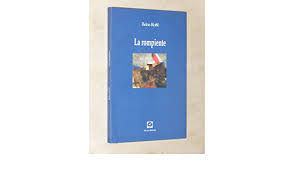


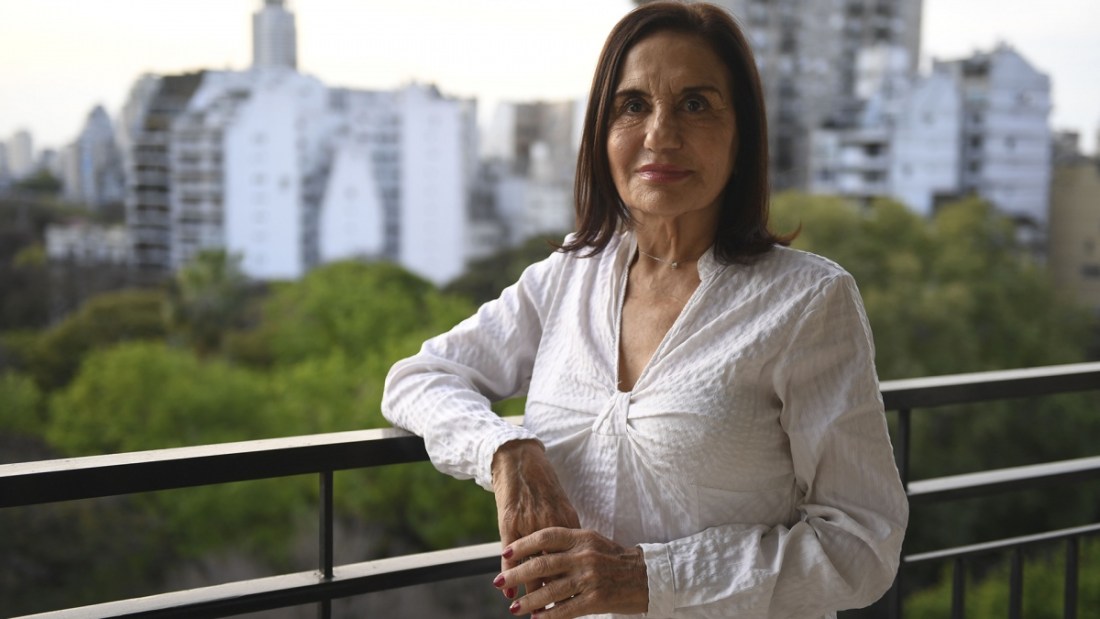





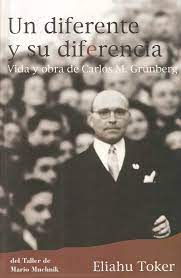


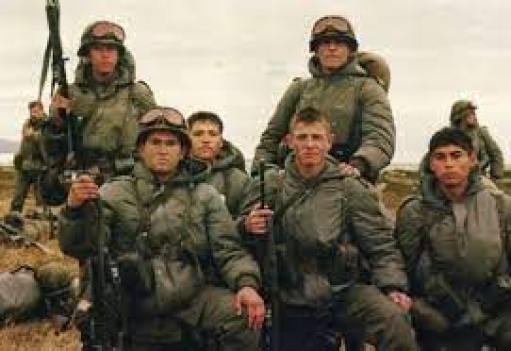




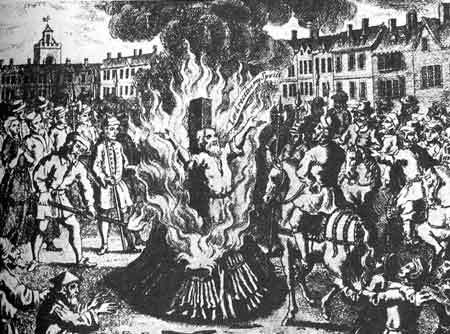




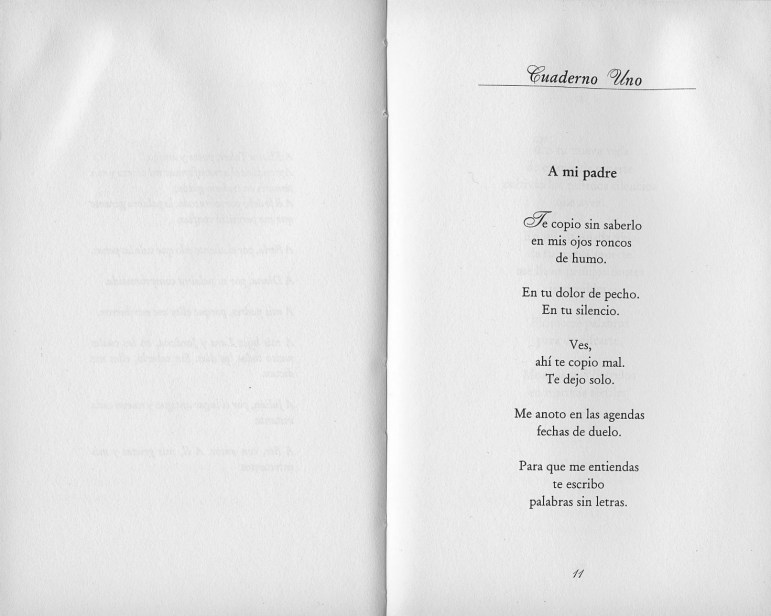


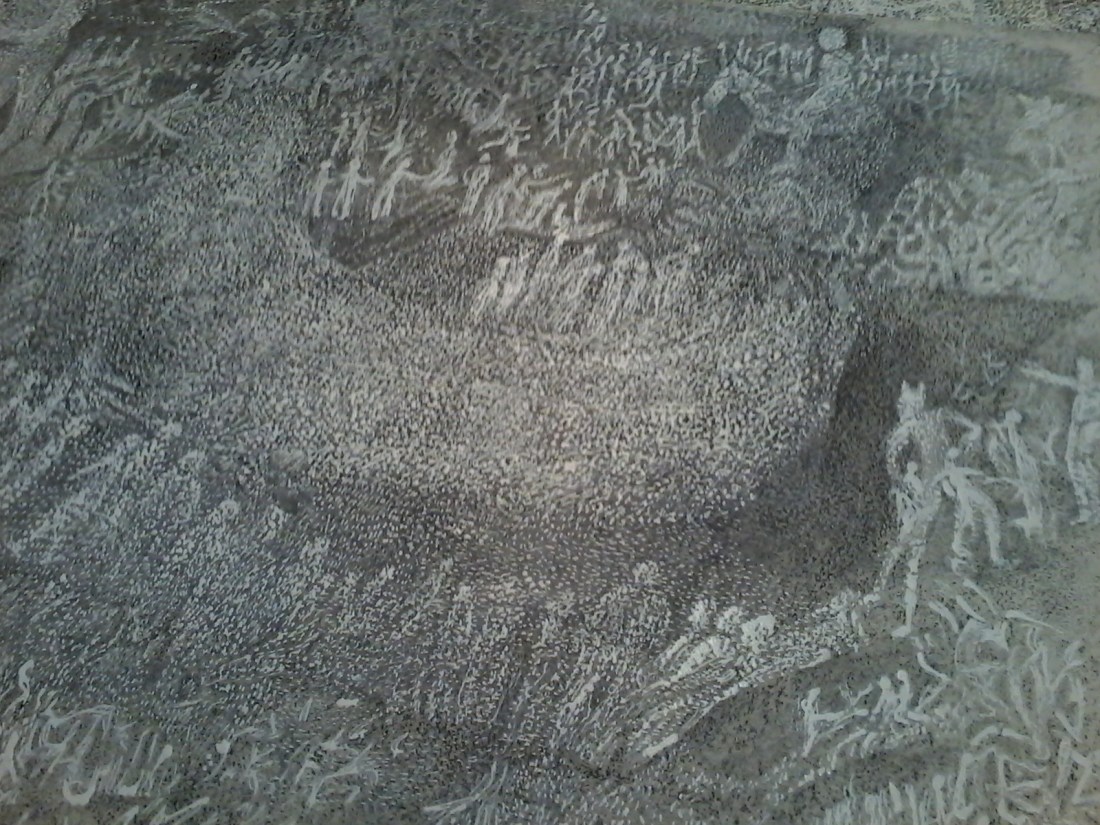








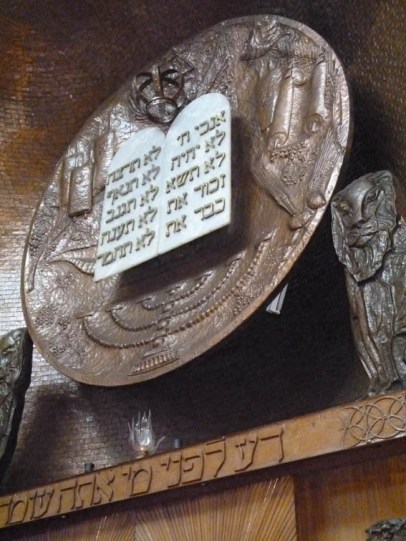


 _________________________________________


